


Foldable Plastic Box Maker for Meat Design
Foldable Plastic Box Maker for Meat Design
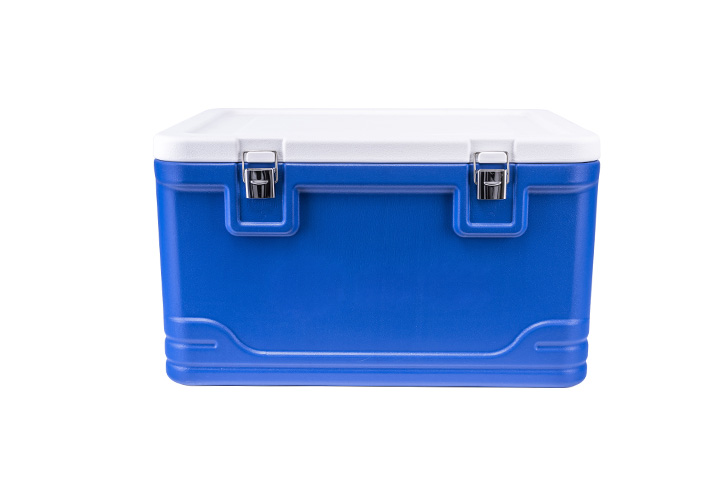
foldable plastic box maker for meat design is now a strategic packaging choice for teams that care about quality, compliance, and total cost. You need a design that protects the payload, fits the route, supports clean handling, and still makes sense financially after the first shipment. The best suppliers understand that balance and build around it.
This optimized article combines buyer guidance, material logic, compliance thinking, and 2026 market reality into one practical playbook. You will see how to define the right spec, compare suppliers, reduce failure risk, and create a more sustainable packaging program without adding complexity that your team cannot maintain.
What this article will help you answer:
What the ideal foldable plastic box should deliver in your operation
How material, structure, validation, and supplier support fit together
Which compliance and lifecycle questions separate low-risk suppliers from risky ones
How to build a stronger 2026 sourcing plan with better ROI and less waste
What Should the Ideal Foldable Plastic Box Deliver?
The ideal solution combines protection, usability, and repeatability. If you are evaluating foldable plastic box maker for meat design, you should expect the design to support washdown-ready structure, drainage, ergonomic handling, and low empty-return volume without forcing extra labor or risky workarounds. That means the box has to fit the route, the payload, the people who touch it, and the quality system that approves it.
Many packaging decisions fail because buyers separate these needs. Operations wants speed. Quality wants control. Procurement wants value. Sustainability wants reuse. A better specification brings those goals together instead of choosing one at the expense of the others. For meat design, that usually starts with a clear fit brief and a supplier who can translate that brief into a design logic you can understand.
Build Around the Highest-Risk Step First
Do not start with the easiest moment in the route. Start with the place where your process is most exposed. That may be a hot loading dock, a wet washdown area, a customs delay, an unstable pallet stack, or a rushed receiving window. If the box design can reduce risk there, it usually creates value across the rest of the flow as well. This approach produces more useful specifications than copying what another site uses.
| Critical requirement | What good looks like | What to validate | What it means to you |
|---|---|---|---|
| Fold Cycle Life | Hinges and latches survive repeated collapse and reopening | Evidence that it supports meat design under real operating conditions | prevents hinge failure halfway through a service program |
| Drain Pattern | Liquids leave the box instead of collecting in corners | Evidence that it supports meat design under real operating conditions | keeps protein or liquid waste from collecting in corners |
| Grip Ergonomics | Handles stay secure with gloves and wet hands | Evidence that it supports meat design under real operating conditions | helps workers handle the box more safely |
| Load Capacity | Supports the expected payload without wall bowing | Evidence that it supports meat design under real operating conditions | keeps the box from bowing or collapsing under product weight |
Practical tips and recommendations
Start with the failure point: design to control the hardest part of the workflow first.
Keep operator actions visible: the right box makes correct packing, closure, and inspection easy to repeat.
Use a written fit brief: the brief is the bridge between departments and suppliers.
Real-world example: A chilled meat distributor tested a foldable plastic box with rounded inner corners and improved hand grips. After rollout, teams reported easier washdown, faster stacking of empties, and less aisle congestion because collapsed boxes consumed far less space between return cycles.
How Do Material, Structure, and Validation Work Together?
A box performs well when design choices reinforce each other. Material choice affects durability, chemical or moisture tolerance, and cleanability. Structure affects load, stacking, closure, and handling behavior. Validation confirms whether those choices work in the environment you actually run.
In practice, you want the supplier to explain this relationship in plain language. food-grade HDPE or PP, reinforced hinge points, rounded hygienic corners, drainage features, and textured-but-cleanable grips. You also want test logic that matches your risk profile. In healthcare and biotech, that may lean toward temperature-control and documentation. In food, chemical, or agricultural use, it may lean harder toward hygiene, compatibility, structure, and repeated-use behavior.
Ask for Evidence That Matches the Claim
If the supplier promises thermal stability, ask how it was checked. If the selling point is reuse, ask how cycle life is defined. If the box is sold as hygienic, ask what features reduce trapped residue and speed drying. Claims become useful only when they are paired with the right form of evidence. That evidence does not always need to be complex, but it should be relevant to your operation.
| Claim | Evidence that helps | Weak signal | Why it matters to you |
|---|---|---|---|
| Thermal or environmental control | Route or condition-based validation | Generic brochure claims | Supports confidence in real use |
| Durability | Stack, impact, or cycle data | Only resin name is shared | Predicts replacement and failure risk |
| Cleanability | Hygienic design review and field wash feedback | No discussion of drying or residue | Affects labor and hygiene outcomes |
| Consistency | Defined specs and change control | No revision history | Protects approved performance |
Practical tips and recommendations
Match test depth to risk: high-value or regulated flows deserve stronger evidence.
Review the entire system: the outer box must work with inserts, labels, pallets, and handling routines.
Watch for silent design changes: approval without change control can invalidate earlier confidence.
Optimization rule: The strongest design is not the most complicated one. It is the one with the clearest reason for every feature you pay for.
How Do You Select the Right Supplier and Total-Cost Model?
Good suppliers reduce uncertainty, not only lead time. They help you define the right product, document the right evidence, and launch with fewer surprises. That matters because the real cost of packaging is created across the cycle: packing, moving, inspecting, cleaning, storing, and replacing.
To compare suppliers well, use a simple weighted scorecard. Rate each maker on hygienic geometry, fold-cycle durability, ergonomic handling, load testing, and customization speed. Add another category for lead-time reliability and one for post-launch support. This keeps the conversation balanced between product fit and supply execution. It also helps you show internal stakeholders why the best-value choice may not be the cheapest quote on day one.
Use a Quick Supplier Scorecard
Give each category a weight based on risk. For example, a vaccine shipper may weight thermal validation more heavily, while a wet seafood crate may weight drainage and washdown more heavily. A chemical program may weight compatibility and labeling more heavily. The point is not mathematical perfection. The point is forcing clear comparison on the factors that actually change outcomes.
| Scorecard category | Suggested weight | What to look for | Why it matters to you |
|---|---|---|---|
| Application fit | 25% | Clear design logic for your workflow | Prevents category-level buying mistakes |
| Validation and documentation | 25% | Relevant evidence and spec control | Supports approval and confidence |
| Operational usability | 25% | Packing, cleaning, stacking, and receiving ease | Reduces hidden labor cost |
| Supply and service support | 25% | Lead times, spare parts, and issue response | Protects rollout and long-term stability |
Practical tips and recommendations
Pilot the top candidate: a short live test often reveals more than a long meeting.
Invite receiving and cleaning teams into the review: they see problems earlier than procurement alone.
Track six-month outcomes: damage, labor, turnaround time, and asset loss tell you whether the choice was right.
Best-practice note: A supplier relationship gets stronger when both sides can explain success in the same language: fewer failures, faster handling, and clearer control.
What Does a Strong 2026 Packaging Strategy Look Like?
A strong 2026 strategy links packaging performance with resilience and lifecycle value. Food cold-chain investment remains strong in 2025 and 2026, and reusable handling formats are part of that upgrade path because they can reduce damage and improve process control. Buyers are responding by looking beyond one-off purchases and toward packaging systems that scale, support traceability, and fit sustainability expectations without adding fragile complexity.
A foldable meat box supports lower empty-backhaul volume, but the real sustainability gain comes from long service life and reliable cleaning validation. This is where market and technical logic meet. A reusable or custom design is only better when your team can control it. That is why the most valuable packaging projects in 2026 are disciplined projects: clear routes, defined inspection rules, practical return loops, and supplier support that continues after delivery.
Turn Trends Into a Simple Action Plan
Use market pressure to improve how you buy. Update your specification, define the evidence you need, and choose suppliers who can support operating discipline rather than just shipment volume. When the packaging system is visible and controlled, sustainability, compliance, and cost are more likely to move in the same direction. When the system is vague, they usually pull against one another.
| 2026 priority | Recommended action | Common mistake | Practical benefit |
|---|---|---|---|
| Traceability | Standardize labels, IDs, and scan points | Treating IDs as an afterthought | Faster investigation and receiving |
| Resilience | Validate the highest-risk route condition | Testing only ideal conditions | Better performance under disruption |
| Reuse | Define inspection and return rules early | Launching a loop without accountability | Stronger lifecycle economics |
| Supplier partnership | Review post-launch support before approval | Focusing only on first quote | Lower long-term operational risk |
Practical tips and recommendations
Keep the plan operational: every strategy item should connect to a field action your team can actually follow.
Use one owner for the packaging program: accountability improves speed and consistency.
Review data after launch: good packaging strategy is adjusted through evidence, not assumptions.
2026 reality: The companies getting the best results are not buying more packaging. They are buying clearer systems.
2026 Developments and Trends in Meat Design
In 2026, market direction matters almost as much as product specification. Food cold-chain investment remains strong in 2025 and 2026, and reusable handling formats are part of that upgrade path because they can reduce damage and improve process control. Buyers are reacting by asking tougher questions about validation, lifecycle value, and operational fit. That is why foldable plastic boxes are increasingly evaluated as part of a broader packaging system rather than as simple containers.
Latest progress at a glance
Trend: Protein plants are redesigning reusable handling assets around automation and worker safety, not just box volume.
Trend: Foldable formats are growing where return transport and storage space are expensive.
Trend: Meat operations increasingly ask for smoother surfaces, fewer dirt traps, and smarter color coding by process step.
From a buyer perspective, the important shift is this: packaging decisions are moving closer to quality, operations, and sustainability teams. A foldable meat box supports lower empty-backhaul volume, but the real sustainability gain comes from long service life and reliable cleaning validation. At the same time, official and quasi-official frameworks from FSMA food handling expectations, HACCP sanitation planning, plant washdown validation keep pushing companies toward documented control instead of informal practice. If you source now, expect more requests for proof, traceability, and lifecycle logic.
Frequently Asked Questions
What should you ask before buying foldable plastic box maker for meat design?
Start with payload, route conditions, cleaning method, label needs, and expected cycle life. Then ask the supplier how the design addresses those points in a specific, testable way. That keeps the discussion focused on fit instead of generic claims.
Which material works best for meat design?
There is no universal winner. HDPE and PP are common because they balance durability, cleanability, and manufacturability, but the best choice depends on chemistry, temperature exposure, impact risk, and hygiene needs. Ask for material logic, not only a resin name.
When do you need validation or test data for foldable plastic boxes?
You need evidence whenever product quality, compliance, or safe handling could be affected by packaging performance. For some buyers that means thermal or route testing. For others it means load, washdown, compatibility, or traceability checks.
Can reusable foldable plastic boxes really lower total cost?
Yes, but only when the operating loop is controlled. Reuse works best when you can inspect, clean, relabel, and recover assets without chaos. If the return system is weak, the cost benefit disappears quickly.
What documents should a serious supplier provide?
At minimum, ask for product specifications, material information, quality controls, cleaning guidance where relevant, and any application-specific validation records. In regulated or high-risk flows, you may also need route, temperature, or compatibility support.
How often should you inspect a foldable plastic box?
Inspect it at receiving, before reuse, and after any event that could damage the structure or compromise labeling and closure. The exact interval depends on risk, but routine visual inspection should be part of the workflow, not an occasional task.
Why are buyers asking more about sustainability in 2026?
Because waste, material efficiency, and packaging policy pressure are now business issues. Buyers want systems that reduce avoidable disposal, support reuse where practical, and still meet quality and compliance needs without extra operational complexity.
Summary and Recommendations
A best-in-class foldable plastic box is built around real operating conditions, not generic category language. It combines the right material logic, the right geometry, the right validation evidence, and a support model that helps your team use it consistently. That is the standard worth buying against in 2026.
Take the most practical path forward: define the route, the payload, the handling method, and the cleaning or return loop, then compare suppliers with those facts in hand. If a supplier can turn that brief into a clear recommendation, useful evidence, and a realistic rollout plan, you are looking at a stronger long-term partner.
About Tempk
Tempk focuses on cold-chain and reusable packaging solutions built around real operations. We work on the fit between product sensitivity, handling conditions, route design, and repeatable packaging performance. Our strength is not only in product range, but in translating application needs into practical specifications that teams can actually run every day.
For projects involving meat design, we can help you think through structure, insulation or venting logic, labeling space, cleanability, and reusable-loop design. If you share your payload details, route profile, target temperature window, handling method, and annual volume, we can help you narrow the right packaging direction and the right level of customization.
Foldable Plastic Container Factory for Biotech Import

foldable plastic container factory for biotech import is now a strategic packaging choice for teams that care about quality, compliance, and total cost. You need a design that protects the payload, fits the route, supports clean handling, and still makes sense financially after the first shipment. The best suppliers understand that balance and build around it.
This optimized article combines buyer guidance, material logic, compliance thinking, and 2026 market reality into one practical playbook. You will see how to define the right spec, compare suppliers, reduce failure risk, and create a more sustainable packaging program without adding complexity that your team cannot maintain.
What this article will help you answer:
What the ideal foldable plastic container should deliver in your operation
How material, structure, validation, and supplier support fit together
Which compliance and lifecycle questions separate low-risk suppliers from risky ones
How to build a stronger 2026 sourcing plan with better ROI and less waste
What Should the Ideal Foldable Plastic Container Deliver?
The ideal solution combines protection, usability, and repeatability. If you are evaluating foldable plastic container factory for biotech import, you should expect the design to support temperature support, chain-of-custody fit, label durability, and efficient empty-backhaul economics without forcing extra labor or risky workarounds. That means the box has to fit the route, the payload, the people who touch it, and the quality system that approves it.
Many packaging decisions fail because buyers separate these needs. Operations wants speed. Quality wants control. Procurement wants value. Sustainability wants reuse. A better specification brings those goals together instead of choosing one at the expense of the others. For biotech import, that usually starts with a clear fit brief and a supplier who can translate that brief into a design logic you can understand.
Build Around the Highest-Risk Step First
Do not start with the easiest moment in the route. Start with the place where your process is most exposed. That may be a hot loading dock, a wet washdown area, a customs delay, an unstable pallet stack, or a rushed receiving window. If the box design can reduce risk there, it usually creates value across the rest of the flow as well. This approach produces more useful specifications than copying what another site uses.
| Critical requirement | What good looks like | What to validate | What it means to you |
|---|---|---|---|
| Fold Ratio | Collapsed size materially lowers empty return volume | Evidence that it supports biotech import under real operating conditions | reduces empty-backhaul cost and storage footprint |
| Lid Retention | The lid stays aligned and secure during repeated use | Evidence that it supports biotech import under real operating conditions | prevents loss of accessories and accidental opening |
| Barcode Protection | Labels remain readable after wet or cold handling | Evidence that it supports biotech import under real operating conditions | supports traceability through cold, wet, or rough handling |
| Thermal Accessory Fit | Space for inserts, loggers, or dry ice restraints without guesswork | Evidence that it supports biotech import under real operating conditions | keeps packouts consistent instead of operator-dependent |
Practical tips and recommendations
Start with the failure point: design to control the hardest part of the workflow first.
Keep operator actions visible: the right box makes correct packing, closure, and inspection easy to repeat.
Use a written fit brief: the brief is the bridge between departments and suppliers.
Real-world example: A biotech importer standardized its inbound sample flows around foldable plastic containers sized for outer-label protection and logger placement. After switching, the company reduced empty return volume, made customs rework less frequent, and improved receiving speed because every shipment arrived in a familiar format.
How Do Material, Structure, and Validation Work Together?
A box performs well when design choices reinforce each other. Material choice affects durability, chemical or moisture tolerance, and cleanability. Structure affects load, stacking, closure, and handling behavior. Validation confirms whether those choices work in the environment you actually run.
In practice, you want the supplier to explain this relationship in plain language. impact-resistant shells with reinforced fold lines, nesting latches, moisture-tolerant labels, and accessories for dry ice or insulated inserts. You also want test logic that matches your risk profile. In healthcare and biotech, that may lean toward temperature-control and documentation. In food, chemical, or agricultural use, it may lean harder toward hygiene, compatibility, structure, and repeated-use behavior.
Ask for Evidence That Matches the Claim
If the supplier promises thermal stability, ask how it was checked. If the selling point is reuse, ask how cycle life is defined. If the box is sold as hygienic, ask what features reduce trapped residue and speed drying. Claims become useful only when they are paired with the right form of evidence. That evidence does not always need to be complex, but it should be relevant to your operation.
| Claim | Evidence that helps | Weak signal | Why it matters to you |
|---|---|---|---|
| Thermal or environmental control | Route or condition-based validation | Generic brochure claims | Supports confidence in real use |
| Durability | Stack, impact, or cycle data | Only resin name is shared | Predicts replacement and failure risk |
| Cleanability | Hygienic design review and field wash feedback | No discussion of drying or residue | Affects labor and hygiene outcomes |
| Consistency | Defined specs and change control | No revision history | Protects approved performance |
Practical tips and recommendations
Match test depth to risk: high-value or regulated flows deserve stronger evidence.
Review the entire system: the outer box must work with inserts, labels, pallets, and handling routines.
Watch for silent design changes: approval without change control can invalidate earlier confidence.
Optimization rule: The strongest design is not the most complicated one. It is the one with the clearest reason for every feature you pay for.
How Do You Select the Right Supplier and Total-Cost Model?
Good suppliers reduce uncertainty, not only lead time. They help you define the right product, document the right evidence, and launch with fewer surprises. That matters because the real cost of packaging is created across the cycle: packing, moving, inspecting, cleaning, storing, and replacing.
To compare suppliers well, use a simple weighted scorecard. Compare factories on fold ratio, export packaging experience, accessory integration, documentation support, and tooling flexibility. Add another category for lead-time reliability and one for post-launch support. This keeps the conversation balanced between product fit and supply execution. It also helps you show internal stakeholders why the best-value choice may not be the cheapest quote on day one.
Use a Quick Supplier Scorecard
Give each category a weight based on risk. For example, a vaccine shipper may weight thermal validation more heavily, while a wet seafood crate may weight drainage and washdown more heavily. A chemical program may weight compatibility and labeling more heavily. The point is not mathematical perfection. The point is forcing clear comparison on the factors that actually change outcomes.
| Scorecard category | Suggested weight | What to look for | Why it matters to you |
|---|---|---|---|
| Application fit | 25% | Clear design logic for your workflow | Prevents category-level buying mistakes |
| Validation and documentation | 25% | Relevant evidence and spec control | Supports approval and confidence |
| Operational usability | 25% | Packing, cleaning, stacking, and receiving ease | Reduces hidden labor cost |
| Supply and service support | 25% | Lead times, spare parts, and issue response | Protects rollout and long-term stability |
Practical tips and recommendations
Pilot the top candidate: a short live test often reveals more than a long meeting.
Invite receiving and cleaning teams into the review: they see problems earlier than procurement alone.
Track six-month outcomes: damage, labor, turnaround time, and asset loss tell you whether the choice was right.
Best-practice note: A supplier relationship gets stronger when both sides can explain success in the same language: fewer failures, faster handling, and clearer control.
What Does a Strong 2026 Packaging Strategy Look Like?
A strong 2026 strategy links packaging performance with resilience and lifecycle value. Biotech and pharma cold-chain logistics continue to attract investment in 2025 and 2026 as more therapies and samples need controlled, documented movement across borders. Buyers are responding by looking beyond one-off purchases and toward packaging systems that scale, support traceability, and fit sustainability expectations without adding fragile complexity.
A foldable design reduces empty cube, which matters because reverse logistics often decides whether a reusable biotech packaging program is financially realistic. This is where market and technical logic meet. A reusable or custom design is only better when your team can control it. That is why the most valuable packaging projects in 2026 are disciplined projects: clear routes, defined inspection rules, practical return loops, and supplier support that continues after delivery.
Turn Trends Into a Simple Action Plan
Use market pressure to improve how you buy. Update your specification, define the evidence you need, and choose suppliers who can support operating discipline rather than just shipment volume. When the packaging system is visible and controlled, sustainability, compliance, and cost are more likely to move in the same direction. When the system is vague, they usually pull against one another.
| 2026 priority | Recommended action | Common mistake | Practical benefit |
|---|---|---|---|
| Traceability | Standardize labels, IDs, and scan points | Treating IDs as an afterthought | Faster investigation and receiving |
| Resilience | Validate the highest-risk route condition | Testing only ideal conditions | Better performance under disruption |
| Reuse | Define inspection and return rules early | Launching a loop without accountability | Stronger lifecycle economics |
| Supplier partnership | Review post-launch support before approval | Focusing only on first quote | Lower long-term operational risk |
Practical tips and recommendations
Keep the plan operational: every strategy item should connect to a field action your team can actually follow.
Use one owner for the packaging program: accountability improves speed and consistency.
Review data after launch: good packaging strategy is adjusted through evidence, not assumptions.
2026 reality: The companies getting the best results are not buying more packaging. They are buying clearer systems.
2026 Developments and Trends in Biotech Import
In 2026, market direction matters almost as much as product specification. Biotech and pharma cold-chain logistics continue to attract investment in 2025 and 2026 as more therapies and samples need controlled, documented movement across borders. Buyers are reacting by asking tougher questions about validation, lifecycle value, and operational fit. That is why foldable plastic containers are increasingly evaluated as part of a broader packaging system rather than as simple containers.
Latest progress at a glance
Trend: Biotech import flows are becoming more documentation-heavy because regulators and customers expect better traceability.
Trend: Foldable assets are getting more attention where labs must return empties across borders at a reasonable cost.
Trend: Shippers increasingly combine foldable outer containers with logger pockets, dry-ice restraints, and standardized labels.
From a buyer perspective, the important shift is this: packaging decisions are moving closer to quality, operations, and sustainability teams. A foldable design reduces empty cube, which matters because reverse logistics often decides whether a reusable biotech packaging program is financially realistic. At the same time, official and quasi-official frameworks from IATA Temperature Control Regulations, IATA Packing Instruction 650 concepts, EU GDP guidance keep pushing companies toward documented control instead of informal practice. If you source now, expect more requests for proof, traceability, and lifecycle logic.
Frequently Asked Questions
What should you ask before buying foldable plastic container factory for biotech import?
Start with payload, route conditions, cleaning method, label needs, and expected cycle life. Then ask the supplier how the design addresses those points in a specific, testable way. That keeps the discussion focused on fit instead of generic claims.
Which material works best for biotech import?
There is no universal winner. HDPE and PP are common because they balance durability, cleanability, and manufacturability, but the best choice depends on chemistry, temperature exposure, impact risk, and hygiene needs. Ask for material logic, not only a resin name.
When do you need validation or test data for foldable plastic containers?
You need evidence whenever product quality, compliance, or safe handling could be affected by packaging performance. For some buyers that means thermal or route testing. For others it means load, washdown, compatibility, or traceability checks.
Can reusable foldable plastic containers really lower total cost?
Yes, but only when the operating loop is controlled. Reuse works best when you can inspect, clean, relabel, and recover assets without chaos. If the return system is weak, the cost benefit disappears quickly.
What documents should a serious supplier provide?
At minimum, ask for product specifications, material information, quality controls, cleaning guidance where relevant, and any application-specific validation records. In regulated or high-risk flows, you may also need route, temperature, or compatibility support.
How often should you inspect a foldable plastic container?
Inspect it at receiving, before reuse, and after any event that could damage the structure or compromise labeling and closure. The exact interval depends on risk, but routine visual inspection should be part of the workflow, not an occasional task.
Why are buyers asking more about sustainability in 2026?
Because waste, material efficiency, and packaging policy pressure are now business issues. Buyers want systems that reduce avoidable disposal, support reuse where practical, and still meet quality and compliance needs without extra operational complexity.
Summary and Recommendations
A best-in-class foldable plastic container is built around real operating conditions, not generic category language. It combines the right material logic, the right geometry, the right validation evidence, and a support model that helps your team use it consistently. That is the standard worth buying against in 2026.
Take the most practical path forward: define the route, the payload, the handling method, and the cleaning or return loop, then compare suppliers with those facts in hand. If a supplier can turn that brief into a clear recommendation, useful evidence, and a realistic rollout plan, you are looking at a stronger long-term partner.
About Tempk
Tempk focuses on cold-chain and reusable packaging solutions built around real operations. We work on the fit between product sensitivity, handling conditions, route design, and repeatable packaging performance. Our strength is not only in product range, but in translating application needs into practical specifications that teams can actually run every day.
For projects involving biotech import, we can help you think through structure, insulation or venting logic, labeling space, cleanability, and reusable-loop design. If you share your payload details, route profile, target temperature window, handling method, and annual volume, we can help you narrow the right packaging direction and the right level of customization.
Insulated Plastic Tote Supplier for Biotech Supply
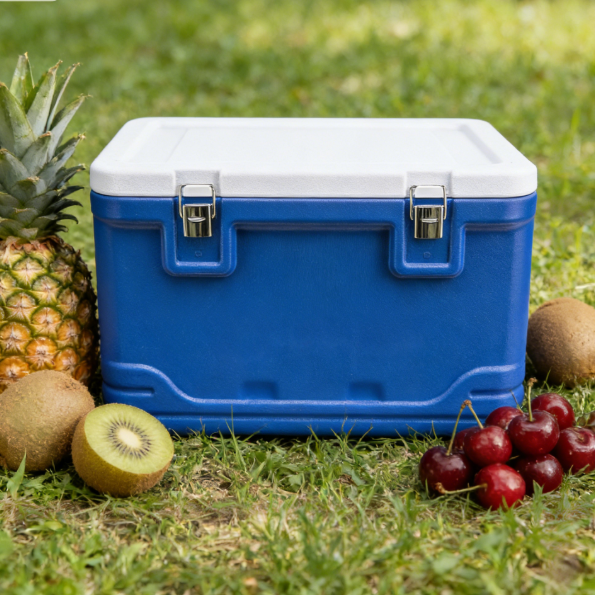
insulated plastic tote supplier for biotech supply is now a strategic packaging choice for teams that care about quality, compliance, and total cost. You need a design that protects the payload, fits the route, supports clean handling, and still makes sense financially after the first shipment. The best suppliers understand that balance and build around it.
This optimized article combines buyer guidance, material logic, compliance thinking, and 2026 market reality into one practical playbook. You will see how to define the right spec, compare suppliers, reduce failure risk, and create a more sustainable packaging program without adding complexity that your team cannot maintain.
What this article will help you answer:
What the ideal insulated plastic tote should deliver in your operation
How material, structure, validation, and supplier support fit together
Which compliance and lifecycle questions separate low-risk suppliers from risky ones
How to build a stronger 2026 sourcing plan with better ROI and less waste
What Should the Ideal Insulated Plastic Tote Deliver?
The ideal solution combines protection, usability, and repeatability. If you are evaluating insulated plastic tote supplier for biotech supply, you should expect the design to support consistent thermal buffering, modular payload layouts, supply continuity, and easy receiving without forcing extra labor or risky workarounds. That means the box has to fit the route, the payload, the people who touch it, and the quality system that approves it.
Many packaging decisions fail because buyers separate these needs. Operations wants speed. Quality wants control. Procurement wants value. Sustainability wants reuse. A better specification brings those goals together instead of choosing one at the expense of the others. For biotech supply, that usually starts with a clear fit brief and a supplier who can translate that brief into a design logic you can understand.
Build Around the Highest-Risk Step First
Do not start with the easiest moment in the route. Start with the place where your process is most exposed. That may be a hot loading dock, a wet washdown area, a customs delay, an unstable pallet stack, or a rushed receiving window. If the box design can reduce risk there, it usually creates value across the rest of the flow as well. This approach produces more useful specifications than copying what another site uses.
| Critical requirement | What good looks like | What to validate | What it means to you |
|---|---|---|---|
| Thermal Hold Profile | Stable internal conditions across your target route profile | Evidence that it supports biotech supply under real operating conditions | protects route quality without overpacking |
| Insert Flexibility | One outer tote can support multiple SKUs or payload kits | Evidence that it supports biotech supply under real operating conditions | lets one platform serve many biotech SKUs |
| Latch And Lid Fit | Reliable closure that reduces handling mistakes | Evidence that it supports biotech supply under real operating conditions | makes opening and resealing more reliable |
| Cleanability | Quick to wash, inspect, and dry between cycles | Evidence that it supports biotech supply under real operating conditions | supports faster release for the next trip |
Practical tips and recommendations
Start with the failure point: design to control the hardest part of the workflow first.
Keep operator actions visible: the right box makes correct packing, closure, and inspection easy to repeat.
Use a written fit brief: the brief is the bridge between departments and suppliers.
Real-world example: A biotech campus standardized courier and internal shuttle moves around one insulated plastic tote platform. The supplier provided interchangeable inserts and spare components. Packing errors fell, receiving teams recognized every shipment format, and the site reduced the number of emergency one-off packaging purchases.
How Do Material, Structure, and Validation Work Together?
A box performs well when design choices reinforce each other. Material choice affects durability, chemical or moisture tolerance, and cleanability. Structure affects load, stacking, closure, and handling behavior. Validation confirms whether those choices work in the environment you actually run.
In practice, you want the supplier to explain this relationship in plain language. insulated shell construction, modular inserts, smooth interiors for cleaning, and barcode-ready exterior panels. You also want test logic that matches your risk profile. In healthcare and biotech, that may lean toward temperature-control and documentation. In food, chemical, or agricultural use, it may lean harder toward hygiene, compatibility, structure, and repeated-use behavior.
Ask for Evidence That Matches the Claim
If the supplier promises thermal stability, ask how it was checked. If the selling point is reuse, ask how cycle life is defined. If the box is sold as hygienic, ask what features reduce trapped residue and speed drying. Claims become useful only when they are paired with the right form of evidence. That evidence does not always need to be complex, but it should be relevant to your operation.
| Claim | Evidence that helps | Weak signal | Why it matters to you |
|---|---|---|---|
| Thermal or environmental control | Route or condition-based validation | Generic brochure claims | Supports confidence in real use |
| Durability | Stack, impact, or cycle data | Only resin name is shared | Predicts replacement and failure risk |
| Cleanability | Hygienic design review and field wash feedback | No discussion of drying or residue | Affects labor and hygiene outcomes |
| Consistency | Defined specs and change control | No revision history | Protects approved performance |
Practical tips and recommendations
Match test depth to risk: high-value or regulated flows deserve stronger evidence.
Review the entire system: the outer box must work with inserts, labels, pallets, and handling routines.
Watch for silent design changes: approval without change control can invalidate earlier confidence.
Optimization rule: The strongest design is not the most complicated one. It is the one with the clearest reason for every feature you pay for.
How Do You Select the Right Supplier and Total-Cost Model?
Good suppliers reduce uncertainty, not only lead time. They help you define the right product, document the right evidence, and launch with fewer surprises. That matters because the real cost of packaging is created across the cycle: packing, moving, inspecting, cleaning, storing, and replacing.
To compare suppliers well, use a simple weighted scorecard. Compare suppliers on route validation support, spare-part service, insert ecosystem, delivery responsiveness, and documentation strength. Add another category for lead-time reliability and one for post-launch support. This keeps the conversation balanced between product fit and supply execution. It also helps you show internal stakeholders why the best-value choice may not be the cheapest quote on day one.
Use a Quick Supplier Scorecard
Give each category a weight based on risk. For example, a vaccine shipper may weight thermal validation more heavily, while a wet seafood crate may weight drainage and washdown more heavily. A chemical program may weight compatibility and labeling more heavily. The point is not mathematical perfection. The point is forcing clear comparison on the factors that actually change outcomes.
| Scorecard category | Suggested weight | What to look for | Why it matters to you |
|---|---|---|---|
| Application fit | 25% | Clear design logic for your workflow | Prevents category-level buying mistakes |
| Validation and documentation | 25% | Relevant evidence and spec control | Supports approval and confidence |
| Operational usability | 25% | Packing, cleaning, stacking, and receiving ease | Reduces hidden labor cost |
| Supply and service support | 25% | Lead times, spare parts, and issue response | Protects rollout and long-term stability |
Practical tips and recommendations
Pilot the top candidate: a short live test often reveals more than a long meeting.
Invite receiving and cleaning teams into the review: they see problems earlier than procurement alone.
Track six-month outcomes: damage, labor, turnaround time, and asset loss tell you whether the choice was right.
Best-practice note: A supplier relationship gets stronger when both sides can explain success in the same language: fewer failures, faster handling, and clearer control.
What Does a Strong 2026 Packaging Strategy Look Like?
A strong 2026 strategy links packaging performance with resilience and lifecycle value. Healthcare cold-chain investments published in 2025 and 2026 keep pointing toward more specialized, traceable packaging for biologics, diagnostics, and high-value lab materials. Buyers are responding by looking beyond one-off purchases and toward packaging systems that scale, support traceability, and fit sustainability expectations without adding fragile complexity.
Insulated reusable totes can lower recurring packaging waste, but their strongest business case usually comes from standardization, faster packing, and fewer temperature incidents. This is where market and technical logic meet. A reusable or custom design is only better when your team can control it. That is why the most valuable packaging projects in 2026 are disciplined projects: clear routes, defined inspection rules, practical return loops, and supplier support that continues after delivery.
Turn Trends Into a Simple Action Plan
Use market pressure to improve how you buy. Update your specification, define the evidence you need, and choose suppliers who can support operating discipline rather than just shipment volume. When the packaging system is visible and controlled, sustainability, compliance, and cost are more likely to move in the same direction. When the system is vague, they usually pull against one another.
| 2026 priority | Recommended action | Common mistake | Practical benefit |
|---|---|---|---|
| Traceability | Standardize labels, IDs, and scan points | Treating IDs as an afterthought | Faster investigation and receiving |
| Resilience | Validate the highest-risk route condition | Testing only ideal conditions | Better performance under disruption |
| Reuse | Define inspection and return rules early | Launching a loop without accountability | Stronger lifecycle economics |
| Supplier partnership | Review post-launch support before approval | Focusing only on first quote | Lower long-term operational risk |
Practical tips and recommendations
Keep the plan operational: every strategy item should connect to a field action your team can actually follow.
Use one owner for the packaging program: accountability improves speed and consistency.
Review data after launch: good packaging strategy is adjusted through evidence, not assumptions.
2026 reality: The companies getting the best results are not buying more packaging. They are buying clearer systems.
2026 Developments and Trends in Biotech Supply
In 2026, market direction matters almost as much as product specification. Healthcare cold-chain investments published in 2025 and 2026 keep pointing toward more specialized, traceable packaging for biologics, diagnostics, and high-value lab materials. Buyers are reacting by asking tougher questions about validation, lifecycle value, and operational fit. That is why insulated plastic totes are increasingly evaluated as part of a broader packaging system rather than as simple containers.
Latest progress at a glance
Trend: Biotech sites want totes that work in both last-mile courier legs and internal campus replenishment loops.
Trend: Suppliers are being asked for more modular inserts, barcode support, and lifecycle service rather than just product supply.
Trend: Digital tracking and auditability are becoming part of tote selection, especially where high-value reagents or samples move daily.
From a buyer perspective, the important shift is this: packaging decisions are moving closer to quality, operations, and sustainability teams. Insulated reusable totes can lower recurring packaging waste, but their strongest business case usually comes from standardization, faster packing, and fewer temperature incidents. At the same time, official and quasi-official frameworks from IATA and GDP concepts for controlled transport, institutional quality systems, chain-of-custody requirements keep pushing companies toward documented control instead of informal practice. If you source now, expect more requests for proof, traceability, and lifecycle logic.
Frequently Asked Questions
What should you ask before buying insulated plastic tote supplier for biotech supply?
Start with payload, route conditions, cleaning method, label needs, and expected cycle life. Then ask the supplier how the design addresses those points in a specific, testable way. That keeps the discussion focused on fit instead of generic claims.
Which material works best for biotech supply?
There is no universal winner. HDPE and PP are common because they balance durability, cleanability, and manufacturability, but the best choice depends on chemistry, temperature exposure, impact risk, and hygiene needs. Ask for material logic, not only a resin name.
When do you need validation or test data for insulated plastic totes?
You need evidence whenever product quality, compliance, or safe handling could be affected by packaging performance. For some buyers that means thermal or route testing. For others it means load, washdown, compatibility, or traceability checks.
Can reusable insulated plastic totes really lower total cost?
Yes, but only when the operating loop is controlled. Reuse works best when you can inspect, clean, relabel, and recover assets without chaos. If the return system is weak, the cost benefit disappears quickly.
What documents should a serious supplier provide?
At minimum, ask for product specifications, material information, quality controls, cleaning guidance where relevant, and any application-specific validation records. In regulated or high-risk flows, you may also need route, temperature, or compatibility support.
How often should you inspect a insulated plastic tote?
Inspect it at receiving, before reuse, and after any event that could damage the structure or compromise labeling and closure. The exact interval depends on risk, but routine visual inspection should be part of the workflow, not an occasional task.
Why are buyers asking more about sustainability in 2026?
Because waste, material efficiency, and packaging policy pressure are now business issues. Buyers want systems that reduce avoidable disposal, support reuse where practical, and still meet quality and compliance needs without extra operational complexity.
Summary and Recommendations
A best-in-class insulated plastic tote is built around real operating conditions, not generic category language. It combines the right material logic, the right geometry, the right validation evidence, and a support model that helps your team use it consistently. That is the standard worth buying against in 2026.
Take the most practical path forward: define the route, the payload, the handling method, and the cleaning or return loop, then compare suppliers with those facts in hand. If a supplier can turn that brief into a clear recommendation, useful evidence, and a realistic rollout plan, you are looking at a stronger long-term partner.
About Tempk
Tempk focuses on cold-chain and reusable packaging solutions built around real operations. We work on the fit between product sensitivity, handling conditions, route design, and repeatable packaging performance. Our strength is not only in product range, but in translating application needs into practical specifications that teams can actually run every day.
For projects involving biotech supply, we can help you think through structure, insulation or venting logic, labeling space, cleanability, and reusable-loop design. If you share your payload details, route profile, target temperature window, handling method, and annual volume, we can help you narrow the right packaging direction and the right level of customization.
Insulated Plastic Box Distributor for Chemical Storage
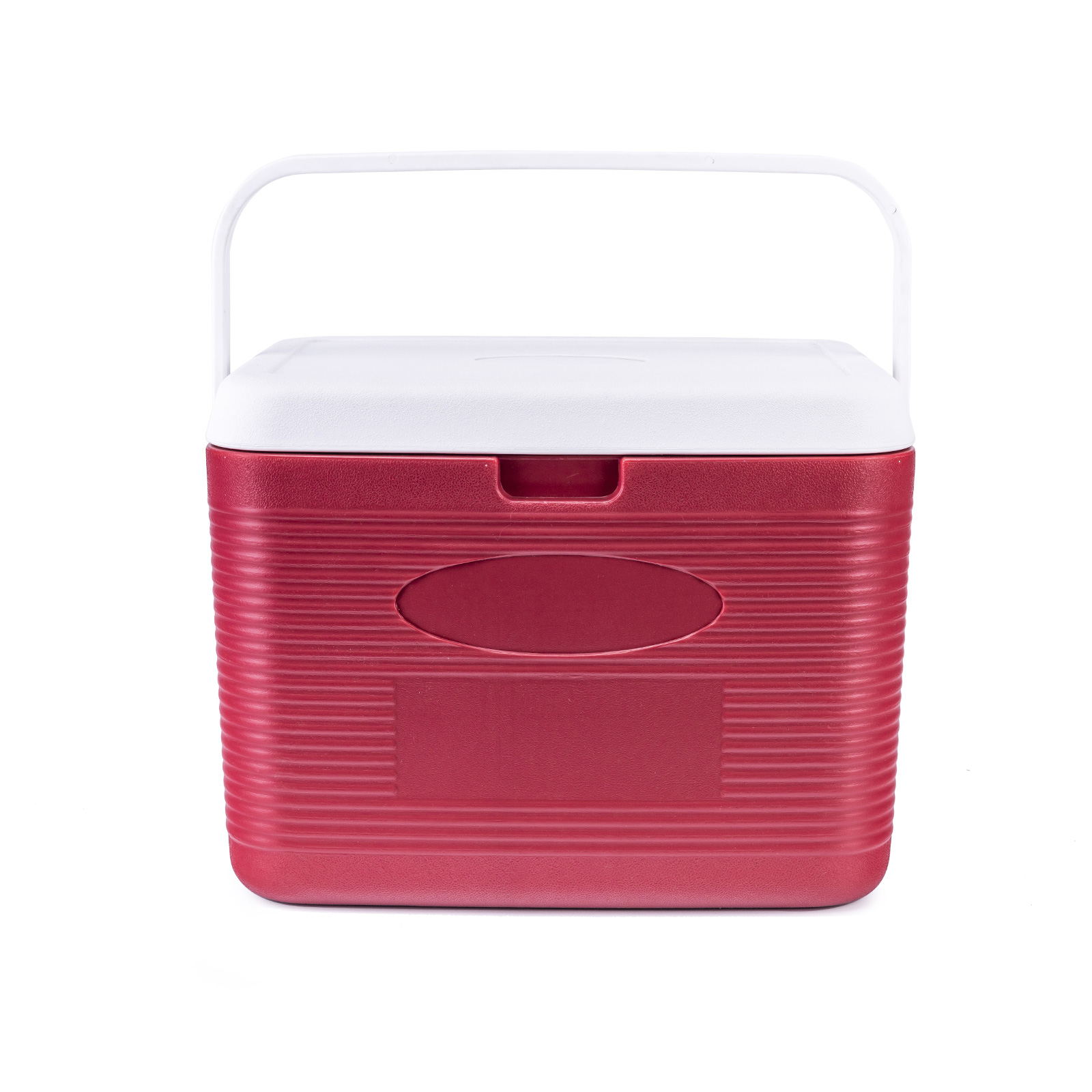
insulated plastic box distributor for chemical storage is now a strategic packaging choice for teams that care about quality, compliance, and total cost. You need a design that protects the payload, fits the route, supports clean handling, and still makes sense financially after the first shipment. The best suppliers understand that balance and build around it.
This optimized article combines buyer guidance, material logic, compliance thinking, and 2026 market reality into one practical playbook. You will see how to define the right spec, compare suppliers, reduce failure risk, and create a more sustainable packaging program without adding complexity that your team cannot maintain.
What this article will help you answer:
What the ideal insulated plastic box should deliver in your operation
How material, structure, validation, and supplier support fit together
Which compliance and lifecycle questions separate low-risk suppliers from risky ones
How to build a stronger 2026 sourcing plan with better ROI and less waste
What Should the Ideal Insulated Plastic Box Deliver?
The ideal solution combines protection, usability, and repeatability. If you are evaluating insulated plastic box distributor for chemical storage, you should expect the design to support material compatibility, clear labeling surfaces, secondary containment planning, and stable distributor support without forcing extra labor or risky workarounds. That means the box has to fit the route, the payload, the people who touch it, and the quality system that approves it.
Many packaging decisions fail because buyers separate these needs. Operations wants speed. Quality wants control. Procurement wants value. Sustainability wants reuse. A better specification brings those goals together instead of choosing one at the expense of the others. For chemical storage, that usually starts with a clear fit brief and a supplier who can translate that brief into a design logic you can understand.
Build Around the Highest-Risk Step First
Do not start with the easiest moment in the route. Start with the place where your process is most exposed. That may be a hot loading dock, a wet washdown area, a customs delay, an unstable pallet stack, or a rushed receiving window. If the box design can reduce risk there, it usually creates value across the rest of the flow as well. This approach produces more useful specifications than copying what another site uses.
| Critical requirement | What good looks like | What to validate | What it means to you |
|---|---|---|---|
| Chemical Compatibility | Documented fit with the product family and SDS review | Evidence that it supports chemical storage under real operating conditions | avoids container damage, contamination, and unsafe storage errors |
| Wall Integrity | No stress cracking under normal handling and exposure | Evidence that it supports chemical storage under real operating conditions | reduces leaks, deformation, and unexpected failures in use |
| Seal Performance | Lid and gasket keep contents protected during wet or rough handling | Evidence that it supports chemical storage under real operating conditions | keeps wet, dusty, or sensitive contents protected during movement |
| Label Adhesion | Clear, durable labeling after condensation, washdown, or relabeling | Evidence that it supports chemical storage under real operating conditions | maintains traceability and hazard communication under real conditions |
Practical tips and recommendations
Start with the failure point: design to control the hardest part of the workflow first.
Keep operator actions visible: the right box makes correct packing, closure, and inspection easy to repeat.
Use a written fit brief: the brief is the bridge between departments and suppliers.
Real-world example: A specialty chemical warehouse moved from mixed cardboard overpacks to insulated plastic boxes sourced through a distributor that stocked replacement lids and seals. The site improved label legibility, reduced crush damage on pallet moves, and simplified seasonal storage plans for products that were sensitive to hot loading areas.
How Do Material, Structure, and Validation Work Together?
A box performs well when design choices reinforce each other. Material choice affects durability, chemical or moisture tolerance, and cleanability. Structure affects load, stacking, closure, and handling behavior. Validation confirms whether those choices work in the environment you actually run.
In practice, you want the supplier to explain this relationship in plain language. HDPE and PP shells, foam-insulated wall sections, molded corners for impact resistance, and flat outer faces for hazard labels. You also want test logic that matches your risk profile. In healthcare and biotech, that may lean toward temperature-control and documentation. In food, chemical, or agricultural use, it may lean harder toward hygiene, compatibility, structure, and repeated-use behavior.
Ask for Evidence That Matches the Claim
If the supplier promises thermal stability, ask how it was checked. If the selling point is reuse, ask how cycle life is defined. If the box is sold as hygienic, ask what features reduce trapped residue and speed drying. Claims become useful only when they are paired with the right form of evidence. That evidence does not always need to be complex, but it should be relevant to your operation.
| Claim | Evidence that helps | Weak signal | Why it matters to you |
|---|---|---|---|
| Thermal or environmental control | Route or condition-based validation | Generic brochure claims | Supports confidence in real use |
| Durability | Stack, impact, or cycle data | Only resin name is shared | Predicts replacement and failure risk |
| Cleanability | Hygienic design review and field wash feedback | No discussion of drying or residue | Affects labor and hygiene outcomes |
| Consistency | Defined specs and change control | No revision history | Protects approved performance |
Practical tips and recommendations
Match test depth to risk: high-value or regulated flows deserve stronger evidence.
Review the entire system: the outer box must work with inserts, labels, pallets, and handling routines.
Watch for silent design changes: approval without change control can invalidate earlier confidence.
Optimization rule: The strongest design is not the most complicated one. It is the one with the clearest reason for every feature you pay for.
How Do You Select the Right Supplier and Total-Cost Model?
Good suppliers reduce uncertainty, not only lead time. They help you define the right product, document the right evidence, and launch with fewer surprises. That matters because the real cost of packaging is created across the cycle: packing, moving, inspecting, cleaning, storing, and replacing.
To compare suppliers well, use a simple weighted scorecard. Rate options on compatibility documentation, distributor stock depth, label space, ease of cleaning, and replacement-part availability. Add another category for lead-time reliability and one for post-launch support. This keeps the conversation balanced between product fit and supply execution. It also helps you show internal stakeholders why the best-value choice may not be the cheapest quote on day one.
Use a Quick Supplier Scorecard
Give each category a weight based on risk. For example, a vaccine shipper may weight thermal validation more heavily, while a wet seafood crate may weight drainage and washdown more heavily. A chemical program may weight compatibility and labeling more heavily. The point is not mathematical perfection. The point is forcing clear comparison on the factors that actually change outcomes.
| Scorecard category | Suggested weight | What to look for | Why it matters to you |
|---|---|---|---|
| Application fit | 25% | Clear design logic for your workflow | Prevents category-level buying mistakes |
| Validation and documentation | 25% | Relevant evidence and spec control | Supports approval and confidence |
| Operational usability | 25% | Packing, cleaning, stacking, and receiving ease | Reduces hidden labor cost |
| Supply and service support | 25% | Lead times, spare parts, and issue response | Protects rollout and long-term stability |
Practical tips and recommendations
Pilot the top candidate: a short live test often reveals more than a long meeting.
Invite receiving and cleaning teams into the review: they see problems earlier than procurement alone.
Track six-month outcomes: damage, labor, turnaround time, and asset loss tell you whether the choice was right.
Best-practice note: A supplier relationship gets stronger when both sides can explain success in the same language: fewer failures, faster handling, and clearer control.
What Does a Strong 2026 Packaging Strategy Look Like?
A strong 2026 strategy links packaging performance with resilience and lifecycle value. Cold-chain and industrial protective packaging forecasts published in 2025 and 2026 show continued investment in higher-performance reusable handling assets, especially where compliance and loss prevention drive purchasing. Buyers are responding by looking beyond one-off purchases and toward packaging systems that scale, support traceability, and fit sustainability expectations without adding fragile complexity.
For chemical operations, reuse only creates value when cleaning, inspection, and relabeling are disciplined. A durable box that is reused badly becomes a risk; a durable box reused under procedure becomes a cost saver. This is where market and technical logic meet. A reusable or custom design is only better when your team can control it. That is why the most valuable packaging projects in 2026 are disciplined projects: clear routes, defined inspection rules, practical return loops, and supplier support that continues after delivery.
Turn Trends Into a Simple Action Plan
Use market pressure to improve how you buy. Update your specification, define the evidence you need, and choose suppliers who can support operating discipline rather than just shipment volume. When the packaging system is visible and controlled, sustainability, compliance, and cost are more likely to move in the same direction. When the system is vague, they usually pull against one another.
| 2026 priority | Recommended action | Common mistake | Practical benefit |
|---|---|---|---|
| Traceability | Standardize labels, IDs, and scan points | Treating IDs as an afterthought | Faster investigation and receiving |
| Resilience | Validate the highest-risk route condition | Testing only ideal conditions | Better performance under disruption |
| Reuse | Define inspection and return rules early | Launching a loop without accountability | Stronger lifecycle economics |
| Supplier partnership | Review post-launch support before approval | Focusing only on first quote | Lower long-term operational risk |
Practical tips and recommendations
Keep the plan operational: every strategy item should connect to a field action your team can actually follow.
Use one owner for the packaging program: accountability improves speed and consistency.
Review data after launch: good packaging strategy is adjusted through evidence, not assumptions.
2026 reality: The companies getting the best results are not buying more packaging. They are buying clearer systems.
2026 Developments and Trends in Chemical Storage
In 2026, market direction matters almost as much as product specification. Cold-chain and industrial protective packaging forecasts published in 2025 and 2026 show continued investment in higher-performance reusable handling assets, especially where compliance and loss prevention drive purchasing. Buyers are reacting by asking tougher questions about validation, lifecycle value, and operational fit. That is why insulated plastic boxes are increasingly evaluated as part of a broader packaging system rather than as simple containers.
Latest progress at a glance
Trend: More buyers want one distributor that can support standard stock items and application advice across several chemical families.
Trend: Facilities are asking for larger label panels, color coding, and easier scanning because inventory and traceability systems are becoming more digital.
Trend: Temperature buffering matters more in mixed-use warehouses where dock exposure and seasonal heat spikes can push materials outside preferred handling windows.
From a buyer perspective, the important shift is this: packaging decisions are moving closer to quality, operations, and sustainability teams. For chemical operations, reuse only creates value when cleaning, inspection, and relabeling are disciplined. A durable box that is reused badly becomes a risk; a durable box reused under procedure becomes a cost saver. At the same time, official and quasi-official frameworks from OSHA hazard communication expectations, SDS compatibility guidance, NIH chemical segregation guidance keep pushing companies toward documented control instead of informal practice. If you source now, expect more requests for proof, traceability, and lifecycle logic.
Frequently Asked Questions
What should you ask before buying insulated plastic box distributor for chemical storage?
Start with payload, route conditions, cleaning method, label needs, and expected cycle life. Then ask the supplier how the design addresses those points in a specific, testable way. That keeps the discussion focused on fit instead of generic claims.
Which material works best for chemical storage?
There is no universal winner. HDPE and PP are common because they balance durability, cleanability, and manufacturability, but the best choice depends on chemistry, temperature exposure, impact risk, and hygiene needs. Ask for material logic, not only a resin name.
When do you need validation or test data for insulated plastic boxes?
You need evidence whenever product quality, compliance, or safe handling could be affected by packaging performance. For some buyers that means thermal or route testing. For others it means load, washdown, compatibility, or traceability checks.
Can reusable insulated plastic boxes really lower total cost?
Yes, but only when the operating loop is controlled. Reuse works best when you can inspect, clean, relabel, and recover assets without chaos. If the return system is weak, the cost benefit disappears quickly.
What documents should a serious supplier provide?
At minimum, ask for product specifications, material information, quality controls, cleaning guidance where relevant, and any application-specific validation records. In regulated or high-risk flows, you may also need route, temperature, or compatibility support.
How often should you inspect a insulated plastic box?
Inspect it at receiving, before reuse, and after any event that could damage the structure or compromise labeling and closure. The exact interval depends on risk, but routine visual inspection should be part of the workflow, not an occasional task.
Why are buyers asking more about sustainability in 2026?
Because waste, material efficiency, and packaging policy pressure are now business issues. Buyers want systems that reduce avoidable disposal, support reuse where practical, and still meet quality and compliance needs without extra operational complexity.
Summary and Recommendations
A best-in-class insulated plastic box is built around real operating conditions, not generic category language. It combines the right material logic, the right geometry, the right validation evidence, and a support model that helps your team use it consistently. That is the standard worth buying against in 2026.
Take the most practical path forward: define the route, the payload, the handling method, and the cleaning or return loop, then compare suppliers with those facts in hand. If a supplier can turn that brief into a clear recommendation, useful evidence, and a realistic rollout plan, you are looking at a stronger long-term partner.
About Tempk
Tempk focuses on cold-chain and reusable packaging solutions built around real operations. We work on the fit between product sensitivity, handling conditions, route design, and repeatable packaging performance. Our strength is not only in product range, but in translating application needs into practical specifications that teams can actually run every day.
For projects involving chemical storage, we can help you think through structure, insulation or venting logic, labeling space, cleanability, and reusable-loop design. If you share your payload details, route profile, target temperature window, handling method, and annual volume, we can help you narrow the right packaging direction and the right level of customization.
Insulated Plastic Container Solutions for Agricultural Packaging
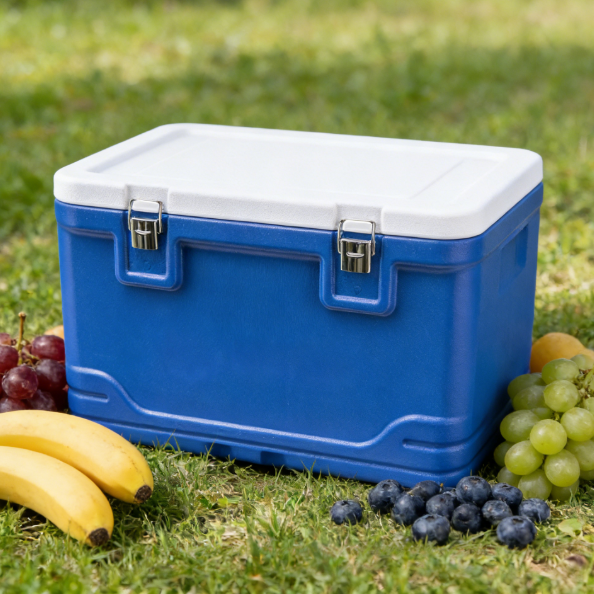
insulated plastic container solutions for agricultural packaging is now a strategic packaging choice for teams that care about quality, compliance, and total cost. You need a design that protects the payload, fits the route, supports clean handling, and still makes sense financially after the first shipment. The best suppliers understand that balance and build around it.
This optimized article combines buyer guidance, material logic, compliance thinking, and 2026 market reality into one practical playbook. You will see how to define the right spec, compare suppliers, reduce failure risk, and create a more sustainable packaging program without adding complexity that your team cannot maintain.
What this article will help you answer:
What the ideal insulated plastic container should deliver in your operation
How material, structure, validation, and supplier support fit together
Which compliance and lifecycle questions separate low-risk suppliers from risky ones
How to build a stronger 2026 sourcing plan with better ROI and less waste
What Should the Ideal Insulated Plastic Container Deliver?
The ideal solution combines protection, usability, and repeatability. If you are evaluating insulated plastic container solutions for agricultural packaging, you should expect the design to support airflow management, crop-specific cushioning, cleanability, and practical return logistics without forcing extra labor or risky workarounds. That means the box has to fit the route, the payload, the people who touch it, and the quality system that approves it.
Many packaging decisions fail because buyers separate these needs. Operations wants speed. Quality wants control. Procurement wants value. Sustainability wants reuse. A better specification brings those goals together instead of choosing one at the expense of the others. For agricultural packaging, that usually starts with a clear fit brief and a supplier who can translate that brief into a design logic you can understand.
Build Around the Highest-Risk Step First
Do not start with the easiest moment in the route. Start with the place where your process is most exposed. That may be a hot loading dock, a wet washdown area, a customs delay, an unstable pallet stack, or a rushed receiving window. If the box design can reduce risk there, it usually creates value across the rest of the flow as well. This approach produces more useful specifications than copying what another site uses.
| Critical requirement | What good looks like | What to validate | What it means to you |
|---|---|---|---|
| Temperature Buffering | Heat gain or loss slows down during normal handling delays | Evidence that it supports agricultural packaging under real operating conditions | reduces risk during handoff delays or door openings |
| Vent And Insulation Balance | The design manages cooling and protection together | Evidence that it supports agricultural packaging under real operating conditions | matches crop cooling and physical protection |
| Surface Hygiene | Food-contact surfaces clean quickly and inspect easily | Evidence that it supports agricultural packaging under real operating conditions | supports food safety and easier inspection |
| Stack Support | Load stays stable in field bins, trucks, and cold rooms | Evidence that it supports agricultural packaging under real operating conditions | improves cube use while protecting product quality |
Practical tips and recommendations
Start with the failure point: design to control the hardest part of the workflow first.
Keep operator actions visible: the right box makes correct packing, closure, and inspection easy to repeat.
Use a written fit brief: the brief is the bridge between departments and suppliers.
Real-world example: A produce packhouse replaced mixed cardboard and generic crates with insulated plastic container solutions matched to route time and crop sensitivity. The site improved handling consistency, reduced visible bruise complaints, and gained a clearer wash-and-return routine across growers and distributors.
How Do Material, Structure, and Validation Work Together?
A box performs well when design choices reinforce each other. Material choice affects durability, chemical or moisture tolerance, and cleanability. Structure affects load, stacking, closure, and handling behavior. Validation confirms whether those choices work in the environment you actually run.
In practice, you want the supplier to explain this relationship in plain language. insulated wall sections paired with controlled venting, food-safe polymers, smooth cleanable surfaces, and stack-friendly base geometry. You also want test logic that matches your risk profile. In healthcare and biotech, that may lean toward temperature-control and documentation. In food, chemical, or agricultural use, it may lean harder toward hygiene, compatibility, structure, and repeated-use behavior.
Ask for Evidence That Matches the Claim
If the supplier promises thermal stability, ask how it was checked. If the selling point is reuse, ask how cycle life is defined. If the box is sold as hygienic, ask what features reduce trapped residue and speed drying. Claims become useful only when they are paired with the right form of evidence. That evidence does not always need to be complex, but it should be relevant to your operation.
| Claim | Evidence that helps | Weak signal | Why it matters to you |
|---|---|---|---|
| Thermal or environmental control | Route or condition-based validation | Generic brochure claims | Supports confidence in real use |
| Durability | Stack, impact, or cycle data | Only resin name is shared | Predicts replacement and failure risk |
| Cleanability | Hygienic design review and field wash feedback | No discussion of drying or residue | Affects labor and hygiene outcomes |
| Consistency | Defined specs and change control | No revision history | Protects approved performance |
Practical tips and recommendations
Match test depth to risk: high-value or regulated flows deserve stronger evidence.
Review the entire system: the outer box must work with inserts, labels, pallets, and handling routines.
Watch for silent design changes: approval without change control can invalidate earlier confidence.
Optimization rule: The strongest design is not the most complicated one. It is the one with the clearest reason for every feature you pay for.
How Do You Select the Right Supplier and Total-Cost Model?
Good suppliers reduce uncertainty, not only lead time. They help you define the right product, document the right evidence, and launch with fewer surprises. That matters because the real cost of packaging is created across the cycle: packing, moving, inspecting, cleaning, storing, and replacing.
To compare suppliers well, use a simple weighted scorecard. Rate solution providers on crop-specific design skill, wash-and-return planning, packhouse integration, thermal logic, and service coverage. Add another category for lead-time reliability and one for post-launch support. This keeps the conversation balanced between product fit and supply execution. It also helps you show internal stakeholders why the best-value choice may not be the cheapest quote on day one.
Use a Quick Supplier Scorecard
Give each category a weight based on risk. For example, a vaccine shipper may weight thermal validation more heavily, while a wet seafood crate may weight drainage and washdown more heavily. A chemical program may weight compatibility and labeling more heavily. The point is not mathematical perfection. The point is forcing clear comparison on the factors that actually change outcomes.
| Scorecard category | Suggested weight | What to look for | Why it matters to you |
|---|---|---|---|
| Application fit | 25% | Clear design logic for your workflow | Prevents category-level buying mistakes |
| Validation and documentation | 25% | Relevant evidence and spec control | Supports approval and confidence |
| Operational usability | 25% | Packing, cleaning, stacking, and receiving ease | Reduces hidden labor cost |
| Supply and service support | 25% | Lead times, spare parts, and issue response | Protects rollout and long-term stability |
Practical tips and recommendations
Pilot the top candidate: a short live test often reveals more than a long meeting.
Invite receiving and cleaning teams into the review: they see problems earlier than procurement alone.
Track six-month outcomes: damage, labor, turnaround time, and asset loss tell you whether the choice was right.
Best-practice note: A supplier relationship gets stronger when both sides can explain success in the same language: fewer failures, faster handling, and clearer control.
What Does a Strong 2026 Packaging Strategy Look Like?
A strong 2026 strategy links packaging performance with resilience and lifecycle value. Food cold-chain growth forecasts for 2025 and 2026 remain strong, and fresh-produce operators are investing in packaging that can reduce loss, improve handling, and support traceability. Buyers are responding by looking beyond one-off purchases and toward packaging systems that scale, support traceability, and fit sustainability expectations without adding fragile complexity.
FAO-style reusable crate programs show that reusability works best when cleaning, collection, and standard operating rules are designed from the start rather than added later. This is where market and technical logic meet. A reusable or custom design is only better when your team can control it. That is why the most valuable packaging projects in 2026 are disciplined projects: clear routes, defined inspection rules, practical return loops, and supplier support that continues after delivery.
Turn Trends Into a Simple Action Plan
Use market pressure to improve how you buy. Update your specification, define the evidence you need, and choose suppliers who can support operating discipline rather than just shipment volume. When the packaging system is visible and controlled, sustainability, compliance, and cost are more likely to move in the same direction. When the system is vague, they usually pull against one another.
| 2026 priority | Recommended action | Common mistake | Practical benefit |
|---|---|---|---|
| Traceability | Standardize labels, IDs, and scan points | Treating IDs as an afterthought | Faster investigation and receiving |
| Resilience | Validate the highest-risk route condition | Testing only ideal conditions | Better performance under disruption |
| Reuse | Define inspection and return rules early | Launching a loop without accountability | Stronger lifecycle economics |
| Supplier partnership | Review post-launch support before approval | Focusing only on first quote | Lower long-term operational risk |
Practical tips and recommendations
Keep the plan operational: every strategy item should connect to a field action your team can actually follow.
Use one owner for the packaging program: accountability improves speed and consistency.
Review data after launch: good packaging strategy is adjusted through evidence, not assumptions.
2026 reality: The companies getting the best results are not buying more packaging. They are buying clearer systems.
2026 Developments and Trends in Agricultural Packaging
In 2026, market direction matters almost as much as product specification. Food cold-chain growth forecasts for 2025 and 2026 remain strong, and fresh-produce operators are investing in packaging that can reduce loss, improve handling, and support traceability. Buyers are reacting by asking tougher questions about validation, lifecycle value, and operational fit. That is why insulated plastic containers are increasingly evaluated as part of a broader packaging system rather than as simple containers.
Latest progress at a glance
Trend: Agricultural packaging teams are trying to balance product cooling, bruise reduction, and circular packaging goals at the same time.
Trend: More solution providers now combine reusable containers with wash systems, tracking, and packhouse integration support.
Trend: Producers are asking for crop-specific designs because berries, leafy greens, herbs, and tropical fruit do not respond to the same vent and insulation pattern.
From a buyer perspective, the important shift is this: packaging decisions are moving closer to quality, operations, and sustainability teams. FAO-style reusable crate programs show that reusability works best when cleaning, collection, and standard operating rules are designed from the start rather than added later. At the same time, official and quasi-official frameworks from FAO reusable plastic crate guidance, postharvest handling recommendations, food safety hygiene practices keep pushing companies toward documented control instead of informal practice. If you source now, expect more requests for proof, traceability, and lifecycle logic.
Frequently Asked Questions
What should you ask before buying insulated plastic container solutions for agricultural packaging?
Start with payload, route conditions, cleaning method, label needs, and expected cycle life. Then ask the supplier how the design addresses those points in a specific, testable way. That keeps the discussion focused on fit instead of generic claims.
Which material works best for agricultural packaging?
There is no universal winner. HDPE and PP are common because they balance durability, cleanability, and manufacturability, but the best choice depends on chemistry, temperature exposure, impact risk, and hygiene needs. Ask for material logic, not only a resin name.
When do you need validation or test data for insulated plastic containers?
You need evidence whenever product quality, compliance, or safe handling could be affected by packaging performance. For some buyers that means thermal or route testing. For others it means load, washdown, compatibility, or traceability checks.
Can reusable insulated plastic containers really lower total cost?
Yes, but only when the operating loop is controlled. Reuse works best when you can inspect, clean, relabel, and recover assets without chaos. If the return system is weak, the cost benefit disappears quickly.
What documents should a serious supplier provide?
At minimum, ask for product specifications, material information, quality controls, cleaning guidance where relevant, and any application-specific validation records. In regulated or high-risk flows, you may also need route, temperature, or compatibility support.
How often should you inspect a insulated plastic container?
Inspect it at receiving, before reuse, and after any event that could damage the structure or compromise labeling and closure. The exact interval depends on risk, but routine visual inspection should be part of the workflow, not an occasional task.
Why are buyers asking more about sustainability in 2026?
Because waste, material efficiency, and packaging policy pressure are now business issues. Buyers want systems that reduce avoidable disposal, support reuse where practical, and still meet quality and compliance needs without extra operational complexity.
Summary and Recommendations
A best-in-class insulated plastic container is built around real operating conditions, not generic category language. It combines the right material logic, the right geometry, the right validation evidence, and a support model that helps your team use it consistently. That is the standard worth buying against in 2026.
Take the most practical path forward: define the route, the payload, the handling method, and the cleaning or return loop, then compare suppliers with those facts in hand. If a supplier can turn that brief into a clear recommendation, useful evidence, and a realistic rollout plan, you are looking at a stronger long-term partner.
About Tempk
Tempk focuses on cold-chain and reusable packaging solutions built around real operations. We work on the fit between product sensitivity, handling conditions, route design, and repeatable packaging performance. Our strength is not only in product range, but in translating application needs into practical specifications that teams can actually run every day.
For projects involving agricultural packaging, we can help you think through structure, insulation or venting logic, labeling space, cleanability, and reusable-loop design. If you share your payload details, route profile, target temperature window, handling method, and annual volume, we can help you narrow the right packaging direction and the right level of customization.
How to Buy the Best Chemical-resistant EPP Storage Container
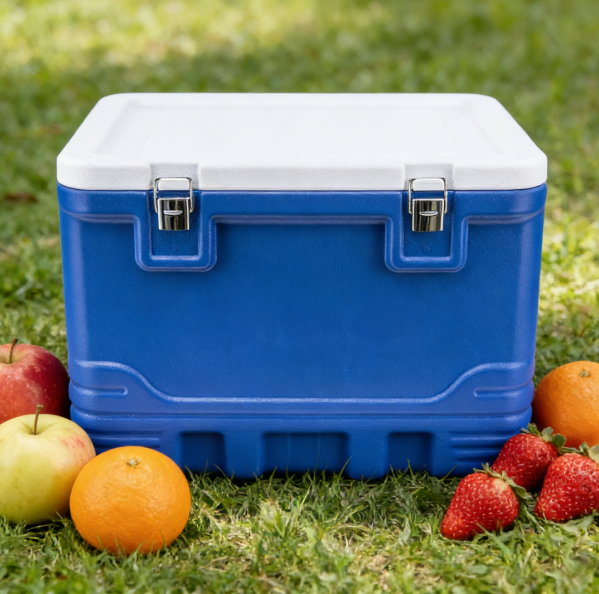
The best chemical-resistant EPP storage container is the one that matches your route, payload, handling risk, cleaning routine, and return loop at the same time. A strong EPP design can combine low weight, multi-impact recovery, and practical insulation, but not every box is tuned for the same lane. This guide blends buyer questions, engineering logic, and 2026 market expectations so you can choose with fewer assumptions and better evidence.
This optimized version is designed for decision-makers who need one article that combines commercial clarity, technical depth, and current market logic. Instead of separating procurement, engineering, and operations, it shows how those viewpoints should shape one coherent decision about the chemical-resistant EPP storage container.
This article will help you answer:
- How to judge the best chemical-resistant EPP storage container from both buyer and engineering angles
- Which specifications directly affect temperature control and impact protection
- What compliance, traceability, and validation issues deserve attention in 2026
- How to lower cost without sacrificing reliability or sustainability
Quick self-check
- You run a route where the same chemical-resistant EPP storage container can return and be used again
- Product loss, temperature drift, or crushed packaging currently costs more than the box itself
- Your team needs faster packout with less guesswork at busy times
What makes the best Chemical-resistant EPP Storage Container in real operations?
The best chemical-resistant EPP storage container is not the one with the biggest claim. It is the one that fits your route, payload, and working method with the least friction. Great packaging feels almost invisible in daily use because staff know how to load it, receivers know how to handle it, and managers can predict how it will perform under pressure.
That is why the decision should start with lane reality. List the payload size, target temperature window, route time, touchpoints, seasonal ambient range, and whether the box returns. Then match the design to those facts. A strong EPP box can support insulation, cushioning, and repeat use in one format, but only when the specification is chosen for a real operating pattern.
A useful way to think about the chemical-resistant EPP storage container is to treat it as a controlled system. The material, the design, the packout, the route, and the return flow all influence the result. When one piece is ignored, the box may still work, but it rarely works as efficiently or as predictably as it should.
Which buyer signals show a strong chemical-resistant foam container design?
Look for fit, not excess. A well-designed box uses internal space efficiently, closes consistently, stacks safely, and supports a repeatable coolant layout. It should also reflect its main purpose clearly, whether that is compatibility with the actual contents and wash-down routine. Boxes that try to be everything for every route often become average at the jobs that matter most.
At this stage, the smartest buyers ask for evidence, not slogans. They want the design logic, sample consistency, test method, and change-control approach. That makes it easier to compare suppliers fairly and harder for weak products to hide behind vague promises.
| Buying Signal | What Good Looks Like | Warning Sign | What It Means for You |
|---|---|---|---|
| Payload fit | Stable layout with controlled headspace | Loose or improvised fit | Affects both temperature and handling reliability |
| Closure quality | Consistent lid seating and stack behavior | Inconsistent closing feel | Creates avoidable service risk |
| Program support | Clear QC and repeat-order discipline | Weak documentation | Makes scale-up harder than it should be |
Practical tips for you
- Start every buying decision with the route map and payload drawing.
- Use the same success criteria for every sample you compare.
- Treat packout simplicity as a performance feature, not as a secondary convenience.
Application example: A buyer evaluating a new chemical-resistant EPP storage container found that the winning sample was not the flashiest design. It was the one that fit the product cleanly, loaded fast, and came with the clearest explanation of how the same specification would be reproduced in volume.
How do technical specs change Chemical-resistant EPP Storage Container performance?
Technical performance comes from the interaction of material, geometry, and packout discipline. EPP is useful because it is a lightweight closed-cell foam with multi-impact resilience, and technical references commonly place molded EPP across a wide density band from about 20 to 250 g/L. That range gives engineers room to balance low weight, stiffness, cushioning, and insulation.
Still, density alone does not decide the outcome. Wall thickness, corner design, bead fusion, lid depth, internal geometry, and coolant placement are all part of the thermal and mechanical picture. A thin but well-designed box can outperform a bulkier one if the geometry is smarter and the packout is controlled well.
The biggest improvement often comes from combining commercial discipline with technical discipline. Buyers define the lane and cost logic. Engineers define the performance logic. Operations define the loading and return method. When those three views are aligned early, approval gets easier and rework drops sharply.
What data matters most for industrial EPP storage box?
Thermal reports should show the ambient profile, payload mass, coolant setup, starting temperature, total exposure time, and pass band. Handling reports should explain whether the design was evaluated with route simulation, drop testing, or both. Standards such as ASTM D3103, ASTM D4169, ASTM D5276, and ISTA thermal procedures are helpful because they force the conversation toward method instead of marketing.
If your application is more demanding, the design should reveal that intent. Higher-density builds can support stronger walls and more reuse. Shock-focused shapes can reduce impact transfer. Custom or compact designs can improve thermal efficiency by reducing wasted internal air volume. The best specification is always the one that solves the most important failure mode first.
| Technical Variable | Why It Matters | What to Review | Operational Payoff |
|---|---|---|---|
| Density and wall design | Controls weight, stiffness, and impact response | Density target plus geometry rationale | A more balanced box for the real lane |
| Thermal validation | Shows whether the packout can hold target range | Test profile, payload, coolant, pass band | Better confidence before scale-up |
| Handling validation | Confirms survival in distribution | Drop or route-simulation method | Fewer cracks, deformations, and service failures |
Practical tips for you
- Never evaluate hold time without the exact payload and coolant assumptions behind it.
- Check whether the design still works when partially loaded or handled repeatedly.
- Ask which variables are controlled in production and which are only nominal targets.
Application example: A performance review showed that the strongest result came from a balanced design rather than the highest density alone. The box performed better because the internal fit reduced movement and the closure repeated more consistently during loading.
Which standards, compliance needs, and scenarios matter most?
Standards matter because they connect packaging claims to real use. The right compliance file depends on the application, but serious buyers always look for traceable material information, controlled drawings, and route-relevant validation. That is how you reduce surprises when a pilot becomes a scaled program.
For chemical handling, the safe approach is to treat EPP as resistant to many common oils, diluted acids, and alkalis, while still checking compatibility against the actual formulation, dwell time, and cleaning chemicals on site.
This is also why strong packaging programs age well. They are easier to retrain, easier to reorder, easier to document, and easier to adapt when routes or volumes change. A well-chosen EPP box does more than protect product; it reduces decision noise across the operation.
How should you connect compliance to real oil-resistant reusable packaging use?
Start by identifying the actual risk. Food programs care about food-contact declarations, cleaning routines, and traceability discipline. Vaccine transport cares about validated passive-cold-chain practice and temperature control. Industrial users may focus more on route abuse, compatibility, and long-term durability. The better your risk definition, the cleaner your packaging brief becomes.
In 2026, compliance is also tied more closely to operational responsiveness. Teams want to access records quickly, understand revisions clearly, and know that repeat orders will match the validated configuration. Good documentation reduces approval time and makes troubleshooting much faster when something changes in the field.
| Application Need | Primary Reference Point | What to Confirm | Why It Helps |
|---|---|---|---|
| Food-grade use | FDA / EU food-contact framework | Material declaration and GMP-style control | Supports safe, auditable food handling |
| Cold-chain validation | ASTM / ISTA methods | Thermal and handling evidence | Moves the decision from claims to proof |
| Sensitive distribution | WHO / CDC or route-specific SOPs | Packout discipline and response plan | Protects higher-risk payloads better |
Practical tips for you
- Tie every test report and declaration to the exact drawing revision.
- Keep one approval file that combines design, validation, and receiving checks.
- Review how a future spec change will be communicated before you scale the program.
Application example: A quality-driven sourcing team shortened approval time by turning scattered paperwork into one controlled file for the chemical-resistant EPP storage container. The package was easier to approve because design revision, validation logic, and receiving checks were aligned from the start.
How do you reduce cost, waste, and delivery risk with a Chemical-resistant EPP Storage Container?
The best savings come when performance, reuse, and standard work improve together. A reusable EPP program does not win because the box is cheap. It wins because the route becomes more stable, the handling becomes simpler, and the packaging lasts long enough to cut replacement and service noise.
Measure the box by cycle, not just by purchase price. Track replacement rate, return rate, packout time, damage rate, and service exceptions. These numbers show whether the packaging is actually working. They also expose when the real weakness sits outside the material, such as poor return discipline or inconsistent loading.
This is also why strong packaging programs age well. They are easier to retrain, easier to reorder, easier to document, and easier to adapt when routes or volumes change. A well-chosen EPP box does more than protect product; it reduces decision noise across the operation.
What does a strong 2026 value model look like for chemical-resistant foam container?
A strong value model includes right sizing, clear return instructions, receiving checks, and a realistic end-of-life plan. EPP is attractive because it can be reused and recycled, but those advantages only become real when the operation can capture the box, separate damaged units, and keep a clean pool in circulation.
Market pressure is pushing buyers toward packaging that can do more with less waste, less labor, and less uncertainty. That is why 2026 procurement conversations often blend total cost, traceability, route performance, and sustainability into one decision instead of treating them as separate projects.
| Value Lever | What to Measure | How to Improve It | Result You Feel |
|---|---|---|---|
| Reuse efficiency | Trips per box and return rate | Clear return workflow | Better payback on each unit |
| Operational simplicity | Packout time and exceptions | Standardized work instructions | Fewer errors under daily pressure |
| Waste reduction | Replacement rate and end-of-life handling | Track losses and segregate damaged units | More credible sustainability results |
Practical tips for you
- Review cost by route and by cycle, not only by annual purchase volume.
- Pilot the return process and cleaning process before committing to a large rollout.
- Remove redundant sizes so the team builds habits around a smaller, stronger box family.
Application example: A reusable packaging rollout improved sharply after the team stopped focusing only on unit price. Once they tracked return rate, replacement rate, and packout consistency together, the EPP program became easier to scale and easier to defend internally.
2026 Developments and Trends
The best chemical-resistant EPP storage container designs in 2026 are winning because they connect buyer logic with engineering proof. Demand is moving toward packaging that is easier to validate, easier to reuse, and easier to fit into traceable workflows. That means the strongest solutions are usually not the most complicated ones. They are the ones that reduce uncertainty across packing, transport, receiving, and returns.
Latest shifts at a glance
- People-first packouts: Simple, repeatable loading methods are becoming a competitive advantage because they cut daily errors.
- Proof-backed sourcing: Validation detail, revision control, and clear compliance files now influence purchase decisions more directly.
- Sustainability with discipline: Reuse and recyclability matter most when the return loop and end-of-life path are operationally credible.
Across food, healthcare, and industrial logistics, buyers are blending total cost, service reliability, and sustainability into one packaging decision. That is why well-specified EPP programs continue to stand out in 2026.
Frequently Asked Questions
How do you choose the right chemical-resistant EPP storage container size?
Start with the real payload, coolant layout, and acceptable headspace. A right-sized box protects temperature and product better than a large box that simply looks more capable.
Is a chemical-resistant EPP storage container better than single-use foam for every route?
No. It performs best when the route, handling pattern, and return logic are defined. Reusable EPP becomes most convincing when you can measure lower damage, steadier packout, or better cycle economics.
Is a chemical-resistant EPP storage container fully chemical-proof?
It is better to say chemically resistant in many common situations, not universally chemical-proof. Always check compatibility against the actual substance, concentration, dwell time, and cleaning agents you use.
What test data matters most for a chemical-resistant EPP storage container?
The most useful reports explain the test profile, payload, coolant setup, starting temperature, and pass band. A hold-time claim without method details is not strong enough for a serious buying decision.
How should you compare suppliers for a chemical-resistant EPP storage container?
Compare consistency, documentation quality, revision control, lead time, and support during sampling and scale-up. The best supplier is the one who can repeat the validated design, not only deliver the first sample.
Is a more expensive chemical-resistant EPP storage container sometimes the cheaper choice?
Yes. If it cuts product loss, packout labor, emergency replacements, or waste, the total cost can be lower even when the purchase price is higher. Measure by cycle and by route, not only by unit cost.
How many sizes of chemical-resistant EPP storage container should a program usually keep?
Fewer is usually better. A smaller box family is easier to train, stock, and return. Add sizes only when the payload or route difference is large enough to justify the extra complexity.
Should you pilot a chemical-resistant EPP storage container before a full rollout?
Yes. A short pilot shows whether the box fits the route, the people, and the return flow. It is the fastest way to catch packout mistakes, receiving issues, and supplier consistency problems before scale creates cost.
Summary and Recommendations
The strongest chemical-resistant EPP storage container programs succeed because they align route fit, technical proof, compliance discipline, and reuse logic. The smartest buyers begin with the real lane, compare designs with the same payload and coolant setup, and ask for clear evidence before scaling. When the box, the route, and the operating method match, EPP can deliver practical gains in consistency, protection, and waste reduction.
Build a short approval checklist before you buy: define the route, define the payload, define the pass criteria, and run a real loaded sample. That simple sequence will help you avoid the most common packaging mistakes and move toward a box program that performs reliably in daily use.
About Tempk
At Tempk, we focus on insulated transport packaging for demanding cold chain and protective-use applications. We work on practical design questions such as fit, thermal performance, durability, and repeat-use efficiency, so a chemical-resistant EPP storage container program can be easier to validate and easier to scale. Our approach is grounded in route reality, not only catalog specifications.
Next step: define your payload, target temperature range, route profile, and reuse goal, then review sample options against those criteria before moving into a pilot order.
What Makes the Best Shock-absorbing EPP Cooler Box?

The best shock-absorbing EPP cooler box is the one that matches your route, payload, handling risk, cleaning routine, and return loop at the same time. A strong EPP design can combine low weight, multi-impact recovery, and practical insulation, but not every box is tuned for the same lane. This guide blends buyer questions, engineering logic, and 2026 market expectations so you can choose with fewer assumptions and better evidence.
This optimized version is designed for decision-makers who need one article that combines commercial clarity, technical depth, and current market logic. Instead of separating procurement, engineering, and operations, it shows how those viewpoints should shape one coherent decision about the shock-absorbing EPP cooler box.
This article will help you answer:
- How to judge the best shock-absorbing EPP cooler box from both buyer and engineering angles
- Which specifications directly affect temperature control and impact protection
- What compliance, traceability, and validation issues deserve attention in 2026
- How to lower cost without sacrificing reliability or sustainability
Quick self-check
- You run a route where the same shock-absorbing EPP cooler box can return and be used again
- Product loss, temperature drift, or crushed packaging currently costs more than the box itself
- Your team needs faster packout with less guesswork at busy times
What makes the best Shock-absorbing EPP Cooler Box in real operations?
The best shock-absorbing EPP cooler box is not the one with the biggest claim. It is the one that fits your route, payload, and working method with the least friction. Great packaging feels almost invisible in daily use because staff know how to load it, receivers know how to handle it, and managers can predict how it will perform under pressure.
That is why the decision should start with lane reality. List the payload size, target temperature window, route time, touchpoints, seasonal ambient range, and whether the box returns. Then match the design to those facts. A strong EPP box can support insulation, cushioning, and repeat use in one format, but only when the specification is chosen for a real operating pattern.
A useful way to think about the shock-absorbing EPP cooler box is to treat it as a controlled system. The material, the design, the packout, the route, and the return flow all influence the result. When one piece is ignored, the box may still work, but it rarely works as efficiently or as predictably as it should.
Which buyer signals show a strong shock absorbing EPP packaging design?
Look for fit, not excess. A well-designed box uses internal space efficiently, closes consistently, stacks safely, and supports a repeatable coolant layout. It should also reflect its main purpose clearly, whether that is multi-impact cushioning. Boxes that try to be everything for every route often become average at the jobs that matter most.
At this stage, the smartest buyers ask for evidence, not slogans. They want the design logic, sample consistency, test method, and change-control approach. That makes it easier to compare suppliers fairly and harder for weak products to hide behind vague promises.
| Buying Signal | What Good Looks Like | Warning Sign | What It Means for You |
|---|---|---|---|
| Payload fit | Stable layout with controlled headspace | Loose or improvised fit | Affects both temperature and handling reliability |
| Closure quality | Consistent lid seating and stack behavior | Inconsistent closing feel | Creates avoidable service risk |
| Program support | Clear QC and repeat-order discipline | Weak documentation | Makes scale-up harder than it should be |
Practical tips for you
- Start every buying decision with the route map and payload drawing.
- Use the same success criteria for every sample you compare.
- Treat packout simplicity as a performance feature, not as a secondary convenience.
Application example: A buyer evaluating a new shock-absorbing EPP cooler box found that the winning sample was not the flashiest design. It was the one that fit the product cleanly, loaded fast, and came with the clearest explanation of how the same specification would be reproduced in volume.
How do technical specs change Shock-absorbing EPP Cooler Box performance?
Technical performance comes from the interaction of material, geometry, and packout discipline. EPP is useful because it is a lightweight closed-cell foam with multi-impact resilience, and technical references commonly place molded EPP across a wide density band from about 20 to 250 g/L. That range gives engineers room to balance low weight, stiffness, cushioning, and insulation.
Still, density alone does not decide the outcome. Wall thickness, corner design, bead fusion, lid depth, internal geometry, and coolant placement are all part of the thermal and mechanical picture. A thin but well-designed box can outperform a bulkier one if the geometry is smarter and the packout is controlled well.
The biggest improvement often comes from combining commercial discipline with technical discipline. Buyers define the lane and cost logic. Engineers define the performance logic. Operations define the loading and return method. When those three views are aligned early, approval gets easier and rework drops sharply.
What data matters most for drop-resistant insulated transport box?
Thermal reports should show the ambient profile, payload mass, coolant setup, starting temperature, total exposure time, and pass band. Handling reports should explain whether the design was evaluated with route simulation, drop testing, or both. Standards such as ASTM D3103, ASTM D4169, ASTM D5276, and ISTA thermal procedures are helpful because they force the conversation toward method instead of marketing.
If your application is more demanding, the design should reveal that intent. Higher-density builds can support stronger walls and more reuse. Shock-focused shapes can reduce impact transfer. Custom or compact designs can improve thermal efficiency by reducing wasted internal air volume. The best specification is always the one that solves the most important failure mode first.
| Technical Variable | Why It Matters | What to Review | Operational Payoff |
|---|---|---|---|
| Density and wall design | Controls weight, stiffness, and impact response | Density target plus geometry rationale | A more balanced box for the real lane |
| Thermal validation | Shows whether the packout can hold target range | Test profile, payload, coolant, pass band | Better confidence before scale-up |
| Handling validation | Confirms survival in distribution | Drop or route-simulation method | Fewer cracks, deformations, and service failures |
Practical tips for you
- Never evaluate hold time without the exact payload and coolant assumptions behind it.
- Check whether the design still works when partially loaded or handled repeatedly.
- Ask which variables are controlled in production and which are only nominal targets.
Application example: A performance review showed that the strongest result came from a balanced design rather than the highest density alone. The box performed better because the internal fit reduced movement and the closure repeated more consistently during loading.
Which standards, compliance needs, and scenarios matter most?
Standards matter because they connect packaging claims to real use. The right compliance file depends on the application, but serious buyers always look for traceable material information, controlled drawings, and route-relevant validation. That is how you reduce surprises when a pilot becomes a scaled program.
For most industrial and cold chain uses, the most helpful evidence is still route-relevant thermal data, drop or vibration testing, and clear incoming-quality controls for every production lot.
This is also why strong packaging programs age well. They are easier to retrain, easier to reorder, easier to document, and easier to adapt when routes or volumes change. A well-chosen EPP box does more than protect product; it reduces decision noise across the operation.
How should you connect compliance to real multi-impact reusable EPP box use?
Start by identifying the actual risk. Food programs care about food-contact declarations, cleaning routines, and traceability discipline. Vaccine transport cares about validated passive-cold-chain practice and temperature control. Industrial users may focus more on route abuse, compatibility, and long-term durability. The better your risk definition, the cleaner your packaging brief becomes.
In 2026, compliance is also tied more closely to operational responsiveness. Teams want to access records quickly, understand revisions clearly, and know that repeat orders will match the validated configuration. Good documentation reduces approval time and makes troubleshooting much faster when something changes in the field.
| Application Need | Primary Reference Point | What to Confirm | Why It Helps |
|---|---|---|---|
| Food-grade use | FDA / EU food-contact framework | Material declaration and GMP-style control | Supports safe, auditable food handling |
| Cold-chain validation | ASTM / ISTA methods | Thermal and handling evidence | Moves the decision from claims to proof |
| Sensitive distribution | WHO / CDC or route-specific SOPs | Packout discipline and response plan | Protects higher-risk payloads better |
Practical tips for you
- Tie every test report and declaration to the exact drawing revision.
- Keep one approval file that combines design, validation, and receiving checks.
- Review how a future spec change will be communicated before you scale the program.
Application example: A quality-driven sourcing team shortened approval time by turning scattered paperwork into one controlled file for the shock-absorbing EPP cooler box. The package was easier to approve because design revision, validation logic, and receiving checks were aligned from the start.
How do you reduce cost, waste, and delivery risk with a Shock-absorbing EPP Cooler Box?
The best savings come when performance, reuse, and standard work improve together. A reusable EPP program does not win because the box is cheap. It wins because the route becomes more stable, the handling becomes simpler, and the packaging lasts long enough to cut replacement and service noise.
Measure the box by cycle, not just by purchase price. Track replacement rate, return rate, packout time, damage rate, and service exceptions. These numbers show whether the packaging is actually working. They also expose when the real weakness sits outside the material, such as poor return discipline or inconsistent loading.
This is also why strong packaging programs age well. They are easier to retrain, easier to reorder, easier to document, and easier to adapt when routes or volumes change. A well-chosen EPP box does more than protect product; it reduces decision noise across the operation.
What does a strong 2026 value model look like for shock absorbing EPP packaging?
A strong value model includes right sizing, clear return instructions, receiving checks, and a realistic end-of-life plan. EPP is attractive because it can be reused and recycled, but those advantages only become real when the operation can capture the box, separate damaged units, and keep a clean pool in circulation.
Market pressure is pushing buyers toward packaging that can do more with less waste, less labor, and less uncertainty. That is why 2026 procurement conversations often blend total cost, traceability, route performance, and sustainability into one decision instead of treating them as separate projects.
| Value Lever | What to Measure | How to Improve It | Result You Feel |
|---|---|---|---|
| Reuse efficiency | Trips per box and return rate | Clear return workflow | Better payback on each unit |
| Operational simplicity | Packout time and exceptions | Standardized work instructions | Fewer errors under daily pressure |
| Waste reduction | Replacement rate and end-of-life handling | Track losses and segregate damaged units | More credible sustainability results |
Practical tips for you
- Review cost by route and by cycle, not only by annual purchase volume.
- Pilot the return process and cleaning process before committing to a large rollout.
- Remove redundant sizes so the team builds habits around a smaller, stronger box family.
Application example: A reusable packaging rollout improved sharply after the team stopped focusing only on unit price. Once they tracked return rate, replacement rate, and packout consistency together, the EPP program became easier to scale and easier to defend internally.
2026 Developments and Trends
The best shock-absorbing EPP cooler box designs in 2026 are winning because they connect buyer logic with engineering proof. Demand is moving toward packaging that is easier to validate, easier to reuse, and easier to fit into traceable workflows. That means the strongest solutions are usually not the most complicated ones. They are the ones that reduce uncertainty across packing, transport, receiving, and returns.
Latest shifts at a glance
- People-first packouts: Simple, repeatable loading methods are becoming a competitive advantage because they cut daily errors.
- Proof-backed sourcing: Validation detail, revision control, and clear compliance files now influence purchase decisions more directly.
- Sustainability with discipline: Reuse and recyclability matter most when the return loop and end-of-life path are operationally credible.
Across food, healthcare, and industrial logistics, buyers are blending total cost, service reliability, and sustainability into one packaging decision. That is why well-specified EPP programs continue to stand out in 2026.
Frequently Asked Questions
How do you choose the right shock-absorbing EPP cooler box size?
Start with the real payload, coolant layout, and acceptable headspace. A right-sized box protects temperature and product better than a large box that simply looks more capable.
Is a shock-absorbing EPP cooler box better than single-use foam for every route?
No. It performs best when the route, handling pattern, and return logic are defined. Reusable EPP becomes most convincing when you can measure lower damage, steadier packout, or better cycle economics.
How durable is a shock-absorbing EPP cooler box in repeat use?
Durability depends on density, geometry, route abuse, and how well the box is handled between trips. Ask about real use cases, replacement rate, and any route simulation or drop-test evidence.
What test data matters most for a shock-absorbing EPP cooler box?
The most useful reports explain the test profile, payload, coolant setup, starting temperature, and pass band. A hold-time claim without method details is not strong enough for a serious buying decision.
How should you compare suppliers for a shock-absorbing EPP cooler box?
Compare consistency, documentation quality, revision control, lead time, and support during sampling and scale-up. The best supplier is the one who can repeat the validated design, not only deliver the first sample.
Is a more expensive shock-absorbing EPP cooler box sometimes the cheaper choice?
Yes. If it cuts product loss, packout labor, emergency replacements, or waste, the total cost can be lower even when the purchase price is higher. Measure by cycle and by route, not only by unit cost.
How many sizes of shock-absorbing EPP cooler box should a program usually keep?
Fewer is usually better. A smaller box family is easier to train, stock, and return. Add sizes only when the payload or route difference is large enough to justify the extra complexity.
Should you pilot a shock-absorbing EPP cooler box before a full rollout?
Yes. A short pilot shows whether the box fits the route, the people, and the return flow. It is the fastest way to catch packout mistakes, receiving issues, and supplier consistency problems before scale creates cost.
Summary and Recommendations
The strongest shock-absorbing EPP cooler box programs succeed because they align route fit, technical proof, compliance discipline, and reuse logic. The smartest buyers begin with the real lane, compare designs with the same payload and coolant setup, and ask for clear evidence before scaling. When the box, the route, and the operating method match, EPP can deliver practical gains in consistency, protection, and waste reduction.
Build a short approval checklist before you buy: define the route, define the payload, define the pass criteria, and run a real loaded sample. That simple sequence will help you avoid the most common packaging mistakes and move toward a box program that performs reliably in daily use.
About Tempk
At Tempk, we focus on insulated transport packaging for demanding cold chain and protective-use applications. We work on practical design questions such as fit, thermal performance, durability, and repeat-use efficiency, so a shock-absorbing EPP cooler box program can be easier to validate and easier to scale. Our approach is grounded in route reality, not only catalog specifications.
Next step: define your payload, target temperature range, route profile, and reuse goal, then review sample options against those criteria before moving into a pilot order.
What Makes the Best Thermal EPP Cooler Box Premium?

The best thermal EPP cooler box premium is the one that matches your route, payload, handling risk, cleaning routine, and return loop at the same time. A strong EPP design can combine low weight, multi-impact recovery, and practical insulation, but not every box is tuned for the same lane. This guide blends buyer questions, engineering logic, and 2026 market expectations so you can choose with fewer assumptions and better evidence.
This optimized version is designed for decision-makers who need one article that combines commercial clarity, technical depth, and current market logic. Instead of separating procurement, engineering, and operations, it shows how those viewpoints should shape one coherent decision about the thermal EPP cooler box premium.
This article will help you answer:
- How to judge the best thermal EPP cooler box premium from both buyer and engineering angles
- Which specifications directly affect temperature control and impact protection
- What compliance, traceability, and validation issues deserve attention in 2026
- How to lower cost without sacrificing reliability or sustainability
Quick self-check
- You run a route where the same thermal EPP cooler box premium can return and be used again
- Product loss, temperature drift, or crushed packaging currently costs more than the box itself
- Your team needs faster packout with less guesswork at busy times
What makes the best Thermal EPP Cooler Box Premium in real operations?
The best thermal EPP cooler box premium is not the one with the biggest claim. It is the one that fits your route, payload, and working method with the least friction. Great packaging feels almost invisible in daily use because staff know how to load it, receivers know how to handle it, and managers can predict how it will perform under pressure.
That is why the decision should start with lane reality. List the payload size, target temperature window, route time, touchpoints, seasonal ambient range, and whether the box returns. Then match the design to those facts. A strong EPP box can support insulation, cushioning, and repeat use in one format, but only when the specification is chosen for a real operating pattern.
A useful way to think about the thermal EPP cooler box premium is to treat it as a controlled system. The material, the design, the packout, the route, and the return flow all influence the result. When one piece is ignored, the box may still work, but it rarely works as efficiently or as predictably as it should.
Which buyer signals show a strong premium thermal EPP box design?
Look for fit, not excess. A well-designed box uses internal space efficiently, closes consistently, stacks safely, and supports a repeatable coolant layout. It should also reflect its main purpose clearly, whether that is higher stability for longer hold targets. Boxes that try to be everything for every route often become average at the jobs that matter most.
At this stage, the smartest buyers ask for evidence, not slogans. They want the design logic, sample consistency, test method, and change-control approach. That makes it easier to compare suppliers fairly and harder for weak products to hide behind vague promises.
| Buying Signal | What Good Looks Like | Warning Sign | What It Means for You |
|---|---|---|---|
| Payload fit | Stable layout with controlled headspace | Loose or improvised fit | Affects both temperature and handling reliability |
| Closure quality | Consistent lid seating and stack behavior | Inconsistent closing feel | Creates avoidable service risk |
| Program support | Clear QC and repeat-order discipline | Weak documentation | Makes scale-up harder than it should be |
Practical tips for you
- Start every buying decision with the route map and payload drawing.
- Use the same success criteria for every sample you compare.
- Treat packout simplicity as a performance feature, not as a secondary convenience.
Application example: A buyer evaluating a new thermal EPP cooler box premium found that the winning sample was not the flashiest design. It was the one that fit the product cleanly, loaded fast, and came with the clearest explanation of how the same specification would be reproduced in volume.
How do technical specs change Thermal EPP Cooler Box Premium performance?
Technical performance comes from the interaction of material, geometry, and packout discipline. EPP is useful because it is a lightweight closed-cell foam with multi-impact resilience, and technical references commonly place molded EPP across a wide density band from about 20 to 250 g/L. That range gives engineers room to balance low weight, stiffness, cushioning, and insulation.
Still, density alone does not decide the outcome. Wall thickness, corner design, bead fusion, lid depth, internal geometry, and coolant placement are all part of the thermal and mechanical picture. A thin but well-designed box can outperform a bulkier one if the geometry is smarter and the packout is controlled well.
The biggest improvement often comes from combining commercial discipline with technical discipline. Buyers define the lane and cost logic. Engineers define the performance logic. Operations define the loading and return method. When those three views are aligned early, approval gets easier and rework drops sharply.
What data matters most for high-performance insulated cooler?
Thermal reports should show the ambient profile, payload mass, coolant setup, starting temperature, total exposure time, and pass band. Handling reports should explain whether the design was evaluated with route simulation, drop testing, or both. Standards such as ASTM D3103, ASTM D4169, ASTM D5276, and ISTA thermal procedures are helpful because they force the conversation toward method instead of marketing.
If your application is more demanding, the design should reveal that intent. Higher-density builds can support stronger walls and more reuse. Shock-focused shapes can reduce impact transfer. Custom or compact designs can improve thermal efficiency by reducing wasted internal air volume. The best specification is always the one that solves the most important failure mode first.
| Technical Variable | Why It Matters | What to Review | Operational Payoff |
|---|---|---|---|
| Density and wall design | Controls weight, stiffness, and impact response | Density target plus geometry rationale | A more balanced box for the real lane |
| Thermal validation | Shows whether the packout can hold target range | Test profile, payload, coolant, pass band | Better confidence before scale-up |
| Handling validation | Confirms survival in distribution | Drop or route-simulation method | Fewer cracks, deformations, and service failures |
Practical tips for you
- Never evaluate hold time without the exact payload and coolant assumptions behind it.
- Check whether the design still works when partially loaded or handled repeatedly.
- Ask which variables are controlled in production and which are only nominal targets.
Application example: A performance review showed that the strongest result came from a balanced design rather than the highest density alone. The box performed better because the internal fit reduced movement and the closure repeated more consistently during loading.
Which standards, compliance needs, and scenarios matter most?
Standards matter because they connect packaging claims to real use. The right compliance file depends on the application, but serious buyers always look for traceable material information, controlled drawings, and route-relevant validation. That is how you reduce surprises when a pilot becomes a scaled program.
For most industrial and cold chain uses, the most helpful evidence is still route-relevant thermal data, drop or vibration testing, and clear incoming-quality controls for every production lot.
This is also why strong packaging programs age well. They are easier to retrain, easier to reorder, easier to document, and easier to adapt when routes or volumes change. A well-chosen EPP box does more than protect product; it reduces decision noise across the operation.
How should you connect compliance to real longer hold-time EPP shipper use?
Start by identifying the actual risk. Food programs care about food-contact declarations, cleaning routines, and traceability discipline. Vaccine transport cares about validated passive-cold-chain practice and temperature control. Industrial users may focus more on route abuse, compatibility, and long-term durability. The better your risk definition, the cleaner your packaging brief becomes.
In 2026, compliance is also tied more closely to operational responsiveness. Teams want to access records quickly, understand revisions clearly, and know that repeat orders will match the validated configuration. Good documentation reduces approval time and makes troubleshooting much faster when something changes in the field.
| Application Need | Primary Reference Point | What to Confirm | Why It Helps |
|---|---|---|---|
| Food-grade use | FDA / EU food-contact framework | Material declaration and GMP-style control | Supports safe, auditable food handling |
| Cold-chain validation | ASTM / ISTA methods | Thermal and handling evidence | Moves the decision from claims to proof |
| Sensitive distribution | WHO / CDC or route-specific SOPs | Packout discipline and response plan | Protects higher-risk payloads better |
Practical tips for you
- Tie every test report and declaration to the exact drawing revision.
- Keep one approval file that combines design, validation, and receiving checks.
- Review how a future spec change will be communicated before you scale the program.
Application example: A quality-driven sourcing team shortened approval time by turning scattered paperwork into one controlled file for the thermal EPP cooler box premium. The package was easier to approve because design revision, validation logic, and receiving checks were aligned from the start.
How do you reduce cost, waste, and delivery risk with a Thermal EPP Cooler Box Premium?
The best savings come when performance, reuse, and standard work improve together. A reusable EPP program does not win because the box is cheap. It wins because the route becomes more stable, the handling becomes simpler, and the packaging lasts long enough to cut replacement and service noise.
Measure the box by cycle, not just by purchase price. Track replacement rate, return rate, packout time, damage rate, and service exceptions. These numbers show whether the packaging is actually working. They also expose when the real weakness sits outside the material, such as poor return discipline or inconsistent loading.
This is also why strong packaging programs age well. They are easier to retrain, easier to reorder, easier to document, and easier to adapt when routes or volumes change. A well-chosen EPP box does more than protect product; it reduces decision noise across the operation.
What does a strong 2026 value model look like for premium thermal EPP box?
A strong value model includes right sizing, clear return instructions, receiving checks, and a realistic end-of-life plan. EPP is attractive because it can be reused and recycled, but those advantages only become real when the operation can capture the box, separate damaged units, and keep a clean pool in circulation.
Market pressure is pushing buyers toward packaging that can do more with less waste, less labor, and less uncertainty. That is why 2026 procurement conversations often blend total cost, traceability, route performance, and sustainability into one decision instead of treating them as separate projects.
| Value Lever | What to Measure | How to Improve It | Result You Feel |
|---|---|---|---|
| Reuse efficiency | Trips per box and return rate | Clear return workflow | Better payback on each unit |
| Operational simplicity | Packout time and exceptions | Standardized work instructions | Fewer errors under daily pressure |
| Waste reduction | Replacement rate and end-of-life handling | Track losses and segregate damaged units | More credible sustainability results |
Practical tips for you
- Review cost by route and by cycle, not only by annual purchase volume.
- Pilot the return process and cleaning process before committing to a large rollout.
- Remove redundant sizes so the team builds habits around a smaller, stronger box family.
Application example: A reusable packaging rollout improved sharply after the team stopped focusing only on unit price. Once they tracked return rate, replacement rate, and packout consistency together, the EPP program became easier to scale and easier to defend internally.
2026 Developments and Trends
The best thermal EPP cooler box premium designs in 2026 are winning because they connect buyer logic with engineering proof. Demand is moving toward packaging that is easier to validate, easier to reuse, and easier to fit into traceable workflows. That means the strongest solutions are usually not the most complicated ones. They are the ones that reduce uncertainty across packing, transport, receiving, and returns.
Latest shifts at a glance
- People-first packouts: Simple, repeatable loading methods are becoming a competitive advantage because they cut daily errors.
- Proof-backed sourcing: Validation detail, revision control, and clear compliance files now influence purchase decisions more directly.
- Sustainability with discipline: Reuse and recyclability matter most when the return loop and end-of-life path are operationally credible.
Across food, healthcare, and industrial logistics, buyers are blending total cost, service reliability, and sustainability into one packaging decision. That is why well-specified EPP programs continue to stand out in 2026.
Frequently Asked Questions
How do you choose the right thermal EPP cooler box premium size?
Start with the real payload, coolant layout, and acceptable headspace. A right-sized box protects temperature and product better than a large box that simply looks more capable.
Is a thermal EPP cooler box premium better than single-use foam for every route?
No. It performs best when the route, handling pattern, and return logic are defined. Reusable EPP becomes most convincing when you can measure lower damage, steadier packout, or better cycle economics.
How durable is a thermal EPP cooler box premium in repeat use?
Durability depends on density, geometry, route abuse, and how well the box is handled between trips. Ask about real use cases, replacement rate, and any route simulation or drop-test evidence.
What test data matters most for a thermal EPP cooler box premium?
The most useful reports explain the test profile, payload, coolant setup, starting temperature, and pass band. A hold-time claim without method details is not strong enough for a serious buying decision.
How should you compare suppliers for a thermal EPP cooler box premium?
Compare consistency, documentation quality, revision control, lead time, and support during sampling and scale-up. The best supplier is the one who can repeat the validated design, not only deliver the first sample.
Is a more expensive thermal EPP cooler box premium sometimes the cheaper choice?
Yes. If it cuts product loss, packout labor, emergency replacements, or waste, the total cost can be lower even when the purchase price is higher. Measure by cycle and by route, not only by unit cost.
How many sizes of thermal EPP cooler box premium should a program usually keep?
Fewer is usually better. A smaller box family is easier to train, stock, and return. Add sizes only when the payload or route difference is large enough to justify the extra complexity.
Should you pilot a thermal EPP cooler box premium before a full rollout?
Yes. A short pilot shows whether the box fits the route, the people, and the return flow. It is the fastest way to catch packout mistakes, receiving issues, and supplier consistency problems before scale creates cost.
Summary and Recommendations
The strongest thermal EPP cooler box premium programs succeed because they align route fit, technical proof, compliance discipline, and reuse logic. The smartest buyers begin with the real lane, compare designs with the same payload and coolant setup, and ask for clear evidence before scaling. When the box, the route, and the operating method match, EPP can deliver practical gains in consistency, protection, and waste reduction.
Build a short approval checklist before you buy: define the route, define the payload, define the pass criteria, and run a real loaded sample. That simple sequence will help you avoid the most common packaging mistakes and move toward a box program that performs reliably in daily use.
About Tempk
At Tempk, we focus on insulated transport packaging for demanding cold chain and protective-use applications. We work on practical design questions such as fit, thermal performance, durability, and repeat-use efficiency, so a thermal EPP cooler box premium program can be easier to validate and easier to scale. Our approach is grounded in route reality, not only catalog specifications.
Next step: define your payload, target temperature range, route profile, and reuse goal, then review sample options against those criteria before moving into a pilot order.
What Makes the Best Insulated Food-grade EPP Cooler Box?

The best insulated food-grade EPP cooler box is the one that matches your route, payload, handling risk, cleaning routine, and return loop at the same time. A strong EPP design can combine low weight, multi-impact recovery, and practical insulation, but not every box is tuned for the same lane. This guide blends buyer questions, engineering logic, and 2026 market expectations so you can choose with fewer assumptions and better evidence.
This optimized version is designed for decision-makers who need one article that combines commercial clarity, technical depth, and current market logic. Instead of separating procurement, engineering, and operations, it shows how those viewpoints should shape one coherent decision about the insulated food-grade EPP cooler box.
This article will help you answer:
- How to judge the best insulated food-grade EPP cooler box from both buyer and engineering angles
- Which specifications directly affect temperature control and impact protection
- What compliance, traceability, and validation issues deserve attention in 2026
- How to lower cost without sacrificing reliability or sustainability
Quick self-check
- You run a route where the same insulated food-grade EPP cooler box can return and be used again
- Product loss, temperature drift, or crushed packaging currently costs more than the box itself
- Your team needs faster packout with less guesswork at busy times
What makes the best Insulated Food-grade EPP Cooler Box in real operations?
The best insulated food-grade EPP cooler box is not the one with the biggest claim. It is the one that fits your route, payload, and working method with the least friction. Great packaging feels almost invisible in daily use because staff know how to load it, receivers know how to handle it, and managers can predict how it will perform under pressure.
That is why the decision should start with lane reality. List the payload size, target temperature window, route time, touchpoints, seasonal ambient range, and whether the box returns. Then match the design to those facts. A strong EPP box can support insulation, cushioning, and repeat use in one format, but only when the specification is chosen for a real operating pattern.
A useful way to think about the insulated food-grade EPP cooler box is to treat it as a controlled system. The material, the design, the packout, the route, and the return flow all influence the result. When one piece is ignored, the box may still work, but it rarely works as efficiently or as predictably as it should.
Which buyer signals show a strong food-safe insulated EPP box design?
Look for fit, not excess. A well-designed box uses internal space efficiently, closes consistently, stacks safely, and supports a repeatable coolant layout. It should also reflect its main purpose clearly, whether that is food-contact documentation and easy cleaning. Boxes that try to be everything for every route often become average at the jobs that matter most.
At this stage, the smartest buyers ask for evidence, not slogans. They want the design logic, sample consistency, test method, and change-control approach. That makes it easier to compare suppliers fairly and harder for weak products to hide behind vague promises.
| Buying Signal | What Good Looks Like | Warning Sign | What It Means for You |
|---|---|---|---|
| Payload fit | Stable layout with controlled headspace | Loose or improvised fit | Affects both temperature and handling reliability |
| Closure quality | Consistent lid seating and stack behavior | Inconsistent closing feel | Creates avoidable service risk |
| Program support | Clear QC and repeat-order discipline | Weak documentation | Makes scale-up harder than it should be |
Practical tips for you
- Start every buying decision with the route map and payload drawing.
- Use the same success criteria for every sample you compare.
- Treat packout simplicity as a performance feature, not as a secondary convenience.
Application example: A buyer evaluating a new insulated food-grade EPP cooler box found that the winning sample was not the flashiest design. It was the one that fit the product cleanly, loaded fast, and came with the clearest explanation of how the same specification would be reproduced in volume.
How do technical specs change Insulated Food-grade EPP Cooler Box performance?
Technical performance comes from the interaction of material, geometry, and packout discipline. EPP is useful because it is a lightweight closed-cell foam with multi-impact resilience, and technical references commonly place molded EPP across a wide density band from about 20 to 250 g/L. That range gives engineers room to balance low weight, stiffness, cushioning, and insulation.
Still, density alone does not decide the outcome. Wall thickness, corner design, bead fusion, lid depth, internal geometry, and coolant placement are all part of the thermal and mechanical picture. A thin but well-designed box can outperform a bulkier one if the geometry is smarter and the packout is controlled well.
The biggest improvement often comes from combining commercial discipline with technical discipline. Buyers define the lane and cost logic. Engineers define the performance logic. Operations define the loading and return method. When those three views are aligned early, approval gets easier and rework drops sharply.
What data matters most for cold chain box for food delivery?
Thermal reports should show the ambient profile, payload mass, coolant setup, starting temperature, total exposure time, and pass band. Handling reports should explain whether the design was evaluated with route simulation, drop testing, or both. Standards such as ASTM D3103, ASTM D4169, ASTM D5276, and ISTA thermal procedures are helpful because they force the conversation toward method instead of marketing.
If your application is more demanding, the design should reveal that intent. Higher-density builds can support stronger walls and more reuse. Shock-focused shapes can reduce impact transfer. Custom or compact designs can improve thermal efficiency by reducing wasted internal air volume. The best specification is always the one that solves the most important failure mode first.
| Technical Variable | Why It Matters | What to Review | Operational Payoff |
|---|---|---|---|
| Density and wall design | Controls weight, stiffness, and impact response | Density target plus geometry rationale | A more balanced box for the real lane |
| Thermal validation | Shows whether the packout can hold target range | Test profile, payload, coolant, pass band | Better confidence before scale-up |
| Handling validation | Confirms survival in distribution | Drop or route-simulation method | Fewer cracks, deformations, and service failures |
Practical tips for you
- Never evaluate hold time without the exact payload and coolant assumptions behind it.
- Check whether the design still works when partially loaded or handled repeatedly.
- Ask which variables are controlled in production and which are only nominal targets.
Application example: A performance review showed that the strongest result came from a balanced design rather than the highest density alone. The box performed better because the internal fit reduced movement and the closure repeated more consistently during loading.
Which standards, compliance needs, and scenarios matter most?
Standards matter because they connect packaging claims to real use. The right compliance file depends on the application, but serious buyers always look for traceable material information, controlled drawings, and route-relevant validation. That is how you reduce surprises when a pilot becomes a scaled program.
For food use, the conversation quickly moves to polypropylene food-contact declarations, EU food-contact and GMP paperwork, cleaning methods, and traceability readiness for modern food programs.
This is also why strong packaging programs age well. They are easier to retrain, easier to reorder, easier to document, and easier to adapt when routes or volumes change. A well-chosen EPP box does more than protect product; it reduces decision noise across the operation.
How should you connect compliance to real hygienic reusable EPP cooler use?
Start by identifying the actual risk. Food programs care about food-contact declarations, cleaning routines, and traceability discipline. Vaccine transport cares about validated passive-cold-chain practice and temperature control. Industrial users may focus more on route abuse, compatibility, and long-term durability. The better your risk definition, the cleaner your packaging brief becomes.
In 2026, compliance is also tied more closely to operational responsiveness. Teams want to access records quickly, understand revisions clearly, and know that repeat orders will match the validated configuration. Good documentation reduces approval time and makes troubleshooting much faster when something changes in the field.
| Application Need | Primary Reference Point | What to Confirm | Why It Helps |
|---|---|---|---|
| Food-grade use | FDA / EU food-contact framework | Material declaration and GMP-style control | Supports safe, auditable food handling |
| Cold-chain validation | ASTM / ISTA methods | Thermal and handling evidence | Moves the decision from claims to proof |
| Sensitive distribution | WHO / CDC or route-specific SOPs | Packout discipline and response plan | Protects higher-risk payloads better |
Practical tips for you
- Tie every test report and declaration to the exact drawing revision.
- Keep one approval file that combines design, validation, and receiving checks.
- Review how a future spec change will be communicated before you scale the program.
Application example: A quality-driven sourcing team shortened approval time by turning scattered paperwork into one controlled file for the insulated food-grade EPP cooler box. The package was easier to approve because design revision, validation logic, and receiving checks were aligned from the start.
How do you reduce cost, waste, and delivery risk with a Insulated Food-grade EPP Cooler Box?
The best savings come when performance, reuse, and standard work improve together. A reusable EPP program does not win because the box is cheap. It wins because the route becomes more stable, the handling becomes simpler, and the packaging lasts long enough to cut replacement and service noise.
Measure the box by cycle, not just by purchase price. Track replacement rate, return rate, packout time, damage rate, and service exceptions. These numbers show whether the packaging is actually working. They also expose when the real weakness sits outside the material, such as poor return discipline or inconsistent loading.
This is also why strong packaging programs age well. They are easier to retrain, easier to reorder, easier to document, and easier to adapt when routes or volumes change. A well-chosen EPP box does more than protect product; it reduces decision noise across the operation.
What does a strong 2026 value model look like for food-safe insulated EPP box?
A strong value model includes right sizing, clear return instructions, receiving checks, and a realistic end-of-life plan. EPP is attractive because it can be reused and recycled, but those advantages only become real when the operation can capture the box, separate damaged units, and keep a clean pool in circulation.
Market pressure is pushing buyers toward packaging that can do more with less waste, less labor, and less uncertainty. That is why 2026 procurement conversations often blend total cost, traceability, route performance, and sustainability into one decision instead of treating them as separate projects.
| Value Lever | What to Measure | How to Improve It | Result You Feel |
|---|---|---|---|
| Reuse efficiency | Trips per box and return rate | Clear return workflow | Better payback on each unit |
| Operational simplicity | Packout time and exceptions | Standardized work instructions | Fewer errors under daily pressure |
| Waste reduction | Replacement rate and end-of-life handling | Track losses and segregate damaged units | More credible sustainability results |
Practical tips for you
- Review cost by route and by cycle, not only by annual purchase volume.
- Pilot the return process and cleaning process before committing to a large rollout.
- Remove redundant sizes so the team builds habits around a smaller, stronger box family.
Application example: A reusable packaging rollout improved sharply after the team stopped focusing only on unit price. Once they tracked return rate, replacement rate, and packout consistency together, the EPP program became easier to scale and easier to defend internally.
2026 Developments and Trends
The best insulated food-grade EPP cooler box designs in 2026 are winning because they connect buyer logic with engineering proof. Demand is moving toward packaging that is easier to validate, easier to reuse, and easier to fit into traceable workflows. That means the strongest solutions are usually not the most complicated ones. They are the ones that reduce uncertainty across packing, transport, receiving, and returns.
Latest shifts at a glance
- People-first packouts: Simple, repeatable loading methods are becoming a competitive advantage because they cut daily errors.
- Proof-backed sourcing: Validation detail, revision control, and clear compliance files now influence purchase decisions more directly.
- Sustainability with discipline: Reuse and recyclability matter most when the return loop and end-of-life path are operationally credible.
Across food, healthcare, and industrial logistics, buyers are blending total cost, service reliability, and sustainability into one packaging decision. That is why well-specified EPP programs continue to stand out in 2026. Food programs also keep pushing packaging toward cleaner documentation, cleaning discipline, and stronger traceability readiness.
Frequently Asked Questions
How do you choose the right insulated food-grade EPP cooler box size?
Start with the real payload, coolant layout, and acceptable headspace. A right-sized box protects temperature and product better than a large box that simply looks more capable.
Is a insulated food-grade EPP cooler box better than single-use foam for every route?
No. It performs best when the route, handling pattern, and return logic are defined. Reusable EPP becomes most convincing when you can measure lower damage, steadier packout, or better cycle economics.
Can a insulated food-grade EPP cooler box be used for food applications?
Yes, when the specific material and production controls support food-contact requirements for your market. Ask for the exact declaration, cleaning guidance, and any relevant food-contact paperwork before approval.
What test data matters most for a insulated food-grade EPP cooler box?
The most useful reports explain the test profile, payload, coolant setup, starting temperature, and pass band. A hold-time claim without method details is not strong enough for a serious buying decision.
How should you compare suppliers for a insulated food-grade EPP cooler box?
Compare consistency, documentation quality, revision control, lead time, and support during sampling and scale-up. The best supplier is the one who can repeat the validated design, not only deliver the first sample.
Is a more expensive insulated food-grade EPP cooler box sometimes the cheaper choice?
Yes. If it cuts product loss, packout labor, emergency replacements, or waste, the total cost can be lower even when the purchase price is higher. Measure by cycle and by route, not only by unit cost.
How many sizes of insulated food-grade EPP cooler box should a program usually keep?
Fewer is usually better. A smaller box family is easier to train, stock, and return. Add sizes only when the payload or route difference is large enough to justify the extra complexity.
Should you pilot a insulated food-grade EPP cooler box before a full rollout?
Yes. A short pilot shows whether the box fits the route, the people, and the return flow. It is the fastest way to catch packout mistakes, receiving issues, and supplier consistency problems before scale creates cost.
Summary and Recommendations
The strongest insulated food-grade EPP cooler box programs succeed because they align route fit, technical proof, compliance discipline, and reuse logic. The smartest buyers begin with the real lane, compare designs with the same payload and coolant setup, and ask for clear evidence before scaling. When the box, the route, and the operating method match, EPP can deliver practical gains in consistency, protection, and waste reduction.
Build a short approval checklist before you buy: define the route, define the payload, define the pass criteria, and run a real loaded sample. That simple sequence will help you avoid the most common packaging mistakes and move toward a box program that performs reliably in daily use.
About Tempk
At Tempk, we focus on insulated transport packaging for demanding cold chain and protective-use applications. We work on practical design questions such as fit, thermal performance, durability, and repeat-use efficiency, so a insulated food-grade EPP cooler box program can be easier to validate and easier to scale. Our approach is grounded in route reality, not only catalog specifications.
Next step: define your payload, target temperature range, route profile, and reuse goal, then review sample options against those criteria before moving into a pilot order.
How to Buy the Best Shock Resistant EPP Foam Box
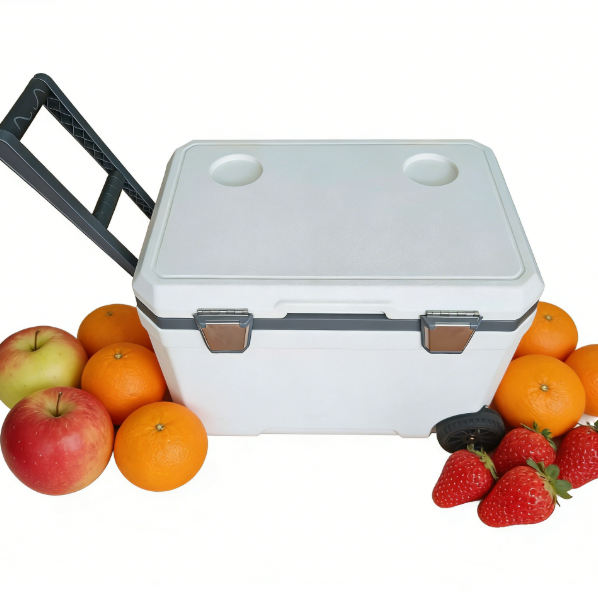
The best shock resistant EPP foam box is the one that matches your route, payload, handling risk, cleaning routine, and return loop at the same time. A strong EPP design can combine low weight, multi-impact recovery, and practical insulation, but not every box is tuned for the same lane. This guide blends buyer questions, engineering logic, and 2026 market expectations so you can choose with fewer assumptions and better evidence.
This optimized version is designed for decision-makers who need one article that combines commercial clarity, technical depth, and current market logic. Instead of separating procurement, engineering, and operations, it shows how those viewpoints should shape one coherent decision about the shock resistant EPP foam box.
This article will help you answer:
- How to judge the best shock resistant EPP foam box from both buyer and engineering angles
- Which specifications directly affect temperature control and impact protection
- What compliance, traceability, and validation issues deserve attention in 2026
- How to lower cost without sacrificing reliability or sustainability
Quick self-check
- You run a route where the same shock resistant EPP foam box can return and be used again
- Product loss, temperature drift, or crushed packaging currently costs more than the box itself
- Your team needs faster packout with less guesswork at busy times
What makes the best Shock Resistant EPP Foam Box in real operations?
The best shock resistant EPP foam box is not the one with the biggest claim. It is the one that fits your route, payload, and working method with the least friction. Great packaging feels almost invisible in daily use because staff know how to load it, receivers know how to handle it, and managers can predict how it will perform under pressure.
That is why the decision should start with lane reality. List the payload size, target temperature window, route time, touchpoints, seasonal ambient range, and whether the box returns. Then match the design to those facts. A strong EPP box can support insulation, cushioning, and repeat use in one format, but only when the specification is chosen for a real operating pattern.
A useful way to think about the shock resistant EPP foam box is to treat it as a controlled system. The material, the design, the packout, the route, and the return flow all influence the result. When one piece is ignored, the box may still work, but it rarely works as efficiently or as predictably as it should.
Which buyer signals show a strong shock absorbing EPP packaging design?
Look for fit, not excess. A well-designed box uses internal space efficiently, closes consistently, stacks safely, and supports a repeatable coolant layout. It should also reflect its main purpose clearly, whether that is multi-impact cushioning. Boxes that try to be everything for every route often become average at the jobs that matter most.
At this stage, the smartest buyers ask for evidence, not slogans. They want the design logic, sample consistency, test method, and change-control approach. That makes it easier to compare suppliers fairly and harder for weak products to hide behind vague promises.
| Buying Signal | What Good Looks Like | Warning Sign | What It Means for You |
|---|---|---|---|
| Payload fit | Stable layout with controlled headspace | Loose or improvised fit | Affects both temperature and handling reliability |
| Closure quality | Consistent lid seating and stack behavior | Inconsistent closing feel | Creates avoidable service risk |
| Program support | Clear QC and repeat-order discipline | Weak documentation | Makes scale-up harder than it should be |
Practical tips for you
- Start every buying decision with the route map and payload drawing.
- Use the same success criteria for every sample you compare.
- Treat packout simplicity as a performance feature, not as a secondary convenience.
Application example: A buyer evaluating a new shock resistant EPP foam box found that the winning sample was not the flashiest design. It was the one that fit the product cleanly, loaded fast, and came with the clearest explanation of how the same specification would be reproduced in volume.
How do technical specs change Shock Resistant EPP Foam Box performance?
Technical performance comes from the interaction of material, geometry, and packout discipline. EPP is useful because it is a lightweight closed-cell foam with multi-impact resilience, and technical references commonly place molded EPP across a wide density band from about 20 to 250 g/L. That range gives engineers room to balance low weight, stiffness, cushioning, and insulation.
Still, density alone does not decide the outcome. Wall thickness, corner design, bead fusion, lid depth, internal geometry, and coolant placement are all part of the thermal and mechanical picture. A thin but well-designed box can outperform a bulkier one if the geometry is smarter and the packout is controlled well.
The biggest improvement often comes from combining commercial discipline with technical discipline. Buyers define the lane and cost logic. Engineers define the performance logic. Operations define the loading and return method. When those three views are aligned early, approval gets easier and rework drops sharply.
What data matters most for drop-resistant insulated transport box?
Thermal reports should show the ambient profile, payload mass, coolant setup, starting temperature, total exposure time, and pass band. Handling reports should explain whether the design was evaluated with route simulation, drop testing, or both. Standards such as ASTM D3103, ASTM D4169, ASTM D5276, and ISTA thermal procedures are helpful because they force the conversation toward method instead of marketing.
If your application is more demanding, the design should reveal that intent. Higher-density builds can support stronger walls and more reuse. Shock-focused shapes can reduce impact transfer. Custom or compact designs can improve thermal efficiency by reducing wasted internal air volume. The best specification is always the one that solves the most important failure mode first.
| Technical Variable | Why It Matters | What to Review | Operational Payoff |
|---|---|---|---|
| Density and wall design | Controls weight, stiffness, and impact response | Density target plus geometry rationale | A more balanced box for the real lane |
| Thermal validation | Shows whether the packout can hold target range | Test profile, payload, coolant, pass band | Better confidence before scale-up |
| Handling validation | Confirms survival in distribution | Drop or route-simulation method | Fewer cracks, deformations, and service failures |
Practical tips for you
- Never evaluate hold time without the exact payload and coolant assumptions behind it.
- Check whether the design still works when partially loaded or handled repeatedly.
- Ask which variables are controlled in production and which are only nominal targets.
Application example: A performance review showed that the strongest result came from a balanced design rather than the highest density alone. The box performed better because the internal fit reduced movement and the closure repeated more consistently during loading.
Which standards, compliance needs, and scenarios matter most?
Standards matter because they connect packaging claims to real use. The right compliance file depends on the application, but serious buyers always look for traceable material information, controlled drawings, and route-relevant validation. That is how you reduce surprises when a pilot becomes a scaled program.
For most industrial and cold chain uses, the most helpful evidence is still route-relevant thermal data, drop or vibration testing, and clear incoming-quality controls for every production lot.
This is also why strong packaging programs age well. They are easier to retrain, easier to reorder, easier to document, and easier to adapt when routes or volumes change. A well-chosen EPP box does more than protect product; it reduces decision noise across the operation.
How should you connect compliance to real multi-impact reusable EPP box use?
Start by identifying the actual risk. Food programs care about food-contact declarations, cleaning routines, and traceability discipline. Vaccine transport cares about validated passive-cold-chain practice and temperature control. Industrial users may focus more on route abuse, compatibility, and long-term durability. The better your risk definition, the cleaner your packaging brief becomes.
In 2026, compliance is also tied more closely to operational responsiveness. Teams want to access records quickly, understand revisions clearly, and know that repeat orders will match the validated configuration. Good documentation reduces approval time and makes troubleshooting much faster when something changes in the field.
| Application Need | Primary Reference Point | What to Confirm | Why It Helps |
|---|---|---|---|
| Food-grade use | FDA / EU food-contact framework | Material declaration and GMP-style control | Supports safe, auditable food handling |
| Cold-chain validation | ASTM / ISTA methods | Thermal and handling evidence | Moves the decision from claims to proof |
| Sensitive distribution | WHO / CDC or route-specific SOPs | Packout discipline and response plan | Protects higher-risk payloads better |
Practical tips for you
- Tie every test report and declaration to the exact drawing revision.
- Keep one approval file that combines design, validation, and receiving checks.
- Review how a future spec change will be communicated before you scale the program.
Application example: A quality-driven sourcing team shortened approval time by turning scattered paperwork into one controlled file for the shock resistant EPP foam box. The package was easier to approve because design revision, validation logic, and receiving checks were aligned from the start.
How do you reduce cost, waste, and delivery risk with a Shock Resistant EPP Foam Box?
The best savings come when performance, reuse, and standard work improve together. A reusable EPP program does not win because the box is cheap. It wins because the route becomes more stable, the handling becomes simpler, and the packaging lasts long enough to cut replacement and service noise.
Measure the box by cycle, not just by purchase price. Track replacement rate, return rate, packout time, damage rate, and service exceptions. These numbers show whether the packaging is actually working. They also expose when the real weakness sits outside the material, such as poor return discipline or inconsistent loading.
This is also why strong packaging programs age well. They are easier to retrain, easier to reorder, easier to document, and easier to adapt when routes or volumes change. A well-chosen EPP box does more than protect product; it reduces decision noise across the operation.
What does a strong 2026 value model look like for shock absorbing EPP packaging?
A strong value model includes right sizing, clear return instructions, receiving checks, and a realistic end-of-life plan. EPP is attractive because it can be reused and recycled, but those advantages only become real when the operation can capture the box, separate damaged units, and keep a clean pool in circulation.
Market pressure is pushing buyers toward packaging that can do more with less waste, less labor, and less uncertainty. That is why 2026 procurement conversations often blend total cost, traceability, route performance, and sustainability into one decision instead of treating them as separate projects.
| Value Lever | What to Measure | How to Improve It | Result You Feel |
|---|---|---|---|
| Reuse efficiency | Trips per box and return rate | Clear return workflow | Better payback on each unit |
| Operational simplicity | Packout time and exceptions | Standardized work instructions | Fewer errors under daily pressure |
| Waste reduction | Replacement rate and end-of-life handling | Track losses and segregate damaged units | More credible sustainability results |
Practical tips for you
- Review cost by route and by cycle, not only by annual purchase volume.
- Pilot the return process and cleaning process before committing to a large rollout.
- Remove redundant sizes so the team builds habits around a smaller, stronger box family.
Application example: A reusable packaging rollout improved sharply after the team stopped focusing only on unit price. Once they tracked return rate, replacement rate, and packout consistency together, the EPP program became easier to scale and easier to defend internally.
2026 Developments and Trends
The best shock resistant EPP foam box designs in 2026 are winning because they connect buyer logic with engineering proof. Demand is moving toward packaging that is easier to validate, easier to reuse, and easier to fit into traceable workflows. That means the strongest solutions are usually not the most complicated ones. They are the ones that reduce uncertainty across packing, transport, receiving, and returns.
Latest shifts at a glance
- People-first packouts: Simple, repeatable loading methods are becoming a competitive advantage because they cut daily errors.
- Proof-backed sourcing: Validation detail, revision control, and clear compliance files now influence purchase decisions more directly.
- Sustainability with discipline: Reuse and recyclability matter most when the return loop and end-of-life path are operationally credible.
Across food, healthcare, and industrial logistics, buyers are blending total cost, service reliability, and sustainability into one packaging decision. That is why well-specified EPP programs continue to stand out in 2026.
Frequently Asked Questions
How do you choose the right shock resistant EPP foam box size?
Start with the real payload, coolant layout, and acceptable headspace. A right-sized box protects temperature and product better than a large box that simply looks more capable.
Is a shock resistant EPP foam box better than single-use foam for every route?
No. It performs best when the route, handling pattern, and return logic are defined. Reusable EPP becomes most convincing when you can measure lower damage, steadier packout, or better cycle economics.
How durable is a shock resistant EPP foam box in repeat use?
Durability depends on density, geometry, route abuse, and how well the box is handled between trips. Ask about real use cases, replacement rate, and any route simulation or drop-test evidence.
What test data matters most for a shock resistant EPP foam box?
The most useful reports explain the test profile, payload, coolant setup, starting temperature, and pass band. A hold-time claim without method details is not strong enough for a serious buying decision.
How should you compare suppliers for a shock resistant EPP foam box?
Compare consistency, documentation quality, revision control, lead time, and support during sampling and scale-up. The best supplier is the one who can repeat the validated design, not only deliver the first sample.
Is a more expensive shock resistant EPP foam box sometimes the cheaper choice?
Yes. If it cuts product loss, packout labor, emergency replacements, or waste, the total cost can be lower even when the purchase price is higher. Measure by cycle and by route, not only by unit cost.
How many sizes of shock resistant EPP foam box should a program usually keep?
Fewer is usually better. A smaller box family is easier to train, stock, and return. Add sizes only when the payload or route difference is large enough to justify the extra complexity.
Should you pilot a shock resistant EPP foam box before a full rollout?
Yes. A short pilot shows whether the box fits the route, the people, and the return flow. It is the fastest way to catch packout mistakes, receiving issues, and supplier consistency problems before scale creates cost.
Summary and Recommendations
The strongest shock resistant EPP foam box programs succeed because they align route fit, technical proof, compliance discipline, and reuse logic. The smartest buyers begin with the real lane, compare designs with the same payload and coolant setup, and ask for clear evidence before scaling. When the box, the route, and the operating method match, EPP can deliver practical gains in consistency, protection, and waste reduction.
Build a short approval checklist before you buy: define the route, define the payload, define the pass criteria, and run a real loaded sample. That simple sequence will help you avoid the most common packaging mistakes and move toward a box program that performs reliably in daily use.
About Tempk
At Tempk, we focus on insulated transport packaging for demanding cold chain and protective-use applications. We work on practical design questions such as fit, thermal performance, durability, and repeat-use efficiency, so a shock resistant EPP foam box program can be easier to validate and easier to scale. Our approach is grounded in route reality, not only catalog specifications.
Next step: define your payload, target temperature range, route profile, and reuse goal, then review sample options against those criteria before moving into a pilot order.