


What Makes the Best Customizable Lightweight EPP Foam Box?
What Makes the Best Customizable Lightweight EPP Foam Box?
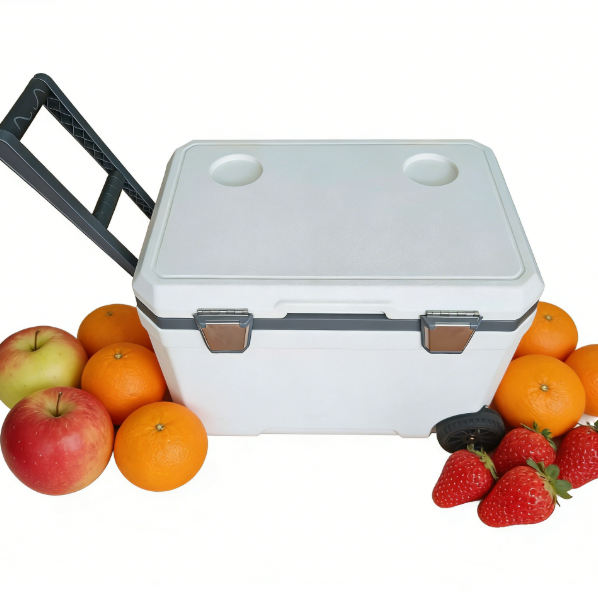
The best customizable lightweight EPP foam box is the one that matches your route, payload, handling risk, cleaning routine, and return loop at the same time. A strong EPP design can combine low weight, multi-impact recovery, and practical insulation, but not every box is tuned for the same lane. This guide blends buyer questions, engineering logic, and 2026 market expectations so you can choose with fewer assumptions and better evidence.
This optimized version is designed for decision-makers who need one article that combines commercial clarity, technical depth, and current market logic. Instead of separating procurement, engineering, and operations, it shows how those viewpoints should shape one coherent decision about the customizable lightweight EPP foam box.
This article will help you answer:
- How to judge the best customizable lightweight EPP foam box from both buyer and engineering angles
- Which specifications directly affect temperature control and impact protection
- What compliance, traceability, and validation issues deserve attention in 2026
- How to lower cost without sacrificing reliability or sustainability
Quick self-check
- You run a route where the same customizable lightweight EPP foam box can return and be used again
- Product loss, temperature drift, or crushed packaging currently costs more than the box itself
- Your team needs faster packout with less guesswork at busy times
What makes the best Customizable Lightweight EPP Foam Box in real operations?
The best customizable lightweight EPP foam box is not the one with the biggest claim. It is the one that fits your route, payload, and working method with the least friction. Great packaging feels almost invisible in daily use because staff know how to load it, receivers know how to handle it, and managers can predict how it will perform under pressure.
That is why the decision should start with lane reality. List the payload size, target temperature window, route time, touchpoints, seasonal ambient range, and whether the box returns. Then match the design to those facts. A strong EPP box can support insulation, cushioning, and repeat use in one format, but only when the specification is chosen for a real operating pattern.
A useful way to think about the customizable lightweight EPP foam box is to treat it as a controlled system. The material, the design, the packout, the route, and the return flow all influence the result. When one piece is ignored, the box may still work, but it rarely works as efficiently or as predictably as it should.
Which buyer signals show a strong custom size EPP box design?
Look for fit, not excess. A well-designed box uses internal space efficiently, closes consistently, stacks safely, and supports a repeatable coolant layout. It should also reflect its main purpose clearly, whether that is right-sized internal geometry and ergonomics and parcel efficiency. Boxes that try to be everything for every route often become average at the jobs that matter most.
At this stage, the smartest buyers ask for evidence, not slogans. They want the design logic, sample consistency, test method, and change-control approach. That makes it easier to compare suppliers fairly and harder for weak products to hide behind vague promises.
| Buying Signal | What Good Looks Like | Warning Sign | What It Means for You |
|---|---|---|---|
| Payload fit | Stable layout with controlled headspace | Loose or improvised fit | Affects both temperature and handling reliability |
| Closure quality | Consistent lid seating and stack behavior | Inconsistent closing feel | Creates avoidable service risk |
| Program support | Clear QC and repeat-order discipline | Weak documentation | Makes scale-up harder than it should be |
Practical tips for you
- Start every buying decision with the route map and payload drawing.
- Use the same success criteria for every sample you compare.
- Treat packout simplicity as a performance feature, not as a secondary convenience.
Application example: A buyer evaluating a new customizable lightweight EPP foam box found that the winning sample was not the flashiest design. It was the one that fit the product cleanly, loaded fast, and came with the clearest explanation of how the same specification would be reproduced in volume.
How do technical specs change Customizable Lightweight EPP Foam Box performance?
Technical performance comes from the interaction of material, geometry, and packout discipline. EPP is useful because it is a lightweight closed-cell foam with multi-impact resilience, and technical references commonly place molded EPP across a wide density band from about 20 to 250 g/L. That range gives engineers room to balance low weight, stiffness, cushioning, and insulation.
Still, density alone does not decide the outcome. Wall thickness, corner design, bead fusion, lid depth, internal geometry, and coolant placement are all part of the thermal and mechanical picture. A thin but well-designed box can outperform a bulkier one if the geometry is smarter and the packout is controlled well.
The biggest improvement often comes from combining commercial discipline with technical discipline. Buyers define the lane and cost logic. Engineers define the performance logic. Operations define the loading and return method. When those three views are aligned early, approval gets easier and rework drops sharply.
What data matters most for right-sized insulated foam box?
Thermal reports should show the ambient profile, payload mass, coolant setup, starting temperature, total exposure time, and pass band. Handling reports should explain whether the design was evaluated with route simulation, drop testing, or both. Standards such as ASTM D3103, ASTM D4169, ASTM D5276, and ISTA thermal procedures are helpful because they force the conversation toward method instead of marketing.
If your application is more demanding, the design should reveal that intent. Higher-density builds can support stronger walls and more reuse. Shock-focused shapes can reduce impact transfer. Custom or compact designs can improve thermal efficiency by reducing wasted internal air volume. The best specification is always the one that solves the most important failure mode first.
| Technical Variable | Why It Matters | What to Review | Operational Payoff |
|---|---|---|---|
| Density and wall design | Controls weight, stiffness, and impact response | Density target plus geometry rationale | A more balanced box for the real lane |
| Thermal validation | Shows whether the packout can hold target range | Test profile, payload, coolant, pass band | Better confidence before scale-up |
| Handling validation | Confirms survival in distribution | Drop or route-simulation method | Fewer cracks, deformations, and service failures |
Practical tips for you
- Never evaluate hold time without the exact payload and coolant assumptions behind it.
- Check whether the design still works when partially loaded or handled repeatedly.
- Ask which variables are controlled in production and which are only nominal targets.
Application example: A performance review showed that the strongest result came from a balanced design rather than the highest density alone. The box performed better because the internal fit reduced movement and the closure repeated more consistently during loading.
Which standards, compliance needs, and scenarios matter most?
Standards matter because they connect packaging claims to real use. The right compliance file depends on the application, but serious buyers always look for traceable material information, controlled drawings, and route-relevant validation. That is how you reduce surprises when a pilot becomes a scaled program.
For most industrial and cold chain uses, the most helpful evidence is still route-relevant thermal data, drop or vibration testing, and clear incoming-quality controls for every production lot.
This is also why strong packaging programs age well. They are easier to retrain, easier to reorder, easier to document, and easier to adapt when routes or volumes change. A well-chosen EPP box does more than protect product; it reduces decision noise across the operation.
How should you connect compliance to real OEM molded EPP transport box use?
Start by identifying the actual risk. Food programs care about food-contact declarations, cleaning routines, and traceability discipline. Vaccine transport cares about validated passive-cold-chain practice and temperature control. Industrial users may focus more on route abuse, compatibility, and long-term durability. The better your risk definition, the cleaner your packaging brief becomes.
In 2026, compliance is also tied more closely to operational responsiveness. Teams want to access records quickly, understand revisions clearly, and know that repeat orders will match the validated configuration. Good documentation reduces approval time and makes troubleshooting much faster when something changes in the field.
| Application Need | Primary Reference Point | What to Confirm | Why It Helps |
|---|---|---|---|
| Food-grade use | FDA / EU food-contact framework | Material declaration and GMP-style control | Supports safe, auditable food handling |
| Cold-chain validation | ASTM / ISTA methods | Thermal and handling evidence | Moves the decision from claims to proof |
| Sensitive distribution | WHO / CDC or route-specific SOPs | Packout discipline and response plan | Protects higher-risk payloads better |
Practical tips for you
- Tie every test report and declaration to the exact drawing revision.
- Keep one approval file that combines design, validation, and receiving checks.
- Review how a future spec change will be communicated before you scale the program.
Application example: A quality-driven sourcing team shortened approval time by turning scattered paperwork into one controlled file for the customizable lightweight EPP foam box. The package was easier to approve because design revision, validation logic, and receiving checks were aligned from the start.
How do you reduce cost, waste, and delivery risk with a Customizable Lightweight EPP Foam Box?
The best savings come when performance, reuse, and standard work improve together. A reusable EPP program does not win because the box is cheap. It wins because the route becomes more stable, the handling becomes simpler, and the packaging lasts long enough to cut replacement and service noise.
Measure the box by cycle, not just by purchase price. Track replacement rate, return rate, packout time, damage rate, and service exceptions. These numbers show whether the packaging is actually working. They also expose when the real weakness sits outside the material, such as poor return discipline or inconsistent loading.
This is also why strong packaging programs age well. They are easier to retrain, easier to reorder, easier to document, and easier to adapt when routes or volumes change. A well-chosen EPP box does more than protect product; it reduces decision noise across the operation.
What does a strong 2026 value model look like for lightweight protective EPP packaging?
A strong value model includes right sizing, clear return instructions, receiving checks, and a realistic end-of-life plan. EPP is attractive because it can be reused and recycled, but those advantages only become real when the operation can capture the box, separate damaged units, and keep a clean pool in circulation.
Market pressure is pushing buyers toward packaging that can do more with less waste, less labor, and less uncertainty. That is why 2026 procurement conversations often blend total cost, traceability, route performance, and sustainability into one decision instead of treating them as separate projects.
| Value Lever | What to Measure | How to Improve It | Result You Feel |
|---|---|---|---|
| Reuse efficiency | Trips per box and return rate | Clear return workflow | Better payback on each unit |
| Operational simplicity | Packout time and exceptions | Standardized work instructions | Fewer errors under daily pressure |
| Waste reduction | Replacement rate and end-of-life handling | Track losses and segregate damaged units | More credible sustainability results |
Practical tips for you
- Review cost by route and by cycle, not only by annual purchase volume.
- Pilot the return process and cleaning process before committing to a large rollout.
- Remove redundant sizes so the team builds habits around a smaller, stronger box family.
Application example: A reusable packaging rollout improved sharply after the team stopped focusing only on unit price. Once they tracked return rate, replacement rate, and packout consistency together, the EPP program became easier to scale and easier to defend internally.
2026 Developments and Trends
The best customizable lightweight EPP foam box designs in 2026 are winning because they connect buyer logic with engineering proof. Demand is moving toward packaging that is easier to validate, easier to reuse, and easier to fit into traceable workflows. That means the strongest solutions are usually not the most complicated ones. They are the ones that reduce uncertainty across packing, transport, receiving, and returns.
Latest shifts at a glance
- People-first packouts: Simple, repeatable loading methods are becoming a competitive advantage because they cut daily errors.
- Proof-backed sourcing: Validation detail, revision control, and clear compliance files now influence purchase decisions more directly.
- Sustainability with discipline: Reuse and recyclability matter most when the return loop and end-of-life path are operationally credible.
Across food, healthcare, and industrial logistics, buyers are blending total cost, service reliability, and sustainability into one packaging decision. That is why well-specified EPP programs continue to stand out in 2026.
Frequently Asked Questions
How do you choose the right customizable lightweight EPP foam box size?
Start with the real payload, coolant layout, and acceptable headspace. A right-sized box protects temperature and product better than a large box that simply looks more capable.
Is a customizable lightweight EPP foam box better than single-use foam for every route?
No. It performs best when the route, handling pattern, and return logic are defined. Reusable EPP becomes most convincing when you can measure lower damage, steadier packout, or better cycle economics.
How durable is a customizable lightweight EPP foam box in repeat use?
Durability depends on density, geometry, route abuse, and how well the box is handled between trips. Ask about real use cases, replacement rate, and any route simulation or drop-test evidence.
What test data matters most for a customizable lightweight EPP foam box?
The most useful reports explain the test profile, payload, coolant setup, starting temperature, and pass band. A hold-time claim without method details is not strong enough for a serious buying decision.
How should you compare suppliers for a customizable lightweight EPP foam box?
Compare consistency, documentation quality, revision control, lead time, and support during sampling and scale-up. The best supplier is the one who can repeat the validated design, not only deliver the first sample.
Is a more expensive customizable lightweight EPP foam box sometimes the cheaper choice?
Yes. If it cuts product loss, packout labor, emergency replacements, or waste, the total cost can be lower even when the purchase price is higher. Measure by cycle and by route, not only by unit cost.
How many sizes of customizable lightweight EPP foam box should a program usually keep?
Fewer is usually better. A smaller box family is easier to train, stock, and return. Add sizes only when the payload or route difference is large enough to justify the extra complexity.
When should you request a custom customizable lightweight EPP foam box instead of a standard size?
Request customization when standard sizes create too much empty space, unstable stacking, or extra labor. A custom design is most worthwhile when the volume is repeatable and the geometry clearly improves performance or efficiency.
Summary and Recommendations
The strongest customizable lightweight EPP foam box programs succeed because they align route fit, technical proof, compliance discipline, and reuse logic. The smartest buyers begin with the real lane, compare designs with the same payload and coolant setup, and ask for clear evidence before scaling. When the box, the route, and the operating method match, EPP can deliver practical gains in consistency, protection, and waste reduction.
Build a short approval checklist before you buy: define the route, define the payload, define the pass criteria, and run a real loaded sample. That simple sequence will help you avoid the most common packaging mistakes and move toward a box program that performs reliably in daily use.
About Tempk
At Tempk, we focus on insulated transport packaging for demanding cold chain and protective-use applications. We work on practical design questions such as fit, thermal performance, durability, and repeat-use efficiency, so a customizable lightweight EPP foam box program can be easier to validate and easier to scale. Our approach is grounded in route reality, not only catalog specifications.
Next step: define your payload, target temperature range, route profile, and reuse goal, then review sample options against those criteria before moving into a pilot order.
How to Buy the Best Compact Foldable EPP Insulation Box

The best compact foldable EPP insulation box is the one that matches your route, payload, handling risk, cleaning routine, and return loop at the same time. A strong EPP design can combine low weight, multi-impact recovery, and practical insulation, but not every box is tuned for the same lane. This guide blends buyer questions, engineering logic, and 2026 market expectations so you can choose with fewer assumptions and better evidence.
This optimized version is designed for decision-makers who need one article that combines commercial clarity, technical depth, and current market logic. Instead of separating procurement, engineering, and operations, it shows how those viewpoints should shape one coherent decision about the compact foldable EPP insulation box.
This article will help you answer:
- How to judge the best compact foldable EPP insulation box from both buyer and engineering angles
- Which specifications directly affect temperature control and impact protection
- What compliance, traceability, and validation issues deserve attention in 2026
- How to lower cost without sacrificing reliability or sustainability
Quick self-check
- You run a route where the same compact foldable EPP insulation box can return and be used again
- Product loss, temperature drift, or crushed packaging currently costs more than the box itself
- Your team needs faster packout with less guesswork at busy times
What makes the best Compact Foldable EPP Insulation Box in real operations?
The best compact foldable EPP insulation box is not the one with the biggest claim. It is the one that fits your route, payload, and working method with the least friction. Great packaging feels almost invisible in daily use because staff know how to load it, receivers know how to handle it, and managers can predict how it will perform under pressure.
That is why the decision should start with lane reality. List the payload size, target temperature window, route time, touchpoints, seasonal ambient range, and whether the box returns. Then match the design to those facts. A strong EPP box can support insulation, cushioning, and repeat use in one format, but only when the specification is chosen for a real operating pattern.
A useful way to think about the compact foldable EPP insulation box is to treat it as a controlled system. The material, the design, the packout, the route, and the return flow all influence the result. When one piece is ignored, the box may still work, but it rarely works as efficiently or as predictably as it should.
Which buyer signals show a strong space-saving insulated EPP box design?
Look for fit, not excess. A well-designed box uses internal space efficiently, closes consistently, stacks safely, and supports a repeatable coolant layout. It should also reflect its main purpose clearly, whether that is folding geometry and return-cube efficiency and ergonomics and parcel efficiency. Boxes that try to be everything for every route often become average at the jobs that matter most.
At this stage, the smartest buyers ask for evidence, not slogans. They want the design logic, sample consistency, test method, and change-control approach. That makes it easier to compare suppliers fairly and harder for weak products to hide behind vague promises.
| Buying Signal | What Good Looks Like | Warning Sign | What It Means for You |
|---|---|---|---|
| Payload fit | Stable layout with controlled headspace | Loose or improvised fit | Affects both temperature and handling reliability |
| Closure quality | Consistent lid seating and stack behavior | Inconsistent closing feel | Creates avoidable service risk |
| Program support | Clear QC and repeat-order discipline | Weak documentation | Makes scale-up harder than it should be |
Practical tips for you
- Start every buying decision with the route map and payload drawing.
- Use the same success criteria for every sample you compare.
- Treat packout simplicity as a performance feature, not as a secondary convenience.
Application example: A buyer evaluating a new compact foldable EPP insulation box found that the winning sample was not the flashiest design. It was the one that fit the product cleanly, loaded fast, and came with the clearest explanation of how the same specification would be reproduced in volume.
How do technical specs change Compact Foldable EPP Insulation Box performance?
Technical performance comes from the interaction of material, geometry, and packout discipline. EPP is useful because it is a lightweight closed-cell foam with multi-impact resilience, and technical references commonly place molded EPP across a wide density band from about 20 to 250 g/L. That range gives engineers room to balance low weight, stiffness, cushioning, and insulation.
Still, density alone does not decide the outcome. Wall thickness, corner design, bead fusion, lid depth, internal geometry, and coolant placement are all part of the thermal and mechanical picture. A thin but well-designed box can outperform a bulkier one if the geometry is smarter and the packout is controlled well.
The biggest improvement often comes from combining commercial discipline with technical discipline. Buyers define the lane and cost logic. Engineers define the performance logic. Operations define the loading and return method. When those three views are aligned early, approval gets easier and rework drops sharply.
What data matters most for reusable foldable cold chain box?
Thermal reports should show the ambient profile, payload mass, coolant setup, starting temperature, total exposure time, and pass band. Handling reports should explain whether the design was evaluated with route simulation, drop testing, or both. Standards such as ASTM D3103, ASTM D4169, ASTM D5276, and ISTA thermal procedures are helpful because they force the conversation toward method instead of marketing.
If your application is more demanding, the design should reveal that intent. Higher-density builds can support stronger walls and more reuse. Shock-focused shapes can reduce impact transfer. Custom or compact designs can improve thermal efficiency by reducing wasted internal air volume. The best specification is always the one that solves the most important failure mode first.
| Technical Variable | Why It Matters | What to Review | Operational Payoff |
|---|---|---|---|
| Density and wall design | Controls weight, stiffness, and impact response | Density target plus geometry rationale | A more balanced box for the real lane |
| Thermal validation | Shows whether the packout can hold target range | Test profile, payload, coolant, pass band | Better confidence before scale-up |
| Handling validation | Confirms survival in distribution | Drop or route-simulation method | Fewer cracks, deformations, and service failures |
Practical tips for you
- Never evaluate hold time without the exact payload and coolant assumptions behind it.
- Check whether the design still works when partially loaded or handled repeatedly.
- Ask which variables are controlled in production and which are only nominal targets.
Application example: A performance review showed that the strongest result came from a balanced design rather than the highest density alone. The box performed better because the internal fit reduced movement and the closure repeated more consistently during loading.
Which standards, compliance needs, and scenarios matter most?
Standards matter because they connect packaging claims to real use. The right compliance file depends on the application, but serious buyers always look for traceable material information, controlled drawings, and route-relevant validation. That is how you reduce surprises when a pilot becomes a scaled program.
For most industrial and cold chain uses, the most helpful evidence is still route-relevant thermal data, drop or vibration testing, and clear incoming-quality controls for every production lot.
This is also why strong packaging programs age well. They are easier to retrain, easier to reorder, easier to document, and easier to adapt when routes or volumes change. A well-chosen EPP box does more than protect product; it reduces decision noise across the operation.
How should you connect compliance to real stackable returnable EPP cooler use?
Start by identifying the actual risk. Food programs care about food-contact declarations, cleaning routines, and traceability discipline. Vaccine transport cares about validated passive-cold-chain practice and temperature control. Industrial users may focus more on route abuse, compatibility, and long-term durability. The better your risk definition, the cleaner your packaging brief becomes.
In 2026, compliance is also tied more closely to operational responsiveness. Teams want to access records quickly, understand revisions clearly, and know that repeat orders will match the validated configuration. Good documentation reduces approval time and makes troubleshooting much faster when something changes in the field.
| Application Need | Primary Reference Point | What to Confirm | Why It Helps |
|---|---|---|---|
| Food-grade use | FDA / EU food-contact framework | Material declaration and GMP-style control | Supports safe, auditable food handling |
| Cold-chain validation | ASTM / ISTA methods | Thermal and handling evidence | Moves the decision from claims to proof |
| Sensitive distribution | WHO / CDC or route-specific SOPs | Packout discipline and response plan | Protects higher-risk payloads better |
Practical tips for you
- Tie every test report and declaration to the exact drawing revision.
- Keep one approval file that combines design, validation, and receiving checks.
- Review how a future spec change will be communicated before you scale the program.
Application example: A quality-driven sourcing team shortened approval time by turning scattered paperwork into one controlled file for the compact foldable EPP insulation box. The package was easier to approve because design revision, validation logic, and receiving checks were aligned from the start.
How do you reduce cost, waste, and delivery risk with a Compact Foldable EPP Insulation Box?
The best savings come when performance, reuse, and standard work improve together. A reusable EPP program does not win because the box is cheap. It wins because the route becomes more stable, the handling becomes simpler, and the packaging lasts long enough to cut replacement and service noise.
Measure the box by cycle, not just by purchase price. Track replacement rate, return rate, packout time, damage rate, and service exceptions. These numbers show whether the packaging is actually working. They also expose when the real weakness sits outside the material, such as poor return discipline or inconsistent loading.
This is also why strong packaging programs age well. They are easier to retrain, easier to reorder, easier to document, and easier to adapt when routes or volumes change. A well-chosen EPP box does more than protect product; it reduces decision noise across the operation.
What does a strong 2026 value model look like for space-saving insulated EPP box?
A strong value model includes right sizing, clear return instructions, receiving checks, and a realistic end-of-life plan. EPP is attractive because it can be reused and recycled, but those advantages only become real when the operation can capture the box, separate damaged units, and keep a clean pool in circulation.
Market pressure is pushing buyers toward packaging that can do more with less waste, less labor, and less uncertainty. That is why 2026 procurement conversations often blend total cost, traceability, route performance, and sustainability into one decision instead of treating them as separate projects.
| Value Lever | What to Measure | How to Improve It | Result You Feel |
|---|---|---|---|
| Reuse efficiency | Trips per box and return rate | Clear return workflow | Better payback on each unit |
| Operational simplicity | Packout time and exceptions | Standardized work instructions | Fewer errors under daily pressure |
| Waste reduction | Replacement rate and end-of-life handling | Track losses and segregate damaged units | More credible sustainability results |
Practical tips for you
- Review cost by route and by cycle, not only by annual purchase volume.
- Pilot the return process and cleaning process before committing to a large rollout.
- Remove redundant sizes so the team builds habits around a smaller, stronger box family.
Application example: A reusable packaging rollout improved sharply after the team stopped focusing only on unit price. Once they tracked return rate, replacement rate, and packout consistency together, the EPP program became easier to scale and easier to defend internally.
2026 Developments and Trends
The best compact foldable EPP insulation box designs in 2026 are winning because they connect buyer logic with engineering proof. Demand is moving toward packaging that is easier to validate, easier to reuse, and easier to fit into traceable workflows. That means the strongest solutions are usually not the most complicated ones. They are the ones that reduce uncertainty across packing, transport, receiving, and returns.
Latest shifts at a glance
- People-first packouts: Simple, repeatable loading methods are becoming a competitive advantage because they cut daily errors.
- Proof-backed sourcing: Validation detail, revision control, and clear compliance files now influence purchase decisions more directly.
- Sustainability with discipline: Reuse and recyclability matter most when the return loop and end-of-life path are operationally credible.
Across food, healthcare, and industrial logistics, buyers are blending total cost, service reliability, and sustainability into one packaging decision. That is why well-specified EPP programs continue to stand out in 2026.
Frequently Asked Questions
How do you choose the right compact foldable EPP insulation box size?
Start with the real payload, coolant layout, and acceptable headspace. A right-sized box protects temperature and product better than a large box that simply looks more capable.
Is a compact foldable EPP insulation box better than single-use foam for every route?
No. It performs best when the route, handling pattern, and return logic are defined. Reusable EPP becomes most convincing when you can measure lower damage, steadier packout, or better cycle economics.
How durable is a compact foldable EPP insulation box in repeat use?
Durability depends on density, geometry, route abuse, and how well the box is handled between trips. Ask about real use cases, replacement rate, and any route simulation or drop-test evidence.
What test data matters most for a compact foldable EPP insulation box?
The most useful reports explain the test profile, payload, coolant setup, starting temperature, and pass band. A hold-time claim without method details is not strong enough for a serious buying decision.
How should you compare suppliers for a compact foldable EPP insulation box?
Compare consistency, documentation quality, revision control, lead time, and support during sampling and scale-up. The best supplier is the one who can repeat the validated design, not only deliver the first sample.
Is a more expensive compact foldable EPP insulation box sometimes the cheaper choice?
Yes. If it cuts product loss, packout labor, emergency replacements, or waste, the total cost can be lower even when the purchase price is higher. Measure by cycle and by route, not only by unit cost.
How many sizes of compact foldable EPP insulation box should a program usually keep?
Fewer is usually better. A smaller box family is easier to train, stock, and return. Add sizes only when the payload or route difference is large enough to justify the extra complexity.
Should you pilot a compact foldable EPP insulation box before a full rollout?
Yes. A short pilot shows whether the box fits the route, the people, and the return flow. It is the fastest way to catch packout mistakes, receiving issues, and supplier consistency problems before scale creates cost.
Summary and Recommendations
The strongest compact foldable EPP insulation box programs succeed because they align route fit, technical proof, compliance discipline, and reuse logic. The smartest buyers begin with the real lane, compare designs with the same payload and coolant setup, and ask for clear evidence before scaling. When the box, the route, and the operating method match, EPP can deliver practical gains in consistency, protection, and waste reduction.
Build a short approval checklist before you buy: define the route, define the payload, define the pass criteria, and run a real loaded sample. That simple sequence will help you avoid the most common packaging mistakes and move toward a box program that performs reliably in daily use.
About Tempk
At Tempk, we focus on insulated transport packaging for demanding cold chain and protective-use applications. We work on practical design questions such as fit, thermal performance, durability, and repeat-use efficiency, so a compact foldable EPP insulation box program can be easier to validate and easier to scale. Our approach is grounded in route reality, not only catalog specifications.
Next step: define your payload, target temperature range, route profile, and reuse goal, then review sample options against those criteria before moving into a pilot order.
How to Buy the Best Compact EPP Box Custom Size
The best compact EPP box custom size is the one that matches your route, payload, handling risk, cleaning routine, and return loop at the same time. A strong EPP design can combine low weight, multi-impact recovery, and practical insulation, but not every box is tuned for the same lane. This guide blends buyer questions, engineering logic, and 2026 market expectations so you can choose with fewer assumptions and better evidence.
This optimized version is designed for decision-makers who need one article that combines commercial clarity, technical depth, and current market logic. Instead of separating procurement, engineering, and operations, it shows how those viewpoints should shape one coherent decision about the compact EPP box custom size.
This article will help you answer:
- How to judge the best compact EPP box custom size from both buyer and engineering angles
- Which specifications directly affect temperature control and impact protection
- What compliance, traceability, and validation issues deserve attention in 2026
- How to lower cost without sacrificing reliability or sustainability
Quick self-check
- You run a route where the same compact EPP box custom size can return and be used again
- Product loss, temperature drift, or crushed packaging currently costs more than the box itself
- Your team needs faster packout with less guesswork at busy times
What makes the best Compact EPP Box Custom Size in real operations?
The best compact EPP box custom size is not the one with the biggest claim. It is the one that fits your route, payload, and working method with the least friction. Great packaging feels almost invisible in daily use because staff know how to load it, receivers know how to handle it, and managers can predict how it will perform under pressure.
That is why the decision should start with lane reality. List the payload size, target temperature window, route time, touchpoints, seasonal ambient range, and whether the box returns. Then match the design to those facts. A strong EPP box can support insulation, cushioning, and repeat use in one format, but only when the specification is chosen for a real operating pattern.
A useful way to think about the compact EPP box custom size is to treat it as a controlled system. The material, the design, the packout, the route, and the return flow all influence the result. When one piece is ignored, the box may still work, but it rarely works as efficiently or as predictably as it should.
Which buyer signals show a strong custom size EPP box design?
Look for fit, not excess. A well-designed box uses internal space efficiently, closes consistently, stacks safely, and supports a repeatable coolant layout. It should also reflect its main purpose clearly, whether that is right-sized internal geometry and ergonomics and parcel efficiency. Boxes that try to be everything for every route often become average at the jobs that matter most.
At this stage, the smartest buyers ask for evidence, not slogans. They want the design logic, sample consistency, test method, and change-control approach. That makes it easier to compare suppliers fairly and harder for weak products to hide behind vague promises.
| Buying Signal | What Good Looks Like | Warning Sign | What It Means for You |
|---|---|---|---|
| Payload fit | Stable layout with controlled headspace | Loose or improvised fit | Affects both temperature and handling reliability |
| Closure quality | Consistent lid seating and stack behavior | Inconsistent closing feel | Creates avoidable service risk |
| Program support | Clear QC and repeat-order discipline | Weak documentation | Makes scale-up harder than it should be |
Practical tips for you
- Start every buying decision with the route map and payload drawing.
- Use the same success criteria for every sample you compare.
- Treat packout simplicity as a performance feature, not as a secondary convenience.
Application example: A buyer evaluating a new compact EPP box custom size found that the winning sample was not the flashiest design. It was the one that fit the product cleanly, loaded fast, and came with the clearest explanation of how the same specification would be reproduced in volume.
How do technical specs change Compact EPP Box Custom Size performance?
Technical performance comes from the interaction of material, geometry, and packout discipline. EPP is useful because it is a lightweight closed-cell foam with multi-impact resilience, and technical references commonly place molded EPP across a wide density band from about 20 to 250 g/L. That range gives engineers room to balance low weight, stiffness, cushioning, and insulation.
Still, density alone does not decide the outcome. Wall thickness, corner design, bead fusion, lid depth, internal geometry, and coolant placement are all part of the thermal and mechanical picture. A thin but well-designed box can outperform a bulkier one if the geometry is smarter and the packout is controlled well.
The biggest improvement often comes from combining commercial discipline with technical discipline. Buyers define the lane and cost logic. Engineers define the performance logic. Operations define the loading and return method. When those three views are aligned early, approval gets easier and rework drops sharply.
What data matters most for right-sized insulated foam box?
Thermal reports should show the ambient profile, payload mass, coolant setup, starting temperature, total exposure time, and pass band. Handling reports should explain whether the design was evaluated with route simulation, drop testing, or both. Standards such as ASTM D3103, ASTM D4169, ASTM D5276, and ISTA thermal procedures are helpful because they force the conversation toward method instead of marketing.
If your application is more demanding, the design should reveal that intent. Higher-density builds can support stronger walls and more reuse. Shock-focused shapes can reduce impact transfer. Custom or compact designs can improve thermal efficiency by reducing wasted internal air volume. The best specification is always the one that solves the most important failure mode first.
| Technical Variable | Why It Matters | What to Review | Operational Payoff |
|---|---|---|---|
| Density and wall design | Controls weight, stiffness, and impact response | Density target plus geometry rationale | A more balanced box for the real lane |
| Thermal validation | Shows whether the packout can hold target range | Test profile, payload, coolant, pass band | Better confidence before scale-up |
| Handling validation | Confirms survival in distribution | Drop or route-simulation method | Fewer cracks, deformations, and service failures |
Practical tips for you
- Never evaluate hold time without the exact payload and coolant assumptions behind it.
- Check whether the design still works when partially loaded or handled repeatedly.
- Ask which variables are controlled in production and which are only nominal targets.
Application example: A performance review showed that the strongest result came from a balanced design rather than the highest density alone. The box performed better because the internal fit reduced movement and the closure repeated more consistently during loading.
Which standards, compliance needs, and scenarios matter most?
Standards matter because they connect packaging claims to real use. The right compliance file depends on the application, but serious buyers always look for traceable material information, controlled drawings, and route-relevant validation. That is how you reduce surprises when a pilot becomes a scaled program.
For most industrial and cold chain uses, the most helpful evidence is still route-relevant thermal data, drop or vibration testing, and clear incoming-quality controls for every production lot.
This is also why strong packaging programs age well. They are easier to retrain, easier to reorder, easier to document, and easier to adapt when routes or volumes change. A well-chosen EPP box does more than protect product; it reduces decision noise across the operation.
How should you connect compliance to real OEM molded EPP transport box use?
Start by identifying the actual risk. Food programs care about food-contact declarations, cleaning routines, and traceability discipline. Vaccine transport cares about validated passive-cold-chain practice and temperature control. Industrial users may focus more on route abuse, compatibility, and long-term durability. The better your risk definition, the cleaner your packaging brief becomes.
In 2026, compliance is also tied more closely to operational responsiveness. Teams want to access records quickly, understand revisions clearly, and know that repeat orders will match the validated configuration. Good documentation reduces approval time and makes troubleshooting much faster when something changes in the field.
| Application Need | Primary Reference Point | What to Confirm | Why It Helps |
|---|---|---|---|
| Food-grade use | FDA / EU food-contact framework | Material declaration and GMP-style control | Supports safe, auditable food handling |
| Cold-chain validation | ASTM / ISTA methods | Thermal and handling evidence | Moves the decision from claims to proof |
| Sensitive distribution | WHO / CDC or route-specific SOPs | Packout discipline and response plan | Protects higher-risk payloads better |
Practical tips for you
- Tie every test report and declaration to the exact drawing revision.
- Keep one approval file that combines design, validation, and receiving checks.
- Review how a future spec change will be communicated before you scale the program.
Application example: A quality-driven sourcing team shortened approval time by turning scattered paperwork into one controlled file for the compact EPP box custom size. The package was easier to approve because design revision, validation logic, and receiving checks were aligned from the start.
How do you reduce cost, waste, and delivery risk with a Compact EPP Box Custom Size?
The best savings come when performance, reuse, and standard work improve together. A reusable EPP program does not win because the box is cheap. It wins because the route becomes more stable, the handling becomes simpler, and the packaging lasts long enough to cut replacement and service noise.
Measure the box by cycle, not just by purchase price. Track replacement rate, return rate, packout time, damage rate, and service exceptions. These numbers show whether the packaging is actually working. They also expose when the real weakness sits outside the material, such as poor return discipline or inconsistent loading.
This is also why strong packaging programs age well. They are easier to retrain, easier to reorder, easier to document, and easier to adapt when routes or volumes change. A well-chosen EPP box does more than protect product; it reduces decision noise across the operation.
What does a strong 2026 value model look like for custom size EPP box?
A strong value model includes right sizing, clear return instructions, receiving checks, and a realistic end-of-life plan. EPP is attractive because it can be reused and recycled, but those advantages only become real when the operation can capture the box, separate damaged units, and keep a clean pool in circulation.
Market pressure is pushing buyers toward packaging that can do more with less waste, less labor, and less uncertainty. That is why 2026 procurement conversations often blend total cost, traceability, route performance, and sustainability into one decision instead of treating them as separate projects.
| Value Lever | What to Measure | How to Improve It | Result You Feel |
|---|---|---|---|
| Reuse efficiency | Trips per box and return rate | Clear return workflow | Better payback on each unit |
| Operational simplicity | Packout time and exceptions | Standardized work instructions | Fewer errors under daily pressure |
| Waste reduction | Replacement rate and end-of-life handling | Track losses and segregate damaged units | More credible sustainability results |
Practical tips for you
- Review cost by route and by cycle, not only by annual purchase volume.
- Pilot the return process and cleaning process before committing to a large rollout.
- Remove redundant sizes so the team builds habits around a smaller, stronger box family.
Application example: A reusable packaging rollout improved sharply after the team stopped focusing only on unit price. Once they tracked return rate, replacement rate, and packout consistency together, the EPP program became easier to scale and easier to defend internally.
2026 Developments and Trends
The best compact EPP box custom size designs in 2026 are winning because they connect buyer logic with engineering proof. Demand is moving toward packaging that is easier to validate, easier to reuse, and easier to fit into traceable workflows. That means the strongest solutions are usually not the most complicated ones. They are the ones that reduce uncertainty across packing, transport, receiving, and returns.
Latest shifts at a glance
- People-first packouts: Simple, repeatable loading methods are becoming a competitive advantage because they cut daily errors.
- Proof-backed sourcing: Validation detail, revision control, and clear compliance files now influence purchase decisions more directly.
- Sustainability with discipline: Reuse and recyclability matter most when the return loop and end-of-life path are operationally credible.
Across food, healthcare, and industrial logistics, buyers are blending total cost, service reliability, and sustainability into one packaging decision. That is why well-specified EPP programs continue to stand out in 2026.
Frequently Asked Questions
How do you choose the right compact EPP box custom size size?
Start with the real payload, coolant layout, and acceptable headspace. A right-sized box protects temperature and product better than a large box that simply looks more capable.
Is a compact EPP box custom size better than single-use foam for every route?
No. It performs best when the route, handling pattern, and return logic are defined. Reusable EPP becomes most convincing when you can measure lower damage, steadier packout, or better cycle economics.
How durable is a compact EPP box custom size in repeat use?
Durability depends on density, geometry, route abuse, and how well the box is handled between trips. Ask about real use cases, replacement rate, and any route simulation or drop-test evidence.
What test data matters most for a compact EPP box custom size?
The most useful reports explain the test profile, payload, coolant setup, starting temperature, and pass band. A hold-time claim without method details is not strong enough for a serious buying decision.
How should you compare suppliers for a compact EPP box custom size?
Compare consistency, documentation quality, revision control, lead time, and support during sampling and scale-up. The best supplier is the one who can repeat the validated design, not only deliver the first sample.
Is a more expensive compact EPP box custom size sometimes the cheaper choice?
Yes. If it cuts product loss, packout labor, emergency replacements, or waste, the total cost can be lower even when the purchase price is higher. Measure by cycle and by route, not only by unit cost.
How many sizes of compact EPP box custom size should a program usually keep?
Fewer is usually better. A smaller box family is easier to train, stock, and return. Add sizes only when the payload or route difference is large enough to justify the extra complexity.
When should you request a custom compact EPP box custom size instead of a standard size?
Request customization when standard sizes create too much empty space, unstable stacking, or extra labor. A custom design is most worthwhile when the volume is repeatable and the geometry clearly improves performance or efficiency.
Summary and Recommendations
The strongest compact EPP box custom size programs succeed because they align route fit, technical proof, compliance discipline, and reuse logic. The smartest buyers begin with the real lane, compare designs with the same payload and coolant setup, and ask for clear evidence before scaling. When the box, the route, and the operating method match, EPP can deliver practical gains in consistency, protection, and waste reduction.
Build a short approval checklist before you buy: define the route, define the payload, define the pass criteria, and run a real loaded sample. That simple sequence will help you avoid the most common packaging mistakes and move toward a box program that performs reliably in daily use.
About Tempk
At Tempk, we focus on insulated transport packaging for demanding cold chain and protective-use applications. We work on practical design questions such as fit, thermal performance, durability, and repeat-use efficiency, so a compact EPP box custom size program can be easier to validate and easier to scale. Our approach is grounded in route reality, not only catalog specifications.
Next step: define your payload, target temperature range, route profile, and reuse goal, then review sample options against those criteria before moving into a pilot order.
What Makes the Best Collapsible EPP Insulation Box Supplier?
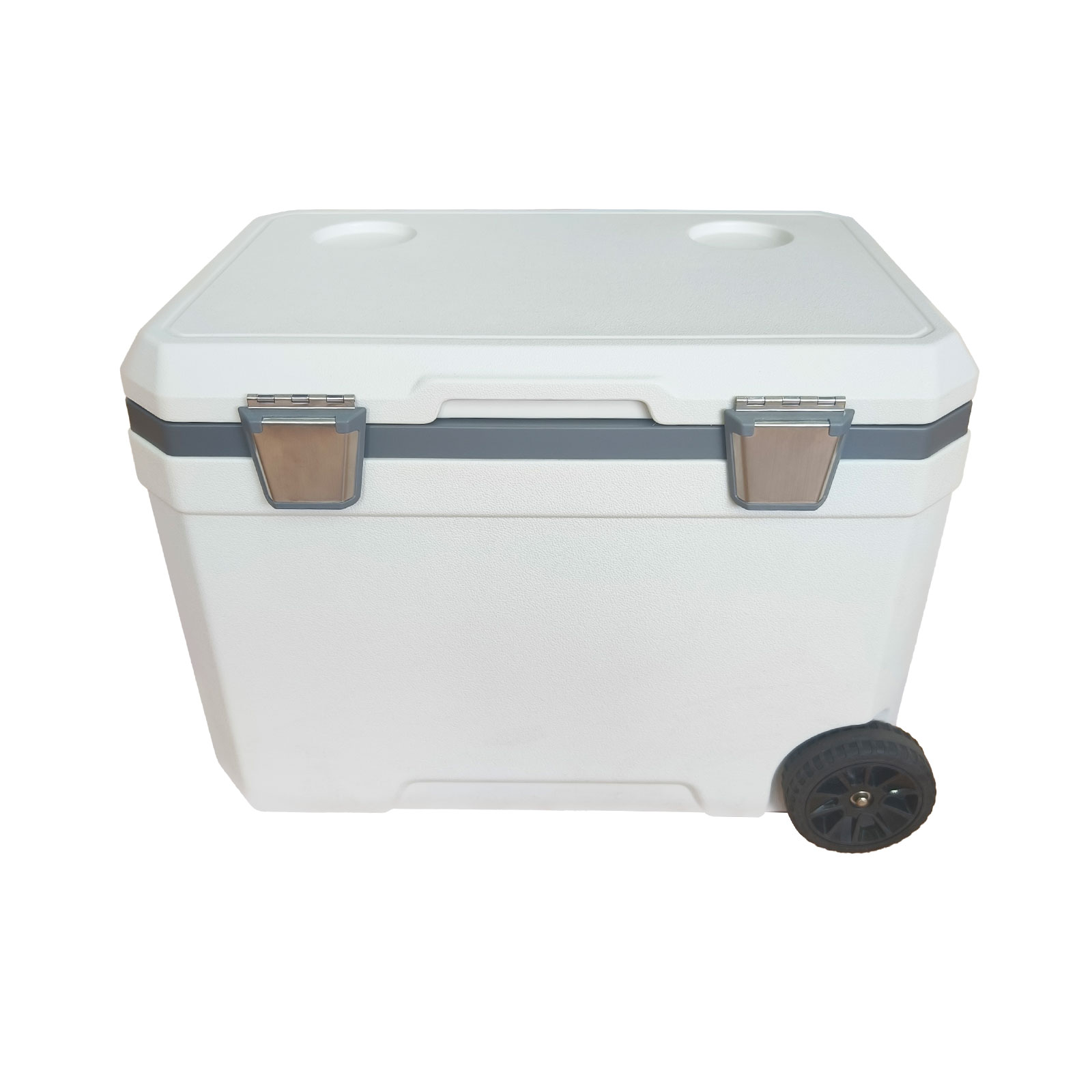
The best collapsible EPP insulation box supplier is the one that matches your route, payload, handling risk, cleaning routine, and return loop at the same time. A strong EPP design can combine low weight, multi-impact recovery, and practical insulation, but not every box is tuned for the same lane. This guide blends buyer questions, engineering logic, and 2026 market expectations so you can choose with fewer assumptions and better evidence.
This optimized version is designed for decision-makers who need one article that combines commercial clarity, technical depth, and current market logic. Instead of separating procurement, engineering, and operations, it shows how those viewpoints should shape one coherent decision about the collapsible EPP insulation box supplier.
This article will help you answer:
- How to judge the best collapsible EPP insulation box supplier from both buyer and engineering angles
- Which specifications directly affect temperature control and impact protection
- What compliance, traceability, and validation issues deserve attention in 2026
- How to lower cost without sacrificing reliability or sustainability
Quick self-check
- You run a route where the same collapsible EPP insulation box supplier can return and be used again
- Product loss, temperature drift, or crushed packaging currently costs more than the box itself
- Your team needs faster packout with less guesswork at busy times
What makes the best Collapsible EPP Insulation Box Supplier in real operations?
The best collapsible EPP insulation box supplier is not the one with the biggest claim. It is the one that fits your route, payload, and working method with the least friction. Great packaging feels almost invisible in daily use because staff know how to load it, receivers know how to handle it, and managers can predict how it will perform under pressure.
That is why the decision should start with lane reality. List the payload size, target temperature window, route time, touchpoints, seasonal ambient range, and whether the box returns. Then match the design to those facts. A strong EPP box can support insulation, cushioning, and repeat use in one format, but only when the specification is chosen for a real operating pattern.
A useful way to think about the collapsible EPP insulation box supplier is to treat it as a controlled system. The material, the design, the packout, the route, and the return flow all influence the result. When one piece is ignored, the box may still work, but it rarely works as efficiently or as predictably as it should.
Which buyer signals show a strong space-saving insulated EPP box design?
Look for fit, not excess. A well-designed box uses internal space efficiently, closes consistently, stacks safely, and supports a repeatable coolant layout. It should also reflect its main purpose clearly, whether that is folding geometry and return-cube efficiency and stock consistency and supplier response speed. Boxes that try to be everything for every route often become average at the jobs that matter most.
At this stage, the smartest buyers ask for evidence, not slogans. They want the design logic, sample consistency, test method, and change-control approach. That makes it easier to compare suppliers fairly and harder for weak products to hide behind vague promises.
| Buying Signal | What Good Looks Like | Warning Sign | What It Means for You |
|---|---|---|---|
| Payload fit | Stable layout with controlled headspace | Loose or improvised fit | Affects both temperature and handling reliability |
| Closure quality | Consistent lid seating and stack behavior | Inconsistent closing feel | Creates avoidable service risk |
| Program support | Clear QC and repeat-order discipline | Weak documentation | Makes scale-up harder than it should be |
Practical tips for you
- Start every buying decision with the route map and payload drawing.
- Use the same success criteria for every sample you compare.
- Treat packout simplicity as a performance feature, not as a secondary convenience.
Application example: A buyer evaluating a new collapsible EPP insulation box supplier found that the winning sample was not the flashiest design. It was the one that fit the product cleanly, loaded fast, and came with the clearest explanation of how the same specification would be reproduced in volume.
How do technical specs change Collapsible EPP Insulation Box Supplier performance?
Technical performance comes from the interaction of material, geometry, and packout discipline. EPP is useful because it is a lightweight closed-cell foam with multi-impact resilience, and technical references commonly place molded EPP across a wide density band from about 20 to 250 g/L. That range gives engineers room to balance low weight, stiffness, cushioning, and insulation.
Still, density alone does not decide the outcome. Wall thickness, corner design, bead fusion, lid depth, internal geometry, and coolant placement are all part of the thermal and mechanical picture. A thin but well-designed box can outperform a bulkier one if the geometry is smarter and the packout is controlled well.
The biggest improvement often comes from combining commercial discipline with technical discipline. Buyers define the lane and cost logic. Engineers define the performance logic. Operations define the loading and return method. When those three views are aligned early, approval gets easier and rework drops sharply.
What data matters most for reusable foldable cold chain box?
Thermal reports should show the ambient profile, payload mass, coolant setup, starting temperature, total exposure time, and pass band. Handling reports should explain whether the design was evaluated with route simulation, drop testing, or both. Standards such as ASTM D3103, ASTM D4169, ASTM D5276, and ISTA thermal procedures are helpful because they force the conversation toward method instead of marketing.
If your application is more demanding, the design should reveal that intent. Higher-density builds can support stronger walls and more reuse. Shock-focused shapes can reduce impact transfer. Custom or compact designs can improve thermal efficiency by reducing wasted internal air volume. The best specification is always the one that solves the most important failure mode first.
| Technical Variable | Why It Matters | What to Review | Operational Payoff |
|---|---|---|---|
| Density and wall design | Controls weight, stiffness, and impact response | Density target plus geometry rationale | A more balanced box for the real lane |
| Thermal validation | Shows whether the packout can hold target range | Test profile, payload, coolant, pass band | Better confidence before scale-up |
| Handling validation | Confirms survival in distribution | Drop or route-simulation method | Fewer cracks, deformations, and service failures |
Practical tips for you
- Never evaluate hold time without the exact payload and coolant assumptions behind it.
- Check whether the design still works when partially loaded or handled repeatedly.
- Ask which variables are controlled in production and which are only nominal targets.
Application example: A performance review showed that the strongest result came from a balanced design rather than the highest density alone. The box performed better because the internal fit reduced movement and the closure repeated more consistently during loading.
Which standards, compliance needs, and scenarios matter most?
Standards matter because they connect packaging claims to real use. The right compliance file depends on the application, but serious buyers always look for traceable material information, controlled drawings, and route-relevant validation. That is how you reduce surprises when a pilot becomes a scaled program.
For most industrial and cold chain uses, the most helpful evidence is still route-relevant thermal data, drop or vibration testing, and clear incoming-quality controls for every production lot.
This is also why strong packaging programs age well. They are easier to retrain, easier to reorder, easier to document, and easier to adapt when routes or volumes change. A well-chosen EPP box does more than protect product; it reduces decision noise across the operation.
How should you connect compliance to real stackable returnable EPP cooler use?
Start by identifying the actual risk. Food programs care about food-contact declarations, cleaning routines, and traceability discipline. Vaccine transport cares about validated passive-cold-chain practice and temperature control. Industrial users may focus more on route abuse, compatibility, and long-term durability. The better your risk definition, the cleaner your packaging brief becomes.
In 2026, compliance is also tied more closely to operational responsiveness. Teams want to access records quickly, understand revisions clearly, and know that repeat orders will match the validated configuration. Good documentation reduces approval time and makes troubleshooting much faster when something changes in the field.
| Application Need | Primary Reference Point | What to Confirm | Why It Helps |
|---|---|---|---|
| Food-grade use | FDA / EU food-contact framework | Material declaration and GMP-style control | Supports safe, auditable food handling |
| Cold-chain validation | ASTM / ISTA methods | Thermal and handling evidence | Moves the decision from claims to proof |
| Sensitive distribution | WHO / CDC or route-specific SOPs | Packout discipline and response plan | Protects higher-risk payloads better |
Practical tips for you
- Tie every test report and declaration to the exact drawing revision.
- Keep one approval file that combines design, validation, and receiving checks.
- Review how a future spec change will be communicated before you scale the program.
Application example: A quality-driven sourcing team shortened approval time by turning scattered paperwork into one controlled file for the collapsible EPP insulation box supplier. The package was easier to approve because design revision, validation logic, and receiving checks were aligned from the start.
How do you reduce cost, waste, and delivery risk with a Collapsible EPP Insulation Box Supplier?
The best savings come when performance, reuse, and standard work improve together. A reusable EPP program does not win because the box is cheap. It wins because the route becomes more stable, the handling becomes simpler, and the packaging lasts long enough to cut replacement and service noise.
Measure the box by cycle, not just by purchase price. Track replacement rate, return rate, packout time, damage rate, and service exceptions. These numbers show whether the packaging is actually working. They also expose when the real weakness sits outside the material, such as poor return discipline or inconsistent loading.
This is also why strong packaging programs age well. They are easier to retrain, easier to reorder, easier to document, and easier to adapt when routes or volumes change. A well-chosen EPP box does more than protect product; it reduces decision noise across the operation.
What does a strong 2026 value model look like for EPP box distributor?
A strong value model includes right sizing, clear return instructions, receiving checks, and a realistic end-of-life plan. EPP is attractive because it can be reused and recycled, but those advantages only become real when the operation can capture the box, separate damaged units, and keep a clean pool in circulation.
Market pressure is pushing buyers toward packaging that can do more with less waste, less labor, and less uncertainty. That is why 2026 procurement conversations often blend total cost, traceability, route performance, and sustainability into one decision instead of treating them as separate projects.
| Value Lever | What to Measure | How to Improve It | Result You Feel |
|---|---|---|---|
| Reuse efficiency | Trips per box and return rate | Clear return workflow | Better payback on each unit |
| Operational simplicity | Packout time and exceptions | Standardized work instructions | Fewer errors under daily pressure |
| Waste reduction | Replacement rate and end-of-life handling | Track losses and segregate damaged units | More credible sustainability results |
Practical tips for you
- Review cost by route and by cycle, not only by annual purchase volume.
- Pilot the return process and cleaning process before committing to a large rollout.
- Remove redundant sizes so the team builds habits around a smaller, stronger box family.
Application example: A reusable packaging rollout improved sharply after the team stopped focusing only on unit price. Once they tracked return rate, replacement rate, and packout consistency together, the EPP program became easier to scale and easier to defend internally.
2026 Developments and Trends
The best collapsible EPP insulation box supplier designs in 2026 are winning because they connect buyer logic with engineering proof. Demand is moving toward packaging that is easier to validate, easier to reuse, and easier to fit into traceable workflows. That means the strongest solutions are usually not the most complicated ones. They are the ones that reduce uncertainty across packing, transport, receiving, and returns.
Latest shifts at a glance
- People-first packouts: Simple, repeatable loading methods are becoming a competitive advantage because they cut daily errors.
- Proof-backed sourcing: Validation detail, revision control, and clear compliance files now influence purchase decisions more directly.
- Sustainability with discipline: Reuse and recyclability matter most when the return loop and end-of-life path are operationally credible.
Across food, healthcare, and industrial logistics, buyers are blending total cost, service reliability, and sustainability into one packaging decision. That is why well-specified EPP programs continue to stand out in 2026.
Frequently Asked Questions
How do you choose the right collapsible EPP insulation box supplier size?
Start with the real payload, coolant layout, and acceptable headspace. A right-sized box protects temperature and product better than a large box that simply looks more capable.
Is a collapsible EPP insulation box supplier better than single-use foam for every route?
No. It performs best when the route, handling pattern, and return logic are defined. Reusable EPP becomes most convincing when you can measure lower damage, steadier packout, or better cycle economics.
How durable is a collapsible EPP insulation box supplier in repeat use?
Durability depends on density, geometry, route abuse, and how well the box is handled between trips. Ask about real use cases, replacement rate, and any route simulation or drop-test evidence.
What test data matters most for a collapsible EPP insulation box supplier?
The most useful reports explain the test profile, payload, coolant setup, starting temperature, and pass band. A hold-time claim without method details is not strong enough for a serious buying decision.
How should you compare suppliers for a collapsible EPP insulation box supplier?
Compare consistency, documentation quality, revision control, lead time, and support during sampling and scale-up. The best supplier is the one who can repeat the validated design, not only deliver the first sample.
Is a more expensive collapsible EPP insulation box supplier sometimes the cheaper choice?
Yes. If it cuts product loss, packout labor, emergency replacements, or waste, the total cost can be lower even when the purchase price is higher. Measure by cycle and by route, not only by unit cost.
How many sizes of collapsible EPP insulation box supplier should a program usually keep?
Fewer is usually better. A smaller box family is easier to train, stock, and return. Add sizes only when the payload or route difference is large enough to justify the extra complexity.
When should you request a custom collapsible EPP insulation box supplier instead of a standard size?
Request customization when standard sizes create too much empty space, unstable stacking, or extra labor. A custom design is most worthwhile when the volume is repeatable and the geometry clearly improves performance or efficiency.
Summary and Recommendations
The strongest collapsible EPP insulation box supplier programs succeed because they align route fit, technical proof, compliance discipline, and reuse logic. The smartest buyers begin with the real lane, compare designs with the same payload and coolant setup, and ask for clear evidence before scaling. When the box, the route, and the operating method match, EPP can deliver practical gains in consistency, protection, and waste reduction.
Build a short approval checklist before you buy: define the route, define the payload, define the pass criteria, and run a real loaded sample. That simple sequence will help you avoid the most common packaging mistakes and move toward a box program that performs reliably in daily use.
About Tempk
At Tempk, we focus on insulated transport packaging for demanding cold chain and protective-use applications. We work on practical design questions such as fit, thermal performance, durability, and repeat-use efficiency, so a collapsible EPP insulation box supplier program can be easier to validate and easier to scale. Our approach is grounded in route reality, not only catalog specifications.
Next step: define your payload, target temperature range, route profile, and reuse goal, then review sample options against those criteria before moving into a pilot order.
What Makes the Best Collapsible EPP Cooler Box Distributor?
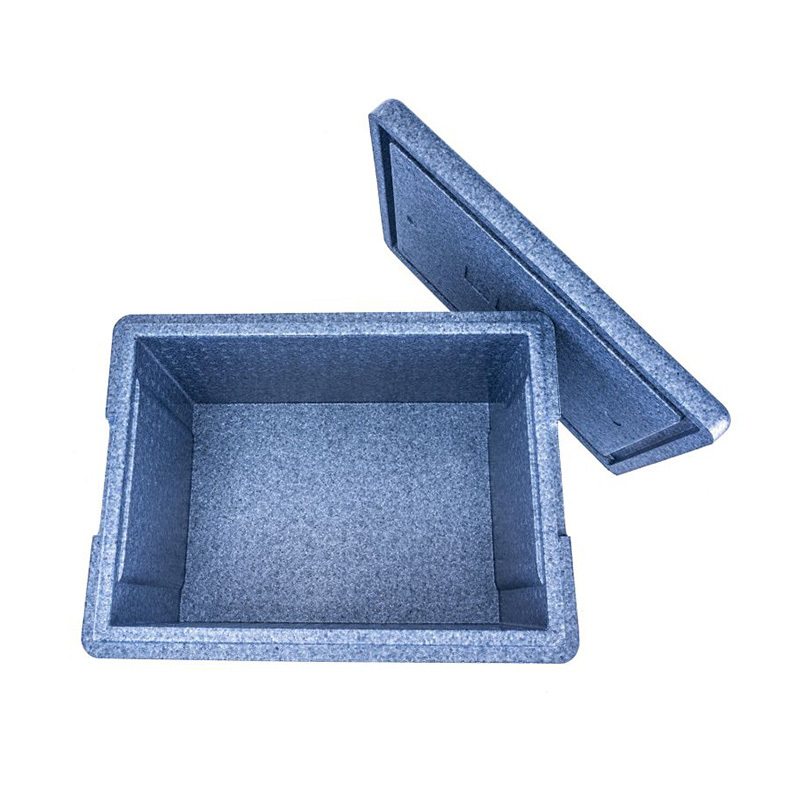
The best collapsible EPP cooler box distributor is the one that matches your route, payload, handling risk, cleaning routine, and return loop at the same time. A strong EPP design can combine low weight, multi-impact recovery, and practical insulation, but not every box is tuned for the same lane. This guide blends buyer questions, engineering logic, and 2026 market expectations so you can choose with fewer assumptions and better evidence.
This optimized version is designed for decision-makers who need one article that combines commercial clarity, technical depth, and current market logic. Instead of separating procurement, engineering, and operations, it shows how those viewpoints should shape one coherent decision about the collapsible EPP cooler box distributor.
This article will help you answer:
- How to judge the best collapsible EPP cooler box distributor from both buyer and engineering angles
- Which specifications directly affect temperature control and impact protection
- What compliance, traceability, and validation issues deserve attention in 2026
- How to lower cost without sacrificing reliability or sustainability
Quick self-check
- You run a route where the same collapsible EPP cooler box distributor can return and be used again
- Product loss, temperature drift, or crushed packaging currently costs more than the box itself
- Your team needs faster packout with less guesswork at busy times
What makes the best Collapsible EPP Cooler Box Distributor in real operations?
The best collapsible EPP cooler box distributor is not the one with the biggest claim. It is the one that fits your route, payload, and working method with the least friction. Great packaging feels almost invisible in daily use because staff know how to load it, receivers know how to handle it, and managers can predict how it will perform under pressure.
That is why the decision should start with lane reality. List the payload size, target temperature window, route time, touchpoints, seasonal ambient range, and whether the box returns. Then match the design to those facts. A strong EPP box can support insulation, cushioning, and repeat use in one format, but only when the specification is chosen for a real operating pattern.
A useful way to think about the collapsible EPP cooler box distributor is to treat it as a controlled system. The material, the design, the packout, the route, and the return flow all influence the result. When one piece is ignored, the box may still work, but it rarely works as efficiently or as predictably as it should.
Which buyer signals show a strong space-saving insulated EPP box design?
Look for fit, not excess. A well-designed box uses internal space efficiently, closes consistently, stacks safely, and supports a repeatable coolant layout. It should also reflect its main purpose clearly, whether that is folding geometry and return-cube efficiency and stock consistency and supplier response speed. Boxes that try to be everything for every route often become average at the jobs that matter most.
At this stage, the smartest buyers ask for evidence, not slogans. They want the design logic, sample consistency, test method, and change-control approach. That makes it easier to compare suppliers fairly and harder for weak products to hide behind vague promises.
| Buying Signal | What Good Looks Like | Warning Sign | What It Means for You |
|---|---|---|---|
| Payload fit | Stable layout with controlled headspace | Loose or improvised fit | Affects both temperature and handling reliability |
| Closure quality | Consistent lid seating and stack behavior | Inconsistent closing feel | Creates avoidable service risk |
| Program support | Clear QC and repeat-order discipline | Weak documentation | Makes scale-up harder than it should be |
Practical tips for you
- Start every buying decision with the route map and payload drawing.
- Use the same success criteria for every sample you compare.
- Treat packout simplicity as a performance feature, not as a secondary convenience.
Application example: A buyer evaluating a new collapsible EPP cooler box distributor found that the winning sample was not the flashiest design. It was the one that fit the product cleanly, loaded fast, and came with the clearest explanation of how the same specification would be reproduced in volume.
How do technical specs change Collapsible EPP Cooler Box Distributor performance?
Technical performance comes from the interaction of material, geometry, and packout discipline. EPP is useful because it is a lightweight closed-cell foam with multi-impact resilience, and technical references commonly place molded EPP across a wide density band from about 20 to 250 g/L. That range gives engineers room to balance low weight, stiffness, cushioning, and insulation.
Still, density alone does not decide the outcome. Wall thickness, corner design, bead fusion, lid depth, internal geometry, and coolant placement are all part of the thermal and mechanical picture. A thin but well-designed box can outperform a bulkier one if the geometry is smarter and the packout is controlled well.
The biggest improvement often comes from combining commercial discipline with technical discipline. Buyers define the lane and cost logic. Engineers define the performance logic. Operations define the loading and return method. When those three views are aligned early, approval gets easier and rework drops sharply.
What data matters most for reusable foldable cold chain box?
Thermal reports should show the ambient profile, payload mass, coolant setup, starting temperature, total exposure time, and pass band. Handling reports should explain whether the design was evaluated with route simulation, drop testing, or both. Standards such as ASTM D3103, ASTM D4169, ASTM D5276, and ISTA thermal procedures are helpful because they force the conversation toward method instead of marketing.
If your application is more demanding, the design should reveal that intent. Higher-density builds can support stronger walls and more reuse. Shock-focused shapes can reduce impact transfer. Custom or compact designs can improve thermal efficiency by reducing wasted internal air volume. The best specification is always the one that solves the most important failure mode first.
| Technical Variable | Why It Matters | What to Review | Operational Payoff |
|---|---|---|---|
| Density and wall design | Controls weight, stiffness, and impact response | Density target plus geometry rationale | A more balanced box for the real lane |
| Thermal validation | Shows whether the packout can hold target range | Test profile, payload, coolant, pass band | Better confidence before scale-up |
| Handling validation | Confirms survival in distribution | Drop or route-simulation method | Fewer cracks, deformations, and service failures |
Practical tips for you
- Never evaluate hold time without the exact payload and coolant assumptions behind it.
- Check whether the design still works when partially loaded or handled repeatedly.
- Ask which variables are controlled in production and which are only nominal targets.
Application example: A performance review showed that the strongest result came from a balanced design rather than the highest density alone. The box performed better because the internal fit reduced movement and the closure repeated more consistently during loading.
Which standards, compliance needs, and scenarios matter most?
Standards matter because they connect packaging claims to real use. The right compliance file depends on the application, but serious buyers always look for traceable material information, controlled drawings, and route-relevant validation. That is how you reduce surprises when a pilot becomes a scaled program.
For most industrial and cold chain uses, the most helpful evidence is still route-relevant thermal data, drop or vibration testing, and clear incoming-quality controls for every production lot.
This is also why strong packaging programs age well. They are easier to retrain, easier to reorder, easier to document, and easier to adapt when routes or volumes change. A well-chosen EPP box does more than protect product; it reduces decision noise across the operation.
How should you connect compliance to real stackable returnable EPP cooler use?
Start by identifying the actual risk. Food programs care about food-contact declarations, cleaning routines, and traceability discipline. Vaccine transport cares about validated passive-cold-chain practice and temperature control. Industrial users may focus more on route abuse, compatibility, and long-term durability. The better your risk definition, the cleaner your packaging brief becomes.
In 2026, compliance is also tied more closely to operational responsiveness. Teams want to access records quickly, understand revisions clearly, and know that repeat orders will match the validated configuration. Good documentation reduces approval time and makes troubleshooting much faster when something changes in the field.
| Application Need | Primary Reference Point | What to Confirm | Why It Helps |
|---|---|---|---|
| Food-grade use | FDA / EU food-contact framework | Material declaration and GMP-style control | Supports safe, auditable food handling |
| Cold-chain validation | ASTM / ISTA methods | Thermal and handling evidence | Moves the decision from claims to proof |
| Sensitive distribution | WHO / CDC or route-specific SOPs | Packout discipline and response plan | Protects higher-risk payloads better |
Practical tips for you
- Tie every test report and declaration to the exact drawing revision.
- Keep one approval file that combines design, validation, and receiving checks.
- Review how a future spec change will be communicated before you scale the program.
Application example: A quality-driven sourcing team shortened approval time by turning scattered paperwork into one controlled file for the collapsible EPP cooler box distributor. The package was easier to approve because design revision, validation logic, and receiving checks were aligned from the start.
How do you reduce cost, waste, and delivery risk with a Collapsible EPP Cooler Box Distributor?
The best savings come when performance, reuse, and standard work improve together. A reusable EPP program does not win because the box is cheap. It wins because the route becomes more stable, the handling becomes simpler, and the packaging lasts long enough to cut replacement and service noise.
Measure the box by cycle, not just by purchase price. Track replacement rate, return rate, packout time, damage rate, and service exceptions. These numbers show whether the packaging is actually working. They also expose when the real weakness sits outside the material, such as poor return discipline or inconsistent loading.
This is also why strong packaging programs age well. They are easier to retrain, easier to reorder, easier to document, and easier to adapt when routes or volumes change. A well-chosen EPP box does more than protect product; it reduces decision noise across the operation.
What does a strong 2026 value model look like for EPP box distributor?
A strong value model includes right sizing, clear return instructions, receiving checks, and a realistic end-of-life plan. EPP is attractive because it can be reused and recycled, but those advantages only become real when the operation can capture the box, separate damaged units, and keep a clean pool in circulation.
Market pressure is pushing buyers toward packaging that can do more with less waste, less labor, and less uncertainty. That is why 2026 procurement conversations often blend total cost, traceability, route performance, and sustainability into one decision instead of treating them as separate projects.
| Value Lever | What to Measure | How to Improve It | Result You Feel |
|---|---|---|---|
| Reuse efficiency | Trips per box and return rate | Clear return workflow | Better payback on each unit |
| Operational simplicity | Packout time and exceptions | Standardized work instructions | Fewer errors under daily pressure |
| Waste reduction | Replacement rate and end-of-life handling | Track losses and segregate damaged units | More credible sustainability results |
Practical tips for you
- Review cost by route and by cycle, not only by annual purchase volume.
- Pilot the return process and cleaning process before committing to a large rollout.
- Remove redundant sizes so the team builds habits around a smaller, stronger box family.
Application example: A reusable packaging rollout improved sharply after the team stopped focusing only on unit price. Once they tracked return rate, replacement rate, and packout consistency together, the EPP program became easier to scale and easier to defend internally.
2026 Developments and Trends
The best collapsible EPP cooler box distributor designs in 2026 are winning because they connect buyer logic with engineering proof. Demand is moving toward packaging that is easier to validate, easier to reuse, and easier to fit into traceable workflows. That means the strongest solutions are usually not the most complicated ones. They are the ones that reduce uncertainty across packing, transport, receiving, and returns.
Latest shifts at a glance
- People-first packouts: Simple, repeatable loading methods are becoming a competitive advantage because they cut daily errors.
- Proof-backed sourcing: Validation detail, revision control, and clear compliance files now influence purchase decisions more directly.
- Sustainability with discipline: Reuse and recyclability matter most when the return loop and end-of-life path are operationally credible.
Across food, healthcare, and industrial logistics, buyers are blending total cost, service reliability, and sustainability into one packaging decision. That is why well-specified EPP programs continue to stand out in 2026.
Frequently Asked Questions
How do you choose the right collapsible EPP cooler box distributor size?
Start with the real payload, coolant layout, and acceptable headspace. A right-sized box protects temperature and product better than a large box that simply looks more capable.
Is a collapsible EPP cooler box distributor better than single-use foam for every route?
No. It performs best when the route, handling pattern, and return logic are defined. Reusable EPP becomes most convincing when you can measure lower damage, steadier packout, or better cycle economics.
How durable is a collapsible EPP cooler box distributor in repeat use?
Durability depends on density, geometry, route abuse, and how well the box is handled between trips. Ask about real use cases, replacement rate, and any route simulation or drop-test evidence.
What test data matters most for a collapsible EPP cooler box distributor?
The most useful reports explain the test profile, payload, coolant setup, starting temperature, and pass band. A hold-time claim without method details is not strong enough for a serious buying decision.
How should you compare suppliers for a collapsible EPP cooler box distributor?
Compare consistency, documentation quality, revision control, lead time, and support during sampling and scale-up. The best supplier is the one who can repeat the validated design, not only deliver the first sample.
Is a more expensive collapsible EPP cooler box distributor sometimes the cheaper choice?
Yes. If it cuts product loss, packout labor, emergency replacements, or waste, the total cost can be lower even when the purchase price is higher. Measure by cycle and by route, not only by unit cost.
How many sizes of collapsible EPP cooler box distributor should a program usually keep?
Fewer is usually better. A smaller box family is easier to train, stock, and return. Add sizes only when the payload or route difference is large enough to justify the extra complexity.
When should you request a custom collapsible EPP cooler box distributor instead of a standard size?
Request customization when standard sizes create too much empty space, unstable stacking, or extra labor. A custom design is most worthwhile when the volume is repeatable and the geometry clearly improves performance or efficiency.
Summary and Recommendations
The strongest collapsible EPP cooler box distributor programs succeed because they align route fit, technical proof, compliance discipline, and reuse logic. The smartest buyers begin with the real lane, compare designs with the same payload and coolant setup, and ask for clear evidence before scaling. When the box, the route, and the operating method match, EPP can deliver practical gains in consistency, protection, and waste reduction.
Build a short approval checklist before you buy: define the route, define the payload, define the pass criteria, and run a real loaded sample. That simple sequence will help you avoid the most common packaging mistakes and move toward a box program that performs reliably in daily use.
About Tempk
At Tempk, we focus on insulated transport packaging for demanding cold chain and protective-use applications. We work on practical design questions such as fit, thermal performance, durability, and repeat-use efficiency, so a collapsible EPP cooler box distributor program can be easier to validate and easier to scale. Our approach is grounded in route reality, not only catalog specifications.
Next step: define your payload, target temperature range, route profile, and reuse goal, then review sample options against those criteria before moving into a pilot order.
How to Choose the Best Stackable EPP Cooler Box Large?

Last updated: March 6, 2026
stackable EPP cooler box large is worth choosing when you need reliable insulation, repeatable protection, and a buying decision you can defend with both operational and technical logic. The best choice in 2026 comes from matching route conditions, product sensitivity, supplier documentation, and reuse economics instead of chasing one feature in isolation.
This article will answer:
- How stackable EPP cooler box large supports high internal volume without losing safe stacking, handling comfort, or route efficiency.
- Which large stackable EPP cooler box specification matters most for your route or handling flow.
- How to compare durability, insulation, and supplier support without guessing.
- What 2026 trends mean for reusable packaging, compliance, and total cost.
- A fast decision framework you can use before requesting samples or quotations.
What is Stackable EPP Cooler Box Large best used for in 2026?
stackable EPP cooler box large works best when you need high internal volume without losing safe stacking, handling comfort, or route efficiency. The strongest buying case usually appears when fragile, chilled, or premium items move through repeated handling steps. You get a container that feels lighter than many hard alternatives, cushions routine knocks better than thin-wall totes, and can support a cleaner reusable workflow than one-way foam.
Think about your own operation. The box is only useful if it makes daily work simpler for warehouse manager or fleet buyer needing high-capacity insulated handling. In moving bulky chilled products in depots, event sites, or multi-drop delivery rounds, teams usually care about fewer handling errors, steadier product condition, and faster loading more than abstract material talk. EPP stands for expanded polypropylene, a closed-cell particle foam that combines light weight, impact recovery, and useful thermal insulation in one body. In practical terms, the box works a bit like a helmet and a thermos merged into one simple shell. It absorbs everyday knocks, then helps keep inside conditions steadier than a thin-wall tote would. That is why buyers often discover that a properly specified stackable EPP cooler box large helps both product protection and labor efficiency at the same time.
How does High-capacity EPP Transport Box fit real handling conditions?
One useful way to narrow stackable EPP cooler box large options is to divide needs into three buckets: product protection, operator efficiency, and packaging control after the trip. If a design only solves one of those buckets, it is usually not the best long-term fit. That is why route tests, loading observations, and basic cleaning trials often reveal more than a polished product sheet.
| Focus area | What to review | Good sign | Why it matters to you |
|---|---|---|---|
| Product condition | Temperature and shock risk | Stable product on arrival | Lower complaint and damage pressure |
| Handling speed | Loading, lifting, opening | Easy daily use | Less labor friction on busy days |
| Reuse control | Return, clean, reissue flow | Simple packaging loop | Better repeat value from each box |
Practical tips and advice
- Map the product journey before you buy. Note handling points, dwell time, and who opens the box.
- Use large stackable EPP cooler box when you want one packaging standard across repeated routes.
- Check whether the box improves loading speed, not just insulation claims.
Case example: A regional operator tested a first-run stackable EPP cooler box large with its normal route pattern instead of a showroom demo. The team found the biggest win was not a headline temperature number. It was smoother loading, fewer damaged packs, and less driver frustration during repeated handling.
How do you choose the best Stackable EPP Cooler Box Large specification?
The right stackable EPP cooler box large specification starts with the real load, not the catalog photo. Size, wall thickness, lid engagement, handle design, and stack behavior all matter because they decide how the box behaves in hands, vehicles, racks, and wash areas. A buyer who defines those basics early usually avoids both overpaying and under-specifying.
A good specification starts with route reality: how long the journey lasts, how often the lid opens, how much the full box weighs, and how the box is cleaned and stacked afterward. Buyers also need to decide whether they want a general-purpose shell or a more tailored format with inserts, dividers, labels, or special handling features. When those choices are made early, the stackable EPP cooler box large becomes a tool built around your workflow instead of a generic container that forces workarounds.
Which high-volume cold chain box details matter most?
Density and wall geometry should be chosen together. A thinner wall with the wrong grade can feel light but underperform in stacking or impact. A heavier wall can improve robustness, yet it may also increase handling weight and freight costs. The best design finds the point where the box feels strong enough without becoming needlessly bulky or expensive.
| Specification | What to define | Typical trade-off | Practical meaning |
|---|---|---|---|
| Internal size | Real payload footprint | Too large wastes space | Better route efficiency |
| Wall and lid design | Fit, rigidity, seal feel | Heavier may carry stronger | More dependable daily handling |
| Stacking format | Full and empty behavior | Tall stacks need control | Safer storage and transport |
Practical tips and advice
- Choose internal dimensions from the real load, ice format, or tray size, then work outward.
- Use sample loading tests to confirm lid fit, handle comfort, and stack stability.
- Set a target full-box weight so the design stays practical for daily handling.
Case example: In one pilot, a buyer nearly chose the largest box by default. After loading the real payload, the team shifted to a better-sized design with a firmer lid seat and more practical handle cutouts. The result was easier carrying, cleaner stacking, and less empty air moving through the network.
How does Stackable EPP Cooler Box Large compare on cost, durability, and sustainability?
stackable EPP cooler box large often wins against disposable foam or generic plastic boxes when you need a better balance of insulation, durability, and repeat use. It is rarely the cheapest line item on day one, but it can be the cleaner operational choice once you factor in breakage, replacement frequency, labor strain, and the cost of inconsistent packaging across routes.
The comparison should match the problem. If you need one-way low-cost insulation, another material may seem attractive at first. But if your operation includes repeated loading, route vibration, returns, cleaning, or branding needs, the stronger question becomes total value over repeated use. In that context, stackable EPP cooler box large can reduce the friction that comes from brittle packaging, mixed box types, or frequent replacement orders.
How does large EPP boxes vs hard-shell coolers and single-use bulk foam containers compare in practice?
Total cost changes when you count the full packaging loop. Replacement rate, return loss, labor to clean and sort, storage efficiency, and product damage all belong in the discussion. This is why buyers who run even a small pilot often change their original assumptions about the cheapest or most durable option.
| Option | Main strength | Main limit | Best use for you |
|---|---|---|---|
| EPP | Balanced reuse and protection | Needs spec discipline | Repeated transport loops |
| EPS or one-way foam | Low entry cost | More brittle and disposable | Short one-way shipments |
| Rigid tote or cooler | High structure | Often heavier or less insulating | When insulation matters less |
Practical tips and advice
- Compare total trips, damage risk, and replacement frequency before comparing headline price.
- Use one pilot route to test EPP against your current packaging under the same conditions.
- Track what operators prefer to carry, clean, and stack; labor friction is a hidden cost.
Case example: A mixed fleet using soft bags, brittle foam, and plastic crates compared one standardized EPP format over several weeks. The packaging spend did not look cheapest on day one, but product presentation improved, damaged boxes dropped, and the operation became easier to train and manage.
How can you decide on Stackable EPP Cooler Box Large with confidence?
The best final decision on stackable EPP cooler box large comes from a short but disciplined checklist. Define your product temperature window, average trip time, handling risk, cleaning method, return rate, and documentation needs. Once those are clear, the right design becomes much easier to spot and weak quotations become much easier to reject.
A short decision framework helps because it keeps the team focused on what the box must actually do. Start with operating conditions, then review material behavior, supplier capability, and the documents needed for approval. When those points are scored together, the right stackable EPP cooler box large usually stands out quickly and low-quality options lose their appeal.
What should your pre-order scorecard include?
Before approval, ask the supplier to connect each claim to a proof point: a test, a document, a design drawing, or a known field use. That simple habit filters out many weak offers. It also makes cross-functional approval easier because quality, procurement, and operations can see the same evidence.
| Decision point | What to score | Red flag | Best next step |
|---|---|---|---|
| Route fit | Trip time and handling load | Spec built from guesswork | Run a small pilot |
| Approval readiness | Documents and tests | Missing exact article data | Request full pack early |
| Supplier strength | Service and repeatability | Only price is clear | Compare support depth |
Practical tips and advice
- Score options on performance, documentation, service, and total cost, not on unit price alone.
- Use a small pilot to confirm temperature, handling, and cleaning before you lock specifications.
- Get operations, quality, and procurement into the same review early so the project moves faster.
Case example: An operations team used a simple scorecard with route fit, durability, documentation, and supplier support. The scorecard showed that the most attractive sample was not the strongest overall choice. A slightly more expensive option won because it solved more problems across the whole packaging loop.
Latest 2026 developments and trends
In 2026, stackable EPP cooler box large buying decisions are increasingly shaped by three forces at the same time: operational efficiency, reusable packaging expectations, and better documentation discipline. As of March 2026, transport packaging conversations are being shaped by stronger reuse and recycling expectations, especially in Europe after the Packaging and Packaging Waste Regulation entered into force in February 2025. Buyers therefore look beyond simple insulation claims and ask how the box fits real return loops, quality systems, and internal sustainability review.
What changed recently
- Operational standardization: Teams want fewer box types and simpler training across routes, depots, or customer sites.
- Documentation matters more: Procurement and quality teams increasingly expect matched declarations, test logic, and traceable specifications.
- Reuse must be practical: Buyers now judge return rate, cleaning effort, and damage control, not just recyclability language.
Market conversations also feel more mature. The strongest suppliers are no longer selling only on insulation or price; they are selling on fit-for-use design, approval readiness, and repeatable support. For you, that means a better buying process: define the route, review the documents, run a pilot, and choose the design that keeps working after day one.
Frequently asked questions
Is stackable EPP cooler box large better than one-way foam for repeated use?
Usually yes, when your operation can recover, clean, and reuse the box consistently. The value comes from repeated trips, steadier protection, and lower replacement pressure, not from unit price alone.
What should you test before buying stackable EPP cooler box large in volume?
Test the real payload, route time, handling pattern, stacking load, and cleaning method. That gives you a practical answer faster than relying on a generic brochure or a showroom sample.
How do you choose the right size for stackable EPP cooler box large?
Start from the real product footprint and cooling format, then review full-box weight and stack stability. A slightly smaller box often performs better than an oversized one full of empty air.
Does stackable EPP cooler box large need compliance paperwork?
If the box touches regulated goods or enters controlled supply chains, yes. Ask for the exact article documents early so procurement, quality, and operations can review the same file set.
What is the biggest buying mistake with stackable EPP cooler box large?
The biggest mistake is comparing quotes before defining the job. When size, payload, route, cleaning, and return conditions are vague, cheap offers can look better than they really are.
Summary and recommendations
stackable EPP cooler box large makes the most sense when you need a reusable box that balances protection, handling comfort, and operational control. The best result comes from matching design to the real route, validating with the real payload, and checking supplier support before you scale. When you review insulation, durability, compliance, and reuse economics together, the right option becomes much clearer.
Your next step is simple: define the product load, trip time, temperature target, handling risk, and cleaning method, then request a sample or pilot around those conditions. Check full-load stack rating and manual handling comfort before choosing the biggest box. That approach gives you a faster, safer path to the right packaging choice.
About Tempk
At Tempk, we focus on reusable insulated packaging for cold chain and industrial logistics. We design around real handling conditions, not just lab language, so buyers can match material, structure, and daily workflow with less guesswork. We work on box structure, insulation logic, and customization together. That helps reduce the common gap between a good-looking sample and a box that actually performs after repeated loading, cleaning, and stacking.
Talk with our team about your payload, route, and validation needs so we can suggest a practical EPP solution.
How to Choose the Best EPP Transport Box Buy Online?
Last updated: March 6, 2026
EPP transport box buy online is worth choosing when you need reliable insulation, repeatable protection, and a buying decision you can defend with both operational and technical logic. The best choice in 2026 comes from matching route conditions, product sensitivity, supplier documentation, and reuse economics instead of chasing one feature in isolation.
This article will answer:
- How EPP transport box buy online supports clear specs, dependable supply, and a realistic balance between price and service.
- Which EPP box distributor specification matters most for your route or handling flow.
- How to compare durability, insulation, and supplier support without guessing.
- What 2026 trends mean for reusable packaging, compliance, and total cost.
- A fast decision framework you can use before requesting samples or quotations.
What is EPP Transport Box Buy Online best used for in 2026?
EPP transport box buy online works best when you need clear specs, dependable supply, and a realistic balance between price and service. The strongest buying case usually appears when fragile, chilled, or premium items move through repeated handling steps. You get a container that feels lighter than many hard alternatives, cushions routine knocks better than thin-wall totes, and can support a cleaner reusable workflow than one-way foam.
Think about your own operation. The box is only useful if it makes daily work simpler for procurement buyer comparing suppliers, distributors, and online offers. In sourcing EPP boxes quickly without losing sight of spec quality or total cost, teams usually care about fewer handling errors, steadier product condition, and faster loading more than abstract material talk. EPP stands for expanded polypropylene, a closed-cell particle foam that combines light weight, impact recovery, and useful thermal insulation in one body. Performance is never just about foam density. Lid geometry, wall thickness, corner radius, handle cutout design, and how the base stacks under load all affect field results. That is why buyers often discover that a properly specified EPP transport box buy online helps both product protection and labor efficiency at the same time.
How does EPP Insulation Box For Sale fit real handling conditions?
One useful way to narrow EPP transport box buy online options is to divide needs into three buckets: product protection, operator efficiency, and packaging control after the trip. If a design only solves one of those buckets, it is usually not the best long-term fit. That is why route tests, loading observations, and basic cleaning trials often reveal more than a polished product sheet.
| Focus area | What to review | Good sign | Why it matters to you |
|---|---|---|---|
| Product condition | Temperature and shock risk | Stable product on arrival | Lower complaint and damage pressure |
| Handling speed | Loading, lifting, opening | Easy daily use | Less labor friction on busy days |
| Reuse control | Return, clean, reissue flow | Simple packaging loop | Better repeat value from each box |
Practical tips and advice
- Map the product journey before you buy. Note handling points, dwell time, and who opens the box.
- Use EPP box distributor when you want one packaging standard across repeated routes.
- Check whether the box improves loading speed, not just insulation claims.
Case example: A regional operator tested a first-run EPP transport box buy online with its normal route pattern instead of a showroom demo. The team found the biggest win was not a headline temperature number. It was smoother loading, fewer damaged packs, and less driver frustration during repeated handling.
How do you choose the best EPP Transport Box Buy Online specification?
The right EPP transport box buy online specification starts with the real load, not the catalog photo. Size, wall thickness, lid engagement, handle design, and stack behavior all matter because they decide how the box behaves in hands, vehicles, racks, and wash areas. A buyer who defines those basics early usually avoids both overpaying and under-specifying.
A good specification starts with route reality: how long the journey lasts, how often the lid opens, how much the full box weighs, and how the box is cleaned and stacked afterward. Buyers also need to decide whether they want a general-purpose shell or a more tailored format with inserts, dividers, labels, or special handling features. When those choices are made early, the EPP transport box buy online becomes a tool built around your workflow instead of a generic container that forces workarounds.
Which EPP box supplier details matter most?
Density and wall geometry should be chosen together. A thinner wall with the wrong grade can feel light but underperform in stacking or impact. A heavier wall can improve robustness, yet it may also increase handling weight and freight costs. The best design finds the point where the box feels strong enough without becoming needlessly bulky or expensive.
| Specification | What to define | Typical trade-off | Practical meaning |
|---|---|---|---|
| Internal size | Real payload footprint | Too large wastes space | Better route efficiency |
| Wall and lid design | Fit, rigidity, seal feel | Heavier may carry stronger | More dependable daily handling |
| Stacking format | Full and empty behavior | Tall stacks need control | Safer storage and transport |
Practical tips and advice
- Choose internal dimensions from the real load, ice format, or tray size, then work outward.
- Use sample loading tests to confirm lid fit, handle comfort, and stack stability.
- Set a target full-box weight so the design stays practical for daily handling.
Case example: In one pilot, a buyer nearly chose the largest box by default. After loading the real payload, the team shifted to a better-sized design with a firmer lid seat and more practical handle cutouts. The result was easier carrying, cleaner stacking, and less empty air moving through the network.
How does EPP Transport Box Buy Online compare on cost, durability, and sustainability?
EPP transport box buy online often wins against disposable foam or generic plastic boxes when you need a better balance of insulation, durability, and repeat use. It is rarely the cheapest line item on day one, but it can be the cleaner operational choice once you factor in breakage, replacement frequency, labor strain, and the cost of inconsistent packaging across routes.
The comparison should match the problem. If you need one-way low-cost insulation, another material may seem attractive at first. But if your operation includes repeated loading, route vibration, returns, cleaning, or branding needs, the stronger question becomes total value over repeated use. In that context, EPP transport box buy online can reduce the friction that comes from brittle packaging, mixed box types, or frequent replacement orders.
How does low-price listings vs properly specified EPP supply programs compare in practice?
Total cost changes when you count the full packaging loop. Replacement rate, return loss, labor to clean and sort, storage efficiency, and product damage all belong in the discussion. This is why buyers who run even a small pilot often change their original assumptions about the cheapest or most durable option.
| Option | Main strength | Main limit | Best use for you |
|---|---|---|---|
| EPP | Balanced reuse and protection | Needs spec discipline | Repeated transport loops |
| EPS or one-way foam | Low entry cost | More brittle and disposable | Short one-way shipments |
| Rigid tote or cooler | High structure | Often heavier or less insulating | When insulation matters less |
Practical tips and advice
- Compare total trips, damage risk, and replacement frequency before comparing headline price.
- Use one pilot route to test EPP against your current packaging under the same conditions.
- Track what operators prefer to carry, clean, and stack; labor friction is a hidden cost.
Case example: A mixed fleet using soft bags, brittle foam, and plastic crates compared one standardized EPP format over several weeks. The packaging spend did not look cheapest on day one, but product presentation improved, damaged boxes dropped, and the operation became easier to train and manage.
How can you decide on EPP Transport Box Buy Online with confidence?
The best final decision on EPP transport box buy online comes from a short but disciplined checklist. Define your product temperature window, average trip time, handling risk, cleaning method, return rate, and documentation needs. Once those are clear, the right design becomes much easier to spot and weak quotations become much easier to reject.
A short decision framework helps because it keeps the team focused on what the box must actually do. Start with operating conditions, then review material behavior, supplier capability, and the documents needed for approval. When those points are scored together, the right EPP transport box buy online usually stands out quickly and low-quality options lose their appeal.
What should your pre-order scorecard include?
Before approval, ask the supplier to connect each claim to a proof point: a test, a document, a design drawing, or a known field use. That simple habit filters out many weak offers. It also makes cross-functional approval easier because quality, procurement, and operations can see the same evidence.
| Decision point | What to score | Red flag | Best next step |
|---|---|---|---|
| Route fit | Trip time and handling load | Spec built from guesswork | Run a small pilot |
| Approval readiness | Documents and tests | Missing exact article data | Request full pack early |
| Supplier strength | Service and repeatability | Only price is clear | Compare support depth |
Practical tips and advice
- Score options on performance, documentation, service, and total cost, not on unit price alone.
- Use a small pilot to confirm temperature, handling, and cleaning before you lock specifications.
- Get operations, quality, and procurement into the same review early so the project moves faster.
Case example: An operations team used a simple scorecard with route fit, durability, documentation, and supplier support. The scorecard showed that the most attractive sample was not the strongest overall choice. A slightly more expensive option won because it solved more problems across the whole packaging loop.
Latest 2026 developments and trends
In 2026, EPP transport box buy online buying decisions are increasingly shaped by three forces at the same time: operational efficiency, reusable packaging expectations, and better documentation discipline. As of March 2026, transport packaging conversations are being shaped by stronger reuse and recycling expectations, especially in Europe after the Packaging and Packaging Waste Regulation entered into force in February 2025. Buyers therefore look beyond simple insulation claims and ask how the box fits real return loops, quality systems, and internal sustainability review.
What changed recently
- Operational standardization: Teams want fewer box types and simpler training across routes, depots, or customer sites.
- Documentation matters more: Procurement and quality teams increasingly expect matched declarations, test logic, and traceable specifications.
- Reuse must be practical: Buyers now judge return rate, cleaning effort, and damage control, not just recyclability language.
Market conversations also feel more mature. The strongest suppliers are no longer selling only on insulation or price; they are selling on fit-for-use design, approval readiness, and repeatable support. For you, that means a better buying process: define the route, review the documents, run a pilot, and choose the design that keeps working after day one.
Frequently asked questions
Is EPP transport box buy online better than one-way foam for repeated use?
Usually yes, when your operation can recover, clean, and reuse the box consistently. The value comes from repeated trips, steadier protection, and lower replacement pressure, not from unit price alone.
What should you test before buying EPP transport box buy online in volume?
Test the real payload, route time, handling pattern, stacking load, and cleaning method. That gives you a practical answer faster than relying on a generic brochure or a showroom sample.
How do you choose the right size for EPP transport box buy online?
Start from the real product footprint and cooling format, then review full-box weight and stack stability. A slightly smaller box often performs better than an oversized one full of empty air.
Does EPP transport box buy online need compliance paperwork?
If the box touches regulated goods or enters controlled supply chains, yes. Ask for the exact article documents early so procurement, quality, and operations can review the same file set.
What is the biggest buying mistake with EPP transport box buy online?
The biggest mistake is comparing quotes before defining the job. When size, payload, route, cleaning, and return conditions are vague, cheap offers can look better than they really are.
Summary and recommendations
EPP transport box buy online makes the most sense when you need a reusable box that balances protection, handling comfort, and operational control. The best result comes from matching design to the real route, validating with the real payload, and checking supplier support before you scale. When you review insulation, durability, compliance, and reuse economics together, the right option becomes much clearer.
Your next step is simple: define the product load, trip time, temperature target, handling risk, and cleaning method, then request a sample or pilot around those conditions. Always match the online listing to a real sample, spec sheet, and route test before ordering volume. That approach gives you a faster, safer path to the right packaging choice.
About Tempk
At Tempk, we focus on reusable insulated packaging for cold chain and industrial logistics. We design around real handling conditions, not just lab language, so buyers can match material, structure, and daily workflow with less guesswork. We work on box structure, insulation logic, and customization together. That helps reduce the common gap between a good-looking sample and a box that actually performs after repeated loading, cleaning, and stacking.
Talk with our team about your payload, route, and validation needs so we can suggest a practical EPP solution.
How to Choose the Best Insulated EPP Box Food Delivery?

Last updated: March 6, 2026
insulated EPP box food delivery is worth choosing when you need reliable insulation, repeatable protection, and a buying decision you can defend with both operational and technical logic. The best choice in 2026 comes from matching route conditions, product sensitivity, supplier documentation, and reuse economics instead of chasing one feature in isolation.
This article will answer:
- How insulated EPP box food delivery supports temperature hold during short urban routes, quick cleaning, and easy stacking in vans.
- Which insulated EPP delivery box specification matters most for your route or handling flow.
- How to compare durability, insulation, and supplier support without guessing.
- What 2026 trends mean for reusable packaging, compliance, and total cost.
- A fast decision framework you can use before requesting samples or quotations.
What is Insulated EPP Box Food Delivery best used for in 2026?
insulated EPP box food delivery works best when you need temperature hold during short urban routes, quick cleaning, and easy stacking in vans. The strongest buying case usually appears when fragile, chilled, or premium items move through repeated handling steps. You get a container that feels lighter than many hard alternatives, cushions routine knocks better than thin-wall totes, and can support a cleaner reusable workflow than one-way foam.
Think about your own operation. The box is only useful if it makes daily work simpler for food delivery operator or dark kitchen buyer. In last-mile delivery of hot meals, chilled desserts, or mixed-order batches, teams usually care about fewer handling errors, steadier product condition, and faster loading more than abstract material talk. Unlike brittle one-way foam, a well-made EPP box is designed for repeated use, so the value story depends on route discipline, cleaning, and return rate rather than on sticker price alone. In practical terms, the box works a bit like a helmet and a thermos merged into one simple shell. It absorbs everyday knocks, then helps keep inside conditions steadier than a thin-wall tote would. That is why buyers often discover that a properly specified insulated EPP box food delivery helps both product protection and labor efficiency at the same time.
How does Food Delivery Insulated Box fit real handling conditions?
One useful way to narrow insulated EPP box food delivery options is to divide needs into three buckets: product protection, operator efficiency, and packaging control after the trip. If a design only solves one of those buckets, it is usually not the best long-term fit. That is why route tests, loading observations, and basic cleaning trials often reveal more than a polished product sheet.
| Focus area | What to review | Good sign | Why it matters to you |
|---|---|---|---|
| Product condition | Temperature and shock risk | Stable product on arrival | Lower complaint and damage pressure |
| Handling speed | Loading, lifting, opening | Easy daily use | Less labor friction on busy days |
| Reuse control | Return, clean, reissue flow | Simple packaging loop | Better repeat value from each box |
Practical tips and advice
- Map the product journey before you buy. Note handling points, dwell time, and who opens the box.
- Use insulated EPP delivery box when you want one packaging standard across repeated routes.
- Check whether the box improves loading speed, not just insulation claims.
Case example: A regional operator tested a first-run insulated EPP box food delivery with its normal route pattern instead of a showroom demo. The team found the biggest win was not a headline temperature number. It was smoother loading, fewer damaged packs, and less driver frustration during repeated handling.
How do you choose the best Insulated EPP Box Food Delivery specification?
The right insulated EPP box food delivery specification starts with the real load, not the catalog photo. Size, wall thickness, lid engagement, handle design, and stack behavior all matter because they decide how the box behaves in hands, vehicles, racks, and wash areas. A buyer who defines those basics early usually avoids both overpaying and under-specifying.
A good specification starts with route reality: how long the journey lasts, how often the lid opens, how much the full box weighs, and how the box is cleaned and stacked afterward. Buyers also need to decide whether they want a general-purpose shell or a more tailored format with inserts, dividers, labels, or special handling features. When those choices are made early, the insulated EPP box food delivery becomes a tool built around your workflow instead of a generic container that forces workarounds.
Which last-mile food transport details matter most?
Density and wall geometry should be chosen together. A thinner wall with the wrong grade can feel light but underperform in stacking or impact. A heavier wall can improve robustness, yet it may also increase handling weight and freight costs. The best design finds the point where the box feels strong enough without becoming needlessly bulky or expensive.
| Specification | What to define | Typical trade-off | Practical meaning |
|---|---|---|---|
| Internal size | Real payload footprint | Too large wastes space | Better route efficiency |
| Wall and lid design | Fit, rigidity, seal feel | Heavier may carry stronger | More dependable daily handling |
| Stacking format | Full and empty behavior | Tall stacks need control | Safer storage and transport |
Practical tips and advice
- Choose internal dimensions from the real load, ice format, or tray size, then work outward.
- Use sample loading tests to confirm lid fit, handle comfort, and stack stability.
- Set a target full-box weight so the design stays practical for daily handling.
Case example: In one pilot, a buyer nearly chose the largest box by default. After loading the real payload, the team shifted to a better-sized design with a firmer lid seat and more practical handle cutouts. The result was easier carrying, cleaner stacking, and less empty air moving through the network.
How does Insulated EPP Box Food Delivery compare on cost, durability, and sustainability?
insulated EPP box food delivery often wins against disposable foam or generic plastic boxes when you need a better balance of insulation, durability, and repeat use. It is rarely the cheapest line item on day one, but it can be the cleaner operational choice once you factor in breakage, replacement frequency, labor strain, and the cost of inconsistent packaging across routes.
The comparison should match the problem. If you need one-way low-cost insulation, another material may seem attractive at first. But if your operation includes repeated loading, route vibration, returns, cleaning, or branding needs, the stronger question becomes total value over repeated use. In that context, insulated EPP box food delivery can reduce the friction that comes from brittle packaging, mixed box types, or frequent replacement orders.
How does EPP vs soft thermal bags and rigid EPS boxes for delivery fleets compare in practice?
Total cost changes when you count the full packaging loop. Replacement rate, return loss, labor to clean and sort, storage efficiency, and product damage all belong in the discussion. This is why buyers who run even a small pilot often change their original assumptions about the cheapest or most durable option.
| Option | Main strength | Main limit | Best use for you |
|---|---|---|---|
| EPP | Balanced reuse and protection | Needs spec discipline | Repeated transport loops |
| EPS or one-way foam | Low entry cost | More brittle and disposable | Short one-way shipments |
| Rigid tote or cooler | High structure | Often heavier or less insulating | When insulation matters less |
Practical tips and advice
- Compare total trips, damage risk, and replacement frequency before comparing headline price.
- Use one pilot route to test EPP against your current packaging under the same conditions.
- Track what operators prefer to carry, clean, and stack; labor friction is a hidden cost.
Case example: A mixed fleet using soft bags, brittle foam, and plastic crates compared one standardized EPP format over several weeks. The packaging spend did not look cheapest on day one, but product presentation improved, damaged boxes dropped, and the operation became easier to train and manage.
How can you decide on Insulated EPP Box Food Delivery with confidence?
The best final decision on insulated EPP box food delivery comes from a short but disciplined checklist. Define your product temperature window, average trip time, handling risk, cleaning method, return rate, and documentation needs. Once those are clear, the right design becomes much easier to spot and weak quotations become much easier to reject.
A short decision framework helps because it keeps the team focused on what the box must actually do. Start with operating conditions, then review material behavior, supplier capability, and the documents needed for approval. When those points are scored together, the right insulated EPP box food delivery usually stands out quickly and low-quality options lose their appeal.
What should your pre-order scorecard include?
Before approval, ask the supplier to connect each claim to a proof point: a test, a document, a design drawing, or a known field use. That simple habit filters out many weak offers. It also makes cross-functional approval easier because quality, procurement, and operations can see the same evidence.
| Decision point | What to score | Red flag | Best next step |
|---|---|---|---|
| Route fit | Trip time and handling load | Spec built from guesswork | Run a small pilot |
| Approval readiness | Documents and tests | Missing exact article data | Request full pack early |
| Supplier strength | Service and repeatability | Only price is clear | Compare support depth |
Practical tips and advice
- Score options on performance, documentation, service, and total cost, not on unit price alone.
- Use a small pilot to confirm temperature, handling, and cleaning before you lock specifications.
- Get operations, quality, and procurement into the same review early so the project moves faster.
Case example: An operations team used a simple scorecard with route fit, durability, documentation, and supplier support. The scorecard showed that the most attractive sample was not the strongest overall choice. A slightly more expensive option won because it solved more problems across the whole packaging loop.
Latest 2026 developments and trends
In 2026, insulated EPP box food delivery buying decisions are increasingly shaped by three forces at the same time: operational efficiency, reusable packaging expectations, and better documentation discipline. As of March 2026, transport packaging conversations are being shaped by stronger reuse and recycling expectations, especially in Europe after the Packaging and Packaging Waste Regulation entered into force in February 2025. Buyers therefore look beyond simple insulation claims and ask how the box fits real return loops, quality systems, and internal sustainability review.
What changed recently
- Operational standardization: Teams want fewer box types and simpler training across routes, depots, or customer sites.
- Documentation matters more: Procurement and quality teams increasingly expect matched declarations, test logic, and traceable specifications.
- Reuse must be practical: Buyers now judge return rate, cleaning effort, and damage control, not just recyclability language.
Market conversations also feel more mature. The strongest suppliers are no longer selling only on insulation or price; they are selling on fit-for-use design, approval readiness, and repeatable support. For you, that means a better buying process: define the route, review the documents, run a pilot, and choose the design that keeps working after day one.
Frequently asked questions
Is insulated EPP box food delivery better than one-way foam for repeated use?
Usually yes, when your operation can recover, clean, and reuse the box consistently. The value comes from repeated trips, steadier protection, and lower replacement pressure, not from unit price alone.
What should you test before buying insulated EPP box food delivery in volume?
Test the real payload, route time, handling pattern, stacking load, and cleaning method. That gives you a practical answer faster than relying on a generic brochure or a showroom sample.
How do you choose the right size for insulated EPP box food delivery?
Start from the real product footprint and cooling format, then review full-box weight and stack stability. A slightly smaller box often performs better than an oversized one full of empty air.
What documents should I ask for when insulated EPP box food delivery is used with food or meal logistics?
Ask for food-contact support for the exact article where relevant, plus cleaning guidance and any validation records tied to your use conditions. Generic claims are not enough for a serious approval process.
What is the biggest buying mistake with insulated EPP box food delivery?
The biggest mistake is comparing quotes before defining the job. When size, payload, route, cleaning, and return conditions are vague, cheap offers can look better than they really are.
Summary and recommendations
insulated EPP box food delivery makes the most sense when you need a reusable box that balances protection, handling comfort, and operational control. The best result comes from matching design to the real route, validating with the real payload, and checking supplier support before you scale. When you review insulation, durability, compliance, and reuse economics together, the right option becomes much clearer.
Your next step is simple: define the product load, trip time, temperature target, handling risk, and cleaning method, then request a sample or pilot around those conditions. Ask for a route test with your real menu mix, opening frequency, and cleaning routine. That approach gives you a faster, safer path to the right packaging choice.
About Tempk
At Tempk, we focus on reusable insulated packaging for cold chain and industrial logistics. We design around real handling conditions, not just lab language, so buyers can match material, structure, and daily workflow with less guesswork. We work on box structure, insulation logic, and customization together. That helps reduce the common gap between a good-looking sample and a box that actually performs after repeated loading, cleaning, and stacking.
Talk with our team about your payload, route, and validation needs so we can suggest a practical EPP solution.
How to Choose the Best Insulated Insulated EPP Box Distributor?
Last updated: March 6, 2026
insulated insulated EPP box distributor is worth choosing when you need reliable insulation, repeatable protection, and a buying decision you can defend with both operational and technical logic. The best choice in 2026 comes from matching route conditions, product sensitivity, supplier documentation, and reuse economics instead of chasing one feature in isolation.
This article will answer:
- How insulated insulated EPP box distributor supports clear specs, dependable supply, and a realistic balance between price and service.
- Which EPP box distributor specification matters most for your route or handling flow.
- How to compare durability, insulation, and supplier support without guessing.
- What 2026 trends mean for reusable packaging, compliance, and total cost.
- A fast decision framework you can use before requesting samples or quotations.
What is Insulated Insulated EPP Box Distributor best used for in 2026?
insulated insulated EPP box distributor works best when you need clear specs, dependable supply, and a realistic balance between price and service. The strongest buying case usually appears when fragile, chilled, or premium items move through repeated handling steps. You get a container that feels lighter than many hard alternatives, cushions routine knocks better than thin-wall totes, and can support a cleaner reusable workflow than one-way foam.
Think about your own operation. The box is only useful if it makes daily work simpler for procurement buyer comparing suppliers, distributors, and online offers. In sourcing EPP boxes quickly without losing sight of spec quality or total cost, teams usually care about fewer handling errors, steadier product condition, and faster loading more than abstract material talk. Because the molded beads trap air, EPP can slow heat transfer while still staying light enough for repeated manual handling. Performance is never just about foam density. Lid geometry, wall thickness, corner radius, handle cutout design, and how the base stacks under load all affect field results. That is why buyers often discover that a properly specified insulated insulated EPP box distributor helps both product protection and labor efficiency at the same time.
How does EPP Insulation Box For Sale fit real handling conditions?
One useful way to narrow insulated insulated EPP box distributor options is to divide needs into three buckets: product protection, operator efficiency, and packaging control after the trip. If a design only solves one of those buckets, it is usually not the best long-term fit. That is why route tests, loading observations, and basic cleaning trials often reveal more than a polished product sheet.
| Focus area | What to review | Good sign | Why it matters to you |
|---|---|---|---|
| Product condition | Temperature and shock risk | Stable product on arrival | Lower complaint and damage pressure |
| Handling speed | Loading, lifting, opening | Easy daily use | Less labor friction on busy days |
| Reuse control | Return, clean, reissue flow | Simple packaging loop | Better repeat value from each box |
Practical tips and advice
- Map the product journey before you buy. Note handling points, dwell time, and who opens the box.
- Use EPP box distributor when you want one packaging standard across repeated routes.
- Check whether the box improves loading speed, not just insulation claims.
Case example: A regional operator tested a first-run insulated insulated EPP box distributor with its normal route pattern instead of a showroom demo. The team found the biggest win was not a headline temperature number. It was smoother loading, fewer damaged packs, and less driver frustration during repeated handling.
How do you choose the best Insulated Insulated EPP Box Distributor specification?
The right insulated insulated EPP box distributor specification starts with the real load, not the catalog photo. Size, wall thickness, lid engagement, handle design, and stack behavior all matter because they decide how the box behaves in hands, vehicles, racks, and wash areas. A buyer who defines those basics early usually avoids both overpaying and under-specifying.
A good specification starts with route reality: how long the journey lasts, how often the lid opens, how much the full box weighs, and how the box is cleaned and stacked afterward. Buyers also need to decide whether they want a general-purpose shell or a more tailored format with inserts, dividers, labels, or special handling features. When those choices are made early, the insulated insulated EPP box distributor becomes a tool built around your workflow instead of a generic container that forces workarounds.
Which EPP box supplier details matter most?
Density and wall geometry should be chosen together. A thinner wall with the wrong grade can feel light but underperform in stacking or impact. A heavier wall can improve robustness, yet it may also increase handling weight and freight costs. The best design finds the point where the box feels strong enough without becoming needlessly bulky or expensive.
| Specification | What to define | Typical trade-off | Practical meaning |
|---|---|---|---|
| Internal size | Real payload footprint | Too large wastes space | Better route efficiency |
| Wall and lid design | Fit, rigidity, seal feel | Heavier may carry stronger | More dependable daily handling |
| Stacking format | Full and empty behavior | Tall stacks need control | Safer storage and transport |
Practical tips and advice
- Choose internal dimensions from the real load, ice format, or tray size, then work outward.
- Use sample loading tests to confirm lid fit, handle comfort, and stack stability.
- Set a target full-box weight so the design stays practical for daily handling.
Case example: In one pilot, a buyer nearly chose the largest box by default. After loading the real payload, the team shifted to a better-sized design with a firmer lid seat and more practical handle cutouts. The result was easier carrying, cleaner stacking, and less empty air moving through the network.
How does Insulated Insulated EPP Box Distributor compare on cost, durability, and sustainability?
insulated insulated EPP box distributor often wins against disposable foam or generic plastic boxes when you need a better balance of insulation, durability, and repeat use. It is rarely the cheapest line item on day one, but it can be the cleaner operational choice once you factor in breakage, replacement frequency, labor strain, and the cost of inconsistent packaging across routes.
The comparison should match the problem. If you need one-way low-cost insulation, another material may seem attractive at first. But if your operation includes repeated loading, route vibration, returns, cleaning, or branding needs, the stronger question becomes total value over repeated use. In that context, insulated insulated EPP box distributor can reduce the friction that comes from brittle packaging, mixed box types, or frequent replacement orders.
How does low-price listings vs properly specified EPP supply programs compare in practice?
Total cost changes when you count the full packaging loop. Replacement rate, return loss, labor to clean and sort, storage efficiency, and product damage all belong in the discussion. This is why buyers who run even a small pilot often change their original assumptions about the cheapest or most durable option.
| Option | Main strength | Main limit | Best use for you |
|---|---|---|---|
| EPP | Balanced reuse and protection | Needs spec discipline | Repeated transport loops |
| EPS or one-way foam | Low entry cost | More brittle and disposable | Short one-way shipments |
| Rigid tote or cooler | High structure | Often heavier or less insulating | When insulation matters less |
Practical tips and advice
- Compare total trips, damage risk, and replacement frequency before comparing headline price.
- Use one pilot route to test EPP against your current packaging under the same conditions.
- Track what operators prefer to carry, clean, and stack; labor friction is a hidden cost.
Case example: A mixed fleet using soft bags, brittle foam, and plastic crates compared one standardized EPP format over several weeks. The packaging spend did not look cheapest on day one, but product presentation improved, damaged boxes dropped, and the operation became easier to train and manage.
How can you decide on Insulated Insulated EPP Box Distributor with confidence?
The best final decision on insulated insulated EPP box distributor comes from a short but disciplined checklist. Define your product temperature window, average trip time, handling risk, cleaning method, return rate, and documentation needs. Once those are clear, the right design becomes much easier to spot and weak quotations become much easier to reject.
A short decision framework helps because it keeps the team focused on what the box must actually do. Start with operating conditions, then review material behavior, supplier capability, and the documents needed for approval. When those points are scored together, the right insulated insulated EPP box distributor usually stands out quickly and low-quality options lose their appeal.
What should your pre-order scorecard include?
Before approval, ask the supplier to connect each claim to a proof point: a test, a document, a design drawing, or a known field use. That simple habit filters out many weak offers. It also makes cross-functional approval easier because quality, procurement, and operations can see the same evidence.
| Decision point | What to score | Red flag | Best next step |
|---|---|---|---|
| Route fit | Trip time and handling load | Spec built from guesswork | Run a small pilot |
| Approval readiness | Documents and tests | Missing exact article data | Request full pack early |
| Supplier strength | Service and repeatability | Only price is clear | Compare support depth |
Practical tips and advice
- Score options on performance, documentation, service, and total cost, not on unit price alone.
- Use a small pilot to confirm temperature, handling, and cleaning before you lock specifications.
- Get operations, quality, and procurement into the same review early so the project moves faster.
Case example: An operations team used a simple scorecard with route fit, durability, documentation, and supplier support. The scorecard showed that the most attractive sample was not the strongest overall choice. A slightly more expensive option won because it solved more problems across the whole packaging loop.
Latest 2026 developments and trends
In 2026, insulated insulated EPP box distributor buying decisions are increasingly shaped by three forces at the same time: operational efficiency, reusable packaging expectations, and better documentation discipline. As of March 2026, transport packaging conversations are being shaped by stronger reuse and recycling expectations, especially in Europe after the Packaging and Packaging Waste Regulation entered into force in February 2025. Buyers therefore look beyond simple insulation claims and ask how the box fits real return loops, quality systems, and internal sustainability review.
What changed recently
- Operational standardization: Teams want fewer box types and simpler training across routes, depots, or customer sites.
- Documentation matters more: Procurement and quality teams increasingly expect matched declarations, test logic, and traceable specifications.
- Reuse must be practical: Buyers now judge return rate, cleaning effort, and damage control, not just recyclability language.
Market conversations also feel more mature. The strongest suppliers are no longer selling only on insulation or price; they are selling on fit-for-use design, approval readiness, and repeatable support. For you, that means a better buying process: define the route, review the documents, run a pilot, and choose the design that keeps working after day one.
Frequently asked questions
Is insulated insulated EPP box distributor better than one-way foam for repeated use?
Usually yes, when your operation can recover, clean, and reuse the box consistently. The value comes from repeated trips, steadier protection, and lower replacement pressure, not from unit price alone.
What should you test before buying insulated insulated EPP box distributor in volume?
Test the real payload, route time, handling pattern, stacking load, and cleaning method. That gives you a practical answer faster than relying on a generic brochure or a showroom sample.
How do you choose the right size for insulated insulated EPP box distributor?
Start from the real product footprint and cooling format, then review full-box weight and stack stability. A slightly smaller box often performs better than an oversized one full of empty air.
Does insulated insulated EPP box distributor need compliance paperwork?
If the box touches regulated goods or enters controlled supply chains, yes. Ask for the exact article documents early so procurement, quality, and operations can review the same file set.
What is the biggest buying mistake with insulated insulated EPP box distributor?
The biggest mistake is comparing quotes before defining the job. When size, payload, route, cleaning, and return conditions are vague, cheap offers can look better than they really are.
Summary and recommendations
insulated insulated EPP box distributor makes the most sense when you need a reusable box that balances protection, handling comfort, and operational control. The best result comes from matching design to the real route, validating with the real payload, and checking supplier support before you scale. When you review insulation, durability, compliance, and reuse economics together, the right option becomes much clearer.
Your next step is simple: define the product load, trip time, temperature target, handling risk, and cleaning method, then request a sample or pilot around those conditions. Always match the online listing to a real sample, spec sheet, and route test before ordering volume. That approach gives you a faster, safer path to the right packaging choice.
About Tempk
We work on box structure, insulation logic, and customization together. That helps reduce the common gap between a good-looking sample and a box that actually performs after repeated loading, cleaning, and stacking. At Tempk, we focus on reusable insulated packaging for cold chain and industrial logistics. We design around real handling conditions, not just lab language, so buyers can match material, structure, and daily workflow with less guesswork.
Talk with our team about your payload, route, and validation needs so we can suggest a practical EPP solution.
How to Choose the Best Moisture-resistant Customizable EPP Storage Container?
Last updated: March 6, 2026
moisture-resistant customizable EPP storage container is worth choosing when you need reliable insulation, repeatable protection, and a buying decision you can defend with both operational and technical logic. The best choice in 2026 comes from matching route conditions, product sensitivity, supplier documentation, and reuse economics instead of chasing one feature in isolation.
This article will answer:
- How moisture-resistant customizable EPP storage container supports repeatable protection with inserts, color coding, and easier inventory handling.
- Which customizable EPP storage container specification matters most for your route or handling flow.
- How to compare durability, insulation, and supplier support without guessing.
- What 2026 trends mean for reusable packaging, compliance, and total cost.
- A fast decision framework you can use before requesting samples or quotations.
What is Moisture-resistant Customizable EPP Storage Container best used for in 2026?
moisture-resistant customizable EPP storage container works best when you need repeatable protection with inserts, color coding, and easier inventory handling. The strongest buying case usually appears when fragile, chilled, or premium items move through repeated handling steps. You get a container that feels lighter than many hard alternatives, cushions routine knocks better than thin-wall totes, and can support a cleaner reusable workflow than one-way foam.
Think about your own operation. The box is only useful if it makes daily work simpler for operations buyer looking for a tailored returnable container. In organizing products that need cushioning, moisture resistance, and branded or custom-fit handling, teams usually care about fewer handling errors, steadier product condition, and faster loading more than abstract material talk. Because the molded beads trap air, EPP can slow heat transfer while still staying light enough for repeated manual handling. The structure matters. Each fused bead acts like a tiny spring and air pocket at the same time. That is why buyers often get cushioning, insulation, and shape recovery from one material platform instead of mixing several materials together. That is why buyers often discover that a properly specified moisture-resistant customizable EPP storage container helps both product protection and labor efficiency at the same time.
How does Moisture Resistant EPP Box fit real handling conditions?
One useful way to narrow moisture-resistant customizable EPP storage container options is to divide needs into three buckets: product protection, operator efficiency, and packaging control after the trip. If a design only solves one of those buckets, it is usually not the best long-term fit. That is why route tests, loading observations, and basic cleaning trials often reveal more than a polished product sheet.
| Focus area | What to review | Good sign | Why it matters to you |
|---|---|---|---|
| Product condition | Temperature and shock risk | Stable product on arrival | Lower complaint and damage pressure |
| Handling speed | Loading, lifting, opening | Easy daily use | Less labor friction on busy days |
| Reuse control | Return, clean, reissue flow | Simple packaging loop | Better repeat value from each box |
Practical tips and advice
- Map the product journey before you buy. Note handling points, dwell time, and who opens the box.
- Use customizable EPP storage container when you want one packaging standard across repeated routes.
- Check whether the box improves loading speed, not just insulation claims.
Case example: A regional operator tested a first-run moisture-resistant customizable EPP storage container with its normal route pattern instead of a showroom demo. The team found the biggest win was not a headline temperature number. It was smoother loading, fewer damaged packs, and less driver frustration during repeated handling.
How do you choose the best Moisture-resistant Customizable EPP Storage Container specification?
The right moisture-resistant customizable EPP storage container specification starts with the real load, not the catalog photo. Size, wall thickness, lid engagement, handle design, and stack behavior all matter because they decide how the box behaves in hands, vehicles, racks, and wash areas. A buyer who defines those basics early usually avoids both overpaying and under-specifying.
A good specification starts with route reality: how long the journey lasts, how often the lid opens, how much the full box weighs, and how the box is cleaned and stacked afterward. Buyers also need to decide whether they want a general-purpose shell or a more tailored format with inserts, dividers, labels, or special handling features. When those choices are made early, the moisture-resistant customizable EPP storage container becomes a tool built around your workflow instead of a generic container that forces workarounds.
Which custom EPP container details matter most?
Density and wall geometry should be chosen together. A thinner wall with the wrong grade can feel light but underperform in stacking or impact. A heavier wall can improve robustness, yet it may also increase handling weight and freight costs. The best design finds the point where the box feels strong enough without becoming needlessly bulky or expensive.
| Specification | What to define | Typical trade-off | Practical meaning |
|---|---|---|---|
| Internal size | Real payload footprint | Too large wastes space | Better route efficiency |
| Wall and lid design | Fit, rigidity, seal feel | Heavier may carry stronger | More dependable daily handling |
| Stacking format | Full and empty behavior | Tall stacks need control | Safer storage and transport |
Practical tips and advice
- Choose internal dimensions from the real load, ice format, or tray size, then work outward.
- Use sample loading tests to confirm lid fit, handle comfort, and stack stability.
- Set a target full-box weight so the design stays practical for daily handling.
Case example: In one pilot, a buyer nearly chose the largest box by default. After loading the real payload, the team shifted to a better-sized design with a firmer lid seat and more practical handle cutouts. The result was easier carrying, cleaner stacking, and less empty air moving through the network.
How does Moisture-resistant Customizable EPP Storage Container compare on cost, durability, and sustainability?
moisture-resistant customizable EPP storage container often wins against disposable foam or generic plastic boxes when you need a better balance of insulation, durability, and repeat use. It is rarely the cheapest line item on day one, but it can be the cleaner operational choice once you factor in breakage, replacement frequency, labor strain, and the cost of inconsistent packaging across routes.
The comparison should match the problem. If you need one-way low-cost insulation, another material may seem attractive at first. But if your operation includes repeated loading, route vibration, returns, cleaning, or branding needs, the stronger question becomes total value over repeated use. In that context, moisture-resistant customizable EPP storage container can reduce the friction that comes from brittle packaging, mixed box types, or frequent replacement orders.
How does EPP vs generic plastic bins and single-use foam sets for repeatable storage compare in practice?
Total cost changes when you count the full packaging loop. Replacement rate, return loss, labor to clean and sort, storage efficiency, and product damage all belong in the discussion. This is why buyers who run even a small pilot often change their original assumptions about the cheapest or most durable option.
| Option | Main strength | Main limit | Best use for you |
|---|---|---|---|
| EPP | Balanced reuse and protection | Needs spec discipline | Repeated transport loops |
| EPS or one-way foam | Low entry cost | More brittle and disposable | Short one-way shipments |
| Rigid tote or cooler | High structure | Often heavier or less insulating | When insulation matters less |
Practical tips and advice
- Compare total trips, damage risk, and replacement frequency before comparing headline price.
- Use one pilot route to test EPP against your current packaging under the same conditions.
- Track what operators prefer to carry, clean, and stack; labor friction is a hidden cost.
Case example: A mixed fleet using soft bags, brittle foam, and plastic crates compared one standardized EPP format over several weeks. The packaging spend did not look cheapest on day one, but product presentation improved, damaged boxes dropped, and the operation became easier to train and manage.
How can you decide on Moisture-resistant Customizable EPP Storage Container with confidence?
The best final decision on moisture-resistant customizable EPP storage container comes from a short but disciplined checklist. Define your product temperature window, average trip time, handling risk, cleaning method, return rate, and documentation needs. Once those are clear, the right design becomes much easier to spot and weak quotations become much easier to reject.
A short decision framework helps because it keeps the team focused on what the box must actually do. Start with operating conditions, then review material behavior, supplier capability, and the documents needed for approval. When those points are scored together, the right moisture-resistant customizable EPP storage container usually stands out quickly and low-quality options lose their appeal.
What should your pre-order scorecard include?
Before approval, ask the supplier to connect each claim to a proof point: a test, a document, a design drawing, or a known field use. That simple habit filters out many weak offers. It also makes cross-functional approval easier because quality, procurement, and operations can see the same evidence.
| Decision point | What to score | Red flag | Best next step |
|---|---|---|---|
| Route fit | Trip time and handling load | Spec built from guesswork | Run a small pilot |
| Approval readiness | Documents and tests | Missing exact article data | Request full pack early |
| Supplier strength | Service and repeatability | Only price is clear | Compare support depth |
Practical tips and advice
- Score options on performance, documentation, service, and total cost, not on unit price alone.
- Use a small pilot to confirm temperature, handling, and cleaning before you lock specifications.
- Get operations, quality, and procurement into the same review early so the project moves faster.
Case example: An operations team used a simple scorecard with route fit, durability, documentation, and supplier support. The scorecard showed that the most attractive sample was not the strongest overall choice. A slightly more expensive option won because it solved more problems across the whole packaging loop.
Latest 2026 developments and trends
In 2026, moisture-resistant customizable EPP storage container buying decisions are increasingly shaped by three forces at the same time: operational efficiency, reusable packaging expectations, and better documentation discipline. As of March 2026, transport packaging conversations are being shaped by stronger reuse and recycling expectations, especially in Europe after the Packaging and Packaging Waste Regulation entered into force in February 2025. Buyers therefore look beyond simple insulation claims and ask how the box fits real return loops, quality systems, and internal sustainability review.
What changed recently
- Operational standardization: Teams want fewer box types and simpler training across routes, depots, or customer sites.
- Documentation matters more: Procurement and quality teams increasingly expect matched declarations, test logic, and traceable specifications.
- Reuse must be practical: Buyers now judge return rate, cleaning effort, and damage control, not just recyclability language.
Market conversations also feel more mature. The strongest suppliers are no longer selling only on insulation or price; they are selling on fit-for-use design, approval readiness, and repeatable support. For you, that means a better buying process: define the route, review the documents, run a pilot, and choose the design that keeps working after day one.
Frequently asked questions
Is moisture-resistant customizable EPP storage container better than one-way foam for repeated use?
Usually yes, when your operation can recover, clean, and reuse the box consistently. The value comes from repeated trips, steadier protection, and lower replacement pressure, not from unit price alone.
What should you test before buying moisture-resistant customizable EPP storage container in volume?
Test the real payload, route time, handling pattern, stacking load, and cleaning method. That gives you a practical answer faster than relying on a generic brochure or a showroom sample.
How do you choose the right size for moisture-resistant customizable EPP storage container?
Start from the real product footprint and cooling format, then review full-box weight and stack stability. A slightly smaller box often performs better than an oversized one full of empty air.
Does moisture-resistant customizable EPP storage container need compliance paperwork?
If the box touches regulated goods or enters controlled supply chains, yes. Ask for the exact article documents early so procurement, quality, and operations can review the same file set.
What is the biggest buying mistake with moisture-resistant customizable EPP storage container?
The biggest mistake is comparing quotes before defining the job. When size, payload, route, cleaning, and return conditions are vague, cheap offers can look better than they really are.
Summary and recommendations
moisture-resistant customizable EPP storage container makes the most sense when you need a reusable box that balances protection, handling comfort, and operational control. The best result comes from matching design to the real route, validating with the real payload, and checking supplier support before you scale. When you review insulation, durability, compliance, and reuse economics together, the right option becomes much clearer.
Your next step is simple: define the product load, trip time, temperature target, handling risk, and cleaning method, then request a sample or pilot around those conditions. Start with the product dimensions, target drop height, and cleaning method so the insert can be engineered correctly. That approach gives you a faster, safer path to the right packaging choice.
About Tempk
We work on box structure, insulation logic, and customization together. That helps reduce the common gap between a good-looking sample and a box that actually performs after repeated loading, cleaning, and stacking. At Tempk, we focus on reusable insulated packaging for cold chain and industrial logistics. We design around real handling conditions, not just lab language, so buyers can match material, structure, and daily workflow with less guesswork.
Talk with our team about your payload, route, and validation needs so we can suggest a practical EPP solution.