


The Complete 2026 Guide to EPP Box Large
The Complete 2026 Guide to EPP Box Large
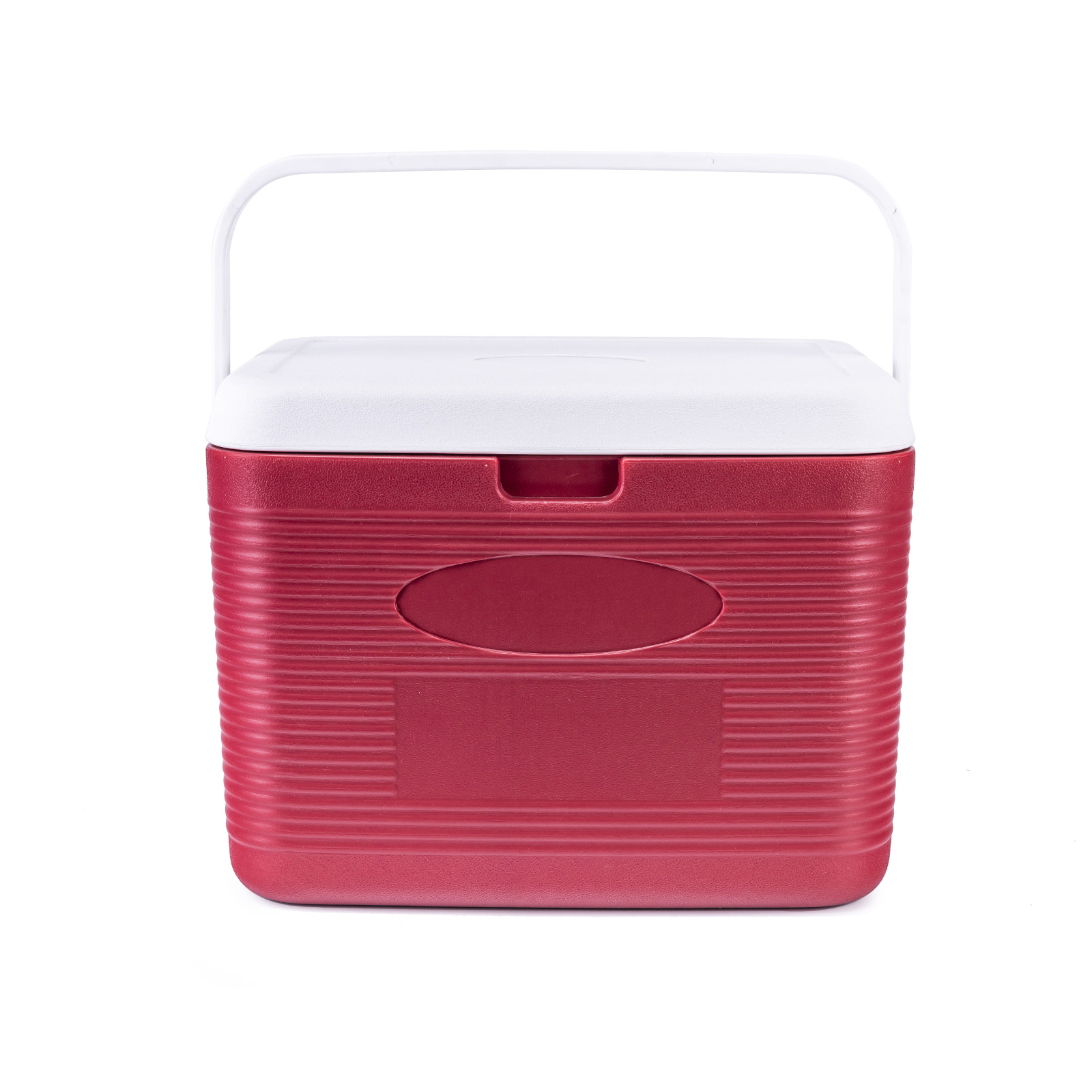
The Complete 2026 Guide to EPP box large
This article will help you:
- Choose the right EPP box large specs using a 10-point checklist
- Build a pack-out workflow that stays consistent across shifts
- Validate performance with lane-based tests (summer/winter profiles)
- Plan reuse, cleaning, inspection, and end-of-life routing
- Scale procurement with supplier QA requirements that prevent batch drift
Decision tool: pick your spec in 5 minutes
- Write your temperature range and duration, then select a coolant strategy that matches that window.
- Rate handling severity (low/medium/high). If medium/high, prioritize edge strength and lid integrity.
- Decide reuse model (single-use / ad-hoc reuse / managed return). Add tracking if managed return.
- List chemicals or cleaning agents that touch the box. Confirm compatibility before scaling.
- Define success metrics (excursions and damage per 1,000). Improve the biggest driver first.
RFQ spec checklist (copy/paste)
- Internal dimensions, payload weight, and allowable movement (fit tolerance)
- Density band and wall thickness targets (with tolerance ranges)
- Lid interface (lip depth, gasket yes/no, closure force target)
- Stacking and compression expectations (empty/loaded)
- Cleaning method compatibility and inspection SOP
- Identification (serial/QR/RFID) and expected cycle tracking
- Acceptance tests: dimensional sampling, drop checks, temperature profiles
- Batch QA: sampling plan, corrective actions, and change control
Core playbook
What problems does this box solve in real shipments?
**A EPP box large works best when you spec it around your lane reality.** Start by naming the top failure you need to prevent: temperature drift, crushing, leaks, or contamination. Then choose density, geometry, lid interface, and accessories that attack that failure first.
Think of the box as a system: foam body, lid interface, payload fit, and coolant or dunnage. If one part is weak, the system drifts. A tight payload fit can reduce internal air movement. Even lid contact prevents micro-gaps that behave like tiny open windows. Build a pack-out flow that makes your EPP box large behave the same every time.
Common pitfall: teams compare only wall thickness and unit price. But the real cost drivers are rework, returns, and excursions. A slightly better EPP box large spec often pays back quickly if it prevents even a few failures per 1,000 shipments.
Micro-checklist (30 seconds): lid seats flat, no rocking, corners intact, payload centered, and coolant placed on the marked spots. If any item fails, fix it before shipping. This tiny habit prevents a surprising number of problems.
EPP box large for cold chain shipping: quick checks
Check payload movement, lid seal contact, and pack-out speed. If you need more than one improvisation step, the design is not ready for scale. Aim for a workflow that any trained operator can execute consistently, even during peak volume.
| Factor | What to compare | Good target | Why you care |
|---|---|---|---|
| Density tier | Low / mid / high | Match handling risk | Higher density helps impacts but adds cost |
| Lid interface | Lip depth, gasket, fit | Even contact | Prevents leaks and heat gain |
| Fit & voids | Movement, headspace | Minimal movement | Improves repeatability |
| Reuse readiness | Cleaning + tracking | Documented SOP | Keeps fleet predictable |
Tips:
- **If you ship fragile items:** add corner protection and reduce movement inside the EPP box large.
- **If you ship temperature-sensitive items:** standardize coolant placement and minimize headspace.
- **If you run reuse loops:** track cycles and retire boxes when lid warp appears.
Practical example: A team reduced repacks by standardizing one EPP box large size with a removable insert and a one-page packing card. The biggest gain was consistency—operators stopped improvising.
Which specifications actually matter when you compare options?
**A EPP box large works best when you spec it around your lane reality.** Start by naming the top failure you need to prevent: temperature drift, crushing, leaks, or contamination. Then choose density, geometry, lid interface, and accessories that attack that failure first.
Think of the box as a system: foam body, lid interface, payload fit, and coolant or dunnage. If one part is weak, the system drifts. A tight payload fit can reduce internal air movement. Even lid contact prevents micro-gaps that behave like tiny open windows. Build a pack-out flow that makes your EPP box large behave the same every time.
Common pitfall: teams compare only wall thickness and unit price. But the real cost drivers are rework, returns, and excursions. A slightly better EPP box large spec often pays back quickly if it prevents even a few failures per 1,000 shipments.
Micro-checklist (30 seconds): lid seats flat, no rocking, corners intact, payload centered, and coolant placed on the marked spots. If any item fails, fix it before shipping. This tiny habit prevents a surprising number of problems.
reusable EPP box large cost: quick checks
Check payload movement, lid seal contact, and pack-out speed. If you need more than one improvisation step, the design is not ready for scale. Aim for a workflow that any trained operator can execute consistently, even during peak volume.
| Factor | What to compare | Good target | Why you care |
|---|---|---|---|
| Density tier | Low / mid / high | Match handling risk | Higher density helps impacts but adds cost |
| Lid interface | Lip depth, gasket, fit | Even contact | Prevents leaks and heat gain |
| Fit & voids | Movement, headspace | Minimal movement | Improves repeatability |
| Reuse readiness | Cleaning + tracking | Documented SOP | Keeps fleet predictable |
Tips:
- **If you ship fragile items:** add corner protection and reduce movement inside the EPP box large.
- **If you ship temperature-sensitive items:** standardize coolant placement and minimize headspace.
- **If you run reuse loops:** track cycles and retire boxes when lid warp appears.
Practical example: A team reduced repacks by standardizing one EPP box large size with a removable insert and a one-page packing card. The biggest gain was consistency—operators stopped improvising.
How do you avoid hidden costs like damage, returns, and rework?
**A EPP box large works best when you spec it around your lane reality.** Start by naming the top failure you need to prevent: temperature drift, crushing, leaks, or contamination. Then choose density, geometry, lid interface, and accessories that attack that failure first.
Think of the box as a system: foam body, lid interface, payload fit, and coolant or dunnage. If one part is weak, the system drifts. A tight payload fit can reduce internal air movement. Even lid contact prevents micro-gaps that behave like tiny open windows. Build a pack-out flow that makes your EPP box large behave the same every time.
Common pitfall: teams compare only wall thickness and unit price. But the real cost drivers are rework, returns, and excursions. A slightly better EPP box large spec often pays back quickly if it prevents even a few failures per 1,000 shipments.
Micro-checklist (30 seconds): lid seats flat, no rocking, corners intact, payload centered, and coolant placed on the marked spots. If any item fails, fix it before shipping. This tiny habit prevents a surprising number of problems.
EPP box large insulation performance: quick checks
Check payload movement, lid seal contact, and pack-out speed. If you need more than one improvisation step, the design is not ready for scale. Aim for a workflow that any trained operator can execute consistently, even during peak volume.
| Factor | What to compare | Good target | Why you care |
|---|---|---|---|
| Density tier | Low / mid / high | Match handling risk | Higher density helps impacts but adds cost |
| Lid interface | Lip depth, gasket, fit | Even contact | Prevents leaks and heat gain |
| Fit & voids | Movement, headspace | Minimal movement | Improves repeatability |
| Reuse readiness | Cleaning + tracking | Documented SOP | Keeps fleet predictable |
Tips:
- **If you ship fragile items:** add corner protection and reduce movement inside the EPP box large.
- **If you ship temperature-sensitive items:** standardize coolant placement and minimize headspace.
- **If you run reuse loops:** track cycles and retire boxes when lid warp appears.
Practical example: A team reduced repacks by standardizing one EPP box large size with a removable insert and a one-page packing card. The biggest gain was consistency—operators stopped improvising.
What packing workflow keeps performance consistent every time?
**A EPP box large works best when you spec it around your lane reality.** Start by naming the top failure you need to prevent: temperature drift, crushing, leaks, or contamination. Then choose density, geometry, lid interface, and accessories that attack that failure first.
Think of the box as a system: foam body, lid interface, payload fit, and coolant or dunnage. If one part is weak, the system drifts. A tight payload fit can reduce internal air movement. Even lid contact prevents micro-gaps that behave like tiny open windows. Build a pack-out flow that makes your EPP box large behave the same every time.
Common pitfall: teams compare only wall thickness and unit price. But the real cost drivers are rework, returns, and excursions. A slightly better EPP box large spec often pays back quickly if it prevents even a few failures per 1,000 shipments.
Micro-checklist (30 seconds): lid seats flat, no rocking, corners intact, payload centered, and coolant placed on the marked spots. If any item fails, fix it before shipping. This tiny habit prevents a surprising number of problems.
EPP box large cleaning and reuse: quick checks
Check payload movement, lid seal contact, and pack-out speed. If you need more than one improvisation step, the design is not ready for scale. Aim for a workflow that any trained operator can execute consistently, even during peak volume.
| Factor | What to compare | Good target | Why you care |
|---|---|---|---|
| Density tier | Low / mid / high | Match handling risk | Higher density helps impacts but adds cost |
| Lid interface | Lip depth, gasket, fit | Even contact | Prevents leaks and heat gain |
| Fit & voids | Movement, headspace | Minimal movement | Improves repeatability |
| Reuse readiness | Cleaning + tracking | Documented SOP | Keeps fleet predictable |
Tips:
- **If you ship fragile items:** add corner protection and reduce movement inside the EPP box large.
- **If you ship temperature-sensitive items:** standardize coolant placement and minimize headspace.
- **If you run reuse loops:** track cycles and retire boxes when lid warp appears.
Practical example: A team reduced repacks by standardizing one EPP box large size with a removable insert and a one-page packing card. The biggest gain was consistency—operators stopped improvising.
Pack-out SOP (one-page version)
- Inspect: clean, dry, no cracks; lid seats flat.
- Fit: center payload; eliminate movement with inserts.
- Coolant: place using a diagram; keep quantities consistent.
- Close: apply even pressure; confirm no rocking and full rim contact.
- Label + record: scan ID (if used); note any damage and retire rules.
2026 trend notes
Reusable packaging adoption is accelerating, and buyers are asked to show reuse management, QA traceability, and end-of-life routing. For a EPP box large, the practical move is standardization: fewer SKUs, tighter specs, and stronger process control.
- More lane validation, not just lab validation.
- More focus on TCO and cost per successful delivery.
- More supplier documentation and change control requirements.
FAQ
What density should I choose for a EPP box large?
Choose based on handling severity and expected reuse cycles. Higher density helps impacts, but fit and lid contact still decide outcomes.
Can a EPP box large be used for food contact?
It can if the resin grade and additives meet your market rules and your cleaning method is compatible. Request declarations and a verification plan.
How do I clean and reuse a EPP box large?
Use a documented SOP: compatible detergent, rinse, dry, and a quick inspection checklist before reissue.
How do I reduce excursions without more coolant?
Standardize coolant placement, reduce headspace, and control lid closure first. These fixes are often cheaper than adding coolant.
How long does a EPP box large last?
It depends on impacts, stacking, and cleaning. Track cycles and retire units when lids warp or cracks appear.
Should I add inserts?
If you see payload movement or want one box to fit multiple SKUs, inserts usually improve consistency and reduce damage.
What tests prove performance?
Use lane-based temperature profiles, drop/handling checks, and repeat the test across multiple operators to confirm repeatability.
What supplier info should I require?
Tolerance bands, QA sampling plan, materials declaration, cleaning guidance, and evidence of batch-to-batch consistency.
How do I estimate TCO quickly?
Divide total annual program cost (purchase + cleaning + returns + losses) by successful deliveries. Compare scenarios using the same denominator.
Summary and next steps
A EPP box large delivers the most value when you treat it as a system and standardize workflow. Define lane risks, specify density and fit, validate by lane, and manage reuse with inspection and tracking.
Next step: draft a one-page spec sheet for your EPP box large (size, density band, lid interface, accessories, pack-out steps), run a pilot on one lane, then scale with clear QA requirements.
About Tempk
Tempk supports cold-chain teams with reusable and high-performance insulation packaging solutions. We focus on fit, closure, and repeatable operations so your shipments stay consistent at scale.
Contact Tempk for a spec review, packing SOP template, and lane-based validation checklist.
Schema suggestion (copy into your CMS as needed)
The Complete 2026 Guide to EPP Box Bulk
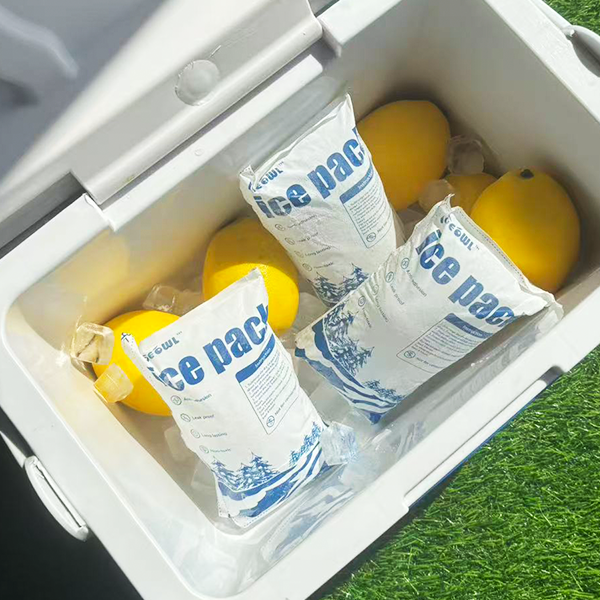
The Complete 2026 Guide to EPP box bulk
This article will help you:
- Choose the right EPP box bulk specs using a 10-point checklist
- Build a pack-out workflow that stays consistent across shifts
- Validate performance with lane-based tests (summer/winter profiles)
- Plan reuse, cleaning, inspection, and end-of-life routing
- Scale procurement with supplier QA requirements that prevent batch drift
Decision tool: pick your spec in 5 minutes
- Write your temperature range and duration, then select a coolant strategy that matches that window.
- Rate handling severity (low/medium/high). If medium/high, prioritize edge strength and lid integrity.
- Decide reuse model (single-use / ad-hoc reuse / managed return). Add tracking if managed return.
- List chemicals or cleaning agents that touch the box. Confirm compatibility before scaling.
- Define success metrics (excursions and damage per 1,000). Improve the biggest driver first.
RFQ spec checklist (copy/paste)
- Internal dimensions, payload weight, and allowable movement (fit tolerance)
- Density band and wall thickness targets (with tolerance ranges)
- Lid interface (lip depth, gasket yes/no, closure force target)
- Stacking and compression expectations (empty/loaded)
- Cleaning method compatibility and inspection SOP
- Identification (serial/QR/RFID) and expected cycle tracking
- Acceptance tests: dimensional sampling, drop checks, temperature profiles
- Batch QA: sampling plan, corrective actions, and change control
Core playbook
What problems does this box solve in real shipments?
**A EPP box bulk works best when you spec it around your lane reality.** Start by naming the top failure you need to prevent: temperature drift, crushing, leaks, or contamination. Then choose density, geometry, lid interface, and accessories that attack that failure first.
Think of the box as a system: foam body, lid interface, payload fit, and coolant or dunnage. If one part is weak, the system drifts. A tight payload fit can reduce internal air movement. Even lid contact prevents micro-gaps that behave like tiny open windows. Build a pack-out flow that makes your EPP box bulk behave the same every time.
Common pitfall: teams compare only wall thickness and unit price. But the real cost drivers are rework, returns, and excursions. A slightly better EPP box bulk spec often pays back quickly if it prevents even a few failures per 1,000 shipments.
Micro-checklist (30 seconds): lid seats flat, no rocking, corners intact, payload centered, and coolant placed on the marked spots. If any item fails, fix it before shipping. This tiny habit prevents a surprising number of problems.
EPP box bulk for cold chain shipping: quick checks
Check payload movement, lid seal contact, and pack-out speed. If you need more than one improvisation step, the design is not ready for scale. Aim for a workflow that any trained operator can execute consistently, even during peak volume.
| Factor | What to compare | Good target | Why you care |
|---|---|---|---|
| Density tier | Low / mid / high | Match handling risk | Higher density helps impacts but adds cost |
| Lid interface | Lip depth, gasket, fit | Even contact | Prevents leaks and heat gain |
| Fit & voids | Movement, headspace | Minimal movement | Improves repeatability |
| Reuse readiness | Cleaning + tracking | Documented SOP | Keeps fleet predictable |
Tips:
- **If you ship fragile items:** add corner protection and reduce movement inside the EPP box bulk.
- **If you ship temperature-sensitive items:** standardize coolant placement and minimize headspace.
- **If you run reuse loops:** track cycles and retire boxes when lid warp appears.
Practical example: A team reduced repacks by standardizing one EPP box bulk size with a removable insert and a one-page packing card. The biggest gain was consistency—operators stopped improvising.
Which specifications actually matter when you compare options?
**A EPP box bulk works best when you spec it around your lane reality.** Start by naming the top failure you need to prevent: temperature drift, crushing, leaks, or contamination. Then choose density, geometry, lid interface, and accessories that attack that failure first.
Think of the box as a system: foam body, lid interface, payload fit, and coolant or dunnage. If one part is weak, the system drifts. A tight payload fit can reduce internal air movement. Even lid contact prevents micro-gaps that behave like tiny open windows. Build a pack-out flow that makes your EPP box bulk behave the same every time.
Common pitfall: teams compare only wall thickness and unit price. But the real cost drivers are rework, returns, and excursions. A slightly better EPP box bulk spec often pays back quickly if it prevents even a few failures per 1,000 shipments.
Micro-checklist (30 seconds): lid seats flat, no rocking, corners intact, payload centered, and coolant placed on the marked spots. If any item fails, fix it before shipping. This tiny habit prevents a surprising number of problems.
reusable EPP box bulk cost: quick checks
Check payload movement, lid seal contact, and pack-out speed. If you need more than one improvisation step, the design is not ready for scale. Aim for a workflow that any trained operator can execute consistently, even during peak volume.
| Factor | What to compare | Good target | Why you care |
|---|---|---|---|
| Density tier | Low / mid / high | Match handling risk | Higher density helps impacts but adds cost |
| Lid interface | Lip depth, gasket, fit | Even contact | Prevents leaks and heat gain |
| Fit & voids | Movement, headspace | Minimal movement | Improves repeatability |
| Reuse readiness | Cleaning + tracking | Documented SOP | Keeps fleet predictable |
Tips:
- **If you ship fragile items:** add corner protection and reduce movement inside the EPP box bulk.
- **If you ship temperature-sensitive items:** standardize coolant placement and minimize headspace.
- **If you run reuse loops:** track cycles and retire boxes when lid warp appears.
Practical example: A team reduced repacks by standardizing one EPP box bulk size with a removable insert and a one-page packing card. The biggest gain was consistency—operators stopped improvising.
How do you avoid hidden costs like damage, returns, and rework?
**A EPP box bulk works best when you spec it around your lane reality.** Start by naming the top failure you need to prevent: temperature drift, crushing, leaks, or contamination. Then choose density, geometry, lid interface, and accessories that attack that failure first.
Think of the box as a system: foam body, lid interface, payload fit, and coolant or dunnage. If one part is weak, the system drifts. A tight payload fit can reduce internal air movement. Even lid contact prevents micro-gaps that behave like tiny open windows. Build a pack-out flow that makes your EPP box bulk behave the same every time.
Common pitfall: teams compare only wall thickness and unit price. But the real cost drivers are rework, returns, and excursions. A slightly better EPP box bulk spec often pays back quickly if it prevents even a few failures per 1,000 shipments.
Micro-checklist (30 seconds): lid seats flat, no rocking, corners intact, payload centered, and coolant placed on the marked spots. If any item fails, fix it before shipping. This tiny habit prevents a surprising number of problems.
EPP box bulk insulation performance: quick checks
Check payload movement, lid seal contact, and pack-out speed. If you need more than one improvisation step, the design is not ready for scale. Aim for a workflow that any trained operator can execute consistently, even during peak volume.
| Factor | What to compare | Good target | Why you care |
|---|---|---|---|
| Density tier | Low / mid / high | Match handling risk | Higher density helps impacts but adds cost |
| Lid interface | Lip depth, gasket, fit | Even contact | Prevents leaks and heat gain |
| Fit & voids | Movement, headspace | Minimal movement | Improves repeatability |
| Reuse readiness | Cleaning + tracking | Documented SOP | Keeps fleet predictable |
Tips:
- **If you ship fragile items:** add corner protection and reduce movement inside the EPP box bulk.
- **If you ship temperature-sensitive items:** standardize coolant placement and minimize headspace.
- **If you run reuse loops:** track cycles and retire boxes when lid warp appears.
Practical example: A team reduced repacks by standardizing one EPP box bulk size with a removable insert and a one-page packing card. The biggest gain was consistency—operators stopped improvising.
What packing workflow keeps performance consistent every time?
**A EPP box bulk works best when you spec it around your lane reality.** Start by naming the top failure you need to prevent: temperature drift, crushing, leaks, or contamination. Then choose density, geometry, lid interface, and accessories that attack that failure first.
Think of the box as a system: foam body, lid interface, payload fit, and coolant or dunnage. If one part is weak, the system drifts. A tight payload fit can reduce internal air movement. Even lid contact prevents micro-gaps that behave like tiny open windows. Build a pack-out flow that makes your EPP box bulk behave the same every time.
Common pitfall: teams compare only wall thickness and unit price. But the real cost drivers are rework, returns, and excursions. A slightly better EPP box bulk spec often pays back quickly if it prevents even a few failures per 1,000 shipments.
Micro-checklist (30 seconds): lid seats flat, no rocking, corners intact, payload centered, and coolant placed on the marked spots. If any item fails, fix it before shipping. This tiny habit prevents a surprising number of problems.
EPP box bulk cleaning and reuse: quick checks
Check payload movement, lid seal contact, and pack-out speed. If you need more than one improvisation step, the design is not ready for scale. Aim for a workflow that any trained operator can execute consistently, even during peak volume.
| Factor | What to compare | Good target | Why you care |
|---|---|---|---|
| Density tier | Low / mid / high | Match handling risk | Higher density helps impacts but adds cost |
| Lid interface | Lip depth, gasket, fit | Even contact | Prevents leaks and heat gain |
| Fit & voids | Movement, headspace | Minimal movement | Improves repeatability |
| Reuse readiness | Cleaning + tracking | Documented SOP | Keeps fleet predictable |
Tips:
- **If you ship fragile items:** add corner protection and reduce movement inside the EPP box bulk.
- **If you ship temperature-sensitive items:** standardize coolant placement and minimize headspace.
- **If you run reuse loops:** track cycles and retire boxes when lid warp appears.
Practical example: A team reduced repacks by standardizing one EPP box bulk size with a removable insert and a one-page packing card. The biggest gain was consistency—operators stopped improvising.
Pack-out SOP (one-page version)
- Inspect: clean, dry, no cracks; lid seats flat.
- Fit: center payload; eliminate movement with inserts.
- Coolant: place using a diagram; keep quantities consistent.
- Close: apply even pressure; confirm no rocking and full rim contact.
- Label + record: scan ID (if used); note any damage and retire rules.
2026 trend notes
Reusable packaging adoption is accelerating, and buyers are asked to show reuse management, QA traceability, and end-of-life routing. For a EPP box bulk, the practical move is standardization: fewer SKUs, tighter specs, and stronger process control.
- More lane validation, not just lab validation.
- More focus on TCO and cost per successful delivery.
- More supplier documentation and change control requirements.
FAQ
What density should I choose for a EPP box bulk?
Choose based on handling severity and expected reuse cycles. Higher density helps impacts, but fit and lid contact still decide outcomes.
Can a EPP box bulk be used for food contact?
It can if the resin grade and additives meet your market rules and your cleaning method is compatible. Request declarations and a verification plan.
How do I clean and reuse a EPP box bulk?
Use a documented SOP: compatible detergent, rinse, dry, and a quick inspection checklist before reissue.
How do I reduce excursions without more coolant?
Standardize coolant placement, reduce headspace, and control lid closure first. These fixes are often cheaper than adding coolant.
How long does a EPP box bulk last?
It depends on impacts, stacking, and cleaning. Track cycles and retire units when lids warp or cracks appear.
Should I add inserts?
If you see payload movement or want one box to fit multiple SKUs, inserts usually improve consistency and reduce damage.
What tests prove performance?
Use lane-based temperature profiles, drop/handling checks, and repeat the test across multiple operators to confirm repeatability.
What supplier info should I require?
Tolerance bands, QA sampling plan, materials declaration, cleaning guidance, and evidence of batch-to-batch consistency.
How do I estimate TCO quickly?
Divide total annual program cost (purchase + cleaning + returns + losses) by successful deliveries. Compare scenarios using the same denominator.
Summary and next steps
A EPP box bulk delivers the most value when you treat it as a system and standardize workflow. Define lane risks, specify density and fit, validate by lane, and manage reuse with inspection and tracking.
Next step: draft a one-page spec sheet for your EPP box bulk (size, density band, lid interface, accessories, pack-out steps), run a pilot on one lane, then scale with clear QA requirements.
About Tempk
Tempk supports cold-chain teams with reusable and high-performance insulation packaging solutions. We focus on fit, closure, and repeatable operations so your shipments stay consistent at scale.
Contact Tempk for a spec review, packing SOP template, and lane-based validation checklist.
Schema suggestion (copy into your CMS as needed)
The Complete 2026 Guide to High-Density EPP Box

The Complete 2026 Guide to high-density EPP box
This article will help you:
- Choose the right high-density EPP box specs using a 10-point checklist
- Build a pack-out workflow that stays consistent across shifts
- Validate performance with lane-based tests (summer/winter profiles)
- Plan reuse, cleaning, inspection, and end-of-life routing
- Scale procurement with supplier QA requirements that prevent batch drift
Decision tool: pick your spec in 5 minutes
- Write your temperature range and duration, then select a coolant strategy that matches that window.
- Rate handling severity (low/medium/high). If medium/high, prioritize edge strength and lid integrity.
- Decide reuse model (single-use / ad-hoc reuse / managed return). Add tracking if managed return.
- List chemicals or cleaning agents that touch the box. Confirm compatibility before scaling.
- Define success metrics (excursions and damage per 1,000). Improve the biggest driver first.
RFQ spec checklist (copy/paste)
- Internal dimensions, payload weight, and allowable movement (fit tolerance)
- Density band and wall thickness targets (with tolerance ranges)
- Lid interface (lip depth, gasket yes/no, closure force target)
- Stacking and compression expectations (empty/loaded)
- Cleaning method compatibility and inspection SOP
- Identification (serial/QR/RFID) and expected cycle tracking
- Acceptance tests: dimensional sampling, drop checks, temperature profiles
- Batch QA: sampling plan, corrective actions, and change control
Core playbook
What problems does this box solve in real shipments?
**A high-density EPP box works best when you spec it around your lane reality.** Start by naming the top failure you need to prevent: temperature drift, crushing, leaks, or contamination. Then choose density, geometry, lid interface, and accessories that attack that failure first.
Think of the box as a system: foam body, lid interface, payload fit, and coolant or dunnage. If one part is weak, the system drifts. A tight payload fit can reduce internal air movement. Even lid contact prevents micro-gaps that behave like tiny open windows. Build a pack-out flow that makes your high-density EPP box behave the same every time.
Common pitfall: teams compare only wall thickness and unit price. But the real cost drivers are rework, returns, and excursions. A slightly better high-density EPP box spec often pays back quickly if it prevents even a few failures per 1,000 shipments.
Micro-checklist (30 seconds): lid seats flat, no rocking, corners intact, payload centered, and coolant placed on the marked spots. If any item fails, fix it before shipping. This tiny habit prevents a surprising number of problems.
high-density EPP box for cold chain shipping: quick checks
Check payload movement, lid seal contact, and pack-out speed. If you need more than one improvisation step, the design is not ready for scale. Aim for a workflow that any trained operator can execute consistently, even during peak volume.
| Factor | What to compare | Good target | Why you care |
|---|---|---|---|
| Density tier | Low / mid / high | Match handling risk | Higher density helps impacts but adds cost |
| Lid interface | Lip depth, gasket, fit | Even contact | Prevents leaks and heat gain |
| Fit & voids | Movement, headspace | Minimal movement | Improves repeatability |
| Reuse readiness | Cleaning + tracking | Documented SOP | Keeps fleet predictable |
Tips:
- **If you ship fragile items:** add corner protection and reduce movement inside the high-density EPP box.
- **If you ship temperature-sensitive items:** standardize coolant placement and minimize headspace.
- **If you run reuse loops:** track cycles and retire boxes when lid warp appears.
Practical example: A team reduced repacks by standardizing one high-density EPP box size with a removable insert and a one-page packing card. The biggest gain was consistency—operators stopped improvising.
Which specifications actually matter when you compare options?
**A high-density EPP box works best when you spec it around your lane reality.** Start by naming the top failure you need to prevent: temperature drift, crushing, leaks, or contamination. Then choose density, geometry, lid interface, and accessories that attack that failure first.
Think of the box as a system: foam body, lid interface, payload fit, and coolant or dunnage. If one part is weak, the system drifts. A tight payload fit can reduce internal air movement. Even lid contact prevents micro-gaps that behave like tiny open windows. Build a pack-out flow that makes your high-density EPP box behave the same every time.
Common pitfall: teams compare only wall thickness and unit price. But the real cost drivers are rework, returns, and excursions. A slightly better high-density EPP box spec often pays back quickly if it prevents even a few failures per 1,000 shipments.
Micro-checklist (30 seconds): lid seats flat, no rocking, corners intact, payload centered, and coolant placed on the marked spots. If any item fails, fix it before shipping. This tiny habit prevents a surprising number of problems.
reusable high-density EPP box cost: quick checks
Check payload movement, lid seal contact, and pack-out speed. If you need more than one improvisation step, the design is not ready for scale. Aim for a workflow that any trained operator can execute consistently, even during peak volume.
| Factor | What to compare | Good target | Why you care |
|---|---|---|---|
| Density tier | Low / mid / high | Match handling risk | Higher density helps impacts but adds cost |
| Lid interface | Lip depth, gasket, fit | Even contact | Prevents leaks and heat gain |
| Fit & voids | Movement, headspace | Minimal movement | Improves repeatability |
| Reuse readiness | Cleaning + tracking | Documented SOP | Keeps fleet predictable |
Tips:
- **If you ship fragile items:** add corner protection and reduce movement inside the high-density EPP box.
- **If you ship temperature-sensitive items:** standardize coolant placement and minimize headspace.
- **If you run reuse loops:** track cycles and retire boxes when lid warp appears.
Practical example: A team reduced repacks by standardizing one high-density EPP box size with a removable insert and a one-page packing card. The biggest gain was consistency—operators stopped improvising.
How do you avoid hidden costs like damage, returns, and rework?
**A high-density EPP box works best when you spec it around your lane reality.** Start by naming the top failure you need to prevent: temperature drift, crushing, leaks, or contamination. Then choose density, geometry, lid interface, and accessories that attack that failure first.
Think of the box as a system: foam body, lid interface, payload fit, and coolant or dunnage. If one part is weak, the system drifts. A tight payload fit can reduce internal air movement. Even lid contact prevents micro-gaps that behave like tiny open windows. Build a pack-out flow that makes your high-density EPP box behave the same every time.
Common pitfall: teams compare only wall thickness and unit price. But the real cost drivers are rework, returns, and excursions. A slightly better high-density EPP box spec often pays back quickly if it prevents even a few failures per 1,000 shipments.
Micro-checklist (30 seconds): lid seats flat, no rocking, corners intact, payload centered, and coolant placed on the marked spots. If any item fails, fix it before shipping. This tiny habit prevents a surprising number of problems.
high-density EPP box insulation performance: quick checks
Check payload movement, lid seal contact, and pack-out speed. If you need more than one improvisation step, the design is not ready for scale. Aim for a workflow that any trained operator can execute consistently, even during peak volume.
| Factor | What to compare | Good target | Why you care |
|---|---|---|---|
| Density tier | Low / mid / high | Match handling risk | Higher density helps impacts but adds cost |
| Lid interface | Lip depth, gasket, fit | Even contact | Prevents leaks and heat gain |
| Fit & voids | Movement, headspace | Minimal movement | Improves repeatability |
| Reuse readiness | Cleaning + tracking | Documented SOP | Keeps fleet predictable |
Tips:
- **If you ship fragile items:** add corner protection and reduce movement inside the high-density EPP box.
- **If you ship temperature-sensitive items:** standardize coolant placement and minimize headspace.
- **If you run reuse loops:** track cycles and retire boxes when lid warp appears.
Practical example: A team reduced repacks by standardizing one high-density EPP box size with a removable insert and a one-page packing card. The biggest gain was consistency—operators stopped improvising.
What packing workflow keeps performance consistent every time?
**A high-density EPP box works best when you spec it around your lane reality.** Start by naming the top failure you need to prevent: temperature drift, crushing, leaks, or contamination. Then choose density, geometry, lid interface, and accessories that attack that failure first.
Think of the box as a system: foam body, lid interface, payload fit, and coolant or dunnage. If one part is weak, the system drifts. A tight payload fit can reduce internal air movement. Even lid contact prevents micro-gaps that behave like tiny open windows. Build a pack-out flow that makes your high-density EPP box behave the same every time.
Common pitfall: teams compare only wall thickness and unit price. But the real cost drivers are rework, returns, and excursions. A slightly better high-density EPP box spec often pays back quickly if it prevents even a few failures per 1,000 shipments.
Micro-checklist (30 seconds): lid seats flat, no rocking, corners intact, payload centered, and coolant placed on the marked spots. If any item fails, fix it before shipping. This tiny habit prevents a surprising number of problems.
high-density EPP box cleaning and reuse: quick checks
Check payload movement, lid seal contact, and pack-out speed. If you need more than one improvisation step, the design is not ready for scale. Aim for a workflow that any trained operator can execute consistently, even during peak volume.
| Factor | What to compare | Good target | Why you care |
|---|---|---|---|
| Density tier | Low / mid / high | Match handling risk | Higher density helps impacts but adds cost |
| Lid interface | Lip depth, gasket, fit | Even contact | Prevents leaks and heat gain |
| Fit & voids | Movement, headspace | Minimal movement | Improves repeatability |
| Reuse readiness | Cleaning + tracking | Documented SOP | Keeps fleet predictable |
Tips:
- **If you ship fragile items:** add corner protection and reduce movement inside the high-density EPP box.
- **If you ship temperature-sensitive items:** standardize coolant placement and minimize headspace.
- **If you run reuse loops:** track cycles and retire boxes when lid warp appears.
Practical example: A team reduced repacks by standardizing one high-density EPP box size with a removable insert and a one-page packing card. The biggest gain was consistency—operators stopped improvising.
Pack-out SOP (one-page version)
- Inspect: clean, dry, no cracks; lid seats flat.
- Fit: center payload; eliminate movement with inserts.
- Coolant: place using a diagram; keep quantities consistent.
- Close: apply even pressure; confirm no rocking and full rim contact.
- Label + record: scan ID (if used); note any damage and retire rules.
2026 trend notes
Reusable packaging adoption is accelerating, and buyers are asked to show reuse management, QA traceability, and end-of-life routing. For a high-density EPP box, the practical move is standardization: fewer SKUs, tighter specs, and stronger process control.
- More lane validation, not just lab validation.
- More focus on TCO and cost per successful delivery.
- More supplier documentation and change control requirements.
FAQ
What density should I choose for a high-density EPP box?
Choose based on handling severity and expected reuse cycles. Higher density helps impacts, but fit and lid contact still decide outcomes.
Can a high-density EPP box be used for food contact?
It can if the resin grade and additives meet your market rules and your cleaning method is compatible. Request declarations and a verification plan.
How do I clean and reuse a high-density EPP box?
Use a documented SOP: compatible detergent, rinse, dry, and a quick inspection checklist before reissue.
How do I reduce excursions without more coolant?
Standardize coolant placement, reduce headspace, and control lid closure first. These fixes are often cheaper than adding coolant.
How long does a high-density EPP box last?
It depends on impacts, stacking, and cleaning. Track cycles and retire units when lids warp or cracks appear.
Should I add inserts?
If you see payload movement or want one box to fit multiple SKUs, inserts usually improve consistency and reduce damage.
What tests prove performance?
Use lane-based temperature profiles, drop/handling checks, and repeat the test across multiple operators to confirm repeatability.
What supplier info should I require?
Tolerance bands, QA sampling plan, materials declaration, cleaning guidance, and evidence of batch-to-batch consistency.
How do I estimate TCO quickly?
Divide total annual program cost (purchase + cleaning + returns + losses) by successful deliveries. Compare scenarios using the same denominator.
Summary and next steps
A high-density EPP box delivers the most value when you treat it as a system and standardize workflow. Define lane risks, specify density and fit, validate by lane, and manage reuse with inspection and tracking.
Next step: draft a one-page spec sheet for your high-density EPP box (size, density band, lid interface, accessories, pack-out steps), run a pilot on one lane, then scale with clear QA requirements.
About Tempk
Tempk supports cold-chain teams with reusable and high-performance insulation packaging solutions. We focus on fit, closure, and repeatable operations so your shipments stay consistent at scale.
Contact Tempk for a spec review, packing SOP template, and lane-based validation checklist.
Schema suggestion (copy into your CMS as needed)
The Complete 2026 Guide to Food-Grade EPP Box

The Complete 2026 Guide to food-grade EPP box
This article will help you:
- Choose the right food-grade EPP box specs using a 10-point checklist
- Build a pack-out workflow that stays consistent across shifts
- Validate performance with lane-based tests (summer/winter profiles)
- Plan reuse, cleaning, inspection, and end-of-life routing
- Scale procurement with supplier QA requirements that prevent batch drift
Decision tool: pick your spec in 5 minutes
- Write your temperature range and duration, then select a coolant strategy that matches that window.
- Rate handling severity (low/medium/high). If medium/high, prioritize edge strength and lid integrity.
- Decide reuse model (single-use / ad-hoc reuse / managed return). Add tracking if managed return.
- List chemicals or cleaning agents that touch the box. Confirm compatibility before scaling.
- Define success metrics (excursions and damage per 1,000). Improve the biggest driver first.
RFQ spec checklist (copy/paste)
- Internal dimensions, payload weight, and allowable movement (fit tolerance)
- Density band and wall thickness targets (with tolerance ranges)
- Lid interface (lip depth, gasket yes/no, closure force target)
- Stacking and compression expectations (empty/loaded)
- Cleaning method compatibility and inspection SOP
- Identification (serial/QR/RFID) and expected cycle tracking
- Acceptance tests: dimensional sampling, drop checks, temperature profiles
- Batch QA: sampling plan, corrective actions, and change control
Core playbook
What problems does this box solve in real shipments?
**A food-grade EPP box works best when you spec it around your lane reality.** Start by naming the top failure you need to prevent: temperature drift, crushing, leaks, or contamination. Then choose density, geometry, lid interface, and accessories that attack that failure first.
Think of the box as a system: foam body, lid interface, payload fit, and coolant or dunnage. If one part is weak, the system drifts. A tight payload fit can reduce internal air movement. Even lid contact prevents micro-gaps that behave like tiny open windows. Build a pack-out flow that makes your food-grade EPP box behave the same every time.
Common pitfall: teams compare only wall thickness and unit price. But the real cost drivers are rework, returns, and excursions. A slightly better food-grade EPP box spec often pays back quickly if it prevents even a few failures per 1,000 shipments.
Micro-checklist (30 seconds): lid seats flat, no rocking, corners intact, payload centered, and coolant placed on the marked spots. If any item fails, fix it before shipping. This tiny habit prevents a surprising number of problems.
food-grade EPP box for cold chain shipping: quick checks
Check payload movement, lid seal contact, and pack-out speed. If you need more than one improvisation step, the design is not ready for scale. Aim for a workflow that any trained operator can execute consistently, even during peak volume.
| Factor | What to compare | Good target | Why you care |
|---|---|---|---|
| Density tier | Low / mid / high | Match handling risk | Higher density helps impacts but adds cost |
| Lid interface | Lip depth, gasket, fit | Even contact | Prevents leaks and heat gain |
| Fit & voids | Movement, headspace | Minimal movement | Improves repeatability |
| Reuse readiness | Cleaning + tracking | Documented SOP | Keeps fleet predictable |
Tips:
- **If you ship fragile items:** add corner protection and reduce movement inside the food-grade EPP box.
- **If you ship temperature-sensitive items:** standardize coolant placement and minimize headspace.
- **If you run reuse loops:** track cycles and retire boxes when lid warp appears.
Practical example: A team reduced repacks by standardizing one food-grade EPP box size with a removable insert and a one-page packing card. The biggest gain was consistency—operators stopped improvising.
Which specifications actually matter when you compare options?
**A food-grade EPP box works best when you spec it around your lane reality.** Start by naming the top failure you need to prevent: temperature drift, crushing, leaks, or contamination. Then choose density, geometry, lid interface, and accessories that attack that failure first.
Think of the box as a system: foam body, lid interface, payload fit, and coolant or dunnage. If one part is weak, the system drifts. A tight payload fit can reduce internal air movement. Even lid contact prevents micro-gaps that behave like tiny open windows. Build a pack-out flow that makes your food-grade EPP box behave the same every time.
Common pitfall: teams compare only wall thickness and unit price. But the real cost drivers are rework, returns, and excursions. A slightly better food-grade EPP box spec often pays back quickly if it prevents even a few failures per 1,000 shipments.
Micro-checklist (30 seconds): lid seats flat, no rocking, corners intact, payload centered, and coolant placed on the marked spots. If any item fails, fix it before shipping. This tiny habit prevents a surprising number of problems.
reusable food-grade EPP box cost: quick checks
Check payload movement, lid seal contact, and pack-out speed. If you need more than one improvisation step, the design is not ready for scale. Aim for a workflow that any trained operator can execute consistently, even during peak volume.
| Factor | What to compare | Good target | Why you care |
|---|---|---|---|
| Density tier | Low / mid / high | Match handling risk | Higher density helps impacts but adds cost |
| Lid interface | Lip depth, gasket, fit | Even contact | Prevents leaks and heat gain |
| Fit & voids | Movement, headspace | Minimal movement | Improves repeatability |
| Reuse readiness | Cleaning + tracking | Documented SOP | Keeps fleet predictable |
Tips:
- **If you ship fragile items:** add corner protection and reduce movement inside the food-grade EPP box.
- **If you ship temperature-sensitive items:** standardize coolant placement and minimize headspace.
- **If you run reuse loops:** track cycles and retire boxes when lid warp appears.
Practical example: A team reduced repacks by standardizing one food-grade EPP box size with a removable insert and a one-page packing card. The biggest gain was consistency—operators stopped improvising.
How do you avoid hidden costs like damage, returns, and rework?
**A food-grade EPP box works best when you spec it around your lane reality.** Start by naming the top failure you need to prevent: temperature drift, crushing, leaks, or contamination. Then choose density, geometry, lid interface, and accessories that attack that failure first.
Think of the box as a system: foam body, lid interface, payload fit, and coolant or dunnage. If one part is weak, the system drifts. A tight payload fit can reduce internal air movement. Even lid contact prevents micro-gaps that behave like tiny open windows. Build a pack-out flow that makes your food-grade EPP box behave the same every time.
Common pitfall: teams compare only wall thickness and unit price. But the real cost drivers are rework, returns, and excursions. A slightly better food-grade EPP box spec often pays back quickly if it prevents even a few failures per 1,000 shipments.
Micro-checklist (30 seconds): lid seats flat, no rocking, corners intact, payload centered, and coolant placed on the marked spots. If any item fails, fix it before shipping. This tiny habit prevents a surprising number of problems.
food-grade EPP box insulation performance: quick checks
Check payload movement, lid seal contact, and pack-out speed. If you need more than one improvisation step, the design is not ready for scale. Aim for a workflow that any trained operator can execute consistently, even during peak volume.
| Factor | What to compare | Good target | Why you care |
|---|---|---|---|
| Density tier | Low / mid / high | Match handling risk | Higher density helps impacts but adds cost |
| Lid interface | Lip depth, gasket, fit | Even contact | Prevents leaks and heat gain |
| Fit & voids | Movement, headspace | Minimal movement | Improves repeatability |
| Reuse readiness | Cleaning + tracking | Documented SOP | Keeps fleet predictable |
Tips:
- **If you ship fragile items:** add corner protection and reduce movement inside the food-grade EPP box.
- **If you ship temperature-sensitive items:** standardize coolant placement and minimize headspace.
- **If you run reuse loops:** track cycles and retire boxes when lid warp appears.
Practical example: A team reduced repacks by standardizing one food-grade EPP box size with a removable insert and a one-page packing card. The biggest gain was consistency—operators stopped improvising.
What packing workflow keeps performance consistent every time?
**A food-grade EPP box works best when you spec it around your lane reality.** Start by naming the top failure you need to prevent: temperature drift, crushing, leaks, or contamination. Then choose density, geometry, lid interface, and accessories that attack that failure first.
Think of the box as a system: foam body, lid interface, payload fit, and coolant or dunnage. If one part is weak, the system drifts. A tight payload fit can reduce internal air movement. Even lid contact prevents micro-gaps that behave like tiny open windows. Build a pack-out flow that makes your food-grade EPP box behave the same every time.
Common pitfall: teams compare only wall thickness and unit price. But the real cost drivers are rework, returns, and excursions. A slightly better food-grade EPP box spec often pays back quickly if it prevents even a few failures per 1,000 shipments.
Micro-checklist (30 seconds): lid seats flat, no rocking, corners intact, payload centered, and coolant placed on the marked spots. If any item fails, fix it before shipping. This tiny habit prevents a surprising number of problems.
food-grade EPP box cleaning and reuse: quick checks
Check payload movement, lid seal contact, and pack-out speed. If you need more than one improvisation step, the design is not ready for scale. Aim for a workflow that any trained operator can execute consistently, even during peak volume.
| Factor | What to compare | Good target | Why you care |
|---|---|---|---|
| Density tier | Low / mid / high | Match handling risk | Higher density helps impacts but adds cost |
| Lid interface | Lip depth, gasket, fit | Even contact | Prevents leaks and heat gain |
| Fit & voids | Movement, headspace | Minimal movement | Improves repeatability |
| Reuse readiness | Cleaning + tracking | Documented SOP | Keeps fleet predictable |
Tips:
- **If you ship fragile items:** add corner protection and reduce movement inside the food-grade EPP box.
- **If you ship temperature-sensitive items:** standardize coolant placement and minimize headspace.
- **If you run reuse loops:** track cycles and retire boxes when lid warp appears.
Practical example: A team reduced repacks by standardizing one food-grade EPP box size with a removable insert and a one-page packing card. The biggest gain was consistency—operators stopped improvising.
Pack-out SOP (one-page version)
- Inspect: clean, dry, no cracks; lid seats flat.
- Fit: center payload; eliminate movement with inserts.
- Coolant: place using a diagram; keep quantities consistent.
- Close: apply even pressure; confirm no rocking and full rim contact.
- Label + record: scan ID (if used); note any damage and retire rules.
2026 trend notes
Reusable packaging adoption is accelerating, and buyers are asked to show reuse management, QA traceability, and end-of-life routing. For a food-grade EPP box, the practical move is standardization: fewer SKUs, tighter specs, and stronger process control.
- More lane validation, not just lab validation.
- More focus on TCO and cost per successful delivery.
- More supplier documentation and change control requirements.
FAQ
What density should I choose for a food-grade EPP box?
Choose based on handling severity and expected reuse cycles. Higher density helps impacts, but fit and lid contact still decide outcomes.
Can a food-grade EPP box be used for food contact?
It can if the resin grade and additives meet your market rules and your cleaning method is compatible. Request declarations and a verification plan.
How do I clean and reuse a food-grade EPP box?
Use a documented SOP: compatible detergent, rinse, dry, and a quick inspection checklist before reissue.
How do I reduce excursions without more coolant?
Standardize coolant placement, reduce headspace, and control lid closure first. These fixes are often cheaper than adding coolant.
How long does a food-grade EPP box last?
It depends on impacts, stacking, and cleaning. Track cycles and retire units when lids warp or cracks appear.
Should I add inserts?
If you see payload movement or want one box to fit multiple SKUs, inserts usually improve consistency and reduce damage.
What tests prove performance?
Use lane-based temperature profiles, drop/handling checks, and repeat the test across multiple operators to confirm repeatability.
What supplier info should I require?
Tolerance bands, QA sampling plan, materials declaration, cleaning guidance, and evidence of batch-to-batch consistency.
How do I estimate TCO quickly?
Divide total annual program cost (purchase + cleaning + returns + losses) by successful deliveries. Compare scenarios using the same denominator.
Summary and next steps
A food-grade EPP box delivers the most value when you treat it as a system and standardize workflow. Define lane risks, specify density and fit, validate by lane, and manage reuse with inspection and tracking.
Next step: draft a one-page spec sheet for your food-grade EPP box (size, density band, lid interface, accessories, pack-out steps), run a pilot on one lane, then scale with clear QA requirements.
About Tempk
Tempk supports cold-chain teams with reusable and high-performance insulation packaging solutions. We focus on fit, closure, and repeatable operations so your shipments stay consistent at scale.
Contact Tempk for a spec review, packing SOP template, and lane-based validation checklist.
Schema suggestion (copy into your CMS as needed)
The Complete 2026 Guide to Chemical-Resistant EPP Box
The Complete 2026 Guide to chemical-resistant EPP box
This article will help you:
- Choose the right chemical-resistant EPP box specs using a 10-point checklist
- Build a pack-out workflow that stays consistent across shifts
- Validate performance with lane-based tests (summer/winter profiles)
- Plan reuse, cleaning, inspection, and end-of-life routing
- Scale procurement with supplier QA requirements that prevent batch drift
Decision tool: pick your spec in 5 minutes
- Write your temperature range and duration, then select a coolant strategy that matches that window.
- Rate handling severity (low/medium/high). If medium/high, prioritize edge strength and lid integrity.
- Decide reuse model (single-use / ad-hoc reuse / managed return). Add tracking if managed return.
- List chemicals or cleaning agents that touch the box. Confirm compatibility before scaling.
- Define success metrics (excursions and damage per 1,000). Improve the biggest driver first.
RFQ spec checklist (copy/paste)
- Internal dimensions, payload weight, and allowable movement (fit tolerance)
- Density band and wall thickness targets (with tolerance ranges)
- Lid interface (lip depth, gasket yes/no, closure force target)
- Stacking and compression expectations (empty/loaded)
- Cleaning method compatibility and inspection SOP
- Identification (serial/QR/RFID) and expected cycle tracking
- Acceptance tests: dimensional sampling, drop checks, temperature profiles
- Batch QA: sampling plan, corrective actions, and change control
Core playbook
What problems does this box solve in real shipments?
**A chemical-resistant EPP box works best when you spec it around your lane reality.** Start by naming the top failure you need to prevent: temperature drift, crushing, leaks, or contamination. Then choose density, geometry, lid interface, and accessories that attack that failure first.
Think of the box as a system: foam body, lid interface, payload fit, and coolant or dunnage. If one part is weak, the system drifts. A tight payload fit can reduce internal air movement. Even lid contact prevents micro-gaps that behave like tiny open windows. Build a pack-out flow that makes your chemical-resistant EPP box behave the same every time.
Common pitfall: teams compare only wall thickness and unit price. But the real cost drivers are rework, returns, and excursions. A slightly better chemical-resistant EPP box spec often pays back quickly if it prevents even a few failures per 1,000 shipments.
Micro-checklist (30 seconds): lid seats flat, no rocking, corners intact, payload centered, and coolant placed on the marked spots. If any item fails, fix it before shipping. This tiny habit prevents a surprising number of problems.
chemical-resistant EPP box for cold chain shipping: quick checks
Check payload movement, lid seal contact, and pack-out speed. If you need more than one improvisation step, the design is not ready for scale. Aim for a workflow that any trained operator can execute consistently, even during peak volume.
| Factor | What to compare | Good target | Why you care |
|---|---|---|---|
| Density tier | Low / mid / high | Match handling risk | Higher density helps impacts but adds cost |
| Lid interface | Lip depth, gasket, fit | Even contact | Prevents leaks and heat gain |
| Fit & voids | Movement, headspace | Minimal movement | Improves repeatability |
| Reuse readiness | Cleaning + tracking | Documented SOP | Keeps fleet predictable |
Tips:
- **If you ship fragile items:** add corner protection and reduce movement inside the chemical-resistant EPP box.
- **If you ship temperature-sensitive items:** standardize coolant placement and minimize headspace.
- **If you run reuse loops:** track cycles and retire boxes when lid warp appears.
Practical example: A team reduced repacks by standardizing one chemical-resistant EPP box size with a removable insert and a one-page packing card. The biggest gain was consistency—operators stopped improvising.
Which specifications actually matter when you compare options?
**A chemical-resistant EPP box works best when you spec it around your lane reality.** Start by naming the top failure you need to prevent: temperature drift, crushing, leaks, or contamination. Then choose density, geometry, lid interface, and accessories that attack that failure first.
Think of the box as a system: foam body, lid interface, payload fit, and coolant or dunnage. If one part is weak, the system drifts. A tight payload fit can reduce internal air movement. Even lid contact prevents micro-gaps that behave like tiny open windows. Build a pack-out flow that makes your chemical-resistant EPP box behave the same every time.
Common pitfall: teams compare only wall thickness and unit price. But the real cost drivers are rework, returns, and excursions. A slightly better chemical-resistant EPP box spec often pays back quickly if it prevents even a few failures per 1,000 shipments.
Micro-checklist (30 seconds): lid seats flat, no rocking, corners intact, payload centered, and coolant placed on the marked spots. If any item fails, fix it before shipping. This tiny habit prevents a surprising number of problems.
reusable chemical-resistant EPP box cost: quick checks
Check payload movement, lid seal contact, and pack-out speed. If you need more than one improvisation step, the design is not ready for scale. Aim for a workflow that any trained operator can execute consistently, even during peak volume.
| Factor | What to compare | Good target | Why you care |
|---|---|---|---|
| Density tier | Low / mid / high | Match handling risk | Higher density helps impacts but adds cost |
| Lid interface | Lip depth, gasket, fit | Even contact | Prevents leaks and heat gain |
| Fit & voids | Movement, headspace | Minimal movement | Improves repeatability |
| Reuse readiness | Cleaning + tracking | Documented SOP | Keeps fleet predictable |
Tips:
- **If you ship fragile items:** add corner protection and reduce movement inside the chemical-resistant EPP box.
- **If you ship temperature-sensitive items:** standardize coolant placement and minimize headspace.
- **If you run reuse loops:** track cycles and retire boxes when lid warp appears.
Practical example: A team reduced repacks by standardizing one chemical-resistant EPP box size with a removable insert and a one-page packing card. The biggest gain was consistency—operators stopped improvising.
How do you avoid hidden costs like damage, returns, and rework?
**A chemical-resistant EPP box works best when you spec it around your lane reality.** Start by naming the top failure you need to prevent: temperature drift, crushing, leaks, or contamination. Then choose density, geometry, lid interface, and accessories that attack that failure first.
Think of the box as a system: foam body, lid interface, payload fit, and coolant or dunnage. If one part is weak, the system drifts. A tight payload fit can reduce internal air movement. Even lid contact prevents micro-gaps that behave like tiny open windows. Build a pack-out flow that makes your chemical-resistant EPP box behave the same every time.
Common pitfall: teams compare only wall thickness and unit price. But the real cost drivers are rework, returns, and excursions. A slightly better chemical-resistant EPP box spec often pays back quickly if it prevents even a few failures per 1,000 shipments.
Micro-checklist (30 seconds): lid seats flat, no rocking, corners intact, payload centered, and coolant placed on the marked spots. If any item fails, fix it before shipping. This tiny habit prevents a surprising number of problems.
chemical-resistant EPP box insulation performance: quick checks
Check payload movement, lid seal contact, and pack-out speed. If you need more than one improvisation step, the design is not ready for scale. Aim for a workflow that any trained operator can execute consistently, even during peak volume.
| Factor | What to compare | Good target | Why you care |
|---|---|---|---|
| Density tier | Low / mid / high | Match handling risk | Higher density helps impacts but adds cost |
| Lid interface | Lip depth, gasket, fit | Even contact | Prevents leaks and heat gain |
| Fit & voids | Movement, headspace | Minimal movement | Improves repeatability |
| Reuse readiness | Cleaning + tracking | Documented SOP | Keeps fleet predictable |
Tips:
- **If you ship fragile items:** add corner protection and reduce movement inside the chemical-resistant EPP box.
- **If you ship temperature-sensitive items:** standardize coolant placement and minimize headspace.
- **If you run reuse loops:** track cycles and retire boxes when lid warp appears.
Practical example: A team reduced repacks by standardizing one chemical-resistant EPP box size with a removable insert and a one-page packing card. The biggest gain was consistency—operators stopped improvising.
What packing workflow keeps performance consistent every time?
**A chemical-resistant EPP box works best when you spec it around your lane reality.** Start by naming the top failure you need to prevent: temperature drift, crushing, leaks, or contamination. Then choose density, geometry, lid interface, and accessories that attack that failure first.
Think of the box as a system: foam body, lid interface, payload fit, and coolant or dunnage. If one part is weak, the system drifts. A tight payload fit can reduce internal air movement. Even lid contact prevents micro-gaps that behave like tiny open windows. Build a pack-out flow that makes your chemical-resistant EPP box behave the same every time.
Common pitfall: teams compare only wall thickness and unit price. But the real cost drivers are rework, returns, and excursions. A slightly better chemical-resistant EPP box spec often pays back quickly if it prevents even a few failures per 1,000 shipments.
Micro-checklist (30 seconds): lid seats flat, no rocking, corners intact, payload centered, and coolant placed on the marked spots. If any item fails, fix it before shipping. This tiny habit prevents a surprising number of problems.
chemical-resistant EPP box cleaning and reuse: quick checks
Check payload movement, lid seal contact, and pack-out speed. If you need more than one improvisation step, the design is not ready for scale. Aim for a workflow that any trained operator can execute consistently, even during peak volume.
| Factor | What to compare | Good target | Why you care |
|---|---|---|---|
| Density tier | Low / mid / high | Match handling risk | Higher density helps impacts but adds cost |
| Lid interface | Lip depth, gasket, fit | Even contact | Prevents leaks and heat gain |
| Fit & voids | Movement, headspace | Minimal movement | Improves repeatability |
| Reuse readiness | Cleaning + tracking | Documented SOP | Keeps fleet predictable |
Tips:
- **If you ship fragile items:** add corner protection and reduce movement inside the chemical-resistant EPP box.
- **If you ship temperature-sensitive items:** standardize coolant placement and minimize headspace.
- **If you run reuse loops:** track cycles and retire boxes when lid warp appears.
Practical example: A team reduced repacks by standardizing one chemical-resistant EPP box size with a removable insert and a one-page packing card. The biggest gain was consistency—operators stopped improvising.
Pack-out SOP (one-page version)
- Inspect: clean, dry, no cracks; lid seats flat.
- Fit: center payload; eliminate movement with inserts.
- Coolant: place using a diagram; keep quantities consistent.
- Close: apply even pressure; confirm no rocking and full rim contact.
- Label + record: scan ID (if used); note any damage and retire rules.
2026 trend notes
Reusable packaging adoption is accelerating, and buyers are asked to show reuse management, QA traceability, and end-of-life routing. For a chemical-resistant EPP box, the practical move is standardization: fewer SKUs, tighter specs, and stronger process control.
- More lane validation, not just lab validation.
- More focus on TCO and cost per successful delivery.
- More supplier documentation and change control requirements.
FAQ
What density should I choose for a chemical-resistant EPP box?
Choose based on handling severity and expected reuse cycles. Higher density helps impacts, but fit and lid contact still decide outcomes.
Can a chemical-resistant EPP box be used for food contact?
It can if the resin grade and additives meet your market rules and your cleaning method is compatible. Request declarations and a verification plan.
How do I clean and reuse a chemical-resistant EPP box?
Use a documented SOP: compatible detergent, rinse, dry, and a quick inspection checklist before reissue.
How do I reduce excursions without more coolant?
Standardize coolant placement, reduce headspace, and control lid closure first. These fixes are often cheaper than adding coolant.
How long does a chemical-resistant EPP box last?
It depends on impacts, stacking, and cleaning. Track cycles and retire units when lids warp or cracks appear.
Should I add inserts?
If you see payload movement or want one box to fit multiple SKUs, inserts usually improve consistency and reduce damage.
What tests prove performance?
Use lane-based temperature profiles, drop/handling checks, and repeat the test across multiple operators to confirm repeatability.
What supplier info should I require?
Tolerance bands, QA sampling plan, materials declaration, cleaning guidance, and evidence of batch-to-batch consistency.
How do I estimate TCO quickly?
Divide total annual program cost (purchase + cleaning + returns + losses) by successful deliveries. Compare scenarios using the same denominator.
Summary and next steps
A chemical-resistant EPP box delivers the most value when you treat it as a system and standardize workflow. Define lane risks, specify density and fit, validate by lane, and manage reuse with inspection and tracking.
Next step: draft a one-page spec sheet for your chemical-resistant EPP box (size, density band, lid interface, accessories, pack-out steps), run a pilot on one lane, then scale with clear QA requirements.
About Tempk
Tempk supports cold-chain teams with reusable and high-performance insulation packaging solutions. We focus on fit, closure, and repeatable operations so your shipments stay consistent at scale.
Contact Tempk for a spec review, packing SOP template, and lane-based validation checklist.
Schema suggestion (copy into your CMS as needed)
How Eco-Friendly Insulated Box Cargo Shipping Keeps Your Cargo Safe and Sustainable
As companies and consumers demand greener logistics, eco-friendly insulated box cargo shipping has become a critical solution for transporting temperature-sensitive goods. This comprehensive guide, updated for March 2026, explains why sustainable materials, smart technologies and evolving regulations are reshaping the cold-chain. You’ll learn how eco-friendly insulated boxes protect your cargo, reduce waste, and support your sustainability goals. The insights below are grounded in the latest market data and expert recommendations.
This guide will help you:
Understand why green insulated boxes matter: Explore the environmental and performance benefits of biodegradable and recyclable insulated packaging.
Select the right material for your shipment: Compare molded pulp, plant-based foam, natural fiber boards and other options to meet your cargo’s needs.
Leverage smart technology: Learn how sensors and IoT tools provide real-time temperature data and enhance supply-chain traceability.
Navigate regulations and consumer expectations: See how 2026 bans on polystyrene and consumer preferences for recyclability affect your packaging choices.
Stay ahead of 2026 trends: Discover industry forecasts, emerging materials and market growth projections that will shape cold-chain logistics over the next decade.
What makes an eco-friendly insulated box vital for cargo shipping in 2026?
Delivering reliability and sustainability
When you ship perishable foods, vaccines or biologics, temperature stability is non-negotiable. An eco-friendly insulated box combines thermal performance with minimal environmental impact, protecting your cargo without contributing to landfill waste. Conventional foam coolers often use expanded polystyrene (EPS), a material that is difficult to recycle and contributes to pollution; less than 1 % of EPS packaging in the United States was recycled in 2018. By contrast, biodegradable insulated boxes use plant-based foams or molded pulp that decompose naturally after use, eliminating long-term waste.
Reducing spoilage and returns
Poor temperature control damages cargo, increases spoilage and leads to dissatisfied customers. According to industry experts, 80 % of customers say they won’t return to a brand if packaging is poor. Eco-friendly insulated boxes are designed to maintain the required temperature range for 24–96 hours, depending on wall thickness and refrigerants. A meal-kit company that switched from foam to biodegradable insulated boxes reduced temperature excursions by 18 % and almost eliminated disposal complaints.
Aligning with consumer values
Modern consumers care about environmental impact. A McKinsey survey found that recyclability is the most critical sustainability trait, and many consumers are willing to pay more for sustainable packaging. At the same time, they expect quality and food safety. An eco-friendly insulated box allows you to meet these expectations by offering both performance and environmental responsibility.
Meeting evolving regulations
Government regulations are accelerating the shift away from single-use plastic and foam. New York’s ban on polystyrene foam, implemented in 2022, expands to coolers and ice chests as of January 1 2026. Virginia’s law similarly prohibits all food vendors from using EPS containers by July 1 2026. More than 30 countries and nine U.S. states have implemented restrictions on EPS. By choosing eco-friendly insulated boxes, you ensure compliance with these regulations and future-proof your supply chain.
How do sustainable materials shape the performance of insulated shipping boxes?
Comparing common eco-friendly insulation materials
Insulated boxes leverage various materials to slow heat transfer and protect cargo. Molded pulp, plant-based foam and natural fiber boards are among the most popular renewable options. Each has unique properties:
| Material | Insulation level | Moisture resistance | Best use case |
|---|---|---|---|
| Molded pulp (recycled paper fibers) | Medium | Moderate | Fresh food, produce; compostable and breathable |
| Plant-based bio-foam | High | High | Frozen or chilled goods |
| Natural fiber board | Medium–High | Low–Moderate | Dry or wrapped products |
These materials trap air pockets, similar to a thermos, but use renewable fibers or bio-foams instead of petroleum-based plastics. After use, they degrade naturally, reducing landfill burden.
Matching material to your cargo
Molded pulp: Ideal for perishable produce where breathable insulation prevents condensation and spoilage. When humidity is high, add a moisture-resistant liner. Pulp liners are curbside recyclable and compostable, making disposal easy for customers.
Plant-based foam: Suitable for frozen seafood, meat or vaccines requiring extended cold. Bio-foam inserts retain sub-zero temperatures for up to 72 hours; a seafood exporter maintained frozen temperatures for 72 hours during cross-border transport without extra refrigerants.
Natural fiber boards: Provide insulation and structural strength for boxed goods or pharmaceuticals. However, they absorb moisture, so pair them with moisture barriers and ensure tight fits to prevent air gaps.
Reusable versus single-use options
Reusable insulated containers made from rigid plastics or high-density foams offer longer service life and reduce overall material consumption. However, they require reverse logistics for cleaning and return. Single-use biodegradable boxes eliminate the need for returns and can be recycled or composted. Choose based on your shipping volume and return infrastructure.
Which design features maximize thermal retention and reduce waste?
Layer thickness and box volume
Thermal performance depends on wall thickness, material density and box volume. Thicker walls provide longer insulation but increase weight. To maximize efficiency, match the insulation duration (24–96 hours) to your transit time. Oversizing the box wastes material and creates air gaps that degrade performance. Conversely, under-filling reduces insulation because air pockets inside accelerate heat exchange.
Refrigerants and phase-change materials
Gel packs, ice bricks and phase-change materials (PCMs) complement insulated boxes. PCMs melt or solidify at specific temperatures, absorbing or releasing heat. They help maintain consistent temperatures for long trips. For instance, combining bio-foam boxes with PCMs can extend cold retention beyond 72 hours. Choose refrigerants based on desired temperature range (frozen, refrigerated or controlled room temperature).
Accessories for moisture control and durability
Moisture barriers (foil liners, wax coatings) prevent condensation from degrading paper-based materials. Reinforced corners or fiber-board inserts protect boxes during stacking and reduce compression damage. Drain-friendly gel packs with recyclable shells can be safely rinsed and recycled after use, further reducing waste.
External labeling and handling
Use clear labels indicating temperature range, handling instructions and return guidelines. For reusable boxes, include scannable codes to facilitate reverse logistics and encourage return compliance.
Why are smart sensors and IoT transforming cold-chain logistics?
Real-time monitoring improves quality and compliance
Smart sensors integrated into packaging provide continuous monitoring of temperature, humidity and location. Wireless sensors and smart labels record conditions in real time, allowing businesses to track shipments and take corrective actions if temperatures deviate. Live temperature monitoring creates an end-to-end audit trail and can automatically flag and isolate compromised stock. This ensures product integrity and helps meet strict regulatory standards in pharmaceuticals and food safety.
RFID and IoT enable supply-chain intelligence
Radio Frequency Identification (RFID) tags encode data into small labels that can be read without line of sight. In temperature-controlled shipping, RFID tags monitor temperature, humidity and expiry dates, allowing rapid inventory scanning and rotation. Integrating RFID with Internet of Things (IoT) platforms enhances traceability, prevents counterfeiting and supports compliance initiatives like the Digital Product Passport expected in 2027.
Smart packaging market growth
Industry forecasts show the smart packaging market is projected to grow from USD 26.3 billion in 2025 to USD 40.8 billion by 2035, a compound annual growth rate of 4.5 %. This expansion is driven by adoption of RFID tags, temperature-sensitive labels and NFC chips that reduce spoilage and improve monitoring. Food and beverage industries account for nearly half of smart packaging adoption because interactive packaging with time-temperature indicators reduces waste and enhances authenticity.
Emerging technologies and innovation
Nanotechnology coatings provide moisture and oxygen barriers while embedding freshness indicators in packaging materials. Hybrid systems combine multiple temperature zones within one shipment, allowing you to ship frozen and refrigerated items together. Autonomous packaging solutions equipped with sensors can sense spoilage and activate protective measures inside the box. As cellular networks advance and IoT becomes more accessible, real-time monitoring will become standard practice across the cold chain.
How are regulations and consumer trends pushing greener cold-chain packaging?
Plastic waste and recycling challenges
Packaging accounts for nearly half of global plastic usage. Yet only 2 % of plastic packaging is recycled, while the remainder is incinerated or ends up in landfills and waterways. Additionally, 30 % of plastic packaging is too complex or too small to recycle. These statistics underscore why sustainable alternatives are essential. The European Union aims to reduce plastic waste by 55 % by 2025 and ensure all packaging materials are recyclable or reusable by 2030. Biodegradable packaging using renewable resources and compostable polymers is a key pathway toward these goals.
National and state-level bans on EPS and single-use plastics
Legislators are acting. New York banned the sale and distribution of polystyrene foam packing peanuts and disposable food service containers in 2022; the ban expands to coolers and cold-storage containers as of January 1 2026. Virginia requires all food vendors to stop using expanded polystyrene containers by July 1 2026. California enacted SB 1053, which restricts grocery stores to recycled paper bags and aims to reduce plastic waste by increasing recycled content over time. These laws drive adoption of curbside-recyclable and compostable insulated boxes.
Consumer attitudes and willingness to pay
Surveys show that while price and quality still rank highest, a significant portion of consumers value sustainable packaging and are willing to pay more. Younger and higher-income demographics express the strongest willingness. Recyclability is viewed as the most critical sustainability trait, though preferences vary by country. For brands, this means that investing in eco-friendly insulated boxes can attract eco-conscious customers without compromising product quality.
Market growth driven by sustainable practices
The insulated shipping box market was valued at USD 2.97 billion in 2024 and is projected to grow to USD 4.89 billion by 2034, a CAGR of 7.6 %. Market growth is fueled by e-commerce and pharmaceutical demand, regulatory compliance requirements and advances in sustainable insulation materials. Biodegradable and reusable insulated boxes are expected to grow three times faster than conventional options as companies prioritize sustainability. Meanwhile, the biodegradable packaging materials market is forecasted to expand from USD 236.14 billion in 2025 to USD 382.82 billion by 2035, reflecting a CAGR of 4.95 %.
2026 trends: Where is eco-friendly insulated box cargo shipping headed?
Trend overview
As of 2026, the cold-chain industry is evolving rapidly. Market analyses predict that the global cold-chain packaging market will reach $70.69 billion by 2030, growing at 14.8 % CAGR, driven by biologics distribution, e-commerce grocery delivery and a focus on carbon footprint reduction. Key trends include:
Adoption of sustainable materials: Companies are replacing EPS foam with recyclable paper-based liners and biodegradable foams. Materials like hemp pulp, mushroom mycelium and seaweed biopolymers offer compostability and customizable shapes.
Reusable and returnable packaging: Closed-loop systems using fiber-based boxes or rigid reusable containers reduce waste and deliver long-term cost savings.
Smart labeling and IoT integration: Real-time monitoring through sensors, RFID and IoT platforms becomes the norm, providing traceability and compliance data.
Hybrid and flexible systems: Packaging that allows multiple temperature zones in one shipment optimizes space and reduces waste.
Regulatory momentum: More governments implement extended producer responsibility (EPR) laws, bans on PFAS in packaging and increased recycled content requirements.
Consumer engagement: Packaging features QR or NFC codes to communicate product origin, carbon footprint and disposal instructions, aligning with transparency expectations.
Latest advancements at a glance
Sustainable insulation materials: Hemp pulp and mushroom-based packaging provide high cellulose content, rapid growth cycles and natural thermal insulation.
High-barrier coatings: Ultra-thin alumina (aluminum oxide) layers applied to paper create moisture and oxygen barriers without compromising recyclability.
AI-powered diagnostics: Smart packaging with AI algorithms predicts spoilage and suggests proactive measures, enhancing quality assurance.
Blockchain traceability: Integrating packaging with blockchain platforms ensures verifiable records of temperature history, origin and chain of custody, supporting compliance and consumer confidence.
Expanded legislative bans: New York and Virginia foam bans, California’s bag restrictions and PFAS prohibitions in Maine highlight the increasing regulatory emphasis on sustainable packaging.
Market insights
Global adoption of eco-friendly insulated boxes will accelerate as meal-kit delivery services, grocery e-commerce and pharmaceutical distribution continue to grow. For example, the UK delivered approximately 2.3 million meal delivery boxes in 2025, with chilled food delivery representing about 10 % of retail food value. This demand underscores the need for reliable and sustainable packaging that maintains temperature without excessive plastic. Additionally, cold-chain failures often stem from packaging rather than transport, highlighting the importance of high-performance insulated boxes.
FAQ: your questions answered
Q1: How long can an eco-friendly insulated box keep cargo cold?
Most biodegradable insulated boxes maintain stable temperatures for 24–96 hours, depending on wall thickness, box volume and the quantity of gel packs or phase-change materials. Match the insulation time to your transit duration to avoid over-engineering or under-protection.
Q2: Are paper-based insulated boxes strong enough for heavy shipments?
Yes. Natural fiber board and reinforced paper liners provide structural rigidity. For heavy loads or stacked transport, choose fiber-reinforced designs and add moisture barriers. Proper packing prevents compression damage.
Q3: Can eco-friendly insulated packaging be recycled curbside?
Many paper-based insulated liners like CelluLiner are curbside recyclable and compostable. They come as interlocking panels that collapse for easy disposal and space savings. Always confirm local recycling guidelines.
Q4: What smart technologies are available for cold-chain packaging?
Smart packaging includes wireless sensors, smart labels, RFID tags and IoT platforms that monitor temperature, humidity and location in real time. Advanced systems incorporate nanotechnology coatings and AI diagnostics to detect spoilage and maintain freshness.
Q5: How does regulatory compliance affect my choice of insulated packaging?
Bans on polystyrene foam and single-use plastics in states like New York and Virginia mean that traditional foam coolers may no longer be legal. Choosing biodegradable or recyclable insulated boxes ensures compliance and reduces your environmental footprint.
Q6: Are eco-friendly insulated boxes more expensive?
Costs depend on materials and volume. While biodegradable or smart packaging may have higher upfront costs, they often result in fewer spoilage losses and improved customer satisfaction. Many consumers are willing to pay a premium for sustainable packaging, offsetting the investment.
Q7: What is the difference between biodegradable and compostable packaging?
Biodegradable materials break down naturally into water, carbon dioxide and biomass through microorganisms. Compostable materials meet specific standards for decomposition in controlled conditions. All compostable materials are biodegradable, but not all biodegradable materials are certified compostable.
Practical tips and advice for shippers
Short-haul deliveries: Use a paper-based insulated box rated for 24–48 hours. Pack the box tightly, and pre-cool gel packs to optimize performance. Avoid over-engineering for shorter routes.
Pharmaceutical and biotech samples: Choose thicker walls, validated liners and phase-change refrigerants to maintain narrow temperature bands. Integrate sensors to comply with Good Distribution Practices.
E-commerce shipping: Match the box size closely to the payload to reduce air gaps and heat leaks. Use recyclable or compostable liners and provide customers with disposal instructions.
Humidity control: In humid environments, pair pulp boxes with moisture-resistant liners or foil barriers.
Frozen shipments: For seafood or ice cream, use bio-foam inserts with phase-change materials to extend cold retention beyond 72 hours.
Return logistics: If you implement reusable containers, establish a reverse logistics program. Provide customers with return labels and incentives to encourage compliance.
Real-world example: A seafood exporter adopted bio-foam insulated boxes with phase-change materials and achieved 72 hours of sub-zero temperature retention during international shipping without adding extra refrigerants. This innovation lowered energy costs and maintained product quality.
Summary and recommendations
Key takeaways
Eco-friendly insulated boxes reduce waste and improve performance. Biodegradable and recyclable materials offer insulation times comparable to or better than conventional foam while eliminating landfill waste.
Material choice matters. Pulp, bio-foam and fiber boards suit different cargo types, and pairing them with the right refrigerants ensures optimal performance.
Smart technology enhances traceability. Sensors, RFID and IoT platforms provide real-time temperature monitoring, reducing spoilage and supporting regulatory compliance.
Regulations and consumer expectations drive change. Foam bans, EPR laws and consumer demand for recyclability mean sustainable packaging is no longer optional.
Market growth is robust. The insulated shipping box and biodegradable packaging markets are expanding rapidly, offering opportunities for innovation and competitive advantage.
Action plan
Audit your current packaging. Identify where single-use foam or non-recyclable materials are used, and prioritize replacement with biodegradable or recyclable alternatives.
Select materials strategically. Match your cargo type, transit duration and regulatory requirements to the appropriate insulation material and thickness.
Integrate smart monitoring. Invest in sensors or RFID tags to monitor temperature and provide traceability. This reduces spoilage, enhances compliance and builds customer trust.
Educate your customers. Provide clear instructions for recycling or composting packaging. Highlight the environmental benefits to reinforce your sustainability commitment.
Stay informed on regulations. Keep up with state and international packaging laws to ensure compliance and avoid fines.
Partner with innovators. Collaborate with suppliers developing high-barrier coatings, mushroom-based packaging, or AI-powered diagnostic systems to stay ahead of the competition.
About Tempk
Tempk is a leading provider of temperature-controlled packaging solutions, combining cutting-edge thermal engineering with a commitment to sustainability. We develop reusable and biodegradable insulated boxes, gel packs and pallet covers to protect your cargo across the globe. Our solutions are verified through independent testing and are compliant with the latest regulatory standards. We pride ourselves on partnering with clients to reduce waste, improve cold-chain efficiency and deliver safe, fresh products every time.
Next step: If you’re ready to upgrade to eco-friendly insulated box cargo shipping, contact our experts for personalized guidance. Together, we’ll design packaging that keeps your goods safe, satisfies your customers and meets evolving sustainability goals.
Insulated Box Bulk Supplier Biodegradable: Your 2026 Guide
Introduction
If you ship perishable goods, an insulated box is your temperature lifesaver. But traditional foam coolers create mountains of waste. The good news? There are now scalable biodegradable insulated boxes that protect your cargo and the planet. This guide breaks down how to select a bulk supplier, compares material options and reveals the latest cold-chain trends so you can make confident decisions. Our data-backed insights use market forecasts showing the cold-chain packaging market surging to US$ 40.75 billion by 2026, and highlight why eco-friendly boxes are gaining share.
This Guide Answers:
Why choose biodegradable insulated boxes? Discover performance, sustainability and regulatory benefits.
What materials and designs work best? Compare molded pulp, plant-based foams and fiber boards.
How to evaluate bulk suppliers? Learn critical criteria like thermal validation and scalability.
How do biodegradable boxes compare to EPP and EPS foam? Understand trade-offs in thermal performance, durability and reuse.
What are the 2026 cold-chain trends? See how AI routing, solar refrigeration and nanocellulose innovations shape the future.
Why Biodegradable Insulated Boxes Are Game-Changers for Your Cold Chain
Biodegradable insulated boxes go beyond an eco-friendly marketing pitch. They protect temperature-sensitive products while reducing waste, aligning with consumer and regulatory demands. Compared to conventional foam coolers, they deliver comparable insulation with better end-of-life options. A major meal-kit distributor reported an 18 % reduction in temperature excursions after switching to plant-based shippers, while simultaneously avoiding landfill fees.
Performance & Sustainability Factors
| Factor | Conventional Foam | Biodegradable Boxes | What It Means for You |
|---|---|---|---|
| Insulation Time | 24–72 h depending on wall thickness and refrigerants | Comparable 24–72 h; improved designs achieve over 96 h with phase-change materials | Both keep your cargo cold, but biodegradables often integrate phase-change materials to match foam performance. |
| End-of-Life | Non-recyclable; often landfilled | Compostable or recyclable; breaks down into water, CO₂ and biomass | Reduces disposal costs and environmental footprint. |
| Brand Perception | Increasingly viewed as outdated and unsustainable | Signals commitment to sustainability; improves customer loyalty | Enhances marketing and meets consumer expectations. |
| Regulatory Fit | Being scrutinized under plastic reduction laws | Aligned with single-use plastic bans and extended producer responsibility regulations | Minimizes compliance risks. |
The combination of insulation performance and sustainability makes biodegradable shippers ideal for food, pharmaceutical and life-science industries. For example, a seafood exporter achieved 72 h temperature maintenance using fiber board shippers for frozen fillets, eliminating gel packs.
Materials & Design: Comparing Biodegradable Insulated Box Options
Molded Pulp: Strength Meets Sustainability
Molded pulp is made from recycled paperboard and cardboard pulp. Manufacturers pulp the fibers, mold them into custom shapes and dry them under heat. This process consumes up to 40 % less energy than polystyrene foam and reduces water usage by 50 %. The resulting material is 100 % biodegradable and decomposes within 90 days in a composting environment.
| Property | Value | What It Means |
|---|---|---|
| Thermal Conductivity | ~0.05 W/m·K; thicker walls reduce conductivity by 15 % | Slightly higher than EPS (0.033 W/m·K) but adequate for chilled shipments. |
| Moisture Resistance | Poor; needs water-resistant liners or coatings | Suitable for dry cargo or when combined with a moisture barrier. |
| End-of-Life | Fully compostable; breaks down in 90 days | Supports circular economy; no landfill. |
| Use Case | Meal kits, produce, light pharma shipments | Great for room-temperature or chilled items. |
Tips: Choose molded pulp with a thin polymer or wax coating to prevent condensation soaking the fibers. Pair with gel packs for 24–48 h cold chain.
Plant-Based Foams: Cornstarch & Bio-Foams
Plant-based foams offer performance similar to EPS but are derived from renewable feedstocks. Cornstarch foams like Green Cell Foam® are a popular example. They are fully biodegradable and compostable; the foam dissolves in water for safe disposal. The outer shell is often a 200 lb test corrugated board that’s fully recyclable.
| Property | Value | What It Means |
|---|---|---|
| Insulation | Equivalent to EPS; validated for maintaining 2–8 °C for perishable pharmaceuticals and gourmet foods | Suitable for high-value cold chain requiring strict temperature control. |
| Weight | Slightly heavier than EPS but optimized for shipping | Minor impact on freight cost. |
| Moisture Resistance | Excellent; foam remains intact even when wet | Ideal for chilled or frozen items. |
| End-of-Life | Dissolves in water or industrial composting; outer box recyclable | Hassle-free disposal for customers. |
| Use Case | Vaccines, biologics, high-value seafood | Ensures regulatory compliance and maintains brand perception. |
Tips: For frozen shipments, select foam inserts with integrated refrigerant compartments. Confirm that your supplier’s foams are third-party tested for thermal performance and mechanical strength.
Natural Fiber Boards: Layered Protection
Natural fiber boards, such as cotton or hemp panels, use dense mats of plant fibers to provide insulation and cushioning. Cotton shippers can biodegrade within 18 months and take up less space than EPS foam in trailers, reducing carbon emissions. These boards often incorporate cellulose nanofibrils and starches to enhance insulation.
| Property | Value | What It Means |
|---|---|---|
| Insulation | 24–48 h depending on thickness and density; improved by nanocellulose additives | Suitable for short-distance or refrigerated shipments. |
| Moisture Resistance | Moderate; fiber mats absorb some moisture unless coated | Use with plastic liners for seafood or thawing items. |
| Reusability | 2–5 trips; can be recycled or composted | Reduces long-term cost in closed-loop systems. |
| Space Efficiency | Panels fold flat when returned | Saves warehouse space; lowers transport emissions. |
| Use Case | Fresh produce, floral shipments, short-haul deliveries | Practical for regional farm-to-table distribution. |
Tips: Combine fiber boards with gel packs and moisture-barrier liners for perishable seafood. Ensure panels fit snugly inside the corrugated shell to prevent shifting.
How to Choose a Bulk Supplier: Critical Evaluation Criteria
Selecting a bulk supplier for biodegradable insulated boxes is not just about price. Your supplier becomes a strategic cold-chain partner; their products directly impact product quality, brand perception and cost. Here are key factors to evaluate, based on risk reduction and performance case studies:
Material Quality & Certifications – Verify that the supplier’s materials are ASTM D6400 or EN 13432 certified for compostability. Ask for data sheets listing thermal conductivity and compressive strength.
Thermal Performance Validation – Look for validated temperature profiles and third-party testing for 24–96 h. Switch to boxes tested on your route; one operator cut rejected deliveries by 27 % after using route-specific validated shippers.
Manufacturing Consistency – Evaluate manufacturing tolerances, adhesives and coating quality. Inconsistent wall thickness can cause hot spots and product loss.
Compliance & Documentation – Ensure the supplier provides clear disposal instructions and regulatory compliance documentation for local waste streams.
Scalability & Lead Times – Confirm capacity to handle seasonal surges; ask about minimum order quantities and lead times. Some suppliers maintain stock on consignment to smooth supply.
Cost & Total Value – Compare not just unit price but total cost of ownership, including waste disposal, returns and brand benefits. Bulk purchasing often yields 10–15 % discounts.
Sustainability Reporting – Choose partners that measure and report lifecycle impacts; this helps you meet corporate ESG goals.
When evaluating proposals, create a weighted scorecard. For each criterion, assign a percentage weight based on importance and rate each supplier. This objectifies decision-making and helps secure internal buy-in.
Biodegradable vs. EPP vs. EPS: Which Insulated Box Fits Your Needs?
Expanded polypropylene (EPP) is a durable closed-cell foam offering exceptional impact resistance. It maintains temperature for 24–72 hours, or up to 96 hours when combined with phase-change plates. EPP boxes can survive a 1.5 m drop and remain stable between –40 °C and +110 °C. They absorb less than 5 % water and support heavy loads yet are lightweight.
| Property | Biodegradable Boxes | EPP Boxes | EPS Foam |
|---|---|---|---|
| Insulation | Comparable 24–72 h; improved designs exceed 96 h | 24–72 h; 96 h with phase-change materials | 24–48 h; longer with thick walls |
| Impact Resistance | Adequate; depends on fiber or foam type | Excellent; withstands 1.5 m drop without damage | Poor; easily cracks |
| Reusability | Typically 1–5 cycles; compostable after use | Over 500 cycles; can be recycled or remolded | Designed for single use;rarely recyclable |
| Water Absorption | Low to moderate; depends on coating | <5 % water absorption | High; EPS can absorb water and lose insulation |
| End-of-Life | Compostable or recyclable | 100 % recyclable; reuse extends life | Non-recyclable; landfilled |
| Cost & Sustainability | Slightly higher upfront but reduces waste and disposal fees | Moderate cost; savings through long-term reuse | Low unit cost but high disposal and environmental cost |
Bottom Line: If you need rugged, reusable shippers for pharmaceuticals or high-end seafood, EPP boxes may be ideal. For single-use or limited reuse where sustainability is paramount, biodegradable boxes are your go-to. EPS foam should be considered only when cost is the sole driver, and disposal infrastructure is available (which is increasingly rare). Integration of phase-change materials can elevate either option.
2026 Cold Chain Trends & Market Insights
The insulated packaging sector is evolving rapidly. Here are the most important trends shaping 2026 and beyond:
Trend Overview
The insulated packaging market, valued at US$ 17.44 billion in 2025, is projected to reach US$ 33.67 billion by 2035 with a 6.8 % CAGR. Eco-friendly packaging holds a prominent share, with North America accounting for 40 % of demand due to strong pharmaceutical, food and e-commerce industries. New regulations targeting single-use plastics and extended producer responsibility are driving adoption of biodegradable materials.
Latest Developments
AI-powered Route Optimization: Logistics providers integrate artificial intelligence to minimize transit time and energy consumption. By modeling traffic and weather patterns, AI reduces fuel use and ensures cargo remains within temperature ranges. This improves on-time delivery rates.
Solar-Powered Refrigeration: Trailers and distribution centers are fitting solar panels to power refrigeration units, cutting energy consumption and carbon emissions.
Blockchain Traceability: Blockchain systems provide immutable records of temperature, handling and custody. This helps meet strict pharmaceutical regulations and enhances consumer trust.
IoT-Enabled Smart Containers: Lightweight insulated containers with integrated IoT sensors and GSM/Wi-Fi connectivity continuously monitor temperature and location. Real-time alerts allow shippers to mitigate excursions and improve supply chain visibility.
Sustainable Materials & Nanotechnology: Research into nanocellulose, bio-aerogels and phase-change materials is creating lightweight, high-performance insulators. Adding nanocellulose reduces thermal conductivity by 20 %, while 3D printing and PCMs reduce environmental impact by 50 %.
Sustainable Cotton & Recyclable Polymers: Cotton shippers degrade within 18 months and reduce trailer space. Recycled polystyrene combined with sugarcane polyethylene offers a middle ground between performance and recyclability.
Market Insights
Consumer preference for sustainable packaging is rising. Brands are adopting biodegradable shippers to differentiate and comply with packaging mandates. Meanwhile, the pharmaceutical cold chain is expanding due to biologics and temperature-sensitive vaccines, driving demand for validated shippers that maintain 2–8 °C for over 24 hours. Logistics companies are investing in digital twins and predictive analytics to optimize packaging selection. To stay competitive, suppliers are prioritizing R&D in bio-materials and collaborating with recyclers to ensure end-of-life pathways.
FAQs – Answering Common Questions
Q1: Are biodegradable insulated boxes as effective as foam coolers? Yes. Modern biodegradable boxes incorporate plant-based foams and molded pulp structures that maintain temperature for 24–72 h. Some designs exceed 96 h with phase-change materials.
Q2: Do biodegradable shippers cost more? They typically cost 10–30 % more per unit. However, savings from reduced waste disposal, improved brand perception and compliance often offset the premium.
Q3: Can I reuse biodegradable boxes? Many can be reused 2–5 times if they remain intact. Check for signs of moisture damage or wear. For repeated routes, EPP boxes may offer better longevity.
Q4: How do I dispose of plant-based foam inserts? They can be composted, dissolved in water or placed in green-bin programs. Always follow local composting guidelines.
Q5: What certifications should I look for? Certifications like ASTM D6400, EN 13432 or BPI verify compostability. For food contact safety, look for FDA or EFSA approvals.
Q6: Can biodegradable shippers handle pharmaceuticals? Yes. Cornstarch foams and validated molded pulp designs maintain 2–8 °C for perishable pharmaceuticals. Always request qualification reports for your specific payload and route.
Q7: Are there any real-world success stories? A meal-kit company reported an 18 % reduction in temperature excursions after switching to biodegradable shippers, while a seafood exporter achieved 72 h cold retention with fiber boards.
Summary & Recommendations
Biodegradable insulated boxes offer a compelling blend of thermal performance, sustainability and brand benefit. By choosing the right materials – whether molded pulp, cornstarch foam or fiber boards – and working with a reliable supplier that validates its products, you can protect your cargo while meeting environmental and regulatory goals. As the cold-chain packaging market grows toward US$ 40.75 billion by 2026, eco-friendly packaging will only become more important. Evaluate suppliers on quality, testing, scalability and sustainability reporting to ensure your investment delivers long-term value.
Actionable Next Steps
Audit Your Current Packaging: Identify where you use EPS or single-use foam and evaluate performance gaps and waste costs.
Engage Suppliers: Request samples and third-party validation reports from potential biodegradable box suppliers. Compare performance and cost.
Run Route-Specific Trials: Conduct real-world tests with your products and shipping routes to verify temperature maintenance. Leverage data loggers.
Implement a Pilot Program: Start with a segment of your product line and measure customer satisfaction, waste reduction and logistics efficiency.
Scale & Report: Expand successful pilots across your operation. Track sustainability metrics and share them with stakeholders and consumers.
Call to Action: Ready to reduce waste and safeguard your cold-chain shipments? Begin by contacting sustainable packaging suppliers today and launching pilot trials. Your customers – and the planet – will thank you.
About Tempk
Tempk is a leader in cold-chain packaging solutions, specializing in insulated bags, reusable EPP boxes and biodegradable insulated boxes. Our engineering team combines deep thermal expertise with material innovation to help customers transport perishables safely and sustainably. We offer validated shippers, on-site testing and custom design services. With a global supply network and strict quality control, we deliver scalable solutions that align with corporate sustainability goals.
Need Help? Get in touch with Tempk’s experts to discuss your cold-chain challenges. We’ll help you find the right packaging, validate your routes and reduce your environmental footprint.
Eco-Friendly Insulated Box: How to Choose and Use Sustainable Cold-Chain Packaging in 2026
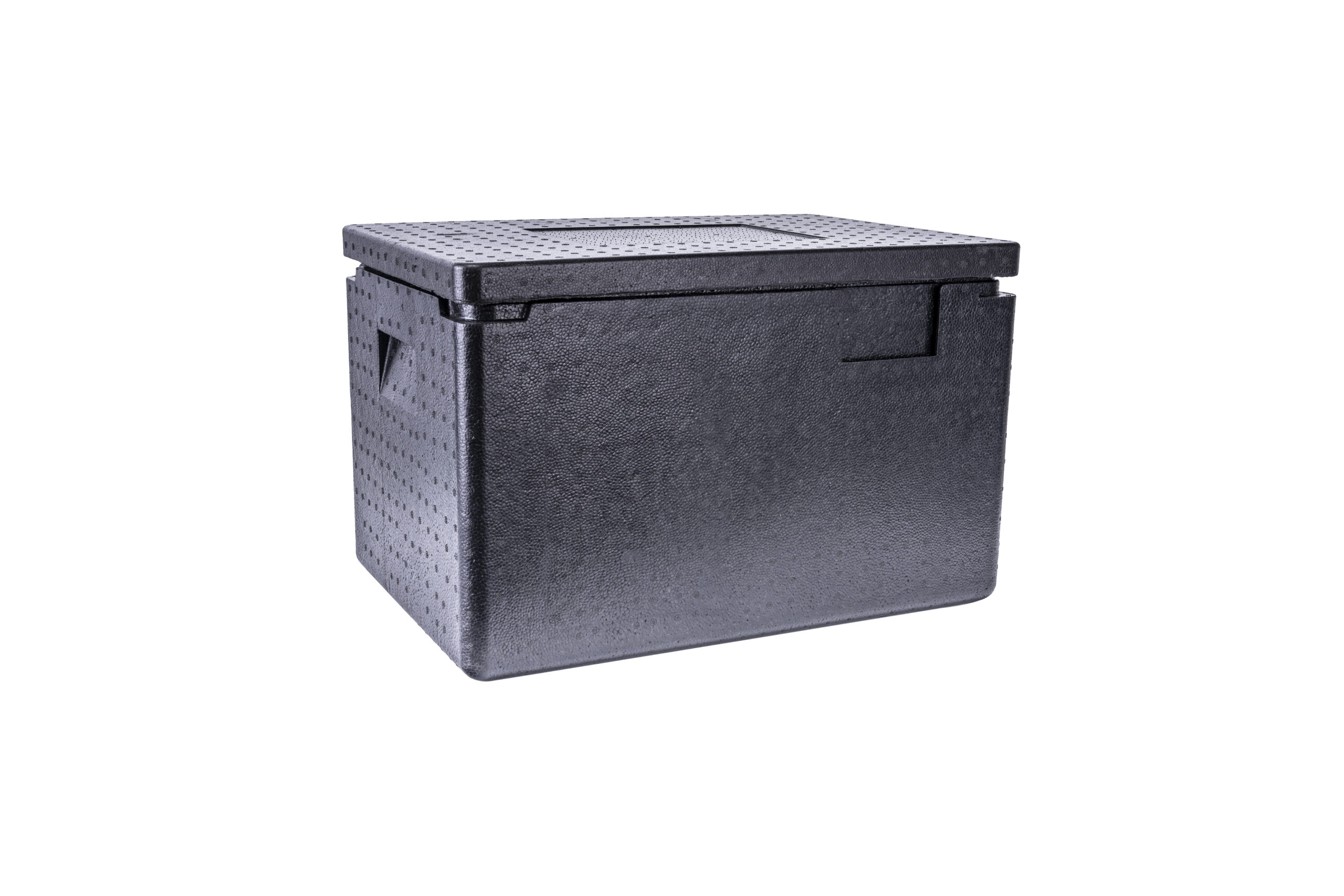
Eco-Friendly Insulated Box: How to Choose and Use Sustainable Cold-Chain Packaging in 2026
Introduction
If you ship food, medicine or biotech samples, an eco-friendly insulated box can keep products cold while reducing waste. In 2026, these boxes use plant-based fibers, compostable foams and reusable liners to provide 24–96 hours of protection. They break down naturally after use and support sustainability goals without sacrificing performance. This guide explains what makes a box truly eco-friendly, how to choose the right materials and size, and which trends will shape cold-chain packaging this year.
Why an eco-friendly insulated box matters in 2026: Understand the connection between packaging, temperature control and sustainability.
How to evaluate eco claims and materials: Learn the difference between biodegradable, compostable and recyclable options and compare common insulation materials.
Ways to optimize performance and pack-outs: Follow testing and packing guidelines to match your route, season and product risk.
2026 market trends and innovations: Explore seaweed coatings, mycelium packaging and other emerging materials shaping future packaging.
Frequently asked questions: Find quick answers to high-volume queries about disposal, lifespan and regulations.
What Does “Eco-Friendly” Mean for an Insulated Box in 2026?
Eco-friendly packaging must reduce environmental impact without increasing spoilage or re-shipping. In practice this means the materials have a credible end-of-life path, the design uses only what you need and the performance is proven for your transit lane. A compostable liner that ends up in landfill isn’t a win; a recyclable box that customers can’t separate in under one minute creates frustration.
Expanded explanation
When evaluating a shipping box, think of the full system: carton, insulation, liner, tape, refrigerant and label. Each component affects end-of-life options and temperature control. For example, paper-based liners trap air like a winter jacket, offering balanced insulation and curbside recyclability. Molded fiber panels provide thicker walls and shock absorption but may need separation before recycling. Starch-based foams are lightweight and compostable in industrial facilities but require moisture control. Mycelium (mushroom) panels tell a great sustainability story yet have longer production lead times. Reusable hard-shell totes deliver the best temperature performance and longevity but require reverse logistics.
Materials used in eco-friendly insulated boxes
Different insulation materials provide unique combinations of thermal performance, moisture resistance and disposal pathways. The table below compares common options and summarises what each means for you.
| Material | Insulation level | Moisture resistance | End-of-life path | What it means for you |
|---|---|---|---|---|
| Molded pulp (recycled fiber) | Medium insulation | Moderate moisture tolerance | Often recyclable with paper if clean | Breathable, shock-absorbing option for fresh food and produce; add moisture-resistant liners in humid routes. |
| Plant-based bio-foam | High insulation | High moisture resistance | Compostable in industrial facilities | Lightweight foam derived from starch or cellulose; ideal for frozen shipments; brittle if mishandled. |
| Natural fiber board | Medium-high insulation | Low-moderate moisture resistance | Recyclable if separated from liner | Provides structural rigidity for stacked transport; choose fiber-reinforced designs to avoid compression damage. |
| Cotton-based panels | High insulation over 48 hours | Good moisture resistance | Components wrapped in bio-based film to facilitate biodegradation | Collapsible, space-efficient liners like EcoLiner arrive compressed and are 75 % more space-efficient than molded coolers. |
| Mycelium (mushroom) panels | R-value 2.5–3.0, better than cardboard | Moderate water resistance (coating required) | Biodegrades in 30-90 days | Grown from agricultural waste; provides cushioning and insulation for non-food shipments; premium cost and slower production cycles. |
| Paper/Cellulose liners | Medium insulation | Needs dry handling | Curbside recyclable in some regions | Dense paper quilts or molded panels; good for 1-2-day chilled shipments when right-sized. |
Practical tips and advice
Choose a box that fits your disposal reality: Before purchasing, ask whether customers can recycle or compost the insulation where they live. If not, offer a take-back program or reusable option.
Match insulation to transit time: For shipments lasting 24–48 hours, paper-based liners and gel packs may suffice. For frozen or long-haul routes, bio-foam or cotton-based panels provide extended protection.
Right-size the carton: Oversized boxes create air gaps and heat leaks. Match box size closely to payload to avoid extra coolant and reduce waste.
Add moisture control in humid climates: Pair pulp or fiber boxes with moisture-resistant liners and absorbent pads.
Plan for stackability: If your lane involves stacking, choose fiber-reinforced designs to prevent compression damage.
Case example: A meal-kit brand switched from foam to paper-based eco-friendly insulated boxes, right-sized its cartons, and tested on summer lanes. They reduced box volume and “too big” complaints while maintaining temperature performance.
How to Choose a Biodegradable Insulated Box in 2026
Regulations, customer expectations and cost pressures are converging on foam-based packaging. New York’s cold-storage foam container ban takes effect on 1 January 2026, targeting coolers and ice chests. The European Union’s Packaging and Packaging Waste Regulation (PPWR) entered into force on 11 February 2025 and will fully apply from 12 August 2026. These rules push companies to adopt reusable, recyclable or biodegradable systems and to document disposal claims.
Biodegradable vs. compostable vs. recyclable
An insulated box is a system of carton, insulation, liner and refrigerant; “biodegradable” doesn’t guarantee it will break down everywhere. The U.S. Federal Trade Commission’s Green Guides warn that unqualified biodegradable claims can be deceptive if products do not degrade within a reasonably short time after customary disposal. The table below clarifies common terms and how they may mislead.
| Term on packaging | Usual meaning | What can go wrong | What it means for you |
|---|---|---|---|
| Biodegradable | Breaks down via microbes over time | Timeframe is vague; may not break down in landfill | Ask for test method and realistic timeline; verify conditions (soil, compost, marine). |
| Industrially compostable | Degrades in controlled compost facilities | Customers may not have access to industrial composting | Provide clear disposal instructions and consider take-back programs. |
| Home compostable | Breaks down in backyard conditions | Hard to validate for thick insulation materials | Verify certificates and inform customers of composting times. |
| Recyclable | Accepted in a recycling stream | Acceptance varies by city and contamination levels | Favor paper-first designs and simple separation; include instructions on the lid. |
2-Minute decision tool
Use this quick self-assessment to decide if you should prioritise a biodegradable insulated box. Give yourself 1 point for each “Yes”:
Do you ship products that must stay between 2–8 °C, frozen or deep-frozen?
Have you experienced warm arrivals in summer or on long last-mile routes?
Do you ship into regions with expanded polystyrene (EPS) restrictions coming in 2026?
Do customers often ask how to dispose of your shipper?
Are dimensional weight charges a visible cost line?
Does your brand have a public waste or carbon reduction goal for 2026–2027?
Score guide: 0–2 points: optional. Start with right-sizing and improved pack-outs. 3–4 points: likely a win with lane-based validation. 5–6 points: prioritise a program and document claims to avoid risk.
Pack-out rules to reduce failures
A good box fails when pack-out is inconsistent. Follow these rules to maintain temperature:
Stage product cold: Chill inventory to target temperature before packing; pack-outs cannot fix warm goods.
Eliminate dead air: Empty space accelerates heat gain and movement damage.
Place coolant where heat enters: Position gel packs or phase-change materials (PCMs) on the top and sides during summer routes.
Plan for water: Condensation can weaken fiber and reduce insulation performance; use absorbent liners.
Standardize one method: Consistent pack-outs beat creative packing; document procedures and train staff.
Real-world example: A seafood exporter switched to bio-foam insulated boxes and maintained sub-zero temperatures for 72 hours during cross-border transport without adding extra refrigerants.
Thermal Performance and Technology: How Long Do Eco-Friendly Insulated Boxes Maintain Temperature?
A well-designed biodegradable insulated box can maintain stable temperatures for 24–96 hours, depending on wall thickness, box volume and refrigerant pairing. Matching duration to your transit time is more important than the maximum number.
Factors affecting insulation duration
Wall thickness and density: Thicker walls and dense materials slow heat transfer. Bio-foam and cotton-based panels provide longer insulation than molded pulp.
Refrigerant type and quantity: Gel packs and PCMs absorb and release latent heat; PCMs tailored to specific melting points (e.g., +5 °C for vaccines) maintain a constant temperature without external power.
External temperature exposure: Hottest summer routes require more insulation or active cooling; consider VIPs or hybrid systems for ultra-cold products.
Pack-out and air gaps: Overpacking or leaving empty space reduces performance; standardize pack-outs to eliminate dead air.
Monitoring and sensors: IoT sensors monitor temperature, humidity, shock and location; real-time alerts allow intervention when deviations occur.
Technology overview: Passive, active and hybrid solutions
Passive systems rely on insulation and refrigerants; PCMs or gel packs absorb and release heat, maintaining stable temperatures for extended periods. They are cost-effective for pharmaceuticals and food shipments. Active systems use compressors or thermoelectric devices to maintain precise temperatures, ideal for high-value cell therapies and gene therapies but expensive and power-dependent. Hybrid systems combine passive cooling cores with an active back-up; if the active component fails or power is unavailable, the PCM layer continues to regulate temperature. Reusable systems with VIP insulation can achieve utilisation rates rising from 30 % to 70 %.
Advanced insulation materials
Phase-change materials (PCMs): PCMs absorb and release heat at specific temperatures; microencapsulation prevents leakage. Bio-based PCMs derived from renewable sources offer environmental benefits while matching petroleum-based performance.
Vacuum insulation panels (VIPs): VIPs remove air to create a vacuum between barrier layers, delivering superior thermal performance in thin walls. They maximise payload volume but are costlier and require careful handling. Hybrid designs often combine VIPs in critical areas with conventional insulation to balance performance and cost.
Smart sensors and IoT: Wireless sensors measure temperature, humidity, shock and GPS location, sending data to cloud platforms for real-time analysis. Predictive analytics identify high-risk routes and optimise shipments, supporting compliance with regulations like the U.S. FSMA Rule 204.
Practical temperature selection table
| Product type | Transit duration | Recommended insulation | Refrigerant strategy |
|---|---|---|---|
| Vaccines or gene therapies (2–8 °C) | 24–72 h | Hybrid box with PCM and VIP panels | Condition PCMs to +5 °C; integrate data loggers for real-time monitoring. |
| Frozen food or seafood (–20 °C) | 24–48 h | Bio-foam or cotton panels; thick wall design | Use multiple gel packs or dry ice; ensure packaging is compatible with dry ice. |
| Meal kits or ready-to-eat meals (0–10 °C) | 24–48 h | Paper-based liners or molded fiber panels | Combine gel packs with right-sized cartons; add moisture pads in humid seasons. |
| High-value biologics requiring ultra-low temperature (–60 °C) | 72–144 h | Active or hybrid systems with VIPs | Use active refrigeration with PCM back-up; validate performance for long routes. |
2026 Trends and Market Insights
Rising demand and regulatory drivers
The global cold-chain packaging market is expanding rapidly. Analysts estimate that it will reach USD 27.7 billion in 2025 and grow to USD 102.1 billion by 2034. Demand for biologic medicines, stricter regulatory requirements and a push toward sustainability drive this growth. New materials like PCMs and VIPs extend cooling with minimal energy inputs, while IoT sensors enable real-time monitoring. Regulatory frameworks such as the EU PPWR accelerate the shift from single-use EPS to reusable, circular systems.
Dry ice shortages spur innovation
Dry ice has long been a go-to cooling medium because it sublimates directly from solid to gas and is relatively cheap. However, supply issues with carbon dioxide have created concerns about a shortage by 2026. Even though dry ice remains cheaper than most alternatives, some single-use salt-based options can be 15–20 times more expensive. The supply-demand imbalance is prompting manufacturers to develop alternative temperature-assured solutions and to innovate packaging that reduces reliance on dry ice. Companies are exploring battery-operated reusable coolers and regional cold storage to shorten lane durations.
Sustainable material innovations
The sustainable packaging industry is at a technology inflection point. While PLA bioplastics and recycled paperboard are mainstream (36 % of global production), new materials emerging in 2026 include seaweed-based coatings, mushroom mycelium packaging, agricultural waste materials, edible packaging and nano-cellulose coatings.
Seaweed-based coatings biodegrade in 4–8 weeks and provide excellent oxygen barriers; they can reduce lifecycle emissions by 65–75 % compared to PLA and 80–88 % compared to polyethylene. Seaweed farming is carbon-negative—absorbing 5–10 times more CO₂ than terrestrial plants—and requires no freshwater, fertilizer or pesticides.
Mycelium packaging grows from agricultural waste in 5–7 days and offers R-values of 2.5–3.0, comparable to molded EPS. It biodegrades within 30–90 days and provides cushioning for electronics and insulated shipping applications. Production capacity is still limited (~18,000 tons/year) and costs are higher than EPS, but industry projections show the market growing from USD 85 million in 2026 to USD 420 million by 2030.
Agricultural waste materials like wheat straw, sugarcane bagasse, coconut husks and grape marc are being pulped and molded into packaging. These by-products reduce air pollution, require no additional land and have carbon footprints 40–55 % lower than virgin wood pulp. Sugarcane bagasse, for example, offers heat resistance of 90–120 °C and grease resistance naturally higher than wood pulp.
Industry analysts predict that 65 % of foodservice packaging will use bio-based materials by 2030. Adoption depends on scaling production, improving supply chains and consumer education.
Selecting the Right Size and Pack-Out
Size matters as much as material. An oversized box increases dimensional weight charges and requires more coolant, while a too-small box risks heat leaks and compression damage. Use these guidelines:
Measure your payload accurately: Include product volume, outer packaging and any cushioning.
Allow minimal empty space: Leave just enough room for refrigerant and expansion; excessive voids accelerate heat gain.
Test worst-case lanes: Perform thermal testing under your hottest route and season to validate performance. Rent data loggers and run both summer and winter simulations; pilot 20–50 shipments before scaling.
Document your pack-out: Use standardized instructions for coolant placement, sealing method and staging temperature.
Real-World Benefits: Case Studies
Meal-kit distributor: A regional meal-kit company replaced foam packaging with biodegradable insulated boxes. During summer deliveries, temperature excursions dropped by 18 % and customer disposal complaints nearly vanished.
Seafood exporter: A seafood company adopted bio-foam inserts inside biodegradable boxes for cross-border shipments. They maintained sub-zero temperatures for 72 hours without extra refrigerants.
Clinical research organisation: By using hybrid packaging with VIP insulation and PCM modules, a clinical research organisation shipping cell therapies between the U.S. and Asia kept temperatures within ±1 °C for 96 hours and saved about $300,000 annually by avoiding spoilage.
Reusable liner adoption: Companies using collapsible cotton-based liners like EcoLiner reduced inbound freight costs because the liners arrived compressed, making them 75 % more space-efficient than molded coolers. Over a decade, collapsible designs eliminated millions of cubic feet of potential landfill space.
Frequently Asked Questions
Q 1: How long does an eco-friendly insulated box keep products cold?
Most eco-friendly insulated boxes maintain stable temperatures between 24 and 96 hours depending on wall thickness, box volume, refrigerant and external conditions. Always test your worst-case lane to confirm performance.
Q 2: What is the difference between biodegradable and compostable packaging?
Biodegradable materials break down via microbes over time, but the timeframe and conditions may be unclear. Industrially compostable materials degrade in controlled facilities; home-compostable materials break down under backyard conditions. Ask suppliers to specify certified standards like ASTM D6400 or EN 13432.
Q 3: Are cotton-based insulated boxes recyclable?
Cotton-based liners, such as EcoLiner, combine post-consumer cotton fibers wrapped in a bio-based film. The cotton insulation can biodegrade and some parts may be recyclable if separated; check local guidelines and consider take-back programs.
Q 4: How should I dispose of my eco-friendly insulated box?
Follow the disposal instructions provided by the manufacturer. For paper-based liners and molded pulp, remove the insulation and recycle clean cardboard. For compostable foams, locate a commercial composting facility. For reusable totes, return them through a reverse logistics program.
Q 5: Which regulations affect insulated packaging in 2026?
Key regulations include the New York foam container ban starting 1 January 2026 and the EU Packaging and Packaging Waste Regulation (PPWR) applying from 12 August 2026. These rules encourage companies to adopt reusable, recyclable or compostable packaging and to document disposal claims.
Q 6: Is dry ice still a good option in 2026?
Dry ice provides intense cooling and sublimates without leaving liquid, making it valuable for frozen shipments. However, supply issues with carbon dioxide may create shortages in 2026, and dry ice remains cheaper than most alternatives. Consider hybrid packaging or alternative refrigerants to reduce reliance on dry ice and monitor supply trends.
Q 7: How can I test a new box without over-spending?
Rent data loggers and conduct controlled “garage” tests before larger pilots. Define your target temperature and duration, select the worst-case route, standardize pack-out variables and adjust one factor at a time. Pilot 20–50 shipments to verify real-world performance.
Summary and Recommendations
Key takeaways:
Eco-friendly insulated boxes combine performance and sustainability. They use renewable materials like recycled fibers, starch foams, cotton panels or mycelium to provide 24–96 hours of protection while minimizing waste. Evaluate the complete system—carton, insulation, liner, refrigerant and labels—before trusting “green” claims.
Material selection depends on your lane. Paper-based liners suit 1–2-day chilled shipments; bio-foam or cotton panels handle longer frozen routes; mycelium offers cushioning for non-food goods; and reusable totes excel in closed loops.
Regulations and customer expectations are tightening. Foam bans and the EU PPWR push companies toward recyclable, compostable and reusable packaging by 2026. Document your disposal claims and educate customers on recycling or composting.
Testing and pack-out matter. Without proper sizing, coolant placement and standardized procedures, even high-quality boxes can fail. Test worst-case lanes with data loggers and adjust variables methodically.
Innovation is accelerating. Seaweed coatings, mycelium panels and agricultural waste materials offer promising sustainability gains. Watch for commercialization timelines and evaluate cost trajectories as volumes scale.
Actionable next steps:
Assess your current lanes: Use the 2-minute decision tool to determine whether a biodegradable or reusable box will deliver measurable benefits.
Map your materials and pack-outs: Document the insulation materials, wall thickness and refrigerants in use; identify opportunities to right-size or switch to renewable materials.
Pilot and validate: Conduct small-scale tests using data loggers to measure temperature performance in your worst-case conditions; adjust insulation and coolant as necessary.
Educate your customers: Provide clear disposal instructions on packaging and offer take-back or reuse programs to ensure materials reach the correct end-of-life pathway.
Stay informed on innovations: Monitor developments in seaweed coatings, mycelium packaging and agricultural waste materials; evaluate when these options become commercially viable.
About Tempk
Tempk is a leading cold-chain packaging company specialising in eco-friendly insulated boxes, gel packs and temperature control solutions. Our research and development team creates products using renewable materials like molded fiber, bio-foam and cotton panels to deliver performance without environmental compromise. We test every design under simulated routes to ensure reliable insulation and partner with clients to meet regulatory requirements and sustainability goals. With certifications such as Sedex and a global distribution network, we support food, pharmaceutical and biotech shipments worldwide.
Call to action: Contact our experts for a personalized assessment of your shipping lanes and learn how Tempk’s eco-friendly insulated boxes can reduce waste and improve cold-chain performance. Schedule a free consultation today.
Bulk Insulated Box: How to Keep Goods Cold & Cut Costs in 2026
Introduction: If you ship perishables or medicines, maintaining temperature is critical. A bulk insulated box can stabilize internal temperatures over long routes, reducing temperature excursions by 30–40 %. Unlike single-use cartons, bulk solutions handle pallet-level loads and withstand delays. This guide explains how multi-layer insulation works, compares materials like EPS, PUR, EPP and VIP, and shows you how to select the right box and stay compliant. You’ll gain practical tips to protect quality, cut costs and support sustainability.
本文将为你解答:
What is a bulk insulated box and how does it work? Understand multi-layer insulation and why high-density foam, EPP or vacuum-enhanced panels slow heat transfer.
How to choose the right bulk insulated box for your product? Learn how temperature range, payload capacity and reusability cycles influence your decision.
Why choose bulk insulated boxes over single-use packaging? Discover cost savings, reduced excursions and sustainability benefits.
What are the latest materials and technologies in 2026? Explore phase-change materials, vacuum insulation panels, IoT sensors and regulatory trends.
How to optimize orders and manage suppliers? Understand bulk ordering benefits and how to evaluate suppliers by material and customization.
What Is a Bulk Insulated Box and How Does It Work?
Answer: A bulk insulated box is a large thermal container designed for palletized or consolidated shipments. It uses multi-layer insulation to slow heat flow; materials like high-density foam, expanded polypropylene (EPP) or vacuum-enhanced panels trap air and resist conduction. The outer shell (20–40 mm) protects against compression, the core insulation (30–80 mm) provides thermal resistance, and the inner liner (5–10 mm) ensures hygiene and sealing. By combining these layers with coolant packs or dry ice, internal temperatures change gradually, buying time during delays. Real-world users report 30–40 % fewer temperature excursions after switching to bulk boxes.
Expanded Explanation: Think of a bulk insulated box as a thermal buffer. Heat moves slowly through layered materials, so your goods stay within the desired range longer. High-density foam and EPP are closed-cell materials with low thermal conductivity; they trap air pockets and prevent moisture ingress. Vacuum insulated panels (VIPs) take this further: laboratory studies report thermal conductivities around 0.004–0.008 W/m·K, whereas standard EPS foam ranges from 0.03–0.04 W/m·K. Because VIP walls are thinner but more efficient, they provide more payload space and longer hold times. Multi-layer designs also include moisture barriers to prevent condensation. When paired with coolant packs or dry ice, the effect is amplified—temperature drift occurs slowly, giving you flexibility during customs checks or last-mile handovers.
Comparative Insulation Materials
Different insulation materials offer varying performance, cost and sustainability. Understanding these differences helps you choose the right bulk insulated box.
| Material | Thermal Conductivity* | Key Characteristics | Practical Impact |
|---|---|---|---|
| Expanded Polystyrene (EPS) | 0.03–0.04 W/m·K | Lightweight, cost-effective foam; closed-cell structure traps air; good shock absorption | Maintains sub-zero temperatures for vaccines or fresh produce for days; easy to recycle; low cost but thicker walls required. |
| Polyurethane (PUR) | Significantly lower conductivity than EPS | Rigid foam with superior insulation; customized shapes via molds; works well with dry ice | Holds tighter temperature ranges for longer periods; reduces dry-ice usage; enables longer shipping cycles and potential switch from overnight to two-day service. |
| Vacuum Insulated Panels (VIP) | 0.004–0.008 W/m·K | Super-insulation with evacuated core; thin walls and high performance; requires careful handling to avoid puncture | Offers the longest hold times and maximizes payload space; ideal for unpredictable lanes and high-value goods; more expensive and fragile; requires venting for CO₂ release when used with dry ice. |
| Expanded Polypropylene (EPP) | Moderate (better than EPS) | Non-hygroscopic closed-cell foam; hydrophobic surface repels water, oils and chemicals; durable and resilient with high shock absorption | Provides both thermal and moisture control; lightweight and reusable; supports multiple shipments, reducing long-term costs; 100 % recyclable. |
| Other Foams (PE, PP) | Moderate | Durable, lightweight; available in sustainable or biodegradable variants | Suitable for short-distance or less sensitive shipments; can be paired with gel packs or phase-change materials for extended performance. |
*Thermal conductivity values are approximate and depend on density and temperature.
Practical Tips and Advice
Choose the right material for your route: If your shipments face long delays or extreme climates, VIP panels or PUR foam provide better protection. For medium durations, high-density EPS or EPP may suffice.
Use multi-layer designs: Outer shells prevent crushing, cores provide insulation and inner liners ease cleaning. Avoid air gaps and ensure lids fit tightly to prevent thermal bridging.
Pre-condition your box and products: Pre-chill goods and shippers to maximize coolant effectiveness.
Validate pack-outs: Use pilot tests to determine the amount of dry ice or gel packs needed and standardize your process.
Real-world case: A frozen seafood exporter switched to bulk insulated boxes and saw spoilage rates drop from 6 % to under 2 % during summer transport. By increasing insulation thickness and monitoring temperature, they protected the product through delays.
How to Choose the Right Bulk Insulated Box for Your Product?
Answer: Selecting a bulk insulated box starts with understanding your product’s temperature sensitivity, shipment size and transit duration. Frozen, chilled and ambient-controlled goods require different insulation performance. Oversized boxes waste coolant energy, while undersized boxes complicate handling. Consider payload capacity, temperature range and reusability cycles when comparing options.
Expanded Explanation: Begin by determining the temperature range your goods must maintain. For example, vaccines often need +2 °C to +8 °C; frozen seafood may require −20 °C; high-value biologics might need ultra-cold conditions. Match these ranges with the insulation material’s thermal resistance. Next, calculate payload capacity: weigh or measure how many cartons or kilograms need shipping. Bulk boxes are designed for pallet-level loads, so choose a size that maximizes efficiency without leaving large empty spaces. Finally, examine reusability: some containers last for hundreds of cycles, reducing long-term cost and waste. Evaluate ease of cleaning, lid design and regulatory compliance, especially if transporting pharmaceuticals.
Key Selection Criteria
| Criterion | What to Check | Why It Matters |
|---|---|---|
| Temperature range | Ensure the box’s insulation maintains your required stability window (e.g., −20 °C to −10 °C, +2 °C to +8 °C) | Prevents product rejection and ensures regulatory compliance |
| Payload capacity | Check internal dimensions and weight limits; match box size to shipment volume | Optimizes logistics efficiency and avoids wasted cooling energy |
| Transit duration | Estimate the longest potential journey, including delays; choose insulation thickness and coolant type accordingly | Ensures temperature stability throughout the entire route |
| Material & insulation | Evaluate EPS, PUR, VIP or EPP based on thermal performance and cost | Determines how long temperatures stay in range and how much coolant you need |
| Reusability cycles | Ask suppliers for expected number of uses and inspect durability | Lower long-term cost and waste; aligns with sustainability goals |
| Hygiene & sealing | Look for smooth, non-porous surfaces and tight-fit lids | Facilitates cleaning and prevents contamination, crucial for pharma and food |
| Compliance & labeling | Ensure boxes allow proper venting and markings (e.g., UN1845 for dry ice shipments) | Avoids regulatory delays, ensures safety and traceability |
Practical Tips for Choosing
Test across seasons: Validate boxes in both summer and winter; performance can vary.
Consider customization: Custom-sized boxes and liners minimize air gaps and improve insulation.
Check supplier certifications: Look for ISTA or ISO certification for performance consistency. If shipping pharmaceuticals, ensure compliance with FDA, EMA or WHO guidelines.
Balance cost and performance: EPS and EPP are cost-effective for moderate durations, while VIP and PUR offer superior insulation at higher cost. Factor in coolant savings and potential shipping method changes (e.g., from overnight to two-day service with PUR foam).
Real-world case: A clinical research organization shipping cell therapies between the U.S. and Asia adopted hybrid packaging with VIP insulation and PCM modules. The system maintained temperatures within ±1 °C for 96 hours and saved about $300,000 annually by avoiding spoilage and return shipments.
Why Choose Bulk Insulated Boxes Over Single-Use Packaging?
Answer: Bulk insulated boxes offer superior performance and sustainability compared with single-use solutions. They reduce temperature excursions by up to 40 % and support pallet-level shipments, minimizing handling events. Reusable designs cut long-term costs, while durable materials like EPP and PUR withstand repeated use. By consolidating shipments and maintaining consistent temperatures, you waste less coolant and deliver higher product quality.
Expanded Explanation: Single-use foam coolers often rely on thick EPS walls and large quantities of dry ice, leading to heavy, bulky shipments. They may crack or leak after one trip, generating waste and compliance challenges. Bulk insulated boxes use robust shells, high-performance insulation and tight-fit lids that survive multiple cycles. Because they maintain temperatures longer, you can choose slower, cheaper transport modes without risking product integrity. Reusability aligns with sustainability goals and reduces carbon footprint—EPP boxes are 100 % recyclable and support circular economy initiatives. For high-value goods, fewer excursions mean fewer rejects and customer complaints. Consolidated pallet shipments also simplify tracking and reduce per-unit packaging cost.
Cost, Quality and Sustainability Comparison
| Factor | Single-Use EPS Cooler | Bulk Insulated Box | Benefit to You |
|---|---|---|---|
| Initial cost | Low | Higher | Upfront cost is higher for bulk boxes but long-term cost per shipment drops with reuse |
| Durability | Fragile; often cracks or warps after one use | Rugged materials like PUR and EPP withstand multiple cycles | Reduced replacement costs and fewer delays |
| Temperature stability | Good for short trips; thick walls needed | Superior hold times with VIP or PUR; stable across longer routes | Enables slower, cheaper transport methods and fewer excursions |
| Weight & shipping cost | Lightweight but bulky; dry ice adds weight | Slightly heavier but optimized; less coolant needed | Potential switch from overnight to two-day shipping, cutting costs |
| Waste & sustainability | Generates single-use waste; limited recyclability | Reusable; EPP is recyclable; supports circular economy | Enhances corporate ESG metrics and reduces landfill waste |
Practical Tips and Advice
Calculate total cost of ownership: Include packaging, coolant, transport, compliance and disposal costs. Reusable boxes often win over time.
Train staff on handling: Durable boxes still require proper handling to avoid puncture (especially VIP panels).
Integrate monitoring: Use IoT sensors and data loggers to track temperature and humidity; this is easier with consolidated shipments and reduces manual checks.
Leverage palletization: Pack multiple orders into one bulk box for high-volume lanes. This cuts labor and reduces packaging waste.
Actual example: A meal-kit company replaced single-use coolers with reusable EPP bulk boxes. Over a year they reduced packaging waste by 70 %, saved 20 % on shipping due to lower dry-ice needs and improved customer satisfaction.
How to Optimize Bulk Orders and Work With Suppliers
Ordering bulk insulated boxes or liners in large quantities can lower costs and improve operational efficiency. Bulk orders typically provide volume discounts and ensure consistency across all shipments. They also simplify inventory management and reduce the risk of stockouts during peak seasons. When evaluating suppliers, pay attention to material selection: EPS is cost-effective for short shipments, VIP offers high performance for long distances and PUR foam provides durable insulation. Customization options (size, thickness, moisture resistance) help tailor boxes to your products.
Bulk Ordering Tips
Assess your demand forecast: Estimate annual shipment volumes to determine how many boxes or liners you need. Avoid over-ordering to prevent storage issues.
Negotiate MOQs and pricing: Work with suppliers to optimize minimum order quantity (MOQ) and secure bulk discounts without sacrificing quality.
Request material samples: Test EPS, PUR, EPP and VIP options before committing to large orders. Use pilot shipments to validate performance.
Check lead times and supply chain resilience: Ensure your supplier can meet demand during peak seasons or disruptions.
Consider sustainability and compliance: Choose suppliers with recycling programs, certifications and transparent sourcing.
2026 Developments and Trends in Bulk Insulated Boxes and Cold Chain Packaging
Trend Overview: The cold chain packaging market is expanding rapidly, driven by vaccines, biologics and global e-commerce. Analysts estimate the market will reach about USD 27.7 billion in 2025 and grow to USD 102.1 billion by 2034. Within insulated packaging, the global market valued at USD 17.44 billion in 2025 is forecast to reach USD 33.67 billion by 2035, with North America holding roughly 40 % share. Increasing demand for safe, eco-friendly packaging and innovation in materials are key drivers.
Latest Progress at a Glance
AI-Powered Route Optimization: Artificial intelligence dynamically adjusts delivery routes based on traffic, weather and delivery windows, improving consistency and reducing fuel use.
Solar-Powered Refrigeration: Solar-powered cold chain units offer off-grid cooling solutions, especially in regions with limited electricity, reducing food waste.
Blockchain Traceability: Blockchain technology provides an immutable record of product journeys, enhancing transparency and compliance.
Lightweight Smart Containers: Insulated containers with IoT sensors monitor humidity, temperature and location in real time. Lightweight materials reduce fuel consumption.
Sustainable Packaging Solutions: Manufacturers are developing recyclable and biodegradable materials, such as jute and corrugated cardboard with reflective laminates, to replace EPS.
Reusable Systems & Rental Models: Reusable cold boxes with VIP insulation and phase-change materials offer ultra-low temperature stability over 144 hours; utilisation rates are projected to rise from 30 % to 70 %.
Regulatory Push for Circularity: New regulations like the EU Packaging and Packaging Waste Regulation encourage a shift from single-use EPS to reusable, circular systems.
Integration of Phase-Change Materials (PCMs): Passive thermal solutions harness PCMs or gel packs to maintain specific temperatures for extended periods. Sub-zero and +5 °C PCMs are now standard for vaccines.
Market Insights: Cold chain packaging solutions maintain the temperature of goods across global supply chains. The global cold chain packaging market was valued at USD 30.41 billion in 2024 and is projected to reach USD 75.93 billion by 2033. Europe currently leads the market, while North America shows the fastest growth. Increased demand for pharmaceutical delivery and perishable foods drives this growth, while government regulations push companies toward low-carbon materials and recyclable systems. Innovative solutions like corrugated boxes with metallized polyester laminates and wool insulators offer eco-friendly alternatives.
Frequently Asked Questions
Q1: How long can a bulk insulated box maintain temperature stability?
The duration depends on insulation thickness, material and external conditions. High-performance boxes using PUR or VIP panels can maintain temperature for 72–144 hours. EPP or EPS boxes typically hold temperatures for shorter durations (24–72 hours), but pre-conditioning and proper coolant use can extend this. Always validate on your specific routes.
Q2: Is EPP better than EPS for cold chain shipping?
EPP offers both thermal and moisture control; it is non-hygroscopic, hydrophobic and retains shape after impacts. It is also lightweight, reusable and recyclable. EPS is cheaper and widely available but requires thicker walls and is less durable. The choice depends on your budget, shipment duration and sustainability goals.
Q3: Can I reuse a bulk insulated box that has been used with dry ice?
Yes, many bulk boxes are designed for reuse. However, ensure the container is vented to allow CO₂ escape and inspect for damage. VIP panels can be punctured; following handling rules (no box cutters near insulation, protect edges) preserves performance.
Q4: What is the difference between passive and active cold chain systems?
Passive systems rely on insulation and refrigerants such as PCMs or gel packs to maintain temperatures; they are cost-effective and suitable for most shipments. Active systems use powered refrigeration (compressors or thermoelectric modules) to maintain precise temperatures and are used for ultra-sensitive products. Hybrid systems combine both, offering redundancy.
Q5: How do phase-change materials improve insulation?
PCMs absorb and release latent heat as they transition between phases, maintaining a stable temperature within a narrow range. For example, a PCM designed to melt at +5 °C keeps vaccines within +2 °C to +8 °C for long periods. PCMs reduce reliance on dry ice and lower the risk of temperature excursions.
Summary and Recommendations
Key Points: Bulk insulated boxes use multi-layer insulation to slow heat transfer and maintain temperatures over long routes. Materials such as EPS, PUR, VIP and EPP offer different trade-offs between performance, cost and sustainability. Choosing the right box requires considering temperature range, payload capacity, transit duration and reusability. Bulk boxes reduce excursions by up to 40 % and support sustainability through reuse and recyclability. The cold chain market is growing rapidly, and 2026 innovations include AI route optimization, PCMs, VIPs, IoT sensors and circular packaging.
Action Plan:
Assess Your Needs: Determine your product’s temperature range and transit duration. Use this to select the appropriate insulation material and box size.
Pilot and Validate: Run pilot shipments with different materials (EPS, PUR, VIP, EPP) and coolants. Measure internal temperatures and adjust insulation thickness accordingly.
Invest in Reusable Packaging: Calculate total cost of ownership over multiple cycles. Bulk insulated boxes often save money long term and support ESG targets.
Integrate Monitoring: Add IoT sensors or data loggers to track temperature, humidity and location. Use AI route optimization to reduce delays and fuel consumption.
Stay Updated: Follow regulatory developments and emerging materials like biodegradable foams and jute-based insulation. Work with suppliers who offer customization and recycling programs.
About Tempk
We are Tempk, a leading developer of cold chain packaging solutions. Our team combines material science expertise with real-world logistics experience to deliver bulk insulated boxes, VIP containers, EPP boxes and gel packs that meet stringent temperature requirements. We focus on sustainability—many of our products are reusable and recyclable—and invest in R&D to integrate IoT sensors and phase-change materials. Whether you ship pharmaceuticals, biologics or gourmet food, we can help you design a reliable cold chain solution.
Call to Action: Ready to safeguard your cold chain? Reach out to our experts for a free consultation and discover how our bulk insulated boxes can reduce spoilage and cut costs. Let’s protect your products and the planet together.
Folding Insulated Box: 2026 Guide to Smart Cold-Chain Solutions

Introduction
Ensuring freshness and safety for perishable products is no longer just a matter of tossing items into a cooler. A folding insulated box combines the thermal protection of a rigid cooler with the flexibility of a collapsible design. By neatly folding down to a fraction of its height, it reduces the empty return volume by up to 65–75 % and cuts wasted space without sacrificing insulation performance. As the market for insulated shipping packaging grows from USD 8.18 billion in 2025 to USD 8.78 billion in 2026, these smart, space-saving containers have become essential for food delivery, pharmaceuticals and e-commerce logistics. In this guide you’ll learn what makes a folding insulated box different from a rigid container, when to use one, how to choose the right size and material, and which trends will shape the future of cold-chain packaging in 2026.
What This Guide Will Answer
What exactly is a folding insulated box and how does it work? We’ll explain the construction, materials and thermal design in simple terms.
When does a folding insulated box make financial sense? Learn how foldability reduces empty return costs and when a rigid container might be better.
What should you look for when choosing one? Discover the key features—size, insulation technology, hinges, latches and cleaning requirements—that determine performance.
How does it compare with other reusable containers? A side-by-side comparison shows trade-offs in weight, durability and ROI.
What new innovations are coming in 2026? Explore trends such as smart sensors, biodegradable materials, and circular logistics models impacting the next generation of folding insulated boxes.
Practical tips and FAQs: Get actionable advice on cleaning, maintenance, and troubleshooting common issues.
What Is a Folding Insulated Box and Why Should You Care?
Direct answer
A folding insulated box is a reusable container that provides thermal protection for temperature-sensitive goods while collapsing for efficient backhaul and storage. Made from lightweight yet sturdy materials such as expanded polypropylene (EPP) or composite vacuum insulation panels (PU-VIP), it can maintain internal temperatures between 0 °C and 5 °C for up to 200 hours at 35 °C ambient. The collapsible design reduces empty return volume by roughly two-thirds, cutting logistics costs without compromising insulation performance.
Expanded explanation
Imagine a rigid cooler you use for camping. It takes up the same amount of space on your ride home as when it’s full. Now picture a cooler that folds like a suitcase. Foldable insulated boxes have hinged panels and removable insulation boards that lock together during use and disassemble into flat pieces after delivery. The walls and lid are often lined with PU-VIP composite materials or expanded polypropylene foam (EPP) to minimize heat transfer. Some models include compartments or brackets to hold ice packs securely, ensuring there are no gaps where warm air can sneak in.
Because they fold down, you don’t pay to “ship air” on the return trip. For companies operating closed-loop routes—like meal-kit delivery services or pharmaceutical distributors—the reduction in backhaul space translates to significant fuel and labour savings. In one case study, a subscription delivery program cut backhaul clutter and improved warehouse efficiency by adopting foldable return routines. As cold-chain logistics demand grows toward USD 647 billion by 2028, these savings help businesses stay competitive.
How Does a Folding Insulated Box Work?
Thermal insulation explained in simple terms
The magic of a folding insulated box lies in how it slows down heat transfer. Most boxes use a multi-layer construction: an outer shell (often plastic or corrugated composite), an insulation layer (EPP foam, PU-VIP panels, or bio-foam), and an inner lining. The insulation traps air pockets that reduce conduction and convection, much like a thermos. Vacuum insulation panels go a step further by eliminating air altogether, creating a barrier that resists heat flow. In some eco-friendly designs, plant-based foams or moulded pulp are used.
Phase change materials (PCMs) can be added in ice packs to absorb or release latent heat at specific temperatures. For example, PU-VIP insulated boxes maintain 0–5 °C for around 200 hours at 35 °C ambient. High-performance models include real-time sensors or RFID tags that monitor internal temperature, humidity and location, alerting you if a shipment strays from its safe range.
Folding mechanisms and design features
Folding insulated boxes typically consist of six panels—four walls, a base and a lid—joined by hinges or clips. To assemble the box, you unfold the panels and lock them together. When empty, you reverse the process and stack the panels flat. Some designs, like the tray-style insulation box sold by Super Tech, include a special ice-box fixing bracket that allows multiple ice packs to be combined into one accessory. This eliminates the need for a separate “big ice box” mould, making loading and unloading more efficient.
Other thoughtful features include:
Detachable walls and lids: these make the entire box repairable and recyclable.
Lightweight but strong outer shells: composite plastics or reinforced panels keep weight down without sacrificing durability.
Ergonomic handles and latching mechanisms: ensure the box is easy to carry and secure during transport.
Customizable sizes and modular inserts: let you tailor the box for different payloads and reduce temperature drift.
Smart sensors: optional IoT devices track temperature, location and even shock exposure in real time.
Folding Insulated Box vs. Rigid Containers
Side-by-side comparison
| Feature | Folding Insulated Box | Rigid Insulated Container | What It Means for You |
|---|---|---|---|
| Empty return volume | Collapses to one-quarter to one-third of its height | Fixed volume; takes up full space | Saves 65–75 % of backhaul space; lower transport costs |
| Training needed | Medium – hinges and latches require correct assembly | Low – single piece; fewer steps | Staff training is important for consistent performance |
| Failure mode | Hinges or latches may wear; improper folding can cause odours | Corners may crack under impact | Inspect hinges and seals regularly to maintain integrity |
| Best fit | Closed-loop routes with reliable returns | One-way shipments or low return rate | Choose folding only when returns are feasible |
| Insulation performance | Comparable when seams are tight; PU-VIP models maintain cold for 200 hours | High; often thicker walls | Focus on seam tightness and lid fit rather than wall thickness |
| Cost & ROI | Higher upfront price but pays off via lower return costs | Lower upfront cost; no folding benefit | Calculate ROI based on return frequency and warehouse space |
Practical tips for your decision
If you operate reliable return loops, a folding insulated box often earns a pilot. Start with one stable route and track KPIs like return cube saved, loss rate and hinge failures.
For one-way shipments, foldability is a nice feature but may not justify the investment.
Choose boxes with obvious lock indicators and simple assembly if your staff are new.
Target a fold ratio (collapsed height ÷ expanded height) of roughly ¼–⅓. Anything less may not deliver meaningful savings.
Enforce a dry-before-fold rule and avoid folding while damp to prevent odour and hinge fatigue.
Choosing the Right Folding Insulated Box
Direct answer
The right folding insulated box matches your payload, route and return frequency. Focus on capacity, insulation type, ease of folding, durability and compliance with your regulatory requirements. Ensure your main folding insulated box keyword appears here—keep it in your mind when reading labels and product descriptions.
Capacity and dimensions
Choose a size that fits your typical shipment without excess air. Oversized boxes waste PCM and increase payload temperature drift. Undersized boxes may crush goods or make packing awkward. As a rule of thumb, common capacities include:
| Box type | Capacity (L) | Approximate collapsed height | Typical use | Practical benefit |
|---|---|---|---|---|
| Mini folding lunch box | 5–10 L | ~25 % of expanded height | Medication kits, small meal deliveries | Fits a single meal or medical supplies; easy to carry |
| Medium cooler | 15–30 L | ~30 % of expanded height | Daily grocery runs, e-commerce orders | Balances size and portability for household use |
| Large foldable crate | 40–60 L | ~35 % of expanded height | Pharmaceutical shipments, meal kits | Accommodates frozen items or vaccines with extra ice packs; supports longer transit times |
| Pallet-sized foldable box | 70 L+ | 40 % or less of expanded height | Industrial scale shipments, factory turnover | Allows forklift loading directly onto the tray; reduces labour cost |
When assessing capacity, remember that Trader Joe’s popular insulated bag holds around eight gallons of groceries (about 30 L). Use that as a baseline and scale up or down based on your needs.
Materials and insulation technology
Your choice of materials affects both performance and sustainability:
Expanded polypropylene (EPP): durable, lightweight and reusable. Folds easily and resists impact. Ideal for closed-loop deliveries. Focus on seam tightness and lid fit over wall thickness.
PU-VIP (Polyurethane–Vacuum Insulated Panel) composites: deliver exceptional thermal performance. A PU-VIP foldable box maintained 0–5 °C for 200 hours at 35 °C ambient. Suitable for pharmaceuticals and biologics. Panels are detachable and repairable.
Plant-based foam or moulded pulp: biodegradable options reduce disposal burden. In biodegradable insulated boxes, insulation time ranges 24–96 hours, yet materials decompose naturally. Use them for short-haul food deliveries or when sustainability messaging matters.
Hybrid materials: some boxes combine EPP for structural strength with VIP panels for critical temperature zones. Others include PCM ice packs or built-in cold plates.
Smart materials: active containers like Ember’s Cube incorporate battery-powered cooling and IoT sensors to maintain precise temperatures for 72 hours or more. While expensive, they are ideal for high-value biologics.
Hinges, latches and fold quality
Folding mechanisms are the box’s Achilles heel. Poorly designed hinges increase assembly time and risk failure. Look for:
Heavy-duty hinges made from reinforced plastic or metal, tested for thousands of cycles.
Positive-locking latches that clearly indicate when the box is secure. Avoid designs that rely solely on friction; vibrations during transport can open them.
Smooth folding sequence: ideally, the panels fold in one intuitive motion. A 10-second fold + lock standard operating procedure (SOP) helps staff avoid mistakes.
Cleaning and maintenance
Keeping your folding insulated box in good condition extends its life and prevents odours:
Empty and pre-cool: Before loading, place an ice pack inside for 10–15 minutes to create a cold base layer.
Pack strategically: Put frozen items at the bottom and use gel packs or frozen vegetables to extend cooling time. Separate hot and cold goods to avoid cross-temperature contamination.
Limit openings: Each time you open the box, cold air escapes. Plan your packing order to minimize searching.
Clean and dry thoroughly: Wipe the interior with a damp cloth and air-dry after use. Odours are usually trapped moisture. Always ensure the box is dry before folding.
Inspect hinges and seals: Regularly check for wear and damage. Replace worn gaskets or hinges promptly to maintain insulation performance.
Cost and return on investment (ROI)
Folding insulated boxes typically cost more upfront than single-use or rigid alternatives. To decide whether the investment pays off, calculate:
Return frequency: If you control returns weekly, a foldable design typically delivers cost savings. Without reliable returns, ROI is weak.
Space savings: By collapsing to one-quarter or one-third of their height, boxes reduce storage and backhaul space by 65–75 %.
Labor savings: Tray-style designs allow forklift loading directly into the bottom tray, eliminating manual transfer and reducing labour costs.
Lifespan: Choose repairable designs with detachable panels. A longer lifespan spreads the cost over more cycles.
Decision tool (interactive element)
To help you decide, consider building a simple calculator that asks for your average shipment volume, return frequency, and warehouse cost per cubic metre. It then estimates potential savings from switching to folding insulated boxes. A yes/no output guides your procurement team. You could implement this tool on your website using a spreadsheet or JavaScript widget.
Real-World Applications and Case Studies
Meal kits and groceries
E-commerce meal-kit companies rely on folding insulated boxes to keep ingredients fresh during delivery and reduce packaging waste. For example, one meal-kit service upgraded to custom insulated bags with double zippers and adjustable straps, maintaining meals below 40 °F after a 45-minute drive. A foldable design would further reduce backhaul clutter by collapsing after delivery.
For grocery runs, modular bags with foldable constructions and removable liners pre-chilled for 10 minutes provide a cold base layer. This concept translates to folding insulated boxes that allow inserts to be removed and the outer shell to fold flat.
Pharmaceuticals and biologics
In pharmaceutical logistics, maintaining a 2–8 °C range is critical. PU-VIP composite boxes demonstrate excellent insulation and barrier performance, holding 0–5 °C for 200 hours even at 35 °C ambient temperature. They are used for transporting vaccines, biologics and clinical trial samples. Detachable panels and foldability make them easier to sanitize and return.
Factory turnover and industrial applications
Factories use pallet-sized folding insulated boxes to transfer vaccines, biologics and fresh food between facilities. A forklift can place goods directly into the tray, and the panels then clamp together. When empty, the panels stack flat, reducing the cost of returning or storing empty containers. Special brackets allow multiple ice boxes to be combined, eliminating the need for custom “big ice boxes”.
Sustainability and biodegradable options
Eco-conscious companies are adopting biodegradable insulated boxes made from plant-based fibres, moulded pulp and bio-foams. These materials provide insulation for 24–96 hours but decompose naturally after use. They reduce long-term waste and regulatory burden, aligning with corporate sustainability goals. A meal-kit distributor that switched from foam packaging to biodegradable boxes reduced temperature excursions by 18 % and nearly eliminated disposal complaints.
Financial services promotional programs
A regional bank commissioned custom insulated cooler bags for its customer reward program, using recycled polyester and eco-friendly messaging. Redemption rates rose by 30 %, and customers praised the bank’s commitment to sustainability. Folding insulated boxes can serve a similar role—doubling as functional gifts that promote brand loyalty while reducing packaging waste.
Latest Trends and Innovations in 2026
Overview of 2026 cold-chain trends
The cold-chain industry is evolving rapidly. With the insulated shipping packaging market expected to grow from USD 8.18 billion in 2025 to USD 8.78 billion in 2026, companies are investing in innovative designs that balance performance, sustainability and cost. Analysts expect the broader cold-chain logistics sector, valued at USD 436 billion in 2025, to exceed USD 1.3 trillion by 2034. Here are the key trends shaping folding insulated boxes and reusable packaging in 2026:
Specialized and modular designs: Outdoor enthusiasts demand rugged models while commuters prefer lightweight, foldable boxes. Manufacturers are integrating layered compartments and detachable bottle racks. Scenario-specific designs—waterproof, foldable or backpack-style—are mainstream.
Sustainability and circular economy: The shift toward reusable and pooled packaging systems is accelerating. Closed-loop models emphasize reuse, return, cleaning and redistribution. Biodegradable materials, recycled plastics and bamboo fibre are replacing traditional foam. 74 % of Americans prefer refillable formats, pushing brands to adopt eco-friendly solutions.
Smart technology integration: IoT-enabled boxes include temperature, humidity and location sensors. Predictive analytics and GPS help maintain product integrity. Blockchain technology records data securely for traceability, while battery-powered containers like Ember’s Cube maintain precise temperatures for 48–72+ hours.
Material innovation: Advanced insulation materials—phase change materials (PCMs), vacuum-insulated panels (VIPs) and reusable gel packs—are being optimized for better thermal performance and lower weight. Biopolymers, dairy-protein films and plant-based foams reduce carbon footprint.
Standardization and pooling: Companies are adopting shared, standardized reusable containers such as reusable plastic crates (RPCs) to cut waste and costs. Standardizing folding boxes’ sizes and processes reduces assembly errors.
Dry ice alternatives: A tight CO₂ supply is causing concern about dry ice shortages in 2026. Dry ice has been affordable and effective, but scarcity is driving R&D toward alternative refrigerants and reusable battery-powered coolers. Packaging manufacturers are investing in sustainable temperature-assured solutions to reduce reliance on dry ice.
Growth of e-commerce and meal kits: The rise of online grocery and meal-kit services is driving innovation. Insulated shipping boxes now play a pivotal role in preserving food quality during lengthy delivery routes. Companies are scaling solutions to handle fluctuating order volumes without increasing cost.
Market insights
The reusable cold-chain packaging market is valued at USD 4.97 billion in 2025 and is projected to reach USD 9.77 billion by 2035, growing at a CAGR of 6.98 %. Reusable insulated boxes and containers dominate the product segment.
The global logistics market is expected to expand from USD 242.39 billion in 2021 to USD 637.47 billion by 2028, driven by demand for efficient distribution. Businesses that integrate sustainable materials and smart technology remain competitive.
In 2025, about 20 % of temperature-sensitive products are damaged in transit. Adopting improved insulation, monitoring and standardized procedures can cut spoilage and protect revenue.
Dry ice supply issues highlight the need for alternative cooling solutions. CO₂ production has grown only 0.3 % per year over the past decade, yet demand for dry ice is rising by 5 % annually. Plant closures in California will remove nearly 850 tons of CO₂ production per day by early 2026.
User Tips and Actionable Advice
Practical scenarios
Meal kit subscription service: Choose a medium folding insulated box (15–30 L) for meal kits. Pre-chill using a PCM ice pack for 10 minutes, place frozen proteins at the bottom and use gel packs above. Send a simple instruction card to customers about folding and storing the empty box for return.
Pharmaceutical wholesaler: Opt for PU-VIP composite boxes with sensor integration. Use a collapsible pallet-sized design to move vaccines or biologics between facilities. Attach a QR code for return tracking, and enforce a dry-before-fold policy to prevent contamination.
Farmers’ market vendor: Pick biodegradable foldable boxes with moulded pulp or bio-foam insulation for produce. They provide 24–48 hours of insulation and decompose after use. Educate customers about composting the packaging.
Real-world example: A regional meal-kit company switched from foam boxes to biodegradable insulated boxes and reduced temperature excursions by 18 % during summer deliveries, while nearly eliminating disposal complaints. This demonstrates how sustainable materials can protect product quality and improve customer satisfaction.
Frequently Asked Questions
Q1: How do I fold and unfold a folding insulated box correctly?
Follow the manufacturer’s SOP: lay the base flat, attach the side panels one by one, and secure the latches. When folding, reverse the steps and ensure the box is dry. Avoid twisting hinges; store panels stacked to prevent warping.
Q2: Does a folding insulated box insulate as well as a rigid container?
Yes—when seams and lids are tight. Studies show that seam tightness and lid fit matter more than wall thickness. PU-VIP composite models maintain 0–5 °C for up to 200 hours, comparable to many rigid coolers.
Q3: What materials are commonly used in folding insulated boxes?
Expanded polypropylene (EPP) foam and PU-VIP composite panels dominate the market. EPP offers durability and light weight; PU-VIP delivers superior insulation but costs more. Biodegradable options use moulded pulp or plant-based foams for eco-friendly disposal.
Q4: How long can a folding insulated box maintain temperature?
It depends on materials, PCM packs and ambient conditions. PU-VIP boxes can keep contents at 0–5 °C for around 200 hours at 35 °C ambient. Biodegradable boxes typically provide 24–96 hours of insulation.
Q5: When does it make sense to invest in folding insulated boxes?
If you have reliable returns, limited storage or expensive backhaul costs, foldable designs can deliver strong ROI. Without a return loop, a rigid container or single-use box may be more cost-effective.
Summary and Recommendations
Folding insulated boxes combine the protective power of high-performance coolers with the space-saving benefits of collapsible design. They help companies cut backhaul costs by 65–75 %, maintain temperatures for days at a time, and support sustainability goals through reusable or biodegradable materials. As cold-chain logistics expand toward USD 647 billion by 2028 and reusable packaging grows to USD 9.77 billion by 2035, investing in folding insulated boxes positions your business ahead of the curve.
To get started, select a route with reliable returns, choose a box size that matches your payload, and implement a simple SOP for folding, cleaning and tracking. Consider eco-friendly materials for short-haul deliveries, and adopt smart sensors for high-value pharmaceuticals. With a clear plan and the right partner, a folding insulated box program can reduce waste, improve operational efficiency and delight your customers.
About Tempk
Tempk is a specialist in cold-chain packaging solutions. We develop reusable insulated boxes, vacuum-insulated panels, gel packs and biodegradable containers designed to maintain product integrity across the most demanding logistics routes. Our research and development centre continually explores new materials and technologies—such as PU-VIP composites and smart sensors—to improve thermal performance and sustainability. By focusing on practical outcomes like stable temperature control, lower damage risk and smoother return workflows, we help businesses stay compliant, efficient and eco-friendly.
Call to Action
Ready to optimize your cold-chain logistics? Contact the Tempk team for a personalised assessment. Share your route time, ambient conditions, return methods and typical payload size, and we will help map a folding insulated box pilot plan with key performance indicators to track