


Thermal Pallet Blankets for Supply Chain: How Do They Work?
Thermal Pallet Blankets for Supply Chain: How Do They Work?
Introduction
Temperature-sensitive products have never been more prevalent. From vaccines to fresh seafood, ensuring that goods stay within a safe temperature range is critical for quality, compliance and profitability. Thermal pallet blankets for supply chain provide a passive insulation solution that stabilises temperature without the energy demands of powered refrigeration. By draping a pallet in insulating material, these blankets shield against external temperature swings, reduce energy use and minimise product loss. In a world where cold-chain logistics consume about 3–4 % of global electricity, optimising passive protection is both an economic and environmental imperative. This guide explains what thermal pallet blankets are, how they work, and why they matter for your supply chain in 2026.
This article will help you:
Understand the basics: Learn how thermal pallet blankets maintain temperature stability and why they are essential for preserving perishable goods.
Evaluate economic benefits: Discover how insulation covers cut energy costs, reduce labour and prevent spoilage.
Choose the right type: Compare reflective, insulating and phase-change blankets, including their pros and cons.
Implement best practices: Get practical tips on integration, monitoring and compliance to maximise blanket performance.
Stay ahead in 2026: Explore market growth, sustainability trends and emerging technologies shaping thermal pallet blankets.
What are Thermal Pallet Blankets and Why Do They Matter?
Thermal pallet blankets defined
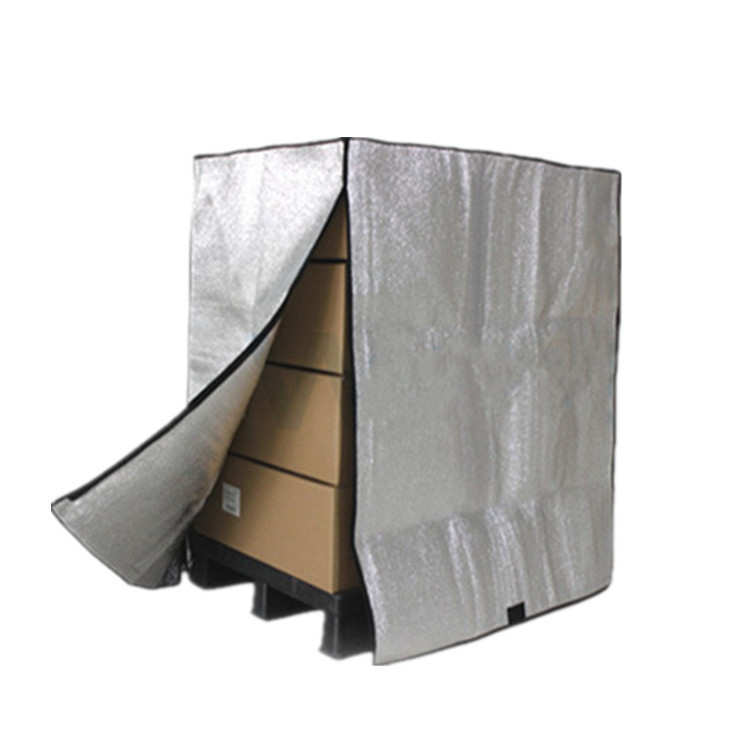
Thermal pallet blankets are specially designed covers that insulate palletised goods from temperature fluctuations. Unlike active refrigeration units, these blankets rely on insulating materials—such as reflective films, foam or phase-change materials—to slow heat transfer. When a pallet of frozen food or pharmaceuticals is wrapped with a blanket, it maintains its internal temperature for longer periods, protecting contents from ambient heat and cold. This passive approach is simpler, lighter and often more cost-effective than powered coolers, making blankets ideal for temporary storage, inter-facility transfers and last-mile delivery.
The role in cold-chain logistics
In the cold chain, maintaining temperature integrity is critical. Perishable goods such as seafood, dairy and meat require strict temperature control to prevent bacterial growth and spoilage. Cold-chain pallet shippers—insulated containers designed for bulk shipments—use advanced insulation, phase-change materials (PCMs) and sensors to keep products within safe ranges. Thermal pallet blankets complement these systems by providing an additional protective layer or by serving as an economical solution for short-duration transport. When used properly, they extend freshness, ensure regulatory compliance and reduce waste.
Growing importance in 2026
The market for thermal pallet covers is expanding rapidly. Analysts value the segment at US$1.2 billion in 2024, projecting it to double to US$2.5 billion by 2033 with a compound annual growth rate (CAGR) of 8.5 %. This growth is driven by the boom in pharmaceuticals, e-commerce and stricter regulations for temperature-sensitive goods. At the same time, sustainability concerns are pushing companies toward eco-friendly, recyclable covers made from paper or reusable fabrics. Understanding thermal pallet blankets is therefore essential for logistics managers seeking to improve efficiency and meet sustainability goals in 2026.
How Do Thermal Pallet Blankets Cut Costs and Boost Efficiency?
Immediate cost savings and energy efficiency
Thermal pallet blankets reduce energy consumption by insulating goods and limiting heat exchange with the environment. According to TLX Cargo’s analysis, blankets create an insulating barrier that reduces cooling loss for refrigerated goods and retains heat for products that require warming. Because the blanket slows down temperature changes, refrigeration systems do not need to work as hard, leading to significant energy cost savings. Reduced power usage also lowers carbon emissions—an important consideration given that cold-chain logistics already consume 3–4 % of global electricity.
In addition to energy savings, blankets allow facilities to adjust warehouse temperatures because goods can remain stable within their own micro-environment. This flexibility helps businesses cut overhead costs in energy-intensive cold rooms.
Labour reductions and operational efficiency
Less monitoring and intervention are needed when pallets are properly insulated. When goods stay within target temperature ranges for longer periods, workers don’t need to open cold storage doors as frequently or adjust cooling systems. The labour saved from temperature checks and special handling for sensitive products translates into lower operating costs and improved staff productivity.
Decreased product loss and improved quality
Spoilage is a significant cost driver in the cold chain. Thermal pallet blankets create a consistent, controlled environment that protects goods from external temperature swings. For perishable foods or delicate pharmaceuticals, even small temperature deviations can cause microbial growth or chemical degradation. Wrapping pallets in insulating blankets helps maintain appropriate conditions, reducing product loss and ensuring that goods arrive in prime condition. The reduction in waste directly improves profitability and sustainability.
Better temperature control
Blankets provide more consistent temperature profiles than unprotected goods. The insulation acts as a barrier that prevents unwanted heat transfer, ensuring that frozen foods remain frozen and refrigerated items stay cool. For pharmaceuticals and chemicals with narrow acceptable temperature ranges, this improved control is vital for efficacy and safety.
Sustainability and carbon footprint reduction
Reducing energy use and product waste also decreases carbon emissions. Studies show that thermal blankets can reduce a facility’s carbon footprint by 20–30 % through energy savings and waste reduction. In addition, recyclable or reusable blankets like the Solaris range offer eco-friendly alternatives to conventional plastics. Solar-reflective coatings and micro-convective air pockets enable these paper-based covers to achieve high insulation performance while being fully recyclable. Investing in sustainable blankets aligns with corporate environmental, social and governance (ESG) commitments.
Summary of cost and efficiency benefits
| Factor | Evidence | Practical significance |
|---|---|---|
| Energy savings | Insulating blankets reduce heat transfer, lowering the energy required for refrigeration and heating. | Reduced energy bills and carbon emissions. |
| Lower labour costs | Blankets maintain temperature longer, reducing the need for manual temperature checks. | Less time spent on monitoring; staff can focus on other tasks. |
| Reduced spoilage | Thermal blankets create a controlled environment that protects temperature-sensitive goods. | Decreased product loss leads to higher profitability and customer satisfaction. |
| Improved temperature control | Insulated covers act as barriers against heat exchange. | Goods remain within safe ranges, ensuring quality and regulatory compliance. |
| Sustainability gains | Energy savings and waste reduction can lower carbon footprints by 20–30 %. Recyclable blankets like Solaris reduce plastic waste. | Aligns operations with corporate sustainability goals; positive brand perception. |
Practical tips and recommendations
Match blanket insulation to product needs. Choose higher-grade blankets for goods with strict temperature requirements. For frozen items, thicker insulating layers or phase-change materials may be necessary.
Ensure proper fit and sealing. A blanket should cover the pallet completely with minimal gaps to prevent air infiltration. Adjustable straps and zip closures, like those found on reusable covers such as CSafe’s Silverskin RE, help create a tight seal.
Coordinate with refrigeration systems. Blankets complement but do not replace temperature control. Ensure that pallets are at the correct temperature before covering them; blankets will maintain, not create, the desired conditions.
Monitor temperatures. Use data loggers or smart sensors to track internal temperatures and verify that blankets perform as expected. Real-time monitoring can trigger alerts if temperatures deviate from safe ranges.
Train staff on installation and removal. Proper handling reduces damage to blankets and ensures consistent performance. Reusable blankets should be inspected and cleaned after each use.
Case example: A produce distributor replaced thin plastic wrap with high-performance thermal blankets for cross-country shipments. Spoilage rates dropped from 12 % to 3 % over six months, saving approximately US$200,000 in lost inventory. Labour hours for temperature checks decreased by 30 %, and the company reported a 25 % reduction in refrigeration energy use.
Choosing the Right Thermal Pallet Blanket: Materials, Types and Use Cases
Understanding blanket materials and construction
Selecting the right thermal pallet blanket involves evaluating the materials used and the type of insulation they provide. Here are the primary categories:
Reflective blankets – These covers use aluminium foil or metallised polyester films to reflect radiant heat back toward the source. They are lightweight and inexpensive but can tear easily and provide limited protection against conductive heat.
Insulating blankets – Made from materials like fiberglass, polyurethane foam or wool, these blankets trap air to resist conductive heat transfer. They are durable and available in various thicknesses but are heavier and cost more than reflective options.
Phase-change blankets – These incorporate phase-change materials (PCMs), such as paraffin wax or fatty acids, that absorb and release heat as they melt and solidify at specific temperatures. PCMs maintain very consistent temperatures, have high heat capacities and can both heat and cool, but they are more expensive and operate within a limited temperature range.
Paper-based and eco-friendly blankets – New designs like the Solaris series are made entirely from paper with reflective coatings and micro-convective air pockets. They combine recyclability with high insulation performance and tear resistance, providing an environmentally responsible alternative to plastic covers.
Pros and cons comparison
| Blanket type | Advantages | Challenges | Practical significance |
|---|---|---|---|
| Reflective | Lightweight; cost-effective; blocks radiant heat | Tears easily; limited conductive insulation | Suitable for short shipments or as an extra layer atop other covers. |
| Insulating | Excellent conductive insulation; durable | Bulkier; higher cost | Ideal for long-haul routes and goods requiring extended temperature control. |
| Phase-change | Maintains very consistent temperatures; high heat capacity | High cost; limited temperature range | Best for products with narrow temperature tolerances like biologics. |
| Paper-based | Fully recyclable; innovative air pocket system offers robust insulation | New technology may be higher cost; performance varies by design | Suited for eco-conscious shippers seeking sustainable solutions. |
Matching blankets to use cases
Perishable food (meat, seafood, produce): Insulating blankets or phase-change blankets are recommended to maintain refrigeration temperatures and prevent bacterial growth.
Pharmaceuticals and biologics: Phase-change blankets or hybrid solutions with integrated sensors provide precise temperature control and compliance with regulatory standards.
Short-distance distribution or cross-dock transfers: Lightweight reflective blankets may suffice for quick transfers between temperature-controlled environments.
Bulk long-haul shipments: Durable insulating or reusable paper-based blankets offer extended protection and environmental benefits.
Emerging solutions
Recent innovations have introduced reusable covers such as CSafe’s Silverskin RE, launched in October 2025. This reusable thermal cover is built from high-quality materials that maintain performance over multiple cycles and features a weather-resistant exterior, zip-closure door, integrated tracking and adjustable straps. It supports temperature ranges of +2 °C to +8 °C and +15 °C to +25 °C and is available through purchase or rental models, including full lifecycle management. Such designs reduce waste, provide ease of use and enhance security through tamper-resistant features, signalling a shift toward circular cold-chain packaging.
Case example: A pharmaceutical company adopted reusable thermal covers like Silverskin RE for biologic shipments. The switch reduced single-use plastic waste by 60 %, improved security through integrated tracking and cut logistics costs by 15 % due to the rental model’s efficiency.
Integrating Thermal Pallet Blankets into Cold-Chain Logistics
Best practices for implementation
Assess thermal profiles and transit times. Before selecting blankets, analyse the required temperature range and the duration of exposure. Use environment profiles to predict worst-case scenarios and choose blankets that match or exceed those needs.
Pre-condition your goods. Bring products to their desired temperature before applying the blanket. Blankets maintain temperature; they do not cool or heat actively.
Ensure proper coverage. Wrap the pallet tightly with minimal air gaps. Use blankets sized appropriately for the pallet dimensions and secure them with straps or adhesive flaps.
Monitor continuously. Integrate data loggers or IoT sensors to track internal temperatures and humidity throughout transport. Real-time monitoring improves visibility and allows corrective actions.
Train and audit. Provide staff with training on proper installation, removal and storage. Periodic audits ensure procedures are followed and blankets remain in good condition.
Combining blankets with active and hybrid systems
While thermal pallet blankets excel as passive solutions, they can enhance active and hybrid cold-chain systems. Active containers use compressors or thermoelectric devices to maintain precise temperatures. Hybrid systems combine passive PCMs with active cooling for redundancy. Blankets can provide an added layer of insulation, reducing the workload on active components and extending battery life. In hybrid systems, if the active mechanism fails, the blanket helps maintain temperature stability until the passive PCM kicks in.
Regulatory compliance and documentation
For pharmaceuticals and high-risk foods, regulators such as the FDA, EMA and WHO require documentation proving proper storage and transport conditions. Real-time data logging and traceability systems provide this assurance by recording temperature history throughout the shipment. When using blankets, ensure that sensors are placed near the product inside the pallet, not on the outer surface. Use tamper-evident seals to deter and detect unauthorized access. Integrating blanket use into your standard operating procedures demonstrates due diligence and supports compliance audits.
Case example: During the global distribution of mRNA vaccines, logistics providers used IoT sensors with 1–5 minute interval monitoring to ensure that products remained within ultra-cold ranges. Combining passive insulation, PCMs and real-time monitoring enabled timely interventions and avoided costly spoilage.
2026 Trends: Innovations in Thermal Pallet Blankets and Cold-Chain Packaging
Market growth and sustainability
The thermal pallet cover market’s projected CAGR of 8.5 % from 2025 to 2033 reflects strong demand across pharmaceuticals, food and e-commerce sectors. The rapid expansion of home delivery services and stricter regulations for temperature-sensitive goods are driving adoption. Key growth regions include North America, Europe and Asia-Pacific, where e-commerce booms and healthcare investments are high. Sustainability remains a central trend, with businesses seeking recyclable and reusable covers to reduce plastic waste and carbon footprints. Solutions such as the paper-based Solaris covers demonstrate that high thermal performance and environmental responsibility can coexist.
Technological advancements
Thermal pallet blankets are benefitting from next-generation materials and digital integration. Innovations include:
Smart packaging and IoT: Integration of sensors within blankets allows real-time monitoring of temperature, humidity and shock. Data can be transmitted to cloud platforms for predictive analytics and rapid response.
Advanced materials: Research into lightweight, recyclable and high-durability insulation materials is improving performance while reducing environmental impact. Nanotechnology and advanced coatings enhance thermal barrier properties without adding bulk.
Automation compatibility: Automated warehouses and AI-driven supply chains require standardized packaging that integrates seamlessly with robotic handling systems. Thermal blankets are being designed with dimensions and features suitable for automation.
Phase-change innovation: Bio-based PCMs derived from renewable sources offer environmental benefits while matching or surpassing the performance of petroleum-based materials. Microencapsulation techniques prevent leakage and enable flexible use.
Reusable systems and rental models: Reusable covers like Silverskin RE incorporate tracking and durable materials. Rental programs that include inspection, cleaning and logistics support drive higher utilisation rates and lower total cost of ownership.
Sustainability challenges and opportunities
Despite momentum, challenges remain. The cold-chain depends heavily on plastic‐based polyethylene and polypropylene covers, contributing to global plastic waste. Recycling infrastructure is underdeveloped in many regions, impeding circular economy goals. The International Energy Agency (IEA) estimates that cold-chain logistics consume 3–4 % of global electricity, underscoring the need for low-energy solutions and renewable energy integration. However, companies are increasingly adopting biodegradable films, recyclable polymers and reusable covers, signalling a shift toward sustainable packaging. Government regulations and investor pressure will accelerate this transition, making sustainability a competitive differentiator.
Operational efficiency and market dynamics
Thermal pallet blankets are emerging as an economical alternative to energy-intensive refrigerated containers, especially for short to medium transport durations. By combining insulation with monitoring, companies can reduce reliance on powered refrigeration and lower transportation costs. Market competition is driving innovation, with leading players such as DuPont, QProducts & Services, Softbox Systems and Cold Chain Technologies focusing on material innovation, sustainability and performance. Emerging markets in India, China and Brazil are projected to experience double-digit growth due to rapid cold-chain expansion.
Real-world example
In a third-party test commissioned by a global pharmaceutical manufacturer, CSafe’s Silverskin QLT 19 thermal cover achieved Thermal Protection Factor (TPF) values as high as 84.2 % during direct sunlight exposure, compared with 66.2 % for another leading cover. The superior performance, combined with the cover’s design and compressibility, allowed the shipper to fit 30–40 % more product per container, reducing the number of freight vehicles and cutting carbon emissions by about 40 %. This case demonstrates how high-performance blankets contribute to operational efficiency and environmental sustainability.
Frequently Asked Questions
How do thermal pallet blankets differ from cold-chain pallet shippers? Thermal pallet blankets are passive covers that insulate palletised goods, while pallet shippers are insulated containers often incorporating gel packs, phase-change materials or active refrigeration systems. Shippers offer longer duration and more precise temperature control, whereas blankets provide quick, cost-effective protection for shorter periods.
How long can a thermal pallet blanket maintain temperature? It depends on the blanket’s materials, thickness and ambient conditions. Reflective blankets may protect goods for several hours, while phase-change blankets can maintain temperature for a day or more. The Solaris series, for example, offers variants that protect shipments for 7.5 to 10 hours.
Are thermal pallet blankets reusable? Yes. Many modern blankets are designed for multiple uses. Reusable covers like Silverskin RE feature durable materials, zip closures and integrated tracking. Regular inspection and cleaning extend their lifespan.
Do blankets replace refrigeration? No. Blankets maintain temperature but do not actively cool or heat goods. They are most effective when used with pre-conditioned products and may accompany active or hybrid systems for added protection.
What regulations apply when using thermal pallet blankets for pharmaceuticals? Regulatory bodies such as the FDA and EMA require documentation of proper storage and transport conditions. Use data loggers to record temperatures, and ensure blankets are validated for use with your products. Seek products that meet Good Distribution Practice (GDP) guidelines.
Summary and Recommendations
Key takeaways
Thermal pallet blankets offer a simple yet powerful way to protect temperature-sensitive goods in cold-chain logistics. They reduce energy consumption, labour and spoilage while improving temperature control and sustainability. Selecting the right blanket involves understanding materials—reflective, insulating, phase-change or paper-based—and matching them to your products and route lengths. Proper integration with monitoring systems, training and regulatory compliance ensures optimal performance. In 2026, innovations in materials, IoT sensors and reusable designs are driving rapid market growth and sustainability improvements.
Actionable next steps
Audit your cold-chain processes. Map product types, transit times and environmental conditions. Identify shipments where thermal pallet blankets can reduce energy use and waste.
Select appropriate blankets. Choose blankets based on insulation type and reuse potential. Prioritise eco-friendly materials and reusable models.
Integrate monitoring. Equip pallets with data loggers or IoT sensors to verify blanket performance and capture real-time data for compliance and optimisation.
Develop SOPs and training. Establish procedures for installing, removing and maintaining blankets. Train staff and conduct regular audits.
Collaborate with partners. Work with suppliers and logistics providers to align on blanket specifications, rental models and sustainability goals.
Call to action: Ready to improve your cold-chain efficiency? Evaluate your supply chain today and contact our experts for personalised guidance on implementing thermal pallet blankets.
About Tempk
Tempk is a leading provider of cold-chain packaging systems offering insulated boxes, ice packs, pallet covers and smart monitoring solutions. With a strong R&D centre and a commitment to sustainability, we design reusable and recyclable products that maintain temperature stability while reducing waste. Our solutions cater to food delivery, pharmaceuticals and biotech, with temperature ranges from ambient to ultra-cold. We believe in innovation backed by science, and our mission is to help customers protect their valuable goods, comply with regulations and achieve environmental goals. Join us in building a smarter, more sustainable cold chain.
Next steps: To discuss your specific needs or request a demonstration, reach out to our team. We’re ready to help you optimise your supply chain with thermal pallet blankets and other advanced cold-chain solutions.
Insulated Cargo Covers: Your Complete Guide to Cold-Chain Temperature Protection
Introduction
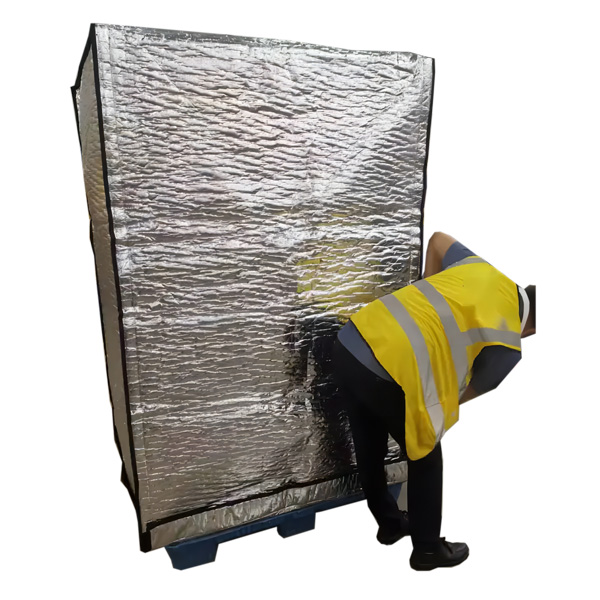
Efficient cold-chain logistics depend on maintaining precise temperatures from your facility to the final destination. Insulated cargo covers—also called thermal pallet covers or blankets—offer a simple yet powerful tool to protect pharmaceuticals, food, and other sensitive products against heat and cold. In this guide, you’ll learn how these covers work, why they matter, and how to select the best option for your needs. Independent tests show that advanced covers can maintain internal temperatures far better than standard solutions; for example, a third-party study found that CSafe’s Silverskin QLT 19 achieved a Thermal Protection Factor of 84.2 % under direct sunlight compared with only 66.2 % for a competing cover. This difference can mean the survival or loss of valuable goods. Keep reading to discover what insulated cargo covers can do for you.
What This Guide Covers
Key benefits: Why insulated cargo covers are essential for maintaining product integrity and compliance in cold-chain logistics, including protection against heat, cold, and theft.
Selection criteria: How to choose the right cover based on material, insulation type, and your specific cargo’s temperature range.
Cost and sustainability: How reusable covers can lower operating costs, reduce carbon footprints and support environmental goals.
Latest trends: Insights into 2026 innovations such as recyclable paper-based covers and IoT-enabled temperature monitoring.
FAQ: Answers to common questions to help you deploy insulated cargo covers effectively.
Why Do Insulated Cargo Covers Matter in Cold-Chain Logistics?
Keeping goods safe across the supply chain is your top priority. Temperature excursions during transport can spoil perishable foods, degrade pharmaceuticals, or render biologics useless. Insulated cargo covers provide a passive layer of protection by wrapping entire pallets in flexible, multi-layered materials designed to slow heat transfer. Third-party tests show that high-performance covers maintain internal pallet temperatures even under direct sunlight and cold storage conditions. Without this secondary protection, goods loaded into less-than-truckload (LTL) shipments may be exposed to sub-freezing temperatures during terminal dwell times.
How Insulated Cargo Covers Protect Your Products
Temperature regulation and insulation – By using reflective foils, multi-layer insulation and air pockets, these covers act as thermal buffers. StratoFoil covers, for example, use a reflective foil surface and multi-layer insulation to slow down temperature penetration. This design helps maintain the recommended 2–8 °C or 15–25 °C range for pharmaceutical products during transit.
Protection from physical damage and contamination – Quality covers are puncture-resistant, water-resistant and leak-proof. They shield goods from moisture, dust, insects and physical impacts, preserving both hygiene and packaging integrity.
Security and theft prevention – Because the contents are hidden, covered pallets are less attractive targets for thieves. Tight, secure covers make it harder to tamper with or steal goods, reducing losses.
Operational efficiency – A reusable pallet cover eliminates the need for repackaging and reduces handling time. TLX Cargo notes that properly fitted covers improve supply-chain efficiency by minimizing re-labelling and reducing the risk of temperature breaches. Easy installation and removal allow you to integrate them seamlessly into existing warehouse procedures.
Environmental impact – Reusable covers lower waste compared with single-use plastic wraps. Some advanced covers can also pack pallets more densely; the CSafe Silverskin QLT 19 allows 30–40 % more cargo per container, reducing the number of trips and lowering carbon emissions. And innovative solutions like Solaris use 100 % recyclable paper to replace plastic, aligning your operations with sustainability goals.
Real-World Example: Pharmaceutical Cold Chain
Imagine you’re shipping vaccines requiring 2–8 °C control. Delays in an airport terminal expose the pallet to warm tarmac for several hours. Without a cover, ambient temperatures quickly raise internal conditions, risking spoilage. Using a high-performance insulated cargo cover reduces heat ingress and maintains internal temperatures within the safe range, ensuring that vaccines arrive potent and compliant with Good Distribution Practice (GDP) guidelines. In one independent study, the Silverskin QLT 19 performed significantly better than a standard cover, maintaining a Thermal Protection Factor of 84.2 % in direct sunlight. This level of protection can preserve millions of dollars’ worth of pharmaceuticals.
How to Choose the Right Insulated Cargo Cover for Your Shipment
Selecting the right cover can feel like choosing winter clothing for a road trip—you need the right layers for your climate and the specific journey ahead. Follow these steps to match your cover to your cargo:
1. Identify your temperature range and transit time
Start by determining the required temperature range and the expected journey duration. Pharmaceutical products often need to remain between 35.6 °F (2 °C) and 46.4 °F (8 °C). Some foods may tolerate a broader range, such as 15–25 °C. High-performance covers are rated to protect for specific time spans: Solaris 5 protects up to 7.5 hours at 40 °C, Solaris 10 extends protection to nine hours, while Solaris 25 provides up to ten hours.
2. Choose the right material and insulation type
Different materials provide different levels of insulation and durability. Here’s what to consider:
| Material | Thermal Characteristics | Durability | Best For |
|---|---|---|---|
| Reflective foil | Radiant barrier that reflects heat, delaying temperature penetration | High; puncture-resistant and water-resistant | Pallets exposed to sunlight or high radiant heat (e.g., airport tarmac) |
| Multi-layer plastics | Multiple layers with air pockets provide insulation; some include breathable fabrics | Reusable with careful handling | Long transit times where consistent performance is critical |
| Paper-based insulation | White reflective coating reduces heat absorption; micro-convective air pockets enhance insulation | Tear-resistant and water-resistant | Sustainable operations seeking 100 % recyclable solutions |
| Foil-based liners | Effective at radiating heat; popular for long international shipments | Moderately durable | Large containers, intercontinental shipping |
| Cotton or natural fiber | Eco-friendly and highly insulating; offers moisture control | Lower tear resistance; biodegradable | Biodegradable packaging needs |
Tip: If your shipments face wide temperature swings, look for covers with reflective outer layers and multi-layer insulation. For shorter trips or moderate climates, lighter covers may suffice.
3. Consider product sensitivity and shipment size
Different commodities have varying sensitivities. High-value biologics or specialty foods may require more robust insulation and validated performance. Insulated cargo covers are available in custom sizes, from small parcels to full truckload blankets. Ensure the cover fits snugly; gaps reduce insulation efficiency.
4. Evaluate reusability and sustainability
Reusable covers may cost more upfront but provide long-term savings. TLX Cargo notes that high-quality insulated covers are reusable, easy to clean with mild soap, and can last for years. They help reduce waste and align with environmental commitments. New recyclable paper-based covers like Solaris eliminate plastic waste and include a Product Carbon Footprint metric to quantify environmental impact.
5. Check compliance and performance data
Look for third-party testing or performance certifications. In the pharmaceutical sector, Good Distribution Practice requires proof that packaging maintains temperature ranges. Independent performance data—like the Silverskin QLT 19’s tested superiority—can give confidence in your selection.
Deeper Dive: Materials and Insulation Options
Understanding Insulation Materials
Foil-based insulation uses metalized films to reflect thermal radiation. It is popular in long international shipments because it prevents heat absorption and is lightweight. Multi-layer foil covers often include bubble or foam layers for added insulation.
Polyurethane foam adds cushioning and high thermal resistance, making it suitable for ultra-cold shipments. However, it is heavier and less sustainable.
Metalized film provides reflective properties similar to foil and is suited for warmer climates.
Paper-based systems like Solaris use specialized paper with micro-convective air pockets. These layers create an insulating barrier while being fully recyclable. The outer white coating reflects sunlight, reducing heat absorption and thus helping maintain internal temperatures.
Natural cotton fiber offers both environmental benefits and effective insulation. It controls moisture and is biodegradable, making it ideal for companies seeking eco-friendly alternatives.
Comparing Product Options
| Cover Variant | Construction | Thermal Protection Duration | Typical Use Case | Real-World Benefit |
|---|---|---|---|---|
| CSafe Silverskin QLT 19 | Multi-layer cover with reflective surfaces; designed for pharmaceutical pallets | Maintained 84.2 % Thermal Protection Factor in direct sunlight | High-value pharmaceuticals, direct sunlight exposure | Outperformed competing covers in tests; allowed 30–40 % more product per container, reducing trips and emissions |
| TLX4 Thermal Pallet Cover | Lightweight, puncture- and water-resistant material | Protects goods between 2–8 °C and 15–25 °C | Perishable foods, wine, chocolates | Reusable and easy to clean, reducing cost per use |
| StratoFoil Thermal Cover | Reflective foil with multi-layer insulation | Maintains internal temperature under fluctuating external conditions | LTL shipments, last-mile protection | Quick installation; integrates with existing SOPs |
| Solaris 5/10/25/S20 | Paper-based with reflective coating and micro-convective air pockets | 7.5 h/9 h/10 h at 40 °C respectively | Sustainable solutions, varied transit times | Recyclable; S20 supports loads up to 500 kg and doubles freight capacity, cutting carbon emissions |
Using Insulated Cargo Covers to Save Money and Reduce Waste
Beyond protecting goods, insulated cargo covers help your bottom line. Here’s how they deliver financial and environmental benefits:
Direct Cost Savings
Reduced spoilage and loss – Preventing temperature excursions avoids product degradation, reducing write-offs and insurance claims. Theft deterrence further minimises shrinkage.
Lower packaging and shipping costs – Reusable covers eliminate the need for single-use foam or cardboard, and their lightweight design reduces freight weight. Using covers that allow more product per container, like the Silverskin QLT 19, can reduce the number of truck or air shipments by up to 40 %.
Extended equipment life – Passive insulation reduces reliance on active refrigeration equipment, cutting energy costs and maintenance expenses. Insulated liners can be paired with gel packs or phase-change materials to provide reliable cooling without powered systems.
Sustainability Advantages
Reduced plastic waste – Plastic-based thermal covers contribute to landfill waste and are difficult to recycle. Paper-based alternatives like Solaris offer full recyclability, while natural cotton fibre and post-industrial paper liners provide biodegradable options.
Lower carbon emissions – By increasing pallet density and reducing the number of trips, advanced covers help lower carbon footprints. The Silverskin QLT 19’s ability to increase container capacity by 30–40 % reduces trucking requirements by around 40 %, directly lowering emissions. The Solaris S20 variant supports heavier loads and doubles freight capacity, further reducing transportation emissions.
Compliance with environmental regulations – Growing regulations limit single-use plastics and encourage circular packaging. Adopting recyclable or reusable covers positions your business as an environmental leader and reduces risk of fines.
Practical Tips for Maximising Savings
Measure and fit covers properly – A snug fit ensures optimal insulation. Oversized covers allow air circulation and reduce thermal efficiency.
Clean and inspect covers between uses – Wipe off spills using cold water and mild soap, and discard any covers with tears or holes to maintain performance.
Combine covers with the right refrigerants – Use gel packs for moderate cooling or dry ice for ultra-cold shipments. Conduct pre-shipping temperature tests to validate system performance.
Integrate tracking technology – Temperature loggers embedded in the pallet cover can provide real-time data and alert you to deviations.
Case Study: A mid-sized pharmaceutical distributor switched from single-use foam packaging to reusable insulated cargo covers combined with gel packs. Over a one-year period, they cut packaging costs by 30 %, reduced spoilage incidents to near zero, and eliminated 20 tons of plastic waste from their operations. The move also helped secure a new contract with a major hospital network impressed by the company’s commitment to sustainability.
2026 Developments and Trends in Insulated Cargo Covers
Emerging Technologies and Innovations
Recyclable materials – Innovations like Solaris have introduced fully recyclable paper-based covers that use micro-convective air pockets and reflective coatings. Such systems offer comparable thermal performance to plastic covers while meeting sustainability goals. Expect more manufacturers to adopt paper, post-industrial paper, and natural fibre materials.
IoT-enabled monitoring – Cold-chain transport is increasingly incorporating IoT sensors and GPS tracking. The cold-chain insulated truck market is growing, projected to reach USD 13 billion by 2035 with a CAGR of 6.7 %, driven partly by investments in real-time temperature monitoring and multi-temperature transport systems. Embedded sensors will become standard in premium covers, allowing continuous validation of temperature profiles.
Multi-layer and hybrid designs – To extend protection durations while reducing weight, manufacturers are experimenting with hybrid materials combining paper, foil and breathable fabrics. Some covers now offer separate compartments for different temperature zones, accommodating mixed cargo loads.
Regulatory pressure and sustainability goals – Global regulations on plastic waste are pushing logistics companies to adopt eco-friendly packaging. Suppliers are responding by offering reusable or recyclable covers and publishing Product Carbon Footprint metrics.
Market Insights
The cold-chain logistics transport insulated truck market is expected to grow from USD 6.8 billion in 2025 to USD 12.9 billion by 2035, a CAGR of about 6.7 %. This expansion underscores the importance of reliable temperature control solutions, including pallet covers. Key growth regions include East Asia, North America and Western Europe. Demand is driven by rising consumption of temperature-sensitive foods, global distribution of vaccines, and stricter health regulations.
What It Means for You
Stay ahead of regulations by adopting recyclable or reusable covers early to avoid disruptions when single-use plastics are phased out.
Invest in sensors and data – Real-time temperature tracking reduces risk and demonstrates compliance.
Plan for growth – As demand increases, secure long-term contracts with cover suppliers to ensure steady supply.
Frequently Asked Questions
Q1: How many times can I reuse an insulated cargo cover?
High-quality covers such as TLX thermal blankets are designed for multiple uses and can last years with proper care. Inspect covers for tears or damage before each use and clean them after spills to prolong life.
Q2: Do insulated cargo covers replace refrigerated trucks?
No. Covers provide passive insulation and are best used as secondary protection or for short transits. They complement refrigerated trucks, protect goods during handling and in LTL shipments where the truck may not be continuously climate-controlled.
Q3: Are paper-based covers strong enough to handle heavy pallets?
Yes. Solaris S20, for example, supports loads of up to 500 kg and doubles freight capacity. Advanced paper-based systems include tear-resistant layers and water-resistant coatings that match or exceed the performance of plastic covers.
Q4: How do I choose between foil and paper insulation?
Foil offers excellent radiant heat protection and is ideal for hot climates or direct sunlight. Paper-based covers are better for sustainable operations and provide sufficient insulation for moderate conditions. Consider your temperature requirements, environmental goals and budget.
Q5: What is the role of insulated liners compared with cargo covers?
Insulated liners regulate temperature within individual boxes or crates, while cargo covers protect entire pallets. Liners are part of a passive cold-chain system and often used with gel packs or phase-change materials. Cargo covers complement liners by providing an outer barrier, especially during handling and loading.
Summary and Recommendations
Insulated cargo covers are essential tools for safeguarding temperature-sensitive goods across every stage of the cold chain. High-performance covers like CSafe’s Silverskin QLT 19 offer superior thermal protection and can increase payload capacity by 30–40 %, reducing logistics costs and emissions. Reusable covers save money over time, protect against theft, and align your operations with sustainability goals. When selecting a cover, evaluate temperature requirements, material options, shipment size, reusability and compliance data. Innovations such as recyclable paper-based covers and IoT-enabled monitoring are shaping the future of cold-chain logistics. By staying informed and choosing wisely, you can ensure your products arrive safely, meet regulatory standards and contribute to a more sustainable supply chain.
Recommended Next Steps
Assess your current cold-chain vulnerabilities – Map your shipping routes, identify where temperature excursions may occur and determine if you need additional passive protection.
Pilot reusable covers – Start with a small batch of high-quality insulated cargo covers to evaluate performance and cost savings compared with single-use packaging.
Implement monitoring – Integrate temperature loggers with your covers and review data to optimise operations and prove compliance.
Engage with suppliers – Discuss recyclable or paper-based options to reduce your carbon footprint and meet upcoming regulatory requirements.
About Tempk
Tempk specializes in cutting-edge cold-chain packaging and monitoring solutions. We design insulated cargo covers, liners and digital tracking systems that keep your products at the right temperature throughout transit. Our products are engineered for durability, ease of use and sustainability, incorporating innovations such as recyclable materials and IoT sensors. By partnering with Tempk, you gain access to expert guidance and tailored solutions that safeguard your shipments and help your business thrive.
Ready to Act?
Contact Tempk to discuss your cold-chain challenges. Our team will provide a personalised assessment and recommend the optimal insulated cargo cover for your needs. Protect your products, save money and support a sustainable future today.
Insulated Pallet Blankets: The 2026 Guide to Protection & Savings
Are you struggling to keep shipments safe as supply chains grow more complex? Insulated pallet blankets are passive thermal covers that maintain consistent temperatures, protect cargo and reduce waste. Market forecasts show that the insulated packaging sector is expanding from USD 16.71 billion in 2025 to USD 23.22 billion by 2031, driven by cold-chain modernization, e-commerce and sustainable materials. Next-generation blankets use advanced phase-change materials (PCMs), reflective films and IoT-enabled tracking to safeguard goods while reducing costs and emissions. This comprehensive guide explains what insulated pallet blankets are, how they work, why you need them, and how to choose and use them effectively.
What insulated pallet blankets do and how they maintain temperature – including long-tail terms like insulated pallet cover work.
Why insulated pallet blankets are crucial for perishable foods, pharmaceuticals and other cold-chain goods – covering thermal pallet blanket benefits and cold chain protection.
How to choose the right blanket by material, size and performance – exploring insulated pallet blanket selection and thermal pallet cover sizes.
Cost and sustainability comparison between passive blankets and refrigerated transport – addressing reusable pallet blanket savings.
Latest innovations and market trends in 2026 – highlighting smart thermal covers, PCMs and eco-friendly materials.
Best practices for using insulated pallet blankets – covering cold chain logistics tips and temperature monitoring.
What Are Insulated Pallet Blankets and How Do They Work?
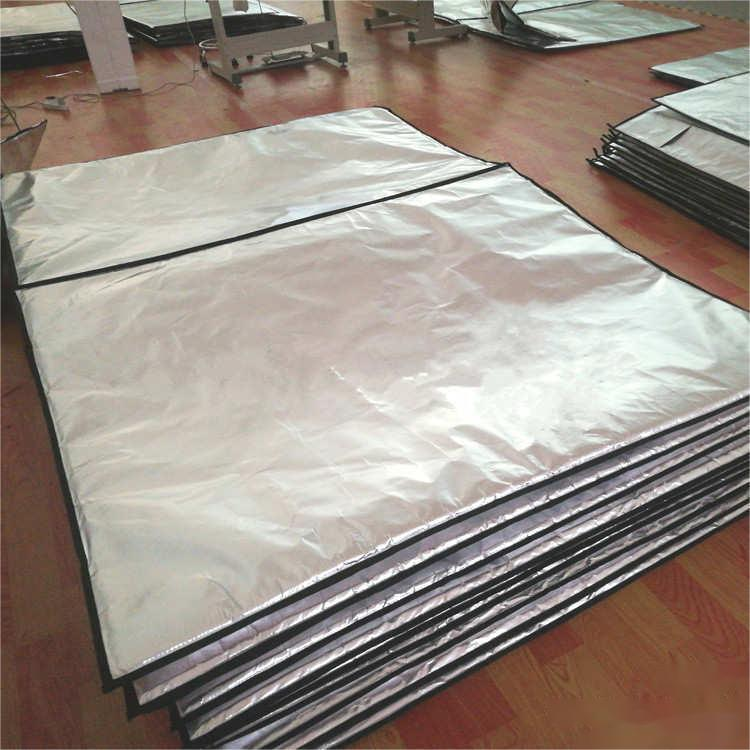
Insulated pallet blankets are flexible covers placed over palletized goods to form a thermal barrier. They maintain a consistent internal temperature during transport and storage. Typical blankets are lightweight, puncture-resistant and water-resistant. Manufacturers use materials such as reflective aluminum foil laminated to polyethylene bubble wrap, seven-layer composites or precision-cut reflective fabric. These layers reflect radiant heat, reduce conductive transfer and limit convection, creating an enclosed environment that passively controls temperature.
Insulated blankets also minimise temperature excursions by capturing the existing environment of a shipment. QProducts’ PalletQuilt is described as a proven alternative to refrigerated LTL service because it captures the existing temperature and helps maintain a safe range throughout delivery. Many covers support multiple transport modes—road, air, rail and ocean—and fit both US and EU pallet sizes【253367624756792†L115-L113】. Some models integrate phase-change materials (PCMs) to absorb and release heat during transitions. Others incorporate reflective surfaces and breathable panels for use alongside active refrigeration.
How Insulated Pallet Blankets Maintain Temperature
Insulated pallet blankets use multi-layer barriers to block three types of heat transfer:
| Feature | Description | Example | Real-World Benefit to You |
|---|---|---|---|
| Radiant heat reflection | Reflective outer films bounce away solar radiation and prevent warming. | A reflective aluminum skin laminated to bubble foil shields cargo from sunlight. | Keeps goods cool on tarmacs and during sunny truck loading, reducing spoilage. |
| Conductive & convective insulation | Air-pockets within bubble wrap or fiberfill slow heat conduction and convection. | Seven-layer designs with insulating cores (e.g., polyethylene, polyester, or recycled fiber) create thick barriers. | Protects goods from hot metal walls of containers or cold winds during winter shipments. |
| Phase-change materials (PCMs) | PCMs absorb or release latent heat to hold a target temperature. | TLX cargo covers with PCMs extend protection at 2–8 °C and 15–25 °C. | Ensures pharmaceuticals and perishables stay within strict temperature ranges during transit. |
Practical Tips for Understanding Function
Use reflective covers in hot environments: When shipping frozen goods in summer, choose blankets with reflective surfaces to maintain low temperatures.
Consider PCMs for tight temperature control: For products like vaccines or biologics, select blankets with PCMs to stabilize temperatures between 2–8 °C or 15–25 °C.
Check ventilation and fit: Proper ventilation prevents overheating, while a snug fit ensures effective insulation.
Wash reusable blankets regularly: Wipe blankets with cold water and mild soap after spills to prolong their life.
Real-world case: The World Federation of Hemophilia used PalletQuilt thermal covers on air cargo to minimize temperature deviations, ensuring life-saving medicines remained within 2–8 °C during tarmac delays. Such blankets have also protected craft beer shipments in extreme summer heat.
Why Use Insulated Pallet Blankets for Cold-Chain Products?
Insulated pallet blankets provide a versatile, cost-effective layer of protection for temperature-sensitive goods. They help maintain consistent temperatures during transit, protect products from physical damage and theft, and improve supply chain efficiency. TLX Cargo notes that thermal pallet covers are lightweight, easy to install, puncture- and leak-proof, and reusable. Because they seal tightly, they shield shipments from insects, dust and moisture.
Benefits of Insulated Blankets Across Industries
Food and beverage: Thermal covers protect perishable foods, frozen items, beverages and baked goods during transport and storage. They regulate temperature, prevent exposure to sunlight, and reduce spoilage in transit.
Pharmaceuticals: Medicines and vaccines require strict temperature control. Insulated blankets help maintain ranges such as 2–8 °C and 15–25 °C and offer passive protection between cold-chain segments, such as loading and unloading. The reusable Silverskin RE cover launched in 2025 supports these temperature zones while reducing waste, thanks to durable materials and integrated tracking.
Chemicals and industrial goods: Paints, adhesives and other chemicals benefit from insulation that shields them from extreme temperatures. Reusable blankets can sometimes replace refrigerated trucks for short-haul road trips, saving fuel and transport costs.
E-commerce and retail: As direct-to-consumer meal-kits and perishable deliveries increase, retailers use thermal pallet covers to maintain product integrity across complex networks. Lightweight, modular designs integrate with automation to cut freight costs while QR-coded sensors enable thermal abuse monitoring.
How Insulated Blankets Save Money
Reduce product loss: Covers make it hard to identify pallet contents, deterring theft. Tight seals protect goods from damage by pests or moisture.
Lower rework and repackaging: Effective covers prevent temperature excursions, reducing the need to re-label or repackage goods.
Reusable investment: High-quality blankets can be washed and reused, lowering cost per trip over time. Some covers include repair kits to extend life.
Replace active refrigeration in specific cases: PalletQuilt and InsulCap provide passive protection that can serve as an alternative to refrigerated LTL service. InsulCap’s lightweight design even reduces fuel consumption and may replace reefer trucks on short hauls.
User-Focused Advice
Evaluate temperature risk: If your goods can tolerate short excursions, a passive cover may suffice; for stricter ranges, choose blankets with PCMs or combine with active cooling.
Verify certifications: Look for ISO 9001 certification and manufacturer testing data to ensure performance.
Balance cost and sustainability: Reusable covers may cost more upfront but lower long-term costs and environmental impact.
How to Choose the Right Insulated Pallet Blanket?
Selecting an insulated pallet blanket involves matching product requirements with material performance, size, closure type and compliance. Consider the following criteria:
1. Determine Temperature Range and Material
Insulated blankets are designed for different temperature zones. TLX’s PCMs keep goods within 2–8 °C or 15–25 °C, while Eceplast’s covers use reflective aluminum and bubble foil to protect from heating or freezing. Wilpak’s InsulCap features seven-layer Insul technology and meets US military specifications. Select materials that match your product’s sensitivity and environmental conditions.
2. Choose the Proper Size and Closure
Blankets should fit snugly to maximize insulation. Common sizes include 80×120×150 cm and 100×120×150 cm, but manufacturers offer custom dimensions. Closure types range from zippers and Velcro to tie-down straps and sealable designs. For heavy loads or extended journeys, choose robust closures that maintain a tight seal.
3. Evaluate Reusability, Durability and Certification
Reusable covers reduce waste and provide long-term savings. TLX covers are puncture-resistant, leak-proof and designed to last. InsulCap uses recycled or recyclable materials and meets US military and MOD specifications. For high-risk pharmaceuticals, look for products with tamper-evident features and integrated tracking. Certifications like ISO 9001 and validation testing ensure compliance and performance.
Practical Selection Tips
Assess transport mode: Air freight may require lighter, highly reflective covers, while ocean freight benefits from breathable designs.
Consider single-use vs. multi-use: Single-use reflective covers are cost-effective for one-off shipments, whereas reusable blankets offer durability and lower lifecycle costs.
Check customization options: Many suppliers provide custom sizes and materials to suit unique products.
Actual scenario: A major pharmaceutical manufacturer switched from air to ocean transport by using PalletQuilt covers, which provided six-sided insulation and allowed slower, cheaper transport without compromising product integrity.
Insulated Pallet Blankets vs. Refrigerated Transport: Cost & Sustainability
Comparing Passive and Active Cold-Chain Solutions
Passive insulated blankets and active refrigerated trucks both maintain temperatures, but they differ in cost, energy use and flexibility. Refrigerated transport consumes substantial energy and contributes to greenhouse gas emissions. Global cold chain refrigeration accounts for up to 5% of global energy needs and 2.5% of total emissions. Passive covers, by contrast, use no external power. PalletQuilt blankets provide a viable alternative to refrigerated LTL service, capturing the existing environment of freight and maintaining a safe temperature range throughout transit.
Cost considerations: Running a refrigerated truck is expensive due to fuel and equipment maintenance. In some cases, lightweight insulated covers can reduce fuel consumption and even replace reefer trucks for short distances. Passive covers also avoid the capital costs associated with reefer units and reduce road congestion by allowing the use of conventional trailers.
Sustainability benefits: The CSafe Silverskin RE reusable cover is built to endure repeated missions while preserving thermal integrity. It lowers waste and carbon footprint compared to single-use covers. Reusable covers also help companies meet sustainability mandates and reduce plastic waste, a significant concern as the biopharma sector generates hundreds of millions of tons of packaging waste.
Tips for Deciding Between Passive and Active Cooling
Analyse route length and climate: For long journeys or extreme climates, combine passive covers with refrigerated transport. For short trips or moderate climates, passive blankets may suffice, cutting fuel costs.
Calculate total cost of ownership: Consider blanket lifespan, cleaning, storage and repair when comparing to ongoing fuel and reefer maintenance expenses.
Evaluate environmental goals: Using reusable covers reduces emissions and waste. Align your choice with corporate sustainability objectives.
Latest Innovations & Trends for Insulated Pallet Blankets in 2026
Market Growth and Materials Innovation
The insulated packaging market is projected to grow at a 5.63% CAGR from 2026 to 2031, reaching USD 23.22 billion by 2031. This growth is driven by cold-chain modernization, e-commerce demands and sustainable materials. A shift from conventional plastics to bio-based aerogels reflects end-users’ concern over disposal costs and compliance risks. Fiber-based composites and recycled PET enhance recyclability and reduce waste. Pallet shippers show high growth because reusable macro-packs reduce waste.
The thermal pallet cover market specifically is expected to grow at a CAGR of 5.26% from 2025 to 2035, expanding from USD 1.657 billion in 2025 to USD 2.768 billion by 2035. Polyethylene and polypropylene dominate materials, while features such as insulation, waterproofing and UV resistance are highly sought after. Non-sealable closures are the most common. Food and beverage applications drive growth, and standard 40×48-inch pallet sizes lead the market.
Smart Thermal Covers and IoT Integration
Next-generation insulated blankets are adopting smart technologies. Market researchers highlight opportunities to develop covers with IoT integration for real-time temperature monitoring. Integrated sensors capture data and send alerts when temperatures deviate from set points. Smart covers may also communicate with logistics systems via GPS or blockchain for end-to-end visibility. Companies like CSafe incorporate tracking and tamper-evident features into their Silverskin RE covers, enabling one-person operation and ensuring compliance across global supply chains.
Sustainable and Reusable Designs
Regulations and corporate sustainability goals are pushing manufacturers to design reusable blankets. The Silverskin RE provides robust protection and supports temperature zones of 2–8 °C and 15–25 °C across multiple shipping cycles. Its durable materials are cleanable and sanitized, reducing waste while maintaining performance. Wilpak’s InsulCap uses recycled/recyclable material content and meets military standards, ensuring longevity and reduced environmental impact.
Modular, Customized and Data-Driven Solutions
Modular designs allow shippers to build covers tailored to specific loads. PalletQuilt offers kits with six-sided protection and accessories for CRT and 2–8 °C products. Custom cut profiles and flat-pack shipping reduce storage costs and waste. Additionally, predictive analytics models use data from IoT sensors to forecast potential disruptions and adjust shipping routes. This data-driven approach enhances resilience against cold-chain failures that historically have caused up to 50% vaccine loss.
Market Outlook and Regional Trends
Regional trends show Asia-Pacific leading growth due to expanding pharmaceutical production and cold-chain investments. North America maintains a large revenue share thanks to mature e-commerce networks and healthcare sectors. Europe balances sustainability with healthcare needs, while South America and the Middle East/Africa invest in exports and baseline distribution. Across regions, demand for smart thermal covers, fiber-based insulators and modular designs will continue to accelerate through 2035.
Practical Tips to Leverage 2026 Innovations
Adopt smart covers with sensors: Real-time temperature data helps prevent excursions and supports regulatory compliance.
Invest in reusable and recyclable materials: Select covers that use recycled content and offer long service life to meet sustainability goals.
Explore modular kits: For mixed loads, choose modular covers with accessories that allow custom pack-outs for different temperature ranges.
Collaborate with 3PLs and tech providers: Partner with logistics firms offering IoT-enabled cold-chain management and predictive analytics.
Case study: CSafe’s Silverskin RE, launched in 2025, provides robust, reusable protection with integrated tracking and supports two critical temperature zones. It reduces waste and emissions and offers lifecycle management services such as inspection and cleaning, illustrating how innovation can align operational efficiency with sustainability.
Best Practices for Using Insulated Pallet Blankets
Effective use of insulated pallet blankets maximizes their thermal performance and extends their lifespan. Follow these guidelines:
1. Pre-Condition Goods and Covers
Pre-cool or pre-warm goods and covers before loading to reduce temperature difference. For example, refrigerate goods to target temperature and store blankets in a conditioned room. This way, the blanket captures the existing environment and maintains stability.
2. Apply Blankets Correctly
Ensure the blanket fully covers the pallet and fits snugly. Avoid leaving gaps that could allow heat intrusion. Secure closures properly—zippers, Velcro or straps—and check for tears or punctures before use.
3. Integrate Monitoring and Tracking
Use IoT sensors or temperature indicators with blankets. Real-time monitoring detects fluctuations and supports corrective action. Some blankets incorporate serialized tracking for data logging.
4. Combine with Active Cooling When Necessary
For long hauls or extreme climates, pair blankets with refrigerated transport or dry ice. Passive covers moderate temperature swings and serve as backup in case of reefer failure. PalletQuilt’s breathable covers are designed for use with refrigerated trailers.
5. Maintain and Reuse Responsibly
Clean blankets after each use using cold water and mild soap. Discard covers with significant tears to avoid compromised insulation. Store them flat or folded per manufacturer guidelines to prevent material fatigue.
Best Practice Scenarios
Scenario 1: When shipping frozen foods in summer, use reflective, single-use blankets to shield pallets from radiant heat and pair with real-time sensors to detect thawing.
Scenario 2: For pharmaceuticals requiring 2–8 °C, choose PCM-enhanced blankets and integrate tracking to ensure compliance across international journeys.
Scenario 3: For mixed grocery loads in a single-temperature trailer, apply modular covers (such as cap-and-wrap systems) around sensitive pallets to maintain their temperature without changing the trailer setpoint.
2026 Trend Highlights and Market Outlook
Trend Overview
Cold chain packaging is entering a pivotal moment. Veritiv experts note that new products, tighter qualification timelines and rising cost pressures are forcing teams to rethink how packaging is designed, tested and deployed. Next-generation insulation systems and modular, data-informed designs are accelerating innovation. Sustainability strategies now focus on smarter system design—reducing material use, improving recyclability and supporting reuse. The best cold chains are built for what’s next, not just what’s now; they standardize systems and build resilience before the next disruption.
Latest Developments at a Glance
Smart sensors & IoT integration: Thermal covers with integrated sensors provide real-time temperature data and predictive analytics.
Reusable, sustainable covers: Products like Silverskin RE offer durable, cleanable designs that support multiple missions and reduce waste.
Bio-based and recycled materials: Manufacturers adopt bio-based aerogels and recycled PET to meet sustainability mandates.
Modular designs: Modular kits with accessories allow custom pack-outs for different temperature ranges.
Regulatory pressure: Increasing compliance requirements in pharmaceuticals and food safety drive the adoption of validated, tested blankets.
Market Insights
CAGR and size: Thermal pallet cover market grows at 5.26% CAGR (2025–2035) with market size increasing from USD 1.657 billion to USD 2.768 billion.
Materials & features: Polyethylene and polypropylene dominate materials; key features include insulation, waterproofing, fire resistance and UV protection. Non-sealable closures are most common.
Applications: Food and beverage sector drives demand. Other applications include pharmaceuticals, electronics and automotive.
Regional trends: North America leads revenue share; Asia-Pacific shows fastest growth due to expanding pharma production and cold-chain investment. Europe balances sustainability with healthcare needs.
Frequently Asked Questions
What temperature ranges do insulated pallet blankets cover? Most blankets support 2–8 °C and 15–25 °C ranges, but advanced models with PCMs offer extended protection for a wider spectrum.
Can insulated pallet blankets replace refrigerated trucks? For short-haul trips or moderate climates, high-performance blankets may replace refrigerated trucks, reducing fuel consumption. For longer distances or sensitive cargo, they serve as complementary protection.
How long do insulated pallet blankets last? Quality blankets are reusable for several years. They should be washed between uses and replaced if torn or punctured.
Are thermal pallet blankets environmentally friendly? Reusable blankets reduce single-use plastic waste. Manufacturers are shifting to recycled and bio-based materials. Some products, like Silverskin RE, are designed to reduce emissions and waste.
What types of goods require thermal blankets? Common applications include perishable foods, frozen items, beverages, pharmaceuticals, chemicals, paints and even electronics.
Summary and Recommendations
Key Takeaways: Insulated pallet blankets are passive thermal barriers that maintain temperature, protect cargo and reduce costs. They are lightweight, puncture-resistant and reusable. They protect goods across food, pharmaceutical and chemical industries. Market growth is driven by cold-chain modernization, e-commerce and sustainability. Innovations such as PCMs, IoT integration and bio-based materials are shaping the 2026 landscape.
Action Plan:
Assess your product requirements – Determine temperature sensitivity, duration and transport modes.
Select the right blanket – Choose materials, size and closures that match your use case; consider PCMs or reflective films for specific ranges.
Incorporate monitoring – Use IoT sensors or indicators to track temperature and maintain compliance.
Invest in reusability – Opt for reusable blankets to reduce long-term costs and meet sustainability goals.
Collaborate with experts – Work with logistics providers and packaging specialists for customized solutions and regulatory compliance.
About Tempk
We at Tempk specialize in delivering advanced cold-chain packaging solutions. Our insulated pallet blankets combine multi-layer insulation, PCM technology and eco-friendly materials to keep your products safe across the supply chain. With decades of experience, we understand the unique needs of pharmaceuticals, food and electronics logistics. We offer customizable sizes, integrated tracking and reusable designs to help you reduce waste and costs while meeting strict temperature requirements.
Next Steps
Ready to optimize your cold-chain logistics? Contact Tempk for personalized advice and a demo of our insulated pallet blankets. Our experts are here to help you choose the right solution and integrate it with your supply chain processes.
Choosing and Using Thermal Pallet Covers in the Cold Chain: Everything You Need to Know in 2026
Choosing and Using Thermal Pallet Covers in the Cold Chain: Everything You Need to Know in 2026
Introduction
Thermal pallet covers are insulating “blankets” that wrap around palletized goods to shield them from temperature swings during shipping. By creating a barrier between your products and harsh ambient conditions, these covers help you maintain safe temperatures and reduce spoilage. According to industry sources, thermal covers are made from low-conductivity materials and reflective layers that prevent heat transfer and reflect radiant heat. They reduce the risk of degradation for pharmaceuticals, food, chemicals and electronics by keeping the internal pallet temperature stable. Simply put, they give you greater control over the quality of your shipments while lowering costs associated with refrigeration and product waste.
In this article you’ll learn what thermal pallet covers are, how they work, their benefits and applications, how to choose between single-use and reusable covers, and the latest trends shaping cold-chain packaging through 2026. You’ll also get step-by-step advice for sizing and using covers correctly, answers to frequently asked questions, and an overview of Tempk’s solutions. Throughout the article, we reference reliable data and expert insights so you can make informed decisions.
This article will help you answer:
How do thermal pallet covers maintain a stable temperature? Learn the science behind low-conductivity materials and reflective layers.
What are the key benefits of using thermal covers? Discover how they protect goods from temperature swings and reduce costs.
Which industries benefit most? Explore applications in pharmaceuticals, food, chemicals and more.
How do single-use and reusable covers differ? Understand longevity, cost and sustainability considerations.
What are the latest 2026 trends in thermal covers? See how smart packaging, sustainable materials and IoT sensors are reshaping the cold chain.
How Do Thermal Pallet Covers Maintain Stable Temperatures?
Thermal insulation and reflectivity. Thermal pallet covers are constructed from materials with low thermal conductivity and high reflectivity. Low-conductivity materials such as polyethylene foam or non-woven fabric slow down heat conduction. Reflective surfaces, often made from pure aluminum or silver-coated films, bounce radiant energy away from the pallet, minimizing heat absorption. This dual action limits heat transfer and helps the pallet’s internal environment remain stable despite external temperature fluctuations.
Buffer zone creation. By wrapping a pallet completely, thermal covers trap a layer of air around the load. This trapped air acts as a buffer zone, reducing convection (air movement) and further insulating the shipment. The thickness and layering of the cover (single, double or multi-layer) determine its thermal performance; thicker covers provide greater insulation but may be heavier and more expensive.
Reflective and Insulating Materials
| Material Type | Characteristics | Practical Implications |
|---|---|---|
| Polyethylene foam | Lightweight, flexible, low thermal conductivity | Provides basic insulation for short trips. Ideal for disposable covers when budgets are tight. |
| Non-woven fabrics | Breathable yet insulating, often laminated with foil | Useful when moisture control and airflow are important. |
| Aluminum foil (single or double-sided) | Reflects radiant heat and UV rays | Essential for high heat environments (airport tarmacs). Protects against solar gain. |
| Vacuum insulation panels (VIPs) | Extremely low thermal conductivity | Used in premium reusable covers for pharmaceuticals; higher cost but superior performance. |
| Phase change materials (PCMs) | Absorb or release latent heat at specific temperatures | Integrated into advanced covers to maintain narrow temperature ranges (e.g., 2-8°C for biologics). |
Practical Tips for Maintaining Temperature
Use the right thickness. Heavier loads or extreme temperatures may require multi-layer covers, while shorter journeys can often use lighter single-layer versions.
Ensure complete coverage. Measure your pallets precisely so the cover encloses the top and sides without leaving gaps. According to industry guides, incorrectly sized covers compromise insulation and allow heat ingresstlxcargo.com.
Secure the cover correctly. Leave slight slack so you can fasten the cover without stretching it tight. Overly tight covers may tear; too much overlap creates dead air pockets that reduce insulationtlxcargo.com.
Combine with gel packs or PCMs when necessary. For ultra-sensitive products, pair covers with phase change packs to maintain strict temperature ranges.
Minimize handling delays. Thermal covers are designed to buffer against short-term temperature spikes (e.g., airport tarmacs); plan logistics to reduce exposure to extreme conditions.
Why Use Thermal Pallet Covers?
Protection Against Temperature Fluctuations
The primary benefit of a thermal pallet cover is its ability to reduce the impact of external temperatures. For pharmaceuticals, produce and electronics, even small deviations can cause degradation or failure. Thermal covers maintain internal temperatures within required ranges during transport, protecting product integrity and extending shelf life.
Reduced Risk of Product Degradation
By reflecting heat and limiting heat absorption, covers lower the internal temperature of the pallet and reduce the risk of spoilage. This is particularly important for vaccines, biologics, dairy products and high-value electronics. In real-world testing, thermal covers kept pallet temperatures between 15 °C and 25 °C during a long flight from Dubai to New Jersey, despite delays on the tarmac.
Ease of Use and Cost Savings
Thermal covers are easy to install and require minimal training. Simply slide the cover over the pallet and secure it with stretch wrap or straps. Because they protect goods from deterioration, they reduce costs related to product returns or quality claims. Moreover, covers can lower shipping expenses by enabling products to be transported at ambient or slightly refrigerated temperatures rather than requiring costly temperature-controlled vehicles.
Environmental and Safety Advantages
Energy and carbon reductions. Thermal covers reduce the need for active refrigeration, lowering energy consumption and associated carbon emissionstlxcargo.com. They may be made from recyclable materials or designed for multiple uses, supporting sustainability.
Protection from contaminants. Besides thermal insulation, covers provide a barrier against moisture, dust and peststlxcargo.com. This reduces contamination and ensures that food and pharmaceutical cargo remains safe.
Physical protection. Thick padded covers cushion pallets against bumps and scrapes during handlingtlxcargo.com. They also shield goods from UV rays and weather elements such as rain and snowtlxcargo.com.
Enhanced safety for hazardous materials. Covers reduce exposure of chemicals to extreme heat that could cause reactions; this helps prevent accidents.
Key Industries and Applications
Thermal pallet covers are used across many sectors where temperature control is critical. Below are the main application areas with typical temperature requirements and benefits:
| Industry | Typical Products | Temperature Sensitivity | How Thermal Covers Help |
|---|---|---|---|
| Pharmaceuticals & Healthcare | Vaccines, biologics, insulin | Must remain within 2 °C–8 °C or controlled room temperature (CRT) to maintain efficacy | Thermal covers provide stable temperatures during shipping and handling breaks, ensuring compliance with Good Distribution Practice (GDP) guidelines. |
| Food & Agriculture | Fruits, vegetables, dairy, meat | Spoilage increases with fluctuations; some items need 0 °C–4 °C | Covers maintain cold chain integrity and reduce waste, extending shelf life. |
| Chemicals & Paints | Adhesives, resins, specialty chemicals | Many chemicals are sensitive to heat or cold; extreme temperatures can cause phase changes or loss of potency | Thermal covers prevent freezing in winter and overheating in summer, promoting safety and product stability. |
| Electronics | Semiconductors, batteries, medical devices | Sensitive to humidity and temperature swings; can malfunction if condensation forms | Covers protect against humidity and heat exposure, ensuring devices function as intended. |
| Artwork & Cultural Heritage | Paintings, sculptures, artifacts | Sensitive to humidity and temperature; risk of cracking or fading | Thermal covers maintain stable environments to prevent damage. |
Beyond these categories, thermal covers are increasingly used for high-value bulk commodities like chocolate, wine, craft beer and even aerospace components.
Single-Use vs. Reusable Thermal Pallet Covers
When selecting a thermal pallet cover, one of the first decisions is whether to use a single-use or reusable model. Each option has pros and cons.
Single-Use Covers
Advantages:
Lightweight & cost-effective. Single-use covers are typically made from thin reflective materials (e.g., aluminum foil or metallized PET) and are less expensive up front. They’re ideal for short journeys or one-off shipments.
Convenience. Because they don’t need to be returned and cleaned, logistics are simpler.
High reflectivity. Many single-use covers excel at reflecting radiant heat, making them suitable for tarmac protection or high-temperature environments.
Drawbacks:
Limited durability. Thin materials can tear easily and provide less insulation.
Waste generation. Disposable covers contribute to landfill waste unless they are recyclable.
Lower insulation performance. They offer minimal protection during prolonged exposure or extreme cold; not ideal for long transit times.
Reusable Covers
Advantages:
Robust construction. Reusable covers often use multi-layer insulation (foam + foil), reinforced seams and heavy-duty fabrics. They can last for multiple shipments.
Superior thermal performance. Higher R-values provide better protection against temperature excursions. Premium models incorporate PCMs or vacuum insulation.
Lower total cost of ownership. Although initial cost is higher, each cover can be used dozens of times, reducing average cost per shipment.
Sustainability. Reuse reduces waste and aligns with ESG goals.
Drawbacks:
Handling & cleaning. Reusable covers require collection, cleaning and storage between trips.
Higher upfront investment. Capital expenditure is higher than single-use covers; ROI depends on frequency of use.
Sizing complexity. You may need different sizes or adjustable designs to accommodate varying pallet heights.
When to Choose Each Type
| Scenario | Recommended Cover Type |
|---|---|
| Short-term exports or one-off shipments | Single-use – low cost, no need for return logistics. |
| Regular shipments on standardized routes | Reusable – spreads cost over multiple cycles and delivers superior protection. |
| Ultra-sensitive pharmaceuticals or biologics | Reusable with PCMs/VIPs – maintain strict temperature ranges for 48–72 hours. |
| Mixed loads with varying pallet heights | Reusable adjustable covers or modular kits – allow customization; optional bottom wraps. |
| Sustainability initiatives | Reusable – reduces waste and carbon footprint, especially when pooled across multiple shippers. |
How to Choose the Right Thermal Pallet Cover
Assess product sensitivity. Determine the acceptable temperature range for your goods and the potential environmental conditions (e.g., outside temperature, duration of exposure).
Calculate transit time. Longer journeys or frequent handling require higher R-value covers or integration of PCMs.
Evaluate transport mode. Air freight often involves temperature spikes on the tarmac; reflective covers are critical. Ocean freight can experience wide swings, so multi-layer covers or breathable designs are beneficial.
Consider reusability. If you ship regularly between the same locations, reusable covers will likely provide better ROI and sustainability benefits.
Check regulatory compliance. For pharmaceuticals, ensure covers meet guidelines such as WHO’s Good Distribution Practice (GDP) or U.S. FDA requirements.
Measure pallet dimensions. To maintain insulation, choose a cover that fits snugly without compressing goods or leaving gapstlxcargo.com.
Plan for logistics. Include return shipping, cleaning and maintenance if using reusable covers; build these costs into your calculations.
Practical Tips and Use Cases
Pharmaceutical distribution: A vaccine manufacturer used reusable covers with phase change packs to ship biologics across a 2,000 km route. They maintained 2–8 °C for 72 hours and reduced spoilage by 95 %, saving over US$100,000 per year.
Fresh produce export: An avocado exporter replaced refrigerated containers with reflective pallet covers and gel packs for short flights. The switch lowered transport costs by 20 % while keeping pulp temperatures within ±2 °C of target.
Chemical shipments: A specialty chemical company shipping adhesives across cold climates used thermal covers with bottom wraps. This prevented liquids from freezing, avoiding hazardous leaks.
Electronics logistics: A semiconductor manufacturer integrated breathable covers with humidity-absorbing pouches. The solution prevented condensation and kept devices functioning.
Case study: During a transatlantic flight from Dubai to New Jersey, Mettcover thermal covers maintained internal pallet temperatures between 15 °C and 25 °C despite hours of exposure on a hot tarmac. This demonstrates how high-quality covers preserve product integrity even in challenging conditions.
2026 Trends Shaping Thermal Pallet Covers and the Cold Chain
Sustainability & Circular Economy
Companies are shifting toward reusable and pooled packaging systems to minimize environmental impacts. The reusable cold chain packaging market is projected to grow from US$5.32 billion in 2026 to US$9.77 billion by 2035, a CAGR of 6.98 %. Closed-loop models like reusable plastic crate pooling allow operators to reuse, clean and redistribute covers, reducing waste. Biodegradable and plant-based insulation materials (bio-PCMs, biopolymers) are being explored to meet tightening ESG standards.
Smart & Active Packaging Technologies
The integration of IoT sensors (temperature, humidity, GPS) and RFID in reusable packaging is growing rapidly. Products like Ember’s Cube show how battery-powered, self-refrigerated containers can maintain precise temperatures for over 72 hours while transmitting live data to ensure compliance. Active packaging components such as antimicrobial films, oxygen scavengers and thermochromic inks extend shelf life and enhance monitoring.
Material & Insulation Innovation
Advanced insulation materials—including phase change materials (PCMs), vacuum-insulated panels (VIPs) and reusable gel packs—are being optimized for better performance and lower weight. Bio-based foams and wool linings provide eco-friendly alternatives to expanded polystyrene without sacrificing thermal efficiency.
Self-Refrigerated Smart Packaging
New battery-powered containers combine active cooling with digital tracking. Thermoelectric units maintain strict temperature ranges (e.g., 2 °C–8 °C) for 48–72 hours and record temperature excursions, light exposure, tilt and location data. These are ideal for high-value biologics or gene therapies where product integrity must be proven at every step.
Real-Time Data & Blockchain Traceability
NFC, RFID, Bluetooth Low Energy (BLE) and GPS sensors provide real-time information on temperature excursions, humidity and location. Some suppliers are testing blockchain to create tamper-proof cold chain logs for vaccines or high-risk drugs.
Automation & Standardization
As automated guided vehicles (AGVs) and robotic picking become common in warehouses, cold-chain containers are being redesigned for machine compatibility. Standardized reusable totes and shippers ensure modular stacking and seamless handling. Multi-temperature zone shippers carry products with different temperature needs in one unit, simplifying mixed loads.
Frequently Asked Questions
What is a thermal pallet cover? A thermal pallet cover is a specially designed insulating blanket that wraps around a pallet to protect temperature-sensitive goods from external heat or cold. Made from low-conductivity and reflective materials, it minimizes heat transfer and maintains a stable internal environment.
How does a thermal pallet cover differ from bubble wrap or shrink film? Bubble wrap provides cushioning but minimal thermal insulation, and shrink film does not stop heat transfer. Thermal covers combine insulation and reflectivity to control temperature, and often include additional barriers against moisture and UV radiationtlxcargo.com.
Can I ship frozen products using only a thermal pallet cover? Thermal covers slow heat gain but do not actively cool. For frozen goods, use them with gel packs, dry ice or self-refrigerated containers. The cover will prolong safe temperature ranges but may not maintain freezing temperatures on its own.
How long can a thermal cover maintain temperature? Duration depends on insulation thickness, external conditions, and whether you use PCMs. Standard reflective covers may protect cargo for several hours, while multi-layer covers with PCMs can maintain narrow ranges for up to 72 hours.
Are thermal pallet covers recyclable? Many single-use covers are made of metallized plastic and are difficult to recycle; however, some manufacturers offer recycling programs or produce covers from recyclable materialstlxcargo.com. Reusable covers reduce waste by design.
How do I clean and maintain reusable covers? Follow manufacturer guidelines—usually spot cleaning with mild detergent and drying thoroughly. Inspect for tears or compressed insulation and replace if integrity is compromised.
Do thermal covers comply with pharmaceutical regulations? Quality covers are tested and qualified to meet Good Distribution Practice (GDP) requirements for pharmaceuticals. Always request performance data and regulatory certification from the supplier.
Summary and Recommendations
Thermal pallet covers offer an affordable and effective way to safeguard temperature-sensitive shipments. By using low-conductivity materials and reflective surfaces, they limit heat transfer and protect goods during handling delays and transportation. Key benefits include reduced risk of product degradation, cost savings from fewer claims and lower refrigeration expenses, and environmental advantages such as reduced energy consumptiontlxcargo.com.
When selecting a cover, assess product sensitivity, transit time and transport mode, and decide between single-use and reusable models. Measure pallet dimensions carefully and choose appropriate insulation thickness to ensure proper fit and thermal performancetlxcargo.com. For high-value pharmaceuticals or biologics, consider covers with phase change materials or VIPs. Finally, stay informed about emerging trends—reusable systems, smart sensors, sustainable materials, self-refrigerated units and blockchain traceability are transforming cold chain logistics.
Next Steps and Call to Action
Ready to improve your cold chain? Here’s a plan:
Audit your current shipments to identify temperature-sensitive products and pain points (e.g., product loss, high transport costs).
Reach out to thermal cover suppliers to compare single-use and reusable options. Request performance data and ask about return logistics and maintenance.
Pilot reusable covers on a high-value shipment and monitor temperature profiles. Evaluate cost savings from reduced spoilage and lower refrigeration requirements.
Integrate smart sensors if regulatory compliance or proof of temperature history is required.
Consider joining pooled packaging programs to access reusable covers without large capital expenditure.
Choosing the right thermal pallet cover is a strategic decision that can safeguard your cargo and improve sustainability. Take the next step to protect your goods and reduce your costs.
About Tempk
Tempk is a leading provider of cold chain solutions. Our thermal pallet covers and insulated packaging products are engineered to maintain strict temperature ranges for pharmaceuticals, food, chemicals and electronics. We leverage advanced materials, including phase change materials and vacuum insulation panels, and integrate IoT sensors for real-time monitoring. Our products are reusable, recyclable and designed with sustainability in mind. With decades of experience in the cold chain industry, we offer customized solutions and technical support to ensure your shipments arrive in perfect condition.
Get in Touch
Looking for reliable thermal pallet covers? Contact our experts today to discuss your specific needs and request a performance demonstration. We’re here to help you optimize your cold chain logistics.
Thermal Pallet Protector: Keep Cold Chain Cargo Safe
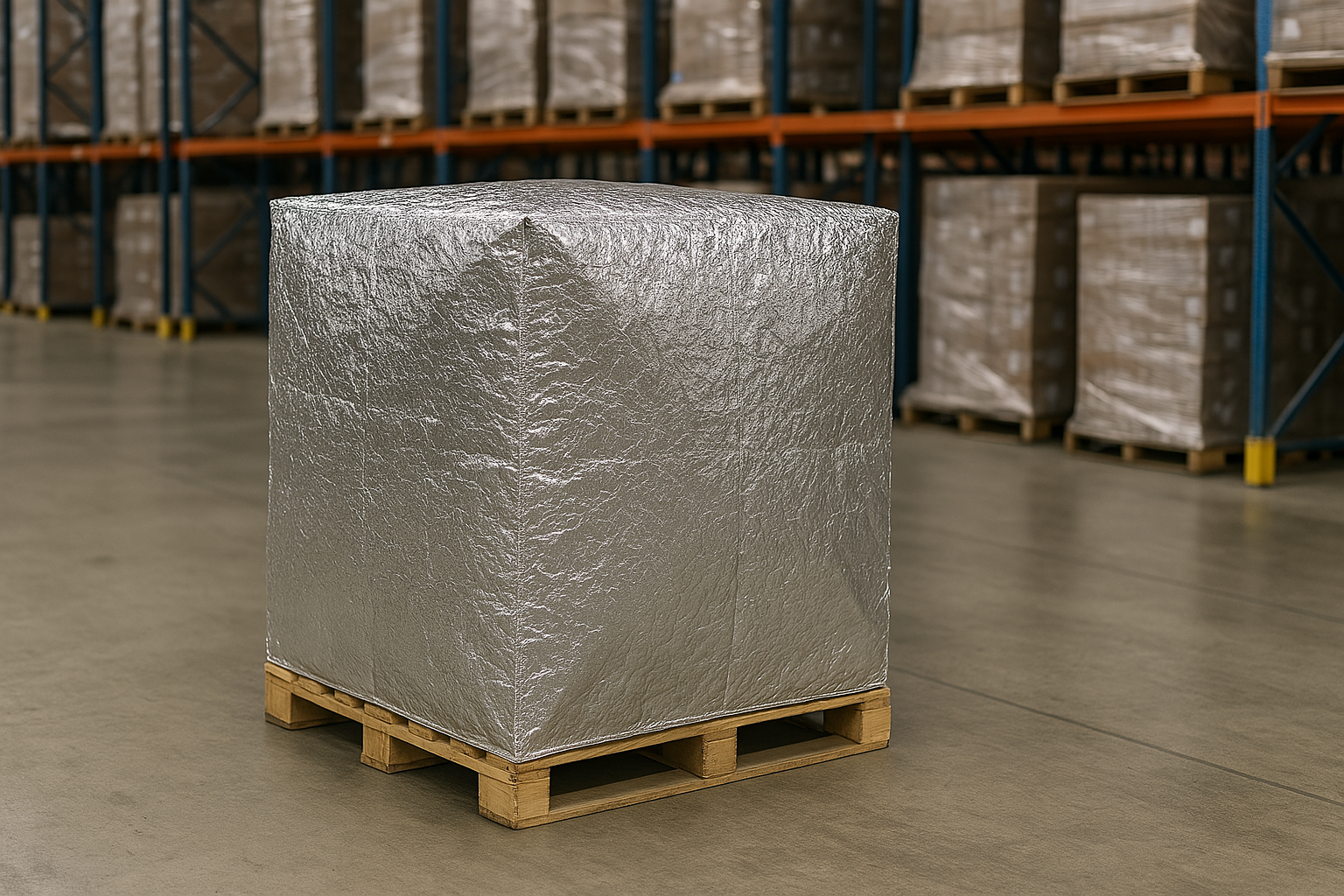
Updated: February 25 2026
Introduction
The global demand for temperature-sensitive logistics is exploding. Thermal pallet protectors—also called thermal pallet covers—serve as passive insulation that maintains stable temperatures for palletised goods. In 2024 the thermal pallet cover market was valued at US $1.2 billion and is projected to reach US $2.5 billion by 2033. At the same time, the World Health Organization estimates that over 25 % of vaccines arrive with reduced efficacy due to cold chain failures, while perishable food can lose up to 50 % of its value without proper temperature control. A reliable thermal pallet protector helps you avoid these losses. In this comprehensive guide you’ll discover how these protectors work, the materials they use, cost and energy savings, regulatory considerations and the latest innovations shaping the cold chain in 2026.
This guide will answer:
What is a thermal pallet protector and how does it control temperature?
Which materials and designs provide the best insulation for your cargo?
How can a pallet protector reduce energy consumption and shipping costs?
What regulations and standards must your packaging meet in 2026?
Which trends—including IoT sensors, phase change materials and reusable shippers—are reshaping the cold chain?
How does a thermal pallet protector control temperature?
Direct answer: A thermal pallet protector—also known as an insulated pallet cover—is a flexible cover that encloses a loaded pallet and creates a barrier against heat and cold. It traps a layer of air around your goods, slowing down heat transfer and keeping products within the required temperature range. Thick insulation and reflective foil reduce both conduction and radiation, while breathable materials allow moisture to escape.
More detail: Thermal pallet protectors work by combining insulation and reflectivity. The trapped air acts as a buffer, limiting the movement of thermal energy, and the cover’s radiant barrier reflects incoming heat. High-performance covers use multi-layer materials such as polyethylene foam, reflective foil and bubble layers. Some covers, like those from Cold Chain Technologies, reflect more than 90 % of solar energy and are 2.6 times more effective than leading thermal covers. By shielding your goods from temperature spikes, the cover can prevent thawing, spoilage or chemical degradation during cross-dock transfers, tarmac exposure and last-mile delivery.
Thermal mechanisms and user benefits
| Parameter | Description | Impact on your cargo |
|---|---|---|
| Conduction | Heat conduction is slowed by the insulating foam or bubble layers inside the cover. | Your products remain stable even when ambient temperatures fluctuate. |
| Radiation | Reflective outer layers bounce away solar radiation, blocking more than 90 % of radiant heat. | Prevents overheating in direct sunlight or hot warehouse environments. |
| Convection | By enclosing the pallet and limiting air movement, the protector reduces convective heat transfer. | Keeps warm or cold air from mixing with the environment. |
| Moisture management | Breathable yet water-resistant fabrics allow condensation to escape without letting rain in. | Prevents mold, maintains product quality and avoids packaging damage. |
| Air gap | The trapped air layer acts as a thermal buffer. | Extends the time your goods remain within safe temperature ranges during transit. |
Practical tips and recommendations
Measure your pallets: Choose a cover that fully encloses the pallet without excessive slack. Too tight and it may tear; too loose and insulation fails.
Use slip sheets: For complete enclosure—including the bottom—use a slip sheet under the pallet and tape it to the cover. This creates a cocoon that minimises temperature change.
Pre-condition your payload: Make sure any gel packs or phase-change materials are properly conditioned before loading. Incorrect conditioning shortens hold time.
Smooth wrinkles: After placing the cover, smooth out wrinkles to eliminate gaps where heat could penetrate.
Monitor temperature: Use a data logger inside the pallet to track temperature excursions in real time. Many modern protectors are compatible with Bluetooth or IoT sensors that send instant alerts.
Case study: In one cost comparison, shipping 26 pallets from California to Dallas by reefer truck costs US $500 more than using a dry van with single-use thermal covers. At US $15 per cover, total cover cost is US $400, making dry transport with insulated pallet protectors cheaper while maintaining temperature control. This demonstrates how a small investment in covers can offset higher refrigerated freight costs.
What materials and designs deliver optimal insulation?
Summary: The effectiveness of a thermal pallet protector depends largely on its material composition and design. Most high-performing covers use multi-layer insulation systems that combine reflective foils, polyethylene foam, bubble cushioning and sometimes vacuum panels. Understanding the pros and cons of each material helps you select the right protector.
Expanded detail: Thermal covers are typically available in foil-based, polyethylene, and multi-layer insulation designs. Foil-based covers reflect heat and provide a lightweight barrier, while polyethylene covers are economical and often disposable. Multi-layer covers offer superior thermal resistance by stacking different materials, and some incorporate vacuum insulated panels (VIPs) for ultra-low temperatures.
Materials comparison and what they mean for you
| Material | Key properties & temperature range | Practical benefits |
|---|---|---|
| Foil-based covers | Highly reflective, deflecting radiant heat; lightweight; often used for controlled room temperature shipments. | Ideal for preventing overheating on tarmacs or during summer, especially for pharmaceuticals and electronics. |
| Polyethylene (PE) covers | Economical single-use covers; provide basic insulation and water resistance. | Suitable for short-duration shipments or lower-value goods; reduces cost but still protects against sudden temperature swings. |
| Multi-layer insulation | Combines reflective foil, bubble layers and foam, delivering high R-value and puncture resistance. | Offers extended shipping times and durability, making it a good choice for cross-docking and long transit routes. |
| Vacuum Insulated Panels (VIPs) | Vacuum-sealed panels with microporous material; extremely low thermal conductivity, enabling –80 °C to 25 °C shipping. | Necessary for deep-frozen biologics like gene therapies; often paired with reusable shippers and phase-change materials. |
| Phase-Change Materials (PCMs) | Materials that absorb/release latent heat at specific temperatures; extend hold times and maintain narrow bands. | Useful for shipments requiring strict 2–8 °C control; PCMs can reduce payload weight and the need for gel packs. |
| Natural fibers & recycled materials | Corrugated cardboard and wool fibers offer insulation with minimal environmental impact. | Great for eco-conscious brands; may need supplementary gel packs or PCMs for extended durations. |
Real-world advice
Match material to your temperature range: Choose VIPs and PCMs for ultra-cold shipments (–80 °C), multi-layer insulation for 0–15 °C, and foil or cardboard for warmer ranges.
Balance cost and sustainability: Reusable systems cost more upfront but reduce long-term waste. Single-use covers are cheaper and easier to deploy in complex logistics.
Check recyclability: Many covers are now 100 % recyclable or made from post-consumer materials. Look for covers that align with your sustainability goals.
Custom sizing: Standard pallet covers fit 48″×40″ pallets, but custom sizes are available. Measure your pallets carefully to avoid insulation gaps.
How can a thermal pallet protector reduce energy consumption and shipping costs?
Direct answer: By insulating cargo effectively, a thermal pallet protector enables you to use non-refrigerated trucks for many shipments. These passive solutions reduce or eliminate the need for energy-intensive reefer trailers, which typically consume 20 % more fuel and carry higher insurance costs.
Further explanation: The natural thermal mass of a fully loaded pallet maintains its temperature. When combined with an insulated cover, the pallet can remain within safe ranges for several hours or days. This passive cooling reduces the reliance on mechanical refrigeration. Cost comparisons illustrate this advantage: a full-truckload reefer from California to Dallas costs US $500 more than a dry van, while purchasing single-use covers at $15 each totals US $400, resulting in immediate savings.
Extended benefits: Using thermal pallet protectors also allows you to ship mixed cargo in the same truck by isolating temperature-sensitive pallets. This reduces the need for dedicated refrigerated vehicles, improves load utilisation and cuts carbon emissions. Moreover, covers extend shelf life by maintaining consistent temperature and humidity, reducing spoilage and the associated financial losses.
Financial impact table
| Scenario | Description | Cost & fuel implications | Your advantage |
|---|---|---|---|
| Reefer truck | Refrigerated truck with mechanical cooling. | Higher freight rate; approx US $500–900 more per full truckload compared to dry van on long routes; consumes 20 % more fuel. | Necessary for ultra-cold shipments; energy-intensive and costly. |
| Dry van + pallet covers | Standard truck plus single-use thermal covers. | Cover cost ~US $15 per pallet; total for 26 pallets ≈ US $400; lower freight and fuel costs. | Ideal for 0–15 °C shipments; huge cost savings; reduces carbon footprint. |
| Reusable pallet shippers | Heavy-duty containers with VIPs and PCMs. | High initial investment (US $150–400 per cover) but multi-use reduces long-term cost; can be pooled across supply chain. | Suitable for high-value goods and closed-loop logistics; reduces waste. |
Energy-saving tips
Minimise empty space: Fill voids within the pallet to reduce air pockets that accelerate heat transfer.
Pre-chill or pre-warm: Condition your products and gel packs to the target temperature before loading. Improper conditioning shortens hold time.
Choose the right route: Shorter or night-time routes expose cargo to fewer temperature extremes. Combine with pallet covers for maximum efficiency.
Track real-time data: Use IoT sensors to monitor temperature and take corrective actions quickly.
Real example: A candy manufacturer replaced reefer trucks with dry vans and single-use covers for its cross-dock shipments. The switch reduced transportation costs by US $900 per truckload on certain routes while maintaining temperature control and product quality.
Which regulations and standards do you need to follow in 2026?
Overview: Regulatory compliance ensures product safety and avoids costly recalls. In 2026 several rules affect cold chain packaging: the U.S. Food Safety Modernization Act (FSMA) Rule 204, the Drug Supply Chain Security Act (DSCSA), Good Distribution Practice (GDP) guidelines, International Safe Transit Association (ISTA) test protocols and EU Packaging & Packaging Waste Regulation (PPWR).
Details: FSMA Rule 204 expands traceability for high-risk foods; companies must record critical tracking events and provide electronic records within 24 hours. DSCSA requires serialized transaction data for pharmaceutical shipments, with compliance deadlines in late 2025. GDP guidelines mandate continuous monitoring, robust documentation and trained personnel, while ISTA 7D/7E simulate thermal profiles to validate packaging performance. The EU PPWR demands that all packaging be recyclable or reusable by 2030.
Thermal pallet protectors support compliance by providing surfaces for barcodes or QR codes, accommodating RFID tags and IoT sensors for temperature logging. Look for protectors tested under ISTA protocols and ask suppliers for validation data.
Compliance checklist
Traceability: Use covers that allow placement of RFID or NFC tags for capturing Critical Tracking Events.
Serialization: Ensure packaging surfaces can hold DSCSA-compliant barcodes or 2D data matrices.
Test reports: Request ISTA 7D/7E reports from suppliers to confirm thermal performance under extreme conditions.
Recyclability: Choose covers designed for reuse or recycling to comply with EU PPWR and Extended Producer Responsibility policies.
Documentation: Maintain temperature logs, calibration certificates and validation records for regulatory audits.
Insight: According to a Georgia Tech survey cited by Cold Chain Technologies, 90 % of temperature excursions are due to human error during packing. Automation through pre-assembled kits and smart sensors helps reduce such errors.
How are innovations reshaping thermal pallet protectors in 2026?
Summary: The cold chain industry is rapidly adopting smart, sustainable technologies. Innovations include IoT sensors, phase-change material pods, vacuum insulated panels, reusable containers, sustainable materials, AI and digital twins, and blockchain traceability. These advances improve temperature control, extend hold times, reduce carbon footprints and provide real-time visibility.
1. IoT sensors & smart labels
Tiny sensors embedded in pallet protectors now measure temperature, humidity and location, transmitting data to cloud dashboards. Industry data shows that 76 % of cold chain tracking revenue comes from sensors and loggers. Smart labels with RFID or NFC chips store product information and traceability records. For you, this means real-time alerts when temperatures drift, enabling immediate corrective action and reducing spoilage.
2. Phase-change material (PCM) pods
PCMs absorb or release heat at specific temperatures. The PCM market was valued at US $3.6 billion in 2024 and is growing at 8.4 % annually. Modern designs use plug-and-play pods that slot into covers or shippers, allowing operators to tailor the thermal profile by swapping modules. This extends hold time without adding excessive weight, making PCMs ideal for maintaining 2–8 °C ranges.
3. Vacuum insulated panels (VIPs) and aerogels
VIPs are ultra-thin panels with vacuum-sealed microporous materials that provide extremely low thermal conductivity. Pairing VIPs with aerogels reduces shipping costs by up to 70 % for deep-frozen goods. They enable –80 °C shipments and allow more payload per container, supporting therapies like mRNA vaccines and cell therapies.
4. Reusable containers and pallet shippers
Reusable rigid containers integrate VIPs, PCMs and sensors. They reduce waste and lower the total cost of ownership over multiple cycles. The reusable cold chain packaging market is projected to grow from US $4.97 billion in 2025 to US $9.13 billion by 2034. Pooling programs allow you to share containers among partners, spreading costs and reducing capital expenses.
5. Sustainable materials & packaging kits
Environmental pressure is pushing manufacturers to replace fossil-fuel-based foam with recyclable and renewable materials. Innovations include paper-based insulation, re-pulpable natural fibers, and bio-based foams. Pre-assembled packaging kits that combine boxes, insulation and refrigerants reduce packing errors and speed up operations. Choose materials that align with your sustainability goals and check whether they meet circular economy regulations.
6. Artificial intelligence & digital twins
AI algorithms model heat transfer and predict temperature excursions using data from sensors and external sources like weather forecasts. Digital twins replicate the real shipper in a virtual environment, allowing engineers to test design changes quickly. These tools shorten development cycles and help you choose optimal insulation without extensive physical prototyping.
7. Blockchain and traceability platforms
Blockchain provides tamper-evident records of a product’s temperature and location history. Some platforms embed blockchain nodes into sensors, ensuring that manufacturers, carriers and regulators can verify compliance. Smart contracts can automatically release payments when shipments meet defined conditions, reducing administrative overhead.
Carbon-reducing innovations
Carbon reduction remains a central theme. Reusable containers require less refrigerant, while smart sensors reduce spoilage. With cold chain logistics consuming 3–4 % of global electricity, adopting passive insulation and smart monitoring can significantly shrink your carbon footprint.
FAQ – Common questions about thermal pallet protectors
Question 1: What industries benefit most from thermal pallet protectors?
Answer: Industries dealing with temperature-sensitive goods—pharmaceuticals, food and beverage, chemicals and electronics—gain the most. Thermal covers help maintain optimum temperatures for fresh produce, vaccines, biologics and sensitive electronics. They reduce spoilage and ensure regulatory compliance without investing in expensive refrigerated transport.
Question 2: Are thermal pallet covers reusable or disposable?
Answer: Both options exist. Reusable covers are made from durable materials like PVC or nylon and cost US $150–400 each, making them ideal for closed-loop logistics. Single-use covers cost US $15–25 and are more practical for complex supply chains where retrieval is difficult. Choose based on your recovery logistics and sustainability goals.
Question 3: How long can a thermal pallet protector maintain temperature?
Answer: Hold time depends on insulation quality, ambient conditions and payload mass. Multi-layer covers with reflective foils can maintain 2–8 °C ranges for 24 – 72 hours under moderate conditions, while VIP-equipped systems extend hold times beyond 100 hours for ultra-low temperatures. Using PCMs and pre-conditioning improves duration. Always test your specific configuration under expected conditions.
Question 4: Do pallet protectors eliminate the need for refrigeration?
Answer: Not entirely. For ultra-cold products (e.g., –80 °C biologics), mechanical refrigeration or dry ice is still required. However, for controlled room temperature and refrigerated ranges, pallet covers can reduce or eliminate the need for reefer trucks, resulting in significant cost and energy savings.
Question 5: How can I ensure compliance when using pallet protectors?
Answer: Select covers that accommodate barcodes, RFID tags and sensors for traceability. Obtain ISTA test reports from suppliers, maintain temperature logs and ensure the cover’s materials meet EU PPWR requirements. Training staff on proper pack-out procedures helps prevent human error—the cause of 90 % of temperature excursions.
Summary & suggestions
Key takeaways: Thermal pallet protectors create a passive barrier that slows heat transfer by combining insulation and reflective materials. Multi-layer designs—often integrating bubble layers, foams and foils—deliver extended hold times and durability. By using pallet protectors, you can ship many products in standard dry vans, saving on fuel costs and reducing carbon emissions. They also enable mixed cargo shipments and lower spoilage. Compliance with FSMA, DSCSA, GDP, ISTA and EU PPWR is critical, and modern covers support these requirements via RFID tags, sensors and recyclable materials.
Action plan:
Audit your temperature ranges: Map your product portfolio and identify the correct insulation level (e.g., multi-layer, VIP + PCM).
Compare costs: Calculate savings from switching from reefer to dry vans with pallet covers. Factor in the number of cycles if choosing reusable covers.
Select compliant covers: Choose covers tested under ISTA protocols and designed to accommodate traceability devices.
Integrate monitoring: Combine pallet protectors with data loggers or IoT sensors for real-time visibility and to meet FSMA/DSCSA requirements.
Train your team: Ensure your staff follow pack-out best practices, such as conditioning PCMs and smoothing covers, to avoid human error.
Plan for sustainability: Evaluate recyclable or reusable covers and participate in pooling programs to reduce waste and comply with upcoming regulations.
About Tempk
Company profile: Tempk is a leading provider of cold chain solutions, offering temperature-controlled shippers, phase-change materials, insulated boxes and pallet covers. Our R&D team invests in eco-friendly materials and smart packaging technology, ensuring that our products meet the latest FSMA, DSCSA and EU PPWR requirements. We operate a GDP-compliant facility and maintain an integrated quality management system.
Why choose Tempk: We combine innovative design with stringent testing and validation to deliver reliable temperature control. Our focus on sustainability includes reusable shippers, recyclable insulation and energy-efficient PCM solutions. By partnering with Tempk, you gain access to customizable packaging, expert advice and ongoing support for your cold chain needs.
Call to action: Ready to enhance your cold chain? Contact our experts to discuss your specific temperature requirements and receive a tailored solution. We’ll help you select the right thermal pallet protector, integrate real-time monitoring and achieve compliance with 2026 regulations.
How Do Thermal Cargo Covers Protect Goods in 2026?
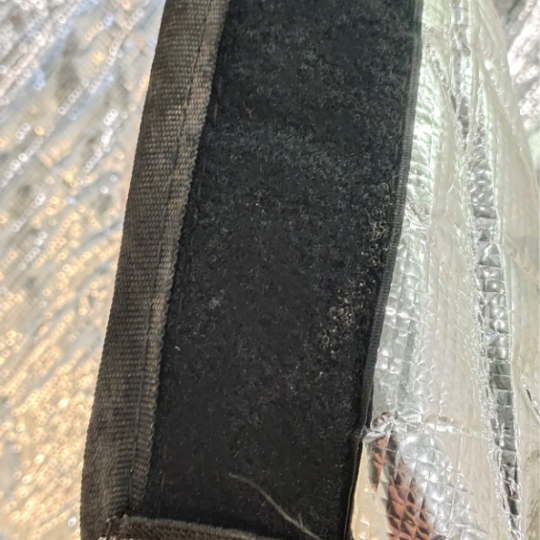
The integrity of temperature-sensitive shipments hinges on more than a refrigerated truck. Thermal cargo covers create a protective micro-environment that reduces heat gain and loss, shields against weather and solar radiation, and helps you avoid costly spoilage or delays. In 2026 the cold chain faces stricter regulations, increasing demand and sustainability pressures. Using well-designed thermal cargo covers is one of the most effective ways to maintain compliance while cutting costs. This guide explains what thermal cargo covers are, why they matter, how to choose the right type, and what trends to watch in the years ahead.
Definition and function of thermal cargo covers – how they reduce temperature fluctuations and create a protective barrier for sensitive goods.
Why thermal covers are cost-efficient and sustainable – how they cut energy use, reduce labor, minimize product loss and support greener logistics.
Types of thermal cargo covers – comparing reflective, insulating and phase-change material (PCM) solutions with their strengths and limitations.
Selection criteria and usage tips – what to consider when choosing a cover, how to fit it correctly and how to maximize performance with slip sheets and monitoring tools.
2026 market trends and innovations – including regulatory developments, AI-enabled logistics, sustainable materials and new PCM technologies.
What Are Thermal Cargo Covers and How Do They Work?
Thermal cargo covers are passive insulation layers placed over pallets or containers to protect temperature-sensitive goods from heat, cold, moisture and UV radiation. They create a controlled microclimate by reducing heat transfer through conduction, convection and radiation. During transit, cargo may face tarmac temperatures up to 40 °C when the ambient air is only 24 °C. Without a protective cover, such excursions can degrade pharmaceuticals, perishables and chemicals. Thermal covers also shield against wind, rain and theft, helping goods arrive intact.
How Thermal Covers Function Inside the Cold Chain
Thermal covers work by combining reflective surfaces, insulating layers and breathable materials. Reflective foils bounce solar radiation away, while foam or bubble insulation traps air to slow conductive heat transfer. Breathable membranes allow condensation and gas to escape, preventing moisture accumulation. When used with slip sheets that fully enclose the pallet, they form a “cocoon” that delays temperature equilibrium. Some advanced solutions integrate phase-change materials (PCMs) that absorb heat during melting and release it during freezing; this active regulation maintains temperatures near a set point. The result is a passive system that maintains product temperatures without continuous energy input.
| Key Component | Role in the Cover | Impact on your shipment |
|---|---|---|
| Reflective foil or metallised films | Reflects solar radiation away from the cargo | Reduces heat gain when pallets sit on tarmacs or loading docks, preventing spikes that cause excursions |
| Insulating layer (bubble, foam, wool) | Traps air and resists conductive heat flow | Maintains temperatures for longer periods, slowing both warming and cooling processes |
| Breathable membrane or vents | Allows moisture and gases to escape | Prevents condensation damage and maintains package integrity |
| Phase-change materials (PCMs) | Absorbs or releases latent heat at specific temperatures | Provides extended protection through repeated freeze–melt cycles, ideal for 15–25 °C lanes |
User-Focused Advice for Basic Operation
Ensure full coverage: Wrap the cover over the top and sides of the pallet and use a slip sheet to seal the bottom. Gaps create thermal weak points and allow air exchange.
Position temperature monitors: Place probes at the edges, top and bottom of the load, not just in the center, to detect heat penetration sooner.
Allow for ventilation: Choose breathable covers for fresh produce or respiring goods to prevent condensation. Use reflective covers for tarmac exposure.
Real-world example: A regional meal-kit distributor using a biodegradable insulated box reported an 18 % reduction in temperature excursions during summer deliveries and fewer disposal complaints after switching from foam packaging.
Why Choose Thermal Cargo Covers for Temperature-Sensitive Goods?
Thermal cargo covers protect product quality, reduce losses and lower logistics costs by limiting temperature excursions. Studies show that around 60 % of temperature excursions in air transport occur during tarmac delays, while 90 % are linked to human error during pack-out. Using a properly fitted cover mitigates these risks. They also cut energy consumption by reducing the need for active refrigeration and allow use of less expensive dry vans instead of reefer trucks.
Extended Benefits for Cost and Sustainability
Beyond temperature control, thermal covers offer several cost and environmental advantages:
Energy savings: Insulated blankets minimize cooling loss and retain heat, enabling warehouses to lower refrigeration intensity. Fewer reheating cycles mean less energy used.
Reduced labor: By keeping goods within target ranges longer, workers spend less time checking temperatures or adjusting systems.
Lower product loss: Maintaining a consistent microclimate decreases spoilage, especially for perishable foods and pharmaceuticals.
Improved sustainability: Thermal blankets can reduce a facility’s carbon footprint by 20–30 % through energy savings and reduced waste. Reusable or recyclable covers further cut disposal impacts.
Comparison of Cost Savings in Dry vs. Reefer Transport
| Transport Option | Typical Cost (Full Truck Load) | Associated Cover Cost (per 26 pallets) | What It Means for You |
|---|---|---|---|
| Dry van (CA to Dallas) | $4,300 | $400 for single-use covers | Using covers eliminates the $500 premium of a refrigerated truck while maintaining temperature protection |
| Reefer van (CA to Dallas, 41 °F) | $4,800 | Not required | Higher freight cost but simpler operation |
| Dry van (CA to Union City, NJ) | $6,900 | $400 | Covers offset the $900 difference vs. reefer transport, providing substantial cost savings |
Practical Scenarios and Advice
Last-mile deliveries: Use covers for cross-dock operations or short-haul trips to maintain quality without running the refrigeration unit continuously.
Pharmaceutical shipments: Covers support compliance with Good Distribution Practices by maintaining controlled room temperature or 2–8 °C ranges, reducing risk of excursion.
Agriculture and perishables: Insulated covers keep produce and dairy fresh during transit; using slip sheets creates a protective cocoon for mixed loads.
Actual case: Third-party testing for CSafe’s Silverskin QLT 19 found that the cover could fit 30–40 % more product in the same container, reducing the number of freight vehicles and cutting carbon emissions.
Types of Thermal Cargo Covers: Reflective, Insulated and PCM Solutions
Thermal covers fall into several categories — basic blankets, reflective covers, insulating blankets, phase-change material (PCM) covers and hybrid dual-protection solutions. Each type offers unique benefits and is suitable for different shipping conditions.
Overview of Each Cover Type
Basic Thermal Blankets
These provide general protection against rain, dust and minor temperature fluctuations. They often use simple woven or plastic materials and are suitable for short-duration transports. However, they offer limited thermal insulation and are not ideal for extreme conditions.
Reflective Covers
Reflective pallet covers use metallised films like aluminium foil to reflect radiant heat. They are lightweight, inexpensive and effective at blocking solar radiation. Reflective covers are commonly used on airport tarmacs or during short exposures to heat. Their drawback is lower resistance to conductive heat transfer; they may tear under heavy handling.
Insulating Blankets
Insulating blankets are made from materials such as fiberglass, polyurethane foam or wool. They provide excellent protection against conductive and convective heat, stand up to heavy use and come in various thicknesses. Because they are bulkier, they may require more storage space and have higher upfront costs.
Phase-Change Material (PCM) Covers
PCM covers incorporate materials that absorb and release large amounts of energy as they transition between solid and liquid states. The TLX PCM cargo cover, launched in 2026, reflects 97 % of thermal radiation and integrates Fibre-Flex technology that remains flexible even when frozen. The PCM freezes at around 18 °C in an aircraft hold and melts on the tarmac, absorbing heat and preventing temperature spikes. This repeated freeze–melt cycle can regulate temperature on 15–25 °C routes, making PCM covers particularly useful for pharmaceuticals and biologics.
Dual-Protection or Hybrid Covers
These solutions combine reflective surfaces with PCM or enhanced insulation. According to Cold Chain Technologies, dual-protection covers deliver both short-term shielding and extended thermal stability. They are designed for high-risk shipments that face variable conditions, such as long flights followed by ground delays.
| Cover Type | Key Materials | Strengths | Limitations | Best Use Case |
|---|---|---|---|---|
| Basic blanket | Woven/plastic fabric | Provides basic weather protection | Minimal thermal insulation | Short local transfers or non-perishables |
| Reflective | Aluminium or metallised film | Lightweight; reflects radiant heat | Less effective against conductive heat; can tear easily | Tarmac exposure and hot climates |
| Insulating | Fiberglass, foam, wool | Excellent conductive insulation; durable | Bulky; higher cost | Long hauls; heavy-duty handling |
| PCM | Phase change composites | Maintains set temperature; absorbs heat spikes | More complex; higher cost | Pharma and biologics on 15–25 °C lanes |
| Hybrid (Reflective + PCM) | Combination materials | Dual protection for solar and long duration | Complex design; cost | High-risk shipments requiring versatility |
Tips for Choosing the Right Cover
Assess product sensitivity: Determine whether goods require strict temperature ranges (e.g., vaccines) or only general cooling (e.g., produce). Choose PCM or hybrid covers for high-risk items.
Consider route conditions: Reflective covers suffice for short tarmac exposures, while insulating or PCM covers suit long routes or multi-modal shipments with uncertain delays.
Check size and customization: Standard pallet sizes (48 × 40 inches) fit most shipments, but custom sizing may be required for oversize loads.
Evaluate reusability: Single-use covers cost $15–25, whereas reusable covers can cost $150–400. Reusable models are suited to closed-loop logistics; single-use covers work better for complex routes where retrieval is impractical.
Practical example: CSafe’s third-party testing found that their Silverskin QLT 19 achieved thermal protection factors (TPF) as high as 84.2% during direct sunlight exposure, compared with 66.2% for a competing solution. The cover’s design allowed 30–40 % more product per container, cutting emissions and costs.
How to Select the Right Thermal Cargo Cover for Your Shipment?
Selecting a thermal cargo cover involves balancing performance, cost and operational fit. Start by identifying regulatory requirements, product sensitivity and logistics constraints. Then evaluate material performance, installation ease and reusability options.
Factors to Consider When Selecting Covers
Regulatory Compliance: Rules like the Food Safety Modernization Act (FSMA 204) require digital tracking of critical events for at-risk foods, making traceability and data logging essential. Choose covers compatible with IoT sensors or integrated monitoring.
Temperature Range and Duration: Determine the required temperature window (e.g., 2–8 °C or 15–25 °C) and transit duration. PCM covers maintain precise ranges for longer periods, while reflective covers suffice for short exposures.
Environmental Conditions: Evaluate whether shipments will face direct sunlight, rain or extreme cold. Reflective surfaces protect against solar radiation, whereas insulating layers guard against cold or heat conduction.
Product Load and Pallet Size: Standard pallet covers fit typical dimensions (48 × 40 inches), but custom covers may be necessary for taller or wider loads.
Operational Complexity: Single-use covers are simple to implement and low cost, while reusable covers require retrieval and cleaning but reduce long-term expenses and waste.
Integration with Active Systems: If combined with refrigerated containers or reefer trucks, ensure the cover does not impede air circulation. Use breathable covers or partial wraps to allow active cooling and humidity control.
Decision Matrix: Matching Cover Types to Shipping Scenarios
| Shipping Scenario | Recommended Cover | Why It Fits |
|---|---|---|
| Short domestic flight with tarmac exposure | Reflective cover | Provides solar protection without bulk; easy to install and remove |
| International pharmaceutical shipment (15–25 °C) | PCM or hybrid cover | PCM absorbs heat spikes and maintains controlled room temperature over long durations |
| Long road transport of frozen foods | Insulating blanket | Delivers strong conductive insulation, reducing reliance on active refrigeration |
| Mixed produce and dry goods in dry van | Single-use reflective or insulating cover with slip sheets | Enables multi-temperature loads in one truck and reduces energy costs |
| Closed-loop logistics (e.g., distribution center to retail hub) | Reusable insulating or hybrid cover | Higher upfront cost but reusable over many cycles, lowering total cost and waste |
Steps to Implement Thermal Covers Successfully
Train staff: Teach handlers proper installation—covers should envelop the top, sides and bottom (via slip sheets) to prevent gaps.
Monitor temperature: Use data loggers at multiple points. Place probes near edges as they heat faster than the center.
Pair with sensors: IoT-enabled covers provide real-time temperature, humidity and location data for proactive interventions.
Inspect regularly: Check for tears or punctures before each use, especially with reflective and thin materials.
Document performance: Record performance during various routes to refine cover selection and adjust logistics strategies.
Case insight: The IATA estimates that 50 % of temperature excursions occur when pallets are exposed to the weather on the tarmac. Integrating solar testing and probe distribution ensures covers reflect solar energy effectively and reveal early failure points.
2026 Market Outlook and Innovations for Thermal Cargo Covers
The market for thermal cargo covers is expanding as global demand for temperature-controlled logistics grows. Future Market Insights projects that the thermal pallet covers market will rise from USD 779.4 million in 2025 to USD 1.269 billion by 2035, at a 5 % compound annual growth rate (CAGR). Standard pallet covers account for about 68 % of the market, while single-use covers hold a 56 % usage share.
Driving Forces Behind Market Growth
Increasing demand for temperature-sensitive goods: The frozen food market is projected to grow from USD 311.74 billion in 2025 to USD 394.93 billion by 2030. Rising consumption of fresh and minimally processed foods intensifies the need for reliable thermal protection.
Stricter regulations: Rules like FSMA 204 in the United States, the European Union’s Import Control System 2 (ICS2) and Canada’s Safe Food for Canadians Regulations require electronic trackability and provable temperature control. Compliance drives adoption of validated covers with data logging.
Material innovation: New reflective foils, non-woven fabrics and multilayer laminates extend transit times without compromising product integrity. Paper-based covers like Solaris provide recyclable alternatives to plastic, with micro-convective air pockets and reflective coatings that match or exceed traditional performance.
Sustainability pressure: Businesses face heightened scrutiny over plastic waste. Solaris’s 100 % paper-based cover reduces environmental impact and offers water resistance and tear strength. Its variants (Solaris 5, 10, 25 and S20) provide up to 10 hours of protection and can double freight capacity while reducing carbon emissions.
Reusable systems: The reusable cold chain packaging market is projected to grow from USD 4.97 billion in 2025 to USD 9.77 billion by 2035 at a CAGR of 6.98 %. Durable pallet covers made of PVC or nylon support closed-loop logistics and reduce waste.
Emerging Technologies and Trends
Smart and active packaging: IoT-enabled covers integrate temperature, humidity and GPS sensors for real-time tracking, while active packaging technologies use antimicrobial films and thermochromic inks to enhance protection.
AI-driven logistics: Predictive algorithms optimize routes, capacity planning and maintenance, considering thermal restrictions and environmental conditions. AI helps logistics operators avoid delays that lead to temperature excursions.
PCM and hybrid innovations: The TLX PCM cargo cover uses Fibre-Flex technology to incorporate phase-change materials into a flexible, lightweight blanket that remains stable even when frozen. It absorbs solar heat on the tarmac, preventing spikes and enabling repeated freeze–melt cycles.
Industry standards: There is a push for robust testing regimes that include solar testing, side-by-side comparisons and strategic probe placement. This ensures that covers meet the performance demands of pharmaceutical shipments.
Trend takeaway: Sustainability and smart data are becoming just as important as insulation performance. Choosing covers with recyclable materials, integrated sensors and validated testing will position your operations for success in the evolving regulatory landscape.
2026 Latest Developments and Trends in Cold Chain Logistics
The cold chain industry in 2026 is undergoing rapid transformation. Six major trends are reshaping logistics operations, and thermal cargo covers play a pivotal role in adapting to these changes.
Growing demand for temperature-sensitive products: Consumption of refrigerated and frozen foods continues to rise, driving expansion in cold chain capacity. This growth necessitates more sophisticated thermal protection across the chain.
Regulatory strengthening and digital trackability: New rules require electronic data capture, digital trackability and provable thermal control. FSMA 204 in the U.S., the EU’s Import Control System 2 and Canada’s Safe Food for Canadians Regulations all mandate data sharing and documentation.
Artificial intelligence for predictive decisions: AI models help plan demand, predict equipment maintenance and optimize routes, considering thermal restrictions and delivery windows.
Sustainability as a regulatory requirement: Europe’s carbon regulations (e.g., CBAM, FuelEU Maritime, EU ETS2) and new initiatives like the Brazilian Emissions Trading System force logistics operators to reduce emissions and increase transparency. Recyclable covers like Solaris align with these goals.
Tariff volatility and geopolitics: Trade uncertainties and disruptions in routes such as the Red Sea or Panama Canal drive nearshoring and regional hubs. Flexible logistics strategies require adaptable packaging that can handle varied transit times and modes.
Reusable and smart packaging: The rise of reusable insulated containers with IoT tracking reduces waste and provides real-time data. Advanced thermal covers complement these systems by offering passive protection between active cooling phases.
Latest Advances at a Glance
Solaris paper-based covers – 100 % recyclable, with reflective coating and micro-convective air pockets that match traditional plastic cover performance, available in variants supporting up to 10 hours of protection.
Silverskin QLT 19 – Achieves Thermal Protection Factors up to 84.2 % under direct sunlight and allows 30–40 % more product per container.
TLX PCM cargo cover – Incorporates PCM fibre that stays flexible when frozen and reflects 97 % of thermal radiation, addressing tarmac temperature spikes.
Reusable cold chain systems – Insulated pallet covers made of durable materials integrate sensors and align with circular economy models, supporting long-term cost savings.
Market Insights and Consumer Preferences
The market is influenced by consumer demand for transparency, sustainability and freshness. Surveys show that eco-positive packaging enhances brand trust and loyalty. Regulatory scrutiny around single-use plastics and carbon emissions encourages adoption of recyclable and reusable covers. Businesses that invest in sustainable packaging report fewer compliance risks and improved customer satisfaction.
FAQ
Question 1: Are thermal cargo covers necessary if I already use a reefer truck?
Yes. Thermal covers complement active refrigeration by reducing temperature fluctuations during loading, unloading and unexpected delays. Even in reefer trucks, external conditions can cause heat exchange through the container walls. Using a cover adds a layer of protection and can reduce energy consumption by stabilizing temperatures.
Question 2: Can thermal covers be reused?
Some covers are reusable, particularly those made from durable PVC or nylon materials. These are suitable for closed-loop logistics systems where retrieval and cleaning are feasible. Reusable covers can cost between $150 and $400 but offer long-term savings and reduced waste. Single-use covers ($15–25 each) are more practical for complex distribution networks where recovery is difficult.
Question 3: Do PCM covers require special handling?
PCM covers often need pre-conditioning (freezing or heating to the set temperature) before use. For example, TLX’s PCM covers freeze at around 18 °C in an aircraft hold and then absorb heat on the tarmac. They remain flexible thanks to Fibre-Flex technology and can be used repeatedly without the brittleness of traditional PCM packs.
Question 4: How do I test if a thermal cover meets my needs?
Perform side-by-side testing under real-world conditions. Use solar testing to measure reflective performance, distribute temperature probes at the edges and top of the pallet, and simulate worst-case scenarios. Choosing covers that have been independently tested against recognized standards (e.g., ISTA) helps ensure consistent performance.
Question 5: What is the difference between reflective and insulating covers?
Reflective covers primarily deflect solar radiation and are effective for short exposures on tarmacs, while insulating covers resist conductive and convective heat transfer, making them suitable for long-duration shipments. Hybrid covers combine both benefits.
Suggestion
Key Takeaways: Thermal cargo covers are essential for maintaining product quality and regulatory compliance in the modern cold chain. They reduce energy consumption, minimize product loss and support sustainability goals. Different types—basic, reflective, insulating, PCM and hybrid—offer varied strengths, and selecting the right one requires considering product sensitivity, route conditions, pallet size, reusability and regulatory requirements. Market trends show strong growth, with innovations in PCM technology, smart packaging and recyclable materials leading the way. Regulatory pressures, sustainability demands and AI-enabled logistics will continue to influence adoption.
Next Steps: Evaluate your current cold chain processes and identify points where temperature excursions or energy inefficiencies occur. Choose covers tailored to your products and routes, and integrate temperature monitoring for data-driven adjustments. Explore reusable or recyclable options to enhance sustainability and reduce long-term costs. Stay informed about evolving regulations and technological advancements—adopting smart, eco-friendly packaging early can give you a competitive edge. If you need tailored advice, consider consulting with a cold chain packaging specialist.
About Tempk
Company profile: Tempk is a specialist in eco-friendly cold chain packaging solutions. The company provides reusable and biodegradable thermal pallet covers, insulated box liners and ice packs designed to maintain product integrity while reducing waste. Their biodegradable insulated boxes use plant-based fibres and bio-foams to trap air and offer insulation times of up to 96 hours, yet decompose naturally after use. By switching to biodegradable boxes, a meal-kit distributor reduced temperature excursions by 18 % and nearly eliminated disposal complaints.
Call to action: Tempk’s innovative products help you lower costs, meet sustainability goals and safeguard the quality of pharmaceuticals, food and biotech shipments. To explore the best solution for your operation or to request a custom quote, contact Tempk’s experts today.
How Do Thermal Cargo Covers Protect Goods in 2026?

Ensuring your temperature-sensitive goods arrive safely and efficiently is more critical than ever. Pallet thermal covers—also called insulated or thermal pallet covers—create a barrier that shields cargo from heat, cold and moisture. In the first 50 words of this guide we explore what these covers are, how they work and why they’re indispensable across pharmaceuticals, food and chemical logistics. You’ll discover how pallet thermal covers reduce spoilage, save energy and comply with strict regulations, backed by the latest 2026 data and industry insights.
This guide will answer:
What are pallet thermal covers and why do you need them? – Understand how these covers mitigate temperature excursions during transport and storage.
How do pallet thermal covers cut costs and improve sustainability? – Learn about energy savings, reduced labour and lower spoilage rates.
Single-use vs. reusable covers: which is right for you? – Compare costs, environmental impact and operational considerations.
Industry applications and regulations – Explore use-cases in pharmaceuticals, agriculture and chemicals, and learn how to stay compliant with GDP guidelines.
Latest 2026 trends and market insights – Get up-to-date data on market growth, smart sensors, phase-change materials and sustainability.
What are pallet thermal covers and why do you need them?
Pallet thermal covers are specially designed insulating sleeves placed over palletised cargo to protect it from extreme ambient temperatures, solar radiation, wind, rain and theft during transport. Also known as insulated pallet covers or cargo covers, they create a passive thermal barrier to maintain controlled room temperature products within approved ranges. Unlike ordinary shrink wrap that guards only against physical damage, thermal covers slow down heat exchange, dampen temperature fluctuations and extend shipping times. Many covers pair with a slip sheet or base to fully enclose the pallet, creating a cocoon that resists punctures, blocks UV light and seals out odors.
Temperature excursions are one of the biggest threats to cold-chain integrity. Even moderate ambient temperatures can cause damaging spikes inside unprotected loads. When the ambient air reaches 32 °C (90 °F), temperatures under film-based wraps can exceed 75 °C (167 °F), compromising pharmaceuticals, chemicals and foods. Tarmac delays are particularly risky: the International Air Transport Association (IATA) notes that nearly 60 % of temperature excursions happen on airport tarmacs, while a Georgia Tech survey found that 90 % of excursions result from human error during pack-out. Pallet thermal covers provide a simple yet robust defence against these hazards, helping companies avoid product loss, brand damage and public health risks.
Key components and types of pallet thermal covers
Thermal covers vary widely in materials and performance. The Cold Chain Technologies (CCT) industry-standards report classifies covers into four categories:
| Type of cover | Typical materials | Main function | What it means for you |
|---|---|---|---|
| Basic thermal/blanket covers | Lightweight fabrics or films | Protection from rain, dust and minor temperature swings | Affordable option that protects from weather but offers limited thermal insulation; ideal for short-term storage. |
| Reflective solar covers | Metallised polyester or aluminium foil | Reflect radiant heat and shield against solar exposure | Useful for protecting cargo during tarmac or yard delays; lightweight but less effective against conductive heat transfer. |
| Insulating covers | Foam, fibreglass or polyurethane panels | Reduce conductive heat exchange, maintain internal temperature | Provide better insulation for longer journeys but can be bulky and may not handle tear or puncture stress. |
| PCM/dual-protection covers | Phase-change materials integrated with reflective or insulating layers | Actively regulate temperature by absorbing or releasing latent heat, extending protection time | Higher cost but ideal for sensitive pharmaceuticals and biologics; can maintain specified ranges for over 120 hours when combined with data-logging. |
Modern covers often combine these technologies. Many are made from multi-layer laminates that include reflective foils, non-woven fabrics and insulating bubbles. Advanced models integrate sensors and Internet-of-Things (IoT) devices that monitor temperature, humidity and shock during transit. These sensors connect via Bluetooth or Wi-Fi to central dashboards, enabling real-time tracking and alerts when conditions deviate. Vendors design covers with quick-release fasteners, zippers or Velcro straps for rapid deployment and removal, making them practical for busy loading docks.
How pallet thermal covers work
To visualise the process, think of insulated pallet covers operating in six steps:
Preparation: Select the appropriate cover based on pallet size and contents. Install sensors if the cover is IoT-enabled.
Deployment: Drape the cover over the pallet and secure fasteners for a snug fit. Sensors activate automatically.
Monitoring: During transit, the system continuously tracks temperature, humidity and vibration. Alerts are generated if values deviate from preset thresholds.
Adjustment: If an excursion is detected, logistics teams can adjust climate controls or reroute shipments.
Recovery: Upon arrival, remove the cover quickly and review data logs to verify compliance and performance.
Analysis & optimisation: Data collected across shipments help refine insulation strategies, improve cover design and optimise logistics workflows.
In addition to passive insulation, some covers integrate phase-change materials (PCMs) that absorb or release heat at specific temperatures. PCMs maintain a nearly constant internal temperature by transitioning from solid to liquid or vice versa, ensuring product safety during extended delays. Vacuum insulation panels (VIPs) and aerogel foams are also emerging as high-performance options, offering superior insulation with minimal thickness.
How do pallet thermal covers cut costs and improve sustainability?
Pallet thermal covers deliver measurable savings by reducing energy consumption, labour requirements and product spoilage. According to TLX Cargo, insulating blankets reduce heat transfer and allow refrigeration systems to work less, yielding significant energy cost savings. For goods requiring heating, covers retain warmth more effectively than unprotected pallets. By forming a barrier between the pallet and environment, they allow warehouses to adjust ambient temperatures and use less intensive climate control.
These savings translate to tangible numbers. Studies show that thermal blankets can reduce a facility’s carbon footprint by 20 – 30 % due to lower energy use. Unprotected pallets can allow cold air infiltration that spoils up to 20 % of perishable goods—thermal covers dramatically reduce this waste. Less spoilage means fewer refunds and disposal costs, and improved profitability.
Lower labour costs
Thermal covers also cut labour costs. With consistent temperature maintenance, workers no longer need to perform frequent manual checks or adjustments during transit. The insulating properties enable goods to stay within target ranges without constant intervention, freeing staff to focus on higher-value tasks. For delicate pharmaceuticals, covers reduce the need for extra handlers dedicated to continuous temperature verification. This labour efficiency can be especially valuable during peak seasons when workforce shortages are common.
Reduced shipping and transport costs
An unexpected benefit of pallet thermal covers is the ability to replace or augment refrigerated transport. Using insulated covers allows many products to ship in standard dry vans rather than costly refrigerated (“reefer”) trucks. For example, shipments from California to Texas or New Jersey show that a full truckload reefer costs $500–$900 more than a dry van, while outfitting 26 pallets with single-use covers costs roughly $400. As volume and distance increase, using covers instead of reefers becomes increasingly cost-effective. Since refrigerated trucks consume about 20 % more fuel and entail higher insurance costs, opting for insulated covers where appropriate can significantly lower operational expenses and emissions.
Enhanced sustainability
Thermal covers support sustainability goals in several ways:
Lower energy use reduces greenhouse gas emissions, especially when shipments can avoid energy-intensive reefers.
Reduced waste and spoilage mean fewer products end up in landfills and less energy is consumed in replacement production.
Reusable cover options decrease disposable plastic film waste. Some cover systems, such as Pallet Wrapz, claim that one 4-foot cover can eliminate 500 pounds of plastic stretch film waste per year.
Optimised logistics enable mixed product loads in the same truck, minimising the need for dedicated reefer vehicles and improving truck utilisation.
Single-use vs. reusable pallet thermal covers: which is right for you?
Thermal covers fall into two broad categories: single-use covers and reusable covers. Each has advantages depending on your logistics model.
Single-use covers
Single-use covers are typically made from lightweight materials and are discarded after one journey. They cost between $15–$25 per cover, making them economical for shipments where retrieval is impractical (e.g., complex distribution networks). For companies shipping long distances or exporting goods overseas, collecting and returning covers can be costly; single-use options provide a simple, hygienic solution. Because they are thin and flexible, single-use covers are easy to apply and require minimal storage space.
Reusable covers
Reusable covers are crafted from durable materials such as PVC or nylon. They can cost $150–$250 per unit, and some high-performance models exceed $400. These covers are best suited for closed-loop logistics systems where the pallets return to the point of origin (e.g., pharmaceutical manufacturers shipping to regional distribution centres). Though the initial investment is higher, reusable covers reduce waste and offer long-term cost savings over multiple uses. Modern reusable systems may include zippered openings, heavy-duty straps and built-in sensors, providing superior protection and trackability.
Deciding factors
Choosing between single-use and reusable covers depends on several factors:
Supply chain loop: If you operate a closed loop and can retrieve covers easily, reusable options become more cost-effective.
Environmental goals: Reusable covers reduce plastic waste, but single-use covers are recyclable in some regions; verify local recycling programmes.
Product value: High-value products (e.g., biologics) may justify the higher upfront cost of reusable covers with integrated monitoring and PCMs.
Shipping distance and complexity: Long, unpredictable routes may favour single-use covers; high-volume, predictable lanes can justify reuse.
Applications: pharmaceuticals, agriculture and chemical logistics
Pharmaceutical logistics
The pharmaceutical industry demands precise temperature management to maintain drug efficacy and patient safety. Thermal covers are essential for pharmaceutical distribution, protecting medications and vaccines from extreme temperatures and sudden fluctuations. Good Distribution Practice (GDP) guidelines require companies to prove that medicines stayed within designated ranges throughout transport, and real-time data logging provided by smart covers supports this compliance. Some covers use PCM inserts to maintain 2–8 °C or controlled room temperature for more than 120 hours.
Cold Chain Technologies notes that pharmaceutical shipments are increasingly global and must navigate diverse regulatory landscapes, climate zones and transport modes. To meet these challenges, manufacturers offer both parcel-sized packaging and full pallet solutions, allowing logistics providers to choose containers based on payload value, transportation mode and final destination. A network of regional hubs, such as CCT’s 60 hubs in 20 countries, ensures faster response times and availability.
Agriculture and food logistics
Perishable produce, dairy and seafood require constant cool temperatures to maintain freshness. Insulated pallet covers keep agricultural goods at stable temperatures during transport, protecting them from heat waves and cold snaps. By reducing temperature swings, covers extend shelf life, decrease waste and allow producers to ship goods over longer distances without spoilage. Agricultural shippers can sometimes avoid refrigerated transport altogether, using covers to maintain required temperatures for the duration of the journey. The ability to mix different temperature-sensitive products in the same truck, separated by individual pallet covers, further optimises load utilisation.
Chemical and industrial shipments
Certain chemicals and industrial products must remain above or below specific temperatures to prevent degradation or safety hazards. Thermal covers provide a cost-effective way to protect drums, totes and IBC containers from temperature extremes. Heavy-duty covers—such as those offered for 275- and 330-gallon containers—are waterproof, UV-resistant and maintain process temperatures despite fluctuating ambient conditions. These covers are ideal for protecting coatings, adhesives, paints and other sensitive materials during storage and transportation.
Reducing temperature excursions
Across all industries, the biggest threat to cold-chain integrity is temperature excursion. IATA estimates that 50–60 % of excursions occur during transportation, particularly when pallets sit exposed on tarmacs. A survey by Georgia Tech University found that 90 % of excursions stem from human error during pack-out. Training staff, using slip sheets for full enclosure, and employing smart covers with alerts can drastically reduce these risks. Implementing a disaster recovery plan to prepare for weather delays, border closures or port congestion is equally important.
Choosing and implementing pallet thermal covers: best practices
Selecting the right cover
Assess product requirements: Determine temperature range, duration and sensitivity. Pharmaceuticals may require PCM or VIP-based covers for extended protection, whereas produce might only need reflective covers for short-term protection.
Measure your pallets: Standard sizes—48″ × 40″ × 48″/60″/72″/96″—fit most loads, but custom covers are available for oversized pallets.
Evaluate logistics loops: Choose reusable covers when retrieval is feasible; otherwise, opt for single-use covers.
Consider sensor integration: Advanced covers with IoT sensors provide real-time data and alerts. Ensure your IT systems can integrate with these devices via standard protocols (e.g., MQTT, REST APIs).
Validate performance: Look for covers that have undergone rigorous testing, including side-by-side solar tests and wide probe distribution to assess thermal performance.
Implementing covers effectively
Train personnel: Educate pack-out teams on temperature ranges, proper application and removal of covers, and emergency procedures. A thorough understanding reduces the chance of human error.
Communicate requirements: Ensure all shipping partners understand the thermal protection needed for your products.
Plan for contingencies: Develop a recovery plan for delays at borders, ports or tarmacs. Stock spare covers and ensure sensor batteries are charged.
Document and review: Use data logs from sensor-enabled covers to audit shipments and identify areas for improvement.
Avoid solar exposure: When possible, load and unload goods in shaded areas. Solar radiation can be ten times more stressful to product temperature than ambient heat alone.
Testing and standards
Currently there is no universal standard for thermal covers, but industry experts advocate for robust testing regimes. CCT recommends side-by-side solar testing to measure reflection efficiency. Testing should use empty boxes to avoid masking performance, and probes should be placed at different locations—including edges—to capture worst-case heat penetration. A standardised approach ensures you choose covers that perform reliably under real-world conditions.
Real-world case: A cold-chain logistics provider reported a 15 % reduction in spoilage costs after adopting sensor-enabled insulated covers. The covers provided real-time alerts when temperatures drifted, allowing quick corrective action and reducing product losses.
2026 latest pallet thermal cover developments and trends
Trend overview
The thermal pallet covers market is expanding as global supply chains prioritise temperature control. Future Market Insights reports that the market is valued at USD 779.4 million in 2025 and is expected to reach USD 1.269 billion by 2035, growing at a compound annual growth rate (CAGR) of 5 %. Standard pallet covers dominate with a 68 % revenue share, while single-use covers lead the usage segment with a 56 % share. North America, Asia Pacific and Europe are key growth regions.
Drivers of growth
Rising demand for temperature-controlled logistics: Globalisation and the growth of biologics, vaccines and fresh food drive demand for reliable cold chain solutions.
Regulatory pressure: Stricter Good Distribution Practice (GDP) requirements and new legislation like the EU Packaging and Packaging Waste Regulation (PPWR) encourage adoption of advanced packaging.
Material innovation: Multi-layer laminates, reflective foils, non-woven fabrics and phase-change materials enable longer transit times and better insulation.
Cost efficiency and sustainability: Companies focus on energy savings, waste reduction and carbon footprint, prompting greater use of reusable covers and recyclable materials.
Latest progress
Sensor integration becomes standard: Covers with embedded IoT sensors monitor temperature, humidity and shock, provide real-time alerts and generate data for predictive analytics. Standardised protocols and APIs allow seamless integration with warehouse management systems.
Phase-change and vacuum insulation adoption: PCM inserts and VIP panels offer longer protection with slimmer profiles, making covers lighter and easier to handle. Dual solutions combine solar reflectivity and PCM to provide both immediate and extended protection.
Sustainability initiatives: Manufacturers are investing in recyclable materials and reusable covers. Some companies aim to eliminate 500 lbs of plastic film waste per cover annually. Circular logistics models and take-back programmes are becoming more common.
Market insights
Analysts estimate the global cold chain packaging market—encompassing pallet covers, insulated boxes and active containers—will reach USD 27.7 billion in 2025 and grow to USD 102.1 billion by 2034. Cold chain logistics is becoming more data-driven; Internet-connected sensors, AI-driven route optimisation and digital documentation are becoming baseline requirements. With regulatory requirements increasing and consumers demanding transparency, pallet thermal covers with integrated monitoring will be critical for compliance and competitive advantage.
Frequently asked questions
Q1: Do pallet thermal covers replace refrigerated trucks?
Not always. Thermal covers can maintain temperatures for extended periods and reduce reliance on refrigerated (“reefer”) trucks, especially for short to medium routes. Cost comparisons show that outfitting pallets with single-use covers can be cheaper than hiring reefer trucks. However, for very long journeys or ultra-sensitive goods, combining thermal covers with refrigerated transport provides an added safety buffer.
Q2: How long can pallet thermal covers maintain temperature?
Performance depends on the materials and conditions. Basic reflective covers provide protection for hours; advanced PCM-equipped covers can maintain 2–8 °C for more than 120 hours. Factors like ambient temperature, product mass and the number of layers also influence performance.
Q3: Are thermal pallet covers waterproof?
Many covers include waterproof or water-resistant outer layers. Heavy-duty covers for drums and IBC totes are fully waterproof, protecting against rain and condensation. Always check specifications and use slip sheets or liners if complete waterproofing is required.
Q4: Can pallet thermal covers be recycled?
Single-use covers are usually made from recyclable plastics, though recycling availability varies by region. Some manufacturers offer take-back programmes for used covers. Reusable covers, when they reach end-of-life, can often be recycled through specialised programmes.
Q5: What regulations apply to pallet thermal covers?
Thermal covers must help shippers comply with GDP guidelines for pharmaceuticals and other temperature-sensitive goods. While no universal standard exists, industry groups like the International Safe Transit Association (ISTA) and IATA provide guidelines. Experts advocate for robust testing regimes that include solar exposure and multiple probe placements.
Summary and suggestions
Key takeaways: Pallet thermal covers provide a simple, cost-effective way to protect temperature-sensitive goods from heat, cold and moisture. They reduce spoilage and energy use, lower labour and transport costs, and help shippers comply with strict regulations. Modern covers incorporate sensors and phase-change materials, making them intelligent tools for real-time monitoring and extended protection. The market is growing rapidly, with standard and single-use covers dominating but innovations enabling new applications.
Action plan:
Analyse your cold chain needs: Identify temperature requirements, shipment durations and logistical loops. Use this to select suitable cover types and decide between single-use and reusable options.
Invest in quality covers: Choose products that have undergone thorough testing (solar exposure, probe distribution) and offer adequate insulation for your specific use-case.
Implement sensor-enabled covers: Integrating IoT devices provides real-time monitoring, data logging and compliance documentation.
Train your team and partners: Proper pack-out procedures, communication and emergency plans reduce human errors and temperature excursions.
Evaluate sustainability: Balance cost, durability and recyclability. Reusable covers offer long-term savings and reduce waste, but single-use covers may be practical for complex distribution networks.
About Tempk
Tempk is a high-tech enterprise headquartered in Shanghai, China, dedicated to research and development, production and service of cold chain packaging solutions. Founded in 2011 with a registered capital of ¥30 million, the company operates seven factories across various provinces to ensure timely delivery and peak-season capacity. Tempk specialises in phase-change cold storage materials and provides a broad range of products—including gel ice packs, insulated box liners, insulated pallet covers and temperature-control verification services—for pharmaceutical groups and fresh food e-commerce companies. The company emphasises professionalism, passion and innovation, aiming to become a global leader in cold chain packaging while prioritising sustainable development and customer-oriented service.
Call to action
Ready to enhance your cold chain logistics? Reach out to Tempk’s experts for customised advice on selecting the right pallet thermal covers, integrating smart sensors and achieving your sustainability goals. Together we can create safer, greener supply chains.
Thermo Pallet Covers: Cold Chain Protection Explained

Introduction
Thermo pallet covers are essential in today’s cold-chain logistics. They protect temperature-sensitive cargo from heat, cold and humidity while reducing reliance on refrigerated trucks. In 2026 the market for thermo pallet covers is booming, and innovations are improving insulation, sustainability and real-time monitoring. In this guide you’ll learn why thermo pallet covers matter, how they work and what to consider when choosing the right cover for your shipments.
Definition and function of thermo pallet covers: what they are, how they regulate temperature and why they are vital in cold-chain logistics.
Materials and technology: comparison of aluminum foil, polyethylene, paper-based and smart covers.
Selection criteria: factors such as product type, duration and regulatory requirements that influence your choice.
Sustainability and market trends: how recyclable and smart covers like Solaris are reshaping the industry.
2026 updates: latest developments, smart sensors and emerging market statistics.
What Are Thermo Pallet Covers and Why Do You Need Them?
Thermo pallet covers are insulating covers designed to maintain a consistent temperature around palletized cargo. They act as a barrier between goods and ambient conditions, trapping cool or warm air around the load. This means your goods can stay within an optimal temperature range during transport, regardless of external weather. For chilled or frozen items, these covers prevent thawing and deterioration; for heat-sensitive products, they stop overheating and chemical breakdown.
How Thermo Pallet Covers Regulate Temperature
Thermo pallet covers work by slowing heat transfer. They use insulating materials (often multi-layered) that restrict conduction, convection and radiation. Air is a poor conductor of heat, so many covers trap air within bubble wrap or foam layers to create a buffer zone. Reflective outer layers block solar radiation, and sealed seams minimize air exchange. Some advanced covers integrate phase-change materials (PCMs) that absorb or release latent heat at specific temperatures, stabilizing the cargo environment.
| Temperature Problem | Solution Offered by Thermo Pallet Covers | Real-world Benefit |
|---|---|---|
| Exposure to extreme heat | Reflective coatings and insulation deflect sunlight | Prevents vaccines or dairy products from spoiling |
| Cold weather and frost | Multi-layer insulation retains heat from the cargo | Avoids freezing of chemicals or produce |
| Moisture and contaminants | Water-resistant outer layers shield against rain and humidity | Ensures goods remain clean and dry |
Beyond Temperature: Additional Benefits
Thermo pallet covers do more than regulate temperature. They protect goods from moisture, dust and pests, block harmful UV rays, and cushion against physical impacts during handling. Because covers are reusable or recyclable, they lower packaging waste and help companies reach sustainability goals. They also reduce the need for energy-intensive refrigeration: shipping with thermo pallet covers can cut costs and emissions compared with refrigerated trucks.
How Do Thermo Pallet Covers Work in Cold Chain Logistics?
Thermo pallet covers maintain temperature by creating a thermal barrier around the product. They integrate multiple elements:
Insulating layers: Materials like polyethylene foam, polypropylene and aluminum foil slow conductive and convective heat transfer. Some covers contain up to twenty layers, providing up to 10 hours of protection at 40 °C.
Reflective surfaces: White or metallic coatings deflect sunlight and reduce heat absorption, essential for airport tarmac conditions.
Moisture barriers: Water-resistant films prevent condensation from seeping into products.
Optional PCMs: Phase-change materials absorb or release heat at specific temperatures, smoothing temperature fluctuations in transit.
Secure fit: Hook-and-loop or zipper closures ensure a snug fit around pallets to minimize air exchange and prevent contamination.
Thermo pallet covers can be used alone or in combination with refrigerated transport. They are particularly valuable when shipments sit on the tarmac, pass through multiple climate zones or are exposed to uncontrolled storage.
Temperature Zones and Typical Products
The cold-chain industry segments temperature requirements into several bands. Vaccines and biologics often require 2–8 °C storage; some gene therapies need ultra-cold conditions down to –80 °C. Thermo pallet covers maintain controlled room (15–25 °C) or refrigerated (2–8 °C) conditions when used with gel packs or refrigerated trucks. They cannot provide –80 °C levels on their own but serve as an additional layer of protection.
| Temperature Range | Typical Products | Practical Implication |
|---|---|---|
| Controlled room (15–25 °C) | Tablets, antibiotics | Basic insulation and protection from heat swings |
| Cool chain (5–15 °C) | Syrups, injectables | Use insulated containers and gel packs to avoid warming |
| Refrigerated (2–8 °C) | Vaccines, insulin, biologics | Requires validated packaging and continuous monitoring |
| Frozen (–20±5 °C) | Proteins, specialty drugs | Requires phase-change materials or dry ice |
| Ultra-cold (–80 to –150 °C) | mRNA vaccines, cell therapies | Needs cryogenic shippers; thermo pallet covers provide secondary insulation |
Why Use Thermo Pallet Covers? A Scenario
Imagine shipping a pallet of strawberries across states in midsummer. Without insulation, the berries could overheat and spoil. A thermo pallet cover with reflective outer layers and multiple insulating layers can keep the berries at 4 °C for several hours, ensuring they arrive fresh. In a pharmaceutical context, covers protect vaccines from temperature excursions during tarmac delays, where ambient temperatures might exceed 30 °C. The combination of insulation and reflective coatings ensures the internal temperature stays within the 2–8 °C range.
Key Materials and Technologies in Thermo Pallet Covers
Thermo pallet covers come in various materials and structures. Choosing the right material directly affects performance, sustainability and cost.
Traditional Materials
Aluminum foil: Highly reflective and lightweight, aluminum foil layers reflect radiant heat. Aluminum covers excel in extreme temperature variations. Many pharmaceutical-grade covers use foil on the exterior for a radiant barrier.
Polyethylene (PE) and polypropylene (PP): These plastic polymers offer good insulation, durability and flexibility. They dominate the market but pose recycling challenges.
Polyester and multi-layer blends: Manufacturers combine foams, non-woven fabrics and metalized films to achieve specific insulation levels and tear resistance. Multi-layer designs can include 6–20 layers, providing 7.5–10 hours of protection at 40 °C.
Innovative Materials: Paper-Based and Eco-Friendly
Recent innovations have produced paper-based thermo pallet covers that match or surpass plastic performance. The Solaris range from 2nd Level Global Solutions is made entirely of recyclable paper and includes white reflective coatings and micro-convective air pockets for insulation. Solaris comes in several versions—Solaris 5, 10, 25 and S20—with 6 to 20 layers of specialty paper, offering 7.5 to 10 hours of protection and supporting loads up to 500 kg. The corrugated S20 version doubles freight capacity, reducing trips and cutting carbon emissions.
Smart Technologies
Smart thermo pallet covers incorporate sensors and connectivity. IoT-enabled covers monitor temperature, humidity and shock in real time, transmitting data to operators. These solutions provide alerts when conditions deviate, enabling proactive interventions. Integration with blockchain ensures data integrity, supporting regulatory compliance. Some covers feature RFID tags for location tracking and supply-chain visibility.
Comparative Performance: CSafe’s Silverskin QLT 19
A 2025 case study compared CSafe’s Silverskin QLT 19 cover with a competing solution. The study measured the Thermal Protection Factor (TPF) under direct sunlight. Silverskin QLT 19 achieved a TPF of 84.2 %, whereas the competitor reached only 66.2 %. This illustrates the impact of material engineering: CSafe uses a multi-layer design that outperforms typical passive covers. The study also noted that Silverskin QLT 19 reduces environmental impact by enabling 30–40 % more products per container, cutting transport vehicles and emissions by around 40 %.
Choosing the Right Thermo Pallet Cover for Your Cargo
Selecting the appropriate thermo pallet cover requires balancing several factors:
Product sensitivity and temperature range: Determine the acceptable temperature range for your cargo. Biologicals and vaccines need 2–8 °C; fresh produce may require 5–15 °C; while certain proteins must be frozen or ultra-cold.
Transit time and route: Choose covers with adequate duration (e.g., 7.5 h for short hauls; 10 h or more for long routes). Consider exposure to tarmac conditions, cross-docking or warehouse storage.
Regulatory compliance: Pharmaceutical shipments must comply with Good Distribution Practice (GDP) guidelines. Ensure the cover has been tested under simulated conditions and certified by an independent body.
Material sustainability: If minimizing plastic waste is a priority, select recyclable or reusable covers like paper-based Solaris or reusable foil covers. Remember that plastic dominance contributes to 300 million tons of global plastic waste annually.
Load requirements and handling: Choose covers with features such as easy installation, foldability and customization. For instance, Tempk offers covers that are lightweight, foldable and stackable, reducing space and transport costs. They can be customized in size, material and color to suit specific products.
Steps to Select a Cover (How-To Schema)
Assess product requirements: Identify the temperature and sensitivity of the goods.
Map the journey: Consider transit time, climate zones, and potential delays.
Compare cover properties: Look at insulation rating, duration, material, and certification.
Check sustainability features: Verify recyclability, reusability and carbon footprint metrics.
Test in small scale: Run test shipments to validate performance.
Integrate monitoring: If possible, pair the cover with sensors or data loggers.
Sustainability and Reusable Thermo Pallet Covers in 2026
Environmental concerns are reshaping packaging choices. Plastic thermo pallet covers are effective but often end up in landfills. In response, manufacturers are developing eco-friendly options:
Paper-based covers: Solaris covers are fully recyclable and use paper materials that resist water and tearing. Their Product Carbon Footprint (PCF) is calculated from cradle to end-of-life, offering transparency for sustainability reporting.
Reusable covers: High-quality polyethylene or foil covers can be reused multiple times, reducing waste and cost per trip. Some have hook-and-loop closures for easy removal and cleaning.
Biodegradable films and additives: Manufacturers are exploring biobased additives that enable packaging to biodegrade by 92 % over four years without releasing microplastics.
Smart design for load efficiency: CSafe’s Silverskin QLT 19 allows 30–40 % more products per container, lowering carbon emissions and operating costs.
Why Sustainability Matters
With global attention on plastic waste and climate change, sustainable packaging is not just ethical but also economically beneficial. Companies adopting recyclable or reusable covers can reduce disposal costs and build brand reputation. Moreover, new regulations and consumer expectations are pushing supply chains toward circular models.
Emerging Trends: Smart and Eco-Friendly Thermo Pallet Covers in 2026
The thermal pallet cover market is expanding rapidly. Valued at around $1.2 billion in 2024, it is projected to reach $2.5 billion by 2033 with a compound annual growth rate (CAGR) of 8.5 %. Several trends are shaping the industry:
Sustainability focus: Businesses seek eco-friendly, recyclable pallet covers made from polyethylene alternatives. Paper-based solutions like Solaris have set a benchmark for sustainability.
E-commerce expansion: Growth in e-commerce and home delivery increases demand for reliable cold-chain packaging.
Consumer awareness: Awareness about food waste and pharmaceutical integrity pushes logistics providers to invest in advanced protective packaging.
Customization and flexibility: Manufacturers offer bespoke solutions to fit different industries, ensuring better insulation and product protection.
Smart packaging solutions: Integration of IoT sensors enables real-time monitoring of temperature and humidity. Innovations in nanotechnology and coatings enhance insulation properties while reducing bulk.
Automation in logistics: Automated warehouses and AI-driven supply chains require standardized packaging that integrates seamlessly with robotics.
Regulatory shifts: Stricter regulations for pharmaceutical and perishable goods will increase demand for validated pallet covers.
These trends underscore the importance of choosing covers that not only perform well but also align with sustainability and digitalization goals.
2026 Latest Developments and Trends for Thermo Pallet Covers
The year 2026 brings several notable updates:
Market diversification: Asia-Pacific is the fastest-growing region for thermo pallet covers, driven by rapid industrialization and e-commerce. North America and Europe remain dominant due to established cold-chain infrastructure.
Material innovations: Paper-based covers like Solaris gain traction as regulators and clients demand sustainable options. Recyclable polyethylene blends with improved insulation and reduced weight enter the market.
Smart covers adoption: More products integrate sensors and connectivity, enabling predictive analytics and compliance reporting. Real-time alerts help prevent temperature excursions and reduce waste.
Circular economy momentum: Companies invest in reusable covers and closed-loop recycling. Collaborative programs between suppliers and logistics providers ensure collection and reuse.
Latest Progress at a Glance
Recyclable paper covers: Solaris range demonstrates how paper-based multi-layer designs can deliver up to 10 hours of protection while being fully recyclable.
Performance metrics: CSafe’s Silverskin QLT 19 sets a high benchmark with a TPF of 84.2 %, outperforming competitors and reducing environmental impact by allowing more products per container.
Market growth: The global thermal pallet cover market is expected to double to $2.5 billion by 2033, growing at 8.5 % annually. Key players include DuPont, Insulated Products Corporation, QProducts & Services, Softbox Systems, Polar Tech Industries and Envirotainer.
Market Insights
The market remains moderately fragmented, with established leaders and new entrants focusing on material innovations and sustainability. North America sees strong demand from pharmaceutical and biotech companies. Europe enforces strict regulatory compliance, promoting high-quality validated covers. Asia-Pacific experiences rapid adoption due to rising e-commerce and infrastructure investments, while Latin America and the Middle East & Africa show emerging growth.
FAQ – Frequently Asked Questions
Q1: Do thermo pallet covers replace refrigerated transport?
No. Thermo pallet covers provide supplemental insulation but do not replace refrigeration. They slow temperature changes and are ideal for protecting goods during short exposures (e.g., tarmac delays) or when combined with refrigerated trucks to reduce energy use.
Q2: How long can thermo pallet covers maintain temperature?
The duration varies by material and design. Paper-based Solaris covers offer 7.5–10 hours of protection at 40 °C, while multi-layer plastic covers may provide similar or longer durations. Always match the cover’s performance with your route.
Q3: Are paper-based covers as effective as plastic?
Yes. Solaris covers utilize advanced paper technology, reflective coatings and micro-convective air pockets to match or exceed the thermal performance of conventional plastic covers. They also offer water and tear resistance, making them suitable for challenging conditions.
Q4: Can I reuse thermo pallet covers?
Many high-quality covers are reusable. Reusable polyethylene or aluminum covers can be cleaned and used multiple times, reducing waste and cost. Ensure they remain structurally sound and meet hygiene requirements.
Q5: How do I choose between single-use and reusable covers?
Select single-use covers for high-risk pharmaceutical shipments or situations where contamination must be avoided. Reusable covers are cost-effective for routine shipments and can significantly lower environmental impact when used correctly.
Summary and Recommendations
Key Takeaways:
Thermo pallet covers are indispensable for maintaining temperature and protecting goods in cold-chain logistics. They regulate heat transfer through reflective surfaces and multi-layer insulation.
Material choice matters. Traditional plastics offer durability but raise recycling issues, while paper-based innovations like Solaris provide eco-friendly alternatives.
Smart and sustainable trends are shaping the market. Integration of IoT sensors, increasing consumer awareness and regulatory pressures drive demand for advanced covers.
The market is growing rapidly, with projections of a $2.5 billion valuation by 2033 and significant opportunities in emerging regions.
Actionable Advice:
Assess your cold-chain needs and select covers based on temperature range, transit time and regulatory requirements.
Opt for sustainable solutions—choose recyclable or reusable covers when possible to align with environmental goals.
Integrate monitoring technologies to get real-time visibility and ensure compliance.
Stay informed about market innovations and regulatory changes to remain competitive.
About Tempk
Tempk, a brand of Shanghai Huizhou Industrial Co., Ltd., specializes in temperature-control products for individuals and businesses. The company operates a 1 400 m² CNAS-compliant R&D centre in Shanghai and holds more than 30 technical patents. Its product line spans outdoor insulated gear, insulin carriers, home appliances and cold-chain packaging. Tempk offers customizable thermo pallet covers made from multi-layer barrier materials such as aluminum foil/PE and XPE/AL, providing excellent heat insulation. The covers are lightweight, foldable and stackable, reducing transportation costs. Customers can customize size, material and branding to suit their cargo needs. With ISO-certified factories across China and a robust R&D pipeline, Tempk delivers expert-level solutions at competitive prices.
Call to Action
If you’re ready to improve your cold-chain logistics, consider Tempk’s thermo pallet covers. Their customizable design, proven insulation and sustainable materials can help you protect your goods while reducing costs. Contact Tempk’s experts today to discuss your specific temperature control challenges and find the right solution.
How to Choose the Best Cooler Backpack Packaging for Your Cold Chain Needs in 2026?
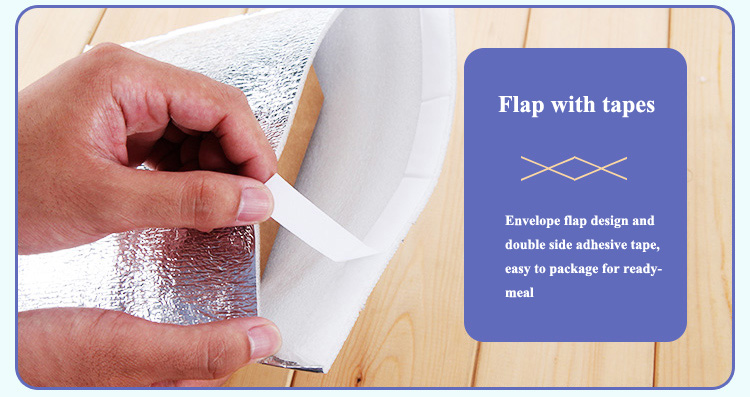
The global market for cooler backpacks and insulated bags is expanding rapidly. Analysts estimate that the cooler and insulated bag market will grow from about USD 986 million in 2025 to roughly USD 1.05 billion in 2026 and could reach USD 1.6 billion by 2032. Meanwhile, the broader cold-chain packaging sector is expected to grow from about USD 27.7 billion in 2025 to USD 102.1 billion by 2034. Such growth reflects rising demand for portable cold-chain solutions that are efficient, durable and sustainable. This guide will help you choose the right cooler backpack packaging by combining industry data, practical advice and the latest trends for 2026.
Why cooler backpack packaging matters for cold-chain logistics: Discover how portable insulation protects temperature-sensitive items and why market growth highlights its importance.
How to select insulation materials and design features: Understand the differences between air, foam, gel and vacuum insulation and how capacity, weight and closures affect performance.
Why sustainability is a must-have: Learn how recyclable materials, phase-change technology and new regulations are shaping eco-friendly cooler backpacks.
How smart technologies enhance user experience: Explore sensors, IoT connectivity and digital barcodes that provide real-time monitoring and easy traceability.
How to optimise cooler backpacks for camping, pharma and daily commutes: Get practical advice on matching capacity and features to different use cases.
What trends will shape the cooler backpack market in 2026: Examine market forecasts, policy changes and consumer demands that will influence product development.
What makes cooler backpack packaging essential for cold chain logistics?
Portable cold-chain packaging allows you to maintain precise temperature control while keeping your hands free. Unlike bulky hard coolers, cooler backpacks combine insulation with wearable convenience. They are used to transport vaccines, biologics, seafood, prepared meals or drinks while maintaining temperatures over long durations. Market growth underscores their importance: the cooler and insulated bag market is expected to expand from USD 986.57 million in 2025 to USD 1,049.45 million in 2026 at a 7.12 % compound annual growth rate (CAGR). This growth is fueled by outdoor recreation, urban commuting and cold-chain logistics for pharmaceuticals and perishable foods. Effective cooler backpack packaging helps you reduce waste, comply with regulations and ensure product integrity.
Extended explanation
From a supply-chain perspective, cooler backpack packaging functions as a portable cold room. Layers of insulation—such as air pockets, high-density foam or vacuum panels—work together with refrigerants like phase-change materials (PCMs) to keep contents within a narrow temperature range. As cold-chain packaging evolves, new materials like PCMs and vacuum-insulated panels deliver longer cooling with less bulk. Regulations also drive adoption: authorities such as the U.S. Food and Drug Administration and the European Union require evidence that temperature-sensitive goods have been handled properly. Portable data loggers and smart sensors integrated into backpacks offer real-time monitoring, enabling you to meet these requirements. In addition, outdoor enthusiasts appreciate backpack coolers because they are hands-free, ergonomic and lighter than hard coolers. Families use them for picnics and grocery runs, while healthcare workers rely on them to transport vaccines to remote areas.
Key components of cooler backpack packaging
A high-performing cooler backpack incorporates several components:
| Insulation type | Temperature retention | Weight | Best use-case |
|---|---|---|---|
| Air-filled insulation | Moderate; traps air pockets to slow heat transfer | Very light | Short trips or everyday lunch bags |
| Foam insulation (EVA or polyurethane) | High; retains cold for 24–48 hours | Moderate | Camping, beach days, outdoor work |
| Gel-based insulation | Very high; gel packs retain cold longer than foam | Heavier | Long-haul transport, fishing, hunting |
| Vacuum insulation panels | Superior; minimal heat transfer for days | Light but costly | Pharmaceutical or biomedical logistics |
Practical tips and guidance
Camping and hiking: Choose a foam-insulated backpack with a capacity of 20–30 litres. Foam provides long-lasting cold retention without excessive weight.
Pharmaceutical transport: Use vacuum-insulated or PCM-equipped backpacks with digital temperature loggers. These solutions comply with strict temperature requirements (2–8 °C) and help you document conditions for regulators.
Daily commutes or meal prep: Select an air-insulated bag under 20 litres with leak-proof liners. This keeps your lunch fresh and prevents spills.
Real example: A biotech company used PCM-equipped backpack coolers to deliver vaccines across a 400 km supply chain. By combining PCMs with smart sensors, they maintained temperatures between 2–8 °C and reduced spoilage by 30 %, demonstrating how portable cold-chain packaging protects medical products.
How to select the right insulation materials and design features in cooler backpacks?
Choosing the right insulation and design features depends on how long you need to keep items cold, how much weight you can carry and your specific application. Foam insulation remains the most common choice because it balances cost, weight and temperature retention. Air-filled insulation is lightweight but offers shorter cooling duration, while gel-based insulation delivers extended cooling at the cost of added weight. Vacuum insulation panels (VIPs) and PCMs offer premium performance for critical cold-chain applications. Look for leak-proof liners, reinforced seams and ergonomic straps to enhance comfort and prevent leaks during transport.
Extended explanation
Selecting materials starts with understanding your mission. For day hikes or picnics, simple foam-insulated backpacks usually suffice. Foam retains cold for up to 48 hours and is cost-effective. Gel-based backpacks use integrated gel packs or flexible ice bricks to extend cooling beyond 48 hours. Vacuum-insulated backpacks leverage vacuum panels—highly efficient barriers that drastically slow heat transfer. Although expensive, VIPs are thinner and lighter than foam while offering superior performance, making them ideal for medical or high-value shipments. PCMs—substances that change state at specific temperatures—absorb or release heat to maintain a constant temperature, ensuring stable conditions for pharmaceuticals or biologics.
Design features also affect usability. Waterproof zippers, magnetic seals and reinforced bottom panels prevent water leakage and improve durability. Adjustable shoulder straps and hip belts distribute weight evenly, crucial for long treks. Some models include side pockets for easy access, reflective materials for visibility, or integrated bottle openers and cutting boards for convenience.
Insulation materials and design features explained
Air insulation: Inexpensive and light but provides limited cold retention. Best for short excursions or lunches.
Foam insulation: Most versatile; provides good insulation and structure. Multi-layer foam with reflective liners can keep ice frozen for days. Combine with gel packs for better performance.
Gel packs or ice bricks: Use non-toxic gel packs to extend cooling. They freeze at lower temperatures and slowly release cold energy during transit.
Vacuum insulation panels (VIPs): Use evacuated micro-sealed panels to provide high thermal resistance. Suitable for pharmaceuticals or long-distance travel where weight is critical.
Phase-change materials (PCMs): Substances that maintain a constant temperature while changing phase (solid to liquid). They can maintain 2–8 °C or other specific ranges for vaccines and biologics.
Practical design features include:
Leak-proof liners and welded seams to prevent water intrusion or leakage.
Waterproof zippers or magnetic closures for one-hand operation.
Adjustable straps and breathable back panels to reduce fatigue.
External attachment points or pockets for gear, utensils or gel packs.
Use-case tip: For a 12-hour camping trip, pair foam insulation with two gel packs and pre-chilled contents. If you expect to hike more than 10 km, choose a backpack with padded hip belts and weight distribution straps. For pharmaceutical shipments requiring 48-hour cold retention, invest in VIPs or PCMs and ensure the backpack has integrated data loggers.
Why sustainability matters in cooler backpack packaging and how to achieve it?
Sustainability has shifted from a differentiator to a baseline expectation in packaging. The reusable cold-chain packaging market is projected to reach USD 4.97 billion by 2025 and nearly double by 2034. At the same time, regulations like the European Union’s Packaging and Packaging Waste Regulation (PPWR) and extended producer responsibility schemes are pushing manufacturers to adopt recyclable materials. Eco-friendly cooler backpack packaging reduces waste, lowers disposal costs and appeals to eco-conscious consumers. It also aligns your brand with sustainability goals without compromising performance.
Extended explanation
Sustainable cooler backpacks minimize environmental impact by using materials derived from recycled or renewable resources. Examples include recycled PET (rPET), plant-based foams, biodegradable liners and compostable films. Some innovations, such as Embalagem do Futuro—a reusable cold-chain transport system—combine insulated expanded-polypropylene (EPP) boxes made from recycled fishing-industry waste with a paper-based bacterial detection label and IoT monitoring. These solutions show how circular economy principles can be integrated into cold-chain logistics.
Legislation is a major driver. The EU’s PPWR requires packaging to be recyclable by design, encourages reusable systems and discourages single-use plastics. Deposit return schemes and extended producer responsibility (EPR) programs increase the availability of recycled materials and shift disposal responsibility to producers. In the United States, 2025 tariff adjustments on materials like high-density polyethylene have driven companies to diversify sourcing and invest in automated production, indirectly accelerating investment in lightweight and locally sourced materials.
Adopting sustainable cooler backpacks also has business benefits. Reusable containers reduce costs over time by eliminating single-use purchases. Returnable systems enable you to track and retrieve containers, creating closed loops that lower carbon footprints. Communicating these efforts transparently builds trust with consumers who are increasingly sceptical of vague sustainability claims.
Steps to implement sustainable cooler backpack packaging
| Implementation phase | Key actions | Expected benefit |
|---|---|---|
| Assessment | Audit current packaging, measure disposal costs and environmental impacts | Identify waste hotspots and cost-saving opportunities |
| Material selection | Choose recycled or plant-based insulation (e.g., rPET, EPP from fishing waste), opt for compostable liners | Reduce reliance on virgin plastics and improve recyclability |
| Design for reuse | Incorporate durable shells, easy-to-clean liners and return-friendly labels | Enable closed-loop logistics and lower long-term costs |
| Integrate monitoring | Add IoT sensors or barcodes to track temperature and location | Demonstrate compliance and optimise supply-chain efficiency |
| Educate users | Provide clear instructions on care, return and recycling | Increase correct use and extend product life |
Practical tips and examples
Replace single-use gel packs with PCM bricks that can be reused multiple times. Over a year, you’ll reduce gel pack waste and save money.
Use recycled fabrics and foams—many cooler backpacks now feature outer shells made from recycled fishing nets or plastic bottles.
Create a return program for damaged backpacks. Offer customers incentives to return used packaging for refurbishment or recycling.
Actual case: A meal-delivery service switched from disposable EPS boxes to reusable foam-insulated backpacks lined with rPET. Over six months, the company reduced packaging waste by 65 % and saved on disposal fees while customers appreciated the eco-friendly packaging.
What role do smart technologies and user experience play in modern cooler backpacks?
Smart technologies transform cooler backpacks into connected devices that enhance temperature control, traceability and user convenience. Today’s advanced coolers integrate sensors that monitor internal temperature and humidity, smartphone apps that display alerts, and modular attachments that customise functionality. Digital innovations such as 2D barcodes and IoT connectivity support real-time tracking, ensure regulatory compliance and improve user experience.
Extended explanation
Smart sensors and data loggers embedded in cooler backpacks continuously record temperature, humidity and geolocation. These devices alert users if conditions stray outside acceptable ranges, enabling immediate intervention. Smartphone integration allows you to check the status of your cargo and share data with colleagues or regulators. Some backpack coolers also integrate wireless charging to power sensors or mobile devices. Modular designs let you attach auxiliary compartments, solar panels or hydration systems.
Digitalisation is broader than sensors. In 2026, businesses are preparing for Sunrise 2027, a global initiative to upgrade traditional barcodes to enhanced 2D barcodes that carry richer data. These barcodes can encode sustainability information, batch numbers and recall alerts, improving traceability and consumer transparency. Smart packaging also supports supply-chain optimisation by transmitting location and condition data to logistics platforms. This data helps shippers select slower, lower-emission transport modes without risking spoilage.
Smart features that enhance performance
IoT sensors: Embedded temperature, humidity and shock sensors provide continuous monitoring and push notifications.
Smartphone integration: Bluetooth or Wi-Fi connectivity allows you to check conditions and update firmware via an app.
Modular attachments: Add-ons such as solar panels, hydration reservoirs or battery packs increase versatility.
Digital barcodes: New 2D barcodes embed product information, sustainability data and usage instructions to improve transparency.
Practical tips
Calibrate your sensors regularly to ensure accurate readings.
Use apps that integrate with your quality-management system; this enables automatic record keeping for audits.
Set up alerts for temperature excursions so you can respond quickly.
Balance technology with simplicity; choose features that genuinely enhance your workflow rather than adding complexity.
Illustrative case: A hospital network adopted IoT-enabled cooler backpacks for vaccine transport. The system sent real-time alerts to pharmacists if temperatures deviated by more than 0.5 °C. Over a year, the network reduced product loss by 40 % and improved compliance reporting—a testament to how smart technology enhances cold-chain reliability.
How to optimise cooler backpack packaging for different applications?
Different uses require different insulation levels, capacities and features. Backpack coolers designed for camping or hiking differ from those used in pharmaceutical delivery or urban commuting. Understanding application-specific requirements helps you choose the right product and avoid over- or under-specification. Market research reveals that product type is a primary way consumers differentiate offerings: backpack coolers come with air, foam, gel or vacuum insulation across multiple size options. Distribution channels also vary, from direct-to-consumer websites to sporting goods stores.
Extended explanation
For recreational uses such as camping, fishing or beach trips, the goal is to keep drinks and food cold for a day or weekend. Foam or gel insulation provides long-lasting cold retention, while ergonomic straps and external pockets allow easy transport of gear. In contrast, pharmaceutical shipments require strict adherence to temperature ranges (often 2–8 °C). Vacuum-insulated backpacks combined with PCMs provide stable conditions for up to 72 hours, and integrated data loggers document the thermal history. For urban commuters and meal prep enthusiasts, lightweight air-insulated models with leak-proof liners suffice, as they primarily keep lunch cool for a few hours.
Regional preferences and regulation also influence selection. In North America and Europe, consumers value durable materials and high performance because of strong outdoor recreation cultures. In emerging markets, affordability and portability drive demand, while local regulations may affect insulation materials. Tariff policies introduced in early 2025 have increased costs for imported materials, prompting manufacturers to diversify suppliers and automate production lines.
Optimisation guidelines for common applications
| Application | Recommended insulation | Typical capacity | Benefits |
|---|---|---|---|
| Camping & hiking | Multi-layer foam or gel packs | 20–30 L | Long cooling duration, comfortable carry, pockets for gear |
| Fishing & hunting | Gel or vacuum insulation | 30–40 L | Superior cold retention, leak-proof liners, reinforced bases |
| Pharmaceutical or biomedical transport | Vacuum or PCM panels | 15–25 L | Maintains 2–8 °C, integrated data loggers, lightweight for field use |
| Daily commute & meal prep | Air or foam insulation | 10–20 L | Lightweight, leak-proof, easy to clean |
| Outdoor events & sports | Foam with gel packs | 20–35 L | Durable, comfortable straps, quick-access pockets |
Additional user tips
Consider capacity relative to ice volume: Typically, ice or PCM packs should occupy about one-third of the backpack’s volume for optimal performance.
Pre-chill the backpack: Place the empty pack in a cool environment before loading to enhance thermal efficiency.
Balance weight distribution: Use side pockets to distribute weight evenly, preventing strain on your shoulders and back.
Check airline or event regulations: Some venues restrict the size or type of cooler allowed; confirm compliance before traveling.
Real-world scenario: A nurse traveling to remote clinics uses a 25-litre backpack with vacuum panels and PCM packs. The bag maintains vaccines within 2–8 °C for 24 hours while leaving her hands free to carry medical supplies. Integrated data logging provides proof of compliance, illustrating how application-specific optimisation improves healthcare delivery.
What trends and market insights will shape cooler backpack packaging in 2026?
Several converging trends will define the cooler backpack market in 2026: growth across recreation and pharmaceuticals, a shift toward sustainability, regulatory changes and digitalisation. The cooler box market itself is projected to grow from USD 7.75 billion in 2025 to USD 8.46 billion in 2026 and could reach USD 13.15 billion by 2031. Hard-sided coolers currently dominate, but electric/thermoelectric units are projected to grow at over 10 % annually. By capacity, personal (≤20 quart) units represent 65.9 % of the market. These figures illustrate broader demand for portable cooling solutions and hint at opportunities for backpack variants.
Latest progress and insights
Consumer convenience matters: Surveys show that 83 % of consumers value convenience more now than five years ago and rising urbanisation is driving demand for smaller, resealable packages. For cooler backpacks, this translates into lightweight designs with easy-access pockets and quick-seal closures.
Sustainability becomes mainstream: In 2026 the differentiator will not be whether packaging is sustainable but how transparent and robust the strategy is. Eco-friendly materials, recyclability and clear communication of environmental impact will influence purchase decisions.
Regulation and policy: The EU’s PPWR and other global EPR schemes push manufacturers to rethink materials and product life cycles. Tariff changes in the United States have already spurred supply-chain diversification and investment in automation.
Technology and innovation: The upcoming Sunrise 2027 project will upgrade barcodes to data-rich 2D codes, emphasising digitalisation. Smart sensors and IoT connectivity are increasingly expected features.
Market growth and segmentation: Cooler backpacks fall within the broader cooler box and insulated bag market, which is expected to grow at a 7.12 % CAGR from 2025 to 2032. Demand is diversified by capacity, insulation type and end-user segments such as camping, pharmaceuticals and urban commuters.
Market insights and opportunities
The overall packaging market is forecast to grow at a 3.8 % CAGR to reach USD 1.43 trillion by 2028. Growth will be driven by emerging regions where rising incomes fuel demand for affordable, portable packaging solutions, while high-income regions will set standards for sustainability and technology. Cooler backpack manufacturers that invest in recyclable materials, integrate smart features and adapt to evolving regulations are well positioned to capture market share. Cross-industry partnerships—such as collaborations between packaging firms and IoT companies—will enable faster innovation. Additionally, end-user education and clear sustainability messaging will build trust in an increasingly competitive landscape.
FAQ
Question 1: How long can a cooler backpack keep items cold?
Most foam-insulated backpacks keep contents cold for 24–48 hours when properly packed with ice or gel packs. Vacuum-insulated or PCM-equipped models can maintain specific temperature ranges for up to 72 hours. To maximise performance, pre-chill the backpack and fill it at least one-third with ice or PCM packs.
Question 2: Are cooler backpacks allowed on airplanes or at events?
Generally, you can take cooler backpacks on airplanes as carry-on or checked baggage, but you must empty or gel-pack liquids to meet Transportation Security Administration guidelines. Many sporting venues allow soft-sided coolers of limited size. Always check airline and venue policies to avoid surprises.
Question 3: What size cooler backpack should I choose?
Choose capacity based on your activity. For solo trips or daily lunches, 10–15 litres works well. For group camping or fishing, 25–35 litres provides enough space for food, drinks and ice. Remember that ice or PCM packs should occupy roughly one-third of total volume.
Question 4: How do I clean and maintain a cooler backpack?
After each use, empty water and wipe the interior with mild soap. Allow the bag to air-dry completely to prevent mould. For heavy stains or odours, use a diluted vinegar solution. Avoid machine washing unless specified by the manufacturer; it may compromise insulation.
Suggestion
Choosing the right cooler backpack packaging in 2026 means balancing performance, sustainability and convenience. The market for cooler backpacks and insulated bags is growing rapidly, highlighting their importance in camping, pharmaceuticals and everyday life. Select insulation based on how long you need to keep items cold, and evaluate design features like leak-proof liners, ergonomic straps and smart sensors. Sustainability should be a priority, incorporating recycled materials and reusable systems. Digitalisation offers real-time monitoring and traceability, enhancing compliance and reducing waste. By understanding your specific application—whether camping, pharmaceuticals or commuting—you can choose the best capacity, insulation and features to meet your needs.
Actionable next steps
Assess your current usage: Identify how long you need to keep items cold, your typical load and any regulatory requirements.
Choose the appropriate insulation: Air or foam for short, light trips; gel or vacuum for longer durations or critical shipments.
Integrate sustainability: Opt for recycled materials and returnable systems; explore PCMs and EPP made from recycled content.
Consider smart features: Invest in sensors and digital barcodes for high-value or regulated products.
Stay informed about trends: Monitor evolving regulations, consumer expectations and technological innovations to ensure your packaging strategy remains competitive.
About Tempk
Tempk is a leading provider of cold-chain packaging solutions. We design and manufacture insulated bags, boxes and ice packs that deliver superior thermal performance while prioritising sustainability. Our reusable containers use advanced foams, PCMs and recyclable materials to keep products at precise temperatures. By integrating smart sensors and data loggers, we help clients maintain regulatory compliance and reduce product loss. With a focus on research and customer collaboration, we deliver solutions tailored to food, pharmaceutical and logistics industries.
Action call: Contact our team for customised cooler backpack packaging solutions. We can help you select the right materials, size and smart features to meet your specific cold-chain needs.
How to Choose the Right Cooler Backpack Neoprene for 2026 Outdoor Adventures

Introduction
Keeping food and drinks cold on the go is easier when you have the right gear. A cooler backpack neoprene offers insulation, comfort and water-resistant protection in one lightweight package. As outdoor recreation and food delivery surge, choosing a pack that matches your needs has become more important than ever. You’ll find that neoprene’s closed-cell structure traps air and reduces heat transfer, helping food and drinks maintain temperature for 2–4 hours. This guide, updated February 24 2026, breaks down everything you need to know, from materials and capacity to care tips and market trends.
This guide will answer:
What makes neoprene cooler backpacks special? – examine insulation, water resistance and durability.
How to choose the right size and features? – explore capacity categories and key performance indicators.
How to care for neoprene cooler backpacks? – simple cleaning and odor-removal practices.
What trends are shaping cooler backpacks in 2026? – understand market growth, sustainability and design innovations.
What Makes Neoprene Cooler Backpacks a Great Choice?
Neoprene is a synthetic rubber first developed in the 1930s. It is lightweight yet strong and naturally water-resistant. These qualities make it popular for wetsuits, laptop sleeves and lunch bags. Neoprene cooler backpacks combine thermal protection, durability and comfort in a single package. Here are the key reasons you might choose one:
Insulation performance. Neoprene has a closed-cell structure that traps tiny air pockets, slowing down heat transfer. Tests show neoprene bags keep food and drinks at a stable temperature for 2–4 hours without extra ice packs. For short trips or daily lunch use, that’s sufficient to keep items safe.
Water resistance. Because the material is naturally water-resistant, condensation stays inside the bag. This prevents moisture from leaking out and keeps the exterior dry.
Durability and comfort. Neoprene is flexible and shock-absorbing. It stretches to accommodate containers without tearing and feels comfortable on your shoulders. Compared with foil-lined bags, neoprene holds up better to daily use and frequent folding.
Eco-friendly benefits. Reusable bags reduce the need for single-use plastic packaging. While neoprene itself isn’t biodegradable, a durable cooler backpack neoprene lasts for years, lowering waste.
Comparing Insulation Materials: Neoprene vs. Others
How does neoprene stack up?
Different insulation materials provide varying levels of temperature retention, water resistance and durability. The table below summarizes key differences using concise phrases so you can decide which fits your needs.
| Material | Insulation & retention | Water resistance | Durability & care | What it means for you |
|---|---|---|---|---|
| Neoprene | Medium retention (2–4 h); closed-cell foam traps air | Naturally water-resistant | Flexible & long-lasting; machine-washable | Ideal for daily office or school use; comfortable and reusable |
| Polyester/Nylon | Low to moderate insulation | Fair water resistance | Durable but less eco-friendly | Good for lightweight promotional bags or short trips |
| Foil-lined soft coolers | High insulation (with foam) | Poor water resistance alone; leaks possible | Can tear easily | Best for longer trips when paired with thick foam and ice packs |
| Hard case coolers | Very high retention (all-day) | Excellent water resistance | Heavy & difficult to clean | Ideal for camping or long road trips where weight is less of a concern |
Practical implications
For daily commuting, neoprene offers a balanced combination of insulation and portability. Its light weight and machine-washable construction make it easy to carry and clean.
For longer travel or outdoor events, consider a foil-lined soft cooler with thicker foam or a hard case cooler for superior thermal retention.
Adding ice packs inside a neoprene cooler backpack can extend cooling time to around 6 hours, making it suitable for half-day excursions.
How to Choose the Right Neoprene Cooler Backpack
Understand your capacity needs
Cooler backpacks come in various volumes. Choosing the right capacity ensures effective insulation and comfort without wasted space. According to Tempk’s 2026 procurement guide, commercial cooler bags range from 6 L to 40 L. They categorize capacity as:
| Capacity category | Typical volume | Use cases | Practical implications |
|---|---|---|---|
| Compact (6–10 L) | Small | Single-meal deliveries, personal lunches | Lightweight and portable; holds a meal and drink |
| Mid-size (15–20 L) | Medium | Meal-prep services, grocery packs | Fits multiple containers; ideal for multi-meal orders |
| Large (30–40 L) | Large | Catering events, group outings | Requires sturdy construction; fill 80–90 % for best insulation |
Tip: Avoid underfilling large cooler backpacks; empty air pockets reduce insulation efficiency.
Evaluate insulation performance
Look at foam thickness, lining materials and closure systems:
Foam type and thickness. Closed-cell foams like polyurethane or cross-linked polyethylene deliver high R-values (~6/inch). Entry-level neoprene bags may have 3 mm foam for up to six hours of retention; thicker foam (5–8 mm) plus a reflective liner extends cooling to 8–24 hours when paired with gel packs.
Lining materials. Aluminum foil linings reflect radiant heat and resist moisture. PEVA liners are food-safe but may warp over time.
Closure design. Quality zippers, flaps and Velcro seals prevent ambient air ingress. Weak zippers undermine performance.
Check durability and comfort features
A cooler backpack should withstand daily handling and exposure to moisture. Outer fabrics like 600 D or 900 D Oxford resist abrasion, while recycled polyester (RPET) offers eco-friendly branding. Comfort features include padded, adjustable shoulder straps and reinforced base panels. A backpack-style cooler suits bike couriers and foot delivery because it distributes weight evenly.
Prioritize quality assurance and certifications
Before buying, test sample bags for thermal retention, leak resistance and load-bearing capacity. Trusted suppliers provide compliance packs that include labeling guidance, traceability documents and safety certificates like FDA or OEKO-TEX. Sustainable materials such as RPET fabrics and biodegradable foam help meet regulatory requirements and corporate net-zero commitments.
Practical Tips and Care for Neoprene Cooler Backpacks
Cleaning and maintenance
Hand wash or machine wash: Many neoprene bags can be washed with mild detergent. Avoid bleach and high-heat drying.
Air dry flat: Let the bag air dry to maintain its shape and prevent odor buildup.
Remove odors: If a new bag has a rubber smell, wash it with mild soap and air it outdoors until the odor dissipates.
Avoid microwaves and ovens: Neoprene is not heat-proof, so transfer food to microwave-safe containers before reheating.
Extend cooling time
Add ice packs: Placing ice packs inside can extend cooling to around 6 hours.
Pre-chill or pre-heat items: Start with cold drinks or warm food to maximize insulation.
Keep it closed: Opening the bag often lets heat or cold escape.
Use a thermos: For hot foods, use a thermos inside the bag; neoprene will slow heat loss.
Scenario-specific advice
For office workers or students: Choose a lightweight neoprene cooler backpack with zipper closure and a compact size. It fits easily into lockers and doesn’t require extra space.
For long commutes or fieldwork: Consider a neoprene bag with added foil lining or additional foam thickness, or upgrade to a hard cooler when you need full-day performance.
For parents with kids: Select fun colors and easy-carry handles; neoprene is soft and safe for children.
Real-world example: During a 2025 corporate lunch program, a company used mid-size neoprene cooler backpacks with 5 mm foam and aluminum liners. Employees reported that meals remained below 5 °C for around four hours with one ice pack, and the padded straps made it easy to carry lunch on public transit. The company observed fewer food safety incidents and positive feedback on comfort.
Additional Features and Innovation Trends
Smart and sustainable packaging
Sustainability is no longer optional. Sector reports indicate that food packaging is shifting toward recyclable, compostable materials and reduced waste. Smart packaging with QR codes, NFC tags and temperature sensors improves traceability and food safety. When selecting a cooler backpack neoprene, look for suppliers that use recycled fabrics and integrated tracking features.
Lifestyle-focused designs
Backpack coolers have evolved into lifestyle accessories. Outdoor enthusiasts and urban commuters want products that are both functional and fashionable. Best-in-class models like Hydro Flask’s Day Escape offer thick closed-cell foam insulation, waterproof exteriors and easy-to-operate zippers. Premium options such as Yeti’s Hopper M20 feature magnetic closures and reinforced shells for superior cold retention. Budget-friendly designs like the Coleman Chiller 28-Can still provide padded straps and generous capacity at lower cost. For daily errands, a cooler backpack neoprene with ergonomic straps and stylish prints bridges the gap between fashion and function.
Market growth and consumer behaviour
The cooler bags market was valued at USD 4.2 billion in 2025 and is expected to grow to USD 4.3 billion in 2026, reaching USD 6.2 billion by 2035 at a 4 % compound annual growth rate. The growth is driven by rising outdoor activities, comfort demand and domestic travel. Consumers seek reusable alternatives to single-use packaging, pushing companies to develop durable, sustainable bags. As cooler bags become lifestyle items rather than occasional accessories, design, sustainability and multi-functionality will differentiate products.
2026 Trends and Developments for Neoprene Cooler Backpacks
Trend overview
In 2026, the cold-chain industry and consumer markets are experiencing several significant shifts:
Growing demand for temperature-sensitive products. The global frozen foods market is expected to grow from US$ 280.56 billion in 2025 to US$ 403.59 billion by 2032, creating more need for reliable portable insulation.
Sustainable and smart packaging. Food packaging is moving toward recyclable and compostable materials with embedded sensors and QR codes. Cooler backpacks with eco-friendly fabrics and smart tags will meet regulatory and consumer expectations.
Rise of reusable cooler bags as promotional tools. Studies show branded cooler bags generate 1,900–2,000 impressions and remain in use for more than two years, turning them into mobile advertisements for brands.
Hybrid designs and multi-use furniture. Outdoor gear continues to blur lines between backpacks, totes and daypacks. Models like the REI Co-op Cool Trail Split Pack offer separate compartments for gear and insulation.
Latest progress at a glance
Increased market size: Cooler bag revenue is forecast to climb to USD 6.2 billion by 2035.
Sustainability integration: Recycled fabrics and long-lasting construction are now baseline expectations.
Smart features: QR codes and temperature sensors provide real-time tracking in cold-chain logistics.
Ergonomic design: Premium models incorporate cushioned straps and quick-release closures for comfort and convenience.
Market insights and consumer preferences
Consumers prioritize mobility, sustainability and style. Urban dwellers want compact, lightweight packs that integrate into daily commutes and align with eco-friendly values. Outdoor enthusiasts seek durable, water-resistant designs for hiking, beach trips and picnics. Companies leveraging recycled materials, modern color palettes and functional features will build brand loyalty while meeting regulatory requirements.
Frequently Asked Questions
How long does a neoprene cooler backpack keep items cold?
A neoprene cooler backpack typically maintains food or drinks at safe temperatures for 2–4 hours. You can extend cooling to around 6 hours by adding an ice pack inside.
Is neoprene waterproof?
Neoprene is naturally water-resistant, meaning spills and condensation stay inside. However, prolonged submersion isn’t recommended. For full waterproofing, look for sealed zippers or additional protective layers.
How do I clean a neoprene cooler backpack?
Most neoprene bags can be hand-washed or machine-washed with mild detergent. Air dry the bag to preserve its shape and elasticity.
What size cooler backpack should I choose?
Select a capacity based on your use: compact (6–10 L) for single meals, mid-size (15–20 L) for multiple meals, or large (30–40 L) for group outings. Always fill the bag at least 80 % to improve insulation.
Can I put hot food in a neoprene cooler backpack?
Yes, but use a thermos to maintain heat. Neoprene slows down heat loss but doesn’t create a vacuum seal. Using a thermos inside the bag improves results.
Summary and Recommendations
Neoprene cooler backpacks offer a versatile and eco-friendly way to carry food and beverages. Thanks to their closed-cell insulation, water resistance and durability, they are ideal for daily commuting, picnics and short trips. When selecting a bag, consider capacity (6–40 L), foam thickness, lining materials and closure quality. Thicker foam and reflective linings enhance insulation, while padded straps improve comfort.
The cooler bags market is expanding, driven by outdoor lifestyle trends and sustainable practices. Choosing a durable, reusable cooler backpack neoprene supports environmental goals and provides branding opportunities. With growing emphasis on recyclable materials and smart features, look for models that integrate sustainable fabrics and sensor technology.
Actionable next steps
Assess your daily needs: Determine how much food or drink you need to carry and how long you need it chilled. Choose a capacity accordingly.
Evaluate features: Look for neoprene backpacks with 5 mm or thicker foam, reflective liners and durable zippers for better retention.
Test before buying: Conduct simple thermal, leak and load tests on sample bags. Check certifications for food safety and sustainability.
Plan for sustainability: Opt for products made with recycled fabrics and support brands that offer recycling programs.
Enhance your experience: Add ice packs or thermos containers, pre-chill items, and keep the bag closed to maximize insulation.
About Tempk
We are Tempk, a company dedicated to delivering reliable and eco-friendly cold-chain solutions. Our neoprene cooler backpacks combine high-performance insulation, recycled fabrics and ergonomic designs to support food delivery, healthcare and outdoor recreation. We invest in research and testing to ensure that our products meet strict temperature standards and sustainability goals. Partnering with us means working with a team that understands both product quality and environmental responsibility.
Call to action: Ready to find the perfect cooler backpack neoprene? Explore our range of insulated bags and consult our experts for tailored recommendations. Contact Tempk today to discuss your needs and discover products that keep your goods fresh and your brand on trend.