


Cooler Backpack Bulk: Your 2026 Procurement & Trends Guide
Cooler Backpack Bulk: Your 2026 Procurement & Trends Guide
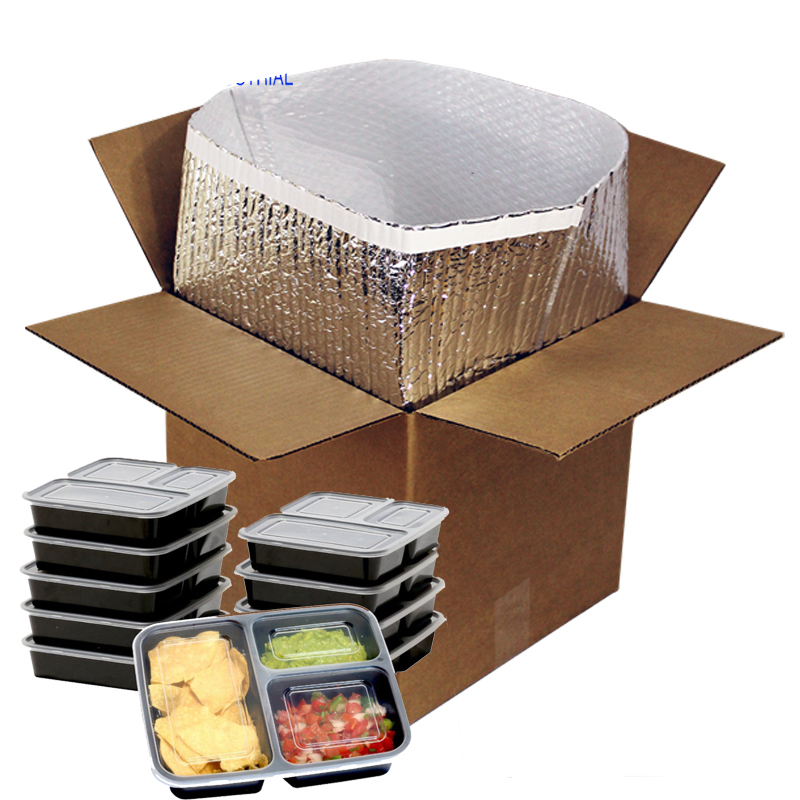
When you source cooler backpack bulk orders, you’re not just buying bags—you’re investing in temperature integrity, brand visibility and sustainability. In 2026 the cold-chain market is growing rapidly, with the global cooler box sector expected to reach USD 8.46 billion in 2026 and USD 13.15 billion by 2031 at a 9.22 % CAGR. Meanwhile new consumer standards demand fresh, minimally processed products and stricter regulations around trackability. This guide answers your questions about choosing, testing and ordering cooler backpacks at scale so your products stay cold, your customers stay happy and your business stays ahead of the curve.
What This Guide Will Answer
Capacity planning: find the right size when ordering cooler backpack bulk and how fill rates affect performance.
Insulation materials and performance: understand foam types, R-values and liner options to balance cost and hold-time.
Quality assurance: learn practical tests for thermal retention, leak resistance and load-bearing before placing bulk orders.
Compliance and sustainability: navigate certifications, traceability and eco-friendly materials in the 2026 regulatory landscape.
Market trends: explore 2026 innovations such as AI-powered logistics, smart packaging and sustainability requirements in the cold chain.
Procurement strategy: optimize MOQs, cost drivers and lead times for large orders.
How to Choose the Right Capacity for Cooler Backpack Bulk Orders?
In short: Select cooler backpack capacities that match your product volumes, route durations and fill levels. Compact bags (6–10 L) suit single meals, mid-size bags (15–20 L) handle multi-meal orders, and large bags (30–40 L) serve group catering. Aim to fill each bag 80–90 %; underfilling creates warm air pockets that reduce insulation efficiency.
Choosing capacity isn’t about bigger is better. Smaller bags are lighter and easier to carry for riders on bikes or foot, while large bags offer high volume but require sturdier construction. A mid-size cooler backpack bulk order often suits grocery deliveries or promotional giveaways because it balances capacity and portability. Remember that thick insulation can reduce internal volume by 15–20 %, so always verify internal dimensions rather than external measurements. When planning your cooler backpack bulk purchase, list the average number of containers per delivery and the desired hold-time. For example, a 15 L bag with 5 mm foam and foil liner can keep a meal kit cold for 8–12 hours. If your business focuses on single meals, a 6 L bag with 3 mm foam will suffice for short routes up to six hours. Fill rates matter: leaving too much empty space allows warm air to circulate and melt ice faster. A simple rule is to fill the bag at least 80 % to minimize thermal pockets.
Capacity Categories and Use Cases
| Capacity Category | Typical Range | Ideal for | What It Means for You |
|---|---|---|---|
| Compact | 6–10 L | Single-meal deliveries, personal lunch kits | Lightweight and portable; fits a meal and drink |
| Mid-size | 15–20 L | Meal-prep services, grocery packs, corporate giveaways | Flexible capacity while remaining manageable; fits multiple containers |
| Large | 30–40 L | Catering events, beverage service, outdoor promotions | Requires sturdy construction and thick insulation; ideal for group meals |
Practical Tips
Measure your load: Before ordering, pack a sample of your typical delivery and measure the volume. Choose the smallest size that fits with minimal empty space.
Consider deliverer comfort: Larger bags require padded straps, balanced handles and reinforced bases to reduce fatigue.
Plan for seasonal peaks: During summer or promotions, you may need larger bags. Order a mix of capacities to stay flexible.
Real case: A meal-kit company switched from one large cooler backpack to mid-size bags and cut delivery complaints by 30 %. Riders carried less weight, filled bags fully and maintained temperatures longer, improving customer satisfaction.
Which Insulation Materials and Designs Work Best for Cooler Backpack Bulk?
Summary: Opt for high R-value foam (PU or XPE) paired with reflective liners and quality closures to achieve hold-times of 8–24 hours. Entry-level EPE foam works for short routes but sacrifices longevity.
Insulation performance is the heart of cooler backpack bulk quality. The R-value measures thermal resistance; higher R-values mean better insulation. Closed-cell polyurethane (PU) or cross-linked polyethylene (XPE) foam deliver R-values around 6 per inch, holding temperature longer than expanded polyethylene (EPE) or polystyrene (EPS) foams that offer R 3.6–4.2 per inch. Thickness matters: 3 mm EPE foam retains cold for up to six hours, while 5 mm foam plus an aluminum liner extends retention to 8–12 hours, and 8 mm foam with sealed zippers can maintain temperature for 12–24 hours.
Liner material is another factor. Aluminum foil liners reflect radiant heat and resist moisture, which is ideal for outdoor use or long routes. PEVA liners are food-safe and flexible but less reflective and can deform over time. Closure design—such as double zippers, flaps and Velcro—prevents ambient air infiltration and is often overlooked. Poor sealing can negate even the thickest insulation.
Deep Dive: Foam Types and R-Values
EPE/EPS: Affordable and lightweight; suitable for short trips where hold-time under six hours is acceptable.
PU/XPE: High-performance foam with superior thermal resistance; choose this for premium cooler backpack bulk orders requiring 12–24 hour retention.
Vacuum Insulation Panels (VIP): Advanced panels create near-vacuum environments that drastically reduce heat transfer, extending cooling with minimal energy input. While currently used mainly in pharmaceutical packaging, VIPs are emerging in high-end cooler backpacks.
Table: Insulation Components and Their Effects
| Component | Typical Specification | Impact on Performance | Practical Implication |
|---|---|---|---|
| Foam Type | EPE (R 3.6–4.2/in), PU/XPE (R 6+/in) | Higher R-values deliver longer cold retention | Choose PU/XPE for premium hold-time; EPE for standard deliveries |
| Foam Thickness | 3 mm, 5 mm, 8 mm | Thicker foam extends insulation from 6 h to 24 h | Match thickness to your route duration |
| Liner Material | Aluminum foil vs. PEVA | Foil reflects heat; PEVA offers flexibility but less reflection | Use foil for outdoor/long routes; PEVA for lightweight, food-safe applications |
| Closure System | Double zippers, flaps, Velcro | Tight seals prevent heat ingress | Inspect closure quality; weak zippers cause rapid cooling loss |
User-Focused Advice
Balance weight and performance: More insulation means heavier bags. For bike couriers, 5 mm foam may be the sweet spot.
Choose the right liner: Use foil for sun-exposed deliveries; choose PEVA when weight matters and hold-time is short.
Inspect closures: Test zippers and flaps on samples. A broken zipper can ruin a 12-hour hold-time.
Actual scenario: Outdoor events often last longer than expected. By upgrading from 3 mm EPE to 5 mm XPE foam with a foil liner, one catering firm extended ice retention from six hours to twelve, preventing meltwater spills and boosting client satisfaction.
How Do You Test and Ensure Quality Before Finalizing Cooler Backpack Bulk Orders?
Key point: Conduct practical tests—thermal retention, leak resistance, load-bearing, cleaning and real-use simulations—on samples before committing to large volume orders.
Quality assurance saves money and protects your brand. Even high-spec cooler backpacks can fail when exposed to real-world handling. Before ordering cooler backpack bulk shipments, you should run a series of simple tests:
Thermal Retention Test: Pre-cool the bag and its contents, place a thermometer inside and record internal temperature every hour for 6–12 hours. Compare results with your required hold-time.
Leak and Spill Resistance: Pour 100–200 ml of water into the bag, seal it and gently tilt. Check for moisture on the exterior or along seams.
Load-Bearing & Shape Integrity: Fill the bag to 80–90 % capacity and carry it for 20–30 minutes. Inspect handles, seams and bottom panels for stress; leave the bag loaded for 24 hours to verify recovery.
Cleaning & Odour Resistance: Wipe the interior with disinfectant and air-dry repeatedly; observe if materials crack, wrinkle or retain odours.
Real-Use Simulation: Simulate a typical delivery route and gather feedback from users on balance, strap comfort and temperature performance.
Practical Testing Tips
Use digital data loggers: For accurate thermal tests, place a data logger inside the sample bag. Many suppliers can provide loggers for validation.
Document everything: Take photos of leaks, strap stress and material damage. Share your findings with the supplier and require corrective actions before mass production.
Test multiple units: Sampling three to five bags improves confidence. Variation between units could indicate inconsistent manufacturing.
Case example: A grocery delivery service tested ten sample backpacks using the above protocol and discovered that the handle stitching tore under full loads in two samples. The supplier improved stitching patterns, preventing costly recalls after the bulk order.
How to Navigate Compliance, Certifications and Sustainability in Cooler Backpack Bulk Procurement?
Summary: Require compliance packs (test certificates, traceability documents), prioritize eco-friendly materials and verify certifications like GRS, OEKO-TEX or FDA/EU food-contact approvals.
In 2026 regulations for food and pharma logistics are tightening. The Food Traceability Rule (FSMA 204) in the US mandates digital records of critical events for at-risk foods, while the EU Import Control System 2 (ICS2) requires electronic pre-notification of data before shipments arrive in the customs territory. Canadian and Chinese authorities have similar trackability requirements. These rules mean your cooler backpack bulk orders must support traceability and documentation.
Compliance Checklist
Labeling Guidance: Ensure each bag carries clear information on country of origin and material identification.
Traceability Documentation: Request batch production records and material sourcing details to support audits.
Test Certificates: Verify food-contact safety (FDA or EU 10/2011) and sustainability certifications (GRS or OEKO-TEX).
Quality Control Plan: Implement pre-production sample approval, in-process checks and final random inspections.
Sustainability Measures: Choose recycled polyester (RPET) fabrics or biodegradable foams to meet carbon reduction mandates.
End-of-Life Instructions: Suppliers should provide recycling or disposal guidance to support circular economy goals.
Sustainability as a Competitive Advantage
Environmental regulations in Europe and other markets are tightening. The EU Green Deal and carbon border adjustment mechanisms accelerate adoption of eco-friendly refrigerants and biodegradable materials. Businesses are shifting to reusable and recycled fabrics to meet net-zero commitments and reduce Scope 3 emissions. When ordering cooler backpack bulk, ask suppliers about RPET fabrics, biodegradable foams and end-of-life programs. These choices not only reduce your carbon footprint but also resonate with consumers who favour sustainable brands. In 2026 packaging regulations are moving from voluntary to mandatory—combining sustainability with technology in packaging is now a strategic tool for efficiency and compliance.
Practical tip: Request a sample compliance pack from each supplier. Compare test reports and check traceability logs. Avoid suppliers who cannot provide documentation or who rely on generic claims without verifiable certificates.
What Procurement Strategy Works Best for Cooler Backpack Bulk Orders?
Core idea: Define your volume, timeline and cost drivers; negotiate minimum order quantities (MOQs); and manage lead times to balance performance and budget.
Effective procurement is more than picking a design. MOQs vary with design complexity, branding coverage and materials—full-colour printing or complex structures require higher volumes. Lead times run from final artwork approval to shipment; expect longer schedules during peak seasons (Q3 and Q4). Cost levers include size standardization, insulation level, branding complexity, handle type and packaging style. For example, smaller or standardized sizes reduce material waste, while thick foam and premium liners increase costs but extend performance. Reinforced straps and double zippers add durability but also cost. Packaging style matters: retail-ready folded bags require more labour but ease in-store display; flat-packed bags maximize freight efficiency.
Step-by-Step Procurement Process
Request for Quotation (RFQ) Intake: Define materials, budget and quantities. Provide your brand manual, vector logos, preferred finishes, colours, budget and timeline.
Dieline and Mockup: Review dielines and digital mockups to align on design and branding.
Pre-Production Sample (PPS): Approve a physical sample confirming colours, dimensions and materials.
Production with Inline QC: Monitor stitching, handle strength and print tolerances during manufacturing.
Shipment with Documentation: Conduct final random inspection; ensure shipment includes compliance and traceability documents.
Negotiation Tips
Set KPIs: Determine hold-time, capacity, branding and sustainability goals.
Leverage cost levers: Choose standard sizes when possible, simplify branding, and specify foam thickness to hit budget targets.
Avoid common mistakes: Don’t prioritize price over performance; cheap bags often use thin foam and weak seams. Always ask suppliers for internal dimensions to avoid surprises.
Example: A pharmacy chain reduced unit costs by 15 % by standardizing bag size across product lines and simplifying branding to two colours. They reinvested savings into 5 mm foam and foil liners, extending hold-time to 10 hours and lowering spoilage rates.
2026 Market Trends and Innovations in Cooler Backpack Bulk
Overview: The cooler backpack and cold-chain markets are evolving rapidly. The global cooler box market is projected to grow from USD 7.75 billion in 2025 to USD 8.46 billion in 2026 and USD 13.15 billion by 2031, representing a 9.22 % CAGR. Growth is propelled by pharmaceutical cold-chain logistics, outdoor recreation, and innovation in rotomolding and insulation technologies. Hard-sided coolers held 59.15 % of the market share in 2025, but electric/thermoelectric units are projected to post a 10.12 % CAGR through 2031.
Latest Developments
Demand for Temperature-Sensitive Products: Consumption of refrigerated and frozen foods continues to rise. The global frozen food market is projected to grow from US$ 280.56 billion in 2025 to US$ 403.59 billion by 2032. This trend drives the need for more insulated packaging and cooler backpacks.
Regulatory Strengthening: 2026 marks stricter global standards with mandatory digital trackability (FSMA 204 in the US) and electronic pre-notification (ICS2 in the EU). Operators must provide point-to-point visibility and robust data governance.
Artificial Intelligence in Logistics: AI solutions plan demand, forecast capacity and optimize routes by considering thermal restrictions and delivery windows. Predictive maintenance reduces unexpected halts, making deliveries more reliable.
Sustainability as a Requirement: Environmental regulations like the EU carbon trading system and CBAM internalize carbon costs. Packaging evolves toward recyclable materials and smart packaging with QR codes, NFC and sensors to improve traceability and food safety.
Geopolitical Shifts and Tariff Uncertainty: Tensions in the Middle East and Red Sea corridor create volatility and lead to alternative routes and nearshoring. Tariff instability requires resilient logistics, diversification of suppliers and adaptive planning.
Cybersecurity and Digital Supply Chain: With increased digitalization, the cold chain becomes vulnerable to cyber attacks. Over 80 % of maritime incidents originate from hostile state agents. Companies are investing in AI-driven threat detection and training.
Infrastructure Modernization: Investments in port infrastructure (e.g., Brazil’s port expansions, Ecuador’s Posorja terminal) improve efficiency and capacity, supporting growth.
Sustainable and Smart Packaging: Vacuum insulation panels (VIPs), phase-change materials (PCMs) and connected sensors extend cooling and provide real-time monitoring. Sustainable packaging reduces waste and supports regulatory compliance.
Market Insights
End-User Trends: Household/backyard events represented 33.05 % of cooler box demand in 2025, but pharmaceutical and biomedical logistics are expected to grow at 9.65 % CAGR. This shift means cooler backpack bulk orders for healthcare applications will expand.
Regional Dynamics: North America held 41.75 % of the cooler box market in 2025, while Asia–Pacific is forecast to grow fastest at 9.28 % CAGR. If your customers are in these regions, plan your supply chain accordingly.
Technology Drivers: Multi-layer polyethylene shells with high-performance foams can extend ice retention beyond five days. Electric coolers are gaining popularity because they offer plug-and-play convenience for road trips and at-home entertaining.
Frequently Asked Questions
Question 1: How do I determine the correct capacity when ordering cooler backpack bulk?
Choose capacity based on product volume and hold-time. Compact (6–10 L) bags suit single meals, mid-size (15–20 L) bags fit multi-meal deliveries, and large (30–40 L) bags serve group catering. Always confirm internal dimensions and aim to fill each bag 80–90 % for optimal insulation.
Question 2: What materials provide the best insulation performance?
Closed-cell PU or XPE foam offers the highest R-values (around 6 per inch) and retains temperature longer. Combine thick foam (5–8 mm) with aluminum foil liners for 8–24 hour retention. For lightweight applications, 3 mm EPE foam is adequate for up to six hours.
Question 3: How can I verify eco-friendly claims for cooler backpacks?
Request certifications like GRS or OEKO-TEX for recycled fabrics and FDA/EU 10/2011 compliance for food-contact safety. Suppliers should provide traceability documents and recycling instructions.
Question 4: What are typical lead times and MOQs for cooler backpack bulk orders?
Lead times vary with design complexity and seasonality; they span from final artwork approval to shipment and may lengthen during peak quarters. MOQs depend on bag size, branding coverage and materials. Negotiate these during the quotation stage.
Question 5: How can I ensure cooler backpacks perform as promised?
Conduct thermal retention, leak resistance, load-bearing and cleaning tests on samples. Simulate real-world delivery routes and gather user feedback. Implement a quality control plan with pre-production sample approval and final inspections.
Summary and Recommendations
Key Takeaways
Right-size your order: Choose capacities based on route and product volumes. Fill bags to 80–90 % to maximise insulation.
Invest in performance: High-R-value PU/XPE foam and foil liners deliver longer hold-times. Avoid cheap bags with thin foam and poor closures.
Test before you buy: Run thermal, leak and load tests on samples to ensure performance.
Demand compliance: Require labeling, traceability, certifications and sustainability documentation.
Follow a structured procurement process: Define RFQs, approve pre-production samples, monitor production and verify documentation.
Stay informed on trends: Regulatory tightening, AI-driven logistics, sustainable materials and market growth will shape cooler backpack bulk sourcing in 2026.
Actionable Plan
Assess Needs: Audit your delivery routes, volumes and required hold-times. Determine the mix of compact, mid-size and large cooler backpacks.
Specify Requirements: Document preferred foam types, thickness, liner materials and closure designs. Incorporate eco-friendly options like RPET.
Engage Suppliers: Issue RFQs with clear KPIs. Request sample compliance packs, including certifications and traceability logs.
Test & Validate: Use the five-test protocol to evaluate samples. Document results and negotiate improvements.
Finalize Order: Approve pre-production samples, monitor production, and schedule deliveries to align with peak season demand.
Monitor & Iterate: After deployment, gather feedback from carriers and customers. Use insights to refine future orders.
About Tempk
At Tempk, we specialize in cold-chain solutions that combine durable fabrics, high-performance insulation and user-friendly designs. Our reusable cooler backpacks, thermal containers and pallet covers maintain temperature integrity for food, pharmaceutical and logistics applications. We prioritize sustainability by incorporating recycled materials and offering end-of-life recycling guidance. Our research and development teams continually explore advanced insulation technologies, such as phase-change materials and vacuum insulation panels, to deliver best-in-class performance. Whether you need compact lunch bags for delivery riders or large-capacity cooler backpack bulk orders for catering, we collaborate with you to optimize hold-time, branding and budget requirements.
Call to Action: Ready to elevate your cold-chain? Contact Tempk’s experts today for a free consultation and product catalog. Let’s source smarter together in 2026 and beyond.
Refrigerated Bag Factory: How to Choose the Right Partner for 2026 Supply Chains?
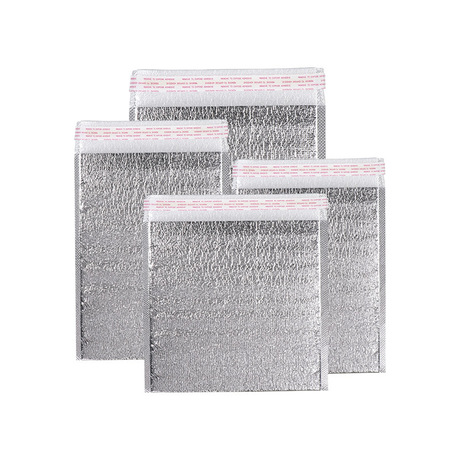
The cold-chain industry is experiencing explosive growth as online grocery, pharmaceuticals and outdoor recreation demand reliable temperature control. Choosing the right refrigerated bag factory—a specialist manufacturer of insulated cooler bags—can make or break product quality, customer satisfaction and sustainability goals. This guide answers common questions about materials, manufacturing processes, certifications, eco-friendly options and 2026 market trends so you can confidently partner with a factory that meets your needs.
How a refrigerated bag factory supports food, pharmaceutical and retail supply chains through customized insulated packaging.
What materials, insulation and linings deliver optimal temperature retention and durability.
Which certifications and quality standards ensure safety, performance and compliance.
How sustainable practices and regulations shape factory operations in 2026.
How to evaluate factories based on capacity, customization, R&D and global trade dynamics.
What the latest trends and innovations mean for your business.
What Is a Refrigerated Bag Factory and Why Does It Matter?
A refrigerated bag factory is a manufacturing facility dedicated to designing and producing insulated cooler bags that keep perishable goods within a specified temperature range. These bags are critical for last-mile delivery and promotional programs across retail, food service, healthcare and outdoor recreation. In 2026 the global cooler box market (which includes cooler bags) is expected to grow from USD 7.75 billion in 2025 to 8.46 billion in 2026, with a compound annual growth rate (CAGR) of 9.22% through 2031. North America holds the largest market share, while Asia-Pacific is the fastest-growing region.
From meal-kit companies to pharmacies, customers rely on reliable temperature control. Without proper insulation, audits show more than 70 % of meal-kit boxes exceed 4 °C after prolonged transit. A durable cooler bag not only preserves quality but also serves as a marketing tool; each bag can generate 1,900–2,000 brand impressions and remains in use for over two years. Investing in a quality factory ensures that your brand’s products arrive cold, safe and memorable.
Why supply chains depend on refrigerated bags
A refrigerated bag factory produces custom soft coolers that extend hold-time between 60–120 minutes or more, bridging the gap between cold storage and the consumer’s doorstep. These bags support diverse applications:
| Sector | Typical use | Impact on your business |
|---|---|---|
| Food & grocery delivery | Meal kits, grocery orders, catering | Maintain safe temperatures during the critical last mile and enhance customer satisfaction |
| Pharmaceutical & biotech | Vaccine kits, biologics, insulin shipments | Ensure regulatory compliance for temperature-sensitive medicines |
| Retail & promotions | Branded cooler bags for supermarkets and beverage brands | Provide ongoing advertising value and encourage reuse |
| Outdoor recreation | Camping, picnics, tailgating | Enhance user experience by keeping food and drinks cold for hours |
In short, a refrigerated bag factory is not just a supplier—it’s a strategic partner that helps you achieve temperature control, marketing exposure and sustainability goals.
How Does a Refrigerated Bag Factory Work? Materials, Insulation & Processes
Selecting fabrics, insulation and linings
The performance of an insulated bag hinges on the materials chosen for its exterior, insulation core and inner lining. A reputable factory offers a range of fabrics—such as 600D polyester, 420D nylon and canvas—that are laminated with polyurethane (PU) or polyvinyl chloride (PVC) coatings to resist water and stains. Higher-denier fabrics provide greater abrasion resistance, while recycled PET (RPET) fabrics reduce environmental impact. The main insulation options include:
PE foam (polyethylene): closed-cell structure, moderate thermal conductivity (~0.038 W/m·K) and cost-effective.
XPE foam (cross-linked PE): uniform closed cells, better R-value (~0.032 W/m·K), virtually waterproof and durable.
EPE foam (expanded PE): lightest option with strong cushioning; slightly lower insulation (~0.04 W/m·K).
Composite layers: multi-layer assemblies combining foam and aluminum-foil film to reflect radiant heat; thick foam (10–15 mm) extends cold retention from hours to a full day.
Inner linings of PEVA, aluminum-foil film or TPU keep the bag hygienic and leak-proof. Heat-sealed or radio-frequency (RF) welded seams eliminate needle holes, and waterproof zippers, roll-top closures or magnetic seals lock in cold.
Table 1 – Materials and their performance
| Component | Material options | Key properties | Practical benefits |
|---|---|---|---|
| Exterior shell | 600D polyester, 420D nylon, canvas, RPET | High abrasion resistance, water-resistant coatings; RPET reduces CO₂ by 1.5 kg per kg of fabric and saves 7 L of water | Brandable, durable and sustainable |
| Insulation core | PE foam, XPE foam, EPE foam, multi-layer foil/foam composites | Thermal conductivity 0.032–0.040 W/m·K, thickness 10–15 mm | Maintains 4–10 °C below ambient for 4–8 hours; composites extend beyond 12 hours |
| Lining | PEVA, aluminum-foil film, TPU | Food-grade, easy to clean, welded seams prevent leaks | Hygiene, leak prevention, odor resistance |
| Eco-friendly alternatives | RPET fabrics, cornstarch-based foams, bio-TPU | Biodegradable or recyclable; reduced carbon footprint | Aligns with net-zero commitments and regulatory requirements |
Manufacturing process and quality assurance
A refrigerated bag factory combines design engineering with industrial production. The typical workflow includes:
Design & prototyping: Engineers assess required capacity (6–40 L) and hold-time to select appropriate insulation thickness. They create patterns and prototypes, considering printing layouts and brand colours.
Cutting & layering: Fabrics are cut using CAD machines and layered with foam and lining. High-frequency welding or lamination bonds layers without stitching, ensuring a continuous thermal barrier.
Sewing & welding: Skilled workers or automated equipment assemble panels, add zippers and pockets, and secure seams. Premium factories use RF welding for leak-proof liners and tape reinforcement for heavy-duty coolers.
Adding hardware: Handles, shoulder straps and hardware like zippers, buckles and feet are attached. Durable components—such as heavy-duty zippers and reinforced bases—enhance robustness.
Quality control: Factories conduct thermal retention, leak resistance and load-bearing tests on samples. ISO 9001 and BSCI certified factories implement strict inspections and random sampling.
Packaging & shipping: Finished bags are cleaned, folded and packed. Leading factories maintain traceability and provide compliance documentation.
Durability and care
Choosing the right materials affects both durability and cleaning. Durable bags combine abrasion-resistant exteriors, reinforced seams and tear-proof liners; laminated fabrics resist staining. UV-stabilized shells prevent fading, and antimicrobial coatings reduce mould growth. Most liners wipe clean with mild soap, but regular inspection of welds and grommets extends product life.
Practical tips for materials and design
Match insulation to hold-time: For deliveries under three hours, 5–8 mm PE or EPE foam is sufficient. For longer transport or ambient temperatures above 30 °C, choose 10–15 mm XPE or multi-layer composites.
Balance weight and capacity: Heavier fabrics and thick insulation reduce usable volume by 15–20 %, so confirm internal dimensions.
Prioritize leak-proof construction: Heat-sealed seams and waterproof zippers prevent spills and maintain hygiene.
Consider eco options: RPET fabrics and plant-based foams cost 10–20 % more but reduce carbon emissions and meet regulatory expectations.
Case example: A meal-kit company switched from 5 mm PE foam to 10 mm XPE composites. Customers reported that meals arrived at <4 °C even after 90 minutes on summer days. The increased insulation cost was offset by lower spoilage and higher customer satisfaction.
Key Features, Certifications & Compliance Standards
Performance metrics you should track
Not all cooler bags are created equal. When evaluating prototypes or sourcing from a factory, focus on these metrics:
| Metric | Definition | Why it matters |
|---|---|---|
| Hold-time | Duration the bag maintains target temperature (e.g., 0–10 °C) | Ensures product safety and prevents spoilage; meal kits require 60–120 minutes |
| Capacity & dimensions | Volume (6–40 L) and internal size | Avoid wasted space or insufficient volume; confirm internal dimensions due to insulation thickness |
| Load-bearing strength | Weight the bag can carry without tearing (e.g., 10–30 kg) | Padded straps, reinforced bases and handles reduce fatigue |
| Leak resistance | Ability to contain liquids without seepage | Heat-sealed seams and waterproof zippers prevent leaks |
| Cleanability | Ease of cleaning interior surfaces | Smooth linings (PEVA, TPU) facilitate sanitizing |
Certifications and standards to look for
A professional refrigerated bag factory holds certifications that demonstrate compliance with quality, safety and sustainability requirements:
| Certification | Significance | Benefits for your business |
|---|---|---|
| ISO 9001 | Quality management system standard | Ensures consistent production processes, traceability and continuous improvement |
| BSCI & SEDEX | Ethical sourcing audits | Guarantees fair labour practices and social compliance |
| GRS (Global Recycled Standard) | Verification of recycled content and responsible processing | Confirms that RPET fabrics or recycled foams meet sustainability claims |
| OEKO-TEX Standard 100 & GOTS (for organic cotton) | Textile safety and organic certification | Assures that fabrics are free from harmful substances and follow organic standards |
| FDA & EU 10/2011 food-contact compliance | Safety standards for materials in contact with food | Required for food and pharmaceutical applications |
| CBAM & EU ETS2 alignment | Carbon Border Adjustment Mechanism and Emissions Trading System | Factories exporting to Europe must track carbon emissions and comply with new tariffs |
User considerations
Request test reports: Ask for thermal retention, leak and load-bearing test results. A reputable factory should provide data and quality control documentation.
Check traceability: Verify supply chain documentation for recycled materials and certifications to avoid greenwashing.
Plan MOQs and lead times: Production lead times vary by design complexity and seasonality; negotiating minimum order quantities (MOQs) early avoids delays.
Sustainability and Eco-Friendly Innovations in 2026
Regulatory pressures and sustainability as a competitive criterion
Environmental regulations are intensifying worldwide. In Europe, the calculation of emissions in transport has been standardized and mechanisms like the Carbon Border Adjustment Mechanism (CBAM) internalize the cost of carbon into global supply chains. Maritime transport now falls under the EU Emissions Trading System (EU ETS2), and new regulations push for reduced carbon intensity. Brazil has introduced a national emissions trading system and reverse logistics requirements. These policies mean that sustainability is no longer optional; it’s a regulatory and competitive criterion that demands data transparency, operational efficiency and environmentally responsible materials.
Eco-materials, recycling and end-of-life considerations
Refrigerated bag factories are responding by adopting eco-friendly materials and circular practices:
Recycled PET (RPET) fabrics: Each kilogram of RPET fabric saves about 1.5 kg of CO₂ emissions and 7 litres of water compared to virgin polyester production. RPET 300–600 D fabrics maintain strength and print quality.
Plant-based foams and bio-TPU: Cornstarch-derived PE foams and bio-TPU liners are biodegradable under industrial conditions and offer comparable insulation. They support composting and reduce petrochemical use.
Natural fibre shells: Hemp canvas and organic cotton shells with food-grade coatings provide a premium feel and low carbon footprint.
Certifications and traceability: Eco-friendly factories like Headwind Group track carbon and water footprints, monitor energy consumption, maintain chemical toxicity indexes and ensure high recyclability.
Reusable & recyclable designs: Innovative factories design cooler bags for multiple reuse cycles (two years on average) and provide end-of-life recycling guidance.
User-focused sustainability tips
Opt for factories with eco-certifications: Look for GRS, Bluesign®, OEKO-TEX and GOTS credentials.
Evaluate end-of-life plans: Choose factories that provide recycling or take-back programs and educate customers on proper disposal.
Consider total cost of ownership: Eco materials cost 10–20 % more but may qualify for government incentives or marketing premium.
Track carbon data: Ask suppliers to provide life-cycle assessments to align with CBAM and emissions reporting requirements.
Evaluating and Selecting the Right Refrigerated Bag Factory
Capacity, technology and customization
When selecting a factory, evaluate its production capability, equipment and ability to customize products:
Scale & equipment: Leading manufacturers operate multiple factories with rotomolding, blow molding and foaming machines. For example, KUER Group runs five factories with 22 automatic rotomolding machines, allowing it to produce up to 1,500 cooler boxes per day. Malaysian factories can manufacture over 200,000 units per month and offer quick response times. A high production capacity ensures reliable supply and shorter lead times.
R&D and patents: Manufacturers with strong R&D capabilities apply for patents and innovate materials or structures. KUER has applied for over 50 patents, demonstrating commitment to innovation.
Customization: Top factories support OEM and ODM projects, offering a wide range of sizes, colours, logo prints and sustainable materials.
Quality assurance: Look for ISO 9001, BSCI and other certifications. KUER, for example, holds these certifications and emphasizes strict quality control, thick insulation and premium materials.
Location, logistics and geopolitical factors
The geopolitical landscape influences supply chains. Tariff uncertainty in the United States and shifting trade routes due to geopolitical tensions (e.g., Red Sea disruptions) require resilient and flexible logistics. Companies are turning to nearshoring, free trade zones and diversified supplier bases. When choosing a factory, consider:
Proximity to markets: Factories located in Southeast Asia (e.g., Malaysia, Vietnam) offer competitive labour costs, large capacities and strategic shipping routes.
Tariff exposure: Diversifying suppliers across countries can mitigate the impact of tariffs and trade barriers.
Infrastructure investment: Regions investing in port and logistics modernization (e.g., Brazil, Gulf Cooperation Council) can enhance export efficiency.
Decision framework and interactive tools
To reduce bounce rates and increase engagement, use interactive checklists or decision matrices when evaluating factories. Consider these steps:
Define requirements: Determine your product volumes, hold-time needs, branding requirements and regulatory obligations.
Score potential factories: Rate each candidate on production capacity, certifications, R&D, sustainability initiatives, location and cost.
Request samples and test: Conduct thermal, leak and load tests on prototypes.
Negotiate terms: Discuss MOQs, lead times, customization options and warranty policies.
Monitor performance: After selecting a supplier, maintain regular communication and perform periodic audits to ensure continued compliance and quality.
2026 Trends and Innovations
Trend overview
The cold-chain packaging landscape in 2026 is shaped by market growth, technological innovation and evolving regulations:
Market expansion: The global cold chain packaging market was valued at USD 30.88 billion in 2025 and is projected to grow to 34.00 billion in 2026, reaching 81.01 billion by 2034, with a CAGR of 11.46 %. Europe held 33.68 % of the market in 2025.
Drivers: Growth is fueled by increasing demand for pharmaceuticals and biologics, rising consumption of frozen foods and ready-to-eat meals, and the outdoor recreation boom. Last-mile grocery and meal-prep delivery continue to expand.
Technological advancements: Multi-layer polyethylene shells and high-performance foams extend ice retention beyond five days. Smart and IoT-enabled packaging with temperature sensors, RFID tags and data loggers provides real-time monitoring. Electric coolers and plug-and-play thermoelectric units are gaining popularity.
Sustainability & regulation: Climate policies like the EU Green Deal and carbon border adjustments accelerate adoption of eco-friendly refrigerants and biodegradable materials. Supply chain disruptions (e.g., Red Sea crises) drive investment in robust packaging. Sustainable and smart packaging with recyclable, compostable materials and QR-code sensors enhances traceability and compliance.
Latest progress and what it means for you
Trend 1 – Smart monitoring: Sensors for temperature, humidity and GPS tracking will become standard features. This helps businesses meet regulatory requirements and reduce spoilage by providing real-time data. Implication: Consider integrating smart tags into your bags or partnering with factories that support sensor integration.
Trend 2 – Eco-materials adoption: Rapid growth in recycled and biodegradable materials for bag exteriors and insulation offers new opportunities to reduce environmental impact. Implication: Stay ahead of regulations by choosing factories that offer RPET, bio-foams and natural fibre options.
Trend 3 – Geopolitical diversification: Tariff volatility and trade route reconfigurations push companies toward regional manufacturing and nearshoring. Implication: Evaluate factories in multiple regions to mitigate risk and reduce lead times.
Trend 4 – Integration of IoT & AI: AI-driven predictive models optimize logistics and capacity planning in cold chains. Smart packaging fosters data-driven decision-making. Implication: Collaborate with factories and logistics providers that use AI to enhance forecasting and maintain temperature integrity.
Market insights
The cold chain packaging market’s growth is intertwined with pharmaceuticals, food and beverage industries and regional demand patterns:
Pharmaceutical demand: The U.S. leads the market with 64.4 % of new medicines launched between 2016–2021. India ranks third globally by production volume and grows 6–8 % annually, driving cold chain infrastructure improvements.
Personal care and cosmetics: Germany’s USD 103 billion personal care sector and Mexico’s USD 1.4 billion import market are spurring demand for temperature-sensitive packaging.
Regional differences: Europe dominates market share due to biologics and proximity to emerging markets, while Asia-Pacific will experience the fastest growth.
FAQ
Question 1: What distinguishes a refrigerated bag factory from a standard bag manufacturer?
A refrigerated bag factory specializes in insulated products designed to maintain temperature. It uses closed-cell foams, reflective films and leak-proof linings, and conducts thermal retention tests. Standard bag makers lack these materials and quality controls.
Question 2: How can I verify eco-friendly claims from a factory?
Ask for GRS or OEKO-TEX certificates for recycled fabrics and FDA or EU 10/2011 compliance for food safety. Request traceability documents and life-cycle assessments.
Question 3: What minimum order quantities (MOQs) should I expect?
MOQs vary by size and customization. Basic lunch totes may start at 500–1,000 units, while large capacity coolers or custom prints may require 3,000–5,000 units. Discuss MOQs during the quotation stage to avoid surprises.
Question 4: How long will a high-quality cooler bag last?
With proper materials and care, reusable cooler bags can last for over two years and generate thousands of brand impressions. Inspect seams, zippers and liners regularly to extend their lifespan.
Question 5: Are smart sensors necessary for all coolers?
Smart sensors are valuable for high-value pharmaceuticals or long routes where real-time monitoring prevents spoilage. For short deliveries or promotional giveaways, simple insulated bags may suffice.
Suggestion
Key takeaways
Refrigerated bag factories are strategic partners that provide insulated bags designed to keep goods cold and promote brands. The cooler box market is expected to grow significantly, from USD 7.75 billion in 2025 to 8.46 billion in 2026.
Material selection drives performance: choose durable exteriors, appropriate insulation thickness (PE, XPE or multi-layer composites) and leak-proof linings.
Certifications (ISO 9001, BSCI, GRS, OEKO-TEX, FDA/EU) ensure quality, ethics and safety.
Sustainability is now a regulatory requirement; embrace recycled fabrics, plant-based foams and transparent carbon tracking.
Evaluate factories based on capacity, technology, customization, and geographic diversification to mitigate geopolitical risks.
2026 will bring smart sensors, IoT and AI integration, eco-materials adoption and shifting trade patterns.
Actionable next steps
Assess your needs: Identify product volumes, hold-times and regulatory requirements.
Shortlist factories: Evaluate at least three factories for capacity, certifications, sustainability initiatives and geographic diversity.
Request samples and documentation: Test performance, verify certifications and ask for LCA reports.
Negotiate partnerships: Discuss MOQs, lead times, customization options and warranty terms.
Implement monitoring: For critical products, integrate smart sensors and partner with logistics providers using AI predictive models.
Plan for sustainability: Choose materials with recycled or biodegradable content; establish end-of-life recycling programs and collect carbon data to comply with CBAM and other regulations.
Continuous improvement: Monitor supplier performance, conduct regular audits and stay informed about evolving regulations and technologies.
About Tempk
We are Tempk, a company specializing in reusable cooler bags and thermal packaging for the cold-chain industry. Our team combines durable fabrics with high-performance insulation to design long-lasting coolers that maintain cold temperatures for extended periods. We prioritize sustainability by integrating recycled materials and offering recycling guidance at end of life. Whether you need compact lunch totes for delivery riders or large-capacity bags for catering, we collaborate with you to tailor solutions that meet your hold-time, branding and budget requirements.
Next steps
Ready to enhance your cold-chain operations? Reach out to our experts for a consultation and discover how our insulated bag solutions can protect your products, promote your brand and support your sustainability goals.
Insulated Pouch OEM 2026: Custom Cold Chain Guide

What is an insulated pouch OEM and why does it matter?—Understand the concept of OEM pouches, their role in cold-chain logistics and why customisation is critical.
How do you select the right OEM partner?—Learn evaluation criteria like material expertise, certifications and production capacity to ensure quality and scalability.
Which materials and technologies are shaping 2026 insulated pouches?—Explore phase change materials, vacuum-insulated panels and bio-based alternatives.
What market trends and innovations should you watch?—Get data on market growth, sustainability mandates and digitalisation driving the cold-chain sector.
What is an insulated pouch OEM and why does it matter?
Insulated pouch OEMs manufacture customised thermal pouches that maintain product temperature during transport, protecting sensitive goods from heat, cold and shock. Instead of relying on generic off-the-shelf bags, an OEM partner designs pouches to your exact dimensions, insulation requirements and transit duration. According to The Business Research Company’s 2026 report, the primary categories of insulated shipping packaging include pouches and bags, boxes and containers; pouches are compact, lightweight thermal envelopes suitable for small or flat items. They can be made from plastics, composites, paper or even bio-based fibres and serve diverse applications in food, industrial, pharmaceutical and beauty sectors. The ability to customise pouch size, material and closure eliminates excess void space, improves thermal efficiency and reduces waste.
Custom pouches are particularly important for last-mile deliveries where transit times are short and packaging needs to be lightweight. The rise of direct-to-consumer meal kits, grocery deliveries and specialty pharmaceuticals means each household receives its own insulated unit, expanding total demand even as packaging walls become thinner. An OEM can design pouches with integrated phase-change materials (PCMs) or gel packs to hold temperatures for four or more hours—an expectation once reserved for pharmaceutical logistics. Because pouches are easier to store and ship flat, they reduce warehouse footprint and shipping costs compared with rigid boxes.
Benefits of insulated pouches in cold-chain logistics
Insulated pouches offer several practical advantages over traditional box-and-gel pack combinations. The table below summarises common material options, their thermal performance and what that means for your business:
| Material type | Thermal performance | Typical use case | What it means for you |
|---|---|---|---|
| Reflective foil bubble | Moderate insulation; reflects radiant heat but relies on gel packs for long duration | Short-to-medium deliveries like meal kits or grocery orders | Lightweight and foldable; reduces shipping costs and allows branding; best for trips under 24 hours |
| Expanded polystyrene (EPS) | High insulation; rigid structure retains cold for extended periods | Frozen seafood, premium ice cream or vaccines with long transit times | Offers strong thermal barrier and impact resistance; but recycling options are limited |
| Polyurethane foam | Very high insulation with low thickness; can maintain sub-zero temperatures | Ultra-cold biologics and cell therapies requiring ±1 °C control | Enables slimmer pouch walls with R-values comparable to VIPs; suitable for critical shipments |
| Recyclable paper-based liners | Moderate insulation; often combined with PCMs | Environmentally conscious consumers and regulated markets | Curbside-recyclable and compostable options support sustainability mandates |
| Vacuum-insulated panels (VIPs) | Exceptional insulation; R-30 achieved in 20 mm profiles | High-value pharmaceuticals and last-mile grocery deliveries | Minimises wall thickness while maintaining temperature; allows more payload space but costs more |
Beyond the thermal properties, pouches provide flexibility in closing mechanisms (zipper, Velcro, heat-seal), integrated labels and tamper-evident features. Because they are manufactured flat, they save storage space and can be deployed quickly in distribution centres.
Practical tips and suggestions
For short-distance meal kits: Choose reflective-foil pouches with gel packs. They balance cost and performance and are easy for customers to open and reuse.
For high-value biologics: Opt for polyurethane foam or VIP pouches with pre-conditioned PCMs to maintain tight temperature bands. Ensure your OEM can validate performance through ISTA testing.
For eco-focused markets: Select paper-based or fibre-based pouches with recyclable gel packs. They support curbside recycling programs and align with corporate sustainability goals.
Actual case: A clinical research organisation shipping cell therapies between the U.S. and Asia adopted a hybrid packaging approach, combining vacuum-insulated panels and phase-change materials. The custom pouches maintained temperatures within ±1 °C for 96 hours, reducing product loss and saving approximately $300,000 annually by avoiding spoilage and return shipments. This demonstrates how tailored pouches with advanced insulation deliver measurable cost savings and reliability.
How to choose the right insulated pouch OEM in 2026?
Selecting the right OEM partner requires careful evaluation of capabilities, quality systems and alignment with your supply-chain strategy. Market demand for temperature-controlled packaging is surging—the global cold-chain packaging market is projected to grow from USD 27.4 billion in 2026 to USD 47.6 billion by 2033, reflecting an 8.1 % CAGR. To capture this opportunity, companies need partners who can scale production, innovate with new materials and comply with ever-evolving regulations.
Key evaluation criteria
When assessing potential OEMs, consider the following criteria:
| Criterion | What it entails | Questions to ask |
|---|---|---|
| Material expertise | A strong OEM offers a portfolio of insulation materials (EPS, polyurethane foam, paper, VIPs, PCMs) and understands the thermal requirements of different products. | Which insulation materials do you specialise in? Can you formulate phase-change materials tailored to our temperature range? |
| Quality and certifications | Look for compliance with ISO 9001, Good Manufacturing Practice (GMP) and ISTA standards. Certified facilities ensure consistent quality and validated performance. | What quality certifications do you hold? Do you conduct ISTA 7D or 7E testing on your pouches? |
| Design and customisation capability | An OEM should offer in-house design services, rapid prototyping and the ability to integrate smart features (e.g., RFID tags, temperature loggers). | Can you create custom sizes and closures? Do you support embedded sensors for real-time monitoring? |
| Sustainability commitment | With sustainability mandates accelerating the shift to fibre-based insulators, choose partners investing in recyclable or bio-based materials and reusable systems. | What eco-friendly materials do you offer? How do you manage end-of-life disposal or reuse? |
| Production capacity and scalability | Assess whether the OEM can ramp up production quickly without compromising quality. OEMs that are vertically integrated around material formulation and lamination can unlock pricing power. | What is your monthly production capacity? How do you scale to meet sudden demand surges? |
| Cost transparency and lead times | Understand pricing structure (moulds, tooling, minimum order quantities) and shipping lead times. Fluctuations in polymer prices can squeeze margins, so a good partner hedges against volatility. | How do you handle raw material price volatility? What are the minimum order quantities and lead times? |
Practical tips for evaluating OEMs
Request performance data: Ask for thermal performance charts, ISTA test reports and sample pouches. Performance validation is essential, especially for pharmaceuticals where deviations are unacceptable.
Audit production sites: Visit facilities or arrange virtual tours to assess cleanliness, process controls and employee training.
Negotiate scalable contracts: Secure flexible contracts that allow you to adjust order quantities as your business grows. Consider multi-year agreements with pricing tied to raw material indices to mitigate cost swings.
Prioritise sustainability: Choose OEMs that offer reusable pouches, recyclable materials and closed-loop return programs. Sustainability isn’t just ethical; it appeals to consumers and may soon be mandated by regulations.
Real-world insight: Manufacturers that vertically integrate PCM formulation and VIP lamination not only achieve better margins but also maintain control over supply-chain disruptions. Partnering with an OEM that owns its material processes can protect your business from sudden raw-material shortages or price spikes.
Materials and technologies shaping insulated pouches in 2026
Insulated pouches utilise a variety of materials and innovative technologies to maintain temperatures, reduce weight and meet sustainability goals. Understanding these options helps you design pouches that balance performance, cost and environmental impact.
Traditional and emerging materials
Plastics and foams: Plastics remain dominant in insulated packaging—plastic accounted for roughly 45 % of market share in 2025. Expanded polystyrene (EPS) and polyurethane foams offer high thermal resistance and structural rigidity. However, volatile polymer prices have squeezed converter margins, prompting trials of bio-based aerogels and alternative materials.
Paper and fibre-based substrates: Sustainability mandates, such as the European Union’s recyclable-by-2030 rule, are catalysing a shift toward recyclable fibre-based formats. Companies like Huhtamaki have invested heavily in moulded-fibre complexes to produce curbside-recyclable pouches and shippers that integrate PCM pockets.
Bio-based aerogels: These lightweight materials derived from cellulose, starch or silica provide high insulation with minimal thickness and are poised for the fastest growth (projected CAGR of 6.89 % through 2031). Aerogel-lined pouches offer good compressibility and are compostable, reducing environmental footprint.
Vacuum-insulated panels (VIPs): VIPs deliver exceptional insulation (R-30 in 20 mm) and are increasingly used for last-mile delivery of groceries and premium seafood. Falling prices (down 15-20 % annually) are expanding their use beyond pharma into gourmet coffee and seafood shipments.
Phase change materials (PCMs): PCMs stabilise temperatures by absorbing and releasing latent heat. Formulations tuned to +5 °C keep vaccines stable while sub-zero PCMs support frozen shipments. Manufacturers are integrating PCMs into pouch liners so they become part of the structure rather than separate gel packs.
IoT sensors and smart labels: Digital sensors embedded in pouches enable real-time temperature and location monitoring, enhancing traceability and regulatory compliance. Data can feed into cloud platforms for predictive alerts, reducing spoilage and insurance claims.
Technologies driving innovation
| Technology | How it works | Impact on your packaging |
|---|---|---|
| Phase Change Materials (PCMs) | Substances that absorb or release heat at specific transition temperatures, keeping contents within narrow bands. | Reduces reliance on bulk gel packs; enables slimmer pouches for direct-to-consumer deliveries. |
| Vacuum-Insulated Panels (VIPs) | Panels with evacuated cores and microporous fillers achieving very high R-values; require protective lamination to prevent puncture. | Allow high-value products to travel longer routes under ambient conditions; reduce dimensional weight, lowering shipping fees. |
| Bio-based Aerogels | Porous materials derived from natural polymers or silica; provide insulation comparable to foams but with lower density. | Offer compostable options for environmentally conscious brands; may command premium pricing but differentiate on sustainability. |
| IoT-enabled Smart Labels | Sensors that measure temperature, humidity, shock and GPS location; transmit data via RFID or cellular to cloud dashboards. | Improve compliance and allow proactive intervention; increase customer trust through transparency and reduce product recalls. |
| Hybrid systems | Combine passive insulation (PCMs) with active elements (rechargeable cooling modules) for redundancy. | Suitable for long-haul or unpredictable journeys; ensure temperature stability even when power fails. |
Practical tips for materials selection
Match PCM to product needs: PCMs come in different phase points (+5 °C, +15 °C, –20 °C, etc.). Work with your OEM to choose formulations that match your product’s stability profile.
Evaluate VIP cost vs. value: VIPs can dramatically reduce wall thickness but may be overkill for short shipments. Use them for high-value pharmaceuticals or international shipments where dimensional weight savings justify the cost.
Consider multi-material designs: Hybrid pouches that combine fibre-based shells with foam inserts or PCM panels can balance recyclability with performance.
Plan for end-of-life: Choose materials that fit your sustainability goals—curbside recyclable paper, compostable fibres or returnable multi-use pouches. Ask your OEM about take-back programs.
Market trends and industry outlook
The cold-chain and insulated packaging sectors are experiencing robust growth driven by pharmaceuticals, biologics, ready-to-eat meals and global e-commerce. Understanding market dynamics helps you anticipate demand and prioritise product development.
Growth of insulated packaging and pouches
Multiple reports highlight how rapidly the market for insulated packaging and pouches is expanding:
Insulated packaging market: Mordor Intelligence estimates the market will grow from USD 16.58 billion in 2025 to USD 17.65 billion in 2026, reaching USD 23.22 billion by 2031. Towards Packaging reports that the insulated packaging market was worth USD 17.44 billion in 2025 and is forecast to reach USD 33.67 billion by 2035, reflecting a 6.8 % CAGR.
Cold-chain packaging market: MarketMinds Advisory projects the global cold-chain packaging market to rise from USD 27.4 billion in 2026 to USD 47.6 billion by 2033 with an 8.1 % CAGR. Growth is underpinned by stringent regulatory requirements, the proliferation of biologics and vaccines, and the globalization of food supply chains.
Reusable packaging: The reusable cold-chain packaging segment is valued at USD 4.97 billion in 2025 and is expected to reach USD 9.77 billion by 2035, growing at 6.98 % CAGR. Demand is increasing as companies adopt circular economy models and consumers push for sustainable solutions.
Insulated shipping pouches: The insulated shipping packaging market is forecast to grow from USD 8.18 billion in 2025 to USD 8.78 billion in 2026 (7.3 % CAGR) and to USD 11.75 billion by 2030. The report notes that pouches and bags are core categories for small, temperature-sensitive items.
These figures underscore the opportunity: as more products require controlled temperatures, demand for customised pouches will continue to climb. North America currently holds the largest share of the insulated packaging market at around 40 %, followed by Asia Pacific at 32 %. However, Asia-Pacific is projected to register the fastest growth thanks to expanding chemical and biosimilar exports.
Sustainability and regulatory drivers
Environmental concerns and regulations are reshaping packaging choices. The European Union’s recyclable-by-2030 mandate is pushing companies to replace multi-material foams with recyclable fibre and paper substrates. Consumers are increasingly demanding eco-friendly packaging; nearly half of U.S. shoppers are very or extremely concerned about the environmental impact of packaging. Towards Packaging notes that recyclable materials like jute and corrugated cardboard are gaining traction as companies compete on sustainability. Closed-loop models—where pouches are pooled, cleaned and reused—are growing in fresh produce, dairy and meal-kit delivery segments.
Digitalisation and smart logistics
IoT-enabled packaging is no longer optional in 2026. OpenPR’s market update emphasises that IoT-enabled monitoring devices are enhancing real-time temperature visibility and compliance. MarketMinds Advisory explains that smart technologies like RFID tags and data loggers are transforming risk management and enabling proactive intervention. Combining sensors with predictive analytics can reduce spoilage and provide regulatory documentation with minimal manual effort.
E-commerce and direct-to-consumer delivery
The growth of online grocery and meal-kit services is a significant demand vector for insulated pouches. The Business Research Company notes that e-commerce shipments rely on insulated shipping packaging to maintain product freshness; online sales accounted for 15.4 % of U.S. retail sales in Q2 2023 and continue to rise. MarketMinds Advisory highlights the impact of direct-to-consumer (D2C) models on packaging design—manufacturers must develop pouches with extended thermal protection, tamper evidence and user-friendly opening mechanisms. As shipments move to small batches and subscription programs, packaging must be lightweight yet robust and easily returnable for reuse.
Integrating insulated pouches into your cold-chain strategy
An insulated pouch is only one component of a robust cold-chain system. To maximise performance and minimise waste, integrate pouch design with operational planning and monitoring.
Assess shipping lanes and temperature profiles: Map your product’s transit routes, including time in transit, ambient conditions and handling steps. Use climate profiling to determine the PCM melting points or insulation thickness required.
Collaborate with OEMs early: Involve your OEM during product development to co-design pouches that optimise payload and temperature performance. Provide details such as product weight, desired temperature range and packaging constraints.
Condition PCMs and gel packs properly: Pre-condition PCMs at the correct temperature (e.g., +5 °C for refrigerated vaccines). An unconditioned pouch can lead to temperature excursions despite high-quality materials.
Train staff on packing protocols: Even the best pouch fails if packed incorrectly. Develop standard operating procedures for loading, sealing, labelling and monitoring. Use checklists and digital tools to ensure compliance.
Integrate monitoring and data analytics: Combine IoT sensors with cloud platforms to track temperature, location and shock in real time. Use the data to refine packaging design and shipping methods, and to demonstrate compliance during audits.
Plan for end-of-life: Partner with suppliers who offer take-back programs for used pouches. Evaluate whether cleaning and redeploying pouches is feasible for your product category or whether curbside recyclable materials are better.
2026 new insulated pouch developments and trends
Trend overview
The insulated packaging sector is evolving rapidly, with innovations addressing performance, sustainability and logistics efficiency. Key developments to watch in 2026 include:
AI-powered route optimisation: Artificial intelligence is enabling real-time adjustments to delivery routes based on traffic, weather and delivery windows, improving consistency and reducing fuel consumption.
Solar-powered refrigeration: In regions with unreliable electricity, solar-powered cold-chain solutions are reducing food waste and enhancing food security.
Blockchain for traceability: Immutable blockchain records enhance transparency and compliance in cold-chain operations, building consumer trust and simplifying regulatory audits.
Lightweight smart containers: Containers equipped with IoT sensors track humidity, temperature and location in real time, ensuring sensitive goods remain within specification.
Sustainable packaging solutions: Paper-based thermal liners like RecyCold climaliner provide up to 48 hours of protection and are made from 98.5 % paper, making them recyclable and biodegradable.
Circular economy models: Closed-loop systems reuse pouches multiple times, supported by durable materials and cleaning hubs. These models can cut packaging costs and reduce waste over the long term.
Latest developments at a glance
Bio-PCMs and plant-based films: Manufacturers are exploring biodegradable phase-change materials and films made from dairy proteins or starches, offering performance comparable to synthetic PCMs while reducing carbon footprint.
Self-refrigerated smart boxes: Products like Ember’s Cube—an IoT-enabled shipping box that maintains precise temperatures for over 72 hours and transmits live data—illustrate the commercial deployment of smart packaging.
Reusable pouch pooling systems: Companies such as IFCO are implementing pooling models where reusable pouches circulate through cleaning and redistribution hubs, increasing utilisation rates from 30 % to 70 %.
Regenerative materials: Cotton-fibre pads used in insulated packaging maintain 2–8 °C for over 24 hours while providing sterilisation and extended shelf life. These materials are finding wider adoption in pharmaceutical and biotech applications.
Collaborative R&D: Partnerships between material scientists and packaging converters are accelerating innovation. Trials of bio-aerogels and laminated VIPs are becoming mainstream as companies seek to reduce dependence on petrochemical feedstocks.
Market insights
The insulated pouch OEM space benefits from overarching cold-chain trends. Regulatory frameworks like the EU Packaging and Packaging Waste Regulation (PPWR) are accelerating the shift from single-use EPS to reusable, circular systems. At the same time, the rising cost of polystyrene (which traded between USD 1,200 and USD 1,550 per tonne during 2024–2025) is encouraging converters to experiment with bio-based alternatives. Meanwhile, the expansion of global biologics capacity and meal-kit services continues to fuel demand for high-performance pouches. Companies that invest in smarter, more sustainable pouches now will be well positioned as these forces converge.
FAQ
Question 1: What materials are best for insulated pouches?
The choice depends on your product’s temperature requirements and sustainability goals. EPS and polyurethane foams offer the highest thermal resistance for long transit times, while recyclable paper or fibre-based liners support curbside recycling and meet regulations. Bio-based aerogels and vacuum-insulated panels are emerging premium options.
Question 2: How long can an insulated pouch maintain temperature?
Performance varies by material and PCM integration. High-quality pouches with PCMs or VIPs can maintain ±1 °C for up to 96 hours in hybrid systems. Paper-based liners like RecyCold climaliner offer up to 48 hours of protection for frozen and chilled goods.
Question 3: What certifications should I look for when selecting an OEM?
Seek partners certified to ISO 9001 for quality management and ISTA for thermal performance. Compliance with the EU PPWR and FDA/WHO guidelines ensures regulatory readiness.
Question 4: How do I ensure my insulated packaging is sustainable?
Choose materials that are recyclable, compostable or reusable. Look for OEMs investing in circular models and bio-based materials. Participate in take-back programs to reuse pouches and reduce waste.
Question 5: Why are IoT sensors important in cold-chain packaging?
IoT-enabled sensors provide real-time temperature and location data, enabling proactive intervention and compliance documentation. They reduce product loss and enhance customer trust.
Suggestion
The insulated pouch OEM market is growing rapidly, fuelled by pharmaceuticals, food delivery and a push toward sustainability. Customised pouches designed by OEMs protect temperature-sensitive goods, reduce waste and optimise logistics. Plastics and foams remain the dominant materials, but recyclable fibre, bio-based aerogels and vacuum-insulated panels are gaining ground. Market forecasts project significant growth across cold-chain and reusable packaging segments, while regulatory mandates and consumer preferences accelerate the shift toward eco-friendly, recyclable solutions. To succeed, businesses should prioritise OEM partners with strong material expertise, certified quality systems, scalable production and commitment to sustainability. Integrating IoT sensors and data analytics enhances compliance and reduces spoilage, and closed-loop pooling models offer long-term cost and environmental benefits.
Action (Next steps)
Engage an OEM early: Share your product specifications and shipping profiles with OEM candidates to co-develop custom pouches.
Perform material trials: Test different insulation materials and PCMs under real-world conditions to find the optimal combination.
Invest in digital monitoring: Deploy IoT sensors and cloud analytics to monitor shipments and refine packaging strategies.
Plan for reuse or recycling: Choose materials that align with your sustainability commitments and participate in take-back programs.
Stay informed on regulations and trends: Monitor updates to the EU PPWR, FDA and WHO guidance, and invest in emerging technologies like AI routing and blockchain to future-proof your supply chain.
About Tempk
Company overview: Tempk is a technology-driven cold-chain packaging company headquartered in China. We specialise in designing and manufacturing insulated bags, box liners and pouches for food, pharmaceuticals and industrial clients. Our R&D centre develops innovative materials such as vacuum-insulated panels and eco-friendly fibre pads, while our ISO-certified production lines ensure consistent quality and performance. With more than 20 years in the industry, we hold Sedex certification and focus on reusable and recyclable products.
Key advantages: We offer tailored OEM and ODM services, rapid prototyping and comprehensive testing (including ISTA profiles) to guarantee reliable temperature control. Our commitment to sustainability means we provide curbside-recyclable liners and reusable pouches to help clients meet ESG goals. Through global logistics partnerships, we deliver our products worldwide and support clients with training and after-sales service.
Call to action: If you’re ready to enhance your cold-chain operations with customised insulated pouches, contact Tempk’s team for a consultation. We’ll help you design the right thermal solution for your products, optimise your logistics and support your sustainability objectives.
Thermal Bag Packaging Guide 2026 – How to Choose the Right Bag?
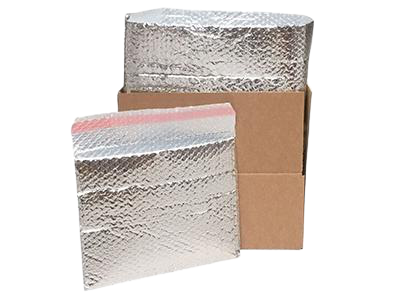
Thermal bag packaging keeps your groceries, vaccines and meal kits at safe temperatures while they travel. As you look for the right bag for 2026, you’ll notice that the cold chain packaging market will be worth around USD 20.0 billion in 2026 and is forecast to reach USD 39.1 billion by 2036. Pharmaceuticals and healthcare already account for 46.5 % of this market, while reusable insulated boxes and containers are growing quickly. With food safety rules like FSMA 204 requiring digital traceability and consumers demanding greener materials, understanding thermal bag packaging will help you make smarter choices. This guide explains how thermal bags work, compares insulation materials, outlines testing and regulation requirements and highlights innovations and trends that will shape the cold chain in 2026 and beyond. Updated February 24, 2026.
This guide will answer:
What is thermal bag packaging and why does it matter? — how multi-layer construction traps cold or heat to protect perishable goods.
Which insulation materials offer the longest cooling times in 2026? — comparing foams, vacuum-insulated panels, phase change materials and biodegradable options.
How do you choose a thermal bag for food, pharmaceuticals or e-commerce? — step-by-step considerations including hold time, payload, portability and certification.
How can you test and verify a bag’s performance? — simple at-home methods and professional protocols to avoid temperature excursions.
What regulations and sustainability trends will affect thermal packaging in 2026? — FSMA 204, EU Import Control System 2, carbon border adjustments and corporate net-zero commitments.
What market trends and innovations are reshaping cold chain packaging? — IoT sensors, self-refrigerated shippers, AI analytics and closed-loop models.
What is thermal bag packaging and why does it matter?
Thermal bag packaging is a portable container designed to maintain internal temperature ranges during transport. It protects your groceries, medicine or samples from the dangerous “temperature danger zone” (41 °F to 135 °F) where bacteria multiply quickly. Unlike ordinary totes, thermal bags use a multi-layer construction: an outer fabric, an insulation core, a reflective barrier and an inner liner. The outer layer is typically durable polyester or recycled polyethylene terephthalate (RPET) that resists abrasion and water. The core contains foam such as expanded polyethylene (EPE), polyurethane (PU) or cross-linked polyethylene (XPE), which reduces heat transfer through conduction. A reflective film (often aluminium foil or metallized PET) reflects radiant heat, while an inner liner made of food-grade PEVA or aluminium foil provides a hygienic surface and reflects heat back into the bag. These layers work together to limit conduction, convection and radiation, keeping the contents cold or hot.
Comparing insulation materials: foams, VIPs and PCMs
Different insulation materials influence how long a bag can maintain its temperature. The following table summarizes common options and what they mean for you:
| Insulation Material | Typical R-Value & Hold Time | Pros | Real-world meaning |
|---|---|---|---|
| Expanded polyethylene (EPE) | R ≈ 3.6–4.2 per inch; 4–8 h cooling for 8 mm thickness | Lightweight, inexpensive and flexible | Suitable for grocery trips or meal kits lasting half a day; can keep ice packs below 10 °C for about 6.5 h. |
| Polyethylene (PE) or EVA foams | R ≈ 4–5 per inch; 6–10 h hold time | Slightly denser; better insulation | Good for day-long outings or e-commerce shipments; still light enough to carry. |
| Polyurethane (PU) | R ≈ 6 per inch; 24–72 h hold time | High insulation; can maintain cold chain for multiple days | Ideal for pharmaceuticals or multi-day travel; often paired with vacuum-insulated panels (VIPs) for extra efficiency. |
| Vacuum-insulated panels (VIPs) | R ≈ 25 per inch; >72 h with phase change materials | Exceptional insulation with minimal thickness | Used in premium coolers and clinical shipments; maintain 2–8 °C for 48–72+ h. |
| Phase change materials (PCMs) | Hold time depends on melting point; can stabilize 2–8 °C for days | Absorb or release heat at a specific temperature | Extend hold times beyond gel ice; perfect for biologics or heat-sensitive meals. |
| Biodegradable foams and plant-based fibres | 24–96 h depending on thickness | Compostable and recyclable; reduce waste | Offer performance comparable to polystyrene while meeting sustainability regulations; degrade naturally after disposal. |
Foam thickness also matters. According to Tempk’s 2025 procurement guide, 3 mm EPE foam insulates up to six hours, 5 mm plus aluminium foil lasts 8–12 h, and 8 mm with high-quality zippers can maintain cold or hot content for 12–24 h. Therefore, the longer your trip, the more insulation you need. You can also extend hold times by adding gel packs (3–5 pounds per cubic foot, increasing 25–50 % in summer) and placing them on top of goods. If you need 48–72 h for vaccine shipments, choose a bag with PU foam or VIP panels and phase change materials. High-end systems like Ember’s Cube combine self-refrigeration with IoT sensors to maintain 2–8 °C for 72 + h while transmitting live data.
Real-world performance comparisons
When comparing soft cooler bags with premium systems, note that soft coolers usually keep food cold for 4–12 h, while premium coolers using thick foams or PCMs can last 24–72 h. A study of an 8 mm EPE bag with aluminium foil found it kept ice packs below 10 °C for 6.5 h and hot food above 50 °C for 4.2 h. Vacuum-insulated panels and PCMs easily surpass these times but cost more and may add weight. Biodegradable boxes using plant-based fibre insulation maintain temperature for 24–96 h and decompose naturally, reducing waste and meeting emerging regulations. When evaluating options, weigh hold time against cost, weight and sustainability goals.
Which insulation materials offer the longest cooling times in 2026?
Material choice is key to your bag’s performance. In 2026, the market is moving beyond traditional foams toward reusable insulated systems. The reusable cold chain packaging market is forecast to expand from USD 5.32 billion in 2026 to USD 9.77 billion by 2035 (CAGR 6.98 %). Sustainability pressures, rising biologics shipments and meal-kit deliveries are driving this shift. Reusable containers often integrate vacuum-insulated panels, phase change materials and IoT tracking to extend cooling times and reduce waste. Closed-loop pooling systems such as reusable plastic crates (RPCs) are gaining traction; they emphasize reuse, return, cleaning and redistribution. Operators are exploring bio-based insulation materials like bio-PCMs, biopolymers and dairy-protein films to cut carbon footprint and comply with ESG demands.
For everyday groceries or short e-commerce deliveries, EPE or PE foam bags provide a balance between weight and insulation. Their lighter structure suits riders and consumers carrying meal kits or picnics. However, if you need to ship vaccines, biologics or premium seafood across continents, invest in PU or VIP systems with PCMs, which maintain narrow temperature ranges for multiple days. Self-refrigerated smart packages, like battery-powered boxes that eliminate the need for dry ice or gel packs, are now commercially deployed. They maintain 2–8 °C for 48–72 h and include sensors for temperature, light and location. These innovations are ideal for high-value pharmaceuticals and gene therapies where integrity must be digitally proven at every step.
Innovations in materials and design
PCMs optimized for specific temperatures: Modern PCMs are formulated from hydrocarbons, salts or plant oils to melt at precise points (e.g., 2 °C, 15 °C or 25 °C). They absorb heat when melting and release it when solidifying, maintaining stable conditions. Water is a simple PCM at 0 °C, but advanced PCMs store more energy per volume and operate at different temperature ranges for pharmaceuticals or fresh produce.
Vacuum-insulated panels with bio-foam cores: VIPs are now integrated into biodegradable shells made from starch, wool or mycelium. These panels provide high R-values while being compostable. Examples include TemperPack’s ClimaCell and Green Cell Foam.
Multi-temperature zone shippers: New containers allow different temperature zones in one shipment (e.g., frozen fish and fresh vegetables). This reduces packaging and consolidates logistics.
AI-optimized material placement: AI models simulate how materials behave in real transport, helping manufacturers optimize PCM placement and foam thickness to achieve desired hold times while reducing weight.
When selecting insulation, consider not just hold time but ease of reuse, recyclability and compliance with end-of-life regulations. Foam options like EPE can degrade up to 94 % over four years, while cellulose-based liners are compostable and store flat, saving up to 70 % warehouse space.
How do you choose a thermal bag for your needs?
Choosing the right thermal bag is like matching shoes to an occasion – you need the right fit and performance for the context. Follow these steps:
Define your use case. Are you transporting groceries, catering food, clinical samples or vaccines? Food delivery requires safe temperatures below 40 °F for 24–72 hours, while vaccines may need 2–8 °C or even cryogenic ranges for multiple days. Short trips (under 6 h) can rely on lightweight EPE or PE foam; longer journeys demand PU or VIP systems.
Determine hold time and temperature range. Estimate how long your goods will be in transit, including potential delays. Add a safety buffer: if you need 8 h, choose a bag rated for at least 12 h. Use gel packs appropriately (3–5 lb per cubic foot, adjust up 25–50 % in summer). For shipments across seasons, use more refrigerant in summer and less in winter.
Size and payload. Check internal dimensions (volume) rather than external measurements. Overstuffing reduces air circulation and performance. If using VIPs or PCMs, ensure there is space for the refrigerant and product. Ask your supplier for internal capacity test certificates.
Closure design and portability. Look for leak-proof zippers, fold-over flaps or magnetic seals. Reinforced seams and thick insulation around closures prevent cold air leakage. Comfortable handles, shoulder straps and wheels make carrying easier. For cross-country shipments, select rigid containers with integrated wheels like Cryoport’s high-volume cryogenic system, which includes condition and location monitoring.
Material durability and user comfort. Outer fabrics such as 600D or 900D Oxford polyester or recycled plastics provide abrasion resistance. Aluminium foil liners withstand high temperatures and resist odors, while PEVA liners are softer and easier to clean. Reinforced bases and double stitching add load-bearing capacity. Choose ergonomic designs that match your mode of transport – riders prefer lightweight backpacks; couriers may need wheeled totes.
Certifications and compliance. Verify that materials meet food contact regulations (FDA, EU 10/2011) and recycling standards (GRS, OEKO-TEX). FSMA 204 requires digital traceability for at-risk foods. The European Union’s Import Control System 2 obliges importers to submit electronic pre-notifications of shipment data before arrival. Ask suppliers for test certificates and traceability documentation.
Branding and design. Custom printing not only builds trust but also differentiates your business. In 2026, branded thermal packaging is seen as a marketing tool that enhances unboxing experiences and encourages customer loyalty. Keep designs professional and ensure printing does not compromise insulation.
Decision-making checklist
| Step | Question to ask | Why it matters |
|---|---|---|
| Use case | What am I shipping? Food, biologics, or groceries? | Defines required temperature range and hold time. |
| Duration | How long will the shipment be in transit? | Determines foam thickness and need for PCMs or VIPs. |
| Volume | What is the payload volume and refrigerant space? | Prevents under- or over-filling; ensures proper air circulation. |
| Closure & durability | Are zippers leak-proof and seams reinforced? | Stops cold air loss and leaks during transport. |
| Compliance | Does the bag meet FDA/EU/FSMA 204 rules? | Avoids legal issues and ensures traceability. |
| Sustainability | Is the material reusable or recyclable? | Aligns with corporate ESG goals and reduces waste. |
Avoid common mistakes: Don’t choose a bag solely on price; inferior insulation can lead to spoilage. Always confirm internal dimensions and ask for performance data. Verify that the closure design is robust, and test it yourself before large orders. Balance branding complexity against cost and insulation performance; elaborate printing may require longer lead times.
How can you test and verify a bag’s performance?
Even the best bag can fail if it isn’t tested under real conditions. Here’s how to ensure your thermal bag meets your needs:
Thermal retention test. Fill the bag with refrigerated water bottles or gel packs and use a digital thermometer or data logger to monitor internal temperature. Simulate the expected ambient conditions (room temperature, outdoor heat). For critical shipments, test at the extreme high end of expected temperatures. Aim to stay within your target range for at least the required duration. The two-hour rule for perishable foods means that anything held between 41 °F and 135 °F for over two hours should be discarded.
Leak and condensation test. Add ice or cold packs and monitor external condensation. A well-insulated bag should minimize sweat. Pour a small amount of water near seams and check for leaks.
Load-bearing and durability test. Fill the bag to its rated capacity and lift it repeatedly or carry it around to test handles and seams. Walk on uneven surfaces and note any shifting of internal contents.
Cleaning and odor test. After use, clean the bag with mild detergent and water. Assess how quickly it dries and whether it retains smells. PEVA liners often resist odors better than aluminium foil but may stain more easily.
Real-use simulation. For business orders, perform a pilot run with actual products and shipping durations. Monitor temperatures using Bluetooth loggers or IoT sensors. Document any excursions and adjust foam thickness or refrigerant accordingly.
Quality control plans typically include pre-production samples, in-process checks and final inspections. Ask suppliers about their inspection protocols and demand test certificates for foam density, thermal performance and material safety. In addition, modern sensors provide real-time data and compliance documentation, building customer confidence.
What regulations and sustainability trends will affect thermal packaging in 2026?
The global cold chain landscape is evolving quickly. Stricter regulations and sustainability mandates will shape how thermal bags are designed, manufactured and used:
Digital traceability becomes mandatory. As of 2026, the Food Safety Modernization Act (FSMA 204) in the United States requires digital recording of critical events for foods on the at-risk list. The European Union’s Import Control System 2 obliges importers to submit electronic pre-notifications of shipment data before arrival. Canada’s Safe Food for Canadians Regulations (SFCR) enforce licensing, preventive controls and traceability. China has tightened digital registration for food exporters. Together, these rules make end-to-end data integration a requirement rather than a competitive advantage.
Environmental regulations intensify. The EU Green Deal, carbon border adjustment mechanisms (CBAM) and inclusion of maritime transport in EU ETS2 require companies to disclose emissions and reduce carbon intensity. In Brazil, a new emissions trading system expands environmental responsibility throughout the logistics chain. These policies incentivize low-carbon refrigerants, reusable packaging and accurate emissions reporting. Many corporate net-zero commitments already demand reusable or recyclable cold chain packaging.
Packaging waste reduction. Consumers are increasingly concerned about packaging waste—70 % of meal-kit subscribers worry about packaging. To address this, companies are adopting cardboard-based insulation with cellulose fibres that trap air pockets, maintain temperatures for 48–72 h and are compostable. These liners ship flat, reducing warehouse space by up to 70 %. Biodegradable boxes made from plant-based fibres or bio-foams provide 24–96 h of insulation and decompose naturally.
Sustainability reporting and data governance. ESG reporting frameworks require companies to disclose packaging footprints. Life-cycle assessments and digital twins help brands monitor carbon emissions and optimize container reuse. Reverse logistics and “sustainability as a service” offerings from logistics providers handle container returns, cleaning and redistribution to enable 20–40 reuse cycles. Investing in durable thermal bags and pooling programs reduces the total cost of ownership and landfill waste.
What market trends and innovations are reshaping cold chain packaging?
The cold chain packaging sector is dynamic. In 2026, several key trends and innovations will influence how thermal bags are designed and used:
Market growth and segmentation. The cold chain packaging market is projected to grow from USD 20.0 billion in 2026 to USD 39.1 billion by 2036, at a CAGR of 6.9 %. Pharmaceuticals and healthcare hold about 46.5 % share and insulated shippers dominate with 52.5 %. Demand is being driven by expanding biologics, vaccines and ready-to-eat foods. Reusable packaging systems and digital tracking technologies are gaining popularity as manufacturers seek to reduce waste and meet compliance standards.
Smart and active packaging. IoT-enabled shippers incorporate sensors for temperature, humidity, GPS and RFID to provide real-time visibility. These packages can send alerts when temperatures deviate, enabling immediate corrective action and compliance documentation. Battery-powered, self-refrigerated containers eliminate the need for dry ice or gel packs and maintain precise temperature ranges for 48–72 h. Active packaging innovations such as antimicrobial films, oxygen scavengers and thermochromic inks extend shelf life and provide visual indicators.
AI and predictive analytics. Artificial intelligence is transforming cold chain logistics. AI analyzes real-time sensor data to predict temperature excursions, optimize PCM placement and adjust routing. Digital twin models simulate container performance, enabling manufacturers to design more efficient bags before production. AI-powered logistics platforms also optimize delivery routes by considering traffic, weather and customs delays. Predictive maintenance reduces unexpected halts in refrigerated fleets, ensuring assets are available when needed.
Closed-loop and pooling models. Companies are adopting reusable containers and standardized pooling models like IFCO’s SmartCycle, which provide return, cleaning and redistribution services. Closed-loop systems reduce packaging waste and logistics costs while aligning with ESG goals. Reverse logistics services from UPS Healthcare and DHL SmartSensor manage container returns and refurbishment, promoting reuse cycles of 20–40 times.
Multi-temperature zone and modular designs. New shippers can carry products with different temperature needs in a single unit, reducing packaging and optimizing logistics. Modular containers are collapsible and stackable, improving return logistics and warehouse efficiency. Automation-friendly designs allow robotic picking and AGVs to handle packages in large cold stores.
Biodegradable and bio-based materials. A major shift is underway from expanded polystyrene to bio-foam, starch blends, wool-based liners and plant-derived PCMs. These materials match thermal efficiency but are compostable, meeting regulatory and consumer demands for sustainability. Boxes made from moulded pulp or bio-foam can provide 24–96 h of insulation and reduce temperature excursions by 18 % in case studies.
2026 latest thermal packaging developments and trends
Staying up to date helps you anticipate changes. Here’s a snapshot of the most important developments in early 2026:
Latest developments at a glance
Frozen foods market expansion: Global frozen foods revenue is expected to grow from USD 280.56 billion in 2025 to about USD 403.59 billion by 2032, growing at 4.65 % annually. This expansion increases demand for refrigerated capacity and multi-temperature transportation.
Stricter traceability rules: FSMA 204 and the EU’s Import Control System 2 now require electronic recording and pre-notification of shipment data. Digital systems are essential to comply with these laws.
Predictive AI adoption: AI solutions help plan demand, optimize routes, and perform predictive maintenance on refrigerated fleets. Operators must invest in data governance and analytics skills.
Environmental regulation: New emissions trading schemes in Europe and Brazil and CBAM mechanisms internalize carbon costs. Logistics operators must monitor and reduce carbon intensity across their supply chains.
Geopolitics and trade routes: Tensions in the Middle East and the Panama Canal are prompting nearshoring, alternative routes and regional hubs. Food supply chains must ensure robust refrigeration infrastructure and flexible logistics.
Market insights
The cold chain packaging market is highly segmented. Insulated shippers account for 52.5 % of the market because they provide flexible temperature control and are compatible with real-time monitoring. Pharmaceuticals and healthcare lead demand due to the sensitivity of biologics and vaccines. Growth drivers include rapid expansion of biologics, clinical trials and personalized medicine, as well as increased consumption of frozen and ready-to-eat foods. Major players such as Sonoco, Pelican BioThermal, va Q-tec and Softbox Systems dominate the market.
Frequently Asked Questions
Q1: How long can a thermal bag keep my food cold or hot?
The hold time depends on insulation thickness, material and ambient conditions. Lightweight EPE or PE foam bags typically keep items cold for 4–12 hours, while high-performance bags with PU foam, vacuum-insulated panels or PCMs can maintain temperature for 24–72 hours. Adding sufficient gel packs or PCMs can extend hold times even further. Always follow the two-hour rule: perishables left above 40 °F for more than two hours should be discarded.
Q2: What’s the difference between vacuum-insulated panels and foam?
Vacuum-insulated panels (VIPs) use a porous core enclosed in a gas-tight envelope and vacuum to inhibit conduction and convection, giving R-values around 25 per inch. They provide extremely long cooling times (>72 h) in a thin package. Foam (EPE, PE, PU) relies on air pockets to slow heat transfer; it is cheaper and lighter but has lower R-values (3.6–6 per inch). VIPs are ideal for pharmaceuticals and long-distance shipping; foam suits short trips and cost-sensitive applications.
Q3: How do I clean and maintain my thermal bag?
Remove loose debris and wipe the interior with mild soap and warm water. PEVA liners are flexible and resist odors, while aluminium foil liners tolerate higher temperatures but can crease. Dry the bag thoroughly before storage. Inspect zippers, seams and insulation regularly; replace the bag if you notice cracks, leaks or lingering smells. Avoid using harsh chemicals that could degrade the foam or liner.
Q4: Can I recycle or compost my thermal bag?
It depends on the material. Many single-use EPS or PU foams are not easily recyclable. However, newer bags made from recycled RPET fabrics, biodegradable foams or cellulose fibres are recyclable or compostable. Check the recycling symbols on your bag and follow local guidelines. Reusable pooling programs allow you to return rigid containers for cleaning and reuse, reducing waste.
Summary and recommendations
Thermal bag packaging is the unsung hero of the cold chain. A multi-layer structure comprising durable fabrics, insulating foams, reflective films and hygienic liners protects your goods against the temperature danger zone. The right insulation depends on your needs: EPE and PE foams suit short trips; PU, VIPs and PCMs handle multi-day journeys. As the cold chain packaging market grows to USD 39.1 billion by 2036, innovations like IoT-enabled tracking, self-refrigerated boxes and AI-optimized materials will become mainstream. Regulatory frameworks such as FSMA 204 and EU import controls make digital traceability mandatory, while sustainability rules push for recyclable and compostable materials.
Actionable steps:
Assess your requirements: define the product, temperature range and hold time. Choose insulation materials accordingly.
Test before committing: simulate real conditions with data loggers and confirm that internal temperatures stay within range.
Prioritize compliance: ensure bags meet FDA and EU regulations and incorporate digital traceability for high-risk foods and pharmaceuticals.
Invest in sustainability: select reusable or compostable options, participate in pooling programs and educate customers about end-of-life management.
Monitor trends: keep an eye on new materials, AI analytics and regulatory changes to stay ahead of the curve. Don’t hesitate to adopt smart packaging solutions; they offer better control and customer confidence.
About Tempk
Tempk specializes in innovative thermal packaging solutions for food, pharmaceutical and e-commerce logistics. Our products combine multi-layer insulation with advanced materials like phase change panels and vacuum-insulated liners to deliver reliable temperature control across varying distances. With R&D centers in North America and Asia, we continuously test new foams, PCMs and recyclable materials to meet 2026 regulations and sustainability targets. We also offer procurement consulting, helping clients optimize bag specifications, reduce costs and meet compliance requirements. Whether you’re shipping vaccines, meal kits or groceries, Tempk provides customizable options backed by test certificates and global support.
Get in touch: Contact our experts to discuss your thermal packaging challenges. We can help you design a tailored solution, implement digital tracking and set up reusable programs that align with your ESG goals.
Insulated Bag Business: How to Start and Grow in 2026?

Introduction
The insulated bag business is booming in 2026 thanks to explosive growth in food delivery, pharmaceuticals and outdoor recreation. Global insulated packaging revenue is forecast to rise from roughly USD 16.58 billion in 2025 to USD 17.65 billion in 2026, with the sector reaching USD 23.22 billion by 2031. Cooler bag sales alone are set to climb from USD 7.75 billion in 2025 to USD 8.46 billion in 2026. For you, this means a rapidly growing market hungry for reliable, sustainable temperature-controlled solutions. This guide breaks down the key drivers, planning steps, material choices, regulatory requirements and marketing tactics you’ll need to build a thriving insulated bag business. Everything is written in plain language so you can act quickly.
This guide will answer
Drivers and opportunities: What factors are fuelling demand for insulated bags and where are the biggest opportunities in 2026? (long-tail keyword: insulated bag business opportunities 2026)
Starting up: How do you research the market, choose the right segments and plan your insulated bag business? (long-tail keyword: start an insulated bag business)
Materials and design: Which insulation materials, thicknesses and design features improve performance and usability? (long-tail keyword: insulated bag materials performance)
Compliance and sustainability: How do you ensure product quality, regulatory compliance and eco-friendly credentials? (long-tail keyword: sustainable insulated bags 2026)
Marketing and sales: How can you market insulated bags to food, pharma and outdoor customers and negotiate pricing? (long-tail keyword: marketing insulated bags)
What are the key drivers and opportunities in the insulated bag business?
Demand is accelerating in multiple sectors. The insulated packaging market will grow at a 5.64 % CAGR between 2026 and 2031. Food delivery platforms, biologics manufacturers and grocery e-commerce are setting new standards for last-mile cold chain performance: direct-to-consumer groceries and frozen meals now require packaging that preserves product integrity for up to four hours after delivery. Cooler bags also double as marketing tools—each bag can generate 1,900–2,000 advertising impressions and remains in use for over two years.
Opportunities abound across end-markets. Food and beverage applications captured 48.43 % of insulated packaging revenue in 2025, but pharmaceutical and biotech logistics are expanding at a 6.71 % CAGR. The outdoor recreation boom after the pandemic has reinvigorated camping and tailgating, while grocery e-commerce and meal-kit subscriptions push demand for reusable bags. As hard-sided coolers still hold 59.15 % share, soft, flexible bag formats have plenty of room to grow.
Expanded explanation
The surge in insulated bag demand is tied to broader trends. E-commerce penetration and on-demand grocery apps are compressing delivery windows to 4–6 hours; companies are turning to vacuum-insulated panels (VIPs) and phase-change materials (PCMs) that deliver R-30 insulation in a 20 mm profile. Cold-chain investments in biologics and vaccines require validated temperature stability (±2 °C), pushing suppliers to develop larger pallet shippers—one 1,600 L unit introduced in 2025 cut vial shipping costs by 30–40 %. Sustainability mandates such as the EU’s recyclability-by-2030 rule and carbon border adjustments are catalysing a shift to recyclable, fibre-based formats. Meanwhile, supply chain disruptions like Red Sea and Suez Canal bottlenecks make robust cold-chain packaging non-negotiable. Together, these drivers create new niches—for example, reusable electric coolers for camping, high-insulation backpacks for bike couriers and small totes for grocery pick-up.
Market size and growth outlook
| Year / Metric | Value | Region or Segment | What it means for you |
|---|---|---|---|
| 2025 Insulated packaging revenue | USD 16.58 billion | Global | Baseline market size for business planning |
| 2026 Insulated packaging revenue | USD 17.65 billion | Global | Immediate market opportunity; demand up 6.5 % from 2025 |
| 2031 Insulated packaging forecast | USD 23.22 billion | Global | Long-term growth potential with 5.64 % CAGR |
| Cooler box market 2025 → 2031 CAGR | 9.22 % | Coolers (including bags) | Faster growth in soft-sided bags; time to innovate |
| Food & beverage share (2025) | 48.43 % | By end-use | Primary demand driver; restaurant and grocery opportunities |
| Asia-Pacific CAGR (2026-2031) | 6.59 % | Geography | Region to watch if you plan exporting or outsourcing |
Practical tips and advice
Study niche drivers: If you target meal-kit services, design bags that hold temperatures for 60–120 minutes; audits show more than 70 % of meal-kit boxes exceed 4 °C after extended transit.
Diversify end-use markets: Don’t focus solely on groceries. Healthcare logistics, outdoor gear and promotional giveaways offer complementary revenue streams.
Leverage sustainability trends: Invest in recyclable and reusable materials now to meet future regulations.
Use marketing value: Branded cooler bags provide long-lasting advertising; highlight this ROI when approaching corporate clients.
Case study: A regional meal-kit company noted that its paper liners allowed food to warm above safety thresholds during summer deliveries. By switching to a 5 mm foam bag with an aluminum liner and adding a branded logo, the company reduced spoilage complaints by 35 % and gained free advertising every time customers reused the bag—equivalent to thousands of impressions per month.
How to start an insulated bag business: Market research and planning
Start with market research and define your segments. Identify the industries you plan to serve—meal-prep services, grocery pickups, pharmaceuticals, outdoor recreation or corporate promotions. Each has different capacity requirements and hold-time expectations. Typical cooler bags range from 6 L to 40 L. Small (6–10 L) bags suit single meals, mid-size (15–20 L) bags handle meal prep or corporate packs and large (30–40 L) bags serve group catering and beverage service. Understand competitors’ pricing and features, and interview potential customers to learn their pain points—like delivery window length or cleaning concerns.
Develop a clear business plan. Determine your target sales channels (direct-to-consumer, B2B wholesale or both), production volume and funding needs. The procurement guide recommends setting performance metrics—such as required hold-time, comfort and hygiene—before sourcing manufacturers. Choose suppliers who provide compliance documents and traceability records. Factor in minimum order quantities and seasonal lead times: complex designs or full-colour printing require higher volumes and longer production schedules.
Expanded explanation
In 2026 the insulated bag market is fragmented, ranging from artisanal brands to mass suppliers. To stand out, position your brand around performance and sustainability. Use personas to map out customer needs: a busy urban professional might value slim lunch bags that fit into a backpack, while a biotech firm demands validated thermal performance. Evaluate shipping logistics early. Most cooler bags are delivered flat-packed for freight efficiency, but if you target retail shelves you may need custom cartons and folded presentation. Build contingency into your timeline—peak seasons in Q3 and Q4 can elongate lead times.
Capacity planning: choosing the right sizes
| Capacity category | Typical range | Use cases | What it means for you |
|---|---|---|---|
| Compact | 6–10 L | Single-meal deliveries, personal lunch kits | Lightweight and portable; fills quickly; ideal for quick-service outlets |
| Mid-size | 15–20 L | Meal-prep services, grocery packs, corporate giveaways | Fits multiple containers; good for promotional programs |
| Large | 30–40 L | Catering events, beverage service, outdoor activations | Requires sturdy construction and thick insulation; fill to 80–90 % to avoid warm pockets |
Practical tips and advice
Evaluate route reality: Measure how long products stay outside refrigeration and design capacity accordingly.
Balance size and usability: Larger bags offer more volume but increase weight; choose padded straps and reinforced bases for comfort.
Align MOQs with demand: Negotiate minimum order quantities based on forecasted sales; order more units if you need custom prints.
Prepare an RFQ checklist: Include materials, budget, quantities, preferred colours and shipping destination so suppliers can quote accurately.
Case study: A small catering startup initially ordered a single large size (35 L). Customers found it too heavy and often under-filled the bag, reducing insulation efficiency. After conducting customer interviews and route tests, the business introduced a mid-size 20 L bag with padded straps. Complaints dropped by 50 %, and the brand’s reorder rate improved due to improved user comfort.
What materials and designs improve insulated bag performance?
Insulation matters. The primary job of an insulated bag is to maintain temperature. Thermal performance depends on foam type, thickness, liner material and closure design. Closed-cell foams like PU (polyurethane) or XPE (cross-linked polyethylene) deliver high R-values around 6 per inch, while EPE (expanded polyethylene) provides 3.6–4.2 per inch. Thicker foam enhances performance: 3 mm EPE retains temperature up to six hours, 5 mm foam plus an aluminum liner extends hold-time to 8–12 hours, and 8 mm foam with sealed zippers can maintain temperature 12–24 hours when combined with gel packs.
Design details enhance usability. Aluminum foil liners reflect heat and resist moisture, improving retention. PEVA liners are flexible but less reflective. Closures—double zippers, flaps and Velcro—must create a tight seal; weak closures undermine insulation. Exterior fabrics such as 600 D and 900 D Oxford cloth deliver abrasion resistance and water repellence, while recycled polyester (RPET) supports eco-branding. Comfort features like padded straps, reinforced handles and anti-slip bases reduce fatigue for carriers.
Expanded explanation
When choosing materials, balance performance with weight and cost. PU and XPE foams offer superior insulation but are pricier; they suit pharmaceuticals or premium meal-kits. EPE foam is lighter and cheaper, adequate for grocery deliveries. Foil liners improve reflective insulation but add weight; PEVA liners are food-safe and easier to fold. Evaluate the environmental impact of each material: RPET is derived from recycled plastic bottles and helps meet sustainability mandates. Meanwhile, multi-layer polyethylene shells and high-performance foams developed through rotomolding can extend ice retention beyond five days—useful for camping and outdoor gear.
Comparing insulation materials and their performance
| Component | Typical specification | Performance impact | What it means for you |
|---|---|---|---|
| Foam type | EPE (R 3.6–4.2 per inch) vs. PU/XPE (R 6+ per inch) | Higher R-value delivers longer hot/cold retention | Choose PU or XPE for premium or pharmaceutical applications; use EPE for standard food delivery |
| Foam thickness | 3 mm, 5 mm, 8 mm | Thicker insulation extends hold-time | 5 mm plus foil yields 8–12 h retention; 8 mm with gel packs allows 12–24 h |
| Liner material | Aluminum foil vs. PEVA | Foil reflects heat and resists moisture; PEVA is flexible but less reflective | Use foil for outdoor and long-duration transport; PEVA for lightweight lunch bags |
| Closure system | Double zippers, flaps, Velcro | Tight seals prevent air ingress | Inspect closure quality; avoid weak zippers that leak heat |
| Exterior material | Oxford (600 D/900 D) vs. Non-woven vs. RPET | Oxford fabrics offer durability and water repellence; RPET adds eco-branding | Choose durable fabrics for heavy use; use RPET to appeal to sustainability-minded customers |
Practical tips and advice
Match foam to route: For urban deliveries lasting fewer than 6 hours, 3 mm EPE may suffice. For longer or more sensitive loads, invest in 5–8 mm foam and foil liners.
Check closure design: Test zippers and flaps repeatedly; a small leak can degrade thermal performance quickly.
Prioritize comfort: Select adjustable, padded straps and reinforced handles to reduce fatigue; this will improve delivery rider satisfaction and extend bag life.
Consider sustainability: Incorporate recycled fabrics and biodegradable foams to meet regulatory requirements and appeal to eco-conscious customers.
Case study: A biotech courier service needed to transport temperature-sensitive samples across urban centres. Standard EPE bags failed to maintain ±2 °C stability. By switching to an XPE-insulated bag with an 8 mm foam core and aluminum liner, the courier maintained temperature for 18 hours when combined with phase-change packs, meeting regulatory requirements and reducing spoiled shipments by 90 %.
How to ensure compliance, quality and sustainability
Testing and quality assurance protect your reputation. Before committing to bulk orders, perform practical tests on sample bags: run a thermal retention test by recording internal temperature every hour for 6–12 hours; pour water into the bag to check for leaks; fill the bag to 80–90 % capacity and carry it for 20–30 minutes to assess load-bearing; wipe the interior repeatedly to gauge cleaning and odour resistance; and simulate real delivery routes with feedback from users. Avoid common mistakes such as prioritizing price over performance or ignoring internal dimensions.
Compliance packs and sustainability credentials are essential. Food-contact insulated bags must adhere to FDA or EU 10/2011 guidelines and should come with traceability documentation and test certificates. Sustainability is no longer optional; climate policies like the EU Green Deal drive adoption of reusable fabrics and biodegradable materials. Certifications such as GRS (Global Recycled Standard) and OEKO-TEX verify recycled content and chemical safety.
Expanded explanation
Quality control should be embedded throughout your supply chain. Start with a pre-production sample (PPS) to verify colours, dimensions and materials; conduct in-process checks on stitching and print tolerances; and perform final random inspections before shipment. Document each stage to simplify audits. Sustainability is becoming a competitive differentiator: early adopters are investing millions in paper-based barriers and moulded-fibre complexes to replace polystyrene. Although sustainable materials can increase packaging costs by 10–15 %, consumers reward brands that commit to net-zero goals.
Quality assurance and eco-friendly certifications
| Certification / document | Purpose | Benefit to your business |
|---|---|---|
| FDA/EU 10/2011 test report | Verifies food-contact safety | Ensures bags won’t contaminate food or pharmaceuticals |
| GRS (Global Recycled Standard) | Confirms recycled content in fabrics | Validates eco-friendly claims and meets procurement requirements |
| OEKO-TEX certification | Assesses fabric chemical safety | Provides assurance to health-sensitive customers |
| Traceability documentation | Tracks batch production and material sourcing | Supports audit readiness and builds trust with clients |
| Pre-production sample approval (PPS) | Confirms colours, dimensions and materials before mass production | Avoids costly errors and ensures design alignment |
Practical tips and advice
Test everything: Conduct thermal, leak and load tests on prototypes before placing large orders.
Verify certifications: Always request compliance and sustainability documentation; if a supplier refuses, consider it a red flag.
Monitor quality during production: Implement in-line quality checks to catch stitching or printing defects early.
Plan for end-of-life: Provide recycling instructions or collection programs for used bags to support circular economy goals.
Case study: A restaurant chain ordered a batch of low-cost cooler bags from an unknown supplier. The bags leaked and had poor zippers, leading to damaged food and negative reviews. After switching to a supplier that provided FDA certification, GRS documents and robust testing, the chain reduced complaints and began promoting its sustainability credentials, attracting environmentally conscious customers.
How to market and sell insulated bags effectively
Position the bag as both a functional and promotional tool. Cooler bags aren’t just containers; they’re walking billboards. Each bag can generate up to 2,000 brand impressions and stays in use for over two years. To tap this value, design eye-catching graphics, choose durable fabrics that withstand repeated use and highlight sustainability to resonate with eco-conscious consumers. Don’t underestimate word-of-mouth—people notice well-made bags at picnics and grocery stores.
Tailor your message to each market. Food delivery apps prioritize hold-time and hygiene; pharmaceutical clients demand validated temperature control; outdoor enthusiasts look for ruggedness and weight distribution. Offer multiple capacity options and design variations—backpack-style bags suit bike couriers, tote bags appeal to personal shoppers and lunch boxes are perfect for office workers. When pitching to corporate buyers, emphasize the advertising ROI and the sustainability credentials of recycled fabrics.
Expanded explanation
Marketing strategies should mix online and offline channels. Create engaging content that educates users on how to keep meals cold or protect medications. Use social media to showcase innovative designs and invite user-generated content—photos of customers using your bags at beaches or campuses. Partner with local restaurants or farmers’ markets to co-brand limited-edition bags. For institutional sales, attend trade shows in food logistics or biotech and prepare data sheets showing thermal retention and environmental impact. Negotiating pricing requires a clear understanding of cost levers: insulation level, branding complexity, handle type and packaging style all influence unit cost. Offer tiered pricing: standard EPE bags at entry level and premium XPE versions at higher margins.
Pricing strategy and procurement negotiation
| Cost lever | Impact on unit price | Practical application |
|---|---|---|
| Size standardization | Smaller or standardized sizes reduce material waste | Offer a limited set of base sizes to optimize production and inventory |
| Insulation level | Thicker foam and premium liners raise costs but extend performance | Provide optional upgrades (e.g. 5 mm vs. 8 mm foam) and price accordingly |
| Branding complexity | Multiple colours or custom finishes increase printing expenses | Encourage customers to choose simple, high-contrast designs to control costs |
| Handle type & hardware | Padded straps and reinforced handles improve durability but add cost | Use these features on premium models or charge a small surcharge |
| Packaging style | Retail-ready folded bags require more labour | Offer flat-packed options for B2B orders and folded, tagged bags for retail |
Practical tips and advice
Create interactive tools: Develop an online calculator that helps customers choose the right bag capacity based on meal count or route time.
Upsell sustainability: Offer recycled fabric upgrades or eco-friendly packaging to differentiate your brand and justify higher prices.
Collect user feedback: Launch a self-assessment quiz (“Which cooler bag fits your lifestyle?”) to gather preferences and tailor future designs.
Secure pre-orders: Offer early bird pricing for corporate clients and require deposits to manage cash flow.
Case study: A craft brewery created custom cooler bags for a summer promotion. By choosing mid-size 15 L bags with vibrant branding, the brewery sold out its limited edition within weeks. Customers reused the bags at festivals and beaches, generating thousands of additional impressions and prompting a second production run. The brewery added an optional upgrade with recycled fabric, which 40 % of customers selected.
2026 latest developments and trends in the insulated bag sector
Technological advancements are reshaping insulated bags. Rotomolding and multi-layer polyethylene shells enable high-performance foams that retain ice for more than five days. Vacuum-insulated panels (VIPs) deliver R-30 insulation in a slim profile, while phase-change materials (PCMs) stabilize temperatures and reduce gel-pack weight. Falling VIP prices—down 15–20 % annually—are moving this technology from pharmaceuticals into gourmet coffee and seafood delivery.
Sustainability and regulation are accelerating innovation. Climate policies like the EU Green Deal and carbon border adjustments encourage companies to adopt eco-friendly refrigerants and biodegradable materials; some innovators have developed corrugated pallet shippers that maintain temperature for 120 hours. Paper-based barriers and moulded-fibre complexes can rival performance of foam while meeting recyclability mandates. Early adopters accept 10–15 % higher costs to align with consumer expectations and avoid future penalties.
Smart monitoring and electrification are emerging. Future cooler bag designs will integrate sensors for temperature, humidity and GPS tracking, giving real-time data on product conditions. Electric coolers with rechargeable batteries are gaining popularity among outdoor enthusiasts and car-campers; these units combine active cooling with reusable insulation. As cross-border e-commerce grows, expect increased use of IoT-enabled bags that communicate with logistics systems to ensure compliance.
Latest progress at a glance
Multi-layer and rotomolded shells: Provide R-values comparable to rigid coolers while remaining flexible.
Electrified coolers: Rechargeable coolers offer plug-and-play convenience, expanding product portfolios beyond passive bags.
Sensor integration: Real-time temperature and location monitoring helps businesses comply with strict pharmaceutical and food regulations.
Market insights
Rising cold-chain investments and e-commerce growth continue to drive demand. The global cooler box market, which includes cooler bags, is predicted to grow at 9.22 % CAGR between 2025 and 2031, with North America holding the largest share (41.75 % in 2025) and Asia-Pacific registering the fastest growth. Supply chain disruptions and volatile polymer prices—polystyrene traded between USD 1,200 and USD 1,550 per tonne in 2024–2025—underscore the importance of diversifying materials and suppliers. Consumers increasingly value reusable, recyclable products; brands that invest early in sustainable innovation will capture market share.
Frequently asked questions
1. How do I choose the right capacity for my needs? Start by assessing what you’re transporting. Compact bags (6–10 L) are ideal for single meals, mid-size bags (15–20 L) suit meal-prep or grocery orders, and large bags (30–40 L) support catering. Remember that thick insulation reduces internal volume by 15–20 %, so check inner dimensions before purchasing.
2. Which materials offer the best insulation performance? Closed-cell foams such as PU or XPE deliver the highest R-values (around 6 per inch) and longer retention. Combine 5–8 mm foam with aluminum foil liners for 8–24 hours of thermal control; 3 mm EPE foam is adequate for up to six hours.
3. How can I verify that a cooler bag is eco-friendly? Ask suppliers for certifications like GRS or OEKO-TEX, which confirm recycled content and chemical safety. Also request traceability documents and FDA/EU 10/2011 compliance reports.
4. What are typical lead times and minimum order quantities (MOQs)? Lead times depend on design complexity and seasonality. They run from final artwork approval to shipment and may lengthen during busy quarters. MOQs vary with bag size, branding coverage and materials; negotiate these details during the quotation stage.
5. How do I ensure my bags perform as promised? Conduct thermal, leak and load tests on samples. Simulate your actual delivery routes and gather feedback from users. Implement a quality control plan with pre-production sample approval and final random inspections.
Summary and recommendations
Launching an insulated bag business in 2026 requires understanding market drivers, selecting the right materials and designs, and committing to quality and sustainability. The market is growing rapidly; insulated packaging revenue will climb from USD 16.58 billion in 2025 to USD 23.22 billion by 2031, while cooler bags offer huge promotional value and functional necessity. To succeed:
Prioritize performance: Choose foam thickness and liner materials based on required hold-time. Avoid cheap bags with thin insulation and weak closures.
Enhance usability: Provide multiple capacity options with padded straps and reinforced bases to reduce user fatigue.
Test rigorously: Perform thermal, leak and load tests before committing to large orders.
Demand documentation: Require compliance and sustainability certifications and traceability documents.
Plan strategically: Define KPIs, negotiate MOQs, manage lead times and leverage cost levers like size standardization and packaging style.
Following these guidelines will help you create insulated bags that protect product quality, promote your brand and align with evolving regulations.
Next steps and call to action
Ready to launch? Here’s a simple action plan:
Assess your target market: Decide whether you’ll focus on food delivery, pharmaceuticals, outdoor recreation or a mix of sectors.
Prototype your design: Choose foam type and thickness, exterior fabrics and closure systems. Order samples and run quality tests.
Verify compliance: Collect FDA/EU reports, GRS and OEKO-TEX certificates. Develop a recycling or take-back program.
Plan production: Prepare an RFQ with volumes, budgets and timelines. Negotiate MOQs and schedule production ahead of peak seasons.
Launch marketing: Build a website, create interactive tools like capacity calculators and run targeted campaigns highlighting your bag’s performance and sustainability.
About Tempk
Tempk is a trusted provider of cold-chain solutions. The company designs and manufactures reusable cooler bags and thermal containers for food, pharmaceutical and logistics industries. Their products combine durable outer fabrics with high-performance insulation and user-friendly designs to ensure long-lasting temperature control. They prioritise sustainability by incorporating recycled materials and offering end-of-life recycling guidance. Whether you need compact lunch bags for delivery riders or large-capacity bags for catering, their experts work with you to develop a solution that meets your hold-time, branding and budget requirements
Refrigerated Bag Procurement Guide 2026: Smart Selection for Your Cold Chain

Introduction
Choosing the right refrigerated bag is more than picking the cheapest option – the wrong bag can ruin goods, waste money and damage your reputation. In this 2026 guide you’ll learn how to source refrigerated bags that fit your business needs. We’ll explore size, insulation and supplier checks, plus the latest market trends and sustainability insights. By the end you’ll know exactly how to keep your products cold and your customers happy.
Why refrigerated bag procurement matters: Understand how proper bags protect pharmaceuticals, food and other perishables.
Key factors to consider: Capacity, insulation, materials, durability and comfort all influence performance and cost.
How to choose a reliable supplier: Assess quality, certifications and customization options.
Emerging trends for 2026: Discover sustainability innovations, smart monitoring and market growth projections.
Frequently asked questions: Get clear answers to common queries about refrigerated bags, maintenance and regulatory compliance.
What Is Refrigerated Bag Procurement and Why Does It Matter?
Refrigerated bag procurement refers to the process of selecting, sourcing and acquiring insulated bags that maintain a controlled temperature during transport or storage. These bags are critical for cold-chain operations – vaccines, biologics, seafood and ready-to-eat meals all need to stay within precise temperature ranges to remain safe and effective. A 2025 study estimated the global cold-chain packaging market at around USD 27.7 billion and projected it to grow to more than USD 102 billion by 2034 due to rising demand for biologics and stricter regulations. That explosive growth underscores why businesses need to procure the right bags.
Why you should care
If you ship vaccines or fresh produce, a temperature excursion can lead to spoilage or regulatory violations. Governments enforce good distribution practice (GDP) guidelines requiring proof that your products stayed within safe limits. Proper refrigerated bags help you comply with rules from agencies such as the U.S. Food and Drug Administration (FDA) and the World Health Organization. They also reduce emissions by allowing more efficient transport; sea freight emits far less carbon per ton-mile than air cargo. In short, investing in quality bags protects your goods, your reputation and the planet.
How procurement fits into the cold chain
Cold-chain packaging can be active, passive, hybrid or reusable【109131073640976†L158-L217】. Refrigerated bags fall into the passive category, combining insulation materials with refrigerants like gel packs or phase-change materials (PCMs). These systems rely on thermal resistance rather than powered cooling. PCMs melt and solidify at specific temperatures – for instance, formulations designed to melt at +5 °C can keep vaccines stable, while sub-zero PCMs support frozen shipments. Understanding these principles helps you evaluate bag specifications and choose the right product for your cargo.
Key Factors in Refrigerated Bag Procurement
1 – Capacity and Size: Matching Bag Volume to Your Needs
Selecting the right size prevents both under-capacity and over-spending. Commercial cooler bags range from 6 litres to 40 litres:
| Capacity Range | Typical Uses | Practical Significance |
|---|---|---|
| 6–10 L | Single-meal deliveries, employee meals, small promotional kits | Compact and portable; ideal for meal services and catering tastings |
| 15–20 L | Multi-meal orders, grocery packs, mid-size promotions | Balances internal volume with ease of handling; good for food delivery riders |
| 30–40 L | Group catering, beverage programs, outdoor events | Provides space for ice packs and large containers; better for bulk orders |
Tip: always ask suppliers for internal dimensions. Thick insulation reduces usable volume by up to 20 %. Bags perform best when filled to 80–90 % capacity; empty space allows warm air pockets that degrade insulation efficiency.
2 – Insulation Performance & Duration
Thermal resistance, measured by R-value, indicates how well a material resists heat flow. Closed-cell foams like polyurethane (PU) or cross-linked polyethylene (XPE) provide high R-values around 6.0 per inch, while expanded polyethylene (EPE) or expanded polystyrene (EPS) offer 3.6–4.2 per inch. The thickness of the foam core directly affects how long a bag maintains temperature:
3 mm EPE: Entry-level; retains temperature up to ~6 hours.
5 mm foam with aluminium liner: Extends performance to 8–12 hours.
8 mm EPE with sealed zippers: Supports 12–24 hours, especially when used with gel packs.
Reflective liners such as aluminium foil enhance thermal efficiency by reflecting radiant heat. Food-safe PEVA liners are flexible but less reflective, so they’re better for short deliveries. The closure design also matters – robust zippers and flap covers seal out ambient air. Poor seals cause cooling losses even when insulation is thick.
3 – Material & Durability
Your bag will see daily wear. High-quality models use 600D or 900D Oxford fabric for the exterior, offering superior abrasion and tear resistance. Reinforced stitching at handles, corners and zippers reduces failure risk. Cheap ultrasonically welded seams may degrade quickly under heat or moisture. Double zippers with rust-resistant pulls and wide tooth tracks improve longevity. When evaluating samples, check seam reinforcement, zipper quality and the weight rating of straps.
4 – Carrying Comfort & Ergonomics
For last-mile delivery, the bag becomes part of your team’s gear. Widened, adjustable shoulder straps distribute weight evenly and reduce fatigue. Backpack-style bags with breathable back panels and sternum straps improve mobility. Meanwhile, totes suit short distances but require padded handles if carrying more than 5 kg. Consider how your team will carry the bags – by hand, bike or vehicle – and choose designs accordingly.
5 – Leak-Proof & Food Safety
A leaking bag can damage your products and your brand. Prioritise inner linings made from food-safe, waterproof materials like PEVA or aluminium foil. These materials resist moisture and oil and meet U.S. and EU food safety standards. Look for BPA-free, PVC-free and FDA-grade compliance labels. Cleanability is also key: smooth linings allow quick wipe-downs and withstand frequent sanitising. On the exterior, choose fabrics treated to resist stains and water – 600D Oxford or RPET options are good choices.
6 – Sustainability & Eco-Friendly Materials
Refrigerated bags can help meet your environmental goals. Reusable bags reduce single-use waste and cut carbon emissions. Bags made from recycled polyethylene terephthalate (RPET) reuse post-consumer plastic bottles and avoid approximately 2.5 kg of CO₂ emissions for every kilogram of RPET used. Some designs employ biodegradable linings or cardboard insulation to eliminate polystyrene entirely. When procuring, ask suppliers about recycled content, recyclability and end-of-life options.
7 – Compliance & Documentation
If you’re shipping pharmaceuticals or vaccines, regulatory compliance is non-negotiable. Good Distribution Practice (GDP) guidelines require proof that products stayed within specified temperature ranges. Choose bags with calibration certificates for their insulating materials or data loggers, and ensure suppliers can provide testing documentation. Some regulators accept reusable packaging rentals where the provider handles validation and returns – consider these models to reduce capital expenditure.
8 – Price vs. Total Cost of Ownership
Low-cost bags often skimp on insulation thickness, liner quality and stitching. A bag that fails after a few uses wastes money and may spoil goods. Evaluate total cost of ownership by considering replacement cycles, cleaning efficiency and potential spoilage. Reusable rental models may cost more upfront but lower long-term costs by eliminating storage and maintenance. Ask suppliers for case studies or performance data to support their pricing.
Practical Tips and Advice
Meal-delivery startups: Use 15–20 L bags with 5 mm foam and aluminium liners for multi-meal orders; maintain ~80 % fill rate and include two gel packs for 8–12 hour performance.
Clinical trial shipments: Opt for hybrid solutions combining vacuum insulation panels (VIPs) with PCM modules. This design maintained temperatures within ±1 °C for 96 hours and saved a clinical research organisation about $300 000 per year by reducing spoilage and return shipments.
Grocery e-commerce: Select collapsible 20 L bags with adjustable straps and leak-proof liners. Reusable RPET bags reduce environmental impact and can serve as promotional merchandise.
Food safety compliance: Follow USDA guidance and use an insulated bag with two cold sources – one above and one below the food – to keep lunches out of the danger zone (40–140 °F).
Real-world case: During the COVID-19 vaccine rollout, PCMs formulated for +5 °C and sub-zero temperatures kept vaccines stable during long journeys. Integrating wireless sensors allowed shippers to monitor conditions every few minutes, ensuring compliance with regulatory requirements. Such proactive monitoring reduced spoilage and strengthened public confidence in vaccine distribution.
How to Choose a Reliable Supplier for Refrigerated Bags
Selecting the right partner can be as crucial as selecting the bag itself. Consider these steps:
Evaluate material quality and manufacturing capability. Ask potential suppliers for sample bags and inspect seams, zippers and insulation. Request details on foam thickness, R-value and liner type. High-quality fabrics such as 600D Oxford provide durability.
Verify certifications and compliance. Ensure the supplier can provide food-grade and FDA-compliant certifications, as well as test reports for thermal performance. For pharmaceutical use, look for GDP certifications or compliance with WHO’s PQS guidelines.
Assess production capacity and scalability. If you plan to scale up, your supplier must handle large order volumes without compromising quality. Ask about lead times, minimum order quantities and contingency plans for supply disruptions.
Request customisation and branding options. Branded refrigerated bags double as marketing tools. Choose suppliers that offer custom printing, colours and sizes. Check that customisation doesn’t compromise insulation.
Evaluate sustainability initiatives. Preference should go to suppliers using RPET, biodegradable foams, or who offer rental and reuse programmes. Ask about end-of-life recycling programmes or take-back schemes.
Inspect after-sales support and warranty. Reliable suppliers provide clear warranties and responsive support for replacement or repair. Ensure there is a system to handle defective products quickly.
Questions to ask suppliers
What R-value and insulation thickness do your bags offer?
Can you provide testing certificates or GDP compliance documentation?
What materials do you use for the outer shell and liner? Are they food-safe and recyclable?
Do you offer repair services or replacement warranties?
How do you ensure consistent quality across batches?
By systematically comparing suppliers, you reduce risk and secure a long-term partner. Keep a scoring matrix that weights critical factors (e.g. 30 % quality, 25 % cost, 20 % compliance, 15 % sustainability, 10 % customisation). Assign scores and rank suppliers accordingly.
Evaluating Material and Insulation Options
Foam Materials and R-Values
Closed-cell foams trap tiny air pockets to slow heat flow. The three most common options include:
| Material | Typical Thickness | Approximate R-Value | Suitability |
|---|---|---|---|
| Expanded Polyethylene (EPE) | 5–8 mm | R 1.2–2.4 | Standard delivery bags, short trips |
| Expanded Polystyrene (EPS) | 10–20 mm | R 3.6–4.2 | Budget friendly; often used in disposable shippers |
| Polyurethane/Cross-linked Polyethylene (PU/XPE) | 25 mm (1 inch) | R 6+ | Premium cooler systems and medical transport |
Combine foam with a reflective liner (aluminium) to increase total R-value to R 5–10. PCMs can be integrated into pockets or panels to provide steady temperature control without external power. Microencapsulation prevents leakage and allows flexible packaging designs.
Vacuum Insulation Panels (VIPs)
VIPs remove air from a core material and encase it in multi-layer barrier films, dramatically reducing conduction and convection. They offer superior insulation with thinner walls, increasing payload capacity. However, VIPs cost more and require careful handling to avoid punctures. Hybrid designs combine VIPs with standard foam to balance cost and performance.
Smart Sensors and IoT Integration
Modern refrigerated bags can include sensors to monitor temperature, humidity, shock and location. Wireless data loggers send information to cloud platforms, enabling real-time tracking and alerts. Predictive analytics identify high-risk routes and trigger corrective actions. Blockchain technology can add tamper-proof records and automate compliance reports. When procuring, ask about optional sensor kits and software compatibility.
2026 Trends in Refrigerated Bag Procurement
Trend Overview
The cold-chain sector is undergoing rapid transformation. The global pharmaceutical cold-chain packaging market is expected to reach US$75 billion by 2032, growing at 14.6 % annually. Plastic-based materials like EPS and EPP still dominate, accounting for about 74 % of packaging share, but regulations and sustainability concerns are accelerating adoption of eco-friendly alternatives.
Latest Developments at a Glance
Market expansion: Cold-chain equipment is forecast to grow from US$94.3 billion in 2025 to US$179.8 billion by 2034, reflecting a compound annual growth rate of 7.4 %. The demand is driven by biologics, vaccines, fresh produce and e-grocery.
Sustainability push: Companies are shifting to reusable packaging and rental models, with utilisation rates expected to rise from 30 % to 70 %. RPET fabrics and cardboard-based insulation reduce carbon footprints.
Smart monitoring: IoT sensors and cloud systems enable real-time temperature tracking, predictive maintenance and blockchain-based traceability. Regulatory mandates, such as the U.S. FSMA Rule 204 requiring 24-hour traceability for high-risk foods, drive adoption.
Regulatory pressure: The EU Packaging and Packaging Waste Regulation (PPWR) and other policies encourage circular packaging and restrict single-use plastics. Governments also promote low-carbon materials and renewable energy in cold-chain operations.
Regional dynamics: North America leads the pharmaceutical cold-chain packaging market with 31 % share, while Asia Pacific is rapidly growing due to biopharmaceutical expansion. Europe remains a significant market due to stringent GDP regulations. For cold-chain equipment, North America is the largest market and Asia Pacific the fastest growing.
Market Insights
The growing consumption of temperature-sensitive products – from biologics to organic produce – underpins the cold-chain boom. E-commerce and direct-to-consumer delivery add pressure on last-mile logistics, increasing demand for mobile and modular cold storage solutions. Sustainability has become a differentiator; companies like Softbox introduced the Tempcell ECO, a recyclable cardboard shipper with thermal performance comparable to EPS. Governments are imposing tighter rules on packaging waste and encouraging the use of low-carbon materials.
For procurement professionals, these trends mean balancing performance, cost and environmental impact. Expect suppliers to offer more rental and reuse programmes, digital monitoring and eco-friendly materials. Keep an eye on local regulations and invest in training your team on proper bag conditioning and monitoring.
Frequently Asked Questions
How long can insulated refrigerated bags keep goods cold?
The duration depends on insulation thickness, material and the use of gel packs. Entry-level bags with 3 mm EPE foam maintain temperature for around six hours. Upgrading to 5 mm foam and aluminium liners extends performance to 8–12 hours, while 8 mm foam with sealed zippers can hold cold for 12–24 hours when used with gel packs.
What materials provide the best insulation for refrigerated bags?
Closed-cell foams like polyurethane (PU) and cross-linked polyethylene (XPE) provide high R-values (≈6.0 per inch) and are ideal for extended cold-chain journeys. EPE and EPS offer moderate insulation at a lower cost and suit short trips. Combining foam with reflective aluminium liners boosts R-values to R 5–10.
Are reusable refrigerated bags better than disposable ones?
Reusable bags are generally more durable and environmentally friendly. They use higher-quality fabrics and thicker insulation, reduce single-use waste, and can be returned or rented. Disposable shippers may be cheaper but often rely on EPS foam, which is hard to recycle and offers lower insulation.
How should I clean and maintain refrigerated bags?
Choose bags with smooth PEVA or laminated aluminium linings that allow quick wipe-downs. Clean the interior after each use with food-safe sanitiser; allow it to dry completely. Wash external surfaces with mild soap and water; avoid harsh chemicals that may degrade fabric treatments. Regularly inspect seams and zippers for wear and address small tears promptly.
What is the expected lifespan of a high-quality refrigerated bag?
With proper care, bags made from 600D or 900D Oxford fabric and reinforced stitching should last over 200–300 uses. The actual lifespan varies by use case – daily meal delivery may shorten life due to frequent washing and mechanical stress, while occasional pharmaceutical shipments can prolong it. Reusable rental programmes refurbish bags and can extend service life further.
Can I transport hot items in refrigerated bags?
Yes. According to the USDA, insulated containers can keep soups or chilli hot until lunchtime if you pre-heat the container with boiling water, fill with hot food and keep it sealed. For best results, choose bags with thick insulation and leak-proof inner linings.
Summary and Recommendations
The right refrigerated bag keeps your products safe, meets regulatory requirements and promotes sustainability. Remember these key points:
Match size to use: Choose volumes between 6 L and 40 L based on your cargo. Fill bags to 80–90 % capacity to maximise insulation efficiency.
Prioritise insulation: Invest in at least 5 mm of foam with a reflective liner for 8–12 hour performance. For longer journeys, consider 8 mm foam or hybrid designs with PCMs and VIPs.
Demand durability: Select bags with 600D or 900D Oxford fabric, reinforced stitching and high-quality zippers.
Ensure compliance: Verify food safety and GDP certifications; use data loggers or IoT sensors for high-risk goods.
Think sustainable: Choose reusable designs, recycled materials and rental programmes to reduce environmental impact.
Action Plan
Define requirements: Determine your payload types, required temperature range and transit duration.
Create a supplier scorecard: Evaluate potential partners on quality, cost, compliance, sustainability and customisation. Use a weighted scoring matrix to compare options objectively.
Order samples and conduct tests: Condition gel packs or PCMs properly, load the bag, and monitor temperature retention over your typical transport period. Check for leaks and ease of cleaning.
Negotiate sustainable models: Explore rental or buy-back programmes and ask suppliers about RPET or biodegradable materials.
Train your team: Ensure staff understand how to pack bags correctly, pre-condition PCMs, secure closures and use monitoring devices. Proper handling maximises performance and ensures compliance.
About Tempk
Tempk is an industry leader in cold-chain packaging and temperature-control solutions. We design and manufacture insulated bags, shippers, ice packs and phase-change materials for food, pharmaceutical and biomedical applications. Our products combine high-quality materials, advanced insulation technologies and eco-friendly designs. With a robust R&D centre and ISO-certified manufacturing, we offer custom solutions to fit your specific needs. Our reusable and recyclable products help companies reduce waste and achieve their sustainability goals.
Get Started
Ready to upgrade your refrigerated bag procurement strategy? Contact our team for a personalised consultation or request a sample kit to evaluate performance. We’re here to help you protect your products, cut costs and support a sustainable cold-chain future.
Cold Chain Packaging Systems: Protecting Goods & Trends 2025
Phase Change Materials vs. Gel Packs: Which Refrigerant Works Best?
How to Select Insulated Box Liners for Pharmaceuticals
The Ultimate Guide to Gel Ice Packs for Clinical Trials
Eco-Friendly Packaging Innovations in the Cold-Chain Industry
How a Refrigerated Bag Company Keeps Your Goods Fresh: 2026 Cold-Chain Guide
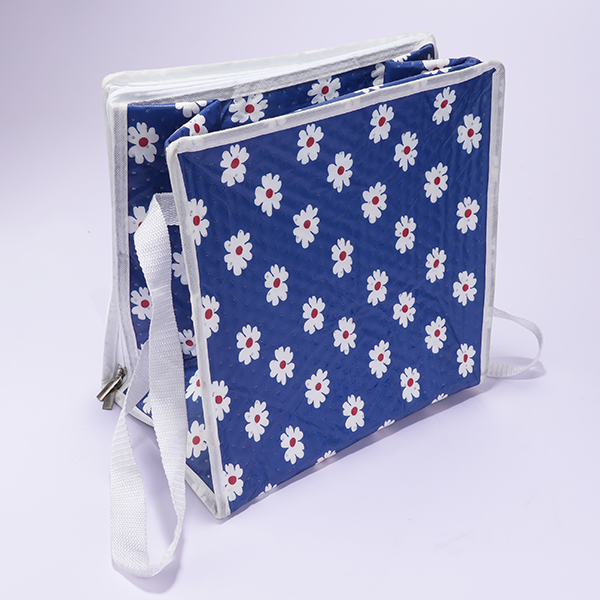
The global cold-chain industry is booming. By 2030 the market for temperature-controlled logistics is expected to reach about US$447.8 billion, driven by rising e-commerce grocery deliveries, vaccine distribution and demand for fresh foods. To meet these demands, refrigerated bag companies are innovating with advanced insulation, eco-friendly materials and smart sensors. This guide—updated in February 2026—shows you how a leading refrigerated bag company works and what you should look for when buying an insulated bag.
This article will answer your questions:
How does a leading refrigerated bag company keep items cold? Learn about insulation technology, bag construction and unique features (long-tail keyword: leading refrigerated bag company).
What role do IoT and predictive analytics play in cold-chain logistics? Understand real-time monitoring and AI route optimisation (long-tail keyword: IoT predictive analytics refrigerated bag logistics).
Why is sustainability now a core design principle? Explore biodegradable materials, recyclable liners and energy-efficient practices (long-tail keyword: sustainable refrigerated bag solutions).
What market trends will shape 2026 and beyond? Discover data on market growth, consumer behaviour and regulatory shifts (long-tail keyword: 2026 cold-chain trends).
What practical tips can you use today? Get advice on packing, maintenance and using your insulated bag in different scenarios.
What Makes a Leading Refrigerated Bag Company Stand Out?
Direct answer
A top refrigerated bag company combines high-performance insulation with user-friendly design and industry-specific expertise. Its bags mimic the multi-layer insulation found in professional thermal packaging—thick padded walls, durable exterior fabrics and secure closures—so groceries, medicines and meals stay cold during transit. Reinforced straps, internal pockets and customizable sizes make these bags convenient for daily use. Leading companies also provide cold-chain consulting and offer complementary products like gel packs and insulated liners.
Expanded explanation
Imagine you’re bringing ice cream home on a hot day. The bag’s job is to slow down heat transfer. Quality refrigerated bag companies use heavy-duty canvas or recycled polyester for the exterior and thick foam or phase-change materials inside. A secure zipper reduces warm air entry, similar to commercial delivery bags that preserve temperature for hours. Proper insulation can keep perishable foods under 60 °F for several hours even when ambient temperatures reach 100 °F. Leading manufacturers also test their bags to meet food-safety standards and supply chain regulations. Their design teams work with cold-chain experts to balance durability, weight and insulation performance, ensuring that the bags are not just stylish but functional for grocery runs, pharmaceuticals and last-mile delivery.
Insulated bag technology for last-mile delivery
When shipping vaccines or gourmet meals, last-mile delivery is critical. Modern refrigerated bags leverage features such as vacuum-insulated panels, reflective foils and modular inserts. The bags’ padded walls and secure closures help maintain cold temperatures for meats, ice cream and dairy. Many manufacturers also incorporate removable gel packs, internal pockets and adjustable dividers to separate frozen items from fragile produce. The table below summarises typical features of high-quality refrigerated bags compared with generic cooler bags.
| Feature | High-quality refrigerated bag | Generic cooler bag | Practical benefit |
|---|---|---|---|
| Insulation material | Multi-layer foam, reflective foil or vacuum panels | Basic foam or thin padding | Superior insulation retains cold for longer, reducing spoilage |
| Exterior fabric | Durable canvas, polyester or recycled textiles | Cheap vinyl or plastic | Resists tearing, improves longevity and supports eco-friendly branding |
| Closure system | Zipper or magnetic seal with overlapping flaps | Simple Velcro or drawstring | Prevents warm air ingress, improving temperature stability |
| Additional features | Reinforced straps, internal pockets, modular inserts | Limited extras | Hands-free carrying, organised packing and adaptable capacity |
| Capacity options | From 10-litre lunch totes to 30-litre grocery carriers | Often one-size | Allows you to choose the right size for daily meals, picnics or deliveries |
Practical tips and advice
Pre-chill your bag: Place an ice pack or frozen bottle inside for 10–15 minutes before loading groceries to create a cold base layer.
Pack strategically: Put frozen items at the bottom and surround them with cold foods; add gel packs or frozen veggies to extend cooling time.
Limit bag openings: Each time you open the bag, cold air escapes. Plan your packing to minimize searching.
Dry and ventilate: After use, wipe the bag dry and store it open to prevent moisture buildup and odour.
Real-world example: On a summer grocery trip, a shopper packed meats, ice cream and salad into a high-quality insulated bag. After a 45-minute drive, the internal temperature remained below 40 °F, and the reinforced straps made it comfortable to carry upstairs. The internal pocket kept keys secure, demonstrating how thoughtful design enhances everyday convenience.
How Do IoT and Predictive Analytics Enhance Refrigerated Bag Logistics?
Direct answer
IoT sensors and predictive analytics provide real-time visibility and proactive intervention in cold-chain operations. They measure temperature, humidity, vibration and location, sending continuous data to cloud platforms so operators can act before shipments spoil. Predictive algorithms analyse historical data to forecast equipment failures and optimise routes, reducing downtime and saving energy.
Expanded explanation
Cold-chain logistics spans manufacturing, warehousing, transport and last-mile delivery. Without precise monitoring, around 20 % of temperature-sensitive goods are damaged during transportation, contributing to roughly 40 % of global food waste. IoT solutions address these challenges by integrating devices like data loggers, wireless sensors, RFID tags and GPS trackers. These tools record environmental conditions and transmit data via Wi-Fi, cellular or LoRa networks. When temperatures deviate from the required range, alerts are triggered, enabling staff to reroute trucks or adjust cooling systems immediately.
Predictive analytics takes monitoring further. By analysing patterns in temperature fluctuations and equipment performance, operators can reduce unplanned downtime by up to 50 % and lower repair costs by 10–20 %. Predictive models also optimise energy usage—refrigeration accounts for about 70 % of energy consumption in cold storage facilities, and smart analytics can cut energy use by 10–30 %. Combined with IoT data, predictive analytics helps companies plan maintenance, avoid peak energy periods and make data-driven decisions.
Key IoT devices for refrigerated bags
| Device category | Key features | Real-world significance |
|---|---|---|
| Temperature & humidity loggers | Battery-powered devices record temperature/humidity over time; data accessed via USB, NFC or Bluetooth. | Provide historical compliance records; identify excursions but require connectivity for real-time alerts. |
| IoT wireless sensors | Install in refrigerated units; transmit real-time data via Wi-Fi, cellular or LoRaWAN. | Enable continuous monitoring and automated alerts, allowing quick response and predictive maintenance. |
| RFID temperature tags | Tags with embedded sensors send data as shipments pass checkpoints. | Streamline inventory management and reduce human error; require infrastructure and can be affected by metal or liquids. |
| GPS trackers | Combine location and temperature monitoring in transport containers. | Provide real-time visibility of shipment location and conditions, enhancing route optimisation and security. |
| BLE sensors | Low-power sensors transmit data to nearby devices; suitable for warehouses. | Cost-effective for local monitoring; limited range unless connected through gateways. |
| Smart refrigerated containers | Self-regulating units with built-in cooling and monitoring. | Ideal for long-distance shipping; expensive but highly reliable. |
Practical tips and advice
Start small: Use data loggers to build baseline temperature profiles before investing in more sophisticated sensors.
Integrate cloud platforms: Choose systems that collect data from sensors, RFID tags and GPS devices for comprehensive analytics.
Plan maintenance proactively: Use predictive analytics to schedule maintenance and replace equipment before failures occur.
Address connectivity gaps: Use multi-network devices (cellular, satellite, LoRaWAN) and store-and-forward gateways to avoid data loss.
Case example: A dairy company fitted IoT sensors in its refrigerated trucks. When a cooler malfunctioned on a long-distance route, the system sent an alert. Operators rerouted the truck to a nearby facility and transferred the cargo, preventing spoilage and saving thousands of dollars.
Why Is Sustainability Critical for a Refrigerated Bag Company in 2026?
Direct answer
Sustainability is now a central differentiator for refrigerated bag companies, driven by environmental regulations and consumer expectations. Companies are adopting recyclable materials, biodegradable liners and energy-efficient manufacturing to reduce carbon footprints and align with the circular economy. Sustainable designs not only minimize waste but also enhance brand reputation and customer loyalty.
Expanded explanation
Consumers are increasingly concerned about plastic pollution and climate change. In the insulated packaging sector, there is a strong shift towards eco-friendly materials such as plant-based fibres, biodegradable plastics and recyclable paper-based insulation. Traditional expanded polystyrene (EPS) and polyurethane foam are being replaced or supplemented with sustainable alternatives. For example, ProAmpac’s ProActive Recyclable FiberCool bag introduced in June 2024 is a curbside-recyclable insulated bag for food and grocery deliveries. Its one-piece design improves efficiency, reduces food waste and meets eco-friendly packaging demands.
Sustainability extends beyond materials. Cold-chain logistics consumes significant energy to maintain temperatures. Companies are investing in low-GWP refrigerants, solar-powered reefer containers and energy-efficient refrigeration systems. Sustainability initiatives also include carbon-footprint reduction, route optimisation and compliance with evolving food-safety standards. Even the storage temperature standard is being reconsidered: some cold-storage providers aim to shift from −18 °C to −15 °C, reducing energy use while maintaining food safety.
Sustainability features and their benefits
| Sustainability practice | Description | Benefit |
|---|---|---|
| Recycled and plant-based materials | Use of recycled polyester, hemp fibres or biodegradable plastics in bag exteriors and liners. | Reduces dependence on virgin plastics and lowers environmental impact; appeals to eco-conscious consumers. |
| Recyclable insulated liners | One-piece recyclable bag liners like FiberCool can be disposed of curbside. | Simplifies waste management, reduces landfill impact and improves brand reputation. |
| Energy-efficient manufacturing | Adoption of solar panels and energy-efficient machinery in production facilities. | Lowers operational costs and carbon emissions. |
| Lifecycle assessments | Evaluating environmental impact from raw materials to end-of-life and designing for recyclability. | Helps brands communicate transparency and meet regulatory requirements. |
| Partnerships for recycling | Collaborating with recycling firms or take-back programmes to recover used bags. | Supports circular economy and enhances customer engagement. |
Practical tips and advice
Choose recycled products: Look for bags made from recycled fabrics or plant-based materials; check for certifications like GRS (Global Recycled Standard).
Reuse and repurpose: Extend the life of your insulated bags by using them for groceries, picnics and travel. When it’s time to replace, donate or recycle according to manufacturer instructions.
Support brands with transparent sustainability practices: Explore companies that publish environmental performance and invest in eco-friendly innovation. For example, some brands are experimenting with compostable insulation to further reduce waste.
Be mindful of disposal: If your bag has a recyclable liner, follow local curbside recycling guidelines. Avoid contaminating recycling streams by cleaning the liner before disposal.
Insight: In the cooler bags market, sustainability is more than a trend—it is a basic requirement. Consumers increasingly seek reusable alternatives and expect products to be made from recycled or environmentally friendly materials. Brands that fail to adopt sustainable practices risk losing market share and credibility.
What Market Trends Will Shape Refrigerated Bag Companies in 2026 and Beyond?
Market overview and key data
The global cold-chain market is growing rapidly. By 2030 the market is projected to reach around US$447.8 billion, up from US$312.4 billion in 2024, with a CAGR of 6.2 %. Rising adoption of e-commerce grocery delivery and demand for temperature-sensitive pharmaceuticals drive this expansion. The North America cold-chain market alone was valued at US$152.55 billion in 2025 and is expected to grow to US$758.74 billion by 2035 at a CAGR of 17.4 %. Within this market, the storage segment dominated with a 61.7 % share in 2025, while monitoring components are forecast to grow at nearly 20 % annually.
Technology, demand and sustainability trends
Digitisation of the cold chain: IoT sensors, blockchain and AI are revolutionising logistics. Real-time monitoring and predictive analytics provide supply-chain visibility and help mitigate risks. Blockchain ensures traceability and tamper-proof records, while AI optimises routes and inventory. According to Tempk’s research, advanced cold-chain IoT solutions can reduce unplanned downtime by 50 % and cut energy use by 10–30 %.
Rising demand for temperature-sensitive products: Pharmaceuticals, biologics and fresh foods require strict temperature control. Consumers expect fresh and organic foods delivered quickly, and the pandemic accelerated direct-to-consumer models. This trend pushes refrigerated bag companies to offer high-performance insulation and small-format mobile containers for last-mile delivery.
Sustainable and eco-friendly packaging: Demand for biodegradable, recyclable and reusable materials is increasing. Cooler bag manufacturers are using recycled fabrics and eco-friendly foams and emphasising energy-efficient production. Products like FiberCool illustrate how sustainable design can still deliver high performance.
Non-seasonal lifestyle use: Cooler bags are evolving from niche, seasonal items to everyday accessories. Consumers use them for office lunches, grocery shopping and outdoor activities. Fabric cooler bags generated about US$1.4 billion in revenue in 2025, dominating the material segment. Compact bags under 10 litres accounted for roughly 35 % of the global cooler bags market share in 2025. Future growth will come from design innovation, modular features and multi-purpose functionality.
Regulatory and safety standards: New food-safety certifications like BRC and SQF require advanced temperature control and traceability. Cold-chain operators must comply with regulations such as FSMA (Food Safety Modernization Act) and 21 CFR Parts 203/211, which mandate strict handling of pharmaceuticals. Companies that invest in compliance and certification gain a competitive edge.
Energy-efficiency and carbon reduction: With refrigeration representing about 70 % of energy use in cold storage facilities, companies are adopting low-GWP refrigerants, solar-powered reefer units and optimised route planning. Even slight shifts—such as reducing storage temperature from −18 °C to −15 °C—could save significant energy.
Latest progress at a glance
Recyclable insulated bags: Companies launched recyclable insulated bags like FiberCool, offering curbside recycling and better thermal retention.
Direct-to-consumer meal kits: Food distributors expanded into direct-to-consumer meal kits, leveraging temperature-controlled delivery to bring restaurant-quality meals home.
Smart sensors & blockchain: Firms implemented IoT sensors and blockchain for traceability, enabling real-time monitoring and tamper-proof records.
Sustainability certifications: More cold-chain facilities are built to meet stringent BRC and SQF standards, integrating energy-efficient technologies.
Investment in monitoring components: In North America, the monitoring segment is projected to grow at a CAGR of 19.9 %, reflecting the importance of IoT and predictive analytics.
Market insights
The cooler bags sector is becoming lifestyle-oriented. Major brands like Igloo, Coleman, YETI, Engel and Thermos collectively held about 35 % of the cooler bags market in 2025. The future market will be non-seasonal, serving both personal and commercial use; growth will come from consumers transporting meals, groceries and prepared foods. Competition will focus on design, durability and sustainability credentials rather than basic insulation. Fabric bags dominate due to versatility and cost-effectiveness, with revenue of around US$1.4 billion in 2025. Below-10-litre capacity bags—ideal for daily lunches and office commutes—represent about 35 % of the market share.
Frequently Asked Questions
1. What’s the difference between a refrigerated bag and a cooler bag?
A refrigerated bag is a high-performance insulated bag designed for cold-chain logistics. It uses multi-layer insulation and secure closures similar to commercial packaging to keep groceries or medicines cold for hours. A standard cooler bag may use thinner insulation and is intended for casual use like picnics. For last-mile delivery or pharmaceuticals, choose a bag with thicker insulation, data-logger pockets and a robust seal.
2. How long can a refrigerated bag keep items cold?
With proper pre-chilling and packing, high-quality bags can maintain temperatures below 40 °F for several hours. The exact duration depends on insulation thickness, ambient temperature and whether you include gel packs. For extended trips, choose bags with vacuum panels or phase-change materials and add ice packs.
3. Are reusable insulated bags environmentally friendly?
Reusable insulated bags reduce single-use plastics and can last for years. Brands are increasingly using recycled fabrics, plant-based insulation and recyclable liners. Look for certifications and follow disposal instructions to maximise sustainability.
4. Do I need IoT sensors in my refrigerated bag?
For everyday grocery trips, you may not need sensors. But businesses transporting vaccines or frozen meals benefit from IoT sensors that provide real-time data, alerts and compliance records. Small businesses can start with data loggers and scale up to wireless sensors and cloud platforms.
5. How do predictive analytics reduce food waste?
Predictive analytics analyses historical data to detect patterns indicating equipment failures or temperature deviations. By forecasting potential issues, companies can intervene before shipments spoil, cutting unplanned downtime by up to 50 % and reducing energy use by 10–30 %. This proactive approach prevents food waste and saves money.
Summary and Recommendations
Key takeaways
Market growth and opportunity: The cold-chain market is growing rapidly, with the global market expected to reach US$447.8 billion by 2030. North America alone could exceed US$758 billion by 2035. This expansion is driven by e-commerce groceries, pharma distribution and consumer demand for fresh foods.
Technology and innovation: IoT sensors, blockchain and predictive analytics are revolutionising cold-chain logistics. They reduce waste, lower energy use and provide real-time visibility.
Sustainability matters: Consumers expect eco-friendly, reusable and recyclable insulated bags. Innovations like recyclable FiberCool bags show that sustainable design can meet performance demands.
Lifestyle integration: Cooler bags are moving beyond seasonal use. Fabric bags dominated the market with US$1.4 billion in revenue in 2025, and compact bags under 10 litres accounted for 35 % of market share. Design, durability and multi-functionality are key differentiators.
Regulatory compliance: Evolving food safety and pharmaceutical regulations demand robust temperature control and traceability. Businesses must invest in certified equipment and best practices to stay competitive.
Actionable recommendations
Invest in quality: Choose refrigerated bags with multi-layer insulation, durable materials and secure closures. Look for bags tested against industry standards and consider features like modular inserts and reinforced straps.
Adopt IoT gradually: Start with basic temperature loggers and upgrade to wireless sensors and cloud platforms as your needs grow. Integrate predictive analytics to optimise maintenance and energy use.
Prioritise sustainability: Select products made from recycled fabrics or biodegradable materials. Support brands that offer recyclable liners and transparent environmental reporting.
Stay informed on trends: Follow industry developments such as new refrigerants, blockchain traceability and standards like SQF/BRC. Align your strategy with emerging regulations and market demands.
Educate your team and customers: Provide training on proper packing, pre-chilling and maintenance. Offer guidance on recycling and reuse to maximise product lifespan and reduce waste.
About Tempk
Tempk is a leading refrigerated bag company specialising in cold-chain packaging solutions for food and pharmaceuticals. We design insulated bags, liners and ice packs that leverage proprietary multi-layer insulation and durable, eco-friendly materials, ensuring that your products stay within safe temperature ranges during transit. Our R&D centre continuously tests new materials—such as recyclable fiber-based insulation and phase-change gels—to improve performance and sustainability. We also provide cold-chain consulting, IoT monitoring systems and customised packaging for diverse industries. Our mission is to help you deliver freshness, reduce waste and meet stringent regulatory requirements.
Interested in optimising your cold-chain operations? Reach out to our experts for a free consultation, or explore our range of insulated bags and IoT solutions to find the right fit for your business.
Refrigerated Bag Customization Guide 2026 – How to Build a Branded Cooler That Works

Introduction – Why Customizing Refrigerated Bags Matters
Imagine handing a customer their meal or medication and seeing their face light up because everything arrives at the perfect temperature and in a stylish branded bag. Refrigerated bag custom designs transform ordinary insulated bags into functional marketing assets. Demand for cooler bags has surged; audits show that more than 70 % of meal-kit boxes exceed 4 °C after prolonged transit, making quality insulation critical. Meanwhile, the global coolers and insulated bags market is booming – it reached USD 13.75 billion in 2024 and is projected to hit USD 26.5 billion by 2032. In this guide you’ll discover how to design a refrigerated bag that protects temperature-sensitive goods while reinforcing your brand identity.
This Guide Will Help You:
Understand core features – You’ll learn how insulation thickness, materials and closure systems affect temperature retention and durability.
Make informed design decisions – Discover long-tail customization options like printing techniques, unique shapes and eco-friendly fabrics that attract customers and stay on trend.
Maximize marketing value – See why custom insulated cooler bags are mobile billboards that deliver thousands of impressions and influence buying behaviour.
Stay ahead of 2026 trends – Explore innovations such as smart monitoring sensors, recycled materials and modular designs poised to reshape cooler bags.
Plan your procurement – Follow a step-by-step process for choosing size, materials, printing and suppliers to ensure your investment meets performance and regulatory standards.
What Makes a Great Refrigerated Bag Custom Design?
A high-performing custom cooler bag balances thermal performance, usability and branding. Hold-time, capacity, insulation system and user comfort form the foundation.
Capacity and Size: Matching the Bag to Your Route
Choosing the right size prevents under-performing insulation or wasted space. Commercial cooler bags span 6 – 40 litres.
Compact (6–10 L): Ideal for a single meal or a small order; lightweight and easy to carry.
Mid-size (15–20 L): Versatile for meal-prep services or grocery packs; strikes a balance between capacity and manageability.
Large (30–40 L): Suits catering events or group orders; requires durable materials and thicker insulation.
Tip: Fill your bag to 80–90 % of its volume to avoid warm air pockets; underfilling reduces cooling efficiency.
Insulation Performance and Materials
The heart of any refrigerated bag is its insulation. R-value measures thermal resistance; higher values mean better temperature retention. Understanding foam types and thickness helps you hit your hold-time targets:
| Component | Typical Specification | Impact | What It Means for You |
|---|---|---|---|
| Foam type | EPE (R 3.6–4.2/inch), PU/XPE (R 6+/inch) | Higher R-values deliver longer retention; PU and XPE outperform EPE | Choose PU/XPE for premium applications; EPE suits standard food delivery |
| Foam thickness | 3 mm, 5 mm, 8 mm | Thicker foam extends insulation; 5 mm + foil gives 8–12 h, 8 mm plus sealed zippers reaches 12–24 h | Select thickness based on your route length; pair with gel packs for extended hold times |
| Liner material | Aluminum foil vs. PEVA | Foil reflects radiant heat and resists moisture; PEVA is softer but less reflective | Use foil for outdoor or long-duration transport; PEVA for lightweight, food-safe applications |
| Closure system | Double zippers, flaps, Velcro | Tight seals prevent heat ingress and leaks | Inspect zippers and flaps; weak closures cause rapid cooling loss |
High-end bags may incorporate vacuum-insulated panels (VIPs) and phase-change materials (PCMs) to maintain pharmaceutical ranges between 2–8 °C. Foams such as PU can keep contents cold for 24–72 hours, making them ideal for long-distance deliveries. Use aluminum foil liners and sealed seams to prevent leaks and reflect radiant heat.
Durability and User Comfort
Outer materials determine how well your bag withstands daily handling. Oxford or recycled polyester (RPET) fabrics provide abrasion resistance and water repellence, while non-woven fabrics are cheaper but less durable. Reinforced handles, padded straps and structured bases reduce carrier fatigue and maintain shape. When designing a refrigerated bag custom, match the carry style – tote, backpack or lunch bag – to your delivery method.
Testing Before Bulk Orders
Before committing to thousands of units, test samples for thermal retention, leak resistance, load-bearing and cleanability. Simulate your actual delivery routes, record temperature every hour, and gather user feedback on comfort. Verifying performance ensures your bag protects products and your brand reputation.
Why Choose Custom Refrigerated Bags for Your Brand?
Insulated bags are more than logistical tools – they’re mobile billboards for your organization. Branded cooler bags generate thousands of impressions and remain in use for over two years, providing long-term marketing exposure. Here’s why going custom pays off:
Enhanced Brand Visibility: Custom insulated cooler bags act like a walking advertisement. Their high reuse rate means your logo travels everywhere your customer goes. Studies show that 68 % of consumers’ purchasing decisions are influenced by aesthetic design, so eye-catching colours and logos make a difference.
Practical Value: Unlike disposable gifts, cooler bags are used frequently. Corporate gifting experts highlight that custom cooler bags are practical, stylish and durable, offering genuine utility whether at a picnic or client meeting.
Professional Appeal: Embroidered or high-quality printed logos elevate perceived value and professionalism. Branded cooler bags convey thoughtfulness and attention to detail.
Employee and Client Appreciation: Companies use custom cooler bags as employee recognition awards, client gifts and trade show giveaways. Recipients remember the gesture and associate your brand with quality.
Alignment with Sustainability Goals: Eco-friendly materials such as recycled polyester and natural fibres help brands demonstrate environmental stewardship. Customers increasingly favour reusable items over single-use packaging.
Case Example: A food delivery company in North America replaced generic plastic bags with branded insulated coolers. The durable bags kept meals cold for 60–120 minutes outside refrigeration, reducing spoilage complaints. Customers appreciated the high-quality packaging and reused the bags for picnics, which extended brand visibility. As a result, the company reported a 15 % increase in repeat orders and positive social-media mentions.
Selecting Materials and Insulation: Achieving Temperature & Branding Goals
Material selection affects both performance and aesthetics. Use this section as a checklist when working with a supplier.
Fabric Choices for the Exterior
Oxford Fabric (600D, 420D, 300D and higher): Durable, waterproof and cost-effective; used widely for cooler bags. Higher Denier (D) counts mean thicker fibres and higher cost but greater wear resistance.
Canvas Fabric: Thicker, breathable and tear-resistant; offers a premium look. Suitable for upscale picnic coolers or lifestyle brands.
Non-woven Fabric: Affordable but less durable; ideal for large promotional giveaways.
Recycled Polyester (RPET) & Natural Fibres: Embrace sustainability. Eco-friendly materials like cork, jute and rPET provide a natural, raw look and resonate with environmentally conscious consumers. These materials can degrade naturally while maintaining insulation.
Insulation Materials & Performance
| Foam Type | Typical Hold Time | Ideal Use | Notes |
|---|---|---|---|
| EPE (Expanded Polyethylene) | 4–8 hours | Lunch bags, grocery coolers | Lightweight, cost-effective but compresses over time; pairs well with aluminum liners |
| PE (Polyethylene) | 6–10 hours | Mid-range delivery bags | Higher density and compression resistance; good balance between cost and performance |
| EVA (Ethylene Vinyl Acetate) | 10–24 hours | Premium soft coolers, beach bags | Durable and offers superior thermal resistance at higher weight and cost |
| PU (Polyurethane) | 24–72 hours | Hard coolers, long-haul shipments | Extremely low thermal conductivity; can be integrated as thin panels in soft bags |
To improve performance, combine foams with reflective films, VIP panels or PCMs, especially for pharmaceuticals requiring 2–8 °C control.
Interior Linings & Leak Prevention
Aluminum Foil: Most reflective; improves cold and hot retention.
Thick Aluminum Film: A premium upgrade; lasts longer and withstands repeated folding.
PEVA (Polyethylene Vinyl Acetate): Recyclable, durable and easy to clean; heat-sealed seams make it leak-proof, allowing your bag to double as an ice bucket.
Normal Foil: Economical but sewn seams may leak.
Choose heat-sealed linings and reinforced seams. A bag using 8 mm EPE foam with aluminum foil maintained ice packs below 10 °C for 6.5 hours and hot food above 50 °C for 4.2 hours at 25 °C ambient.
Closure Systems & Sealing
High-quality zippers, double flaps and Velcro strips prevent warm air infiltration and leaking. Water-resistant zippers with large pulls are easier to handle, especially when wearing gloves.
Printing & Branding Techniques
Design influences purchasing decisions. Consider the following techniques to make your refrigerated bag custom stand out:
| Printing Method | Features | Best Use |
|---|---|---|
| Full-colour sublimation | Produces vibrant, photographic artwork over the entire surface. | Ideal for creative campaigns needing rich graphics. |
| Silkscreen printing | Cost-effective for simple designs and large runs. | Suitable for logos and limited colours. |
| Gold foil or metallic printing | Adds a premium touch; eye-catching and reflective. | Use for luxury brands or high-end corporate gifts. |
| Embroidery | Stitches the logo into fabric for a durable, upscale finish. | Best for permanent branding on thick fabrics. |
| Patch-IT™ detachable patches | Allows the logo to be swapped for different campaigns. | Great for seasonal promotions or multi-brand partnerships. |
You can also play with unique shapes and colours. Designers suggest creating cooler bags in cylindrical, pillow-like or animal shapes and using vibrant patterns or minimalist designs to make your bag a conversation piece.
Eco-Friendly Choices
Consumers and regulators expect sustainable products. Trend reports note that eco-friendly materials like recycled plastics and biodegradable fibres are becoming mainstream. WellPromotion’s 2026 survey found that eco-friendly insulated bags support enterprise ESG goals and appeal to environmentally aware buyers. When sourcing, look for suppliers certified under schemes like GRS, OEKO-TEX or FDA/EU food-contact standards.
Design & Printing Strategies to Make Your Cooler Bag Stand Out
It’s not enough to have a functional bag; it needs to capture attention and reflect your brand story.
Choose the Right Size and Shape for the Occasion
Start by identifying your customer’s typical use case:
Lunch-box size (6–10 L): Perfect for office workers and students. Compact bags with a drawstring or zip top keep meals fresh and fit easily into backpacks.
Medium picnic or grocery bags (15–20 L): Provide enough space for multiple containers and drinks. A sturdy base and strong handle straps allow the bag to sit upright during transit.
Adventure bags (20–40 L): Consider backpack or convertible designs for outdoor events. Include extra pockets, bottle openers or detachable dry compartments.
Match Materials to Use Scenarios
Oxford 600D or 900D fabrics for robust daily delivery. The denser the fabric, the more durable and expensive.
Canvas for a premium, rugged look; suits lifestyle and camping brands.
Cork or jute to reinforce sustainability messages.
Non-woven fabric for cost-effective campaigns where high volumes are needed.
Incorporate Functionality into Design
Built-in accessories: A built-in bottle opener or detachable cutlery pocket adds convenience and sets your bag apart.
Multi-compartment systems: Combine cooler and dry compartments with detachable modules for versatile use.
Convertible designs: Switch between backpack and tote modes or fold the bag down for compact storage.
Smart features: Integrate temperature sensors, Bluetooth connectivity or GPS tracking so users can monitor contents via smartphone.
Printing & Colours That Pop
Vibrant full-colour prints catch the eye and are perfect for consumer-facing campaigns.
Minimalist logos on neutral fabrics project sophistication and are popular for corporate gifting.
Unique shapes such as cylinder or can designs and whimsical patterns appeal to younger audiences and families.
Eco-colours (greens, browns, natural textures) reinforce sustainability messages and pair well with cork or rPET fabrics.
Applications: Where Custom Refrigerated Bags Shine
Custom refrigerated bags aren’t just for picnics; they support diverse sectors.
Food & Beverage Delivery
Meal-prep and grocery services rely on insulated bags to keep products cold for 60–120 minutes outside refrigeration. Good insulation reduces spoilage and protects your reputation. Bags printed with your logo remind customers of your brand each time they reuse them.
Healthcare & Pharmaceuticals
Vaccines, biologics and clinical samples require precise 2–8 °C control. Incorporate VIP panels and PCMs for long hold times, and attach data loggers or IoT sensors to comply with regulatory requirements.
Corporate Gifting & Promotions
Give employees and clients an item they’ll actually use. Custom cooler bags serve as employee recognition awards, trade-show giveaways and client appreciation gifts. Many manufacturers offer low or no minimum order quantities and bulk order discounts.
Outdoor Recreation & Events
Picnics, festivals and sporting events drive demand for multi-functional cooler bags. Trend reports note that multi-scenario adaptability (portable or foldable designs) has become a core competitiveness, with bags shrinking to one-fifth of their size after folding. Promotional insulated cooler bags serve as souvenirs at events, creating lasting memories.
Retail & Merchandising
Supermarkets and F&B brands offer branded cooler bags as gift-with-purchase items or loyalty rewards. Studies suggest each bag generates 1,900–2,000 impressions over its life. Use unique shapes and prints to encourage reuse and differentiate your store from competitors.
Step-By-Step Guide to Ordering and Customizing Your Refrigerated Bags
Following a structured procurement process ensures your custom bag meets performance, aesthetic and regulatory requirements.
Step 1: Define Use Case and Capacity
List your typical routes, payload sizes and hold-time requirements. Use a capacity calculator or interactive tool to determine whether you need a 6 L lunch bag or a 40 L catering bag. Consider adding 20–30 % extra volume for ice or gel packs.
Step 2: Select Insulation Type and Thickness
Match foam thickness and liner materials to your required hold time. For last-mile delivery (60–120 min), 5 mm EPE foam with aluminum foil suffices; for multi-hour excursions, choose 8 mm foam combined with VIP panels. Use the table above to decide which foam suits your application.
Step 3: Choose Fabrics and Features
Pick exterior fabrics based on durability and brand image – Oxford for everyday use, canvas or cork for premium gifts, rPET for sustainability. Decide on additional features: bottle openers, detachable compartments, adjustable straps or tech integration.
Step 4: Plan Branding & Artwork
Work with your design team to develop artwork. Ensure the main keyword appears in the first 50 words of your landing page copy for SEO. Select printing techniques (sublimation, silkscreen, embroidery, patch) depending on your budget and design complexity.
Step 5: Source & Test Samples
Request prototypes from suppliers. Conduct thermal retention tests (record internal temperatures hourly), leak and load tests and cleaning trials. Evaluate comfort and brand appearance. Use survey forms to gather feedback from employees or delivery drivers.
Step 6: Verify Certifications & Compliance
Ask suppliers for documentation: GRS or OEKO-TEX for recycled fabrics, FDA or EU food-contact compliance for inner linings. Ensure they offer warranties on printing and seams. If distributing internationally, confirm they meet local regulations.
Step 7: Negotiate Pricing & Minimum Order Quantities
Discuss lead times, MOQs and pricing. Many suppliers offer bulk discounts and flexible minimums; some companies, like NorChill, even have no minimum order policies for certain customization methods. Plan orders around peak seasons to avoid delays.
2026 Trends and Innovations in Refrigerated Bag Customization
Staying informed about emerging trends helps you design bags that meet future expectations.
Smart Monitoring & Connected Coolers
The 2026 procurement guide notes that cooler bags will integrate smart monitoring, with sensors tracking temperature, humidity and GPS location to provide real-time data. Such features help businesses comply with regulations and reduce spoilage. Tech-savvy consumers like Emily enjoy using smart cooler bags that sync with weather apps for real-time advice on preserving food during long hikes.
Sustainable & Eco-Conscious Materials
Market trends show a growing preference for eco-friendly, reusable materials. WellPromotion reports that brands increasingly choose bags made of recycled plastics and natural fibres to align with ESG goals. Innovative manufacturers are launching biodegradable insulated bags and offering natural degradation while maintaining insulation.
Multifunctional & Modular Designs
Consumers demand bags that adapt to various scenarios. Trend researchers describe multi-functional designs – such as cooler backpacks that convert into tote bags or fold down to one-fifth their size – as key differentiators. Integrated dry compartments, detachable inserts and adjustable straps expand the bag’s utility for camping, commuting and delivery.
Personalized Experiences & Aesthetics
Customization goes beyond logos. Personalizing each bag with individual names or seasonal artwork allows brands to connect with customers on a deeper level. NorChill offers individual name customization and Patch-IT™ swaps, enabling small batch campaigns without large MOQs. Data shows that design aesthetics directly influence 68 % of purchasing decisions.
Advanced Insulation Technologies
Manufacturers are experimenting with vacuum-insulated panels, phase-change materials and biodegradable foams to extend cold retention and reduce environmental impact. Some high-end cooler bags integrate VIPs and PCMs to keep vaccines within the required range for over 72 hours. Innovations like ultrasonic welding improve seam strength and production efficiency.
Market Growth & Demand Drivers
The coolers and insulated bags market is projected to grow from USD 13.75 billion in 2024 to USD 26.5 billion by 2032 at a 8.3 % CAGR. Growth drivers include increased outdoor recreation, booming food delivery and meal-kit industries, heightened food safety awareness and expansion of the pharmaceutical cold chain. Customization and sustainability are becoming standard expectations, creating opportunities for brands to differentiate.
Frequently Asked Questions
Q1: How do I determine the right size for my custom refrigerated bag?
Assess your typical delivery route, order volume and required hold time. Compact bags of 6–10 L suit single meals, 15–20 L work for groceries and medium orders, and 30–40 L serve catering and group activities. Always allow 20–30 % extra space for ice or gel packs.
Q2: What materials should I choose for sustainable custom cooler bags?
Opt for fabrics like recycled polyester (RPET), cork, jute or canvas. Pair them with EPE or PU foams for insulation and heat-sealed PEVA liners to prevent leaks. Always verify certifications like GRS or OEKO-TEX to ensure authenticity.
Q3: How long can a refrigerated bag maintain temperature?
Hold time depends on foam type and thickness. 3 mm EPE foam retains cold for up to 6 hours, 5 mm with foil extends to 8–12 hours, and 8 mm foam with sealed zippers paired with gel packs can hold temperatures for 12–24 hours. High-end PU foam or VIP panels can extend retention to 24–72 hours.
Q4: What are the benefits of smart cooler bags?
Smart cooler bags include sensors that monitor temperature, humidity and location, allowing users to track contents via smartphone and ensure compliance. They reduce spoilage, improve regulatory compliance and enhance user experience.
Q5: How can I ensure my branded cooler bags align with ESG goals?
Select eco-friendly materials and verify environmental certifications. Educate customers on reuse and recycling. Partner with suppliers that practice sustainable manufacturing and offer take-back or recycling programs. This demonstrates corporate responsibility and resonates with environmentally conscious consumers.
Summary of Key Takeaways
Balance performance and branding: Choose the right capacity, foam thickness and materials to meet your hold-time and durability needs, while using vibrant prints and eco-friendly fabrics to enhance brand appeal.
Leverage customization as marketing: Custom refrigerated bags deliver thousands of impressions and influence purchasing decisions. They are practical gifts that strengthen customer loyalty and employee morale.
Prioritize sustainability: Consumers and regulators expect reusable, recyclable materials. Integrate recycled fabrics and biodegradable foams into your design.
Stay ahead with technology: Smart monitoring, VIP panels and PCMs are shaping the next generation of cooler bags. Prepare your product for IoT integration and regulatory compliance.
Follow a structured procurement process: Define your use case, select materials, design artwork, test samples and verify certifications before placing bulk orders.
Actionable Next Steps (CTA)
Assess your needs: Conduct a quick internal audit to determine typical routes, product loads and brand goals.
Use our capacity calculator: Insert values like distance, stop count and target hold time to choose the right bag size.
Request samples: Contact a reputable supplier to obtain prototypes with your preferred materials and branding. Perform retention and durability tests.
Finalize your design: Collaborate with designers to produce an eye-catching artwork. Choose printing methods (sublimation, embroidery, patches) that suit your budget and message.
Place your order: Negotiate pricing, minimums and lead times. Ensure the supplier offers environmental certifications and quality guarantees.
Ready to elevate your brand? Reach out to Tempk’s experts for personalized assistance in designing your refrigerated bag custom solution. We’ll help you select materials, plan artwork and ensure your bag meets temperature, regulatory and branding requirements.
About Tempk
Tempk is a leading provider of cold-chain solutions and insulated packaging. Our product line includes reusable cooler bags, thermal containers and ice packs designed for food delivery, pharmaceutical shipment and promotional campaigns. We prioritize sustainability by incorporating recycled materials and offering end-of-life recycling guidance. Our experts collaborate with customers to develop custom refrigerated bags that meet hold-time targets, regulatory standards and brand aspirations. Whether you need compact lunch bags or large-capacity catering coolers, Tempk works with you to create a practical, durable and distinctive solution.
Call to Action: To discuss your refrigerated bag custom requirements or explore our product catalog, reach out today. Our team will help you build a cooler bag that protects your products, promotes your brand and aligns with your sustainability goals.
Insulated Bag Wholesale: 2026 Guide & Trends

Introduction
Are you looking to source insulated bags in bulk for food delivery, pharmaceuticals, or outdoor events? You’ve come to the right place. This comprehensive 2026 guide demystifies insulated bag wholesale, giving concrete market data, practical selection advice, and fresh trends. Recent reports show that the cold-chain packaging market will grow from $35.56 billion in 2025 to $40.75 billion in 2026 with a 14.6 % compound annual growth rate (CAGR). Meanwhile, soft coolers and insulated bags already account for about 40 % of the cooler market, generating roughly $2.4 billion. With demand surging for home deliveries, biologics, and outdoor recreation, understanding the wholesale landscape is more important than ever.
What wholesale insulated bags are and why they matter – includes definitions and how bulk purchasing cuts costs.
How to choose the right insulated bag – covers materials, insulation technologies and size considerations.
Which industries rely on insulated bags – explores food delivery, retail, healthcare, and outdoor markets.
Innovation trends for 2026 – highlights reusable packaging, IoT-enabled bags, and sustainable materials.
Practical tips for evaluating suppliers and pricing – guides your procurement strategy with real data.
Frequently asked questions – tackles common concerns about quality, durability, and customization.
What Is an Insulated Bag and Why Buy Wholesale?
Insulated bags, sometimes called cooler bags or thermal totes, are portable containers that maintain temperature for hours. They consist of an outer shell (often polyester or nylon), an inner liner (usually food-grade PEVA or aluminum foil) and an insulating layer made from foam, vacuum panels or phase-change materials. When you buy insulated bag wholesale, you purchase them in large quantities from manufacturers or distributors, typically at discounted per-unit prices. Wholesale purchasing helps you cut costs, secure consistent quality and tailor features to specific industry needs. For example, a restaurant might order hundreds of insulated delivery bags to keep meals hot during transit, while a pharmaceutical company might need specialized cold-chain pouches to ship vaccines at 2–8 °C.
Why Insulated Bags Matter in 2026
The boom in e-commerce groceries, meal kits and on-demand logistics is driving record demand for insulated carriers. Reports indicate that soft coolers and insulated bags constitute 40 % of cooler-market revenue (≈ $2.4 billion), and the overall cooler and insulated bag market is projected to grow from $5.2 billion in 2024 to $8.80 billion by 2033 with a 6.8 % CAGR. Buying wholesale ensures you have adequate stock to meet spikes in orders and reduces per-bag costs, which is critical when margins are tight. Moreover, many suppliers offer customization—adding logos, pockets or RFID tags—that reinforce your brand while enhancing functionality.
Expanded Explanation
Purchasing insulated bags in bulk is like stocking up on reusable coffee tumblers: you pay more upfront but save dramatically on each unit. In food delivery, a few degrees’ difference can make or break customer satisfaction. Insulated bags use materials that resemble the foam inside your home’s walls or advanced vacuum-insulated panels (VIPs) used in high-end coolers. Wholesale orders let you select the right insulation performance and size without paying retail mark-ups. Modern suppliers also provide drop-shipping or just-in-time inventory programs, reducing warehouse needs. For example, a catering business might partner with a manufacturer to supply 500 insulated bags per month, ensuring consistent material quality and a steady stream of branded inventory.
Comparing Insulation Technologies
| Insulation Material/Technology | Typical R-value (thermal resistance) | Durability & Weight | What It Means For You |
|---|---|---|---|
| Expanded Polystyrene (EPS) Foam | R-2 to R-4 per inch | Lightweight and cost-effective; used in basic coolers | Suitable for short-duration deliveries but can be bulky; not always recyclable. |
| Polyurethane (PUR) Foam | R-5 to R-7 per inch | Higher insulation than EPS; moderate cost | Ideal for maintaining cold or hot temperatures for 6–12 hours; heavier than EPS. |
| Vacuum Insulated Panels (VIP) | R-30 in a 20 mm panel | Very high performance but fragile; more expensive | Provides ultra-slim design for premium meal kits and pharmaceutical shipments; reduces size and shipping weight. |
| Phase-Change Materials (PCMs) | Varies (stores latent heat) | Integrated into gel packs or liners; reusable | Helps maintain a specific temperature range (e.g., 2–8 °C) for extended periods; ideal for vaccines or ice cream delivery. |
| Bio-based Aerogels & Natural Fibers | Emerging technologies | Lightweight, biodegradable, still expensive | Offer sustainability benefits and align with recyclable packaging mandates. |
Practical Tips and Advice
Match insulation to your transit time: For deliveries under 2 hours, standard EPS foam is often sufficient. For longer journeys or high-value products, invest in VIP-lined or PCM-enhanced bags.
Consider durability: Wholesale orders may include budget options with thin liners. If bags will be reused daily, choose thicker liners and reinforced stitching.
Look for regulatory compliance: In healthcare, select bags certified to maintain specified temperature ranges (±2 °C) to meet ISTAA or FDA guidelines.
Brand your bags: Add your logo or color scheme; this not only markets your business but helps prevent theft or loss.
Real-world example: A mid-sized meal-kit company in California cut per-bag costs by 30 % by contracting a manufacturer for 10,000 VIP-lined totes annually. By customizing dimensions to fit their meal boxes and using printed logos, they reduced packaging waste and strengthened customer brand recall. The bags maintained food temperatures for 8–10 hours, reducing spoilage and refund rates.
How to Choose the Right Wholesale Insulated Bag for Your Business?
Selecting an insulated bag is about balancing performance, cost, and purpose. Start by defining your application: Are you delivering hot meals across town, shipping temperature-sensitive medicine across states, or selling picnic coolers? Each use case demands different insulation levels, materials, and features. A wrong choice can lead to spoilage or unhappy customers.
Factors to Consider
1. Size and Capacity – Choose a bag that comfortably fits your typical load. Overfilled bags compromise insulation, while oversize bags waste space and gel-pack weight. Use standardized box sizes to improve packing efficiency.
2. Material and Durability – Outer shells can be made of polyester, nylon, or recycled PET. Polyester is cost-effective and water-resistant; nylon offers higher strength. For heavy-duty use, look for 600D or 1680D fabric.
3. Insulation Type – We saw earlier that EPS, PUR, VIPs, PCMs, and bio-based materials each offer unique benefits (see table above). Combine them strategically; e.g., use VIP panels with PCM gel packs for pharmaceuticals.
4. Liner and Food Safety – PEVA and food-grade aluminum foil liners are easy to clean and prevent leaks. Antimicrobial coatings extend hygiene and bag life.
5. Portability and Ergonomics – Consider padded straps, handles, and weight. Delivery drivers appreciate hands-free designs or backpack-style bags.
6. Temperature Monitoring – Built-in thermometers, RFID tags or NFC sensors provide real-time temperature data. This is increasingly important as regulators and customers demand visibility.
7. Sustainability – Growing regulations (such as the EU’s recyclable-by-2030 rule) and consumer expectations push brands toward recyclable or reusable bags. Some companies now offer compostable insulating layers or exchange programs to recycle used bags.
Material and Technology Deep-Dive
| Feature | Food Delivery Priority | Pharmaceutical Priority | Outdoor/Personal Priority | How This Helps You |
|---|---|---|---|---|
| Material Strength | Moderate; 600D polyester provides durability for repeated deliveries | High; industrial-grade nylon and reinforced seams prevent punctures | High for heavy loads; ballistic nylon resists tears | Choose materials based on expected wear. |
| Insulation Performance | 4–8 hours; PUR foam with gel packs is common | 24–72 hours; VIP + PCM combos ensure ±2 °C | 6–12 hours; EPS or closed-cell foam is often sufficient | Avoid over-specifying for short runs; invest more for long transit. |
| Weight & Ergonomics | Light enough for couriers; may include backpack straps | May include wheeled designs for pallet loads | Focus on portability and comfort during hikes/picnics | Keep driver fatigue in mind; test prototypes. |
| Cost (Approx. per unit) | US$10–30 for soft insulated bags | US$50–200 or more for specialized coolers | US$20–60 depending on size | Use cost tiers to budget for different service levels. |
User-Oriented Tips and Suggestions
For Food Delivery Services: Use medium-sized (15–30 L) soft cooler bags with PUR foam and gel-pack pockets. Ensure bags have a flat bottom and internal dividers to prevent spills.
For Meal-Kit Subscription Companies: Invest in custom VIP panels and PCMs to reduce box size while maintaining 24-hour cooling; this also cuts shipping costs.
For Pharmaceutical Distributors: Use rigid cases with VIP and PCM inserts, integrated temperature sensors, and tamper-evident seals.
For Outdoor Retailers: Offer a mix of soft totes (for picnics) and hard coolers (for camping) with ergonomic straps. Highlight R-values and capacity in product descriptions.
Actual case: In 2025, a regional pharmacy partnered with a cold-chain supplier to replace disposable foam boxes with reusable VIP containers. Each container cost about $180 but could be reused over 100 times. The pharmacy cut packaging waste by 70 % and improved temperature compliance audits, meeting strict regulatory requirements.
Key Industries and Applications for Wholesale Insulated Bags
Wholesale insulated bags serve multiple industries—food, healthcare, retail, outdoor recreation and beyond. Understanding which sectors drive demand can help you tailor your product assortment and marketing.
Market Segments and Revenue Shares
According to a 2026 market analysis, soft coolers and insulated bags account for roughly 40 % of total cooler revenue (≈ $2.4 billion). Detailed segmentation shows how this revenue is distributed across product types, applications, end-user industries and regions:
| Segment | Revenue Share & Value | Implications |
|---|---|---|
| Product Types | Hard coolers – 55 % (≈ $3.3 billion); Soft coolers/insulated bags – 40 % (≈ $2.4 billion); Specialty coolers (medical, pharma) – 5 % (≈ $0.3 billion) | Hard coolers remain dominant in outdoor & camping markets; soft insulated bags are growing in food delivery and retail; specialty coolers are small but high-margin. |
| Applications | Food & beverage delivery – 45 % (≈ $2.7 billion); Outdoor & recreational – 30 % (≈ $1.8 billion); Medical & pharmaceutical – 15 % (≈ $0.9 billion); Other (catering, events) – 10 % (≈ $0.6 billion) | Food delivery is the largest driver; outdoor recreation continues to expand post-pandemic; medical applications are smaller but have high growth potential. |
| End-User Industries | Retail & e-commerce – 50 % (≈ $3 billion); Hospitality & catering – 25 % (≈ $1.5 billion); Healthcare & pharmaceuticals – 15 % (≈ $0.9 billion); Personal & outdoor enthusiasts – 10 % (≈ $0.6 billion) | Wholesale orders come mainly from retailers and online sellers; hospitality uses bags for catering and room service; healthcare requires certified cold-chain solutions; consumer segment drives color and style trends. |
| Regions | North America – 40 % (≈ $2.4 billion); Europe – 25 % (≈ $1.5 billion); Asia-Pacific – 20 % (≈ $1.2 billion); Rest of World – 15 % (≈ $0.9 billion) | North America leads due to established food delivery and outdoor markets; Asia-Pacific shows fastest growth thanks to urbanization and e-commerce. |
Industries & Use Cases
Food & Beverage Delivery – Online ordering and quick-commerce platforms rely on insulated bags to keep meals hot and groceries chilled. Bags typically include moisture-resistant liners, flat bottoms and adjustable dividers. Brands like DoorDash and UberEats often supply drivers with company-branded bags.
Grocery & Retail – With grocery delivery growing at double-digit rates, supermarkets and meal-kit providers need bulk quantities of insulated totes. Many now adopt closed-loop reuse models, allowing customers to return bags for sanitation and reuse, cutting waste.
Healthcare & Pharmaceutical – Vaccines, biologics and diagnostic samples must remain within strict temperature ranges. These industries use rigid coolers with VIP panels, PCMs and real-time temperature tracking. According to research, cold-chain packaging is forecasted to grow from $35.56 billion in 2025 to $40.75 billion in 2026 (14.6 % CAGR) and to $70.69 billion by 2030, illustrating the sector’s importance.
Outdoor Recreation & Leisure – As camping, hiking and picnicking rebound, consumers seek lightweight, durable coolers. Wholesale buyers—sporting goods stores, outdoor brands—order an assortment of backpack coolers, picnic totes and premium hard cases.
Hospitality & Catering – Hotels and caterers use insulated carriers for room service, buffets and event catering. These bags often feature customizable prints and quick-access lids.
Useful Tips for Each Industry
Food Delivery Operators: Standardize bag sizes to match meal containers; implement training to ensure drivers close bags properly.
Retailers & Meal-Kit Services: Adopt a deposit system for reusable bags; provide instructions on cleaning and return.
Healthcare Providers: Verify that bags meet ISTA or WHO cold-chain guidelines and include tamper-evident seals and data loggers.
Outdoor Retailers: Highlight features like leak-proof liners, backpack straps and bottle holders in your product listings.
Catering Businesses: Choose top-loading bags for ease of access; incorporate rigid inserts to prevent crushing delicate food.
Case in point: A national grocery chain introduced a pooled rental program for insulated totes in 2025. Customers paid a small deposit and returned the bag during their next delivery. The initiative reduced single-use packaging costs by 40 % and improved brand loyalty due to its eco-friendly appeal.
Environmental and Smart Innovations in Insulated Bag Design
As sustainability pressures mount and technology evolves, insulated bag design is undergoing a quiet revolution. Buyers are no longer satisfied with cheap foam liners; they demand eco-friendly materials, energy-efficient designs and smart features that monitor temperature and location.
Emerging Trends
Reusable & Circular Packaging – The reusable cold-chain packaging market is set to expand from $5.32 billion in 2026 to $9.77 billion by 2035, growing at 6.98 % CAGR. Reusable systems employ durable materials and often include IoT sensors. They cut waste and offer long-term cost savings.
Smart & Active Packaging – IoT-enabled bags now integrate temperature, humidity, GPS and RFID sensors, sending real-time data to carriers and shippers. Self-refrigerated containers like the Ember Cube maintain precise temperatures for 72 hours while transmitting live data. Active packaging technologies incorporate antimicrobial films or oxygen scavengers to extend shelf life.
Material & Insulation Innovation – Advances in phase-change materials, VIPs and bio-based aerogels improve thermal performance and reduce weight. R&D investments from companies like Tetra Pak and Huhtamaki aim to produce recyclable fiber-based insulators that match the performance of conventional foams.
Battery-Powered and Thermoelectric Coolers – Some bags now incorporate mini compressors or Peltier devices to actively chill contents. Though more expensive, they eliminate the need for ice or gel packs and maintain temperatures for extended periods.
Standardized Pooling Models – Businesses adopt shared pools of reusable containers (e.g., IFCO crates). Users return and sanitize these containers, reducing single-use waste.
Biodegradable & Bio-based Insulators – Companies are testing dairy-protein films, bio-PCMs and plant-based foams. These materials align with E.U. regulations requiring recyclable or compostable packaging by 2030.
Innovation Spotlight Table
| Innovation | Description | Benefits & Practical Meaning |
|---|---|---|
| Reusable systems with sensors | Insulated boxes made of durable plastic or composites, fitted with GPS and temperature sensors | Enables real-time monitoring; reduces waste; supports deposit-return models. |
| Self-refrigerated smart bags | Bags with thermoelectric cooling (e.g., Ember Cube) that keep products at 2–8 °C for 72+ hours | Eliminates need for gel packs; ideal for high-value pharmaceuticals or gourmet deliveries. |
| Vacuum Insulated Panels (VIP) + PCM | Ultra-slim panels combined with phase-change materials to maintain steady temperatures | Reduces bag thickness while extending cooling duration; saves on shipping costs. |
| Bio-based insulation | Plant-based foams, aerogels and dairy-protein films | Lower carbon footprint; aligns with circular economy; appeals to eco-conscious consumers. |
| Standardized pooling crates | Closed-loop sharing models where bags are returned, sanitized and redeployed | Cuts single-use waste; reduces costs; fosters sustainability credentials. |
Practical Tips for Embracing Innovation
Start with pilot programs – Test reusable bag programs with a small group of customers before full rollout.
Leverage IoT data – Use temperature and location data to optimize routes, reduce spoilage and provide customers with real-time delivery updates.
Choose modular designs – Bags with removable panels or interchangeable PCMs can adapt to different product types and seasons.
Communicate sustainability – Highlight eco-friendly features in your marketing. Consumers are willing to pay more for sustainable packaging options.
Example: A biotech startup shipping cell therapies adopted thermoelectric smart containers. They cost $1,200 each but replaced dry ice shipments and continuous temperature logging. The containers maintained 2–8 °C for 72 hours and recorded deviations. Over one year, the company reduced product loss and regulatory violations, saving $200,000 in wasted cargo.
How to Navigate the Wholesale Supply Chain and Evaluate Suppliers
Buying insulated bags in bulk requires more than picking the cheapest vendor. Quality, reliability and ethical standards should guide your decision. Here’s a structured approach to evaluate and negotiate with wholesale suppliers.
Steps for Supplier Selection
Define Your Requirements: Specify bag size, insulation type, liner material, order quantity and timeline. Determine whether you need customization (logos, colors, pockets).
Identify Potential Suppliers: Use trade directories, industry expos, or search for manufacturers that specialize in thermal bags. Prioritize suppliers with ISO certification and experience in your industry (e.g., healthcare vs. food service).
Request Samples and Test: Order prototypes to verify insulation performance, durability and ease of cleaning. Place products in real-world conditions; measure internal temperature after set durations.
Check Compliance and Certifications: In regulated sectors, verify compliance with food-safe materials, FDA guidelines, ISTA testing protocols and local recyclability rules.
Assess Production Capacity and Lead Times: Ensure the supplier can meet your volume needs without compromising quality. Check if they offer drop-shipping or warehousing solutions.
Negotiate Pricing and Terms: Understand the supplier’s pricing structure (per-unit cost decreases with larger orders). Use benchmark prices—$10–30 for soft insulated bags and $50–200 for hard coolers—to evaluate quotes. Negotiate payment terms, minimum order quantities, and discounts for long-term contracts.
Evaluate Sustainability Practices: Ask about materials sourcing, manufacturing emissions and end-of-life programs. Partners that invest in eco-friendly practices can enhance your brand’s sustainability story.
Plan for Quality Control and Returns: Clarify warranty policies, defect rates and replacement procedures.
Pricing Benchmarks Table
| Product Category | Typical Wholesale Price Range | Factors Affecting Cost | Practical Meaning |
|---|---|---|---|
| Soft insulated bags (10–30 L) | US$10–30 per unit | Fabric quality, insulation thickness, customization, order volume | Budget-friendly; ideal for restaurants and grocers. |
| Hard coolers (20–100 L) | US$50–200 per unit | Shell material (plastic vs. roto-molded), insulation (PUR vs. VIP), hardware (latches, wheels) | Best for outdoor retail, catering and high-end deliveries. |
| Premium or specialty coolers | > US$300 per unit | Thermoelectric systems, integrated sensors, proprietary designs | Designed for pharmaceuticals or luxury goods; high upfront cost but premium performance. |
| Reusable VIP containers | US$150–200 per unit (depending on size) | VIP panels, PCM packs, reusability, compliance certifications | Suitable for life sciences and high-value cargo; can be reused dozens of times. |
Tips for Supply Chain Success
Diversify your supplier base – Spread orders among two or three vetted suppliers to mitigate risks of delays or quality issues.
Set quality benchmarks – Use a standard test (e.g., maintain 4 °C ±2 °C for six hours) for acceptance. Document results to hold suppliers accountable.
Build long-term relationships – Commit to multi-year contracts to lock in pricing and secure priority production slots.
Negotiate sustainability clauses – Request that suppliers report on recycling rates or carbon reduction targets.
Stay informed on tariffs and trade regulations – Changes in tariffs can impact material costs; staying updated helps you adjust contracts accordingly.
Success story: A national meal-kit company worked with two manufacturers—one domestic and one overseas. When port congestion slowed imports, the domestic supplier stepped up production, ensuring deliveries stayed on schedule. This diversified approach saved the company from losing subscribers and preserved brand reputation.
2026 new trends
Trend Overview
The insulated bag and cold-chain packaging sectors are evolving rapidly. Global cold-chain packaging revenue will jump from $35.56 billion in 2025 to $40.75 billion in 2026, and the insulated packaging market is forecast to reach $23.22 billion by 2031. Factors driving this growth include rising e-commerce, biologics distribution, regulatory mandates for sustainability, and consumer demand for convenience and safety.
Latest Advances at a Glance
Sustainable Materials Adoption: EU regulations mandating recyclable packaging by 2030 have spurred investment in fiber-based and bio-based insulators. Brands using plant-based foams and aerogels are gaining premium pricing.
Smart Sensor Integration: IoT devices, including NFC, RFID and GPS, allow real-time tracking of temperature, location and humidity. This helps comply with stricter audit requirements in pharmaceuticals and enhances customer trust in food deliveries.
High-Volume Cryogenic Systems: Companies like Cryoport introduced high-volume cryogenic shippers that remove the need for pallets and include integrated monitoring. These systems maintain ultra-low temperatures and improve handling efficiency.
Reusable & Circular Models: Reusable packaging is gaining traction across industries. Reusable cold-chain packaging is expected to grow at a 6.98 % CAGR from 2026 to 2035. Grocery companies are adopting closed-loop systems, charging deposits and sanitizing bags for reuse.
Market Consolidation: Major players are acquiring smaller specialists to broaden portfolios—e.g., Cold Chain Technologies’ acquisition of Tower Cold Chain in 2024. Consolidation improves supply reliability but could limit bargaining power for buyers.
Regional Growth Patterns: Asia-Pacific leads in growth due to expanding e-commerce and biosimilar exports. North America remains the largest market (≈40 % share).
Consumer Behaviour Shifts: Post-pandemic lifestyle changes continue to boost outdoor recreation and home delivery, sustaining demand for insulated bags and coolers.
Market Insights
Plastic Dominance with Emerging Alternatives: Plastic held 45.74 % of the insulated packaging market in 2025, while bio-based aerogels are the fastest-growing material with a 6.89 % CAGR.
Boxes & Containers Lead Product Types: Boxes and containers generated 38.31 % of revenue in 2025. Pallet shippers are set to advance at a 6.44 % CAGR, appealing to large logistics providers.
Food & Beverage Domination: Food and beverage applications captured 48.43 % share of the insulated packaging market in 2025, underscoring the importance of the meal-delivery sector.
Regional Hot Spots: North America commanded 31.63 % of the insulated packaging market in 2025, while Asia-Pacific will register the fastest 6.59 % CAGR.
Economic & Regulatory Drivers: Food waste management is a key driver; the EU generated 58.2 million tonnes of food waste in 2023, prompting stricter cold-chain standards. Tariffs on specialty polymers and insulation materials can affect cost structures.
Frequently Asked Questions
What materials are best for wholesale insulated bags?
Soft insulated bags typically use polyurethane (PUR) foam for mid-length deliveries, while premium bags employ vacuum-insulated panels (VIPs) and phase-change materials for extended temperature control. For eco-conscious buyers, bio-based aerogels and fiber-based insulators are emerging options.
How many hours can an insulated bag maintain temperature?
Basic foam-lined bags preserve temperature for 2–4 hours. Upgrading to PUR foam and gel packs extends that to 6–12 hours. VIP and PCM-enhanced bags can maintain ±2 °C for 24–72 hours, suitable for pharmaceuticals or cross-country deliveries.
Are reusable insulated bags cost-effective?
Yes. Although reusable VIP containers may cost $150–200 each, they can be used dozens of times, reducing per-use costs and waste. The reusable cold-chain packaging market is forecast to grow from $5.32 billion in 2026 to $9.77 billion by 2035.
How do I clean and maintain insulated bags?
Use mild soap and warm water to wipe down the interior and exterior. Allow the bag to air dry completely before reuse. For reusable systems, follow supplier guidelines on disassembly and sanitization. Avoid harsh chemicals that might degrade insulating materials.
Can insulated bags be recycled?
It depends on the materials. Some soft bags use recyclable outer fabrics and PEVA liners. VIP and foam components are harder to recycle due to multi-material layers. However, many suppliers offer take-back programs, and new fiber-based insulators are designed for curbside recyclability.
总结与建议
Key Takeaways:
Insulated bags are essential across food delivery, healthcare and outdoor sectors. Buying wholesale reduces costs and ensures consistent quality.
Soft coolers and insulated bags make up 40 % of the cooler market (≈ $2.4 billion), and the overall cooler market is expected to grow from $5.2 billion in 2024 to $8.80 billion by 2033.
Select bags based on size, insulation type, durability, and compliance needs. Pricing ranges from $10 to $200+ depending on specifications.
Environmental and smart innovations—like reusable containers, IoT sensors, VIP + PCM combinations and bio-based materials—are reshaping the market.
The cold-chain packaging sector is booming, driven by e-commerce, biologics and food waste reduction goals, with revenue projected to reach $70.69 billion by 2030.
Actionable Advice:
Assess your needs – Evaluate delivery distances, product sensitivity and customer expectations to choose appropriate insulation and size.
Vet suppliers thoroughly – Request samples, test performance, and negotiate pricing based on wholesale benchmarks ($10–30 for soft bags, $50–200 for hard coolers).
Invest in sustainability – Opt for reusable or recyclable materials, and communicate these choices to customers for brand differentiation.
Leverage technology – Integrate temperature tracking and GPS to ensure compliance and gain a competitive edge.
Plan for scalability – As demand grows, secure long-term contracts with multiple suppliers to avoid shortages.
About Tempk
Company Profile:
Tempk is a leading provider of cold-chain packaging and insulated solutions headquartered in the United States. With decades of experience in temperature-controlled logistics, we specialize in designing and manufacturing insulated bags, boxes, and containers tailored for food delivery, pharmaceuticals, and industrial applications. Our products comply with international standards and incorporate advanced insulation technologies, including VIP panels and PCMs, to ensure product integrity. We are committed to sustainability—developing reusable systems and exploring bio-based materials—to help clients reduce carbon footprints and meet regulatory mandates.
Call to Action:
Ready to upgrade your insulated bag program? Contact the Tempk team for a free consultation and discover how our customized wholesale solutions can save costs, improve customer satisfaction and enhance sustainability. Explore our range of insulated bags and ask about our reusable container programs and temperature-monitoring options. Let’s keep your products safe and your business growing in 2026 and beyond.
Insulated Bag Enterprise: How to Choose & Thrive in 2026?
Staying competitive as an insulated bag enterprise requires more than just making a sturdy tote. You need to understand how these bags work, pick the right materials, comply with evolving regulations and anticipate market trends. In this guide you’ll learn how an insulated bag enterprise can grow in 2026. The global insulated packaging market is projected to expand from about US$17.86 billion in 2026 to nearly US$29.74 billion by 2034. Nearly half of U.S. consumers say the environmental impact of packaging influences their purchases. We’ll break down what that means for your business.
What Is an Insulated Bag Enterprise and Why Does It Matter?
An insulated bag enterprise designs, manufactures or supplies bags that maintain temperature for perishable or temperature-sensitive goods. These businesses are vital to modern cold-chain logistics. Insulated bags create a thermal barrier using a durable shell, foam insulation and a reflective film. Premium models incorporate vacuum-insulated panels (VIPs) or phase-change materials (PCMs) that hold frozen foods below 0 °C or pharmaceuticals between 2–8 °C for days. Such bags protect shipments during grocery runs, meal-kit deliveries, pharmacy orders and biotech transport.
Expanded Explanation
From a customer’s perspective, an insulated bag enterprise solves two problems: maintaining quality and simplifying logistics. Modern insulated bags reduce heat transfer via conduction, convection and radiation using layered materials. For instance, a sturdy outer fabric resists tears while foam creates air pockets that slow conduction. Metalised films reflect radiant heat and VIPs deliver high performance in thin profiles. PCMs absorb or release heat during phase transitions, keeping pharmaceuticals within the required 2–8 °C window for up to 72 hours. These technical features translate into reliability for consumers—whether you’re bringing home ice cream or shipping a vaccine. With over 25 % of vaccines arriving with reduced efficacy due to cold-chain failures, high-quality insulated bags play a critical role in global health.
How Do Insulated Bag Technologies Work?
The performance of an insulated bag comes from its multi-layer construction and supporting technologies. The following table summarises the key components and their benefits to you:
| Component | Function | Typical Material | What It Means for You |
|---|---|---|---|
| Outer Shell | Protects inner layers, resists abrasions and moisture | Polyester, nylon or canvas | Durable exterior withstands daily use and keeps the bag looking professional |
| Foam Insulation | Creates air pockets to slow heat conduction | Closed-cell polyethylene or polyurethane foam | Maintains steady internal temperatures without adding excessive weight |
| Metalized Film | Reflects radiant heat away from contents | Aluminum-coated PET or mylar | Helps keep hot items warm and cold items cool by reducing radiation |
| Vacuum-Insulated Panels (VIPs) | Low-pressure panels provide high R-value in thin designs | Rigid panels with gas evacuated core | Offers high-performance insulation in compact packages for medical shipments |
| Phase-Change Materials (PCMs) | Absorb or release heat at specific temperatures | Paraffin, salt hydrates or bio-based PCMs | Maintains temperature windows (2–8 °C or frozen) for extended periods, ideal for pharmaceuticals |
Practical Tips and Suggestions
Short errands: For grocery runs lasting under two hours, a soft-sided bag with foam insulation suffices. Pre-chill the bag and place frozen items at the bottom to maximise cold retention.
Meal kits & last-mile deliveries: Opt for bags with VIPs or multi-layer foam that can hold temperatures for 24 hours. Ready-to-use kits streamline packing, reduce human error and speed up distribution.
Pharmaceuticals: Use validated medical-grade bags incorporating PCMs and IoT sensors that provide real-time temperature monitoring. Choose designs that meet Good Distribution Practice (GDP) and Food Safety Modernization Act (FSMA) Rule 204 requirements.
Outdoor adventures: Select rotomolded coolers with thick insulation and comfortable straps. Some smart coolers include USB power, LED lighting and Bluetooth speakers, turning them into multifunctional devices.
Real-world case: A Trader Joe’s reusable insulated tote measuring about 1.5 ft × 1 ft holds roughly eight gallons of groceries. A test showed that after a 45-minute drive, the bag kept items below 40 °F, illustrating how multi-layer insulation protects perishable goods.
How to Choose the Right Insulated Bag for Your Needs?
Selecting the right insulated bag depends on what you’re transporting, how long it must stay within a temperature range and any regulatory requirements. Grocery shoppers may prioritise portability and ease of cleaning, whereas pharmaceutical shippers need certified hold times and data tracking. Understanding these variables will help you choose the appropriate product.
Expanded Explanation
The first step is to define your use case:
Grocery and Farmers’ Markets: Reusable totes keep meats, dairy and frozen desserts cold during the drive home. Many models have padded walls and zippered lids for easy carrying and storage. Simple foam-insulated bags can maintain temperatures for 2–4 hours, ideal for local shopping.
Meal Kits and Last-Mile Deliveries: Meal kit companies rely on thermal bags that maintain temperature for up to 24 hours. Multi-layer construction, VIPs and gel packs support extended hold times. Ready-to-use kits standardise packing dimensions and improve throughput.
Pharmaceuticals and Biologics: Medicines often require the 2–8 °C range. Bags equipped with PCMs and data loggers can maintain this window for more than 72 hours. FSMA 204 and GDP guidelines demand digital traceability and records for at least two years.
Industrial and Scientific Samples: Diagnostic samples or chemicals may need even lower temperatures (down to −80 °C). Rigid insulated bags with reinforced structures and multiple closure options meet these demands.
Consumer Recreation: Camping or road trips call for durable coolers with long ice-retention times. Many integrate extra features like power modules for precision cooling or entertainment.
Consumer vs Professional Applications
Different sectors value different features. The consumer market emphasises convenience, style and affordability, while professional applications demand precision, compliance and longevity. An August 2025 industry review compared top insulated bag brands and found that Weierken, Yeti, RTIC and Hydro Flask offered strong insulation, leakproof linings and eco-friendly fabrics. The same report noted that 53 % of consumers seek eco-friendly options when buying insulated bags. On the professional side, companies such as Cold Chain Technologies, Mondi and Peli BioThermal dominate, focusing on medical-grade insulation and compliance.
Below is a quick comparison of bag types and their suitability:
| Bag Type | Temperature Hold Time | Typical Capacity | Ideal For | Practical Benefit |
|---|---|---|---|---|
| Soft-sided grocery tote | 2–4 hours with pre-chilling | 8 gallons (approx) | Everyday grocery shopping, farmers’ markets | Lightweight, foldable, easy to clean |
| Meal-kit/last-mile bag | Up to 24 hours with gel packs | 15–30 litres | Meal-kit services, e-commerce deliveries | Standardised dimensions simplify packing, ensuring consistent performance |
| Medical-grade bag | 72+ hours with PCMs and VIPs | Varies (6–50 litres) | Vaccines, biologics, blood samples | Meets regulatory requirements; integrated data loggers support traceability |
| Rigid cooler | 3–5 days depending on ice capacity | 30–80 litres | Camping, outdoor recreation | Durable, offers multi-day ice retention; some feature USB power or LED lighting |
| Industrial/ultra-cold bag | Maintains temperatures down to –80 °C | 10–40 litres | Lab reagents, specialty chemicals | Reinforced structure, customizable sizes and insulation materials |
User-Focused Tips
Match bag capacity to contents: Overfilling reduces airflow and insulation efficiency; under-filling wastes space and reduces hold time.
Pre-condition the bag: Chill or warm the bag before packing to reduce initial temperature shock. For PCMs, freeze or charge them according to manufacturer guidelines.
Place cooling agents strategically: Put gel packs or dry ice on top of contents for cold shipments (cold air sinks), and use separators to avoid direct contact with sensitive items.
Consider ergonomics: Look for padded straps or wheeled options for heavy loads. Accessibility features like side pockets or removable liners make cleaning easier.
Read reviews and test samples: Industry assessments found that the Yeti Daytrip performed well in insulation, leakproofing and durability tests over nine weeks. Trial runs help you evaluate insulation performance versus price.
Real-world case: TechGearLab testers noted that the Yeti Daytrip and Weierken insulated bags kept ice intact for eight hours and resisted leaks. Meanwhile the AO Coolers Canvas Series provided multi-day ice retention at a lower price point.
Sustainable Materials, Innovation and Regulation Shaping the Industry
Sustainability and technology are redefining what it means to run an insulated bag enterprise. Consumers increasingly demand eco-friendly materials; 79 % of shoppers change purchasing decisions based on environmental impact. Traditional expanded-polystyrene (EPS) foam generates significant waste—80,000 tons were produced in 2018 with less than 1 % recycled. To respond, manufacturers are switching to curbside-recyclable paper insulation, repulpable liners, recycled polymers and biodegradable foams. Products such as IPC’s CelluLiner protect shipments for up to 72 hours while remaining fully recyclable. Natural materials like feathers, seaweed and hemp offer comparable thermal performance with lower carbon footprints.
Expanded Explanation
Beyond materials, regulation and digitalisation are driving change. The Food Safety Modernization Act (FSMA) Rule 204, Hazard Analysis and Critical Control Points (HACCP) and Good Distribution Practice (GDP) standards require companies handling high-risk foods to track critical events (harvest, packing, shipping, receiving), maintain digital records for at least two years and provide them to regulators within 24 hours. Compliance fosters transparency and reduces liability. The rule’s compliance deadline was originally January 2026 but has been extended by 30 months to allow industry to adopt digital systems.
At the same time, technological innovations are transforming bag performance and logistics:
Ready-to-use kits: Preassembled liners and one-piece systems simplify packing and reduce training time.
IoT sensors and Bluetooth loggers: Affordable sensors provide real-time temperature alerts and integrate with cloud platforms. Predictive analytics models optimise routes based on weather and traffic.
AI & blockchain: AI analyses traffic patterns and forecasts demand, while blockchain offers immutable records for each tracking event. These tools accelerate recalls and build trust with regulators and customers.
Branded packaging: Bags now double as marketing assets, with custom colours, logos and educational content enhancing the unboxing experience. Direct-to-consumer models demand lightweight, compact packages for residential deliveries.
Industry consolidation: Paper-packaging giants Smurfit Kappa and WestRock merged in July 2025 to form Smurfit WestRock, aiming to deliver sustainable thermal solutions. Sonoco sold its ThermoSafe division to Arsenal Capital Partners in September 2025. Such mergers create larger portfolios and support research into sustainable packaging.
Sustainable Technology & Regulation Table
| Innovation / Regulation | Description | Why It Matters to You |
|---|---|---|
| Curbside-recyclable insulation | Paper-based liners such as CelluLiner protect shipments for up to 72 hours and can be recycled with household paper waste | Reduces environmental footprint and appeals to eco-conscious consumers while meeting performance needs |
| Natural fibre insulation | Feathers, seaweed and hemp offer comparable thermal performance and are biodegradable | Diversifies material sourcing and positions your brand as sustainable |
| FSMA 204 & HACCP compliance | Requires digital records of harvest, packing, shipping and receiving events; unique traceability codes; staff training | Ensures regulatory compliance, qualifies you for contracts and builds consumer trust |
| IoT & predictive analytics | Sensors, RFID, GPS and BLE devices send real-time temperature data; analytics optimise routes and prevent excursions | Minimises spoilage, supports rapid interventions and reduces costs |
| Blockchain & cloud platforms | Immutable records of each shipment allow fast recalls and secure data sharing | Improves transparency across the supply chain and differentiates your services |
| Reusable packaging growth | The reusable cold-chain packaging market is projected to grow from US$4.97 billion in 2025 to US$9.13 billion by 2034 | Investing in reusable bags provides long-term cost savings and meets sustainability goals |
Practical Tips for Sustainable Operations
Source eco-friendly materials: Replace EPS foam with recyclable or compostable insulation. Highlight sustainability credentials on your packaging and marketing.
Implement digital traceability: Adopt software and sensors to meet FSMA 204 requirements. Digital records not only comply with regulations but also streamline audits and recall processes.
Educate customers: Use printed instructions or QR codes on bags to teach customers how to dispose of or recycle components. Educated users reinforce your brand’s commitment to sustainability.
Collaborate with suppliers: Work with material scientists and suppliers to test new insulation materials such as aerogels or recycled fibres.
Train your team: Staff training on temperature control, documentation and emergency procedures is essential for compliance and quality.
Real-world case: Ranpak’s RecyCold climaliner, launched in August 2023, uses 98.5 % paper and provides insulated thermal protection for up to 48 hours. Cold Chain Technologies’ acquisition of Packaging Technology Group in March 2023 expanded its portfolio of sustainable thermal solutions.
Market Trends and Business Opportunities in 2026
The insulated bag enterprise market is buoyed by rapid growth in e-commerce, meal kits and biopharmaceutical shipments. According to The Business Research Company, the insulated shipping packaging market will rise from US$8.18 billion in 2025 to US$8.78 billion in 2026 (CAGR 7.3 %). It is projected to reach US$11.75 billion by 2030, driven by biopharmaceutical growth, e-commerce, smart packaging and cold-chain modernisation. The broader insulated packaging market was valued at US$16.90 billion in 2025 and is expected to grow from US$17.86 billion in 2026 to US$29.74 billion by 2034, with a CAGR of 6.58 % during 2026–2034. Asia Pacific accounted for US$6.06 billion in 2025 and leads the regional market.
E-commerce is a primary driver. In the United States the estimate for e-commerce sales in Q2 2023 climbed by 7.5 % compared with 2022, while overall retail sales rose by just 0.6 %. The shift to online shopping boosts demand for insulated bags that maintain freshness during delivery. Additionally, growth in vaccines and biologics, requiring strict temperature control, fuels demand for high-performance bags. The pharmaceutical and biotechnology segment is projected to grow at 8.43 % CAGR to 2030.
Expanded Explanation
Market dynamics vary across segments:
Food & Beverage: Meal kits, grocery deliveries and prepared meals drive volume. The insulated food delivery bag market was valued at US$16.5 billion in 2025 and is forecast to reach US$31.8 billion by 2035. Urbanisation and changing lifestyles increase demand for ready-to-eat food and preserved items, boosting the need for insulated bags.
Insulated coolers: Soft and hard coolers (a subsegment) were valued at US$1.2 billion in 2025 and are expected to reach US$1.9 billion by 2034, with growth fueled by e-commerce and biologics.
Reusable cold-chain packaging: The market is projected to grow from US$4.97 billion in 2025 to US$9.13 billion by 2034 as businesses adopt pallets, totes and collapsible crates to reduce waste.
Insulated bags overall: Maximize Market Research estimates that the global insulated bags market was US$15.31 billion in 2024 and will reach US$25.81 billion by 2032, reflecting a 6.74 % CAGR.
Cold chain monitoring: The market for real-time monitoring technologies is forecast to grow from US$6.8 billion in 2025 to US$13.4 billion by 2032. Over 25 % of temperature excursions occur during last-mile delivery, highlighting the need for active monitoring.
Regional Outlook: North America currently captures about 40.1 % of insulated packaging revenue, but Asia Pacific is the fastest-growing region driven by industrial expansion and e-commerce.
Positioning Your Enterprise for Growth
To capitalise on these trends, insulated bag enterprises should consider several strategies:
Diversify product lines: Offer segmented products for grocery, meal kit, pharma and industrial applications. Each requires different hold times and features.
Invest in R&D: Experiment with new insulation materials (e.g., aerogels, recycled fibres) and integrate smart features such as temperature sensors and QR codes.
Expand regional presence: Asia Pacific’s rapid growth offers opportunities. Form partnerships with local distributors or set up manufacturing hubs to reduce shipping times and tariffs.
Emphasise sustainability: Promote reusable bags and recyclable insulation. Align with ESG goals and pursue certifications to attract eco-conscious consumers and corporate clients.
Pursue strategic partnerships: Mergers like Smurfit WestRock or acquisitions like Cold Chain Technologies and Packaging Technology Group demonstrate how combining expertise can produce integrated solutions.
Adopt digital platforms: Integrate blockchain and IoT solutions to offer end-to-end visibility. This can become a value-added service for clients requiring regulatory compliance and real-time monitoring.
Market Segment Table
| Segment | 2025 Market Size | Projected Growth | Opportunity for Your Business |
|---|---|---|---|
| Insulated shipping packaging | US$8.18 billion | 7.3 % CAGR to 2026 | High demand in e-commerce, pharmaceuticals and global trade; emphasise smart packaging and sustainability |
| Insulated packaging overall | US$16.90 billion | US$29.74 billion by 2034 | Integrate innovations across materials and digital monitoring; capitalise on Asia-Pacific growth |
| Insulated bags | US$15.31 billion | US$25.81 billion by 2032 | Diversify into soft, rigid and ultra-cold bags; emphasise consumer convenience and professional compliance |
| Insulated coolers subsegment | US$1.2 billion | US$1.9 billion by 2034 | Develop premium portable coolers with multi-day ice retention and smart features |
| Meal-kit & food delivery bags | US$16.5 billion | US$31.8 billion by 2035 | Offer ready-to-use kits and robust insulation to capture last-mile opportunities |
| Reusable cold-chain packaging | US$4.97 billion | US$9.13 billion by 2034 | Invest in durable, returnable designs; partner with logistics firms to establish reuse networks |
Practical Tips
Monitor competitors and mergers: Track M&A activity to anticipate shifts in supply and technology. Consolidation may impact material costs and distribution networks.
Assess regulatory changes: FSMA 204 compliance may be extended further, but early adoption of digital traceability can become a competitive advantage.
Consider energy costs: Cold-chain logistics consume approximately 15 % of global energy. Designing energy-efficient bags and partnering with green logistics providers can reduce carbon footprints and operating costs.
Optimize packaging for –15 °C storage: The industry push to raise freezer temperatures from –18 °C to –15 °C could lower energy usage by ~10 % but might shorten shelf life by 30 %. Evaluate the trade-offs with clients and adjust insulation thickness accordingly.
Real-world case: E-commerce growth spurred the introduction of RecyCold climaliner, a paper-based thermal liner that keeps goods insulated for up to 48 hours. Meanwhile, Cold Chain Technologies’ acquisition of Packaging Technology Group expanded its sustainable offerings and improved market reach.
Real-World Applications Across Industries
Insulated bag enterprises serve diverse sectors—from everyday grocery shoppers to pharmaceutical companies and research labs. Tailoring your products to each application increases user satisfaction and reduces waste.
Expanded Explanation
Grocery & Farmers’ Markets: Lightweight reusable totes keep perishables cold during short trips. The popular Trader Joe’s bag example shows how proper insulation can maintain temperatures below 40 °F for at least 45 minutes. Customers appreciate foldable designs and wipeable interiors.
Meal Kits & Last-Mile Deliveries: Services like Blue Apron and HelloFresh depend on bags that keep ingredients chilled for 24 hours. Prequalified kits reduce packing errors, while branded bags boost customer loyalty and provide marketing space.
Pharmaceuticals & Biologics: Temperature excursions can ruin vaccines or biologics; more than 25 % of temperature excursions happen during last-mile delivery. Medical-grade insulated bags with PCMs, VIPs and IoT sensors maintain 2–8 °C for 72 hours. Integrated data loggers support compliance and simplify audits.
Biotech & Laboratory Samples: Ultra-cold bags use advanced insulation and multiple seals to maintain temperatures down to –80 °C. Customisable sizes accommodate diagnostic samples and hazardous materials. Chinese manufacturers such as Wenzhou Baixiangju and Shenzhen Coolmax supply eco-friendly and custom designs.
Outdoor Recreation & Travel: Rotomolded coolers and soft coolers keep food and beverages cold for 3–5 days. Some models integrate USB ports, LED lights and speakers, transforming them into multi-purpose tools.
Industrial & Chemical Transport: Samples of chemicals or temperature-sensitive materials often require reinforced bags with adjustable partitions. Data loggers and shock sensors ensure integrity during transit.
Optimizing Cold-Chain Performance
Success across these sectors depends on mastering three elements:
| Performance Element | Description | Benefit |
|---|---|---|
| Temperature Maintenance | Use multi-layer insulation, VIPs and PCMs to hold specific ranges for the required duration | Prevents spoilage, ensures regulatory compliance |
| Physical Protection | Reinforced walls, rigid frames and shock-absorbing materials protect delicate goods | Reduces breakage and contamination during transport |
| Data Visibility | Integrate IoT sensors, RFID and cloud platforms to monitor temperature, humidity and location in real time | Enables proactive interventions, supports audits and builds customer trust |
Practical Tips
Grocery & meal kit deliveries: Pre-chill the bag, pack frozen items at the bottom and minimise opening time to maintain temperatures.
Pharma shipments: Validate packaging against GDP and FSMA 204 guidelines; use tamper-evident seals and unique lot codes for traceability.
Outdoor adventures: Choose coolers with features like rugged zippers and comfortable straps. For multi-day trips, consider adding dry ice or block ice in combination with PCMs.
Lab & industrial uses: Specify the required temperature range and duration when ordering; customisation ensures appropriate insulation and compliance.
Real-world case: A reusable cold-chain packaging market study found that durable pallet shippers and totes are projected to double from US$4.97 billion in 2025 to US$9.13 billion by 2034. This reflects growing demand for reusable systems across multiple industries.
2026 Latest Developments and Trends
Staying current with 2026 developments keeps your insulated bag enterprise competitive. Here are the most notable trends:
Latest Developments
Cold chain market expansion: The global cold chain market is forecast to reach US$252.89 billion in 2025, with the food and beverage segment expected to grow from about US$90.81 billion to US$219.44 billion by 2034. This expansion underscores the need for reliable insulated packaging.
Food loss & waste: Roughly 14 % of the world’s food is lost between harvest and retail due to poor temperature control, and over 1 billion tons of food waste contribute 8–10 % of global greenhouse gas emissions. Insulated bags and improved logistics help reduce waste.
Energy & sustainability: Cold-chain operations use about 15 % of global energy and account for around 2 % of CO₂ emissions. Innovations include green refrigerants, renewable energy and the proposed shift from −18 °C to −15 °C storage to cut energy use by ~10 %.
Regulatory timeline: FSMA 204 compliance has been extended by 30 months, giving businesses until mid-2028 to implement digital traceability systems.
Market consolidation: Mergers and acquisitions like Smurfit WestRock and CCT–PTG continue, creating integrated packaging giants with greater resources.
Market Insights
Consumer preferences: 53 % of buyers prioritise eco-friendly insulated bags. Highlighting sustainable materials can attract this segment.
Smart packaging: Adoption of IoT sensors and predictive analytics is accelerating. The cold-chain monitoring market will nearly double by 2032.
Reusable solutions: Reusable cold-chain packaging is growing quickly. Offering return-able bags and implementing deposit schemes can differentiate your business.
Regional shifts: Asia Pacific leads growth thanks to expanding e-commerce and pharma industries. Establishing partnerships in China, India and Southeast Asia is crucial.
Frequently Asked Questions
Q1: How long can an insulated bag keep items cold?
Standard grocery totes keep items cold for 2–4 hours, but performance varies by insulation thickness and the use of gel packs. Multi-layer thermal bags with VIPs and PCMs can preserve 2–8 °C for 72 hours or more.
Q2: Can an insulated bag also keep hot items warm?
Yes. Insulated bags slow heat transfer in both directions. Placing hot foods inside will maintain warmth for a few hours. Separate hot and cold items to avoid cross-temperature issues.
Q3: Are insulated bags environmentally friendly?
It depends on materials. EPS foam is difficult to recycle—only about 1 % is recycled in the U.S. Opt for bags made from recyclable paper, recycled polymers or biodegradable foams.
Q4: What regulations apply to insulated bags in food logistics?
The FSMA 204 traceability rule, HACCP, GDP and ISO quality standards require digital record keeping, hazard analysis and staff training. Compliance ensures food safety and simplifies recalls.
Q5: How do I clean and maintain my insulated bag?
Wipe the interior with a damp cloth after each use and allow it to air dry. Avoid machine washing unless specified by the manufacturer; frequent washing can degrade insulation. Inspect zippers and seams and repair or replace the bag if insulation is compromised.
Suggestion
To succeed as an insulated bag enterprise in 2026 you need to master product performance, sustainability and digitalisation. The market will grow sharply over the next decade, with insulated packaging revenues rising from US$17.86 billion in 2026 to almost US$29.74 billion by 2034. Customers are demanding eco-friendly materials, and 79 % change their purchasing decisions based on sustainability. Regulatory frameworks like FSMA 204 require digital traceability, while smart sensors, AI and blockchain enable real-time monitoring and predictive analytics.
Actionable Steps:
Evaluate your product portfolio: Identify gaps across grocery, meal kit, pharmaceutical and industrial segments and develop targeted solutions.
Invest in sustainable materials and reusable designs: Replace EPS with recyclable or compostable insulation and introduce return-able systems.
Adopt digital technologies: Implement IoT sensors, predictive analytics and blockchain to provide real-time visibility and meet FSMA 204 requirements.
Expand internationally: Explore partnerships or manufacturing in Asia Pacific to capitalise on the region’s rapid growth.
Educate and engage customers: Provide clear instructions on bag use, maintenance and recycling. Encourage feedback to refine your products and strengthen brand loyalty.
About Tempk
Tempk is a leading player in the cold-chain packaging industry. We specialise in insulated bags, boxes, pallet covers and gel packs designed to maintain temperature integrity during transport. Our R&D centre focuses on eco-friendly materials and multi-layer insulation technologies that meet strict regulatory standards. In 2025 the global insulated packaging market reached US$16.71 billion, and Tempk’s commitment to innovation positions us to serve this growing market. We emphasise quality control through ISO-certified facilities and offer customised solutions for food, pharmaceutical and industrial clients.
Call to Action:
Ready to elevate your cold-chain operations? Contact Tempk’s specialists for a personalised consultation. We’ll help you select the right insulated bags, implement digital monitoring and design sustainable packaging systems tailored to your business. Let’s build a resilient and eco-friendly future together.