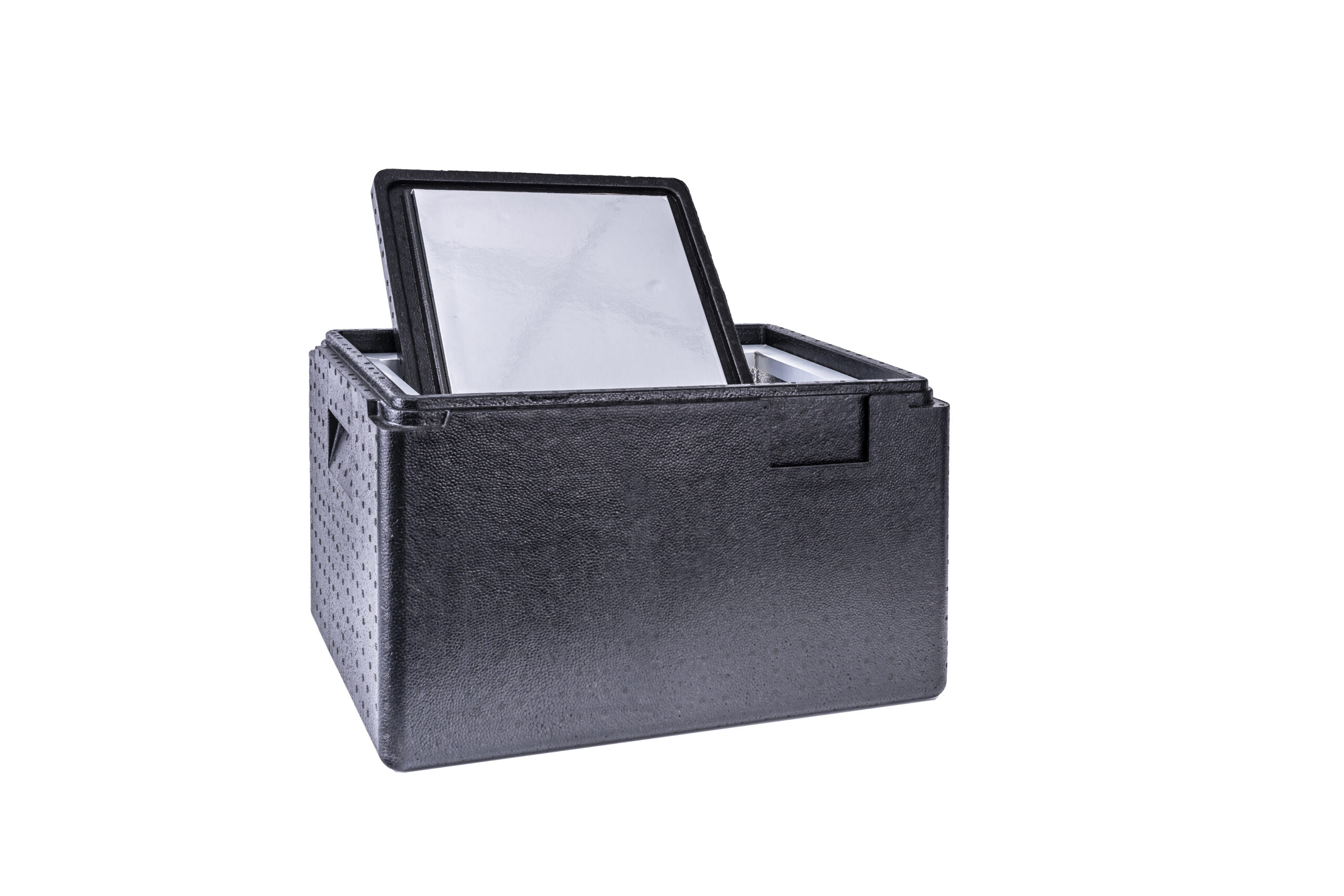
Collapsible EPP Insulation Box Supplier Guide 2025

Collapsible EPP Insulation Box Supplier Guide 2025

Collapsible EPP Insulation Box Supplier Guide 2025

How to Choose a Collapsible EPP Insulation Box Supplier?

If you’re choosing a collapsible EPP insulation box supplier, you’re not buying “a box.” You’re buying repeatable temperature protection, faster returns, and fewer failures. Your fastest win is to treat supplier selection like a mini-validation project: specs → tests → pilot → scale. A good collapsible EPP insulation box supplier will welcome that structure, because it keeps performance stable when volume grows.

This article will help you:

  • Qualify a collapsible EPP insulation box supplier in weeks, not months

  • Write RFQ specs for a foldable insulated box for cold chain that get consistent quotes

    collapsible EPP insulation box …

  • Validate hold time with a simple 7-day lane test and clear pass/fail rules

    collapsible EPP insulation box …

  • Protect reuse economics with temperature-controlled packaging returns logistics and nesting ratio planning

    collapsible EPP insulation box …

  • Compare suppliers using a weighted scorecard, not marketing claims

    collapsible EPP insulation box …


Why choose a collapsible EPP insulation box supplier instead of rigid boxes?

A collapsible EPP insulation box supplier is a strong choice when empty-return volume and storage space are real costs. Collapsibility reduces “paying to ship air,” and it can simplify peak-season storage. But collapsible designs add hinges, seams, and latches—so supplier engineering and QC matter more than with rigid boxes.

Expanded polypropylene (EPP) is popular because it is lightweight, impact-resistant, and insulating. The catch is simple: material potential is not the same as system performance. Your supplier’s design and process control decide whether you get months of reuse or a fast failure cycle.

When collapsible wins in temperature-controlled packaging returns logistics

Decision factor Collapsible option Rigid option What it means for you
Empty returns Lower cube Higher cube Lower backhaul pressure
Storage between peaks Smaller footprint Larger footprint Less warehouse congestion
Failure risk Higher (moving parts) Lower (fewer parts) Supplier quality matters more
Training speed Must be “easy” Often simpler Design must guide correct assembly

Practical tips you can use immediately

  • If you do returns weekly: choose a collapsible EPP insulation box supplier only if your team will actually fold boxes every time.

  • If assembly is slow: your staff will skip steps, and insulation will leak at seams.

  • If you lack a return loop: a rigid shipper may be the safer first step.

Real-world example: A regional chilled-food operator cut empty-return cube after switching to collapsible units and enforcing a “folded return” SOP. Damage dropped again after latch upgrades and a simple fold-cycle check at receiving.


What should you check first in a collapsible EPP insulation box supplier?

Check the supplier’s system, not the sample. A perfect sample can hide weak tooling control, inconsistent density, or hinge fatigue that appears after repeated folding. A reliable collapsible EPP insulation box supplier will show process evidence early, not “trust us” language.

A fast screening approach is: paper screen → prototype + tests → pilot loop. This prevents the classic mistake: buying thousands of units based on appearance.

A 3-stage supplier screening flow (fast and low-drama)

  1. Paper screen (1–2 days): capability, tooling approach, QC checkpoints

  2. Prototype + test (2–4 weeks): thermal + mechanical + hygiene checks

  3. Pilot loop (4–8 weeks): damage rate, cleaning time, return compliance

Supplier fit scorecard (10 minutes)

Score each item 0–2. A strong collapsible EPP insulation box supplier usually scores 14+ quickly.

Scorecard item Good looks like Bad looks like Your outcome
Material spec clarity density/tolerance listed “standard foam” fewer surprises
Collapsible mechanism locks align every time loose hinges fewer assembly errors
Seal concept gap control explained visible gaps better hold time
QA checkpoints incoming + in-process final-only less batch variance
Pilot support test plan + review “buy MOQ first” learn before scaling

Practical tips and advice

  • Ask one blunt question: “How do you prevent silent changes in molds or materials?”

  • Require a pilot-friendly MOQ: learning units beat warehouse units.

  • Insist on production-representative samples: not “special prototypes.”

Real-world example: A meal-kit brand reduced cracked-corner losses by rejecting a supplier who could not explain hinge fatigue targets.


Which RFQ specs matter most for a collapsible EPP insulation box supplier?

Your RFQ should translate “keep it cold” into measurable specs. If you only ask for “collapsible EPP box,” you will get random interpretations. A good collapsible EPP insulation box supplier actually prefers a strict RFQ, because it prevents disputes later.

collapsible EPP insulation box …

RFQ essentials you can copy/paste

Include these fields to force apples-to-apples quotes: internal volume, assembled and collapsed dimensions, density range, wall thickness tolerances, stack load, fold-cycle target, temperature band, cleaning method, and accessories.

collapsible EPP insulation box …

Two specs matter more than buyers expect:

  • Fold-cycle requirement (example target: 500–2,000 folds)

    collapsible EPP insulation box …

  • Temperature use case (chilled 2–8°C, CRT 15–25°C, frozen)

    collapsible EPP insulation box …

H3: RFQ spec table (what to write and why)

RFQ spec What to write What to verify What it means for you
Fold cycles 500–2,000 target hinge/latch evidence collapsible survival

collapsible EPP insulation box …

Temp band 2–8°C / 15–25°C / frozen lane validation avoids “almost safe” deliveries

collapsible EPP insulation box …

Collapsed size exact dimensions nesting stack test return cost control
Stack load static + dynamic squareness under load prevents lid gaps
Cleaning method wipe/wash/sanitizer surface + odor behavior faster reuse cycles

Practical tips and advice

  • Don’t “over-spec” insulation first. Seal quality often beats thicker walls.

  • State your coolant ecosystem. If you use gel packs or PCM, the box must support consistent placement.

    collapsible EPP insulation box …

  • Lock tolerance expectations early. Collapsible seams punish sloppy fit.

Real-world example: A city grocer improved outcomes by adding a clear “collapsed size” and “fold-cycle” requirement, which removed weak designs from bidding.


How do you test thermal hold time with a collapsible EPP insulation box supplier?

You validate the full system: box + lid + seams + coolant layout + real handling time. A lab claim can still fail in summer traffic or doorstep dwell. Your collapsible EPP insulation box supplier should support lane-based testing, because that’s what you actually ship.

collapsible EPP insulation box …

A lane-based validation plan you can run in 7 days

Ask your collapsible EPP insulation box supplier to support this simple plan: worst-case day, production pack-out, two sensors, three trips (short/typical/worst), then review excursion minutes and peaks.

collapsible EPP insulation box …

Test step Ambient condition Pass/fail metric What it means for you
Short run typical day no early spikes quick-turn confidence

collapsible EPP insulation box …

Normal run seasonal average stable slope everyday reliability

collapsible EPP insulation box …

Worst run seasonal extreme excursion minutes limit refund risk reduction

collapsible EPP insulation box …

Practical tips and advice

  • Don’t over-ice. Too much coolant can damage chilled products.

    collapsible EPP insulation box …

  • Test door-open events. Last-mile reality matters.

    collapsible EPP insulation box …

  • Use seasonal pack-outs. Summer and winter should differ.

    collapsible EPP insulation box …

Real-world example: A dairy shipper reduced excursions by adjusting summer pack-out and moving coolant away from direct contact.

collapsible EPP insulation box …


Which design features should your collapsible EPP insulation box supplier prove?

A collapsible EPP insulation box supplier must control the weak points: seams, corners, closures, and hinges. That is where heat leaks, cracks start, and assembly fails under speed. Your best shortcut is the “3S” rule: Square, Seal, Stack.

H3: The 3S rule for a foldable insulated box for cold chain

3S check What to look for Common failure What it means for you
Square panels align flush twisted body lid gaps and fast heat gain
Seal even lid contact corner lifting hotspot leaks at seams
Stack stable under load sliding/tipping damage, delays, unsafe handling

Practical tips and advice

  • Demand self-guiding alignment. Rushed workers should still “build it right.”

  • Treat seams like air control. Insulation fails when air moves through gaps.

  • Choose latch designs that work with gloves. Cold hands and wet hands are real.

Real-world example: A retailer reduced assembly errors after switching to a design with better alignment locks. Workers stopped “half-building” boxes.


How do you validate durability, hinge fatigue, and cleaning with a collapsible EPP insulation box supplier?

Test three things: temperature hold, mechanical survival, and operational speed. If you test only temperature, you miss hinge fatigue. If you test only strength, you miss seam leaks.

collapsible EPP insulation box …

The minimum test bundle (high value, low drama)

Run lane-based thermal hold, drop/vibration checks, fold-cycle fatigue, and hygiene behavior checks like wipe-down time and odor retention.

collapsible EPP insulation box …

H3: Durability and hygiene checks table

Check What you do Pass signal What it means for you
Drop handling realistic drop heights no corner splits fewer losses

collapsible EPP insulation box …

Fold-cycle fatigue repeat fold/unfold locks still align stable assembly

collapsible EPP insulation box …

Seal drift inspect seam fit no new gaps predictable hold time
Cleanability measure wipe-down time fast and repeatable more reuse cycles

collapsible EPP insulation box …

Odor behavior food-lane trial low retention fewer rejected returns

collapsible EPP insulation box …

Practical tips and advice

  • Create a simple A/B/C grading rule: reuse vs repair vs retire.

  • Keep one approved cleaning list: the wrong chemical can shorten life.

  • Add a “fold-cycle spot check” at receiving: you catch bad batches early.

Real-world example: A seafood shipper reduced “mystery cracks” after requiring a fold-cycle test and tightening latch alignment checks.


What quality evidence separates a real collapsible EPP insulation box supplier from a trader?

A real collapsible EPP insulation box supplier can answer process questions clearly and show repeatable evidence. A weak one sends generic brochures and avoids test methods.

collapsible EPP insulation box …

Supplier scorecard (0–100) you can use in procurement

Score each line 0–5, then multiply by weight.

collapsible EPP insulation box …

Category What you check Weight Why it matters
Tooling control in-house mold + revision tracking 15 prevents silent changes

collapsible EPP insulation box …

Hinge durability fold-cycle target + evidence 15 collapsible failure point

collapsible EPP insulation box …

Fit and seal seam design + tolerance discipline 10 prevents heat leaks

collapsible EPP insulation box …

Thermal validation lane-based tests + reports 10 proves hold time

collapsible EPP insulation box …

QC system incoming + in-process + final 10 reduces variance

collapsible EPP insulation box …

Traceability lot coding + corrective actions 10 faster root cause fixes

collapsible EPP insulation box …

Hygiene readiness cleanability guidance + finish 10 critical for food/pharma

collapsible EPP insulation box …

Practical tips and advice

  • Ask for one rejected-part example. Good suppliers explain defects fast.

  • Ask what changes trigger a written notice. Change control protects you.

  • Ask for spare parts strategy. Latches and lids often fail first.

Real-world example: A shipper avoided a season of failures by catching a silent material change during supplier review.


How do you compare price and MOQ for a collapsible EPP insulation box supplier without being fooled?

Compare total cost per successful delivery cycle, not unit price. A cheap box can be expensive if it breaks early, returns poorly, or adds labor minutes. Your collapsible EPP insulation box supplier should help you model lifecycle cost, because that is how you scale confidently.

H3: Simple TCO model (interactive calculator)

Fill in the blanks and compare suppliers fairly:

  • Unit cost (box + lid + accessories): ____

  • Expected cycles before replacement: ____

  • Damage/loss rate per cycle (%): ____

  • Cleaning + handling minutes per cycle: ____

  • Return cost per cycle (driven by nesting ratio): ____

Break-even cycles ≈ (Extra cost of better box) ÷ (Savings per cycle)

Cost element What to include Hidden driver What it means for you
Unit cost all parts, labeling, pockets customization cash tied up
Operating cost assembly + cleaning labor minutes real profitability
Loss cost damage + missing returns accountability small losses compound

Practical tips and advice

  • Negotiate a pilot MOQ. Learning first prevents big waste later.

  • Ask for spare latches. You can extend body life.

  • Price the failure. One warm shipment can erase many “cheap box” savings.

Real-world example: A frozen-food seller paid slightly more per unit, but total cost fell due to fewer failures and better nesting.


How do you optimize returns logistics with a collapsible EPP insulation box supplier?

Returns are where collapsibility pays—or fails. A collapsible EPP insulation box supplier should design for your real return path: who folds, who counts, and how boxes get protected during backhaul. If return steps are vague, you will lose boxes and savings.

H3: Nesting ratio calculator (quick decision tool)

Use this estimator:

  • Empty boxes returned per week: ____

  • Truck space per pallet position: ____

  • Nesting ratio claimed (e.g., 3:1, 4:1): ____

  • Cost per return trip: ____

A nesting improvement from 2:1 to 4:1 can drop empty-space cost dramatically.

collapsible EPP insulation box …

Nesting ratio Empty return volume Return cost pressure Your practical outcome
2:1 High Painful reuse loses its savings

collapsible EPP insulation box …

3:1 Medium Manageable stable reuse economics

collapsible EPP insulation box …

4:1+ Low Strong easier scale across cities

collapsible EPP insulation box …

Practical tips and advice

  • Standardize one collapse method. “Everyone does it differently” drives damage.

  • Make counting easy. Visible IDs and clear handoff ownership reduce loss.

    collapsible EPP insulation box …

  • Protect collapsed boxes. Use return bins to prevent scraping and crushing.

Real-world example: A grocery operator improved driver compliance after switching to a design that folds in one motion and nests cleanly.

collapsible EPP insulation box …


2025 latest developments and trends for collapsible EPP insulation box supplier programs

In 2025, the “best” collapsible EPP insulation box supplier is less about foam alone and more about evidence, operations, and repeatability. Buyers are pushing reusable systems harder, and they expect proof: lane results, cleaning practicality, and change control.

Latest progress snapshot

  • Operations-first design: faster assembly, clearer alignment, fewer seal leaks

  • Return-ready systems: better nesting ratio behavior and simpler counting workflows

  • Audit-friendly documentation: spec control, traceability, and repeatable validation packs

  • Smarter asset handling: more programs tie returnable assets to tracking and standardized SOPs

Market insight: the supplier who helps you standardize a small “box family system” (shared parts, shared QC rules, shared pack-out SOP) will outperform a supplier who only sells custom shapes.


Frequently asked questions

Q1: How do I know a collapsible EPP insulation box supplier is reliable?
Look for process evidence (QC gates, change control, test methods) and run a pilot that measures damage rate and hold time.

collapsible EPP insulation box …

Q2: What should I test first with a collapsible EPP insulation box supplier?
Start with a lane pilot: temperature stability, assembly time, return success, and visible damage after real deliveries.

collapsible EPP insulation box …

Q3: What fold-cycle target should I put in my RFQ?
Use a measurable requirement (for many programs, 500–2,000 folds is a practical starting range), then validate with fatigue testing.

collapsible EPP insulation box …

Q4: Can a collapsible EPP insulation box supplier support last-mile delivery?
Yes, if the design stays square under load, seals consistently, and survives door-open events and rushed handling.

Q5: What is the biggest hidden cost in reusable collapsible boxes?
Returns logistics. Nesting ratio and loss rate can decide whether reuse saves money or loses money.

collapsible EPP insulation box …

Q6: How do I reduce losses in a reusable program?
Make counting easy and consistent: a simple return SOP, visible IDs, and clear responsibility at each handoff.

collapsible EPP insulation box …


Summary and recommendations

A collapsible EPP insulation box supplier is the right partner when you need insulation, impact protection, and a return-ready workflow. Start by demanding clear RFQ specs, a repeatable collapsible mechanism, and a quality plan you can audit. Then run lane-based validation and a small pilot to measure damage rate, assembly speed, and return compliance. Finally, lock one pack-out recipe and one return SOP so results stay repeatable at scale.

collapsible EPP insulation box …

Next step (CTA): Pick one delivery lane, define your temperature band and route time, and run a 10–30 shipment pilot with measured results to choose your best collapsible EPP insulation box supplier.

collapsible EPP insulation box …


About Tempk

Tempk supports cold chain teams designing reusable packaging systems that fit real operations. We focus on clear specs, repeatable SOPs, and lane-based validation plans that reduce surprises after mass production. We help you compare a collapsible EPP insulation box supplier using measurable criteria—like fold-cycle durability, seam performance, cleanability, and return efficiency—so your program stays stable as volume grows.

collapsible EPP insulation box …

Call to action: Request a supplier scorecard template and a lane validation plan tailored to your routes.

Compact EPP Box Custom Size: 2025 Spec Guide

Compact EPP Box Custom Size: 2025 Spec Guide

Compact EPP Box Custom Size: How to Spec It?

Last updated: December 17, 2025.

A compact EPP box custom size is the fastest way to stop paying for empty air while protecting temperature and product condition. When the fit is right, you use less coolant and get fewer crushed corners. One brand cut box volume by 12% but learned the hard way that “too tight” increases returns.

compact EPP box custom size

You’ll learn how to size, build, and validate a compact system that packs consistently—even on busy days.

This article will help you answer:

  • How to define compact using custom EPP insulated box dimensions and tolerance

  • How to use a fast sizing tool for custom size EPP box for gel packs

  • How to pick EPP box wall thickness selection without overbuilding

  • How to improve consistency using inserts, lids, and closure choices

  • How to validate and run reusable cold chain packaging loops in 2025


Why does a compact EPP box custom size beat standard sizes?

A compact EPP box custom size wins because it makes packing repeatable. Standard sizes are “close enough” for general shipping, not your real payload and coolant layout. When the inside is too loose, product moves and coolant drifts. When it’s too tight, lids bulge and seal gaps appear.

In simple terms, you want a box that packs the same way every time. If your team has three “acceptable” pack-outs, you will get three different outcomes. A practical “compact score” is to confirm the lid closes smoothly, the pack-out stays stable, and stacking feels solid.

compact EPP box custom size

Compact Score (interactive self-check)

Give yourself 1 point for each “yes”:

  1. Product + insert + coolant fits with no deformation

  2. The lid closes with one smooth motion

  3. Pack-out completes in under 60 seconds

  4. Two boxes stack with no rocking

  5. The box fits your crate/shelf with no overhang

    compact EPP box custom size

Compact Score What it means What to do next Your practical benefit
0–2 Too tight or too loose Adjust clearance + coolant “home” Fewer lid gaps and packing errors
3–4 Workable Standardize pack-out SOP Less variance between shifts
5 Truly compact Validate and scale Lower cost per successful delivery

Practical tips you can use immediately

  • If lids bulge: add a small clearance rule (start around single-digit mm) and stop forcing closures.

  • If product shifts: add an insert pocket before adding more coolant.

  • If packers improvise: design the inside so “wrong placement” is physically difficult.

Practical case: A kit fit perfectly, but the lid pressed on caps. A small clearance rule stopped leaks and rework.

compact EPP box custom size


How do you calculate compact EPP box custom size dimensions?

Start from the packed-out “core block,” not the empty box. Your compact EPP box custom size should fit product + secondary packaging + insert + coolant + small airflow gaps + tolerance. This prevents the most common failure: a box that fits product, but not the full system.

Use this fast sizing calculator to turn real measurements into a repeatable spec. It uses practical allowances (mm) for protection, airflow, and production variation.

compact EPP box custom size

5-step sizing calculator (interactive)

Measure in mm, then add:

  1. Payload outer size (L×W×H): include lids and seals

  2. Protection allowance: add 5–20 mm each side (fragility-based)

  3. Coolant allowance: reserve space for gel packs (one-side / two-side / top-bottom)

  4. Airflow allowance: add 3–8 mm where you want circulation

  5. Tolerance: add 2–5 mm for production + packing variation

    compact EPP box custom size

Inner size = payload + protection + coolant + airflow + tolerance
Outer size = inner size + 2 × wall thickness

compact EPP box custom size

Choose your coolant layout (decision tool)

Coolant layout Space impact Temperature stability What it means for you
One-side Low Low–medium Smallest box, highest risk
Two-side Medium Medium Good compromise
Top/bottom Medium High Stable, avoids side crush
All-around High Highest Best for long lanes

Practical tips and suggestions

  • If you use gel packs: design a flat pocket so packs don’t fold.

    compact EPP box custom size

  • If you use dry ice: plan venting and block direct contact zones.

    compact EPP box custom size

  • If you ship liquids: reserve space for absorbent + leak containment.

Practical case: A lab shipper cut packing time by 30% by adding molded rails that guide coolant placement.

compact EPP box custom size


Which wall thickness and density fit your compact EPP box custom size?

Pick performance based on route risk, not best-case transit. A compact EPP box custom size can still fail if wall thickness is too thin for stacking and reuse. Your goal is the thinnest design that still hits temperature, handling, and cycle-life targets.

A simple rule that reduces costly surprises: validate for one extra day beyond your promised lane time. If delays happen, that extra margin prevents panic reships.

compact EPP box custom size

Mini hold-time estimator (interactive)

Circle one option in each line:

  • Route time: <6h / 6–24h / 24–72h

  • Ambient risk: indoor / mixed / hot curbside

  • Coolant strategy: none / small packs / large packs

  • Product sensitivity: tolerant / moderate / high

If you choose two or more “high-risk” options, improve insulation and layout before adding extra gel packs.

compact EPP box custom size

Thickness band Best for Tradeoff What it means for you
Thin Short routes Lower insulation Lower cost, smaller box
Medium Mixed routes Balanced Best everyday choice
Thick Long routes Larger outer size Less coolant waste

Practical tips and suggestions

  • Protect the lid: a small lid gap behaves like a fridge door left cracked open.

    compact EPP box custom size

  • If corners crush after cycles: add ribs/corner columns before blindly increasing size.

    compact EPP box custom size

  • If you stack high: design for stiffness and repeat handling, not “one-time survival.”


How do inserts and coolant lanes stabilize a compact EPP box custom size?

Inserts turn your box into a system. The box gives insulation and impact resistance. The insert controls movement, makes packing faster, and keeps coolant in the same place every time.

When you want fewer temperature complaints and fewer breakage claims, inserts often deliver more improvement than “one more gel pack.” Inserts also reduce training time because the correct placement becomes obvious.

compact EPP box custom size

Insert options that scale

Insert type Durability Packing speed What it means for you
EPP insert High Fast Best for reuse loops
Corrugated divider Medium Medium Good for one-way
Pocket tray High Medium Best for fragile/premium
Coolant channels High Fast Most consistent temperature

Practical tips and suggestions

  • Glass or jars: use a pocket tray and keep a small clearance from outer walls.

    compact EPP box custom size

  • Meal kits: separate wet and dry components with a divider.

    compact EPP box custom size

  • Pharma samples: use coolant channels so packs don’t touch product directly.

    compact EPP box custom size

Practical case: A cosmetics shipper reduced cracked jars by switching to a pocket tray and tightening the internal fit slightly.

compact EPP box custom size


How do you design lids and closures for a compact EPP box custom size?

Most real-world failures happen at the lid. Not because EPP is weak, but because lids get forced closed when pack-outs are inconsistent. If a lid doesn’t seat, you lose temperature time fast.

compact EPP box custom size

Design your compact EPP box custom size so closure is effortless. If your closure needs “extra push,” operators will improvise. That creates gaps, damage, and inconsistent results.

Lid and closure choices that operators can repeat

Closure option Speed Security What it means for you
Friction-fit Very fast Medium Best for internal distribution
Tape Medium Medium Adds waste, varies by packer
Strap Fast High Strong for external shipping
Latches Fast High Great for reusable fleets

Practical tips and suggestions

  • Add a lid-fit indicator mark so teams can spot bad closure instantly.

    compact EPP box custom size

  • Design for gloves if packing happens in cold rooms.

    compact EPP box custom size

  • Avoid tape dependency in reusable loops (it creates residue and degrades consistency).

    compact EPP box custom size

Practical case: A courier reduced packing mistakes by adding tactile grips that made lid orientation obvious.

compact EPP box custom size


How do you validate a compact EPP box custom size before scaling?

Validation is how you turn packaging into a predictable process. You are proving temperature performance, handling durability, and packing consistency. If you only test the empty box, you are testing the wrong thing.

A simple, fast plan is to time real operators, run worst-case ambient tests, and do drop/vibration checks. Then lock the spec and stop changing variables.

compact EPP box custom size

10-day validation plan (simple and repeatable)

  • Day 1–2: timed pack-out trials with operators

  • Day 3–5: temperature trials in worst-case ambient

  • Day 6–7: drop and vibration handling tests

  • Day 8–9: wash/sanitation trials (if reusable)

  • Day 10: review data and lock specifications

    compact EPP box custom size

Test focus What you measure Pass/fail example What it means for you
Temperature Time in range ≥X% in band Fewer quality losses
Handling Corner crush No structural failure Fewer replacements
Operations Pack time Under target seconds Lower labor cost

Practical tips and suggestions

  • Use real products, not water bottles. Thermal behavior changes with mass and packaging.

    compact EPP box custom size

  • Test the full system: box + insert + coolant + strap + label.

    compact EPP box custom size

  • Document pack-out photos and turn them into a one-page SOP.


How do you source and run reusable loops for compact EPP box custom size programs?

Reusable success is logistics, not just material. Your compact EPP box custom size becomes most valuable when it returns reliably, cleans easily, and stays dimensionally stable.

Sourcing goes smoother when your RFQ is specific: dimensions, tolerance, density targets, closure style, inserts, cycle-life goal, and QC proof. You also want change control so suppliers don’t silently swap density or material.

compact EPP box custom size

Supplier scorecard (interactive)

Score each supplier 0–2 (0=no, 1=partial, 2=yes):

  • Provides density range and part weight targets

  • Shares first-article dimensional report

  • Explains tolerance control and shrink risk

  • Offers insert/layout support

  • Has clear change-control process

  • Can provide sample lead times and pilot pricing

    compact EPP box custom size

Score guide:

  • 0–4: high risk

  • 5–8: workable

  • 9–12: strong candidate

Reuse loop checklist (quick)

Reuse step What you do How often What it means for you
Visual inspection Lid/corners check Every return Prevent silent failures
Cleaning Wash + fully dry As needed Hygiene and brand trust
Fit test Quick close test Every return Confirms seal integrity
Retirement Remove damaged units Threshold-based Avoid repeat complaints

Practical tips and suggestions

  • Make returns simple: clear instruction card + predictable return method.

  • Add an ID zone: labels or tags make recovery and auditing easier.

  • Track three KPIs: loss rate, damage rate, and cycle count.


2025 latest developments and trends for compact EPP box custom size

In 2025, teams treat a compact EPP box custom size as an operational tool, not just insulation. The shift is toward SKU-driven sizing, insert-led standardization, and validation-first rollouts. When packaging saves seconds per pack and reduces failures, it usually beats a slightly cheaper box that causes mistakes.

compact EPP box custom size

Latest progress snapshot

  • SKU-driven sizing: many programs start with 2–4 optimized sizes instead of one “universal” box.

  • Insert-led training: molded rails and pockets reduce packing variance and speed onboarding.

  • Data-driven validation: temperature mapping and handling data are required before scaling.

  • Hygiene + reuse focus: cleaning-friendly geometry and replaceable components extend cycle life.


Frequently asked questions

Q1: How compact can a compact EPP box custom size be without hurting temperature?
Compact is fine until coolant bends, the lid deforms, or airflow becomes uneven. Keep space for flat coolant contact, a small airflow gap, and tolerance. If closure needs force, it’s too tight.

compact EPP box custom size

Q2: How many sizes should you start with?
Start with two sizes plus inserts. You’ll cover most order patterns without creating inventory chaos. Add a third size only after you confirm stable demand and pack-out repeatability.

Q3: What is the biggest mistake in compact EPP box custom size projects?
Sizing only for the product and forgetting “system space” for coolant, inserts, and tolerance. That mistake creates lid gaps, packing delays, and inconsistent temperature performance.

compact EPP box custom size

Q4: How do you reduce coolant use without increasing risk?
First improve fit and eliminate empty air. Next stabilize coolant with channels or rails. Then adjust wall thickness if routes are unpredictable. Add more coolant last, not first.

Q5: Can one compact EPP box custom size work for chilled and frozen?
It can, but it often forces compromises in layout and coolant placement. Chilled and frozen shipments behave differently. If both are high volume, separate pack-outs (or separate inserts) are usually safer.

Q6: What’s one simple QC check before mass production?
Require a first-article dimensional report and a quick lid-gap test on real pack-outs. Add change control so no silent density or process changes appear after approval.

compact EPP box custom size

Q7: How do you stop gel packs from freezing one side of the payload?
Use top/bottom coolant or add a thin buffer layer so packs don’t touch product directly. Channels and trays also help keep contact flat and consistent across shifts.

Q8: What validation shortcut prevents most reship emergencies?
Design and validate for one extra day beyond promised transit. Delays happen, and that margin prevents panic decisions and refund spikes.

compact EPP box custom size


Summary and recommendations

A compact EPP box custom size works best when it’s compact after pack-out, not just on a drawing. Measure your real shipped payload, define coolant geometry, and include airflow and tolerance. Use inserts to lock placement and speed packing, and treat the lid as the critical seal. Validate with real operators and worst-case conditions, then lock the spec and scale.

Next steps (clear CTA)

  1. List your top 5 order configurations and measure them as shipped.

  2. Choose two candidate sizes and define one standard pack-out for each.

  3. Run a short validation plan (hot ambient + delay + handling).

  4. Send suppliers a complete RFQ package and require first-article + change control.


About Tempk

At Tempk, we help cold-chain teams turn packaging into a repeatable delivery process. We support compact EPP box custom size programs by translating route risk into clear specs: inside clearance, coolant layout, inserts, closures, and validation steps. We focus on measurable outcomes—fewer damages, fewer temperature complaints, and faster packing—so your operation stays stable as volume grows.

CTA: Share your payload dimensions, target temperature band, route time, and expected reuse cycles. We’ll outline two compact EPP box custom size layouts to prototype first.

EPP Transport Box Vaccine Transport Guide (2025)

EPP Transport Box Vaccine Transport Guide (2025)

EPP Transport Box Vaccine Transport: Get It Right?

EPP transport box vaccine transport works best when you treat it as a repeatable system, not a one-off cooler. In 2025, the biggest failures still come from small, human steps: the lid not fully sealed, the packout improvised, or the logger placed in the wrong spot. The goal is simple: keep vaccines in-range for your lane time, and prevent invisible freeze damage on 2–8°C routes.

This article will answer for you:

  • How an EPP transport box vaccine transport system reduces day-to-day variation

  • Which temperature lanes your EPP transport box vaccine transport SOP must cover (2–8°C, frozen, CTC)

  • How to prevent vaccine freezing during transport with a “no-contact” packout pattern

  • Where to place monitoring devices for audit-friendly evidence

  • A lane decision tool + a 10-minute self-test to find your biggest excursion risk fast

  • 2025 trends: smarter monitoring workflows, reuse programs, and easier audits


Why is EPP transport box vaccine transport a practical choice?

Direct answer: EPP transport box vaccine transport is practical because EPP is durable, lightweight, and stays consistent across repeat handling. That consistency matters because your real enemy is process variation, not just outside heat.

EPP transport box vaccine trans…

Expanded explanation: Think of EPP like a “foam spring.” It absorbs bumps and returns to shape, so the cavity geometry and lid fit don’t drift as quickly over repeated trips. When the shape stays stable, your EPP transport box vaccine transport packout becomes easier to repeat—even when different people pack the box.

EPP transport box vaccine trans…

What should you ask your supplier about EPP design?

Design check What to confirm What it changes Practical meaning for you
Wall thickness Standard thickness per model Hold time Fewer “surprise” warm-ups
Lid seal + latch Seal feel + latch reliability Leak points Fewer hidden excursions
Interior geometry Divider / insert options Packout repeatability Less guesswork at peak time
Cleanability Surface + cleaning method Reuse discipline Faster reissue without drama

Practical tips you can use immediately

  • High-frequency routes: choose reinforced corners and a lid that “clicks” into place.

    EPP transport box vaccine trans…

  • Multi-stop delivery: prioritize latch reliability over maximum capacity.

    EPP transport box vaccine trans…

  • Audit pressure: use box IDs + cleaning records to match reuse cycles.

    EPP transport box vaccine trans…

Practical case example: A regional route reduced damage replacements after switching to EPP shippers that kept shape during repeated stacking.

EPP transport box vaccine trans…


How does EPP transport box vaccine transport keep vaccines in range?

Direct answer: EPP transport box vaccine transport protects stability by slowing heat transfer and reducing short temperature spikes during handling. The box does not “make cold,” but it buys you time when doors open, pallets move, or routes run late.

EPP transport box vaccine trans…

Expanded explanation: In real operations, three levers control results: insulation performance, refrigerant strategy, and packout discipline. If you only optimize one lever, your EPP transport box vaccine transport performance still swings with people and weather.

EPP transport box vaccine trans…

Why lid fit and air gaps matter more than you think

Packout element Good practice Bad practice Practical meaning for you
Lid closure full seal every time “almost closed” hidden warming events
Air space minimal free air large voids faster drift
Refrigerant contact buffered direct contact freeze risk or hot spots
Payload placement centered against wall uneven temperature

The “air inside the box” behaves like liquid in a cup: if it can slosh, it spreads heat faster. A disciplined EPP transport box vaccine transport packout reduces free air movement and blocks direct cold contact.

EPP transport box vaccine trans…

Practical tips you can use immediately

  • Center the payload and keep a buffer layer between packs and cartons.

    EPP transport box vaccine trans…

  • Tape a one-page packout diagram to the packing station.

    EPP transport box vaccine trans…

  • Train “close-the-lid” as a critical control step, not a habit.

    EPP transport box vaccine trans…

Practical case example: A clinic route improved stability after switching from “packs on top only” to a balanced side-and-top layout with a buffer sheet.

EPP transport box vaccine trans…


Which temperature lanes should EPP transport box vaccine transport support?

Direct answer: EPP transport box vaccine transport must match the lane your vaccines actually run: refrigerated (often 2–8°C), frozen, and special cases like Controlled Temperature Chain (CTC) where labeling allows.

EPP transport box vaccine trans…

Expanded explanation: Build one “main lane” first—your highest-volume route profile—then add specialty packouts only where needed. Most teams fail when they try to support every edge case with one complicated EPP transport box vaccine transport recipe.

Lane map you can standardize across sites

Lane type Control goal Main risk What you standardize
Refrigerated 2–8°C band accidental freezing buffer + conditioning + spacing
Frozen product-specific thawing on delays more thermal capacity + fewer openings
CTC (eligible only) labeled ambient tolerance misuse on non-CTC separate SOP + clear checks

CTC programs are not “anything goes.” They are labeled use cases with specific conditions and indicators.

EPP transport box vaccine trans…

Practical tips you can use immediately

  • For refrigerated lanes, never let cold packs touch cartons directly.

    EPP transport box vaccine trans…

  • Don’t mix freeze-sensitive and frozen-required SKUs in the same EPP transport box vaccine transport packout.

    EPP transport box vaccine trans…

  • Treat CTC as a separate workflow with separate labels and checks.

    EPP transport box vaccine trans…

Practical case example: A team reduced “too cold” events after adding an internal spacer layer and conditioning packs before packing.

EPP transport box vaccine trans…


How do you prevent vaccine freezing during EPP transport box vaccine transport?

Direct answer: In EPP transport box vaccine transport, the most dangerous failures are often “too cold,” because freeze damage can be hard to see. Your packout must prevent direct contact between very cold refrigerants and vaccine cartons.

Expanded explanation: The safest pattern is simple: separation + conditioning + standardized placement. You are not trying to “maximize cold.” You are trying to protect the payload core.

The “no-freeze” packout pattern (simple and repeatable)

Control What you do Why it works Your benefit
Separation buffer sheet / spacer layer blocks cold shock points fewer hidden losses
Conditioning condition packs per SOP avoids over-cold starts less “too cold” risk
Consistency fixed diagram + fixed counts removes improvisation fewer packing errors

Practical tips you can use immediately

  • Use a fixed-thickness buffer as a rule, not a suggestion.

  • Ban “packs under vials” on 2–8°C lanes.

  • If staff rotate roles, use a photo SOP so results stay consistent.

Practical case example: A distributor reduced suspected freeze events after adding a standardized buffer and banning direct contact layouts.


How do you choose the right EPP transport box vaccine transport design?

Direct answer: Choose EPP transport box vaccine transport design based on lane duration, ambient exposure, handling intensity, and the packout you want people to repeat. If you choose only by internal volume, you usually lose performance.

Expanded explanation: A reliable selection flow is: define lane time → define payload + buffer space → choose wall thickness and geometry that fit one standard packout. Repeatability is the hidden KPI.

A checklist you can use today

  1. Hold time target: how long must the payload stay in range?

  2. Ambient exposure: mild, hot season, winter, or mixed?

  3. Handling: one handoff or multi-stop route?

  4. Payload: vials, kits, mixed SKUs?

  5. Monitoring needs: pocket location, seal labels, box ID area?

Box geometry and closure choices that affect repeatability

Design choice Helps with Tradeoff Practical meaning for you
Thicker EPP walls longer stability less internal volume fewer excursions
Strong latches consistent seal slightly higher cost fewer SOP failures
Flat lid easy stacking gasket care needed faster routing
Dividers/inserts payload protection cleaning steps fewer damage claims

Practical tips you can use immediately

  • If turnover is high, choose simpler packouts and stronger latches.

  • If last-mile stops are frequent, prioritize quick reseal and consistent closure.

  • If mixed SKUs move inside the box, add dividers to stop shifting.

Practical case example: A multi-clinic route improved after switching to boxes with more reliable latches and a fixed divider layout.


Which refrigerants pair best with EPP transport box vaccine transport?

Direct answer: In EPP transport box vaccine transport, the “best” refrigerant depends on your lane target and your freeze-risk tolerance. Many teams use conditioned gel packs for simple refrigerated lanes, and tuned PCM (phase change material) when they want tighter control.

Expanded explanation: Think of PCM like a thermal battery near your target range. It smooths spikes, but only when conditioned correctly. Dry ice can be useful for ultra-cold needs, but it adds special compliance steps.

Refrigerant comparison table

Refrigerant Best for Main risk Practical meaning for you
Conditioned gel packs simple 2–8°C lanes over-cold contact needs buffer discipline
PCM (tuned) tighter 2–8°C stability wrong conditioning needs standard timing
Lower-temp PCM frozen lanes thawing on long delays reduce headspace + add mass
Dry ice ultra-cold lanes compliance + venting trained workflow only

Practical tips you can use immediately

  • Reduce headspace before adding “more ice.” Air gaps cause drift.

    EPP transport box vaccine trans…

  • Label refrigerants by lane so wrong-pack mistakes drop fast.

  • If you use dry ice, treat it as a compliance process (trained staff + documented steps).


How do you pack an EPP transport box vaccine transport shipment?

Direct answer: EPP transport box vaccine transport packing should be a recipe, not a craft. When the recipe is fixed, you can scale routes without scaling risk.

Expanded explanation: The winning packout is the one your team can execute on the hardest day. Use a short checklist, a visual diagram, and a consistent logger position.

HowTo: Pack an EPP transport box for vaccine transport (8 steps)

  1. Confirm lane profile (refrigerated vs frozen).

  2. Condition refrigerants to the correct starting state.

  3. Inspect the box: cracks, lid fit, latch function, cleanliness.

  4. Place base refrigerants (if used) with a buffer layer.

  5. Center the payload and keep it off the walls.

  6. Add side/top refrigerants per the standard diagram.

  7. Insert the temperature monitor in its defined position.

  8. Close, latch, label, and record start time + box ID.

What your “standard diagram” must include

Diagram element Include this Why it matters Practical meaning for you
Refrigerant map number + positions stops guessing fewer packout errors
Buffer layer exact thickness controls freeze risk safer outcomes
Logger placement fixed location comparable data faster investigations
Closure check latch + seal step prevents leaks fewer hidden warms

Practical tips you can use immediately

  • Keep a laminated packout diagram at the station.

  • Photograph the “gold standard” finished packout for training.

  • Add a two-step closure check: close → latch → tug test.

Practical case example: A warehouse cut packing mistakes after moving from tribal knowledge to a laminated diagram and a two-step closure check.


Where should you place the data logger in EPP transport box vaccine transport?

Direct answer: In EPP transport box vaccine transport, place the logger where it represents product conditions—not against refrigerants and not on the lid. A consistent “core pocket” near the payload is usually the most representative.

EPP transport box vaccine trans…

Expanded explanation: Logger placement errors create fake problems: against PCM reads too cold, near the lid reads too warm. Fixing logger placement often eliminates “mystery excursions.”

EPP transport box vaccine trans…

Logger placement table (easy rule set)

Placement What it tends to read How it misleads you Better approach
Against refrigerant cold surface false “too cold” spacer + near product core
Near lid boundary air false “too warm” mid-core between cartons
Core pocket product-adjacent most representative standardize every trip

Practical tips you can use immediately

  • Use one standard logger pocket in every packout.

    EPP transport box vaccine trans…

  • Record start time and close time so curves are interpretable.

    EPP transport box vaccine trans…

  • Review excursions with context: ambient heat, delays, and handoffs.

    EPP transport box vaccine trans…

Practical case example: A team moved the logger from the lid to the product core and “mystery excursions” disappeared.

EPP transport box vaccine trans…


How do you qualify and validate EPP transport box vaccine transport performance?

Direct answer: EPP transport box vaccine transport qualification proves your packout works on your real lane, not just in a catalog test. Define pass/fail first, test worst-case, and lock the SOP once it is stable.

EPP transport box vaccine trans…

Expanded explanation: The simplest validation approach is: route profile → worst reasonable day simulation → field pilot with loggers → lock SOP. This turns your EPP transport box vaccine transport performance into something you can defend in audits.

EPP transport box vaccine trans…

Minimal validation plan (audit-friendly)

Step What you do What you capture Practical meaning for you
Route profiling map time + ambient + handoffs lane definition stops “one packout fits all”
Stress test simulate worst day temperature curve finds margin early
Field pilot 10–20 real shipments variability patterns reveals last-mile risks
SOP lock fix recipe + training repeatability scaling becomes safe

Practical tips you can use immediately

  • Write acceptance criteria before testing.

    EPP transport box vaccine trans…

  • Test worst-case days (heat waves, long weekends).

    EPP transport box vaccine trans…

  • Keep pilots dense: 10–20 shipments reveal patterns quickly.

    EPP transport box vaccine trans…

Practical case example: A team found most drift happened in the final two hours, so they changed delivery sequencing and regained margin.

EPP transport box vaccine trans…


How do you clean and reuse EPP transport box vaccine transport containers?

Direct answer: Reuse is a major benefit of EPP transport box vaccine transport, but only when cleaning, inspection, and release are controlled. Treat each box like an asset with a life record.

EPP transport box vaccine trans…

Expanded explanation: The best reusable programs are boring: receive, inspect, clean, dry, reissue, track cycles. When you skip steps, warped lids and worn latches become temperature leaks.

EPP transport box vaccine trans…

Reuse workflow you can copy

Step What you check Common failure Practical meaning for you
Receive back cracks, odor, dents hidden lid warping reject early
Clean defined method + contact time rushed cleaning use a checklist
Dry no trapped moisture mold risk dry fully before storage
Reissue label + cycle count untracked life track drift over time

Practical tips you can use immediately

  • Track cycle counts; performance can drift if lids deform.

    EPP transport box vaccine trans…

  • Replace seals proactively; it’s cheaper than excursions.

    EPP transport box vaccine trans…

  • Store clean boxes closed to keep dust out and speed packing.

    EPP transport box vaccine trans…

Practical case example: A program reduced failures after adding a simple lid-fit test at reissue.

EPP transport box vaccine trans…


Decision tools for EPP transport box vaccine transport

Use these tools to standardize choices across teams and sites.

Tool 1: Lane scoring (2 minutes)

Check and total:

  • Lane time under 12 hours (1) / 12–36 hours (2) / 36–72 hours (3)

    EPP transport box vaccine trans…

  • Summer ambient often above 30°C (2)

    EPP transport box vaccine trans…

  • Multi-stop handoffs unpredictable (2)

  • Freeze-sensitive product in the lane (2)

  • Audit-ready evidence required (2)

Score guide:

  • 0–4: standard EPP + conditioned packs + simple logger

  • 5–8: EPP + tuned PCM + calibrated logger + strict SOP

  • 9+: high-margin system + redundancy + route qualification

Tool 2: 10-minute risk self-test (fast win finder)

Score each 0–2 (0 = not in place, 2 = consistent):

  1. Packout diagram is used every time

  2. Refrigerants are conditioned consistently

  3. Buffer layers are standardized (same thickness each time)

  4. Lid closure is verified with a simple check

  5. Box IDs and cycle counts are tracked

  6. Cleaning is documented and consistent

  7. Logger placement is fixed (same spot each trip)

  8. Payload is centered and protected from contact

  9. Delay rules exist (what to do when routes slip)

  10. Staff can explain “why” the rules matter

Interpretation:

  • 0–7: fix standard work + closure discipline first

  • 8–14: fix conditioning + monitoring consistency

  • 15–20: use logger data for continuous improvement


How do you calculate total cost for EPP transport box vaccine transport?

Direct answer: EPP transport box vaccine transport is usually cheaper when you measure total cost, not purchase price. The best metric is “cost per successful delivery,” not “cost per shipper.”

EPP transport box vaccine trans…

Expanded explanation: Single-use packaging can look cheap until you add repeat purchases, damage, waste handling, and excursion losses. Reusable EPP looks expensive until you count cycles and reduced failures.

EPP transport box vaccine trans…

A cost table you can adapt

Cost element Single-use approach Reusable EPP approach What changes in practice
Packaging spend repeats every trip spread across cycles predictability improves
Handling damage higher crush risk lower damage risk fewer incident reports
Temperature failures depends on packing depends on SOP + validation validation saves money
Labor time variable more standardized faster training

Practical tips you can use immediately

  • Track excursion cost, not just excursion count.

    EPP transport box vaccine trans…

  • Set a target cycles-per-box and simplify returns if messy.

    EPP transport box vaccine trans…

  • Stop custom packouts; standardization cuts labor fast.

    EPP transport box vaccine trans…

Practical case example: One program found reusable EPP won after roughly a dozen-plus cycles because packing time and reship losses dropped.

EPP transport box vaccine trans…


2025 trends in EPP transport box vaccine transport

Trend overview: In 2025, the biggest performance gains are coming from clearer SOPs, better monitoring workflows, and stricter lane-based standardization. Teams are also separating special-lane programs (like CTC where labeling allows) from routine refrigerated operations.

EPP transport box vaccine trans…

Latest progress you can use

  • More freeze-prevention discipline: spacer-first packing patterns are spreading.

    EPP transport box vaccine trans…

  • More performance language: buyers ask for holdover/hold-time definitions and test conditions.

    EPP transport box vaccine trans…

  • More field-ready standardization: fewer kit types, more visual SOPs, faster training.

    EPP transport box vaccine trans…

Market insight: The winners “package for the lane, train for the lane, and document for the lane.”

EPP transport box vaccine trans…


Internal link suggestions (3–5)


Frequently asked questions

Q1: What is EPP transport box vaccine transport best for?
It is best for repeat lanes where durability, stable geometry, and reuse make performance more consistent.

Q2: Can EPP transport box vaccine transport handle multi-stop routes?
Yes, if you standardize lid closure checks, packout diagrams, and logger placement on every stop.

Q3: How do I prevent vaccine freezing during transport?
Use separation (buffer layer), conditioned refrigerants, and a fixed layout so cartons never touch very cold packs.

Q4: Do I need monitoring on every shipment?
If you ship frequently, monitoring improves investigations, training feedback, and audit readiness.

Q5: How do I know my reusable box is drifting over time?
Track cycle count, inspect lid fit and latches, and compare temperature curves across trips for faster warm-up patterns.


Summary and recommendations

A strong EPP transport box vaccine transport program is built on repeatability. Standard packouts beat best-effort packing. Lid fit, air gaps, and buffer layers drive real-world stability. Monitoring only helps when logger placement is consistent. Reuse only helps when cleaning, inspection, and cycle tracking are controlled.

Your next step (clear CTA)

Start this week with one lane: pick your highest-volume route, create one gold-standard EPP transport box vaccine transport packout, photograph it, laminate the diagram, and train every packer to match it. Then review logger curves weekly and improve one variable at a time.


About Tempk

At Tempk, we design cold chain packaging systems that teams can run under pressure. We focus on repeatable packouts, durable reusable EPP designs, and audit-friendly workflows that reduce temperature excursions. Our goal is to help you standardize EPP transport box vaccine transport across routes and seasons with fewer surprises.

Next step: Share your lane duration, ambient exposure, payload size, and target temperature band, and we’ll help map a practical packout and monitoring setup you can standardize.

Cold Chain Meat Regulations: 2025 Compliance Guide

Cold Chain Meat Regulations: 2025 Compliance Guide

Cold Chain Meat Regulations: Are You Compliant in 2025?

You follow cold chain meat regulations to do three simple things: keep meat cold, keep it clean, and keep it provable. In 2025, that last part—proof—matters more than ever. A 20-minute door-open delay, one missing log, or an unclear handoff can trigger rejected loads and costly claims. This guide turns cold chain meat regulations into practical routines you can run on your busiest day, without adding paperwork your team hates.

This article will answer for you:

  • How to build a cold chain meat regulations checklist you can use per load

  • Which temperature requirements for chilled meat transport show up most often

  • What records belong in an audit evidence pack for meat cold chain compliance

  • How to reduce risk at handoffs, staging, and last-mile delivery

  • What to expect from 2025 trends in audits, traceability, and enforcement

What do cold chain meat regulations actually require?

At a high level, cold chain meat regulations require you to control hazards and prove control. The numbers can change by product and country, but the expectation stays consistent. You must prevent time-temperature abuse, avoid contamination, and keep traceability records that can be retrieved fast.

Think of cold chain meat regulations as three doors:

  1. Temperature door: keep the product in a defined “cold lane.”

  2. Hygiene door: prevent contamination during handling and transport.

  3. Evidence door: show what happened, when, and who acted.

If one door fails, the shipment becomes questionable.

The “Big Three” translated into operations

Compliance focus What it means in plain language What you should track What it means for you
Temperature control Keep product within defined limits Product temp + warm minutes Fewer claims and rejections
Hygiene control Keep surfaces, tools, and hands clean Sanitation checks + trailer checks Lower contamination risk
Proof and traceability Prove identity and handling Lot IDs + timestamps + logs Faster audits and disputes

Practical tip

Compliance is not “we usually do it right.”
Compliance is “we can prove we did it right—quickly.”

Which temperatures matter under cold chain meat regulations?

Cold chain meat regulations are temperature-driven because pathogens and spoilage accelerate when meat warms. Most systems separate product into chilled lanes and frozen lanes, then require you to maintain those lanes through storage, loading, transport, and delivery.

The hidden risk is not a single reading. It is temperature stability over time.

Why stability beats “cold enough”

A stable lane keeps quality predictable. Repeated swings create condensation and texture loss. If frozen product partially thaws and refreezes, it can look fine but eat poorly. For chilled product, small warm events can quietly shorten shelf life.

Meat category Typical control goal Common failure mode Practical impact on you
Chilled meat Stay in a chilled lane Warm staging and door time Shorter shelf life and odor risk
Frozen meat Stay deeply frozen Partial thaw and re-freeze Texture complaints and returns
Ready-to-eat meat Tight temp + hygiene Cross-contact + warm minutes High safety and brand risk

Practical temperature controls you can start this week

  • Measure product temperature, not only truck air temperature.

  • Track “warm minutes” during staging, loading, and multi-stop delivery.

  • Limit door-open time with a visible timer and an assigned owner.

  • Put sensors where heat enters, like door zones and top-front pallets.

Real example: A distributor reduced rejections after enforcing a “no warm loading” gate and logging carton temperatures.

A simple “temperature lane” statement you can copy

  • Chilled lane: “Product ships and travels in a chilled lane, with controlled door time and documented exceptions.”

  • Frozen lane: “Product stays frozen end-to-end, with a no-partial-thaw rule and excursion decisions documented.”

These two lanes make cold chain meat regulations easier to train, measure, and audit.

What hygiene rules sit inside cold chain meat regulations?

Cold only slows bacteria. It does not remove contamination. That is why cold chain meat regulations treat hygiene as a core pillar, not an extra step. Inspectors look for clean equipment, controlled employee practices, separation between raw and ready-to-eat items, and routine sanitation evidence.

The most common hygiene failure points

  • Shared tools crossing zones

  • Incomplete cleaning between shifts

  • Leaks and drips contaminating floors and pallets

  • Cross-contact during loading and mixed loads

Hygiene control What inspectors look for The simplest workable standard What you gain
Sanitation schedule Routine + signatures Daily checklist + verification Lower audit findings
Zone separation Raw vs ready-to-eat control Color coding + clear signage Less cross-contact risk
Trailer hygiene Clean, dry, odor-free Pre-load trailer check Fewer rejected loads
Leak management Clean floors and drains Quick spill response SOP Better hygiene outcomes

Practical hygiene habits that hold up in audits

Cold chain meat regulations are easier when hygiene rules are visible, simple, and repeated every shift.

  • Treat the loading dock like a production area, not a hallway.

  • Use color-coded tools for different zones and tasks.

  • Train “touch discipline”: what can touch meat, and what cannot.

Practical case: A small processor cut contamination alarms after adding zone rules and glove-change triggers at transitions.

What records do cold chain meat regulations expect you to keep?

Many teams do the right thing operationally, then fail because proof is missing. Cold chain meat regulations expect records that show identity, conditions, and decisions.

If a buyer asks, “Was this load in spec?” you need more than one temperature screenshot. You need a timeline.

The audit test (use this today)

  • Can you show last month’s temperature evidence in 5 minutes?

  • Can you show who owned each handoff and what they checked?

  • Can you show what you did when something went out of range?

If the answer is “no,” your risk is higher than you think.

Build an “audit evidence pack” for cold chain meat regulations

Keep it small enough that teams maintain it. Make it consistent enough that auditors trust it.

Evidence item What it proves Owner Your benefit
Lot ID + pack date Product identity Production / warehouse Faster investigations
Handoff timestamps Time out of cold Receiving / dock Fewer “unknown gaps”
Temperature evidence Lane performance Logistics Stronger claim defense
Sanitation check Hygienic equipment Ops / driver Fewer rejections
Deviation + corrective action Control under stress QA / supervisor Reduced penalties

Record-keeping rules that reduce pain

If your team can retrieve proof quickly, cold chain meat regulations audits feel routine, not disruptive.

  • Use one file name format: date + route + lot range.

  • Store evidence in one place, not scattered across inboxes.

  • Write exceptions plainly: what happened, what you did, what changed.

How do cold chain meat regulations affect loading and transport?

Transport is where cold chain meat regulations become real. Many temperature breaks happen at the dock, not on the highway. The risk spikes during staging, door-open loading, cross-docking, and multi-stop delivery.

The “minute matters” rule

A 20-minute delay with open doors can undo hours of cold storage. You cannot “fix it later” without quality loss and audit questions.

Dock activity The risk The compliance fix What it means for you
Staging pallets Warming Stage in cold zone More stable temps
Door-open loading Temperature spikes Seals + timer + roles Less deviation
Overstacking Poor airflow Load diagram + gaps Fewer hot spots
Mixed loads Conflicting lanes Segregation rules Fewer “wrong spec” disputes

Practical transport controls you can standardize

When cold chain meat regulations are written into dock routines, temperature breaks drop without extra equipment.

  • Pre-cool the trailer and document it before loading.

  • Load in stop order for last-mile lanes to cut search time.

  • Keep return-air and product-temp checks separate. They answer different questions.

How do cold chain meat regulations differ across regions?

You do not need to memorize every law. You need to recognize the pattern. Cold chain meat regulations across the US, EU, and UK share the same goals: control temperature, prevent contamination, and prove it through HACCP-style documentation.

A quick authority map for your compliance research

Use these sources to confirm the exact numbers and documents for your lane. Keep the list in your internal SOP, not in people’s memories.

  • United States: USDA Food Safety and Inspection Service (FSIS) expectations, plus HACCP and sanitation programs used by plants and partners.

  • European Union: Regulations (EC) No 852/2004 and 853/2004, which buyers often reference in specifications.

  • United Kingdom: Food safety guidance and enforcement practices aligned to UK requirements and buyer audits.

  • International road transport (ATP countries): The UNECE ATP Agreement, which ties equipment approval to covered perishable lanes.

Note: This article explains operational best practices for cold chain meat regulations. Always confirm local legal requirements for your products and markets.

Cross-border “risk traps” to avoid

Trap Why it happens Prevention Benefit to you
Mixed-rule assumptions “We do it this way at home” Route-specific SOP Fewer rejected loads
Proof format mismatch Different templates by site One evidence pack format Faster audits and customs
Label gaps Lot codes not readable Standard label placement Stronger traceability

EU-facing lanes: why category clarity matters

EU buyers often expect product-category temperature discipline, especially for high-risk items like minced meat. Even when your local rules are broader, customer specifications may use EU temperature limits as hard requirements.

ATP lanes: equipment compliance can be a “go/no-go”

If you run international road transport in ATP countries, equipment approval and documentation become part of cold chain meat regulations for that lane. Treat certificate management like operational readiness, not admin work.

How do you validate equipment and monitoring for cold chain meat regulations?

Cold chain meat regulations implicitly expect that your equipment and monitoring are fit for purpose. That means you validate cold rooms, reefer units, and packaging for the lane you run. It also means sensor placement matters.

If you only monitor the easiest spot, you miss the warmest spot.

Temperature mapping without overcomplicating it

Run a mapping study during real stress: high ambient days, peak volume, multi-stop routes. Then re-map after meaningful changes, like new packaging or new load patterns.

Mapping focus What you learn Common fix What it means for you
Door zone Spike frequency Reduce door time Fewer deviations
Top pallets Heat rise effect Adjust stacking More uniform temps
Center pallets Cooling penetration Add airflow lanes Better stability

Monitoring options comparison (choose what fits your lane)

Option What it measures Best for What you should save What it means for you
Trailer display only Return-air trend Low-risk, short trips Photo + timestamp Weak dispute defense
Spot probes + checks Product truth at gates Most chilled lanes Probe log + device ID Stronger “ship-gate” proof
Data logger per load Temperature over time Multi-stop and exports Logger export + exceptions Faster audit responses
Risk-based mapping Warmest-spot reality New lanes or changes Mapping summary + actions Fewer repeat failures

Use this table to right-size cold chain meat regulations monitoring without overspending.

Calibration and credibility

Calibration is not “paperwork.” It is what makes your evidence believable when someone challenges it. Without calibration records, you may lose disputes even when you did things right.

A decision tool: what should you do when temperatures drift?

Cold chain meat regulations do not expect perfect days. They expect correct decisions on bad days. This decision tree keeps cold chain meat regulations responses consistent across teams.

Temperature deviation decision tree (plain language)

  1. Detect: log time, location, and measurement source.

  2. Contain: isolate affected product and stop mixing.

  3. Decide: accept, rework, downgrade, or discard based on your plan.

  4. Fix: change the process that caused it, not just the outcome.

  5. Verify: re-check the lane and close the loop with evidence.

Deviation type Fast containment Likely root cause The fix that works
Warm spike at dock Move to cold zone Staging delays Timer + staged-in-cold
Repeat door openings Change loading order Driver routine Stop-order loading + training
Reefer drift Swap unit or repair Maintenance Preventive service + pre-trip checks

Your “warm minutes” mini-calculator (interactive)

  • Warm minutes = staging minutes + loading minutes + door-open minutes + curbside wait minutes

  • If warm minutes rise week-to-week, claims usually rise next.

Track it for one lane for seven days. Then fix the top driver first.

Self-assessment: are you audit-ready for cold chain meat regulations?

Score each item 0–2 (0 = no, 1 = sometimes, 2 = yes consistently).

  • We define lane targets by product type and route.

  • We verify trailer sanitation before loading begins.

  • We pre-cool and record trailer conditions before loading.

  • We measure product temperature at ship and at receiving.

  • We control door-open time with a timer and an owner.

  • We store an evidence pack per load with timestamps and logs.

  • We log every excursion and write a corrective action note.

  • We calibrate thermometers and data loggers on schedule.

  • We train staff on zone separation and touch discipline.

  • We review trends monthly and fix repeat drivers.

Score guide

  • 0–8: High risk. Fix handoffs, timers, and evidence basics first.

  • 9–15: Medium risk. Standardize proof packs and deviation decisions.

  • 16–20: Strong baseline. Focus on continuous improvement and exceptions.

2025 latest developments and trends in cold chain meat regulations

Last updated: December 2025. In 2025, cold chain meat regulations are moving toward faster verification and stronger accountability at handoffs. Buyers increasingly behave like auditors, asking for proof packs and exception handling, not just SOPs.

Latest progress snapshot

  • Exception-first audits: reviewers focus on how you handle deviations under stress.

  • Faster evidence requests: teams must produce logs quickly during disputes.

  • More attention on last-mile: multi-stop exposure and curbside waits get scrutiny.

  • Stronger traceability expectations: clearer lot-to-route visibility is becoming normal.

Market insight (why this helps you)

Compliance is becoming a commercial advantage. When your cold chain meat regulations evidence is clear, buyers argue less and reorder faster.

Internal link suggestions (no external links)

Use these as internal links inside your own content hub:

  • “Cold chain meat regulations checklist for every load” → /checklists/meat-cold-chain

  • “Dock staging control: reducing warm minutes” → /sops/dock-staging-control

  • “Calibration and placement for temperature probes and loggers” → /guides/logger-calibration-placement

  • “Packaging and pallet airflow for chilled and frozen meat” → /resources/meat-packaging-airflow

  • “Corrective actions: how to document excursions” → /playbooks/meat-excursion-actions

Common questions about cold chain meat regulations

Q1: Are cold chain meat regulations the same everywhere?
No. The goals are similar, but limits and documentation expectations vary by jurisdiction and product category.

Q2: Is truck air temperature enough as proof?
Usually not. Product temperature and handoff timestamps are stronger proof than a single display reading.

Q3: What records do auditors ask for first?
They usually start with temperature logs, sanitation checks, and corrective actions for any excursions.

Q4: What is the fastest change that improves compliance?
Control dock staging with a timer and a named owner. Many failures start at handoffs.

Q5: How often should we calibrate devices?
Follow your internal policy and local requirements. What matters most is consistent scheduling and proof.

Q6: What should we do after a deviation?
Document detect, contain, decide, fix, and verify. Then re-check within seven days for repeats.

Summary and recommendations

Cold chain meat regulations are easiest when you treat them as a daily system. Define temperature lanes, protect hygiene at every touch, and keep an evidence pack that proves what happened. Focus on the handoffs that create warm minutes: staging, loading, and last-mile delivery. If you standardize timers, logs, and corrective actions, cold chain meat regulations audits get calmer and claims get cheaper.

Your next step (simple plan)

  1. Pick one lane and track warm minutes for seven days (this is a practical cold chain meat regulations KPI).

  2. Add a ship-gate product temperature check and log it every load.

  3. Standardize one evidence pack template and practice 5-minute retrieval.

  4. Write a one-page deviation decision tree and train supervisors to use it.

About Tempk

At Tempk, we help cold chain operators make compliance practical. We focus on real-world temperature control, packaging strategy, and audit-ready routines that teams can run every day. Our approach emphasizes stable temperature performance at handoffs, clear SOPs, and evidence formats that are easy to retrieve and defend.

CTA: If you want a lane-specific checklist and an audit evidence pack template, talk to our team for a practical review.

Cold Chain Meat Efficiency: Win in 2025

Cold Chain Meat Efficiency: Win in 2025

Cold Chain Meat Efficiency: How to Win in 2025?

If you want better margins, cold chain meat efficiency is the lever that touches safety, shelf life, labor, fuel, and customer trust. In plain terms, you win when meat stays cold with fewer delays and fewer “touches.” The biggest gains rarely come from “perfect tech.” They come from tighter dock flow, better airflow, lane-matched packaging, and simple proof at handoffs.

This article will help you:

  • Cut waste by improving temperature-controlled meat transport planning

  • Find the “invisible minutes” that break cold chain meat efficiency at the dock

  • Build a simple KPI scorecard using HACCP-style monitoring for meat cold chain

  • Reduce reefer fuel while protecting product quality

  • Control doorstep risk in last-mile refrigerated meat delivery (without overpacking)


What does cold chain meat efficiency really mean?

Core answer: Cold chain meat efficiency means delivering meat at the right temperature, on time, with clean handling—using the least time, labor, energy, and rework. Efficiency is not “cheaper at any cost.” It is predictable. When your process is predictable, quality is predictable, and costs stop surprising you.

Think of meat like ice you cannot watch melting. If the chain stays stable, everything looks normal. If the chain breaks, the problem often shows up later as drip loss, discoloration, odor complaints, or a shorter sell window. Cold chain meat efficiency is about preventing those late problems early.

The three pillars behind cold chain meat efficiency

Detailed information: These pillars keep teams aligned because each one is measurable. Use them as your shared language across operations, quality, and finance.

Pillar What you improve What you measure What it means for you
Time efficiency Loading speed, dwell time Door-open minutes Fewer temperature spikes
Thermal efficiency Packaging, insulation, airflow Exceptions per route Longer shelf life, fewer claims
Process efficiency SOPs, proof, training Rework + disputes Less labor waste

Practical tips you can apply today

  • Start the stopwatch: time dock-to-departure for 3 loads this week.

  • Treat doors like money: every open door is a cost center.

  • Standardize “OK to load”: never load warm product into a cold trailer.

Practical example: One distributor improved cold chain meat efficiency mainly by reducing door-open minutes—same trucks, same routes, fewer claims.


Where do cold chain meat efficiency losses really happen?

Core answer: The biggest cold chain meat efficiency losses usually happen during handoffs, not on highways. Meat warms fastest when it is staged, relabeled, queued, or waiting on paperwork near open doors.

Many teams focus on trailer setpoint only. That matters, but it is not the full story. You often lose cold chain meat efficiency in small moments you barely notice.

The “Invisible Minutes” self-assessment (interactive)

Score each item as Yes / Some / No:

  1. You stage meat in a cold area until the truck is ready.

  2. Loaders know the loading order before doors open.

  3. You avoid reopening doors for “one last pallet.”

  4. You have a clear rule for rejecting warm loads.

  5. You record time + temperature at key handoffs.

If you answered “No” to 2+ items: you likely have a fast-payback path to better cold chain meat efficiency.

How loading order protects cold chain meat efficiency

Detailed information: Loading order is a simple rule with a big impact. If sensitive product is loaded early and sits near open doors, warming becomes unavoidable. If you load to minimize door-open time and protect the coldest product, cold chain meat efficiency improves without buying equipment.

Loading approach Door-open time Temperature stability Meaning for you
Improvised loading Longer Unstable Higher risk of claims
Pre-planned loading Shorter More stable More predictable quality
Zoned loading by risk Shortest Best Stronger customer trust

Practical tips you can use on a busy dock

  • High-volume dock: post a “pallet map” before loading starts.

  • Mixed SKUs: load the most sensitive items last to reduce exposure.

  • Peak season: assign a “door captain” to prevent repeated opening.

Practical example: A wholesaler reduced door-open time using a pre-load checklist and clear roles. Cold chain meat efficiency improved mainly through fewer interruptions.


How do you measure cold chain meat efficiency with 5 KPIs?

Core answer: You can measure cold chain meat efficiency using a small KPI set that connects directly to cost and quality. You do not need a giant dashboard. You need numbers that change behavior.

The 5-metric scorecard (HACCP-style, simple)

Detailed information: Think of this as lightweight HACCP-style monitoring for meat cold chain: fewer checks, done consistently, focused on the highest-risk steps.

  1. Door-open minutes per load

  2. Staging dwell time (minutes out of cold zone)

  3. Temperature exceptions per route (count)

  4. Claims/returns rate (%)

  5. Rework hours per week (labor hours)

Track these for 30 days. Your biggest leak will become obvious.

Cold Chain Meat Efficiency Index (interactive)

Start at 100 points each week. Subtract for controllable losses:

  • Temperature exception event: −5 each

  • Minutes above your spec: −1 per 10 minutes

  • Late delivery: −3 each

  • Damage / contamination incident: −2 each

  • Unplanned rework (repack, re-ice, rebuild): −3 each

KPI What to track Healthy direction What it means for you
Door-open minutes minutes per load Down Fewer spikes and disputes
Dwell time minutes per handoff Down Better quality with same assets
Exceptions per 100 deliveries Down Less reject risk
Claims rate per 1,000 shipments Down Direct savings + retention
Rework hours hours per week Down Labor returned to value work

ROI calculator (turn “efficiency” into budget)

Fill in your numbers:

  • Weekly meat shipped (kg): ____

  • Gross margin per kg: ____

  • Current shrink + claims (%): ____

  • Target shrink + claims (%): ____

Weekly margin recovered = shipped × margin × (current − target)

Add labor:

  • Rework hours per week: ____

  • Fully loaded labor cost per hour: ____

Weekly labor recovered = rework hours × labor cost

Total weekly gain = margin recovered + labor recovered

Practical example: A processor tracked only dwell time and rework hours for a month. Fixing one staging bottleneck lifted cold chain meat efficiency and reduced overtime.


Which dock habits improve cold chain meat efficiency fastest?

Core answer: The fastest cold chain meat efficiency gains come from reducing exposure time, enforcing pre-cooling discipline, and protecting airflow. These are high-leverage moves because they work even on busy days.

Dock-to-truck “no-guess” SOP rules

Detailed information: Your SOP should remove debate in the moment. Clear thresholds reduce chaos and speed decisions.

  • If product arrives above your threshold → hold and verify

  • If staging exceeds X minutesre-cool before loading

  • If door-open exceeds Y minutespause, close, reset

Pick X and Y based on your reality. Then enforce them consistently.

Airflow is the silent hero of cold chain meat efficiency

Detailed information: Cold air must reach every case. Pallets packed too tightly create warm pockets even when the trailer is cold. Better airflow means fewer exceptions and better cold chain meat efficiency.

Airflow habit What changes Risk if ignored Benefit to you
Leave airflow channels More uniform cooling Warm pockets Fewer claims
Avoid wall-blocking Prevents hot zones Edge warming Better shelf life
Do not over-wrap Air can circulate Uneven temps More stable quality

Practical tips for stronger dock discipline

  • Trailer prep: pre-cool the box before loading starts.

  • Pallet build: keep consistent gaps for air channels.

  • Wrap smarter: wrap for stability, not for sealing airflow.

Practical example: A facility changed pallet patterns and reduced over-wrapping. Setpoints stayed the same, but cold chain meat efficiency improved through better temperature uniformity.


How does packaging raise cold chain meat efficiency on each lane?

Core answer: Packaging acts like a time buffer. When delays happen (and they will), packaging reduces heat gain and protects meat from swings. That makes cold chain meat efficiency less dependent on “perfect execution.”

Packaging is not only a box. It is a system:

  • Insulation or thermal barriers

  • Liners that control moisture swings

  • Layout that protects airflow

  • Fit that reduces wasted space and handling

Packaging decision tool (interactive): lane-based, not habit-based

Answer Yes / No:

  1. End-to-end delivery is under 8 hours.

  2. Handoffs are predictable with low dwell time.

  3. Product is highly warming-sensitive (thin cuts, prepared items).

  4. Boxes might sit at delivery (doorstep, backroom).

  5. Weather swings are large on this lane.

If “Yes” on 3+ items: prioritize packaging + handoff controls first.
If “No” on 3+ items: prioritize process + transport changes first.

Option Best for Cost profile What it means for you
Passive insulation + coolant Predictable lanes Low–medium Better cold chain meat efficiency without new trucks
Higher-spec reefer control Long/volatile lanes Medium–high Strong control, higher operating cost
Reusable systems Repeat customers Medium Lower cost per trip over time
“Overpack everything” Unknown lanes Hidden high You pay for uncertainty every shipment

Packaging fit vs wasted space (why efficiency suffers)

Detailed information: Wasted space increases handling. Handling increases time out of cold zones. That is how cold chain meat efficiency gets quietly worse.

  • Oversized packaging → more repacking, more touches, more exposure

  • Right-sized packaging → faster build, fewer errors, smoother verification

Practical packaging moves that reduce risk

  • Short lanes: focus on speed + protection from quick spikes.

  • Long lanes: design for delays, not the best-case timeline.

  • Mixed loads: use separators and zone by risk level.

Practical example: A last-mile meat service right-sized insulated packaging. Loads became faster to build, easier to verify, and cold chain meat efficiency improved without adding labor.


How do you improve meat cold chain energy efficiency without risking quality?

Core answer: You improve meat cold chain energy efficiency by cutting avoidable heat gains first. Door discipline, staging layout, and defrost/setpoint habits often reduce energy and stabilize temperatures at the same time.

Energy waste usually comes from repeatable “leaks”:

  • Doors open too long

  • Warm staging near cold rooms

  • Poor setpoint discipline

  • Unnecessary reefer runtime at stops

A quick energy-leak checklist (weekly)

  • Door seals intact and closing fully

  • Strip curtains / air curtains used correctly

  • Staging time out of cold zones is measured and limited

  • Defrost schedule matches real frost load

  • Lights and fans are not running unnecessarily

Energy lever What it changes Difficulty Your practical benefit
Door discipline Cuts warm infiltration Low Lower bills + steadier temps
Smarter staging layout Shortens door-open time Medium Faster flow, fewer excursions
Reefer runtime control Reduces pull-down stress Medium Lower cost per delivery
Preventive maintenance Avoids drift and leaks Medium Better uptime and fewer disputes

Practical tips to reduce reefer fuel use for meat shipments

  • Reduce stops: every stop adds door-open minutes and variability.

  • Cluster routes: fewer multi-stop “drift” routes, more stable runs.

  • Track a proxy: “reefer hours per route” is often enough to start.

Practical example: A carrier redesigned routes to reduce stops and measured “reefer hours per stop.” Fuel dropped, and cold chain meat efficiency improved with fewer temperature events.


How do you win last-mile refrigerated meat delivery in 2025?

Core answer: Last mile is where cold chain meat efficiency wins or loses because it is the most variable step. Even if your upstream chain is perfect, doorsteps, apartments, and missed handoffs can create warming and refunds.

Think of last mile like the final meters of a race. If you stumble there, the earlier work does not matter.

Doorstep exposure checklist (self-test)

Check the boxes you truly do today:

  • We send delivery alerts 30–60 minutes before arrival

  • We provide “safe place” guidance (shade, not direct sun)

  • We track delivered-to-received time for exceptions

  • We design packaging for 1–2 hours of worst-case exposure

  • We have a clear claim policy tied to evidence

The Route Stress Test (interactive)

Fill in the blanks:

  • Planned route time: ____ hours

  • Expected door-open events: ____ stops

  • Average door-open time: ____ seconds

  • Ambient risk: Low / Medium / High

  • Acceptable excursion minutes: ____ minutes

How to interpret it:

  • If stops or door-open time are high → shorten routes and tighten staging.

  • If ambient risk is high → increase insulation buffer and reduce dwell.

  • If you cannot measure excursions → your cold chain meat efficiency program is flying blind.

Last-mile factor What to measure Simple improvement Meaning for you
Customer availability failed delivery rate tighter windows fewer redeliveries
Doorstep time minutes outside proof + alerts less refund abuse
Stop density stops per hour route clustering better cost + stability
Building delays time per drop batch buildings fewer warm events

Practical last-mile controls that reduce refunds

  • City routes: batch stops per building to reduce elevator delays.

  • Suburbs: use fewer, tighter delivery windows to reduce drift.

  • High-risk customers: confirm readiness before arrival.

Practical example: A brand split one long route into two shorter clustered routes. Meat arrived colder, reviews improved, and cold chain meat efficiency rose without new vehicles.


2025 latest cold chain meat efficiency developments and trends

Trend overview: In 2025, cold chain meat efficiency is shifting from “more hardware” to “better systems.” Leading operators focus on tighter dock flow, lane-based packouts, stronger exception workflows, and cleaner refrigeration planning.

Latest progress snapshot

  • Efficiency-first SOP design: fewer steps, clearer thresholds, faster decisions

  • Smarter monitoring habits: focus on handoffs and high-risk lanes

  • Packaging optimization: right-sizing and modular systems to reduce touches

  • Energy-aware operations: pre-cooling discipline and reduced door time to cut load

  • Compliance readiness: better documentation and maintenance planning to protect uptime

Market insight: Customers want reliable quality, not explanations. When your chain is consistent, cold chain meat efficiency becomes a differentiator your competitors cannot copy quickly.


Common questions (FAQ)

Question 1: What is cold chain meat efficiency?
Cold chain meat efficiency is delivering meat with stable temperatures, fewer handling steps, and fewer delays—so you cut shrink, claims, labor waste, and energy use.

Question 2: What is the fastest way to improve cold chain meat efficiency?
Start by reducing door-open minutes and staging dwell time. Then standardize loading order and airflow-friendly pallet builds.

Question 3: Why do complaints happen when the trailer setpoint looks fine?
Because the break often happens at handoffs: staging, doors, cross-docks, and delivery exposure. Track transfer time, not only setpoint.

Question 4: How do I reduce disputes tied to temperature claims?
Use simple proof at each handoff: timestamp, spot-check temperature, environment, and exceptions. Clear proof shortens arguments and improves cold chain meat efficiency.

Question 5: Do I need continuous monitoring on every shipment?
Not always. Baseline your lanes first, then monitor high-risk lanes more heavily. Consistent action beats random data.


Summary and recommendations

Cold chain meat efficiency improves when you manage your time-and-temperature budget instead of reacting to complaints. Focus on the highest-leverage actions first. Cut door-open minutes and staging dwell time. Standardize loading order and airflow-friendly pallet builds. Match packaging to lane risk so delays do less damage. Track five KPIs weekly, and fix one root cause at a time.

Your 14-day action plan (clear and realistic)

  1. Measure door-open minutes on your top 5 loads.

  2. Identify the top 2 delay causes (searching pallets, paperwork, relabeling).

  3. Implement a loading map + door captain role.

  4. Right-size packaging for the highest-claim lane.

  5. Re-measure claims and rework hours and lock in the new SOP.


About Tempk

At Tempk, we build practical temperature-control packaging and cold chain workflows for real operations—busy docks, mixed loads, and unpredictable delays. We focus on solutions that improve cold chain meat efficiency by reducing heat gain, simplifying pack-out, and making handoffs easier to control and prove.

Call to action: Share your route time, stop count, meat type (chilled or frozen), and delivery promise window. We will help you map a lane-based packaging + process setup you can implement in weeks.

Cold Chain Fish Temperature Control Devices 2025?

Cold Chain Fish Temperature Control Devices 2025?

Last updated: December 17, 2025

Cold chain fish temperature control devices keep fish safe, fresh, and sellable from dock to doorstep. In 2025, even short warming events can reduce shelf life and spark expensive claims. The right monitoring setup helps you detect risk early and prove control later. For chilled fish, many programs work near 0–2°C. For frozen fish, many programs anchor around −18°C or colder.

This article will help you:

  • Pick cold chain fish temperature control devices for fresh lanes vs frozen lanes

  • Set targets for fish cold chain temperature monitoring without “alarm fatigue”

  • Apply reefer temperature sensor placement and sensor placement in fish cartons that reflect real risk

  • Compare seafood time-temperature indicators (TTIs) to a seafood shipment temperature data logger

  • Validate and calibrate cold chain fish temperature control devices with simple, repeatable tests

  • Turn device data into actions that cut spoilage and claims

What are cold chain fish temperature control devices?

Cold chain fish temperature control devices are tools that measure, record, and alert you about temperature conditions during fish storage and transport. These tools include probes, infrared checks, data loggers, connected sensors, and TTIs. Good monitoring replaces guesswork with records. It also tells you what to do next when something goes wrong.

Think of your cold chain like a relay race. The baton is your temperature target. Every handoff—dock, warehouse, truck, hub, last mile—can drop it. Cold chain fish temperature control devices act like referees for those handoffs. They show where control slipped, so you can fix the lane.

What you’re trying to prevent What causes it How devices help What it means for you
Rapid spoilage Chilled fish warms too long Detect + alert Longer shelf life
Freezer burn Frozen temp cycles Record stability Better texture and look
Claim disputes No proof of control Provide logs Fewer chargebacks
Histamine risk Time + temperature abuse Track time-in-risk Lower safety incidents

Practical tips you can use today

  • Don’t rely on truck setpoints. Use cold chain fish temperature control devices near the product zone.

  • Review temperature summaries weekly, not just after a complaint.

  • Train a clear “If–Then” response so alarms always lead to action.

Practical example: One distributor reduced disputes by attaching a one-page report from cold chain fish temperature control devices to each high-value shipment.

Which cold chain fish temperature control devices do you actually need?

You need the smallest set of cold chain fish temperature control devices that answers three questions:

  1. Was it cold enough? 2) Where did it warm up? 3) What should we do next?

Fresh lanes fail fast and often at transitions. Frozen lanes fail slowly but suffer from repeated warm cycles. Your cold chain fish temperature control devices should match that failure mode. If you cannot intervene mid-route, start with trip loggers to build lane evidence. If you can intervene, add real-time sensors on high-value loads.

Device families for fish cold chain temperature monitoring

Device family What it does best Best for Weak spot What it means for you
Probe thermometer Internal checks Pack-out + receiving Technique matters Fast accept/hold decisions
Infrared (IR) thermometer Quick surface scan Docks and hubs Surface-only Screening, not proof
Data logger Full trip record Most lanes Post-delivery insight Claims + lane learning
Connected sensor Real-time alerts High-value lanes Setup and coverage Mid-route intervention
TTI label Simple breach signal Last mile Less detail Fast pass/fail at receiving

Practical selection rules (fresh vs frozen)

  • Fresh fish: combine cold chain fish temperature control devices that detect short warming fast with strict handoff timers.

  • Frozen fish: prioritize continuous logging that proves deep stability over time.

  • Mixed fleets: standardize one report format across all lanes.

Case insight: A fresh fish retailer improved outcomes more by fixing dock timing than buying new trucks.

What temperature targets should cold chain fish temperature control devices protect?

Cold chain fish temperature control devices should protect quality targets, not just minimum safety limits. Many chilled programs operate close to melting ice temperatures, often near 0–2°C. Many verification routines also watch an upper chilled check around 4–4.4°C (40°F). Many frozen programs use −18°C or colder as the “deep frozen” anchor. Your monitoring program should track both temperature and time above limits.

Lane type Practical target High-risk zone What to alert on Why it matters
Fresh whole fish (iced) 0–2°C >4°C Minutes above 4°C Shelf life drops fast
Fresh fillets 0–2°C >4°C Repeated spikes Texture degrades sooner
Frozen fish ≤ −18°C > −15°C Duration above limit Avoid thaw/refreeze

Practical threshold tips (that reduce false alarms)

  • Use duration-based alarms in cold chain fish temperature control devices, not peak-only alarms.

  • Separate warning vs critical levels so teams are not overwhelmed.

  • Tune thresholds by lane and season after 2–4 weeks of data.

Histamine risk temperature control fish: what changes?

For histamine-sensitive species, time-and-temperature abuse is the core risk. Cold chain fish temperature control devices should support clear accountability at staging, transfer points, and receiving. Track “time out of control,” not only a peak temperature. Then assign one owner to each corrective action, so nothing falls through.

Where should you place sensors for accurate cold chain fish temperature control devices data?

Placement is the difference between useful and misleading cold chain fish temperature control devices data. Put a logger touching ice and the chart looks perfect. Put a logger on the pallet surface and you may see ambient swings, not product risk. You want a repeatable placement that reflects the fish’s true exposure. Cold chain fish temperature control devices should measure risk, not convenience.

Start by mapping warm zones once. Use 3–5 sensors in one load to learn gradients. Then lock one placement for routine monitoring, and keep it consistent. Your monitoring becomes far more valuable when comparisons are clean.

Sensor placement rules you can follow

Shipping unit Put the sensor here Avoid placing it here Why it matters What it means for you
Carton (iced fish) Near product core, buffered Touching ice/gel Coolant reads colder Fewer “false safe” readings
Pallet Middle layer, center mass Outside wrap surface Surface tracks ambient Better lane comparisons
Reefer Warm zone + return air (if available) Coldest corner only Reefers have gradients Earlier risk detection

Practical tips for reefer temperature sensor placement

  • Use two devices on high-risk lanes: a worst-case and a baseline.

  • Document placement with one photo per lane so new staff stay consistent.

  • Label devices with lane + pack-out version to avoid “mystery data.”

Practical example: One shipper discovered only the top layer warmed, then fixed loading pattern and pack-out.

How do you set alarms in cold chain fish temperature control devices without alert fatigue?

Cold chain fish temperature control devices only help if teams believe the alerts. If every trip triggers alarms, people ignore them. Use duration and trend, not every spike. Make alerts action-based, not anxiety-based. Then review outcomes monthly, and keep tuning.

Example alarm logic you can copy

Scenario Alert trigger First action Why it works
Fresh delay >4°C for 15–30 minutes Add ice / accelerate transfer Focuses on real risk
Frozen drift >−15°C for 60 minutes Check reefer / reroute Prevents partial thaw
Repeated cycling 3+ spikes per route Investigate handoff Finds weak processes
Device failure No data / low battery Replace device Protects coverage

Practical tips and suggestions

  • Keep a one-page response checklist next to your monitoring dashboard.

  • Assign one owner per alert type (ops, QA, or warehouse) to avoid slow decisions.

  • Treat “yellow” events as a QA hold, then use device data to decide.

How do you validate and calibrate cold chain fish temperature control devices?

Validation proves cold chain fish temperature control devices reflect real shipment risk. Calibration keeps people from arguing about “bad sensors” after a claim. You don’t need a lab mindset for this. You need repeatable checks and simple records.

A practical validation plan (no overkill)

  1. Accuracy check: compare cold chain fish temperature control devices to a trusted reference at stable temperatures.

  2. Placement test: run two placements in the same shipment to learn gradients.

  3. Pack-out test: validate devices with real packaging and routes.

  4. Stress route test: pick the hottest day or longest route as your worst case.

Step What you measure Pass signal What it means for you
Accuracy Difference vs reference Within tolerance Reliable decisions
Placement Spread between zones Predictable gradient Better SOPs
Pack-out Time in safe range Matches lane promise Fewer failures
Workflow Retrieve + review time Fast and repeatable Higher adoption

Practical calibration rules teams will follow

  • Bracket your working range with a two-point check for cold chain fish temperature control devices.

  • Add a “calibrated until” label so teams trust device status.

  • Retire drifted devices quickly to protect trust in results.

Seafood TTIs vs data loggers: how do cold chain fish temperature control devices compare?

TTIs and loggers solve different problems. TTIs are simple breach signals. Loggers provide full time-stamped history. Many teams combine both on high-risk lanes: a logger for diagnosis and a TTI for fast receiving decisions.

Comparison TTI Data logger What it means for you
Output Visual change Time-stamped readings Fast pass/fail vs deep diagnosis
Training Low Medium Faster rollout vs more detail
Best use Last-mile decisions Claims + lane fixes Hybrid wins on risky lanes
Weak spot Less granular Needs workflow Plan process before buying

Last-mile fish delivery temperature control checklist

Check Pass Fail What you do next
Package Dry, intact Wet, crushed Hold for QA review
Product Firm, cold Soft edges Escalate decision
Device signal Normal Breach Apply SOP (hold/reject)

Interactive tool: choose your cold chain fish temperature control devices stack in 60 seconds

Use this tool to pick a monitoring stack without overbuying. It also aligns devices with your ability to respond. Monitoring only pays back when it changes outcomes.

Quick risk score (5 questions)

Give yourself 1 point for each “Yes”:

  • Do you ship during hot seasons regularly?

  • Do you have frequent hub handoffs?

  • Do you have claims above 1%?

  • Do you lack stable lane performance data?

  • Do you ship premium products where appearance matters?

Your result: device stack recommendation

  • 0–1 points: Trip logger + strong SOPs is often enough to start.

  • 2–3 points: Trip logger + Bluetooth handoff checks for hub-heavy lanes.

  • 4–5 points: Real-time sensor on risky lanes + trip logger baseline.

2025 trends in cold chain fish temperature control devices

In 2025, cold chain fish temperature control devices are shifting from passive recordkeeping to actionable visibility. Teams want fewer charts and more decisions. Time-in-range reporting is becoming the default because it is easier to act on. These systems are also integrating into receiving workflows, instead of living in separate apps.

Lane-based sampling is growing too. Stable lanes get fewer devices, while risky lanes get more. This cuts monitoring cost and increases impact. Finally, teams are simplifying device models and standardizing placement photos, so cold chain fish temperature control devices are easier to use in one shift.

Latest progress snapshot

  • More time-in-risk dashboards: minutes above chilled limits, hours above frozen limits.

  • Better SOP integration: cold chain fish temperature control devices reports tied to accept/hold/reject.

  • Lane optimization: use historical profiles to improve carriers and dispatch timing.

  • Simpler deployment: fewer device models, fewer steps, more consistent use.

Internal link strategy suggestions

  1. Fish cold chain temperature ranges for fresh vs frozen

  2. How to reduce temperature excursions at loading docks

  3. Cold chain monitoring SOP for seafood logistics teams

  4. Packaging validation checklist for fish shipments

  5. Last-mile seafood delivery risk control in 2025

Frequently asked questions

Q1: Which cold chain fish temperature control devices are best for fresh fish delivery?
If you can act mid-route, consider real-time alerts. If not, start with a logger and strict handoff checks.

Q2: Is a reefer setpoint enough for fish cold chain monitoring?
No. Setpoint is the trailer’s goal, not the fish’s experience inside packaging.

Q3: How many devices do I need per shipment?
Many lanes start with one device. High-risk lanes often use two cold chain fish temperature control devices: worst-case and baseline.

Q4: Why does device data sometimes look “wrong”?
Placement is usually the cause. Cold chain fish temperature control devices near vents, doors, or coolant contact can mislead.

Q5: How do I reduce false alarms?
Alarm on duration and trend. Tune thresholds by lane, then check if cold chain fish temperature control devices alerts led to better outcomes.

Summary and recommendations

Cold chain fish temperature control devices protect freshness, reduce spoilage, and defend against claims when they are chosen for the lane and tied to actions. In 2025, the winning approach is stable targets, repeatable placement, and duration-based alarms. Validate with real pack-out and review results by lane. Then monitoring becomes a predictable improvement tool, not paperwork.

Action plan you can start this week

  1. Set chilled and frozen limits, plus time-in-risk rules for cold chain fish temperature control devices.

  2. Standardize placement for your top three lanes and train with photos.

  3. Run one worst-case validation route with real packaging and your devices.

  4. Create a one-page alert playbook with owners and actions.

  5. Review the top three root causes monthly and fix one variable at a time.

About Tempk

At Tempk, we help seafood shippers make cold chain control practical. We focus on lane-based monitoring, repeatable placement, and workflows teams can follow on busy days. We also align packaging discipline with monitoring, so you reduce spoilage and improve consistency without overcomplicating operations.

Call to Action: If you want help choosing cold chain fish temperature control devices for your lanes and building a simple validation plan, talk with a cold chain specialist and start a 30-day pilot on one high-risk route.

Cold Chain Fresh Seafood Guidelines Solutions (2025)

Cold Chain Fresh Seafood Guidelines Solutions (2025)

Cold Chain Fresh Seafood Guidelines Solutions?

If you ship, store, or sell seafood, cold chain fresh seafood guidelines solutions are how you protect texture, odor, and margin. Aim to keep chilled fish near melting-ice conditions (about 0–4°C / 32–39°F) and avoid warm exposure beyond common safety “time-out” rules. One weak handoff can trigger soft flesh, sour odor, and wet boxes. This guide gives you a repeatable SOP: temperature targets, leak control, fast checks, and monitoring you can run daily.

This guide answers:

  • How cold chain fresh seafood guidelines solutions reduce spoilage in last-mile delivery

  • The ideal temperature for fresh seafood transport you can train in one day

  • A simple rule for how long can fresh seafood stay above 40°F

  • The ice and drainage requirements for fish transport that stop “wet box” claims

  • A practical histamine control plan for tuna and mahi-mahi lanes

  • A 2025-ready monitoring checklist that helps you prove performance


Why do cold chain fresh seafood guidelines solutions fail in real operations?

Cold chain fresh seafood guidelines solutions fail when temperature, water, and handling are treated as “someone else’s problem.” Seafood is high moisture and high protein, so small drift becomes fast quality loss. Most failures are not mysterious. They repeat in the same three places: warm staging, meltwater contact, and rough handoffs.

In practice, think “clock + sponge.” Heat makes the clock run faster. Meltwater makes the sponge absorb off-odors and texture damage.

Failure point What happens What you see What it means for you
Temperature drift Faster spoilage and safety risk Soft texture, sour odor Refunds and trust loss
Meltwater leakage Labels and cartons fail Wet boxes, stains Carrier claims and reships
Cross-contamination Odors and risks transfer Mixed odors, messy exterior Higher compliance and brand risk

Practical tips you can apply today

  • Dock-to-box time: treat every warm minute as “quality debt.”

  • Design for meltwater: assume ice melts and build barriers and drainage.

  • Assign ownership: one person owns temp checks; one owns pack-out checks.

Practical example: A shipper cut “wet box” photos by adding a secondary leak barrier and upgrading the outer carton strength.


What temperature targets fit cold chain fresh seafood guidelines solutions?

Cold chain fresh seafood guidelines solutions work best when you pick one target range and design everything to hold it. For chilled seafood, many operations train “near ice” targets to slow spoilage without freezing. For frozen seafood, the goal is “stay frozen” through every handoff, with minimal thaw–refreeze cycling.

If your team argues about targets, simplify the message: chilled stays near ice, frozen stays frozen, live stays alive and not overheated.

Ideal temperature for fresh seafood transport (lane-ready targets)

Product type Simple target What usually holds it What it means for you
Fresh fish (iced/chilled) Near 0°C / 32°F Ice contact + drainage Longer shelf life, firmer texture
Chilled seafood (retail cold) ≤4°C / 40°F Refrigeration + fast handling Safer buffer when ice is limited
Frozen seafood ≤–18°C / 0°F Freezer/reefer + stable loading Prevents quality loss from partial thaw
Live shellfish Cool, not frozen Cool air + humidity control Higher survival and fewer dead losses

Practical tips you can apply today

  • Start cold: packing warm seafood into a cold shipper is a losing fight.

  • Avoid direct freezing contact: separate product from aggressive cold sources.

  • Standardize staging: pre-chill product and packaging in the same zone.

Practical example: A distributor improved arrival quality by reducing “warm staging” time, without changing materials.


How do cold chain fresh seafood guidelines solutions control warm time above 40°F?

Cold chain fresh seafood guidelines solutions control time as tightly as temperature, because warm minutes stack up fast. Many food-safety training rules use a practical threshold around 40°F / 4°C for refrigeration and warn against extended time in the “danger zone.” Your SOP should translate that into a simple exposure budget your team can follow under pressure.

Ten minutes here plus fifteen minutes there becomes lost shelf life. The fix is designing fewer waiting steps and tighter handoffs.

A time–temperature exposure budget you can audit

Step Warm-time limit (example) How to measure Meaning for you
Receiving 10–20 minutes Door-open timestamps Fewer warm spikes
Processing/packing 30–60 minutes Line start/end logs More shelf life left
Loading 15–30 minutes Dock scan times Fewer “mystery warms”
Last mile Minimize stops Route + delivery events Fewer complaints

Practical tips you can apply today

  • Start a visible timer when seafood leaves cold storage.

  • Remove double-handling: each transfer adds minutes and heat.

  • Write exception rules: if the budget is exceeded, hold or escalate fast.

Practical example: A processor gained freshness by deleting one staging step and enforcing a 30-minute max at the pack table.


Which packaging layers make cold chain fresh seafood guidelines solutions reliable?

Cold chain fresh seafood guidelines solutions work as a layered system, not a single material choice. If you upgrade insulation but ignore leaks, you still fail. If you add absorbent pads but ignore crush risk, you still fail.

A reliable seafood pack-out typically uses five layers:

  1. Primary containment: food-grade bag or sealed tray

  2. Leak barrier: secondary liner or sealed overbag

  3. Cold source: ice, gel, or hybrid approach

  4. Insulation: foam shipper or insulated liner

  5. Outer protection: strong carton + clear labels

Leak control that actually reduces “wet box” claims

Leak method Strength Weakness What it means for you
Double bagging Simple and reliable Adds labor Fewer wet-box failures
Sealed liner Strong barrier Needs consistent sealing Better scale consistency
Absorbent pads Reduces free liquid Can saturate Use as backup, not the only fix

Practical tips you can apply today

  • Make the secondary barrier mandatory for iced seafood.

  • Add a divider layer between cold source and product.

  • Right-size the box to reduce movement and crushing.

Practical example: A brand reduced crushed fillets by switching to snug-fit dividers, without changing insulation.


Ice vs gel vs hybrid: which cold chain fresh seafood guidelines solutions should you use?

Cold chain fresh seafood guidelines solutions often succeed with ice, but only when drainage and containment are designed as non-negotiable. Gel packs reduce leak risk, but sizing mistakes cause warm arrivals. Hybrid systems can stabilize both temperature and cleanliness, especially on 2–3 day lanes.

Use one decision tool, then standardize one recipe per SKU. Consistency beats improvisation.

A 60-second pack-out decision tool (interactive)

Answer these quickly:

  • Transit time: 0–24h / 24–48h / 48–72h

  • Handoff risk: low / medium / high

  • Leak tolerance: low (premium retail) / medium / high

  • Product form: whole / fillet / shellfish / mixed box

Quick match:

  • 48–72h OR high handoff risk: Hybrid + stronger insulation

  • 24–48h with low leak tolerance: Gel-forward + secondary barrier

  • 0–24h: Ice-forward + strong leak design (fast and simple)

Pack-out type Best for Watch-outs Meaning for you
Ice-forward Same-day, overnight Meltwater Strong “freshness feel”
Gel-forward Premium unboxing Under-sizing Cleaner delivery
Hybrid 2–3 day routes More steps Highest stability

Practical tips you can apply today

  • Don’t under-pack cold source: small savings become big losses.

  • Don’t over-pack: too much can crush product or overcool edges.

  • Create SKU cards: one recipe per box size and species group.

Practical example: A shipper cut errors by standardizing two recipes: “Fillet Box” and “Shellfish Box.”


How should your receiving checklist support cold chain fresh seafood guidelines solutions?

Cold chain fresh seafood guidelines solutions win or lose at receiving, because that’s where problems enter and good product gets damaged by slow checks. You need a checklist that takes minutes. You also need a clear accept/hold/reject rule, so staff do not guess.

The 2-minute seafood receiving checklist (printable)

  1. Temperature: quick probe in the coldest spot (between packs).

  2. Ice condition: solid ice coverage for chilled fish lanes.

  3. Meltwater: no soaking; drainage is present and working.

  4. Packaging integrity: no tears, leaks, or crushed corners.

  5. Paperwork + IDs: lot labels match and are readable.

Live shellfish receiving temperature checklist

Live shellfish often need checks that are fast and consistent:

  • Product temperature: ≤10°C / 50°F (common operational limit)

  • Vehicle/container air: ≤7.2°C / 45°F (common operational limit)

Receiving item What you check Pass signal Meaning for you
Chilled fish Core temp + ice coverage Near ice conditions Better shelf life
Frozen seafood Frozen solid No soft spots Protects texture
Live shellfish Product + air temp Within limits Higher survival

Practical tips you can apply today

  • Pre-stage tools: probes, gloves, labels ready before arrival.

  • Use “hold and review” stickers for borderline lots.

  • Reject wet-bottom cartons if leaks are your top complaint.

Practical example: A retailer reduced waste by rejecting deliveries with poor ice coverage and enforcing a fast temperature check.


What HACCP-style controls strengthen cold chain fresh seafood guidelines solutions?

Cold chain fresh seafood guidelines solutions become easier when your SOP follows HACCP-style logic: limits, monitoring, corrective actions, and records. If you operate as a seafood processor in some jurisdictions, written plans and records may be required. Even if you are not, the structure reduces disputes and prevents repeat failures.

Keep it plain: define what “good” looks like, measure it, and act fast when it’s not good.

Histamine control plan for tuna and mahi-mahi lanes (simple version)

Histamine-risk species can look fine but become unsafe after temperature abuse. The best control is strict time–temperature discipline.

Control point What you monitor Simple signal Meaning for you
Receiving Internal temp + condition Meets your cold target Fewer high-risk lots
Processing Time out of refrigeration Exceeds warm-time budget Prevents invisible risk
Storage/transport Cooler stability Drift beyond limit Stops repeat failures

Practical tips you can apply today

  • Prioritize high-risk lots first at receiving and processing.

  • Pre-write corrective actions: “If X, then do Y within Z minutes.”

  • Sign records weekly: discipline improves when leaders sign.

Practical example: A distributor reduced exposure by scheduling tuna receiving in the first delivery slot.


How do you monitor and prove cold chain fresh seafood guidelines solutions work?

Cold chain fresh seafood guidelines solutions improve faster when you can prove what happened, not just guess. Monitoring builds customer confidence and makes complaints solvable. Start small: measure what drives decisions, then expand.

Minimum viable monitoring:

  • Product temperature spot checks at pack-out

  • Time stamps (pick, pack, handoff)

  • Packaging version code (so you can compare outcomes)

  • Complaint reason codes (odor, leak, warm, damage)

The Cold Chain Readiness Score (interactive self-test)

Add your points:

  • Transit time: same day (1) / next day (3) / 2+ days (5)

  • Ambient heat: low (1) / medium (3) / high (5)

  • Product type: frozen (1) / chilled fish (3) / live shellfish (5)

  • Delivery mode: reefer (1) / mixed (3) / non-reefer last mile (5)

  • Customer promise: bulk (1) / retail (3) / premium DTC (5)

Score guide:

  • 5–10: basic controls + strict receiving checks

  • 11–18: thicker insulation + logger on key lanes

  • 19–25: lane-based pack-outs + real-time alerts on worst routes

Monitoring item Tool level Frequency Meaning for you
Pack-out temp check Probe Per batch Early warning
Time stamps Scan or manual Every order Root-cause clarity
Packaging version Label code Every order Controlled testing

Practical tips you can apply today

  • Fix your worst lane first: hottest route teaches you fastest.

  • Place sensors near product, not ice: ice can hide the truth.

  • Track door-open time: many spikes happen at loading.

Practical example: A shipper found the staging area was hotter than the truck, and solved excursions by changing flow.


2025 latest developments and trends

In 2025, cold chain fresh seafood guidelines solutions are shifting from “best effort” to “measurable control.” Customer expectations are higher, and photos of leaks or damage spread fast. The winners standardize pack-outs, validate by lane, and improve with weekly feedback loops.

Latest progress snapshot

  • Lane-based recipes: fewer variants, fewer errors, better consistency.

  • Cleaner pack-outs: drainage-first designs and stronger secondary barriers.

  • Smarter right-sizing: less empty space, less movement, fewer crushed items.

  • Superchilling pilots: some operators use controlled subzero ranges (e.g., around –0.5 to –2°C) on validated lanes.

  • Proof culture: more temperature logging to reduce disputes and speed corrective action.

Market reality: “cold, clean, documented” has become a competitive advantage, not just compliance.


Frequently asked questions

Q1: What is the ideal temperature for fresh seafood transport?
A practical target is chilled fish near melting-ice conditions, with fast handoffs and minimal warm staging. Use one lane target and train it clearly.

Q2: How long can fresh seafood stay above 40°F?
Use a simple rule: minimize time above 40°F, and set a warm-time budget for receiving, packing, and last mile. If you exceed it, hold and decide fast.

Q3: How do I reduce wet box complaints quickly?
Add a secondary leak barrier, enforce sealing consistency, and include absorbent backup. Design your SOP assuming meltwater will happen.

Q4: Ice or gel packs—what’s better for my lane?
Ice is strong for “near-ice” targets but needs drainage control. Gel is cleaner but must be sized correctly. Hybrid often wins for 2–3 day lanes.

Q5: What should I do differently for live shellfish?
Use quick receiving checks (product and air temperature), avoid soaking in meltwater, and keep conditions cool without freezing.

Q6: Do I need sensors to improve?
Not at first. Start with strict receiving checks, time stamps, and packaging version codes. Add loggers on your hottest lanes as you scale.


Summary and recommendations

Cold chain fresh seafood guidelines solutions work when you control three outcomes: stable cold, dry handling, and simple proof. Keep chilled seafood near ice targets, reduce warm staging with a time budget, and design packaging as a layered system. Use the 3 checks (cold, leak, shake) to prevent the most common failures. Review complaints weekly by lane, then update one recipe at a time.

CTA: If you share your transit window, seafood type (fillet, whole, shellfish, live), and delivery model (B2B or DTC), you can turn these cold chain fresh seafood guidelines solutions into three printable pack-out workcards: Light, Balanced, High Protection.


About Tempk

At Tempk, we support temperature-controlled packaging programs built for real logistics pressure. We help teams turn cold chain fresh seafood guidelines solutions into repeatable SOPs that reduce leaks, stabilize temperature, and improve unboxing cleanliness. We focus on lane-based pack-out design, practical monitoring, and measurable outcomes your team can maintain daily.

Next step: Request a lane review, and we’ll map a simple packaging + monitoring checklist your team can implement immediately.

Temperature-Controlled Express Delivery for Food: 2025

Temperature-Controlled Express Delivery for Food: 2025

Temperature-Controlled Express Delivery for Food?

Temperature-controlled express delivery for food only works when you control temperature, time, and handoffs as one system. In the 40°F–140°F danger zone, germs can grow quickly, and some training notes that bacteria can double in as little as 20 minutes. Consumer guidance also warns against leaving perishables out over 2 hours (or 1 hour above 90°F). Build your process to stay stable, even on bad-day routes.

This article will answer for you

  • How temperature-controlled express delivery for food reduces spoilage and chargebacks with simple lane rules

  • How to set temperature targets for express food delivery (chilled, frozen, hot, and mixed)

  • A packaging checklist for temperature-controlled express delivery for food you can standardize

  • When to use gel packs vs PCM for chilled food shipping (and how to condition packs correctly)

  • How to prove performance with time-temperature monitoring for food delivery without slowing your team

  • A decision tool to scale temperature-controlled express delivery for food with fewer surprises


Why is temperature-controlled express delivery for food non-negotiable?

Direct answer: Temperature-controlled express delivery for food is non-negotiable because speed does not fix temperature abuse. Once food warms too much, taste, texture, and safety risk change fast. That “lost quality” cannot be repaired later with more ice.

Expanded explanation: Think of product temperature like a phone battery. You start full when items are properly chilled or frozen, then every warm minute drains the “quality battery.” If you run out, you can’t recharge it at the customer’s door. That is why temperature-controlled express delivery for food must be planned, not “hoped for.”

The four failure points that break temperature-controlled express delivery for food

Failure point What happens Why it’s risky What it means for you
Packing delay Product warms before sealing Drift starts early Shorter safe window
Weak insulation Heat enters faster Coolant gets overwhelmed More spoilage
Multi-stop routes Repeated door opening Temperature spikes Inconsistent outcomes
Doorstep wait Customer retrieves late Ambient exposure More complaints

Practical tips you can apply today

  • Pack cold items last: reduce bench time before sealing.

  • Seal fast, label fast, load fast: protect the first hour.

  • Create “hot day rules”: add coolant or shorten routes instead of improvising.

Real-world example: One meal delivery brand cut weekly refunds after adopting a single rule: “Cold items are packed last, loaded first.”


What temperature targets should temperature-controlled express delivery for food use?

Direct answer: Temperature-controlled express delivery for food should use clear targets by lane: chilled, frozen, hot, and mixed. Many teams train chilled around 0–4°C (32–40°F) and frozen around -18°C (0°F) or colder. Foodservice training often uses ≤41°F for cold holding and ≥135°F for hot holding.

Expanded explanation: Your target should match the customer’s eating moment, not your warehouse preference. A salad, cheesecake, and frozen dumplings fail in different ways. Temperature-controlled express delivery for food becomes predictable when every SKU has a lane label: Chilled, Frozen, Hot, or Mixed.

A simple target guide you can train in minutes

Lane Practical target Biggest risk What it means for you
Chilled 0–4°C / 32–40°F Warm drift + time Protect freshness and texture
Frozen ≤ -18°C / 0°F Partial thaw Avoid thaw–refreeze cycles
Hot ≥ 57°C / 135°F Heat loss Keep hot items together
Mixed Two zones Cross-freeze or cross-warm Use dividers or split shipments

Practical tips and recommendations

  • Choose one cold standard: don’t mix “40°F” and “41°F” in training.

  • Plan for the doorstep: chilled groceries fail at the porch, not the warehouse.

  • Block cross-contact: stop cold packs from touching hot meals.

Real-world example: A courier team improved temperature control by splitting hot and cold into separate bags on every run.


How do you choose chilled vs frozen lanes in temperature-controlled express delivery for food?

Direct answer: Temperature-controlled express delivery for food starts with a lane decision: chilled, frozen, hot, or mixed. Each lane needs its own packout recipe, because one recipe for everything usually fails.

Expanded explanation: Lane clarity keeps costs under control. When you skip lane decisions, you “over-pack” every order to be safe. That raises cost, increases mistakes, and still doesn’t guarantee quality.

60-second lane selector (interactive)

Answer these questions:

  1. Is the product meant to be eaten hot, cold, or frozen?

  2. Will the route exceed 2 hours door-to-door (include packing and waiting)?

  3. Will the order sit outside after delivery?

  4. Are you running multi-stop routes with frequent door opens?

If you answered “yes” to long routes or outdoor waiting, upgrade the lane. That is one of the fastest ways to improve temperature-controlled express delivery for food without buying fancy tech.

Lane rules that prevent expensive mixed-order failures

  • Use a summer lane and a winter lane.

  • Define a late pickup rule: switch lanes, add coolant, or cancel.

  • Treat mixed orders as two shipments when refunds cost more than separation.


What packaging stack works for temperature-controlled express delivery for food?

Direct answer: The most reliable temperature-controlled express delivery for food uses a three-layer stack: an outer shipper, an insulation layer, and a food-safe inner barrier. Then you add a refrigerant or heat source. The goal is to slow temperature change, not to “make food cold.”

Expanded explanation: Packaging is the engine of temperature-controlled express delivery for food because it controls how fast heat enters the shipment. Express transit reduces exposure time, but packaging controls exposure impact.

Packaging checklist for temperature-controlled express delivery for food

  • Insulation: insulated shipper, liner, or reusable box sized to the order

  • Containment: food-safe liner + absorbent (for meat/seafood), plus secondary bags

  • Refrigerant/heat source: gel packs or PCM (chilled), dry ice (frozen), heat packs (hot)

  • Layout: packs on top + sides (and bottom if needed), not random

  • Air-gap control: fillers or dividers to reduce empty space

  • Food protection: refrigerants should never touch ready-to-eat food directly

Gel packs for food shipping vs dry ice for frozen food delivery

Gel packs are popular because they are cleaner and easier to reuse. Dry ice is powerful for frozen lanes, but it creates carbon dioxide gas and must vent. Some guidance notes dry ice packages should not be air-tight, must allow venting, and often require clear marking (including net quantity).

Refrigerant Best for Strength Watch-out What it means for you
Gel packs Chilled deliveries Clean and repeatable Needs lane validation Lower mess risk
Wet ice Short chilled routes Near-32°F effect Meltwater control Add liners + absorbent
Dry ice Frozen deliveries Strong freezing power Venting + marking Build a dry ice checklist
Heat packs Hot holding Adds warmth Time-limited Use for short windows

A quick route difficulty score to choose packaging strength

Route difficulty score (0–8):

  • Route time: 0 (<4h), 1 (4–12h), 2 (12–24h)

  • Ambient heat: 0 (cool), 1 (mild), 2 (hot)

  • Handoffs: 0 (direct), 1 (one hub), 2 (multiple handoffs)

  • Doorstep risk: 0 (home), 1 (likely), 2 (unknown)

Score band Packaging strength Monitoring level What it means for you
0–2 Standard insulation Spot checks Low-cost stability
3–5 Better insulation + more packs Lane tests Fewer seasonal failures
6–8 Premium insulation + strict SOP High priority Protects high-value orders

Practical tips and recommendations

  • Right-size first: empty air space is wasted insulation.

  • Pre-condition packs: half-frozen packs behave like half-charged batteries.

  • Contain leaks: leaks break trust faster than warmth.

Practical case: A dessert brand improved frozen performance after adding a dry ice checklist and switching to vented packaging.


Gel packs vs PCM: what should temperature-controlled express delivery for food use?

Direct answer: For many chilled categories, PCM packs can hold a steadier temperature band than generic gel packs in temperature-controlled express delivery for food. Gel packs are simpler, but results become unpredictable when conditioning is inconsistent.

Expanded explanation: PCM (phase change material) is designed to melt and “hold” around a chosen temperature. Think of PCM as a thermostat-friendly ice cube. Gel packs are like cold bricks that can be too strong or too weak depending on how you froze them.

Refrigerant conditioning: the step that makes or breaks results

Conditioning issue What you see Simple SOP fix Practical meaning for you
Packs too warm Short hold time Freeze longer, verify freezer temp Fewer “arrived warm” tickets
Packs too cold Frozen edges Temper packs in chiller Better texture and appearance
Inconsistent packs Random results Batch labeling + rotation Predictable performance

Practical tips and recommendations

  • Ready-to-eat meals: PCM often reduces “icy corners” in sauces.

  • Desserts: avoid direct contact between aggressive packs and delicate items.

  • Meat/seafood: separate raw items and add absorbent layers.


How do routing and handoffs break temperature-controlled express delivery for food?

Direct answer: Temperature-controlled express delivery for food is a last-mile problem more than a warehouse problem. Most failures happen at handoffs: staging, pickup queues, elevator rides, and doorsteps. That is why you need operational rules, not just better packaging.

Expanded explanation: A two-hour route with 15 door openings can be riskier than a three-hour route with five openings. Great temperature-controlled express delivery for food reduces “warm minutes” and reduces swings by controlling staging, pickup timing, and delivery windows.

The handoff control checklist (fast, scalable)

  • Staging area is cold or hot enough for the lane.

  • Orders are sealed only when the courier is close.

  • Drivers have separate zones for hot and cold.

  • Drop-off is scheduled, not random.

  • Customers get one instruction: “Bring inside immediately.”

Build your “warm minutes” map (interactive worksheet)

  • Pack-out minutes (product out of cold storage)

  • Staging minutes (waiting for pickup)

  • Transit minutes (vehicle time)

  • Drop-off minutes (doorstep dwell)

When you cut warm minutes, temperature-controlled express delivery for food improves without buying new packaging.


How do you monitor temperature-controlled express delivery for food without slowing your team?

Direct answer: Monitoring makes temperature-controlled express delivery for food measurable and repeatable. You don’t need to monitor every shipment. Start with lane tests, fix the biggest spike, then scale.

Expanded explanation: In many operations, the biggest spikes happen during staging, not driving. That is why lane testing is often your highest-return first step.

Validation table you can use for every lane

Lane What you measure Pass rule example What it means for you
Chilled lane Time above target Minimal warm time Fewer spoilage claims
Frozen lane Time above freezing No thaw spikes Better texture
Hot lane Time below hot target Short dips only Better eating quality
Mixed lane Cross-zone drift Zones stay separate Fewer “ruined” orders

A simple monitoring plan you can start this week

  1. Pick your highest-volume lane.

  2. Run three deliveries: mild day, hot day, and a “delay test.”

  3. Log pack time, pickup time, delivery time, and ambient conditions.

  4. Lock the SOP when the lane passes, then review seasonally.


What 2025 compliance habits protect temperature-controlled express delivery for food?

Direct answer: The safest temperature-controlled express delivery for food relies on simple habits: pre-chill, pack fast, seal tight, and document exceptions. When your process is easy to follow, food safety improves on busy days.

Expanded explanation: Temperature-controlled express delivery for food is not only about taste. It is also about sanitary transport and documented control. Even if you are not a large shipper, the same discipline helps: clean equipment, control temperature, and document what you did.

FSMA sanitary transportation: what to document (simple record set)

Keep these records simple:

  • Lane definition (what “express” means in minutes and miles)

  • Packaging kit list (what goes into each lane)

  • Temperature targets (cold, hot, frozen)

  • Cleaning checklist for bins and vehicles

  • Corrective actions (what you do when something goes wrong)

“Time as a public health control” (TPHC): when time replaces temperature

Some Food Code training describes TPHC as an approach that allows limited time without temperature control when conditions and marking rules are met. Use it only where allowed, and document the discard rule clearly.

Practical tips and recommendations

  • Write targets in one place. Confusion causes excursions.

  • Audit on your busiest day. That is when corners get cut.

  • Treat couriers as part of the system. If they are untrained, you still own the risk.


2025 latest developments and trends in temperature-controlled express delivery for food

Trend overview: In 2025, temperature-controlled express delivery for food is becoming more measured and more standardized. Public agencies keep reinforcing simple time–temperature rules, and industry groups are pushing for clearer temperature monitoring expectations in frozen supply chains.

Latest progress snapshot

  • More reusable systems: delivery loops are expanding in dense urban zones.

  • More operational standardization: fewer packaging variants to reduce errors.

  • More transparency: temperature proof is becoming a differentiator, not a luxury.

Market insight: Many brands can deliver fast. Fewer can deliver fast and reliably cold. That gap is where you win—fewer issues, fewer refunds, stronger retention.


Quick calculator: cost-per-delivery in temperature-controlled express delivery for food

Use this mini tool to connect quality to money in temperature-controlled express delivery for food.

Packaging cost per delivery = (box + liner + refrigerant + inserts) / trips
Refund cost per delivery = refund rate × average order value
Total cold-chain cost = packaging cost + refund cost + extra labor minutes cost

If better insulation reduces refunds, your total cost can drop even when packaging costs more.


Frequently asked questions

Q1: What is temperature-controlled express delivery for food?
Temperature-controlled express delivery for food means you keep food within a planned temperature range, for a planned time, and you can show evidence after delivery.

Q2: What is the “danger zone” in temperature-controlled express delivery for food?
The danger zone is commonly described as 40°F to 140°F, where germs can grow rapidly, so temperature-controlled express delivery for food should minimize time in that range.

Q3: How long can food sit out during temperature-controlled express delivery for food?
Some guidance warns not to leave perishable food out over 2 hours, or 1 hour when temperatures are above 90°F.

Q4: Can I use dry ice for frozen temperature-controlled express delivery for food?
Yes for frozen lanes, but packages must vent and may require specific marking such as “Dry ice” or “Carbon dioxide, solid” plus net quantity.

Q5: Do I need sensors for every temperature-controlled express delivery for food order?
Not at first. Start with sampling on key routes to find failure points, then expand monitoring after performance stabilizes.

Q6: What is the fastest way to improve results without new packaging?
Reduce staging time and improve handoffs. Cutting warm minutes often beats adding more refrigerant.


Summary and recommendations

Key takeaways: Great temperature-controlled express delivery for food is built on five repeatable moves: set clear targets, standardize packaging stacks, condition refrigerants consistently, reduce warm minutes in staging and delivery, and monitor lanes to learn quickly.

Action plan (next 7 days):

  1. Pick one product lane (chilled or frozen) and one city zone.

  2. Define one target range and one packing layout.

  3. Run three lane tests in real conditions (include a “bad day” route).

  4. Lock the recipe, train the team, and review seasonally.

If you want fewer surprises, treat temperature-controlled express delivery for food as a system you can measure and improve—not a promise you hope is true.

About Tempk

At Tempk, we help teams design practical systems for temperature-controlled express delivery for food. We focus on passive packaging kits, lane validation methods, and monitoring options that fit real last-mile workflows. We also help you write simple SOPs that drivers and packers can follow under pressure.

Next step (CTA): Share your lane profile (product type, hours, weather range, and delivery method). We’ll map a packout and validation plan you can run immediately.

Same Day Temperature-Controlled Express Delivery Guide

Same Day Temperature-Controlled Express Delivery Guide

Same Day Temperature-Controlled Express Delivery 2025

Same day temperature-controlled express delivery can protect chilled (2–8°C) and frozen (≤-18°C) products, but only when you treat time, temperature, and proof as one system. In 2025, customers expect faster delivery and clearer evidence, so “ship fast” alone is not enough. This guide gives you a lane blueprint, a cut-off planner, and packaging and monitoring rules you can run this week.

This guide will help you:

  • Decide when same day temperature-controlled express delivery is worth the premium (and when it is waste).

  • Build a same day cold chain courier service lane that survives traffic, handoffs, and doorstep delays.

  • Choose temperature-controlled packaging for same-day shipping without overpaying.

  • Set up real-time temperature tracking for express delivery (or a lighter proof option).

  • Create chain-of-custody for same-day pharma delivery and food shipments with simple, repeatable records.

When is same day temperature-controlled express delivery worth the premium?

Same day temperature-controlled express delivery is worth it when “being late or warm” costs more than the fee. Think high refund risk, short shelf-life, strict temperature bands, or regulatory exposure. If customers would accept next-day with no quality loss, same day is often a margin trap.

A simple way to decide is to look for “risk signals” in your product and your lane. High value and short shelf-life are obvious. The hidden signal is delivery complexity: gated buildings, residential drop-offs, and unpredictable receiving hours.

Risk signals for same day temperature-controlled express delivery

Risk signal What it looks like What it triggers What it means for you
High product value Expensive box or high consequence Tighter SLA + monitoring Fewer disputes and write-offs
Short shelf-life Quality drops within hours Earlier cut-off times Better reviews and repeat buyers
Temperature sensitivity 2–8°C, frozen, or strict ambient Validated packaging Lower excursion rate
Regulatory exposure Food safety or GDP expectations Documented procedures Easier audits and claims defense

Practical example: A premium seafood brand reduced “warm arrival” complaints by using micro-hubs and a simple sampling logger plan before scaling same day temperature-controlled express delivery.

same day temperature-controlled…

If you cannot quantify that downside, same day temperature-controlled express delivery is usually unnecessary.

Practical tips you can use today

  • Start small: Launch same day temperature-controlled express delivery inside a 10–20 mile radius first.

  • Split by season: Validate summer and winter lanes separately. Your worst day is different in July vs January.

  • Sell it as an upgrade: Offer same day temperature-controlled express delivery on peak-heat days for high-risk SKUs.

Why does same day temperature-controlled express delivery fail in the last mile?

Same day temperature-controlled express delivery fails when your thermal budget is smaller than real-world variability. Variability comes from late pick/pack, staging waits, traffic spikes, driver batching, building access delays, and doorstep dwell time.

A helpful model is “heat leak plus time.” Your packaging slows heat flow. Your process controls time outside controlled storage. If either one breaks, the product drifts toward ambient.

The “thermal budget” idea you can teach in 5 minutes

Picture your thermal budget as cash. Every minute outside controlled conditions spends it. When it runs out, temperature drift accelerates. That is why the best same day temperature-controlled express delivery programs obsess over dwell time at handoffs and doors.

The fastest way to stabilize same day temperature-controlled express delivery is to remove idle minutes before you buy more packaging.

Where time leaks What usually happens What you should cap What it means for you
Staging Box waits for pickup Max minutes per lane Fewer silent warmups
Handoffs Hub-in / hub-out delays Max dwell per node More predictable lanes
Doorstep No-answer, access issues Max doorstep minutes Fewer “delivered but warm” claims
Failed delivery Return loop Clear quarantine rules Less waste and rework

Practical tips you can use today

  • Measure dwell time first. If you only do one thing, measure time at each handoff.

  • Treat doorstep time as a risk, not an afterthought. A “delivered” scan is not the end of quality risk.

  • Write the failed-delivery rule now. Decide re-ice vs discard by risk tier, not by guesswork.

Practical example: A city pharmacy improved same day temperature-controlled express delivery by moving chilled orders to the first half of routes, reducing door and traffic exposure.

How do you design a lane for same day temperature-controlled express delivery?

A reliable same day temperature-controlled express delivery lane is a set of rules, not a route. You define the temperature target, thermal budget, handoffs, packaging recipe, cut-offs, and proof. Then you monitor the lane like a product, not like a one-off shipment.

The biggest win is standardization. Same zone + same SKU group should use the same pack-out recipe and the same operational limits. You can add seasonal variants, but avoid “ten recipes for ten moods.”

Lane blueprint you can copy today

Lane element What you define What you measure What it means for you
Temperature target Chilled / Frozen / CRT Excursion rate Clear accept/reject rules
Thermal budget Max out-of-control time Minutes at risk Forces realistic planning
Handoff rules Who + where + max wait Dwell time per node Prevents silent warming
Packaging standard Pack-out recipe Hold time on worst day Fewer emergency reships
Cut-off Order deadline per zone On-time + excursions Protects peak hours
Proof Logger or indicator Audit trail quality Faster dispute resolution

The lane blueprint above is simple on purpose. It is also enough to stop most failures.

same day temperature-controlled…

Treat each lane like a product and review same day temperature-controlled express delivery performance monthly, not once a year.

Practical tips you can use today

  • Use the 4-Clock Method: Track pack-out time, courier time, handoff time, and door time. Fix the clock that is “red” most often.

  • Assign one owner per handoff. If nobody owns a dwell point, it will drift.

  • Pilot with 20 tracked shipments. Instrument the lane, then lock your recipe.

    same day temperature-controlled…

Practical example: A specialty foods brand cut melted-product complaints after switching to one standard chilled pack-out and tighter handoffs for same day temperature-controlled express delivery.

same day temperature-controlled…

How do you set cut-off times for same day temperature-controlled express delivery?

Cut-off time is your strongest lever in same day temperature-controlled express delivery because it protects your worst days, not your average days. Late cut-offs push risky deliveries into the hottest, slowest hours and “solve” the problem with refunds or overpacking.

Use a cut-off method that assumes delays happen. Base it on high-percentile travel time, plus access buffers, plus capacity buffers.

same day temperature-controlled…

Safe cut-off planner you can paste into a worksheet

Safe cut-off time = Promise window
− 80th percentile courier travel time
− Handoff + building access buffer
− Pack-out + staging time
− Contingency buffer (weather, surge, driver shortage)

If the remainder is small, move cut-off earlier or split zones.

Safer cut-offs often make same day temperature-controlled express delivery cheaper because you stop paying for preventable exceptions.

Lane type Cut-off strategy Packaging strategy What it means for you
Dense urban Earlier cut-off, smaller zones Moderate margin Better on-time + fewer excursions
Suburban spread Earlier cut-off, fewer promises Bigger margin Protects long routes
Mixed city Zone-based cut-offs Zone-based recipes Stops “one-size fails all”

Practical tips you can use today

  • Protect the last 20% of the day. That is where most same day temperature-controlled express delivery failures happen.

  • Use zone-based promises. Downtown and suburbs should not share one cut-off.

  • Add an automatic upgrade trigger. Late pickup or hot day should switch to a higher-margin pack-out.

Practical example: A meal-kit team reduced late deliveries by moving cut-off one hour earlier and adding a mandatory hub scan step.

Which packaging works best for same day temperature-controlled express delivery?

Packaging for same day temperature-controlled express delivery is about controlling the rate of change, not “making it cold.” Your goal is to keep product inside its allowed range through predictable delays.

Start by locking the temperature band. Then design for “bad day time” (traffic + one stalled handoff + door delay). In many lanes, better insulation beats adding more coolant weight.

Right-sized insulation is often the cheapest upgrade for same day temperature-controlled express delivery, because it reduces heat leak everywhere.

Packaging selector for temperature-controlled packaging for same-day shipping

Packaging type Best for Watch-outs What it means for you
Gel packs + insulated shipper Short same-day chilled Can freeze edges if over-conditioned Needs prep and layout rules
PCM packs (2–8°C) Tight chilled range More planning, higher unit cost Fewer hidden excursions
Dry ice + insulated shipper Frozen same-day Safety + ventilation + handling rules Strong freeze protection
Active container High-value critical payloads Cost + reverse logistics Maximum control and proof

This is the practical “menu” most teams use to stabilize same day temperature-controlled express delivery.

same day temperature-controlled…

Three pack-out rules that prevent most failures

  1. Pre-condition correctly: Do not over-freeze gel packs for chilled lanes.

  2. Standardize the recipe: Same SKU + same zone = same pack-out.

  3. Upgrade when risk rises: Late pickup or heat spike should trigger a higher-margin recipe.

Practical tips you can use today

  • If your product must not freeze: Keep coolant off direct contact using a divider.

  • If your lanes vary daily: Build two recipes (normal day vs bad day), not ten.

  • If summer is your enemy: Upgrade insulation before adding more ice.

Practical example: A diagnostic kit shipper stabilized same day temperature-controlled express delivery in summer by moving from “ice packs only” to better insulation plus PCM.

same day temperature-controlled…

What monitoring and chain-of-custody do you need for same day temperature-controlled express delivery?

Monitoring turns same day temperature-controlled express delivery from “trust me” into “here is proof.” But you only win if you can act on the data. If no one responds to alerts, real-time tools become expensive reporting.

Regulation rarely asks you to be perfect. It asks you to be consistent and documented. For temperature-sensitive medicines, Good Distribution Practice (GDP) expectations focus on maintaining labeled conditions in transit and investigating excursions. For food, sanitary transportation rules focus on adequate temperature control and sanitary handling when temperature control is needed for safety. Treat these as design inputs for same day temperature-controlled express delivery, not paperwork after the fact.

Even basic scan events strengthen same day temperature-controlled express delivery because they reveal where time is being lost.

Use a risk-tier approach: validate lanes with sampling loggers first, then add real-time devices to high-value or high-variability lanes. Combine temperature data with scan events to show chain-of-custody.

Monitoring options for real-time temperature tracking for express delivery

Monitoring method Best for Limitation What it means for you
Visual indicator Low-risk, high volume Limited detail Fast acceptance checks
Data logger Compliance evidence Post-trip only Strong audit trail
Real-time tracker High-risk, urgent lanes Needs response process Enables intervention

Chain-of-custody checklist drivers will actually use

Checkpoint Required proof Owner What it means for you
Pack-out complete Seal time + temp band Pack team Clean start point
Courier pickup Pickup time + condition check Driver Prevents warm pickups
Delivery attempt Door time + recipient name Driver Reduces “left outside” disputes
Exceptions Reason code + action taken Dispatch Faster recovery, less loss

A short checklist is how same day temperature-controlled express delivery scales without argument.

same day temperature-controlled…

Practical tips you can use today

  • Instrument 10–20 shipments per lane first. Lane validation beats guessing.

  • Create alert rules. Alert fatigue kills real-time temperature tracking for express delivery.

  • Make rejection safe. Define what happens when a delivery is warm.

Practical example: A clinic network cut investigation time from days to hours after adopting a simple chain-of-custody form for same day temperature-controlled express delivery.

same day temperature-controlled…

What should an SLA and pricing model include for same day temperature-controlled express delivery?

A good SLA for same day temperature-controlled express delivery measures quality, not just speed. If you only track “delivered today,” you miss the temperature story. Include a temperature KPI, a dwell-time KPI, and a clear exception process.

Pricing should reflect time certainty, temperature risk, and handling complexity. Distance-only pricing fails because the hardest lanes cost more to control.

same day temperature-controlled…

SLA metrics that improve outcomes

Metric Target example Why it matters What it means for you
On-time delivery ≥ 95% Protects trust Fewer refunds
Temperature excursion rate As low as practical Direct quality signal Fewer complaints
Mean time to detect excursion Minutes, not hours Enables intervention Prevents losses
Handoff dwell time Controlled per node Cuts silent warming Better predictability
Failed delivery rate Very low Reduces return risk Less waste

A simple tier model customers understand

Tier Includes Best for What it means for you
Standard chilled Insulation + basic coolant Food, routine pharma Scalable entry offer
Chilled + proof Adds logger/indicator Regulated or sensitive Fewer disputes
Critical same-day Tight window + real-time High-value urgent Higher margin, higher discipline

Quick ROI calculator for same day temperature-controlled express delivery

Fill in your numbers:

  • Average order margin: ___

  • Refund/reship cost when warm: ___

  • Current warm-complaint rate: ___%

  • Target warm-complaint rate after improvements: ___%

  • Incremental same-day cost per order: ___

If avoided failures exceed incremental cost, same day temperature-controlled express delivery has a business case.

Practical tips you can use today

  • Price the buffer. Customers are buying “bad day performance,” not average performance.

  • Charge for failed attempts. Re-delivery risk is real.

  • Zone your promises. Offer same-day only where you can win reliably.

    same day temperature-controlled…

Practical example: A DTC brand improved profitability after moving to lane-based pricing for same day temperature-controlled express delivery, matching costs to operational reality.

same day temperature-controlled…

How do you prevent doorstep failures in same day temperature-controlled express delivery?

Doorstep time is the silent killer of same day temperature-controlled express delivery. Many systems treat “delivered” as the end, but quality risk continues if the box sits in sun or heat.

Define doorstep rules like you would define a warehouse SOP. Then enforce them with customer communication and driver escalation paths.

Doorstep rules you should define and enforce

  • Handoff required for high-risk SKUs (no unattended drop).

  • Maximum doorstep time (for example, 5–10 minutes) before escalation.

  • Customer “ready to receive” step before dispatch for high-risk lanes.

  • Failed-delivery workflow that decides quarantine vs re-ice vs discard by risk tier.

A simple customer-ready workflow

  1. Send: “We are packing your order—please be ready in X hours.”

  2. Send: “Courier picked up—ETA 30–60 minutes.”

  3. Require: “I’m available” confirmation for high-risk items.

  4. If not confirmed, delay dispatch or switch to pickup/locker.

Practical tips you can use today

  • Do not optimize only for speed. Optimize for “minutes outside control.”

  • Make ‘no safe drop’ normal on hot days. It saves more money than it costs.

  • Audit doorstep time weekly. Door time is often the biggest heat spike.

Practical example: A specialty dessert brand reduced refunds after switching from “fastest possible” ETAs to accurate windows and a no-safe-drop option.

2025 latest developments and trends in same day temperature-controlled express delivery

In 2025, same day temperature-controlled express delivery is moving from a premium novelty to a competitive expectation in dense areas.

For you, that means same day temperature-controlled express delivery must be built for evidence, not hope.

The biggest change is process maturity: clearer SLAs, tighter handoffs, and stronger proof. Teams are also pushing toward reusable insulation systems when reverse logistics makes sense.

Latest progress snapshot

  • Proof is becoming standard: buyers compare providers on evidence and claims handling, not just price.

  • Data integration matters more than sensors: monitoring is only useful when someone owns intervention.

  • Selective same-day wins: reserve same day temperature-controlled express delivery for SKUs where waiting breaks quality.

Market insight you can act on

The winners are shifting from “ship it fast” to “ship it fast with evidence,” driven by zoning, realistic cut-offs, repeatable pack-out recipes, and intervention-ready monitoring.

same day temperature-controlled…

Internal link suggestions

Recommended images (use your own hosted files)

Frequently asked questions

Q1: What is same day temperature-controlled express delivery best for?
It is best for products that lose quality quickly—fresh food, specialty meals, and temperature-sensitive healthcare—when you can control handoffs and prove conditions.

Q2: Do I need real-time temperature tracking for express delivery?
Not always. Start with sampling loggers for lane validation. Add real-time tracking when you can respond and intervene, especially where same day temperature-controlled express delivery is high-risk.

Q3: What is the fastest way to reduce temperature excursions?
Set safer cut-offs and control dwell time at handoffs. Waiting is often the biggest source of warming.

Q4: How do I handle failed deliveries?
Define a return workflow by risk tier. For high-risk goods, quarantine and decide re-ice vs discard using your proof and SOPs.

Q5: Can I use the same packaging year-round?
Sometimes, but many teams run a summer and winter recipe. Seasonal recipes reduce waste and improve reliability.

Summary and recommendations

Same day temperature-controlled express delivery works when you manage time, temperature, and proof together.

Treat same day temperature-controlled express delivery like a controlled system: define limits, measure drift, and tighten one weak step at a time.

Lock the temperature band first. Standardize pack-out recipes. Control dwell time at handoffs and doors. Then add monitoring that matches risk and value. Finally, write an SLA that measures quality, not just speed, and scale lane by lane after a short pilot.

same day temperature-controlled…

About Tempk

Tempk focuses on practical cold chain packaging and lane design for time-sensitive delivery. We help teams standardize pack-out recipes, set safer cut-offs, and build monitoring-ready workflows that reduce excursions and customer disputes.

same day temperature-controlled…

Next step: Share your target temperature band, delivery radius, and typical order profile. We will outline a lane blueprint you can operationalize within two weeks.

Cold Chain Creamery Services Europe 2025 Checklist

Cold Chain Creamery Services Europe 2025 Checklist

Cold Chain Creamery Services Europe 2025 Checklist?

Last updated: December 17, 2025.

If you ship butter, fresh cream, yogurt, gelato, or ice cream across borders, cold chain creamery services Europe is what protects taste, texture, and safety. Most chilled dairy targets 0–4°C, while frozen dairy usually needs -18°C or colder to avoid melt-refreeze damage.

One weak handoff can turn a “great product” into a refund.

EU dairy volumes stay huge—EU farms produced 161.8 million tonnes of raw milk in 2024—so the winners are the teams who ship with fewer surprises and better proof.

This guide will help you:

  • Build chilled vs frozen lanes for cold chain creamery services Europe (with simple limits you can enforce)

  • Choose packaging that survives hubs and delays in EU dairy cold chain logistics

  • Demand monitoring aligned with EN 12830 temperature recorders

  • Write an SLA that prevents disputes in cold chain creamery services Europe

  • Use a scorecard and calculator to reduce claims without overpaying


What makes cold chain creamery services Europe different?

Cold chain creamery services Europe is different because dairy “fails quietly.” It can look fine at delivery while flavor drifts, fat separates, or texture degrades.

cold chain creamery services Eu…

That usually happens during handoffs: pickup, cross-dock, hub staging, and last mile.

Think of gelato on a warm spoon. It does not collapse instantly. The edges soften first. Those “edge moments” are where most losses happen.

The two temperature worlds you must separate

You will make better decisions if you treat your portfolio as two families: chilled and frozen.

cold chain creamery services Eu…

Dairy group Typical target Main risk Practical meaning for you
Chilled milk & cream 0–4°C Faster microbial growth You need fast lanes and strict handoff rules
Yogurt & cultured dairy 0–6°C Over-acidification, texture change You need stability, not just “cold enough”
Butter Spec-dependent Softening, leakage You need heat-soak resistance and better staging discipline
Ice cream & gelato ≤ -18°C Melt-refreeze, icy texture You need stronger insulation + frozen coolant strategy

Practical tips you can use today

  • Split SOPs: Create one SOP for chilled and one for frozen. Mixing them creates failures.

  • Engineer for delays: Build pack-outs for “one extra day,” not best-case transit.

  • Own each handoff: If nobody owns a step, you own the loss.

    cold chain creamery services Eu…

Realistic case: A gelato brand reduced “icy texture” complaints after switching to frozen PCM and banning Friday economy dispatches.

cold chain creamery services Eu…


How do cold chain creamery services Europe set chilled vs frozen lanes?

In cold chain creamery services Europe, lanes beat guesswork. A “lane” is a repeatable rule set: target temperature, allowed excursions, packaging, monitoring, and dispatch days.

Start with the parts you can measure:

  • Target band (your “safe zone”)

  • Maximum time outside band (your “damage clock”)

  • Proof format (your “evidence”)

A quick decision tool: chilled or frozen?

Answer in order:

  1. Does quality drop fast when it warms slightly?

    • If yes (gelato, premium ice cream) → treat as frozen-critical.

  2. Is it cross-border or multi-stop?

    • If yes → build for extra handoffs and longer exposure.

  3. Is it legally or contractually “quick-frozen”?

    • If yes → expect stricter monitoring requirements. EUR-Lex

Don’t ignore raw milk cooling checkpoints

EU hygiene rules in Regulation (EC) No 853/2004 state that raw milk must be cooled immediately to not more than 8°C for daily collection or not more than 6°C if collection is not daily, and the cold chain must be maintained. EUR-Lex

Use that as contract language: who cools, how fast, how verified.


Which packaging strategy works best for cold chain creamery services Europe?

Packaging is the insurance policy of cold chain creamery services Europe—especially when you ship through hubs. A refrigerated truck is like a fridge you ride in. Passive packaging is like a thermos you mail.

A practical pack-out is simply:

  • Insulation (slows heat entering)

  • Coolant (absorbs heat)

  • Placement (where coolant sits matters)

Packaging comparison (simple, procurement-friendly)

Packaging option Strength Watch-out Practical meaning for you
EPP insulated box Durable, reusable Needs returns plan Great for repeat B2B lanes

cold chain creamery services Eu…

EPS foam shipper Low cost Fragile, waste pressure Works for stable one-way lanes
VIP-enhanced shipper High performance Higher unit cost Helps when routes are unpredictable
Chilled PCM packs Stable around setpoint Must match target band Best for 0–4°C control
Dry ice / frozen PCM Very cold, strong buffer Handling, venting rules Powerful for frozen desserts

PCM = phase change material (coolant engineered to “hold” near a temperature).

Practical tips and suggestions

  • Short routes (same/next day): Use chilled PCM + moderate insulation and reduce handoffs.

  • Uncertain 2–4 day routes: Upgrade insulation or add VIP panels; build for holds.

  • Frozen desserts: Avoid economy services that can sit over weekends.

Realistic case: A brand fixed repeated depot-wait warm spikes by changing pickup cutoff time, not by changing carriers.

cold chain creamery services Eu…


How do you reduce last-mile excursions in cold chain creamery services Europe?

The last mile is often the hottest mile in cold chain creamery services Europe. Even if linehaul is cold, doorsteps, missed deliveries, and multi-drop vans create exposure.

Your goal is not “never warm.” Your goal is short, predictable exposure.

Last-mile controls that actually work

  • No-safe-place rules for chilled/frozen parcels (reduce doorstep dwell time)

  • Delivery windows for B2B (avoid random receiving delays)

  • Clear customer instructions (“call on arrival,” “deliver to cold room”)

  • Micro-fulfillment in dense cities (shorten the final leg)

Heat-risk self-assessment (interactive)

Score each statement 0 (no), 1 (sometimes), 2 (yes):

  1. My lane includes 2+ hubs.

  2. Deliveries include apartments with no reception.

  3. I ship Thursday/Friday with weekend risk.

  4. My product is texture-sensitive (gelato, premium cream).

  5. I do not have temperature evidence per shipment.

Score guide:

  • 0–3: Standard controls may be enough

  • 4–6: Upgrade packaging and lane rules

  • 7–10: Use a higher-control plan (hybrid or dedicated)


What monitoring should cold chain creamery services Europe include in 2025?

Monitoring in cold chain creamery services Europe is not about graphs. It is about faster decisions. The best setups run a loop: measure → detect → decide → improve.

cold chain creamery services Eu…

Monitoring options (plain comparison)

Monitoring option Cost level Best use Practical meaning for you
Single-use indicator Low Basic compliance Simple pass/fail check

cold chain creamery services Eu…

USB data logger Medium Lane validation Strong proof for audits and disputes

cold chain creamery services Eu…

Real-time smart tag Higher High-value lanes Lets you intervene mid-route

cold chain creamery services Eu…

If you need a standard reference for recorders, EN 12830 specifies technical and functional characteristics for temperature recorders used in transport, storage, and distribution. webstore.ansi.org

Practical tips and suggestions

  • Premium gelato: Use real-time tags on a sample to find weak hubs.

    cold chain creamery services Eu…

  • Chilled cream B2B: Use USB loggers for lane validation and quarterly checks.

    cold chain creamery services Eu…

  • Scaling fast: If an excursion happens twice on a lane, upgrade service or pack-out.

    cold chain creamery services Eu…


How do you choose providers for cold chain creamery services Europe?

The best provider for cold chain creamery services Europe is the one that matches your product, lane, and promise—then proves it. Do not start with “Who is famous?” Start with “What failure am I preventing?”

A strong partner should ask for your product spec and shelf-life goal, then recommend pack-out standards, lane options, and monitoring with a clear exception process.

cold chain creamery services Eu…

10-minute provider scorecard (interactive)

Score each provider out of 100. Below 75 is a risk unless you can fix gaps fast.

Score area Points What you ask for “Good” looks like
Temperature proof 25 60–90 days logs + alarms Exportable data, few gaps
Handoff discipline 20 Site SOPs + dwell limits Short staging, clear ownership
Chilled lane performance 15 0–4°C capability evidence Repeatable pack-out + rules
Frozen lane performance 15 ≤ -18°C lane readiness Strong insulation + frozen coolant
Monitoring quality 15 Recorder approach + retention EN 12830-aligned practice
Service recovery 10 Incident playbook Fast escalation + RCA

Practical tips and suggestions

  • Ask for 10 recent trip reports, not the best two.

  • Require a monthly exception summary (alarms, root causes, fixes).

  • Run a pilot on one lane for two weeks, then decide.


What should an SLA for cold chain creamery services Europe cover?

Your SLA is the contract version of cold chain creamery services Europe quality. Without it, “cold chain” becomes a vague promise.

cold chain creamery services Eu…

SLA clauses that prevent surprises

SLA clause What to specify Practical meaning for you
Temperature limits Lane limits + excursion definition Stops arguments later

cold chain creamery services Eu…

Data access Export format + retention period Protects you in disputes

cold chain creamery services Eu…

Incident response Who responds, how fast, escalation Reduces damage from delays

cold chain creamery services Eu…

Corrective action RCA required within set days Prevents repeat failures

cold chain creamery services Eu…

Traceability support Time to deliver lot-route history Faster recalls

cold chain creamery services Eu…

Practical tips and suggestions

  • Add a test-shipment clause so you validate before scaling.

    cold chain creamery services Eu…

  • Keep penalties simple (service credits work best).

    cold chain creamery services Eu…

  • Require a monthly KPI pack: excursions, alarms, recovery time.

    cold chain creamery services Eu…


How do EU rules affect cold chain creamery services Europe compliance?

Compliance in cold chain creamery services Europe usually fails on “boring basics”: handoffs, records, and ownership.

cold chain creamery services Eu…

You can keep it simple and still be audit-ready.

The EU rule set (in plain language)

  • HACCP-based procedures: Food businesses must implement procedures based on HACCP principles under Regulation (EC) No 852/2004.

  • Milk handling requirements: Regulation (EC) No 853/2004 sets cooling expectations for raw milk (8°C daily / 6°C not daily).

  • Quick-frozen monitoring: Commission Regulation (EC) No 37/2005 addresses monitoring temperatures in transport, warehousing, and storage of quick-frozen foodstuffs.

  • Cross-border refrigerated carriage: ATP is a UNECE agreement covering international carriage of perishable foodstuffs and the special equipment used. unece.org

Responsibility mapping (the overlooked control)

Write down who owns risk at each stage: pickup, hubs, cross-border handling, last mile, receiving. If nobody owns a step, you own the loss.

cold chain creamery services Eu…


How do you price cold chain creamery services Europe without overpaying?

Price is not cost per box. It is cost per successful delivery.

cold chain creamery services Eu…

A cheaper lane that causes refunds is expensive.

Cost-per-success calculator (interactive)

Fill your own numbers:

  • Shipments per month: A

  • Average order value: B

  • Failure rate (refund/reship): C%

  • Extra cost for upgraded service per shipment: D

Now compare:

  • Monthly loss from failures: A × B × C%

    cold chain creamery services Eu…

  • Monthly cost to upgrade: A × D

    cold chain creamery services Eu…

If upgrading meaningfully cuts failures, you win—even if the label price is higher.


2025 developments and trends in cold chain creamery services Europe

In 2025, cold chain creamery services Europe is shifting to “proof-first” operations: better monitoring, clearer SLAs, and packaging designed for real network delays.

cold chain creamery services Eu…

Sustainability is also changing refrigeration decisions.

Latest progress snapshot

  • More temperature evidence by default: Exportable logs are becoming baseline, not premium.

    cold chain creamery services Eu…

  • Higher-performance passive packaging: VIP-enhanced designs appear more often on uncertain lanes.

    cold chain creamery services Eu…

  • Refrigeration transition pressure: The EU F-gas Regulation (EU) 2024/573 started to apply on 11 March 2024, shaping equipment planning and maintenance culture.

What this means for you

Buy services that reduce surprises. Then buy services that prove it fast. When you do both, growth gets easier.


Frequently Asked Questions

Q1: What temperature should chilled dairy target in cold chain creamery services Europe?
Most chilled dairy targets 0–4°C, but stability matters more than perfection. Start with your shelf-life goal.

cold chain creamery services Eu…

Q2: What does EU law say about cooling raw milk?
Regulation (EC) No 853/2004 states cooling to ≤8°C for daily collection or ≤6°C if not daily, then maintaining the cold chain. EUR-Lex

Q3: How can I ship gelato cross-border without texture damage?
Use a frozen-focused lane (often ≤ -18°C), avoid weekend holds, and add temperature proof so you can fix weak hubs.

cold chain creamery services Eu…

Q4: Do I need real-time tracking for every shipment?
Not always. Start by sampling high-risk lanes, then scale monitoring where alarms repeat.

cold chain creamery services Eu…

Q5: What should I require in a quick-frozen monitoring program?
Commission Regulation (EC) No 37/2005 covers monitoring temperatures in transport, warehousing, and storage for quick-frozen foods. EUR-Lex+1

Q6: What is ATP and why does it matter for cross-border dairy?
ATP is a UNECE agreement that sets conditions and equipment expectations for international carriage of perishable foodstuffs.


Summary and recommendations

Cold chain creamery services Europe works when you match product needs to lane reality. Split operations into chilled and frozen lanes, design pack-outs for delays, and reduce risk at handoffs. Then demand exportable monitoring and write an SLA that guarantees data access and fast corrective action. When you price by “successful delivery,” you stop overpaying for failures and start buying predictability.

Your next step (CTA)

Run a two-week pilot on one lane: lock a pack-out, add temperature evidence, and track excursions and claims. If the lane fails twice, upgrade the service tier or the packaging. That single habit will cut more losses than chasing the cheapest quote.


About Tempk

At Tempk, we help teams make cold chain creamery services Europe predictable with practical packaging and lane design. We focus on what your operation can control: pack-out standards, monitoring proof, and simple SOPs that reduce handoff risk. Our goal is to help your chilled and frozen dairy arrive the way you made it—safe, stable, and consistent—without adding unnecessary complexity.

CTA: Share your product mix (chilled vs frozen), origin, destination, and promised delivery time. We will outline a lane-ready pack-out and an RFQ checklist you can use immediately.

Get a Quote