


Refrigeration Gel Pack Perishable Goods Manufacturer Guide 2026
Refrigeration Gel Pack Perishable Goods Manufacturer Guide 2026
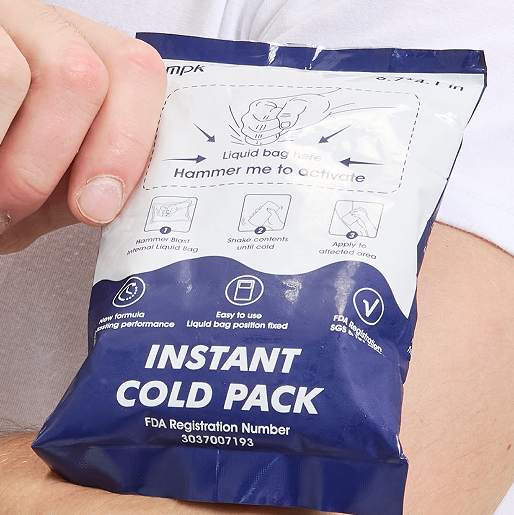
A refrigeration gel pack perishable goods manufacturer can protect freshness when trucks are late and weather turns hot. Your perishables often travel 24–72 hours, and many chilled programs target 2–8°C. A few warm hours can soften texture, dull flavor, and shorten shelf life. This 2026 playbook shows you how to pick the right manufacturer, validate real lanes, and reduce spoilage without overweighting every box.
This article will help you answer:
How a refrigeration gel pack perishable goods manufacturer controls temperature drift in real lanes
Which formats work best for 2–8°C cold chain shipping across food categories
What validated thermal performance testing should look like before you scale
How leak-proof gel pack packaging prevents claims and messy deliveries
How to source bulk gel packs for perishables with fewer quality surprises
Why does a refrigeration gel pack perishable goods manufacturer affect your profit?
A refrigeration gel pack perishable goods manufacturer affects profit because temperature failures create “hidden costs” that never show on a unit price quote. One warm box can trigger refunds, reships, and lost repeat orders. You also lose labor time handling complaints and investigations. The best manufacturers prevent issues before they happen with repeatable performance and clear documentation.
When you treat gel packs like a commodity, you gamble on consistency. When you treat them like engineered components, you reduce exceptions. Your goal is not the coldest possible box. Your goal is the most stable box, across seasons and carriers.
Stable cold vs maximum cold: the key mindset shift
Most perishable programs need stable cold, not maximum cold. That single choice prevents frozen spots and improves arrival quality. Your drafts already highlight this idea, and it is worth keeping as a core principle.
refrigeration gel pack perishab…
| Approach | What it creates | Risk | What it means for you |
|---|---|---|---|
| Maximum cold | Very cold start, fast warm-up | Frozen damage + late warming | More complaints |
| Stable cold | Controlled cooling curve | Lower | More consistent arrivals |
Practical tips and advice
If you ship delicate greens: Avoid direct contact with hard-frozen packs.
If you ship seafood or meat: Use longer-duration packs with higher thermal mass.
If you ship mixed meal kits: Prioritize even coverage, not “one cold corner.”
Real-world case: A shipper reduced complaints after switching from “more packs” to “better placement” and consistent pre-conditioning.
How does a refrigeration gel pack perishable goods manufacturer hit your target range?
A refrigeration gel pack perishable goods manufacturer hits your target range by controlling three things: gel behavior, pack geometry, and sealing consistency. Gel behavior is how the pack absorbs heat over time. Geometry is how cold spreads inside your shipper. Sealing consistency is what prevents leaks and keeps performance stable across batches.
You can think of your shipper like a small house in the sun. Heat pushes in through the roof and walls. A good manufacturer helps you “slow the heat” with predictable cold release and smart placement.
Which gel behaviors work best for 2–8°C cold chain shipping?
Different perishables respond differently to cold. That means the best gel behavior changes by product.
| Perishable category | Common sensitivity | Better gel behavior | Your benefit |
|---|---|---|---|
| Leafy greens | Chilling injury | Gentle curve | Better texture |
| Dairy | Flavor shift | Tight mid-range | Fewer returns |
| Seafood | Spoilage risk | Long hold-time | More consistency |
| Meal kits | Mixed contents | Balanced coverage | Fewer “one item warm” issues |
Practical tips and advice
Ask for time–temperature curves. Curves are better than “hours of cooling” claims.
Standardize pre-conditioning time. Variability often starts in your freezer SOP.
Match pack shape to box shape. A perfect gel pack fails in a bad layout.
Real-world case: A shipper improved arrival quality after replacing random placement with a repeatable packout diagram.
What should you request from a refrigeration gel pack perishable goods manufacturer?
You should request proof of consistency: gel set point range, seal strength, lot traceability, and test summaries that match your lanes. If a refrigeration gel pack perishable goods manufacturer cannot show repeatable data, you are buying uncertainty. Your drafts already emphasize this “ask for proof” approach, and it is a strong 2026 standard.
refrigeration gel pack perishab…
Here is a simple “request list” you can copy into a supplier email.
Gel formulation range (target temperature band)
Pack dimensions and weight tolerance (batch consistency)
Film type and thickness (puncture resistance)
Seal method and seal width (leak control)
Lot coding and traceability rules
Storage guidance (freezer time and temperature)
Test method summary for validated thermal performance testing
Quick manufacturer capability check: “Do they behave like engineers?”
Use this as a fast filter during calls.
| Question you ask | What a strong answer sounds like | Red flag answer | Meaning for you |
|---|---|---|---|
| “How do you control batch variation?” | Weight tolerance + QC sampling | “It’s usually fine” | Predictability |
| “What fails most often in the field?” | Seal + corner puncture details | “We never see failures” | Honesty |
| “How do you support validation?” | Lane plan + logger advice | “Just use more packs” | Cost risk |
Practical tips and advice
Request retention samples. Store a few packs from each lot for investigations.
Ask for change control. You want notice before materials or factories change.
Set acceptance rules early. Seal integrity and weight tolerance should be written.
Real-world case: A shipper traced a leak spike quickly because lot coding was clear.
Which refrigeration gel pack perishable goods manufacturer formats should you choose?
A refrigeration gel pack perishable goods manufacturer should offer formats that match your product density, airflow, and transit time. Flat packs cool evenly across surfaces. Brick packs provide longer hold time. Wrap or contour packs help with irregular loads.
Your drafts include a strong “format selection” section, and it is one of the most practical parts to keep—while tightening the language and adding decision support.
refrigeration gel pack perishab…
Format decision tool: pick the shape in 30 seconds
Choose the first statement that matches your box.
My box is shallow and wide → Start with flat packs for even coverage.
My box is tall or heavy → Add bricks for longer hold time.
My products shift during transit → Consider wrap packs or side panels.
My product bruises easily → Avoid direct contact and use a buffer layer.
| Format | Best for | Typical mistake | What it means for you |
|---|---|---|---|
| Flat packs | Produce, meal kits | Stacking in one corner | Hot spots |
| Brick packs | Seafood, meat | Overfreezing delicate items | Texture damage |
| Wrap packs | Irregular loads | Blocking airflow | Uneven cooling |
Practical tips and advice
Short transit (<24h): Flat packs often reduce weight and cost.
Long transit (48–72h): Bricks often hold cold longer with fewer units.
Mixed loads: Combine formats for coverage and endurance.
Real-world case: A shipper improved results by combining bricks for endurance and flat packs for coverage.
How do you validate a refrigeration gel pack perishable goods manufacturer before scaling?
Validation proves that your refrigeration gel pack perishable goods manufacturer works in your box, your lane, and your season. Lab claims do not equal delivery performance. Validation reduces trial-and-error during peak season and protects your brand.
Your drafts provide a solid HowTo plan and emphasize repeat runs and logger placement. That is exactly what modern cold chain programs do.
refrigeration gel pack perishab…
HowTo: a validation plan you can repeat every season
Define your target range (example: 2–8°C) and maximum time out of range.
Choose worst-case profiles (summer heat, winter cold, long dwell times).
Pack exactly like production (same insulation, tape, and product order).
Place 2–4 temperature loggers near edges and the top corner.
Run at least three repeats per lane and season to confirm repeatability.
Review curves with the manufacturer and adjust placement before adding packs.
| Validation step | What you measure | Pass/Fail rule | Your benefit |
|---|---|---|---|
| Pre-conditioning | Starting pack temp | Within SOP band | Lower variability |
| Lane simulation | Internal temp curve | Stays in range | Predictable arrival |
| Repeatability | Run-to-run spread | Small differences | Fewer exceptions |
Practical tips and advice
Place one logger near the top edge. Heat often enters from the top first.
Photograph every packout. Photos speed root-cause analysis later.
Write acceptance criteria. “Looks okay” is not an acceptance standard.
Real-world case: A shipper discovered the warmest point was a top corner and fixed it with placement, not weight.
How do you prevent leaks with a refrigeration gel pack perishable goods manufacturer?
Leak prevention starts with film choice, seal quality, and edge protection. Leaks cost money twice. They damage product and they damage trust. A refrigeration gel pack perishable goods manufacturer should prove leak resistance, not just promise it.
Leak-proof gel pack packaging tests you should require
| Failure mode | Typical cause | Test to request | What it means for you |
|---|---|---|---|
| Seal split | Weak sealing process | Seal burst + compression | Fewer messy claims |
| Corner puncture | Sharp corrugate edges | Edge puncture test | Cleaner deliveries |
| Film cracking | Deep freeze cycles | Freeze–thaw cycling | Better durability |
Practical tips and advice
Use edge guards in tall boxes. Corners puncture packs more than you expect.
Avoid overfilling packs. Overfilled packs stress seals under pressure.
Adopt a “leak zero” rule for ready-to-eat shipments and premium branding.
Real-world case: A shipper reduced leaks after using wider seals and adding corner protection.
How do you right-size packs without overweighting every shipment?
Right-sizing is about placement and thermal mass, not maximum quantity. Many teams add gel packs when problems appear. That can work, but it is often the most expensive fix. A refrigeration gel pack perishable goods manufacturer should help you solve hot spots with layout first.
Your drafts include a useful “starter estimator” and adjustment rules. We will keep the idea but improve clarity and add a cost lens.
refrigeration gel pack perishab…
Interactive estimator: where should you start?
Start with box size, then adjust by risk. Validate after.
Small shipper (under 10L): start with 2–4 flat packs
Medium shipper (10–25L): start with 4–8 mixed packs
Large shipper (25L+): start with bricks + side coverage
Now adjust:
Add +25% for 48–72 hour lanes.
Add +25% for summer peaks and doorstep heat.
Reduce -15% if you have strong insulation and fast delivery.
| Lane factor | Low | Medium | High | What it means for you |
|---|---|---|---|---|
| Transit time | <24h | 24–48h | 48–72h | Longer lanes need endurance |
| Heat exposure | Cool | Warm | Hot | Hot routes need stability |
| Handling | Smooth | Mixed | Rough | Rough lanes need durability |
Practical tips and advice
Fix placement first. It often solves uneven cooling without adding weight.
Avoid direct contact for sensitive goods. A buffer sheet prevents cold burns.
Request a packout diagram. A good manufacturer provides one consistently.
Real-world case: A shipper reduced freight cost after improving side-wall coverage and removing extra packs.
How do you evaluate a refrigeration gel pack perishable goods manufacturer with a scorecard?
A scorecard protects you from choosing based on unit price alone. The cheapest refrigeration gel pack perishable goods manufacturer can become the most expensive after spoilage, refunds, and reships. A scorecard makes trade-offs visible and repeatable across your team.
Your drafts include a strong scorecard idea and a practical reminder: separate thermal testing from distribution hazard testing. Keep that distinction in 2026.
refrigeration gel pack perishab…
Supplier scorecard (copy and use)
Score each item from 1–5.
| Category | What “good” looks like | Your score | What it means for you |
|---|---|---|---|
| Thermal proof | Repeatable curves + reports | Predictable arrival | |
| Leak resistance | Compression + puncture confidence | Cleaner deliveries | |
| Traceability | Lot-level tracking | Faster investigations | |
| Capacity | Predictable lead times | Peak-season stability | |
| Support | Packout diagrams + validation help | Faster improvements |
Practical tips and advice
Ask for three lane references by lane type, not by brand name.
Test your worst season first. Summer failures are more expensive to fix later.
Require change control. Material changes without notice can break performance.
Real-world case: A shipper chose a higher-priced supplier after scorecard results showed fewer failures and better repeatability.
2026 latest developments and trends in refrigeration gel packs
In 2026, buyers expect a refrigeration gel pack perishable goods manufacturer to deliver predictability, not just cold. Programs are shifting toward tighter temperature targeting, stronger durability, and clearer documentation. Many shippers now treat gel packs as engineered components paired with written SOPs.
Latest progress snapshot
Narrower temperature targeting: More options tuned for specific perishable needs.
Higher durability films: Better puncture and seal performance in tough last-mile handling.
Packout optimization support: More manufacturers helping reduce excess gel use.
Market insight
Perishable brands are under pressure to cut waste and protect trust. That rewards manufacturers who help you validate lanes and prevent leaks. It also pushes teams to build “summer SOPs” and “winter SOPs” instead of one generic plan.
Internal linking suggestions (no external links)
Use these as internal page ideas and site navigation anchors:
Perishable cold chain packout checklist — /perishable-cold-chain-packout-checklist
2–8°C shipping validation guide — /2-8c-shipping-validation-guide
Leak-proof gel pack packaging tests — /leak-proof-gel-pack-packaging-tests
Bulk gel packs for perishables buying guide — /bulk-gel-packs-for-perishables-buying-guide
Temperature logger placement tips — /temperature-logger-placement-tips
Frequently Asked Questions
Q1: What should a refrigeration gel pack perishable goods manufacturer prove first?
They should prove repeatable thermal performance in your target range and lane conditions. Ask for curves and repeat tests. Validate in worst-case seasons.
Q2: Why do boxes arrive warm even with more gel packs?
You may have hot spots from poor placement or blocked airflow. Fix placement first. Then adjust thermal mass and gel quantity based on validation data.
Q3: What is the most common failure with gel packs for perishables?
Leaks and uneven cooling are the most common. Prevent leaks with stronger seals and edge protection. Prevent uneven cooling with consistent packout diagrams.
Q4: Can a refrigeration gel pack perishable goods manufacturer customize pack shape?
Yes. Many offer flat packs, bricks, and custom formats. Custom shape helps when your box geometry creates predictable hot spots.
Q5: Are reusable gel packs realistic for perishable shipping?
They can work in closed-loop lanes with reliable returns. If returns are inconsistent, disposable or hybrid models often perform better operationally.
Q6: What documents should I keep for audits and claims?
Keep packout photos, lane conditions, logger data, and lot codes. These items help you prove control and fix issues quickly.
Summary and recommendations
A refrigeration gel pack perishable goods manufacturer is not just a supplier. It is a risk-control partner for your cold chain. Focus on stable cold behavior, leak resistance, and repeatable validation. Use a scorecard to avoid price-only decisions. Standardize your packout into SOPs and re-test when lanes or seasons change.
Action plan (CTA)
Write your target range, lane time, and worst-case season.
Request curves, QC checks, and leak resistance evidence from the manufacturer.
Run three validation repeats with loggers and packout photos.
Fix placement before increasing gel quantity.
Lock the winning packout into a simple SOP for your team.
About Tempk
At Tempk, we support perishable cold chain shipping with engineered refrigeration gel packs and packout guidance. We focus on consistent sealing, stable thermal behavior, and validation-friendly documentation. We also help you reduce unnecessary pack weight by improving placement and repeatability.
Next step: Share your box size, product type, target range, lane time, and hottest season. We will outline a validation-first plan you can standardize across shipments.
Gel Refrigerant Bag India Supplier Selection Guide 2026
If you’re choosing a gel refrigerant bag India supplier, you’re not buying “cold packs.” You’re buying predictable deliveries, fewer leaks, and fewer customer escalations. In India, heat exposure and last-mile delays can turn one weak bag into a full shipment loss. Many food programs plan chilled storage below about 5°C, and frozen storage around −18°C in training guidance. You should validate your exact requirement by product and lane.
Last updated: January 30, 2026.
This guide will help you answer:
How a gel refrigerant bag India supplier for cold chain shipping protects your lane in real heat
Which specs and materials reduce leaks with a leak-resistant gel refrigerant bag India supplier
A fast gel refrigerant bag India supplier quality control audit you can run in 60 minutes
Exactly how to test gel refrigerant bags for shipping with repeatable lane trials
How to compare gel refrigerant bag India supplier pricing using outcome-based math
Which documents and contract terms prevent silent spec drift in 2026
Gel Refrigerant Bag India Supplier: What Temperature Are You Protecting?
Direct answer / key point
A gel refrigerant bag India supplier is only “right” if the bag matches your target temperature band and lane duration. Start with your product requirement, then build a safety margin for delays, heat spikes, and handling.
Expanded explanation
Many buyers begin with “How many hours does it stay cold?” That question is incomplete. The same gel refrigerant bag behaves differently in different shippers, payload densities, and placements. Treat your temperature target like a speed limit. You need room for traffic, weather, and route surprises. A strong gel refrigerant bag India supplier will help you define a realistic pass/fail rule.
Temperature targets by common use case
| Use case | Typical target | Primary risk | What it means for you |
|---|---|---|---|
| Chilled foods | Below ~5°C | quality and safety risk | prioritize coverage and clean handling |
| Fresh cold hold | 0–4°C | texture and shelf-life risk | prioritize wall/top placement discipline |
| Frozen foods | ~−18°C or colder | thaw/refreeze damage | prioritize insulation + mass |
| Temperature-sensitive healthcare | labeled condition | potency loss | prioritize monitoring, repeat testing, traceability |
Practical tips and advice
If you ship chilled foods: plan wall and top coverage, not bottom-only cooling.
If you ship frozen items: design for worst-case delays, not average transit hours.
If you ship healthcare goods: treat documentation and traceability as non-negotiable.
Practical case: A chilled food shipper reduced warm-corner failures by lining side walls with thin gel bags.
Gel Refrigerant Bag India Supplier: Which Bag Design Fits Your Shipper Footprint?
Direct answer / key point
The best gel refrigerant bag India supplier design is the one that maximizes surface coverage without sacrificing durability. If the bag does not match your shipper footprint, you create air gaps and hot zones.
Expanded explanation
Think of cooling like wrapping a bottle in a wet towel. Coverage matters more than thickness once you reach a minimum mass. Thick bags may hold longer, but they can leave uncovered areas and create uneven cooling. Several thinner bags can outperform one thick bag if they “fit” the shipper and stay in contact.
Bag formats you should compare (and when to use them)
| Bag format | Typical thickness | Best for | Watch out for |
|---|---|---|---|
| Thin sheet-style bag | 10–15 mm | short lanes, tight boxes | may warm early |
| Medium pillow bag | 20–25 mm | 24–48 hour lanes | needs good placement |
| High-mass bag | 30+ mm | 48–72 hour lanes | reduces payload space |
Practical tips and advice
Use side-wall placement: it reduces warm corners in summer.
Add top coverage: it protects during last-mile exposure in direct sunlight.
Avoid “floating payload”: secure products so they do not drift away from cooling surfaces.
Practical case: A dairy program improved stability by moving one gel bag from bottom to the top layer.
Gel bag vs gel brick: quick decision table
| Choice | Better when | Worse when | What it means for you |
|---|---|---|---|
| Gel refrigerant bag | you need coverage and flexible placement | you need fixed block mass | better contact, fewer hot spots |
| Gel brick | you need longer hold with fixed layout | box footprint is tight | simpler placement, less coverage |
Practical tips and advice
If your shipper is small: flexible bags often reduce wasted space.
If your payload is fragile: bags can distribute cooling gently with fewer pressure points.
Practical case: A meal-kit shipper reduced crushed packaging complaints after switching from rigid blocks to flexible bags.
Gel Refrigerant Bag India Supplier Quality Control: What Should You Audit First?
Direct answer / key point
A gel refrigerant bag India supplier quality control audit should focus on fill variance, seam strength, film durability, and lot traceability. These four items predict real-world failures better than marketing claims.
Expanded explanation
Most failures come from variation. Two bags that look identical can perform differently if fill weight drifts. A disciplined gel refrigerant bag India supplier controls these variables and can explain their tolerance in simple language. You can also detect drift with a fast receiving check.
The “60-minute inbound QC checklist”
| QC check | How to do it | Pass indicator | What it means for you |
|---|---|---|---|
| Weight variance (20 units) | weigh and record min/max | tight spread | consistent cooling per shipment |
| Seam inspection | visual + gentle pull | no weak edges | lower leak probability |
| Frozen flex test | freeze, then flex corners | no cracking | safer handling during packing |
| Puncture exposure | press against typical payload edge | no damage | fewer warehouse leaks |
| Lot coding presence | check cartons | lot code visible | faster investigations |
Factory red flags you should treat as risk
“We do not track lots.”
“We can change film without notice.”
“We don’t have a handling guide.”
“We don’t specify fill tolerance.”
Practical tips and advice
Photograph seams and corners: it gives you a baseline for future lots.
Reject wet cartons immediately: wet cartons often hide multiple failures.
Track failures by lot: lot trend lines reveal process drift quickly.
Practical case: A shipper cut leak incidents after rejecting lots that failed a frozen corner flex test.
How to Test a Gel Refrigerant Bag India Supplier With a Validation Ladder
Direct answer / key point
To test a gel refrigerant bag India supplier reliably, use a three-level validation ladder: desk review, bench test, and lane simulation. This reduces wasted time and prevents false confidence.
Expanded explanation
Many teams jump straight into a lane simulation. That is expensive if a supplier fails basic consistency. The ladder approach filters suppliers quickly, then confirms real performance in your actual shipper. A strong gel refrigerant bag India supplier will support the process and help you standardize pre-conditioning and placement.
Level 1: Desk review (fast filter)
Check tolerance claims, lot coding method, documentation pack, and change-control willingness. Ask for standard lead time and surge lead time.
Level 2: Bench test (controlled comparison)
Freeze bags the same way, then measure thaw behavior in a stable room. Record time to key temperature points using one consistent setup.
Level 3: Lane simulation (real outcome test)
Pack your real shipper, insulation, and payload weight. Use two loggers: one at the edge risk zone and one near the payload center. Run at least two repeats per configuration.
| Validation level | Time needed | What it reveals | Your decision benefit |
|---|---|---|---|
| Level 1 | 1–2 days | process maturity | removes weak suppliers early |
| Level 2 | 3–5 days | cooling curve behavior | compares designs fairly |
| Level 3 | 1–2 weeks | packout success | prevents expensive failures |
A repeatable 8-step lane test (copy/paste)
Define your temperature band and maximum hours.
Freeze bags the same way for every run.
Pack with your real shipper and payload weight.
Place one logger at the warmest edge zone.
Place one logger near the payload center.
Simulate worst-case ambient exposure for your lane.
Run for lane hours plus a buffer.
Repeat twice, then compare results.
Gel Ice Pillow North America Supplier Selection Guide 2026

If you’re selecting a gel ice pillow North America supplier, you’re not just buying “cold.” You’re buying fewer temperature excursions, fewer leaks, and fewer costly reships. In 2026, lanes are longer, weather swings are sharper, and customers judge your brand at the unboxing moment. This guide gives you a clear supplier checklist, simple lane tests, and pricing math you can use today.
How Do You Define Success With a Gel Ice Pillow North America Supplier?
Success means your gel ice pillow North America supplier keeps your product in range with repeatable results, stable specs, and predictable lead times. You should define your target band, maximum transit hours, and failure tolerance before you compare suppliers.
| Lane input | Option A | Option B | What it means for you |
|---|---|---|---|
| Target range | 2–8°C | 0–4°C | Drives pillow mass and risk level |
| Transit time | 24–48 hr | 48–72 hr | Sets quantity and pillow thickness |
| Season | Summer peak | Mixed seasons | Changes failure modes |
| Payload | Dense | Airy | Affects heat gain speed |
| Handling | Gentle | Rough | Drives film and seal strength |
What Quality Control Should a Gel Ice Pillow North America Supplier Prove?
A gel ice pillow North America supplier should prove consistency in fill weight, seal integrity, and film durability—because these three items predict leaks and temperature drift. If a supplier cannot explain their controls, assume variance exists.
| Audit layer | What to look for | Quick test | What it means for you |
|---|---|---|---|
| Design | Rounded seals, reinforced edges | Bend/flex frozen unit | Fewer crack leaks |
| Process | Controlled fill, consistent sealing | Weigh 20 units | Predictable cooling |
| Handling | Packing guidance, pallet rules | Drop test in carton | Fewer warehouse leaks |
Gel Ice Blanket Floral Manufacturer Buying Guide 2026
A gel ice blanket floral manufacturer provides specialized cooling solutions designed for floral preservation and temperature-sensitive shipping. These blankets utilize advanced gel technology to maintain consistent cold temperatures, ensuring that delicate flowers remain fresh and vibrant during transit. Floral manufacturers often customize these gel ice blankets to fit specific packaging needs, offering various sizes and cooling durations to accommodate different types of blooms and shipping conditions.
Key Features of Gel Ice Blankets for Florals
- Extended Cooling Duration: Designed to keep flowers at optimal temperatures for up to 48 hours.
- Flexible Design: Easily wraps around floral arrangements or lines shipping boxes.
- Leak-Proof Technology: Ensures that no moisture or gel escapes, protecting the flowers and packaging.
- Reusable and Eco-Friendly: Many manufacturers offer non-toxic, reusable options to reduce environmental impact.
Comparison of Gel Ice Blanket Types
| Feature | Standard Gel Pack | Floral Gel Ice Blanket |
|---|---|---|
| Flexibility | Low | High |
| Surface Area | Small | Large |
| Moisture Control | Moderate | Superior |
| Customization | Limited | Extensive |
Choosing the right gel ice blanket floral manufacturer is crucial for businesses in the floral industry. A reliable manufacturer will provide high-quality products that meet the rigorous demands of floral logistics, helping to minimize waste and maximize customer satisfaction. By integrating these cooling solutions, florists can ensure their products arrive in perfect condition, regardless of the distance traveled.
Gel Refrigerant Brick Beverage Supplier Guide 2026
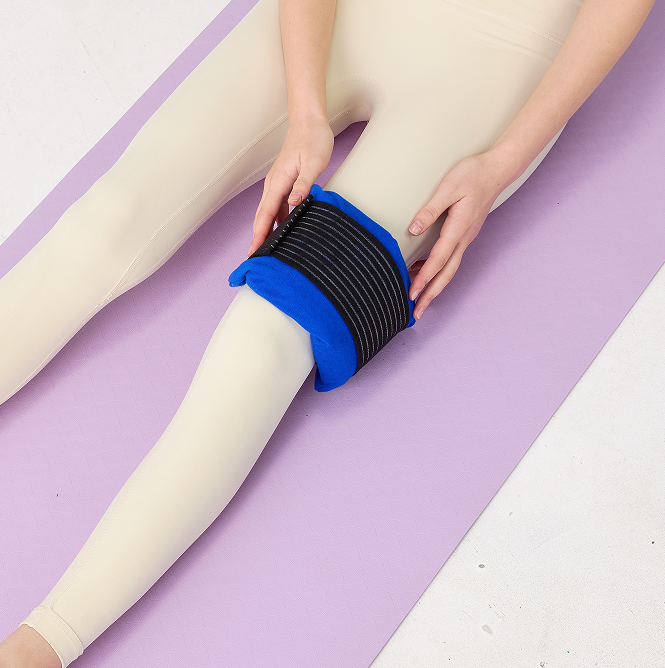
Last Updated: January 29, 2026
A gel refrigerant brick beverage supplier helps you deliver drinks cold and consistent, even when routes include hot docks and last-mile delays. If you ship beer, cold brew, dairy drinks, or premium juice, small temperature swings can change taste, texture, and customer reviews. In 2026, the goal is not “more ice.” The goal is repeatable cooling you can train and measure, without slowing your warehouse.
This article will help you answer:
How a gel refrigerant brick beverage supplier keeps beverages within your target range on real routes
Which gel brick temperature profiles reduce warm corners and overcooling risk
How to size and place gel bricks for common beverage box formats
What QC checks predict stable cooling and reuse durability
How to validate pack-outs with repeat runs and simple SOPs
How to reduce spoilage, complaints, and total landed cost in 2026
What Should a Gel Refrigerant Brick Beverage Supplier Deliver?
Direct answer:
A gel refrigerant brick beverage supplier should deliver repeatable cooling, clean handling, and stable quality from batch to batch. You want the same result across shifts, seasons, and different packers. You also want simple instructions that prevent “panic packing” during heat spikes.
Expanded explanation:
Beverage shipping is experience-sensitive. A drink can arrive “safe” but still disappoint your customer. Warm beer can taste flat, cold brew can separate, and premium juice can lose its fresh feel. That is why a strong gel refrigerant brick beverage supplier focuses on consistent outcomes, not just big temperature claims.
Think of gel bricks like a “cold savings account.” You deposit cold during conditioning, then spend it slowly during delivery. If you spend too fast, you overcool edges. If you spend too slow, your drinks warm early.
What “good” looks like in practice
Repeatable pack-out diagrams you can train in minutes
Tight weight tolerance so cooling duration stays predictable
Strong seals and durable corners for fewer leaks and repacks
Clear change notices so your validated pack-out does not drift
Channel support for DTC and wholesale realities
What temperature goal matches your beverage category?
| Beverage type | Typical “arrives cold” goal | Common risk | What helps most | Practical meaning for you |
|---|---|---|---|---|
| Craft beer / seltzer | Cold, crisp mouthfeel | Warm arrival feels flat | Steady cooling near cans | Fewer “tastes off” reviews |
| Cold brew / dairy drinks | Cold + stable texture | Separation or thickening | Even cooling, no hotspots | Better repeat purchases |
| Premium juice | Cold + fresh taste | Warmth dulls flavor | Longer hold time | Less refund pressure |
| Wine club add-ons | Cool, not icy | Overcooling shocks product | Controlled brick count | Better unboxing experience |
Practical tips and suggestions
If your goal is “chill, not freeze”: ask your gel refrigerant brick beverage supplier for layouts that avoid direct bottle contact.
If you ship to apartments: plan for extra porch time and afternoon heat exposure.
If presentation matters: treat condensation control as a success metric, not a “nice to have.”
Practical case: A beverage subscription team reduced “arrived warm” tickets after standardizing one summer pack-out and training with photos.
How Do You Choose a Gel Brick Temperature Profile With a Gel Refrigerant Brick Beverage Supplier?
Direct answer:
Pick a gel profile that matches your beverage’s safe cold window, then confirm it with a route-based pilot. A good gel refrigerant brick beverage supplier offers options and explains trade-offs in plain language.
Expanded explanation:
Not all gel bricks behave the same. Some behave like “strong cold at first,” then fade. Others release cold more gently, which reduces overcooling risk near the box wall. Your gel refrigerant brick beverage supplier should help you choose based on lane length, ambient heat, and freeze sensitivity.
You do not need deep chemistry to decide. You need a simple rule: choose the profile that hits your target without creating edge damage.
Quick comparison of common cooling behaviors
| Target outcome | More suitable behavior | Typical risk | Best mitigation | Practical meaning for you |
|---|---|---|---|---|
| “Chilled but not icy” | Narrow refrigerated profile | Under-cooling if undersized | Validate brick count | Better taste consistency |
| “Strong cold for short lane” | Near-freezing behavior | Overcooling near walls | Separation layer | Fewer frozen edges |
| “Mixed seasons” | Two seasonal pack-outs | Complexity | Clear SOP + photos | Stable year-round results |
Practical tips and suggestions
Coffee and dairy beverages: avoid direct brick contact with cartons or bottles.
Cans in tight boxes: keep sidewall spacing to prevent cold stripes.
Lockers/porches: size for worst-case “delivery delay hours,” not planned time.
Practical case: A cold brew brand reduced texture complaints after switching to a gentler profile and adding a simple separation layer.
How Do You Size and Place Gel Bricks for Beverage Boxes?
Direct answer:
Sizing is a system decision: brick mass + insulation + beverage load + route time. A capable gel refrigerant brick beverage supplier helps you right-size bricks so you hit your goal with fewer parts and fewer decisions.
Expanded explanation:
Oversizing bricks increases freight weight and costs. Undersizing bricks increases warm deliveries and customer tickets. The right approach is to start with a baseline pack-out, then tune with measured results.
Beverage shipping is also geometry. If bricks are too small, packers add extras until boxes become heavy. If bricks are too large, you lose payload space and may overcool edges.
Pack-out patterns that work for common beverage kits
| Beverage kit | Common layout idea | Placement principle | Practical meaning for you |
|---|---|---|---|
| 6–8 cans | Two sidewalls | Keep bricks off direct can contact | Lower freeze shock risk |
| 12 cans | Top + side split | Balance cooling around payload | Fewer warm corners |
| Mixed bottles + cans | Sidewalls + divider | Stabilize and protect glass | Fewer damage claims |
| Tall bottle boxes | Bottom + side buffer | Prevent warm base | Better arrival consistency |
Practical tips and suggestions
Use symmetry: symmetrical placement reduces hot spots caused by small packing errors.
Avoid “brick piles”: one-corner stacks create hot and cold zones inside the same box.
Standardize two layouts: one for summer, one for winter, per lane group.
Practical case: A sparkling beverage seller cut freight spend after replacing “extra bricks” with a validated layout using fewer, higher-mass bricks.
How Do You Validate a Gel Refrigerant Brick Beverage Supplier Pack-Out?
Direct answer:
Validation means proving your pack-out holds your drink temperature goal through real lane conditions, repeatedly. The best gel refrigerant brick beverage supplier supports a pilot plan that your team can repeat across shifts.
Expanded explanation:
A pack-out that works once is not a system. A pack-out that works when different staff pack boxes on different days is a system. Validation becomes easier when you measure the right things: time out of refrigeration, peak ambient exposure, and the warmest internal point.
You also need to measure packing time. Complexity kills consistency. If the pack-out is slow, people improvise during peak volume.
A repeatable 10-shipment pilot plan
Choose one lane with steady volume and predictable timing.
Define a clear pass rule (your internal “arrives cold” target).
Run 5 baseline shipments with your current method.
Run 5 trial shipments with the supplier pack-out.
Compare temperature outcomes and minutes per pack-out.
| Pilot step | What you measure | Why it matters | Practical meaning for you |
|---|---|---|---|
| Baseline shipments | Current arrival temps | Establishes your starting point | Honest comparison |
| Trial shipments | New arrival temps | Shows improvement or gaps | Real data for decisions |
| Packing time | Minutes per box | Complexity check | Sustainable operations |
| Exception rate | Warm arrivals per 100 | Tracks reliability | Fewer customer complaints |
Practical tips and suggestions
Start with one lane and one box type—do not pilot everything at once.
Use simple data loggers or spot checks; you do not need expensive equipment to start.
Lock the SOP after pilot success; resist ad-hoc changes during peak volume.
Practical case: A beverage brand locked their summer pack-out after a 10-shipment pilot showed consistent results across two packers.
What QC Checks Should You Expect From a Gel Refrigerant Brick Beverage Supplier?
Direct answer:
You should expect weight tolerance, seal integrity, lot traceability, and visual consistency. A reliable gel refrigerant brick beverage supplier documents these checks and shares results when you ask.
Expanded explanation:
Gel bricks are not commodities. A brick that looks the same but weighs 5% less will cool differently. A weak seal can leak during handling. A missing lot code makes root-cause analysis impossible.
Good QC is not just about catching defects. It is about preventing variation that makes your pack-out unpredictable.
QC checklist for incoming gel refrigerant bricks
| Check | What to look for | Why it matters | Practical meaning for you |
|---|---|---|---|
| Weight tolerance | Within ±3% of spec | Cooling duration depends on mass | Predictable results |
| Seal integrity | No bubbles, weak spots | Prevents leaks | Fewer repacks |
| Lot traceability | Readable lot code | Enables root-cause analysis | Faster problem resolution |
| Visual consistency | No color or texture drift | Signals stable formulation | Consistent cooling behavior |
Practical tips and suggestions
Spot-check 5–10 bricks per incoming pallet for weight and seal.
Keep a simple log of lot codes and any issues found.
If you see drift, ask your supplier for a corrective action summary.
Practical case: A beverage fulfillment center caught a seal issue early by adding a 5-brick spot check to their receiving SOP.
How Do You Manage Reuse With a Gel Refrigerant Brick Beverage Supplier?
Direct answer:
Reuse works when you control returns, inspection, and reconditioning. A good gel refrigerant brick beverage supplier designs bricks for durability and provides guidance on reuse cycles.
Expanded explanation:
Reuse can reduce cost per shipment, but only if you manage the process. Bricks that return damaged, dirty, or inconsistently conditioned create more problems than savings.
The key is to treat reuse as a system: define return criteria, inspect before reconditioning, and track cycles.
Reuse readiness self-assessment
Do you have a return channel (e.g., pickup, prepaid label, drop-off)?
Can you inspect bricks for damage before reconditioning?
Do you have space and process for cleaning and drying?
Can you track cycles per brick (even roughly)?
Can you recondition bricks with consistent time and staging?
Scoring:
0–2 Yes: Optimize single-use pack-outs first.
3–4 Yes: Pilot reuse in one region or lane group.
5 Yes: You are ready for broader reuse rollout.
Practical tips and suggestions
Use color coding per brick size to prevent mix-ups.
Create a “clean, dry, inspect” station before reconditioning.
Track cycles per brick for one month to estimate real savings.
Practical case: A beverage club increased reuse success after adding a quick corner-check inspection step.
2026 Trends: What’s Changing for Gel Refrigerant Brick Beverage Supplier Programs?
Trend overview:
In 2026, beverage brands are moving from “cooling products” to validated cooling systems. Teams want fewer components, fewer decisions, and fewer surprises. Customers also expect “arrives cold” to be consistent across seasons, not luck.
You will also see more emphasis on pack-out libraries: pre-approved layouts by lane, season, and channel. This reduces training time and keeps outcomes stable.
Latest progress at a glance
Standardized pack-out libraries: one summer and one winter layout per lane group
Operational simplification: fewer parts, faster training, fewer errors
Durability and reuse focus: brick formats designed for repeated handling
Customer-experience packaging: condensation control and presentation protection
Market insight:
The strongest gel refrigerant brick beverage supplier in 2026 is measured by fewer exceptions and simpler operations, not the lowest unit price.
Frequently Asked Questions
Question 1: How long can gel refrigerant bricks keep beverages cold?
Many systems aim for 24–72 hours, depending on insulation, brick mass, and heat exposure. Pilot tests show your real limit.
Question 2: Can gel refrigerant bricks freeze beverages?
Yes, if cooling is oversized or bricks touch bottles directly. Use separation and a validated placement diagram.
Question 3: How many gel refrigerant bricks should you use per box?
There is no universal number. It depends on beverage volume, box size, route time, and ambient risk.
Question 4: What is the fastest way to evaluate a gel refrigerant brick beverage supplier?
Check weight tolerance, seal quality, lot traceability, and whether they offer a repeatable pilot plan.
Question 5: Are reusable gel refrigerant bricks worth it for DTC beverage brands?
They can be, if you control returns and inspection. If returns are inconsistent, optimize single-use first.
Question 6: What is a hidden failure in beverage cold shipping?
Condensation and presentation damage. Customers may complain even when temperature is acceptable.
Summary and Recommendations
A gel refrigerant brick beverage supplier should help you ship beverages cold, consistent, and clean—without adding warehouse complexity. Focus on repeatable cooling behavior, strong QC with lot control, and a pilot-driven validation method with clear SOPs. Standardize pack-outs by channel and season, then train with photo diagrams so results stay stable across shifts.
Action plan (simple and realistic):
Pick one lane group and define your “arrives cold” pass rule.
Run a 10-shipment pilot: baseline vs supplier layout.
Lock conditioning time and placement with a one-page SOP.
Track exceptions per 100 shipments and refine seasonally.
CTA: If you want fewer warm-delivery complaints in the next 30 days, start with one lane pilot and a standardized brick layout.
About Tempk
At Tempk, we support beverage cold shipping with gel refrigerant brick solutions built for repeatable pack-outs and scalable operations. We focus on consistent manufacturing controls, durable brick construction, and practical conditioning guidance your team can follow quickly. We help you plan pilots, simplify layouts, and improve results across seasons.
Gel Coolant Pack UK Manufacturer Guide 2026
Last updated: January 29, 2026
If you’re searching for a gel coolant pack UK manufacturer, you’re probably trying to stop a painful problem: product arriving warm, spoiled, or out of spec. In cold chain shipping, a few degrees can mean lost stock, failed audits, or refunds you can’t afford. For many medicines, the target band is 2°C to 8°C, and the packaging must hold that range for a defined time.
A reliable gel coolant pack UK manufacturer is not just selling frozen pouches. They’re helping you build a repeatable system: the gel pack, the insulation, the pack-out method, and the proof it works.
This article will answer for you:
How to vet a GDP-compliant cold chain packaging approach without drowning in jargon
How to choose 2–8°C gel pack shipping configurations that reduce warm deliveries
When reusable gel coolant packs UK make financial sense, and when they don’t
What ISTA thermal testing for insulated shippers can (and cannot) prove
How 2026 UK rules and costs can affect your gel pack packaging decisions
What should a gel coolant pack UK manufacturer prove first?
Here’s the simplest rule: your gel coolant pack UK manufacturer should prove repeatability. That means the same gel pack performs consistently across batches, seasons, and packing teams.
If you ship medicines, your packaging choices also need to align with Good Distribution Practice (GDP) expectations. GDP is about keeping medicines consistently stored, transported, and handled under suitable conditions.
If you ship food, your focus shifts slightly. You’ll care more about food-contact safety, leakage control, and clean handling. UK rules for food contact materials exist for materials expected to touch food or transfer constituents to it.
Which evidence should you request from a gel coolant pack UK manufacturer?
Ask for proof in “plain English” documents you can share internally. A good gel coolant pack UK manufacturer can provide these without delays:
A basic specification sheet (dimensions, fill weight, outer film type)
Batch traceability (lot codes you can track)
A Safety Data Sheet (SDS) if applicable
Temperature performance test summaries for common durations (24/48/72 hours)
For medicines, also ask whether they understand temperature mapping and packaging validation. MHRA has repeatedly highlighted the need for mapping and representative testing in controlled areas.
| Proof item you ask for | What it should include | What good looks like | The practical meaning for you |
|---|---|---|---|
| Specification sheet | Size, weight, seal width, film type | Clear tolerances, not “approx” | Fewer packing surprises and fewer leaks |
| Batch traceability | Lot code + production date | Lot code printed on each pack | Faster root-cause analysis if failures occur |
| SDS (if needed) | Ingredients + handling guidance | UK-aligned format and updates | Easier warehouse safety and onboarding |
| Performance summary | Test setup + pass/fail range | Shows target band + duration | You can match pack to lane time |
| Validation support | Testing profiles + data | Lane-based or ISTA-based tests | Stronger audit readiness |
Practical tips you can use immediately
If your packs leak: ask about seal design, film thickness, and burst resistance before changing carriers.
If products freeze by accident: ask your gel coolant pack UK manufacturer about “conditioning” steps (pre-cool vs frozen).
If performance varies by staff: standardize the pack-out with photos and a one-page SOP.
Real-world scenario: One pharmacy delivery route was “fine” in winter and failed in summer. The fix wasn’t a new courier. It was a different pack-out layout and a short conditioning step before loading.
How do you choose a gel coolant pack UK manufacturer for 2–8°C shipping?
If your target is 2–8°C, your biggest enemy is usually not “warmth.” It’s uncontrolled swings. Too warm breaks compliance. Too cold can freeze sensitive products.
UK pharmacy guidance emphasizes that cool packs and cold-chain containers should maintain a stable temperature in the specified range for a specified time. That means your gel coolant pack UK manufacturer should help you pick a pack that fits your time window, not just your box size.
A helpful way to think about it is like a lunch cooler on a road trip. A tiny ice pack might keep it cool for an hour, but not for a full day in traffic.
Gel vs PCM: what should a gel coolant pack UK manufacturer recommend?
You may hear “PCM” (phase change material). It simply means a coolant designed to melt and hold a specific temperature for longer, like a “smart ice” that melts at a chosen point.
Gel coolant packs can work well for many chilled shipments. But for tight 2–8°C control, some shippers prefer PCMs because they can reduce the risk of freezing the payload when used correctly.
A strong gel coolant pack UK manufacturer can explain both, without pushing jargon. They should show you what range each pack targets and how it behaves in your insulation.
| Coolant type | Best for | Common mistake | What to do instead |
|---|---|---|---|
| Standard gel coolant pack | General chilled shipping | Over-freezing packs and freezing product | Use conditioning and correct placement |
| Tuned PCM pack | Tight ranges like 2–8°C | Treating PCM like regular ice | Follow preconditioning instructions |
| Water-based ice pack | Short, local routes | Assuming it lasts “all day” | Use more insulation or more mass |
Your 2-minute “Pack Fit” self-check (interactive)
Give yourself 1 point for each “Yes.” Total your score at the end.
Do you have a target temperature band (example: 2–8°C) written down?
Do you know your maximum door-to-door time (including delays)?
Do you ship in both winter and summer conditions?
Can your gel coolant pack UK manufacturer provide test summaries for your duration?
Do you have a simple pack-out diagram your team follows?
Do you use at least one temperature logger on pilot runs?
Do you have a plan for returns or reverse logistics (if reusable)?
Do you know whether your packs count as packaging for UK fees/taxes?
Score guide
0–3: High risk. Fix your “inputs” before buying more packs.
4–6: Medium risk. Improve pack-out control and testing next.
7–8: Strong position. Now optimize cost and sustainability.
Can a gel coolant pack UK manufacturer help you manage UK heat risk?
Yes, and in 2026 it matters more than people expect. UK temperatures can spike high enough to overwhelm weak insulation. The Met Office confirmed a UK record temperature of 40.3°C in 2022, which is a useful “stress case” when planning worst-day performance.
Your gel coolant pack UK manufacturer should help you plan for two different realities:
A “typical day” route
A “bad day” route (heatwave, depot delay, failed-first-attempt delivery)
How to build a simple lane profile (without a lab)
You can do a first-pass lane profile using your own shipment history. Keep it simple.
Write down origin, destination, and time in transit (including depot dwell time).
Note whether parcels sit outside in the first and last mile.
Separate lanes into summer-like and winter-like risk.
Choose one “worst lane” and run 3 pilot shipments with loggers.
Once you have that, your gel coolant pack UK manufacturer can recommend pack weight and placement. If they cannot talk about lane time, they’re not a partner.
Which UK rules matter when buying from a gel coolant pack UK manufacturer?
Rules hit you in three ways: safety, audit readiness, and cost. You do not need to memorize regulations. You just need the right questions.
GDP expectations for medicines
GDP expects medicines to be stored and transported under suitable conditions and handled consistently. MHRA also discusses packing refrigerated medicinal products to maintain required temperatures throughout the journey.
So your gel coolant pack UK manufacturer should support:
Documented performance claims
Repeatable pack-out instructions
Practical advice on managing delays and returns
Food contact materials and the gel pack outer film
If your gel packs may contact food directly or indirectly, ask how the outer film is designed for that context. UK guidance covers provisions for materials expected to come into contact with food or transfer constituents to food.
What to ask your gel coolant pack UK manufacturer:
Is the outer film intended for food-contact scenarios?
What migration or material declarations are available?
What cleaning or handling rules reduce contamination risks?
Safety Data Sheets (SDS) and workplace handling
Even if your gel coolant pack feels harmless, your warehouse team needs safe handling guidance. In the UK, SDS are required by UK REACH in relevant cases and are key documents for safe supply and use of chemicals.
A good gel coolant pack UK manufacturer will:
Provide SDS when required or appropriate
Keep SDS versions updated
Explain safe disposal and spill cleanup in plain language
Single-use or reusable options from a gel coolant pack UK manufacturer?
You’re balancing three things: performance, labor, and total cost. Reusable packs can save money, but only if you can retrieve them and refreeze reliably.
A gel coolant pack UK manufacturer should be able to recommend both models, then help you pick based on your workflow.
The “hidden cost” checklist (what most buyers miss)
Reverse logistics cost: collecting packs from customers or depots
Refreezing capacity: space, power, freezer cycle time
Cleaning time: if you need hygienic reuse
Shrink/loss rate: how many packs disappear each month
Admin time: tracking, credits, and returns
If you cannot retrieve packs, single-use may be cheaper overall. If you can retrieve packs, reusable can reduce waste and improve control.
2026 UK cost signals you should factor in
Packaging-related costs can rise from taxes and producer obligations. For example, the UK Plastic Packaging Tax rate is listed as £228.82 per tonne from 1 April 2026 for plastic packaging with less than 30% recycled content.
Also, the UK’s Extended Producer Responsibility (EPR) for packaging is being phased in, shifting the full cost of managing household packaging waste onto producers. Base fees for year 1 (2025 to 2026) are published for the scheme.
How do you qualify shipments with your gel coolant pack UK manufacturer?
Qualification is how you move from “we think it works” to “we can prove it works.” This reduces blame games when something goes wrong.
For medicines, UK guidance stresses maintaining stability within the specified range for a specified time, which is exactly what qualification demonstrates.
What a basic qualification path looks like
Define the pass/fail rule (example: payload must stay 2–8°C for 36 hours).
Choose the shipper + gel pack configuration.
Run controlled tests (lab or simulated profiles).
Run real lane pilots with loggers.
Lock the pack-out SOP and train staff.
Re-check seasonally or after any change (box, gel pack, courier).
Where ISTA thermal testing fits (and where it doesn’t)
ISTA procedures are widely used as structured test profiles for packaging development. ISTA’s thermal standards include 7E, described as the newer standard for thermal transport testing, with profiles built from real-world data.
Also, ISTA 7D has historically been used for temperature testing of transport packaging, and ISTA notes the broader 7-series as package development tests.
Practical takeaway: ISTA profiles can help you compare designs under consistent conditions. They do not replace your own lane reality. Your gel coolant pack UK manufacturer should encourage both.
How do you compare quotes from a gel coolant pack UK manufacturer?
If you only compare “price per pack,” you will usually lose money later. The smarter comparison is “cost per successful delivery.”
Here’s what to request on every quote from a gel coolant pack UK manufacturer:
Unit price at 3 volume tiers
Lead time and peak season capacity
MOQ (minimum order quantity) and storage constraints
Outer film spec and recycled content options
Printing and private label options
Replacement policy for defects or leakage
A buyer-friendly quote comparison template
Use this simple scoring method. Give each supplier a 1–5 score for each line.
| Quote factor | Supplier A | Supplier B | Supplier C |
|---|---|---|---|
| Performance evidence quality | |||
| Consistency of lead time | |||
| Leak resistance track record | |||
| Documentation readiness (SDS/spec/traceability) | |||
| Total cost (packs + labor + failures) |
Tip: If a gel coolant pack UK manufacturer refuses to share any test summary, treat that as a risk cost.
Real-world scenario: One buyer picked the cheapest gel pack. Failures rose by 2% and refunds erased the savings. The next switch was based on “cost per success,” not “cost per pack.”
2026 gel coolant pack UK manufacturer developments and trends
In 2026, the market is being shaped by three pressures: hotter risk days, stricter documentation expectations, and packaging cost signals.
First, climate-driven extremes increase the value of robust qualification. The UK record of 40.3°C remains a clear reminder that “UK weather” can still crush weak cold chain packaging.
Second, thermal testing standards are evolving. ISTA positions 7E as the newer standard for thermal transport testing, built from real-world lane data.
Third, UK packaging costs are becoming more visible. The Plastic Packaging Tax rate is published at £228.82 per tonne from 1 April 2026 for plastic packaging under the recycled-content threshold, and EPR base fees for 2025–2026 are published under the new scheme.
Latest changes at a glance
More proof, less marketing: Buyers expect test summaries and traceability as standard.
More lane-specific design: One-size-fits-all pack-outs fail more often on worst-day routes.
More cost pressure on plastics: Taxes and producer fees encourage recycled-content options.
Market insight you can act on
If you want fewer failures, prioritize suppliers who talk about systems, not just packs. Your gel coolant pack UK manufacturer should help you control pack conditioning, placement, and documentation.
If you want lower costs, focus on reducing re-shipments. A small improvement in success rate often beats any unit-price discount.
Frequently Asked Questions
Q1: How long can a gel coolant pack UK manufacturer’s packs keep items cold? It depends on insulation, ambient heat, and how many packs you use. Some suppliers cite up to 24–48 hours in suitable conditions, but you should test your exact lane.
Q2: Are gel coolant packs reusable? Many are reusable if the seals hold and your workflow can refreeze them. Some UK suppliers explicitly describe gel packs as reusable and refreezable, which supports return-based models.
Q3: What’s the difference between ice packs and gel packs for shipping? Ice packs freeze solid water and often melt faster. Gel packs typically stay more flexible and can hold cold longer, which can help with tighter packing layouts.
Q4: Can gel packs help me keep medicines at 2–8°C in the UK? Yes, when used with a proper cool box and a validated pack-out. UK pharmacy guidance advises using cold-chain transit containers and cool packs that maintain stability for a specified time.
Q5: Do I need ISTA testing for gel coolant pack UK manufacturer shipments? Not always, but it’s useful for structured comparison and development. ISTA highlights thermal standards like 7E for parcel-lane thermal testing and qualification.
Summary and recommendations
Choosing a gel coolant pack UK manufacturer is really choosing a repeatable cold chain system. You want evidence of consistent performance, clear documentation, and practical pack-out guidance. If you ship medicines, align with GDP expectations and stable 2–8°C control. If you ship food, focus on leakage control and food-contact handling.
Your next best step is simple: pick one high-risk lane, run three logged pilot shipments, and standardize the best pack-out. Then scale that pack-out with a supplier who can keep product quality steady.
CTA: If you want fewer failures this quarter, build a one-page pack-out SOP and ask your gel coolant pack UK manufacturer for the exact test evidence that matches your lane time.
About Tempk
Tempk is a brand of Shanghai Huizhou Industrial Co., Ltd., established in 2011, focused on temperature-control products and cold chain packaging. Tempk describes a quality approach based on ISO 9001 standards and states it can provide full test reports, supported by internal lab capability.
We work on temperature-controlled packaging systems, not just a single gel pack. That means we can help you think through pack type, insulation pairing, and the documentation you need for consistent results.
Next step (CTA): Share your target temperature band, shipment duration, and box size with us. We’ll recommend a practical pack-out direction you can pilot and measure.
Cooling Gel Pack Pharmaceutical Supplier Guide 2026
Last Updated: January 29, 2026
A cooling gel pack pharmaceutical supplier can make or break your cold-chain outcomes. If your shipments face heat, delays, or rough handling, you need stable temperature control you can prove. Most teams aim for 2–8°C performance for many medicines, but “cold” is not enough. This guide shows you how to qualify the right supplier, validate pack-outs, and reduce temperature excursions without adding daily complexity.
This article will help you answer:
How a cooling gel pack pharmaceutical supplier protects 2–8°C shipping gel packs in real lanes
What a validated pack-out design means for audits and daily operations
How to compare phase change gel packs for pharmaceuticals vs frozen gels
Which QC signals reveal a reliable cooling gel pack pharmaceutical supplier fast
How to lower total landed cost with fewer exceptions and simpler SOPs
How to manage changes and prevent re-validation surprises in 2026
What Makes a Cooling Gel Pack Pharmaceutical Supplier “Pharma-Grade”?
Direct answer: A pharma-grade cooling gel pack pharmaceutical supplier delivers consistent thermal behavior, repeatable batch quality, and documentation that supports your quality system. You should see controlled formulation, traceable lots, and clear change management. You also need practical guidance your team can follow every day.
Expanded explanation: Think of gel packs like a car’s brakes. You do not judge brakes by shine or marketing claims. You judge them by how reliably they stop the car in rain and traffic. A cooling gel pack pharmaceutical supplier should prove performance under stress: warm ambients, route delays, and imperfect handling.
In medicine shipping, “too cold” can be as risky as “too warm.” Freeze shock can damage sensitive products near pack surfaces. That is why the best cooling gel pack pharmaceutical supplier focuses on control, not just power.
What you should see in a strong supplier relationship
| What to check | What “good” looks like | What it prevents | What it means for you |
|---|---|---|---|
| Batch consistency | Tight fill-weight and gel ratio control | Random hot spots | Fewer surprise excursions |
| Material safety | Stable films and clean gels | Leaks and odors | Cleaner receiving and storage |
| Repeatable evidence | Multiple test runs, not one | “Best-case” claims | Easier qualification planning |
Practical tips and suggestions
If you ship vaccines: demand repeatable 2–8°C shipping gel packs performance across seasons.
If you ship insulin: ask how they reduce freeze risk at the shipper walls.
If you ship globally: ask how they design for long holds and customs delays.
Practical case: A regional distributor reduced temperature review workload after switching to a cooling gel pack pharmaceutical supplier that standardized conditioning steps across shifts.
How Do You Verify Cooling Gel Pack Pharmaceutical Supplier Compliance Fast?
Direct answer: You verify a cooling gel pack pharmaceutical supplier by checking traceability, controlled manufacturing behavior, and change-control discipline. You do not need perfect paperwork. You need reliable controls that match your product risk.
Expanded explanation: Compliance can feel like a maze because people ask for “everything.” Your shortcut is to focus on what protects patients and protects you in audits: traceability, repeatability, and documented decision-making. If a supplier cannot tell you what changed, when it changed, and which lots were affected, you inherit the risk.
A modern cooling gel pack pharmaceutical supplier should also support your packaging validation approach. That means explaining test conditions in plain language, not only sharing charts.
The “one-email document pack” you can request
| Document | What it should include | Why it matters | What it means for you |
|---|---|---|---|
| Product specification | Dimensions, fill weight, tolerances | Defines acceptance criteria | Faster incoming QC |
| Lot traceability | Lot codes + mapping | Links to root cause | Cleaner investigations |
| Thermal test summary | Method, ambient profile, repeats | Shows repeatability | Better lane planning |
| Change notice process | Triggers, timelines, approvals | Avoids surprises | Lower re-validation risk |
Practical tips and suggestions
Ask for a change-notification template before onboarding.
Define your acceptance criteria for weight, seal integrity, and appearance.
Confirm escalation steps for temperature excursion investigation support.
Practical case: A shipper avoided a costly re-qualification after catching a film change early through a clear change-notice process.
Which Gel Technology Should a Cooling Gel Pack Pharmaceutical Supplier Offer?
Direct answer: Your cooling gel pack pharmaceutical supplier should offer both frozen gel packs and phase change gel packs for pharmaceuticals, then recommend based on lane duration and freeze sensitivity. Phase change options often reduce freeze risk for 2–8°C shipments.
Expanded explanation: Imagine cooling like pouring into a glass. Frozen gel packs can feel like dropping ice cubes fast. Phase change gel packs for pharmaceuticals feel like adding cool water slowly. Both can cool, but the second approach is easier to control.
A capable cooling gel pack pharmaceutical supplier explains trade-offs using your lane and payload. They also simplify conditioning steps so your team can repeat results across shifts.
Quick comparison: frozen vs phase change
| Option | Best fit | Typical risk | Best mitigation | What it means for you |
|---|---|---|---|---|
| Frozen gel packs | Robust products, short lanes | Freeze shock | Separation + placement | More SOP discipline |
| Phase change gel packs for pharmaceuticals | Freeze-sensitive 2–8°C | Under-cooling if undersized | Lane tuning | More stable profile |
| Hybrid pack-outs | Highly variable seasons | Complexity | Clear work instructions | Better year-round control |
Practical tips and suggestions
Freeze-sensitive products: avoid direct contact with cold sources.
Lanes beyond 48 hours: ask about long-duration configurations and insulation pairing.
High staff turnover: choose simpler conditioning to reduce human error.
Practical case: A clinic supply chain reduced “arrived too cold” events after adopting phase change gel packs for pharmaceuticals and improving wall separation.
How Do You Build a Validated Pack-Out Design With a Cooling Gel Pack Pharmaceutical Supplier?
Direct answer: Validated pack-out design means you test the full system—gel packs, insulation, payload mass, and real lane conditions—until results are repeatable. A reliable cooling gel pack pharmaceutical supplier supports you with repeat thermal profiles and practical pack-out guidance.
Expanded explanation: Pack-out is like cooking. Ingredients matter, but the recipe matters just as much. Even the best gel pack fails if conditioning is inconsistent or the shipper is under-insulated. Validation is not a single perfect run. Validation is a repeatable method you can defend.
Your cooling gel pack pharmaceutical supplier should talk about system design, not only gel pack size. They should help you choose pack placement patterns and explain why they work.
A practical HowTo you can follow
Define your target range (example: 2–8°C) and minimum duration.
Define worst-case ambient assumptions for your lane and season.
Condition gel packs with a repeatable time and temperature method.
Test with payload simulants and multiple data logger locations.
Repeat runs until variability is controlled across shifts.
| Validation element | What to document | Why it matters | What it means for you |
|---|---|---|---|
| Ambient profile | Chamber or lane temps | Defines test severity | Clearer lane mapping |
| Conditioning method | Time + temp + equipment | Reduces variability | Simpler SOPs |
| Logger placement | Positions + rationale | Shows coverage | Stronger audit defense |
| Repeat runs | Number + variability | Proves consistency | Lower risk of surprises |
Practical tips and suggestions
Use photos in your SOP to show exact gel pack placement.
Define a “go/no-go” checklist before each pack-out.
Track variability across shifts, not only across test runs.
Practical case: A hospital pharmacy reduced pack-out errors after adding photos and a pre-ship checklist to their SOP.
How Do You Lower Total Landed Cost With a Cooling Gel Pack Pharmaceutical Supplier?
Direct answer: Lower total landed cost by reducing exceptions, simplifying conditioning, and choosing pack-out designs that work across seasons. A strong cooling gel pack pharmaceutical supplier helps you avoid hidden costs like re-validation, investigation time, and product loss.
Expanded explanation: Unit price is only part of the story. If a cheaper gel pack causes more excursions, you pay in investigation hours, product loss, and audit risk. A cooling gel pack pharmaceutical supplier should help you see the full cost picture.
The best suppliers also help you simplify operations. Fewer conditioning steps, clearer SOPs, and better pack-out guidance all reduce labor cost and human error.
Cost drivers you should track
| Cost driver | What to measure | Why it matters | What it means for you |
|---|---|---|---|
| Exception rate | Excursions per 100 shipments | Drives investigation workload | Lower QA burden |
| Conditioning time | Hours per batch | Drives labor cost | Simpler shifts |
| Re-validation frequency | Events per year | Drives project cost | More predictable budgets |
| Product loss | Units lost per quarter | Drives direct cost | Better margins |
Practical tips and suggestions
Ask your supplier for a total cost model, not just a price list.
Track exception rates before and after supplier changes.
Include investigation hours in your cost-per-shipment calculation.
Practical case: A distributor cut total landed cost by 12% after switching to a cooling gel pack pharmaceutical supplier with simpler conditioning and fewer excursions.
How Do You Manage Changes and Prevent Re-Validation Surprises?
Direct answer: Manage changes by requiring written pre-notification from your cooling gel pack pharmaceutical supplier for any change affecting form, fit, or function. Define triggers, timelines, and approval steps in advance.
Expanded explanation: Supplier changes can trigger re-validation, which costs time and money. The best cooling gel pack pharmaceutical supplier programs include clear change-control agreements. You should know about changes before they reach your dock.
Change control is not about blocking progress. It is about managing risk. A good supplier will explain why a change is happening and help you assess impact.
Change control checklist
| Change type | Example | Typical impact | What it means for you |
|---|---|---|---|
| Material change | New film or gel formula | May affect thermal behavior | Re-test may be needed |
| Process change | New sealing equipment | May affect seal integrity | Incoming QC review |
| Site change | New manufacturing location | May affect batch consistency | Audit or pilot run |
| Specification change | New fill weight tolerance | May affect pack-out design | Re-validation review |
Practical tips and suggestions
Require written pre-notification for any change affecting form, fit, or function.
Maintain an “approved configuration sheet” with photos and tolerances.
Add an emergency plan for shortages and substitutions.
Practical case: A manufacturer prevented a field defect spike by pausing shipments until a sealing change was assessed in a pilot run.
2026 Latest Developments and Trends
Trend overview: In 2026, the cooling gel pack pharmaceutical supplier market is shifting toward control, proof, and simpler execution. Buyers want documented performance and fewer operational steps. They also want predictable change management and support for validation workflows.
Teams are also designing around real-world friction: hub holds, last-mile delays, and seasonal ambient swings. The suppliers gaining share are the ones who act like technical partners.
Latest progress at a glance
More phase change adoption: better stability for 2–8°C shipping gel packs.
More system thinking: suppliers support pack-out design, not just components.
More operational simplification: clearer conditioning and placement SOPs.
More sustainability pressure: durability and waste reduction are rising priorities.
Market insight: Procurement teams increasingly track exception rates and investigation workload, not only unit price. That pushes the best cooling gel pack pharmaceutical supplier programs toward measurable outcomes.
Frequently Asked Questions
Question 1: How long can a cooling gel pack pharmaceutical supplier system hold temperature?
Most systems target 24–72 hours, depending on insulation, ambient, and pack-out. Always test in your real lanes.
Question 2: Are phase change gel packs for pharmaceuticals always better than frozen gel packs?
Not always. Phase change options reduce freeze risk for 2–8°C products. Frozen gels can work for robust products and short lanes.
Question 3: How do you prevent medicines from freezing near gel packs?
Use separation layers, avoid direct contact, and standardize conditioning time. Pack placement discipline matters.
Question 4: What should you demand first from a cooling gel pack pharmaceutical supplier?
Start with repeatable thermal evidence, lot traceability, and a clear change-notice process. Then run a one-lane pilot.
Question 5: How do you test a new supplier without disrupting operations?
Run a controlled pilot on one lane with pass/fail rules. Compare baseline and trial results across repeat runs.
Question 6: What is the fastest red flag in a supplier discussion?
If they cannot explain batch variability, change control, and excursion support clearly, risk usually lands on you.
Summary and Recommendations
A cooling gel pack pharmaceutical supplier should be selected like a quality partner, not a commodity vendor. Focus on repeatable thermal behavior, strong traceability, and practical support for validated pack-out design. Use a one-lane pilot, a supplier scorecard, and simple SOPs with photos. These steps reduce excursions, lower investigation workload, and stabilize outcomes across shifts.
Action plan you can use this week:
Choose one lane and define worst-case duration and ambient assumptions.
Run a 10-shipment pilot with clear pass/fail criteria.
Lock conditioning steps and pack placement into a one-page SOP.
Score suppliers and set quarterly reviews tied to exception reduction.
CTA: If you want fewer temperature reviews this quarter, start with one lane pilot and a scoring tool you can defend.
About Tempk
At Tempk, we support pharmaceutical shippers with gel pack solutions designed for real transit conditions. We focus on consistent manufacturing controls, practical pack-out guidance, and repeatable conditioning steps that help teams reduce exceptions. We work with you to match gel technology, insulation choices, and operational workflows to your lanes.
Next step: Share your lane duration, target range, shipper size, and seasonality, and we will suggest a pilot-ready pack-out plan.
Medical Gel Pack Pharmaceutical Supplier Checklist?
If you’re shipping temperature-sensitive medicines, a medical gel pack pharmaceutical supplier is not “just a vendor.” They’re part of your safety system. The right medical gel pack pharmaceutical supplier helps you hold 2–8°C through real-world delays, protects labels from moisture, and gives you documentation that survives audits. This 2026 checklist turns supplier selection into a repeatable process you can run again and again.
This Article Will Help You Answer:
- How to verify a medical gel pack pharmaceutical supplier with proof, not claims
- How to run 2–8°C lane qualification testing with gel packs in a simple way
- Which specs reduce leaks, sweating, and accidental freezing in transit
- How to build an audit-ready lot traceability and document package
- How to write a change control clause for packaging suppliers that prevents surprises
- What is changing in 2026 (and how to stay ahead)
What Should a Medical Gel Pack Pharmaceutical Supplier Prove First?
Direct answer: A medical gel pack pharmaceutical supplier must prove repeatability: the same pack, the same behavior, and the same records—every batch. You want controlled formulation, controlled film and seals, and clear tolerances on size and fill weight. If a supplier cannot explain how they prevent variation, you inherit variation.
Expanded explanation: Most cold-chain failures are not “big disasters.” They are quiet drifts. A film becomes slightly thinner, a seal setting shifts, or a gel recipe changes to reduce cost. Then your lane starts to wobble. A strong medical gel pack pharmaceutical supplier treats consistency like a product feature, not a manufacturing side effect.
The “Proof Kit” You Ask For (Before You Buy)
| Proof Item | What You Ask | What You Want to See | What It Means for You |
|---|---|---|---|
| Spec sheet with tolerances | “Show ranges, not averages.” | Size + weight tolerances | Predictable lanes |
| Lot traceability | “Can you trace gel + film?” | Lot IDs + dates | Faster investigations |
| QC frequency | “What’s tested per lot?” | Pass/fail + method | Less drift over time |
| Change control rules | “How are changes approved?” | Written workflow | No silent surprises |
Practical Tips for You
- If you ship high-value medicines: treat repeatability as a “must,” not a “nice-to-have.”
- If you outsource packing: require the supplier’s controls to extend to your 3PL workflow.
- If your lanes change often: pick suppliers who can run lane-like testing with you.
Realistic scenario: Two suppliers look identical on price. One controls tolerances. The other says “equivalent materials.” Only one is safe.
How Do You Validate a Medical Gel Pack Pharmaceutical Supplier for 2–8°C Lanes?
Direct answer: You validate a medical gel pack pharmaceutical supplier by testing the pack inside your real shipper, with your payload, across your worst-case route conditions. Lab-only tests can mislead. Lane-like tests reduce unpleasant surprises.
Expanded explanation: A gel pack is not “good” or “bad” in isolation. It behaves inside a system: your insulation, payload mass, packing order, and dwell time. Think of it like a helmet. It’s not enough to see it on a shelf. You need to see it protect you during a crash.
2–8°C Lane Qualification Testing in 8 Simple Steps
- Define your target band (example: 2–8°C).
- Choose the shipper size and insulation you actually use.
- Lock pack count and placement (no improvisation).
- Standardize freezing time and freezer temperature.
- Add realistic dwell events (bench time, pickup delay, receiving delay).
- Run summer worst-case and winter worst-case simulations.
- Repeat with two different production lots.
- Document results and convert them into a packing SOP.
| Test Element | What You Control | What You Record | What It Means for You |
|---|---|---|---|
| Conditioning rule | Freeze time + temp | Start conditions | Repeatable outcomes |
| Placement map | Pack location | Photo + diagram | Fewer human errors |
| Dwell stress | Minutes at ambient | Time stamps | Realistic performance |
| Lot repeat | Lot A vs Lot B | Lot IDs | Confidence at scale |
Practical Tips for You
- If you’re short on time: qualify the two riskiest lanes first, not every lane.
- If your receiving varies: add a “door-open delay” event into testing.
- If you use data loggers: keep the logger location consistent each time.
Realistic scenario: Your system passes in the lab, fails at the airport pickup window. Lane-like dwell testing catches this early.
Which Medical Gel Pack Pharmaceutical Supplier Specs Prevent Leaks and Freezing?
Direct answer: The safest medical gel pack pharmaceutical supplier controls four spec families: thermal behavior, shell integrity, seal integrity, and moisture behavior. Leaks create contamination risk and rework. Over-cooling can trigger freeze damage. Sweating can destroy labels and slow receiving.
Expanded explanation: Many teams focus on “how long it stays cold” and forget “how it fails.” Your best supplier helps you prevent the three silent failures: freezing risk, wet cartons, and micro-leaks. These failures waste time, raise deviations, and create avoidable panic.
The Three Silent Failures (And How to Block Them)
| Silent Failure | Typical Cause | Supplier Spec Check | Your Practical Fix |
|---|---|---|---|
| Accidental freezing | Packs too cold + direct contact | Thermal profile guidance | Barrier layer + spacing rules |
| Wet cartons / label damage | Condensation + poor layout | Moisture behavior notes | Keep labels away from packs |
| Micro-leaks | Weak seals + thin film | Seal method + tolerance | Require seam consistency tests |
Quick Comparison Table: “Cold Power” vs “Control”
| Gel Pack Choice | Cooling Strength | Temperature Control | Your Best Use Case |
|---|---|---|---|
| High-density packs | High | Medium | Long dwell lanes |
| Moderate-density packs | Medium | High | 2–8°C stability focus |
| Thin fast-response packs | Low–Medium | High | Short-haul, fast handoffs |
Practical Tips for You
- If product must not freeze: never allow direct pack contact with primary packs.
- If labels matter: keep labels on dry surfaces and use a moisture barrier layer.
- If cartons stack tightly: ask for seam and compression survival evidence.
Realistic scenario: You “kept it cold,” but the logger shows a dip below 2°C. Control beats raw cold power.
How Do You Build a Packing SOP With Your Medical Gel Pack Pharmaceutical Supplier?
Direct answer: Your packing SOP should freeze a recipe: pack count, placement, conditioning, max bench time, and closure method. A recipe-style SOP reduces human variation and protects your lane results.
Expanded explanation: Your best lane test means nothing if teams pack differently on busy days. The SOP must be teachable fast and hard to misinterpret. Photos and diagrams beat long paragraphs. A strong medical gel pack pharmaceutical supplier helps you convert performance evidence into training-friendly rules.
Packing Recipe Builder (Interactive)
Fill this in and keep it as your official recipe:
- Shipper size: Small / Medium / Large
- Payload: Cartons / Trays / Vials
- Target band: 2–8°C / Other
- Pack count: ___
- Placement map: Top / Bottom / Sides / Wrap
- Barrier layer: Yes / No
- Conditioning rule: ___ minutes at ___°C (if used)
- Max bench time before closure: ___ minutes
| SOP Rule | Locked Value | Why It Matters | Your Benefit |
|---|---|---|---|
| Placement | Diagram + photo | Prevents hot/cold spots | Fewer deviations |
| Conditioning | Standard rule | Reduces cold spikes | Less freeze risk |
| Bench time | Clear limit | Prevents drift | Consistent results |
| Closure | Tape pattern + seal | Prevents leaks | Fewer complaints |
Practical Tips for You
- If you train new staff often: use photos over text.
- If you run multiple lanes: create one SOP per lane group.
- If you audit frequently: keep SOPs version-controlled.
Realistic scenario: A packer improvises placement on a busy Friday. The shipment fails. A locked SOP prevents this.
What Documentation Should Your Medical Gel Pack Pharmaceutical Supplier Provide?
Direct answer: Your medical gel pack pharmaceutical supplier should provide a documentation package that includes: spec sheets, lot traceability, QC records, change control policies, and lane qualification support. This package must survive audits and support investigations.
Expanded explanation: Documentation is not paperwork. It is your defense. When something goes wrong, you need to trace the pack, the lot, and the supplier’s controls. A strong supplier treats documentation as a product feature, not an afterthought.
The Audit-Ready Document Package
| Document Type | What It Contains | Why You Need It | Your Benefit |
|---|---|---|---|
| Spec sheet | Size, weight, tolerances | Defines the product | Predictable lanes |
| Lot traceability | Lot IDs, dates, materials | Supports investigations | Faster root cause |
| QC records | Test results, pass/fail | Proves consistency | Less drift |
| Change control | Approval workflow | Prevents surprises | Stable performance |
Practical Tips for You
- If you audit suppliers: request the full package before onboarding.
- If you investigate failures: use lot traceability to narrow scope.
- If you change suppliers: compare documentation quality first.
Realistic scenario: An auditor asks for lot traceability. Your supplier provides it in minutes. You pass the audit.
How Do You Write a Change Control Clause for Your Medical Gel Pack Pharmaceutical Supplier?
Direct answer: Your change control clause should require written notice before any material, process, or specification change. It should define the notice period, approval process, and consequences for non-compliance.
Expanded explanation: Silent changes are the hidden risk in cold-chain packaging. A supplier changes film thickness to reduce cost. Your lane fails. You discover the change months later. A strong change control clause prevents this by requiring transparency and approval.
Change Control Clause Template
| Clause Element | What to Include | Why It Matters | Your Benefit |
|---|---|---|---|
| Notice period | 90 days minimum | Time to revalidate | No surprises |
| Scope | Materials, process, specs | Covers all risks | Complete protection |
| Approval | Written consent required | You control changes | Stable lanes |
| Consequences | Right to reject, return | Enforces compliance | Supplier accountability |
Practical Tips for You
- If you negotiate contracts: include change control as a standard clause.
- If you manage multiple suppliers: standardize the clause across all.
- If you audit suppliers: verify change control compliance annually.
Realistic scenario: Your supplier changes gel formula. The change control clause requires notice. You revalidate before the change affects your lanes.
What Is Changing in 2026 for Medical Gel Pack Pharmaceutical Suppliers?
Direct answer: In 2026, expect tighter regulatory scrutiny, more sustainability requirements, and higher expectations for digital traceability. Medical gel pack pharmaceutical suppliers who adapt will become preferred partners. Those who don’t will lose contracts.
Expanded explanation: The cold-chain industry is evolving. Regulators want more data. Customers want greener options. Supply chains want digital visibility. A forward-thinking medical gel pack pharmaceutical supplier invests in these areas now.
2026 Trends to Watch
| Trend | What It Means | Supplier Response | Your Action |
|---|---|---|---|
| Regulatory scrutiny | More audits, more data | Better documentation | Require audit-ready packages |
| Sustainability | Greener materials, less waste | Eco-friendly options | Ask for sustainability roadmap |
| Digital traceability | Real-time visibility | Digital lot tracking | Request digital integration |
| Supply chain resilience | Backup capacity, local sourcing | Diversified production | Verify backup plans |
Practical Tips for You
- If you plan long-term: choose suppliers investing in 2026 trends.
- If you face regulatory pressure: prioritize documentation quality.
- If you care about sustainability: ask for greener product options.
Realistic scenario: A competitor loses a contract due to poor documentation. You win because your supplier was audit-ready.
Final Checklist: Medical Gel Pack Pharmaceutical Supplier Selection
Use this checklist to evaluate any medical gel pack pharmaceutical supplier:
- Proof of repeatability: spec sheets, tolerances, lot traceability
- Lane qualification support: testing guidance, SOP templates
- Spec control: thermal, shell, seal, moisture behavior
- Documentation package: audit-ready, version-controlled
- Change control clause: notice period, approval, consequences
- 2026 readiness: regulatory, sustainability, digital, resilience
Conclusion: Selecting a medical gel pack pharmaceutical supplier is not about finding the cheapest option. It’s about finding a partner who treats consistency, documentation, and transparency as product features. Use this checklist to make supplier selection a repeatable, defensible process.
Ice Gel Pack Vaccine Supplier: How to Qualify in 2026?
If you’re choosing an ice gel pack vaccine supplier, you’re buying temperature confidence, not just cooling packs. Most refrigerated vaccine lanes aim for a 2–8°C band, and many packaging setups target 24–120 hours of hold time.
The risk is simple: one wrong supplier choice can create leaks, freeze damage, or inconsistent batches. This updated January 2026 guide shows you how to qualify the right partner with practical tools and clear pass/fail rules.
This Article Will Help You Answer:
- How to build a lane profile before selecting an ice gel pack vaccine supplier
- How to define “validated performance” for your 2–8°C vaccine shipping lanes
- How to reduce freeze risk with conditioning and controlled-temperature options
- How to request audit-ready documentation and batch traceability
- How to run a sample test plan that saves weeks and avoids false results
- How to lock supplier specs and avoid silent material changes
Ice Gel Pack Vaccine Supplier: Start With Your Lane Profile
Direct answer: Your ice gel pack vaccine supplier can’t succeed without a lane profile that reflects time, heat, handling, and shipper type. If you skip this step, you’ll receive generic recommendations that fail during real delays. A good lane profile turns “we ship vaccines” into measurable requirements. It also prevents you from comparing suppliers using mismatched assumptions.
Expanded explanation: Think of your lane profile like a route forecast. Short city delivery is a quick grocery trip. Cross-border transport is a road trip with unexpected stops. When your lane changes, your risk changes, so your ice gel pack vaccine supplier must match cooling behavior to your lane realities. Lane profiles typically include transit duration, ambient exposure, handling events, and shipper insulation type.
Lane Profile Builder (5-minute worksheet)
Fill this out once per lane group (hot / normal / cool):
| Lane factor | What you record | Example range | What it changes for you |
|---|---|---|---|
| Transit duration | Door-to-door hours | 24–96 | Required hold time |
| Ambient exposure | Peak outside temperature | 15–40°C | Heat load risk |
| Handling events | Handoffs and waiting | low / medium / high | Leak and shift risk |
| Shipper type | EPS / VIP / EPP | single choice | Pack-to-volume ratio |
Practical tips you can use immediately
- Hot lanes: define your worst month and test that lane first.
- Multi-box programs: keep one lane profile per box size.
- Clinic delivery: treat freeze risk as a top-level requirement.
Real-world pattern: Teams that define lanes early avoid endless sample loops and inconsistent packing outcomes.
Ice Gel Pack Vaccine Supplier: What “Validated” Should Mean
Direct answer: A “validated” ice gel pack vaccine supplier shows repeatable temperature control, not a single best-case graph. You should see stable performance near your target band, plus clear conditioning and packing rules. “Validated” also means results are repeatable across production lots. Without batch consistency, validation is just marketing.
Expanded explanation: Vaccine shipping needs stability more than extreme cold. Ice gel packs should provide a controlled thermal buffer, not a sudden cold spike. Your ice gel pack vaccine supplier should be able to explain the temperature curve in simple terms, like a steady drip rather than a broken pipe. In many programs, the target range is 2–8°C, and hold duration goals can sit around 24–120 hours depending on the lane.
The performance signals you should look for
| Performance signal | What “good” looks like | What “bad” looks like | What it means for you |
|---|---|---|---|
| Target band control | stays near 2–8°C | swings widely | fewer quarantines |
| Hold time clarity | lane-based guidance | vague claims | predictable shipping |
| Repeatability | stable across lots | changes per lot | fewer surprises |
| Re-freeze durability | consistent over cycles | degrades fast | lower cost per use |
Practical tips and suggestions
- Ask for lane-based guidance by hours, not “overnight” language.
- Require repeat testing after any material or process change.
- Confirm re-freeze behavior if you reuse gel packs across cycles.
Practical example: Buyers often discover “great” packs fail because the instructions are unclear and hard to repeat.
Ice Gel Pack Vaccine Supplier: Freeze-Risk Controls That Actually Work
Direct answer: Freeze risk is reduced by controlling coolant state, spacing, and contact surfaces—not by adding more ice. Many failures happen when frozen packs touch cartons directly. Your ice gel pack vaccine supplier should offer conditioning guidance and safer configuration options. They should also explain tradeoffs in plain language, not technical jargon.
Expanded explanation: “Colder” is not always safer for refrigerated vaccines. A fully frozen pack can act like a cold hammer when contact is direct. Conditioning is a simple idea: you moderate the pack surface before packing, so cooling becomes stable. Some lanes also use controlled-temperature options, such as 4–5°C PCM-style coolants, when freeze risk is your biggest pain.
Freeze-Risk Quick Selector
| Your situation | Safer approach | Why it helps | What to ask your supplier |
|---|---|---|---|
| Clinics report “too cold” | conditioned coolant + buffer layer | reduces cold spikes | conditioning SOP + diagram |
| Hot lanes with long dwell | optimized pack ratio | avoids late-stage warming | hot-lane test evidence |
| Mixed staff skill levels | fewer SKUs + clear labels | reduces mistakes | labeling + training sheet |
| Sensitive products | 4–5°C controlled coolant option | prevents freezing | recommended configuration |
Practical tips and suggestions
- Use a buffer layer between coolant and cartons.
- Avoid direct contact between frozen packs and product.
- Standardize orientation so packers do it the same way every shift.
Actual case style: A distributor reduced “too-cold” incidents after moving to conditioning and better spacing rules.
Ice Gel Pack Vaccine Supplier: Quality Evidence You Should Demand
Direct answer: A qualified ice gel pack vaccine supplier provides proof in three buckets: performance, robustness, and lot consistency. You should receive a structured evidence pack, not scattered emails. That evidence must survive staff turnover and peak-season pressure. It should also be easy to understand in your warehouse.
Expanded explanation: When something goes wrong, your supplier’s proof becomes your defense. That is why documentation matters as much as cooling power. The evidence pack should include performance summaries, drop-and-leak checks, seal integrity controls, and change-control policies.
The Evidence Pack (request list)
- Performance summary: target band, expected hold time, lane assumptions
- Robustness proof: drop resistance and leakage checks
- Batch controls: fill tolerance and seal integrity checks
- Work instructions: conditioning, packing, and handling guidance
- Change control: what happens if film, gel, or process changes
| Evidence item | What you should see | Red flag | Practical meaning for you |
|---|---|---|---|
| Lot traceability | batch ID on docs and cartons | “we can’t share” | faster root cause |
| Leak checks | defined method + frequency | only visual claims | fewer mess events |
| Change control | written notice timeline | silent changes | stable performance |
| Packing SOP | step-by-step diagram | vague steps | fewer packing errors |
Practical tips and suggestions
- Request one-page instructions for packers and receivers.
- Ask for a “no-change window” during your peak shipping months.
- Define rejection criteria before you place the first large order.
Real-world lesson: Many failures begin after unannounced film or seal changes, not route changes.
Ice Gel Pack Vaccine Supplier: Sample Testing Without Wasting Weeks
Direct answer: Compare ice gel pack vaccine supplier samples using the same shipper, same payload, and the same conditioning method you will use in production. If you change variables, your comparison becomes noise. A gel pack is “good” only inside your packaging system. That system includes insulation, payload ratio, and placement rules.
Expanded explanation: Sample tests fail when teams run a “perfect lab” scenario. Real shipping includes tape patterns, fill levels, and delays. Your test should copy your normal packing process, then add one controlled stress event. That gives you a result you can trust. It also reduces endless back-and-forth with each ice gel pack vaccine supplier.
A repeatable test plan (3 runs, high confidence)
- Baseline run: normal ambient, normal packing, measure internal points.
- Hot-lane run: higher ambient exposure for your worst month.
- Handling run: a controlled drop sequence, then continue the test.
| Test element | Option A | Option B | What it changes for you |
|---|---|---|---|
| Conditioning | frozen solid | controlled pre-cool | freeze risk vs stability |
| Placement | all-around | balanced top/bottom | uniformity inside box |
| Payload fill | low fill | high fill | sensitivity to empty space |
| Duration | 24 hours | 72 hours | confidence for longer lanes |
Practical tips and suggestions
- Avoid over-freezing if your SOP will not do it every day.
- Track temperature at multiple points inside the shipper.
- Keep closure method consistent, including your tape pattern.
Actual case style: A clinic program reduced “too cold” events after switching from fully frozen packs to controlled conditioning.
Ice Gel Pack Vaccine Supplier: Product Options You Should Expect
Direct answer: A capable ice gel pack vaccine supplier offers multiple formats and clear guidance, because you are buying temperature behavior. Packs should match your box footprint and your lane duration. They should also be robust enough for handling and storage conditions. If your supplier sells only one size, you end up forcing the wrong pack into the right lane.
Expanded explanation: Standardization is growing in 2026 vaccine logistics. Teams want fewer configurations, not more. That pushes suppliers to offer a small, smart product range with simple rules. Typical options include brick packs, flat panels, thicker films for rough handling, and reusable designs for closed-loop programs.
Format choice guide
| Option | When it works best | What to watch | Benefit to you |
|---|---|---|---|
| Small bricks | short lanes, tight boxes | placement mistakes | easy control |
| Flat panels | you need uniform cooling | corner gaps | fewer hot spots |
| Thicker film | rough handling lanes | cost increase | lower leak risk |
| Multi-cycle packs | closed-loop networks | cleaning SOP | lower cost per trip |
Practical tips and suggestions
- If receivers struggle with SOPs: choose formats that are easy to place.
- If parcels get dropped: prioritize stronger seals and thicker films.
- If you ship mixed products: request a sensitivity-based configuration guide.
Actual case style: A warehouse reduced packing time after standardizing one pack format across several SKUs.
Ice Gel Pack Vaccine Supplier: Lead Time, Capacity, and Seasonality
Direct answer: A dependable ice gel pack vaccine supplier should scale like a utility: steady output and stable quality. Many failures are operational, not thermal. Late production and rushed packing create the same risk as a weak gel formula. Capacity planning protects your program when demand spikes.
Expanded explanation: Vaccine programs often run in waves. If your supplier cannot handle peaks, your team starts substituting packs. That is where mistakes multiply. You need predictable lead times, stable packaging, and a buffer stock strategy. Practical planning also includes staging space for conditioning and re-freezing cycles.
Peak-season readiness checklist
- Forecast demand by lane group (hot / normal / cool)
- Hold buffer stock for top pack sizes
- Confirm storage space for staged conditioning
- Confirm palletization prevents punctures
- Set reorder points based on lead time, not hope
| Planning item | What to confirm | Good sign | Meaning for you |
|---|---|---|---|
| Lead time | standard vs peak | stable ranges | fewer urgent air shipments |
| Packaging | carton strength | puncture prevention | fewer leaks |
| Storage | staging area | controlled workflow | repeatable packing |
| Buffer stock | safety inventory | supplier supports it | fewer stockouts |
Practical tips and suggestions
- Avoid too many SKUs unless labeling and training are excellent.
- Use simple color coding for pack types to prevent mix-ups.
- Train receivers on re-freezing and storage expectations.
Operational win: Simple inventory rules often reduce temperature incidents more than expensive upgrades.
Ice Gel Pack Vaccine Supplier: Contract Terms That Protect You
Direct answer: A safe contract locks specifications, defines acceptance rules, and forces change transparency from your ice gel pack vaccine supplier. Price matters, but clarity prevents losses. If a supplier changes film or gel behavior without notice, your validation becomes invalid. Strong suppliers accept these terms because they already run controlled processes.
Expanded explanation: Contracts are not just legal documents. They are your protection against silent changes, missed deliveries, and quality drift. A good contract includes spec locks, change notice windows, and clear rejection criteria. It also defines what happens when something goes wrong.
Contract essentials checklist
- Spec lock: gel type, film type, fill weight, seal method
- Change notice: minimum days before any material or process change
- Rejection criteria: what triggers a return or credit
- Audit rights: ability to visit or request production records
- Liability limits: who pays for temperature failures
| Contract term | What to include | Red flag | Practical meaning for you |
|---|---|---|---|
| Spec lock | detailed material list | “subject to change” | stable performance |
| Change notice | 90-day minimum | no notice clause | time to revalidate |
| Rejection criteria | clear pass/fail rules | vague language | fewer disputes |
| Audit rights | annual visit option | “not allowed” | transparency |
Practical tips and suggestions
- Lock specs before placing large orders.
- Require written notice for any material or process change.
- Define rejection criteria in advance to avoid disputes.
Real-world lesson: Many failures begin after unannounced film or seal changes, not route changes.
Ice Gel Pack Vaccine Supplier: Final Checklist for 2026
Direct answer: Use this checklist to qualify any ice gel pack vaccine supplier before committing to a large order. It covers lane fit, validation, freeze risk, documentation, testing, product options, capacity, and contract terms. If a supplier cannot answer these questions clearly, they are not ready for your program.
Final qualification checklist
- Lane fit: Does the supplier understand your lane profile?
- Validation: Can they show repeatable temperature control?
- Freeze risk: Do they offer conditioning guidance and safer options?
- Documentation: Is the evidence pack complete and audit-ready?
- Testing: Can you run a fair sample test with their support?
- Product options: Do they offer formats that match your needs?
- Capacity: Can they scale for your peak season?
- Contract: Will they accept spec locks and change notice terms?
Conclusion: Choosing an ice gel pack vaccine supplier is not just about price or cooling power. It is about finding a partner who understands your lanes, provides clear documentation, and commits to stable performance. Use this guide to qualify suppliers with confidence and protect your vaccine program in 2026.
Gel Refrigerant Pack India Supplier: How to Pick?
Last updated: January 28, 2026
If you are evaluating a gel refrigerant pack India supplier, you are not just buying packs—you are buying reliable time. Many lanes need stable cooling for 24–72 hours, while staying inside a target range such as 2–8°C. This guide helps you choose a gel refrigerant pack India supplier that can repeat performance, prevent leakage, and scale supply without forcing you to overpay for weight or guesswork.
This article will answer for you:
How to choose the best gel refrigerant pack India supplier type for your risk level
How to write a clear RFQ using custom size gel refrigerant packs
Which tests prove a gel refrigerant pack India supplier can deliver repeatable hold time
How to reduce failures with 2–8°C gel refrigerant packs and no-freeze pack-outs
How to compare gel refrigerant pack price India using “cost per protected shipment”
How to buy bulk gel refrigerant packs India without freezer bottlenecks
How to audit, contract, and scale with a gel refrigerant pack India supplier in 2026
Which gel refrigerant pack India supplier type fits your lane?
The right gel refrigerant pack India supplier depends on whether you need manufacturing control, rapid availability, or pack-out design support. Many teams waste weeks because they start with the wrong supplier type. A reseller can be fast, but traceability may be limited. A manufacturer can be consistent, but needs clearer specs and planning. A packaging integrator can design your full system, but may cost more.
Think of it like choosing a kitchen. A reseller is a food stall, quick and flexible. A manufacturer is a central kitchen, consistent and scalable. If your shipments are critical, consistency usually wins. If your shipments are seasonal, fast availability may matter more.
Manufacturer vs. trader vs. integrator (quick view)
| Supplier Type | Best For | Common Risk | What It Means for You |
|---|---|---|---|
| Manufacturer | repeat lanes, stable volume | longer setup | better batch control |
| Trader / distributor | pilots, urgent replenishment | weaker traceability | higher variation risk |
| Packaging integrator | complex payload + pack-out | higher cost | fewer design mistakes |
Practical tips and recommendations
Regulated goods: start with a gel refrigerant pack India supplier that can show batch codes and QA logs.
New lanes: use a short pilot with samples, then move to a consistent supplier model.
Multi-city networks: ask the gel refrigerant pack India supplier about capacity and lead-time stability, not only MOQ.
Practical case: A diagnostics shipper stabilized outcomes after moving from mixed sourcing to one gel refrigerant pack India supplier with locked specifications.
How do you define requirements for a gel refrigerant pack India supplier?
You get better results from a gel refrigerant pack India supplier when you define the lane before you request pricing. If you skip this step, suppliers may quote “similar” packs that look comparable but behave differently in transit. Your goal is not the coldest pack. Your goal is predictable temperature release that matches your box, payload, and worst-case delay.
Imagine your shipper is a thermos. The thermos helps, but the “ice” still decides the curve. A good gel refrigerant pack India supplier will ask about your target range, hold time, and handling risks. If they only ask for pack size, you will do more trial-and-error than you need.
What should your 1-page RFQ include?
A short RFQ makes every gel refrigerant pack India supplier quote the same target, so your comparison is fair.
| RFQ Item | What to Specify | Why It Helps You |
|---|---|---|
| Target range | 2–8°C, 0–5°C, or frozen | avoids wrong refrigerant |
| Worst-case hold time | 24h / 48h / 72h | reduces under-design |
| Pack format | flat / brick / slab | improves pack-out planning |
| Handling risks | vibration, drops, stacking | lowers leakage risk |
| Reuse plan | single-use or reusable | prevents durability surprises |
Practical tips and recommendations
Unpredictable transit: write a worst-case time, not an average time.
Mixed SKUs: define two pack families, not one universal solution.
Hot corners: request custom size gel refrigerant packs to remove empty space.
Real example: A retailer reduced repeat complaints after its gel refrigerant pack India supplier quoted against a defined summer lane instead of a generic “overnight” promise.
Which tests should a gel refrigerant pack India supplier show you?
A credible gel refrigerant pack India supplier proves performance with tests that match your shipping reality. In 2026, a spec sheet is only a starting point. You want evidence that the pack holds temperature, stays sealed, and survives repeated freezing. You also want proof that results stay consistent across batches.
Ask for three proof categories: thermal curve data, seal integrity checks, and freeze–thaw durability. Together, these predict most field failures. A confident gel refrigerant pack India supplier can explain the results in plain language.
Lane-style thermal mapping (the test that matters most)
Lane-style mapping means you test inside your shipper, with payload, under a realistic ambient profile. It is closer to real shipping than testing a pack on a bench.
| Test Element | What You Measure | What It Means for You |
|---|---|---|
| Temperature curve | internal temperature over time | predictable hold time |
| Two-probe setup | wall + payload center | finds hot corners early |
| Repeat runs | 3–5 shipments | confirms consistency |
Practical tips and recommendations
Use your real box: do not test packs alone and assume results transfer.
Simulate delays: add 2–4 hours at room temperature before pickup.
Record handling time: doors, docks, and transfers change everything.
Practical case: A diagnostics team rejected a cheaper gel refrigerant pack India supplier after mapping showed early “cold dumping” that shocked the payload.
How does a gel refrigerant pack India supplier reduce freeze risk for 2–8°C?
For 2–8°C gel refrigerant packs, you must protect both ends of the range—too warm and too cold. Many buyers assume “colder is safer,” then learn that freezing can damage sensitive products. That is why no-freeze thinking is part of supplier selection in 2026. A good gel refrigerant pack India supplier will ask if your payload tolerates sub-zero exposure.
If your product is freeze-sensitive, you need two controls: the right refrigerant behavior and the right physical buffering. Buffering is simple. It is like wearing a thin shirt under a winter coat. The shirt prevents cold shock while the coat keeps you warm longer.
Standard gel vs. no-freeze pack-out options
| Option | Best For | Key Benefit | Your Practical Outcome |
|---|---|---|---|
| Standard gel | short lanes, robust goods | simple and low cost | fast adoption |
| No-freeze layout | freeze-sensitive goods | reduces cold shock | fewer rejects |
| Mixed system | variable climates | flexible control | steadier year-round |
Practical tips and recommendations
Add a buffer layer: a thin spacer reduces direct cold contact.
Avoid top-only placement: surround the payload to reduce gradients.
Precondition correctly: your gel refrigerant pack India supplier should specify time and temperature, not “freeze overnight.”
Real example: A clinic supply program reduced excursions after changing placement with its gel refrigerant pack India supplier to prevent early overcooling.
How do you compare gel refrigerant pack price India with a gel refrigerant pack India supplier?
To compare gel refrigerant pack price India fairly, standardize what you buy—then compare cost per protected shipment. Quote comparisons often fail because one supplier quietly changes gel weight, film thickness, or QC. The price looks better, but performance is weaker. In 2026, cost control comes from right-sizing and stable results, not cutting material.
Ask each gel refrigerant pack India supplier to quote the same: dimensions, net gel weight, film thickness, and target hold time. Then calculate a business-friendly metric: cost per protected shipment. This keeps your decision tied to outcomes, not labels.
What drives gel refrigerant pack price India?
| Cost Driver | Typical Impact | What You Feel |
|---|---|---|
| Gel formulation | medium to high | hold-time stability |
| Film thickness | medium | leak resistance |
| Seal method | medium | fewer split seals |
| QC intensity | medium to high | fewer batch surprises |
Practical negotiation moves (that protect quality)
Negotiate by standardized SKU volume: not “custom every order.”
Ask for two grades: baseline and premium, with measurable differences.
Confirm gel weight tolerance: avoid hidden shrink over time.
Practical case: A seafood exporter reduced claims after switching to a gel refrigerant pack India supplier that optimized “cost per protected hour,” not “cheapest unit price.”
Which pack formats work best with a gel refrigerant pack India supplier?
In hot routes, a gel refrigerant pack India supplier should recommend a layout, not just a product. Heat enters through walls first, then warms the center. Flat packs defend surfaces, bricks stabilize the core, and slabs reduce unit count for pallet shippers. The best option depends on your box geometry and the way your payload stores cold.
Think of your shipper like a shaded room. Sun hits the walls first. If the walls stay cool, the room stays cool longer. A smart gel refrigerant pack India supplier uses this logic to reduce pack count while keeping the curve stable.
Quick format selection table
| Format | Best Use | Strength | What It Means for You |
|---|---|---|---|
| Flat | lining walls | edge protection | fewer hot corners |
| Brick | beside payload | core stability | smoother curves |
| Slab | pallet shipper | fewer pieces | faster packing |
Practical tips and recommendations
Small boxes: more wall coverage often beats one large brick.
Dense payloads: surround, do not stack only on top.
Long holds: combine wall flats + core bricks for balance.
Practical case: A pharmacy chain improved stability after its gel refrigerant pack India supplier redesigned the pack-out instead of increasing pack size.
What QA and air-shipping readiness should your gel refrigerant pack India supplier provide?
A professional gel refrigerant pack India supplier supports QA discipline, traceability, and clear packing instructions—especially when you ship by air. For regulated lanes, traceability is not “paperwork.” It is your fastest path to isolate issues and prevent repeat failures. For air lanes, clarity matters because handling handoffs are common and temperature exposure can happen during normal operations.
If your supplier cannot explain their QA in plain steps, your team will carry the risk. If they can, your daily operations become calmer. You want a gel refrigerant pack India supplier that treats documentation as part of product quality.
What to request from your gel refrigerant pack India supplier
| QA Item | What You Ask For | Why It Helps You |
|---|---|---|
| Batch code rule | how codes map to production | faster investigations |
| Seal inspection method | how seals are checked | fewer leaks |
| Gel weight tolerance | allowed variation range | stable thermal output |
| Retained samples | whether they keep references | easier dispute resolution |
Air-shipping checklist (simple, repeatable)
Temperature range shown: matches your product and booking.
Pack-out steps: short, visual, and repeatable under pressure.
Delay plan: what to do if handoff time extends unexpectedly.
Practical case: A shipper reduced air-delay impact after its gel refrigerant pack India supplier delivered a visual pack-out guide and a delay-tolerant layout.
How do you audit and contract with a gel refrigerant pack India supplier?
You can audit a gel refrigerant pack India supplier remotely by verifying process control, change control, and defect discipline. Remote audits work when you ask for evidence tied to the exact SKU you will buy. Generic certificates do not prove repeatability. Your job is to confirm they can make the same pack next month, not only today.
After the audit, protect yourself with a simple contract structure. The contract should lock specifications, define what happens when a batch fails, and prevent silent material changes. A good gel refrigerant pack India supplier accepts these terms because they reduce confusion.
Remote audit checklist you can reuse
| Audit Area | Evidence to Request | What It Means for You |
|---|---|---|
| Incoming materials | acceptance checks | stable inputs |
| Filling control | automation + checks | consistent gel weight |
| Sealing control | seal tests + rejects | fewer leaks |
| Batch tracing | lot code logic | recall readiness |
| Change control | spec change rules | no silent drift |
Contract terms that reduce your risk
Spec lock: materials, dimensions, and gel weight tolerances are fixed.
No silent change: any material or process change requires your approval.
Nonconformance rule: define replace, credit, and investigation timelines.
Review cadence: quarterly review keeps quality stable as volume grows.
Practical case: A medical distributor avoided repeat failures after its gel refrigerant pack India supplier agreed to batch reporting and a “no silent change” clause.
How do you buy bulk gel refrigerant packs India from a gel refrigerant pack India supplier?
Bulk gel refrigerant packs India purchasing works when your supplier plan matches your freezer capacity and labor reality. Many buyers focus on MOQ and unit price. Then they discover they cannot freeze enough packs in time. That leads to half-frozen packs, short hold times, and emergency reorders.
Start with a simple capacity plan, then ask for phased deliveries. A practical gel refrigerant pack India supplier will help you standardize SKUs and reduce pack count through layout improvements. That saves you money in places the quote does not show.
Bulk planning mini-tool (fill in the blanks)
Shipments per day: ____
Packs per shipment: ____
Total packs per day: shipments × packs
Freezer capacity per day: ____ packs
Safety buffer: 10–20% for peak weeks
| Planning Factor | Your Target | What It Means for You |
|---|---|---|
| Lead time stability | consistent weeks | fewer urgent buys |
| Safety stock | sized for peak | fewer disruptions |
| SKU count | 1–2 core SKUs | fewer packing errors |
| Delivery cadence | weekly / biweekly | smoother operations |
Practical tips and recommendations
Standardize SKUs: too many sizes create freezing mistakes.
Track “packs touched”: fewer packs often means less labor and fewer errors.
Ask about layout: a good gel refrigerant pack India supplier can reduce pack count without reducing protection.
Practical case: A wholesaler avoided peak shortages after building a rolling forecast with its gel refrigerant pack India supplier.
2-minute gel refrigerant pack India supplier scorecard (interactive)
Use this quick self-test to shortlist options fast. Score each question 0, 1, or 2.
- Can the gel refrigerant pack India supplier provide thermal curves in a shipper system?
- Do they show batch traceability with clear lot coding?
- Do they document seal checks and defect handling?
- Can they support custom size gel refrigerant packs with spec control?
- Do they explain gel refrigerant pack price India drivers in plain language?
- Can they scale bulk gel refrigerant packs India without quality drift?
- Do they provide a clear nonconformance policy and response time?
- Can they deliver visual pack-out instructions for faster training?
- Can they keep specs locked for 12 months?
- Do they communicate quickly during sampling and changes?
Score guide:
16–20: strong candidate for critical lanes
10–15: workable with tighter validation
0–9: high risk for inconsistent results
2026 trends shaping gel refrigerant pack India supplier decisions
In 2026, buyers expect proof, simplicity, and repeatability. The best gel refrigerant pack India supplier shares performance data you can understand, not just marketing claims. You will also see more focus on low-residue gels, easier cleanup, and standardized packing instructions. These trends reduce warehouse friction and cut preventable packing mistakes.
Latest progress you should expect
More performance transparency: repeatable thermal curves and batch discipline.
More no-freeze thinking: pack-outs that protect 2–8°C without cold shock.
More durability focus: tougher films that resist puncture during rough handling.
More training-friendly systems: visual pack-out steps that reduce human error.
Market insight for your planning
As demand grows, the gap widens between suppliers who scale quality and those who scale only volume. A gel refrigerant pack India supplier with strong change control is usually more stable during peak season.
Frequently Asked Questions
Q1: What should I ask a gel refrigerant pack India supplier before ordering?
Ask for a thermal curve in your shipper, seal test method, batch codes, and a sample plan tied to your lane.
Q2: How do I choose between flat packs and bricks from a gel refrigerant pack India supplier?
Use flats for wall protection and bricks for core stability. Match format to heat entry and payload shape.
Q3: How do I prevent freezing with 2–8°C gel refrigerant packs?
Use a buffer layer, correct preconditioning, and surround placement. A good gel refrigerant pack India supplier will guide you.
Q4: How do I compare gel refrigerant pack price India fairly?
Standardize dimensions, gel weight, and film thickness. Then compare cost per protected shipment.
Q5: What should I include in a contract with a gel refrigerant pack India supplier?
Spec lock, no silent change clause, nonconformance rules, and a review cadence.
Q6: How do I plan bulk gel refrigerant packs India purchasing?
Match daily pack needs to freezer capacity. Add safety stock for peak weeks. Standardize SKUs.
Q7: What 2026 trends should I watch in the gel refrigerant pack India supplier market?
Expect more performance transparency, no-freeze pack-outs, tougher films, and training-friendly systems.