


Vaccine Ice Box Price in 2026: What Should You Pay?
Vaccine Ice Box Price in 2026: What Should You Pay?
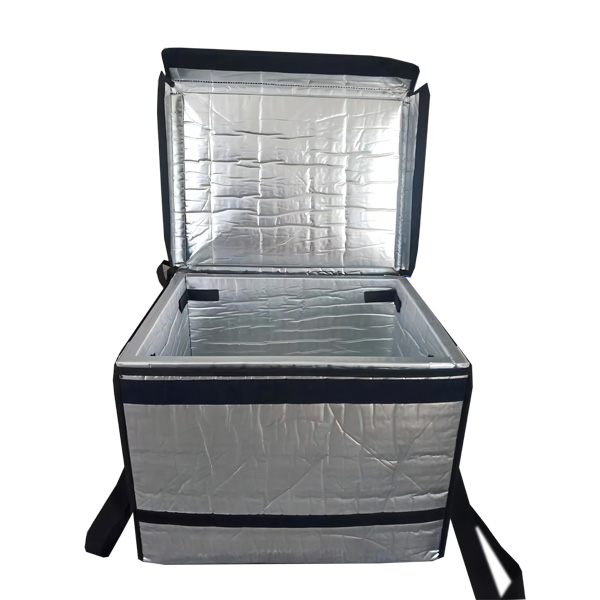
Vaccine ice box price varies because “vaccine ice box” can mean very different performance levels. Some are meant for short clinic transfers with predictable handling. Others are built for long routes, hot ambients, and multiple handoffs. In 2026, many buyers evaluate vaccine ice box price against risk reduction, not just purchase cost.
This article will answer for you:
How vaccine ice box price is built across hold time, insulation, and proof level
How to pick vaccine ice box price for 2–8°C shipping without overpaying
How compliance and documentation change vaccine ice box price in real tenders
How to compare quotes fairly using a simple checklist
How to use a vaccine ice box price calculator to estimate cost per successful trip
Why does vaccine ice box price vary so much in 2026?
Think of it like two thermoses that look similar on the outside. One keeps water cool for a commute. The other stays stable all day in summer heat. The difference is not the logo—it’s the “leak rate” of heat.
What you are actually paying for
When you evaluate vaccine ice box price, you are usually paying for:
- Hold time reliability (how long the payload stays protected)
- Seal quality (how well the lid closes under real use)
- Insulation consistency (fewer weak spots, fewer surprises)
- Durability (how many trips you can realistically reuse it)
- Proof support (test evidence, batch control, documentation packs)
Practical example: Two boxes may have the same listed hold time. The one with tighter seals often needs less coolant and fails less.
What drives vaccine ice box price the most?
The biggest drivers of vaccine ice box price are hold time targets, seal performance, and proof level. If your route can stretch with delays, you need more thermal “buffer.” That buffer costs money because it requires better insulation, tighter fit, and more consistent builds.
| Price driver | Low impact | Medium impact | High impact | What it means for you |
|---|---|---|---|---|
| Hold time target | ≤12h | 24–48h | 72h+ | Longer lanes cost more |
| Temperature control | chilled | mixed | strict narrow band | Tighter control raises cost |
| Seal system | basic closure | gasket + latch | high-compression seal | Better seal reduces failures |
| Durability | single-use | limited reuse | high reuse cycles | Fewer replacements over time |
| Documentation | basic | standard pack | audit-ready pack | Faster approvals and scaling |
Practical tips and suggestions
If your lane is short: keep vaccine ice box price focused on simplicity and usability.
If delays are common: prioritize seal quality and validated hold time before chasing “cheap.”
If audits matter: include documentation requirements early, or you’ll pay later.
How insulation choices reshape vaccine ice box price for 2–8°C shipping?
Insulation is often the largest single factor behind vaccine ice box price. Better insulation reduces heat gain, which can cut coolant needs and extend safe time. But insulation is not just “material name.” Consistency, thickness, and assembly quality matter just as much.
| Insulation type | Typical design target | Cost impact | What it means for you |
|---|---|---|---|
| EPS foam | 12–24 hours | Low | Good for short, stable routes |
| EPP foam | 24–48 hours | Medium | Balanced cost and durability |
| VIP panels | 72+ hours | High | Built for long-distance and export |
Why this matters more than it sounds
A higher vaccine ice box price can be cheaper overall if it prevents temperature excursions. A small “warm-up” event can trigger investigations, rework, and emergency replacement shipments. Those costs grow fast when you scale.
Vaccine ice box price vs capacity: how big should you buy?
Bigger is not always better—even if vaccine ice box price goes up. Larger boxes can hold temperature longer because they have more “thermal mass.” But oversized boxes can waste space, increase freight, and slow handling.
| Box size | Typical use case | Relative vaccine ice box price | Practical benefit |
|---|---|---|---|
| Small (<5L) | outreach, last-mile | Low | lightweight, fast handling |
| Medium (5–20L) | daily distribution | Medium | versatile, common workflows |
| Large (20L+) | bulk moves, export | High | longer stability, higher payload |
Does compliance increase vaccine ice box price?
Yes—compliance often increases vaccine ice box price, but it usually reduces your hidden costs. Compliance here means “you can defend performance and material safety when questioned.”
| Document item | Why it matters | When you need it most | Your benefit |
|---|---|---|---|
| Material declaration | safety confidence | tenders | smoother approvals |
| Traceability method | complaint control | investigations | faster resolution |
| QC plan summary | repeatability | scaling | fewer surprises |
| Test summary | performance proof | audits | stronger trust |
Reusable vs disposable: which vaccine ice box price makes sense over time?
A reusable option often has a higher vaccine ice box price upfront, but a lower cost per trip. Disposable options can look cheaper, but they add waste, frequent repurchase, and higher damage risk.
| Type | Upfront vaccine ice box price | Typical lifespan | Best for |
|---|---|---|---|
| Disposable | Lower | 1 cycle | one-off or emergency shipments |
| Reusable | Higher | 50+ cycles (lane-dependent) | routine programs and scaling |
How to compare vaccine ice box price quotes apples-to-apples?
A fair vaccine ice box price comparison requires identical scope and assumptions. Two quotes can match on paper while hiding differences in seals, accessories, packaging, and QC.
| Quote item | What to request | Why it matters |
|---|---|---|
| Internal volume + payload limit | target liters and max load | prevents “similar model” swaps |
| Hold time target | 12/24/48/72h target | defines design tier |
| Test conditions | ambient and pass definition | makes claims repeatable |
| Gasket + latch spec | material + closure force | reduces leak risk |
| Included accessories | trays, dividers, straps | affects usability and safety |
| Packaging protection | carton spec and drop protection | reduces damage refunds |
| QC scope | incoming/in-process/outgoing | predicts defect rate |
| Documentation level | standard vs audit-ready | speeds approvals |
When does customization raise vaccine ice box price?
Customization can improve usability, but it can also inflate vaccine ice box price fast. The best customization reduces packing errors and training time. The worst customization only changes cosmetics and creates supply risk.
Start with operational customization:
- label zones that guide pack placement
- internal dividers that protect payload layout
- handling features like straps and reinforced corners
Conclusion
Vaccine ice box price in 2026 depends on hold time, insulation, seal quality, compliance, and customization. The best approach is to match your actual lane risk, not to chase the lowest unit price. Use a checklist to compare quotes fairly, and consider cost per successful trip—not just purchase price.
Industrial Ice Box Supplier: How Do You Choose?
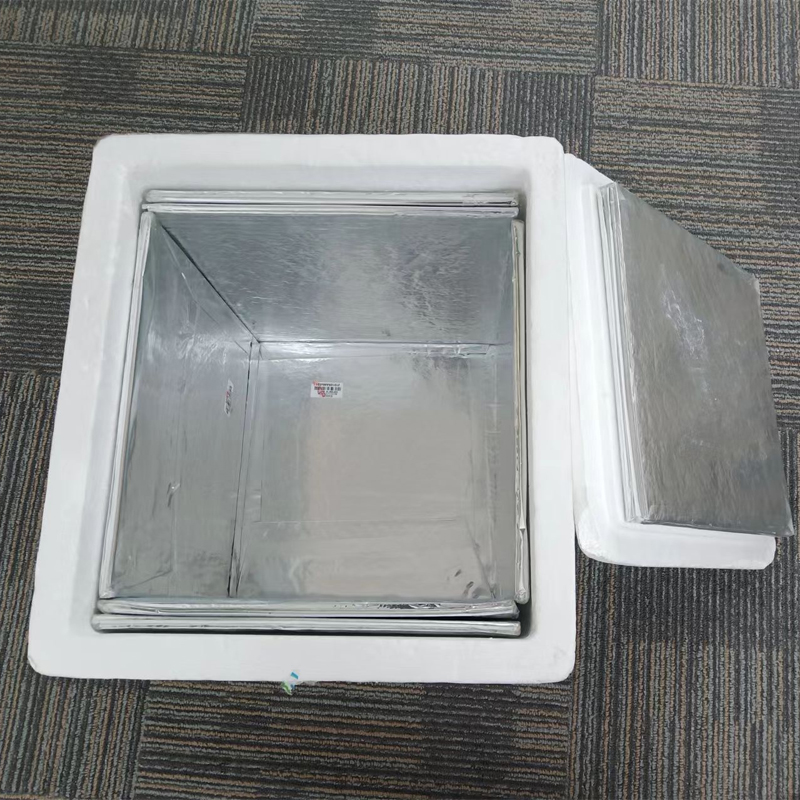
Choosing an industrial ice box supplier is not about finding the cheapest box. It’s about preventing temperature drift, breakage, and avoidable rework. If you ship high-value or time-sensitive goods, a small packaging mistake can become a big margin leak. In this guide, you’ll learn how to select an industrial ice box supplier using proof, not promises—so your cold chain stays stable in 2026.
What you’ll get from this guide
How an industrial ice box supplier supports real cold chain operations (not just product specs)
A simple “use-case brief” you can send to any supplier to get cleaner quotes
The industrial ice box supplier quality audit questions that catch problems early
A practical plan for industrial ice box supplier insulation holdover validation in your own lanes
A landed-cost method to compare vendors beyond unit price
What does an industrial ice box supplier really deliver?
Direct answer: An industrial ice box supplier designs, manufactures, and supports heavy-duty insulated containers built for repeated use in tough logistics environments.
A good industrial ice box supplier is not selling a “cooler.” They are helping you manage risk across handling, storage, and transport. That includes insulation performance, structural strength, and consistent quality across production batches. When those basics are stable, your team packs faster and fails less.
Industrial vs light-duty: what changes for you?
| Feature | Industrial ice box | Light-duty cooler | What it means for you |
|---|---|---|---|
| Wall structure | Reinforced | Thin | Fewer cracks and returns |
| Insulation | High-density, engineered | Basic | Longer holdover windows |
| Reuse cycles | Dozens (or more) | Limited | Lower cost per use |
| Load handling | Heavy payloads | Light loads | Safer daily operations |
Practical tips you can use today
High-volume lanes: prioritize batch consistency and repeatable QC records.
Rough handling: demand reinforced corners and stacking guidance.
Long dwell time: require documented holdover conditions, not vague claims.
How do you match an industrial ice box supplier to your lane risk?
Direct answer: Match an industrial ice box supplier to your use case—payload, temperature band, holdover time, handling level, cleaning routine, and monthly volume.
The five questions that save you weeks
Ask every industrial ice box supplier these first:
What is my target temperature band and holdover time?
What is the worst handling my boxes will face?
What monthly volume should you plan for, including peak season?
What quality checks happen before shipping, and how are they recorded?
How do you control changes in materials or design?
Use-Case Sentence Builder (copy/paste)
Use this one sentence in your RFQ email:
“We ship [payload] at [temperature band] for [holdover time], with [handling level], at [monthly volume].”
Use-case map (simple but powerful)
| Use case | Common priority | Common failure | What to demand from an industrial ice box supplier |
|---|---|---|---|
| Food distribution | Cleanability + durability | Wet cartons, odor | Better liner + drain control |
| Seafood export | Insulation + stacking | Corner crush | Reinforced corners + pallet rules |
| Lab samples | Stability + SOP | Packing variability | Photo SOP + revision control |
| Industrial ingredients | Consistency + scale | Lot variation | Traceability + stable QC plan |
Which industrial ice box supplier quality checks prevent surprises?
Direct answer: Choose an industrial ice box supplier that proves consistency with controlled materials, in-process checks, final inspection, traceability, and corrective action (CAPA).
Industrial ice box supplier quality audit questions (copy/paste)
Ask your industrial ice box supplier:
How do you inspect incoming raw materials (resin, foam components)?
How do you control insulation consistency (density, voids, uniform fill)?
What are your CTQs (critical-to-quality points) for this model?
What in-process checks happen (lid fit, gasket seating, latch function)?
What is your sampling method before shipping, and what gets recorded?
How do you trace a batch (mold ID, shift record, batch ID)?
Can you share one anonymized CAPA example you’ve closed?
QC comparison (what “good” looks like)
| QC element | Basic supplier | Strong industrial ice box supplier | What it means for you |
|---|---|---|---|
| Incoming checks | Visual only | Measured + recorded | Fewer hidden defects |
| In-process control | Operator habit | Documented steps | Stable outcomes |
| Final inspection | Random checks | Sampling plan + CTQs | Fewer returns |
| Traceability | Unclear | Batch records | Faster investigations |
| CAPA behavior | Reactive | Trend-based learning | Fewer repeat issues |
How do you validate holdover time from an industrial ice box supplier?
Direct answer: Validate industrial ice box supplier insulation holdover claims by testing against your lane reality—ambient heat, payload mass, coolant setup, opening behavior, and the pass/fail endpoint.
What to request (the “performance summary”)
Ask your industrial ice box supplier for a short summary that includes:
Target temperature band and pass/fail endpoint
Ambient assumption (hot season vs mild season)
Payload mass and placement
Coolant type and starting condition
Duration and lid-opening assumptions
Simple 30-day pilot plan (low drama, high signal)
Pick one lane and one packing method.
Run three shipments with the same pack-out.
Add one stress factor (delay buffer or extra opening).
Log temperatures and outcomes.
Lock the SOP revision when results are stable.
What compliance paperwork should you request from an industrial ice box supplier?
Direct answer: If your project touches food, pharma, or regulated lanes, your industrial ice box supplier should provide destination-matched documentation and precise regulatory language—never vague “approved” claims.
Food-contact packet checklist (destination-matched)
Ask your industrial ice box supplier for a “food-contact packet” aligned to your destination.
EU framework principles aligned to Regulation (EC) No 1935/2004
If plastics apply, documentation aligned to Regulation (EU) No 10/2011
Manufacturing process controls aligned to EC 2023/2006 (GMP for food contact materials)
U.S. regulatory status language that respects FDA FCN scope
| Compliance need | EU angle | U.S. angle | What it means for you |
|---|---|---|---|
| General food-contact safety | 1935/2004 principles | FDA FCN system concept | Faster buyer approvals |
| Plastics in contact | EU 10/2011 limits | FCN scope is supplier-specific | Lower compliance risk |
| Manufacturing control | EC 2023/2006 | Quality + traceability expectations | Fewer audit findings |
How do MOQ, lead time, and customization affect industrial ice box supplier fit?
Direct answer: MOQ and lead time control your inventory risk, while customization can add hidden complexity—so keep custom changes simple until your pilot proves the baseline.
What “custom” usually means (and why it matters)
Branding: label, print, or molded marks
Color: standard vs custom color matching
Hardware: latch upgrades, reinforced handles
Accessories: dividers, liners, absorbent pads
Packaging: nesting method, carton type, pallet pattern
How do you calculate industrial ice box supplier landed cost?
Direct answer: Landed cost = unit price + tooling amortization + freight + duties + local handling. Comparing suppliers on unit price alone hides the real gap.
Landed cost formula (copy/paste)
Landed Cost per Unit = (Unit Price) + (Tooling ÷ Lifetime Units) + (Freight ÷ Units per Shipment) + (Duty Rate × Unit Price) + (Local Handling per Unit)
Industrial ice box supplier final checklist
Before you commit, run through this list:
Use-case brief shared and acknowledged
QC plan reviewed and CTQs confirmed
Holdover validation plan agreed
Compliance packet matched to your destination
MOQ, lead time, and customization terms clear
Landed cost calculated (not just unit price)
Sample from two batches inspected
Pilot plan scheduled
Vaccine Ice Box Cost in 2026: What Should You Budget?

Your vaccine ice box cost in 2026 is rarely “just the box.” It’s the cost of keeping vaccines stable, auditable, and repeatable on real routes—especially when delays happen. A cheap container can look fine on day one, then quietly raise vaccine ice box cost through extra coolant, staff time, and avoidable temperature excursions. Last updated: January 21, 2026.
This article will help you understand:
What’s inside vaccine ice box cost beyond the purchase price
How hold time and lane risk shift vaccine ice box cost fast
A simple vaccine ice box cost per trip calculator you can copy
How reusable vs single-use changes your real vaccine ice box cost
How to plan vaccine ice box cost for 2°C to 8°C transport without freeze mistakes
What does vaccine ice box cost include in 2026?
The real answer: vaccine ice box cost includes the container plus everything required to keep results consistent. If you only budget unit price, you under-budget operations. In practice, teams succeed by budgeting vaccine ice box cost per successful shipment, not per container.
Think of it like a “cheap printer” problem. The printer is affordable. Ink, paper, and mistakes are expensive. Your vaccine ice box cost works the same way.
The 5 buckets of vaccine ice box cost (simple and practical)
| Cost bucket | What it includes | What drives it up | What it means for you |
|---|---|---|---|
| Acquisition | box, insulation, lid, latches | longer hold targets | fewer warm arrivals |
| Cold source | ice packs / PCM packs | two-set rotation, breakage | predictable operations |
| Operating | conditioning + packing time | complex SOPs | labor becomes the limit |
| Monitoring | loggers + review routine | more sites, audits | fewer disputes |
| Failure & loss | excursions, rush replacements | weak seals, training gaps | the biggest “surprise cost” |
Practical buyer tips and suggestions
If you manage multiple sites: budget training time early, or vaccine ice box cost rises later.
If you run outreach sessions: pack conditioning discipline often matters more than hardware.
If you scale volume: standardizing 2–3 SKUs usually lowers total vaccine ice box cost fastest.
Why does vaccine ice box cost rise so much with longer hold time?
Because hold time increases cost twice: in the box and in the shipment. Longer hold time usually needs better insulation, tighter seals, and more thermal mass. That can increase weight, packing steps, and freight—so vaccine ice box cost grows in more than one place.
Hold-time tiers that change vaccine ice box cost
| Hold-time target | What changes | Cost pressure point | Practical meaning for you |
|---|---|---|---|
| ≤12 hours | simple packing | low | best for short clinic runs |
| 24 hours | more coolant + SOP discipline | medium | solid daily distribution |
| 48 hours | stronger seal + heavier build | higher | safer for delays |
| 72+ hours | premium insulation + strict process | highest | best for long, risky lanes |
Payload efficiency: the quiet vaccine ice box cost lever
Two solutions can hit the same hold time but waste very different internal volume on coolant. When coolant “eats space,” you ship fewer doses per trip. That increases vaccine ice box cost per delivered dose, even if the unit price looks good.
Reusable vs single-use: which vaccine ice box cost is lower?
Reusable systems can lower vaccine ice box cost per trip—but only if you can reliably get boxes back. If return rates are weak, losses and emergency repurchases can erase the savings.
Decision tool: reusable readiness in 60 seconds
Give yourself 1 point for each “Yes”: You can track boxes. Return rate is consistently high. You have time/space for cleaning and inspection. Damage risk is moderate. Packing SOPs can be standardized across sites.
Score guide: 0–2: Single-use or limited reuse keeps vaccine ice box cost more predictable. 3–5: Reusable often reduces vaccine ice box cost per trip.
Vaccine ice box cost per trip calculator
Cost per Trip = (Initial Box Cost ÷ Expected Successful Trips) + Return Logistics Cost per Trip + Cleaning/Inspection Cost per Trip + Coolant + Conditioning Cost per Trip + Loss/Replacement Allowance per Trip
How to plan vaccine ice box cost for 2°C to 8°C transport without freeze risk?
Your vaccine ice box cost for 2°C to 8°C transport must protect against two failures: warming and accidental freezing. Freeze mistakes happen when ice packs are too cold, placed too close, or conditioning steps vary between staff.
Freeze-prevention checklist that protects vaccine ice box cost
| Risk trigger | Fast symptom | What to standardize | What it means for you |
|---|---|---|---|
| Packs too cold | inconsistent readings | conditioning steps | fewer freeze incidents |
| Pack placement varies | site-to-site drift | visual packing map | repeatable results |
| Lid opens too often | short hold time | session workflow | fewer excursions |
| No spacer/insert | vials touch packs | dividers/trays | safer transport |
How to reduce vaccine ice box cost without raising risk?
The safest cost-down strategy is to reduce variation and complexity first. If cost-down increases packing mistakes, vaccine ice box cost rises through failures.
Cost-down levers ranked by risk
| Cost-down lever | Risk level | Why it works | What to watch |
|---|---|---|---|
| Standardize sizes/SKUs | low | scale reduces pricing | don’t underfit lanes |
| Modular inserts | low | customization without new molds | validate fit |
| Packaging optimization | low–medium | reduces damage cost | keep protection adequate |
| Forecast planning | low | avoids rush premiums | requires discipline |
| Material swaps | medium–high | lowers unit cost | re-validate performance |
2026 vaccine ice box cost trends you should plan for
In 2026, vaccine ice box cost decisions are moving toward “system buying.” Buyers increasingly want packaging + SOP clarity + proof of repeatability, not just hardware.
Latest developments at a glance
More total-cost-of-ownership thinking: cost per successful trip beats unit price. More reuse where tracking exists: closed-loop lanes improve per-trip economics. More focus on repeatability: clearer SOPs reduce training and incident costs. More demand for audit-ready documentation: fewer procurement surprises.
Frequently Asked Questions
Q1: What is included in vaccine ice box cost? Vaccine ice box cost includes the container, coolant packs, conditioning labor, monitoring workflow, training time, and a loss/replacement allowance.
Q2: Does higher vaccine ice box cost always mean better performance? No. Vaccine ice box cost must match your lane. Overbuying hold time can add cost without reducing risk.
Q3: What’s the biggest hidden driver of vaccine ice box cost? Operational repeatability. If packing varies, vaccine ice box cost rises through extra coolant, labor, and incident response.
Q4: How do I budget vaccine ice box cost per trip quickly? Use the vaccine ice box cost per trip calculator in this article and include return, cleaning, coolant, and loss allowance.
Q5: When does reusable lower vaccine ice box cost? When return rates are high, tracking exists, and cleaning/inspection is practical. Without returns, vaccine ice box cost can rise fast.
Summary and recommendations
In 2026, vaccine ice box cost is a risk-control budget, not a purchase price. The best plans: Budget vaccine ice box cost in 5 buckets (acquisition, packs, labor, monitoring, loss). Match hold time to lane risk and payload efficiency. Compare reusable vs single-use using return behavior. Add freeze-prevention habits for 2°C to 8°C transport. Reduce variation before you reduce materials.
About Tempk
At Tempk, we support cold-chain teams with insulated transport packaging built for real handling and repeatable results. We focus on SOP-friendly designs, consistent build quality, and documentation-ready support—so your vaccine ice box cost stays predictable as you scale.
Ice Box OEM Price: How to Compare Quotes in 2026?

If you’re comparing ice box OEM price quotes, you’re not just buying a plastic box. You’re buying a repeatable manufacturing system: materials, molds, packaging, and the rules that keep every batch consistent. The biggest drivers are materials, tooling, MOQ, packaging method, and the quality level you require.
This article will answer:
How the ice box OEM price breakdown by materials changes durability and returns
How ice box OEM price tooling and mold cost should be separated from unit price
Why ice box OEM price MOQ and lead time impact is really a cash-flow decision
What to include for ice box OEM price for custom logo and color without triggering hidden MOQs
How to use an ice box OEM price landed cost calculator to pick the best supplier, not the lowest number
What drives ice box OEM price the most in 2026?
Ice box OEM price is driven by what you lock, not what you wish. If two suppliers quote different materials, packaging, or inspection levels, you’re not comparing price—you’re comparing assumptions. In 2026, buyers also pay for repeatability: tighter tolerances, clearer SOPs, and more consistent outputs. That can raise the unit number, but it often lowers returns and rework.
When you define the use case first (export lanes, rough handling, reuse cycles), you stop paying for the wrong things. You also stop “saving” money that later becomes claims.
ice box OEM price breakdown by materials: where the money really goes
You can think of a cooler like a sandwich. The bread (shell) protects it, the filling (insulation) does the work, and the wrapper (packaging) decides how it arrives. If any layer is weak, you pay later.
| Cost driver | What changes | What shows up in the quote | What it means for you |
|---|---|---|---|
| Materials | resin, foam, gasket, hardware | unit price swings | durability, finish, leak risk |
| Tooling | mold complexity, inserts | one-time + lead time | customization and consistency |
| MOQ | setup time spread | price breaks by tiers | inventory and cash planning |
| Packaging | nested vs single-carton | packing + freight impact | scuff rate, damage claims |
| Quality level | inspection depth | service adders | fewer defects and rework |
Practical tips and suggestions
Lock your “must-not-fail” parts first: lid seal, latch strength, drain design.
Write your packaging method in the RFQ: nesting changes cost and scuff risk.
Ask for “quote assumptions” in one paragraph: it exposes hidden differences fast.
Practical example: A buyer paid a slightly higher OEM quote, then reduced breakage and return costs in the first quarter.
How do you read an ice box OEM price quote line by line?
A professional ice box OEM price quote should be readable like an invoice, not a mystery number. If a supplier gives one “all-in” unit cost with no structure, you can’t compare fairly. You also can’t renegotiate when resin, cartons, or labor costs move.
Your goal is simple: separate product cost, packaging cost, tooling (if any), and services so you can control each lever.
Quote checklist: a 60-second “Quote Clarity Score”
Give each supplier 1 point for every item below. A score under 7 means you will likely get surprises.
Model + revision (so reorders match)
Unit price + currency
MOQ + price breaks (tiers)
Packaging method (nested vs single-carton)
Carton and pallet details (counts, pattern, protection)
Lead time + validity period
Tooling cost separated (if custom)
What’s included vs optional adders
Inspection/QC scope stated
Quote term stated (EXW/FOB/etc.) with a named place
| Quote line | What it should describe | Typical variation | What it means for you |
|---|---|---|---|
| Base unit price | box body + lid | wall thickness, finish | sets your baseline |
| Hardware adders | latches, hinges, handles | grade and strength | impacts field failures |
| Packaging | carton, liners, bags | nested vs single | impacts freight + damage |
| Branding | label/print/molded | setup + QC | impacts appearance consistency |
| QC / inspection | sampling vs tighter checks | service level | impacts defect rate |
| Compliance pack | food-contact docs, labels | market scope | avoids buyer rejection |
| Quote term | EXW/FOB/CIF/DAP | responsibilities | changes landed cost |
Copy/paste RFQ template for apples-to-apples quotes
Project: Ice box OEM quotation (2026)
1) Product basics
– Size / volume:
– Build type: injection / roto / EPP / other
– Shell material + finish:
– Insulation type:
– Target use: food / seafood / pharma / outdoor / logistics pooling
2) Performance needs
– Required hold time (ambient + endpoint):
– Opening frequency (per day):
– Load weight (handles/latches must support):
3) Packaging & delivery
– Packaging method: nested / single-carton
– Carton requirement: grade, drop/stack expectation
– Pallet pattern: single SKU vs mixed, photos before loading
– Quote terms requested: EXW + FOB (named port) + optional DAP/DDP
4) Branding & customization
– Logo method: label / print / embossed
– Colors and number of SKUs:
– Accessories (if any):
5) Pricing request
– MOQ tiers: 200 / 500 / 1000 / 3000
– Tooling cost (if any): scope + ownership + lead time
– Sample timeline:
– Mass production lead time:
– QC scope:
– Validity period + currency rule:
Attachments: drawings, reference photos, packaging rules
Practical tips and suggestions
Ask for “included/excluded” in words: one short paragraph prevents disputes.
Request version control: “Rev A” stops silent changes.
Get a costed options menu: it keeps negotiation clean and fast.
Practical example: Two suppliers showed the same unit price, but only one included export cartons and pallet protection.
What compliance and documentation can change ice box OEM price?
Compliance rarely looks expensive in a quote—until you need it. If your ice box touches food, is used in pharma distribution, or ships internationally, buyers may require documentation, labeling support, and traceability. If you add these after ordering, you often pay more and lose weeks.
Treat compliance like packaging: lock it in the RFQ so every supplier quotes the same scope.
A simple compliance pack you can request (by market)
| Compliance need | What you may request | Typical cost impact | What it means for you |
|---|---|---|---|
| Food contact (EU) | Declaration of compliance + traceability | low–medium | faster buyer approval |
| Plastics food contact (EU) | evidence aligned to EU plastics rules | medium | fewer compliance questions |
| Food contact (U.S.) | clear regulatory-status statement | low–medium | avoids risky marketing claims |
| Export packaging | ISPM 15 pallets if wood is used | low–medium | fewer border holds |
| Dry ice readiness (UN 1845) | label zone + venting guidance + SOP | low–medium | fewer carrier rejections |
Practical tips and suggestions
List your destination markets in the RFQ: EU and U.S. requests differ.
Avoid vague phrases in marketing: use precise regulatory-status wording.
Ask for a “scope statement”: which SKU, which material set, which market.
Practical example: A buyer skipped documentation in the first quote. The lane launch delayed when the distributor requested compliance files.
How do MOQs and lead times change ice box OEM price?
MOQ (minimum order quantity) turns ice box OEM price into a volume strategy. Low MOQ spreads setup and QC effort across fewer units, so the unit number rises. Higher MOQ often lowers ice box OEM price, but it ties up cash and increases inventory risk.
Lead time matters too. Rush orders and peak seasons usually cost more because you’re buying priority, not only product.
ice box OEM price MOQ and lead time impact: a simple ramp plan
| Stage | Typical MOQ approach | What happens to ice box OEM price | What it means for you |
|---|---|---|---|
| Pilot | lowest feasible MOQ | higher unit price | validates market fast |
| Launch | mid-tier MOQ | unit price drops | balances cash and supply |
| Scale | highest stable MOQ | lowest unit price | best margins, less flexibility |
Practical tips and suggestions
Use a ramp plan: small pilot order, then scale for better OEM pricing.
Ask mixed-loading rules: can you combine sizes or colors in one order?
Reserve peak-season capacity early: it stabilizes supply and pricing.
Practical example: A buyer improved OEM quote by committing to quarterly volume instead of one-off orders.
How do tooling and molds affect ice box OEM price?
Tooling is the biggest “hidden” lever when you want custom shape, tight fit, or molded branding. Even small changes—logo plates, drain position, latch pockets—can require inserts or mold work. Tooling is usually a one-time cost, but it affects your future unit cost and quality stability.
The key is separating tooling from unit price so you don’t “bury” a one-time expense inside every piece.
ice box OEM price tooling and mold cost: when does custom pay back?
Use a simple break-even view:
Break-even quantity = Tooling cost ÷ (unit savings per piece)
| Custom goal | Tooling impact | Unit cost impact | What it means for you |
|---|---|---|---|
| Label branding | low | low | fastest launch |
| Printed logo | medium | low–medium | better look, more QC |
| Molded logo | higher upfront | low at scale | strongest long-term brand |
| New shape/size | highest | depends | only worth it at scale |
Practical tips and suggestions
Start “tooling-light”: label or print first, mold later.
Ask for insert-based design: it reduces revision cost.
Clarify tool ownership in writing: it protects your long-term supply.
Practical example: A brand launched with labels, then switched to molded branding after repeat orders justified tooling.
How do materials and insulation choices change ice box OEM price?
Materials can raise ice box OEM price and lower total cost at the same time. If the shell scratches easily, the product looks cheap on arrival. If the lid fit is loose, performance drops and leak complaints rise. That’s why you should define the “critical zones” instead of only asking for “better insulation.”
Focus on four zones: shell, insulation, seal system, and hardware.
ice box OEM price breakdown by materials: the four zones you must lock
| Component zone | Budget choice | Premium choice | What it means for you |
|---|---|---|---|
| Shell | lighter resin | tougher resin / thicker walls | fewer dents and warping |
| Insulation | basic fill control | controlled fill process | steadier hold time |
| Seal | simple foam strip | stable gasket design | fewer leaks and drift |
| Hardware | basic latch | reinforced latch | fewer failures in use |
Practical tips and suggestions
Name “critical-to-quality” parts: lid seat, gasket groove, latch pocket.
Specify surface finish: matte vs gloss changes scuff visibility.
Set an acceptable weight range: it helps prevent silent downgrades.
Practical example: A buyer accepted a higher OEM unit price after upgrading latches, then reduced warranty claims.
How do customization choices affect ice box OEM price?
Customization is the fastest way to move ice box OEM price—even when the box looks similar. Color matching, logo methods, accessory kits, and premium packaging all add steps. Steps add time. Time adds cost.
Choose customization that improves sales or reduces returns. If it doesn’t do either, it’s often vanity.
ice box OEM price for custom logo and color: the low-risk path
| Custom option | Cost impact | Risk impact | What it means for you |
|---|---|---|---|
| Custom label | low | low | fastest branding |
| Custom print | medium | medium | needs QC to avoid misprints |
| Molded logo | higher upfront | low long-term | durable brand identity |
| Custom color | medium | medium–high | may increase true MOQ |
| Accessories kits | medium–high | medium | adds kitting complexity |
Practical tips and suggestions
Start with labels: upgrade only after volume proves demand.
Limit color SKUs: too many colors inflate MOQ and lead time.
Request a costed options menu: it keeps ice box OEM price negotiation clean.
Practical example: A buyer reduced total cost by cutting colors to two, then improved delivery speed and pricing stability.
How do packaging and Incoterms change your ice box OEM price?
Packaging and shipping terms can change your ice box OEM price outcome even when the unit price is identical. Nesting reduces carton volume and freight, but you must control scuffs. Single-carton packing protects cosmetics and presentation, but it increases carton cost and freight volume.
Incoterms (like EXW or FOB) are standardized trade rules that define who pays for which steps. If two suppliers quote different terms, the cheaper number may just exclude costs the other included.
Nested vs single-carton: cost and risk (quick view)
| Packaging method | Unit packing cost | Freight efficiency | What it means for you |
|---|---|---|---|
| Nested | lower carton volume | high | lower freight, higher scuff control |
| Single-carton | higher carton use | medium | better presentation, higher freight |
| Mixed | flexible | depends | needs strict rules to avoid confusion |
Practical tips and suggestions
Protect cosmetic surfaces when nesting: liners and bags reduce scuffs.
Write one pallet pattern: consistent loading reduces deformation.
Always name the place in the term: “FOB Ningbo” beats vague “FOB.”
Practical example: A buyer chose the lowest OEM quote under EXW terms, then found the total cost was higher after pickup and export fees.
How do you compare ice box OEM price across suppliers fairly?
You compare ice box OEM price fairly by standardizing specs, packaging, and quality level—then calculating landed cost per successful delivery. The cheapest quote can become the most expensive after scuffs, returns, and rework.
A simple model forces clarity and makes negotiation easier.
ice box OEM price landed cost calculator: a 5-minute worksheet
Use this formula as your baseline:
Landed cost per successful delivery = (ice box OEM price + packaging cost + accessories) + freight impact + (packing minutes × labor rate per minute) + (defect/return probability × defect cost)
| Supplier | ice box OEM price | Packaging method | Packing time | Return risk | Your real takeaway |
|---|---|---|---|---|---|
| A | |||||
| B | |||||
| C |
Practical tips and suggestions
Time a real pack-out: use a stopwatch with a new staff member.
Ask for two-batch samples: it reveals consistency, not promises.
Track scuff rate: cosmetic damage can kill reorders.
Practical example: A team chose a mid-range OEM quote, then lowered total cost by reducing rework and returns.
2026 latest developments and trends in ice box OEM price
In 2026, buyers increasingly pay for repeatability: documented checks, clearer onboarding, and more standardized SKUs. That usually makes pricing more stable over time. You’ll also see more “portfolio thinking,” where brands standardize 2–3 core models instead of endless variations.
Latest progress snapshot
More documentation in quotes: clearer QC scopes and change-control language
More packaging options: kitting saves your labor but adds quote complexity
More standard sizes: easier reorders and steadier pricing
More cosmetic protection focus: scuffs and dents drive reviews and returns
More emphasis on lead time stability: reliability becomes part of pricing
Frequently asked questions
Q1: What affects ice box OEM price the most? Materials, tooling, MOQ, packaging method, and the quality level you require. Lock these first, then compare.
Q2: Why is my ice box OEM price higher with custom color? Custom color adds setup steps and may raise true MOQ. It can also increase QC effort.
Q3: Should you always choose the lowest ice box OEM price? Only when specs, packaging, and QC scope are identical. Otherwise, low price often leads to rework.
Q4: How can you lower ice box OEM price without reducing quality? Standardize SKUs, simplify customization, and stabilize ordering schedules. Then negotiate tiers.
Q5: Do you need tooling for branding? Not always. Labels and printing are usually tooling-light. Molded branding is best at scale.
Q6: What should an “apples-to-apples” RFQ include? A fixed spec, packaging method, MOQ tiers, QC scope, quote term, and validity period.
Q7: What if your buyers ship with dry ice (UN 1845)? Plan for venting-safe packaging, clear label zones, and a simple SOP checklist. Requirements vary by carrier.
Summary and recommendations
Ice box OEM price becomes predictable when your requirements are predictable. Lock the use case, packaging method, MOQ plan, and quality level first. Then request a line-item quote and compare suppliers using landed cost per successful delivery. Finally, reduce variation—fewer colors, fewer accessory changes, clearer SOPs—to stabilize quality and improve pricing over time.
Next step (simple action plan)
Copy the RFQ template above and fill in one “golden” spec.
Send it to 3 factories and require the Quote Clarity Score items.
Enter results into the landed cost worksheet and pick the best total outcome.
Run a pilot order, then scale using MOQ tiers to improve margins.
About Tempk
We support cold chain packaging programs with a practical procurement focus. We help you standardize specs, simplify customization, and build repeatable quality checks that reduce returns. If you share your target size, monthly volume, packaging method (nested or single-carton), and customization needs, we can format a ready-to-send RFQ template that produces accurate OEM quotes.
Insulated Ice Box Company | Complete Guide & Best Brands in 2026
Insulated Ice Box Company – The Ultimate 2026 Guide
Insulated ice boxes play an essential role in today’s logistics, outdoor lifestyle, medical cold chain, and food service industries. With rising demand for efficient thermal solutions, choosing the right insulated ice box company can be challenging. This guide dives deep into the industry landscape, key market trends, selection criteria, price insights, and introduces one standout provider—Tempk.
Table of Contents
- Industry Background
- Why Insulated Ice Boxes Matter in 2026
- Top Market Trends
- How to Choose the Right Insulated Ice Box Company
- Price Comparison & Cost Breakdown
- Tempk Company Introduction
- Frequently Asked Questions (FAQ)
- Conclusion
Industry Background
Insulated ice boxes are thermal containers designed to maintain low temperatures for extended periods. Initially developed for transporting perishables before modern refrigeration systems, today’s insulated ice boxes have become high‑performance, versatile solutions used across multiple sectors:
- Food & Beverage Delivery
- Medical Cold Chain (vaccines, biologicals)
- Outdoor Recreation & Camping
- Scientific Research Transport
- Marine & Sporting Applications
Evolution of Insulated Ice Boxes
| Era | Development |
|---|---|
| Pre‑20th Century | Ice harvested and stored in sawdust‑lined pits |
| 1900–1950 | Metal ice chests with basic insulation |
| 1960–2000 | Plastic and foam insulation tech |
| 2000–2026 | High‑density polymers, vacuum insulation panels, smart monitoring |
Early ice boxes were bulky and provided limited cooling. Modern designs use advanced materials and precision engineering to ensure longer preservation, lighter weight, and higher durability.
Why Insulated Ice Boxes Matter in 2026
Several factors have made insulated ice boxes indispensable in 2026:
1. Feed the On‑Demand Economy
With the boom in e‑commerce grocery and meal deliveries, insulated ice boxes ensure products stay cold from warehouse to doorstep.
2. Rise of Cold Chain Logistics
Healthcare, pharmaceuticals, and biotech sectors demand precise temperature control—making ice boxes a critical component of cold chain logistics.
3. Sustainability & Efficiency
Modern insulated ice boxes use eco‑friendly insulation and optimize energy use—reducing waste and carbon footprint.
4. Outdoor Lifestyles
Camping, fishing, biking, and adventure travel continue to grow, pushing demand for durable and high‑performance ice boxes.
Top Market Trends
In 2026, the insulated ice box industry is shaped by several emerging trends:
1. Smart Thermal Monitoring
Manufacturers now embed IoT sensors into ice boxes, enabling real‑time temperature tracking and remote alerts—critical for medical and food transport.
2. Sustainable Materials
Eco‑friendly insulation, recyclable plastics, and reduced chemical use are becoming standards, driven by consumer environmental concerns.
3. Customization & Modular Design
Companies offer tailored solutions to fit specific needs (e.g., adjustable compartments for pharmaceuticals vs. food).
4. Integration with Cold Chain Software
Advanced logistics platforms integrate with ice box systems, offering shipment insights, temperature logging, and compliance reporting.
5. Hybrid Thermal Solutions
Combining traditional insulation with active cooling elements (powered modules or phase‑change materials) improves performance in extreme conditions.
How to Choose the Right Insulated Ice Box Company
Selecting the right supplier is pivotal to ensuring efficiency, durability, and cost‑effectiveness. Here’s a structured guide:
1. Define Your Purpose
Before exploring brands, identify your primary use case:
- Medical or Pharmaceutical Logistics
- Outdoor and Sports
- Food and Beverage Delivery
- Industrial Transport
- Scientific or Research Logistics
2. Evaluate Company Credibility
| Criterion | What to Look For |
|---|---|
| Experience | Years in industry & proven track record |
| Certifications | FDA, WHO, ISO, CE, and other quality standards |
| Customer Reviews | Reliability and after‑sales support |
| Innovation | Patented designs, unique insulation tech |
3. Analyze Product Specifications
Important product attributes include:
- Thermal Retention Time
- Insulation Type
- Weight and Portability
- Build Materials
- Warranty & Service
4. Price vs. Value
Price shouldn’t be the sole deciding factor. While budget solutions exist, investing in a high‑quality insulated ice box can save money over time through lower maintenance and higher durability.
5. After‑Sales Support & Warranty
Choose companies that provide:
- Clear warranty terms
- Easy replacement of parts
- Responsive customer service
- Technical support and service centers
Price Comparison & Cost Breakdown
| Category | Typical Price Range | Notes |
|---|---|---|
| Basic Insulated Ice Boxes | $40–$120 | Home or casual use |
| Mid‑Range Coolers | $120–$350 | Higher insulation, outdoor use |
| High‑Performance Boxes | $350–$900 | Premium outdoor, extended duration |
| Temperature Controlled Boxes | $900–$2500+ | Medical/sensitive transport |
| Smart, Connected Ice Boxes | $1500–$4000 | With IoT sensors & tracking |
What Affects Pricing?
- Insulation Quality: High‑density foams and vacuum insulated panels cost more.
- Size & Volume: Larger boxes cost more due to materials and construction.
- Certification & Compliance: Medical‑grade solutions carry compliance costs.
- Technology Integration: Smart monitoring, GPS, and battery packs add cost.
Tempk Company Introduction
About Tempk
Tempk is a leading insulated ice box company focused on cutting-edge thermal solutions for medical, pharmaceutical, and industrial cold chain logistics. With years of experience and a commitment to innovation, Tempk delivers high-performance products that meet the strictest quality standards.
Why Choose Tempk?
- Industry Expertise: Decades of experience in cold chain solutions
- Quality Certifications: ISO, FDA, WHO compliance
- Innovation: Patented insulation technology
- Global Reach: Serving customers worldwide
- Customer Support: 24/7 technical assistance
Tempk Product Range
- Medical-grade cold chain containers
- Pharmaceutical transport solutions
- Industrial insulated boxes
- Custom OEM solutions
Frequently Asked Questions (FAQ)
Q1: What is an insulated ice box?
An insulated ice box is a thermal container designed to maintain low temperatures for extended periods, used for transporting perishables, medical supplies, and other temperature-sensitive items.
Q2: How long can an insulated ice box keep items cold?
Depending on the quality and insulation type, ice boxes can maintain cold temperatures from 24 hours to several days.
Q3: What should I look for when choosing an insulated ice box company?
Consider experience, certifications, product specifications, pricing, and after-sales support.
Q4: Are smart ice boxes worth the investment?
For medical and pharmaceutical logistics, smart ice boxes with IoT monitoring are essential for compliance and quality assurance.
Q5: Does Tempk offer custom solutions?
Yes, Tempk provides OEM and custom solutions tailored to specific industry needs.
Conclusion
Insulated ice boxes remain essential tools in 2026 across a wide array of industries—from last‑mile delivery to global cold chain logistics. Choosing the right insulated ice box company directly influences performance, reliability, and operational efficiency. By understanding industry trends, key selection criteria, pricing structures, and standout brands like Tempk, buyers can make well‑informed decisions.
Whether you’re sourcing affordable coolers for everyday use or advanced thermal solutions for critical logistics, the insights in this guide will help you navigate the market with confidence.
Pharmaceutical Ice Box OEM | Expert Manufacturer Guide & Supplier Selection

Pharmaceutical Ice Box OEM: Complete Guide to Manufacturing, Quality Standards & Supplier Selection
Introduction
In the pharmaceutical and biotechnology industries, temperature‑controlled logistics are critical for preserving the integrity of sensitive medicines, vaccines, biologics, and diagnostics. A key component of cold chain packaging is the pharmaceutical ice box, specially engineered containers designed to maintain precise temperature ranges during storage and transit. When companies need tailor‑made cold chain solutions, they turn to OEM (Original Equipment Manufacturer) partners that can design, produce, and deliver these specialized ice boxes.
This comprehensive article covers the essentials of pharmaceutical ice box OEM:
- What it means
- How the manufacturing process works
- Industry quality standards
- How to select the best supplier
- Cost considerations
- FAQs
- Introduction to Tempk — a leading OEM provider
Whether you’re a logistics manager, procurement professional, or product developer, this article provides clear, actionable guidance.
What Is Pharmaceutical Ice Box OEM?
Pharmaceutical Ice Box OEM refers to contract manufacturing services where a specialized company designs and produces custom temperature‑controlled ice boxes for clients in the pharmaceutical, biotech, and medical sectors.
Unlike generic cold boxes, OEM pharmaceutical ice boxes are engineered to meet specific requirements such as:
- Target temperature range (e.g., ‑20°C to +25°C)
- Insulation performance for long‑haul shipping
- Compliance with cold chain regulations
- Custom fit for products (vials, syringes, biologics)
- Specific cycling conditions (repeated opening/closing)
By working with an OEM partner, pharmaceutical companies avoid the risks of off‑the‑shelf solutions that may not deliver required performance.
Importance of Pharmaceutical Ice Boxes in Cold Chain Logistics
Maintaining consistent temperature is vital for pharmaceutical products. Many biologicals and advanced therapies begin to degrade when exposed to temperatures outside their safe range. The consequences of temperature excursions include:
- Loss of potency
- Safety risks
- Regulatory compliance issues
- Increased financial loss
Pharmaceutical ice boxes play an essential role in the cold chain ecosystem by ensuring temperature stability during:
- Last‑mile delivery
- Intermodal transport
- Clinical trial logistics
- Emergency medical shipments
They use a combination of high‑performance insulation materials, phase change materials (PCMs), and precise engineering to deliver reliable protection.
OEM Manufacturing Process Explained
A robust OEM manufacturing process ensures consistency, performance, and compliance. Below are the key steps typically involved in producing a pharmaceutical ice box:
1. Requirement Analysis & Specification
The process starts with the OEM partner working closely with the client to define:
- Target temperature profile (e.g., 2–8°C, ‑20°C)
- Duration required (hours/days)
- Expected environmental conditions
- Product dimensions and payload
- Regulatory expectations (FDA, EMA, WHO, IATA)
This analysis determines core design parameters and performance benchmarks.
2. Engineering Design & Prototyping
Once specifications are finalized, engineers develop:
- Thermal simulations
- Structural designs
- Material selection
- Prototype mockups
Design software and thermal modeling tools are used to validate performance before physical prototypes are created.
3. Material Procurement
High‑quality materials are essential for performance and compliance. Typical materials include:
- Polyurethane foam insulation
- High‑density polyethylene (HDPE)
- Vacuum‑insulated panels (VIPs)
- FDA‑grade liners
- Phase change materials tailored to target temperature
Suppliers are audited to ensure traceability and consistency.
4. Prototype Testing
Prototypes undergo rigorous testing to ensure they meet design goals, including:
- Thermal performance trials
- Drop and vibration tests
- Humidity and environmental chamber cycling
- Payload fit verification
Adjustments are made based on test results.
5. Production & Assembly
When the design is validated, the product moves into production. This stage includes:
- Precision molding and machining
- Assembly of insulation panels and outer shells
- Integration of features like gasket seals and locking mechanisms
- Application of branding and labeling
Quality is monitored throughout.
6. Quality Assurance & Compliance
Every batch undergoes final verification to ensure it meets performance and regulatory standards before shipping to the client.
Quality Standards for Pharmaceutical Ice Boxes
Pharmaceutical cold chain products must comply with multiple international standards to ensure safety and reliability.
Regulatory and Industry Standards
Some of the most relevant frameworks and guidelines include:
1. Good Distribution Practice (GDP)
GDP guidelines cover cold chain integrity during storage and transport to ensure product quality from manufacturer to end‑user.
2. International Air Transport Association (IATA) Regulations
For air cargo shipments, packaging must comply with IATA temperature‑controlled packaging standards, including testing protocols and labeling requirements.
3. ISO 9001 Quality Management Systems
Many OEM manufacturers operate under ISO 9001 systems to demonstrate consistent, high‑quality production processes.
4. ASTM D4169 Testing
This standard defines performance tests for distribution packaging to simulate real‑world conditions.
5. WHO‑PQS (Prequalification of Priority Medicines)
For certain health products, WHO‑PQS offers performance evaluation criteria for passive containers.
Key Performance Metrics
Effective pharmaceutical ice boxes should meet performance benchmarks such as:
- Thermal retention performance (hours of temperature stability)
- Temperature uniformity
- Robustness to handling stress
- Moisture resistance
- Ease of reuse/recharge
OEM partners often publish certified test reports to demonstrate performance.
Supplier Selection Guide: Choosing the Right OEM Partner
Choosing the right OEM partner is one of the most crucial decisions for pharmaceutical companies. Not all manufacturers are equal — capabilities, compliance, transparency, and support vary widely.
Here’s a guide to help you make an informed choice:
1. Technical Expertise & Experience
Choose a partner with deep experience in cold chain logistics and pharmaceutical packaging. Look for:
- Years in cold chain design
- Case studies with similar payloads
- Ability to meet complex specifications
2. Quality Certifications & Regulatory Compliance
Ensure the manufacturer holds relevant certifications:
- ISO 9001
- GDP compliance
- FDA registration (if applicable)
- WHO-PQS certification
3. Testing Capabilities
A reliable OEM should have in-house or third-party testing facilities for:
- Thermal performance validation
- Environmental stress testing
- Drop and vibration testing
4. Customization Flexibility
Your OEM partner should be able to:
- Adapt designs to your specific requirements
- Offer various sizes and configurations
- Provide branding and labeling options
5. Transparent Communication
Look for partners who:
- Provide clear timelines and milestones
- Offer regular progress updates
- Are responsive to queries and concerns
6. Cost Transparency
Ensure pricing is clear and includes:
- Design and prototyping costs
- Tooling and setup fees
- Per-unit production costs
- Testing and certification fees
Cost Analysis for Pharmaceutical Ice Box OEM
Understanding the cost structure helps in budgeting and supplier negotiations.
Cost Components
| Component | Description | Typical Range |
|---|---|---|
| Design & Engineering | Custom design, thermal modeling | $5,000 – $25,000 |
| Prototyping | Sample production and testing | $3,000 – $15,000 |
| Tooling | Molds and production equipment | $10,000 – $50,000 |
| Per-Unit Production | Materials, labor, assembly | $50 – $500+ per unit |
| Testing & Certification | Performance validation | $5,000 – $20,000 |
Factors Affecting Cost
- Complexity: More complex designs cost more
- Volume: Higher volumes reduce per-unit costs
- Materials: Premium materials increase costs
- Certifications: Additional certifications add cost
- Customization: Custom features increase price
ROI Considerations
While OEM solutions may have higher upfront costs, they offer:
- Better performance and reliability
- Reduced product loss from temperature excursions
- Regulatory compliance assurance
- Long-term cost savings
Frequently Asked Questions (FAQ)
Q1: What is pharmaceutical ice box OEM?
OEM (Original Equipment Manufacturer) refers to companies that design and manufacture custom pharmaceutical ice boxes according to client specifications.
Q2: How long does the OEM process take?
Typically 3-6 months from initial consultation to production, depending on complexity and volume.
Q3: What certifications should an OEM partner have?
Look for ISO 9001, GDP compliance, and relevant industry certifications like WHO-PQS.
Q4: Can I get samples before bulk orders?
Yes, most OEM partners provide prototypes for testing and approval before mass production.
Q5: What is the minimum order quantity (MOQ)?
MOQ varies by manufacturer, typically ranging from 100 to 1,000 units.
Q6: Does Tempk offer OEM services?
Yes, Tempk provides comprehensive OEM services for pharmaceutical ice boxes.
About Tempk Company
Tempk is a leading provider of cold chain packaging solutions, specializing in pharmaceutical and medical transport containers. With extensive experience in OEM manufacturing, Tempk delivers:
Our Capabilities
- Custom Design: Tailored solutions for specific temperature and duration requirements
- Quality Manufacturing: ISO-certified production facilities
- Comprehensive Testing: In-house thermal and environmental testing
- Regulatory Compliance: GDP, FDA, WHO-PQS compliant products
Why Choose Tempk?
- Experience: Years of expertise in pharmaceutical cold chain
- Innovation: Advanced insulation and PCM technologies
- Global Reach: Serving clients worldwide
- Support: Dedicated technical and customer service teams
Our Products
- Passive cold chain containers
- Temperature-controlled shipping boxes
- Vaccine transport solutions
- Custom OEM pharmaceutical ice boxes
Conclusion
Pharmaceutical Ice Box OEM services are essential for companies that need high-performance, compliant temperature-controlled packaging tailored to unique product requirements. A thoughtful OEM process — from detailed specifications to strict quality standards — ensures product integrity, reduces risk, and supports regulatory compliance.
When selecting a supplier, prioritize experience, testing capabilities, clear communication, and transparent costs. While upfront costs may be higher than off-the-shelf alternatives, the long-term benefits in performance and risk mitigation make OEM solutions a smart investment.
Tempk stands as a trusted partner in this space, delivering tailored, high-quality pharmaceutical ice boxes that meet the demands of modern cold chain logistics.
Medical Ice Box Cost Guide 2026: Pricing, Types, Buying Tips & FAQs

The Ultimate Guide to Medical Ice Box Cost in 2026
Pricing, Factors, Buying Guide, FAQs, and Tempk Company Introduction
In the global healthcare logistics and pharmaceutical sector, medical ice boxes are critical devices for transporting temperature‑sensitive products such as vaccines, biologics, medications, and clinical samples. As the demand for safe and reliable cold chain solutions rises, understanding medical ice box cost — from small pharmaceutical coolers to advanced insulated units — becomes essential for stakeholders making procurement, budgeting, and supply chain decisions.
This guide covers everything you need to know about medical ice box costs in 2026: how pricing varies by size and type, the main factors affecting cost, expert buying advice, frequently asked questions (FAQs), and an introduction to Tempk — a leading provider of cold chain packaging solutions. Let’s dive in.
What Is a Medical Ice Box?
A medical ice box (also known as a medical cooler, insulated medical box, or temperature‑controlled cooler) is a container designed to maintain a stable, low temperature for medical and pharmaceutical products during storage and transportation. These ice boxes are engineered with premium insulation materials, advanced refrigerants or phase‑change materials, and sometimes electronic temperature monitoring systems to protect sensitive items from heat and spoilage.
They play a pivotal role in:
- Vaccine distribution
- Clinical trial logistics
- Transporting blood products and diagnostics
- Emergency medical missions
- Last‑mile delivery of pharmacy products
Without reliable medical ice boxes, the effectiveness of temperature‑sensitive medical products can quickly deteriorate.
Medical Ice Box Cost Overview
Medical ice box pricing depends on multiple variables — size, insulation type, temperature range, materials, technology, and certifications. Below is a general cost breakdown you can expect in 2026.
Cost by Size & Capacity
| Size / Capacity | Typical Use | Estimated Price Range (USD) |
|---|---|---|
| Small Portable (5–10 L) | Clinical samples, vaccine vials | $150 – $350 |
| Medium (10–30 L) | Small batches of medicines | $300 – $700 |
| Large (30–80 L) | Larger shipments, field clinics | $700 – $1,500 |
| Extra Large (>80 L) | Hospital logistics, commercial transport | $1,500 – $3,500+ |
| Ultra‑insulated Premium Units | Extended duration (96–120 hrs+) | $2,000 – $6,000+ |
These price brackets reflect passive medical coolers that use advanced insulation and PCM (Phase Change Materials) to hold temperatures over extended durations.
Cost by Type of Medical Ice Box
Choosing the right type depends on your application — short trips, long cold chain logistics, or regulated pharmaceutical distribution.
1. Basic Insulated Medical Ice Boxes
These are simple, passive coolers with foam or composite walls.
- Best for: Short‑distance transport and lab use
- Pros: Cost‑effective, simple
- Cons: Limited temperature retention time (~12–24 hours)
- Price Range: $100–$500
2. PCM‑Enhanced Medical Ice Boxes
Phase change materials are engineered substances that maintain precise temperature bands (e.g., 2‑8°C).
- Best for: Refrigerated pharmaceuticals, controlled temp logistics
- Pros: Extended hold times, better stability
- Cons: Slightly higher cost than basic units
- Price Range: $350–$2,000
3. Advanced Insulated Cold Chain Boxes
These units combine vacuum insulation panels (VIP), reinforced shells, and often digital monitoring systems.
- Best for: Global pharma distribution, extended cold chain
- Pros: 96–120+ hour hold times, smart tracking options
- Cons: Premium price
- Price Range: $1,500–$6,000+
What Determines Medical Ice Box Cost?
Understanding what influences pricing helps you make cost‑effective choices. Here are the major cost drivers:
1. Materials & Insulation Quality
Premium insulation like vacuum insulation panels (VIPs), high‑density polyurethane foam, and multi‑layer reflective barriers significantly increase cost, but also performance and durability.
- VIP systems and aerogel insulation cost more but provide superior thermal resistance.
- Traditional expanded polystyrene (EPS) insulation is cheaper but less effective for long durations.
- Better materials = higher cost but longer temperature hold time and reliability.
2. Temperature Range & Hold Time
Ice boxes designed to maintain a more demanding temperature range (e.g., -30°C to -80°C for frozen biologics) cost more than those maintaining standard refrigerated ranges (e.g., 2–8°C). Extended hold times (72–120+ hours) also require better design and more PCM or dry ice compatibility.
3. Technology and Sensors
Some medical ice boxes include real‑time temperature monitoring, GPS tracking, alarm systems, and data logging.
- IoT‑enabled systems with mobile alerts = premium pricing
- Simple analog thermometers = lower cost
- Smart features can boost traceability, compliance, and audit readiness — but increase cost.
4. Certifications & Regulations
Medical ice boxes used for regulated pharmaceuticals often require certifications (CE, FDA, WHO, GDP compliance) or validation studies.
- Boxes certified for direct contact with medical products command higher prices.
- Documentation for audit and regulatory compliance adds cost.
5. Customization and Volume Discounts
Tailored solutions (custom sizing, branding, special inserts, bulk purchasing) will affect cost:
- Bulk orders often yield significant discounts per unit.
- Custom designs raise price but ensure exact fit and performance.
Cost Breakdown Examples
Here are practical examples to illustrate cost variation:
Example 1: Small Clinic Shipment
- Box Size: 8L with PCM inserts
- Features: Digital thermometer
- Expected Price: ~$250–$400
- Use Case: Transport lab samples or vaccines within a city
Example 2: Regional Hospital Logistics
- Box Size: 35L premium insulated box
- Features: VIP insulation, IoT monitoring
- Expected Price: ~$1,800–$2,800
- Use Case: Multi‑day transport between cities
Example 3: Global Pharma Distribution
- Box Size: 80+ L ultra‑insulated unit
- Features: IoT, blockchain‑ready tracking, extended 96+ hour hold
- Expected Price: $3,500–$6,000+
- Use Case: International cold chain shipment for vaccines
Medical Ice Box Buying Guide (2026)
Choosing the right medical ice box requires careful consideration of your specific needs:
Step 1: Define Your Requirements
- What temperature range do you need?
- How long must the box maintain temperature?
- What volume/capacity is required?
Step 2: Evaluate Suppliers
- Check certifications and compliance
- Review customer testimonials
- Request validation documentation
Step 3: Compare Total Cost of Ownership
Consider not just purchase price but also:
- Maintenance costs
- Replacement frequency
- PCM/refrigerant costs
- Monitoring system subscriptions
Step 4: Request Samples and Testing
- Before bulk purchase, test performance in real conditions
- Verify temperature hold times match specifications
Frequently Asked Questions (FAQ)
Q1: What is the average cost of a medical ice box?
Prices range from $150 for basic small units to $6,000+ for advanced ultra-insulated systems with IoT monitoring.
Q2: How long can a medical ice box maintain temperature?
Depending on the type, from 12-24 hours (basic) to 96-120+ hours (premium VIP units).
Q3: Are medical ice boxes reusable?
Yes, most are designed for multiple uses with proper maintenance and PCM recharging.
Q4: What certifications should I look for?
CE, FDA, WHO PQS, and GDP compliance are important for pharmaceutical applications.
Q5: Does Tempk offer custom solutions?
Yes, Tempk provides OEM and custom cold chain packaging solutions.
About Tempk Company
Tempk is a leading provider of cold chain packaging solutions, specializing in medical and pharmaceutical transport containers. With years of experience and a commitment to innovation, Tempk delivers:
- Premium Quality: ISO-certified manufacturing
- Innovation: Advanced insulation and IoT integration
- Global Reach: Serving healthcare and pharmaceutical clients worldwide
- Custom Solutions: OEM and tailored products for specific needs
- Expert Support: Technical assistance and validation services
Why Choose Tempk?
- Proven track record in pharmaceutical cold chain
- Competitive pricing with volume discounts
- Comprehensive product range from basic to premium
- Excellent customer service and support
Final Thoughts
Navigating medical ice box cost in 2026 requires an understanding of your temperature needs, shipment profiles, regulatory obligations, and long-term logistics goals. The right investment balances performance with price — ensuring product integrity, reduced waste, and reliable cold chain operations.
Whether you’re equipping a hospital, managing pharmaceutical logistics, or optimizing last-mile delivery, this guide offers the foundation to make informed procurement decisions in today’s dynamic cold chain landscape.
Pharmaceutical Ice Box Cost in 2026: A Comprehensive Guide for Buyers

Understanding the cost of pharmaceutical ice boxes is vital for professionals in pharmaceutical logistics, healthcare, and cold chain industries. These temperature-controlled containers play a crucial role in maintaining the integrity of sensitive medical products, vaccines, and biologics during transportation. With the pharmaceutical ice box market expanding, it’s essential to know the different options available and how their costs vary based on factors like size, insulation technology, and added features.
Introduction: The Importance of Pharmaceutical Ice Boxes in 2026
Pharmaceutical ice boxes are essential tools in the cold chain logistics sector, ensuring the safe transportation of temperature-sensitive products. With the global market for pharmaceutical ice boxes projected to grow at a rate of 12.6% annually, it’s important for logistics professionals to have a clear understanding of what to expect when purchasing these containers. Whether you’re handling small batch shipments of pharmaceuticals or transporting large quantities of biologics, selecting the right ice box is critical.
In this guide, we’ll break down the costs of pharmaceutical ice boxes in 2026, exploring the different types available, their price ranges, and the factors that influence pricing. From basic, passive models to high-end, active temperature control units, we’ll cover everything you need to know to make an informed purchasing decision.
Pharmaceutical Ice Box Cost Breakdown for 2026
The cost of pharmaceutical ice boxes varies significantly depending on factors such as size, insulation technology, and cooling mechanisms. Below is a comprehensive breakdown of the typical price ranges and features associated with various types of pharmaceutical ice boxes.
1. Small Pharmaceutical Ice Boxes (1-10 Liters)
Price Range: $50 – $150
Best For: Single shipments or small-scale operations
These entry-level models are designed to maintain low temperatures for small quantities of pharmaceuticals, typically used for single shipments. The insulation is generally passive, using materials such as foam or basic phase-change material (PCM) to keep the contents cool for a few hours or days.
2. Medium-Sized Pharmaceutical Ice Boxes (10-50 Liters)
Price Range: $150 – $500
Best For: Small batch shipments and regional transport
Medium-sized ice boxes are commonly used for transporting larger quantities of pharmaceuticals. These models often feature enhanced insulation and can maintain temperature for longer periods, making them suitable for more demanding logistics operations.
3. Large Pharmaceutical Ice Boxes (50+ Liters)
Price Range: $500 – $2,000
Best For: Large-scale pharmaceutical shipments
Large pharmaceutical ice boxes are designed for bulk transportation, offering increased capacity and superior insulation. These models are often used for high-volume shipments of temperature-sensitive products like bulk vaccines or biopharmaceuticals, requiring extended periods of temperature control.
4. Active Temperature Control Units
Price Range: $5,000 – $15,000+
Best For: High-precision temperature control for sensitive biopharmaceuticals
Active temperature control units use battery-powered or electric cooling mechanisms to maintain a consistent temperature over extended periods. These units are best suited for products that require strict temperature management and are often used for biopharma shipments or when the cargo will be in transit for several days.
Factors That Affect Pharmaceutical Ice Box Costs
The cost of a pharmaceutical ice box isn’t just determined by size. Several other factors play a role in the price variation:
1. Insulation Technology
The quality of insulation is one of the most significant factors affecting cost. Basic models use standard foam or inexpensive PCM, while premium models incorporate vacuum-insulated panels (VIP) or advanced PCM, which offer superior temperature retention and performance.
2. Cooling Mechanism
Passive ice boxes rely on insulation alone to maintain low temperatures, while active models use battery-powered cooling systems. Active units are more expensive but provide precise temperature control for longer periods, making them essential for high-value or highly sensitive shipments.
3. Size and Capacity
Larger ice boxes require more material for insulation and often come with enhanced features such as multiple compartments, advanced monitoring systems, and reinforced structural designs. These additional features and the sheer size increase the overall cost.
4. Regulatory Compliance
Pharmaceutical ice boxes that meet specific regulatory standards (such as FDA, WHO PQS, or GDP compliance) often come at a premium. These certifications ensure that the ice box meets stringent quality and safety requirements, which is essential for transporting pharmaceuticals across borders.
5. Brand and Manufacturer
Well-known brands with a reputation for quality and reliability often charge higher prices. However, these brands typically offer better customer support, warranties, and after-sales services, which can be valuable for long-term use.
Price Comparison Table
| Product Tier | Description | Estimated Cost (USD) | Best For |
|---|---|---|---|
| Small Passive Ice Box | Basic insulation, foam or PCM | $50 – $150 | Single shipments |
| Medium Passive Ice Box | Enhanced insulation, data logger | $150 – $500 | Small batch shipments |
| Large Passive Ice Box | High-performance insulation | $500 – $2,000 | Large-scale shipments |
| Mid-Range with Monitoring | PCM, integrated data logger | $500 – $2,000 | Regional transport |
| Premium High-Performance | VIP insulation, advanced PCM | $2,000 – $5,000 | Long-haul transport |
| Active Temperature Control | Battery/electric cooling | $5,000 – $15,000+ | Sensitive biopharmaceuticals |
How to Choose the Right Pharmaceutical Ice Box
When selecting a pharmaceutical ice box, consider the following factors:
1. Temperature Requirements: Determine the specific temperature range needed for your products.
2. Shipment Duration: Consider how long the products will be in transit.
3. Volume and Capacity: Choose a size that matches your shipment volume.
4. Budget Constraints: Balance cost with the features you need.
5. Regulatory Compliance: Ensure the ice box meets relevant industry standards.
Frequently Asked Questions (FAQ)
Q: What is the average cost of a pharmaceutical ice box in 2026?
A: Prices range from $50 for basic small units to over $15,000 for advanced active temperature control systems. Mid-range units typically cost between $150 and $2,000.
Q: Are reusable ice boxes more cost-effective than disposable ones?
A: Yes, reusable ice boxes often provide better long-term value, especially for high-volume operations. While they have higher upfront costs, they reduce per-shipment expenses over time.
Q: What certifications should I look for in a pharmaceutical ice box?
A: Look for FDA compliance, WHO PQS certification, GDP compliance, and ISO quality standards to ensure the ice box meets industry requirements.
Q: How long can pharmaceutical ice boxes maintain temperature?
A: Depending on the model, passive ice boxes can maintain temperature for 24-72 hours, while advanced units with VIP insulation can last 120+ hours.
Q: What is the difference between passive and active ice boxes?
A: Passive ice boxes rely on insulation and cooling materials (like PCM or gel packs) to maintain temperature, while active units use battery-powered or electric cooling systems for precise temperature control.
Conclusion: Finding the Right Pharmaceutical Ice Box for 2026
Understanding the cost and features of pharmaceutical ice boxes is essential for anyone involved in cold chain logistics. Whether you need a small passive unit for short shipments or a high-performance active model for long-distance transport, there is a wide range of options to suit your needs. By considering factors like insulation technology, cooling mechanisms, and capacity, you can make an informed decision that ensures your pharmaceutical shipments remain safe and compliant throughout their journey.
For more information on our range of pharmaceutical ice boxes and cold chain solutions, contact Tempk today and ensure the success of your pharmaceutical logistics operations.
About Tempk
Tempk is a leading manufacturer of cold chain packaging solutions, specializing in pharmaceutical ice boxes and temperature-controlled containers. With years of industry experience and commitment to quality, Tempk provides reliable, cost-effective solutions for global cold chain logistics needs. Our products are designed to meet international regulatory standards, ensuring that your temperature-sensitive products arrive at their destination in optimal condition.
Contact us today for more information on our range of pharmaceutical ice boxes and cold chain solutions.
Refrigerated Gel Pouch Spain Manufacturer Checklist
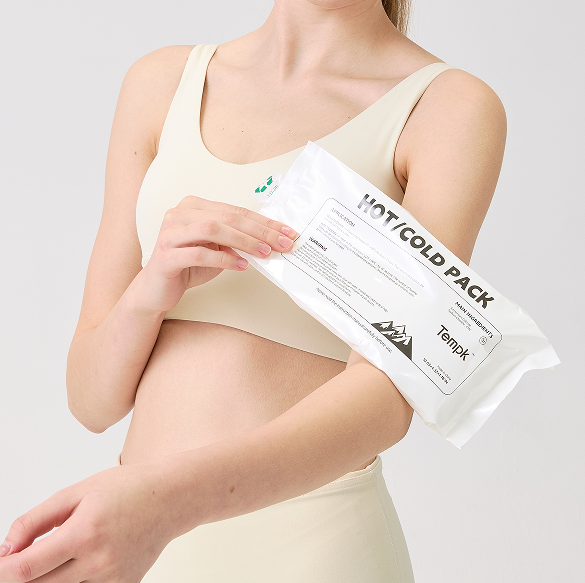
Choosing a refrigerated gel pouch Spain manufacturer is a cold chain decision, not a catalog purchase. A dependable refrigerated gel pouch Spain manufacturer protects your product when the lane gets messy. Your lanes can run 24–72 hours, and some healthcare programs target 2°C–8°C with no freezing events. One weak seal or an unstable temperature curve can trigger claims, re-ships, and lost customers. This merged 2026 checklist shows you how to define specs, validate performance, and pick a supplier with fewer surprises.
This checklist will help you:
Write a refrigerated gel pouch specification sheet that gets accurate quotes
Judge a refrigerated gel pouch Spain manufacturer by temperature curves and leak risk
Run gel pouch seal integrity testing that matches drops, stacking, and hub dwell
Compare MOQ, lead time, and total landed cost across manufacturers
Prepare for PPWR 2026 packaging requirements and EU documentation questions
Use a 5-minute scorecard to rank any refrigerated gel pouch Spain manufacturer
Build a short, repeatable RFQ that every refrigerated gel pouch Spain manufacturer can answer
What makes a refrigerated gel pouch Spain manufacturer worth shortlisting?
Direct answer:
A refrigerated gel pouch Spain manufacturer is worth shortlisting when it can deliver repeatable quality at scale, not just a low unit price. You want predictable lead times, stable batch quality, and fast iteration when lanes change.
Expanded explanation:
Think of your cold chain like a relay race. Every extra handoff adds risk, even before shipping begins. Spain can be a practical base for European distribution, which can simplify replenishment and reduce last-minute failures. Your real win is not “Spain,” but what Spain enables: tighter control and faster corrections.
A quick comparison you can use
| Decision point | Refrigerated gel pouch Spain manufacturer | Far-shore sourcing | Your practical result |
|---|---|---|---|
| Replenishment cycle | Shorter | Longer | Less safety stock stress |
| Communication | Faster | Slower | Fewer spec mistakes |
| Surge response | Better | Harder | Fewer emergency shipments |
| Iteration | Faster | Slower | Quicker optimization |
Practical tips for your shortlist
Ask each refrigerated gel pouch Spain manufacturer for weekly output capacity, not marketing capacity.
Request a change notification policy before you approve a pilot order.
Require weight tolerance targets because cooling power follows pouch mass.
Real-world scenario: Programs often fail during summer peaks, not during calm seasons.
What should you send your refrigerated gel pouch Spain manufacturer before pricing?
Direct answer:
Send a one-page lane profile to every refrigerated gel pouch Spain manufacturer before you ask for price. If you skip this, you will compare quotes that are not comparable.
Expanded explanation:
A gel pouch is part of a system: insulation, payload heat, air gaps, and handling. If you only ask for “a gel pouch,” you force guesswork and slow prototypes. Better suppliers expect a simple use scenario so they can recommend gel type and pouch geometry.
The one-page lane profile (copy this)
Target temperature range (example: chilled food, or 2–8°C)
Door-to-door duration, including hub dwell and last-mile waiting
Seasonal exposure assumptions (summer peak and winter low)
Payload weight + sensitivity (freeze-sensitive, fragile, moisture-sensitive)
Shipper inner dimensions + insulation thickness
Handling realities (drops, stacking, compression)
| Spec item | Minimum | Better | Why it helps you |
|---|---|---|---|
| Duration | Hours | Hours + buffer | Less late-stage warming |
| Payload | Weight | Weight + shape | Better airflow planning |
| Packaging | Box size | Inner size + insulation | Less overcooling risk |
| Handling | General | Drop/stack notes | Fewer leaks at scale |
Mini RFQ Template (copy/paste)
Supplier type: refrigerated gel pouch Spain manufacturer
Lane: __________ (origin → destination)
Target range: __________ (e.g., 2–8°C)
Duration: __________ hours (include buffer)
Ambient assumption: __________ (summer / winter)
Shipper inner size: __________ (L×W×H)
Insulation type/thickness: __________
Payload: __________ (weight + sensitivity)
Handling: drop / stacking / hub dwell assumptions
Request: 2 gel options + film/seal options + QC plan + lead time + MOQ
Which gel options should your refrigerated gel pouch Spain manufacturer offer in 2026?
Direct answer:
A strong refrigerated gel pouch Spain manufacturer should offer at least two gel options: standard refrigerated gel and a steadier “controlled” option for tighter ranges. You do not need chemistry terms. You need predictable behavior.
Expanded explanation:
Some gel pouches cool like an ice block and hit hard early. Others cool like a slow-release battery and hold steady longer. Your best choice depends on whether your product hates freezing, hates warming, or hates both.
Controlled-temperature gel pouch for 2–8°C shipping
For vaccine and many refrigerator-stored products, 2°C–8°C is a common target range, and freezing can damage certain formulations. A controlled-temperature option helps reduce sharp swings when your box is tightly packed.
| Gel option | Best for | Typical risk | Your practical meaning |
|---|---|---|---|
| Standard refrigerated gel | Meal kits, chilled food | Early overcooling | Placement matters |
| Controlled-temperature gel | Pharma, biotech, premium dairy | Higher unit cost | Lower excursion risk |
| High-durability gel + film | Reuse programs | Higher upfront cost | Lower replacement spend |
Practical selection rules
If you ship freeze-sensitive goods, require a “no direct contact” packing recommendation.
If routes change often, ask your refrigerated gel pouch Spain manufacturer for curve stability across seasons.
If you reuse pouches, ask for a freeze–thaw cycle limit and what failure looks like.
How do you judge temperature curves from a refrigerated gel pouch Spain manufacturer?
Direct answer:
Ask for temperature curves inside your actual shipper configuration, not curves from a bench test. Two pouches can “last 48 hours” and still behave differently.
Expanded explanation:
The “how many hours” claim hides curve shape. Curve shape decides early freeze risk and end-of-lane warming risk. A steadier curve can protect sensitive goods with fewer surprises.
| Curve pattern | What it feels like | Best use | Your benefit |
|---|---|---|---|
| Fast drop | Cold shock | Short lanes | Quick chill |
| Steady hold | Calm cooling | Tight-range lanes | Lower excursions |
| Long tail | Slow release | Long lanes | Better late protection |
Tip: Ask your refrigerated gel pouch Spain manufacturer for curve repeatability across three batches.
How do you verify leak-proof design from a refrigerated gel pouch Spain manufacturer?
Direct answer:
Leak-proof performance depends on film structure and seal integrity, not just “thicker plastic.” A refrigerated gel pouch Spain manufacturer should show how seals are inspected and how films resist puncture.
Expanded explanation:
Pouches fail in the real world because of drops, stacking pressure, and sharp payload corners. Weak seals and puncture-prone films cause wet boxes and rework. Ask for evidence, not promises, because small leak rates become big problems at scale.
Gel pouch seal integrity testing questions
What seal method is used, and how is it checked per batch?
What seal failure rate target is used internally?
What film layers prevent puncture and abrasion?
What happens after repeated freeze–thaw cycles?
| Design element | Basic | Higher protection | What it means for you |
|---|---|---|---|
| Film | Single layer | Multi-layer barrier | Fewer punctures |
| Seal | Standard edge | Reinforced zones | Less leakage stacked |
| Corners | Sharp | Rounded | Lower burst risk |
| Traceability | None | Batch coded | Faster investigations |
Practical tips to reduce leaks quickly
Add a liner or sleeve when payload edges are sharp.
Avoid overfilling pouches beyond rated capacity.
Inspect seals visually before packing, especially after storage.
How do you run durability testing for a refrigerated gel pouch Spain manufacturer?
Direct answer:
Run drop tests, compression tests, and freeze–thaw cycles that match your actual lane conditions. A refrigerated gel pouch Spain manufacturer should share pass/fail criteria and sample test reports.
Expanded explanation:
Durability testing should simulate what happens in your supply chain, not what happens in a lab. Drops, stacking, and temperature swings all stress pouches. A good refrigerated gel pouch Spain manufacturer will help you define the right test sequence.
| Test type | What it simulates | Pass criteria | Your benefit |
|---|---|---|---|
| Drop test | Handling shocks | No leaks after drops | Fewer wet boxes |
| Compression test | Stacking pressure | No burst under load | Safer pallets |
| Freeze–thaw cycle | Reuse stress | No seal failure | Longer pouch life |
| Puncture resistance | Sharp payloads | No film breach | Less rework |
Practical tips for durability testing
Test at both frozen and refrigerated states.
Include a “worst-case” drop sequence, not just one drop.
Ask your refrigerated gel pouch Spain manufacturer for batch-to-batch consistency data.
How do you compare MOQ, lead time, and total landed cost?
Direct answer:
Compare total landed cost, not unit price. Include freight, duties, storage, and rework risk. A refrigerated gel pouch Spain manufacturer with higher unit cost can still be cheaper overall.
Expanded explanation:
Low unit price often hides high total cost. Long lead times force safety stock. High MOQs lock up cash. Rework from leaks or temperature failures adds hidden cost. A good refrigerated gel pouch Spain manufacturer will help you model total cost.
| Cost element | Low-cost supplier | Refrigerated gel pouch Spain manufacturer | Your practical result |
|---|---|---|---|
| Unit price | Lower | Higher | Depends on volume |
| Freight | Higher | Lower | Faster replenishment |
| Safety stock | Higher | Lower | Less cash tied up |
| Rework risk | Higher | Lower | Fewer surprises |
Practical tips for cost comparison
Ask for landed cost, not FOB price.
Include rework and claim rates in your model.
Factor in lead time variability, not just average lead time.
How do you validate a refrigerated gel pouch Spain manufacturer before scaling?
Direct answer:
Run a staged validation: first a bench test, then a pilot shipment, then a controlled ramp. A refrigerated gel pouch Spain manufacturer should support this sequence without pressure to skip steps.
Expanded explanation:
Validation is not just “does it work?” It is “does it work repeatedly, at scale, in my lanes?” A good refrigerated gel pouch Spain manufacturer will help you define pass/fail criteria and provide data at each stage.
| Stage | What you test | Pass criteria | Your benefit |
|---|---|---|---|
| Bench test | Curve + seal | Meets spec | Early confidence |
| Pilot shipment | Real lane | No excursions | Lane-specific data |
| Controlled ramp | Volume stress | Consistent quality | Scale readiness |
Practical tips for validation
Define pass/fail criteria before you start.
Include worst-case lanes in your pilot.
Ask your refrigerated gel pouch Spain manufacturer for batch traceability during ramp.
What documentation should a refrigerated gel pouch Spain manufacturer provide?
Direct answer:
A refrigerated gel pouch Spain manufacturer should provide material declarations, safety summaries, batch traceability, and change-control policies. If you ship food-adjacent or pharma-adjacent, align with relevant EU frameworks.
Expanded explanation:
Documentation is not just compliance. It is risk management. A good refrigerated gel pouch Spain manufacturer will have documentation ready before you ask, because they expect professional buyers to ask.
EU regulatory context for gel pouch materials
If your gel pouch contacts food or food packaging, EU Regulation 1935/2004 sets general requirements for food contact materials. For plastic materials, EU Regulation 10/2011 adds specific rules. A refrigerated gel pouch Spain manufacturer should be able to confirm compliance or explain why it does not apply.
PPWR 2026 packaging requirements in one sentence
The European Commission lists a general application date of 12 August 2026 for PPWR provisions, following entry into force in February 2025.
Document pack to request from a refrigerated gel pouch Spain manufacturer
| Document | Why it matters | Your benefit |
|---|---|---|
| Material declaration | Confirms materials used | Faster approvals |
| Safety summary | Handling guidance | Safer warehousing |
| Batch traceability | Links lots to QC | Faster investigations |
| Change-control policy | Prevents surprises | Fewer disruptions |
A clear change-control policy is one of the strongest “trust” signals you can request.
Interactive Scorecard: Rank any refrigerated gel pouch Spain manufacturer
Score each item 1 to 5. A total above 40 is usually a strong fit.
The refrigerated gel pouch Spain manufacturer quotes accurately from your lane profile.
The refrigerated gel pouch Spain manufacturer provides system curves in your shipper.
The refrigerated gel pouch Spain manufacturer offers two gel options by sensitivity.
The refrigerated gel pouch Spain manufacturer provides batch traceability and change control.
The refrigerated gel pouch Spain manufacturer passes drop and compression tests consistently.
The refrigerated gel pouch Spain manufacturer holds tight weight tolerances across batches.
The refrigerated gel pouch Spain manufacturer helps reduce pouch count through placement guidance.
The refrigerated gel pouch Spain manufacturer can scale output during summer peaks.
The refrigerated gel pouch Spain manufacturer has documentation ready for your industry.
The refrigerated gel pouch Spain manufacturer offers a sustainability-ready film option.
Score guide: 45–50 excellent, 38–44 workable, 30–37 pilot-only, below 30 avoid.
2026 trend snapshot for refrigerated gel pouch sourcing
In 2026, buyers want fewer incidents and less waste at the same time. That drives four trends: thinner but stronger films, tighter filling control, better seals, and more lane-based sizing.
If your refrigerated gel pouch Spain manufacturer supports system design, you can often reduce pouch count per box. A forward-looking refrigerated gel pouch Spain manufacturer will also document material changes before they reach your lane. That is where most savings live.
Frequently Asked Questions
Q1: How many pouches should I use per shipment?
Start with your refrigerated gel pouch Spain manufacturer’s packing pattern, then tune by lane and season.
Q2: How do I prevent freezing?
Avoid direct contact, add a spacer layer, and choose a steadier curve option for sensitive goods.
Q3: What is the fastest way to spot low quality?
Check weight variation, seal failures, and leaks after compression or drop checks.
Q4: Do I need special documentation for food-adjacent use?
If food-contact rules apply, align with EU frameworks like 1935/2004 and plastic rules under 10/2011.
Q5: When do PPWR provisions broadly apply?
The European Commission lists 12 August 2026 as the general application date.
Q6: Why is 2–8°C mentioned so often in cold chain programs?
CDC notes that refrigerator-stored vaccines should be kept at 2°C–8°C, and freezing can damage some products.
Summary and recommendations
A refrigerated gel pouch Spain manufacturer is the right choice when you can prove three things: stable temperature curves, leak-proof durability, and repeatable batch quality. If you are comparing a refrigerated gel pouch Spain manufacturer against another refrigerated gel pouch Spain manufacturer, those three signals beat marketing every time. Start with a one-page lane profile, validate with a staged test plan, and compare suppliers using total landed cost. In 2026, build a documentation and sustainability plan early, because customers will ask before you scale. Done well, your refrigerated gel pouch Spain manufacturer becomes a risk-reduction tool, not a recurring problem.
Cold Gel Compress UK Manufacturer: How to Choose?
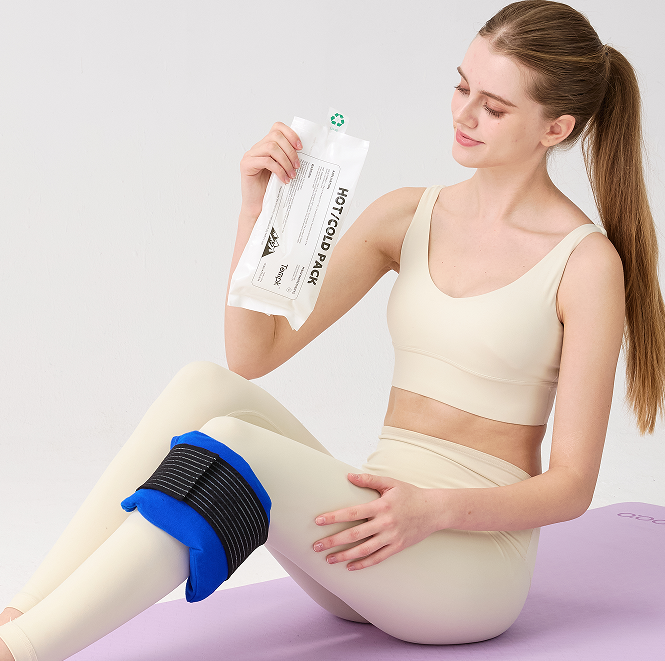
If you’re choosing a cold gel compress UK manufacturer, you’re buying fewer complaints and smoother compliance. The NHS advises icing sprains and strains for up to 20 minutes every 2 to 3 hours, with a tea towel barrier, which quickly exposes stiff packs and weak seals. In 2026, you also need clarity on Great Britain’s CE timelines, which include dates like 30 June 2028 and 30 June 2030 depending on device type. This guide turns those realities into a practical supplier checklist, based on your uploaded drafts.
This guide will help you:
Shortlist a cold gel compress UK manufacturer using a low-risk checklist
Choose between medical-grade cold gel compress UK and consumer-grade builds
Set acceptance tests for a reusable cold gel compress bulk order
Plan GB/NI compliance without re-labelling surprises
Use 2026 sustainability expectations to win procurement confidence
What makes a cold gel compress UK manufacturer reliable in 2026?
A reliable cold gel compress UK manufacturer controls materials, gel formulation, sealing, and documentation—then proves it with repeatable checks. Your drafts highlight that buyers increasingly prioritise traceable raw materials and consistent QC in 2026.
That reliability shows up as fewer leaks, stable cooling, and fewer returns.
From your perspective, “reliable” means you can reorder in six months and the product behaves the same. It also means the supplier can explain decisions in plain English, not factory jargon. If they can’t explain it, they likely can’t control it.
How is UK manufacturing different for a cold gel compress UK manufacturer?
UK-focused manufacturing is often chosen for documentation discipline and consistency. Your draft compares UK manufacturing to low-cost imports using practical factors like in-house gel control, audits, and batch traceability.
| Manufacturing factor | UK-focused approach | Low-cost import risk | What it means for you |
|---|---|---|---|
| Gel formulation control | Often in-house | Often outsourced | More consistent cooling |
| Compliance records | Usually documented | Sometimes missing | Lower market risk |
| Quality audits | Routine cadence | Inconsistent cadence | Predictable batches |
| Batch traceability | Standardised | Rare | Faster issue resolution |
Practical tips you can act on today
Request a sample lot code and ask how long records are retained.
Ask for a one-page QC summary: what’s checked, how often, and who signs off.
Confirm whether the supplier can provide a UKCA or CE declaration for your intended market.
Medical-grade cold gel compress UK vs consumer-grade: what’s the real difference?
Your draft explains that “medical-grade” often means registered as a medical device, with QMS controls, documented risk management, and IFU requirements. Consumer-grade products may skip these steps.
| Attribute | Medical-grade cold gel compress UK | Consumer-grade |
|---|---|---|
| Regulatory status | Registered as medical device | General product safety only |
| QMS expectation | ISO 13485 common | ISO 9001 or none |
| Risk management | Documented per ISO 14971 | Often informal |
| Instructions for use | Required, regulated | Optional, variable |
| Post-market surveillance | Required | Rarely formalised |
When to choose medical-grade
You’re selling to NHS trusts or clinical buyers.
Your product claims therapeutic benefit (e.g., “reduces swelling”).
You need audit-ready documentation for procurement compliance.
When consumer-grade may be enough
You’re selling comfort-only products (e.g., “cooling relief”).
Your channel is retail or e-commerce with no clinical claims.
You accept higher risk of returns and complaints.
How to set acceptance tests for a reusable cold gel compress bulk order
Your draft recommends defining acceptance tests before any bulk PO. This section turns that into a repeatable checklist.
| Test | What it checks | Pass criteria (example) |
|---|---|---|
| Leak test | Seal integrity | 0 leaks in 50-unit sample |
| Weight tolerance | Gel fill consistency | ±5% of declared weight |
| Flexibility after freezing | Usability on joints | Bends 90° without cracking |
| Packaging integrity | Transit damage risk | No punctures after drop test |
How to run these tests
Agree on sample size (e.g., 50 units per batch).
Define pass/fail thresholds in writing.
Document results and retain for 12 months.
Your draft notes that “if you can’t test it, you can’t control it.”
GB/NI compliance: what a cold gel compress UK manufacturer should explain
Your draft highlights that GB and NI have different regulatory routes. A reliable cold gel compress UK manufacturer should be able to explain which route applies to your product.
| Market | Marking | Regulatory body | Key deadline (example) |
|---|---|---|---|
| Great Britain | UKCA (or CE to defined timelines) | MHRA | 30 June 2028 / 30 June 2030 |
| Northern Ireland | CE (under EU MDR) | EU Notified Body | Ongoing EU MDR compliance |
Questions to ask your supplier
Which marking applies to my product?
Can you provide a declaration of conformity?
What happens if I want to sell in both GB and NI?
Your draft notes that “compliance is not a one-time event—it’s a supply chain discipline.”
2026 sustainability expectations: what buyers now ask
Your draft notes that NHS Supply Chain says 62% of NHS England’s carbon footprint comes from procured goods and services. This is driving new questions in tenders.
| Sustainability factor | What buyers ask | What suppliers should show |
|---|---|---|
| Carbon Reduction Plan | Do you have one? | Published plan with targets |
| Net Zero Commitment | What’s your timeline? | Stated commitment and milestones |
| Packaging recyclability | Is it recyclable? | Material breakdown and recycling codes |
| Product durability | How many cycles? | Tested freeze-thaw cycle count |
How to use this in supplier selection
Ask for a one-page sustainability summary.
Check if the supplier is registered on NHS Supply Chain’s sustainability portal.
Your draft notes that “sustainability is now a procurement filter, not just a nice-to-have.”
Private label cold gel compress UK: what to expect from a manufacturer
Your draft outlines a typical private label workflow. Here’s a summary.
| Stage | What happens | Typical timeline |
|---|---|---|
| Spec agreement | Size, gel type, packaging | 1–2 weeks |
| Artwork approval | Label/carton design | 1–2 weeks |
| Sample production | Pre-production samples | 2–4 weeks |
| Bulk production | Full order | 4–8 weeks |
What to confirm before starting
MOQ (minimum order quantity) and lead time.
Who owns the artwork and tooling?
What’s the reorder process?
Your draft notes that “private label is a partnership, not a transaction.”
Supplier audit checklist: what to verify before placing a bulk order
Your draft recommends a pre-order audit. Here’s a checklist.
| Audit area | What to check | Red flag |
|---|---|---|
| QMS certification | ISO 13485 or ISO 9001 | No certificate or expired |
| Batch records | Traceability and retention | No lot coding |
| Complaint handling | Documented process | No written procedure |
| Regulatory knowledge | UKCA/CE understanding | Can’t explain market route |
How to run a remote audit
Request a video call walkthrough of the production line.
Ask for sample batch records (redacted if needed).
Confirm who handles complaints and how they’re tracked.
Your draft notes that “an audit is cheaper than a recall.”
What’s changing in 2026 for cold gel compress UK manufacturers?
Your draft identifies several regulatory and market shifts. Here’s a summary.
Regulatory: GB is moving toward UKCA-only marking, with defined CE timelines. MHRA guidance on PMS is becoming clearer.
Procurement: NHS buyers are asking more sustainability questions. Carbon Reduction Plans are becoming table stakes.
Quality: Buyers are setting tighter acceptance tests. Leak rates and flexibility are under more scrutiny.
Your draft summarises this as “the bar is rising, but the rules are clearer.”
How to compare cold gel compress UK manufacturers: a scoring framework
Your draft suggests a weighted scoring model. Here’s an example.
| Criterion | Weight | Supplier A | Supplier B |
|---|---|---|---|
| QMS certification | 20% | ISO 13485 | ISO 9001 |
| Batch traceability | 15% | Full lot coding | Partial |
| Regulatory knowledge | 15% | Strong | Basic |
| Sustainability | 10% | Published CRP | None |
| Lead time | 10% | 4 weeks | 8 weeks |
| Price | 30% | Higher | Lower |
How to use this
Score each supplier on each criterion (e.g., 1–5).
Multiply by weight and sum.
Use the result to guide (not replace) your decision.
Your draft notes that “the cheapest supplier is rarely the cheapest in the long run.”
What to expect from a cold gel compress UK manufacturer in 2026
Your draft outlines a set of baseline expectations. Here’s a summary.
Documentation: Batch records, declarations of conformity, and IFUs should be available on request.
Communication: The supplier should be able to explain their QMS, regulatory status, and sustainability position in plain English.
Flexibility: The supplier should offer stock, make-to-order, or hybrid supply models.
Support: The supplier should help you navigate GB/NI compliance and private label workflows.
Your draft summarises this as “a good supplier makes your job easier, not harder.”
Regulatory snapshot: what’s live and what’s coming
Your draft tracks regulatory changes. Here’s a snapshot.
GB: UKCA marking is the long-term route. CE marking is accepted to defined timelines (e.g., 30 June 2028, 30 June 2030). MHRA guidance on PMS is being updated.
NI: CE marking under EU MDR continues. No UKCA requirement for NI-only sales.
Sustainability: NHS England’s guidance on Carbon Reduction Plans and Net Zero Commitments is shaping procurement.
Your draft notes that “regulatory change is a constant—build flexibility into your supply chain.”
What buyers are asking in 2026
Your draft identifies common buyer questions. Here’s a summary.
Compliance: Can you provide a declaration of conformity? What marking applies?
Quality: What’s your leak rate? How do you test flexibility?
Sustainability: Do you have a Carbon Reduction Plan? What’s your Net Zero timeline?
Supply: What’s your lead time? Do you offer stock programs?
Your draft notes that “buyers are more informed than ever—be ready to answer.”
How MHRA guidance is shaping cold gel compress UK sourcing
Your draft references MHRA guidance on medical devices. Here’s what matters.
PMS requirements: The 2024 PMS regulations are now in force. Suppliers should have documented post-market surveillance processes.
CE timelines: MHRA has published specific timelines for CE acceptance on the GB market.
Vigilance: Suppliers should have a process for reporting serious incidents.
Your draft notes that “MHRA guidance is your compliance baseline—read it.”
How NHS procurement is evolving
Your draft tracks NHS procurement trends. Here’s a summary.
Sustainability: NHS Supply Chain says 62% of NHS England’s carbon footprint comes from procured goods and services. Carbon Reduction Plans are now expected.
Quality: Tenders are asking for documented QMS, batch traceability, and acceptance test results.
Value: Price is still important, but total cost of ownership (including returns and complaints) is gaining weight.
Your draft notes that “NHS procurement is moving from lowest price to best value.”
What’s next for cold gel compress UK manufacturers?
Your draft identifies several trends. Here’s a summary.
Regulatory: Expect continued movement toward UKCA-only marking, with clearer PMS expectations.
Sustainability: Expect more questions on carbon, packaging, and product durability.
Quality: Expect tighter acceptance tests and more scrutiny on leak rates and flexibility.
Supply chain: Expect more demand for hybrid supply models (stock + make-to-order).
Your draft summarises this as “the market is professionalising—suppliers who adapt will win.”
How to use this guide
Your draft suggests a practical workflow. Here’s a summary.
Step 1: Define your use case (sports, clinic, retail, workplace).
Step 2: Choose your regulatory route (GB, NI, or both).
Step 3: Set your acceptance tests (leak, weight, flexibility, packaging).
Step 4: Score potential suppliers using a weighted framework.
Step 5: Run a pre-order audit (remote or on-site).
Step 6: Place a staged order (samples → pilot → bulk).
Your draft notes that “a structured process reduces risk and speeds up decisions.”
Summary: what to look for in a cold gel compress UK manufacturer
Your draft identifies the key attributes. Here’s a checklist.
QMS: ISO 13485 or ISO 9001, depending on your market.
Traceability: Lot coding on every unit or inner pack.
Regulatory: Clear understanding of UKCA/CE routes and timelines.
Sustainability: Published Carbon Reduction Plan and Net Zero Commitment.
Communication: Able to explain decisions in plain English.
Flexibility: Stock, make-to-order, or hybrid supply models.
Your draft summarises this as “a good supplier is a partner, not just a vendor.”
Appendix: regulatory and sourcing references
Your draft includes several references. Here’s a summary.
NHS advice on sprains and strains: The NHS advises using an ice pack for up to 20 minutes every 2 to 3 hours, with a tea towel barrier.
GOV.UK guidance on medical devices: GOV.UK lists specific CE timelines for the GB market, including 30 June 2028 and 30 June 2030 for different device categories.
MHRA guidance on PMS: MHRA guidance links to the 2024 PMS regulations and reflects coming into force updates in June 2025.
NHS England sustainability guidance: NHS England’s guidance details Carbon Reduction Plan and Net Zero Commitment requirements in procurement.
NHS Supply Chain carbon footprint: NHS Supply Chain says 62% of NHS England’s carbon footprint comes from procured goods and services.
ISO 13485: ISO 13485 is a recognised medical device QMS standard.
Your draft notes that “references are your compliance evidence—keep them current.”
Appendix: glossary of key terms
| Term | Definition |
|---|---|
| UKCA | UK Conformity Assessed marking for the GB market |
| CE | Conformité Européenne marking for the EU/NI market |
| ISO 13485 | QMS standard for medical device manufacturers |
| PMS | Post-market surveillance |
| IFU | Instructions for use |
| MOQ | Minimum order quantity |
| CRP | Carbon Reduction Plan |
Your draft notes that “clear definitions reduce misunderstandings.”
Appendix: what’s changed since your last sourcing review
Your draft tracks changes. Here’s a summary.
Regulatory: CE timelines are now defined. PMS expectations are clearer. UKCA is the long-term route.
Procurement: Sustainability questions are now standard. Carbon Reduction Plans are expected.
Quality: Acceptance tests are tighter. Leak rates and flexibility are under more scrutiny.
Your draft summarises this as “if you haven’t reviewed your sourcing in 12 months, you’re behind.”
Appendix: what to do if your current supplier can’t meet 2026 expectations
Your draft offers guidance. Here’s a summary.
Step 1: Document the gap (regulatory, quality, sustainability).
Step 2: Give the supplier a chance to close it (with a timeline).
Step 3: If they can’t, start a parallel sourcing process.
Step 4: Run a staged transition (pilot → bulk) to reduce risk.
Your draft notes that “switching suppliers is a project, not a panic.”
Final thought
Your draft ends with a practical reminder: “A cold gel compress UK manufacturer is the right partner when they can build your spec, prove it with repeatable tests, and support your market route with clear documentation.”
In 2026, that means defined CE timelines, stronger post-market thinking, and sustainability-driven procurement. Your draft summarises this as “fewer surprises,” with more traceability and clearer complaint handling.
Latest progress snapshot (what to watch)
CE timelines remain defined: GOV.UK lists specific timelines such as 30 June 2028 and 30 June 2030 for different device categories.
PMS expectations are clearer: MHRA guidance links to the 2024 PMS regulations and reflects coming into force updates in June 2025.
Supplier carbon expectations are rising: NHS England’s guidance details Carbon Reduction Plan and Net Zero Commitment requirements in procurement.
Durability expectations are increasing: your draft notes 150+ freeze cycles becoming a stronger benchmark in some programs.
Decision tool: pick the right cold gel compress UK manufacturer in 3 minutes
This is your fast shortcut when you need to brief a team. Your draft’s 8-question self-test is a strong base.
Step 1: choose your primary use case
Sports first aid
Clinic / physio
Retail / home
Workplace kits
Step 2: answer these 8 questions (score 1 for each “yes”)
I need flexibility straight from a freezer.
It must wrap curved joints (knee, ankle, elbow).
I need a documented cooling curve, not a claim.
I need lot coding on every unit or inner pack.
I need a private label launch within 90 days.
I need a supplier-managed stock program.
I will sell in Great Britain and Northern Ireland.
I need stable repeat orders for 12 months.
Score meaning
0–2: start with a standard SKU and basic QC gates.
3–5: use a hybrid plan: standard pack + custom packaging + acceptance tests.
6–8: run a controlled project: sampling plan, audit call, and release rules.
Step 3: copy/paste RFQ template (internal use)
Product: reusable cold gel compress
Target market: GB / NI / both
Claims: comfort-only / therapeutic wording / to be confirmed
Size/weight: [insert]
Flexibility after freezing: yes/no
Branding: none / label / carton / printed film
Acceptance tests: leak + weight tolerance + flex + packaging
Supply model: stock / make-to-order / hybrid
Internal link suggestions (no outbound links)
medical-grade cold gel compress UK guide
reusable cold gel compress bulk order checklist
private label cold gel compress UK workflow
how to use a cold gel compress safely
UKCA and CE sourcing guide
Frequently Asked Questions
Q1: How long should a cold pack be applied for sprains and strains?
The NHS advises using an ice pack for up to 20 minutes every 2 to 3 hours, with a tea towel barrier.
Q2: What’s the fastest way to vet a cold gel compress UK manufacturer?
Request lot-coded samples, define two acceptance tests, and run them in your own workflow.
Q3: Can CE-marked medical devices still be placed on the GB market in 2026?
Yes, to defined timelines. GOV.UK lists timelines including 30 June 2028 and 30 June 2030 for different categories.
Q4: What is the biggest quality risk in bulk orders?
Seal integrity. Small leak rates scale into high returns and brand damage.
Q5: Do I always need ISO 13485 for a cold gel compress UK manufacturer?
Not always. But ISO 13485 is a recognised medical device QMS standard and can help in clinical procurement.
Q6: Why is sustainability showing up in more tenders?
Because NHS Supply Chain says 62% of NHS England’s carbon footprint comes from procured goods and services.
Summary and recommendations
A cold gel compress UK manufacturer is the right partner when they can build your spec, prove it with repeatable tests, and support your market route with clear documentation. Your drafts emphasise the same winners: in-house control, measurable acceptance criteria, and clear safe-use communication.
In 2026, add two more filters: defined CE timelines and rising carbon-readiness expectations.
Next step (CTA): Write a one-page RFQ, request staged samples, and lock acceptance tests before any bulk PO.
About Tempk
At Tempk, we support temperature-control buyers with practical specifications, measurable acceptance criteria, and scalable quality planning. Your drafts position Tempk as a partner focused on consistent performance, verified materials, and production controls that scale from samples to bulk.