


How to Choose a Refrigerant Gel Package Beverage Manufacturer?
How to Choose a Refrigerant Gel Package Beverage Manufacturer?
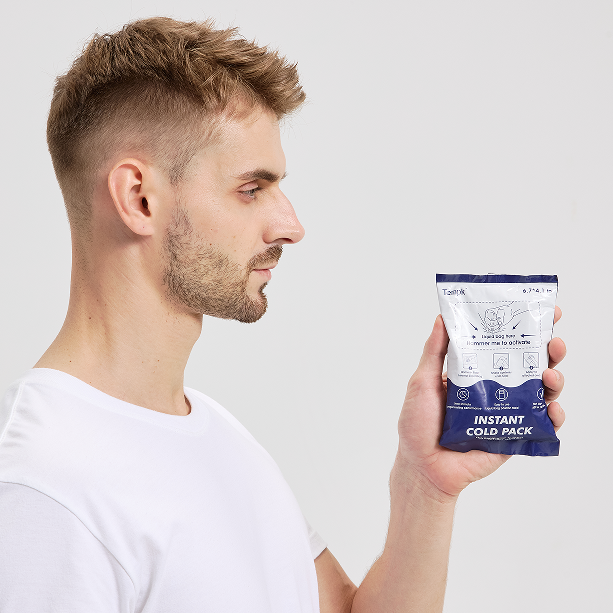
If you’re searching for a refrigerant gel package beverage manufacturer, you’re trying to stop two costly failures: warm arrivals and accidental freezing. Some beverage shippers estimate temperature deviations can drive major spoilage and refunds, with figures cited as high as 30% in transit discussions.
A reliable refrigerant gel package beverage manufacturer is not “more gel.” It is a repeatable system: the right gel profile, the right pack-out, and verified performance.
This article will help you answer:
- How a refrigerant gel package beverage manufacturer protects flavor, carbonation, and labels in real routes
- Which gel temperature profile fits your drink type and hold time, without over-cooling
- How to size gel packs using a simple scoring tool you can apply today
- What quality tests prevent leaks, weak seals, and performance drift
- How to run a remote supplier audit and RFQ that avoids hidden costs
- Which 2026 sustainability moves reduce waste without raising failures
How does a refrigerant gel package beverage manufacturer support beverage shipping?
Direct answer: A refrigerant gel package beverage manufacturer designs gel-based cooling packs that maintain stable temperatures during beverage transport. In typical configurations, gel systems can support 12 to 72 hours of temperature protection, depending on load size and pack-out design.
The goal is controlled cooling that protects product quality without water damage from melting ice.
A strong refrigerant gel package beverage manufacturer builds a system, not a single SKU. That system combines gel formulation, film selection, sealing, and batch controls for repeatable results.
When those parts align, you see fewer hot spots, fewer wet cartons, and fewer customer complaints. When they don’t, you get uneven cooling and messy leaks that destroy unboxing reviews.
What beverage-specific gel design really means
Beverage shipping is geometry-driven. Packs must fit between bottles and cans, maintain contact, and avoid crushing labels. Beverage-focused solutions are engineered around bottle and can layouts, improving surface contact and airflow balance.
That is why a beverage-experienced refrigerant gel package beverage manufacturer often outperforms a generic ice-pack supplier.
| Beverage type | Typical target range | Gel strategy | What it means for you |
|---|---|---|---|
| Craft beer | 2–6°C | Medium-freeze gel | Protects flavor balance |
| Cold brew / RTD coffee | 2–4°C | Long-duration gel | Reduces warm-taste issues |
| Functional drinks | 4–8°C | Mild-freeze gel | Protects sensitive ingredients |
Practical tips you can use immediately
- Short distance: Use thinner packs with faster activation.
- E-commerce: Choose extended-duration gel profiles for longer holds.
- Mixed cartons: Combine top and side placement to reduce hot corners.
Real-world example: A regional cold brew brand reported 42% fewer complaints after switching to beverage-specific packs for narrow bottle spacing.
What makes a refrigerant gel package beverage manufacturer different from ice or dry ice?
Direct answer: A refrigerant gel package beverage manufacturer provides controlled, reusable cooling without melt-water damage or aggressive freezing risk. Gel systems sit between melting ice and dry ice in both behavior and handling.
You get a smoother cooling curve that protects labels, cartons, and customer experience.
Ice can melt quickly and create water damage in cartons. Dry ice can freeze aggressively and demands special handling, especially in mixed DTC networks. Gel releases cooling energy gradually, like a slow-burning candle instead of a flare.
For beverages, that “steady cold” matters more than the coldest possible temperature.
| Cooling method | Temperature control | Operational risk | Best fit for beverages |
|---|---|---|---|
| Ice | Low | Medium (water damage) | Local delivery only |
| Dry ice | Very high | Low safety margin | Frozen goods, not chilled drinks |
| Gel refrigerant | Controlled | High predictability | Chilled beverage shipping |
Actionable guidance for beverage teams
- Avoid dry ice for carbonated drinks to reduce pressure and handling risk.
- Use gel packs for both alcohol and non-alcohol beverage programs.
- Ask your refrigerant gel package beverage manufacturer for food-grade material evidence and clear documentation.
Practical case: If your labels arrive “sweaty,” the fix is often pack placement and moisture control, not colder packs.
How do you choose the right gel temperature profile for drinks in 2026?
Direct answer: Choose a gel temperature profile that matches your beverage’s quality window and your worst-case route exposure. You are not selecting “ice.” You are selecting temperature behavior over time.
A beverage-ready refrigerant gel package beverage manufacturer can tune freezing points and release rates to avoid “too warm” and “too cold.”
Think of gel profiles like tires. A winter tire is powerful in snow, but wasteful in summer. A deep-freeze gel can be powerful, but risky for sensitive beverages. You want the profile that fits your route, not the strongest option.
This mindset prevents accidental freezing for juices, probiotic drinks, and other delicate products.
Hold time is not just gel weight
Hold time depends on five drivers you can control. If any of these change, performance changes fast.
- Pre-conditioning time (how long packs are fully conditioned)
- Insulation performance (shipper design and thickness)
- Pack placement (top, side, wrap, layered)
- Payload temperature (pre-chilled vs warm product)
- Ambient exposure (doorstep heat and depot delays)
Matching table you can share with your team
| Beverage type | Temperature goal | Best gel approach | Why it protects you |
|---|---|---|---|
| Cold brew / RTD coffee | Cold and steady | Medium, long-release gel | Reduces warm spikes |
| Craft beer | Cool, not frozen | Moderate profile gel | Protects flavor balance |
| Fresh juice | Cooler, stable | Higher safety-window gel | Reduces separation risk |
Simple manufacturer selection rules
- Ask for thermal test data, not only product specs.
- Request beverage-specific validation, not generic claims.
- Confirm batch consistency to avoid performance variation.
Case insight: A kombucha distributor improved stability by choosing a higher freezing point gel profile.
How many gel packs do you need? A decision tool for refrigerant gel package beverage manufacturer buyers
Direct answer: Start with a structured estimate, then validate with a short pilot. Most cost overruns happen when you guess gel quantity instead of sizing it.
Your refrigerant gel package beverage manufacturer should support a sizing method that your team can repeat.
Below is a decision tool that gives you a starting configuration. You can refine it after a one-week pilot.
Use it to standardize decisions across SKUs, seasons, and fulfillment shifts.
Quick decision tool: Gel pack sizing for beverage shipping
Answer five questions and score A=1, B=2, C=3.
- Transit time you must survive: A) ≤24h B) 24–48h C) 48–72h
- Ambient risk on the route: A) Low B) Medium C) High
- Product starting temperature: A) Fully pre-chilled B) Partly chilled C) Room temperature
- Shipper insulation: A) High-performance B) Standard EPS C) Thin or budget
- Payload weight: A) Light B) Medium C) Heavy
Scoring guide
| Total score | Starting configuration | What it means |
|---|---|---|
| 5–7 | Light gel load | Short hold, controlled environment |
| 8–11 | Medium gel load | Balanced protection |
| 12–15 | Heavy gel load | Long hold, high ambient risk |
What quality tests should you run before choosing a refrigerant gel package beverage manufacturer?
Direct answer: Run simple, repeatable tests that catch leaks, weak seals, and performance drift before you commit to volume orders.
You do not need a lab. You need discipline and a short checklist.
Pre-pilot quality checklist
| Test | What you do | What you learn |
|---|---|---|
| Visual inspection | Check seals, edges, fill uniformity | Manufacturing consistency |
| Weight check | Weigh 5 packs, compare to spec | Fill accuracy |
| Freeze-thaw cycle | Freeze, thaw, repeat 3× | Seal durability |
| Drop test | Drop from 1m onto hard surface | Impact resistance |
| Squeeze test | Apply firm pressure to seams | Seal strength |
| Hold duration | Monitor temp over time in shipper | Lane fit |
| Leak check | Place on paper, check for wet spots | Seal integrity |
How do you run a remote supplier audit for a refrigerant gel package beverage manufacturer?
Direct answer: Use a structured checklist and video calls to verify production controls, batch records, and change management without traveling.
Remote audits are now standard practice. The key is asking the right questions and requesting the right evidence.
Remote audit checklist
- Request a video walkthrough of the production line
- Ask for batch records from the last 3 months
- Confirm QC test methods and pass/fail criteria
- Ask about change notification policy (materials, suppliers, processes)
- Request references from beverage customers
What RFQ fields prevent hidden costs when sourcing from a refrigerant gel package beverage manufacturer?
Direct answer: A clear RFQ prevents mismatched samples, confusing pricing, and painful re-qualification.
RFQ template for beverage gel packs
| RFQ field | Your value | What the supplier must confirm |
|---|---|---|
| Target temperature range | e.g., 2–8°C | Gel profile and conditioning guidance |
| Hold time required | e.g., 48 hours | Pack-out recommendation |
| Pack size and weight | e.g., 200g, 400g | Available SKUs and MOQs |
| Food-grade certification | Required | Certificate and test reports |
| Leak rate acceptance | Zero tolerance | Test method and batch records |
| Traceability | Batch codes required | Code format and retention policy |
What 2026 sustainability moves reduce waste without raising failures?
Direct answer: Focus on reusable packs, recyclable films, and right-sizing to reduce waste without compromising performance.
Sustainability options to discuss with your manufacturer
- Reusable gel packs with return programs
- Recyclable film materials (check local recycling compatibility)
- Right-sizing to reduce gel weight and shipping costs
- Bio-based gel formulations (verify performance equivalence)
Conclusion
Choosing a refrigerant gel package beverage manufacturer is not about finding the cheapest supplier. It is about finding a partner who can deliver repeatable performance, support your specific beverage types, and help you avoid costly failures. Use this guide to build a structured selection process that protects your products and your brand.
How to Choose a Refrigerant Gel Pack Pharmaceutical Manufacturer?
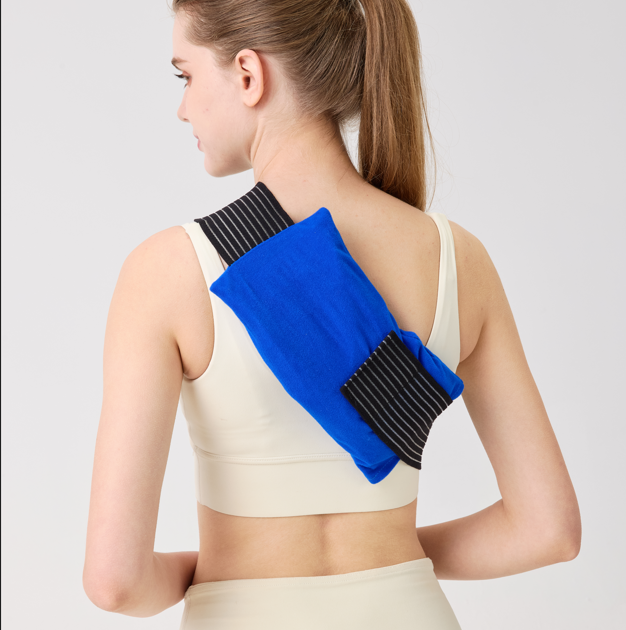
If you are searching for a refrigerant gel pack pharmaceutical manufacturer, you are not buying “cold packs.” You are buying temperature reliability for medicines, clinical samples, and high-value biologics. In 2026, teams must reduce excursions, prove repeatability across lots, and keep documentation audit-ready. This guide turns supplier selection into a simple, trainable process.
This guide will help you:
Choose a GDP-ready refrigerant gel pack pharmaceutical manufacturer using evidence, not claims
Build a one-page RFQ that any refrigerant gel pack pharmaceutical manufacturer can quote consistently
Match gel pack formats with your refrigerant gel pack pharmaceutical manufacturer for 2-8°C, CRT (15-25°C), and frozen lanes
Run a pre-pilot QC test plan that catches leaks and variability early
Lock traceability and change control so reorders behave like your qualified pack-out
Refrigerant gel pack pharmaceutical manufacturer: what does “pharma-ready” mean?
A pharma-ready refrigerant gel pack pharmaceutical manufacturer proves control, not just capacity. You should be able to trace each batch to materials, QC checks, and change management. That matters because gel packs are part of your temperature-control system. If gel packs drift, your lane performance drifts.
Think in outcomes first. You want predictable cooling, reliable sealing, and repeatable conditioning behavior. “Pharmaceutical” is not a label you buy. It is a discipline you verify.
Quick clarity: gel packs vs PCM packs
Gel packs are usually water-based mixtures with additives for flexibility and cooling. PCM packs (phase change materials) are engineered to hold a tighter temperature range longer. Both can work in pharmaceutical shipping, but they solve different problems.
| Pack type | Best use | Typical strength | Typical risk | What it means for you |
|---|---|---|---|---|
| Refrigerant gel pack | Short to medium 2-8°C lanes | Simple, flexible | Overcooling if misused | Needs pack-out discipline |
| PCM pack (2-8°C) | Longer controlled lanes | Stable range hold | Higher unit cost | Better lane stability |
| Frozen pack | -20°C or lower lanes | Strong cooling | Freeze damage risk | Needs spacing and insulation |
Practical tips you can use today
If your payload is freeze-sensitive: prioritize controlled cooling over maximum cold output.
If lanes vary by season: qualify a warm profile and a cold profile, not one “average” pack-out.
If you outsource packing: require a simple conditioning SOP and short training visuals.
Real-world note: Many excursions happen because packs are “too cold,” not because they are “not cold enough.”
Refrigerant gel pack pharmaceutical manufacturer RFQ: what should you send?
A one-page RFQ makes every refrigerant gel pack pharmaceutical manufacturer aim at the same target. When your RFQ is vague, suppliers fill gaps with assumptions. Assumptions create mismatched samples, confusing pricing, and painful re-qualification.
Start with your lane reality. Define transit time, ambient exposure, and payload sensitivity. Then define pack geometry, conditioning, and acceptance rules in plain language.
One-page RFQ template (copy and fill)
- Temperature band: 2-8°C / 15-25°C (CRT) / frozen
- Payload type: vaccine / biologic / tablets / API / clinical samples
- Lane profile: origin → destination, typical hours, worst-case hours
- Ambient exposure: summer / winter / mixed; expected peaks
- Shipper type: EPS / EPP / VIP or other; internal volume ___ L
- Pack format: brick / sheet / slim / custom
- Size + fill weight: ___ mm × ___ mm; ___ g
- Conditioning method: setpoint + time + release check (define clearly)
- Leak requirement: zero leakage in sampled inspection units
- Labeling: SKU + batch code on carton and inner pack
- Documentation: MSDS, QC record summary, batch traceability, change notice rules
- Pilot plan: sample qty, pilot order qty, 3-6 month forecast
RFQ fields that prevent disputes
| RFQ field | Your value | What the supplier must confirm | Why it matters to you |
|---|---|---|---|
| Target band | 2-8°C | Pack type + conditioning guidance | Controls excursion risk |
| Lane duration | ___ hours | Recommended pack-out layout | Predictable holds |
| Acceptance | “Zero leak” | Test method + record format | Faster release decisions |
| Traceability | Batch codes visible | Code logic + retention | Faster investigations |
Refrigerant gel pack pharmaceutical manufacturer formats: which one fits your lane?
The right format from a refrigerant gel pack pharmaceutical manufacturer depends on geometry, not marketing. Thickness changes cooling speed. Surface area changes heat transfer. Placement changes cold spots.
If your payload is sensitive, you want controlled cooling, not aggressive freezing. That means spacing and barriers matter as much as the gel pack itself.
Format selection table
| Format | Best for | Why it works | What to watch |
|---|---|---|---|
| Flat sheet | Small parcels | Even coverage | Avoid direct contact cold spots |
| Brick | Longer holds | More thermal mass | Heavier, slower conditioning |
| Slim packs | Tight shipper space | Flexible placement | May warm too quickly |
| Custom form | Designed shippers | Fits layout | Needs stronger validation |
Pack format decision tool
Answer these and pick a format:
- Need even surface coverage? Choose sheets.
- Need long holds and stable mass? Choose bricks.
- Space is limited? Choose slim packs.
- Shipper is custom-engineered? Consider custom forms.
Safety rule: If the payload is freeze-sensitive, avoid direct pack-to-payload contact. Use a barrier layer and spacing.
Refrigerant gel pack pharmaceutical manufacturer conditioning: how do you avoid “too-cold” risk?
Conditioning is where many refrigerant gel pack pharmaceutical manufacturer programs fail. Freeze too hard and you create overcooling risk. Condition too little and you lose duration.
You need a conditioning recipe that is simple, repeatable, and trainable, and your refrigerant gel pack pharmaceutical manufacturer should support it. Add a “release check” so operators confirm packs are in the right state.
Conditioning checklist you can train quickly
- Set freezer or conditioning chamber to the defined setpoint.
- Condition packs for the defined time window.
- Confirm pack state with a simple release check (timing discipline or surface temp check).
- Pack out immediately using a standardized layout.
- Record batch codes for packs used on the shipment.
Conditioning approaches (choose one per lane)
| Conditioning approach | Simple description | Strength | Risk |
|---|---|---|---|
| Fully frozen | Maximum cold output | Long hold potential | Higher freeze risk |
| Pre-conditioned | Controlled cold output | Lower cold-spot risk | Needs process discipline |
| Mixed | Different zones | More control options | Training complexity |
Practical tips to reduce operator error
- Use one approved conditioning recipe per lane.
- Label conditioning racks with lane name and time window.
- Ask the refrigerant gel pack pharmaceutical manufacturer for “feel” guidance and warnings.
Practical example: Conditioning discipline can reduce deviations more than changing materials.
Refrigerant gel pack pharmaceutical manufacturer QC tests: the pre-pilot 9-test plan
You can screen a refrigerant gel pack pharmaceutical manufacturer with repeatable stress tests. You do not need advanced lab equipment to catch most failures. You need consistent methods and clear pass/fail targets.
Your goal is to catch leak risks, durability issues, and variability before you scale. Use two samples per option so you learn about repeatability.
Pre-pilot 9-test plan (practical and fast)
| Test | What you do | What you learn |
|---|---|---|
| Visual inspection | Check seals, edges, fill uniformity | Manufacturing consistency |
| Weight check | Weigh 5 packs, compare to spec | Fill accuracy |
| Freeze-thaw cycle | Freeze, thaw, repeat 3× | Seal durability |
| Drop test | Drop from 1m onto hard surface | Impact resistance |
| Squeeze test | Apply firm pressure to seams | Seal strength |
| Conditioning time | Time to reach target temp | Process fit |
| Hold duration | Monitor temp over time in shipper | Lane fit |
| Leak check | Place on paper, check for wet spots | Seal integrity |
| Label check | Verify batch code, SKU, date | Traceability readiness |
Refrigerant gel pack pharmaceutical manufacturer traceability and change control
Traceability is not paperwork. It is your ability to investigate, recall, and reorder with confidence. A good refrigerant gel pack pharmaceutical manufacturer gives you batch codes, material records, and change notices without extra effort.
Traceability checklist
- Batch code on every carton and inner pack
- Material lot linkage available on request
- QC summary per batch (leak rate, weight variance)
- Change notice policy (advance warning before spec changes)
Change control questions to ask
- How much notice do you give before changing gel formula?
- How much notice do you give before changing film supplier?
- Can you hold a “golden sample” for comparison?
Practical tip: Lock your spec in writing. If the refrigerant gel pack pharmaceutical manufacturer changes materials without notice, your lane validation may no longer apply.
Refrigerant gel pack pharmaceutical manufacturer selection: final checklist
Use this checklist before placing your first pilot order:
| Checkpoint | Pass? | Notes |
|---|---|---|
| RFQ sent with lane details | ☐ | |
| Samples received and tested | ☐ | |
| QC records reviewed | ☐ | |
| Conditioning SOP confirmed | ☐ | |
| Traceability format agreed | ☐ | |
| Change notice policy documented | ☐ | |
| Pilot order placed | ☐ |
Conclusion
Choosing a refrigerant gel pack pharmaceutical manufacturer is not about finding the cheapest supplier. It is about finding a partner who can prove control, support your lanes, and keep your shipments audit-ready. Use this guide to build a simple, repeatable selection process that protects your products and your reputation.
How to Choose a Gel Ice Insert Grocery Manufacturer?
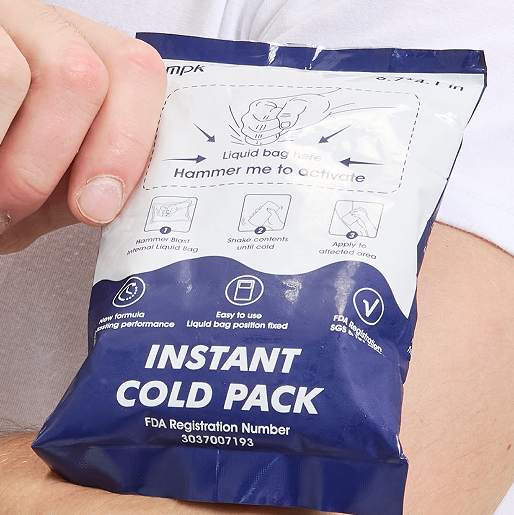
Last updated: January 21, 2026
Introduction
Choosing a gel ice insert grocery manufacturer is one of the fastest ways to stabilize grocery delivery quality. You are not buying “cold.” You are buying time, consistency, and fewer customer complaints across real-world handoffs. Most grocery lanes live between 24–72 hours of risk exposure, depending on insulation and route conditions.
This guide shows you how to select the right partner, test performance, and scale with confidence.
What this article answers for you:
How to define lane requirements for a gel ice insert grocery manufacturer using simple, measurable inputs
Which “proof documents” prevent expensive supplier mistakes before you commit
How to choose formats like panels, lid inserts, and modular bricks without creating SKU chaos
What leak-proof QC and batch controls matter most in grocery operations
How to run a pilot test that measures outcomes you actually care about
How to plan total cost, reuse, and 2026 trends without overcomplicating decisions
How do you define lane requirements for a gel ice insert grocery manufacturer?
Start with your lane time, heat exposure, and product sensitivity, then translate them into one “typical” build and one “stress” build. A strong gel ice insert grocery manufacturer can only design well when your lane reality is clear.
Think of your lane like a road trip with traffic and detours. A solution that works on a calm day can fail on a late pickup day. Grocery risk usually spikes during pack-out staging, last-mile transfer, and doorstep waiting. When you document those moments, your gel ice insert grocery manufacturer can recommend insert thickness, placement, and quantity with fewer surprises.
Lane mapping for last-mile grocery cooling
Use three time blocks. Keep them simple and consistent across every supplier quote.
| Lane time block | Typical value | Stress value | What it means for you |
|---|---|---|---|
| Pack-out staging | Short | Long | Cooling starts earlier than you think |
| Transit time | Next-day | Two-day | Insert mass must match duration risk |
| Doorstep wait | Quick handoff | Longer wait | Lid and sidewall cooling matter more |
Practical tips and recommendations
Mixed baskets: Use modular inserts so you can tune cooling without changing the box.
Hot climate routes: Ask for thicker sidewall panels, not only bottom cooling.
Fragile produce: Add a barrier layer so inserts do not press directly on food.
Practical case: One grocery operator improved “arrives chilled” consistency by shifting cooling to sidewalls on late-day deliveries, without increasing insert count.
What should you request from a gel ice insert grocery manufacturer before quoting?
Request a one-page “proof pack” covering safety, seal design, thermal behavior, and batch consistency. If a gel ice insert grocery manufacturer cannot explain these clearly, scaling becomes risky.
Many buyers compare size and price only. That is like buying a truck based on paint color. You need proof that predicts performance across thousands of shipments, not a sample that “feels cold.” Your proof pack should also include how the supplier controls variation when volume ramps.
The four proof documents that reduce risk
Ask for these four items in a consistent template. Use the same template for every supplier.
- Material safety and handling statement for grocery environments
- Film and seal structure summary (layers, thickness range, sealing method)
- Thermal performance snapshot under your lane scenario
- Quality control outline showing checks per batch
| Spec area | What to request | What to avoid | Your real benefit |
|---|---|---|---|
| Gel formulation | Clear handling guidance | Vague “safe gel” claims | Fewer safety and claim risks |
| Film & seal | Multi-seal edges, robust film | Single weak seal lines | Lower leak rate in transit |
| Batch consistency | Records + sampling plan | “We check sometimes” | Predictable scaling outcomes |
Practical tips and recommendations
Ask for change-control rules: You want notice before materials or process settings change.
Request a retention sample plan: It helps with root-cause analysis if issues occur.
Demand plain-language summaries: If your pack team cannot understand it, it won’t stick.
Field note: Teams that standardize one proof template shorten supplier evaluation cycles because comparisons become fair and fast.
Which formats should your gel ice insert grocery manufacturer offer?
Flat panels, lid panels, and modular bricks are usually the most pack-line friendly formats for grocery shipping. They reduce placement mistakes and stabilize results across shifts.
Your warehouse is not a lab. Speed, training differences, and shift turnover create “human variation.” Formats that force consistent placement reduce temperature swings and complaint spikes. Many grocery programs combine panels (coverage) with bricks (reserve) for better control.
Choosing between panels and bricks for grocery delivery
Panels behave like a cooling blanket. Bricks behave like a cooling battery. Most operations use both, but in different ratios.
| Format | Best for | Trade-off | What it means for you |
|---|---|---|---|
| Sidewall panels | Mixed groceries | Needs correct placement | Better temperature stability |
| Lid panels | Doorstep waits | Adds one step | Protects top-layer items |
| Modular bricks | Longer lanes | Adds weight | Stronger delay buffer |
| Corner wraps | Rough handling | Slightly higher cost | Fewer punctures and leaks |
Practical tips and recommendations
High-speed packing: Choose inserts that stay flat after freezing and do not curl.
Delicate foods: Use a thin separator layer to prevent pressure marks and frost damage.
Space constraints: Standardize a small set of stackable dimensions to reduce SKUs.
Operational example: One meal-kit line improved packing speed after standardizing two insert sizes instead of five.
How do you verify food-safe gel ice insert packaging?
Focus on three practical proofs: safe handling guidance, leak response, and clean production controls. A reliable gel ice insert grocery manufacturer turns compliance into simple, usable evidence.
Food safety is not only about regulations. It is also customer trust and brand protection. You do not need a thousand pages to start. You need clear storage instructions, a spill response plan, and proof the factory controls contamination risk during filling and sealing.
The “grocery-safe” reality check (pass/fail)
Use this as a quick screening tool before deep evaluations.
- Does the manufacturer provide freezing and storage guidance in clear steps?
- Do they explain what to do if an insert breaks or leaks?
- Do they describe how they prevent contamination during filling and sealing?
| Checklist item | Pass looks like | Fail looks like | Your practical benefit |
|---|---|---|---|
| Handling guidance | Simple steps + labels | “No issue” claims | Fewer operator mistakes |
| Leak response | Defined actions and disposal | No procedure | Lower customer-facing risk |
| Clean controls | Defined process controls | Vague descriptions | More consistent quality |
Practical tips and recommendations
Train packers visually: Show “normal vs damaged” inserts with photos on the line.
Define containment: Keep spare bags or bins ready for damaged insert isolation.
Label clearly: Freeze time and “do not puncture” reduce avoidable damage.
Practical case: A grocery brand reduced replacement requests by improving “freeze-ready” labeling and handling guidance.
What leak-proof quality control should a gel ice insert grocery manufacturer prove?
Leak-proof performance depends on seal integrity, edge durability, fill consistency, and freeze–thaw resilience. A serious gel ice insert grocery manufacturer can describe how each is tested per batch.
The three failure points you can fix early
| Failure point | Root cause | Practical fix | Your real benefit |
|---|---|---|---|
| Edge punctures | Sharp edges and friction | Add a buffer layer or corner protection | Fewer leaks and claims |
| Seal fatigue | Weak sealing method | Upgrade seal design and sampling checks | Longer life and reuse |
| Overstack pressure | Heavy staging stacks | Set stacking limits and carton protection | Fewer damaged inserts |
QC scorecard you can use in supplier meetings
Ask the supplier to explain each control in plain language. Then ask how often it is checked.
| QC control | What you ask to see | What it prevents | Why you care |
|---|---|---|---|
| Seal checks | Sampling rule + method | Seal splits | Prevents leak spikes |
| Fill consistency | Weight tolerance approach | Under-cooling | Stabilizes delivery quality |
| Durability checks | Drop/pressure logic | Edge failures | Protects real handling lanes |
| Freeze–thaw cycles | Cycle testing plan | Early breakdown | Supports reuse economics |
Practical tips and recommendations
Freeze flat: Warped inserts crack more easily under pressure.
Use stack rules: A simple “max stack height” prevents many failures.
Ask for “stop-ship” rules: Good factories know when to quarantine a batch.
Operations example: A warehouse reduced leak incidents after switching to reinforced edges and adopting freeze-flat racks.
How do you pilot-test a gel ice insert grocery manufacturer before scaling?
Run a pilot with real routes, real packers, and real ambient conditions, using a typical lane and a stress lane. A strong gel ice insert grocery manufacturer will support your pilot plan, not avoid it.
A sample that feels cold is not proof. Your pilot should measure outcomes your business feels: acceptable arrival rate, packing speed impact, and leak events. Keep variables stable, change one factor at a time, and document results in a simple scorecard.
A practical pilot plan you can execute
- Choose two lane types: typical and stress
- Pack three product mixes: produce, protein, and mixed basket
- Track arrival condition with pass/fail rules
- Record packer feedback about handling and speed
| Pilot element | What to measure | How to record | What it means for you |
|---|---|---|---|
| Cooling stability | Acceptable-on-arrival rate | Pass/fail tally | Predicts complaint volume |
| Handling impact | Pack time change | Seconds per box | Predicts labor cost |
| Damage rate | Leaks or punctures | Count per batch | Predicts returns risk |
Practical tips and recommendations
Use the same box and liner: Keep variables stable for fair comparisons.
Change one thing at a time: Format, then thickness, then placement.
Include porch time: If customers face it, your pilot must include it.
Pilot result example: A retailer improved “arrives chilled” results by adding lid panels on routes with longer doorstep waits.
How do you price and plan total cost with a gel ice insert grocery manufacturer?
Total cost includes unit price, labor minutes, freezer capacity, damage rates, and reuse cycles. The cheapest insert often becomes the most expensive when failures rise.
Grocery operations rarely fail because the insert cost is too high. They fail because complaints, re-ships, and slow pack lines eat margin. Use a “cost per successful delivery” lens to make the decision clear. Then align procurement terms to prevent stockouts and surprise spec changes.
Cost per successful delivery (simple estimator)
Cost per successful delivery = (Insert cost + added labor + storage cost + failure cost) ÷ successful deliveries
| Cost driver | What to measure | Why it matters | Your practical meaning |
|---|---|---|---|
| Packing minutes | Seconds per box | Labor repeats daily | Protects margin |
| Freezer planning | Conditioning window | Bottleneck risk | Prevents stockouts |
| Failure rate | Complaints per 1,000 | Re-ship cost | Protects brand trust |
| Reuse cycles | Real return rate | Only matters if returned | Improves long-term ROI |
Procurement terms that prevent costly surprises
| Term | Good practice | Risky practice | Why you should care |
|---|---|---|---|
| Lead time | Defined and repeatable | “Depends” each order | Avoids peak failures |
| MOQ and scaling | Transparent volume tiers | Hidden pricing swings | Improves forecasting |
| Quality responsibility | Clear defect process | No defined path | Speeds resolution |
| Spec stability | Written change notice | Silent changes | Prevents sudden failures |
Practical tips and recommendations
Ask for a seasonal plan: Peak capacity commitments reduce panic buying.
Reserve capacity early: Late supply often costs more than premium pricing.
Use dual-source logic for critical lanes: A backup reduces program risk.
Business example: Some subscription grocery programs reduced packaging spend after shifting to reusable inserts with longer life cycles.
Can you run reusable gel ice inserts for grocery shipping?
Yes—if your return path is predictable and your freezing practices are disciplined. The best gel ice insert grocery manufacturer supports reuse with durability guidance and simple re-freeze instructions.
Reuse is like returning shopping carts. It works when the system is easy and consistent. If returns are chaotic, inserts disappear or get damaged, and savings vanish. Start with one route, prove outcomes, then expand only after your process is stable.
Reuse readiness self-test (60 seconds)
Answer Yes or No:
- Do you have a predictable return path for totes or shippers?
- Can you store returned inserts cleanly without cross-contamination?
- Can your team freeze inserts flat and track conditioning times?
- Can you separate damaged inserts quickly and consistently?
- Can you train drivers or partners on basic handling?
Interpretation:
- 4–5 Yes: Reuse is likely feasible.
- 2–3 Yes: Start with limited routes and refine the process.
- 0–1 Yes: Focus on durability first, reuse later.
Practical tips and recommendations
Start with one route: Prove reuse before expanding to your whole network.
Use simple labeling: “Cycle count” stickers reduce guesswork.
Define retirement rules: Remove inserts after visible wear or recurring damage.
Reuse example: Closed-loop programs often improve ROI when returns are structured and freezing is consistent.
Decision tool: Choose the right gel ice insert grocery manufacturer in 10 minutes
Score each category from 1 (weak) to 5 (strong). Add your totals.
- Lane understanding: Do they ask about your real route conditions?
- Proof quality: Do they provide simple, repeatable evidence?
- Batch consistency: Do they explain how variation is controlled?
- Pack-line fit: Do their formats reduce labor steps?
- Commercial clarity: Are lead times, MOQs, and quality paths clear?
Score interpretation:
- 22–25: Strong fit for scaling
- 17–21: Good, but pilot carefully
- 12–16: Likely operational risk
- 5–11: Avoid for grocery-critical lanes
2026 developments and trends for gel ice insert grocery manufacturer selection
In 2026, grocery cold chain packaging is moving toward lane-specific design, durability for reuse, and lower operational friction. A modern gel ice insert grocery manufacturer is expected to provide clearer proof, easier standardization, and better support for fast-moving grocery programs.
Latest advances you should watch
- More pack-line-friendly formats: Faster placement with less training time
- Improved edge durability: Better resistance to puncture and stacking pressure
- Better standardization: Fewer SKUs that still cover multiple lanes
- Smarter labeling: Easier tracking for reuse and handling consistency
Market insight
Grocery brands increasingly compare suppliers by total operational impact, not unit price. That includes labor minutes, complaint rates, and re-ship costs. Manufacturers who can explain value in these terms are winning longer contracts.
Frequently Asked Questions
Q1: How long can gel ice inserts protect grocery shipments?
Many grocery programs target a 24–72 hour performance window depending on lane, insulation, and ambient heat.
Q2: What should I ask first when comparing two manufacturers?
Ask for the one-page proof pack: safety statement, seal structure, thermal snapshot, and batch QC outline.
Q3: What is the most common failure in grocery delivery inserts?
Leaks and punctures are common when sharp edges, heavy stacking, or weak seals exist. Reinforced edges help.
Q4: Are custom gel ice insert panels better than loose packs?
Often yes, because panels encourage consistent placement. Consistency reduces temperature swings and packing mistakes.
Q5: How do I start a pilot without complex equipment?
Use a typical lane and a stress lane. Keep the box build stable, then track pass/fail arrival outcomes and handling time.
Q6: Are reusable inserts always cheaper?
Only if you have a return path and disciplined freezing practices. Start small, prove results, then expand.
Summary and recommendations
A gel ice insert grocery manufacturer should do more than sell cold packs. They should help you build a repeatable cooling system that matches your lane, your box, and your pack line. Define a typical lane and a stress lane, then request a proof pack before comparing price. Validate with a real pilot that measures arrival outcomes, packing speed, and leak events. In 2026, the best results come from evidence-based design, batch consistency, and operational simplicity.
Next step (CTA): Shortlist two to three suppliers, run a two-lane pilot, and use the 10-minute decision scorecard to choose your scaling partner.
About Tempk
At Tempk, we focus on practical cold chain packaging for grocery operations. We design gel inserts for consistent placement, strong sealing, and predictable batch control. We also support lane-based pilot planning so you can scale with fewer surprises and clearer expectations.
Cold Gel Compress China Manufacturer: How Do You Choose?
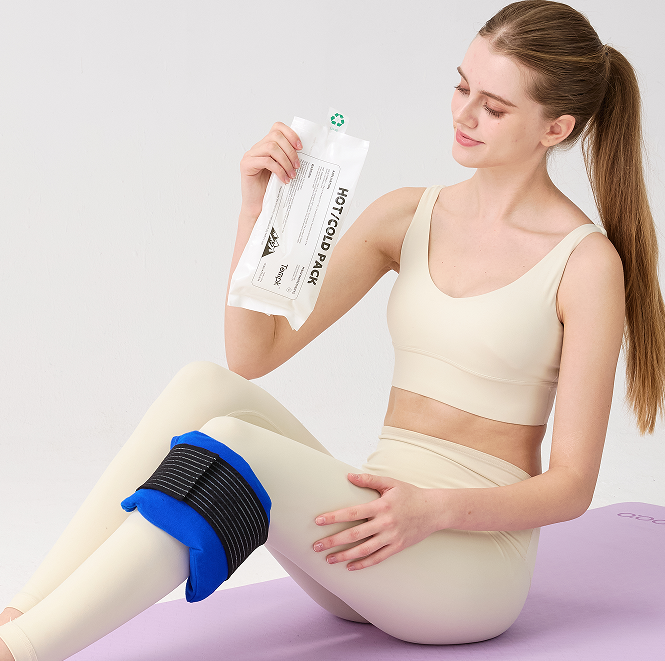
If you are sourcing from a cold gel compress China manufacturer, you are really buying repeatable quality, not just a low unit price. One weak seam can create leaks, refunds, and negative reviews at scale. A smart approach in 2026 is simple: define your performance targets, test samples like your customers will, then lock production controls before you expand. This guide gives you a practical system you can apply in one afternoon.
This guide will help you:
Choose the right cold gel compress China manufacturer for your market and claims
Build a one-page RFQ that improves quote accuracy and sample consistency
Run simple QC tests that predict returns before mass production
Compare OEM and private label options without creating new failure risks
Control price with transparent cost drivers and “no silent substitution” rules
Use 2026 trends to future-proof your supplier choice
What should you tell a cold gel compress China manufacturer first?
The fastest way to get a reliable product is to start with use-case clarity, not material names. A cold gel compress for knee recovery behaves differently than a cold gel compress for lunch bags. If your cold gel compress China manufacturer understands the scenario, they can select a gel and film that match real handling. That reduces random sampling and late changes.
Think about what your customer will do on day one. Will they freeze it overnight, then apply it to skin for 15 minutes. Will they reuse it daily for two months. Will it ship in hot weather and sit in a delivery van. These details matter more than “blue gel pack” descriptions.
Use-case decision tool (interactive)
Answer these five questions and keep the results for your RFQ:
Where will it be used most: sports, rehab clinic, first-aid kit, home care, or cold-chain accessory
How will it be cooled: freezer (-18°C), fridge, ice water, or mixed
How will it touch the body: direct skin contact, cloth barrier recommended, or inside a sleeve
How many reuses you expect: under 50, around 100, or 200+ cycles
Your main risk to avoid: leakage, stiffness, odor, or label/printing wear
Practical example: If your top risk is leakage, your RFQ should prioritize seal strength and drop testing.
Which product specs matter most to a cold gel compress China manufacturer?
A one-page spec sheet makes every cold gel compress China manufacturer quote and sample the same target. Without specs, two factories may assume different film thickness, gel fill volume, or packaging. That makes price comparisons misleading and slows your launch. Your goal is to remove guessing.
Start with measurable outcomes. You want flexibility after freezing, stable cooling behavior, and consistent seam integrity. Then define size, weight, and packaging level. Finally, list your compliance and documentation needs so the supplier prepares correctly.
One-page RFQ template (copy and fill)
Application: sports recovery / post-op rehab / first aid / cold-chain accessory
Size and net gel weight: ___ mm × ___ mm; ___ g
Cooling method: freezer / fridge / ice water
Flexibility after freezing: soft / medium / firm
Leak requirement: no visible seepage after squeeze + drop testing
Packaging: bulk / retail-ready / kit-ready
Branding: logo printing, insert card, barcode, language set
Documentation needs: safety file set, batch coding, traceability expectations
Pilot plan: initial quantity + reorder forecast for 3–6 months
| RFQ item | Option A | Option B | What it means for you |
|---|---|---|---|
| Flexibility target | Medium | Soft | Comfort vs cooling intensity feel |
| Edge style | Straight | Rounded | Comfort and seam stress balance |
| Packaging level | Bulk carton | Retail-ready | Speed to market vs packaging cost |
Practical tips that reduce sampling rounds
Ask the cold gel compress China manufacturer to label samples with gel code and film code.
Request two samples per option to check repeatability, not a lucky unit.
Define pass/fail rules before you discuss volume discounts.
How does a cold gel compress China manufacturer control gel performance?
Gel performance is the “engine” of a cold gel compress, and it must stay stable across batches. If the gel freezes too hard, customers complain about discomfort and poor fit. If it warms too quickly, customers say it “does nothing.” A strong cold gel compress China manufacturer uses standardized formulas and fill-weight control to keep performance consistent.
You do not need advanced chemistry to evaluate gel behavior. You need simple tests that match real use. Freeze it, bend it, apply it safely through a barrier, and check how evenly it cools. Then repeat after several cycles to see if it changes.
Gel behavior at freezer temperatures (what you should check)
| Performance factor | What “good” looks like | Simple test you can do | What it means for you |
|---|---|---|---|
| Flexibility | Still pliable at -18°C | Bend test after 12h freeze | Better comfort and fit |
| Cooling stability | Even cooling, not “ice spikes” | 10-minute comfort check | Fewer complaints |
| Odor | Low to none after storage | Seal in bag for 24h | Better reviews |
| Reuse durability | Minimal change after cycles | Freeze–thaw ×5 then retest | Lower replacement cost |
Practical tips for different markets
Rehab and clinic use: prioritize pliability and stable performance across many cycles.
Retail and e-commerce: prioritize odor control and leak resistance to reduce returns.
Kids or sensitive users: require softer feel after freezing and clearer instructions.
Real-world scenario: If your pack is stiff and awkward, users stop reordering even if it “works.”
Which materials should a cold gel compress China manufacturer use for skin contact?
Outer film choice affects comfort, durability, and chemical compliance expectations. Many buyers request clearer material control when the product touches skin for repeated use. A reliable cold gel compress China manufacturer can explain what film is used, how it behaves in cold conditions, and how changes are controlled.
You do not need to demand one film type for every market. You need a film that stays flexible in cold, resists punctures, and matches your channel expectations. If you plan multiple regions, treat film as a controlled component with change notices.
Film options comparison (buyer-friendly)
| Film option | Typical feel | Typical strength | Typical risk | Best for you when… |
|---|---|---|---|---|
| Standard flexible film | Smooth | Moderate | Variation across suppliers | You need strong value pricing |
| Premium flexible film | Softer | Higher | Higher unit cost | You need better comfort and durability |
| Sleeve + inner pouch | Comfortable | Depends on pouch | More assembly steps | You want “consumer-friendly” handling |
Practical tips to prevent “looks same, performs different”
Require a written film code and keep it consistent between sample and production.
Re-test whenever film supplier changes, even if color and thickness look similar.
Avoid ultra-thin film unless you can prove drop and squeeze resistance repeatedly.
What compliance files should you request from a cold gel compress China manufacturer?
Documents reduce your risk during customs, retailer onboarding, and platform checks. A professional cold gel compress China manufacturer can provide a consistent documentation bundle, then keep it aligned with the actual SKU you ship. Your goal is not a pile of PDFs. Your goal is correct, SKU-matched, version-controlled files.
For many programs, you will request: quality system certificates where relevant, material safety documentation, and product-level test records. If you sell into stricter channels, you may require stronger quality system controls and traceability.
Documentation bundle checklist (easy to audit)
| Document type | What you should ask for | What you should verify | What it means for you |
|---|---|---|---|
| Quality certificates | ISO 9001, ISO 13485 if needed | Factory name and validity | Higher process discipline |
| Material safety file | MSDS for gel | Matches gel formula and SKU | Smoother logistics approval |
| Test records | Seal strength, leak checks | Clear pass criteria | Lower returns and disputes |
| Label + carton rules | Batch code logic | Code appears on cartons | Faster issue tracking |
| Change notice process | Written change control | Notification before substitution | No surprise performance shifts |
Practical compliance guidance (simple and safe)
Keep your product claims consistent across inserts, cartons, and product pages.
If you position for medical channels, request stronger traceability and training records.
If you export widely, standardize invoice wording and carton markings early.
How do you test samples from a cold gel compress China manufacturer in 2026?
You can predict most bulk-order problems with a small, repeatable test plan. Your cold gel compress China manufacturer should welcome these tests because they reduce arguments later. Use the same freezer, the same time window, and the same drop height. Document results with photos and a short log.
Your tests should focus on three risks: leakage, performance stability, and user experience. These are the top drivers of refunds and negative reviews. A pass today is not enough, so repeat after freeze–thaw cycles.
The 7-test sample plan (simple and reliable)
| Test | How to run it | Pass target | What it means for you |
|---|---|---|---|
| Seam squeeze | Press seams 30 seconds | No seepage | Lower leak risk |
| Corner drop | 1 meter, corners first | No burst | Better transit survival |
| Freeze–thaw cycle | Freeze 12h, thaw 6h × 5 | No cracks | Reuse confidence |
| Flex check | Bend after freezing | Still pliable | Better comfort |
| Odor check | Sealed bag 24h | Low to none | Better reviews |
| Print rub | Damp wipe 20 strokes | Minimal smearing | Cleaner retail look |
| Pack-out shake | Shake in carton 60 seconds | No abrasion damage | Fewer shipping failures |
Bulk-order readiness self-score (interactive)
Give yourself 1 point for each “yes”:
You have a one-page RFQ with clear pass/fail rules.
Your sample labels include gel and film codes.
Two samples of the same spec behave the same after freezing.
Your seams pass squeeze and drop tests with no seepage.
Freeze–thaw cycles do not create cracks or leaks.
Packaging prevents friction damage inside cartons.
You documented results with photos and a simple log.
Score guide:
6–7: ready for a pilot bulk order with acceptance checks
4–5: run one improvement round before scaling
0–3: high risk, do not deposit yet
How do you verify a cold gel compress China manufacturer without visiting?
Remote verification works when you request evidence that is hard to fake and easy to compare. Many sourcing failures happen because buyers assume the seller is the factory. Your job is to confirm identity, capability, and traceability. A good cold gel compress China manufacturer can show production steps, QC records, and batch logic clearly.
Start with factory identity and address consistency. Then request real-time process proof, like a short live video walk-through. Finally, confirm they can trace a batch to material lots and production lines.
Remote factory verification checklist
Factory name matches invoice and packing list formats.
Live video shows gel filling, sealing, and packing steps.
A real QC record is shown (sensitive values may be masked).
Batch code logic is simple and consistent across cartons.
Change control exists for film, gel, printing, and packaging.
| Verification item | What you ask for | What you should see | What it means for you |
|---|---|---|---|
| Live line view | 5–10 minute call | Filling + sealing + packing | Confirms real capability |
| Batch code demo | Explain in one minute | Clear code structure | Faster issue resolution |
| Incoming checks | One example record | Material lot tracking | Stable materials |
Practical tips that protect you
Ask for today’s date written on paper during the live video.
Request carton photos that show SKU and batch code clearly.
Keep a scorecard so you choose based on evidence, not sales pressure.
What OEM options can a cold gel compress China manufacturer customize safely?
OEM is valuable when it improves comfort, clarity, and brand differentiation without adding failure points. A capable cold gel compress China manufacturer can adjust size, shape, printing, and packaging. The safest strategy is to keep the pouch structure stable, then customize what customers see and feel.
High-risk customization usually involves ultra-thin film, complex seams, or aggressive contours. Low-risk customization usually involves packaging, label design, and ergonomic sizing. Start with low-risk moves, then expand once performance is stable.
OEM choices that usually increase sales (and reduce complaints)
| OEM element | Low-risk choice | Higher-risk choice | What it means for you |
|---|---|---|---|
| Shape | Standard rectangle | Complex contour | Comfort vs leak risk |
| Film feel | Medium thickness | Ultra-thin | Durability vs cost |
| Printing | Simple logo | Full wrap print | Setup time and rub risk |
| Packaging | Bag + insert card | Multi-piece retail box | Complexity and damage risk |
| Instructions | Icons + short steps | Dense text | Misuse and returns |
Practical packaging and instruction tips
Put “how to use safely” on the front panel in four steps.
Use icons so users understand quickly, even if they skim text.
Maintain artwork version control so production never prints an old insert.
Practical example: Clear instructions can reduce misuse-driven refunds without changing the product itself.
How do you control pricing with a cold gel compress China manufacturer?
Price is only meaningful when the same materials and process stay locked from sample to production. The classic failure is “great sample, different mass production.” Your cold gel compress China manufacturer should agree to “no silent substitution” for film, gel, and sealing process. This is your biggest protection.
To compare quotes fairly, normalize specs and trade terms. Ask what is included: packaging, printing setup, QC level, and lead time. Then convert everything into a single “landed readiness” view, not a single unit price.
Cost driver map (helps you negotiate intelligently)
| Cost element | What drives it | What you can control | What it means for you |
|---|---|---|---|
| Gel materials | formula, fill weight | standardize weights | stable performance |
| Film and sealing | thickness, seam style | avoid ultra-thin film | fewer leaks |
| Labor and QC | inspection depth | define acceptance rules | fewer disputes |
| Packaging | retail complexity | start simple, scale later | faster launch |
Contract clauses that prevent surprises
Golden sample rule: approved sample is the production reference.
Material code lock: film and gel codes must match the sample codes.
Change notice: written approval required before critical substitutions.
Acceptance standard: define leak tolerance and inspection method clearly.
Nonconforming handling: define rework, scrap, and replacement rules.
Simple alternative to jargon: If you do not want sampling terminology, write “zero leakage allowed in inspection samples.”
2026 trends: how should a cold gel compress China manufacturer evolve?
In 2026, buyers expect more than low cost. They expect faster pilot cycles, clearer traceability, and more stable material controls. Many factories are upgrading automation for fill-weight consistency and seal monitoring. That reduces variability, which is the hidden cost behind returns and reshipments.
Sustainability pressure is also increasing across packaging and adjacent cooling products. Buyers ask for simpler packaging, fewer mixed materials, and clearer material declarations. A future-ready cold gel compress China manufacturer treats this as a process improvement program, not a marketing slogan.
2026 trend snapshot you can act on
Automation upgrades: tighter fill and seal consistency for stable performance
Traceability upgrades: clearer batch coding and basic digital production records
OEM speed: faster sampling and packaging mockups for shorter launch cycles
Material discipline: stronger controls and change notice expectations
Frequently Asked Questions
Q1: How do you know a cold gel compress China manufacturer is reliable? Look for consistent sample performance, clear documentation, and repeatable QC evidence. A reliable factory can explain batch coding and change control clearly.
Q2: What is a reasonable pilot order size in 2026? Many buyers start with a small pilot that matches a realistic first-month sales forecast. Your goal is learning and stability, not maximum volume.
Q3: How do you reduce leakage in a reusable cold gel compress bulk order? Use a golden sample, lock film and gel codes, and run seam squeeze plus corner drop tests. Scale only after repeatable results.
Q4: Should you prioritize “soft after freezing” or “stays cold longer”? Choose based on use-case. Rehab users often prefer comfort and fit, while some cold-chain accessory uses prioritize cooling duration.
Q5: What should you do if the factory changes materials after sampling? Treat it as a reset. Re-test the updated material set using the same seven-test plan before approving mass production.
Summary and recommendations
A cold gel compress China manufacturer should give you consistent gel behavior, strong sealing, and documentation that matches the shipped SKU. Start with a one-page RFQ that defines performance and packaging clearly. Test samples with a repeatable seven-test plan, then verify the factory with evidence-based checks. Finally, lock your golden sample and material codes so production stays consistent.
Next step (clear CTA)
Shortlist two candidates for cold gel compress China manufacturer.
Send the same RFQ and pass/fail rules to both suppliers.
Run the seven-test plan and score results with photos and notes.
Place a pilot order only after repeatable passes across two samples.
About Tempk
At Tempk, we support temperature-control programs across cold-chain use cases and reusable cooling products. We focus on practical specification design, repeatable QC planning, and OEM support that helps you scale with fewer returns. We work with you to define a clear test plan, lock a golden sample, and keep production stable over time.
What should a refrigerant gel package beverage manufacturer guarantee?
Core answer: A strong refrigerant gel package beverage manufacturer should guarantee repeatability—consistent fill weight, consistent seals, and consistent performance at scale. You are not paying for “cold today.” You are paying for the same cooling behavior on every pallet, all year. Your biggest wins usually come from fewer leaks and fewer exceptions, not extra minutes of cold.
Expanded explanation: Think of your gel pack like a “cold battery.” If the battery changes every time you reorder, your operations become chaotic. A manufacturer should control three failure drivers: fill variation, seal weakness, and pack-out fit. Your draft emphasis on stable fill behavior, reinforced corners, and traceability is exactly what reduces surprises at volume.
What repeatability looks like in the real world
| Manufacturer Promise | What they control | What you see in delivery | Practical value to you |
|---|---|---|---|
| Cooling stability | gel mass + consistency | beverages arrive cold | fewer refunds and reships |
| Leak resistance | film + seal design | fewer soggy cartons | fewer complaints and disputes |
| Pack-out fit | size + shape tolerance | faster packing | lower labor and fewer mispacks |
| Traceability | lot records + change control | faster root-cause fixes | less downtime during issues |
Practical tips and recommendations
If you ship glass bottles: ask for puncture resistance and corner reinforcement on the pack film.
If you ship mixed kits: standardize pack sizes to reduce packing mistakes.
If you scale fast: require a written change-control rule before your second order.
Practical case (typical outcome): Beverage programs often cut “mystery leaks” when the supplier records seal checks per production lot and stops silent material changes.
How do you score a refrigerant gel package beverage manufacturer in 15 minutes?
Core answer: You can screen any refrigerant gel package beverage manufacturer by scoring evidence in three buckets: durability, pack-out realism, and quality discipline. This prevents you from choosing based on nice samples or sales claims. A scorecard also makes your decision easier to defend internally.
Expanded explanation: When beverage delivery fails, it usually fails in predictable ways: leaks, wet-box collapse, or warm arrival. A fast scorecard forces a supplier to show proof of control points and testing habits. Your draft already uses a simple “Yes/Partial/No” structure—keep it, but tighten the questions so each one protects money.
Decision tool: Supplier fit scorecard (interactive)
Score each item: Yes = 2, Partial = 1, No = 0.
The refrigerant gel package beverage manufacturer provides a spec sheet with tolerances.
The refrigerant gel package beverage manufacturer shows leak screening evidence by lot.
The refrigerant gel package beverage manufacturer records seal checks during production.
The refrigerant gel package beverage manufacturer supports a pilot batch before scaling.
The refrigerant gel package beverage manufacturer reviews your box size and pack-out layout.
The refrigerant gel package beverage manufacturer offers corner reinforcement options.
The refrigerant gel package beverage manufacturer has written change-control rules.
The refrigerant gel package beverage manufacturer can retrieve records quickly.
| Score Range | Risk Level | What you do next | What it protects |
|---|---|---|---|
| 13–16 | Low | sample → pilot → scale | stable refund rate |
| 9–12 | Medium | pilot + tighter acceptance | brand reputation |
| 0–8 | High | avoid scaling | cash flow and time |
Practical tips and recommendations
Ask for proof first, price second: it saves weeks later.
Request one failure story: “What failed last month, and what changed?”
Treat vague answers as risk signals: silence often equals weak controls.
Practical case (common): Teams reduce exceptions after switching to suppliers that enforce change control and document seal checks.
Which food-safe materials should your refrigerant gel package beverage manufacturer use?
Core answer: Your refrigerant gel package beverage manufacturer should use materials that stay clean, resist odor, and remain strong in wet conditions. Beverage buyers judge shipments by smell and appearance in seconds. If a carton feels wet or smells “chemical,” trust drops immediately.
Expanded explanation: You do not need a chemistry lecture to buy safely. You need clear answers about film type, odor control, and manufacturing hygiene. For food-contact materials in the EU, the framework rule is Regulation (EC) No 1935/2004, with specific measures for plastics under Regulation (EU) No 10/2011. Good manufacturing practice is addressed under Regulation (EC) No 2023/2006. Even when gel packs are “indirect,” leaks can create contact concerns, so documentation matters.
Material choices that change outcomes
| Component | Basic option | Better option | Practical meaning for you |
|---|---|---|---|
| Gel behavior | simple gel | stable, repeatable gel | more predictable cold hold |
| Outer film | single-layer | multi-layer barrier film | fewer punctures and pinholes |
| Seal design | standard edge | reinforced corners/edges | fewer leaks in rough handling |
| Odor control | not checked | lot-based odor checks | fewer “smell” complaints |
Compliance evidence to request (plain-English version)
EU programs: statement aligned to 1935/2004 + plastics approach under 10/2011 (if relevant) + GMP controls aligned to 2023/2006.
Multi-market programs: ask for a short summary page that explains what materials are used and how changes are controlled.
Practical tips and recommendations
Premium beverages: require odor checks before scaling.
Wet environments: prioritize film durability over “extra cold” at minute one.
Reuse programs: request freeze–thaw durability checks as a baseline.
Practical case (typical): Programs often see fewer complaints after adding odor checks and upgrading to tougher barrier film.
How do you design leak-resistant pack-outs with a refrigerant gel package beverage manufacturer?
Core answer: The best refrigerant gel package beverage manufacturer helps you design a system: gel packs + insulation + placement + moisture control. Leaks and condensation are different problems, but customers feel both as “a wet mess.” Your goal is to protect cardboard strength, prevent rubbing punctures, and keep cooling coverage even.
Expanded explanation: Condensation is not a surprise. Cold packs meet humid air, and corrugate absorbs moisture. That is why your pack-out needs structure, not hope. Your draft’s “three-layer” idea—barrier, spacing, structure—is a simple model you can train in one shift.
Wet-box prevention model (easy to remember)
Barrier layer: keeps moisture away from cardboard.
Spacing layer: prevents rubbing punctures and bottle contact.
Structure layer: keeps the box strong under compression.
| Risk | Why it happens | Fast fix | What to ask the manufacturer |
|---|---|---|---|
| Wet cardboard | condensation soak | add barrier liner | “Which liner works for my route?” |
| Puncture leaks | rubbing on edges | add dividers/spacers | “What divider layout fits my box?” |
| Crushed corners | stacking pressure | reinforce seals/corners | “Do you offer corner reinforcement?” |
| Uneven cooling | poor placement | standardize layout | “Can you review my pack-out photo?” |
Practical tips and recommendations
Use a pack-out photo standard: one photo per box size reduces mispacks fast.
Avoid one-sided coolant placement: it creates hot spots and uneven chilling.
Keep gel packs off labels: condensation ruins barcodes and presentation.
Practical case (typical): Beverage programs often reduce damage reports after standardizing placement and adding simple dividers.
Which tests should a refrigerant gel package beverage manufacturer support for parcel beverage shipping?
Core answer: Your refrigerant gel package beverage manufacturer should support “as-packed carton” testing, not just single-pack bench checks. The most useful tests catch leaks, weak seals, and pack-out collapse under distribution hazards. ASTM D4169 describes a structured approach to evaluate shipping units using test methods at levels representing real distribution. For parcel delivery, ISTA describes Procedure 3A as a test for individual packaged products shipped through a parcel system.
Expanded explanation: If you only test gel packs alone, you miss real failure modes. Most beverage failures happen after the carton is packed, stacked, dropped, and vibrated. Your acceptance rules should be simple pass/fail statements, tied to your refund risks. Your draft already emphasizes carton-level drop and compression checks—keep that as a standard gate.
Practical test set (carton-level)
| Test | What it catches | Simple “pass” rule | Why it matters |
|---|---|---|---|
| Leak screening | pinholes, weak seals | no visible leaks | prevents wet-carton refunds |
| Seal strength | corner/edge failure | stable seal integrity | reduces in-transit failures |
| Fill-weight checks | gel mass drift | within tolerance | stabilizes cold duration |
| Drop + vibration | handling shocks | no rupture in packed carton | matches parcel reality |
| Compression | stacking pressure | no seal failure under load | protects van and pallet loads |
Acceptance criteria you can put in a PO (copy-ready)
Leak: No leaks after carton-level drop/compression sequence.
Weight: Net gel pack weight within your tolerance window.
Seal: No corner splitting, edge opening, or seepage under compression.
Pack-out: Layout matches the approved photo standard.
Practical tips and recommendations
Test the finished shipment: packed cartons reveal the truth fastest.
Retest after any change: film, seal settings, or size changes require revalidation.
Keep tests simple: pass/fail rules beat complicated lab language.
Practical case (typical): Brands cut leak claims after adding compression checks that reflect stacked courier van loads.
How do you write OEM specs to prevent spec drift with a refrigerant gel package beverage manufacturer?
Core answer: OEM works when you replace vague goals with measurable specs. A refrigerant gel package beverage manufacturer can customize size, shape, and gel mass, but customization increases variability. Your job is to lock a one-page spec, approve a golden sample, and require written approval for any changes.
Expanded explanation: “Spec drift” is the quiet killer of beverage programs. Small material changes can show up as new leaks, new odors, or shorter cold duration. Your draft’s “golden sample → pilot batch → lock spec” sequence is the simplest way to keep performance stable.
One-page OEM spec template (copy-ready)
| Spec element | Your target | How you verify | Why it matters |
|---|---|---|---|
| Dimensions | ___ | measure samples | pack-out fit |
| Net weight | ___ ± ___ | lot weight checks | cooling repeatability |
| Film type | ___ | material confirmation | puncture resistance |
| Seal design | standard / reinforced | seal check | leak prevention |
| Odor control | pass criteria | lot checks | customer trust |
| Lot code | format + placement | label audit | traceability |
| Packaging | photo + count | pack audit | fewer mispacks |
Safe OEM process (repeatable steps)
Approve a golden sample with photos and measurements.
Run a pilot batch using your real box and payload weight.
Test packed cartons for leaks, drops, and compression.
Lock the spec and require written approval for changes.
Scale with lot-based checks and monthly trend reviews.
Practical tips and recommendations
Start simple: one pack size across multiple SKUs reduces MOQ pressure.
Define revalidation triggers: box size, seal design, film change, or layout change.
Ask for a monthly defect trend summary: it keeps quality visible.
Practical case (typical): Beverage programs avoid seasonal surprises by freezing the spec and revalidating only after box changes.
How do you compare total cost and reduce refunds with a refrigerant gel package beverage manufacturer?
Core answer: Compare total loss prevention, not unit price. A cheaper gel pack that triggers refunds is not cheaper. If you ship 10,000 boxes per month, a 1% avoidable failure becomes 100 incidents. That is a lot of support time and reships.
Expanded explanation: Refund reduction is mostly about repeatability, not extreme coldness. Your draft’s playbook—standardize layout, run a pilot, track complaints by category, and change one thing at a time—is the fastest way to lower refund rates without chaos.
Refund ROI calculator (interactive)
Fill in the blanks:
Monthly shipments: ___
Incident rate tied to warm/wet/damage: ___%
Cost per incident (refund + reship + labor): ___
Added cost per shipment for better packaging: ___
Rule of thumb: If (shipments × incident rate × incident cost) is bigger than (shipments × added cost), the safer option usually wins.
Complaint-to-fix map (use this weekly)
| Complaint type | Likely root cause | Fastest fix | What to ask the manufacturer |
|---|---|---|---|
| Warm arrival | too little thermal mass | adjust mass or placement | “Sizing guidance for my lane?” |
| Wet carton | micro-leaks + condensation | reinforced corners + barrier | “Leak control + liner option?” |
| Bottle damage | friction + impact | dividers + stronger film | “Puncture proof plan?” |
Practical tips and recommendations
Separate complaint types: warm vs wet vs damaged needs different fixes.
Change one variable at a time: otherwise you will not learn what worked.
Standardize first, optimize second: stability reduces costs faster than fine-tuning.
Practical case (typical): Programs reduce refunds after splitting “warm” complaints from “damage” complaints, then fixing each directly.
2026 trends reshaping refrigerant gel packaging for beverages
Trend overview: In 2026, beverage shipping faces tighter sustainability pressure and higher delivery expectations. The EU’s Packaging and Packaging Waste Regulation (PPWR) entered into force on 11 February 2025 and has a general application date 18 months later, which points to 12 August 2026 for broad applicability. In the U.S., packaging EPR laws expanded quickly, with legal summaries noting seven states having comprehensive packaging EPR laws as of October 1, 2025.
Latest developments you should track in 2026
Right-sized coolant designs: less waste, lower freight, fewer wet boxes.
More durability upgrades: reinforced corners become standard in rough routes.
More traceability: faster lot tracking shortens corrective action cycles.
More reuse readiness: freeze–thaw durability becomes a baseline request.
Market insight: The winners in 2026 treat gel packs as part of a controlled system. They standardize pack-outs, validate changes, and prevent spec drift.
Frequently Asked Questions
Q1: What is the biggest mistake when choosing a refrigerant gel package beverage manufacturer?
Choosing on unit price alone. Wet boxes and warm arrivals cost more than small savings.
Q2: Do I need different gel packs for summer and winter?
Not always. Many programs keep one pack and tune conditioning or layout instead.
Q3: What is the fastest way to reduce leaks?
Start with reinforced corners, seal checks, and dividers that prevent rubbing punctures.
Q4: Should I test gel packs alone or the full packed carton?
Test the packed carton. Most failures happen after packing, stacking, and handling.
Q5: What documents should I request before a first bulk order?
A tolerance spec sheet, leak test evidence, pilot plan, and written change-control rule.
Q6: Why do boxes arrive wet even without obvious leaks?
Condensation can soak cardboard. Use barrier liners and moisture-aware pack-outs.
Summary and recommendations
A refrigerant gel package beverage manufacturer should protect your program with repeatable cooling, strong seals, and disciplined change control. Build a pack-out system that prevents wet boxes with barrier, spacing, and structure layers. Validate performance using carton-level testing that reflects real distribution hazards, then lock OEM specs to stop drift.
Next step (CTA): Shortlist two suppliers, run a pilot using your real box and payload, and scale only after results stay repeatable.
Refrigerant Gel Pack Pharmaceutical Manufacturer?
Last Updated: January 19, 2026
If you are choosing a refrigerant gel pack pharmaceutical manufacturer, you are protecting product integrity, audit confidence, and patient trust. In 2026, teams expect tighter documentation, fewer temperature-excursion investigations, and fewer leakage events that force quarantine. The right refrigerant gel pack pharmaceutical manufacturer helps you qualify faster, ship with fewer surprises, and scale without “silent changes.”
This article will help you:
- Qualify a refrigerant gel pack pharmaceutical manufacturer using repeatable proof, not sales language
- Build a document set that supports audits, deviations, and supplier reviews
- Choose validation tests that lower excursion risk in real lanes
- Reduce leakage events with packaging and seal decisions that match transit stress
- Run OEM safely with a refrigerant gel pack pharmaceutical manufacturer and avoid spec drift
Why does your refrigerant gel pack pharmaceutical manufacturer choice decide excursion risk?
Your refrigerant gel pack pharmaceutical manufacturer choice decides how repeatable your cold chain really is—because gel packs are a controlled component inside a system. When performance drifts, you do not just get “warmer boxes.” You get deviation reports, investigation time, and rework. A refrigerant gel pack pharmaceutical manufacturer reduces this risk by controlling formulation consistency, sealing discipline, and traceable records.
You can think of pharma gel packs in three simple layers. Each layer solves one type of headache. When all three are stable, your program becomes easier to operate.
Thermal engine, safety shell, defense file
A refrigerant gel pack pharmaceutical manufacturer should help you stabilize these three layers:
| Layer | What it is | What can go wrong | What it means for you |
|---|---|---|---|
| Thermal engine | Gel behavior over time | uneven hold time | lane variability |
| Safety shell | Film + seal strength | leaks and punctures | quarantine + rework |
| Defense file | Records + traceability | slow investigations | longer deviations |
Practical tips and recommendations
- If you ship high value: require fast record retrieval within 24–48 hours.
- If you ship direct-to-patient: treat packaging as parcel-ready, not pallet-only.
- If you run clinical trials: lock conditioning and pack-out photos as build standards.
What should a refrigerant gel pack pharmaceutical manufacturer prove first?
Before you scale, a refrigerant gel pack pharmaceutical manufacturer should prove three things: consistent thermal performance, durable seals, and traceable documentation. You do not need long presentations. You need evidence you can store and reuse in supplier files.
You should also demand clarity on what the manufacturer will not change without approval. “Silent changes” are one of the fastest ways to create lane failures. A strong refrigerant gel pack pharmaceutical manufacturer treats change control like a real discipline.
Proof-first checklist you can reuse
| Proof area | What to request | What good looks like | Red flag |
|---|---|---|---|
| Change control | change log sample | documented and approved | “We change as needed” |
| Traceability | lot code logic | materials link to lots | no lot linkage |
| Validation | test plan sample | clear criteria and outcomes | only “passed” claims |
Which documents should a refrigerant gel pack pharmaceutical manufacturer provide?
A refrigerant gel pack pharmaceutical manufacturer should provide a small, controlled document set that supports audits, deviations, and supplier qualification. You do not need a mountain of files. You need the right files, in consistent format, with revision control.
In 2026, “audit-ready” means documents are dated, traceable, and easy to reproduce quickly. A refrigerant gel pack pharmaceutical manufacturer that can respond in 24–48 hours saves your QA team real time.
The audit-ready starter pack (buyer-friendly)
| Document | What it proves | When it saves you | Your ask (simple) |
|---|---|---|---|
| Spec sheet | measurable expectations | disputes | “Include tolerances” |
| Batch record sample | traceability | deviations | “Redacted is fine” |
| QC plan | checks and sampling | audits | “Show defect categories” |
| Change control summary | prevents silent drift | long contracts | “Approval flow required” |
| Complaint workflow | how issues are logged | corrective action | “Response time target” |
How do you audit a refrigerant gel pack pharmaceutical manufacturer without traveling?
You can audit a refrigerant gel pack pharmaceutical manufacturer remotely by checking process proof, not factory size. Remote audits work when you request the right evidence in the right order. Start with live walkthrough of filling and sealing. Then confirm records and defect handling. Finally, verify packaging and labeling control.
Remote audit steps (10-minute live walk)
| Step | What you ask to see | What good looks like | What it protects |
|---|---|---|---|
| Filling station | metering + weights | measured, recorded checks | thermal consistency |
| Sealing station | settings + inspection | settings logged, checks shown | leak prevention |
| Defect handling | reject bins + logs | clear separation, documented | quality control |
| Packaging area | labeling + lot coding | controlled and traceable | traceability |
Summary and recommendations
A refrigerant gel pack pharmaceutical manufacturer should protect your program with repeatable thermal output, strong seals, and traceable records. The best approach in 2026 is proof-based qualification, gated OEM development, and lane-matched validation. Use the document starter pack, lock measurable specs, and require change control to prevent drift.
Next step (CTA): Shortlist two manufacturers, request the audit-ready starter pack, run a pilot batch in your final pack-out, and scale only after repeatable results.
How to Choose a Gel Ice Insert Grocery Manufacturer?

Last updated: January 19, 2026
Choosing a gel ice insert grocery manufacturer is not just buying “cold packs.” You’re trying to keep groceries cold, keep cartons dry, and keep costs predictable—at the same time.
Many food-safety materials describe a temperature “danger zone” (often cited around 41°F–135°F, with some guidance using 40°F–140°F).
Your goal is stable, repeatable cold performance that survives delays, stacking, and rough handling.
This article will help you:
- Compare any gel ice insert grocery manufacturer using a proof-based scorecard (not marketing)
- Choose custom gel ice insert sizes that reduce warm corners and packing errors
- Build a leak-proof gel ice insert system using a simple “Dry Carton” method
- Validate grocery pack-outs using carton-level testing (ISTA 3A + ASTM D4169 thinking)
- Write OEM specs that prevent “spec drift” after you scale
- Understand 2026 trends: documentation pressure, right-sizing, and traceability
What does a gel ice insert grocery manufacturer deliver?
Direct answer: A gel ice insert grocery manufacturer should deliver inserts that behave the same on every reorder—consistent fill weight, consistent sealing, consistent freezing behavior, and consistent dimensions—so your pack-out stays repeatable at scale.
You are buying predictability as much as you are buying cold.
Expanded explanation: Think of your insulated box as a raincoat and the gel insert as an umbrella. The raincoat slows heat, but the umbrella does the work of absorbing heat. If inserts vary batch to batch, your “cold time” becomes random. If seals are weak, one puncture can turn into a soggy carton and a refund.
Which gel ice insert formats should your grocery manufacturer offer?
A strong gel ice insert grocery manufacturer typically supports multiple formats because grocery boxes and payloads vary.
| Insert format | Best grocery use | Strength | Watch-out | Practical meaning for you |
|---|---|---|---|---|
| Flat gel ice insert | meal kits, multi-item grocery | easy to stack | can create cold “walls” | fast packing, needs placement discipline |
| Bottle/brick insert | dairy, beverages, dense packs | stable position | less flexible layout | consistent cooling around heavy items |
| Liner-style insert | fresh food bundles | large surface contact | moisture management needed | reduces hot spots if designed well |
Practical tips and recommendations
If you ship mixed groceries: start with flat inserts and a fixed placement map to reduce packing mistakes.
If you ship heavy dairy: brick inserts often stay put and cool predictably.
If you ship high-humidity lanes: prioritize moisture control planning early.
Practical case: Many programs reduce “wet box” refunds when they treat inserts as a controlled system—design, placement, conditioning, and QC—rather than buying “more ice.”
How cold should your grocery shipments be in real life?
Direct answer: Your “cold enough” target depends on grocery category, but the practical rule is to minimize time in unsafe temperature ranges during real delivery conditions.
A reliable gel ice insert grocery manufacturer helps you design for your worst realistic day, not your average day.
Expanded explanation: Grocery delivery is not a lab. It includes loading docks, warm vans, porch waits, and route changes.
If you build for average conditions, your failure rate spikes on hot or delayed days. If you overcool, you can freeze sensitive items (leafy greens, certain dairy textures, fresh prepared foods).
Lane Profile Builder (interactive tool)
Fill this out once. Share it with every gel ice insert grocery manufacturer before you compare quotes.
- Delivery promise: same-day / 24h / 48h / 72h+
- Worst exposure: hot truck time, porch time, weekend delay risk
- Box sizes: internal dimensions + typical payload weight
- Freeze sensitivity: none / some / many items
- Failure history: warm, wet, crushed, mislabeled
| Lane factor | Low risk | Medium risk | High risk | What it changes for you |
|---|---|---|---|---|
| Transit time | same-day | 24–48h | 48h+ | longer hold time planning |
| Summer exposure | mild | mixed | hot | right-sizing matters more |
| Freeze sensitivity | none | some | many | avoid cold walls and direct contact |
Practical tips and recommendations
If you ship to apartments: plan for delayed pickup and hallway heat.
If one corner runs warm: adjust placement first, not insert chemistry.
If cartons feel soft: add a moisture barrier before adding more inserts.
Practical case: One retailer reduced wet-box incidents by standardizing a barrier liner and tighter seal checks, not by adding extra coolant.
Gel ice inserts vs PCM: what should your manufacturer recommend?
Direct answer: A gel ice insert grocery manufacturer should recommend standard gel or PCM-style inserts based on freeze risk and temperature stability. Standard gel is cost-effective but can over-freeze sensitive foods if placed incorrectly. PCM-style inserts can support a tighter “refrigerated” behavior when you must avoid freezing.
Expanded explanation: You don’t need to become a thermal engineer. You need a supplier who explains options like you’re training a new warehouse teammate.
The best recommendation is lane-based: how many inserts, where to place them, and how to condition them so results are repeatable.
Freeze-Risk Self-Test (quick decision tool)
Answer these in under a minute:
- Do any items get damaged by freezing? (yes/no)
- Is your delivery promise 24h / 48h / 72h+?
- Is summer exposure low / medium / high?
- Is the box small / medium / large?
- Do you allow returns or reuse? (yes/no)
If you answered “yes” to freezing risk, your text recommends asking about a controlled-melt option (often described as a PCM approach).
| Option | When it fits grocery | What you gain | What you trade off | Practical meaning |
|---|---|---|---|---|
| Standard gel ice insert | most chilled grocery kits | simple, low cost | freeze risk if misused | needs placement discipline |
| PCM-style insert | freeze-sensitive items | stable temperature band | higher cost | fewer “frozen salad” complaints |
Practical tips and recommendations
If you ship produce-heavy boxes: prioritize spacing so inserts don’t touch sensitive items.
If you ship high-value kits: consider stability first, then optimize unit cost later.
How do you prevent wet boxes with your gel ice insert grocery manufacturer?
Direct answer: Prevent wet boxes by demanding measurable leak resistance and building a moisture-aware pack-out. Customers don’t separate condensation from leaks—they see a wet box and blame you.
The fix is a system: stronger films, better seals, and carton-level handling tests.
Expanded explanation: Wet corrugate loses strength and corners collapse faster. The insert itself matters, but pack-out matters more: barrier, spacing, and structure.
A dependable gel ice insert grocery manufacturer will discuss seal checks, failure rates, and traceability—because silent changes can create sudden spikes.
The “Dry Carton” model (trainable in one shift)
- Barrier: keep moisture off corrugate
- Spacing: prevent rubbing punctures and direct contact
- Structure: keep corners strong under compression
| Wet-box trigger | What causes it | Fast fix | What to request from the manufacturer |
|---|---|---|---|
| Micro leaks | weak seals / pinholes | stronger film + seal checks | lot-based leak screening |
| Punctures | rubbing on corners | dividers or sleeves | corner reinforcement option |
| Carton softening | condensation soak | barrier liner | moisture barrier recommendation |
| Collapsed corners | stacking loads | stronger structure | compression-aware packaging |
Practical tips and recommendations
Heavy items (milk, drinks): prioritize puncture resistance and corner reinforcement.
High humidity: add a moisture barrier layer before you add “more ice.”
Random failures: ask for lot traceability and change control.
Practical case: Many grocery shippers reduce wet-box refunds more by improving seal quality and adding a barrier liner than by adding extra coolant.
Which tests should a gel ice insert grocery manufacturer support?
Direct answer: A qualified gel ice insert grocery manufacturer should support carton-level testing that mirrors real distribution hazards. ASTM D4169 is a structured practice for evaluating shipping units at levels representative of actual distribution, and ISTA 3A is a common parcel-system approach (150 lb / 70 kg or less).
Expanded explanation: Testing inserts alone is not enough. Failures often happen after packing—when cartons are stacked, dropped, vibrated, and compressed.
The best tests are simple pass/fail gates tied to your real risks: leaks, corner collapse, and performance drift.
Minimum carton-level test set (pilot-friendly)
| Test | What it catches | Simple pass rule | Why it matters |
|---|---|---|---|
| Leak screening | pinholes, weak seals | no visible leaks | prevents soggy cartons |
| Drop + vibration | handling shocks | no rupture in packed carton | matches parcel reality |
| Compression | stacked loads | no seal failure under load | prevents corner collapse |
| Weight tolerance checks | fill drift | within tolerance window | stabilizes cold hold |
| Pack-out audit | human variance | matches approved photo | reduces mispacks |
Practical tips and recommendations
Test the packed carton, not the insert alone.
Retest after any change: film, gel formula, insert size, or box size.
Keep acceptance rules simple: pass/fail beats confusing lab language.
Practical case: Grocery programs often cut incident rates after adding a compression step that reflects stacked van loads, not just drop tests.
How to right-size inserts with a gel ice insert grocery manufacturer?
Direct answer: Right-sizing with a gel ice insert grocery manufacturer means designing for coverage and consistency, not just “more gel.” Sizing based on box geometry and surface coverage is recommended, because smaller inserts can reduce hot corners while oversized inserts can create cold walls and freeze-sensitive damage.
Expanded explanation: Think of heat like sunlight. If you shade only one spot, the rest still heats up. Inserts should “shade” the payload from multiple directions.
Standardizing by box size also reduces packing mistakes and makes performance repeatable across shifts.
Placement rules that reduce grocery failures
- Avoid “all inserts on top.”
- Avoid direct contact with freeze-sensitive produce; use a spacer or divider.
- Surround the payload when possible; side placement reduces hot spots.
- Use a pack-out photo standard: one photo per box size, posted at the line.
| Box type | Insert strategy | Risk if done wrong | Practical benefit |
|---|---|---|---|
| Small grocery box | 2 side inserts | warm bottom corner | fewer warm claims |
| Medium mixed kit | 2 sides + 1 top | cold wall effect | stable temperature |
| Large box | distributed inserts | uneven corners | consistent results |
Practical tips and recommendations
Use more smaller inserts in high-risk lanes; it reduces corner hotspots.
Keep inserts off labels; condensation can ruin scanning and returns.
Standardize by box size; fewer layouts means fewer packing mistakes.
Practical case: Teams often cut warm-corner complaints after switching to distributed inserts rather than a single large insert.
How to qualify a gel ice insert grocery manufacturer in 30 minutes?
Direct answer: Qualify a gel ice insert grocery manufacturer with proof-based questions that force clarity: tolerances, QC sampling, change control, and pilot support. If answers are vague, risk is high. If answers include measurable limits and records, risk drops.
Expanded explanation: Samples can mislead because they are made under “best attention.” Your real risk starts at scale, when new film lots arrive or line speed changes.
A reliable gel ice insert grocery manufacturer expects you to ask for evidence and should be ready with simple documentation.
Supplier scorecard (interactive self-test)
Score each item: Yes = 2, Partial = 1, No = 0.
- Provides weight and dimension tolerances
- Explains seal checks (how often, how measured)
- Tracks lots and can trace defects quickly
- Has written change-control rules
- Supports a pilot batch before scaling
- Provides a placement guide per box size
- Supports carton-level handling validation
- Can scale lead times for peak demand
| Total score | Risk level | What you do next | What it protects |
|---|---|---|---|
| 13–16 | Low | pilot → lock spec → scale | stable delivery KPIs |
| 9–12 | Medium | tighter acceptance + more tests | refund control |
| 0–8 | High | avoid scaling | time and cash flow |
Practical tips and recommendations
Ask for one recent failure story; it reveals corrective action speed.
Ask who approves material changes; it reveals whether change control is real.
Ask what they measure daily; it reveals what they truly control.
Practical case: Programs stabilize faster when the supplier can show lot records and seal sampling.
How to compare total cost from a gel ice insert grocery manufacturer?
Direct answer: Compare total cost and total risk, not unit price. A cheaper insert that leaks or underperforms often costs more after refunds, reships, support time, and churn.
A strong gel ice insert grocery manufacturer helps you reduce incident rates, not just line-item pricing.
Expanded explanation: Grocery economics are simple: small failure rates become large monthly losses at scale.
Your best move is to reduce failures first (wet, warm, crushed), then optimize cost. Use a basic ROI model so decisions are defendable across procurement, ops, and customer service.
Refund ROI calculator (interactive)
Fill in your numbers:
- Monthly shipments: ___
- Failure rate (warm/wet/damaged): ___%
- Cost per failure (refund + reship + labor): ___
- Extra packaging cost per shipment for better inserts: ___
If (shipments × failure rate × cost per failure) is larger than (shipments × extra cost), the safer option usually wins.
| Quote item | What to compare | Why it matters | What it means for you |
|---|---|---|---|
| Insert sizes available | number of size options | impacts placement consistency | fewer hot corners |
| Seal/film plan | seal type + durability approach | predicts leak risk | fewer wet boxes |
| QC evidence | sampling + records | predicts repeatability | fewer disputes |
| Test support | carton-level validation willingness | predicts real-world survival | fewer surprises |
| Change control | written rules | prevents spec drift | stable KPIs |
Practical tips and recommendations
Separate complaint types (warm vs wet vs crushed).
Fix one category at a time so you know what worked.
Ask for two pack-out options: “standard” and “high-risk lane.”
Practical case: Many teams reduce incident rates after they stop mixing “warm” and “wet” complaints into one bucket.
2026 latest developments and trends for grocery gel inserts
Trend overview: 2026 is a “documentation and waste” year: more pressure to right-size packaging, reduce waste, and improve traceability.
It also highlights regulatory momentum (PPWR timing in the EU and packaging EPR growth in the U.S.) that pushes more reporting and packaging discipline.
What’s new in 2026 (and what it means for you)
- Right-sizing replaces overpacking: fewer inserts, smarter placement, same results.
- Traceability becomes standard: lot coding is no longer “nice to have.”
- Moisture control becomes normal: dry-carton systems become everyday SOP.
- Audit readiness increases: compliance summaries and GMP-style discipline are asked more often.
Market insight: “Consistent and documented” beats “maximum cold.” The best gel ice insert grocery manufacturer makes your program easier to run, not harder to manage.
Frequently Asked Questions
Question 1: What should I check first when choosing a gel ice insert grocery manufacturer?
Start with tolerances, seal checks, lot traceability, and written change control. Price comes second.
Question 2: Why do cartons arrive wet even without visible leaks?
Condensation can soak corrugate. Use a barrier layer and spacing before adding more inserts.
Question 3: Should I use one large insert or several smaller inserts?
Several smaller inserts often reduce hot corners and improve coverage in mixed grocery boxes.
Question 4: What tests best match parcel grocery delivery risks?
ISTA 3A is commonly referenced for parcel delivery thinking, and carton-level testing reveals real failure modes.
Question 5: How do I stop “random leak” incidents?
Treat leaks as friction + seal problems. Add spacing, strengthen seals, and require lot-based sampling.
Question 6: What temperature guidance should I use for grocery safety messaging?
Many references cite 41°F–135°F or 40°F–140°F. Use conservative limits and minimize time in the danger zone.
Summary and recommendations
A gel ice insert grocery manufacturer should protect your grocery deliveries with repeatability, not promises. Lock tolerances, seal integrity, traceability, and change control so performance does not drift at scale.
Build a Dry Carton system (barrier, spacing, structure) to reduce wet boxes, then validate with carton-level handling tests tied to real distribution risks.
Next step (CTA): Shortlist two suppliers, run a pilot with your real box and payload, lock your insert spec and placement guide, and scale only after results stay consistent.
Cold Gel Compress China Manufacturer Checklist 2026

If you are choosing a cold gel compress China manufacturer, your real risk is not the quote. It is what happens after you scale. A small leak rate can turn into hundreds of returns once you ship nationwide. In 2026, buyers expect stable cooling feel, clean packaging, and consistent batches. This guide helps you evaluate any cold gel compress China manufacturer with evidence, not promises.
In this guide, you will learn:
How to score a cold gel compress China manufacturer in 15 minutes
What a medical cold gel compress factory must control for safety and consistency
Which QC tests predict leaks, weak seals, and uneven gel performance
How to run OEM safely with a cold gel compress OEM supplier
How to import cold gel products with fewer delays and fewer surprises
How do you score a cold gel compress China manufacturer fast?
The fastest way to qualify a cold gel compress China manufacturer is to score process proof: traceability, seal control, and repeatable QC. You do not need a factory tour to start. You need structured evidence: short videos, sample QC records, and a clear defect definition. If the supplier cannot provide these basics, scaling will be painful.
Think of it like hiring. A good resume is nice, but you need references and a work sample. A cold gel compress China manufacturer should show you real production outputs, not only polished brochures. Your payoff is fewer supply shocks and fewer quality disputes.
Cold gel compress OEM supplier scorecard (interactive self-test)
Give each item a score: Yes = 2, Partial = 1, No = 0.
The cold gel compress China manufacturer provides a written QC plan.
The cold gel compress China manufacturer uses batch/lot codes you can trace.
The cold gel compress China manufacturer can show seal checks during production.
The cold gel compress China manufacturer runs leak screening every lot.
The cold gel compress China manufacturer supports a pilot batch before scale.
The cold gel compress China manufacturer controls label versions and approvals.
The cold gel compress China manufacturer has a clear complaint-handling process.
The cold gel compress China manufacturer can commit to lead time under peak demand.
Score meaning (max 16):
13–16: Strong partner for long-term supply
9–12: Trial orders only, tighten your quality agreement
0–8: High risk, do not scale without major changes
| Score Range | Risk Level | Your next move | What it protects |
|---|---|---|---|
| 13–16 | Low | Samples → pilot → scale | Brand stability |
| 9–12 | Medium | Pilot with stricter QC | Return rate control |
| 0–8 | High | Avoid scaling | Cash flow safety |
Practical tips you can use immediately
If you sell online: require “as-packed” carton testing, not only single-unit checks.
If you sell medical channels: request batch records and training logs for operators.
If you sell premium SKUs: ask for fill-weight tolerance and seal-strength targets.
Practical case: A buyer reduced leakage complaints by switching from “visual checks only” to lot-based leak screening with documented results.
What materials should a cold gel compress China manufacturer use?
A reliable cold gel compress China manufacturer must control two core materials: the gel formulation and the outer film. If either one is unstable, you will see stiff packs, uneven cooling, odor issues, or leaks. Your customers will notice quickly, especially after repeated freezing.
A simple mental model helps. The gel is the “battery” that stores cold. The film is the “jacket” that keeps the battery safe. A cold gel compress China manufacturer that upgrades only one side often still fails in real shipping.
Medical cold gel compress factory material basics
A medical cold gel compress factory typically prioritizes:
Low odor and clean feel
Stable flexibility after freezing
Strong, consistent seals
Clear material traceability for compliance needs
| Material Area | Basic Option | Better Option | What it means for you |
|---|---|---|---|
| Gel stability | Simple water-based | Stabilized gel blend | More consistent feel |
| Flexibility | Stiff after freeze | Flexible after freeze | Better user comfort |
| Outer film | Single-layer film | Multi-layer barrier film | Fewer punctures |
| Seal design | Single edge seal | Reinforced edges/corners | Lower leak rate |
Practical tips and recommendations
If your product is refrozen often: prioritize flexibility after multiple freeze cycles.
If your product ships long distance: prioritize reinforced corners and thicker film.
If your product targets sensitive users: ask for odor checks and material declarations.
Real-world outcome: Many “leak problems” start as micro-cracks at corners, not large seal failures. Corner reinforcement is often a high-ROI upgrade.
Which QC tests should a cold gel compress China manufacturer show you?
A strong cold gel compress China manufacturer shares a short, repeatable test set that predicts real-world failures: leaks, weak seals, and unstable gel performance. Testing is not about impressing you. It is about preventing expensive surprises after launch.
If your supplier only says “we check quality,” you still do not know what they check. In 2026, the buyers who win are the ones who lock clear pass/fail rules before mass production.
Leak-proof cold gel compress packaging tests that matter
| Test | What it detects | Simple pass rule | Why you care |
|---|---|---|---|
| Leak screening | Pinholes, poor seals | No leaks under pressure | Fewer returns |
| Seal strength check | Weak seal edges | Seal holds under pull | Less transit failure |
| Fill-weight audit | Underfill/overfill | Within tolerance | Consistent cooling time |
| Freeze-thaw cycle | Cracking, stiffness | No cracks, stays flexible | Better repeat use |
| Carton drop simulation | Pack-out weakness | No damage/leak after drops | Fewer carrier claims |
Practical tips and recommendations
Scenario: e-commerce parcels → use stronger cartons and inner bag containment.
Scenario: bulk retail → use dividers to reduce friction and puncture risk.
Scenario: premium branding → require documented weight and seal checks per lot.
Practical case: A brand cut customer complaints after adding carton-level drop simulation for every new packaging revision.
How does OEM work with a cold gel compress China manufacturer?
OEM succeeds when you turn “quality” into measurable specs and a controlled sample path. A cold gel compress China manufacturer can build almost anything once. The question is whether they can build it the same way every month.
Your OEM plan should have three gates: sample approval, pilot batch validation, and mass production lock. This reduces arguments, reduces delays, and protects your cash flow.
Custom cold gel compress bulk order spec builder (interactive)
Fill this in before you request a final quote:
Use case: pain relief / sports recovery / first aid / travel
Size and target weight: with tolerance (example: ±3–5%)
Cooling feel target: flexible after freezing / soft gel / firm gel
Outer film expectation: puncture resistance / comfort feel / transparency
Seal design: standard / reinforced corners / double edge
Packaging: individual bag / retail box / divider carton
Label rules: warnings, language, batch code position
QC rules: critical defects and sampling plan
| Spec Item | Your target | Supplier confirmation | Risk if missing |
|---|---|---|---|
| Fill weight tolerance | ___ | ___ | Uneven cooling |
| Seal design | ___ | ___ | Leaks in transit |
| Freeze-thaw cycles | ___ | ___ | Cracking complaints |
| Packaging pack-out | ___ | ___ | Carton failure |
| Label content | ___ | ___ | Compliance issues |
OEM risk areas and how to protect yourself
| OEM customization | Why it’s tempting | Where it can fail | How to protect yourself |
|---|---|---|---|
| Oversized packs | More cooling coverage | Seal stress, weight drift | Reinforce seals, tighter weight audit |
| Complex shapes | Better fit | Corner weak points | Pilot batch + corner testing |
| New gel texture | Premium feel | Freeze rigidity, odor | Freeze-thaw + odor checks |
How do you validate packaging from a cold gel compress China manufacturer?
Packaging validation protects you from preventable returns. Even a perfect gel pack can fail if the carton collapses or the inner bag tears. A cold gel compress China manufacturer should help you test “as-shipped” conditions, not just single-unit performance.
In 2026, parcel carriers handle packages roughly. Drops, compression, and vibration are normal. If you do not test for these, you are guessing.
Packaging validation checklist
Primary containment: Does the gel pack itself resist leaks?
Secondary containment: If a leak happens, does an inner bag contain it?
Outer protection: Does the carton resist compression and corner impacts?
Label survival: Do labels remain readable after humidity and handling?
| Packaging option | Best for | Pros | Watch-outs |
|---|---|---|---|
| Individual polybag + carton | E-commerce | Cleaner unboxing, containment | Needs good bag sealing |
| Divider cartons | Bulk retail | Less rubbing and puncture | Slightly higher cost |
| Shrink bundle + master carton | Promotions | Faster packing | Higher corner crush risk |
Practical tips to reduce leakage claims
Ask your cold gel compress China manufacturer to test “as-shipped” cartons, not single units.
Treat gel products as “liquids/semi-liquids” for packaging stress planning, especially in heat.
If you use ISTA 3A-style testing, confirm your ship method matches the procedure’s scope.
Real-world win: Many returns come from packaging, not product. Testing your final packout often saves more money than negotiating unit price.
What compliance should a cold gel compress China manufacturer support?
Compliance requirements depend on your market and use case. A cold gel compress China manufacturer should explain which certifications apply to your product and how they maintain them. If they cannot explain, that is a risk.
In 2026, compliance is not just about certificates. It is about traceability, complaint handling, and label control. Regulators and platforms increasingly check these systems.
Compliance match table
| Your use case | Typical expectation | Why you care | What to request |
|---|---|---|---|
| Hospital / clinic | ISO 13485 | Patient safety systems | Scope + audit summary |
| Retail pain relief | ISO 9001 | Stable output | QC plan + defect logs |
| EU-focused sales | Material compliance | Market access | Material declarations |
| Large marketplaces | Label accuracy | Listing protection | Label review checklist |
Practical compliance advice
Ask whether the cold gel compress China manufacturer can provide batch records for at least 12 months.
Confirm whether they can print required warnings in your target language.
Request a “change control” explanation: what happens if film or gel raw materials change.
Practical reminder: A medical cold gel compress factory should be comfortable explaining how they handle nonconforming product.
How do lead time, MOQ, and pricing work in 2026?
In 2026, the best pricing usually goes to buyers with predictable forecasts, simple SKUs, and stable packaging. A cold gel compress China manufacturer prices around your risk profile. More customization and more documentation often mean more cost.
Instead of chasing the lowest quote, compare “total risk-adjusted cost.” That includes defect rates, packaging claims, and the time your team spends managing issues.
A practical “total cost” breakdown
| Cost driver | What changes it | What you can do |
|---|---|---|
| Materials | Film thickness, gel additives | Standardize early |
| Labor | Manual vs automated lines | Choose stable processes |
| Quality documentation | Extra reports and testing | Define only what you need |
| Packaging | Dividers, inner bags, retail boxes | Match to channel risk |
Smart negotiation points that protect you
Ask the cold gel compress China manufacturer for tiered pricing by volume.
Confirm whether tooling or printing plates are one-time or recurring.
Request a clear lead-time plan for peak seasons.
Buyer mindset: Paying slightly more for stability can save you more than it costs, especially in e-commerce return environments.
Decision tool: Is this cold gel compress China manufacturer ready for your market?
Use this quick “traffic light” tool to evaluate a cold gel compress China manufacturer without overthinking it. You will score the supplier using evidence. You can also share the score internally to align procurement, quality, and sales.
Step 1: Answer these 10 questions (Yes / Some / No)
Give points: Yes = 2, Some = 1, No = 0.
The cold gel compress China manufacturer provides a written QC plan.
The cold gel compress China manufacturer uses lot codes tied to materials.
The cold gel compress China manufacturer can show leak test evidence.
The cold gel compress China manufacturer records seal settings per SKU.
The cold gel compress China manufacturer supports a pilot batch.
The cold gel compress China manufacturer reviews packaging for transit risks.
The cold gel compress China manufacturer controls label versions.
The cold gel compress China manufacturer handles complaints with records.
The cold gel compress China manufacturer explains compliance scope clearly.
The cold gel compress China manufacturer can commit to lead-time targets.
Step 2: Read your result
16–20 (Green): Strong candidate for scaling
11–15 (Yellow): Trial orders only, tighten your quality agreement
0–10 (Red): High risk, do not scale without major changes
Step 3: Your next action (based on score)
Green: Request final samples + lock a quality agreement.
Yellow: Require extra packaging validation (ISTA-style) and more testing evidence.
Red: Walk away or treat as an experiment supplier only.
2026 trends: What is changing for cold gel compress manufacturing?
In 2026, buyers expect more transparency and fewer defects, especially for products that behave like liquids under heat. Packaging validation is becoming a normal expectation, not a premium add-on. Procedures like ISTA 3A emphasize drops, vibration, and conditioning as common parcel-network stresses.
Regulatory language and expectations around quality system exemptions also continue to receive attention, with ongoing technical updates to device-related rules and references to recordkeeping and complaint files. For you, this means a cold gel compress China manufacturer that maintains good records and complaint handling is a safer long-term partner.
What you should ask in 2026 supplier reviews
“Show me your defect trend over the last three months.”
“How do you control label updates and prevent mix-ups?”
“What packaging test do you recommend for parcel shipping?”
Market reality you can use
Product comfort and safety messaging matter because guidance warns against over-icing and recommends a barrier.
Packaging validation matters because liquids/semi-liquids can leak under heat and transit stress.
Frequently Asked Questions
Q1: What is the most common failure in a cold gel compress China manufacturer supply chain?
Leakage caused by weak seals and weak pack-out design is the most common. Fixing packaging often reduces issues fast.
Q2: How do I evaluate a medical cold gel compress factory quickly?
Ask for batch traceability proof, QC plan documentation, and a clear complaint-handling workflow. Evidence matters more than claims.
Q3: What is the safest first order size for a cold gel compress China manufacturer?
Start with a pilot batch that matches your real packaging and shipping method. Scale only after it passes repeat freezing and transit checks.
Q4: Which OEM customization is riskiest?
Oversized packs and complex shapes can stress seals and corners. Require reinforced seals and pilot validation before scaling.
Q5: How can I reduce returns without raising cost too much?
Upgrade corners and packaging first. Small material upgrades often cost less than handling returns and refunds.
Summary and recommendations
A cold gel compress China manufacturer is a strong fit when they can prove consistent gel behavior, strong seals, and clear batch traceability. In 2026, packaging validation is a key differentiator because it protects you from preventable returns. Use the scorecard to compare suppliers fairly, then protect your first order with a one-page spec and a pilot batch. This approach saves time, protects your brand, and supports stable scaling.
CTA: Shortlist two suppliers, request their QC plan and test evidence, then run a pilot order with your final packaging before committing to volume.
Medical Ice Box Exporter: How Do You Choose in 2026?
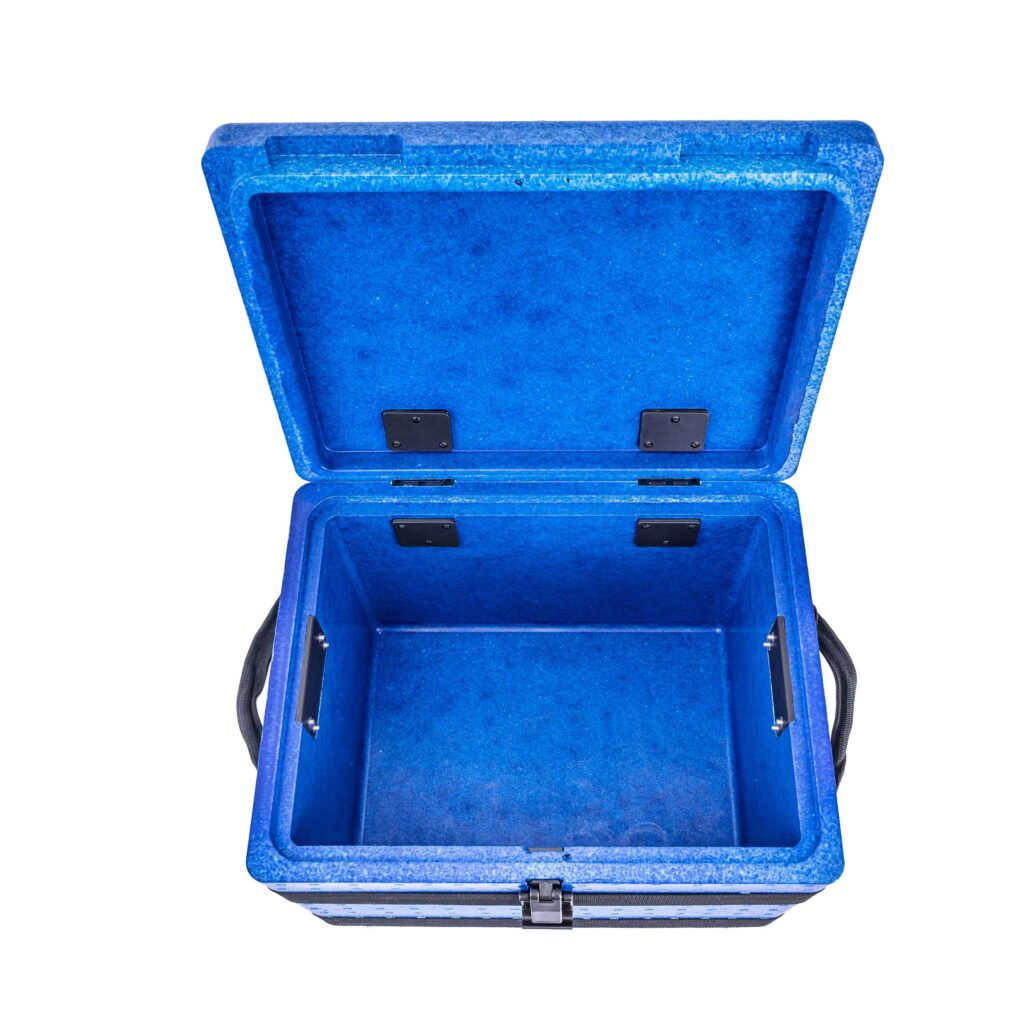
Medical Ice Box Exporter: How Do You Choose in 2026?
If you’re evaluating a medical ice box exporter, you’re really choosing a risk-control partner for regulated shipments. Many vaccines must stay within 2–8°C (36–46°F), and some are harmed by freezing, not just heat. (Immunize.org) If you ship ultra-cold goods, dry ice packages need venting plus correct UN1845 marking and a Class 9 label to avoid rejection. (fedex.com) This guide gives you a lane-based checklist, so you can buy with evidence instead of hope.
This article will help you choose a medical ice box exporter:
Compare a medical ice box exporter using proof, not marketing claims
Reduce freeze risk in 2–8°C pack-outs with repeatable methods
Avoid UN1845 dry ice mistakes that cause carrier rejection
Request audit-ready documentation aligned with GDP expectations
Calculate landed cost (box + freight + failure risk), not unit price
What does a medical ice box exporter actually deliver?
Direct answer: A medical ice box exporter should deliver a complete shipping system—validated insulation, coolant strategy, pack-out instructions, and export documentation—not just a container.
A consumer cooler can “feel cold,” but regulated shipping needs a defined temperature band and proof it stays there. A strong medical ice box exporter also helps you standardize packing so different staff get the same result. That repeatability is what reduces temperature excursions and audit friction.
Medical ice box exporter systems vs standard coolers (what changes for you)
| What you’re buying | Medical ice box exporter system | Standard cooler | What this means for you |
|---|---|---|---|
| Temperature control | Defined band (e.g., 2–8°C) + duration | “Keeps cold” claim | Fewer surprises and fewer claims |
| Evidence | Test summary + pack-out method | Rarely documented | Easier audits and faster approvals |
| Pack-out | SOP with photos and quantities | “Add ice” | Lower operator error |
| Export readiness | Labels, markings, documents | Basic invoice | Smoother customs handoffs |
Practical tips for choosing a medical ice box exporter
If your product is freeze-sensitive: demand a pack-out that prevents direct contact with frozen packs. (全球卫生组织)
If your lane is unpredictable: design for planned transit plus a realistic delay window.
If you scale shipments: ask for a “single-worker SOP” your newest operator can follow.
Example scenario: A buyer switched from “add more ice” packing to a photo-based SOP with conditioning rules, and freeze alarms dropped immediately.
How do you evaluate a medical ice box exporter’s performance?
Direct answer: You evaluate a medical ice box exporter by hold time under defined conditions, repeatability of pack-out, and evidence tied to your payload—not by wall thickness or box size.
Two shippers with the same internal volume can perform very differently in the same lane. What matters is the tested ambient profile, the payload mass, and the exact coolant configuration. Thermal standards like ISTA procedures exist because “hours” without conditions can mislead buyers. (国际安全运输协会)
Performance proof to request from a medical ice box exporter
| Performance item | Strong medical ice box exporter | Weak exporter | Your impact |
|---|---|---|---|
| Hold time definition | Range + duration + pass/fail rule | “Up to 96h” | Predictable acceptance criteria |
| Test reference | ISTA thermal approach or equivalent | Internal only | Higher trust and comparability |
| Payload assumptions | Min/max payload stated | Not defined | Avoids “best-case” marketing |
| Repeatability | Pack-out photos + version control | Verbal guidance | Less dependence on “experienced staff” |
Practical tips for benchmarking a medical ice box exporter
Ask: “Where is the warmest-point sensor placed?” Averages hide risk.
Ask for one-page test summaries before you sign a long contract.
Pilot your riskiest lane first (hot summer lane or longest transit).
Which compliance signals matter most for a medical ice box exporter?
Direct answer: The most useful compliance signals from a medical ice box exporter are a documented quality system, clear change control, and evidence that the shipping process stays within your labeled range.
EU GDP guidance treats distribution as a controlled part of the supply chain, which increases the need for consistent processes and documented control. (EUR-Lex)Even if your shipment isn’t a medicine, your customers may still demand GDP-style discipline.
Medical ice box exporter compliance checklist (ask for these)
Quality system basics: incoming inspection, traceability, and corrective actions
Change control: what happens if foam, coolant, or tooling changes
Thermal evidence: test summary tied to your range and pack-out
Labeling examples: real photos of export cartons (not mockups)
Work instructions: versioned SOPs with photos and quantities
Medical ice box exporter maturity signals (plain language)
They can explain freeze-risk prevention without technical jargon. (全球卫生组织)
They provide documents that make audits boring (that’s good).
They talk about lane risk (delays, dwell times) more than perfection.
How should a medical ice box exporter design for 2–8°C without freezing your payload?
Direct answer: A good medical ice box exporter designs 2–8°C pack-outs to control both heat gain and freeze exposure, using conditioned packs, buffering, and clear placement rules.
Many vaccines are stored at 2–8°C (36–46°F), and certain vaccines are stored frozen at -50 to -15°C, so you must match the shipper to the product label range. (Immunize.org)If your payload is freeze-sensitive, “more ice” can be the wrong answer.
2–8°C pack-out logic your medical ice box exporter should document
Conditioning: let ice packs warm slightly before packing to reduce freeze risk. (全球卫生组织)
Buffering: keep payload away from the coldest surfaces. (护送机构)
Void control: avoid air channels that speed heat transfer.
Opening discipline: repeated lid openings shorten hold time fast.
| Pack-out element | What your exporter should specify | What it does for you |
|---|---|---|
| Ice pack state | frozen vs conditioned vs PCM | Reduces accidental freezing |
| Placement | sides/top/bottom layout | Stabilizes payload zone |
| Payload limits | min/max payload mass | Prevents invalid “best-case” tests |
| Close-out method | seal/tape/tamper step | Reduces openings and errors |
Practical tips to prevent freezing with a medical ice box exporter
If you ship to clinics, require a pack-out that works without specialist training.
If you ship winter lanes, ask how the design avoids sub-zero dips near the walls.
If you ship mixed SKUs, request a “worst-case” pack-out option.
Example scenario: A distributor added a thin buffer layer between ice packs and vials and saw fewer freeze alarms.
What test standards should a medical ice box exporter use to prove performance?
Direct answer: A trustworthy medical ice box exporter can explain how they test (or qualify) an insulated shipper using recognized thermal standards or structured profiles, and how those tests map to your lane.
ISTA publishes thermal standards and process standards for insulated shipping containers. Standard 20 is described as a design and qualification process for insulated shipping containers, and ISTA 7D is used to compare package performance under temperature cycles. (国际安全运输协会)You don’t need to be a lab expert—you just need evidence that matches your reality.
Medical ice box exporter validation checklist (copy-and-paste)
Define payload profile: range, mass, freeze sensitivity
Define lane reality: transit time + dwell time + weekend risk
Select coolant strategy: gel packs, PCM, dry ice (if needed)
Test the full system: shipper + pack-out + payload + logger placement
Lock the SOP: photos + quantities + conditioning steps
Set acceptance rules: what “pass” looks like, and what triggers deviation
| Evidence item | Ask the medical ice box exporter for | Your benefit |
|---|---|---|
| Thermal test summary | profile + pass criteria + duration | Faster supplier comparison |
| Pack-out SOP | steps + photos + quantities | Lower operator variation |
| Logger guidance | placement + calibration expectations | Stronger audit defense |
| Change-control note | what changes require retest | Fewer surprises mid-contract |
Practical tips to validate with a medical ice box exporter
If the test profile is unclear, treat the claim as unverified.
Validate the exact pack-out you will actually ship, not a demo setup.
Keep one pack-out per lane until you have stable performance data.
Can a medical ice box exporter support dry ice shipments (UN1845) safely?
Direct answer: If you ship with dry ice, your medical ice box exporter must support venting design, correct UN1845 marking, net dry ice weight marking, and the required labels—because dry ice compliance is a system, not a sticker.
Dry ice sublimates into CO₂ gas, so packages must allow gas to vent. Carrier job aids and dry ice acceptance checklists emphasize correct marking and labeling, including a Class 9 label and dry ice details. (fedex.com)
Medical ice box exporter UN1845 dry ice quick-scan checklist
Package is not sealed airtight (venting is preserved). (fedex.com)
Outer package shows UN1845 and the proper shipping name (“Dry ice” / “Carbon dioxide, solid”). (国际航空运输协会)
Net weight of dry ice is shown and legible. (fedex.com)
Class 9 label is applied and visible. (fedex.com)
If using an overpack, required marks are visible or reproduced outside the overpack. (国际航空运输协会)
| Requirement | Why it matters | How a good exporter helps you |
|---|---|---|
| Venting design | Prevents pressure build-up | Vent features + SOP |
| Markings + labels | Avoids rejection and fines | Pre-printed label kit |
| Net weight control | Safety + compliance | Simple weigh-and-record step |
| Delay buffer | Dry ice sublimates nonstop | Lane-based quantity planning |
Practical tips for UN1845 dry ice with a medical ice box exporter
Never let staff “tape-seal everything.” Venting must remain open.
Standardize label placement so handlers can spot it instantly.
Build a delay buffer, because dry ice loss continues during delays.
How does a medical ice box exporter reduce your total landed cost?
Direct answer: A good medical ice box exporter reduces landed cost by lowering failure risk, reducing coolant overuse, and cutting packing labor—not by offering the lowest unit price.
Unit price is visible, but failure costs are brutal: reshipments, product loss, investigation time, and customer trust. EU GDP frameworks also increase the cost of deviations, because you must document and investigate them. (EUR-Lex)
Medical ice box exporter landed-cost model (simple and buyer-friendly)
| Cost bucket | What drives it | What to ask your exporter | Practical benefit |
|---|---|---|---|
| Unit cost | shipper + coolant + accessories | “Quote with required coolant per lane” | Avoids surprise add-ons |
| Freight cost | dimensional weight + handling | “Outer dimensions by SKU” | Reduces air-freight pain |
| Labor cost | pack-out time + training | “How many steps? Any photos?” | Faster scale-up |
| Failure cost | excursions + rework + claims | “Expected risk controls” | Real ROI visibility |
Practical tips to lower landed cost with a medical ice box exporter
Compare cost per successful delivery, not cost per box.
Ask for a lane-right-sized shipper for your top two lanes first.
Track pack-out time (3 minutes vs 12 minutes matters at scale).
Example scenario: One buyer paid slightly more per shipper but reduced exceptions, so total monthly cost dropped.
Interactive decision tool: Is this medical ice box exporter a good fit?
Use this 10-minute self-test to score any medical ice box exporter. Give each item 0–2 points (0 = no, 1 = partial, 2 = yes). Total / 20.
The medical ice box exporter provides a lane-based recommendation (not a generic SKU).
They share a pack-out SOP with photos and clear quantities.
They explain freeze-risk prevention in plain language.
They provide a test summary tied to your payload and temperature band.
They show real export labeling/marking examples (not mockups).
They have a documented change-control process.
They include a clear temperature monitoring plan (TMD/logger placement).
They can support dry ice workflows (UN1845) when needed.
They can scale supply with traceability and consistent quality checks.
They give a clear lead time plus a peak-season contingency plan.
How to interpret your score
16–20: strong medical ice box exporter for long-term supply
11–15: workable, but tighten specs and validate carefully
0–10: high risk; expect avoidable surprises
Quick fixes if a medical ice box exporter scores low
Low “evidence” score → ask for a test summary with pass criteria and pack-out.
Low “SOP” score → require photos and version control before the next order.
Low “lane” score → request a proposal for your worst lane, not average.
2026 trends that change medical ice box exporter selection
In 2026, buyers are pushing medical ice box exporter partners toward more proof, less hype, and more lane-specific qualification. Three shifts are practical right now:
Freeze prevention is treated as a first-class risk, not a minor edge case. Guidance warns that freeze-sensitive vaccines should not touch ice packs directly. (全球卫生组织)
Documentation pressure keeps rising, driven by GDP-style expectations and customer audits. (EUR-Lex)
Thermal standards and structured qualification are becoming the common language for comparing suppliers. (国际安全运输协会)
Latest progress you can benefit from
Better SOP design: more exporters provide photo pack-outs and training-ready documents.
Faster dry ice compliance: carriers publish clearer job aids for marking and labeling. (fedex.com)
More realistic lane thinking: “delay buffers” are now part of performance conversations.
Medical ice box exporter FAQs
Q1: What temperature should a medical ice box hold for vaccines?Many vaccines are stored at 2–8°C (36–46°F). Always match the shipper to the product label range, and manage freeze risk. (Immunize.org)
Q2: How long should a 2–8°C shipper last in real life?Start with planned transit time plus a realistic delay buffer, then validate using your pack-out and monitoring plan.
Q3: What is the biggest hidden risk when choosing a medical ice box exporter?Assuming “thicker equals safer.” Freeze damage, wrong pack-outs, and unvalidated lanes create most failures.
Q4: Do I need special markings if I ship with dry ice?Yes. Dry ice air shipments require correct markings and labels, including UN1845 details and a Class 9 label. (fedex.com)
Q5: What does EU GDP mean for packaging and documentation?EU GDP guidance expects controlled distribution practices and evidence that quality is maintained through distribution. (EUR-Lex)
Q6: Do I really need temperature monitoring devices (TMDs)?If you need defensible proof, you need monitoring. CDC guidance emphasizes maintaining cold chain control and planning for transport risks. (疾病控制与预防中心)
Medical ice box exporter summary and practical recommendations
Choosing a medical ice box exporter is a risk-management decision. Focus on what you can verify: lane-based recommendations, pack-out SOPs, test evidence tied to your payload, and audit-ready documentation. If you ship 2–8°C products, treat freeze prevention as seriously as heat protection. (全球卫生组织)
What you should do next (simple plan)
Define your payload range, mass, and freeze sensitivity.
Ask two exporters for a lane-based proposal and a “proof package.”
Score them using the Fit Score self-test.
Pilot your riskiest lane, then expand with a small shipper portfolio.
About Tempk (Medical Ice Box Exporter)
We design and export medical ice boxes for vaccine, pharmaceutical, and biologic cold chain transport. We focus on validated thermal performance, pack-outs that are easy to repeat, and export-ready documentation that reduces audit friction.
Next step: Share your temperature range, payload weight, and top two shipping lanes. We’ll recommend a right-sized medical ice box configuration and a buyer-ready checklist you can reuse.
Insulated Ice Box Vendor: How Do You Choose in 2026?

Insulated Ice Box Vendor: How Do You Choose in 2026?
You are not just buying a box. You are choosing an insulated ice box vendor who controls temperature risk, lead time, and failure cost. In 2026, “lowest quote” often becomes the most expensive decision after claims and replacements. One practical benchmark: a 20–50 shipment pilot can reveal weak lids, packing errors, and route delays fast. Another: teams have cut replacements by about 60% after switching to vendors with reuse testing and stable materials.
This article will help you answer:
How to use an insulated ice box vendor qualification checklist without jargon
How to run an insulated ice box vendor sample testing guide that matches real routes
How to audit and compare an insulated ice box vendor beyond unit price
How to plan insulated ice box vendor MOQ and lead time strategy with fewer surprises
How to avoid landed-cost traps using insulated ice box vendor EXW vs FOB vs DDP thinking
What makes an insulated ice box vendor “qualified” in 2026?
A qualified insulated ice box vendor proves repeatable temperature control, consistent builds, and documented performance. You want proof that production matches samples, not promises that disappear after your first order. In simple terms, your vendor must show control over materials, molding, assembly, and packaging. If they cannot explain control clearly, they usually cannot control it consistently.
A box is like a seatbelt. It matters most on your worst day. Your insulated ice box vendor should be strongest when routes are delayed, stacked, and handled fast.
What you should request from every insulated ice box vendor
| What you ask for | What “good” looks like | What it means for you |
|---|---|---|
| Specification sheet | Tolerances + version control | Fewer wrong deliveries |
| Performance evidence | Test profile + temperature curves | Fewer excursion disputes |
| Quality plan | Incoming + in-process checks | Lower defect rates |
| Traceability basics | Batch or lot identifiers | Faster root-cause fixes |
| Packaging standard | Pallet pattern + protection | Less transit damage |
Practical tips you can use today
Ask for three samples, not one, from the same build lot.
Request batch-to-batch notes, not only a “perfect” demo sample.
Look at corners and lids first. Most failures start there.
Real scenario: Two vendors looked identical in photos. The one with tighter lid fit and better packaging caused fewer breakages in week one.
How do you brief an insulated ice box vendor for accurate quotes?
Your insulated ice box vendor can only quote accurately when your route reality is clear. Most quote delays come from unclear specs, not slow vendors. A clean RFQ reduces back-and-forth and prevents vendors from “guessing” your lane assumptions. When assumptions differ, quotes become meaningless.
Think of it like ordering a tailored suit. If you only say “medium,” you will get five different fits. You need measurements and use-case details.
A one-sentence “temperature promise” template
Use this line in every RFQ to your insulated ice box vendor:
Range: ___ (example: 2–8°C)
Hold time: ___ hours at ___°C ambient
Payload: ___ kg / ___ L + shape list
Lane: origin → destination + mode (air/parcel/ocean)
Handling: openings, stacking, drops, returns
The 12-point RFQ brief for an insulated ice box vendor
Product use case (food, meal kits, seafood, pharma, lab samples)
Target temperature range (chilled, frozen, controlled ambient)
Door-to-door duration (include handoffs and waiting time)
Ambient extremes (summer and winter worst case)
Payload size and shape (what must fit, not just liters)
Opening frequency (how often the box is opened in the route)
Reuse cycles (single-use or expected number of turns)
Cleaning method (wipe, wash, chemical exposure)
Accessories (gel packs, dry ice, dividers, loggers)
Branding (color, label plate, logo method)
Documentation expectations (audits, declarations, change rules)
Delivery expectation (lead time target + packaging standard)
| RFQ item | Your target | Acceptable range | What it changes |
|---|---|---|---|
| Hold time | 72 hours | 60–80 hours | Insulation + coolant mass |
| Payload fit | 12 L kits | Must fit SKU list | Packing speed + compliance |
| Reuse cycles | 30 turns | 20–40 turns | Real cost per shipment |
Practical tips and suggestions
Separate box vs coolant: ask box-only specs first, then coolant pairing.
State your failure cost: vendors behave differently when risk is explicit.
Freeze the spec early: price moves from spec drift are not real savings.
How can an insulated ice box vendor prove thermal performance on real routes?
A credible insulated ice box vendor shows route-like testing, not just a “pass” claim. Lab tests can help, but field conditions decide outcomes. You need evidence that matches door openings, uneven loading, vibration, and delays. The best vendors show temperature curves, packing diagrams, and a repeatable SOP.
A temperature system is like a recipe. If the recipe is vague, results change with every cook. Your insulated ice box vendor should provide a recipe your team can repeat.
Insulated ice box vendor sample testing guide you can run quickly
Run two layers:
Bench checks: fast sealing, drop, and basic thermal checks
Route pilot: small run on your hardest lane with real handlers
| Test | How to run it | What “pass” looks like | What it means for you |
|---|---|---|---|
| Lid seal check | Paper strip or light test | Even compression all around | Fewer warm corners |
| Drop simulation | Controlled edge drops | No crack, latch stays closed | Lower parcel damage |
| Thermal soak trend | Hot ambient then cold load | Stable curve, no spikes | Better delay tolerance |
| Reuse cycling | Open/close + handling cycles | No warpage or gasket slip | Longer service life |
What evidence to request from an insulated ice box vendor
Test profile summary (summer + winter, duration, ambient extremes)
Internal temperature curves (not just screenshots)
Packing diagram (coolant placement + air gap rules)
Sensor plan (where loggers were placed and why)
Sensitivity notes (what packing mistakes cause failures)
Practical tips and suggestions
Test your worst lane first. One hard lane teaches more than ten easy lanes.
Include door-open events. Many systems fail during repeated openings.
Require a draft packing SOP. If they cannot write it, they cannot control it.
Real scenario: A shipper “passed” in a controlled setup, then failed in cross-dock delays. The missing piece was a repeatable packing method.
Which materials should your insulated ice box vendor offer?
Your insulated ice box vendor should recommend materials based on lane pain, not catalog habit. Insulation affects temperature stability, durability, and reuse life. You do not need deep physics to choose well. You only need to understand tradeoffs in thickness, toughness, and total cost.
A simple analogy helps: EPS is like disposable cutlery. EPP is like stainless tools. Both can work, but not for the same job.
Plain-English insulation options your insulated ice box vendor should explain
| Material | Typical strength | Best-fit use | What it means for you |
|---|---|---|---|
| EPS | Low cost, low durability | One-way shipments | Cheap now, replace often |
| PU | Balanced insulation | General cold chain | Solid value and tooling |
| EPP | Tough + reusable | Closed-loop reuse | Longer life, fewer cracks |
| VIP | Highest efficiency | Long holds, tight space | Less coolant weight, higher cost |
Three questions to ask your insulated ice box vendor
How does material choice change payload volume?
How does it change coolant weight and freight cost?
In reuse, what fails first: seal, latch, or wall integrity?
Practical tips and suggestions
Choose by delay risk, not marketing buzz.
Ask for weight per shipper, not just dimensions.
Request spare parts pricing if you plan reuse.
A smart insulated ice box vendor comparison uses lifecycle cost and matched specs. Two boxes can look identical and behave very differently in the field. Small differences in density, lid fit, and packaging create large differences in failures. Your goal is “cost per successful shipment,” not “cost per box.”
Unit price is the sticker. Total cost is the monthly bill.
Insulated ice box vendor quote comparison checklist
Material and density (with tolerance)
Wall thickness tolerance and lid fit notes
Reuse lifespan estimate (with assumptions)
Packaging and pallet method (export-ready details)
Lead time stability (normal vs peak season)
Warranty scope and replacement process
A simple total-cost view you can share internally
| Cost bucket | What to track | Typical driver | What it means for you |
|---|---|---|---|
| Product cost | Box + accessories | Material + hardware | Visible cost, not the whole story |
| Failure cost | Claims + refunds | Weak QC or packaging | Often bigger than expected |
| Labor cost | Packing + receiving time | Usability issues | Quiet cost that grows fast |
| Compliance cost | Audits + documents | Missing declarations | Risk for regulated lanes |
Simple decision rule: if two vendors are close on price, pick the insulated ice box vendor with better repeatability and documentation. You will feel the savings within one quarter.
What contract and logistics details keep an insulated ice box vendor reliable?
Your insulated ice box vendor becomes “reliable” only when acceptance rules and change control are clear. Contracts matter because failures happen under stress. Clear terms reduce disputes and speed recovery. Logistics details also matter, because many damages happen before first use.
Insulated ice box vendor EXW vs FOB vs DDP in buyer-friendly terms
EXW: vendor hands goods at their site; you manage most logistics
FOB: vendor handles export to port; you handle main freight
DDP: vendor delivers to your door; simpler ops, less transparency
Key point: compare vendors using one term first. Then negotiate options.
Clauses that protect you (and the vendor)
Specification lock (what is included and how changes are priced)
Acceptance criteria (what counts as a defect and how it’s measured)
Warranty scope (what failures are covered and for how long)
Replacement process (timeline, proof needed, shipping responsibility)
Confidentiality (protect your branding and design plans)
Insulated ice box vendor change control checklist
| Change type | Example | Approval needed | What it means for you |
|---|---|---|---|
| Cosmetic | color shade | Email approval | Branding consistency |
| Functional | latch design | Engineering sign-off | Usability and safety |
| Material | foam density | Formal revision | Thermal performance protection |
Practical tips and suggestions
Require carton strength and pallet pattern upfront.
Define label durability for moisture and friction.
Plan spare parts if reuse is real (latches, gaskets, handles).
Interactive: Your insulated ice box vendor self-test and scorecard
This is a fast tool to shortlist an insulated ice box vendor without being a technical buyer. Answer honestly. Then use the score to decide who earns a pilot.
Step 1: Vendor fit self-test (score 0–2 each)
Route stability: are lanes stable for 6–12 months?
Temperature strictness: is a small excursion unacceptable?
Reuse reality: will boxes return reliably for reuse?
Handling intensity: drops, stacking, mixed handling?
Audit pressure: will customers request documentation?
Scoring guide
0–3: Start with standard products and fast-fulfillment vendors.
4–7: Choose a balanced insulated ice box vendor with testing support.
8–10: Choose a high-control insulated ice box vendor with traceability depth.
Step 2: Vendor shortlist scorecard (run on 3 candidates)
| Category | Score (1–5) | What you are measuring | What it means for you |
|---|---|---|---|
| Spec clarity | Speed + precision | Less project drag | |
| Sample consistency | Repeatability across 3 units | Lower scale risk | |
| Test support | Route-like validation | Fewer disputes | |
| Packaging robustness | Transit protection | Less damage | |
| Corrective action | Fix speed + ownership | Faster recovery |
Decision rule: choose the highest score, then negotiate from clarity. If a vendor refuses measurement, that is the measurement.
Step 3: A “pilot in a box” plan
Pilot size: 20–50 shipments on your hardest lane
Measurements: temperature trend + damage rate + handler feedback
Acceptance: pass rate + improvement path defined in writing
Rollout: scale only after stable results
2026 trends shaping insulated ice box vendor selection
In 2026, buyers demand proof, not promises. That pushes more route-based qualification and more focus on usability. Reuse programs also face higher expectations for cleaning and tracking. Packaging compliance pressure is rising in multiple markets, so documentation readiness matters more every quarter.
Latest progress snapshot (what it means for you)
Reusable-first designs: lower lifecycle cost when returns are reliable
Modular inserts: fewer SKUs and faster packing workflows
Human-factor upgrades: better grips, clearer labels, fewer packing mistakes
Documentation readiness: clearer specs, revision control, batch records
Market insight you can act on now
The biggest advantage is not one extra hour of hold time. It is fewer failures across thousands of routine shipments. That comes from consistency, packaging, and repeatable packing rules. Choose an insulated ice box vendor who talks about repeatability first.
Internal links you can add on your site
Reusable insulated ice box options and specs
Medical insulated shipper for vaccine cold chain shipments
Thermal validation and test methods for cold chain packaging
How to audit an insulated ice box vendor factory checklist
Ice box cost breakdown for 2026 sourcing decisions
Frequently Asked Questions
Q1: What is the fastest way to shortlist an insulated ice box vendor?Write a one-sentence temperature promise, then score three vendors on evidence and consistency. Pilot only the top two.
Q2: What should an insulated ice box vendor provide for documentation?At minimum: a versioned spec sheet, packaging standard, inspection criteria, traceability basics, and a corrective action process.
Q3: How do I avoid “great sample, bad production” with an insulated ice box vendor?Use the three-sample rule and score consistency. Then lock acceptance criteria and change control in the contract.
Q4: Are reusable systems always better than single-use from an insulated ice box vendor?Not always. Reuse wins when returns are reliable and cleaning is practical. One-way lanes may favor simpler designs.
Q5: How do Incoterms change insulated ice box vendor comparisons?They change who pays and who controls logistics risk. Compare vendors on one Incoterm first, then negotiate options.
Q6: What is the best insulated ice box vendor material for hot summer lanes?It depends on hold time and space limits. Higher-efficiency insulation can reduce coolant weight, but costs more.
Summary and recommendations
Choosing an insulated ice box vendor is a risk decision wrapped in a product decision. In 2026, the safest approach is measurable and route-based. Focus on evidence, repeatability, and packaging discipline. Then compare offers using total cost per successful shipment, not unit price. When you lock change control and acceptance criteria, your outcomes become predictable.
Your next steps (CTA)
Write your temperature promise and your hardest lane details today.
Send the 12-point RFQ brief to three insulated ice box vendor candidates.
Request three samples each and score consistency without bias.
Run a 20–50 shipment pilot before scaling.
Contract with acceptance rules + change control + spare parts if reuse is planned.
About Tempk
We design and manufacture cold chain packaging for real operational lanes. We focus on durable builds, clear specifications, and validation-friendly documentation that supports repeatable shipments. Our insulated solutions cover reusable and single-use workflows across food and medical distribution. If you share your route duration, temperature target, and payload shape list, we can recommend a practical configuration.
Next step: Send your temperature range, hold time, and lane, and we will help you turn this guide into a ready-to-send RFQ, scorecard, and pilot plan for your next insulated ice box vendor.