


Vaccine Ice Box Vendor: 2026 Buyer Checklist
Vaccine Ice Box Vendor: 2026 Buyer Checklist
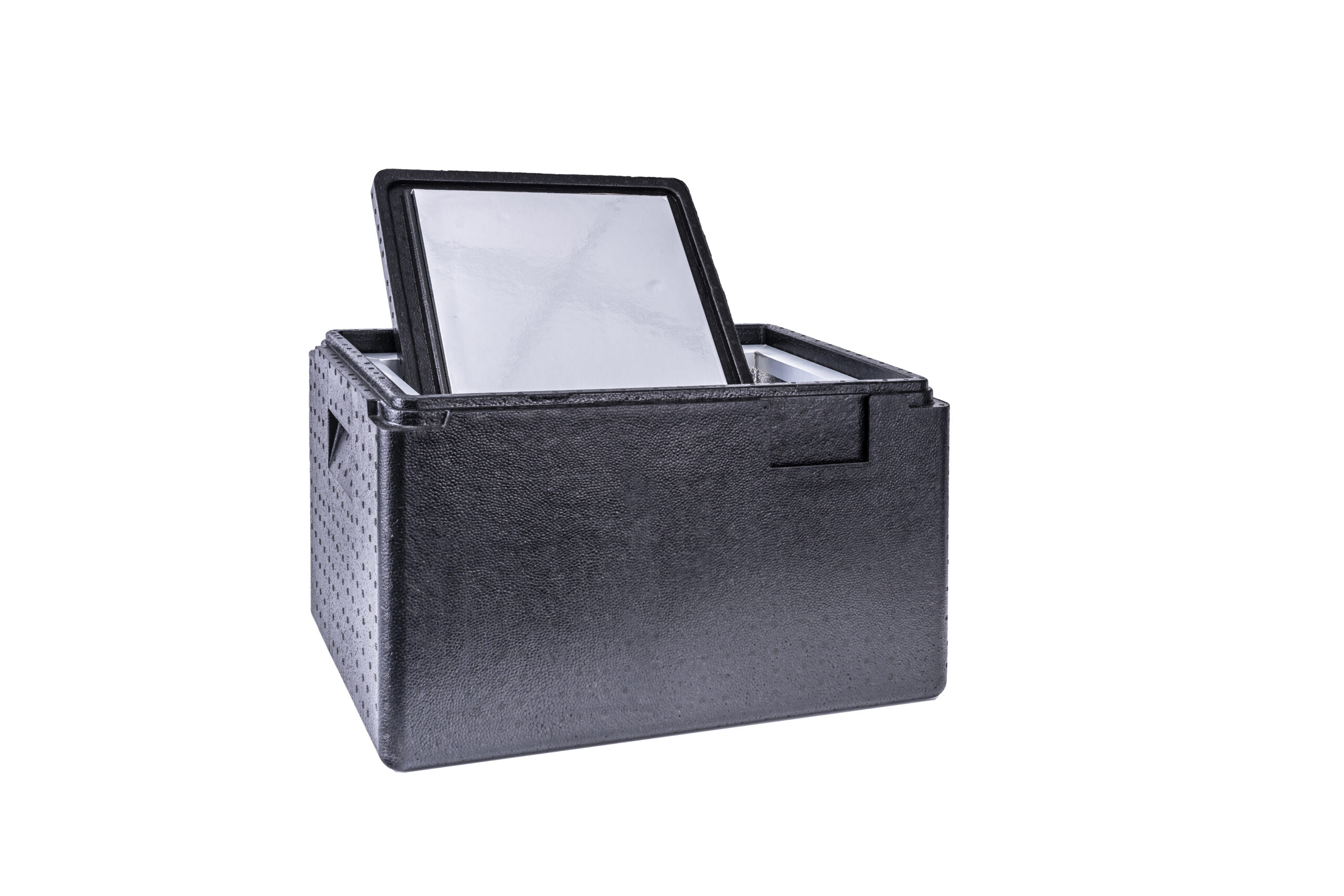
Vaccine Ice Box Vendor: How Do You Choose in 2026?
If you’re picking a vaccine ice box vendor, you’re not buying a “cooler.” You’re buying a repeatable outcome: vaccines arriving in-range, not wasted. Your biggest risks are simple: the wrong box for the lane, the wrong pack-out for the vaccine, and instructions that only “experts” can follow. This guide helps you choose a vendor that makes cold chain transport feel like a clear recipe, not guesswork.
What you’ll learn in this guide
How to shortlist a vaccine ice box vendor with a compliance-first mindset
How to read performance proof (and spot weak evidence fast)
How to plan holdover time without overpaying
How to prevent freezing for freeze-sensitive vaccines
How to compare vendors by total cost per successful shipment
How to pilot and scale with a version-controlled SOP in 30 days
What does a vaccine ice box vendor actually provide?
A professional vaccine ice box vendor provides an insulated transport system built to protect vaccines across real routes, real delays, and real handling. That includes container design, coolant strategy, and documentation your team can follow without improvisation.
Vaccines are less forgiving than typical medical products. Many must stay in a narrow band (often 2–8°C), and both heat and freezing can ruin potency. A capable vendor doesn’t just sell a box—they help you achieve stable temperature control with repeatable steps.
How vaccine ice boxes differ from general medical coolers
| Key feature | Vaccine ice box system | Generic cooler | Practical meaning for you |
|---|---|---|---|
| Temperature goal | Narrow and controlled | Broad “cold” | Fewer out-of-range events |
| Evidence | Test reports + pack-out method | Often unclear | Audit readiness improves |
| Pack-out guidance | Diagrams + SOP + limits | Basic notes | Fewer human errors |
| Freeze prevention | Designed or trained for it | Not prioritized | Protects freeze-sensitive vaccines |
Practical tips you can use immediately
Long lanes: require proof that matches your payload and duration, not just a nice brochure.
Hot seasons: ask for performance under worst-case ambient assumptions and realistic openings.
Busy clinics: choose systems that a new staff member can pack correctly the first time.
Real-world example: One program cut spoiled doses sharply after switching from “coolers” to a validated, SOP-driven vendor system.
How do you shortlist a vaccine ice box vendor fast?
A strong vaccine ice box vendor should feel like a cold chain partner, not a catalog. You want three things: repeatability, auditability, and scalability.
The three pillars you should demand
Repeatable temperature control: same pack-out, same result, every time
Audit-ready documentation: SOPs, labeling photos, version control, change control
Scalable supply: stable materials, traceability, predictable lead times
Thermal Gel Pack Clinical Trial Manufacturer Guide
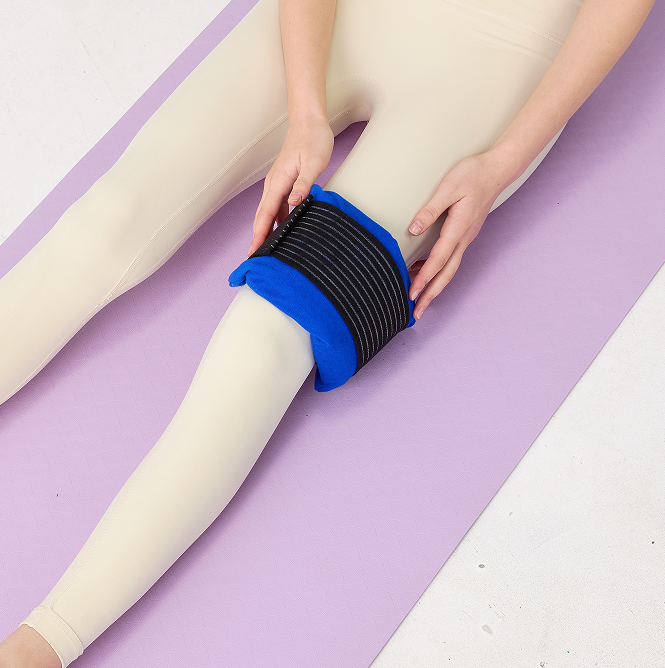
Thermal Gel Pack Clinical Trial Manufacturer Guide
Last updated: January 16, 2026
If you are evaluating a thermal gel pack clinical trial manufacturer, you are not buying “cold packs.” You are buying time inside a safe temperature window. Most clinical shipments face 24–96 hours of real-world risk across handoffs and delays. This guide shows you how to qualify, validate, and scale with fewer excursions and faster investigations.
This article will help you answer:
How to qualify a thermal gel pack clinical trial manufacturer using a simple lane brief
What “validated thermal gel packs for 2–8°C clinical trials” means in daily operations
How a thermal gel pack clinical trial manufacturer should support CRT 15–25°C lanes
How to build a gel pack conditioning SOP teams actually follow
How to create an excursion response kit that speeds decisions under pressure
What should you define before contacting a thermal gel pack clinical trial manufacturer?
Define your lane, your payload sensitivity, and your failure cost before you contact a thermal gel pack clinical trial manufacturer. If you skip this step, you compare suppliers using the wrong yardstick. You might overbuy cooling power or under-design for delays. Both paths create avoidable excursions and rework.
Think of your lane brief like a recipe. If you do not list the ingredients, two kitchens produce two different meals. A thermal gel pack clinical trial manufacturer can only be consistent when your inputs are clear.
Lane brief template you can copy today
| Lane input | What you write down | What it controls | What it prevents |
|---|---|---|---|
| Target range | 2–8°C or CRT 15–25°C | Pass/fail rules | “Feels cold” decisions |
| Duration | 24/48/72/96 hours | Buffer needed | Underpacking |
| Ambient risk | hot / cold / mixed / unknown | Scenario design | Seasonal surprises |
| Payload mass | size and weight | Thermal inertia | Wrong gel ratio |
| Sensitivity | freeze-risk? heat-risk? | Contact rules | Cold shock events |
| Shipper design | internal dims + insulation | Heat flow paths | Non-repeatable builds |
| Monitoring plan | logger type + placement | Evidence quality | Blind spots |
Practical tips you can use right now
Add weekend holds to your brief if shipments leave late in the week.
If payloads are small, avoid direct gel contact because small items swing faster.
If multiple 3PLs pack shipments, standardize one brief so builds stay consistent.
Practical example: A study team reduced “unexpected excursions” after adding weekend hold time and validating for it.
How do you screen a thermal gel pack clinical trial manufacturer in 15 minutes?
You can screen a thermal gel pack clinical trial manufacturer by checking evidence speed, process clarity, and change discipline. A supplier who answers clearly usually controls their process. A supplier who stays vague often struggles in audits and deviations.
Your goal is not the cheapest gel pack. Your goal is the supplier who stays stable at scale. Scale is where small weaknesses become expensive.
The 15-minute screening questions
| Question | Strong answer sounds like | Weak answer sounds like | Why it matters |
|---|---|---|---|
| Can you show lane-matched results? | “Here are profiles, loggers, outcomes.” | “We have many customers.” | Proof beats claims |
| Do you control lot traceability? | “Lot codes on cartons and records.” | “We can add it later.” | Faster investigations |
| What triggers change control? | “Any film, gel, or process change.” | “We rarely change.” | Prevents drift |
| How do you define conditioning? | “Timed SOP + staging rules.” | “Freeze overnight.” | Repeatability |
| What is your defect response? | “Containment + timeline + replacements.” | “We’ll see.” | Speed under pressure |
Quick self-assessment (interactive)
Give yourself 1 point for each “yes.”
You have a lane brief for your top 3 lanes.
You know if your payload is freeze-sensitive.
You have a logger placement plan.
You can run at least two scenario tests (hot + delay).
You have an excursion note template.
Score guide:
4–5: you can qualify a thermal gel pack clinical trial manufacturer quickly.
2–3: you can start, but expect rework.
0–1: write the lane brief first.
Practical example: A sponsor shortened vendor selection by using the same 15-minute question set for every thermal gel pack clinical trial manufacturer candidate.
What validation proof should a thermal gel pack clinical trial manufacturer show?
A thermal gel pack clinical trial manufacturer should show proof of performance, integrity, and repeatability under realistic scenarios. A single “nice curve” is not enough. Your risk happens on the ugly days: missed scans, long holds, and rough handling.
You do not need a giant lab to validate. You need disciplined builds, consistent conditioning, and defensible logger placement.
The “evidence ladder” for judging validation quality
| Evidence level | What it includes | What it misses | What it means for you |
|---|---|---|---|
| Basic | Photos only | No performance proof | High scale risk |
| Good | Curves + logger placement notes | Limited scenarios | Pilot-ready |
| Strong | Scenarios + repeat builds + criteria | None of the essentials | Audit-ready |
Five-scenario validation plan (simple and defendable)
| Scenario | What it simulates | What you measure | Why it matters |
|---|---|---|---|
| Baseline | typical transit | time-in-range | your baseline claim |
| Hot spike | summer exposure | peak high + recovery | heat resilience |
| Cold spike | winter exposure | lowest temp + duration | freeze resilience |
| Delay hold | last-mile delay | time to first breach | safety margin |
| Handling stress | drops/stacking/vibration | leaks + damage | physical robustness |
Operator-friendly validation steps
• Build the packout exactly as shipped (same shipper, same layout).
• Condition gel packs using one SOP (same time and temperature).
• Place loggers: center + worst edge + near gel pack (minimum).
• Run five scenarios across at least three builds (to see variation).
• Record outcomes: time-in-range, peak, low, and physical failures.
Practical tips and suggestions
Repeat builds, not just profiles because operators introduce hidden variation.
Document builds with photos so every site packs the same way.
Always include a delay hold because last-mile risk is common.
Practical example: A CRO reduced rework after adding delay testing that revealed failures baseline testing never showed.
How do you prevent freezing risk in 2–8°C clinical packouts?
To prevent freezing risk, control contact, spacing, and conditioning—then validate the smallest payload you ship. Freezing events often happen near the gel contact zone. Center temperatures can look fine while edges drop too low.
A good packout behaves like a seatbelt. It protects you when something goes wrong. It should not require perfect handling to succeed.
Freezing-risk checklist you can use in audits
| Risk lever | What to check | What to fix | What it prevents |
|---|---|---|---|
| Gel-to-payload contact | Is there a barrier layer? | Add foam or wrap | Cold shock |
| Gel conditioning | Timed + temp-controlled? | Write SOP + verify | Overcooled gel |
| Payload size | Is smallest payload validated? | Run separate test | Fast swings |
| Staging time | Max time before seal? | Define + enforce | Warm start |
| Logger placement | Worst-edge included? | Add edge logger | Blind spots |
Practical tips and suggestions
Validate your smallest payload separately because it swings fastest.
Use a barrier layer even if center temps look safe.
Define staging time limits and enforce them in SOPs.
Practical example: A depot reduced freezing events after adding a foam barrier and shortening staging time.
How should a thermal gel pack clinical trial manufacturer support CRT 15–25°C lanes?
A thermal gel pack clinical trial manufacturer should support CRT 15–25°C lanes with conditioned gel packs, clear ambient boundaries, and realistic scenario testing. CRT is not “room temperature.” It is a defined window that requires active protection in hot and cold extremes.
CRT lanes often get less attention than 2–8°C lanes. That is a mistake. CRT failures are harder to detect and often go unnoticed until audits.
CRT lane design checklist
| CRT factor | What to define | What to test | What it prevents |
|---|---|---|---|
| Ambient boundary | When is CRT lane “at risk”? | Hot and cold scenarios | Passive failures |
| Gel conditioning | Target temp + time | Consistency across builds | Overcooling |
| Packout design | Gel placement + insulation | Repeat builds | Variability |
| Logger placement | Center + edge + near gel | Worst-case capture | Blind spots |
| Delay resilience | Time to first breach | Delay hold scenario | Last-mile risk |
Practical tips and suggestions
Do not assume CRT is “easy.” Hot tarmacs and cold cargo holds can breach CRT fast.
Condition gel packs to a defined temp, not “room temperature.”
Run hot and cold scenarios even if your lane looks mild.
Practical example: A sponsor avoided CRT excursions after adding hot-scenario testing that revealed failures in summer lanes.
How do you build a gel pack conditioning SOP that teams actually follow?
You build a gel pack conditioning SOP that teams follow by making it short, visual, and verifiable. Long SOPs get skipped. Vague SOPs get interpreted. Clear SOPs get executed.
Conditioning is one of the highest-leverage controls in cold chain. If you get it wrong, everything downstream drifts.
Conditioning SOP template
| SOP element | What to write | What to verify | What it prevents |
|---|---|---|---|
| Target temp | e.g., –18°C or +5°C | Freezer/fridge log | Wrong starting temp |
| Hold time | e.g., 12–24 hours | Timestamp log | Under/over conditioning |
| Staging rules | Max time before seal | Timer or checklist | Warm start |
| Verification step | Visual or temp check | Signature or photo | Skipped steps |
| Exception handling | What to do if out of spec | Escalation path | Silent failures |
Practical tips and suggestions
Add a photo step so operators confirm gel placement visually.
Use a timer or alarm for staging time.
Define what “out of spec” looks like and what to do.
Practical example: A 3PL reduced conditioning errors after adding a photo step and a staging timer to their SOP.
How do you create an excursion response kit that speeds decisions under pressure?
You create an excursion response kit by pre-approving templates, defining roles, and storing everything in one place. When an excursion happens, speed matters. A kit removes the “who do I ask?” delay.
Most excursion investigations slow down not because of complexity, but because of missing information and unclear escalation.
Excursion response kit contents
| Kit item | What it contains | Who owns it | What it speeds up |
|---|---|---|---|
| Packout ID card | Shipper, gel lot, build version | Ops | Traceability |
| Conditioning log template | Temp, time, operator | Ops | Root cause |
| Excursion note template | Event, data, impact, action | QA | Documentation |
| Escalation contact list | QA, sponsor, depot | QA | Decision speed |
| Acceptance criteria | Pass/fail rules | QA | Consistency |
Practical tips and suggestions
Pre-approve the excursion note template with your QA workflow.
Store the kit in a shared folder or binder at every depot.
Review the kit quarterly to keep contacts current.
Practical example: A CRO cut excursion close-out time after pre-approving a one-page excursion note template.
How do you compare a thermal gel pack clinical trial manufacturer using cost per successful delivery?
You compare a thermal gel pack clinical trial manufacturer using cost per successful delivery by adding up all costs—product, freight, rework, and investigation—and dividing by successful shipments. A cheap gel pack that causes excursions is not cheap.
Most procurement teams compare unit price. That misses the real cost: what happens when things go wrong.
Total cost comparison framework
| Cost driver | What to measure | What to compare | What it reveals |
|---|---|---|---|
| Unit price | $/pack | across suppliers | baseline cost |
| Freight impact | weight per packout | across designs | shipping cost |
| Excursion rate | % of shipments | across suppliers | failure cost |
| Investigation time | hours per event | across suppliers | hidden labor |
| Rework rate | % of builds redone | across suppliers | ops burden |
Supplier comparison scorecard
| Evaluation area | Supplier A | Supplier B | Supplier C | What it protects |
|---|---|---|---|---|
| Lane-matched evidence | ☐ | ☐ | ☐ | validation surprises |
| Conditioning SOP quality | ☐ | ☐ | ☐ | repeatable builds |
| Change control clarity | ☐ | ☐ | ☐ | stable scaling |
| Lot traceability | ☐ | ☐ | ☐ | faster investigations |
| Leak prevention controls | ☐ | ☐ | ☐ | fewer wet boxes |
| Excursion response kit | ☐ | ☐ | ☐ | faster decisions |
Practical tips and suggestions
Measure labor time per packout because speed reduces daily cost.
Track failure drivers (temperature vs leak vs damage) to target fixes.
Reward safe pack-count reduction because weight drives freight.
Practical example: A sponsor reduced total shipping cost after choosing a supplier who cut pack count while improving delay resilience.
2026 developments and trends
In 2026, clinical supply chains face more variable lanes and more last-mile uncertainty. That pushes teams to standardize packouts, strengthen evidence packages, and tighten change control. It also raises the value of suppliers who can deliver clear documentation quickly.
Latest progress snapshot
More scenario-based validation: delays and seasonal extremes are now “standard tests.”
More focus on worst-edge risk: teams measure where failures actually occur.
More operational SOP discipline: conditioning is treated as a critical control.
More audit-ready supplier selection: QA and procurement align earlier.
Market insight: If multiple teams build packouts, your biggest risk is human variability. A clear SOP, photos, and versioned build sheets often reduce excursions faster than adding more gel packs.
Frequently asked questions
Q1: What should I ask a thermal gel pack clinical trial manufacturer before scaling?Ask for lane-matched validation evidence, carton-level lot traceability, written change control, and a conditioning SOP you can execute daily.
Q2: How do I qualify a thermal gel pack clinical trial manufacturer without slowing my timeline?Use a lane brief, run scenario validation with repeat builds, and lock versioned build sheets and conditioning rules before scale-up.
Q3: What does “validated thermal gel packs for 2–8°C clinical trials” mean in practice?It means your packout stays within range across realistic scenarios, with clear logger placement, acceptance criteria, and repeatable builds.
Q4: How do I reduce freezing risk in 2–8°C packouts?Add a barrier layer, control spacing, define conditioning and staging rules, and validate worst-edge temperatures, not only center.
Q5: Why is change control so important with a thermal gel pack clinical trial manufacturer?Silent changes can shift performance and force revalidation. Written notice and approval prevent costly surprises.
Q6: What should be inside an excursion response kit?A packout ID card, conditioning log template, and a one-page excursion note template approved by your QA workflow.
Summary and recommendations
A reliable thermal gel pack clinical trial manufacturer helps you control variability, not just temperature. Start with a lane brief and a fast screening question set. Validate using real-world scenarios with repeat builds and worst-edge logging. Lock traceability, acceptance limits, and written change control before scaling. Finally, use an excursion response kit so decisions stay fast and consistent.
Action plan (CTA)
Write a lane brief for your top 3 lanes today.
Screen two candidates using the 15-minute questions.
Validate with baseline, hot, cold, delay, and handling stress scenarios.
Standardize conditioning SOPs and versioned build sheets across teams.
Approve an excursion response kit before you scale shipments.
About Tempk
We support temperature-controlled packaging programs for life science logistics that require repeatable execution across teams and lanes. We focus on consistent fill control, robust sealing, lot traceability, and practical conditioning guidance that operators can follow. We also provide versioned build sheets and validation-ready templates to help you reduce excursions and shorten investigations.
Gel Pack Australia Manufacturer: What Should You Check?

Gel Pack Australia Manufacturer: What Should You Check?
Last updated: January 16, 2026
If you’re choosing a gel pack Australia manufacturer, you’re choosing whether your cold shipments arrive cold, clean, and consistent. Australia’s long routes, hot summer lanes, and last-mile delays punish weak packouts. A strong gel pack Australia manufacturer helps you reduce warm arrivals, leaks, and “almost fine” deliveries that still trigger refunds.
This article will help you answer:
How to shortlist a gel pack Australia manufacturer using proof instead of promises
How a gel pack Australia manufacturer should match gel packs to 24–72 hour lanes
How to validate a gel pack Australia manufacturer with a repeatable test plan
How to reduce leaks with better seals, film, and packout rules
How to compare a gel pack Australia manufacturer using cost per successful delivery
What should a gel pack Australia manufacturer prove first?
A gel pack Australia manufacturer should prove three things: cooling performance, packaging integrity, and repeatability. If cooling is strong but seals fail, you get wet cartons. If seals are fine but performance drifts, you get unpredictable results. If results look great once but never repeat, you spend weeks in troubleshooting.
The fastest way to judge a gel pack Australia manufacturer is to demand evidence in outcomes. Ask for time-in-range, leak rate, and lot consistency. Your business runs on outcomes, not claims.
Proof checklist for a gel pack Australia manufacturer
| Proof area | What you ask for | What you should receive | What it means for you |
|---|---|---|---|
| Cooling performance | Lane-based results | Logger summary + time-in-range | Fewer warm arrivals |
| Integrity | Seal + film controls | QC method + acceptance limits | Fewer leaks |
| Repeatability | Lot traceability | Lot codes + batch records | Faster investigations |
Practical tips and suggestions
Start with your worst lane: validate the gel pack Australia manufacturer where failures happen first.
Ask for controls, not slogans: seal checks and fill checks beat “premium” labels.
Require written change notice: silent material swaps cause “random” failures later.
Practical example: A chilled-food shipper reduced complaints after a gel pack Australia manufacturer tightened fill control and reinforced sealing.
How does a gel pack Australia manufacturer match your delivery lane?
A gel pack Australia manufacturer matches your lane using time, ambient risk, and packout design. If you skip lane definition, you overpack every box or fail on delays. Either way, you burn margin. Your lane brief is the simplest tool to prevent guesswork.
Think of a lane brief like a recipe card for your warehouse. If your recipe is vague, every packer “improvises.” A reliable gel pack Australia manufacturer helps you turn lane reality into repeatable steps.
Lane brief template a gel pack Australia manufacturer can use
| Lane input | What you write down | Why it matters | What it prevents |
|---|---|---|---|
| Delivery window | 24/48/72 hours | Sets buffer time | Underpacking |
| Target outcome | chilled / refrigerated / not frozen | Defines pass/fail | “Feels cold” disputes |
| Ambient risk | hot / cold / mixed / unknown | Drives test scenarios | Seasonal surprises |
| Shipper details | internal size + insulation type | Defines heat flow | Wrong pack size |
| Payload details | weight + start temperature | Changes thermal inertia | Wrong gel mass |
| Constraints | max weight + pack time | Keeps it usable | “Perfect but unusable” |
| Volume plan | monthly + peak season | Enables capacity planning | Stockouts |
Practical tips and suggestions
Include weekend holds if shipments often leave late in the week.
Flag small payloads because they swing temperature faster than big payloads.
Standardize one lane brief if multiple 3PLs build your packouts.
Practical example: A program reduced “unexpected delays” impact after adding a delay-hold lane to the lane brief and testing for it.
How do you choose gel pack formats with a gel pack Australia manufacturer?
A gel pack Australia manufacturer should help you choose formats based on your failure mode: hot corners, heavy freight, or leak risk. Many buyers solve every problem with “one more pack.” That approach increases freight weight and still fails at corners. Better contact often beats more mass.
The right format also matches packing speed. A format that is hard to place slows fulfillment and adds labor cost. Your gel pack Australia manufacturer should design for the warehouse, not only the lab.
Format comparison for Australian lanes
| Gel pack format | Best for | Common risk | What it means for you |
|---|---|---|---|
| Flat sheets | Wall coverage + corner control | Weak seams if low quality | Fewer hot corners |
| Bricks | Longer holds (48–72h) | Adds weight | Longer buffer time |
| Flexible pouches | Tight packouts | Punctures from rigid items | Easier placement |
| Custom shapes | One shipper at high volume | Too many SKUs | Fewer packs per box |
Decision tool: which format should you start with?
Mostly 24–36 hour deliveries: start with flat sheets for wall coverage.
Often 48–72 hour deliveries: start with bricks + one wall sheet for edge stability.
Awkward payload shapes: start with pouches + separators to reduce punctures.
One shipper size at high volume: ask for custom shapes to reduce pack count.
Practical tips and suggestions
Protect corners first: corners warm before the payload center.
Reduce dead space: empty space shifts packs and speeds warming.
Use fewer SKUs: standardization improves execution at scale.
Practical example: A seafood shipper improved arrivals after a gel pack Australia manufacturer standardized a wall-coverage layout and reduced dead space.
How do you validate a gel pack Australia manufacturer without a lab?
You can validate a gel pack Australia manufacturer using three scenarios: baseline, hot-stress, and delay-hold. This is the simplest test plan that mirrors real parcel risk. It is also easy to repeat whenever something changes.
The goal is not a pretty chart. The goal is confidence that your packout survives heat spikes and last-mile delays. A serious gel pack Australia manufacturer will encourage repeat builds, because one build can lie.
Three-scenario validation plan
| Scenario | What it simulates | What you measure | Why it matters |
|---|---|---|---|
| Baseline | Normal route | Time-in-range | Expected performance |
| Hot-stress | Summer exposure window | Peak temp + recovery | Heat resilience |
| Delay-hold | Extra hours at the end | Time to first breach | Safety margin |
Fast validation checklist
• Build the packout exactly as shipped (same shipper, same layout).
• Place loggers: payload center + worst corner + near a gel pack.
• Condition gel packs the same way each run.
• Run the three scenarios across at least three builds.
• Compare time-in-range and corner-to-center gap.
Practical tips and suggestions
Test layout changes, not only pack count: layout often matters more than mass.
Document builds with photos: photos reduce operator variation later.
Always measure the worst corner: corners fail first in real delivery.
Practical example: A meal-kit brand learned delay-hold caused failures, then fixed edge coverage with their gel pack Australia manufacturer.
How can a gel pack Australia manufacturer reduce leaks and wet cartons?
Leak control comes from seal quality, film strength, and packout pressure rules. Many leaks are predictable: corner stress, seam splits, and punctures. A reliable gel pack Australia manufacturer should explain prevention, not only replacement.
Wet cartons also happen from sweating and condensation. Even without a leak, moisture can weaken corrugate. Your packout should plan for that with absorbent layers or sweat-control options.
Leak-risk table you can use with a gel pack Australia manufacturer
| Leak type | What it looks like | Manufacturer control | Packout fix |
|---|---|---|---|
| Corner stress | Tiny tear at a corner | Stronger film + corner design | Add separators |
| Weak seams | Split along seal line | Reinforced seals + seal checks | Reduce compression |
| Punctures | Pinholes from sharp edges | Tougher outer film | Pad rigid items |
| Sweating | Carton gets soggy | Sweat-control options | Add absorbent layer |
Practical tips and suggestions
Stop overstuffing: compression drives seam stress and splits.
Separate packs from rigid products: a thin pad prevents punctures fast.
Track leaks by lot: lot traceability turns chaos into a solvable pattern.
Practical example: A pharmacy distributor reduced wet cartons after switching to reinforced seals and adding simple separators.
How do you compare a gel pack Australia manufacturer beyond unit price?
Unit price is not your real cost. Your real cost is cost per successful delivery. One failure can erase savings from thousands of cheaper packs. This is why a gel pack Australia manufacturer should help you evaluate weight, labor time, and failure rate together.
Use two tools: a scorecard for capability and a simple cost model for money impact. Then your decision becomes repeatable, not emotional.
Decision tool: 2-minute gel pack Australia manufacturer fit score
Score each item 0–2: 2 = proven, 1 = claimed, 0 = missing.
| Category | 0 | 1 | 2 |
|---|---|---|---|
| Lane-based validation evidence | ☐ | ☐ | ☐ |
| Conditioning + build sheet clarity | ☐ | ☐ | ☐ |
| Fill consistency control | ☐ | ☐ | ☐ |
| Seal integrity control | ☐ | ☐ | ☐ |
| Lot traceability | ☐ | ☐ | ☐ |
| Change control (no silent swaps) | ☐ | ☐ | ☐ |
| Custom size capability | ☐ | ☐ | ☐ |
| Peak capacity plan | ☐ | ☐ | ☐ |
Interpretation:
13–16: strong gel pack Australia manufacturer candidate
9–12: pilot candidate with tighter controls
0–8: high risk for scaling
Cost-per-success calculator (simple)
Cost per successful delivery =
(pack cost + insulation + labor + freight)
+ (failure rate × refund/reship cost)
+ (leak rate × replacement + support time)
Practical tips and suggestions
Weigh the shipper: gel packs often drive freight more than expected.
Measure packing time: ten seconds saved per box adds up fast.
Track failure reasons: temperature vs leaks vs handling damage.
Practical example: A subscription shipper paid slightly more per pack and reduced refunds enough to improve net margin.
What should be in a quality agreement with a gel pack Australia manufacturer?
A quality agreement turns “we can” into “we will, consistently.” It prevents surprises by locking the controls that protect performance. A good agreement does not need to be long. It needs to be clear, measurable, and enforced.
A strong gel pack Australia manufacturer should accept written change control. They should also accept carton-level lot codes, because pallet-only traceability slows investigations. These terms reduce rework when something goes wrong.
Quality agreement essentials
| Agreement element | What you lock in | What it prevents | Your practical benefit |
|---|---|---|---|
| Fill control | Tolerance + verification | Batch drift | Stable hold time |
| Seal integrity checks | Method + acceptance | Wet cartons | Fewer leaks |
| Traceability | Lot codes + records | Broad quarantines | Faster investigations |
| Change control | Written approval | Silent material swaps | Stable performance |
| Nonconformance response | Containment + timeline | Long disputes | Faster recovery |
Practical tips and suggestions
Define “pass” for leaks: stop arguing about opinions during incidents.
Set a documentation SLA: “files in days” beats “files in weeks.”
Schedule quarterly reviews: drift shows up when volume scales.
Practical example: A retailer avoided peak-season disruption after receiving change notice early and testing before rollout.
2026 trends for gel pack Australia manufacturer buyers
In 2026, buyers expect fewer packs per box, better corner stability, and faster documentation. They also expect manufacturers to think in systems: packs + insulation + process, not packs alone. These expectations are visible throughout the uploaded drafts, especially around repeatable validation and operational build sheets.
The practical trend is simple: the best gel pack Australia manufacturer behaves like a technical partner. They help you right-size, validate, and standardize. That is how you cut waste and cost together.
Latest developments snapshot
Fit-first layouts: more sheet formats and box-matched sizing to reduce hot corners
Stronger sealing focus: reinforced seams to reduce leak-driven failures
Operational SOP packages: build sheets and conditioning rules shipped with every program
Cost-per-success procurement: teams model refunds and reships, not only unit price
Market insight you can use
If failures cluster on certain routes, your fastest win is usually layout plus a delay-hold test. Most teams cut failures faster by improving placement and conditioning than by adding “one more pack.”
Frequently asked questions
Question 1: How do I choose a gel pack Australia manufacturer for 48–72 hour delivery?Choose a gel pack Australia manufacturer with lane-based validation, consistent fill control, reinforced seals, and a repeatable build sheet.
Question 2: What causes most gel pack leaks in Australian deliveries?Corner punctures and seam splits are common. Better film strength, reinforced seals, and less compression reduce both.
Question 3: How many gel packs do I need per box?There is no universal number. It depends on insulation, payload mass, start temperature, lane duration, and ambient risk. Validate before scaling.
Question 4: How do I reduce hot corners in an insulated shipper?Use wall-coverage formats, protect corners, reduce dead space, and validate with a logger at the worst corner.
Question 5: What should I ask for in documentation from a gel pack Australia manufacturer?Ask for material disclosure, lot traceability, change control, seal integrity checks, and handling/conditioning guidance.
Question 6: Are reusable gel packs worth it in Australia?They can be if reverse logistics exist and packs survive repeated freeze-thaw cycles. Ask about durability and handling rules.
Summary and recommendations
A reliable gel pack Australia manufacturer should prove lane-fit performance, control leaks, and deliver repeatable quality. Start with a lane brief, then validate using baseline, hot-stress, and delay-hold scenarios with worst-corner logging. Compare suppliers using cost per successful delivery, not unit price. Finally, lock traceability and written change control before you scale.
Action plan (CTA)
Write a lane brief for your top three routes today.
Shortlist two gel pack Australia manufacturer candidates using the 2-minute scorecard.
Run baseline, hot-stress, and delay-hold validation across at least three builds.
Standardize one build sheet and one conditioning routine across packing teams.
Finalize a quality agreement with traceability and written change control.
About Tempk
We design and manufacture temperature-control packaging for cold shipments, including gel packs and packout support for food and life science logistics. We focus on consistent fill control, robust sealing, and traceable production so your packouts behave predictably across lanes. We also provide build sheets and conditioning guidance that help different teams pack the same way, every time.
Next step: Share your shipper dimensions, payload type, and worst delivery lane. We can recommend a starting layout and a validation plan that reduces failures before you scale.
Gel Ice Pillow Beverage Manufacturer: 2026 Guide
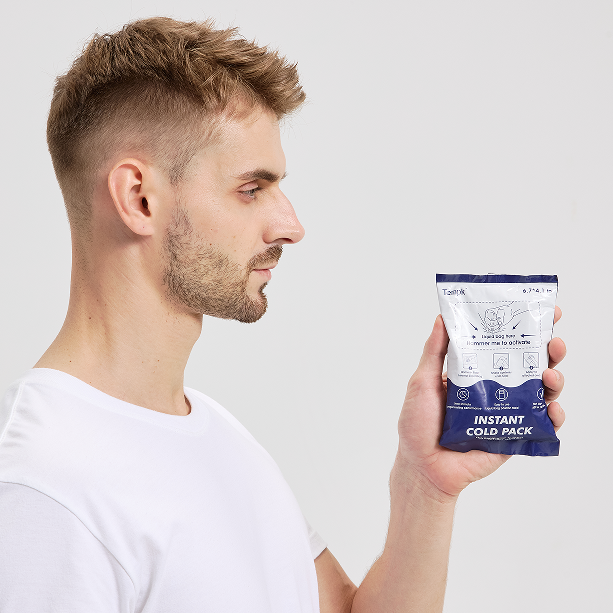
Gel Ice Pillow Beverage Manufacturer: 2026 Guide
If you are choosing a gel ice pillow beverage manufacturer in 2026, focus on three outcomes: clean cooling, zero leaks, and repeatable performance. Many beverage programs aim to keep products near 5°C / 41°F during short handling windows, so your cooling packs must be predictable. Google also pushes sites to reduce unoriginal content and publish genuinely helpful, people-first guidance.
Last Updated: January 16, 2026
This article will answer:
How a gel ice pillow beverage manufacturer helps you cool drinks without mess
What makes a leak proof gel ice pillow cooling pack reliable in real use
How to request a custom size gel ice pillow for bottles and cans with confidence
Which documents matter for a food grade gel ice pillow for beverages
How to qualify a freeze thaw tested gel ice pillow supplier before scaling
What problem does a gel ice pillow beverage manufacturer solve for you?
A gel ice pillow beverage manufacturer helps you keep beverages cold without meltwater, sticky cartons, or diluted drink experiences. That matters in coolers, gift boxes, retail displays, and last-mile delivery. You get steadier contact cooling because a pillow wraps and touches more surface. You also avoid the cleanup that comes from melting ice.
Gel ice pillows are not “just gel packs.” Their shape, seal style, and film choice are designed for beverage handling. When these details are right, your cooling becomes boring in the best way. Nothing leaks, nothing smells, and nothing distracts the customer.
Gel ice pillow vs ice cubes: what changes for you?
Ice cubes are simple, but they melt fast and create water. Gel pillows cool by contact, so they chill without flooding labels. For premium beverages, that “dry cooling” protects branding and customer perception. It also keeps packaging materials from weakening.
| Cooling Option | Cooling Style | Mess Risk | What It Means for You |
|---|---|---|---|
| Ice cubes | dilution cooling | High | wet cartons and label damage |
| Loose gel pack | partial contact | Medium | uneven chilling and shifting |
| Gel ice pillow | full contact cooling | Low | cleaner chill and stable placement |
Practical tips and advice
If you run tastings: keep two pillows per bucket so bottles stay dry and clean.
If you ship beverages: use pillows to create a stable cold zone without pooled water.
If you sell gift kits: choose a low-odor film to protect the “first sip” impression.
Real-world example: A pop-up beverage booth replaced ice with gel pillows and cut cleanup time during peak hours.
How does a gel ice pillow beverage manufacturer cool drinks without meltwater?
A gel ice pillow beverage manufacturer designs packs to maximize surface contact, which speeds chilling and improves stability. Think of it like wearing a jacket instead of holding a cold coin. More contact area means faster heat transfer. A wrap-style pillow hugs bottles and cans, which helps you cool evenly.
Meltwater is not only messy. It also changes how packaging behaves during transport. Cardboard softens, labels wrinkle, and customers notice. Dry cooling keeps your presentation sharp, especially in e-commerce.
Contact-first cooling: the “wrap advantage”
A flat pack under a bottle cools one side. A wrap cools multiple sides at once. That reduces hot spots and shortens the time to reach a comfortable drinking temperature. It also improves stability in a moving cooler.
| Pillow Shape | Best Use Case | Cooling Feel | Practical Meaning for You |
|---|---|---|---|
| Wrap sleeve | bottles and slim cans | fast, even | quick chill for events |
| Flat pad | stacked cans | steady | easy packing and stacking |
| Multi-cell pillow | mixed formats | flexible | bends around products |
Practical tips and advice
For fastest chill: pick a wrap pillow that covers at least half the bottle.
For longer hold: pair flat pads with insulation rather than adding more gel weight.
For mixed kits: use one wrap plus one pad to balance speed and duration.
Real-world example: A subscription box reduced wet packaging complaints by switching to dry cooling pillows.
How does a gel ice pillow beverage manufacturer make packs leak-proof?
A gel ice pillow beverage manufacturer prevents leaks through film selection, controlled filling, and consistent sealing. Leaks usually come from thin film, weak seal edges, or overfilling. Freezing and thawing expands and contracts contents, which stresses corners first. A good manufacturer designs for that stress from the start.
Leak-proof performance is not a marketing phrase. It is a measurable outcome. You should be able to see seal width, feel edge uniformity, and confirm fill tolerance.
Film and seal design: what to request in a leak proof gel ice pillow cooling pack
Ask for film type, film thickness range, seal width, and seal method. Then ask how they verify seal consistency across a production run. If those answers are vague, your risk increases.
| Build Element | What to Ask For | What It Controls | Practical Meaning for You |
|---|---|---|---|
| Film type | PE vs laminated | puncture resistance | fewer pinholes near caps |
| Film thickness | target + tolerance | durability | longer reuse life |
| Seal width | minimum width | seam strength | fewer corner leaks |
| Fill tolerance | allowed variation | stress on seals | stable batch performance |
Practical tips and advice
Check corners first: corner rounding often improves survival in coolers.
Request a “shake test”: bottles plus pillows in a cooler reveal weak films quickly.
Track weight loss: slow leaks show up as grams lost after thawing.
Real-world example: A beverage retailer reduced returns after upgrading to wider seals and tougher film.
What should you ask a gel ice pillow beverage manufacturer about food-grade materials?
A gel ice pillow beverage manufacturer should support beverage use with clear material statements, odor control, and gel documentation. Even if the pillow does not touch the drink, it sits against bottles and labels for hours. If the film smells “plastic,” customers associate that with taste. If the gel formula separates, performance becomes inconsistent.
In 2026, trust matters more than ever. Search quality systems reward content that demonstrates credibility and first-hand expertise. Google’s guidance for quality emphasizes E-E-A-T (Experience, Expertise, Authoritativeness, Trust).
Odor control and taste protection: your hidden differentiator
Odor is one of the fastest ways to lose premium customers. A good manufacturer will talk about film sourcing and odor screening. They will also offer low-odor options for gift kits and direct-to-consumer packaging.
| Risk Area | What Causes It | What You Ask For | What It Means for You |
|---|---|---|---|
| Film odor | low-grade film | low-odor film option | cleaner unboxing |
| Gel odor | additives, poor mixing | SDS + QC steps | fewer complaints |
| Staining | unstable colorant | color-stable formula | better brand look |
Practical tips and advice
Ask for odor screening: it is simple and very revealing.
Avoid mystery additives: clarity builds trust with retail buyers.
Request traceability: batch IDs help when you scale.
Real-world example: A gift kit improved review sentiment after switching to low-odor film and clean finishing.
How do you size with a gel ice pillow beverage manufacturer for bottles and cans?
Sizing with a gel ice pillow beverage manufacturer is about contact area, pack placement, and how long you need “cold hold.” Bigger is not always better. Too much gel can slow freezing, waste space, and increase shipping cost. A smarter approach is to match pack shape to drink geometry and container layout.
Start with your top two beverage formats. Then choose two pillow shapes for pilots. One should prioritize speed (wrap). One should prioritize stacking (pad).
Custom size gel ice pillow for bottles and cans: starter specs you can test
Use this as a practical pilot map. Then adjust after a real test in your actual cooler or shipping box.
| Beverage Format | Suggested Pillow Shape | Gel Weight Range | What It Means for You |
|---|---|---|---|
| 330ml can | wrap sleeve | 80–120g | fast chill, low bulk |
| 500ml bottle | wrap sleeve | 120–180g | good contact for tall formats |
| 750ml wine bottle | multi-cell pillow | 200–300g | flexible wrap for curved shapes |
| 6-pack cans | flat pad | 250–350g | stackable and stable |
Practical tips and advice
Freeze your pilot packs overnight: underfrozen packs underperform.
Test with real beverages: weight and shape affect cooling speed.
Measure surface temperature: a simple IR thermometer shows cooling gaps.
Real-world example: A wine shipper cut cooling time by switching from a flat pack to a wrap pillow.
How do you test a gel ice pillow beverage manufacturer before scaling?
Testing a gel ice pillow beverage manufacturer before scaling means running a freeze-thaw pilot, checking for leaks, and scoring consistency across batches. Do not trust a single sample. Ask for a small batch from a real production run. Then test under your real conditions.
A freeze thaw tested gel ice pillow supplier should welcome this. If they resist, your risk increases.
Freeze thaw tested gel ice pillow supplier: your pilot checklist
Run at least 20 freeze-thaw cycles. Weigh before and after. Inspect seals. Document any leaks or odor changes.
| Test Step | What to Measure | What It Reveals | What It Means for You |
|---|---|---|---|
| Freeze-thaw cycling | weight loss, seal cracks | durability under stress | fewer field failures |
| Bottle friction test | film scratches, tears | handling toughness | cleaner cooler experience |
| Odor check after thaw | smell intensity | film quality | better customer perception |
| Batch comparison | weight variance | production consistency | predictable performance |
Practical tips and advice
Use a kitchen scale: even 2–3g loss signals a slow leak.
Photograph seals before and after: visual records help supplier conversations.
Run a “cooler shake” test: simulate transport to catch weak films early.
Real-world example: A buyer caught a seal defect at cycle 12, avoiding a larger production issue.
Supplier scorecard for a gel ice pillow beverage manufacturer
Use this scorecard to compare suppliers fairly. Score each row from 0 (not met) to 2 (fully met). Total your scores and compare.
| Evaluation Criteria | Supplier A | Supplier B | Supplier C |
|---|---|---|---|
| Clear spec sheet (film, gel, seals) | |||
| Leak + freeze-thaw test evidence | |||
| Low-odor option for beverage kits | |||
| Custom sizing support for your formats | |||
| Stable lead time + capacity plan | |||
| Batch traceability (IDs, records) |
Score guide:
10–12: Strong candidate for long-term supply
7–9: Pilot more deeply before scaling
0–6: High risk for beverage-facing programs
Practical tips and advice
Run the same scorecard on all suppliers: fairness improves your decisions.
Use photos and weights in your pilot notes: it speeds up supplier fixes.
Ask for a corrective action plan: the best suppliers respond with process, not excuses.
Real-world example: A buyer chose a slightly higher-priced supplier after scoring seal consistency and traceability higher.
2026 trends for a gel ice pillow beverage manufacturer you should watch
In 2026, a gel ice pillow beverage manufacturer wins by delivering cleaner user experience, stronger verification, and easier sustainability through reuse. Buyers want fewer odor complaints and fewer “mystery specs.” They also want products that survive repeated cycles without performance drift.
Content expectations are changing, too. Google’s core ranking updates aim to reduce low-quality, unoriginal pages, while spam policies target scaled content abuse and site reputation abuse. That makes original testing, real comparisons, and transparent documentation even more valuable.
What is new in 2026 manufacturing programs?
Stronger seals with less material: better durability without bulky packs
Lower-odor film improvements: better fit for premium beverage kits
More reuse-first designs: shaped for easy storage and repeat freezing
Practical tips and advice
Publish your test method: buyers trust what they can repeat.
Avoid “mass pages” with no value: focus on real insights and use cases.
Keep content people-first: it protects long-term traffic and brand trust.
Real-world example: A brand improved conversion by adding real pilot results and a clear pack sizing guide.
Frequently Asked Questions
Question 1: How long can a gel ice pillow keep beverages cold?It depends on gel weight, contact area, insulation, and ambient heat. Test in your real container to confirm hold time.
Question 2: What is the fastest way to compare two suppliers?Run the same 20-cycle freeze-thaw test and a bottle friction test. Then compare leaks, odor, and weight consistency.
Question 3: What should I ask for to confirm leak resistance?Ask for film specs, seal width, and a clear leak test method. Then run a 48-hour freeze–thaw pilot at home.
Question 4: Do I need food-grade materials for beverage cooling pillows?If pillows touch bottles and labels, low-odor and safe material statements help. They also make retail conversations easier.
Question 5: Which shape cools cans fastest?Wrap sleeves cool faster because they increase contact area. Flat pads are better for stacking and shipping stability.
Question 6: Can I customize size and branding?Yes, many suppliers can customize both. Keep printing simple if durability and clean appearance matter most.
Question 7: How do I reduce cost without hurting performance?Optimize cartons, standardize shapes, and simplify printing. Avoid thinning film or narrowing seals, which often increases leaks.
Question 8: What is a safe pilot plan before a big order?Order 2–3 shapes, test them for two weeks, and score suppliers with the same checklist. Scale only after stable results.
Summary and recommendations
A gel ice pillow beverage manufacturer is the right partner when it delivers clean cooling, leak-proof durability, and consistent batches you can trust. Prioritize contact-first designs, strong seals, and low-odor options for beverage-facing programs. Use a simple freeze-thaw and friction pilot to catch failures early. Then compare suppliers by cost per successful chill, not unit price.
Gel Freezer Pack USA Manufacturer: How Do You Choose?

Gel Freezer Pack USA Manufacturer: How Do You Choose?
If you are choosing a gel freezer pack USA manufacturer, you are really choosing predictable temperature control. Your box may travel 24–72 hours through hot trucks, porch delays, and rough handling. In many lanes, gel packs hold cold far longer than loose ice while keeping packaging clean and dry. Your goal is simple: fewer warm arrivals, fewer leaks, and fewer customer complaints.
This article will help you answer:
How to qualify a gel freezer pack USA manufacturer using cooling-curve proof and traceability
What to request for food grade gel freezer packs documentation and safety control
How a gel freezer pack USA manufacturer matches packs to your 24/48/72-hour lane
How to run cold chain packout validation without a lab
How to compare total cost per successful delivery, not just pack price
What should a gel freezer pack USA manufacturer prove first?
A reliable gel freezer pack USA manufacturer should prove three things: cooling performance, package integrity, and repeatability. “Cold enough” is not a spec, because the risk happens at the end of the route. You want evidence that the same packout performs across batches and seasons. When a manufacturer can show proof quickly, your sourcing process becomes safer and faster.
A strong gel freezer pack USA manufacturer should also speak in outcomes you care about. That means time-in-range, leak rate, and clear lot coding. If you only get photos and unit pricing, you are buying blind. Proof beats promises every time.
A simple proof checklist for buyers
| Proof area | What you ask for | What you should receive | What it means for you |
|---|---|---|---|
| Cooling performance | Cooling curve evidence | Summary + plot from lane test | Fewer warm arrivals |
| Leak prevention | Seal + film controls | QC method + acceptance limits | Fewer leaks and wet boxes |
| Repeatability | Lot traceability | Lot codes + batch records | Faster root-cause fixes |
Practical tips you can use today
Use one “worst lane” first: qualify the gel freezer pack USA manufacturer on your most failure-prone route.
Demand batch consistency: ask for fill-weight tolerance (example: ±2–3%) and how it’s checked.
Ask for failure stories: a trustworthy gel freezer pack USA manufacturer will explain what fails and how they prevent it.
Practical example: One subscription shipper reduced complaints after switching to a gel freezer pack USA manufacturer that tightened fill control and upgraded seal width.
Summary and recommendations
A dependable gel freezer pack USA manufacturer should prove performance, document safety, and produce consistently at scale. Start by defining your lane, then run a simple 3-run validation. Prioritize seal integrity, traceability, and change control. These levers reduce warm arrivals, leaks, and refunds while lowering total cost per successful delivery.
About Tempk
We design and manufacture cold-chain temperature control packaging, including gel freezer packs for food, medical, and pharmaceutical shipping. We focus on consistent fill control, robust sealing, and traceable production so your packouts perform in real routes. We also help you validate layouts and reduce pack count without risking temperature stability.
Ready to improve your cold chain? Talk with our team to plan a lane test and choose the right gel freezer pack configuration for your shipments.
What should a cool gel pack biotech manufacturer prove first?
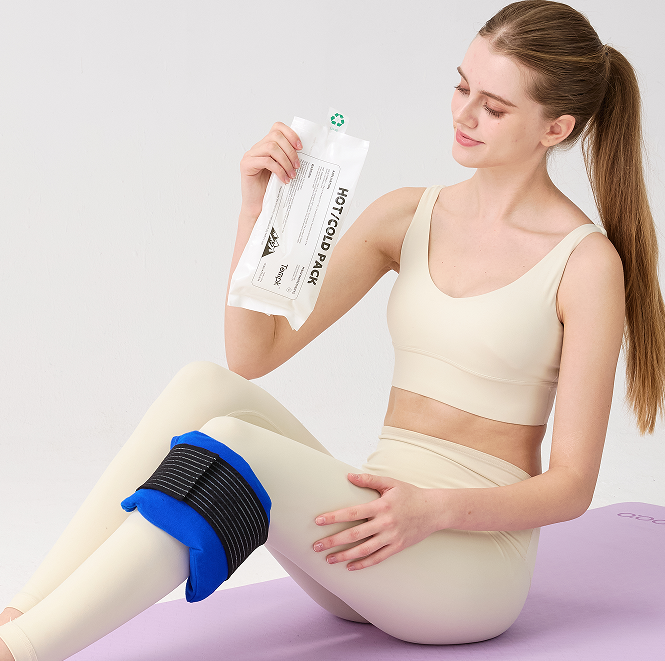
What should a cool gel pack biotech manufacturer prove first?
A cool gel pack biotech manufacturer should prove repeatable temperature performance, packaging integrity, and traceability. If one of these is missing, your “good shipments” will not scale. You may see quiet failures where the center stays stable but the edge drifts.
In biotech, repeatability matters more than “best-case curves.” You need the same outcome across lots and shifts. That means controlling fill, seals, film, and change management.
Audit snapshot: what to request first
Ask for evidence that predicts repeatability, not marketing claims. A simple audit packet usually reveals maturity fast.
| Audit area | What you ask for | What “good” looks like | What it means for you |
|---|---|---|---|
| Fill control | tolerance + verification method | documented checks by lot | stable hold time |
| Seal control | seal criteria + inspections | clear acceptance limits | fewer wet cartons |
| Film control | approved spec + incoming checks | consistent film strength | fewer punctures |
| Traceability | lot coding on cartons | carton-level traceability | faster containment |
| Change control | triggers + notification rule | written notice before changes | prevents drift |
Practical tips and suggestions
Ask one “failure question”: “What fails most often, and how do you prevent it?”
Require carton-level lot codes: pallet-only coding slows investigations.
Set a documentation SLA: predictable response times prevent program delays.
Practical example: Teams reduce revalidation cycles when change control is written and enforced.
How do you brief a cool gel pack biotech manufacturer for your lane?
A cool gel pack biotech manufacturer can only protect you if your lane is defined. Without a lane brief, suppliers guess pack mass and layout. That leads to overpacking on easy lanes and failure on delay lanes.
A lane brief is also an operational tool. It keeps two packers from building two different boxes. The same lane brief becomes your packout “recipe.”
Gel Cold Therapy Pack Manufacturer in North America?
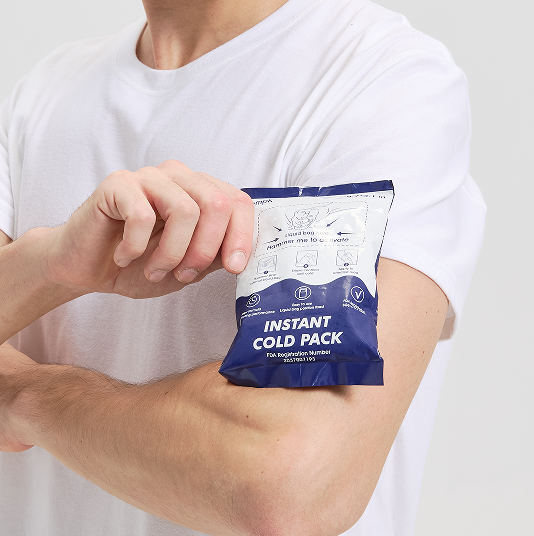
If you’re evaluating a gel cold therapy pack North America manufacturer, you’re really choosing the customer experience you’ll be judged on. You need packs that stay flexible when frozen, feel comfortable on skin, and arrive leak-free in every carton. You also need a supplier that can repeat the same result at scale, not just ship a “pretty sample.”
This article will answer for you:
How a gel cold therapy pack North America manufacturer affects comfort, safety, and repeat orders
Which therapy pack formats sell best across clinics, retail, and e-commerce
A 15-minute shortlist checklist to identify real manufacturing capability
A practical test plan: leak test, freezer bend test, and comfort curve test
Labeling and claims basics that reduce misuse and complaints
2026 trends that matter: comfort-first design, better QC visibility, and longer reuse life
What does a gel cold therapy pack North America manufacturer actually control?
A gel cold therapy pack North America manufacturer controls what users feel in the first 10 seconds: flexibility, cold intensity, and surface comfort. If any one fails, customers stop using the pack and blame your brand. That is why comfort should be treated like a measurable spec, not a vague preference.
Cold therapy should feel like a controlled “cool blanket,” not a stiff brick. When a pack molds to the body, it makes better contact and feels more effective. When it stays rigid, it creates pressure points and complaint tickets.
How do you define “flexible when frozen” in plain terms?
Flexible when frozen means the pack wraps around a joint without sharp creases or hard edges. You can measure it with a simple bend test and a comfort check. Your supplier should be able to explain how gel formulation and film structure support that outcome.
Here is a simple “comfort spec” table you can include in your product brief:
| Comfort factor | What you can measure | What the user experiences | What it means for you |
|---|---|---|---|
| Flexibility at freezer temp | Bend test at −18°C | Wraps a joint easily | Fewer returns and better reviews |
| Skin feel | Film + cover feel | Not sticky, not harsh | Higher daily usage |
| Cold intensity control | Thickness + gel type | Cold but tolerable | Fewer “too cold” complaints |
Practical tips and suggestions
Knees and elbows: choose designs that wrap and stay in place with movement.
Face and dental: choose thin packs with soft edges for comfort.
Post-surgery: choose gentler intensity with longer useful duration.
Practical pattern: Buyers usually get more complaints about “too hard” and “leaks” than “not cold enough.”
Which gel cold therapy pack manufacturer formats sell best in North America?
The best gel cold therapy pack manufacturer formats are the ones that match real routines: clinic protocols, home pain relief, sports first aid, and facial use. A strong lineup is not “more SKUs.” It is fewer SKUs that cover the highest-frequency scenarios.
Most North America demand clusters into a few predictable use cases: physical therapy, orthopedic recovery, sports and fitness, dental and aesthetics, and general home care.
A simple 6-SKU lineup that avoids cannibalization
You can build a strong line with 5–8 SKUs if you choose wisely. Start with one universal rectangle, then add one contoured hero, then add one small facial pack. Add a wrap insert system if you sell into therapy or sports channels.
| SKU type | Best for | Typical buyer | Why it wins |
|---|---|---|---|
| Universal rectangle | General home use | Retail + e-commerce | High volume, easy replenishment |
| Knee/shoulder contour | Joint recovery | Clinics + rehab | Better contact, fewer slips |
| Back/neck insert | Daily pain relief | Retail + PT | Strong routine story |
| Small facial pack | Dental and aesthetics | Medspa + dental | High repeat ordering |
| Wrap system insert | Orthopedic + sports | PT + teams | Stays in place, feels premium |
Practical tips and suggestions
Start with 3–4 SKUs that cover 80% of demand. Add specialty SKUs only when you have data.
Avoid “mini” and “jumbo” versions of the same shape unless you have channel-specific demand.
Wrap systems with removable inserts let you upsell refills and reduce per-use cost.
How do you shortlist a gel cold therapy pack North America manufacturer in 15 minutes?
You can shortlist a gel cold therapy pack North America manufacturer with a 15-minute checklist. Focus on three areas: production basics, quality control, and scaling support. Suppliers who cannot answer clearly on these points will likely cause problems later.
Production basics checklist
Ask about gel formulation, film type, sealing method, and batch traceability. These four items reveal whether the manufacturer controls the process or just assembles parts.
| Question | What you want to hear | Red flag |
|---|---|---|
| Gel formulation | In-house mixing, documented ratios | Outsourced, no spec sheet |
| Film type | TPU or PVC with clear trade-offs | Vague or “whatever you want” |
| Sealing method | RF or heat seal with process control | No mention of seal testing |
| Batch traceability | Lot codes, production records | No traceability system |
Quality control checklist
Ask about incoming inspection, in-process checks, and final QC. The goal is to see if they catch problems before you do.
| QC stage | What to ask | What it tells you |
|---|---|---|
| Incoming | How do you verify raw materials? | Prevents batch-level failures |
| In-process | How do you check seals during production? | Catches drift early |
| Final | What is your AQL and defect log? | Shows real defect rates |
Scaling support checklist
Ask about lead times, change control, and communication. These items predict how smoothly you can grow with them.
| Scaling factor | What to ask | What it tells you |
|---|---|---|
| Lead time | What is your typical production lead time? | Affects your inventory planning |
| Change control | How do you handle spec changes? | Prevents silent quality drift |
| Communication | Who is my main contact? | Single point of accountability |
How do you write an RFQ for a gel cold therapy pack North America manufacturer?
A good RFQ for a gel cold therapy pack North America manufacturer includes four sections: product specs, volume and timeline, quality requirements, and nice-to-haves. Keep it to 1–2 pages. Clarity beats length.
RFQ template outline
- Product name and description:
- Dimensions (L × W × thickness):
- Gel type and weight:
- Film material preference:
- Sealing method preference:
- Pilot quantity:
- Expected 90-day volume:
- Lead time expectations:
Must-have vs nice-to-have spec grid
Use “must-have” and “nice-to-have” to prevent scope creep. It also helps the manufacturer price what you truly value.
| Spec type | Must-have examples | Nice-to-have examples | What it changes for you |
|---|---|---|---|
| Reliability | No leaks, stable seams | Extra rugged corners | Lower refund rate |
| Comfort | Flexible after freezing | Softer sleeve feel | Higher daily usage |
| Brand | Consistent print placement | Premium unboxing | Better conversion |
| Scaling | Change control | Faster turnarounds | More predictable inventory |
Practical tips and suggestions
Keep RFQs to 1–2 pages. Clarity beats length.
Define your test method first. It prevents performance disputes later.
Ask for change control. It’s the cheapest insurance you can buy.
How do you validate samples from a gel cold therapy pack North America manufacturer?
You can validate a gel cold therapy pack North America manufacturer with three simple tests: leak, bend, and comfort. You do not need a lab to catch most failures early.
Run these tests on a random unit from a carton, not a handpicked sample.
Test 1: Leak resistance and seal integrity
The goal is simple: no seepage under normal abuse. Freeze overnight, drop it, compress it, and inspect seams.
- Freeze overnight
- Drop from waist height 10 times (flat and edge)
- Press under a heavy book for 1 hour
- Check for seepage, seal separation, and film cracks
Test 2: Flexibility when frozen (bend test)
The goal is joint-level wrapping without sharp creases. Bend around a 2–3 inch cylinder and score wrapping behavior.
Test 3: “Comfort curve” test (user experience)
The goal is cold that feels helpful, not painfully harsh. Use a fabric barrier and apply for 10 minutes to confirm tolerable sensation.
| Test | Pass signal | Fail signal | What it means for you |
|---|---|---|---|
| Leak test | No seepage | Sticky film, wet seams | High return risk |
| Bend test | Wraps smoothly | Stiff, sharp folds | Poor comfort and reviews |
| Comfort test | Cold but tolerable | Painfully cold quickly | Low usage and low trust |
Practical tips and suggestions
Control the setup: same freezer time, same rest time, same cover material.
Test both thin and thick designs: customers react differently to intensity.
Run a mini freeze-thaw cycle: it catches separation and stiffness drift.
Real-world rule: The best sample behaves the same across a full production lot.
TPU vs PVC: what should your gel cold therapy pack North America manufacturer use?
Material choice shapes feel, odor risk, and long-term durability. TPU often feels more premium, while PVC is common and cost-effective. Both can work when the process is controlled.
Here is a buyer-friendly comparison:
| Material | Typical feel | Odor risk | Durability | Cost |
|---|---|---|---|---|
| TPU | Softer, more premium | Lower | Higher | Higher |
| PVC | Firmer, more common | Higher if low-grade | Good if well-made | Lower |
Practical tips and suggestions
If you sell into premium or medical channels, TPU is usually worth the cost.
If you sell into retail or promotional channels, PVC can work if you verify odor and seal quality.
Always ask for a sample sniff test and a freeze-thaw cycle before committing.
What labeling and claims should your gel cold therapy pack North America manufacturer support?
Labeling and claims affect how customers use the pack and how they complain. Clear instructions reduce misuse. Accurate claims reduce legal risk.
Basic labeling checklist
- Product name and intended use
- Freezer and microwave instructions (if applicable)
- Maximum application time
- Barrier recommendation (use with cloth)
- Storage and disposal instructions
- Manufacturer or importer contact
Claims to avoid
Avoid medical claims unless you have regulatory clearance. “Pain relief” is usually acceptable. “Treats arthritis” is not.
What are the 2026 trends for gel cold therapy pack North America manufacturers?
Three trends are shaping the market: comfort-first design, better QC visibility, and longer reuse life.
Comfort-first design
Buyers are prioritizing flexibility and skin feel over raw cold intensity. This means softer films, better gel formulations, and more attention to user experience.
Better QC visibility
Buyers want to see defect logs, batch records, and real-time production updates. Transparency is becoming a competitive advantage.
Longer reuse life
Buyers are asking for packs that last 100+ freeze-thaw cycles without degradation. This reduces per-use cost and supports sustainability claims.
Refrigerant Gel for Cold Chain Veterinary Manufacturer?
This article will help you:
Pick refrigerant gel for cold chain veterinary manufacturer programs that reduce freezing risk
Pick phase change gel packs for veterinary vaccines without guessing in your refrigerant gel for cold chain veterinary manufacturer lanes
Build a daily gel pack conditioning protocol your team can follow
Validate a passive shipper and create audit-ready documentation
Write a QA spec that keeps refrigerant gel lots consistent
Make smart 2026 trade-offs on weight, cost, and sustainability
Refrigerant Gel for Cold Chain Veterinary Manufacturer: What is it and why does it work?
Direct answer: Refrigerant gel for cold chain veterinary manufacturer shipping is a controlled cooling medium designed to absorb heat steadily so your payload stays in range. It works because it creates a predictable thermal buffer, not a sudden cold blast.
A good refrigerant gel for cold chain veterinary manufacturer design focuses on repeatability. Ice can create sharp gradients near 0°C. Dry ice is far colder and usually belongs in frozen systems. Refrigerant gel for cold chain veterinary manufacturer workflows are built for controlled refrigeration, where “safe” matters more than “cold.”
How phase change gel packs protect veterinary biologics
Phase change gel packs melt around a set temperature and absorb heat while doing it, which supports refrigerant gel for cold chain veterinary manufacturer consistency. Think of it like a sponge soaking up heat at the same “height.” Water ice dumps cold at the surface, but a phase change system holds closer to a target such as +5°C.
| Cooling option | Typical behavior | Main risk | Your practical outcome |
|---|---|---|---|
| Ice packs | Strong cold near 0°C | Local freezing | Higher rejection risk |
| Water gel packs | Slower ice-like cooling | Cold spots remain | Needs strong buffering |
| PCM gel packs | Holds near target temp | Under-sizing | Best 2–8°C control |
| Eutectic plates | Reusable rigid PCM | Packing limits | Great for closed loops |
Practical tips and recommendations
Match gel type to your target range, not to “whatever is in stock.”
Run a quick pilot before committing to large orders.
Ask suppliers for latent heat data, not just marketing claims.
Refrigerant Gel for Cold Chain Veterinary Manufacturer: How do you size gel packs correctly?
Direct answer: Sizing depends on transit time, ambient exposure, and payload sensitivity. Under-sizing leads to warm arrivals. Over-sizing adds weight and cost. The right size keeps your payload in range without waste.
For refrigerant gel for cold chain veterinary manufacturer lanes, sizing is a balance. You want enough thermal mass to handle the worst expected conditions, but not so much that you pay for capacity you never use.
Sizing factors to consider
| Factor | What it affects | How to measure | Your action |
|---|---|---|---|
| Transit time | Duration of protection | Carrier data + buffer | Add margin for delays |
| Ambient temperature | Heat load | Seasonal profiles | Design for worst case |
| Payload mass | Thermal inertia | Weigh typical shipments | Adjust gel ratio |
| Insulation R-value | Heat ingress rate | Supplier specs | Match to transit time |
Practical tips and recommendations
Start with supplier sizing tools, then validate with real shipments.
Track actual transit times, not just quoted times.
Revalidate when you change carriers or seasons.
Refrigerant Gel for Cold Chain Veterinary Manufacturer: How do you build a standard packout?
Direct answer: A standard packout is a documented, repeatable process that anyone on your team can follow. It reduces variation and makes every shipment consistent.
For refrigerant gel for cold chain veterinary manufacturer operations, standard work is the foundation. If everyone packs differently, you cannot predict performance. If everyone follows the same steps, you can troubleshoot and improve.
Packout control checklist
| Packout control | What to lock | How to lock it | Your real benefit |
|---|---|---|---|
| Conditioning | Start-state rule | Labeled racks + dwell window | Less variance |
| Placement | Exact locations | Diagram + photo | Repeatability |
| Separation | Buffer thickness | Pre-cut spacers | Less freezing |
Practical tips and recommendations
Create one “packout sheet” per carton size, not one for everything.
Use a short checklist before sealing the carton.
Audit one shipment per shift until results stabilize.
Refrigerant Gel for Cold Chain Veterinary Manufacturer: How do you control conditioning every day?
Direct answer: Conditioning is the most common hidden variable. A conditioning protocol defines storage temperature, dwell time, and the “ready-to-pack” state so every packout starts the same way.
For refrigerant gel for cold chain veterinary manufacturer operations, conditioning should feel like production control. If you change nothing else, tightening conditioning often upgrades the whole refrigerant gel for cold chain veterinary manufacturer result.
A practical conditioning protocol
Define the ready state: “refrigerated and firm,” not “frozen solid.”
Set a conditioning zone: controlled refrigerator space with a posted setpoint.
Set a dwell window: minimum and maximum hours before use.
Separate racks: READY vs NOT READY with big labels.
Verify integrity: quick leak and seal checks.
Record lots: link gel lot and conditioning window to shipment lots.
Practical tips and recommendations
Treat conditioning racks like FIFO inventory.
Use the same thermometer placement at every site.
Retrain after any seasonal change or staffing change.
Refrigerant Gel for Cold Chain Veterinary Manufacturer: What should your supplier QA spec include?
Direct answer: Your QA spec should lock phase change behavior, integrity, and traceability. If gel lots vary, your validation becomes fragile. If seals fail, you lose trust at receiving.
Supplier spec checklist
| Spec area | What to specify | Simple verification | Why it matters |
|---|---|---|---|
| Phase change window | Target + tolerance | COA + spot checks | Predictable cooling |
| Net fill weight | Min and max | Incoming weigh | Stable duration |
| Film + seals | Thickness + strength | Visual + pull sample | Fewer leaks |
| Lot traceability | Batch ID | Label audit | Faster investigations |
| Reuse limits | Max cycles | Return inspection | Controlled lifecycle |
Practical tips and recommendations
Add “no substitution without approval” to every purchase order.
Run simple incoming QC: weight, visual, and seal checks.
Keep gel lots linked to shipment records for traceability.
Refrigerant Gel for Cold Chain Veterinary Manufacturer: How do you validate a passive shipper?
Direct answer: Validation proves your shipper design works under defined conditions. It creates evidence you can show auditors and gives you confidence in your lanes.
Validation steps
Define your acceptance criteria: temperature range, duration, and ambient profile.
Build a test protocol: chamber profile, logger placement, and pass/fail rules.
Run qualification tests: OQ and PQ with documented results.
Create a validation summary: one-page report with key data and conclusions.
Practical tips and recommendations
Use calibrated loggers and document calibration status.
Test worst-case scenarios, not just average conditions.
Revalidate when you change gel, insulation, or transit lanes.
Refrigerant Gel for Cold Chain Veterinary Manufacturer: What are the 2026 trade-offs?
Direct answer: The main trade-offs are weight vs. cost vs. sustainability. Lighter gel reduces shipping cost but may reduce duration. Sustainable options may cost more but improve your environmental profile.
Trade-off comparison
| Trade-off | Option A | Option B | Your decision factor |
|---|---|---|---|
| Weight | Heavier gel = longer duration | Lighter gel = lower shipping cost | Transit time needs |
| Cost | Premium PCM = better control | Standard gel = lower unit cost | Payload value |
| Sustainability | Bio-based gel = better profile | Standard gel = proven supply | Customer expectations |
Practical tips and recommendations
Run a total cost analysis, not just unit cost.
Ask suppliers about sustainability certifications.
Pilot new options before full rollout.
Gel Cold Therapy Pack Germany Manufacturer Checklist

If you need a gel cold therapy pack Germany manufacturer, start by controlling comfort, leak risk, and documentation. Most cold therapy guidance limits sessions to 15–20 minutes and recommends using a towel or sleeve barrier instead of direct skin contact. If you sell in Germany, your claims and paperwork matter too, because EU medical device rules (MDR) can apply depending on intended use. This final article merges and upgrades the three drafts in your uploaded document.
This article will answer for you:
- How to qualify a gel cold therapy pack Germany manufacturer without a factory visit
- Which pack designs reduce returns for sports, clinics, and home recovery
- How to set comfort-first, safer use rules users actually follow
- What EU/Germany documentation a gel cold therapy pack Germany manufacturer should support
- A 7-day sample test plan and scorecard you can reuse forever
- 2026 trends that shape both buyer trust and search performance
What makes a gel cold therapy pack Germany manufacturer trustworthy?
A trustworthy gel cold therapy pack Germany manufacturer proves repeatability in performance, integrity, and traceability. If any one drifts, your reviews and returns drift too.
You are not buying “cold.” You are buying a predictable user experience. German buyers tend to notice small defects fast. A single leak can destroy trust. A stiff pack can feel “cheap,” even when it is not.
Manufacturer vs trader: a fast reality check
| Checkpoint | Manufacturer-grade answer | High-risk answer | What it means for you |
|---|---|---|---|
| Specs | written tolerances for size and fill | “standard size” | hidden batch drift |
| Lot coding | clear lot codes on cartons | inconsistent codes | slow investigations |
| Change control | written notice before changes | “same product” | sudden quality drops |
| Sampling | defect targets + sampling plan | “we check” | hard to enforce |
Which pack designs reduce returns?
Pack design should match the use case. Sports users want flexibility and secure straps. Clinic users want consistent performance and easy cleaning. Home users want comfort and simple instructions.
Design matrix by use case
| Use case | Priority features | Common return drivers |
|---|---|---|
| Sports | flexibility, secure straps | stiff after freezing, slips |
| Clinic | consistent performance, easy cleaning | inconsistent cold, hard to sanitize |
| Home | comfort, simple instructions | too cold, confusing use |
How to set comfort-first, safer use rules
Most cold therapy guidance limits sessions to 15–20 minutes and recommends using a towel or sleeve barrier instead of direct skin contact. These rules protect users and reduce complaints.
Comfort-first checklist
- Include a sleeve or barrier in the kit
- Print session limits on packaging
- Add a “check skin every 5 minutes” reminder
- Avoid claims that encourage overuse
What EU/Germany documentation should a manufacturer support?
If you sell in Germany, your claims and paperwork matter. EU medical device rules (MDR) can apply depending on intended use. REACH compliance and Candidate List substance disclosure may also be required.
Documentation checklist
- Product specifications with tolerances
- Lot coding and traceability records
- Change control policy
- REACH compliance statement
- MDR classification assessment (if applicable)
7-day sample test plan and scorecard
Test samples before committing to volume orders. A 7-day plan covers the key failure modes.
Test schedule
| Day | Test | Pass criteria |
|---|---|---|
| 1 | Visual inspection | no defects, clean seams |
| 2 | Freeze test | flexible after 24h freezing |
| 3 | Drop test | no leaks after 1m drop |
| 4 | Compression test | no leaks under 10kg for 5min |
| 5 | Comfort test | comfortable with barrier for 15min |
| 6 | Odor test | no strong chemical smell |
| 7 | Documentation review | complete and consistent |
Frequently Asked Questions
Q1: How long should a cold therapy session last?
Many guidance sources recommend short sessions, often 10–20 minutes, and avoiding longer exposure.
Q2: Should a gel pack touch skin directly?
Use a towel or sleeve barrier. Direct contact can feel too intense and raise risk.
Q3: What is the fastest way to reduce leak complaints?
Require seam controls, thicker film where needed, and a defect replacement SLA. Test with drop + compression.
Q4: What documents should a gel cold therapy pack Germany manufacturer provide first?
Specs with tolerances, lot coding method, change control policy, and packaging mockups.
Q5: Does EU MDR matter for gel cold therapy packs in Germany?
It depends on intended use and claims. MDR is Regulation (EU) 2017/745, and Germany provides MDR/MPDG FAQ resources.
Summary and recommendations
A strong gel cold therapy pack Germany manufacturer helps you win on comfort, integrity, and repeatability. Start with a hero use case (sports, clinic, or retail). Require written tolerances, lot coding, and change control. Build safety and comfort around a barrier sleeve and short-session guidance. Validate suppliers with a 7-day scorecard, not gut feel. If you do this, you reduce returns, protect ratings, and scale without surprises.
About Tempk
At Tempk, we build temperature-focused products with a manufacturing mindset: clear specs, practical testing, and QC gates that hold at scale. We prioritize comfort-first performance and simple, safe user guidance, because those two factors protect your brand long after launch.
Gel Cold Compress India Manufacturer Checklist?

If you’re searching for a gel cold compress India manufacturer, you’re choosing the experience customers judge in minutes: no leaks, no strong odor, and no “frozen brick” feel. Many clinicians also recommend short icing sessions (often 10–20 minutes) with a skin barrier, which changes how you should design sleeves and instructions. This guide merges and upgrades your three drafts into one 2026-ready playbook.
This article will help you:
- Pick the right product format for your buyer (sports, home, clinic, postpartum)
- Screen a gel cold compress India manufacturer in one call using a scorecard
- Write an RFQ that prevents “we assumed” mistakes and quote chaos
- Validate samples with leak-abuse, freezer-flexibility, and comfort-duration tests
- Lock QC gates, lot coding, and change control before scaling
- Understand 2026 compliance basics for medical-purpose claims in the U.S. and India
How do you pick the right gel cold compress format?
The best gel cold compress format is the one that fits the user’s routine, not the one that looks most impressive. If the compress needs to wrap a knee, flexibility matters more than maximum cold. If it touches the face, edge comfort and sleeve softness matter most.
Think “scenario first, shape second.” That keeps your specifications clean and makes supplier comparisons fair.
A 2-minute use-case quiz
Answer Yes/No:
- Will users wrap it around a joint (knee/ankle/shoulder)?
- Will it touch sensitive skin (jaw/face/postpartum)?
- Will it be used while lying down?
- Do you want hot-and-cold versatility?
If you answered Yes to #1: prioritize freezer flexibility and seam comfort. If you answered Yes to #2: prioritize sleeve comfort and gentler cold intensity. If you answered Yes to #4: you must validate both heating and cooling behaviors.
Common formats and when they win
| Format | Best for | Why it sells | Typical failure |
|---|---|---|---|
| Flat rectangle | general home use | simple and low-cost | slips on joints |
| Contoured wrap | knees/shoulders | better contact | sizing errors |
| Multi-cell / baffled | larger areas | reduces gel pooling | weld QC issues |
| Eye mask | face/sinus | gentle cold | edge comfort |
How do you screen a gel cold compress India manufacturer?
Use a 20-point scorecard. Each item is worth 0, 1, or 2 points. The scorecard forces your gel cold compress India manufacturer to answer with specifics, not promises.
20-point manufacturer scorecard
- Fill tolerance documentation
- Seal parameter control
- Leak test routine
- Freezer flexibility test
- Odor control process
- Lot traceability
- Change control
- Sleeve/accessory quality
- Communication clarity
- Realistic lead times
Interpretation: 16–20: strong candidate, 11–15: workable, tighten controls, 0–10: high risk of drift
What RFQ should you send to a gel cold compress India manufacturer?
Your RFQ is the contract your gel cold compress India manufacturer will actually follow. Keep it one page. Include use case, format, tolerances, tests, and packaging.
Copy-paste RFQ template
- Use case and target
- Primary use (sports/home/clinic/postpartum):
- Body area:
- Hot-and-cold or cold-only:
- Pack format
- Type (flat/contoured/baffled/eye mask):
- Dimensions (L x W x T):
- Target weight:
- Materials
- Film type preference:
- Sleeve material:
- Required quality gates
- Fill tolerance + sampling plan
- Leak test + frequency per lot
- Freezer flexibility test
- Odor check
How do you test samples from a gel cold compress India manufacturer?
You validate a gel cold compress India manufacturer in three layers: leak-abuse, freezer-flexibility, and comfort-duration.
Test 1: Leak-abuse
- Freeze packs fully
- Drop from 1 meter onto concrete
- Apply 10 kg compression for 5 minutes
- Inspect seams for leaks or bulging
Test 2: Freezer-flexibility
- Freeze packs for 24 hours
- Bend around a 15 cm cylinder
- Pass = no cracking, no stiff “brick” feel
Test 3: Comfort-duration
- Wrap pack in sleeve or barrier
- Apply to skin for 15 minutes
- Check for cold burn risk, condensation, and comfort
How do you scale with a gel cold compress India manufacturer?
Scaling requires QC gates, change control, and documentation discipline. Your gel cold compress India manufacturer must commit to these before you place volume orders.
QC gates for production
| Gate | Frequency | Action if fail |
|---|---|---|
| Fill weight check | every lot | hold + adjust |
| Leak test | per AQL | reject lot |
| Freezer flexibility | per lot | hold + investigate |
| Odor check | per lot | hold + investigate |
Compliance basics for 2026
Compliance depends on what you claim, not just what you manufacture. If you position your product for medical purposes in the U.S., FDA regulations include device categories such as 21 CFR 890.5700 (cold pack) and 21 CFR 890.5710 (hot or cold disposable pack).
India’s Medical Devices Rules framework
India’s Medical Devices Rules, 2017 state the rules come into force on January 1, 2018. If you sell in India as a regulated medical device, classification and licensing may apply under that framework.
ISO 13485 as a “clinic-channel readiness” signal
ISO describes ISO 13485 as an internationally recognized standard for quality management systems in medical device design and manufacture. You may not need certification for every program, but the behaviors matter: documentation, traceability, change control, corrective action discipline.
Frequently Asked Questions
Q1: What should I test before choosing a gel cold compress India manufacturer?
Test leak resistance, freezer flexibility, and comfort duration through a fabric barrier.
Q2: What causes most gel cold compress returns?
Leaks, stiff “brick” feel after freezing, odor, and uncomfortable sleeve fit are common drivers.
Q3: How long should users apply cold therapy products?
Many clinical resources recommend short sessions (often 10–20 minutes) with a barrier, not exceeding about 20 minutes.
Q4: If I sell for medical purposes in the U.S., what category may apply?
FDA regulations include cold packs under 21 CFR 890.5700 and hot/cold disposable packs under 21 CFR 890.5710, depending on intended use and design.
Summary and recommendations
A gel cold compress India manufacturer is the right partner when they can prove repeatability: leak-proof seams, flexible freezer feel, odor control discipline, and QC routines with lot traceability and change control.
Start with one hero SKU, send a strict RFQ with pass/fail tests, validate samples using three simple routines, and scale only after stability across multiple lots.
About Tempk
At Tempk, we build temperature-focused products with a manufacturing mindset: clear specs, practical testing, and QC gates that hold at scale. We prioritize comfort-first performance and simple, safe user guidance, because those two factors protect your brand long after launch.