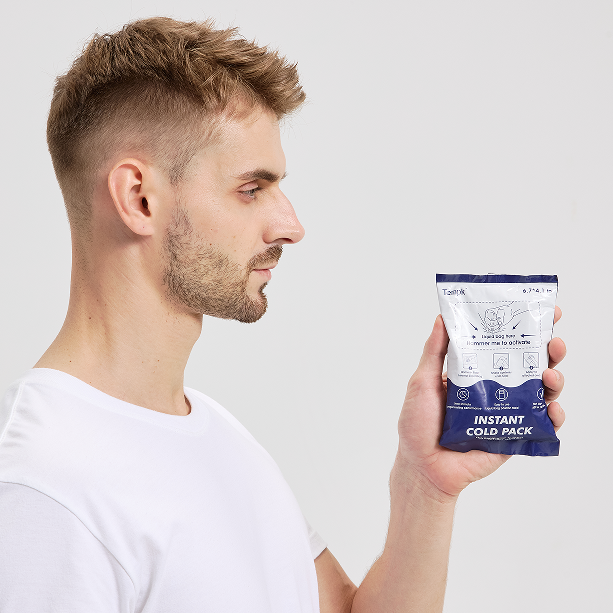
Reliable temperature controlled express delivery: best practices & trends in 2025

Reliable temperature controlled express delivery: best practices & trends in 2025

Reliable temperature controlled express delivery: best practices & trends in 2025

Delivering perishables without breaking the cold chain is more than a logistical challenge—it’s a promise to customers that their food, medicine or research samples will arrive in perfect condition. Reliable temperature controlled express delivery means keeping products within strict temperature ranges from door to door. In 2025 the global cold chain market is booming; analysts estimate the industry will expand from roughly US$324.85 billion in 2024 to over US$862 billion by 2032. Demand is fuelled by online groceries, plantbased foods, biologics and globalized trade. This article shows you how reliable cold chain logistics work, why they matter and what trends are shaping the future.

This article will answer for you:

What is reliable temperaturecontrolled express delivery? A clear definition and why a twohour temperature excursion can spoil an entire shipment worth hundreds of thousands of dollars.

How does it work? Stepbystep overview of packaging, transport, monitoring and documentation with a focus on reusable packaging (65 % of the market in 2024).

Which technologies and innovations matter? IoT sensors, AI route optimisation, blockchain, solarpowered storage and portable cryogenic freezers.

What are the biggest challenges and how can you solve them? Visibility gaps, regulatory complexity, ageing infrastructure and workforce training.

What are the 2025 market trends? Explosive growth forecasts, sustainability regulations and regional dynamics.

What is reliable temperaturecontrolled express delivery and why is it essential?

Reliable temperaturecontrolled express delivery refers to the process of moving perishable or temperaturesensitive goods—such as fresh produce, vaccines or biologics—under precise thermal conditions to preserve quality and potency. Keeping goods in the right range protects consumers from foodborne illness and ensures that medicines remain effective. According to UNICEF, most heatsensitive vaccines must be stored between 2 °C and 8 °C to retain potency; outside this band vaccines quickly lose effectiveness. A report on cold chain logistics notes that even a twohour deviation can spoil an entire shipment worth US$500 000 or more. For highvalue pharmaceuticals and biologics, ultracold ranges as low as −80 °C to −150 °C may be required. Reliability in this context means maintaining those temperature windows from the moment products leave the manufacturer until they reach the end user.

Maintaining these conditions is not optional. The U.S. Food and Drug Administration (FDA) and the European Union’s Good Distribution Practice (GDP) mandate traceability and temperature records for pharmaceuticals. For vaccines, UNICEF and the World Health Organization require validated equipment and documented procedures at each stage. Failure to comply can lead to product recalls, regulatory penalties and reputational damage. Reliable temperaturecontrolled express delivery therefore protects public health, reduces waste and ensures regulatory compliance.

How reliable cold chain logistics protect your goods

Key element Data & description What it means for you
Insulated packaging Vacuuminsulated boxes with phase change materials (PCMs) maintain target temperatures for 48–120 hours; reusable packaging accounted for about 65 % of the cold chain packaging market in 2024. Durable packaging reduces waste and offers longer protection, making shipments safer for fresh food or medical goods.
Refrigerated transport Dedicated fulltruckload (FTL) services provide faster transit and fewer door openings, while lessthantruckload (LTL) is cheaper but involves more handling. A case study showed switching from LTL to FTL cut delivery time from 4 days to 1.5 days and reduced freight claims by 45 %. Choosing the right transport mode balances cost and risk; FTL is ideal for highvalue or urgent shipments, whereas LTL suits smaller loads.
Monitoring & IoT sensors Realtime IoT devices track temperature, humidity and location; hardware represented over 76 % of the cold chain tracking market in 2022. Sensors send instant alerts when deviations occur, preventing spoilage. Continuous monitoring enables corrective actions and verifiable compliance, giving you peace of mind and satisfying auditors.
Traceability & documentation Blockchain and serialization record each handoff. Regulations such as FDA’s DSCSA and EU GDP require digital records to ensure chainofcustody integrity. Transparent records deter counterfeiting and simplify audits; they build trust with regulators and customers.

Practical advice for specific scenarios

Vaccines and biologics: Choose containers validated for 48–120 hours of protection and equip them with IoT sensors for realtime alerts. Ultracold therapies may require containers capable of maintaining temperatures down to −80 °C. Keep backup ice packs and contingency power sources for delays.

Food and fresh produce: Opt for FTL shipping when transporting large volumes of perishable foods to minimise handling and maintain consistent temperatures. For smaller loads, LTL can be economical if coupled with highquality insulation and monitoring.

Small clinics and businesses: Partner with logistics providers that offer turnkey cold chain solutions—packaging, monitoring and documentation—so you can focus on patient care or customer service.

Hazardous or highvalue materials: Regulations may require dedicated vehicles and strict temperature logging. Dedicated FTL transport reduces crosscontamination risks and ensures compliance.

Real case: A national paint manufacturer switched from LTL to FTL for its temperaturesensitive chemical shipments. By using dedicated trucks and realtime monitoring, the company reduced delivery time from four days to 1.5 days and cut freight claims by 45 %.

How does reliable temperaturecontrolled express delivery work?

Reliable cold chain express delivery comprises interconnected stages: precooling, packaging, transport, monitoring and documentation. Each stage must function flawlessly to prevent temperature excursions.

  1. Precooling and preparation– Goods are cooled to their target temperature before packaging. For example, vaccines are stored in cold rooms or refrigerators maintained at 2 °C to 8 °C. Ultracold products may be precooled to −80 °C using dry ice or cryogenic freezers.
  2. Packaging– Products are placed in insulated containers with PCMs or dry ice. Reusable packaging is growing fast; analysts estimate the reusable cold chain packaging market will reach US$4.97 billion in 2025. Advanced materials such as aerogel insulation provide superior thermal performance with less bulk. Packaging should be validated under worstcase conditions—high ambient heat, long transit times and rough handling.
  3. Refrigerated transport– Goods move via refrigerated trucks, containers or aircraft. FTL services offer direct routes and fewer door openings; LTL services consolidate multiple shipments but may increase handling risk. Some businesses use modular cold rooms or portable cryogenic freezers for ultracold products.
  4. Monitoring and IoT– Sensors continuously track temperature and location. Realtime alerts enable operators to reroute shipments, adjust refrigeration or replace dry ice as needed. Data is logged for compliance and analytics.
  5. Traceability and documentation– Every handoff is recorded. Blockchain and digital serialization create tamperproof records. Compliance with FDA, EU GDP and WHO guidelines requires maintaining documentation for audits.

FTL vs. LTL shipping: choosing the right mode

Reliable temperaturecontrolled express delivery often hinges on selecting the appropriate transport mode. FTL (full truckload) dedicates an entire truck to one shipment. This ensures consistent temperatures, fewer door openings and direct routes. LTL (lessthantruckload) consolidates multiple shipments in one truck, reducing costs for small loads but increasing transit time and handling risks. A case study reported that switching from LTL to FTL not only shortened delivery time from 4 days to 1.5 days but also reduced freight claims by 45 %. When deciding, consider shipment size, urgency, sensitivity and regulatory requirements.

Technologies and innovations transforming cold chain logistics

Advances in digital technology and sustainable design are redefining how temperaturecontrolled express delivery operates. Here are the major developments you should know.

IoT sensors and predictive analytics

IoT sensors have become indispensable. They track temperature, humidity and location in real time, sending alerts when thresholds are exceeded. According to a UK logistics analysis, IoT systems provide realtime temperature tracking, automated alerts, comprehensive data logging and predictive maintenance. These capabilities reduce spoilage, ensure regulatory compliance and improve customer trust. Predictive analytics built on sensor data can forecast highrisk shipments and schedule maintenance before equipment fails.

Artificial intelligence and route optimisation

AI platforms analyse weather patterns, traffic conditions and warehouse capacities to optimise delivery routes. IBM’s AIdriven logistics platform launched in 2024 can automatically adjust routes in real time to avoid delays and reduce fuel consumption. These systems also predict demand surges and schedule maintenance, lowering costs and improving ontime performance. For temperaturecontrolled shipments, AI can identify potential temperature excursions before they occur and trigger corrective actions.

Blockchain and digital traceability

Blockchain technology provides immutable records of every handoff. Each transaction—loading, unloading, storage or inspection—is recorded with a timestamp and cryptographic signature. This endtoend traceability builds trust among stakeholders and helps companies comply with regulations such as the FDA’s DSCSA and the EU’s GDP. Combining blockchain with IoT sensors allows regulators and customers to verify that goods stayed within their temperature range throughout the journey.

Solarpowered and renewable cold storage

Reducing energy consumption and emissions is a growing priority. Solarpowered cold storage units enable refrigeration in remote areas without reliable grid electricity. These systems cut operating costs and reduce greenhouse gas emissions. For vaccine shipments, UNICEF has begun exploring sea freight combined with renewable energy; sea shipping can cut emissions by up to 90 % and freight costs by 50 % compared with air transport.

Sustainable and smart packaging

Traditional foam packaging often ends up in landfills and uses refrigerants with high global warming potential. Sustainable cold chain packaging replaces these with biodegradable materials, recyclable containers and reusable wraps. Advanced materials like PCMs and aerogel insulation deliver equal or superior thermal protection. The market for reusable cold chain packaging is expected to reach US$4.97 billion in 2025, while the broader sustainable packaging market will grow from US$31.69 billion in 2024 to US$35.49 billion in 2025.

Portable cryogenic freezers and ultralow solutions

For ultracold shipments—such as mRNA vaccines or cell therapies—portable cryogenic freezers maintain temperatures as low as −80 °C to −150 °C. These units often include integrated sensors and data loggers. Ultracold solutions also use dry ice or liquid nitrogen and must comply with safety regulations for handling and transport.

Challenges and how to overcome them

Even with cuttingedge technologies, reliable temperaturecontrolled express delivery faces several obstacles. Understanding these challenges helps you plan resilient systems.

Realtime control and visibility gaps

Maintaining temperatures across multiple handoffs remains difficult. Common failure points include crossdocking, lastmile delivery and loading/unloading. Without realtime monitoring, deviations may remain undetected until goods arrive. To close visibility gaps, link warehouse management (WMS), transportation management (TMS), enterprise resource planning (ERP) and IoT dashboards into a single platform. This integration ensures that managers see every pallet’s status, enabling proactive interventions.

Regulatory complexity

Cold chain logistics must comply with multiple overlapping regulations. Pharmaceuticals and biologics must meet FDA DSCSA rules, EU GDP standards and WHO guidelines. Environmental laws such as the U.S. EPA’s Technology Transitions program are phasing out highGWP hydrofluorocarbons (HFCs) from refrigeration systems beginning 1 January 2025. To stay compliant, audit your equipment and retrofit systems with lowGWP refrigerants. Partnering with experienced logistics providers can simplify documentation and audit preparation.

Infrastructure gaps and ageing facilities

Many cold storage facilities were built decades ago and lack modern insulation or automation. Upgrades are underway: analysts note that ageing infrastructure is pushing operators to invest in automated, energyefficient warehouses and replace obsolete facilities. However, high capital costs, labour shortages and infrastructure gaps in emerging markets remain barriers. To mitigate these risks, consider modular or mobile cold rooms, invest in workforce training and collaborate with local partners who understand regional logistics nuances.

Workforce errors and training gaps

Human error—misreading temperature logs, improper handling or ignoring standard operating procedures—remains a major source of spoilage. Scenariobased training, digital SOPs and certification programs reduce mistakes and improve consistency. Gamified dashboards that track performance and reward accuracy can also motivate staff to follow procedures.

Data management and integration

Disconnected systems create silos; without integrated data, managers cannot detect anomalies in real time. The solution is to adopt unified platforms that merge WMS, TMS, ERP and IoT data. Predictive analytics can then identify trends and highrisk shipments, enabling targeted interventions.

External risks: weather, power outages and delays

Extreme weather events, power failures and traffic delays can compromise cold chains. Climate change is increasing the frequency of heatwaves and storms. To build resilience, install backup generators and battery systems, monitor weather forecasts and plan alternative routes. Using passive packaging systems that maintain temperatures without power can add an extra layer of protection during outages.

Latest developments and market trends in 2025

The cold chain industry is evolving rapidly. Keeping up with market dynamics ensures your business stays competitive.

Explosive market growth and regional dynamics

The global cold chain logistics market is projected to grow from US$324.85 billion in 2024 to US$862.33 billion by 2032, representing a CAGR of 13 %. Some analyses forecast the market could reach US$1.19 trillion by 2034. AsiaPacific leads with about 35 % market share in 2024, driven by rising incomes and investment in infrastructure. North America and Europe remain strong due to established cold storage networks and regulatory maturity.

Food and pharmaceutical expansion

Consumer demand for fresh produce, readytoeat meals and plantbased foods continues to grow. Bloomberg Intelligence predicts that plantbased foods could make up 7.7 % of the global protein market by 2030. The food cold chain market alone is forecast to expand from US$68.9 billion in 2025 to US$399 billion by 2035, advancing at a CAGR of 19.2 %. Storage solutions dominate with a 56.5 % share.

Pharmaceutical logistics are also expanding. The global temperaturecontrolled packaging solutions market is expected to rise from US$13.8 billion in 2025 to US$23.6 billion by 2035. Passive packaging systems, which rely on insulation and PCMs rather than active refrigeration, are projected to capture 57 % market share. The healthcare sector accounts for about 43.6 % of demand, reflecting strict regulatory requirements for transporting biologics and vaccines.

Sustainability and regulatory changes

Environmental pressures are reshaping cold chain practices. Beginning 1 January 2025, certain technologies may no longer use highGWP HFC refrigerants; restrictions apply to manufacture, sale and installation of products containing these substances. Companies are adopting lowGWP alternatives, such as CO₂, ammonia or hydrofluoroolefins, to meet regulations. Sustainable packaging is another major trend. The reusable cold chain packaging market is projected to reach US$4.97 billion in 2025, while the overall sustainable packaging market is set to grow from US$31.69 billion in 2024 to US$35.49 billion in 2025. Circular economy models—where packaging is cleaned and reused—reduce waste and lower longterm costs.

Digital transformation

The adoption of IoT, AI and blockchain is accelerating. Integrated platforms provide endtoend visibility, enabling proactive interventions and automated decisionmaking. Mobile apps and cloudbased dashboards allow shippers to monitor shipments from anywhere. Meanwhile, 5G connectivity and edge computing reduce latency and support realtime analytics. These technologies will soon be standard features of reliable temperaturecontrolled express delivery.

Improved facility design and lastmile solutions

Investment in modern cold storage facilities is increasing. Ageing warehouses are being replaced with energyefficient, automated buildings that use lowGWP refrigerants and advanced insulation. To enhance lastmile delivery, companies are experimenting with microfulfilment centres, ecargo bikes equipped with insulated containers and smart lockers for unattended deliveries. Urban warehouses reduce transit distances and help maintain temperature integrity during final handoff.

Frequently asked questions

Q1: What temperatures are required for vaccines during express delivery?
Most routine vaccines must be kept between 2 °C and 8 °C from manufacturing through administration. Ultracold vaccines, such as some mRNA therapies, may require temperatures as low as −80 °C to −150 °C. Maintaining these ranges preserves potency and prevents degradation.

Q2: Are sustainable packaging solutions reliable for longdistance cold chain deliveries?
Yes. Modern sustainable packaging uses advanced materials like PCMs and aerogels that provide equivalent or superior insulation compared with traditional foam. Reusable containers combined with smart monitoring can maintain temperature integrity across multiple shipments while reducing waste.

Q3: How can small businesses afford reliable temperaturecontrolled express delivery?
Small businesses can use shared services offered by thirdparty logistics providers, adopt reusable packaging to lower longterm costs and pilot sustainable solutions before scaling. Partnering with local delivery networks and cooperative purchasing also reduces initial investment.

Summary & next steps

Reliable temperaturecontrolled express delivery safeguards the integrity of perishables and lifesaving medicines. It requires precise temperature control, rigorous monitoring and documented traceability. Advances in IoT, AI, blockchain and sustainable packaging are making these systems smarter and greener. The cold chain market is growing rapidly—projected to expand from US$324.85 billion in 2024 to over US$862 billion by 2032—driven by online groceries, pharmaceuticals and environmental regulations. To stay ahead, invest in modern packaging, choose the right transport mode, integrate your data platforms and train your workforce.

Actionable steps

Audit your current cold chain: Identify weak points, such as outdated packaging or gaps in monitoring. Quantify spoilage and regulatory compliance levels.

Upgrade packaging and technology: Switch to reusable or biodegradable packaging with PCMs, implement IoT sensors, and adopt AI tools for route optimisation. Ensure your systems use lowGWP refrigerants to meet 2025 regulations.

Integrate data platforms: Connect WMS, TMS, ERP and IoT dashboards for endtoend visibility. Use predictive analytics to identify highrisk shipments and schedule maintenance.

Train and certify staff: Invest in scenariobased training and digital SOPs. Consider gamified dashboards to encourage adherence to best practices.

Plan for sustainability: Explore solarpowered storage, sea freight options and circular packaging programs. Stay informed about regulatory changes and phaseouts of harmful refrigerants.

About Tempk

We are Tempk, a company specializing in temperaturecontrolled packaging and cold chain solutions. We design and manufacture insulated boxes, reusable ice packs and IoTenabled containers for food, pharmaceutical and biotechnology industries. Our products are built on advanced materials like aerogel and phase change materials, offering longlasting thermal protection and compliance with FDA and GDP guidelines. As part of our commitment to sustainability, we offer recyclable and reusable packaging options that reduce waste and lower operational costs.

Whether you’re shipping vaccines across continents or delivering artisanal gelato across town, we provide the tools and expertise to keep your goods safe and your customers happy.

Need help?

If you’re ready to enhance your cold chain operations, contact our experts. We’ll help you choose the right packaging, integrate realtime monitoring and design a customised temperaturecontrolled delivery plan that fits your business.

How Does Cold Chain Express Delivery for Seafood Keep Your Catch Fresh in 2025?

How Does Cold Chain Express Delivery for Seafood Keep Your Catch Fresh in 2025?

Fresh fish is a highstakes business. Every hour between the boat and your plate matters because temperature swings can ruin texture and flavour. Cold chain express delivery for seafood combines insulated packaging, rapid transit and smart monitoring so your order arrives as if it were caught that morning. In 2025 the global cold chain is booming and expectations are higher than ever. This guide uses the latest market data and realworld examples to show you how to build a fast, reliable and sustainable seafood cold chain.

This guide will help you:

Understand why seafood needs specialized cold chain express delivery and how temperature ranges affect quality.

Choose the right insulated box (EPS, EPP or VIP), coolant and packaging configuration for different shipping durations.

Balance speed, cost and risk when selecting carriers, service levels and routeoptimization tools.

Adopt smart monitoring and traceability technologies—IoT sensors, blockchain and AI—that will dominate 2025 seafood logistics.

Integrate sustainability and compliance into your operations, from reusable boxes to FSMA 204 recordkeeping.

Why Does Seafood Need Cold Chain Express Delivery?

Fragile freshness and tight temperature windows

You might enjoy seafood for its delicate taste and health benefits, but that delicacy also makes fish exceptionally perishable. Without rapid chilling, microbial growth accelerates and quality plummets. Studies estimate that about 35 % of seafood is wasted globally due to poor postharvest handling and cold chain failures. Keeping products at the right temperature is nonnegotiable: fresh fish should stay between 0–2 °C and frozen seafood at –18 °C or lower. Even brief excursions above 4 °C can cause spoilage, offodors or histamine formation.

Legal requirements reinforce this necessity. Regulations such as the Food Safety Modernization Act (FSMA) 204 mandate temperature control and traceability for finfish, crustaceans and shellfish. Businesses must maintain Key Data Elements for Critical Tracking Events and provide records within 24 hours; compliance may be required by July 20 2028. European Fisheries Control rules and global HACCP standards also demand continuous monitoring and proper documentation. Failing to meet these standards leads to rejected consignments, recalls and reputational damage.

Express delivery as a strategic advantage

Speed reduces risk, but speed alone isn’t enough. Express services—nextday or 48hour shipments—shorten exposure time, yet packaging, coolant and process design must work together. Up to 14 % of global food is lost across the supply chain when temperatures are mismanaged. Cold chain express delivery for seafood orchestrates every step—from precooling and insulated packing to linehaul and lastmile delivery—ensuring the product stays within safe limits. Fresh meat and seafood, highvalue chocolates, meal kits and ice cream all rely on this synergy.

Temperature ranges and transit windows

Different seafood products require different temperature bands and transit windows. The table below summarizes typical ranges:

Product Type Temperature Range Recommended Express Transit Window Practical Meaning
Chilled fish fillets, shellfish 0–4 °C 24–48 h Tight control prevents bacterial growth; gel packs and highperformance insulation are essential.
Sensitive chocolates & baked goods 10–18 °C 24–72 h Avoid heat spikes above 20 °C to prevent melting and bloom.
Frozen seafood (whole fish, shrimp) ≤ –18 °C (ice cream often ≤ –20 °C) 24–48 h Requires strong insulation and enough coolant (dry ice or specialty packs) to prevent partial thawing.
Fresh produce (berries, greens) 0–5 °C 24–48 h Very sensitive to temperature abuse; design minimal handling and fast lanes.

Understanding these ranges helps you decide whether to use gel packs for chilled shipments or dry ice for frozen goods. In general, cold chain express delivery aims to keep seafood within the safe window for up to 72 hours when using highperformance packaging.

Designing Your Seafood Packaging for Express Shipping

Core components of a robust packout

Packaging is the backbone of cold chain express delivery for seafood. Even the fastest carrier cannot rescue poorly insulated boxes or insufficient coolant. A standard packout contains:

Outer box: Use a new, sturdy corrugated carton sized to snugly fit the insulated container and reduce dead space. Doublewall constructions protect against punctures and rough handling.

Insulated inner container: Choose between Expanded Polystyrene (EPS), Expanded Polypropylene (EPP) and VacuumInsulated Panels (VIP). Each material has distinct performance and sustainability traits.

Coolants: Gel packs maintain chilled ranges (0–10 °C) for up to 72 hours; dry ice keeps frozen items at –18 °C for up to 48 hours. Place coolants around and on top of the seafood, not just underneath.

Product loading: Doublebag highmoisture items to prevent leaks. Use trays or sleeves to separate seafood from direct contact with coolant if surface freezing is a risk.

Void fill and sealing: Fill gaps with paper or foam inserts to minimize convection; seal the insulated liner or inner bag tightly before closing the outer box.

A welldesigned packout also considers the journey’s ambient conditions. Calculate the quantity of refrigerant based on product weight, transit duration and expected temperatures. For crosscountry shipments of frozen seafood, assume worstcase delays of 24 hours when calculating dry ice needs.

Choosing between EPS, EPP and VIP boxes

Understanding your insulation options helps you balance performance, cost and sustainability. The comparison below highlights each material’s strengths:

Material Insulation Performance Durability & Reuse Benefits for You
EPS foam Good for short trips (≤24 h) Moderate; often single use Lightweight and inexpensive; ideal for local deliveries or sampling.
EPP foam Very good; holds cold 48–72 h High; reusable over 100 times Approximately 20 % better insulation than EPS; reduces waste and longterm cost.
VIP panels Excellent; highest Rvalue Moderate to high; reusable Premium solution for long, highvalue shipments requiring precise control.
Paper/fiber insulation Good up to 48 h Moderate; limited reuse Ecofriendly, curbside recyclable; supports sustainable branding.
Insulated liners Moderate; depends on outer carton Single or limited use Flexible and costeffective for lastmile deliveries.

Realworld insight: A midsized seafood exporter switched from singleuse EPS boxes to reusable EPP boxes and extended product shelf life by 24 hours while reducing packaging waste by 35 %. Investing in better insulation pays off through reduced spoilage and fewer customer complaints.

Why reusable EPP boxes are gamechangers

EPP boxes are revolutionizing cold chain logistics in 2025. A compact EPP box behaves like a mini fridge that doesn’t need electricity: it combines thick foam walls (often 1.5 inches) with a closedcell structure that traps air pockets and blocks heat transfer 30 % better than EPS. When paired with VIP inserts, these boxes maintain 2–8 °C for vaccines or –18 °C for frozen seafood for up to 72–96 hours.

Other benefits include:

Long service life: An EPP box can endure 500 or more cycles with simple cleaning and inspection. Reusing one container weekly for a decade saves both money and landfill space.

Light weight: EPP weighs about 50 % less than conventional foam coolers, reducing fuel consumption and making handling easier.

Durability: The material absorbs shock and survives 1.5 m drops without cracking. This protects delicate fillets and prevents leaks.

Sustainability: EPP is 100 % recyclable, lowering your carbon footprint and supporting corporate sustainability commitments. Reusable packaging also cuts longterm costs by ~60 % compared with singleuse EPS.

A practical performance comparison between EPP and EPS highlights the difference: EPP boxes offer 72–96 h hold time versus 24–48 h for EPS; they are 50 % lighter, recyclable, and yield significant cost savings over two years. In one case, switching to EPP boxes reduced rejected seafood shipments from 15 % to just 0.3 %.

Passive vs. active cooling: what’s right for you?

Passive cooling uses insulation and refrigerants like gel packs, dry ice or phase change materials. Gel packs keep products at 0–10 °C for up to 72 hours, while dry ice maintains frozen goods at –18 °C for up to 48 hours. Passive systems are simple and portable, requiring no electricity, but performance depends on correct refrigerant loading and box design.

Active cooling uses powered refrigeration units—portable electric coolers, smart reefer containers or refrigerated trucks. Active systems provide longer duration control and are essential for multiday exports or large consignments. They entail higher costs and maintenance but eliminate reliance on disposable coolants. Many businesses combine passive and active elements: insulated boxes with gel packs inside refrigerated vehicles.

Balancing Speed, Cost and Risk in LastMile Delivery

Selecting shipping methods and carriers

Choosing the right shipping method is critical to delivering fresh seafood on time. Businesses often opt for nextday or twoday express services to minimize transit time and maintain quality. Specialized carriers like FedEx and UPS offer perishablegoods services that include temperature control and realtime tracking. For smaller operations, local courier networks or ondemand delivery platforms can be costeffective when combined with robust packaging.

Keep these factors in mind:

Delivery window: Shorter windows (24–48 h) lower spoilage risk but may cost more. Balance speed with the product’s shelf life and your customers’ expectations.

Carrier reliability: Evaluate carriers’ ontime performance and their ability to handle perishable goods. Ask about temperaturecontrolled facilities and training protocols.

Service level options: Many carriers offer tiered express services. Choose faster options for highvalue or sensitive items, and slower options for less perishable products.

Route optimization and customer engagement

Artificial intelligence is revolutionizing cold chain logistics by enabling realtime route adjustments based on traffic, weather and delivery windows. Software platforms can sequence stops efficiently, predict delays and reduce fuel consumption. For example, routeplanning tools like EasyRoutes or similar systems integrate with ecommerce platforms to automate dispatch and notify customers of expected arrival times. This increases transparency and reduces missed deliveries.

User engagement matters. Studies show that 27 % of consumers have experienced temperature problems with food deliveries. Providing realtime tracking and proactive alerts builds trust and encourages repeat purchases. Consider adding a feedback loop—such as a quick survey or rating system—to capture user satisfaction and refine your operations.

Decision matrix for different shipment scenarios

Scenario Packaging & Equipment Practical Benefit
Local delivery (≤6 h) EPS box + gel packs + portable cooler Low cost; sufficient insulation for sameday delivery.
Regional shipping (6–24 h) EPP box + refrigerated truck Better insulation and consistent temperature control for moderate distances.
National or export (48–72 h) VIP box + reefer container + IoT sensors Maintains strict temperatures; meets customs and foodsafety standards.
Highvalue seafood VIP or hybrid containers + realtime monitoring Minimizes spoilage risk and ensures premium quality upon arrival.

By matching packaging with shipment duration and value, you can optimize costs while protecting quality. Preplanning route segments (for example, linehaul to a hub followed by lastmile courier) also reduces the risk of delays.

Technology and Trends Shaping Seafood Cold Chain in 2025

Smart monitoring and traceability

Cold chain success hinges on visibility. IoTenabled sensors monitor temperature, humidity and location in real time, sending alerts when deviations occur. Batteryfree Ambient IoT tags harvest energy from radio waves, enabling affordable monitoring of highvolume shipments. Blockchain provides tamperproof records, allowing seafood to be traced back to its origin and building consumer trust. When combined with smart contracts, blockchain can automate compliance reporting and payments.

Traceability also combats fraud and illegal fishing. Studies show that up to 20–30 % of seafood products are mislabeled and illegal, unreported and unregulated (IUU) fishing costs up to US$36.4 billion per year. Implementing endtoend tracking—catch documentation, unique identifiers like QR codes or RFID tags, standardized data formats and automated reporting—prevents mislabeling, reduces fraud and ensures compliance.

AI and predictive analytics

Artificial intelligence and predictive analytics analyze sensor data to forecast equipment failures, predict transit delays and optimize routes. AIdriven systems can adjust refrigeration settings based on weather forecasts and automatically reroute shipments around traffic or storms. This not only reduces spoilage but also cuts energy consumption and emissions.

Sustainable energy and carbonneutral shipping

Environmental responsibility is now at the core of seafood shipping. Logistics providers invest in carbonneutral transportation methods, including electric and hybrid fleets, to reduce greenhousegas emissions. Solarpowered refrigeration and energyefficient warehouses lower operational costs; commercial solar rates range from 3.2–15.5 cents per kWh, compared with an average utility rate of 13.1 cents per kWh in 2024. Businesses also adopt energyefficient refrigeration units and LED lighting to reduce energy consumption.

Market growth and investment outlook

The cold chain sector is expanding rapidly. Precedence Research estimates that the global cold chain market will grow from US$436.30 billion in 2025 to US$1,359.78 billion by 2034, representing a 13.46 % compound annual growth rate (CAGR). StartUs Insights forecasts growth from US$454.48 billion in 2025 to US$776.01 billion in 2029. Asia–Pacific leads with a 14.3 % CAGR, while Latin America invests in renewable energy and IoT monitoring. The seafood traceability software market alone is projected to surge from US$705 million in 2024 to US$1.84 billion by 2033.

Innovation is booming as well: over 2,800 patents were filed and 26,800 employees were added to the cold chain industry in the past year, signalling rapid technological progress.

Consumer preferences and directtoconsumer models

Consumers drive many of these trends. Demand for transparency pushes brands to adopt realtime tracking and blockchain so customers know where their fish was caught. Preference for freshness fuels the growth of nextday and sameday delivery options. Ecoconscious consumers gravitate toward brands that use sustainable packaging and carbonneutral logistics. To meet these expectations, many seafood companies embrace directtoconsumer (D2C) models, bypassing traditional retail chains. This reduces intermediaries, shortens transit times and enables personalised experiences.

Integrating Sustainability and Compliance into Your Cold Chain

Sustainable packaging and materials

Switching to reusable EPP or VIP boxes dramatically reduces waste and landfill burden. You can also explore biodegradable or fiberbased insulation as alternatives to polystyrene. Implement recycling programs to collect used packaging and reclaim foam components. When combined with energyefficient refrigeration and route optimization, these steps lower your carbon footprint and enhance brand reputation.

Regulatory compliance and recordkeeping

Stay ahead of evolving regulations by implementing automated recordkeeping and traceability. FSMA 204 requires businesses to maintain Key Data Elements for Critical Tracking Events and provide them to the FDA within 24 hours. The Global Dialogue on Seafood Traceability (GDST) establishes interoperable standards so systems can communicate across borders. European Fisheries Control regulations mandate vessel tracking, electronic catch reporting and phased digital traceability. Adopt systems that capture data at each stage and generate compliance reports automatically.

Investing in people and processes

Even the best technology fails without trained staff. Provide clear handling guidelines for fishers, processors, warehouse workers and drivers. Integrate logistics software to coordinate inventory levels, route planning and realtime tracking, reducing delays and miscommunication. Encourage crossdepartment collaboration to identify bottlenecks and continuously improve processes.

Frequently Asked Questions

Q1: What temperature should fresh seafood be kept at?
Fresh seafood should remain at 0–2 °C; short excursions up to 4 °C are acceptable only briefly. This range slows microbial growth and preserves texture.

Q2: How long does seafood stay fresh during transport?
With proper packaging and consistent temperature control, seafood can remain fresh for up to 72 hours, depending on the type of fish and insulation quality.

Q3: Are EPS (styrofoam) boxes still acceptable in 2025?
EPS boxes are still used for local deliveries due to their low cost, but sustainability concerns and limited insulation make them less suitable for longer shipments. Reusable EPP or VIP boxes are recommended for regional or national deliveries.

Q4: How does IoT improve seafood shipping?
IoT sensors monitor temperature, humidity and location in real time, providing instant alerts when deviations occur. Predictive analytics can forecast equipment failures and schedule maintenance, reducing spoilage and operational costs.

Q5: What’s the difference between EPP and EPS cooler boxes?
EPP offers roughly 20 % better insulation than EPS and can be reused over 100 times. EPS is cheaper but typically singleuse and suitable only for short trips.

Q6: How common is seafood mislabeling?
Studies show that 20–30 % of seafood products may be mislabeled. Robust traceability systems deter fraud and support sustainable fishing.

Q7: What technologies help prevent illegal fishing?
Traceability tools such as QR codes, RFID tags, GPS and blockchain track seafood from catch to consumer, making it harder for products from illegal, unreported or unregulated fishing to enter the supply chain.

Summary and Next Steps

Key takeaways:
Maintaining cold chain express delivery for seafood is essential because fish is highly perishable and about 35 % of seafood is wasted due to cold chain failures. Packaging determines success: choose EPP or VIP boxes for shipments longer than 24 hours—EPP provides 20 % better insulation than EPS and can be reused over 100 times. Use gel packs for chilled products and dry ice for frozen goods; plan for worstcase delays. Adopt IoT monitoring, AI route optimization and blockchain to track temperature, reduce waste and meet regulatory requirements. The cold chain market is growing rapidly—over US$436 billion in 2025 and projected to triple by 2034. Sustainability and compliance are not optional; reusable packaging and renewable energy reduce carbon footprint and costs.

Action plan:

Assess your current operations—map your supply chain, identify temperaturesensitive points and quantify waste.

Upgrade your packaging—switch from singleuse EPS to reusable EPP or VIP boxes and calculate coolant needs based on transit time.

Implement monitoring and traceability—start with data loggers and gradually adopt IoT sensors, blockchain and AI analytics.

Train your team—provide simple checklists and SOPs for packing, handling and monitoring to reduce human error.

Stay ahead of trends—invest in sustainable packaging, carbonneutral fleets and FSMA 204 compliance.

Engage customers—provide realtime tracking and solicit feedback to improve service quality.

About Tempk

Tempk is a hightech enterprise founded in 2011 that specializes in cold chain packaging solutions for food, pharmaceuticals and specialty goods. We research, develop and manufacture products ranging from reusable EPP foam boxes and VIP panels to gel packs and dry ice packs. Our mission is to help businesses maintain product integrity while reducing waste. With multiple factories and a robust R&D center, we offer ecofriendly, reusable and recyclable cold chain products. We also provide temperaturecontrol verification services for major pharmaceutical groups and fresh food ecommerce companies.

Next step: If you’re ready to upgrade your cold chain express delivery for seafood, reach out to our experts for a consultation. We’ll help you design the right packaging, integrate smart monitoring and ensure regulatory compliance—all while keeping your fish fresh and your business sustainable.

Cold Chain Frozen Foods Container Insulation—What Works

Cold Chain Frozen Foods Container Insulation—What Works

Cold Chain Frozen Foods Container Insulation—What Works?

Last updated: December 12, 2025

You can have the best frozen product in the world and still lose money if heat sneaks into the box. Cold chain frozen foods container insulation is the simplest lever you control: it slows heat, protects quality, and reduces temperature surprises. That matters because weak cold chains drive major losses globally, and regulators increasingly expect documented temperature control. ()

In this guide, you’ll learn:

How cold chain frozen foods container insulation reduces thaw risk in last-mile delivery

What temperature targets (like -18°C / 0°F) actually mean for your shipments ()

How to choose between EPS, EPP, PU, and VIP options without guessing

How to validate performance using recognized thermal testing approaches (ASTM/ISTA) ()

How to support compliance documentation (including FSMA sanitary transportation expectations) ()


Why does cold chain frozen foods container insulation matter for profit and safety?

Cold chain frozen foods container insulation matters because it buys you time. Think of heat like water trying to seep into your shipment. Insulation is the “rain jacket” that slows that seepage when trucks sit at docks, parcels wait on porches, or doors open repeatedly.

It also ties directly to waste. Globally, a lack of effective refrigeration is linked to massive food losses, and cold-chain improvements are repeatedly highlighted as a practical solution. ()

How insulation reduces heat gain during “normal” chaos

In real operations, temperature spikes rarely come from one dramatic failure. They come from many small ones: a warm loading bay, a delayed route, or a driver opening the door ten extra times. Good cold chain frozen foods container insulation makes those moments less dangerous.

Heat-gain driver What happens What insulation changes What it means for you
Dock dwell time Trailer sits while doors open Slows warm air impact Fewer partial thaws
Last-mile handling Parcel faces sun/wind Reduces peak exposure More consistent delivery quality
Poor pre-cooling Warm box starts “behind” Insulation can’t fix it alone Need a prep checklist
High empty space Air warms fast Better fit reduces air volume Lower coolant cost

Practical tips you can apply this week

Use right-sizing first: less empty air usually beats “more ice.”

Treat insulation as a system: box + liner + coolant + sealing + handling rules.

Measure what matters: product-core or simulated payload temperature, not just truck setpoint.

Field-style example (common but preventable): A frozen meal shipper improved delivery success by switching to tighter pack geometry (less headspace) and adding a simple “close-the-lid fast” dock rule—without changing the refrigerant.

What temperature target should cold chain frozen foods container insulation hold?

Your baseline target for frozen is simple: keep products at or below 0°F (-18°C) whenever practical. U.S. food safety guidance notes that frozen foods held continuously at 0°F (-18°C) or below can be kept indefinitely (quality varies by item). ()
Codex quick-frozen standards also commonly reference storage at -18°C or colder, reinforcing the global norm. ()

What this means for cold chain frozen foods container insulation: you’re not “aiming for cold.” You’re aiming for a limit—and designing your packout so predictable delays don’t push you over it.

The simple rule: design around product-core temperature

Truck temperature settings and warehouse thermostats are helpful—but your customer experiences the product temperature. So design your insulation and coolant plan around the payload’s thermal mass (how slowly it warms) and the lane (time + ambient swings).

Common reference Typical target Why it exists What it means for you
“Frozen” norm ≤ -18°C / 0°F Quality + safety expectations Design packouts to resist spikes ()
Freezer guidance 0°F / -18°C Food stays safe when properly frozen Monitoring helps prove control ()
Transport rule mindset Written procedures + evidence Documented controls reduce risk Build SOP + monitoring plan ()

Practical tips for setting your “real” target

Set a buffer: if your limit is -18°C, target colder at packout so you have time.

Use worst-day thinking: summer curbside + long dwell time, not average weather.

Pick one thermometer standard: and calibrate on a schedule.

Reality check you can cite internally: FDA notes frozen food remains safe when properly stored at 0°F (-18°C), and a full freezer can hold temperature longer when unopened—proof that thermal mass and door discipline matter. ()

Which insulation materials work best for cold chain frozen foods container insulation?

The “best” cold chain frozen foods container insulation depends on your lane and your reuse model. The material is only one part of performance, but it changes cost, durability, and how easy it is to standardize.

Here’s a practical, operations-first way to compare common options.

EPS vs EPP vs PU vs VIP for frozen foods shipping

Insulation option Relative insulation power Durability / reuse Moisture handling Best-fit use case
EPS foam shipper Good Low–medium Can absorb/flake Cost-sensitive single-use lanes
EPP (expanded polypropylene) Good High Strong, resilient Reusable programs + retail loops
PU/PIR foam panels Very good Medium Often good if skinned Longer holds without VIP cost
VIP (vacuum insulated panels) Excellent Medium (needs protection) Must prevent puncture Long lanes, tight space, premium SKUs

When is VIP insulation worth it for frozen foods?

VIP can deliver strong performance per thickness, which helps when dimensional weight is painful or space is tight. But it requires careful handling because punctures reduce performance fast.

If you are shipping:

High-value frozen seafood

Specialty ice cream nationwide

Premium D2C meal kits with long summer exposure

…VIP may pay back through fewer failures and smaller boxes.

Validation matters more than marketing claims. ASTM notes that thermal insulated packaging performance depends on many factors and should be tested with the actual package and payload whenever possible. ()

Practical tips for choosing materials without regret

Start from the lane: duration + ambient extremes + touchpoints.

Choose reuse only if you can control returns: otherwise reuse becomes loss.

Protect insulation integrity: crushed corners and wet liners behave like “missing insulation.”

Field-style example: A regional retailer switched from single-use foam shippers to reusable totes on store replenishment loops. The win came from predictable reverse logistics—not just better insulation.

How do you size cold chain frozen foods container insulation for 24–72 hours?

Sizing cold chain frozen foods container insulation is lane engineering, not guesswork. You’re balancing:

heat coming in,

cold energy you carry (coolant), and

time.

Instead of asking “How thick should insulation be?”, ask: “How much delay can we survive?”

Use lane mapping: time + ambient + handling

Write down your lane like this:

Total time: packout → delivery (include worst-case delays)

Ambient profile: summer curbside is different than refrigerated linehaul

Touches: number of door opens, transfers, and repacks

Payload: dense frozen blocks warm slower than airy items

ISTA’s thermal packaging procedures emphasize defining product temperature limits and acceptable excursion time before testing, which is the mindset you want operationally. ()

Lane profile Typical risk Packaging approach (example) Meaning for you
24 hours, controlled linehaul Low–medium EPS/EPP + tight fit + basic coolant Lowest cost per ship
48 hours, mixed handling Medium Better insulation + stronger sealing + monitoring Fewer “mystery warms”
72 hours, hot climates / last-mile High VIP/PU + robust coolant + validated SOP Higher cost, fewer failures

Practical tips for right-sizing insulation

Reduce empty space: air warms fast; product warms slower.

Seal like you mean it: small gaps can act like open windows.

Standardize packouts: variability is the hidden killer of repeatable performance.

Field-style example: One D2C frozen brand improved summer performance by standardizing a single 48-hour packout and refusing “creative” warehouse substitutions.

How do you validate cold chain frozen foods container insulation (ASTM/ISTA) in 2025?

Validation turns “we think it works” into “we know it works.” For cold chain frozen foods container insulation, that means testing the actual packout under realistic temperature cycles and documenting results.

Two widely referenced approaches you’ll hear in labs:

ASTM D3103 (thermal performance testing of insulated packaging) ()

ISTA thermal procedures (development testing against external temperature exposures) ()

ASTM explicitly highlights that many factors drive heat transfer (insulation, energy source, payload), and testing should use the actual package whenever possible. ()

Validation checklist you can copy-paste

Step What you do Evidence to keep Practical payoff
Define limits Set -18°C target + excursion rules Spec sheet + SOP Aligns teams
Build lane profile Worst-case time + ambient Lane map Better test realism
Pack like production Same box, coolant, tape, fill Packout photos Repeatability
Monitor correctly Place probes in warmest spots Logger data files Pinpoints weaknesses
Repeat tests Run multiple replicates Summary report Confidence in scale

Practical tips that prevent “false passes”

Don’t test perfect handling only: include realistic dwell time and rough handling.

Place sensors where failure starts: corners, top headspace, or near the door-facing side.

Record pre-cooling: insulation can’t rescue a warm start.

Field-style example: A shipper “passed” one lab run but failed in real life. The root cause was warehouse packout starting several degrees warmer than the test baseline—an SOP gap, not a material problem.

How can cold chain frozen foods container insulation support FSMA sanitary transportation?

FSMA sanitary transportation expectations push you toward written procedures and proof—not just good intentions. The U.S. sanitary transportation framework includes requirements such as written procedures to ensure food requiring temperature control is transported under adequate temperature control. ()

Even if some frozen items are primarily “quality sensitive,” the operational best practice is the same: document controls, train people, and keep records that make audits easier.

Paperwork that actually protects you (not just compliance)

FSMA-aligned expectation What it looks like in practice What to keep Why it helps you
Written temp-control procedures Packout + pre-cooling + loading rules SOP + training log Fewer human errors ()
Pre-cooling discipline Condition compartments and packaging Checklist Reduces warm starts ()
Temperature evidence Agreed monitoring mechanism Logger reports Faster dispute resolution ()
Receiver assessment Basic temp checks + inspection Receiving record Early detection ()

Practical tips for audit-ready operations

Write “one-page SOPs”: long documents don’t get used.

Train with photos: correct packouts, correct sealing, correct sensor placement.

Store data centrally: you want “one click” when a claim appears.

Field-style example: A carrier dispute ended quickly because the shipper could show packout SOP, pre-cooling logs, and temperature records. That’s what “operational insulation” looks like.

How do you cut waste and still improve cold chain frozen foods container insulation in 2025?

In 2025, waste reduction and cold protection are no longer opposites. Europe’s Packaging and Packaging Waste Regulation (PPWR) entered into force on February 11, 2025, and sets direction toward recyclable packaging and lower waste. ()
Even outside the EU, customers and procurement teams increasingly ask about right-sizing, recyclability, and reuse.

Also, food waste remains huge. A U.S. 2024 food waste report (updated in 2025) highlights that nearly one third of the U.S. food supply is lost or wasted across the system.
Better temperature control is one practical way to prevent avoidable loss.

Right-size your insulation: less “air” equals less cost

Waste lever What you change Impact on insulation performance What it means for you
Right-sizing Smaller box, tighter fit Usually improves Lower DIM + less coolant
Reuse loops EPP totes, durable shippers Stable over time Lower per-trip footprint
Material choice Recyclable components Neutral if validated Easier compliance story
Process discipline Faster close + fewer opens Strong improvement Less “invisible warming”

Practical tips for “green without failures”

Run a packaging audit by lane: your 24-hour lane shouldn’t wear a 72-hour box.

Track failure cost honestly: returns, refunds, customer churn, and labor.

Use validated packouts: it’s the fastest path to both performance and less waste.

Field-style example: A frozen exporter reduced packaging mass by switching to a smaller validated shipper and eliminating unnecessary void fill—cutting cost while improving temperature stability.

Decision tool: Which cold chain frozen foods container insulation setup fits you?

Use this quick self-check to choose a starting configuration. It won’t replace validation, but it will stop you from under-building (or overpaying).

Step 1: Score your shipment

Give yourself points:

Total time door-to-door

≤24h (0)

24–48h (2)

48–72h (4)

72h (6)

Ambient exposure

Mostly refrigerated handling (0)

Mixed handling (2)

Hot climate / sun exposure likely (4)

Touchpoints (opens/transfers)

0–1 (0)

2–3 (2)

4+ (4)

Returns capability (for reuse)

Strong reverse logistics (0)

Uncertain (2)

None (4)

Total score → recommended direction

Score Recommended starting point Why
0–4 EPS/EPP + tight fit + basic SOP Simple lanes, low chaos
5–10 Better insulation + stronger sealing + monitoring Mixed lanes need evidence
11+ PU/VIP options + robust coolant + full validation High-risk lanes demand engineering

Step 2: Use this decision tree (fast)

If lane > 48h OR hot exposure is likely:

prioritize higher-performance insulation (PU/VIP) + validated coolant plan

Else:

prioritize right-sizing + solid sealing + repeatable SOP


If you can recover packaging reliably:

consider reusable EPP systems

Else:

keep designs simple, recyclable, and standardized


Always:

define limits → test real packouts → document results

CTA: If you want, Tempk can help you map lanes, design packouts, and build a validation plan that’s practical for daily operations.

2025 trends that are shaping cold chain frozen foods container insulation

More pressure to prove temperature control (not just claim it). Written procedures, monitoring, and recordkeeping expectations are increasingly normal in transport risk management. ()

Sustainability rules are getting sharper. The EU PPWR’s entry into force (Feb 11, 2025) signals continued momentum toward recyclable packaging and reduced waste. ()

Testing and standards keep evolving. ASTM D3103 remains a key reference point for evaluating insulated packaging performance under variable ambient conditions. ()

Cold chain investment is framed as a waste-and-emissions strategy. UNEP/FAO emphasize that lack of effective refrigeration is a major contributor to food loss and that cold chains affect emissions when you include both tech and wasted food impacts. ()

Better cold chain access can reduce large-scale losses. Research summarized by the International Institute of Refrigeration highlights how poor cold chain infrastructure can be tied to very large food-loss totals and associated emissions. ()

FAQs

Q1: What temperature should frozen foods stay at during transport?
Design cold chain frozen foods container insulation to keep product at or below -18°C (0°F) whenever possible, then validate the lane with monitoring. ()

Q2: Is insulation alone enough for frozen food shipping?
No. Insulation slows heat gain, but you still need correct pre-cooling, sealing, coolant strategy, and handling discipline.

Q3: How do I validate cold chain frozen foods container insulation quickly?
Start with a lane profile, run controlled thermal tests with the real packout, and repeat runs for confidence. Standards and procedures like ASTM D3103 and ISTA thermal methods guide this approach. ()

Q4: What documentation helps most in a temperature dispute?
A clear SOP, packout photos, pre-cooling checks, and temperature records. FSMA-aligned transport expectations emphasize written procedures and evidence of control. ()

Q5: How can I reduce packaging waste without increasing failures?
Right-size your shipper, standardize packouts, and validate performance. Packaging waste rules are tightening in major markets, so “less but proven” wins. ()

About Tempk

At Tempk, we help teams turn cold chain frozen foods container insulation from trial-and-error into a repeatable process. We focus on practical packaging design, lane-based validation planning, and operational SOPs that your warehouse can follow under pressure. Our goal is simple: fewer temperature excursions, fewer claims, and more confident growth—without adding unnecessary packaging.

CTA: If you want a packaging-and-lane assessment template (ready for your team to fill in), tell me your typical ship times (24/48/72h) and shipping mode (parcel vs pallet), and I’ll format a copy-paste version for your operations playbook.

Cold Chain Management for Frozen Foods Transportation Guide

Cold Chain Management for Frozen Foods Transportation Guide

Cold Chain Management for Frozen Foods Transportation?

Last updated: December 12, 2025

If you want fewer claims, fewer refunds, and fewer “it arrived soft” complaints, cold chain management for frozen foods transportation has one job: keep product temperature stable through every handoff. The global “rule-of-thumb” target for many quick-frozen foods is -18°C or colder, and any warming above that should be minimized.
It also matters for waste: FAO reports 13.2% of food is lost before retail, and 19% more is wasted at retail/food service/households—temperature control is one of the practical levers you can actually improve.


This article will answer for you:

  • How cold chain management for frozen foods transportation really works from dock to dock

  • What frozen food transport temperature limits you should set (and why -12°C keeps showing up)

  • How to prevent temperature excursions during loading with a simple, repeatable routine

  • How to prove cold chain management for frozen foods transportation with monitoring + records (without drowning in paperwork)

  • Which 2025 standards and rules matter most, including the ATP agreement and sanitary transport expectations


What does cold chain management for frozen foods transportation actually cover?

Cold chain management for frozen foods transportation is the set of actions that keeps frozen products frozen while they move between storage, vehicles, and customers. Think of it as “temperature control + hygiene + proof.” Codex guidance for quick frozen foods emphasizes transport in insulated equipment that ideally maintains -18°C or colder, starting the trip at -18°C or colder, plus pre-cooling and careful unloading. FAOHome
If any link fails, you don’t just risk softness. You also risk faster quality loss, freezer burn, and messy disputes about responsibility.

Frozen food is forgiving for a short moment, but it is not magic. Freezing slows spoilage, yet it does not “sanitize” food, so hygiene and cross-contamination controls still matter.
In plain terms: cold chain management for frozen foods transportation is how you keep temperature stable and keep product safe.

Do you manage product temperature, air temperature, or both?

Air temperature is what the reefer displays. Product temperature is what customers eat. Codex even frames product temperature during transport as a quality provision and sometimes a CCP (critical control point). FAOHome
So you should plan for both, especially on long lanes or high-value loads.

What you measure What it tells you What it misses Practical meaning for you
Reefer setpoint Your intended target Actual hot/cold spots Helps standardize SOPs
Return air What air is doing in the trailer Slow-to-change product core Catches equipment drift
Product probe (spot checks) True product condition Can be slow and limited Best for disputes + acceptance
Time out of cold (handoff time) Risk during doors-open Internal pallet gradients Often the “silent killer”

Practical tips you can use today

  • At dispatch: confirm product is already at spec before loading; reefers maintain temperature, they don’t “pull down” fast enough for warm product. Global Cold Chain Alliance

  • At handoff points: reduce door-open time and use a written unload routine; Codex explicitly calls out door-opening frequency and duration. FAOHome

  • After delivery: if product warmed, cool it back to -18°C as soon as possible when your process allows. FAOHome

Real-world example: A frozen dumpling shipper cut claims by switching to a “two-person door policy” (one loads, one monitors doors-open time) and enforcing pre-cool confirmation at dispatch.


Which temperature targets define cold chain management for frozen foods transportation?

In cold chain management for frozen foods transportation, you need a target that is easy to train and easy to audit. Codex guidance for quick frozen foods is clear: transport should ideally maintain -18°C or colder, and warming above -18°C should be minimized. It also warns the warmest package should not be warmer than -12°C to ensure quality. FAOHome
That -12°C number matters because the warmest carton is often the “truth” customers experience.

You can treat temperature limits like guardrails:

  • Target: where you want to live (often -18°C)

  • Alert threshold: where you investigate (example: -16°C)

  • Reject threshold: where you stop and escalate (example: -12°C warmest pack) FAOHome

Should you follow -18°C, or is -15°C the new standard?

For decades, -18°C has been the common frozen setpoint. In the last two years, an industry effort has pushed a “move to -15°C” for energy and emissions reasons, citing studies and trials in 2024 (including reported energy reductions) without noticeable quality impact for some products. 食品安全网站
Here’s the practical takeaway: -15°C can be a strategy, but only if you validate by product type, shelf life, and customer tolerance.

Target approach Typical use Risk level What it means for you
-18°C baseline Most frozen lanes Lower Best default for mixed loads FAOHome
-15°C program Validated SKUs Medium Needs testing + customer alignment 食品安全网站
-12°C limit Short excursions only High Treat as “do not exceed” quality ceiling FAOHome

Practical tips you can use today

  • If you ship mixed products: keep -18°C as your simple rule, then validate exceptions one SKU family at a time. FAOHome

  • If your lane is long or hot: tighten alert thresholds, because the warmest cases rise first.

  • If you pilot -15°C: run a controlled trial, then lock a written acceptance rule with customers. 食品安全网站

Real-world example: A regional frozen bakery switched to a “two-tier” policy: -18°C for mixed pallets, -15°C only for a single validated SKU family.


How do you stop temperature rise during loading in cold chain management for frozen foods transportation?

If cold chain management for frozen foods transportation fails, it often fails at the dock. The reefer can be perfect, yet product warms during staging, slow loading, and repeated door openings. Codex calls for pre-cooled compartments, supervision of product temperature at loading, and fast loading/unloading methods that minimize temperature rise. FAOHome
GCCA best practices add a simple truth: if cargo is not at the right temperature before loading, the refrigeration unit may not have the time or capacity to pull it down during transit. Global Cold Chain Alliance

So your best tool is not a new gadget. It’s a tight loading routine.

What is a “pre-cool + stage + seal” routine?

Use this three-step mindset:

  1. Pre-cool: trailer is at target and stable before doors open

  2. Stage: pallets are ready in a cold area (not sitting in ambient air)

  3. Seal: close doors, confirm setpoint, confirm alarms, depart quickly FAOHome+1

Loading control What to do Common failure Practical meaning for you
Trailer pre-cool Verify stable temp before loading “We assumed it was cold” Prevents false starts FAOHome
Staging time Set a max minutes out of cold Pallets waiting for paperwork Cuts warm-edge cartons
Door openings Limit frequency + duration Multiple checks mid-load Protects warmest packages FAOHome

Practical tips you can use today

  • For high-volume docks: use a “green light” rule—no pallet moves until trailer pre-cool is confirmed. Global Cold Chain Alliance

  • For small teams: assign one person to doors-open timing (phone timer is enough).

  • For cross-docks: treat every transfer point like a risk event; Codex warns against leaving product at ambient temperature. FAOHome

Real-world example: A frozen seafood distributor reduced “soft corner carton” complaints after setting a strict 12-minute max staging time outside cold storage.


What packaging choices make cold chain management for frozen foods transportation easier?

Not every shipment needs the same method. Cold chain management for frozen foods transportation looks different for a full truckload reefer than for parcel shipments. Your job is to match time + temperature + handling risk to the simplest packaging that still works.

A practical way to think about packaging is:

  • Reefer-led control (vehicle does the work)

  • Packout-led control (packaging does the work)

  • Hybrid (both share the job)

60-second decision tool: What should you use?

Score each line from 0–2, then total.

  1. Transit time: under 12h (0) / 12–48h (1) / 48h+ (2)

  2. Handoffs: 0–1 (0) / 2–3 (1) / 4+ (2)

  3. Ambient exposure: mostly indoor (0) / mixed (1) / hot ramps (2)

  4. Claim sensitivity: low (0) / medium (1) / high (2)

  5. Product fragility (texture/ice crystal risk): low (0) / medium (1) / high (2)

Total 0–3: reefer-led is usually enough.
Total 4–7: hybrid (reefer + pallet covers / added insulation).
Total 8–10: packout-led or validated shipper system.

Tip: If you cannot clearly explain your choice in one sentence, your SOP is too complex.

Packaging comparison table (keep it simple)

Option Best for Watch-outs Practical meaning for you
Reefer + good loading SOP Full loads Dock delays Lowest unit cost when disciplined FAOHome+1
Insulated pallet covers Mixed lanes Poor sealing Adds buffer at handoffs
Validated insulated shippers Parcel/small freight Cost per box Turns chaos lanes into predictable lanes
PCM packs / cold sources Tight spec lanes Conditioning errors Needs training and preconditioning
Dry ice (where allowed) Deep frozen needs Safety rules Powerful, but handle carefully

Practical tips you can use today

  • Choose fewer packouts: two validated packouts beat eight “kinda works” options.

  • Train preconditioning: many failures come from packs not being conditioned correctly.

  • Label the packout: make “what goes where” obvious with one glance.

Real-world example: A meal-kit brand reduced returns by switching from “extra ice packs” to a single validated shipper design and a strict packing diagram.


How do you monitor, document, and prove cold chain management for frozen foods transportation?

If you can’t prove it, you’ll end up arguing about it. Cold chain management for frozen foods transportation needs monitoring that is consistent, readable, and tied to actions. Codex recommends checking product temperature as needed at receive/dispatch and retaining records for a period exceeding shelf life. FAOHome
GCCA best practices also emphasize maintaining records for traceability, including product temperatures, vehicle temperatures (setpoint and actual), and shipping details. Global Cold Chain Alliance

Monitoring is not about collecting “cool graphs.” It’s about preventing repeats.

What should your “proof pack” include?

Keep it small and audit-friendly:

  1. Lane plan: target temperature and alert thresholds

  2. Pre-cool confirmation: time-stamped

  3. Loading checklist: sanitation + doors-open control Global Cold Chain Alliance

  4. Temperature record: logger or telematics summary

  5. Corrective actions: what you did when alerts happened

Proof item What auditors ask What customers ask Practical meaning for you
Setpoint policy “What’s your spec?” “What did you run?” Stops confusion early
Calibration note “Is the sensor reliable?” “Can I trust this data?” Prevents data disputes
Exception log “What happened, and why?” “Will it happen again?” Builds trust fast

Practical tips you can use today

  • Set one alert rule: too many thresholds create ignored alarms.

  • Log exceptions, not everything: keep routine data, but highlight deviations.

  • Use simple language: “Doors open 14 minutes due to bay delay” beats jargon.

Real-world example: A frozen meat shipper shortened customer dispute time by attaching a one-page “proof pack” to every high-value load.


Which 2025 regulations matter most for cold chain management for frozen foods transportation?

Regulations vary by country, but the themes are consistent: prevent unsafe practices, control temperature, keep equipment clean, and document what you did. In the U.S., FDA’s sanitary transportation rule aims to prevent practices that create food safety risks, including failure to properly refrigerate food and inadequate cleaning between loads. U.S. Food and Drug Administration
For international carriage in many countries, the ATP agreement sets vehicle/equipment approval expectations and transport temperature requirements.

The UK government notes the ATP agreement covers transport of deep-frozen and frozen foods across many countries, and it can be illegal to transport internationally without the right approval documentation. GOV.UK
USDA AMS explains ATP governs inland refrigerated transport of frozen foods primarily between European countries and that AMS can provide certification for U.S. equipment exported to those markets. 美国农业部农业市场服务

What does “compliance” look like in daily operations?

Compliance is usually not one big document. It is many small habits:

  • Clean equipment and prevent cross-contamination Global Cold Chain Alliance

  • Use temperature control procedures that match your product risk

  • Keep records that show your process worked FAOHome+1

Important reality: freezing reduces microbial growth, but it does not remove the need for hygiene and HACCP thinking. 海鲜研究所


How can you reduce cost and emissions in cold chain management for frozen foods transportation?

You can cut waste and emissions without gambling on thawing. UNEP reports the food cold chain is responsible for around 4% of total global greenhouse gas emissions when you include both cold chain technologies and food loss due to lack of refrigeration. UNEP – UN Environment Programme
FAO also highlights food loss and waste as a major emissions driver overall, and reducing it creates “win-wins” for food security and climate. FAOHome

A practical path is: reduce excursions first, then optimize energy.

Three “no-regrets” moves

  • Reduce dock dwell time: it protects quality and saves energy by avoiding recovery cycles. FAOHome

  • Improve load airflow patterns: blocked airflow creates hot spots, which drives overcooling elsewhere.

  • Pilot smart setpoints carefully: trends like -15°C may help, but only after validation by product. 食品安全网站

Real-world example: A cold storage operator reduced energy use after fixing door management first, then testing temperature setpoint changes on a limited SKU set.


2025 trends in cold chain management for frozen foods transportation

In 2024–2025, two forces are shaping cold chain management for frozen foods transportation: sustainability pressure and better visibility tools. One visible movement is the push to shift frozen storage/transport setpoints from -18°C to -15°C for some products, aiming for energy and emissions reductions. 食品安全网站
At the same time, food-system organizations are emphasizing smarter cold chains to reduce losses while improving energy performance. UNEP – UN Environment Programme+1

Latest progress at a glance

  • Setpoint innovation: validated trials exploring -15°C where product tolerance allows. 食品安全网站

  • Real-time + exception-based monitoring: fewer dashboards, more actionable alerts.

  • Loss-focused investment: research estimates poor cold chain infrastructure can drive very large food loss and associated emissions, pushing more targeted upgrades. 国际制冷研究院

Market insight you can act on

Customers are not only buying frozen goods. They are buying predictability. If your process can prove temperature stability and fast corrective action, you win renewals.


Frequently Asked Questions

Q1: What is the best target for cold chain management for frozen foods transportation?
A common target is -18°C or colder for quick frozen foods, with warming above -18°C minimized and the warmest package not warmer than -12°C for quality. FAOHome

Q2: How do I prevent temperature excursions during loading?
Pre-cool the trailer, stage pallets in cold areas, and minimize door-open time. Codex calls out pre-cooling and door-opening control directly. FAOHome

Q3: Do reefers “re-freeze” product if it warms up?
They can maintain temperature well, but pull-down is limited. If product is warm at loading, you may not recover in transit. Global Cold Chain Alliance

Q4: What documents help prove cold chain management for frozen foods transportation?
Use a small “proof pack”: pre-cool confirmation, loading checklist, temperature record, and corrective actions. Codex and GCCA both stress records and traceability. FAOHome+1

Q5: Which international standard is often referenced for frozen food transport equipment?
The ATP agreement is widely referenced for international carriage in many countries and includes equipment approval and documentation expectations. GOV.UK+1

Q6: Can I ship frozen foods at -15°C instead of -18°C?
Some 2024 trials suggest benefits for certain products, but you should validate by SKU, lane, and customer acceptance before changing standards. 食品安全网站


Summary and recommendations

Cold chain management for frozen foods transportation becomes simple when you focus on five things: start cold, load fast, keep doors closed, monitor what matters, and document exceptions. Codex guidance reinforces -18°C or colder as the ideal target and highlights pre-cooling, unloading discipline, and recordkeeping.
If you fix dock behavior and proof documentation first, you often reduce claims faster than any tech purchase.

Next steps (clear CTA)

  1. Write a one-page temperature policy for your top lanes (target + alert + reject).

  2. Implement the “pre-cool + stage + seal” routine for every load.

  3. Start using a one-page proof pack for high-value shipments.

  4. If you want to reduce energy, validate changes (like -15°C) on limited SKUs first

About Tempk

Tempk provides temperature-controlled packaging solutions that can support cold chain management for frozen foods transportation when you need extra thermal protection beyond the vehicle. Its packaging portfolio includes items like ice packs, thermal bags, insulated boxes, and thermal pallet covers, with customizable temperature coverage and insulation duration options.
Tempk also presents capabilities such as multiple temperature zones for customization and packaging designed for extended insulation windows (up to 120 hours in some configurations), which can be useful for long lanes and multi-handoff shipments.

CTA: If you want help choosing a lane-appropriate packout, start by listing your top 3 routes, transit times, and handoff count—then match them to one validated packaging standard and one monitoring rule.

Refrigerated Ice Cream Delivery Europe: How It Works?

Refrigerated Ice Cream Delivery Europe: How It Works?

Refrigerated Ice Cream Delivery Europe: How It Works?

You can absolutely scale refrigerated ice cream delivery Europe—but only if you treat it like a system, not “a box with ice.” In 2024, the EU produced 3.3 billion litres of ice cream, and demand keeps pushing frozen products into faster, riskier last-mile routes. Meanwhile, 77% of EU internet users bought online in 2024, which means customers now expect “perfectly frozen” at the doorstep.

This article will help you answer:

  • How refrigerated ice cream delivery Europe should target -18°C (and why many shippers aim colder)

  • How to ship ice cream across Europe without melting—even with depot delays and heat waves

  • What packaging works best for refrigerated ice cream delivery Europe (gel packs, PCM, VIP, and when dry ice makes sense)

  • Which courier model fits refrigerated ice cream delivery Europe best (van, network, or parcel + coolant)

  • How to monitor temperature without drowning in data—and still have proof when claims happen

  • How to cut refunds, cost, and packaging waste in 2025 while staying reliable


What temperature should refrigerated ice cream delivery Europe maintain?

For refrigerated ice cream delivery Europe, your practical baseline is -18°C or colder—because that’s the commonly enforced “fully frozen” expectation in quick-frozen controls. One official definition of quick-frozen foods is that the product temperature (after stabilization) is continuously maintained at -18°C or lower at all points. Food Safety Authority of Ireland

Core idea: Customers don’t complain when you are “legally close.” They complain when texture turns grainy.

Why -18°C is the “quality floor” (not your comfort zone)

Ice cream can fail without fully melting. Small warm-ups + refreezing can create icy crystals and soft edges. So many operators dispatch colder (example: -20°C to -25°C) to build buffer.

Temperature range What happens to ice cream Risk level What it means for you
Below -18°C Fully stable Low Best chance of “perfect scoop” on arrival
-18°C to -12°C Softening can start Medium Texture complaints rise, more refunds
Above -12°C Melt/refreeze likely High Product rejection and brand damage

Practical tips you can use today

  • Set a dispatch target colder than -18°C so delays don’t push you into the risk zone.

  • Time-box pack-out (example: “product out of freezer ≤ 6–8 minutes”).

  • Design for missed delivery, not only “normal delivery.”

Real example: One draft case showed a gelato brand cut complaints after switching to thicker insulation and adding ~12 hours of cold retention.

refrigerated ice cream delivery…


How do you ship ice cream across Europe without melting?

To win at refrigerated ice cream delivery Europe, you need three layers working together:

  1. Cold product (starts frozen hard)

  2. Correct packaging (insulation + coolant matched to lane time)

  3. Disciplined process (fast pack-out + clear exception rules)

A simple 7-step pack-out workflow you can copy (HowTo)

  1. Pre-freeze product until it is fully hardened (don’t “cool in transit”). Food Safety Authority of Ireland

  2. Pre-freeze coolant (gel/PCM) to the correct spec (not “half frozen”).

  3. Stage orders in a freezer until the carrier is physically ready.

  4. Pack fast: labels printed, box open time minimized.

  5. Right-size the shipper (less air = less heat gain).

  6. Seal + moisture barrier (condensation can collapse cartons).

  7. Add a simple customer instruction: “Unbox immediately and place in freezer.”

Step Your target Why it matters
Product staging Until pickup Prevents “warm soak” before shipping
Pack-out time Short + repeatable Consistency beats “heroic packing”
Box sizing 2–3 standard sizes Reduces cost and failure variance

Practical tips for you

  • Plan for the worst normal day (heat + delays), not the average day.

  • Create “no-ship rules” for lanes you can’t defend (weekend holds, remote zones).

  • Move decisions upstream: lane design is cheaper than refunds.


What packaging works best for refrigerated ice cream delivery Europe?

Packaging is your “portable freezer.” In refrigerated ice cream delivery Europe, insulation slows heat entry, while coolant absorbs the heat that still gets in.

Rule you can trust: Your packaging doesn’t need to be the strongest—it needs to be strong enough for your worst normal lane.

Packaging options (in plain English)

Packaging type Typical hold-time potential Cost impact Best use case
Standard foam insulation (EPS/EPP) 24–36h Low Local / predictable lanes
High-density insulation 48–72h Medium Regional EU delivery
VIP insulation (premium) 72h+ Higher Long lanes, premium D2C
Reflective liners (add-on) Lane-dependent Low Boost against radiant heat

Dry ice vs gel packs for refrigerated ice cream delivery Europe: which wins?

Gel packs are simpler and widely accepted. Dry ice is powerful but often restricted by carriers and requires more safety handling.

  • Gel packs: easier operations, fewer restrictions, best for predictable lanes.

  • Dry ice: stronger deep-freeze capability, best for long/hot lanes if your carrier allows it.

    • Example: Royal Mail explicitly says don’t use dry ice in their parcels. 皇家邮政

Coolant option Strength Weak spot Best use in Europe
Gel packs Simple + scalable Can struggle on long/hot lanes Metro + short routes
Dry ice Very strong freeze Carrier restrictions + training Long lanes, extreme heat (carrier-dependent) 皇家邮政
PCM plates Tunable “temperature plateau” Must spec correctly Consistent lanes with validation
VIP + gel/PCM Big hold-time boost Higher unit cost Premium reliability where refunds are expensive

Practical tips and advice

  • Right-size the box: extra air is extra heat (and extra coolant spend).

  • Standardize two configurations: one for summer, one for winter.

  • Add a moisture plan: liners, seals, and strong outer cartons reduce failures.

Real example: One draft highlighted that “bigger box = safer” often backfires; right-sizing reduced melted corners while using less coolant.

refrigerated ice cream delivery…


Which courier model fits refrigerated ice cream delivery Europe best?

Courier choice is not just price—it’s temperature time. For refrigerated ice cream delivery Europe, you usually choose one of these:

Delivery model Best for Typical risk What you gain
Dedicated refrigerated van Same-city, premium orders Higher cost per stop Tight control, fewer handoffs
Refrigerated network (hub-and-spoke) Regional B2B Transfer delays Predictability + scale
Insulated parcel + coolant D2C reach Delays + carrier rules Easy scaling, wider coverage

A fast decision tool (60 seconds)

Answer these and follow the highest match:

  • Mostly same-day under ~50 km? → Dedicated refrigerated van

  • 10+ orders/day per region? → Micro-fulfillment + van routes

  • Need cross-border reach? → Validated parcel lanes + stronger packaging

  • Missed deliveries are common? → Avoid doorstep risk (delivery windows / pickup points)

  • Need proof for audits/partners? → Monitoring + written controls (see next section)


Which EU rules matter for refrigerated ice cream delivery Europe in 2025?

You don’t need to memorize law. You do need a system that can answer one question:

“Can you show what happened to temperature?”

1) Quick-frozen baseline and packaging protection

Quick-frozen frameworks define products maintained at -18°C or lower (after stabilization) and emphasize packaging protection against contamination and drying. Food Safety Authority of Ireland

2) Temperature monitoring expectation (transport + storage)

The EU has a specific regulation for monitoring temperatures in transport, warehousing, and storage of quick-frozen foods: Commission Regulation (EC) No 37/2005. EUR-Lex

3) HACCP-based controls (your “hazard plan”)

EU food hygiene rules require food business operators to implement procedures based on HACCP principles (Hazard Analysis and Critical Control Points). 立法英国

The “proof file” you can keep in one folder

  • Lane spec sheet (max transit time, summer/winter config)

  • Packing SOP with photos

  • Temperature logs (lane tests + spot checks)

  • Exception playbook (“If delay > X, do Y”)

  • Complaint handling checklist (refund/replace rules tied to evidence)

Control point Simple proof to keep Why it protects you
Freezer storage Setpoint logs + alarms Prevents hidden failures
Pack-out Bench-time rule + spot checks Reduces softness at arrival
Transport Logger reports on key lanes Stronger claim defense EUR-Lex
Exceptions Written “if/then” SOP Faster team response

How do you monitor refrigerated ice cream delivery Europe without drowning in data?

Monitoring should feel like a seatbelt: always on, not a special event. One practical approach is representative monitoring: test your top lanes, then spot-check.

refrigerated ice cream delivery…

A monitoring plan you can actually run

  • Lane qualification: 3–5 tests per lane (mild vs hot days)

  • Ongoing spot checks: weekly or per batch

  • Exception capture: log delays and link to complaints

  • Quarterly updates: adjust summer/winter configurations

Use ISO 23412 as a vendor checklist (if you use parcel networks)

ISO 23412:2020 covers indirect, temperature-controlled refrigerated parcel delivery with intermediate transfers—and it was reviewed and confirmed as current in 2025. 国际标准化组织

What to ask a provider Why it matters What you should request
How do you manage transfers? Transfers are melt risk Time limits + handling SOP
What happens during delays? Delays create drift Escalation plan + reroute
How do you communicate exceptions? Fast action saves product Alerts + proof exports

Practical tips for you

  • Put the logger in the warmest spot, not the coldest spot.

  • Measure time + temperature (both decide texture).

  • Use monitoring to improve process—teams hide issues when punishment is the goal.


How do you cut cost and packaging waste in refrigerated ice cream delivery Europe?

Cost leaks usually come from two places: over-packaging and failed deliveries.

Europe is also pushing harder on packaging efficiency. The European Commission highlights that 40% of plastics used in the EU are in packaging, and EU packaging waste reached 186.5 kg per person in 2022. Environment The Packaging and Packaging Waste Regulation (PPWR) entered into force on 11 February 2025, with general application from 12 August 2026. Environment

The key trade-off (don’t miss this)

A “greener” change that increases spoilage is not greener overall. One failed frozen shipment wastes product, energy, and packaging.

Cost driver What you see The fix that usually works
Oversized boxes High coolant spend 2–3 box sizes + pack standards
Missed delivery Soft product + refunds Delivery windows + pickup points
Packing variance Inconsistent outcomes Visual SOP + training
Summer spikes Heatwave failures Summer/winter configurations

Mini ROI calculator (interactive)

Use this quick check before upgrading packaging:

Monthly savings ≈ (orders × refund_rate × order_value) − (orders × packaging_upgrade_cost)

If positive → your upgrade is paying for itself.

Example: If you ship 2,000 orders/month, refunds are 4%, AOV is €35, and you add €0.60 packaging cost:

  • Refund cost ≈ 2,000 × 0.04 × 35 = €2,800

  • Upgrade cost ≈ 2,000 × 0.60 = €1,200

  • Net ≈ +€1,600/month (before operational benefits)


2025 trends shaping refrigerated ice cream delivery Europe

Here’s what’s changing now—and what it means for you:

  • More demand pressure: EU ice cream production hit 3.3 billion litres in 2024. European Commission

  • More last-mile exposure: 77% of EU internet users bought online in 2024, pushing frozen delivery expectations higher. European Commission

  • More packaging scrutiny: PPWR timelines are forcing redesign and waste reduction planning. Environment

  • More operational standardization: ISO 23412 is a practical benchmark when parcel transfers are involved. 国际标准化组织

  • More “proof workflows”: monitoring + simple records are becoming table stakes. EUR-Lex+1


Frequently Asked Questions

Q1: What temperature should refrigerated ice cream delivery Europe maintain?
Aim for -18°C or colder at all times, and dispatch colder to build buffer against real delays.

Q2: How long can ice cream stay frozen during delivery in Europe?
With matched insulation + coolant, many lanes can hold 24–72 hours, but you must validate with lane tests.

Q3: Is dry ice allowed for refrigerated ice cream delivery Europe?
Sometimes—but carrier rules vary. For example, Royal Mail does not allow dry ice in parcels. Always confirm lane rules first. 皇家邮政

Q4: What EU regulation relates to temperature monitoring for quick-frozen foods?
Commission Regulation (EC) No 37/2005 addresses monitoring temperatures in transport, storage, and warehousing of quick-frozen foods. EUR-Lex

Q5: Do I need HACCP procedures for frozen delivery operations?
If you’re a food business operator, EU hygiene rules require HACCP-based procedures to identify and control risks. 立法英国

Q6: How can ISO 23412 help me choose a refrigerated parcel provider?
It describes operational requirements for indirect refrigerated parcel delivery with intermediate transfers—and it remains current (confirmed in 2025). 国际标准化组织


Summary and recommendations

Refrigerated ice cream delivery Europe works when you control three things: temperature targets, time exposure, and process consistency. Use -18°C or colder as your practical frozen baseline, dispatch colder for buffer, and match packaging to your lane reality—not your hopes. Build simple proof with monitoring expectations in mind, especially for transport and storage. EUR-Lex

Your next steps (simple action plan)

  1. Map your lanes and set a max transit time per lane.

  2. Pick one summer and one winter packing configuration.

  3. Validate top lanes with representative temperature logging.

  4. Add clear “unbox immediately” customer instructions.

  5. Review refunds monthly and fix lanes/process before buying “better boxes.”

About Tempk

At Tempk, we focus on practical cold chain packaging and temperature-control solutions for frozen and refrigerated delivery. We help you match insulation, coolant strategy, and monitoring to your real lanes—so refrigerated ice cream delivery Europe becomes repeatable, scalable, and less refund-prone.

refrigerated ice cream delivery…

Next step: Share your target countries, delivery promise (same-day / 24h / 48h), and order size range. We’ll recommend a lane strategy and packing configuration you can standardize.

Cold Chain Artisanal Chocolate Supply Chain Management?

Cold Chain Artisanal Chocolate Supply Chain Management?

Cold Chain Artisanal Chocolate Supply Chain Management?

Cold chain artisanal chocolate supply chain management is how you keep premium bars and bonbons glossy, snappy, and “gift-perfect” when they travel. Your goal is not “as cold as possible.” Your goal is stable and dry, because temperature swings and condensation are what trigger bloom and texture drift. Many chocolate storage guides recommend a cool range (often around 12–18°C) and warn that condensation can cause sugar bloom if you warm products too fast after chilling.

This article will help you answer:

  • How does cold chain artisanal chocolate supply chain management stop bloom and melt complaints?

  • What temperature and humidity targets work for artisanal chocolate shipping?

  • Where do “hidden handoffs” break your chocolate cold chain?

  • Which pack-out recipe fits your lane time, climate, and budget?

  • How do monitoring, validation tests, and traceability reduce disputes and returns?


What does cold chain artisanal chocolate supply chain management actually mean?

Cold chain artisanal chocolate supply chain management means controlling time, temperature, and moisture from your finishing room to the customer’s hands. It’s a system, not a single box or a single truck. If you only “add ice packs” but ignore handoffs, you still lose.

cold chain artisanal chocolate …

Think of chocolate like a polished car finish. One rough car wash can ruin the shine. In cold chain artisanal chocolate supply chain management, one uncontrolled handoff can ruin the surface you worked so hard to perfect.

What changes when you run it like a system?

You stop chasing “average temperature,” and you start preventing spikes and condensation. That shift alone reduces the most common customer complaints: melted edges, bloom haze, and gritty mouthfeel.

What you control Typical failure Simple system fix Practical benefit for you
Temperature stability Heat spike + re-cool cycle Insulation + buffer coolant Better gloss and snap
Moisture exposure Condensation → sugar bloom Sealed liner + warm-up rule Fewer “looks old” claims
Dwell time at handoffs Boxes sit in warm air Dock timer + earlier pickup Fewer surprise excursions

Why do bloom and “melted” claims happen so fast?

Because chocolate fails from short spikes and repeated swings—not only from full melting. A single hot van, a locker delay, or a sunny doorstep can shift appearance and texture. Research continues to show temperature cycling is a major driver of fat bloom and texture changes. 科学直通车

Here’s the key mindset for cold chain artisanal chocolate supply chain management: design for the worst 45 minutes, not the best 23 hours.

cold chain artisanal chocolate …

The two bloom triggers you can actually control

  • Temperature cycling: Warm exposure followed by re-cooling can accelerate fat bloom formation. 科学直通车

  • Condensation: If chocolate is cold and meets humid air, moisture can form and later crystallize sugar on the surface. Callebaut+1

Practical tips you can apply this week

  • Stop “fridge-to-door” habits: cold product + warm humid air = condensation risk. Callebaut

  • Add a customer warm-up card: “Keep sealed for 1–2 hours before opening in humid weather.”

    cold chain artisanal chocolate …

  • Track peak internal temperature: peaks explain complaints better than averages.

    cold chain artisanal chocolate …

Real-world case (typical pattern): Brands often discover that the “damage” happened during a delay at the last mile, not during line-haul transit.

cold chain artisanal chocolate …


What temperature and humidity targets should you set in 2025?

Start with a realistic cool-and-dry target you can actually hold. For pure chocolate, many storage guides point to 12–18°C and emphasize avoiding condensation during warm-up. Callebaut

In cold chain artisanal chocolate supply chain management, your “best” target is the one your packaging + operations can consistently deliver—especially through handoffs.

A simple target-setting approach

  1. Pick a “comfort zone” for your finished goods (often near 12–18°C for pure chocolate storage). Callebaut

  2. Add a “no-condensation rule” (sealed warm-up before opening). Callebaut+1

  3. Use a backup band for mild climates where “cool stability” matters more than deep chilling.

Target style Temperature goal Moisture rule What it means for you
“Comfort zone” 12–18°C Prevent condensation Best for premium finish protection Callebaut
“Cool stability” 16–20°C Keep dry, sealed Practical when ambient risk is moderate
“Heat-risk lane” Stay below softening risk Extra sealing + buffers Packaging and planning matter most

Practical tips for your team

  • Pre-condition product before packing: don’t pack warm chocolate into “cold” packaging.

    cold chain artisanal chocolate …

  • Treat humidity like a KPI: most sugar-bloom complaints are “moisture stories,” not “temperature stories.” Callebaut


Where do “hidden handoffs” break your cold chain most often?

Most failures happen where you don’t have direct control. The highest-risk points are waiting time at pickup, sorting hubs, and last-mile delivery cycles.

cold chain artisanal chocolate …

Cold chain artisanal chocolate supply chain management improves fastest when you map these handoffs like a journey, not a straight line.

Your “Four Hot Minutes” checklist

  • Packing table exposure

  • Dock staging with doors open

  • Carrier network hubs and parked vans

  • Doorstep, lobby, locker, or re-delivery loops

    cold chain artisanal chocolate …

Practical tips you can apply now

  • Move pickup earlier in the day during hot seasons.

    cold chain artisanal chocolate …

  • Label “time out of controlled space” on cartons to change behavior fast.

    cold chain artisanal chocolate …

  • Add a “no weekend idle” rule for heat-risk months.

    cold chain artisanal chocolate …


How do you choose packaging that prevents spikes, not just melts?

Packaging is your most reliable temperature defense in cold chain artisanal chocolate supply chain management. It should slow temperature change, reduce moisture exposure, and protect the presentation.

Your packaging system is usually five parts:

  • Insulated shipper

  • Coolant (gel, PCM, or hybrid buffer)

  • Placement strategy (top/bottom/sides)

  • Moisture barrier + seals

  • Void fill and corner protection

    cold chain artisanal chocolate …

PCM vs gel: which one is better for chocolate?

PCM can be tuned to a target band and often reduces fast swings. Gel is simpler but can increase condensation risk if it over-cools.

cold chain artisanal chocolate …

Cooling approach Strength Weak spot What it means for you
Gel packs Simple, lower cost Can over-cool → condensation Best for short, mild lanes
Tuned PCM Smoother temperature control Higher unit cost Best for premium finish protection
Hybrid Flexible for mixed climates More pack-out steps Best when lanes vary week to week

Practical pack-out tips (high impact)

  • Match coolant to lane time: don’t overbuild a 24-hour lane with a 72-hour pack-out.

    cold chain artisanal chocolate …

  • Add a moisture barrier for humid regions and include a warm-up instruction card.

    cold chain artisanal chocolate …

  • Protect corners and movement: presentation damage can look like “quality damage.”

    cold chain artisanal chocolate …

Interactive Decision Tool: pick your shipping setup in 2 minutes

Answer these and follow the recommendation:

  1. Is transit time usually under 24 hours?

    • Yes → go to Q2

    • No → go to Q3

      cold chain artisanal chocolate …

  2. Do you ship to humid regions often?

    • Yes → Insulated shipper + moisture barrier + warm-up card

    • No → Insulated shipper + light buffer, focus on anti-spike design

      cold chain artisanal chocolate …

  3. Do parcels face >30°C outdoor exposure risk?

    • Yes → Higher-performance insulation + tuned buffer coolant + lane validation

    • No → Moderate insulation + validated pack-out + spot-check monitoring

      cold chain artisanal chocolate …


How can you validate lanes before peak heat and holidays?

Validation turns cold chain artisanal chocolate supply chain management from guessing into repeatable control. You define pass/fail limits, instrument real shipments, and test “delay scenarios.”

cold chain artisanal chocolate …

If you ship parcels with intermediate transfers, ISO has a dedicated standard for indirect temperature-controlled refrigerated parcel delivery services (ISO 23412:2020), and ISO confirms it remains current after a 2025 review. 国际标准化组织

The standards you’ll hear most often

  • ISTA 7D / ISTA 7E are commonly referenced for thermal transport packaging development and evaluation. 国际安全运输协会+1

  • ASTM D3103 is a test method used to evaluate thermal insulation performance of insulated packaging systems. ASTM International | ASTM

A simple lane validation plan you can run

  1. Pick worst-case lanes (hottest, longest, most handoffs).

  2. Define pass/fail (internal product-zone temperature stays in your target band).

  3. Use real pack-outs (same tape, void fill, and coolant).

  4. Place sensors near the product core and near the wall.

  5. Run multiple trials to capture variability.

    cold chain artisanal chocolate …

Validation scenario What to measure Pass/fail idea Practical benefit for you
Summer profile Peak internal temperature Stay in target band Fewer “melted” claims
Winter profile Condensation risk No wetness events Fewer sugar-bloom disputes
Delay scenario (+24h) Survival time Still acceptable Fewer refunds during disruptions

Practical reality: Your “delay test” often reveals more than your “normal test.”

cold chain artisanal chocolate …


What should you monitor to reduce disputes and chargebacks?

Monitor enough to learn and to prove what happened—without drowning in dashboards. Cold chain artisanal chocolate supply chain management improves fastest when you connect temperature events to lanes, pack-out versions, and carriers.

cold chain artisanal chocolate …

For traceability design, GS1 publishes a Global Traceability Standard to help organizations structure identifiers and traceability processes across supply chains. GS1+1

Minimum viable monitoring (start here)

  • Lot/batch ID

  • Pack-out recipe version

  • Handoff timestamps

  • Internal temperature history (exceptions matter most)

    cold chain artisanal chocolate …

Data point Why it matters How you use it What it means for you
Temperature log Confirms excursions Claim decisions Less “he said / she said”
Handoff timestamps Finds delay points Carrier scorecards Better negotiations
Lot-level link Speeds investigations QA actions Faster containment

Practical tips for monitoring

  • Start with your top 3 complaint lanes, then expand.

    cold chain artisanal chocolate …

  • Use exception alerts instead of reading every chart.

    cold chain artisanal chocolate …


How do you plan dispatch so chocolate never waits in the wrong place?

Waiting is often more dangerous than driving. Cold chain artisanal chocolate supply chain management fails when cartons sit on warm docks or idle over weekends.

cold chain artisanal chocolate …

A simple dispatch rule-set that protects quality

  • Ship early in the week during heat-risk seasons

  • Avoid pre-holiday backlogs when networks clog

  • Align cutoffs with real pickup behavior

  • Pre-stage pack-out materials at the right temperature

    cold chain artisanal chocolate …

Practical tips you can apply now

  • Create lane “recipes” (destination group → tested pack-out).

    cold chain artisanal chocolate …

  • Add a weather trigger to switch pack-outs during heat waves.

    cold chain artisanal chocolate …


What should you demand from carriers and 3PLs?

You don’t need a perfect carrier—you need a measurable one. Cold chain artisanal chocolate supply chain management improves when your carrier follows defined handling, dwell limits, and escalation processes.

cold chain artisanal chocolate …

ISO 23412:2020 focuses on requirements for indirect, temperature-controlled refrigerated delivery services for parcels with intermediate transfer, reinforcing that “service control” matters, not just packaging. 国际标准化组织

Carrier/3PL checklist (keep it practical)

  • Maximum dock dwell time

  • Defined handoff rules (shade, staging, scanning discipline)

  • Exception escalation path

  • Seasonal plan for peak heat and peak volume

    cold chain artisanal chocolate …


What’s new in 2025 for cold chain artisanal chocolate supply chain management?

2025 is about fewer surprises, more proof, and tighter economics. Standards and validation practices are more visible, and buyers expect better documentation across handoffs. 国际标准化组织+1

At the same time, cocoa market pressure remains real. In late 2025, ICCO reported global grindings estimates of 4.81 million tonnes (2023/24) and 4.60 million tonnes (2024/25), highlighting demand and margin stress that makes every damaged shipment hurt more. International Cocoa Organization

Latest developments you should care about

  • More lane validation: thermal testing standards are mainstream in cold-chain packaging programs. Smithers+1

  • More focus on waste reduction: FAO has long highlighted that roughly one-third of food produced for consumption is lost or wasted globally—temperature stability reduces avoidable disposal. FAOHome

  • More science on cycling: 2025 research continues to analyze how temperature cycling drives fat bloom formation and microstructure change. 科学直通车


FAQ

Q1: Is bloomed chocolate unsafe to eat?
Usually no. Bloom is mainly a quality and appearance issue, but customers treat it like failure.

Q2: Should you always ship artisanal chocolate with ice packs?
No. Over-cooling can increase condensation risk during warm-up, which can create sugar bloom. Callebaut

Q3: What is the single best temperature rule to follow?
Pick a stable cool target (often around 12–18°C for storage) and prevent condensation during warm-up. Callebaut

Q4: What’s the fastest way to reduce summer complaints?
Stop spikes: better insulation, better handoff discipline, and a no-weekend-idle rule during heat-risk months.

cold chain artisanal chocolate …

Q5: Do small brands really need traceability?
You don’t need enterprise complexity. Basic lot IDs and consistent capture rules can deliver most benefits. GS1


Summary and recommendations

Cold chain artisanal chocolate supply chain management works when you control spikes, swings, and moisture, not just average temperature. Start by setting a realistic cool target, adding a no-condensation warm-up rule, and mapping your hidden handoffs. Then build lane-specific pack-out recipes, validate worst-case lanes with instrumented tests, and monitor exceptions so you can improve fast.

Your next steps (simple 30-day plan)

  1. Define your target band + no-condensation rule.

  2. Build two pack-out recipes (mild vs hot/humid).

    cold chain artisanal chocolate …

  3. Validate your worst lane with a delay scenario.

    cold chain artisanal chocolate …

  4. Track complaints by lane and carrier, then optimize.


About Tempk

At Tempk, we help you turn cold chain artisanal chocolate supply chain management into a repeatable system, not a guess. We focus on practical packaging design (insulation, moisture barriers, and temperature buffers), plus monitoring workflows that help you learn which lanes fail and why. If you want fewer bloom complaints and fewer “melted” tickets, we can help you map lane risks, build seasonal pack-out recipes, and set up a validation plan.

CTA: Share your top 3 lanes (transit time, destination climate, product type). We’ll outline a lane-specific pack-out and monitoring plan you can validate before your next peak season.

Refrigerated Ice Cream Monitoring Europe (2025)

Refrigerated Ice Cream Monitoring Europe (2025)

Refrigerated Ice Cream Monitoring Europe?

Ice cream only looks “fine” until customers scoop it. Refrigerated ice cream monitoring Europe is how you protect texture, prove control, and prevent silent losses across warehouse, transport, and retail. In 2024, the EU produced 3.3 billion litres of ice cream—small failures scale fast. And globally, lack of effective refrigeration is linked to 526 million tonnes of food loss (about 12% of global production), making monitoring a business and sustainability issue—not just compliance.

What you’ll learn in this guide

  • How refrigerated ice cream monitoring Europe prevents grainy texture and melt-risk across handoffs

  • How to set ice cream temperature monitoring targets in Europe without alarm fatigue

  • How to build a HACCP-friendly monitoring plan for ice cream that people actually follow

  • How to pick the best temperature logger for ice cream transport by lane risk

  • What to do after a freezer temperature excursion with a simple decision workflow

  • Which 2025 trends are raising expectations for evidence and refrigeration performance


Why is refrigerated ice cream monitoring Europe so unforgiving?

Refrigerated ice cream monitoring Europe is unforgiving because ice cream “remembers” temperature swings. A brief warm-up may not look dramatic, but it can grow ice crystals and weaken mouthfeel. That quality loss is often irreversible once it happens. Your monitoring job is to catch the “small warm moments” before they become complaints.

In real operations, the biggest damage rarely comes from one disaster. It comes from repeated spikes at docks, door-open events, and slow drift in cabinets. Monitoring helps you see patterns, not just peaks—so you fix the cause, not the symptom.

What “invisible damage” looks like in your data

Ice cream damage often shows up as a repeated “sawtooth” pattern during handling.

Risk moment What your chart shows What it usually means What it changes for you
Dock staging Short repeated spikes Pallets waiting outside More texture complaints later
Cross-dock Sawtooth swings Multiple touches/doors Higher recrystallization risk
Long-haul Slow upward drift Unit degradation or airflow issue Shelf-life loss without obvious melt
Retail cabinet Night-time warm periods Maintenance or defrost issues “Soft scoop” complaints rise

Practical tips you can apply today

  • Dock: Set a “time-out-of-freezer” rule and measure it—don’t guess.

  • Transport: Track time above threshold, not only max temperature.

  • Retail: Put sensors where product sits, not where air is coldest.

Real case example: A distributor reduced recurring complaints by moving staging into a buffer freezer and adding door-open alerts—fixing the pattern within weeks.


What temperature targets should refrigerated ice cream monitoring Europe use?

Your safest baseline for refrigerated ice cream monitoring Europe is to keep product consistently at deep-freeze conditions, commonly aligned with the –18°C benchmark used across frozen control. Quick-frozen rules set –18°C as the maintained temperature for quick-frozen foods, and monitoring expectations emphasize frequent recording in transport and storage. EUR-Lex+1

One important nuance: EU quick-frozen legislation explicitly states ice cream and other edible ices are not regarded as “quick-frozen foodstuffs” under that framework. EUR-Lex In practice, many teams still use the –18°C benchmark as an operational quality target, because it protects texture and reduces disputes.

A simple 3-layer target system (copy this)

Use three numbers so your team knows what “good” and “action” mean.

Layer What it means Example style (set your own) Why it helps you
Target Where you want to live “Deep-freeze stability” Protects texture long-term
Warning Act early “Trend/drift or brief exceedance” Prevents damage before it compounds
Critical Hold & assess “Exposure likely impacts quality” Makes decisions defensible

Practical tips to avoid alarm fatigue

  • High-touch areas (dock/last-mile): tighter warnings, because doors open often.

  • In transit: add a rate-of-rise alarm so you catch slow failures early.

  • Across partners: standardize thresholds so “handoff arguments” decrease.

Real case example: A brand cut returns after switching from one hard limit to layered targets: target + warning + critical, with clear actions by role.


How does refrigerated ice cream monitoring Europe work from dock to display?

Refrigerated ice cream monitoring Europe works when sensors, records, and alerts match your real workflow—warehouse, trailer, receiving, and cabinet. The goal is simple: you know quickly when conditions drift, and you can prove what happened later.

The best systems are not the fanciest dashboards. They are the ones that create automatic evidence (time-stamped, searchable) and trigger clear actions (close door, move pallets, fix unit, hold lot).

The “minimum viable” monitoring stack

Component What it does Best for Your practical win
Air sensors (fixed) Continuous freezer/cabinet visibility Warehouses, retail Finds slow drift early
Trip loggers Proof per shipment Short/medium lanes Simple compliance baseline
Real-time trackers Alerts mid-trip Cross-border/high value Saves product before delivery
Trend reports Pattern detection Multi-site ops Reduces repeat failures

60-second decision tool (choose your setup)

Pick the statement closest to your pain:

  • “We get texture complaints.” Add more monitoring at dock + picking, and review weekly trends.

  • “We argue with carriers.” Use in-trailer records with clear time-stamped handoffs.

  • “We pass audits but still waste product.” Add action-based alerts and a simple excursion workflow.

  • “Retail cabinets are inconsistent.” Add cabinet-level trend alerts and maintenance triggers.

Real-world scenario: A mid-route alert during a cross-border shipment exposed a failing unit early enough to re-route product—turning a write-off into a save.


Which EU rules and standards affect your monitoring evidence?

In Europe, the practical expectation is: control temperature, apply HACCP logic, and keep evidence you can retrieve quickly. The EU food hygiene framework emphasizes maintaining the cold chain for foods that cannot be safely stored at ambient temperatures, and reinforces HACCP-based procedures. EUR-Lex

For quick-frozen logistics, Commission Regulation (EC) No 37/2005 describes frequent and regular air temperature recording in transport, warehousing, and storage for quick-frozen foods. EUR-Lex Even if your product category differs, aligning your “evidence habits” with these expectations often strengthens audits and customer reviews.

Where EN standards show up (without drowning in jargon)

In plain terms: EN standards often define how recorders are tested and how records are stored. The IIR notes that temperature monitoring instruments for quick-frozen contexts must comply with standards including EN 12830 and that records must be dated and stored for a defined period. 国际制冷研究院

“Audit-ready proof package” (keep it simple)

  • Monitoring map (where sensors are and why)

  • Verification/calibration approach (how you trust the readings)

  • Excursion SOP (what you do, who does it, how fast)

  • Deviation log (short form, consistent)

  • Training record (roles, responsibilities)


Which sensors and loggers fit your lane best in 2025?

The best device for refrigerated ice cream monitoring Europe is the one your team uses correctly every day—and that produces evidence you can defend. Choose tools based on whether you need proof, prevention, or both.

Short local delivery might only need proof. Cross-border and high-value lanes usually need prevention. Your customer expectations often decide for you.

Practical comparison table (choose by risk)

Tool option Best for Strength Trade-off Ideal if you…
Basic trip logger Proof after delivery Low cost, simple No rescue mid-trip Need baseline evidence fast
Reusable logger Repeat lanes Lower cost per trip Needs returns process Control your reverse logistics
Real-time tracker Prevention Live alerts + location Subscription/setup Ship high value or long lanes
Fixed sensors + gateway Warehouses Continuous visibility Installation effort Want to stop slow failures

Practical tips by role

  • Warehouse lead: prioritize dock sensors and door-open metrics.

  • Transport manager: design alerts that answer “what/where/when/next step.”

  • Retail manager: watch cabinet trends, not one-time spot checks.


What should you do after a temperature excursion?

When refrigerated ice cream monitoring Europe detects an excursion, your worst move is guessing. Your best move is a boring, repeatable workflow that your team can learn in 30 minutes.

This protects quality and also protects you in disputes. If your decisions are consistent, you reduce write-offs and arguments.

The 5-step excursion SOP (simple and defensible)

  1. Verify the reading (sensor placement, obvious errors).

  2. Define exposure (time above warning, peak, pattern).

  3. Assess risk (SKU sensitivity, packaging, airflow, load).

  4. Decide action (release, hold, rework, discard—based on rules).

  5. Prevent repeat (root cause + corrective action + short record).

Mini self-test: Monitoring Readiness Score (0–10)

Give yourself 1 point for each “yes”:

  • We can pull last week’s temperature records in under 5 minutes.

  • Alerts reach a real owner within minutes.

  • We track duration above limits, not only peaks.

  • We have a one-page excursion form staff actually use.

  • We verify devices on a schedule and keep records.

  • We know our top 3 risk points (today, not last year).

  • We have clear handoff rules at loading and receiving.

  • We review trends monthly (not only after complaints).

  • We can link logs to route/lot/shipment quickly.

  • Training responsibilities are documented.

Score guide:

  • 0–3: exposed → start with dock + in-transit proof.

  • 4–7: stable → add action-based alerts and trend review.

  • 8–10: optimizing → focus on waste reduction and predictive maintenance.


How can refrigerated ice cream monitoring Europe cut waste and disputes?

Refrigerated ice cream monitoring Europe usually pays back through fewer returns, fewer write-offs, and fewer “he said / she said” carrier disputes. Monitoring changes behavior: faster responses, earlier maintenance, and better handling discipline.

It also helps you invest smarter. You stop guessing whether the problem is a freezer, a route, or a dock habit.

Where losses usually start (so you fix the right thing)

  • Summer dock staging and slow loading

  • Border waits and long dwell times

  • Underloaded trailers (more air swings)

  • Retail cabinet maintenance gaps

A simple ROI shortcut (use your own numbers)

If you ship high-value product, prevention can be cheaper than one incident.

  • Monthly returns cost = returns units × average unit cost

  • Avoidable share (start with a conservative %)

  • Savings estimate = monthly returns cost × avoidable share

Monitoring becomes an advantage when your customers trust your evidence and stop questioning every delivery.


2025 refrigerated ice cream monitoring Europe trends you should watch

In 2025, refrigerated ice cream monitoring Europe is shifting from “record keeping” to “loss prevention.” That shift is powered by better anomaly detection, cheaper connectivity, and stronger expectations around refrigeration performance.

Regulatory pressure is also shaping refrigeration operations. The EU’s updated F-gas Regulation (EU) 2024/573 was adopted in February 2024 and started applying on March 11, 2024, increasing attention to leak prevention and equipment discipline. Climate Action

Latest progress overview (what changes for you)

  • Smarter alerts: systems flag abnormal patterns, not only threshold breaches.

  • More practical real-time: lane-level coverage becomes realistic as costs drop.

  • More visibility on cold-chain impact: lack of effective refrigeration is tied to massive food loss, reinforcing investment cases. UNEP – UN Environment Programme+1

Europe cross-border note (ATP)

If you move perishable food across borders, the ATP Agreement is a widely referenced framework for international carriage and specialized equipment in temperature-controlled transport. 联合国欧洲经济委员会+1


Frequently asked questions

Q1: What temperature should refrigerated ice cream monitoring Europe target?
Aim for stable deep-freeze conditions and manage time above limits, not only peaks. Many teams use the –18°C benchmark as an operational target because it supports frozen integrity and fewer complaints. Quick-frozen frameworks use –18°C as a maintained temperature reference point. EUR-Lex+1

Q2: Does EU law treat ice cream as “quick-frozen food”?
No. EU quick-frozen legislation states ice cream and other edible ices are not regarded as quick-frozen foodstuffs under that directive. Many operators still use similar monitoring discipline to strengthen quality and evidence. EUR-Lex

Q3: How often should I record temperature?
Use frequent, regular recording in storage and transport so excursions are visible and defensible. Quick-frozen monitoring rules emphasize frequent and regular intervals for air temperature monitoring in transport and storage contexts. EUR-Lex

Q4: Air temperature or product temperature—what matters more?
Air temperature is your early warning. Product temperature is your “final truth.” Use both at high-risk nodes: loading dock, last-mile, and retail cabinets.

Q5: What should I do after a freezer temperature excursion?
Follow a short SOP: verify data, define exposure (time/peak/pattern), assess risk by SKU and conditions, decide action using pre-set rules, and document corrective steps. Consistency reduces waste and disputes.

Q6: Why is monitoring also a sustainability topic now?
Because ineffective refrigeration is linked to large-scale food loss—reported at 526 million tonnes (about 12% of global production) in UN communications on cold chains. Reducing excursions reduces waste and emissions. UNEP – UN Environment Programme+1


Summary and recommendations

Refrigerated ice cream monitoring Europe works best when it is simple, action-based, and evidence-ready. Focus on the warm moments that actually cause damage: staging, loading, and retail handling. Use layered targets, place sensors where exposure happens, and store records so you can retrieve proof fast.

Your next-step plan (doable this week):

  1. Map your flow and pick your top 3 risk points (dock + in-transit is a strong start).

  2. Set target / warning / critical thresholds tied to duration.

  3. Turn alerts into actions with owners and time-to-response.

  4. Run a 2-week pilot, review patterns, and fix the biggest repeat cause.

  5. Scale only after you reduce “alarm noise” and confirm savings.

Internal link suggestions (descriptive anchor text + URL path)

  • Ice Cream Cold Chain Europe Checklist for Warehouses — /ice-cream-cold-chain-europe-warehouse-checklist

  • How to Reduce Dock Temperature Spikes in Frozen Logistics — /reduce-dock-temperature-spikes-frozen-logistics

  • EN 12830 Temperature Recorder Basics for Food Transport Teams — /en-12830-temperature-recorder-basics

  • Temperature Excursion Decision Tree for Frozen Foods — /frozen-food-temperature-excursion-decision-tree

  • Cold Chain Audit Readiness: Logs, SOPs, Evidence — /cold-chain-audit-readiness-evidence-sops


About Tempk

At Tempk, we help cold-chain teams make monitoring practical under pressure. We focus on clear sensor placement, action-based alerts, and audit-ready records so you can protect ice cream quality without slowing operations. We also emphasize simple workflows that reduce alarm fatigue—because a system only works when people follow it every day.

Next step: Share your lane type (local delivery, cross-border, or long-haul) and your biggest risk point (dock, trailer, or retail). We’ll outline a monitoring plan you can roll out in one controlled deployment.

How Does Cold Chain Artisanal Chocolate Temperature Control Work in 2025?


Cold chain artisanal chocolate temperature control is how you keep premium chocolate glossy, snappy, and gift-ready from production to final delivery. If temperature drifts just a few degrees, cocoa butter crystals can shift, moisture can condense, and bloom can appear—often before your customer even opens the box.

In 2025, effective temperature control is no longer about “keeping it cold.” It is about keeping it stable, dry, and predictable, especially through last-mile delivery. This guide shows you how to do exactly that.


  • How cold chain artisanal chocolate temperature control protects quality

  • What temperature and humidity ranges actually work in real shipping

  • How to choose packaging that prevents bloom without overcooling

  • Where last-mile risk really comes from—and how to reduce it

  • Which 2025 trends are changing chocolate logistics decisions


Why Is Cold Chain Artisanal Chocolate Temperature Control So Critical?

Because chocolate is a structure problem, not a food safety problem.
Your chocolate may be safe to eat, but quality depends on crystal stability and surface condition.

When temperature rises too high:

  • Cocoa butter softens and migrates

  • The surface loses shine and snap

  • Fat bloom appears later, even after cooling

When temperature drops too low:

  • Moist air condenses during warm-up

  • Sugar dissolves and recrystallizes

  • Sugar bloom forms as a rough white film

For you, this means returns, refunds, and brand damage—especially for premium or gift orders.


What Temperature Range Should You Actually Maintain?

Most successful premium shippers target a stable, cool band, not refrigeration.

Temperature Band Risk Level What It Means for You
15–18°C (59–64°F) Low Ideal balance of stability and dryness
19–22°C (66–72°F) Medium Watch for softening on long routes
≥24°C (75°F) High Fat bloom risk increases fast
<12°C (54°F) Medium Condensation risk on delivery

Key takeaway: Colder is not better. Stability matters more than minimum temperature.


Practical Advice You Can Apply Today

  • Short routes (<48h): Insulated packaging + cool-range buffers

  • Longer routes (48–96h): Phase-change materials tuned for chocolate

  • Premium gifting: Add temperature indicators or monitoring

Real-world result: Brands that tightened control from ~20°C to ~16°C consistently report fewer bloom complaints and better unboxing experience.


How Does Packaging Enable Cold Chain Artisanal Chocolate Temperature Control?

Packaging is your first—and often only—line of defense.

Your goal is not freezing. Your goal is slowing temperature change.

Packaging Options Compared

Packaging Type Stability Best Use Case Practical Benefit
Insulated mailer Moderate Local or short routes Lightweight, low cost
PCM-based shipper High Variable climates Holds stable mid-range
Active refrigerated transport Very High Bulk or long haul Maximum control, higher cost

How to Build a Chocolate-Safe Pack-Out

  1. Pre-condition everything
    Chocolate and temperature buffers should start in the same range.

  2. Create a moisture barrier
    Use sealed inner packaging to reduce condensation risk.

  3. Buffer, don’t freeze
    Keep cooling elements from direct contact with delicate pieces.

  4. Close fast and hand off quickly
    Open boxes lose control faster than you expect.

Case insight: Switching from cold gel packs to mid-range PCMs often improves consistency without increasing damage.


How Do Monitoring Systems Improve Temperature Control?

Monitoring turns guessing into control.

Instead of assuming conditions were “fine,” you see:

  • Maximum temperature

  • Time above your limit

  • Where excursions actually happen

Monitoring Tools at a Glance

Tool Type Visibility Best For
Single-use logger After-delivery Occasional checks
Bluetooth sensor Near real-time Repeat routes
IoT tracker Full journey High-value shipments

What You Should Track

  • Peak temperature

  • Duration above your red line

  • Delivery dwell time

Pattern many brands discover: Most failures happen after delivery, not in transit.


Why Is Last-Mile Delivery the Biggest Risk?

Because last-mile exposure is sudden and local.

A shipment can travel perfectly for days, then fail in 30 minutes on a doorstep or in a parcel locker.

Common Last-Mile Risks

Scenario Hidden Risk Simple Fix
Doorstep delivery Direct sun Delivery windows
Parcel lockers Heat soak Avoid in summer
Apartment lobbies Long dwell Call-on-arrival rule

Last-Mile Tips That Actually Work

  • Deliver during cooler hours

  • Require signature for premium items

  • Add “rest before opening” instructions

Observed outcome: Brands that adjust delivery timing often see bigger gains than adding more coolant.


Interactive Tool: Is Your Chocolate Cold Chain at Risk?

Score each item 0 (no), 1 (partial), or 2 (yes).

  • Defined target band (e.g., 15–18°C)

  • Humidity control strategy

  • Packaging validated on hottest lane

  • Seasonal packaging builds

  • Monitoring near product mass

  • Last-mile delivery rules

  • Actionable alerts (not just data)

Score guide:

  • 0–6: High risk – fix targets and last mile first

  • 7–12: Medium risk – validate packaging and monitoring

  • 13–16: Strong – optimize cost and sustainability next


2025 Trends in Cold Chain Artisanal Chocolate Temperature Control

What’s Changing Now

  • Controlled room-temperature logistics replacing over-refrigeration

  • Predictive alerts instead of passive logging

  • Lighter, reusable insulation reducing cost and waste

Why This Matters to You

Customers increasingly accept slightly longer delivery if quality is guaranteed. In 2025, reliability beats speed for premium chocolate.


Frequently Asked Questions

What is the best temperature for shipping artisanal chocolate?
Most premium shippers aim for 15–18°C with low humidity to avoid both melting and condensation.

Do I need refrigerated shipping?
Not always. Many routes succeed with well-designed passive systems focused on stability, not cold.

Why does chocolate bloom after delivery, not during transit?
Bloom often appears later because the chocolate experienced heat earlier and reorganized during cooling.

Is monitoring necessary for small batches?
Yes. Even limited data quickly reveals weak points—especially in last mile delivery.


Summary and Recommendations

Cold chain artisanal chocolate temperature control protects quality, not just compliance.
The most reliable systems focus on:

  • Stable mid-range temperatures

  • Moisture control

  • Packaging matched to real routes

  • Last-mile discipline

Avoid overcooling. Avoid assumptions. Design for how your chocolate actually travels.


Your Next Steps (CTA)

  1. Define your temperature and humidity band

  2. Identify your hottest last-mile route

  3. Test one improved packaging build

  4. Add monitoring to a small pilot

  5. Lock seasonal standards


About Tempk

At Tempk, we help brands design practical temperature-control strategies for real-world logistics. We focus on stable temperature bands, humidity protection, and measurable performance—so your artisanal chocolate arrives exactly as you intended.

Next step: Review one high-risk route and start a small monitored test. Consistency improves faster than you expect when the right controls are in place.

How Does IoT Keep Bread Fresh in the Cold Chain?

How Does IoT Keep Bread Fresh in the Cold Chain?

Updated December 10 2025

IoT enabled cold chain management combines temperaturecontrolled logistics and advanced technologies to keep bread soft and safe from bakery to table. Exposure to oxygen and moisture degrades quality, leading to staling, microbial growth and waste. By integrating Internet of Things (IoT) sensors, smart packaging and data analytics, bakeries and distributors can detect issues early, reduce spoilage and deliver fresher bread to consumers.

This article will answer:

How does IoT improve bread supply chain management? – Continuous temperature and humidity monitoring reduces product loss and enhances traceability.

What packaging technologies protect bread freshness? – Discover modified atmosphere packaging, active films and microperforated bags that block oxygen and retain moisture.

Which monitoring technologies are best? – Compare data loggers, IoT sensors, RFID tags, GPS trackers, BLE sensors and smart reefers.

How do route planning and load management impact bread distribution? – Explore logistics best practices, including route optimisation and temperature control.

What are the key trends for 2025? – Learn about AIdriven routing, blockchain traceability, solar refrigeration and sustainable packaging.

Why Does the Bread Cold Chain Need IoT?

Direct answer: Bread’s supply chain is a complex network of ingredient sourcing, manufacturing, packaging, warehousing, distribution and retail. Each stage exposes loaves to oxygen, moisture and physical damage that accelerate staling and spoilage. Realtime IoT monitoring helps maintain optimal conditions, enabling bakers and distributors to intervene quickly when temperature or humidity deviates. By connecting sensors to cloud platforms, the bread cold chain transforms from reactive to proactive, reducing waste and ensuring consistent quality.

Understanding Bread Supply Chain Complexity

Bread is a staple consumed worldwide. Its supply chain begins with highquality ingredients and precise manufacturing, followed by careful packaging to preserve freshness. Finished loaves are stored in temperaturecontrolled warehouses and transported to retailers. Despite this linear process, numerous variables—ambient conditions, handling practices and transit times—introduce risks:

Temperature sensitivity: Bread has a limited shelf life and can stale within days if exposed to heat or humidity.

Oxygen exposure: Oxidation accelerates crumb hardening and flavour loss.

Physical damage: Soft loaves and pastries can be crushed during transit, reducing appeal.

Key Reasons for IoT Adoption in Bread Logistics

Traditional cold chain monitoring relies on data loggers that record temperature and humidity for later retrieval. While helpful for compliance, these devices are reactive and cannot prevent incidents in real time. IoT sensors overcome this limitation by transmitting data continuously through WiFi, cellular or LoRaWAN networks.

Challenge Traditional approach IoTenabled solution Impact for your bakery
Unexpected temperature excursions Manual checks or posttrip data downloads; excursions detected after spoilage Realtime IoT sensors send alerts immediately when temperature deviates Rapid intervention prevents bread from drying or moulding, preserving shelf life.
Humidity fluctuations causing staling Periodic inspections; no detailed humidity data Sensors monitor humidity and oxygen levels, enabling ventilation or packaging adjustments Bread remains moist without sogginess, keeping crumb soft longer.
Lack of visibility across multiple handoffs Data recorded at warehouses but lost during transport GPS trackers combined with temperature sensors provide location and condition data across the entire route Enhanced traceability reduces liability and assures retailers of product integrity.
Inefficient route planning and load management Static schedules ignore realtime traffic or environmental conditions AIdriven route optimisation adjusts delivery paths based on weather and traffic Shorter transit times maintain freshness and reduce fuel consumption.

Practical advice: Evaluate network coverage, shipment value and risk tolerance when selecting sensors. For highvalue artisanal loaves or longdistance distribution, invest in IoT or GPS devices; for local deliveries, RFID or BLE sensors may suffice. Always integrate sensors with your management systems and plan redundancy using backup data loggers.

Realworld case: A west coast organic produce distributor using smart refrigeration and IoT sensors reduced waste by 30 %. Another dairy company reported cost savings and improved shelf life after implementing realtime monitoring. These successes show how IoT investments pay off by reducing losses and strengthening customer trust.

How Do Packaging Technologies Keep Bread Fresh?

Direct answer: Bread packaging must control oxygen, moisture and physical damage to slow oxidation and microbial growth. Effective solutions include thermoformed plastic containers, microperforated bags, active composite films and recyclable paper bags. By combining smart packaging with IoT monitoring, bakeries achieve longer shelf life and sustainability.

Modified Atmosphere and Active Packaging Solutions

Packaging innovations focus on controlling gas composition and barrier properties around bread.

Modified Atmosphere Packaging (MAP): MAP replaces air inside sealed containers with a mixture of gases, such as 50 % carbon dioxide and 50 % nitrogen. Lower oxygen levels inhibit microbial growth and oxidation. MAP can double bread shelf life to up to two weeks.

Active Composite Films: Biodegradable films incorporate antimicrobial agents and preservatives into the packaging rather than the food. A 2025 study describes a film made of pectin, carboxymethyl cellulose and oleic acid, with calcium propionate and silver ionloaded zeolites that reduce mould by 99.97–99.998 %. Because preservatives reside in the film, active packaging satisfies cleanlabel expectations while providing strong oxygen and carbon dioxide barriers.

Thermoformed Plastic Containers: Rigid multilayer films block oxygen and moisture, protecting loaves from crushing and extending freshness to approximately seven days. These containers are ideal for soft sandwich breads and pastries requiring high humidity retention.

MicroPerforated Bread Bags: Bags with microholes retain 85–90 % internal moisture and allow controlled vapour exchange. They reduce water loss by about 60 % compared with unwrapped bread and maintain crust crispness. For crusty artisan loaves, microperforated bags balance moisture retention with airflow.

Recyclable Paper Bags with Film Windows: These use paper barriers and detachable film windows to provide oxygen protection while aligning with sustainability goals. They offer visual appeal and recyclability, meeting consumer demand for ecofriendly packaging.

Packaging type Key feature Shelflife impact What it means for you
Thermoformed plastic Multilayer rigid film blocks oxygen and moisture Extends freshness to ~7 days Great for soft loaves needing high humidity retention.
Microperforated bags 85–90 % humidity retention with controlled vapour exchange Reduces water loss by 60 % vs. unwrapped bread Ideal for crusty artisan breads needing airflow.
Active composite films Natural polymers with antimicrobial agents; oleic acid plasticiser Reduces mould by 99.97–99.998 % Cleanlabel solution with strong barrier properties.
MAP containers Sealed packages with controlled gas mixture Doubles shelf life to up to two weeks Suitable for longdistance distribution or export.
Recyclable paper bags Paper barrier with detachable film window Maintains freshness while being recyclable Meets sustainability mandates and consumer preferences.

Practical Tips to Reduce Staling and Waste

Choose bag ventilation based on bread type: For crusty breads, use breathable bags; for soft loaves, choose airtight packaging or hybrid designs with perforated zones. Balanced moisture retention prevents sogginess or crust softening.

Seal packaging properly: Creating a lowoxygen microclimate reduces mould by 78 % and extends shelf life by 4–7 days. Use heat seals or resealable closures.

Combine moisture control and insulation: Moisture control sachets and insulated containers can add one to three weeks of freshness when used with appropriate packaging.

Actual case: A bakery introduced microperforated bags for artisan sourdough loaves. Customers found the bread stayed crisp for two days instead of one. The packaging allowed moisture to escape while preventing contamination, increasing repeat purchases and reducing returns.

Understanding Bread Staling Mechanisms

Staling occurs when starch molecules recrystallise, causing crumb firming and dryness. Sealed polyethylene bags can delay crumb hardening for up to 96 hours, extending shelf life 2.5 times longer than uncovered bread. Active films and MAP further slow retrogradation by controlling gas composition. Understanding these mechanisms helps bakers select the right packaging and storage conditions.

Which IoT Sensors and Monitoring Technologies Should You Use?

Direct answer: Modern cold chain monitoring systems use sensors, data loggers and communication platforms to track temperature, humidity and other environmental factors. The global cold chain monitoring market is expected to grow from USD 6.8 billion in 2025 to USD 13.4 billion by 2032, reflecting a 12.1 % CAGR. Selecting the right technologies depends on network coverage, shipment value and regulatory requirements.

Comparing Monitoring Technologies

Monitoring method Characteristics Limitations Best use case
Data loggers Batterypowered devices that record temperature and humidity; data downloaded via USB/NFC No realtime alerts; manual retrieval; limited insight Use as backup or for verifying historical trends; suitable for compliance and small operations.
IoT sensors Wireless sensors transmit data continuously through WiFi, cellular or LoRaWAN Require network connectivity and involve higher costs; cybersecurity concerns Ideal for realtime monitoring and proactive alerts; critical for highvalue shipments or long distances.
RFID temperature sensors Passive tags with embedded temperature sensors; scanned at checkpoints Limited range; signal interference; require infrastructure Suitable for large warehouses or palletlevel tracking; reduces manual logging errors.
GPS trackers Combine location tracking with temperature monitoring Need a power source; data transmission costs; not ideal for short trips Essential for longdistance shipments and theft prevention; provides route visibility.
BLE sensors Lowenergy sensors transmit data to nearby devices within 30–100 m Limited range and interference issues Costeffective for warehouses and shortrange monitoring; integrate with mobile apps.
Smart refrigerated containers (reefers) Automated cooling and monitoring systems adjust internal temperatures High energy consumption and maintenance costs Provide stable conditions for longdistance transport of frozen or highvalue products.
Cloud platforms with AI analytics Aggregate data from sensors and provide central dashboards, predictive maintenance and compliance tracking Depend on stable internet and subscription fees Centralise monitoring across multiple facilities; essential for large operations and regulatory reporting.

Tips for Selecting Sensors and Platforms

Assess network coverage: Determine whether your routes or warehouses have reliable WiFi, cellular or LoRaWAN coverage. In remote areas, use data loggers with periodic uploads or satellite communication.

Balance cost and risk: For highvalue breads, invest in IoT or GPS solutions; for bulk commodity breads, RFID or BLE sensors may suffice.

Integrate with existing systems: Ensure sensors and platforms align with your warehouse or transport management systems. Choose solutions with open APIs for seamless integration.

Plan redundancy: Combine realtime sensors with backup data loggers to maintain records even if connectivity fails.

Monitor cybersecurity: Implement robust encryption and security protocols when deploying connected devices.

Field example: Azerbaijan’s Ministry of Health deployed over 2,100 digital Fridge Tag temperature monitoring devices across national cold chain storage points. The initiative demonstrated how automated monitoring protects product integrity and reduces manual labour—lessons applicable to bakery supply chains.

What Challenges and Best Practices Exist in Bread Distribution?

Direct answer: Bread distribution involves more than packaging and sensors; logistics managers must plan routes, manage loads, maintain temperature, track inventory and coordinate deliveries. Applying best practices reduces costs, enhances quality and strengthens competitive advantage.

Route Planning, Load Management and Temperature Control

Route planning: Efficient bread distribution requires designing delivery routes that minimise travel time and fuel consumption while ensuring timely deliveries. AIpowered route optimisation adjusts paths based on traffic and weather.

Load management: The arrangement of bread products in delivery vehicles must prevent damage and allow airflow. Balancing truck capacity with timely deliveries ensures efficiency without compromising freshness.

Temperature control: Maintaining optimal temperature conditions is essential for preserving bread quality during distribution. Refrigerated trucks or temperaturecontrolled compartments keep loaves within safe ranges. Advanced monitoring systems adjust cooling automatically to maintain the perfect environment throughout the journey.

Inventory tracking: Realtime inventory tracking allows distributors to monitor bread quantities and locations, enabling quick responses to shortages or surpluses.

Delivery scheduling: Coordinating deliveries with retailers requires close communication and flexibility. Sharing sales data and consumer insights helps optimise delivery frequencies and quantities.

Bread Supply Chain Management Benefits

A wellmanaged bread supply chain offers multiple benefits:

Product freshness: Timely distribution ensures bread reaches consumers at peak quality.

Cost control: Optimising routes, maximising vehicle capacity and reducing waste helps maintain competitive pricing.

Inventory management: Balancing stock levels prevents overstocking and waste.

Competitive advantage: Efficient supply chains enable faster response to market changes and better service to retail partners.

Quality assurance: Monitoring and control maintain product integrity from production to consumption.

Sustainability: Reducing waste and optimising resources aligns with environmental goals.

Enhancing Distribution with IoT

IoT technology addresses common distribution challenges:

Realtime visibility: GPS trackers combined with temperature sensors allow managers to track shipments and detect delays or deviations instantly.

Predictive maintenance: Sensor data reveals patterns in equipment performance, enabling maintenance before breakdowns occur.

Dynamic scheduling: Datadriven insights and AI algorithms adjust delivery schedules based on realtime sales and inventory data.

Automated alerts: When temperature deviates or traffic delays occur, systems notify drivers and managers, enabling quick action.

Customer communication: Realtime updates to retailers and consumers build trust and allow them to plan inventory accordingly.

2025 Trends in Cold Chain Bread and IoT

Direct answer: The cold chain industry is evolving rapidly, driven by international trade, consumer expectations and regulatory pressures. Innovations such as AIdriven route optimisation, blockchain traceability, solarpowered refrigeration, lightweight containers with integrated sensors and sustainable packaging are transforming logistics. Understanding these trends helps bakeries prepare for the future and remain competitive.

Emerging Technologies and Market Growth

AIdriven route optimisation: Artificial intelligence adjusts delivery routes in real time based on traffic and weather, improving efficiency and reducing fuel consumption.

Blockchain for traceability: Blockchain creates immutable records of product journeys, enhancing transparency and compliance.

Solarpowered refrigeration: Solarpowered cold chain solutions reduce energy consumption and expand refrigeration to regions with limited electricity.

Lightweight insulated containers with IoT sensors: Innovative container designs incorporate insulation and sensors to monitor temperature, humidity and location in real time.

IoTenabled cold chain monitoring: Continuous tracking of temperaturesensitive products provides immediate corrective actions when deviations occur.

Sustainable packaging solutions: Ecofriendly materials minimise environmental impact and meet consumer demand for greener products.

Global market expansion: International trade drives cold chain growth; US baked goods exports reached USD 4.21 billion in 2022, up from USD 3.73 billion in 2021. Government programmes like the UK Dairy Export Programme illustrate support for expanding exports. The global cold chain market is projected to reach USD 372.0 billion by 2029, growing at a CAGR of 10.3 %.

Regional growth: The AsiaPacific region, including India, is experiencing rapid growth due to high dairy consumption and the rise of quick service restaurants. Indian QSR sector growth of 20–25 % in fiscal year 2024 underscores the need for robust cold chain systems.

How These Trends Affect Your Bakery

The convergence of IoT, AI and sustainability means bakeries must:

Invest in smart technologies: Implement sensors and analytics to monitor bread quality, predict maintenance and optimise routes.

Adopt sustainable packaging: Choose recyclable materials and lowimpact packaging to meet regulatory requirements and consumer expectations.

Embrace transparency: Use blockchain or digital passports to share product journey information with retailers and consumers.

Expand into new markets: Take advantage of growing international demand for baked goods by ensuring export readiness through compliance with international standards and robust cold chain systems.

Collaborate with suppliers: Work closely with ingredient suppliers, packaging partners and logistics providers to ensure integrated cold chain solutions.

Frequently Asked Questions

Q1: What is the main cause of bread spoilage in the cold chain?

Exposure to oxygen and moisture accelerates oxidation, staleness and microbial growth. Using packaging that blocks oxygen and retains humidity, combined with proper temperature control, reduces spoilage.

Q2: How do IoT sensors improve bread distribution?

IoT sensors provide realtime data on temperature, humidity and location, enabling immediate corrective actions when deviations occur. This reduces waste and ensures bread reaches retailers at peak freshness.

Q3: Are traditional data loggers still useful?

Yes. Data loggers record conditions for compliance and verification. They should be used alongside realtime sensors to provide redundancy and historical analysis.

Q4: What packaging is best for crusty artisan bread?

Microperforated bags maintain crumb softness and reduce water loss while allowing airflow, making them ideal for crusty loaves.

Q5: How long can modified atmosphere packaging extend bread shelf life?

Depending on the gas mixture and product type, MAP can keep bread fresh for up to two weeks.

Q6: What are the benefits of AIdriven route optimisation?

AI adjusts routes based on traffic and weather, reducing fuel consumption and improving delivery reliability. It helps bakeries deliver bread faster while minimising environmental impact.

Q7: Why is blockchain important for bread supply chains?

Blockchain provides immutable records of product journeys, enhancing transparency and compliance with food safety regulations. It builds consumer trust by allowing endtoend traceability.

Summary and Recommendations

Summary: The bread cold chain requires precise control of temperature, humidity and oxygen to preserve freshness and prevent spoilage. Integrating IoT sensors transforms monitoring from reactive to proactive, enabling realtime alerts and predictive maintenance. Smart packaging technologies like MAP, active films and microperforated bags extend shelf life and align with cleanlabel and sustainability goals. Efficient route planning, load management and inventory tracking enhance distribution performance. Emerging trends—including AI, blockchain, solar refrigeration and sustainable packaging—are reshaping cold chain logistics.

Actionable recommendations:

Audit your supply chain: Map each stage—from ingredients to retail—identifying vulnerabilities and opportunities for IoT integration.

Select appropriate sensors: Evaluate network coverage, shipment value and risk to choose between data loggers, IoT sensors, RFID, GPS or BLE devices. Integrate them with your management systems and plan redundancy.

Upgrade packaging: Adopt MAP or active films for longer shelf life and microperforated bags for artisan loaves. Seal packages effectively and combine with moisture control and insulation.

Optimise logistics: Use AIdriven route planning and load management to reduce transit times and energy consumption. Monitor temperature continuously and adjust cooling settings to maintain perfect conditions.

Embrace sustainability: Choose recyclable or compostable packaging materials and energyefficient refrigeration. Communicate your efforts through transparent labelling and digital traceability.

Monitor trends: Stay informed on market growth, regulatory changes and emerging technologies. Invest in research and partnerships to pilot new solutions.

About Tempk

Company background: Tempk is a leader in cold chain solutions, providing innovative packaging, insulated containers and monitoring technologies tailored for perishable goods. Our products include highperformance ice packs, insulated bags and cold chain monitoring systems that ensure consistent temperatures from production to delivery. We prioritise sustainability through reusable and recyclable materials and support clients across food, pharmaceutical and biotech industries. Our 2025 updates reflect the latest research and market data.

Call to action: To learn how Tempk’s solutions can transform your bakery’s cold chain, contact our experts for a personalised consultation. We’ll help you design a resilient, sustainable and compliant cold chain system that keeps your bread fresh and your customers satisfied.

Cold Chain Bread Warehousing: 2025 Storage Guide

Cold Chain Bread Warehousing: 2025 Storage Guide

How Does Cold Chain Bread Warehousing Work? A 2025 Storage and Distribution Guide

Cold chain bread warehousing is essential for keeping loaves, rolls and dough safe and delicious from the bakery to your table. You might wonder why bread needs a temperaturecontrolled environment when it seems to last fine on the shelf. The answer lies in how quickly bread can stale or spoil if it isn’t stored correctly. Research shows that baked breads kept at 0 °F (–18 °C) with high humidity maintain quality for two to three months, while shortterm storage of bread and buns at 0–4 °C slows microbial growth without freezing. On the other hand, cold temperatures in your refrigerator can actually accelerate staling. This guide explains everything you need to know about cold chain bread warehousing, from temperature and humidity requirements to packaging innovations, logistics, and the latest 2025 trends.

This article will answer:

What is cold chain bread warehousing? Understanding why bread needs controlled temperature and humidity for safety and quality.

How should bread be stored? Specific temperature and humidity ranges and shelflife expectations for baked and unbaked bread products.

What role does packaging play? How modified atmosphere packaging (MAP) and proper sealing prevent mold and extend shelf life.

How does automation improve warehousing? Discover technologies that cut energy use by nearly 50% and support realtime monitoring.

What logistics models work best for bread? Compare direct store delivery and centralized distribution, and learn how route planning and temperaturecontrolled transportation maintain freshness.

What are the key trends for 2025? See how changing consumption patterns, sustainability, and lastmile innovations shape bread warehousing.

What Is Cold Chain Bread Warehousing?

Cold chain bread warehousing refers to storing bread and other bakery products in temperaturecontrolled environments to slow microbial growth and maintain texture. Bakery items such as cakes, pastries, dough and creambased products are highly perishable; cold rooms preserve freshness and extend shelf life by maintaining low temperatures and proper humidity. Bread and buns can be stored at 0–4 °C (32–39 °F) for shortterm holding or at –18 °C (0 °F) for longterm freezing. Yeast breads kept frozen at –18 °C typically last two to three months, while bagels can last up to six months. The combination of low temperature and high relative humidity slows mold growth and prevents moisture loss.

The cold chain begins immediately after baking. Once a loaf leaves the oven, it undergoes rapid cooling, packaging and transfer to a temperaturecontrolled warehouse. Storing bread in a cold chain helps bakeries and distributors reduce waste and meet strict quality standards. Without proper cold chain management, bread deteriorates quickly because microbial growth accelerates and moisture migrates, leading to staling and mold. In the next sections you’ll learn how temperature, humidity and packaging work together to keep bread fresh.

Importance of Controlled Environment

The quality of bread is highly sensitive to temperature fluctuations. Bread, rolls and doughnuts deteriorate rapidly above 0 °F (–18 °C). Staling is particularly problematic between 20 °F and 50 °F (–7 °C to 10 °C), a range that is colder than ambient but warmer than freezing; in this band, moisture migration accelerates the retrogradation of starch, leading to a dry crumb. Maintaining high humidity in the warehouse prevents surface drying and inhibits the formation of the opaque white ring beneath the crust that resembles freezer burn. Properly controlled cold chain facilities also protect bread from crosscontamination and flavor transfer by keeping products with different storage requirements in separate chambers.

Why Bread Needs a Cold Chain

Bread is susceptible to microbial spoilage, mold and staling. Although bread appears dry compared to meats or dairy, it contains enough moisture to support mold growth if kept at warm temperatures. Cold rooms slow down microbial growth. In addition, modern diets demand fresh, preservativefree bakery products. As consumers choose cleanlabel and organic breads, manufacturers must rely on proper storage rather than chemical preservatives.

At the same time, refrigeration in a typical household fridge accelerates staling. Research on bread staling shows that cool temperatures speed up starch retrogradation; refrigerating bread accelerates staling, while freezing slows it. This is why bakeries freeze bread at –18 °C for longterm storage but deliver it to markets quickly after thawing. Without a cold chain, bread would either become stale in the refrigerator or mold on the shelf.

Benefits for Quality and Safety

Extended shelf life: Yeast breads stored at –18 °C maintain quality for 2–3 months, while bagels can last 6 months. This extended shelf life allows bakeries to balance production with demand and reduce waste.

Maintained texture: High relative humidity prevents moisture loss and protects the crust. Without humidity control, breads can develop freezer burn or a white ring due to moisture evaporation.

Reduced microbial growth: Cold temperatures slow mold growth. When paired with proper packaging, cold storage keeps breads safe without excessive preservatives.

Product consistency: Controlled cooling ensures that bread delivered to retailers has the same quality as when it left the bakery. This consistency builds brand trust and reduces returns.

Temperature and Humidity Requirements for Bread Storage

Proper storage conditions are the backbone of any cold chain bread warehousing strategy. The table below summarizes recommended temperatures, storage durations and practical benefits based on research from the Global Cold Chain Alliance (GCCA) and industry guidelines.

Shelf Life at Frozen Temperature

Frozen storage at –18 °C (0 °F) extends the shelf life of a range of bread and bakery products. Yeast breads, rolls and doughnuts, as well as quick breads and cakes, all have specific storage durations. The high humidity and low temperature slow chemical and physical changes.

Bread Product Typical Shelf Life at –18 °C What It Means for You
Yeast breads (baked) 2–3 months Freeze loaves after baking to maintain freshness during seasonal demand or long distribution routes.
Bagels 6 months Stock bagels in bulk for extended periods without quality loss.
Dinner rolls 2–3 months Ideal for catering businesses that need consistent quality.
Cinnamon rolls 1–2 months Plan inventory carefully; shorter shelf life requires faster turnover.
Quick breads (muffins, nut bread) 2–6 months depending on the product Freeze muffins and nut breads for seasonal sales without waste.
Hamburger/hot dog buns 3–4 months Maintain inventory of specialty buns for peak seasons.
Doughnuts (cake or yeastraised) 6–9 months Extended frozen storage is useful for highvolume doughnut shops.

Guidelines for ShortTerm Chilled Storage

For short-term storage, 0–4 °C (32–39 °F) is the recommended range. At these temperatures, bread remains unfrozen but cold enough to slow microbial growth. Bread and buns can be held at 0–4 °C for 4–7 days, while fresh cakes and pastries last 3–7 days. The relative humidity should be kept as high as possible to prevent dehydration. This chilled state is useful for local distribution and shortterm inventory management.

Staling and the Problem with Refrigeration

Staling results from starch retrogradation, moisture migration and loss of flavor. When bread is refrigerated, the cool temperature speeds up amylose and amylopectin recrystallization, causing a dry, crumbly texture. Unless intentionally creating stale bread for recipes like French toast, you should avoid refrigerating bread. Freezing at –18 °C slows molecular movement and moisture loss, dramatically extending shelf life. When thawing frozen bread, gently toast or warm the loaf to restore its springy crumb.

Managing Humidity

Humidity is as important as temperature. Frozen foods typically require 60–70% relative humidity to prevent dehydration. For fresh baked goods kept at chilled temperatures (0–4 ° C), relative humidity should be higher (often above 85%) to prevent surface drying. Opening warehouse doors frequently introduces warm, humid air that can disrupt temperature and humidity balance. Good warehouse design minimizes door openings and uses air handling systems to control humidity and airflow.

Packaging Innovations: Modified Atmosphere Packaging (MAP)

Packaging is the first line of defense against mold, staling and freezer burn. In addition to airtight containers and vacuumsealed packs, Modified Atmosphere Packaging (MAP) has emerged as a key technology for cold chain bread warehousing.

MAP combines low temperatures with specific gas mixtures—typically carbon dioxide (CO₂) and nitrogen (N₂)—to inhibit microbial growth and slow oxidation. According to research from Linde, the most common shelflife issues in baked goods are mold and staling. Reducing storage temperature is only part of the solution; MAP offers the possibility of extending shelf life further by removing oxygen and increasing CO₂. CO₂ inhibits mold, while nitrogen displaces oxygen to reduce oxidation and rancidity.

A comparison of typical shelf life versus MAPextended shelf life shows the impact:

White pan bread: typical ambient shelf life 5–6 days, but 14–18 days under MAP.

Waffles: typical 3–4 days, extended to 20 days.

Doughnuts: typical 7 days, extended to 20 days.

Cakes: typical 7 days, extended to 20 days.

Rolls: typical 3 days, extended to 14 days.

By combining MAP with freezing, bakeries can ship bread over longer distances without sacrificing quality, broadening their distribution network. Packaging materials must be airtight and provide barriers to moisture and gas transfer. Vacuumsealed packs are especially recommended for frozen dough to prevent freezer burn.

Choosing the Right Packaging

When selecting packaging for cold chain bread warehousing, consider the following:

Barrier properties: Use materials with low oxygen and moisture permeability to prevent mold and dehydration.

Film thickness and flexibility: Thicker films offer better protection but may reduce flexibility; choose packaging that balances protection with ease of handling.

Sustainability: Look for recyclable or biodegradable packaging to meet consumer expectations for ecofriendly products.

MAP compatibility: Ensure that packaging is compatible with gas mixtures and sealing equipment.

Vacuum sealing: Vacuumsealed packs are ideal for frozen dough and extended storage.

Warehouse Design and Technology

Building a cold chain bread warehouse involves more than just setting a thermostat. Infrastructure, automation and sustainability are critical components.

Temperature Control and Insulation

Industrial cold storage facilities for food processing generally operate between 0 °C and +5 °C (32–41 °F). This range accommodates fresh meat, vegetables and baked goods, including bread. For frozen foods, temperatures range from –18 °C to –25 °C. To maintain these conditions, warehouses use highperformance insulation, sealed doors and air curtains. Frequent door openings allow warm, humid air to enter, causing temperature and humidity fluctuations. Insulated panels, appropriate door seals and zoning strategies help maintain stable environments.

Air handling systems regulate airflow and humidity, ensuring that every corner of the warehouse maintains the target conditions. These systems prevent condensation and ensure that high humidity doesn’t lead to mold. Sensors and automated controls adjust cooling and dehumidifying equipment in real time to respond to load changes and external weather.

Automation and Energy Efficiency

Modern cold chain bread warehouses increasingly rely on automation. Automated picking systems, robotics and microfulfillment centers improve efficiency and reduce labor costs. According to industry analysis, automation combined with energyefficient technologies can reduce energy costs associated with labor and utilities by almost 50%. LED lighting, solar integration and advanced insulation materials help cut energy consumption. Urban microfulfillment centers allow bakeries to locate cold storage closer to consumers, reducing transit times and improving freshness.

Automation also supports sustainable practices. By optimizing picking routes and minimizing door openings, automated systems maintain stable temperature and humidity. Robotics can handle bread gently, reducing damage. Realtime monitoring using Internet of Things (IoT) sensors tracks temperature, humidity and inventory levels. This data feeds into warehouse management systems (WMS) that optimize energy use and maintain compliance.

Managing Temperature Fluctuations

Frozen bakery products are sensitive to temperature fluctuations. Normal freezer defrost cycles and introducing new product can cause temperature variations that degrade quality. Best practices include:

Rapid loading and unloading: Handle products quickly to minimize exposure to warm air.

Blast freezing: Use rapid freezing to lock in moisture and prevent large ice crystals, which can damage texture.

Zoning: Separate chambers for frozen and chilled products to prevent crosscontamination and maintain specific temperature ranges.

Automated defrost scheduling: Coordinate defrost cycles during lowtraffic periods to limit product exposure.

Monitoring: Install sensors to detect deviations and alert staff instantly.

Cold Chain Logistics and Distribution for Bread

Storing bread under ideal conditions is only half the battle—distributing it efficiently ensures that consumers receive fresh product. The bread supply chain includes ingredient sourcing, manufacturing, packaging, warehousing, distribution and retail. This section focuses on the stages after bread leaves the bakery.

Route Planning and Load Management

Efficient route planning is essential for bread distribution. Logistics managers design delivery routes that minimize travel time and fuel consumption while ensuring timely deliveries. Modern route optimization software incorporates realtime data—traffic conditions, delivery priorities and lastminute changes—to adapt routes on the fly. Balancing truck capacity with delivery schedules prevents overloading and ensures bread isn’t crushed or exposed to warm air.

Load management includes using racks or containers that secure bread while allowing air circulation. Proper load planning also means aligning deliveries with warehouse inventory levels to reduce storage time and maintain freshness. Overloaded trucks can cause delays and risk temperature increases; underloaded trucks increase transportation costs.

TemperatureControlled Transportation

Maintaining the cold chain during transportation is critical. Many bread distributors use refrigerated trucks or temperaturecontrolled compartments. These vehicles maintain the target temperature throughout the journey, ensuring that bread arrives in peak condition. Advanced temperature monitoring systems provide realtime feedback; some systems automatically adjust cooling settings to maintain ideal conditions. For local deliveries, smaller delivery vans might suffice, but longdistance transport often requires larger refrigerated trucks or intermodal transport (combining truck, rail or air).

Inventory Tracking and Delivery Scheduling

Realtime inventory tracking has transformed bread distribution. Modern systems monitor bread quantities and locations throughout the supply chain, enabling quick responses to stock shortages or surpluses. These systems often integrate with retailers’ inventory software to automate reordering and improve demand forecasting.

Delivery scheduling requires close coordination with retailers. Customized delivery schedules align with each store’s peak sales times, reducing waste and ensuring fresh stock. Dynamic scheduling uses realtime sales data to adjust delivery times and quantities. These practices support justintime delivery and reduce the need for retailers to store large quantities of bread.

Distribution Models: DSD vs. Centralized

Two main models dominate bread distribution: direct store delivery (DSD) and centralized distribution. Under DSD, manufacturers deliver directly to individual stores. This model allows greater control over product presentation, stock levels and direct communication with store managers. It’s ideal for fresh bread and specialty products but can be laborintensive and costly.

Centralized distribution sends products to retailerowned distribution centers before reaching stores. It offers efficiency through consolidated shipments and reduced transportation costs but may limit flexibility and responsiveness. Many bread distributors adopt a hybrid approach—using DSD for highvolume or specialty products and centralized distribution for others. Crossdocking and justintime delivery further reduce storage time and ensure freshness.

2025 Trends in Cold Chain Bread Warehousing and Logistics

The cold chain industry is evolving quickly, driven by consumer demands, technological advancements and sustainability goals. Key trends shaping cold chain bread warehousing in 2025 include:

Changing Consumption Patterns

Consumers are increasingly seeking fresh, healthy and locally sourced food. Concepts like farmtofork, organic products and meal kits gained traction before the pandemic, and demand has accelerated as more people cook at home. Cold storage facilities are adapting to handle a broader range of fresh and perishable goods, including breads made with cleanlabel ingredients. For bread warehousing, this means greater emphasis on rapid cooling and distribution to maintain “just baked” freshness.

Automation, Sustainability and Energy Efficiency

Automation and sustainability are converging. Consumers expect faster delivery times for fresh and frozen goods, pushing operators to invest in urban microfulfillment centers with automated picking systems and advanced temperature controls. These facilities reduce transit times, meet quality expectations and incorporate carbonreduction technologies like LED lighting and solar integration. Energyefficient practices can cut energy costs by almost 50%, making automation not only a productivity booster but also a costsaving measure.

Speculative Construction and Investment

Rising demand for cold storage has led to speculative construction—developers building stateoftheart cold warehouses without preleased tenants, betting on future demand. Highgrowth regions like Texas, Florida and Georgia account for nearly half of new cold storage developments. Average cold storage rents have risen by more than 96% since 2019, highlighting the sector’s attractiveness. Investing in modern cold warehouses allows bakeries to expand quickly and adopt new technologies without retrofitting old facilities.

Investment in Modernization and LastMile Solutions

A significant portion of existing cold storage facilities are more than 30 years old; outdated infrastructure poses challenges. Modernization includes retrofitting warehouses with automated systems, insulation and energyefficient technologies. Lastmile logistics—delivering temperaturesensitive goods to consumers—remains one of the cold chain’s biggest challenges. Operators are establishing collaborative warehouse spaces, repurposing older facilities with modern technologies and partnering with thirdparty logistics providers to streamline delivery.

RealTime Monitoring and IoT Integration

IoT sensors and connected devices monitor temperature, humidity and product movement throughout the supply chain. Realtime monitoring enables rapid response to deviations, reduces waste and ensures regulatory compliance. Data analytics powered by AI predict demand, optimize routes and adjust warehouse operations automatically. These technologies support justintime delivery and help bakeries meet consumer expectations for transparency.

Frequently Asked Questions

What temperature should bread be stored at in a cold chain?
Bread and buns can be stored at 0–4 °C (32–39 °F) for shortterm storage and at –18 °C (0 °F) for longterm freezing. Yeast breads last 2–3 months at –18 °C.

Does refrigeration extend bread’s shelf life?
No. Refrigeration accelerates staling by speeding up starch retrogradation. It’s better to freeze bread for long storage and thaw it when needed.

How does modified atmosphere packaging (MAP) help bread?
MAP uses gas mixtures of carbon dioxide and nitrogen to inhibit mold and reduce oxidation. White pan bread’s shelf life can increase from 5–6 days to 14–18 days with MAP.

What is the ideal humidity for frozen bread storage?
Frozen foods, including bread, should be stored at 60–70% relative humidity to prevent dehydration. Higher humidity may be needed for unfrozen baked goods.

Which distribution model is better for bread—direct store delivery or centralized?
Both have advantages. Direct store delivery (DSD) offers greater control and quick response to individual store needs, but it is laborintensive. Centralized distribution reduces transportation costs through consolidated shipments. Many distributors use a hybrid approach.

Summary and Recommendations

Cold chain bread warehousing combines controlled temperature, humidity, packaging and logistics to maintain bread’s freshness and safety. Key takeaways include:

Maintain proper temperatures: Use –18 °C for longterm freezing and 0–4 °C for shortterm storage, with high relative humidity to prevent dehydration.

Avoid refrigeration: Home refrigerators accelerate staling; freeze bread instead.

Invest in packaging: Modified atmosphere packaging can double or triple ambient shelf life. Use airtight, vacuumsealed packs to prevent freezer burn.

Design efficient warehouses: Insulate, control airflow and minimize door openings. Implement automation and energyefficient technologies to reduce costs by up to 50%.

Optimize logistics: Plan routes carefully, use refrigerated transportation, track inventory in real time and choose the appropriate distribution model.

Embrace 2025 trends: Meet changing consumer demands, adopt automation, invest in modern facilities and leverage IoT for realtime monitoring.

For bread manufacturers, following these recommendations will reduce waste, improve product quality and enhance customer satisfaction. Whether you’re a small bakery or a large industrial producer, applying cold chain best practices will help you meet the demands of today’s market.

Actionable Next Steps

Assess your current storage conditions. Use temperature and humidity sensors to monitor your warehouse and adjust settings to maintain –18 °C or 0–4 °C as needed.

Implement MAP technology. Work with packaging suppliers to adopt gas mixtures tailored to your bread products.

Invest in automation. Evaluate automated picking systems, IoT sensors and realtime monitoring to reduce energy costs and improve accuracy.

Optimize distribution strategies. Use route optimization software and consider a hybrid of direct store delivery and centralized distribution for maximum flexibility.

Train staff. Educate warehouse and retail staff on proper handling, loading and unloading to prevent temperature fluctuations and maintain quality.

About Tempk

Tempk is a leading provider of cold chain solutions for the food and beverage industry. We design and build energyefficient cold storage facilities with advanced temperature and humidity controls. Our expertise spans blast freezers, refrigerated rooms, insulated panels and IoT monitoring systems. We help bakeries implement automated microfulfillment centers and modified atmosphere packaging, reducing energy costs and improving product quality. With over a decade of experience in cold chain logistics, we deliver customized solutions that fit your business needs.

Ready to optimize your bread warehousing? Contact our specialists to discuss your project and discover how Tempk can help you build a resilient and sustainable cold chain.

Get a Quote