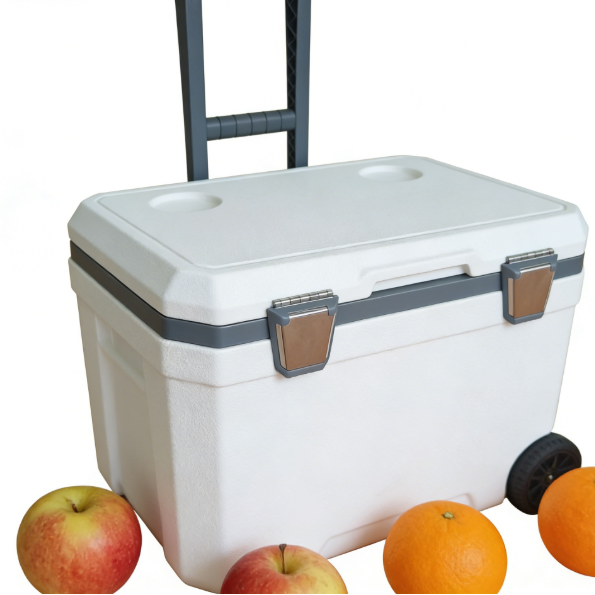
Vacuum Panel Container for Recyclable Materials – 2025 Guide

Vacuum Panel Container for Recyclable Materials – 2025 Guide

Vacuum Panel Container for Recyclable Materials – 2025 Guide

A vacuum panel container for recyclable materials merges ultrathin insulation with a commitment to sustainability. By evacuating air from a microporous core, these containers deliver thermal conductivity around 5 mW/m·K and maintain stable temperatures for 710 days when paired with the right phasechange materials. That performance is critical because the global cold chain packaging market is expanding rapidly—valued at USD 34.28 billion in 2024 and projected to reach USD 89.84 billion by 2034. Reusable packaging is driving this growth, rising from USD 4.97 billion in 2025 to USD 9.13 billion by 2034. In this guide you’ll learn how vacuum panel containers work, why recyclable materials matter and how emerging trends in 2025 reshape coldchain logistics.

This article will help you understand

What a vacuum panel container for recyclable materials is and why it outperforms traditional foam – grasp the technology behind microporous cores and barrier films, including how low thermal conductivity extends hold times and frees payload space.

How to use and optimize these containers for sustainable logistics – stepbystep guidance on preconditioning, loading and monitoring shipments, plus how to pair them with phasechange materials.

What recyclable materials and circular economy initiatives are transforming VIP containers – explore recycled silica cores, EPP shells versus corrugated cardboard, and programs that cut carbon emissions by 95 %.

Latest 2025 trends and innovations – learn about hybrid coolers, IoT sensors, biodegradable cores and regulations pushing companies towards recyclable packaging.

Frequently asked questions and actionable tips – concise answers to highvolume queries and practical advice for realworld use.

What Is a Vacuum Panel Container for Recyclable Materials?

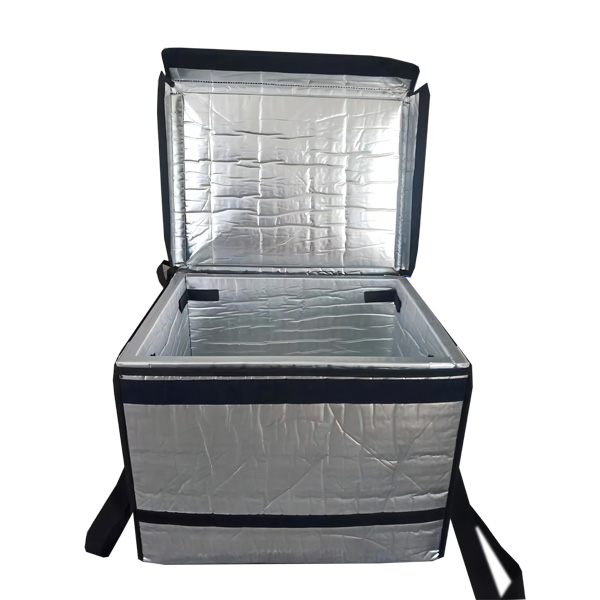
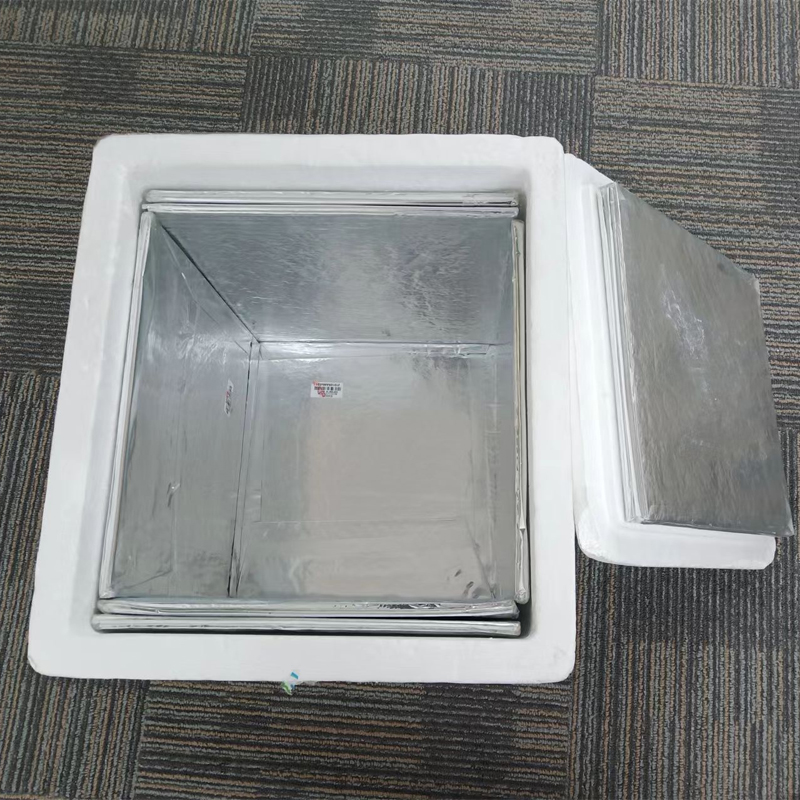
A vacuum panel container for recyclable materials is a rigid, reusable coldchain box that uses vacuum insulated panels (VIPs) and recyclable components to achieve exceptional thermal performance while minimizing waste. Each wall contains a microporous core—often fumed silica or glass fibres—sealed in an airtight barrier film and evacuated to nearvacuum. Removing air molecules suppresses conduction and convection, lowering thermal conductivity to around 5 mW/m·K or as low as 0.0025 W/m·K in optimized designs. Because VIPs deliver tenfold better insulation than polyurethane foam, containers require only 1015 mm walls instead of 25–40 mm, freeing up payload volume and reducing material usage.

How Vacuum Insulation Works

VIP technology relies on three key components:

Component Description Why It Matters
Microporous core A rigid matrix (usually fumed silica) evacuated to nearvacuum. Removing air drastically slows heat transfer, achieving conductivity around 5 mW/m·K.
Barrier film Multilayer laminate of aluminium and polymer that prevents gas ingress and reflects radiant heat. Maintains vacuum over years and blocks moisture penetration.
Support structure Spacers or aerogelenhanced cores that resist atmospheric pressure. Prevents panel collapse and thermal bridging, enabling thin walls without sacrificing strength.

When these panels are integrated into a box and paired with phasechange materials (PCMs) such as gel packs or dry ice, the container can maintain 2–8 °C for 710 days. Hybrid designs with thinner PCMs or active refrigeration offer 72 hours of precise control. The superior insulation also means that only 1.5 kg of PCM is needed for a 5 L payload, compared with 3–5 kg for polyurethane and up to 10 kg for expanded polystyrene (EPS).

Why Does It Matter for Recyclable Materials?

Vacuum panel containers are not just about temperature control; they also advance sustainability:

Reduced material use and emissions. Thin walls use less insulation material and create more usable volume, lowering the amount of packaging sent to landfills. For example, VIP boxes combined with polyurethane and a solarready roof reduce energy consumption by 55 %. Lightweight designs lower transport emissions by reducing fuel consumption.

Reusability and circular economy. Many VIP containers feature rigid outer shells made of expanded polypropylene (EPP) that withstand multiple cycles, while corrugated cardboard shells suit single use and can be recycled. Reusable VIP packaging supports reverse logistics and spreads costs over many shipments. Analysts forecast that the reusable cold chain packaging market will grow from USD 4.97 billion in 2025 to USD 9.13 billion by 2034.

Recyclable cores and panels. Programs like Peli BioThermal’s partnership with VakuIsotherm recycle VIP support cores, recovering fumed silica from quartz sand. Recycling 140 pallets of panels annually can save 306 tons of CO₂ₑ and reduce global warming potential from 10.9 to 1.95 kg CO₂e per kg VIP. The LIFE VICORPAN project uses recycled polyurethane from end-of-life refrigerators to produce new VIPs.

Together, these features make vacuum panel containers ideal for companies aiming to meet regulations such as the EU Packaging and Packaging Waste Regulation, which requires 70 % of packaging to be recycled by 2030, and California’s mandate that all packaging be recyclable or compostable by 2032.

Detailed Performance Comparison

Insulation Material Thermal Conductivity (mW/m·K) Typical Hold Time Practical Meaning
Expanded Polystyrene (EPS) 30–35 1–2 days Thick walls (25–35 mm) and heavy refrigerant loads (6–10 kg for a 5 L payload). EPS constitutes over 30 % of global trash with recycling rates below 20 %.
Polyurethane Foam (PUR) 24–30 3–4 days Requires 3–5 kg of PCM for a 5 L shipment; wall thickness is 25–40 mm.
Vacuum Insulated Panel (VIP) 4–6 710 days Needs only 1015 mm walls and 1.5 kg of PCM for the same 5 L payload; extends hold time by threefold and frees up payload volume.

Practical Tips and Case Example

Handle with care: VIP panels are rigid and brittle. Use reinforced housings and corner guards to prevent punctures.

Balance cost and benefit: Although VIP boxes cost more upfront, longer lifespan, fewer reshipments and reduced refrigerant requirements often lower total cost of ownership. Reusable VIP systems may offer better longterm economics.

Plan for reuse: Set up a reverse logistics loop to retrieve and refurbish containers. Some programs recycle VIP cores to cut emissions by 306 tons of CO₂e annually.

Combine with renewable energy: Integrate solar panels or energy harvesting into refrigerated containers to cut energy consumption by more than 55 %.

Real-world case: A pharmaceutical distributor replaced expanded polystyrene with VIP boxes for 5 L vaccine shipments. By reducing ice packs from 4 kg to 1.5 kg, payload capacity increased and hold time extended from 2 days to nearly 10 days. Emergency reshipments dropped by 80 %, demonstrating both economic and environmental benefits.

How to Use and Optimize a Vacuum Panel Container for Sustainable Logistics?

Preconditioning, loading and monitoring play a decisive role in the performance of a vacuum panel container for recyclable materials. Because VIP insulation is extremely effective, the way you prepare and handle the container determines both temperature stability and sustainability.

StepbyStep Best Practices

Precondition the container and PCMs. Before packing, cool or warm the container and phasechange materials to the desired temperature so they start at the correct thermal state. This minimizes temperature spikes during loading.

Select appropriate PCMs. Use gel packs (2–8 °C) for vaccines, ice packs (0–4 °C) for chilled foods and dry ice (−78 °C) for frozen goods. New slurries offer adjustable ranges (0–25 °C) but may require special handling.

Arrange product and PCMs evenly. Distribute PCMs on all sides of the payload; heavier packs on top help cold air sink. Maintain an air gap between the payload and VIP walls to improve heat distribution

Seal promptly and monitor. Close the lid immediately and use tamperevident seals and data loggers to monitor temperature, humidity and door openings. IoT sensors transmit data every 1–5 minutes and can trigger corrective actions when temperatures drift.

Plan reverse logistics and staff training. Provide return labels and QR codes to facilitate container recovery. Train staff to handle VIPs carefully; mishandling can break the vacuum seal, reducing performance.

Optimizing for Sustainability

Match PCM weight to trip duration. Overloading PCMs wastes space and energy, while too little may compromise the payload. Use manufacturer data or sensors to finetune amounts.

Avoid condensation. Place absorbent pads inside the box to capture moisture when gel packs thaw. This protects products from water damage.

Integrate digital traceability. IoT sensors provide realtime data every few minutes, enabling predictive analytics. Artificial intelligence analyzes patterns to predict when the box might breach temperature limits and suggests corrective actions.

Leverage hybrid systems. Combining VIP panels with aerogels or foam can offer costeffective solutions. Hybrid containers maintain cold conditions for 48–72 hours with optimized PCM mass and reduce fuel consumption.

Recyclable Outer Shell Options

The choice of outer casing affects both durability and recyclability:

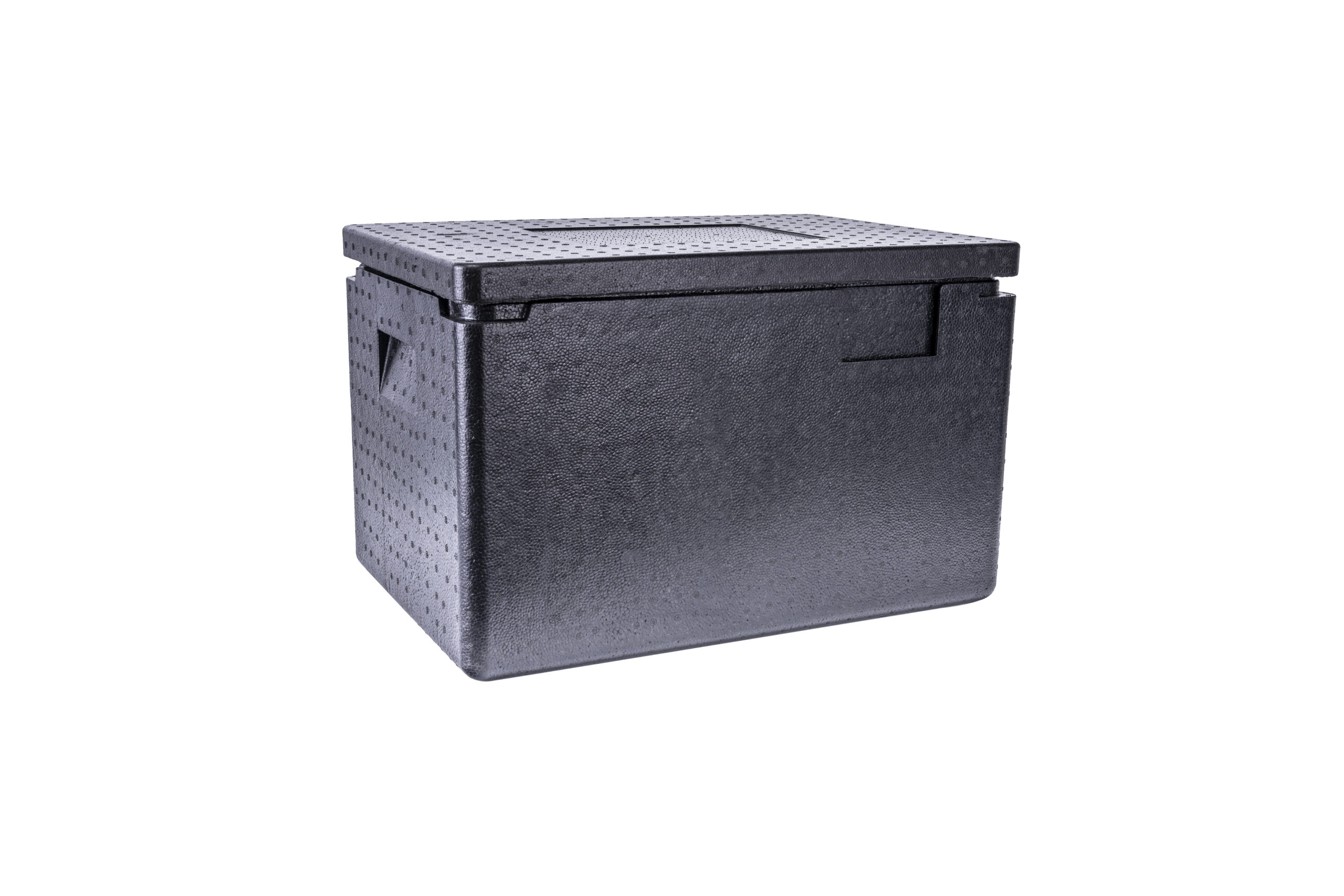
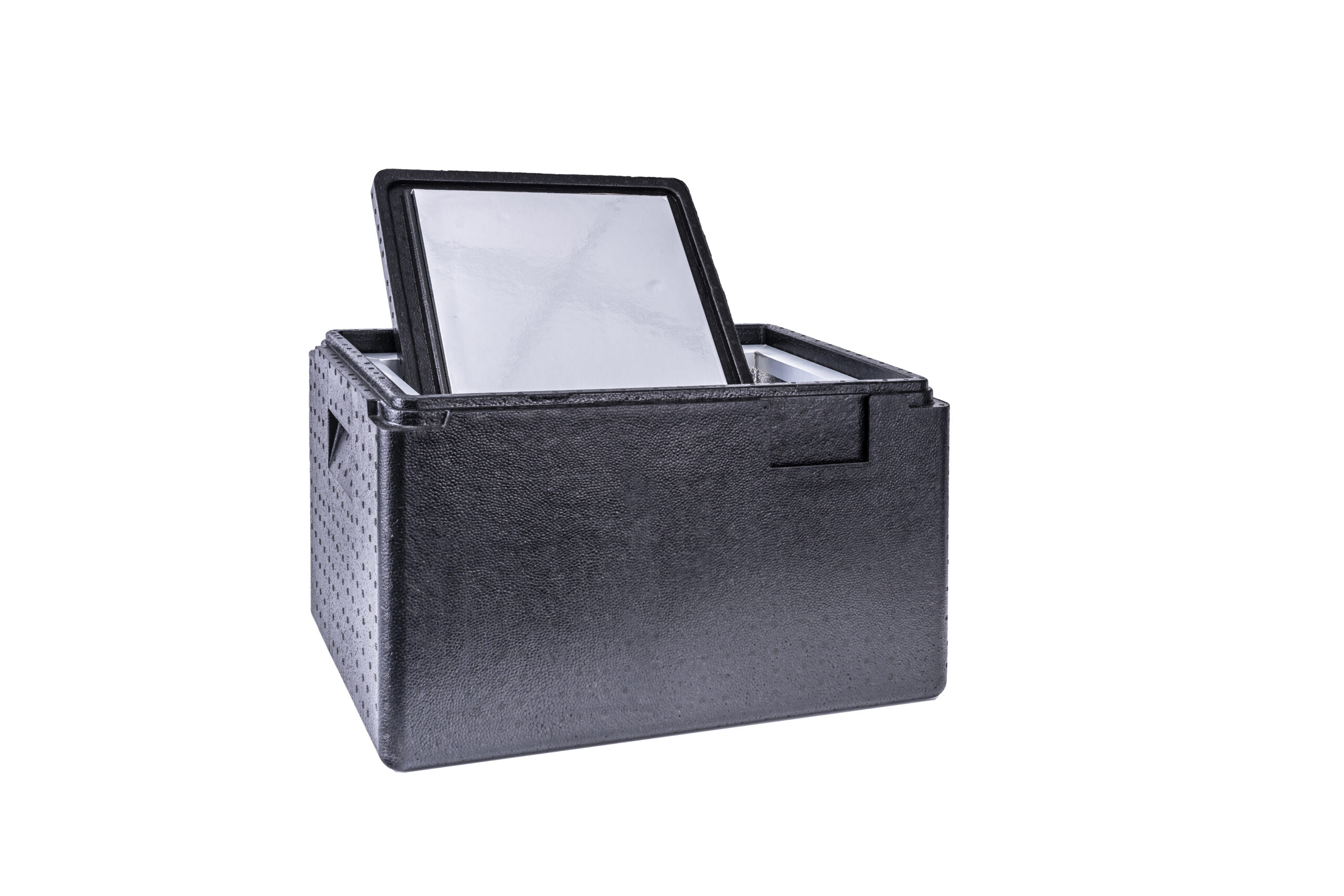
Expanded Polypropylene (EPP) shells provide a rigid waterproof housing ideal for multiuse systems; they sustain long international journeys without losing shape and withstand repeated cleaning.

Corrugated cardboard shells suit singleuse shipments; they protect the payload and are readily disposed of after receipt.

Both can be paired with VIP insulation and PCMs. When designing a system, balance cost, durability, recyclability and regulatory requirements.

Recyclable Materials and Circular Economy in Vacuum Panel Containers

The environmental footprint of a vacuum panel container depends on the materials used in both the core and the outer shell. Recyclable components and circulareconomy initiatives ensure that performance does not come at the expense of the planet.

Recycled Core Materials and Innovative Projects

Recycling VIP cores. VIP cores are energy intensive because producing fumed silica from quartz sand has high embodied energy. Recycling the support cores can cut ecological impact by 95 %. Peli BioThermal and VakuIsotherm are developing a process to recycle VIP support cores, committing to reuse 140 pallets of panels annually and saving 306 tons of CO₂e.

Using recycled polyurethane. The EUfunded Life VICORPAN project uses recycled polyurethane powder from endoflife refrigerators to produce new highperformance VIPs. This demonstrates that waste materials can be transformed into advanced insulation for refrigerators and coldchain containers.

Biodegradable cores. Research is exploring bioaerogels and cellulose to replace silica in VIP cores, aiming to deliver comparable insulation at lower environmental cost. Biodegradable cores reduce disposal challenges and align with circular economy principles.

Sustainable Barrier Films and Manufacturing

Nanocomposite barrier films improve gas impermeability and extend panel life. These films combine metal layers with polymer laminates to balance flexibility and durability.

Selfhealing ultrahighbarrier films are under development to mitigate puncture damage, reducing the need for replacements.

Manufacturing efficiencies. Automated production lines now achieve cycle times of 2–3 minutes per panel, lowering costs and supporting scale. R&D funding from programs like Horizon Europe and the U.S. Department of Energy encourages using recycled materials and achieving circulareconomy goals.

External Shells and Sustainable Materials

Recycled plastics and composites. Manufacturers explore biopolymers, seaweedbased foams and mycelium as outer shells. These alternatives reduce reliance on petroleumbased plastics.

EPP vs. corrugated cardboard. EPP shells offer durability and reusability, while corrugated cardboard suits singleuse shipments and is readily recycled.

Zeroozonedepletion agents. Kingspan’s Kooltherm K20 uses a blowing agent with zero ozone depletion potential, highlighting how material choice reduces environmental impact.

Regulatory Drivers

Environmental regulations are pushing companies toward recyclable materials:

The EU Circular Economy Action Plan requires 70 % of packaging to be recycled by 2030.

California SB 54 mandates that all packaging be recyclable or compostable by 2032.

EU Packaging and Packaging Waste Regulation (PPWR) and similar legislation worldwide penalize singleuse plastics and encourage circular solutions.

By embracing recyclable materials and circulareconomy initiatives, companies can meet these mandates and appeal to environmentally conscious consumers.

Key Metrics: Market and Environmental Impact

Metric 2024/2025 Value Future Forecast Significance
Global cold chain packaging market USD 34.28 billion (2024) USD 89.84 billion by 2034 Rapid expansion driven by vaccines, ecommerce and biologics.
Reusable cold chain packaging USD 4.97 billion (2025) USD 9.13 billion by 2034 Highlights shift toward reusable containers and circular economy.
Recyclable thermal insulation packs USD 2.8 billion (2025) USD 4.8 billion by 2035 VIPs dominate with 42.8 % share; regulations accelerate adoption.
Vacuum insulation panel market USD 9.5 billion (2024) USD 13.8 billion by 2033 Growth driven by cold chain logistics, EV batteries and spacesaving designs.
CO₂ₑ reduction from VIP core recycling GWP drops from 10.9 to 1.95 kg CO₂e/kg Potential savings of 55,704 tons of CO₂e worldwide Demonstrates environmental benefits of recycling.
Reusable packaging market CAGR 6.98 % (20252034) Not applicable Reflects increasing investment in reverse logistics and reuse.

2025 Developments and Trends in Vacuum Panel Containers for Recyclable Materials

The year 2025 marks an inflection point for coldchain logistics. Innovations in materials, monitoring and policy are reshaping how vacuum panel containers are designed and used.

Hybrid Coolers and Optimized PCMs

Hybrid coolers combine VIP insulation with thinner PCMs or active refrigeration elements to extend hold time while reducing energy use. Reports indicate these systems maintain precise temperatures for 72 hours or longer and reduce fuel consumption by optimizing PCM mass and leveraging highperformance insulation. They offer a costeffective alternative between passive containers and fully refrigerated units.

IoTEnabled Smart Packaging

Smart packaging integrates sensors, data loggers and connectivity. VIP containers equipped with sensors can maintain 2–8 °C for 48–72 hours while transmitting temperature and location data, allowing shippers to take corrective actions when temperatures drift. Digital traceability enhances compliance with regulations such as the U.S. Food Safety Modernization Act and the EU Good Distribution Practice.

MultiTemperature and Modular Designs

Advanced containers segment the interior into different temperature zones, enabling mixed loads of frozen and chilled goods. Modular components allow quick customization with pretested combinations of PCMs and insulation. This flexibility reduces the need for multiple container types and improves logistics efficiency.

Reusable Packaging and Circular Economy

Closedloop systems emphasize return, cleaning and redistribution of containers. Analysts project reusable cold chain packaging to expand from USD 4.97 billion in 2025 to USD 9.13 billion by 2034. Recycling VIP cores reduces ecological impact by up to 95 % and can save tens of thousands of tons of CO₂e worldwide. Peli BioThermal and VakuIsotherm are demonstrating how recycling programs create circular economy loops for VIPs.

SelfRefrigerated and Smart Boxes

Products like the Ember Cube integrate onboard refrigeration, eliminating the need for gel packs or dry ice. These selfrefrigerated boxes maintain 2–8 °C for at least 72 hours, transmit realtime data and feature eink screens that display internal temperatures and shipping labels. By enabling reuse and reducing waste, they exemplify the intersection of technology and sustainability.

Artificial Intelligence and Blockchain Integration

Artificial intelligence analyses sensor data to predict failures, optimize routes and reduce delays. Blockchain provides tamperproof logs of temperature data and handling events, enhancing transparency and compliance. Together, they support auditability and quality assurance.

Emerging Materials and Recycling Initiatives

Research is focusing on biodegradable cores made from bioaerogels and cellulose, recycling programs for silica cores and hybrid insulation systems combining VIPs with aerogels or foam. Nanocomposite barrier films improve gas impermeability, while selfhealing ultrahighbarrier films extend panel life. Funding from Horizon Europe and the U.S. Department of Energy accelerates these innovations.

Market Drivers and Challenges

Drivers: Rapid growth in biologics and gene therapies requiring cold chain logistics, the boom in ecommerce groceries and meal kits, digital traceability demands and global regulations pushing for recyclable packaging.

Challenges: High upfront cost of VIP containers, potential fragility, the need for specialized recycling facilities and reverse logistics infrastructure. Fluctuating prices of key materials like fumed silica and complex manufacturing contribute to cost uncertainties.

Opportunities

Higher payload efficiency: VIP containers provide up to 20 % more internal space than foam alternatives.

Regulatory compliance: Thin, durable VIP boxes help companies meet recycling mandates and avoid penalties.

Brand differentiation: Sustainable packaging strengthens brand image and meets consumer expectations.

Frequently Asked Questions

Q1: How long can a vacuum panel container maintain its temperature?
Highquality containers can keep a 28 °C range for 710 days when paired with appropriate PCMs. Hybrid or selfrefrigerated designs offer 72 hours or more of precise control.

Q2: Is a vacuum panel container better than EPS or PUR foam?
Yes. VIP panels offer roughly tenfold better insulation than polyurethane foam and require walls only 1015 mm thick, freeing up payload space and reducing PCM weight. For a 5 L shipment, a VIP container needs only 1.5 kg of PCM versus 4 kg with EPS.

Q3: Are vacuum panel containers recyclable?
The silica cores have high embodied energy, but recycling initiatives by companies like Peli BioThermal reduce global warming potential by 95 %. Always choose suppliers with takeback programs.

Q4: What types of phasechange materials should I use?
Gel packs (2–8 °C) suit pharmaceuticals, ice packs (0–4 °C) serve chilled food, dry ice suits frozen goods, and slurries offer custom ranges. Select PCMs based on temperature range, duration and payload weight.

Q5: Does using a vacuum panel container help me meet sustainability regulations?
Yes. VIP containers are reusable and recyclable; their superior insulation reduces fuel consumption and CO₂ emissions, supporting compliance with EU and California regulations requiring recyclable packaging.

Q6: How do I choose between EPP and corrugated outer shells?
EPP shells are waterproof and durable, ideal for multiuse systems, whereas corrugated cardboard is lightweight and suited for singleuse shipments.

Summary and Recommendations

Vacuum panel containers for recyclable materials combine highperformance insulation with sustainable design. Their microporous cores and evacuated barriers deliver thermal conductivity as low as 5 mW/m·K, allowing 710 days of temperature control with thinner walls and lighter PCM loads. Reusable shells and recyclable cores align with regulations requiring 70 % recycling by 2030 and cut carbon emissions by up to 95 %. Market data shows explosive growth in coldchain packaging, with reusable systems and recyclable insulation packs leading the charge. Despite higher upfront costs, the longterm benefits—reduced product loss, lower transport emissions and brand differentiation—make VIP containers a sound investment.

Actionable Guidance

Map your needs: Define your product type, required temperature range and transit duration. Use the performance table to decide whether VIP, hybrid or conventional insulation suits your shipment.

Select the right materials: Choose VIP containers with recyclable cores and durable outer shells. For multiuse applications, opt for EPP shells; use corrugated cardboard for singleuse shipments.

Optimize your logistics: Precondition containers and PCMs, load carefully and implement IoT monitoring. Match PCM weight to trip duration and plan reverse logistics to reclaim containers.

Explore innovations: Consider hybrid coolers, selfrefrigerated boxes and digital traceability. Engage with suppliers offering recycling programs and biodegradable cores to align with circulareconomy goals.

Partner with experts: Work with coldchain specialists to validate your packaging, ensure regulatory compliance and stay abreast of 2025 innovations.

About Tempk

Tempk (Shanghai Huizhou Industrial Co., Ltd.) is a hightech company specializing in coldchain packaging products and temperature control solutions. Founded in 2011, it operates multiple factories across China and produces phasechange materials, vacuum insulated panel coolers, insulated bags, ice packs and smart sensors. Major pharmaceutical groups and food delivery companies trust Tempk to safeguard temperaturesensitive goods. Committed to innovation, sustainability and quality, the company provides 24/7 technical support, realtime tracking and ecofriendly designs to meet the evolving demands of global coldchain logistics.

Call to Action

Reach out to Tempk’s experts to discuss custom vacuum panel containers for recyclable materials and explore reusable packaging options. Our team can help you optimize logistics, reduce waste and comply with emerging regulations.

How to Use an EPP Cooler Box for Meat Delivery in 2025?

How to Use an EPP Cooler Box for Meat Delivery in 2025?

In today’s ondemand world, you want your steaks and sausages delivered as fresh as if they just left the butcher’s shop. The key is controlling temperature during transit. Expanded polypropylene (EPP) cooler boxes combine lightweight strength with outstanding insulation, making them ideal for meat delivery. This guide explains why EPP coolers are transforming meat logistics, how to select the right box, and what 2025 coldchain trends mean for your business. By the end you’ll know how to keep meat at or below the safe temperature of 40 °F (4 °C), reduce waste and improve customer satisfaction.

This article will answer:

Why choose an EPP cooler box for meat delivery? We’ll explain what makes EPP’s insulation, durability and sustainability superior to other materials.

How to keep meat safe during delivery? You’ll learn to pack and handle meat to maintain temperatures below 40 °F and prevent bacterial growth.

Which EPP cooler box features matter? We’ll cover sizing, wall thickness, reusability, and how to pair coolers with gel ice packs.

What trends shape coldchain logistics in 2025? We’ll highlight innovations such as sustainability, AI, automation and lastmile delivery.

Why is an EPP cooler box ideal for meat delivery?

Expanded polypropylene (EPP) foam offers superior insulation, durability and sustainability for coldchain logistics. Unlike brittle alternatives, EPP coolers have a closedcell structure that provides exceptional thermal resistance and can maintain stable temperatures for extended periods. They are lightweight yet tough; the material absorbs impacts without damage and has negligible water absorption, so the box withstands bumps and scratches during transit. EPP is also recyclable and foodsafe, supporting sustainability goals.

When delivering meat, temperature stability is critical. Fresh meat must be kept at or below 40 °F (4 °C) to prevent bacterial growth, while frozen items require 0 °F (–18 °C). EPP’s insulation slows heat transfer, allowing gel ice packs or dry ice to maintain cold temperatures longer. Because EPP coolers are reusable, they reduce singleuse packaging waste and lower longterm costs. Customization options—different sizes, densities and even molded logos—make them adaptable for different meat products, from steak cuts to sausages and poultry.

Understanding EPP’s advantages

The following table compares EPP with other common cooler materials such as expanded polystyrene (EPS) and polyurethane (PU). These insights can help you choose the best solution for your meat delivery.

Material Insulation Performance Durability & Reusability Environmental Impact Practical Benefit
EPP (Expanded Polypropylene) Excellent thermal resistance; maintains consistent temperatures for hot or cold items. Lightweight yet robust; withstands repeated use without cracking; negligible water absorption. 100 % recyclable and free of harmful gases or heavy metals. Reduces shipping costs due to light weight; reusable in closedloop systems; foodgrade and easy to clean.
EPS (Expanded Polystyrene) Good insulation but lower mechanical strength; prone to breakage over time. Fragile; cracks after a few uses; limited reusability. Nonbiodegradable; recycling facilities are limited. Low initial cost but higher longterm costs due to frequent replacement.
PU (Polyurethane) High insulation; used for longhaul shipments. Heavier and less impactresistant than EPP. Often not recyclable; may contain hazardous blowing agents. Suitable for long storage but increases shipping weight and costs.

Practical tips and best practices

Prechill the box: To maximize insulation, precool your EPP cooler overnight in a freezer. Prechilled walls will absorb less heat when loaded with meat.

Layer ice and meat properly: Place gel ice packs or dry ice at the bottom, then add meat in sealed bags. Cover with additional cold packs, leaving air spaces for cold air circulation.

Limit exposure: Load meat into the cooler quickly and minimize opening during transit to keep cold air trapped.

Re-use responsibly: After delivery, clean the box with mild detergent. EPP’s smooth surface is easy to wipe down and doesn’t absorb odors, allowing quick turnaround for the next order.

Realworld example: A gourmet butcher in Los Angeles switched from disposable polystyrene boxes to reusable EPP coolers. By prechilling the boxes and using phasechange gel packs, they kept steaks below 40 °F for more than eight hours during summer deliveries. Customers reported fresher meat, and the shop reduced packaging waste by 75 %.

How to keep meat safe during delivery?

Food safety is nonnegotiable. According to coldchain logistics guidelines, fresh meat must remain at or below 40 °F (4 °C), while frozen meat and ice cream require 0 °F (–18 °C). Bacteria multiply rapidly between 40 °F and 140 °F, so staying outside the “danger zone” is essential.

Stepbystep packing guide

Select the right cooler size: Choose an EPP cooler that fits your meat products without excessive empty space. Too much air causes temperature fluctuations.

Use highquality gel ice packs: Gel packs made from phasechange material deliver stable cooling and can be reused. TEMPK’s gel ice packs are nontoxic and tested for safety. Roundangle designs prevent damage to foam boxes.

Prefreeze gel packs: Fully freeze gel packs for at least 24 hours before use to maximize cooling capacity.

Layer properly: Place a layer of frozen gel packs at the bottom. Add meat sealed in leakproof packaging. Separate layers with more gel packs; cold air sinks, so the top layer should also have packs.

Seal and monitor: Close the EPP cooler tightly. Consider adding a digital temperature logger or smart sensor to monitor internal temperature and provide alerts if it rises above 40 °F. These tools are part of modern IoTenabled coldchain solutions.

Delivery time: Keep transit times short. For long routes, use active cooling (refrigerated vehicles) and passive insulation (EPP boxes) together.

Choosing gel ice packs and temperature monitors

Gel ice packs vary in quality and durability. Look for packs filled with phasechange material and encased in punctureresistant films. TEMPK’s gel packs are nontoxic and easy to carry, and can be used repeatedly before expiration. Pair them with temperature monitors that record data in real time, enabling quick corrective actions during delivery. Realtime tracking reduces spoilage and ensures compliance with temperature regulations, as highlighted by coldchain trends for 2025.

Safety tips

Don’t overload: Leave some space at the top for cold air circulation.

Separate meat types: Keep raw poultry and seafood in separate bags to avoid crosscontamination.

Check temperature on arrival: Use an instantread thermometer to verify that meat is below 40 °F.

Actual case: A mealkit service in San Francisco used EPP coolers with integrated temperature sensors. During a summer heat wave, a sensor alert revealed that a batch of deliveries exceeded 40 °F midroute. The company rerouted the driver to a refrigerated warehouse and added dry ice, preventing spoilage and saving over 500 meal kits.

How to select the right EPP cooler box?

Choosing the right cooler box involves more than picking a random size. Consider insulation thickness, capacity, reusability and additional features.

Key selection criteria

Wall thickness and density: Thicker walls and higher EPP density provide better insulation. Select at least 25–40 mm walls for meat delivery.

Volume: Size your box based on the typical weight of orders. A 34litre EPP box is suitable for familysized meal kits, while a 100litre box handles larger restaurant orders.

Lid design: Hinged lids prevent misplacement and reduce air leakage. Some models feature frontopening doors for easier loading.

Custom branding: EPP manufacturing allows logos and colors to be molded into the box—useful for brand recognition.

Handles and ergonomics: Look for comfortable handles and notches for gastronorm (GN) containers. The ThermoBox from Germany’s Thermo Future Box offers ergonomic handles and robust closing systems.

Temperature range: Verify that the box can handle –40 °C to 120 °C. This range ensures performance with both dry ice and hot foods.

Material certification: Ensure that the EPP foam is foodgrade, free of CFCs and heavy metals.

Interactive tool suggestion

Create a simple calculator on your website that asks for the order weight, desired delivery time and ambient temperature. It then recommends an appropriate cooler size and the number of gel packs needed. Such tools improve user engagement and reduce selection errors.

Application scenarios

Directtoconsumer butcher services: Delivering steaks or poultry to individual households requires smaller, easytocarry EPP boxes. Gel ice packs should match the weight of meat to maintain safe temperatures.

Restaurant supply: Restaurants often order in bulk. Larger EPP boxes with thicker insulation and reinforced handles ensure safe transport while reducing packaging costs.

Farmers’ markets: Vendors can prepack meat in EPP boxes, ensuring safe storage throughout the day and reducing reliance on communal refrigeration.

Practical scenario: A startup specializing in grassfed beef uses 60litre EPP coolers lined with reusable gel packs. They prechill the boxes, monitor temperatures with Bluetooth sensors and update customers via a mobile app. The combination of EPP insulation and smart monitoring allows delivery within a 200mile radius while maintaining quality.

2025 coldchain trends and industry insights

Trend overview

The coldchain sector is rapidly evolving. The COVID19 pandemic accelerated demand for reliable temperaturecontrolled logistics, while sustainability and technology are reshaping operations. A 2025 industry report highlights several key trends: sustainability, artificial intelligence, green logistics, climate resilience and reduction of food waste. Another industry deep dive lists automation and robotics, endtoend visibility, infrastructure modernization and predictive analytics as top priorities.


Latest developments at a glance

Automation and robotics: Labor shortages and efficiency demands drive adoption of automated storage and retrieval systems (AS/RS). Robots reduce labor costs, operate continuously and reduce errors.

Sustainability: Energyefficient refrigeration, renewable power and recyclable packaging are essential. The global food coldchain produces about 2 % of CO₂ emissions; greener practices reduce carbon footprints and preserve product quality.

Realtime tracking: IoT devices provide realtime data on location and temperature, allowing route optimization and reducing spoilage.

Infrastructure modernization: Aging coldstorage facilities require upgrades to meet efficiency standards. Investments in insulation, advanced refrigeration and onsite renewable energy are expected.

Artificial intelligence and predictive analytics: AI optimizes routes, predicts equipment failures and forecasts demand. It improves decisionmaking and reduces costs.

Growth in pharmaceutical cold chain: Gene and cell therapies require ultracold storage. The pharmaceutical cold chain market is projected to grow at a CAGR of 4.71 % through 2029.

Investment in fresh food logistics and lastmile delivery: As consumers demand fresh produce, the North America food coldchain logistics market is expected to reach US$86.67 billion in 2025. Online ordering boosts directtoconsumer sales, requiring improved lastmile strategies.

Strategic partnerships and supply chain integration: Collaboration among food producers, packaging suppliers and technology providers enhances resilience and efficiency.

Market insights and sustainability

Latin America’s coldchain sector emphasizes sustainability. Emergent Cold LatAm highlights green logistics initiatives—using renewable energy and reducing carbon footprints—as crucial to operations. They also note that artificial intelligence optimizes warehouse operations, predicts maintenance and improves safety. The Move to –15 °C initiative encourages companies to adopt energyefficient refrigeration, reducing environmental impact. Reducing food loss and expanding cold storage capacity through builttosuit facilities are other priorities. These trends show that the coldchain industry is investing heavily in resilience and sustainability.


Frequently Asked Questions

Question 1: How long can an EPP cooler box keep meat cold?
With proper packing (prechilled box, enough gel packs and minimal air space), an EPP cooler can keep meat below 40 °F for eight hours or more, depending on ambient temperature. The superior insulation and closedcell structure of EPP foam reduce heat transfer, extending cooling time.

Question 2: Are EPP cooler boxes safe for food contact?
Yes. EPP is foodgrade, tasteless and odorless. Thermoboxes made from EPP are hygienic, waterproof and resistant to oils and chemicals. EPP is produced without halogenated hydrocarbons or heavy metals, so it doesn’t release harmful substances.

Question 3: What’s the difference between EPP and EPS cooler boxes?
EPP provides better mechanical strength, impact resistance and reusability compared with EPS. EPS coolers can crack after a few uses and are typically singleuse. EPP coolers are recyclable and offer superior thermal performance.

Question 4: Can I reuse gel ice packs?
Most gel packs are designed for repeated use. TEMPK’s packs are nontoxic and can be reused before their expiration date. Ensure there are no leaks before refreezing.

Question 5: How do I clean an EPP cooler box?
Simply wipe the interior and exterior with mild soap and warm water. EPP’s low water absorption and smooth surface make it easy to clean. Avoid abrasive cleaners that could scratch the foam.

Summary and recommendations

Delivering meat safely and sustainably is easier when you harness the advantages of EPP cooler boxes. EPP’s closedcell foam provides excellent insulation, durability and light weight. It’s reusable and recyclable, helping reduce waste. To keep meat safe, maintain temperatures below 40 °F using gel ice packs and proper packing techniques. When selecting a cooler, consider wall thickness, volume, ergonomics and temperature range. Embrace technology—realtime monitoring, AI and automation—to optimize logistics and stay ahead of 2025 coldchain trends.

Actionable next steps

Audit your current packaging: Compare your existing cooler materials with EPP’s benefits. Identify opportunities to switch to reusable EPP boxes to lower costs and waste.

Implement temperature monitoring: Install inexpensive IoT sensors in your coolers to track temperature during delivery. Use data to optimize packing and routing.

Train your staff: Provide stepbystep packing guidelines to drivers and packers. Conduct periodic temperature checks upon delivery.

Plan for 2025 trends: Invest in automation, sustainable energy sources and AIdriven logistics tools to stay competitive.

Contact TEMPK: Explore EPP cooler box and gel pack options tailored to your meat delivery needs. Consult experts to design a solution that matches your volume and branding.

About Tempk

TEMPK™ is a trusted manufacturer specializing in temperaturecontrol packaging solutions. Our insulated EPP cooler boxes are lightweight, durable and easy to clean. Designed for daily use, they keep food fresh longer, resist bumps and scratches and are perfect for picnics, camping or professional delivery scenarios. We also produce highperformance gel ice packs made from phasechange material. The packs are nontoxic, reusable and available with roundangle corners to prevent damage to foam boxes. With years of coldchain experience, we help businesses safeguard temperaturesensitive goods during shipment.

Next step: Reach out to our team for a free consultation on designing EPP cooler solutions for your meat deliveries. Together we can develop an ecofriendly, costeffective packaging strategy that delights your customers.

How Do EPP Foam Box Exporters Transform Cold Chain Logistics in 2025?

How Do EPP Foam Box Exporters Transform Cold Chain Logistics in 2025?

Exporters of expanded polypropylene (EPP) foam boxes are reshaping coldchain logistics by offering durable, reusable and lightweight containers that keep goods at precise temperatures. Compared with traditional polystyrene options, EPP boxes provide higher impact resistance, better strengthtoweight ratios and full recyclability. Global demand for temperaturecontrolled shipments—from vaccines and biologics to seafood and gourmet meals—is growing quickly, and EPP foam box exporters are at the centre of this revolution. This article explains why EPP boxes matter, how exporters optimise them for different sectors, and what future innovations mean for your business.

What makes EPP foam boxes ideal for global coldchain exports? Explore material properties—impact resistance, temperature range and recyclability—and how they outperform EPS and EPE alternatives.

How do EPP foam box exporters enhance sustainability and reduce costs? Learn why reusable EPP boxes cut waste and how closedloop recycling supports a circular economy.

Where are EPP foam boxes used across industries? Understand sectorspecific applications from pharmaceuticals to ecommerce and outdoor recreation.

How do you choose and customise EPP foam boxes for export? Get guidance on temperature range, density, size, closures and smart features like IoT sensors.

What are the latest 2025 trends and innovations? Review emerging technologies such as AIenabled monitoring, compostable materials and phasechange packs that are shaping the market.

FAQs and actionable recommendations to help you implement EPP packaging strategies in your own operations.

What Makes EPP Foam Boxes Ideal for Global ColdChain Exports?

Direct answer

EPP foam boxes are ideal for exporters because their closedcell structure delivers exceptional impact resistance, high strengthtoweight ratio and complete recyclability—properties that expanded polystyrene (EPS) and expanded polyethylene (EPE) cannot match. This robust design absorbs repeated shocks and allows the container to spring back without deformation, ensuring delicate goods remain safe during extended journeys. Manufacturers can tailor densities from 15–260 kg/m³, balancing strength, weight and insulation. The material’s ability to maintain structural integrity from −40 °C to +110 °C makes it suitable for ultracold pharmaceuticals and hot catering deliveries.

Detailed explanation

From a user perspective, the value of EPP boxes lies in their physical properties. Each box is formed by expanding polypropylene beads into a rigid network of closed cells, producing high energy absorption and shockdampening performance. Compared with EPS, which becomes brittle after one impact, and EPE, which offers limited shock absorption, EPP retains its shape after multiple compressions and can be reused hundreds of times. Densities ranging from 15–100 kg/m³—and up to 260 kg/m³ for highdensity grades—allow exporters to choose lighter or stronger solutions depending on product fragility and voyage duration. EPP’s closedcell structure also minimises thermal conduction, keeping goods within tight temperature windows such as 2–8 °C for vaccines or −20 °C for frozen foods. Because polypropylene is nontoxic and recyclable, these boxes align with global sustainability initiatives and reduce environmental impact.

Understanding the Physical and Thermal Properties of EPP

The table below summarises key performance metrics for EPP foam boxes and why they matter for exporters:

Property Typical range Meaning for exporters Your benefit
Density (kg/m³) 15–100 (custom up to 260) Tailor strength and insulation; higher densities provide greater durability but add weight Choose the density that balances protection with shipping costs
Energy absorption (kJ/m²) 20–40 Indicates shock absorption capability Protects fragile vaccines, electronics or glassware during export
Compressive strength (MPa) 0.3–2.5 Handles heavy loads without permanent deformation Allows stacking and palletisation for bulk shipments
Temperature range (°C) −40 to +110 Maintains integrity under extreme cold or heat Suitable for cryogenic pharmaceuticals or hot food export
Water absorption (%) <0.3 Nonporous and moistureresistant Prevents mold, bacterial growth and insulation degradation
Reusability (cycles) Hundreds Retains cushioning and insulation through multiple uses Spread packaging costs across numerous shipments

Practical tips for exporters

Match density to payload: Use higher density foam (40–60 kg/m³) for heavy or longhaul exports; choose medium density for lighter items to save on weight.

Combine with appropriate coldpacks: Pair EPP boxes with phasechange materials (PCM) or gel packs tailored to your temperature range to extend cooling times.

Ensure tight closures and ergonomic design: Select boxes with flush or hinged lids, gaskets and handles for secure sealing and easy handling.

Avoid overpacking: Leave space around contents for air circulation; overfilling can create hot spots and compromise temperature control.

Real case: During vaccine distribution campaigns, health providers switched from singleuse EPS coolers to EPP boxes paired with ice packs. The EPP boxes absorbed impacts during rough handling and maintained internal temperatures, reducing product loss and eliminating thousands of disposable boxes. This realworld example demonstrates how EPP enhances reliability and sustainability in global health logistics.

How Do EPP Foam Box Exporters Enhance Sustainability and Reduce Costs?

Direct answer

Exporters leverage EPP foam boxes to promote sustainability because the material is fully recyclable and designed for repeated use, lowering both waste and longterm costs. Unlike singleuse polystyrene containers, EPP can be cleaned and reused hundreds of times. When paired with return logistics programs, each box’s cost per shipment declines, making the investment economically attractive while reducing carbon emissions.

Detailed explanation

Reusable EPP boxes align with circular economy principles: they are nontoxic, easy to clean and maintain their structural integrity over many cycles. Recycling involves collecting used boxes, cleaning them and remoulding the material into new products. Because EPP is a singlematerial foam, this process is straightforward compared with multilayer composites that are harder to recycle. The environmental benefits are significant: one EPP box can replace hundreds of disposable containers, lowering landfill volumes and reducing the energy required to produce new packaging. Economically, the initial higher cost of EPP boxes is offset by repeated use and reduced product spoilage. Studies show that reuse programs often break even after just a few dozen cycles.

Reusability and Circular Economy Benefits

The table below summarises environmental and economic advantages of EPP foam boxes for exporters:

Benefit Description What it means for you
Closedloop recycling EPP is easy to recycle into new boxes or other products Reduces demand for virgin materials and supports corporate sustainability goals
Reduced waste generation A single reusable box replaces hundreds of disposable alternatives Dramatically cuts landfill volumes and disposal costs
Lower carbon footprint Manufacturing fewer boxes and reusing them reduces energy use and emissions Helps meet environmental targets and improves brand reputation
Economic breakeven Reusable programs often break even after a few dozen cycles Longterm cost savings outweigh higher upfront investment
Enhanced brand perception Sustainable packaging signals environmental responsibility Appeals to ecoconscious partners and customers

Practical tips for sustainability

Implement return programmes: Encourage overseas customers to return boxes by offering deposits or incentives; an exporter reclaimed 80 % of boxes through a deposit system and cut packaging waste by 90 %.

Establish cleaning protocols: Use mild soap and water to sanitise boxes between uses; EPP’s nonporous surface prevents bacterial growth.

Monitor wear: Inspect boxes regularly for cracks or warping and retire damaged units into recycling streams.

Pair with ecofriendly PCM: Select phasechange materials that are recyclable or biodegradable to maximise environmental benefits.

Real case: A seafood exporter replaced singleuse EPS coolers with reusable EPP boxes, instituting a return programme. The company reclaimed 80 % of boxes and reduced packaging waste by 90 %, saving thousands of dollars in packaging costs while marketing its sustainability credentials.

Where Are EPP Foam Boxes Used Across Industries?

Direct answer

EPP foam boxes are versatile solutions used across pharmaceuticals, food & catering, ecommerce, outdoor leisure and industrial logistics. Their ability to maintain stable temperatures and protect goods from shocks makes them indispensable in coldchain exports. In pharmaceuticals, EPP containers keep vaccines and biologics within narrow temperature ranges such as 2–8 °C or ultracold conditions. Restaurants, meal kit services and seafood suppliers use them to keep meals hot or frozen foods cold. Ecommerce companies customise EPP boxes to match product dimensions, reducing void space and shipping costs. Outdoor enthusiasts rely on them for picnic and camping coolers, while industrial users adopt reusable EPP trays and dunnage systems for precision instruments.

Detailed explanation

The closedcell structure of EPP provides reliable temperature control across multiple industries. In healthcare, these boxes protect vaccines, cell therapies and lab samples from temperature excursions; their nonporous surfaces are hygienic and easy to sanitise. Food and catering services rely on EPP boxes for meal deliveries, seafood transport and outdoor events; the material’s water resistance and optional drainage holes prevent leaks. Ecommerce businesses customise EPP boxes to fit items precisely, improving space efficiency and appealing to ecoconscious consumers. Outdoor enthusiasts benefit from lightweight, durable coolers that keep food and drinks fresh for hours. Industrial logistics uses EPP trays and separators to protect electronics, automotive parts and HVAC components.

SectorSpecific Applications and Customisation

The following table summarises industry uses and benefits for exporters:

Industry Example use Benefit for exporters Specific advantage
Pharmaceuticals Vaccine boxes and biologic shippers Maintains strict 2–8 °C or ultracold ranges; nonporous surfaces meet regulatory standards Ensures compliance with Good Distribution Practice (GDP) guidelines, reducing risk of spoilage
Food & catering Meal delivery, seafood, frozen foods Keeps meals hot or cold; lightweight boxes ease handling Extends shelf life and improves customer satisfaction
Ecommerce & groceries Custom shipping boxes Maximises space efficiency and lowers shipping costs; reusable packaging appeals to ecoconscious consumers Reduces packaging materials and logistics expenses
Outdoor & leisure Picnic and camping coolers Keeps food fresh for hours; lightweight for easy transport Enhances outdoor experiences and brand visibility
Industrial logistics Reusable dunnage and transport trays Protects precision instruments and electronics; reduces waste and costs Lowers damage rates and supports sustainable supply chains

Practical tips for sector applications

Match box size to payload: Customise dimensions to fit products snugly, reducing void space and improving temperature stability.

Consider specialised inserts: For pharmaceuticals, use custom inserts to hold vials securely and maintain consistent temperatures.

Plan for lastmile challenges: Choose boxes with ergonomic handles and stacking lids for efficient delivery.

Think beyond shipping: EPP boxes can double as storage containers or marketing tools, such as branded picnic coolers.

Real case: A catering company adopted EPP insulated boxes for banquet events. The boxes kept hot entrées at serving temperature for more than two hours and cold salads crisp. After each event, staff wiped down the boxes and reused them, cutting disposable container costs by 60 % over the season.

How Do You Choose and Customise EPP Foam Boxes for Export?

Direct answer

Exporters should choose EPP foam boxes by assessing the required temperature range, payload size, foam density, closure type and optional smart features. Define whether your shipment needs chilled (2–8 °C), frozen (–20 °C) or ultracold (–60 °C to –90 °C) capacity and pair boxes with appropriate phasechange packs or dry ice. Measure your product to select dimensions that reduce void space and improve insulation. Higher densities provide better insulation and strength but add weight, so match density to load and journey length. Consider ergonomic handles, flush or hinged lids and branding options for ease of use and marketing. For pharmaceuticals or highvalue shipments, add IoT sensors and data loggers to monitor temperature and location in real time.

Detailed explanation

Selecting the right EPP box begins with temperature requirements. Chilled goods like vaccines need stable 2–8 °C ranges, while frozen foods require –20 °C, and ultracold biologics demand –60 °C or colder. Pair EPP boxes with phasechange materials or dry ice that match these ranges. Payload dimensions are critical: custom EPP boxes can be manufactured in almost any shape or size. Higher density foams (40–60 kg/m³) offer greater insulation and strength but are heavier; lighter densities are suitable for shorter journeys. Closure style affects temperature retention: flushfitting lids with gaskets minimise air leakage, while hinged lids facilitate frequent access. Ergonomic handles or straps improve handling during export. Brand integration—such as moulded logos or colours—turns packaging into a marketing asset and supports customer recognition. Finally, digital features like sensors and blockchaincompatible labels provide realtime tracking, meeting regulatory requirements and assuring product integrity.

Key Factors: Temperature Range, Density and Smart Features

Selection factor Considerations Practical guidance
Temperature range Determine whether your shipment requires chilled (2–8 °C), frozen (–20 °C) or ultracold (<–60 °C) capacity Pair boxes with PCM packs or dry ice matching the temperature range; ultracold shipments may need additional insulation
Payload dimensions Measure product size and necessary clearances Customised boxes reduce void fill and improve insulation; avoid oversized containers
Foam density Higher densities provide better insulation and strength but add weight Match density to payload weight and journey length; medium densities balance performance and cost
Lid and closure Flushfitting, stacking or hinged lids Choose gaskets for airtight sealing; consider hinged lids for easy access
Handles and ergonomics Ergonomic handles or straps Improve lastmile handling and reduce risk of dropping
Branding and customisation Colours, logos, partitions Turn packaging into marketing; add inserts to secure vials or compartments
Monitoring & IoT Sensors, data loggers and blockchain labels Provide realtime temperature and location data; ensure compliance with GDP and HACCP standards

Practical tips for selection and customisation

Use size calculators and selfassessment tools: Interactive calculators can estimate optimal box size and density based on payload dimensions and required temperature duration.

Implement monitoring features: Add IoT sensors and data loggers to track conditions in real time; this helps detect deviations before they affect product quality.

Opt for collapsible designs: Some highdensity EPP boxes are foldable, saving up to 60 % of space when empty and reducing return logistics costs.

Integrate branding: Incorporate your logo, colours or promotional messaging directly into the foam to enhance brand recognition.

Select ecofriendly PCM: Use biodegradable or recyclable phasechange materials to complement the sustainability of EPP.

Real case: A meal kit delivery startup used a size calculator to design custom highdensity EPP boxes. The boxes kept ingredients safe for 48 hours and reduced shipping costs by eliminating void fillers, demonstrating how tailored design and density choices can boost efficiency.

What Are the Latest 2025 Trends and Innovations in EPP Foam Box Technology?

Trend overview

The coldchain packaging industry is evolving rapidly: the market is projected to grow from USD 34.28 billion in 2024 to USD 89.84 billion by 2034 at a CAGR of 11.3 %. Highdensity EPP boxes are advancing alongside this growth as companies integrate AI, IoT and blockchain into packaging solutions. Sustainability is driving new materials and processes: while EPP is already recyclable, research into compostable foams and biobased alternatives aims to reduce environmental impact. The pharmaceutical coldchain packaging market alone is valued at US$28.9 billion in 2025 and projected to reach US$75.0 billion by 2032, growing at 14.6 % per year. This surge underscores the importance of reliable thermal containers like EPP boxes.

Latest progress at a glance

AI and blockchain integration: Coldchain providers use AIpowered route optimisation and blockchain to ensure packages follow efficient paths and maintain tamperproof records. This reduces delays and improves traceability for pharmaceuticals and food.

Compostable materials: Startups are developing compostable foams from pulp and fungi for shortduration shipments, offering biodegradable alternatives.

Phasechange packs: Advanced PCMs store and release heat to maintain temperatures without continuous refrigeration; they pair well with highdensity EPP boxes to extend cooling times.

IoT and active packaging: Sensors monitor temperature, humidity and gas composition, while active packaging uses oxygen scavengers and antimicrobial compounds to extend shelf life.

Regulatory momentum: The pharmaceutical coldchain packaging market is expected to grow from US$28.9 billion in 2025 to US$75 billion by 2032; stricter GDP and food safety regulations are driving adoption of insulated packaging.

Market insights: The expanded polypropylene foam market was valued at US$1.14 billion in 2024 and is projected to reach US$2.11 billion by 2033. Highdensity EPP foam leads growth due to superior impact resistance and insulation. Companies like Hyundai use EPP in electric vehicle seats for impact resistance and recyclability.

Advanced Technologies and Future Outlook

Innovation in EPP foam boxes is not limited to the material itself. AIenabled logistics platforms analyse weather, traffic and storage availability to optimise delivery routes and reduce fuel consumption. Blockchain creates tamperproof records that enhance product authenticity and compliance. IoT sensors embedded in boxes monitor temperature, humidity and location, sending realtime alerts when conditions deviate from set thresholds. Compostable foams derived from mycelium and pulp may complement EPP for shortjourney shipments, offering fully biodegradable options. In 2025, researchers also launched a process line that reduced EPP bead expansion time by 18 %, improving manufacturing efficiency. Future developments may include chemical recycling methods that lower feedstock costs and highdensity EPP boxes compatible with digital labels and smart packaging standards.

2025 new Cold chain trends

The coldchain packaging industry is expanding due to rising demand for perishable goods, biologics and temperaturesensitive therapies. Market research shows that coldchain packaging is projected to reach USD 89.84 billion by 2034, up from USD 34.28 billion in 2024. Growth is driven by increasing consumption of fresh produce, seafood and pharmaceuticals, as well as stricter safety regulations. Technological advancements—such as smart indicators and RFID tracking—enhance realtime monitoring. Sustainable materials and reusable systems are gaining traction as companies seek ecofriendly solutions. Meanwhile, the pharmaceutical coldchain packaging market is expected to grow from US$28.9 billion in 2025 to US$75 billion by 2032, with plastics (including EPP) accounting for 74 % of material share.

Reusable packaging growth: The global reusable coldchain packaging market is expected to increase from USD 4.97 billion in 2025 to USD 9.13 billion by 2034, growing at 6.98 % annually. This trend reflects demand for sustainable, returnable containers like EPP boxes.

Smart technologies: AIdriven logistics, IoT sensors and blockchain provide realtime temperature tracking, predictive analytics and tamperproof records. These tools help prevent temperature excursions and ensure regulatory compliance.

Biodegradable materials: Companies are researching seaweedbased bioplastics, compostable foams and edible packaging to reduce environmental impact.

Strategic investments: Major logistics firms are acquiring coldchain providers to expand infrastructure and enhance service quality.

Pharmaceutical innovations: The rise of mRNA vaccines and advanced therapies demands ultracold logistics systems. mRNA vaccines require storage at −70 °C to −80 °C, driving demand for sophisticated packaging. These therapies attract logistics cost premiums of up to 25 % and push exporters to adopt specialised containers and monitoring.

Market segmentation shows that small boxes and insulated shippers (such as EPP foam containers) account for about 38 % of the pharmaceutical coldchain packaging market. Biopharmaceutical companies dominate demand, representing approximately 54 % of enduser share. North America holds the largest regional market (31 %), followed by Europe (27 %) and East Asia (19 %). These insights indicate that exporters targeting pharmaceutical clients should prioritise highquality, compliant packaging and digital monitoring to serve regulated markets.

FAQ

Question 1: Why are EPP foam boxes preferred over EPS or EPE in coldchain logistics? EPP boxes provide superior impact resistance, a high strengthtoweight ratio and complete recyclability, unlike EPS and EPE which either crack easily or lack shock absorption. Although EPP costs more initially, it can be reused hundreds of times and delivers better protection and sustainability.

Question 2: How long can an EPP foam box maintain temperature? With appropriate phasechange packs, EPP boxes can maintain cold or hot conditions for 24–48 hours or longer. Highdensity EPP’s closedcell structure slows heat transfer, and the material remains effective from −40 °C to +110 °C.

Question 3: Are EPP foam boxes foodsafe and hygienic? Yes. EPP is nonporous, resistant to chemicals and easy to clean. EPP boxes meet EU REACH and FDA standards, making them safe for direct contact with food and pharmaceuticals.

Question 4: Can EPP boxes be customised for branding and monitoring? Absolutely. Exporters can mould logos, colours and custom inserts directly into the foam and add IoT sensors or data loggers for realtime monitoring. These features enhance brand recognition and ensure compliance with regulatory requirements.

Question 5: How many times can an EPP box be reused? With proper handling and cleaning, highdensity EPP boxes can be reused hundreds of times without significant loss of insulation or structural strength.

Suggestion

Key takeaways: EPP foam boxes offer unmatched impact resistance, strengthtoweight ratio and recyclability, making them the ideal choice for exporters in 2025. Their closedcell structure maintains precise temperatures across a wide range (−40 °C to +110 °C). Reusable EPP boxes support sustainability by reducing waste and lowering carbon footprints, while return programmes make them costeffective. EPP containers serve various industries—including pharmaceuticals, food, ecommerce and industrial logistics—and can be customised to fit specific products and branding. Emerging trends such as AI, IoT and compostable materials will further enhance coldchain efficiency and sustainability.

Action plan: Determine your product’s temperature range and payload dimensions to select the right EPP box and matching phasechange materials. Opt for higher density foam for heavy or longhaul exports and medium density for lighter shipments. Implement a return programme and cleaning protocol to maximise reuse and cost savings. Customise boxes with your logo, colours and inserts to enhance brand recognition, and integrate IoT sensors for realtime monitoring and compliance. Keep abreast of emerging technologies and regulatory changes to maintain a competitive edge in the evolving coldchain landscape.

About TemPK

Tempk specialises in developing highdensity EPP boxes and coldchain solutions that balance performance with sustainability. We design ultrainsulating containers for pharmaceuticals, meal kits and electronics, integrating phasechange materials and IoT sensors to ensure goods remain within precise temperature ranges. Our reusable EPP boxes are lightweight, durable and fully recyclable, enabling exporters to reduce waste and shipping costs while meeting regulatory requirements. Whether shipping vaccines, seafood or highvalue electronics, Tempk’s solutions provide reliability, compliance and environmental responsibility.

Next step: If you want to enhance your coldchain exports with cuttingedge packaging, reach out to Tempk for tailored EPP solutions. We will evaluate your payload, temperature needs and regulatory environment to design a custom package that protects your products and advances your sustainability goals.

Chemical Resistant EPP Insulation Boxes – Are They Leading Cold Chain Packaging in 2025?

Chemical Resistant EPP Insulation Boxes – Are They Leading Cold Chain Packaging in 2025?

Updated December 2025

Maintaining product integrity in the cold chain isn’t just about keeping items cold. You also need packaging that can withstand chemicals, moisture and rough handling without adding unnecessary weight. Chemical resistant expanded polypropylene (EPP) insulation boxes provide that rare combination of thermal protection, durability and chemical inertness. In a world where vaccines, biologics, perishable foods and delicate electronics must cross continents, choosing the right insulated container has a direct impact on profits and patient safety. This article, updated with 2025 insights, explains why EPP boxes stand out and how you can use them to boost your logistics performance.

This Article Will Answer

What gives EPP insulation boxes their chemical resistance and insulating power? Understand the microstructure and material properties that keep your shipment safe.

How do EPP boxes compare to other materials like EPS, EPE and traditional coolers? Learn where EPP excels and when alternatives fall short.

What factors should you consider when selecting and maintaining chemicalresistant EPP boxes? Explore practical guidelines and maintenance tips for maximizing box life and performance.

Which industries benefit most from chemicalresistant EPP packaging? See realworld applications in pharmaceuticals, food logistics, electronics and more.

What are the latest 2025 trends in cold chain packaging and EPP technology? Discover market forecasts, sustainability initiatives and innovations such as hybrid insulation systems and IoT sensors.

What Gives EPP Insulation Boxes Their Chemical Resistance and Insulating Power?

Expanded polypropylene (EPP) boxes owe their outstanding chemical resistance and thermal insulation to a closedcell bead structure and the inert nature of polypropylene. Each box is moulded from millions of tiny beads fused under steam pressure into a rigid shell. Unlike opencell foams that absorb liquids, EPP’s nonporous cellular matrix blocks moisture and chemicals, resisting oils, acids and solvents. This sealed structure also traps air pockets, giving EPP a low thermal conductivity and exceptional insulation. Even extreme temperatures don’t compromise its integrity – service ranges from –40 °C to +110 °C and melting points exceed 160 °C.

Expanding on the Science

At its core, EPP is a threedimensional engineering polymer made by preexpanding polypropylene resin into beads that are then moulded into shape. This process creates an internal network of closed air cells separated by thin polymer walls. Because the polymer chains are hydrophobic and chemically inert, common corrosive agents like oils, greases and most acids or solvents cannot break them down. Meanwhile, the voids between cells provide thermal insulation, much like thousands of tiny Thermos flasks. Density can be tuned between 15 and 100 kg/m³ to balance weight and strength, giving designers flexibility to meet diverse shipping needs.

EPP also offers resilience and shape recovery: compress the foam, and it springs back without permanent deformation. That’s because the fused beads can absorb impact energy and then return to their original form. This property is invaluable when packages experience vibration, drops or stacking pressures. Combined with 100% recyclability, EPP is both sustainable and durable, allowing boxes to be reused for hundreds of cycles.

Microstructure and Polymer Chemistry

EPP’s secret lies at the microscopic scale. Each bead contains gas pockets encapsulated by thin walls of polypropylene. When beads fuse, the interlocking network forms a rigid lattice that resists chemical attack and prevents liquid penetration. Unlike some foams that rely on blowing agents with environmental tradeoffs, polypropylene is a stable hydrocarbon polymer. It does not react with water, most alkalis or acids, and maintains mechanical properties across a wide temperature span. Its hydrophobic backbone repels moisture, meaning that even prolonged exposure to condensation or spills only results in moisture absorption below 0.3% by volume. That’s orders of magnitude lower than conventional expanded polystyrene (EPS) or polyurethane foams, which can soak up liquids and degrade over time.

Property Typical Values Practical Meaning
Density 15–100 kg/m³ Adjust weight and strength for light or heavy loads
Service temperature –40 °C to +110 °C Suitable for freezing conditions and heat sterilization
Melting point >160 °C Boxes remain stable when exposed to boiling water or sterilization
Moisture absorption <0.3% Resists water ingress and retains insulation
Chemical resistance Resists oils, acids, solvents Safely transports hazardous or corrosive materials
Recyclability 100% Boxes can be reprocessed and reused, supporting circular economy

Thermal and Chemical Performance Metrics

From a performance perspective, an EPP insulation box is like a personal climate chamber. The closedcell foam limits heat transfer, ensuring that internal temperatures stay within 2–8 °C or –18 °C for 72 to 96 hours without power. Because the material doesn’t absorb moisture, there’s little risk of bacterial growth or contamination. Chemical resistance means that even if a vial leaks or a gel pack ruptures, the foam won’t degrade or impart odours. EPP can withstand repeated cleaning with mild detergents and disinfectants, making it ideal for pharmaceutical, biotech and chemical shipments.

Practical Tips for Safer Shipments

Use thick walls and snug lids: Heavierduty EPP boxes with 35–50 mm wall thickness provide longer hold times and better protection against chemical spills. A tightfitting lid further minimizes air exchange.

Line boxes for extreme hazards: For highly corrosive substances or dry ice, add an internal liner or secondary containment to protect the box and comply with regulations.

Clean with mild detergents: To extend life, wash boxes with warm water and a mild detergent after each use. Avoid harsh solvents that may attack gaskets or labels.

Monitor contents: Place temperature or humidity indicators inside the box. Many modern EPP containers integrate IoT sensors to send realtime alerts if conditions deviate from set points.

Case Study: A regional vaccine distributor faced repeated losses when chemical leaks from vaccine vials corroded standard coolers and compromised payloads. After switching to chemicalresistant EPP boxes, they maintained 2–8 °C for 80 hours and eliminated spoilage. Over 12 months, they reported savings of USD 1.2 million and improved vaccine availability.

How Do ChemicalResistant EPP Boxes Compare to Other Insulation Materials?

Not all coolers are created equal. When comparing EPP to materials like expanded polystyrene (EPS), expanded polyethylene (EPE) and traditional metallined coolers, EPP consistently offers a stronger combination of durability, chemical resistance and temperature control. EPS may provide good insulation at low cost, but it lacks strength and absorbs moisture, leading to contamination. EPE is flexible and cheaper but deforms easily under load and offers limited chemical resistance. Metal or plastic hardside coolers have strong shells but poor insulation unless paired with foam inserts.

LongTerm Benefits and Cost Efficiency

While the upfront cost of an EPP box may be higher than an EPS throwaway cooler, the total cost of ownership tells a different story. EPP containers can be reused hundreds of times without losing structural integrity, which lowers peruse cost dramatically. Their chemical inertness means no chemical cleaning agents are required, reducing maintenance expenses and environmental impact. They also maintain temperature for longer, lessening the amount of ice or gel packs needed. In contrast, EPS containers often crack after a handful of uses and cannot be sanitized effectively. Over a full year of weekly shipments, an EPP box typically costs less than half the amount of a series of disposable EPS boxes.

Comparative Properties of EPP, EPS and EPE

Feature EPP EPS EPE Metal/Hard Coolers
Impact resistance High, springs back after deformation Low, breaks easily Moderate Very high
Chemical resistance Resists oils, acids, solvents Poor, dissolves in many solvents Moderate Depends on liner
Water absorption <0.3% Up to 4% 1–2% Very low
Thermal insulation Excellent Good Moderate Fair
Reuse cycles 200–500+ 1–5 10–20 50–100
Recyclability Fully recyclable Difficult Limited Recyclable but heavy
Weight Very light Light Very light Heavy
Typical cost per use Low (spread over many uses) High (single use) Medium Medium

Finding the Right Material for Your Needs

When you’re shipping highvalue, temperaturesensitive goods, EPP delivers unmatched reliability and resilience. If you only need a oneway shipment for noncritical goods, EPS might suffice due to its low initial cost. Flexible EPE is useful for cushioning but lacks the structural strength for large shipments. Metal coolers work well for camping and fishing but often require heavy ice loads and do not provide chemical resistance. For most professional cold chain applications—particularly where chemical exposure or reuse is expected—EPP is the safest longterm choice.

How to Select and Maintain ChemicalResistant EPP Insulation Boxes

Choosing the right EPP box is about matching product requirements with container capabilities. Factors like shipment duration, fragility, regulatory compliance and return logistics all influence your choice. Below you’ll find practical guidelines for selection and maintenance that ensure your investment lasts.

Key Factors to Consider

Shipment duration and temperature range: Determine how long the product must stay within a specific temperature band. Heavierdensity EPP walls retain cold longer, while thinner walls minimize weight. Insulated dividers or vacuum panels can extend hold times for shipments exceeding 96 hours.

Product fragility: Fragile vials, biologics or electronics require soft inserts, separators or shock absorbers. EPP’s energy absorption reduces vibration damage, but you may add foam inserts for extra protection.

Return logistics: If you plan to reuse the box, design it for easy cleaning and label removal. Consider foldable or nestable designs to reduce return freight volume.

Regulatory compliance: Pharmaceutical shipments often require validated packaging with temperature mapping. Ensure your EPP container has been qualified for your product and destination.

Cleaning and disinfection: Maintain boxes by cleaning with mild detergent and water after each use. Periodically check for cracks, warping or degraded seals and replace damaged units.

Choosing the Right Box for Different Products

Product Category Duration (hours) EPP Features Recommended Why It Matters
Vaccines & Biologics 48–96 Thick walls, data logger pockets, validated inserts Maintain 2–8 °C, protect from chemical leaks and shock
Frozen Foods & Ice Cream 24–72 Tight lid, watertight seams, foodgrade liner Prevent melting, block odours and resist fats
Fresh Produce & Meal Kits 12–36 Medium wall thickness, reusable ice packs, dividers Manage humidity and prevent bruising
Sensitive Electronics & Batteries 48–120 Antistatic liner, acidresistant EPP, foam inserts Protect against leaks and mechanical impact
Lab & Chemical Samples 72+ Dualcontainment, chemicalresistant inner lining Guard against solvent spills and maintain temperature

Maintenance Best Practices

Inspect before each shipment: Look for cracks, deformations or compromised gaskets that could reduce insulation or leak containment.

Clean promptly: Rinse and wash boxes after each use with a mild detergent solution. Avoid highpressure washes that may force water into seams; instead, wipe with a cloth and let airdry.

Record usage cycles: Track the number of times each box has been used. After 200–300 cycles, check compression set and insulation performance; retire boxes showing excessive wear.

Store properly: Keep boxes in a dry, shaded area. Avoid stacking heavy loads on top of them for extended periods to preserve shape memory.

Upgrade accessories: Replace seals, gaskets and latches as needed. Consider adding smart temperature indicators or IoT monitors to ensure compliance with strict cold chain regulations.

Where Are ChemicalResistant EPP Boxes Used?

EPP boxes are the unsung heroes across multiple industries. Their unique combination of chemical inertness, thermal stability and durability make them suitable for industries far beyond basic food delivery. Here are some key sectors benefiting from this technology:

Pharmaceutical and Biotech Shipments

Vaccines, monoclonal antibodies, gene therapies and diagnostic kits demand precise temperature control and sterility. EPP’s nonporous surface resists contamination, while its ability to keep contents within 2–8 °C or deepfreeze ranges for up to 96 hours ensures potency. Chemical resistance is vital when transporting solventbased formulations or cleaning agents, preventing packaging degradation and crosscontamination. Many pharmaceutical distributors choose EPP boxes for their reusability and ease of validation, which lowers overall supply chain costs.

Food and ECommerce Logistics

Rapid growth in online grocery and meal kit services means perishable products must arrive fresh. EPP boxes keep seafood, dairy and produce cold without adding significant weight. Their sealed structure blocks fat, oils and acids found in foods, preventing odours and stains. For restaurants and meal kit providers, reusable EPP boxes reduce packaging waste and align with sustainability initiatives. They also insulate from hot outdoor temperatures during summer deliveries.

Electronics, Batteries and Automotive Components

Lithiumion batteries, printed circuit boards and highvalue electronics are sensitive to both temperature swings and chemical exposure. EPP’s impact resistance absorbs shocks during transport, while its chemical inertia protects against electrolyte leaks or corrosive fluxes. Automotive suppliers use EPP containers to ship airbag inflators and lithium modules because the foam can withstand oils and brake fluids without degrading. This reduces the risk of accidents and ensures components arrive in working order.

Chemical and Laboratory Sample Transport

Laboratories and chemical manufacturers move samples containing acids, solvents or reagents that can quickly degrade standard packaging. EPP boxes provide a dualprotection system: the foam resists chemical attack, and the closed cells prevent seepage, protecting handlers and preserving sample integrity. Many EPP containers have builtin channels for dry ice or gel packs, enabling safe shipment of temperaturesensitive reagents. When lined with secondary containment, they comply with hazardous materials regulations.

Industry Key Requirements How EPP Boxes Deliver
Pharmaceutical & Biotech Precise temperature control, sterility, chemical safety EPP maintains stable temperatures for 72–96 hours and resists solvents
Fresh & Frozen Food / Meal Kits Cold retention, hygiene, odour resistance Closed cells block fats and odours; boxes are easy to clean
Electronics & Automotive Impact protection, chemical leak resistance, temperature stability EPP absorbs shocks and resists oils and battery acids
Chemical & Lab Samples Containment of hazardous reagents, compliance with safety standards EPP’s chemical inertia and secondary liners protect against spills
ECommerce Fulfillment Light weight, reusability, branding potential EPP boxes can be customized and reused for hundreds of shipments

2025 Trends: What Does the Future Hold for EPP Cold Chain Packaging?

The rapid growth of global cold chains and advances in materials technology are transforming the insulated packaging landscape. In 2025, the market for EPP insulation boxes is estimated at around USD 2 billion and projected to grow at 7% annually through 2033. Meanwhile, the broader cooler box market is expected to reach USD 8.1 billion by 2025, and the cold chain packaging industry overall could exceed USD 89.84 billion by 2034. Here are the key trends shaping this growth:

Latest Progress at a Glance

Hybrid insulation systems: Combining EPP with vacuum insulation panels (VIPs) or phasechange materials extends hold times beyond 120 hours while keeping weight low. This is critical for remote regions and longhaul flights.

IoTenabled monitoring: Smart EPP boxes now come with embedded sensors that transmit temperature, humidity and shock data in real time, allowing proactive intervention if a shipment deviates from its safe range.

Circular supply chains: More companies are adopting closedloop programs, collecting used EPP boxes for cleaning, refurbishment and redeployment. This reduces waste and demonstrates corporate responsibility.

Market and Regulatory Insights

The drivers behind EPP adoption include strict vaccine and biologic distribution regulations, the expansion of online grocery and meal kit services, and the need to minimize waste. Governments are tightening rules on singleuse plastics, prompting companies to shift toward reusable EPP packaging. Additionally, sustainability metrics now influence procurement decisions, with many organizations favouring recyclable materials. Geographically, North America and Europe currently dominate the EPP cold chain market, but AsiaPacific is the fastestgrowing region due to rising healthcare investments and ecommerce adoption.

Frequently Asked Questions

  1. What types of chemicals can EPP boxes withstand?
    EPP is resistant to oils, greases, alcohols, most acids and many solvents. It is not affected by water or weak alkalis, making it suitable for transporting pharmaceuticals, chemicals and batteries. Avoid exposure to very strong oxidizing acids or halogenated solvents, which may slowly degrade the polymer over prolonged contact.
  2. How long can EPP boxes maintain a stable temperature?
    With proper conditioning and the right number of cold packs, EPP boxes can maintain 2–8 °C or –18 °C for 72–96 hours. Using thicker walls, vacuum panels or highperformance phasechange materials can extend hold times beyond four days.
  3. Are chemicalresistant EPP boxes safe for food contact?
    Yes. Foodgrade EPP is approved for direct contact with foods. Its closedcell structure prevents absorption of fats, oils and odours, ensuring clean and hygienic deliveries. Always verify that the box is certified foodsafe and clean it between uses.
  4. How many times can I reuse an EPP box?
    Most EPP boxes can be reused between 200 and 500 times without significant loss of performance. Tracking use cycles and inspecting boxes for damage will help you determine when to retire them.
  5. How do I recycle EPP packaging?
    EPP is 100% recyclable. Contact your supplier or a specialized recycler to collect used boxes. Many logistics providers offer takeback programs where boxes are ground into pellets and reprocessed into new products.
  6. Are EPP boxes more expensive than EPS or cardboard coolers?
    The upfront cost of EPP boxes is higher, but their long service life and reusability make them cheaper on a pershipment basis. They also reduce the need for outer secondary packaging and cut waste disposal costs, improving longterm ROI.

Summary and Recommendations

Chemicalresistant EPP insulation boxes are redefining cold chain logistics. Their closedcell foam construction offers low thermal conductivity, high impact absorption and resistance to oils, acids and solvents. Unlike disposable EPS boxes, EPP boxes are durable and fully recyclable, saving costs over hundreds of shipments. They perform reliably across –40 °C to +110 °C, maintain temperature stability for days, and protect fragile goods from shocks.

To leverage these benefits, select an EPP box that matches your product’s thermal and chemical requirements, and design a maintenance program to extend its service life. Integrate temperature sensors and consider hybrid designs with VIPs for extended hold times. Adopt a reverselogistics strategy to reclaim and recycle boxes, aligning with sustainability goals. When you combine these practices, EPP boxes can deliver superior protection, reduce waste and enhance customer satisfaction.

About Tempk

Tempk is a leader in cold chain packaging solutions. Our EPP insulation boxes are engineered for performance and sustainability, combining highdensity EPP foam with precision molding for tight seals and efficient insulation. We offer prevalidated containers for pharmaceuticals, biologics and food shipments, as well as customizable designs for electronics and industrial applications. With a focus on quality, regulatory compliance and circular supply chains, we help businesses ship temperaturesensitive goods safely while reducing environmental impact. For more information or to request a sample, contact us and discover how EPP packaging can transform your cold chain operations.

Moisture Resistant Customizable EPP Storage Container Guide

Moisture Resistant Customizable EPP Storage Container Guide

Updated: December 2025

A moistureresistant customizable EPP storage container gives you a practical way to keep temperaturesensitive goods safe and dry. EPP (expanded polypropylene) is a closedcell foam that combines lightweight strength, low water absorption and excellent thermal insulation. Because these containers can be tailored to your size, branding and performance requirements, they are quickly becoming a goto solution for cold chain logistics, food delivery and pharmaceutical shipment. In this guide you’ll learn what makes them unique, how to choose and customize one, and why they matter in 2025.

This article will answer:

What makes a moistureresistant customizable EPP storage container superior? – Understand its impact resistance, thermal insulation, water repellence and recyclability.

How can you customize EPP storage containers? – Learn about sizing, branding, lid designs and color options.

Where are moistureresistant customizable EPP storage containers used? – Explore applications from vaccines and groceries to outdoor recreation and industrial logistics.

What are the latest 2025 trends and innovations? – See how sustainability, IoT monitoring and modular design are shaping the market.

Frequently asked questions – Get quick answers about moisture control, reusability, environmental impact and temperature stability.

Why choose a moistureresistant customizable EPP storage container?

The closedcell structure of EPP means that a moistureresistant customizable EPP storage container stays dry, insulates well and survives impacts. EPP’s hydrophobic surface repels water, oils and chemicals, while its energyabsorbing foam rebounds after impacts. That means your goods remain safe from condensation, temperature swings and rough handling. Because EPP is fully recyclable and reusable, you can meet sustainability targets while lowering longterm costs.

Expanding on these benefits, EPP’s closedcell foam traps air in sealed pockets to minimize heat transfer. In tests, EPP boxes with densities around 30 kg/m³ delivered better insulation than comparable plastic or metal containers and remained stable from –40 °C to +110 °C. When combined with ice or phasechange packs, they maintain 2 °C–8 °C or even colder for extended periods. Unlike EPS or EPE, which crack or lose shape after one use, EPP retains its shape after repeated impacts. This durability means one box can serve many shipments, reducing packaging waste. EPP’s resistance to oils and chemicals also makes it suitable for seafood or lab samples.

Impact resistance and energy absorption

EPP foam has a unique ability to absorb shocks and return to its original shape. In a comparison of EPP, EPS and EPE packaging, EPP provided excellent impact resistance and high strengthtoweight ratio, while EPS cracked easily and EPE offered only moderate protection. This property protects fragile items like vaccines, electronics or glass jars during transportation. The foam’s energy absorption is why automotive manufacturers use EPP in bumper cores and sideimpact protection. For you, this translates into fewer damaged goods and lower replacement costs.

Feature EPP container EPS/EPE container What it means for you
Impact resistance Withstands repeated impacts without permanent deformation EPS cracks easily; EPE offers only moderate protection Protects vaccines, electronics and fragile foods from shocks
Strengthtoweight ratio High; strong yet light Moderate Reduces shipping weight without sacrificing protection
Thermal insulation Low thermal conductivity due to closedcell structure Good for EPS; moderate for EPE Keeps goods within 2 °C–8 °C or colder for longer periods
Water absorption Nonporous; resists water and humidity EPS can absorb water; EPE offers limited resistance Prevents mold and condensation, maintaining product quality
Reusability & recyclability Fully recyclable and reusable Often single use Lowers longterm cost and environmental impact

Practical tips and suggestions

The following pointers will help you get the most from your moistureresistant customizable EPP storage container:

Pair with appropriate refrigerants: A moistureresistant customizable EPP storage container performs best when combined with ice or phasechange packs to extend cooling duration.

Condition packs properly: A moistureresistant customizable EPP storage container must be loaded with properly conditioned packs; let frozen packs warm to 0 °C before packing to avoid freezing sensitive goods.

Ensure tight closures: A moistureresistant customizable EPP storage container works best when its flush or hinged lid seals tightly with a gasket to minimize air leaks.

Avoid overfilling: A moistureresistant customizable EPP storage container needs some empty space around the contents for air circulation; overpacking creates temperature gradients.

Realworld example: During a large vaccine campaign, health logistics providers switched from singleuse EPS boxes to moistureresistant customizable EPP storage containers. The EPP boxes absorbed shocks, maintained internal temperature with ice packs and were reused dozens of times, eliminating thousands of disposable boxes and reducing product loss.

How to customize a moistureresistant EPP storage container

Customization lets you tailor a moistureresistant customizable EPP storage container to your specific requirements, from dimensions and branding to lid design and color. You can specify almost any size or shape, ensuring a snug fit for your product and maximizing insulation. Branding options include molding your logo into the foam or adding labels. Lid options range from flushfitting to hinged designs, and you can choose ergonomic handles for easier transport. Even foam density and color can be adjusted to balance insulation and durability.

Beyond the basics, you can integrate IoT sensors to monitor temperature and humidity in real time, choose drainage holes for seafood shipments, or add modular inserts to hold vials or electronics. Such customization ensures regulatory compliance and enhances user experience.

Tailoring dimensions and branding

While one size may fit many purposes, a tailored container can boost efficiency. By matching internal space to your product’s dimensions, you minimize void fill and improve temperature stability. Branding integration, such as molded logos or colorcoded containers, reinforces your identity and helps differentiate shipments in multiproduct logistics. This level of personalization turns a utilitarian box into a marketing asset.

Customizable aspect Options Benefits to you
Dimensions & shape Sizes range from small singleitem shippers to large bulk containers Reduces void fill, improves insulation, optimizes space
Branding Mold your logo into the foam or apply custom labels Ensures professional appearance and aids identification
Lid & handle design Choose flushfitting, stacking or hinged lids and ergonomic handles Enhances sealing, stacking and ease of handling
Material density & color Adjust foam density and select custom hues Balances insulation and durability; matches brand colors
Inserts & features Add drainage holes, compartments or sensor mounts Enables seafood shipping, vial protection and realtime monitoring

Practical customization guidance

When tailoring a moistureresistant customizable EPP storage container, keep these guidelines in mind:

Match size to payload: A moistureresistant customizable EPP storage container should have dimensions that snugly fit your goods to reduce empty space and improve temperature control.

Select lid and seal type: A moistureresistant customizable EPP storage container with a flush or hinged lid and gasket minimizes air and moisture exchange.

Integrate monitoring: A moistureresistant customizable EPP storage container can house IoT sensors or data loggers to track temperature and humidity, supporting regulatory compliance and quality assurance.

Consider density: A moistureresistant customizable EPP storage container with higher foam density improves insulation but adds weight; lower density reduces weight but may shorten cooling duration. Balance these factors according to your shipping times and cost constraints.

Use color coding: A moistureresistant customizable EPP storage container can be colorcoded to help staff identify product types or temperature ranges quickly, reducing errors.

Case example: A pharmaceutical company needed containers for mRNA vaccine shipments. They worked with a manufacturer to design moistureresistant customizable EPP storage containers with specific densities and inserts for vials. Integrated sensors monitored temperatures down to –90 °C, and the containers were reused dozens of times without loss of performance.

Applications of moistureresistant customizable EPP storage containers

Moistureresistant customizable EPP storage containers are versatile across industries because they maintain stable temperatures and protect goods from shocks. Here are some key areas where they shine:

Pharmaceuticals and healthcare

In pharmaceutical and biotech logistics, EPP containers maintain strict 2 °C–8 °C or ultralow temperatures for vaccines, biologics and cell therapies. Their nonporous surfaces are hygienic and easy to sterilize. Inserts secure vials to prevent breakage, and labels meet regulatory requirements. Because they’re reusable and recyclable, they help the industry reduce waste.

Food, catering and grocery delivery

EPP boxes keep hot meals hot and cold foods cold for hours. Catering services use them for meal delivery, while supermarkets and mealkit companies rely on them to preserve freshness of dairy, meat and produce. Their lightweight construction makes handling easier and lowers shipping fuel costs.

Ecommerce and groceries

Online grocery platforms leverage customized EPP shipping boxes that fit product dimensions and minimize void space. Reusable packaging appeals to ecoconscious consumers, reduces waste and enhances brand perception. Colorcoded boxes help sort orders quickly during fulfillment.

Outdoor recreation and consumer goods

From picnic coolers to camping and fishing boxes, moistureresistant customizable EPP storage containers keep drinks chilled and food fresh. Their light weight and stackable design make them easy to transport, while their resilience ensures they can be reused for years. For pizza delivery, EPP containers maintain the right temperature and support branding.

Industrial and electronics logistics

Manufacturers use EPP containers as reusable dunnage and transport trays for precision instruments and electronics. The foam’s impact resistance and chemical resistance protect components from shocks, oils and solvents. Custom inserts can be designed to hold circuit boards or glass panels securely.

Marine and seafood shipping

EPP insulated seafood boxes are nonabsorbent and can include drainage holes. They maintain a consistent cold temperature, preserving the freshness of fish and shellfish from harvest to customer. Because the containers resist saltwater and chemicals, they remain durable over repeated trips.

2025 trends and innovations in moistureresistant EPP containers

Trend overview

The EPP foam packaging market was valued at about USD 365.5 million in 2024 and is projected to reach USD 496.1 million by 2034, registering a CAGR of 3.1 %. Growth is driven by EPP’s chemical and water resistance, durability, thermal insulation and recyclability. Manufacturers across food, healthcare and consumer goods sectors are investing in EPP packaging because of these properties. The market’s expansion reflects the shift toward sustainable, reusable packaging and the rising demand for temperaturecontrolled logistics.

Latest advances at a glance

Sustainability & circular economy: Growing consumer and regulatory pressure is pushing companies to adopt packaging that’s reusable and recyclable. EPP containers align with these goals, helping reduce waste and carbon footprint.

Rising pharmaceutical cold chains: Global demand for vaccines and biologics requires reliable insulated containers; moistureresistant customizable EPP storage containers provide stable temperatures and humidity control.

Cost efficiency: With shipping costs increasing, lightweight and reusable EPP packaging lowers transport and packaging expenses over time.

Customization & modularity: Suppliers now offer custom sizes, stackable designs, and inserts that snap into place, making EPP containers adaptable to varied supply chains.

IoT integration: Embedding sensors for temperature and humidity monitoring allows realtime visibility and compliance with stringent regulations.

Advanced materials: Some manufacturers are experimenting with phasechange material inserts and composite foams to extend cooling duration and reduce weight.

Automation compatibility: New designs feature rails or slots for robotic handling systems, supporting automated warehouses.

Market insights

EPP’s adaptability has attracted investment in the foam packaging sector. Top industries utilizing EPP include food service, pharmaceuticals, automotive and consumer goods. In pharmaceuticals, the nontoxic, hygienic nature of EPP packaging ensures product safety and meets compliance standards. In food and beverage, EPP’s thermal insulation and lightweight design keep products fresh while reducing shipping costs. As sustainability becomes a competitive differentiator, the EPP foam packaging market is expected to consolidate its dominance, with innovations such as antistatic and compostable variants further boosting adoption.

Frequently Asked Questions

Q1: Can a moistureresistant customizable EPP storage container really prevent moisture or condensation inside?
Yes. EPP’s closedcell structure is nonhygroscopic, meaning it does not absorb water. This prevents moisture ingress and condensation, keeping contents dry.

Q2: Are EPP containers reusable?
Definitely. The foam retains its shape after repeated impacts and can be cleaned or sterilized, allowing many cycles of reuse.

Q3: Are EPP containers environmentally friendly?
Yes. EPP is 100 % recyclable, free of harmful blowing agents and reduces waste because containers can be reused hundreds of times. Its lightweight nature also lowers shipping emissions.

Q4: How long can a moistureresistant customizable EPP storage container maintain temperature stability?
Duration depends on wall thickness, foam density, refrigerant packs and external conditions. Many containers can maintain required conditions for several hours or days when properly packed. For example, EPP boxes kept meals safe for over six hours in 30 °C ambient temperature without condensation.

Q5: How do I clean and maintain my EPP container?
Use mild detergent and warm water; the nonporous surface resists stains and dries quickly. Avoid harsh solvents. Inspect regularly for cracks or wear and replace if structural integrity is compromised.

Summary & recommendations

To recap, a moistureresistant customizable EPP storage container offers:

Superior protection: A moistureresistant customizable EPP storage container has a closedcell, hydrophobic structure that resists water and absorbs impacts, keeping goods safe from moisture and shocks.

Thermal stability: A moistureresistant customizable EPP storage container offers low thermal conductivity and maintains cold or hot temperatures over long periods. When combined with ice packs, it meets stringent cold chain requirements.

Customizability: A moistureresistant customizable EPP storage container allows dimensions, branding, lid designs, density and color to be tailored to your product and brand.

Reusability and sustainability: A moistureresistant customizable EPP storage container is durable, recyclable and reusable, reducing waste and delivering a high return on investment.

Wide application: A moistureresistant customizable EPP storage container serves diverse industries, from vaccines to groceries, outdoor gear and industrial components.

Growth and innovation: A moistureresistant customizable EPP storage container benefits from a market that is expanding with 2025 trends favoring sustainable, sensorenabled and modular EPP solutions.

Actionable next steps

Assess your needs: Identify the volume, temperature range and moisture tolerance of your products.

Specify customization: Determine size, density, branding and lid features that suit your operation.

Integrate refrigerants and sensors: Pair your moistureresistant customizable EPP storage container with the right ice packs or phasechange materials and consider IoT monitoring for compliance.

Plan for reuse: Establish cleaning and inspection protocols to extend the life of your moistureresistant customizable EPP storage container.

Engage a supplier: Work with a reputable manufacturer to design a moistureresistant customizable EPP storage container that meets your regulatory and branding requirements.

Monitor trends: Stay informed about 2025 innovations such as compostable foams, antistatic EPP and AIdriven logistics.

About Tempk

We are Tempk, a coldchain packaging specialist committed to keeping your goods safe. Our team designs and manufactures moistureresistant customizable EPP storage containers and a full range of insulated boxes, ice packs and thermal bags. We prioritize sustainability, using recyclable materials and reusable designs to reduce waste. By combining research, engineering and customer feedback, we develop solutions that meet pharmaceutical, food and industrial requirements. Our containers maintain stable temperatures, resist moisture and impacts, and can be tailored with your branding and inserts. With over a decade of experience and international certifications, we serve customers across North America, Europe and Asia, delivering reliability you can trust.

Call to action

Ready to protect your products with a moistureresistant customizable EPP storage container? Reach out to our team for a free consultation and let us help you design the perfect solution. Together, we can improve your cold chain performance and sustainability.

How the Cold Chain Meat Supply Chain Works in 2025

How the Cold Chain Meat Supply Chain Works in 2025

Updated in December 2025.

The cold chain meat supply chain refers to the specialized network that keeps meat products chilled or frozen from slaughterhouse to retail shelf. To protect safety and flavour, chilled meat must stay between 0 °C and 4 °C, and frozen meat at or below –18 °C. Global meat packaging sales exceeded US$16 billion in 2024 and are projected to reach almost US$24 billion by 2033, highlighting the scale and urgency of maintaining a reliable cold chain. This article explains every stage of the meat supply chain, why temperature control matters, which technologies are making headlines in 2025, and how new regulations such as the Food Safety Modernization Act (FSMA) shape best practices. All information here draws on authoritative sources and realworld examples so that you can make informed decisions.

This article answers:

What is a cold chain meat supply chain? A clear definition and the science behind keeping meat at safe temperatures.

How does meat travel from farm to shelf? Stepbystep insight into slaughtering, processing, packaging and distribution.

Why does temperature control matter? An explanation of spoilage risks and regulatory requirements.

What challenges and regulations shape the sector? Key pressures facing producers, processors and retailers.

Which technologies and trends dominate 2025? From IoT and RFID to smart packaging, AI and sustainability.


What Is a Cold Chain Meat Supply Chain and Why Is Temperature Control Crucial?

Direct answer

A cold chain meat supply chain is a temperaturecontrolled logistics system that keeps meat products within safe temperature ranges from processing to consumption. It includes refrigerated slaughterhouses, chilled storage, insulated transport, distribution centres and retail refrigeration. Fresh meat should be kept between 0–4 °C, while frozen products must remain at or below –18 °C. Operating outside these limits can cause bacterial growth, spoilage and costly recalls. Maintaining traceability and realtime temperature records is critical for compliance with FSMA and Safe Quality Food (SQF) standards.

Why controlling temperature matters

Every cut of meat is a biological product that begins to spoil when it leaves a living animal. Microorganisms thrive at warm temperatures; even short‐lived spikes increase the risk of pathogens like Listeria or Salmonella. SQF guidelines require chilled meat to remain between 0–4 °C, while frozen goods must be –18 °C or colder. Breaks in the cold chain can shorten shelf life by days, trigger recalls and damage brand reputation. Realtime monitoring through sensors and data loggers provides evidence of compliance and allows operators to intervene before a problem escalates. This is especially important for export markets where customs delays and long transport times magnify risk.

How temperature affects meat quality and safety

Maintaining the right temperature slows microbial growth and enzymatic reactions. Meat stored too warm enters the “danger zone” where bacteria multiply rapidly, while freezing below –18 °C inhibits most pathogens. Temperature control also preserves colour, texture and nutrient value; fluctuating conditions cause drip loss, discolouration and rancidity. Beyond quality, FSMA’s Sanitary Transportation rule mandates that vehicles must be capable of maintaining safe temperatures and be adequately cleaned. Temperature breaches can result in product condemnation and penalties. To avoid these outcomes, producers integrate Internet of Things (IoT) sensors, RFID tags and predictive analytics to monitor conditions in real time and respond proactively.

Temperature ranges and effects on meat products

Meat category Typical storage temperature Approximate shelf life* How it helps you
Fresh chilled meat (beef, pork, poultry) 0–4 °C (32–39 °F) 2–5 days (shorter for ground meat) Preserves flavour, minimises bacterial growth, complies with SQF standards.
Frozen meat and seafood ≤ –18 °C (≤ 0 °F) 6–12 months depending on cut Halts microbial activity and allows longdistance export without spoilage.
Cured or processed meat 0–4 °C 7–14 days Reduces moisture loss and maintains texture in hams, sausages and cooked products.
Drycured shelfstable meats Ambient (< 25 °C) Months High salt and low water content inhibit bacteria; minimal cold chain requirements.

*Shelflife values are approximate and vary by product and packaging; always follow manufacturer guidelines.

Practical tips and advice

Precool equipment: Always precool trailers and containers before loading meat to reduce thermal shock and maintain a stable environment.

Use dataenabled sensors: Deploy IoTenabled data loggers and RFID tags to monitor temperature and humidity continuously.

Train staff: Ensure drivers and warehouse teams hold HACCP certifications and understand proper loading, unloading and monitoring procedures.

Establish contingency plans: Develop response protocols for power failures, equipment breakdowns or traffic delays. Predictive analytics can forecast disruptions based on weather, traffic or equipment performance.

Realworld example: A logistics provider transporting fresh seafood uses RFID tags with temperature sensors attached to each pallet. During a summer delivery, a refrigeration unit malfunction triggers a temperature alert at 5 °C. Operators immediately reroute the truck to a nearby cold storage facility and repair the unit, preventing product spoilage and protecting customer trust.

From Farm to Plate: How the Meat Supply Chain Operates

Direct answer

The meat supply chain is a complex sequence that starts with livestock and ends with retail shelves. It encompasses slaughter, inspection, chilling, cutting, packaging, cold storage, transport and retail distribution. Each stage demands strict hygiene and temperature control to meet regulatory standards and consumer expectations. Packaging plays a crucial role not only in preserving freshness but also in communicating traceability and marketing information.

Stepbystep breakdown

Slaughter and initial processing: Livestock are humanely slaughtered under strict government oversight. Carcasses are cleaned, cooled rapidly to 0–4 °C and divided into primal cuts. Hygiene protocols are critical; USDA or equivalent inspectors verify compliance, laying the foundation for product quality.

Secondary processing: Skilled butchers or automated lines convert primal cuts into consumerready portions. Some meats are ground, seasoned, cured or marinated to create valueadded products. Packaging plans are decided here based on destination and shelflife requirements.

Packaging: The way meat is packaged determines its shelf life, safety and consumer appeal. Methods such as vacuum sealing, modifiedatmosphere packaging (MAP) and skin packaging help limit oxidation, control moisture and display the product attractively.

Cold chain logistics: Once packaged, meat enters the cold chain. Maintaining 0–4 °C for chilled meat and –18 °C for frozen is paramount. Distribution hubs use realtime IoT tracking to monitor shipments and avoid delays.

Distribution and retail: Refrigerated trucks and warehouses keep meat within safe ranges until it reaches grocery stores or foodservice outlets. Retailers ensure displays stay cool and rotate stock to prevent expired goods.

Packaging methods and their benefits

Packaging method Description Best suited for Practical benefit to you
Vacuum sealing Air is removed from the package to limit bacterial growth and oxidation. Fresh cuts destined for retail display. Extends freshness and prevents freezer burn.
Modified Atmosphere Packaging (MAP) Oxygen inside the package is replaced with gases like CO₂ and nitrogen to delay spoilage. Chilled meat intended for extended shelf life without freezing. Preserves colour and texture without chemicals.
Skin packaging A transparent film tightly surrounds the meat, forming a second skin. Premium cuts displayed on trays. Enhances visual appeal and minimizes leakage.
Highpressure processing (HPP) Meat is pressurized to kill pathogens without heat. Readytoeat and export products. Extends shelf life while maintaining nutrients and taste.
Smart packaging Integrates sensors, QR codes or timetemperature indicators to monitor product conditions. Traceable, highvalue products. Provides transparency and helps meet consumer demand for provenance information.

Practical tips and advice

Choose packaging based on destination: Longhaul exports may require vacuum sealing or freezing, while local deliveries can use MAP to retain fresh appeal.

Include traceability data: Labels should contain batch numbers, origin, bestby dates and safe handling instructions to support recalls and regulatory compliance.

Invest in training and automation: Robotic arms and automated sealing lines improve speed and reduce human error.

Monitor packaging trends: Consumers increasingly prefer sustainable, compostable or plantbased materials, and demand for smaller, singleserve packs is rising.

Practical example: A mediumsized meat processor switched from polystyrene trays to compostable trays with MAP. Not only did the company comply with new ESG benchmarks, but sales increased as consumers responded to the ecofriendly packaging.

Challenges and Regulatory Requirements Facing the Meat Supply Chain

Direct answer

Despite technological progress, the cold chain meat supply chain faces numerous pressures. Labour shortages, regulatory mandates, disease outbreaks, environmental scrutiny, supply chain volatility and improper packaging are among the daily challenges. At the same time, companies must adhere to evolving regulations like the FSMA Sanitary Transportation rule, which enforces sanitary practices for vehicles, equipment, operations and recordkeeping.

Key challenges explained

Labour shortages: Many meat plants rely on manual labour, but the workforce is ageing and younger workers often avoid physically demanding jobs. This creates capacity constraints and increases costs.

Regulatory pressures: Updates to FSMA, USDA inspections and international trade rules demand better documentation and realtime monitoring. Enhanced traceability requirements under the Food Traceability List mean that unique identifiers and thorough recordkeeping are mandatory.

Disease outbreaks: Avian influenza and African swine fever can halt operations and restrict exports within days. Facilities must enforce biosecurity measures and maintain contingency plans.

Environmental scrutiny: The environmental impact of meat—including water use, greenhouse gas emissions and animal welfare—is under increasing examination. Processors are expected to show measurable improvements.

Supply chain volatility: Inflation, tariffs and geopolitical tensions disrupt material sourcing and inventory management. Companies need flexible procurement strategies and risk mitigation plans.

Packaging failures: Improper packaging can lead to oxygen exposure, contamination and crosscontamination during shipping. New technologies such as antimicrobial films and highpressure processing help reduce these risks.

Navigating FSMA and temperature standards

The Food Safety Modernization Act (FSMA) Sanitary Transportation rule aims to prevent practices during transportation that create food safety risks. It establishes requirements for shippers, loaders, carriers and receivers to implement sanitary practices, maintain proper refrigeration and document processes. Vehicles must be designed and maintained to keep foods safe and capable of maintaining required temperatures. Personnel responsible for transportation must receive training in sanitary practices and maintain records.

FSMA requirements at a glance

Regulatory area Requirement Significance for you
Vehicles & equipment Vehicles and equipment must be cleanable and able to maintain safe temperatures. Ensures meat remains safe during transport; requires regular maintenance and sanitation schedules.
Transportation operations Procedures must prevent contamination and maintain proper temperatures. Includes segregation of raw and cooked products, protection from crosscontact and monitoring of conditions.
Training Carriers must train personnel in sanitary transportation practices and document training. Reduces human error and supports compliance audits.
Records Written procedures, agreements and temperature logs must be maintained; retention periods vary up to 12 months. Provides evidence for inspections and recalls; digital record systems can automate documentation.

Practical tips and advice

Implement digital records: Use cloudbased systems to store temperature logs, cleaning schedules and training records for easy retrieval during inspections.

Standardize operating procedures: Develop checklists for loading/unloading, precooling and equipment sanitation to ensure consistent execution across teams.

Schedule regular training: Refresh driver and warehouse staff knowledge on sanitary transport practices and crosscontamination prevention.

Audit carriers and 3PL partners: Confirm that thirdparty logistics providers follow FSMA requirements and maintain appropriate certifications.

Regulatory example: The SQF standard stipulates that chilled foods should be stored between 0–4 °C and frozen foods at –18 °C or colder. This provides a clear benchmark for carriers when monitoring loads and verifying equipment performance.

Technologies Transforming the Cold Chain Meat Supply Chain

Direct answer

Rapid advancements in sensors, automation and digital platforms are reshaping cold chain operations. IoT sensors, RFID tags, AIpowered analytics, smart packaging and blockchain provide granular visibility, enabling proactive interventions and realtime decisionmaking. Automation, digital twins and cloudbased ERP systems reduce labour dependency and improve throughput. Sustainability initiatives drive adoption of ecofriendly refrigerants, phase change materials (PCMs) and recyclable packaging.

Emerging technologies explained

IoT sensors and data loggers: These devices continuously monitor temperature, humidity and location. Realtime alerts allow immediate corrective action. Predictive analytics can forecast equipment failures or route disruptions.

RFID and NFC tags: RFID tags with builtin temperature sensors provide automatic, contactless data collection across the supply chain. In the food industry, RFID reduces waste by alerting operators to temperature excursions and ensuring traceability.

Smart packaging: QR codes, timetemperature indicators and blockchainenabled labels turn packages into information hubs. Consumers can scan a package to see its origin, journey and storage conditions.

Automation and robotics: Robotic arms weigh, wrap and seal meat packaging lines, addressing labour shortages and improving consistency. RoboticsasaService (RaaS) allows smaller processors to lease equipment without large capital investments.

AI and digital twins: AI analyses historical and realtime data to optimise routing, forecast demand and plan maintenance. Digital twins—virtual models of plants or supply chains—allow simulation of process changes before implementation.

Blockchain: Distributed ledgers capture immutable temperature and location records, enhancing transparency and preventing fraud.

Ecoinnovation: Recyclable trays, compostable films, phase change materials and lowGWP refrigerants reduce the environmental footprint.

Technology adoption and benefits

Technology Key features Benefits to your meat operation
IoT sensors & data loggers Continuous temperature and humidity monitoring; realtime alerts. Early detection of excursions, reduced spoilage, data for compliance and predictive maintenance.
RFID/NFC tags Automatic identification and temperature logging. Enhanced traceability, reduced manual data entry, faster recalls.
Smart packaging Embedded sensors, QR codes, timetemperature indicators. Builds consumer trust, prevents counterfeit products, provides market differentiation.
Robotics & automation Automated cutting, weighing, packaging and storage systems. Increased productivity, reduced labour costs, improved safety and consistency.
AI & predictive analytics Algorithms analyse data to forecast equipment failures, optimise routes and balance demand. Proactive decisionmaking, lower operating costs, improved service levels.
Digital twins & cloud ERP Virtual simulations of processes and cloudbased management platforms. Riskfree testing of process changes, integrated traceability and compliance management.
Blockchain Decentralised ledger capturing immutable data. Transparent supply chain, reduced fraud, easy verification for regulators and consumers.
Ecofriendly refrigerants & PCMs Low globalwarming potential refrigerants; phase change materials that absorb/release heat. Lower environmental impact, improved energy efficiency, longer hold times during transit.

Practical tips and advice

Start with pilot projects: Implement IoT sensors on select routes to evaluate performance and build a business case before scaling.

Choose the right tag: Assess read range, temperature tolerance and compatibility with existing systems before selecting RFID tags.

Integrate systems: Ensure data from sensors, ERP and logistics platforms flows into a unified dashboard to avoid silos.

Partner wisely: Collaborate with 3PLs that offer advanced tracking and compliance capabilities.

Invest in sustainability: Consider reusable packaging, lowGWP refrigerants and PCMs to meet customer expectations and reduce costs.

Innovation example: A meat exporter implemented a digital twin of its production line. By simulating packaging line changes, the company optimised throughput by 12 % without halting operations and ensured compliance with FSMA requirements.

2025 Latest Developments and Trends

Trend overview

The cold chain meat supply chain continues to evolve rapidly. In 2025, several trends are reshaping operations:

Sustainable logistics: Companies adopt ecofriendly refrigerants, recyclable packaging and phase change materials to reduce environmental impact.

Smart packaging adoption: QR codes and timetemperature indicators provide consumers with product origin and storage information.

Integration of AI and predictive analytics: AI enables realtime optimisation of routes, inventory and maintenance.

Rise of robotics: Automation addresses labour shortages and increases throughput. RoboticsasaService allows smaller firms to access technology.

Blockchain for transparency: Distributed ledgers secure temperature data and supply chain records.

Market growth in emerging regions: The AsiaPacific cold chain market is projected to grow from US$142 billion in 2023 to over US$215 billion by 2028, driven by rising consumer demand and ecommerce. North America remains a major meat packaging market with a CAGR of about 4.3 %.

Latest developments at a glance

Ecofriendly refrigerants and PCMs: Adoption of lowGWP refrigerants and phase change materials reduces carbon footprints while maintaining temperature stability.

Predictive maintenance: IoT sensors and AI forecast when refrigeration units need service, preventing breakdowns and saving energy.

Digital supply chain twins: Virtual models simulate production and logistics scenarios, enabling riskfree process optimisation.

Strategic partnerships: Logistics providers, technology firms and industry associations form alliances to enhance visibility and sustainability.

Focus on fresh produce and pharmaceuticals: Investment grows in cold chain capacity for fruits, vegetables and drugs, raising standards that spill over to meat logistics.

Market insight

The cold chain market is booming. For meat specifically, the global meat packaging market was valued at US$16 billion in 2024 and is projected to reach almost US$24 billion by 2033 at a CAGR of 4.6 %. Similarly, the AsiaPacific cold chain logistics sector is expected to expand rapidly due to increasing urbanization and ecommerce growth. Consumer preferences for sustainable, traceable food are pushing companies to modernise packaging and logistics. Keeping an eye on these market dynamics helps businesses plan capacity, investment and innovation strategies.

Frequently Asked Questions

What is a cold chain meat supply chain?
It is a temperaturecontrolled logistics system designed to keep meat at safe temperatures from slaughter and processing through storage, transport and retail. It includes chilled and frozen conditions, traceability and compliance with regulations such as FSMA.

Why must chilled meat stay between 0–4 °C?
Bacteria grow rapidly above 4 °C. SQF guidelines recommend keeping chilled food at 0–4 °C and frozen food at or below –18 °C. Maintaining these ranges preserves quality and prevents foodborne illness.

How do IoT sensors help in meat logistics?
IoT sensors continuously record temperature and humidity and send alerts when deviations occur. This realtime visibility allows quick corrective actions and provides documentation for FSMA compliance.

What packaging methods extend meat shelf life?
Vacuum sealing removes oxygen, MAP replaces oxygen with gases like CO₂, and skin packaging wraps meat tightly. Highpressure processing and smart packaging with timetemperature indicators further extend shelf life while improving traceability.

What are the main challenges in the meat supply chain?
Labour shortages, stringent regulations, disease outbreaks, environmental scrutiny, supply chain volatility and packaging failures pose significant challenges. Companies need robust systems, automation and compliance strategies to navigate these obstacles.

How does FSMA affect meat transportation?
FSMA’s Sanitary Transportation rule requires vehicles and equipment to be cleanable and capable of maintaining safe temperatures, mandates training for carriers and demands recordkeeping. Shippers and carriers must use sanitary practices and provide documentation during inspections.

Which technologies should small processors adopt first?
Begin with affordable IoT sensors and data loggers for temperature monitoring. Gradually integrate RFID for traceability, then explore automation and predictive analytics as budgets allow.

Summary and Recommendations

Keeping meat safe and delicious in 2025 requires an integrated cold chain that combines temperature control, hygiene, regulation and innovation. Fresh meat must stay between 0–4 °C and frozen meat at or below –18 °C. The supply chain starts with slaughter and ends with consumers, with packaging as a critical control point. Challenges such as labour shortages, regulatory pressure and environmental scrutiny persist, but technologies like IoT, RFID, AI and smart packaging provide tools to overcome them. Staying compliant with FSMA standards and adopting sustainable practices will be essential for future success.

Action plan

Audit your current cold chain: Identify temperature gaps, documentation issues and equipment limitations.

Implement realtime monitoring: Deploy IoT sensors and data loggers on shipments and storage facilities

Upgrade packaging: Choose methods (vacuum, MAP, skin or smart packaging) based on product type and destination.

Train your team: Ensure everyone involved understands FSMA requirements, hygiene protocols and emergency procedures.

Invest strategically in technology: Start with sensors and RFID, then scale to AI, digital twins and automation. Partner with 3PL providers that offer advanced tracking and compliance support.

Promote sustainability: Incorporate recyclable materials, phase change materials and ecofriendly refrigerants

By following these steps, you can build a robust cold chain meat supply chain that safeguards quality, complies with regulations and meets evolving consumer expectations.

About Tempk

Tempk is a leader in cold chain packaging solutions, offering insulated boxes, ice packs and thermal covers tailored for food, pharmaceutical and other temperaturesensitive products. We prioritise research and development, quality assurance and sustainability, providing reusable and recyclable packaging options and ecofriendly refrigerants. Through innovative design and a commitment to customer success, we enable clients to protect their products, reduce waste and achieve compliance in the modern cold chain environment.

Call to action: To learn how Tempk solutions can support your meat supply chain, contact our experts for a personalised assessment.

How Cold Chain Meat Logistics Keep Your Meat Safe and Fresh in 2025

How Cold Chain Meat Logistics Keep Your Meat Safe and Fresh in 2025

Last updated: December 8 2025

Maintaining cold chain meat logistics isn’t just about keeping meat cold – it’s the backbone of food safety, customer satisfaction and regulatory compliance. 2025 projections show the global cold chain market will reach US$252.9 billion, and poor temperature control still causes around 14 % of food to be lost before it reaches retail. This article explains why meat requires special handling, how to maintain subzero temperatures, which regulations matter most in 2025 and how technology and sustainability are reshaping the industry.

This article will answer:

What is cold chain meat logistics and why does it matter? Learn how an endtoend thermal chain protects quality and prevents waste.

How do temperature control and packaging preserve meat quality? Understand temperature ranges, insulation techniques and how validated packouts prevent thawing.

Which regulations affect meat logistics in 2025? Explore the latest FDA FSMA amendments, USDA updates and international standards requiring realtime monitoring and blockchain traceability.

How are technology and innovations transforming the cold chain? Discover how IoT sensors, blockchain, AI and sustainable practices improve visibility and reduce spoilage.

What are the best practices for every stage of meat logistics? Follow stepbystep guidance on receiving, storage, packaging, transport and monitoring.

Which 2025 trends will shape the future? Examine sustainability initiatives, the move to –15 °C, plantbased products and the booming meat market.

What Is Cold Chain Meat Logistics and Why Is It Critical?

Cold chain meat logistics is a coordinated system of temperaturecontrolled processes – from slaughter and precooling to storage, transportation and retail – that preserves the quality, safety and nutritional value of meat. Without continuous control, meat can thaw, microbes multiply and nutrient loss accelerates. Inadequate temperature management causes roughly 14 % of global food to be lost and shipments valued over US$2.7 trillion are transported by truck each year, underscoring the critical role of reliable cold chains. A resilient cold chain reduces waste, extends shelf life and protects public health.

Understanding the Cold Chain: Stage by Stage

How does the cold chain work? Think of it as a relay race where each stage hands off the baton (temperature control) without dropping it. A typical meat cold chain includes:

Stage What Happens Why It Matters
Harvest & PreCooling Meat is harvested, processed and quickly cooled to ideal storage temperatures. Precooling stops microbial growth and preserves texture. Delays cause rapid spoilage and quality loss.
Cold Storage Meat moves to refrigerated warehouses or distribution centres; cold storage accounted for 55.66 % of the food cold chain market in 2024. Provides bulk inventory buffer; improper storage causes hot spots and condensation.
Transportation Products travel via refrigerated trucks, railcars, sea containers and air cargo; realtime monitoring keeps temperatures within set limits. Breaks in the chain lead to thawing, refreezing and product loss.
Distribution & Retail Goods are unloaded, staged and transferred to retail freezers; consumer handling completes the chain. Fast final transit avoids thermal shock; accurate labelling ensures traceability.

A holistic view of these stages reminds you that quality isn’t determined solely in the warehouse; every handoff matters. Modern cold chain systems integrate IoT sensors, blockchain records, and realtime monitoring to maintain visibility across this journey.

Practical Tips & Benefits

Precool before loading: Reefer trailers maintain temperatures; they don’t chill warm products. Precooling reduces microbial growth and prevents “hot loads.”

Use multizone trailers: Separate compartments allow frozen meat, chilled products and produce to travel together without crosstemperature contamination.

Ensure proper airflow: Leave space around packages and avoid blocking vents to prevent hot spots.

Equip monitoring devices: Temperature indicators, smart tags and data loggers provide visual alerts if thresholds are exceeded.

Realworld example: A citrus exporter installed insulated packaging and IoT sensors in reefer containers; when a truck door was left open, temperature alerts allowed staff to intervene and save the shipment.

How Do Temperature Control & Packaging Preserve Meat Quality?

Temperature control and packaging are the foundation of meat safety. Unlike refrigerated items that tolerate mild fluctuations, frozen meat must remain at or below –18 °C (0 °F) throughout transit. Even minor excursions cause partial thawing, protein denaturation, ice crystal formation and increased microbial risk. The right insulation and packout procedures shield meat from thermal shock, mechanical damage and contamination.

Temperature Ranges & Packaging Requirements

Cold chain shipping comes in different categories, each with specific temperature bands and product uses:

Shipping Type Temperature Range Used For Notes
Refrigerated (Chilled) 32 °F to 55 °F (0 °C to 13 °C) Fresh produce, dairy, eggs Most common; used for shortshelflife products requiring moderate cooling.
Frozen Shipping 0 °F to –10 °F (–18 °C to –23 °C) Meat, seafood, frozen meals, ice cream Requires stronger insulation and higherpowered cooling systems.
DeepFrozen (UltraLow) Below –20 °F (below –29 °C) Specialty meats, biotech products, certain vaccines Often relies on dry ice or cryogenic freezers for stability.

For meat logistics, staying in the frozen or deepfrozen range is critical to preserving texture and preventing microbial growth. Key components of an effective meat packout include:

Preconditioned packaging components: Boxes, gel packs and insulation must be brought to target temperatures before packing to avoid thermal lag.

Validated packout procedures: Standardized layouts ensure uniform temperature distribution and reduce exposure during transport.

Temperature monitoring devices: Digital data loggers, RFID sensors and realtime trackers record temperatures at every stage.

Robust transport environments: Freezerequipped vehicles with insulated interiors and rapidloading protocols deliver consistent subzero conditions.

Packouts should minimize air space, as excess air acts as an insulator and causes warmer pockets. Using prefrozen gel packs rated for subzero performance ensures that products start cold and stay cold. Position gel packs evenly around the payload to maintain uniform temperatures.

Practical Tips & Scenarios

Small directtoconsumer shipments: Use EPS or vacuuminsulated panels with enough gel packs to maintain temperatures for 24–48 hours. Avoid oversizing packages; excess air reduces thermal efficiency.

Bulk palletized loads: Choose thicker insulation and consider active cooling or dry ice for multiday journeys. Airflow inside the trailer is vital; ensure vents are unobstructed.

International export: Confirm that packaging meets destination country regulations and that transit times fit the rated duration. Use data loggers to demonstrate compliance during customs inspections.

Emergency scenarios: Carry backup gel packs, dry ice and portable generators for unexpected delays.

Real case: A meat distributor standardized its packout by preconditioning gel packs to –20 °C and using validated packing layouts. Coupled with realtime RFID tracking, the company reduced temperature excursions by 30 %, cut claims from retailers and gained new contracts.

What Regulatory Requirements Affect Meat Logistics in 2025?

Regulation ensures that meat reaches consumers safely. In 2025, the FDA’s Food Safety Modernization Act (FSMA) and USDA rules set the bar for cold chain compliance. New amendments require mandatory realtime temperature monitoring and blockchain traceability for all food shipments. The USDA introduced stricter sanitation standards for refrigerated vehicles using UVC technology and requires the use of IoT sensors in meat and poultry transportation. Internationally, ISO 22000:2025 emphasizes digital integration and the IATA 2025 temperature control regulations focus on sustainable air freight.

2025 Regulatory Changes & Compliance Strategies

The regulatory landscape now covers multiple dimensions:

Regulatory Body / Standard 2025 Update What It Means for You
FDA (FSMA 204 & Amendments) Mandates realtime temperature monitoring, blockchain integration and AIassisted risk assessment Shippers must deploy sensors, maintain digital logs and perform predictive analysis.
USDA Enhanced sanitation (UVC), stricter temperature control for organic produce and compulsory IoT sensors in meat transport Equipment should have UVC cleaning, and documentation must demonstrate continuous monitoring.
ISO 22000:2025 Revised food safety management with digital integration Integrate IoT data into quality management systems; ensure documentation is globally compatible.
Global Food Safety Initiative (GFSI) New benchmarking requirements for cold chain certification Seek GFSI recognition to demonstrate compliance to retailers.
IATA’s 2025 Temperature Control Regulations Emphasis on sustainable air freight solutions for perishables Air shipments must meet stricter environmental and temperature standards.

Key compliance practices

Continuous realtime monitoring: 2025 rules require IoT sensors that transmit temperature, humidity and location in real time.

AIpowered predictive control: AI and predictive analytics forecast equipment failure or route delays, enabling proactive interventions.

Blockchainverified records: Immutable logs track every event; smart contracts automate compliance checks.

Enhanced sanitation: Automated cleaning systems with antimicrobial coatings prevent crosscontamination; AI evaluates contamination risk.

Smart packaging: Embedded sensors and QR codes provide dynamic data and enable consumers to verify cold chain history.

Training via VR & AR: New standards encourage virtual reality simulations for personnel training and remote assistance.

Practical Tips & Best Practices

Audit your supply chain: Map every touchpoint and ensure sensors, data connectivity and backup power are in place.

Digital documentation: Transition from paper logs to blockchain or cloud platforms; regulators expect digital records available within 24 hours.

Invest in sanitation technology: UVC disinfection, antimicrobial coatings and automated cleaning reduce contamination risk.

Engage in thirdparty certification: Seek HACCP, SQF or GFSI certification to reassure customers of food safety compliance.

Example: A poultry processor implemented IoT monitoring and blockchain records. When regulators requested temperature documentation, the company provided complete logs within minutes. This transparency avoided potential recalls and strengthened retailer relationships.

How Are Technology & Innovations Transforming Meat Cold Chain Operations?

Technology is reshaping cold chains into smart, connected networks. In 2025, cold chain shipping goes beyond traditional temperature control to encompass an IoTenabled, AIdriven supply chain. Smart sensors transmit realtime data; blockchain ensures traceability; AI predicts equipment failures and optimizes routes; and sustainable cooling technologies reduce energy consumption. The result is greater visibility, less waste and higher compliance.

Emerging Technologies in 2025

Technology Description Practical Impact
IoT Sensors & 5G Connectivity Smart devices continuously monitor temperature, humidity, vibration and location; 5G enables instant data transmission Ensures realtime alerts and rapid corrective actions; mandatory under FSMA amendments.
Blockchain Traceability Distributed ledgers store immutable records of each cold chain event; smart contracts automate compliance Enhances transparency, speeds recalls and builds trust with regulators and consumers.
Artificial Intelligence & Predictive Analytics AI models analyse temperature trends to forecast refrigeration failures, route delays and demand spikes Allows proactive maintenance and dynamic routing to avoid spoilage, reducing costs and waste.
Quantum Sensors & Edge Computing Nextgeneration sensors provide ultraprecise temperature measurements; edge computing processes data locally Improves accuracy and reduces latency; ideal for critical pharma or specialty meat logistics.
Autonomous Electric Vehicles & Drones Electrified, selfdriving trucks and drones deliver goods with lower emissions Offers sustainable lastmile solutions and reduces driver shortages.
VR/AR Training & Digital Twins Virtual reality simulations train staff on handling; digital twin models replicate facilities for remote auditing Enhances training efficiency and compliance while reducing training costs.
Nanotechnology & Smart Packaging Temperaturesensitive materials with embedded sensors and microcapsules maintain thermal conditions Extends shelf life and provides dynamic condition data through QR codes or eink displays.

Practical Tips & Applications

Start with pilot projects: Implement IoT sensors and blockchain on a highvalue product line to demonstrate ROI before scaling.

Integrate systems: Ensure that WMS, TMS and ERP platforms share data from sensors, enabling realtime decision making.

Train staff in digital tools: Use VR simulations to teach loading procedures, emergency responses and regulatory documentation.

Leverage predictive analytics: Monitor temperature trends to schedule maintenance and adjust routes proactively.

Example: A beef exporter adopted AIdriven route optimization and autonomous electric trucks for lastmile delivery. This reduced transit times by 15 %, cut fuel costs and ensured consistent temperatures. The company marketed the sustainability benefits, strengthening its brand.

What Are Best Practices for EndtoEnd Meat Logistics?

Achieving a resilient meat cold chain requires systematic best practices at every stage. The following recommendations synthesize proven approaches from research and industry guides and ensure your operations exceed competitor standards.

StepbyStep Best Practices

Receiving & Inspection

Inspect incoming meat: Check temperature and physical condition upon receipt; reject loads outside specified ranges.

Use temperaturecontrolled staging: Keep a chilled staging area near loading docks to minimize exposure.

Label accurately: Include product type, lot code, storage requirements and expiration date.

Storage & Inventory

Zone warehouses: Separate areas for chilled, frozen and deepfrozen products.

Rotate stock (FIFO): First in, first out rotation minimizes ageing and reduces waste.

Monitor humidity: Maintain humidity to prevent dehydration and condensation.

Use WMS integration: Track inventory location, temperature and status in real time.

Packaging & Preparation

Select packaging based on journey: Choose active refrigeration (mechanical coolers) or passive solutions (gel packs, dry ice) depending on distance.

Ensure sealing integrity: Use appropriate sealing techniques to prevent freezer burn.

Control moisture and freezing rate: Avoid ice crystal formation by using individual quick freezing (IQF) and moistureresistant materials.

Maintain cool packaging area: Keep packaging zones at low temperatures to reduce thermal shock when products exit freezers.

Loading & Transportation

Perform pretrip inspections: Verify reefer settings, fuel levels, door seals and sensor functionality.

Use multizone vehicles: Partition trucks so different products maintain their specific temperatures.

Optimize routes: Employ software to minimize transit time and adjust for traffic and weather.

Communicate with customers: Provide realtime updates and arrival estimates, and share alerts for deviations.

Carry backup supplies: Keep spare gel packs, dry ice and generators on board for emergencies.


Monitoring & Record Keeping

Layered monitoring: Combine realtime IoT sensors with data loggers for backup records.

Predictive analytics: Use software to analyse temperature trends and forecast equipment failures.

Integrate blockchain or cloud platforms: Ensure temperature and location data are immutable and interoperable.

Document breaches: If temperature excursions occur, record the duration, cause and corrective actions for audits.

Practical Scenarios & Tips

Urban distribution centre: Focus on rapid crossdocking and short dwell times; choose facilities with multiple loading bays and experienced staff to prevent delays.

Seasonal peak: Collaborate with 3PL partners that offer flexible warehousing capacity and strong throughput metrics.

Longhaul shipments: Integrate route optimization tools, predictive analytics and remote monitoring to minimize risk across long distances.

Regulatory audit readiness: Maintain digital logs and training records; conduct internal audits and virtual simulations.

Case study: A pork processor implemented the above best practices and reduced spoilage rates by 20 %, improved ontime delivery and passed regulatory audits without citations.

2025 Market & Sustainability Trends for Meat Logistics

Trend Overview

The cold chain meat industry is thriving yet facing new pressures. The global cold chain market is projected to surpass US$368 billion in 2024 and could exceed US$1.245 trillion by 2033, reflecting a compound annual growth rate of around 14.5 %. North America accounts for the largest share, but Asia Pacific is expected to grow at more than 16 % due to rising incomes and ecommerce adoption. While chilled foods dominated revenue in 2024, frozen meat is projected to see a 15.49 % CAGR through 2030. Regulatory changes, geopolitical pressures and sustainability demands are reshaping strategies.

Latest Trends

Sustainability & Green Logistics: Cold chain operations consume significant energy; refrigeration accounts for around 15 % of global energy use, and the food cold chain contributes about 2 % of global CO₂ emissions. Operators are adopting renewable energy, electric vehicles and natural refrigerants to reduce carbon footprints. The Move to –15 °C initiative proposes raising storage temperatures from –18 °C to –15 °C to cut energy use by about 10 %, though it may shorten shelf life by 30 %.

Reusable & Recyclable Packaging: The market for reusable cold chain packaging is projected to grow from US$4.97 billion in 2025 to US$9.13 billion by 2034. Companies deploy pallet shippers, insulated totes and biodegradable materials to reduce waste.

Reducing Food Loss & Waste: More than 1 billion tonnes of food is wasted annually, contributing 8–10 % of greenhouse gas emissions. Improved temperature control, humidity management and realtime monitoring help curb waste.

Digital Integration & Visibility: Investments in software, IoT devices and cloud platforms enable endtoend visibility and rapid response. In 2025, 74 % of logistics data is expected to be standardized, facilitating seamless integration.

Automation & Robotics: Automated storage and retrieval systems, robotic handlers and palletizers address labour shortages and improve throughput.

New Products & PlantBased Foods: The rise of plantbased and organic meats requires specialized storage and distribution; small producers look for logistics partners with innovation capabilities.

Market Insights

Growth Drivers: Expanding global food trade, ecommerce, technological advances, and regulatory pressure fuel cold chain investment.

Regional Dynamics: North America maintains a strong base, but Asia Pacific is a growth leader. Plantbased protein is expected to capture 7.7 % of the global protein market by 2030 with a value over US$162 billion.

Innovation Focus: Investment in green refrigeration, energyefficient infrastructure and predictive technologies will define competitive advantage.

Frequently Asked Questions

Q1: How cold should meat be during transportation?
Keep frozen meat at or below –18 °C (0 °F) throughout transit. Even slight warming causes thawing and increases microbial risk. Use calibrated sensors and validated packouts to maintain subzero conditions.

Q2: What is the biggest cause of cold chain failures?
Most failures stem from temperature excursions due to poor packaging, delays or equipment malfunctions. Realtime monitoring, predictive maintenance and trained staff help prevent these issues.

Q3: Which regulations apply to meat logistics in 2025?
Key rules include FDA FSMA amendments requiring realtime monitoring and blockchain traceability, and USDA mandates for IoT sensors and enhanced sanitation. International standards such as ISO 22000:2025, GFSI and IATA 2025 also apply.

Q4: How can I reduce energy consumption in my cold chain?
Adopt natural refrigerants, renewable energy, energyefficient equipment and consider the Move to –15 °C initiative (which reduces energy use by roughly 10 %). Evaluate productspecific impacts before implementation.

Q5: What role does blockchain play in meat logistics?
Blockchain provides an immutable record of each cold chain event, enabling rapid recalls, automated compliance and consumer transparency. It enhances trust and supports digital integration across partners.

Summary & Recommendations

A robust cold chain meat logistics strategy protects public health, reduces waste and builds customer trust. This guide outlined how to maintain subzero temperatures, design validated packouts and comply with the latest regulations. Key takeaways include:

Preserve quality through continuous temperature control at or below –18 °C (0 °F) and use validated packouts.

Meet 2025 regulatory requirements with realtime monitoring, blockchain records and enhanced sanitation.

Embrace technology – IoT sensors, AI, predictive analytics, autonomous vehicles and blockchain increase visibility and resilience.

Follow best practices across receiving, storage, packaging, transportation and monitoring.

Plan for the future by investing in sustainability, reusable packaging and modern infrastructure.

Actionable Next Steps

Audit your current cold chain: Identify gaps in temperature control, monitoring technology and documentation.

Implement pilot projects: Deploy IoT sensors and blockchain on a specific meat product line; measure temperature stability and record accuracy.

Train your team: Use VR simulations and standard operating procedures to ensure everyone understands best practices and regulatory requirements.

Invest in sustainable upgrades: Transition to natural refrigerants, renewable energy and energyefficient facilities.

Partner with experts: Collaborate with logistics providers who specialize in meat cold chains and offer realtime monitoring, certified storage and flexible capacity.

About Tempk

Tempk is a leader in cold chain packaging and logistics solutions. We design and manufacture insulated boxes, gel packs, and thermal packaging tailored for meat, pharmaceuticals and other temperaturesensitive products. Our products are validated to maintain target temperatures for extended durations, and we offer reusable and recyclable options that reduce waste. With stateoftheart R&D and stringent quality control, we help clients navigate complex regulations and ensure product integrity.

Tempk’s team of specialists can evaluate your supply chain, recommend the right packaging and provide monitoring devices for complete endtoend visibility. Contact us today to explore how our solutions can safeguard your meat shipments, improve sustainability and enhance customer confidence.

Cold Chain Express Shipping for Pharmaceuticals: 2025 Guide & Trends

Cold Chain Express Shipping for Pharmaceuticals: 2025 Guide & Trends

Updated December 8 2025

Ensuring safe and compliant delivery of lifesaving medicines has never been more complex. As biologics, cell and gene therapies gain prominence and regulators tighten traceability, cold chain express shipping for pharmaceuticals has become essential. In 2025 the global pharmaceutical coldchain market grew to roughly US$10.04 billion, while the pharmaceutical coldchain packaging market alone was valued at US$28.9 billion and is forecast to reach US$75 billion by 2032. To protect sensitive medicines and comply with laws like the Drug Supply Chain Security Act (DSCSA), you must master temperature control, serialization, and lastmile delivery. This article gives you a stepbystep playbook to navigate cold chain express shipping for pharmaceuticals in 2025.

This Guide Will Help You:

Understand why cold chain express shipping is critical in 2025 – learn how biologics and mRNA therapies drive precision logistics and why even short temperature excursions can ruin a batchl.

Prepare for DSCSA deadlines – see the 2025 compliance timeline for manufacturers, wholesalers and dispensers, along with practical tips to meet serialization and verification requirements.

Choose the right packaging and monitoring solutions – compare passive and active technologies like vacuuminsulated panels, phasechange materials, IoT sensors and blockchain for realtime tracking.

Optimize lastmile delivery and sameday shipping – explore innovations like drones, micro fulfilment centres and predictive analytics, and how retailers deliver insulin in as little as nine minutes.

Stay ahead of 2025 trends – discover market forecasts, sustainability shifts, and digital transformations shaping the future of cold chain logistics.

Why Is Cold Chain Express Shipping for Pharmaceuticals Vital in 2025?

The Rise of Biologics and Advanced Therapies

Demand for temperaturesensitive medicines has exploded. Biologics and cell and genetherapy products make up roughly 30 % of the pharmaceutical pipeline, and these complex molecules require tight temperature control to retain potency. mRNA vaccines, for example, must be kept at –70 °C to –80 °C, creating unprecedented cryogenic logistics requirements. Even a brief exposure outside the +2 °C to +8 °C range can invalidate a vaccine batchl. As advanced therapies expand, express shipments ensure ultracold and refrigerated products reach patients quickly and safely.

Patient Safety and Economic Stakes

Temperature excursions are costly. IATA estimates that 20 % of temperaturesensitive pharmaceutical shipments are compromised each year due to logistics failures, causing US$35 billion in losses globally. Beyond financial impact, degraded medicines endanger patients and erode trust. Cold chain logistics consume roughly 23 % of pharmaceutical transportation budgets, so every degree matters. Express delivery reduces transit time, limiting exposure to ambient conditions and preventing spoilage.

Regulatory Pressure: DSCSA and Good Distribution Practices

Compliance is nonnegotiable. The DSCSA mandates full serialization and electronic traceability across the U.S. supply chain. After a stabilization period in 2024, manufacturers and repackagers had to comply by May 27 2025, wholesale distributors by August 27 2025, and dispensers with 26 or more employees by November 27 2025. Small dispensers have until November 27 2026. Noncompliance can stall shipments and result in fines or product seizure. Beyond DSCSA, Good Distribution Practices (GDP) require validated systems, temperature monitoring, documentation and trained staffl. Express shipping providers must embed compliance into every handoff.

Market Growth and Competitive Advantage

The coldchain pharmaceutical market’s expansion reflects both necessity and opportunity. It grew from US$8.85 billion in 2024 to US$10.04 billion in 2025 and is projected to reach US$18.2 billion by 2030. Packaging innovations have turned logistics from a commodity into a competitive differentiator; the coldchain packaging market will climb from US$28.9 billion in 2025 to US$75 billion by 2032. Companies that invest in resilient express shipping unlock new markets, reduce recalls and strengthen customer loyalty.

Temperature Requirements: Know Your Ranges

Proper storage prevents degradation. Standard reference ranges include:

Temperature Range Storage Classification Example Products Why It Matters
20 °C–25 °C (15–30 °C excursions) Room Temperature / Controlled Room Temperature Smallmolecule tablets and oral liquids Avoiding heat or moisture maintains stability; excursions outside 30 °C risk potency loss.
8 °C–15 °C Cool Storage Some eye drops and probiotics Many biologics tolerate “cool” conditions, but require monitoring to prevent freezing.
2 °C–8 °C Refrigerated Vaccines, insulin, monoclonal antibodies The most common pharmaceutical cold chain; excursions beyond +8 °C or below +2 °C can render products ineffectivel.
–20 °C ±5 °C Freezer Storage Frozen pharmaceuticals, some reagents Standard freezer conditions require insulated packaging and gel packs or dry ice.
–70 °C to –80 °C UltraCold / Cryogenic mRNA vaccines, cell and gene therapies Cryogenic logistics with dry ice or liquid nitrogen ensure viability but demand specialized containers.

How to Maintain Temperature Integrity During Express Shipping

StepByStep Packaging and Shipping Best Practices

PreCondition Products and Coolants – Freeze or prechill your product before packing; shipping a precooled item reduces the cooling burden on gel packs or dry ice. Match the phasechange material (PCM) to your required temperature band (e.g., 2–8 °C, −20 °C or −70 °C) and precondition it accordingly.

Wrap and Protect – Wrap individual items in plastic or vacuumseal them to prevent crosscontamination. Place absorbent material beneath the product to collect meltwater and use separate compartments or cardboard dividers to maintain cold zones.

Seal, Label and Insulate – Close the insulated cooler securely and place it inside a sturdy outer box. Fill voids with bubble wrap to prevent movement. Use strong packing tape—avoid duct tape, which fails at low temperatures. Label the shipment clearly as “Keep Refrigerated” or “Keep Frozen”, and include dry ice hazard labels when necessary.

Schedule Smartly – Ship early in the week to avoid weekend delays. Choose overnight or twoday express services and communicate tracking information to recipients so they can retrieve packages promptly.

Require Signature and Insurance – For highvalue shipments, purchase additional insurance and require a signature on delivery to ensure someone is available to receive the package.

Include Documentation – Enclose DSCSA compliance documentation, certificates of analysis or other regulatory paperwork in a moistureproof pouch. Use an IoTenabled temperature logger for realtime monitoring and keep digital records for auditsl.

These steps apply whether shipping insulin, vaccines or specialty foods. For different product categories, adjust coolant ratios: one pound of gel per pound of frozen meat, or use breathable padding for cheeses. For pharmaceuticals, consult the manufacturer for the exact temperature requirement and always include a calibrated logger.

Choosing the Right Packaging Technologies

Passive Solutions – Insulated shippers with vacuuminsulated panels (VIPs) and phasechange materials maintain required temperatures without external power. VIP boxes use evacuated silica panels with thermal conductivity around 5 mW/m·K, delivering hold times of 7–10 days, which is 2–3 times longer than conventional expanded polystyrene (EPS) coolers. Reusable VIP shippers protect highvalue biologics and are forecast to grow from US$4.97 billion in 2025 to US$9.13 billion by 2034. Phasechange materials can be tuned to specific temperature bands; they outperform gel packs by maintaining stable temperatures without freezing products.

Active Containers – Batterypowered or compressordriven units provide continuous refrigeration. The MedStow Micro container offers 72hour batterypowered service across –20 °C to +25 °C and is reusable. Envirotainer’s RelEye pallet containers use active refrigeration with 18 sensors and maintain 4–30 °C for up to 170 hours. Sonoco ThermoSafe’s Pegasus ULD is a passive ULD (unit load device) rated for 300 hours at 2–8 °C. Active solutions cost more but offer precise control and realtime data for highvalue shipments or long durations.

Technology Temperature Range Approximate Hold Time Key Benefits TradeOffs
VIP Passive Shipper 2–8 °C, −20 °C, −70 °C 7–10 days Ultralong hold time; lightweight; reusable; minimal power needs Higher cost; fragile panels require careful handling.
PhaseChange Material (PCM) Tunable (2–8 °C, −20 °C, −70 °C) 24–96 h (varies by PCM) Stable temperature without freezing; customisable to payload Requires preconditioning; may need combinations for longer trips.
Active Refrigerated Container (MedStow, RelEye) −20 °C to +25 °C 72–170 h Precise temperature control; integrated sensors; reusable High purchase or rental cost; requires charging/power logistics.
Cryogenic Freezer (Cryoport Express HV3) −150 °C Up to 300 h Maintains ultralow temperatures for cell/gene therapies; safe for dry shippers Bulkier; limited payload; must follow dry ice regulations.

Monitoring, Traceability and Data Integrity

Continuous Monitoring – Use automated data loggers and realtime systems to track temperatures during storage and transportl. 21 CFR Part 11compliant loggers produce secure audit trails, electronic signatures and remote alerts via SMS or emaill. For DSCSA compliance, integrate the EPCIS standard to exchange serialized data with trading partners.

Blockchain and IoT – Smart sensors combined with blockchain create tamperproof temperature and location records. In 2025 many logistics providers pair sensors with blockchain to enhance traceability. Some smart labels change colour when a thermal excursion occurs, providing visual confirmation. IoT devices also provide predictive analytics, allowing dynamic rerouting to avoid traffic or weather delays.

Artificial Intelligence (AI) – AI systems analyse data streams to predict excursions and optimise routes, reducing spoilage. They also manage inventory to prevent stockouts or waste. With more shipments tracked by IoT and blockchain, AI will soon monitor over 75 % of pharmaceutical shipments by 2030.

Sustainability Considerations – Consumers and regulators demand ecofriendly solutions. Trends include recycled cardboard, plantbased foams, bioplastic gel packs and modular designs that reduce material waste. Reusable shippers and returnbymail programs cut carbon footprint and save costs. Energyefficient refrigeration and route optimisation further lower emissions.

Navigating DSCSA and Regulatory Compliance in 2025

DSCSA Deadlines & Requirements

Trading Partner DSCSA Compliance Deadline Requirements
Manufacturers & Repackagers May 27 2025 Must exchange serialized data and verify product identifiers electronically. 2D barcodes and electronic product code information services (EPCIS) are required to transmit transaction data.
Wholesale Distributors August 27 2025 Must receive and exchange serialized EPCIS data with manufacturers; verify suspect products; quarantine and investigate discrepancies.
Dispensers (≥ 26 employees) November 27 2025 Must accept serialized data and verify packages; maintain systems for product tracing.
Small Dispensers (≤ 25 employees) November 27 2026 Exempt until 2026 but encouraged to prepare early to avoid disruptions.

DSCSA compliance requires more than scanning barcodes. Trading partners must validate data exchange, maintain secure electronic systems, and keep transaction records for at least six years. Failure to comply can result in stalled shipments, fines and reputational damage. Start by auditing your IT systems, upgrading to EPCIScompatible software and training staff to handle serialized data.

Good Distribution Practices and Other Regulatory Frameworks

Apart from DSCSA, several frameworks govern cold chain logistics:

GDP – Emphasises temperature control, validated systems, and traceability across distributionl. Facilities must be audited and staff trained regularly.

USP <1079> / USP <659> – Provide guidance on temperature ranges (room, cool, refrigerated, frozen) and recommend medicalgrade refrigerators, uniformity testing, stability assessments and continuous monitoring.

IATA Temperature Control Regulations (TCR) – Set standards for air shipment of pharmaceuticals, requiring training, labelling, packaging and traceability.

21 CFR Part 11 & EU GMP Annex 11 – Mandate electronic recordkeeping, audit trails and user access controls in regulated environmentsl.

Local Regulations (MHRA, EMA, CDSCO) – Each jurisdiction may impose additional requirements; always consult countryspecific rulesl.

To stay compliant:

Conduct route risk assessments and collaborate only with validated logistics providers.

Use NIST or UKAScalibrated monitoring equipmentl.

Maintain detailed records of temperature logs, calibrations and trainingl.

Develop contingency plans for power outages, equipment failure or delaysl.

Serialization & Digitalization Strategies

Implementing DSCSA often requires new workflows:

Integrate EPCIS Standards – Work with your ERP or warehouse management systems to send and receive serialized transaction data. Seek partners offering Track & Trace platforms that automate EPCIS data exchange.

Leverage 2D Barcodes and RFID – Highdensity barcodes can hold GTIN, batch number, expiration and serial number. RFID tags enable contactless scanning and improve accuracy.

Adopt CloudBased Traceability – Cloud solutions provide centralised visibility, realtime alerts and simpler audits. Ensure they meet data integrity standards like Part 11.

Test & Validate – Perform endtoend tests with trading partners before deadlines; verify data format, message sequencing and error handling.

Optimising LastMile Delivery and SameDay Shipping

MicroFulfilment, Predictive Analytics and 4PL/5PL Partnerships

Lastmile delivery can account for 41–53 % of total cold chain costs. To control costs and speed up delivery:

MicroFulfilment Centres (MFCs) place inventory closer to consumers, reducing travel time. MFCs use robotics and AI to process orders quickly.

Predictive Analytics uses realtime weather and traffic data to determine the optimal route, adjusting schedules to maintain temperature.

4PL/5PL Partnerships consolidate carriers, warehousing and IT systems to provide endtoend visibility and risk management.

Drone Delivery and Autonomous Vehicles

Drones are transforming medical logistics. In the U.S. several health systems expanded drone deliveries in 2025. Cleveland Clinic targets 10minute delivery times for specialty medicines, while Zipline operates in 11 states. Drone deliveries reduced blood transport times in Rwanda by 79–98 minutes and decreased product expiry rates by 67 %. The global medical drone delivery market is projected to grow from US$245.4 million in 2023 to US$1.9 billion by 2032 (CAGR 22.3 %). Modern drones carry refrigerated payloads with realtime temperature monitoring and provide an alternative for hardtoreach areas.

SameDay Delivery Success Stories

Retailers are capitalising on consumer demand for speedy prescription delivery. Walmart expanded its pharmacy delivery service nationwide in 2025, completing over four million orders in its first year. The company can deliver refrigerated prescriptions such as insulin and GLP1 medications in as little as nine minutes. Packages use insulated and lightblocking materials, and drivers obtain electronic signatures upon delivery to maintain product safety. This demonstrates how express shipping integrated with local fulfilment can deliver highvalue pharmaceuticals quickly while maintaining regulatory compliance.

Evaluating LastMile Options

LastMile Solution Delivery Speed Suitable Products Key Benefits Considerations
SameDay Courier (e.g., retailer partnerships) 1–24 h; some as fast as 9 min Insulin, biologics, refrigerated prescriptions Immediate delivery; personal handoff with signature Requires dense network; higher labour costs.
MicroFulfilment & Local Vans 2–8 h Vaccines, meal kits, diagnostic kits Reduces lastmile distance; supports scheduled delivery Capital investment in local hubs; complex inventory management.
Drones 10–30 min Emergency medicines, blood products, remote deliveries Bypasses traffic; serves rural areas; reduces expiry and transit time Limited payload and regulatory restrictions; weather dependent.
Traditional Express Carriers (air & road) Overnight to 2 days Bulk shipments, crosscountry deliveries Wide network; established compliance; realtime tracking Higher risk of delays; requires robust packaging.

2025 Trends and Future Outlook

Trend Overview

The coldchain pharmaceutical landscape in 2025 is shaped by technological integration, sustainability and regulatory change. Blockchainenabled tracking platforms, IoTbased smart packaging and AIdriven predictive analytics are creating endtoend visibility and mitigating temperature excursions. Companies are adopting biobased insulating materials and modular packaging to reduce environmental impact and packaging waste. Global coldchain operators are forging strategic partnerships to diversify sourcing and strengthen resilience.

Latest Progress Highlights

Market Growth – The coldchain pharma market expanded from US$8.85 billion in 2024 to US$10.04 billion in 2025 and will reach US$18.20 billion by 2030. The packaging market will rise from US$28.9 billion in 2025 to US$75 billion by 2032, while some forecasts project cold chain packaging across all sectors to grow to US$102.1 billion by 2034.

Technological Integration – Realtime sensor arrays, blockchain traceability and AI route optimisation are now mainstream. Over 75 % of pharmaceutical shipments will be tracked with IoT and blockchain by 2030.

Regulatory Evolution – The stabilization period for DSCSA ended in 2024, and 2025 sees phased deadlines across the supply chain. Europe is implementing stricter GDP audits and digital EUDAMED data exchange.

Sustainability Shifts – Reusable shippers, plantbased foams and renewable energypowered storage (e.g., solar cold storage units) reduce carbon footprints. Tariffs on imported refrigeration equipment are prompting local sourcing and modular container design.

Geographic Expansion – AsiaPacific remains the fastestgrowing market for coldchain packaging, with 31 % share in 2024 and strong growth due to manufacturing expansion and infrastructure investment. North America holds ~33 % of the overall coldchain logistics market and continues to invest in digitization and infrastructure.

Market Insights

Consumer Behaviour – Patients expect home delivery of prescriptions and diagnostics. Generation Z researches healthcare options online, driving demand for more responsive supply chains. Mailorder pharmacies and mealkit companies must provide robust coldchain solutions and transparent tracking.

Investment Drivers – Biopharmaceutical companies dominate enduser demand, holding about 54 % share in the coldchain packaging market. Plastics (EPS, EPP) account for 74 % of material composition, while small boxes and insulated shippers make up 38 % of product type share.

Infrastructure Challenges – Developing economies face inadequate coldchain facilities and high energy costs. Tariffs on imported refrigeration equipment are driving domestic innovation. Collaboration between 3PLs, 4PLs and technology providers is critical for reaching remote communities.

Frequently Asked Questions

Q1: What are the key DSCSA deadlines for 2025?

A: Manufacturers and repackagers had to meet serialization and verification requirements by May 27 2025, wholesalers by August 27 2025, and dispensers with ≥26 employees by November 27 2025. Small dispensers have until November 27 2026. Noncompliance can halt shipments and trigger penalties.

Q2: How long can a vacuuminsulated panel (VIP) shipper keep pharmaceuticals within 2–8 °C?

A: VIP shippers can maintain temperature bands for 7–10 days, approximately 2–3 times longer than conventional expanded polystyrene coolers. This extended hold time makes them ideal for international express shipments or remote deliveries.

Q3: Why are IoT sensors important for cold chain express shipping?

A: IoT sensors provide realtime temperature, humidity and location data. When paired with blockchain, they create tamperproof records and enable predictive analytics to prevent excursions. By 2030, an estimated 75 % of pharmaceutical shipments will use IoT and blockchain for tracking.

Q4: What temperature range is required for mRNA vaccines?

A: mRNA vaccines typically require ultracold storage at –70 °C to –80 °C. Specialized cryogenic shippers like Cryoport Express maintain temperatures around –150 °C for cell and gene therapies.

Q5: How can small pharmacies comply with DSCSA when shipping cold chain products?

A: Small dispensers have until November 27 2026 to comply. They should adopt EPCIScompatible software, use 2D barcodes or RFID on packages, implement cloudbased traceability, and work with 3PL partners who offer compliant services. Using express carriers that provide DSCSA data integration reduces administrative burden.

Q6: What are the consequences of a cold chain breach?

A: A temperature excursion can lead to product degradation, public health risks, financial losses, regulatory action, reputational damage, supply disruptions and environmental wastel. Even short deviations outside the +2 °C to +8 °C range can invalidate an entire vaccine batchl.

Summary & Recommendations

Maintaining the integrity of temperaturesensitive medicines requires a holistic approach. Biologics and advanced therapies now dominate pipelines, demanding ultraprecise temperature control. DSCSA enforcement in 2025 enforces serialized traceability and electronic data exchange across the supply chain. Packaging innovations like VIP shippers, PCMs and active containers prolong hold times and protect highvalue products. Realtime monitoring, blockchain and AI provide endtoend visibility and predictive risk management. Lastmile innovations, from microfulfilment to drone deliveries, shorten delivery times and enhance patient access.

Actionable Steps

Assess Your Product Portfolio – Identify temperature requirements and stability data for each product. Determine whether passive or active packaging fits your needs.

Upgrade to Compliant Systems – Implement EPCIScompatible software, 2D barcodes or RFID, and cloudbased traceability to meet DSCSA requirements.

Invest in Validated Packaging & Monitoring – Choose VIP or PCM shippers for express shipments; embed IoT loggers and ensure calibration to NIST/UKAS standards.

Partner Strategically – Collaborate with experienced 3PL/4PL providers, carriers and drone networks that understand pharmaceutical regulations and offer realtime visibility.

Train Your Team – Educate employees on handling, documentation and emergency procedures. Regularly review GDP guidelines and update SOPs accordingly.

Implement Sustainability Initiatives – Opt for reusable or recyclable packaging, optimize routes to reduce carbon footprint, and engage in returnprograms to minimise waste.

About TempK

At TempK, we develop innovative cold chain solutions that protect pharmaceuticals, food and other perishables. Our vacuuminsulated panel (VIP) boxes and phasechange material shippers maintain precise temperature ranges for up to 10 days. Our IoTenabled data loggers provide realtime temperature, humidity and location tracking, ensuring full compliance with DSCSA and GDP. With research and manufacturing facilities adhering to ISO 9001 and ecofriendly practices, we offer reusable, recyclable packaging that reduces waste and lowers total cost of ownership. Whether you ship clinical trial samples or deliver insulin across town, TempK can help you ship smarter, greener and safer.

Ready to Secure Your Cold Chain?

If you’re looking to optimise cold chain express shipping for pharmaceuticals, TempK’s experts are here to help. Contact us to discuss your product requirements, schedule a consultation or request a sample kit. Take the next step toward protecting your patients and your business with resilient, compliant cold chain solutions.

How Temperature Controlled Express Delivery Keeps Goods Safe

How Temperature Controlled Express Delivery Keeps Goods Safe

Updated: December 8, 2025

Temperaturecontrolled express delivery is no longer a nicetohave — it’s a necessity when your cargo includes fresh produce, vaccines or biologics. In 2025 the global cold chain logistics market is projected to grow from USD 324.85 billion in 2024 to USD 862.33 billion by 2032, and analysts forecast the temperaturecontrolled packaging market for pharmaceuticals alone to rise from about USD 6.36 billion in 2025 to USD 11.50 billion by 2034. Within the first few sentences you’ll notice that this article repeatedly uses temperaturecontrolled express delivery — that’s because we want you to remember the term and understand why it matters. If you rely on perishable or temperaturesensitive goods, this guide will show how you can move them quickly, safely and compliantly.

This article will answer:

What is temperature controlled express delivery and why does it matter? Gain a clear definition and learn how even a twohour temperature deviation can spoil an entire shipment.

How does a cold chain work? Understand the roles of packaging, refrigerated transport, sensors and traceability, and see how reusable packaging represented 65 % of the market in 2024.

Which challenges threaten temperaturecontrolled express delivery? Explore the common pain points — from aging infrastructure to regulatory complexity — and discover practical solutions like IoT sensors and AIdriven route optimisation.

What technologies and trends are shaping 2025? Learn about blockchain traceability, solarpowered refrigeration, portable cryogenic freezers and sustainable packaging.

How can you make smarter decisions? Receive tips on choosing packaging, training staff and planning routes, and see a realworld case study that shows how predictive analytics reduced spoilage.

Why is temperaturecontrolled express delivery essential?

Perishables and pharmaceuticals are unforgiving. A simple twohour temperature excursion during transit can spoil a shipment worth USD 500 000 or more. Temperaturecontrolled express delivery keeps goods within strict thermal ranges, often between 2 °C and 8 °C, to preserve potency and prevent waste. Realtime monitoring means you or your logistics partner will receive immediate alerts if conditions drift, allowing for corrective action. And because regulatory bodies such as the U.S. FDA and the EU’s Good Distribution Practice mandate traceability, a temperaturecontrolled logistics system isn’t optional — it’s required.

Freshness, safety and compliance translate into business value. When you use temperaturecontrolled express delivery, you protect product integrity, reduce spoilage and avoid costly recalls. In 2022, more than USD 2.7 trillion worth of temperaturecontrolled goods were shipped by truck in the United States, representing 90 % of all temperaturecontrolled shipments. Demand is growing because globalization and urbanization have increased the need for fresh, highquality food options and advanced medical treatments. By investing in robust cold chain solutions you stay ahead of these trends and build consumer trust.

How does temperaturecontrolled express delivery work?

To picture a temperaturecontrolled express delivery, imagine sending vaccines from a factory in Europe to a clinic in rural Africa. You would package the vials in a vacuuminsulated container with phasechange materials and add IoT sensors that track temperature, humidity and location. Those sensors send data in real time so operators can reroute shipments if a truck gets stuck in traffic or a freezer unit fails. Every handoff is logged via blockchain or serialized documentation to satisfy regulations. Finally, refrigerated trucks and aircraft maintain the desired range until the shipment reaches its destination. This combination of packaging, monitoring and transport forms the backbone of temperaturecontrolled express delivery.

Component Role Key data What it means for you
Insulated packaging Keeps products within target ranges using vacuum panels or thermal blankets Reusable packaging accounted for ~65 % of the coldchain packaging market in 2024 Reduces waste and delivers longer protection for fresh or medical goods
Refrigerated transport Trucks, containers and aircraft fitted with refrigeration units The cold chain logistics market is forecast to reach USD 862.33 billion by 2032 Provides the network needed to move goods quickly and safely across borders
Temperature monitors & IoT sensors Capture realtime data on temperature, humidity and location Hardware held over 76 % of the coldchain tracking market in 2022 Allows proactive interventions and verifiable compliance
Traceability & documentation Blockchain and serialization record each handoff Regulations like FDA’s DSCSA and EU GDP require digital records Builds consumer confidence, deters counterfeiting and simplifies audits

Practical tips and advice

For vaccine shipments: Choose containers validated for 48–120 hours of thermal protection and pair them with IoT sensors for realtime alerts. Keep backup ice packs and power sources in case of delays.

For biologics and cell therapies: Use ultracold packaging capable of maintaining temperatures down to –80 °C and ensure carriers have dry ice handling expertise. Even minor excursions can compromise these products.

For clinics and small businesses: Partner with logistics providers that offer turnkey solutions — packaging, monitoring and documentation — so you can focus on patient care or customer service.

Realworld example: A global pharmaceutical company struggled with temperature excursions during international shipments. After adopting vacuuminsulated containers, AIpowered temperature monitoring and predictive analytics, the firm reduced spoilage, improved compliance and boosted customer satisfaction.

What challenges threaten temperaturecontrolled express delivery?

Despite technological progress, temperaturecontrolled express delivery still faces obstacles. Understanding these pain points helps you plan ahead.

Realtime temperature control

Maintaining the right temperature throughout transit is the cold chain’s backbone. Even small deviations can spoil an entire shipment. Common failure points include crossdocking, loading/unloading and lastmile delivery. Without realtime monitoring and automated alerts, operators may discover problems only after the goods arrive. That’s why top performers deploy networks of IoT sensors across warehouses, trucks and vehicles. These sensors continuously monitor temperature, humidity and handling conditions. When a deviation occurs—even for a few minutes—alerts prompt operations teams to reroute shipments or adjust refrigeration.

Endtoend visibility & traceability gaps

Many warehouses still rely on manual logs or disconnected systems, creating blind spots. Fragmented data prevents proactive action and compromises compliance. To overcome this, leading operators link warehouse management systems (WMS), transportation management systems (TMS), enterprise resource planning (ERP) software and IoT dashboards into a single platform. Endtoend visibility allows managers to track each pallet in real time, detect bottlenecks and respond before problems spiral. For instance, if a warehouse zone’s temperature begins to rise, inventory can be reallocated or airflow adjusted immediately.

Compliance complexity

Cold chain logistics must comply with a patchwork of rules. Pharmaceuticals and vaccines must follow FDA’s DSCSA, the EU’s Good Distribution Practice, WHO’s PQS guidelines and environmental regulations that phase out harmful refrigerants. Each jurisdiction may have different temperature ranges, serialization requirements and documentation standards. Failing to comply can lead to rejected shipments, fines and reputational damage. Investing in digital traceability tools and partnering with knowledgeable providers can help you navigate this complexity.

Packaging & thermal management

Even the best refrigerated trucks fail if packaging is inadequate. Uneven cooling in pallets, damaged insulation or improper stacking can lead to temperature variations inside a container. Solutions include using insulated containers, phasechange materials, optimized pallet layering and validated packaging for specific temperature ranges. Leading companies test packaging under worstcase conditions — high ambient heat, extended transit times or congested lastmile routes — to ensure consistent performance.

Transportation & infrastructure gaps

Cold chain logistics depend on reliable transport and infrastructure. Limited refrigerated trucks, aging storage facilities and unoptimized delivery routes increase the risk of temperature excursions. Power outages, multimodal transfers and delays can disrupt the chain. High operational and energy costs also strain budgets. Investing in modern facilities with backup power, optimizing routes with AI and expanding into modular or mobile cold storage can mitigate these risks.

Workforce errors and training gaps

Human mistakes — misreading temperature logs, improper handling or ignoring standard operating procedures — are major sources of spoilage. The best operators invest in scenariobased training, digital SOPs and certification programs. Gamified dashboards track performance and reward accuracy. By aligning human behaviour with system expectations, you reduce errors and strengthen the first line of defense.

Data management & system integration

Disconnected systems create silos. Without integrated data, managers cannot detect anomalies in real time. Advanced operators integrate WMS, TMS, ERP and IoT dashboards into one source of truth and leverage AI and predictive analytics to detect patterns, forecast highrisk shipments and optimize storage and transit. For example, if historical data shows certain SKUs are prone to excursions in a specific zone, the system can reroute them or trigger double verification during packing.

Environmental & external risks

Extreme weather, traffic delays and power outages can compromise cold chains. Climate change increases the frequency of heatwaves and hurricanes, making resilience critical. Contingency plans should cover vehicle breakdowns, natural disasters and regulatory inspections. Modular warehouses, distributed storage networks and redundant power sources help maintain operations when the unexpected happens.

Technology transforming temperaturecontrolled express delivery

Technological advancements are turning cold chain logistics from a reactive process into a proactive system. Below are some innovations driving temperaturecontrolled express delivery forward in 2025.

AIdriven route optimisation

Artificial intelligence is revolutionising how shipments are routed. AI algorithms analyse traffic patterns, weather conditions and delivery windows to propose optimal routes, reducing transit time, fuel consumption and the risk of temperature excursions. In regions with congested roads or narrow mountain passes, AI can reroute vehicles in real time to ensure ontime delivery of temperaturesensitive medicines. As ecommerce grows, AIoptimised lastmile delivery helps maintain service quality while containing costs.

Blockchain for enhanced traceability

Blockchain creates tamperproof records of each product’s journey. It ensures that data about temperature, location and handoffs cannot be altered. In pharmaceutical cold chains, blockchain enhances transparency and compliance by logging temperature readings and custody transfers. By sharing these immutable records with manufacturers, carriers and clinics, you can prove regulatory compliance and build consumer trust. This technology also helps trace products quickly during recalls or investigations.

IoTenabled monitoring

The Internet of Things connects sensors, trackers and cloud systems to provide continuous monitoring. IoT devices mounted on packages or pallets collect temperature, humidity and location data and transmit it in real time. This data allows operators to take immediate corrective actions, such as adjusting a truck’s refrigeration or rerouting a shipment. Some systems integrate AI to predict equipment failures or weather disruptions before they occur. The result is a proactive approach that minimizes spoilage and ensures quality.

Solarpowered refrigeration

In regions with unreliable electricity, solarpowered cold storage units are gaining traction. Solar installations reduce energy costs and provide sustainable solutions for rural communities. In 2024, commercial electricity users in the United States paid an average of 13.10 cents per kilowatthour, while solar costs between 3.2 and 15.5 cents per kWh. Using solar cold storage not only cuts costs but also helps maintain cold chain integrity in areas with frequent power outages.

Portable cryogenic freezers

For biologics and cell therapies requiring ultralow temperatures, portable cryogenic freezers maintain –80 °C to –150 °C even in challenging environments. They come with realtime temperature tracking and warning systems. These compact units allow pharmaceuticals to reach remote areas while preserving product integrity. As gene and cell therapies become more common — roughly 20 % of new drugs under development require such cold conditions — portable freezers are vital.

Sustainable packaging

Reducing plastic waste and emissions has become a priority. Companies are adopting recyclable insulated containers, biodegradable wraps and reusable cold packs. Sustainable packaging protects temperaturesensitive products while shrinking the environmental footprint. With governments promoting greener practices and consumers demanding ecofriendly solutions, sustainable packaging is becoming essential.

Electric and hybrid refrigeration units

Stricter emissions regulations are accelerating the adoption of electric and hybrid transport refrigeration units. According to Global Market Insights, the cold chain logistics equipment market is expected to grow from USD 94.3 billion in 2025 to USD 179.8 billion by 2034 at a CAGR of 7.4 %, and the market is rapidly embracing allelectric and hybrid units. Companies like Carrier Transicold and Thermo King have launched electric and hybrid refrigeration units that reduce fuel use and emissions. Coupled with telematics and AI, these units enable predictive maintenance and remote monitoring for better efficiency.

Case example: Southeast Asia’s cold chain innovations

Southeast Asia has become a hotbed of innovation. Startups and governments are deploying blockchain for endtoend traceability, solarpowered cold storage, IoT sensors and AI route optimisation. Portable cryogenic freezers and sustainable packaging are also emerging. These innovations show how technology can overcome geographic barriers and infrastructure limitations, ensuring safe delivery of vaccines and biologics to remote regions. They also reflect the region’s growing role as a leader in healthcare logistics.

2025 market trends and insights

Understanding where the market is heading helps you make informed investment decisions. Here are the key trends shaping temperaturecontrolled express delivery in 2025.

Market growth and drivers

The global cold chain logistics market, valued at USD 293.58 billion in 2023, is projected to grow from USD 324.85 billion in 2024 to USD 862.33 billion by 2032 at a CAGR of 13 %. Demand is driven by population growth, shifting consumer preferences towards fresh and organic foods, and increased pharmaceutical shipments. International trade and ecommerce have emerged as major drivers, with organised retail expansion underscoring the need for efficient cold chain logistics. In the pharmaceutical sector, revenue is expected to reach USD 1.454 trillion by 2029, highlighting the importance of reliable temperaturecontrolled logistics.

Regional dynamics

Asia Pacific is the fastestgrowing cold chain market thanks to urbanisation, rising disposable incomes and changing diets. India’s dairy consumption averages 427 g per capita per day — well above the global average of 305 g — and the country’s quickservice restaurant (QSR) sector is projected to grow 20 %–25 % in fiscal year 2024. These factors create an urgent need for reliable cold chain logistics to preserve perishable products. Meanwhile, Europe and North America are focusing on replacing aging infrastructure and complying with stricter refrigerant regulations.

Equipment market and innovation

The cold chain logistics equipment market was valued at USD 89.5 billion in 2024 and is expected to grow from USD 94.3 billion in 2025 to USD 179.8 billion by 2034. This growth is fuelled by rising demand for temperaturesensitive products like biologics, vaccines, fresh produce and seafood. Manufacturers are designing energyefficient equipment with rapid monitoring systems and automation. Electric and hybrid refrigeration units, modular mobile storage and IoTenabled monitoring are key trends. Sustainability is another differentiator — companies adopting natural refrigerants and energyefficient compressors meet regulatory requirements while appealing to environmentally conscious customers.

Innovations reshaping the cold chain

Innovations such as AI route optimisation, blockchain traceability, solar refrigeration and sustainable packaging are improving efficiency and transparency while reducing waste. Lightweight, IoTequipped shipping containers monitor temperature, humidity and location in real time. Portable cryogenic freezers support ultracold shipments for biologics and cell therapies. Electric and hybrid refrigeration units reduce emissions, and modular cold rooms provide flexibility during seasonal peaks or emergencies.

Regulatory and geopolitical factors

Regulatory scrutiny is intensifying. The enforcement of commercial driver’s licence (CDL) rules for nondomiciled drivers in the United States, combined with Englishlanguage proficiency standards, is expected to reduce the supply of truck drivers and increase freight rates. Food safety certifications like BRC and SQF are becoming mandatory for cold storage facilities. Environmental regulations are phasing out highglobalwarming refrigerants and pushing for energyefficient systems. Geopolitical unrest and tariffs influence transit times and capacity availability, underlining the need for resilience and contingency planning.

Consumer behaviour and ecommerce

Consumers want to shop confidently and know more about what they eat. Social media influencers and digital platforms expose consumers to new cuisines, sparking demand for products from distant markets. Economic uncertainty and concerns about benefits like SNAP have led to more athome dining and increased frozen food consumption. These shifts require temperaturecontrolled express delivery to be agile, transparent and customeroriented.

Latest developments and trends in 2025

This section highlights the most notable developments affecting temperaturecontrolled express delivery in 2025.

Market changes & resilience

Geopolitical unrest, tariffs and black swan events continue to disrupt supply chains. Despite these challenges, experts note that the market is prepared to cope, with strong capacity and resilience. Businesses are investing in integrated logistics partnerships to build resilience and gain better visibility.

Stronger visibility & software investments

Highquality insights are decisive for refrigerated products. 2025 will see continued investments in software that improves visibility across the entire supply chain. Continuous data flows allow operators to deal with disruptions and track location and temperature in real time. Companies are also upgrading their analytics platforms to integrate monitoring, reporting and predictive capabilities.

Rise of plantbased and speciality products

Plantbased proteins, glutenfree and organic foods are growing quickly. Bloomberg Intelligence projected that plantbased foods could reach 7.7 % of the global protein market by 2030. These products often originate from small or medium enterprises new to logistics. They need logistics partners with extensive networks to move cargo safely while maintaining strict temperature ranges.

Modernising storage facilities

Aging cold storage facilities built 40–50 years ago are inefficient and often use refrigerants that are being phased out. In 2025, operators are investing in automation, upgraded visibility and integration to modernise these facilities. Regulatory pressure to eliminate hydrochlorofluorocarbons (HCFCs) and hydrofluorocarbons (HFCs) is pushing companies towards sustainable alternatives.

Highvelocity distribution

Customers want goods faster and closer to home. Facilities are being developed near production areas and ports to improve connectivity. Highvelocity cold chain solutions focus on reducing dwell time and streamlining crossborder flows. Refrigerated light commercial vehicles (LCVs) are emerging as a versatile solution for urban deliveries, while integrated logistics networks help manage complexity and compliance.

Risk management and resilience planning

The fragility of supply systems was evident in 2025, with cyber incidents and disruptions underscoring the need for contingency planning. Companies are paying closer attention to risk management and supplychain resilience. Investments in automation, AI, machine learning and digitalisation are rising. Experts highlight the importance of integrating sensor data with ERP, TMS and WMS platforms to ensure endtoend visibility.

Regulatory and labour trends

Driver shortages and stricter licensing rules are tightening capacity and increasing freight rates. Regulatory enforcement, including traceability requirements and safety standards, prompts companies to upgrade technologies. Labour constraints emphasise the need for automation and training programmes to maintain service quality.

Frequently asked questions (FAQ)

Q1: What is temperaturecontrolled express delivery and how is it different from standard shipping?

Temperaturecontrolled express delivery uses insulated packaging, refrigerated transport and realtime monitoring to keep goods within a specific temperature range. Standard shipping lacks these controls. In cold chain express delivery, sensors and documentation are used to comply with regulations and avoid spoilage.

Q2: How can small businesses maintain cold chain compliance?

Small businesses can partner with thirdparty logistics providers that offer turnkey cold chain services — packaging, IoT monitoring and regulatory documentation. Using reusable insulated boxes and digital sensors reduces costs while ensuring compliance and product integrity.

Q3: What packaging options are available for temperaturecontrolled express deliveries?

Options include reusable vacuuminsulated panels, phasechange materials, refrigerated gel packs and insulated pallet covers. Reusable solutions dominate the market because they reduce waste and provide longlasting thermal protection.

Q4: How is AI used in temperaturecontrolled express delivery?

AI analyses realtime data from IoT sensors to optimize routes, predict equipment failures and adjust shipping plans. It can reroute trucks to avoid traffic or bad weather and trigger alerts before temperature excursions occur.

Q5: Why are regulations so important in cold chain logistics?

Regulations like the FDA’s DSCSA, the EU GDP and WHO PQS are designed to protect patient safety and food quality. They require traceability, temperature control and documentation for temperaturesensitive shipments. Compliance helps prevent counterfeit products, ensures consistent quality and reduces legal risks.

Summary and recommendations

Temperaturecontrolled express delivery is growing rapidly as global demand for fresh food and advanced medicines increases. By investing in insulated packaging, refrigerated transport, realtime monitoring and traceability, you can preserve product integrity and meet regulatory requirements. Challenges such as aging infrastructure, high operating costs, workforce errors and fragmented data can be mitigated with modern technologies like IoT sensors, AIdriven analytics, integrated platforms and sustainable packaging. Staying aware of regional trends, regulatory developments and consumer behaviour will help you make informed decisions.

To get started:

Assess your needs. Identify the temperature range, transit time and regulatory requirements for your products.

Choose the right packaging. Opt for reusable insulated containers and phasechange materials that match your temperature profile.

Implement realtime monitoring. Deploy IoT sensors and ensure data flows into a unified dashboard so you can respond instantly to deviations.

Train your team. Provide scenariobased training and digital SOPs to reduce errors and improve handling practices.

Partner with specialists. Work with cold chain experts who offer integrated services — packaging, transport, monitoring and compliance — to streamline your operations.

About Tempk

Tempk is a leading provider of temperaturecontrolled packaging and logistics solutions. Our products include reusable insulated boxes, gel packs, vacuum insulated panels and portable refrigeration units that maintain precise temperatures for hours or days. We invest heavily in research and development to design energyefficient, ecofriendly solutions that reduce waste and improve performance. Our packaging is validated for longdistance shipping and supports a wide range of temperature ranges, including ultracold conditions required for biologics and cell therapies. We combine smart sensors, data loggers and predictive analytics to deliver endtoend visibility and compliance.

Next step: To discuss your specific needs and receive personalised recommendations, contact our team. We’re here to help you build a resilient, sustainable and compliant cold chain.

Cold Chain Pastries Storage – Preserve Pastry Freshness and Quality

Cold Chain Pastries Storage – Preserve Pastry Freshness and Quality

Cold chain pastries storage ensures that the creamy éclairs, flaky croissants and decadent cakes you love arrive tasting as fresh as when they left the bakery. You might think pastries are simple, but these delicate treats are incredibly sensitive to temperature and humidity changes. Proper cold chain management keeps perishable pastries safe, reduces waste and protects your business’s reputation. In this guide we’ll explain temperature ranges, humidity control, packaging materials, market trends and practical tips for longdistance shipping. Let’s dive in so you can serve your customers quality pastries every time.


What are the ideal temperature and humidity conditions for storing and transporting pastries?

Which packaging materials work best for frozen pastries and chilled desserts?

How do humidity and ethylene gas affect pastry quality?

What are the latest trends in cold chain technology and the frozen bakery market?

How can your bakery improve cold chain practices to reduce waste and boost customer satisfaction?

Why Temperature Control Matters in Cold Chain Pastries Storage?

Pastries are highly sensitive to temperature: excessive warmth melts fillings and encourages microbial growth, while freezing temperatures affect texture****. Most creamfilled cakes and pastries must be stored between 2 °C and 5 °C (36 °F–41 °F), while bread, buns and dough require colder conditions for longterm storage or shipment — generally 0 °C to 4 °C for short periods and –18 °C (0 °F) for extended freezing. Frozen bakery products have surprisingly low freezing points (–15 °C to –8 °C / 5 °F–18 °F) because sugar lowers water activity, so storing them at 0 °F prevents ice crystal growth and quality loss. Even a few degrees of fluctuation can cause freezer burn or moisture loss; repeated thaw–refreeze cycles degrade the pastry’s crumb structure and mouthfeel.

Longterm cold storage only preserves quality when temperatures remain consistently below freezing. The U.S. states that foods kept continuously at 0 °F are safe indefinitely; however, quality declines over time. Pumpkin or pecan pies can be frozen for 1–2 months, whereas custard or chiffon pies should not be frozen due to quality degradation. Keeping pastries in the right temperature band is thus essential for both safety and flavour.

Humidity and Ethylene: The Hidden Factors

Temperature control alone doesn’t guarantee freshness. Relative humidity (RH) plays a crucial role. High humidity prevents pastries from drying out and losing weight; low humidity causes staling and texture changes. For leafy greens and fresh produce, 90–95 % RH is ideal, but onions and garlic prefer 65–70 % RH. Pastries generally perform best at 50–60 % RH, while roomtemperature pastry storage thrives at 15–20 °C with 65–75 % RH. In warmer climates, storing pastries at 4 °C (39 °F) and 50–60 % RH helps maintain texture and prevents microbial growth. Excess humidity encourages mould; low humidity accelerates staling. Managing humidity involves using humidifiers, moisture barriers and proper ventilation to create a stable microclimate.

Ethylene gas — produced by ripening fruits and vegetables — can also damage pastries. Ethylene accelerates staling and imparts offflavours, so bakeries should separate pastries from ethyleneproducing items and use ethylene absorbers or carbon filters in cold rooms.

Storage Conditions for Different Pastries

Pastry Item Recommended Temperature Recommended Storage Time Importance for You
Bread & Buns 0 °C–4 °C (32 °F–39 °F) for 4–7 days; –18 °C (0 °F) for 2–3 months Shortterm: 4–7 days chilled; Longterm: up to 3 months frozen Chilling preserves crust softness; freezing extends shelf life
CreamBased Cakes & Pastries 2 °C–5 °C (36 °F–41 °F) 3–7 days Prevents cream from curdling and reduces bacterial growth
Croissants & Danish Pastry Baked: –18 °C (0 °F); Unbaked: –18 °C 2–3 months (unbaked) and 3–4 months (baked) Freezing protects lamination layers; thaw only once before baking
Dough (bread or pastry) –18 °C (0 °F) 3–4 months Keeps yeast activity dormant without destroying fermentation potential
Fruit Pies –18 °C (0 °F) 3–4 months baked; 8–12 months unbaked Freezing preserves filling consistency; unbaked pies keep longer
CakeType Doughnuts –18 °C (0 °F) 6–9 months High sugar and fat content allow longer storage
Pumpkin or Pecan Pies –18 °C (0 °F) 1–2 months Beyond 2 months, texture degrades and offflavours develop
Custard/Chiffon Pies Should not be frozen Not applicable Freezing ruins the delicate custard and meringue textures

Practical Tips to Maintain Temperature and Humidity

Calibrate Thermometers: Verify fridge and freezer temperatures daily. Place multiple sensors (one near the door, one near the compressor) for accurate readings.

Minimise Door Openings: Frequent openings lead to temperature spikes and humidity fluctuations. Train staff to retrieve multiple items at once.

Use Insulated Containers: Transport pastries in insulated boxes with phasechange materials or gel packs conditioned to 2–8 °C for chilled desserts and –18 °C for frozen goods.

Monitor with IoT Sensors: Wireless temperature and humidity sensors send realtime data and alerts when the cold chain is compromised.

Separate Flavours: Store pastries away from strongsmelling foods like onions and garlic to avoid crosscontamination.

Case Study: A regional bakery shipping creamfilled éclairs across state lines used to receive frequent complaints about melted fillings. After switching to insulated polyurethane boxes with gel packs conditioned to 2–8 °C and adding wireless temperature loggers, the bakery reduced spoilage by 90 % and improved customer satisfaction.

Packaging Solutions for Frozen and Chilled Pastries

Packaging is your first line of defense against freezer burn, moisture loss and mechanical damage. The right material must be moisture and vaporresistant, durable at low temperatures, oil and greaseresistant and easy to seal. Different pastries demand different packaging solutions, so let’s break them down:

Rigid Containers

Rigid plastic or glass containers (polypropylene, polyethylene) with tightfitting lids work well for fragile pastries. They protect against crushing and create an airtight environment. However, rigid containers can trap condensation if not lined properly. For longterm freezing, pair them with moistureabsorbent inserts.

Flexible Freezer Bags and Wraps

Heavyduty freezer bags made from lowdensity polyethylene (LDPE) or polypropylene (PP) are excellent for bread, muffins and croissants because they conform to the product’s shape and provide a barrier against moisture. Vacuum sealing these bags removes air and prevents freezer burn. Flexible wraps like plastic wrap, freezer paper and heavyduty aluminum foil also provide protection when layered over rigid containers.

Paperboard Boxes with Inner Liners

For pie crusts and unbaked dough sheets, paperboard boxes lined with polyethylene or polypropylene films prevent moisture absorption and maintain shape. These boxes are lightweight and stackable; they also permit labelling and branding. Ensure the inner liner is greaseresistant and sealed to prevent leakage.

Aluminum Trays and Wrappers

Aluminum trays are ideal for “freezertooven” applications because they withstand thermal shocks and support baking. They should be paired with heatsealable plastic lids or wraps to prevent air entry. Highbarrier materials maintain texture and stop oxidation.

Importance of Packaging Characteristics

The National Center for Home Food Preservation lists essential characteristics for freezing containers: moisturevapor resistance, durability, leakproof seals, nonbrittle at freezing temperatures, resistance to oil or water, and protection against offflavours. Choosing materials with these traits protects your pastries from dehydration and odour absorption. Reusable containers and recyclable plastic wraps also support sustainability goals.

Cold Chain Shipping Packaging

When shipping pastries, highperformance thermal packaging is a must. Expandable polystyrene (EPS) and polyurethane (PUR) coolers provide high Rvalues, durability and custom inserts to immobilise pastries. Use gel packs conditioned to the correct temperature band; for perishable desserts, 2–8 °C gel packs are typical, while heatsensitive chocolates may require 15–25 °C. Moisture barriers and desiccants inside the packaging absorb condensation, and vibrationdampening inserts prevent delicate pastries from shifting during transit. Always label shipments with “Keep Refrigerated” instructions and include a temperature log for customer confidence.

Practical Tips for Packaging

Remove Excess Air: Vacuumseal or manually press out air to reduce oxidation and freezer burn.

Layer Protective Materials: Use plastic wrap, then aluminum foil, and then place in a rigid container or bag.

Label Clearly: Date and identify each package to monitor shelf life and follow firstin, firstout rotation.

Consider Portion Sizes: Freeze pastries in smaller portions to thaw only what you need.

Seal Properly: Use heat sealers or doublezipper bags to ensure airtight closures.

Case Example: A frozen dough producer uses resealable polyethylene bags inside rigid corrugated boxes. The combination allows portioning and prevents the dough from freezing together. The company’s quality complaints fell by 40 % after switching to heaviergauge bags and adding moistureabsorbing pads inside the box.

Balancing Freshness and Safety: Handling and Thawing Practices

Proper handling completes the cold chain. Follow these guidelines to maintain pastry quality from freezer to table:

Avoid Refreezing: Each freeze–thaw cycle damages pastry structure. Plan production and shipments so that items are thawed only once.

Thaw Gradually: Place frozen pastries in the refrigerator (4 °C) for 8–24 hours before serving. Rapid thawing at room temperature leads to condensation and soggy crusts.

Use within Shelf Life: Even at proper temperatures, quality declines. Creamfilled pastries should be consumed within three days of thawing, while bread can last five to seven days chilled.

Check for Frost: Ice buildup inside packaging signals moisture migration. Discard or use frostcovered pastries quickly to avoid staling.

Maintain Hygiene: Use clean gloves and utensils when handling chilled pastries to avoid contamination.

Temperature Abuse and Food Safety

Microorganisms grow rapidly between 5 °C and 60 °C (41 °F–140 °F). Keeping pastries below this danger zone is critical. If chilled pastries have been left at room temperature for more than two hours (one hour when ambient temperature exceeds 32 °C / 90 °F), they should be discarded. Although freezing at 0 °F keeps foods safe indefinitely, quality suffers after recommended times. Custard and chiffon pies should not be frozen; instead, store them at 2 °C–5 °C and consume within three days to maintain texture.

Personalising Thawing for Different Pastries

Bread and Rolls: Thaw overnight in the refrigerator; refresh the crust by warming in a 180 °C oven for five minutes.

Croissants and Puff Pastries: Bake from frozen or thaw overnight and then bake. Do not thaw on the counter, as butter layers will melt and flatten.

CreamFilled Pastries: Thaw refrigerated and consume within 24 hours; do not attempt to bake or reheat.

Pies: Bake unbaked frozen pies directly in a preheated oven; for baked pies, thaw slowly and reheat gently to avoid soggy crust.

2025 Trends and Innovations in Cold Chain Pastries Storage

The frozen bakery market is booming, projected to grow from USD 52.1 billion in 2025 to USD 98.3 billion by 2035, a compound annual growth rate (CAGR) of 6.5 %. Consumers demand convenient, readytoeat pastries, spurring investments in cold chain technologies. Let’s examine the latest trends shaping pastry storage and distribution:

Advanced Freezing Techniques: Blast freezers and cryogenic freezing reduce ice crystal formation, preserving pastry texture and flavour. These techniques shorten freezing times and help maintain lamination layers in croissants.

Internet of Things (IoT) and Predictive Analytics: Sensors monitor temperature, humidity and vibration in real time. Predictive algorithms anticipate equipment failures and adjust refrigeration cycles to prevent excursions.

Smart Packaging: Embedded sensors and time–temperature indicators (TTIs) record thermal history, giving retailers and consumers confidence about product integrity. Recyclable monomaterial plastics and compostable trays reduce environmental impact.

Robotics and Automation: Automated storage and retrieval systems (AS/RS) reduce human error and minimise door openings, maintaining stable temperatures. Robots also handle highvelocity picking for online orders.

Sustainable Refrigerants: Natural refrigerants (CO₂, ammonia, propane) replace hydrofluorocarbons (HFCs) to comply with environmental regulations and improve energy efficiency.

LastMile Delivery Innovations: Insulated lockers, mobile refrigeration units and dynamic routing algorithms ensure pastries stay cold until delivery. Some services offer 24hour temperaturecontrolled lockers for pickup.

Latest Advances and Their Practical Benefits

Smart Coolers and Gel Pack Formulations: Gel packs now use phasechange materials with specific melting points (e.g., 5 °C for chilled desserts) to maintain narrow temperature ranges. Smart coolers communicate with mobile apps to provide live temperature updates, letting you intervene before quality suffers.

Packaging Sustainability: Companies adopt recyclable polyethylene and polypropylene films, paperboard with plantbased coatings, and compostable trays. These materials reduce waste and align with consumer preferences for sustainable packaging.

Regional Market Insights: The frozen bakery market thrives in North America due to demand for convenience foods, while Europe focuses on organic and glutenfree products with sustainable packaging. Asia–Pacific experiences rapid growth as urbanisation and Western food culture expand, though supply chain infrastructure remains a challenge.

Market Challenges and Opportunities

Despite growth, the frozen bakery market faces obstacles: fluctuating raw material prices, supply chain disruptions, and strict food safety regulations. To stay competitive, bakeries must invest in resilient cold chain infrastructures, adopt digital monitoring tools and adopt sustainable packaging. The upside? Freshness preservation reduces waste, improves margins and strengthens brand loyalty.

Frequently Asked Questions

Q1: How long can pastries last in the freezer?
Most baked pastries can be stored at –18 °C (0 °F) for 2–4 months, while bread and doughnuts last up to 6–9 months. Creamfilled pastries should be consumed within 3 months. Always follow firstin, firstout rotation and inspect packaging for ice crystals to avoid freezer burn.

Q2: What is the best packaging for cold chain pastries?
Use moisturevaporresistant materials such as LDPE or PP freezer bags, vacuumsealed wraps, and rigid containers. For shipping, insulated coolers with gel packs and moisture barriers maintain temperature and protect against mechanical damage. Choose packaging that is durable, easy to seal and recyclable.

Q3: Should I refrigerate pastries?
Yes, creamfilled pastries and creambased cakes should be kept at 2 °C–5 °C (36 °F–41 °F) to prevent bacterial growth and maintain texture. Bread and buns can be stored at room temperature (15 °C–20 °C) with 65–75 % RH for 2–3 days, but refrigeration slows staling. In hot climates, chilling is recommended.

Q4: Can I refreeze pastries after thawing?
Refreezing is not recommended. Each freeze–thaw cycle forms new ice crystals and damages the pastry’s structure, leading to a dry, crumbly texture. Plan portions so you thaw only what you will use.

Q5: How do I prevent pastries from absorbing odors?
Use airtight packaging, keep pastries separate from strongsmelling foods and consider adding charcoal filters or ethylene absorbers in storage rooms. Ethylene gas and odours from onions or garlic accelerate staling and impart offflavours.

Summary and Recommendations

Cold chain pastries storage demands meticulous attention to temperature, humidity and packaging. Creamfilled pastries and cakes should be stored at 2 °C–5 °C, while bread, dough and unbaked pastries require –18 °C for longterm storage. Maintaining 50–60 % relative humidity prevents drying, and controlling ethylene gas avoids offflavours. Packaging must be moisturevaporresistant, durable and tightly sealed. Smart sensors, predictive analytics and ecofriendly packaging are revolutionising cold chains, while the frozen bakery market continues to grow.

Action Plan for Your Bakery

Audit Your Cold Chain: Evaluate refrigeration units, temperature loggers and packaging materials. Replace or calibrate equipment as needed.

Implement IoT Monitoring: Use wireless sensors and dashboards to track temperature and humidity in real time.

Standardise Packaging: Adopt LDPE or PP freezer bags, vacuum seals, rigid containers and insulated shipping boxes. Label and date packages for rotation.

Train Staff: Educate employees on proper handling, thawing procedures and the importance of minimising door openings.

Explore Sustainable Packaging: Investigate recyclable films, compostable trays and natural refrigerants to appeal to ecoconscious consumers.

Stay Informed on Trends: Follow advances in freezing technology, robotics and lastmile delivery to keep your cold chain competitive in 2025.

By following these steps, your bakery will ensure that customers receive pastries with the same freshness and quality you intend. Great cold chain management reduces waste, builds trust and positions your brand as a leader in quality.

About Tempk

Tempk specialises in temperaturecontrolled packaging and logistics solutions. We leverage decades of industry experience to design cuttingedge cold chain systems that keep your pastries fresh. Our insulated boxes and gel packs maintain precise temperature ranges, and our digital monitoring platforms provide realtime insights. We prioritise sustainability by using recyclable materials and energyefficient refrigerants, ensuring your products arrive safely and responsibly. With Tempk, you gain a reliable partner to enhance your cold chain operations and deliver customer satisfaction.

Ready to optimise your cold chain? Contact Tempk today for personalised consultations, innovative packaging solutions and ongoing support. Together we’ll create a cold chain that keeps your pastries perfect.

Get a Quote