


Eco-Friendly Insulated EPP Box: How to Choose the Right Option
Eco-Friendly Insulated EPP Box: How to Choose the Right Option

How to Choose an eco-friendly insulated EPP box for Real Cold-Chain Work
The best way to choose an eco-friendly insulated EPP box is to start with the shipment, not the box. Your product temperature range, payload shape, route length, handover points, cleaning method, and return loop all change what a suitable EPP container looks like. This optimized guide combines buyer decision logic, technical caution, and practical operations advice so you can shortlist options without relying on unsupported claims.
Buyer answer: shortlist the product by fit, not by label. A good eco-friendly insulated EPP box should match the payload, route, handover process, supplier documentation, and scaling plan. Everything else is secondary.
Use-Case Fit Comes Before Product Name
An eco-friendly insulated EPP box may be sold as insulated, durable, compact, stackable, moisture-resistant, or eco-friendly. Those words are helpful only after you define the use case. In reusable insulated packaging programs that want to reduce single-use packaging waste while protecting products, the correct container must fit the product, route, workers, cleaning process, and return model. A box that is excellent for one route may be awkward for another.
Start with the payload: reusable food, grocery, seafood, and temperature-sensitive delivery shipments. Then describe the route: storage before shipment, packing speed, transport mode, ambient exposure, handover points, and receiving inspection. Finally, define what the box must do. Does it need to cushion impact, slow warming, resist condensation, stack under load, show a brand mark, or return through a controlled loop? This sequence prevents overbuying and under-specifying at the same time.
For temperature-sensitive goods, remember that EPP provides passive insulation. The box supports temperature management but does not create a verified temperature range by itself. Coolants, preconditioning, pack-out design, monitoring, and route testing remain part of the complete decision.
The Four Checks That Matter Most Before Ordering
First, check internal fit. The product, coolant, dividers, liners, and any monitor must fit without forcing the lid closed. Second, check closure quality. The lid should seat consistently after real packing, not only when the box is empty. Third, check handling durability. Corners, handles, rims, and stacking points should survive the way your staff will actually use the container.
Fourth, check documentation. If a supplier claims hold time, impact performance, food-contact suitability, or special material properties, ask what evidence supports the claim and whether it applies to your configuration. Unsupported numbers should be treated as marketing until reviewed. If your route is regulated or high value, involve quality, logistics, and procurement together.
These four checks are simple, but they filter out many poor choices. They also make supplier conversations more efficient because you are discussing real constraints rather than asking for a generic best box.
Feature-to-Decision Guide
| Feature | Useful decision meaning | What not to assume |
|---|---|---|
| Closed-cell EPP structure | Can support moisture resistance and cushioning | It does not automatically prove sanitation or hold time |
| Reusable design | Can reduce single-use packaging in managed loops | Reuse value disappears without return control |
| Insulated wall and lid | Slows temperature change when pack-out is correct | It is not active refrigeration |
| Stackable geometry | Improves van and warehouse organization | Stackability must be checked with loaded boxes |
| Custom options | May improve fit, branding, and workflow | Customization should not replace sample testing |
The table below translates common product features into practical buying decisions. It also shows what should not be assumed from the feature name alone.
Feature names are helpful labels, not final proof. The buyer still has to connect each feature to the route, product, and quality expectation. This is especially important before wholesale or custom orders.
When an EPP Box Is a Strong Choice
An EPP box is often a strong choice when a business needs a reusable insulated container that can handle repeated touches. This includes store-to-door delivery, grocery staging, regional food distribution, seafood handling, compact medical logistics, and custom returnable packaging programs. The material's resilience and low weight help when staff carry, stack, and clean boxes every day.
The box is also useful when the product needs some protection from impact and temperature change at the same time. For example, reusable food, grocery, seafood, and temperature-sensitive delivery shipments may need a more structured container than a soft bag and a more reusable option than a fragile disposable foam shipper. EPP can bridge that gap when the size, lid, and pack-out are well matched.
Another strong-fit situation is a program with predictable routes. If route time, payload, ambient exposure, and handover are relatively consistent, it is easier to standardize the pack-out and train workers. The less predictable the route, the more testing and monitoring may be needed before scaling.
When the Box Alone Is Not Enough
An eco-friendly insulated EPP box is not enough when the shipment requires a proven temperature range without pack-out testing. It is not enough when the product is highly temperature-sensitive and no coolant plan, monitor placement, or route qualification exists. It is also not enough when cleaning rules, return tracking, and retirement criteria are missing from a reuse program.
Food operators should check local food-safety rules and product handling requirements. Healthcare and pharmaceutical buyers should check product labels, quality procedures, carrier requirements, and relevant distribution expectations. In many cases, the EPP box may be suitable as an insulated component, but the complete system must still be reviewed.
This does not reduce the value of EPP. It makes the value more honest. The box protects better when it is part of a controlled workflow rather than expected to solve every cold-chain risk alone.
Sample-to-Production Review
Before scaling, run a sample review that resembles daily work. Pack actual goods, use the intended coolant, close the lid at normal speed, stack the boxes, move them through the route, clean them, and inspect them after return. Record practical observations: lid fit, product movement, condensation, carrying comfort, surface marks, and time required for cleaning.
For wholesale, custom, or export orders, compare the approved sample with production units. Check dimensions, color, logo placement, wall feel, lid engagement, carton packaging, and any accessories. If a change is made after sample approval, document it. Sample-to-production consistency is often more important than a beautiful first sample.
When performance matters, ask for the assumptions behind any test data. The same box may perform differently with another payload, coolant mass, route, or ambient profile. A careful buyer uses supplier data as a starting point, not as a substitute for internal verification.
Practical Example
A buyer planning reusable insulated packaging programs that want to reduce single-use packaging waste while protecting products may begin with one compact box because it looks efficient. After testing, the team may discover that coolant and payload compete for the same space. Workers close the lid with pressure, product trays shift, and the lid seal is not consistent. The better solution may be a slightly taller box, a different internal divider, or two box sizes for different order families.
This kind of result is normal. A practical pilot should reveal trade-offs before a bulk order is placed. The aim is not to find a perfect box on the first attempt; it is to create a packaging setup that staff can repeat reliably under real operating pressure.
FAQ
What is the first thing to check before buying an eco-friendly insulated EPP box?
Start with internal fit after the full pack-out is included. Product, coolant, liners, dividers, and monitoring devices all need space. If the lid only closes when staff force it, the box is not correctly sized for the route.
How should I treat supplier performance claims?
Ask for the conditions behind the claim. Performance depends on payload, ambient exposure, coolant, preconditioning, and test criteria. A claim can be useful, but it should not be treated as universal proof unless the conditions match your use case.
When is a custom EPP box worth considering?
Custom design is worth considering when standard boxes create repeated operational problems, such as poor fit, inefficient stacking, difficult cleaning, or branding requirements. Start with route and payload constraints before deciding on custom tooling or molded features.
What makes an EPP box suitable for bulk purchasing?
Bulk purchasing should follow sample approval, production consistency review, packaging checks, and clear acceptance criteria. The box should fit the route, not just the budget. Confirm dimensions, accessories, carton packaging, and replacement rules before scaling.
Conclusion
An eco-friendly insulated EPP box can be a strong choice when the buyer treats it as a practical cold-chain component rather than a magic container. The most important points are straightforward: define the route, confirm the payload and coolant layout, test the lid and stacking under real handling, plan cleaning and return, and verify any performance claims before scaling. For reusable insulated packaging programs that want to reduce single-use packaging waste while protecting products, these checks reduce the risk of buying a box that looks right but does not fit daily operations.
The final decision should balance product protection, worker usability, documentation needs, and total operating cost. A well-chosen EPP box makes the workflow easier to repeat. A poorly chosen one creates exceptions that staff must solve every day.
About Tempk
Tempk is a cold-chain packaging supplier focused on practical temperature-control packaging for food, medicine, logistics, and delivery applications. Our product range includes gel ice packs, dry ice packs, insulated thermal bags, EPP cold shipping boxes, insulated box liners, pallet covers, and related cold-chain packaging materials. For EPP box projects, Tempk can help buyers think through product fit, payload layout, coolant compatibility, handling conditions, and custom or reusable packaging requirements without turning a material choice into an unsupported performance promise. The goal is to help buyers move from a product keyword to a packaging choice that can be reviewed, tested, and repeated.
Discuss your reuse loop, return loss rate, and packaging goals with Tempk before selecting an eco-friendly insulated EPP box.
Another practical point is worker behavior. An eco-friendly insulated EPP box is handled by people under time pressure. If the box is awkward to open, difficult to close, or confusing to identify, workers may bypass the intended process. Good packaging design reduces the number of decisions staff must make during packing and handoff.
Route mapping should include the quiet moments, not only the vehicle journey. Packed boxes may wait near a dock, sit in a staging rack, or remain open while workers check orders. These exposure periods can matter for reusable insulated packaging programs that want to reduce single-use packaging waste while protecting products, especially when the product has already left controlled storage.
For buyers, an EPP box specification should be linked to an SOP. The SOP should explain how boxes are conditioned if needed, how products and coolant are arranged, how returned boxes are cleaned, and how damaged units are removed. Without that operational layer, product performance will vary by shift and location.
Quality teams often ask different questions than procurement teams. Procurement may focus on price and lead time, while quality wants proof, consistency, traceability, and change control. Bringing both viewpoints into the sample stage prevents late-stage disagreement after the box has already been selected.
If the box will carry reusable food, grocery, seafood, and temperature-sensitive delivery shipments, check whether odors, condensation, or residue can remain after use. A reusable container should not only survive the route; it should return to a condition that staff are comfortable using again. The cleaning process should be realistic for the number of boxes in circulation.
Inventory planning matters as well. Reusable boxes move more slowly than disposable packaging because some units are always in use, in return transit, in cleaning, or awaiting inspection. The purchase quantity should reflect that cycle, not just the number of daily shipments. Buyers should model the circulation before committing to a large program.
Labels and traceability deserve attention. A smooth label area, molded ID zone, or color-coded system can help workers identify boxes quickly. For returnable programs, simple identification can reduce loss and make it easier to track cleaning, maintenance, and retirement. These features should be planned before tooling or bulk ordering when possible.
Do not overlook storage. A box that performs well on the road may be inconvenient if it consumes too much warehouse space or does not stack safely when empty. Consider nesting, stacking, pallet fit, and shelf height alongside thermal and cushioning needs. Operational fit begins before the shipment leaves the building.
The strongest buying process is iterative. Select likely sizes, request samples, test them with real pack-outs, collect worker feedback, adjust the specification, and then scale. This approach takes more effort than ordering from a listing, but it reduces the chance of buying a large quantity of boxes that do not fit daily use.
Durable Expanded Polypropylene Box: How to Choose the Right Option

How to Choose a durable expanded polypropylene box for Real Cold-Chain Work
The best way to choose a durable expanded polypropylene box is to start with the shipment, not the box. Your product temperature range, payload shape, route length, handover points, cleaning method, and return loop all change what a suitable EPP container looks like. This optimized guide combines buyer decision logic, technical caution, and practical operations advice so you can shortlist options without relying on unsupported claims.
Buyer answer: shortlist the product by fit, not by label. A good durable expanded polypropylene box should match the payload, route, handover process, supplier documentation, and scaling plan. Everything else is secondary.
Use-Case Fit Comes Before Product Name
A durable expanded polypropylene box may be sold as insulated, durable, compact, stackable, moisture-resistant, or eco-friendly. Those words are helpful only after you define the use case. In returnable packaging programs where a durable EPP box must survive daily transport, cleaning, and stacking, the correct container must fit the product, route, workers, cleaning process, and return model. A box that is excellent for one route may be awkward for another.
Start with the payload: chilled products, food parcels, medical items, groceries, and reusable coolant packs. Then describe the route: storage before shipment, packing speed, transport mode, ambient exposure, handover points, and receiving inspection. Finally, define what the box must do. Does it need to cushion impact, slow warming, resist condensation, stack under load, show a brand mark, or return through a controlled loop? This sequence prevents overbuying and under-specifying at the same time.
For temperature-sensitive goods, remember that EPP provides passive insulation. The box supports temperature management but does not create a verified temperature range by itself. Coolants, preconditioning, pack-out design, monitoring, and route testing remain part of the complete decision.
The Four Checks That Matter Most Before Ordering
First, check internal fit. The product, coolant, dividers, liners, and any monitor must fit without forcing the lid closed. Second, check closure quality. The lid should seat consistently after real packing, not only when the box is empty. Third, check handling durability. Corners, handles, rims, and stacking points should survive the way your staff will actually use the container.
Fourth, check documentation. If a supplier claims hold time, impact performance, food-contact suitability, or special material properties, ask what evidence supports the claim and whether it applies to your configuration. Unsupported numbers should be treated as marketing until reviewed. If your route is regulated or high value, involve quality, logistics, and procurement together.
These four checks are simple, but they filter out many poor choices. They also make supplier conversations more efficient because you are discussing real constraints rather than asking for a generic best box.
Feature-to-Decision Guide
| Feature | Useful decision meaning | What not to assume |
|---|---|---|
| Closed-cell EPP structure | Can support moisture resistance and cushioning | It does not automatically prove sanitation or hold time |
| Reusable design | Can reduce single-use packaging in managed loops | Reuse value disappears without return control |
| Insulated wall and lid | Slows temperature change when pack-out is correct | It is not active refrigeration |
| Stackable geometry | Improves van and warehouse organization | Stackability must be checked with loaded boxes |
| Custom options | May improve fit, branding, and workflow | Customization should not replace sample testing |
The table below translates common product features into practical buying decisions. It also shows what should not be assumed from the feature name alone.
Feature names are helpful labels, not final proof. The buyer still has to connect each feature to the route, product, and quality expectation. This is especially important before wholesale or custom orders.
When an EPP Box Is a Strong Choice
An EPP box is often a strong choice when a business needs a reusable insulated container that can handle repeated touches. This includes store-to-door delivery, grocery staging, regional food distribution, seafood handling, compact medical logistics, and custom returnable packaging programs. The material's resilience and low weight help when staff carry, stack, and clean boxes every day.
The box is also useful when the product needs some protection from impact and temperature change at the same time. For example, chilled products, food parcels, medical items, groceries, and reusable coolant packs may need a more structured container than a soft bag and a more reusable option than a fragile disposable foam shipper. EPP can bridge that gap when the size, lid, and pack-out are well matched.
Another strong-fit situation is a program with predictable routes. If route time, payload, ambient exposure, and handover are relatively consistent, it is easier to standardize the pack-out and train workers. The less predictable the route, the more testing and monitoring may be needed before scaling.
When the Box Alone Is Not Enough
A durable expanded polypropylene box is not enough when the shipment requires a proven temperature range without pack-out testing. It is not enough when the product is highly temperature-sensitive and no coolant plan, monitor placement, or route qualification exists. It is also not enough when cleaning rules, return tracking, and retirement criteria are missing from a reuse program.
Food operators should check local food-safety rules and product handling requirements. Healthcare and pharmaceutical buyers should check product labels, quality procedures, carrier requirements, and relevant distribution expectations. In many cases, the EPP box may be suitable as an insulated component, but the complete system must still be reviewed.
This does not reduce the value of EPP. It makes the value more honest. The box protects better when it is part of a controlled workflow rather than expected to solve every cold-chain risk alone.
Sample-to-Production Review
Before scaling, run a sample review that resembles daily work. Pack actual goods, use the intended coolant, close the lid at normal speed, stack the boxes, move them through the route, clean them, and inspect them after return. Record practical observations: lid fit, product movement, condensation, carrying comfort, surface marks, and time required for cleaning.
For wholesale, custom, or export orders, compare the approved sample with production units. Check dimensions, color, logo placement, wall feel, lid engagement, carton packaging, and any accessories. If a change is made after sample approval, document it. Sample-to-production consistency is often more important than a beautiful first sample.
When performance matters, ask for the assumptions behind any test data. The same box may perform differently with another payload, coolant mass, route, or ambient profile. A careful buyer uses supplier data as a starting point, not as a substitute for internal verification.
Practical Example
A buyer planning returnable packaging programs where a durable EPP box must survive daily transport, cleaning, and stacking may begin with one compact box because it looks efficient. After testing, the team may discover that coolant and payload compete for the same space. Workers close the lid with pressure, product trays shift, and the lid seal is not consistent. The better solution may be a slightly taller box, a different internal divider, or two box sizes for different order families.
This kind of result is normal. A practical pilot should reveal trade-offs before a bulk order is placed. The aim is not to find a perfect box on the first attempt; it is to create a packaging setup that staff can repeat reliably under real operating pressure.
FAQ
What is the first thing to check before buying a durable expanded polypropylene box?
Start with internal fit after the full pack-out is included. Product, coolant, liners, dividers, and monitoring devices all need space. If the lid only closes when staff force it, the box is not correctly sized for the route.
How should I treat supplier performance claims?
Ask for the conditions behind the claim. Performance depends on payload, ambient exposure, coolant, preconditioning, and test criteria. A claim can be useful, but it should not be treated as universal proof unless the conditions match your use case.
When is a custom EPP box worth considering?
Custom design is worth considering when standard boxes create repeated operational problems, such as poor fit, inefficient stacking, difficult cleaning, or branding requirements. Start with route and payload constraints before deciding on custom tooling or molded features.
What makes an EPP box suitable for bulk purchasing?
Bulk purchasing should follow sample approval, production consistency review, packaging checks, and clear acceptance criteria. The box should fit the route, not just the budget. Confirm dimensions, accessories, carton packaging, and replacement rules before scaling.
Conclusion
A durable expanded polypropylene box can be a strong choice when the buyer treats it as a practical cold-chain component rather than a magic container. The most important points are straightforward: define the route, confirm the payload and coolant layout, test the lid and stacking under real handling, plan cleaning and return, and verify any performance claims before scaling. For returnable packaging programs where a durable EPP box must survive daily transport, cleaning, and stacking, these checks reduce the risk of buying a box that looks right but does not fit daily operations.
The final decision should balance product protection, worker usability, documentation needs, and total operating cost. A well-chosen EPP box makes the workflow easier to repeat. A poorly chosen one creates exceptions that staff must solve every day.
About Tempk
Tempk is a cold-chain packaging supplier focused on practical temperature-control packaging for food, medicine, logistics, and delivery applications. Our product range includes gel ice packs, dry ice packs, insulated thermal bags, EPP cold shipping boxes, insulated box liners, pallet covers, and related cold-chain packaging materials. For EPP box projects, Tempk can help buyers think through product fit, payload layout, coolant compatibility, handling conditions, and custom or reusable packaging requirements without turning a material choice into an unsupported performance promise. The goal is to help buyers move from a product keyword to a packaging choice that can be reviewed, tested, and repeated.
Share your route conditions and handling abuse points with Tempk to compare durable expanded polypropylene box options.
Another practical point is worker behavior. A durable expanded polypropylene box is handled by people under time pressure. If the box is awkward to open, difficult to close, or confusing to identify, workers may bypass the intended process. Good packaging design reduces the number of decisions staff must make during packing and handoff.
Route mapping should include the quiet moments, not only the vehicle journey. Packed boxes may wait near a dock, sit in a staging rack, or remain open while workers check orders. These exposure periods can matter for returnable packaging programs where a durable EPP box must survive daily transport, cleaning, and stacking, especially when the product has already left controlled storage.
For buyers, an EPP box specification should be linked to an SOP. The SOP should explain how boxes are conditioned if needed, how products and coolant are arranged, how returned boxes are cleaned, and how damaged units are removed. Without that operational layer, product performance will vary by shift and location.
Quality teams often ask different questions than procurement teams. Procurement may focus on price and lead time, while quality wants proof, consistency, traceability, and change control. Bringing both viewpoints into the sample stage prevents late-stage disagreement after the box has already been selected.
If the box will carry chilled products, food parcels, medical items, groceries, and reusable coolant packs, check whether odors, condensation, or residue can remain after use. A reusable container should not only survive the route; it should return to a condition that staff are comfortable using again. The cleaning process should be realistic for the number of boxes in circulation.
Inventory planning matters as well. Reusable boxes move more slowly than disposable packaging because some units are always in use, in return transit, in cleaning, or awaiting inspection. The purchase quantity should reflect that cycle, not just the number of daily shipments. Buyers should model the circulation before committing to a large program.
Labels and traceability deserve attention. A smooth label area, molded ID zone, or color-coded system can help workers identify boxes quickly. For returnable programs, simple identification can reduce loss and make it easier to track cleaning, maintenance, and retirement. These features should be planned before tooling or bulk ordering when possible.
Do not overlook storage. A box that performs well on the road may be inconvenient if it consumes too much warehouse space or does not stack safely when empty. Consider nesting, stacking, pallet fit, and shelf height alongside thermal and cushioning needs. Operational fit begins before the shipment leaves the building.
The strongest buying process is iterative. Select likely sizes, request samples, test them with real pack-outs, collect worker feedback, adjust the specification, and then scale. This approach takes more effort than ordering from a listing, but it reduces the chance of buying a large quantity of boxes that do not fit daily use.
Durable EPP Foam Box: How to Choose the Right Option

How to Choose a durable EPP foam box for Real Cold-Chain Work
The best way to choose a durable EPP foam box is to start with the shipment, not the box. Your product temperature range, payload shape, route length, handover points, cleaning method, and return loop all change what a suitable EPP container looks like. This optimized guide combines buyer decision logic, technical caution, and practical operations advice so you can shortlist options without relying on unsupported claims.
Buyer answer: shortlist the product by fit, not by label. A good durable EPP foam box should match the payload, route, handover process, supplier documentation, and scaling plan. Everything else is secondary.
Use-Case Fit Comes Before Product Name
A durable EPP foam box may be sold as insulated, durable, compact, stackable, moisture-resistant, or eco-friendly. Those words are helpful only after you define the use case. In repeated cold-chain handling where containers are loaded, stacked, cleaned, and returned, the correct container must fit the product, route, workers, cleaning process, and return model. A box that is excellent for one route may be awkward for another.
Start with the payload: food packs, prepared meals, chilled samples, small parcels, and reusable coolant packs. Then describe the route: storage before shipment, packing speed, transport mode, ambient exposure, handover points, and receiving inspection. Finally, define what the box must do. Does it need to cushion impact, slow warming, resist condensation, stack under load, show a brand mark, or return through a controlled loop? This sequence prevents overbuying and under-specifying at the same time.
For temperature-sensitive goods, remember that EPP provides passive insulation. The box supports temperature management but does not create a verified temperature range by itself. Coolants, preconditioning, pack-out design, monitoring, and route testing remain part of the complete decision.
The Four Checks That Matter Most Before Ordering
First, check internal fit. The product, coolant, dividers, liners, and any monitor must fit without forcing the lid closed. Second, check closure quality. The lid should seat consistently after real packing, not only when the box is empty. Third, check handling durability. Corners, handles, rims, and stacking points should survive the way your staff will actually use the container.
Fourth, check documentation. If a supplier claims hold time, impact performance, food-contact suitability, or special material properties, ask what evidence supports the claim and whether it applies to your configuration. Unsupported numbers should be treated as marketing until reviewed. If your route is regulated or high value, involve quality, logistics, and procurement together.
These four checks are simple, but they filter out many poor choices. They also make supplier conversations more efficient because you are discussing real constraints rather than asking for a generic best box.
Feature-to-Decision Guide
| Feature | Useful decision meaning | What not to assume |
|---|---|---|
| Closed-cell EPP structure | Can support moisture resistance and cushioning | It does not automatically prove sanitation or hold time |
| Reusable design | Can reduce single-use packaging in managed loops | Reuse value disappears without return control |
| Insulated wall and lid | Slows temperature change when pack-out is correct | It is not active refrigeration |
| Stackable geometry | Improves van and warehouse organization | Stackability must be checked with loaded boxes |
| Custom options | May improve fit, branding, and workflow | Customization should not replace sample testing |
The table below translates common product features into practical buying decisions. It also shows what should not be assumed from the feature name alone.
Feature names are helpful labels, not final proof. The buyer still has to connect each feature to the route, product, and quality expectation. This is especially important before wholesale or custom orders.
When an EPP Box Is a Strong Choice
An EPP box is often a strong choice when a business needs a reusable insulated container that can handle repeated touches. This includes store-to-door delivery, grocery staging, regional food distribution, seafood handling, compact medical logistics, and custom returnable packaging programs. The material's resilience and low weight help when staff carry, stack, and clean boxes every day.
The box is also useful when the product needs some protection from impact and temperature change at the same time. For example, food packs, prepared meals, chilled samples, small parcels, and reusable coolant packs may need a more structured container than a soft bag and a more reusable option than a fragile disposable foam shipper. EPP can bridge that gap when the size, lid, and pack-out are well matched.
Another strong-fit situation is a program with predictable routes. If route time, payload, ambient exposure, and handover are relatively consistent, it is easier to standardize the pack-out and train workers. The less predictable the route, the more testing and monitoring may be needed before scaling.
When the Box Alone Is Not Enough
A durable EPP foam box is not enough when the shipment requires a proven temperature range without pack-out testing. It is not enough when the product is highly temperature-sensitive and no coolant plan, monitor placement, or route qualification exists. It is also not enough when cleaning rules, return tracking, and retirement criteria are missing from a reuse program.
Food operators should check local food-safety rules and product handling requirements. Healthcare and pharmaceutical buyers should check product labels, quality procedures, carrier requirements, and relevant distribution expectations. In many cases, the EPP box may be suitable as an insulated component, but the complete system must still be reviewed.
This does not reduce the value of EPP. It makes the value more honest. The box protects better when it is part of a controlled workflow rather than expected to solve every cold-chain risk alone.
Sample-to-Production Review
Before scaling, run a sample review that resembles daily work. Pack actual goods, use the intended coolant, close the lid at normal speed, stack the boxes, move them through the route, clean them, and inspect them after return. Record practical observations: lid fit, product movement, condensation, carrying comfort, surface marks, and time required for cleaning.
For wholesale, custom, or export orders, compare the approved sample with production units. Check dimensions, color, logo placement, wall feel, lid engagement, carton packaging, and any accessories. If a change is made after sample approval, document it. Sample-to-production consistency is often more important than a beautiful first sample.
When performance matters, ask for the assumptions behind any test data. The same box may perform differently with another payload, coolant mass, route, or ambient profile. A careful buyer uses supplier data as a starting point, not as a substitute for internal verification.
Practical Example
A buyer planning repeated cold-chain handling where containers are loaded, stacked, cleaned, and returned may begin with one compact box because it looks efficient. After testing, the team may discover that coolant and payload compete for the same space. Workers close the lid with pressure, product trays shift, and the lid seal is not consistent. The better solution may be a slightly taller box, a different internal divider, or two box sizes for different order families.
This kind of result is normal. A practical pilot should reveal trade-offs before a bulk order is placed. The aim is not to find a perfect box on the first attempt; it is to create a packaging setup that staff can repeat reliably under real operating pressure.
FAQ
What is the first thing to check before buying a durable EPP foam box?
Start with internal fit after the full pack-out is included. Product, coolant, liners, dividers, and monitoring devices all need space. If the lid only closes when staff force it, the box is not correctly sized for the route.
How should I treat supplier performance claims?
Ask for the conditions behind the claim. Performance depends on payload, ambient exposure, coolant, preconditioning, and test criteria. A claim can be useful, but it should not be treated as universal proof unless the conditions match your use case.
When is a custom EPP box worth considering?
Custom design is worth considering when standard boxes create repeated operational problems, such as poor fit, inefficient stacking, difficult cleaning, or branding requirements. Start with route and payload constraints before deciding on custom tooling or molded features.
What makes an EPP box suitable for bulk purchasing?
Bulk purchasing should follow sample approval, production consistency review, packaging checks, and clear acceptance criteria. The box should fit the route, not just the budget. Confirm dimensions, accessories, carton packaging, and replacement rules before scaling.
Conclusion
A durable EPP foam box can be a strong choice when the buyer treats it as a practical cold-chain component rather than a magic container. The most important points are straightforward: define the route, confirm the payload and coolant layout, test the lid and stacking under real handling, plan cleaning and return, and verify any performance claims before scaling. For repeated cold-chain handling where containers are loaded, stacked, cleaned, and returned, these checks reduce the risk of buying a box that looks right but does not fit daily operations.
The final decision should balance product protection, worker usability, documentation needs, and total operating cost. A well-chosen EPP box makes the workflow easier to repeat. A poorly chosen one creates exceptions that staff must solve every day.
About Tempk
Tempk is a cold-chain packaging supplier focused on practical temperature-control packaging for food, medicine, logistics, and delivery applications. Our product range includes gel ice packs, dry ice packs, insulated thermal bags, EPP cold shipping boxes, insulated box liners, pallet covers, and related cold-chain packaging materials. For EPP box projects, Tempk can help buyers think through product fit, payload layout, coolant compatibility, handling conditions, and custom or reusable packaging requirements without turning a material choice into an unsupported performance promise. The goal is to help buyers move from a product keyword to a packaging choice that can be reviewed, tested, and repeated.
Send your route, payload, cleaning process, and reuse target so Tempk can help you compare suitable durable EPP foam box options.
Another practical point is worker behavior. A durable EPP foam box is handled by people under time pressure. If the box is awkward to open, difficult to close, or confusing to identify, workers may bypass the intended process. Good packaging design reduces the number of decisions staff must make during packing and handoff.
Route mapping should include the quiet moments, not only the vehicle journey. Packed boxes may wait near a dock, sit in a staging rack, or remain open while workers check orders. These exposure periods can matter for repeated cold-chain handling where containers are loaded, stacked, cleaned, and returned, especially when the product has already left controlled storage.
For buyers, an EPP box specification should be linked to an SOP. The SOP should explain how boxes are conditioned if needed, how products and coolant are arranged, how returned boxes are cleaned, and how damaged units are removed. Without that operational layer, product performance will vary by shift and location.
Quality teams often ask different questions than procurement teams. Procurement may focus on price and lead time, while quality wants proof, consistency, traceability, and change control. Bringing both viewpoints into the sample stage prevents late-stage disagreement after the box has already been selected.
If the box will carry food packs, prepared meals, chilled samples, small parcels, and reusable coolant packs, check whether odors, condensation, or residue can remain after use. A reusable container should not only survive the route; it should return to a condition that staff are comfortable using again. The cleaning process should be realistic for the number of boxes in circulation.
Inventory planning matters as well. Reusable boxes move more slowly than disposable packaging because some units are always in use, in return transit, in cleaning, or awaiting inspection. The purchase quantity should reflect that cycle, not just the number of daily shipments. Buyers should model the circulation before committing to a large program.
Labels and traceability deserve attention. A smooth label area, molded ID zone, or color-coded system can help workers identify boxes quickly. For returnable programs, simple identification can reduce loss and make it easier to track cleaning, maintenance, and retirement. These features should be planned before tooling or bulk ordering when possible.
Do not overlook storage. A box that performs well on the road may be inconvenient if it consumes too much warehouse space or does not stack safely when empty. Consider nesting, stacking, pallet fit, and shelf height alongside thermal and cushioning needs. Operational fit begins before the shipment leaves the building.
The strongest buying process is iterative. Select likely sizes, request samples, test them with real pack-outs, collect worker feedback, adjust the specification, and then scale. This approach takes more effort than ordering from a listing, but it reduces the chance of buying a large quantity of boxes that do not fit daily use.
Compact EPP Foam Box Wholesale: How to Choose the Right Option

How to Choose a compact EPP foam box for wholesale for Real Cold-Chain Work
The best way to choose a compact EPP foam box for wholesale is to start with the shipment, not the box. Your product temperature range, payload shape, route length, handover points, cleaning method, and return loop all change what a suitable EPP container looks like. This optimized guide combines buyer decision logic, technical caution, and practical operations advice so you can shortlist options without relying on unsupported claims.
Buyer answer: shortlist the product by fit, not by label. A good compact EPP foam box for wholesale should match the payload, route, handover process, supplier documentation, and scaling plan. Everything else is secondary.
Use-Case Fit Comes Before Product Name
A compact EPP foam box for wholesale may be sold as insulated, durable, compact, stackable, moisture-resistant, or eco-friendly. Those words are helpful only after you define the use case. In wholesale purchase of small EPP foam boxes for delivery teams, retailers, distributors, and private-label programs, the correct container must fit the product, route, workers, cleaning process, and return model. A box that is excellent for one route may be awkward for another.
Start with the payload: small chilled orders, meal kits, drinks, samples, accessories, and conditioned coolants. Then describe the route: storage before shipment, packing speed, transport mode, ambient exposure, handover points, and receiving inspection. Finally, define what the box must do. Does it need to cushion impact, slow warming, resist condensation, stack under load, show a brand mark, or return through a controlled loop? This sequence prevents overbuying and under-specifying at the same time.
For temperature-sensitive goods, remember that EPP provides passive insulation. The box supports temperature management but does not create a verified temperature range by itself. Coolants, preconditioning, pack-out design, monitoring, and route testing remain part of the complete decision.
The Four Checks That Matter Most Before Ordering
First, check internal fit. The product, coolant, dividers, liners, and any monitor must fit without forcing the lid closed. Second, check closure quality. The lid should seat consistently after real packing, not only when the box is empty. Third, check handling durability. Corners, handles, rims, and stacking points should survive the way your staff will actually use the container.
Fourth, check documentation. If a supplier claims hold time, impact performance, food-contact suitability, or special material properties, ask what evidence supports the claim and whether it applies to your configuration. Unsupported numbers should be treated as marketing until reviewed. If your route is regulated or high value, involve quality, logistics, and procurement together.
These four checks are simple, but they filter out many poor choices. They also make supplier conversations more efficient because you are discussing real constraints rather than asking for a generic best box.
Feature-to-Decision Guide
| Feature | Useful decision meaning | What not to assume |
|---|---|---|
| Closed-cell EPP structure | Can support moisture resistance and cushioning | It does not automatically prove sanitation or hold time |
| Reusable design | Can reduce single-use packaging in managed loops | Reuse value disappears without return control |
| Insulated wall and lid | Slows temperature change when pack-out is correct | It is not active refrigeration |
| Stackable geometry | Improves van and warehouse organization | Stackability must be checked with loaded boxes |
| Custom options | May improve fit, branding, and workflow | Customization should not replace sample testing |
The table below translates common product features into practical buying decisions. It also shows what should not be assumed from the feature name alone.
Feature names are helpful labels, not final proof. The buyer still has to connect each feature to the route, product, and quality expectation. This is especially important before wholesale or custom orders.
When an EPP Box Is a Strong Choice
An EPP box is often a strong choice when a business needs a reusable insulated container that can handle repeated touches. This includes store-to-door delivery, grocery staging, regional food distribution, seafood handling, compact medical logistics, and custom returnable packaging programs. The material's resilience and low weight help when staff carry, stack, and clean boxes every day.
The box is also useful when the product needs some protection from impact and temperature change at the same time. For example, small chilled orders, meal kits, drinks, samples, accessories, and conditioned coolants may need a more structured container than a soft bag and a more reusable option than a fragile disposable foam shipper. EPP can bridge that gap when the size, lid, and pack-out are well matched.
Another strong-fit situation is a program with predictable routes. If route time, payload, ambient exposure, and handover are relatively consistent, it is easier to standardize the pack-out and train workers. The less predictable the route, the more testing and monitoring may be needed before scaling.
When the Box Alone Is Not Enough
A compact EPP foam box for wholesale is not enough when the shipment requires a proven temperature range without pack-out testing. It is not enough when the product is highly temperature-sensitive and no coolant plan, monitor placement, or route qualification exists. It is also not enough when cleaning rules, return tracking, and retirement criteria are missing from a reuse program.
Food operators should check local food-safety rules and product handling requirements. Healthcare and pharmaceutical buyers should check product labels, quality procedures, carrier requirements, and relevant distribution expectations. In many cases, the EPP box may be suitable as an insulated component, but the complete system must still be reviewed.
This does not reduce the value of EPP. It makes the value more honest. The box protects better when it is part of a controlled workflow rather than expected to solve every cold-chain risk alone.
Sample-to-Production Review
Before scaling, run a sample review that resembles daily work. Pack actual goods, use the intended coolant, close the lid at normal speed, stack the boxes, move them through the route, clean them, and inspect them after return. Record practical observations: lid fit, product movement, condensation, carrying comfort, surface marks, and time required for cleaning.
For wholesale, custom, or export orders, compare the approved sample with production units. Check dimensions, color, logo placement, wall feel, lid engagement, carton packaging, and any accessories. If a change is made after sample approval, document it. Sample-to-production consistency is often more important than a beautiful first sample.
When performance matters, ask for the assumptions behind any test data. The same box may perform differently with another payload, coolant mass, route, or ambient profile. A careful buyer uses supplier data as a starting point, not as a substitute for internal verification.
Practical Example
A buyer planning wholesale purchase of small EPP foam boxes for delivery teams, retailers, distributors, and private-label programs may begin with one compact box because it looks efficient. After testing, the team may discover that coolant and payload compete for the same space. Workers close the lid with pressure, product trays shift, and the lid seal is not consistent. The better solution may be a slightly taller box, a different internal divider, or two box sizes for different order families.
This kind of result is normal. A practical pilot should reveal trade-offs before a bulk order is placed. The aim is not to find a perfect box on the first attempt; it is to create a packaging setup that staff can repeat reliably under real operating pressure.
FAQ
What is the first thing to check before buying a compact EPP foam box for wholesale?
Start with internal fit after the full pack-out is included. Product, coolant, liners, dividers, and monitoring devices all need space. If the lid only closes when staff force it, the box is not correctly sized for the route.
How should I treat supplier performance claims?
Ask for the conditions behind the claim. Performance depends on payload, ambient exposure, coolant, preconditioning, and test criteria. A claim can be useful, but it should not be treated as universal proof unless the conditions match your use case.
When is a custom EPP box worth considering?
Custom design is worth considering when standard boxes create repeated operational problems, such as poor fit, inefficient stacking, difficult cleaning, or branding requirements. Start with route and payload constraints before deciding on custom tooling or molded features.
What makes an EPP box suitable for bulk purchasing?
Bulk purchasing should follow sample approval, production consistency review, packaging checks, and clear acceptance criteria. The box should fit the route, not just the budget. Confirm dimensions, accessories, carton packaging, and replacement rules before scaling.
Conclusion
A compact EPP foam box for wholesale can be a strong choice when the buyer treats it as a practical cold-chain component rather than a magic container. The most important points are straightforward: define the route, confirm the payload and coolant layout, test the lid and stacking under real handling, plan cleaning and return, and verify any performance claims before scaling. For wholesale purchase of small EPP foam boxes for delivery teams, retailers, distributors, and private-label programs, these checks reduce the risk of buying a box that looks right but does not fit daily operations.
The final decision should balance product protection, worker usability, documentation needs, and total operating cost. A well-chosen EPP box makes the workflow easier to repeat. A poorly chosen one creates exceptions that staff must solve every day.
About Tempk
Tempk is a cold-chain packaging supplier focused on practical temperature-control packaging for food, medicine, logistics, and delivery applications. Our product range includes gel ice packs, dry ice packs, insulated thermal bags, EPP cold shipping boxes, insulated box liners, pallet covers, and related cold-chain packaging materials. For EPP box projects, Tempk can help buyers think through product fit, payload layout, coolant compatibility, handling conditions, and custom or reusable packaging requirements without turning a material choice into an unsupported performance promise. The goal is to help buyers move from a product keyword to a packaging choice that can be reviewed, tested, and repeated.
Send Tempk your target wholesale quantity, box size range, and packaging requirements to review compact EPP foam box options.
Another practical point is worker behavior. A compact EPP foam box for wholesale is handled by people under time pressure. If the box is awkward to open, difficult to close, or confusing to identify, workers may bypass the intended process. Good packaging design reduces the number of decisions staff must make during packing and handoff.
Route mapping should include the quiet moments, not only the vehicle journey. Packed boxes may wait near a dock, sit in a staging rack, or remain open while workers check orders. These exposure periods can matter for wholesale purchase of small EPP foam boxes for delivery teams, retailers, distributors, and private-label programs, especially when the product has already left controlled storage.
For buyers, an EPP box specification should be linked to an SOP. The SOP should explain how boxes are conditioned if needed, how products and coolant are arranged, how returned boxes are cleaned, and how damaged units are removed. Without that operational layer, product performance will vary by shift and location.
Quality teams often ask different questions than procurement teams. Procurement may focus on price and lead time, while quality wants proof, consistency, traceability, and change control. Bringing both viewpoints into the sample stage prevents late-stage disagreement after the box has already been selected.
If the box will carry small chilled orders, meal kits, drinks, samples, accessories, and conditioned coolants, check whether odors, condensation, or residue can remain after use. A reusable container should not only survive the route; it should return to a condition that staff are comfortable using again. The cleaning process should be realistic for the number of boxes in circulation.
Inventory planning matters as well. Reusable boxes move more slowly than disposable packaging because some units are always in use, in return transit, in cleaning, or awaiting inspection. The purchase quantity should reflect that cycle, not just the number of daily shipments. Buyers should model the circulation before committing to a large program.
Labels and traceability deserve attention. A smooth label area, molded ID zone, or color-coded system can help workers identify boxes quickly. For returnable programs, simple identification can reduce loss and make it easier to track cleaning, maintenance, and retirement. These features should be planned before tooling or bulk ordering when possible.
Do not overlook storage. A box that performs well on the road may be inconvenient if it consumes too much warehouse space or does not stack safely when empty. Consider nesting, stacking, pallet fit, and shelf height alongside thermal and cushioning needs. Operational fit begins before the shipment leaves the building.
The strongest buying process is iterative. Select likely sizes, request samples, test them with real pack-outs, collect worker feedback, adjust the specification, and then scale. This approach takes more effort than ordering from a listing, but it reduces the chance of buying a large quantity of boxes that do not fit daily use.
Ultra-Light EPP Storage Container Practical Selection Guide
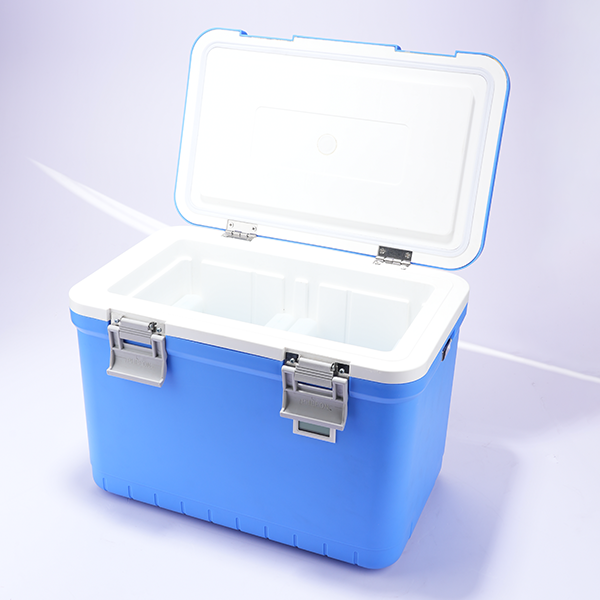
Ultra-Light EPP Storage Container Practical Selection Guide
The safest way to choose an EPP box is to define the job it must perform before discussing size, color, logo, or unit price. An ultra-light EPP storage container should protect dry goods, samples, meal packs, chilled packs with coolant, bakery products, or reusable handling kits during short internal transfers, small-vehicle delivery, backroom staging, and returnable container loops. It should also fit the way staff pack, lift, stack, label, clean, and return the container. This article explains how to evaluate the box as an operating tool, not only as an insulated foam product, so you can avoid common specification mistakes before ordering samples or moving into bulk purchase.
Practical answer: An ultra-light EPP storage container works best when the product format, route duration, handling path, and cleaning loop are known before the box is selected. The material can support insulation and cushioning, but daily process controls decide whether the result is reliable.
Start With the Job of the ultra-light EPP storage container
An ultra-light EPP storage container should be judged by the job it performs. For this topic, the job is storing, staging, and moving lightweight but protected goods across kitchens, warehouses, vans, and retail backrooms. That includes product protection, handling speed, thermal buffering, cleaning, and repeat use. If you define only the box size, you leave too many decisions to staff during dispatch.
The better starting point is to write a short operating description: what goes inside, how it is packed, who carries it, where it waits, how often it is opened, what condition the product must arrive in, and how the box comes back. This description gives the supplier useful information and gives your team a way to judge samples fairly.
EPP can be a strong choice because it combines low weight, cushioning, and insulation. Yet it should not be oversold. A foam box does not create a validated cold chain by itself. It supports a packout and workflow that still need to be matched to the product and route.
Ultra-light packaging is useful only when it still matches payload, handling, and reuse conditions.
The Four Fit Checks That Prevent Most Mistakes
The first fit check is product fit. Place the real product packaging inside the sample, including trays, bags, cartons, dividers, and any coolant or inserts. Check whether dry goods, samples, meal packs, chilled packs with coolant, bakery products, or reusable handling kits can be packed without forcing the lid or leaving large unstable gaps.
The second fit check is handling fit. Move the loaded box through the actual path: production table, staging shelf, vehicle, customer handover, return storage, and cleaning area. Pay attention to grip comfort, balance, stacking, and whether the box blocks visibility or movement in tight spaces.
The third fit check is thermal fit. Define whether the goal is simply to slow temperature change during a short route or to support a more controlled packout. For products with strict requirements, the box needs supporting coolant, monitoring, and route-specific proof. For less sensitive food, practical route trials may be enough to confirm suitability.
The fourth fit check is reuse fit. Decide how the box will be recovered, cleaned, dried, inspected, stored, and retired. Reuse is not a material property alone; it is a management routine.
- Confirm how dry goods, samples, meal packs, chilled packs with coolant, bakery products, or reusable handling kits are packed before they enter the box.
- Check whether staff can lift and close the container safely when it is full.
- Separate direct product protection from passive thermal insulation in your specification.
- Write a simple cleaning and inspection rule before the first bulk purchase.
What to Confirm Before Moving From Sample to Bulk Order
Moving from sample to bulk order requires a different level of discipline. The sample tells you whether the concept might work. A bulk order needs confidence that the same dimensions, surface quality, lid fit, color, insert fit, and packing method will repeat.
Ask the supplier to confirm internal and external dimensions, material information, food-contact documents if relevant, available colors, carton packing, inspection approach, and what happens if tooling or material changes. If your application depends on inserts, labels, or special lids, confirm those accessories as part of the same review rather than as an afterthought.
The table below summarizes the checks that usually prevent the most expensive mistakes.
| Fit question | What to confirm | Risk if ignored |
|---|---|---|
| Does the box match the load? | Measure dry goods, samples, meal packs, chilled packs with coolant, bakery products, or reusable handling kits with all separators or coolant | Loose goods move; tight loads get crushed |
| Can staff handle it full? | Test lifting, stairs, van shelves, and handoff | A good empty sample may fail during a busy route |
| Is the thermal role realistic? | Confirm whether you only need making handling easier while still offering insulation when paired with a planned packout or a qualified packout | Insulation alone may not meet sensitive product requirements |
| Can the supplier repeat it? | Review production tolerance, packaging, and change control | Bulk orders may drift from the approved sample |
These checks are simple, but they force the discussion away from vague claims. Instead of asking whether the box is strong, ask what loads and handling conditions it is intended to support. Instead of asking whether it keeps temperature, ask under what packout and route conditions the statement is meaningful.
A Typical Scenario and How to Evaluate It
A field team carrying sample packs between a vehicle and a store may prefer an ultra-light container because it reduces fatigue. The same container still needs enough rigidity to protect the load when it is set down, stacked, or returned for cleaning.
To evaluate that scenario, the buyer should not start with a catalogue comparison alone. The team should pack the actual goods, close the lid, carry the box through the route path, leave it in the expected staging area, open it as staff would during delivery, and inspect the returned container after cleaning.
During the trial, note problems that are easy to miss: product labels rubbing against the wall, condensation collecting in corners, staff overfilling the box, handles pressing into hands, lids being placed on dirty floors, or boxes returning with mixed contents. These details reveal whether the selected design can become a repeatable standard.
If the product is fragile, expensive, or temperature-sensitive, add more caution. A short visual trial may not be enough. The team may need controlled temperature logging, defined coolant placement, drop or handling checks, and receiving inspection criteria before approving the box for a broader rollout.
When the Box Needs Support From a Fuller Packout
An ultra-light EPP storage container may need support from other packaging components. Inserts can control product position. Separators can reduce rubbing. Gel packs or phase-change packs can support chilled routes when selected correctly. Liners can help with cleanliness or separation. Labels can support traceability and return control.
The risk is assuming that adding components always improves performance. More coolant can damage some products if it creates localized freezing or condensation. An insert can protect one product while making cleaning harder. A liner can help contain spills but may slow drying or add waste. Every component should have a reason.
This is also where buyer and supplier communication matters. Share the route, product format, packout goal, and operating constraints. A good recommendation depends on whether the shipment is a one-way delivery, a reusable loop, a catering run, a bakery route, a meal subscription program, or a wholesale supply project.
Do not reduce wall thickness or lid strength until the real route has been tested with full loads.
Additional Buyer Notes Before Final Approval
Expanded polypropylene is a closed-cell foam made from polypropylene beads. In packaging, that structure is useful because the material can be light, resilient, and thermally insulating at the same time. For an ultra-light EPP storage container, those properties are only the starting point. The molded design, lid interface, wall profile, payload fit, and cleaning routine decide whether the box performs well after weeks of handling.
A reusable EPP container should also be described by its role. It may be a handling container, a protective outer box, an insulated food transport box, or one part of a passive temperature-controlled packout. These roles overlap, but they are not identical. If the product is temperature-sensitive, the buyer still needs to define product starting condition, route duration, ambient exposure, coolant choice, opening frequency, and receiving inspection.
For food applications, material language should be precise. Food-grade suitability is not proven by the word EPP alone. Buyers should ask for documents that fit the market and the food-contact situation, especially if unpackaged food, greasy surfaces, hot items, or repeated washing are involved. If products are always in sealed retail packs, the documentation and cleaning risk may be different from direct food contact.
Recyclability also needs practical boundaries. Polypropylene is associated with recyclable resin streams in many markets, and EPP is often promoted as recyclable, but the actual end-of-life route depends on local collection, contamination level, color, labels, and whether the operator can consolidate returned boxes. A reuse-first plan normally has stronger operational value than a vague recycling claim at the end of life.
Supplier questions worth asking
- What are the internal dimensions, and do they include any taper or rounded corners?
- Which products, trays, inserts, or coolant packs were considered when recommending this size?
- What documents support food-contact or material claims for the target market?
- How should the box be cleaned, dried, inspected, and stored between uses?
- Will production units match the approved sample in lid fit, surface quality, dimensions, and accessories?
- How are boxes packed for export or domestic delivery so they do not arrive deformed?
- What is the process for approving a change in material, tooling, color, insert, or carton packing?
Field Review Notes for Implementation
Finally, involve the people who will use the box. Drivers, kitchen staff, warehouse pickers, and receivers often notice issues that procurement cannot see from a specification sheet. Their feedback on grip, lid speed, stack height, odor, residue, and loading pattern can prevent a poor purchase from being repeated across a full fleet.
The box should also fit your storage reality. Some operations have plenty of floor space; others work from small kitchens, narrow backrooms, or vehicles where every centimeter matters. Empty-box storage, drying space, and damaged-box quarantine are part of the purchase decision, even though they are rarely shown in catalogue photos.
Labeling deserves the same attention. An ultra-light EPP storage container may move through production, dispatch, vehicle loading, customer handover, and return storage. If the label area is unclear, staff may attach tape or stickers to surfaces that are difficult to clean. A defined label zone, removable label practice, or reusable tag system can reduce residue and confusion.
Receiving inspection is often overlooked. When a box arrives back from short internal transfers, small-vehicle delivery, backroom staging, and returnable container loops, someone should decide whether it is clean enough for reuse, needs washing, needs drying, or should be removed from service. This decision protects the next shipment. If dirty and clean containers are mixed, even a well-designed box can create operational risk.
FAQ
What is the first thing to check for an ultra-light EPP storage container?
Check whether the box fits the real product and route. Measure the packed product, handling steps, vehicle space, and return process before focusing on color or logo. A box that fits the catalogue description but not the workflow will cause daily friction.
When is an insulated EPP box not enough?
It may not be enough when the product requires a strict temperature range, documented qualification, long uncontrolled exposure, or frequent opening. In those cases, the box should be evaluated as part of a full packout with coolant, monitoring, and route-specific testing.
How do I compare suppliers without relying only on price?
Compare sample quality, internal dimensions, material documents, lid fit, stacking behavior, cleaning guidance, production consistency, and the supplier's willingness to discuss your route. Low unit price can be expensive if the box fails during handling or requires frequent replacement.
Should I customize the box?
Customize only when the need is clear. Inserts, logos, colors, handle changes, and special sizes can improve workflow, but they can also add cost and delay. Validate the standard version first, then customize around a proven operating requirement.
Conclusion
An ultra-light EPP storage container should be chosen as an operating asset, not as a generic foam box. Define the load, route, handling path, thermal expectation, cleaning loop, and supplier proof before approving a sample.
Once those details are clear, the final choice becomes easier. You can compare designs by fit, repeatability, and documentation instead of relying on broad marketing claims or unit price alone.
About Tempk
Tempk is a cold-chain packaging brand of Shanghai Tempk Industrial Co., Ltd. We provide product formats such as EPP insulated boxes, gel ice packs, water-filled ice packs, insulated bags, box liners, and thermal pallet covers. For buyers evaluating an ultra-light EPP storage container, we can help compare practical options around payload, route conditions, reuse planning, and supplier documentation.
For a practical recommendation, share your payload, temperature goal, route length, handling steps, and volume forecast with Tempk before selecting an ultra-light EPP storage container.
Thermal EPP Box for Bakery Products Practical Selection Guide
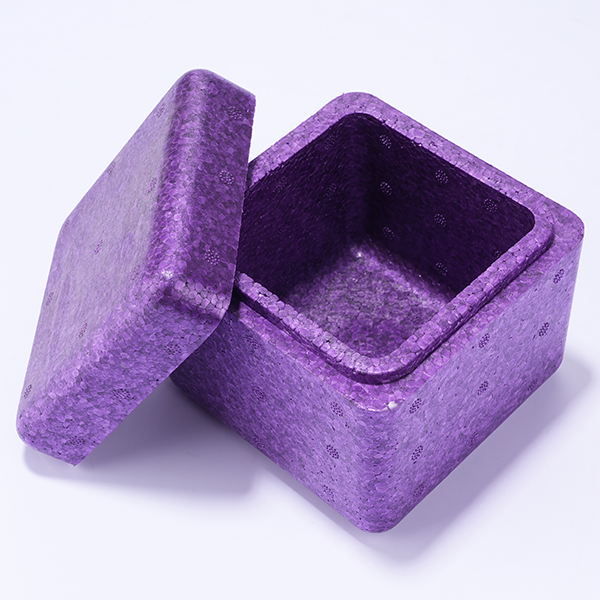
Thermal EPP Box for Bakery Products Practical Selection Guide
The safest way to choose an EPP box is to define the job it must perform before discussing size, color, logo, or unit price. A thermal EPP box for bakery products should protect croissants, cakes, bread, pastries, cream desserts, chocolate items, and boxed bakery assortments during bakery-to-store delivery, event transport, cafe restocking, chilled dessert delivery, and short-distance wholesale distribution. It should also fit the way staff pack, lift, stack, label, clean, and return the container. This article explains how to evaluate the box as an operating tool, not only as an insulated foam product, so you can avoid common specification mistakes before ordering samples or moving into bulk purchase.
Practical answer: A thermal EPP box for bakery products works best when the product format, route duration, handling path, and cleaning loop are known before the box is selected. The material can support insulation and cushioning, but daily process controls decide whether the result is reliable.
Start With the Job of the thermal EPP box for bakery products
A thermal EPP box for bakery products should be judged by the job it performs. For this topic, the job is transporting bakery products that need protection from heat, cold loss, moisture, vibration, and rough stacking. That includes product protection, handling speed, thermal buffering, cleaning, and repeat use. If you define only the box size, you leave too many decisions to staff during dispatch.
The better starting point is to write a short operating description: what goes inside, how it is packed, who carries it, where it waits, how often it is opened, what condition the product must arrive in, and how the box comes back. This description gives the supplier useful information and gives your team a way to judge samples fairly.
EPP can be a strong choice because it combines low weight, cushioning, and insulation. Yet it should not be oversold. A foam box does not create a validated cold chain by itself. It supports a packout and workflow that still need to be matched to the product and route.
Bakery thermal packaging must protect texture and presentation as carefully as it protects temperature.
The Four Fit Checks That Prevent Most Mistakes
The first fit check is product fit. Place the real product packaging inside the sample, including trays, bags, cartons, dividers, and any coolant or inserts. Check whether croissants, cakes, bread, pastries, cream desserts, chocolate items, and boxed bakery assortments can be packed without forcing the lid or leaving large unstable gaps.
The second fit check is handling fit. Move the loaded box through the actual path: production table, staging shelf, vehicle, customer handover, return storage, and cleaning area. Pay attention to grip comfort, balance, stacking, and whether the box blocks visibility or movement in tight spaces.
The third fit check is thermal fit. Define whether the goal is simply to slow temperature change during a short route or to support a more controlled packout. For products with strict requirements, the box needs supporting coolant, monitoring, and route-specific proof. For less sensitive food, practical route trials may be enough to confirm suitability.
The fourth fit check is reuse fit. Decide how the box will be recovered, cleaned, dried, inspected, stored, and retired. Reuse is not a material property alone; it is a management routine.
- Confirm how croissants, cakes, bread, pastries, cream desserts, chocolate items, and boxed bakery assortments are packed before they enter the box.
- Check whether staff can lift and close the container safely when it is full.
- Separate direct product protection from passive thermal insulation in your specification.
- Write a simple cleaning and inspection rule before the first bulk purchase.
What to Confirm Before Moving From Sample to Bulk Order
Moving from sample to bulk order requires a different level of discipline. The sample tells you whether the concept might work. A bulk order needs confidence that the same dimensions, surface quality, lid fit, color, insert fit, and packing method will repeat.
Ask the supplier to confirm internal and external dimensions, material information, food-contact documents if relevant, available colors, carton packing, inspection approach, and what happens if tooling or material changes. If your application depends on inserts, labels, or special lids, confirm those accessories as part of the same review rather than as an afterthought.
The table below summarizes the checks that usually prevent the most expensive mistakes.
| Fit question | What to confirm | Risk if ignored |
|---|---|---|
| Does the box match the load? | Measure croissants, cakes, bread, pastries, cream desserts, chocolate items, and boxed bakery assortments with all separators or coolant | Loose goods move; tight loads get crushed |
| Can staff handle it full? | Test lifting, stairs, van shelves, and handoff | A good empty sample may fail during a busy route |
| Is the thermal role realistic? | Confirm whether you only need slowing thermal change around sensitive bakery items while preserving structure and appearance or a qualified packout | Insulation alone may not meet sensitive product requirements |
| Can the supplier repeat it? | Review production tolerance, packaging, and change control | Bulk orders may drift from the approved sample |
These checks are simple, but they force the discussion away from vague claims. Instead of asking whether the box is strong, ask what loads and handling conditions it is intended to support. Instead of asking whether it keeps temperature, ask under what packout and route conditions the statement is meaningful.
A Typical Scenario and How to Evaluate It
A dessert supplier delivering chilled cream cakes and ambient pastries on the same route may need separate boxes or clear packing rules. The thermal box is useful, but the route plan decides whether delicate products arrive in good condition.
To evaluate that scenario, the buyer should not start with a catalogue comparison alone. The team should pack the actual goods, close the lid, carry the box through the route path, leave it in the expected staging area, open it as staff would during delivery, and inspect the returned container after cleaning.
During the trial, note problems that are easy to miss: product labels rubbing against the wall, condensation collecting in corners, staff overfilling the box, handles pressing into hands, lids being placed on dirty floors, or boxes returning with mixed contents. These details reveal whether the selected design can become a repeatable standard.
If the product is fragile, expensive, or temperature-sensitive, add more caution. A short visual trial may not be enough. The team may need controlled temperature logging, defined coolant placement, drop or handling checks, and receiving inspection criteria before approving the box for a broader rollout.
When the Box Needs Support From a Fuller Packout
A thermal EPP box for bakery products may need support from other packaging components. Inserts can control product position. Separators can reduce rubbing. Gel packs or phase-change packs can support chilled routes when selected correctly. Liners can help with cleanliness or separation. Labels can support traceability and return control.
The risk is assuming that adding components always improves performance. More coolant can damage some products if it creates localized freezing or condensation. An insert can protect one product while making cleaning harder. A liner can help contain spills but may slow drying or add waste. Every component should have a reason.
This is also where buyer and supplier communication matters. Share the route, product format, packout goal, and operating constraints. A good recommendation depends on whether the shipment is a one-way delivery, a reusable loop, a catering run, a bakery route, a meal subscription program, or a wholesale supply project.
Do not use a thermal box to hide weak product packaging; bakery items still need internal cartons, trays, or separators that match their fragility.
Additional Buyer Notes Before Final Approval
Expanded polypropylene is a closed-cell foam made from polypropylene beads. In packaging, that structure is useful because the material can be light, resilient, and thermally insulating at the same time. For a thermal EPP box for bakery products, those properties are only the starting point. The molded design, lid interface, wall profile, payload fit, and cleaning routine decide whether the box performs well after weeks of handling.
A reusable EPP container should also be described by its role. It may be a handling container, a protective outer box, an insulated food transport box, or one part of a passive temperature-controlled packout. These roles overlap, but they are not identical. If the product is temperature-sensitive, the buyer still needs to define product starting condition, route duration, ambient exposure, coolant choice, opening frequency, and receiving inspection.
For food applications, material language should be precise. Food-grade suitability is not proven by the word EPP alone. Buyers should ask for documents that fit the market and the food-contact situation, especially if unpackaged food, greasy surfaces, hot items, or repeated washing are involved. If products are always in sealed retail packs, the documentation and cleaning risk may be different from direct food contact.
Recyclability also needs practical boundaries. Polypropylene is associated with recyclable resin streams in many markets, and EPP is often promoted as recyclable, but the actual end-of-life route depends on local collection, contamination level, color, labels, and whether the operator can consolidate returned boxes. A reuse-first plan normally has stronger operational value than a vague recycling claim at the end of life.
Supplier questions worth asking
- What are the internal dimensions, and do they include any taper or rounded corners?
- Which products, trays, inserts, or coolant packs were considered when recommending this size?
- What documents support food-contact or material claims for the target market?
- How should the box be cleaned, dried, inspected, and stored between uses?
- Will production units match the approved sample in lid fit, surface quality, dimensions, and accessories?
- How are boxes packed for export or domestic delivery so they do not arrive deformed?
- What is the process for approving a change in material, tooling, color, insert, or carton packing?
Field Review Notes for Implementation
Finally, involve the people who will use the box. Drivers, kitchen staff, warehouse pickers, and receivers often notice issues that procurement cannot see from a specification sheet. Their feedback on grip, lid speed, stack height, odor, residue, and loading pattern can prevent a poor purchase from being repeated across a full fleet.
The box should also fit your storage reality. Some operations have plenty of floor space; others work from small kitchens, narrow backrooms, or vehicles where every centimeter matters. Empty-box storage, drying space, and damaged-box quarantine are part of the purchase decision, even though they are rarely shown in catalogue photos.
Labeling deserves the same attention. A thermal EPP box for bakery products may move through production, dispatch, vehicle loading, customer handover, and return storage. If the label area is unclear, staff may attach tape or stickers to surfaces that are difficult to clean. A defined label zone, removable label practice, or reusable tag system can reduce residue and confusion.
Receiving inspection is often overlooked. When a box arrives back from bakery-to-store delivery, event transport, cafe restocking, chilled dessert delivery, and short-distance wholesale distribution, someone should decide whether it is clean enough for reuse, needs washing, needs drying, or should be removed from service. This decision protects the next shipment. If dirty and clean containers are mixed, even a well-designed box can create operational risk.
FAQ
What is the first thing to check for a thermal EPP box for bakery products?
Check whether the box fits the real product and route. Measure the packed product, handling steps, vehicle space, and return process before focusing on color or logo. A box that fits the catalogue description but not the workflow will cause daily friction.
When is an insulated EPP box not enough?
It may not be enough when the product requires a strict temperature range, documented qualification, long uncontrolled exposure, or frequent opening. In those cases, the box should be evaluated as part of a full packout with coolant, monitoring, and route-specific testing.
How do I compare suppliers without relying only on price?
Compare sample quality, internal dimensions, material documents, lid fit, stacking behavior, cleaning guidance, production consistency, and the supplier's willingness to discuss your route. Low unit price can be expensive if the box fails during handling or requires frequent replacement.
Should I customize the box?
Customize only when the need is clear. Inserts, logos, colors, handle changes, and special sizes can improve workflow, but they can also add cost and delay. Validate the standard version first, then customize around a proven operating requirement.
Conclusion
A thermal EPP box for bakery products should be chosen as an operating asset, not as a generic foam box. Define the load, route, handling path, thermal expectation, cleaning loop, and supplier proof before approving a sample.
Once those details are clear, the final choice becomes easier. You can compare designs by fit, repeatability, and documentation instead of relying on broad marketing claims or unit price alone.
About Tempk
Tempk is a cold-chain packaging brand of Shanghai Tempk Industrial Co., Ltd. We provide product formats such as EPP insulated boxes, gel ice packs, water-filled ice packs, insulated bags, box liners, and thermal pallet covers. For buyers evaluating a thermal EPP box for bakery products, we can help compare practical options around payload, route conditions, reuse planning, and supplier documentation.
For a practical recommendation, share your payload, temperature goal, route length, handling steps, and volume forecast with Tempk before selecting a thermal EPP box for bakery products.
Stackable Durable Insulated EPP Box Practical Selection Guide

Stackable Durable Insulated EPP Box Practical Selection Guide
The safest way to choose an EPP box is to define the job it must perform before discussing size, color, logo, or unit price. A stackable durable insulated EPP box should protect food trays, bakery products, meal kits, grocery orders, seafood packs, chilled goods, and reusable route packs during warehouse picking, vehicle loading, route dispatch, receiving docks, and return processing. It should also fit the way staff pack, lift, stack, label, clean, and return the container. This article explains how to evaluate the box as an operating tool, not only as an insulated foam product, so you can avoid common specification mistakes before ordering samples or moving into bulk purchase.
Practical answer: A stackable durable insulated EPP box works best when the product format, route duration, handling path, and cleaning loop are known before the box is selected. The material can support insulation and cushioning, but daily process controls decide whether the result is reliable.
Start With the Job of the stackable durable insulated EPP box
A stackable durable insulated EPP box should be judged by the job it performs. For this topic, the job is organizing reusable insulated containers in warehouses, vans, staging zones, and delivery loops where boxes are stacked frequently. That includes product protection, handling speed, thermal buffering, cleaning, and repeat use. If you define only the box size, you leave too many decisions to staff during dispatch.
The better starting point is to write a short operating description: what goes inside, how it is packed, who carries it, where it waits, how often it is opened, what condition the product must arrive in, and how the box comes back. This description gives the supplier useful information and gives your team a way to judge samples fairly.
EPP can be a strong choice because it combines low weight, cushioning, and insulation. Yet it should not be oversold. A foam box does not create a validated cold chain by itself. It supports a packout and workflow that still need to be matched to the product and route.
Stackability is a logistics feature; if it fails, your route becomes slower and product risk increases.
The Four Fit Checks That Prevent Most Mistakes
The first fit check is product fit. Place the real product packaging inside the sample, including trays, bags, cartons, dividers, and any coolant or inserts. Check whether food trays, bakery products, meal kits, grocery orders, seafood packs, chilled goods, and reusable route packs can be packed without forcing the lid or leaving large unstable gaps.
The second fit check is handling fit. Move the loaded box through the actual path: production table, staging shelf, vehicle, customer handover, return storage, and cleaning area. Pay attention to grip comfort, balance, stacking, and whether the box blocks visibility or movement in tight spaces.
The third fit check is thermal fit. Define whether the goal is simply to slow temperature change during a short route or to support a more controlled packout. For products with strict requirements, the box needs supporting coolant, monitoring, and route-specific proof. For less sensitive food, practical route trials may be enough to confirm suitability.
The fourth fit check is reuse fit. Decide how the box will be recovered, cleaned, dried, inspected, stored, and retired. Reuse is not a material property alone; it is a management routine.
- Confirm how food trays, bakery products, meal kits, grocery orders, seafood packs, chilled goods, and reusable route packs are packed before they enter the box.
- Check whether staff can lift and close the container safely when it is full.
- Separate direct product protection from passive thermal insulation in your specification.
- Write a simple cleaning and inspection rule before the first bulk purchase.
What to Confirm Before Moving From Sample to Bulk Order
Moving from sample to bulk order requires a different level of discipline. The sample tells you whether the concept might work. A bulk order needs confidence that the same dimensions, surface quality, lid fit, color, insert fit, and packing method will repeat.
Ask the supplier to confirm internal and external dimensions, material information, food-contact documents if relevant, available colors, carton packing, inspection approach, and what happens if tooling or material changes. If your application depends on inserts, labels, or special lids, confirm those accessories as part of the same review rather than as an afterthought.
The table below summarizes the checks that usually prevent the most expensive mistakes.
| Fit question | What to confirm | Risk if ignored |
|---|---|---|
| Does the box match the load? | Measure food trays, bakery products, meal kits, grocery orders, seafood packs, chilled goods, and reusable route packs with all separators or coolant | Loose goods move; tight loads get crushed |
| Can staff handle it full? | Test lifting, stairs, van shelves, and handoff | A good empty sample may fail during a busy route |
| Is the thermal role realistic? | Confirm whether you only need supporting passive insulation while stacking design prevents lid deformation and unstable loads or a qualified packout | Insulation alone may not meet sensitive product requirements |
| Can the supplier repeat it? | Review production tolerance, packaging, and change control | Bulk orders may drift from the approved sample |
These checks are simple, but they force the discussion away from vague claims. Instead of asking whether the box is strong, ask what loads and handling conditions it is intended to support. Instead of asking whether it keeps temperature, ask under what packout and route conditions the statement is meaningful.
A Typical Scenario and How to Evaluate It
A distributor may stack boxes in a van according to drop sequence. If the stacking surfaces are unstable or the lids deform, staff will waste time reloading and may unknowingly crush delicate products in lower boxes.
To evaluate that scenario, the buyer should not start with a catalogue comparison alone. The team should pack the actual goods, close the lid, carry the box through the route path, leave it in the expected staging area, open it as staff would during delivery, and inspect the returned container after cleaning.
During the trial, note problems that are easy to miss: product labels rubbing against the wall, condensation collecting in corners, staff overfilling the box, handles pressing into hands, lids being placed on dirty floors, or boxes returning with mixed contents. These details reveal whether the selected design can become a repeatable standard.
If the product is fragile, expensive, or temperature-sensitive, add more caution. A short visual trial may not be enough. The team may need controlled temperature logging, defined coolant placement, drop or handling checks, and receiving inspection criteria before approving the box for a broader rollout.
When the Box Needs Support From a Fuller Packout
A stackable durable insulated EPP box may need support from other packaging components. Inserts can control product position. Separators can reduce rubbing. Gel packs or phase-change packs can support chilled routes when selected correctly. Liners can help with cleanliness or separation. Labels can support traceability and return control.
The risk is assuming that adding components always improves performance. More coolant can damage some products if it creates localized freezing or condensation. An insert can protect one product while making cleaning harder. A liner can help contain spills but may slow drying or add waste. Every component should have a reason.
This is also where buyer and supplier communication matters. Share the route, product format, packout goal, and operating constraints. A good recommendation depends on whether the shipment is a one-way delivery, a reusable loop, a catering run, a bakery route, a meal subscription program, or a wholesale supply project.
Do not assume stackable means unlimited load; the real limit depends on box design, payload, surface, and route handling.
Additional Buyer Notes Before Final Approval
Expanded polypropylene is a closed-cell foam made from polypropylene beads. In packaging, that structure is useful because the material can be light, resilient, and thermally insulating at the same time. For a stackable durable insulated EPP box, those properties are only the starting point. The molded design, lid interface, wall profile, payload fit, and cleaning routine decide whether the box performs well after weeks of handling.
A reusable EPP container should also be described by its role. It may be a handling container, a protective outer box, an insulated food transport box, or one part of a passive temperature-controlled packout. These roles overlap, but they are not identical. If the product is temperature-sensitive, the buyer still needs to define product starting condition, route duration, ambient exposure, coolant choice, opening frequency, and receiving inspection.
For food applications, material language should be precise. Food-grade suitability is not proven by the word EPP alone. Buyers should ask for documents that fit the market and the food-contact situation, especially if unpackaged food, greasy surfaces, hot items, or repeated washing are involved. If products are always in sealed retail packs, the documentation and cleaning risk may be different from direct food contact.
Recyclability also needs practical boundaries. Polypropylene is associated with recyclable resin streams in many markets, and EPP is often promoted as recyclable, but the actual end-of-life route depends on local collection, contamination level, color, labels, and whether the operator can consolidate returned boxes. A reuse-first plan normally has stronger operational value than a vague recycling claim at the end of life.
Supplier questions worth asking
- What are the internal dimensions, and do they include any taper or rounded corners?
- Which products, trays, inserts, or coolant packs were considered when recommending this size?
- What documents support food-contact or material claims for the target market?
- How should the box be cleaned, dried, inspected, and stored between uses?
- Will production units match the approved sample in lid fit, surface quality, dimensions, and accessories?
- How are boxes packed for export or domestic delivery so they do not arrive deformed?
- What is the process for approving a change in material, tooling, color, insert, or carton packing?
Field Review Notes for Implementation
Finally, involve the people who will use the box. Drivers, kitchen staff, warehouse pickers, and receivers often notice issues that procurement cannot see from a specification sheet. Their feedback on grip, lid speed, stack height, odor, residue, and loading pattern can prevent a poor purchase from being repeated across a full fleet.
The box should also fit your storage reality. Some operations have plenty of floor space; others work from small kitchens, narrow backrooms, or vehicles where every centimeter matters. Empty-box storage, drying space, and damaged-box quarantine are part of the purchase decision, even though they are rarely shown in catalogue photos.
Labeling deserves the same attention. A stackable durable insulated EPP box may move through production, dispatch, vehicle loading, customer handover, and return storage. If the label area is unclear, staff may attach tape or stickers to surfaces that are difficult to clean. A defined label zone, removable label practice, or reusable tag system can reduce residue and confusion.
Receiving inspection is often overlooked. When a box arrives back from warehouse picking, vehicle loading, route dispatch, receiving docks, and return processing, someone should decide whether it is clean enough for reuse, needs washing, needs drying, or should be removed from service. This decision protects the next shipment. If dirty and clean containers are mixed, even a well-designed box can create operational risk.
FAQ
What is the first thing to check for a stackable durable insulated EPP box?
Check whether the box fits the real product and route. Measure the packed product, handling steps, vehicle space, and return process before focusing on color or logo. A box that fits the catalogue description but not the workflow will cause daily friction.
When is an insulated EPP box not enough?
It may not be enough when the product requires a strict temperature range, documented qualification, long uncontrolled exposure, or frequent opening. In those cases, the box should be evaluated as part of a full packout with coolant, monitoring, and route-specific testing.
How do I compare suppliers without relying only on price?
Compare sample quality, internal dimensions, material documents, lid fit, stacking behavior, cleaning guidance, production consistency, and the supplier's willingness to discuss your route. Low unit price can be expensive if the box fails during handling or requires frequent replacement.
Should I customize the box?
Customize only when the need is clear. Inserts, logos, colors, handle changes, and special sizes can improve workflow, but they can also add cost and delay. Validate the standard version first, then customize around a proven operating requirement.
Conclusion
A stackable durable insulated EPP box should be chosen as an operating asset, not as a generic foam box. Define the load, route, handling path, thermal expectation, cleaning loop, and supplier proof before approving a sample.
Once those details are clear, the final choice becomes easier. You can compare designs by fit, repeatability, and documentation instead of relying on broad marketing claims or unit price alone.
About Tempk
Tempk is a cold-chain packaging brand of Shanghai Tempk Industrial Co., Ltd. We provide product formats such as EPP insulated boxes, gel ice packs, water-filled ice packs, insulated bags, box liners, and thermal pallet covers. For buyers evaluating a stackable durable insulated EPP box, we can help compare practical options around payload, route conditions, reuse planning, and supplier documentation.
For a practical recommendation, share your payload, temperature goal, route length, handling steps, and volume forecast with Tempk before selecting a stackable durable insulated EPP box.
Shock-Absorbing EPP Foam Box Practical Selection Guide
Shock-Absorbing EPP Foam Box Practical Selection Guide
The safest way to choose an EPP box is to define the job it must perform before discussing size, color, logo, or unit price. A shock-absorbing EPP foam box should protect fragile food packs, glass jars, sample kits, bakery desserts, meal bowls, and sensitive components during courier handling, van movement, warehouse picking, trade sample transport, and repeated service loops. It should also fit the way staff pack, lift, stack, label, clean, and return the container. This article explains how to evaluate the box as an operating tool, not only as an insulated foam product, so you can avoid common specification mistakes before ordering samples or moving into bulk purchase.
Practical answer: A shock-absorbing EPP foam box works best when the product format, route duration, handling path, and cleaning loop are known before the box is selected. The material can support insulation and cushioning, but daily process controls decide whether the result is reliable.
Start With the Job of the shock-absorbing EPP foam box
A shock-absorbing EPP foam box should be judged by the job it performs. For this topic, the job is protecting goods from vibration, drops, rubbing, and repeated impacts while also offering lightweight insulation. That includes product protection, handling speed, thermal buffering, cleaning, and repeat use. If you define only the box size, you leave too many decisions to staff during dispatch.
The better starting point is to write a short operating description: what goes inside, how it is packed, who carries it, where it waits, how often it is opened, what condition the product must arrive in, and how the box comes back. This description gives the supplier useful information and gives your team a way to judge samples fairly.
EPP can be a strong choice because it combines low weight, cushioning, and insulation. Yet it should not be oversold. A foam box does not create a validated cold chain by itself. It supports a packout and workflow that still need to be matched to the product and route.
Shock absorption works only when the product is controlled inside the box; empty space can turn protection into a collision chamber.
The Four Fit Checks That Prevent Most Mistakes
The first fit check is product fit. Place the real product packaging inside the sample, including trays, bags, cartons, dividers, and any coolant or inserts. Check whether fragile food packs, glass jars, sample kits, bakery desserts, meal bowls, and sensitive components can be packed without forcing the lid or leaving large unstable gaps.
The second fit check is handling fit. Move the loaded box through the actual path: production table, staging shelf, vehicle, customer handover, return storage, and cleaning area. Pay attention to grip comfort, balance, stacking, and whether the box blocks visibility or movement in tight spaces.
The third fit check is thermal fit. Define whether the goal is simply to slow temperature change during a short route or to support a more controlled packout. For products with strict requirements, the box needs supporting coolant, monitoring, and route-specific proof. For less sensitive food, practical route trials may be enough to confirm suitability.
The fourth fit check is reuse fit. Decide how the box will be recovered, cleaned, dried, inspected, stored, and retired. Reuse is not a material property alone; it is a management routine.
- Confirm how fragile food packs, glass jars, sample kits, bakery desserts, meal bowls, and sensitive components are packed before they enter the box.
- Check whether staff can lift and close the container safely when it is full.
- Separate direct product protection from passive thermal insulation in your specification.
- Write a simple cleaning and inspection rule before the first bulk purchase.
What to Confirm Before Moving From Sample to Bulk Order
Moving from sample to bulk order requires a different level of discipline. The sample tells you whether the concept might work. A bulk order needs confidence that the same dimensions, surface quality, lid fit, color, insert fit, and packing method will repeat.
Ask the supplier to confirm internal and external dimensions, material information, food-contact documents if relevant, available colors, carton packing, inspection approach, and what happens if tooling or material changes. If your application depends on inserts, labels, or special lids, confirm those accessories as part of the same review rather than as an afterthought.
The table below summarizes the checks that usually prevent the most expensive mistakes.
| Fit question | What to confirm | Risk if ignored |
|---|---|---|
| Does the box match the load? | Measure fragile food packs, glass jars, sample kits, bakery desserts, meal bowls, and sensitive components with all separators or coolant | Loose goods move; tight loads get crushed |
| Can staff handle it full? | Test lifting, stairs, van shelves, and handoff | A good empty sample may fail during a busy route |
| Is the thermal role realistic? | Confirm whether you only need combining cushioning with passive insulation without confusing impact protection with temperature qualification or a qualified packout | Insulation alone may not meet sensitive product requirements |
| Can the supplier repeat it? | Review production tolerance, packaging, and change control | Bulk orders may drift from the approved sample |
These checks are simple, but they force the discussion away from vague claims. Instead of asking whether the box is strong, ask what loads and handling conditions it is intended to support. Instead of asking whether it keeps temperature, ask under what packout and route conditions the statement is meaningful.
A Typical Scenario and How to Evaluate It
A distributor sending glass dessert cups may choose an EPP box because it cushions impacts. The safer design also needs inserts or dividers so each cup stays in position when the courier brakes, turns, or places another box on top.
To evaluate that scenario, the buyer should not start with a catalogue comparison alone. The team should pack the actual goods, close the lid, carry the box through the route path, leave it in the expected staging area, open it as staff would during delivery, and inspect the returned container after cleaning.
During the trial, note problems that are easy to miss: product labels rubbing against the wall, condensation collecting in corners, staff overfilling the box, handles pressing into hands, lids being placed on dirty floors, or boxes returning with mixed contents. These details reveal whether the selected design can become a repeatable standard.
If the product is fragile, expensive, or temperature-sensitive, add more caution. A short visual trial may not be enough. The team may need controlled temperature logging, defined coolant placement, drop or handling checks, and receiving inspection criteria before approving the box for a broader rollout.
When the Box Needs Support From a Fuller Packout
A shock-absorbing EPP foam box may need support from other packaging components. Inserts can control product position. Separators can reduce rubbing. Gel packs or phase-change packs can support chilled routes when selected correctly. Liners can help with cleanliness or separation. Labels can support traceability and return control.
The risk is assuming that adding components always improves performance. More coolant can damage some products if it creates localized freezing or condensation. An insert can protect one product while making cleaning harder. A liner can help contain spills but may slow drying or add waste. Every component should have a reason.
This is also where buyer and supplier communication matters. Share the route, product format, packout goal, and operating constraints. A good recommendation depends on whether the shipment is a one-way delivery, a reusable loop, a catering run, a bakery route, a meal subscription program, or a wholesale supply project.
Do not treat cushioning as proof of cold-chain performance; thermal behavior must be checked separately.
Additional Buyer Notes Before Final Approval
Expanded polypropylene is a closed-cell foam made from polypropylene beads. In packaging, that structure is useful because the material can be light, resilient, and thermally insulating at the same time. For a shock-absorbing EPP foam box, those properties are only the starting point. The molded design, lid interface, wall profile, payload fit, and cleaning routine decide whether the box performs well after weeks of handling.
A reusable EPP container should also be described by its role. It may be a handling container, a protective outer box, an insulated food transport box, or one part of a passive temperature-controlled packout. These roles overlap, but they are not identical. If the product is temperature-sensitive, the buyer still needs to define product starting condition, route duration, ambient exposure, coolant choice, opening frequency, and receiving inspection.
For food applications, material language should be precise. Food-grade suitability is not proven by the word EPP alone. Buyers should ask for documents that fit the market and the food-contact situation, especially if unpackaged food, greasy surfaces, hot items, or repeated washing are involved. If products are always in sealed retail packs, the documentation and cleaning risk may be different from direct food contact.
Recyclability also needs practical boundaries. Polypropylene is associated with recyclable resin streams in many markets, and EPP is often promoted as recyclable, but the actual end-of-life route depends on local collection, contamination level, color, labels, and whether the operator can consolidate returned boxes. A reuse-first plan normally has stronger operational value than a vague recycling claim at the end of life.
Supplier questions worth asking
- What are the internal dimensions, and do they include any taper or rounded corners?
- Which products, trays, inserts, or coolant packs were considered when recommending this size?
- What documents support food-contact or material claims for the target market?
- How should the box be cleaned, dried, inspected, and stored between uses?
- Will production units match the approved sample in lid fit, surface quality, dimensions, and accessories?
- How are boxes packed for export or domestic delivery so they do not arrive deformed?
- What is the process for approving a change in material, tooling, color, insert, or carton packing?
Field Review Notes for Implementation
Finally, involve the people who will use the box. Drivers, kitchen staff, warehouse pickers, and receivers often notice issues that procurement cannot see from a specification sheet. Their feedback on grip, lid speed, stack height, odor, residue, and loading pattern can prevent a poor purchase from being repeated across a full fleet.
The box should also fit your storage reality. Some operations have plenty of floor space; others work from small kitchens, narrow backrooms, or vehicles where every centimeter matters. Empty-box storage, drying space, and damaged-box quarantine are part of the purchase decision, even though they are rarely shown in catalogue photos.
Labeling deserves the same attention. A shock-absorbing EPP foam box may move through production, dispatch, vehicle loading, customer handover, and return storage. If the label area is unclear, staff may attach tape or stickers to surfaces that are difficult to clean. A defined label zone, removable label practice, or reusable tag system can reduce residue and confusion.
Receiving inspection is often overlooked. When a box arrives back from courier handling, van movement, warehouse picking, trade sample transport, and repeated service loops, someone should decide whether it is clean enough for reuse, needs washing, needs drying, or should be removed from service. This decision protects the next shipment. If dirty and clean containers are mixed, even a well-designed box can create operational risk.
FAQ
What is the first thing to check for a shock-absorbing EPP foam box?
Check whether the box fits the real product and route. Measure the packed product, handling steps, vehicle space, and return process before focusing on color or logo. A box that fits the catalogue description but not the workflow will cause daily friction.
When is an insulated EPP box not enough?
It may not be enough when the product requires a strict temperature range, documented qualification, long uncontrolled exposure, or frequent opening. In those cases, the box should be evaluated as part of a full packout with coolant, monitoring, and route-specific testing.
How do I compare suppliers without relying only on price?
Compare sample quality, internal dimensions, material documents, lid fit, stacking behavior, cleaning guidance, production consistency, and the supplier's willingness to discuss your route. Low unit price can be expensive if the box fails during handling or requires frequent replacement.
Should I customize the box?
Customize only when the need is clear. Inserts, logos, colors, handle changes, and special sizes can improve workflow, but they can also add cost and delay. Validate the standard version first, then customize around a proven operating requirement.
Conclusion
A shock-absorbing EPP foam box should be chosen as an operating asset, not as a generic foam box. Define the load, route, handling path, thermal expectation, cleaning loop, and supplier proof before approving a sample.
Once those details are clear, the final choice becomes easier. You can compare designs by fit, repeatability, and documentation instead of relying on broad marketing claims or unit price alone.
About Tempk
Tempk is a cold-chain packaging brand of Shanghai Tempk Industrial Co., Ltd. We provide product formats such as EPP insulated boxes, gel ice packs, water-filled ice packs, insulated bags, box liners, and thermal pallet covers. For buyers evaluating a shock-absorbing EPP foam box, we can help compare practical options around payload, route conditions, reuse planning, and supplier documentation.
For a practical recommendation, share your payload, temperature goal, route length, handling steps, and volume forecast with Tempk before selecting a shock-absorbing EPP foam box.
Recyclable Food-Grade Expanded Polypropylene Box: Practical Selection Guide
Recyclable Food-Grade Expanded Polypropylene Box: Practical Selection Guide
The safest way to choose an EPP box is to define the job it must perform before discussing size, color, logo, or unit price. A recyclable food-grade expanded polypropylene box should protect prepared foods, sealed ingredients, meal kits, bakery goods, produce, chilled items, or retail packs during closed-loop delivery, foodservice distribution, grocery logistics, and wholesale food handling. It should also fit the way staff pack, lift, stack, label, clean, and return the container. This article explains how to evaluate the box as an operating tool, not only as an insulated foam product, so you can avoid common specification mistakes before ordering samples or moving into bulk purchase.
Practical answer: A recyclable food-grade expanded polypropylene box works best when the product format, route duration, handling path, and cleaning loop are known before the box is selected. The material can support insulation and cushioning, but daily process controls decide whether the result is reliable.
Start With the Job of the recyclable food-grade expanded polypropylene box
A recyclable food-grade expanded polypropylene box should be judged by the job it performs. For this topic, the job is using reusable EPP packaging where food contact expectations, cleaning rules, and end-of-life claims must be handled carefully. That includes product protection, handling speed, thermal buffering, cleaning, and repeat use. If you define only the box size, you leave too many decisions to staff during dispatch.
The better starting point is to write a short operating description: what goes inside, how it is packed, who carries it, where it waits, how often it is opened, what condition the product must arrive in, and how the box comes back. This description gives the supplier useful information and gives your team a way to judge samples fairly.
EPP can be a strong choice because it combines low weight, cushioning, and insulation. Yet it should not be oversold. A foam box does not create a validated cold chain by itself. It supports a packout and workflow that still need to be matched to the product and route.
Food-grade and recyclable are separate claims; both should be documented instead of assumed.
The Four Fit Checks That Prevent Most Mistakes
The first fit check is product fit. Place the real product packaging inside the sample, including trays, bags, cartons, dividers, and any coolant or inserts. Check whether prepared foods, sealed ingredients, meal kits, bakery goods, produce, chilled items, or retail packs can be packed without forcing the lid or leaving large unstable gaps.
The second fit check is handling fit. Move the loaded box through the actual path: production table, staging shelf, vehicle, customer handover, return storage, and cleaning area. Pay attention to grip comfort, balance, stacking, and whether the box blocks visibility or movement in tight spaces.
The third fit check is thermal fit. Define whether the goal is simply to slow temperature change during a short route or to support a more controlled packout. For products with strict requirements, the box needs supporting coolant, monitoring, and route-specific proof. For less sensitive food, practical route trials may be enough to confirm suitability.
The fourth fit check is reuse fit. Decide how the box will be recovered, cleaned, dried, inspected, stored, and retired. Reuse is not a material property alone; it is a management routine.
- Confirm how prepared foods, sealed ingredients, meal kits, bakery goods, produce, chilled items, or retail packs are packed before they enter the box.
- Check whether staff can lift and close the container safely when it is full.
- Separate direct product protection from passive thermal insulation in your specification.
- Write a simple cleaning and inspection rule before the first bulk purchase.
What to Confirm Before Moving From Sample to Bulk Order
Moving from sample to bulk order requires a different level of discipline. The sample tells you whether the concept might work. A bulk order needs confidence that the same dimensions, surface quality, lid fit, color, insert fit, and packing method will repeat.
Ask the supplier to confirm internal and external dimensions, material information, food-contact documents if relevant, available colors, carton packing, inspection approach, and what happens if tooling or material changes. If your application depends on inserts, labels, or special lids, confirm those accessories as part of the same review rather than as an afterthought.
The table below summarizes the checks that usually prevent the most expensive mistakes.
| Fit question | What to confirm | Risk if ignored |
|---|---|---|
| Does the box match the load? | Measure prepared foods, sealed ingredients, meal kits, bakery goods, produce, chilled items, or retail packs with all separators or coolant | Loose goods move; tight loads get crushed |
| Can staff handle it full? | Test lifting, stairs, van shelves, and handoff | A good empty sample may fail during a busy route |
| Is the thermal role realistic? | Confirm whether you only need providing insulation while the buyer verifies direct or indirect food contact suitability and recycling pathways or a qualified packout | Insulation alone may not meet sensitive product requirements |
| Can the supplier repeat it? | Review production tolerance, packaging, and change control | Bulk orders may drift from the approved sample |
These checks are simple, but they force the discussion away from vague claims. Instead of asking whether the box is strong, ask what loads and handling conditions it is intended to support. Instead of asking whether it keeps temperature, ask under what packout and route conditions the statement is meaningful.
A Typical Scenario and How to Evaluate It
A grocery delivery operator may want reusable insulated boxes that reduce disposable packaging. The packaging plan still needs food-contact documentation, cleaning procedures, and an end-of-life route that matches local recycling options.
To evaluate that scenario, the buyer should not start with a catalogue comparison alone. The team should pack the actual goods, close the lid, carry the box through the route path, leave it in the expected staging area, open it as staff would during delivery, and inspect the returned container after cleaning.
During the trial, note problems that are easy to miss: product labels rubbing against the wall, condensation collecting in corners, staff overfilling the box, handles pressing into hands, lids being placed on dirty floors, or boxes returning with mixed contents. These details reveal whether the selected design can become a repeatable standard.
If the product is fragile, expensive, or temperature-sensitive, add more caution. A short visual trial may not be enough. The team may need controlled temperature logging, defined coolant placement, drop or handling checks, and receiving inspection criteria before approving the box for a broader rollout.
When the Box Needs Support From a Fuller Packout
A recyclable food-grade expanded polypropylene box may need support from other packaging components. Inserts can control product position. Separators can reduce rubbing. Gel packs or phase-change packs can support chilled routes when selected correctly. Liners can help with cleanliness or separation. Labels can support traceability and return control.
The risk is assuming that adding components always improves performance. More coolant can damage some products if it creates localized freezing or condensation. An insert can protect one product while making cleaning harder. A liner can help contain spills but may slow drying or add waste. Every component should have a reason.
This is also where buyer and supplier communication matters. Share the route, product format, packout goal, and operating constraints. A good recommendation depends on whether the shipment is a one-way delivery, a reusable loop, a catering run, a bakery route, a meal subscription program, or a wholesale supply project.
Do not write recyclable on a specification sheet unless you know what material stream and market the claim refers to.
Additional Buyer Notes Before Final Approval
Expanded polypropylene is a closed-cell foam made from polypropylene beads. In packaging, that structure is useful because the material can be light, resilient, and thermally insulating at the same time. For a recyclable food-grade expanded polypropylene box, those properties are only the starting point. The molded design, lid interface, wall profile, payload fit, and cleaning routine decide whether the box performs well after weeks of handling.
A reusable EPP container should also be described by its role. It may be a handling container, a protective outer box, an insulated food transport box, or one part of a passive temperature-controlled packout. These roles overlap, but they are not identical. If the product is temperature-sensitive, the buyer still needs to define product starting condition, route duration, ambient exposure, coolant choice, opening frequency, and receiving inspection.
For food applications, material language should be precise. Food-grade suitability is not proven by the word EPP alone. Buyers should ask for documents that fit the market and the food-contact situation, especially if unpackaged food, greasy surfaces, hot items, or repeated washing are involved. If products are always in sealed retail packs, the documentation and cleaning risk may be different from direct food contact.
Recyclability also needs practical boundaries. Polypropylene is associated with recyclable resin streams in many markets, and EPP is often promoted as recyclable, but the actual end-of-life route depends on local collection, contamination level, color, labels, and whether the operator can consolidate returned boxes. A reuse-first plan normally has stronger operational value than a vague recycling claim at the end of life.
Supplier questions worth asking
- What are the internal dimensions, and do they include any taper or rounded corners?
- Which products, trays, inserts, or coolant packs were considered when recommending this size?
- What documents support food-contact or material claims for the target market?
- How should the box be cleaned, dried, inspected, and stored between uses?
- Will production units match the approved sample in lid fit, surface quality, dimensions, and accessories?
- How are boxes packed for export or domestic delivery so they do not arrive deformed?
- What is the process for approving a change in material, tooling, color, insert, or carton packing?
Field Review Notes for Implementation
Finally, involve the people who will use the box. Drivers, kitchen staff, warehouse pickers, and receivers often notice issues that procurement cannot see from a specification sheet. Their feedback on grip, lid speed, stack height, odor, residue, and loading pattern can prevent a poor purchase from being repeated across a full fleet.
The box should also fit your storage reality. Some operations have plenty of floor space; others work from small kitchens, narrow backrooms, or vehicles where every centimeter matters. Empty-box storage, drying space, and damaged-box quarantine are part of the purchase decision, even though they are rarely shown in catalogue photos.
Labeling deserves the same attention. A recyclable food-grade expanded polypropylene box may move through production, dispatch, vehicle loading, customer handover, and return storage. If the label area is unclear, staff may attach tape or stickers to surfaces that are difficult to clean. A defined label zone, removable label practice, or reusable tag system can reduce residue and confusion.
Receiving inspection is often overlooked. When a box arrives back from closed-loop delivery, foodservice distribution, grocery logistics, and wholesale food handling, someone should decide whether it is clean enough for reuse, needs washing, needs drying, or should be removed from service. This decision protects the next shipment. If dirty and clean containers are mixed, even a well-designed box can create operational risk.
FAQ
What is the first thing to check for a recyclable food-grade expanded polypropylene box?
Check whether the box fits the real product and route. Measure the packed product, handling steps, vehicle space, and return process before focusing on color or logo. A box that fits the catalogue description but not the workflow will cause daily friction.
When is an insulated EPP box not enough?
It may not be enough when the product requires a strict temperature range, documented qualification, long uncontrolled exposure, or frequent opening. In those cases, the box should be evaluated as part of a full packout with coolant, monitoring, and route-specific testing.
How do I compare suppliers without relying only on price?
Compare sample quality, internal dimensions, material documents, lid fit, stacking behavior, cleaning guidance, production consistency, and the supplier's willingness to discuss your route. Low unit price can be expensive if the box fails during handling or requires frequent replacement.
Should I customize the box?
Customize only when the need is clear. Inserts, logos, colors, handle changes, and special sizes can improve workflow, but they can also add cost and delay. Validate the standard version first, then customize around a proven operating requirement.
Conclusion
A recyclable food-grade expanded polypropylene box should be chosen as an operating asset, not as a generic foam box. Define the load, route, handling path, thermal expectation, cleaning loop, and supplier proof before approving a sample.
Once those details are clear, the final choice becomes easier. You can compare designs by fit, repeatability, and documentation instead of relying on broad marketing claims or unit price alone.
About Tempk
Tempk is a cold-chain packaging brand of Shanghai Tempk Industrial Co., Ltd. We provide product formats such as EPP insulated boxes, gel ice packs, water-filled ice packs, insulated bags, box liners, and thermal pallet covers. For buyers evaluating a recyclable food-grade expanded polypropylene box, we can help compare practical options around payload, route conditions, reuse planning, and supplier documentation.
For a practical recommendation, share your payload, temperature goal, route length, handling steps, and volume forecast with Tempk before selecting a recyclable food-grade expanded polypropylene box.
Portable EPP Box for Restaurant Takeaway Practical Selection Guide
Portable EPP Box for Restaurant Takeaway Practical Selection Guide
The safest way to choose an EPP box is to define the job it must perform before discussing size, color, logo, or unit price. A portable EPP box for restaurant takeaway should protect boxed meals, soup containers, pizza sides, salads, chilled desserts, and mixed hot or chilled orders during short last-mile trips, multi-stop delivery, office lunch runs, and platform courier handover. It should also fit the way staff pack, lift, stack, label, clean, and return the container. This article explains how to evaluate the box as an operating tool, not only as an insulated foam product, so you can avoid common specification mistakes before ordering samples or moving into bulk purchase.
Practical answer: A portable EPP box for restaurant takeaway works best when the product format, route duration, handling path, and cleaning loop are known before the box is selected. The material can support insulation and cushioning, but daily process controls decide whether the result is reliable.
Start With the Job of the portable EPP box for restaurant takeaway
A portable EPP box for restaurant takeaway should be judged by the job it performs. For this topic, the job is moving takeaway meals from kitchen to rider, vehicle, pickup point, office delivery, or catering drop-off. That includes product protection, handling speed, thermal buffering, cleaning, and repeat use. If you define only the box size, you leave too many decisions to staff during dispatch.
The better starting point is to write a short operating description: what goes inside, how it is packed, who carries it, where it waits, how often it is opened, what condition the product must arrive in, and how the box comes back. This description gives the supplier useful information and gives your team a way to judge samples fairly.
EPP can be a strong choice because it combines low weight, cushioning, and insulation. Yet it should not be oversold. A foam box does not create a validated cold chain by itself. It supports a packout and workflow that still need to be matched to the product and route.
For takeaway, portability is not only low weight; it is how fast staff can load, carry, clean, and reuse the container during busy periods.
The Four Fit Checks That Prevent Most Mistakes
The first fit check is product fit. Place the real product packaging inside the sample, including trays, bags, cartons, dividers, and any coolant or inserts. Check whether boxed meals, soup containers, pizza sides, salads, chilled desserts, and mixed hot or chilled orders can be packed without forcing the lid or leaving large unstable gaps.
The second fit check is handling fit. Move the loaded box through the actual path: production table, staging shelf, vehicle, customer handover, return storage, and cleaning area. Pay attention to grip comfort, balance, stacking, and whether the box blocks visibility or movement in tight spaces.
The third fit check is thermal fit. Define whether the goal is simply to slow temperature change during a short route or to support a more controlled packout. For products with strict requirements, the box needs supporting coolant, monitoring, and route-specific proof. For less sensitive food, practical route trials may be enough to confirm suitability.
The fourth fit check is reuse fit. Decide how the box will be recovered, cleaned, dried, inspected, stored, and retired. Reuse is not a material property alone; it is a management routine.
- Confirm how boxed meals, soup containers, pizza sides, salads, chilled desserts, and mixed hot or chilled orders are packed before they enter the box.
- Check whether staff can lift and close the container safely when it is full.
- Separate direct product protection from passive thermal insulation in your specification.
- Write a simple cleaning and inspection rule before the first bulk purchase.
What to Confirm Before Moving From Sample to Bulk Order
Moving from sample to bulk order requires a different level of discipline. The sample tells you whether the concept might work. A bulk order needs confidence that the same dimensions, surface quality, lid fit, color, insert fit, and packing method will repeat.
Ask the supplier to confirm internal and external dimensions, material information, food-contact documents if relevant, available colors, carton packing, inspection approach, and what happens if tooling or material changes. If your application depends on inserts, labels, or special lids, confirm those accessories as part of the same review rather than as an afterthought.
The table below summarizes the checks that usually prevent the most expensive mistakes.
| Fit question | What to confirm | Risk if ignored |
|---|---|---|
| Does the box match the load? | Measure boxed meals, soup containers, pizza sides, salads, chilled desserts, and mixed hot or chilled orders with all separators or coolant | Loose goods move; tight loads get crushed |
| Can staff handle it full? | Test lifting, stairs, van shelves, and handoff | A good empty sample may fail during a busy route |
| Is the thermal role realistic? | Confirm whether you only need helping meals arrive closer to intended serving condition while reducing spills, crushing, and repeated bag replacement or a qualified packout | Insulation alone may not meet sensitive product requirements |
| Can the supplier repeat it? | Review production tolerance, packaging, and change control | Bulk orders may drift from the approved sample |
These checks are simple, but they force the discussion away from vague claims. Instead of asking whether the box is strong, ask what loads and handling conditions it is intended to support. Instead of asking whether it keeps temperature, ask under what packout and route conditions the statement is meaningful.
A Typical Scenario and How to Evaluate It
A restaurant doing lunch delivery may pack rice bowls, chilled drinks, and side dishes in waves. A portable box helps separate orders and protect them during transport, but only if the size matches the meal format and the rider can carry it safely when full.
To evaluate that scenario, the buyer should not start with a catalogue comparison alone. The team should pack the actual goods, close the lid, carry the box through the route path, leave it in the expected staging area, open it as staff would during delivery, and inspect the returned container after cleaning.
During the trial, note problems that are easy to miss: product labels rubbing against the wall, condensation collecting in corners, staff overfilling the box, handles pressing into hands, lids being placed on dirty floors, or boxes returning with mixed contents. These details reveal whether the selected design can become a repeatable standard.
If the product is fragile, expensive, or temperature-sensitive, add more caution. A short visual trial may not be enough. The team may need controlled temperature logging, defined coolant placement, drop or handling checks, and receiving inspection criteria before approving the box for a broader rollout.
When the Box Needs Support From a Fuller Packout
A portable EPP box for restaurant takeaway may need support from other packaging components. Inserts can control product position. Separators can reduce rubbing. Gel packs or phase-change packs can support chilled routes when selected correctly. Liners can help with cleanliness or separation. Labels can support traceability and return control.
The risk is assuming that adding components always improves performance. More coolant can damage some products if it creates localized freezing or condensation. An insert can protect one product while making cleaning harder. A liner can help contain spills but may slow drying or add waste. Every component should have a reason.
This is also where buyer and supplier communication matters. Share the route, product format, packout goal, and operating constraints. A good recommendation depends on whether the shipment is a one-way delivery, a reusable loop, a catering run, a bakery route, a meal subscription program, or a wholesale supply project.
Do not combine incompatible hot and chilled foods in one cavity unless your process uses separation and verified packout rules.
Additional Buyer Notes Before Final Approval
Expanded polypropylene is a closed-cell foam made from polypropylene beads. In packaging, that structure is useful because the material can be light, resilient, and thermally insulating at the same time. For a portable EPP box for restaurant takeaway, those properties are only the starting point. The molded design, lid interface, wall profile, payload fit, and cleaning routine decide whether the box performs well after weeks of handling.
A reusable EPP container should also be described by its role. It may be a handling container, a protective outer box, an insulated food transport box, or one part of a passive temperature-controlled packout. These roles overlap, but they are not identical. If the product is temperature-sensitive, the buyer still needs to define product starting condition, route duration, ambient exposure, coolant choice, opening frequency, and receiving inspection.
For food applications, material language should be precise. Food-grade suitability is not proven by the word EPP alone. Buyers should ask for documents that fit the market and the food-contact situation, especially if unpackaged food, greasy surfaces, hot items, or repeated washing are involved. If products are always in sealed retail packs, the documentation and cleaning risk may be different from direct food contact.
Recyclability also needs practical boundaries. Polypropylene is associated with recyclable resin streams in many markets, and EPP is often promoted as recyclable, but the actual end-of-life route depends on local collection, contamination level, color, labels, and whether the operator can consolidate returned boxes. A reuse-first plan normally has stronger operational value than a vague recycling claim at the end of life.
Supplier questions worth asking
- What are the internal dimensions, and do they include any taper or rounded corners?
- Which products, trays, inserts, or coolant packs were considered when recommending this size?
- What documents support food-contact or material claims for the target market?
- How should the box be cleaned, dried, inspected, and stored between uses?
- Will production units match the approved sample in lid fit, surface quality, dimensions, and accessories?
- How are boxes packed for export or domestic delivery so they do not arrive deformed?
- What is the process for approving a change in material, tooling, color, insert, or carton packing?
Field Review Notes for Implementation
Finally, involve the people who will use the box. Drivers, kitchen staff, warehouse pickers, and receivers often notice issues that procurement cannot see from a specification sheet. Their feedback on grip, lid speed, stack height, odor, residue, and loading pattern can prevent a poor purchase from being repeated across a full fleet.
The box should also fit your storage reality. Some operations have plenty of floor space; others work from small kitchens, narrow backrooms, or vehicles where every centimeter matters. Empty-box storage, drying space, and damaged-box quarantine are part of the purchase decision, even though they are rarely shown in catalogue photos.
Labeling deserves the same attention. A portable EPP box for restaurant takeaway may move through production, dispatch, vehicle loading, customer handover, and return storage. If the label area is unclear, staff may attach tape or stickers to surfaces that are difficult to clean. A defined label zone, removable label practice, or reusable tag system can reduce residue and confusion.
Receiving inspection is often overlooked. When a box arrives back from short last-mile trips, multi-stop delivery, office lunch runs, and platform courier handover, someone should decide whether it is clean enough for reuse, needs washing, needs drying, or should be removed from service. This decision protects the next shipment. If dirty and clean containers are mixed, even a well-designed box can create operational risk.
FAQ
What is the first thing to check for a portable EPP box for restaurant takeaway?
Check whether the box fits the real product and route. Measure the packed product, handling steps, vehicle space, and return process before focusing on color or logo. A box that fits the catalogue description but not the workflow will cause daily friction.
When is an insulated EPP box not enough?
It may not be enough when the product requires a strict temperature range, documented qualification, long uncontrolled exposure, or frequent opening. In those cases, the box should be evaluated as part of a full packout with coolant, monitoring, and route-specific testing.
How do I compare suppliers without relying only on price?
Compare sample quality, internal dimensions, material documents, lid fit, stacking behavior, cleaning guidance, production consistency, and the supplier's willingness to discuss your route. Low unit price can be expensive if the box fails during handling or requires frequent replacement.
Should I customize the box?
Customize only when the need is clear. Inserts, logos, colors, handle changes, and special sizes can improve workflow, but they can also add cost and delay. Validate the standard version first, then customize around a proven operating requirement.
Conclusion
A portable EPP box for restaurant takeaway should be chosen as an operating asset, not as a generic foam box. Define the load, route, handling path, thermal expectation, cleaning loop, and supplier proof before approving a sample.
Once those details are clear, the final choice becomes easier. You can compare designs by fit, repeatability, and documentation instead of relying on broad marketing claims or unit price alone.
About Tempk
Tempk is a cold-chain packaging brand of Shanghai Tempk Industrial Co., Ltd. We provide product formats such as EPP insulated boxes, gel ice packs, water-filled ice packs, insulated bags, box liners, and thermal pallet covers. For buyers evaluating a portable EPP box for restaurant takeaway, we can help compare practical options around payload, route conditions, reuse planning, and supplier documentation.
For a practical recommendation, share your payload, temperature goal, route length, handling steps, and volume forecast with Tempk before selecting a portable EPP box for restaurant takeaway.