


Insulated EPP Box in Large and Small Sizes Practical Selection Guide
Insulated EPP Box in Large and Small Sizes Practical Selection Guide

Insulated EPP Box in Large and Small Sizes Practical Selection Guide
The safest way to choose an EPP box is to define the job it must perform before discussing size, color, logo, or unit price. An insulated EPP box in large and small sizes should protect single meal packs, bakery trays, seafood packs, dairy items, grocery totes, or larger catering loads during last-mile delivery, store replenishment, foodservice distribution, and internal transfer. It should also fit the way staff pack, lift, stack, label, clean, and return the container. This article explains how to evaluate the box as an operating tool, not only as an insulated foam product, so you can avoid common specification mistakes before ordering samples or moving into bulk purchase.
Practical answer: An insulated EPP box in large and small sizes works best when the product format, route duration, handling path, and cleaning loop are known before the box is selected. The material can support insulation and cushioning, but daily process controls decide whether the result is reliable.
Start With the Job of the insulated EPP box in large and small sizes
An insulated EPP box in large and small sizes should be judged by the job it performs. For this topic, the job is standardizing reusable insulated containers across small orders, medium drops, bulk routes, and mixed product lines. That includes product protection, handling speed, thermal buffering, cleaning, and repeat use. If you define only the box size, you leave too many decisions to staff during dispatch.
The better starting point is to write a short operating description: what goes inside, how it is packed, who carries it, where it waits, how often it is opened, what condition the product must arrive in, and how the box comes back. This description gives the supplier useful information and gives your team a way to judge samples fairly.
EPP can be a strong choice because it combines low weight, cushioning, and insulation. Yet it should not be oversold. A foam box does not create a validated cold chain by itself. It supports a packout and workflow that still need to be matched to the product and route.
Large and small boxes should form an operating system, not a random collection of container sizes.
The Four Fit Checks That Prevent Most Mistakes
The first fit check is product fit. Place the real product packaging inside the sample, including trays, bags, cartons, dividers, and any coolant or inserts. Check whether single meal packs, bakery trays, seafood packs, dairy items, grocery totes, or larger catering loads can be packed without forcing the lid or leaving large unstable gaps.
The second fit check is handling fit. Move the loaded box through the actual path: production table, staging shelf, vehicle, customer handover, return storage, and cleaning area. Pay attention to grip comfort, balance, stacking, and whether the box blocks visibility or movement in tight spaces.
The third fit check is thermal fit. Define whether the goal is simply to slow temperature change during a short route or to support a more controlled packout. For products with strict requirements, the box needs supporting coolant, monitoring, and route-specific proof. For less sensitive food, practical route trials may be enough to confirm suitability.
The fourth fit check is reuse fit. Decide how the box will be recovered, cleaned, dried, inspected, stored, and retired. Reuse is not a material property alone; it is a management routine.
- Confirm how single meal packs, bakery trays, seafood packs, dairy items, grocery totes, or larger catering loads are packed before they enter the box.
- Check whether staff can lift and close the container safely when it is full.
- Separate direct product protection from passive thermal insulation in your specification.
- Write a simple cleaning and inspection rule before the first bulk purchase.
What to Confirm Before Moving From Sample to Bulk Order
Moving from sample to bulk order requires a different level of discipline. The sample tells you whether the concept might work. A bulk order needs confidence that the same dimensions, surface quality, lid fit, color, insert fit, and packing method will repeat.
Ask the supplier to confirm internal and external dimensions, material information, food-contact documents if relevant, available colors, carton packing, inspection approach, and what happens if tooling or material changes. If your application depends on inserts, labels, or special lids, confirm those accessories as part of the same review rather than as an afterthought.
The table below summarizes the checks that usually prevent the most expensive mistakes.
| Fit question | What to confirm | Risk if ignored |
|---|---|---|
| Does the box match the load? | Measure single meal packs, bakery trays, seafood packs, dairy items, grocery totes, or larger catering loads with all separators or coolant | Loose goods move; tight loads get crushed |
| Can staff handle it full? | Test lifting, stairs, van shelves, and handoff | A good empty sample may fail during a busy route |
| Is the thermal role realistic? | Confirm whether you only need matching internal volume to payload so the box is not underfilled, overloaded, or difficult to cool or a qualified packout | Insulation alone may not meet sensitive product requirements |
| Can the supplier repeat it? | Review production tolerance, packaging, and change control | Bulk orders may drift from the approved sample |
These checks are simple, but they force the discussion away from vague claims. Instead of asking whether the box is strong, ask what loads and handling conditions it is intended to support. Instead of asking whether it keeps temperature, ask under what packout and route conditions the statement is meaningful.
A Typical Scenario and How to Evaluate It
A meal prep company may use a small box for premium individual subscriptions and a large box for office group orders. The right choice depends less on the label 'large' or 'small' and more on payload density, opening frequency, and how staff stage the boxes before dispatch.
To evaluate that scenario, the buyer should not start with a catalogue comparison alone. The team should pack the actual goods, close the lid, carry the box through the route path, leave it in the expected staging area, open it as staff would during delivery, and inspect the returned container after cleaning.
During the trial, note problems that are easy to miss: product labels rubbing against the wall, condensation collecting in corners, staff overfilling the box, handles pressing into hands, lids being placed on dirty floors, or boxes returning with mixed contents. These details reveal whether the selected design can become a repeatable standard.
If the product is fragile, expensive, or temperature-sensitive, add more caution. A short visual trial may not be enough. The team may need controlled temperature logging, defined coolant placement, drop or handling checks, and receiving inspection criteria before approving the box for a broader rollout.
When the Box Needs Support From a Fuller Packout
An insulated EPP box in large and small sizes may need support from other packaging components. Inserts can control product position. Separators can reduce rubbing. Gel packs or phase-change packs can support chilled routes when selected correctly. Liners can help with cleanliness or separation. Labels can support traceability and return control.
The risk is assuming that adding components always improves performance. More coolant can damage some products if it creates localized freezing or condensation. An insert can protect one product while making cleaning harder. A liner can help contain spills but may slow drying or add waste. Every component should have a reason.
This is also where buyer and supplier communication matters. Share the route, product format, packout goal, and operating constraints. A good recommendation depends on whether the shipment is a one-way delivery, a reusable loop, a catering run, a bakery route, a meal subscription program, or a wholesale supply project.
Do not buy the largest size just to feel safe; empty air space can make packout control harder.
Additional Buyer Notes Before Final Approval
Expanded polypropylene is a closed-cell foam made from polypropylene beads. In packaging, that structure is useful because the material can be light, resilient, and thermally insulating at the same time. For an insulated EPP box in large and small sizes, those properties are only the starting point. The molded design, lid interface, wall profile, payload fit, and cleaning routine decide whether the box performs well after weeks of handling.
A reusable EPP container should also be described by its role. It may be a handling container, a protective outer box, an insulated food transport box, or one part of a passive temperature-controlled packout. These roles overlap, but they are not identical. If the product is temperature-sensitive, the buyer still needs to define product starting condition, route duration, ambient exposure, coolant choice, opening frequency, and receiving inspection.
For food applications, material language should be precise. Food-grade suitability is not proven by the word EPP alone. Buyers should ask for documents that fit the market and the food-contact situation, especially if unpackaged food, greasy surfaces, hot items, or repeated washing are involved. If products are always in sealed retail packs, the documentation and cleaning risk may be different from direct food contact.
Recyclability also needs practical boundaries. Polypropylene is associated with recyclable resin streams in many markets, and EPP is often promoted as recyclable, but the actual end-of-life route depends on local collection, contamination level, color, labels, and whether the operator can consolidate returned boxes. A reuse-first plan normally has stronger operational value than a vague recycling claim at the end of life.
Supplier questions worth asking
- What are the internal dimensions, and do they include any taper or rounded corners?
- Which products, trays, inserts, or coolant packs were considered when recommending this size?
- What documents support food-contact or material claims for the target market?
- How should the box be cleaned, dried, inspected, and stored between uses?
- Will production units match the approved sample in lid fit, surface quality, dimensions, and accessories?
- How are boxes packed for export or domestic delivery so they do not arrive deformed?
- What is the process for approving a change in material, tooling, color, insert, or carton packing?
Field Review Notes for Implementation
Finally, involve the people who will use the box. Drivers, kitchen staff, warehouse pickers, and receivers often notice issues that procurement cannot see from a specification sheet. Their feedback on grip, lid speed, stack height, odor, residue, and loading pattern can prevent a poor purchase from being repeated across a full fleet.
The box should also fit your storage reality. Some operations have plenty of floor space; others work from small kitchens, narrow backrooms, or vehicles where every centimeter matters. Empty-box storage, drying space, and damaged-box quarantine are part of the purchase decision, even though they are rarely shown in catalogue photos.
Labeling deserves the same attention. An insulated EPP box in large and small sizes may move through production, dispatch, vehicle loading, customer handover, and return storage. If the label area is unclear, staff may attach tape or stickers to surfaces that are difficult to clean. A defined label zone, removable label practice, or reusable tag system can reduce residue and confusion.
Receiving inspection is often overlooked. When a box arrives back from last-mile delivery, store replenishment, foodservice distribution, and internal transfer, someone should decide whether it is clean enough for reuse, needs washing, needs drying, or should be removed from service. This decision protects the next shipment. If dirty and clean containers are mixed, even a well-designed box can create operational risk.
FAQ
What is the first thing to check for an insulated EPP box in large and small sizes?
Check whether the box fits the real product and route. Measure the packed product, handling steps, vehicle space, and return process before focusing on color or logo. A box that fits the catalogue description but not the workflow will cause daily friction.
When is an insulated EPP box not enough?
It may not be enough when the product requires a strict temperature range, documented qualification, long uncontrolled exposure, or frequent opening. In those cases, the box should be evaluated as part of a full packout with coolant, monitoring, and route-specific testing.
How do I compare suppliers without relying only on price?
Compare sample quality, internal dimensions, material documents, lid fit, stacking behavior, cleaning guidance, production consistency, and the supplier's willingness to discuss your route. Low unit price can be expensive if the box fails during handling or requires frequent replacement.
Should I customize the box?
Customize only when the need is clear. Inserts, logos, colors, handle changes, and special sizes can improve workflow, but they can also add cost and delay. Validate the standard version first, then customize around a proven operating requirement.
Conclusion
An insulated EPP box in large and small sizes should be chosen as an operating asset, not as a generic foam box. Define the load, route, handling path, thermal expectation, cleaning loop, and supplier proof before approving a sample.
Once those details are clear, the final choice becomes easier. You can compare designs by fit, repeatability, and documentation instead of relying on broad marketing claims or unit price alone.
About Tempk
Tempk is a cold-chain packaging brand of Shanghai Tempk Industrial Co., Ltd. We provide product formats such as EPP insulated boxes, gel ice packs, water-filled ice packs, insulated bags, box liners, and thermal pallet covers. For buyers evaluating an insulated EPP box in large and small sizes, we can help compare practical options around payload, route conditions, reuse planning, and supplier documentation.
For a practical recommendation, share your payload, temperature goal, route length, handling steps, and volume forecast with Tempk before selecting an insulated EPP box in large and small sizes.
Heavy-Duty EPP Transport Box for Premium Logistics: Practical Selection Guide
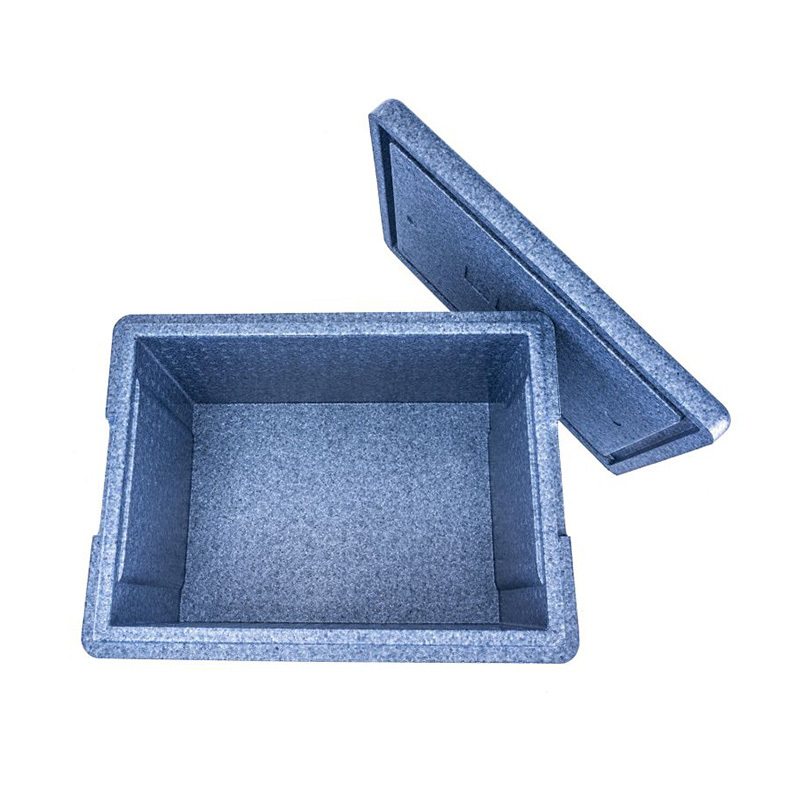
Heavy-Duty EPP Transport Box for Premium Logistics: Practical Selection Guide
The safest way to choose an EPP box is to define the job it must perform before discussing size, color, logo, or unit price. A heavy-duty EPP transport box for premium logistics should protect premium chilled items, delicatessen trays, prepared meals, samples, and fragile retail packs during high-frequency distribution loops where the same container returns, is cleaned, and goes out again. It should also fit the way staff pack, lift, stack, label, clean, and return the container. This article explains how to evaluate the box as an operating tool, not only as an insulated foam product, so you can avoid common specification mistakes before ordering samples or moving into bulk purchase.
Practical answer: A heavy-duty EPP transport box for premium logistics works best when the product format, route duration, handling path, and cleaning loop are known before the box is selected. The material can support insulation and cushioning, but daily process controls decide whether the result is reliable.
Start With the Job of the heavy-duty EPP transport box for premium logistics
A heavy-duty EPP transport box for premium logistics should be judged by the job it performs. For this topic, the job is protecting higher-value food, beverage, meal, and specialty retail shipments through repeated loading cycles. That includes product protection, handling speed, thermal buffering, cleaning, and repeat use. If you define only the box size, you leave too many decisions to staff during dispatch.
The better starting point is to write a short operating description: what goes inside, how it is packed, who carries it, where it waits, how often it is opened, what condition the product must arrive in, and how the box comes back. This description gives the supplier useful information and gives your team a way to judge samples fairly.
EPP can be a strong choice because it combines low weight, cushioning, and insulation. Yet it should not be oversold. A foam box does not create a validated cold chain by itself. It supports a packout and workflow that still need to be matched to the product and route.
Premium means the box must survive the operating loop as well as protect the goods inside.
The Four Fit Checks That Prevent Most Mistakes
The first fit check is product fit. Place the real product packaging inside the sample, including trays, bags, cartons, dividers, and any coolant or inserts. Check whether premium chilled items, delicatessen trays, prepared meals, samples, and fragile retail packs can be packed without forcing the lid or leaving large unstable gaps.
The second fit check is handling fit. Move the loaded box through the actual path: production table, staging shelf, vehicle, customer handover, return storage, and cleaning area. Pay attention to grip comfort, balance, stacking, and whether the box blocks visibility or movement in tight spaces.
The third fit check is thermal fit. Define whether the goal is simply to slow temperature change during a short route or to support a more controlled packout. For products with strict requirements, the box needs supporting coolant, monitoring, and route-specific proof. For less sensitive food, practical route trials may be enough to confirm suitability.
The fourth fit check is reuse fit. Decide how the box will be recovered, cleaned, dried, inspected, stored, and retired. Reuse is not a material property alone; it is a management routine.
- Confirm how premium chilled items, delicatessen trays, prepared meals, samples, and fragile retail packs are packed before they enter the box.
- Check whether staff can lift and close the container safely when it is full.
- Separate direct product protection from passive thermal insulation in your specification.
- Write a simple cleaning and inspection rule before the first bulk purchase.
What to Confirm Before Moving From Sample to Bulk Order
Moving from sample to bulk order requires a different level of discipline. The sample tells you whether the concept might work. A bulk order needs confidence that the same dimensions, surface quality, lid fit, color, insert fit, and packing method will repeat.
Ask the supplier to confirm internal and external dimensions, material information, food-contact documents if relevant, available colors, carton packing, inspection approach, and what happens if tooling or material changes. If your application depends on inserts, labels, or special lids, confirm those accessories as part of the same review rather than as an afterthought.
The table below summarizes the checks that usually prevent the most expensive mistakes.
| Fit question | What to confirm | Risk if ignored |
|---|---|---|
| Does the box match the load? | Measure premium chilled items, delicatessen trays, prepared meals, samples, and fragile retail packs with all separators or coolant | Loose goods move; tight loads get crushed |
| Can staff handle it full? | Test lifting, stairs, van shelves, and handoff | A good empty sample may fail during a busy route |
| Is the thermal role realistic? | Confirm whether you only need reducing thermal fluctuation while giving the operation a more durable and professional reusable container or a qualified packout | Insulation alone may not meet sensitive product requirements |
| Can the supplier repeat it? | Review production tolerance, packaging, and change control | Bulk orders may drift from the approved sample |
These checks are simple, but they force the discussion away from vague claims. Instead of asking whether the box is strong, ask what loads and handling conditions it is intended to support. Instead of asking whether it keeps temperature, ask under what packout and route conditions the statement is meaningful.
A Typical Scenario and How to Evaluate It
A premium deli distributor may not need a complicated active container, but it may need a reusable box that looks presentable at delivery, resists corner damage, and keeps a planned packout stable until receiving staff checks the order.
To evaluate that scenario, the buyer should not start with a catalogue comparison alone. The team should pack the actual goods, close the lid, carry the box through the route path, leave it in the expected staging area, open it as staff would during delivery, and inspect the returned container after cleaning.
During the trial, note problems that are easy to miss: product labels rubbing against the wall, condensation collecting in corners, staff overfilling the box, handles pressing into hands, lids being placed on dirty floors, or boxes returning with mixed contents. These details reveal whether the selected design can become a repeatable standard.
If the product is fragile, expensive, or temperature-sensitive, add more caution. A short visual trial may not be enough. The team may need controlled temperature logging, defined coolant placement, drop or handling checks, and receiving inspection criteria before approving the box for a broader rollout.
When the Box Needs Support From a Fuller Packout
A heavy-duty EPP transport box for premium logistics may need support from other packaging components. Inserts can control product position. Separators can reduce rubbing. Gel packs or phase-change packs can support chilled routes when selected correctly. Liners can help with cleanliness or separation. Labels can support traceability and return control.
The risk is assuming that adding components always improves performance. More coolant can damage some products if it creates localized freezing or condensation. An insert can protect one product while making cleaning harder. A liner can help contain spills but may slow drying or add waste. Every component should have a reason.
This is also where buyer and supplier communication matters. Share the route, product format, packout goal, and operating constraints. A good recommendation depends on whether the shipment is a one-way delivery, a reusable loop, a catering run, a bakery route, a meal subscription program, or a wholesale supply project.
Do not use the word premium as a substitute for verified specifications; ask what actually changed in density, design, surface finish, lid fit, and quality control.
Additional Buyer Notes Before Final Approval
Expanded polypropylene is a closed-cell foam made from polypropylene beads. In packaging, that structure is useful because the material can be light, resilient, and thermally insulating at the same time. For a heavy-duty EPP transport box for premium logistics, those properties are only the starting point. The molded design, lid interface, wall profile, payload fit, and cleaning routine decide whether the box performs well after weeks of handling.
A reusable EPP container should also be described by its role. It may be a handling container, a protective outer box, an insulated food transport box, or one part of a passive temperature-controlled packout. These roles overlap, but they are not identical. If the product is temperature-sensitive, the buyer still needs to define product starting condition, route duration, ambient exposure, coolant choice, opening frequency, and receiving inspection.
For food applications, material language should be precise. Food-grade suitability is not proven by the word EPP alone. Buyers should ask for documents that fit the market and the food-contact situation, especially if unpackaged food, greasy surfaces, hot items, or repeated washing are involved. If products are always in sealed retail packs, the documentation and cleaning risk may be different from direct food contact.
Recyclability also needs practical boundaries. Polypropylene is associated with recyclable resin streams in many markets, and EPP is often promoted as recyclable, but the actual end-of-life route depends on local collection, contamination level, color, labels, and whether the operator can consolidate returned boxes. A reuse-first plan normally has stronger operational value than a vague recycling claim at the end of life.
Supplier questions worth asking
- What are the internal dimensions, and do they include any taper or rounded corners?
- Which products, trays, inserts, or coolant packs were considered when recommending this size?
- What documents support food-contact or material claims for the target market?
- How should the box be cleaned, dried, inspected, and stored between uses?
- Will production units match the approved sample in lid fit, surface quality, dimensions, and accessories?
- How are boxes packed for export or domestic delivery so they do not arrive deformed?
- What is the process for approving a change in material, tooling, color, insert, or carton packing?
Field Review Notes for Implementation
Finally, involve the people who will use the box. Drivers, kitchen staff, warehouse pickers, and receivers often notice issues that procurement cannot see from a specification sheet. Their feedback on grip, lid speed, stack height, odor, residue, and loading pattern can prevent a poor purchase from being repeated across a full fleet.
The box should also fit your storage reality. Some operations have plenty of floor space; others work from small kitchens, narrow backrooms, or vehicles where every centimeter matters. Empty-box storage, drying space, and damaged-box quarantine are part of the purchase decision, even though they are rarely shown in catalogue photos.
Labeling deserves the same attention. A heavy-duty EPP transport box for premium logistics may move through production, dispatch, vehicle loading, customer handover, and return storage. If the label area is unclear, staff may attach tape or stickers to surfaces that are difficult to clean. A defined label zone, removable label practice, or reusable tag system can reduce residue and confusion.
Receiving inspection is often overlooked. When a box arrives back from high-frequency distribution loops where the same container returns, is cleaned, and goes out again, someone should decide whether it is clean enough for reuse, needs washing, needs drying, or should be removed from service. This decision protects the next shipment. If dirty and clean containers are mixed, even a well-designed box can create operational risk.
FAQ
What is the first thing to check for a heavy-duty EPP transport box for premium logistics?
Check whether the box fits the real product and route. Measure the packed product, handling steps, vehicle space, and return process before focusing on color or logo. A box that fits the catalogue description but not the workflow will cause daily friction.
When is an insulated EPP box not enough?
It may not be enough when the product requires a strict temperature range, documented qualification, long uncontrolled exposure, or frequent opening. In those cases, the box should be evaluated as part of a full packout with coolant, monitoring, and route-specific testing.
How do I compare suppliers without relying only on price?
Compare sample quality, internal dimensions, material documents, lid fit, stacking behavior, cleaning guidance, production consistency, and the supplier's willingness to discuss your route. Low unit price can be expensive if the box fails during handling or requires frequent replacement.
Should I customize the box?
Customize only when the need is clear. Inserts, logos, colors, handle changes, and special sizes can improve workflow, but they can also add cost and delay. Validate the standard version first, then customize around a proven operating requirement.
Conclusion
A heavy-duty EPP transport box for premium logistics should be chosen as an operating asset, not as a generic foam box. Define the load, route, handling path, thermal expectation, cleaning loop, and supplier proof before approving a sample.
Once those details are clear, the final choice becomes easier. You can compare designs by fit, repeatability, and documentation instead of relying on broad marketing claims or unit price alone.
About Tempk
Tempk is a cold-chain packaging brand of Shanghai Tempk Industrial Co., Ltd. We provide product formats such as EPP insulated boxes, gel ice packs, water-filled ice packs, insulated bags, box liners, and thermal pallet covers. For buyers evaluating a heavy-duty EPP transport box for premium logistics, we can help compare practical options around payload, route conditions, reuse planning, and supplier documentation.
For a practical recommendation, share your payload, temperature goal, route length, handling steps, and volume forecast with Tempk before selecting a heavy-duty EPP transport box for premium logistics.
Heat-Insulating Insulated EPP Box for Wholesale Buyers: Practical Selection Guide
Heat-Insulating Insulated EPP Box for Wholesale Buyers: Practical Selection Guide
The safest way to choose an EPP box is to define the job it must perform before discussing size, color, logo, or unit price. A heat-insulating insulated EPP box for wholesale buyers should protect bulk food packs, meal kits, chilled products, bakery items, and distributor-standard SKUs during regional distribution, repeat delivery loops, distributor resale, and OEM or custom projects. It should also fit the way staff pack, lift, stack, label, clean, and return the container. This article explains how to evaluate the box as an operating tool, not only as an insulated foam product, so you can avoid common specification mistakes before ordering samples or moving into bulk purchase.
Practical answer: A heat-insulating insulated EPP box for wholesale buyers works best when the product format, route duration, handling path, and cleaning loop are known before the box is selected. The material can support insulation and cushioning, but daily process controls decide whether the result is reliable.
Start With the Job of the heat-insulating insulated EPP box for wholesale buyers
A heat-insulating insulated EPP box for wholesale buyers should be judged by the job it performs. For this topic, the job is sourcing reusable insulated EPP boxes in bulk for food delivery, catering, grocery, seafood, bakery, or temperature-sensitive distribution. That includes product protection, handling speed, thermal buffering, cleaning, and repeat use. If you define only the box size, you leave too many decisions to staff during dispatch.
The better starting point is to write a short operating description: what goes inside, how it is packed, who carries it, where it waits, how often it is opened, what condition the product must arrive in, and how the box comes back. This description gives the supplier useful information and gives your team a way to judge samples fairly.
EPP can be a strong choice because it combines low weight, cushioning, and insulation. Yet it should not be oversold. A foam box does not create a validated cold chain by itself. It supports a packout and workflow that still need to be matched to the product and route.
Wholesale buying is less about one box and more about whether the supplier can repeat the same box reliably at scale.
The Four Fit Checks That Prevent Most Mistakes
The first fit check is product fit. Place the real product packaging inside the sample, including trays, bags, cartons, dividers, and any coolant or inserts. Check whether bulk food packs, meal kits, chilled products, bakery items, and distributor-standard SKUs can be packed without forcing the lid or leaving large unstable gaps.
The second fit check is handling fit. Move the loaded box through the actual path: production table, staging shelf, vehicle, customer handover, return storage, and cleaning area. Pay attention to grip comfort, balance, stacking, and whether the box blocks visibility or movement in tight spaces.
The third fit check is thermal fit. Define whether the goal is simply to slow temperature change during a short route or to support a more controlled packout. For products with strict requirements, the box needs supporting coolant, monitoring, and route-specific proof. For less sensitive food, practical route trials may be enough to confirm suitability.
The fourth fit check is reuse fit. Decide how the box will be recovered, cleaned, dried, inspected, stored, and retired. Reuse is not a material property alone; it is a management routine.
- Confirm how bulk food packs, meal kits, chilled products, bakery items, and distributor-standard SKUs are packed before they enter the box.
- Check whether staff can lift and close the container safely when it is full.
- Separate direct product protection from passive thermal insulation in your specification.
- Write a simple cleaning and inspection rule before the first bulk purchase.
What to Confirm Before Moving From Sample to Bulk Order
Moving from sample to bulk order requires a different level of discipline. The sample tells you whether the concept might work. A bulk order needs confidence that the same dimensions, surface quality, lid fit, color, insert fit, and packing method will repeat.
Ask the supplier to confirm internal and external dimensions, material information, food-contact documents if relevant, available colors, carton packing, inspection approach, and what happens if tooling or material changes. If your application depends on inserts, labels, or special lids, confirm those accessories as part of the same review rather than as an afterthought.
The table below summarizes the checks that usually prevent the most expensive mistakes.
| Fit question | What to confirm | Risk if ignored |
|---|---|---|
| Does the box match the load? | Measure bulk food packs, meal kits, chilled products, bakery items, and distributor-standard SKUs with all separators or coolant | Loose goods move; tight loads get crushed |
| Can staff handle it full? | Test lifting, stairs, van shelves, and handoff | A good empty sample may fail during a busy route |
| Is the thermal role realistic? | Confirm whether you only need slowing heat transfer while the buyer verifies design, documentation, and repeatability before bulk purchase or a qualified packout | Insulation alone may not meet sensitive product requirements |
| Can the supplier repeat it? | Review production tolerance, packaging, and change control | Bulk orders may drift from the approved sample |
These checks are simple, but they force the discussion away from vague claims. Instead of asking whether the box is strong, ask what loads and handling conditions it is intended to support. Instead of asking whether it keeps temperature, ask under what packout and route conditions the statement is meaningful.
A Typical Scenario and How to Evaluate It
An importer may shortlist several insulated EPP boxes for a foodservice customer. The best decision is not the lowest unit price; it is the box that matches the customer's payload, survives handling, ships efficiently, and arrives with documents that the buyer can review.
To evaluate that scenario, the buyer should not start with a catalogue comparison alone. The team should pack the actual goods, close the lid, carry the box through the route path, leave it in the expected staging area, open it as staff would during delivery, and inspect the returned container after cleaning.
During the trial, note problems that are easy to miss: product labels rubbing against the wall, condensation collecting in corners, staff overfilling the box, handles pressing into hands, lids being placed on dirty floors, or boxes returning with mixed contents. These details reveal whether the selected design can become a repeatable standard.
If the product is fragile, expensive, or temperature-sensitive, add more caution. A short visual trial may not be enough. The team may need controlled temperature logging, defined coolant placement, drop or handling checks, and receiving inspection criteria before approving the box for a broader rollout.
When the Box Needs Support From a Fuller Packout
A heat-insulating insulated EPP box for wholesale buyers may need support from other packaging components. Inserts can control product position. Separators can reduce rubbing. Gel packs or phase-change packs can support chilled routes when selected correctly. Liners can help with cleanliness or separation. Labels can support traceability and return control.
The risk is assuming that adding components always improves performance. More coolant can damage some products if it creates localized freezing or condensation. An insert can protect one product while making cleaning harder. A liner can help contain spills but may slow drying or add waste. Every component should have a reason.
This is also where buyer and supplier communication matters. Share the route, product format, packout goal, and operating constraints. A good recommendation depends on whether the shipment is a one-way delivery, a reusable loop, a catering run, a bakery route, a meal subscription program, or a wholesale supply project.
Do not place a large order until you have checked samples, dimensions, packaging method, documentation, and change-control expectations.
Additional Buyer Notes Before Final Approval
Expanded polypropylene is a closed-cell foam made from polypropylene beads. In packaging, that structure is useful because the material can be light, resilient, and thermally insulating at the same time. For a heat-insulating insulated EPP box for wholesale buyers, those properties are only the starting point. The molded design, lid interface, wall profile, payload fit, and cleaning routine decide whether the box performs well after weeks of handling.
A reusable EPP container should also be described by its role. It may be a handling container, a protective outer box, an insulated food transport box, or one part of a passive temperature-controlled packout. These roles overlap, but they are not identical. If the product is temperature-sensitive, the buyer still needs to define product starting condition, route duration, ambient exposure, coolant choice, opening frequency, and receiving inspection.
For food applications, material language should be precise. Food-grade suitability is not proven by the word EPP alone. Buyers should ask for documents that fit the market and the food-contact situation, especially if unpackaged food, greasy surfaces, hot items, or repeated washing are involved. If products are always in sealed retail packs, the documentation and cleaning risk may be different from direct food contact.
Recyclability also needs practical boundaries. Polypropylene is associated with recyclable resin streams in many markets, and EPP is often promoted as recyclable, but the actual end-of-life route depends on local collection, contamination level, color, labels, and whether the operator can consolidate returned boxes. A reuse-first plan normally has stronger operational value than a vague recycling claim at the end of life.
Supplier questions worth asking
- What are the internal dimensions, and do they include any taper or rounded corners?
- Which products, trays, inserts, or coolant packs were considered when recommending this size?
- What documents support food-contact or material claims for the target market?
- How should the box be cleaned, dried, inspected, and stored between uses?
- Will production units match the approved sample in lid fit, surface quality, dimensions, and accessories?
- How are boxes packed for export or domestic delivery so they do not arrive deformed?
- What is the process for approving a change in material, tooling, color, insert, or carton packing?
Field Review Notes for Implementation
Finally, involve the people who will use the box. Drivers, kitchen staff, warehouse pickers, and receivers often notice issues that procurement cannot see from a specification sheet. Their feedback on grip, lid speed, stack height, odor, residue, and loading pattern can prevent a poor purchase from being repeated across a full fleet.
The box should also fit your storage reality. Some operations have plenty of floor space; others work from small kitchens, narrow backrooms, or vehicles where every centimeter matters. Empty-box storage, drying space, and damaged-box quarantine are part of the purchase decision, even though they are rarely shown in catalogue photos.
Labeling deserves the same attention. A heat-insulating insulated EPP box for wholesale buyers may move through production, dispatch, vehicle loading, customer handover, and return storage. If the label area is unclear, staff may attach tape or stickers to surfaces that are difficult to clean. A defined label zone, removable label practice, or reusable tag system can reduce residue and confusion.
Receiving inspection is often overlooked. When a box arrives back from regional distribution, repeat delivery loops, distributor resale, and OEM or custom projects, someone should decide whether it is clean enough for reuse, needs washing, needs drying, or should be removed from service. This decision protects the next shipment. If dirty and clean containers are mixed, even a well-designed box can create operational risk.
FAQ
What is the first thing to check for a heat-insulating insulated EPP box for wholesale buyers?
Check whether the box fits the real product and route. Measure the packed product, handling steps, vehicle space, and return process before focusing on color or logo. A box that fits the catalogue description but not the workflow will cause daily friction.
When is an insulated EPP box not enough?
It may not be enough when the product requires a strict temperature range, documented qualification, long uncontrolled exposure, or frequent opening. In those cases, the box should be evaluated as part of a full packout with coolant, monitoring, and route-specific testing.
How do I compare suppliers without relying only on price?
Compare sample quality, internal dimensions, material documents, lid fit, stacking behavior, cleaning guidance, production consistency, and the supplier's willingness to discuss your route. Low unit price can be expensive if the box fails during handling or requires frequent replacement.
Should I customize the box?
Customize only when the need is clear. Inserts, logos, colors, handle changes, and special sizes can improve workflow, but they can also add cost and delay. Validate the standard version first, then customize around a proven operating requirement.
Conclusion
A heat-insulating insulated EPP box for wholesale buyers should be chosen as an operating asset, not as a generic foam box. Define the load, route, handling path, thermal expectation, cleaning loop, and supplier proof before approving a sample.
Once those details are clear, the final choice becomes easier. You can compare designs by fit, repeatability, and documentation instead of relying on broad marketing claims or unit price alone.
About Tempk
Tempk is a cold-chain packaging brand of Shanghai Tempk Industrial Co., Ltd. We provide product formats such as EPP insulated boxes, gel ice packs, water-filled ice packs, insulated bags, box liners, and thermal pallet covers. For buyers evaluating a heat-insulating insulated EPP box for wholesale buyers, we can help compare practical options around payload, route conditions, reuse planning, and supplier documentation.
For a practical recommendation, share your payload, temperature goal, route length, handling steps, and volume forecast with Tempk before selecting a heat-insulating insulated EPP box for wholesale buyers.
Small EPP Transport Box Practical Selection Guide

Small EPP Transport Box Practical Selection Guide
The safest way to choose an EPP box is to define the job it must perform before discussing size, color, logo, or unit price. A small EPP transport box should protect small meal packs, bakery boxes, sample jars, beverage packs, accessories, or low-volume chilled goods during courier delivery, in-city routes, trade shows, lab-to-office movement, and store-to-store transfers. It should also fit the way staff pack, lift, stack, label, clean, and return the container. This article explains how to evaluate the box as an operating tool, not only as an insulated foam product, so you can avoid common specification mistakes before ordering samples or moving into bulk purchase.
Practical answer: A small EPP transport box works best when the product format, route duration, handling path, and cleaning loop are known before the box is selected. The material can support insulation and cushioning, but daily process controls decide whether the result is reliable.
Start With the Job of the small EPP transport box
A small EPP transport box should be judged by the job it performs. For this topic, the job is moving small orders, samples, premium desserts, lunch packs, medical accessories, or short-route chilled products. That includes product protection, handling speed, thermal buffering, cleaning, and repeat use. If you define only the box size, you leave too many decisions to staff during dispatch.
The better starting point is to write a short operating description: what goes inside, how it is packed, who carries it, where it waits, how often it is opened, what condition the product must arrive in, and how the box comes back. This description gives the supplier useful information and gives your team a way to judge samples fairly.
EPP can be a strong choice because it combines low weight, cushioning, and insulation. Yet it should not be oversold. A foam box does not create a validated cold chain by itself. It supports a packout and workflow that still need to be matched to the product and route.
Small boxes succeed when they reduce empty space without squeezing the product or removing room for the packout.
The Four Fit Checks That Prevent Most Mistakes
The first fit check is product fit. Place the real product packaging inside the sample, including trays, bags, cartons, dividers, and any coolant or inserts. Check whether small meal packs, bakery boxes, sample jars, beverage packs, accessories, or low-volume chilled goods can be packed without forcing the lid or leaving large unstable gaps.
The second fit check is handling fit. Move the loaded box through the actual path: production table, staging shelf, vehicle, customer handover, return storage, and cleaning area. Pay attention to grip comfort, balance, stacking, and whether the box blocks visibility or movement in tight spaces.
The third fit check is thermal fit. Define whether the goal is simply to slow temperature change during a short route or to support a more controlled packout. For products with strict requirements, the box needs supporting coolant, monitoring, and route-specific proof. For less sensitive food, practical route trials may be enough to confirm suitability.
The fourth fit check is reuse fit. Decide how the box will be recovered, cleaned, dried, inspected, stored, and retired. Reuse is not a material property alone; it is a management routine.
- Confirm how small meal packs, bakery boxes, sample jars, beverage packs, accessories, or low-volume chilled goods are packed before they enter the box.
- Check whether staff can lift and close the container safely when it is full.
- Separate direct product protection from passive thermal insulation in your specification.
- Write a simple cleaning and inspection rule before the first bulk purchase.
What to Confirm Before Moving From Sample to Bulk Order
Moving from sample to bulk order requires a different level of discipline. The sample tells you whether the concept might work. A bulk order needs confidence that the same dimensions, surface quality, lid fit, color, insert fit, and packing method will repeat.
Ask the supplier to confirm internal and external dimensions, material information, food-contact documents if relevant, available colors, carton packing, inspection approach, and what happens if tooling or material changes. If your application depends on inserts, labels, or special lids, confirm those accessories as part of the same review rather than as an afterthought.
The table below summarizes the checks that usually prevent the most expensive mistakes.
| Fit question | What to confirm | Risk if ignored |
|---|---|---|
| Does the box match the load? | Measure small meal packs, bakery boxes, sample jars, beverage packs, accessories, or low-volume chilled goods with all separators or coolant | Loose goods move; tight loads get crushed |
| Can staff handle it full? | Test lifting, stairs, van shelves, and handoff | A good empty sample may fail during a busy route |
| Is the thermal role realistic? | Confirm whether you only need reducing thermal exposure in a compact format while keeping packing simple and payload dense or a qualified packout | Insulation alone may not meet sensitive product requirements |
| Can the supplier repeat it? | Review production tolerance, packaging, and change control | Bulk orders may drift from the approved sample |
These checks are simple, but they force the discussion away from vague claims. Instead of asking whether the box is strong, ask what loads and handling conditions it is intended to support. Instead of asking whether it keeps temperature, ask under what packout and route conditions the statement is meaningful.
A Typical Scenario and How to Evaluate It
A dessert shop may use a small transport box for six premium mousse cups. The design must leave room for the cups, separators, and any cooling element without pressing lids or trapping moisture against the packaging.
To evaluate that scenario, the buyer should not start with a catalogue comparison alone. The team should pack the actual goods, close the lid, carry the box through the route path, leave it in the expected staging area, open it as staff would during delivery, and inspect the returned container after cleaning.
During the trial, note problems that are easy to miss: product labels rubbing against the wall, condensation collecting in corners, staff overfilling the box, handles pressing into hands, lids being placed on dirty floors, or boxes returning with mixed contents. These details reveal whether the selected design can become a repeatable standard.
If the product is fragile, expensive, or temperature-sensitive, add more caution. A short visual trial may not be enough. The team may need controlled temperature logging, defined coolant placement, drop or handling checks, and receiving inspection criteria before approving the box for a broader rollout.
When the Box Needs Support From a Fuller Packout
A small EPP transport box may need support from other packaging components. Inserts can control product position. Separators can reduce rubbing. Gel packs or phase-change packs can support chilled routes when selected correctly. Liners can help with cleanliness or separation. Labels can support traceability and return control.
The risk is assuming that adding components always improves performance. More coolant can damage some products if it creates localized freezing or condensation. An insert can protect one product while making cleaning harder. A liner can help contain spills but may slow drying or add waste. Every component should have a reason.
This is also where buyer and supplier communication matters. Share the route, product format, packout goal, and operating constraints. A good recommendation depends on whether the shipment is a one-way delivery, a reusable loop, a catering run, a bakery route, a meal subscription program, or a wholesale supply project.
Do not choose a small box only because it is cheaper; it can become expensive if it causes rushed packing or product damage.
Additional Buyer Notes Before Final Approval
Expanded polypropylene is a closed-cell foam made from polypropylene beads. In packaging, that structure is useful because the material can be light, resilient, and thermally insulating at the same time. For a small EPP transport box, those properties are only the starting point. The molded design, lid interface, wall profile, payload fit, and cleaning routine decide whether the box performs well after weeks of handling.
A reusable EPP container should also be described by its role. It may be a handling container, a protective outer box, an insulated food transport box, or one part of a passive temperature-controlled packout. These roles overlap, but they are not identical. If the product is temperature-sensitive, the buyer still needs to define product starting condition, route duration, ambient exposure, coolant choice, opening frequency, and receiving inspection.
For food applications, material language should be precise. Food-grade suitability is not proven by the word EPP alone. Buyers should ask for documents that fit the market and the food-contact situation, especially if unpackaged food, greasy surfaces, hot items, or repeated washing are involved. If products are always in sealed retail packs, the documentation and cleaning risk may be different from direct food contact.
Recyclability also needs practical boundaries. Polypropylene is associated with recyclable resin streams in many markets, and EPP is often promoted as recyclable, but the actual end-of-life route depends on local collection, contamination level, color, labels, and whether the operator can consolidate returned boxes. A reuse-first plan normally has stronger operational value than a vague recycling claim at the end of life.
Supplier questions worth asking
- What are the internal dimensions, and do they include any taper or rounded corners?
- Which products, trays, inserts, or coolant packs were considered when recommending this size?
- What documents support food-contact or material claims for the target market?
- How should the box be cleaned, dried, inspected, and stored between uses?
- Will production units match the approved sample in lid fit, surface quality, dimensions, and accessories?
- How are boxes packed for export or domestic delivery so they do not arrive deformed?
- What is the process for approving a change in material, tooling, color, insert, or carton packing?
Field Review Notes for Implementation
Finally, involve the people who will use the box. Drivers, kitchen staff, warehouse pickers, and receivers often notice issues that procurement cannot see from a specification sheet. Their feedback on grip, lid speed, stack height, odor, residue, and loading pattern can prevent a poor purchase from being repeated across a full fleet.
The box should also fit your storage reality. Some operations have plenty of floor space; others work from small kitchens, narrow backrooms, or vehicles where every centimeter matters. Empty-box storage, drying space, and damaged-box quarantine are part of the purchase decision, even though they are rarely shown in catalogue photos.
Labeling deserves the same attention. A small EPP transport box may move through production, dispatch, vehicle loading, customer handover, and return storage. If the label area is unclear, staff may attach tape or stickers to surfaces that are difficult to clean. A defined label zone, removable label practice, or reusable tag system can reduce residue and confusion.
Receiving inspection is often overlooked. When a box arrives back from courier delivery, in-city routes, trade shows, lab-to-office movement, and store-to-store transfers, someone should decide whether it is clean enough for reuse, needs washing, needs drying, or should be removed from service. This decision protects the next shipment. If dirty and clean containers are mixed, even a well-designed box can create operational risk.
FAQ
What is the first thing to check for a small EPP transport box?
Check whether the box fits the real product and route. Measure the packed product, handling steps, vehicle space, and return process before focusing on color or logo. A box that fits the catalogue description but not the workflow will cause daily friction.
When is an insulated EPP box not enough?
It may not be enough when the product requires a strict temperature range, documented qualification, long uncontrolled exposure, or frequent opening. In those cases, the box should be evaluated as part of a full packout with coolant, monitoring, and route-specific testing.
How do I compare suppliers without relying only on price?
Compare sample quality, internal dimensions, material documents, lid fit, stacking behavior, cleaning guidance, production consistency, and the supplier's willingness to discuss your route. Low unit price can be expensive if the box fails during handling or requires frequent replacement.
Should I customize the box?
Customize only when the need is clear. Inserts, logos, colors, handle changes, and special sizes can improve workflow, but they can also add cost and delay. Validate the standard version first, then customize around a proven operating requirement.
Conclusion
A small EPP transport box should be chosen as an operating asset, not as a generic foam box. Define the load, route, handling path, thermal expectation, cleaning loop, and supplier proof before approving a sample.
Once those details are clear, the final choice becomes easier. You can compare designs by fit, repeatability, and documentation instead of relying on broad marketing claims or unit price alone.
About Tempk
Tempk is a cold-chain packaging brand of Shanghai Tempk Industrial Co., Ltd. We provide product formats such as EPP insulated boxes, gel ice packs, water-filled ice packs, insulated bags, box liners, and thermal pallet covers. For buyers evaluating a small EPP transport box, we can help compare practical options around payload, route conditions, reuse planning, and supplier documentation.
For a practical recommendation, share your payload, temperature goal, route length, handling steps, and volume forecast with Tempk before selecting a small EPP transport box.
EPP Transport Box for Bakery Products Practical Selection Guide
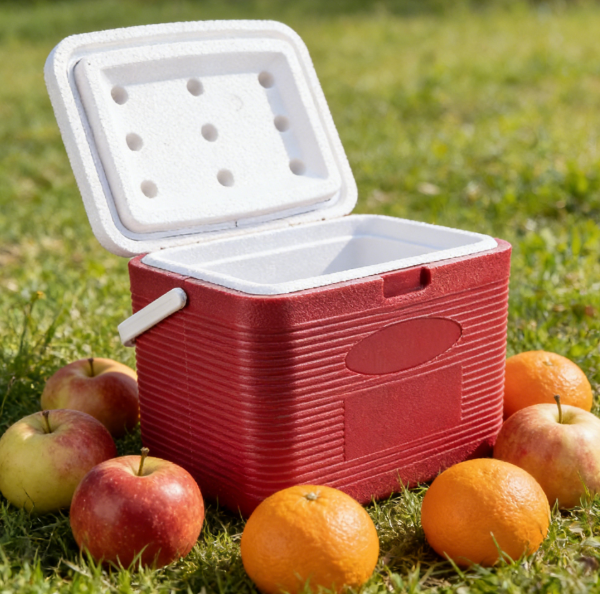
EPP Transport Box for Bakery Products Practical Selection Guide
The safest way to choose an EPP box is to define the job it must perform before discussing size, color, logo, or unit price. An EPP transport box for bakery products should protect bakery trays, boxed cakes, pastry assortments, bread baskets, and mixed ambient or chilled bakery orders during store replenishment, morning bakery routes, event catering, and last-mile delivery. It should also fit the way staff pack, lift, stack, label, clean, and return the container. This article explains how to evaluate the box as an operating tool, not only as an insulated foam product, so you can avoid common specification mistakes before ordering samples or moving into bulk purchase.
Practical answer: An EPP transport box for bakery products works best when the product format, route duration, handling path, and cleaning loop are known before the box is selected. The material can support insulation and cushioning, but daily process controls decide whether the result is reliable.
Start With the Job of the EPP transport box for bakery products
An EPP transport box for bakery products should be judged by the job it performs. For this topic, the job is moving bread, cakes, pastries, filled buns, chilled desserts, and decorated bakery items between production rooms, stores, events, and delivery vehicles. That includes product protection, handling speed, thermal buffering, cleaning, and repeat use. If you define only the box size, you leave too many decisions to staff during dispatch.
The better starting point is to write a short operating description: what goes inside, how it is packed, who carries it, where it waits, how often it is opened, what condition the product must arrive in, and how the box comes back. This description gives the supplier useful information and gives your team a way to judge samples fairly.
EPP can be a strong choice because it combines low weight, cushioning, and insulation. Yet it should not be oversold. A foam box does not create a validated cold chain by itself. It supports a packout and workflow that still need to be matched to the product and route.
Bakery logistics need packaging that protects shape, texture, and timing, not only temperature.
The Four Fit Checks That Prevent Most Mistakes
The first fit check is product fit. Place the real product packaging inside the sample, including trays, bags, cartons, dividers, and any coolant or inserts. Check whether bakery trays, boxed cakes, pastry assortments, bread baskets, and mixed ambient or chilled bakery orders can be packed without forcing the lid or leaving large unstable gaps.
The second fit check is handling fit. Move the loaded box through the actual path: production table, staging shelf, vehicle, customer handover, return storage, and cleaning area. Pay attention to grip comfort, balance, stacking, and whether the box blocks visibility or movement in tight spaces.
The third fit check is thermal fit. Define whether the goal is simply to slow temperature change during a short route or to support a more controlled packout. For products with strict requirements, the box needs supporting coolant, monitoring, and route-specific proof. For less sensitive food, practical route trials may be enough to confirm suitability.
The fourth fit check is reuse fit. Decide how the box will be recovered, cleaned, dried, inspected, stored, and retired. Reuse is not a material property alone; it is a management routine.
- Confirm how bakery trays, boxed cakes, pastry assortments, bread baskets, and mixed ambient or chilled bakery orders are packed before they enter the box.
- Check whether staff can lift and close the container safely when it is full.
- Separate direct product protection from passive thermal insulation in your specification.
- Write a simple cleaning and inspection rule before the first bulk purchase.
What to Confirm Before Moving From Sample to Bulk Order
Moving from sample to bulk order requires a different level of discipline. The sample tells you whether the concept might work. A bulk order needs confidence that the same dimensions, surface quality, lid fit, color, insert fit, and packing method will repeat.
Ask the supplier to confirm internal and external dimensions, material information, food-contact documents if relevant, available colors, carton packing, inspection approach, and what happens if tooling or material changes. If your application depends on inserts, labels, or special lids, confirm those accessories as part of the same review rather than as an afterthought.
The table below summarizes the checks that usually prevent the most expensive mistakes.
| Fit question | What to confirm | Risk if ignored |
|---|---|---|
| Does the box match the load? | Measure bakery trays, boxed cakes, pastry assortments, bread baskets, and mixed ambient or chilled bakery orders with all separators or coolant | Loose goods move; tight loads get crushed |
| Can staff handle it full? | Test lifting, stairs, van shelves, and handoff | A good empty sample may fail during a busy route |
| Is the thermal role realistic? | Confirm whether you only need slowing heat gain or heat loss around bakery products while avoiding condensation, crushing, and aroma transfer or a qualified packout | Insulation alone may not meet sensitive product requirements |
| Can the supplier repeat it? | Review production tolerance, packaging, and change control | Bulk orders may drift from the approved sample |
These checks are simple, but they force the discussion away from vague claims. Instead of asking whether the box is strong, ask what loads and handling conditions it is intended to support. Instead of asking whether it keeps temperature, ask under what packout and route conditions the statement is meaningful.
A Typical Scenario and How to Evaluate It
Imagine a bakery commissary sending croissants, layered cakes, and chilled mousse cups to several storefronts before opening. The box must keep the load orderly during van movement, slow temperature change during handover, and let staff unload quickly without squeezing fragile items.
To evaluate that scenario, the buyer should not start with a catalogue comparison alone. The team should pack the actual goods, close the lid, carry the box through the route path, leave it in the expected staging area, open it as staff would during delivery, and inspect the returned container after cleaning.
During the trial, note problems that are easy to miss: product labels rubbing against the wall, condensation collecting in corners, staff overfilling the box, handles pressing into hands, lids being placed on dirty floors, or boxes returning with mixed contents. These details reveal whether the selected design can become a repeatable standard.
If the product is fragile, expensive, or temperature-sensitive, add more caution. A short visual trial may not be enough. The team may need controlled temperature logging, defined coolant placement, drop or handling checks, and receiving inspection criteria before approving the box for a broader rollout.
When the Box Needs Support From a Fuller Packout
An EPP transport box for bakery products may need support from other packaging components. Inserts can control product position. Separators can reduce rubbing. Gel packs or phase-change packs can support chilled routes when selected correctly. Liners can help with cleanliness or separation. Labels can support traceability and return control.
The risk is assuming that adding components always improves performance. More coolant can damage some products if it creates localized freezing or condensation. An insert can protect one product while making cleaning harder. A liner can help contain spills but may slow drying or add waste. Every component should have a reason.
This is also where buyer and supplier communication matters. Share the route, product format, packout goal, and operating constraints. A good recommendation depends on whether the shipment is a one-way delivery, a reusable loop, a catering run, a bakery route, a meal subscription program, or a wholesale supply project.
Do not treat an insulated box as a universal freshness guarantee; product temperature, route time, loading density, and staff handling still decide the result.
Additional Buyer Notes Before Final Approval
Expanded polypropylene is a closed-cell foam made from polypropylene beads. In packaging, that structure is useful because the material can be light, resilient, and thermally insulating at the same time. For an EPP transport box for bakery products, those properties are only the starting point. The molded design, lid interface, wall profile, payload fit, and cleaning routine decide whether the box performs well after weeks of handling.
A reusable EPP container should also be described by its role. It may be a handling container, a protective outer box, an insulated food transport box, or one part of a passive temperature-controlled packout. These roles overlap, but they are not identical. If the product is temperature-sensitive, the buyer still needs to define product starting condition, route duration, ambient exposure, coolant choice, opening frequency, and receiving inspection.
For food applications, material language should be precise. Food-grade suitability is not proven by the word EPP alone. Buyers should ask for documents that fit the market and the food-contact situation, especially if unpackaged food, greasy surfaces, hot items, or repeated washing are involved. If products are always in sealed retail packs, the documentation and cleaning risk may be different from direct food contact.
Recyclability also needs practical boundaries. Polypropylene is associated with recyclable resin streams in many markets, and EPP is often promoted as recyclable, but the actual end-of-life route depends on local collection, contamination level, color, labels, and whether the operator can consolidate returned boxes. A reuse-first plan normally has stronger operational value than a vague recycling claim at the end of life.
Supplier questions worth asking
- What are the internal dimensions, and do they include any taper or rounded corners?
- Which products, trays, inserts, or coolant packs were considered when recommending this size?
- What documents support food-contact or material claims for the target market?
- How should the box be cleaned, dried, inspected, and stored between uses?
- Will production units match the approved sample in lid fit, surface quality, dimensions, and accessories?
- How are boxes packed for export or domestic delivery so they do not arrive deformed?
- What is the process for approving a change in material, tooling, color, insert, or carton packing?
Field Review Notes for Implementation
Finally, involve the people who will use the box. Drivers, kitchen staff, warehouse pickers, and receivers often notice issues that procurement cannot see from a specification sheet. Their feedback on grip, lid speed, stack height, odor, residue, and loading pattern can prevent a poor purchase from being repeated across a full fleet.
The box should also fit your storage reality. Some operations have plenty of floor space; others work from small kitchens, narrow backrooms, or vehicles where every centimeter matters. Empty-box storage, drying space, and damaged-box quarantine are part of the purchase decision, even though they are rarely shown in catalogue photos.
Labeling deserves the same attention. An EPP transport box for bakery products may move through production, dispatch, vehicle loading, customer handover, and return storage. If the label area is unclear, staff may attach tape or stickers to surfaces that are difficult to clean. A defined label zone, removable label practice, or reusable tag system can reduce residue and confusion.
Receiving inspection is often overlooked. When a box arrives back from store replenishment, morning bakery routes, event catering, and last-mile delivery, someone should decide whether it is clean enough for reuse, needs washing, needs drying, or should be removed from service. This decision protects the next shipment. If dirty and clean containers are mixed, even a well-designed box can create operational risk.
FAQ
What is the first thing to check for an EPP transport box for bakery products?
Check whether the box fits the real product and route. Measure the packed product, handling steps, vehicle space, and return process before focusing on color or logo. A box that fits the catalogue description but not the workflow will cause daily friction.
When is an insulated EPP box not enough?
It may not be enough when the product requires a strict temperature range, documented qualification, long uncontrolled exposure, or frequent opening. In those cases, the box should be evaluated as part of a full packout with coolant, monitoring, and route-specific testing.
How do I compare suppliers without relying only on price?
Compare sample quality, internal dimensions, material documents, lid fit, stacking behavior, cleaning guidance, production consistency, and the supplier's willingness to discuss your route. Low unit price can be expensive if the box fails during handling or requires frequent replacement.
Should I customize the box?
Customize only when the need is clear. Inserts, logos, colors, handle changes, and special sizes can improve workflow, but they can also add cost and delay. Validate the standard version first, then customize around a proven operating requirement.
Conclusion
An EPP transport box for bakery products should be chosen as an operating asset, not as a generic foam box. Define the load, route, handling path, thermal expectation, cleaning loop, and supplier proof before approving a sample.
Once those details are clear, the final choice becomes easier. You can compare designs by fit, repeatability, and documentation instead of relying on broad marketing claims or unit price alone.
About Tempk
Tempk is a cold-chain packaging brand of Shanghai Tempk Industrial Co., Ltd. We provide product formats such as EPP insulated boxes, gel ice packs, water-filled ice packs, insulated bags, box liners, and thermal pallet covers. For buyers evaluating an EPP transport box for bakery products, we can help compare practical options around payload, route conditions, reuse planning, and supplier documentation.
For a practical recommendation, share your payload, temperature goal, route length, handling steps, and volume forecast with Tempk before selecting an EPP transport box for bakery products.
EPP Foam Box with Handles Practical Selection Guide
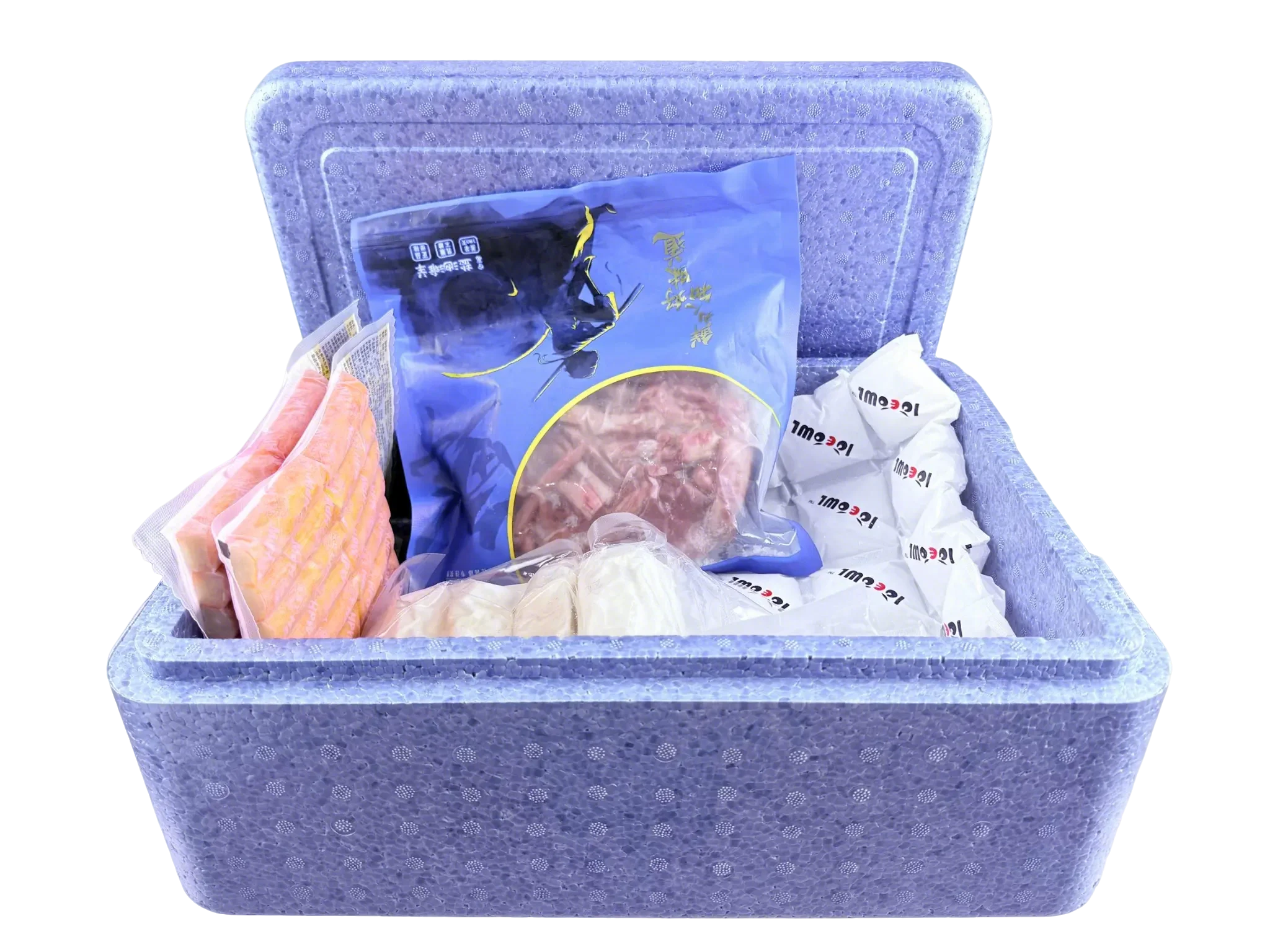
EPP Foam Box with Handles Practical Selection Guide
The safest way to choose an EPP box is to define the job it must perform before discussing size, color, logo, or unit price. An EPP foam box with handles should protect loaded containers that may be lifted many times per route by drivers, warehouse staff, or restaurant employees during short hand-carry movements, van loading, catering delivery, and repeated daily distribution loops. It should also fit the way staff pack, lift, stack, label, clean, and return the container. This article explains how to evaluate the box as an operating tool, not only as an insulated foam product, so you can avoid common specification mistakes before ordering samples or moving into bulk purchase.
Practical answer: An EPP foam box with handles works best when the product format, route duration, handling path, and cleaning loop are known before the box is selected. The material can support insulation and cushioning, but daily process controls decide whether the result is reliable.
Start With the Job of the EPP foam box with handles
An EPP foam box with handles should be judged by the job it performs. For this topic, the job is carrying food, meals, samples, chilled goods, or reusable packs through kitchens, vehicles, retail backrooms, and handover points. That includes product protection, handling speed, thermal buffering, cleaning, and repeat use. If you define only the box size, you leave too many decisions to staff during dispatch.
The better starting point is to write a short operating description: what goes inside, how it is packed, who carries it, where it waits, how often it is opened, what condition the product must arrive in, and how the box comes back. This description gives the supplier useful information and gives your team a way to judge samples fairly.
EPP can be a strong choice because it combines low weight, cushioning, and insulation. Yet it should not be oversold. A foam box does not create a validated cold chain by itself. It supports a packout and workflow that still need to be matched to the product and route.
Handles are a performance feature because every lift affects safety, speed, product stability, and container life.
The Four Fit Checks That Prevent Most Mistakes
The first fit check is product fit. Place the real product packaging inside the sample, including trays, bags, cartons, dividers, and any coolant or inserts. Check whether loaded containers that may be lifted many times per route by drivers, warehouse staff, or restaurant employees can be packed without forcing the lid or leaving large unstable gaps.
The second fit check is handling fit. Move the loaded box through the actual path: production table, staging shelf, vehicle, customer handover, return storage, and cleaning area. Pay attention to grip comfort, balance, stacking, and whether the box blocks visibility or movement in tight spaces.
The third fit check is thermal fit. Define whether the goal is simply to slow temperature change during a short route or to support a more controlled packout. For products with strict requirements, the box needs supporting coolant, monitoring, and route-specific proof. For less sensitive food, practical route trials may be enough to confirm suitability.
The fourth fit check is reuse fit. Decide how the box will be recovered, cleaned, dried, inspected, stored, and retired. Reuse is not a material property alone; it is a management routine.
- Confirm how loaded containers that may be lifted many times per route by drivers, warehouse staff, or restaurant employees are packed before they enter the box.
- Check whether staff can lift and close the container safely when it is full.
- Separate direct product protection from passive thermal insulation in your specification.
- Write a simple cleaning and inspection rule before the first bulk purchase.
What to Confirm Before Moving From Sample to Bulk Order
Moving from sample to bulk order requires a different level of discipline. The sample tells you whether the concept might work. A bulk order needs confidence that the same dimensions, surface quality, lid fit, color, insert fit, and packing method will repeat.
Ask the supplier to confirm internal and external dimensions, material information, food-contact documents if relevant, available colors, carton packing, inspection approach, and what happens if tooling or material changes. If your application depends on inserts, labels, or special lids, confirm those accessories as part of the same review rather than as an afterthought.
The table below summarizes the checks that usually prevent the most expensive mistakes.
| Fit question | What to confirm | Risk if ignored |
|---|---|---|
| Does the box match the load? | Measure loaded containers that may be lifted many times per route by drivers, warehouse staff, or restaurant employees with all separators or coolant | Loose goods move; tight loads get crushed |
| Can staff handle it full? | Test lifting, stairs, van shelves, and handoff | A good empty sample may fail during a busy route |
| Is the thermal role realistic? | Confirm whether you only need protecting goods while making carrying safe enough that staff actually use the box correctly or a qualified packout | Insulation alone may not meet sensitive product requirements |
| Can the supplier repeat it? | Review production tolerance, packaging, and change control | Bulk orders may drift from the approved sample |
These checks are simple, but they force the discussion away from vague claims. Instead of asking whether the box is strong, ask what loads and handling conditions it is intended to support. Instead of asking whether it keeps temperature, ask under what packout and route conditions the statement is meaningful.
A Typical Scenario and How to Evaluate It
A catering team may unload several full containers through a narrow service entrance. If the handles are awkward, staff may tilt the box, bump the lid, or carry it from the wrong side, which creates the very damage the packaging was meant to prevent.
To evaluate that scenario, the buyer should not start with a catalogue comparison alone. The team should pack the actual goods, close the lid, carry the box through the route path, leave it in the expected staging area, open it as staff would during delivery, and inspect the returned container after cleaning.
During the trial, note problems that are easy to miss: product labels rubbing against the wall, condensation collecting in corners, staff overfilling the box, handles pressing into hands, lids being placed on dirty floors, or boxes returning with mixed contents. These details reveal whether the selected design can become a repeatable standard.
If the product is fragile, expensive, or temperature-sensitive, add more caution. A short visual trial may not be enough. The team may need controlled temperature logging, defined coolant placement, drop or handling checks, and receiving inspection criteria before approving the box for a broader rollout.
When the Box Needs Support From a Fuller Packout
An EPP foam box with handles may need support from other packaging components. Inserts can control product position. Separators can reduce rubbing. Gel packs or phase-change packs can support chilled routes when selected correctly. Liners can help with cleanliness or separation. Labels can support traceability and return control.
The risk is assuming that adding components always improves performance. More coolant can damage some products if it creates localized freezing or condensation. An insert can protect one product while making cleaning harder. A liner can help contain spills but may slow drying or add waste. Every component should have a reason.
This is also where buyer and supplier communication matters. Share the route, product format, packout goal, and operating constraints. A good recommendation depends on whether the shipment is a one-way delivery, a reusable loop, a catering run, a bakery route, a meal subscription program, or a wholesale supply project.
Do not approve a handled box by empty weight alone; test how it feels when packed to the real operating load.
Additional Buyer Notes Before Final Approval
Expanded polypropylene is a closed-cell foam made from polypropylene beads. In packaging, that structure is useful because the material can be light, resilient, and thermally insulating at the same time. For an EPP foam box with handles, those properties are only the starting point. The molded design, lid interface, wall profile, payload fit, and cleaning routine decide whether the box performs well after weeks of handling.
A reusable EPP container should also be described by its role. It may be a handling container, a protective outer box, an insulated food transport box, or one part of a passive temperature-controlled packout. These roles overlap, but they are not identical. If the product is temperature-sensitive, the buyer still needs to define product starting condition, route duration, ambient exposure, coolant choice, opening frequency, and receiving inspection.
For food applications, material language should be precise. Food-grade suitability is not proven by the word EPP alone. Buyers should ask for documents that fit the market and the food-contact situation, especially if unpackaged food, greasy surfaces, hot items, or repeated washing are involved. If products are always in sealed retail packs, the documentation and cleaning risk may be different from direct food contact.
Recyclability also needs practical boundaries. Polypropylene is associated with recyclable resin streams in many markets, and EPP is often promoted as recyclable, but the actual end-of-life route depends on local collection, contamination level, color, labels, and whether the operator can consolidate returned boxes. A reuse-first plan normally has stronger operational value than a vague recycling claim at the end of life.
Supplier questions worth asking
- What are the internal dimensions, and do they include any taper or rounded corners?
- Which products, trays, inserts, or coolant packs were considered when recommending this size?
- What documents support food-contact or material claims for the target market?
- How should the box be cleaned, dried, inspected, and stored between uses?
- Will production units match the approved sample in lid fit, surface quality, dimensions, and accessories?
- How are boxes packed for export or domestic delivery so they do not arrive deformed?
- What is the process for approving a change in material, tooling, color, insert, or carton packing?
Field Review Notes for Implementation
Finally, involve the people who will use the box. Drivers, kitchen staff, warehouse pickers, and receivers often notice issues that procurement cannot see from a specification sheet. Their feedback on grip, lid speed, stack height, odor, residue, and loading pattern can prevent a poor purchase from being repeated across a full fleet.
The box should also fit your storage reality. Some operations have plenty of floor space; others work from small kitchens, narrow backrooms, or vehicles where every centimeter matters. Empty-box storage, drying space, and damaged-box quarantine are part of the purchase decision, even though they are rarely shown in catalogue photos.
Labeling deserves the same attention. An EPP foam box with handles may move through production, dispatch, vehicle loading, customer handover, and return storage. If the label area is unclear, staff may attach tape or stickers to surfaces that are difficult to clean. A defined label zone, removable label practice, or reusable tag system can reduce residue and confusion.
Receiving inspection is often overlooked. When a box arrives back from short hand-carry movements, van loading, catering delivery, and repeated daily distribution loops, someone should decide whether it is clean enough for reuse, needs washing, needs drying, or should be removed from service. This decision protects the next shipment. If dirty and clean containers are mixed, even a well-designed box can create operational risk.
FAQ
What is the first thing to check for an EPP foam box with handles?
Check whether the box fits the real product and route. Measure the packed product, handling steps, vehicle space, and return process before focusing on color or logo. A box that fits the catalogue description but not the workflow will cause daily friction.
When is an insulated EPP box not enough?
It may not be enough when the product requires a strict temperature range, documented qualification, long uncontrolled exposure, or frequent opening. In those cases, the box should be evaluated as part of a full packout with coolant, monitoring, and route-specific testing.
How do I compare suppliers without relying only on price?
Compare sample quality, internal dimensions, material documents, lid fit, stacking behavior, cleaning guidance, production consistency, and the supplier's willingness to discuss your route. Low unit price can be expensive if the box fails during handling or requires frequent replacement.
Should I customize the box?
Customize only when the need is clear. Inserts, logos, colors, handle changes, and special sizes can improve workflow, but they can also add cost and delay. Validate the standard version first, then customize around a proven operating requirement.
Conclusion
An EPP foam box with handles should be chosen as an operating asset, not as a generic foam box. Define the load, route, handling path, thermal expectation, cleaning loop, and supplier proof before approving a sample.
Once those details are clear, the final choice becomes easier. You can compare designs by fit, repeatability, and documentation instead of relying on broad marketing claims or unit price alone.
About Tempk
Tempk is a cold-chain packaging brand of Shanghai Tempk Industrial Co., Ltd. We provide product formats such as EPP insulated boxes, gel ice packs, water-filled ice packs, insulated bags, box liners, and thermal pallet covers. For buyers evaluating an EPP foam box with handles, we can help compare practical options around payload, route conditions, reuse planning, and supplier documentation.
For a practical recommendation, share your payload, temperature goal, route length, handling steps, and volume forecast with Tempk before selecting an EPP foam box with handles.
EPP Foam Box for Catering Service Practical Selection Guide

EPP Foam Box for Catering Service Practical Selection Guide
The safest way to choose an EPP box is to define the job it must perform before discussing size, color, logo, or unit price. An EPP foam box for catering service should protect GN pans, meal trays, bakery trays, dessert cups, chilled starters, and mixed event food packs during kitchen staging, van loading, venue handover, banquet service preparation, and return cleaning. It should also fit the way staff pack, lift, stack, label, clean, and return the container. This article explains how to evaluate the box as an operating tool, not only as an insulated foam product, so you can avoid common specification mistakes before ordering samples or moving into bulk purchase.
Practical answer: An EPP foam box for catering service works best when the product format, route duration, handling path, and cleaning loop are known before the box is selected. The material can support insulation and cushioning, but daily process controls decide whether the result is reliable.
Start With the Job of the EPP foam box for catering service
An EPP foam box for catering service should be judged by the job it performs. For this topic, the job is transporting prepared dishes, trays, desserts, beverages, and service components from kitchen to event venue. That includes product protection, handling speed, thermal buffering, cleaning, and repeat use. If you define only the box size, you leave too many decisions to staff during dispatch.
The better starting point is to write a short operating description: what goes inside, how it is packed, who carries it, where it waits, how often it is opened, what condition the product must arrive in, and how the box comes back. This description gives the supplier useful information and gives your team a way to judge samples fairly.
EPP can be a strong choice because it combines low weight, cushioning, and insulation. Yet it should not be oversold. A foam box does not create a validated cold chain by itself. It supports a packout and workflow that still need to be matched to the product and route.
Catering service packaging has to organize the event workflow as much as it insulates the food.
The Four Fit Checks That Prevent Most Mistakes
The first fit check is product fit. Place the real product packaging inside the sample, including trays, bags, cartons, dividers, and any coolant or inserts. Check whether GN pans, meal trays, bakery trays, dessert cups, chilled starters, and mixed event food packs can be packed without forcing the lid or leaving large unstable gaps.
The second fit check is handling fit. Move the loaded box through the actual path: production table, staging shelf, vehicle, customer handover, return storage, and cleaning area. Pay attention to grip comfort, balance, stacking, and whether the box blocks visibility or movement in tight spaces.
The third fit check is thermal fit. Define whether the goal is simply to slow temperature change during a short route or to support a more controlled packout. For products with strict requirements, the box needs supporting coolant, monitoring, and route-specific proof. For less sensitive food, practical route trials may be enough to confirm suitability.
The fourth fit check is reuse fit. Decide how the box will be recovered, cleaned, dried, inspected, stored, and retired. Reuse is not a material property alone; it is a management routine.
- Confirm how GN pans, meal trays, bakery trays, dessert cups, chilled starters, and mixed event food packs are packed before they enter the box.
- Check whether staff can lift and close the container safely when it is full.
- Separate direct product protection from passive thermal insulation in your specification.
- Write a simple cleaning and inspection rule before the first bulk purchase.
What to Confirm Before Moving From Sample to Bulk Order
Moving from sample to bulk order requires a different level of discipline. The sample tells you whether the concept might work. A bulk order needs confidence that the same dimensions, surface quality, lid fit, color, insert fit, and packing method will repeat.
Ask the supplier to confirm internal and external dimensions, material information, food-contact documents if relevant, available colors, carton packing, inspection approach, and what happens if tooling or material changes. If your application depends on inserts, labels, or special lids, confirm those accessories as part of the same review rather than as an afterthought.
The table below summarizes the checks that usually prevent the most expensive mistakes.
| Fit question | What to confirm | Risk if ignored |
|---|---|---|
| Does the box match the load? | Measure GN pans, meal trays, bakery trays, dessert cups, chilled starters, and mixed event food packs with all separators or coolant | Loose goods move; tight loads get crushed |
| Can staff handle it full? | Test lifting, stairs, van shelves, and handoff | A good empty sample may fail during a busy route |
| Is the thermal role realistic? | Confirm whether you only need supporting planned hot or chilled holding during the movement from kitchen to service point or a qualified packout | Insulation alone may not meet sensitive product requirements |
| Can the supplier repeat it? | Review production tolerance, packaging, and change control | Bulk orders may drift from the approved sample |
These checks are simple, but they force the discussion away from vague claims. Instead of asking whether the box is strong, ask what loads and handling conditions it is intended to support. Instead of asking whether it keeps temperature, ask under what packout and route conditions the statement is meaningful.
A Typical Scenario and How to Evaluate It
A weekend catering team may load salads, sauces, pastries, and warm entrees for different service stations. A box that is easy to label, carry, and clean may save more trouble than a larger box that simply holds more volume.
To evaluate that scenario, the buyer should not start with a catalogue comparison alone. The team should pack the actual goods, close the lid, carry the box through the route path, leave it in the expected staging area, open it as staff would during delivery, and inspect the returned container after cleaning.
During the trial, note problems that are easy to miss: product labels rubbing against the wall, condensation collecting in corners, staff overfilling the box, handles pressing into hands, lids being placed on dirty floors, or boxes returning with mixed contents. These details reveal whether the selected design can become a repeatable standard.
If the product is fragile, expensive, or temperature-sensitive, add more caution. A short visual trial may not be enough. The team may need controlled temperature logging, defined coolant placement, drop or handling checks, and receiving inspection criteria before approving the box for a broader rollout.
When the Box Needs Support From a Fuller Packout
An EPP foam box for catering service may need support from other packaging components. Inserts can control product position. Separators can reduce rubbing. Gel packs or phase-change packs can support chilled routes when selected correctly. Liners can help with cleanliness or separation. Labels can support traceability and return control.
The risk is assuming that adding components always improves performance. More coolant can damage some products if it creates localized freezing or condensation. An insert can protect one product while making cleaning harder. A liner can help contain spills but may slow drying or add waste. Every component should have a reason.
This is also where buyer and supplier communication matters. Share the route, product format, packout goal, and operating constraints. A good recommendation depends on whether the shipment is a one-way delivery, a reusable loop, a catering run, a bakery route, a meal subscription program, or a wholesale supply project.
Do not mix service categories without a loading plan; good catering packaging should make unloading predictable.
Additional Buyer Notes Before Final Approval
Expanded polypropylene is a closed-cell foam made from polypropylene beads. In packaging, that structure is useful because the material can be light, resilient, and thermally insulating at the same time. For an EPP foam box for catering service, those properties are only the starting point. The molded design, lid interface, wall profile, payload fit, and cleaning routine decide whether the box performs well after weeks of handling.
A reusable EPP container should also be described by its role. It may be a handling container, a protective outer box, an insulated food transport box, or one part of a passive temperature-controlled packout. These roles overlap, but they are not identical. If the product is temperature-sensitive, the buyer still needs to define product starting condition, route duration, ambient exposure, coolant choice, opening frequency, and receiving inspection.
For food applications, material language should be precise. Food-grade suitability is not proven by the word EPP alone. Buyers should ask for documents that fit the market and the food-contact situation, especially if unpackaged food, greasy surfaces, hot items, or repeated washing are involved. If products are always in sealed retail packs, the documentation and cleaning risk may be different from direct food contact.
Recyclability also needs practical boundaries. Polypropylene is associated with recyclable resin streams in many markets, and EPP is often promoted as recyclable, but the actual end-of-life route depends on local collection, contamination level, color, labels, and whether the operator can consolidate returned boxes. A reuse-first plan normally has stronger operational value than a vague recycling claim at the end of life.
Supplier questions worth asking
- What are the internal dimensions, and do they include any taper or rounded corners?
- Which products, trays, inserts, or coolant packs were considered when recommending this size?
- What documents support food-contact or material claims for the target market?
- How should the box be cleaned, dried, inspected, and stored between uses?
- Will production units match the approved sample in lid fit, surface quality, dimensions, and accessories?
- How are boxes packed for export or domestic delivery so they do not arrive deformed?
- What is the process for approving a change in material, tooling, color, insert, or carton packing?
Field Review Notes for Implementation
Finally, involve the people who will use the box. Drivers, kitchen staff, warehouse pickers, and receivers often notice issues that procurement cannot see from a specification sheet. Their feedback on grip, lid speed, stack height, odor, residue, and loading pattern can prevent a poor purchase from being repeated across a full fleet.
The box should also fit your storage reality. Some operations have plenty of floor space; others work from small kitchens, narrow backrooms, or vehicles where every centimeter matters. Empty-box storage, drying space, and damaged-box quarantine are part of the purchase decision, even though they are rarely shown in catalogue photos.
Labeling deserves the same attention. An EPP foam box for catering service may move through production, dispatch, vehicle loading, customer handover, and return storage. If the label area is unclear, staff may attach tape or stickers to surfaces that are difficult to clean. A defined label zone, removable label practice, or reusable tag system can reduce residue and confusion.
Receiving inspection is often overlooked. When a box arrives back from kitchen staging, van loading, venue handover, banquet service preparation, and return cleaning, someone should decide whether it is clean enough for reuse, needs washing, needs drying, or should be removed from service. This decision protects the next shipment. If dirty and clean containers are mixed, even a well-designed box can create operational risk.
FAQ
What is the first thing to check for an EPP foam box for catering service?
Check whether the box fits the real product and route. Measure the packed product, handling steps, vehicle space, and return process before focusing on color or logo. A box that fits the catalogue description but not the workflow will cause daily friction.
When is an insulated EPP box not enough?
It may not be enough when the product requires a strict temperature range, documented qualification, long uncontrolled exposure, or frequent opening. In those cases, the box should be evaluated as part of a full packout with coolant, monitoring, and route-specific testing.
How do I compare suppliers without relying only on price?
Compare sample quality, internal dimensions, material documents, lid fit, stacking behavior, cleaning guidance, production consistency, and the supplier's willingness to discuss your route. Low unit price can be expensive if the box fails during handling or requires frequent replacement.
Should I customize the box?
Customize only when the need is clear. Inserts, logos, colors, handle changes, and special sizes can improve workflow, but they can also add cost and delay. Validate the standard version first, then customize around a proven operating requirement.
Conclusion
An EPP foam box for catering service should be chosen as an operating asset, not as a generic foam box. Define the load, route, handling path, thermal expectation, cleaning loop, and supplier proof before approving a sample.
Once those details are clear, the final choice becomes easier. You can compare designs by fit, repeatability, and documentation instead of relying on broad marketing claims or unit price alone.
About Tempk
Tempk is a cold-chain packaging brand of Shanghai Tempk Industrial Co., Ltd. We provide product formats such as EPP insulated boxes, gel ice packs, water-filled ice packs, insulated bags, box liners, and thermal pallet covers. For buyers evaluating an EPP foam box for catering service, we can help compare practical options around payload, route conditions, reuse planning, and supplier documentation.
For a practical recommendation, share your payload, temperature goal, route length, handling steps, and volume forecast with Tempk before selecting an EPP foam box for catering service.
EPP Box with Foam Inserts Practical Selection Guide

EPP Box with Foam Inserts Practical Selection Guide
The safest way to choose an EPP box is to define the job it must perform before discussing size, color, logo, or unit price. An EPP box with foam inserts should protect fragile jars, bakery cups, meal bowls, lab accessories, sample packs, or mixed products that should not collide during parcel handoff, van delivery, trade sample movement, internal logistics, and field service replenishment. It should also fit the way staff pack, lift, stack, label, clean, and return the container. This article explains how to evaluate the box as an operating tool, not only as an insulated foam product, so you can avoid common specification mistakes before ordering samples or moving into bulk purchase.
Practical answer: An EPP box with foam inserts works best when the product format, route duration, handling path, and cleaning loop are known before the box is selected. The material can support insulation and cushioning, but daily process controls decide whether the result is reliable.
Start With the Job of the EPP box with foam inserts
An EPP box with foam inserts should be judged by the job it performs. For this topic, the job is holding multiple products, samples, meals, bottles, components, or chilled packs in fixed positions inside a reusable transport box. That includes product protection, handling speed, thermal buffering, cleaning, and repeat use. If you define only the box size, you leave too many decisions to staff during dispatch.
The better starting point is to write a short operating description: what goes inside, how it is packed, who carries it, where it waits, how often it is opened, what condition the product must arrive in, and how the box comes back. This description gives the supplier useful information and gives your team a way to judge samples fairly.
EPP can be a strong choice because it combines low weight, cushioning, and insulation. Yet it should not be oversold. A foam box does not create a validated cold chain by itself. It supports a packout and workflow that still need to be matched to the product and route.
The insert is not decoration; it controls product position, impact path, packing speed, and thermal repeatability.
The Four Fit Checks That Prevent Most Mistakes
The first fit check is product fit. Place the real product packaging inside the sample, including trays, bags, cartons, dividers, and any coolant or inserts. Check whether fragile jars, bakery cups, meal bowls, lab accessories, sample packs, or mixed products that should not collide can be packed without forcing the lid or leaving large unstable gaps.
The second fit check is handling fit. Move the loaded box through the actual path: production table, staging shelf, vehicle, customer handover, return storage, and cleaning area. Pay attention to grip comfort, balance, stacking, and whether the box blocks visibility or movement in tight spaces.
The third fit check is thermal fit. Define whether the goal is simply to slow temperature change during a short route or to support a more controlled packout. For products with strict requirements, the box needs supporting coolant, monitoring, and route-specific proof. For less sensitive food, practical route trials may be enough to confirm suitability.
The fourth fit check is reuse fit. Decide how the box will be recovered, cleaned, dried, inspected, stored, and retired. Reuse is not a material property alone; it is a management routine.
- Confirm how fragile jars, bakery cups, meal bowls, lab accessories, sample packs, or mixed products that should not collide are packed before they enter the box.
- Check whether staff can lift and close the container safely when it is full.
- Separate direct product protection from passive thermal insulation in your specification.
- Write a simple cleaning and inspection rule before the first bulk purchase.
What to Confirm Before Moving From Sample to Bulk Order
Moving from sample to bulk order requires a different level of discipline. The sample tells you whether the concept might work. A bulk order needs confidence that the same dimensions, surface quality, lid fit, color, insert fit, and packing method will repeat.
Ask the supplier to confirm internal and external dimensions, material information, food-contact documents if relevant, available colors, carton packing, inspection approach, and what happens if tooling or material changes. If your application depends on inserts, labels, or special lids, confirm those accessories as part of the same review rather than as an afterthought.
The table below summarizes the checks that usually prevent the most expensive mistakes.
| Fit question | What to confirm | Risk if ignored |
|---|---|---|
| Does the box match the load? | Measure fragile jars, bakery cups, meal bowls, lab accessories, sample packs, or mixed products that should not collide with all separators or coolant | Loose goods move; tight loads get crushed |
| Can staff handle it full? | Test lifting, stairs, van shelves, and handoff | A good empty sample may fail during a busy route |
| Is the thermal role realistic? | Confirm whether you only need keeping the packout orderly so insulation, cushioning, and coolant placement work as a repeatable system or a qualified packout | Insulation alone may not meet sensitive product requirements |
| Can the supplier repeat it? | Review production tolerance, packaging, and change control | Bulk orders may drift from the approved sample |
These checks are simple, but they force the discussion away from vague claims. Instead of asking whether the box is strong, ask what loads and handling conditions it is intended to support. Instead of asking whether it keeps temperature, ask under what packout and route conditions the statement is meaningful.
A Typical Scenario and How to Evaluate It
Imagine a sales team transporting glass dessert jars, small gel packs, and printed menu cards to a tasting event. A plain box may keep the load together, but inserts prevent jars from rubbing, keep coolant away from delicate labels, and make the receiving presentation cleaner.
To evaluate that scenario, the buyer should not start with a catalogue comparison alone. The team should pack the actual goods, close the lid, carry the box through the route path, leave it in the expected staging area, open it as staff would during delivery, and inspect the returned container after cleaning.
During the trial, note problems that are easy to miss: product labels rubbing against the wall, condensation collecting in corners, staff overfilling the box, handles pressing into hands, lids being placed on dirty floors, or boxes returning with mixed contents. These details reveal whether the selected design can become a repeatable standard.
If the product is fragile, expensive, or temperature-sensitive, add more caution. A short visual trial may not be enough. The team may need controlled temperature logging, defined coolant placement, drop or handling checks, and receiving inspection criteria before approving the box for a broader rollout.
When the Box Needs Support From a Fuller Packout
An EPP box with foam inserts may need support from other packaging components. Inserts can control product position. Separators can reduce rubbing. Gel packs or phase-change packs can support chilled routes when selected correctly. Liners can help with cleanliness or separation. Labels can support traceability and return control.
The risk is assuming that adding components always improves performance. More coolant can damage some products if it creates localized freezing or condensation. An insert can protect one product while making cleaning harder. A liner can help contain spills but may slow drying or add waste. Every component should have a reason.
This is also where buyer and supplier communication matters. Share the route, product format, packout goal, and operating constraints. A good recommendation depends on whether the shipment is a one-way delivery, a reusable loop, a catering run, a bakery route, a meal subscription program, or a wholesale supply project.
Do not approve an insert from a beautiful drawing alone; test actual loading, cleaning, removal, and tolerance before scaling.
Additional Buyer Notes Before Final Approval
Expanded polypropylene is a closed-cell foam made from polypropylene beads. In packaging, that structure is useful because the material can be light, resilient, and thermally insulating at the same time. For an EPP box with foam inserts, those properties are only the starting point. The molded design, lid interface, wall profile, payload fit, and cleaning routine decide whether the box performs well after weeks of handling.
A reusable EPP container should also be described by its role. It may be a handling container, a protective outer box, an insulated food transport box, or one part of a passive temperature-controlled packout. These roles overlap, but they are not identical. If the product is temperature-sensitive, the buyer still needs to define product starting condition, route duration, ambient exposure, coolant choice, opening frequency, and receiving inspection.
For food applications, material language should be precise. Food-grade suitability is not proven by the word EPP alone. Buyers should ask for documents that fit the market and the food-contact situation, especially if unpackaged food, greasy surfaces, hot items, or repeated washing are involved. If products are always in sealed retail packs, the documentation and cleaning risk may be different from direct food contact.
Recyclability also needs practical boundaries. Polypropylene is associated with recyclable resin streams in many markets, and EPP is often promoted as recyclable, but the actual end-of-life route depends on local collection, contamination level, color, labels, and whether the operator can consolidate returned boxes. A reuse-first plan normally has stronger operational value than a vague recycling claim at the end of life.
Supplier questions worth asking
- What are the internal dimensions, and do they include any taper or rounded corners?
- Which products, trays, inserts, or coolant packs were considered when recommending this size?
- What documents support food-contact or material claims for the target market?
- How should the box be cleaned, dried, inspected, and stored between uses?
- Will production units match the approved sample in lid fit, surface quality, dimensions, and accessories?
- How are boxes packed for export or domestic delivery so they do not arrive deformed?
- What is the process for approving a change in material, tooling, color, insert, or carton packing?
Field Review Notes for Implementation
Finally, involve the people who will use the box. Drivers, kitchen staff, warehouse pickers, and receivers often notice issues that procurement cannot see from a specification sheet. Their feedback on grip, lid speed, stack height, odor, residue, and loading pattern can prevent a poor purchase from being repeated across a full fleet.
The box should also fit your storage reality. Some operations have plenty of floor space; others work from small kitchens, narrow backrooms, or vehicles where every centimeter matters. Empty-box storage, drying space, and damaged-box quarantine are part of the purchase decision, even though they are rarely shown in catalogue photos.
Labeling deserves the same attention. An EPP box with foam inserts may move through production, dispatch, vehicle loading, customer handover, and return storage. If the label area is unclear, staff may attach tape or stickers to surfaces that are difficult to clean. A defined label zone, removable label practice, or reusable tag system can reduce residue and confusion.
Receiving inspection is often overlooked. When a box arrives back from parcel handoff, van delivery, trade sample movement, internal logistics, and field service replenishment, someone should decide whether it is clean enough for reuse, needs washing, needs drying, or should be removed from service. This decision protects the next shipment. If dirty and clean containers are mixed, even a well-designed box can create operational risk.
FAQ
What is the first thing to check for an EPP box with foam inserts?
Check whether the box fits the real product and route. Measure the packed product, handling steps, vehicle space, and return process before focusing on color or logo. A box that fits the catalogue description but not the workflow will cause daily friction.
When is an insulated EPP box not enough?
It may not be enough when the product requires a strict temperature range, documented qualification, long uncontrolled exposure, or frequent opening. In those cases, the box should be evaluated as part of a full packout with coolant, monitoring, and route-specific testing.
How do I compare suppliers without relying only on price?
Compare sample quality, internal dimensions, material documents, lid fit, stacking behavior, cleaning guidance, production consistency, and the supplier's willingness to discuss your route. Low unit price can be expensive if the box fails during handling or requires frequent replacement.
Should I customize the box?
Customize only when the need is clear. Inserts, logos, colors, handle changes, and special sizes can improve workflow, but they can also add cost and delay. Validate the standard version first, then customize around a proven operating requirement.
Conclusion
An EPP box with foam inserts should be chosen as an operating asset, not as a generic foam box. Define the load, route, handling path, thermal expectation, cleaning loop, and supplier proof before approving a sample.
Once those details are clear, the final choice becomes easier. You can compare designs by fit, repeatability, and documentation instead of relying on broad marketing claims or unit price alone.
About Tempk
Tempk is a cold-chain packaging brand of Shanghai Tempk Industrial Co., Ltd. We provide product formats such as EPP insulated boxes, gel ice packs, water-filled ice packs, insulated bags, box liners, and thermal pallet covers. For buyers evaluating an EPP box with foam inserts, we can help compare practical options around payload, route conditions, reuse planning, and supplier documentation.
For a practical recommendation, share your payload, temperature goal, route length, handling steps, and volume forecast with Tempk before selecting an EPP box with foam inserts.
EPP Box for Meal Prep Services Practical Selection Guide
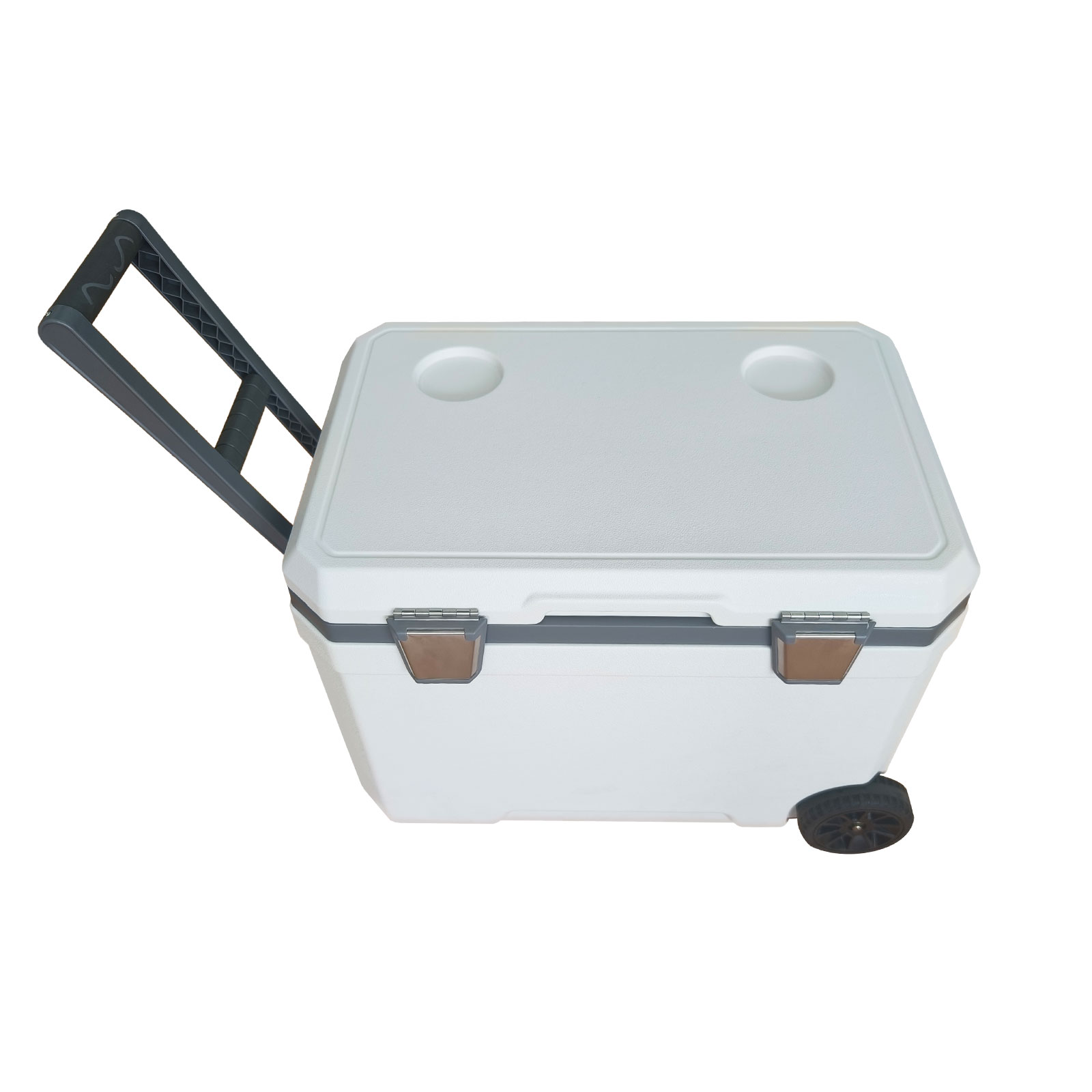
EPP Box for Meal Prep Services Practical Selection Guide
The safest way to choose an EPP box is to define the job it must perform before discussing size, color, logo, or unit price. An EPP box for meal prep services should protect sealed meal trays, salad packs, protein bowls, sauces, desserts, drinks, and weekly subscription orders during batch dispatch, multi-stop delivery, office drops, refrigerated vehicle support, and returnable container loops. It should also fit the way staff pack, lift, stack, label, clean, and return the container. This article explains how to evaluate the box as an operating tool, not only as an insulated foam product, so you can avoid common specification mistakes before ordering samples or moving into bulk purchase.
Practical answer: An EPP box for meal prep services works best when the product format, route duration, handling path, and cleaning loop are known before the box is selected. The material can support insulation and cushioning, but daily process controls decide whether the result is reliable.
Start With the Job of the EPP box for meal prep services
An EPP box for meal prep services should be judged by the job it performs. For this topic, the job is transporting prepared meals from kitchen to delivery points, pickup lockers, offices, gyms, or home-delivery routes. That includes product protection, handling speed, thermal buffering, cleaning, and repeat use. If you define only the box size, you leave too many decisions to staff during dispatch.
The better starting point is to write a short operating description: what goes inside, how it is packed, who carries it, where it waits, how often it is opened, what condition the product must arrive in, and how the box comes back. This description gives the supplier useful information and gives your team a way to judge samples fairly.
EPP can be a strong choice because it combines low weight, cushioning, and insulation. Yet it should not be oversold. A foam box does not create a validated cold chain by itself. It supports a packout and workflow that still need to be matched to the product and route.
Meal prep packaging should make daily packing repeatable, not just make the brand look sustainable.
The Four Fit Checks That Prevent Most Mistakes
The first fit check is product fit. Place the real product packaging inside the sample, including trays, bags, cartons, dividers, and any coolant or inserts. Check whether sealed meal trays, salad packs, protein bowls, sauces, desserts, drinks, and weekly subscription orders can be packed without forcing the lid or leaving large unstable gaps.
The second fit check is handling fit. Move the loaded box through the actual path: production table, staging shelf, vehicle, customer handover, return storage, and cleaning area. Pay attention to grip comfort, balance, stacking, and whether the box blocks visibility or movement in tight spaces.
The third fit check is thermal fit. Define whether the goal is simply to slow temperature change during a short route or to support a more controlled packout. For products with strict requirements, the box needs supporting coolant, monitoring, and route-specific proof. For less sensitive food, practical route trials may be enough to confirm suitability.
The fourth fit check is reuse fit. Decide how the box will be recovered, cleaned, dried, inspected, stored, and retired. Reuse is not a material property alone; it is a management routine.
- Confirm how sealed meal trays, salad packs, protein bowls, sauces, desserts, drinks, and weekly subscription orders are packed before they enter the box.
- Check whether staff can lift and close the container safely when it is full.
- Separate direct product protection from passive thermal insulation in your specification.
- Write a simple cleaning and inspection rule before the first bulk purchase.
What to Confirm Before Moving From Sample to Bulk Order
Moving from sample to bulk order requires a different level of discipline. The sample tells you whether the concept might work. A bulk order needs confidence that the same dimensions, surface quality, lid fit, color, insert fit, and packing method will repeat.
Ask the supplier to confirm internal and external dimensions, material information, food-contact documents if relevant, available colors, carton packing, inspection approach, and what happens if tooling or material changes. If your application depends on inserts, labels, or special lids, confirm those accessories as part of the same review rather than as an afterthought.
The table below summarizes the checks that usually prevent the most expensive mistakes.
| Fit question | What to confirm | Risk if ignored |
|---|---|---|
| Does the box match the load? | Measure sealed meal trays, salad packs, protein bowls, sauces, desserts, drinks, and weekly subscription orders with all separators or coolant | Loose goods move; tight loads get crushed |
| Can staff handle it full? | Test lifting, stairs, van shelves, and handoff | A good empty sample may fail during a busy route |
| Is the thermal role realistic? | Confirm whether you only need supporting chilled or warm meal movement when the packout, dispatch timing, and receiving process are controlled or a qualified packout | Insulation alone may not meet sensitive product requirements |
| Can the supplier repeat it? | Review production tolerance, packaging, and change control | Bulk orders may drift from the approved sample |
These checks are simple, but they force the discussion away from vague claims. Instead of asking whether the box is strong, ask what loads and handling conditions it is intended to support. Instead of asking whether it keeps temperature, ask under what packout and route conditions the statement is meaningful.
A Typical Scenario and How to Evaluate It
A meal prep kitchen packing hundreds of trays before early-morning delivery needs a box that matches tray stacks, cold packs, route sequence, and return handling. A box that looks efficient online may slow the line if staff have to puzzle out each load.
To evaluate that scenario, the buyer should not start with a catalogue comparison alone. The team should pack the actual goods, close the lid, carry the box through the route path, leave it in the expected staging area, open it as staff would during delivery, and inspect the returned container after cleaning.
During the trial, note problems that are easy to miss: product labels rubbing against the wall, condensation collecting in corners, staff overfilling the box, handles pressing into hands, lids being placed on dirty floors, or boxes returning with mixed contents. These details reveal whether the selected design can become a repeatable standard.
If the product is fragile, expensive, or temperature-sensitive, add more caution. A short visual trial may not be enough. The team may need controlled temperature logging, defined coolant placement, drop or handling checks, and receiving inspection criteria before approving the box for a broader rollout.
When the Box Needs Support From a Fuller Packout
An EPP box for meal prep services may need support from other packaging components. Inserts can control product position. Separators can reduce rubbing. Gel packs or phase-change packs can support chilled routes when selected correctly. Liners can help with cleanliness or separation. Labels can support traceability and return control.
The risk is assuming that adding components always improves performance. More coolant can damage some products if it creates localized freezing or condensation. An insert can protect one product while making cleaning harder. A liner can help contain spills but may slow drying or add waste. Every component should have a reason.
This is also where buyer and supplier communication matters. Share the route, product format, packout goal, and operating constraints. A good recommendation depends on whether the shipment is a one-way delivery, a reusable loop, a catering run, a bakery route, a meal subscription program, or a wholesale supply project.
Do not use one reusable box format for every meal plan until you test actual tray sizes and delivery sequences.
Additional Buyer Notes Before Final Approval
Expanded polypropylene is a closed-cell foam made from polypropylene beads. In packaging, that structure is useful because the material can be light, resilient, and thermally insulating at the same time. For an EPP box for meal prep services, those properties are only the starting point. The molded design, lid interface, wall profile, payload fit, and cleaning routine decide whether the box performs well after weeks of handling.
A reusable EPP container should also be described by its role. It may be a handling container, a protective outer box, an insulated food transport box, or one part of a passive temperature-controlled packout. These roles overlap, but they are not identical. If the product is temperature-sensitive, the buyer still needs to define product starting condition, route duration, ambient exposure, coolant choice, opening frequency, and receiving inspection.
For food applications, material language should be precise. Food-grade suitability is not proven by the word EPP alone. Buyers should ask for documents that fit the market and the food-contact situation, especially if unpackaged food, greasy surfaces, hot items, or repeated washing are involved. If products are always in sealed retail packs, the documentation and cleaning risk may be different from direct food contact.
Recyclability also needs practical boundaries. Polypropylene is associated with recyclable resin streams in many markets, and EPP is often promoted as recyclable, but the actual end-of-life route depends on local collection, contamination level, color, labels, and whether the operator can consolidate returned boxes. A reuse-first plan normally has stronger operational value than a vague recycling claim at the end of life.
Supplier questions worth asking
- What are the internal dimensions, and do they include any taper or rounded corners?
- Which products, trays, inserts, or coolant packs were considered when recommending this size?
- What documents support food-contact or material claims for the target market?
- How should the box be cleaned, dried, inspected, and stored between uses?
- Will production units match the approved sample in lid fit, surface quality, dimensions, and accessories?
- How are boxes packed for export or domestic delivery so they do not arrive deformed?
- What is the process for approving a change in material, tooling, color, insert, or carton packing?
Field Review Notes for Implementation
Finally, involve the people who will use the box. Drivers, kitchen staff, warehouse pickers, and receivers often notice issues that procurement cannot see from a specification sheet. Their feedback on grip, lid speed, stack height, odor, residue, and loading pattern can prevent a poor purchase from being repeated across a full fleet.
The box should also fit your storage reality. Some operations have plenty of floor space; others work from small kitchens, narrow backrooms, or vehicles where every centimeter matters. Empty-box storage, drying space, and damaged-box quarantine are part of the purchase decision, even though they are rarely shown in catalogue photos.
Labeling deserves the same attention. An EPP box for meal prep services may move through production, dispatch, vehicle loading, customer handover, and return storage. If the label area is unclear, staff may attach tape or stickers to surfaces that are difficult to clean. A defined label zone, removable label practice, or reusable tag system can reduce residue and confusion.
Receiving inspection is often overlooked. When a box arrives back from batch dispatch, multi-stop delivery, office drops, refrigerated vehicle support, and returnable container loops, someone should decide whether it is clean enough for reuse, needs washing, needs drying, or should be removed from service. This decision protects the next shipment. If dirty and clean containers are mixed, even a well-designed box can create operational risk.
FAQ
What is the first thing to check for an EPP box for meal prep services?
Check whether the box fits the real product and route. Measure the packed product, handling steps, vehicle space, and return process before focusing on color or logo. A box that fits the catalogue description but not the workflow will cause daily friction.
When is an insulated EPP box not enough?
It may not be enough when the product requires a strict temperature range, documented qualification, long uncontrolled exposure, or frequent opening. In those cases, the box should be evaluated as part of a full packout with coolant, monitoring, and route-specific testing.
How do I compare suppliers without relying only on price?
Compare sample quality, internal dimensions, material documents, lid fit, stacking behavior, cleaning guidance, production consistency, and the supplier's willingness to discuss your route. Low unit price can be expensive if the box fails during handling or requires frequent replacement.
Should I customize the box?
Customize only when the need is clear. Inserts, logos, colors, handle changes, and special sizes can improve workflow, but they can also add cost and delay. Validate the standard version first, then customize around a proven operating requirement.
Conclusion
An EPP box for meal prep services should be chosen as an operating asset, not as a generic foam box. Define the load, route, handling path, thermal expectation, cleaning loop, and supplier proof before approving a sample.
Once those details are clear, the final choice becomes easier. You can compare designs by fit, repeatability, and documentation instead of relying on broad marketing claims or unit price alone.
About Tempk
Tempk is a cold-chain packaging brand of Shanghai Tempk Industrial Co., Ltd. We provide product formats such as EPP insulated boxes, gel ice packs, water-filled ice packs, insulated bags, box liners, and thermal pallet covers. For buyers evaluating an EPP box for meal prep services, we can help compare practical options around payload, route conditions, reuse planning, and supplier documentation.
For a practical recommendation, share your payload, temperature goal, route length, handling steps, and volume forecast with Tempk before selecting an EPP box for meal prep services.
Medium Ultra-light EPP Insulation Box Practical Selection Guide
# Medium Ultra-light EPP Insulation Box: Practical Selection Guide for B2B Buyers
Selecting a medium ultra-light EPP insulation box should start with the product, the route, and the handover points rather than the material name alone. EPP is a strong candidate for reusable insulated packaging, but the final choice depends on internal space, lid behavior, cleaning, coolant plan, return logistics, and evidence for the conditions you expect. The goal is not to buy the most impressive box on paper; it is to choose one that works repeatedly in your own process.
**Buyer note:** Treat the product name as the start of the specification, not the end. The right decision comes from route fit, payload fit, handling fit, and documentation fit.
## Define the route before comparing boxes
The strongest way to evaluate a medium ultra-light EPP insulation box is to map the route first. Write down where the product is packed, how long it waits, who carries it, how many times the lid is opened, whether coolant or inserts are used, and what happens after delivery. This route map tells you whether the box needs better separation, stronger stacking, a tighter lid, easier cleaning, lower tare weight, or stronger evidence for thermal performance.
This approach matters because medium size can become a compromise if it is too small for real payloads or too large for comfortable manual handling. When the problem is named correctly, the product selection becomes more practical. The box either supports the real workflow or it does not. A beautiful sample that does not match payload, route exposure, cleaning, or return handling should not move into bulk purchasing without changes.
## What EPP contributes to the decision
Why EPP is used for this type of box
Expanded polypropylene, usually shortened to EPP, is a closed-cell bead foam made from polypropylene. It is valued in transport packaging because it combines low weight with impact absorption, thermal insulation, water resistance, chemical resistance, and a high strength-to-weight ratio. Those properties make it useful for reusable boxes, molded inserts, cold-chain handling containers, protective packaging, and delivery systems that face repeated manual handling. For a medium ultra-light EPP insulation box, those strengths matter because the container is expected to face repeated movement, not just a single warehouse shelf life. EPP can cushion fragile goods, reduce the weight carried by drivers or pickers, and provide useful insulation when the correct lid, coolant, and loading plan are used.
A practical way to judge the material is to ask what failure mode you are trying to reduce. If breakage is the problem, look at corner strength and internal support. If temperature drift is the problem, look at lid fit, coolant volume, and route exposure. If cleaning is the problem, look at surfaces, grooves, labels, and whether liquid can collect in hard-to-reach spaces. The material helps, but the finished shape decides how useful it becomes.
## Where this format fits, and where to be cautious
This format is usually a good candidate for medium grocery orders, catering kits, sample sets, beverage replenishment, and delivery routes needing a moderate box footprint. It is less suitable for very heavy loads, long validated pharma shipments, or products that require active refrigeration. Those limits should be part of the buying conversation because EPP is not a magic material. It provides a useful base for reusable, insulated, impact-resistant packaging, but the finished box must still match the product and process.
If the shipment is temperature-sensitive, build the decision around a full packout. The packout includes the box, lid, coolant, product load, dividers or liners, preconditioning, route exposure, and receiving criteria. If the shipment is hygiene-sensitive, build the decision around contact status, primary packaging, cleaning, drying, and inspection. If the shipment is chemical-sensitive, build the decision around compatibility and safety review.
Do not confuse insulation with a qualified temperature-control system
An EPP box is an insulated or protective packaging component, not an automatic guarantee of temperature compliance. Temperature protection depends on payload, lid fit, coolant or PCM configuration, loading pattern, route time, ambient exposure, and how the box is opened or handled during delivery. For regulated or high-risk shipments, buyers should ask for test evidence that matches the planned use rather than relying on a generic hold-time claim.
For chilled food applications, buyers often use official food-safety guidance as a reference point. Refrigerated foods are commonly managed at or below 40 degrees Fahrenheit, or 4 degrees Celsius, while frozen storage is commonly managed around 0 degrees Fahrenheit, or minus 18 degrees Celsius. These figures are useful checkpoints, but the product label, local rules, and the buyer’s own quality program should define the final acceptance criteria. In a delivery operation, this means the box should be part of a broader process: precondition the box or coolant when needed, load products quickly, keep the lid closed, separate incompatible items, and inspect the shipment at receiving. The box reduces exposure, but it does not remove the need for operational control.
## Decision table for sample approval
| Decision area | Why it affects performance | Practical check |
|—|—|—|
| Product and payload | The box must fit the product, not just the catalog capacity. | Use real product packs and coolant in sample testing. |
| Route exposure | Open doors, waiting time, and handovers drive thermal risk. | Map the route before accepting a hold-time claim. |
| Reuse and cleaning | A reusable box is only useful if it can return clean and intact. | Define washing, drying, inspection, and retirement criteria. |
| Supplier evidence | Claims must be tied to conditions and finished article details. | Request documentation that matches the intended use. |
| Operational fit | Workers decide whether a box succeeds in daily use. | Check handling comfort, stacking, labeling, and storage footprint. |
Use this table during sample review and again before the first bulk order. The goal is not to create paperwork for its own sake. The goal is to prevent an attractive sample from being approved before it has been tested against the way your team will actually use it.
## Documentation and claims to verify
Food-contact and hygiene checks before ordering
For food-contact use, the material grade and the finished article both matter. Polypropylene and olefin polymers can be used in food-contact applications only when the relevant formulation and end-use conditions are met. In the United States, buyers usually verify 21 CFR 177.1520 relevance for polypropylene or olefin polymers. In the European Union, buyers often review Regulation (EC) No 1935/2004 and Regulation (EU) No 10/2011 for plastic food-contact materials. The practical purchasing point is simple: ask for documentation for the finished box or liner, not only for the raw resin.
For many food delivery applications, the food is already inside primary packaging, bottles, trays, pouches, or sealed containers. Even then, hygiene still matters because condensation, leaks, broken caps, and handling residue can touch the box surface. Ask whether the box is intended for direct food contact, indirect contact, or only secondary packaging. These are different claims, and they should not be mixed in a purchase specification.
Thermal performance claims should be treated as conditional. A box tested with one payload, one coolant layout, one preconditioning method, and one ambient profile may perform differently when the route changes. ISTA 7E is often used as a reference for thermal transport packaging in parcel delivery environments, but it does not replace lane-specific evaluation for every shipment.
## How to run a useful sample test
A useful sample test for a medium ultra-light EPP insulation box should include real goods, normal loading speed, normal workers, and the expected coolant or insert plan. Do not test only an empty box. Empty-box handling can hide problems with balance, lid closure, usable volume, condensation, and product movement. If the box will be stacked, test filled boxes. If it will be cleaned, wash and dry it before making a decision. If the box will be returned, test the empty return process as well.
Record what your team learns in plain language. Did the lid close easily? Did labels remain readable? Did workers overfill the container? Did condensation collect? Did the box fit the vehicle shelf, cart, or storage rack? Did the finished article meet any hygiene, food-contact, or compatibility requirement? Those answers become more useful than a generic list of features because they reflect your own route.
## Buyer questions that prevent mismatch
Procurement checks that change the final choice
For a medium ultra-light EPP insulation box, a useful supplier discussion should move quickly from product name to working conditions. Ask how the box behaves when it is filled the way your team will actually fill it. The first sample should be loaded with real cartons, bottles, trays, produce packs, or storage items. If the sample is tested empty, you will learn little about handling balance, lid closure, condensation, or internal interference.
The most important questions for this topic are specific: usable volume after coolant or inserts; tare weight and one-person handling; lid fit on partly filled loads; stack and storage footprint; cleaning schedule for repeated routes. These questions are more useful than asking whether the product is simply strong, green, or food grade. They force the supplier and buyer to define the intended use, the evidence needed, and the limits of the product before a bulk order is placed.
If the purchase will be repeated across several departments, keep the approved sample as a reference. Check whether the production units match the sample in molded shape, lid fit, divider or insert position, surface finish, color, and labeling area. A small design change can affect stacking, cleaning, or usable volume even when the material remains EPP. Procurement teams should also ask how the supplier communicates changes after approval, especially for reusable systems that may remain in service for a long time.
## A realistic operating example
Practical example: where the decision often changes
For example, a procurement team wants one medium box size for several routes, but each department loads it differently and expects the same performance. A standard insulated container might seem acceptable until the buyer loads real products and notices that usable volume is reduced by dividers, gel packs, bottle height, or uneven product shapes. The right response is not to choose the largest possible box automatically. Oversizing increases air space, vehicle footprint, and handling burden. The better approach is to test the smallest box that can hold the real payload, close properly, and leave enough room for the planned coolant or protective insert.
## Reuse, sustainability, and retirement planning
Stacking, storage, and the hidden cost of air
Stackability has value beyond neat warehouse photos. When boxes stack securely, teams can stage routes faster, use van space more predictably, and reduce damage from sliding loads. But stackability must be checked with real filled boxes, not only with empty samples. A lid that stacks well when empty may deform, slip, or hide labels when the box is heavy, damp, or partly loaded. The stack interface should support the way your workers actually build and break down loads.
EPP can be reused many times when it is kept clean, structurally intact, and returned through a controlled loop. It is also recyclable as polypropylene in principle, but recycling success depends on local collection, sorting, contamination level, and whether a buyer has access to a suitable take-back or processing channel. For procurement teams, sustainability should be measured by real use conditions, not by a material label alone. A medium ultra-light EPP insulation box should therefore be evaluated through a reuse plan: who owns the box, who cleans it, how damage is recorded, how retired units are collected, and whether the recycling path can handle EPP in practice.
## FAQ
FAQ
### Is a medium ultra-light EPP insulation box enough for cold-chain shipping?
It can be part of a cold-chain packaging system, but it is not enough by itself for every shipment. You still need to define the required temperature condition, route duration, ambient exposure, payload, coolant or PCM plan, and receiving checks. For high-risk or regulated products, ask for test evidence that reflects the full packout and route conditions.
### Can EPP boxes be used for food delivery?
EPP boxes are widely used for food delivery and grocery handling, but food-contact suitability depends on the material grade and the finished article. If food may touch the box directly, request documentation for that specific use. If food is sealed in primary packaging, hygiene, cleaning, condensation, and spill control still need to be managed.
### What should buyers check in a stackable EPP box?
Check the stacking interface with filled boxes, not only with empty samples. Review lid strength, base alignment, label visibility, slipping risk, and how boxes behave in vehicles or staging areas. If the box will be washed repeatedly, confirm whether stacking performance remains acceptable after cleaning and drying.
### What documents should I ask a supplier for?
Ask for material identification, finished-article food-contact or compatibility statements when relevant, thermal test context if performance is claimed, cleaning guidance, and confirmation that production units will match the approved sample. For temperature-sensitive products, request packout details rather than a generic hold-time number.
Conclusion
A medium ultra-light EPP insulation box should be selected for a defined job, not for a material label alone. Start with the payload, route, temperature or handling risk, cleaning method, and return plan. Then evaluate EPP material benefits, molded design, lid or divider details, stack behavior, and supplier evidence. The strongest purchase decision is usually the one that turns vague claims into practical checks before bulk ordering.
About Tempk
Tempk is the cold-chain packaging brand of Shanghai Tempk Industrial Co., Ltd. We support buyers with practical packaging choices across gel ice packs, PCM packs, insulated liners and bags, EPP boxes, VIP medical cooler boxes, thermal pallet covers, and related cold-chain materials. For EPP packaging decisions, our role is to help you match container format, coolant method, route exposure, payload, and reuse plan before scaling from samples to larger orders.
Share your product type, route length, payload, required condition, and reuse plan with Tempk. We can help you compare whether a medium ultra-light EPP insulation box or another cold-chain packaging format is the better starting point for sample review.