


Cold Chain Fresh Seafood Guidelines Solutions (2025)
Cold Chain Fresh Seafood Guidelines Solutions (2025)
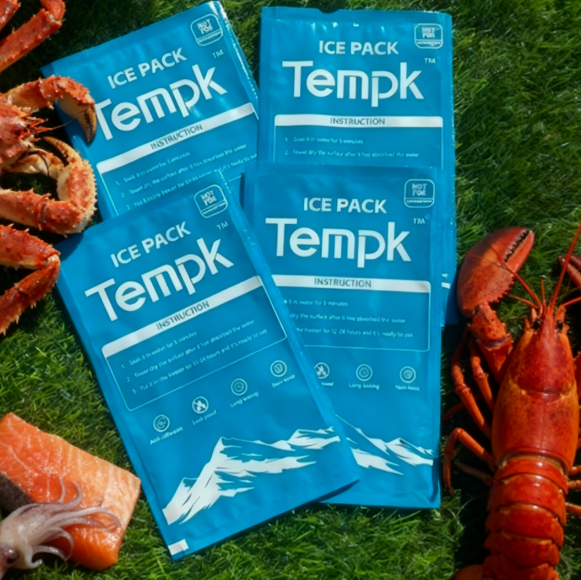
Cold Chain Fresh Seafood Guidelines Solutions?
If you ship, store, or sell seafood, cold chain fresh seafood guidelines solutions are how you protect texture, odor, and margin. Aim to keep chilled fish near melting-ice conditions (about 0–4°C / 32–39°F) and avoid warm exposure beyond common safety “time-out” rules. One weak handoff can trigger soft flesh, sour odor, and wet boxes. This guide gives you a repeatable SOP: temperature targets, leak control, fast checks, and monitoring you can run daily.
This guide answers:
How cold chain fresh seafood guidelines solutions reduce spoilage in last-mile delivery
The ideal temperature for fresh seafood transport you can train in one day
A simple rule for how long can fresh seafood stay above 40°F
The ice and drainage requirements for fish transport that stop “wet box” claims
A practical histamine control plan for tuna and mahi-mahi lanes
A 2025-ready monitoring checklist that helps you prove performance
Why do cold chain fresh seafood guidelines solutions fail in real operations?
Cold chain fresh seafood guidelines solutions fail when temperature, water, and handling are treated as “someone else’s problem.” Seafood is high moisture and high protein, so small drift becomes fast quality loss. Most failures are not mysterious. They repeat in the same three places: warm staging, meltwater contact, and rough handoffs.
In practice, think “clock + sponge.” Heat makes the clock run faster. Meltwater makes the sponge absorb off-odors and texture damage.
| Failure point | What happens | What you see | What it means for you |
|---|---|---|---|
| Temperature drift | Faster spoilage and safety risk | Soft texture, sour odor | Refunds and trust loss |
| Meltwater leakage | Labels and cartons fail | Wet boxes, stains | Carrier claims and reships |
| Cross-contamination | Odors and risks transfer | Mixed odors, messy exterior | Higher compliance and brand risk |
Practical tips you can apply today
Dock-to-box time: treat every warm minute as “quality debt.”
Design for meltwater: assume ice melts and build barriers and drainage.
Assign ownership: one person owns temp checks; one owns pack-out checks.
Practical example: A shipper cut “wet box” photos by adding a secondary leak barrier and upgrading the outer carton strength.
What temperature targets fit cold chain fresh seafood guidelines solutions?
Cold chain fresh seafood guidelines solutions work best when you pick one target range and design everything to hold it. For chilled seafood, many operations train “near ice” targets to slow spoilage without freezing. For frozen seafood, the goal is “stay frozen” through every handoff, with minimal thaw–refreeze cycling.
If your team argues about targets, simplify the message: chilled stays near ice, frozen stays frozen, live stays alive and not overheated.
Ideal temperature for fresh seafood transport (lane-ready targets)
| Product type | Simple target | What usually holds it | What it means for you |
|---|---|---|---|
| Fresh fish (iced/chilled) | Near 0°C / 32°F | Ice contact + drainage | Longer shelf life, firmer texture |
| Chilled seafood (retail cold) | ≤4°C / 40°F | Refrigeration + fast handling | Safer buffer when ice is limited |
| Frozen seafood | ≤–18°C / 0°F | Freezer/reefer + stable loading | Prevents quality loss from partial thaw |
| Live shellfish | Cool, not frozen | Cool air + humidity control | Higher survival and fewer dead losses |
Practical tips you can apply today
Start cold: packing warm seafood into a cold shipper is a losing fight.
Avoid direct freezing contact: separate product from aggressive cold sources.
Standardize staging: pre-chill product and packaging in the same zone.
Practical example: A distributor improved arrival quality by reducing “warm staging” time, without changing materials.
How do cold chain fresh seafood guidelines solutions control warm time above 40°F?
Cold chain fresh seafood guidelines solutions control time as tightly as temperature, because warm minutes stack up fast. Many food-safety training rules use a practical threshold around 40°F / 4°C for refrigeration and warn against extended time in the “danger zone.” Your SOP should translate that into a simple exposure budget your team can follow under pressure.
Ten minutes here plus fifteen minutes there becomes lost shelf life. The fix is designing fewer waiting steps and tighter handoffs.
A time–temperature exposure budget you can audit
| Step | Warm-time limit (example) | How to measure | Meaning for you |
|---|---|---|---|
| Receiving | 10–20 minutes | Door-open timestamps | Fewer warm spikes |
| Processing/packing | 30–60 minutes | Line start/end logs | More shelf life left |
| Loading | 15–30 minutes | Dock scan times | Fewer “mystery warms” |
| Last mile | Minimize stops | Route + delivery events | Fewer complaints |
Practical tips you can apply today
Start a visible timer when seafood leaves cold storage.
Remove double-handling: each transfer adds minutes and heat.
Write exception rules: if the budget is exceeded, hold or escalate fast.
Practical example: A processor gained freshness by deleting one staging step and enforcing a 30-minute max at the pack table.
Which packaging layers make cold chain fresh seafood guidelines solutions reliable?
Cold chain fresh seafood guidelines solutions work as a layered system, not a single material choice. If you upgrade insulation but ignore leaks, you still fail. If you add absorbent pads but ignore crush risk, you still fail.
A reliable seafood pack-out typically uses five layers:
Primary containment: food-grade bag or sealed tray
Leak barrier: secondary liner or sealed overbag
Cold source: ice, gel, or hybrid approach
Insulation: foam shipper or insulated liner
Outer protection: strong carton + clear labels
Leak control that actually reduces “wet box” claims
| Leak method | Strength | Weakness | What it means for you |
|---|---|---|---|
| Double bagging | Simple and reliable | Adds labor | Fewer wet-box failures |
| Sealed liner | Strong barrier | Needs consistent sealing | Better scale consistency |
| Absorbent pads | Reduces free liquid | Can saturate | Use as backup, not the only fix |
Practical tips you can apply today
Make the secondary barrier mandatory for iced seafood.
Add a divider layer between cold source and product.
Right-size the box to reduce movement and crushing.
Practical example: A brand reduced crushed fillets by switching to snug-fit dividers, without changing insulation.
Ice vs gel vs hybrid: which cold chain fresh seafood guidelines solutions should you use?
Cold chain fresh seafood guidelines solutions often succeed with ice, but only when drainage and containment are designed as non-negotiable. Gel packs reduce leak risk, but sizing mistakes cause warm arrivals. Hybrid systems can stabilize both temperature and cleanliness, especially on 2–3 day lanes.
Use one decision tool, then standardize one recipe per SKU. Consistency beats improvisation.
A 60-second pack-out decision tool (interactive)
Answer these quickly:
Transit time: 0–24h / 24–48h / 48–72h
Handoff risk: low / medium / high
Leak tolerance: low (premium retail) / medium / high
Product form: whole / fillet / shellfish / mixed box
Quick match:
48–72h OR high handoff risk: Hybrid + stronger insulation
24–48h with low leak tolerance: Gel-forward + secondary barrier
0–24h: Ice-forward + strong leak design (fast and simple)
| Pack-out type | Best for | Watch-outs | Meaning for you |
|---|---|---|---|
| Ice-forward | Same-day, overnight | Meltwater | Strong “freshness feel” |
| Gel-forward | Premium unboxing | Under-sizing | Cleaner delivery |
| Hybrid | 2–3 day routes | More steps | Highest stability |
Practical tips you can apply today
Don’t under-pack cold source: small savings become big losses.
Don’t over-pack: too much can crush product or overcool edges.
Create SKU cards: one recipe per box size and species group.
Practical example: A shipper cut errors by standardizing two recipes: “Fillet Box” and “Shellfish Box.”
How should your receiving checklist support cold chain fresh seafood guidelines solutions?
Cold chain fresh seafood guidelines solutions win or lose at receiving, because that’s where problems enter and good product gets damaged by slow checks. You need a checklist that takes minutes. You also need a clear accept/hold/reject rule, so staff do not guess.
The 2-minute seafood receiving checklist (printable)
Temperature: quick probe in the coldest spot (between packs).
Ice condition: solid ice coverage for chilled fish lanes.
Meltwater: no soaking; drainage is present and working.
Packaging integrity: no tears, leaks, or crushed corners.
Paperwork + IDs: lot labels match and are readable.
Live shellfish receiving temperature checklist
Live shellfish often need checks that are fast and consistent:
Product temperature: ≤10°C / 50°F (common operational limit)
Vehicle/container air: ≤7.2°C / 45°F (common operational limit)
| Receiving item | What you check | Pass signal | Meaning for you |
|---|---|---|---|
| Chilled fish | Core temp + ice coverage | Near ice conditions | Better shelf life |
| Frozen seafood | Frozen solid | No soft spots | Protects texture |
| Live shellfish | Product + air temp | Within limits | Higher survival |
Practical tips you can apply today
Pre-stage tools: probes, gloves, labels ready before arrival.
Use “hold and review” stickers for borderline lots.
Reject wet-bottom cartons if leaks are your top complaint.
Practical example: A retailer reduced waste by rejecting deliveries with poor ice coverage and enforcing a fast temperature check.
What HACCP-style controls strengthen cold chain fresh seafood guidelines solutions?
Cold chain fresh seafood guidelines solutions become easier when your SOP follows HACCP-style logic: limits, monitoring, corrective actions, and records. If you operate as a seafood processor in some jurisdictions, written plans and records may be required. Even if you are not, the structure reduces disputes and prevents repeat failures.
Keep it plain: define what “good” looks like, measure it, and act fast when it’s not good.
Histamine control plan for tuna and mahi-mahi lanes (simple version)
Histamine-risk species can look fine but become unsafe after temperature abuse. The best control is strict time–temperature discipline.
| Control point | What you monitor | Simple signal | Meaning for you |
|---|---|---|---|
| Receiving | Internal temp + condition | Meets your cold target | Fewer high-risk lots |
| Processing | Time out of refrigeration | Exceeds warm-time budget | Prevents invisible risk |
| Storage/transport | Cooler stability | Drift beyond limit | Stops repeat failures |
Practical tips you can apply today
Prioritize high-risk lots first at receiving and processing.
Pre-write corrective actions: “If X, then do Y within Z minutes.”
Sign records weekly: discipline improves when leaders sign.
Practical example: A distributor reduced exposure by scheduling tuna receiving in the first delivery slot.
How do you monitor and prove cold chain fresh seafood guidelines solutions work?
Cold chain fresh seafood guidelines solutions improve faster when you can prove what happened, not just guess. Monitoring builds customer confidence and makes complaints solvable. Start small: measure what drives decisions, then expand.
Minimum viable monitoring:
Product temperature spot checks at pack-out
Time stamps (pick, pack, handoff)
Packaging version code (so you can compare outcomes)
Complaint reason codes (odor, leak, warm, damage)
The Cold Chain Readiness Score (interactive self-test)
Add your points:
Transit time: same day (1) / next day (3) / 2+ days (5)
Ambient heat: low (1) / medium (3) / high (5)
Product type: frozen (1) / chilled fish (3) / live shellfish (5)
Delivery mode: reefer (1) / mixed (3) / non-reefer last mile (5)
Customer promise: bulk (1) / retail (3) / premium DTC (5)
Score guide:
5–10: basic controls + strict receiving checks
11–18: thicker insulation + logger on key lanes
19–25: lane-based pack-outs + real-time alerts on worst routes
| Monitoring item | Tool level | Frequency | Meaning for you |
|---|---|---|---|
| Pack-out temp check | Probe | Per batch | Early warning |
| Time stamps | Scan or manual | Every order | Root-cause clarity |
| Packaging version | Label code | Every order | Controlled testing |
Practical tips you can apply today
Fix your worst lane first: hottest route teaches you fastest.
Place sensors near product, not ice: ice can hide the truth.
Track door-open time: many spikes happen at loading.
Practical example: A shipper found the staging area was hotter than the truck, and solved excursions by changing flow.
2025 latest developments and trends
In 2025, cold chain fresh seafood guidelines solutions are shifting from “best effort” to “measurable control.” Customer expectations are higher, and photos of leaks or damage spread fast. The winners standardize pack-outs, validate by lane, and improve with weekly feedback loops.
Latest progress snapshot
Lane-based recipes: fewer variants, fewer errors, better consistency.
Cleaner pack-outs: drainage-first designs and stronger secondary barriers.
Smarter right-sizing: less empty space, less movement, fewer crushed items.
Superchilling pilots: some operators use controlled subzero ranges (e.g., around –0.5 to –2°C) on validated lanes.
Proof culture: more temperature logging to reduce disputes and speed corrective action.
Market reality: “cold, clean, documented” has become a competitive advantage, not just compliance.
Frequently asked questions
Q1: What is the ideal temperature for fresh seafood transport?
A practical target is chilled fish near melting-ice conditions, with fast handoffs and minimal warm staging. Use one lane target and train it clearly.
Q2: How long can fresh seafood stay above 40°F?
Use a simple rule: minimize time above 40°F, and set a warm-time budget for receiving, packing, and last mile. If you exceed it, hold and decide fast.
Q3: How do I reduce wet box complaints quickly?
Add a secondary leak barrier, enforce sealing consistency, and include absorbent backup. Design your SOP assuming meltwater will happen.
Q4: Ice or gel packs—what’s better for my lane?
Ice is strong for “near-ice” targets but needs drainage control. Gel is cleaner but must be sized correctly. Hybrid often wins for 2–3 day lanes.
Q5: What should I do differently for live shellfish?
Use quick receiving checks (product and air temperature), avoid soaking in meltwater, and keep conditions cool without freezing.
Q6: Do I need sensors to improve?
Not at first. Start with strict receiving checks, time stamps, and packaging version codes. Add loggers on your hottest lanes as you scale.
Summary and recommendations
Cold chain fresh seafood guidelines solutions work when you control three outcomes: stable cold, dry handling, and simple proof. Keep chilled seafood near ice targets, reduce warm staging with a time budget, and design packaging as a layered system. Use the 3 checks (cold, leak, shake) to prevent the most common failures. Review complaints weekly by lane, then update one recipe at a time.
CTA: If you share your transit window, seafood type (fillet, whole, shellfish, live), and delivery model (B2B or DTC), you can turn these cold chain fresh seafood guidelines solutions into three printable pack-out workcards: Light, Balanced, High Protection.
About Tempk
At Tempk, we support temperature-controlled packaging programs built for real logistics pressure. We help teams turn cold chain fresh seafood guidelines solutions into repeatable SOPs that reduce leaks, stabilize temperature, and improve unboxing cleanliness. We focus on lane-based pack-out design, practical monitoring, and measurable outcomes your team can maintain daily.
Next step: Request a lane review, and we’ll map a simple packaging + monitoring checklist your team can implement immediately.
Temperature-Controlled Express Delivery for Food: 2025
Temperature-Controlled Express Delivery for Food?
Temperature-controlled express delivery for food only works when you control temperature, time, and handoffs as one system. In the 40°F–140°F danger zone, germs can grow quickly, and some training notes that bacteria can double in as little as 20 minutes. Consumer guidance also warns against leaving perishables out over 2 hours (or 1 hour above 90°F). Build your process to stay stable, even on bad-day routes.
This article will answer for you
How temperature-controlled express delivery for food reduces spoilage and chargebacks with simple lane rules
How to set temperature targets for express food delivery (chilled, frozen, hot, and mixed)
A packaging checklist for temperature-controlled express delivery for food you can standardize
When to use gel packs vs PCM for chilled food shipping (and how to condition packs correctly)
How to prove performance with time-temperature monitoring for food delivery without slowing your team
A decision tool to scale temperature-controlled express delivery for food with fewer surprises
Why is temperature-controlled express delivery for food non-negotiable?
Direct answer: Temperature-controlled express delivery for food is non-negotiable because speed does not fix temperature abuse. Once food warms too much, taste, texture, and safety risk change fast. That “lost quality” cannot be repaired later with more ice.
Expanded explanation: Think of product temperature like a phone battery. You start full when items are properly chilled or frozen, then every warm minute drains the “quality battery.” If you run out, you can’t recharge it at the customer’s door. That is why temperature-controlled express delivery for food must be planned, not “hoped for.”
The four failure points that break temperature-controlled express delivery for food
| Failure point | What happens | Why it’s risky | What it means for you |
|---|---|---|---|
| Packing delay | Product warms before sealing | Drift starts early | Shorter safe window |
| Weak insulation | Heat enters faster | Coolant gets overwhelmed | More spoilage |
| Multi-stop routes | Repeated door opening | Temperature spikes | Inconsistent outcomes |
| Doorstep wait | Customer retrieves late | Ambient exposure | More complaints |
Practical tips you can apply today
Pack cold items last: reduce bench time before sealing.
Seal fast, label fast, load fast: protect the first hour.
Create “hot day rules”: add coolant or shorten routes instead of improvising.
Real-world example: One meal delivery brand cut weekly refunds after adopting a single rule: “Cold items are packed last, loaded first.”
What temperature targets should temperature-controlled express delivery for food use?
Direct answer: Temperature-controlled express delivery for food should use clear targets by lane: chilled, frozen, hot, and mixed. Many teams train chilled around 0–4°C (32–40°F) and frozen around -18°C (0°F) or colder. Foodservice training often uses ≤41°F for cold holding and ≥135°F for hot holding.
Expanded explanation: Your target should match the customer’s eating moment, not your warehouse preference. A salad, cheesecake, and frozen dumplings fail in different ways. Temperature-controlled express delivery for food becomes predictable when every SKU has a lane label: Chilled, Frozen, Hot, or Mixed.
A simple target guide you can train in minutes
| Lane | Practical target | Biggest risk | What it means for you |
|---|---|---|---|
| Chilled | 0–4°C / 32–40°F | Warm drift + time | Protect freshness and texture |
| Frozen | ≤ -18°C / 0°F | Partial thaw | Avoid thaw–refreeze cycles |
| Hot | ≥ 57°C / 135°F | Heat loss | Keep hot items together |
| Mixed | Two zones | Cross-freeze or cross-warm | Use dividers or split shipments |
Practical tips and recommendations
Choose one cold standard: don’t mix “40°F” and “41°F” in training.
Plan for the doorstep: chilled groceries fail at the porch, not the warehouse.
Block cross-contact: stop cold packs from touching hot meals.
Real-world example: A courier team improved temperature control by splitting hot and cold into separate bags on every run.
How do you choose chilled vs frozen lanes in temperature-controlled express delivery for food?
Direct answer: Temperature-controlled express delivery for food starts with a lane decision: chilled, frozen, hot, or mixed. Each lane needs its own packout recipe, because one recipe for everything usually fails.
Expanded explanation: Lane clarity keeps costs under control. When you skip lane decisions, you “over-pack” every order to be safe. That raises cost, increases mistakes, and still doesn’t guarantee quality.
60-second lane selector (interactive)
Answer these questions:
Is the product meant to be eaten hot, cold, or frozen?
Will the route exceed 2 hours door-to-door (include packing and waiting)?
Will the order sit outside after delivery?
Are you running multi-stop routes with frequent door opens?
If you answered “yes” to long routes or outdoor waiting, upgrade the lane. That is one of the fastest ways to improve temperature-controlled express delivery for food without buying fancy tech.
Lane rules that prevent expensive mixed-order failures
Use a summer lane and a winter lane.
Define a late pickup rule: switch lanes, add coolant, or cancel.
Treat mixed orders as two shipments when refunds cost more than separation.
What packaging stack works for temperature-controlled express delivery for food?
Direct answer: The most reliable temperature-controlled express delivery for food uses a three-layer stack: an outer shipper, an insulation layer, and a food-safe inner barrier. Then you add a refrigerant or heat source. The goal is to slow temperature change, not to “make food cold.”
Expanded explanation: Packaging is the engine of temperature-controlled express delivery for food because it controls how fast heat enters the shipment. Express transit reduces exposure time, but packaging controls exposure impact.
Packaging checklist for temperature-controlled express delivery for food
Insulation: insulated shipper, liner, or reusable box sized to the order
Containment: food-safe liner + absorbent (for meat/seafood), plus secondary bags
Refrigerant/heat source: gel packs or PCM (chilled), dry ice (frozen), heat packs (hot)
Layout: packs on top + sides (and bottom if needed), not random
Air-gap control: fillers or dividers to reduce empty space
Food protection: refrigerants should never touch ready-to-eat food directly
Gel packs for food shipping vs dry ice for frozen food delivery
Gel packs are popular because they are cleaner and easier to reuse. Dry ice is powerful for frozen lanes, but it creates carbon dioxide gas and must vent. Some guidance notes dry ice packages should not be air-tight, must allow venting, and often require clear marking (including net quantity).
| Refrigerant | Best for | Strength | Watch-out | What it means for you |
|---|---|---|---|---|
| Gel packs | Chilled deliveries | Clean and repeatable | Needs lane validation | Lower mess risk |
| Wet ice | Short chilled routes | Near-32°F effect | Meltwater control | Add liners + absorbent |
| Dry ice | Frozen deliveries | Strong freezing power | Venting + marking | Build a dry ice checklist |
| Heat packs | Hot holding | Adds warmth | Time-limited | Use for short windows |
A quick route difficulty score to choose packaging strength
Route difficulty score (0–8):
Route time: 0 (<4h), 1 (4–12h), 2 (12–24h)
Ambient heat: 0 (cool), 1 (mild), 2 (hot)
Handoffs: 0 (direct), 1 (one hub), 2 (multiple handoffs)
Doorstep risk: 0 (home), 1 (likely), 2 (unknown)
| Score band | Packaging strength | Monitoring level | What it means for you |
|---|---|---|---|
| 0–2 | Standard insulation | Spot checks | Low-cost stability |
| 3–5 | Better insulation + more packs | Lane tests | Fewer seasonal failures |
| 6–8 | Premium insulation + strict SOP | High priority | Protects high-value orders |
Practical tips and recommendations
Right-size first: empty air space is wasted insulation.
Pre-condition packs: half-frozen packs behave like half-charged batteries.
Contain leaks: leaks break trust faster than warmth.
Practical case: A dessert brand improved frozen performance after adding a dry ice checklist and switching to vented packaging.
Gel packs vs PCM: what should temperature-controlled express delivery for food use?
Direct answer: For many chilled categories, PCM packs can hold a steadier temperature band than generic gel packs in temperature-controlled express delivery for food. Gel packs are simpler, but results become unpredictable when conditioning is inconsistent.
Expanded explanation: PCM (phase change material) is designed to melt and “hold” around a chosen temperature. Think of PCM as a thermostat-friendly ice cube. Gel packs are like cold bricks that can be too strong or too weak depending on how you froze them.
Refrigerant conditioning: the step that makes or breaks results
| Conditioning issue | What you see | Simple SOP fix | Practical meaning for you |
|---|---|---|---|
| Packs too warm | Short hold time | Freeze longer, verify freezer temp | Fewer “arrived warm” tickets |
| Packs too cold | Frozen edges | Temper packs in chiller | Better texture and appearance |
| Inconsistent packs | Random results | Batch labeling + rotation | Predictable performance |
Practical tips and recommendations
Ready-to-eat meals: PCM often reduces “icy corners” in sauces.
Desserts: avoid direct contact between aggressive packs and delicate items.
Meat/seafood: separate raw items and add absorbent layers.
How do routing and handoffs break temperature-controlled express delivery for food?
Direct answer: Temperature-controlled express delivery for food is a last-mile problem more than a warehouse problem. Most failures happen at handoffs: staging, pickup queues, elevator rides, and doorsteps. That is why you need operational rules, not just better packaging.
Expanded explanation: A two-hour route with 15 door openings can be riskier than a three-hour route with five openings. Great temperature-controlled express delivery for food reduces “warm minutes” and reduces swings by controlling staging, pickup timing, and delivery windows.
The handoff control checklist (fast, scalable)
Staging area is cold or hot enough for the lane.
Orders are sealed only when the courier is close.
Drivers have separate zones for hot and cold.
Drop-off is scheduled, not random.
Customers get one instruction: “Bring inside immediately.”
Build your “warm minutes” map (interactive worksheet)
Pack-out minutes (product out of cold storage)
Staging minutes (waiting for pickup)
Transit minutes (vehicle time)
Drop-off minutes (doorstep dwell)
When you cut warm minutes, temperature-controlled express delivery for food improves without buying new packaging.
How do you monitor temperature-controlled express delivery for food without slowing your team?
Direct answer: Monitoring makes temperature-controlled express delivery for food measurable and repeatable. You don’t need to monitor every shipment. Start with lane tests, fix the biggest spike, then scale.
Expanded explanation: In many operations, the biggest spikes happen during staging, not driving. That is why lane testing is often your highest-return first step.
Validation table you can use for every lane
| Lane | What you measure | Pass rule example | What it means for you |
|---|---|---|---|
| Chilled lane | Time above target | Minimal warm time | Fewer spoilage claims |
| Frozen lane | Time above freezing | No thaw spikes | Better texture |
| Hot lane | Time below hot target | Short dips only | Better eating quality |
| Mixed lane | Cross-zone drift | Zones stay separate | Fewer “ruined” orders |
A simple monitoring plan you can start this week
Pick your highest-volume lane.
Run three deliveries: mild day, hot day, and a “delay test.”
Log pack time, pickup time, delivery time, and ambient conditions.
Lock the SOP when the lane passes, then review seasonally.
What 2025 compliance habits protect temperature-controlled express delivery for food?
Direct answer: The safest temperature-controlled express delivery for food relies on simple habits: pre-chill, pack fast, seal tight, and document exceptions. When your process is easy to follow, food safety improves on busy days.
Expanded explanation: Temperature-controlled express delivery for food is not only about taste. It is also about sanitary transport and documented control. Even if you are not a large shipper, the same discipline helps: clean equipment, control temperature, and document what you did.
FSMA sanitary transportation: what to document (simple record set)
Keep these records simple:
Lane definition (what “express” means in minutes and miles)
Packaging kit list (what goes into each lane)
Temperature targets (cold, hot, frozen)
Cleaning checklist for bins and vehicles
Corrective actions (what you do when something goes wrong)
“Time as a public health control” (TPHC): when time replaces temperature
Some Food Code training describes TPHC as an approach that allows limited time without temperature control when conditions and marking rules are met. Use it only where allowed, and document the discard rule clearly.
Practical tips and recommendations
Write targets in one place. Confusion causes excursions.
Audit on your busiest day. That is when corners get cut.
Treat couriers as part of the system. If they are untrained, you still own the risk.
2025 latest developments and trends in temperature-controlled express delivery for food
Trend overview: In 2025, temperature-controlled express delivery for food is becoming more measured and more standardized. Public agencies keep reinforcing simple time–temperature rules, and industry groups are pushing for clearer temperature monitoring expectations in frozen supply chains.
Latest progress snapshot
More reusable systems: delivery loops are expanding in dense urban zones.
More operational standardization: fewer packaging variants to reduce errors.
More transparency: temperature proof is becoming a differentiator, not a luxury.
Market insight: Many brands can deliver fast. Fewer can deliver fast and reliably cold. That gap is where you win—fewer issues, fewer refunds, stronger retention.
Quick calculator: cost-per-delivery in temperature-controlled express delivery for food
Use this mini tool to connect quality to money in temperature-controlled express delivery for food.
If better insulation reduces refunds, your total cost can drop even when packaging costs more.
Frequently asked questions
Q1: What is temperature-controlled express delivery for food?
Temperature-controlled express delivery for food means you keep food within a planned temperature range, for a planned time, and you can show evidence after delivery.
Q2: What is the “danger zone” in temperature-controlled express delivery for food?
The danger zone is commonly described as 40°F to 140°F, where germs can grow rapidly, so temperature-controlled express delivery for food should minimize time in that range.
Q3: How long can food sit out during temperature-controlled express delivery for food?
Some guidance warns not to leave perishable food out over 2 hours, or 1 hour when temperatures are above 90°F.
Q4: Can I use dry ice for frozen temperature-controlled express delivery for food?
Yes for frozen lanes, but packages must vent and may require specific marking such as “Dry ice” or “Carbon dioxide, solid” plus net quantity.
Q5: Do I need sensors for every temperature-controlled express delivery for food order?
Not at first. Start with sampling on key routes to find failure points, then expand monitoring after performance stabilizes.
Q6: What is the fastest way to improve results without new packaging?
Reduce staging time and improve handoffs. Cutting warm minutes often beats adding more refrigerant.
Summary and recommendations
Key takeaways: Great temperature-controlled express delivery for food is built on five repeatable moves: set clear targets, standardize packaging stacks, condition refrigerants consistently, reduce warm minutes in staging and delivery, and monitor lanes to learn quickly.
Action plan (next 7 days):
Pick one product lane (chilled or frozen) and one city zone.
Define one target range and one packing layout.
Run three lane tests in real conditions (include a “bad day” route).
Lock the recipe, train the team, and review seasonally.
If you want fewer surprises, treat temperature-controlled express delivery for food as a system you can measure and improve—not a promise you hope is true.
About Tempk
At Tempk, we help teams design practical systems for temperature-controlled express delivery for food. We focus on passive packaging kits, lane validation methods, and monitoring options that fit real last-mile workflows. We also help you write simple SOPs that drivers and packers can follow under pressure.
Next step (CTA): Share your lane profile (product type, hours, weather range, and delivery method). We’ll map a packout and validation plan you can run immediately.
Same Day Temperature-Controlled Express Delivery Guide
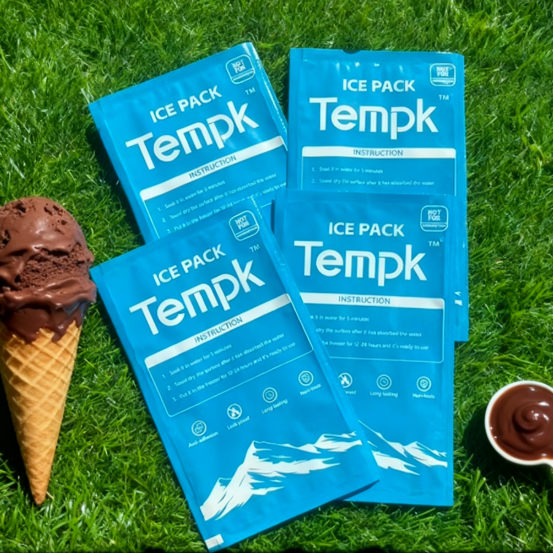
Same Day Temperature-Controlled Express Delivery 2025
Same day temperature-controlled express delivery can protect chilled (2–8°C) and frozen (≤-18°C) products, but only when you treat time, temperature, and proof as one system. In 2025, customers expect faster delivery and clearer evidence, so “ship fast” alone is not enough. This guide gives you a lane blueprint, a cut-off planner, and packaging and monitoring rules you can run this week.
This guide will help you:
Decide when same day temperature-controlled express delivery is worth the premium (and when it is waste).
Build a same day cold chain courier service lane that survives traffic, handoffs, and doorstep delays.
Choose temperature-controlled packaging for same-day shipping without overpaying.
Set up real-time temperature tracking for express delivery (or a lighter proof option).
Create chain-of-custody for same-day pharma delivery and food shipments with simple, repeatable records.
When is same day temperature-controlled express delivery worth the premium?
Same day temperature-controlled express delivery is worth it when “being late or warm” costs more than the fee. Think high refund risk, short shelf-life, strict temperature bands, or regulatory exposure. If customers would accept next-day with no quality loss, same day is often a margin trap.
A simple way to decide is to look for “risk signals” in your product and your lane. High value and short shelf-life are obvious. The hidden signal is delivery complexity: gated buildings, residential drop-offs, and unpredictable receiving hours.
Risk signals for same day temperature-controlled express delivery
| Risk signal | What it looks like | What it triggers | What it means for you |
|---|---|---|---|
| High product value | Expensive box or high consequence | Tighter SLA + monitoring | Fewer disputes and write-offs |
| Short shelf-life | Quality drops within hours | Earlier cut-off times | Better reviews and repeat buyers |
| Temperature sensitivity | 2–8°C, frozen, or strict ambient | Validated packaging | Lower excursion rate |
| Regulatory exposure | Food safety or GDP expectations | Documented procedures | Easier audits and claims defense |
Practical example: A premium seafood brand reduced “warm arrival” complaints by using micro-hubs and a simple sampling logger plan before scaling same day temperature-controlled express delivery.
same day temperature-controlled…
If you cannot quantify that downside, same day temperature-controlled express delivery is usually unnecessary.
Practical tips you can use today
Start small: Launch same day temperature-controlled express delivery inside a 10–20 mile radius first.
Split by season: Validate summer and winter lanes separately. Your worst day is different in July vs January.
Sell it as an upgrade: Offer same day temperature-controlled express delivery on peak-heat days for high-risk SKUs.
Why does same day temperature-controlled express delivery fail in the last mile?
Same day temperature-controlled express delivery fails when your thermal budget is smaller than real-world variability. Variability comes from late pick/pack, staging waits, traffic spikes, driver batching, building access delays, and doorstep dwell time.
A helpful model is “heat leak plus time.” Your packaging slows heat flow. Your process controls time outside controlled storage. If either one breaks, the product drifts toward ambient.
The “thermal budget” idea you can teach in 5 minutes
Picture your thermal budget as cash. Every minute outside controlled conditions spends it. When it runs out, temperature drift accelerates. That is why the best same day temperature-controlled express delivery programs obsess over dwell time at handoffs and doors.
The fastest way to stabilize same day temperature-controlled express delivery is to remove idle minutes before you buy more packaging.
| Where time leaks | What usually happens | What you should cap | What it means for you |
|---|---|---|---|
| Staging | Box waits for pickup | Max minutes per lane | Fewer silent warmups |
| Handoffs | Hub-in / hub-out delays | Max dwell per node | More predictable lanes |
| Doorstep | No-answer, access issues | Max doorstep minutes | Fewer “delivered but warm” claims |
| Failed delivery | Return loop | Clear quarantine rules | Less waste and rework |
Practical tips you can use today
Measure dwell time first. If you only do one thing, measure time at each handoff.
Treat doorstep time as a risk, not an afterthought. A “delivered” scan is not the end of quality risk.
Write the failed-delivery rule now. Decide re-ice vs discard by risk tier, not by guesswork.
Practical example: A city pharmacy improved same day temperature-controlled express delivery by moving chilled orders to the first half of routes, reducing door and traffic exposure.
How do you design a lane for same day temperature-controlled express delivery?
A reliable same day temperature-controlled express delivery lane is a set of rules, not a route. You define the temperature target, thermal budget, handoffs, packaging recipe, cut-offs, and proof. Then you monitor the lane like a product, not like a one-off shipment.
The biggest win is standardization. Same zone + same SKU group should use the same pack-out recipe and the same operational limits. You can add seasonal variants, but avoid “ten recipes for ten moods.”
Lane blueprint you can copy today
| Lane element | What you define | What you measure | What it means for you |
|---|---|---|---|
| Temperature target | Chilled / Frozen / CRT | Excursion rate | Clear accept/reject rules |
| Thermal budget | Max out-of-control time | Minutes at risk | Forces realistic planning |
| Handoff rules | Who + where + max wait | Dwell time per node | Prevents silent warming |
| Packaging standard | Pack-out recipe | Hold time on worst day | Fewer emergency reships |
| Cut-off | Order deadline per zone | On-time + excursions | Protects peak hours |
| Proof | Logger or indicator | Audit trail quality | Faster dispute resolution |
The lane blueprint above is simple on purpose. It is also enough to stop most failures.
same day temperature-controlled…
Treat each lane like a product and review same day temperature-controlled express delivery performance monthly, not once a year.
Practical tips you can use today
Use the 4-Clock Method: Track pack-out time, courier time, handoff time, and door time. Fix the clock that is “red” most often.
Assign one owner per handoff. If nobody owns a dwell point, it will drift.
Pilot with 20 tracked shipments. Instrument the lane, then lock your recipe.
same day temperature-controlled…
Practical example: A specialty foods brand cut melted-product complaints after switching to one standard chilled pack-out and tighter handoffs for same day temperature-controlled express delivery.
same day temperature-controlled…
How do you set cut-off times for same day temperature-controlled express delivery?
Cut-off time is your strongest lever in same day temperature-controlled express delivery because it protects your worst days, not your average days. Late cut-offs push risky deliveries into the hottest, slowest hours and “solve” the problem with refunds or overpacking.
Use a cut-off method that assumes delays happen. Base it on high-percentile travel time, plus access buffers, plus capacity buffers.
same day temperature-controlled…
Safe cut-off planner you can paste into a worksheet
Safe cut-off time = Promise window
− 80th percentile courier travel time
− Handoff + building access buffer
− Pack-out + staging time
− Contingency buffer (weather, surge, driver shortage)
If the remainder is small, move cut-off earlier or split zones.
Safer cut-offs often make same day temperature-controlled express delivery cheaper because you stop paying for preventable exceptions.
| Lane type | Cut-off strategy | Packaging strategy | What it means for you |
|---|---|---|---|
| Dense urban | Earlier cut-off, smaller zones | Moderate margin | Better on-time + fewer excursions |
| Suburban spread | Earlier cut-off, fewer promises | Bigger margin | Protects long routes |
| Mixed city | Zone-based cut-offs | Zone-based recipes | Stops “one-size fails all” |
Practical tips you can use today
Protect the last 20% of the day. That is where most same day temperature-controlled express delivery failures happen.
Use zone-based promises. Downtown and suburbs should not share one cut-off.
Add an automatic upgrade trigger. Late pickup or hot day should switch to a higher-margin pack-out.
Practical example: A meal-kit team reduced late deliveries by moving cut-off one hour earlier and adding a mandatory hub scan step.
Which packaging works best for same day temperature-controlled express delivery?
Packaging for same day temperature-controlled express delivery is about controlling the rate of change, not “making it cold.” Your goal is to keep product inside its allowed range through predictable delays.
Start by locking the temperature band. Then design for “bad day time” (traffic + one stalled handoff + door delay). In many lanes, better insulation beats adding more coolant weight.
Right-sized insulation is often the cheapest upgrade for same day temperature-controlled express delivery, because it reduces heat leak everywhere.
Packaging selector for temperature-controlled packaging for same-day shipping
| Packaging type | Best for | Watch-outs | What it means for you |
|---|---|---|---|
| Gel packs + insulated shipper | Short same-day chilled | Can freeze edges if over-conditioned | Needs prep and layout rules |
| PCM packs (2–8°C) | Tight chilled range | More planning, higher unit cost | Fewer hidden excursions |
| Dry ice + insulated shipper | Frozen same-day | Safety + ventilation + handling rules | Strong freeze protection |
| Active container | High-value critical payloads | Cost + reverse logistics | Maximum control and proof |
This is the practical “menu” most teams use to stabilize same day temperature-controlled express delivery.
same day temperature-controlled…
Three pack-out rules that prevent most failures
Pre-condition correctly: Do not over-freeze gel packs for chilled lanes.
Standardize the recipe: Same SKU + same zone = same pack-out.
Upgrade when risk rises: Late pickup or heat spike should trigger a higher-margin recipe.
Practical tips you can use today
If your product must not freeze: Keep coolant off direct contact using a divider.
If your lanes vary daily: Build two recipes (normal day vs bad day), not ten.
If summer is your enemy: Upgrade insulation before adding more ice.
Practical example: A diagnostic kit shipper stabilized same day temperature-controlled express delivery in summer by moving from “ice packs only” to better insulation plus PCM.
same day temperature-controlled…
What monitoring and chain-of-custody do you need for same day temperature-controlled express delivery?
Monitoring turns same day temperature-controlled express delivery from “trust me” into “here is proof.” But you only win if you can act on the data. If no one responds to alerts, real-time tools become expensive reporting.
Regulation rarely asks you to be perfect. It asks you to be consistent and documented. For temperature-sensitive medicines, Good Distribution Practice (GDP) expectations focus on maintaining labeled conditions in transit and investigating excursions. For food, sanitary transportation rules focus on adequate temperature control and sanitary handling when temperature control is needed for safety. Treat these as design inputs for same day temperature-controlled express delivery, not paperwork after the fact.
Even basic scan events strengthen same day temperature-controlled express delivery because they reveal where time is being lost.
Use a risk-tier approach: validate lanes with sampling loggers first, then add real-time devices to high-value or high-variability lanes. Combine temperature data with scan events to show chain-of-custody.
Monitoring options for real-time temperature tracking for express delivery
| Monitoring method | Best for | Limitation | What it means for you |
|---|---|---|---|
| Visual indicator | Low-risk, high volume | Limited detail | Fast acceptance checks |
| Data logger | Compliance evidence | Post-trip only | Strong audit trail |
| Real-time tracker | High-risk, urgent lanes | Needs response process | Enables intervention |
Chain-of-custody checklist drivers will actually use
| Checkpoint | Required proof | Owner | What it means for you |
|---|---|---|---|
| Pack-out complete | Seal time + temp band | Pack team | Clean start point |
| Courier pickup | Pickup time + condition check | Driver | Prevents warm pickups |
| Delivery attempt | Door time + recipient name | Driver | Reduces “left outside” disputes |
| Exceptions | Reason code + action taken | Dispatch | Faster recovery, less loss |
A short checklist is how same day temperature-controlled express delivery scales without argument.
same day temperature-controlled…
Practical tips you can use today
Instrument 10–20 shipments per lane first. Lane validation beats guessing.
Create alert rules. Alert fatigue kills real-time temperature tracking for express delivery.
Make rejection safe. Define what happens when a delivery is warm.
Practical example: A clinic network cut investigation time from days to hours after adopting a simple chain-of-custody form for same day temperature-controlled express delivery.
same day temperature-controlled…
What should an SLA and pricing model include for same day temperature-controlled express delivery?
A good SLA for same day temperature-controlled express delivery measures quality, not just speed. If you only track “delivered today,” you miss the temperature story. Include a temperature KPI, a dwell-time KPI, and a clear exception process.
Pricing should reflect time certainty, temperature risk, and handling complexity. Distance-only pricing fails because the hardest lanes cost more to control.
same day temperature-controlled…
SLA metrics that improve outcomes
| Metric | Target example | Why it matters | What it means for you |
|---|---|---|---|
| On-time delivery | ≥ 95% | Protects trust | Fewer refunds |
| Temperature excursion rate | As low as practical | Direct quality signal | Fewer complaints |
| Mean time to detect excursion | Minutes, not hours | Enables intervention | Prevents losses |
| Handoff dwell time | Controlled per node | Cuts silent warming | Better predictability |
| Failed delivery rate | Very low | Reduces return risk | Less waste |
A simple tier model customers understand
| Tier | Includes | Best for | What it means for you |
|---|---|---|---|
| Standard chilled | Insulation + basic coolant | Food, routine pharma | Scalable entry offer |
| Chilled + proof | Adds logger/indicator | Regulated or sensitive | Fewer disputes |
| Critical same-day | Tight window + real-time | High-value urgent | Higher margin, higher discipline |
Quick ROI calculator for same day temperature-controlled express delivery
Fill in your numbers:
Average order margin: ___
Refund/reship cost when warm: ___
Current warm-complaint rate: ___%
Target warm-complaint rate after improvements: ___%
Incremental same-day cost per order: ___
If avoided failures exceed incremental cost, same day temperature-controlled express delivery has a business case.
Practical tips you can use today
Price the buffer. Customers are buying “bad day performance,” not average performance.
Charge for failed attempts. Re-delivery risk is real.
Zone your promises. Offer same-day only where you can win reliably.
same day temperature-controlled…
Practical example: A DTC brand improved profitability after moving to lane-based pricing for same day temperature-controlled express delivery, matching costs to operational reality.
same day temperature-controlled…
How do you prevent doorstep failures in same day temperature-controlled express delivery?
Doorstep time is the silent killer of same day temperature-controlled express delivery. Many systems treat “delivered” as the end, but quality risk continues if the box sits in sun or heat.
Define doorstep rules like you would define a warehouse SOP. Then enforce them with customer communication and driver escalation paths.
Doorstep rules you should define and enforce
Handoff required for high-risk SKUs (no unattended drop).
Maximum doorstep time (for example, 5–10 minutes) before escalation.
Customer “ready to receive” step before dispatch for high-risk lanes.
Failed-delivery workflow that decides quarantine vs re-ice vs discard by risk tier.
A simple customer-ready workflow
Send: “We are packing your order—please be ready in X hours.”
Send: “Courier picked up—ETA 30–60 minutes.”
Require: “I’m available” confirmation for high-risk items.
If not confirmed, delay dispatch or switch to pickup/locker.
Practical tips you can use today
Do not optimize only for speed. Optimize for “minutes outside control.”
Make ‘no safe drop’ normal on hot days. It saves more money than it costs.
Audit doorstep time weekly. Door time is often the biggest heat spike.
Practical example: A specialty dessert brand reduced refunds after switching from “fastest possible” ETAs to accurate windows and a no-safe-drop option.
2025 latest developments and trends in same day temperature-controlled express delivery
In 2025, same day temperature-controlled express delivery is moving from a premium novelty to a competitive expectation in dense areas.
For you, that means same day temperature-controlled express delivery must be built for evidence, not hope.
The biggest change is process maturity: clearer SLAs, tighter handoffs, and stronger proof. Teams are also pushing toward reusable insulation systems when reverse logistics makes sense.
Latest progress snapshot
Proof is becoming standard: buyers compare providers on evidence and claims handling, not just price.
Data integration matters more than sensors: monitoring is only useful when someone owns intervention.
Selective same-day wins: reserve same day temperature-controlled express delivery for SKUs where waiting breaks quality.
Market insight you can act on
The winners are shifting from “ship it fast” to “ship it fast with evidence,” driven by zoning, realistic cut-offs, repeatable pack-out recipes, and intervention-ready monitoring.
same day temperature-controlled…
Internal link suggestions
Cold chain last-mile delivery SOP: staging, handoffs, and proof
Temperature excursion root-cause playbook for dispatch teams
Recommended images (use your own hosted files)
Frequently asked questions
Q1: What is same day temperature-controlled express delivery best for?
It is best for products that lose quality quickly—fresh food, specialty meals, and temperature-sensitive healthcare—when you can control handoffs and prove conditions.
Q2: Do I need real-time temperature tracking for express delivery?
Not always. Start with sampling loggers for lane validation. Add real-time tracking when you can respond and intervene, especially where same day temperature-controlled express delivery is high-risk.
Q3: What is the fastest way to reduce temperature excursions?
Set safer cut-offs and control dwell time at handoffs. Waiting is often the biggest source of warming.
Q4: How do I handle failed deliveries?
Define a return workflow by risk tier. For high-risk goods, quarantine and decide re-ice vs discard using your proof and SOPs.
Q5: Can I use the same packaging year-round?
Sometimes, but many teams run a summer and winter recipe. Seasonal recipes reduce waste and improve reliability.
Summary and recommendations
Same day temperature-controlled express delivery works when you manage time, temperature, and proof together.
Treat same day temperature-controlled express delivery like a controlled system: define limits, measure drift, and tighten one weak step at a time.
Lock the temperature band first. Standardize pack-out recipes. Control dwell time at handoffs and doors. Then add monitoring that matches risk and value. Finally, write an SLA that measures quality, not just speed, and scale lane by lane after a short pilot.
same day temperature-controlled…
About Tempk
Tempk focuses on practical cold chain packaging and lane design for time-sensitive delivery. We help teams standardize pack-out recipes, set safer cut-offs, and build monitoring-ready workflows that reduce excursions and customer disputes.
same day temperature-controlled…
Next step: Share your target temperature band, delivery radius, and typical order profile. We will outline a lane blueprint you can operationalize within two weeks.
Cold Chain Creamery Services Europe 2025 Checklist
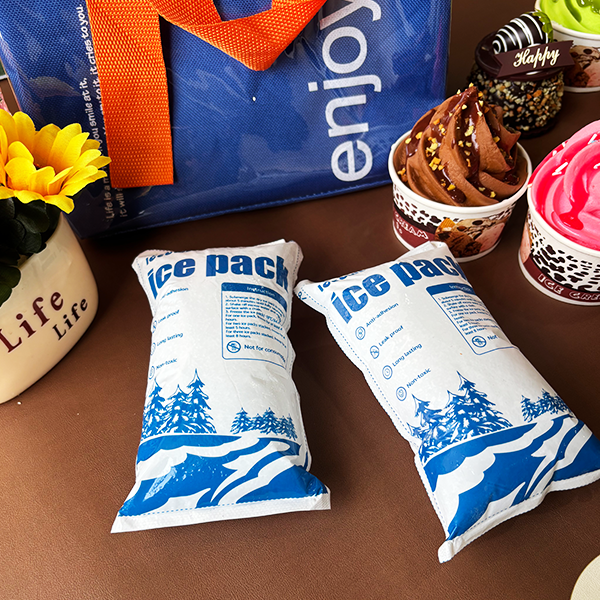
Cold Chain Creamery Services Europe 2025 Checklist?
Last updated: December 17, 2025.
If you ship butter, fresh cream, yogurt, gelato, or ice cream across borders, cold chain creamery services Europe is what protects taste, texture, and safety. Most chilled dairy targets 0–4°C, while frozen dairy usually needs -18°C or colder to avoid melt-refreeze damage.
One weak handoff can turn a “great product” into a refund.
EU dairy volumes stay huge—EU farms produced 161.8 million tonnes of raw milk in 2024—so the winners are the teams who ship with fewer surprises and better proof.
This guide will help you:
Build chilled vs frozen lanes for cold chain creamery services Europe (with simple limits you can enforce)
Choose packaging that survives hubs and delays in EU dairy cold chain logistics
Demand monitoring aligned with EN 12830 temperature recorders
Write an SLA that prevents disputes in cold chain creamery services Europe
Use a scorecard and calculator to reduce claims without overpaying
What makes cold chain creamery services Europe different?
Cold chain creamery services Europe is different because dairy “fails quietly.” It can look fine at delivery while flavor drifts, fat separates, or texture degrades.
cold chain creamery services Eu…
That usually happens during handoffs: pickup, cross-dock, hub staging, and last mile.
Think of gelato on a warm spoon. It does not collapse instantly. The edges soften first. Those “edge moments” are where most losses happen.
The two temperature worlds you must separate
You will make better decisions if you treat your portfolio as two families: chilled and frozen.
cold chain creamery services Eu…
| Dairy group | Typical target | Main risk | Practical meaning for you |
|---|---|---|---|
| Chilled milk & cream | 0–4°C | Faster microbial growth | You need fast lanes and strict handoff rules |
| Yogurt & cultured dairy | 0–6°C | Over-acidification, texture change | You need stability, not just “cold enough” |
| Butter | Spec-dependent | Softening, leakage | You need heat-soak resistance and better staging discipline |
| Ice cream & gelato | ≤ -18°C | Melt-refreeze, icy texture | You need stronger insulation + frozen coolant strategy |
Practical tips you can use today
Split SOPs: Create one SOP for chilled and one for frozen. Mixing them creates failures.
Engineer for delays: Build pack-outs for “one extra day,” not best-case transit.
Own each handoff: If nobody owns a step, you own the loss.
cold chain creamery services Eu…
Realistic case: A gelato brand reduced “icy texture” complaints after switching to frozen PCM and banning Friday economy dispatches.
cold chain creamery services Eu…
How do cold chain creamery services Europe set chilled vs frozen lanes?
In cold chain creamery services Europe, lanes beat guesswork. A “lane” is a repeatable rule set: target temperature, allowed excursions, packaging, monitoring, and dispatch days.
Start with the parts you can measure:
Target band (your “safe zone”)
Maximum time outside band (your “damage clock”)
Proof format (your “evidence”)
A quick decision tool: chilled or frozen?
Answer in order:
Does quality drop fast when it warms slightly?
If yes (gelato, premium ice cream) → treat as frozen-critical.
Is it cross-border or multi-stop?
If yes → build for extra handoffs and longer exposure.
Is it legally or contractually “quick-frozen”?
If yes → expect stricter monitoring requirements. EUR-Lex
Don’t ignore raw milk cooling checkpoints
EU hygiene rules in Regulation (EC) No 853/2004 state that raw milk must be cooled immediately to not more than 8°C for daily collection or not more than 6°C if collection is not daily, and the cold chain must be maintained. EUR-Lex
Use that as contract language: who cools, how fast, how verified.
Which packaging strategy works best for cold chain creamery services Europe?
Packaging is the insurance policy of cold chain creamery services Europe—especially when you ship through hubs. A refrigerated truck is like a fridge you ride in. Passive packaging is like a thermos you mail.
A practical pack-out is simply:
Insulation (slows heat entering)
Coolant (absorbs heat)
Placement (where coolant sits matters)
Packaging comparison (simple, procurement-friendly)
| Packaging option | Strength | Watch-out | Practical meaning for you |
|---|---|---|---|
| EPP insulated box | Durable, reusable | Needs returns plan | Great for repeat B2B lanes cold chain creamery services Eu… |
| EPS foam shipper | Low cost | Fragile, waste pressure | Works for stable one-way lanes |
| VIP-enhanced shipper | High performance | Higher unit cost | Helps when routes are unpredictable |
| Chilled PCM packs | Stable around setpoint | Must match target band | Best for 0–4°C control |
| Dry ice / frozen PCM | Very cold, strong buffer | Handling, venting rules | Powerful for frozen desserts |
PCM = phase change material (coolant engineered to “hold” near a temperature).
Practical tips and suggestions
Short routes (same/next day): Use chilled PCM + moderate insulation and reduce handoffs.
Uncertain 2–4 day routes: Upgrade insulation or add VIP panels; build for holds.
Frozen desserts: Avoid economy services that can sit over weekends.
Realistic case: A brand fixed repeated depot-wait warm spikes by changing pickup cutoff time, not by changing carriers.
cold chain creamery services Eu…
How do you reduce last-mile excursions in cold chain creamery services Europe?
The last mile is often the hottest mile in cold chain creamery services Europe. Even if linehaul is cold, doorsteps, missed deliveries, and multi-drop vans create exposure.
Your goal is not “never warm.” Your goal is short, predictable exposure.
Last-mile controls that actually work
No-safe-place rules for chilled/frozen parcels (reduce doorstep dwell time)
Delivery windows for B2B (avoid random receiving delays)
Clear customer instructions (“call on arrival,” “deliver to cold room”)
Micro-fulfillment in dense cities (shorten the final leg)
Heat-risk self-assessment (interactive)
Score each statement 0 (no), 1 (sometimes), 2 (yes):
My lane includes 2+ hubs.
Deliveries include apartments with no reception.
I ship Thursday/Friday with weekend risk.
My product is texture-sensitive (gelato, premium cream).
I do not have temperature evidence per shipment.
Score guide:
0–3: Standard controls may be enough
4–6: Upgrade packaging and lane rules
7–10: Use a higher-control plan (hybrid or dedicated)
What monitoring should cold chain creamery services Europe include in 2025?
Monitoring in cold chain creamery services Europe is not about graphs. It is about faster decisions. The best setups run a loop: measure → detect → decide → improve.
cold chain creamery services Eu…
Monitoring options (plain comparison)
| Monitoring option | Cost level | Best use | Practical meaning for you |
|---|---|---|---|
| Single-use indicator | Low | Basic compliance | Simple pass/fail check cold chain creamery services Eu… |
| USB data logger | Medium | Lane validation | Strong proof for audits and disputes cold chain creamery services Eu… |
| Real-time smart tag | Higher | High-value lanes | Lets you intervene mid-route cold chain creamery services Eu… |
If you need a standard reference for recorders, EN 12830 specifies technical and functional characteristics for temperature recorders used in transport, storage, and distribution. webstore.ansi.org
Practical tips and suggestions
Premium gelato: Use real-time tags on a sample to find weak hubs.
cold chain creamery services Eu…
Chilled cream B2B: Use USB loggers for lane validation and quarterly checks.
cold chain creamery services Eu…
Scaling fast: If an excursion happens twice on a lane, upgrade service or pack-out.
cold chain creamery services Eu…
How do you choose providers for cold chain creamery services Europe?
The best provider for cold chain creamery services Europe is the one that matches your product, lane, and promise—then proves it. Do not start with “Who is famous?” Start with “What failure am I preventing?”
A strong partner should ask for your product spec and shelf-life goal, then recommend pack-out standards, lane options, and monitoring with a clear exception process.
cold chain creamery services Eu…
10-minute provider scorecard (interactive)
Score each provider out of 100. Below 75 is a risk unless you can fix gaps fast.
| Score area | Points | What you ask for | “Good” looks like |
|---|---|---|---|
| Temperature proof | 25 | 60–90 days logs + alarms | Exportable data, few gaps |
| Handoff discipline | 20 | Site SOPs + dwell limits | Short staging, clear ownership |
| Chilled lane performance | 15 | 0–4°C capability evidence | Repeatable pack-out + rules |
| Frozen lane performance | 15 | ≤ -18°C lane readiness | Strong insulation + frozen coolant |
| Monitoring quality | 15 | Recorder approach + retention | EN 12830-aligned practice |
| Service recovery | 10 | Incident playbook | Fast escalation + RCA |
Practical tips and suggestions
Ask for 10 recent trip reports, not the best two.
Require a monthly exception summary (alarms, root causes, fixes).
Run a pilot on one lane for two weeks, then decide.
What should an SLA for cold chain creamery services Europe cover?
Your SLA is the contract version of cold chain creamery services Europe quality. Without it, “cold chain” becomes a vague promise.
cold chain creamery services Eu…
SLA clauses that prevent surprises
| SLA clause | What to specify | Practical meaning for you |
|---|---|---|
| Temperature limits | Lane limits + excursion definition | Stops arguments later cold chain creamery services Eu… |
| Data access | Export format + retention period | Protects you in disputes cold chain creamery services Eu… |
| Incident response | Who responds, how fast, escalation | Reduces damage from delays cold chain creamery services Eu… |
| Corrective action | RCA required within set days | Prevents repeat failures cold chain creamery services Eu… |
| Traceability support | Time to deliver lot-route history | Faster recalls cold chain creamery services Eu… |
Practical tips and suggestions
Add a test-shipment clause so you validate before scaling.
cold chain creamery services Eu…
Keep penalties simple (service credits work best).
cold chain creamery services Eu…
Require a monthly KPI pack: excursions, alarms, recovery time.
cold chain creamery services Eu…
How do EU rules affect cold chain creamery services Europe compliance?
Compliance in cold chain creamery services Europe usually fails on “boring basics”: handoffs, records, and ownership.
cold chain creamery services Eu…
You can keep it simple and still be audit-ready.
The EU rule set (in plain language)
HACCP-based procedures: Food businesses must implement procedures based on HACCP principles under Regulation (EC) No 852/2004.
Milk handling requirements: Regulation (EC) No 853/2004 sets cooling expectations for raw milk (8°C daily / 6°C not daily).
Quick-frozen monitoring: Commission Regulation (EC) No 37/2005 addresses monitoring temperatures in transport, warehousing, and storage of quick-frozen foodstuffs.
Cross-border refrigerated carriage: ATP is a UNECE agreement covering international carriage of perishable foodstuffs and the special equipment used. unece.org
Responsibility mapping (the overlooked control)
Write down who owns risk at each stage: pickup, hubs, cross-border handling, last mile, receiving. If nobody owns a step, you own the loss.
cold chain creamery services Eu…
How do you price cold chain creamery services Europe without overpaying?
Price is not cost per box. It is cost per successful delivery.
cold chain creamery services Eu…
A cheaper lane that causes refunds is expensive.
Cost-per-success calculator (interactive)
Fill your own numbers:
Shipments per month: A
Average order value: B
Failure rate (refund/reship): C%
Extra cost for upgraded service per shipment: D
Now compare:
Monthly loss from failures: A × B × C%
cold chain creamery services Eu…
Monthly cost to upgrade: A × D
cold chain creamery services Eu…
If upgrading meaningfully cuts failures, you win—even if the label price is higher.
2025 developments and trends in cold chain creamery services Europe
In 2025, cold chain creamery services Europe is shifting to “proof-first” operations: better monitoring, clearer SLAs, and packaging designed for real network delays.
cold chain creamery services Eu…
Sustainability is also changing refrigeration decisions.
Latest progress snapshot
More temperature evidence by default: Exportable logs are becoming baseline, not premium.
cold chain creamery services Eu…
Higher-performance passive packaging: VIP-enhanced designs appear more often on uncertain lanes.
cold chain creamery services Eu…
Refrigeration transition pressure: The EU F-gas Regulation (EU) 2024/573 started to apply on 11 March 2024, shaping equipment planning and maintenance culture.
What this means for you
Buy services that reduce surprises. Then buy services that prove it fast. When you do both, growth gets easier.
Frequently Asked Questions
Q1: What temperature should chilled dairy target in cold chain creamery services Europe?
Most chilled dairy targets 0–4°C, but stability matters more than perfection. Start with your shelf-life goal.
cold chain creamery services Eu…
Q2: What does EU law say about cooling raw milk?
Regulation (EC) No 853/2004 states cooling to ≤8°C for daily collection or ≤6°C if not daily, then maintaining the cold chain. EUR-Lex
Q3: How can I ship gelato cross-border without texture damage?
Use a frozen-focused lane (often ≤ -18°C), avoid weekend holds, and add temperature proof so you can fix weak hubs.
cold chain creamery services Eu…
Q4: Do I need real-time tracking for every shipment?
Not always. Start by sampling high-risk lanes, then scale monitoring where alarms repeat.
cold chain creamery services Eu…
Q5: What should I require in a quick-frozen monitoring program?
Commission Regulation (EC) No 37/2005 covers monitoring temperatures in transport, warehousing, and storage for quick-frozen foods. EUR-Lex+1
Q6: What is ATP and why does it matter for cross-border dairy?
ATP is a UNECE agreement that sets conditions and equipment expectations for international carriage of perishable foodstuffs.
Summary and recommendations
Cold chain creamery services Europe works when you match product needs to lane reality. Split operations into chilled and frozen lanes, design pack-outs for delays, and reduce risk at handoffs. Then demand exportable monitoring and write an SLA that guarantees data access and fast corrective action. When you price by “successful delivery,” you stop overpaying for failures and start buying predictability.
Your next step (CTA)
Run a two-week pilot on one lane: lock a pack-out, add temperature evidence, and track excursions and claims. If the lane fails twice, upgrade the service tier or the packaging. That single habit will cut more losses than chasing the cheapest quote.
About Tempk
At Tempk, we help teams make cold chain creamery services Europe predictable with practical packaging and lane design. We focus on what your operation can control: pack-out standards, monitoring proof, and simple SOPs that reduce handoff risk. Our goal is to help your chilled and frozen dairy arrive the way you made it—safe, stable, and consistent—without adding unnecessary complexity.
CTA: Share your product mix (chilled vs frozen), origin, destination, and promised delivery time. We will outline a lane-ready pack-out and an RFQ checklist you can use immediately.
Refrigerated Creamery Efficient Business USA (2025)

Refrigerated Creamery Efficient Business USA (2025)
If you run a refrigerated creamery efficient business USA, your margin often comes down to two numbers: 45°F for rapid cooling/holding expectations in many Grade “A” milk contexts, and 0°F (or below) for long-term frozen storage targets. U.S. frozen dairy production also remains massive—1,386 million gallons in 2024—so consistency is not optional if you want repeat customers.
This article will help you:
Build a refrigerated creamery efficient business USA workflow that reduces warm-time exposure (minutes out of cold)
Set practical temperature targets, alarms, and sensor placement for repeatable quality
Cut energy-efficient refrigeration for creameries costs without risky shortcuts
Make FSMA temperature monitoring records feel simple, not stressful
Plan ahead for low-GWP refrigerants for cold storage and 2025 compliance timelines
Choose shipping and packaging rules that match each delivery lane
What defines a refrigerated creamery efficient business USA in 2025?
A refrigerated creamery efficient business USA is not “more equipment.” It is stable temperature + disciplined routines + proof you can trust. You win when your team can repeat the same good day, even during peak season.
A simple way to manage that is to combine two frameworks:
Cold Triangle: Time, Temperature, Touch (how long, how cold, how many moves)
3-Loop Check: Cold loop, People loop, Proof loop (systems, habits, records)
The daily “Cold Triangle” that protects margin
| Cold Triangle Factor | What you control | What breaks first | What it means for you |
|---|---|---|---|
| Time | staging limits, loading windows | product sits out | faster quality loss + more claims |
| Temperature | setpoints, airflow, alarms | hot spots + door heat | texture drift + shelf-life risk |
| Touch | handling steps, repacks | extra moves | labor waste + damage risk |
Practical tips you can use today
Pick one KPI: track “minutes out of cold” per batch or pallet.
Make it visible: a timer board beats a long SOP nobody reads.
Fix the biggest leak first: doors, gaskets, staging discipline.
Practical case example: One small facility reduced rework by enforcing a 10-minute staging rule with a visible timer and a “door owner” during loading windows.
How do you set temperatures for a refrigerated creamery efficient business USA?
A refrigerated creamery efficient business USA lives or dies by targets and alarms, not averages. Many Grade “A” programs reference rapid cooling to 45°F (7°C) or less in certain contexts, while long-term frozen storage guidance anchors on 0°F (-18°C) or below. s1.sos.mo.gov+1
That said, premium ice cream quality often needs colder and steadier conditions than minimum safety benchmarks. Your best move is to define targets by zone.
A simple temperature zone plan you can run
| Zone | Practical target | Alarm trigger | What it changes for you |
|---|---|---|---|
| Receiving / short-hold cooler | stable “cold zone” | early warning + time delay | fewer spikes during unloading |
| Mix aging / ingredient cooler | consistent setpoint | tight high-temp alarm | better batch repeatability |
| Finished goods freezer | 0°F baseline or colder | high-temp alarm + escalation | fewer “soft pints” + fewer returns |
Sensor placement: measure where product warms first
Put sensors at the warmest shelf, not the coldest vent.
Avoid “false comfort” readings near evaporator airflow.
Confirm calibration on a schedule (monthly/quarterly).
Two-level alarm ladder (simple and effective)
Investigate: identify door event, airflow blockage, or defrost cycle.
Stop-ship: if time/temperature threshold is exceeded, hold product and document actions.
Practical case example: A creamery stopped “mystery soft pints” by moving a sensor to the warmest rack position and tightening the staging cooler alarm rule.
How do you design workflow for a refrigerated creamery efficient business USA?
A refrigerated creamery efficient business USA designs cold rooms like production tools. If your building forces people to prop doors and search for product, you will pay for it—every day.
The simplest layout rule you can enforce
Keep product moving one direction (receiving → process → finished goods → shipping).
Separate “dirty paths” from “clean paths.”
Make “ship today” obvious with a dedicated lane.
Airflow lanes: the invisible quality tool
| Layout choice | What it does | What it risks | Practical meaning for you |
|---|---|---|---|
| Clear fan/return area | improves circulation | slightly less density | fewer hot spots + steadier temps |
| Tight stacking | increases capacity | blocks airflow | uneven cooling + more scrap |
| Zoning by SKU/velocity | speeds picking | needs discipline | fewer door-open minutes |
Door discipline checklist that actually works
Pre-stage pallets before the door opens
Assign one person as door owner in peak windows
Use strip curtains / rapid doors if traffic is high
Batch picking instead of “one-item trips”
Practical case example: A team reduced energy spikes after posting a door timer and running loading in 30–60 minute batches.
How can a refrigerated creamery efficient business USA cut energy costs fast?
Energy savings in a refrigerated creamery efficient business USA usually come from reducing heat entry and stabilizing refrigeration behavior. The fastest wins are often “boring” maintenance and smarter controls.
Low-cost energy sweep (do this week)
Check door gaskets for gaps and cracks
Clean condenser/evaporator coils on schedule
Confirm setpoints match product needs (not “just in case”)
Review defrost frequency (avoid over-defrosting)
Look for frost patterns that signal airflow blockage
Controls that often deliver strong ROI (directional)
EPA materials note floating head pressure control can deliver typical annual energy savings around 5% to 12%, depending on system constraints and climate. Small changes to condensing temperature also matter, so stability pays twice: lower kWh and fewer callbacks.
| Control lever | Typical payoff | Complexity | Your practical benefit |
|---|---|---|---|
| Floating head pressure | 5–12% annual savings | Medium | lower kWh in cooler weather |
| Defrost optimization | fewer warm spikes | Low–Med | better hardness + fewer quality swings |
| Infiltration reduction | lower latent load | Low | less frost + less compressor work |
One more “hidden” lever: pre-cooling milk (where it applies)
Properly sized plate coolers can reduce milk cooling energy requirements by about 30–60% in some setups. Dairy Conservation If your process load is predictable, right-sizing can beat expensive upgrades.
Practical case example: After gasket replacement + defrost tuning, one plant saw less frost build-up and fewer emergency service calls.
How do you improve labor efficiency in a refrigerated creamery efficient business USA?
Labor efficiency in a refrigerated creamery efficient business USA improves when you reduce “touches” and shorten travel paths. Every extra move costs money and adds warm exposure risk.
The Touch Count method (quick worksheet)
Count touches after packaging:
Move to staging
Move to storage
Move to pick line
Move to load
Your goal: remove one full touch without adding confusion.
| Process step | Common waste | Better pattern | What it means for you |
|---|---|---|---|
| Picking | searching | zone labels + ABC zoning | faster pick speed |
| Staging | mixed priorities | ship-date lanes | fewer mistakes |
| Loading | ad-hoc sequencing | pre-built loads | shorter door cycles |
Practical tips that work in small teams
Use batch picking (one trip, many lines)
Create a “ship today” lane near the door (not blocking airflow)
Standardize pallet patterns and labels (no “guessing”)
Practical case example: A creamery reduced overtime by zoning fast movers and adding simple aisle signage.
How does a refrigerated creamery efficient business USA reduce spoilage?
Spoilage is rarely random in a refrigerated creamery efficient business USA. It usually follows repeatable patterns: long staging, mixed lots, slow changeovers, and unclear priorities.
FEFO in plain English (first-expire, first-out)
FEFO means: use what expires first, first. It fails when dates are hard to see and lots are mixed.
Make FEFO visual:
Big date labels you can read from 6 feet away
Fixed rack locations per lot
Physical separation (“no mixing lane”)
Practical spoilage controls you can start this week
Set a hard pack-out clock from cold room to truck
Use ingredient “kits” for the next run to speed changeovers
Separate strong-odor items to protect sensory quality
Practical case example: A team cut scrap after creating pre-labeled kits per batch and enforcing lot separation.
What compliance and 2025 refrigerant rules shape a refrigerated creamery efficient business USA?
A refrigerated creamery efficient business USA is audit-ready when your daily habits and your records match. FSMA preventive controls commonly require a written food safety plan, and FDA guidance notes it must be reanalyzed at least once every three years. U.S. Food and Drug Administration
The “Proof loop”: keep records small, consistent, and close to work
| Record type | Frequency | Format | Why it helps you |
|---|---|---|---|
| Temperature monitoring | continuous + daily review | auto log + initials | fast proof in audits |
| Corrective actions | as needed | short form | shows control and learning |
| Calibration checks | monthly/quarterly | checklist | prevents “bad data” decisions |
2025 refrigerants: avoid stranded decisions
EPA’s Technology Transitions program restricts certain higher-GWP HFC uses in covered sectors starting January 1, 2025, with compliance details varying by subsector. 美国环保局 If you wait until a breakdown, “simple replacement” can turn into an expensive redesign.
Contractor questions that protect your future
“What refrigerant GWP are we choosing, and what are the compliance dates?”
“What training and service changes come with this refrigerant?”
“How do you handle parts availability during the transition?”
Practical case example: A creamery avoided a rushed replacement by ordering earlier and selecting equipment aligned with likely future refrigerant pathways.
How do you ship reliably from a refrigerated creamery efficient business USA?
A refrigerated creamery efficient business USA ships reliably by matching packaging + process to each lane. Shipping is where good plants lose control—through delays, door-open time, and warm trucks.
Lane-based shipping rules (simple and scalable)
| Lane type | Typical problem | What to standardize | What it means for you |
|---|---|---|---|
| Local multi-stop | doors open often | stop order + door discipline | better end-of-route temps |
| Regional | weather swings | seasonal lane tests | fewer summer surprises |
| DTC parcel | unpredictable delivery | insulated shipper + gel packs | fewer “arrived warm” complaints |
Practical shipping tips you can use this week
Pre-chill trucks (don’t load into a warm box)
Deliver sensitive stops first (don’t leave best customer last)
Stage orders cold-to-cold (avoid hallway “parking”)
Practical case example: A team improved end-of-route temperature by reordering stops so the farthest deliveries went first.
Self-assessment: Are you running a refrigerated creamery efficient business USA?
Score each item: 0 = not in place, 1 = partial, 2 = consistent (max 20)
Door discipline is trained and followed
Staging has strict time limits
Airflow lanes are protected
Receiving temps are recorded consistently
Picking is batched (not random trips)
Coils and gaskets have a maintenance schedule
Inventory flow supports FEFO/FIFO
Staff can explain setpoints in plain words
Hot spots are identified and corrected
Loading is pre-staged for short door cycles
Score guide
0–7: fix routines + layout first
8–14: optimize energy + standardize process
15–20: scale with monitoring + continuous improvement
2025 latest developments and trends
In 2025, the biggest shift is this: equipment decisions start with compliance timelines and end with equipment selection, not the other way around. EPA’s Technology Transitions requirements have made refrigerant planning a real operational strategy.
Latest progress snapshot
More monitoring, less drama: automated logs reduce audit stress
Controls-first energy savings: smarter defrost and head pressure are “first moves”
More lane testing: packaging and service levels match delivery risk
More pressure on consistency: the market is large, and customers remember variability
Frequently Asked Questions
Q1: What is the fastest first step for a refrigerated creamery efficient business USA?
Start with door discipline and staging time limits. They reduce heat gain and stop “silent” quality loss.
Q2: Do I really need 0°F for frozen storage?
For long-term frozen storage, 0°F (-18°C) or below is a common benchmark for best quality and safe long-term holding.
Q3: What causes summer energy spikes most often?
Warm air infiltration through doors and weak seals. Faster loading routines and gasket repairs usually help quickly.
Q4: What does “monitoring must be documented” mean in plain English?
It means you record what you checked, what you found, and what you did when something was wrong.
Q5: Which upgrade usually pays back fastest?
High-ROI basics first: sealing, coil cleaning, defrost tuning, and controls like floating head pressure where suitable.
Q6: How do I know if I have hot spots?
Look for uneven frost patterns, repeat “soft product” in the same location, or warmer readings at the farthest racks.
Summary and recommendations
A refrigerated creamery efficient business USA wins by controlling time, temperature, and touch every day. Your fastest gains come from door discipline, airflow protection, and visible staging limits. Energy savings usually come from sealing, maintenance, and smarter controls. Labor savings come from fewer touches and clearer zoning.
Simple action plan (realistic)
Enforce staging time limits and door discipline this week
Protect airflow lanes and fix seals next week
Batch pick and zone SKUs by velocity within 30 days
Add a 3-minute daily checklist and review trends monthly
CTA: Pick one operational change this week, measure the impact, and lock it in before adding complexity.
About Tempk
At Tempk, we help cold chain teams build practical packaging and process routines for temperature-sensitive goods. We focus on repeatable workflows, stable thermal performance, and easy-to-train standards—so your refrigerated creamery efficient business USA can scale with fewer surprises.
Next step (CTA): Share your facility size, shipping lanes, and weekly order pattern. We can help you map a simple efficiency plan you can implement in weeks.
Cold Chain Vegetables Inspection Services: 2025 Guide
Cold Chain Vegetables Inspection Services in 2025?
Cold chain vegetables inspection services help you stop quality problems before they become rejections, chargebacks, or “he said / she said” disputes. In practice, most losses come from a few invisible minutes: warm staging, long door-open time, airflow blockers, and missing records. FAO estimates about 13% of food is lost between harvest and retail, and fresh produce is among the most impacted categories.
You don’t need more guesswork—you need simple checks, clear evidence, and fast decisions.
This article will answer for you:
What cold chain vegetables inspection services should check (beyond “take photos”)
Where inspections prevent the biggest losses across handoffs
How to run a vegetable cold chain audit checklist that teams finish in minutes
How temperature mapping for vegetable shipments finds hidden hot spots
How to choose a third-party vegetable inspection company without overpaying
A decision tool + self-assessment to pick the right inspection level
What do cold chain vegetables inspection services actually cover?
Cold chain vegetables inspection services are structured checks that verify quality, temperature control, packaging condition, handling hygiene, and records across key handoffs. Their job is simple: confirm you shipped what your buyer expects—and prove it with time stamps, photos, and temperature evidence. When a buyer says “these greens were warm,” you want facts, not opinions.
Cold chain vegetables inspection services work best when they focus on the few failure points that drive most losses. Think of it like a smoke alarm. You are not trying to write a novel. You are trying to catch the earliest warning signs.
What cold chain vegetables inspection services really protect
Cold chain vegetables inspection services protect three things at the same time:
Product value: freshness, appearance, shelf life
Safety position: cleaner handling, lower contamination risk signals
Commercial trust: fewer disputes, faster claim resolution
| Inspection Focus | What Gets Checked | Evidence Captured | What It Means for You |
|---|---|---|---|
| Temperature control | pulp/core or carton temp | readings + timestamps | more predictable shelf life |
| Packaging integrity | wet cartons, seal weakness | photos + notes | fewer leaks, fewer claims |
| Handling discipline | staging + door-open minutes | time logs + photos | fewer warm spikes |
| Hygiene signals | trailer condition + loading area | checklist + photos | lower risk and cleaner audits |
| Records readiness | lot, pack date, handoff times | evidence pack | disputes become faster and factual |
Practical tips you can use today
Use one pass/fail rule: “If staging exceeds X minutes, escalate to deeper checks.”
Check the warmest zone first: door-side cartons often tell the truth fastest.
Capture exceptions, not perfection: one “red flag photo” beats ten pages of text.
Practical case: A shipper reduced arrival disputes by adding cold chain vegetables inspection services at loading with photos + pulp checks. Arguments dropped because evidence became consistent.
cold chain vegetables inspectio…
Where do cold chain vegetables inspection services prevent the biggest losses?
Cold chain vegetables inspection services create the most value at transition points—where product moves between controlled environments. These moments are where temperature, humidity, and handling change quickly. If you only check at the end, you discover failure when it is too late to fix.
The highest-impact checkpoints are usually:
post-harvest / pre-cooling gate
packing line exit
loading dock staging and loading behavior
distribution center receiving
last-mile delivery handoff
| Checkpoint | Common Risk | What Inspectors Verify | Your Practical Gain |
|---|---|---|---|
| Pre-cool gate | field heat remains | cooled “before load” | longer shelf life |
| Packing exit | bruising / wrong pack | spec match + carton integrity | fewer reworks |
| Loading dock | warm minutes + humidity | door time + staging | fewer warm spikes |
| DC receiving | unclear liability | condition + temp evidence | fewer disputes |
| Final delivery | last-mile warming | handoff proof | fewer chargebacks |
Receiving inspection for leafy greens: the “first 90 seconds”
Receiving inspection for leafy greens should be fast, repeatable, and biased toward the worst-case cartons. You don’t need complicated tools to start. You need a routine your team actually completes during peak volume.
| 90-Second Check | What to Look For | Quick Pass Signal | What It Means for You |
|---|---|---|---|
| Carton condition | crush, wet spots | dry + intact | less hidden damage |
| Product feel | soft / warm | crisp + cool | better shelf life |
| Odor check | sour or musty | neutral smell | fewer rejects later |
| Label/lot check | missing codes | readable lot & pack date | traceability works |
Practical tips you can use today
Inspect the warmest spot first: top-front near doors is often worst.
Separate “suspect pallets”: hold for quick sell or deeper evaluation.
Use a simple score: green / yellow / red builds a shared risk language.
Practical case: A DC added a 90-second receiving routine and flagged warm pallets earlier. Store-level waste fell because bad loads were caught upstream.
cold chain vegetables inspectio…
How do cold chain vegetables inspection services verify temperature and pre-cooling?
Cold chain vegetables inspection services should verify temperature at the product level, not only the reefer display. Air temperature can look fine while cartons warm inside. The practical goal is not perfect data. The goal is usable evidence at the moments that matter.
A strong approach combines:
pulp/carton temperature checks at critical handoffs
pre-cooling verification before loading
staging + door-open time tracking
humidity and condensation signals (wet cartons are a warning)
Fresh produce temperature monitoring audit: the non-negotiables
Pre-cooling verification: confirm product is cooled before loading.
Door-open minutes: track how long doors stay open during loading.
Staging control: measure time out of cold during handoffs.
Airflow blockers: identify wrap/carton patterns that block return-air paths.
Exception review: focus on out-of-range events and what caused them.
Temperature mapping for vegetable shipments: find the hidden hot corners
Temperature mapping for vegetable shipments is simply: where is the warmest box in real operations? It is especially useful for mixed loads, tall pallets, and multi-stop routes.
| Mapping Zone | What You Measure | Why It Matters | What It Means for You |
|---|---|---|---|
| Door zone | air change events | warm spikes | shorter shelf life |
| Top tier | heat rise / sun exposure | soft greens | more complaints |
| Center pallet | cooling penetration | slow chill | uneven freshness |
| Return-air side | airflow bias | cold/uneven zones | product variability |
Practical tips you can use today
Map once per season: summer behavior is different from winter.
Map after change: new packaging, new route, new trailer pattern.
Show the photos to teams: visual proof changes habits faster than training slides.
Practical case: A shipper mapped hot zones and found a consistent warm corner near doors. A load-pattern change reduced rejects without new equipment.
cold chain vegetables inspectio…
Which cold chain vegetables inspection services level fits your load?
You don’t need the same inspection depth for every shipment. Cold chain vegetables inspection services should match product sensitivity, route complexity, buyer strictness, and claim history.
Decision tool: pick your inspection level in 60 seconds
Answer “Yes” or “No”:
Is it highly sensitive (leafy greens, herbs, cut products)?
Does the lane have 2+ handoffs (cross-dock, multi-stop, border)?
Is the buyer claim-prone or standards are strict?
Is this a new supplier or new route?
Have you had repeat defects (wet cartons, soft product, decay)?
Results:
0–1 Yes: Basic inspection
2–3 Yes: Operational inspection
4–5 Yes: Compliance-grade program
Comparison table: inspection levels at a glance
| Level | What You Get | Best For | What It Means for You |
|---|---|---|---|
| Basic | visual + packaging + quick temp | stable local lanes | low cost, baseline control |
| Operational | Basic + pulp/carton temps + loading observation | regional + multi-stop | fewer warm-minute failures |
| Compliance-grade | Operational + records review + periodic audits + targeted lab checks when needed | export, strict retail, dispute-heavy programs | strongest proof + faster dispute resolution |
Quick self-assessment: Inspection Readiness Score (0–10)
Give yourself 1 point for each “Yes”:
We have written temperature specs by commodity and lane.
We require pre-cooling proof before loading.
We measure product-level temperature at key points.
We track staging minutes during handoffs.
We track loading door-open minutes.
We keep airflow paths clear (no vent blocking).
We can retrieve lot + handoff evidence in 2 minutes.
We have clear accept/reject criteria at receiving.
We trend defects monthly by supplier and lane.
We run corrective actions and re-check results.
Score meaning:
0–3: urgent need for cold chain vegetables inspection services
4–7: targeted inspections on high-loss lanes
8–10: use inspections for verification and benchmarking
What should a cold chain vegetables inspection services report include?
A good report is short, decision-ready, and built for disputes. Cold chain vegetables inspection services reports should answer: What happened? When? Where? And what do we do next? If it takes 30 minutes to interpret, it won’t reduce claims.
Must-have report elements
shipment ID, lot codes, pack dates
location + timestamps
temperature results + method used
sampling logic (how many cartons/pallets, where)
photos of key issues and loading patterns
a clear decision: Accept / Hold / Reject with reasons
specific corrective actions (not generic advice)
The “evidence pack” that prevents disputes
| Evidence Item | What It Proves | Who Owns It | What It Means for You |
|---|---|---|---|
| Lot + pack details | identity + age | shipper/packhouse | faster root cause work |
| Handoff timestamps | time out of cold | dock/DC/driver | fewer “unknown gaps” |
| Temperature proof | conditions at key points | logistics/QA | stronger negotiations |
| Photos | condition + loading reality | inspector/ops | faster claim resolution |
| Exception notes | why it went wrong | site owner | repeat issues drop |
Practical tips you can use today
Make retrieval a 2-minute standard. If not, it fails in real disputes.
Standardize one template across sites. Consistency is power.
Treat “wet cartons” as a top-tier warning. They predict decay and claims.
Practical case: A distributor used inspection photos to prove cartons were intact at dispatch. A later claim shifted to last-mile handling, saving margin.
cold chain vegetables inspectio…
How to vet a third-party provider for cold chain vegetables inspection services?
A great third-party provider changes behavior, not just documents reality. Cold chain vegetables inspection services should deliver clear pass/fail rules, consistent sampling, calibrated tools, and fast feedback.
Two competence signals often used in the industry:
ISO/IEC 17020 (inspection bodies): focuses on competence, impartiality, and consistent inspection methods.
ISO/IEC 17025 (testing labs): focuses on valid, consistent lab testing and calibration competence.
Questions that reveal provider quality
| Question | Strong Answer Sounds Like | Red Flag | What It Means for You |
|---|---|---|---|
| How do you sample? | risk-based + repeatable plan | “we look around” | results you can trust |
| What do you deliver? | decision summary + evidence pack | long generic report | faster action |
| How fast is feedback? | same day / next day | “later” | fewer repeat failures |
| Are tools calibrated? | traceable calibration routine | unclear methods | stronger credibility |
| Do you coach teams? | included correction + re-check | “not our scope” | higher adoption |
Practical tips you can use today
Pilot one lane first: prove ROI before scaling.
Choose by outcomes: shrink reduction, fewer disputes, faster retrieval.
Demand a clean template: the report should look identical every time.
How to turn cold chain vegetables inspection services findings into fewer claims?
Cold chain vegetables inspection services create value only when findings turn into process change. The simplest loop is Detect → Fix → Re-check → Standardize. If you skip re-checking, problems return quietly.
The 5-step corrective action loop
Detect the failure (warm minutes, wet cartons, airflow block, missing records).
Name the root cause in one sentence (not five excuses).
Assign one owner and one deadline.
Re-check the same lane within 7–14 days.
Standardize the fix (SOP update + visual cues + quick training).
KPI set you can trend monthly
% loads with verified pre-cooling
average staging minutes vs target
average door-open minutes vs target
% loads with any temperature excursion
claims per 100 loads by supplier and lane
top 3 defect types (wet cartons, bruising, decay indicators)
Practical case: A team focused on the same three defects for four weeks. Re-checking proved the fixes worked, and waste dropped across lanes.
cold chain vegetables inspectio…
2025 latest developments and trends in cold chain vegetables inspection services
In 2025, cold chain vegetables inspection services are shifting from “big audits” to lighter, faster, exception-first control. Teams want fewer pages and more actions. Buyers also expect proof to be immediate, not buried in email threads.
Latest progress snapshot
Hybrid inspections: on-site checks combined with fast remote review of temperature evidence.
Risk-based sampling: more attention on sensitive SKUs and high-loss lanes.
Humidity signals get serious: condensation and wet cartons treated as early risk indicators.
Same-day reporting: faster feedback loops that prevent repeat mistakes.
Market insight (December 2025)
Buyers reward suppliers who can prove control with consistent evidence packs. When your proof is standard, disputes get shorter and acceptance gets easier. Cold chain vegetables inspection services become a competitive advantage when they are repeatable and simple.
Internal link suggestions (no external links)
Vegetable Pre-Cooling Checklist for Cold Chain Stability — /vegetable-pre-cooling-checklist
How to Reduce Condensation in Produce Packaging — /reduce-condensation-produce-packaging
Fresh Produce Temperature Monitoring Audit Basics — /fresh-produce-temperature-monitoring-audit
Reefer Loading Best Practices for Vegetables — /reefer-loading-vegetables
Produce Receiving Checklist and Acceptance Criteria — /produce-receiving-checklist
Common questions about cold chain vegetables inspection services
Q1: What is the single most important check in cold chain vegetables inspection services?
Pre-cooling verification plus product-level temperature checks. If product is loaded warm, refrigeration may not recover fast enough. This shortens shelf life and fuels disputes, even when the reefer display looks “fine.”
Q2: Do cold chain vegetables inspection services replace temperature loggers?
No. Loggers show temperature patterns, but inspections confirm packaging condition, airflow risks, hygiene signals, and records quality. Together, they give you a complete picture that stands up better during claims.
Q3: How many cartons should be checked during cold chain vegetables inspection services?
Enough to cover multiple pallets and zones, not only the top layer. A risk-based approach checks the warmest areas first (door-side, top tier) and expands sampling when warning signs appear.
Q4: Can cold chain vegetables inspection services help with last-mile delivery?
Yes. Many last-mile failures are behavioral: searching for boxes, long door-open time, and curbside waiting. Auditing door-open minutes and load-by-stop order often improves results quickly.
Q5: What makes receiving inspection for leafy greens different?
Leafy greens show damage fast when warm or too dry. A short, consistent routine (carton condition, product feel, odor, lot code) catches risk early and prevents store-level waste later.
Summary and recommendations
Cold chain vegetables inspection services protect freshness by focusing on the moments where quality drops fastest: staging, loading, receiving, and last mile. Use a short vegetable cold chain audit checklist daily, then add deeper inspections on high-risk lanes. Verify pre-cooling, track warm minutes, and capture exception evidence with timestamps and photos. When you standardize one evidence pack format, disputes become faster and more factual.
Your next step plan (simple and practical)
Start operational-level cold chain vegetables inspection services on your highest-claim lane for 30 days.
Measure two numbers: staging minutes and door-open minutes.
Fix one root cause per week (airflow blockers, dock delays, missing lot codes).
Re-check within 14 days and standardize the successful fix.
Scale to exception-based inspections once your process is stable.
CTA: If you want fewer rejections and stronger buyer trust, make cold chain vegetables inspection services routine—especially at loading and receiving.
About Tempk
At Tempk, we support cold chain teams with practical packaging, insulation, and process guidance that fits real operations. We focus on preventing failures at handoffs—where warm minutes, airflow blockers, and weak documentation create most disputes. Our approach emphasizes simple standards, consistent evidence packs, and corrective actions that teams actually adopt. The goal is measurable: less spoilage, fewer claims, and more reliable in-spec deliveries.
cold chain vegetables inspectio…
Next step: Talk with us to map your handoffs, choose the right inspection level, and build a repeatable evidence pack for your vegetable lanes.
Cold Chain Premium Chocolate Quality Control 2025

Cold Chain Premium Chocolate Quality Control in 2025?
Cold chain premium chocolate quality control keeps your chocolate glossy, snappy, and gift-ready from packing to doorstep. In 2025, the fastest way to lose perceived value is simple: a short warm spike, a humidity hit, or a slow last-mile delay. A practical operating target is often 15–18°C with ~45–55% RH, and you should treat time above 22°C as a risk metric—not a rounding error.
This article will help you:
Prevent bloom with prevent chocolate bloom during shipping routines you can teach in minutes
cold chain premium chocolate qu…
Set a realistic premium chocolate cold chain temperature range by stage (warehouse → last mile)
cold chain premium chocolate qu…
Build humidity control for chocolate logistics into staging, sealing, and warm-up handling
cold chain premium chocolate qu…
Use chocolate temperature monitoring and data loggers without drowning in data
cold chain premium chocolate qu…
Run last-mile chocolate delivery quality checks that reduce refunds and complaints
cold chain premium chocolate qu…
Create a simple, repeatable QC plan so quality becomes predictable—not seasonal
cold chain premium chocolate qu…
Cold chain premium chocolate quality control: What does it really mean?
Cold chain premium chocolate quality control is a set of controls that keep temperature, humidity, handling, and transitions stable so chocolate arrives the way it left your pack-out table. The goal is not “make it cold.” The goal is stop quality drift caused by temperature swings, condensation, and rough handling.
Think of premium chocolate like a polished car. If it gets rain, road dust, and scratches during delivery, customers don’t say “nice engine.” They say “why does it look used?” That’s why cold chain premium chocolate quality control is also a customer experience system.
cold chain premium chocolate qu…
Why premium chocolate needs special QC
Premium chocolate often reacts faster to poor conditions, so small mistakes show up as visible defects.
cold chain premium chocolate qu…
| Quality risk | What triggers it | What you see | What it means for you |
|---|---|---|---|
| Fat bloom | Warmth + cooling cycles | White haze or streaks | Looks “old” to buyers cold chain premium chocolate qu… |
| Sugar bloom | High humidity + condensation | Grainy surface | Feels cheap, tastes off cold chain premium chocolate qu… |
| Texture softening | Warm storage or heat spikes | Weak snap | Lower premium perception cold chain premium chocolate qu… |
Practical tips you can apply today
Track stability, not averages. Treat temperature stability as a KPI, not average temperature.
cold chain premium chocolate qu…
Control humidity where it changes fastest. Storage and staging are usually the easiest wins.
cold chain premium chocolate qu…
Shorten exposure at handoffs. Loading and last-mile transfers are silent defect factories.
cold chain premium chocolate qu…
Real-world example: A boutique brand reduced appearance complaints after enforcing a strict “no staging above 22°C” rule during dispatch.
cold chain premium chocolate qu…
Cold chain premium chocolate quality control: What targets work best in 2025?
Cold chain premium chocolate quality control works best when targets are simple, visible, and consistent across teams. A widely used working range is 15–18°C with 45–55% RH, and extended time above 22°C raises bloom and soft texture risk—especially if cooling happens again later.
cold chain premium chocolate qu…
The biggest trap is “over-cooling.” Chocolate often fears heat followed by cooling more than steady, moderate temperature. That cycle encourages changes that show up as bloom.
cold chain premium chocolate qu…
Practical target ranges by supply chain stage
| Stage | Temperature target | Humidity target | Practical meaning for you |
|---|---|---|---|
| Warehouse | 15–18°C | 45–55% RH | Stable long-term quality cold chain premium chocolate qu… |
| Picking & staging | 16–20°C | <60% RH | Lower condensation risk cold chain premium chocolate qu… |
| Transport | 15–20°C | Controlled if possible | Reduce temperature cycling cold chain premium chocolate qu… |
| Last mile | Keep <22°C | Avoid wet exposure | Protect appearance on arrival cold chain premium chocolate qu… |
Practical tips and suggestions
Humid region? Prioritize sealed secondary packaging and tight closures.
cold chain premium chocolate qu…
Hot season? Dispatch in early morning or late evening windows.
cold chain premium chocolate qu…
International lanes? Add “transition control” at hubs and ports, where delays happen.
cold chain premium chocolate qu…
Practical case: One retailer improved shine consistency after cutting staging time from 90 minutes to 25 minutes in peak season.
cold chain premium chocolate qu…
Cold chain premium chocolate quality control: How do you prevent bloom and condensation?
In cold chain premium chocolate quality control, bloom is not “one issue.” It is a symptom with different root causes. You fix it faster when you label it correctly and apply the right control.
Fat bloom vs sugar bloom: a fast defect-to-cause map
| Defect | What it looks like | Most likely cause | Your first fix |
|---|---|---|---|
| Fat bloom | White film, streaks | Warm-cool cycling | Stabilize temperature cold chain premium chocolate qu… |
| Sugar bloom | Rough, grainy surface | Humidity + condensation | Improve moisture barrier cold chain premium chocolate qu… |
| Soft texture | Weak snap | Stored too warm | Lower staging temperature cold chain premium chocolate qu… |
| Off-odor | Smells like other goods | Odor contamination | Isolate storage zone cold chain premium chocolate qu… |
The “sealed warm-up” rule that prevents most moisture events
If chocolate moves from cold to warm air, keep it sealed until it warms up. Moisture should condense on the outside of the packaging, not on the chocolate.
cold chain premium chocolate qu…
That single habit is the cheapest form of humidity control for chocolate logistics. It protects gloss, reduces sugar bloom risk, and prevents “wet box” complaints that trigger refunds.
Real-world example: A boutique brand reduced bloom complaints by adding a simple warm-up hold step before unsealing.
cold chain premium chocolate qu…
Practical tips to prevent chocolate bloom during shipping
Track bloom by lane and season, not by batch. Shipping conditions drive patterns.
cold chain premium chocolate qu…
If customers report a “chalky taste,” check odor pickup and humidity issues before blaming the recipe.
cold chain premium chocolate qu…
Use a simple receiving check: look + snap + smell to separate cosmetic vs handling issues quickly.
cold chain premium chocolate qu…
Cold chain premium chocolate quality control: How should packaging protect quality (summer and winter)?
Packaging is your portable micro-climate. Cold chain premium chocolate quality control depends on packaging that slows temperature change and blocks moisture. Over-cooling can be as harmful as overheating if it creates condensation on arrival.
cold chain premium chocolate qu…
Decision tool: pick a packing method in 60 seconds
Answer these three questions:
Transit time (door-to-door): A) <12h B) 12–36h C) 36–72h
cold chain premium chocolate qu…
Expected ambient peak: A) <25°C B) 25–32°C C) >32°C
cold chain premium chocolate qu…
Porch risk (time outside): A) <15m B) 15–60m C) >60m
cold chain premium chocolate qu…
Rule of thumb:
If you picked C in any category, treat it as high risk: stronger insulation, tighter last-mile rules, and monitoring.
cold chain premium chocolate qu…
If you picked mostly A, prioritize stability and moisture protection over aggressive cooling.
Packaging elements that matter most
| Packaging element | What it controls | Common mistake | Better practice |
|---|---|---|---|
| Insulated shipper | Heat gain | Too thin for season | Match insulation to hold time cold chain premium chocolate qu… |
| Moisture barrier | Humidity | Loose sealing | Tight closure system cold chain premium chocolate qu… |
| Separation layer | Local cold spots | Coolant touches chocolate | Use a divider layer cold chain premium chocolate qu… |
| Void fill / inserts | Movement | Rattling | Snug fit to reduce breakage |
Practical pack-out tips you can standardize this week
Keep coolants away from direct chocolate contact to reduce condensation risk.
cold chain premium chocolate qu…
Use a simple pack-out diagram per SKU so teams don’t guess.
cold chain premium chocolate qu…
Test two extremes: summer worst day and winter cold shock (short tests beat long debates).
Practical case: A brand reduced surface defects after adding a simple divider layer between gel packs and chocolate bars.
cold chain premium chocolate qu…
Cold chain premium chocolate quality control: What monitoring actually works in 2025?
Monitoring only matters if it changes decisions. In 2025, cold chain premium chocolate quality control tends to work best with trip-level data loggers for most lanes and real-time sensors for high-value routes.
cold chain premium chocolate qu…
The KPI that improves shipments fastest: time in risk zones
Track time above 22°C by lane. It is usually more predictive than average temperature.
cold chain premium chocolate qu…
Why? Because customers don’t complain about your average. They complain about the one hour that softened corners, dulled shine, or created a condensation event.
Monitoring options compared
| Method | Cost level | Best for | Key limitation | What it means for you |
|---|---|---|---|---|
| Manual checks | Low | Small sites | Misses spikes | Good for basics, weak for lane learning cold chain premium chocolate qu… |
| Data loggers | Medium | Most shipments | Post-event review | Perfect for seasonal sampling and route tuning cold chain premium chocolate qu… |
| Real-time sensors | Higher | High-value lanes | Requires discipline | Best when you can act on alerts immediately cold chain premium chocolate qu… |
Practical monitoring habits (simple, repeatable, useful)
Place sensors near product level, not near the lid or coolant surface.
Review data by lane + season + carrier, not as a single blended chart.
cold chain premium chocolate qu…
Create one action per review: adjust dispatch time, update pack-out, or change handling rules.
Cold chain premium chocolate quality control: How do you control transitions and last mile?
Most failures happen at transitions: staging, loading, cross-docking, and the last mile. Your warehouse can be perfect and your truck can be cool—yet quality still fails because the carton sat on a dock in warm air.
Transition controls that work
| Transition point | What usually goes wrong | Simple control | Your benefit |
|---|---|---|---|
| Loading dock | Warm staging | Time-limit rule | Less bloom risk cold chain premium chocolate qu… |
| Cross-dock hub | Delays + drift | Priority handling | Fewer excursions |
| Last mile | Hot vehicle + porch time | Cool-hour delivery windows | Better arrival quality cold chain premium chocolate qu… |
Last-mile chocolate delivery quality checks (what your team should actually do)
At dispatch: confirm cartons are sealed and labeled with simple handling notes.
At receiving (warehouse or returns): use visual + snap + smell and record the defect category.
cold chain premium chocolate qu…
At customer doorstep risk: treat porch time as a design input. Use service-level upgrades on high-heat days.
Customer instruction that works (short enough to be read):
“Keep the inner pack sealed for 20–30 minutes before opening.”
This supports humidity control for chocolate logistics by preventing condensation on the chocolate surface during warm-up.
cold chain premium chocolate qu…
Cold chain premium chocolate quality control: Build a QC plan that teams follow
A strong cold chain premium chocolate quality control plan has three layers: prevention, monitoring, and corrective action.
cold chain premium chocolate qu…
You don’t win by adding more checklists. You win by placing the right checks at the highest-risk moments.
The three-layer QC model
| QC layer | What you do | What you track | Benefit to you |
|---|---|---|---|
| Prevention | Standards + pack-out rules | SOP compliance | Fewer defects cold chain premium chocolate qu… |
| Monitoring | Measure real conditions | Logs + alerts | Faster response cold chain premium chocolate qu… |
| Corrective action | Decide after excursions | Hold/release rules | Fewer reputational hits cold chain premium chocolate qu… |
Quality gates you can implement without slowing operations
Gate 1: Pre-pack stabilization
Confirm product is within your target band before packing.
Verify packaging materials are dry and odor-neutral.
Gate 2: Pack-out control (where most errors happen)
| Pack-out check | Pass criteria | Common fail | Your practical meaning |
|---|---|---|---|
| Seal integrity | Fully sealed barrier | Leaks or gaps | Humid air enters → sugar bloom cold chain premium chocolate qu… |
| Coolant placement | Spacer layer used | Touching product | Local over-cooling → condensation cold chain premium chocolate qu… |
| Immobilization | No rattle | Loose voids | Breakage and cracked pieces |
| Label clarity | Simple handling notes | Missing notes | Higher last-mile mishandling risk |
Gate 3: Dispatch + handoff
Enforce staging timers and limit warm exposure windows.
Apply lane-based rules on hot days (dispatch earlier; reduce dwell time).
cold chain premium chocolate qu…
Operational insight: When you standardize these gates, quality becomes predictable instead of seasonal.
cold chain premium chocolate qu…
Interactive element: Premium Chocolate Cold Chain Self-Audit (3 minutes)
Answer Yes or No:
Do you track time above 22°C for each lane?
cold chain premium chocolate qu…
Do you control humidity in staging areas?
cold chain premium chocolate qu…
Do you have a standard pack-out diagram for every SKU?
cold chain premium chocolate qu…
Do you isolate chocolate from strong odors in storage?
cold chain premium chocolate qu…
Do you review monitoring data monthly by carrier and season?
cold chain premium chocolate qu…
Do you have a clear rule for what to do after an excursion?
cold chain premium chocolate qu…
Do you limit loading dock exposure to a defined time window?
cold chain premium chocolate qu…
Do you inspect appearance and snap at receiving checkpoints?
cold chain premium chocolate qu…
Score
0–3 Yes: High “silent quality loss” risk
cold chain premium chocolate qu…
4–6 Yes: Base system, but consistency gaps
cold chain premium chocolate qu…
7–8 Yes: Operating at a premium-quality standard
cold chain premium chocolate qu…
Cold chain premium chocolate quality control: How do you handle excursions and complaints?
Excursions are not just problems. They are your best learning signals. When a shipment had a temperature excursion, the most practical first move is: hold and inspect. Check appearance, snap, and odor, then decide release, downgrade, or rework using acceptance rules.
cold chain premium chocolate qu…
Fast complaint triage (protects brand and reduces waste)
| Complaint | Likely cause | What to ask | First action |
|---|---|---|---|
| Grey haze / streaks | Temperature cycling | “Was it delayed or re-cooled?” | Stabilize lane and reduce swings cold chain premium chocolate qu… |
| Rough white coating | Humidity + condensation | “Opened immediately on arrival?” | Improve sealing + warm-up guidance cold chain premium chocolate qu… |
| Soft texture | Heat spike / porch time | “Was the box warm on arrival?” | Tune last mile rules + packaging cold chain premium chocolate qu… |
| Off odor | Odor contamination | “Stored near strong smells?” | Isolate storage zones cold chain premium chocolate qu… |
Practical tips that reduce repeat issues
Log defects by lane and season to find patterns.
cold chain premium chocolate qu…
Use simple photo standards (same light, same distance) so decisions are consistent.
Train support teams to classify bloom type before issuing replacements.
2025 latest developments and trends in premium chocolate QC
In 2025, cold chain premium chocolate quality control is shifting from “basic refrigeration” to stability management. Brands measure how long chocolate stays in risk zones, not just whether it was refrigerated. Humidity control and transition points get more attention because they drive bloom and surface defects.
cold chain premium chocolate qu…
Latest progress snapshot
Time-in-risk metrics: tracking exposure above thresholds (like time above 22°C).
cold chain premium chocolate qu…
Pack-out standardization: simple diagrams and training reduce variation.
cold chain premium chocolate qu…
Last-mile control: dispatch timing and dwell time management matter more than ever.
cold chain premium chocolate qu…
What’s changing in practice (and why you should care)
More lane-specific standards (packaging and coolant tuned per route, not one box for all).
More transition control (warm-up holds and sealed handling to reduce condensation).
More customer-guided last mile (clear unboxing steps and delivery-time alignment).
Market reality: premium buyers judge quality by appearance and texture on arrival, not only flavor.
Frequently Asked Questions
Q1: What is the biggest cause of premium chocolate bloom in shipping?
Temperature cycling is the top cause. Warm exposure followed by cooling increases bloom risk more than steady moderate conditions.
cold chain premium chocolate qu…
Q2: Can I ship premium chocolate with gel packs?
Yes, but avoid direct contact. A separation layer reduces condensation and surface issues.
cold chain premium chocolate qu…
Q3: Is humidity really important for chocolate quality control?
Yes. High humidity can cause sugar bloom and texture issues, especially during transitions.
cold chain premium chocolate qu…
Q4: What should I do if a shipment had a temperature excursion?
Hold and inspect first. Check appearance, snap, and odor, then decide release or downgrade using your rules.
cold chain premium chocolate qu…
Q5: What is the best temperature for premium chocolate shipping?
Many teams target 16–18°C and prioritize stability. Avoid big swings and keep packs sealed during warm-up.
cold chain premium chocolate qu…
Q6: What’s the biggest hidden pack-out mistake?
Unsealed barriers and direct coolant contact can create moisture events and local cold spots.
cold chain premium chocolate qu…
Summary and recommendations
Cold chain premium chocolate quality control protects what makes premium chocolate feel premium: shine, snap, aroma, and mouthfeel. In 2025, the winning system is simple: stable temperature, practical humidity control, disciplined transitions, consistent pack-out, and monitoring that drives decisions. When you standardize these steps, quality becomes predictable instead of seasonal.
cold chain premium chocolate qu…
Action plan you can start this week
Set targets for temperature and humidity by stage (warehouse → last mile).
cold chain premium chocolate qu…
Build a receiving checklist: look, snap, smell.
cold chain premium chocolate qu…
Measure time above 22°C on your highest-risk lane.
cold chain premium chocolate qu…
Fix dock and last-mile dwell time using dispatch rules.
cold chain premium chocolate qu…
CTA: Pick one high-risk lane and run a 30-day trial of cold chain premium chocolate quality control standards, then compare complaint rates before and after.
cold chain premium chocolate qu…
About Tempk
At Tempk, we support temperature-controlled packaging and shipment reliability for sensitive goods, including premium chocolate. We focus on practical solutions that stabilize temperature, reduce handling damage, and build repeatable pack-out processes so you can deliver consistent quality across seasons and channels.
cold chain premium chocolate qu…
Call to action: If you want help building a practical cold chain premium chocolate quality control plan for your lanes, work with a packaging and cold chain specialist to validate performance and improve stability where it matters most.
Cold Chain Vegetables Market Analysis: 2025 Playbook
Cold Chain Vegetables Market Analysis: Win 2025?
Last updated: December 17, 2025
A cold chain vegetables market analysis is how you stop guessing and start protecting margin. Globally, about 13.2% of food is lost between harvest and retail, and fruits/vegetables have among the highest loss rates—so small fixes can create big gains. You don’t need perfection. You need repeatable control over time, temperature, humidity, and handling—lane by lane.
This article will help you:
Use fresh produce cold chain demand forecasting to plan lanes, capacity, and service tiers
Understand vegetable cold storage pricing drivers (and where you can negotiate)
Decide when last-mile refrigerated delivery for vegetables is worth paying for
Prioritize pre-cooling vegetables after harvest to cut shrink fast
Apply reusable cold chain packaging for vegetables to stabilize quality during delays
What does a cold chain vegetables market analysis actually measure?
Core answer: A cold chain vegetables market analysis measures profit leakage, not just “temperature compliance.” It connects real-world events—warm staging, door-open loading, condensation, shocks—to shrink, markdowns, claims, and churn. If you can’t price the leak, you can’t fix it.
Think of it like a health check for your vegetable business. Your product may look fine at pickup, then arrive “tired” after a few avoidable warm minutes. A good cold chain vegetables market analysis turns that into numbers your team can act on.
The Leakage Map (the first thing you should build)
In your cold chain vegetables market analysis, label leakage at five points: field heat removal, packhouse dwell time, cold storage/staging, transport/cross-docks, and last-mile handoff.
cold chain vegetables market an…
| Leakage point | Common trigger | What you measure | What it means for you |
|---|---|---|---|
| Field heat removal | No pre-cool capacity | Time-to-cool, pulp temp | Shorter shelf life, higher shrink |
| Staging | Long waits, doors open | Warm-up minutes | Condensation + decay complaints |
| Storage | Hot spots, poor airflow | Zone deltas | “Hidden” quality variability |
| Transport | Delays, missed slots | Time above spec | Claims, rejections, refunds |
| Last mile | Doorstep exposure | Minutes in ambient | Bad reviews, repeat refunds |
Practical tips you can use this week
Add one KPI: “minutes from harvest to first stable chill.”
Track dock time: measure time outside refrigeration, not just truck setpoint.
Create a lane baseline: one cheap temperature logger per risky lane is enough to start.
cold chain vegetables market an…
Real-world example: A retailer found one store’s receiving dock added ~45 minutes of warm exposure daily. Fixing scheduling beat changing packaging.
cold chain vegetables market an…
How does fresh produce cold chain demand forecasting change in 2025?
Core answer: In 2025, fresh produce cold chain demand forecasting must assume tighter delivery windows, more online grocery volume, and less tolerance for “average” quality. That pushes you toward lane-level planning, not monthly averages.
Online grocery keeps reshaping fulfillment pressure. For example, Brick Meets Click reported $11.2B U.S. online grocery sales in August 2025 (about +14% YoY), which increases cold-chain exceptions simply because volume is higher. Brick Meets Click
The channel split you should use in your cold chain vegetables market analysis
Retail: consistency wins (appearance + predictable shelf life).
Foodservice: timing and format wins (cut/washed, portioned, reliable windows).
Export: compliance + delay math wins (border holds can erase sell window).
Mini decision tool: “Opportunity Filter” (0–10)
Score each lane 0–2:
Shelf-life sensitivity (leafy greens = 2)
Distance/time to customer
Buyer penalties for defects
Seasonality volatility
Last-mile exposure risk
0–3: basic controls + low-cost packaging
4–7: monitoring + tighter SOPs
8–10: premium lane (validated packout + strong proof)
Which vegetable cold storage pricing drivers hit margins hardest?
Core answer: The biggest vegetable cold storage pricing drivers are energy, labor/handling, variability (dwell time), and compliance/reporting. The silent killer is variability: the same lane can be profitable Monday and painful Friday.
In your cold chain vegetables market analysis, separate cost buckets so you stop “blaming refrigeration” for process problems.
The 4 cost buckets (don’t blend them)
Cooling cost: pre-cool + storage energy
Handling cost: touches, staging, labor
Transport cost: linehaul reefer + last mile
Packaging cost: insulation + coolant + fit
Quick “Loss-to-Profit” calculator (interactive)
Fill in rough numbers:
Weekly shipped volume (kg): ____
Gross margin per kg: ____
Current shrink/claims (%): ____
Target shrink/claims (%): ____
Weekly savings = Volume × Margin × (Current% − Target%)
If weekly savings are stable, your cold chain vegetables market analysis becomes a payback plan—not a debate.
Why is pre-cooling vegetables after harvest your fastest ROI lever?
Core answer: Pre-cooling vegetables after harvest removes field heat early, which slows quality decline and reduces shrink faster than “better trucks” alone. In most operations, the first hours matter more than the last miles.
Treat warm minutes like interest on a loan. Every extra warm step adds “quality debt” you pay later in claims, markdowns, and churn.
Three rules to add to your SOP (simple, not perfect)
Harvest-to-cool rule: reduce time to first cooling step.
Handoff notes: record temps at farm → hub → truck.
Staging discipline: never stage in sun or on hot concrete.
cold chain vegetables market an…
Real-world example: A regional distributor cut leafy-greens shrink mainly by shortening warm exposure—not by buying new trucks.
cold chain vegetables market an…
When is last-mile refrigerated delivery for vegetables worth paying for?
Core answer: Last-mile refrigerated delivery for vegetables pays off when the lane is high sensitivity, high penalty, or high exposure. It doesn’t always pay off for hardy SKUs if you can fix staging and packout first.
Amazon’s 2025 expansion of same-day grocery delivery shows where customer expectations are heading: perishable grocery same-day availability expanded across 1,000+ U.S. cities with plans to reach 2,300. Even if you don’t sell on Amazon, your customers learn “fast and fresh.” Reuters+1
A simple service-tier framework (useful in contracts)
Standard: basic temperature band, basic proof
Tight-temp: stricter windows + lane monitoring
Premium: validated packout + exception playbook + reporting
In your cold chain vegetables market analysis, pricing works best when proof and risk-sharing are explicit. Otherwise, “per pallet” pricing quietly becomes “you eat every mistake.”
How does reusable cold chain packaging for vegetables reduce loss?
Core answer: In a cold chain vegetables market analysis, packaging is not a cost center—it’s an insurance policy against delays, door openings, and last-mile swings. The goal is not “thicker.” The goal is “matched to the lane.”
Your packout should depend on three variables: lane time, ambient risk, and product sensitivity.
cold chain vegetables market an…
Packaging levers that usually pay back
| Packaging lever | What it changes | When it matters most | What you gain |
|---|---|---|---|
| Right-size insulation | Heat gain rate | Hot seasons, long lanes | Fewer warm events |
| Liners/barriers | Moisture migration | Cross-dock humidity swings | Better appearance |
| Venting/airflow | Respiration gas build-up | Greens, herbs | Longer freshness |
| Separation/trays | Bruising | Mixed loads | Lower damage claims |
Practical packout guidance by lane length
Short lane: fast handoff + consistent loading temp
Medium lane: insulation + monitoring to manage delay risk
Long lane/export: redundancy (packaging + monitoring + contingency cooling)
cold chain vegetables market an…
Real-world example: A meal-kit supplier reduced “sad greens” complaints by upgrading liners and packout discipline—without changing carriers.
cold chain vegetables market an…
What compliance and sustainability changes matter in 2025?
Core answer: Compliance pressure is rising, and refrigerant/transport rules are reshaping costs. Your cold chain vegetables market analysis should include traceability readiness and an equipment roadmap—especially for regulated corridors.
Traceability (U.S. example you should track)
The U.S. FDA has proposed extending the FSMA Food Traceability Rule compliance date by 30 months to July 20, 2028 (from January 20, 2026). U.S. Food and Drug Administration+1
Even outside the U.S., this trend matters because large buyers often copy compliance patterns.
Emissions rules (California example)
CARB’s TRU rules include a path requiring truck TRUs operating in California to be zero-emission by December 31, 2029. 加利福尼亚空气资源委员会+1
That can tighten carrier capacity and shift pricing models (more surcharges, more leasing).
Refrigerants (EU example)
The EU F-gas Regulation (EU) 2024/573 was adopted Feb 7, 2024 and applies from Mar 11, 2024. Climate Action+1
If you run cross-border operations, refrigerant pathway decisions now affect long-term serviceability and cost.
What technology pays off first in a cold chain vegetables market analysis?
Core answer: In 2025, the fastest payback usually comes from visibility and response discipline—not fancy dashboards. You need the right measurements, then a simple playbook.
cold chain vegetables market an…
Minimum viable monitoring stack (start small)
Lane temperature logging (baseline your riskiest routes)
Handoff time stamps (expose dwell time creep)
Exception playbook (what to do when it goes wrong)
cold chain vegetables market an…
Tip: Don’t start with 100% coverage. Start with the highest-risk lanes.
cold chain vegetables market an…
Build vs buy vs partner: how do you scale the cold chain?
Core answer: Most teams should partner first, then build selectively—especially when lanes are variable. A cold chain vegetables market analysis makes this decision measurable instead of emotional.
Decision tree (fast and practical)
Seasonal volume: partner, lock peak capacity early
Short, dense lanes: micro-hub/build can pay back sooner
Long, variable lanes: partner with strong coverage + strong proof requirements
cold chain vegetables market an…
What to ask partners (copy into your RFP)
How do you enforce pre-cooling compliance at pickup?
How do you control cross-dock dwell time?
Can you provide lane-level excursion reports by SKU class?
cold chain vegetables market an…
2025 cold chain vegetables market analysis developments and trends
Trend overview: Late 2025 is defined by faster grocery expectations, higher delivery volume, and rising proof requirements.
cold chain vegetables market an…
Operators who win will run simpler, repeatable systems—not just bigger assets.
Latest progress at a glance
Online grocery volume stays high: record months increase exceptions unless you standardize playbooks. Brick Meets Click
Same-day perishable delivery expands: customers expect speed and freshness at once. Reuters+1
Traceability timelines shift, but direction stays: more records, cleaner handoffs, faster root-cause. U.S. Food and Drug Administration
Market insight: A strong cold chain vegetables market analysis should assume more disputes, more audits, and more value in “proof you can show in 2 minutes.”
Frequently Asked Questions
Q1: What makes a cold chain vegetables market analysis actionable?
It ties demand to levers—time-to-cool, dwell time, packout, monitoring—so upgrades have clear payback.
Q2: Is a cold chain vegetables market analysis only for big companies?
No. Smaller operators often win faster because one bottleneck fix can cut shrink quickly.
Q3: What should I fix first: trucks, cold storage, or packaging?
Start with time-to-cool and staging discipline. Then match packaging to lane risk.
Q4: Does last-mile refrigerated delivery for vegetables always pay off?
No. It pays off on premium or high-sensitivity lanes. Otherwise, faster handoffs can be cheaper.
Q5: How often should I update my cold chain vegetables market analysis?
Quarterly, plus after seasonal shifts or route changes. Update immediately if claims spike.
Q6: What KPIs are the best “starter set”?
Shrink, claims, time-to-cool, dwell time, and temperature exceptions per lane.
Summary and recommendations
A cold chain vegetables market analysis is a roadmap to predictable quality and stable margins. Focus on the biggest leakage points: harvest-to-chill time, dock staging exposure, temperature transitions, and last-mile handling. Then use lane-based packouts and simple monitoring to stop repeat failures.
Next step (90-day plan):
Pick one high-loss SKU and one high-complaint lane.
Run a 2–4 week test with tighter SOPs + basic monitoring + lane-matched packaging.
cold chain vegetables market an…
Compare shrink, claims, and customer feedback.
Scale what works across your top 3 lanes.
About Tempk
At Tempk, we focus on practical cold chain performance—especially the “messy middle” where delays, staging, and last-mile variability damage vegetables. We help teams turn a cold chain vegetables market analysis into lane-based SOPs, packout designs, and proof-ready monitoring that reduces loss without over-engineering.
cold chain vegetables market an…
Call to action: Share your lane time, ambient season range, and your top 3 vegetable SKUs—then we’ll outline a packaging + process plan you can execute in weeks
Cold Chain Bean-to-Bar Chocolate Insulation Guide
Cold Chain Bean-to-Bar Chocolate Insulation Guide
If you ship premium bars, cold chain bean-to-bar chocolate insulation is how you protect gloss, snap, and aroma on real delivery routes. Chocolate does not need to fully melt to look “damaged.” Many makers see quality drop once routes drift toward the low-20s °C, and softening risk rises around the mid-20s °C. A practical target is a stable, cool band (often around the high teens) and a dry microclimate.
This article will help you:
Prevent chocolate bloom during shipping by reducing temperature cycling (the hidden cause of “white haze”).
cold chain bean-to-bar chocolat…
Choose humidity control for chocolate shipping insulation so “wet wrappers” don’t become sugar bloom.
cold chain bean-to-bar chocolat…
Decide when 18–22°C PCM vs gel packs is the safer move for appearance-first chocolate.
cold chain bean-to-bar chocolat…
Use a 60-second pack-out decision tool (Light / Balanced / High Shield) you can standardize.
cold chain bean-to-bar chocolat…
Run lane testing for chocolate insulated shippers with simple loggers and repeatable rules in 2025.
cold chain bean-to-bar chocolat…
How does cold chain bean-to-bar chocolate insulation stop bloom?
Cold chain bean-to-bar chocolate insulation works by slowing temperature swings, not by making chocolate “cold.” The most common damage pattern is cycling: warm → cool → warm. That cycling drives fat migration (fat bloom) and moisture events (sugar bloom). Your insulation is the buffer that keeps the bar’s core from following the weather minute-by-minute.
cold chain bean-to-bar chocolat…
Think of it like a thermos for your bars. A short outdoor heat spike can happen, but the inside warms much more slowly. That extra time is what protects surface gloss and snap on the last mile.
cold chain bean-to-bar chocolat…
What temperature swings are most risky for bean-to-bar chocolate?
Chocolate is often damaged by “near-warm-room” swings. It may never look melted, but it can still lose snap and finish. These are the three patterns that most often show up in customer photos.
cold chain bean-to-bar chocolat…
| Risk trigger | What happens | What you see | What it means for you |
|---|---|---|---|
| Short heat spike | Softening then re-solidifying | Dull surface, weak snap | Returns even when bars “look okay” cold chain bean-to-bar chocolat… |
| Warm + humidity | Moisture dissolves surface sugar | Grainy film, “chalky” notes | “Stale” reviews and refunds cold chain bean-to-bar chocolat… |
| Repeated cycling | Cocoa butter migration | Streaks, fat bloom | Premium trust takes a hit cold chain bean-to-bar chocolat… |
Practical tips you can use today
Hot-day local delivery: Use thicker insulation and reduce doorstep time with delivery alerts.
cold chain bean-to-bar chocolat…
Mixed climates: Add a buffer liner so bars don’t track outside swings.
cold chain bean-to-bar chocolat…
Retail drops: Stage cartons indoors before loading to avoid a “hot trunk start.”
cold chain bean-to-bar chocolat…
Real example: One maker cut summer bloom complaints by upgrading insulation and adding a simple “no direct sunlight drop” message.
cold chain bean-to-bar chocolat…
What temperature and humidity targets support cold chain bean-to-bar chocolate insulation?
Aim for “cool, stable, dry.” Many practical guides converge on a stable cool band (often discussed around 18–21°C) and low humidity (often ~50% RH or below). Quality can start dropping as routes drift toward ~21°C, and softening risk rises around ~24°C, especially during delays.
cold chain bean-to-bar chocolat…
Humidity is the quiet risk. In shipping, the problem is not just “humid air.” It’s humidity plus a temperature drop, which creates condensation on wrappers and bar surfaces.
cold chain bean-to-bar chocolat…
The dew-point trap: why “colder” can backfire
Condensation happens when warm, moist air hits a colder surface and water forms. If you overcool the pack-out, you increase the chance of moisture inside the shipper. That can trigger sugar bloom and “wet wrapper” complaints.
cold chain bean-to-bar chocolat…
| Scenario | What happens | What to change | Your practical benefit |
|---|---|---|---|
| Coolants used straight from very cold storage | Condensation inside the shipper | Condition coolants before use | Cleaner unboxing cold chain bean-to-bar chocolat… |
| Warm bars packed right after production | Starts above target band | Pre-condition product | More time “in spec” cold chain bean-to-bar chocolat… |
| Long porch wait | Slow heat soak | Delivery windows + insulation | Less softening risk cold chain bean-to-bar chocolat… |
Practical tips you can use today
Pack in a stable staging area (cool and dry), not next to open doors.
cold chain bean-to-bar chocolat…
Use a simple inner moisture barrier bag when humidity swings are common.
cold chain bean-to-bar chocolat…
If you ever ship “cooler than receiving,” add a “wait before opening” note to prevent sweating.
cold chain bean-to-bar chocolat…
Which insulation materials work best for cold chain bean-to-bar chocolate insulation?
Your best setup is usually a mix of:
a time shield (slows heat gain),
a shock shield (prevents dents and cracks),
a humidity shield (reduces moisture contact).
cold chain bean-to-bar chocolat…
A crushed corner is a double failure: it damages the product and creates a heat leak. So durability matters almost as much as insulation value.
cold chain bean-to-bar chocolat…
Quick comparison: EPS vs EPP vs reflective liners
| Material | Strength | Weakness | Practical meaning for you |
|---|---|---|---|
| EPS foam | Strong insulation | Can crack; bulky | Good for heat spikes and longer routes cold chain bean-to-bar chocolat… |
| EPP foam | Durable + reusable | Higher cost | Best for repeat lanes and damage reduction cold chain bean-to-bar chocolat… |
| Reflective liner | Cuts radiant heat | Needs an air gap | Great add-on when sun exposure is common cold chain bean-to-bar chocolat… |
Practical tips you can use today
Protect corners first, then add insulation thickness. Corners drive most “presentation damage.”
cold chain bean-to-bar chocolat…
If you ship to apartments, prioritize crush resistance and consistent sizing for lockers.
cold chain bean-to-bar chocolat…
If you run subscriptions, reusable systems can cut long-run cost per delivery.
cold chain bean-to-bar chocolat…
Should cold chain bean-to-bar chocolate insulation use gel packs, PCM, or no coolant?
This is where many brands accidentally create condensation. The safest “cooling” is the one that holds the temperature you actually want, not the coldest option.
cold chain bean-to-bar chocolat…
| Option | Best for | Biggest risk | What it means for you |
|---|---|---|---|
| Gel packs | Short, mild lanes | Packs run too cold → condensation | More “dusty film” complaints cold chain bean-to-bar chocolat… |
| PCM (18–22°C class) | Appearance-critical bars and gifts | Higher cost + needs conditioning | Smoother temps, fewer bloom returns cold chain bean-to-bar chocolat… |
| Dry ice | Deep-frozen goods | Too cold for chocolate | High risk unless expertly designed cold chain bean-to-bar chocolat… |
Placement rule: Never let bars touch any cold source. Use a baffle or air gap, every time.
cold chain bean-to-bar chocolat…
When does 18°C PCM make sense?
Use PCM first on lanes with heat spikes, porch exposure, or 2–3 day transit. It buffers peaks without dragging chocolate toward near-freezing temperatures.
cold chain bean-to-bar chocolat…
A 60-second pack-out decision tool for cold chain bean-to-bar chocolate insulation
You should not “guess” pack-outs per order. A repeatable recipe wins. This tool uses four questions and returns one of three pack-out levels.
cold chain bean-to-bar chocolat…
Interactive self-test: pick your pack-out in 60 seconds
Answer these:
Transit time: 0–24h / 24–48h / 48–72h
cold chain bean-to-bar chocolat…
Outside peak risk: Low / Medium / High (forecast + route)
cold chain bean-to-bar chocolat…
Drop-off exposure: Indoors / Shaded porch / Direct sun
cold chain bean-to-bar chocolat…
Product sensitivity: Plain bars / Inclusions / Filled or layered
cold chain bean-to-bar chocolat…
Then apply:
48–72h OR High risk OR Direct sun → High Shield
cold chain bean-to-bar chocolat…
24–48h with Medium risk → Balanced Shield
cold chain bean-to-bar chocolat…
0–24h with Low risk → Light Shield
cold chain bean-to-bar chocolat…
Shield-level pack-outs (standardize these)
| Pack-out level | Use when | Core components | What it does for you |
|---|---|---|---|
| High Shield | 2–3 days, high heat, direct sun | Rigid insulated shipper + inner liner + dividers + clear labels + optional PCM | Best stability and presentation cold chain bean-to-bar chocolat… |
| Balanced Shield | Most DTC lanes | Mid insulation + optional reflective liner + snug dunnage + moisture control as needed | Best cost-to-performance cold chain bean-to-bar chocolat… |
| Light Shield | Local/overnight | Liner + snug dunnage + fast handoff focus | Simple and fast, avoids overcooling cold chain bean-to-bar chocolat… |
Pack-out checklist you can print (ops-friendly)
Bars fully tempered and wrapped
cold chain bean-to-bar chocolat…
Product pre-conditioned (not warm to the touch)
cold chain bean-to-bar chocolat…
Insulation + refrigerant staged in the same room
cold chain bean-to-bar chocolat…
Product bag sealed (moisture + odor barrier)
cold chain bean-to-bar chocolat…
No direct contact between refrigerant and bars
cold chain bean-to-bar chocolat…
Void fill prevents shifting
cold chain bean-to-bar chocolat…
Carton sealed/labeled before leaving pack area
cold chain bean-to-bar chocolat…
Pickup scheduled to minimize dock time
cold chain bean-to-bar chocolat…
Practical tips and fixes (the ones that actually move outcomes)
Avoid loose void fill: it shifts and exposes corners.
cold chain bean-to-bar chocolat…
Use dividers: cheap protection for premium finish.
cold chain bean-to-bar chocolat…
Control warm-up: prevent moisture settling during temperature equalization.
cold chain bean-to-bar chocolat…
How do you prevent condensation in cold chain bean-to-bar chocolate insulation?
Condensation is the hidden enemy. It happens when your pack-out creates a cold surface and then warms up in humid air. That moisture drives sugar bloom and “wet wrapper” complaints.
cold chain bean-to-bar chocolat…
Use simple controls:
Keep bars sealed until temperatures equalize
cold chain bean-to-bar chocolat…
Use moisture barriers where appropriate
cold chain bean-to-bar chocolat…
Reduce overcooling that creates big temperature gaps
cold chain bean-to-bar chocolat…
Avoid placing cold elements directly against bars
cold chain bean-to-bar chocolat…
| Condensation risk | Why it happens | What to do | Meaning for you |
|---|---|---|---|
| Overcooled pack | Big temperature gap | Moderate cooling + more insulation | Fewer bloom complaints cold chain bean-to-bar chocolat… |
| Humid delivery | Moist air enters the shipper | Sealed inner wrap + barrier | Better surface gloss cold chain bean-to-bar chocolat… |
| Rapid warm-up | Opened too soon | “Wait before opening” note | Fewer “wet bar” reviews cold chain bean-to-bar chocolat… |
Last-mile tactics that make cold chain bean-to-bar chocolate insulation actually work
Insulation is strongest when operations support it. If you pack warm bars or stage cartons in heat, insulation only delays failure.
cold chain bean-to-bar chocolat…
The simple last-mile playbook
Avoid weekend holds on risky lanes (shift to early-week dispatch).
cold chain bean-to-bar chocolat…
Reduce porch time with delivery alerts and clear “bring inside” messaging.
cold chain bean-to-bar chocolat…
Offer pickup/hold options during heat waves for gift orders.
cold chain bean-to-bar chocolat…
Practical example: Makers often reduce replacements by shifting shipments earlier in the week and offering pickup holds during heat waves.
cold chain bean-to-bar chocolat…
How to test cold chain bean-to-bar chocolate insulation in 2025
You do not need a lab. You need repeatable lane tests, simple measurement, and one change at a time.
cold chain bean-to-bar chocolat…
Many teams also compare pack-outs using parcel-focused thermal profiles like ISTA Standard 7E (STD-7E) when they want a consistent benchmark. 国际安全运输协会
HowTo: lane testing for chocolate insulated shippers
Pick your top 5 destination zones by volume and complaints.
cold chain bean-to-bar chocolat…
Define your target band (example: controlled ambient near 16–20°C).
cold chain bean-to-bar chocolat…
Pack with normal staff and normal speed.
cold chain bean-to-bar chocolat…
Place a logger near the warmest point (often the lid edge).
cold chain bean-to-bar chocolat…
Ship 10 samples per lane, including the hottest week.
cold chain bean-to-bar chocolat…
Review peak temp, time above threshold, and exceptions.
cold chain bean-to-bar chocolat…
Change one variable at a time and retest.
cold chain bean-to-bar chocolat…
| Test result | What it means | What to change | Practical benefit |
|---|---|---|---|
| High peaks, short duration | Heat spikes | More insulation or PCM | Better appearance cold chain bean-to-bar chocolat… |
| Moderate peaks, long duration | Slow heat soak | Last-mile controls | Fewer soft bars cold chain bean-to-bar chocolat… |
| Moisture events | Condensation | Barrier layer + conditioning | Cleaner packaging cold chain bean-to-bar chocolat… |
Interactive: “Hold Time” quick calculator
Use this to decide where to spend money first:
Risk score = (hours in transit) + (hours out for delivery) + (porch hours)
cold chain bean-to-bar chocolat…
If > 30 → prioritize PCM + stronger insulation first
cold chain bean-to-bar chocolat…
If 15–30 → prioritize lane rules + validation tests
cold chain bean-to-bar chocolat…
If < 15 → prioritize right-sizing and consistency
cold chain bean-to-bar chocolat…
2025 updates and trends for cold chain bean-to-bar chocolate insulation
In 2025, deliveries are less predictable. More same-day services exist, but so do more hand-offs and micro-delays. Packaging is shifting toward smarter, lane-based recipes that balance performance and cost.
cold chain bean-to-bar chocolat…
Latest developments you can act on
More reusable systems: subscription models push durable, reusable insulation to cut long-term waste.
cold chain bean-to-bar chocolat…
Better right-sizing: less dead space means less damage and better insulation efficiency.
cold chain bean-to-bar chocolat…
Quality analytics: teams track complaints by route, season, and packaging version to improve faster.
cold chain bean-to-bar chocolat…
Market reality (useful context): market trackers estimate the insulated shipper market reaches about USD 9.76B in 2025, reflecting demand across food and life sciences. Mordor Intelligence
Traceability note for bean-to-bar brands: EU lawmakers have supported a one-year delay to the EU deforestation law, moving compliance to Dec 30, 2026 for large operators and June 30, 2027 for small/micro enterprises. Cocoa is in-scope, so your documentation story matters alongside shipping quality.
Frequently Asked Questions
Q1: Does cold chain bean-to-bar chocolate insulation mean I must ship with ice?
No. Cold chain bean-to-bar chocolate insulation usually focuses on slowing heat gain and reducing temperature swings. Ice can help on some lanes, but it can also create condensation if used too aggressively.
cold chain bean-to-bar chocolat…
Q2: What’s the fastest way to reduce bloom complaints?
Stop temperature cycling first. Upgrade insulation where needed, reduce direct sun exposure at delivery, and standardize a pack-out recipe that matches your transit time.
cold chain bean-to-bar chocolat…
Q3: Can winter shipping still damage chocolate?
Yes. Cold plus repeated warm-ups can create wrapper issues and texture changes. Insulation helps stabilize the product against swings in both directions.
cold chain bean-to-bar chocolat…
Q4: How do I choose between EPS and EPP for cold chain bean-to-bar chocolate insulation?
EPS is often cost-effective for strong insulation, but it can crack. EPP is tougher and better for reuse and damage reduction. Your shipping frequency and return rate usually decide.
cold chain bean-to-bar chocolat…
Q5: Is 18–22°C PCM better than gel packs for premium bars?
Often yes on hot or high-exposure lanes. Ambient PCM stabilizes temperatures without pushing the payload too cold, which helps reduce condensation-driven defects.
cold chain bean-to-bar chocolat…
Q6: How often should I update my pack-out?
At least seasonally, and whenever routes change. Many teams review results monthly and adjust one variable at a time so improvements are measurable.
cold chain bean-to-bar chocolat…
Summary and recommendations
Cold chain bean-to-bar chocolate insulation protects your bars by slowing temperature swings, reducing bloom risk, and improving arrival condition. Standardize three pack-outs (Light, Balanced, High Shield) so your team never guesses. Control condensation with inner barriers and “wait before opening” guidance. Then validate on real lanes with simple loggers and one change at a time. When packaging becomes consistent, reviews become consistent.
cold chain bean-to-bar chocolat…
Next step (CTA): Choose one risky lane, run 10 test shipments, and lock the winning pack-out for the season.
cold chain bean-to-bar chocolat…
About Tempk
At Tempk, we focus on practical temperature-control packaging for real-world delivery. We design systems that balance insulation performance, durability, and operational repeatability, so your team can pack faster and customers get a better unboxing experience. We also help you standardize cold chain bean-to-bar chocolate insulation as a process, so quality stays stable across seasons and routes.
cold chain bean-to-bar chocolat…
Action: Share your transit times (1-day / 2-day / 3-day) and main shipping regions, and we’ll map a lane-based pack-out plan and a simple test checklist you can run immediately.
VIP Cold Chain Box for Cosmetic Cold Chain: Why It Matters?
VIP Cold Chain Box for Cosmetic Cold Chain: Why It Matters?
VIP (Vacuum Insulated Panel) cold chain boxes are essential for maintaining the temperature stability of cosmetic products during transport. These boxes prevent exposure to harmful temperature fluctuations that could alter the quality, texture, and efficacy of cosmetic products. With the rapid growth of the beauty industry and an increased demand for high-quality products, VIP cold chain boxes have become a necessity to ensure cosmetics reach their destination in perfect condition.
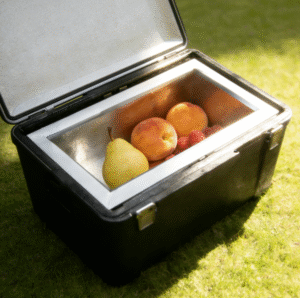
This article will answer for you:
What VIP cold chain boxes are and how they work
Why they are the best solution for cosmetics in cold chain logistics
The specific advantages of VIP insulation in cosmetic shipping
How to choose the right VIP cold chain box for your needs
What the latest 2025 trends say about cosmetic cold chain packaging
What Are VIP Cold Chain Boxes and How Do They Work?
VIP cold chain boxes are specially designed packaging solutions that use Vacuum Insulated Panels to maintain temperature stability for sensitive products, such as cosmetics. The purpose of these boxes is to protect products from temperature fluctuations that could negatively impact their quality. Cosmetics, especially those with active ingredients or delicate formulations, require precise temperature control to ensure they maintain their integrity during transport.
In practice, VIP cold chain boxes are highly effective at minimizing heat transfer, which is especially important when transporting cosmetics across long distances or during extended delivery times.
What Makes VIP Cold Chain Boxes Different from Other Insulated Packaging?
Unlike traditional insulated boxes, VIP cold chain boxes use Vacuum Insulated Panels, which are far more efficient at preventing heat transfer. These panels work by creating a vacuum between two layers of material, significantly reducing the amount of heat that can pass through. This makes them more reliable and energy-efficient compared to other types of thermal packaging.
For cosmetics, this level of temperature control ensures that products such as skincare creams, serums, and perfumes retain their quality and effectiveness. In fact, 90% of cosmetic product degradation occurs due to improper temperature exposure during transit
VIP cold chain box for cosmetic…
.
How Do VIP Cold Chain Boxes Protect Cosmetics?
The primary function of VIP cold chain boxes is to maintain a consistent and stable internal temperature. Cosmetics, especially those containing sensitive ingredients, must be kept within specific temperature ranges to prevent melting, crystallization, or chemical breakdown. These boxes also provide better insulation compared to traditional foam boxes, ensuring that temperature changes are minimized during transportation.
Why VIP Cold Chain Boxes Are Essential for Cosmetic Shipping
The cosmetic industry is one of the most temperature-sensitive sectors, with products often containing biologically active ingredients or emulsions that can separate or degrade with temperature changes. VIP cold chain boxes provide the ideal solution for safeguarding cosmetic integrity during long-distance shipping or exposure to fluctuating environmental conditions.
The Unique Requirements of Cosmetic Cold Chain Shipping
Preserving chemical stability: Active ingredients like Vitamin C, retinol, or peptides can degrade when exposed to high temperatures.
Preventing texture changes: Cosmetics with delicate textures, like creams, gels, or lotions, can lose their smooth consistency if they are exposed to heat.
Protecting packaging: Even the packaging of cosmetics can suffer damage from temperature fluctuations, causing warping or breaking.
VIP cold chain boxes excel in meeting these needs by providing superior insulation and reducing temperature variations, which is vital to keeping cosmetic products intact until they reach their destination.
How VIP Cold Chain Boxes Ensure Product Integrity
| Feature | Traditional Insulated Boxes | VIP Cold Chain Boxes | Your Benefit |
|---|---|---|---|
| Insulation Efficiency | Moderate | High | Better temperature control |
| Durability | Standard | High | Less risk of product damage |
| Transport Time | Short-term use | Long-duration stability | Suited for international shipping |
| Environmental Impact | Moderate | Low (reusable) | Reduced carbon footprint |
The Benefits of VIP Cold Chain Boxes for Cosmetics
Temperature stability: VIP panels maintain consistent temperatures for longer durations, protecting products from sudden temperature changes.
Reusability: VIP cold chain boxes can often be reused multiple times, making them more cost-effective and environmentally friendly.
Long-term shipping reliability: These boxes are ideal for shipping cosmetics over long distances, especially across regions with extreme temperature variations.
Real-World Applications
If you’re shipping high-end skincare products to international customers, VIP cold chain boxes are a must-have. They provide the peace of mind that your products will arrive intact, maintaining their high quality throughout transit.
How to Choose the Right VIP Cold Chain Box for Your Needs
Choosing the right VIP cold chain box depends on several factors, including the type of cosmetic product you’re shipping, the duration of transport, and the environmental conditions along the route. VIP cold chain boxes come in various sizes and configurations, and it’s crucial to select the one that best suits your shipping needs.
Factors to Consider When Choosing a VIP Cold Chain Box
Product sensitivity: Highly sensitive products, such as serums or moisturizers, may require extra insulation and secure sealing.
Shipping duration: If your shipment will take more than 48 hours, opt for thicker VIP panels and additional temperature monitoring features.
Environmental conditions: Consider the ambient temperature and the likelihood of delays during shipping.
Quick Guide to Selecting the Right VIP Cold Chain Box
| Criteria | Ideal Choice | Reasoning |
|---|---|---|
| Product type | High-value cosmetics | Better insulation and long-term temperature control |
| Transit duration | 48 hours+ | VIP boxes offer longer-lasting insulation |
| Weather conditions | Hot or cold climates | VIP panels provide more reliable temperature regulation |
| Volume | Small to large shipments | VIP boxes are scalable and adaptable to various volumes |
Practical Tips for Shipping Cosmetics with VIP Cold Chain Boxes
For short-distance shipping (less than 24 hours): You may choose lighter VIP boxes with thinner panels to keep costs down.
For long-distance or international shipments: Opt for a heavier-duty VIP box with added monitoring features, such as temperature sensors.
For seasonal shipments: Consider using additional gel packs for colder months or ice packs for warmer climates to further regulate internal temperatures.
Practical example: A premium skincare brand switched to VIP cold chain boxes and reported a 35% reduction in temperature-related returns after switching from standard foam insulation.
How to Ensure VIP Cold Chain Boxes Are Used Effectively
Ensuring VIP cold chain boxes are used effectively involves proper handling, timely delivery, and maintaining the packaging throughout the supply chain. Even the best packaging can fail if not handled properly. Here’s what you need to do:
Handling and Storage Best Practices
Avoid exposure to heat during loading and unloading: Always store the boxes in a shaded, cool area until ready for shipment.
Monitor temperature during transit: Using temperature sensors can help track whether the box is keeping the desired temperature range.
Seal and secure the box: Prevent any air leaks or moisture intrusion, which can compromise the insulation.
2025 Trends in Cosmetic Cold Chain Packaging
The cosmetic cold chain packaging industry is evolving rapidly in 2025 with a focus on sustainability, efficiency, and data-driven shipping solutions. More companies are opting for reusable VIP cold chain boxes as they offer long-term cost savings and reduce the environmental footprint of single-use packaging.
Key Developments in 2025
Sustainable materials: The use of eco-friendly, recyclable materials is gaining traction.
Smarter packaging: Integration of IoT sensors for real-time monitoring of temperature and humidity during transit.
AI-driven optimization: Companies are using predictive analytics to optimize shipping routes and reduce delays.
Insights and Market Growth
The cosmetic industry is seeing a steady rise in demand for premium packaging solutions, especially as consumers become more aware of the environmental impact of their purchases. Companies are responding by innovating their supply chain strategies and offering more sustainable, cost-effective packaging options.
Frequently Asked Questions (FAQ)
Q1: How long do VIP cold chain boxes maintain temperature stability?
VIP cold chain boxes can maintain temperature stability for up to 72 hours, depending on the insulation thickness and external conditions.
Q2: Are VIP cold chain boxes reusable?
Yes, VIP cold chain boxes are designed to be reusable, making them both cost-effective and eco-friendly over multiple shipping cycles.
Q3: Can VIP cold chain boxes be used for all types of cosmetics?
VIP cold chain boxes are ideal for high-value and sensitive cosmetic products, such as creams, serums, and perfumes, which require precise temperature control.
Summary and Recommendations
VIP cold chain boxes are an essential packaging solution for ensuring the quality and integrity of cosmetic products during transport. By maintaining consistent temperatures and offering long-lasting insulation, these boxes prevent damage to sensitive products and improve the overall shipping experience.
Key takeaways:
VIP cold chain boxes are ideal for cosmetics due to their superior insulation properties.
Select the right box based on product type, shipping duration, and climate conditions.
Sustainability trends and smarter packaging are shaping the future of cosmetic cold chain logistics.
Next step:
Evaluate your current packaging materials and explore sustainable alternatives.
Invest in smart temperature monitoring for all high-value shipments.
Review your shipping data to identify areas for cost optimization.
CTA: If you’re ready to optimize your cold chain packaging, contact us for a tailored solution that balances quality and cost.
About Tempk
At Tempk, we specialize in providing advanced cold chain solutions for sensitive products like cosmetics. Our VIP cold chain boxes offer the perfect combination of insulation, reliability, and sustainability, helping businesses maintain product quality and improve shipping efficiency.
Call to action: Contact us today to discuss how we can help you optimize your cosmetic shipping process and reduce costs while maintaining product integrity.