


Stackable Recyclable EPP Box Practical Selection Guide
Stackable Recyclable EPP Box Practical Selection Guide
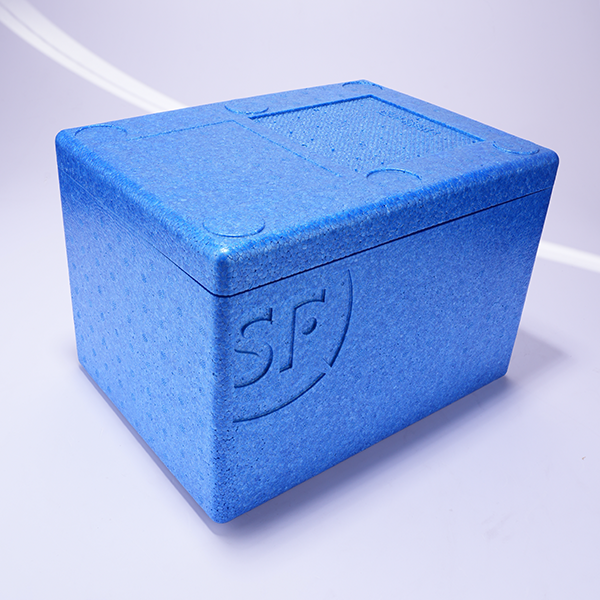
# Stackable Recyclable EPP Box: Practical Selection Guide for B2B Buyers
Selecting a stackable recyclable EPP box should start with the product, the route, and the handover points rather than the material name alone. EPP is a strong candidate for reusable insulated packaging, but the final choice depends on internal space, lid behavior, cleaning, coolant plan, return logistics, and evidence for the conditions you expect. The goal is not to buy the most impressive box on paper; it is to choose one that works repeatedly in your own process.
**Buyer note:** Treat the product name as the start of the specification, not the end. The right decision comes from route fit, payload fit, handling fit, and documentation fit.
## Define the route before comparing boxes
The strongest way to evaluate a stackable recyclable EPP box is to map the route first. Write down where the product is packed, how long it waits, who carries it, how many times the lid is opened, whether coolant or inserts are used, and what happens after delivery. This route map tells you whether the box needs better separation, stronger stacking, a tighter lid, easier cleaning, lower tare weight, or stronger evidence for thermal performance.
This approach matters because a recyclable label does not guarantee recycling if boxes are contaminated, mixed with other materials, or sent to regions without a matching processor. When the problem is named correctly, the product selection becomes more practical. The box either supports the real workflow or it does not. A beautiful sample that does not match payload, route exposure, cleaning, or return handling should not move into bulk purchasing without changes.
## What EPP contributes to the decision
Why EPP is used for this type of box
Expanded polypropylene, usually shortened to EPP, is a closed-cell bead foam made from polypropylene. It is valued in transport packaging because it combines low weight with impact absorption, thermal insulation, water resistance, chemical resistance, and a high strength-to-weight ratio. Those properties make it useful for reusable boxes, molded inserts, cold-chain handling containers, protective packaging, and delivery systems that face repeated manual handling. For a stackable recyclable EPP box, those strengths matter because the container is expected to face repeated movement, not just a single warehouse shelf life. EPP can cushion fragile goods, reduce the weight carried by drivers or pickers, and provide useful insulation when the correct lid, coolant, and loading plan are used.
A practical way to judge the material is to ask what failure mode you are trying to reduce. If breakage is the problem, look at corner strength and internal support. If temperature drift is the problem, look at lid fit, coolant volume, and route exposure. If cleaning is the problem, look at surfaces, grooves, labels, and whether liquid can collect in hard-to-reach spaces. The material helps, but the finished shape decides how useful it becomes.
## Where this format fits, and where to be cautious
This format is usually a good candidate for closed-loop logistics, warehouse staging, grocery delivery, catering, and returnable packaging programs with controlled retrieval. It is less suitable for one-way shipments where recovery is unlikely or products that contaminate the material beyond practical recycling. Those limits should be part of the buying conversation because EPP is not a magic material. It provides a useful base for reusable, insulated, impact-resistant packaging, but the finished box must still match the product and process.
If the shipment is temperature-sensitive, build the decision around a full packout. The packout includes the box, lid, coolant, product load, dividers or liners, preconditioning, route exposure, and receiving criteria. If the shipment is hygiene-sensitive, build the decision around contact status, primary packaging, cleaning, drying, and inspection. If the shipment is chemical-sensitive, build the decision around compatibility and safety review.
Do not confuse insulation with a qualified temperature-control system
An EPP box is an insulated or protective packaging component, not an automatic guarantee of temperature compliance. Temperature protection depends on payload, lid fit, coolant or PCM configuration, loading pattern, route time, ambient exposure, and how the box is opened or handled during delivery. For regulated or high-risk shipments, buyers should ask for test evidence that matches the planned use rather than relying on a generic hold-time claim.
For chilled food applications, buyers often use official food-safety guidance as a reference point. Refrigerated foods are commonly managed at or below 40 degrees Fahrenheit, or 4 degrees Celsius, while frozen storage is commonly managed around 0 degrees Fahrenheit, or minus 18 degrees Celsius. These figures are useful checkpoints, but the product label, local rules, and the buyer’s own quality program should define the final acceptance criteria. In a delivery operation, this means the box should be part of a broader process: precondition the box or coolant when needed, load products quickly, keep the lid closed, separate incompatible items, and inspect the shipment at receiving. The box reduces exposure, but it does not remove the need for operational control.
## Decision table for sample approval
| Decision area | Why it affects performance | Practical check |
|—|—|—|
| Product and payload | The box must fit the product, not just the catalog capacity. | Use real product packs and coolant in sample testing. |
| Route exposure | Open doors, waiting time, and handovers drive thermal risk. | Map the route before accepting a hold-time claim. |
| Reuse and cleaning | A reusable box is only useful if it can return clean and intact. | Define washing, drying, inspection, and retirement criteria. |
| Supplier evidence | Claims must be tied to conditions and finished article details. | Request documentation that matches the intended use. |
| Operational fit | Workers decide whether a box succeeds in daily use. | Check handling comfort, stacking, labeling, and storage footprint. |
Use this table during sample review and again before the first bulk order. The goal is not to create paperwork for its own sake. The goal is to prevent an attractive sample from being approved before it has been tested against the way your team will actually use it.
## Documentation and claims to verify
Food-contact and hygiene checks before ordering
For food-contact use, the material grade and the finished article both matter. Polypropylene and olefin polymers can be used in food-contact applications only when the relevant formulation and end-use conditions are met. In the United States, buyers usually verify 21 CFR 177.1520 relevance for polypropylene or olefin polymers. In the European Union, buyers often review Regulation (EC) No 1935/2004 and Regulation (EU) No 10/2011 for plastic food-contact materials. The practical purchasing point is simple: ask for documentation for the finished box or liner, not only for the raw resin.
For many food delivery applications, the food is already inside primary packaging, bottles, trays, pouches, or sealed containers. Even then, hygiene still matters because condensation, leaks, broken caps, and handling residue can touch the box surface. Ask whether the box is intended for direct food contact, indirect contact, or only secondary packaging. These are different claims, and they should not be mixed in a purchase specification.
Thermal performance claims should be treated as conditional. A box tested with one payload, one coolant layout, one preconditioning method, and one ambient profile may perform differently when the route changes. ISTA 7E is often used as a reference for thermal transport packaging in parcel delivery environments, but it does not replace lane-specific evaluation for every shipment.
## How to run a useful sample test
A useful sample test for a stackable recyclable EPP box should include real goods, normal loading speed, normal workers, and the expected coolant or insert plan. Do not test only an empty box. Empty-box handling can hide problems with balance, lid closure, usable volume, condensation, and product movement. If the box will be stacked, test filled boxes. If it will be cleaned, wash and dry it before making a decision. If the box will be returned, test the empty return process as well.
Record what your team learns in plain language. Did the lid close easily? Did labels remain readable? Did workers overfill the container? Did condensation collect? Did the box fit the vehicle shelf, cart, or storage rack? Did the finished article meet any hygiene, food-contact, or compatibility requirement? Those answers become more useful than a generic list of features because they reflect your own route.
## Buyer questions that prevent mismatch
Procurement checks that change the final choice
For a stackable recyclable EPP box, a useful supplier discussion should move quickly from product name to working conditions. Ask how the box behaves when it is filled the way your team will actually fill it. The first sample should be loaded with real cartons, bottles, trays, produce packs, or storage items. If the sample is tested empty, you will learn little about handling balance, lid closure, condensation, or internal interference.
The most important questions for this topic are specific: recycling pathway at end of life; stacking performance during actual loads; marking and material identification; cleaning before retirement; reuse tracking and damage inspection. These questions are more useful than asking whether the product is simply strong, green, or food grade. They force the supplier and buyer to define the intended use, the evidence needed, and the limits of the product before a bulk order is placed.
If the purchase will be repeated across several departments, keep the approved sample as a reference. Check whether the production units match the sample in molded shape, lid fit, divider or insert position, surface finish, color, and labeling area. A small design change can affect stacking, cleaning, or usable volume even when the material remains EPP. Procurement teams should also ask how the supplier communicates changes after approval, especially for reusable systems that may remain in service for a long time.
## A realistic operating example
Practical example: where the decision often changes
For example, a grocery operator wants to reduce single-use packaging, but the purchasing team must prove that boxes can be collected, reused, and retired responsibly. A standard insulated container might seem acceptable until the buyer loads real products and notices that usable volume is reduced by dividers, gel packs, bottle height, or uneven product shapes. The right response is not to choose the largest possible box automatically. Oversizing increases air space, vehicle footprint, and handling burden. The better approach is to test the smallest box that can hold the real payload, close properly, and leave enough room for the planned coolant or protective insert.
## Reuse, sustainability, and retirement planning
Stacking, storage, and the hidden cost of air
Stackability has value beyond neat warehouse photos. When boxes stack securely, teams can stage routes faster, use van space more predictably, and reduce damage from sliding loads. But stackability must be checked with real filled boxes, not only with empty samples. A lid that stacks well when empty may deform, slip, or hide labels when the box is heavy, damp, or partly loaded. The stack interface should support the way your workers actually build and break down loads.
EPP can be reused many times when it is kept clean, structurally intact, and returned through a controlled loop. It is also recyclable as polypropylene in principle, but recycling success depends on local collection, sorting, contamination level, and whether a buyer has access to a suitable take-back or processing channel. For procurement teams, sustainability should be measured by real use conditions, not by a material label alone. A stackable recyclable EPP box should therefore be evaluated through a reuse plan: who owns the box, who cleans it, how damage is recorded, how retired units are collected, and whether the recycling path can handle EPP in practice.
## FAQ
FAQ
### Is a stackable recyclable EPP box enough for cold-chain shipping?
It can be part of a cold-chain packaging system, but it is not enough by itself for every shipment. You still need to define the required temperature condition, route duration, ambient exposure, payload, coolant or PCM plan, and receiving checks. For high-risk or regulated products, ask for test evidence that reflects the full packout and route conditions.
### Can EPP boxes be used for food delivery?
EPP boxes are widely used for food delivery and grocery handling, but food-contact suitability depends on the material grade and the finished article. If food may touch the box directly, request documentation for that specific use. If food is sealed in primary packaging, hygiene, cleaning, condensation, and spill control still need to be managed.
### What should buyers check in a stackable EPP box?
Check the stacking interface with filled boxes, not only with empty samples. Review lid strength, base alignment, label visibility, slipping risk, and how boxes behave in vehicles or staging areas. If the box will be washed repeatedly, confirm whether stacking performance remains acceptable after cleaning and drying.
### What documents should I ask a supplier for?
Ask for material identification, finished-article food-contact or compatibility statements when relevant, thermal test context if performance is claimed, cleaning guidance, and confirmation that production units will match the approved sample. For temperature-sensitive products, request packout details rather than a generic hold-time number.
Conclusion
A stackable recyclable EPP box should be selected for a defined job, not for a material label alone. Start with the payload, route, temperature or handling risk, cleaning method, and return plan. Then evaluate EPP material benefits, molded design, lid or divider details, stack behavior, and supplier evidence. The strongest purchase decision is usually the one that turns vague claims into practical checks before bulk ordering.
About Tempk
Tempk is the cold-chain packaging brand of Shanghai Tempk Industrial Co., Ltd. We support buyers with practical packaging choices across gel ice packs, PCM packs, insulated liners and bags, EPP boxes, VIP medical cooler boxes, thermal pallet covers, and related cold-chain materials. For EPP packaging decisions, our role is to help you match container format, coolant method, route exposure, payload, and reuse plan before scaling from samples to larger orders.
Share your product type, route length, payload, required condition, and reuse plan with Tempk. We can help you compare whether a stackable recyclable EPP box or another cold-chain packaging format is the better starting point for sample review.
Stackable Portable EPP Foam Box Practical Selection Guide

# Stackable Portable EPP Foam Box: Practical Selection Guide for B2B Buyers
Selecting a stackable portable EPP foam box should start with the product, the route, and the handover points rather than the material name alone. EPP is a strong candidate for reusable insulated packaging, but the final choice depends on internal space, lid behavior, cleaning, coolant plan, return logistics, and evidence for the conditions you expect. The goal is not to buy the most impressive box on paper; it is to choose one that works repeatedly in your own process.
**Buyer note:** Treat the product name as the start of the specification, not the end. The right decision comes from route fit, payload fit, handling fit, and documentation fit.
## Define the route before comparing boxes
The strongest way to evaluate a stackable portable EPP foam box is to map the route first. Write down where the product is packed, how long it waits, who carries it, how many times the lid is opened, whether coolant or inserts are used, and what happens after delivery. This route map tells you whether the box needs better separation, stronger stacking, a tighter lid, easier cleaning, lower tare weight, or stronger evidence for thermal performance.
This approach matters because stackable claims are weak unless the base, lid, wall rigidity, load condition, and handling surfaces work together. When the problem is named correctly, the product selection becomes more practical. The box either supports the real workflow or it does not. A beautiful sample that does not match payload, route exposure, cleaning, or return handling should not move into bulk purchasing without changes.
## What EPP contributes to the decision
Why EPP is used for this type of box
Expanded polypropylene, usually shortened to EPP, is a closed-cell bead foam made from polypropylene. It is valued in transport packaging because it combines low weight with impact absorption, thermal insulation, water resistance, chemical resistance, and a high strength-to-weight ratio. Those properties make it useful for reusable boxes, molded inserts, cold-chain handling containers, protective packaging, and delivery systems that face repeated manual handling. For a stackable portable EPP box, those strengths matter because the container is expected to face repeated movement, not just a single warehouse shelf life. EPP can cushion fragile goods, reduce the weight carried by drivers or pickers, and provide useful insulation when the correct lid, coolant, and loading plan are used.
A practical way to judge the material is to ask what failure mode you are trying to reduce. If breakage is the problem, look at corner strength and internal support. If temperature drift is the problem, look at lid fit, coolant volume, and route exposure. If cleaning is the problem, look at surfaces, grooves, labels, and whether liquid can collect in hard-to-reach spaces. The material helps, but the finished shape decides how useful it becomes.
## Where this format fits, and where to be cautious
This format is usually a good candidate for multi-stop delivery, catering routes, regional food logistics, mobile sampling, and reusable cold-chain storage. It is less suitable for palletized loads with unknown stack weight, validated pharma lanes, or routes where boxes are exposed to crushing or unstable loads. Those limits should be part of the buying conversation because EPP is not a magic material. It provides a useful base for reusable, insulated, impact-resistant packaging, but the finished box must still match the product and process.
If the shipment is temperature-sensitive, build the decision around a full packout. The packout includes the box, lid, coolant, product load, dividers or liners, preconditioning, route exposure, and receiving criteria. If the shipment is hygiene-sensitive, build the decision around contact status, primary packaging, cleaning, drying, and inspection. If the shipment is chemical-sensitive, build the decision around compatibility and safety review.
Do not confuse insulation with a qualified temperature-control system
An EPP box is an insulated or protective packaging component, not an automatic guarantee of temperature compliance. Temperature protection depends on payload, lid fit, coolant or PCM configuration, loading pattern, route time, ambient exposure, and how the box is opened or handled during delivery. For regulated or high-risk shipments, buyers should ask for test evidence that matches the planned use rather than relying on a generic hold-time claim.
For chilled food applications, buyers often use official food-safety guidance as a reference point. Refrigerated foods are commonly managed at or below 40 degrees Fahrenheit, or 4 degrees Celsius, while frozen storage is commonly managed around 0 degrees Fahrenheit, or minus 18 degrees Celsius. These figures are useful checkpoints, but the product label, local rules, and the buyer’s own quality program should define the final acceptance criteria. In a delivery operation, this means the box should be part of a broader process: precondition the box or coolant when needed, load products quickly, keep the lid closed, separate incompatible items, and inspect the shipment at receiving. The box reduces exposure, but it does not remove the need for operational control.
## Decision table for sample approval
| Decision area | Why it affects performance | Practical check |
|—|—|—|
| Product and payload | The box must fit the product, not just the catalog capacity. | Use real product packs and coolant in sample testing. |
| Route exposure | Open doors, waiting time, and handovers drive thermal risk. | Map the route before accepting a hold-time claim. |
| Reuse and cleaning | A reusable box is only useful if it can return clean and intact. | Define washing, drying, inspection, and retirement criteria. |
| Supplier evidence | Claims must be tied to conditions and finished article details. | Request documentation that matches the intended use. |
| Operational fit | Workers decide whether a box succeeds in daily use. | Check handling comfort, stacking, labeling, and storage footprint. |
Use this table during sample review and again before the first bulk order. The goal is not to create paperwork for its own sake. The goal is to prevent an attractive sample from being approved before it has been tested against the way your team will actually use it.
## Documentation and claims to verify
Food-contact and hygiene checks before ordering
For food-contact use, the material grade and the finished article both matter. Polypropylene and olefin polymers can be used in food-contact applications only when the relevant formulation and end-use conditions are met. In the United States, buyers usually verify 21 CFR 177.1520 relevance for polypropylene or olefin polymers. In the European Union, buyers often review Regulation (EC) No 1935/2004 and Regulation (EU) No 10/2011 for plastic food-contact materials. The practical purchasing point is simple: ask for documentation for the finished box or liner, not only for the raw resin.
For many food delivery applications, the food is already inside primary packaging, bottles, trays, pouches, or sealed containers. Even then, hygiene still matters because condensation, leaks, broken caps, and handling residue can touch the box surface. Ask whether the box is intended for direct food contact, indirect contact, or only secondary packaging. These are different claims, and they should not be mixed in a purchase specification.
Thermal performance claims should be treated as conditional. A box tested with one payload, one coolant layout, one preconditioning method, and one ambient profile may perform differently when the route changes. ISTA 7E is often used as a reference for thermal transport packaging in parcel delivery environments, but it does not replace lane-specific evaluation for every shipment.
## How to run a useful sample test
A useful sample test for a stackable portable EPP foam box should include real goods, normal loading speed, normal workers, and the expected coolant or insert plan. Do not test only an empty box. Empty-box handling can hide problems with balance, lid closure, usable volume, condensation, and product movement. If the box will be stacked, test filled boxes. If it will be cleaned, wash and dry it before making a decision. If the box will be returned, test the empty return process as well.
Record what your team learns in plain language. Did the lid close easily? Did labels remain readable? Did workers overfill the container? Did condensation collect? Did the box fit the vehicle shelf, cart, or storage rack? Did the finished article meet any hygiene, food-contact, or compatibility requirement? Those answers become more useful than a generic list of features because they reflect your own route.
## Buyer questions that prevent mismatch
Procurement checks that change the final choice
For a stackable portable EPP foam box, a useful supplier discussion should move quickly from product name to working conditions. Ask how the box behaves when it is filled the way your team will actually fill it. The first sample should be loaded with real cartons, bottles, trays, produce packs, or storage items. If the sample is tested empty, you will learn little about handling balance, lid closure, condensation, or internal interference.
The most important questions for this topic are specific: stacking interface between lid and base; safe manual handling points; box behavior when partly loaded; label visibility in stacked rows; whether stackability remains after repeated washing. These questions are more useful than asking whether the product is simply strong, green, or food grade. They force the supplier and buyer to define the intended use, the evidence needed, and the limits of the product before a bulk order is placed.
If the purchase will be repeated across several departments, keep the approved sample as a reference. Check whether the production units match the sample in molded shape, lid fit, divider or insert position, surface finish, color, and labeling area. A small design change can affect stacking, cleaning, or usable volume even when the material remains EPP. Procurement teams should also ask how the supplier communicates changes after approval, especially for reusable systems that may remain in service for a long time.
## A realistic operating example
Practical example: where the decision often changes
For example, a van leaves with six insulated boxes stacked near the door, and the driver must remove one without tipping the rest or losing track of order labels. A standard insulated container might seem acceptable until the buyer loads real products and notices that usable volume is reduced by dividers, gel packs, bottle height, or uneven product shapes. The right response is not to choose the largest possible box automatically. Oversizing increases air space, vehicle footprint, and handling burden. The better approach is to test the smallest box that can hold the real payload, close properly, and leave enough room for the planned coolant or protective insert.
## Reuse, sustainability, and retirement planning
Stacking, storage, and the hidden cost of air
Stackability has value beyond neat warehouse photos. When boxes stack securely, teams can stage routes faster, use van space more predictably, and reduce damage from sliding loads. But stackability must be checked with real filled boxes, not only with empty samples. A lid that stacks well when empty may deform, slip, or hide labels when the box is heavy, damp, or partly loaded. The stack interface should support the way your workers actually build and break down loads.
EPP can be reused many times when it is kept clean, structurally intact, and returned through a controlled loop. It is also recyclable as polypropylene in principle, but recycling success depends on local collection, sorting, contamination level, and whether a buyer has access to a suitable take-back or processing channel. For procurement teams, sustainability should be measured by real use conditions, not by a material label alone. A stackable portable EPP foam box should therefore be evaluated through a reuse plan: who owns the box, who cleans it, how damage is recorded, how retired units are collected, and whether the recycling path can handle EPP in practice.
## FAQ
FAQ
### Is a stackable portable EPP foam box enough for cold-chain shipping?
It can be part of a cold-chain packaging system, but it is not enough by itself for every shipment. You still need to define the required temperature condition, route duration, ambient exposure, payload, coolant or PCM plan, and receiving checks. For high-risk or regulated products, ask for test evidence that reflects the full packout and route conditions.
### Can EPP boxes be used for food delivery?
EPP boxes are widely used for food delivery and grocery handling, but food-contact suitability depends on the material grade and the finished article. If food may touch the box directly, request documentation for that specific use. If food is sealed in primary packaging, hygiene, cleaning, condensation, and spill control still need to be managed.
### What should buyers check in a stackable EPP box?
Check the stacking interface with filled boxes, not only with empty samples. Review lid strength, base alignment, label visibility, slipping risk, and how boxes behave in vehicles or staging areas. If the box will be washed repeatedly, confirm whether stacking performance remains acceptable after cleaning and drying.
### What documents should I ask a supplier for?
Ask for material identification, finished-article food-contact or compatibility statements when relevant, thermal test context if performance is claimed, cleaning guidance, and confirmation that production units will match the approved sample. For temperature-sensitive products, request packout details rather than a generic hold-time number.
Conclusion
A stackable portable EPP foam box should be selected for a defined job, not for a material label alone. Start with the payload, route, temperature or handling risk, cleaning method, and return plan. Then evaluate EPP material benefits, molded design, lid or divider details, stack behavior, and supplier evidence. The strongest purchase decision is usually the one that turns vague claims into practical checks before bulk ordering.
About Tempk
Tempk is the cold-chain packaging brand of Shanghai Tempk Industrial Co., Ltd. We support buyers with practical packaging choices across gel ice packs, PCM packs, insulated liners and bags, EPP boxes, VIP medical cooler boxes, thermal pallet covers, and related cold-chain materials. For EPP packaging decisions, our role is to help you match container format, coolant method, route exposure, payload, and reuse plan before scaling from samples to larger orders.
Share your product type, route length, payload, required condition, and reuse plan with Tempk. We can help you compare whether a stackable portable EPP foam box or another cold-chain packaging format is the better starting point for sample review.
Portable EPP Transport Box Practical Selection Guide
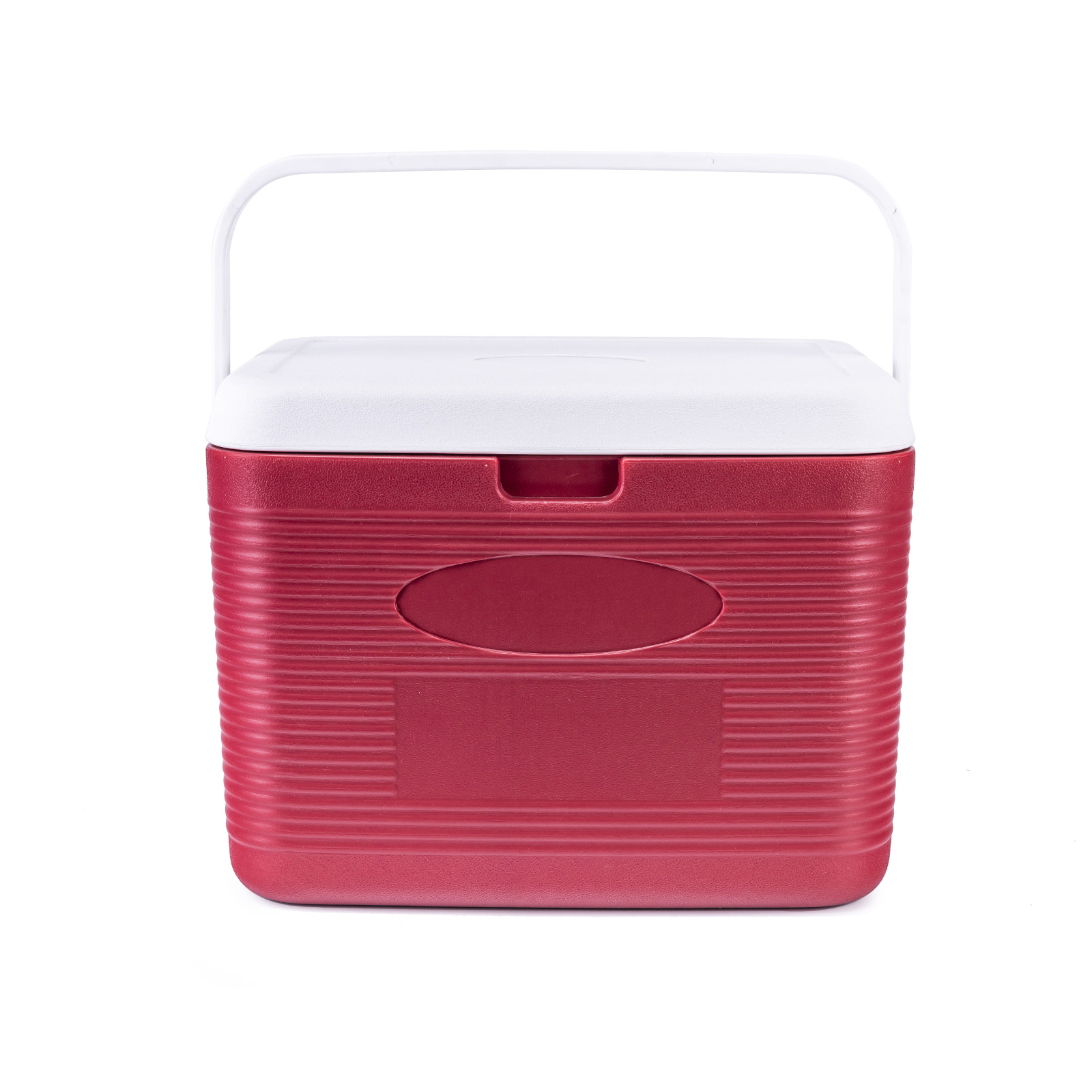
# Portable EPP Transport Box: Practical Selection Guide for B2B Buyers
Selecting a portable EPP transport box should start with the product, the route, and the handover points rather than the material name alone. EPP is a strong candidate for reusable insulated packaging, but the final choice depends on internal space, lid behavior, cleaning, coolant plan, return logistics, and evidence for the conditions you expect. The goal is not to buy the most impressive box on paper; it is to choose one that works repeatedly in your own process.
**Buyer note:** Treat the product name as the start of the specification, not the end. The right decision comes from route fit, payload fit, handling fit, and documentation fit.
## Define the route before comparing boxes
The strongest way to evaluate a portable EPP transport box is to map the route first. Write down where the product is packed, how long it waits, who carries it, how many times the lid is opened, whether coolant or inserts are used, and what happens after delivery. This route map tells you whether the box needs better separation, stronger stacking, a tighter lid, easier cleaning, lower tare weight, or stronger evidence for thermal performance.
This approach matters because a portable box must balance handle comfort, payload fit, lid closure, insulation, cleaning, and return logistics; portability alone is not enough. When the problem is named correctly, the product selection becomes more practical. The box either supports the real workflow or it does not. A beautiful sample that does not match payload, route exposure, cleaning, or return handling should not move into bulk purchasing without changes.
## What EPP contributes to the decision
Why EPP is used for this type of box
Expanded polypropylene, usually shortened to EPP, is a closed-cell bead foam made from polypropylene. It is valued in transport packaging because it combines low weight with impact absorption, thermal insulation, water resistance, chemical resistance, and a high strength-to-weight ratio. Those properties make it useful for reusable boxes, molded inserts, cold-chain handling containers, protective packaging, and delivery systems that face repeated manual handling. For a portable EPP transport box, those strengths matter because the container is expected to face repeated movement, not just a single warehouse shelf life. EPP can cushion fragile goods, reduce the weight carried by drivers or pickers, and provide useful insulation when the correct lid, coolant, and loading plan are used.
A practical way to judge the material is to ask what failure mode you are trying to reduce. If breakage is the problem, look at corner strength and internal support. If temperature drift is the problem, look at lid fit, coolant volume, and route exposure. If cleaning is the problem, look at surfaces, grooves, labels, and whether liquid can collect in hard-to-reach spaces. The material helps, but the finished shape decides how useful it becomes.
## Where this format fits, and where to be cautious
This format is usually a good candidate for regional food delivery, laboratory sample movement, retail replenishment, events, service routes, and reusable internal logistics. It is less suitable for unattended long-distance parcel shipments or regulated lanes that need a qualified thermal shipping system. Those limits should be part of the buying conversation because EPP is not a magic material. It provides a useful base for reusable, insulated, impact-resistant packaging, but the finished box must still match the product and process.
If the shipment is temperature-sensitive, build the decision around a full packout. The packout includes the box, lid, coolant, product load, dividers or liners, preconditioning, route exposure, and receiving criteria. If the shipment is hygiene-sensitive, build the decision around contact status, primary packaging, cleaning, drying, and inspection. If the shipment is chemical-sensitive, build the decision around compatibility and safety review.
Do not confuse insulation with a qualified temperature-control system
An EPP box is an insulated or protective packaging component, not an automatic guarantee of temperature compliance. Temperature protection depends on payload, lid fit, coolant or PCM configuration, loading pattern, route time, ambient exposure, and how the box is opened or handled during delivery. For regulated or high-risk shipments, buyers should ask for test evidence that matches the planned use rather than relying on a generic hold-time claim.
For chilled food applications, buyers often use official food-safety guidance as a reference point. Refrigerated foods are commonly managed at or below 40 degrees Fahrenheit, or 4 degrees Celsius, while frozen storage is commonly managed around 0 degrees Fahrenheit, or minus 18 degrees Celsius. These figures are useful checkpoints, but the product label, local rules, and the buyer’s own quality program should define the final acceptance criteria. In a delivery operation, this means the box should be part of a broader process: precondition the box or coolant when needed, load products quickly, keep the lid closed, separate incompatible items, and inspect the shipment at receiving. The box reduces exposure, but it does not remove the need for operational control.
## Decision table for sample approval
| Decision area | Why it affects performance | Practical check |
|—|—|—|
| Product and payload | The box must fit the product, not just the catalog capacity. | Use real product packs and coolant in sample testing. |
| Route exposure | Open doors, waiting time, and handovers drive thermal risk. | Map the route before accepting a hold-time claim. |
| Reuse and cleaning | A reusable box is only useful if it can return clean and intact. | Define washing, drying, inspection, and retirement criteria. |
| Supplier evidence | Claims must be tied to conditions and finished article details. | Request documentation that matches the intended use. |
| Operational fit | Workers decide whether a box succeeds in daily use. | Check handling comfort, stacking, labeling, and storage footprint. |
Use this table during sample review and again before the first bulk order. The goal is not to create paperwork for its own sake. The goal is to prevent an attractive sample from being approved before it has been tested against the way your team will actually use it.
## Documentation and claims to verify
Food-contact and hygiene checks before ordering
For food-contact use, the material grade and the finished article both matter. Polypropylene and olefin polymers can be used in food-contact applications only when the relevant formulation and end-use conditions are met. In the United States, buyers usually verify 21 CFR 177.1520 relevance for polypropylene or olefin polymers. In the European Union, buyers often review Regulation (EC) No 1935/2004 and Regulation (EU) No 10/2011 for plastic food-contact materials. The practical purchasing point is simple: ask for documentation for the finished box or liner, not only for the raw resin.
For many food delivery applications, the food is already inside primary packaging, bottles, trays, pouches, or sealed containers. Even then, hygiene still matters because condensation, leaks, broken caps, and handling residue can touch the box surface. Ask whether the box is intended for direct food contact, indirect contact, or only secondary packaging. These are different claims, and they should not be mixed in a purchase specification.
Thermal performance claims should be treated as conditional. A box tested with one payload, one coolant layout, one preconditioning method, and one ambient profile may perform differently when the route changes. ISTA 7E is often used as a reference for thermal transport packaging in parcel delivery environments, but it does not replace lane-specific evaluation for every shipment.
## How to run a useful sample test
A useful sample test for a portable EPP transport box should include real goods, normal loading speed, normal workers, and the expected coolant or insert plan. Do not test only an empty box. Empty-box handling can hide problems with balance, lid closure, usable volume, condensation, and product movement. If the box will be stacked, test filled boxes. If it will be cleaned, wash and dry it before making a decision. If the box will be returned, test the empty return process as well.
Record what your team learns in plain language. Did the lid close easily? Did labels remain readable? Did workers overfill the container? Did condensation collect? Did the box fit the vehicle shelf, cart, or storage rack? Did the finished article meet any hygiene, food-contact, or compatibility requirement? Those answers become more useful than a generic list of features because they reflect your own route.
## Buyer questions that prevent mismatch
Procurement checks that change the final choice
For a portable EPP transport box, a useful supplier discussion should move quickly from product name to working conditions. Ask how the box behaves when it is filled the way your team will actually fill it. The first sample should be loaded with real cartons, bottles, trays, produce packs, or storage items. If the sample is tested empty, you will learn little about handling balance, lid closure, condensation, or internal interference.
The most important questions for this topic are specific: handle design and lift height; tare weight versus payload; internal dimensions for actual product packs; lid seal and closure discipline; return and cleaning process. These questions are more useful than asking whether the product is simply strong, green, or food grade. They force the supplier and buyer to define the intended use, the evidence needed, and the limits of the product before a bulk order is placed.
If the purchase will be repeated across several departments, keep the approved sample as a reference. Check whether the production units match the sample in molded shape, lid fit, divider or insert position, surface finish, color, and labeling area. A small design change can affect stacking, cleaning, or usable volume even when the material remains EPP. Procurement teams should also ask how the supplier communicates changes after approval, especially for reusable systems that may remain in service for a long time.
## A realistic operating example
Practical example: where the decision often changes
For example, a warehouse team transfers small refrigerated goods between sites several times per day and needs a box that staff can lift without damaging the product or the container. A standard insulated container might seem acceptable until the buyer loads real products and notices that usable volume is reduced by dividers, gel packs, bottle height, or uneven product shapes. The right response is not to choose the largest possible box automatically. Oversizing increases air space, vehicle footprint, and handling burden. The better approach is to test the smallest box that can hold the real payload, close properly, and leave enough room for the planned coolant or protective insert.
## Reuse, sustainability, and retirement planning
Portability and route discipline
Portable packaging succeeds when workers can carry it correctly at the exact moments when product risk is highest. Those moments include picking, loading, vehicle transfer, customer handover, and return. Handles, lid fit, balance, and label visibility matter because they shape human behavior. A box that is awkward to carry will be dragged, tilted, left open, or overfilled, which can reduce the benefit of the material itself.
EPP can be reused many times when it is kept clean, structurally intact, and returned through a controlled loop. It is also recyclable as polypropylene in principle, but recycling success depends on local collection, sorting, contamination level, and whether a buyer has access to a suitable take-back or processing channel. For procurement teams, sustainability should be measured by real use conditions, not by a material label alone. A portable EPP transport box should therefore be evaluated through a reuse plan: who owns the box, who cleans it, how damage is recorded, how retired units are collected, and whether the recycling path can handle EPP in practice.
## FAQ
FAQ
### Is a portable EPP transport box enough for cold-chain shipping?
It can be part of a cold-chain packaging system, but it is not enough by itself for every shipment. You still need to define the required temperature condition, route duration, ambient exposure, payload, coolant or PCM plan, and receiving checks. For high-risk or regulated products, ask for test evidence that reflects the full packout and route conditions.
### Can EPP boxes be used for food delivery?
EPP boxes are widely used for food delivery and grocery handling, but food-contact suitability depends on the material grade and the finished article. If food may touch the box directly, request documentation for that specific use. If food is sealed in primary packaging, hygiene, cleaning, condensation, and spill control still need to be managed.
### What documents should I ask a supplier for?
Ask for material identification, finished-article food-contact or compatibility statements when relevant, thermal test context if performance is claimed, cleaning guidance, and confirmation that production units will match the approved sample. For temperature-sensitive products, request packout details rather than a generic hold-time number.
Conclusion
A portable EPP transport box should be selected for a defined job, not for a material label alone. Start with the payload, route, temperature or handling risk, cleaning method, and return plan. Then evaluate EPP material benefits, molded design, lid or divider details, stack behavior, and supplier evidence. The strongest purchase decision is usually the one that turns vague claims into practical checks before bulk ordering.
About Tempk
Tempk is the cold-chain packaging brand of Shanghai Tempk Industrial Co., Ltd. We support buyers with practical packaging choices across gel ice packs, PCM packs, insulated liners and bags, EPP boxes, VIP medical cooler boxes, thermal pallet covers, and related cold-chain materials. For EPP packaging decisions, our role is to help you match container format, coolant method, route exposure, payload, and reuse plan before scaling from samples to larger orders.
Share your product type, route length, payload, required condition, and reuse plan with Tempk. We can help you compare whether a portable EPP transport box or another cold-chain packaging format is the better starting point for sample review.
Portable Chemical-resistant EPP Storage Container Practical Selection Guide
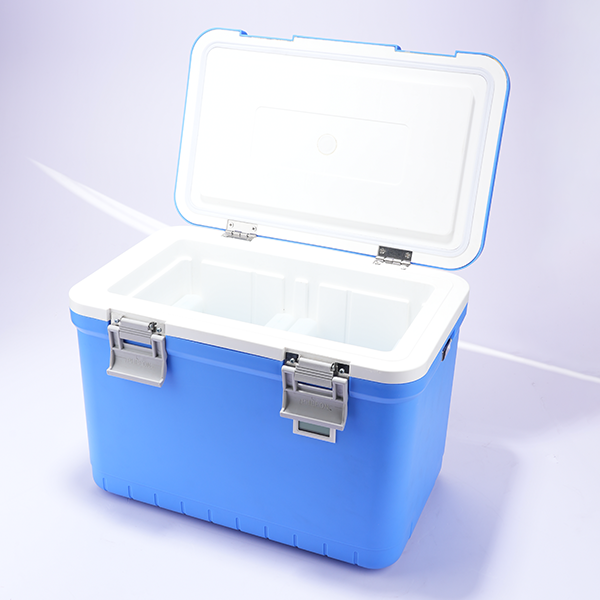
# Portable Chemical-resistant EPP Storage Container: Practical Selection Guide for B2B Buyers
Selecting a portable chemical-resistant EPP storage container should start with the product, the route, and the handover points rather than the material name alone. EPP is a strong candidate for reusable insulated packaging, but the final choice depends on internal space, lid behavior, cleaning, coolant plan, return logistics, and evidence for the conditions you expect. The goal is not to buy the most impressive box on paper; it is to choose one that works repeatedly in your own process.
**Buyer note:** Treat the product name as the start of the specification, not the end. The right decision comes from route fit, payload fit, handling fit, and documentation fit.
## Define the route before comparing boxes
The strongest way to evaluate a portable chemical-resistant EPP storage container is to map the route first. Write down where the product is packed, how long it waits, who carries it, how many times the lid is opened, whether coolant or inserts are used, and what happens after delivery. This route map tells you whether the box needs better separation, stronger stacking, a tighter lid, easier cleaning, lower tare weight, or stronger evidence for thermal performance.
This approach matters because chemical resistance is not universal; the exact chemical, concentration, exposure time, temperature, and cleaning method must be verified. When the problem is named correctly, the product selection becomes more practical. The box either supports the real workflow or it does not. A beautiful sample that does not match payload, route exposure, cleaning, or return handling should not move into bulk purchasing without changes.
## What EPP contributes to the decision
Why EPP is used for this type of box
Expanded polypropylene, usually shortened to EPP, is a closed-cell bead foam made from polypropylene. It is valued in transport packaging because it combines low weight with impact absorption, thermal insulation, water resistance, chemical resistance, and a high strength-to-weight ratio. Those properties make it useful for reusable boxes, molded inserts, cold-chain handling containers, protective packaging, and delivery systems that face repeated manual handling. For a chemical-resistant EPP storage container, those strengths matter because the container is expected to face repeated movement, not just a single warehouse shelf life. EPP can cushion fragile goods, reduce the weight carried by drivers or pickers, and provide useful insulation when the correct lid, coolant, and loading plan are used.
A practical way to judge the material is to ask what failure mode you are trying to reduce. If breakage is the problem, look at corner strength and internal support. If temperature drift is the problem, look at lid fit, coolant volume, and route exposure. If cleaning is the problem, look at surfaces, grooves, labels, and whether liquid can collect in hard-to-reach spaces. The material helps, but the finished shape decides how useful it becomes.
## Where this format fits, and where to be cautious
This format is usually a good candidate for closed secondary containment of compatible packed items, field kits, maintenance supplies, and short transport between controlled locations. It is less suitable for hazardous materials that require certified dangerous-goods packaging, direct contact with aggressive solvents, or any chemical not verified against the material and liner. Those limits should be part of the buying conversation because EPP is not a magic material. It provides a useful base for reusable, insulated, impact-resistant packaging, but the finished box must still match the product and process.
If the shipment is temperature-sensitive, build the decision around a full packout. The packout includes the box, lid, coolant, product load, dividers or liners, preconditioning, route exposure, and receiving criteria. If the shipment is hygiene-sensitive, build the decision around contact status, primary packaging, cleaning, drying, and inspection. If the shipment is chemical-sensitive, build the decision around compatibility and safety review.
Do not confuse insulation with a qualified temperature-control system
An EPP box is an insulated or protective packaging component, not an automatic guarantee of temperature compliance. Temperature protection depends on payload, lid fit, coolant or PCM configuration, loading pattern, route time, ambient exposure, and how the box is opened or handled during delivery. For regulated or high-risk shipments, buyers should ask for test evidence that matches the planned use rather than relying on a generic hold-time claim.
For storage or non-food transport, the same logic applies. The box can slow thermal exchange and reduce impact, but it cannot create a controlled environment by itself. If the product has a required temperature range or documented handling condition, define that condition first, then ask whether the container has been evaluated under comparable conditions.
## Decision table for sample approval
| Decision area | Why it affects performance | Practical check |
|—|—|—|
| Product and payload | The box must fit the product, not just the catalog capacity. | Use real product packs and coolant in sample testing. |
| Route exposure | Open doors, waiting time, and handovers drive thermal risk. | Map the route before accepting a hold-time claim. |
| Reuse and cleaning | A reusable box is only useful if it can return clean and intact. | Define washing, drying, inspection, and retirement criteria. |
| Supplier evidence | Claims must be tied to conditions and finished article details. | Request documentation that matches the intended use. |
| Operational fit | Workers decide whether a box succeeds in daily use. | Check handling comfort, stacking, labeling, and storage footprint. |
Use this table during sample review and again before the first bulk order. The goal is not to create paperwork for its own sake. The goal is to prevent an attractive sample from being approved before it has been tested against the way your team will actually use it.
## Documentation and claims to verify
Chemical resistance is a compatibility question
EPP is often described as chemically resistant, but a procurement team should translate that statement into a compatibility review. The relevant question is not whether the material resists chemicals in general; it is whether the finished container, liner, label, hinge, lid, and any insert can tolerate the exact substances, concentrations, exposure time, and cleaning agents used in your operation. For aggressive chemicals or regulated dangerous goods, a normal EPP storage container may be only a secondary handling aid, not the required certified package.
If the container will be used around laboratory reagents, industrial cleaners, oils, or maintenance fluids, ask the supplier for a chemical compatibility statement or test reference for the material and any surface treatment. Also confirm what happens after a spill. A box that resists brief exposure may still be difficult to decontaminate, label, or return to service safely. Safety teams should review the use case before bulk purchasing.
Thermal performance claims should be treated as conditional. A box tested with one payload, one coolant layout, one preconditioning method, and one ambient profile may perform differently when the route changes. ISTA 7E is often used as a reference for thermal transport packaging in parcel delivery environments, but it does not replace lane-specific evaluation for every shipment.
## How to run a useful sample test
A useful sample test for a portable chemical-resistant EPP storage container should include real goods, normal loading speed, normal workers, and the expected coolant or insert plan. Do not test only an empty box. Empty-box handling can hide problems with balance, lid closure, usable volume, condensation, and product movement. If the box will be stacked, test filled boxes. If it will be cleaned, wash and dry it before making a decision. If the box will be returned, test the empty return process as well.
Record what your team learns in plain language. Did the lid close easily? Did labels remain readable? Did workers overfill the container? Did condensation collect? Did the box fit the vehicle shelf, cart, or storage rack? Did the finished article meet any hygiene, food-contact, or compatibility requirement? Those answers become more useful than a generic list of features because they reflect your own route.
## Buyer questions that prevent mismatch
Procurement checks that change the final choice
For a portable chemical-resistant EPP storage container, a useful supplier discussion should move quickly from product name to working conditions. Ask how the box behaves when it is filled the way your team will actually fill it. The first sample should be loaded with real cartons, bottles, trays, produce packs, or storage items. If the sample is tested empty, you will learn little about handling balance, lid closure, condensation, or internal interference.
The most important questions for this topic are specific: chemical compatibility list for the finished box or liner; secondary containment strategy; labeling and segregation needs; cleaning after spills; whether EPP is exposed directly or protected by a liner. These questions are more useful than asking whether the product is simply strong, green, or food grade. They force the supplier and buyer to define the intended use, the evidence needed, and the limits of the product before a bulk order is placed.
If the purchase will be repeated across several departments, keep the approved sample as a reference. Check whether the production units match the sample in molded shape, lid fit, divider or insert position, surface finish, color, and labeling area. A small design change can affect stacking, cleaning, or usable volume even when the material remains EPP. Procurement teams should also ask how the supplier communicates changes after approval, especially for reusable systems that may remain in service for a long time.
## A realistic operating example
Practical example: where the decision often changes
For example, a field team needs a lightweight storage container for sealed maintenance chemicals, but the safety manager wants proof that the box material and any liner match the substances handled. A standard insulated container might seem acceptable until the buyer loads real products and notices that usable volume is reduced by dividers, gel packs, bottle height, or uneven product shapes. The right response is not to choose the largest possible box automatically. Oversizing increases air space, vehicle footprint, and handling burden. The better approach is to test the smallest box that can hold the real payload, close properly, and leave enough room for the planned coolant or protective insert.
## Reuse, sustainability, and retirement planning
Stacking, storage, and the hidden cost of air
Stackability has value beyond neat warehouse photos. When boxes stack securely, teams can stage routes faster, use van space more predictably, and reduce damage from sliding loads. But stackability must be checked with real filled boxes, not only with empty samples. A lid that stacks well when empty may deform, slip, or hide labels when the box is heavy, damp, or partly loaded. The stack interface should support the way your workers actually build and break down loads.
EPP can be reused many times when it is kept clean, structurally intact, and returned through a controlled loop. It is also recyclable as polypropylene in principle, but recycling success depends on local collection, sorting, contamination level, and whether a buyer has access to a suitable take-back or processing channel. For procurement teams, sustainability should be measured by real use conditions, not by a material label alone. A portable chemical-resistant EPP storage container should therefore be evaluated through a reuse plan: who owns the box, who cleans it, how damage is recorded, how retired units are collected, and whether the recycling path can handle EPP in practice.
## FAQ
FAQ
### Is a portable chemical-resistant EPP storage container enough for cold-chain shipping?
It can be part of a cold-chain packaging system, but it is not enough by itself for every shipment. You still need to define the required temperature condition, route duration, ambient exposure, payload, coolant or PCM plan, and receiving checks. For high-risk or regulated products, ask for test evidence that reflects the full packout and route conditions.
### Does chemical-resistant EPP work with all chemicals?
No. Chemical resistance must be checked against the exact substance, concentration, exposure time, temperature, and cleaning method. A supplier’s general material statement is only a starting point. For hazardous materials or regulated goods, confirm whether certified dangerous-goods packaging or secondary containment is required.
### What should buyers check in a stackable EPP box?
Check the stacking interface with filled boxes, not only with empty samples. Review lid strength, base alignment, label visibility, slipping risk, and how boxes behave in vehicles or staging areas. If the box will be washed repeatedly, confirm whether stacking performance remains acceptable after cleaning and drying.
### What documents should I ask a supplier for?
Ask for material identification, finished-article food-contact or compatibility statements when relevant, thermal test context if performance is claimed, cleaning guidance, and confirmation that production units will match the approved sample. For temperature-sensitive products, request packout details rather than a generic hold-time number.
Conclusion
A portable chemical-resistant EPP storage container should be selected for a defined job, not for a material label alone. Start with the payload, route, temperature or handling risk, cleaning method, and return plan. Then evaluate EPP material benefits, molded design, lid or divider details, stack behavior, and supplier evidence. The strongest purchase decision is usually the one that turns vague claims into practical checks before bulk ordering.
About Tempk
Tempk is the cold-chain packaging brand of Shanghai Tempk Industrial Co., Ltd. We support buyers with practical packaging choices across gel ice packs, PCM packs, insulated liners and bags, EPP boxes, VIP medical cooler boxes, thermal pallet covers, and related cold-chain materials. For EPP packaging decisions, our role is to help you match container format, coolant method, route exposure, payload, and reuse plan before scaling from samples to larger orders.
Share your product type, route length, payload, required condition, and reuse plan with Tempk. We can help you compare whether a portable chemical-resistant EPP storage container or another cold-chain packaging format is the better starting point for sample review.
Lightweight EPP Box for Grocery Delivery Practical Selection Guide
# Lightweight EPP Box for Grocery Delivery: Practical Selection Guide for B2B Buyers
Selecting a lightweight EPP box for grocery delivery should start with the product, the route, and the handover points rather than the material name alone. EPP is a strong candidate for reusable insulated packaging, but the final choice depends on internal space, lid behavior, cleaning, coolant plan, return logistics, and evidence for the conditions you expect. The goal is not to buy the most impressive box on paper; it is to choose one that works repeatedly in your own process.
**Buyer note:** Treat the product name as the start of the specification, not the end. The right decision comes from route fit, payload fit, handling fit, and documentation fit.
## Define the route before comparing boxes
The strongest way to evaluate a lightweight EPP box for grocery delivery is to map the route first. Write down where the product is packed, how long it waits, who carries it, how many times the lid is opened, whether coolant or inserts are used, and what happens after delivery. This route map tells you whether the box needs better separation, stronger stacking, a tighter lid, easier cleaning, lower tare weight, or stronger evidence for thermal performance.
This approach matters because light weight can be misleading if the box sacrifices usable volume, lid behavior, cleaning, or protection for fragile groceries. When the problem is named correctly, the product selection becomes more practical. The box either supports the real workflow or it does not. A beautiful sample that does not match payload, route exposure, cleaning, or return handling should not move into bulk purchasing without changes.
## What EPP contributes to the decision
Why EPP is used for this type of box
Expanded polypropylene, usually shortened to EPP, is a closed-cell bead foam made from polypropylene. It is valued in transport packaging because it combines low weight with impact absorption, thermal insulation, water resistance, chemical resistance, and a high strength-to-weight ratio. Those properties make it useful for reusable boxes, molded inserts, cold-chain handling containers, protective packaging, and delivery systems that face repeated manual handling. For a lightweight EPP grocery box, those strengths matter because the container is expected to face repeated movement, not just a single warehouse shelf life. EPP can cushion fragile goods, reduce the weight carried by drivers or pickers, and provide useful insulation when the correct lid, coolant, and loading plan are used.
A practical way to judge the material is to ask what failure mode you are trying to reduce. If breakage is the problem, look at corner strength and internal support. If temperature drift is the problem, look at lid fit, coolant volume, and route exposure. If cleaning is the problem, look at surfaces, grooves, labels, and whether liquid can collect in hard-to-reach spaces. The material helps, but the finished shape decides how useful it becomes.
## Where this format fits, and where to be cautious
This format is usually a good candidate for store-to-door delivery, click-and-collect staging, chilled grocery totes, and mixed produce or dairy orders. It is less suitable for long unattended shipments, products with strict medical temperature documentation, or very heavy payloads requiring rigid crates. Those limits should be part of the buying conversation because EPP is not a magic material. It provides a useful base for reusable, insulated, impact-resistant packaging, but the finished box must still match the product and process.
If the shipment is temperature-sensitive, build the decision around a full packout. The packout includes the box, lid, coolant, product load, dividers or liners, preconditioning, route exposure, and receiving criteria. If the shipment is hygiene-sensitive, build the decision around contact status, primary packaging, cleaning, drying, and inspection. If the shipment is chemical-sensitive, build the decision around compatibility and safety review.
Do not confuse insulation with a qualified temperature-control system
An EPP box is an insulated or protective packaging component, not an automatic guarantee of temperature compliance. Temperature protection depends on payload, lid fit, coolant or PCM configuration, loading pattern, route time, ambient exposure, and how the box is opened or handled during delivery. For regulated or high-risk shipments, buyers should ask for test evidence that matches the planned use rather than relying on a generic hold-time claim.
For chilled food applications, buyers often use official food-safety guidance as a reference point. Refrigerated foods are commonly managed at or below 40 degrees Fahrenheit, or 4 degrees Celsius, while frozen storage is commonly managed around 0 degrees Fahrenheit, or minus 18 degrees Celsius. These figures are useful checkpoints, but the product label, local rules, and the buyer’s own quality program should define the final acceptance criteria. In a delivery operation, this means the box should be part of a broader process: precondition the box or coolant when needed, load products quickly, keep the lid closed, separate incompatible items, and inspect the shipment at receiving. The box reduces exposure, but it does not remove the need for operational control.
## Decision table for sample approval
| Decision area | Why it affects performance | Practical check |
|—|—|—|
| Product and payload | The box must fit the product, not just the catalog capacity. | Use real product packs and coolant in sample testing. |
| Route exposure | Open doors, waiting time, and handovers drive thermal risk. | Map the route before accepting a hold-time claim. |
| Reuse and cleaning | A reusable box is only useful if it can return clean and intact. | Define washing, drying, inspection, and retirement criteria. |
| Supplier evidence | Claims must be tied to conditions and finished article details. | Request documentation that matches the intended use. |
| Operational fit | Workers decide whether a box succeeds in daily use. | Check handling comfort, stacking, labeling, and storage footprint. |
Use this table during sample review and again before the first bulk order. The goal is not to create paperwork for its own sake. The goal is to prevent an attractive sample from being approved before it has been tested against the way your team will actually use it.
## Documentation and claims to verify
Food-contact and hygiene checks before ordering
For food-contact use, the material grade and the finished article both matter. Polypropylene and olefin polymers can be used in food-contact applications only when the relevant formulation and end-use conditions are met. In the United States, buyers usually verify 21 CFR 177.1520 relevance for polypropylene or olefin polymers. In the European Union, buyers often review Regulation (EC) No 1935/2004 and Regulation (EU) No 10/2011 for plastic food-contact materials. The practical purchasing point is simple: ask for documentation for the finished box or liner, not only for the raw resin.
For many food delivery applications, the food is already inside primary packaging, bottles, trays, pouches, or sealed containers. Even then, hygiene still matters because condensation, leaks, broken caps, and handling residue can touch the box surface. Ask whether the box is intended for direct food contact, indirect contact, or only secondary packaging. These are different claims, and they should not be mixed in a purchase specification.
Thermal performance claims should be treated as conditional. A box tested with one payload, one coolant layout, one preconditioning method, and one ambient profile may perform differently when the route changes. ISTA 7E is often used as a reference for thermal transport packaging in parcel delivery environments, but it does not replace lane-specific evaluation for every shipment.
## How to run a useful sample test
A useful sample test for a lightweight EPP box for grocery delivery should include real goods, normal loading speed, normal workers, and the expected coolant or insert plan. Do not test only an empty box. Empty-box handling can hide problems with balance, lid closure, usable volume, condensation, and product movement. If the box will be stacked, test filled boxes. If it will be cleaned, wash and dry it before making a decision. If the box will be returned, test the empty return process as well.
Record what your team learns in plain language. Did the lid close easily? Did labels remain readable? Did workers overfill the container? Did condensation collect? Did the box fit the vehicle shelf, cart, or storage rack? Did the finished article meet any hygiene, food-contact, or compatibility requirement? Those answers become more useful than a generic list of features because they reflect your own route.
## Buyer questions that prevent mismatch
Procurement checks that change the final choice
For a lightweight EPP box for grocery delivery, a useful supplier discussion should move quickly from product name to working conditions. Ask how the box behaves when it is filled the way your team will actually fill it. The first sample should be loaded with real cartons, bottles, trays, produce packs, or storage items. If the sample is tested empty, you will learn little about handling balance, lid closure, condensation, or internal interference.
The most important questions for this topic are specific: rider or driver lifting comfort; usable volume for mixed grocery orders; lid discipline during picking and delivery; sanitation after spills; compatibility with gel packs or PCM packs. These questions are more useful than asking whether the product is simply strong, green, or food grade. They force the supplier and buyer to define the intended use, the evidence needed, and the limits of the product before a bulk order is placed.
If the purchase will be repeated across several departments, keep the approved sample as a reference. Check whether the production units match the sample in molded shape, lid fit, divider or insert position, surface finish, color, and labeling area. A small design change can affect stacking, cleaning, or usable volume even when the material remains EPP. Procurement teams should also ask how the supplier communicates changes after approval, especially for reusable systems that may remain in service for a long time.
## A realistic operating example
Practical example: where the decision often changes
For example, a grocery picker must place produce, dairy, and chilled prepared foods into a box that can move from store staging to a delivery vehicle without becoming too heavy to handle. A standard insulated container might seem acceptable until the buyer loads real products and notices that usable volume is reduced by dividers, gel packs, bottle height, or uneven product shapes. The right response is not to choose the largest possible box automatically. Oversizing increases air space, vehicle footprint, and handling burden. The better approach is to test the smallest box that can hold the real payload, close properly, and leave enough room for the planned coolant or protective insert.
## Reuse, sustainability, and retirement planning
Stacking, storage, and the hidden cost of air
Stackability has value beyond neat warehouse photos. When boxes stack securely, teams can stage routes faster, use van space more predictably, and reduce damage from sliding loads. But stackability must be checked with real filled boxes, not only with empty samples. A lid that stacks well when empty may deform, slip, or hide labels when the box is heavy, damp, or partly loaded. The stack interface should support the way your workers actually build and break down loads.
EPP can be reused many times when it is kept clean, structurally intact, and returned through a controlled loop. It is also recyclable as polypropylene in principle, but recycling success depends on local collection, sorting, contamination level, and whether a buyer has access to a suitable take-back or processing channel. For procurement teams, sustainability should be measured by real use conditions, not by a material label alone. A lightweight EPP box for grocery delivery should therefore be evaluated through a reuse plan: who owns the box, who cleans it, how damage is recorded, how retired units are collected, and whether the recycling path can handle EPP in practice.
## FAQ
FAQ
### Is a lightweight EPP box for grocery delivery enough for cold-chain shipping?
It can be part of a cold-chain packaging system, but it is not enough by itself for every shipment. You still need to define the required temperature condition, route duration, ambient exposure, payload, coolant or PCM plan, and receiving checks. For high-risk or regulated products, ask for test evidence that reflects the full packout and route conditions.
### Can EPP boxes be used for food delivery?
EPP boxes are widely used for food delivery and grocery handling, but food-contact suitability depends on the material grade and the finished article. If food may touch the box directly, request documentation for that specific use. If food is sealed in primary packaging, hygiene, cleaning, condensation, and spill control still need to be managed.
### What should buyers check in a stackable EPP box?
Check the stacking interface with filled boxes, not only with empty samples. Review lid strength, base alignment, label visibility, slipping risk, and how boxes behave in vehicles or staging areas. If the box will be washed repeatedly, confirm whether stacking performance remains acceptable after cleaning and drying.
### What documents should I ask a supplier for?
Ask for material identification, finished-article food-contact or compatibility statements when relevant, thermal test context if performance is claimed, cleaning guidance, and confirmation that production units will match the approved sample. For temperature-sensitive products, request packout details rather than a generic hold-time number.
Conclusion
A lightweight EPP box for grocery delivery should be selected for a defined job, not for a material label alone. Start with the payload, route, temperature or handling risk, cleaning method, and return plan. Then evaluate EPP material benefits, molded design, lid or divider details, stack behavior, and supplier evidence. The strongest purchase decision is usually the one that turns vague claims into practical checks before bulk ordering.
About Tempk
Tempk is the cold-chain packaging brand of Shanghai Tempk Industrial Co., Ltd. We support buyers with practical packaging choices across gel ice packs, PCM packs, insulated liners and bags, EPP boxes, VIP medical cooler boxes, thermal pallet covers, and related cold-chain materials. For EPP packaging decisions, our role is to help you match container format, coolant method, route exposure, payload, and reuse plan before scaling from samples to larger orders.
Share your product type, route length, payload, required condition, and reuse plan with Tempk. We can help you compare whether a lightweight EPP box for grocery delivery or another cold-chain packaging format is the better starting point for sample review.
Heavy-duty EPP Cooler Box Practical Selection Guide
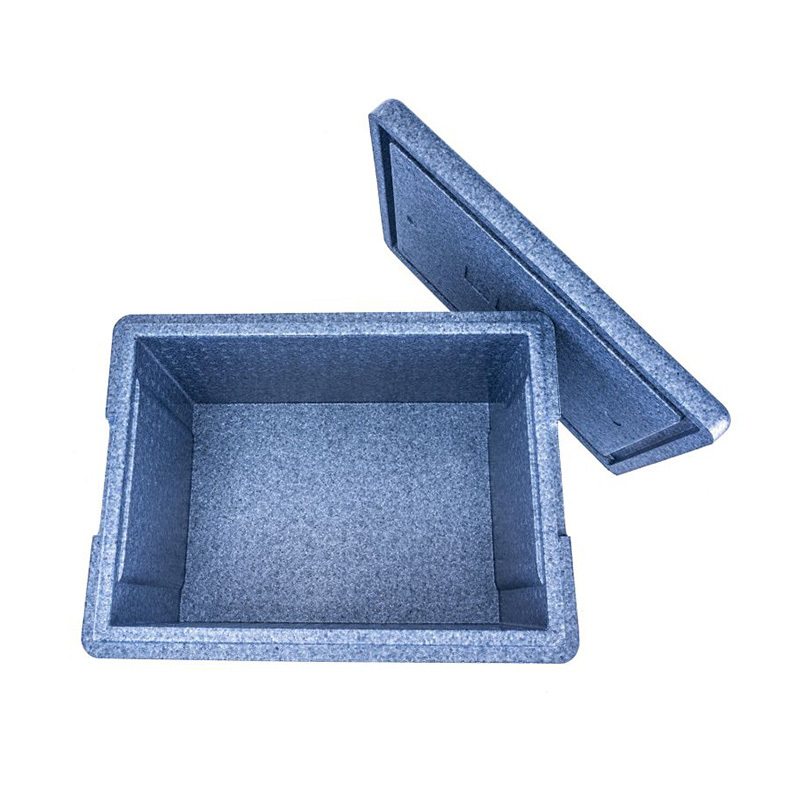
# Heavy-duty EPP Cooler Box: Practical Selection Guide for B2B Buyers
Selecting a heavy-duty EPP cooler box should start with the product, the route, and the handover points rather than the material name alone. EPP is a strong candidate for reusable insulated packaging, but the final choice depends on internal space, lid behavior, cleaning, coolant plan, return logistics, and evidence for the conditions you expect. The goal is not to buy the most impressive box on paper; it is to choose one that works repeatedly in your own process.
**Buyer note:** Treat the product name as the start of the specification, not the end. The right decision comes from route fit, payload fit, handling fit, and documentation fit.
## Define the route before comparing boxes
The strongest way to evaluate a heavy-duty EPP cooler box is to map the route first. Write down where the product is packed, how long it waits, who carries it, how many times the lid is opened, whether coolant or inserts are used, and what happens after delivery. This route map tells you whether the box needs better separation, stronger stacking, a tighter lid, easier cleaning, lower tare weight, or stronger evidence for thermal performance.
This approach matters because the best box is not the thickest or most expensive one; it is the box that fits payload, route, handling, cleaning, and evidence needs. When the problem is named correctly, the product selection becomes more practical. The box either supports the real workflow or it does not. A beautiful sample that does not match payload, route exposure, cleaning, or return handling should not move into bulk purchasing without changes.
## What EPP contributes to the decision
Why EPP is used for this type of box
Expanded polypropylene, usually shortened to EPP, is a closed-cell bead foam made from polypropylene. It is valued in transport packaging because it combines low weight with impact absorption, thermal insulation, water resistance, chemical resistance, and a high strength-to-weight ratio. Those properties make it useful for reusable boxes, molded inserts, cold-chain handling containers, protective packaging, and delivery systems that face repeated manual handling. For a heavy-duty EPP cooler box, those strengths matter because the container is expected to face repeated movement, not just a single warehouse shelf life. EPP can cushion fragile goods, reduce the weight carried by drivers or pickers, and provide useful insulation when the correct lid, coolant, and loading plan are used.
A practical way to judge the material is to ask what failure mode you are trying to reduce. If breakage is the problem, look at corner strength and internal support. If temperature drift is the problem, look at lid fit, coolant volume, and route exposure. If cleaning is the problem, look at surfaces, grooves, labels, and whether liquid can collect in hard-to-reach spaces. The material helps, but the finished shape decides how useful it becomes.
## Where this format fits, and where to be cautious
This format is usually a good candidate for catering, grocery, seafood, dairy, prepared food, beverage, and internal cold-chain routes with repeated manual handling. It is less suitable for long validated pharmaceutical lanes unless tested as part of a complete shipping system, or products requiring active refrigeration. Those limits should be part of the buying conversation because EPP is not a magic material. It provides a useful base for reusable, insulated, impact-resistant packaging, but the finished box must still match the product and process.
If the shipment is temperature-sensitive, build the decision around a full packout. The packout includes the box, lid, coolant, product load, dividers or liners, preconditioning, route exposure, and receiving criteria. If the shipment is hygiene-sensitive, build the decision around contact status, primary packaging, cleaning, drying, and inspection. If the shipment is chemical-sensitive, build the decision around compatibility and safety review.
Do not confuse insulation with a qualified temperature-control system
An EPP box is an insulated or protective packaging component, not an automatic guarantee of temperature compliance. Temperature protection depends on payload, lid fit, coolant or PCM configuration, loading pattern, route time, ambient exposure, and how the box is opened or handled during delivery. For regulated or high-risk shipments, buyers should ask for test evidence that matches the planned use rather than relying on a generic hold-time claim.
For chilled food applications, buyers often use official food-safety guidance as a reference point. Refrigerated foods are commonly managed at or below 40 degrees Fahrenheit, or 4 degrees Celsius, while frozen storage is commonly managed around 0 degrees Fahrenheit, or minus 18 degrees Celsius. These figures are useful checkpoints, but the product label, local rules, and the buyer’s own quality program should define the final acceptance criteria. In a delivery operation, this means the box should be part of a broader process: precondition the box or coolant when needed, load products quickly, keep the lid closed, separate incompatible items, and inspect the shipment at receiving. The box reduces exposure, but it does not remove the need for operational control.
## Decision table for sample approval
| Decision area | Why it affects performance | Practical check |
|—|—|—|
| Product and payload | The box must fit the product, not just the catalog capacity. | Use real product packs and coolant in sample testing. |
| Route exposure | Open doors, waiting time, and handovers drive thermal risk. | Map the route before accepting a hold-time claim. |
| Reuse and cleaning | A reusable box is only useful if it can return clean and intact. | Define washing, drying, inspection, and retirement criteria. |
| Supplier evidence | Claims must be tied to conditions and finished article details. | Request documentation that matches the intended use. |
| Operational fit | Workers decide whether a box succeeds in daily use. | Check handling comfort, stacking, labeling, and storage footprint. |
Use this table during sample review and again before the first bulk order. The goal is not to create paperwork for its own sake. The goal is to prevent an attractive sample from being approved before it has been tested against the way your team will actually use it.
## Documentation and claims to verify
Food-contact and hygiene checks before ordering
For food-contact use, the material grade and the finished article both matter. Polypropylene and olefin polymers can be used in food-contact applications only when the relevant formulation and end-use conditions are met. In the United States, buyers usually verify 21 CFR 177.1520 relevance for polypropylene or olefin polymers. In the European Union, buyers often review Regulation (EC) No 1935/2004 and Regulation (EU) No 10/2011 for plastic food-contact materials. The practical purchasing point is simple: ask for documentation for the finished box or liner, not only for the raw resin.
For many food delivery applications, the food is already inside primary packaging, bottles, trays, pouches, or sealed containers. Even then, hygiene still matters because condensation, leaks, broken caps, and handling residue can touch the box surface. Ask whether the box is intended for direct food contact, indirect contact, or only secondary packaging. These are different claims, and they should not be mixed in a purchase specification.
Thermal performance claims should be treated as conditional. A box tested with one payload, one coolant layout, one preconditioning method, and one ambient profile may perform differently when the route changes. ISTA 7E is often used as a reference for thermal transport packaging in parcel delivery environments, but it does not replace lane-specific evaluation for every shipment.
## How to run a useful sample test
A useful sample test for a heavy-duty EPP cooler box should include real goods, normal loading speed, normal workers, and the expected coolant or insert plan. Do not test only an empty box. Empty-box handling can hide problems with balance, lid closure, usable volume, condensation, and product movement. If the box will be stacked, test filled boxes. If it will be cleaned, wash and dry it before making a decision. If the box will be returned, test the empty return process as well.
Record what your team learns in plain language. Did the lid close easily? Did labels remain readable? Did workers overfill the container? Did condensation collect? Did the box fit the vehicle shelf, cart, or storage rack? Did the finished article meet any hygiene, food-contact, or compatibility requirement? Those answers become more useful than a generic list of features because they reflect your own route.
## Buyer questions that prevent mismatch
Procurement checks that change the final choice
For a heavy-duty EPP cooler box, a useful supplier discussion should move quickly from product name to working conditions. Ask how the box behaves when it is filled the way your team will actually fill it. The first sample should be loaded with real cartons, bottles, trays, produce packs, or storage items. If the sample is tested empty, you will learn little about handling balance, lid closure, condensation, or internal interference.
The most important questions for this topic are specific: wall density and impact resistance evidence; lid and handle durability; usable payload after coolant; stack behavior in vehicles; repair or replacement policy for damaged components. These questions are more useful than asking whether the product is simply strong, green, or food grade. They force the supplier and buyer to define the intended use, the evidence needed, and the limits of the product before a bulk order is placed.
If the purchase will be repeated across several departments, keep the approved sample as a reference. Check whether the production units match the sample in molded shape, lid fit, divider or insert position, surface finish, color, and labeling area. A small design change can affect stacking, cleaning, or usable volume even when the material remains EPP. Procurement teams should also ask how the supplier communicates changes after approval, especially for reusable systems that may remain in service for a long time.
## A realistic operating example
Practical example: where the decision often changes
For example, a procurement team is comparing several heavy-duty cooler boxes and realizes that the strongest-looking option wastes payload space and is difficult for drivers to lift. A standard insulated container might seem acceptable until the buyer loads real products and notices that usable volume is reduced by dividers, gel packs, bottle height, or uneven product shapes. The right response is not to choose the largest possible box automatically. Oversizing increases air space, vehicle footprint, and handling burden. The better approach is to test the smallest box that can hold the real payload, close properly, and leave enough room for the planned coolant or protective insert.
## Reuse, sustainability, and retirement planning
Stacking, storage, and the hidden cost of air
Stackability has value beyond neat warehouse photos. When boxes stack securely, teams can stage routes faster, use van space more predictably, and reduce damage from sliding loads. But stackability must be checked with real filled boxes, not only with empty samples. A lid that stacks well when empty may deform, slip, or hide labels when the box is heavy, damp, or partly loaded. The stack interface should support the way your workers actually build and break down loads.
EPP can be reused many times when it is kept clean, structurally intact, and returned through a controlled loop. It is also recyclable as polypropylene in principle, but recycling success depends on local collection, sorting, contamination level, and whether a buyer has access to a suitable take-back or processing channel. For procurement teams, sustainability should be measured by real use conditions, not by a material label alone. A heavy-duty EPP cooler box should therefore be evaluated through a reuse plan: who owns the box, who cleans it, how damage is recorded, how retired units are collected, and whether the recycling path can handle EPP in practice.
## FAQ
FAQ
### Is a heavy-duty EPP cooler box enough for cold-chain shipping?
It can be part of a cold-chain packaging system, but it is not enough by itself for every shipment. You still need to define the required temperature condition, route duration, ambient exposure, payload, coolant or PCM plan, and receiving checks. For high-risk or regulated products, ask for test evidence that reflects the full packout and route conditions.
### Can EPP boxes be used for food delivery?
EPP boxes are widely used for food delivery and grocery handling, but food-contact suitability depends on the material grade and the finished article. If food may touch the box directly, request documentation for that specific use. If food is sealed in primary packaging, hygiene, cleaning, condensation, and spill control still need to be managed.
### What should buyers check in a stackable EPP box?
Check the stacking interface with filled boxes, not only with empty samples. Review lid strength, base alignment, label visibility, slipping risk, and how boxes behave in vehicles or staging areas. If the box will be washed repeatedly, confirm whether stacking performance remains acceptable after cleaning and drying.
### What documents should I ask a supplier for?
Ask for material identification, finished-article food-contact or compatibility statements when relevant, thermal test context if performance is claimed, cleaning guidance, and confirmation that production units will match the approved sample. For temperature-sensitive products, request packout details rather than a generic hold-time number.
Conclusion
A heavy-duty EPP cooler box should be selected for a defined job, not for a material label alone. Start with the payload, route, temperature or handling risk, cleaning method, and return plan. Then evaluate EPP material benefits, molded design, lid or divider details, stack behavior, and supplier evidence. The strongest purchase decision is usually the one that turns vague claims into practical checks before bulk ordering.
About Tempk
Tempk is the cold-chain packaging brand of Shanghai Tempk Industrial Co., Ltd. We support buyers with practical packaging choices across gel ice packs, PCM packs, insulated liners and bags, EPP boxes, VIP medical cooler boxes, thermal pallet covers, and related cold-chain materials. For EPP packaging decisions, our role is to help you match container format, coolant method, route exposure, payload, and reuse plan before scaling from samples to larger orders.
Share your product type, route length, payload, required condition, and reuse plan with Tempk. We can help you compare whether a heavy-duty EPP cooler box or another cold-chain packaging format is the better starting point for sample review.
Heat-insulating EPP Box for Food Delivery Practical Selection Guide
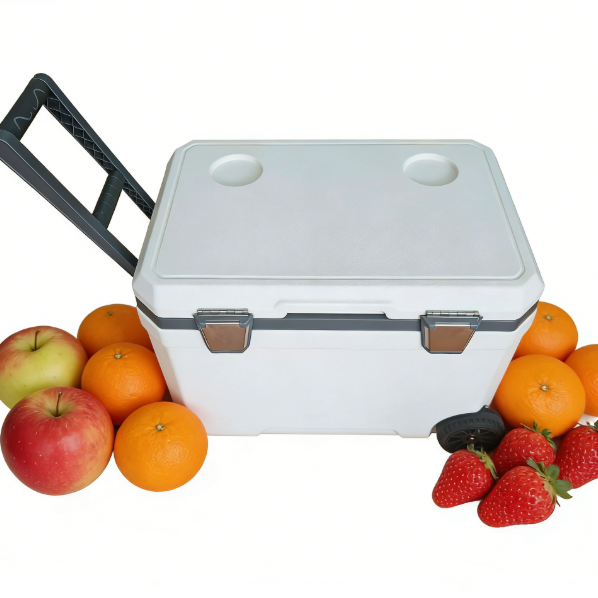
# Heat-insulating EPP Box for Food Delivery: Practical Selection Guide for B2B Buyers
Selecting a heat-insulating EPP box for food delivery should start with the product, the route, and the handover points rather than the material name alone. EPP is a strong candidate for reusable insulated packaging, but the final choice depends on internal space, lid behavior, cleaning, coolant plan, return logistics, and evidence for the conditions you expect. The goal is not to buy the most impressive box on paper; it is to choose one that works repeatedly in your own process.
**Buyer note:** Treat the product name as the start of the specification, not the end. The right decision comes from route fit, payload fit, handling fit, and documentation fit.
## Define the route before comparing boxes
The strongest way to evaluate a heat-insulating EPP box for food delivery is to map the route first. Write down where the product is packed, how long it waits, who carries it, how many times the lid is opened, whether coolant or inserts are used, and what happens after delivery. This route map tells you whether the box needs better separation, stronger stacking, a tighter lid, easier cleaning, lower tare weight, or stronger evidence for thermal performance.
This approach matters because food delivery boxes fail when teams mix hot and chilled items, leave lids open during staging, or treat insulation as a substitute for food-safety controls. When the problem is named correctly, the product selection becomes more practical. The box either supports the real workflow or it does not. A beautiful sample that does not match payload, route exposure, cleaning, or return handling should not move into bulk purchasing without changes.
## What EPP contributes to the decision
Why EPP is used for this type of box
Expanded polypropylene, usually shortened to EPP, is a closed-cell bead foam made from polypropylene. It is valued in transport packaging because it combines low weight with impact absorption, thermal insulation, water resistance, chemical resistance, and a high strength-to-weight ratio. Those properties make it useful for reusable boxes, molded inserts, cold-chain handling containers, protective packaging, and delivery systems that face repeated manual handling. For a heat-insulating EPP food delivery box, those strengths matter because the container is expected to face repeated movement, not just a single warehouse shelf life. EPP can cushion fragile goods, reduce the weight carried by drivers or pickers, and provide useful insulation when the correct lid, coolant, and loading plan are used.
A practical way to judge the material is to ask what failure mode you are trying to reduce. If breakage is the problem, look at corner strength and internal support. If temperature drift is the problem, look at lid fit, coolant volume, and route exposure. If cleaning is the problem, look at surfaces, grooves, labels, and whether liquid can collect in hard-to-reach spaces. The material helps, but the finished shape decides how useful it becomes.
## Where this format fits, and where to be cautious
This format is usually a good candidate for restaurant delivery, catering dispatch, meal kits, grocery add-ons, and short closed-loop food transport. It is less suitable for long unattended parcel shipping, incompatible hot and cold items in one chamber, or unpacked food without suitable liner or container documentation. Those limits should be part of the buying conversation because EPP is not a magic material. It provides a useful base for reusable, insulated, impact-resistant packaging, but the finished box must still match the product and process.
If the shipment is temperature-sensitive, build the decision around a full packout. The packout includes the box, lid, coolant, product load, dividers or liners, preconditioning, route exposure, and receiving criteria. If the shipment is hygiene-sensitive, build the decision around contact status, primary packaging, cleaning, drying, and inspection. If the shipment is chemical-sensitive, build the decision around compatibility and safety review.
Do not confuse insulation with a qualified temperature-control system
An EPP box is an insulated or protective packaging component, not an automatic guarantee of temperature compliance. Temperature protection depends on payload, lid fit, coolant or PCM configuration, loading pattern, route time, ambient exposure, and how the box is opened or handled during delivery. For regulated or high-risk shipments, buyers should ask for test evidence that matches the planned use rather than relying on a generic hold-time claim.
For chilled food applications, buyers often use official food-safety guidance as a reference point. Refrigerated foods are commonly managed at or below 40 degrees Fahrenheit, or 4 degrees Celsius, while frozen storage is commonly managed around 0 degrees Fahrenheit, or minus 18 degrees Celsius. These figures are useful checkpoints, but the product label, local rules, and the buyer’s own quality program should define the final acceptance criteria. In a delivery operation, this means the box should be part of a broader process: precondition the box or coolant when needed, load products quickly, keep the lid closed, separate incompatible items, and inspect the shipment at receiving. The box reduces exposure, but it does not remove the need for operational control.
## Decision table for sample approval
| Decision area | Why it affects performance | Practical check |
|—|—|—|
| Product and payload | The box must fit the product, not just the catalog capacity. | Use real product packs and coolant in sample testing. |
| Route exposure | Open doors, waiting time, and handovers drive thermal risk. | Map the route before accepting a hold-time claim. |
| Reuse and cleaning | A reusable box is only useful if it can return clean and intact. | Define washing, drying, inspection, and retirement criteria. |
| Supplier evidence | Claims must be tied to conditions and finished article details. | Request documentation that matches the intended use. |
| Operational fit | Workers decide whether a box succeeds in daily use. | Check handling comfort, stacking, labeling, and storage footprint. |
Use this table during sample review and again before the first bulk order. The goal is not to create paperwork for its own sake. The goal is to prevent an attractive sample from being approved before it has been tested against the way your team will actually use it.
## Documentation and claims to verify
Food-contact and hygiene checks before ordering
For food-contact use, the material grade and the finished article both matter. Polypropylene and olefin polymers can be used in food-contact applications only when the relevant formulation and end-use conditions are met. In the United States, buyers usually verify 21 CFR 177.1520 relevance for polypropylene or olefin polymers. In the European Union, buyers often review Regulation (EC) No 1935/2004 and Regulation (EU) No 10/2011 for plastic food-contact materials. The practical purchasing point is simple: ask for documentation for the finished box or liner, not only for the raw resin.
For many food delivery applications, the food is already inside primary packaging, bottles, trays, pouches, or sealed containers. Even then, hygiene still matters because condensation, leaks, broken caps, and handling residue can touch the box surface. Ask whether the box is intended for direct food contact, indirect contact, or only secondary packaging. These are different claims, and they should not be mixed in a purchase specification.
Thermal performance claims should be treated as conditional. A box tested with one payload, one coolant layout, one preconditioning method, and one ambient profile may perform differently when the route changes. ISTA 7E is often used as a reference for thermal transport packaging in parcel delivery environments, but it does not replace lane-specific evaluation for every shipment.
## How to run a useful sample test
A useful sample test for a heat-insulating EPP box for food delivery should include real goods, normal loading speed, normal workers, and the expected coolant or insert plan. Do not test only an empty box. Empty-box handling can hide problems with balance, lid closure, usable volume, condensation, and product movement. If the box will be stacked, test filled boxes. If it will be cleaned, wash and dry it before making a decision. If the box will be returned, test the empty return process as well.
Record what your team learns in plain language. Did the lid close easily? Did labels remain readable? Did workers overfill the container? Did condensation collect? Did the box fit the vehicle shelf, cart, or storage rack? Did the finished article meet any hygiene, food-contact, or compatibility requirement? Those answers become more useful than a generic list of features because they reflect your own route.
## Buyer questions that prevent mismatch
Procurement checks that change the final choice
For a heat-insulating EPP box for food delivery, a useful supplier discussion should move quickly from product name to working conditions. Ask how the box behaves when it is filled the way your team will actually fill it. The first sample should be loaded with real cartons, bottles, trays, produce packs, or storage items. If the sample is tested empty, you will learn little about handling balance, lid closure, condensation, or internal interference.
The most important questions for this topic are specific: hot versus chilled use plan; lid opening frequency; cleaning after spills and odor transfer; compatibility with pans, trays, or beverage containers; driver handling and return process. These questions are more useful than asking whether the product is simply strong, green, or food grade. They force the supplier and buyer to define the intended use, the evidence needed, and the limits of the product before a bulk order is placed.
If the purchase will be repeated across several departments, keep the approved sample as a reference. Check whether the production units match the sample in molded shape, lid fit, divider or insert position, surface finish, color, and labeling area. A small design change can affect stacking, cleaning, or usable volume even when the material remains EPP. Procurement teams should also ask how the supplier communicates changes after approval, especially for reusable systems that may remain in service for a long time.
## A realistic operating example
Practical example: where the decision often changes
For example, a catering team loads hot meals first, adds chilled drinks later, and then discovers that one undivided box cannot protect both product conditions properly. A standard insulated container might seem acceptable until the buyer loads real products and notices that usable volume is reduced by dividers, gel packs, bottle height, or uneven product shapes. The right response is not to choose the largest possible box automatically. Oversizing increases air space, vehicle footprint, and handling burden. The better approach is to test the smallest box that can hold the real payload, close properly, and leave enough room for the planned coolant or protective insert.
## Reuse, sustainability, and retirement planning
Stacking, storage, and the hidden cost of air
Stackability has value beyond neat warehouse photos. When boxes stack securely, teams can stage routes faster, use van space more predictably, and reduce damage from sliding loads. But stackability must be checked with real filled boxes, not only with empty samples. A lid that stacks well when empty may deform, slip, or hide labels when the box is heavy, damp, or partly loaded. The stack interface should support the way your workers actually build and break down loads.
EPP can be reused many times when it is kept clean, structurally intact, and returned through a controlled loop. It is also recyclable as polypropylene in principle, but recycling success depends on local collection, sorting, contamination level, and whether a buyer has access to a suitable take-back or processing channel. For procurement teams, sustainability should be measured by real use conditions, not by a material label alone. A heat-insulating EPP box for food delivery should therefore be evaluated through a reuse plan: who owns the box, who cleans it, how damage is recorded, how retired units are collected, and whether the recycling path can handle EPP in practice.
## FAQ
FAQ
### Is a heat-insulating EPP box for food delivery enough for cold-chain shipping?
It can be part of a cold-chain packaging system, but it is not enough by itself for every shipment. You still need to define the required temperature condition, route duration, ambient exposure, payload, coolant or PCM plan, and receiving checks. For high-risk or regulated products, ask for test evidence that reflects the full packout and route conditions.
### Can EPP boxes be used for food delivery?
EPP boxes are widely used for food delivery and grocery handling, but food-contact suitability depends on the material grade and the finished article. If food may touch the box directly, request documentation for that specific use. If food is sealed in primary packaging, hygiene, cleaning, condensation, and spill control still need to be managed.
### What should buyers check in a stackable EPP box?
Check the stacking interface with filled boxes, not only with empty samples. Review lid strength, base alignment, label visibility, slipping risk, and how boxes behave in vehicles or staging areas. If the box will be washed repeatedly, confirm whether stacking performance remains acceptable after cleaning and drying.
### What documents should I ask a supplier for?
Ask for material identification, finished-article food-contact or compatibility statements when relevant, thermal test context if performance is claimed, cleaning guidance, and confirmation that production units will match the approved sample. For temperature-sensitive products, request packout details rather than a generic hold-time number.
Conclusion
A heat-insulating EPP box for food delivery should be selected for a defined job, not for a material label alone. Start with the payload, route, temperature or handling risk, cleaning method, and return plan. Then evaluate EPP material benefits, molded design, lid or divider details, stack behavior, and supplier evidence. The strongest purchase decision is usually the one that turns vague claims into practical checks before bulk ordering.
About Tempk
Tempk is the cold-chain packaging brand of Shanghai Tempk Industrial Co., Ltd. We support buyers with practical packaging choices across gel ice packs, PCM packs, insulated liners and bags, EPP boxes, VIP medical cooler boxes, thermal pallet covers, and related cold-chain materials. For EPP packaging decisions, our role is to help you match container format, coolant method, route exposure, payload, and reuse plan before scaling from samples to larger orders.
Share your product type, route length, payload, required condition, and reuse plan with Tempk. We can help you compare whether a heat-insulating EPP box for food delivery or another cold-chain packaging format is the better starting point for sample review.
Food-grade EPP Box for Beverage Transport Practical Selection Guide
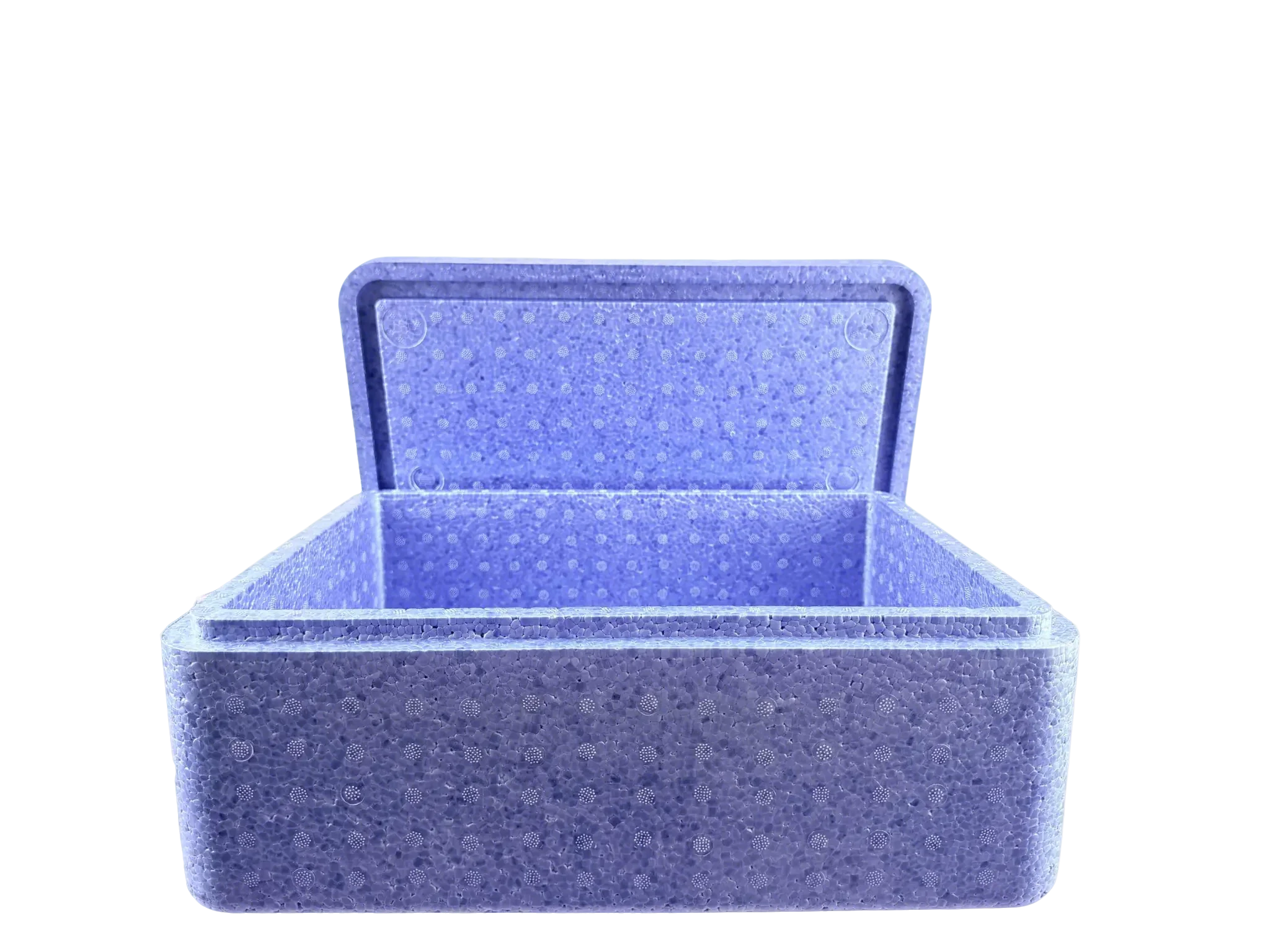
# Food-grade EPP Box for Beverage Transport: Practical Selection Guide for B2B Buyers
Selecting a food-grade EPP box for beverage transport should start with the product, the route, and the handover points rather than the material name alone. EPP is a strong candidate for reusable insulated packaging, but the final choice depends on internal space, lid behavior, cleaning, coolant plan, return logistics, and evidence for the conditions you expect. The goal is not to buy the most impressive box on paper; it is to choose one that works repeatedly in your own process.
**Buyer note:** Treat the product name as the start of the specification, not the end. The right decision comes from route fit, payload fit, handling fit, and documentation fit.
## Define the route before comparing boxes
The strongest way to evaluate a food-grade EPP box for beverage transport is to map the route first. Write down where the product is packed, how long it waits, who carries it, how many times the lid is opened, whether coolant or inserts are used, and what happens after delivery. This route map tells you whether the box needs better separation, stronger stacking, a tighter lid, easier cleaning, lower tare weight, or stronger evidence for thermal performance.
This approach matters because beverage transport creates leaks, condensation, bottle impact, and food-contact documentation questions that a generic foam box may not answer. When the problem is named correctly, the product selection becomes more practical. The box either supports the real workflow or it does not. A beautiful sample that does not match payload, route exposure, cleaning, or return handling should not move into bulk purchasing without changes.
## What EPP contributes to the decision
Why EPP is used for this type of box
Expanded polypropylene, usually shortened to EPP, is a closed-cell bead foam made from polypropylene. It is valued in transport packaging because it combines low weight with impact absorption, thermal insulation, water resistance, chemical resistance, and a high strength-to-weight ratio. Those properties make it useful for reusable boxes, molded inserts, cold-chain handling containers, protective packaging, and delivery systems that face repeated manual handling. For a food-grade EPP beverage box, those strengths matter because the container is expected to face repeated movement, not just a single warehouse shelf life. EPP can cushion fragile goods, reduce the weight carried by drivers or pickers, and provide useful insulation when the correct lid, coolant, and loading plan are used.
A practical way to judge the material is to ask what failure mode you are trying to reduce. If breakage is the problem, look at corner strength and internal support. If temperature drift is the problem, look at lid fit, coolant volume, and route exposure. If cleaning is the problem, look at surfaces, grooves, labels, and whether liquid can collect in hard-to-reach spaces. The material helps, but the finished shape decides how useful it becomes.
## Where this format fits, and where to be cautious
This format is usually a good candidate for bottled drinks, dairy beverages, juices, meal-service drinks, tasting samples, and short-route replenishment. It is less suitable for direct contact with unpacked liquids unless the finished article is documented for that use, or routes needing a fully validated refrigerated packout. Those limits should be part of the buying conversation because EPP is not a magic material. It provides a useful base for reusable, insulated, impact-resistant packaging, but the finished box must still match the product and process.
If the shipment is temperature-sensitive, build the decision around a full packout. The packout includes the box, lid, coolant, product load, dividers or liners, preconditioning, route exposure, and receiving criteria. If the shipment is hygiene-sensitive, build the decision around contact status, primary packaging, cleaning, drying, and inspection. If the shipment is chemical-sensitive, build the decision around compatibility and safety review.
Do not confuse insulation with a qualified temperature-control system
An EPP box is an insulated or protective packaging component, not an automatic guarantee of temperature compliance. Temperature protection depends on payload, lid fit, coolant or PCM configuration, loading pattern, route time, ambient exposure, and how the box is opened or handled during delivery. For regulated or high-risk shipments, buyers should ask for test evidence that matches the planned use rather than relying on a generic hold-time claim.
For chilled food applications, buyers often use official food-safety guidance as a reference point. Refrigerated foods are commonly managed at or below 40 degrees Fahrenheit, or 4 degrees Celsius, while frozen storage is commonly managed around 0 degrees Fahrenheit, or minus 18 degrees Celsius. These figures are useful checkpoints, but the product label, local rules, and the buyer’s own quality program should define the final acceptance criteria. In a delivery operation, this means the box should be part of a broader process: precondition the box or coolant when needed, load products quickly, keep the lid closed, separate incompatible items, and inspect the shipment at receiving. The box reduces exposure, but it does not remove the need for operational control.
## Decision table for sample approval
| Decision area | Why it affects performance | Practical check |
|—|—|—|
| Product and payload | The box must fit the product, not just the catalog capacity. | Use real product packs and coolant in sample testing. |
| Route exposure | Open doors, waiting time, and handovers drive thermal risk. | Map the route before accepting a hold-time claim. |
| Reuse and cleaning | A reusable box is only useful if it can return clean and intact. | Define washing, drying, inspection, and retirement criteria. |
| Supplier evidence | Claims must be tied to conditions and finished article details. | Request documentation that matches the intended use. |
| Operational fit | Workers decide whether a box succeeds in daily use. | Check handling comfort, stacking, labeling, and storage footprint. |
Use this table during sample review and again before the first bulk order. The goal is not to create paperwork for its own sake. The goal is to prevent an attractive sample from being approved before it has been tested against the way your team will actually use it.
## Documentation and claims to verify
Food-contact and hygiene checks before ordering
For food-contact use, the material grade and the finished article both matter. Polypropylene and olefin polymers can be used in food-contact applications only when the relevant formulation and end-use conditions are met. In the United States, buyers usually verify 21 CFR 177.1520 relevance for polypropylene or olefin polymers. In the European Union, buyers often review Regulation (EC) No 1935/2004 and Regulation (EU) No 10/2011 for plastic food-contact materials. The practical purchasing point is simple: ask for documentation for the finished box or liner, not only for the raw resin.
For many food delivery applications, the food is already inside primary packaging, bottles, trays, pouches, or sealed containers. Even then, hygiene still matters because condensation, leaks, broken caps, and handling residue can touch the box surface. Ask whether the box is intended for direct food contact, indirect contact, or only secondary packaging. These are different claims, and they should not be mixed in a purchase specification.
Thermal performance claims should be treated as conditional. A box tested with one payload, one coolant layout, one preconditioning method, and one ambient profile may perform differently when the route changes. ISTA 7E is often used as a reference for thermal transport packaging in parcel delivery environments, but it does not replace lane-specific evaluation for every shipment.
## How to run a useful sample test
A useful sample test for a food-grade EPP box for beverage transport should include real goods, normal loading speed, normal workers, and the expected coolant or insert plan. Do not test only an empty box. Empty-box handling can hide problems with balance, lid closure, usable volume, condensation, and product movement. If the box will be stacked, test filled boxes. If it will be cleaned, wash and dry it before making a decision. If the box will be returned, test the empty return process as well.
Record what your team learns in plain language. Did the lid close easily? Did labels remain readable? Did workers overfill the container? Did condensation collect? Did the box fit the vehicle shelf, cart, or storage rack? Did the finished article meet any hygiene, food-contact, or compatibility requirement? Those answers become more useful than a generic list of features because they reflect your own route.
## Buyer questions that prevent mismatch
Procurement checks that change the final choice
For a food-grade EPP box for beverage transport, a useful supplier discussion should move quickly from product name to working conditions. Ask how the box behaves when it is filled the way your team will actually fill it. The first sample should be loaded with real cartons, bottles, trays, produce packs, or storage items. If the sample is tested empty, you will learn little about handling balance, lid closure, condensation, or internal interference.
The most important questions for this topic are specific: food-contact documentation for the finished box or liner; bottle height and divider fit; condensation management and drainage planning; lid closure during van stops; cleaning process after leaks. These questions are more useful than asking whether the product is simply strong, green, or food grade. They force the supplier and buyer to define the intended use, the evidence needed, and the limits of the product before a bulk order is placed.
If the purchase will be repeated across several departments, keep the approved sample as a reference. Check whether the production units match the sample in molded shape, lid fit, divider or insert position, surface finish, color, and labeling area. A small design change can affect stacking, cleaning, or usable volume even when the material remains EPP. Procurement teams should also ask how the supplier communicates changes after approval, especially for reusable systems that may remain in service for a long time.
## A realistic operating example
Practical example: where the decision often changes
For example, a beverage distributor ships assorted bottles to cafés and pop-up events where the box must protect glass, reduce temperature swings, and be cleaned between routes. A standard insulated container might seem acceptable until the buyer loads real products and notices that usable volume is reduced by dividers, gel packs, bottle height, or uneven product shapes. The right response is not to choose the largest possible box automatically. Oversizing increases air space, vehicle footprint, and handling burden. The better approach is to test the smallest box that can hold the real payload, close properly, and leave enough room for the planned coolant or protective insert.
## Reuse, sustainability, and retirement planning
Stacking, storage, and the hidden cost of air
Stackability has value beyond neat warehouse photos. When boxes stack securely, teams can stage routes faster, use van space more predictably, and reduce damage from sliding loads. But stackability must be checked with real filled boxes, not only with empty samples. A lid that stacks well when empty may deform, slip, or hide labels when the box is heavy, damp, or partly loaded. The stack interface should support the way your workers actually build and break down loads.
EPP can be reused many times when it is kept clean, structurally intact, and returned through a controlled loop. It is also recyclable as polypropylene in principle, but recycling success depends on local collection, sorting, contamination level, and whether a buyer has access to a suitable take-back or processing channel. For procurement teams, sustainability should be measured by real use conditions, not by a material label alone. A food-grade EPP box for beverage transport should therefore be evaluated through a reuse plan: who owns the box, who cleans it, how damage is recorded, how retired units are collected, and whether the recycling path can handle EPP in practice.
## FAQ
FAQ
### Is a food-grade EPP box for beverage transport enough for cold-chain shipping?
It can be part of a cold-chain packaging system, but it is not enough by itself for every shipment. You still need to define the required temperature condition, route duration, ambient exposure, payload, coolant or PCM plan, and receiving checks. For high-risk or regulated products, ask for test evidence that reflects the full packout and route conditions.
### Can EPP boxes be used for food delivery?
EPP boxes are widely used for food delivery and grocery handling, but food-contact suitability depends on the material grade and the finished article. If food may touch the box directly, request documentation for that specific use. If food is sealed in primary packaging, hygiene, cleaning, condensation, and spill control still need to be managed.
### What should buyers check in a stackable EPP box?
Check the stacking interface with filled boxes, not only with empty samples. Review lid strength, base alignment, label visibility, slipping risk, and how boxes behave in vehicles or staging areas. If the box will be washed repeatedly, confirm whether stacking performance remains acceptable after cleaning and drying.
### What documents should I ask a supplier for?
Ask for material identification, finished-article food-contact or compatibility statements when relevant, thermal test context if performance is claimed, cleaning guidance, and confirmation that production units will match the approved sample. For temperature-sensitive products, request packout details rather than a generic hold-time number.
Conclusion
A food-grade EPP box for beverage transport should be selected for a defined job, not for a material label alone. Start with the payload, route, temperature or handling risk, cleaning method, and return plan. Then evaluate EPP material benefits, molded design, lid or divider details, stack behavior, and supplier evidence. The strongest purchase decision is usually the one that turns vague claims into practical checks before bulk ordering.
About Tempk
Tempk is the cold-chain packaging brand of Shanghai Tempk Industrial Co., Ltd. We support buyers with practical packaging choices across gel ice packs, PCM packs, insulated liners and bags, EPP boxes, VIP medical cooler boxes, thermal pallet covers, and related cold-chain materials. For EPP packaging decisions, our role is to help you match container format, coolant method, route exposure, payload, and reuse plan before scaling from samples to larger orders.
Share your product type, route length, payload, required condition, and reuse plan with Tempk. We can help you compare whether a food-grade EPP box for beverage transport or another cold-chain packaging format is the better starting point for sample review.
Expanded Polypropylene Box with Lid Practical Selection Guide
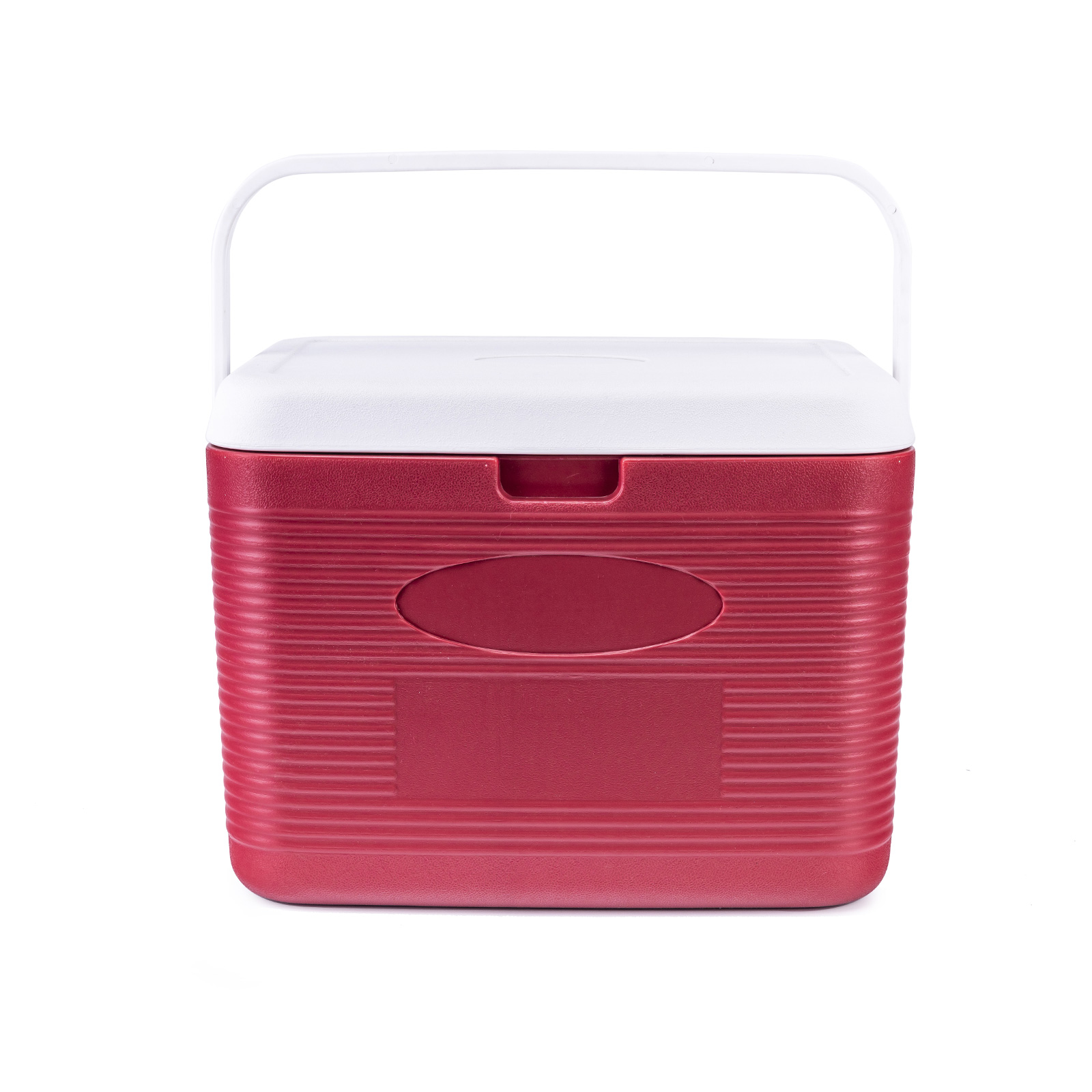
# Expanded Polypropylene Box with Lid: Practical Selection Guide for B2B Buyers
Selecting an expanded polypropylene box with lid should start with the product, the route, and the handover points rather than the material name alone. EPP is a strong candidate for reusable insulated packaging, but the final choice depends on internal space, lid behavior, cleaning, coolant plan, return logistics, and evidence for the conditions you expect. The goal is not to buy the most impressive box on paper; it is to choose one that works repeatedly in your own process.
**Buyer note:** Treat the product name as the start of the specification, not the end. The right decision comes from route fit, payload fit, handling fit, and documentation fit.
## Define the route before comparing boxes
The strongest way to evaluate an expanded polypropylene box with lid is to map the route first. Write down where the product is packed, how long it waits, who carries it, how many times the lid is opened, whether coolant or inserts are used, and what happens after delivery. This route map tells you whether the box needs better separation, stronger stacking, a tighter lid, easier cleaning, lower tare weight, or stronger evidence for thermal performance.
This approach matters because a poor lid fit creates heat leakage, moisture entry, label damage, and handling problems even when the base material is strong. When the problem is named correctly, the product selection becomes more practical. The box either supports the real workflow or it does not. A beautiful sample that does not match payload, route exposure, cleaning, or return handling should not move into bulk purchasing without changes.
## What EPP contributes to the decision
Why EPP is used for this type of box
Expanded polypropylene, usually shortened to EPP, is a closed-cell bead foam made from polypropylene. It is valued in transport packaging because it combines low weight with impact absorption, thermal insulation, water resistance, chemical resistance, and a high strength-to-weight ratio. Those properties make it useful for reusable boxes, molded inserts, cold-chain handling containers, protective packaging, and delivery systems that face repeated manual handling. For an EPP box with lid, those strengths matter because the container is expected to face repeated movement, not just a single warehouse shelf life. EPP can cushion fragile goods, reduce the weight carried by drivers or pickers, and provide useful insulation when the correct lid, coolant, and loading plan are used.
A practical way to judge the material is to ask what failure mode you are trying to reduce. If breakage is the problem, look at corner strength and internal support. If temperature drift is the problem, look at lid fit, coolant volume, and route exposure. If cleaning is the problem, look at surfaces, grooves, labels, and whether liquid can collect in hard-to-reach spaces. The material helps, but the finished shape decides how useful it becomes.
## Where this format fits, and where to be cautious
This format is usually a good candidate for grocery delivery, beverage transport, fresh produce, meal service, regional cold-chain storage, and reusable route boxes. It is less suitable for applications needing locking security, active refrigeration, or qualified transport performance without supporting packout data. Those limits should be part of the buying conversation because EPP is not a magic material. It provides a useful base for reusable, insulated, impact-resistant packaging, but the finished box must still match the product and process.
If the shipment is temperature-sensitive, build the decision around a full packout. The packout includes the box, lid, coolant, product load, dividers or liners, preconditioning, route exposure, and receiving criteria. If the shipment is hygiene-sensitive, build the decision around contact status, primary packaging, cleaning, drying, and inspection. If the shipment is chemical-sensitive, build the decision around compatibility and safety review.
Do not confuse insulation with a qualified temperature-control system
An EPP box is an insulated or protective packaging component, not an automatic guarantee of temperature compliance. Temperature protection depends on payload, lid fit, coolant or PCM configuration, loading pattern, route time, ambient exposure, and how the box is opened or handled during delivery. For regulated or high-risk shipments, buyers should ask for test evidence that matches the planned use rather than relying on a generic hold-time claim.
For chilled food applications, buyers often use official food-safety guidance as a reference point. Refrigerated foods are commonly managed at or below 40 degrees Fahrenheit, or 4 degrees Celsius, while frozen storage is commonly managed around 0 degrees Fahrenheit, or minus 18 degrees Celsius. These figures are useful checkpoints, but the product label, local rules, and the buyer’s own quality program should define the final acceptance criteria. In a delivery operation, this means the box should be part of a broader process: precondition the box or coolant when needed, load products quickly, keep the lid closed, separate incompatible items, and inspect the shipment at receiving. The box reduces exposure, but it does not remove the need for operational control.
## Decision table for sample approval
| Decision area | Why it affects performance | Practical check |
|—|—|—|
| Product and payload | The box must fit the product, not just the catalog capacity. | Use real product packs and coolant in sample testing. |
| Route exposure | Open doors, waiting time, and handovers drive thermal risk. | Map the route before accepting a hold-time claim. |
| Reuse and cleaning | A reusable box is only useful if it can return clean and intact. | Define washing, drying, inspection, and retirement criteria. |
| Supplier evidence | Claims must be tied to conditions and finished article details. | Request documentation that matches the intended use. |
| Operational fit | Workers decide whether a box succeeds in daily use. | Check handling comfort, stacking, labeling, and storage footprint. |
Use this table during sample review and again before the first bulk order. The goal is not to create paperwork for its own sake. The goal is to prevent an attractive sample from being approved before it has been tested against the way your team will actually use it.
## Documentation and claims to verify
Food-contact and hygiene checks before ordering
For food-contact use, the material grade and the finished article both matter. Polypropylene and olefin polymers can be used in food-contact applications only when the relevant formulation and end-use conditions are met. In the United States, buyers usually verify 21 CFR 177.1520 relevance for polypropylene or olefin polymers. In the European Union, buyers often review Regulation (EC) No 1935/2004 and Regulation (EU) No 10/2011 for plastic food-contact materials. The practical purchasing point is simple: ask for documentation for the finished box or liner, not only for the raw resin.
For many food delivery applications, the food is already inside primary packaging, bottles, trays, pouches, or sealed containers. Even then, hygiene still matters because condensation, leaks, broken caps, and handling residue can touch the box surface. Ask whether the box is intended for direct food contact, indirect contact, or only secondary packaging. These are different claims, and they should not be mixed in a purchase specification.
Thermal performance claims should be treated as conditional. A box tested with one payload, one coolant layout, one preconditioning method, and one ambient profile may perform differently when the route changes. ISTA 7E is often used as a reference for thermal transport packaging in parcel delivery environments, but it does not replace lane-specific evaluation for every shipment.
## How to run a useful sample test
A useful sample test for an expanded polypropylene box with lid should include real goods, normal loading speed, normal workers, and the expected coolant or insert plan. Do not test only an empty box. Empty-box handling can hide problems with balance, lid closure, usable volume, condensation, and product movement. If the box will be stacked, test filled boxes. If it will be cleaned, wash and dry it before making a decision. If the box will be returned, test the empty return process as well.
Record what your team learns in plain language. Did the lid close easily? Did labels remain readable? Did workers overfill the container? Did condensation collect? Did the box fit the vehicle shelf, cart, or storage rack? Did the finished article meet any hygiene, food-contact, or compatibility requirement? Those answers become more useful than a generic list of features because they reflect your own route.
## Buyer questions that prevent mismatch
Procurement checks that change the final choice
For an expanded polypropylene box with lid, a useful supplier discussion should move quickly from product name to working conditions. Ask how the box behaves when it is filled the way your team will actually fill it. The first sample should be loaded with real cartons, bottles, trays, produce packs, or storage items. If the sample is tested empty, you will learn little about handling balance, lid closure, condensation, or internal interference.
The most important questions for this topic are specific: lid seating and alignment; whether the lid supports stacking; cleaning around lid grooves; label placement when closed; replacement lid availability. These questions are more useful than asking whether the product is simply strong, green, or food grade. They force the supplier and buyer to define the intended use, the evidence needed, and the limits of the product before a bulk order is placed.
If the purchase will be repeated across several departments, keep the approved sample as a reference. Check whether the production units match the sample in molded shape, lid fit, divider or insert position, surface finish, color, and labeling area. A small design change can affect stacking, cleaning, or usable volume even when the material remains EPP. Procurement teams should also ask how the supplier communicates changes after approval, especially for reusable systems that may remain in service for a long time.
## A realistic operating example
Practical example: where the decision often changes
For example, a delivery team opens and closes the same box many times during a route, and every poorly seated lid increases thermal exposure and handling risk. A standard insulated container might seem acceptable until the buyer loads real products and notices that usable volume is reduced by dividers, gel packs, bottle height, or uneven product shapes. The right response is not to choose the largest possible box automatically. Oversizing increases air space, vehicle footprint, and handling burden. The better approach is to test the smallest box that can hold the real payload, close properly, and leave enough room for the planned coolant or protective insert.
## Reuse, sustainability, and retirement planning
Stacking, storage, and the hidden cost of air
Stackability has value beyond neat warehouse photos. When boxes stack securely, teams can stage routes faster, use van space more predictably, and reduce damage from sliding loads. But stackability must be checked with real filled boxes, not only with empty samples. A lid that stacks well when empty may deform, slip, or hide labels when the box is heavy, damp, or partly loaded. The stack interface should support the way your workers actually build and break down loads.
EPP can be reused many times when it is kept clean, structurally intact, and returned through a controlled loop. It is also recyclable as polypropylene in principle, but recycling success depends on local collection, sorting, contamination level, and whether a buyer has access to a suitable take-back or processing channel. For procurement teams, sustainability should be measured by real use conditions, not by a material label alone. An expanded polypropylene box with lid should therefore be evaluated through a reuse plan: who owns the box, who cleans it, how damage is recorded, how retired units are collected, and whether the recycling path can handle EPP in practice.
## FAQ
FAQ
### Is an expanded polypropylene box with lid enough for cold-chain shipping?
It can be part of a cold-chain packaging system, but it is not enough by itself for every shipment. You still need to define the required temperature condition, route duration, ambient exposure, payload, coolant or PCM plan, and receiving checks. For high-risk or regulated products, ask for test evidence that reflects the full packout and route conditions.
### Can EPP boxes be used for food delivery?
EPP boxes are widely used for food delivery and grocery handling, but food-contact suitability depends on the material grade and the finished article. If food may touch the box directly, request documentation for that specific use. If food is sealed in primary packaging, hygiene, cleaning, condensation, and spill control still need to be managed.
### What should buyers check in a stackable EPP box?
Check the stacking interface with filled boxes, not only with empty samples. Review lid strength, base alignment, label visibility, slipping risk, and how boxes behave in vehicles or staging areas. If the box will be washed repeatedly, confirm whether stacking performance remains acceptable after cleaning and drying.
### What documents should I ask a supplier for?
Ask for material identification, finished-article food-contact or compatibility statements when relevant, thermal test context if performance is claimed, cleaning guidance, and confirmation that production units will match the approved sample. For temperature-sensitive products, request packout details rather than a generic hold-time number.
Conclusion
An expanded polypropylene box with lid should be selected for a defined job, not for a material label alone. Start with the payload, route, temperature or handling risk, cleaning method, and return plan. Then evaluate EPP material benefits, molded design, lid or divider details, stack behavior, and supplier evidence. The strongest purchase decision is usually the one that turns vague claims into practical checks before bulk ordering.
About Tempk
Tempk is the cold-chain packaging brand of Shanghai Tempk Industrial Co., Ltd. We support buyers with practical packaging choices across gel ice packs, PCM packs, insulated liners and bags, EPP boxes, VIP medical cooler boxes, thermal pallet covers, and related cold-chain materials. For EPP packaging decisions, our role is to help you match container format, coolant method, route exposure, payload, and reuse plan before scaling from samples to larger orders.
Share your product type, route length, payload, required condition, and reuse plan with Tempk. We can help you compare whether an expanded polypropylene box with lid or another cold-chain packaging format is the better starting point for sample review.
Expanded Polypropylene Box with Divider Practical Selection Guide
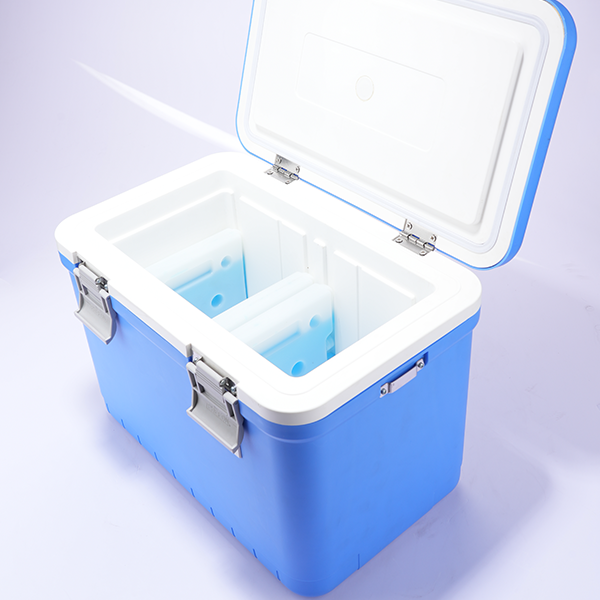
# Expanded Polypropylene Box with Divider: Practical Selection Guide for B2B Buyers
Selecting an expanded polypropylene box with divider should start with the product, the route, and the handover points rather than the material name alone. EPP is a strong candidate for reusable insulated packaging, but the final choice depends on internal space, lid behavior, cleaning, coolant plan, return logistics, and evidence for the conditions you expect. The goal is not to buy the most impressive box on paper; it is to choose one that works repeatedly in your own process.
**Buyer note:** Treat the product name as the start of the specification, not the end. The right decision comes from route fit, payload fit, handling fit, and documentation fit.
## Define the route before comparing boxes
The strongest way to evaluate an expanded polypropylene box with divider is to map the route first. Write down where the product is packed, how long it waits, who carries it, how many times the lid is opened, whether coolant or inserts are used, and what happens after delivery. This route map tells you whether the box needs better separation, stronger stacking, a tighter lid, easier cleaning, lower tare weight, or stronger evidence for thermal performance.
This approach matters because items can crush each other, transfer moisture, contaminate labels, or disturb the coolant layout when no divider system is used. When the problem is named correctly, the product selection becomes more practical. The box either supports the real workflow or it does not. A beautiful sample that does not match payload, route exposure, cleaning, or return handling should not move into bulk purchasing without changes.
## What EPP contributes to the decision
Why EPP is used for this type of box
Expanded polypropylene, usually shortened to EPP, is a closed-cell bead foam made from polypropylene. It is valued in transport packaging because it combines low weight with impact absorption, thermal insulation, water resistance, chemical resistance, and a high strength-to-weight ratio. Those properties make it useful for reusable boxes, molded inserts, cold-chain handling containers, protective packaging, and delivery systems that face repeated manual handling. For an EPP divider box, those strengths matter because the container is expected to face repeated movement, not just a single warehouse shelf life. EPP can cushion fragile goods, reduce the weight carried by drivers or pickers, and provide useful insulation when the correct lid, coolant, and loading plan are used.
A practical way to judge the material is to ask what failure mode you are trying to reduce. If breakage is the problem, look at corner strength and internal support. If temperature drift is the problem, look at lid fit, coolant volume, and route exposure. If cleaning is the problem, look at surfaces, grooves, labels, and whether liquid can collect in hard-to-reach spaces. The material helps, but the finished shape decides how useful it becomes.
## Where this format fits, and where to be cautious
This format is usually a good candidate for mixed orders, bottle handling, sample routing, grocery picking, and returnable delivery loops where separation matters as much as insulation. It is less suitable for single bulky payloads, wet products without liners, or validated temperature-controlled shipments that need a fully tested packout. Those limits should be part of the buying conversation because EPP is not a magic material. It provides a useful base for reusable, insulated, impact-resistant packaging, but the finished box must still match the product and process.
If the shipment is temperature-sensitive, build the decision around a full packout. The packout includes the box, lid, coolant, product load, dividers or liners, preconditioning, route exposure, and receiving criteria. If the shipment is hygiene-sensitive, build the decision around contact status, primary packaging, cleaning, drying, and inspection. If the shipment is chemical-sensitive, build the decision around compatibility and safety review.
Do not confuse insulation with a qualified temperature-control system
An EPP box is an insulated or protective packaging component, not an automatic guarantee of temperature compliance. Temperature protection depends on payload, lid fit, coolant or PCM configuration, loading pattern, route time, ambient exposure, and how the box is opened or handled during delivery. For regulated or high-risk shipments, buyers should ask for test evidence that matches the planned use rather than relying on a generic hold-time claim.
For chilled food applications, buyers often use official food-safety guidance as a reference point. Refrigerated foods are commonly managed at or below 40 degrees Fahrenheit, or 4 degrees Celsius, while frozen storage is commonly managed around 0 degrees Fahrenheit, or minus 18 degrees Celsius. These figures are useful checkpoints, but the product label, local rules, and the buyer’s own quality program should define the final acceptance criteria. In a delivery operation, this means the box should be part of a broader process: precondition the box or coolant when needed, load products quickly, keep the lid closed, separate incompatible items, and inspect the shipment at receiving. The box reduces exposure, but it does not remove the need for operational control.
## Decision table for sample approval
| Decision area | Why it affects performance | Practical check |
|—|—|—|
| Product and payload | The box must fit the product, not just the catalog capacity. | Use real product packs and coolant in sample testing. |
| Route exposure | Open doors, waiting time, and handovers drive thermal risk. | Map the route before accepting a hold-time claim. |
| Reuse and cleaning | A reusable box is only useful if it can return clean and intact. | Define washing, drying, inspection, and retirement criteria. |
| Supplier evidence | Claims must be tied to conditions and finished article details. | Request documentation that matches the intended use. |
| Operational fit | Workers decide whether a box succeeds in daily use. | Check handling comfort, stacking, labeling, and storage footprint. |
Use this table during sample review and again before the first bulk order. The goal is not to create paperwork for its own sake. The goal is to prevent an attractive sample from being approved before it has been tested against the way your team will actually use it.
## Documentation and claims to verify
Food-contact and hygiene checks before ordering
For food-contact use, the material grade and the finished article both matter. Polypropylene and olefin polymers can be used in food-contact applications only when the relevant formulation and end-use conditions are met. In the United States, buyers usually verify 21 CFR 177.1520 relevance for polypropylene or olefin polymers. In the European Union, buyers often review Regulation (EC) No 1935/2004 and Regulation (EU) No 10/2011 for plastic food-contact materials. The practical purchasing point is simple: ask for documentation for the finished box or liner, not only for the raw resin.
For many food delivery applications, the food is already inside primary packaging, bottles, trays, pouches, or sealed containers. Even then, hygiene still matters because condensation, leaks, broken caps, and handling residue can touch the box surface. Ask whether the box is intended for direct food contact, indirect contact, or only secondary packaging. These are different claims, and they should not be mixed in a purchase specification.
Thermal performance claims should be treated as conditional. A box tested with one payload, one coolant layout, one preconditioning method, and one ambient profile may perform differently when the route changes. ISTA 7E is often used as a reference for thermal transport packaging in parcel delivery environments, but it does not replace lane-specific evaluation for every shipment.
## How to run a useful sample test
A useful sample test for an expanded polypropylene box with divider should include real goods, normal loading speed, normal workers, and the expected coolant or insert plan. Do not test only an empty box. Empty-box handling can hide problems with balance, lid closure, usable volume, condensation, and product movement. If the box will be stacked, test filled boxes. If it will be cleaned, wash and dry it before making a decision. If the box will be returned, test the empty return process as well.
Record what your team learns in plain language. Did the lid close easily? Did labels remain readable? Did workers overfill the container? Did condensation collect? Did the box fit the vehicle shelf, cart, or storage rack? Did the finished article meet any hygiene, food-contact, or compatibility requirement? Those answers become more useful than a generic list of features because they reflect your own route.
## Buyer questions that prevent mismatch
Procurement checks that change the final choice
For an expanded polypropylene box with divider, a useful supplier discussion should move quickly from product name to working conditions. Ask how the box behaves when it is filled the way your team will actually fill it. The first sample should be loaded with real cartons, bottles, trays, produce packs, or storage items. If the sample is tested empty, you will learn little about handling balance, lid closure, condensation, or internal interference.
The most important questions for this topic are specific: divider geometry and removable insert fit; usable volume after dividers are installed; cleaning access around corners and slots; label zones for separated SKUs; sample-to-production consistency of molded divider ribs. These questions are more useful than asking whether the product is simply strong, green, or food grade. They force the supplier and buyer to define the intended use, the evidence needed, and the limits of the product before a bulk order is placed.
If the purchase will be repeated across several departments, keep the approved sample as a reference. Check whether the production units match the sample in molded shape, lid fit, divider or insert position, surface finish, color, and labeling area. A small design change can affect stacking, cleaning, or usable volume even when the material remains EPP. Procurement teams should also ask how the supplier communicates changes after approval, especially for reusable systems that may remain in service for a long time.
## A realistic operating example
Practical example: where the decision often changes
For example, a grocery or beverage operator needs to move glass bottles, chilled items, and small add-on products in one trip without letting heavy items crush softer goods. A standard insulated container might seem acceptable until the buyer loads real products and notices that usable volume is reduced by dividers, gel packs, bottle height, or uneven product shapes. The right response is not to choose the largest possible box automatically. Oversizing increases air space, vehicle footprint, and handling burden. The better approach is to test the smallest box that can hold the real payload, close properly, and leave enough room for the planned coolant or protective insert.
## Reuse, sustainability, and retirement planning
Portability and route discipline
Portable packaging succeeds when workers can carry it correctly at the exact moments when product risk is highest. Those moments include picking, loading, vehicle transfer, customer handover, and return. Handles, lid fit, balance, and label visibility matter because they shape human behavior. A box that is awkward to carry will be dragged, tilted, left open, or overfilled, which can reduce the benefit of the material itself.
EPP can be reused many times when it is kept clean, structurally intact, and returned through a controlled loop. It is also recyclable as polypropylene in principle, but recycling success depends on local collection, sorting, contamination level, and whether a buyer has access to a suitable take-back or processing channel. For procurement teams, sustainability should be measured by real use conditions, not by a material label alone. An expanded polypropylene box with divider should therefore be evaluated through a reuse plan: who owns the box, who cleans it, how damage is recorded, how retired units are collected, and whether the recycling path can handle EPP in practice.
## FAQ
FAQ
### Is an expanded polypropylene box with divider enough for cold-chain shipping?
It can be part of a cold-chain packaging system, but it is not enough by itself for every shipment. You still need to define the required temperature condition, route duration, ambient exposure, payload, coolant or PCM plan, and receiving checks. For high-risk or regulated products, ask for test evidence that reflects the full packout and route conditions.
### Can EPP boxes be used for food delivery?
EPP boxes are widely used for food delivery and grocery handling, but food-contact suitability depends on the material grade and the finished article. If food may touch the box directly, request documentation for that specific use. If food is sealed in primary packaging, hygiene, cleaning, condensation, and spill control still need to be managed.
### What documents should I ask a supplier for?
Ask for material identification, finished-article food-contact or compatibility statements when relevant, thermal test context if performance is claimed, cleaning guidance, and confirmation that production units will match the approved sample. For temperature-sensitive products, request packout details rather than a generic hold-time number.
Conclusion
An expanded polypropylene box with divider should be selected for a defined job, not for a material label alone. Start with the payload, route, temperature or handling risk, cleaning method, and return plan. Then evaluate EPP material benefits, molded design, lid or divider details, stack behavior, and supplier evidence. The strongest purchase decision is usually the one that turns vague claims into practical checks before bulk ordering.
About Tempk
Tempk is the cold-chain packaging brand of Shanghai Tempk Industrial Co., Ltd. We support buyers with practical packaging choices across gel ice packs, PCM packs, insulated liners and bags, EPP boxes, VIP medical cooler boxes, thermal pallet covers, and related cold-chain materials. For EPP packaging decisions, our role is to help you match container format, coolant method, route exposure, payload, and reuse plan before scaling from samples to larger orders.
Share your product type, route length, payload, required condition, and reuse plan with Tempk. We can help you compare whether an expanded polypropylene box with divider or another cold-chain packaging format is the better starting point for sample review.