


VIP Shipping Boxes for Biotech Shipments – 2025 Guide
VIP Shipping Boxes for Biotech Shipments – 2025 Guide
VIP Shipping Boxes for Biotech Shipments – 2025 Guide
As a biotech manufacturer or logistics provider, VIP shipping boxes for biotech shipments can be your best defense against temperature excursions. These advanced insulated containers keep vaccines, enzymes, and other biologics at safe temperatures (e.g., 2–8°C) for days. Modern VIP boxes maintain stable conditions for over 72 hours, even in extreme climates, ensuring your sensitive products arrive potent and uncompromised.
This article will answer:
What a VIP shipping box is – understanding vacuum-insulated packaging for biotech shipments.
How VIP insulated boxes maintain stable 2–8°C temperatures for 72+ hours during global transit.
Key features to consider when choosing a VIP shipping box – from temperature range and duration to sustainability.
2025 trends in biotech cold chain packaging and how new innovations benefit you.
What Is a VIP Shipping Box and Why Use One for Biotech Shipments?
A VIP shipping box is an advanced insulated container that uses vacuum-insulated panels to maintain stable temperatures for biotech shipments over extended periods. Biotech products like vaccines, cell therapies, and enzymes often require strict temperature control (typically 2–8°C). VIP boxes provide superior insulation compared to standard foam packaging, allowing them to keep contents cold for days. This means even if your shipment is delayed or traveling through hot climates, the internal temperature stays within safe limits. By using a VIP box, you drastically reduce the risk of temperature excursions (products getting too warm or cold), which protects the potency and safety of high-value biologics and ensures regulatory compliance.
For example, imagine you need to send a monoclonal antibody therapy from California to Asia. The journey can exceed 48 hours and pass through drastic temperature changes. With a VIP shipping box, that medicine stays safely within 2–8°C the entire way. You gain peace of mind that your critical biotech cargo will arrive in perfect condition, with its efficacy intact for patients.
How Do Vacuum-Insulated Panels Keep Shipments Cold?
Vacuum-insulated panels (VIPs) are ultra-thin, high-performance insulation boards. Each panel contains a rigid, porous core material (like fumed silica) sealed inside a vacuum-tight film. Removing the air (creating a vacuum) drastically lowers heat transfer. In simple terms, VIPs act like a super thermos wall, blocking heat far more effectively than ordinary foam. In fact, VIPs have about 5–10 times better insulating power (much lower thermal conductivity) than Styrofoam. This allows a VIP shipping box to maintain cold temperatures much longer without needing extra coolant.
Because VIP panels insulate so efficiently, box walls can be thinner – leaving more room for your product or for cooling packs inside. By using VIP technology, manufacturers can design compact shipping containers that still protect contents for 2–3 times longer than traditional solutions. For you, that means more payload per shipment and confidence that temperature-sensitive goods will stay within range.
| Insulation Material | Thermal Conductivity (W/m·K) | Typical Cold Life (2–8°C) | What It Means for You |
|---|---|---|---|
| Vacuum Insulated Panels | ~0.002–0.004 (extremely low) | 5–10 days (with proper coolants) | Longest protection; handles long delays and extreme heat with ease. |
| Polyurethane Foam (PUR) | ~0.02 (low) | ~2–3 days | Good insulation but bulkier; suitable for moderate shipment durations. |
| Polystyrene Foam (EPS) | ~0.03–0.04 (moderate) | ~1–2 days | Basic insulation; only for short trips or mild conditions. |
Practical Tips and Advice
Pre-condition your packs: Always pre-freeze or pre-condition gel packs or PCM plates to the right temperature before packing. Starting the process with everything cold ensures the VIP box has the maximum cooling head-start.
Pack snugly: Minimize empty space inside the box by filling voids (e.g. with bubble wrap or padding). Less air inside means less space to warm up, helping the box maintain temperature longer.
Limit openings: Once packed, avoid opening the container during transit. Every time it’s opened, cold air escapes. Seal the box well and instruct handlers to open it only when necessary upon arrival.
Include a temperature logger: Place a small digital temperature monitor inside. It lets you verify the product stayed within range during transit and provides documented proof of a successful cold chain.
Real case: A biotech startup needed to ship gene therapy vials from the U.S. to India in mid-summer. They used a VIP-insulated box with PCM gel packs, facing 35°C heat and a customs delay. Result: The vials stayed at 5°C for 80 hours, arriving fully potent and saving an estimated $100,000 in product value.
How Do VIP Insulated Boxes Maintain Temperature for 72+ Hours?
VIP insulated boxes maintain temperature for 72+ hours by combining ultra-efficient insulation with carefully prepared cooling materials. Inside a VIP shipping box, you typically place frozen gel packs or phase-change materials (PCMs) that match your required temperature range (for example, +5°C PCM packs for refrigerated 2–8°C shipments). The VIP panels in the walls greatly slow down any heat intrusion, so the cold packs melt very slowly. Over 72 hours or more, the internal space remains within the target temperature because the rate of heat gain is extremely low. Essentially, the box creates a mini refrigerator without power – the initial chill from the coolant packs is locked in by the vacuum panels.
For long-duration shipments, it’s crucial to use the right amount and type of coolant. Many VIP packaging kits are pre-qualified (lab-tested) to last a certain time (e.g. 72 or 96 hours) under worst-case conditions. If you pack the box as instructed, the contents will reliably stay cold for the advertised period. In fact, real-world results often exceed those times if ambient conditions are milder. Thanks to the VIP insulation, even a cross-continental shipment or unexpected delay can be handled without compromising your product’s temperature. As a result, a properly packed VIP shipping box reliably keeps your biotech goods within range throughout a multi-day trip.
Notably, VIP technology can reduce or eliminate the need for dry ice in some cases. For moderate frozen shipments (around -20°C), you can use special PCM packs instead of dry ice. A VIP shipping box with the right PCM inserts can keep items frozen for days without the hazards of dry ice. If ultra-cold shipping is required (such as -70°C for certain vaccines), a VIP shipper can still help by slowing dry ice sublimation, meaning you need less of it and you get a longer safe transit time. This makes handling easier and cuts down on dry ice refills during very long journeys.
What Are Phase Change Materials (PCMs)?
Phase Change Materials are specialized cooling packs that maintain a constant temperature as they melt. Unlike regular ice (which melts at 0°C), PCMs can be formulated to freeze and melt at specific temperatures like +5°C, -20°C, etc. When you use a PCM pack that melts at, say, +5°C, it will hold the contents around that temperature as it changes phase from solid to liquid. In VIP shipping boxes, PCMs are often used instead of wet ice because they provide more precise temperature control and longer duration. By choosing a PCM that matches your needed range and combining it with VIP insulation, you create a highly stable thermal environment for your shipment. And just like the container, these PCM packs are usually reusable – you can refreeze them for the next shipment – making the whole system more cost-effective and sustainable over time.
Best Practices for 72+ Hour Shipping
Pre-chill the container: If possible, store the VIP box (and any foam insulating inserts) in a cold room before packing. Starting with a cold container gives you extra runtime because the box itself isn’t introducing heat.
Use the recommended pack-out: Follow the manufacturer’s guidelines for how many gel packs or PCM blocks to use and their placement. These configurations are tested to achieve the stated hold time (e.g. 72 hours), so sticking to them ensures optimal performance.
Plan for delays: If your shipment might face delays, choose a VIP solution with extra capacity. For example, use a 96-hour rated box for a 72-hour transit. This buffer ensures that even if unforeseen holdups occur, your product stays within safe temperature.
Real case: A clinical research organization shipped temperature-sensitive lab samples from South America to Europe in a 96-hour rated VIP shipper. Result: After 4 days of transit, multiple flights through tropical heat and a customs inspection, the samples remained at 2–3°C upon arrival, preserving their viability for analysis.
What Should You Look for in a VIP Shipping Box for Biotech Shipments?
When choosing a VIP shipping box, prioritize three core factors: temperature range, duration, and sustainability. It’s important to select a solution that fits your product’s specific requirements and your operational needs. Below are the key features to consider and why they matter for your biotech shipments:
Temperature Range & Stability
Make sure the VIP packaging is designed for the temperature range your product requires. For instance, some biologics need to stay strictly refrigerated (2–8°C), while others might require frozen conditions (-20°C or colder). Choose a container qualified for that range – many VIP shipping boxes can maintain not just refrigerated temperatures but also frozen temps with the appropriate coolant. The goal is to maintain stable conditions with minimal fluctuations. A quality VIP box will keep the temperature well within the acceptable limits for your product (preventing any spikes above or below the threshold). If you plan to ship different types of biotech products, look for a versatile VIP system that can be reconfigured (using different PCM packs) for various temperature needs.
Duration (Hold Time)
Match the container’s certified hold time to your transit times. If your shipments typically take 48 hours, consider a box rated for at least 72 hours to be safe. For international or remote shipments that can take 3–5 days, look for high-performance VIP solutions (some are rated 96+ hours). Having a cushion is vital – it ensures that even if something unexpected happens (flight delays, customs holds), your product remains in the safe zone. Review the performance data provided by the manufacturer; a reputable VIP shipper will have test results showing it can maintain the required temperature for the advertised duration. Choosing the right duration means you won’t have to worry about shipments arriving out of temp if timelines extend.
Reusability & Sustainability
Consider how the VIP shipping box aligns with your sustainability goals and budget. Many VIP containers are built for reuse; features like durable EPP/plastic exteriors, collapsible designs, or replaceable panels allow you to use them multiple times. Reusability can dramatically reduce waste compared to single-use foam boxes – one sturdy VIP shipper might replace dozens of disposable packages over its life. This not only cuts down on environmental waste but also lowers your long-term costs. Check if the box materials are non-toxic and recyclable too. Modern VIP packaging often uses greener components (e.g. water-based gel in PCMs, recyclable insulation panels). By choosing a reusable, eco-friendly design, you’re supporting sustainability and likely saving money after just a few shipment cycles.
Quick Selection Tips
Assess shipping needs: Map out your typical shipment profiles (temperature required and transit time). Pick a VIP solution that meets those needs with some buffer.
Check size and payload: Ensure the internal capacity fits your product volume plus coolant. Too large a box wastes space and cooling energy; too small might be hard to pack properly.
Look for validation data: Choose packaging that comes with qualification reports or certifications (for example, ISTA thermal performance tests). Verified performance data gives confidence that the box will perform as promised in real conditions.
Real case: A pharmaceutical company switched to a reusable VIP shipping box for monthly antibody shipments from Europe to the Middle East. Result: Over one year, they reduced packaging waste by 80% and cut cold-chain packaging costs by ~30%, all while maintaining perfect temperature control (zero excursions).
2025 Latest Biotech Cold Chain Packaging Trends
As of 2025, biotech cold chain logistics are evolving rapidly, with new technologies and priorities shaping how we ship temperature-sensitive goods. New insulation innovations and smart tracking tech are pushing the boundaries of what VIP shipping boxes can do. For example, some shippers now integrate IoT sensors for real-time temperature and location monitoring, giving you live updates on your shipment’s condition. There’s also a strong push for greener packaging – many companies are demanding eco-friendly materials and reusable designs to meet sustainability goals. Additionally, the continued global rollout of sensitive biologics (like gene therapies and mRNA vaccines) is driving demand for packaging that can maintain ultra-cold temperatures without relying solely on traditional dry ice or powered freezers. In response, packaging providers are offering more high-performance options than ever, often combining VIP panels with phase-change materials to achieve longer durations. Even regulatory bodies have raised the bar: updated guidelines emphasize risk management and validation in cold chain, which has led to more rigorous testing and quality standards for packaging by 2025.
Latest Progress at a Glance
Longer duration shippers: Cutting-edge VIP packaging systems now boast hold times beyond 120 hours. This enables nearly week-long shipments without replenishing coolant, opening up new possibilities for global distribution of biotech products.
Digital tracking integration: More cold chain containers are coming equipped with built-in smart trackers and Bluetooth/WiFi temperature loggers. These devices allow you to monitor temperature and location in real time via cloud platforms, improving visibility and enabling quick action if an issue arises.
Eco-friendly packaging: The industry is shifting toward greener solutions. Manufacturers have introduced VIP shipping boxes made with recyclable panels and biodegradable insulation foams. Pharma companies are also implementing reuse programs, circulating durable VIP kits in a loop rather than disposing of packaging after one use.
Market insight: The cold chain packaging market is growing steadily alongside the biotech boom. Global demand for temperature-controlled shipping solutions has reached record levels in 2025, with industry reports projecting the market value in the tens of billions of dollars. This growth is driven by the rise of biologic drugs and vaccines that require strict refrigeration or freezing. For shippers, this trend brings more competition and innovation among suppliers – resulting in better performance and cost options. Companies that invest in advanced packaging like VIP shippers often see fewer product losses and improved customer trust. Overall, staying updated on these trends means you can leverage the latest packaging technology to safeguard your biotech shipments and gain a competitive edge in reliability and sustainability.
Frequently Asked Questions
Q1: What does VIP mean in cold chain shipping?
“VIP” stands for Vacuum Insulated Panel. A VIP shipping box uses these high-performance panels as insulation to keep its contents at a stable temperature much longer than an ordinary cooler. In simple terms, it’s a very well-insulated box designed for shipping sensitive products like vaccines or biotech samples.
Q2: How long will a VIP insulated box keep my samples cold?
Most VIP shipping boxes are designed to keep contents cold for at least 72 hours (3 days) at 2–8°C. Some premium models can maintain safe temperatures for 4–5 days or more. The exact duration depends on the box size and the amount/type of coolant used. Always check the specifications from the manufacturer; they will state a tested hold time (for example, “72 hours at ambient 30°C”). It’s wise to have a buffer beyond your expected transit time.
Q3: Can I reuse a VIP shipping box multiple times?
Yes. Many VIP boxes are built for reuse and can last for dozens of shipments. They often feature durable shells (plastic or composite materials) and the vacuum panels continue to perform for years unless damaged. After each use, you can retrieve the box, refreeze the gel packs or PCMs, and send it out again. Over time, this can be more cost-effective and environmentally friendly than single-use packaging.
Q4: Do I need dry ice with a VIP shipper for frozen shipments?
Not necessarily. For temperatures around -20°C, you can often use specialized PCM packs instead of dry ice. A VIP shipping box with the right PCM inserts can keep items frozen for days without the hassles of dry ice (which is classified as hazardous for air shipping). For extremely cold requirements (like -70°C), you might still use dry ice inside a VIP container – but the VIP insulation will make the dry ice last much longer, reducing how much you need.
Q5: Are VIP shipping boxes cost-effective?
While VIP boxes cost more upfront than simple foam coolers, they can save money by preventing losses and being reusable. Think of the value of the product you’re shipping – losing a batch of vaccines or biotech samples due to a temperature excursion is extremely costly. VIP packaging greatly lowers that risk. Additionally, if you use reusable VIP shippers, the cost per trip drops each time you use them. Many companies find that after a certain number of uses, the investment pays for itself, not to mention the benefits of consistent product quality and fewer disruptions.
Summary and Recommendations
In summary, VIP shipping boxes for biotech shipments provide superior temperature control to keep your sensitive products safe. They leverage vacuum insulation to hold stable temperatures (2–8°C or even frozen) for days, drastically reducing the risk of spoilage during transit. Key advantages include extended cold life (often 72+ hours), resilience in extreme conditions, and reusable designs that improve sustainability. By using a VIP solution, you ensure your biologics, vaccines, or lab samples arrive safely with their full efficacy intact.
Next steps: Evaluate the temperature needs and maximum transit time of your shipments, then choose a VIP packaging solution that offers a comfortable safety margin beyond those requirements. Implement proper procedures for conditioning coolant packs and packing the container to maximize its performance. By investing in a reliable VIP shipping box, you safeguard both your product integrity and your bottom line. If you’re unsure where to start or have unique shipping challenges, consider consulting with Tempk’s cold chain experts for personalized advice.
About Tempk
Tempk is a leading provider of innovative cold chain packaging solutions, founded in 2011. We operate 7 manufacturing facilities and a state-of-the-art 1,400 m² R&D center in Shanghai, complete with a CNAS-certified laboratory for thermal testing. Our vacuum-insulated packaging products, including VIP shipping boxes, are engineered to maintain precise temperatures for up to 120 hours – covering temperature ranges from ambient +15°C down to deep-frozen -150°C. With over a decade of experience and 30+ technical patents, we are at the forefront of cold chain technology. We deliver safe, efficient, and sustainable solutions trusted by pharmaceutical and biotech clients worldwide.
Ready to secure your biotech shipments with the best packaging? Contact Tempk today for expert guidance or to learn more about our VIP shipping solutions. We’re here to help you ensure every shipment arrives safely and efficiently.
How EPP Cooler Boxes Improve Electronics Packaging (2025 Update)
How EPP Cooler Boxes Improve Electronics Packaging in 2025
Updated December 2025 – If you’re a cold chain logistics manager or packaging engineer, ensuring delicate devices arrive in perfect condition is a top priority. That’s where an EPP cooler box electronics packaging solution comes in. Expanded Polypropylene (EPP) cooler boxes provide superior insulation and shock protection for sensitive electronics, keeping them safe from extreme temperatures and rough handling. In fact, inadequate cold chain packaging can cause massive losses – over 50% of vaccines are wasted globally each year due to temperature control issues. The good news is that EPP cooler boxes can dramatically reduce such risks for electronics. They are lightweight, reusable, and engineered to maintain stable temperatures, preventing battery damage or circuit failures during transit. In this comprehensive guide, you’ll learn how EPP cooler boxes work, why they outperform traditional foam packaging, and the latest 2025 trends to keep you ahead of the curve.
What is an EPP cooler box and why use it for electronics? – Understand the material and its long-tail benefits like shock absorption and thermal stability.
How do EPP cooler boxes maintain temperature control? – Learn how these insulated containers keep contents in the safe range for hours (even days) using advanced insulation.
Are EPP boxes better than traditional foam packaging? – Compare EPP vs EPS (Styrofoam) and others in terms of durability, reusability, and cost savings for cold chain electronics.
What are the 2025 trends in cold chain packaging? – Get insights into the latest innovations (IoT smart sensors, sustainable materials) shaping how we protect sensitive shipments.
FAQs on using EPP cooler boxes – Quick answers on reusability, insulation duration, recyclability, and choosing the right box for your needs.
What Is an EPP Cooler Box and Why Use It for Electronics Packaging?
An EPP cooler box is an insulated container made of Expanded Polypropylene foam, and it’s becoming a go-to solution for shipping sensitive electronics. EPP is a lightweight, rigid foam material that offers excellent thermal insulation and impact resistance. In practice, an EPP cooler box works like a high-performance thermal shield: it traps air in its closed-cell foam structure to maintain stable temperatures inside, protecting devices from heat or cold outside. For example, a well-packed EPP cooler can keep contents within a safe range for 24–72 hours with appropriate gel packs. At the same time, the EPP material is tough and shock-absorbent, which safeguards delicate circuit boards, hard drives, or medical electronics from drops and vibrations during transit. This combination of thermal and physical protection is precisely why more electronics shippers are switching to EPP cooler boxes in 2025.
[
Think about shipping a high-value medical tablet or a batch of lithium battery packs overseas. Temperature swings and rough handling can ruin these products—batteries might leak if overheated, and circuit boards could crack if jolted. With an EPP cooler box, you’re effectively cradling the device in a temperature-controlled cushion. The box’s thick EPP walls minimize heat transfer, so even if it’s a scorching 35°C summer day or a freezing -10°C night on the tarmac, the electronics inside remain closer to room temperature. (Generally, electronics ship best around 10–24°C; beyond 50–75°F, batteries can overheat or freeze.) Meanwhile, EPP’s foam structure absorbs shocks and vibrations, much like a springy bumper, reducing the risk of physical damage to sensitive components. This is crucial because extreme temperatures and jolts during transit are leading causes of electronics failures, often resulting in customer dissatisfaction and costly returns. By using an EPP cooler box, you’re proactively preventing these issues. You’re not just keeping gadgets cold or warm—you’re ensuring they arrive in perfect working condition, which keeps your end customers happy and protects your bottom line. Plus, as we’ll explore, EPP boxes are reusable and eco-friendly, adding even more value for modern packaging strategies.]
How EPP Insulation Maintains Temperature (Thermal Performance)
[
An EPP cooler box functions as a portable mini-fridge (or heater) without needing power. The magic lies in EPP’s tiny air pockets which drastically slow down heat transfer. This superior thermal insulation can limit temperature change to just ~1–2°C per hour under stable conditions. For instance, if you place temperature-sensitive components at 5°C inside the box with cold packs, even over a 24-hour shipment the interior might only rise to ~25°C in extreme heat, staying within a safe range. By comparison, a non-insulated carton would allow rapid temperature spikes that could fry circuitry. EPP foam panels are often 1–2 inches thick, balancing insulation time with box weight. A thicker wall or the addition of vacuum panels can extend protection to 72+ hours for long hauls. Crucially, EPP performs reliably across a wide temperature range – it remains stable from about -40°C up to 120°C. That means whether your shipment faces sub-zero cold or a hot warehouse, the EPP box won’t crack or warp (unlike some plastics that turn brittle in the cold or melt in heat). For electronics like LCD screens or lab instruments that could be ruined by condensation or thermal shock, this consistent insulation is a lifesaver. In summary, EPP cooler boxes create a controlled microclimate for your devices, greatly reducing the risk of temperature-induced failures.]
| Comparison | EPP Cooler Box (Expanded Polypropylene) | EPS Foam Box (Styrofoam) | What It Means for You |
| Insulation Time | Maintains stable temperature for 24–72h with proper packs. Minimal heat gain/loss (~1–2°C/hour). | Good initial insulation, but prone to faster heat gain if box is damaged or reused. | Longer protection = ship farther without temperature excursions, fewer product losses. |
| Durability & Reuse | Highly durable, withstands drops and reuse 100+ times. Bounces back from dents, resists cracks. | Fragile – cracks or crumbles after impact. Mostly single-use; breaks if you try to reuse often. | Lower long-term cost: one EPP box can replace dozens of disposables, cutting waste and reordering. |
| Protection | Shock-absorbing foam shields electronics from vibrations and jolts. Retains shape in extreme cold/hot. | Brittle structure, offers cushioning once but fails under repeated stress. May shatter in very cold weather. | Safer deliveries: Less damage in transit means happy customers and fewer costly device replacements. |
| Sustainability | 100% recyclable polypropylene; can be shredded and remolded. Often collected back for reuse programs. | Difficult to recycle (EPS recycling is limited); usually ends up in landfill after one use. | Eco-friendly brand image: meet sustainability goals and regulations by using greener packaging material. |
Hot Climate Shipping: When sending electronics to hot regions, use an EPP cooler box with gel ice packs to keep internal temperatures within safe limits. This prevents batteries from overheating or screens from warping.
Multi-Trip Logistics: If you operate a return loop, implement a reuse program for EPP boxes. For example, include instructions for customers to return the empty cooler box. Reusing each box dozens of times will dramatically cut packaging costs and waste.
Sensitive Equipment Handling: For ultra-fragile devices (like medical electronics or laboratory sensors), add foam inserts or dividers inside the EPP box. This custom cushioning fixes items in place and adds another layer of shock absorption during bumpy air or road transport.
case: A European pilot program explored reusable EPP packaging for large consumer electronics. The trial revealed that devices shipped in EPP foam packaging arrived with significantly less damage, and handlers reported the containers were easier to manage and provided better protection. The key lesson was clear – reusable EPP boxes can perform excellently, but success depended on ensuring most boxes were returned for reuse. This real-world example shows that by adopting EPP cooler boxes and a good return system, companies can improve delivery quality while reducing waste.
Why Are EPP Cooler Boxes Better than Traditional Packaging?
Expanded Polypropylene cooler boxes outperform traditional foam packaging (like Styrofoam EPS or polyurethane) in durability, reusability, and overall cost-effectiveness. In short, EPP combines the best of both worlds: top-notch insulation like EPS, plus resilience and reusability that EPS lacks. One of the biggest drawbacks of the old-school white Styrofoam coolers is how easily they crack or shed. You’ve probably opened an EPS foam package and had it crumble into messy little beads—that doesn’t happen with EPP. An EPP cooler box is tough enough to be used hundreds of times without significant loss of performance. This makes it ideal for closed-loop shipments where you can get the container back (for example, B2B electronic parts deliveries or medical device rentals). Even in one-way shipping, many companies now prefer EPP for high-value electronics because the reduction in damage and returns offsets the slightly higher upfront box cost.
[
From a cost perspective, switching to EPP cooler boxes can actually save money in the long run. Imagine you currently use a $5 EPS foam cooler for each shipment and most customers throw it away. Replacing it with a sturdier EPP box that costs, say, $20 might seem expensive until you consider you can reuse that EPP box 20–50+ times. Your per-shipment packaging cost could drop to under $1 if you reclaim the boxes – an immediate ROI for high-volume shippers. Moreover, many regions are tightening rules on single-use packaging waste. By using recyclable EPP (which is a type of #5 polypropylene plastic), you’re staying ahead of regulations and demonstrating corporate responsibility. In terms of performance, EPP’s insulating ability is on par with EPS, so you’re not sacrificing protection at all. In fact, because EPP boxes close tightly and don’t deform after one use, they often maintain a more consistent seal over multiple trips. Traditional foam might start to lose lid fit or chip at the corners, leading to air leaks. For anyone shipping sensitive electronics, those air leaks could mean temperature drift or moisture ingress – problems you want to avoid. With EPP, each use is as good as the first. The bottom line: EPP cooler boxes offer a premium packaging solution that can reduce product loss, enhance your sustainability profile, and lower costs over time, making them a smart upgrade from throwaway foam packaging.]
2025 Latest Developments and Trends in Cold Chain Packaging
[
The world of cold chain and electronics packaging is evolving rapidly as of 2025. Sustainability and smart technology are at the forefront of new developments. Companies are investing in packaging that not only keeps products safe but also aligns with environmental goals and modern tracking capabilities. For example, global cold chain packaging demand is surging – the market is valued around $38.5 billion in 2025 and projected to reach $134 billion by 2032. This growth is driven by the boom in temperature-sensitive shipments (like biotech products and advanced electronics) and the need for more reliable solutions. New insulation materials and designs are constantly emerging, but EPP has solidified its place as a leading sustainable option. At the same time, regulators are pushing for greener packaging (such as the EU’s recent waste reduction mandates), which encourages wider adoption of reusables like EPP. Below is a glance at key trends shaping how we pack and ship sensitive goods today.]
Latest Progress at a Glance
Smart IoT Monitoring: Packaging is getting smarter. In 2025, many cold chain shippers embed IoT sensors in containers to monitor temperature and humidity in real time. An EPP cooler box pairs well with these devices – its insulation helps maintain conditions, while sensors send instant alerts if, say, the temperature inside starts to drift out of range. For you, this means proactive intervention is possible (you’ll know if a shipment is at risk before it fails).
Sustainable Materials & Reuse: There’s a strong industry shift from single-use to sustainable packaging. EPP is part of this trend as a fully recyclable and reusable packaging solution. Companies in food, pharma, and electronics are piloting take-back programs where packaging like EPP coolers is returned, sanitized, and put back into circulation. This not only cuts down on plastic waste but also often reduces overall packaging spend. Adopting EPP now positions you as an eco-conscious leader, meeting consumer and regulatory expectations for greener logistics.
Advanced Insulation Tech: To extend shipping durations, new hybrid solutions are coming up. Think EPP cooler boxes combined with vacuum-insulated panels or enhanced phase change materials. These innovations can keep products in a narrow temperature band for five days or more, enabling safe intercontinental shipments of sensitive electronics or biologics. The practical benefit: you can reach farther markets without expensive active cooling. Additionally, standardization of sizes and modular designs (like pallet-size EPP shippers) is improving efficiency in warehousing and transport.
[
Market trends strongly favor robust cold chain packaging. Sectors like pharmaceuticals, biotech, and specialty electronics (e.g. high-end semiconductors or battery tech) are expanding, and they demand top-tier protection in transit. The cold chain packaging market is growing at nearly 20% CAGR, reflecting its critical role in global trade. We also see more cross-industry collaboration – for instance, electronics manufacturers learning best practices from pharma cold chain experts to protect temperature- and shock-sensitive devices. Another notable trend is the focus on data and validation: by 2025, companies often require evidence (testing, lab validation) that a packaging solution will perform as claimed. This means if you choose an EPP cooler box, you might also leverage Tempk’s lab testing reports or third-party certifications to assure stakeholders that your packaging meets strict standards. In summary, the direction is clear: smarter, greener, and more reliable packaging like EPP coolers is not just ideal, it’s becoming the norm in a modern cold chain strategy.]
FAQ
Q1: How long can an EPP cooler box keep electronics at safe temperatures?
With the right coolant packs, a quality EPP cooler box can maintain safe temperatures for about 24 to 72 hours. Factors like wall thickness and outside conditions matter – thicker boxes and moderate ambient temperatures yield longer protection. Always pre-chill the box and use sufficient gel ice packs for best results.
Q2: Are EPP cooler boxes better than Styrofoam for shipping?
Yes. EPP boxes offer equal or better insulation than Styrofoam (EPS) with far superior durability. You can reuse EPP containers many times without them falling apart. They also cushion impacts better, protecting your items from drops. While EPS foam is cheaper per unit, it often ends up more costly due to product damage and disposal issues.
Q3: Can I reuse an EPP cooler box for multiple shipments?
Absolutely. Reusability is a key advantage of EPP packaging. These boxes are built to withstand repeated use – many can handle hundreds of shipping cycles before showing wear. Just inspect the box after each trip, give it a good clean (EPP is water-resistant and even dishwasher safe in some cases), and it’s ready for the next shipment.
Q4: Is EPP packaging environmentally friendly?
EPP is considered eco-friendlier than most single-use packaging. It’s recyclable (plastics code #5) and because you can reuse it so many times, it reduces waste over its life cycle. At end-of-life, EPP material can be shredded and recycled into new products, contributing to a circular economy. Plus, using long-lasting EPP boxes means less trash compared to throwing away foam coolers or cardboard after each delivery.
Q5: What types of electronics need temperature-controlled packaging?
Not every gadget needs a cooler box, but many sensitive electronics do benefit from temperature control. Examples include lithium battery packs (which shouldn’t get too hot or freeze), certain medical or lab electronics with calibrations that can drift in extreme temperatures, semiconductor components, and devices with chemical reagents or glues that could be affected by heat. If a product’s performance or safety can degrade outside typical room temperatures, shipping it in an EPP cooler box is a smart precaution.
Suggestion
[
Shipping electronics through a cold chain requires balancing protection from both physical shocks and temperature swings. EPP cooler box electronics packaging provides a reliable solution by delivering strong insulation, cushioning, and reusability all in one. We highlighted how EPP boxes keep devices in a safe temperature range for extended periods, significantly reducing the risk of heat or cold damage. They also withstand rough handling, ensuring that fragile components arrive intact. Importantly, EPP packaging supports sustainability goals – you can reuse the same box many times and eventually recycle it, cutting down waste. In short, adopting EPP cooler boxes can help you improve shipment reliability, lower long-term costs, and meet 2025’s higher standards for both performance and eco-friendliness.]
[
Ready to enhance your cold chain packaging? Here are clear next steps: (1) Evaluate your current packaging failures – note if devices have arrived damaged or overheated. Identify which products would benefit most from EPP’s added protection. (2) Start a pilot program with a few EPP cooler boxes. Pack some test shipments under real conditions, then measure temperature stability and device condition on arrival. This data will build confidence in the solution. (3) Implement a reuse plan: if possible, arrange to collect EPP boxes back from customers or field offices. Provide return labels or incentives so you can use each box multiple times. (4) Train your team on packing techniques (pre-conditioning the box, proper placement of coolant packs, sealing the lid correctly) to maximize performance. And finally, don’t hesitate to seek expert help – if you have unique requirements (say, ultra-cold transit or very sensitive gear), reach out to packaging specialists for a tailored solution. By taking these steps, you’ll be well on your way to a more secure and efficient cold chain for your electronics. (CTA: Contact our Tempk team for personalized cold chain packaging advice or to explore our range of EPP cooler solutions.)]
About Tempk
Tempk is a leading innovator in temperature-controlled packaging solutions, dedicated to keeping your critical products safe during transit. With years of industry expertise, we specialize in advanced materials like EPP to deliver packaging that is both high-performance and eco-conscious. Our product range includes insulated cooler boxes, phase change gel packs, and custom packaging designs, all rigorously tested to meet stringent quality standards. We pride ourselves on our engineering excellence – for example, our EPP cooler boxes are certified to maintain 2–8°C for extended durations and have passed TÜV thermal performance tests in 2025. At Tempk, we marry innovation with practicality: our solutions are not only effective but also cost-effective, helping clients reduce product loss by up to 30% while cutting down on single-use waste. We work closely with cold chain logistics managers and packaging engineers around the world, providing guidance and tailored products that fit each unique use case. The result is peace of mind – when you pack with Tempk, you know your electronics, vaccines, or foods will reach their destination in perfect condition.
Ready to upgrade your cold chain packaging? Contact Tempk today for a one-on-one consultation. Our team is here to help you find the ideal solution – whether it’s selecting the right EPP cooler box size, designing a custom insert for your device, or planning a full-scale packaging revamp. We’re passionate about protecting your products and your reputation, every degree of the journey.
How EPP Transport Boxes Keep Meal Deliveries Fresh
How EPP Transport Boxes Keep Meal Deliveries Fresh
Last updated: December 2025
If you run a meal delivery service, you know temperature control is critical. EPP transport boxes are a game-changer in cold chain logistics, keeping meals fresh from kitchen to customer. Every year, inadequate cold chain causes up to 25% of perishable food to spoil (vs ~9% in regions with strong refrigeration). Using the right insulated packaging ensures your delivered meals stay safe and delicious, even across long distances. In this guide, we’ll explore why EPP boxes are essential for meal delivery and how they benefit you.
This article will answer:
Which industries rely on cold chain transportation globally? (and why demand is rising)
How do EPP transport boxes improve meal delivery? (key benefits and use cases)
What are best practices for using EPP boxes? (tips to maximize cold chain efficiency)
What are the latest cold chain trends in 2025? (sustainability, tech, and market growth)
Which Industries Drive Global Cold Chain Demand?
Many industries worldwide demand robust cold chain transportation to keep products safe, with food and healthcare at the forefront. Food & beverage is the largest cold chain sector, spanning everything from farm produce and dairy to meal kit deliveries and frozen foods. Likewise, pharmaceutical and biotech companies rely on cold chain for temperature-sensitive vaccines, medicines, and lab samples. Even chemicals, cosmetics, and fine arts industries use climate-controlled shipping to preserve product quality.
In developed countries, over 60% of food relies on refrigerated logistics, underscoring how crucial cold chain is for daily life. By contrast, in regions lacking infrastructure, up to 25% of food can spoil before reaching consumers. This gap is driving global investments in better cold transport across all sectors. For example, emerging markets in Asia and Africa are rapidly building refrigerated warehouses and fleets to support growing urban populations and e-commerce grocery services. Across industries, the goal is the same: maintain a stable temperature from origin to destination. Advanced packaging solutions like EPP transport boxes are a key part of meeting this goal, ensuring that whether it’s fresh seafood or prepared meals, products stay within safe temperature ranges throughout transit.
Global Growth in Cold Chain Logistics
The cold chain industry is expanding quickly to meet these needs. For instance, the world’s refrigerated warehouse capacity reached about 719 million cubic meters in 2020, a 16.7% increase from 2018. This growth has continued through 2025 as more facilities come online worldwide. The cold chain market’s value is likewise soaring – it was estimated around $405 billion in 2024, and climbed to roughly $453 billion in 2025 (over 11% growth in one year). Driving factors include rising consumer demand for fresh foods, the boom in online meal kit and grocery services, and global health initiatives requiring safe vaccine distribution. Notably, North America leads in market size, but Asia-Pacific is the fastest-growing region as developing economies invest heavily in refrigerated transport and storage.
How Do EPP Transport Boxes Improve Meal Delivery?
EPP (Expanded Polypropylene) transport boxes excel at maintaining stable temperatures, which keeps meals fresh and safe during delivery. These insulated containers have thick, thermal foam walls that slow down heat transfer. As a result, hot meals stay hot and cold meals stay cold for hours, preserving food quality and safety far better than non-insulated packaging. For meal delivery businesses, using EPP boxes means fewer temperature-related issues – customers receive their food at the right temperature, which boosts satisfaction and food safety compliance.
Beyond temperature control, EPP transport boxes bring several practical benefits. They are lightweight yet exceptionally durable, so you can reuse them hundreds of times without cracking or losing performance. Unlike disposable Styrofoam boxes that often break or leak, EPP boxes withstand bumps and heavy loads, protecting meal contents even on rough rides. They are also food-grade and easy to clean (many models are dishwasher-safe), which is vital for hygiene when delivering meals daily. Importantly, adopting reusable EPP containers can significantly cut down packaging waste. For example, a catering service might replace hundreds of single-use foam coolers with a few dozen reusable EPP boxes – saving money on packaging over time and reducing plastic waste. In short, EPP boxes let you maintain a reliable cold chain for your meals while also lowering long-term costs and environmental impact.
EPP vs. Styrofoam Boxes: Key Differences
To understand the impact of EPP boxes, it helps to compare them to traditional Styrofoam (EPS) coolers or cardboard-insulated packaging. Below is a quick comparison of EPP transport boxes versus common disposable foam boxes, and what those differences mean for your meal delivery operation:
| Aspect | EPP Transport Box | Traditional Foam Box | What It Means for You |
|---|---|---|---|
| Insulation Performance | Maintains temperature for several hours (keeps food hot/cold ~4–6 hours with minimal thermal loss). | Retains temperature for a shorter period (often 2–3 hours before contents begin to warm up or cool down). | Longer delivery windows and more reliable food safety with EPP (fewer spoiled or cold meals upon arrival). |
| Reusability | Highly reusable (can be used 100+ times; durable foam doesn’t crack or break easily). | Generally single-use or low reusability (material crumbles, cracks, or loses effectiveness after a few uses). | Lower packaging costs over time and less waste generation by reusing EPP boxes repeatedly. |
| Durability | Tough and impact-resistant; handles heavy loads and rough handling without damage. | Fragile; prone to cracking, chipping, or crushing under heavy weight or impact. | EPP better protects your meals in transit and reduces the risk of leaks or spills. |
| Temperature Tolerance | Wide temperature range (-40°C to ~120°C); suitable for frozen goods or hot meals, and can be sanitized with high heat. | Limited range (brittle in extreme cold; can warp or melt above ~80°C); not ideal for very hot contents or deep freezing. | More versatility – one EPP box can serve for ice cream or hot soup, and can be cleaned safely between uses. |
| Environmental Impact | Eco-friendly through reuse; made of recyclable material (polypropylene #5) and reduces need for disposable packaging. | Difficult to recycle; often ends up in landfills. Single-use nature leads to more plastic foam waste. | Using EPP supports sustainability initiatives and appeals to eco-conscious customers. |
Practical Tips for Cold Chain Meal Delivery
Catering large events: Pre-heat or pre-chill your EPP boxes before loading meals. For hot foods, for example, you can line the box with a hot water liner or keep it in a warm oven briefly to build heat retention. This ensures dishes stay above serving temperature even if transport takes longer than expected.
Long-distance or overnight deliveries: Pair EPP boxes with gel ice packs or phase-change ice bricks when shipping meals over many hours. The combination of passive coolant and EPP insulation can keep contents in the safe temperature zone well past 8 hours. Always test your packaging in real conditions to know its limits.
Frequent daily deliveries: Keep multiple EPP containers in rotation. While one set of boxes is out for delivery, have another set being cleaned and pre-conditioned (cooled or warmed) for the next round. Establish a routine for inspecting boxes for any wear and cleaning them thoroughly, so each meal goes out in a sanitary, high-performing container.
Actual case: One regional meal-kit company switched from disposable foam coolers to EPP transport boxes in 2024. They set up a box return program so customers returned the empty boxes each week. As a result, the company cut packaging waste by over 80% and saved about 30% in packaging costs. More importantly, they reported far fewer customer complaints about spoiled ingredients – even after summer deliveries, the food was arriving at safe temperatures. This real-world example shows how adopting EPP boxes can boost reliability and sustainability simultaneously.
2025 Latest Cold Chain Packaging Trends and Developments
Staying competitive in 2025 means keeping up with new cold chain innovations. This year has seen a strong push for more sustainable packaging and smarter temperature control technologies. Many countries are enacting stricter regulations on single-use plastics and foam, leading meal delivery companies to adopt reusable solutions like EPP boxes as a greener alternative. At the same time, technology is playing a bigger role – from real-time temperature trackers embedded in delivery boxes to data analytics optimizing delivery routes for efficiency. Below we highlight some key trends shaping cold chain logistics and meal delivery right now:
Latest progress at a glance
Sustainable packaging rises: Companies worldwide are phasing out Styrofoam and single-use cooling packs. Reusable EPP containers and recyclable phase-change gel packs are becoming standard to reduce waste and meet corporate sustainability goals.
Smart cold chain monitoring: 2025 is seeing wider use of IoT sensors and GPS trackers in cold chain shipments. Delivery boxes can now report their internal temperature and location in real time. This helps businesses immediately spot any temperature excursions and proves to clients that their meals stayed within safe ranges.
Expanded cold chain infrastructure: Globally, investment in cold storage and refrigerated transport is at an all-time high. Emerging markets are adding new cold warehouses and specialized delivery vehicles. For instance, India and Southeast Asia have launched government-backed programs to develop cold chain networks, aiming to cut food waste and support farm-to-table supply chains.
Market insights: All these trends contribute to rapid market growth. Cold chain services for food and pharma continue to expand by double digits annually. In 2025, the global cold chain market is on track to exceed $450 billion in value, reflecting surging demand for temperature-controlled delivery. Consumer expectations are higher than ever – people now expect grocery and meal deliveries to arrive fresh, just as if picked from the store or cooked minutes ago. To meet that expectation, companies are doubling down on quality packaging, faster cooling methods, and training their teams on cold chain best practices. The takeaway: the cold chain is becoming smarter, greener, and more robust, and adopting innovations like EPP transport boxes keeps your operation at the forefront of these industry shifts.
Common Questions and Answers
Q1: What is an EPP transport box, and how is it used in meal delivery?
A: An EPP transport box is an insulated container made from Expanded Polypropylene foam. Meal delivery services use it as a high-performance cooler to keep dishes at safe temperatures in transit. Thick foam walls slow temperature change, so hot food stays hot and cold food stays cold until it reaches you.
Q2: How long can meals stay fresh in an EPP insulated box?
A: For several hours in normal conditions. A quality EPP box can keep meals in the safe temperature zone for 4–6 hours without active cooling. By adding hot packs or ice packs, deliveries can stay hot/cold even longer – many overnight meal kit shipments arrive safe and fresh thanks to EPP insulation.
Q3: Are EPP transport boxes environmentally friendly?
A: Yes. EPP boxes are highly reusable and recyclable, which makes them much greener than single-use foam or cardboard. Using one EPP box hundreds of times prevents a huge amount of waste. And since it’s made of recyclable plastic (#5 polypropylene), old boxes can be recycled into new products at end-of-life.
Q4: Can EPP boxes be used for both hot and cold foods?
A: Absolutely – the same box works for both. If you load it with hot meals (and maybe a heat pack), the insulation traps heat inside to keep food warm. If you pack it with chilled items and ice packs, it keeps the cold in. EPP foam doesn’t transfer heat easily, so it maintains the starting temperature you need.
Summary and Recommendations
In summary, investing in EPP transport boxes can greatly enhance your cold chain meal delivery. We covered how multiple industries worldwide depend on reliable cold chain packaging – especially food and healthcare. EPP boxes stand out by keeping meals at safe temperatures for hours, reducing waste from spoiled food, and cutting down on single-use packaging. They are durable, reusable, and align with 2025’s push for sustainable, high-performance logistics solutions. By using EPP containers, you ensure fresher deliveries, happier customers, and a more efficient operation.
Next steps: If you’re looking to upgrade your meal delivery cold chain, start by assessing your current packaging and temperature control needs. Plan a trial with a few EPP boxes to compare their performance against your old packaging. Train your team on proper use (like pre-conditioning boxes and handling returns for reuse). Finally, consider setting up a customer box return program or schedule to retrieve and sanitize boxes for continuous reuse. Taking these actions now will set you up for safe, cost-effective, and eco-friendly deliveries – keeping your business ahead of the curve.
About Tempk
Tempk is a leading provider of temperature-controlled packaging solutions for the cold chain industry. We specialize in high-performance products like EPP insulated transport boxes, which can maintain precise temperatures for food or pharmaceuticals. Our designs emphasize durability and sustainability – each Tempk EPP box is built for 500+ reuse cycles and is fully recyclable at end-of-life. With global experience across meal delivery, biotechnology, and logistics, we bring deep expertise to help your business improve quality and reduce waste in temperature-sensitive shipments.
Ready to strengthen your cold chain? Contact Tempk today for personalized advice or to learn how our reusable packaging can support your operation. We’re here to help you deliver freshness, safely and efficiently.
EPP Transport Box Buy Online – Ultimate 2025 Buying Guide

EPP Transport Box Buy Online: Ultimate 2025 Buying Guide
Updated December 2025. If you’re looking to buy an EPP transport box online, you likely need a reliable way to keep temperature-sensitive items safe in transit. Expanded polypropylene (EPP) transport boxes are lightweight, super-insulating foam containers that have transformed cold chain shipping with their durability and reusability. They offer superior insulation and can be reused hundreds of times, helping you cut waste and costs. In this guide, we’ll break down what EPP boxes are, why they’re game-changing for food and pharma logistics, and how you can choose the perfect one to buy online in 2025.
This Article Will Answer:
What is an EPP transport box and why use it? – Explains EPP foam benefits (lightweight, shockproof, insulating) for cold chain needs.
How do EPP boxes compare to EPS foam boxes? – Compares expanded polypropylene vs expanded polystyrene for durability, reuse, and safety.
How to choose and buy EPP transport boxes online? – Guides you on key factors (size, insulation performance, supplier credibility) when purchasing globally.
What are the latest trends in EPP boxes (2025)? – Highlights new developments (sustainability, collapsible designs, regulations) shaping EPP packaging.
FAQs about EPP boxes – Answers common questions on eco-friendliness, reuse lifespan, temperature range, and more.
Why Choose EPP Transport Boxes for Cold Chain Shipping?
EPP transport boxes are insulated containers made of expanded polypropylene foam – a material that’s light, robust, and highly insulating. These boxes are designed to keep contents cold (or warm) for hours by minimizing temperature fluctuations. Unlike regular styrofoam (EPS) coolers, EPP boxes don’t crack easily and can bounce back from impacts, protecting your goods from jolts. They are also hygienic and food-safe, making them suitable for transporting everything from fresh meals to vaccines. In short, EPP boxes provide reliable temperature control and durability, which is crucial when shipping perishable or sensitive products.
[Expanded explanation:
EPP stands for Expanded Polypropylene, a type of foam plastic that acts as a thermal insulator similar to styrofoam but with added benefits. When you pick up an EPP transport box, you’ll notice it’s extremely light yet sturdy – this means less shipping weight for you but solid protection for what’s inside. The foam walls have tiny air pockets that slow down heat transfer, helping maintain the right temperature inside the box. For example, an EPP cooler box can keep frozen items cold or hot meals warm during transport, often handling temperature ranges from about -40°C up to +120°C without damage. In practical terms, you can ship ice creams or laboratory samples in an EPP box on a summer day or send hot food to an event, and the box will shield contents from outside temperatures. Because the material is impact-resistant, the box won’t shatter if dropped – it absorbs shocks that would crack a brittle EPS foam cooler. This resilience means you can reuse the same EPP box over and over, making it a smart long-term investment for both businesses and individuals worried about shipping safety.]
EPP vs. EPS Foam: What’s the Difference?
EPP vs. EPS at a glance: Expanded Polypropylene (EPP) and Expanded Polystyrene (EPS) are both foam materials, but EPP is far more durable and reusable. EPS (think of the white disposable foam coolers) is inexpensive and lightweight, but it’s generally single-use – it tends to crack or crumble after one trip. EPP foam, by contrast, is flexible and tough: you can press it and it will spring back, surviving drops or compression that would break EPS. EPP boxes also handle a wider temperature range and resist moisture and chemicals better, so they’re less likely to degrade with use. While EPS boxes are cheap upfront, they create a lot of waste and recurring cost if you constantly replace them. EPP boxes cost more initially, but they can be reused hundreds of times and are fully recyclable, which leads to major cost savings and sustainability benefits over time.
| Feature | EPP Foam Box (Expanded Polypropylene) | EPS Foam Box (Expanded Polystyrene) | What It Means for You |
| Durability & Reuse | Extremely durable; can be reused 200–500+ times without significant wear. | Prone to cracking; often single-use only. | An EPP box is a one-time buy that lasts years, saving you money long-term. |
| Insulation Performance | Excellent insulator (maintains cold/heat for hours). Similar thermal properties to EPS. | Excellent insulator initially, but loses performance if damaged. | Both keep items at temperature, but EPP maintains performance across many trips. |
| Weight & Strength | Lightweight yet tough – handles drops, vibrations (shock-absorbing). | Lightweight but brittle – easily breaks under impact. | EPP boxes protect contents better, reducing product loss from mishandling. |
| Environmental Impact | Reusable and 100% recyclable; less energy to produce than many plastics. | Hard to recycle; often ends up as landfill waste. | Using EPP means far less waste and an eco-friendlier supply chain. |
| Upfront vs. Total Cost | Higher upfront cost per box. | Low cost per unit. | Lower total cost with EPP due to hundreds of uses (no constant re-buying). |
Practical Tips for Using EPP Boxes
For Meal Deliveries: If you run a food delivery or catering service, pre-heat or pre-chill your EPP boxes before loading. This maximizes their thermal efficiency, so meals stay piping hot (or salads crisp and cool) on arrival. Use appropriate heat packs or cold gel packs to extend temperature control.
For Pharmaceuticals: Shipping vaccines or medications? Use EPP boxes with proper coolant packs and data loggers. EPP containers are ideal because they’re certified food/medical safe and hold strict temperature ranges. Adding a temperature logger inside will let you track if the box stayed within safe limits throughout shipping.
For Personal Travel or Grocery: Planning a road trip with perishables? Choose a lightweight EPP cooler box with a tight lid. It will keep your drinks cold and ice frozen much longer than a regular plastic cooler, and it’s easy to carry. When you stop, you won’t find leaks because EPP doesn’t “sweat” like cheap foam. Plus, you can reuse it for countless picnics or grocery hauls without it falling apart.
Real Case – Reusable Boxes Save Money & Waste: A mid-sized pharmaceutical distributor switched from single-use EPS shippers to reusable EPP transport boxes in 2024. In one year, they saved approximately $2 million in packaging costs and eliminated over 424,000 pounds of foam waste by reusing insulated EPP containers. This not only cut disposal fees and product loss (fewer broken boxes = fewer ruined meds), but also boosted their sustainability credentials with clients. The bottom line: investing in durable EPP boxes paid off in both cost savings and reliability.
How to Choose and Buy EPP Transport Boxes Online
Buying EPP transport boxes online is easier than ever in 2025, with global access to specialized suppliers. To ensure you get the right box for your needs, keep these key factors in mind:
- Size & Capacity:Determine what you’ll be shipping and choose a box size that fits your largest payload. EPP boxes come in various liter capacities – from small 5–10 liter personal coolers up to 100+ liter crates for bulk transport. Make sure internal dimensions accommodate your goods plus any ice packs. For example, standard “GN” sizes(Gastronorm, common in catering) are available for food trays, and specialized vaccine box sizes exist for pharma. Don’t oversize unnecessarily, as extra empty space can reduce thermal efficiency.
- Insulation Performance:Check the specifications for how long the EPP box can maintain temperature with typical coolant. Quality EPP containers often advertise performance like “Keeps frozen for 48 hours with X ice packs.” If you need to ship frozen fish for 24 hours or ensure vaccines stay 2–8°C for 2 days, choose a box rated for that duration. Look for thick wall EPP boxes or those compatible with vacuum-insulated panelsfor extended transit times. Also verify the temperature range the box material can handle – high-grade EPP can handle deep freeze and hot contents (-40°C to +120°C) without warping.
- Reusability & Quality:Not all EPP boxes are equal. Since one main point of EPP is reusability, ensure the product is rated for many cycles– sturdy construction, easy to clean surfaces, and replaceable parts (like lids or gaskets) are a plus. Read reviews or supplier info on how many reuses to expect. High-quality EPP transport boxes from reputable brands can last for 500+ uses with proper care. Make sure the box has good latches or closure design to seal tightly; a well-sealed box maintains temperature and prevents spills or contamination during transport.
- Certifications & Safety:If you’re transporting food, pharmaceuticals, or biotech products, verify the box meets relevant safety standards. Food-grade EPPwill be marked as BPA-free, non-toxic and often has a food-safe certification. For medical use, some EPP shippers meet pharma validation standards (like ISTA 7D/7E for temperature control packaging). Also consider if the box is compliant with any regulations, e.g., dry ice shipment compatibility if you plan to use dry ice (EPP generally handles dry ice temperatures, but the box should vent CO₂ gas safely).
- Supplier Reputation & Support:When buying online, especially for business use, choose a supplier with expertise in cold chain packaging. Look for detailed product descriptions, specification sheets, and customer support. Specialized cold chain suppliers (like manufacturers or distributors of temperature-controlled packaging)can guide you on the best solution and often offer warranties. Buying directly from manufacturers or their authorized dealers ensures authenticity and usually better bulk pricing. If you’re a consumer just wanting one box for personal use, large e-commerce platforms (Amazon, Alibaba, etc.) list EPP coolers – but stick to known brands and read user reviews.
- Global Shipping & Cost:Since you might be ordering these online globally, check the shipping costs – EPP boxes are lightweight but bulky. Many providers offer flat-rate or even free shipping for larger orders. Also consider import duties if buying internationally. Compare prices not just per box, but factor in how many uses you’ll get. An EPP box might cost more than a cheap foam cooler, but dividing the cost over hundreds of usesmakes it pennies per shipment, which is a smart investment.
Buying Online Safely – Checklist
Compare Options: Shortlist a few EPP box models that meet your size and performance needs. Compare their specs side by side (capacity, insulation time, reuse rating, price). Many supplier websites let you download spec sheets – use them.
Check Reviews and Case Studies: See if the supplier showcases case studies or if other buyers have left feedback. Positive reviews from businesses in your industry (food, pharma, etc.) are a good sign.
Inquire if Needed: Don’t hesitate to contact the seller with questions (legitimate suppliers will have a contact form or chat). Ask about replacement parts, cleaning instructions, or any guarantees. This also tests their responsiveness.
Verify Secure Purchase: When ready to buy, ensure the website is secure (HTTPS) and offers trusted payment methods. For large orders, you might request a proforma invoice and pay via bank transfer to the company. For single items, using a platform with buyer protection can give peace of mind.
Plan for Delivery: Because EPP boxes are bulky, note the delivery time. If you need them by a certain date for a project or seasonal peak, order well in advance. Also, have space ready to store them (they are often stackable, and some models are collapsible to save space when not in use).
2025 Latest EPP Transport Box Developments and Trends
Staying current: What’s new with EPP boxes in 2025? The cold chain industry is evolving rapidly, and EPP transport boxes are at the forefront of several key trends. Sustainability and innovation are driving changes this year. For one, many companies and governments worldwide are cracking down on single-use packaging waste. Expanded polystyrene (EPS) foam is being phased out by regulators in various regions by 2025, pushing businesses to find greener alternatives. EPP boxes, being reusable and recyclable, are emerging as a preferred solution to meet these new rules while maintaining temperature performance. At the same time, manufacturers are introducing smarter and more user-friendly designs – from foldable EPP crates that save return shipping space to integrated IoT sensors for real-time temperature tracking. Below is an overview of the latest developments:
Latest Progress at a Glance
Collapsible EPP Box Designs: New EPP transport boxes can collapse flat when empty, reducing the volume by up to 50% for return shipments. This innovation slashes reverse logistics costs and storage space needs, making reusables even more cost-effective. It also lowers the carbon footprint of transporting empty boxes back to base.
Hybrid Insulation Tech: 2025 sees EPP being combined with advanced insulation materials. For instance, some high-end shippers encase vacuum insulated panels (VIPs) within EPP walls or use phase-change material inserts. The result is longer cold life (keeping vaccines at 2–8°C for 5+ days) without sacrificing the toughness of EPP foam. This hybrid approach allows EPP boxes to tackle even ultra-long shipments that used to require heavy metal containers.
Regulatory Compliance and Standards: As mentioned, several jurisdictions implemented or announced EPS foam bans by 2025 (e.g. the EU banned EPS takeaway containers from July 2025). In response, packaging firms are standardizing reusable packaging programs. There’s growth in industry standards for returnable containers – such as guidelines on cleaning and tracking EPP boxes between suppliers and customers. Many logistics providers in food and pharma now openly report how many cycles their boxes run and have reclaim programs (taking back worn boxes for recycling into new EPP products).
Digital Monitoring: More EPP box solutions now come with optional smart temperature sensors or RFID tags. This means that in 2025, you can buy an EPP transport box that not only insulates but also monitors its internal temperature and location, syncing to your phone or cloud. This trend is part of the wider IoT (Internet of Things) push in cold chain management, ensuring quality and offering data for each shipment.
[Market insight:
The push for sustainability and cost-efficiency is clearly reflected in market growth. The global cold chain packaging market is booming – valued around $30–34 billion in 2024 and projected to nearly triple by 2034. Reusable solutions like EPP are a significant driver of this growth, as companies invest in durable packaging to meet both economic and environmental goals. In Asia and Europe, especially, stringent regulations and booming e-commerce for groceries and pharma are accelerating adoption of EPP containers. Consumers too are more eco-conscious in 2025; businesses report that using reusable packaging improves customer perception of their brand. In short, EPP transport boxes are not a niche product anymore – they’ve gone mainstream as a best practice for cold chain logistics worldwide.]
Frequently Asked Questions
Q1: Are EPP transport boxes environmentally friendly?
Yes – EPP boxes are eco-friendly in multiple ways. Expanded polypropylene is 100% recyclable, and each box can be reused many hundreds of times before recycling. This dramatically cuts down on waste compared to single-use foam coolers. Plus, producing EPP foam uses less energy than manufacturing many other plastics. By switching to EPP transport boxes, you’re reducing landfill waste and lowering your carbon footprint while still keeping shipments safe.
Q2: How many times can I reuse an EPP box?
High-quality EPP transport boxes are built for hundreds of reuse cycles. In practice, you can expect around 200 to 500 uses out of a good EPP box without significant loss of performance. Many users routinely get several years of service. The exact number will depend on how you handle and clean them – avoid harsh abrasives and store them properly. With gentle use, some report 500+ reuses. Always inspect your box periodically; if you notice cracks or wear, it might be time to retire and recycle it, though that typically takes a long time to happen.
Q3: What is the difference between an EPP foam box and an EPS foam box?
The key differences are durability and reusability. EPP (expanded polypropylene) foam is flexible and tough – an EPP box can survive drops and rough handling and still be used again and again. EPS (expanded polystyrene), often seen as white disposable foam, is much more brittle; an EPS box usually cracks or breaks after one use (it’s meant to be cheap and thrown away). EPP boxes also handle a wider temperature range and are easier to recycle. While EPS and EPP both insulate well initially, EPP is the better choice if you need a long-term solution or want to reduce environmental impact.
Q4: Can EPP transport boxes handle dry ice or very cold contents?
Yes. EPP boxes can safely handle frozen and even dry ice conditions. Expanded polypropylene remains stable at sub-zero temperatures (down to roughly -40°C), so you can use dry ice in an EPP box for ultra-cold shipments. Always ensure there’s a vent for CO₂ gas if using dry ice (most shipping boxes, including EPP ones, are designed to allow venting to prevent pressure buildup). EPP’s material won’t crack from the cold, and it insulates so well that it actually helps slow the dry ice from evaporating too quickly. Just check the product specs – some EPP boxes are even certified for dry ice transport. On the other end, they can also handle hot items (up to +120°C), which EPS would not withstand.
(Feel free to reach out if you have more questions about EPP transport boxes – as this technology evolves, new FAQs pop up and we’re here to help you stay informed.)
Summary and Advice
In summary, EPP transport boxes are a smart, future-proof solution for anyone shipping temperature-sensitive goods. They offer superior insulation, rugged durability, and massive reusability, all of which translate to safer deliveries and long-term savings. Unlike throwaway foam coolers, EPP boxes can be used hundreds of times, making cold chain logistics more sustainable. Key takeaways from this guide include understanding what EPP boxes are (lightweight expanded polypropylene foam containers), why they’re ideal (they protect your items through rough handling and keep temperatures steady), and how to choose the right one (consider size, insulation performance, and quality before you buy). By 2025, embracing EPP boxes isn’t just about staying green – it’s about using the best tools available to ensure your food, medicine, or perishable products arrive in perfect condition every time.
Next steps: If you’re ready to upgrade your shipping or storage with EPP boxes, here’s a quick action plan:
Assess Your Needs – List what items you’ll transport, volume, and temperature requirements. This will clarify the size and type of EPP box you need (e.g. a small vaccine carrier vs. a large food transport crate).
Research & Select – Use the criteria from this guide to compare a few EPP box options online. Look at supplier websites for specs, and don’t shy away from contacting them for recommendations.
Purchase & Implement – Buy your chosen EPP boxes from a reputable online source. Once they arrive, establish a routine for using them: pre-condition with cooling or heating packs as needed, train your team on proper packing and closing, and set up a cleaning schedule so boxes are sanitized and ready for reuse.
Monitor Results – Track how the EPP boxes perform. Are products arriving in perfect shape? How much waste and cost are you saving by not using disposables? Use these metrics to fully appreciate the benefits (and share with your customers if applicable, as a sustainability win!).
By following these steps, you’ll ensure a smooth transition to using EPP transport boxes and reap all the rewards – better temperature control, fewer packaging headaches, and a positive impact on your budget and the planet. Ready to make the switch? It’s a decision you (and your customers) won’t regret!
About Tempk
Tempk is a leading provider of professional cold chain packaging solutions, specializing in innovative products like EPP insulated transport boxes. With years of industry experience, we combine deep expertise in temperature-controlled logistics with cutting-edge design to ensure your perishables stay safe. Our EPP boxes and coolers are built for performance – laboratory-tested to maintain precise temperatures and engineered for durability with over 500 reuses. We take pride in eco-friendly, cost-effective solutions that help businesses worldwide reduce waste and improve shipping reliability. At Tempk, our mission is to deliver peace of mind through quality packaging that protects your valuable goods as they travel across town or around the globe.
Ready to learn more or need personalized guidance? Contact our Tempk team for expert advice on choosing the perfect EPP transport box for your needs, or explore our catalog to find the ideal solution. We’re here to help you ship smarter, safer, and greener.
2025 Guide to Choosing an Insulated EPP Box Distributor
How to Choose the Right Insulated EPP Box Distributor?
In 2025, cold chain shipping is booming—and choosing the right insulated EPP box distributor can make or break your temperature-sensitive shipments. Up to 25% of vaccines may be wasted due to cold chain failures, according to the World Health Organization (WHO), emphasizing how crucial proper packaging is for safety. The good news? By partnering with a specialized distributor of insulated expanded polypropylene (EPP) boxes, you gain access to durable, high-performance containers that keep food, medicine, and other perishables at the right temperature from door to door.
This article will cover:
What an insulated EPP box distributor does and why it matters for your cold chain operations
Key benefits of EPP insulated boxes compared to traditional foam packaging for perishable goods
How to evaluate and choose the best EPP box supplier, including quality, expertise, and support factors
2025 trends in cold chain packaging – from sustainability to smart technology – that impact your choice
What Is an Insulated EPP Box Distributor?
An insulated EPP box distributor is a specialized supplier that provides high-quality expanded polypropylene (EPP) insulated boxes for cold chain shipping. In other words, it’s the company that equips you with the right reusable cooler boxes to keep your temperature-sensitive products safe in transit. A dedicated EPP box distributor understands the strict temperature requirements of vaccines, food, and other perishables. They ensure you get containers with proven insulation performance, proper specifications, and regulatory compliance (for example, food-grade materials or pharma Good Distribution Practice).
Unlike generic packaging providers, these distributors focus on cold chain expertise. They often offer guidance on how to pack and handle products to maintain stable temperatures for hours or days. EPP foam boxes are lightweight yet sturdy—they won’t crack like Styrofoam, and many are rated to hold frozen or chilled contents for 48–72 hours with the right ice packs. By using a knowledgeable distributor, you gain confidence that each box you deploy has been tested for real-world conditions, reducing the risk of costly spoilage or temperature excursions. Plus, you can usually find a wide range of sizes and configurations through a specialist, from small vaccine shippers to large catering crates, all with consistent quality. (For a broader overview of cold transport fundamentals, see our guide on What Is Cold Chain Management?.)
EPP vs. EPS Foam: Which Is Better for Cold Chain Packaging?
When it comes to insulated shipping boxes, material matters. The traditional white foam coolers made of EPS (expanded polystyrene, often called Styrofoam) are gradually being replaced by EPP foam boxes. Why? EPP offers similar or better insulation but with far greater durability and reusability. It’s important for you to understand how EPP boxes stack up against EPS so you can appreciate the value a modern distributor provides.
| Aspect | EPP Insulated Box | EPS Foam Box (Styrofoam) | What It Means |
|---|---|---|---|
| Insulation Time | Up to 72 hours (with proper coolant) | ~24–48 hours | EPP keeps items safe longer, useful for long shipments |
| Reusability | Yes – 300+ uses over years | No – generally single-use | EPP lowers long-term costs and waste dramatically |
| Durability | Impact-resistant (survives drops ~1.5 m) | Fragile, cracks or breaks easily | EPP boxes protect contents better and last longer |
| Eco-Friendliness | 100% recyclable; fewer disposed boxes | Not easily recycled; persists in landfills | EPP helps meet sustainability goals and regulations |
Clearly, EPP boxes deliver superior longevity and reliability compared to cheap Styrofoam coolers. This means fewer product losses, less waste, and better ROI for your cold chain logistics when you have the right distributor supplying these advanced containers.
What Should You Look For in an Insulated EPP Box Distributor?
When choosing an insulated EPP box distributor, look for proven cold chain experience, quality-certified boxes, and strong support services. You don’t want to trust your valuable vaccines or gourmet seafood to just any supplier. You need a partner with expertise and reliability. Here are the key factors to consider when evaluating an insulated EPP box distributor:
Thermal performance & quality: Ensure the distributor’s boxes are lab-tested to maintain the required temperature (e.g. 2–8°C for 48+ hours). Look for quality certifications and materials (food-safe, pharma-grade EPP) so you can trust the box not to fail.
Industry expertise: Choose a distributor familiar with your industry’s needs. A vendor used to pharmaceutical shipments will understand vaccine regulations, while a food-focused supplier knows how to keep ice cream frozen during last-mile delivery.
Product range & customization: The best suppliers offer various box sizes, wall thicknesses, and accessories (like gel packs or dividers). This lets you get a tailored solution rather than a one-size-fits-all box.
Supply reliability: Make sure the distributor can reliably meet your demand. Check lead times and inventory—nothing is worse than a packaging delay when you have urgent chilled shipments. Distributors with multiple warehouses or regional stock are a plus for quick delivery.
Support & services: Look for value-added support like packing guidelines, staff training, and after-sale service. Can they provide instructions to optimize how you pack the box? A good partner might also offer a recycling or buy-back program for worn-out boxes.
Cost-effectiveness: Compare pricing but also consider long-term value. A slightly pricier distributor who offers durable boxes that last 500 trips actually saves money over time. Some may give volume discounts or rental options—ask about these to maximize ROI.
Practical Tips and Advice
Pharmaceutical shipments: If you’re shipping vaccines or biologics, use a distributor that provides validated containers meeting strict pharma standards. For example, insist on proof that the EPP boxes can maintain 2–8°C throughout your required transit time. This ensures potency isn’t lost en route.
Fresh food delivery: For local meal kits or grocery deliveries, pick lightweight EPP boxes that are easy to carry and clean. Ask your distributor about foldable or stackable designs to save space when collecting empty boxes. It’ll make daily operations smoother and cut down clutter.
Long-distance frozen transport: Shipping ice cream or reagents cross-country? Choose extra-thick EPP crates rated for 72+ hours and discuss dry ice usage with your distributor. They should provide guidance on safe handling and proper ventilation when using dry ice in their boxes. (For more tips, see our guide How to Ship with Dry Ice Safely and Effectively.)
Actual Case: An online grocery service switched from single-use foam coolers to foldable EPP boxes from a specialized distributor. The new collapsible design cut their empty return shipping volume by 40%. With sturdier EPP walls, they could stack more boxes per truckload, boosting transport efficiency. The result? Less packaging waste and lower logistics costs – all while deliveries still arrived fresh and chilled.
How Do Reusable EPP Boxes Reduce Cold Chain Costs and Waste?
Reusable EPP insulated boxes drastically lower your per-shipment packaging cost by eliminating single-use materials and reducing product loss. While an EPP box may cost more upfront than a Styrofoam cooler, it can be reused hundreds of times, so you buy far fewer boxes over the long run. In addition, better insulation means fewer spoiled goods – which prevents throwing away valuable inventory.
Let’s put it in perspective: if an EPP container costs $90 but lasts for 300 trips, that’s only $0.30 per use. By contrast, 300 disposable foam boxes at ~$5 each would cost $1,500 in total – ten times more! On top of that, every failed shipment (say, melted ice cream or a spoiled vaccine) carries a huge replacement cost and can also erode customer trust. Using robust EPP packaging from a good distributor helps avoid those losses.
There’s also a sustainability win. One reusable EPP box can replace hundreds of throwaway boxes, keeping a huge volume of foam waste out of landfills. Many regions are tightening rules on single-use plastics and packaging waste, so adopting EPP boxes helps you comply with emerging regulations and meet corporate green goals. Plus, customers appreciate eco-friendly practices – using recyclable EPP containers can enhance your brand image as a responsible business.
2025 Latest Cold Chain Packaging Developments and Trends
As of 2025, cold chain packaging is a rapidly evolving space. The global market for temperature-controlled packaging is around $31 billion this year and growing at over 11% annually, driven by the boom in biologic medicines and online grocery deliveries. New technologies and sustainability initiatives are changing how companies ship cold products. Here’s a look at the most important trends impacting insulated packaging and distributors in 2025:
Latest Progress at a Glance
Reusable packaging going mainstream: More cold chain shippers are replacing single-use foam coolers with reusable EPP boxes. Major pharmaceutical and food companies alike have pilot programs to cut packaging waste and long-term costs by switching to durable insulated containers.
Smart & connected containers: IoT sensors and data loggers are increasingly paired with insulated boxes to monitor temperature and humidity in real time. These “smart” cold chain containers can alert you if temperatures start to drift, enabling proactive intervention before products spoil.
Stricter environmental rules: Governments are introducing new regulations to reduce plastic and foam waste. In 2025, several regions have banned certain single-use EPS foam packaging. This regulatory push is forcing companies to adopt greener solutions like EPP, which is fully recyclable and supports corporate sustainability goals.
Market insights: Food and pharma remain the twin engines of cold chain growth. With consumer demand for home-delivered groceries surging (monthly online grocery sales up ~29% year-over-year in the U.S.), more insulated shippers are needed for everything from meal kits to ice cream. At the same time, the pharmaceutical sector’s expansion – including vaccines, biologics, and clinical trial materials – continues to raise the bar for packaging performance. In response, insulated packaging distributors are offering advanced solutions, like phase-change materials for longer cooling and GPS-tracked coolers, to meet these demands. The industry is moving toward packaging that is not only effective at temperature control but also efficient, sustainable, and smart.
Common Questions and Answers
Q: What’s the difference between EPP and Styrofoam boxes?
EPP (expanded polypropylene) boxes are far more durable and reusable than Styrofoam (EPS) boxes. You can drop an EPP box without cracking it, use it hundreds of times, and then recycle it. Styrofoam coolers are cheap but often break after one use and aren’t easily recyclable.
Q: How long can insulated EPP boxes keep items cold?
It depends on the box design and the coolant you use. Many EPP insulated boxes can maintain safe temperatures for 24 to 72 hours or more with the proper ice packs or dry ice. Always check the distributor’s specifications – for longer shipments you may need thicker insulation or more coolant.
Q: Are insulated EPP boxes safe for food and pharmaceuticals?
Yes. EPP foam is non-toxic, chemically inert, and often certified for food contact. Quality EPP boxes won’t contaminate your products. In fact, many vaccine shippers and meal kit services rely on EPP containers because they maintain temperature without harming the contents.
Q: Can EPP boxes be recycled or disposed of easily?
Absolutely. EPP is 100% recyclable. At end-of-life, the boxes can be ground down and reprocessed into new products. Many insulated EPP box distributors will help you arrange recycling. Unlike Styrofoam, which often ends up in landfill, your used EPP boxes don’t have to become waste.
Summary and Recommendations
Choosing the right insulated EPP box distributor can significantly boost the safety and efficiency of your cold chain. To recap, EPP boxes provide superior insulation and reusability, slashing spoilage and waste compared to single-use foam. A reputable distributor offers proven expertise, tested packaging, and ongoing support to keep your shipments at proper temperatures. By partnering with the right supplier, you ensure your temperature-sensitive goods arrive intact, your customers stay happy, and your operation remains compliant and sustainable.
Next Steps: Start by assessing your specific cold chain needs – from required temperature range to shipping duration. Then, reach out to potential EPP box distributors and ask about their product performance data and support services. Don’t hesitate to request a trial shipment to validate a solution. Finally, choose the partner that best aligns with your quality standards and budget. With the right distributor on board, you’ll be well on your way to a more reliable and cost-effective cold chain.
About Tempk
Tempk is a leading provider of cold chain packaging solutions, specializing in advanced insulated containers and refrigerants. With over a decade of industry experience, we offer EPP insulated boxes, gel ice packs, and IoT-enabled smart coolers that help companies maintain strict temperature control. Our products are built for performance – for example, our EPP boxes can keep contents cold for 48–72 hours and be reused 500+ times, delivering both reliability and cost savings. We pride ourselves on sustainable design and hold relevant quality certifications (like ISO 9001 and FDA food-safety compliance), underscoring our commitment to excellence in temperature-controlled logistics.
Ready to enhance your cold chain? Contact Tempk today for professional guidance and a tailored packaging solution.
How to Make Temperature-Controlled Ice Cream Distribution Affordable in 2025

Updated December 2025 – Delivering ice cream without it melting is a serious challenge, and temperature-controlled ice cream distribution often comes with steep costs. The good news is that you can keep ice cream frozen during transit affordably by using the right strategies. In this guide, you’ll get easy-to-understand tips rooted in the latest industry data. We’ll show you how better planning, packaging, and technology can maintain quality while cutting expenses. By the end, you’ll know exactly how to ship ice cream cost-effectively without sacrificing its taste or texture.
This article will answer:
Why is distributing ice cream so challenging and expensive? – Understand the cold chain hurdles and why temperature control is crucial for ice cream quality.
How can you reduce cold chain costs for ice cream? – Learn cost-effective cold chain strategies from route optimization to efficient packaging that save money.
What innovations make ice cream delivery more affordable? – Discover 2025’s latest cold chain technologies (IoT sensors, AI, etc.) that cut costs and improve reliability.
What are the latest trends in ice cream logistics? – Get updated on new developments in 2025 shaping a faster, greener, and more affordable cold chain.
Plus FAQs: Quick answers to common questions on shipping ice cream, ideal temperatures, and budget-friendly cold chain tips.
Why is Temperature Control Crucial (and Costly) for Ice Cream Distribution?
Maintaining sub-zero temperatures for ice cream is non-negotiable – and it’s the main reason distribution costs are high. Ice cream must stay around -18°C (0°F) throughout shipping to prevent melting and freezer burn. Achieving this requires specialized refrigerated trucks, cold storage, and insulated packaging, all of which add expense. If the cold chain (the temperature-controlled supply chain) breaks even briefly, ice cream’s texture and quality suffer. This risk means shippers must invest in reliable cooling equipment and monitoring. Simply put, ensuring quality comes at a price: energy for refrigeration, extra fuel for cooling units, and staff trained to handle frozen goods safely. These factors make ice cream logistics one of the most challenging (and expensive) in the food industry.
[Explanation:] The need for constant deep freeze is what makes ice cream distribution tricky. Think about it from your perspective: if you ship regular products, you don’t worry about them spoiling en route. But with ice cream, any slight rise in temperature can cause tiny ice crystals to form, ruining that creamy texture you love. To avoid this, companies use refrigerated vehicles (often called “reefers”) that actively cool the cargo. Running a reefer truck costs more – it burns extra fuel to power the cooling unit and needs maintenance to stay efficient. Cold storage warehouses also rack up costs, keeping large freezers at Arctic temperatures 24/7. According to the Global Cold Chain Alliance, electricity and fuel costs for refrigeration are significant, but labor and rental costs can be even higher (labor alone can be ~40% of cold storage expenses). All these expenses add up, making each tub of ice cream a high-value cargo. For you, this means that without careful management, distributing ice cream can eat into profits. Every melted pint is money lost, so shippers spend more on prevention – from extra-thick insulation to digital temperature monitors – which increases upfront cost but protects against even costlier product losses.
Balancing Cost and Quality in the Cold Chain
When delivering ice cream, you’re always balancing quality vs. cost. Here are some key factors that drive up costs and what they mean for your business:
| Cost Driver | Added Expense in Cold Chain | Impact on You (Affordability) |
|---|---|---|
| Refrigerated Transport | Fuel & maintenance ~15–30% higher than regular trucks (runs a cooling unit) | Higher shipping rates per mile for frozen loads – you pay more per delivery. |
| Cold Storage Facilities | Specialized freezers at -18°C require continuous power (electric bills, backup generators) | Higher warehousing fees – storage charges for ice cream are often double those for dry goods. |
| Insulated Packaging | E.g., thick foam coolers, dry ice or gel packs add $10–$20 per shipment | Increases cost per order – necessary to prevent melting, but raises shipping expense. |
| Spoilage Risk | If temperature slips, a whole batch can melt and become unsellable | Potential 100% loss on affected inventory – a huge hit if monitoring fails, so you invest more in safeguards. |
| Labor in Freezing Conditions | Workers need special gear and often higher pay to handle -20°C environments | Higher operational costs – retaining staff for cold environments may require bonuses, adding to distribution cost. |
What this means: Each aspect of keeping ice cream frozen comes with a price tag. A refrigerated truck might charge more per kilometer, a cold warehouse charges more per pallet stored, and quality packaging adds cost per unit shipped. However, these costs are investments to protect your product. Spending on a reliable cold chain prevents the far greater losses of melted, unsellable ice cream. In short, ensuring quality isn’t cheap, but losing quality is even more expensive. By understanding where the money goes (fuel, power, labor, etc.), you can target those areas to make distribution more affordable – which we’ll explore next.
Practical Tips to Tackle Cold Chain Challenges
Plan Quick Transit: Minimize the time ice cream spends in transit. Use direct routes and avoid unnecessary stops so products reach their destination faster with less risk of thawing.
Invest in Monitoring: Use temperature sensors and alarms in trucks and storage. This way, if any cooling unit fails, you get instant alerts to fix it before products melt.
Train Your Team: Ensure handlers know the importance of temperature control. Simple practices like keeping freezer doors shut as much as possible can maintain stable temperatures and cut energy waste.
Maintain Equipment Proactively: Service your refrigeration units and insulation regularly. Preventive maintenance reduces breakdowns – it’s cheaper to replace a worn fridge seal than to lose an entire shipment of ice cream due to a failure.
Real-World Example: A leading Indian ice cream brand faced high logistics costs due to long routes and spoilage. By using an AI-powered route optimization system, they cut their delivery distances by about 60% and reduced spoilage losses by 15–20%. This saved them roughly ₹3.5 million (around $45,000) every month in logistics costs. This case shows that smart planning can dramatically lower expenses while protecting product quality.
How Can You Reduce the Cost of Ice Cream Cold Chain Distribution?
You can make ice cream distribution more affordable by improving efficiency at every step of the cold chain. Start with route optimization – plan the shortest, fastest delivery paths and consolidate shipments to keep trucks full. Efficient routing means less fuel burned and fewer trips, which directly cuts costs. Next, focus on packaging and handling: choose the right insulated containers and refrigerants (like dry ice or gel packs) that keep ice cream frozen longer so you rely less on active cooling. It’s also key to coordinate timing: produce, transport, and deliver in a tight schedule to avoid paying for extra storage time. Additionally, consider partnering with 3PL cold chain providers or using shared refrigerated distribution networks. By sharing space on a refrigerated truck or in a warehouse with other companies, you pay only for what you use, making expensive facilities more accessible. In short, boosting efficiency and sharing resources are your friends for cutting cold chain costs.
[Explanation:] Efficiency is all about doing more with less – and in cold chain logistics, that translates to lower costs per ice cream pint delivered. Imagine you have a freezer truck that’s only half full; you’re still paying for the whole truck. By smartly consolidating orders (waiting until you have a full load or combining shipments with a partner’s products), you drive down the cost per unit. Many businesses also adopt a “last in, first out” scheduling – timing production so ice cream goes straight onto a truck instead of sitting in storage. This reduces warehousing fees and energy usage because products don’t sit in a freezer longer than necessary. Another cost saver is to leverage local distribution hubs: for example, keep ice cream in regional depots closer to customers so that final delivery legs are shorter and can even be done with smaller vehicles or vans. If you’re a smaller business, outsourcing to a specialized cold-chain logistics company can be cost-effective. They have the volume to fill trucks and negotiate better fuel or electricity rates, and they spread those savings to clients. The bottom line for you is that every minute and meter you save in the cold chain directly saves money – all while still keeping your ice cream at safe temperatures.
Smart Strategies to Cut Cold Chain Costs
Different approaches can significantly lower your expenses. Here’s a look at key strategies and how they impact your budget:
| Strategy or Tool | What It Does | Cost Impact & Benefit to You |
|---|---|---|
| Route Optimization Software | Plans optimal delivery routes and schedules (avoids empty miles, reduces travel time) | Lowers fuel use and driver hours – saving on transportation costs by up to 20%. |
| Load Consolidation | Combining shipments (yours or with partners) to maximize truck capacity | Maximizes value of each trip – you pay one truck for multiple orders, lowering cost per ice cream batch. |
| Cross-Docking | Transfer ice cream directly from incoming freight to outgoing trucks with minimal storage time | Cuts storage costs – less need for long-term freezing, plus products arrive fresher (fewer quality issues). |
| Seasonal Inventory Planning | Increase shipments in cooler months or at night when temperatures are lower | Saves cooling energy – trucks work less hard in cold weather, which can slightly reduce fuel usage and risk of melting. |
| Outsourcing to 3PLs | Hiring third-party cold chain logistics specialists who pool shipments from many clients | Shares the cost of trucks/warehouses – you avoid big capital expenses and benefit from bulk rates that large 3PLs get. |
Using these methods, even a small ice cream producer can punch above its weight in logistics. For instance, route optimization and load consolidation together ensure that every journey is efficient and nothing goes to waste – trucks carry full loads on the shortest paths. Techniques like cross-docking mean your ice cream spends minimal time in storage (which you’re paying for by the hour or day). Many companies also schedule shipments during cooler times (night or winter days) to naturally help maintain low temperatures, a clever trick that reduces strain on refrigeration units. The key takeaway: every efficiency gained is money saved – whether it’s fuel, electricity, or labor. By implementing these cost-cutting strategies, you can deliver ice cream more competitively, maybe even dropping prices for your customers without hurting your bottom line.
Additional Cost-Saving Tips
Use Quality Packaging: It might sound counterintuitive to spend more on boxes and coolants, but high-performance insulated packaging can maintain freezing temps longer. This can let you use less dry ice or shorter refrigeration, ultimately cutting total cost and preventing spoilage.
Regularly Audit Your Cold Chain: Track and review each step – from production to delivery. Identify any bottlenecks or temperature spikes. For example, if you find that unloading at certain warehouses is slow (warming the ice cream), you can fix that process or add portable coolers during transfer. Every weakness you strengthen means less chance of loss and less money wasted.
Negotiate Energy Contracts: If you operate your own cold storage, talk to utility providers about off-peak electricity rates. Running freezers and blast chillers during off-peak hours where possible can lower energy bills. Some big cold facilities even produce ice or extra cooling during cheap hours to use later during expensive peak hours, a technique that could save thousands annually.
Consider New Refrigerants or Solar-Assisted Reefers: Modern refrigeration systems using natural refrigerants (like ammonia or CO₂) are more energy-efficient and sometimes qualify for energy subsidies or carbon credits. Similarly, trucks with solar panels assisting the refrigeration unit can decrease fuel usage. An initial investment in these upgrades can pay for itself through operational savings, making long-term distribution more affordable.
Case Study: A mid-sized gourmet ice cream company in California partnered with a cold-chain 3PL and switched to day-definite deliveries (shipping on set days only when they could fill a truck). By avoiding half-empty runs and using the 3PL’s consolidated warehouse, they cut distribution costs by ~30%. The savings allowed them to lower their product price slightly, attracting more customers – an example of logistics savings directly boosting business growth.
What Innovations Are Making Temperature-Controlled Distribution Cheaper?
Cutting-edge technologies in 2025 are helping to drive down the cost of cold chain logistics for ice cream. One major game-changer is IoT-based real-time monitoring. Tiny wireless sensors placed in ice cream shipments now continuously track temperature, humidity, and location. This data lets you respond instantly if a trailer gets too warm, preventing losses. It also means you can safely push the limits (for example, maybe you can reduce the amount of dry ice if sensors prove the insulation is working well). Another innovation is the use of AI and machine learning in demand forecasting and route planning. AI can analyze weather forecasts and sales data to predict ice cream demand by region, so you ship just the right amount – avoiding wasted trips or emergency last-minute deliveries, both of which cost extra. On the transport side, electric and hybrid refrigerated trucks are emerging. These vehicles have more efficient cooling and lower fuel costs, which can reduce per-mile refrigeration expenses. Even autonomous warehouse robots and drones are being used in big freezers (“dark warehouses”) to move ice cream faster and cut labor costs in freezing conditions. All these tech improvements share a goal: maintain perfect temperature with less human effort and lower energy use, which ultimately makes each pint cheaper to deliver.
[Explanation:] Let’s break down a few of these innovations and how they help you save money:
IoT Sensors & Telematics: Imagine you’re shipping ice cream across the country. In the past, you might add a lot of dry ice “just in case” or set the truck thermostat extra cold (using more fuel) because you had no visibility in transit. Now, with IoT sensors sending live temperature readings to your phone, you know exactly what’s happening inside the truck. If everything is stable, you might not need that extra cooling buffer – saving on dry ice and energy. If something goes wrong, you can intervene early (reroute to a nearby freezer storage or dispatch a repair) rather than discovering melted product at delivery. Preventing a single shipment failure pays for hundreds of sensors. Plus, consistent monitoring helps you fine-tune operations (maybe you find one lane where temperatures creep up midday – now you add a cooling pack or adjust the route).
AI Forecasting & Inventory Management: Some large ice cream companies use AI to adjust production and distribution plans dynamically. For example, if the AI predicts a heat wave in one region, it will suggest sending extra ice cream there (people buy more in heat) and ensure freezers are ready. Conversely, it might reduce shipments to cooler regions to avoid overstock. By aligning supply with demand so precisely, you avoid wasted product and unnecessary storage time, which saves money. Smaller businesses can use cloud-based AI tools too – there are services that crunch weather and sales data to help even an ice cream truck owner decide how much to carry each day, preventing spoilage and stockouts.
Automation & Robotics: In refrigerated warehouses, human labor is both expensive and physically taxing (imagine working in a -20°C freezer for hours). Automation, like robotic palletizers or automated guided vehicles, is becoming more common. While robots are an investment, they work 24/7 without needing heated breaks. This boosts throughput and can lower the long-term cost of running a cold storage facility. For you, it could mean lower storage fees or faster turnaround times. Automated systems also tend to optimize energy use – for instance, they might keep most of the warehouse dark (lights off save energy) since robots don’t need lights, or only cool zones where products are currently stored.
Advanced Insulation Materials: Innovations in packaging materials are also contributing to affordability. New phase-change materials (PCMs) can replace some dry ice; they absorb heat and melt at a specific temperature, which keeps the environment cold without constant refrigeration. Some shippers use reusable PCM gel packs that freeze at -18°C and slowly release cold energy – these can maintain ice cream temperature for many hours in transit. The upfront cost of these packs is higher, but they can be reused dozens of times, lowering cost per use. Also, vacuum-insulated panels (VIP) are ultra-thin insulating boards that can dramatically improve a box’s ability to keep cold. By using these, companies have managed to ship ice cream overnight in normal transit (not refrigerated trucks) because the box itself maintains the temperature. Over time, these materials become cheaper, and using less active cooling or dry ice per shipment can save a lot.
Innovations at a Glance (2025)
AI-Powered Planning: Major producers use AI to forecast demand and optimize routes. This reduces last-minute urgent shipments (which are costly) and cuts down on wasted inventory. Practical impact: fewer rush freight charges and no money tied up in melted unsold stock.
Connected Cold Chain: Over 60% of new refrigerated trucks now come with telematics (smart trackers) that monitor temperature and truck performance. These connected systems help avoid breakdowns and ensure every pint stays frozen. Practical impact: near-zero spoilage in transit and insurance savings due to fewer claims.
Sustainable Cooling Tech: The industry is adopting greener refrigerants and solar-assisted reefers. For example, some fleets report saving 5-10% in fuel costs by using solar panels on trailers to power cooling units. Practical impact: lower fuel bills and alignment with sustainability goals, which can also boost your brand image.
[Market Insight:] The push for efficiency is also driven by market trends. Globally, demand for frozen treats is rising – the ice cream and frozen dessert market is expected to top $110 billion in 2025, up from the previous year. This booming demand forces cold chain providers to expand capacity quickly. More competition and innovation in the cold logistics sector mean services are gradually becoming more affordable as technologies mature. Additionally, consumer expectations for fast, fresh delivery (even for ice cream) are influencing companies to invest in these innovations. The upfront investments in AI, IoT, and better packaging are becoming necessary to stay competitive. In fact, companies not upgrading their cold chain find themselves with higher long-term costs or lost sales. So, staying informed on these trends isn’t just tech talk – it’s key to keeping your distribution efficient and cost-effective in a fast-evolving market.
2025 Latest Trends in Ice Cream Cold Chain Logistics
Trend overview: In 2025, cold chain logistics for ice cream is evolving with a strong focus on efficiency, sustainability, and proximity to the customer. One major trend is the growth of micro-distribution hubs – instead of one giant warehouse serving a whole country, companies are setting up many smaller freezers closer to key markets. This shortens delivery routes and cuts costs for last-mile delivery. Another trend is the integration of sustainability with cost-saving: eco-friendly refrigeration systems (like using natural refrigerants and solar power) not only reduce carbon footprint but also lower energy expenses. We’re also seeing regulatory changes (for example, stricter food safety and traceability laws) pushing businesses to enhance their cold chain monitoring, which coincidentally improves efficiency. Finally, collaborations across the industry are on the rise – from manufacturers teaming up with logistics startups to shared cold storage facilities – all aiming to handle ice cream distribution in a more agile and affordable way.
Latest progress at a glance
AI and Digital Twins: Companies are using digital twin simulations of their cold chain – a virtual model that tests different scenarios (like a heatwave or a surge in demand) without risking real stock. This helps identify the best and cheapest way to handle events before they happen, improving preparedness and saving money.
Last-Mile Innovation: New solutions for the last leg of delivery are emerging, such as temperature-controlled smart lockers in neighborhoods and delivery bikes with portable freezers. These innovations ensure that even home deliveries of ice cream remain frozen on arrival, reducing refunds and product loss.
Global Standards & Training: There’s a trend toward standardized training programs for cold chain handling (often certified by industry associations). Having uniformly trained staff worldwide means fewer mistakes like leaving a pallet out of the freezer too long. This consistency lowers the chance of costly errors, especially as companies expand to emerging markets where cold chain infrastructure is still developing.
Market insights: The cold chain market itself is expanding rapidly. In 2025, the global cold chain industry is valued at around $250+ billion, reflecting heavy investments into new refrigerated warehouses and vehicles worldwide. For ice cream specifically, markets in Asia and Africa are growing, prompting companies to build cold chain networks in places that lacked them. This expansion drives innovation: for example, making affordable solar-powered cold storage units for areas with unstable electricity – a solution that emerged to support ice cream sales in remote regions. Consumer behavior is also influencing trends: more people are ordering groceries (including ice cream) online. To meet this demand profitably, retailers are adopting techniques like “dark stores” (mini distribution centers in cities) dedicated to online orders, which include frozen sections. All these moves point to a cold chain that’s becoming more distributed, smarter, and cost-conscious. For businesses of any size, tapping into these trends – like renting space in a shared urban cold facility or trying out a route-planning AI tool – can translate into a real competitive edge and cost savings.
Frequently Asked Questions (FAQs)
Q1: How do I ship ice cream without it melting?
To ship ice cream without melting, use a combination of insulation and refrigerant. Pack the ice cream in a thick insulated container (like a foam cooler or an insulated liner box) and include a cold source such as dry ice or gel ice packs. Dry ice is very cold (−78°C) and works well for overnight shipping, keeping ice cream solid. Also, minimize transit time – express shipping (1-2 days) is best. Ensure the package is marked “Keep Frozen” so carriers store it appropriately. Tip: Fill any empty space in the box with padding (like bubble wrap) to reduce air circulation and keep cold air concentrated around the ice cream.
Q2: What temperature should ice cream be transported at?
Ice cream should be transported at -20°C to -18°C (around 0°F). This range keeps ice cream fully frozen and maintains its texture. At these temperatures, ice cream stays as hard as it was in the deep freezer. It’s important the temperature doesn’t rise above about -15°C, even briefly, because that can start melting at the edges of the product. For safety, refrigerated trucks carrying ice cream are often set slightly colder (like -25°C) to allow for any minor fluctuations when doors open. Always pre-cool your truck or container before loading the ice cream, so it’s placed into a frozen environment immediately.
Q3: Can small businesses afford a cold chain for ice cream?
Yes, small businesses can manage an ice cream cold chain by using creative, cost-effective approaches. Instead of buying expensive equipment outright, you can rent freezer storage space in a shared facility or use a third-party logistics provider that specializes in frozen delivery. Many courier services offer refrigerated or insulated shipping options for small volumes. You can also start with simple methods like using dry ice packages for local deliveries (dry ice is relatively affordable in small quantities). As your volume grows, invest gradually – for example, a second-hand small freezer truck or high-quality coolers. The key is to scale up bit by bit, leveraging available services and focusing on local markets first to keep costs in check.
Q4: Does faster shipping reduce cold chain costs?
In many cases, yes – faster shipping can reduce overall cold chain costs because the ice cream spends less time in controlled storage. For example, if you ship ice cream overnight instead of via a slower method, you’ll use less dry ice and the product spends fewer hours in expensive refrigerated transit or warehouses. Faster delivery also lowers the risk of temperature excursions (since there’s simply less time for things to go wrong). However, expedited shipping rates can be higher, so there’s a balance. The ideal scenario is to optimize speed without huge cost – for instance, using two-day shipping with sufficient refrigerant could be cheaper than overnight air freight but still safe for the ice cream. Always calculate the cost of extra refrigerant and packaging for slower transit versus the premium of faster shipping. Sometimes, investing in better packaging allows you to use a cheaper shipping method and still keep the product frozen, which can be more economical.
Q5: What’s the best packaging for ice cream shipments?
The best packaging for ice cream shipments is a combination of a thick insulated container and a coolant suited to the duration. Typically, a styrofoam cooler or an insulated foam liner inside a cardboard box works well to prevent external heat from seeping in. For the coolant, use dry ice for anything longer than 24 hours (it’s extremely cold and sublimates to gas, which fills the space and keeps it cold). For shorter shipments or less extreme cooling, gel packs that freeze to -20°C can suffice. Also consider thermal bubble wrap or reflective foil liners as additional layers around the ice cream tubs to reflect heat. Make sure the ice cream is as cold as possible (well below freezing) before packing, and fill up any extra space in the cooler with insulating material (like crumpled paper or foam peanuts), as air gaps can cause the cold to dissipate faster. A well-packed box can keep ice cream frozen for 30+ hours without issues.
Summary and Recommendations
Key takeaways: Distributing ice cream in a temperature-controlled way does not have to drain your budget. Remember these essential points: maintaining deep-frozen temperatures is critical to quality, but you can offset the cost by optimizing efficiency at every step. Use smart routing and full truck loads to cut transport costs, invest in good insulation to reduce reliance on expensive active cooling, and consider partnering with logistics providers to share resources. Embracing technology is the future – affordable sensors, AI planning tools, and automation are now accessible even to smaller players, helping to bring down costs by reducing waste and preventing failures. Finally, always keep an eye on the latest innovations and industry best practices (as we highlighted for 2025) – the cold chain field is evolving, and new solutions can give you a competitive edge. By focusing on these strategies, you ensure your ice cream reaches customers in perfect condition at a lower cost, which is a win-win for your business and your clients.
Next steps (Action Plan): If you’re looking to improve your ice cream cold chain, here’s a simple plan to get started:
Audit Your Current Process: Map out each step from production to delivery. Identify the costliest points (fuel, storage, packaging, spoilage). Start by tackling the biggest pain point – for example, if fuel for your freezer truck is very high, invest in route planning software or consider a more efficient vehicle.
Implement One Improvement at a Time: Introduce a change and monitor results. For instance, try a new insulated packaging solution on a few shipments or use temperature loggers to see where you can dial back on refrigerant safely. Measure if these changes maintain quality and lower costs.
Train and Engage Your Team: Make sure everyone involved, from warehouse staff to drivers, knows the importance of maintaining the cold chain and how they can help save costs (like quickly transferring goods, keeping doors closed, etc.). Often, better handling and awareness can yield immediate savings.
Explore Partnerships: Reach out to cold chain logistics companies or local distributors. Get quotes on storage or transport – you might find outsourcing certain legs is cheaper than doing it all yourself. Similarly, consider joining a cooperative where multiple small food businesses share a refrigerated truck for deliveries in the same area.
Leverage Technology and Expertise: Don’t be afraid of modernizing. Even relatively low-cost tech, like a set of Bluetooth temperature sensors, can give you valuable data to refine your process. And consult experts or vendors – many will offer a free assessment of your cold chain and suggest improvements. Taking action now sets you up to confidently deliver ice cream all year round without melting your profits.
By following these steps, you’ll create a more robust and cost-efficient cold chain. It’s all about continuous improvement and staying informed. Remember, in the world of frozen treats, the companies that master affordable, reliable delivery will scoop up the market!
About Tempk
Tempk is a leader in temperature-controlled logistics solutions, specializing in state-of-the-art cold chain equipment, packaging, and monitoring technology. With decades of industry experience, we have helped businesses around the world keep their products at the perfect temperature – from innovative insulated shipping containers to real-time IoT temperature trackers. We pride ourselves on factual results: our solutions have been shown to reduce cold chain energy use by up to 15% and cut spoilage incidents by nearly 30% for our clients. At Tempk, we combine deep cold chain expertise with a customer-first approach. We continuously invest in research to bring you the latest advancements – whether it’s eco-friendly refrigerants or AI-powered logistics planning – all tailored to make your temperature-controlled distribution more efficient and affordable.
Ready to optimize your ice cream cold chain? Contact us for professional guidance or to learn more about Tempk’s customized cold chain solutions. We’re here to help you deliver excellence – ice cold, every time.
How to Master Cool Chain Gelato Transport in Europe
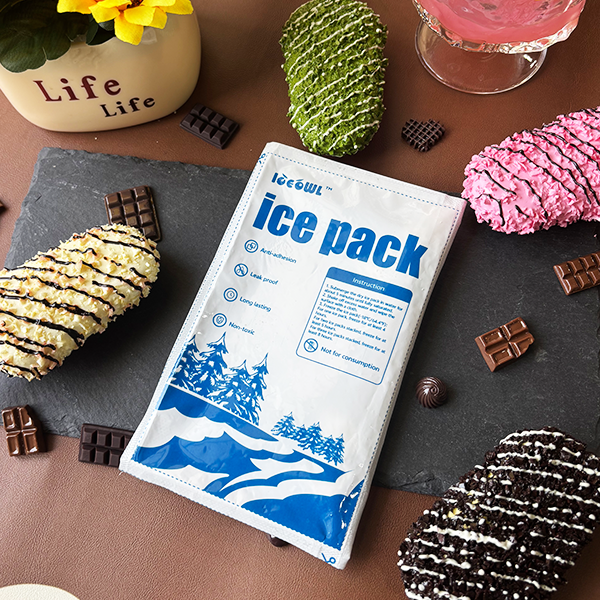
Updated: 10 December 2025
If you ship gelato across borders, cool chain gelato transport Europe is the difference between a premium scoop and an expensive puddle. By controlling temperature, packaging, and routing, you can keep gelato between roughly −22 °C and −18 °C throughout the chain, meeting ATP and EU hygiene rules while cutting melt loss and complaints.()
This guide will help you understand:
How cool chain gelato transport Europe keeps texture, flavor, and overrun stable along long routes
Which temperature ranges, vehicles, and packaging formats work best for gelato cold chain logistics in Europe
How EU hygiene law, ATP standards, and new 2025 refrigeration rules affect your frozen dessert transport decisions()
What 2025 trends (AI, RFID, sustainability) mean for your next gelato logistics investment in Europe()
Why is cool chain gelato transport in Europe so demanding?
Because gelato is both a frozen dessert and a delicate premium product, small temperature errors quickly destroy quality. Ice cream and gelato need stable deep-frozen conditions to avoid ice crystal growth, bacterial risk, and texture loss. Recommended guidelines show transport and storage temperatures around −20 °C, with limited variation along the route.()
On top of that, cross-border cool chain gelato transport Europe must pass through multiple climates, ports, and hubs. You deal with EU hygiene rules that say the cold chain must not be interrupted, ATP standards for vehicles, and retailer specs for shelf quality.() When you combine long distances, multiple partners, and strict consumer expectations for “perfect scoopability,” you can see why gelato is one of the toughest frozen categories to move reliably.
What temperature ranges should you target for gelato cold chain logistics?
Aim for a narrow frozen band — typically around −22 °C to −18 °C — across storage, cool chain gelato transport Europe legs, and retail delivery. Industry guidance for ice cream and similar frozen desserts points to around −24 °C at production, deep-frozen warehousing near −25 °C, transport near −25 °C, and retail cabinets closer to −18 °C.
Keeping gelato colder in the early chain gives you safety margin for short door openings and handling. But your goal is consistency, not chasing the lowest possible number. EU hygiene law allows only short breaks in the cold chain, and only when they do not create food safety risk.() That means route planning, loading discipline, and verified insulation, not just turning your reefer “to the max”.
Key stages and typical setpoints
| Stage in cool chain gelato transport Europe | Typical temperature band (°C) | Monitoring focus | What it means for you |
| Hardening & blast freezing | ≈ −30 to −35 | Rapid pull-down | Lock in micro-structure and overrun for stable texture |
| Frozen warehouse storage | ≈ −25 to −22 | Long-term stability | Prevent large ice crystal growth before shipment |
| Long-haul road / intermodal transport | ≈ −25 to −20 | Door openings, setpoint drift | Protect against ambient peaks and delays on European routes() |
| Retail delivery / last mile | ≈ −20 to −18 | Frequent stops, urban traffic | Balance food safety with operational practicality |
| Store display freezers | ≤ −18 | Consumer door openings | Keep legal minimums and avoid “heat shock” cycles() |
Practical tips and recommendations
Calibrate for the warmest point: Use real temperature mapping to find hot spots in your vehicle or container and set slightly lower to compensate.
Use data loggers as your “black box”: Continuous data logging gives you evidence if disputes arise and helps you fix weak links in routes.
Standardize loading patterns: A tidy, consistent loading plan often reduces temperature spread more than just lowering the setpoint.
Real-world case: A regional gelato brand switched from mixed frozen loads to dedicated ATP-certified trailers with strict loading patterns. Within one summer season, complaints about “too soft” gelato fell by over 60 %, and claims from retailers dropped markedly.
How should you design packaging for cool chain gelato transport Europe?
Your packaging must act like a mini-freezer around each tub or pan. For cool chain gelato transport Europe, you want packaging that holds frozen temperature, minimizes heat-shock cycles, and protects cups or pans from vibration and inverted stacking. Well-designed insulated shippers, liners, and pallet covers reduce temperature fluctuation and give you extra hours of safety in the event of delays.()
Equally important, packaging must fit European retailer expectations for sustainability. Many retailers now push for less virgin plastic and more recyclable or paper-based outer packs, while still expecting long shelf life.()
What gelato packaging components matter most?
1. Primary packaging: cups, tubs, pans, lids
Barrier: Keep air, odors, and moisture out, so gelato does not pick up freezer burn or off-flavors.
Rigidity: Prevent deformation during stacking and vibration on European highways.
Headspace and lid design: Enough room to protect improved overrun and decorations without crushing, and a lid that seals well after first opening.()
2. Secondary and tertiary packaging: cartons, shippers, pallets
Insulated cartons or EPP/EPS boxes: Reduce the rate of heat gain during loading and cross-docking.
Pallet covers and thermal blankets: Shield from radiant heat on ramps or in mixed-load cross-docks.
Strapping and corner protection: Stop cartons collapsing, which would damage tubs and disturb airflow inside the vehicle.()
| Packaging focus area | Example choices | Risk if ignored | Value for your gelato business |
| Primary containers | Rigid tubs with tight-fitting lids | Lid pop-off, freezer burn, leaking | Better consumer experience and fewer retailer complaints |
| Insulated outers | EPP / EPS boxes, insulated liners | Rapid warming in delays | Extra time buffer in cool chain gelato transport Europe |
| Pallet protection | Thermal covers, corner boards | Crush damage, hot spots | Higher delivered product value and less rework |
Practical user-level advice
For export pallets: Use pallet covers plus insulated top sheets whenever external docks or rail interchanges are part of the route.
For city distribution: Consider reusable insulated totes for last-mile delivery, especially in Southern Europe summers.
For e-commerce gelato: Combine insulated shippers with gel packs or dry ice sized to worst-case transit time, not average time.()
Example scenario: A direct-to-consumer brand in Germany upgraded from standard corrugated shippers to insulated EPP boxes with phase-change packs sized for 48-hour transit. Even during a July heatwave, over 98 % of parcels arrived with gelato still spoon-hard, and refund rates halved.()
Which regulations shape cool chain gelato transport in Europe?
You operate under a mix of EU food hygiene law and international transport standards. At minimum, cool chain gelato transport Europe must comply with:
EU Regulation (EC) No 852/2004 on food hygiene, which requires that the cold chain is maintained with only limited, controlled breaks.()
ATP (Agreement on the International Carriage of Perishable Foodstuffs), defining classification and performance requirements for insulated and refrigerated vehicles used for perishable foods such as ice cream.()
National HACCP-based rules and inspections, which require you to identify critical control points like freezing, storage, and transport temperatures.()
What does ATP mean for gelato?
ATP specifies that ice cream and similar frozen products must be transported at or below −20 °C, and sets rules for how refrigerated equipment is built and tested.() Vehicles used in cool chain gelato transport Europe must be ATP-certified, regularly inspected, and properly marked, or you risk fines and rejected loads.
What’s new in 2025 on refrigeration equipment?
In 2025, the EU introduced Regulation (EU) 2025/33, which, among other things, defines performance standards for professional refrigeration appliances. It also grants a temporary exemption (until mid-2026) for certain high-GWP refrigerant systems while manufacturers transition to low-GWP solutions.()
For you, this means:
When buying new freezers and transport refrigeration units, you should check both energy efficiency and F-gas compliance.
Over the next few years, older units using high-GWP refrigerants will face stricter restrictions and may become more expensive to service.
Compliance checklist (quick self-test)
[ ] All long-haul vehicles ATP-certified and in valid test period
[ ] Documented temperature setpoints and tolerances for each route
[ ] HACCP plan includes gelato transport as a critical control point
[ ] Data loggers used and records stored for required retention period
[ ] New equipment purchases checked against EU 2025 refrigeration rules
If you cannot tick all five boxes, your cool chain gelato transport Europe probably has compliance gaps worth fixing before the next audit.
How do you plan routes and partners for reliable gelato distribution in Europe?
Gelato moves through a network, not just a truck. Effective cool chain gelato transport Europe connects production sites, frozen warehouses, cross-docks, and retailers into one controlled flow.()
Route and partner design questions
Ask yourself:
Where are your temperature weak points? Long border crossings, ferry legs, or port dwell times can all create risk.
Which partners own which risks? Clarify responsibilities for loading discipline, temperature monitoring, and corrective actions.
How will you handle exceptions? Agree in advance how to deal with reefer breakdowns, door seal issues, or customs delays.
Simple route-risk scoring tool
Rate each factor from 1 (low risk) to 5 (high risk).
| Factor | Score (1–5) | What to consider |
| Climate along route | Summer routes through Southern Europe vs. cooler corridors | |
| Number of handovers / cross-docks | Each handover is a possible door opening and documentation risk | |
| Infrastructure quality | Access to powered cold stores, plugs, and backup reefers | |
| Partner experience with frozen dessert | Many carriers handle frozen food, but not all understand gelato | |
| Data visibility | Real-time temp and location data vs. paper records only |
A total score above, say, 16 should trigger a redesign or mitigation plan, such as extra insulation, different timing, or a more experienced carrier.
Real-life examples of useful actions
Use night-time loading and departure to avoid peak heat in summer on long southbound routes.
Create “gelato-only” frozen lanes for your highest-value products rather than mixing with general frozen loads.
Reserve plug-in points at ports and cross-docks so reefers stay powered during waiting time.()
What are the 2025 trends shaping cool chain gelato transport Europe?
Trend overview
The frozen dessert market in Europe is expanding, with one analysis estimating frozen dessert sales at over USD 30 billion in 2024 and forecasting steady growth through 2035.() At the same time, the European food cold chain logistics market itself is forecast to grow from roughly USD 69 billion in 2024 to over USD 120 billion by 2032.()
This growth is driven by convenience foods, premium gelato brands, e-commerce, and tourism. For you, that means more competition — and more pressure to get cool chain gelato transport Europe right.
Latest progress at a glance
AI and RFID-driven visibility: New solutions use RFID tags and AI analytics to detect cold chain deviations and optimize transport routes, especially across multi-country European lanes.()
Sustainable cold chain packaging: Eco-designed packaging and reduced plastic use are becoming standard, with retailers favoring recyclable or reusable systems and better insulation rather than heavier single-use plastics.()
Urban last-mile innovation: Electric refrigerated vans and micro-hubs designed for frozen and chilled ready-to-eat foods create new options for city-center gelato delivery with lower emissions.()
Market insights for your decisions
Premiumization in frozen desserts continues, with more artisanal and high-value gelato products entering retail and horeca channels.()
Consumers expect both indulgence and sustainability: they care about ingredients and carbon footprint, so energy-efficient transport and eco-friendly packaging can become selling points, not just cost items.()
Regulations on refrigeration gases are tightening, but the 2025 transitional exemption for some high-GWP systems gives you a short window to plan equipment upgrades strategically rather than reactively.()
Interactive mini self-assessment: is your gelato cold chain 2025-ready?
Answer “yes” or “no” to each statement:
We know and document our target temperature and tolerance for every leg of cool chain gelato transport Europe.
All long-haul vehicles and containers carrying our gelato are ATP-certified and within their test validity.
We log temperature continuously and can share digital reports with retailers or auditors within hours.
Our packaging has been tested in worst-case European summer conditions, not just laboratory settings.
We have a clear migration plan to more efficient, low-GWP refrigeration systems in line with the latest EU rules.
If you answered “no” to two or more items, your next investment should probably go into measurement, packaging trials, or equipment upgrades before adding new markets.
Frequently Asked Questions
Q1: What is the ideal temperature for cool chain gelato transport Europe?
You should target around −25 °C to −20 °C during transport, with product temperature staying at or below −18 °C at all times. This aligns with ATP guidelines for ice cream-type products and common retail specifications.()
Q2: Can I mix gelato with other frozen foods in the same truck?
You can, but only if the setpoint and airflow still protect gelato quality. High-value gelato often benefits from dedicated lanes or at least from separation inside the trailer to avoid repeated door openings and mechanical damage.()
Q3: How long can gelato stay outside temperature control during loading?
EU hygiene law allows only short, controlled breaks from the cold chain where food safety is not compromised. In practice, you should design handling steps so gelato never spends more than a few minutes outside frozen conditions and is protected with insulated packaging.()
Q4: Does smart packaging really matter for gelato?
Yes. Smart sensors, time–temperature indicators, and better thermal design help you detect abuse, prove compliance, and reduce waste. With frozen dessert demand rising, this can pay back quickly through fewer rejected loads and better brand reputation.()
Summary and recommendations
Cool chain gelato transport Europe is a high-stakes game: customers pay for texture, flavor, and a premium experience, and any break in the cold chain can destroy that value. By keeping gelato near −22 °C to −18 °C, using ATP-certified equipment, and designing insulation and packaging for real-world European routes, you protect both food safety and brand equity.()
Your next steps should be to map your full gelato cold chain, test packaging and loading patterns in summer conditions, close data gaps with loggers or telematics, and build a realistic plan to upgrade refrigeration equipment in line with 2025 EU rules. This approach reduces waste, keeps retailers happy, and prepares your business for growth in the expanding European frozen dessert market.()
Suggested internal links (for your site structure)
Guide to “frozen dessert cold chain packaging best practices”
Article on “designing ATP-compliant frozen food transport routes”
Landing page for “gelato and ice cream insulated shipping solutions”
Blog post on “how to reduce temperature excursions in last-mile frozen delivery”
(Use descriptive internal anchor text like “gelato insulated shipping solutions” rather than generic “click here”, and link these pages together to strengthen your topical cluster around cool chain gelato transport Europe.)
About Tempk
Tempk focuses on practical, data-driven cold chain solutions for high-value food products such as gelato, ice cream, and frozen desserts. We work with European manufacturers, distributors, and retailers to design insulated containers, reusable EPP and VIP boxes, and validated shipping systems that hold frozen temperatures even during challenging routes.
We combine engineering, field testing, and regulatory insight to help you upgrade cool chain gelato transport Europe without unnecessary complexity. If you are planning a new export lane, considering e-commerce for gelato, or redesigning your frozen packaging portfolio, our team can support you with scenario modelling, packaging trials, and tailored recommendations — so every scoop reaches your customer exactly as you intended.
Cold Chain Meat Distribution – Keeping Food Fresh & Safe in 2025

What Is Cold Chain Meat Distribution and Why Is It Important?
Cold chain meat distribution refers to the refrigerated handling, transport, and storage of meat products at safe temperatures from the slaughterhouse all the way to the consumer. It is crucial because keeping meat continuously cold prevents spoilage and dangerous bacteria growth. Without a proper cold chain, even a few hours of temperature abuse can ruin meat quality or cause foodborne illness. In fact, global agencies estimate that about 13% of food is lost due to inadequate refrigeration, underscoring how vital a strong cold chain is for reducing waste and protecting public health. For you, this means the steak or chicken you buy stays fresh, nutritious, and safe – thanks to careful temperature control every step of the way.
Expanded explanation: In 2025, maintaining an unbroken cold chain for meat is more important than ever. Consumers demand high-quality fresh and frozen meats year-round, and businesses face stricter food safety regulations. An efficient cold chain ensures that meat is quickly chilled or frozen right after processing, then kept within strict temperature ranges (typically around 0–4°C for chilled meat, or at or below -18°C for frozen meat) during storage and transit. This constant cold environment dramatically slows bacterial growth like Salmonella or E. coli, keeping meat safe to eat. It also preserves the meat’s texture, flavor, and nutritional value. On the flip side, if the cold chain breaks – say a refrigeration unit fails or there’s a delay at a warm loading dock – the meat’s shelf life plummets. You might see discoloration, off-odors, or even hazardous contamination. Cold chain meat distribution is essentially the backbone of food safety for animal products. It connects farmers, processors, trucking companies, cold storage warehouses, and retailers in a temperature-controlled relay race. Every link in the chain must do its part to keep products within safe cold ranges. This is especially critical for meat because, unlike canned goods or grains, meat perishes quickly without cooling. Some regions still struggle with this: only around 10% of perishable foods are refrigerated in transit worldwide, mainly due to limited infrastructure in developing countries. The result is higher spoilage and lost income for producers. By investing in cold chain systems – from modern refrigerated trucks to energy-efficient cold rooms – the industry can cut waste, improve food security, and deliver safer meat to consumers like you.
Effects of a Broken Cold Chain on Meat Quality
Even a short break in the cold chain can have serious consequences for meat products. Imagine a shipment of chicken breasts that sits too long on a warm loading dock, or a freezer truck that breaks down on a hot day. When the required low temperature isn’t maintained, meat quality and safety decline rapidly. Bacteria start multiplying exponentially once meat warms above about 5°C (41°F). This can lead to spoilage, off smells, and slimy texture – clear signs the product is no longer fresh. More importantly, pathogens can reach levels that make the meat dangerous to consume. Below is a comparison of outcomes with a proper cold chain vs. a broken cold chain:
| Condition | Proper Cold Chain (Meat Kept Cold) | Broken Cold Chain (Temperature Abuse) | What It Means for You |
|---|---|---|---|
| Bacterial Growth | Minimal – growth is slowed drastically. | Rapid – bacteria multiply quickly. | Safe meat with low risk of illness, vs. high risk of food poisoning if safety is compromised. |
| Shelf Life | Maximized – e.g. chilled meat stays good for 5–7 days, frozen meat for months. | Shortened – spoilage can occur within hours or days. | You have fresh meat that lasts until expected use, vs. meat that goes bad before you can cook it. |
| Product Quality | Preserved – retains color, texture, flavor. | Deteriorates – discoloration, off-odors, texture turns mushy. | Enjoyable eating experience, vs. poor taste and possible waste of your money on spoiled meat. |
| Compliance | Meets food safety standards and regulations. | Violates safety standards, potential legal issues. | Confidence that products are vetted and safe, vs. recalls or safety warnings that erode trust. |
| Financial Impact | Low waste – minimal losses due to spoilage. | High waste – many products must be discarded. | Stable prices and supply, vs. potential price increases or shortages if supply is lost. |
As you can see, maintaining the cold chain is non-negotiable for delivering safe, high-quality meat. A broken cold chain not only harms consumers but also damages a company’s reputation and bottom line. For example, a single shipment of spoiled meat can cost thousands of dollars in losses and erode customer confidence. This is why companies go to great lengths to monitor temperatures and have backup plans (like auxiliary generators or dry ice) to prevent any breaks in refrigeration.
Practical Tips for Maintaining Your Meat Cold Chain
To ensure your cold chain runs smoothly, here are some real-world tips and best practices:
Optimize Loading and Unloading: Minimize the time meat products spend outside of refrigerated environments. For instance, load trucks during the cooler parts of the day or use insulated dock shelters so that cold air isn’t lost when warehouse doors open. Keeping transitions swift prevents temperature spikes.
Use Reliable Monitoring Tools: Leverage technology like IoT temperature sensors and data loggers inside storage units and trucks. These devices send instant alerts to your phone or computer if temperatures drift out of range. By catching a failing freezer or an open container door immediately, you can take corrective action (such as transferring goods to a backup fridge) before the meat spoils.
Train Your Team & Set Protocols: Human error is a common cause of cold chain breaks. Make sure your staff understands the importance of temperature control. Train everyone from plant workers to drivers on proper handling – for example, not leaving truck doors open during deliveries, and checking thermostat readings regularly. Establish clear Standard Operating Procedures (SOPs) for emergencies (what to do if a cooler fails, or if a delivery is delayed). A well-prepared team can save a whole shipment when issues arise.
Case Example: A major grocery distributor in Ireland installed real-time temperature trackers in its meat delivery vans. During one summer run, a sensor alerted that a truck’s cooling unit had malfunctioned. Thanks to the alert, the driver immediately packed the meat in backup ice packs and rerouted to the nearest cold storage facility. This quick response saved the entire load from spoiling and prevented thousands of dollars in losses. The example shows how technology and good planning can keep the cold chain intact even when surprises happen.
How Can You Optimize Cold Chain Meat Distribution for Safety and Efficiency?
To keep your cold chain meat distribution robust and efficient, focus on consistency, monitoring, and smart planning. In practice, this means maintaining steady low temperatures at every stage, using modern tools to track conditions in real time, and streamlining logistics so that meat spends as little time in transit as possible. By optimizing each link in the chain – from processing plant to delivery truck to retail shelf – you can significantly cut down spoilage (often by over 20%) while saving on energy and costs. Below are key best practices to help achieve this:
Rapid Chilling: Right after slaughter or processing, chill or freeze meat products as quickly as possible. Fast initial cooling is critical to lock in quality. For example, beef carcasses should be brought down to under 4°C within a few hours. Quick chilling halts most bacterial growth before it starts.
Proper Packaging: Use insulated, moisture-proof packaging and consider adding refrigerant packs for extra protection, especially for last-mile delivery. Thermal packaging (like gel packs, dry ice, or vacuum-insulated boxes) helps maintain cold temperatures if there are any delays. It also protects products from ambient heat and physical damage. Well-designed packaging can add several hours of safe travel time outside of fixed refrigeration.
Continuous Temperature Monitoring: Implement a system of continuous monitoring in cold rooms, trucks, and containers. Digital data loggers should accompany shipments to record temperatures throughout the journey. Many modern systems allow live tracking via cloud software, so you can watch a truck’s temperature remotely. If a problem occurs (e.g., a cooler unit fails or a door is left ajar), alerts via SMS or email let you respond immediately. Continuous monitoring not only prevents disasters but also provides traceability records to prove your meats stayed within safe ranges. (This is particularly useful for audits and compliance checks.)
Route and Schedule Optimization: Plan transportation routes and schedules with temperature control in mind. Choose the fastest routes or those with less traffic to reduce time on the road. Avoid unnecessary stops and coordinate logistics so that cold storage facilities are ready to receive products upon arrival (no idling truck full of meat waiting for a dock). In cities, deliver during off-peak hours if possible to prevent delays. Efficient routing not only keeps products fresher but also reduces fuel and refrigeration running time.
Equipment Maintenance and Backup: Regularly service all refrigeration equipment – from compressors in cold rooms to reefer truck units. A well-maintained system is less likely to fail mid-journey. Also have backup plans: maintain standby generators at warehouses in case of power outages, and equip vehicles with emergency coolants or have a backup vehicle on call. This way, a mechanical issue doesn’t result in losing a whole load.
Staff Training and Accountability: As mentioned earlier, human factors are huge. Make food safety and cold chain management part of your company culture. For instance, set up simple checklists for drivers to verify temperature settings before departure and upon arrival. Encourage a sense of personal responsibility – each employee should treat the product as if they were going to serve it to their own family. When everyone is vigilant, mistakes and temperature excursions can be drastically reduced.
Leverage Data and Predictive Analytics: If you operate at a larger scale, analyze the data from your cold chain operations. Look for patterns like certain routes or times of day where temperature excursions happen more often. Advanced logistics software can help predict issues – for example, warning if a planned shipping schedule might push a product past its shelf life. By using these insights, you can continuously improve your distribution plans (for example, adjusting warehouse inventory turnover or adding an extra delivery shift) to keep the cold chain optimal.
By implementing these best practices, you ensure that every piece of meat you handle stays within safe temperatures until it reaches the consumer. Efficient cold chain management not only protects public health but also boosts your bottom line by reducing waste and improving customer satisfaction. Remember, a strong cold chain is a competitive advantage – it means fewer recalls, longer shelf lives in stores, and a reputation for reliability. Many companies also integrate these steps with broader quality systems (like HACCP plans for food safety). For instance, our team at Tempk often advises clients to conduct regular “cold chain audits”, assessing each stage for weaknesses. This kind of proactive approach catches small issues (like a slightly warm zone in a storage area) before they become major problems.
(Internal resource: For a deeper dive, check out our guide on Effective Cold Chain Packaging for meat products, where we discuss packaging materials and techniques in detail. Additionally, our article on Refrigerated Transport Selection offers insights into choosing the right shipping modes – whether by truck, rail, or air – to fit your cold chain needs.)
What Are the Key Challenges in Cold Chain Meat Distribution?
Cold chain meat distribution faces several challenges, including high costs, infrastructure gaps, and strict regulatory requirements. Despite advancements, running a reliable meat cold chain can be difficult due to these factors. Let’s break down the major challenges and what they mean:
High Operating Costs: Keeping meat continuously cold is expensive. Refrigerated trucks (“reefers”), cold storage warehouses, and energy for cooling all add significant cost. For example, refrigerated logistics can cost 2–3 times more than ambient shipping. Small businesses especially struggle with the expense of buying specialized equipment and paying for fuel or electricity to run it 24/7. These costs must be balanced against the value of the products being shipped. The challenge is to maintain efficiency – using just the right amount of cooling and the best routes – to avoid wasting money while still protecting the meat.
Insufficient Infrastructure: In many regions, especially developing countries, the cold chain infrastructure is limited or uneven. There may be a lack of adequate cold storage facilities, poor road quality for transport, or unreliable electricity to power refrigerators. In some tropical areas, less than 10% of meat and other perishables are transported under refrigeration, leading to high spoilage rates locally. Even within developed markets, rural areas might have “cold chain deserts” with few facilities. Building new cold warehouses and upgrading infrastructure requires heavy investment. Until that happens, companies must get creative (for instance, using portable solar-powered chillers or partnering with third-party logistics providers) to bridge the gaps.
Regulatory Compliance: Meat is heavily regulated for safety, and rightly so. Governments impose strict rules on storage temperatures, maximum transit times, sanitation of vehicles, and record-keeping. For instance, in the US and EU, laws require that fresh poultry is kept below 4°C and frozen meat below -18°C, with documented proof from farm to retailer. Compliance can be challenging because it means every segment of your operation needs monitoring and accurate record-keeping. Companies may need to invest in certification and audit processes (like USDA inspections or ISO standards) to verify their cold chain integrity. Adhering to these rules can slow down operations or require specific expertise, but non-compliance is not an option – it can result in seized shipments or costly recalls.
Human Error and Handling Mistakes: A cold chain is only as strong as its weakest link. Even with great equipment, mistakes by personnel can break the chain. Common issues include drivers occasionally turning off refrigeration to save fuel, warehouse doors left open too long, or products getting “warm spots” because they were stacked improperly (blocking airflow). Training helps, but turnover in logistics jobs can be high, and not everyone is meticulous. Ensuring consistent best practices across all staff and partners (including any 3PLs or distributors you work with) is an ongoing challenge. Automation can mitigate this – for example, using automatic door closers or temperature alarms – but ultimately people need to remain vigilant.
Sustainability and Environmental Impact: Interestingly, one emerging challenge is how to make cold chains more environmentally sustainable. Refrigeration systems often use a lot of energy and sometimes refrigerant chemicals that can contribute to greenhouse gas emissions. As the world pushes to reduce carbon footprints, cold chain operators face pressure to adopt greener technologies. This might mean switching to more efficient refrigeration units, using solar panels on facilities, or adopting electric refrigerated trucks instead of diesel-powered ones. While these changes are positive, they require upfront investment and careful planning to implement without disrupting service. Companies are finding that sustainability goals must be balanced with practical cold chain needs – for example, using an eco-friendly refrigerant that also keeps meat sufficiently cold. The good news is that many new solutions (like high-efficiency insulation and hybrid solar cooling systems) are being developed to tackle this challenge.
Despite these hurdles, the industry is adapting quickly. Large logistics providers are pouring money into new cold storage construction (North America, for instance, added over 600 million cubic feet of refrigerated warehouse space from 2024 to 2025 to meet demand). Technological innovation is addressing many human error issues through automation and monitoring. And collaboration is key – producers, distributors, and retailers often coordinate more closely now to ensure a seamless cold chain handoff. For you as a stakeholder or consumer, awareness of these challenges highlights why sometimes certain imported meats are costly or why delivering fresh meat to every corner of the globe is complex. Overcoming these challenges is a continuous effort, but it’s yielding results in better quality and availability of meats worldwide.
2025 Latest Cold Chain Meat Distribution Developments and Trends
Trend overview: The year 2025 has brought significant advancements and shifts in the cold chain meat distribution landscape. Around the world, this sector is evolving faster than ever, driven by rising consumer expectations, technological breakthroughs, and lessons learned from recent global events. For one, the COVID-19 pandemic underscored the importance of resilient cold chains (not just for food but also for vaccines), prompting heavy investments in capacity and reliability. We’re now seeing those investments pay off. Digital transformation is at the forefront: more companies are embracing Internet of Things (IoT) sensors, blockchain traceability, and AI-driven route planning to make meat distribution smarter and more transparent. There’s also a strong push toward sustainability – from eco-friendly refrigerants to solar-powered cold storage – as the industry aims to reduce its environmental footprint. Meanwhile, global demand for meat, especially in developing economies, continues to grow, leading to an expansion of cold chain infrastructure in Asia, Africa, and Latin America. In summary, 2025’s cold chain is smarter, greener, and more globally connected than ever, with new trends offering both opportunities and challenges for stakeholders.
Latest Progress at a Glance
Real-Time Tracking Boom: Live monitoring has become the norm. In 2025, a majority of large meat distributors use GPS and IoT-based tracking for shipments. This means you can pinpoint a container of beef in transit and see its exact temperature in real time. Such transparency greatly reduces the chance of unnoticed temperature excursions, as issues are caught and fixed immediately. It also builds trust – some companies even share tracking data with consumers to show that their meat was handled safely throughout the journey.
Asia’s Cold Chain Expansion: Emerging markets are ramping up capacity. The Asia-Pacific cold chain market has been experiencing explosive growth, with double-digit annual expansion over the past few years. Countries like China, India, and Vietnam are investing in hundreds of new cold storage facilities and fleets of refrigerated trucks to meet the dietary shifts of a growing middle class. For consumers globally, this means more stable meat supply (e.g., poultry and seafood from Asia reaching international markets in good condition) and less seasonal fluctuation in prices. However, it also intensifies competition, urging all players to up their game in efficiency.
Automation and Robotics: High-tech warehouses are here. Large cold storage centers in the U.S. and Europe have begun using robots and automated systems to handle meat products in sub-zero environments. Automated guided vehicles and robotic palletizers can operate in freezing warehouses where it’s uncomfortable or dangerous for humans to work too long. This trend is improving safety and productivity – orders can be picked faster with fewer errors. It also helps address labor shortages in the logistics industry. For businesses, automation can lower long-term costs and ensure consistent, speedy handling of products from plant to truck.
Sustainable Cooling Solutions: Green tech on the rise. A notable 2025 trend is the adoption of sustainable practices in cold chain logistics. Examples include electric refrigerated trucks (which produce zero tailpipe emissions in city deliveries) and the use of natural refrigerants like ammonia and CO₂ in place of older Freon-type gases that contribute to global warming. Companies are also testing solar-powered cold rooms and investing in better insulation to reduce energy usage. These advancements are important as they align the cold chain with global climate goals. For users and customers, greener operations often mean improved efficiency (lower energy costs can translate to stable or lower prices) and a positive brand image for companies that care about the environment.
Market insights: The cold chain meat distribution market in 2025 is robust and growing. Recent reports show that the global cold chain logistics market (covering food and pharmaceuticals) is expanding at around 14% CAGR, reflecting how essential cold chain has become. It’s expected to reach well over $500 billion USD in value by the end of the decade. Much of this growth comes from consumer demand for fresh and frozen foods, online grocery services, and international trade in meat. For instance, more people ordering steaks or seafood online for home delivery means companies must bolster last-mile cold chain capabilities. Another insight is the trend toward regionalization of supply chains: instead of one giant international supply line, companies are developing regional hubs (for example, processing meat in-country or closer to the market) to shorten transit times and reduce risk. This doesn’t reduce the need for cold chain – it actually creates multiple strong cold chain networks that are more localized. Additionally, consumer awareness is influencing the market. Shoppers are now more knowledgeable about food safety; seeing labels like “Kept at 0–4°C during transport” can be a selling point. Some retailers market their superior cold chain practices as a quality differentiator. All these factors indicate a future where cold chain distribution remains a critical, dynamic part of the meat industry. Companies that stay ahead of trends – by integrating new tech and expanding capacity responsibly – are likely to lead in both market share and customer trust.
Frequently Asked Questions
Q1: What is cold chain meat distribution?
It’s the process of storing, transporting, and handling meat products in temperature-controlled conditions from the point of origin to the consumer. In cold chain meat distribution, beef, pork, poultry, and seafood are kept chilled or frozen throughout the supply chain to maintain freshness and prevent spoilage or bacterial contamination.
Q2: At what temperature should meat be stored during distribution?
Meat should be kept cold at all times during distribution. For chilled fresh meat, the ideal storage temperature is about 0°C to 4°C (32°F to 40°F). For frozen meat, it should be maintained at -18°C (0°F) or below. Keeping these temperatures ensures the meat remains safe and retains quality until it reaches the end customer.
Q3: How long can meat stay fresh in a proper cold chain?
If the cold chain is maintained, fresh chilled meat can last several days safely, depending on the type (e.g., raw poultry ~2–3 days, beef cuts ~3–5 days refrigerated). Properly frozen meat can be stored for months without significant quality loss (often 6–12 months for best quality). However, every time the meat warms up above safe temperatures, its shelf life shortens. That’s why a constant cold chain is key – it lets the meat reach its maximum expected shelf life.
Q4: What happens if the cold chain is broken during meat transport?
If the cold chain breaks – meaning the meat warms above safe temperatures even for a short period – the meat can spoil or become unsafe quickly. Bacteria may grow to dangerous levels, and you might notice changes in color or smell. In practice, a broken cold chain often means the affected meat must be thrown away or recalled, because it’s not worth the risk of selling compromised product. Always err on the side of caution: if there’s any doubt that meat stayed properly chilled or frozen, it shouldn’t be consumed.
Q5: How are new technologies improving cold chain meat distribution?
New technology is making cold chain management much easier and more reliable. IoT sensors and smart tracking devices now monitor the temperature of meat shipments in real time and send alerts if something goes wrong. GPS tracking combined with temperature data helps logistics managers respond instantly to issues (for example, dispatching a replacement truck if one breaks down). Additionally, data analytics and AI help optimize routes and warehouse operations, reducing transit times and keeping products within safe conditions. Even blockchain is being used for traceability – so anyone (even consumers) can verify that a particular meat product stayed within the required temperature range throughout its journey. In short, technology adds layers of visibility and control that greatly reduce the chances of cold chain failure.
Q6: How can small businesses manage cold chain meat distribution on a budget?
Small businesses can still maintain a strong cold chain without breaking the bank by using a few smart strategies. Firstly, they can invest in affordable tools like portable data loggers or Bluetooth thermometers to keep an eye on temperatures during local deliveries. Insulated containers or cooler boxes with gel ice packs can work for short transport routes if a full refrigerated truck isn’t feasible. Partnering with third-party cold logistics providers is another cost-effective approach – for example, renting space in a shared cold storage or hiring refrigerated vans only when needed. Training staff is free and crucial: ensure everyone knows to keep coolers closed and move quickly when handling chilled products. With good procedures and the right small-scale equipment, even a local butcher or farm-to-table delivery service can uphold a reliable cold chain for their meats.
Summary and Suggestions
In summary, a robust cold chain meat distribution system is the lifeline that keeps meat products fresh, safe, and high-quality from slaughterhouse to dinner table. We’ve learned that maintaining strict cold temperatures (near freezing for chilled meat and well below freezing for frozen goods) at every step is non-negotiable for preventing spoilage and foodborne illnesses. Key points to remember include the importance of speedy chilling, continuous temperature monitoring, and proper handling – these practices can dramatically reduce waste and ensure that consumers get flavorful, safe meat every time. We also highlighted that leveraging modern technology (like IoT sensors and automation) and staying on top of industry trends (such as sustainability and regional distribution hubs) are essential for any company that wants to excel in 2025’s cold chain environment. By covering all these angles, you can appreciate how comprehensive and critical the cold chain process is in the meat industry.
Actionable next steps: If you’re involved in meat distribution or simply want to improve your operation’s cold chain, here are some steps to consider. First, assess your current cold chain – identify any weak links, such as inconsistent storage temps or delays in transit, by doing a thorough audit of each stage. Next, implement improvements one by one: for example, invest in a set of reliable temperature loggers this quarter, provide a staff training refresh on proper cold handling next month, or upgrade insulation and cooling systems in your facility over the coming year. It can help to develop a standard operating checklist for every shipment (covering pre-cooling, temperature setpoints, loading times, etc.). Also, don’t hesitate to reach out for expert advice or services if needed; sometimes a consultant or a specialized logistics partner can offer solutions tailored to your needs. Remember that maintaining an excellent cold chain is an ongoing commitment – by staying proactive and embracing best practices, you ensure that every cut of meat you ship or receive is as fresh and safe as possible. This not only protects consumers and builds trust but also improves your bottom line by cutting losses.
About Tempk
Tempk is a leading expert in cold chain solutions, dedicated to helping businesses safeguard temperature-sensitive products like meat with confidence. We have over a decade of industry experience in cold logistics technology and services. Our team has developed advanced systems – including real-time temperature monitoring devices and cloud-based tracking software – that give companies unprecedented visibility into their cold chain operations. We pride ourselves on an evidence-based approach: in projects with our clients, we’ve consistently reduced food spoilage rates and improved compliance with food safety standards. At Tempk, we combine deep industry know-how with innovative tools to ensure that your cold chain meat distribution is efficient, reliable, and up-to-date with the latest best practices. We understand the challenges you face, from managing costs to meeting strict regulations, and we offer tailored solutions to address these needs.
Ready to strengthen your cold chain? Contact us for professional guidance or to learn how our Tempk solutions can be customized for your business. We’re here to help you keep your meat products perfectly cold, every step of the way – ensuring freshness, safety, and peace of mind for you and your customers.
How to Ensure Safe Cold Chain Meat Transport? (2025 Guide)
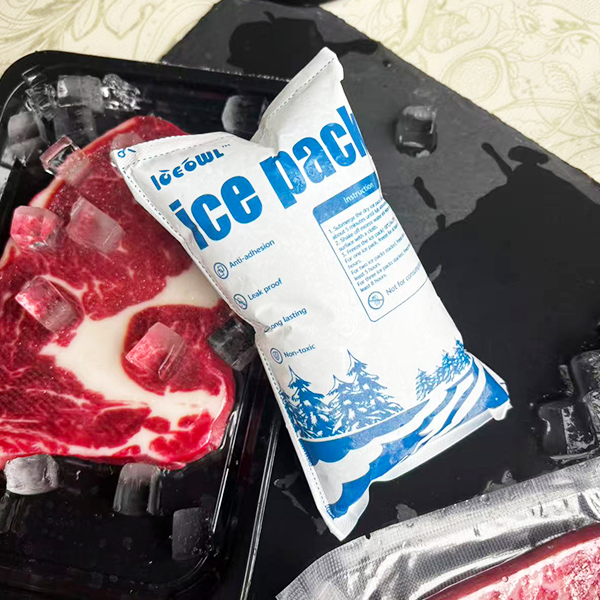
How to Ensure Safe Cold Chain Meat Transport?
Cold chain meat transport refers to moving meat products under continuous refrigeration from processing to delivery. It’s crucial because meat spoils quickly if not kept cold. In fact, around 13% of all food produced is lost due to inadequate refrigeration, leading to huge waste and safety risks. By maintaining a proper cold chain, you ensure your meat stays safe, fresh, and high-quality from farm to table. This 2025 guide will show you how to do it right with up-to-date best practices and insights.
Why a cold chain is vital: How proper refrigeration prevents spoilage and foodborne illness in meat logistics.
Temperature control tips: Proven methods to keep meat at safe temperatures (chilled or frozen) throughout transport.
Packaging & handling best practices: How insulated packaging, sanitation, and quick handling keep meat quality intact.
Overcoming cold chain challenges: Solutions for common issues like equipment failures, delays, and maintaining consistency.
2025 industry trends: The latest cold chain innovations (IoT monitoring, sustainable tech) that improve meat transport.
Why is cold chain meat transport so important for safety and quality?
Maintaining a cold chain is essential because meat begins to spoil rapidly if its temperature rises above 4 °C (40 °F). Without continuous refrigeration, harmful bacteria like Salmonella and E. coli can multiply quickly, causing the meat to become unsafe and foul in odor or taste. A robust cold chain keeps meat in a safe temperature range from the slaughterhouse all the way to the store or consumer, greatly extending its shelf life and preventing waste.
Direct impact on safety: Fresh meat is rich in protein and moisture – ideal conditions for bacteria. If meat warms into the “danger zone” (4 °C–60 °C) even for a few hours, bacteria can explode in number. For example, at room temperature (around 20 °C), bacterial counts can double in as little as 20 minutes, raising the risk of spoilage and food poisoning. By contrast, keeping meat near 0 °C (32 °F) slows microbial growth to a crawl, preserving the product. According to the UN Food and Agriculture Organization, improving cold chain systems could save up to 620 million tons of global food losses per year – nearly half of all food wasted – largely by preventing temperature abuse during transport. For you, this means fewer spoiled shipments, safer products for customers, and less money thrown away on ruined meat.
Consequences of a broken cold chain
Even a single break in the cold chain can have serious consequences. If a refrigerated truck breaks down on a hot day or boxes of meat sit unrefrigerated on a loading dock too long, the core temperature of the meat can rise above safe levels. Once that happens, quality deteriorates and the batch may become unsafe. Meat that has partially spoiled can develop off-colors and odors, and pathogens may reach dangerous levels. Distributors and retailers often must reject or dispose of any meat shipment that hasn’t been kept below ~4 °C, resulting in direct financial loss and supply chain disruption. There are also legal and reputational risks: food safety regulations (like the FDA’s Food Safety Modernization Act in the US) require strict temperature control. Shipping compromised meat could lead to regulatory penalties, recalls, or damage to your brand’s trust. In short, failure to maintain the cold chain not only spoils product but can also cause customer illness, liability issues, and costly waste.
Plan for the “2-hour rule”: Per food safety guidelines, never let meat stay above 4 °C for more than 2 hours. If you’re loading or transferring meat, use insulated covers or cold packs so you keep it out of the danger zone even during short handling periods.
Emphasize staff training: Ensure your team knows the critical importance of temperature. Simple practices like keeping cooler doors closed as much as possible and rushing meat into cold storage upon receipt will significantly reduce temperature fluctuations.
Audit your cold chain regularly: It’s wise to periodically test and document temperatures at different points (e.g. truck interior, product center) during a trial run. This helps you identify any weak links or warm spots in your process before they cause a real loss.
case: A UK meat distributor once experienced a chiller unit failure in transit. Because the team had been trained to check trailer thermometers at every stop, the driver noticed the temperature rising after one hour. They immediately moved the meat to a backup refrigerated truck within 90 minutes. Result: The swift action saved approximately $50,000 worth of product and prevented any food safety incidents. This real scenario shows how diligent monitoring and quick response can save your shipment if a cold chain break occurs.
How can you maintain consistent temperature during meat transportation?
You maintain a consistent temperature by using proper refrigeration equipment and diligent monitoring at every stage of transport. This starts with pre-chilling: the meat and the vehicle (or container) should be cooled to the target temperature before loading. During transit, keep chilled meat shipments at or below about 4 °C (39 °F), and frozen meat solidly at –18 °C (0 °F) or colder. Use refrigerated trucks (“reefers”) or insulated containers for every leg of the journey, and monitor temperatures continuously with thermometers or IoT sensors. If any temperature deviations occur, immediate corrective action (such as adjusting the thermostat, adding dry ice, or transferring cargo) is needed to keep the cold chain unbroken.
Best practices in action: Make sure the refrigeration unit of your truck is set to the right range and running before loading the meat. It’s much easier to keep a cold environment cold than to cool down a warm trailer full of perishables. The meat products themselves should be chilled to the proper temperature range prior to transit – for example, fresh beef carcasses usually need to be cooled to around 0–2 °C (32–36 °F) before shipment. Stacking the cargo properly also matters: allow space for cold air circulation around the boxes or pallets. Avoid overloading beyond the truck’s cooling capacity. It’s wise to use partitioning curtains or thermal dividers if the door will be opened multiple times (for deliveries) so that the cold air loss is minimized. Many companies now equip trucks with digital data loggers or real-time temperature trackers that send alerts to your phone or computer if the temperature starts rising. This means if a problem begins (like a power issue or a door accidentally left open), you can catch it early and fix it – potentially saving the entire load. Consistent temperature control is about being proactive: careful planning, using the right tools, and actively watching conditions throughout the journey.
Chilled vs. Frozen Meat: Temperature Standards
Maintaining the correct temperature depends on whether the meat is chilled (refrigerated but not frozen) or frozen. Each has its own standards and considerations:
| Aspect | Chilled Meat Transport | Frozen Meat Transport | What it means to you |
| Temperature Range | 0 °C to 4 °C (32–39 °F) | –18 °C (0 °F) or below | Stay within these ranges to ensure safety. Chilled meat should never warm above ~5 °C; frozen meat must remain rock-solid. |
| Typical Shelf Life | A few days (short-term storage) | Several months (long-term storage) | Chilled meat offers fresh quality but needs quick delivery. Frozen meat lasts longer, but any thawing can degrade texture and flavor. |
| Packaging Needs | Insulated truck or cool boxes with gel packs/ice | Freezer truck or containers, often with dry ice or eutectic plates | Use appropriate packaging to prevent temperature rise. Choose chilled transport for short durations and frozen for extended transit. |
| Handling | Minimal door openings; rapid loading/unloading | Prevent any partial thaw during handling | Good handling preserves quality: work efficiently to avoid warming the meat. A quick load/unload keeps chilled meat safe, while frozen meat handling must avoid thaw cycles. |
Practical tips and advice
Summer deliveries: In hot weather, always pre-cool your vehicle and load meat quickly. For example, if you are shipping meat on a 35 °C (95 °F) day, cool the truck to below 4 °C before loading, and consider using portable cold blankets over pallets during the transfer. This prevents a temperature spike in those critical minutes of loading.
If equipment fails: Have an emergency plan. Keep backup cold packs or dry ice on hand for smaller shipments. For large shipments, partner with a nearby cold storage or a backup refrigerated truck service. This way, if your reefer unit breaks down or gets stuck in traffic, you can transfer the meat or reinforce cooling within an hour to prevent spoilage.
Long-haul trips: Use temperature data loggers inside the cargo. If your meat is crossing borders or traveling for days, these devices record temperature throughout. At each checkpoint or upon arrival, you can review the logs. This not only assures you that the meat stayed within range, but it also provides documented proof of proper handling for clients or inspectors.
case: A Brazilian meat exporter shipped frozen beef overseas using refrigerated containers. Mid-voyage, a port delay kept the container in transit longer than expected. Fortunately, the container was outfitted with a smart telemetry system that alerted the company that temperatures were creeping up by 2 °C due to a power issue at the port. The company immediately arranged for on-site technicians to supply auxiliary power. Outcome: The container’s temperature was restored to –20 °C before the meat thawed, and the shipment arrived in good condition. This real example shows how real-time monitoring and quick intervention can save a valuable meat shipment during an unexpected delay.
How should you package and handle meat in cold chain transport?
Use insulated, sturdy packaging and strict hygiene practices to protect meat during cold chain transport. Meat products should be well-sealed (often vacuum-packed or tightly wrapped) to prevent exposure to air and contaminants. Next, insulated containers or thermal packaging are essential to maintain temperature around the product. For instance, you might pack meat cuts in a foam cooler box with gel ice packs or dry ice for small shipments, or use pallet-sized thermal blankets for large shipments on a refrigerated truck. Sturdy outer packaging – like durable corrugated cartons or plastic crates – will shield the meat from physical damage and also help maintain the cold by adding a layer of protection. Finally, handling must be gentle and quick: load and unload meat swiftly to minimize time outside refrigeration, and avoid rough handling that could tear packaging or compromise cleanliness.
Packaging best practices: Different forms of meat call for different packaging approaches. Fresh chilled meat (like refrigerated beef or poultry) is often shipped in vacuum-sealed packs or butcher paper wrap, then placed in an insulated box with refrigerant gel packs to keep it at fridge temperatures. This setup can keep meat cold for 24-48 hours in transit if no active refrigeration is available. Frozen meat is usually packed with dry ice or in a mechanical freezer unit. Dry ice (solid CO₂) is extremely cold (–78 °C) and can keep meat frozen for long durations, but you must follow safety guidelines when using it (proper ventilation and labeling, since it sublimates to CO₂ gas). Ensure that any insulating material (like Styrofoam, thermal liners, or vacuum-insulated panels) is food-grade and dry. Moisture can reduce insulation efficiency, so packaging should repel water from melting ice or condensation. It’s also important to fill empty space in containers with padding or more ice packs – empty air warms up faster. A snug, well-insulated package keeps cold air close to the meat.
On the handling side, sanitation and organization are key. Always pre-inspect the truck or container for cleanliness (no old blood spills, odors, or pests). Use clean gloves when handling unpackaged meat cuts to avoid introducing bacteria. Separate different products if needed – for example, keep raw poultry cartons separate from raw beef to prevent any cross-contamination of juices. If you transport meat alongside other refrigerated goods, stack raw meat below ready-to-eat foods in case of drips, following food safety rules. Clearly label the packages with content, date, and “Keep Refrigerated” or “Frozen” instructions so everyone in the chain knows to handle them properly. By paying attention to packaging and handling, you ensure the meat stays at peak quality: cold, clean, and intact, all the way to its destination.
Maintaining hygiene and quality during transit
Cold temperatures slow bacterial growth but do not kill all bacteria, so hygiene remains critical. Before each trip, the refrigerated truck or container should be thoroughly cleaned and sanitized. Residue from previous loads (like blood or fat from meat) can harbor bacteria or cause odors that taint fresh product. Many companies follow a checklist: clean surfaces with food-safe sanitizer, check that door seals are intact (to keep warm air and contaminants out), and ensure no debris could puncture packaging. Additionally, monitoring humidity can be beneficial – too much moisture in a trailer can cause condensation on meat packaging, leading to soggy boxes or mold. Using moisture absorbers or setting the ventilation right can help maintain an optimal environment. Quality checks are also important: for long journeys, consider doing quick inspections at driver pit stops – e.g. visually check that there’s no leakage or torn packaging, and that the meat is still safely packed in ice or chilled. Maintaining strict hygiene during handling (only clean, sanitized equipment touches the meat) and checking product quality at intervals will catch any issues early. This way, even if the temperature is controlled, you add an extra layer of assurance that the meat arriving is not just cold, but also clean and of high quality.
Practical tips and advice
Small shipments: If you’re sending a small quantity of meat (for example, direct to a customer or a restaurant) use a high-quality insulated cooler box. Include sufficient gel ice packs (for chilled meat) or dry ice (for frozen meat) to last beyond the expected delivery time. A good rule of thumb is to test your packaging: pack a sample box with a thermometer and see if it stays below 4 °C for the needed duration. This lets you adjust the amount of coolant before shipping real products.
Bulk pallet loads: For large meat shipments on pallets, shrink-wrap the pallet and use a thermal pallet cover or blanket. These reflective or insulated covers go over the entire pallet like a cap, adding an extra barrier against heat during loading or if the truck door opens. It’s an easy way to prevent temperature creep. Also, place a layer of cardboard or thermal mat under the pallet if it’s on a warm dock or truck floor – this prevents heat from the ground conducting up into your meat cartons.
International or long-duration shipping: Consider active cooling containers. If meat will be in transit for a week (say, by sea freight), passive ice packs may not suffice. Instead, use reefer (refrigerated) containers or specialized active cooling crates that plug into power. They maintain a set temperature for days or weeks. While they cost more, they ensure that your meat arrives in top condition even after a long journey. Additionally, be mindful of regulations: certain countries require specific labeling or import documentation for meat (like health certificates). Proper packaging includes having those documents attached and accessible to avoid customs delays that could jeopardize the cold chain.
case: A gourmet beef supplier in Australia began vacuum-sealing its premium steaks and packing them with advanced insulation for air freight to Asia. By switching to a thicker styrofoam cooler and gel packs pre-frozen to –20 °C, they found the meat stayed at 2 °C or below for 48 hours in transit. The result: customers reported fresher-tasting steaks upon arrival, and the company saw a 30% drop in temperature-related complaints. This example shows how upgrading packaging materials and methods can directly improve product quality and customer satisfaction in cold chain meat transport.
What challenges affect cold chain meat transport, and how can you overcome them?
Cold chain meat transport faces several challenges – temperature fluctuations, delays, equipment failures, and high costs – but careful planning and modern tools can overcome them. One major challenge is maintaining stable temperature throughout, especially when external conditions are extreme (e.g. summer heat or long distances). Any deviation can spoil the meat, so overcoming this means investing in reliable refrigeration units, insulating materials, and backup cooling options. Another challenge is logistical delays or disruptions: traffic jams, customs hold-ups, or port delays can all extend transit time beyond what was planned. To mitigate this, build some time cushion into your cold chain plan and use packaging that can sustain safe temperatures longer than the minimum requirement. Equipment reliability is also a concern – a broken compressor or a power outage can lead to disaster. Regular maintenance schedules and emergency response plans (like having a generator or an alternate reefer truck on standby) are essential solutions here. Lastly, operating a cold chain is costly (fuel for reefers, specialized packaging, etc.), and businesses worry about profitability. The solution is often optimization: improve route planning to reduce transit time, consolidate loads to use capacity efficiently, and utilize new tech that cuts energy use. By addressing these challenges head-on, you can maintain a robust cold chain even under tough conditions.
Let’s detail a few common pain points and their solutions:
Temperature “excursions”: This refers to any time the meat’s temperature goes out of the safe range. Excursions can happen if a driver unknowingly turns off the reefer too early, or if warm air enters during frequent unload stops. The fix is to enforce strict protocols (reefers stay on until everything is unloaded), plus use curtains or dividers inside trucks to keep most of the cargo cold while one section is opened. Also, continuous temperature monitoring with alarms ensures that if a creep in temperature happens, you get notified immediately and can take action (like re-icing or moving the goods).
Transit delays: Meat shipments sometimes get delayed – maybe a storm closes a highway or a customs inspection takes longer. To overcome this, always pack for a worst-case duration, not just the scheduled time. That means using extra refrigerant or choosing a shipping method with some cooling redundancy. Also, leverage logistics data: if a certain route or border checkpoint often causes holdups, find alternative routes or ship earlier to account for it. Flexibility in planning will save your meat during unforeseen delays.
Equipment failure: Refrigeration units and trucks work hard, and breakdowns can occur. A proactive approach is key: do maintenance on compressors, seals, and thermostats before peak shipping seasons. Keep spare parts or a maintenance contract handy. In case of a breakdown, having a network – for instance, knowing the nearest cold storage warehouse or having a second truck in the region – can let you transfer the load quickly. Some companies also equip shipments with backup cooling like phase-change cold plates that can hold temperature for a few hours if power is lost. Such contingency tools act as life-savers if the main system fails.
Cost management: Cold chain can be 2-3 times more expensive than regular shipping due to fuel, specialized equipment, and packaging. To control costs without sacrificing safety, try to maximize efficiency: use load planning software to avoid shipping trucks half-empty, consider multi-stop routes that are well-sequenced to minimize backtracking (less time on road = less fuel used). Newer refrigeration units often are more energy-efficient; upgrading equipment can reduce fuel consumption in the long run. Also, reducing waste itself saves money – every shipment that you save from spoilage is money earned back. Over time, investing in good practices and tech is cheaper than losing products.
Leveraging technology for reliability
Technology is a powerful ally in overcoming cold chain challenges. IoT-based monitoring systems are increasingly common in 2025: these devices continuously measure temperature (and sometimes humidity or location) and upload the data to the cloud. You can get alerts on your smartphone if something goes wrong, allowing for quick intervention. This real-time visibility means you’re not operating blindly between the departure and arrival – you know exactly if and when conditions start to drift, and can take action. Another emerging tech is predictive analytics for maintenance. Fleet management software can predict when a refrigerated truck’s compressor is likely to fail (based on runtime hours or past performance), so you can service it preemptively. Likewise, AI-driven route optimization tools help find the fastest or most climate-friendly route for your shipments, reducing the chance of unexpected delays.
For quality assurance, data loggers now often come with Bluetooth or NFC technology – when the shipment arrives, a receiver can instantly read the entire temperature history by scanning the logger. This not only confirms that the cold chain stayed intact, it can also highlight patterns (e.g., maybe every day around 3 pm the truck temp rises slightly – could correspond to the hottest part of day and heavy traffic; such insight lets you adjust schedules). Additionally, packaging technology is improving: there are new phase-change materials that can maintain specific temperatures (like +2 °C or –20 °C) more steadily than regular ice, and they’re reusable, helping with both consistency and cost. Blockchain-based traceability is another trend – by recording each handoff and temperature check in an immutable ledger, companies can prove to regulators or clients that their meat was handled correctly end-to-end. Embracing these technologies gives you greater control and confidence in your cold chain, turning many potential problems into manageable, trackable events.
Practical tips and advice
Train and empower drivers: Your drivers and handlers are the first line of defense. Train them on the importance of maintaining set temperatures and give them simple checklists (e.g., “Check reefer temp every 2 hours and before/after loading”). Empower them to make quick decisions – for instance, if they suspect the trailer isn’t cooling properly, they should know to find the nearest cold storage facility rather than just continuing and hoping for the best. A well-trained team can often catch and fix issues on the spot, saving you from major losses.
Use data for continuous improvement: After each shipment, review any temperature data or incidents. If one route frequently sees temperature spikes, perhaps you need to pack more coolant or schedule that route at night when it’s cooler. If a particular customer location causes long unloading times (doors open), maybe provide them with guidance or adjust packaging (e.g., use smaller loads that unload faster). By learning from data, you create a feedback loop that constantly tightens your cold chain process.
Insurance and accountability: Despite best efforts, sometimes losses happen. Protect yourself by using cargo insurance that covers spoilage of refrigerated goods. Also, use clear contracts that specify temperature requirements with any logistics partners. This means if a 3PL (third-party logistics provider) is transporting your meat and they deviate from protocol, you have recourse. Knowing that insurance and agreements are in place gives peace of mind and ensures everyone involved takes the cold chain seriously.
case: An international meat trader implemented a simple SMS alert system for its shipments: if a container’s temperature went out of range for more than 15 minutes, it texted the ops manager. In one instance, a power outage at a port caused several refrigerated containers to shut off. The manager got an alert at 2 a.m., immediately called the port authority and arranged for those containers to be connected to backup power. Outcome: out of 20 tons of meat, only a small portion near the walls thawed slightly and was refrozen (used for processed meat), while the majority stayed fully frozen and was sold normally. This shows how real-time alerts and a proactive approach can turn a potential catastrophe into a minor hiccup.
2025 Latest Cold Chain Meat Transport Developments and Trends
Trend overview: As of 2025, the cold chain industry is evolving rapidly with new technologies and greater global demand for temperature-controlled transport. Cold chain meat transport in particular is benefitting from innovations that improve efficiency and transparency. For example, internet of things (IoT) sensors and cloud platforms are now mainstream in tracking shipments, allowing companies (and even their customers) to watch a meat shipment’s temperature in real time. Sustainability is another driving force: companies are exploring greener refrigeration methods amid environmental concerns, such as electric-powered refrigerated trucks and the use of low-global-warming refrigerants in cooling systems. Additionally, emerging markets in Asia, Africa, and Latin America are heavily investing in cold chain infrastructure – new cold storage facilities and refrigerated vehicle fleets – to meet rising demand for fresh and frozen meat. These developments collectively mean the cold chain for meat is becoming more reliable, more high-tech, and more globally connected than ever before.
Latest Developments at a Glance
IoT Tracking Goes Mainstream: Real-time temperature tracking devices have become standard for meat shipments. Many logistics providers now equip reefer trucks and containers with GPS and IoT sensors, so you can monitor conditions live. This widespread adoption in 2025 means fewer “blind spots” – if a problem arises, you find out instantly rather than at delivery.
Greener and More Efficient Cooling: Electric refrigerated trucks and solar-powered cold storage units are emerging in response to fuel costs and sustainability goals. Companies are piloting electric “reefer” vans for local meat deliveries, cutting down on diesel emissions. Refrigeration tech is improving too – newer systems use eco-friendly refrigerants and smarter compressors that adjust cooling power based on the load, saving energy while keeping meat safe.
Expanded Cold Chain Infrastructure: Developing regions are boosting their cold chain capacity. For example, many countries in Southeast Asia and Africa, recognizing the importance of reducing food waste, have invested in new cold warehouses and distribution centers. More cold chain capacity globally means meat producers have new markets to ship to, and local consumers get access to meats that maintain quality. This trend is opening opportunities for year-round international meat trade without compromising safety.
Market insights: The cold chain logistics market is experiencing robust growth. Globally, it’s valued around $400 billion in 2025 and climbing fast as demand for fresh and frozen foods increases. Consumers, whether individual or businesses like restaurants, now expect high-quality meat that’s been safely handled – and they’re willing to pay a premium for it. This pushes companies to invest more in their cold chain. In the meat sector specifically, global trade volumes are rising: world meat trade is forecast to reach about 43 million tonnes in 2025, a testament to how interconnected markets have become. With such volume moving around, efficiency and reliability are paramount. Notably, e-commerce and food delivery trends are also impacting cold chain meat transport. More people are ordering meat products online for home delivery, which in turn has led to growth in last-mile cold chain solutions like refrigerated delivery boxes and mini temperature-controlled vans. The industry is also seeing more collaboration and standards – for instance, protocols for data sharing between suppliers and carriers, so everyone has a unified view of temperature records. The takeaway from these market trends is clear: maintaining a strong, tech-enabled cold chain isn’t just about avoiding losses; it’s becoming a competitive advantage. Companies that keep up with the latest cold chain innovations and standards are able to deliver safer, better products, gaining trust and loyalty in an increasingly quality-conscious market.
FAQ
Q1: What temperature should meat be during transport?
For safe cold chain transport, keep chilled meat at or below 4 °C (39 °F). This is roughly the temperature of a typical refrigerator and prevents bacterial growth. Frozen meat should be kept around –18 °C (0 °F) or colder so that it remains fully frozen solid. Using calibrated thermometers or sensors is recommended to ensure these temperatures are maintained throughout the journey.
Q2: How long can meat safely be transported without spoilage?
If kept at the proper cold temperature, fresh chilled meat can be transported for about 1-2 days before quality starts to degrade (the exact time depends on initial freshness and packaging). Frozen meat, on the other hand, can be transported for several days or even weeks as long as it stays completely frozen the entire time. Always include a safety margin – for example, if a trip is 8 hours, ensure cooling for 12+ hours – to account for any delays.
Q3: What should I do if the refrigeration fails during a meat delivery?
Don’t panic – take immediate action. Keep the doors closed to retain cold air and try to restore cooling (if it’s a minor fix like refueling a generator). If it looks like a longer failure, you should find alternative cold storage. This could mean transferring the meat to another refrigerated truck, a nearby cold warehouse, or adding dry ice/gel packs if available. Time is critical: most meats will remain safe for a short window (maybe 1-2 hours) if unopened in a cold container even without active cooling. Beyond that, without restoration, quality and safety are at risk. So, have an emergency plan and contacts ready in advance.
Q4: Can I use dry ice to ship meat, and are there any precautions?
Yes, dry ice is effective for shipping frozen meat because it’s extremely cold. Many small shippers use dry ice in insulated boxes to keep meat frozen for 24-48 hours. However, you must take precautions: do not use dry ice with fresh (unfrozen) meat that you intend to keep chilled (it can over-freeze the meat). Also, ensure the package can vent gas, because dry ice turns into CO₂ – if sealed too tight, the gas pressure can build up. Always label the package as containing dry ice, and check any carrier regulations (airlines, for instance, limit how much dry ice you can use due to the gas). With proper handling, dry ice is a powerful tool to maintain freezing temperatures.
Q5: How do I know if meat has spoiled during transport?
Spoilage isn’t always obvious until the package is opened, but there are signs. Check the temperature log or indicator if you have one – if the temperature went out of range for too long, that’s a red flag even if the meat still looks okay. Upon opening, use your senses: spoiled meat often has a sour or rancid odor, a slimy texture, or a changed color (grayish or green tints). If you detect any of these, or if the meat’s internal temperature is warm to the touch (above 5 °C) upon delivery, it’s safer to reject or discard it. When in doubt, don’t taste – it’s better to err on the side of safety. A helpful tip is to include a time-temperature indicator sticker in shipments (these change color if temperatures exceeded safe limits); it provides a quick visual cue whether the cold chain was broken.
Suggestion
Ensuring safe cold chain meat transport comes down to maintaining strict temperature control, using proper packaging, and being prepared for challenges. Always keep meat below the recommended temperature threshold (around 0–4 °C for chilled meat, or deeply frozen for frozen meat) from start to finish. Quick, efficient handling and good insulation prevent small temperature spikes that can spoil quality. We saw that investing in monitoring – like real-time sensors and regular checks – pays off by catching problems early. Additionally, thorough packaging and hygiene practices protect the meat’s quality and safety during the journey. In summary, by following these best practices, you significantly cut the risk of spoilage or food safety issues, delivering fresh and safe meat to its destination.
Action: Now that you know the essentials, here are clear next steps to apply this knowledge:
Assess your current cold chain: Make a checklist of your meat transport process – from storage, loading, transport, to delivery. Identify any points where temperature might not be well-controlled (e.g., loading dock time, or older equipment issues).
Upgrade where needed: Implement improvements like better insulation (invest in quality cooler boxes or pallet covers), add temperature data loggers to each shipment, and service your refrigeration units. Even small upgrades, such as extra gel packs or a monitoring app, can dramatically improve safety.
Train your team and partners: Ensure everyone involved understands these cold chain protocols. Set standard operating procedures for temperature checks and emergency actions. For example, create a rule that drivers must call a supervisor if trailer temperature goes above 5 °C so decisions can be made fast.
Stay proactive and informed: Keep an eye on new cold chain technologies and methods – the industry is always advancing (as seen with IoT and new cooling tech in 2025). By staying updated, you can adopt cost-saving or safety-enhancing innovations ahead of competitors.
(CTA): If you are unsure where to start or want expert guidance, consider reaching out for a professional cold chain assessment. Ensure every link in your cold chain is strong – from your facilities to the transport to the client’s hands. Taking these actions will help you confidently deliver meat that is safe, high-quality, and satisfying for your customers.
About Tempk
Tempk is a professional cold chain solutions provider specializing in temperature-controlled logistics for the food industry. With over a decade of experience in cold chain management, we combine deep industry expertise with the latest technology to help ensure your perishable goods (like meat, seafood, and dairy) travel under ideal conditions. We pride ourselves on evidence-based practices: our systems continuously monitor temperature and humidity, and our team uses data analytics to optimize every step of your supply chain. Our products and services include state-of-the-art refrigerated transport units, smart IoT temperature trackers, and high-performance insulated packaging materials. We maintain strict quality standards (we follow HACCP and ISO 22000 food safety protocols), which means you can trust that we handle your meat products with the utmost care and professionalism.
At Tempk, we understand that each client’s needs are unique. We work closely with you – as partners – to design cold chain solutions that fit your specific operations, whether it’s cross-country meat distribution or local farm-to-table delivery. Our advantage lies in our innovation and commitment: for example, we’ve helped clients reduce temperature deviations by 90% through our real-time alert system, and achieve longer shelf life on deliveries by implementing custom packaging solutions. We believe in transparency, reliability, and continuous improvement in everything we do.
Action: Ready to strengthen your cold chain and protect your valuable products? Contact Tempk today for expert guidance or a personalized solution. Our team is here to help you ensure every piece of meat you ship arrives safe, fresh, and above expectations. Let’s work together to elevate your cold chain meat transport to the next level.
Cold Chain Express Shipping for Food in 2025
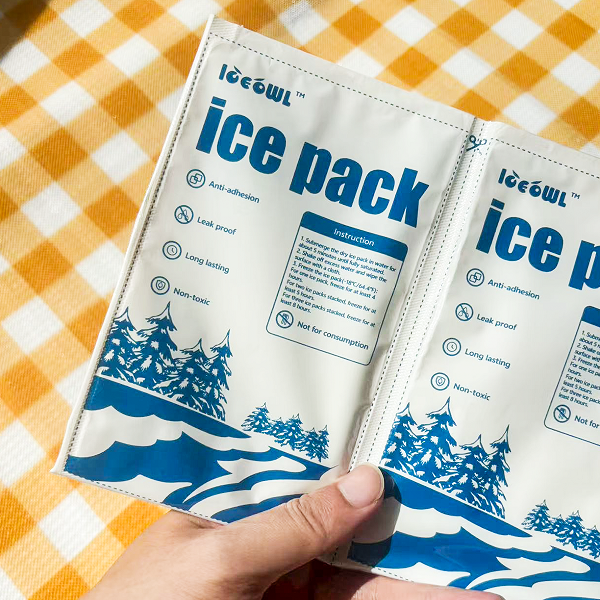
How Does Cold Chain Express Shipping for Food Keep Every Order Safe in 2025?
If you sell fresh, chilled or frozen food, cold chain express shipping for food is the line between delighted customers and expensive spoilage. In 2024 the global food cold chain market was valued at over USD 60 billion and is forecast to multiply by 2034, driven largely by online grocery and direct-to-consumer frozen foods.() At the same time, regulations and customer expectations are tightening: a single temperature excursion can ruin a shipment and your brand reputation.
In this guide, you will see how to design cold chain express shipping for food that is fast, compliant and profitable. We will talk in practical language, using real scenarios so you can apply each step immediately.
What this guide will help you solve
Choose when express cold chain shipping really adds value for chilled, frozen and ambient-sensitive foods.
Design packaging and coolants so cold chain express shipping for food survives 24–72 hour journeys.
Balance speed, cost and risk when you pick carriers, service levels and lanes.
Use monitoring and data to prove temperature control and pass audits with confidence.
Leverage 2025 trends like IoT, AI route optimisation and sustainable packaging in your cold chain express shipping for food.
What is cold chain express shipping for food and when do you need it?
Cold chain express shipping for food is fast, tracked, temperature-controlled transport for time-sensitive products. It combines insulated packaging, coolants, controlled service levels and monitoring so food stays within a safe temperature range from pick-up to delivery. In many markets, it is a legal requirement that chilled and frozen foods are maintained at correct temperatures throughout transport, not just in storage.()
You need cold chain express shipping for food whenever the product will lose safety, texture or shelf life if temperatures drift. That includes fresh meat and seafood, high-value chocolates, meal kits, ice cream and many ready-to-eat products. Fast transit reduces risk, but speed alone is not enough. Packaging, coolant and carrier processes must work together, especially as online grocery and last-mile delivery volumes continue to rise into 2025.(GlobeNewswire)
Where cold chain express shipping for food fits in your value chain
Cold chain express shipping for food usually sits between these stages:
Pre-cooling and storage
Order picking and packing in insulated packaging
Line-haul or air express movement
Last-mile delivery to homes, dark stores or retail outlets
At each stage, you need clear temperature limits and responsibilities. If you are shipping cross-country in 24 hours, your packaging must bridge the whole journey, not just the last-mile. If temperatures are not managed properly, up to 14% of global food can be lost across the chain.(tempk)
How do temperature ranges differ by product type?
| Temperature Band & Product Type | Typical Range | Express Transit Window | What it means for you |
| Chilled fresh food (meat, dairy, ready meals) | 0–4 °C | 24–48 hours | Needs tight control to avoid bacterial growth; use gel packs and high-performance insulation. |
| Sensitive chocolates and bakery | 10–18 °C | 24–72 hours | Focus on avoiding heat spikes above 20 °C to prevent melting, bloom and texture damage. |
| Frozen food and ice cream | ≤ –18 °C (ice cream often ≤ –20 °C) | 24–48 hours | Requires strong insulation and enough coolant (dry ice or specialty packs) to prevent partial thawing. |
| Fresh produce (berries, leafy greens) | 0–5 °C (depending on variety) | 24–48 hours | Very sensitive to temperature abuse; design cold chain express shipping for food with minimal handling and fast lanes. |
Practical tips and suggestions for this stage
Scenario 1 – local delivery in summer: Use cold chain express shipping for food only for the most temperature-sensitive SKUs; cheaper services may be fine for shelf-stable items.
Scenario 2 – national shipping of frozen items: Assume worst-case delays of 24 hours when you calculate coolant needs for cold chain express shipping for food.
Scenario 3 – cross-border gourmet gifts: Use premium express services with customs pre-clearance and robust monitoring, because a single missed connection can destroy a high-value gift box.
Real-world example: A direct-to-consumer frozen food brand shifted from standard ground to cold chain express shipping for food on long-distance orders and combined this with better insulation and gel packs. They cut spoilage claims by more than half and extended their delivery radius by two extra zones while maintaining product quality.()
How should you design packaging for cold chain express shipping for food?
Packaging is the backbone of cold chain express shipping for food. Even the best express carrier cannot rescue poor insulation or insufficient coolant. Most best-practice guides from major carriers stress proper insulation, separation between food and coolants, and careful box selection.(FedEx)
Your design work should answer three questions:
What temperature range do you need to maintain?
How long does cold chain express shipping for food really take on this lane?
What is the hottest or coldest ambient condition you expect?
Core elements of a robust express cold chain packaging system
Outer box
Use a new, sturdy corrugated box with enough crush strength.
Size it so that the insulated container fits snugly, reducing empty air space.
Insulated inner container
Options include EPS foam boxes, EPP containers, VIP panels or hybrid systems.
Higher-performance insulation allows you to reduce coolant or extend your delivery radius for cold chain express shipping for food.(tempk)
Coolants
Gel packs for chilled ranges (0–8 °C) and chocolates.
Dry ice for deeply frozen products, used carefully and in line with carrier rules.
Place coolants on all sides and on top of the product, not only at the bottom.()
Product loading and separation
Double-bag liquids and high-moisture items to prevent leaks.
Use inserts, trays or sleeves to keep packs away from direct coolant contact if surface freezing is an issue.
Void fill and closure
Fill every gap with packing materials to minimise convection.
Seal the cool-liner or inner bag tightly before closing the outer box.()
Example packaging choices for cold chain express shipping for food
| Use Case | Recommended Insulation | Coolant Strategy | What it means for you |
| 24-hour chilled meal kit | Mid-range foam or EPP shipper | Gel packs around and above ingredients | Reliable, cost-effective cold chain express shipping for food in regional lanes. |
| 48-hour frozen seafood | High-performance EPP or VIP shipper | Gel packs plus dry ice on top | Supports national cold chain express shipping for food with low thaw risk. |
| Premium chocolate gift box | Rigid insulation with reflective layer | Gel packs separated by cardboard | Maintains 10–18 °C so the product arrives pristine, even in warm climates. |
Simple configuration checklist (you can reuse in your SOP)
Cold Chain Express Shipping for Food – Packout Checklist
[ ] Correct shipper type selected for lane and duration
[ ] Required temperature range confirmed per SKU
[ ] Coolant quantity checked against latest test data
[ ] Void fill used to eliminate empty air pockets
[ ] Labelled as perishable and temperature-sensitive
Use test shipments to validate that your cold chain express shipping for food packouts maintain temperature over the full transit plus a safety buffer (usually 6–12 hours).
How do carriers and transit times shape cold chain express shipping for food?
Cold chain express shipping for food lives at the intersection of service level, lane design and operational discipline. The US cold chain logistics market alone is projected around USD 91 billion in 2025, and a significant share comes from food and last-mile segments.()
Choosing the right express service
When you select services for cold chain express shipping for food, think beyond the marketing name:
Air express or premium ground: For 24-hour national deliveries and urgent replenishments.
Expedited ground: For regional lanes where 1–2 days is realistic door-to-door.
Dedicated or milk-run vehicles: For B2B foodservice or retailer deliveries on fixed routes.
Major carriers publish specific guidance for perishable shipments, including restrictions on dry ice, labelling and packaging.() Following these rules is non-negotiable if you want cold chain express shipping for food to be accepted and handled correctly.
Planning transit time realistically
Your internal promise (for example “delivered in 24 hours”) matters less than actual time from packout to final delivery attempt. When designing cold chain express shipping for food, always include:
Time from packing to carrier pickup.
Sortation and line-haul time, including potential hub transfers.
Last-mile delivery attempts and customer absence scenarios.
This is where AI-enabled route optimisation and demand forecasting, increasingly used in cold chain logistics, help you select the most reliable lanes and time windows.()
If the worst-case transit could be 48 hours, your cold chain express shipping for food design should aim for stable temperatures for at least 60 hours.
How can you monitor and prove temperature control in express food shipping?
By 2025, traceability and data are no longer optional. Regulators and large retail partners expect proof that your cold chain express shipping for food stays within specified ranges. FAO and national authorities emphasise documented control of time and temperature throughout the chain to protect consumers.()
Monitoring options for cold chain express shipping for food
Single-use temperature loggers
Placed inside representative boxes.
Downloaded on arrival or returned shipments.
Real-time IoT sensors
Provide live readings and alerts during cold chain express shipping for food.
Help you intervene during delays or equipment failures.()
Smart labels and indicators
Time-temperature indicators that change colour if thresholds are exceeded.
Simple, low-cost way to reassure smaller customers.
Building a data trail that supports E-E-A-T and compliance
Your monitoring data can substantially strengthen your perceived expertise and trustworthiness:
Experience: Real shipment data shows how your cold chain express shipping for food performs in different seasons.
Expertise: You can publish anonymised case studies and packaging benchmarks.
Authoritativeness: You can align your SOPs with recognised guidelines from global food safety bodies.()
Trustworthiness: Clear documentation helps during audits, recalls or insurance claims.
Quick self-test: Is your monitoring ready?
Answer “yes” or “no” to each statement:
Every new packout for cold chain express shipping for food is validated with at least one monitored test shipment.
You can retrieve temperature records for any shipment lane from the last 6–12 months.
Alerts from real-time devices are routed to a person with authority to act.
If you answered “no” more than once, your cold chain express shipping for food may be vulnerable during audits or disruptions.
How can you manage cost in cold chain express shipping for food?
Cold chain express shipping for food is not cheap. Express services, high-performance insulation and coolants all add cost. At the same time, food loss due to poor cold chain control already represents a double hit: product waste and lost revenue.(tempk)
Levers to improve your cost-to-serve
Right-sizing packaging
Avoid overspecifying insulation for short, mild lanes.
Use modular shippers that work for several SKUs.
Segmenting your service levels
Reserve the fastest cold chain express shipping for food for the most sensitive or high-margin products.
Offer slower but still temperature-controlled options for less sensitive items.
Network optimisation
Use micro-fulfilment or regional hubs closer to the customer, reducing line-haul distance and coolant needs.()
Reducing spoilage and claims
A small investment in better packaging or monitoring can quickly pay off by preventing even a few lost shipments worth thousands of dollars.()
2025 developments and trends in cold chain express shipping for food
Trend overview
In 2025, several macro-trends reshape cold chain express shipping for food:
The global food cold chain market is projected to grow rapidly through 2034, with a CAGR above 16%, driven by perishable foods and tighter safety standards.()
The US cold chain logistics market is estimated above USD 90 billion in 2025, with steady growth expected to 2030.()
Online grocery could account for over 20% of US grocery sales by 2025, pushing more last-mile cold chain express shipping for food into dense urban networks.()
These shifts mean that speed, visibility and sustainability are no longer optional extras. They are core competitive levers for cold chain express shipping for food.
Latest developments at a glance
Real-time visibility as standard: IoT trackers and advanced telematics are moving from pilots to routine use, giving shippers live temperature, location and shock data for cold chain express shipping for food.()
Sustainable packaging solutions: New materials and reusable systems help reduce waste and emissions while maintaining thermal performance in express lanes.()
Micro-fulfilment and urban cold storage: More retailers are deploying small cold warehouses near customers to support fast cold chain express shipping for food in cities.()
Market insights for decision-makers
Demand for cold chain express shipping for food will continue to rise with the expansion of direct-to-consumer frozen foods and meal kits.()
Providers that can combine high service levels, strong data transparency and sustainable solutions will be best positioned to win contracts with large retailers and food brands.()
Frequently asked questions
Q1: How fast should cold chain express shipping for food be?
Most shippers design cold chain express shipping for food for 24–48 hours door-to-door, with packaging that can tolerate 6–12 hours of extra delay. The exact target depends on your product sensitivity and market promise.
Q2: Can I use standard parcel services for cold chain express shipping for food?
You can, but only if your packaging, labelling and documentation meet the carrier’s rules for perishable or temperature-sensitive goods. Consult their perishable shipping guidelines and test your packouts before going live.()
Q3: Is real-time monitoring necessary for every shipment?
Not always. Many businesses monitor only representative shipments on each lane. However, for high-risk routes, high-value cargo or critical customers, adding real-time monitoring strengthens your cold chain express shipping for food and your proof of due diligence.()
Q4: How can I make cold chain express shipping for food more sustainable?
You can switch to reusable shippers where practical, reduce over-packaging, use right-sized coolant loads and locate inventory closer to customers to shorten routes. Sustainable cold chain designs are increasingly supported by major food and climate programmes.()
Q5: What happens if there is a temperature excursion?
You should have written decision rules based on time, temperature and product type. In some cases the shipment must be discarded; in others, it might still be safe. Your monitoring data and product stability studies guide these decisions in cold chain express shipping for food.()
Summary and recommendations
Cold chain express shipping for food combines packaging, coolants, service levels and data into one integrated system. When it works, your customers get safe, delicious products and your brand earns trust. When it fails, you face spoilage, complaints and regulatory risk. By understanding your temperature ranges, designing validated packouts, selecting the right express services and using monitoring tools, you can make cold chain express shipping for food a repeatable, scalable capability.
Your next steps should be simple and practical: document your target temperature ranges, map real transit times, test your packaging under worst-case conditions and decide which lanes or customers truly need premium cold chain express shipping for food. Use your findings to build clear SOPs and training so every team member knows what “good” looks like.
Action plan: your next 5 moves
Map your product portfolio by temperature band and risk, then tag which items need cold chain express shipping for food.
Audit current packaging and run at least one monitored test per critical lane in peak summer and winter conditions.
Segment service levels so the fastest and most expensive cold chain express shipping for food is reserved for the right SKUs and customers.
Implement basic monitoring – even low-cost loggers – and define how alerts trigger action.
Review annually against new carrier options, market trends and sustainability targets, updating your cold chain express shipping for food strategy as the market evolves.
Add a clear call-to-action on your website or B2B materials so prospects know how to request a quote, book a pilot lane or speak with your team about their specific cold chain express shipping for food needs.
About Tempk
Tempk focuses on temperature-controlled packaging and cold chain solutions that support reliable cold chain express shipping for food. Our portfolio includes lightweight insulated shippers, high-performance coolants and engineered packout designs for chilled, frozen and mixed-temperature loads. We combine packaging know-how with an understanding of express logistics, so you can upgrade cold chain express shipping for food without over-spending on materials or transport.
We work with food brands, e-commerce operators, meal kit companies and healthcare logistics teams to design, test and scale solutions tailored to their products and routes. If you want support in redesigning your cold chain express shipping for food, the next step is simple: reach out to our team, share your key routes and product categories, and we will help you build a step-by-step plan to improve safety, speed and cost-efficiency.