


Insulated Box Vendor Dry Ice: Practical Buyer Guide
Insulated Box Vendor Dry Ice: Practical Buyer Guide
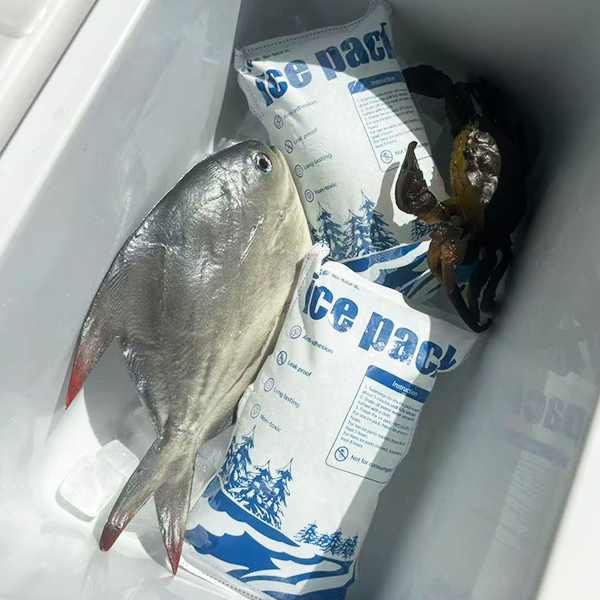
Insulated Box Vendor Dry Ice
The safest way to buy insulated box vendor dry ice is to start with the shipment requirement and work backward to the box. Define the product temperature range, payload, route, handoffs, coolant method, and proof needed at delivery before discussing material, size, or branding. An insulated box can be a protective outer container, a passive thermal shipper, or part of a qualified packaging system, depending on how it is designed and used. It should not be treated as a guarantee by itself.
Start with the product, not the carton
For dry ice shipping, the biggest purchasing mistake is often hidden in the first specification sheet. Buyers ask for a box type, while the shipment actually needs a controlled method. Dry ice is powerful but introduces ventilation, pressure, labeling, carrier acceptance, and worker safety issues. That is why the request for quotation should describe the product, route, required arrival condition, and any quality documentation before asking for size, color, wall structure, or unit price.
An insulated box is a barrier against external heat or cold, not an active refrigeration machine. It may be used as a protective outer container, a passive insulated shipper, or one component inside a qualified temperature-controlled packaging system. The difference matters. A general reusable handling box may help with protection and short transfers, while a qualified passive shipper normally requires a defined coolant arrangement, a packing procedure, test evidence, and receiving rules. For insulated boxes compatible with dry ice handling and frozen packouts, the buyer should ask which role the box is meant to play before accepting any performance wording.
Build the package around the route reality
Route fit is more important than a generic hold-time claim. A route includes pick-and-pack time, pre-conditioning, staging, carrier pickup, line-haul movement, customs or depot dwell, final-mile delivery, and the receiving process. Each step can add heat exposure, vibration, opening events, or delay. If the route changes seasonally or moves through different carrier networks, the packaging decision should include a safety margin and a clear escalation plan for delays.
Payload fit should be checked with usable internal space, not only nominal volume. Product cartons, temperature monitors, absorbent materials, dividers, liners, coolant packs, and paperwork can reduce the usable space. If the box is oversized, extra air space may increase coolant demand and movement during handling. If it is too tight, the product may touch coolant directly, blocking airflow or creating cold spots.
The required temperature range should come from the product specification, food-safety plan, pharmaceutical quality team, or customer requirement. The box supplier can help propose a packout, but the buyer owns the definition of what “acceptable arrival condition” means. That definition should include temperature limits, visual condition, leakage tolerance, documentation, and who decides what happens if a reading is out of range.
Specifications buyers should not leave vague
Common insulated packaging structures include expanded foam boxes, molded reusable containers, panel-based shippers, liners, foil-faced insulation, and higher-performance structures such as vacuum insulated panels. Each has trade-offs in cost, thickness, durability, recoverability, dimensional stability, and handling tolerance. A material that works for one lane may be too fragile, too bulky, or too expensive for another.
Coolant compatibility is just as important as insulation. Gel packs may be suitable for many chilled food routes, PCM packs are chosen when a narrower temperature behavior is needed, and dry ice is used only when the product, carrier, and safety procedures allow it. The coolant should be conditioned according to a written method. Staff should know where each pack goes, how long it should be frozen or conditioned, and what to do when the packout cannot be followed.
A useful purchasing process starts with a written requirement. Include the product type, target temperature range, payload size, route duration, expected ambient exposure, transport mode, loading method, receiving checks, and any documentation that quality or customers require. This prevents the supplier conversation from drifting into generic claims and helps both sides decide whether a standard box, modified size, custom tool, liner, or full packout design is needed.
Supplier evidence and quality control
The supplier should be able to separate proven facts from assumptions. Proven facts may include material description, dimensions, sample drawings, and test documents under defined conditions. Assumptions include untested lanes, different payloads, different coolant quantities, or changed closure designs. Good supplier communication makes those boundaries visible before the order is placed.
For factory or bulk programs, quality control should cover sample approval, incoming material checks, production inspection, carton packing, and change notifications. For custom projects, drawings and approved samples should be aligned so the production team does not interpret the design differently from the sales sample.
Relevant guidance can inform the review, but it should not be used as a marketing shortcut. For this topic, useful reference areas include IATA dangerous goods and temperature-control requirements, dry ice sublimation safety guidance, carrier acceptance rules. Dry ice is treated as a regulated transport concern on many air routes because it releases carbon dioxide gas, so carrier acceptance and dangerous-goods procedures should be checked. A supplier can say that a design is suitable for a use case only when the test conditions, payload, coolant plan, and operating method are clear. If a claim sounds universal, ask what exact shipment condition it describes.
| Before approval | Question to ask | Decision signal |
|---|---|---|
| Requirement definition | What product, temperature range, payload, and route is the box being designed for? | Clear requirement before size and material selection |
| Packout evidence | Has the same box, coolant, payload, and procedure been tested or trialed? | Evidence matches intended use rather than a different lane |
| Operational fit | Can warehouse staff pack it correctly during normal workload? | Repeatable steps with realistic timing |
| Supplier control | How are samples, drawings, materials, and production changes controlled? | Bulk units stay aligned with approved design |
| Exception handling | What happens after delay, excursion, damage, leakage, or failed delivery? | Team knows the response before launch |
This approval table gives procurement, operations, and quality teams a shared checklist. It also helps prevent sample approval from turning into uncontrolled production changes later.
When the box is not enough
An insulated box is not enough when the route is longer than the thermal design, the product requires strict documentation, the coolant cannot be conditioned correctly, or staff cannot follow the packout. It is also not enough when the shipment uses dry ice without safety review, vaccines without freeze-prevention logic, or food without hygiene controls. In those cases, the buyer needs a fuller packaging system and operating procedure.
Do not treat wall thickness as the only sign of performance. Thickness can help, but insulation material, lid fit, corner leakage, coolant position, payload contact, ambient exposure, and handling discipline also affect results. A thinner but better designed package may outperform a bulky design on a short route, while a high-performance panel may be unnecessary for a low-risk local lane.
Do not copy a competitor’s packout without understanding the product and lane. Two shipments can use similar boxes but behave differently because payload mass, coolant temperature, air space, route season, and handling frequency are different. Copying a layout may also create freezing risk if the product is sensitive and the coolant is placed too close.
Field example: a safer pilot before bulk purchase
For example, a frozen seafood exporter may ask an insulated box vendor for dry ice compatibility. A stronger review would describe the fish carton size, route length, air-cargo segment, carrier rules, acceptable arrival state, and whether product cartons can touch the refrigerant. The supplier can then discuss venting, divider placement, labeling space, and packout testing instead of quoting a generic frozen box.
After the pilot, the buyer should review what failed first. If temperature drift occurred during staging, changing the warehouse procedure may help more than changing the box. If product cartons were crushed, internal support or a different size may matter. If staff could not pack consistently, the design may need clearer compartments or fewer steps. The goal is not to make the package look perfect on paper, but to make it repeatable.
Additional buyer review notes
A strong specification for insulated box vendor dry ice should describe what is known, what must be verified, and what should not be assumed. Known facts may include the product category, packaging dimensions, expected shipment mode, and basic handling process. Items to verify include usable volume, coolant quantity, route delay, material consistency, and temperature evidence. Assumptions that should not be written as facts include universal hold time, automatic regulatory suitability, and performance on routes that have not been tested or piloted.
The receiving side deserves the same attention as packing. A package can be designed well and still create problems if the receiver opens it late, stores it in the wrong area, discards the monitor, or does not know how to judge product condition. For recurring B2B routes, write receiving instructions in plain operational language. Include what to check first, when to escalate, and what evidence should be kept.
Internal alignment is also part of packaging performance. Procurement may want price stability, operations may want easy packing, quality may want documented evidence, and sales may want a better unboxing experience. The final design should not serve only one department. Bring these requirements together before the order moves into tooling, branding, or bulk production.
A final review should ask whether the packaging can be used on a bad day. Good days hide weak specifications. Late pickup, hot staging, a missed delivery attempt, a new operator, or a slightly different payload may expose problems that were invisible during a perfect sample test. If the package is intended for scale, the approval process should include those realistic variations.
Cost review should include more than the quoted box price. Extra coolant, larger outer cartons, slower packing, failed deliveries, returns, cleanup labor, claim handling, and disposal all affect the real cost of a packaging decision. A package that looks more expensive per unit may be less costly if it reduces operator mistakes, lowers damage, or makes arrival checks clearer. A package that looks cheap may be costly if it requires constant manual correction.
The final approval meeting should include procurement, warehouse operations, quality, and the business team that owns the customer promise. Procurement can confirm price and supplier terms. Operations can confirm whether the packout is realistic. Quality can decide whether evidence and deviation handling are acceptable. The business team can judge whether the arrival condition matches the promise made to customers. This shared review often prevents avoidable problems after launch.
Training should be part of the packaging launch. A new insulated box can fail if operators do not know the coolant order, loading sequence, maximum staging time, label placement, or exception rule. Simple photographs, packout cards, and receiving notes can be more effective than a long manual that no one reads during rush periods. A packaging design is truly ready only when ordinary staff can repeat it under normal workload.
FAQ
Is insulated box vendor dry ice enough for temperature-controlled shipping by itself?
No. The box slows heat transfer, but the shipment also needs the correct coolant, payload layout, pre-conditioning, route control, and receiving process. For higher-risk products, buyers should ask for test evidence or run a pilot under the intended route conditions before using the packaging at scale.
What should I send to a supplier before asking for a quote?
Share the product type, required temperature range, payload size, route duration, transport mode, expected ambient exposure, carrier handoffs, and any documentation needs. The more complete the requirement, the easier it is for the supplier to recommend a standard size, custom design, liner, coolant plan, or qualification approach.
Can one insulated box design serve food, pharma, and life science shipments?
Sometimes the outer structure may be similar, but the operating requirements are different. Food may focus on hygiene and leakage, pharma on documentation and deviation control, and life science shipments on sample protection or dry ice rules. Treat each product category as a separate packout review.
How should bulk orders be controlled after sample approval?
Record the approved drawing, material, closure design, liner, dimensions, carton packing, and any packout assumptions. Ask the supplier how production changes are controlled. When the packaging supports temperature-sensitive products, even small changes should be reviewed before they are accepted for repeat shipments.
Conclusion
The right insulated box vendor dry ice is the one that matches the product, route, coolant plan, handling process, and evidence requirements. A strong box with a weak procedure is still a weak shipment. A modest box used on the right lane with a repeatable packout may be safer than an expensive package selected without route understanding.
Before ordering, define the required temperature range, usable payload, route exposure, packout method, monitoring needs, supplier evidence, and change-control expectations. Then test or pilot the design under realistic conditions. This approach reduces the chance that a bulk order becomes a costly lesson after launch.
About Tempk
Tempk helps cold-chain buyers connect packaging selection with the practical details of shipment design. For dry ice shipping, that means discussing the product requirement, route, payload, coolant choice, insulated box format, and what should be checked before moving from sample to bulk order. Our scope covers gel ice packs, dry ice packs, insulated thermal bags, EPP insulated boxes, cold shipping boxes, liners, pallet covers, and related packaging materials for temperature-sensitive goods.
Discuss your route, payload, temperature range, and packout needs with Tempk before scaling orders, especially when the shipment involves regulated or high-value temperature-sensitive products.
Insulated Box Temperature-Controlled Shipping: Practical Buyer Guide
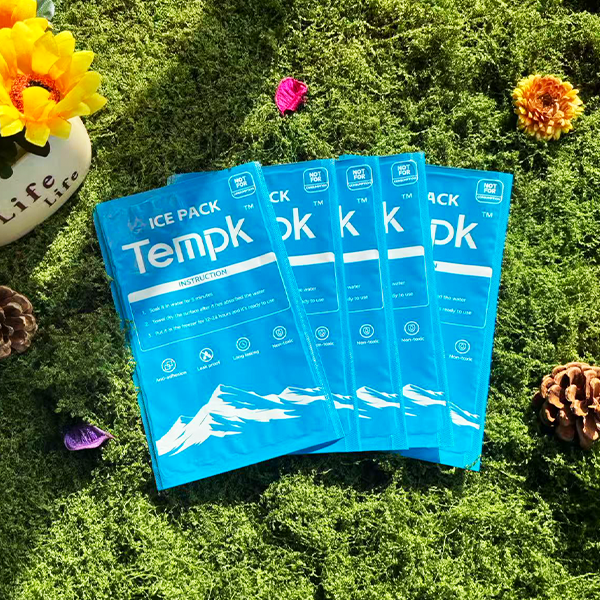
Insulated Box Temperature-Controlled Shipping
The safest way to buy insulated box temperature-controlled shipping is to start with the shipment requirement and work backward to the box. Define the product temperature range, payload, route, handoffs, coolant method, and proof needed at delivery before discussing material, size, or branding. An insulated box can be a protective outer container, a passive thermal shipper, or part of a qualified packaging system, depending on how it is designed and used. It should not be treated as a guarantee by itself.
Start with the product, not the carton
For temperature-controlled shipping, the biggest purchasing mistake is often hidden in the first specification sheet. Buyers ask for a box type, while the shipment actually needs a controlled method. Buyers may assume the box controls temperature by itself, when real performance depends on the complete system. That is why the request for quotation should describe the product, route, required arrival condition, and any quality documentation before asking for size, color, wall structure, or unit price.
An insulated box is a barrier against external heat or cold, not an active refrigeration machine. It may be used as a protective outer container, a passive insulated shipper, or one component inside a qualified temperature-controlled packaging system. The difference matters. A general reusable handling box may help with protection and short transfers, while a qualified passive shipper normally requires a defined coolant arrangement, a packing procedure, test evidence, and receiving rules. For passive insulated boxes for temperature-controlled shipping systems, the buyer should ask which role the box is meant to play before accepting any performance wording.
Build the package around the route reality
Route fit is more important than a generic hold-time claim. A route includes pick-and-pack time, pre-conditioning, staging, carrier pickup, line-haul movement, customs or depot dwell, final-mile delivery, and the receiving process. Each step can add heat exposure, vibration, opening events, or delay. If the route changes seasonally or moves through different carrier networks, the packaging decision should include a safety margin and a clear escalation plan for delays.
Payload fit should be checked with usable internal space, not only nominal volume. Product cartons, temperature monitors, absorbent materials, dividers, liners, coolant packs, and paperwork can reduce the usable space. If the box is oversized, extra air space may increase coolant demand and movement during handling. If it is too tight, the product may touch coolant directly, blocking airflow or creating cold spots.
The required temperature range should come from the product specification, food-safety plan, pharmaceutical quality team, or customer requirement. The box supplier can help propose a packout, but the buyer owns the definition of what “acceptable arrival condition” means. That definition should include temperature limits, visual condition, leakage tolerance, documentation, and who decides what happens if a reading is out of range.
Specifications buyers should not leave vague
Common insulated packaging structures include expanded foam boxes, molded reusable containers, panel-based shippers, liners, foil-faced insulation, and higher-performance structures such as vacuum insulated panels. Each has trade-offs in cost, thickness, durability, recoverability, dimensional stability, and handling tolerance. A material that works for one lane may be too fragile, too bulky, or too expensive for another.
Coolant compatibility is just as important as insulation. Gel packs may be suitable for many chilled food routes, PCM packs are chosen when a narrower temperature behavior is needed, and dry ice is used only when the product, carrier, and safety procedures allow it. The coolant should be conditioned according to a written method. Staff should know where each pack goes, how long it should be frozen or conditioned, and what to do when the packout cannot be followed.
A useful purchasing process starts with a written requirement. Include the product type, target temperature range, payload size, route duration, expected ambient exposure, transport mode, loading method, receiving checks, and any documentation that quality or customers require. This prevents the supplier conversation from drifting into generic claims and helps both sides decide whether a standard box, modified size, custom tool, liner, or full packout design is needed.
Supplier evidence and quality control
The supplier should be able to separate proven facts from assumptions. Proven facts may include material description, dimensions, sample drawings, and test documents under defined conditions. Assumptions include untested lanes, different payloads, different coolant quantities, or changed closure designs. Good supplier communication makes those boundaries visible before the order is placed.
For factory or bulk programs, quality control should cover sample approval, incoming material checks, production inspection, carton packing, and change notifications. For custom projects, drawings and approved samples should be aligned so the production team does not interpret the design differently from the sales sample.
Relevant guidance can inform the review, but it should not be used as a marketing shortcut. For this topic, useful reference areas include ISTA thermal standards, IATA temperature-sensitive shipment expectations, GDP and food safety documentation principles. A supplier can say that a design is suitable for a use case only when the test conditions, payload, coolant plan, and operating method are clear. If a claim sounds universal, ask what exact shipment condition it describes.
| Before approval | Question to ask | Decision signal |
|---|---|---|
| Requirement definition | What product, temperature range, payload, and route is the box being designed for? | Clear requirement before size and material selection |
| Packout evidence | Has the same box, coolant, payload, and procedure been tested or trialed? | Evidence matches intended use rather than a different lane |
| Operational fit | Can warehouse staff pack it correctly during normal workload? | Repeatable steps with realistic timing |
| Supplier control | How are samples, drawings, materials, and production changes controlled? | Bulk units stay aligned with approved design |
| Exception handling | What happens after delay, excursion, damage, leakage, or failed delivery? | Team knows the response before launch |
This approval table gives procurement, operations, and quality teams a shared checklist. It also helps prevent sample approval from turning into uncontrolled production changes later.
When the box is not enough
An insulated box is not enough when the route is longer than the thermal design, the product requires strict documentation, the coolant cannot be conditioned correctly, or staff cannot follow the packout. It is also not enough when the shipment uses dry ice without safety review, vaccines without freeze-prevention logic, or food without hygiene controls. In those cases, the buyer needs a fuller packaging system and operating procedure.
Do not treat wall thickness as the only sign of performance. Thickness can help, but insulation material, lid fit, corner leakage, coolant position, payload contact, ambient exposure, and handling discipline also affect results. A thinner but better designed package may outperform a bulky design on a short route, while a high-performance panel may be unnecessary for a low-risk local lane.
Do not copy a competitor’s packout without understanding the product and lane. Two shipments can use similar boxes but behave differently because payload mass, coolant temperature, air space, route season, and handling frequency are different. Copying a layout may also create freezing risk if the product is sensitive and the coolant is placed too close.
Field example: a safer pilot before bulk purchase
In a common temperature-controlled shipping shipment, the buyer may know the delivery promise but not the thermal budget. The team should map time outside controlled storage, pre-condition coolant, pack the payload in a repeatable order, and check arrival data. That small pilot often reveals whether the issue is box size, coolant mass, staging discipline, carrier dwell, or receiving delay.
After the pilot, the buyer should review what failed first. If temperature drift occurred during staging, changing the warehouse procedure may help more than changing the box. If product cartons were crushed, internal support or a different size may matter. If staff could not pack consistently, the design may need clearer compartments or fewer steps. The goal is not to make the package look perfect on paper, but to make it repeatable.
Additional buyer review notes
A strong specification for insulated box temperature-controlled shipping should describe what is known, what must be verified, and what should not be assumed. Known facts may include the product category, packaging dimensions, expected shipment mode, and basic handling process. Items to verify include usable volume, coolant quantity, route delay, material consistency, and temperature evidence. Assumptions that should not be written as facts include universal hold time, automatic regulatory suitability, and performance on routes that have not been tested or piloted.
The receiving side deserves the same attention as packing. A package can be designed well and still create problems if the receiver opens it late, stores it in the wrong area, discards the monitor, or does not know how to judge product condition. For recurring B2B routes, write receiving instructions in plain operational language. Include what to check first, when to escalate, and what evidence should be kept.
Internal alignment is also part of packaging performance. Procurement may want price stability, operations may want easy packing, quality may want documented evidence, and sales may want a better unboxing experience. The final design should not serve only one department. Bring these requirements together before the order moves into tooling, branding, or bulk production.
A final review should ask whether the packaging can be used on a bad day. Good days hide weak specifications. Late pickup, hot staging, a missed delivery attempt, a new operator, or a slightly different payload may expose problems that were invisible during a perfect sample test. If the package is intended for scale, the approval process should include those realistic variations.
Cost review should include more than the quoted box price. Extra coolant, larger outer cartons, slower packing, failed deliveries, returns, cleanup labor, claim handling, and disposal all affect the real cost of a packaging decision. A package that looks more expensive per unit may be less costly if it reduces operator mistakes, lowers damage, or makes arrival checks clearer. A package that looks cheap may be costly if it requires constant manual correction.
The final approval meeting should include procurement, warehouse operations, quality, and the business team that owns the customer promise. Procurement can confirm price and supplier terms. Operations can confirm whether the packout is realistic. Quality can decide whether evidence and deviation handling are acceptable. The business team can judge whether the arrival condition matches the promise made to customers. This shared review often prevents avoidable problems after launch.
Training should be part of the packaging launch. A new insulated box can fail if operators do not know the coolant order, loading sequence, maximum staging time, label placement, or exception rule. Simple photographs, packout cards, and receiving notes can be more effective than a long manual that no one reads during rush periods. A packaging design is truly ready only when ordinary staff can repeat it under normal workload.
FAQ
Is insulated box temperature-controlled shipping enough for temperature-controlled shipping by itself?
No. The box slows heat transfer, but the shipment also needs the correct coolant, payload layout, pre-conditioning, route control, and receiving process. For higher-risk products, buyers should ask for test evidence or run a pilot under the intended route conditions before using the packaging at scale.
What should I send to a supplier before asking for a quote?
Share the product type, required temperature range, payload size, route duration, transport mode, expected ambient exposure, carrier handoffs, and any documentation needs. The more complete the requirement, the easier it is for the supplier to recommend a standard size, custom design, liner, coolant plan, or qualification approach.
Can one insulated box design serve food, pharma, and life science shipments?
Sometimes the outer structure may be similar, but the operating requirements are different. Food may focus on hygiene and leakage, pharma on documentation and deviation control, and life science shipments on sample protection or dry ice rules. Treat each product category as a separate packout review.
How should bulk orders be controlled after sample approval?
Record the approved drawing, material, closure design, liner, dimensions, carton packing, and any packout assumptions. Ask the supplier how production changes are controlled. When the packaging supports temperature-sensitive products, even small changes should be reviewed before they are accepted for repeat shipments.
Conclusion
The right insulated box temperature-controlled shipping is the one that matches the product, route, coolant plan, handling process, and evidence requirements. A strong box with a weak procedure is still a weak shipment. A modest box used on the right lane with a repeatable packout may be safer than an expensive package selected without route understanding.
Before ordering, define the required temperature range, usable payload, route exposure, packout method, monitoring needs, supplier evidence, and change-control expectations. Then test or pilot the design under realistic conditions. This approach reduces the chance that a bulk order becomes a costly lesson after launch.
About Tempk
Tempk helps cold-chain buyers connect packaging selection with the practical details of shipment design. For temperature-controlled shipping, that means discussing the product requirement, route, payload, coolant choice, insulated box format, and what should be checked before moving from sample to bulk order. Our scope covers gel ice packs, dry ice packs, insulated thermal bags, EPP insulated boxes, cold shipping boxes, liners, pallet covers, and related packaging materials for temperature-sensitive goods.
Discuss your route, payload, temperature range, and packout needs with Tempk before scaling orders, especially when the shipment involves regulated or high-value temperature-sensitive products.
Insulated Box Oem Dairy: Practical Buyer Guide

Insulated Box Oem Dairy
The safest way to buy insulated box OEM dairy is to start with the shipment requirement and work backward to the box. Define the product temperature range, payload, route, handoffs, coolant method, and proof needed at delivery before discussing material, size, or branding. An insulated box can be a protective outer container, a passive thermal shipper, or part of a qualified packaging system, depending on how it is designed and used. It should not be treated as a guarantee by itself.
Start with the product, not the carton
For dairy products, the biggest purchasing mistake is often hidden in the first specification sheet. Buyers ask for a box type, while the shipment actually needs a controlled method. Dairy packaging decisions fail when teams focus on branding before they confirm condensation, leakage, dwell time, and receiving temperature checks. That is why the request for quotation should describe the product, route, required arrival condition, and any quality documentation before asking for size, color, wall structure, or unit price.
An insulated box is a barrier against external heat or cold, not an active refrigeration machine. It may be used as a protective outer container, a passive insulated shipper, or one component inside a qualified temperature-controlled packaging system. The difference matters. A general reusable handling box may help with protection and short transfers, while a qualified passive shipper normally requires a defined coolant arrangement, a packing procedure, test evidence, and receiving rules. For OEM insulated boxes for milk, cheese, yogurt, butter, and chilled dairy ingredients, the buyer should ask which role the box is meant to play before accepting any performance wording.
Build the package around the route reality
Route fit is more important than a generic hold-time claim. A route includes pick-and-pack time, pre-conditioning, staging, carrier pickup, line-haul movement, customs or depot dwell, final-mile delivery, and the receiving process. Each step can add heat exposure, vibration, opening events, or delay. If the route changes seasonally or moves through different carrier networks, the packaging decision should include a safety margin and a clear escalation plan for delays.
Payload fit should be checked with usable internal space, not only nominal volume. Product cartons, temperature monitors, absorbent materials, dividers, liners, coolant packs, and paperwork can reduce the usable space. If the box is oversized, extra air space may increase coolant demand and movement during handling. If it is too tight, the product may touch coolant directly, blocking airflow or creating cold spots.
The required temperature range should come from the product specification, food-safety plan, pharmaceutical quality team, or customer requirement. The box supplier can help propose a packout, but the buyer owns the definition of what “acceptable arrival condition” means. That definition should include temperature limits, visual condition, leakage tolerance, documentation, and who decides what happens if a reading is out of range.
Specifications buyers should not leave vague
Common insulated packaging structures include expanded foam boxes, molded reusable containers, panel-based shippers, liners, foil-faced insulation, and higher-performance structures such as vacuum insulated panels. Each has trade-offs in cost, thickness, durability, recoverability, dimensional stability, and handling tolerance. A material that works for one lane may be too fragile, too bulky, or too expensive for another.
Coolant compatibility is just as important as insulation. Gel packs may be suitable for many chilled food routes, PCM packs are chosen when a narrower temperature behavior is needed, and dry ice is used only when the product, carrier, and safety procedures allow it. The coolant should be conditioned according to a written method. Staff should know where each pack goes, how long it should be frozen or conditioned, and what to do when the packout cannot be followed.
A useful purchasing process starts with a written requirement. Include the product type, target temperature range, payload size, route duration, expected ambient exposure, transport mode, loading method, receiving checks, and any documentation that quality or customers require. This prevents the supplier conversation from drifting into generic claims and helps both sides decide whether a standard box, modified size, custom tool, liner, or full packout design is needed.
Supplier evidence and quality control
The supplier should be able to separate proven facts from assumptions. Proven facts may include material description, dimensions, sample drawings, and test documents under defined conditions. Assumptions include untested lanes, different payloads, different coolant quantities, or changed closure designs. Good supplier communication makes those boundaries visible before the order is placed.
For factory or bulk programs, quality control should cover sample approval, incoming material checks, production inspection, carton packing, and change notifications. For custom projects, drawings and approved samples should be aligned so the production team does not interpret the design differently from the sales sample.
Relevant guidance can inform the review, but it should not be used as a marketing shortcut. For this topic, useful reference areas include FDA food safety temperature-control principles, sanitary transportation expectations, cold-chain receiving inspection practice. Food shipments may also be affected by sanitary transportation requirements, cold-holding rules, and receiving procedures that vary by product and local market. A supplier can say that a design is suitable for a use case only when the test conditions, payload, coolant plan, and operating method are clear. If a claim sounds universal, ask what exact shipment condition it describes.
| Before approval | Question to ask | Decision signal |
|---|---|---|
| Requirement definition | What product, temperature range, payload, and route is the box being designed for? | Clear requirement before size and material selection |
| Packout evidence | Has the same box, coolant, payload, and procedure been tested or trialed? | Evidence matches intended use rather than a different lane |
| Operational fit | Can warehouse staff pack it correctly during normal workload? | Repeatable steps with realistic timing |
| Supplier control | How are samples, drawings, materials, and production changes controlled? | Bulk units stay aligned with approved design |
| Exception handling | What happens after delay, excursion, damage, leakage, or failed delivery? | Team knows the response before launch |
This approval table gives procurement, operations, and quality teams a shared checklist. It also helps prevent sample approval from turning into uncontrolled production changes later.
When the box is not enough
An insulated box is not enough when the route is longer than the thermal design, the product requires strict documentation, the coolant cannot be conditioned correctly, or staff cannot follow the packout. It is also not enough when the shipment uses dry ice without safety review, vaccines without freeze-prevention logic, or food without hygiene controls. In those cases, the buyer needs a fuller packaging system and operating procedure.
Do not treat wall thickness as the only sign of performance. Thickness can help, but insulation material, lid fit, corner leakage, coolant position, payload contact, ambient exposure, and handling discipline also affect results. A thinner but better designed package may outperform a bulky design on a short route, while a high-performance panel may be unnecessary for a low-risk local lane.
Do not copy a competitor’s packout without understanding the product and lane. Two shipments can use similar boxes but behave differently because payload mass, coolant temperature, air space, route season, and handling frequency are different. Copying a layout may also create freezing risk if the product is sensitive and the coolant is placed too close.
Field example: a safer pilot before bulk purchase
A procurement team planning dairy products purchases may receive attractive factory pricing after approving one sample. Before ordering in bulk, the team should run a pilot with production-like samples, confirm carton packing, inspect closure consistency, and document the packout method. A cheaper box becomes expensive if operators need extra coolant, repacking time, or manual sorting because production units vary from the sample.
After the pilot, the buyer should review what failed first. If temperature drift occurred during staging, changing the warehouse procedure may help more than changing the box. If product cartons were crushed, internal support or a different size may matter. If staff could not pack consistently, the design may need clearer compartments or fewer steps. The goal is not to make the package look perfect on paper, but to make it repeatable.
Additional buyer review notes
A strong specification for insulated box OEM dairy should describe what is known, what must be verified, and what should not be assumed. Known facts may include the product category, packaging dimensions, expected shipment mode, and basic handling process. Items to verify include usable volume, coolant quantity, route delay, material consistency, and temperature evidence. Assumptions that should not be written as facts include universal hold time, automatic regulatory suitability, and performance on routes that have not been tested or piloted.
The receiving side deserves the same attention as packing. A package can be designed well and still create problems if the receiver opens it late, stores it in the wrong area, discards the monitor, or does not know how to judge product condition. For recurring B2B routes, write receiving instructions in plain operational language. Include what to check first, when to escalate, and what evidence should be kept.
Internal alignment is also part of packaging performance. Procurement may want price stability, operations may want easy packing, quality may want documented evidence, and sales may want a better unboxing experience. The final design should not serve only one department. Bring these requirements together before the order moves into tooling, branding, or bulk production.
A final review should ask whether the packaging can be used on a bad day. Good days hide weak specifications. Late pickup, hot staging, a missed delivery attempt, a new operator, or a slightly different payload may expose problems that were invisible during a perfect sample test. If the package is intended for scale, the approval process should include those realistic variations.
Cost review should include more than the quoted box price. Extra coolant, larger outer cartons, slower packing, failed deliveries, returns, cleanup labor, claim handling, and disposal all affect the real cost of a packaging decision. A package that looks more expensive per unit may be less costly if it reduces operator mistakes, lowers damage, or makes arrival checks clearer. A package that looks cheap may be costly if it requires constant manual correction.
The final approval meeting should include procurement, warehouse operations, quality, and the business team that owns the customer promise. Procurement can confirm price and supplier terms. Operations can confirm whether the packout is realistic. Quality can decide whether evidence and deviation handling are acceptable. The business team can judge whether the arrival condition matches the promise made to customers. This shared review often prevents avoidable problems after launch.
Training should be part of the packaging launch. A new insulated box can fail if operators do not know the coolant order, loading sequence, maximum staging time, label placement, or exception rule. Simple photographs, packout cards, and receiving notes can be more effective than a long manual that no one reads during rush periods. A packaging design is truly ready only when ordinary staff can repeat it under normal workload.
FAQ
Is insulated box OEM dairy enough for temperature-controlled shipping by itself?
No. The box slows heat transfer, but the shipment also needs the correct coolant, payload layout, pre-conditioning, route control, and receiving process. For higher-risk products, buyers should ask for test evidence or run a pilot under the intended route conditions before using the packaging at scale.
What should I send to a supplier before asking for a quote?
Share the product type, required temperature range, payload size, route duration, transport mode, expected ambient exposure, carrier handoffs, and any documentation needs. The more complete the requirement, the easier it is for the supplier to recommend a standard size, custom design, liner, coolant plan, or qualification approach.
Can one insulated box design serve food, pharma, and life science shipments?
Sometimes the outer structure may be similar, but the operating requirements are different. Food may focus on hygiene and leakage, pharma on documentation and deviation control, and life science shipments on sample protection or dry ice rules. Treat each product category as a separate packout review.
How should bulk orders be controlled after sample approval?
Record the approved drawing, material, closure design, liner, dimensions, carton packing, and any packout assumptions. Ask the supplier how production changes are controlled. When the packaging supports temperature-sensitive products, even small changes should be reviewed before they are accepted for repeat shipments.
Conclusion
The right insulated box OEM dairy is the one that matches the product, route, coolant plan, handling process, and evidence requirements. A strong box with a weak procedure is still a weak shipment. A modest box used on the right lane with a repeatable packout may be safer than an expensive package selected without route understanding.
Before ordering, define the required temperature range, usable payload, route exposure, packout method, monitoring needs, supplier evidence, and change-control expectations. Then test or pilot the design under realistic conditions. This approach reduces the chance that a bulk order becomes a costly lesson after launch.
About Tempk
Tempk helps cold-chain buyers connect packaging selection with the practical details of shipment design. For dairy products, that means discussing the product requirement, route, payload, coolant choice, insulated box format, and what should be checked before moving from sample to bulk order. Our scope covers gel ice packs, dry ice packs, insulated thermal bags, EPP insulated boxes, cold shipping boxes, liners, pallet covers, and related packaging materials for temperature-sensitive goods.
Discuss your route, payload, temperature range, and packout needs with Tempk before scaling orders, especially when the shipment involves regulated or high-value temperature-sensitive products.
Insulated Box Manufacturer Agricultural Products: Practical Buyer Guide
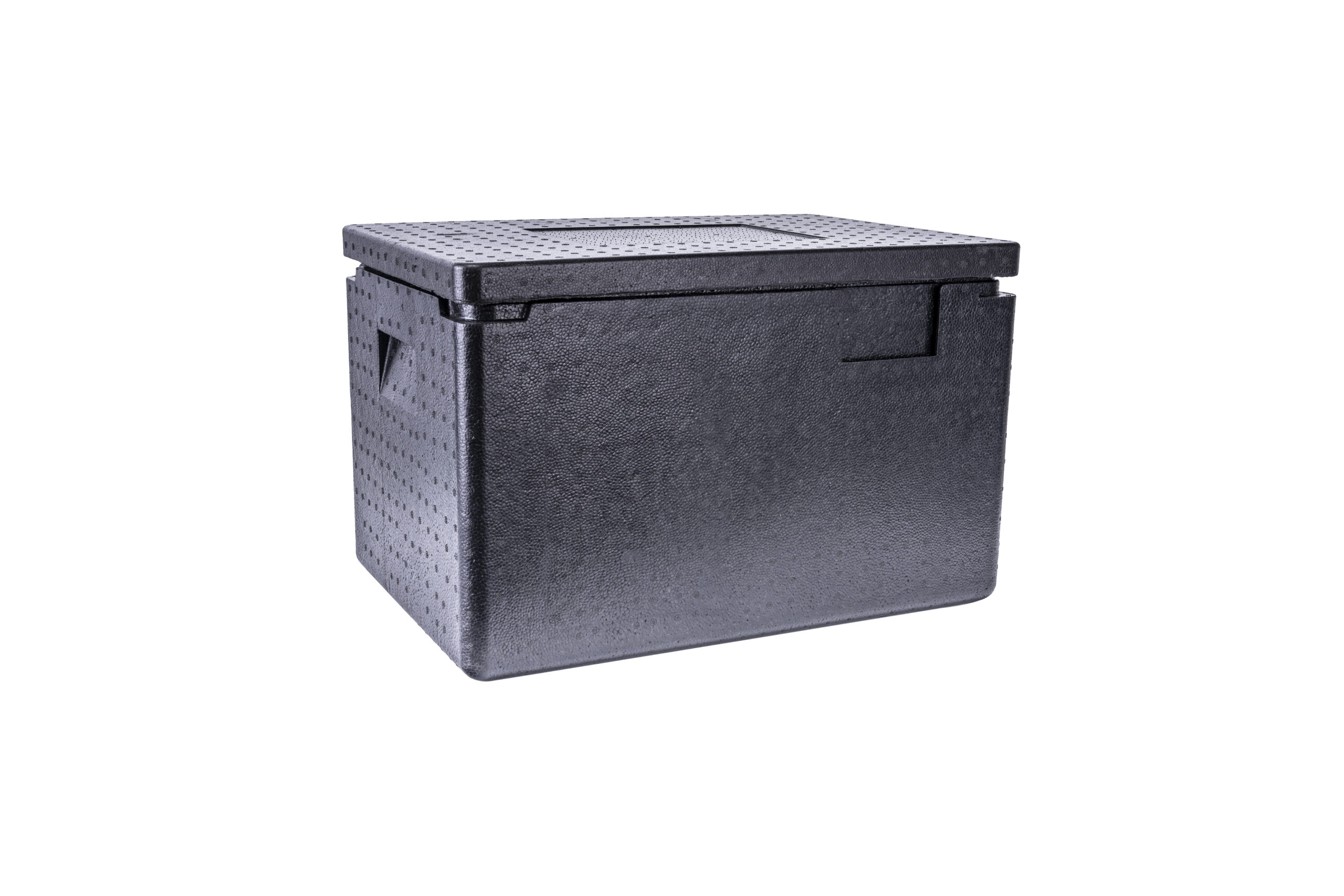
Insulated Box Manufacturer Agricultural Products
The safest way to buy insulated box manufacturer agricultural products is to start with the shipment requirement and work backward to the box. Define the product temperature range, payload, route, handoffs, coolant method, and proof needed at delivery before discussing material, size, or branding. An insulated box can be a protective outer container, a passive thermal shipper, or part of a qualified packaging system, depending on how it is designed and used. It should not be treated as a guarantee by itself.
Start with the product, not the carton
For agricultural products, the biggest purchasing mistake is often hidden in the first specification sheet. Buyers ask for a box type, while the shipment actually needs a controlled method. Overcooling, condensation, poor ventilation, and rough handling can damage agricultural goods even if the box insulates well. That is why the request for quotation should describe the product, route, required arrival condition, and any quality documentation before asking for size, color, wall structure, or unit price.
An insulated box is a barrier against external heat or cold, not an active refrigeration machine. It may be used as a protective outer container, a passive insulated shipper, or one component inside a qualified temperature-controlled packaging system. The difference matters. A general reusable handling box may help with protection and short transfers, while a qualified passive shipper normally requires a defined coolant arrangement, a packing procedure, test evidence, and receiving rules. For manufacturer-supplied insulated boxes for agricultural cold-chain and protective shipping, the buyer should ask which role the box is meant to play before accepting any performance wording.
Build the package around the route reality
Route fit is more important than a generic hold-time claim. A route includes pick-and-pack time, pre-conditioning, staging, carrier pickup, line-haul movement, customs or depot dwell, final-mile delivery, and the receiving process. Each step can add heat exposure, vibration, opening events, or delay. If the route changes seasonally or moves through different carrier networks, the packaging decision should include a safety margin and a clear escalation plan for delays.
Payload fit should be checked with usable internal space, not only nominal volume. Product cartons, temperature monitors, absorbent materials, dividers, liners, coolant packs, and paperwork can reduce the usable space. If the box is oversized, extra air space may increase coolant demand and movement during handling. If it is too tight, the product may touch coolant directly, blocking airflow or creating cold spots.
The required temperature range should come from the product specification, food-safety plan, pharmaceutical quality team, or customer requirement. The box supplier can help propose a packout, but the buyer owns the definition of what “acceptable arrival condition” means. That definition should include temperature limits, visual condition, leakage tolerance, documentation, and who decides what happens if a reading is out of range.
Specifications buyers should not leave vague
Common insulated packaging structures include expanded foam boxes, molded reusable containers, panel-based shippers, liners, foil-faced insulation, and higher-performance structures such as vacuum insulated panels. Each has trade-offs in cost, thickness, durability, recoverability, dimensional stability, and handling tolerance. A material that works for one lane may be too fragile, too bulky, or too expensive for another.
Coolant compatibility is just as important as insulation. Gel packs may be suitable for many chilled food routes, PCM packs are chosen when a narrower temperature behavior is needed, and dry ice is used only when the product, carrier, and safety procedures allow it. The coolant should be conditioned according to a written method. Staff should know where each pack goes, how long it should be frozen or conditioned, and what to do when the packout cannot be followed.
A useful purchasing process starts with a written requirement. Include the product type, target temperature range, payload size, route duration, expected ambient exposure, transport mode, loading method, receiving checks, and any documentation that quality or customers require. This prevents the supplier conversation from drifting into generic claims and helps both sides decide whether a standard box, modified size, custom tool, liner, or full packout design is needed.
Supplier evidence and quality control
The supplier should be able to separate proven facts from assumptions. Proven facts may include material description, dimensions, sample drawings, and test documents under defined conditions. Assumptions include untested lanes, different payloads, different coolant quantities, or changed closure designs. Good supplier communication makes those boundaries visible before the order is placed.
For factory or bulk programs, quality control should cover sample approval, incoming material checks, production inspection, carton packing, and change notifications. For custom projects, drawings and approved samples should be aligned so the production team does not interpret the design differently from the sales sample.
Relevant guidance can inform the review, but it should not be used as a marketing shortcut. For this topic, useful reference areas include food safety transportation principles, post-harvest handling practice, route-specific packaging tests. Food shipments may also be affected by sanitary transportation requirements, cold-holding rules, and receiving procedures that vary by product and local market. A supplier can say that a design is suitable for a use case only when the test conditions, payload, coolant plan, and operating method are clear. If a claim sounds universal, ask what exact shipment condition it describes.
| Before approval | Question to ask | Decision signal |
|---|---|---|
| Requirement definition | What product, temperature range, payload, and route is the box being designed for? | Clear requirement before size and material selection |
| Packout evidence | Has the same box, coolant, payload, and procedure been tested or trialed? | Evidence matches intended use rather than a different lane |
| Operational fit | Can warehouse staff pack it correctly during normal workload? | Repeatable steps with realistic timing |
| Supplier control | How are samples, drawings, materials, and production changes controlled? | Bulk units stay aligned with approved design |
| Exception handling | What happens after delay, excursion, damage, leakage, or failed delivery? | Team knows the response before launch |
This approval table gives procurement, operations, and quality teams a shared checklist. It also helps prevent sample approval from turning into uncontrolled production changes later.
When the box is not enough
An insulated box is not enough when the route is longer than the thermal design, the product requires strict documentation, the coolant cannot be conditioned correctly, or staff cannot follow the packout. It is also not enough when the shipment uses dry ice without safety review, vaccines without freeze-prevention logic, or food without hygiene controls. In those cases, the buyer needs a fuller packaging system and operating procedure.
Do not treat wall thickness as the only sign of performance. Thickness can help, but insulation material, lid fit, corner leakage, coolant position, payload contact, ambient exposure, and handling discipline also affect results. A thinner but better designed package may outperform a bulky design on a short route, while a high-performance panel may be unnecessary for a low-risk local lane.
Do not copy a competitor’s packout without understanding the product and lane. Two shipments can use similar boxes but behave differently because payload mass, coolant temperature, air space, route season, and handling frequency are different. Copying a layout may also create freezing risk if the product is sensitive and the coolant is placed too close.
Field example: a safer pilot before bulk purchase
In a common agricultural products shipment, the buyer may know the delivery promise but not the thermal budget. The team should map time outside controlled storage, pre-condition coolant, pack the payload in a repeatable order, and check arrival data. That small pilot often reveals whether the issue is box size, coolant mass, staging discipline, carrier dwell, or receiving delay.
After the pilot, the buyer should review what failed first. If temperature drift occurred during staging, changing the warehouse procedure may help more than changing the box. If product cartons were crushed, internal support or a different size may matter. If staff could not pack consistently, the design may need clearer compartments or fewer steps. The goal is not to make the package look perfect on paper, but to make it repeatable.
Additional buyer review notes
A strong specification for insulated box manufacturer agricultural products should describe what is known, what must be verified, and what should not be assumed. Known facts may include the product category, packaging dimensions, expected shipment mode, and basic handling process. Items to verify include usable volume, coolant quantity, route delay, material consistency, and temperature evidence. Assumptions that should not be written as facts include universal hold time, automatic regulatory suitability, and performance on routes that have not been tested or piloted.
The receiving side deserves the same attention as packing. A package can be designed well and still create problems if the receiver opens it late, stores it in the wrong area, discards the monitor, or does not know how to judge product condition. For recurring B2B routes, write receiving instructions in plain operational language. Include what to check first, when to escalate, and what evidence should be kept.
Internal alignment is also part of packaging performance. Procurement may want price stability, operations may want easy packing, quality may want documented evidence, and sales may want a better unboxing experience. The final design should not serve only one department. Bring these requirements together before the order moves into tooling, branding, or bulk production.
A final review should ask whether the packaging can be used on a bad day. Good days hide weak specifications. Late pickup, hot staging, a missed delivery attempt, a new operator, or a slightly different payload may expose problems that were invisible during a perfect sample test. If the package is intended for scale, the approval process should include those realistic variations.
Cost review should include more than the quoted box price. Extra coolant, larger outer cartons, slower packing, failed deliveries, returns, cleanup labor, claim handling, and disposal all affect the real cost of a packaging decision. A package that looks more expensive per unit may be less costly if it reduces operator mistakes, lowers damage, or makes arrival checks clearer. A package that looks cheap may be costly if it requires constant manual correction.
The final approval meeting should include procurement, warehouse operations, quality, and the business team that owns the customer promise. Procurement can confirm price and supplier terms. Operations can confirm whether the packout is realistic. Quality can decide whether evidence and deviation handling are acceptable. The business team can judge whether the arrival condition matches the promise made to customers. This shared review often prevents avoidable problems after launch.
Training should be part of the packaging launch. A new insulated box can fail if operators do not know the coolant order, loading sequence, maximum staging time, label placement, or exception rule. Simple photographs, packout cards, and receiving notes can be more effective than a long manual that no one reads during rush periods. A packaging design is truly ready only when ordinary staff can repeat it under normal workload.
FAQ
Is insulated box manufacturer agricultural products enough for temperature-controlled shipping by itself?
No. The box slows heat transfer, but the shipment also needs the correct coolant, payload layout, pre-conditioning, route control, and receiving process. For higher-risk products, buyers should ask for test evidence or run a pilot under the intended route conditions before using the packaging at scale.
What should I send to a supplier before asking for a quote?
Share the product type, required temperature range, payload size, route duration, transport mode, expected ambient exposure, carrier handoffs, and any documentation needs. The more complete the requirement, the easier it is for the supplier to recommend a standard size, custom design, liner, coolant plan, or qualification approach.
Can one insulated box design serve food, pharma, and life science shipments?
Sometimes the outer structure may be similar, but the operating requirements are different. Food may focus on hygiene and leakage, pharma on documentation and deviation control, and life science shipments on sample protection or dry ice rules. Treat each product category as a separate packout review.
How should bulk orders be controlled after sample approval?
Record the approved drawing, material, closure design, liner, dimensions, carton packing, and any packout assumptions. Ask the supplier how production changes are controlled. When the packaging supports temperature-sensitive products, even small changes should be reviewed before they are accepted for repeat shipments.
Conclusion
The right insulated box manufacturer agricultural products is the one that matches the product, route, coolant plan, handling process, and evidence requirements. A strong box with a weak procedure is still a weak shipment. A modest box used on the right lane with a repeatable packout may be safer than an expensive package selected without route understanding.
Before ordering, define the required temperature range, usable payload, route exposure, packout method, monitoring needs, supplier evidence, and change-control expectations. Then test or pilot the design under realistic conditions. This approach reduces the chance that a bulk order becomes a costly lesson after launch.
About Tempk
Tempk helps cold-chain buyers connect packaging selection with the practical details of shipment design. For agricultural products, that means discussing the product requirement, route, payload, coolant choice, insulated box format, and what should be checked before moving from sample to bulk order. Our scope covers gel ice packs, dry ice packs, insulated thermal bags, EPP insulated boxes, cold shipping boxes, liners, pallet covers, and related packaging materials for temperature-sensitive goods.
Discuss your route, payload, temperature range, and packout needs with Tempk before scaling orders, especially when the shipment involves regulated or high-value temperature-sensitive products.
Insulated Box Factory Life Sciences: Practical Buyer Guide

Insulated Box Factory Life Sciences
The safest way to buy insulated box factory life sciences is to start with the shipment requirement and work backward to the box. Define the product temperature range, payload, route, handoffs, coolant method, and proof needed at delivery before discussing material, size, or branding. An insulated box can be a protective outer container, a passive thermal shipper, or part of a qualified packaging system, depending on how it is designed and used. It should not be treated as a guarantee by itself.
Start with the product, not the carton
For life sciences, the biggest purchasing mistake is often hidden in the first specification sheet. Buyers ask for a box type, while the shipment actually needs a controlled method. Life science shipments may need clean handling, chain-of-custody clarity, dry ice or pcm compatibility, and documentation beyond ordinary ecommerce packaging. That is why the request for quotation should describe the product, route, required arrival condition, and any quality documentation before asking for size, color, wall structure, or unit price.
An insulated box is a barrier against external heat or cold, not an active refrigeration machine. It may be used as a protective outer container, a passive insulated shipper, or one component inside a qualified temperature-controlled packaging system. The difference matters. A general reusable handling box may help with protection and short transfers, while a qualified passive shipper normally requires a defined coolant arrangement, a packing procedure, test evidence, and receiving rules. For factory-supplied insulated boxes for life science shipments, the buyer should ask which role the box is meant to play before accepting any performance wording.
Build the package around the route reality
Route fit is more important than a generic hold-time claim. A route includes pick-and-pack time, pre-conditioning, staging, carrier pickup, line-haul movement, customs or depot dwell, final-mile delivery, and the receiving process. Each step can add heat exposure, vibration, opening events, or delay. If the route changes seasonally or moves through different carrier networks, the packaging decision should include a safety margin and a clear escalation plan for delays.
Payload fit should be checked with usable internal space, not only nominal volume. Product cartons, temperature monitors, absorbent materials, dividers, liners, coolant packs, and paperwork can reduce the usable space. If the box is oversized, extra air space may increase coolant demand and movement during handling. If it is too tight, the product may touch coolant directly, blocking airflow or creating cold spots.
The required temperature range should come from the product specification, food-safety plan, pharmaceutical quality team, or customer requirement. The box supplier can help propose a packout, but the buyer owns the definition of what “acceptable arrival condition” means. That definition should include temperature limits, visual condition, leakage tolerance, documentation, and who decides what happens if a reading is out of range.
Specifications buyers should not leave vague
Common insulated packaging structures include expanded foam boxes, molded reusable containers, panel-based shippers, liners, foil-faced insulation, and higher-performance structures such as vacuum insulated panels. Each has trade-offs in cost, thickness, durability, recoverability, dimensional stability, and handling tolerance. A material that works for one lane may be too fragile, too bulky, or too expensive for another.
Coolant compatibility is just as important as insulation. Gel packs may be suitable for many chilled food routes, PCM packs are chosen when a narrower temperature behavior is needed, and dry ice is used only when the product, carrier, and safety procedures allow it. The coolant should be conditioned according to a written method. Staff should know where each pack goes, how long it should be frozen or conditioned, and what to do when the packout cannot be followed.
A useful purchasing process starts with a written requirement. Include the product type, target temperature range, payload size, route duration, expected ambient exposure, transport mode, loading method, receiving checks, and any documentation that quality or customers require. This prevents the supplier conversation from drifting into generic claims and helps both sides decide whether a standard box, modified size, custom tool, liner, or full packout design is needed.
Supplier evidence and quality control
The supplier should be able to separate proven facts from assumptions. Proven facts may include material description, dimensions, sample drawings, and test documents under defined conditions. Assumptions include untested lanes, different payloads, different coolant quantities, or changed closure designs. Good supplier communication makes those boundaries visible before the order is placed.
For factory or bulk programs, quality control should cover sample approval, incoming material checks, production inspection, carton packing, and change notifications. For custom projects, drawings and approved samples should be aligned so the production team does not interpret the design differently from the sales sample.
Relevant guidance can inform the review, but it should not be used as a marketing shortcut. For this topic, useful reference areas include dry ice dangerous goods practice where relevant, IATA healthcare cargo guidance, ISTA thermal testing concepts. EU GDP and EMA guidance describe the need to maintain medicine quality throughout the supply chain, while air routes may also need IATA temperature-sensitive cargo and dangerous-goods review. A supplier can say that a design is suitable for a use case only when the test conditions, payload, coolant plan, and operating method are clear. If a claim sounds universal, ask what exact shipment condition it describes.
| Before approval | Question to ask | Decision signal |
|---|---|---|
| Requirement definition | What product, temperature range, payload, and route is the box being designed for? | Clear requirement before size and material selection |
| Packout evidence | Has the same box, coolant, payload, and procedure been tested or trialed? | Evidence matches intended use rather than a different lane |
| Operational fit | Can warehouse staff pack it correctly during normal workload? | Repeatable steps with realistic timing |
| Supplier control | How are samples, drawings, materials, and production changes controlled? | Bulk units stay aligned with approved design |
| Exception handling | What happens after delay, excursion, damage, leakage, or failed delivery? | Team knows the response before launch |
This approval table gives procurement, operations, and quality teams a shared checklist. It also helps prevent sample approval from turning into uncontrolled production changes later.
When the box is not enough
An insulated box is not enough when the route is longer than the thermal design, the product requires strict documentation, the coolant cannot be conditioned correctly, or staff cannot follow the packout. It is also not enough when the shipment uses dry ice without safety review, vaccines without freeze-prevention logic, or food without hygiene controls. In those cases, the buyer needs a fuller packaging system and operating procedure.
Do not treat wall thickness as the only sign of performance. Thickness can help, but insulation material, lid fit, corner leakage, coolant position, payload contact, ambient exposure, and handling discipline also affect results. A thinner but better designed package may outperform a bulky design on a short route, while a high-performance panel may be unnecessary for a low-risk local lane.
Do not copy a competitor’s packout without understanding the product and lane. Two shipments can use similar boxes but behave differently because payload mass, coolant temperature, air space, route season, and handling frequency are different. Copying a layout may also create freezing risk if the product is sensitive and the coolant is placed too close.
Field example: a safer pilot before bulk purchase
A procurement team planning life sciences purchases may receive attractive factory pricing after approving one sample. Before ordering in bulk, the team should run a pilot with production-like samples, confirm carton packing, inspect closure consistency, and document the packout method. A cheaper box becomes expensive if operators need extra coolant, repacking time, or manual sorting because production units vary from the sample.
After the pilot, the buyer should review what failed first. If temperature drift occurred during staging, changing the warehouse procedure may help more than changing the box. If product cartons were crushed, internal support or a different size may matter. If staff could not pack consistently, the design may need clearer compartments or fewer steps. The goal is not to make the package look perfect on paper, but to make it repeatable.
Additional buyer review notes
A strong specification for insulated box factory life sciences should describe what is known, what must be verified, and what should not be assumed. Known facts may include the product category, packaging dimensions, expected shipment mode, and basic handling process. Items to verify include usable volume, coolant quantity, route delay, material consistency, and temperature evidence. Assumptions that should not be written as facts include universal hold time, automatic regulatory suitability, and performance on routes that have not been tested or piloted.
The receiving side deserves the same attention as packing. A package can be designed well and still create problems if the receiver opens it late, stores it in the wrong area, discards the monitor, or does not know how to judge product condition. For recurring B2B routes, write receiving instructions in plain operational language. Include what to check first, when to escalate, and what evidence should be kept.
Internal alignment is also part of packaging performance. Procurement may want price stability, operations may want easy packing, quality may want documented evidence, and sales may want a better unboxing experience. The final design should not serve only one department. Bring these requirements together before the order moves into tooling, branding, or bulk production.
A final review should ask whether the packaging can be used on a bad day. Good days hide weak specifications. Late pickup, hot staging, a missed delivery attempt, a new operator, or a slightly different payload may expose problems that were invisible during a perfect sample test. If the package is intended for scale, the approval process should include those realistic variations.
Cost review should include more than the quoted box price. Extra coolant, larger outer cartons, slower packing, failed deliveries, returns, cleanup labor, claim handling, and disposal all affect the real cost of a packaging decision. A package that looks more expensive per unit may be less costly if it reduces operator mistakes, lowers damage, or makes arrival checks clearer. A package that looks cheap may be costly if it requires constant manual correction.
The final approval meeting should include procurement, warehouse operations, quality, and the business team that owns the customer promise. Procurement can confirm price and supplier terms. Operations can confirm whether the packout is realistic. Quality can decide whether evidence and deviation handling are acceptable. The business team can judge whether the arrival condition matches the promise made to customers. This shared review often prevents avoidable problems after launch.
Training should be part of the packaging launch. A new insulated box can fail if operators do not know the coolant order, loading sequence, maximum staging time, label placement, or exception rule. Simple photographs, packout cards, and receiving notes can be more effective than a long manual that no one reads during rush periods. A packaging design is truly ready only when ordinary staff can repeat it under normal workload.
FAQ
Is insulated box factory life sciences enough for temperature-controlled shipping by itself?
No. The box slows heat transfer, but the shipment also needs the correct coolant, payload layout, pre-conditioning, route control, and receiving process. For higher-risk products, buyers should ask for test evidence or run a pilot under the intended route conditions before using the packaging at scale.
What should I send to a supplier before asking for a quote?
Share the product type, required temperature range, payload size, route duration, transport mode, expected ambient exposure, carrier handoffs, and any documentation needs. The more complete the requirement, the easier it is for the supplier to recommend a standard size, custom design, liner, coolant plan, or qualification approach.
Can one insulated box design serve food, pharma, and life science shipments?
Sometimes the outer structure may be similar, but the operating requirements are different. Food may focus on hygiene and leakage, pharma on documentation and deviation control, and life science shipments on sample protection or dry ice rules. Treat each product category as a separate packout review.
How should bulk orders be controlled after sample approval?
Record the approved drawing, material, closure design, liner, dimensions, carton packing, and any packout assumptions. Ask the supplier how production changes are controlled. When the packaging supports temperature-sensitive products, even small changes should be reviewed before they are accepted for repeat shipments.
Conclusion
The right insulated box factory life sciences is the one that matches the product, route, coolant plan, handling process, and evidence requirements. A strong box with a weak procedure is still a weak shipment. A modest box used on the right lane with a repeatable packout may be safer than an expensive package selected without route understanding.
Before ordering, define the required temperature range, usable payload, route exposure, packout method, monitoring needs, supplier evidence, and change-control expectations. Then test or pilot the design under realistic conditions. This approach reduces the chance that a bulk order becomes a costly lesson after launch.
About Tempk
Tempk helps cold-chain buyers connect packaging selection with the practical details of shipment design. For life sciences, that means discussing the product requirement, route, payload, coolant choice, insulated box format, and what should be checked before moving from sample to bulk order. Our scope covers gel ice packs, dry ice packs, insulated thermal bags, EPP insulated boxes, cold shipping boxes, liners, pallet covers, and related packaging materials for temperature-sensitive goods.
Discuss your route, payload, temperature range, and packout needs with Tempk before scaling orders, especially when the shipment involves regulated or high-value temperature-sensitive products.
Insulated Box Factory Bulk: Practical Buyer Guide
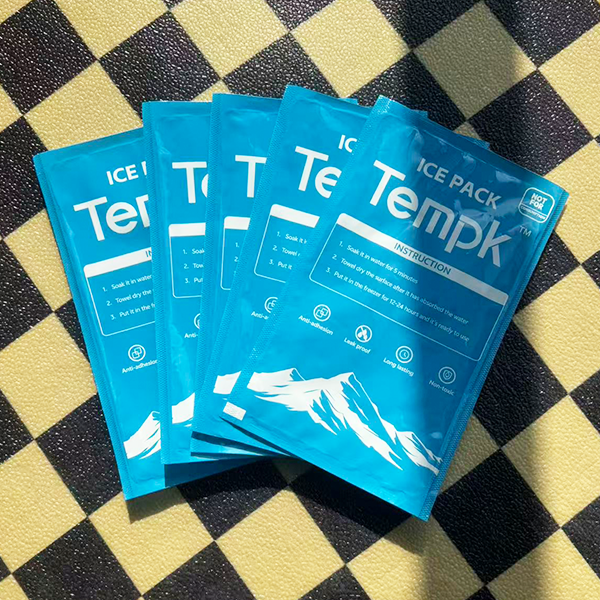
Insulated Box Factory Bulk
The safest way to buy insulated box factory bulk is to start with the shipment requirement and work backward to the box. Define the product temperature range, payload, route, handoffs, coolant method, and proof needed at delivery before discussing material, size, or branding. An insulated box can be a protective outer container, a passive thermal shipper, or part of a qualified packaging system, depending on how it is designed and used. It should not be treated as a guarantee by itself.
Start with the product, not the carton
For bulk factory purchasing, the biggest purchasing mistake is often hidden in the first specification sheet. Buyers ask for a box type, while the shipment actually needs a controlled method. A low unit price can hide dimension drift, inconsistent lid fit, weak change control, or unsupported thermal claims. That is why the request for quotation should describe the product, route, required arrival condition, and any quality documentation before asking for size, color, wall structure, or unit price.
An insulated box is a barrier against external heat or cold, not an active refrigeration machine. It may be used as a protective outer container, a passive insulated shipper, or one component inside a qualified temperature-controlled packaging system. The difference matters. A general reusable handling box may help with protection and short transfers, while a qualified passive shipper normally requires a defined coolant arrangement, a packing procedure, test evidence, and receiving rules. For factory-supplied insulated boxes for recurring cold-chain packaging programs, the buyer should ask which role the box is meant to play before accepting any performance wording.
Build the package around the route reality
Route fit is more important than a generic hold-time claim. A route includes pick-and-pack time, pre-conditioning, staging, carrier pickup, line-haul movement, customs or depot dwell, final-mile delivery, and the receiving process. Each step can add heat exposure, vibration, opening events, or delay. If the route changes seasonally or moves through different carrier networks, the packaging decision should include a safety margin and a clear escalation plan for delays.
Payload fit should be checked with usable internal space, not only nominal volume. Product cartons, temperature monitors, absorbent materials, dividers, liners, coolant packs, and paperwork can reduce the usable space. If the box is oversized, extra air space may increase coolant demand and movement during handling. If it is too tight, the product may touch coolant directly, blocking airflow or creating cold spots.
The required temperature range should come from the product specification, food-safety plan, pharmaceutical quality team, or customer requirement. The box supplier can help propose a packout, but the buyer owns the definition of what “acceptable arrival condition” means. That definition should include temperature limits, visual condition, leakage tolerance, documentation, and who decides what happens if a reading is out of range.
Specifications buyers should not leave vague
Common insulated packaging structures include expanded foam boxes, molded reusable containers, panel-based shippers, liners, foil-faced insulation, and higher-performance structures such as vacuum insulated panels. Each has trade-offs in cost, thickness, durability, recoverability, dimensional stability, and handling tolerance. A material that works for one lane may be too fragile, too bulky, or too expensive for another.
Coolant compatibility is just as important as insulation. Gel packs may be suitable for many chilled food routes, PCM packs are chosen when a narrower temperature behavior is needed, and dry ice is used only when the product, carrier, and safety procedures allow it. The coolant should be conditioned according to a written method. Staff should know where each pack goes, how long it should be frozen or conditioned, and what to do when the packout cannot be followed.
A useful purchasing process starts with a written requirement. Include the product type, target temperature range, payload size, route duration, expected ambient exposure, transport mode, loading method, receiving checks, and any documentation that quality or customers require. This prevents the supplier conversation from drifting into generic claims and helps both sides decide whether a standard box, modified size, custom tool, liner, or full packout design is needed.
Supplier evidence and quality control
The supplier should be able to separate proven facts from assumptions. Proven facts may include material description, dimensions, sample drawings, and test documents under defined conditions. Assumptions include untested lanes, different payloads, different coolant quantities, or changed closure designs. Good supplier communication makes those boundaries visible before the order is placed.
For factory or bulk programs, quality control should cover sample approval, incoming material checks, production inspection, carton packing, and change notifications. For custom projects, drawings and approved samples should be aligned so the production team does not interpret the design differently from the sales sample.
Relevant guidance can inform the review, but it should not be used as a marketing shortcut. For this topic, useful reference areas include ISTA Standard 20 and 7E concepts, supplier quality management practice, route-specific qualification. A supplier can say that a design is suitable for a use case only when the test conditions, payload, coolant plan, and operating method are clear. If a claim sounds universal, ask what exact shipment condition it describes.
| Before approval | Question to ask | Decision signal |
|---|---|---|
| Requirement definition | What product, temperature range, payload, and route is the box being designed for? | Clear requirement before size and material selection |
| Packout evidence | Has the same box, coolant, payload, and procedure been tested or trialed? | Evidence matches intended use rather than a different lane |
| Operational fit | Can warehouse staff pack it correctly during normal workload? | Repeatable steps with realistic timing |
| Supplier control | How are samples, drawings, materials, and production changes controlled? | Bulk units stay aligned with approved design |
| Exception handling | What happens after delay, excursion, damage, leakage, or failed delivery? | Team knows the response before launch |
This approval table gives procurement, operations, and quality teams a shared checklist. It also helps prevent sample approval from turning into uncontrolled production changes later.
When the box is not enough
An insulated box is not enough when the route is longer than the thermal design, the product requires strict documentation, the coolant cannot be conditioned correctly, or staff cannot follow the packout. It is also not enough when the shipment uses dry ice without safety review, vaccines without freeze-prevention logic, or food without hygiene controls. In those cases, the buyer needs a fuller packaging system and operating procedure.
Do not treat wall thickness as the only sign of performance. Thickness can help, but insulation material, lid fit, corner leakage, coolant position, payload contact, ambient exposure, and handling discipline also affect results. A thinner but better designed package may outperform a bulky design on a short route, while a high-performance panel may be unnecessary for a low-risk local lane.
Do not copy a competitor’s packout without understanding the product and lane. Two shipments can use similar boxes but behave differently because payload mass, coolant temperature, air space, route season, and handling frequency are different. Copying a layout may also create freezing risk if the product is sensitive and the coolant is placed too close.
Field example: a safer pilot before bulk purchase
A procurement team planning bulk factory purchasing purchases may receive attractive factory pricing after approving one sample. Before ordering in bulk, the team should run a pilot with production-like samples, confirm carton packing, inspect closure consistency, and document the packout method. A cheaper box becomes expensive if operators need extra coolant, repacking time, or manual sorting because production units vary from the sample.
After the pilot, the buyer should review what failed first. If temperature drift occurred during staging, changing the warehouse procedure may help more than changing the box. If product cartons were crushed, internal support or a different size may matter. If staff could not pack consistently, the design may need clearer compartments or fewer steps. The goal is not to make the package look perfect on paper, but to make it repeatable.
Additional buyer review notes
A strong specification for insulated box factory bulk should describe what is known, what must be verified, and what should not be assumed. Known facts may include the product category, packaging dimensions, expected shipment mode, and basic handling process. Items to verify include usable volume, coolant quantity, route delay, material consistency, and temperature evidence. Assumptions that should not be written as facts include universal hold time, automatic regulatory suitability, and performance on routes that have not been tested or piloted.
The receiving side deserves the same attention as packing. A package can be designed well and still create problems if the receiver opens it late, stores it in the wrong area, discards the monitor, or does not know how to judge product condition. For recurring B2B routes, write receiving instructions in plain operational language. Include what to check first, when to escalate, and what evidence should be kept.
Internal alignment is also part of packaging performance. Procurement may want price stability, operations may want easy packing, quality may want documented evidence, and sales may want a better unboxing experience. The final design should not serve only one department. Bring these requirements together before the order moves into tooling, branding, or bulk production.
A final review should ask whether the packaging can be used on a bad day. Good days hide weak specifications. Late pickup, hot staging, a missed delivery attempt, a new operator, or a slightly different payload may expose problems that were invisible during a perfect sample test. If the package is intended for scale, the approval process should include those realistic variations.
Cost review should include more than the quoted box price. Extra coolant, larger outer cartons, slower packing, failed deliveries, returns, cleanup labor, claim handling, and disposal all affect the real cost of a packaging decision. A package that looks more expensive per unit may be less costly if it reduces operator mistakes, lowers damage, or makes arrival checks clearer. A package that looks cheap may be costly if it requires constant manual correction.
The final approval meeting should include procurement, warehouse operations, quality, and the business team that owns the customer promise. Procurement can confirm price and supplier terms. Operations can confirm whether the packout is realistic. Quality can decide whether evidence and deviation handling are acceptable. The business team can judge whether the arrival condition matches the promise made to customers. This shared review often prevents avoidable problems after launch.
Training should be part of the packaging launch. A new insulated box can fail if operators do not know the coolant order, loading sequence, maximum staging time, label placement, or exception rule. Simple photographs, packout cards, and receiving notes can be more effective than a long manual that no one reads during rush periods. A packaging design is truly ready only when ordinary staff can repeat it under normal workload.
FAQ
Is insulated box factory bulk enough for temperature-controlled shipping by itself?
No. The box slows heat transfer, but the shipment also needs the correct coolant, payload layout, pre-conditioning, route control, and receiving process. For higher-risk products, buyers should ask for test evidence or run a pilot under the intended route conditions before using the packaging at scale.
What should I send to a supplier before asking for a quote?
Share the product type, required temperature range, payload size, route duration, transport mode, expected ambient exposure, carrier handoffs, and any documentation needs. The more complete the requirement, the easier it is for the supplier to recommend a standard size, custom design, liner, coolant plan, or qualification approach.
Can one insulated box design serve food, pharma, and life science shipments?
Sometimes the outer structure may be similar, but the operating requirements are different. Food may focus on hygiene and leakage, pharma on documentation and deviation control, and life science shipments on sample protection or dry ice rules. Treat each product category as a separate packout review.
How should bulk orders be controlled after sample approval?
Record the approved drawing, material, closure design, liner, dimensions, carton packing, and any packout assumptions. Ask the supplier how production changes are controlled. When the packaging supports temperature-sensitive products, even small changes should be reviewed before they are accepted for repeat shipments.
Conclusion
The right insulated box factory bulk is the one that matches the product, route, coolant plan, handling process, and evidence requirements. A strong box with a weak procedure is still a weak shipment. A modest box used on the right lane with a repeatable packout may be safer than an expensive package selected without route understanding.
Before ordering, define the required temperature range, usable payload, route exposure, packout method, monitoring needs, supplier evidence, and change-control expectations. Then test or pilot the design under realistic conditions. This approach reduces the chance that a bulk order becomes a costly lesson after launch.
About Tempk
Tempk helps cold-chain buyers connect packaging selection with the practical details of shipment design. For bulk factory purchasing, that means discussing the product requirement, route, payload, coolant choice, insulated box format, and what should be checked before moving from sample to bulk order. Our scope covers gel ice packs, dry ice packs, insulated thermal bags, EPP insulated boxes, cold shipping boxes, liners, pallet covers, and related packaging materials for temperature-sensitive goods.
Discuss your route, payload, temperature range, and packout needs with Tempk before scaling orders, especially when the shipment involves regulated or high-value temperature-sensitive products.
Insulated Box Exporter Catering Service: Practical Buyer Guide
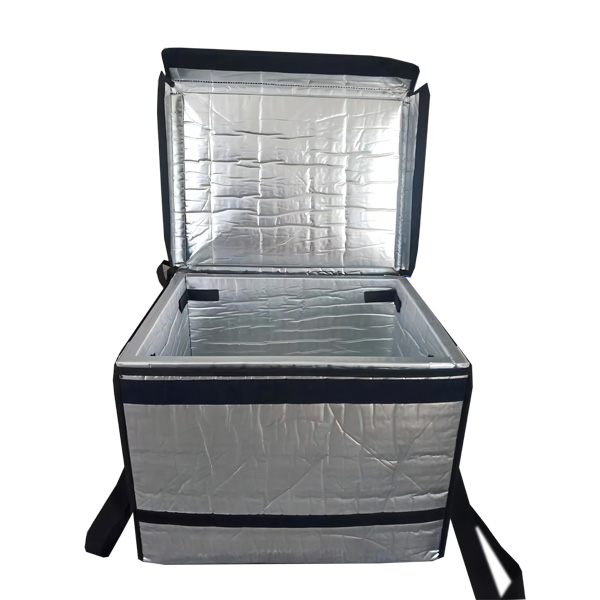
Insulated Box Exporter Catering Service
The safest way to buy insulated box exporter catering service is to start with the shipment requirement and work backward to the box. Define the product temperature range, payload, route, handoffs, coolant method, and proof needed at delivery before discussing material, size, or branding. An insulated box can be a protective outer container, a passive thermal shipper, or part of a qualified packaging system, depending on how it is designed and used. It should not be treated as a guarantee by itself.
Start with the product, not the carton
For catering service, the biggest purchasing mistake is often hidden in the first specification sheet. Buyers ask for a box type, while the shipment actually needs a controlled method. Prepared meals often fail at the handoff: staging, repeated opening, delayed service, and mixed-temperature menus. That is why the request for quotation should describe the product, route, required arrival condition, and any quality documentation before asking for size, color, wall structure, or unit price.
An insulated box is a barrier against external heat or cold, not an active refrigeration machine. It may be used as a protective outer container, a passive insulated shipper, or one component inside a qualified temperature-controlled packaging system. The difference matters. A general reusable handling box may help with protection and short transfers, while a qualified passive shipper normally requires a defined coolant arrangement, a packing procedure, test evidence, and receiving rules. For export-ready insulated boxes for catering and prepared-food logistics, the buyer should ask which role the box is meant to play before accepting any performance wording.
Build the package around the route reality
Route fit is more important than a generic hold-time claim. A route includes pick-and-pack time, pre-conditioning, staging, carrier pickup, line-haul movement, customs or depot dwell, final-mile delivery, and the receiving process. Each step can add heat exposure, vibration, opening events, or delay. If the route changes seasonally or moves through different carrier networks, the packaging decision should include a safety margin and a clear escalation plan for delays.
Payload fit should be checked with usable internal space, not only nominal volume. Product cartons, temperature monitors, absorbent materials, dividers, liners, coolant packs, and paperwork can reduce the usable space. If the box is oversized, extra air space may increase coolant demand and movement during handling. If it is too tight, the product may touch coolant directly, blocking airflow or creating cold spots.
The required temperature range should come from the product specification, food-safety plan, pharmaceutical quality team, or customer requirement. The box supplier can help propose a packout, but the buyer owns the definition of what “acceptable arrival condition” means. That definition should include temperature limits, visual condition, leakage tolerance, documentation, and who decides what happens if a reading is out of range.
Specifications buyers should not leave vague
Common insulated packaging structures include expanded foam boxes, molded reusable containers, panel-based shippers, liners, foil-faced insulation, and higher-performance structures such as vacuum insulated panels. Each has trade-offs in cost, thickness, durability, recoverability, dimensional stability, and handling tolerance. A material that works for one lane may be too fragile, too bulky, or too expensive for another.
Coolant compatibility is just as important as insulation. Gel packs may be suitable for many chilled food routes, PCM packs are chosen when a narrower temperature behavior is needed, and dry ice is used only when the product, carrier, and safety procedures allow it. The coolant should be conditioned according to a written method. Staff should know where each pack goes, how long it should be frozen or conditioned, and what to do when the packout cannot be followed.
A useful purchasing process starts with a written requirement. Include the product type, target temperature range, payload size, route duration, expected ambient exposure, transport mode, loading method, receiving checks, and any documentation that quality or customers require. This prevents the supplier conversation from drifting into generic claims and helps both sides decide whether a standard box, modified size, custom tool, liner, or full packout design is needed.
Supplier evidence and quality control
The supplier should be able to separate proven facts from assumptions. Proven facts may include material description, dimensions, sample drawings, and test documents under defined conditions. Assumptions include untested lanes, different payloads, different coolant quantities, or changed closure designs. Good supplier communication makes those boundaries visible before the order is placed.
For factory or bulk programs, quality control should cover sample approval, incoming material checks, production inspection, carton packing, and change notifications. For custom projects, drawings and approved samples should be aligned so the production team does not interpret the design differently from the sales sample.
Relevant guidance can inform the review, but it should not be used as a marketing shortcut. For this topic, useful reference areas include FDA Food Code cold holding references, sanitary transport principles, foodservice HACCP-style controls. Food shipments may also be affected by sanitary transportation requirements, cold-holding rules, and receiving procedures that vary by product and local market. A supplier can say that a design is suitable for a use case only when the test conditions, payload, coolant plan, and operating method are clear. If a claim sounds universal, ask what exact shipment condition it describes.
| Before approval | Question to ask | Decision signal |
|---|---|---|
| Requirement definition | What product, temperature range, payload, and route is the box being designed for? | Clear requirement before size and material selection |
| Packout evidence | Has the same box, coolant, payload, and procedure been tested or trialed? | Evidence matches intended use rather than a different lane |
| Operational fit | Can warehouse staff pack it correctly during normal workload? | Repeatable steps with realistic timing |
| Supplier control | How are samples, drawings, materials, and production changes controlled? | Bulk units stay aligned with approved design |
| Exception handling | What happens after delay, excursion, damage, leakage, or failed delivery? | Team knows the response before launch |
This approval table gives procurement, operations, and quality teams a shared checklist. It also helps prevent sample approval from turning into uncontrolled production changes later.
When the box is not enough
An insulated box is not enough when the route is longer than the thermal design, the product requires strict documentation, the coolant cannot be conditioned correctly, or staff cannot follow the packout. It is also not enough when the shipment uses dry ice without safety review, vaccines without freeze-prevention logic, or food without hygiene controls. In those cases, the buyer needs a fuller packaging system and operating procedure.
Do not treat wall thickness as the only sign of performance. Thickness can help, but insulation material, lid fit, corner leakage, coolant position, payload contact, ambient exposure, and handling discipline also affect results. A thinner but better designed package may outperform a bulky design on a short route, while a high-performance panel may be unnecessary for a low-risk local lane.
Do not copy a competitor’s packout without understanding the product and lane. Two shipments can use similar boxes but behave differently because payload mass, coolant temperature, air space, route season, and handling frequency are different. Copying a layout may also create freezing risk if the product is sensitive and the coolant is placed too close.
Field example: a safer pilot before bulk purchase
In a common catering service shipment, the buyer may know the delivery promise but not the thermal budget. The team should map time outside controlled storage, pre-condition coolant, pack the payload in a repeatable order, and check arrival data. That small pilot often reveals whether the issue is box size, coolant mass, staging discipline, carrier dwell, or receiving delay.
After the pilot, the buyer should review what failed first. If temperature drift occurred during staging, changing the warehouse procedure may help more than changing the box. If product cartons were crushed, internal support or a different size may matter. If staff could not pack consistently, the design may need clearer compartments or fewer steps. The goal is not to make the package look perfect on paper, but to make it repeatable.
Additional buyer review notes
A strong specification for insulated box exporter catering service should describe what is known, what must be verified, and what should not be assumed. Known facts may include the product category, packaging dimensions, expected shipment mode, and basic handling process. Items to verify include usable volume, coolant quantity, route delay, material consistency, and temperature evidence. Assumptions that should not be written as facts include universal hold time, automatic regulatory suitability, and performance on routes that have not been tested or piloted.
The receiving side deserves the same attention as packing. A package can be designed well and still create problems if the receiver opens it late, stores it in the wrong area, discards the monitor, or does not know how to judge product condition. For recurring B2B routes, write receiving instructions in plain operational language. Include what to check first, when to escalate, and what evidence should be kept.
Internal alignment is also part of packaging performance. Procurement may want price stability, operations may want easy packing, quality may want documented evidence, and sales may want a better unboxing experience. The final design should not serve only one department. Bring these requirements together before the order moves into tooling, branding, or bulk production.
A final review should ask whether the packaging can be used on a bad day. Good days hide weak specifications. Late pickup, hot staging, a missed delivery attempt, a new operator, or a slightly different payload may expose problems that were invisible during a perfect sample test. If the package is intended for scale, the approval process should include those realistic variations.
Cost review should include more than the quoted box price. Extra coolant, larger outer cartons, slower packing, failed deliveries, returns, cleanup labor, claim handling, and disposal all affect the real cost of a packaging decision. A package that looks more expensive per unit may be less costly if it reduces operator mistakes, lowers damage, or makes arrival checks clearer. A package that looks cheap may be costly if it requires constant manual correction.
The final approval meeting should include procurement, warehouse operations, quality, and the business team that owns the customer promise. Procurement can confirm price and supplier terms. Operations can confirm whether the packout is realistic. Quality can decide whether evidence and deviation handling are acceptable. The business team can judge whether the arrival condition matches the promise made to customers. This shared review often prevents avoidable problems after launch.
Training should be part of the packaging launch. A new insulated box can fail if operators do not know the coolant order, loading sequence, maximum staging time, label placement, or exception rule. Simple photographs, packout cards, and receiving notes can be more effective than a long manual that no one reads during rush periods. A packaging design is truly ready only when ordinary staff can repeat it under normal workload.
FAQ
Is insulated box exporter catering service enough for temperature-controlled shipping by itself?
No. The box slows heat transfer, but the shipment also needs the correct coolant, payload layout, pre-conditioning, route control, and receiving process. For higher-risk products, buyers should ask for test evidence or run a pilot under the intended route conditions before using the packaging at scale.
What should I send to a supplier before asking for a quote?
Share the product type, required temperature range, payload size, route duration, transport mode, expected ambient exposure, carrier handoffs, and any documentation needs. The more complete the requirement, the easier it is for the supplier to recommend a standard size, custom design, liner, coolant plan, or qualification approach.
Can one insulated box design serve food, pharma, and life science shipments?
Sometimes the outer structure may be similar, but the operating requirements are different. Food may focus on hygiene and leakage, pharma on documentation and deviation control, and life science shipments on sample protection or dry ice rules. Treat each product category as a separate packout review.
How should bulk orders be controlled after sample approval?
Record the approved drawing, material, closure design, liner, dimensions, carton packing, and any packout assumptions. Ask the supplier how production changes are controlled. When the packaging supports temperature-sensitive products, even small changes should be reviewed before they are accepted for repeat shipments.
Conclusion
The right insulated box exporter catering service is the one that matches the product, route, coolant plan, handling process, and evidence requirements. A strong box with a weak procedure is still a weak shipment. A modest box used on the right lane with a repeatable packout may be safer than an expensive package selected without route understanding.
Before ordering, define the required temperature range, usable payload, route exposure, packout method, monitoring needs, supplier evidence, and change-control expectations. Then test or pilot the design under realistic conditions. This approach reduces the chance that a bulk order becomes a costly lesson after launch.
About Tempk
Tempk helps cold-chain buyers connect packaging selection with the practical details of shipment design. For catering service, that means discussing the product requirement, route, payload, coolant choice, insulated box format, and what should be checked before moving from sample to bulk order. Our scope covers gel ice packs, dry ice packs, insulated thermal bags, EPP insulated boxes, cold shipping boxes, liners, pallet covers, and related packaging materials for temperature-sensitive goods.
Discuss your route, payload, temperature range, and packout needs with Tempk before scaling orders, especially when the shipment involves regulated or high-value temperature-sensitive products.
Insulated Box Distributor Pharmaceuticals: Practical Buyer Guide
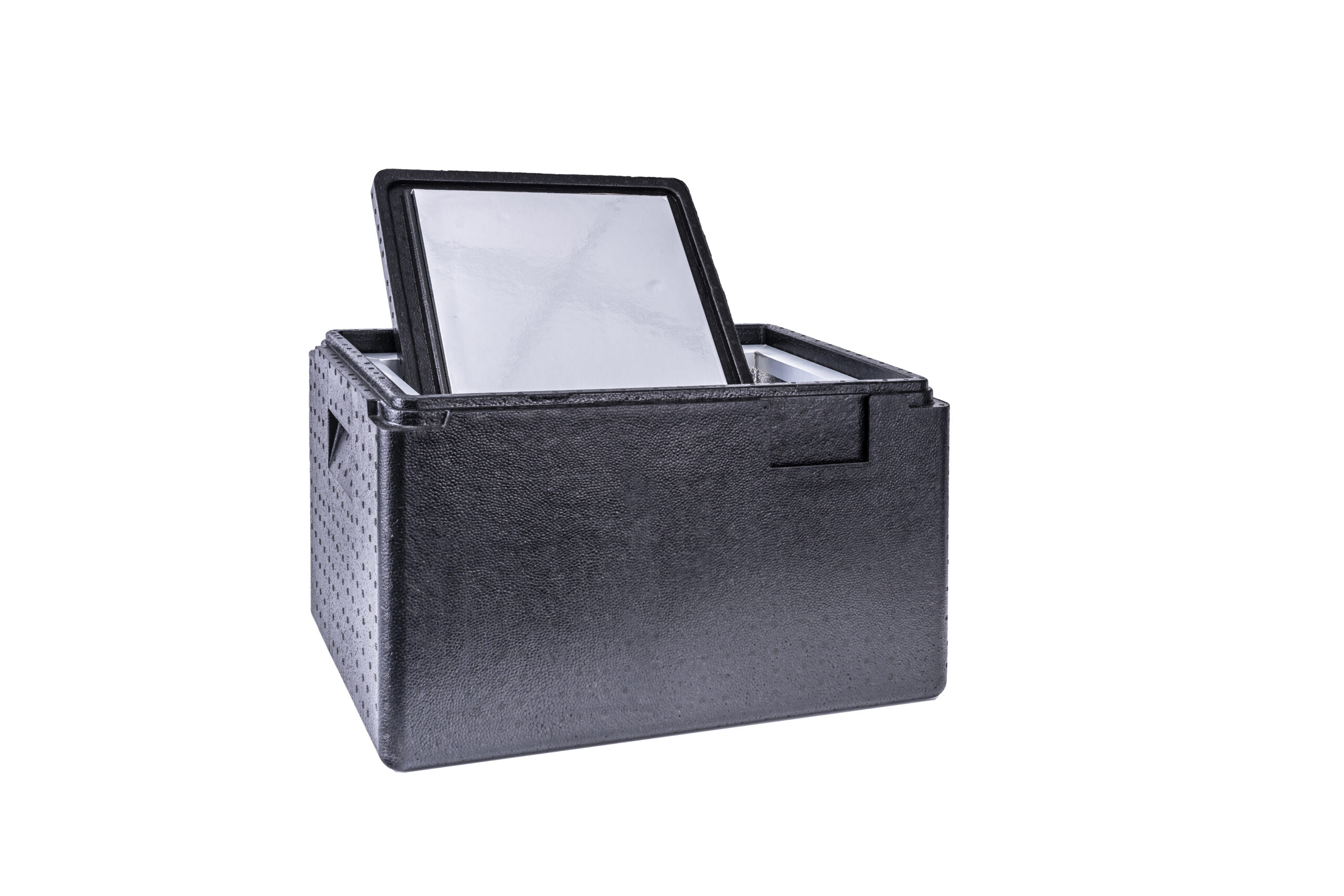
Insulated Box Distributor Pharmaceuticals
The safest way to buy insulated box distributor pharmaceuticals is to start with the shipment requirement and work backward to the box. Define the product temperature range, payload, route, handoffs, coolant method, and proof needed at delivery before discussing material, size, or branding. An insulated box can be a protective outer container, a passive thermal shipper, or part of a qualified packaging system, depending on how it is designed and used. It should not be treated as a guarantee by itself.
Start with the product, not the carton
For pharmaceuticals, the biggest purchasing mistake is often hidden in the first specification sheet. Buyers ask for a box type, while the shipment actually needs a controlled method. The distributor must manage proof, sops, deviations, and change control, not just purchase a cold box. That is why the request for quotation should describe the product, route, required arrival condition, and any quality documentation before asking for size, color, wall structure, or unit price.
An insulated box is a barrier against external heat or cold, not an active refrigeration machine. It may be used as a protective outer container, a passive insulated shipper, or one component inside a qualified temperature-controlled packaging system. The difference matters. A general reusable handling box may help with protection and short transfers, while a qualified passive shipper normally requires a defined coolant arrangement, a packing procedure, test evidence, and receiving rules. For insulated boxes for pharmaceutical distribution lanes, the buyer should ask which role the box is meant to play before accepting any performance wording.
Build the package around the route reality
Route fit is more important than a generic hold-time claim. A route includes pick-and-pack time, pre-conditioning, staging, carrier pickup, line-haul movement, customs or depot dwell, final-mile delivery, and the receiving process. Each step can add heat exposure, vibration, opening events, or delay. If the route changes seasonally or moves through different carrier networks, the packaging decision should include a safety margin and a clear escalation plan for delays.
Payload fit should be checked with usable internal space, not only nominal volume. Product cartons, temperature monitors, absorbent materials, dividers, liners, coolant packs, and paperwork can reduce the usable space. If the box is oversized, extra air space may increase coolant demand and movement during handling. If it is too tight, the product may touch coolant directly, blocking airflow or creating cold spots.
The required temperature range should come from the product specification, food-safety plan, pharmaceutical quality team, or customer requirement. The box supplier can help propose a packout, but the buyer owns the definition of what “acceptable arrival condition” means. That definition should include temperature limits, visual condition, leakage tolerance, documentation, and who decides what happens if a reading is out of range.
Specifications buyers should not leave vague
Common insulated packaging structures include expanded foam boxes, molded reusable containers, panel-based shippers, liners, foil-faced insulation, and higher-performance structures such as vacuum insulated panels. Each has trade-offs in cost, thickness, durability, recoverability, dimensional stability, and handling tolerance. A material that works for one lane may be too fragile, too bulky, or too expensive for another.
Coolant compatibility is just as important as insulation. Gel packs may be suitable for many chilled food routes, PCM packs are chosen when a narrower temperature behavior is needed, and dry ice is used only when the product, carrier, and safety procedures allow it. The coolant should be conditioned according to a written method. Staff should know where each pack goes, how long it should be frozen or conditioned, and what to do when the packout cannot be followed.
A useful purchasing process starts with a written requirement. Include the product type, target temperature range, payload size, route duration, expected ambient exposure, transport mode, loading method, receiving checks, and any documentation that quality or customers require. This prevents the supplier conversation from drifting into generic claims and helps both sides decide whether a standard box, modified size, custom tool, liner, or full packout design is needed.
Supplier evidence and quality control
The supplier should be able to separate proven facts from assumptions. Proven facts may include material description, dimensions, sample drawings, and test documents under defined conditions. Assumptions include untested lanes, different payloads, different coolant quantities, or changed closure designs. Good supplier communication makes those boundaries visible before the order is placed.
For factory or bulk programs, quality control should cover sample approval, incoming material checks, production inspection, carton packing, and change notifications. For custom projects, drawings and approved samples should be aligned so the production team does not interpret the design differently from the sales sample.
Relevant guidance can inform the review, but it should not be used as a marketing shortcut. For this topic, useful reference areas include EU GDP and EMA guidance, IATA TCR for air routes, ISTA thermal testing concepts. EU GDP and EMA guidance describe the need to maintain medicine quality throughout the supply chain, while air routes may also need IATA temperature-sensitive cargo and dangerous-goods review. A supplier can say that a design is suitable for a use case only when the test conditions, payload, coolant plan, and operating method are clear. If a claim sounds universal, ask what exact shipment condition it describes.
| Before approval | Question to ask | Decision signal |
|---|---|---|
| Requirement definition | What product, temperature range, payload, and route is the box being designed for? | Clear requirement before size and material selection |
| Packout evidence | Has the same box, coolant, payload, and procedure been tested or trialed? | Evidence matches intended use rather than a different lane |
| Operational fit | Can warehouse staff pack it correctly during normal workload? | Repeatable steps with realistic timing |
| Supplier control | How are samples, drawings, materials, and production changes controlled? | Bulk units stay aligned with approved design |
| Exception handling | What happens after delay, excursion, damage, leakage, or failed delivery? | Team knows the response before launch |
This approval table gives procurement, operations, and quality teams a shared checklist. It also helps prevent sample approval from turning into uncontrolled production changes later.
When the box is not enough
An insulated box is not enough when the route is longer than the thermal design, the product requires strict documentation, the coolant cannot be conditioned correctly, or staff cannot follow the packout. It is also not enough when the shipment uses dry ice without safety review, vaccines without freeze-prevention logic, or food without hygiene controls. In those cases, the buyer needs a fuller packaging system and operating procedure.
Do not treat wall thickness as the only sign of performance. Thickness can help, but insulation material, lid fit, corner leakage, coolant position, payload contact, ambient exposure, and handling discipline also affect results. A thinner but better designed package may outperform a bulky design on a short route, while a high-performance panel may be unnecessary for a low-risk local lane.
Do not copy a competitor’s packout without understanding the product and lane. Two shipments can use similar boxes but behave differently because payload mass, coolant temperature, air space, route season, and handling frequency are different. Copying a layout may also create freezing risk if the product is sensitive and the coolant is placed too close.
Field example: a safer pilot before bulk purchase
In a common pharmaceuticals shipment, the buyer may know the delivery promise but not the thermal budget. The team should map time outside controlled storage, pre-condition coolant, pack the payload in a repeatable order, and check arrival data. That small pilot often reveals whether the issue is box size, coolant mass, staging discipline, carrier dwell, or receiving delay.
After the pilot, the buyer should review what failed first. If temperature drift occurred during staging, changing the warehouse procedure may help more than changing the box. If product cartons were crushed, internal support or a different size may matter. If staff could not pack consistently, the design may need clearer compartments or fewer steps. The goal is not to make the package look perfect on paper, but to make it repeatable.
Additional buyer review notes
A strong specification for insulated box distributor pharmaceuticals should describe what is known, what must be verified, and what should not be assumed. Known facts may include the product category, packaging dimensions, expected shipment mode, and basic handling process. Items to verify include usable volume, coolant quantity, route delay, material consistency, and temperature evidence. Assumptions that should not be written as facts include universal hold time, automatic regulatory suitability, and performance on routes that have not been tested or piloted.
The receiving side deserves the same attention as packing. A package can be designed well and still create problems if the receiver opens it late, stores it in the wrong area, discards the monitor, or does not know how to judge product condition. For recurring B2B routes, write receiving instructions in plain operational language. Include what to check first, when to escalate, and what evidence should be kept.
Internal alignment is also part of packaging performance. Procurement may want price stability, operations may want easy packing, quality may want documented evidence, and sales may want a better unboxing experience. The final design should not serve only one department. Bring these requirements together before the order moves into tooling, branding, or bulk production.
A final review should ask whether the packaging can be used on a bad day. Good days hide weak specifications. Late pickup, hot staging, a missed delivery attempt, a new operator, or a slightly different payload may expose problems that were invisible during a perfect sample test. If the package is intended for scale, the approval process should include those realistic variations.
Cost review should include more than the quoted box price. Extra coolant, larger outer cartons, slower packing, failed deliveries, returns, cleanup labor, claim handling, and disposal all affect the real cost of a packaging decision. A package that looks more expensive per unit may be less costly if it reduces operator mistakes, lowers damage, or makes arrival checks clearer. A package that looks cheap may be costly if it requires constant manual correction.
The final approval meeting should include procurement, warehouse operations, quality, and the business team that owns the customer promise. Procurement can confirm price and supplier terms. Operations can confirm whether the packout is realistic. Quality can decide whether evidence and deviation handling are acceptable. The business team can judge whether the arrival condition matches the promise made to customers. This shared review often prevents avoidable problems after launch.
Training should be part of the packaging launch. A new insulated box can fail if operators do not know the coolant order, loading sequence, maximum staging time, label placement, or exception rule. Simple photographs, packout cards, and receiving notes can be more effective than a long manual that no one reads during rush periods. A packaging design is truly ready only when ordinary staff can repeat it under normal workload.
FAQ
Is insulated box distributor pharmaceuticals enough for temperature-controlled shipping by itself?
No. The box slows heat transfer, but the shipment also needs the correct coolant, payload layout, pre-conditioning, route control, and receiving process. For higher-risk products, buyers should ask for test evidence or run a pilot under the intended route conditions before using the packaging at scale.
What should I send to a supplier before asking for a quote?
Share the product type, required temperature range, payload size, route duration, transport mode, expected ambient exposure, carrier handoffs, and any documentation needs. The more complete the requirement, the easier it is for the supplier to recommend a standard size, custom design, liner, coolant plan, or qualification approach.
Can one insulated box design serve food, pharma, and life science shipments?
Sometimes the outer structure may be similar, but the operating requirements are different. Food may focus on hygiene and leakage, pharma on documentation and deviation control, and life science shipments on sample protection or dry ice rules. Treat each product category as a separate packout review.
How should bulk orders be controlled after sample approval?
Record the approved drawing, material, closure design, liner, dimensions, carton packing, and any packout assumptions. Ask the supplier how production changes are controlled. When the packaging supports temperature-sensitive products, even small changes should be reviewed before they are accepted for repeat shipments.
Conclusion
The right insulated box distributor pharmaceuticals is the one that matches the product, route, coolant plan, handling process, and evidence requirements. A strong box with a weak procedure is still a weak shipment. A modest box used on the right lane with a repeatable packout may be safer than an expensive package selected without route understanding.
Before ordering, define the required temperature range, usable payload, route exposure, packout method, monitoring needs, supplier evidence, and change-control expectations. Then test or pilot the design under realistic conditions. This approach reduces the chance that a bulk order becomes a costly lesson after launch.
About Tempk
Tempk helps cold-chain buyers connect packaging selection with the practical details of shipment design. For pharmaceuticals, that means discussing the product requirement, route, payload, coolant choice, insulated box format, and what should be checked before moving from sample to bulk order. Our scope covers gel ice packs, dry ice packs, insulated thermal bags, EPP insulated boxes, cold shipping boxes, liners, pallet covers, and related packaging materials for temperature-sensitive goods.
Discuss your route, payload, temperature range, and packout needs with Tempk before scaling orders, especially when the shipment involves regulated or high-value temperature-sensitive products.
Insulated Box Commercial Packaging Meat: Practical Buyer Guide

Insulated Box Commercial Packaging Meat
The safest way to buy insulated box commercial packaging meat is to start with the shipment requirement and work backward to the box. Define the product temperature range, payload, route, handoffs, coolant method, and proof needed at delivery before discussing material, size, or branding. An insulated box can be a protective outer container, a passive thermal shipper, or part of a qualified packaging system, depending on how it is designed and used. It should not be treated as a guarantee by itself.
Start with the product, not the carton
For meat and protein products, the biggest purchasing mistake is often hidden in the first specification sheet. Buyers ask for a box type, while the shipment actually needs a controlled method. The main risks are temperature abuse, leakage, odor transfer, condensation, and rough handling during delivery. That is why the request for quotation should describe the product, route, required arrival condition, and any quality documentation before asking for size, color, wall structure, or unit price.
An insulated box is a barrier against external heat or cold, not an active refrigeration machine. It may be used as a protective outer container, a passive insulated shipper, or one component inside a qualified temperature-controlled packaging system. The difference matters. A general reusable handling box may help with protection and short transfers, while a qualified passive shipper normally requires a defined coolant arrangement, a packing procedure, test evidence, and receiving rules. For commercial insulated boxes for chilled or frozen meat packaging, the buyer should ask which role the box is meant to play before accepting any performance wording.
Build the package around the route reality
Route fit is more important than a generic hold-time claim. A route includes pick-and-pack time, pre-conditioning, staging, carrier pickup, line-haul movement, customs or depot dwell, final-mile delivery, and the receiving process. Each step can add heat exposure, vibration, opening events, or delay. If the route changes seasonally or moves through different carrier networks, the packaging decision should include a safety margin and a clear escalation plan for delays.
Payload fit should be checked with usable internal space, not only nominal volume. Product cartons, temperature monitors, absorbent materials, dividers, liners, coolant packs, and paperwork can reduce the usable space. If the box is oversized, extra air space may increase coolant demand and movement during handling. If it is too tight, the product may touch coolant directly, blocking airflow or creating cold spots.
The required temperature range should come from the product specification, food-safety plan, pharmaceutical quality team, or customer requirement. The box supplier can help propose a packout, but the buyer owns the definition of what “acceptable arrival condition” means. That definition should include temperature limits, visual condition, leakage tolerance, documentation, and who decides what happens if a reading is out of range.
Specifications buyers should not leave vague
Common insulated packaging structures include expanded foam boxes, molded reusable containers, panel-based shippers, liners, foil-faced insulation, and higher-performance structures such as vacuum insulated panels. Each has trade-offs in cost, thickness, durability, recoverability, dimensional stability, and handling tolerance. A material that works for one lane may be too fragile, too bulky, or too expensive for another.
Coolant compatibility is just as important as insulation. Gel packs may be suitable for many chilled food routes, PCM packs are chosen when a narrower temperature behavior is needed, and dry ice is used only when the product, carrier, and safety procedures allow it. The coolant should be conditioned according to a written method. Staff should know where each pack goes, how long it should be frozen or conditioned, and what to do when the packout cannot be followed.
A useful purchasing process starts with a written requirement. Include the product type, target temperature range, payload size, route duration, expected ambient exposure, transport mode, loading method, receiving checks, and any documentation that quality or customers require. This prevents the supplier conversation from drifting into generic claims and helps both sides decide whether a standard box, modified size, custom tool, liner, or full packout design is needed.
Supplier evidence and quality control
The supplier should be able to separate proven facts from assumptions. Proven facts may include material description, dimensions, sample drawings, and test documents under defined conditions. Assumptions include untested lanes, different payloads, different coolant quantities, or changed closure designs. Good supplier communication makes those boundaries visible before the order is placed.
For factory or bulk programs, quality control should cover sample approval, incoming material checks, production inspection, carton packing, and change notifications. For custom projects, drawings and approved samples should be aligned so the production team does not interpret the design differently from the sales sample.
Relevant guidance can inform the review, but it should not be used as a marketing shortcut. For this topic, useful reference areas include FDA Food Code cold holding references, FSMA sanitary transportation rule, food safety quality plans. Food shipments may also be affected by sanitary transportation requirements, cold-holding rules, and receiving procedures that vary by product and local market. A supplier can say that a design is suitable for a use case only when the test conditions, payload, coolant plan, and operating method are clear. If a claim sounds universal, ask what exact shipment condition it describes.
| Before approval | Question to ask | Decision signal |
|---|---|---|
| Requirement definition | What product, temperature range, payload, and route is the box being designed for? | Clear requirement before size and material selection |
| Packout evidence | Has the same box, coolant, payload, and procedure been tested or trialed? | Evidence matches intended use rather than a different lane |
| Operational fit | Can warehouse staff pack it correctly during normal workload? | Repeatable steps with realistic timing |
| Supplier control | How are samples, drawings, materials, and production changes controlled? | Bulk units stay aligned with approved design |
| Exception handling | What happens after delay, excursion, damage, leakage, or failed delivery? | Team knows the response before launch |
This approval table gives procurement, operations, and quality teams a shared checklist. It also helps prevent sample approval from turning into uncontrolled production changes later.
When the box is not enough
An insulated box is not enough when the route is longer than the thermal design, the product requires strict documentation, the coolant cannot be conditioned correctly, or staff cannot follow the packout. It is also not enough when the shipment uses dry ice without safety review, vaccines without freeze-prevention logic, or food without hygiene controls. In those cases, the buyer needs a fuller packaging system and operating procedure.
Do not treat wall thickness as the only sign of performance. Thickness can help, but insulation material, lid fit, corner leakage, coolant position, payload contact, ambient exposure, and handling discipline also affect results. A thinner but better designed package may outperform a bulky design on a short route, while a high-performance panel may be unnecessary for a low-risk local lane.
Do not copy a competitor’s packout without understanding the product and lane. Two shipments can use similar boxes but behave differently because payload mass, coolant temperature, air space, route season, and handling frequency are different. Copying a layout may also create freezing risk if the product is sensitive and the coolant is placed too close.
Field example: a safer pilot before bulk purchase
A typical meat shipment may leave a processor cold, wait on a loading dock, travel through parcel or regional delivery, and then sit at a receiving door before inspection. The box must handle coolant, leakage, odor control, and product protection at the same time. If the buyer tests only a perfect overnight route, the package may look successful but still fail during weekend orders or summer pickups.
After the pilot, the buyer should review what failed first. If temperature drift occurred during staging, changing the warehouse procedure may help more than changing the box. If product cartons were crushed, internal support or a different size may matter. If staff could not pack consistently, the design may need clearer compartments or fewer steps. The goal is not to make the package look perfect on paper, but to make it repeatable.
Additional buyer review notes
A strong specification for insulated box commercial packaging meat should describe what is known, what must be verified, and what should not be assumed. Known facts may include the product category, packaging dimensions, expected shipment mode, and basic handling process. Items to verify include usable volume, coolant quantity, route delay, material consistency, and temperature evidence. Assumptions that should not be written as facts include universal hold time, automatic regulatory suitability, and performance on routes that have not been tested or piloted.
The receiving side deserves the same attention as packing. A package can be designed well and still create problems if the receiver opens it late, stores it in the wrong area, discards the monitor, or does not know how to judge product condition. For recurring B2B routes, write receiving instructions in plain operational language. Include what to check first, when to escalate, and what evidence should be kept.
Internal alignment is also part of packaging performance. Procurement may want price stability, operations may want easy packing, quality may want documented evidence, and sales may want a better unboxing experience. The final design should not serve only one department. Bring these requirements together before the order moves into tooling, branding, or bulk production.
A final review should ask whether the packaging can be used on a bad day. Good days hide weak specifications. Late pickup, hot staging, a missed delivery attempt, a new operator, or a slightly different payload may expose problems that were invisible during a perfect sample test. If the package is intended for scale, the approval process should include those realistic variations.
Cost review should include more than the quoted box price. Extra coolant, larger outer cartons, slower packing, failed deliveries, returns, cleanup labor, claim handling, and disposal all affect the real cost of a packaging decision. A package that looks more expensive per unit may be less costly if it reduces operator mistakes, lowers damage, or makes arrival checks clearer. A package that looks cheap may be costly if it requires constant manual correction.
The final approval meeting should include procurement, warehouse operations, quality, and the business team that owns the customer promise. Procurement can confirm price and supplier terms. Operations can confirm whether the packout is realistic. Quality can decide whether evidence and deviation handling are acceptable. The business team can judge whether the arrival condition matches the promise made to customers. This shared review often prevents avoidable problems after launch.
Training should be part of the packaging launch. A new insulated box can fail if operators do not know the coolant order, loading sequence, maximum staging time, label placement, or exception rule. Simple photographs, packout cards, and receiving notes can be more effective than a long manual that no one reads during rush periods. A packaging design is truly ready only when ordinary staff can repeat it under normal workload.
FAQ
Is insulated box commercial packaging meat enough for temperature-controlled shipping by itself?
No. The box slows heat transfer, but the shipment also needs the correct coolant, payload layout, pre-conditioning, route control, and receiving process. For higher-risk products, buyers should ask for test evidence or run a pilot under the intended route conditions before using the packaging at scale.
What should I send to a supplier before asking for a quote?
Share the product type, required temperature range, payload size, route duration, transport mode, expected ambient exposure, carrier handoffs, and any documentation needs. The more complete the requirement, the easier it is for the supplier to recommend a standard size, custom design, liner, coolant plan, or qualification approach.
Can one insulated box design serve food, pharma, and life science shipments?
Sometimes the outer structure may be similar, but the operating requirements are different. Food may focus on hygiene and leakage, pharma on documentation and deviation control, and life science shipments on sample protection or dry ice rules. Treat each product category as a separate packout review.
How should bulk orders be controlled after sample approval?
Record the approved drawing, material, closure design, liner, dimensions, carton packing, and any packout assumptions. Ask the supplier how production changes are controlled. When the packaging supports temperature-sensitive products, even small changes should be reviewed before they are accepted for repeat shipments.
Conclusion
The right insulated box commercial packaging meat is the one that matches the product, route, coolant plan, handling process, and evidence requirements. A strong box with a weak procedure is still a weak shipment. A modest box used on the right lane with a repeatable packout may be safer than an expensive package selected without route understanding.
Before ordering, define the required temperature range, usable payload, route exposure, packout method, monitoring needs, supplier evidence, and change-control expectations. Then test or pilot the design under realistic conditions. This approach reduces the chance that a bulk order becomes a costly lesson after launch.
About Tempk
Tempk helps cold-chain buyers connect packaging selection with the practical details of shipment design. For meat and protein products, that means discussing the product requirement, route, payload, coolant choice, insulated box format, and what should be checked before moving from sample to bulk order. Our scope covers gel ice packs, dry ice packs, insulated thermal bags, EPP insulated boxes, cold shipping boxes, liners, pallet covers, and related packaging materials for temperature-sensitive goods.
Discuss your route, payload, temperature range, and packout needs with Tempk before scaling orders, especially when the shipment involves regulated or high-value temperature-sensitive products.
Eco-Friendly Insulated Box Express Shipments: Practical Buyer Guide
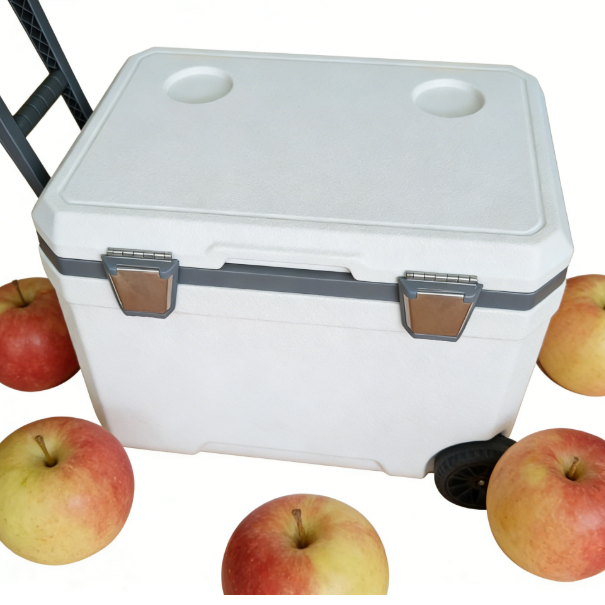
Eco-Friendly Insulated Box Express Shipments
The safest way to buy eco-friendly insulated box express shipments is to start with the shipment requirement and work backward to the box. Define the product temperature range, payload, route, handoffs, coolant method, and proof needed at delivery before discussing material, size, or branding. An insulated box can be a protective outer container, a passive thermal shipper, or part of a qualified packaging system, depending on how it is designed and used. It should not be treated as a guarantee by itself.
Start with the product, not the carton
For express shipments, the biggest purchasing mistake is often hidden in the first specification sheet. Buyers ask for a box type, while the shipment actually needs a controlled method. Green claims can distract buyers from route fit, coolant conditioning, and recoverable packaging controls. That is why the request for quotation should describe the product, route, required arrival condition, and any quality documentation before asking for size, color, wall structure, or unit price.
An insulated box is a barrier against external heat or cold, not an active refrigeration machine. It may be used as a protective outer container, a passive insulated shipper, or one component inside a qualified temperature-controlled packaging system. The difference matters. A general reusable handling box may help with protection and short transfers, while a qualified passive shipper normally requires a defined coolant arrangement, a packing procedure, test evidence, and receiving rules. For eco-conscious insulated shipping boxes for parcel cold-chain routes, the buyer should ask which role the box is meant to play before accepting any performance wording.
Build the package around the route reality
Route fit is more important than a generic hold-time claim. A route includes pick-and-pack time, pre-conditioning, staging, carrier pickup, line-haul movement, customs or depot dwell, final-mile delivery, and the receiving process. Each step can add heat exposure, vibration, opening events, or delay. If the route changes seasonally or moves through different carrier networks, the packaging decision should include a safety margin and a clear escalation plan for delays.
Payload fit should be checked with usable internal space, not only nominal volume. Product cartons, temperature monitors, absorbent materials, dividers, liners, coolant packs, and paperwork can reduce the usable space. If the box is oversized, extra air space may increase coolant demand and movement during handling. If it is too tight, the product may touch coolant directly, blocking airflow or creating cold spots.
The required temperature range should come from the product specification, food-safety plan, pharmaceutical quality team, or customer requirement. The box supplier can help propose a packout, but the buyer owns the definition of what “acceptable arrival condition” means. That definition should include temperature limits, visual condition, leakage tolerance, documentation, and who decides what happens if a reading is out of range.
Specifications buyers should not leave vague
Common insulated packaging structures include expanded foam boxes, molded reusable containers, panel-based shippers, liners, foil-faced insulation, and higher-performance structures such as vacuum insulated panels. Each has trade-offs in cost, thickness, durability, recoverability, dimensional stability, and handling tolerance. A material that works for one lane may be too fragile, too bulky, or too expensive for another.
Coolant compatibility is just as important as insulation. Gel packs may be suitable for many chilled food routes, PCM packs are chosen when a narrower temperature behavior is needed, and dry ice is used only when the product, carrier, and safety procedures allow it. The coolant should be conditioned according to a written method. Staff should know where each pack goes, how long it should be frozen or conditioned, and what to do when the packout cannot be followed.
A useful purchasing process starts with a written requirement. Include the product type, target temperature range, payload size, route duration, expected ambient exposure, transport mode, loading method, receiving checks, and any documentation that quality or customers require. This prevents the supplier conversation from drifting into generic claims and helps both sides decide whether a standard box, modified size, custom tool, liner, or full packout design is needed.
Supplier evidence and quality control
The supplier should be able to separate proven facts from assumptions. Proven facts may include material description, dimensions, sample drawings, and test documents under defined conditions. Assumptions include untested lanes, different payloads, different coolant quantities, or changed closure designs. Good supplier communication makes those boundaries visible before the order is placed.
For factory or bulk programs, quality control should cover sample approval, incoming material checks, production inspection, carton packing, and change notifications. For custom projects, drawings and approved samples should be aligned so the production team does not interpret the design differently from the sales sample.
Relevant guidance can inform the review, but it should not be used as a marketing shortcut. For this topic, useful reference areas include ISTA thermal transport packaging guidance, food and pharmaceutical route qualification practice, carrier packaging rules. A supplier can say that a design is suitable for a use case only when the test conditions, payload, coolant plan, and operating method are clear. If a claim sounds universal, ask what exact shipment condition it describes.
| Before approval | Question to ask | Decision signal |
|---|---|---|
| Requirement definition | What product, temperature range, payload, and route is the box being designed for? | Clear requirement before size and material selection |
| Packout evidence | Has the same box, coolant, payload, and procedure been tested or trialed? | Evidence matches intended use rather than a different lane |
| Operational fit | Can warehouse staff pack it correctly during normal workload? | Repeatable steps with realistic timing |
| Supplier control | How are samples, drawings, materials, and production changes controlled? | Bulk units stay aligned with approved design |
| Exception handling | What happens after delay, excursion, damage, leakage, or failed delivery? | Team knows the response before launch |
This approval table gives procurement, operations, and quality teams a shared checklist. It also helps prevent sample approval from turning into uncontrolled production changes later.
When the box is not enough
An insulated box is not enough when the route is longer than the thermal design, the product requires strict documentation, the coolant cannot be conditioned correctly, or staff cannot follow the packout. It is also not enough when the shipment uses dry ice without safety review, vaccines without freeze-prevention logic, or food without hygiene controls. In those cases, the buyer needs a fuller packaging system and operating procedure.
Do not treat wall thickness as the only sign of performance. Thickness can help, but insulation material, lid fit, corner leakage, coolant position, payload contact, ambient exposure, and handling discipline also affect results. A thinner but better designed package may outperform a bulky design on a short route, while a high-performance panel may be unnecessary for a low-risk local lane.
Do not copy a competitor’s packout without understanding the product and lane. Two shipments can use similar boxes but behave differently because payload mass, coolant temperature, air space, route season, and handling frequency are different. Copying a layout may also create freezing risk if the product is sensitive and the coolant is placed too close.
Field example: a safer pilot before bulk purchase
In a common express shipments shipment, the buyer may know the delivery promise but not the thermal budget. The team should map time outside controlled storage, pre-condition coolant, pack the payload in a repeatable order, and check arrival data. That small pilot often reveals whether the issue is box size, coolant mass, staging discipline, carrier dwell, or receiving delay.
After the pilot, the buyer should review what failed first. If temperature drift occurred during staging, changing the warehouse procedure may help more than changing the box. If product cartons were crushed, internal support or a different size may matter. If staff could not pack consistently, the design may need clearer compartments or fewer steps. The goal is not to make the package look perfect on paper, but to make it repeatable.
Additional buyer review notes
A strong specification for eco-friendly insulated box express shipments should describe what is known, what must be verified, and what should not be assumed. Known facts may include the product category, packaging dimensions, expected shipment mode, and basic handling process. Items to verify include usable volume, coolant quantity, route delay, material consistency, and temperature evidence. Assumptions that should not be written as facts include universal hold time, automatic regulatory suitability, and performance on routes that have not been tested or piloted.
The receiving side deserves the same attention as packing. A package can be designed well and still create problems if the receiver opens it late, stores it in the wrong area, discards the monitor, or does not know how to judge product condition. For recurring B2B routes, write receiving instructions in plain operational language. Include what to check first, when to escalate, and what evidence should be kept.
Internal alignment is also part of packaging performance. Procurement may want price stability, operations may want easy packing, quality may want documented evidence, and sales may want a better unboxing experience. The final design should not serve only one department. Bring these requirements together before the order moves into tooling, branding, or bulk production.
A final review should ask whether the packaging can be used on a bad day. Good days hide weak specifications. Late pickup, hot staging, a missed delivery attempt, a new operator, or a slightly different payload may expose problems that were invisible during a perfect sample test. If the package is intended for scale, the approval process should include those realistic variations.
Cost review should include more than the quoted box price. Extra coolant, larger outer cartons, slower packing, failed deliveries, returns, cleanup labor, claim handling, and disposal all affect the real cost of a packaging decision. A package that looks more expensive per unit may be less costly if it reduces operator mistakes, lowers damage, or makes arrival checks clearer. A package that looks cheap may be costly if it requires constant manual correction.
The final approval meeting should include procurement, warehouse operations, quality, and the business team that owns the customer promise. Procurement can confirm price and supplier terms. Operations can confirm whether the packout is realistic. Quality can decide whether evidence and deviation handling are acceptable. The business team can judge whether the arrival condition matches the promise made to customers. This shared review often prevents avoidable problems after launch.
Training should be part of the packaging launch. A new insulated box can fail if operators do not know the coolant order, loading sequence, maximum staging time, label placement, or exception rule. Simple photographs, packout cards, and receiving notes can be more effective than a long manual that no one reads during rush periods. A packaging design is truly ready only when ordinary staff can repeat it under normal workload.
FAQ
Is eco-friendly insulated box express shipments enough for temperature-controlled shipping by itself?
No. The box slows heat transfer, but the shipment also needs the correct coolant, payload layout, pre-conditioning, route control, and receiving process. For higher-risk products, buyers should ask for test evidence or run a pilot under the intended route conditions before using the packaging at scale.
What should I send to a supplier before asking for a quote?
Share the product type, required temperature range, payload size, route duration, transport mode, expected ambient exposure, carrier handoffs, and any documentation needs. The more complete the requirement, the easier it is for the supplier to recommend a standard size, custom design, liner, coolant plan, or qualification approach.
Can one insulated box design serve food, pharma, and life science shipments?
Sometimes the outer structure may be similar, but the operating requirements are different. Food may focus on hygiene and leakage, pharma on documentation and deviation control, and life science shipments on sample protection or dry ice rules. Treat each product category as a separate packout review.
How should bulk orders be controlled after sample approval?
Record the approved drawing, material, closure design, liner, dimensions, carton packing, and any packout assumptions. Ask the supplier how production changes are controlled. When the packaging supports temperature-sensitive products, even small changes should be reviewed before they are accepted for repeat shipments.
Conclusion
The right eco-friendly insulated box express shipments is the one that matches the product, route, coolant plan, handling process, and evidence requirements. A strong box with a weak procedure is still a weak shipment. A modest box used on the right lane with a repeatable packout may be safer than an expensive package selected without route understanding.
Before ordering, define the required temperature range, usable payload, route exposure, packout method, monitoring needs, supplier evidence, and change-control expectations. Then test or pilot the design under realistic conditions. This approach reduces the chance that a bulk order becomes a costly lesson after launch.
About Tempk
Tempk helps cold-chain buyers connect packaging selection with the practical details of shipment design. For express shipments, that means discussing the product requirement, route, payload, coolant choice, insulated box format, and what should be checked before moving from sample to bulk order. Our scope covers gel ice packs, dry ice packs, insulated thermal bags, EPP insulated boxes, cold shipping boxes, liners, pallet covers, and related packaging materials for temperature-sensitive goods.
Discuss your route, payload, temperature range, and packout needs with Tempk before scaling orders, especially when the shipment involves regulated or high-value temperature-sensitive products.