


Insulated Box OEM Ice Cream Supplier Selection Guide
Insulated Box OEM Ice Cream Supplier Selection Guide
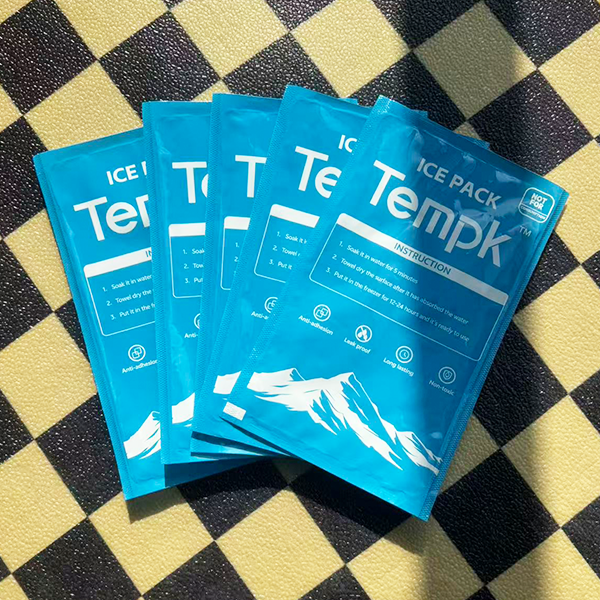
Article name: Article 4: Pro Optimized
Insulated Box OEM Ice Cream: Supplier Selection Without Guesswork
The best insulated box OEM ice cream is the one that matches your product, lane, payload, and evidence requirements before the first bulk order is placed. For ice cream and frozen dessert shipping, procurement teams often compare price first, then discover later that the box does not fit the packout, carrier, coolant, or receiving process. A better approach is to define what must be protected, what must be verified, and what the supplier must prove. This final guide brings those decisions into one practical supplier-selection framework.
The Short Procurement Answer
Choose the insulated box OEM ice cream only after you know the product condition, route, payload, coolant plan, receiving requirement, and evidence needed after delivery. A low-priced box may be acceptable for a low-risk shipment, but it is a poor basis for ice cream cups, pints, gelato packs, frozen desserts, and high-fat products that show quality loss after thawing when the route is uncertain or the buyer needs documentation. The best supplier is not always the one with the broadest claim; it is the one that explains the boundaries clearly.
The target reader is usually not looking for an academic definition of insulation. They want to know whether a supplier can support ice cream cups, pints, gelato packs, frozen desserts, and high-fat products that show quality loss after thawing with an orderable, repeatable, and inspectable package. That means the box must be judged with the coolant, the payload, the closure, the carton, the packing method, and the documentation together. An insulated wall by itself does not prove a cold-chain result.
A useful supplier conversation starts with the risk that makes this application difficult: melting, refreezing texture damage, dry ice handling, box venting, and short delivery promises. If that risk is not named in the request, the quotation may look attractive but still be incomplete. For example, a box intended for a controlled warehouse transfer does not face the same abuse as a parcel shipment across summer and winter lanes. A good specification makes those differences visible before price comparison begins.
Ice cream is a frozen dessert shipment, so it usually needs a frozen packout strategy rather than the same chilled gel pack layout used for fresh food.
Fit by Product, Route, Temperature, and Handling
An insulated box slows heat transfer; it does not create temperature control by itself. The temperature outcome comes from the whole thermal system: insulation, refrigerant, payload mass, packing order, headspace, ambient profile, and elapsed time. In ice cream and frozen dessert shipping, the same box can behave differently when the payload is denser, warmer at packing, closer to the lid, or shipped through a hotter lane. This is why buyers should avoid treating stated hold time as a universal promise unless the test condition matches their route and product.
Coolant selection should follow the product requirement. For ice cream cups, pints, gelato packs, frozen desserts, and high-fat products that show quality loss after thawing, the supplier should explain why dry ice, frozen gel packs, or a validated frozen packout selected for the route and carrier is suitable and what preparation is required before packing. Conditioned coolant placed in the wrong position can freeze a product that only needed chilled protection. Dry ice can maintain a frozen environment, but it introduces sublimation, ventilation, and carrier acceptance issues. PCM can be helpful when a narrower range is needed, but its phase-change point and conditioning process must be confirmed.
The packer is part of the packaging system. In ice cream and frozen dessert shipping, a box that performs in a lab can fail when a busy warehouse team improvises the packout. Instructions should show pack order, coolant conditioning, payload placement, top and bottom protection, void fill, closure, label position, and any receiving notes. Short, visual instructions often work better than long technical notes that nobody reads during peak order flow.
Receiving inspection should be planned before shipping begins. Some buyers only check whether the outer carton is intact, but temperature-sensitive products may require a data logger readout, a time-temperature indicator, a visual melt check, or a documented acceptance step. If the recipient does not know what to check, a compliant-looking box may still lead to disputes after delivery.
Supplier Evaluation Beyond Unit Price
Procurement should not ask only, 'What is the price per box?' A better first question is: what problem is this box expected to solve for ice cream cups, pints, gelato packs, frozen desserts, and high-fat products that show quality loss after thawing? If the answer includes temperature range, transit time, payload, handling, carrier type, and receiving acceptance, the supplier can recommend a more realistic structure. If the answer is only a product name and rough size, quotations will be easy to collect but hard to trust.
In a OEM and private-label role where box structure, branding, packout instructions, and sample-to-production control matter, sample review is the point where many hidden issues appear. The sample should be packed by the same kind of staff who will pack the production order, using the same coolant type, liner, void fill, label area, and closure method. The reviewer should note whether the lid closes without force, whether the product moves, whether packs contact the product in risky areas, and whether the outer carton remains clean and scannable after handling.
Before moving to production, ask how the supplier controls changes. A small change in insulation thickness, liner film, carton grade, coolant format, or lid fit may alter the thermal and handling result. For regulated or high-value shipments, that change may require quality review or retesting. The purchase order should identify which details are approved and which changes require written confirmation before shipment.
A supplier with strong communication can save more time than a supplier with only a low unit price. Good answers are specific: what material is used, what dimensions are internal versus external, what coolant layouts are recommended, what test or sample evidence is available, what packaging artwork can be customized, and what the buyer must verify. Vague answers such as 'keeps cold for a long time' should be treated as marketing language until the test condition is known.
| Supplier proof point | Good answer | Warning sign |
|---|---|---|
| Sample-to-production control | Approved materials, dimensions, closure, and packout are controlled. | Sample looks good but production details are undefined. |
| Thermal recommendation | Supplier states assumptions and test boundaries clearly. | Supplier promises a universal hold time. |
| Customization | Artwork, size, liner, and packout changes have review steps. | Changes are offered without retesting discussion. |
| Documentation support | Datasheet, packing instruction, and inspection points are available. | Only photos and unit price are provided. |
Use these proof points to separate a supplier that understands cold-chain use from a supplier that only sells a box. The table is not a replacement for testing, but it makes the sourcing conversation more concrete.
Risk Controls Before Scaling Up
The most common mistake is to compare boxes by visible size and unit price while ignoring the required packout. This creates false savings. A cheap box can become expensive if it needs more coolant, more void fill, more labor, a premium carrier service, or more customer service work after delivery. For ice cream cups, pints, gelato packs, frozen desserts, and high-fat products that show quality loss after thawing, total landed packaging cost should include damage risk, labor, storage space, dimensional weight, rejected shipments, and disposal handling.
Another mistake is treating a supplier's stated thermal duration as a promise for every shipment. Hold time depends on ambient profile, payload mass, starting temperature, coolant conditioning, packout sequence, and acceptance limit. Ask whether the figure comes from a controlled test, a supplier datasheet, a customer lane, or a general estimate. If the shipment is critical, plan a pilot or qualification before scaling.
Compliance language should stay precise. An insulated box is not automatically GDP-compliant, food-safe, vaccine-approved, IATA-ready, or suitable for every route. It may support a compliant process when it is used with the right materials, procedures, monitoring, documentation, and quality review. The buyer should ask which part of the process the package supports and which responsibilities remain with the shipper.
Standards and guidance can provide useful boundaries. ISTA thermal transport testing can help evaluate insulated shipping containers for parcel conditions. Vaccine programs may refer to CDC guidance, WHO PQS categories, and product-specific handling requirements. Food shippers may reference food code, buyer requirements, and internal HACCP or quality procedures. Dry ice shipments may need dangerous goods and carrier review. These references are starting points, not universal approvals.
Practical Example: From Sample to Repeat Order
A typical scenario: a frozen dessert brand wants branded retail cartons shipped through parcel carriers without the customer opening a wet, crushed, or unsafe package. The buyer first asks for a low-cost insulated box, but the real decision is more layered. The team has to decide whether the shipment needs chilled, frozen, or controlled-room protection; whether the product can touch coolant; whether the destination accepts the package format; and whether the route has weekend, customs, or final-mile delay risk.
In the first sample round, the team should pack the product exactly as it would be packed at scale. If a warehouse operator needs extra tape, improvised spacers, or special judgment to make the packout work, the design is not ready for production. If a data logger is used, its position should be documented because a logger placed against coolant may not represent the payload experience.
After the trial, review both product condition and operating effort. Did the box fit the shelf, pallet, or parcel flow? Did labels stay readable? Did the recipient know how to unpack the product safely? Did the outer carton stay clean? Did the packaging waste match customer expectations? These questions often reveal whether the box is a real commercial solution or only a technically possible sample.
FAQ
Is a insulated box OEM ice cream enough to protect temperature-sensitive products?
No. The box is only one part of the thermal system. You still need the right payload fit, coolant type, coolant conditioning, packing order, closure, route, and receiving procedure. For ice cream cups, pints, gelato packs, frozen desserts, and high-fat products that show quality loss after thawing, the buyer should define the product temperature requirement and ask the supplier what evidence supports the recommended packout.
What should I ask before approving a sample?
Ask for internal dimensions, usable payload space, material construction, recommended coolant layout, closure method, outer carton strength, labeling area, and any test or reference data. Then pack the sample as production staff would pack it. A beautiful sample is not enough if it cannot be repeated at scale.
How should I compare quotations from different suppliers?
Compare the full system rather than the box price alone. One quote may exclude liner, coolant, absorbent pads, printed carton, thermal data, or tooling. Another may include more support but look more expensive. Build a comparison around delivered performance, labor, waste, documentation, and change-control risk.
When should route testing or qualification be considered?
Consider testing when the product is high value, regulated, sensitive to freezing or heating, shipped across long or uncertain lanes, or likely to face customs and weekend delays. A supplier's general test result can be useful, but the buyer should decide whether the product, payload, coolant, and ambient profile match the real route.
Can the same box be used in every season?
Not automatically. Summer heat, winter freezing, humidity, carrier delays, and route changes can alter performance. A box used successfully in one lane may need a different coolant load, PCM choice, insulation structure, or service level in another season. Seasonal review is a practical step before scaling a packaging program.
Can I seal a dry ice package tightly to make it last longer?
No. Dry ice releases carbon dioxide gas as it sublimates, so the package must not be airtight. A safe design allows gas to vent while still protecting the payload. Carrier and air transport rules may also require specific marking and net dry ice weight information.
Conclusion
A strong insulated box OEM ice cream decision is built from specific information: product sensitivity, temperature range, payload, route, coolant, handling, documentation, and supplier control. The box should be evaluated as part of a packout, not as an isolated commodity. Before scaling, confirm what is tested, what is assumed, what changes require review, and how the recipient will judge delivery condition.
About Tempk
About Tempk: Tempk supports B2B cold chain packaging decisions with products such as gel ice packs, PCM packs, insulated liners and bags, insulated boxes, thermal pallet covers, medical cooler boxes, data loggers, and validation packout support. For ice cream and frozen dessert shipping, our role is to help buyers translate route, payload, temperature range, and operating constraints into a practical packaging discussion. We avoid treating one box as universal because successful cold-chain packaging depends on the product, coolant, handling, and verification plan.
Next Step
Share your product type, route, payload size, and required temperature condition with Tempk if you want a practical recommendation for insulated box OEM ice cream sourcing or sample evaluation.
Insulated Box Manufacturer Dry Ice Supplier Selection Guide
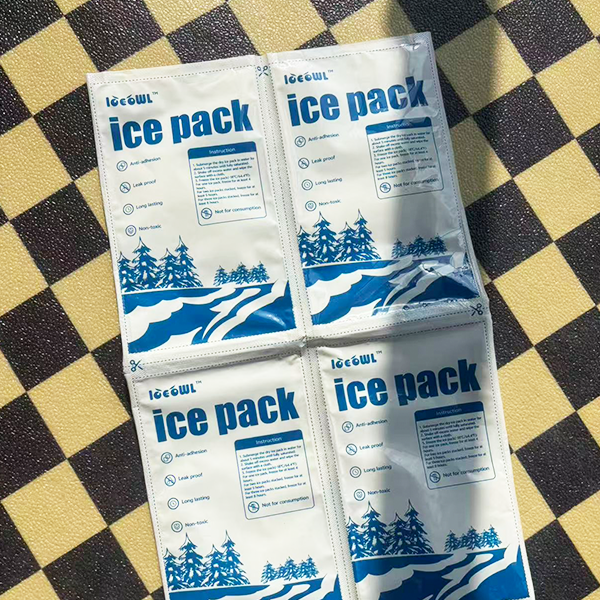
Article name: Article 4: Pro Optimized
Insulated Box Manufacturer Dry Ice: Supplier Selection Without Guesswork
The best insulated box manufacturer dry ice is the one that matches your product, lane, payload, and evidence requirements before the first bulk order is placed. For dry ice cold chain packaging, procurement teams often compare price first, then discover later that the box does not fit the packout, carrier, coolant, or receiving process. A better approach is to define what must be protected, what must be verified, and what the supplier must prove. This final guide brings those decisions into one practical supplier-selection framework.
The Short Procurement Answer
Choose the insulated box manufacturer dry ice only after you know the product condition, route, payload, coolant plan, receiving requirement, and evidence needed after delivery. A low-priced box may be acceptable for a low-risk shipment, but it is a poor basis for frozen foods, frozen samples, biological materials, and other payloads that may require dry ice cooling when the route is uncertain or the buyer needs documentation. The best supplier is not always the one with the broadest claim; it is the one that explains the boundaries clearly.
The target reader is usually not looking for an academic definition of insulation. They want to know whether a supplier can support frozen foods, frozen samples, biological materials, and other payloads that may require dry ice cooling with an orderable, repeatable, and inspectable package. That means the box must be judged with the coolant, the payload, the closure, the carton, the packing method, and the documentation together. An insulated wall by itself does not prove a cold-chain result.
A useful supplier conversation starts with the risk that makes this application difficult: sublimation, package venting, dry ice marking, product damage from direct contact, and carrier acceptance. If that risk is not named in the request, the quotation may look attractive but still be incomplete. For example, a box intended for a controlled warehouse transfer does not face the same abuse as a parcel shipment across summer and winter lanes. A good specification makes those differences visible before price comparison begins.
Dry ice is carbon dioxide, solid, and packages that use it must not be sealed airtight because sublimation releases gas.
Fit by Product, Route, Temperature, and Handling
An insulated box slows heat transfer; it does not create temperature control by itself. The temperature outcome comes from the whole thermal system: insulation, refrigerant, payload mass, packing order, headspace, ambient profile, and elapsed time. In dry ice cold chain packaging, the same box can behave differently when the payload is denser, warmer at packing, closer to the lid, or shipped through a hotter lane. This is why buyers should avoid treating stated hold time as a universal promise unless the test condition matches their route and product.
Coolant selection should follow the product requirement. For frozen foods, frozen samples, biological materials, and other payloads that may require dry ice cooling, the supplier should explain why dry ice used as a refrigerant, sometimes with additional insulation or separators is suitable and what preparation is required before packing. Conditioned coolant placed in the wrong position can freeze a product that only needed chilled protection. Dry ice can maintain a frozen environment, but it introduces sublimation, ventilation, and carrier acceptance issues. PCM can be helpful when a narrower range is needed, but its phase-change point and conditioning process must be confirmed.
The packer is part of the packaging system. In dry ice cold chain packaging, a box that performs in a lab can fail when a busy warehouse team improvises the packout. Instructions should show pack order, coolant conditioning, payload placement, top and bottom protection, void fill, closure, label position, and any receiving notes. Short, visual instructions often work better than long technical notes that nobody reads during peak order flow.
Receiving inspection should be planned before shipping begins. Some buyers only check whether the outer carton is intact, but temperature-sensitive products may require a data logger readout, a time-temperature indicator, a visual melt check, or a documented acceptance step. If the recipient does not know what to check, a compliant-looking box may still lead to disputes after delivery.
Supplier Evaluation Beyond Unit Price
Procurement should not ask only, 'What is the price per box?' A better first question is: what problem is this box expected to solve for frozen foods, frozen samples, biological materials, and other payloads that may require dry ice cooling? If the answer includes temperature range, transit time, payload, handling, carrier type, and receiving acceptance, the supplier can recommend a more realistic structure. If the answer is only a product name and rough size, quotations will be easy to collect but hard to trust.
In a manufacturer role where engineering support, thermal package design, and repeatable production are important, sample review is the point where many hidden issues appear. The sample should be packed by the same kind of staff who will pack the production order, using the same coolant type, liner, void fill, label area, and closure method. The reviewer should note whether the lid closes without force, whether the product moves, whether packs contact the product in risky areas, and whether the outer carton remains clean and scannable after handling.
Before moving to production, ask how the supplier controls changes. A small change in insulation thickness, liner film, carton grade, coolant format, or lid fit may alter the thermal and handling result. For regulated or high-value shipments, that change may require quality review or retesting. The purchase order should identify which details are approved and which changes require written confirmation before shipment.
A supplier with strong communication can save more time than a supplier with only a low unit price. Good answers are specific: what material is used, what dimensions are internal versus external, what coolant layouts are recommended, what test or sample evidence is available, what packaging artwork can be customized, and what the buyer must verify. Vague answers such as 'keeps cold for a long time' should be treated as marketing language until the test condition is known.
| Supplier proof point | Good answer | Warning sign |
|---|---|---|
| Sample-to-production control | Approved materials, dimensions, closure, and packout are controlled. | Sample looks good but production details are undefined. |
| Thermal recommendation | Supplier states assumptions and test boundaries clearly. | Supplier promises a universal hold time. |
| Customization | Artwork, size, liner, and packout changes have review steps. | Changes are offered without retesting discussion. |
| Documentation support | Datasheet, packing instruction, and inspection points are available. | Only photos and unit price are provided. |
Use these proof points to separate a supplier that understands cold-chain use from a supplier that only sells a box. The table is not a replacement for testing, but it makes the sourcing conversation more concrete.
Risk Controls Before Scaling Up
The most common mistake is to compare boxes by visible size and unit price while ignoring the required packout. This creates false savings. A cheap box can become expensive if it needs more coolant, more void fill, more labor, a premium carrier service, or more customer service work after delivery. For frozen foods, frozen samples, biological materials, and other payloads that may require dry ice cooling, total landed packaging cost should include damage risk, labor, storage space, dimensional weight, rejected shipments, and disposal handling.
Another mistake is treating a supplier's stated thermal duration as a promise for every shipment. Hold time depends on ambient profile, payload mass, starting temperature, coolant conditioning, packout sequence, and acceptance limit. Ask whether the figure comes from a controlled test, a supplier datasheet, a customer lane, or a general estimate. If the shipment is critical, plan a pilot or qualification before scaling.
Compliance language should stay precise. An insulated box is not automatically GDP-compliant, food-safe, vaccine-approved, IATA-ready, or suitable for every route. It may support a compliant process when it is used with the right materials, procedures, monitoring, documentation, and quality review. The buyer should ask which part of the process the package supports and which responsibilities remain with the shipper.
Standards and guidance can provide useful boundaries. ISTA thermal transport testing can help evaluate insulated shipping containers for parcel conditions. Vaccine programs may refer to CDC guidance, WHO PQS categories, and product-specific handling requirements. Food shippers may reference food code, buyer requirements, and internal HACCP or quality procedures. Dry ice shipments may need dangerous goods and carrier review. These references are starting points, not universal approvals.
Practical Example: From Sample to Repeat Order
A typical scenario: a frozen product team wants a shipper that can carry dry ice safely through air or parcel channels without pressure buildup. The buyer first asks for a low-cost insulated box, but the real decision is more layered. The team has to decide whether the shipment needs chilled, frozen, or controlled-room protection; whether the product can touch coolant; whether the destination accepts the package format; and whether the route has weekend, customs, or final-mile delay risk.
In the first sample round, the team should pack the product exactly as it would be packed at scale. If a warehouse operator needs extra tape, improvised spacers, or special judgment to make the packout work, the design is not ready for production. If a data logger is used, its position should be documented because a logger placed against coolant may not represent the payload experience.
After the trial, review both product condition and operating effort. Did the box fit the shelf, pallet, or parcel flow? Did labels stay readable? Did the recipient know how to unpack the product safely? Did the outer carton stay clean? Did the packaging waste match customer expectations? These questions often reveal whether the box is a real commercial solution or only a technically possible sample.
FAQ
Is a insulated box manufacturer dry ice enough to protect temperature-sensitive products?
No. The box is only one part of the thermal system. You still need the right payload fit, coolant type, coolant conditioning, packing order, closure, route, and receiving procedure. For frozen foods, frozen samples, biological materials, and other payloads that may require dry ice cooling, the buyer should define the product temperature requirement and ask the supplier what evidence supports the recommended packout.
What should I ask before approving a sample?
Ask for internal dimensions, usable payload space, material construction, recommended coolant layout, closure method, outer carton strength, labeling area, and any test or reference data. Then pack the sample as production staff would pack it. A beautiful sample is not enough if it cannot be repeated at scale.
How should I compare quotations from different suppliers?
Compare the full system rather than the box price alone. One quote may exclude liner, coolant, absorbent pads, printed carton, thermal data, or tooling. Another may include more support but look more expensive. Build a comparison around delivered performance, labor, waste, documentation, and change-control risk.
When should route testing or qualification be considered?
Consider testing when the product is high value, regulated, sensitive to freezing or heating, shipped across long or uncertain lanes, or likely to face customs and weekend delays. A supplier's general test result can be useful, but the buyer should decide whether the product, payload, coolant, and ambient profile match the real route.
Can the same box be used in every season?
Not automatically. Summer heat, winter freezing, humidity, carrier delays, and route changes can alter performance. A box used successfully in one lane may need a different coolant load, PCM choice, insulation structure, or service level in another season. Seasonal review is a practical step before scaling a packaging program.
Can I seal a dry ice package tightly to make it last longer?
No. Dry ice releases carbon dioxide gas as it sublimates, so the package must not be airtight. A safe design allows gas to vent while still protecting the payload. Carrier and air transport rules may also require specific marking and net dry ice weight information.
Conclusion
A strong insulated box manufacturer dry ice decision is built from specific information: product sensitivity, temperature range, payload, route, coolant, handling, documentation, and supplier control. The box should be evaluated as part of a packout, not as an isolated commodity. Before scaling, confirm what is tested, what is assumed, what changes require review, and how the recipient will judge delivery condition.
About Tempk
About Tempk: Tempk supports B2B cold chain packaging decisions with products such as gel ice packs, PCM packs, insulated liners and bags, insulated boxes, thermal pallet covers, medical cooler boxes, data loggers, and validation packout support. For dry ice cold chain packaging, our role is to help buyers translate route, payload, temperature range, and operating constraints into a practical packaging discussion. We avoid treating one box as universal because successful cold-chain packaging depends on the product, coolant, handling, and verification plan.
Next Step
Share your product type, route, payload size, and required temperature condition with Tempk if you want a practical recommendation for insulated box manufacturer dry ice sourcing or sample evaluation.
Insulated Box Industrial Packaging Chemicals Supplier Selection Guide

Article name: Article 4: Pro Optimized
Insulated Box Industrial Packaging Chemicals: Supplier Selection Without Guesswork
The best insulated box industrial packaging chemicals is the one that matches your product, lane, payload, and evidence requirements before the first bulk order is placed. For temperature-sensitive chemical packaging, procurement teams often compare price first, then discover later that the box does not fit the packout, carrier, coolant, or receiving process. A better approach is to define what must be protected, what must be verified, and what the supplier must prove. This final guide brings those decisions into one practical supplier-selection framework.
The Short Procurement Answer
Choose the insulated box industrial packaging chemicals only after you know the product condition, route, payload, coolant plan, receiving requirement, and evidence needed after delivery. A low-priced box may be acceptable for a low-risk shipment, but it is a poor basis for specialty chemicals, adhesives, reagents, coatings, diagnostic chemicals, and formulations with temperature or handling limits when the route is uncertain or the buyer needs documentation. The best supplier is not always the one with the broadest claim; it is the one that explains the boundaries clearly.
The target reader is usually not looking for an academic definition of insulation. They want to know whether a supplier can support specialty chemicals, adhesives, reagents, coatings, diagnostic chemicals, and formulations with temperature or handling limits with an orderable, repeatable, and inspectable package. That means the box must be judged with the coolant, the payload, the closure, the carton, the packing method, and the documentation together. An insulated wall by itself does not prove a cold-chain result.
A useful supplier conversation starts with the risk that makes this application difficult: SDS restrictions, compatibility, leakage risk, freeze or heat damage, documentation, and dangerous goods review. If that risk is not named in the request, the quotation may look attractive but still be incomplete. For example, a box intended for a controlled warehouse transfer does not face the same abuse as a parcel shipment across summer and winter lanes. A good specification makes those differences visible before price comparison begins.
Temperature-sensitive chemicals should be reviewed with the product SDS, hazard classification, compatibility requirements, and route rules before a packaging decision is made.
Fit by Product, Route, Temperature, and Handling
An insulated box slows heat transfer; it does not create temperature control by itself. The temperature outcome comes from the whole thermal system: insulation, refrigerant, payload mass, packing order, headspace, ambient profile, and elapsed time. In temperature-sensitive chemical packaging, the same box can behave differently when the payload is denser, warmer at packing, closer to the lid, or shipped through a hotter lane. This is why buyers should avoid treating stated hold time as a universal promise unless the test condition matches their route and product.
Coolant selection should follow the product requirement. For specialty chemicals, adhesives, reagents, coatings, diagnostic chemicals, and formulations with temperature or handling limits, the supplier should explain why PCM, gel packs, dry ice, or ambient-buffer packaging only after checking compatibility and safety rules is suitable and what preparation is required before packing. Conditioned coolant placed in the wrong position can freeze a product that only needed chilled protection. Dry ice can maintain a frozen environment, but it introduces sublimation, ventilation, and carrier acceptance issues. PCM can be helpful when a narrower range is needed, but its phase-change point and conditioning process must be confirmed.
The packer is part of the packaging system. In temperature-sensitive chemical packaging, a box that performs in a lab can fail when a busy warehouse team improvises the packout. Instructions should show pack order, coolant conditioning, payload placement, top and bottom protection, void fill, closure, label position, and any receiving notes. Short, visual instructions often work better than long technical notes that nobody reads during peak order flow.
Receiving inspection should be planned before shipping begins. Some buyers only check whether the outer carton is intact, but temperature-sensitive products may require a data logger readout, a time-temperature indicator, a visual melt check, or a documented acceptance step. If the recipient does not know what to check, a compliant-looking box may still lead to disputes after delivery.
Supplier Evaluation Beyond Unit Price
Procurement should not ask only, 'What is the price per box?' A better first question is: what problem is this box expected to solve for specialty chemicals, adhesives, reagents, coatings, diagnostic chemicals, and formulations with temperature or handling limits? If the answer includes temperature range, transit time, payload, handling, carrier type, and receiving acceptance, the supplier can recommend a more realistic structure. If the answer is only a product name and rough size, quotations will be easy to collect but hard to trust.
In a B2B sourcing role focused on practical fit, quality evidence, and reliable order execution, sample review is the point where many hidden issues appear. The sample should be packed by the same kind of staff who will pack the production order, using the same coolant type, liner, void fill, label area, and closure method. The reviewer should note whether the lid closes without force, whether the product moves, whether packs contact the product in risky areas, and whether the outer carton remains clean and scannable after handling.
Before moving to production, ask how the supplier controls changes. A small change in insulation thickness, liner film, carton grade, coolant format, or lid fit may alter the thermal and handling result. For regulated or high-value shipments, that change may require quality review or retesting. The purchase order should identify which details are approved and which changes require written confirmation before shipment.
A supplier with strong communication can save more time than a supplier with only a low unit price. Good answers are specific: what material is used, what dimensions are internal versus external, what coolant layouts are recommended, what test or sample evidence is available, what packaging artwork can be customized, and what the buyer must verify. Vague answers such as 'keeps cold for a long time' should be treated as marketing language until the test condition is known.
| Supplier proof point | Good answer | Warning sign |
|---|---|---|
| Sample-to-production control | Approved materials, dimensions, closure, and packout are controlled. | Sample looks good but production details are undefined. |
| Thermal recommendation | Supplier states assumptions and test boundaries clearly. | Supplier promises a universal hold time. |
| Customization | Artwork, size, liner, and packout changes have review steps. | Changes are offered without retesting discussion. |
| Documentation support | Datasheet, packing instruction, and inspection points are available. | Only photos and unit price are provided. |
Use these proof points to separate a supplier that understands cold-chain use from a supplier that only sells a box. The table is not a replacement for testing, but it makes the sourcing conversation more concrete.
Risk Controls Before Scaling Up
The most common mistake is to compare boxes by visible size and unit price while ignoring the required packout. This creates false savings. A cheap box can become expensive if it needs more coolant, more void fill, more labor, a premium carrier service, or more customer service work after delivery. For specialty chemicals, adhesives, reagents, coatings, diagnostic chemicals, and formulations with temperature or handling limits, total landed packaging cost should include damage risk, labor, storage space, dimensional weight, rejected shipments, and disposal handling.
Another mistake is treating a supplier's stated thermal duration as a promise for every shipment. Hold time depends on ambient profile, payload mass, starting temperature, coolant conditioning, packout sequence, and acceptance limit. Ask whether the figure comes from a controlled test, a supplier datasheet, a customer lane, or a general estimate. If the shipment is critical, plan a pilot or qualification before scaling.
Compliance language should stay precise. An insulated box is not automatically GDP-compliant, food-safe, vaccine-approved, IATA-ready, or suitable for every route. It may support a compliant process when it is used with the right materials, procedures, monitoring, documentation, and quality review. The buyer should ask which part of the process the package supports and which responsibilities remain with the shipper.
Standards and guidance can provide useful boundaries. ISTA thermal transport testing can help evaluate insulated shipping containers for parcel conditions. Vaccine programs may refer to CDC guidance, WHO PQS categories, and product-specific handling requirements. Food shippers may reference food code, buyer requirements, and internal HACCP or quality procedures. Dry ice shipments may need dangerous goods and carrier review. These references are starting points, not universal approvals.
Practical Example: From Sample to Repeat Order
A typical scenario: a specialty formulation must be exported in small lots and cannot be exposed to freezing or prolonged heat during customs or warehouse handovers. The buyer first asks for a low-cost insulated box, but the real decision is more layered. The team has to decide whether the shipment needs chilled, frozen, or controlled-room protection; whether the product can touch coolant; whether the destination accepts the package format; and whether the route has weekend, customs, or final-mile delay risk.
In the first sample round, the team should pack the product exactly as it would be packed at scale. If a warehouse operator needs extra tape, improvised spacers, or special judgment to make the packout work, the design is not ready for production. If a data logger is used, its position should be documented because a logger placed against coolant may not represent the payload experience.
After the trial, review both product condition and operating effort. Did the box fit the shelf, pallet, or parcel flow? Did labels stay readable? Did the recipient know how to unpack the product safely? Did the outer carton stay clean? Did the packaging waste match customer expectations? These questions often reveal whether the box is a real commercial solution or only a technically possible sample.
Additional Buyer Notes
Another practical point is warehouse storage. Insulated boxes, liners, and coolants take space before they ever protect a shipment. If packaging is bulky, hard to stack, or sensitive to moisture, the warehouse team may handle it poorly even when the design is technically sound. For temperature-sensitive chemical packaging, procurement should ask how the boxes are delivered, stored, staged, and counted before daily packing begins.
FAQ
Is a insulated box industrial packaging chemicals enough to protect temperature-sensitive products?
No. The box is only one part of the thermal system. You still need the right payload fit, coolant type, coolant conditioning, packing order, closure, route, and receiving procedure. For specialty chemicals, adhesives, reagents, coatings, diagnostic chemicals, and formulations with temperature or handling limits, the buyer should define the product temperature requirement and ask the supplier what evidence supports the recommended packout.
What should I ask before approving a sample?
Ask for internal dimensions, usable payload space, material construction, recommended coolant layout, closure method, outer carton strength, labeling area, and any test or reference data. Then pack the sample as production staff would pack it. A beautiful sample is not enough if it cannot be repeated at scale.
How should I compare quotations from different suppliers?
Compare the full system rather than the box price alone. One quote may exclude liner, coolant, absorbent pads, printed carton, thermal data, or tooling. Another may include more support but look more expensive. Build a comparison around delivered performance, labor, waste, documentation, and change-control risk.
When should route testing or qualification be considered?
Consider testing when the product is high value, regulated, sensitive to freezing or heating, shipped across long or uncertain lanes, or likely to face customs and weekend delays. A supplier's general test result can be useful, but the buyer should decide whether the product, payload, coolant, and ambient profile match the real route.
Can the same box be used in every season?
Not automatically. Summer heat, winter freezing, humidity, carrier delays, and route changes can alter performance. A box used successfully in one lane may need a different coolant load, PCM choice, insulation structure, or service level in another season. Seasonal review is a practical step before scaling a packaging program.
Conclusion
A strong insulated box industrial packaging chemicals decision is built from specific information: product sensitivity, temperature range, payload, route, coolant, handling, documentation, and supplier control. The box should be evaluated as part of a packout, not as an isolated commodity. Before scaling, confirm what is tested, what is assumed, what changes require review, and how the recipient will judge delivery condition.
About Tempk
About Tempk: Tempk supports B2B cold chain packaging decisions with products such as gel ice packs, PCM packs, insulated liners and bags, insulated boxes, thermal pallet covers, medical cooler boxes, data loggers, and validation packout support. For temperature-sensitive chemical packaging, our role is to help buyers translate route, payload, temperature range, and operating constraints into a practical packaging discussion. We avoid treating one box as universal because successful cold-chain packaging depends on the product, coolant, handling, and verification plan.
Next Step
Share your product type, route, payload size, and required temperature condition with Tempk if you want a practical recommendation for insulated box industrial packaging chemicals sourcing or sample evaluation.
Insulated Box Factory Vaccines Supplier Selection Guide
Article name: Article 4: Pro Optimized
Insulated Box Factory Vaccines: Supplier Selection Without Guesswork
The best insulated box factory vaccines is the one that matches your product, lane, payload, and evidence requirements before the first bulk order is placed. For vaccine cold chain packaging, procurement teams often compare price first, then discover later that the box does not fit the packout, carrier, coolant, or receiving process. A better approach is to define what must be protected, what must be verified, and what the supplier must prove. This final guide brings those decisions into one practical supplier-selection framework.
The Short Procurement Answer
Choose the insulated box factory vaccines only after you know the product condition, route, payload, coolant plan, receiving requirement, and evidence needed after delivery. A low-priced box may be acceptable for a low-risk shipment, but it is a poor basis for vaccines, diluents, immunization supplies, and temperature-sensitive healthcare payloads when the route is uncertain or the buyer needs documentation. The best supplier is not always the one with the broadest claim; it is the one that explains the boundaries clearly.
The target reader is usually not looking for an academic definition of insulation. They want to know whether a supplier can support vaccines, diluents, immunization supplies, and temperature-sensitive healthcare payloads with an orderable, repeatable, and inspectable package. That means the box must be judged with the coolant, the payload, the closure, the carton, the packing method, and the documentation together. An insulated wall by itself does not prove a cold-chain result.
A useful supplier conversation starts with the risk that makes this application difficult: temperature excursions, freeze risk, documentation gaps, lane qualification, and receiving evidence. If that risk is not named in the request, the quotation may look attractive but still be incomplete. For example, a box intended for a controlled warehouse transfer does not face the same abuse as a parcel shipment across summer and winter lanes. A good specification makes those differences visible before price comparison begins.
Many refrigerated vaccine programs use a 2 C to 8 C storage range, but the exact requirement must be confirmed from the vaccine label, product insert, and quality procedure.
Fit by Product, Route, Temperature, and Handling
An insulated box slows heat transfer; it does not create temperature control by itself. The temperature outcome comes from the whole thermal system: insulation, refrigerant, payload mass, packing order, headspace, ambient profile, and elapsed time. In vaccine cold chain packaging, the same box can behave differently when the payload is denser, warmer at packing, closer to the lid, or shipped through a hotter lane. This is why buyers should avoid treating stated hold time as a universal promise unless the test condition matches their route and product.
Coolant selection should follow the product requirement. For vaccines, diluents, immunization supplies, and temperature-sensitive healthcare payloads, the supplier should explain why conditioned water packs, PCM, gel packs, or qualified refrigerant layouts according to product and lane is suitable and what preparation is required before packing. Conditioned coolant placed in the wrong position can freeze a product that only needed chilled protection. Dry ice can maintain a frozen environment, but it introduces sublimation, ventilation, and carrier acceptance issues. PCM can be helpful when a narrower range is needed, but its phase-change point and conditioning process must be confirmed.
The packer is part of the packaging system. In vaccine cold chain packaging, a box that performs in a lab can fail when a busy warehouse team improvises the packout. Instructions should show pack order, coolant conditioning, payload placement, top and bottom protection, void fill, closure, label position, and any receiving notes. Short, visual instructions often work better than long technical notes that nobody reads during peak order flow.
Receiving inspection should be planned before shipping begins. Some buyers only check whether the outer carton is intact, but temperature-sensitive products may require a data logger readout, a time-temperature indicator, a visual melt check, or a documented acceptance step. If the recipient does not know what to check, a compliant-looking box may still lead to disputes after delivery.
Supplier Evaluation Beyond Unit Price
Procurement should not ask only, 'What is the price per box?' A better first question is: what problem is this box expected to solve for vaccines, diluents, immunization supplies, and temperature-sensitive healthcare payloads? If the answer includes temperature range, transit time, payload, handling, carrier type, and receiving acceptance, the supplier can recommend a more realistic structure. If the answer is only a product name and rough size, quotations will be easy to collect but hard to trust.
In a factory-direct sourcing role where process control, material approval, and inspection plans need to be clear, sample review is the point where many hidden issues appear. The sample should be packed by the same kind of staff who will pack the production order, using the same coolant type, liner, void fill, label area, and closure method. The reviewer should note whether the lid closes without force, whether the product moves, whether packs contact the product in risky areas, and whether the outer carton remains clean and scannable after handling.
Before moving to production, ask how the supplier controls changes. A small change in insulation thickness, liner film, carton grade, coolant format, or lid fit may alter the thermal and handling result. For regulated or high-value shipments, that change may require quality review or retesting. The purchase order should identify which details are approved and which changes require written confirmation before shipment.
A supplier with strong communication can save more time than a supplier with only a low unit price. Good answers are specific: what material is used, what dimensions are internal versus external, what coolant layouts are recommended, what test or sample evidence is available, what packaging artwork can be customized, and what the buyer must verify. Vague answers such as 'keeps cold for a long time' should be treated as marketing language until the test condition is known.
| Supplier proof point | Good answer | Warning sign |
|---|---|---|
| Sample-to-production control | Approved materials, dimensions, closure, and packout are controlled. | Sample looks good but production details are undefined. |
| Thermal recommendation | Supplier states assumptions and test boundaries clearly. | Supplier promises a universal hold time. |
| Customization | Artwork, size, liner, and packout changes have review steps. | Changes are offered without retesting discussion. |
| Documentation support | Datasheet, packing instruction, and inspection points are available. | Only photos and unit price are provided. |
Use these proof points to separate a supplier that understands cold-chain use from a supplier that only sells a box. The table is not a replacement for testing, but it makes the sourcing conversation more concrete.
Risk Controls Before Scaling Up
The most common mistake is to compare boxes by visible size and unit price while ignoring the required packout. This creates false savings. A cheap box can become expensive if it needs more coolant, more void fill, more labor, a premium carrier service, or more customer service work after delivery. For vaccines, diluents, immunization supplies, and temperature-sensitive healthcare payloads, total landed packaging cost should include damage risk, labor, storage space, dimensional weight, rejected shipments, and disposal handling.
Another mistake is treating a supplier's stated thermal duration as a promise for every shipment. Hold time depends on ambient profile, payload mass, starting temperature, coolant conditioning, packout sequence, and acceptance limit. Ask whether the figure comes from a controlled test, a supplier datasheet, a customer lane, or a general estimate. If the shipment is critical, plan a pilot or qualification before scaling.
Compliance language should stay precise. An insulated box is not automatically GDP-compliant, food-safe, vaccine-approved, IATA-ready, or suitable for every route. It may support a compliant process when it is used with the right materials, procedures, monitoring, documentation, and quality review. The buyer should ask which part of the process the package supports and which responsibilities remain with the shipper.
Standards and guidance can provide useful boundaries. ISTA thermal transport testing can help evaluate insulated shipping containers for parcel conditions. Vaccine programs may refer to CDC guidance, WHO PQS categories, and product-specific handling requirements. Food shippers may reference food code, buyer requirements, and internal HACCP or quality procedures. Dry ice shipments may need dangerous goods and carrier review. These references are starting points, not universal approvals.
Practical Example: From Sample to Repeat Order
A typical scenario: a distributor needs to move vaccine cartons from a regional store to clinics while preserving evidence of temperature control. The buyer first asks for a low-cost insulated box, but the real decision is more layered. The team has to decide whether the shipment needs chilled, frozen, or controlled-room protection; whether the product can touch coolant; whether the destination accepts the package format; and whether the route has weekend, customs, or final-mile delay risk.
In the first sample round, the team should pack the product exactly as it would be packed at scale. If a warehouse operator needs extra tape, improvised spacers, or special judgment to make the packout work, the design is not ready for production. If a data logger is used, its position should be documented because a logger placed against coolant may not represent the payload experience.
After the trial, review both product condition and operating effort. Did the box fit the shelf, pallet, or parcel flow? Did labels stay readable? Did the recipient know how to unpack the product safely? Did the outer carton stay clean? Did the packaging waste match customer expectations? These questions often reveal whether the box is a real commercial solution or only a technically possible sample.
Additional Buyer Notes
Another practical point is warehouse storage. Insulated boxes, liners, and coolants take space before they ever protect a shipment. If packaging is bulky, hard to stack, or sensitive to moisture, the warehouse team may handle it poorly even when the design is technically sound. For vaccine cold chain packaging, procurement should ask how the boxes are delivered, stored, staged, and counted before daily packing begins.
FAQ
Is a insulated box factory vaccines enough to protect temperature-sensitive products?
No. The box is only one part of the thermal system. You still need the right payload fit, coolant type, coolant conditioning, packing order, closure, route, and receiving procedure. For vaccines, diluents, immunization supplies, and temperature-sensitive healthcare payloads, the buyer should define the product temperature requirement and ask the supplier what evidence supports the recommended packout.
What should I ask before approving a sample?
Ask for internal dimensions, usable payload space, material construction, recommended coolant layout, closure method, outer carton strength, labeling area, and any test or reference data. Then pack the sample as production staff would pack it. A beautiful sample is not enough if it cannot be repeated at scale.
How should I compare quotations from different suppliers?
Compare the full system rather than the box price alone. One quote may exclude liner, coolant, absorbent pads, printed carton, thermal data, or tooling. Another may include more support but look more expensive. Build a comparison around delivered performance, labor, waste, documentation, and change-control risk.
When should route testing or qualification be considered?
Consider testing when the product is high value, regulated, sensitive to freezing or heating, shipped across long or uncertain lanes, or likely to face customs and weekend delays. A supplier's general test result can be useful, but the buyer should decide whether the product, payload, coolant, and ambient profile match the real route.
Can the same box be used in every season?
Not automatically. Summer heat, winter freezing, humidity, carrier delays, and route changes can alter performance. A box used successfully in one lane may need a different coolant load, PCM choice, insulation structure, or service level in another season. Seasonal review is a practical step before scaling a packaging program.
Do I need a temperature data logger?
A data logger may be needed when the shipment requires evidence after delivery or when the quality team wants temperature records for review. A logger records conditions; it does not protect the product. Its accuracy, placement, alarm settings, and retrieval process should match the shipment risk.
Conclusion
A strong insulated box factory vaccines decision is built from specific information: product sensitivity, temperature range, payload, route, coolant, handling, documentation, and supplier control. The box should be evaluated as part of a packout, not as an isolated commodity. Before scaling, confirm what is tested, what is assumed, what changes require review, and how the recipient will judge delivery condition.
About Tempk
About Tempk: Tempk supports B2B cold chain packaging decisions with products such as gel ice packs, PCM packs, insulated liners and bags, insulated boxes, thermal pallet covers, medical cooler boxes, data loggers, and validation packout support. For vaccine cold chain packaging, our role is to help buyers translate route, payload, temperature range, and operating constraints into a practical packaging discussion. We avoid treating one box as universal because successful cold-chain packaging depends on the product, coolant, handling, and verification plan.
Next Step
Share your product type, route, payload size, and required temperature condition with Tempk if you want a practical recommendation for insulated box factory vaccines sourcing or sample evaluation.
Insulated Box Exporter Meat Supplier Selection Guide
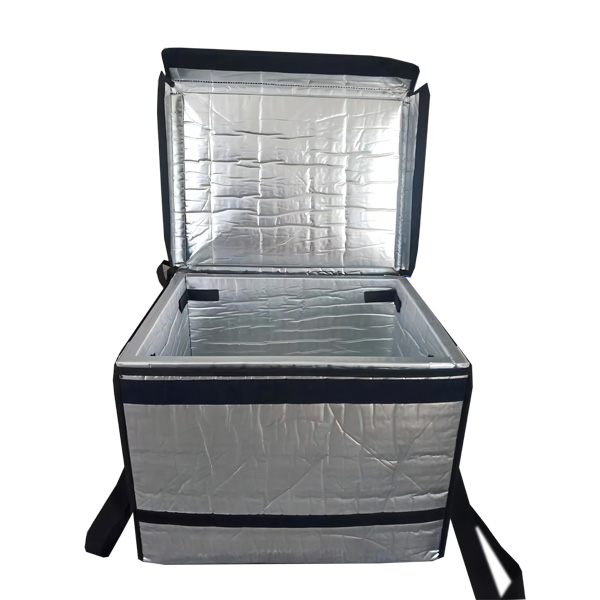
Article name: Article 4: Pro Optimized
Insulated Box Exporter Meat: Supplier Selection Without Guesswork
The best insulated box exporter meat is the one that matches your product, lane, payload, and evidence requirements before the first bulk order is placed. For meat cold chain packaging, procurement teams often compare price first, then discover later that the box does not fit the packout, carrier, coolant, or receiving process. A better approach is to define what must be protected, what must be verified, and what the supplier must prove. This final guide brings those decisions into one practical supplier-selection framework.
The Short Procurement Answer
Choose the insulated box exporter meat only after you know the product condition, route, payload, coolant plan, receiving requirement, and evidence needed after delivery. A low-priced box may be acceptable for a low-risk shipment, but it is a poor basis for chilled meat, frozen meat, portioned cuts, value-added meat products, and direct-to-consumer protein packs when the route is uncertain or the buyer needs documentation. The best supplier is not always the one with the broadest claim; it is the one that explains the boundaries clearly.
The target reader is usually not looking for an academic definition of insulation. They want to know whether a supplier can support chilled meat, frozen meat, portioned cuts, value-added meat products, and direct-to-consumer protein packs with an orderable, repeatable, and inspectable package. That means the box must be judged with the coolant, the payload, the closure, the carton, the packing method, and the documentation together. An insulated wall by itself does not prove a cold-chain result.
A useful supplier conversation starts with the risk that makes this application difficult: temperature exposure, leakage, odor, surface contamination risk, carton collapse, and receiving rejection. If that risk is not named in the request, the quotation may look attractive but still be incomplete. For example, a box intended for a controlled warehouse transfer does not face the same abuse as a parcel shipment across summer and winter lanes. A good specification makes those differences visible before price comparison begins.
For time and temperature control food, the FDA Food Code uses 41 F or lower as a common cold holding reference; actual shipment programs should follow the buyer, destination, and product plan.
Fit by Product, Route, Temperature, and Handling
An insulated box slows heat transfer; it does not create temperature control by itself. The temperature outcome comes from the whole thermal system: insulation, refrigerant, payload mass, packing order, headspace, ambient profile, and elapsed time. In meat cold chain packaging, the same box can behave differently when the payload is denser, warmer at packing, closer to the lid, or shipped through a hotter lane. This is why buyers should avoid treating stated hold time as a universal promise unless the test condition matches their route and product.
Coolant selection should follow the product requirement. For chilled meat, frozen meat, portioned cuts, value-added meat products, and direct-to-consumer protein packs, the supplier should explain why gel packs, frozen packs, PCM, or dry ice depending on chilled versus frozen shipment is suitable and what preparation is required before packing. Conditioned coolant placed in the wrong position can freeze a product that only needed chilled protection. Dry ice can maintain a frozen environment, but it introduces sublimation, ventilation, and carrier acceptance issues. PCM can be helpful when a narrower range is needed, but its phase-change point and conditioning process must be confirmed.
The packer is part of the packaging system. In meat cold chain packaging, a box that performs in a lab can fail when a busy warehouse team improvises the packout. Instructions should show pack order, coolant conditioning, payload placement, top and bottom protection, void fill, closure, label position, and any receiving notes. Short, visual instructions often work better than long technical notes that nobody reads during peak order flow.
Receiving inspection should be planned before shipping begins. Some buyers only check whether the outer carton is intact, but temperature-sensitive products may require a data logger readout, a time-temperature indicator, a visual melt check, or a documented acceptance step. If the recipient does not know what to check, a compliant-looking box may still lead to disputes after delivery.
Supplier Evaluation Beyond Unit Price
Procurement should not ask only, 'What is the price per box?' A better first question is: what problem is this box expected to solve for chilled meat, frozen meat, portioned cuts, value-added meat products, and direct-to-consumer protein packs? If the answer includes temperature range, transit time, payload, handling, carrier type, and receiving acceptance, the supplier can recommend a more realistic structure. If the answer is only a product name and rough size, quotations will be easy to collect but hard to trust.
In a exporter sourcing role with cross-border documentation, palletization, cartons, and carrier handovers in mind, sample review is the point where many hidden issues appear. The sample should be packed by the same kind of staff who will pack the production order, using the same coolant type, liner, void fill, label area, and closure method. The reviewer should note whether the lid closes without force, whether the product moves, whether packs contact the product in risky areas, and whether the outer carton remains clean and scannable after handling.
Before moving to production, ask how the supplier controls changes. A small change in insulation thickness, liner film, carton grade, coolant format, or lid fit may alter the thermal and handling result. For regulated or high-value shipments, that change may require quality review or retesting. The purchase order should identify which details are approved and which changes require written confirmation before shipment.
A supplier with strong communication can save more time than a supplier with only a low unit price. Good answers are specific: what material is used, what dimensions are internal versus external, what coolant layouts are recommended, what test or sample evidence is available, what packaging artwork can be customized, and what the buyer must verify. Vague answers such as 'keeps cold for a long time' should be treated as marketing language until the test condition is known.
| Supplier proof point | Good answer | Warning sign |
|---|---|---|
| Sample-to-production control | Approved materials, dimensions, closure, and packout are controlled. | Sample looks good but production details are undefined. |
| Thermal recommendation | Supplier states assumptions and test boundaries clearly. | Supplier promises a universal hold time. |
| Customization | Artwork, size, liner, and packout changes have review steps. | Changes are offered without retesting discussion. |
| Documentation support | Datasheet, packing instruction, and inspection points are available. | Only photos and unit price are provided. |
Use these proof points to separate a supplier that understands cold-chain use from a supplier that only sells a box. The table is not a replacement for testing, but it makes the sourcing conversation more concrete.
Risk Controls Before Scaling Up
The most common mistake is to compare boxes by visible size and unit price while ignoring the required packout. This creates false savings. A cheap box can become expensive if it needs more coolant, more void fill, more labor, a premium carrier service, or more customer service work after delivery. For chilled meat, frozen meat, portioned cuts, value-added meat products, and direct-to-consumer protein packs, total landed packaging cost should include damage risk, labor, storage space, dimensional weight, rejected shipments, and disposal handling.
Another mistake is treating a supplier's stated thermal duration as a promise for every shipment. Hold time depends on ambient profile, payload mass, starting temperature, coolant conditioning, packout sequence, and acceptance limit. Ask whether the figure comes from a controlled test, a supplier datasheet, a customer lane, or a general estimate. If the shipment is critical, plan a pilot or qualification before scaling.
Compliance language should stay precise. An insulated box is not automatically GDP-compliant, food-safe, vaccine-approved, IATA-ready, or suitable for every route. It may support a compliant process when it is used with the right materials, procedures, monitoring, documentation, and quality review. The buyer should ask which part of the process the package supports and which responsibilities remain with the shipper.
Standards and guidance can provide useful boundaries. ISTA thermal transport testing can help evaluate insulated shipping containers for parcel conditions. Vaccine programs may refer to CDC guidance, WHO PQS categories, and product-specific handling requirements. Food shippers may reference food code, buyer requirements, and internal HACCP or quality procedures. Dry ice shipments may need dangerous goods and carrier review. These references are starting points, not universal approvals.
Practical Example: From Sample to Repeat Order
A typical scenario: a meat exporter ships mixed carton sizes to distributors and must avoid leaking cartons while maintaining the required receiving condition. The buyer first asks for a low-cost insulated box, but the real decision is more layered. The team has to decide whether the shipment needs chilled, frozen, or controlled-room protection; whether the product can touch coolant; whether the destination accepts the package format; and whether the route has weekend, customs, or final-mile delay risk.
In the first sample round, the team should pack the product exactly as it would be packed at scale. If a warehouse operator needs extra tape, improvised spacers, or special judgment to make the packout work, the design is not ready for production. If a data logger is used, its position should be documented because a logger placed against coolant may not represent the payload experience.
After the trial, review both product condition and operating effort. Did the box fit the shelf, pallet, or parcel flow? Did labels stay readable? Did the recipient know how to unpack the product safely? Did the outer carton stay clean? Did the packaging waste match customer expectations? These questions often reveal whether the box is a real commercial solution or only a technically possible sample.
FAQ
Is a insulated box exporter meat enough to protect temperature-sensitive products?
No. The box is only one part of the thermal system. You still need the right payload fit, coolant type, coolant conditioning, packing order, closure, route, and receiving procedure. For chilled meat, frozen meat, portioned cuts, value-added meat products, and direct-to-consumer protein packs, the buyer should define the product temperature requirement and ask the supplier what evidence supports the recommended packout.
What should I ask before approving a sample?
Ask for internal dimensions, usable payload space, material construction, recommended coolant layout, closure method, outer carton strength, labeling area, and any test or reference data. Then pack the sample as production staff would pack it. A beautiful sample is not enough if it cannot be repeated at scale.
How should I compare quotations from different suppliers?
Compare the full system rather than the box price alone. One quote may exclude liner, coolant, absorbent pads, printed carton, thermal data, or tooling. Another may include more support but look more expensive. Build a comparison around delivered performance, labor, waste, documentation, and change-control risk.
When should route testing or qualification be considered?
Consider testing when the product is high value, regulated, sensitive to freezing or heating, shipped across long or uncertain lanes, or likely to face customs and weekend delays. A supplier's general test result can be useful, but the buyer should decide whether the product, payload, coolant, and ambient profile match the real route.
Can the same box be used in every season?
Not automatically. Summer heat, winter freezing, humidity, carrier delays, and route changes can alter performance. A box used successfully in one lane may need a different coolant load, PCM choice, insulation structure, or service level in another season. Seasonal review is a practical step before scaling a packaging program.
What matters besides temperature for food shipments?
Leak control, odor control, carton strength, clean surfaces, and clear receiving instructions matter. Food products can create condensation or drip that damages cartons and labels. A practical packout should include liners, absorbent control where needed, and a package that remains acceptable when it reaches the buyer.
Conclusion
A strong insulated box exporter meat decision is built from specific information: product sensitivity, temperature range, payload, route, coolant, handling, documentation, and supplier control. The box should be evaluated as part of a packout, not as an isolated commodity. Before scaling, confirm what is tested, what is assumed, what changes require review, and how the recipient will judge delivery condition.
About Tempk
About Tempk: Tempk supports B2B cold chain packaging decisions with products such as gel ice packs, PCM packs, insulated liners and bags, insulated boxes, thermal pallet covers, medical cooler boxes, data loggers, and validation packout support. For meat cold chain packaging, our role is to help buyers translate route, payload, temperature range, and operating constraints into a practical packaging discussion. We avoid treating one box as universal because successful cold-chain packaging depends on the product, coolant, handling, and verification plan.
Next Step
Share your product type, route, payload size, and required temperature condition with Tempk if you want a practical recommendation for insulated box exporter meat sourcing or sample evaluation.
Insulated Box Exporter E-commerce Company Supplier Selection Guide

Article name: Article 4: Pro Optimized
Insulated Box Exporter E-commerce Company: Supplier Selection Without Guesswork
The best insulated box exporter e-commerce company is the one that matches your product, lane, payload, and evidence requirements before the first bulk order is placed. For temperature-sensitive e-commerce fulfillment, procurement teams often compare price first, then discover later that the box does not fit the packout, carrier, coolant, or receiving process. A better approach is to define what must be protected, what must be verified, and what the supplier must prove. This final guide brings those decisions into one practical supplier-selection framework.
The Short Procurement Answer
Choose the insulated box exporter e-commerce company only after you know the product condition, route, payload, coolant plan, receiving requirement, and evidence needed after delivery. A low-priced box may be acceptable for a low-risk shipment, but it is a poor basis for mixed-SKU parcels, meal kits, pharmacy orders, cosmetics, specialty foods, and other items that face parcel handling when the route is uncertain or the buyer needs documentation. The best supplier is not always the one with the broadest claim; it is the one that explains the boundaries clearly.
The target reader is usually not looking for an academic definition of insulation. They want to know whether a supplier can support mixed-SKU parcels, meal kits, pharmacy orders, cosmetics, specialty foods, and other items that face parcel handling with an orderable, repeatable, and inspectable package. That means the box must be judged with the coolant, the payload, the closure, the carton, the packing method, and the documentation together. An insulated wall by itself does not prove a cold-chain result.
A useful supplier conversation starts with the risk that makes this application difficult: order variability, carrier handling, missed delivery attempts, dimensional weight, and customer complaints after delivery. If that risk is not named in the request, the quotation may look attractive but still be incomplete. For example, a box intended for a controlled warehouse transfer does not face the same abuse as a parcel shipment across summer and winter lanes. A good specification makes those differences visible before price comparison begins.
E-commerce cold chain packaging must survive parcel sorting, missed delivery attempts, seasonal ambient swings, and order-to-order SKU variation.
Fit by Product, Route, Temperature, and Handling
An insulated box slows heat transfer; it does not create temperature control by itself. The temperature outcome comes from the whole thermal system: insulation, refrigerant, payload mass, packing order, headspace, ambient profile, and elapsed time. In temperature-sensitive e-commerce fulfillment, the same box can behave differently when the payload is denser, warmer at packing, closer to the lid, or shipped through a hotter lane. This is why buyers should avoid treating stated hold time as a universal promise unless the test condition matches their route and product.
Coolant selection should follow the product requirement. For mixed-SKU parcels, meal kits, pharmacy orders, cosmetics, specialty foods, and other items that face parcel handling, the supplier should explain why gel packs, PCM packs, dry ice, or no refrigerant depending on SKU sensitivity and lane risk is suitable and what preparation is required before packing. Conditioned coolant placed in the wrong position can freeze a product that only needed chilled protection. Dry ice can maintain a frozen environment, but it introduces sublimation, ventilation, and carrier acceptance issues. PCM can be helpful when a narrower range is needed, but its phase-change point and conditioning process must be confirmed.
The packer is part of the packaging system. In temperature-sensitive e-commerce fulfillment, a box that performs in a lab can fail when a busy warehouse team improvises the packout. Instructions should show pack order, coolant conditioning, payload placement, top and bottom protection, void fill, closure, label position, and any receiving notes. Short, visual instructions often work better than long technical notes that nobody reads during peak order flow.
Receiving inspection should be planned before shipping begins. Some buyers only check whether the outer carton is intact, but temperature-sensitive products may require a data logger readout, a time-temperature indicator, a visual melt check, or a documented acceptance step. If the recipient does not know what to check, a compliant-looking box may still lead to disputes after delivery.
Supplier Evaluation Beyond Unit Price
Procurement should not ask only, 'What is the price per box?' A better first question is: what problem is this box expected to solve for mixed-SKU parcels, meal kits, pharmacy orders, cosmetics, specialty foods, and other items that face parcel handling? If the answer includes temperature range, transit time, payload, handling, carrier type, and receiving acceptance, the supplier can recommend a more realistic structure. If the answer is only a product name and rough size, quotations will be easy to collect but hard to trust.
In a exporter sourcing role with cross-border documentation, palletization, cartons, and carrier handovers in mind, sample review is the point where many hidden issues appear. The sample should be packed by the same kind of staff who will pack the production order, using the same coolant type, liner, void fill, label area, and closure method. The reviewer should note whether the lid closes without force, whether the product moves, whether packs contact the product in risky areas, and whether the outer carton remains clean and scannable after handling.
Before moving to production, ask how the supplier controls changes. A small change in insulation thickness, liner film, carton grade, coolant format, or lid fit may alter the thermal and handling result. For regulated or high-value shipments, that change may require quality review or retesting. The purchase order should identify which details are approved and which changes require written confirmation before shipment.
A supplier with strong communication can save more time than a supplier with only a low unit price. Good answers are specific: what material is used, what dimensions are internal versus external, what coolant layouts are recommended, what test or sample evidence is available, what packaging artwork can be customized, and what the buyer must verify. Vague answers such as 'keeps cold for a long time' should be treated as marketing language until the test condition is known.
| Supplier proof point | Good answer | Warning sign |
|---|---|---|
| Sample-to-production control | Approved materials, dimensions, closure, and packout are controlled. | Sample looks good but production details are undefined. |
| Thermal recommendation | Supplier states assumptions and test boundaries clearly. | Supplier promises a universal hold time. |
| Customization | Artwork, size, liner, and packout changes have review steps. | Changes are offered without retesting discussion. |
| Documentation support | Datasheet, packing instruction, and inspection points are available. | Only photos and unit price are provided. |
Use these proof points to separate a supplier that understands cold-chain use from a supplier that only sells a box. The table is not a replacement for testing, but it makes the sourcing conversation more concrete.
Risk Controls Before Scaling Up
The most common mistake is to compare boxes by visible size and unit price while ignoring the required packout. This creates false savings. A cheap box can become expensive if it needs more coolant, more void fill, more labor, a premium carrier service, or more customer service work after delivery. For mixed-SKU parcels, meal kits, pharmacy orders, cosmetics, specialty foods, and other items that face parcel handling, total landed packaging cost should include damage risk, labor, storage space, dimensional weight, rejected shipments, and disposal handling.
Another mistake is treating a supplier's stated thermal duration as a promise for every shipment. Hold time depends on ambient profile, payload mass, starting temperature, coolant conditioning, packout sequence, and acceptance limit. Ask whether the figure comes from a controlled test, a supplier datasheet, a customer lane, or a general estimate. If the shipment is critical, plan a pilot or qualification before scaling.
Compliance language should stay precise. An insulated box is not automatically GDP-compliant, food-safe, vaccine-approved, IATA-ready, or suitable for every route. It may support a compliant process when it is used with the right materials, procedures, monitoring, documentation, and quality review. The buyer should ask which part of the process the package supports and which responsibilities remain with the shipper.
Standards and guidance can provide useful boundaries. ISTA thermal transport testing can help evaluate insulated shipping containers for parcel conditions. Vaccine programs may refer to CDC guidance, WHO PQS categories, and product-specific handling requirements. Food shippers may reference food code, buyer requirements, and internal HACCP or quality procedures. Dry ice shipments may need dangerous goods and carrier review. These references are starting points, not universal approvals.
Practical Example: From Sample to Repeat Order
A typical scenario: a direct-to-consumer seller ships small insulated parcels from one fulfillment center to several climate zones, while the product mix changes daily. The buyer first asks for a low-cost insulated box, but the real decision is more layered. The team has to decide whether the shipment needs chilled, frozen, or controlled-room protection; whether the product can touch coolant; whether the destination accepts the package format; and whether the route has weekend, customs, or final-mile delay risk.
In the first sample round, the team should pack the product exactly as it would be packed at scale. If a warehouse operator needs extra tape, improvised spacers, or special judgment to make the packout work, the design is not ready for production. If a data logger is used, its position should be documented because a logger placed against coolant may not represent the payload experience.
After the trial, review both product condition and operating effort. Did the box fit the shelf, pallet, or parcel flow? Did labels stay readable? Did the recipient know how to unpack the product safely? Did the outer carton stay clean? Did the packaging waste match customer expectations? These questions often reveal whether the box is a real commercial solution or only a technically possible sample.
Additional Buyer Notes
Another practical point is warehouse storage. Insulated boxes, liners, and coolants take space before they ever protect a shipment. If packaging is bulky, hard to stack, or sensitive to moisture, the warehouse team may handle it poorly even when the design is technically sound. For temperature-sensitive e-commerce fulfillment, procurement should ask how the boxes are delivered, stored, staged, and counted before daily packing begins.
FAQ
Is a insulated box exporter e-commerce company enough to protect temperature-sensitive products?
No. The box is only one part of the thermal system. You still need the right payload fit, coolant type, coolant conditioning, packing order, closure, route, and receiving procedure. For mixed-SKU parcels, meal kits, pharmacy orders, cosmetics, specialty foods, and other items that face parcel handling, the buyer should define the product temperature requirement and ask the supplier what evidence supports the recommended packout.
What should I ask before approving a sample?
Ask for internal dimensions, usable payload space, material construction, recommended coolant layout, closure method, outer carton strength, labeling area, and any test or reference data. Then pack the sample as production staff would pack it. A beautiful sample is not enough if it cannot be repeated at scale.
How should I compare quotations from different suppliers?
Compare the full system rather than the box price alone. One quote may exclude liner, coolant, absorbent pads, printed carton, thermal data, or tooling. Another may include more support but look more expensive. Build a comparison around delivered performance, labor, waste, documentation, and change-control risk.
When should route testing or qualification be considered?
Consider testing when the product is high value, regulated, sensitive to freezing or heating, shipped across long or uncertain lanes, or likely to face customs and weekend delays. A supplier's general test result can be useful, but the buyer should decide whether the product, payload, coolant, and ambient profile match the real route.
Can the same box be used in every season?
Not automatically. Summer heat, winter freezing, humidity, carrier delays, and route changes can alter performance. A box used successfully in one lane may need a different coolant load, PCM choice, insulation structure, or service level in another season. Seasonal review is a practical step before scaling a packaging program.
Conclusion
A strong insulated box exporter e-commerce company decision is built from specific information: product sensitivity, temperature range, payload, route, coolant, handling, documentation, and supplier control. The box should be evaluated as part of a packout, not as an isolated commodity. Before scaling, confirm what is tested, what is assumed, what changes require review, and how the recipient will judge delivery condition.
About Tempk
About Tempk: Tempk supports B2B cold chain packaging decisions with products such as gel ice packs, PCM packs, insulated liners and bags, insulated boxes, thermal pallet covers, medical cooler boxes, data loggers, and validation packout support. For temperature-sensitive e-commerce fulfillment, our role is to help buyers translate route, payload, temperature range, and operating constraints into a practical packaging discussion. We avoid treating one box as universal because successful cold-chain packaging depends on the product, coolant, handling, and verification plan.
Next Step
Share your product type, route, payload size, and required temperature condition with Tempk if you want a practical recommendation for insulated box exporter e-commerce company sourcing or sample evaluation.
Insulated Box Commercial Packaging Chemicals Supplier Selection Guide
Article name: Article 4: Pro Optimized
Insulated Box Commercial Packaging Chemicals: Supplier Selection Without Guesswork
The best insulated box commercial packaging chemicals is the one that matches your product, lane, payload, and evidence requirements before the first bulk order is placed. For temperature-sensitive chemical packaging, procurement teams often compare price first, then discover later that the box does not fit the packout, carrier, coolant, or receiving process. A better approach is to define what must be protected, what must be verified, and what the supplier must prove. This final guide brings those decisions into one practical supplier-selection framework.
The Short Procurement Answer
Choose the insulated box commercial packaging chemicals only after you know the product condition, route, payload, coolant plan, receiving requirement, and evidence needed after delivery. A low-priced box may be acceptable for a low-risk shipment, but it is a poor basis for specialty chemicals, adhesives, reagents, coatings, diagnostic chemicals, and formulations with temperature or handling limits when the route is uncertain or the buyer needs documentation. The best supplier is not always the one with the broadest claim; it is the one that explains the boundaries clearly.
The target reader is usually not looking for an academic definition of insulation. They want to know whether a supplier can support specialty chemicals, adhesives, reagents, coatings, diagnostic chemicals, and formulations with temperature or handling limits with an orderable, repeatable, and inspectable package. That means the box must be judged with the coolant, the payload, the closure, the carton, the packing method, and the documentation together. An insulated wall by itself does not prove a cold-chain result.
A useful supplier conversation starts with the risk that makes this application difficult: SDS restrictions, compatibility, leakage risk, freeze or heat damage, documentation, and dangerous goods review. If that risk is not named in the request, the quotation may look attractive but still be incomplete. For example, a box intended for a controlled warehouse transfer does not face the same abuse as a parcel shipment across summer and winter lanes. A good specification makes those differences visible before price comparison begins.
Temperature-sensitive chemicals should be reviewed with the product SDS, hazard classification, compatibility requirements, and route rules before a packaging decision is made.
Fit by Product, Route, Temperature, and Handling
An insulated box slows heat transfer; it does not create temperature control by itself. The temperature outcome comes from the whole thermal system: insulation, refrigerant, payload mass, packing order, headspace, ambient profile, and elapsed time. In temperature-sensitive chemical packaging, the same box can behave differently when the payload is denser, warmer at packing, closer to the lid, or shipped through a hotter lane. This is why buyers should avoid treating stated hold time as a universal promise unless the test condition matches their route and product.
Coolant selection should follow the product requirement. For specialty chemicals, adhesives, reagents, coatings, diagnostic chemicals, and formulations with temperature or handling limits, the supplier should explain why PCM, gel packs, dry ice, or ambient-buffer packaging only after checking compatibility and safety rules is suitable and what preparation is required before packing. Conditioned coolant placed in the wrong position can freeze a product that only needed chilled protection. Dry ice can maintain a frozen environment, but it introduces sublimation, ventilation, and carrier acceptance issues. PCM can be helpful when a narrower range is needed, but its phase-change point and conditioning process must be confirmed.
The packer is part of the packaging system. In temperature-sensitive chemical packaging, a box that performs in a lab can fail when a busy warehouse team improvises the packout. Instructions should show pack order, coolant conditioning, payload placement, top and bottom protection, void fill, closure, label position, and any receiving notes. Short, visual instructions often work better than long technical notes that nobody reads during peak order flow.
Receiving inspection should be planned before shipping begins. Some buyers only check whether the outer carton is intact, but temperature-sensitive products may require a data logger readout, a time-temperature indicator, a visual melt check, or a documented acceptance step. If the recipient does not know what to check, a compliant-looking box may still lead to disputes after delivery.
Supplier Evaluation Beyond Unit Price
Procurement should not ask only, 'What is the price per box?' A better first question is: what problem is this box expected to solve for specialty chemicals, adhesives, reagents, coatings, diagnostic chemicals, and formulations with temperature or handling limits? If the answer includes temperature range, transit time, payload, handling, carrier type, and receiving acceptance, the supplier can recommend a more realistic structure. If the answer is only a product name and rough size, quotations will be easy to collect but hard to trust.
In a commercial packaging role where operating cost, handling speed, and risk control matter as much as unit price, sample review is the point where many hidden issues appear. The sample should be packed by the same kind of staff who will pack the production order, using the same coolant type, liner, void fill, label area, and closure method. The reviewer should note whether the lid closes without force, whether the product moves, whether packs contact the product in risky areas, and whether the outer carton remains clean and scannable after handling.
Before moving to production, ask how the supplier controls changes. A small change in insulation thickness, liner film, carton grade, coolant format, or lid fit may alter the thermal and handling result. For regulated or high-value shipments, that change may require quality review or retesting. The purchase order should identify which details are approved and which changes require written confirmation before shipment.
A supplier with strong communication can save more time than a supplier with only a low unit price. Good answers are specific: what material is used, what dimensions are internal versus external, what coolant layouts are recommended, what test or sample evidence is available, what packaging artwork can be customized, and what the buyer must verify. Vague answers such as 'keeps cold for a long time' should be treated as marketing language until the test condition is known.
| Supplier proof point | Good answer | Warning sign |
|---|---|---|
| Sample-to-production control | Approved materials, dimensions, closure, and packout are controlled. | Sample looks good but production details are undefined. |
| Thermal recommendation | Supplier states assumptions and test boundaries clearly. | Supplier promises a universal hold time. |
| Customization | Artwork, size, liner, and packout changes have review steps. | Changes are offered without retesting discussion. |
| Documentation support | Datasheet, packing instruction, and inspection points are available. | Only photos and unit price are provided. |
Use these proof points to separate a supplier that understands cold-chain use from a supplier that only sells a box. The table is not a replacement for testing, but it makes the sourcing conversation more concrete.
Risk Controls Before Scaling Up
The most common mistake is to compare boxes by visible size and unit price while ignoring the required packout. This creates false savings. A cheap box can become expensive if it needs more coolant, more void fill, more labor, a premium carrier service, or more customer service work after delivery. For specialty chemicals, adhesives, reagents, coatings, diagnostic chemicals, and formulations with temperature or handling limits, total landed packaging cost should include damage risk, labor, storage space, dimensional weight, rejected shipments, and disposal handling.
Another mistake is treating a supplier's stated thermal duration as a promise for every shipment. Hold time depends on ambient profile, payload mass, starting temperature, coolant conditioning, packout sequence, and acceptance limit. Ask whether the figure comes from a controlled test, a supplier datasheet, a customer lane, or a general estimate. If the shipment is critical, plan a pilot or qualification before scaling.
Compliance language should stay precise. An insulated box is not automatically GDP-compliant, food-safe, vaccine-approved, IATA-ready, or suitable for every route. It may support a compliant process when it is used with the right materials, procedures, monitoring, documentation, and quality review. The buyer should ask which part of the process the package supports and which responsibilities remain with the shipper.
Standards and guidance can provide useful boundaries. ISTA thermal transport testing can help evaluate insulated shipping containers for parcel conditions. Vaccine programs may refer to CDC guidance, WHO PQS categories, and product-specific handling requirements. Food shippers may reference food code, buyer requirements, and internal HACCP or quality procedures. Dry ice shipments may need dangerous goods and carrier review. These references are starting points, not universal approvals.
Practical Example: From Sample to Repeat Order
A typical scenario: a specialty formulation must be exported in small lots and cannot be exposed to freezing or prolonged heat during customs or warehouse handovers. The buyer first asks for a low-cost insulated box, but the real decision is more layered. The team has to decide whether the shipment needs chilled, frozen, or controlled-room protection; whether the product can touch coolant; whether the destination accepts the package format; and whether the route has weekend, customs, or final-mile delay risk.
In the first sample round, the team should pack the product exactly as it would be packed at scale. If a warehouse operator needs extra tape, improvised spacers, or special judgment to make the packout work, the design is not ready for production. If a data logger is used, its position should be documented because a logger placed against coolant may not represent the payload experience.
After the trial, review both product condition and operating effort. Did the box fit the shelf, pallet, or parcel flow? Did labels stay readable? Did the recipient know how to unpack the product safely? Did the outer carton stay clean? Did the packaging waste match customer expectations? These questions often reveal whether the box is a real commercial solution or only a technically possible sample.
Additional Buyer Notes
Another practical point is warehouse storage. Insulated boxes, liners, and coolants take space before they ever protect a shipment. If packaging is bulky, hard to stack, or sensitive to moisture, the warehouse team may handle it poorly even when the design is technically sound. For temperature-sensitive chemical packaging, procurement should ask how the boxes are delivered, stored, staged, and counted before daily packing begins.
FAQ
Is a insulated box commercial packaging chemicals enough to protect temperature-sensitive products?
No. The box is only one part of the thermal system. You still need the right payload fit, coolant type, coolant conditioning, packing order, closure, route, and receiving procedure. For specialty chemicals, adhesives, reagents, coatings, diagnostic chemicals, and formulations with temperature or handling limits, the buyer should define the product temperature requirement and ask the supplier what evidence supports the recommended packout.
What should I ask before approving a sample?
Ask for internal dimensions, usable payload space, material construction, recommended coolant layout, closure method, outer carton strength, labeling area, and any test or reference data. Then pack the sample as production staff would pack it. A beautiful sample is not enough if it cannot be repeated at scale.
How should I compare quotations from different suppliers?
Compare the full system rather than the box price alone. One quote may exclude liner, coolant, absorbent pads, printed carton, thermal data, or tooling. Another may include more support but look more expensive. Build a comparison around delivered performance, labor, waste, documentation, and change-control risk.
When should route testing or qualification be considered?
Consider testing when the product is high value, regulated, sensitive to freezing or heating, shipped across long or uncertain lanes, or likely to face customs and weekend delays. A supplier's general test result can be useful, but the buyer should decide whether the product, payload, coolant, and ambient profile match the real route.
Can the same box be used in every season?
Not automatically. Summer heat, winter freezing, humidity, carrier delays, and route changes can alter performance. A box used successfully in one lane may need a different coolant load, PCM choice, insulation structure, or service level in another season. Seasonal review is a practical step before scaling a packaging program.
Conclusion
A strong insulated box commercial packaging chemicals decision is built from specific information: product sensitivity, temperature range, payload, route, coolant, handling, documentation, and supplier control. The box should be evaluated as part of a packout, not as an isolated commodity. Before scaling, confirm what is tested, what is assumed, what changes require review, and how the recipient will judge delivery condition.
About Tempk
About Tempk: Tempk supports B2B cold chain packaging decisions with products such as gel ice packs, PCM packs, insulated liners and bags, insulated boxes, thermal pallet covers, medical cooler boxes, data loggers, and validation packout support. For temperature-sensitive chemical packaging, our role is to help buyers translate route, payload, temperature range, and operating constraints into a practical packaging discussion. We avoid treating one box as universal because successful cold-chain packaging depends on the product, coolant, handling, and verification plan.
Next Step
Share your product type, route, payload size, and required temperature condition with Tempk if you want a practical recommendation for insulated box commercial packaging chemicals sourcing or sample evaluation.
Fiberboard Insulated Box For Meat Supplier Selection Guide
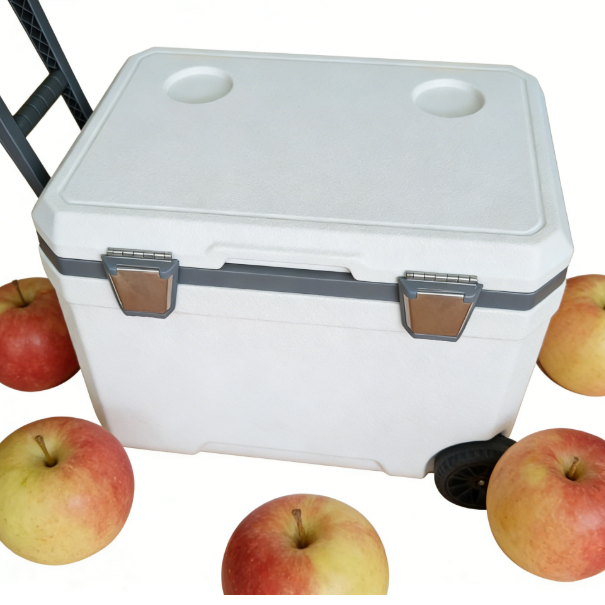
Article name: Article 4: Pro Optimized
Fiberboard Insulated Box For Meat: Supplier Selection Without Guesswork
The best fiberboard insulated box for meat is the one that matches your product, lane, payload, and evidence requirements before the first bulk order is placed. For fiberboard insulated meat packaging, procurement teams often compare price first, then discover later that the box does not fit the packout, carrier, coolant, or receiving process. A better approach is to define what must be protected, what must be verified, and what the supplier must prove. This final guide brings those decisions into one practical supplier-selection framework.
The Short Procurement Answer
Choose the fiberboard insulated box for meat only after you know the product condition, route, payload, coolant plan, receiving requirement, and evidence needed after delivery. A low-priced box may be acceptable for a low-risk shipment, but it is a poor basis for meat portions, chilled protein packs, frozen meat shipments, and direct-to-consumer meat cartons when the route is uncertain or the buyer needs documentation. The best supplier is not always the one with the broadest claim; it is the one that explains the boundaries clearly.
The target reader is usually not looking for an academic definition of insulation. They want to know whether a supplier can support meat portions, chilled protein packs, frozen meat shipments, and direct-to-consumer meat cartons with an orderable, repeatable, and inspectable package. That means the box must be judged with the coolant, the payload, the closure, the carton, the packing method, and the documentation together. An insulated wall by itself does not prove a cold-chain result.
A useful supplier conversation starts with the risk that makes this application difficult: carton wetting, thermal leakage, recyclability claims, hygiene, and crush damage during chilled or frozen distribution. If that risk is not named in the request, the quotation may look attractive but still be incomplete. For example, a box intended for a controlled warehouse transfer does not face the same abuse as a parcel shipment across summer and winter lanes. A good specification makes those differences visible before price comparison begins.
Fiberboard or corrugated insulated packaging can support paper-based outer packaging goals, but moisture, condensation, crush resistance, and liner compatibility need attention.
Fit by Product, Route, Temperature, and Handling
An insulated box slows heat transfer; it does not create temperature control by itself. The temperature outcome comes from the whole thermal system: insulation, refrigerant, payload mass, packing order, headspace, ambient profile, and elapsed time. In fiberboard insulated meat packaging, the same box can behave differently when the payload is denser, warmer at packing, closer to the lid, or shipped through a hotter lane. This is why buyers should avoid treating stated hold time as a universal promise unless the test condition matches their route and product.
Coolant selection should follow the product requirement. For meat portions, chilled protein packs, frozen meat shipments, and direct-to-consumer meat cartons, the supplier should explain why gel packs, frozen packs, PCM, or dry ice paired with a fiberboard outer and suitable liner system is suitable and what preparation is required before packing. Conditioned coolant placed in the wrong position can freeze a product that only needed chilled protection. Dry ice can maintain a frozen environment, but it introduces sublimation, ventilation, and carrier acceptance issues. PCM can be helpful when a narrower range is needed, but its phase-change point and conditioning process must be confirmed.
The packer is part of the packaging system. In fiberboard insulated meat packaging, a box that performs in a lab can fail when a busy warehouse team improvises the packout. Instructions should show pack order, coolant conditioning, payload placement, top and bottom protection, void fill, closure, label position, and any receiving notes. Short, visual instructions often work better than long technical notes that nobody reads during peak order flow.
Receiving inspection should be planned before shipping begins. Some buyers only check whether the outer carton is intact, but temperature-sensitive products may require a data logger readout, a time-temperature indicator, a visual melt check, or a documented acceptance step. If the recipient does not know what to check, a compliant-looking box may still lead to disputes after delivery.
Supplier Evaluation Beyond Unit Price
Procurement should not ask only, 'What is the price per box?' A better first question is: what problem is this box expected to solve for meat portions, chilled protein packs, frozen meat shipments, and direct-to-consumer meat cartons? If the answer includes temperature range, transit time, payload, handling, carrier type, and receiving acceptance, the supplier can recommend a more realistic structure. If the answer is only a product name and rough size, quotations will be easy to collect but hard to trust.
In a B2B sourcing role focused on practical fit, quality evidence, and reliable order execution, sample review is the point where many hidden issues appear. The sample should be packed by the same kind of staff who will pack the production order, using the same coolant type, liner, void fill, label area, and closure method. The reviewer should note whether the lid closes without force, whether the product moves, whether packs contact the product in risky areas, and whether the outer carton remains clean and scannable after handling.
Before moving to production, ask how the supplier controls changes. A small change in insulation thickness, liner film, carton grade, coolant format, or lid fit may alter the thermal and handling result. For regulated or high-value shipments, that change may require quality review or retesting. The purchase order should identify which details are approved and which changes require written confirmation before shipment.
A supplier with strong communication can save more time than a supplier with only a low unit price. Good answers are specific: what material is used, what dimensions are internal versus external, what coolant layouts are recommended, what test or sample evidence is available, what packaging artwork can be customized, and what the buyer must verify. Vague answers such as 'keeps cold for a long time' should be treated as marketing language until the test condition is known.
| Supplier proof point | Good answer | Warning sign |
|---|---|---|
| Sample-to-production control | Approved materials, dimensions, closure, and packout are controlled. | Sample looks good but production details are undefined. |
| Thermal recommendation | Supplier states assumptions and test boundaries clearly. | Supplier promises a universal hold time. |
| Customization | Artwork, size, liner, and packout changes have review steps. | Changes are offered without retesting discussion. |
| Documentation support | Datasheet, packing instruction, and inspection points are available. | Only photos and unit price are provided. |
Use these proof points to separate a supplier that understands cold-chain use from a supplier that only sells a box. The table is not a replacement for testing, but it makes the sourcing conversation more concrete.
Risk Controls Before Scaling Up
The most common mistake is to compare boxes by visible size and unit price while ignoring the required packout. This creates false savings. A cheap box can become expensive if it needs more coolant, more void fill, more labor, a premium carrier service, or more customer service work after delivery. For meat portions, chilled protein packs, frozen meat shipments, and direct-to-consumer meat cartons, total landed packaging cost should include damage risk, labor, storage space, dimensional weight, rejected shipments, and disposal handling.
Another mistake is treating a supplier's stated thermal duration as a promise for every shipment. Hold time depends on ambient profile, payload mass, starting temperature, coolant conditioning, packout sequence, and acceptance limit. Ask whether the figure comes from a controlled test, a supplier datasheet, a customer lane, or a general estimate. If the shipment is critical, plan a pilot or qualification before scaling.
Compliance language should stay precise. An insulated box is not automatically GDP-compliant, food-safe, vaccine-approved, IATA-ready, or suitable for every route. It may support a compliant process when it is used with the right materials, procedures, monitoring, documentation, and quality review. The buyer should ask which part of the process the package supports and which responsibilities remain with the shipper.
Standards and guidance can provide useful boundaries. ISTA thermal transport testing can help evaluate insulated shipping containers for parcel conditions. Vaccine programs may refer to CDC guidance, WHO PQS categories, and product-specific handling requirements. Food shippers may reference food code, buyer requirements, and internal HACCP or quality procedures. Dry ice shipments may need dangerous goods and carrier review. These references are starting points, not universal approvals.
Practical Example: From Sample to Repeat Order
A typical scenario: a meat brand wants to reduce plastic foam use but still needs a box that protects product quality through parcel handling and condensation. The buyer first asks for a low-cost insulated box, but the real decision is more layered. The team has to decide whether the shipment needs chilled, frozen, or controlled-room protection; whether the product can touch coolant; whether the destination accepts the package format; and whether the route has weekend, customs, or final-mile delay risk.
In the first sample round, the team should pack the product exactly as it would be packed at scale. If a warehouse operator needs extra tape, improvised spacers, or special judgment to make the packout work, the design is not ready for production. If a data logger is used, its position should be documented because a logger placed against coolant may not represent the payload experience.
After the trial, review both product condition and operating effort. Did the box fit the shelf, pallet, or parcel flow? Did labels stay readable? Did the recipient know how to unpack the product safely? Did the outer carton stay clean? Did the packaging waste match customer expectations? These questions often reveal whether the box is a real commercial solution or only a technically possible sample.
FAQ
Is a fiberboard insulated box for meat enough to protect temperature-sensitive products?
No. The box is only one part of the thermal system. You still need the right payload fit, coolant type, coolant conditioning, packing order, closure, route, and receiving procedure. For meat portions, chilled protein packs, frozen meat shipments, and direct-to-consumer meat cartons, the buyer should define the product temperature requirement and ask the supplier what evidence supports the recommended packout.
What should I ask before approving a sample?
Ask for internal dimensions, usable payload space, material construction, recommended coolant layout, closure method, outer carton strength, labeling area, and any test or reference data. Then pack the sample as production staff would pack it. A beautiful sample is not enough if it cannot be repeated at scale.
How should I compare quotations from different suppliers?
Compare the full system rather than the box price alone. One quote may exclude liner, coolant, absorbent pads, printed carton, thermal data, or tooling. Another may include more support but look more expensive. Build a comparison around delivered performance, labor, waste, documentation, and change-control risk.
When should route testing or qualification be considered?
Consider testing when the product is high value, regulated, sensitive to freezing or heating, shipped across long or uncertain lanes, or likely to face customs and weekend delays. A supplier's general test result can be useful, but the buyer should decide whether the product, payload, coolant, and ambient profile match the real route.
Can the same box be used in every season?
Not automatically. Summer heat, winter freezing, humidity, carrier delays, and route changes can alter performance. A box used successfully in one lane may need a different coolant load, PCM choice, insulation structure, or service level in another season. Seasonal review is a practical step before scaling a packaging program.
What matters besides temperature for food shipments?
Leak control, odor control, carton strength, clean surfaces, and clear receiving instructions matter. Food products can create condensation or drip that damages cartons and labels. A practical packout should include liners, absorbent control where needed, and a package that remains acceptable when it reaches the buyer.
Conclusion
A strong fiberboard insulated box for meat decision is built from specific information: product sensitivity, temperature range, payload, route, coolant, handling, documentation, and supplier control. The box should be evaluated as part of a packout, not as an isolated commodity. Before scaling, confirm what is tested, what is assumed, what changes require review, and how the recipient will judge delivery condition.
About Tempk
About Tempk: Tempk supports B2B cold chain packaging decisions with products such as gel ice packs, PCM packs, insulated liners and bags, insulated boxes, thermal pallet covers, medical cooler boxes, data loggers, and validation packout support. For fiberboard insulated meat packaging, our role is to help buyers translate route, payload, temperature range, and operating constraints into a practical packaging discussion. We avoid treating one box as universal because successful cold-chain packaging depends on the product, coolant, handling, and verification plan.
Next Step
Share your product type, route, payload size, and required temperature condition with Tempk if you want a practical recommendation for fiberboard insulated box for meat sourcing or sample evaluation.
Custom Custom Insulated Box Supplier Selection Guide
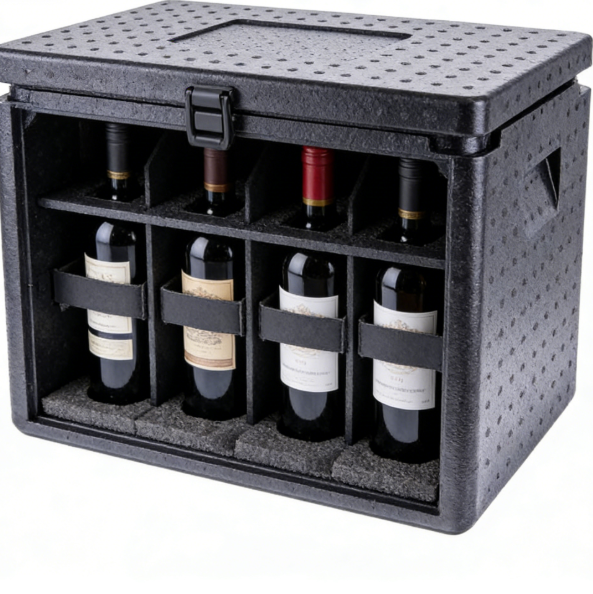
Article name: Article 4: Pro Optimized
Custom Custom Insulated Box: Supplier Selection Without Guesswork
The best custom custom insulated box is the one that matches your product, lane, payload, and evidence requirements before the first bulk order is placed. For custom insulated packaging development, procurement teams often compare price first, then discover later that the box does not fit the packout, carrier, coolant, or receiving process. A better approach is to define what must be protected, what must be verified, and what the supplier must prove. This final guide brings those decisions into one practical supplier-selection framework.
The Short Procurement Answer
Choose the custom custom insulated box only after you know the product condition, route, payload, coolant plan, receiving requirement, and evidence needed after delivery. A low-priced box may be acceptable for a low-risk shipment, but it is a poor basis for custom insulated boxes for food, pharma, life sciences, e-commerce, and industrial temperature-sensitive shipments when the route is uncertain or the buyer needs documentation. The best supplier is not always the one with the broadest claim; it is the one that explains the boundaries clearly.
The target reader is usually not looking for an academic definition of insulation. They want to know whether a supplier can support custom insulated boxes for food, pharma, life sciences, e-commerce, and industrial temperature-sensitive shipments with an orderable, repeatable, and inspectable package. That means the box must be judged with the coolant, the payload, the closure, the carton, the packing method, and the documentation together. An insulated wall by itself does not prove a cold-chain result.
A useful supplier conversation starts with the risk that makes this application difficult: wrong dimensions, unusable payload space, sample-to-production mismatch, coolant conflict, and unverified claims. If that risk is not named in the request, the quotation may look attractive but still be incomplete. For example, a box intended for a controlled warehouse transfer does not face the same abuse as a parcel shipment across summer and winter lanes. A good specification makes those differences visible before price comparison begins.
A custom insulated box should begin with product, payload, route, temperature range, handling, storage, and receiving requirements rather than only external dimensions.
Fit by Product, Route, Temperature, and Handling
An insulated box slows heat transfer; it does not create temperature control by itself. The temperature outcome comes from the whole thermal system: insulation, refrigerant, payload mass, packing order, headspace, ambient profile, and elapsed time. In custom insulated packaging development, the same box can behave differently when the payload is denser, warmer at packing, closer to the lid, or shipped through a hotter lane. This is why buyers should avoid treating stated hold time as a universal promise unless the test condition matches their route and product.
Coolant selection should follow the product requirement. For custom insulated boxes for food, pharma, life sciences, e-commerce, and industrial temperature-sensitive shipments, the supplier should explain why gel packs, PCM, dry ice, water packs, or passive insulation depending on the product is suitable and what preparation is required before packing. Conditioned coolant placed in the wrong position can freeze a product that only needed chilled protection. Dry ice can maintain a frozen environment, but it introduces sublimation, ventilation, and carrier acceptance issues. PCM can be helpful when a narrower range is needed, but its phase-change point and conditioning process must be confirmed.
The packer is part of the packaging system. In custom insulated packaging development, a box that performs in a lab can fail when a busy warehouse team improvises the packout. Instructions should show pack order, coolant conditioning, payload placement, top and bottom protection, void fill, closure, label position, and any receiving notes. Short, visual instructions often work better than long technical notes that nobody reads during peak order flow.
Receiving inspection should be planned before shipping begins. Some buyers only check whether the outer carton is intact, but temperature-sensitive products may require a data logger readout, a time-temperature indicator, a visual melt check, or a documented acceptance step. If the recipient does not know what to check, a compliant-looking box may still lead to disputes after delivery.
Supplier Evaluation Beyond Unit Price
Procurement should not ask only, 'What is the price per box?' A better first question is: what problem is this box expected to solve for custom insulated boxes for food, pharma, life sciences, e-commerce, and industrial temperature-sensitive shipments? If the answer includes temperature range, transit time, payload, handling, carrier type, and receiving acceptance, the supplier can recommend a more realistic structure. If the answer is only a product name and rough size, quotations will be easy to collect but hard to trust.
In a B2B sourcing role focused on practical fit, quality evidence, and reliable order execution, sample review is the point where many hidden issues appear. The sample should be packed by the same kind of staff who will pack the production order, using the same coolant type, liner, void fill, label area, and closure method. The reviewer should note whether the lid closes without force, whether the product moves, whether packs contact the product in risky areas, and whether the outer carton remains clean and scannable after handling.
Before moving to production, ask how the supplier controls changes. A small change in insulation thickness, liner film, carton grade, coolant format, or lid fit may alter the thermal and handling result. For regulated or high-value shipments, that change may require quality review or retesting. The purchase order should identify which details are approved and which changes require written confirmation before shipment.
A supplier with strong communication can save more time than a supplier with only a low unit price. Good answers are specific: what material is used, what dimensions are internal versus external, what coolant layouts are recommended, what test or sample evidence is available, what packaging artwork can be customized, and what the buyer must verify. Vague answers such as 'keeps cold for a long time' should be treated as marketing language until the test condition is known.
| Supplier proof point | Good answer | Warning sign |
|---|---|---|
| Sample-to-production control | Approved materials, dimensions, closure, and packout are controlled. | Sample looks good but production details are undefined. |
| Thermal recommendation | Supplier states assumptions and test boundaries clearly. | Supplier promises a universal hold time. |
| Customization | Artwork, size, liner, and packout changes have review steps. | Changes are offered without retesting discussion. |
| Documentation support | Datasheet, packing instruction, and inspection points are available. | Only photos and unit price are provided. |
Use these proof points to separate a supplier that understands cold-chain use from a supplier that only sells a box. The table is not a replacement for testing, but it makes the sourcing conversation more concrete.
Risk Controls Before Scaling Up
The most common mistake is to compare boxes by visible size and unit price while ignoring the required packout. This creates false savings. A cheap box can become expensive if it needs more coolant, more void fill, more labor, a premium carrier service, or more customer service work after delivery. For custom insulated boxes for food, pharma, life sciences, e-commerce, and industrial temperature-sensitive shipments, total landed packaging cost should include damage risk, labor, storage space, dimensional weight, rejected shipments, and disposal handling.
Another mistake is treating a supplier's stated thermal duration as a promise for every shipment. Hold time depends on ambient profile, payload mass, starting temperature, coolant conditioning, packout sequence, and acceptance limit. Ask whether the figure comes from a controlled test, a supplier datasheet, a customer lane, or a general estimate. If the shipment is critical, plan a pilot or qualification before scaling.
Compliance language should stay precise. An insulated box is not automatically GDP-compliant, food-safe, vaccine-approved, IATA-ready, or suitable for every route. It may support a compliant process when it is used with the right materials, procedures, monitoring, documentation, and quality review. The buyer should ask which part of the process the package supports and which responsibilities remain with the shipper.
Standards and guidance can provide useful boundaries. ISTA thermal transport testing can help evaluate insulated shipping containers for parcel conditions. Vaccine programs may refer to CDC guidance, WHO PQS categories, and product-specific handling requirements. Food shippers may reference food code, buyer requirements, and internal HACCP or quality procedures. Dry ice shipments may need dangerous goods and carrier review. These references are starting points, not universal approvals.
Practical Example: From Sample to Repeat Order
A typical scenario: a sourcing team has a product that does not fit standard shipper sizes and needs a practical specification before asking factories for samples. The buyer first asks for a low-cost insulated box, but the real decision is more layered. The team has to decide whether the shipment needs chilled, frozen, or controlled-room protection; whether the product can touch coolant; whether the destination accepts the package format; and whether the route has weekend, customs, or final-mile delay risk.
In the first sample round, the team should pack the product exactly as it would be packed at scale. If a warehouse operator needs extra tape, improvised spacers, or special judgment to make the packout work, the design is not ready for production. If a data logger is used, its position should be documented because a logger placed against coolant may not represent the payload experience.
After the trial, review both product condition and operating effort. Did the box fit the shelf, pallet, or parcel flow? Did labels stay readable? Did the recipient know how to unpack the product safely? Did the outer carton stay clean? Did the packaging waste match customer expectations? These questions often reveal whether the box is a real commercial solution or only a technically possible sample.
Additional Buyer Notes
Another practical point is warehouse storage. Insulated boxes, liners, and coolants take space before they ever protect a shipment. If packaging is bulky, hard to stack, or sensitive to moisture, the warehouse team may handle it poorly even when the design is technically sound. For custom insulated packaging development, procurement should ask how the boxes are delivered, stored, staged, and counted before daily packing begins.
FAQ
Is a custom custom insulated box enough to protect temperature-sensitive products?
No. The box is only one part of the thermal system. You still need the right payload fit, coolant type, coolant conditioning, packing order, closure, route, and receiving procedure. For custom insulated boxes for food, pharma, life sciences, e-commerce, and industrial temperature-sensitive shipments, the buyer should define the product temperature requirement and ask the supplier what evidence supports the recommended packout.
What should I ask before approving a sample?
Ask for internal dimensions, usable payload space, material construction, recommended coolant layout, closure method, outer carton strength, labeling area, and any test or reference data. Then pack the sample as production staff would pack it. A beautiful sample is not enough if it cannot be repeated at scale.
How should I compare quotations from different suppliers?
Compare the full system rather than the box price alone. One quote may exclude liner, coolant, absorbent pads, printed carton, thermal data, or tooling. Another may include more support but look more expensive. Build a comparison around delivered performance, labor, waste, documentation, and change-control risk.
When should route testing or qualification be considered?
Consider testing when the product is high value, regulated, sensitive to freezing or heating, shipped across long or uncertain lanes, or likely to face customs and weekend delays. A supplier's general test result can be useful, but the buyer should decide whether the product, payload, coolant, and ambient profile match the real route.
Can the same box be used in every season?
Not automatically. Summer heat, winter freezing, humidity, carrier delays, and route changes can alter performance. A box used successfully in one lane may need a different coolant load, PCM choice, insulation structure, or service level in another season. Seasonal review is a practical step before scaling a packaging program.
Conclusion
A strong custom custom insulated box decision is built from specific information: product sensitivity, temperature range, payload, route, coolant, handling, documentation, and supplier control. The box should be evaluated as part of a packout, not as an isolated commodity. Before scaling, confirm what is tested, what is assumed, what changes require review, and how the recipient will judge delivery condition.
About Tempk
About Tempk: Tempk supports B2B cold chain packaging decisions with products such as gel ice packs, PCM packs, insulated liners and bags, insulated boxes, thermal pallet covers, medical cooler boxes, data loggers, and validation packout support. For custom insulated packaging development, our role is to help buyers translate route, payload, temperature range, and operating constraints into a practical packaging discussion. We avoid treating one box as universal because successful cold-chain packaging depends on the product, coolant, handling, and verification plan.
Next Step
Share your product type, route, payload size, and required temperature condition with Tempk if you want a practical recommendation for custom custom insulated box sourcing or sample evaluation.
How to Specify an Insulated Box with VIP Technology
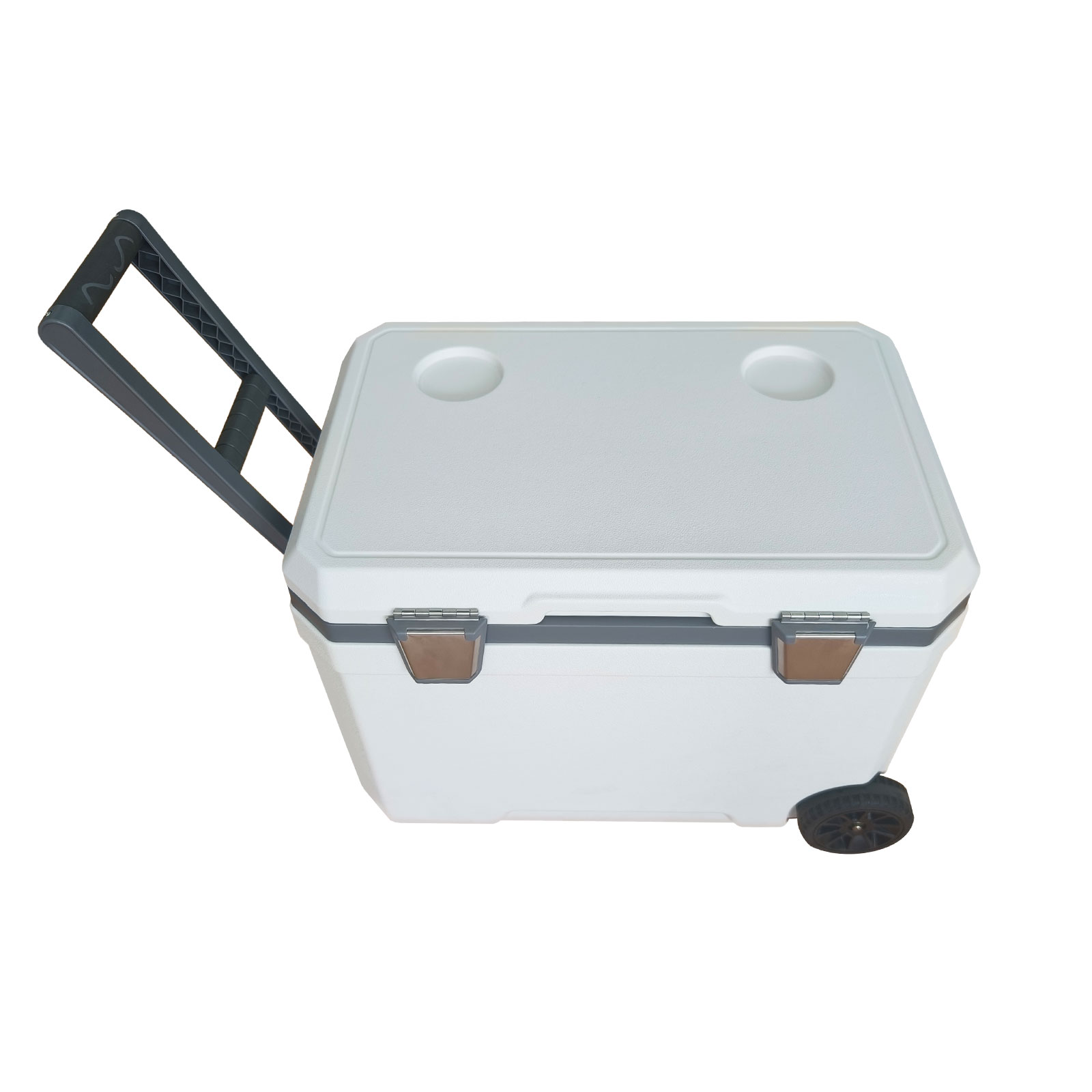
How to Specify an Insulated Box with VIP Technology
The right insulated box with VIP technology is the one whose evidence and operating instructions match the product, payload, route, season, and receiving reality. A strong procurement process therefore starts with requirements, converts them into a packout, tests the packout under defined conditions, and controls it after launch. This article combines the thermal, operational, supplier, and quality decisions needed for high-value temperature-sensitive products that need strong insulation efficiency within a constrained external footprint without treating insulation as a universal guarantee.
Write a requirement that a supplier can actually answer
A useful requirement names the product, approved condition, payload range, route, maximum operational window, seasonal exposure, receiving process, and consequence of failure. It also states what the packaging must not be expected to do. For this application, a vip is an insulation component, not a complete temperature-control system, and damage or loss of vacuum can materially reduce its benefit. That sentence prevents scope drift and makes missing controls visible before quotations are compared.
The requirement should distinguish fixed inputs from variables. Fixed inputs may include external-size limits, a regulated inner package, a product carton, or a destination procedure. Variables may include insulation type, coolant arrangement, payload insert, closure, outer carton, and monitoring plan. Allowing suppliers to propose alternatives can improve the design, but each alternative should be assessed against the same acceptance criteria.
VIP performance must be judged in the assembled shipper under a defined ambient profile and packout; panel data alone cannot establish shipment duration. Record the source and owner of that product requirement. A procurement team should not create a temperature band merely to make supplier comparison easier.
- What product or product family will be shipped, and who owns the stability decision?
- What are the minimum and maximum payloads, including physical dimensions and starting condition?
- What is the full packing-to-storage duration, including contingency and receiving delay?
- What hot, cold, mechanical, moisture, hygiene, and regulatory exposures can occur?
- What evidence, operating instructions, production controls, and post-launch support are required?
Choose materials after the route and payload are known
Start with the dominant constraint. A one-way express shipment may prioritize low mass, parcel durability, and simple packing. A reusable hospital or distributor loop may prioritize impact resistance, cleanability, replaceable components, and return efficiency. An export biotech lane may prioritize a long contingency window, documentation space, dry-ice compatibility, or high insulation efficiency within an airline size limit. The architecture follows the constraint.
Foam-lined corrugated boxes can be practical for many single-use routes. Molded EPS provides shaped insulation at relatively low mass. EPP can support repeated handling where the operating model justifies return and inspection. Panel systems can support custom dimensions. VIP-based designs can save insulation thickness but require careful edge, puncture, aging, and quality controls. No material choice removes the need to test the finished packout.
Geometry should be reviewed alongside freight. More insulation and coolant can increase external dimensions while reducing payload space. A smaller high-performance solution may lower dimensional cost, but it may add material complexity. A larger simple solution may be easier to pack but expensive to store and ship. Compare the entire program rather than an isolated unit price.
Control the variables that change the temperature profile
A passive system works from stored thermal energy and resistance to heat flow. Product, coolant, insulation, air space, and external exposure interact. If the product is loaded warm, the refrigerant must remove that heat before it can buffer the route. If the payload is very small, it may respond quickly to local gradients. If coolant is placed directly against a sensitive item, the package can create cold damage while successfully resisting external heat.
The packout specification should identify the exact coolant or PCM, required conditioning state, quantity, placement, barriers, payload limits, void-fill method, monitor location, and closure. Components should be restrained so parcel handling cannot rearrange the tested geometry. For dry-ice applications, gas release, material compatibility, worker safety, transport-mode rules, and destination handling need dedicated review.
Consider the complete operating capacity. Conditioning freezers, staging space, packing benches, staff time, backup coolants, and dispatch cutoff rules can limit a program even when the box performs well. A design that requires more frozen components than the site can consistently prepare is not operationally robust.
Qualification should answer the intended-use question
Ask for evidence tied to the proposed construction and packout. The report should identify the package version, materials, dimensions, coolant, conditioning, payload, sensor locations, ambient profile, duration, opening events if any, and acceptance criteria. A standardized parcel profile can support comparison, while lane-specific profiling can improve relevance. Neither is meaningful if the supplied production unit differs from the tested design.
Review minimum and maximum payloads and hot and cold seasonal conditions where they represent different risks. Repeated-use systems may need aging or reuse assessment. Mechanical testing may be appropriate when drops, compression, vibration, or frozen-bag fragility can change the geometry or damage the product. Thermal and mechanical evidence should reflect how the package is actually handled.
The report supports a decision; it does not make the decision by itself. The quality or product owner evaluates whether the observed profile is acceptable for high-value temperature-sensitive products that need strong insulation efficiency within a constrained external footprint. When a deviation occurs, the team should compare actual shipment conditions with the qualified envelope and the product's approved excursion process.
The sample is only the beginning of supplier qualification
A polished prototype can hide weak production control. Ask how the supplier manages material identity, dimensions, tolerances, assembly, closure fit, printing, final inspection, nonconforming units, traceability, and changes. For custom products, approve a drawing, bill of materials, artwork, packout, and golden sample. Define which substitutions or process changes require notification and whether additional testing is needed.
Assess support for panel layout, edge bridging, puncture protection, aging assumptions, usable volume, repair policy, packout qualification, and dimensional-weight impact. The answer should show awareness of the application without crossing into unsupported product or regulatory claims. A supplier can provide construction details, samples, packout drawings, test reports, training aids, and change records. The buyer retains responsibility for product requirements, route decisions, local compliance, and quality disposition.
Commercial terms should reflect the controlled scope. Compare tooling, samples, test work, coolants, inserts, cartons, labels, minimum order expectations, lead-time assumptions, storage, replacement parts, and change management. Where a value is not yet known, state it as a question rather than inventing a number for the business case.
VIP performance is won or lost at the details
Vacuum insulation panels can provide high resistance to heat flow in a thin section, which is useful when external size or volumetric weight is constrained. However, a box is not a continuous laboratory sample of panel material. Corners, lid joints, seams, access points, and panel gaps create thermal bridges. The protective shell also matters because puncture, severe bending, or edge damage can compromise a panel.
This issue should be visible in the design review, operating procedure, and supplier evaluation. It is not a minor application note. It changes which components are acceptable, what staff must verify, and how a shipment is released or escalated.
Buyers should ask how the panels are arranged, protected, inspected, and replaced, and whether the quoted dimensions are external volume or usable payload space. A high-performance wall can be offset by a shallow payload cavity or an overly complex packout. Aging should be considered as well: barrier films and core materials are engineered to slow gas and moisture entry, but long-term performance is not identical to initial panel performance.
Pilot the people and process, not only the package
A pilot should run through normal staff, equipment, cutoff times, carrier handovers, receiving locations, and data systems. Observe conditioning, picking, packing, labeling, dispatch, receipt, unpacking, monitoring, cleaning, and returns. Record confusion and workarounds. A package that only succeeds when the engineer is standing beside the operator is not ready for routine use.
Define release criteria for the pilot. These can include correct component selection, packout completion, closure integrity, scan and label quality, temperature results, package damage, receiving time, data retrieval, and staff feedback. When failures occur, separate design weakness from process deviation and route disruption before selecting a corrective action.
After launch, protect the approved state. New products, payload dimensions, suppliers, materials, coolants, artwork, carriers, destinations, seasons, or cleaning chemicals can affect performance. A change-control review decides whether documentation updates, additional testing, training, or requalification are necessary.
Failure-mode review before purchase approval
| Failure mode | Question before approval | Possible control |
|---|---|---|
| Warm excursion | Is the route longer or hotter than the evidence? | Revise profile, capacity, service, dispatch rule, or contingency. |
| Cold excursion | Can coolant or winter exposure overcool the payload? | Condition coolant, add barriers, revise placement, and test cold-season risk. |
| Insufficient payload space | Was usable volume measured with every component installed? | Approve a packout drawing and physical fit sample. |
| Process variation | Can operators confuse components or skip a critical step? | Kit parts, simplify instructions, use visual controls, and audit packing. |
| Package damage | Can drops, compression, moisture, or reuse alter the geometry? | Strengthen shell or closure, inspect units, and include mechanical testing. |
| Receiving delay | Who receives, unpacks, stores, and reviews the shipment? | Confirm hours, send alerts, define instructions, and add contingency. |
| Unsupported claim | Does the statement identify conditions and evidence? | Request the full report or rewrite the requirement as a verification point. |
The value of this review is its specificity. “Reliable packaging” is not a testable requirement, while the listed failure modes can be linked to drawings, reports, work instructions, and responsibilities. Add application-specific items where necessary, especially buying on an advertised VIP thermal conductivity or panel thickness without evaluating edge bridges, puncture protection, aging, joints, payload, and complete-system testing.
The review can also prevent unnecessary overdesign. Once the dominant failure modes are controlled and evidence shows adequate margin, the team can evaluate whether excess material, coolant, freight, or process complexity can be reduced through a documented change.
A practical decision path
A biotech shipper needs more usable payload within an airline parcel-size limit. A VIP design may help, but only if the panel layout, coolant space, lid joint, and protective construction are tested as a complete package. Begin by verifying the product requirement and mapping every minute from packing to controlled receipt. Select a candidate architecture that fits the payload and operating constraints. Create a defined packout, test it under representative conditions, and run a pilot through the real network. Review evidence with quality, logistics, operations, and procurement before approval.
If the shipment changes, return to the affected step rather than restarting blindly. A new label may require only a document review. A larger payload, different coolant, longer route, colder winter profile, or new customs process may require additional testing. This risk-based path keeps the program controlled without treating every change as identical.
Frequently asked questions
What is the first step in specifying an insulated box with VIP technology?
Confirm the product requirement and map the complete operational lane. Define payload, starting condition, maximum packing-to-storage time, seasonal exposure, handovers, receiving process, and failure consequence. Those inputs create a fair basis for comparing designs and prevent the supplier from guessing what “cold” or “long duration” means.
What is the most important evidence to request?
Request a report for the proposed construction and packout that identifies components, conditioning, payload, sensor positions, ambient profile, duration, and acceptance criteria. Pair it with drawings, a bill of materials, and production controls. Evidence is strongest when the tested unit and the supplied unit are demonstrably the same.
Should procurement choose the coolant or the supplier?
The choice should be collaborative. The product owner defines the acceptable condition; packaging specialists evaluate heat flow and gradients; operations confirms conditioning capacity and packing practicality; safety and compliance teams review transport restrictions; and the supplier proposes compatible components. No single party should decide without the others' constraints.
How do I know whether customization requires retesting?
Assess whether the change can affect heat flow, coolant capacity, payload geometry, closure, mechanical durability, monitoring, or the operating process. Artwork alone may not affect thermal performance, while a dimensional, material, lid, coolant, or payload change often deserves deeper review. Document the decision under change control.
What should be included in a purchase specification?
Include approved drawings, materials, dimensions and tolerances, usable payload space, closure, component list, packout instructions, test evidence, production inspection, labeling, packaging for delivery, change notification, nonconformance handling, and any cleaning or reuse requirements. Mark assumptions that still require confirmation instead of turning them into unsupported facts.
What to carry into supplier discussions
Specify an insulated box with VIP technology through a controlled sequence: confirm the product requirement, map the route, select an architecture, define the packout, review evidence, qualify the supplier, pilot the operation, and protect the approved state through change control. This approach avoids unsupported guarantees while giving procurement, quality, and operations a common basis for decision-making.
About Tempk
Tempk is a cold-chain packaging brand of Shanghai Tempk Industrial Co., Ltd. Its product range includes gel packs, insulated bags and liners, EPP boxes, VIP medical cool boxes, and related passive packaging components. Depending on the selected product, buyers can discuss size, insulation structure, coolant matching, branding, carton packing, and bulk supply requirements. Any temperature or duration claim should be tied to a defined packout, payload, ambient profile, and supporting test evidence.
Next step
Provide Tempk with the payload, outer-size limit, temperature target, route profile, and reuse expectation to evaluate whether a VIP-based shipper is appropriate.