


Dry Ice Pellets or Dry Ice Pack: 2025 Buyer’s Guide
Dry Ice Pellets or Dry Ice Pack: 2025 Buyer’s Guide
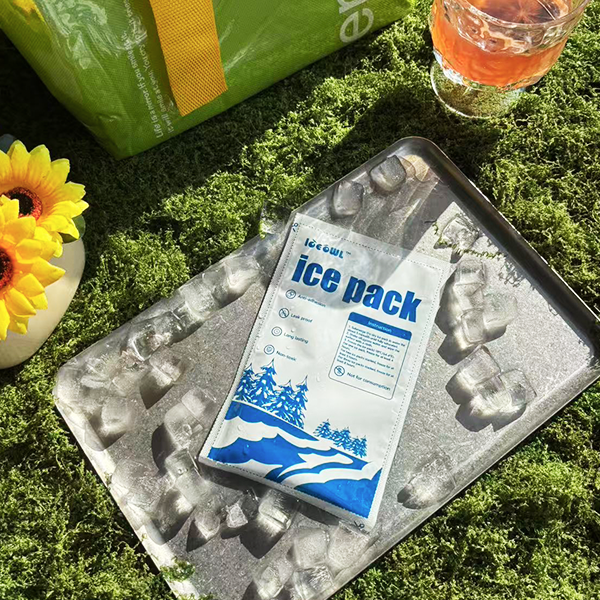
Dry Ice Pellets or Dry Ice Pack: Which Should You Use?
If you ship frozen food, biologics, or lab samples, dry ice pellets and dry ice pack formats are your fastest path to stable sub‑zero control. You’ll learn how to size them, pack them, and follow 2025 rules without guesswork. Expect practical math, real SOPs, and tools you can roll out this week.
Select dry ice pellets or dry ice pack by lane risk and target range
Size charge weight for 24–72 hours using simple, repeatable math
Build a five‑layer packout SOP that cuts melt claims in hot seasons
Calculate cost per cold hour and spot break‑even vs gel and PCM
Apply UN1845 marks, net mass, and ventilation requirements correctly
Track 2025 trends, from lighter insulation to hybrid packouts
How many dry ice pellets or dry ice pack do you need?
Short answer: start at 1–1.5 lb per quart of payload volume for 24 hours, then add 40–60% per extra day. Use the higher end for hot lanes or frequent opens. Dry ice pellets chill fastest; dry ice pack distributes cold more evenly with less handling time.
That baseline works because heat leaks through lids and walls at predictable rates. If your product must stay ≤0°F, both dry ice pellets and dry ice pack beat gel bricks by wide margins. In shoulder seasons or tight urban routes, you can trim 10–15% if you pre‑chill the cavity and minimize empty headspace.
Dry ice pellets vs block vs slab: which lasts longer?
Dry ice pellets offer quick pull‑down and flexible placement. Dry ice pack delivers stable coverage and easier SOPs. Blocks/slabs last longest per pound but are harder to fit around mixed SKUs.
| Format | What It Excels At | Typical Sublimation | What It Means for You |
|---|---|---|---|
| Dry ice pellets | Rapid cool‑down, small voids | Fast (high surface area) | Great for pre‑chill and tight corners |
| Dry ice pack | Even coverage, fast training | Moderate | Consistent hold time across cartons |
| Block/slab | Longest runs, minimal access | Slowest | Strong longevity, trickier placement |
Practical tips and advice
Summer lane ≥90°F: add a top layer regardless of format; it blocks radiant heat from lids.
Frequent door opens: budget +25–35% over baseline; warm air swaps are the silent killer.
Reusable coolers: a dry ice pack top sheet protects labels and reduces fogging.
Actual case: A pastry brand added a top layer of dry ice pack above cupcakes for a 36‑hour desert route. Replacements fell by two‑thirds while packout time stayed under five minutes.
How to use dry ice pellets dry ice pack safely?
Bottom line: ventilate, insulate skin contact, and label clearly. Dry ice pellets and dry ice pack release CO₂ gas as they warm. It is heavier than air and can displace oxygen in still rooms. Always open shippers in ventilated areas and wear insulated gloves rated for low temperatures.
Treat CO₂ like invisible water that pools low. Keep openings away from floor wells, install a CO₂ monitor near pack benches, and spread out unboxing times. A one‑page SOP plus a two‑minute huddle before peak shifts keeps teams sharp and safe.
CO₂ ventilation checklist for dry ice pack areas
Set the space, sense the air, and stage the flow. Small changes make a big safety difference with dry ice pellets and dry ice pack handling.
| Control | What to Do | Why It Works | For You |
|---|---|---|---|
| Ventilation | Fan or local exhaust near benches | Disperses CO₂ quickly | Safer, faster receiving |
| PPE | Cryo‑safe gloves, long sleeves | Prevents frost contact | Fewer minor injuries |
| Sensors | CO₂ monitor at breathing height | Early warning | Audit‑ready safety logs |
| Staging | Unbox in batches, not piles | Limits CO₂ spikes | Smooth, calm workflow |
Practical tips and advice
Small rooms: crack a door and point a box fan outward during busy windows.
Night shift: place CO₂ meter alarms where noise is easy to notice.
New hires: demonstrate pellet behavior outside; seeing “fog” movement teaches fast.
Real‑world example: A hospital lab moved its bench near a roll‑up door and added a low‑set CO₂ sensor. Alarms dropped to zero through summer receiving.
Packout SOP with dry ice pellets and dry ice pack
Use a five‑layer method: pre‑chill → bottom → sides → product → top. Dry ice pellets pre‑chill the cavity fast. A dry ice pack top layer creates a cold “ceiling” that slows heat entering from the lid.
Pre‑chill the empty cooler for 15–30 minutes. Line sidewalls to stop leaks, and center your payload with light void fill. For fragile items, add a thin corrugate buffer between cold media and goods to prevent freeze spots.
Five‑layer method details (dry ice pellets + dry ice pack)
Make each layer do a job. The top layer is non‑negotiable; most heat comes from above.
| Layer | What It Is | What to Use | Why It Helps |
|---|---|---|---|
| Pre‑chill | Quick cooldown of cavity | A scoop of dry ice pellets | Cuts early sublimation losses |
| Bottom | Cold floor | Flat dry ice pack | Blocks conductive heat |
| Sides | Cold sleeves | Half dry ice pack or liner | Stops sidewall losses |
| Product | Payload centered | Trays or cartons | Reduces cold spots |
| Top | Cold lid | Full dry ice pack | Stops radiant and convective heat |
Practical tips and advice
Glass vials: buffer with a 2–3 mm corrugate sheet under top dry ice pack.
Seafood: use dry ice pellets in corners to fill odd gaps around bags.
Meal kits: tape two dry ice pack sheets together to keep a flat cold ceiling.
Actual case: A DTC ice‑cream brand switched to this SOP with dry ice pellets in corners and a dry ice pack lid. Summer melt claims dropped 58% without changing courier.
Cost math: dry ice pellets vs dry ice pack vs gel/PCM
Goal: minimize cost per cold hour while hitting your target temperature. Dry ice pellets are superb at fast pull‑down. Dry ice pack distributes cold with fewer SKUs and simpler training. Gels and PCMs fit when your target is above freezing and lanes are predictable.
Think in ratios, not perfection. Measure “cold hours” in a pilot, divide your material cost by those hours, and compare across options. When dry ice pellets or dry ice pack allow a smaller outer carton, dimensional weight savings often tip the scales.
Quick break‑even calculator
Example numbers you can adapt
Hot two‑day lane, small EPS: pellets cool fast but sublimate quicker; packs win on total charge.
Short urban lanes, frequent opens: pellets shine due to rapid recovery on door swings.
Hybrid PCM + dry ice: above‑freezing targets do better with PCM sidewalls and a thin dry ice pack lid for spikes.
| Comparison | Dry Ice Pellets | Dry Ice Pack | Your Takeaway |
|---|---|---|---|
| Pull‑down speed | Fastest | Fast | Pellets recover temp after door opens |
| Longevity/lb | Lower | Higher | Packs reduce charge weight on long hauls |
| Labor/time | Scoop and fill | Sheet and tape | Packs train faster for seasonal staff |
| Box utilization | Fills odd voids | Flat planes | Packs protect labels and paperwork |
Actual example: A meal subscription brand replaced 4 gel bricks with one dry ice pack top and a thin PCM sidewall. Material SKUs fell 40%, and per‑box cost dropped 9–12% depending on zone.
Compliance: labels and rules for dry ice pack shipments in 2025
Treat it as “Carbon dioxide, solid” (UN1845). Most air services require the proper shipping name, the net mass of dry ice, and package venting. Ground rules are simpler but still ask for clear marks. Dry ice pellets and dry ice pack follow the same description; only the form factor differs.
Print the UN number and net mass on the box, place the label on the side, and keep vents clear. If you use a liner bag, perforate the top so gas can escape while the shipper stays sealed. For regulated health goods, update your quality records when you change the dry ice pack count or pellet weight.
Labeling checklist for dry ice pellets and dry ice pack
| Requirement | What to Print | Why | For You |
|---|---|---|---|
| Proper name | Carbon dioxide, solid — UN1845 | Universal ID | Faster acceptance |
| Net mass | “Dry ice: X kg” | Safety & handling | Accurate handling limits |
| Vents | Small holes or gaps | Gas escape | Prevents bulging or panel pop |
| Orientation | Up arrows if needed | Correct handling | Fewer damages or returns |
Practical tips and advice
Mixed contents: add net mass to the packing list for audit trails.
Returns: include a “do not reseal” note to avoid trapping CO₂.
Barcode labels: keep a 2–3 mm insulating square under label zones near a dry ice pack lid.
Actual case: A biotech added net mass to outbound labels across SKUs. Courier exceptions dropped, and pickup reliability improved within two weeks.
Pellet sizes, pack styles, and where each wins
Not all dry ice pellets are alike. Small pellets (≈3 mm) pour into tight voids and cool fast. Large pellets (≈10–16 mm) last longer. Dry ice pack styles include flat sheets, pillows, and scored “book” packs that fold into side sleeves.
Choosing pellet size and pack style
| Option | Size/Style | Best For | What It Means for You |
|---|---|---|---|
| Micro dry ice pellets | ~3 mm | Tight cavities, fast pulls | Great pre‑chill; faster sublimation |
| Standard dry ice pellets | 10–12 mm | Balanced cooling & handling | Good all‑round choice |
| Maxi dry ice pellets | 16 mm | Long runs, fewer opens | Longer hold per scoop |
| Flat dry ice pack | Sheet | Top/Bottom layers | Smooth lid; protects labels |
| Pillow dry ice pack | Pillow cells | Cushion + cold | Gentle around fragile items |
| Scored “book” pack | Foldable | Sidewalls and corners | Easy, repeatable SOPs |
Practical tips and advice
Odd‑shaped seafood boxes: blend large pellets with a small scoop of micro pellets to seal gaps.
Long lanes with no opens: choose maxi pellets or a thicker dry ice pack top.
Training new staff: start with flat dry ice pack; it is hard to misplace.
Actual example: A vaccine distributor replaced pellets with scored dry ice pack side sleeves. Pack time fell 22% and hold time improved, thanks to fewer gaps.
2025 trends using dry ice pellets dry ice pack
Three shifts stand out in 2025: lighter insulation with equal R‑value, container‑level sensors that log temperature and CO₂, and hybrid packouts that pair dry ice pack lids with PCM sidewalls. These changes reduce charge weight while improving consistency.
Latest developments at a glance
Lightweight vacuum panels: same thermal performance, smaller boxes, less dry ice pack mass.
Temp + CO₂ data loggers: protect staff and product; alarms cue ventilation at docks.
Hybrid packouts: dry ice pellets for rapid pull‑down, dry ice pack for steady hold.
Market insight: DTC frozen foods and specialty health shipments continue to grow. Lanes are more variable, especially last‑mile heat spikes. Teams that standardize dry ice pack for lids and deploy dry ice pellets for pre‑chill see fewer exceptions and simpler SOPs across seasons.
FAQs: dry ice pellets dry ice pack
How long do dry ice pellets last vs a dry ice pack in a mid‑grade cooler?
Pellets cool faster but sublimate quicker; expect 24–36 hours. A dry ice pack lid typically goes 30–48 hours when the box stays closed.
Can I place a dry ice pack directly on food?
Use a thin cardboard or foam sheet to buffer texture‑sensitive items. You’ll keep cold while avoiding freeze damage.
How many pounds of dry ice pellets for 24 hours?
Start with 1–1.5 lb per quart of payload area. Add 40–60% per extra day or for hot routes and frequent door opens.
Are dry ice pellets allowed on planes?
Yes, with UN1845 labeling, declared net mass, and ventilation. The format (pellets vs pack) does not change the basic requirement.
Do dry ice pellets damage labels more than a dry ice pack?
They can if piled under label zones. Use a dry ice pack lid and insulate the label area with a thin corrugate square.
What gloves are best when handling a dry ice pack?
Light, insulated gloves rated for cryogenic contact. They protect skin while keeping dexterity for taping and small parts.
User tools: two‑minute selector and mini‑audit
Two‑Minute Selector
Target temp?
≤0°F → prefer dry ice pack top + pellets for pre‑chill
2–8°C → PCM sidewalls; minimal dry ice pack only for spikes
Lane exposure?
Hot or delay‑prone → add 25–40% dry ice pack mass on top
Access frequency?
Frequent opens → use dry ice pellets at corners for quick recovery
Box size?
Tight fit → switch to flat dry ice pack and scored side sleeves
Mini‑Audit Script (copy/paste into SOP)
2025 sustainability and supply for dry ice pellets
Good news: many suppliers source CO₂ from existing industrial streams, not new emissions. Right‑sizing packouts and improving insulation reduce total pounds of dry ice pellets or dry ice pack per order. Reusable containers with gasketed lids extend hold time so you need less media.
Better practice: follow measure → reduce → offset. Measure your average pounds per shipment. Reduce with smaller boxes, lid insulation, and smarter lane planning. Offset residuals if required by corporate policy, and report the gains quarterly.
Practical tips and advice
Reusable loops: aim for ≥10 turns; dry ice pack pairs well with rigid totes.
Lid boosters: a 1‑inch foam board under the dry ice pack lid often saves 10–15% mass.
Lane mapping: if delays happen weekly, standardize one extra top dry ice pack layer.
Actual example: A bakery cut dry ice pellets mass by 18% after adding a foam lid insert and switching to scored side sleeves.
Real‑world packout recipes you can copy
Frozen desserts with dry ice pack
Box: 12×10×10 inch EPS shipper
Media: 2 bottom packs, 1 top pack, pellets for pre‑chill
Result: ≤5°F for 36 hours on a 90°F lane
Research reagents with dry ice pellets
Box: 10 L reusable hard cooler
Media: Pellets pre‑chill, 1 bottom pack, 1 top pack, corrugate buffer
Result: ≤0°F for 24 hours with six short opens
Seafood with dry ice pellets dry ice pack hybrid
Box: 14×12×12 inch lined corrugate
Media: 3 top packs, 2 bottom packs, pellets in corners
Result: ≤10°F for 48 hours through cross‑dock
2025‑ready training deck outline (for your team)
Why dry ice pellets vs dry ice pack and when to use each
Five‑layer method visuals and do/don’t examples
Safety: CO₂ behavior, glove selection, and meter locations
Labeling: UN1845, net mass, vent paths, photo examples
Pilot testing: log template, “cold hours” calculation, change control
2025 market trends and outlook
Trend overview: In 2025, shippers prioritize performance at lower weight, simpler training, and sensor‑verified safety. Dry ice pellets are chosen for speed and recovery; dry ice pack is chosen for stable lids and clear SOPs. Hybrid packouts are the new normal for mixed catalogs.
Latest progress at a glance
Thinner, better liners: equal R‑value at 10–20% less thickness, meaning smaller cartons and less dry ice pack mass.
Dual‑sensor loggers: temperature + CO₂ give early warnings to dock crews.
PCM hybrids: PCMs handle predictable ranges; dry ice pellets and lids of dry ice pack handle spikes.
Market insight: Subscription foods, specialty desserts, and DTC wellness drive volume. Teams that standardize on one dry ice pack SKU and one dry ice pellets size simplify buying and reduce seasonal training time.
Common mistakes and how to fix them
Mistake: No top layer. Fix: Always finish with a dry ice pack lid to stop radiant heat.
Mistake: Labels over cold media. Fix: Insulate label zones and use flat dry ice pack beneath.
Mistake: Over‑packing by habit. Fix: Run a 3‑box A/B test monthly and trim 10% if hold time exceeds goals.
Mistake: Ignoring door‑open effects. Fix: Budget +25–35% when picks happen hourly; use dry ice pellets in corners for recovery.
Common Questions (extended)
Will a dry ice pack crack plastic containers?
Only with direct, prolonged contact. Use a thin buffer. Keep airflow and you’ll avoid cold‑spot brittleness.
Do dry ice pellets contaminate food?
No, CO₂ sublimates cleanly. Keep pellets in mesh pouches or liners to avoid pellet scattering.
How do I dispose of a dry ice pack after delivery?
Let it fully sublimate in a ventilated area, then recycle the outer film if it’s a recyclable grade per local rules.
What’s the best pellet size for narrow vials?
Micro dry ice pellets (~3 mm) fill voids around racks. They stabilize temperature without crushing packaging.
How can I reduce fogged labels?
Use a dry ice pack lid to create a flat cold plane, then place a corrugate shield under the label area.
Summary and recommendations for dry ice pellets dry ice pack
Key points: dry ice pellets deliver fast pull‑down and quick recovery; dry ice pack provides stable, even coverage and simpler training. Always pre‑chill, center the payload, and finish with a dry ice pack lid. Use cost per cold hour to compare options and adjust charge weight with monthly A/B tests.
Next steps: run a three‑lane pilot with two box sizes. Record “cold hours,” net mass, and exceptions. Standardize on one dry ice pack SKU and one dry ice pellets size. Publish a one‑page SOP and train with a 10‑minute demo. Request a Tempk packout audit and get a lane‑specific sizing table.
About Tempk
We help teams ship colder with fewer headaches. Our design lab tests dry ice pellets and dry ice pack configurations for your actual lanes, then delivers a documented SOP and training kit. We focus on measurable results: fewer claims, lower spend, and faster packout time.
Call to action: Book a 20‑minute consult to size your first three lanes and launch a 7‑day pilot.
Kitchen Dry Ice Packs: 2025 Safety & Sizing Guide
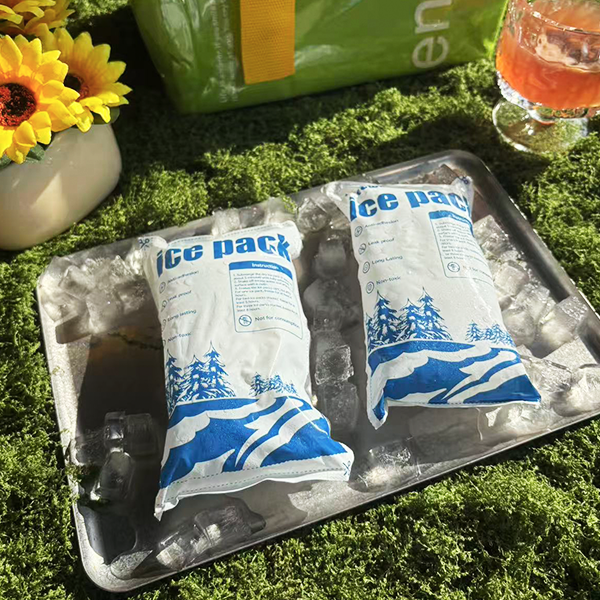
Kitchen Dry Ice Packs: How Do You Use Them Right?
Updated October 2025.
[Introduction:
If you handle frozen prep, grocery runs, or catering, kitchen dry ice packs give you deep-cold power without any watery mess. This guide shows you how to choose, size, and pack them so your food stays solid at −20 °C or below. We’ll cover quick math, cooler layouts, safety, and 2025 trends. You’ll leave with ready-to-apply templates and a short checklist you can train in minutes.]
Sizing basics for kitchen dry ice packs with a back‑of‑envelope method
Pack‑out templates for coolers and totes using related long‑tail keywords
Compliance and handling tips so CO₂ stays safe in a home or pro kitchen
Cost and sustainability pointers that reduce waste and speed training
Hybrid setups that mix PCM and gel with kitchen dry ice packs
What are kitchen dry ice packs and when should you use them?
Short answer: kitchen dry ice packs are pre‑wrapped modules filled with CO₂ dry ice that vent gas while holding shape. They act like tidy “tiles” that spread cold evenly in coolers, totes, or service carts. Use them when you need frozen reliability, easy cleanup, and predictable layouts. Two fast wins: steadier ice‑cream texture and safer transport for frozen pastries.
Details you can use: Think of loose pellets as sand, blocks as bricks, and kitchen dry ice packs as flexible tiles. Tiles fill corners, keep a flat cold face, and reduce cold‑burn on packaging. They are ideal for pastry labs, gelato shops, butcher counters, and caterers who stage food hours ahead. If your target is −20 °C to −30 °C for 6–48 hours, they shine. For long routes or heat waves, combine tiles with a small block and better insulation.
Kitchen dry ice packs vs gel packs for home and pro use
Deeper dive: Gel packs are for chilled ranges like 0–8 °C. They are great for produce and beverages, but they cannot achieve dry‑ice temperatures. kitchen dry ice packs reach −78.5 °C at the source and hold frozen texture even as they sublimate. For mixed boxes, isolate items that should not freeze with a cardboard baffle or a thin phase‑change pad, then surround the outside with kitchen dry ice packs.
| Cooling option | Best for | Not great for | What it means for you |
|---|---|---|---|
| kitchen dry ice packs | Ice cream, frozen meats, pastries | Leafy greens, fresh berries | Frozen stays frozen; prevent direct contact |
| Loose pellets | High‑volume hubs, fast dosing | Tidy pack‑outs | Needs liners; can shift during transit |
| Blocks/slabs | Long hold times | Precise coverage | Long lasting but less flexible placement |
| Gel/PCM +5 °C | Chilled drinks, salads | Deep‑frozen | Won’t hit −20 °C targets |
Practical tips for kitchen dry ice packs
Ice‑cream runs: Place dry ice tiles on top; cold air sinks over tubs.
Pastry layers: Use a spacer board to prevent cold rings; tiles at the lid give smoother tops.
Grocery protection: Keep frozen on one side, chilled on the other; add a baffle between zones.
Real‑world case: A gelato shop switched to dry ice tiles lined at the lid and sides. Texture loss dropped markedly on 35 °C days, and staff packed each cooler 90 seconds faster.
How do you size kitchen dry ice packs for your cooler?
Short answer: Start with the heat leak of your box, then match capacity. kitchen dry ice packs absorb heat as CO₂ turns to gas. Estimate your heat load per hour, multiply by hours, and divide by the energy absorbed during sublimation. Add 10–30% buffer for door openings, delays, and human error.
Details you can use: You don’t need lab gear. Treat the cooler like a thermos with leaks. More surface area, lower insulation, and hotter ambient means more leakage. A simple model and one lane test will get you close, and kitchen dry ice packs make the layout repeatable for anyone on shift.
A pocket calculator for kitchen dry ice packs
Example: A 50‑qt hard cooler (A≈0.8 m², R≈0.45) at 32 °C for 18 h:
Q≈(0.8/0.45)×52≈92.4 W → m≈(92.4×18×3.6)/571≈10.5 kg. Add 20% → ~12.6 kg. Use a small block on the bottom and kitchen dry ice packs as side curtains and a vented lid layer.
| Variable | Typical range | How to pick | For your kitchen |
|---|---|---|---|
| R‑value (soft cooler) | 0.2–0.35 | Use maker spec or a quick test | May need more tiles |
| R‑value (hard cooler) | 0.35–0.6 | Tighter lid seals score higher | Smoother temperature |
| R‑value (VIP insert) | 2.0–3.0 | Premium upgrade | Cuts CO₂ needed by a lot |
| Buffer | 10–30% | New routes need more | Insurance against delays |
Practical tips for kitchen dry ice packs
Short rides (<8 h): Favor kitchen dry ice packs for even coverage; skip heavy slabs.
Hot car cabins: Double tile the sun‑facing wall; keep packs off produce with a baffle.
Events: Stage an extra lid layer of kitchen dry ice packs for peak hours.
Real‑world case: A wedding caterer added 15% more kitchen dry ice packs at the lid. On a 38 °C day, desserts stayed firm through outdoor service without frosting damage.
Are kitchen dry ice packs safe for food handling and storage?
Short answer: Yes, when you respect ventilation and touch rules. kitchen dry ice packs release CO₂ gas as they warm. Give the gas a path, protect hands and eyes, and keep packs away from kids and pets. Never trap dry ice in airtight containers; pressure can build.
Details you can use: CO₂ displaces oxygen. Work in well‑ventilated rooms, not sealed cars or tiny pantries. Use gloves to avoid cold burns, and avoid swallowing any fragment. Keep packs outside the primary food wrap unless rated for direct contact. Mark the estimated CO₂ mass on group shipments. For longer drives, crack a window and avoid reclining near vents.
Kitchen dry ice packs: ventilation, PPE, and labeling
Deeper dive: A vented lid or a small spacer at the hinge is enough for most coolers. A basic glove and eye‑protection kit protects your team during busy prep windows. Label shared coolers “Contains Dry Ice” so everyone knows to avoid sealed spaces. Rotate kitchen dry ice packs with tongs or a scoop to prevent skin contact and keep shards contained.
| Safety topic | Good practice | Why it matters | For you |
|---|---|---|---|
| Venting | Leave a small gap or use a vented lid | Gas must exit | Prevents pressure bulge |
| PPE | Gloves and eye protection | Stops cold burns | Faster, safer shifts |
| Storage | Insulated, ventilated bin | Controls sublimation | Less fog and mess |
| Vehicles | Crack window; avoid sealed trunks | Avoid CO₂ buildup | Safer long drives |
Practical tips for kitchen dry ice packs
Home kitchen: Place dry ice tiles on a tray; wipe condensation to keep counters dry.
Shared spaces: Post a one‑page SOP near the prep table; add a checklist for opening and closing.
Waste: Let remaining dry ice dissipate in a ventilated area; never in a sink or toilet.
Real‑world case: After adding a one‑page SOP and clearly labeled bins, a bakery reported zero hand injuries across 90 days of summer production while using kitchen dry ice packs daily.
How do kitchen dry ice packs support catering and events?
Short answer: They make cold predictable. kitchen dry ice packs standardize pack‑outs and speed training. You can build simple, repeatable layouts for entrees, desserts, and bar ice that hold for hours even with frequent lid openings.
Details you can use: Use tiles at the lid because cold air sinks. Arrange side curtains that guard the hottest wall. For plated desserts, add a spacer board between the product and the upper layer. For raw proteins, keep a liner between packaging and tiles to prevent direct contact. Color‑code coolers by course and assign a timer for each.
A 24‑hour cooler layout using kitchen dry ice packs
Template you can copy:
Why it works: The top layer floods the cooler with cold air. Side curtains defend against radiant heat from doors and sunlight. The spacer board prevents lid‑edge freezer burn on delicate items like meringue or mousse.
| Load type | Pack‑out change | Hold‑time effect | Your benefit |
|---|---|---|---|
| Ice cream | Extra lid layer | Longer scoopable window | Better texture, less drip |
| Pastries | Spacer board under lid tiles | Stops frost rings | Prettier plating |
| Proteins | Liner between packs and meat | Safe separation | Cleaner HACCP trail |
Practical tips for kitchen dry ice packs
Course kits: Assign kitchen dry ice packs to desserts only; use gel for salads to avoid freezing.
Bar service: Use tiles to pre‑chill glassware bins; remove tiles before service to avoid over‑cooling.
Return trips: Keep a spare zip cover of kitchen dry ice packs to stabilize leftovers.
Real‑world case: A hotel banquet team color‑coded coolers and standardized layouts with kitchen dry ice packs. Setup time dropped by 20%, and post‑event waste fell notably.
Do kitchen dry ice packs work with PCM and gel packs?
Short answer: Yes. Build hybrids. kitchen dry ice packs supply deep‑cold capacity, while phase‑change materials (PCM) or gel manage precise setpoints and protect sensitive items from over‑freezing.
Details you can use: If you ship or carry items that should not drop below −10 °C, place a thin −21 °C PCM slab against the product and surround with kitchen dry ice packs. For mixed boxes, run a dual‑zone cooler: gel or PCM on one side for chilled, tiles on the other for frozen. Cardboard baffles and spacer boards keep the zones from fighting each other.
Hybrid pack‑outs with kitchen dry ice packs
Starter recipes:
| Goal | Inner layer | Outer layer | Why it helps |
|---|---|---|---|
| Protect fragile desserts | PCM −21 °C plank | kitchen dry ice packs | Prevents surface cracking |
| Mixed frozen + chilled | Gel +5 °C on one side | Tiles on the other side | Two zones, one cooler |
| Protein marination | Food‑safe wrap | Tiles at lid and sides | Maintains safe temperatures |
Practical tips for kitchen dry ice packs
Chilled‑only events: Skip dry ice and use gel packs; reserve kitchen dry ice packs for frozen courses.
Power outages: Use tiles in the freezer to hold temperature; place a thermometer on the top shelf.
Delivery days: Stage kitchen dry ice packs near the door so groceries stay frozen during unloading.
Real‑world case: During a city‑wide outage, a cafe stabilized three reach‑ins by loading kitchen dry ice packs on the top shelves and keeping doors closed. Stock stayed safe until power returned.
2025 trends in kitchen dry ice packs you should know
Trend overview: In 2025, food businesses want lighter coolers, quicker training, and cleaner prep. kitchen dry ice packs fit that curve. Expect more dust‑reduced wraps, stronger seams that resist tearing, and standardized tiles sized for popular coolers. Smarter sensors verify hold times without opening lids, and small VIP inserts make compact coolers behave like premium boxes.
What’s new for kitchen dry ice packs
Cleaner wraps: Less CO₂ dust on prep tables and faster cleanup.
Modular sizing: Tiles that match common cooler footprints reduce wasted space.
Sensor‑first validation: Wireless loggers prove performance without opening the lid.
Market insight: Consumers buy frozen groceries more often, and small kitchens add off‑site events. That pressure pushes teams toward repeatable layouts. kitchen dry ice packs help defend texture and food safety with fewer steps, and hybrid pack‑outs reduce over‑freezing of delicate items while keeping deep‑frozen goods rock‑solid.
Frequently Asked Questions
Q1: How long do kitchen dry ice packs last in a cooler?
It depends on insulation, ambient heat, and lid openings. A good hard cooler with kitchen dry ice packs can hold frozen items for a day or two. Always test your route, then add a 10–30% buffer.
Q2: Are kitchen dry ice packs safe around kids and pets?
Use adult handling only. Wear gloves, keep packs out of reach, and vent rooms. Never trap dry ice in sealed jars or put it in drinks. Allow CO₂ to dissipate safely.
Q3: Can I fly with kitchen dry ice packs in checked baggage?
Airline rules usually allow limited quantities of dry ice with proper venting and labeling. Check the carrier’s limits and declare the net mass. Use a vented container.
Q4: Will kitchen dry ice packs make my produce freeze?
They can. Keep tiles away from items that should stay chilled. Use gel or PCM to protect greens and fruit, and add a cardboard baffle.
Q5: Can I use kitchen dry ice packs in a soft cooler?
Yes, but you’ll need more tiles than in a hard cooler. Double the side curtains and add a strong lid layer for best results.
Q6: Are kitchen dry ice packs food‑contact safe?
Many wraps are not meant for direct contact. Keep packs outside the primary packaging unless rated food‑contact safe. When unsure, add a liner.
Q7: How do I dispose of leftover kitchen dry ice packs?
Let them sublimate in a well‑ventilated area, away from kids and pets. Never in sinks or drains. Do not confine or crush them.
Q8: Do kitchen dry ice packs help during power outages?
Yes. Place tiles on the top shelf of the freezer and keep doors closed. Temperature stays lower because cold air sinks over the food.
Q9: How should I store kitchen dry ice packs before use?
Use an insulated, ventilated bin. Avoid sealed rooms and keep PPE nearby. Rotate stock first‑in, first‑out to keep packs fresh.
Summary and recommendations for kitchen dry ice packs
Key takeaways: Use kitchen dry ice packs for frozen reliability, clean handling, and fast training. Size by heat leak, not guesswork. Vent and label to keep people safe. Combine tiles with gel or PCM when you need mixed zones. Standardize pack‑outs, then test and tune.
Next steps: Choose your cooler class, run the simple mass estimate, and pilot two pack‑out templates on your hottest route. Record results and lock the SOP. If you want a custom layout and a lane test, talk to Tempk for a data‑backed design.
About Tempk
Tempk builds practical cold‑chain designs for home and professional kitchens. We help teams deploy kitchen dry ice packs, hybrid layouts, and validation tools that reduce waste and training time. Customers see steadier quality and fewer temperature excursions during transport and service.
Call to action: Contact Tempk to schedule a 2‑week pilot and get a pack‑out tailored to your routes and coolers.
Engagement boosters for kitchen dry ice packs
3‑Question Selector:
Do you need ≤ −20 °C? If yes, choose kitchen dry ice packs.
Route >24 h or hot car? Add a small block and double the lid layer.
Freeze‑sensitive items present? Buffer with PCM or a cardboard baffle.
Self‑check rubric (score 0–5 each): Correct mass, insulation class, vent path, handling PPE, and data logging. Score ≥20 → ready to run.
CTA: Download the cooler SOP and schedule a route test with our team.
Reviews Dry Ice Pack Sheet: 2025 Buyer’s Guide
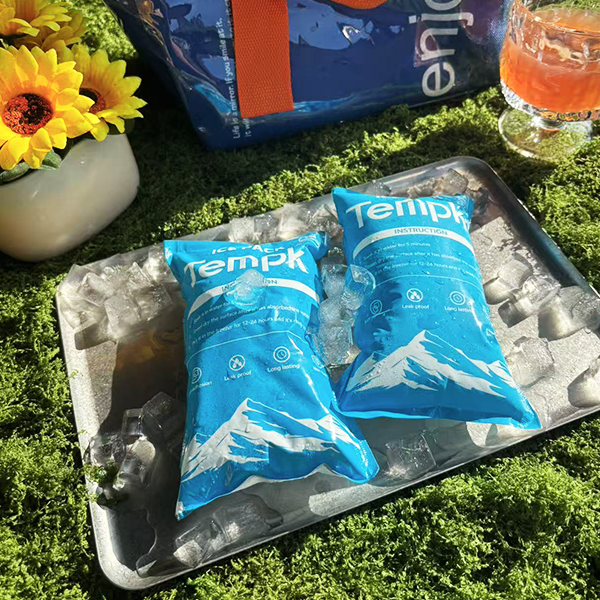
Reviews Dry Ice Pack Sheet: Which One Wins 2025?
If you search reviews dry ice pack sheet, you want clear answers fast. This guide compares formats, shares test methods, and shows how to size for 24–72 hours. You’ll get simple math, packing SOPs, and buyer checklists you can apply today to food, pharma, and lab routes.
Which dry ice pack sheet reviews criteria matter most for real lanes?
How many sheets deliver 24, 48, and 72 hours across seasons?
What format of insulated dry ice pack sheet fits your product and budget?
How do you pack, label, and ship a dry ice pack sheet safely and repeatably?
How did we run reviews dry ice pack sheet tests?
Short answer: We scored each insulated dry ice pack sheet on hold time per kilogram, edge-temperature stability, CO₂ venting, durability, and pack-out repeatability. Scores came from repeatable parcel and pallet simulations with controlled ambient profiles and identical payloads.
Why this matters: Fancy specs don’t help if the sheet fails in real routes. We used simple, repeatable steps you can copy. Ambient cycles covered cool nights and hot afternoons. We logged center and corner temperatures, net dry ice mass, and visible damage. This makes dry ice pack sheet reviews practical, not theoretical.
Dry ice pack sheet review criteria: what matters most?
Hold time per kilogram: How many hours per kg under target temp?
Edge stability: Corners are where spoilage starts.
Venting behavior: CO₂ must escape without ballooning the liner.
Tear/abrasion resistance: Does the sheet survive tight corners?
Pack-out repeatability: Can new staff get the same result?
| Review Criterion | What we look at | How it’s measured | For you |
|---|---|---|---|
| Hold time/kg | Hours per kilogram of dry ice | Data logger + mass tracking | Right-size your fill |
| Edge stability | Corner vs center delta | ΔT over time at corners | Fewer hot spots |
| Venting | Gas escape vs swelling | Visual + pressure feel | Safer shipments |
| Durability | Tears, fray, seam issues | Post-run inspection | More re-use cycles |
| Repeatability | SOP variance | Std. dev. across packers | Fewer surprises |
Practical tips to copy our reviews dry ice pack sheet setup
Control the ambient. Use a repeatable 20–30 °C cycle.
Use identical payloads and box insulation.
Standardize data loggers and probe placement.
Photograph every pack-out to document sheet position.
Case snapshot: A bakery switched to a wall-lined insulated dry ice pack sheet plus a thin pellet top layer. Summer returns dropped, and average dry ice fill fell by about one sixth on Friday routes.
Which reviews dry ice pack sheet formats fit your use case?
Short answer: Vacuum-sealed sheets are clean and stable for pharma; quilted/stitched sheets bend well for e-commerce; reflective-faced sheets fight radiant heat in summer. Pick based on payload risk, cleanliness, and lane temperature.
Longer view: There is no single “best” dry ice pack sheet. Your winner depends on ambient peaks, desired duration, and handling. Use the matrix below to match format to job.
Vacuum-sealed vs quilted vs reflective: what changes?
Vacuum-sealed: Wipeable, low lint, consistent thickness.
Quilted/stitched: Conforms around corners; check thread at −50 °C.
Reflective-faced: Reduces radiant gain from warm walls and lids.
| Format | Hold Time Potential | Flexibility | Cleanliness | Typical Use |
|---|---|---|---|---|
| Vacuum-sealed sheet | High | Medium | High | Pharma, labs, clean pack rooms |
| Quilted/stitched sheet | Medium-High | High | Medium | Food, meal kits, multi-SKU boxes |
| Reflective-faced sheet | High in summer | Medium | Medium | Hot lanes; last-mile afternoons |
Use-case quick picks
Delicate biologics (2–8 °C): Vacuum-sealed sheet on walls + PCM barrier.
Frozen seafood (−18 °C): Quilted sheet for corners + pellet top-off.
Hot summer lanes: Reflective-faced sheet + vent-friendly lid liner.
Sizing your dry ice pack sheet in minutes—what works?
Short answer: Start with a simple baseline, then adjust for ambient peaks and box quality.
Baseline rule: For parcels at 15–25 °C, plan ~1.0 kg of dry ice per 10 L per 24 hours. A full perimeter of insulated dry ice pack sheet can trim required fill by ~10–20% by smoothing sublimation and protecting corners.
Step-by-step you can copy:
Calculate internal volume in liters.
Choose 24/48/72 hours.
Dry ice mass = Volume/10 × Days × 1.0 kg.
If fully wall-lined with a sheet, reduce by 10–20% (keep 10% safety in summer).
Convert mass to the number of sheets (based on per-sheet weight) and add a thin pellet top layer if lanes exceed 28–30 °C.
Two-minute calculator (paste into your SOP)
| Box Volume (L) | Target Hours | Baseline (kg) | With Sheet (−15%) | Summer Safety (+10%) | If Sheet = 0.75 kg | You’ll Pack |
|---|---|---|---|---|---|---|
| 18 | 24 | 1.8 | 1.53 | 1.68 | 2.24 sheets | 2–3 sheets + thin pellets |
| 22 | 48 | 4.4 | 3.74 | 4.11 | 5.48 sheets | 5–6 sheets |
| 30 | 72 | 9.0 | 7.65 | 8.42 | 11.23 sheets | 11–12 sheets |
Self-test: are you under-filling?
Your corners rise >6 °C above center before arrival.
You see condensation on inner walls early in transit.
You add “just in case” pellets after closing the lid.
If two items are true, add one dry ice pack sheet panel or increase pellet top-off by 10%.
Pack-out SOP with a dry ice pack sheet—what’s the right order?
Short answer: Create a cold perimeter with the sheet, shield the payload with a spacer or PCM, then finish with a thin pellet layer on top. Always leave a safe vent path.
Standard parcel SOP:
Pre-cool the box when possible.
Line all four walls with an insulated dry ice pack sheet.
Add a corrugated spacer or a +5 °C PCM barrier.
Center the payload away from walls.
Add a thin pellet pad or pellets on top.
Close with vent-friendly gaps; label for CO₂ as required.
Parcel vs pallet: placement differs
| Step | Parcel with Sheet | Pallet with Sheet | Why it matters |
|---|---|---|---|
| Walls | 4 wall panels | Full-height hanging panels | Builds cold perimeter |
| Payload gap | Spacer/PCM | Pallet cap + center gap | Avoids cold shock |
| Top finish | Pellet pad | Pellet grid or pads | Extends hold time |
| Venting | Lid vent gap | Dedicated vent duct | Safe CO₂ egress |
Actual lane: A specialty meat brand lined walls with a reflective dry ice pack sheet, added a perforated lid liner, and saw corner temps drop by ~3–4 °C on final-mile afternoon stops.
Safety and compliance for a dry ice pack sheet shipment?
Short answer: Let CO₂ vent, label correctly when required, and train staff for cold burn and handling.
What to do every time:
Venting: Never hermetically seal a dry-ice shipper.
Labeling: Use the proper CO₂ solid label and declare net mass when rules require.
PPE: Gloves and eye protection during pack-out.
Storage: Keep dry ice and the insulated dry ice pack sheet away from unventilated rooms.
Training: Make your SOP visual with photos and arrows.
Common mistakes (and fixes)
| Mistake | Why it hurts | Fast fix | For you |
|---|---|---|---|
| Sealing the lid airtight | CO₂ builds up and warms box | Add vent path or lid liner | Safety + hold time |
| Sheet only on top | Corners warm first | Wall-line perimeter first | Fewer excursions |
| Payload touching sheet | Risk of cold shock | Spacer or PCM shield | Stable product temp |
| Overfilling pellets | Wasted mass, pressure | Right-size via calculator | Save cost |
Cost & sustainability—do dry ice pack sheet choices pay back?
Short answer: Yes, when you focus on hold time per kilogram, sheet durability, and fewer reships. The sheet reduces overfill and corner excursions, which are your biggest cost leaks.
Where savings come from:
Lower fill mass: Perimeter lining smooths sublimation; you often need 10–20% less dry ice.
Fewer reships: Edge stability stops most failures.
Reusable cycles: Durable sheets reduce single-use waste.
Smaller boxes: Stable temps allow a size down in some lanes.
Quick ROI calculator (copy into your planning doc)
| Metric | Pellets Only | With Dry Ice Pack Sheet | What that means |
|---|---|---|---|
| Dry ice per 24h/10 L | ~1.1–1.3 kg | ~0.9–1.1 kg | 10–20% cut typical |
| Corner temp excursions | Higher | Lower | Fewer spoilage events |
| Box size | Medium | Sometimes smaller | Less freight cost |
2025 dry ice pack sheet trends and review highlights
Trend overview: In 2025, dry ice pack sheet reviews favor cleaner films, reflective outer skins for radiant control, micro-vent designs for steady CO₂ release, and easy-to-sanitize surfaces. More teams pair sheets with PCM to keep biologics in the safe zone without freezing.
Latest advances at a glance
Reflective facings: Fight summer heat without thicker foam.
Hybrid packs (sheet + PCM): Smooth 2–8 °C and −20 °C profiles.
Sensor pockets: A sleeve for low-cost loggers simplifies QA.
Fold-line modularity: One sheet size covers multiple box sizes.
Low-lint surfaces: Better for clean rooms and quick wipe-downs.
Market insight: Buyers choose predictability and documentation. A clear one-page SOP and lane test snapshot can outweigh a small cost difference between insulated dry ice pack sheet formats.
Frequently Asked Questions
Q1: How long will an insulated sheet last in hot weather?
Use the 1.0 kg per 10 L per 24 h rule, then add 10–20% for summer lanes. A perimeter dry ice pack sheet makes that target more reliable.
Q2: Can a sheet replace pellets entirely?
Not usually. Many teams wall-line with the sheet and add a thin pellet layer on top. That combo is robust and repeatable.
Q3: Will 2–8 °C products freeze near the wall?
Add a spacer or +5 °C PCM between payload and dry ice pack sheet. That keeps temps stable without cold shock.
Q4: Which format is best for pharma?
Vacuum-sealed insulated dry ice pack sheet options are low lint and easy to sanitize. They’re a strong default.
Q5: What about last-mile lunch-time peaks?
Use a reflective-faced dry ice pack sheet and retain a vent path near the lid. This reduces afternoon radiant gain.
Q6: How do I train new packers quickly?
Photograph each step. Mark sheet positions with arrows. This keeps reviews dry ice pack sheet results consistent.
Summary & recommendations
Key points: The reviews dry ice pack sheet tests show that perimeter wall-lining stabilizes corners, reduces overfill, and improves repeatability. Vacuum-sealed sheets fit clean rooms; quilted sheets bend well; reflective sheets shine in summer. Use the simple sizing rule and confirm with lane tests.
Next steps:
Pick a format matched to your lanes and payload risk.
Run a two-lane, three-box trial with identical SOP photos.
Tune sheet count with the calculator and add a small pellet top layer.
Lock the final SOP and train with visuals.
Need a quick spec review? Share your volume, hours, and ambient peaks. We’ll return a right-sized configuration and a one-page SOP.
About Tempk
We design reliable cold-chain solutions for food, pharma, and research. Our insulated dry ice pack sheet range focuses on predictable performance, durable edges, and clear documentation. Two practical advantages you’ll notice: consistent seams that don’t fray and SOPs that new packers get right on day one.
Talk to us: Send your route temps, target hours, and box volume for a tailored starting spec.
Portable Dry Ice Packs: Buyer’s Guide 2025
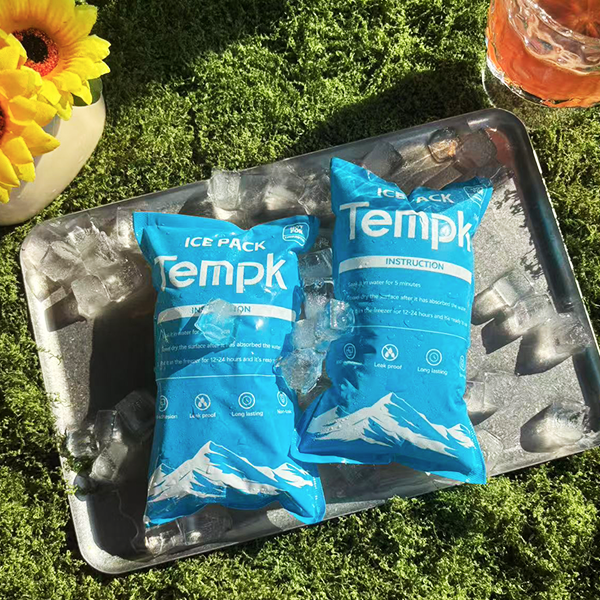
Portable Dry Ice Packs: How to Choose in 2025
If you ship or travel with frozen goods, portable dry ice packs are your simplest path to reliable sub‑zero control for 24–96 hours. You’ll learn how to size packs, meet safety rules, and lower total cost. You’ll also see 2025 trends that make portable dry ice packs smarter, lighter, and easier to audit, so you can prevent temperature excursions and protect margin.
What defines high‑performance portable dry ice packs for lanes and seasons?
How do you size portable dry ice packs for 24–96 hours without waste?
Which safety labels, venting practices, and SOPs apply to portable dry ice packs?
How portable dry ice packs cut claims and courier surcharges across routes
How to validate portable dry ice packs before scaling to all sites
What makes portable dry ice packs “portable” and reliable in 2025?
Portable means consistent cold in a compact format that fits varied coolers and shippers without re‑engineering your process. Reliable means predictable hold time, strong wrap integrity, documented CO₂ purity, and proven performance in your lanes. Modern portable dry ice packs combine dense pellets or blocks with vapor‑permeable sleeves that vent safely while resisting tears and dust.
In practice, portable dry ice packs should arrive ready to drop into coolers, meal‑kit totes, clinical shippers, or field cases. Look for clear net mass per pack, UN 1845 guidance, and lot traceability. Blocks hold longer; pellets fill voids for faster pull‑down. Hybrid sleeves blend both behaviors. Choose formats that match payload geometry and handling at your busiest site, not your most careful site.
Pellets vs. blocks vs. sleeves: which portable dry ice packs fit best?
Pellets flow around awkward shapes and speed pull‑down, which helps when products start warmer than ideal. Blocks sublimate slower, so they extend hold time during delays. Hybrid sleeves combine a pellet core with semi‑rigid walls for fewer losses during rough handling. For many teams, portable dry ice packs in sleeve format reduce housekeeping and keep labels readable.
| Format Comparison | Best Use | Watch‑outs | What it means for you |
|---|---|---|---|
| Pellets (3–16 mm) | Void fill, quick pull‑down | Slightly faster loss | Great around trays and odd shapes |
| Blocks (2–10 lb) | Long lanes and delays | Less flexible fit | Fewer re‑icing events |
| Hybrid sleeves | Mixed payloads, busy ops | Higher unit price | Balanced cold + clean handling |
Practical tips and advice
For home diagnostics: Use hybrid sleeves as portable dry ice packs to simplify training and reduce dust.
For seafood: Place a block layer under the load, then top with a thin pellet sleeve to remove warm pockets.
For desserts: Pre‑chill payloads; then use smaller portable dry ice packs to trim courier surcharges.
Real case: A Midwest lab switched from loose pellets to two hybrid portable dry ice packs per shipper. Hold time rose by a full delivery day while average dry ice mass fell 12%, cutting re‑icing and claims.
How do you size portable dry ice packs for 24–96 hours?
Start with lane hours, shipper insulation, payload mass, and starting temperature. Then translate total heat gain into dry ice mass, and convert mass into the count of portable dry ice packs. Oversizing increases cost and CO₂ exposure; undersizing drives excursions. A repeatable estimator helps new packers get it right the first time.
Portable dry ice packs shine when you plan for the route you actually run. Add a delay buffer for peak season. If payloads start near ambient, include a pull‑down adder. When your shipper insulation improves, reduce pack count rather than leaving “free cold” to evaporate into thin air.
A lane‑based estimator for portable dry ice packs
Planning ranges you can adapt
| Target Hold Time | Basic Shipper | Premium Shipper | Ultra Shipper | What it means |
|---|---|---|---|---|
| 24 hours | 3–4 lb (1–2 portable dry ice packs) | 2–3 lb (1–2 packs) | 2 lb (1 pack) | Premium/Ultra lower mass |
| 48 hours | 6–8 lb (3–4 packs) | 5–6 lb (2–3 packs) | 4–5 lb (2–3 packs) | Add 10% in summer |
| 72 hours | 10–12 lb (5–6 packs) | 8–10 lb (4–5 packs) | 7–8 lb (3–4 packs) | Combine blocks + pellets |
| 96 hours | 14–18 lb (7–9 packs) | 12–15 lb (6–7 packs) | 10–13 lb (5–6 packs) | Validate with loggers |
Actionable pointers
Pre‑condition payloads and shippers; portable dry ice packs last longer in cool containers.
Tighten voids with foam corners or trays to stop packs from sliding and tearing.
Replace one pellet pack with a small block for routes prone to delays.
Pilot outcome: A specialty dessert brand re‑mapped its lanes and replaced four small portable dry ice packs with three mid‑size blocks. Summer claims dropped 40% and shipping weight fell 1.5 lb per box.
What safety rules govern portable dry ice packs?
Dry ice is UN 1845, a Class 9 dangerous good; labels, net mass, and venting are required in many scenarios. Portable dry ice packs should include guidance on ventilation paths and safe disposal. Train staff on PPE and CO₂ exposure risk, especially in small rooms or vehicles. Never place portable dry ice packs in sealed containers.
Air shipments require carrier‑specific limits and paperwork. Ground shipments still need ventilation and clear instructions for drivers and receivers. Keep SDS on file and refresh training annually or when SOPs change. Strong sleeves and legible labels reduce housekeeping and audit friction.
Labels, venting, and training for portable dry ice packs
Mark packages with UN 1845 and net mass of dry ice when required.
Use packaging with built‑in vent paths; never fully airtight.
Provide PPE: cryogenic gloves and eye protection; avoid bare‑hand contact.
Stage portable dry ice packs in ventilated areas and rotate FIFO.
| Requirement | Air | Ground | Why it matters |
|---|---|---|---|
| UN 1845 + net mass | Always | Often | Helps responders and audits |
| Venting | Always | Always | Prevents pressure build‑up |
| Driver instructions | Per carrier | Yes | Safer delivery and fewer claims |
| SDS & training | Yes | Yes | E‑E‑A‑T, worker safety, compliance |
Practical example: A coastal seafood shipper added net‑mass labels and orientation arrows to cases with portable dry ice packs. Inspection time at hubs fell by minutes per pallet, and late‑night holds disappeared.
When should you blend portable dry ice packs with gel packs or PCM?
Blend when your product tolerates higher setpoints or when seasons swing. Portable dry ice packs keep products frozen; phase‑change materials (PCMs) or gel packs stabilize chilled ranges. During shoulder seasons, combining a small dry ice sleeve with a PCM panel can cut total CO₂ while keeping a safe margin.
Hybrid packouts using portable dry ice packs
Keep fragile products off direct contact by adding a corrugate tray above portable dry ice packs.
Use a thin PCM layer on top for shock absorption and temperature smoothing.
Validate both components together; mixed packouts behave differently from single‑media setups.
| Hybrid Option | Frozen Goods | Chilled Goods | What you gain |
|---|---|---|---|
| Dry ice blocks + PCM lid | Excellent | Not needed | Long hold + top protection |
| Pellet sleeve + gel packs | Too warm | Good | Shoulder‑season savings |
| Block base + pellet topper | Excellent | Not applicable | Faster pull‑down + long hold |
How do portable dry ice packs reduce total cost?
Predictable cold lowers re‑icing, claims, and courier surcharges. The cheapest pack by unit price can be the most expensive per delivery if it causes failures. Portable dry ice packs that arrive in clean sleeves or rigid pouches reduce dust, speed loading, and cut picking errors. Add light data loggers to prove success and end disputes quickly.
ROI levers you can control
Right‑size mass: Avoid the “just throw more” habit that adds 20–30% waste.
Upgrade insulation: A better shipper class reduces total portable dry ice packs by one or two units.
Consolidate SKUs: Fewer pack sizes mean faster training and fewer mistakes.
Standardize SOPs: Photos and QR steps make performance portable across shifts.
Instrument lanes: Even a basic logger gives defensible proof during audits.
| Cost Component | What you pay | What portable dry ice packs change | Practical result |
|---|---|---|---|
| Dry ice mass | Per pound | Lower with better insulation | Fewer surcharges |
| Packaging | Per unit | Clean sleeves reduce damage | Less rework |
| Labor | Per order | Standard SOPs speed packing | Shorter cycles |
| Claims | Per failure | Fewer excursions | Higher customer trust |
How do you evaluate suppliers of portable dry ice packs?
Ask for data, not adjectives. Credible suppliers publish CO₂ purity, pellet size distribution, wrap permeability, and durability testing. They provide lane modeling, validation support, and hub networks to ship fresher ice with shorter transit. Portable dry ice packs should be available in consistent SKUs so your SOPs stay stable across seasons.
Supplier scorecard you can copy
| Criterion | Acceptable | Best‑in‑Class | Why it matters |
|---|---|---|---|
| CO₂ purity | Food‑grade | Pharma‑grade | Cleaner payload space |
| Pellet variance | ±3 mm | ±2 mm | Consistent packouts |
| Sleeve durability | Single seam | Reinforced seams | Fewer tears and dust |
| Data support | Static sheet | Lane modeling + validation | Faster approvals |
| Hub coverage | 1–2 hubs | 3+ regional hubs | Fresher portable dry ice packs |
Sourcing moves that work
Request three lane‑matched validation summaries from the last 12 months.
Confirm next‑day availability for your top regions.
Align SKUs so each portable dry ice pack maps to a clear step in your SOP.
How do you validate portable dry ice packs before scaling?
Run controlled pilots in summer and winter on your longest lane, with a planned delay. Define pass/fail in degrees and hours. Place a logger at the warmest point near the payload, not on the ice. If portable dry ice packs meet your goal without intervention, lock the SOP and train.
A lean validation flow
Define success: temperature band, max spikes, and hours.
Build SOP: step‑by‑step with photos for portable dry ice packs placement.
Run tests: normal lane + delay scenario.
Analyze: mean, max, time over threshold.
Roll‑out: document and re‑audit each quarter.
Field pilot: A diagnostics network used two portable dry ice packs plus one PCM lid in a premium shipper. Winter and summer both passed, and annual product loss dropped below 0.4%.
How should you store, stage, and dispose portable dry ice packs?
Ventilation and PPE come first. Stage portable dry ice packs in a vented area away from drains and sealed containers. Use cryogenic gloves and eye protection. Keep packs dry and off bare floors to avoid sticking. Allow remnants to sublimate in a ventilated space; never put dry ice into sinks or sealed bins.
Receiving and staging checklist
Inspect sleeves and labels on arrival; quarantine torn packs.
Rotate FIFO to reduce mass loss in storage.
Keep coolers and shippers pre‑chilled before loading portable dry ice packs.
Photograph each packout for audit trails and training refreshers.
Can portable dry ice packs be sustainable without risking temperature?
Yes. Reduce mass with better insulation, right‑size shippers, and consolidate SKUs. Use recyclable liners where lanes allow. In shoulder seasons, validate a hybrid that uses fewer portable dry ice packs plus PCM panels. Sustainability is most effective when it rides on predictable cold, not heroics.
Practical sustainability actions
Move from EPS to recyclable liners where routes are short and stable.
Standardize two or three SKUs of portable dry ice packs across products.
Add a return‑reuse program for durable trays and payload sleeves.
Track CO₂ use per order alongside claims; optimize where both improve.
Portable dry ice packs for camping, travel, and field labs—what changes?
Situations outside parcel networks need extra care. Coolers are opened more often, ambient temperatures swing, and ventilation can be limited. For camping and fieldwork, treat portable dry ice packs as you would a small stove: keep them vented, handled with gloves, and away from enclosed tents or vehicles.
Field‑ready guidance
Choose latching coolers with gasketed lids and a small vent crack; never fully airtight.
Put a cardboard tray between portable dry ice packs and food to prevent freezer burn.
Pack in layers: block base, payload, pellet sleeve topper.
Expect shorter life in hot, windy conditions; bring one extra pack for safety.
| Field Use | Tip | Why it helps | Real‑world impact |
|---|---|---|---|
| Road trips | Vent cooler slightly | Prevents pressure | Safer handling |
| Multi‑day hikes | Use block + sleeve | Longer cold + fit | Fewer resupplies |
| Field labs | Logger inside cooler | Data for notes | Repeatable setup |
Portable dry ice packs for healthcare and clinical logistics—what to prove?
Healthcare requires repeatability and documentation. Portable dry ice packs should map to batch records, with photos, lot numbers, and clear net mass. Clinics and depots benefit from small, consistent SKUs so shifts can pack identically without guesswork. Validation and training records close the loop for audits.
Healthcare checklist
Keep SDS and pack specs accessible.
Use identical placements for portable dry ice packs in every kit.
Include receiving instructions inside the box for busy sites.
Document excursions and corrective actions; adjust SOPs as needed.
Clinic rollout: After standardizing on two portable dry ice packs per kit and adding a one‑page insert, a vaccine trial reduced intake time at sites by 25%.
2025 developments and trends for portable dry ice packs
In 2025, teams favor hybrid packouts, compact sleeves with reinforced seams, and simple, USB‑free data loggers. Carriers have tightened sort windows, so predictable lanes and better insulation matter more than ever. Regional hub networks reduce transit time, keeping portable dry ice packs fresher on arrival and enabling smaller safety buffers.
Latest developments at a glance
Hybrid sleeves: Pellet cores inside semi‑rigid shells resist abrasion and hold longer.
QR SOPs: Simple scannable steps standardize how portable dry ice packs are placed.
Recyclable liners: Lighter boxes reduce courier fees and CO₂ per delivery.
Market insights: Demand is rising for 48–72‑hour coverage with fewer SKUs. Teams trade one large block plus one pellet sleeve for three loose pellet bags. Portable dry ice packs that ship from regional hubs win on freshness and variance, which translates directly to fewer excursions.
Frequently Asked Questions
How cold are portable dry ice packs, and how long do they last?
They target −78.5°C and typically hold 24–96 hours depending on shipper class, pack mass, and ambient heat. Add 10–20% for summer.
Can I combine portable dry ice packs with PCM or gel?
Yes. Use dry ice for deep‑frozen control and PCM or gel for cushioning and shoulder‑season stability. Validate both together.
Do portable dry ice packs require special labels?
Yes for many air shipments. Mark UN 1845 and net mass where required and ensure packaging is vented, never airtight.
How many portable dry ice packs do I need for 48 hours?
A premium shipper often needs 5–6 lb total, or two to three mid‑size packs. Add 10% for hot lanes and round up to SKUs.
Are portable dry ice packs safe in cars or tents?
Only with adequate ventilation. Never store in sealed spaces. Keep coolers cracked or vented and use gloves when handling.
Can portable dry ice packs ship internationally?
They can, but you must meet carrier rules and customs delays. Validate your longest lane, and plan extra mass for holds.
How do I dispose of portable dry ice packs?
Let remaining ice sublimate in a ventilated area. Recycle packaging where possible. Avoid sinks, sealed bins, and drains.
Summary and recommendations
Portable dry ice packs deliver predictable frozen control, reduce claims, and simplify audits when matched to your lanes and shipper class. Size by hours and insulation, not guesswork. Blend with PCM when seasons swing. Standardize SKUs and SOPs, then validate twice a year with data loggers. Safer handling and cleaner sleeves improve training and speed.
Next steps:
Map your top three lanes and their worst‑case hours.
Pilot two packouts using portable dry ice packs with different shipper classes.
Validate summer and winter, document results, and lock SOPs.
CTA: Need a lane model or pilot plan? Contact Tempk for a free packout review.
About Tempk
We design practical cold chain systems that pair portable dry ice packs with premium insulation and simple SOPs. Our team supports lane modeling, validation design, and regional fulfillment to keep packs fresh and predictable. Customers report fewer excursions and faster approvals after standardizing on our pack families and training materials.
Ready to improve reliability? Request a lane assessment and pilot schedule with Tempk.
Refrigerant Dry Ice Pack Sheet: How to Choose in 2025?
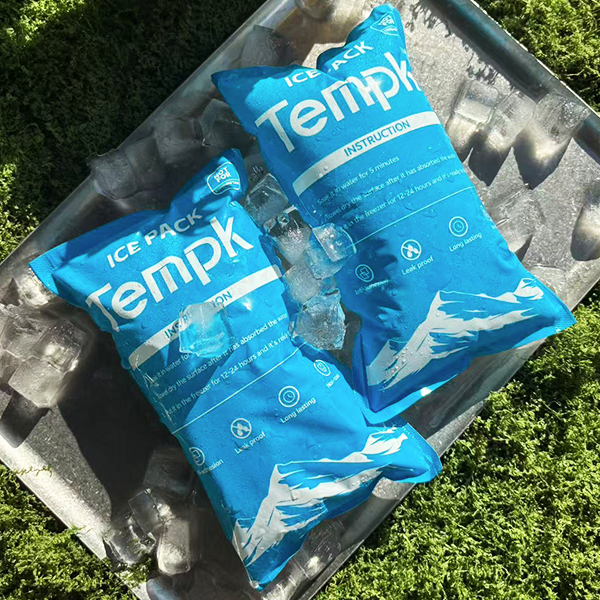
Refrigerant Dry Ice Pack Sheet: How Do You Choose and Use It in 2025?
If you move temperature‑sensitive goods, a refrigerant dry ice pack sheet can stabilize lanes, extend hold time, and lower waste. You need the right temperature range, count, and placement to hit your lane targets. In this guide, you’ll learn how to size, pack, and validate, so your parcel arrives within spec and without paying for excess weight.
Pick a refrigerant dry ice pack sheet that matches your lane and payload
Size sheet count with a fast estimator and examples for different durations
Pack out correctly to avoid hot spots and condensation in transit
Compare refrigerant dry ice pack sheet vs gel packs, bricks, and dry ice
Comply with labeling and safety expectations for sub‑zero shipments
What is a refrigerant dry ice pack sheet and why use it?
Direct answer:
A refrigerant dry ice pack sheet is a flexible grid of sealed cells filled with a phase‑change material (PCM) engineered to freeze below 0 °C and deliver cooling as it melts. It combines the “lay‑flat” coverage of a blanket with sub‑zero performance, helping you pre‑wrap product, line walls, or layer between items. Expect steadier gradients and fewer hot corners than loose packs when pack‑outs are consistent.
Expanded explanation:
Think of the sheet as a “cooling quilt” you pre‑condition like ice. The PCM holds a set freezing point, so it releases a steady stream of cold as it changes state. Many refrigerant dry ice pack sheet options target –5 °C to –20 °C ranges for pharma or frozen food. You can fold or cut along seams to fit boxes, which speeds lines and reduces labor. In parcel lanes with frequent hand‑offs, the uniform contact area limits thermal spikes caused by gaps that single gel bricks leave.
Refrigerant dry ice pack sheet vs gel packs: which performs better?
Details:
Gel packs are versatile but create point cooling and can slump. A refrigerant dry ice pack sheet spreads cold evenly and stays where you place it. If your lane sees door‑to‑door swings from 5 °C to 35 °C, sheets reduce risk of edge warming. For ultra‑cold or long export lanes, combine a refrigerant dry ice pack sheet layer with a small dry ice charge to extend hold time while controlling sublimation rates.
| Cooling Option | Typical Range | Conditioning | What It Means for You |
|---|---|---|---|
| Gel packs | 0–8 °C or –2–0 °C | 24–48 h at setpoint | Simple but uneven contact; may need more units to cover gaps |
| Refrigerant dry ice pack sheet | –5 to –20 °C targets | 24–48 h at target temp | Even blanket coverage; fold to fit; good for mixed SKUs |
| Dry ice (CO₂) | ~–78.5 °C surface | Not conditioned; handle with PPE | Long hold for frozen; hazmat labeling; risk of over‑freezing |
Practical tips and suggestions
Last‑mile heat spikes: Wrap the payload top and sides with a refrigerant dry ice pack sheet to protect against sun‑heated lids.
Mixed SKUs: Use sheet segments between warm‑loading items to avoid self‑heating clusters.
Export lanes: Pair one refrigerant dry ice pack sheet with a small dry ice block to flatten early‑trip over‑cooling.
Real case: A regional meal kit added a refrigerant dry ice pack sheet over proteins and cut summer spoilage from 7% to 2% during a 72‑hour heatwave window.
How many refrigerant dry ice pack sheet units do you need?
Direct answer:
Start with a heat‑load estimate and the PCM’s latent heat. Multiply total watts of heat gain by your required hours, then divide by the sheet’s effective joules. For most insulated shippers, that gives a first pass within ±15%. Add 10–20% margin for hand‑offs and weekend holds.
Expanded explanation:
Your box gains heat from ambient temperature, seam leaks, and handling. A refrigerant dry ice pack sheet contributes a predictable “cold battery” based on latent heat at its phase‑change point. If your lane spends time at 25–30 °C, you need more capacity than a mild spring route. Use the estimator below for quick sizing, then run a pack‑out test to verify.
Quick estimator for refrigerant dry ice pack sheet sizing
One‑box rule of thumb:
Box_U_value: overall heat transfer (W/m²·K) of your shipper
Surface_Area: exterior area (m²)
ΔT: ambient minus target internal setpoint (K)
Sheet_Effective_Joules: latent + sensible energy per sheet at your range
| Example Scenario | Inputs | Result | What to Do |
|---|---|---|---|
| 12 L EPS shipper, ΔT=20 K, 48 h | U=0.6, A=0.9 m² | ~3–4 sheets | Start with 4 refrigerant dry ice pack sheet units and validate |
| 18 L VIP shipper, ΔT=25 K, 72 h | U=0.18, A=1.1 m² | ~4–5 sheets | Begin with 5 sheets; consider one layer top and bottom |
| 8 L EPS, ΔT=15 K, 24 h | U=0.7, A=0.7 m² | ~1–2 sheets | Try 2 sheets; remove 1 if product risks freezing |
Placement matters as much as sheet count
Details:
Put at least one refrigerant dry ice pack sheet above the payload. Heat rises within the box when the top is sun‑heated, so top coverage prevents the “warm lid” effect. For tall payloads, add side sheets, or fold a long sheet into a U‑shape to hug the load. For frozen goods, avoid direct contact with delicate produce; add a corrugated pad.
Practical tips
Skew top‑heavy: Use 60% of total refrigerant dry ice pack sheet mass on top in summer lanes.
Layer gaps: Leave 3–5 mm air space above sensor data loggers.
Soft goods: Slip a kraft or foam pad between sheet and carton label to stop condensation bleed.
Real case: A clinical site cut pack‑outs from 7 to 4 components after switching to a refrigerant dry ice pack sheet U‑wrap and maintained 48‑hour hold in 30 °C ambient.
How should you condition and pack a refrigerant dry ice pack sheet?
Direct answer:
Condition at the recommended setpoint until the cores are fully frozen. Most refrigerant dry ice pack sheet models need 24–48 hours in a –10 °C to –20 °C freezer. Lay sheets flat, avoid stacking more than 5 high, and verify core temperature before use.
Expanded explanation:
Under‑conditioned sheets deliver a short cold burst and then behave like heavy gel. Fully frozen, a refrigerant dry ice pack sheet gives hours of stable output near its phase‑change point. Use a probe thermometer or a touch‑safe IR gun to confirm. Label totes by time‑in/time‑out to keep FIFO discipline on the floor.
Step‑by‑step pack‑out with a refrigerant dry ice pack sheet
Pre‑cool the box for 10–15 minutes if possible.
Place one refrigerant dry ice pack sheet at the bottom or skip if the product is freeze‑sensitive.
Add payload with spacers to create small air channels.
Drape a refrigerant dry ice pack sheet over the top; fold edges down.
Add side sheets for hot lanes or weekend risk.
Insert a data logger near the warmest corner.
Close, seal, and label.
| Pack‑Out Goal | Sheet Use | Sensitivity | For You |
|---|---|---|---|
| Frozen, 72 h | Bottom + top + sides | Low | Strong freeze protection with a refrigerant dry ice pack sheet envelope |
| Chill, 48 h | Top‑heavy, maybe sides | Medium | Avoid bottom sheet to prevent cold spots |
| Chill, 24 h | Single top sheet | High | Lightweight, low‑cost pack‑out |
Do you need dry ice as well?
If your endpoint requires rock‑hard frozen at delivery, a small dry ice block can pair with a refrigerant dry ice pack sheet on the top layer. The sheet moderates early thermal shock; the dry ice extends tail hold. Keep CO₂ below the lid with vent holes and add appropriate labels.
Real case: A bakery shipping croissants nationwide layered one refrigerant dry ice pack sheet over a 1 kg dry ice slab. They held texture and cut returns by half during holiday peaks.
How does a refrigerant dry ice pack sheet affect compliance and safety?
Direct answer:
Treat sub‑zero shipments with respect for freezing risk, condensation, and CO₂ handling when dry ice is present. A refrigerant dry ice pack sheet reduces free CO₂, but you still need gloves, eye protection, and clear labels if you add dry ice.
Expanded explanation:
For healthcare, follow your quality system for packaging validation, temperature monitoring, and lane qualification. Many teams run profiles like 0–8 °C for up to 72 hours or frozen profiles. A refrigerant dry ice pack sheet helps pass challenge segments by smoothing spikes, but documentation still matters. For food, document that the core temperature stayed within safe limits across the lane and at delivery.
Safety checklist for refrigerant dry ice pack sheet shipments
PPE: Insulated gloves when handling frozen sheets or dry ice.
Ventilation: Never seal dry ice in an airtight container.
Labels: Include “Frozen” or temperature range; add CO₂ identifiers if used.
Drop tests: Confirm seals hold; a refrigerant dry ice pack sheet should not burst if dropped.
| Risk | What to Watch | Mitigation | Benefit to You |
|---|---|---|---|
| Over‑freezing | Delicate produce, biologics | Spacer pads, top‑only refrigerant dry ice pack sheet | Prevent texture and potency loss |
| Condensation | Humid lanes | Line with poly bag, absorbent pads | Protect labels and cartons |
| CO₂ buildup | Dry ice mix | Venting paths, labels | Safety and compliance |
Cost and sustainability: where does a refrigerant dry ice pack sheet fit?
Direct answer:
Total delivered cost improves when you cut spoilage, labor, and DIM weight. A refrigerant dry ice pack sheet often replaces multiple gel bricks and reduces touches on fast pack lines.
Expanded explanation:
Sheets store flat when dry, boosting warehouse density. You can right‑size by cutting along seams, which avoids odd leftover bricks. If your customer supports take‑back, a refrigerant dry ice pack sheet can be re‑used after inspection, or recycled via specialized streams depending on the film.
Sustainability levers you control
Right‑sizing: Use only as many refrigerant dry ice pack sheet segments as needed.
Hybrid pack‑outs: Combine a sheet with lightweight VIP to slash coolant mass.
Re‑use programs: Inspect, sanitize, and redeploy where allowed.
| Lever | Baseline | With Sheet | What You Gain |
|---|---|---|---|
| Coolant mass | 4 gel bricks | 1 refrigerant dry ice pack sheet | Lower weight and freight |
| Pack‑out steps | 7–8 actions | 4–5 actions | Faster lines, fewer errors |
| Storage volume | Loose bricks | Flat sheets | Better cube efficiency |
Real case: An e‑grocery reduced coolant SKUs from 6 to 2 using a refrigerant dry ice pack sheet plus a standard gel. They saved three pallet positions per week.
Validation: how do you prove your refrigerant dry ice pack sheet works?
Direct answer:
Run an operational qualification (OQ) with your worst‑case payload and a summer profile, then run a performance qualification (PQ) on live lanes. Use a data logger inside the warm corner and near the top.
Expanded explanation:
Pre‑condition the refrigerant dry ice pack sheet at the recommended setpoint. Load your shipper to the lightest payload you expect, which heats fastest. Challenge with hot ambient. If the profile holds, heavier loads will be easier. For frozen lanes, confirm that sensitive SKUs do not over‑freeze.
Test design quick guide
Sensors: One in the warm corner, one near the top, one mid‑mass.
Profiles: 24/48/72 h holds with 25–35 °C ambient cycles.
Acceptance: Payload core within spec; no melted leaks.
| Test Step | Purpose | Pass/Fail | For You |
|---|---|---|---|
| OQ hot profile | Worst case | Within temperature band | Confident launch |
| PQ pilot | Live parcels | Within delivery band | Real‑world proof |
| Post‑mortem | Root cause | Actionable tweaks | Faster iteration |
2025 trends for refrigerant dry ice pack sheet users
Trend overview:
In 2025, teams are moving to refrigerant dry ice pack sheet pack‑outs that integrate lane analytics and SKU‑specific inserts. Expect more flexible PCM blends that hold –10 °C to –15 °C without brittle films, plus lighter barrier films to reduce DIM. Data‑driven pack‑out rules are replacing tribal knowledge on the packing floor.
Latest advances at a glance
Blended phase points: Tuned PCMs that keep a tighter –12 °C plateau for smoother curves.
Edge‑seal durability: New film seams tolerate repeated freeze‑thaw cycles, extending refrigerant dry ice pack sheet re‑use.
Digital SOPs: Mobile checklists that compute sheet count by lane and auto‑log conditioning time.
Market insights:
Meal kits, clinical samples, and regional bakeries remain high adopters. The biggest gains come from replacing mixed coolant piles with a standardized refrigerant dry ice pack sheet kit. Expect procurement to push multi‑vendor compatibility, so choose dimensions and cut lines that fit common shippers.
Frequently Asked Questions
Q1: What temperature can a refrigerant dry ice pack sheet maintain?
Most hold a narrow sub‑zero window, often –5 °C to –20 °C. Pick the refrigerant dry ice pack sheet that matches your lane and validate with a logger.
Q2: How long does a refrigerant dry ice pack sheet last in transit?
Hold time depends on insulation, ambient, and sheet count. Many lanes aim for 24–72 hours. Start with the estimator, then tune your refrigerant dry ice pack sheet count.
Q3: Can I ship only with a refrigerant dry ice pack sheet for frozen?
Yes, for short lanes with strong insulation. For long export lanes, combine a refrigerant dry ice pack sheet with a small dry ice charge.
Q4: Will a refrigerant dry ice pack sheet over‑cool sensitive goods?
It can if placed under the product. Use top‑only placement or spacer pads with your refrigerant dry ice pack sheet.
Q5: How do I store and condition the sheets?
Lay flat, avoid tall stacks, and freeze for 24–48 hours at the target setpoint. Label totes and rotate refrigerant dry ice pack sheet stock FIFO.
Q6: How many sheets fit a small parcel box?
Many 8–12 L shippers fit one top refrigerant dry ice pack sheet or two folded sides. Validate before scaling.
Q7: Are refrigerant dry ice pack sheet materials recyclable?
Some films and PCMs are recyclable in specialized streams. Check local programs and your refrigerant dry ice pack sheet supplier’s guidance.
Q8: Do I need special labels?
Mark temperature range and contents. If you add dry ice, include CO₂ identifiers. A refrigerant dry ice pack sheet alone is not hazardous.
Summary and recommendations
Key takeaways:
A refrigerant dry ice pack sheet spreads cold evenly, speeds packing, and reduces waste. Size by heat‑load, place one sheet on top, and add sides for hot lanes. Validate with a summer profile and data logging. Combine a refrigerant dry ice pack sheet with dry ice only when long frozen holds demand it.
Next steps (CTA):
Pick your target range and duration. 2) Use the quick estimator to select sheet count. 3) Run a one‑day OQ and adjust. 4) Roll out a SOP that standardizes your refrigerant dry ice pack sheet pack‑out. Talk to Tempk for a lane‑mapping session and a right‑sized starter kit.
About Tempk
We design and test cold chain packaging for food and healthcare. Our refrigerant dry ice pack sheet options are engineered for consistent sub‑zero performance with cut‑to‑fit grids and robust edge seals. We validate against hot profiles and share clear conditioning SOPs. You get fewer touches, lower waste, and simpler audits.
Action: Request a rapid lane assessment and a sample refrigerant dry ice pack sheet kit for your top two SKUs.
Sublimation Dry Ice Packs: 2025 Buyer’s Guide
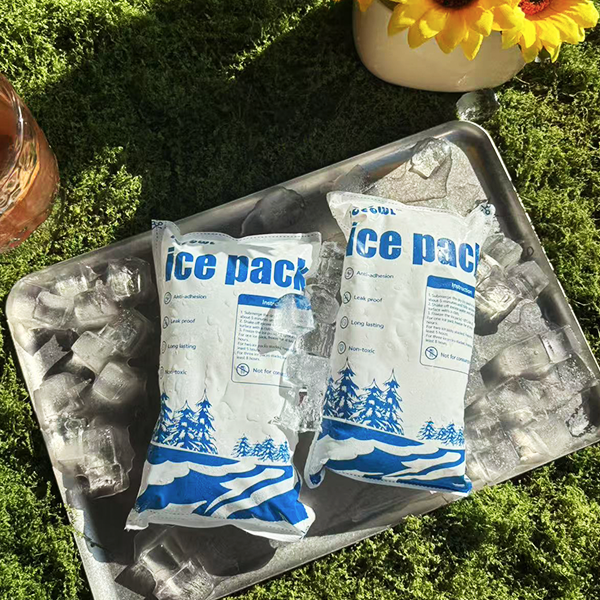
Sublimation Dry Ice Packs: 2025 Buyer’s Guide
If you ship frozen goods in 2025, sublimation dry ice packs are your most reliable –78.5°C tool. In this guide, you’ll learn how sublimation dry ice packs work, how many you need, and how to design pack‑outs that pass qualification without ballooning freight costs. You’ll also get 2025‑ready tips on labeling, safety, and sustainability, so you can protect product quality and stay compliant.
Size sublimation dry ice packs for 24–96 hours with simple rules of thumb
Choose materials and pack‑out patterns that improve hold time
Compare sublimation dry ice packs vs gel packs vs PCM bricks for hybrid lanes
Navigate 2025 regulatory labeling and dry ice documentation requirements
Build a validation plan that proves your shipper keeps –78.5°C cargo safe
What are sublimation dry ice packs and how do they work?
Short answer: Sublimation dry ice packs are pre‑formed CO₂ blocks or pillows that maintain ultracold conditions by sublimating—turning from solid to gas—at about –78.5 °C. That phase change absorbs a large amount of heat (about 571 kJ/kg), stabilizing your payload below freezing while venting CO₂ harmlessly from the package.
Why it matters for you: Dry ice doesn’t melt into liquid water; it vents as gas. That means no leakage and no wet cartons. When engineered as modular packs, the surface area is predictable, the vent path is controlled, and pack‑outs become repeatable. For frozen biologics and seafood, sublimation dry ice packs deliver the longest hold time per kilogram among common refrigerants, provided your box can vent gas and manage pressure safely.
Sublimation rate, hold time, and sizing for sublimation dry ice packs
Key idea: Sublimation rate depends on heat leak (insulation + ambient), pack shape (surface area), and stacking (air gaps). For a first pass, estimate required dry ice by combining heat gain and product load:
Heat absorbed by sublimation: ~571 kJ per kg of dry ice
Sensible heat of product: mass × specific heat × allowed rise
Heat leak: U × A × ΔT × time (or use the simple hourly W leak from your box spec)
A practical starting point:
If you don’t have a measured heat leak, use a lane-based rule of thumb for a 30–35 mm EPS shipper:
Mild lane (15–25 °C): ~0.9–1.3 kg per 24 h per 10 L of internal volume
Warm lane (25–35 °C): ~1.3–1.8 kg per 24 h per 10 L
Hot lane (35–40 °C): ~1.8–2.5 kg per 24 h per 10 L
Tip: Increase load by 10–15% for door‑to‑door variability and by another 10% if your shipper sees frequent door openings.
| Typical Frozen Payload | Target Range | Suggested Refrigerant | What it means for you |
|---|---|---|---|
| mRNA vials, enzymes | ≤ –70 °C | Sublimation dry ice packs | Achieve ultracold without mechanical freezers during transit |
| Seafood fillets | ≤ –20 °C | Dry ice packs or PCM –21 °C | Dry ice extends shelf life vs gel; add spacers to prevent freeze-burn |
| Frozen desserts | –20 °C to –10 °C | Dry ice packs (reduced mass) or PCM –18 °C | Prevent thaw cycles in last-mile peaks |
| Meat/meal kits | –18 °C target | Hybrid: gel + dry ice | Stable outer temp with gel; dry ice handles spikes |
Practical tips and suggestions
Vent path first: Always include a controlled vent. Never hermetically seal sublimation dry ice packs inside plastic with no vent.
Use spacers: A corrugated pad between packs and product avoids freeze-burn on direct contact.
Stack smart: Edge‑to‑edge perimeter “wall” plus a top layer creates a cold envelope with predictable sublimation.
Qualify two worst cases: Hot‑soak (35–40 °C) and long dwell (96 h). If both pass, your release criteria will be simpler.
Real‑world example: A 24‑vial biologic kit shipped with a 21 L VIP shipper and 6.0 kg of sublimation dry ice packs held below –70 °C for 96 h in a 35 °C hot‑box test, while the same payload with 30 mm EPS needed ~9.5 kg to pass. The better insulation cut refrigerant mass by ~37%.
How many sublimation dry ice packs do you need for 24–72 hours?
Short answer: Sublimation dry ice packs are sized by time-in-transit and ambient severity. For 24 h at 25 °C, expect roughly 0.9–1.3 kg per 10 L internal volume. For 72 h at 35 °C, plan 4–6 kg for common 18–30 L shippers with EPS; VIP can drop that 25–40%.
Expanded view: The right amount depends on three levers you control: insulation, layout, and percent fill. Higher percent fill reduces voids and heat leak. Layout that wraps the payload lowers the effective surface temperature the product “sees.” Upgrading from EPS to VIP often pays back in freight: less mass, fewer cartons, and lower surcharges for CO₂ refrigerant.
Pack‑out patterns for sublimation dry ice packs
Goal: Surround the payload while maintaining CO₂ venting. Choose one:
Perimeter wall + top cap
Line all four sides with sublimation dry ice packs standing on edge; add a top cap layer.
Best for vials and small cartons that need uniform ultracold.
Bottom bed + perimeter + top
A thin bottom bed evens cold, perimeter keeps edges tight, top caps buffer door delays.
Good for food shipments to reduce freeze-burn; add a corrugated pad above the bottom bed.
Top‑heavy cap only
When the payload is temperature‑robust but the lane is hot, a heavy top layer counters radiant heat from above.
Use when time at loading bays dominates risk.
| Pack‑out Option | Pros | Cons | What to use it for |
|---|---|---|---|
| Perimeter + top | Most uniform cold; predictable hold time | Uses more packs | Biologics, enzymes, deep‑frozen R&D |
| Bottom + perimeter + top | Gentle on product surfaces | Slightly heavier | Seafood, desserts, premium meats |
| Top‑heavy cap | Lowest mass | Non‑uniform cold | Short flights, robust frozen SKUs |
A quick decision helper (interactive checklist)
Ambient > 30 °C for ≥ 12 h? Choose perimeter + top and increase mass by 20%.
Payload touches pack surface? Add a 3–5 mm corrugated spacer or foam sheet.
Transit > 72 h? Add a mid‑pack belt layer or upgrade insulation to VIP.
CO₂ surcharge high? Model a VIP shipper; dry ice mass may drop by one‑third.
Customer opens on arrival? Add an extra top cap to handle hand‑off delays.
Operational case: A meal‑kit brand cut spoilage by 42% during heat waves after switching from gel‑only to hybrid sublimation dry ice packs with a top‑cap pattern, adding just 0.7 kg per box and a cardboard spacer to prevent freeze‑burn.
Sublimation dry ice packs vs gel packs vs PCM bricks: which should you choose?
Short answer: Sublimation dry ice packs deliver the coldest temperature and the longest hold time per kilogram. Gel packs are best for chilled (2–8 °C) and protect from freezing. PCM bricks serve narrow setpoints (e.g., –21 °C or +5 °C) and reduce temperature swings.
What that means for you: If your product must stay below –20 °C—or especially below –70 °C—sublimation dry ice packs are the first choice. For mixed carts or last‑mile deliveries, a hybrid dry ice + PCM or gel pack‑out can cut total mass and improve safety at hand‑off.
When to combine sublimation dry ice packs with gel or PCM
Frozen desserts and seafood: Use sublimation dry ice packs for the heavy lift and a thin gel perimeter to buffer against direct freezing on contact.
Long dwell + frequent door opens: Dry ice handles the peaks; PCM keeps temperatures steady when the door is closed.
Chilled to frozen transitions: Use PCM –21 °C around the payload and a reduced dry ice cap to extend time without overshooting to ultracold.
| Refrigerant | Strength | Weakness | Best use |
|---|---|---|---|
| Sublimation dry ice packs | –78.5 °C setpoint; high latent heat | Requires venting; CO₂ labeling | Deep frozen lanes, long holds |
| Gel packs | No hazardous label; cheap | Risk of meltwater; limited cold | Chilled lanes, quick turns |
| PCM bricks | Precise setpoints | Narrow buffer; heavier | Hybrid builds, qualification tuning |
Packaging and insulation for sublimation dry ice packs
Short answer: Better insulation cuts refrigerant mass. In 2025, EPS remains the value baseline, PUR delivers stronger R‑value at moderate cost, and VIP panels provide the best performance—often allowing 25–40% less sublimation dry ice packs for the same hold time.
How to choose: Match insulation to lane and SLA. For hot lanes or 96 h holds, VIP often pays back in refrigerant savings and lower CO₂ surcharges. For short regional lanes, EPS with smart layout is enough.
Minimize heat leak with small design tweaks
Tighten voids: Fill corners and voids with honeycomb or foam. Voids accelerate sublimation.
Separate inner from outer walls: Cardboard or foam standoffs reduce thermal bridging.
Use reflective liners: They lower radiant load, especially under hot roofs.
Seal flaps cleanly: Even small lid gaps can slash hold time.
| Insulation | Typical Thickness | Relative R‑Value | What it means for you |
|---|---|---|---|
| EPS (30–35 mm) | 1.2–1.4 in | Baseline (1×) | Lowest cost; heaviest dry ice needs |
| PUR (25–30 mm) | 1.0–1.2 in | ~1.6–1.8× EPS | Good mid‑tier; smaller cartons possible |
| VIP (10–20 mm) | 0.4–0.8 in | ~4–7× EPS | Premium; cuts sublimation dry ice packs by 25–40% |
Regulatory, safety, and carrier rules in 2025 for sublimation dry ice packs
Short answer: Dry ice is regulated as UN 1845, Carbon dioxide, solid, Class 9. Sublimation dry ice packs require vented packaging, proper marking, and net‑weight disclosure. Air shipments must follow current IATA Dangerous Goods Regulations; ground carriers align with local ADR/49 CFR rules. Always check the 2025 edition relevant to your route.
Practical checklist (non‑exhaustive):
Marking: Write “UN 1845, Carbon dioxide, solid, x kg.” Include net dry ice mass per package.
Ventilation: Use packaging that releases CO₂ gas. Never seal dry ice airtight.
Documentation: For non‑dangerous-goods cargo cooled by dry ice, include the dry ice statement on the air waybill; additional declarations may apply if cooling dangerous goods.
Labeling: Class 9 hazard label and proper size per mode.
Training: Staff handling sublimation dry ice packs need awareness training on cold burns and CO₂ exposure.
Workplace safety: Provide gloves, face protection, and CO₂ ventilation in pack rooms.
Note: Regulations update annually. Confirm limits and label sizes with your carrier’s 2025 manual before shipping.
Quality control and validation with sublimation dry ice packs
Short answer: Validate with a three‑box strategy: hot‑soak worst case, long dwell, and a nominal lane. Sublimation dry ice packs should be sized to keep every probe within spec across all tests.
Execution tips:
Probe placement: Corners and near the lid are the hottest spots; place at least one sensor there.
Sampling: Use at least 10 temperature points for large payloads; 5 for small.
Acceptance criteria: Define product‑safe limits and maximum single‑point excursion time.
Data logging: Use a logger with min/max capture and clear export. Calibrate annually.
A simple pack‑out calculator you can adapt
Use this as a planning aid only—always qualify with real tests on your lane.
2025 sustainability for sublimation dry ice packs
Short answer: CO₂ used for sublimation dry ice packs is often captured as a by‑product of industrial processes. In 2025, more suppliers offer reclaimed or bio‑based CO₂ sources and take‑back programs for reusable shippers, cutting total footprint without compromising hold time.
What to do now:
Source reclaimed CO₂: Ask suppliers how CO₂ is captured and purified.
Optimize mass: Upgrading insulation can reduce dry ice mass by a third, which typically lowers total emissions.
Right‑size cartons: Smaller dimensional weight saves fuel and money.
Recover materials: Use returnable carriers or partner with local dry ice vendors for reuse of totes and spacers.
2025 trends for sublimation dry ice packs
Trend overview: The 2025 cold‑chain market shows stronger demand for high‑reliability frozen shipping without active refrigeration. Sublimation dry ice packs benefit from three shifts: better insulation (VIP mainstreaming), smarter pack‑outs (lane‑specific designs), and compliance automation (auto‑printed UN 1845 marks and weight capture on scales). Shippers are designing for 72–96 h holds with lower mass, not just adding more CO₂.
Latest developments at a glance
VIP‑lite shippers: Thin VIP hybrids that fit parcel size limits while trimming sublimation dry ice packs by ~25–30%.
Auto‑weight labeling: Scales integrated with pack‑tables print the exact UN 1845 dry ice weight on the box, reducing errors.
Hybrid builds: Standardizing a gel + dry ice pattern for multi‑temp catalogs to simplify fulfillment training.
Market insight: Frozen e‑commerce growth and biologics distribution continue to push ultracold shipments into parcel networks. Carriers maintain CO₂ handling surcharges, so leaner pack‑outs and higher fill rates are winning levers. Expect qualification to move from “pass/fail” to “pass with buffer,” where designs target ≥10% extra hold time to manage network variance.
Frequently Asked Questions
Q1: How long do sublimation dry ice packs last in transit?
Hold time depends on insulation and ambient. For 30 mm EPS at 25–35 °C, plan roughly 1.3–1.8 kg per 10 L per day. VIP reduces mass needs and extends time. Keep a 10–15% buffer.
Q2: Can sublimation dry ice packs damage my product?
Direct contact can freeze‑burn delicate foods or packaging films. Add a corrugated or foam spacer and use a perimeter wall pattern to avoid cold spots.
Q3: Are sublimation dry ice packs allowed on planes?
Yes, with conditions. Follow 2025 IATA DGR rules for UN 1845: vented packaging, hazard label, and net dry ice weight on the air waybill. Verify any weight limits with your carrier.
Q4: How do I prevent boxes from bursting?
Never seal dry ice gas tight. Provide a vent path using breathable tape or engineered vents. Avoid plastic bagging without punctures.
Q5: What’s the difference between loose dry ice and sublimation dry ice packs?
Loose pellets or blocks vary in surface area and sublimation rate. Sublimation dry ice packs are pre‑formed for repeatable behavior and cleaner handling.
Q6: Is gel enough for frozen deliveries?
For deep frozen (≤ –20 °C), gel alone usually isn’t enough for long hauls. A hybrid with sublimation dry ice packs cuts risk and often total refrigerant mass.
Q7: How do I estimate pack count quickly?
Use the lane‑based rules above or the calculator to estimate kg, then convert to your supplier’s pack size. Always validate before go‑live.
Q8: Do I need special training to use dry ice?
Yes. Train staff on cold‑burn hazards, CO₂ ventilation, labeling, and handling procedures. Maintain PPE and first‑aid for frostbite.
Summary and Recommendations
Key takeaways:
Sublimation dry ice packs deliver reliable –78.5 °C protection with high latent heat.
Insulation quality and pack‑out layout drive hold time more than sheer refrigerant mass.
For 24–96 h lanes, start with mass per 10 L rules and validate worst‑case hot‑soak.
In 2025, VIP and hybrid builds reduce mass and surcharges while maintaining quality.
Always comply with UN 1845 labeling, venting, and training requirements.
Next steps:
Map your lanes and service‑level targets (24, 48, 72, or 96 h).
Prototype two pack‑outs using sublimation dry ice packs: perimeter + top, and bottom + perimeter + top.
Run hot‑soak qualification and tune mass by ±10–20%.
Document your SOP with venting and labeling steps.
Roll out training and audit monthly.
Call to action: Get a right‑sized pack‑out and validation checklist tailored to your lanes.
About Tempk
Tempk provides cold‑chain packaging and thermal validation solutions built for parcel and freight networks. We focus on repeatable results—clear pack‑outs, predictable hold times, and easy‑to‑follow SOPs. Our portfolio includes modular sublimation dry ice packs, hybrid gel/PCM kits, and insulated shippers from EPS to VIP. Two practical advantages: standardized sizes that fit carrier limits and documentation templates that make compliance fast.
Next step: Request a lane‑specific sizing worksheet and a pilot kit to verify hold time on your routes.
Extra Cold Dry Ice Pack: 2025 Sizing & Safety Guide
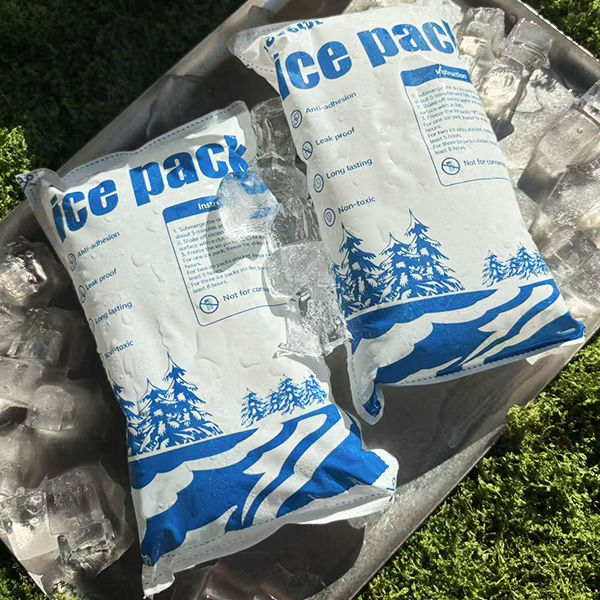
Extra Cold Dry Ice Pack: How to Ship Frozen Right
You want frozen products to arrive rock‑solid without paying for waste. An extra cold dry ice pack is your most reliable tool to keep goods below –18 °C during long transits. In this guide, you’ll learn how to size it, pack it, and handle it safely. You’ll also see 2025 best practices that reduce cost and emissions while protecting quality.
How does an extra cold dry ice pack work to keep sub‑zero stability?
How much dry ice do you need for 24–96 hours, and what affects hold time?
What’s the safest way to pack out and vent the box for CO₂ release?
When to choose dry ice vs gel packs vs PCM for frozen shipping?
2025 trends: materials, regulations, and sustainability in frozen logistics.
What is an extra cold dry ice pack and when should you use it?
An extra cold dry ice pack keeps product below freezing by absorbing heat as the CO₂ solid sublimates at –78.5 °C. Use it when your lane or product needs sub‑zero protection beyond what gel packs or standard PCM can deliver. It shines for frozen foods, ice cream, biologics, and specialty chemicals, especially for 48–96‑hour deliveries or uncertain last‑mile conditions.
Think of dry ice like a “cold battery” with high capacity. Each kilogram provides about 571 kJ of cooling as it turns into gas. That’s powerful enough to recover from door‑open delays and hot depots. If your shipments face heat spikes, an extra cold dry ice pack gives you margin that gel cannot. It also prevents refreezing cycles that can damage texture and cells in sensitive items.
What makes a dry ice solution “extra cold” vs regular gel?
“Extra cold” refers to temperature capability and cooling capacity rather than a brand name. Dry ice runs at –78.5 °C, far below gel formulations. The result is faster pull‑down and stronger freeze maintenance. A carefully placed extra cold dry ice pack on top of the payload can hold a frozen core while outer layers buffer heat. For goods that must remain <–20 °C, the extra headroom is valuable.
| Cooling Option | Nominal Temp Band | Energy per kg | What it means for you |
|---|---|---|---|
| Dry ice (CO₂, solid) | –78.5 °C | ~571 kJ/kg | Deep‑freeze control, best for frozen; needs venting and UN 1845 labeling |
| Gel ice | 0 °C to –5 °C | Low | Good for chilled, not for long frozen holds |
| PCM (–21 °C) | ~–21 °C plateau | Medium | Stable frozen range; limited recovery from heat spikes vs extra cold dry ice pack |
Practical tips you can use now
Use top‑loading: Place the extra cold dry ice pack above the payload. CO₂ gas sinks, washing cold over the product.
Leave vent paths: Never seal gas tight. Vent holes or a loose lid prevent pressure build‑up.
Gloves and eye protection: Handle with insulated gloves to avoid frostbite and add goggles for chip‑out work.
Real‑world example: A meal‑kit brand upgraded to an extra cold dry ice pack top‑load and added a vented lid. Failures dropped from 6.8% to 0.9% over summer peaks, with average product core >10 °C colder on arrival.
How much extra cold dry ice pack do you need for your lane?
Start with your heat load, then translate to kilograms of dry ice. A quick field rule: for a 24‑hour hold in a 12–24 L EPS cooler shipping frozen food, many shippers start around 2–4 kg. For 48–72 hours, 4–8 kg is common. The right number depends on insulation (R‑value), box size, ambient peaks, and how often the parcel is opened.
A simple way to estimate is to add product pull‑down (if not already frozen), packaging heat leak, and a safety margin. Because dry ice provides high energy per kg, an extra cold dry ice pack can reduce total mass compared with stacking gel bricks. Always validate with test shipments and a temperature logger.
Quick calculation with a safety buffer
Step‑by‑step approach you can adapt:
Estimate heat leak (Q̇): Box U‑value × surface area × average ΔT.
Multiply by time: Q = Q̇ × hours (convert to kJ).
Add product pull‑down: If starting above target, include the energy to freeze or cool.
Add 20–30% buffer: Covers handoffs, re‑sorts, or weekend holds.
Divide by 571 kJ/kg: That’s your first‑pass kilograms of extra cold dry ice pack.
| Lane Duration | EPS 1.5″ Wall | EPS 2.0″ Wall | What it means for you |
|---|---|---|---|
| 24 hours | 2–3 kg | 1.5–2.5 kg | Start small and validate with two loggers |
| 48 hours | 4–6 kg | 3–5 kg | Add buffer if last‑mile is hot |
| 72 hours | 6–9 kg | 5–7 kg | Consider dual‑layer extra cold dry ice pack |
| 96 hours | 8–12 kg | 7–10 kg | Move to VIP panels or hybrid PCM + dry ice |
Pack‑out pattern that improves hold time
Use a top layer of dry ice, side runners if volume allows, and a small bottom pad only when necessary. Keep a gap between the extra cold dry ice pack and direct product contact using a corrugate sheet. Gas needs room to flow. For fragile cartons, wrap the pack in kraft paper to avoid cold shock.
How long will an extra cold dry ice pack last in transit?
Hold time depends on insulation, ambient spikes, and mass of dry ice. In stable conditions, a tight shipper can lose 5–10% mass per hour initially, then slow as internal temperature drops. With larger masses, sublimation becomes steadier and the payload sees fewer swings. For 48‑hour lanes in summer, many teams plan for mid‑range estimates and test worst‑case hot profiles.
Weather and depot dwell drive the biggest surprises. A extra cold dry ice pack counteracts brief heat spikes, but extended truck dwell at 35–40 °C will eat capacity quickly. Add buffer when sending before a weekend or holiday, and use “do not freeze” indicators for any chilled‑plus items in a mixed load.
Reading a temperature logger the smart way
Look for early thaw warnings and the inflection when the dry ice is gone. As long as any extra cold dry ice pack remains, payload air often stays below –50 °C near the pack. Once it’s gone, the curve climbs faster. If the logger shows a plateau ending well before delivery, increase dry ice or improve R‑value.
| Logger Signal | What you see | Likely Cause | What to change |
|---|---|---|---|
| Early plateau end | Sudden rise after 12–18 h | Too little dry ice | Add 20–30% extra cold dry ice pack |
| Saw‑tooth swings | Temp oscillates ±5–10 °C | Loose pack‑out | Fill voids; add side runners |
| Gradual warm trend | Steady 0.5–1 °C/h rise | Insulation leak | Upgrade to 2″ EPS or VIP |
Is your extra cold dry ice pack packed safely and compliantly?
Dry ice is UN 1845 “Carbon dioxide, solid” and must be vented, labeled, and limited by mode. Use insulated gloves and eye protection. Never store in an airtight container or vehicle trunk. For air shipments, follow current DGR requirements for net mass per package, marking, and shipper’s declaration when applicable. On the parcel, mark net dry ice weight and ensure gas can escape.
For workplace safety, ventilate storage rooms and vehicles. CO₂ is heavier than air and can displace oxygen. Train staff to identify frostbite risks and to use scoops or tongs. A well‑designed extra cold dry ice pack program includes SOPs, PPE, and a spill plan for chips.
Vented packaging and labels done right
Use a lid that “breathes,” label UN 1845, and list net kilograms. Insert a simple “open with care” card near the extra cold dry ice pack so recipients avoid cold burns. If your payload cannot be frozen, create a barrier with PCM panels and place dry ice in a separate compartment.
| Requirement | Why it matters | How to do it | For you |
|---|---|---|---|
| Venting | Prevents pressure build‑up | Vented lid or gas path | Safety and compliance |
| UN 1845 label | Identifies CO₂, solid | External label + net mass | Smooth carrier acceptance |
| PPE | Avoids injury | Gloves, goggles, tongs | Fewer incidents |
Extra cold dry ice pack vs gel packs vs PCM: which should you choose?
Choose the cold source to match your lane and product: sub‑zero needs dry ice, chilled needs gel, stable frozen may benefit from –21 °C PCM. If you’re shipping ice cream, a top‑load extra cold dry ice pack is the surest path. For frozen meat on a 24‑hour local lane, a –21 °C PCM panel can be enough and is simpler to handle.
A hybrid approach is often best. Place –21 °C PCM around the sides for a stable wall and use an extra cold dry ice pack on top for recovery. This reduces dry ice mass and protects packaging from brittle fractures.
Cost and performance trade‑offs
Dry ice offers the most cooling per kilogram but needs handling and labeling. Gel is cheap but limited to chilled. PCM sits in the middle with a useful temperature plateau. When you factor product value and spoilage risk, the extra cold dry ice pack is economical for high‑value frozen goods or variable lanes.
| Option | Materials Cost | Handling | Best Use | What it means |
|---|---|---|---|---|
| Extra cold dry ice pack | Medium | PPE + labeling | Frozen, 48–96 h | Highest protection |
| PCM –21 °C | Medium‑High | Simple | Frozen, 24–72 h stable | Less spiky temps |
| Gel pack | Low | Simple | Chilled, 12–48 h | Not for deep freeze |
Can an extra cold dry ice pack be greener and cheaper?
Yes—optimize mass, improve insulation, and reduce failed deliveries. Right‑sizing an extra cold dry ice pack prevents waste and lowers emissions from returns. VIP (vacuum insulated panels) or 2″ EPS walls can cut required kilograms by 20–40% for the same lane. Hybrid PCM + dry ice pack‑outs also reduce total CO₂ vented.
Recover reusables when practical. A reverse‑logistics loop for shippers and polystyrene alternatives can cut landfill impact. Train receivers to dispose of remaining extra cold dry ice pack outside or in a well‑ventilated area, never in sinks or sealed bins.
Simple changes with big impact
Upgrade to thicker walls before adding more dry ice.
Use a lane‑specific extra cold dry ice pack standard, not one‑size‑fits‑all.
Add a QR setup card so receivers handle dry ice safely and recycle components correctly.
2025 trends in extra cold dry ice pack logistics
Three shifts stand out in 2025: smarter right‑sizing, safer pack‑outs, and lower‑impact materials. Teams now combine data loggers with lane analytics to trim mass without risking thaw. Packaging suppliers offer recycled‑content EPS and lighter VIP panels that keep R‑value but reduce volume. Carriers continue to support UN 1845 shipments with clearer acceptance rules and training.
What’s new and why it matters
Smart sizing: Estimators embedded in WMS select extra cold dry ice pack mass by lane and season, cutting overruns.
Hybrid pack‑outs: PCM sidewalls plus a top‑load dry ice layer lower total kilograms while improving stability.
Simplified SOPs: One‑page job aids reduce handling errors and speed induction at hubs.
Market insight: Demand for frozen direct‑to‑consumer has stayed resilient, but budget pressure is real. The winners are using logger data to tighten assumptions, then validating small reductions in extra cold dry ice pack mass without hurting service.
FAQs
How much extra cold dry ice pack do I need for 48 hours?
Plan 4–6 kg for a mid‑size EPS shipper, then validate with a logger. Hot lanes or weekend holds need more buffer. Start small and adjust.
Is an extra cold dry ice pack safe for food shipments?
Yes, when used with venting and proper separation. Keep it wrapped or partitioned so it doesn’t touch unpackaged food.
Can I fly with an extra cold dry ice pack?
Air shipments allow dry ice within net mass limits and labeling. Check your carrier’s current DGR rules and mark UN 1845 with net kilograms.
Dry ice vs –21 °C PCM—what’s better?
For deep‑frozen lanes or heat spikes, choose the extra cold dry ice pack. For stable 24–48 hour frozen lanes, PCM can work well with less handling.
Where should I place the extra cold dry ice pack in the box?
On top. CO₂ gas sinks, so top‑loading washes cold air downward over the payload for better hold time.
What happens if the box is airtight?
Pressure can build as dry ice sublimates. Always provide a vent path and never seal containers gas‑tight.
Actionable pack‑out checklist (interactive self‑test)
Score 0–2 for each item (0 = no, 1 = partly, 2 = yes). Add your points.
Lane duration validated with a logger in the last 90 days.
Insulation upgraded or verified (2″ EPS or VIP for long lanes).
Extra cold dry ice pack top‑load with side runnels and corrugate barrier.
Vented lid + UN 1845 label with net kg listed.
SOP card for receivers and gloves included.
Results:
8–10 points: You are pack‑out ready.
5–7 points: Tweak mass or insulation.
0–4 points: Run a pilot before live shipping.
How to build your first extra cold dry ice pack SOP
Write a one‑page SOP and test it with three pilot shipments. Keep roles clear and steps short. Use a photo of the correct pack‑out and a table for net kilograms by lane. A good SOP ensures that anyone on your team can assemble an extra cold dry ice pack safely in under five minutes.
SOP outline you can copy
PPE & staging: Gloves, goggles, tongs, kraft wrap.
Box prep: Insert liner, tape seams, pre‑stage corrugate sheet.
Load product: Pre‑frozen items in a snug inner box.
Add cold source: Top‑load extra cold dry ice pack, add side runners if space allows.
Void fill: Kraft paper to stop shifting; keep vents clear.
Seal & label: Vented lid, UN 1845, net kg, orientation arrows.
Handoff: Update WMS with dry ice mass and box ID.
Summary & recommendations
Key takeaways: An extra cold dry ice pack gives unmatched sub‑zero control for frozen shipments. Right‑size mass using a simple heat‑load method, then validate with a logger. Top‑load placement, venting, and UN 1845 labeling are essential. Consider PCM sidewalls to reduce dry ice mass and improve stability. Tighten insulation before adding kilograms.
Next steps:
Pilot two pack‑outs with different extra cold dry ice pack masses and log both.
Upgrade to at least 2″ EPS or add VIP on hot lanes.
Publish a one‑page SOP and train staff with a hands‑on demo.
Review results in 30 days and lock your lane standards.
CTA: Ready to optimize? Request a lane audit and dry‑ice sizing sheet from Tempk.
About Tempk
We are a cold chain solutions team focused on practical packaging, validated pack‑outs, and data‑driven optimization. Our products span EPS and VIP shippers, –21 °C PCM, and extra cold dry ice pack programs with SOPs, calculators, and training. We help you reduce failures and cost with clear steps and real data.
Let’s talk: Schedule a frozen‑lane review with a packaging engineer and get a tailored extra cold dry ice pack playbook for your network.
Eco Friendly Dry Ice Pack: What Works in 2025?
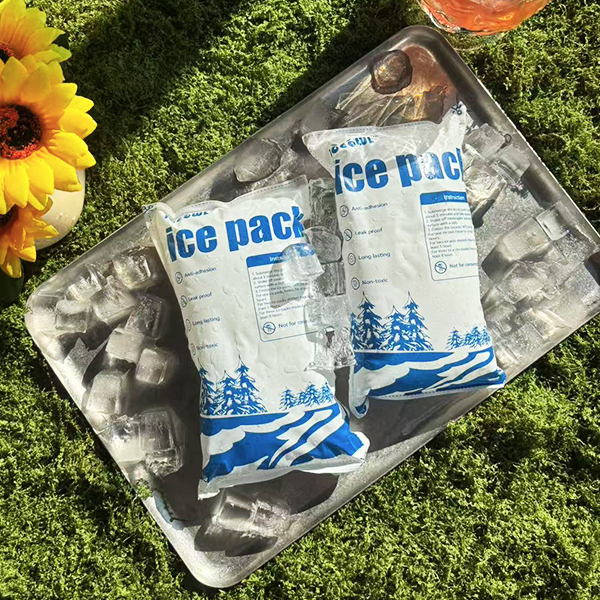
Eco Friendly Dry Ice Pack: What Works in 2025?
If you’re upgrading cold-chain packaging, an eco friendly dry ice pack can cut product loss while meeting 2025 rules. You’ll see clearer routing, fewer compliance surprises, and simpler returns. The EU’s PPWR entered into force on 11 February 2025, and IATA added sustainability notes to its Perishable Cargo Regulations—both move packaging toward lower waste and better labeling. You need a practical path, not buzzwords. This guide gives you that path.
Which eco friendly dry ice pack designs truly reduce total footprint across regions (EU/US) and sectors?
How to size an eco friendly dry ice pack for 24–120 hours without overspending on foam or coolant load.
What counts as a compliant eco friendly dry ice pack under IATA PI954 and carrier-specific rules.
When to prefer PCMs or gel packs over an eco friendly dry ice pack for fridge-range shipments.
How to build a return-and-reuse loop around your eco friendly dry ice pack.
What makes an eco friendly dry ice pack sustainable in cold chain?
Short answer: An eco friendly dry ice pack uses minimal materials, vents CO₂ safely, avoids PFAS, fits 2025 EPR/PPWR rules, and achieves the target duration with less mass. It must prove recyclability or reusability and be easy to disassemble. It must also be labeled “UN1845” with net weight when used in air shipments and permit gas release, per IATA.
Why this matters: Dry ice performs at −78.5 °C and is ideal for sub-zero lanes, but sustainability lives in the full system: sourcing of CO₂, pack mass, return rates, and product-loss prevention. EU PPWR now sets a clear direction on recyclability and waste reduction; US states are expanding EPR and PFAS restrictions. An eco friendly dry ice pack that fits these rules—and ships safely—keeps your audits clean and your service consistent.
How do eco friendly dry ice pack materials compare to gel and PCM?
Details: An eco friendly dry ice pack drives deep-freeze protection; gel packs cover +2 °C to +8 °C, while PCMs target precise setpoints. For sustainability, choose curbside-ready fiber shells, recycled plastics validated for food contact, and PFAS-free films. For +2 to +8 °C lanes, PCM bricks often outperform dry ice on cost and compliance. For −20 °C or below, a right-sized eco friendly dry ice pack remains the simplest option.
| Option vs Need | Target Temp | Typical Duration | What it means for you |
|---|---|---|---|
| Eco friendly dry ice pack | ≤ −20 °C | 24–120 h | Strongest pull-down; ensure venting and UN1845 label; reuse outer shell. |
| Bio-based PCM bricks | +2 °C to +8 °C | 24–96 h | Reusable, precise; reduce overcooling risk for vaccines. |
| Water gel packs | 0 °C to +5 °C | 12–48 h | Cheap but hard to recycle; consider reuse programs. |
Practical tips and quick wins
International air: Declare net weight and mark UN1845; your eco friendly dry ice pack must vent CO₂.
EU lanes: Pick mono-material films and recycled content to align with PPWR 2025–2026 milestones.
Pharma lanes: For +2 °C to +8 °C, select PCM over an eco friendly dry ice pack to avoid accidental freezing.
Returns: Add a prepaid label and collapsible liner so customers can reuse the eco friendly dry ice pack shell.
Sourcing: Consider biogenic CO₂ routes where available; document energy used for pelletizing and compression.
Composite case example: A biotech replaced gel with an eco friendly dry ice pack for −20 °C international shipments. With vented fiber shippers and right-sized dry ice loads, excursions dropped and pack weight fell notably during peak season. The team met airline paperwork checks consistently and cut re-shipments in peak season.
How do you size an eco friendly dry ice pack for your lane?
Short answer: Model heat gain first, then match dry-ice mass to ambient profile and duration. An eco friendly dry ice pack performs best when the outer shipper, liner, and coolant are balanced—not when you simply “add more ice.” Document the pack-out steps and verify with a 48–72 h lane test.
Deeper dive: Estimate total heat load (Q) from insulation R-value and surface area, then ensure the sublimation energy of your eco friendly dry ice pack (≈571 kJ/kg) exceeds Q by a safety factor (e.g., 1.25×). For long-haul flights, include tarmac dwell and customs hold time. For last-mile D2C, simulate porch dwell in summer. Validate with two seasonal tests and record net weight on the airway bill.
Quick calculator you can paste into a SOP
Pack-out checklist for an eco friendly dry ice pack
Inspect vent paths; never seal dry ice in an airtight liner.
Pre-condition shipper and payload; pre-cool liner.
Load pellets or slabs evenly; avoid point contact with vials.
Apply fiber lid; mark “UN1845” and net kg on outer label.
Photograph pack-out for training traceability.
When is PCM better than an eco friendly dry ice pack?
Short answer: If the product target is +2 °C to +8 °C and the lane is under 72 hours, choose PCM. An eco friendly dry ice pack risks freezing biologics; PCMs hold tight setpoints with fewer documents and fees.
Explanation: PCMs are reusable and non-hazardous. They reduce paperwork and operator variations. But for −20 °C or -80 °C lanes, a right-sized eco friendly dry ice pack is simpler and more available globally. Many teams pair PCM legs domestically with dry-ice legs internationally, optimizing both cost and compliance.
Your decision tree (circle your box)
−80 °C / −20 °C for 48–120 h? Use an eco friendly dry ice pack with fiber shipper and returnable liner.
+2 °C to +8 °C for 24–72 h? Use bio-based PCMs; skip dry ice to avoid freeze risk.
Ambient 15–25 °C stability? Use insulation only; no coolant beats zero waste.
Unknown last-mile and weekend dwell? Combine PCM bricks with a light eco friendly dry ice pack buffer.
Compliance: what rules define a compliant eco friendly dry ice pack?
Short answer: The eco friendly dry ice pack must vent CO₂ and carry UN1845 marks and net weight on the waybill for air. Carriers lean on IATA/DOT; operator variations apply. In the EU, the PPWR is now in force; from 2026 it tightens recyclability and recycled-content expectations for most packaging.
Regulatory snapshot you can share with your QA team
| Topic | What it says | Who says it | Why it matters to you |
|---|---|---|---|
| Venting & UN1845 | Packages with dry ice must vent CO₂ and be marked “Carbon dioxide, solid” with net weight on documents. | IATA DGR & PI650/PI954; carriers like FedEx/UPS | Your eco friendly dry ice pack must be vented and labeled to fly. |
| PPWR status | Regulation entered into force Feb 11, 2025; general application 18 months later. | European Commission | Your EU-bound eco friendly dry ice pack should be recyclable and lower in mass. |
| PFAS momentum | Several US states restrict PFAS in packaging; FDA says fast-food wrappers with PFAS have been phased out. | State laws; FDA | Choose PFAS-free films for any eco friendly dry ice pack. |
| US EPR | Multiple states adopting/expanding EPR for packaging, adding fees and reporting. | Industry and state laws | Budget for fees; pick lower-mass, recyclable eco friendly dry ice pack designs. |
Documentation block (copy this into your pack-out SOP)
Can an eco friendly dry ice pack reduce total emissions?
Short answer: Often yes—if it prevents spoilage and right-sizes materials. The CO₂ in dry ice typically comes from captured industrial streams; whether fossil or biogenic, the net climate impact hinges on the energy used to capture, compress, and pelletize, plus your return/reuse rate. A well-designed eco friendly dry ice pack can offset emissions by slashing product loss and avoiding rush reships.
What the research shows: Industrial CO₂ is frequently captured at ammonia or ethanol plants; DOE-backed projects demonstrate large-scale capture from steam-methane reformers. Emerging supply chains are piloting biogenic CO₂ to make dry ice near biomethane sites—promising but still evolving. Your plan: measure spoilage, right-size your eco friendly dry ice pack, and report results.
Metrics that make “eco friendly” measurable
Excursion rate (%): Each avoided spoilage shipment reduces the footprint of re-manufacture and airfreight.
Coolant kg per delivery: The most efficient eco friendly dry ice pack meets duration with less mass.
Return rate (%): Higher return = lower per-use footprint for your outer shell/liner.
Mono-material %: Easier disassembly, higher recycling rates in EU curbside systems.
Building a reuse loop around your eco friendly dry ice pack
Short answer: Design the outer shipper and liner for 5–20 cycles, and automate return prompts. A reusable eco friendly dry ice pack system pays off once reverse-logistics costs drop under the value of avoided new materials.
How to start: Pilot returns in one region for 90 days. Use QR codes for return labels, collapsible liners, and pickup prompts after delivery. Track cycle counts per shell. Standardize on 2–3 sizes. Include a “no-ice” return step so customers never send back residual ice.
Reuse math (back-of-the-envelope)
2025 developments and trends shaping eco friendly dry ice pack choices
Trend overview: In 2025, EU PPWR is live, with application from mid-2026. IATA’s manuals add sustainability considerations and clarify dry-ice-related packing details. US states continue expanding EPR and tightening PFAS rules. Bio-based PCMs are maturing fast. Your eco friendly dry ice pack strategy should reflect this—recyclable shells, PFAS-free films, and testing that proves duration without excess mass.
What’s new at a glance
EU PPWR timelines: Law entered into force in Feb 2025; broader application about 18 months later; recycled-content and reuse options will reshape packaging specs.
Carrier job-aids: Carriers emphasize UN1845 markings, net weight on waybills, and venting—non-negotiables for any eco friendly dry ice pack.
PFAS scrutiny: Several states restrict PFAS, and the FDA reported fast-food wrappers with PFAS phased out; pick PFAS-free barriers.
Bio-based PCMs: Reviews in 2025 highlight bio-derived PCMs with stable performance; they complement an eco friendly dry ice pack on fridge lanes.
Market insight: EPR fees and recycled-content requirements will increase the cost of heavy, mixed-material shippers. Lighter outer shells, mono-material films, and return programs lower both fees and emissions. Gel packs remain inexpensive but are rarely curbside-recyclable; PCMs are reusable and precise; a right-sized eco friendly dry ice pack stays essential for deep-freeze.
FAQs
Q1: Is an eco friendly dry ice pack “carbon neutral”?
Not by default. Dry ice usually uses captured industrial CO₂; the net impact depends on energy used and whether the CO₂ is fossil or biogenic. Focus on right-sizing and reuse to cut the total footprint.
Q2: Can I ship vaccines with an eco friendly dry ice pack?
Yes for frozen vaccines; for +2 °C to +8 °C vaccines, use PCMs to avoid freezing. Always follow WHO/CDC storage rules and IATA/airline variations.
Q3: How do I label an eco friendly dry ice pack for air?
Mark “UN1845, Carbon dioxide, solid,” include net dry-ice weight on the waybill, and ensure venting. Operator-specific variations may apply.
Q4: Is a gel pack more eco friendly than an eco friendly dry ice pack?
For fridge ranges, reusable PCMs beat both. Many gel packs aren’t curbside-recyclable; if you reuse them, they can be fine for short lanes.
Q5: What materials should I avoid in an eco friendly dry ice pack?
Avoid PFAS-coated papers/films and hard-to-separate laminates. Choose mono-material films and recycled-content fiber shells.
Summary and next steps
Key points: An eco friendly dry ice pack must be vented and labeled to fly, sized by heat-load math, and built from recyclable or reusable components. EU PPWR/EPR/PFAS trends push mono-materials, recycled content, and reuse. For +2 °C to +8 °C, PCMs often beat dry ice; for deep-freeze, a right-sized eco friendly dry ice pack is still best.
What to do now: 1) Map lanes and durations. 2) Test two pack-outs and choose the lower-mass eco friendly dry ice pack that still meets duration. 3) Document UN1845 procedures and state/EU rules. 4) Pilot a return loop. 5) Train teams with the SOP blocks above.
About Tempk
We build and validate cold-chain packaging that balances performance and sustainability. Our team blends thermal modeling with on-lane pilots to right-size your eco friendly dry ice pack and PCM systems. Expect faster pack-outs, cleaner audits, and fewer excursions across complex lanes.
Call to action: Ready to design your next eco friendly dry ice pack? Book a 30-minute assessment and we’ll estimate duration, cost, and emissions for two candidate designs.
Large Dry Ice Packs: Choose, Use, and Save in 2025
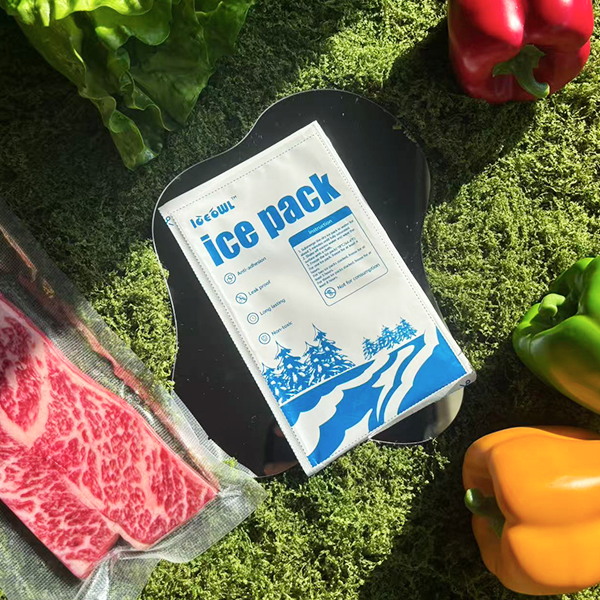
Large Dry Ice Packs: How to Choose, Use, and Save
Large dry ice packs give you intense, stable cold for longer runs when gel packs fail. If you ship food, biologics, or laboratory specimens, large dry ice packs help hit temperature targets with fewer re-ices and fewer claims. In this guide you’ll size them fast, pack them right, and follow safety rules without guesswork.

Pick the right large dry ice packs count for 24–72 hour lanes
Compare large dry ice packs vs. blocks vs. pellets for real-world jobs
Pack coolers with top‑to‑bottom layering to extend hold time
Calculate cost per cold hour and find break‑even vs. gel packs
Follow IATA and courier labeling when shipping with carbon dioxide
Evaluate 2025 trends like recycled CO₂ and hybrid PCM systems
How many large dry ice packs do you need for 24–72 hours?
Short answer: start with 1–1.5 pounds of large dry ice packs per quart of payload volume for 24 hours, then add 40–60% for each extra day. This covers most insulated shippers and well‑sealed coolers. Adjust up for hot lanes and poor insulation, down for freezer lanes or smaller cavities.
You do not need calculus to size large dry ice packs. Think in buckets: payload size, insulation quality, external temperature, and target range. A box traveling 65–85°F with mid‑grade insulation usually needs the baseline above. High‑exposure routes or frequent door openings need more. If your product must stay below 0°F, large dry ice packs beat gel packs by a wide margin in hold time.
Large dry ice packs vs. blocks vs. pellets: which lasts longer?
Large dry ice packs give even coverage and are easier to layer. Blocks last longest per pound but are harder to place around mixed items. Pellets chill fast yet sublimate quicker due to surface area. If you want simple, repeatable packing SOPs, large dry ice packs are the balanced choice.
| Option | Best For | Typical Sublimation | What It Means for You |
|---|---|---|---|
| Large dry ice packs | Mixed SKUs, easy SOPs | Moderate | Reliable placement, consistent hold time |
| Solid blocks | Longest runs, minimal access | Slowest | Fewer re-ices, bulky to fit |
| Pellets | Rapid pull-down, tight spaces | Fastest | Great for pre-chill, not for long holds |
Practical tips and advice
Hot summer lane: add one extra layer of large dry ice packs on top to block radiant heat.
Short 12–18 hour hop: half the baseline often works if insulation is premium.
Door opening every hour: budget +25–35% large dry ice packs to offset warm air swaps.
Real‑world case: A seafood exporter added a top layer of large dry ice packs for a 36‑hour lane to Phoenix. Claim rate dropped near zero, while packout time stayed under five minutes per box.
How do you use large dry ice packs safely in food and pharma shipping?
Bottom line: ventilate, insulate skin contact, and label. Large dry ice packs release carbon dioxide gas. In closed rooms, CO₂ can displace oxygen. Always open boxes in ventilated areas, wear insulated gloves, and avoid sealed, unvented spaces.
Think of carbon dioxide like steam from a kettle—except invisible and heavier than air. It settles low. Keep boxes off the floor when opening. Use light, flexible handling gloves that are rated for cryogenic contact. Train teams with a one‑page SOP and a 60‑second huddle before peak shifts.
Using large dry ice packs indoors without risk
Set the space, set the pace, and sense the air. Use fans or local exhaust near packing benches. Pace unpacking to avoid many boxes venting at once. Install a CO₂ monitor where air pools. Keep the monitor at breathing height plus one nearer the floor for redundancy.
| Control | What to Do | Why It Works | For You |
|---|---|---|---|
| Ventilation | Fan or exhaust near bench | Disperses CO₂ quickly | Faster turns, safer staff |
| PPE | Cryo‑safe gloves, long sleeves | Prevents frost contact | Fewer minor injuries |
| Sensors | CO₂ monitor with alarm | Early warning | Peace of mind, audit proof |
Practical tips and advice
Shared warehouse: stagger opening times so three teams don’t vent at once.
Small rooms: prop doors and use a box fan to push air out.
Training: make the SOP visual; show the white “fog” behavior with safe ice outside.
Actual example: A hospital lab moved its packout bench next to a roll‑up door and added a low‑cost CO₂ meter. The alarm never triggered again during morning receiving.
How do you pack a cooler with large dry ice packs for longest hold time?
Use a five‑layer method: pre‑chill, bottom layer, side sleeves, product, top layer. The top layer is non‑negotiable because heat rises and radiates from the lid area. Large dry ice packs on top create a cold ceiling, slowing the warm wave.
Pre‑chill the empty cooler for 15–30 minutes with a sacrificial pack or a handful of pellets. Seal gaps with bubble liner or foam sheets so cold air does not spill out. If your product is fragile, line with cardboard before placing large dry ice packs to avoid freeze spots.
5‑layer packing method for large dry ice packs
Make every layer do a job. The bottom acts as a cold floor, the sides as a shield, and the top as a lid of cold. The product rides in the middle, cushioned with void fill.
| Layer | What It Is | What to Use | Why It Helps |
|---|---|---|---|
| Pre‑chill | Quick cooldown of cavity | Pellets or one small pack | Cuts early sublimation |
| Bottom | Cold base | Large dry ice packs | Blocks conductive heat |
| Sides | Cold sleeves | Half packs or folded liner | Stops sidewall losses |
| Product | Payload | Cartons or trays | Keeps items centered |
| Top | Cold lid | Large dry ice packs | Stops radiant heat ingress |
Practical tips and advice
Glass vials: add a thin corrugate sheet between large dry ice packs and product.
E‑commerce food: tape the top layer pack together to keep a flat ceiling.
Long haul: add a small pack under the shipping label to shield it from heat.
Real‑world case: A dessert brand switched to the five‑layer method with large dry ice packs. Summer melt claims dropped by two‑thirds without changing courier or service level.
Are large dry ice packs cheaper than gel packs over a month?
Often yes, when your target is 0–10°F or below. Large dry ice packs cost more per pound than water‑based gels but deliver more “cold hours” for sub‑zero targets. You will also ship fewer pounds versus stacking many gel bricks, saving freight.
Think in cost per cold hour. If a gel pack gives you 6 cold hours in a hot lane and large dry ice packs give 20 cold hours, you need three or four times more gel mass. That adds box size and carrier charges. Large dry ice packs can reduce dimensional weight by allowing smaller boxes with fewer packs.
Break‑even math for large dry ice packs
Use the quick ratio below to estimate when large dry ice packs win. You only need unit prices and a rough hold‑time comparison from a pilot run.
Practical tips and advice
If your target is 32–41°F: try a hybrid—one layer of large dry ice packs plus PCMs set at 5–10°C.
If your target is ≤0°F: large dry ice packs almost always beat gel on total landed cost.
If your DIM weight is borderline: test one box size down; large dry ice packs free space.
Actual example: A meal kit used 4 gel bricks per box. Switching to two large dry ice packs cut material SKUs by half and saved 11% per shipment on average.
What shipping rules apply to large dry ice packs in 2025?
Treat it as “carbon dioxide, solid.” Most air shipments require the UN1845 description, net mass on the label, and vents on the package. Couriers often cap net mass per box for air. Ground rules are simpler but still require clear marking.
You don’t need to be a hazmat guru. Follow a checklist: allowed mass for your service level, UN1845 wording, net mass declaration, and venting. For pharma, your quality system should include a simple change‑control when you alter packout mass or design.
Labeling large dry ice packs shipments the right way
Use a diamond‑shaped label, declare net mass, and keep vents clear. Place the label on the side, not under tape. If your box has a liner bag, perforate the top so gas can escape while the shipper stays sealed.
| Requirement | What to Print | Why | For You |
|---|---|---|---|
| Proper shipping name | Carbon dioxide, solid (UN1845) | Global recognition | Faster acceptance |
| Net mass | e.g., “Dry ice: 5 kg” | Handling and safety | Accurate counts |
| Vents | Small holes or gap | Gas escape | Prevents bulging |
| Orientation | Arrows if needed | Careful handling | Fewer damages |
Practical tips and advice
Mixed content box: include the dry ice net mass on your packing slip for audit trails.
Returns: add a “do not reseal” note inside to avoid trapping CO₂ on re‑use.
Training: take a photo of a perfect label and make it your team standard.
Real‑world case: A biotech added net mass to its barcode label. Couriers stopped flagging shipments, and on‑time pickups improved within two weeks.
Are large dry ice packs sustainable?
They can be, when the CO₂ is captured from existing industrial streams and when you right‑size packouts. Many producers now use recovered CO₂, not new emissions. Right‑sizing reduces miles, materials, and waste at once.
If your company has climate targets, move to a measure‑reduce‑offset approach. Measure your average dry ice per box, reduce with better insulation and routing, then offset residuals. Consider re‑usable shippers on loops above 10 turns; large dry ice packs work well with rigid, gasketed containers.
Phase change materials vs. large dry ice packs
Choose PCMs when your target is above freezing and lanes are predictable. Pick large dry ice packs for freezer or uncertain lanes. PCMs shine in reuse programs and for temperature ranges 2–8°C and 15–25°C. Large dry ice packs shine below 0°C and on volatile routes.
| Scenario | Large Dry Ice Packs | PCM | Your Gain |
|---|---|---|---|
| Freezer product, 48h | Best choice | Not suitable | Strongest hold time |
| Cool product, 24h | Optional | Best choice | Lower material cost |
| Uncertain delays | Best choice | Risky | Greater buffer |
Practical tips and advice
Reusable totes: pair large dry ice packs with a removable top tray for fast swap.
Lane mapping: if delays happen weekly, add one extra top pack as standard.
Reporting: track pounds per order to show reduction wins to your leadership.
Actual example: A regional bakery cut average large dry ice packs per box by 18% after adding a 1‑inch foam lid and better void fill.
2025 trends in large dry ice packs and cold chain logistics
Three shifts matter in 2025: better insulation at lower weight, container‑level IoT that tracks CO₂ and temperature, and hybrid packouts that mix large dry ice packs with tuned PCMs. These trends help you ship colder with less material and fewer exceptions.
What’s new and why it matters
Lightweight vacuum panels: same performance with smaller boxes; fewer large dry ice packs needed.
Dual‑sensor loggers: temperature plus CO₂ alerts help dock teams ventilate safely.
Hybrid packouts: top layer of large dry ice packs with PCM sides to cut total pounds.
Market insight: Food and direct‑to‑consumer health shipments keep rising, and long, hot last‑mile routes strain gel‑only packouts. Companies that standardize large dry ice packs for freezer shipments and keep PCMs for cool shipments are seeing lower claim rates and simpler training.
FAQs
How long do large dry ice packs last in a standard cooler?
Most hold their cold effect 24–48 hours in a mid‑grade cooler, longer with a top layer and minimal door opens. Pre‑chill and limit empty headspace to improve results.
Can I place large dry ice packs directly on food?
Use a cardboard or foam sheet as a buffer. Direct contact can freeze texture‑sensitive foods. A thin liner prevents cold spots while preserving hold time.
What gloves should I use with large dry ice packs?
Choose lightweight, insulated gloves rated for cryogenic handling. They prevent frost contact while keeping dexterity for taping and labeling tasks.
Are large dry ice packs allowed on planes?
Yes, within limits and with proper marks. Declare UN1845 and net mass, keep vents open, and follow your courier’s max per shipment rules.
What if my route has frequent delays?
Budget one extra top layer of large dry ice packs and add a temperature logger. If delays are predictable, redesign your packout instead of over‑packing.
Do large dry ice packs damage labels?
They can fog or curl labels if placed directly under them. Place a small insulating square between the top packs and the label area.
Summary and recommendations
Key points: large dry ice packs deliver the longest, most stable sub‑zero performance; top‑layer placement is non‑negotiable; and safety means ventilation, gloves, and clear labels. Use cost‑per‑cold‑hour to compare against gels and adopt a five‑layer SOP to standardize training.
Next steps: run a three‑lane pilot with two box sizes, log hold times, and record pounds per shipment. Roll out the champion packout as your default, keep a hybrid option for cool lanes, and train teams with a one‑page SOP. Talk to Tempk for a sizing worksheet and a quick audit of your routes.
About Tempk
We are a cold chain solutions team focused on simpler packouts and stronger outcomes. Our large dry ice packs portfolio and design lab help you cut claims while shrinking freight and materials. We back every design with a documented SOP and a lane‑specific sizing table so you can train fast and scale.
Call to action: Request a packout audit and a 7‑day sizing pilot with Tempk’s cold chain specialists.
Dry Ice Sheet Dry Ice Packs: 2025 Buyer’s Guide
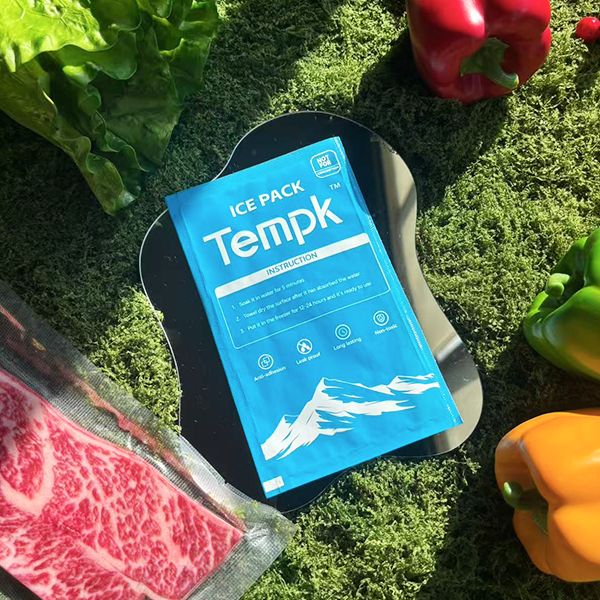
How to Choose Dry Ice Sheet Dry Ice Packs in 2025
Updated October 2025. If you need frozen reliability without melting mess, dry ice sheet dry ice packs deliver steady sub‑zero performance for food, pharma, and labs. You’ll keep products at −20 °C or colder, because CO₂ sublimates at −78.5 °C and absorbs significant heat as it vaporizes. In this guide, you’ll size the load, build a pack‑out, and meet safety rules—so you ship confidently and cut claims.
Sizing basics: Quick math to right‑size dry ice sheet dry ice packs for your lane
Pack‑out templates: Layering patterns that reduce hot spots in transit
Compliance roadmap: Labels, ventilation, and handling for UN1845 dry ice
Cost and sustainability: Use less CO₂ by combining insulation and layout
Alternatives and hybrids: When PCM or gel packs beat dry ice for your job
What exactly are dry ice sheet dry ice packs—and when should you use them?
Short answer: Dry ice sheet dry ice packs are preformed, vented CO₂ modules that hold “dry ice snow” in a gas‑permeable wrap. They act like flat bricks or flexible mats. Use them for frozen lanes (−20 °C to −30 °C targets), fast pre‑packing, and tidy returns where pellets would scatter.
Details you can use: Think of pellets as sand, blocks as bricks, and dry ice sheet dry ice packs as “tiles.” Tiles spread cold evenly, fill corners, and won’t leak water. They vent CO₂ safely while containing fragments. Choose them for frozen meals, biologics, ice cream, and field kits. If you need 2–5 days under −10 °C, they shine. For deep‑frozen beyond −40 °C or very long lanes, combine with better insulation or supplemental blocks.
How do dry ice sheets compare to pellets, blocks, and gel packs?
Deeper dive: Sheets give you predictable coverage and quick packing. Pellets pour fast but shift during transit. Blocks last longest by mass but leave cold gaps. Gel packs hold 0–8 °C or ambient; they can’t reach dry‑ice temperatures. For mixed SKUs, layer dry ice sheet dry ice packs around the product footprint to control face temperature and reduce cold burns.
| Cooling Format | Handling | Hold Time (like‑for‑like mass) | What it means for you |
|---|---|---|---|
| Sheets/Packs | Pre‑sized, tidy, vented | Long and even | Uniform cold face; fast SOP training |
| Pellets | Fast to dose; free‑flowing | Moderate | Good for high‑volume hubs; needs liners |
| Blocks/Slabs | Heaviest; fewer pieces | Longest | Best for long lanes; watch cold spots |
| Gel/PCM 0–8 °C | Clean, reusable | Not for frozen | Use only for chilled, not frozen |
Practical tips and advice
Frozen meals box: Use dry ice sheet dry ice packs above and below trays to minimize top‑surface thaw.
Clinical kits: Use a U‑wrap of sheets to protect vials, with a vent path at lid.
Long lanes: Add one block plus sheets as side “curtains” for stability.
Real‑world case: A meal‑kit brand replaced pellets with dry ice sheet dry ice packs in a VIP shipper. Claims dropped by a third over 8 weeks, while pack time fell from 3.5 to 2.2 minutes per box.
How much dry ice sheet dry ice packs do you need?
Short answer: Start with heat load. Estimate how much heat sneaks into your shipper per hour, multiply by transit hours, then divide by the energy dry ice removes when it turns to gas. Then add 10–30% buffer for handling and delays.
Details you can use: Dry ice absorbs a lot of heat as it sublimates. To stay simple, treat your shipper like a leaky thermos. More surface area, lower R‑value, and higher ambient mean more leakage. Dry ice sheet dry ice packs work best when you build an envelope around the product and leave a top vent path. Calculate, then validate with a lane test.
A back‑of‑envelope calculator you can copy
Use this quick estimator. It trades lab equations for practical planning while staying conservative.
Example: A medium EPS shipper (A≈0.6 m², R≈0.35) at 30 °C for 48 h → Q≈(0.6/0.35)×50≈85.7 W.
m≈(85.7×48×3.6)/571≈25.9 kg. Add 20% → ~31 kg. Use a mix of blocks and dry ice sheet dry ice packs to distribute cold.
| Variable | Typical Range | How to pick | For you |
|---|---|---|---|
| R‑value (EPS 25 mm) | 0.3–0.4 | Use lab spec, not guess | Prevents under‑packing |
| R‑value (VIP liner) | 2.0–3.0 | Higher is better | Cuts CO₂ by 40–70% |
| Buffer | 10–30% | New lanes need more | Insurance for delays |
Practical tips and advice
Short lanes (<24 h): Favor dry ice sheet dry ice packs for even coverage, not just blocks.
Hot climates: Increase side “curtains” of sheets to shield walls.
Returns: Keep spare sheets for reverse logistics and field swaps.
Real‑world case: A CRO added 15% more dry ice sheet dry ice packs at the lid for a tropical route. Max payload temperature dropped by two notches during ramp delays.
Are dry ice sheet dry ice packs safe and compliant?
Short answer: Yes—when you vent and label correctly. Dry ice sheet dry ice packs must release CO₂ gas as they warm. Use a vented shipper lid, apply UN1845 labeling, and train handlers for CO₂ hazards.
Details you can use: CO₂ gas displaces oxygen. Never trap dry ice in a sealed tight container. Keep packs out of confined spaces and vehicles without ventilation. Mark the net dry ice mass on the box, and place the proper hazard label. For air, follow airline limits and documentation rules. For ground, follow dangerous goods guidance and site SOPs. Reference frameworks include IATA Packing Instructions for dry ice, DOT/ADR markings, and workplace safety training.
Compliance checklist for frozen shipments
Use this pre‑ship list before every tender. It keeps audits painless and employees safe.
| Topic | What to do | Where it lives | For you |
|---|---|---|---|
| Venting | Confirm lid vents or pressure path | Shipper SOP | Prevents bulging |
| UN1845 | Label and write net mass of dry ice | Box exterior | Passes acceptance |
| Docs | Add CO₂ entry to airway bill if required | Air freight file | Avoids holds |
| PPE | Gloves/eye protection for packers | Site PPE policy | Prevents cold burns |
| Training | DG awareness + CO₂ hazard | HR/LMS record | E‑E‑A‑T and audit trail |
Practical tips and advice
Small parcel air: Double‑check airline limits for dry ice mass per shipper.
Warehouse: Store dry ice sheet dry ice packs in ventilated rooms.
Vehicles: Crack windows or use fans when carrying multiple shippers.
Real‑world case: A 3PL moved to vented lids and refreshed DG training. CO₂ alarm events dropped to zero across two quarters.
Will dry ice sheet dry ice packs lower your total cost?
Short answer: Often yes. You save on labor and reduce spoilage. Dry ice sheet dry ice packs pack faster than pellets and reduce rework. Better insulation lowers CO₂ mass further.
Details you can use: Cost is not only CO₂ price per kilogram. Labor, claims, repacks, and airline rejection fees add up. Sheets standardize the pack‑out, so you hire faster and make fewer mistakes. In many lanes, a VIP liner plus dry ice sheet dry ice packs cuts CO₂ usage dramatically while extending hold time. Track cost per successful delivery, not just material cost.
A simple cost model you can adapt
| Lever | Typical effect | How to pull it | For you |
|---|---|---|---|
| Insulation upgrade | Less dry ice | Add VIP liner | Smaller, lighter box |
| Pack time | Faster by 20–40% | Use pre‑sized sheets | Lower labor cost |
| Claims | Down 20–40% | Even cold face | Better NPS, fewer refunds |
Practical tips and advice
Pilot: A/B test pellets vs dry ice sheet dry ice packs for two weeks.
Track: Measure pack minutes, claim rate, and returns.
Scale: Standardize the winning SOP and retrain.
Real‑world case: A dessert brand swapped to sheets in 70% of SKUs. Boxes shrank one size, and freight plus CO₂ spend fell by mid‑teens percent.
How do dry ice sheet dry ice packs compare with gel packs and PCM?
Short answer: If you need frozen, dry ice sheet dry ice packs win. If you need 0–8 °C, use gel or PCM. For mixed loads, build hybrids.
Details you can use: Gel packs target chilled zones and stop freeze damage in produce or biologics. Phase change materials (PCM) can hold precise setpoints like −21 °C or +5 °C. A hybrid uses a thin PCM layer on product to prevent “cold burn,” plus dry ice sheet dry ice packs around the walls and lid for capacity.
Hybrid pack‑outs that work
| Goal | Layer near product | Outer layer | For you |
|---|---|---|---|
| −20 °C sensitive vials | PCM −21 °C slab | Dry ice sheet dry ice packs | Prevents over‑freezing |
| Mixed frozen/chilled | PCM +5 °C wrap | Dry ice sheets top only | Dual‑zone in one box |
| Ice cream TLC | Spacer board | Sheets as a lid | Stops lid frostbite ring |
Practical tips and advice
Chilled only: Skip dry ice and use PCM/gel to avoid freeze claims.
Frozen: Use dry ice sheet dry ice packs for even spread; add one block for long lanes.
Mixed: Separate zones with cardboard baffles.
Real‑world case: A vaccine trial used PCM −21 °C on vials and dry ice sheet dry ice packs outside. Temperature stayed in range while avoiding cold shock.
Packaging design: liners, vents, data, and pack‑out templates
Short answer: Pair insulation with proper airflow. Dry ice sheet dry ice packs need a vent path and even contact. Templates make results repeatable.
Details you can use: Pick insulation by R‑value and route temperature. Add a foil or bubble liner to cut radiant heat. Keep a 5–10 mm gap above sheets for CO₂ flow. Use a data logger in the warmest point (often center top) to validate.
Ready‑to‑use pack‑out templates
| Component | Good | Better | Best | For you |
|---|---|---|---|---|
| Insulation | EPS 25 mm | PUR 40 mm | VIP liner | Less CO₂, smaller box |
| Liner | PE bubble | Foil bubble | Foil + edge tape | Stops radiant gain |
| Closure | Regular lid | Vented lid | Vented + spacer | Steady CO₂ flow |
Practical tips and advice
Edge tape: Seal liner seams to stop warm air leaks.
Hot lanes: Double the sheets on sun‑facing side.
Audits: Keep lane test graphs with SOP printouts.
Real‑world case: After adding vented lids and side curtains of dry ice sheet dry ice packs, a seafood exporter reduced lid bulges and improved arrival texture.
2025 trends shaping dry ice sheet dry ice packs
Trend overview: In 2025, shippers push for lighter boxes, lower emissions, and simpler SOPs. Dry ice sheet dry ice packs fit that shift. Expect more high‑R liners in standard sizes, better gas‑permeable wraps that dust less, and wider hybrid use with −21 °C PCMs. Carriers continue tightening acceptance steps, so clean labeling and mass accuracy matter more than ever.
What’s new at a glance
Dust‑reduced wraps: Cleaner pack lines and faster QC.
Standardized templates: Pre‑approved layouts for big retailers and trials.
Smart validation: More wireless sensors to verify hold time without opening.
Market insight: Brands replace pellets in repetitive SKU pack‑outs because labor is scarce and quality targets are strict. Dry ice sheet dry ice packs plus VIP liners often cut CO₂ mass and claims while improving unboxing. Expect more “hybrid frozen” designs to reduce over‑freezing risk in sensitive items.
Frequently Asked Questions
Q1: How long do dry ice sheet dry ice packs last in transit?
Plan by heat load and insulation, not the clock. With VIP liners, dry ice sheet dry ice packs can hold 48–72 h for many frozen meals. Always lane‑test your route and add buffer.
Q2: Can I ship by air with dry ice sheet dry ice packs?
Yes, if you follow airline limits and label UN1845 with net mass. Use a vented lid and document the mass on the box to pass acceptance.
Q3: Will dry ice damage my product?
Direct contact can over‑freeze or crack packaging. Wrap product or use a thin PCM layer, then surround with dry ice sheet dry ice packs for capacity.
Q4: Are sheets food‑safe?
Use food‑contact rated wraps when shipping food. Keep dry ice sheet dry ice packs outside primary packaging unless specified safe for direct contact.
Q5: What about sustainability?
CO₂ in dry ice is often reclaimed from industry. Use VIP liners to reduce mass, and right‑size boxes to cut freight and CO₂ usage.
Q6: How do I store the packs?
Keep dry ice sheet dry ice packs in ventilated, insulated bins. Avoid sealed rooms and keep people trained on CO₂ safety.
Q7: Can I reuse the sheets?
No. Dry ice sublimates to gas. Reuse the shipper and liner; replenish with new dry ice sheet dry ice packs.
Summary and Recommendations
Key takeaways: Use dry ice sheet dry ice packs when you need frozen reliability, clean handling, and fast training. Size by heat load, not guesses. Vent and label to pass audits. Upgrade insulation or add PCM for sensitive goods. Standardize pack‑outs, then test and tune.
Next steps: Pick your shipper class (EPS/PUR/VIP), run the simple mass estimate, and trial two pack‑out templates for your hottest route. Record results, lock the SOP, and train the team. Talk to Tempk for a tailored pack‑out and validation plan.
About Tempk
Tempk builds practical cold chain solutions that combine pack‑out templates, high‑R liners, and data validation. We help brands deploy dry ice sheet dry ice packs and hybrid designs that cut claims and speed training. Our customers see faster pack lines and steadier delivery quality with fewer temperature excursions.
Call to action: Contact Tempk for a route‑specific design and a 2‑week lane trial.