


Disposable Dry Ice Pack Sheets for 2025 Cold Chain Shipping
Disposable Dry Ice Pack Sheets for 2025 Cold Chain Shipping
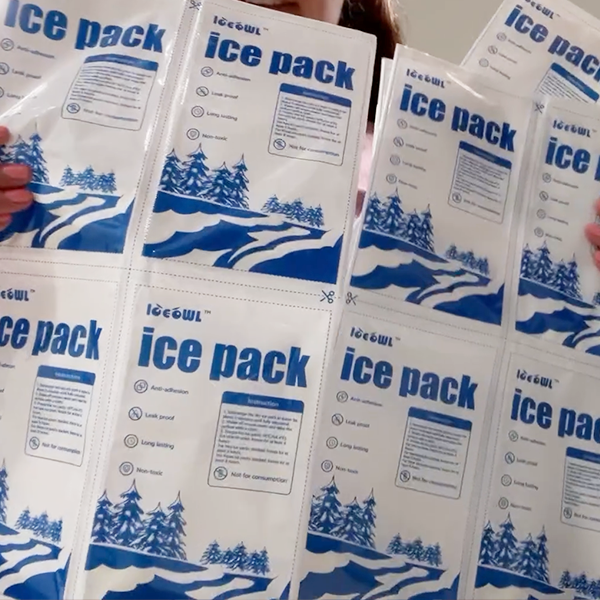
In 2025, disposable dry ice pack sheets are indispensable in cold chain logistics. These sheets offer superior cooling efficiency, flexibility, and sustainability, making them the go-to choice for shipping temperature-sensitive goods. Whether you’re transporting vaccines, perishable food, or biologics, dry ice pack sheets provide precise temperature control with no moisture, ensuring your products arrive in perfect condition.
What makes disposable dry ice pack sheets the top choice for cold chain shipping?
How do you use and hydrate dry ice pack sheets effectively?
What are the key benefits and applications across industries?
How do these sheets compare to other cooling methods like gel packs and ice?
What are the latest trends in 2025 for disposable dry ice pack sheets?
What Are Disposable Dry Ice Pack Sheets?
Disposable dry ice pack sheets are thin, flexible layers made from solid carbon dioxide (dry ice) encased in polymer sheets. They sublimate from solid to gas at -78.5°C, providing cold without moisture, unlike traditional ice packs. Their ability to maintain consistent sub-zero temperatures makes them ideal for long-duration shipments.
How Do They Work?
Dry ice sublimates directly into gas, absorbing heat from its surroundings and keeping your products cool. With a typical duration of 24-72 hours, depending on sheet thickness and insulation, dry ice sheets maintain temperature integrity across long distances.
| Cooling Method | Typical Duration | Moisture | Best For |
|---|---|---|---|
| Dry Ice Pack Sheet | 24-72 hours | None (sublimates) | Vaccines, frozen food, biologics |
| Gel Pack | 6-12 hours | Water when melted | Refrigerated items |
| Ice Pack | Shorter durations | Water when melted | Day trips, picnic coolers |
Why Choose Disposable Dry Ice Pack Sheets?
Superior Cooling Efficiency
Dry ice pack sheets provide higher cooling capacities than gel packs and traditional ice. Their ability to maintain ultra-cold temperatures for up to 72 hours or more makes them perfect for sensitive shipments, including pharmaceuticals and biologics.
Leak-Free & Clean
Unlike ice, which melts into water, dry ice sublimates without leaving moisture, ensuring your goods remain dry and safe from water damage.
Cost-Effective for Long-Distance Shipping
Although the initial cost may seem higher, dry ice pack sheets prove cost-effective due to their extended cooling duration and reduced need for bulky insulation. Their lightweight design also cuts down on shipping costs by reducing dimensional weight.
Applications Across Industries
Food & Beverage: Dry ice pack sheets keep frozen foods, meats, seafood, and baked goods at the right temperature during transit, preventing spoilage.
Pharmaceuticals & Biotech: Maintaining strict temperature control is crucial in shipping vaccines, biologics, and other sensitive medical products.
E-Commerce & Meal Delivery: With the rise of frozen meal kits, dry ice pack sheets are vital for ensuring safe and timely delivery without compromising the product’s quality.
How to Use Disposable Dry Ice Pack Sheets
Step-by-Step Activation
Hydrate the Sheet: Immerse the dry ice pack sheet in warm water to hydrate the polymer cells. Massage the cells until fully expanded.
Freeze: Place the sheet in a freezer for at least 24 hours, ensuring it reaches the lowest possible temperature for optimal performance.
Pack the Sheet: After freezing, place the sheet inside your cooler with the fabric side facing the product. Ensure proper venting to allow CO₂ gas to escape.
Practical Tips for Use
Pre-chill Your Products: Freezing or chilling your goods before packing helps reduce the heat load and extends the cooling duration.
Use Larger Sheets for Longer Durations: Larger sheets contain more CO₂, resulting in longer-lasting cooling effects.
Comparing Dry Ice Sheets with Other Cooling Methods
| Cooling Method | Typical Duration | Moisture | Best For |
|---|---|---|---|
| Dry Ice Pack Sheet | 24-72 hours | None (sublimates) | Vaccines, frozen food, biologics |
| Gel Pack | 6-12 hours | Water when melted | Refrigerated items |
| Ice Pack | Shorter durations | Water when melted | Day trips, picnic coolers |
Dry Ice Sheets vs. Gel Packs
Dry ice sheets provide colder temperatures, a longer cooling duration, and leave no moisture, making them ideal for high-value, temperature-sensitive products. Gel packs, while effective, have shorter cooling durations and often leave behind water residue.
2025 Trends in Disposable Dry Ice Pack Sheets
Sustainable Innovations
As environmental concerns grow, innovations in disposable dry ice sheets are incorporating biodegradable materials and recyclable polymers. Additionally, integrating IoT sensors for real-time monitoring allows for more precise temperature control and reduces waste.
Smart Packaging and Automation
2025 will see increased adoption of smart packaging techniques and AI-driven cold chain systems. These technologies can predict temperature fluctuations and adjust the number of sheets used, optimizing efficiency and reducing costs.
Safety Practices for Handling Dry Ice Pack Sheets
Ventilation: Always use vented packaging to allow CO₂ gas to escape and avoid pressure buildup.
Personal Protection: Wear insulated gloves and protective eyewear when handling dry ice to prevent frostbite and injury.
Regulatory Compliance: Ensure that your shipments comply with IATA and other regulatory bodies, especially for air transport.
Frequently Asked Questions
Q: How long do dry ice pack sheets last?
A: Dry ice pack sheets can maintain sub-zero temperatures for 24-72 hours, depending on sheet thickness and insulation.
Q: Can dry ice pack sheets be reused?
A: Yes, these sheets can be reused multiple times until the textile surface becomes unhygienic.
Q: Are dry ice pack sheets safe for air freight?
A: Yes, when properly packaged and labeled, dry ice sheets comply with IATA regulations for air shipments.
Conclusion
Disposable dry ice pack sheets are revolutionizing cold chain logistics by offering reliable, moisture-free cooling for temperature-sensitive products. Their superior cooling capacity, cost-effectiveness, and eco-friendly benefits make them an essential component of modern shipping solutions.
Next Steps:
Assess your cold chain needs and select the right size and number of dry ice sheets. Ensure proper activation and handling, and comply with safety regulations to maintain product integrity and reduce waste.
About Tempk
At Tempk, we specialize in high-performance cold chain solutions, including advanced dry ice pack sheets. Our products are designed to provide reliable temperature control, reduce shipping costs, and meet the latest industry standards for sustainability and efficiency.
Mini Dry Ice Pack Sheets: Optimize Your Cold Chain Shipping
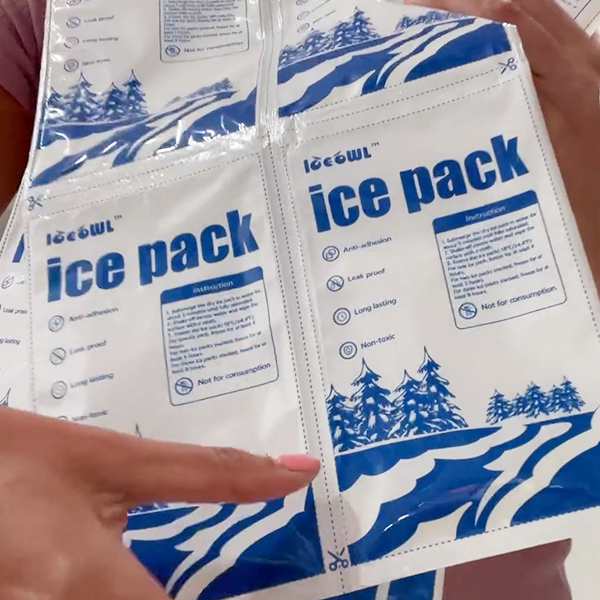
Mini dry ice pack sheets are essential tools in modern cold chain logistics, offering businesses a reliable, cost-effective, and eco-friendly way to manage temperature-sensitive shipments. These sheets, filled with dry ice, maintain ultra-low temperatures, making them perfect for industries like pharmaceuticals, food, and biotech. This article dives deep into the advantages of mini dry ice pack sheets, exploring why they are the ideal choice for the future of cold chain shipping.
What makes mini dry ice pack sheets more effective than traditional ice?
How do mini dry ice pack sheets benefit the pharmaceutical industry?
What are the advantages of using mini dry ice pack sheets for perishable food shipments?
How can you maximize the efficiency of mini dry ice pack sheets?
What Makes Mini Dry Ice Pack Sheets More Effective Than Traditional Ice?
Mini dry ice pack sheets are significantly more efficient than traditional ice when it comes to maintaining low temperatures during transit. Traditional ice packs only freeze water, maintaining a temperature of around 0°C, which is suitable for some perishable goods but not for products requiring ultra-low temperatures.
In contrast, mini dry ice pack sheets reach temperatures as low as -78.5°C (-109.3°F), which is ideal for products like pharmaceuticals and biologics that require a specific, cold environment. This extreme cold is necessary to prevent product degradation and ensure compliance with industry regulations, particularly in the pharmaceutical sector.
The ability of mini dry ice packs to sublimate—turn directly from solid to gas—offers a significant advantage. Unlike traditional ice, which melts and produces water, dry ice turns into gas, leaving no moisture behind. This prevents any potential water damage to products, which is crucial for sensitive items like electronics, vaccines, or perishable food.
| Cooling Method | Temperature Range | Duration | Benefits |
|---|---|---|---|
| Mini Dry Ice Pack Sheet | -78.5°C to -18°C | 24-48 hours | Longer cooling duration, no moisture risk |
| Traditional Ice | 0°C | 12-24 hours | Shorter cooling duration, higher moisture risk |
Sublimation: The Secret Behind the Efficiency of Mini Dry Ice Pack Sheets
Sublimation is the key feature that makes mini dry ice sheets superior to regular ice. As dry ice sublimates, it absorbs heat from the environment and turns directly into gas without leaving any liquid residue. This process is not only effective in maintaining a low temperature but also eliminates moisture that could damage sensitive products. For instance, vaccines need to be transported at temperatures as low as -70°C. Mini dry ice sheets help maintain this temperature over extended durations, preventing spoilage and ensuring the stability of the product.
How Do Mini Dry Ice Pack Sheets Benefit the Pharmaceutical Industry?
In the pharmaceutical industry, maintaining a strict cold chain is critical to preserving the efficacy of sensitive medications, vaccines, and biologics. Mini dry ice pack sheets are the go-to solution for this purpose because they provide consistent, ultra-low temperatures over extended periods. For example, COVID-19 vaccines need to remain at -70°C throughout their shipping journey. Mini dry ice pack sheets, with their ability to maintain -78.5°C, offer the perfect solution to this challenge.
Practical Example: Shipping Vaccines with Mini Dry Ice Pack Sheets
A global pharmaceutical company successfully used mini dry ice pack sheets to transport COVID-19 vaccines across international borders. These sheets ensured that the vaccines stayed at the required temperature for more than 48 hours, reducing the need for frequent recharging and minimizing thermal degradation. As a result, the company reduced spoilage and ensured regulatory compliance.
| Pharmaceutical Product | Temperature Requirement | Mini Dry Ice Pack Sheets Benefit |
|---|---|---|
| Vaccines | -70°C | Maintains -78.5°C for 48 hours |
| Insulin | 2°C to 8°C | Controlled cooling |
| Biologics | -20°C | Extended cold retention |
What Are the Advantages of Using Mini Dry Ice Pack Sheets for Perishable Food Shipments?
Mini dry ice pack sheets are invaluable in the food industry, particularly for perishable food shipments such as meat, seafood, and frozen meals. These products require constant freezing temperatures, which traditional ice cannot provide over extended periods. Mini dry ice sheets, however, are capable of maintaining the required freezing conditions regardless of external environmental factors.
Meal Delivery Services and Perishable Foods
Meal delivery services, which ship fresh or frozen meals, are increasingly turning to mini dry ice pack sheets to ensure the food remains at the desired temperature until it reaches the consumer. This helps companies avoid spoilage, reduce food waste, and improve customer satisfaction. For instance, frozen meals requiring a temperature of -18°C can benefit from mini dry ice packs, which will keep them at -20°C for 24 hours, ensuring that the food arrives in perfect condition.
| Food Item | Temperature Requirement | Mini Dry Ice Pack Sheets Benefit |
|---|---|---|
| Frozen Meals | -18°C | Maintains -20°C for 24 hours |
| Fresh Seafood | -18°C | Keeps seafood frozen |
| Perishable Goods | 0°C to 5°C | Prevents bacterial growth |
How to Maximize the Efficiency of Mini Dry Ice Pack Sheets?
To maximize the effectiveness of mini dry ice pack sheets, several factors should be considered:
Pre-chill the Packaging: Ensure that the containers are pre-chilled to avoid wasting energy when the mini dry ice pack sheets are added.
Use Insulated Packaging: Combining mini dry ice sheets with high-quality insulated packaging materials can significantly extend the cooling duration, especially for longer shipments.
Monitor Temperature: Always monitor the internal temperature of the shipment to ensure it remains within the required range. Using smart sensors or temperature data loggers allows for real-time tracking and ensures the safety of the shipment.
2025 Trends in Mini Dry Ice Pack Sheets and Cold Chain Logistics
In 2025, the demand for mini dry ice pack sheets is rising due to the rapid growth of e-commerce, particularly in the food and pharmaceutical sectors. New technological advancements, such as advanced insulation materials and smart temperature monitoring systems, are improving the overall effectiveness of dry ice shipping solutions.
Key Developments:
Sustainability Initiatives: The cold chain logistics industry is increasingly focusing on sustainable materials for both mini dry ice sheets and their packaging.
Smart Temperature Monitoring: Real-time monitoring technologies are allowing businesses to track shipments continuously and ensure temperature compliance throughout the journey.
Cost-Effective Solutions: As mini dry ice sheets become more accessible, their prices are decreasing, making them a viable option for small and medium-sized enterprises (SMEs).
FAQ
Q1: How long do mini dry ice pack sheets last during shipping?
Mini dry ice pack sheets typically last 24–48 hours, depending on the thickness and the conditions during transit.
Q2: Can mini dry ice pack sheets be used for all types of perishable goods?
Yes, mini dry ice pack sheets are perfect for shipping pharmaceuticals, food, and biological products that require strict temperature control.
Summary and Recommendations
Mini dry ice pack sheets are essential for businesses involved in temperature-sensitive shipping. They provide longer cooling durations, maintain ultra-low temperatures, and offer an eco-friendly solution compared to traditional ice. By incorporating mini dry ice sheets into your logistics operations, you can improve the reliability and safety of your shipments.
Next Steps:
Assess your shipping needs and determine the number of mini dry ice pack sheets required.
Use insulated packaging to extend the cooling duration.
Monitor temperature throughout transit to ensure product safety.
About Tempk
At Tempk, we specialize in high-performance temperature control solutions, including mini dry ice pack sheets, insulated packaging, and custom cooling options. Our expertise guarantees that your products will remain safe and compliant with all relevant regulations.
Get Expert Advice Today
Contact us to optimize your cold chain logistics and temperature-controlled shipping needs.
Gel Sheet Dry Ice Packs: Optimal Cold Chain Solutions for 2025
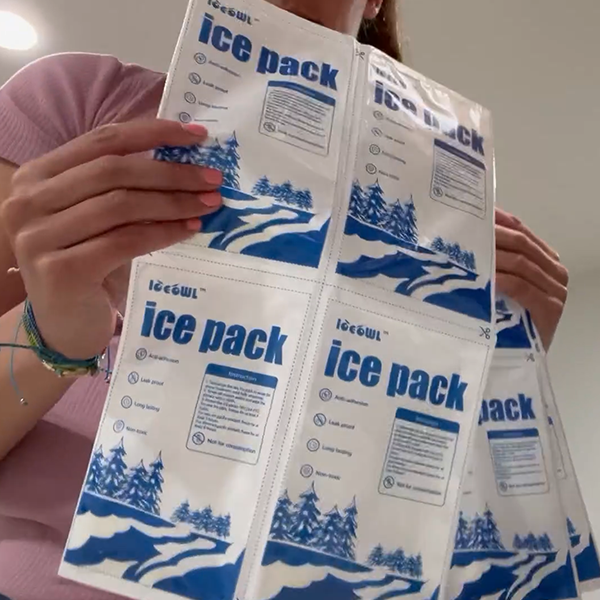
As the cold chain logistics industry continues to evolve, one solution stands out for its reliability, cost-effectiveness, and performance: gel sheet dry ice packs. In 2025, businesses in industries such as food, pharmaceuticals, and biotech are increasingly relying on these advanced cooling solutions to ensure their temperature-sensitive products arrive safely and in optimal condition. This article explores the key benefits of gel sheet dry ice packs, how they work, and why they are a must-have for your shipping operations.
What are gel sheet dry ice packs, and how do they work?
How can gel sheet dry ice packs improve cold chain efficiency?
Which industries benefit the most from gel sheet dry ice packs?
What factors should you consider when choosing the right gel sheet dry ice pack?
What Are Gel Sheet Dry Ice Packs and How Do They Work?
Gel sheet dry ice packs are innovative temperature-control solutions that combine the cooling properties of dry ice with the durability and flexibility of gel sheets. These packs are designed to keep goods at ultra-low temperatures for extended periods, making them ideal for industries where maintaining temperature is critical.
How They Work:
The gel sheet dry ice pack functions by utilizing the sublimation process of dry ice, where it transforms from a solid into a gas at –78.5°C. The gas absorbs heat, thus maintaining a cold environment for products. The gel layer helps stabilize this process by slowing down the sublimation rate and evenly distributing the cold, making it an efficient and reliable cooling mechanism for perishable goods.
Components of a Gel Sheet Dry Ice Pack
| Component | Description | Significance |
|---|---|---|
| Gel Sheet Layer | Flexible, cold-retaining material | Prolongs cooling effect and ensures even temperature distribution |
| Dry Ice Core | Source of cooling, providing ultra-cold temperatures | Essential for maintaining low temperatures and preventing spoilage |
| Protective Outer Shell | Lightweight and durable material | Ensures safe handling and transportation, protects against damage during shipping |
How Gel Sheet Dry Ice Packs Improve Cold Chain Efficiency
In cold chain logistics, maintaining a consistent temperature is essential for preserving the quality and safety of temperature-sensitive products. Gel sheet dry ice packs play a key role in improving cold chain efficiency in several ways:
Reducing Spoilage and Preserving Product Quality
One of the most significant advantages of gel sheet dry ice packs is their ability to maintain low temperatures over an extended period, reducing the risk of spoilage. Industries such as food and pharmaceuticals depend on reliable temperature control to ensure their products remain safe and effective. By using gel sheet dry ice packs, businesses can significantly reduce the risk of product degradation and spoilage, enhancing product quality and customer satisfaction.
Time-Saving and Cost-Efficiency
Gel sheet dry ice packs extend the cooling duration, reducing the need for frequent replenishment and monitoring. This time-saving advantage translates into lower operational costs, as it minimizes delays and optimizes logistical processes. These packs are a cost-effective solution for long-distance shipments, reducing the frequency of temperature fluctuations and enhancing the overall cold chain efficiency.
Which Industries Benefit the Most from Gel Sheet Dry Ice Packs?
Several industries that deal with temperature-sensitive goods rely heavily on gel sheet dry ice packs. Among the top beneficiaries are the pharmaceutical, food, and biotech industries, all of which require precise temperature control during transportation.
Pharmaceutical Industry
The pharmaceutical industry is one of the primary users of gel sheet dry ice packs, especially for transporting vaccines, insulin, and other biologics that need to be kept at strict temperatures. These packs help maintain the efficacy and safety of temperature-sensitive medications during transit, ensuring they arrive intact and effective for use.
Food and Beverage Industry
In the food and beverage industry, gel sheet dry ice packs are invaluable for keeping perishable products such as fresh produce, meat, and frozen meals at the correct temperature during shipping. These packs help preserve freshness and prevent spoilage, ensuring that products reach their destination in optimal condition while meeting food safety standards.
Biotech and Laboratory Samples
Biotech companies often transport biological samples that require constant cooling. Gel sheet dry ice packs provide a reliable method for ensuring these sensitive materials remain within the necessary temperature range, ensuring sample integrity and reliability throughout the shipping process.
| Industry | Application | Key Benefits |
|---|---|---|
| Pharmaceuticals | Shipping vaccines, drugs | Maintains product efficacy and safety |
| Food & Beverage | Distributing perishable items | Preserves freshness, prevents spoilage |
| Biotech | Transporting biological samples | Ensures sample integrity and reliability |
How to Choose the Right Gel Sheet Dry Ice Pack for Your Needs
Choosing the right gel sheet dry ice pack requires considering several factors to ensure optimal cooling performance. Key factors include the size and shape of the pack, the required cooling duration, and the specific temperature sensitivity of the goods being shipped.
Key Factors to Consider:
Size and Shape: Ensure the pack fits the shipping container and matches the required cooling surface area.
Cooling Duration: Choose a pack that provides cooling for the required time based on the duration of your shipment.
Temperature Sensitivity of Goods: Different products have different temperature requirements. Select a gel sheet dry ice pack that meets the specific needs of your product.
Pro Tip: Work closely with your supplier or a cold chain expert to choose the pack that best meets your needs and operational constraints.
2025 Developments in Gel Sheet Dry Ice Packs
The cold chain industry is evolving, with continuous innovations aimed at improving the performance and sustainability of cooling solutions. The latest developments in 2025 focus on enhancing cooling efficiency and reducing environmental impact.
Eco-Friendly Innovations
The industry is moving toward more sustainable cooling solutions. Eco-friendly materials are now being used in the production of gel sheet dry ice packs, reducing their environmental footprint without compromising performance. These innovations help companies meet sustainability goals while maintaining the same level of reliability and efficiency.
Smart Technology Integration
Smart technology is also making its way into gel sheet dry ice packs. Temperature sensors integrated into the packs allow real-time monitoring of the cooling process. This ensures that users have full visibility into the status of their shipments and can make adjustments as needed to maintain the desired temperature range.
Frequently Asked Questions (FAQs)
How long do gel sheet dry ice packs last?
The effectiveness of a gel sheet dry ice pack can last anywhere from 12 to 48 hours, depending on external temperatures and pack size. Always test the pack in real conditions to confirm its performance.
Can gel sheet dry ice packs be used for shipping pharmaceuticals?
Yes, gel sheet dry ice packs are ideal for shipping pharmaceuticals, especially those that require precise temperature control to maintain their effectiveness.
What is the difference between gel sheet dry ice packs and regular gel packs?
Gel sheet dry ice packs incorporate dry ice for ultra-cold temperatures, while regular gel packs are typically used for moderate cooling and are suitable for items that must remain cool but not frozen.
Summary and Recommendations
Gel sheet dry ice packs are a reliable and effective solution for cold chain logistics, offering precise temperature control for temperature-sensitive goods. They are ideal for industries such as pharmaceuticals, food, and biotech, where maintaining product integrity is essential. By choosing the right gel sheet dry ice pack, businesses can enhance cold chain efficiency, reduce spoilage, and improve customer satisfaction.
Next Steps:
Evaluate Your Cold Chain Needs: Assess your shipment’s temperature requirements and logistics.
Consult with Experts: Work with cold chain professionals to choose the best gel sheet dry ice packs.
Implement Sustainable Solutions: Consider eco-friendly gel sheet dry ice packs for a greener supply chain.
About Tempk
Tempk is a leader in cold chain logistics, offering innovative cooling solutions such as gel sheet dry ice packs. Our products are designed to meet the highest standards of temperature control, ensuring the safe transport of perishable goods. With a focus on sustainability and reliability, Tempk is your trusted partner in cold chain operations.
Take action today: Contact Tempk for expert advice on optimizing your cold chain logistics with the right gel sheet dry ice packs.
Quarantine Dry Ice Packs: Ensuring Safe Transport of Temperature-Sensitive Goods
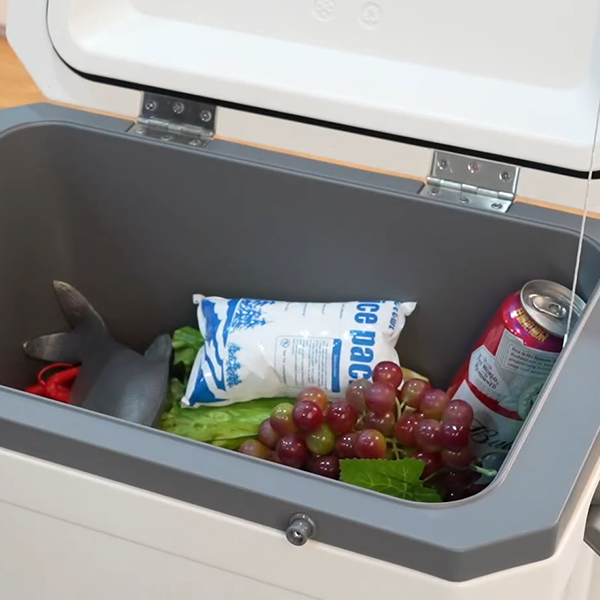
Shipping perishable goods, especially under quarantine conditions, requires precise temperature control to preserve the integrity of the products. Quarantine dry ice packs are essential for ensuring that items like pharmaceuticals, vaccines, and biotech samples remain intact during transportation. In this article, we’ll explore how quarantine dry ice packs work, their advantages, and best practices for integrating them into your cold chain logistics.
What are quarantine dry ice packs and how do they work?
What industries benefit most from quarantine dry ice packs?
How do quarantine dry ice packs compare to other cooling methods?
Best practices for safe handling and packaging with dry ice.
What Are Quarantine Dry Ice Packs and How Do They Work?
Quarantine dry ice packs are specialized cooling solutions that provide a continuous low-temperature environment by sublimating from solid to gas at -78.5°C. They are used for transporting goods that need to be kept frozen, such as vaccines, biotech samples, and frozen foods.
Dry ice’s sublimation process ensures that it doesn’t leave liquid residue behind, making it ideal for high-value shipments where any moisture could damage the goods. Dry ice pack sheets are versatile, adapting to various packaging solutions, and they are commonly used in international and domestic cold chain logistics.
Benefits of Using Quarantine Dry Ice Packs
Reliable and Consistent Cooling: Dry ice packs offer stable cooling over long distances without melting and causing water damage.
Long-lasting Effectiveness: Dry ice maintains low temperatures for 24-72 hours, reducing spoilage during extended shipping times.
Flexible Packaging Options: Dry ice pack sheets can conform to various shapes, making them ideal for diverse shipping needs.
Cost-Effective: Despite the higher upfront cost, dry ice’s longevity and cooling power reduce spoilage, saving money in the long run.
How Do Quarantine Dry Ice Packs Compare to Other Cooling Methods?
When considering alternative cooling solutions like gel packs, phase change materials (PCMs), and liquid nitrogen, dry ice stands out for extreme temperature requirements.
| Cooling Method | Temperature Range | Best for Long-Term Shipments | Effectiveness for Frozen Goods |
|---|---|---|---|
| Dry Ice | -78.5°C | Ideal for long-duration, high-value shipments | Excellent for frozen goods |
| Gel Packs | 0°C to -20°C | Short-term use in moderate conditions | Not effective for freezing |
| PCMs | Varies | Specific temperature ranges | Limited for ultra-low temps |
| Liquid Nitrogen | -196°C | Extremely cold but complex to handle | Riskier and harder to manage |
Dry ice is the superior option for transporting frozen products for long durations, especially when compared to gel packs or PCMs.
How Quarantine Dry Ice Packs Improve Cold Chain Logistics
Efficient cold chain management is critical to ensuring safe transport. Dry ice offers the following advantages:
Regulatory Compliance
Quarantine dry ice packs help maintain compliance with industry regulations, such as those set by the FDA, IATA, and DOT. These regulations require reliable temperature monitoring and control during shipping.
Enhanced Product Integrity
For sensitive items like biotech samples and vaccines, dry ice ensures that the products stay within the required temperature range, preserving their quality and efficacy.
Improved Customer Satisfaction
Shipping products that arrive on time and intact increases customer satisfaction. Dry ice helps prevent spoilage and ensures safe, timely delivery.
Best Practices for Using Quarantine Dry Ice Packs
1. Calculate the Correct Amount of Dry Ice
Ensure that the correct quantity of dry ice is used based on the shipment duration, product type, and packing conditions. Typically, 1-2 pounds of dry ice per 24 hours of transit is recommended.
2. Proper Packaging and Ventilation
Always place dry ice at the bottom of the packaging to ensure cold air sinks. Also, leave space for CO₂ gas to escape to prevent pressure buildup.
3. Use Real-Time Temperature Monitoring
Incorporating IoT sensors and temperature loggers into your shipping solution ensures you can track the temperature throughout the journey and address any issues promptly.
Latest Trends in Quarantine Dry Ice Shipping
Innovations in Dry Ice Packaging
Smart Packaging: Real-time monitoring of temperature and humidity ensures optimal conditions during transit.
Sustainability: Advances in eco-friendly packaging materials reduce the environmental impact of dry ice.
Rising Demand in the Biotech and Pharmaceutical Sectors
As industries like biotech and pharmaceuticals expand, the demand for dry ice in transporting temperature-sensitive products continues to grow. The rise in mRNA vaccines has particularly driven this demand.
Frequently Asked Questions
Q1: How long does dry ice last during shipping?
Dry ice typically lasts 24-72 hours depending on factors like packaging, insulation, and external temperatures. Always calculate the necessary quantity for your shipment.
Q2: Is dry ice safe for shipping?
Yes, dry ice is safe for shipping as long as it is handled and packed correctly. Ensure proper ventilation and labeling to comply with regulations.
Q3: Can dry ice be used for shipping food?
Yes, dry ice is widely used to ship frozen food and seafood, maintaining their quality during transit.
Conclusion and Recommendations
Quarantine dry ice packs are essential for ensuring the safe transport of temperature-sensitive goods. They provide a reliable, long-lasting, and cost-effective solution for shipping products like pharmaceuticals, biotech samples, and seafood. By integrating dry ice into your shipping processes, you can reduce spoilage, improve customer satisfaction, and stay compliant with regulations.
Ready to optimize your cold chain logistics? Contact Tempk today to learn more about how our dry ice solutions can help ensure the safe transport of your products.
Dry Ice Bricks vs. Dry Ice Packs – 2025 Shipping Guide
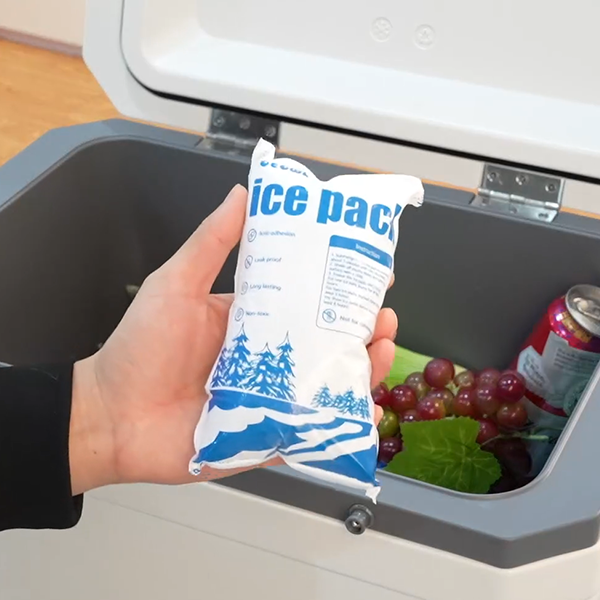
Dry Ice Bricks vs. Dry Ice Packs – Which Is Best for Shipping Frozen Goods?
When shipping perishable goods such as seafood, pharmaceuticals, or biotech samples, maintaining an optimal cold chain is crucial. Both dry ice bricks and dry ice packs are solid CO2 solutions, ideal for preserving items at sub-zero temperatures. But how do you choose the best option for your specific needs in 2025? In this guide, we will compare the features, benefits, and applications of dry ice bricks versus dry ice packs and provide expert recommendations to help you make an informed decision.
What are dry ice bricks and dry ice packs, and how do they work?
How do you select the best dry ice solution for your shipment?
What benefits do dry ice bricks offer over traditional ice packs?
How do you ensure compliance with shipping regulations when using dry ice?
What are the latest trends and innovations in dry ice shipping for 2025?
What Are Dry Ice Bricks and Dry Ice Packs?
Dry Ice Bricks:
Dry ice bricks are large, solid blocks of frozen CO2, designed to provide extended cooling durations during long-distance shipments. These bricks are ideal for shipments requiring 48–72 hours or more of cooling, such as for biologics, frozen seafood, and pharmaceuticals. The slow sublimation rate of dry ice bricks ensures that the goods within the shipment remain frozen for longer periods.
Dry Ice Packs:
Dry ice packs are pre-packaged, flexible sheets or blocks of dry ice. These packs are typically smaller and designed for shorter-duration shipments (12–48 hours). They are commonly used for small shipments or for items that need to be chilled rather than frozen, such as chocolates, cosmetics, or small pharmaceutical parcels. Dry ice packs are easier to handle and more adaptable to various package sizes.
How Do Dry Ice Bricks and Packs Compare?
| Feature | Dry Ice Bricks | Dry Ice Packs |
|---|---|---|
| Cooling Duration | Up to 72 hours or more | Typically 12–48 hours |
| Handling | Requires gloves; heavier, bulkier | Easier to handle; lightweight |
| Cost | Generally more expensive | More affordable |
| Ideal Use | Long-distance shipments, large volumes | Short-distance shipments, small volumes |
| Regulations | Must comply with hazardous material shipping laws | Must comply with hazardous material shipping laws |
How to Select the Best Dry Ice Solution for Your Shipment
Key Considerations:
Duration of Shipment:
For long-distance shipments (over 48 hours), dry ice bricks are the better choice due to their longer cooling duration.
Dry ice packs are ideal for shipments that require cooling for up to 48 hours or less.
Type of Goods:
Sensitive goods like vaccines or biologics that require sub-zero temperatures for extended periods should be shipped with dry ice bricks.
For products like chocolates, meal kits, or cosmetics that only need to stay chilled, dry ice packs are sufficient.
Packaging and Space Requirements:
Larger shipments with bulkier goods benefit from dry ice bricks, while dry ice packs are more suitable for smaller packages.
Temperature Sensitivity:
Dry ice packs are perfect for products that don’t require extreme freezing temperatures but need to stay cold for a short duration.
Dry ice bricks provide more consistent cooling and are best suited for critical items that must be kept frozen during transit.
What Are the Benefits of Dry Ice Bricks Over Traditional Ice Packs?
Advantages of Dry Ice Bricks:
Longer Cooling Duration: Dry ice bricks maintain sub-zero temperatures for up to 72 hours, significantly longer than traditional ice packs, which typically last only 12-24 hours.
No Water Damage: Traditional ice packs melt into water, potentially damaging goods. Dry ice sublimates into gas, leaving no liquid behind.
Ideal for Critical Shipments: Dry ice bricks are the preferred choice for shipments of perishable goods, pharmaceuticals, and biotech samples that require consistent, long-term cooling.
Real-Life Example:
A biotech company shipping temperature-sensitive vaccines from the U.S. to Europe used dry ice bricks to ensure the products stayed frozen for the entire 48-hour journey, while traditional ice would have melted, compromising the integrity of the shipment.
How to Ensure Compliance with Dry Ice Shipping Regulations
To ensure safe and legal transport, dry ice shipments must adhere to both the Department of Transportation (DOT) and International Air Transport Association (IATA) regulations.
Key Regulations:
Proper Packaging: Dry ice must be packed in containers that allow CO2 gas to escape to prevent pressure buildup.
Labeling Requirements: Shipments containing dry ice must be marked with the “Carbon Dioxide Solid” label and indicate the weight of the dry ice.
Weight Limits: For air transport, dry ice is limited to 5.5 pounds (2.5 kg) per package, but this limit can vary depending on the carrier and route.
2025 Trends and Innovations in Dry Ice Shipping
The cold chain logistics sector is continuously evolving with technological advancements. In 2025, several innovations are enhancing the efficiency and sustainability of dry ice shipments:
Smart Packaging Solutions:
IoT sensors integrated into dry ice packages enable real-time temperature monitoring, ensuring that the shipment remains within the required temperature range throughout the journey.
Reusable dry ice containers and eco-friendly packaging materials are becoming more common, supporting sustainability and reducing operational costs.
Sustainability in Dry Ice Shipping:
There is a rising demand for biodegradable coatings on dry ice packaging, which help reduce environmental impact and align with stricter sustainability regulations.
AI-Powered Logistics:
AI systems are now optimizing the amount of dry ice used based on shipping conditions, which reduces waste and ensures that shipments are maintained at the ideal temperature without overpacking.
How to Safely Handle and Pack Dry Ice
Proper packing and handling of dry ice are essential to ensure both the safety of the goods being shipped and the well-being of the people handling it. Dry ice is classified as a hazardous material due to the risks associated with carbon dioxide gas buildup and extreme cold.
Key Packing Tips:
Use Ventilated Containers: Ensure that the container is vented to allow CO2 gas to escape, preventing pressure buildup.
Layer Dry Ice: When packing, place dry ice at the top of the shipment, as cold air sinks. Additionally, use insulation to slow the sublimation rate and maintain stable temperatures.
Label Packages Properly: Don’t forget to clearly mark the shipment with the correct dry ice and hazardous material labels as required by regulations.
Safety Tips:
Wear Protective Gloves: Always handle dry ice with insulated gloves to avoid frostbite.
Ventilate the Shipping Area: Ensure that the space where dry ice is stored is well-ventilated to prevent CO2 from accumulating.
Conclusion and Recommendations
Choosing between dry ice bricks and dry ice packs depends on several factors, including the duration of the shipment, the type of goods being transported, and the regulatory requirements. Dry ice bricks are ideal for long-distance, temperature-sensitive shipments, while dry ice packs are more suitable for short-term cooling.
Next Steps:
Evaluate your needs: Determine the duration and type of shipment to choose between dry ice bricks and packs.
Ensure compliance: Make sure your packaging meets DOT and IATA regulations, and use the correct labeling.
Optimize for sustainability: Consider investing in reusable dry ice packs and integrating IoT sensors to track temperature throughout the journey.
About Tempk
At Tempk, we specialize in cold chain logistics, offering high-quality dry ice solutions, including bricks and packs, to ensure the safe and efficient transportation of temperature-sensitive products. Our expertise in compliance, sustainability, and innovation makes us a trusted partner for industries ranging from pharmaceuticals to seafood. Contact Tempk today to optimize your cold chain shipping needs.
Call to Action:
For expert advice and tailored cold chain solutions, consult with Tempk today and explore how our advanced dry ice solutions can optimize your shipping processes.
Australia Dry Ice Packs: Efficient Cooling for Shipping
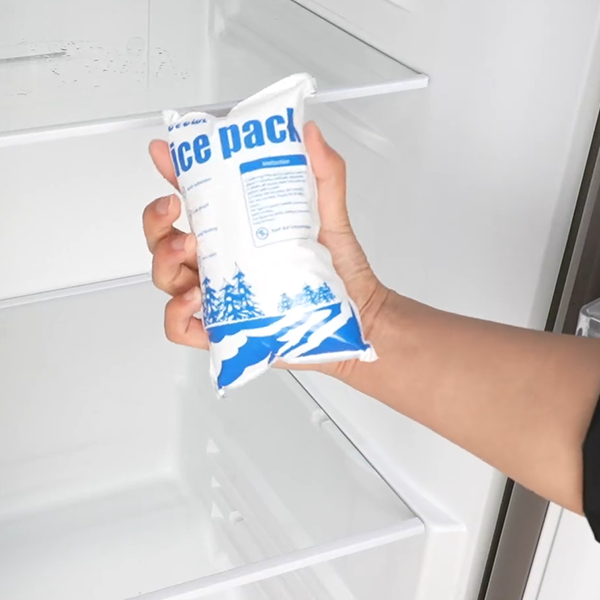
How to Choose the Best Australia Dry Ice Packs for Your Shipping Needs?
Shipping perishable goods, whether food, pharmaceuticals, or biotech materials, requires ensuring a stable, cool environment to maintain their quality. Australia dry ice packs offer a reliable and efficient solution for long-distance shipping, keeping items cool for extended periods without the mess of melting water. In this guide, we’ll explore where to find the best dry ice packs in Australia, how to use them safely, and why they’re crucial for cold chain logistics.
What Are Dry Ice Packs and Why Are They Crucial for Shipping?
Dry ice packs are made from solid carbon dioxide (CO₂), which sublimates directly into gas at -78.5°C. This makes them ideal for transporting temperature-sensitive goods. Unlike regular ice, dry ice doesn’t leave behind water, ensuring that products remain dry and intact throughout their journey.
Why Choose Dry Ice for Shipping?
Temperature Control: Dry ice maintains sub-zero temperatures for extended periods, perfect for frozen foods, pharmaceuticals, and biological samples.
Longer Duration: Dry ice lasts significantly longer than regular ice, reducing the risk of spoilage during long-haul shipments.
No Liquid: The absence of water ensures that goods are not affected by moisture, a key consideration when shipping delicate or temperature-sensitive products.
Where to Find the Best Dry Ice Packs in Australia?
Finding quality dry ice packs is crucial to ensure safe and reliable shipping. Whether you need a bulk supply or a small quantity for a short shipment, Australia offers a range of suppliers:
1. Major Retailers Offering Dry Ice in Australia
Bunnings Warehouse: Known for large-scale dry ice sales for both commercial and individual uses.
Woolworths and Coles: Some grocery chains in Australia sell dry ice at certain times, especially during peak seasons.
Iceline: Specializes in dry ice products for various industries, including logistics and event management.
2. Dry Ice Suppliers in Australia
Australian Dry Ice: Offers custom pack sizes and quick delivery services tailored to businesses with regular needs.
Dry Ice Australia: Known for reliability in supply and expertise in applications across pharmaceuticals and food transport.
3. Gas Supply Companies
Air Liquide and BOC Gas: These companies offer dry ice as part of their industrial gas services. They have a wide network across Australia, catering to bulk and retail customers.
4. Local Ice Suppliers and Manufacturing Plants
Local ice manufacturing plants can provide dry ice in urgent situations, offering quick delivery and bulk purchase options.
5. Online Suppliers for Australia
Many online suppliers offer convenient dry ice delivery services across Australia. Purchasing in bulk can also help reduce costs.
How to Safely Use Dry Ice Packs in Australia?
Handling dry ice requires care due to its extremely low temperature. Here are safety precautions to follow:
Wear Protective Gloves: Always handle dry ice with insulated gloves to avoid frostbite.
Ensure Proper Ventilation: Dry ice sublimates into CO₂ gas, which can displace oxygen in confined spaces. Ensure there’s adequate ventilation in storage areas.
Use Insulated Containers: Store dry ice in insulated containers to prolong its effectiveness.
Follow Local Regulations: Australia has strict regulations for the transport of dry ice, especially by air. Be sure to follow these for safety and compliance.
Dry Ice vs. Regular Ice: Which is Better for Shipping?
When deciding between dry ice and regular ice for shipping, it’s important to compare their features:
| Feature | Dry Ice Packs | Regular Ice Packs |
|---|---|---|
| Temperature | -78.5°C (Sublimates) | 0°C (Melts into water) |
| Duration | Lasts longer | Melts quickly |
| Water Presence | No liquid residue | Melts into water |
| Cooling Efficiency | More efficient for long shipments | Less efficient, melts quickly |
Practical Tips for Shipping with Australia Dry Ice Packs
For Perishable Goods:
Ensure you use the correct amount of dry ice based on the shipment’s duration. For long trips, you may need to add extra dry ice to maintain the required low temperatures.
For Pharmaceuticals:
Use dry ice specifically designed for pharmaceutical shipping, ensuring compliance with all regulatory guidelines, including temperature monitoring.
For Sensitive Items:
When shipping biotech materials, ensure that your dry ice packaging is correctly designed to prevent condensation from affecting the contents.
Case Study: Efficient Use of Dry Ice for Australian Seafood Export
A leading seafood exporter in Australia successfully reduced spoilage by 30% by using custom-sized dry ice packs tailored to their packaging. By partnering with a local supplier, they ensured that their shipments arrived fresh, even after long transit times. The improved freshness enhanced their customer satisfaction, which led to stronger international trade relationships.
Trends in Dry Ice and Cold Chain Logistics in Australia (2025)
The cold chain logistics sector in Australia is evolving with new technologies and sustainability efforts. Some notable trends include:
AI-Driven Temperature Monitoring: Companies are adopting AI-powered sensors to monitor and optimize temperature control during shipping.
Eco-Friendly Dry Ice Production: More Australian companies are focusing on producing dry ice using sustainable methods, such as capturing CO₂ from industrial emissions.
Reusable Dry Ice Packs: To reduce waste and costs, there is a growing trend toward using reusable dry ice packs, which can be used for multiple shipments.
FAQ
Q1: Where can I buy dry ice packs in Australia?
Dry ice packs are available from major retailers, specialized dry ice suppliers, and online stores. You can also purchase them from gas supply companies.
Q2: How long do dry ice packs last during shipping?
Dry ice packs typically last between 24 and 72 hours, depending on factors like the amount used, packaging, and the shipment’s distance.
Q3: Is it safe to use dry ice in shipments?
Yes, but dry ice must be handled with care. Always use proper insulation and ensure adequate ventilation to prevent accidents.
Conclusion
Australia dry ice packs are essential for the safe and efficient shipping of temperature-sensitive products. Whether you are shipping seafood, pharmaceuticals, or biotech materials, knowing where to source the best dry ice packs, how to use them safely, and understanding the latest trends in cold chain logistics will help you maintain product quality and compliance.
Packaging Supplies Dry Ice Pack Sheet Guide: 2025 Cold Chain Solutions
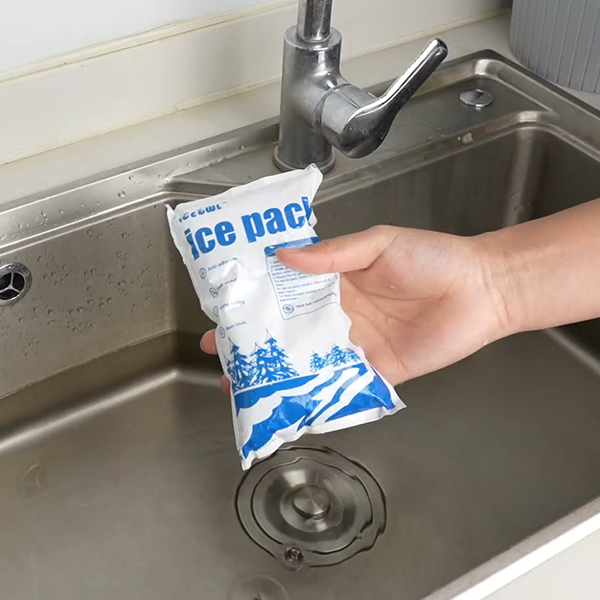
How Do Packaging Supplies Dry Ice Pack Sheets Improve Cold Chain Logistics in 2025?
Packaging supplies and dry ice pack sheets are revolutionizing cold chain logistics. Packaging supplies dry ice pack sheet technology combines advanced materials with phase‑change cooling to maintain temperatures between –20 °C and –70 °C. Unlike traditional dry ice, these sheets flex like thermal batteries and activate immediately when exposed to ambient air, providing consistent cold for up to 72 hours. By pairing them with insulated containers, vented packaging and sustainable materials, businesses can cut product loss, simplify compliance and enhance sustainability in 2025. In this comprehensive guide, you’ll learn how these supplies work, why they matter, how to implement them and what trends will shape your cold chain strategy.
What are packaging supplies dry ice pack sheets? — understanding the technology and its advantages using long‑tail keywords like ultra‑cold pack sheets and next day dry ice sheet safety.
How do packaging supplies enhance cold chain logistics? — exploring insulated containers, vented packaging and sealable bags that prevent premature sublimation.
How to implement dry ice pack sheets effectively? — step‑by‑step guidance on activation, placement, monitoring and cost analysis.
What sustainability efforts are underway? — insights into renewable CO₂ sources and eco‑friendly packaging materials.
What are the latest 2025 cold chain trends? — innovations such as smart monitoring systems, hybrid cooling and automation.
Frequently asked questions and actionable recommendations — clear answers to common queries about duration, reuse, safety and disposal of dry ice pack sheets.
What Are Packaging Supplies Dry Ice Pack Sheets and Why Do They Matter?
Direct Answer and Key Benefits
Packaging supplies dry ice pack sheets are flexible thermal devices made with phase‑change materials (PCMs) that maintain ultra‑low temperatures between –20 °C and –70 °C for 24–72 hours, offering safer handling and easier logistics compared to traditional dry ice. These sheets activate when flexed, releasing cold energy and maintaining uniform temperatures without the sublimation issues of solid CO₂. Because they are classified as non‑hazardous, they simplify regulatory compliance and reduce the need for hazardous material training.
Expanded Explanation
Dry ice pack sheets function like mini cold batteries. Each sheet contains proprietary PCMs that absorb heat as they shift from solid to liquid. The freezing points are calibrated to achieve specific ultra‑cold temperatures, and multilayer insulation slows heat transfertempcontrolpack.com. When flexed before use, the internal structure initiates the cooling reaction, ensuring immediate performancetempcontrolpack.com. Unlike traditional dry ice that sublimates at –78.5 °C, producing CO₂ gas and requiring vented containers, these sheets maintain targeted temperature ranges without emitting hazardous gastempcontrolpack.com. This non‑hazardous classification means shipments need less documentation and handling restrictions, making them ideal for overnight shipments, emergency deliveries and cross‑border logisticstempcontrolpack.com.
Packaging supplies complement these sheets by providing the right environment for optimal performance. Insulated containers, vented packaging and sealable bags ensure controlled heat transfer and safe dissipation of any gasestempcontrolpack.com. When combined, these components create a robust system that protects perishable goods, pharmaceuticals and biological samples during transit.
The Technology and Performance Behind Dry Ice Pack Sheets
The innovation behind next‑day dry ice pack sheets lies in the precise formulation of their PCMs and the construction of the sheet. Each sheet contains non‑toxic, industrial‑grade materials that remain stable at sub‑zero temperaturestempcontrolpack.com. The multilayer design includes insulating barriers and moisture barriers that slow external heat influxtempcontrolpack.com. These features allow consistent thermal performance across varying ambient conditions, making them suitable for emergency shipments and last‑mile delivery.
| Performance Aspect | Traditional Dry Ice | Next‑Day Dry Ice Pack Sheets | Real‑World Impact |
|---|---|---|---|
| Temperature Range | –78.5 °C; risk of over‑freezing | –20 °C to –70 °Ctempcontrolpack.com | Maintains goods within specific ultra‑cold ranges without freezing adjacent items |
| Handling Safety | Requires specialized gloves and ventilation | Standard handling protocolstempcontrolpack.com | Reduces staff training and injury risk |
| Duration | 24–48 hours | 24–72 hourstempcontrolpack.com | Longer protection accommodates delays |
| Regulatory Classification | Hazardous; UN 1845 labeling required | Non‑hazardoustempcontrolpack.com | Simplifies shipping documentation and reduces fees |
Practical Usage Tips and Advice
– Activate properly: Flex the sheet gently before placement to initiate the cooling reaction and ensure uniform cold distributiontempcontrolpack.com.
– Pair with insulated containers: Use high‑quality insulated boxes or coolers to slow heat gain; this can extend performance by up to 40%tempcontrolpack.com.
– Plan for extreme conditions: In very warm environments, consider combining sheets with additional insulation or hybrid systems (dry ice + PCMs) to maintain stable temperaturestempcontrolpack.com.
– Store correctly: Keep sheets in freezer‑safe conditions at the manufacturer’s recommended temperature to maintain readinesstempcontrolpack.com.
– Case insight: A biotech company used next day dry ice pack sheets for emergency vaccine shipments and maintained –60 °C for 36 hours, preserving 100% product integrity and reducing handling costs by 25%tempcontrolpack.com.
Real‑world example: Imagine you need to ship cell therapy doses that require –40 °C overnight. Traditional dry ice might require hazardous labeling and could over‑freeze adjacent packaging. By using a dry ice pack sheet calibrated to –40 °C, you simplify paperwork and ensure consistent temperatures. Combined with vented packaging, you protect the therapy from fluctuations and deliver safe, ready‑to‑use doses to clinics.
How Do Packaging Supplies Enhance Cold Chain Logistics?
Direct Answer and Major Components
Packaging supplies—such as insulated containers, vented packaging and sealable bags—work alongside dry ice pack sheets to maintain temperature stability and prevent accidents during transport. Insulated containers reduce the rate of heat transfer, vented packaging allows CO₂ to escape safely, and sealable bags contain the sheets securelytempcontrolpack.com. This combination ensures goods stay within the desired temperature range and prevents pressure build‑up or gas leakage.
Detailed Explanation
Cold chain packaging is more than just a box. Insulated containers, often made from expanded polystyrene (EPS), polyurethane or vacuum‑insulated panels (VIP), provide the thermal barrier necessary to slow external heat gaintempcontrolpack.com. Vented packaging features air channels or breathable membranes that allow any gases to escape safely, preventing pressure build‑up inside sealed containerstempcontrolpack.com. Sealable bags or pouches keep dry ice pack sheets contained and prevent gas leaks, ensuring the sheet’s cooling power is directed towards your producttempcontrolpack.com.
When combined, these supplies transform a simple shipment into a controlled micro‑environment. For instance, a global vaccine distributor extended their delivery efficiency from 36 hours to 72 hours by integrating insulated containers with dry ice packstempcontrolpack.com. Proper packaging also mitigates the risk of premature sublimation and helps maintain product quality during long transit periodstempcontrolpack.com.
Key Components of Effective Cold Chain Packaging
| Component | Purpose | Benefit to You |
|---|---|---|
| Insulated containers | Reduce heat transfer and keep internal temperatures stabletempcontrolpack.com | Ensure that cold energy from your dry ice pack sheet is retained for longer periods |
| Vented packaging | Allow gas release from sublimation or PCM evaporationtempcontrolpack.com | Prevent pressure build‑up and protect packages from rupturing |
| Sealable bags | Contain dry ice or PCM sheets and prevent leakstempcontrolpack.com | Provide a clean, moisture‑free environment for your products |
| Shipping labels and documentation | Identify the contents and any hazards | Comply with regulations and facilitate handling |
User Tips and Scenarios
– For pharmaceutical shipments: Use VIP containers with thick insulation and vented panels to preserve ultra‑low temperatures during long transitstempcontrolpack.com.
– For food logistics: Combine dry ice pack sheets with thermal liners to maintain frozen conditions without condensation; this prevents soggy packaging and preserves food texture.
– For biotech samples: Use compact, reusable coolers fitted with sensor ports to insert data loggers and monitor conditions.
Practical case: A vaccine distributor integrated insulated containers and dry ice packs, extending the safe transport window from 36 to 72 hours and improving vaccine efficacy during transporttempcontrolpack.com.
Implementing Dry Ice Pack Sheets in Your Operations
Direct Answer and Core Principles
Successful implementation involves assessing temperature requirements, creating standardized protocols for activation and placement, and utilizing pilot tests to refine procedures. Begin with a thermal needs assessment, then standardize processes for activating and positioning sheetstempcontrolpack.com. Pilot test the new system on selected routes before rolling it out across your network to identify challenges and adjust practicestempcontrolpack.com.
Step‑by‑Step Implementation Framework
Assess your requirements. Map your shipping routes, durations and temperature needs. Longer transit times may require additional sheets or complementary insulationtempcontrolpack.com.
Develop standardized protocols. Create visual guides and training materials showing how to flex and place sheets within packagestempcontrolpack.com. Incorporate pre‑shipment checks to confirm activation and temperature ranges.
Pilot testing. Start with small volumes or less critical routestempcontrolpack.com. Monitor temperature data and collect feedback to refine your procedures.
Scale gradually. Expand implementation once metrics such as temperature compliance and cost savings meet your objectives. For example, a medical laboratory network achieved 95 % temperature compliance and reduced thermal packaging costs by 35 % by rolling out next day dry ice pack sheets across 15 locationstempcontrolpack.com.
Train your team. Provide training on sheet activation, placement, venting and disposal. Stress the importance of proper activation to avoid cold spots or insufficient cooling.
Monitor and optimize. Use sensors and data loggers to track shipment temperatures. Collect performance data to adjust sheet quantities and configurationstempcontrolpack.com.
Cost Considerations and Analysis
Implementing dry ice pack sheets involves upfront costs but can yield significant long‑term savings. Evaluate both initial investment and recurring expenses, including purchase price, reusability potential, handling costs and potential savings from reduced product losstempcontrolpack.com. Reusable sheets distribute cost over many shipments, while traditional dry ice requires a new purchase for each shipmenttempcontrolpack.com.
| Cost Component | Traditional Dry Ice | Dry Ice Pack Sheets | Impact on Your Budget |
|---|---|---|---|
| Material cost | Consistent per shipment | Decreases with reusetempcontrolpack.com | Lower long‑term costs |
| Handling expenses | Higher due to special training and CO₂ handlingtempcontrolpack.com | Standard procedures | Reduced labor costs |
| Regulatory compliance | Requires hazardous documentationtempcontrolpack.com | Minimal requirementstempcontrolpack.com | Less paperwork, faster shipping |
| Product loss risk | Higher due to sublimation and uneven coolingtempcontrolpack.com | Controlled performance | Fewer write‑offs |
Budget Optimization Tips
– Bulk purchasing: Negotiate volume discounts with suppliers while maintaining quality standardstempcontrolpack.com.
– Usage tracking: Implement a tracking system to monitor how many sheets are used per shipment and identify optimization opportunitiestempcontrolpack.com.
– Forecasting: Develop forecasts that account for seasonal fluctuations in shipping volumetempcontrolpack.com.
– Case analysis: A clinical trial logistics firm conducted a cost analysis and realized a 40 % total cost reduction compared with traditional dry ice, largely due to reduced handling time and eliminated hazardous material feestempcontrolpack.com.
Example: Suppose your company ships 500 lab samples weekly. Switching to reusable dry ice pack sheets eliminates the need for hazardous material fees and lowers handling time. Within months, you could see cost savings that far outweigh the initial investment, especially when factoring in reduced product loss and improved customer satisfaction.
Sustainability and Eco‑Friendly Packaging in 2025
Direct Answer and Overview
Sustainability in cold chain logistics is advancing through renewable CO₂ sources, eco‑friendly packaging materials and circular programs that reduce waste. Traditional dry ice is made from captured CO₂ emissions, but many producers now source CO₂ from renewable sources like biogas plantstempcontrolpack.com. Packaging supplies are increasingly derived from recyclable or biodegradable materialstempcontrolpack.com, and take‑back programs ensure used materials are refurbished or recycled.
Detailed Insights
Sustainable Dry Ice Production: Modern dry ice can be made from CO₂ captured from renewable sources such as agricultural waste and biogas plantstempcontrolpack.com. This process reduces reliance on fossil fuels and lowers greenhouse gas emissions, helping companies meet corporate sustainability goals. Some producers also capture CO₂ from industrial processes, preventing its release into the atmosphere.
Eco‑Friendly Packaging Materials: Packaging supplies now include biodegradable foams, recycled plastics and compostable linerstempcontrolpack.com. These materials reduce plastic waste and support circular economy initiatives. Companies that switch to sustainable packaging have reported significant reductions in waste and costs; a pharmaceutical firm cut packaging waste by 60 % and costs by 40 % after adopting sustainable dry ice solutionstempcontrolpack.com.
Sustainability Table
| Initiative | Description | Benefit to You |
|---|---|---|
| Renewable CO₂ sources | Produce dry ice from biogas and captured emissionstempcontrolpack.com | Reduce carbon footprint and align with net‑zero targets |
| Biodegradable packaging | Use recycled or compostable materials for insulation and linerstempcontrolpack.com | Reduce waste and appeal to eco‑conscious customers |
| Take‑back programs | Collect and refurbish used sheets and packaging | Lower disposal costs and support circular economy |
Tips for Sustainable Practices
– Partner with renewable suppliers: Choose suppliers that produce dry ice using renewable CO₂ sources.
– Adopt recyclable materials: Use packaging made from recycled plastics or biodegradable foams to reduce environmental impact.
– Implement return programs: Set up systems to collect used sheets and packaging for refurbishment or recycling.
– Educate customers: Provide information about proper disposal and recycling to encourage responsible behavior.
Practical example: By switching to dry ice produced from biogas and using biodegradable insulation, a pharmaceutical company reduced its packaging waste by 60 % while cutting costs by 40 %tempcontrolpack.com.
2025 Trends and Innovations in Cold Chain Logistics
Trend Overview
The cold chain industry is witnessing rapid innovation. Below are key trends shaping 2025 and beyond:
Smart Monitoring Systems — Integrating IoT sensors into packaging allows real‑time tracking of temperature and humiditytempcontrolpack.com. This improves visibility, ensures compliance and reduces spoilage.
Hybrid Cooling Systems — Combining dry ice with PCMs creates more stable temperature profiles and improved energy efficiencytempcontrolpack.com. These systems smooth out fluctuations and extend cooling duration.
Automation in Packaging — Robotics and automated systems are increasingly used for packing and handlingtempcontrolpack.com. Automation reduces human error and increases throughput.
Sustainable Materials — Biodegradable and recyclable packaging is becoming standard practicetempcontrolpack.com. This aligns with circular economy principles and reduces environmental impact.
Advanced Material Science — New PCM formulations extend the range of temperatures and duration of dry ice pack sheets without adding bulktempcontrolpack.com.
Integrated Monitoring Systems — Sheets with built‑in sensors transmit real‑time data to logistics platformstempcontrolpack.com.
Circular Economy Models — Manufacturers are implementing refurbishment and recycling programs for thermal materialstempcontrolpack.com.
Market Growth — Demand for next‑day dry ice pack sheets is projected to grow by 20 % annually through 2026tempcontrolpack.com. Competition is driving innovation and lowering prices.
Trend Impact Table
| Trend | Description | How It Helps You |
|---|---|---|
| Smart monitoring | IoT sensors for real‑time temperature and humidity trackingtempcontrolpack.com | Improve compliance, reduce spoilage and gain end‑to‑end visibility |
| Hybrid cooling systems | Combine dry ice and PCMs to stabilize temperaturestempcontrolpack.com | Extend cooling duration and reduce energy use |
| Automation | Robotic packing and handling systemstempcontrolpack.com | Reduce human error and speed up operations |
| Sustainable materials | Use biodegradable and recycled packagingtempcontrolpack.com | Lower environmental impact, appeal to eco‑conscious consumers |
| Advanced PCMs | New materials broaden temperature ranges and prolong performancetempcontrolpack.com | Provide flexibility for varied shipments |
| Integrated sensors | Built‑in monitoring systems send data to your platformtempcontrolpack.com | Proactively respond to deviations |
| Circular economy | Take‑back and refurbishing programstempcontrolpack.com | Reduce waste and save costs |
Market Insights and Predictions
Market analysis shows strong growth in cold chain logistics and next‑day dry ice pack sheets. Demand for smarter, more sustainable solutions is expected to increase by 20 % per year through 2026tempcontrolpack.com. Additionally, the cold chain industry is moving toward integrated digital platforms that combine monitoring, route optimization and predictive analytics. Companies that adopt these innovations will achieve lower spoilage rates, improved compliance and greater customer satisfaction.
Insight: The convergence of smart monitoring, sustainable materials and automation is transforming cold chain logistics into a data‑driven, eco‑friendly industry. Staying ahead of these trends ensures your operations remain competitive and compliant.
Frequently Asked Questions
Q1: How long do dry ice pack sheets typically maintain temperatures?
Most sheets maintain their target temperature range for 24–48 hours, and high‑performance versions can extend to 72 hours when paired with proper insulationtempcontrolpack.comtempcontrolpack.com.
Q2: Are dry ice pack sheets reusable?
Yes. Many versions are reusable and can be refrozen for multiple shipments. Always check manufacturer specifications; some sheets offer 50+ cyclestempcontrolpack.com.
Q3: What safety precautions should I take when handling these sheets?
Standard thermal gloves are recommended. Avoid direct skin contact and ensure adequate ventilation when unpackingtempcontrolpack.com.
Q4: Can these sheets be used internationally?
Yes. Because they are classified as non‑hazardous, they comply with most international shipping regulationstempcontrolpack.com. Always verify specific country requirements.
Q5: How should I dispose of or recycle used sheets?
Many manufacturers offer recycling programs. Follow local regulations for phase‑change materials; disposal is typically simpler than for hazardous dry icetempcontrolpack.com.
Summary and Recommendations
Key Takeaways
Dry ice pack sheets provide ultra‑cold temperatures with greater safety and longer duration — They maintain –20 °C to –70 °C and last up to 72 hourstempcontrolpack.comtempcontrolpack.com.
Packaging supplies are essential for performance — Insulated containers, vented packaging and sealable bags ensure consistent cooling and safe gas dissipationtempcontrolpack.com.
Implementation requires planning and standardization — Conduct thermal assessments, develop protocols, run pilot tests and train staff to maximize resultstempcontrolpack.com.
Sustainability is integral — Use dry ice produced from renewable CO₂ sources and eco‑friendly packaging materials to reduce your carbon footprinttempcontrolpack.com.
Trends point toward smart, sustainable and integrated systems — IoT sensors, hybrid cooling, automation and circular economy models are reshaping cold chain logisticstempcontrolpack.comtempcontrolpack.com.
Actionable Recommendations
Evaluate your cold chain needs. Assess shipment durations and temperature requirements to choose the right dry ice pack sheets and packaging supplies.
Develop standardized procedures. Create step‑by‑step guides for activating and placing sheets. Run pilot tests to refine your processtempcontrolpack.com.
Invest in sustainability. Partner with suppliers using renewable CO₂ and adopt biodegradable or recyclable packaging materialstempcontrolpack.com.
Adopt smart monitoring. Use IoT sensors and integrated platforms to track conditions in real timetempcontrolpack.com.
Stay informed. Monitor market trends, regulatory changes and new technologies to keep your operations competitive.
About Tempk
Tempk is a leader in cold chain logistics solutions, specializing in dry ice pack sheets, gel packs, and innovative packaging supplies. Our products are engineered to deliver consistent ultra‑cold temperatures while prioritizing safety, sustainability and efficiency. We continually integrate the latest technologies, such as smart monitoring and eco‑friendly materials, to help businesses maintain product integrity and reduce waste. With years of industry experience, we provide expert guidance and customized solutions to optimize your cold chain operations.
Call to Action
If you’re ready to upgrade your thermal shipping strategy, contact Tempk’s specialists today. We’ll help you choose the right dry ice pack sheets, packaging supplies and monitoring systems to enhance your cold chain logistics.
Large Dry Ice Packs: Essential for Cold Chain Shipping in 2025
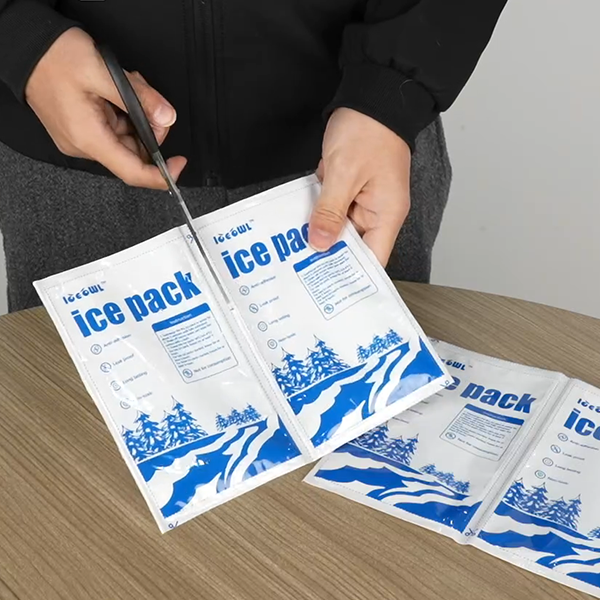
Shipping temperature-sensitive goods requires optimal cooling to prevent spoilage, especially for pharmaceuticals, frozen foods, and biological samples. Large dry ice packs offer a reliable solution by maintaining ultra-low temperatures during transit. In 2025, the cold chain industry continues to evolve with innovations that enhance the efficiency of these cooling solutions. This article will delve into how large dry ice packs work, their advantages, and best practices for using them effectively.
What Are Large Dry Ice Packs?
Large dry ice packs are blocks of solid carbon dioxide (CO₂) that sublimate directly from solid to gas at a temperature of -78.5°C (-109.3°F). Unlike traditional ice, dry ice leaves no liquid residue, making it ideal for maintaining frozen conditions without the risk of water damage. These packs are commonly used in bulk shipments, ensuring long-lasting cooling for products that require consistent sub-zero temperatures.
Why Choose Large Dry Ice Packs?
Large dry ice packs provide several key advantages over other cooling methods, including gel packs and traditional ice. Here are some reasons why businesses should consider using them for cold chain shipping:
Extended Cooling Duration
Large dry ice packs can maintain extremely low temperatures for up to 72 hours, depending on insulation, ambient temperature, and the amount of dry ice used. This makes them perfect for shipments that require longer transit times.
No Water Residue
Dry ice sublimates directly into gas, leaving no moisture behind. This is crucial for sensitive products like vaccines, seafood, and pharmaceuticals, where water exposure can cause damage.
High Thermal Mass
The larger size of dry ice packs allows for a greater amount of CO₂ to sublimate slowly, providing prolonged cooling with fewer packs needed. This makes them cost-effective for long-distance shipments.
| Feature | Large Dry Ice Packs | Gel Packs |
|---|---|---|
| Temperature Range | Ultra-low (-109.3°F / -78.5°C) | Moderate (32°F to 50°F) |
| Sublimation/ Melting | Sublimates into gas, no residue | Melts into liquid, potential for water damage |
| Handling Safety | Requires gloves and ventilation | Safe to handle without special precautions |
| Reusability | Single-use | Reusable |
| Cost | Higher due to single-use | Lower, especially for reusable types |
Applications in Cold Chain Shipping
1. Pharmaceuticals and Biologics
Large dry ice packs are vital for maintaining the stability of temperature-sensitive medications and biological samples during transit. The ultra-low temperatures they provide help ensure that these products remain within required ranges for efficacy, especially when shipping long distances or internationally.
2. Frozen Food Shipments
Frozen foods, such as ice cream, seafood, and frozen meats, need to remain below freezing temperatures to retain their quality. Dry ice is ideal for these shipments, ensuring they stay frozen for up to 72 hours.
3. Laboratory Samples
Biological and chemical samples require consistent, sub-zero temperatures during transit. Large dry ice packs are used to maintain these conditions, ensuring sample integrity and preventing deterioration.
Best Practices for Using Large Dry Ice Packs
To maximize the efficiency of large dry ice packs, it’s essential to follow these best practices:
Proper Ventilation
Dry ice sublimates into CO₂ gas, which can build up pressure inside packaging. Ensure that shipping containers are ventilated to allow the gas to escape safely, preventing the risk of explosion.
Adequate Insulation
Using high-quality insulation materials like polystyrene foam or vacuum panels slows down the sublimation rate and ensures that the cooling power lasts longer, reducing the need for frequent replenishment.
Correct Labeling
It’s essential to label all packages containing dry ice with the “Dry Ice” or “Carbon Dioxide, Solid” labels and specify the net weight in kilograms. This ensures that carriers follow proper handling protocols and comply with regulatory requirements.
Regulatory Compliance
Following regulations set by agencies such as the DOT, IATA, and IMDG is critical when shipping with dry ice. Packages must be marked appropriately, and certain carriers may have specific weight or packaging restrictions that need to be followed.
Large Dry Ice Packs vs. Gel Packs
While gel packs can be used for certain cold chain applications, they do not offer the same level of performance as large dry ice packs. Gel packs are typically used for refrigeration, with temperatures ranging from 32°F to 50°F, whereas dry ice packs are essential for sub-zero temperatures, ranging from -109.3°F. Gel packs also have a higher risk of melting into liquid, potentially damaging sensitive goods, whereas dry ice sublimates without leaving moisture behind.
How to Calculate and Use a Large Dry Ice Pack
Calculation Guidelines
To calculate the correct amount of dry ice needed, you should follow a simple rule: for every 10-15 lbs of product, plan for 5-10 lbs of dry ice per 24 hours. For example, if your shipment weighs 25 lbs and travels for 2 days, you will need between 20-40 lbs of dry ice.
Packaging Considerations
Ensure that the dry ice is placed on top of the goods within the container to allow for even cooling. The container should be insulated and allow for proper ventilation to release the sublimated CO₂ gas.
Safety and Handling of Large Dry Ice Packs
Protective Gear
Due to the extremely low temperatures of dry ice, it’s essential to handle it with insulated gloves and safety goggles. Never touch dry ice with bare hands to avoid frostbite.
Ventilation Requirements
Ensure that the area where dry ice is stored or used is well-ventilated to prevent CO₂ buildup. In enclosed spaces, high levels of CO₂ can displace oxygen, leading to dizziness, headaches, or suffocation.
Cost and Sustainability Considerations
Cost Factors
While dry ice packs can be more expensive upfront than gel packs, their longer cooling duration and reliability make them cost-effective in the long term. Bulk purchasing and proper insulation can reduce the overall cost of shipping with dry ice.
Sustainability
The dry ice industry is moving towards more sustainable practices, such as using captured CO₂ from industrial processes. This reduces the environmental impact of dry ice production while maintaining its effectiveness for cold chain logistics.
2025 Innovations in Dry Ice Packs
Smart Packaging
The integration of IoT sensors and GPS tracking into dry ice packaging is a growing trend in the cold chain industry. These technologies allow real-time monitoring of the temperature and location of shipments, enhancing visibility and reducing risks during transit.
Eco-Friendly Solutions
As sustainability becomes more important, companies are exploring alternative sources of CO₂ for dry ice production. Captured CO₂ and recyclable insulation materials are part of the ongoing push for greener logistics.
FAQ – Frequently Asked Questions
Q1: How long does a large dry ice pack last?
A large dry ice pack typically lasts between 24–72 hours, depending on the amount used, the insulation, and the external temperature.
Q2: Can I reuse a large dry ice pack?
No, dry ice sublimates directly into gas, leaving no solid residue, so it cannot be reused. However, some reusable cooling solutions like gel packs can be used multiple times.
Q3: What are the packaging and labeling requirements for dry ice shipments?
Dry ice shipments must be labeled with “Dry Ice” or “Carbon Dioxide, Solid,” with the UN 1845 designation, and the net weight of the dry ice must be specified. Packaging should allow CO₂ gas to vent safely.
Conclusion
Large dry ice packs play a vital role in maintaining the safety and integrity of temperature-sensitive shipments. With advancements in technology and packaging, they remain a reliable solution for industries requiring sub-zero cooling, such as pharmaceuticals, food, and biologics. By understanding their advantages, proper handling, and best practices, businesses can enhance their cold chain shipping operations and minimize risks.
About Tempk
At Tempk, we specialize in providing high-quality cold chain solutions, including large dry ice packs, to meet the diverse needs of our clients. Our products are designed to ensure the safe and efficient transport of temperature-sensitive goods. Contact us today to learn more about our large dry ice packs and how they can enhance your cold chain shipping processes.
Flexible Gel Dry Ice Packs for Cold Chain Shipping | Efficient, Cost-Effective Solutions
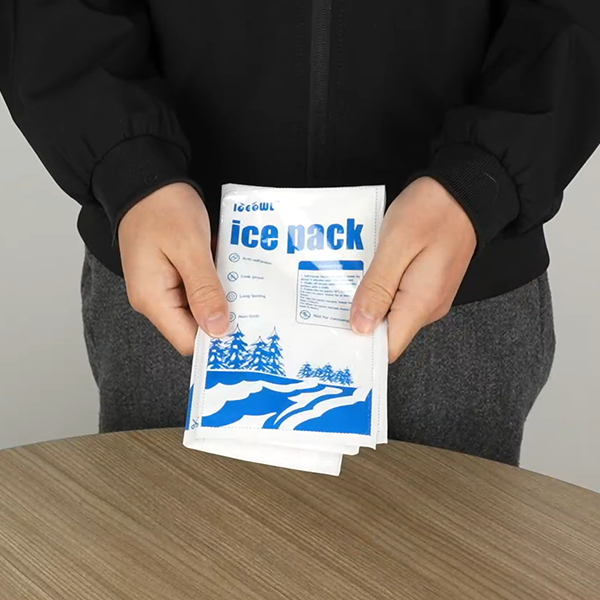
In 2025, flexible gel dry ice packs are revolutionizing the cold chain logistics industry by providing a reliable, cost-effective, and eco-friendly cooling solution. These hybrid packs, combining gel flexibility with dry ice’s extreme cold, offer unparalleled benefits for industries such as pharmaceuticals, food, and biotech. In this article, we’ll explore why flexible gel dry ice packs are becoming the preferred choice for shipping temperature-sensitive goods and how they align with the latest trends in logistics.
Why Choose Flexible Gel Dry Ice Packs for Your Shipping Needs?
Flexible gel dry ice packs have gained immense popularity in cold chain logistics for the following reasons:
Affordability: They offer a more budget-friendly solution compared to traditional dry ice, reducing both shipping and packaging costs.
Versatility: These packs are suitable for a wide range of applications, from short trips to long-haul shipping, providing consistent cooling throughout.
Efficiency: Flexible gel dry ice packs maintain low temperatures for longer durations, ensuring that perishable goods such as pharmaceuticals and food items stay fresh.
What Are Flexible Gel Dry Ice Packs?
Flexible gel dry ice packs combine gel’s flexibility with dry ice’s freezing power. The packs consist of gel cells filled with dry ice pellets, providing a customizable, flexible, and highly effective cooling solution. These packs are ideal for shipping goods that require subzero temperatures.
Key Features of Flexible Gel Dry Ice Packs
Flexibility: These packs conform to the shape of containers, maximizing space efficiency and cooling performance.
Reusable: Many flexible gel dry ice packs are designed for multiple uses, reducing overall costs and environmental impact.
Extended Cooling Duration: These packs maintain low temperatures for up to 72 hours, depending on conditions, making them suitable for longer transit times.
How Do Flexible Gel Dry Ice Packs Work?
Flexible gel dry ice packs operate based on the sublimation process of dry ice, where the solid CO₂ turns into gas, absorbing heat and creating a cooling effect. This process allows the packs to provide sustained cooling, making them perfect for shipping temperature-sensitive products like vaccines, biotech samples, and frozen food.
Sublimation at -78.5°C
The extreme temperature of dry ice (-78.5°C) is ideal for products requiring subzero storage conditions. The flexible gel design ensures that these packs can be used across various container sizes, delivering consistent, efficient cooling for long durations.
Why Are Flexible Gel Dry Ice Packs Essential in Cold Chain Logistics?
Flexible gel dry ice packs are indispensable in the cold chain for several reasons:
Longer Shelf Life: They help preserve perishable goods such as seafood, meat, and dairy products, ensuring they stay cold throughout transportation.
Reduced Costs: These packs are more affordable than traditional dry ice, helping businesses lower both shipping and packaging expenses.
Improved Packing Efficiency: The flexible nature of these packs allows for better packing configurations, reducing wasted space and improving overall logistics.
Industries That Benefit from Flexible Gel Dry Ice Packs
Pharmaceuticals and Biotech: Transporting temperature-sensitive vaccines or biologics.
Food and Beverages: Keeping frozen and chilled foods safe from spoilage.
E-commerce: Ensuring temperature-controlled goods reach consumers in perfect condition.
How to Calculate the Right Number of Flexible Gel Dry Ice Packs for Your Shipment?
Correctly estimating the number of flexible gel dry ice packs you’ll need is essential for ensuring optimal temperature control. Here’s a general guideline:
Small Shipments (seafood, frozen meat): 1–2 lbs of dry ice per 24–48 hours.
Large Shipments (pharmaceuticals, biotech samples): 5–10 lbs per 24 hours.
Factors Affecting the Number of Gel Dry Ice Packs Needed
Temperature Sensitivity of the goods being shipped.
Shipping Duration and environmental conditions during transit.
Comparing Flexible Gel Dry Ice Packs with Traditional Dry Ice
Here’s a quick comparison to help you decide whether flexible gel dry ice packs are the right choice for your shipment:
| Dry Ice Type | Cooling Duration | Flexibility | Cost | Ease of Use |
|---|---|---|---|---|
| Flexible Gel Dry Ice Packs | 24-72 hours | High (conforms to container shape) | Affordable | Easy to handle, reusable |
| Traditional Dry Ice | 12-24 hours | Low (rigid) | Moderate | High handling risks |
How to Use Flexible Gel Dry Ice Packs Effectively?
To maximize the effectiveness of flexible gel dry ice packs:
Pack them properly: Distribute the packs evenly around the items that need cooling.
Use insulated containers: Pairing the dry ice packs with high-quality insulation ensures the best temperature maintenance.
Ventilation: Make sure that the container allows the safe release of CO₂ gas.
Practical Tip: For optimal cooling, place the gel dry ice packs at the bottom of the cooler. This ensures that the cooling is evenly distributed from the base upwards.
Trends in Flexible Gel Dry Ice Packs for 2025 and Beyond
As we move into 2025, the cold chain industry is seeing several exciting innovations in flexible gel dry ice packs:
Smart Packaging: The integration of sensors and IoT technology allows for real-time temperature tracking during transport.
Sustainability Focus: There is a growing emphasis on using eco-friendly, recyclable materials to reduce environmental impact.
Faster Shipping Solutions: The rise of e-commerce has led to the development of faster, more efficient dry ice-based shipping methods.
Frequently Asked Questions (FAQ)
Q1: What are the advantages of flexible gel dry ice packs over traditional dry ice?
Flexible gel dry ice packs offer longer cooling duration, better packing efficiency, and cost-effectiveness compared to traditional dry ice methods. They conform to the shape of the container, maximizing space.
Q2: How do I ensure my flexible gel dry ice pack stays effective for longer?
Use high-quality insulation, place the packs in strategic locations within the container, and ensure proper ventilation to allow CO₂ gas to escape.
Conclusion and Recommendations
Flexible gel dry ice packs are changing the cold chain logistics landscape with their affordability, versatility, and long-lasting cooling abilities. Perfect for industries such as food, pharmaceuticals, and e-commerce, these packs ensure temperature-sensitive goods stay safe during transport.
Next Steps:
Consult with your supplier to determine the right number of flexible gel dry ice packs based on your shipment’s needs.
Consider implementing smart packaging with temperature sensors for real-time monitoring.
Stay ahead of trends by exploring eco-friendly packaging solutions in 2025.
About Tempk
At Tempk, we specialize in providing innovative cold chain solutions, including flexible gel dry ice packs. Our products are designed to meet the needs of industries such as food distribution, pharmaceuticals, and biotechnology. With a focus on cost-efficiency, reliability, and sustainability, Tempk ensures your goods stay safely refrigerated throughout the entire shipping process.
Want to optimize your cold chain logistics? Contact us for a consultation today!
Camping Dry Ice Packs: 2025 Guide for Long-Lasting Freshness
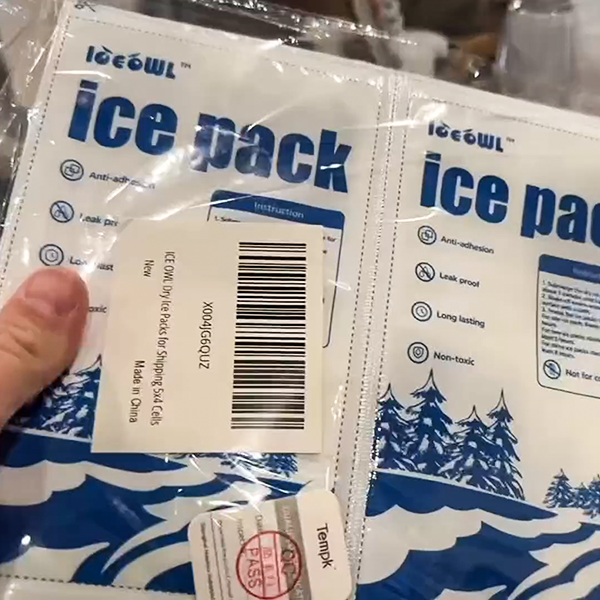
Camping Dry Ice Packs: Your Ultimate Guide to Extended Freshness
Planning a camping trip and wondering how to keep your food fresh without the hassle of melting ice? Dry ice packs might be the solution you’re looking for. These solid carbon dioxide packs offer a colder alternative to traditional ice, ensuring your perishables stay frozen longer. In this guide, we’ll explore the benefits, safety precautions, and best practices for using dry ice packs during your outdoor adventures.
Why Choose Dry Ice Packs for Camping?
Dry ice packs offer several advantages over traditional ice that can improve your camping experience. They are cold enough to maintain freezing temperatures for several days, which is perfect for keeping perishable items like meat, seafood, and frozen meals safe for extended trips. Since they sublimate directly from solid to gas, there’s no mess or water residue to worry about, making dry ice an incredibly efficient cooling method.
The main benefits of camping with dry ice packs include:
Extended cooling duration: Dry ice can keep your food frozen for 2-3 days, much longer than regular ice.
No mess: Unlike regular ice, dry ice sublimates and doesn’t leave behind a puddle of water, so your food and cooler stay dry.
Space efficiency: Dry ice takes up less space than traditional ice, allowing you to fit more items into your cooler.
Maintaining freshness: The ultra-low temperatures of dry ice help preserve food and prevent spoilage, keeping everything fresh longer.
What Are Dry Ice Packs?
Dry ice packs are solid blocks or sheets of CO₂ that sublimate directly from a solid to a gas at temperatures as low as −78.5°C (−109.3°F). This makes them much colder than regular ice, which is solid water at 0°C. Because dry ice sublimates into gas instead of melting into water, it ensures that your cooler and food stay dry, preventing sogginess, and keeping items that require freezing frozen for a longer period.
How Do Camping Dry Ice Packs Compare to Traditional Ice?
To understand whether dry ice is the right choice for your trip, let’s compare it to traditional ice and other cooling methods. Here’s a side-by-side breakdown:
| Cooling Method | Temperature Range | Cooling Duration | Messiness | Best Use Cases | What This Means for You |
|---|---|---|---|---|---|
| Dry Ice Packs | −78.5°C (Sublimates) | 2-3 days or more | None (Sublimates to gas) | Long adventures, frozen items | Keeps food frozen without water, ideal for long trips with meats or ice cream. |
| Regular Ice | 0°C (Melts to water) | 12-24 hours | High (Melts to water) | Short trips, drinks, chilled items | Suitable for overnight or day trips but creates a mess and doesn’t keep food frozen. |
| Gel Packs | ~0°C to 5°C | 12-36 hours | Medium (Some condensation) | Fresh produce, beverages, dairy | Good for keeping things cool, not for freezing. |
| Phase Change Material (PCM) Packs | 0°C to −20°C (Tunable) | 2-4 days | Minimal | Hybrid solutions for both chilled and frozen | Provides controlled temperature for mixed items. |
Dry ice packs are perfect for keeping food completely frozen for extended periods, unlike regular ice, which only chills items for a limited time.
How to Safely Use Dry Ice Packs While Camping
Using dry ice requires a few precautions to ensure both effectiveness and safety. Here’s how to make the most of your dry ice packs:
Use Protective Gear
Always handle dry ice with gloves or tongs to avoid frostbite.Ventilation is Key
Since dry ice sublimates into carbon dioxide (CO₂) gas, ensure your cooler has proper ventilation to allow the gas to escape. This prevents dangerous CO₂ buildup, which can cause suffocation.Pack Your Cooler Efficiently
Place dry ice at the bottom of your cooler for even cooling, ensuring that food closest to the dry ice stays frozen.
Fill any empty spaces in the cooler with insulation like crumpled newspaper, towels, or additional dry ice to reduce air gaps, which increase sublimation.
Wrap dry ice with paper or use a dry ice pack sleeve to prevent direct contact with food, which can lead to freezer burns.
Leave Space for CO₂ Gas to Escape
Ensure there is some space for CO₂ gas to escape to avoid pressure buildup, which could damage your cooler.Monitor Temperature
For items that need to stay below freezing, use a thermometer to check the internal cooler temperature regularly.
How to Choose the Right Camping Dry Ice Packs for Your Trip?
Selecting the correct dry ice packs for your camping trip depends on several factors including the duration of your trip, the type of cooler you’re using, and the nature of the food you plan to store.
For short trips, a small cooler may only need 1-2 lbs of dry ice, whereas longer trips may require larger blocks or more dry ice to maintain optimal freezing temperatures. Here’s how to plan for your needs:
Weekend trips (1-2 days): 2-4 lbs of dry ice.
Extended trips (3-5 days): 10-20 lbs of dry ice.
Long expeditions (5+ days): 25-50 lbs of dry ice, plus regular ice for extra cooling.
Tip: For trips in warm climates or high altitudes where sublimation rates are faster, always bring extra dry ice.
Latest Trends in Camping Dry Ice Packs for 2025
As technology advances, there are several exciting trends in camping dry ice packs that are making outdoor refrigeration even more efficient and sustainable.
Eco-Friendly Innovations: Biodegradable coolers and recyclable packaging are emerging to make dry ice products more sustainable.
Smart Coolers: Coolers with integrated temperature sensors, Bluetooth connectivity, and mobile app monitoring allow campers to track their cooler’s internal temperature in real-time.
Hybrid Cooling Solutions: Combining dry ice with Phase Change Materials (PCMs) or gel packs offers a flexible solution for controlling temperatures over extended periods.
These innovations are making it easier to keep your food fresh while reducing environmental impact and improving convenience.
Frequently Asked Questions (FAQs)
Q1: How do camping dry ice packs compare to traditional ice?
Camping dry ice packs offer longer-lasting cooling, prevent water residue, and are more compact than traditional ice, making them ideal for extended trips in remote locations.
Q2: How long does dry ice last in a cooler?
Dry ice can last between 24-48 hours, depending on the size of the pack and the insulation of your cooler. For longer trips, multiple dry ice packs may be necessary.
Q3: Can I use dry ice for short camping trips?
Yes, dry ice is perfect for short camping trips where you need efficient, long-lasting cooling without the mess of melting ice.
Conclusion
Camping dry ice packs are an excellent solution for keeping your food and beverages cool during outdoor adventures. Whether you’re going for a weekend getaway or an extended trip, dry ice packs can keep your food fresh and prevent spoilage, all while being more space-efficient than traditional ice. By choosing the right dry ice pack and using it correctly, you can enhance your camping experience and enjoy fresh meals and drinks throughout your trip.
About Tempk
Tempk is a trusted provider of cold-chain solutions, offering high-performance dry ice packs, PCM refrigerants, and insulated containers. With a focus on sustainability and innovation, we design products that are reusable, eco-friendly, and tailored for camping and outdoor use.