


Gel Sheet Dry Ice Packs: The Ultimate Cooling Solution for 2025
Gel Sheet Dry Ice Packs: The Ultimate Cooling Solution for 2025
Gel Sheet Dry Ice Packs: The Ultimate Cooling Solution for 2025
Introduction
In the evolving landscape of cold chain logistics, reliable and sustainable cooling solutions are in high demand. Gel sheet dry ice packs are quickly emerging as a superior option for temperature-sensitive shipments. This innovative solution offers extended cooling durations and enhanced safety for industries ranging from food and pharmaceuticals to biotech. By understanding the benefits, applications, and best practices for using gel sheet dry ice packs, businesses can optimize their logistics operations and ensure product integrity throughout the supply chain.
What Are Gel Sheet Dry Ice Packs? An in-depth look at how these packs function and their unique benefits.
How Do Gel Sheet Dry Ice Packs Improve Efficiency in Cold Chain Logistics? The advantages over traditional dry ice methods.
Why Are Gel Sheet Dry Ice Packs Ideal for Pharma and Biotech Shipments? How they provide precise temperature control for sensitive products.
What Are Gel Sheet Dry Ice Packs?
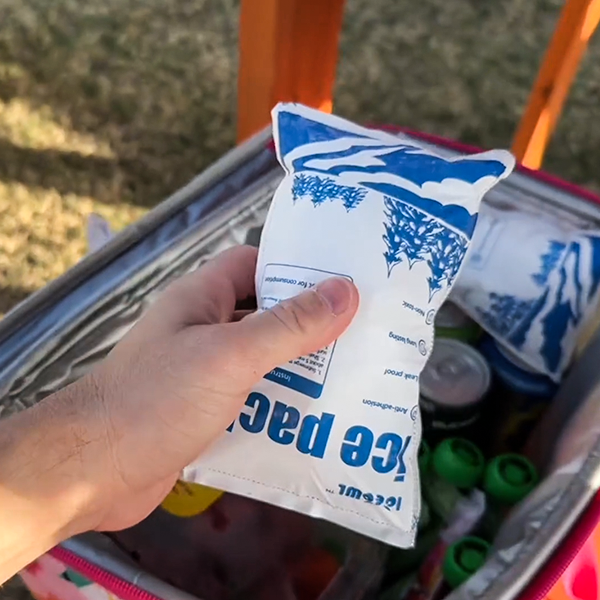
Gel sheet dry ice packs are flexible, reusable cooling agents designed to maintain sub-zero temperatures during transit. Unlike traditional ice packs that melt into water, these gel sheets use a unique polymer structure that absorbs water and freezes, providing consistent cooling without the risk of leakage. Their design ensures that the temperature is maintained within the required range for extended periods, making them perfect for shipments needing temperatures below -18°C (0°F), such as frozen foods, pharmaceuticals, and biologics.
These packs are created using a multi-layer polymer film filled with superabsorbent polymer gel. Upon activation, the gel absorbs water, swells, and freezes into flexible sheets that provide continuous cold release, making them an efficient and environmentally friendly alternative to traditional dry ice.
How Do Gel Sheet Dry Ice Packs Work?
When hydrated, gel sheet dry ice packs transform into a flexible, leak-proof cooling source. The polymer gel absorbs water and freezes, providing a long-lasting and controlled cooling effect. This cooling technology makes these packs particularly effective for both short and long-duration shipments. They are customizable in size and shape to fit various shipping containers, ensuring optimal performance for diverse products.
The unique structure of gel sheet dry ice packs means they can retain temperatures far lower than standard gel packs, reaching up to -123°C (-190°F) when frozen. This makes them more efficient than regular gel packs, which are limited to maintaining temperatures of 0°C to 4°C.
Gel Sheets vs. Traditional Dry Ice and Gel Packs
| Feature | Gel Sheet Dry Ice Packs | Traditional Ice Packs |
|---|---|---|
| Temperature Range | -18°C to -21°C | 0°C to 4°C |
| Cooling Duration | Up to 72 hours | 6–12 hours |
| Risk of Leakage | None | High |
| Reusability | Yes | Limited |
| Environmental Impact | Low (non-toxic, reusable) | High (single-use, water waste) |
How Do Gel Sheet Dry Ice Packs Improve Efficiency in Cold Chain Logistics?
Gel sheet dry ice packs are revolutionizing the logistics industry with their exceptional benefits:
Longer Cooling Duration: These packs provide consistent cooling for up to 72 hours, making them ideal for long-haul shipments where maintaining temperature stability is crucial.
Cost-Effective: Reusable gel sheet packs reduce long-term costs by eliminating the need for continuous replenishment and reducing spoilage risk.
Improved Packing Flexibility: Their flexibility allows them to be molded to fit any shipping container, improving packing efficiency and reducing the need for additional cooling agents.
What Are the Key Benefits of Using Gel Sheet Dry Ice Packs for Pharma and Biotech Shipments?
Pharmaceuticals and biologics are often highly sensitive to temperature fluctuations. Gel sheet dry ice packs provide precise temperature control, ensuring that these products remain within required temperature ranges.
Key Benefits for Pharma and Biotech:
Precise Temperature Control: Ideal for vaccines, biologics, and cell cultures, these packs maintain steady temperatures and prevent degradation of sensitive products.
Compliance with Regulations: Gel sheet dry ice packs meet industry standards such as Good Manufacturing Practices (GxP) and help ensure compliance with safety and transport regulations.
Tip: For added security, consider using real-time temperature monitoring sensors to track your shipment and ensure products stay within the optimal temperature range.
Applications of Gel Sheet Dry Ice Packs in Cold Chain Logistics
Gel sheet dry ice packs have diverse applications across multiple industries:
In Food Shipping: Perfect for shipping frozen seafood, meat, and ready-to-eat meals, ensuring food remains frozen without contamination risks from water or melting ice.
In Pharmaceutical Shipping: Ensures temperature-sensitive drugs and vaccines remain effective by maintaining consistent temperatures during transit.
In Biotech Shipping: Preserves the viability of biologics such as DNA samples and blood bags, ensuring product integrity upon arrival.
2025 Trends in Cold Chain Logistics
The future of cold chain logistics in 2025 is driven by innovations like sustainable materials, smart packaging, and temperature-monitoring technologies. Companies are increasingly turning to solutions like gel sheet dry ice packs to reduce environmental impact and optimize shipping performance.
Key Trends:
Sustainability Initiatives: The push for eco-friendly, reusable cooling solutions continues to grow, with gel sheet dry ice packs offering a non-toxic, reusable alternative to traditional methods.
IoT Integration: Real-time monitoring systems, including IoT sensors, are becoming standard in cold chain logistics to track temperature and humidity, improving shipping efficiency.
Frequently Asked Questions
Q1: How long do gel sheet dry ice packs last?
A1: Gel sheet dry ice packs can last up to 72 hours, depending on insulation and the environment, ensuring long-term temperature control during shipment.
Q2: Are gel sheet dry ice packs reusable?
A2: Yes, these packs can be reused multiple times, making them a sustainable and cost-effective option for businesses.
Q3: How do gel sheet dry ice packs compare to traditional dry ice?
A3: Gel sheet packs offer longer cooling durations and a safer, more flexible solution compared to traditional dry ice, making them ideal for a wide range of applications.
Conclusion
Gel sheet dry ice packs are a game-changer in cold chain logistics, offering enhanced safety, longer cooling durations, and sustainability. As we move toward 2025, the adoption of gel sheet dry ice packs is expected to grow, offering businesses a reliable solution for temperature-sensitive shipments.
Actionable Next Steps
For optimal cold chain management, incorporate gel sheet dry ice packs into your logistics operations. Contact Tempk to discover how our solutions can help streamline your shipments and enhance product integrity.
About Tempk
At Tempk, we specialize in providing innovative, sustainable cold chain solutions designed for the pharmaceutical, biotech, and food industries. Our gel sheet dry ice packs ensure that your products maintain the required temperatures throughout the entire shipping process.
Dry Ice Bricks vs. Pack Sheets: Optimal Cold Chain Solutions in 2025
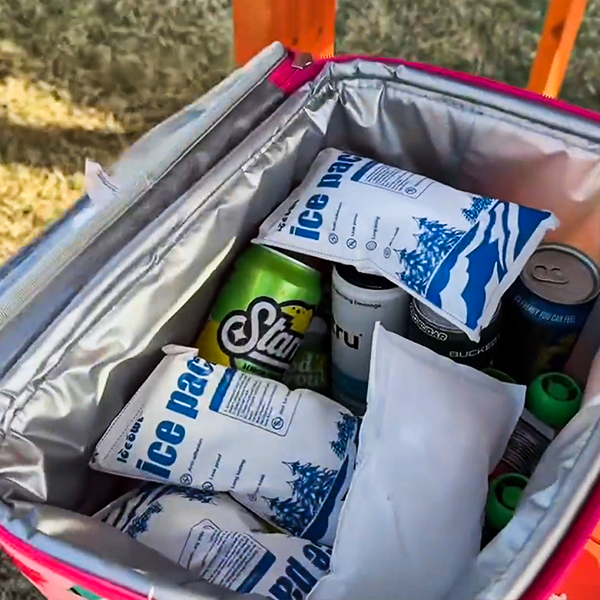
In the cold chain logistics industry, maintaining the required temperature for sensitive goods like pharmaceuticals, seafood, and meats is essential for ensuring product safety. Dry ice bricks and pack sheets are two effective cooling solutions widely used to achieve this. Understanding the differences between these options can help businesses select the right solution for their needs.
What are the differences between dry ice bricks and pack sheets?
How do dry ice bricks and pack sheets maintain temperature during shipping?
Which option is best for different shipping durations and temperatures?
What Are Dry Ice Bricks and Pack Sheets?
Dry Ice Bricks
Dry ice bricks are solid blocks of carbon dioxide that sublimate at -78.5°C, providing a concentrated and long-lasting cooling source. These bricks are ideal for long-duration shipments, such as frozen foods or biological samples that require sustained, ultra-low temperatures.
Dry Ice Pack Sheets
Dry ice pack sheets are flexible panels filled with small pellets of dry ice. These are often used for shorter shipments or for packaging products that require chilled, rather than frozen, temperatures. Their flexibility allows them to conform to various package shapes, offering efficient cooling for goods such as cosmetics or pharmaceuticals.
How Do Dry Ice Bricks and Pack Sheets Perform in the Cold Chain?
Both dry ice bricks and pack sheets work by sublimating, a process where solid CO2 transitions directly to gas, absorbing heat and cooling the surrounding environment. The key differences between these forms lie in their cooling duration and flexibility.
| Feature | Dry Ice Bricks | Dry Ice Pack Sheets |
|---|---|---|
| Cooling Duration | 72–120 hours | 24–48 hours |
| Flexibility | Rigid, less adaptable | Flexible, conforms to shapes |
| Cooling Type | Ultra-frozen | Chilled (2°C–8°C) |
| Ideal Applications | Long-duration shipments | Short to medium-duration shipments |
Real-World Application:
For example, vaccines requiring transport at ultra-low temperatures for up to 96 hours benefit from dry ice bricks, whereas fresh pharmaceuticals needing a controlled temperature range for up to 48 hours can be efficiently transported with dry ice pack sheets.
Best Practices for Using Dry Ice in Shipping
Proper Packaging & Insulation
To optimize the performance of dry ice, use high-quality insulated packaging like Styrofoam or vacuum-insulated panels. Ensure containers are vented to allow CO2 gas to escape and prevent pressure buildup, which could damage the shipment.
How Much Dry Ice to Use?
For a 24-hour shipment, use approximately 0.5 kg of dry ice per kg of product weight. For shipments lasting longer than 48 hours, increase the quantity of dry ice to account for the sublimation rate. For longer trips, dry ice bricks are recommended due to their extended sublimation time.
Dry Ice Bricks vs. Pack Sheets: Which Is Best for Your Needs?
Dry Ice Bricks
Ideal for long shipments where products need to remain frozen for several days. They have higher upfront costs but offer longer-lasting cooling and higher capacity, making them essential for high-value, temperature-sensitive goods such as biologics or frozen food.
Dry Ice Pack Sheets
Best for short-haul deliveries or when products require a chilled environment. They are cost-effective and flexible, fitting well around smaller packages. However, they do not last as long as dry ice bricks, making them less suitable for long shipments.
Environmental Impact and Sustainability
As the cold chain logistics industry moves toward more sustainable practices, the production of dry ice from CO2 captured during industrial processes has gained traction. This practice reduces reliance on fossil fuels and lowers carbon footprints. Additionally, innovations in packaging and monitoring technology are helping reduce waste and enhance the efficiency of dry ice use.
Sustainability Trends for 2025:
Eco-friendly packaging using recyclable and biodegradable materials
Smart temperature sensors for real-time monitoring to reduce waste
Closed-loop dry ice recycling systems, allowing dry ice to be reused
Frequently Asked Questions (FAQ)
Q1: How long does dry ice last during shipping?
Dry ice typically lasts between 24 to 72 hours, depending on the form (bricks or sheets), insulation, and shipping conditions.
Q2: Is dry ice safe for shipping?
Yes, dry ice is safe for shipping when handled properly. Always use vented containers and follow safety guidelines to prevent CO2 buildup.
Q3: How do I calculate the amount of dry ice I need?
Use 0.5 kg of dry ice per kg of product for a 24-hour shipment. For longer durations, increase the amount accordingly.
Conclusion and Recommendations
Dry ice bricks and pack sheets are both essential tools in cold chain logistics, each suited for different types of shipments. By understanding their differences and adhering to best practices, you can ensure the safe and efficient transport of temperature-sensitive goods.
Next Steps:
Assess your shipment’s duration and temperature requirements to choose between bricks or sheets.
Invest in high-quality insulated packaging for better temperature control.
Stay updated on 2025 sustainability trends and smart monitoring systems to improve your logistics operations.
About Tempk
Tempk specializes in innovative cold chain solutions, including dry ice bricks and pack sheets. Our products ensure the safe and efficient transport of temperature-sensitive goods with a focus on sustainability and compliance with industry regulations.
Ready to optimize your cold chain logistics?
Contact Tempk for expert advice on the best dry ice solutions for your needs!
eBay Dry Ice Packs: Choose & Use for Safe Cold Shipping
eBay Dry Ice Packs: How to Choose the Best for Shipping Frozen Goods
Shipping perishable items, such as frozen food, seafood, or pharmaceuticals, requires an efficient cooling method to ensure the products stay fresh during transit. eBay dry ice packs offer an effective, long-lasting solution for temperature-sensitive shipments. In this guide, you’ll learn how to choose the best eBay dry ice packs for your shipping needs, compare dry ice to other cooling methods, and understand the latest cold chain trends for 2025.
What are eBay dry ice packs and how do they work?
How do you choose the right dry ice pack for your shipping needs?
What are the benefits of using dry ice over traditional ice packs?
How to ensure compliance with shipping regulations?
What Are eBay Dry Ice Packs and How Do They Work?
eBay dry ice packs are solidified CO2 designed to keep items frozen during shipping. Unlike traditional ice packs that melt into water, dry ice sublimates directly into gas, keeping your goods cold without the risk of moisture damage. These packs offer extended cooling durations, making them ideal for long-distance shipments of perishable goods.
How Dry Ice Packs Work:
Dry ice packs contain solid CO2, which is extremely cold at around -78.5°C. When placed inside insulated containers, the dry ice sublimes into CO2 gas, providing continuous cooling without leaving any water residue. This ensures a stable, dry environment, making dry ice the preferred option for shipping sensitive products like food, biotech materials, and pharmaceuticals.
The Benefits of Using Dry Ice Packs:
Longer Cooling Duration: Dry ice lasts up to 72 hours, significantly longer than traditional ice packs, making it perfect for extended shipping times.
No Meltwater: As dry ice sublimates, it doesn’t create water, protecting your goods from moisture-related damage.
Ideal for Sub-Zero Shipping: Perfect for shipping items like frozen food, biotech samples, and pharmaceuticals that need to stay below freezing temperatures.
| Feature | Dry Ice Packs | Traditional Ice Packs |
|---|---|---|
| Temperature Range | -78.5°C | 0°C (melts into water) |
| Duration | 24–72 hours | 12–24 hours |
| Safety | Sublimates without water | Melts into water |
How to Choose the Right Dry Ice Pack for Your Shipping Needs?
Factors to Consider:
Shipping Duration: Choose larger or multiple dry ice packs for shipments that last more than 48 hours.
Temperature Sensitivity: For sensitive products like vaccines, select dry ice packs to maintain sub-zero temperatures.
Regulatory Compliance: Ensure that the dry ice packs you select adhere to DOT and IATA regulations, particularly for air shipments.
Packing Dry Ice Efficiently:
To maximize the efficiency of dry ice:
Place it at the Bottom: Always place dry ice at the bottom of the container, as cold air sinks.
Allow CO2 Gas to Escape: Leave room for gas to vent. Overpacking may lead to dangerous pressure buildup.
What Are the Benefits of Using Dry Ice Over Traditional Ice Packs?
Dry ice offers several distinct advantages over traditional ice packs:
Extended Cooling Time: Dry ice lasts up to three times longer than traditional ice packs, making it ideal for long-haul shipments.
No Risk of Water Damage: Unlike melting ice, dry ice sublimes into gas, preventing water damage to goods.
Faster Cooling: Dry ice cools items quicker, making it perfect for time-sensitive shipments like seafood or medical supplies.
Real-life Example:
When shipping seafood from the East Coast to the West Coast, dry ice ensures the seafood stays frozen for the 2-3 day journey. Traditional ice would melt halfway, potentially leading to spoilage.
Ensuring Compliance with Dry Ice Shipping Regulations
When shipping dry ice, specific regulations must be followed to ensure safety and avoid penalties. Both DOT and IATA provide guidelines for dry ice shipments.
Key Dry Ice Shipping Regulations:
Packaging: Use insulated boxes with proper ventilation to prevent CO2 gas buildup.
Labeling: Clearly mark the package with the “Carbon Dioxide Solid” label, and include the proper weight limits.
Quantity Limits: Air shipments of dry ice are often limited to 5.5 lbs (2.5 kg) per package.
| Mode of Transport | Max Dry Ice Allowance | Packaging Requirements |
|---|---|---|
| Air Transport | 5.5 lbs (2.5 kg) | Insulated box, vented lid |
| Ground Transport | 200 lbs (90 kg) | Properly sealed and labeled |
| International Air | 2.5 kg (5.5 lbs) | Compliant with IATA rules |
How to Pack Dry Ice Safely?
Packing dry ice correctly ensures your shipment arrives safely. Here’s how:
Use Insulated Containers: Prevents rapid sublimation and maintains the cooling effect.
Ventilate Properly: Let CO2 gas escape safely to avoid pressure buildup.
Label the Package Correctly: Ensure compliance with shipping regulations by labeling the dry ice weight.
2025 Dry Ice Shipping Trends
The cold chain logistics industry is evolving, and 2025 is set to see innovations that can improve shipping efficiency and sustainability.
Latest Innovations:
Smart Packaging: Integration of IoT sensors allows real-time temperature and humidity monitoring, reducing product spoilage during transit.
Eco-friendly Packaging: New biodegradable dry ice packaging options are emerging, helping companies reduce environmental impact.
FAQs About eBay Dry Ice Packs
Q1: What’s the difference between eBay dry ice packs and regular ice packs?
Dry ice packs are much colder than traditional ice packs, and they don’t melt into water, making them ideal for shipping items that need to remain frozen.
Q2: How long can dry ice last in a shipping container?
Dry ice can last anywhere from 24 to 72 hours, depending on pack size and insulation.
Summary and Recommendations
In summary, eBay dry ice packs are an excellent choice for ensuring your temperature-sensitive goods arrive safely and in good condition. By selecting the right dry ice pack size based on shipment duration and product sensitivity, you can maintain the required temperature throughout transit.
Next Steps:
Consult with an expert to assess your shipping needs.
Choose the appropriate dry ice pack for your shipment size and duration.
Ensure compliance with regulations to prevent delays and ensure safety.
About Tempk
At Tempk, we specialize in providing cutting-edge cold-chain logistics solutions, including high-quality dry ice packs. Our expertise in regulatory compliance and advanced packaging technology ensures your perishable goods stay safe and fresh, no matter the distance.
Call to Action: Reach out to Tempk today for personalized cold-chain solutions tailored to your needs.
Nearby Store Dry Ice Pack Sheets for Efficient Shipping Solutions
Nearby Store Dry Ice Pack Sheets: Your Complete Guide for Efficient Shipping
When it comes to shipping temperature-sensitive goods, such as pharmaceuticals, frozen foods, and biological materials, choosing the right cooling solution is critical. Dry ice pack sheets are the perfect solution to maintain ultra-low temperatures without the inconvenience of traditional ice, which melts and creates a mess. In this guide, we will walk you through the best practices for finding nearby stores that offer dry ice pack sheets and how to use them effectively for safe and efficient shipping.
What Are Dry Ice Pack Sheets and Why Are They Essential for Your Shipments?
Dry ice pack sheets are made from solid carbon dioxide, which sublimes directly into gas at a temperature of -78.5°C. These sheets offer a highly effective, mess-free solution for cooling perishable items during shipping. Unlike regular ice, dry ice does not melt into water, which means no leakage, no mess, and no risk of damaging your products during transit. These sheets maintain consistently low temperatures, making them ideal for shipping seafood, medicines, and biotech samples.
Key Benefits of Dry Ice Pack Sheets
Long-lasting Cooling: Dry ice maintains extremely cold temperatures, keeping your goods frozen for 12-72 hours based on the amount used and the quality of insulation.
No Moisture Residue: Since dry ice sublimates into gas, it does not leave behind any water, ensuring that your shipment stays dry and protected.
Lightweight and Cost-Effective: Dry ice is lighter than traditional ice packs, making it easier to manage and reducing shipping costs.
Eco-Friendly: By turning into gas, dry ice eliminates water waste, which is a significant environmental benefit when compared to traditional ice.
Where Can You Find Nearby Stores Offering Dry Ice Pack Sheets?
Finding a nearby store that sells dry ice pack sheets can be easier than you think. With the right resources and strategies, you can locate stores quickly to meet your shipping needs.
1. Use Online Search Tools to Locate Local Dry Ice Suppliers
Several online tools make it easy to find local dry ice suppliers that offer dry ice pack sheets. By simply searching for terms like “dry ice suppliers near me” or “dry ice pack sheets,” you can get a list of suppliers in your area.
Google Search: A quick search will provide you with a list of local retailers and suppliers.
Directory Websites: Websites like Yellow Pages or specialized business directories offer comprehensive lists of suppliers with contact details and product availability.
Industry-Specific Platforms: Platforms like Dry Ice Supply or Industrial Dry Ice focus on cold chain logistics, making it easier to find businesses that offer dry ice and associated products.
2. Check Major Retailers and Gas Suppliers
Large retail chains and industrial gas suppliers often stock dry ice in stores, especially in areas where temperature-sensitive shipments are common.
Walmart and Home Depot: Many large retailers, especially those in colder climates, carry dry ice and dry ice pack sheets in-store.
Airgas or Praxair: These gas suppliers often provide dry ice for sale at local branches and offer online ordering options for bulk shipments.
3. Visit Local Pharmacies or Grocery Stores
Some pharmacies and grocery stores carry dry ice for customers who need it for specific uses like shipping biological materials or frozen foods. These stores often have small quantities available for purchase, which may be suitable for smaller shipments.
4. Specialty Cold-Chain Providers
For businesses that require regular access to dry ice, establishing a relationship with a specialty cold-chain provider might be beneficial. These providers offer customized services, such as:
Custom-sized dry ice sheets tailored to shipment needs
Bulk purchasing options and logistics support
Consistent access to dry ice supplies when needed
5. Local Ice Manufacturers
In certain areas, local ice manufacturers also provide dry ice. They may offer bulk dry ice or even pre-cut sheets, ensuring that your shipments are handled efficiently.
Best Practices for Using Dry Ice Pack Sheets
Handling dry ice with care is essential to ensure safety and efficiency during shipping. Here are a few tips on how to use dry ice pack sheets safely and effectively:
1. Calculate the Right Amount of Dry Ice
The amount of dry ice needed depends on several factors such as the size of the shipment, its weight, the duration of transit, and the quality of insulation in the shipping container. A general guideline is to use 5-10 pounds of dry ice per 24 hours of shipping.
2. Ensure Proper Storage and Handling
Wear Protective Gear: Always wear insulated gloves and eye protection when handling dry ice to avoid frostbite.
Proper Ventilation: Dry ice sublimates into carbon dioxide gas, which can displace oxygen in poorly ventilated areas. Always store and transport dry ice in well-ventilated spaces.
Packaging and Labeling: Be sure to use insulated containers with ventilation holes. Also, clearly label the package with “Dry Ice” and the weight to comply with transportation regulations.
3. Use the Right Container
Dry ice should be transported in containers that allow the gas to escape. Airtight containers can lead to pressure buildup, which may cause the container to rupture.
4. Handle with Caution
Keep Away from Skin: Never touch dry ice with bare hands as it can cause severe frostbite.
Use Tongs: Always use tongs or insulated gloves to handle dry ice, especially when loading it into shipping containers.
Ventilate Properly: Make sure your packaging has adequate ventilation to allow carbon dioxide gas to escape. This is essential for preventing suffocation hazards.
Comparing Dry Ice Pack Sheets with Ice Packs
Choosing between dry ice pack sheets and regular ice packs depends on the shipping requirements. Here’s a comparison of the two:
| Feature | Dry Ice Pack Sheets | Regular Ice Packs |
|---|---|---|
| Temperature | -78.5°C (sublimates directly) | 0°C (melts into water) |
| Cooling Duration | Longer-lasting cooling | Shorter cooling duration |
| Mess | No water residue | Melts and creates water mess |
| Cost | Can be more expensive | Generally cheaper |
| Best Use | Long-distance shipments | Shorter trips |
How to Safely Handle and Use Dry Ice Pack Sheets in Shipping
Safety is critical when handling dry ice. It’s essential to follow proper handling practices to protect both yourself and your shipment. Here are some guidelines:
Label Properly: Ensure that your shipment is clearly labeled with “Carbon Dioxide Solid” and the net weight of dry ice to comply with shipping regulations.
Temperature Monitoring: Use temperature loggers to ensure that the cooling remains within acceptable ranges, especially when shipping sensitive items like vaccines or biotech samples.
Proper Disposal: Never dispose of dry ice in a trash bin or sink. Allow it to sublimate in a well-ventilated area, away from children and pets.
Conclusion
Dry ice pack sheets are a vital tool in the cold chain logistics industry, providing reliable and efficient cooling for temperature-sensitive shipments. By following the best practices for handling, using, and purchasing dry ice, you can ensure that your goods remain in optimal condition throughout transit. Always consider safety and regulatory guidelines when working with dry ice, and utilize nearby stores and suppliers to meet your shipping needs quickly and efficiently.
Logistics Dry Ice Packs: Essential Guide for Cold Chain Shipping in 2025

In 2025, logistics dry ice packs have become an essential component in the cold chain logistics industry, ensuring the safe and effective transport of temperature-sensitive goods such as pharmaceuticals, biotech products, and perishable foods. Dry ice, with its ability to maintain ultra-low temperatures without leaving moisture residue, is an indispensable tool for preventing spoilage and ensuring product quality. This guide delves into how logistics dry ice packs work, their benefits, best practices, and how innovations are reshaping their use in the cold chain.

What Are Logistics Dry Ice Packs and Why Are They Essential?
Logistics dry ice packs consist of solidified carbon dioxide (CO₂), which sublimate directly from solid to gas at -78.5°C (-109.3°F). This ability to transition without melting into liquid makes dry ice ideal for maintaining a sub-zero environment during shipping, without the risk of water damage to goods. The effectiveness of dry ice makes it particularly valuable for industries requiring precise temperature control, such as pharmaceuticals, biotech, and food logistics.
Key Benefits of Using Dry Ice Packs:
Ultra-Low Temperatures: Dry ice ensures goods are kept at optimal temperatures, especially important for vaccines, insulin, and biological samples.
No Residue: As dry ice sublimates into gas, it eliminates the risk of water damage, unlike traditional ice which leaves liquid behind.
Longer Cooling Duration: With appropriate packaging, dry ice can maintain freezing conditions for up to 48 hours or more, making it an ideal solution for long-distance shipments.
Best Practices for Using Dry Ice in Cold Chain Logistics
1. Proper Packaging
To optimize the cooling effect of dry ice, it’s essential to use insulated packaging. The packaging should be designed to slow the sublimation rate of dry ice, ensuring prolonged cooling during transit. Consider using sturdy containers that can withstand the physical demands of shipping while providing excellent insulation.
2. Adequate Ventilation
As dry ice sublimates into CO₂ gas, it’s crucial to ensure proper ventilation. Sealing containers airtight can cause CO₂ gas buildup, leading to safety concerns. Proper ventilation allows the gas to escape safely, reducing risks associated with CO₂ accumulation in confined spaces.
3. Correct Labeling
Dry ice shipments must be properly labeled according to transportation regulations, such as the UN1845 standard. The label must include hazard warnings and necessary handling instructions to ensure safe handling during transport.
Applications of Dry Ice in Cold Chain Logistics
1. Pharmaceuticals and Biologics
Dry ice is critical for the transport of temperature-sensitive pharmaceutical products, including vaccines and biologics, that require sub-zero temperatures. By maintaining optimal conditions, dry ice helps prevent degradation and ensures the efficacy of these sensitive items.
2. Perishable Foods
For food logistics, dry ice is invaluable when shipping frozen goods like seafood, meats, and ice cream. It keeps products frozen for extended periods, preventing thawing and spoilage, which is especially important for long-distance and international shipments.
3. Biological Samples
Transporting biological samples, such as lab specimens, requires strict temperature control. Dry ice is ideal for these applications, as it keeps biological materials frozen and safe from temperature fluctuations, ensuring sample integrity throughout transport.
Safety Considerations When Handling Dry Ice
1. Use Protective Gear
Always wear insulated gloves when handling dry ice to prevent frostbite. Dry ice can cause severe skin burns upon direct contact, so protective gear is essential for safe handling.
2. Avoid Confined Spaces
Never store or use dry ice in confined spaces without proper ventilation. CO₂ gas can accumulate in poorly ventilated areas, leading to asphyxiation risks. Always ensure that areas are well-ventilated to allow for the safe dissipation of CO₂ gas.
3. Proper Disposal
Dry ice should be allowed to sublimate in a well-ventilated area. Avoid disposing of dry ice in sinks or trash bins, as this can cause an unsafe build-up of gas. Let the dry ice evaporate naturally in an open space.
Innovations in Dry Ice Technology for 2025
As the cold chain industry evolves, innovations in dry ice technology are enhancing shipping efficiency and sustainability. Notable advancements include:
Biodegradable Insulation Materials: Companies are now using biodegradable materials for insulation, which help reduce environmental impact while maintaining effective temperature control.
Smart Temperature Monitoring Systems: IoT-enabled sensors provide real-time temperature monitoring, ensuring that shipments remain within the required temperature range throughout the entire transport process.
Reusable Dry Ice Containers: Reusable containers made from durable materials are becoming more common, allowing companies to reduce waste while maintaining the performance of their cold chain solutions.
These advancements, coupled with a growing emphasis on sustainability, are reshaping the future of cold chain logistics. The demand for eco-friendly packaging, better temperature control, and cost-efficient solutions continues to rise, making dry ice packs an even more integral part of the logistics process.
Conclusion: How to Optimize Your Cold Chain Logistics with Dry Ice
In 2025, logistics dry ice packs continue to be a cornerstone of cold chain shipping, ensuring that temperature-sensitive goods are transported safely, efficiently, and without compromise. By following best practices for dry ice usage, leveraging the latest technological advancements, and maintaining a focus on sustainability, businesses can optimize their cold chain operations. Dry ice’s extended cooling durations and moisture-free properties make it an ideal solution for a wide range of industries, including pharmaceuticals, food, and biotech.
Next Steps: Enhance Your Cold Chain with Dry Ice Solutions
Take the next step in optimizing your cold chain logistics by incorporating dry ice packs into your shipping strategy. Evaluate your current shipping requirements, assess the duration and temperature needs of your products, and consult with a logistics provider for tailored dry ice solutions that will ensure the safety and integrity of your goods.
About Tempk
Tempk specializes in providing high-quality cold chain solutions, including logistics dry ice packs, temperature-controlled packaging, and smart shipping kits. With a commitment to quality and sustainability, Tempk ensures your products remain safe and compliant during every phase of the shipping process.
For more information on how our solutions can improve your cold chain logistics, contact Tempk today.
Dry Ice Cubes vs Ice Packs – Which Is Better for Cold Chain Shipping?
Dry Ice Cubes vs Ice Packs – Which Is Better for Cold Chain Shipping?
Shipping temperature-sensitive goods requires reliable cooling solutions. Two commonly used methods are dry ice cubes and ice packs, each offering distinct advantages. This article will dive into the pros and cons of both, helping you choose the best option for your shipping needs.
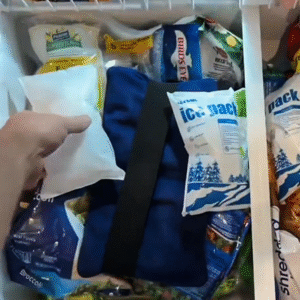
What Are Dry Ice Cubes and Ice Packs?
Dry Ice Cubes
Dry ice is the solid form of carbon dioxide (CO₂), which sublimates directly from solid to gas at -78.5°C (-109.3°F). Unlike traditional ice, dry ice doesn’t leave water behind, making it a preferred choice for shipping frozen goods such as seafood, meat, and pharmaceuticals. Dry ice cubes are solid blocks or pellets, providing long-lasting cooling power for temperature-sensitive shipments.
Ice Packs
Ice packs, also known as gel packs, are pouches filled with a gel or liquid that freezes to maintain a temperature range typically between 0°C and 10°C (32°F to 50°F). They are generally more affordable and safer to handle compared to dry ice, but they do not achieve the ultra-low temperatures that dry ice provides. Ice packs are typically used for products that require refrigeration, not freezing.
Dry Ice Cubes vs Ice Packs: Key Differences
| Feature | Dry Ice Cubes | Ice Packs |
|---|---|---|
| Temperature Range | Extremely low (-109.3°F / -78.5°C) | Moderate (32°F to 50°F / 0°C to 10°C) |
| Sublimation/Melting | Sublimates into gas, no liquid residue | Melts into liquid, potential for water damage |
| Handling Safety | Requires gloves and ventilation | Safe to handle without special precautions |
| Regulatory Compliance | Subject to shipping regulations | Generally no special regulations |
| Reusability | Single-use | Reusable |
| Cost | Higher due to single-use and handling requirements | Lower, especially for reusable types |
When to Use Dry Ice Cubes
Frozen Goods
For items like ice cream, frozen meats, and seafood, dry ice is the ideal solution. It ensures these products remain completely frozen throughout the shipping process, even during long-distance journeys.
Pharmaceuticals and Biotech
Dry ice is essential for transporting vaccines, biologics, and temperature-sensitive medical supplies. Its ultra-low temperatures prevent the degradation of these valuable products, ensuring they arrive at the destination in optimal condition.
Best Practices for Using Dry Ice
Proper Ventilation: Ensure containers are ventilated to allow CO₂ gas to escape and avoid pressure buildup.
Adequate Insulation: Use insulating materials to slow the sublimation rate and keep items frozen for as long as possible.
Regulatory Compliance: Be aware of shipping regulations related to dry ice, including labeling and documentation requirements.
When to Use Ice Packs
Chilled Foods
Ice packs are perfect for shipping items like dairy, fruits, and beverages, which need to stay cool but not frozen. These products benefit from a steady temperature range of around 0°C to 10°C, which ice packs provide effectively.
Medical Supplies
Certain medical supplies, such as some vaccines or lab samples, require refrigeration, but not freezing. Ice packs are suitable for maintaining these temperatures during transit.
Short-Term Shipments
For shorter shipments, ice packs are more than sufficient. They provide reliable cooling for up to 24 hours, making them ideal for quick deliveries or local shipments.
How Dry Ice Cubes and Ice Packs Compare in Cold Chain Shipping
Cost
Dry ice is typically more expensive than ice packs due to its superior cooling power and handling requirements. However, it provides longer-lasting cooling, which can be more cost-effective for long-distance shipments. Ice packs are cheaper, especially when reused multiple times, but they do not provide the same level of cooling as dry ice.
Cooling Duration
Dry ice can maintain temperatures for up to 72 hours or more, depending on the shipment’s size and insulation. Ice packs typically last between 12 and 24 hours and are best suited for short shipments.
Moisture Concerns
A significant advantage of dry ice is that it does not create water residue as it sublimates, unlike ice packs, which melt into liquid. This makes dry ice an excellent option for preventing moisture damage to sensitive goods, such as electronics or certain medical supplies.
Practical Tips for Choosing the Right Cooling Method
Assess Product Sensitivity: If your product needs to stay frozen, dry ice is the best choice. For refrigerated items, ice packs are sufficient.
Shipment Duration: For long shipments, dry ice will maintain ultra-low temperatures for several days. For short-term deliveries, ice packs are more economical and efficient.
Compliance and Safety: Ensure you follow all necessary regulations for dry ice shipments, including proper labeling and packaging. Ice packs have fewer restrictions and are easier to handle.
Case Studies
Seafood Company Shipping to Remote Locations
A seafood company replaced gel packs with dry ice ice pack sheets for their remote shipments. The ultra-low temperature kept the fish frozen for 72 hours, reducing spoilage and saving $15 per shipment. They reused the dry ice sheets three times, resulting in long-term cost savings and waste reduction.
Medical Supply Company Shipping Vaccines
A medical supply company utilized dry ice for their vaccine shipments, maintaining temperatures well below freezing. The product arrived safely, adhering to all regulatory standards, and ensuring the integrity of the vaccines.
2025 Trends in Cold Chain Logistics
As we approach 2025, there are several trends shaping the future of cold chain logistics, including innovations in dry ice use and the adoption of more sustainable practices.
Latest Innovations Overview
Reusable Dry Ice Packs: These packs are gaining popularity due to their eco-friendly design and ability to be reused multiple times.
IoT Sensors: Smart sensors will provide real-time tracking of temperature-sensitive shipments, improving efficiency and reducing spoilage.
Vacuum Insulation: New insulation technologies will enhance the performance of dry ice by minimizing heat exchange during transit.
Frequently Asked Questions (FAQ)
Q1: How long does dry ice last in a shipment?
Dry ice typically lasts between 24-72 hours, depending on the quantity used, the insulation, and the shipment duration.
Q2: Can I use dry ice for food shipments?
Yes, dry ice is perfect for shipping frozen foods like seafood and ice cream. However, be cautious when shipping fresh produce, as dry ice may freeze them and alter their texture.
Q3: How much dry ice should I use for a shipment?
A general guideline is to use 5-10 lbs of dry ice per day of shipment. Adjust based on the product type and insulation quality.
Conclusion and Next Steps
Dry ice cubes and ice packs each have unique benefits depending on your shipping needs. Dry ice offers longer-lasting cooling for frozen goods and pharmaceuticals, while ice packs are cost-effective and ideal for short shipments and refrigerated items. By choosing the right cooling solution, you can ensure the integrity of your temperature-sensitive products during transit.
Next Steps:
Consult with Tempk to integrate dry ice solutions into your shipping strategy. Our experts will help you select the right combination of products and packaging to meet your specific needs.
About Tempk
Tempk specializes in providing cutting-edge cold chain logistics solutions. We offer a range of products, including dry ice cubes, ice packs, and advanced temperature monitoring systems, tailored to the needs of the food, pharmaceutical, and biotech industries. Let us help you improve your cold chain logistics and ensure your products arrive safely, no matter the distance.
Contact Tempk today to learn more about how we can optimize your cold chain operations.
Affordable Dry Ice Packs for Reliable Shipping Solutions
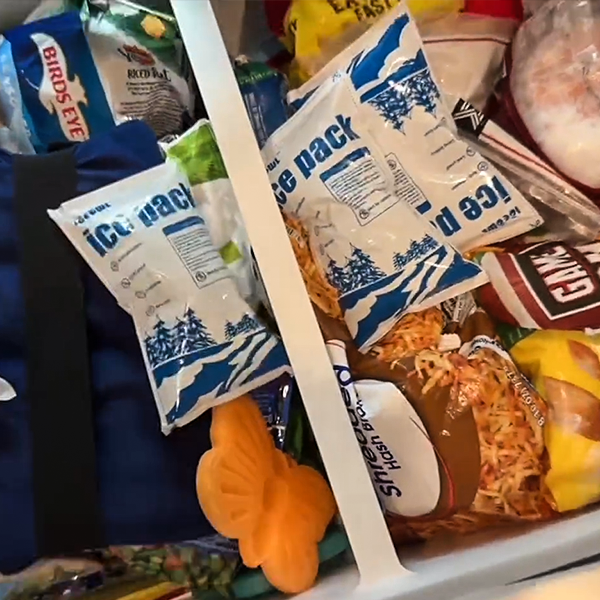
How to Choose Affordable Dry Ice Packs for Shipping Perishables?
Shipping perishable goods can be challenging, especially when ensuring they remain at the right temperature during transit. Affordable dry ice packs are one of the most reliable and cost-effective methods for maintaining the required freezing temperatures. In this guide, we will break down how dry ice packs work, how to choose the right one, and why they are essential for your cold chain logistics.
What Are Dry Ice Packs and Why Are They Essential?
Dry ice packs are made from solidified carbon dioxide (CO₂) and serve as a cooling agent for temperature-sensitive goods during transportation. Unlike regular ice, dry ice sublimates directly from a solid to a gas without leaving any liquid residue behind. This unique property makes dry ice packs highly suitable for shipping frozen food, pharmaceuticals, and biological samples. They are preferred over regular ice for their extended cold retention and moisture-free transport.
Benefits of Using Dry Ice Packs
Extended Cold Retention: Dry ice can maintain subzero temperatures for 24 to 48 hours, ensuring that sensitive products stay frozen throughout their journey.
No Water Mess: As dry ice sublimates, it leaves no liquid behind, preventing water damage, mold growth, and label deterioration.
Efficient Cooling: Dry ice packs are denser and provide more cooling power compared to water ice, making them more efficient for heavy-duty cooling.
How Do Affordable Dry Ice Packs Work?
Dry ice works by sublimating at -78.5°C, which is much colder than regular ice. This extreme cold helps preserve frozen goods like seafood, pharmaceuticals, or biotechnological products that require strict temperature control.
Sublimation Process: Dry ice moves directly from a solid to a gas state, absorbing heat in the process. This allows it to cool products without leaving behind any moisture, making it ideal for products that are sensitive to water.
Ideal for Long-Distance Shipping: Thanks to its efficiency, dry ice is perfect for long shipping durations, particularly for goods that require consistent cooling.
Types of Affordable Dry Ice Packs
When choosing affordable dry ice packs, there are two main types to consider: dry ice sheets and dry ice bricks. Both have their uses depending on the cooling duration and shipment size.
| Type | Cooling Duration | Best For | Price Range |
|---|---|---|---|
| Sheets | 12-24 hours | Small shipments, short trips | Most affordable |
| Bricks | 24-72 hours | Longer shipments, larger loads | More expensive for longer cooling |
How to Calculate the Right Amount of Dry Ice for Your Shipment?
To ensure your products stay cool throughout their journey, correctly calculating the amount of dry ice is essential. Here are general guidelines:
Small shipments (e.g., seafood): 1-2 lbs per 24 hours.
Larger shipments (e.g., vaccines, biotech): 5-10 lbs per 24 hours.
Factors Affecting Dry Ice Pack Pricing
Several factors can influence the cost of dry ice packs, including:
Quantity: Bulk purchases typically lower the per-unit price.
Shipping Distance: Longer or international shipments incur additional charges.
Packaging: Advanced packaging options like insulated boxes can increase costs.
Where to Find Affordable Dry Ice Packs?
Finding affordable dry ice packs is easy, but cost-effectiveness depends on where you purchase them:
Wholesale Distributors: Many manufacturers offer discounts for bulk orders, making it more affordable for larger shipments.
Online Retailers: E-commerce platforms often offer competitive prices, especially when bundled with free shipping.
Local Suppliers: Check with local cold chain providers for tailored services and pricing.
Benefits of Using Affordable Dry Ice Packs in Cold Chain Logistics
Affordable dry ice packs can improve your cold chain logistics in several ways:
Cost-Effectiveness: Compared to custom dry ice shipments, affordable dry ice packs lower overall shipping costs, particularly for shorter transit times.
Consistency: Dry ice ensures a consistent, moisture-free cooling environment, which is essential for maintaining the quality of perishable goods.
Versatility: Ideal for a range of industries, including food, pharmaceuticals, and biotech, dry ice packs are a reliable solution for businesses of all sizes.
Safety Considerations When Handling Dry Ice
Dry ice, while an excellent cooling agent, can pose risks if mishandled. Here are some key safety tips:
Use Gloves: Always wear insulated gloves when handling dry ice to prevent frostbite.
Proper Ventilation: Since dry ice sublimates into carbon dioxide (CO₂), which displaces oxygen, always handle and store dry ice in well-ventilated areas.
Avoid Sealed Containers: Never store dry ice in sealed containers to prevent the risk of pressure buildup.
2025 Trends in Affordable Dry Ice Pack Usage
As we move into 2025, innovations in dry ice technology are expected to increase efficiency and sustainability in cold chain logistics:
Eco-Friendly Packaging: Sustainable materials and recyclable insulation options are becoming more common, aligning with growing environmental concerns.
Smart Sensors: IoT-enabled dry ice packs will allow for real-time temperature tracking, providing better monitoring of perishable goods during shipping.
Frequently Asked Questions (FAQ)
Q1: How long do dry ice packs last?
Dry ice packs typically last between 12 and 72 hours, depending on the type of pack and insulation used.
Q2: Are dry ice packs safe to use for food shipping?
Yes, as long as the dry ice is handled correctly and packaged properly, dry ice is safe for shipping food. Ensure proper ventilation to avoid any CO₂ buildup.
Q3: How much dry ice should I use for shipping?
For small shipments like seafood, use 1-2 lbs per 24 hours. For larger shipments, such as vaccines or biotech samples, use 5-10 lbs per 24 hours.
Conclusion
In conclusion, affordable dry ice packs are a critical component of cold chain logistics, offering cost-effective, efficient, and reliable solutions for shipping perishable goods. Whether you’re shipping food, pharmaceuticals, or biotech samples, understanding how to select, use, and calculate the right amount of dry ice will ensure your products remain safe and intact throughout their journey.
Next Steps:
Consult with a supplier to determine your exact dry ice needs.
Consider purchasing in bulk for cost savings on larger shipments.
Stay updated on eco-friendly packaging options to align with sustainability goals.
About Tempk
At Tempk, we specialize in providing cutting-edge cold chain logistics solutions, including affordable dry ice packs. Our products are designed to meet the specific needs of the pharmaceutical, biotech, and food industries. With a focus on cost-effectiveness, reliability, and sustainability, we ensure that your sensitive goods are shipped safely and on time.
Contact Us: Reach out today for a tailored consultation on optimizing your cold chain logistics with affordable dry ice packs.
Dry Ice Blocks vs. Dry Ice Pack Sheets: Which is Best for Cold Chain Logistics in 2025?

Dry Ice Blocks vs. Dry Ice Pack Sheets: Which is Best for Cold Chain Shipping?
In cold chain logistics, selecting the right cooling solution is paramount. Whether you’re shipping pharmaceuticals, frozen foods, or biological samples, understanding the distinct properties of dry ice blocks and dry ice pack sheets can make a significant impact on your operations. Both are highly effective, but their applications vary. This article will help you navigate these options and make the right choice based on your needs.

Why is Dry Ice the Preferred Choice for Cold Chain Logistics?
Before diving into the details, it’s essential to understand why dry ice is a preferred cooling method for temperature-sensitive shipments. Dry ice is solid carbon dioxide (CO₂), which sublimates directly from a solid to a gas at -78.5°C. Unlike regular ice, dry ice does not leave any water residue, making it perfect for maintaining sub-zero temperatures without compromising the integrity of your goods. It is a staple for industries such as food, pharmaceuticals, and biotech due to its ability to keep items frozen while eliminating the risks associated with moisture damage.
Dry Ice Blocks vs. Dry Ice Pack Sheets: Key Differences and Benefits
What Are Dry Ice Blocks?
Dry ice blocks are large, solid pieces of CO₂ used primarily in long-haul shipments that require extended cooling durations. These blocks offer several benefits:
Extended Cooling Duration: Dry ice blocks provide longer-lasting cooling due to their larger mass and slower sublimation rate. This makes them ideal for multi-day shipments.
Versatility in Application: Available in various sizes, dry ice blocks can be used in large or customized containers, making them highly adaptable.
No Residue: As dry ice sublimates, it leaves no moisture behind, protecting sensitive items from water damage during transit.
However, there are some limitations:
Handling and Storage: Dry ice blocks are heavy and require more space for storage, which could be a constraint for smaller shipments. Handling also requires protective equipment due to the extreme cold.
Cost: Dry ice blocks are generally more expensive than pack sheets, though they offer a more cost-effective solution for long-duration shipments.
What Are Dry Ice Pack Sheets?
Dry ice pack sheets, by contrast, are thinner and more flexible, designed to fit smaller shipments. They are often pre-packaged and can be tailored to specific cooling needs:
Space-Efficient: The flexibility of dry ice pack sheets allows them to fit into tight spaces, optimizing packaging and reducing wasted volume.
Ease of Handling: These sheets are lightweight and easy to handle, making them ideal for smaller shipments and reducing labor costs associated with packing and handling.
Pre-measured Convenience: Most dry ice pack sheets come in standardized sizes, which simplify the packing process and ensure consistency.
However, they do come with trade-offs:
Shorter Cooling Duration: Due to their smaller mass, dry ice pack sheets sublimate more quickly than dry ice blocks. This makes them better suited for short-term cooling, such as next-day or local deliveries.
Moisture Risk: If not sealed properly, these sheets can release moisture as they sublimate, potentially leading to condensation and water damage to the products.
Which One Should You Choose?
1. Shipping Duration and Distance
If you need to ship goods that require extended cooling over long distances, dry ice blocks are your best bet. They maintain a consistent temperature over several days, making them ideal for international or cross-country shipments. Dry ice pack sheets are better suited for shorter, more localized shipments.
2. Size and Weight of the Shipment
Dry ice blocks work best for bulk shipments, providing the necessary cooling for large payloads. They are the preferred choice for shipments like frozen food pallets or bulk medical supplies. Dry ice pack sheets, on the other hand, excel in compact, lightweight shipments, such as small biotech samples or individual meal kits.
3. Handling and Storage Requirements
Dry ice blocks require more careful handling and proper storage due to their size and the fact that they sublimate more slowly. They also need more space in shipping containers. Dry ice pack sheets are easier to store and manage, especially for smaller operations or shipments requiring less cooling time.
4. Cost Considerations
Dry ice blocks, while more expensive, offer better cost-efficiency for long-duration, large shipments. For smaller shipments, dry ice pack sheets provide a more budget-friendly option, especially for one-time or short-term uses.
Advantages and Disadvantages of Dry Ice Blocks vs. Dry Ice Pack Sheets
| Feature | Dry Ice Blocks | Dry Ice Pack Sheets |
|---|---|---|
| Cooling Duration | Long-lasting cooling, ideal for extended shipments | Shorter cooling duration, ideal for local or next-day shipments |
| Handling | Requires protective equipment, heavier to handle | Lightweight, easy to handle, flexible |
| Storage | Requires more space | Compact and easier to store |
| Flexibility | Can be cut into various sizes | Pre-measured, easy to pack |
| Cost | More expensive for larger shipments | More cost-effective for smaller shipments |
Best Practices for Using Dry Ice in Cold Chain Logistics
To optimize your dry ice usage, keep the following best practices in mind:
Choose the Right Size and Quantity
Ensure you select the correct amount of dry ice based on the shipment size and duration. Over-packing or under-packing can affect the cooling performance.
Use Appropriate Insulation
Pair your dry ice with high-quality insulation to extend its cooling duration and maintain a consistent temperature. Materials like vacuum insulation panels or high-density foam work well in extending the life of your dry ice.
Ensure Proper Ventilation
Dry ice sublimates into CO₂ gas, so it’s critical to leave space for the gas to escape. Proper ventilation in your packaging prevents pressure build-up, which could lead to dangerous situations.
Account for Regulations
Shipping dry ice is subject to specific regulations, including labeling and documentation requirements from agencies such as the DOT and IATA. Always ensure that your shipment complies with these regulations.
Latest Trends in Dry Ice for Cold Chain Logistics in 2025
The cold chain logistics industry is continuously evolving. Here are some of the latest trends impacting the use of dry ice:
New Technological Innovations
Smart Packaging Solutions: IoT-enabled sensors are increasingly integrated into dry ice packaging, enabling real-time temperature tracking and better monitoring throughout transit.
Eco-Friendly Alternatives: There is a growing demand for sustainable dry ice solutions, such as biodegradable and recyclable packaging materials.
Regulatory Changes
As the need for temperature-sensitive shipping grows, governments are implementing stricter regulations. These include new safety measures for handling, packaging, and transporting dry ice.
FAQ: Common Questions About Dry Ice Blocks and Dry Ice Pack Sheets
Q1: What’s the main difference between dry ice blocks and dry ice pack sheets?
Dry ice blocks are larger, provide longer cooling durations, and are ideal for bulk shipments, while dry ice pack sheets are more flexible and perfect for smaller, short-duration shipments.
Q2: Can I use dry ice blocks for small shipments?
While dry ice blocks can be used for small shipments, they are typically better suited for larger shipments requiring long-lasting cooling.
Q3: How long does dry ice last in a shipment?
The cooling duration depends on the amount of dry ice used, the type of packaging, and the shipment’s size. Generally, dry ice blocks last longer than pack sheets.
Conclusion: Making the Right Choice for Your Cold Chain Needs
Both dry ice blocks and dry ice pack sheets have their unique advantages. Dry ice blocks are the go-to solution for long-duration, large shipments, while dry ice pack sheets provide a flexible, efficient solution for smaller, short-duration shipments. By understanding the key differences, you can select the most appropriate option for your specific needs and optimize your cold chain logistics operations.
About Tempk
At Tempk, we specialize in providing reliable and innovative cold chain solutions. Whether you need dry ice blocks, pack sheets, or insulated containers, our products ensure that your temperature-sensitive shipments arrive safely and on time. Let us help you design the perfect solution tailored to your needs.
Rapid Freeze Dry Ice Packs for Cold Chain Logistics: Superior Cooling and Safety
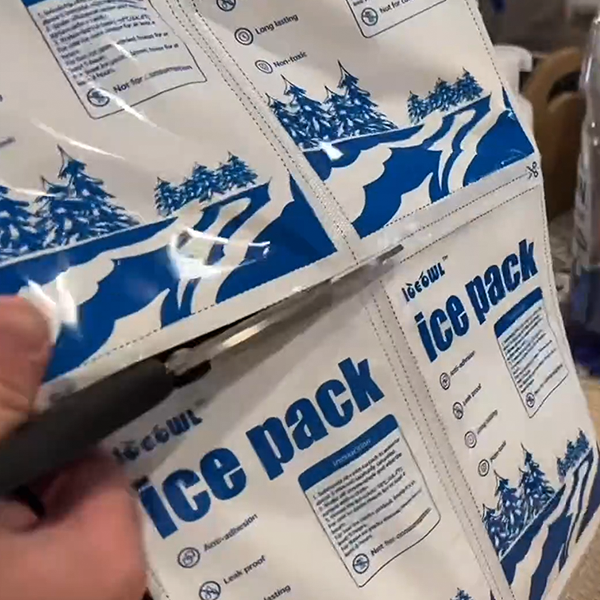
Rapid Freeze Dry Ice Pack: How It Helps in Cold Chain Logistics
In cold chain logistics, preserving the integrity of temperature-sensitive shipments is crucial. Rapid freeze dry ice packs are emerging as the go-to solution for efficient, cost-effective, and safe temperature control. They are particularly beneficial for industries like pharmaceuticals, biotech, and perishable food shipping, where maintaining strict temperature conditions is vital throughout transit. This guide explores the advantages of rapid freeze dry ice packs and how they are transforming cold chain logistics in 2025.
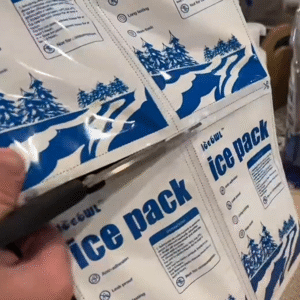
What Are Rapid Freeze Dry Ice Packs?
Rapid freeze dry ice packs are solid carbon dioxide (CO₂) products that sublimate directly from solid to gas at −78.5°C (−109.3°F). Unlike traditional ice that melts and leaves water residue, dry ice sublimates into gas, ensuring that no liquid residue can damage products during transit. These packs are essential for shipments requiring sub-zero temperatures over extended periods, especially for temperature-sensitive goods like vaccines, biologics, and frozen foods.
How Do Rapid Freeze Dry Ice Packs Work?
The process behind rapid freeze dry ice packs is based on the sublimation of dry ice. When packed properly, these packs absorb heat from their surroundings as they sublimate, maintaining an ultra-cold environment. Dry ice is highly efficient because it provides a steady cooling temperature without turning into liquid. It is often used in containers with ventilation, allowing the CO₂ gas to escape and preventing pressure buildup.
Comparison of Cooling Methods
| Feature | Dry Ice Packs | Traditional Ice Packs |
|---|---|---|
| Temperature Range | −78.5°C (−109.3°F) | 0°C to 4°C |
| Cooling Duration | 24–72 hours | 6–12 hours |
| Residue | None (sublimates to gas) | Water (melts) |
| Reusability | Single-use | Reusable |
| Best Use Cases | Pharmaceuticals, Biotech, Frozen Foods | Chilled Foods, Beverages, Less Sensitive Goods |
Why Choose Rapid Freeze Dry Ice Packs Over Other Options?
For industries shipping temperature-sensitive goods, rapid freeze dry ice packs offer several advantages:
Extended Cooling Duration: They maintain cold temperatures for longer periods, often up to 72 hours, reducing the need for frequent replacements.
Environmental Safety: Dry ice sublimates into gas, leaving no liquid residue that could damage the packaging or product.
Cost Efficiency: Less dry ice is required for the same cooling effect compared to traditional ice packs, making it more cost-effective for long-duration shipments.
Are Rapid Freeze Dry Ice Packs Safe for Shipping?
Yes, rapid freeze dry ice packs are safe for shipping when handled properly. However, there are strict safety protocols, including ensuring adequate ventilation to allow CO₂ gas to escape. Sealed containers without venting can cause dangerous pressure buildup, leading to potential risks.
Safety Tips
Always use properly vented containers or boxes specifically designed for dry ice shipments.
Follow the Department of Transportation (DOT) regulations regarding labeling and safety during shipment.
Wear insulated gloves and goggles when handling dry ice to prevent frostbite and other injuries.
How Long Do Rapid Freeze Dry Ice Packs Last?
The longevity of dry ice packs depends on various factors such as the quantity used, packaging insulation, and the ambient temperature. On average, dry ice can last between 24 to 72 hours. Understanding how long your shipment will take and calculating the right amount of dry ice is critical to maintaining the required temperature during transit.
Factors Influencing Dry Ice Longevity
Insulation Quality: Better insulation keeps dry ice longer, reducing the sublimation rate.
Transit Duration: Longer shipments in varying weather conditions will require more dry ice to maintain the cold temperature.
Product Sensitivity: Products that require more precise temperature control, like vaccines, may require additional dry ice.
How to Maximize Dry Ice Performance
Pre-cool Containers: This reduces the amount of energy needed to cool the packaging, ensuring more efficient use of dry ice.
Layering: Place dry ice at the bottom and top of the products to ensure even cooling.
Proper Ventilation: Ensure your packaging has sufficient ventilation to allow CO₂ gas to escape, preventing pressure buildup.
Applications of Rapid Freeze Dry Ice Packs in Cold Chain Logistics
Pharmaceutical Shipping
Pharmaceutical products, particularly vaccines and biologics, require precise temperature control. Rapid freeze dry ice packs are ideal for these applications, ensuring products remain within the required temperature range for extended durations. In the case of urgent shipments, such as next-day or same-day deliveries, dry ice packs ensure that these products reach their destination safely, regardless of the ambient temperature.
Seafood and Meat Shipping
Seafood and meat products, which are highly sensitive to temperature changes, benefit greatly from the use of dry ice. When shipping internationally or over long distances, dry ice ensures that these products remain fresh throughout the transit process.
Biotech and Research
Biotech companies often ship sensitive materials like DNA samples and research specimens, which require strict temperature control. Rapid freeze dry ice packs offer the cold storage needed to keep these valuable materials viable during transit.
The Future of Cold Chain Logistics: Trends and Innovations in 2025
The logistics industry is continuously evolving, with an increasing focus on sustainability, efficiency, and advanced technologies. Rapid freeze dry ice packs are expected to play a significant role in these advancements.
2025 Trends in Cold Chain Logistics
Eco-friendly Packaging: There is a growing emphasis on reducing the carbon footprint in logistics. Eco-friendly alternatives to dry ice are being explored, aiming to reduce CO₂ emissions.
AI and IoT Monitoring: Temperature fluctuations will be monitored in real-time using AI-powered sensors, ensuring the integrity of shipments from origin to destination.
Smart Dry Ice Packs: Future innovations may include temperature-sensitive indicators to optimize the usage of dry ice packs, reducing waste and enhancing cooling efficiency.
Frequently Asked Questions
Q1: How much dry ice is needed for a 24-hour shipment?
For a 24-hour shipment, 1 to 2 lbs of dry ice per 24 hours is recommended, depending on product sensitivity and packaging.
Q2: Are there safety precautions when handling dry ice?
Yes, always wear insulated gloves and ensure that the containers are well-ventilated to avoid CO₂ buildup, which can be hazardous.
Conclusion
Rapid freeze dry ice packs are an essential tool in modern cold chain logistics, offering superior cooling, environmental safety, and cost efficiency. As the logistics industry continues to innovate, these packs will remain at the forefront of ensuring temperature-sensitive goods are transported safely and efficiently.
About Tempk
At Tempk, we specialize in advanced cold chain solutions, offering innovative rapid freeze dry ice packs for industries such as pharmaceuticals, food, and biotech. Our solutions are designed to provide reliability, cost-efficiency, and sustainability for your logistics needs.
Next Steps: Contact us today for a consultation on how our dry ice packs can enhance your cold chain operations.
48-Hour Dry Ice Packs: The Ultimate Guide for Cold Chain Logistics in 2025

Shipping perishable and temperature-sensitive products requires precise control of environmental conditions. 48-hour dry ice packs offer one of the most reliable solutions to maintain the necessary temperatures for extended periods during transport. With advancements in logistics, these cooling methods are essential for sectors like pharmaceuticals, biotechnology, and food distribution. This article explains how these packs work, their advantages, and their applications across various industries.

What are 48-hour dry ice packs and how do they work?
Which industries benefit most from using 48-hour dry ice packs?
How to choose the right 48-hour dry ice pack for your shipment?
What are the cost implications of using 48-hour dry ice packs?
What Are 48-Hour Dry Ice Packs and How Do They Work?
48-hour dry ice packs are specialized cooling solutions used in cold chain logistics. These packs contain dry ice (solid carbon dioxide), which sublimates into gas, providing long-lasting cooling at sub-zero temperatures. This unique property allows the packs to maintain temperature-sensitive products without the mess of water residues or the need for replenishment.
How They Work
Dry ice works by absorbing heat during its sublimation process, cooling the goods inside the pack. The insulation surrounding the dry ice slows down the sublimation rate, allowing it to maintain cooling for up to 48 hours.
| Component | Description | Significance |
|---|---|---|
| Insulation Layer | Heat-resistant material | Retains cold for extended periods |
| Dry Ice Core | Solid carbon dioxide | Provides cooling via sublimation |
| Protective Shell | Durable outer material | Ensures safe transport and handling |
By choosing 48-hour dry ice packs over traditional methods, you ensure longer-lasting cooling, superior temperature control, and lower chances of spoilage during long transit periods.
Which Industries Benefit Most from Using 48-Hour Dry Ice Packs?
Pharmaceutical Industry
The pharmaceutical sector requires precise temperature control to preserve the efficacy of drugs, vaccines, and biologics. 48-hour dry ice packs are ideal for maintaining the integrity of temperature-sensitive medicines during extended shipments.
Food and Beverage Industry
For the food industry, especially when shipping frozen goods like meat, seafood, and dairy products, maintaining the cold chain is vital. Dry ice prevents thawing, spoilage, or contamination, ensuring products arrive in the optimal state for consumption.
Biotechnology and Laboratories
In biotechnology, biological samples, tissue, and DNA need to be transported without degradation. 48-hour dry ice packs offer the cold storage required to maintain sample integrity across distances.
Application Examples:
Pharmaceuticals: Keeping vaccines and clinical trial drugs at required temperatures during transport.
Food Supply Chain: Ensuring frozen food such as meats or meals remain at safe temperatures.
Laboratories: Protecting valuable biological specimens from temperature fluctuations during shipping.
How to Choose the Right 48-Hour Dry Ice Pack for Your Needs
Selecting the proper dry ice pack depends on several factors. Here’s a quick guide:
Size and Shape
Ensure the dry ice pack fits your shipping container and meets spatial requirements for the shipment.
Temperature Requirements
Some products require extremely low temperatures, while others can tolerate slightly warmer ranges. Understanding the temperature sensitivity of your goods is key.
Shipment Duration
Choose a dry ice pack designed for the duration of your shipment. Longer shipping times may require larger or additional packs.
Pro Tip: Always test dry ice packs under controlled conditions before using them for large-scale shipments to ensure performance aligns with your needs.
What Are the Cost Implications of Using 48-Hour Dry Ice Packs?
While the initial cost of 48-hour dry ice packs might be higher than traditional methods, they offer long-term savings and reliability:
Reduced Spoilage: Proper preservation reduces the risk of product loss, especially with high-value items like pharmaceuticals.
Customer Satisfaction: Ensuring goods arrive in perfect condition enhances customer loyalty and boosts brand reputation.
Compliance: Meeting industry standards reduces the risk of fines and penalties, particularly in highly regulated industries.
| Cost Factor | Impact on Business | Long-Term Benefits |
|---|---|---|
| Reduced Spoilage | Minimal waste | Increased profitability |
| Compliance | Avoids penalties | Ensured product quality |
| Customer Satisfaction | Enhanced trust | Repeat business |
2025 Developments and Trends in 48-Hour Dry Ice Packs
Latest Technological Innovations
The dry ice industry is constantly innovating. Key trends to watch in 2025 include:
Eco-Friendly Materials: More sustainable options are being developed to reduce environmental impact while maintaining high thermal efficiency.
Smart Technology: Temperature sensors integrated into dry ice packs allow real-time monitoring, ensuring shipments stay within the required temperature range.
Market Insights
The cold chain logistics market is growing rapidly due to the increase in e-commerce and demand for temperature-sensitive shipments. Companies that adopt advanced cooling solutions like 48-hour dry ice packs can secure a competitive advantage, as innovative packaging continues to be a key differentiator in the industry.
Frequently Asked Questions
How do 48-hour dry ice packs compare to traditional ice packs?
Dry ice packs maintain a much colder environment and last longer than traditional ice packs, making them ideal for shipments that need to stay frozen for extended periods.
Can 48-hour dry ice packs be used for all temperature-sensitive goods?
No, 48-hour dry ice packs are designed for ultra-cold shipments. For goods that only require refrigeration (2–8°C), other cooling methods like gel packs or ice might be more suitable.
Summary and Recommendations
48-hour dry ice packs provide a robust solution for maintaining cold chain integrity over extended shipments. With their long-lasting cooling properties, they are essential for industries like pharmaceuticals, food, and biotechnology.
Next Steps
Evaluate your shipment’s needs: Determine whether your products require freezing or just refrigeration.
Choose the right dry ice pack: Select based on the temperature needs, shipment duration, and pack performance.
Consult experts: Work with cold chain specialists to find the most effective solution for your logistics needs.
About Tempk
Tempk specializes in providing high-performance cold chain solutions, including 48-hour dry ice packs. With a commitment to sustainability and reliable service, Tempk helps businesses ensure that their temperature-sensitive goods are transported safely and efficiently.
Take action today: Consult with Tempk’s cold chain experts for personalized guidance on your logistics needs.