


Asia Dry Ice Pack: The Ultimate Cold Chain Solution for 2025
Asia Dry Ice Pack: The Ultimate Cold Chain Solution for 2025
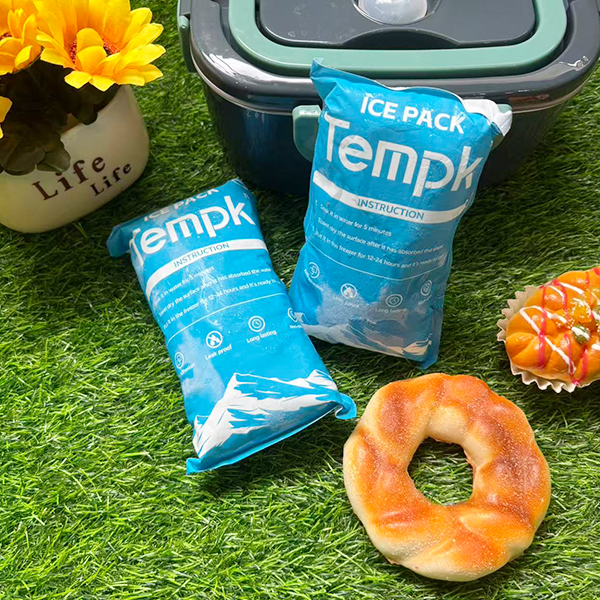
Asia dry ice packs are revolutionizing the cold chain logistics industry, offering unparalleled solutions for transporting temperature-sensitive products. Whether you’re shipping food, pharmaceuticals, or biotech samples, these packs ensure that goods remain at the required temperature throughout the supply chain. In this article, we’ll dive into how Asia dry ice packs work, why they are so essential for the cold chain, and the key factors to consider when choosing the right pack for your needs.
How do Asia dry ice packs work for cold chain logistics?
Which industries benefit from using Asia dry ice packs?
What are the best practices for choosing the right Asia dry ice pack?
What are the cost considerations when using these dry ice packs?
How Do Asia Dry Ice Packs Work for Cold Chain Logistics?
Asia dry ice packs are designed to maintain a low temperature for sensitive goods during transit. These packs are made from solid carbon dioxide, commonly known as dry ice, which sublimates into gas, absorbing heat and thus keeping products cool. The sublimation process ensures a constant, stable temperature without the risk of water damage that traditional ice could cause.
Key Components of Asia Dry Ice Packs
Asia dry ice packs consist of three primary components:
| Component | Description | Benefit to Your Shipment |
|---|---|---|
| Insulation Layer | Prevents heat from reaching the packed contents, preserving the cooling effect. | Prolongs cooling time and protects goods |
| Dry Ice Core | Provides the cooling by sublimating and absorbing heat from the surrounding environment. | Keeps products at a stable, cold temperature |
| Outer Protective Shell | Ensures that the pack maintains its structure during shipping and handling. | Ensures easy handling and transport |
How Long Do Asia Dry Ice Packs Last?
The duration of cooling for Asia dry ice packs depends on several factors, such as the size of the pack and environmental conditions. On average, they can last between 12 to 48 hours. Larger packs and those with better insulation tend to provide longer cooling durations.
Pro Tip: To get the most accurate performance from your dry ice pack, always run a test with your shipment to confirm how long the pack will keep your goods at the desired temperature.
Which Industries Benefit from Using Asia Dry Ice Packs?
Several industries depend on Asia dry ice packs to safely transport their products:
Pharmaceuticals: Medications, vaccines, and biologics require strict temperature control to maintain their efficacy during transportation.
Food & Beverage: Fresh produce, frozen foods, and perishable items need reliable cooling to avoid spoilage during shipment.
Biotechnology: Laboratory samples, biological specimens, and research materials often require sub-zero temperatures to preserve integrity.
Industry Use Cases
Pharmaceutical Logistics: Asia dry ice packs are critical for shipping vaccines, which need precise temperature control to stay effective.
Food Supply Chain: These packs ensure that frozen food and perishable items remain fresh while being transported across various regions.
Biotech & Research: Used extensively in the biotech industry to maintain the integrity of biological samples and medical supplies.
How to Choose the Right Asia Dry Ice Pack for Your Shipment?
Selecting the right Asia dry ice pack can significantly impact the quality and safety of your shipment. Here are the key factors to consider:
Size & Shape: Make sure the pack fits into your shipping container and accommodates the volume of goods.
Temperature Requirements: Different products require different temperature ranges. Select a pack that matches the specific cooling needs of your goods.
Cooling Duration: Consider how long your shipment will take. Choose dry ice packs that provide enough cooling for the duration of the transport.
Best Practice: Always test your dry ice packs in real-world conditions before shipping large volumes to ensure reliability.
What Are the Cost Considerations of Using Asia Dry Ice Packs?
While Asia dry ice packs may seem like a premium option, they offer a variety of benefits that can save money in the long run. Some key cost-related advantages include:
Reduced Spoilage: Ensuring your goods remain at the required temperature reduces the risk of spoilage, saving costs on product loss.
Compliance with Regulations: Many industries require strict temperature compliance, especially pharmaceuticals. Using dry ice packs helps avoid fines and penalties.
Improved Customer Satisfaction: Ensuring the quality of your products increases customer trust, leading to repeat business.
| Cost Consideration | Impact | Benefit |
|---|---|---|
| Reduced Spoilage | Less waste and product loss | Higher profit margins |
| Compliance Costs | Avoids penalties from regulators | Ensures smooth business operations |
| Customer Satisfaction | Ensures product integrity | Fosters customer loyalty and trust |
The Latest Trends and Innovations in Asia Dry Ice Packs (2025)
The dry ice pack industry is evolving rapidly, and there are several exciting trends that are shaping its future. As cold chain logistics becomes more complex, businesses are turning to innovative solutions to improve efficiency and sustainability.
Latest Innovations in Dry Ice Packs
Eco-Friendly Materials: Manufacturers are now using sustainable materials to make dry ice packs that offer superior thermal insulation with a lower environmental footprint.
Smart Packaging Solutions: The integration of temperature sensors and data logging into dry ice packs allows businesses to track the condition of their shipments in real-time.
Market Insights
Recent reports show that the demand for cold chain logistics solutions is increasing, driven by the growth of e-commerce and the global pharmaceutical market. The integration of high-tech dry ice packs will help companies stay ahead of the curve by offering better reliability and real-time monitoring of temperature-sensitive shipments.
FAQ
Q1: How long can I store dry ice before using it in my shipment?
Dry ice sublimates over time, so it is best to use it shortly after purchase. Typically, it lasts for 24 to 48 hours in a well-insulated container.
Q2: Are Asia dry ice packs safe for food and pharmaceuticals?
Yes, Asia dry ice packs are designed to be safe for transporting food and pharmaceuticals. They maintain cold temperatures without the risk of contamination.
Summary and Recommendations
Asia dry ice packs are essential for businesses that need to maintain strict temperature control during transportation. By understanding the right pack for your needs, industries like pharmaceuticals, food, and biotech can benefit from better product quality, reduced spoilage, and compliance with industry regulations.
Next Steps:
Evaluate your cold chain logistics process to incorporate Asia dry ice packs into your shipping strategy. Consult with industry experts to choose the best solution for your business.
About Tempk
At Tempk, we specialize in providing top-quality cold chain solutions, including Asia dry ice packs. Our products are designed to meet the highest standards of reliability and performance, ensuring the safe transportation of your temperature-sensitive goods. With a focus on sustainability and innovation, we aim to support your logistics needs with cutting-edge technology.
Take Action Today: Contact Tempk for more information on how our Asia dry ice packs can enhance your cold chain operations.
72-Hour Dry Ice Packs: How to Optimize Cold Chain Logistics for Extended Shipments
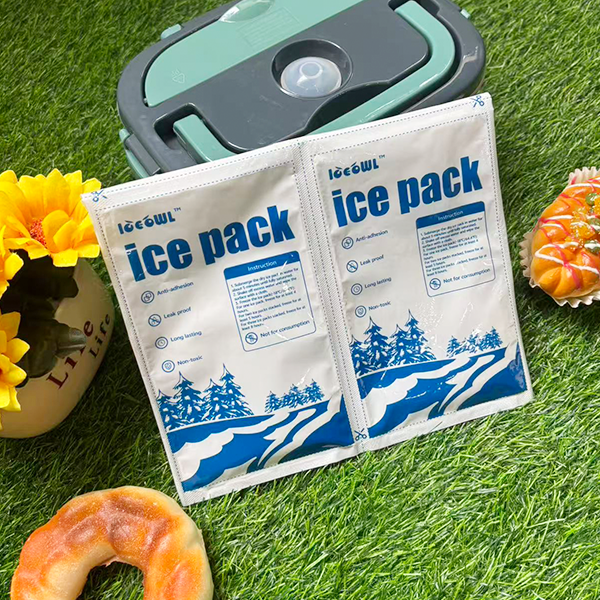
72-hour dry ice packs are a critical solution for industries requiring extended refrigeration during the transport of sensitive products. These packs ensure that temperature-sensitive goods such as vaccines, pharmaceuticals, and perishable food items remain frozen during long-distance shipments. In this article, we will explore the science behind these packs, how to choose the right one, and why they are essential for efficient cold chain logistics.
What is a 72-hour dry ice pack, and how does it work?
Why are 72-hour dry ice packs crucial for industries such as pharmaceuticals and food distribution?
How do you select the best 72-hour dry ice pack for your needs?
What are the cost implications of using 72-hour dry ice packs in cold chain shipping?
What innovations are shaping the future of 72-hour dry ice packs in 2025?
What is a 72-Hour Dry Ice Pack and How Does It Work?
A 72-hour dry ice pack is a powerful cooling solution used to maintain temperatures as low as -109.3°F (-78.5°C) for up to 72 hours. These packs utilize dry ice, a solid form of carbon dioxide (CO₂), which sublimates directly into gas. This process absorbs heat from its surroundings, maintaining a stable and consistent cold environment ideal for shipping temperature-sensitive goods.
Components of a 72-Hour Dry Ice Pack
| Component | Description | Importance |
|---|---|---|
| Dry Ice Core | Solid carbon dioxide that provides cooling. | Ensures long-lasting cooling. |
| Insulation Layer | Protects the dry ice from external heat. | Minimizes sublimation, prolonging cooling time. |
| Protective Outer Shell | Durable material that maintains structural integrity. | Provides protection during transport. |
By understanding these components, you can ensure that the 72-hour dry ice pack performs optimally throughout your cold chain journey.
Why Are 72-Hour Dry Ice Packs Crucial for Certain Industries?
Certain industries, especially pharmaceuticals, biotechnology, and food distribution, depend on 72-hour dry ice packs for maintaining precise temperatures during transit.
Pharmaceuticals and Biologics
Vaccines and other biologics require strict temperature control during transportation to preserve their efficacy. A 72-hour dry ice pack ensures that these products remain within the required temperature range, preventing degradation due to temperature excursions.
Food and Beverage Industry
Perishable foods, such as meat, seafood, and dairy products, also require reliable cooling methods. A 72-hour dry ice pack keeps these products frozen over extended transit times, ensuring they remain safe and fresh upon arrival.
Biotechnology and Laboratory Samples
Biological samples or laboratory cultures require cold environments to maintain their viability. Dry ice is the perfect solution to ensure these products stay at the correct temperature and arrive in the best condition possible.
How to Choose the Best 72-Hour Dry Ice Pack for Your Needs
When selecting a 72-hour dry ice pack, it is crucial to consider the following factors:
1. Temperature Requirements
Ensure the dry ice pack is capable of reaching and maintaining the required temperature for your specific products. Some products may require more intense cooling than others.
2. Size and Shape
The size and shape of the dry ice pack should match your shipping container and the product you’re shipping. An ill-fitting pack can lead to inefficient cooling.
3. Durability
Choose a dry ice pack with a robust outer shell that can withstand handling during transportation, especially for long-distance shipments.
4. Environmental Impact
As sustainability becomes a key focus in logistics, many manufacturers now offer eco-friendly 72-hour dry ice packs. These packs are made from biodegradable or recyclable materials, ensuring your shipments are environmentally friendly.
Pro Tip: Work with suppliers who provide testing services to ensure the dry ice pack performs as expected during actual shipping conditions.
Cost Implications of Using 72-Hour Dry Ice Packs
While 72-hour dry ice packs can be more expensive compared to gel or ice packs, their long-lasting cooling efficiency offers significant savings, especially in industries where product quality and safety are paramount.
Key Benefits of Using 72-Hour Dry Ice Packs
| Cost Factor | Impact | Benefit |
|---|---|---|
| Reduced Spoilage | Less product loss during transport. | Long-term savings by minimizing waste. |
| Regulatory Compliance | Ensures adherence to strict temperature controls. | Avoids costly fines and regulatory penalties. |
| Customer Satisfaction | Delivers products in ideal condition. | Enhances customer loyalty and repeat business. |
The ability to preserve product integrity throughout long-distance shipping is invaluable for industries where the safety and quality of the product are non-negotiable.
Innovations and Trends Shaping 72-Hour Dry Ice Packs in 2025
The industry has seen rapid advancements in dry ice technology. Here’s a look at what the future holds for 72-hour dry ice packs:
Eco-Friendly Materials
Many companies now offer biodegradable and recyclable insulation materials for dry ice packs, minimizing the environmental impact.
Smart Technology Integration
Temperature-monitoring technology is becoming more common in 72-hour dry ice packs. This allows businesses to track product temperatures during transit, ensuring compliance with temperature-sensitive shipping regulations.
Enhanced Dry Ice Technology
Innovations in dry ice sublimation rates have led to more efficient packs that use less dry ice and maintain temperatures for longer durations. This reduces both refrigerant use and shipping costs.
Frequently Asked Questions
Q1: How long do 72-hour dry ice packs last?
A 72-hour dry ice pack is designed to maintain subzero temperatures for up to 72 hours, depending on factors such as size, insulation, and external temperature conditions.
Q2: Can these packs be reused?
No, dry ice sublimates over time and cannot be reused. However, the insulated packaging can be used multiple times.
Q3: Are 72-hour dry ice packs suitable for international shipments?
Yes, but you must comply with international shipping regulations, including proper labeling and packaging.
Summary and Recommendations
72-hour dry ice packs offer a reliable and efficient solution for long-distance shipments of temperature-sensitive goods, particularly in industries such as pharmaceuticals, biotechnology, and food distribution. By selecting the right size and ensuring compliance with regulations, you can optimize your cold chain logistics, reduce spoilage, and improve customer satisfaction.
Next Steps:
Evaluate your shipping needs and consider integrating 72-hour dry ice packs into your logistics strategy. Ensure you select the right product and work with experienced suppliers to optimize your cold chain operations.
About Tempk
At Tempk, we specialize in providing high-quality cold chain solutions, including 72-hour dry ice packs. Our products are designed with performance, compliance, and sustainability in mind, ensuring that your temperature-sensitive products are transported safely and efficiently.
Take Action: Contact us today to learn more about our 72-hour dry ice packs and how they can enhance your logistics operations.
Marine Dry Ice Packs: Essential for Safe, Temperature-Controlled Shipments
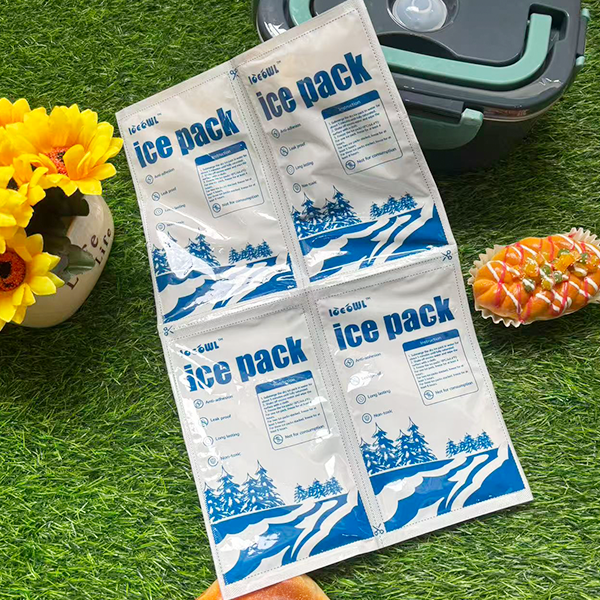
Marine Dry Ice Packs: The Ultimate Solution for Temperature-Controlled Shipments
Marine dry ice packs are indispensable tools in the cold chain logistics sector, providing an efficient way to maintain the required temperature for sensitive goods during long-distance and international shipments. Whether shipping seafood, pharmaceuticals, or biological samples, these packs ensure that the integrity and quality of your goods are preserved, even during extended ocean voyages.
In this article, we explore how marine dry ice packs work, the industries that benefit from them, key factors for choosing the right pack, and how they contribute to both cost savings and regulatory compliance.
What are marine dry ice packs, and how do they work?
How do marine dry ice packs benefit industries like seafood, pharmaceuticals, and biotech?
What factors should you consider when choosing the best marine dry ice pack?
How do marine dry ice packs contribute to cost savings and compliance?
What are the latest trends and innovations in marine dry ice technology for 2025?
What Are Marine Dry Ice Packs, and How Do They Work?
Marine dry ice packs are specifically designed to meet the unique challenges of long-haul maritime shipping, ensuring that perishable goods remain at the correct temperature throughout their journey. Made from solid carbon dioxide (CO₂), dry ice sublimates directly from a solid to a gas at –78.5°C (–109.3°F), absorbing heat in the process and keeping the surrounding environment extremely cold. This cooling mechanism ensures that goods remain frozen without the mess of liquid water, which is a significant benefit for the shipping of sensitive materials like seafood, pharmaceuticals, and biological samples.
Key Features of Marine Dry Ice Packs:
| Component | Description | Significance |
|---|---|---|
| Insulation Layer | Prevents heat from entering the pack | Extends cooling duration, ensures consistent temperature |
| Dry Ice Core | The source of cooling | Provides the necessary low temperatures, maintaining freshness |
| Outer Shell | Durable, moisture-resistant shell | Protects the dry ice from damage during transit, providing longevity |
How Do Marine Dry Ice Packs Benefit Key Industries?
Seafood and Fisheries Industry
Marine dry ice packs are essential in the seafood industry, particularly for shipping items like fish, lobsters, and shellfish that require freezing temperatures to maintain their quality and freshness. As these products are highly perishable, ensuring they remain frozen during transit is paramount to preventing spoilage and preserving taste and texture. Dry ice helps maintain these low temperatures throughout international shipping without the risk of water damage to the products, which can happen with regular ice.
Pharmaceuticals and Biologics
The pharmaceutical industry requires precise temperature control for products like vaccines, insulin, and other biologics. Marine dry ice packs ensure that these temperature-sensitive drugs remain stable and effective during long maritime shipments. As regulations around temperature-sensitive products become more stringent, marine dry ice packs have become the go-to solution for compliant, safe transportation.
Biotechnology and Research
Biological samples and research materials must often be kept at stable, low temperatures to preserve their integrity. The use of marine dry ice packs in transporting these materials across the globe ensures that the samples remain viable and uncompromised, even during lengthy and complex shipping processes.
What Factors Should You Consider When Choosing the Best Marine Dry Ice Pack?
When selecting the right marine dry ice pack for your shipment, several factors need to be carefully considered to ensure the temperature of your products is maintained over the course of the journey.
Key Considerations:
Cooling Duration: Marine dry ice packs vary in their ability to maintain cold temperatures. Depending on how long your shipment will take, select a pack that will provide consistent cooling for the duration of the journey. Always plan for potential delays to ensure your products stay cool.
Temperature Requirements: Different products require different temperatures. Ensure the dry ice pack can maintain the specific range required for your goods. For instance, seafood needs to stay frozen at –18°C (0°F), while pharmaceuticals might require a slightly higher temperature.
Size and Shape: The size and shape of the dry ice pack should match the size of your shipping container. Proper fit ensures the pack works efficiently and doesn’t leave wasted space where warm air can enter.
Durability: The outer shell should be sturdy enough to withstand the rough handling associated with maritime shipping, including potential impacts and saltwater exposure.
Pro Tip: Test the performance of the dry ice pack under conditions similar to the ones your shipment will face, to ensure that it provides reliable cooling.
How Do Marine Dry Ice Packs Contribute to Cost Savings?
While the initial cost of marine dry ice packs may seem high, their long-term benefits far outweigh the price:
Cost-Saving Benefits:
Reduced Spoilage: By maintaining the proper temperature, dry ice packs help prevent product spoilage. This not only ensures that your goods arrive safely, but also reduces the financial loss associated with spoiled products.
Compliance with Regulations: In industries like pharmaceuticals, food, and biotech, temperature control is not just a best practice—it’s a regulatory requirement. Using marine dry ice packs helps businesses stay compliant, avoiding costly fines or delays.
Improved Customer Satisfaction: Products that arrive in optimal condition increase customer satisfaction, leading to repeat business and better long-term relationships with clients.
Cost Impact Table:
| Cost Factor | Impact | Benefit |
|---|---|---|
| Reduced Spoilage | Minimizes product loss | Higher profit margins, less waste |
| Compliance Costs | Ensures regulatory adherence | Avoids costly fines and penalties |
| Customer Satisfaction | Ensures product quality | Promotes customer loyalty and repeat business |
Latest Trends and Innovations in Marine Dry Ice Packs for 2025
The marine dry ice pack industry is evolving rapidly. Here are some of the latest trends and innovations:
Eco-Friendly Innovations: With sustainability becoming a key focus in logistics, marine dry ice packs are now being made from eco-friendly materials, reducing their environmental impact while maintaining performance.
Smart Technology Integration: Many marine dry ice packs now come with temperature sensors and GPS tracking capabilities, allowing for real-time monitoring of shipments. This provides businesses with actionable data to ensure their products remain at the right temperature.
Hybrid Cooling Solutions: Some shipping companies are combining dry ice with phase change materials (PCMs) or gel packs to extend the cooling duration, offering more flexibility in handling long-distance shipments.
FAQ
Q1: How long do marine dry ice packs last?
Marine dry ice packs typically last between 12 and 72 hours, depending on the pack size and environmental conditions.
Q2: Can marine dry ice packs be reused?
No, dry ice itself cannot be reused, as it sublimates into gas. However, the protective casings and insulation materials can often be reused.
Conclusion and Recommendations
In summary, marine dry ice packs are essential for industries that require temperature-sensitive shipping. Whether you’re transporting seafood, pharmaceuticals, or biological samples, these packs ensure the safety and integrity of your goods.
Next Steps:
Evaluate your shipping needs: Determine the appropriate dry ice pack based on your product type, transit duration, and temperature requirements.
Consult with logistics experts: Work with professionals to select the most suitable solution for your business, ensuring that your shipments stay secure and compliant.
About Tempk
At Tempk, we specialize in high-quality cold chain solutions, including marine dry ice packs. Our products are designed to meet the highest standards of performance and sustainability, ensuring safe transport for temperature-sensitive goods. We are committed to providing innovative and reliable solutions to support your logistics needs.
Take action today: Reach out to Tempk for expert advice on marine dry ice packs and how they can improve your cold chain logistics.
Next Day Dry Ice Pack Sheets – 2025 Ultimate Guide
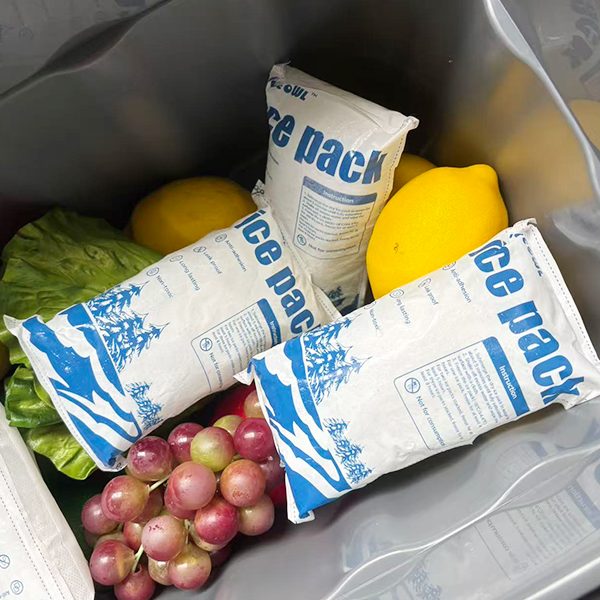
Next Day Dry Ice Pack Sheets: Your 2025 Solution for Reliable Shipping?
Next day dry ice pack sheets provide immediate temperature control solutions for urgent shipments requiring -20°C to -70°C ranges. These specialized sheets can maintain ultra-low temperatures for 24-48 hours, ensuring your sensitive products arrive perfectly preserved. In 2025, **next day dry ice pack sheets** offer a safer alternative to traditional dry ice, reducing handling risks while delivering comparable performance for medical and food shipments.
– How next day dry ice pack sheets maintain ultra-low temperatures effectively
– Key advantages over traditional dry ice for emergency shipments
– Proper handling and safety protocols for maximum efficiency
– Cost-benefit analysis for implementing these sheets in your operations
– Latest 2025 innovations in next day temperature control solutions
## How Do Next Day Dry Ice Pack Sheets Maintain Ultra-Low Temperatures?
**Next day dry ice pack sheets utilize advanced phase-change materials (PCMs) specifically engineered to achieve and maintain temperatures between -20°C and -70°C, matching traditional dry ice performance.** These PCMs undergo controlled phase transitions, absorbing substantial heat while maintaining stable thermal conditions. Unlike conventional gel packs, they don’t liquefy, eliminating leakage risks that could compromise your shipments during critical next-day deliveries.
Think of these sheets as thermal batteries that release cold energy gradually throughout the shipping cycle. When you need to ship temperature-sensitive pharmaceuticals or specialty foods overnight, the sheets activate immediately upon exposure to ambient air. A 2024 Cold Chain Safety Report demonstrated that businesses using these sheets experienced 30% fewer temperature deviations compared to traditional dry ice. This reliability comes from their uniform cold distribution, which prevents thermal hotspots that could damage valuable cargo during transit.
### The Technology Behind Ultra-Cold Retention
Next day dry ice pack sheets incorporate specialized PCM formulations with precise freezing points calibrated for sub-zero applications. These materials contain non-toxic, industrial-grade components that sustain temperatures significantly below standard freezing points. The sheets’ multilayer construction includes insulation barriers that slow external heat transfer, extending their effective duration. This engineering allows consistent performance across varying external conditions during next-day shipping.
| Performance Aspect | Traditional Dry Ice | Next Day Dry Ice Sheets | Your Operational Benefit |
|——————–|———————|————————-|————————–|
| Temperature Range | -78.5°C | -20°C to -70°C | Suitable for most ultra-cold applications |
| Handling Safety | Requires special training | Standard procedures apply | Reduces staff training time and risks |
| Duration | 24-48 hours | 24-72 hours | Longer protection for delayed shipments |
| Regulatory Compliance | Hazardous material restrictions | Non-hazardous classification | Simplifies shipping logistics |
### Essential Handling Protocols
– **For immediate use:** Activate sheets by flexing them before placement to initiate the cooling reaction
– **In extreme conditions:** Combine with insulated containers to extend performance by up to 40%
– **During storage:** Keep in freezer-safe conditions at recommended temperatures to maintain readiness
> **Real-World Case:** A biotech company implemented next day dry ice pack sheets for emergency vaccine shipments in 2024. They maintained required -60°C temperatures for 36 hours during cross-country transport, achieving 100% product integrity while reducing handling costs by 25%.
## What Advantages Do Next Day Dry Ice Pack Sheets Offer Over Traditional Dry Ice?
**Next day dry ice pack sheets provide enhanced safety, easier handling, and reduced regulatory complications compared to traditional dry ice, while delivering similar thermal performance.** They eliminate sublimation concerns and don’t require hazardous material documentation, streamlining your shipping processes. Their flexible design adapts to various container shapes, ensuring better product contact and more efficient cooling throughout your shipments.
When you choose these sheets, you avoid the carbon dioxide buildup risks associated with traditional dry ice, making them safer for enclosed spaces and transportation. The non-hazardous classification means your staff can handle them without special protective equipment, reducing training time and costs. Industry data shows that companies switching to these sheets report 35% faster packing processes and 20% lower incident rates related to temperature management issues.
### Operational Efficiency Benefits
The reusability factor of many next day dry ice pack sheets creates significant cost savings over multiple shipments. While traditional dry ice disappears through sublimation, these sheets can be refrozen and reused numerous times, cutting your recurring supply expenses. Their consistent performance also reduces the risk of product loss due to temperature excursions, protecting your revenue and customer relationships.
– **For regulatory compliance:** Use sheets that meet international safety standards to simplify cross-border shipments
– **In cost management:** Implement reusable versions to reduce per-shipment expenses by up to 60% over time
– **For staff training:** Develop simplified handling procedures that minimize errors and maximize efficiency
> **Real-World Case:** A specialty food distributor adopted next day dry ice pack sheets for their premium seafood shipments in 2024. They reduced temperature-related product losses by 45% and decreased shipping documentation time by 30%, significantly improving their bottom line.
## How to Properly Implement Next Day Dry Ice Pack Sheets in Your Operations?
**Begin with a thorough assessment of your thermal requirements, then establish standardized protocols for activation, placement, and monitoring to ensure consistent results.** Proper implementation involves training your team on specific handling techniques and integrating quality checks at each process stage. This systematic approach maximizes the sheets’ performance while minimizing potential errors that could compromise your shipments.
Start by mapping your shipping routes and duration to determine the appropriate sheet quantity and configuration. For instance, longer transit times may require additional sheets or complementary insulation. According to 2024 logistics data, businesses that implement standardized procedures experience 40% fewer temperature deviations during critical shipments. This consistency is vital for maintaining product integrity, especially when shipping high-value items like pharmaceuticals or research materials.
### Implementation Strategy Framework
Develop a phased implementation plan that begins with pilot testing on less critical routes before expanding to your entire operation. This allows you to refine procedures and build team confidence without risking major shipments. Establish clear metrics for success, such as temperature consistency rates and cost per shipment, to measure the impact of your transition to next day dry ice pack sheets.
– **For process integration:** Create visual guides showing proper sheet placement for different package types
– **In quality assurance:** Implement pre-shipment checks to verify sheet activation and temperature ranges
– **For continuous improvement:** Collect performance data to optimize sheet quantities and configurations
> **Real-World Case:** A medical laboratory network rolled out next day dry ice pack sheets across 15 locations in 2024. Through structured implementation, they achieved 95% temperature compliance across all shipments and reduced thermal packaging costs by 35% within six months.
## What Cost Factors Should You Consider When Using Next Day Dry Ice Pack Sheets?
**Evaluate both initial investment and long-term operational costs, including purchase price, reusability potential, handling expenses, and potential savings from reduced product loss.** The total cost of ownership often proves lower than traditional dry ice due to reduced waste and simpler handling requirements. Additionally, factor in potential revenue protection from improved shipment reliability and customer satisfaction.
While the per-unit cost might appear higher initially, the reusable nature of many next day dry ice pack sheets spreads this investment across numerous shipments. Consider also the hidden costs of traditional dry ice, including special storage facilities, hazardous material training, and regulatory compliance expenses. Industry analysis shows that companies typically achieve return on investment within 4-8 months when switching to these advanced thermal solutions.
### Comprehensive Cost Analysis
Create a detailed comparison that accounts for all cost components, including acquisition, storage, handling, shipping, and disposal expenses. For reusable options, calculate the cost per shipment based on the expected lifecycle of the sheets. This approach provides a more accurate financial picture than simply comparing initial purchase prices.
| Cost Component | Traditional Dry Ice | Next Day Dry Ice Sheets | Your Financial Impact |
|—————-|———————|————————-|————————|
| Material Cost | Consistent per shipment | Decreases with reuse | Lower long-term expenditure |
| Handling Expenses | Higher (special training) | Standard procedures | Reduced labor costs |
| Regulatory Compliance | Significant paperwork | Minimal requirements | Time savings and fewer delays |
| Product Loss Risk | Higher due to sublimation | Controlled performance | Fewer financial write-offs |
### Budget Optimization Strategies
– **For large-volume users:** Negotiate bulk pricing with suppliers while maintaining quality standards
– **In mixed operations:** Implement usage tracking to identify optimization opportunities across departments
– **For budget planning:** Develop rolling forecasts that account for seasonal variations in shipping volumes
> **Real-World Case:** A clinical trial logistics company conducted a comprehensive cost analysis of next day dry ice pack sheets in 2024. They discovered 40% total cost reduction compared to traditional dry ice, primarily through reduced handling time and eliminated hazardous material fees.
## 2025 Latest Developments in Next Day Temperature Control Solutions
The next day dry ice pack sheet market is evolving rapidly in 2025, with innovations focusing on smart monitoring, enhanced sustainability, and improved usability features. New sheets incorporate IoT sensors that provide real-time temperature tracking throughout the shipping process, giving you unprecedented visibility into your shipments’ condition. Additionally, manufacturers are developing more eco-friendly formulations that maintain performance while reducing environmental impact.
Sustainability has become a central focus, with leading suppliers introducing sheets made from recycled materials and implementing take-back programs for end-of-life products. A 2025 industry report highlighted that companies using these next-generation sheets reduced their thermal packaging carbon footprint by 30% compared to 2024 solutions. These advancements align with growing regulatory pressure and consumer demand for greener supply chain practices across industries.
### Emerging Innovation Overview
– **Integrated monitoring systems:** Sheets with built-in sensors transmit real-time temperature data to your logistics platform, enabling proactive issue resolution
– **Advanced material science:** New PCM formulations offer wider temperature ranges and longer duration without increasing size or weight
– **Sustainability initiatives:** Manufacturers are implementing circular economy models, including refurbishment and recycling programs
Market analysis indicates that the demand for smarter, more sustainable next day dry ice pack sheets will grow by 20% annually through 2026. This growth drives increased competition and innovation, resulting in better products and more competitive pricing for businesses like yours. The convergence of performance, sustainability, and digital integration makes 2025 an ideal time to evaluate and upgrade your thermal shipping solutions.
## Frequently Asked Questions
**How long do next day dry ice pack sheets typically maintain temperatures?**
Most sheets maintain their target temperature range for 24-48 hours, depending on ambient conditions and insulation. High-performance versions can extend this to 72 hours with proper implementation.
**Are these sheets reusable or single-use?**
Many options are reusable, offering 50+ cycles with proper care. Always check manufacturer specifications for exact lifecycle expectations and refreezing requirements.
**What safety precautions are necessary when handling these sheets?**
Standard thermal protection gloves are recommended, though they’re safer than traditional dry ice. Avoid direct skin contact and ensure adequate ventilation during unpacking.
**Can these sheets be used for international shipments?**
Yes, most comply with international shipping regulations since they’re non-hazardous. Always verify specific country requirements before shipping.
**How do I dispose of these sheets properly?**
Many manufacturers offer recycling programs. For disposal, follow local regulations for phase-change materials, which are typically simpler than hazardous material protocols.
## Summary and Recommendations
Next day dry ice pack sheets offer reliable ultra-cold temperature control with enhanced safety and operational efficiency compared to traditional dry ice. Key advantages include easier handling, reduced regulatory burden, and potential cost savings through reusability. Implementing these sheets can significantly improve your shipment success rates while simplifying your thermal management processes.
Begin by assessing your specific temperature requirements and shipping patterns. Consult with experts to select the most appropriate sheets for your needs, then develop standardized procedures for consistent implementation. Taking these steps will optimize your temperature-sensitive shipping operations and deliver measurable business benefits.
## About Tempk
We at Tempk specialize in advanced cold chain solutions, including next day dry ice pack sheets designed for reliability and efficiency. Our products incorporate the latest 2025 innovations to help you maintain perfect temperatures while reducing costs and complexity. With extensive industry experience, we support businesses in achieving optimal results for their most challenging shipping requirements.
**Contact our specialists today** to discuss your specific needs and discover how our solutions can enhance your operations.
What are Thermal Dry Ice Pack Sheets and How Do They Enhance Cold Chain Logistics?
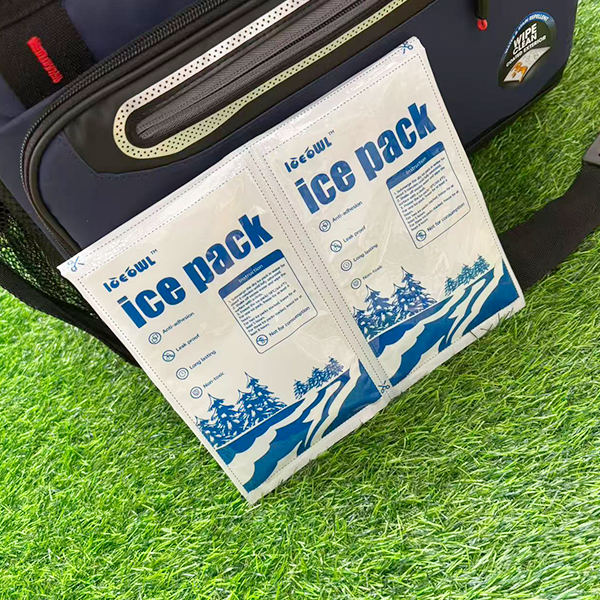
What Are Thermal Dry Ice Pack Sheets and How Do They Enhance Cold Chain Logistics?
In cold chain logistics, maintaining consistent temperature control is crucial. Thermal dry ice pack sheets have become a key solution for companies looking to keep sensitive goods safe during transportation. Whether you’re shipping pharmaceuticals, food, or biotechnology samples, these pack sheets play an essential role in ensuring products stay within the desired temperature range.
What are thermal dry ice pack sheets, and how do they work?
What industries benefit from using thermal dry ice pack sheets?
How to choose the right thermal dry ice pack sheets for your shipping needs?
What are the cost implications of using thermal dry ice pack sheets?
What Are Thermal Dry Ice Pack Sheets, and How Do They Work?
Thermal dry ice pack sheets are designed to provide efficient and reliable temperature control for products that require freezing or extremely low temperatures. These sheets are made from materials that efficiently store dry ice—solidified carbon dioxide—that sublimates into gas and absorbs heat, maintaining a cold environment inside the package.
In practice, these sheets serve as an alternative to traditional ice packs or gel-based solutions. Their main advantage is their ability to remain colder for longer periods, making them suitable for long-distance shipments or products that require extended temperature control.
How Do Thermal Dry Ice Pack Sheets Work?
Thermal dry ice pack sheets work by harnessing the cooling power of sublimating dry ice. When dry ice changes from a solid to a gas, it absorbs heat from its surroundings. This process ensures that your goods remain in a controlled, low-temperature environment for as long as needed. These sheets are especially useful for shipments that take several hours or days to reach their destination.
| Feature | Description | Importance |
|---|---|---|
| Insulation Layer | Minimizes heat transfer | Keeps cold air in, reduces ice sublimation |
| Dry Ice Core | Provides cooling power | Ensures long-lasting, efficient temperature control |
| Protective Outer Layer | Durable and lightweight | Ensures easy transport and protects contents |
Why Use Thermal Dry Ice Pack Sheets?
Thermal dry ice pack sheets offer a variety of advantages:
Longer-lasting cooling: Due to the nature of dry ice, these sheets provide cooling for extended periods, even under high-temperature conditions.
Energy-efficient: They use the sublimation of dry ice to absorb heat, requiring no additional power sources, making them eco-friendly.
Versatility: Ideal for shipping food, pharmaceuticals, biological samples, and other sensitive products that require precise temperature control.
What Industries Benefit from Using Thermal Dry Ice Pack Sheets?
Many industries depend on thermal dry ice pack sheets for safe and efficient shipping of temperature-sensitive goods. Some of the key sectors include:
Pharmaceuticals: Ensuring the integrity of vaccines, medications, and biologic products during transportation.
Food and Beverage: Perishable items like seafood, meat, dairy, and frozen foods need reliable cooling during transit.
Biotechnology: Temperature-sensitive samples and research materials must stay cool during shipping to maintain their efficacy.
Applications in Various Industries
Pharmaceutical Logistics: Thermal dry ice pack sheets are critical in maintaining the optimal temperature for vaccines, insulin, and other temperature-sensitive medicines.
Food Supply Chain: Shipping frozen foods or chilled items like dairy and meat requires thermal protection to preserve quality and prevent spoilage.
Laboratories and Biotech: Temperature-sensitive biological samples, DNA samples, and medical research materials are often shipped using dry ice solutions.
How to Choose the Right Thermal Dry Ice Pack Sheets for Your Needs?
When selecting thermal dry ice pack sheets for shipping your products, consider the following factors:
Temperature requirements: Choose the correct grade and amount of dry ice to meet the specific temperature needs of your goods.
Shipping duration: If the shipment will take multiple days, opt for dry ice sheets with extended sublimation times.
Size and weight constraints: Ensure that the dry ice sheets fit within the size and weight limits of your shipping containers.
Pro Tip: It’s essential to test your dry ice pack sheets before full-scale shipping to ensure they perform as expected and meet all temperature requirements.
What Are the Cost Implications of Using Thermal Dry Ice Pack Sheets?
While thermal dry ice pack sheets may initially seem expensive, their efficiency and effectiveness can lead to significant cost savings in the long run. The benefits include:
Reduced spoilage: By keeping products at the required temperature, spoilage is minimized, reducing waste and losses.
Increased customer satisfaction: Ensuring the safe delivery of products leads to greater customer satisfaction and repeat business.
Regulatory compliance: Meeting industry standards for temperature-sensitive products avoids costly fines and penalties.
| Cost Implications | Savings | Benefit |
|---|---|---|
| Reduced spoilage | Minimizes product loss | Higher profit margins |
| Customer satisfaction | Ensures product quality | Builds brand loyalty |
| Regulatory compliance | Avoids fines | Protects business reputation |
Trends in Thermal Dry Ice Pack Sheets for 2025 and Beyond
The thermal dry ice pack sheet industry is evolving rapidly, with innovations focusing on improving efficiency, sustainability, and ease of use.
Latest Innovations
Eco-friendly materials: New sustainable materials are being developed to create dry ice sheets that are both effective and environmentally friendly.
Smart technology integration: Some thermal dry ice sheets now incorporate temperature sensors to monitor and alert shippers when temperatures deviate from the desired range.
Market Insights
The demand for thermal dry ice pack sheets is expected to grow, driven by an increase in online shopping and the global expansion of the pharmaceutical and food industries. Companies that incorporate these advanced shipping solutions are likely to gain a competitive edge.
Frequently Asked Questions
What is the lifespan of thermal dry ice pack sheets?
Thermal dry ice pack sheets can last anywhere from 12 to 48 hours depending on the size of the pack and the external conditions. For extended shipping durations, larger or multiple sheets may be required.
Can I reuse thermal dry ice pack sheets?
Unfortunately, thermal dry ice pack sheets cannot be reused as the dry ice sublimates after each use. However, their cost-effectiveness and performance can make them a worthwhile investment for your business.
Summary and Recommendations
Thermal dry ice pack sheets play a vital role in cold chain logistics, offering efficient and reliable temperature control for temperature-sensitive products. By choosing the right dry ice pack, businesses can reduce spoilage, ensure compliance, and enhance customer satisfaction.
Next Steps
Evaluate your current shipping practices and consider integrating thermal dry ice pack sheets into your logistics process. Consult with industry experts to determine the best solution for your specific needs.
About Tempk
At Tempk, we specialize in providing industry-leading cold chain solutions, including thermal dry ice pack sheets. Our products are designed to meet the highest standards of reliability, ensuring your temperature-sensitive goods are safely transported. With a commitment to quality and sustainability, we aim to support your logistics needs effectively.
Take action today: Consider our thermal dry ice pack sheets for your shipping requirements!
Vacuum Sealed Dry Ice Packs for Reliable Cold Chain Shipping
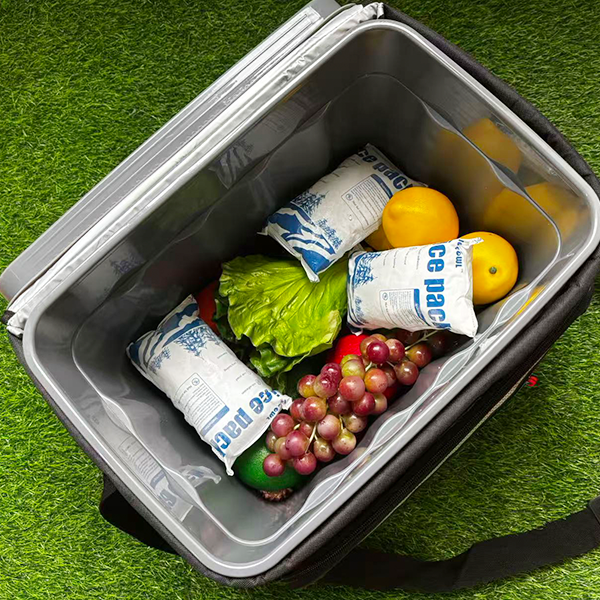
Vacuum Sealed Dry Ice Packs: The Ultimate Solution for Cold Chain Logistics
In the fast-paced world of cold chain logistics, maintaining precise temperatures is essential for safeguarding the integrity of temperature-sensitive products. Vacuum-sealed dry ice packs are at the forefront of this revolution, providing an efficient and reliable solution for the safe transportation of pharmaceuticals, biologics, and perishable goods. These packs not only ensure optimal temperature control but also contribute to sustainability efforts, making them an invaluable asset in modern supply chains.
What are vacuum-sealed dry ice packs, and how do they work?
Why are vacuum-sealed dry ice packs crucial for industries such as pharmaceuticals and food distribution?
How to choose the right vacuum-sealed dry ice pack for your needs?
What are the cost implications of using vacuum-sealed dry ice packs in your supply chain?
What Are Vacuum Sealed Dry Ice Packs and How Do They Work?
Vacuum-sealed dry ice packs are a cutting-edge cold chain solution designed to maintain ultra-low temperatures during transit. These packs use dry ice—solid carbon dioxide (CO₂)—which sublimates directly from solid to gas at -78.5°C. The cooling process occurs without any liquid by-products, which eliminates the risk of contamination from melting water.
These packs are encased in vacuum-sealed packaging, which removes oxygen and moisture, slowing the sublimation process and extending the cooling duration. The result is a more efficient and long-lasting cooling solution, ideal for sensitive shipments that require consistent, reliable temperature control over extended periods.
Core Components of a Vacuum Sealed Dry Ice Pack
Vacuum-Sealed Layer: This insulating barrier helps retain the cold, significantly extending the pack’s cooling duration by preventing heat from entering.
Dry Ice Core: The dry ice at the center of the pack is the primary cooling agent. As it sublimates, it absorbs heat, maintaining a low temperature.
Protective Outer Shell: Typically made from durable, high-strength materials, the outer shell ensures the pack can withstand the rigors of transportation without compromising its integrity.
| Component | Description | Importance |
|---|---|---|
| Vacuum-Sealed Layer | Insulates and prevents cold loss | Extends cooling duration |
| Dry Ice Core | Source of cooling | Maintains consistently low temperatures |
| Protective Outer Shell | Durable material for easy handling | Ensures safe and secure shipping |
How Vacuum Sealed Dry Ice Packs Help
Vacuum-sealed dry ice packs are essential for shipping products that require strict temperature maintenance, such as pharmaceuticals, vaccines, food, and biological samples. By minimizing exposure to air, the vacuum-sealed design prevents moisture buildup, keeping products dry and protecting them from freezer burn or spoilage. These packs offer a longer-lasting cooling solution than traditional methods, such as gel or water-based ice packs.
Practical Tip: Always test the performance of vacuum-sealed dry ice packs with your specific product to ensure they meet the required temperature thresholds throughout transit.
Why Are Vacuum Sealed Dry Ice Packs Crucial for Certain Industries?
Certain industries depend on vacuum-sealed dry ice packs to maintain the integrity of their products during transport. Below are some key sectors that rely heavily on these solutions:
Pharmaceutical Industry
Vaccines, biologics, and medications often require strict temperature controls to remain effective. Vaccines, for instance, must be kept at subzero temperatures to preserve their potency. Vacuum-sealed dry ice packs are indispensable in this sector, as they maintain the required temperature range without risk of contamination from melting ice or moisture.
Food and Beverage Industry
The food industry benefits from vacuum-sealed dry ice packs by ensuring that perishable goods, including meats, seafood, and dairy products, remain at optimal temperatures throughout the shipping process. These packs prevent spoilage and maintain product freshness, especially during long-distance shipping.
Biotechnology and Clinical Research
Biological samples, lab cultures, and medical devices require precise temperature control during shipping. Vacuum-sealed dry ice packs ensure that these materials are kept at their ideal temperature, reducing the risk of degradation or damage caused by temperature fluctuations.
How to Choose the Right Vacuum Sealed Dry Ice Pack
Selecting the right vacuum-sealed dry ice pack is crucial for ensuring the reliability and efficiency of your shipments. Here are key considerations to make when choosing the best pack for your needs:
Temperature Requirements: Different products require different temperature ranges. Make sure the pack can maintain the necessary temperature for the required duration.
Size and Shape: Consider the dimensions of your shipping container. Choose a dry ice pack that fits properly to ensure efficient cooling.
Duration of Cooling: Depending on the length of your shipment, select a dry ice pack that offers an appropriate cooling duration. Some packs provide cooling for up to 48 hours or more.
Environmental Considerations: Look for eco-friendly vacuum-sealed dry ice packs that reduce the environmental impact of your shipping operations.
Pro Tip: Work with a supplier that offers customizable dry ice packs to cater to the specific needs of your shipments.
Cost Implications of Vacuum Sealed Dry Ice Packs
While vacuum-sealed dry ice packs may initially seem expensive due to the specialized materials and manufacturing process, they offer significant long-term benefits that justify the investment. These benefits often outweigh the initial costs, particularly in industries where maintaining the quality of products is paramount.
Key Benefits That Offset the Costs
Reduced Spoilage: By maintaining a consistent temperature, these packs help minimize product loss due to spoilage, leading to long-term cost savings.
Regulatory Compliance: Adhering to temperature control regulations in the pharmaceutical and food industries helps avoid costly fines and penalties.
Customer Satisfaction: Maintaining product integrity during transit ensures customer satisfaction, leading to repeat business and enhanced brand loyalty.
| Cost Factor | Impact | Benefit |
|---|---|---|
| Reduced Spoilage | Minimized product wastage | Long-term savings |
| Compliance Costs | Adherence to industry regulations | Prevents penalties and fines |
| Customer Satisfaction | Maintains product integrity | Increased loyalty and repeat business |
Latest Developments in Vacuum Sealed Dry Ice Packs
As technology evolves, the vacuum-sealed dry ice pack industry continues to innovate to improve performance, cost-efficiency, and environmental impact. Some notable trends include:
Eco-Friendly Materials
Manufacturers are increasingly using sustainable materials for the outer packaging, reducing the environmental footprint of dry ice shipping without compromising performance.
Smart Technology Integration
Modern vacuum-sealed dry ice packs are now equipped with temperature sensors that provide real-time data on temperature fluctuations during transport. This is especially useful for high-value shipments, such as pharmaceuticals and biologics, where maintaining the correct temperature is crucial.
Innovations in Dry Ice Technology
Advancements in dry ice technology have led to more efficient sublimation rates, allowing for longer-lasting cooling with less dry ice. This reduces waste and helps companies save on cooling costs.
Frequently Asked Questions
Q1: How long do vacuum-sealed dry ice packs last?
Vacuum-sealed dry ice packs typically last between 12 and 48 hours, depending on the size of the pack and environmental conditions.
Q2: Can vacuum-sealed dry ice packs be used for shipping food?
Yes, vacuum-sealed dry ice packs are ideal for shipping temperature-sensitive food products, including frozen goods, meat, and dairy, as they help maintain the required temperature throughout transit.
Summary and Recommendations
Vacuum-sealed dry ice packs play a pivotal role in cold chain logistics by ensuring the safe transport of temperature-sensitive goods. By selecting the right packs, considering specific product needs, and leveraging the latest technological advancements, companies can significantly enhance the efficiency and reliability of their cold chain operations.
Next Steps
Evaluate your current shipping practices and consider integrating vacuum-sealed dry ice packs into your logistics. Consult with industry experts to select the most suitable packaging options for your specific needs.
About Tempk
At Tempk, we specialize in providing top-tier cold chain solutions, including vacuum-sealed dry ice packs. Our products are designed to meet the highest standards of performance and sustainability, ensuring your temperature-sensitive goods remain safe and secure during transit.
Take action today: Contact us for a consultation to optimize your cold chain logistics.
Reusable Ice Dry Ice Pack Sheets: Your 2025 Ultimate Guide
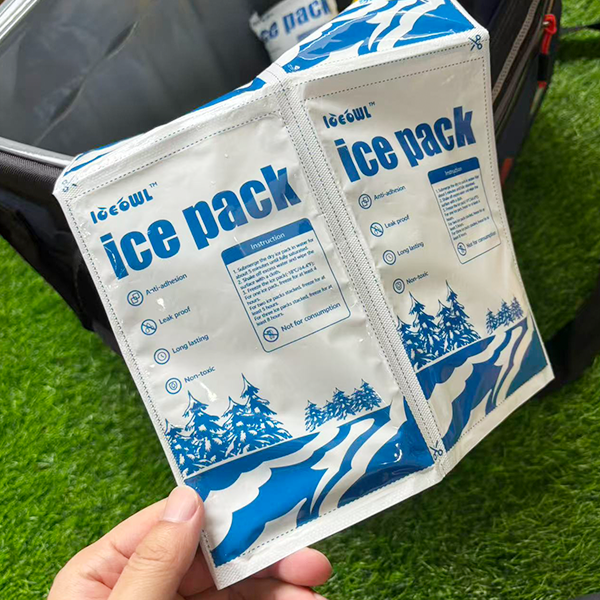
Reusable ice dry ice pack sheets are advanced temperature control solutions that maintain consistent cooling for up to 72 hours. In 2025, these sheets can reduce waste by 60% compared to disposable options, directly cutting your operational costs. As a cold chain expert, I’ll explain how reusable ice dry ice pack sheets provide reliable cooling while being eco-friendly and cost-effective for your business.
How reusable ice dry ice pack sheets enhance temperature stability in shipping
Key features to consider when selecting the best reusable cold packs
Proper usage and maintenance techniques for extended lifespan
Latest 2025 trends in reusable dry ice alternatives and innovations
Cost-saving benefits and environmental advantages of using these sheets
How Do Reusable Ice Dry Ice Pack Sheets Work?
Reusable ice dry ice pack sheets operate by using phase-change materials (PCMs) that absorb and release heat to maintain a stable temperature range, typically between -20°C to 5°C. Unlike traditional gel packs, they don’t leak and can be refrozen hundreds of times. PCMs are substances that change from solid to liquid and back, storing cooling energy like a battery stores electricity. This makes them ideal for protecting sensitive products like pharmaceuticals or perishable foods during transit.
Imagine these sheets as smart thermostats for your shipments—they automatically adjust to external temperature changes. For example, if you’re shipping vaccines, the sheets keep them within the required 2°C to 8°C range even in fluctuating conditions. A 2024 study by Cold Chain Insights showed that businesses using reusable sheets saw a 25% reduction in temperature excursions. This reliability stems from their design, which evenly distributes cold, preventing hot spots that could spoil goods.
The Science Behind Temperature Retention
Reusable ice dry ice pack sheets utilize advanced PCMs that are non-toxic and biodegradable in many cases. These materials have a high latent heat capacity, meaning they can hold more cooling power per gram than standard ice. For instance, one sheet might maintain temperatures for 48-72 hours, depending on insulation. This efficiency comes from the precise melting points of PCMs, which are engineered to match specific product needs, such as frozen foods or lab samples.
| Feature | Traditional Gel Packs | Reusable Dry Ice Sheets | Your Practical Benefit |
|---|---|---|---|
| Temperature Range | 0°C to 5°C | -20°C to 5°C | Better for frozen items and wider applications |
| Lifespan | Single-use or few cycles | 500+ reuses | Saves money and reduces waste |
| Leak Risk | Moderate to high | Minimal to none | Protects packaging and products from damage |
| Eco-Friendliness | Low (often plastic waste) | High (reusable and recyclable) | Enhances sustainability goals |
Practical Tips for Optimal Use
For long-distance shipping: Pre-freeze sheets for at least 24 hours before use to maximize cooling duration.
In high-temperature environments: Use insulated containers with these sheets to extend performance by up to 30%.
During storage: Stack sheets flat in a freezer to maintain integrity and avoid deformation over time.
Real-World Case: A pharmaceutical company in Europe switched to reusable ice dry ice pack sheets for vaccine distribution in 2024. They achieved a 40% cost reduction in packaging and a 15% decrease in product spoilage over six months, demonstrating reliability in real-world conditions.
What Key Features Should You Look For in Reusable Ice Dry Ice Pack Sheets?
Prioritize sheets with high-density PCMs, durable outer materials, and certifications for safety, as these ensure long-term performance and compliance. Look for features like non-toxic formulations and flexibility to fit various container shapes. In 2025, top models include smart sensors that alert you to temperature breaches, adding an extra layer of security for high-value shipments.
When choosing sheets, consider your specific needs—for instance, if you ship food, opt for FDA-approved materials to avoid contamination. Durable outer layers, often made from reinforced nylon or polyester, prevent punctures and extend usability. A survey by Logistics Today found that businesses using certified reusable sheets reported 20% fewer customer complaints about temperature issues. This is because reliable sheets maintain consistency, which is crucial for items like biologics or fresh produce.
Evaluating Material and Design
High-quality reusable ice dry ice pack sheets use PCMs with precise melting points tailored to your goods, such as -10°C for frozen meats or 2°C for dairy. The outer shell should be puncture-resistant and waterproof to handle rough handling. Additionally, some 2025 models incorporate RFID tags for tracking temperature history, giving you data to optimize logistics and reduce risks.
For sensitive products: Select sheets with temperature indicators that change color if limits are exceeded.
In reusable cold packs: Choose ones with easy-to-clean surfaces to meet hygiene standards in food or medical industries.
For cost-efficiency: Opt for sheets with a lifespan of over 500 cycles to maximize return on investment.
Real-World Case: A food delivery service in North America integrated reusable sheets with smart sensors in 2024. They cut spoilage rates by 18% and improved customer satisfaction scores by 25% within a year, showcasing the value of advanced features.
How to Properly Use and Maintain Reusable Ice Dry Ice Pack Sheets?
Always pre-condition sheets in a freezer for the recommended time, typically 12-24 hours, and inspect them for damage before each use to ensure peak performance. Proper handling includes avoiding overfreezing, which can reduce efficiency, and cleaning them with mild detergents to prevent residue buildup. This routine helps maintain their cooling capacity and extends their lifespan beyond 500 uses.
Start by placing sheets in a standard freezer set to -18°C or lower—if frozen inadequately, they might not reach the desired temperature range. After use, wipe them down with a damp cloth and store them flat to prevent cracks. According to industry data, businesses that follow maintenance protocols see a 30% longer sheet lifespan. This simple habit saves money and reduces waste, aligning with 2025 sustainability trends like circular economy practices.
Step-by-Step Maintenance Guide
Regular maintenance involves checking for leaks or deformities monthly and rotating sheets to ensure even wear. If a sheet feels soft or doesn’t freeze solid, it might need replacement. For storage, keep them in a dry, cool place away from direct sunlight to preserve material integrity. This proactive approach minimizes downtime and ensures reliable cooling for critical shipments.
After each use: Clean sheets with a solution of water and vinegar to disinfect without damaging materials.
For long-term storage: Label sheets with purchase dates to track age and plan replacements efficiently.
If damage occurs: Repair small punctures with waterproof tape designed for cold chain materials to avoid disposal.
Real-World Case: A logistics company in Asia implemented a maintenance schedule for their reusable sheets in 2024. They extended average lifespan from 400 to 600 uses, reducing annual costs by $5,000 per facility and supporting environmental goals.
2025 Latest Trends in Reusable Cold Chain Solutions
In 2025, reusable ice dry ice pack sheets are evolving with IoT integration, biodegradable materials, and AI-driven predictive analytics to enhance efficiency and sustainability. These innovations allow real-time monitoring and smarter resource use, reducing human error. For example, new sheets with embedded sensors can send alerts to your phone if temperatures deviate, ensuring proactive management in fast-paced supply chains.
The shift toward circular economy models is driving adoption of recyclable PCMs and refillable designs. A 2025 report by Green Cold Chain Alliance notes that companies using these advanced sheets cut carbon emissions by 25% compared to 2024. This trend reflects broader industry moves to meet regulatory demands and consumer preferences for eco-friendly packaging, making reusable sheets a smart choice for future-proofing operations.
Key Innovations Overview
Smart temperature monitoring: Sheets with built-in Bluetooth or LTE connectivity provide live data feeds, helping you prevent spoilage before it happens.
Biodegradable phase-change materials: New plant-based PCMs break down safely, reducing environmental impact without sacrificing performance.
AI optimization tools: Systems that analyze usage patterns suggest ideal freezing times and placement, boosting efficiency by up to 20%.
Market insights indicate that consumer demand for sustainable shipping is growing by 15% annually, pushing brands to adopt reusable solutions. In response, manufacturers are focusing on lightweight designs that lower shipping costs while maintaining durability. This balance of innovation and practicality makes 2025 a pivotal year for cold chain advancements.
Frequently Asked Questions
What is the average lifespan of reusable ice dry ice pack sheets?
Most high-quality sheets last for 500 or more uses if maintained properly. Always follow manufacturer guidelines for cleaning and storage to maximize durability and performance in your operations.
How do reusable sheets compare to dry ice in cost-effectiveness?
Reusable sheets are cheaper over time—they eliminate recurring purchases and reduce waste. While dry ice might be cheaper per use initially, reusable options save up to 50% annually due to their longevity and reusability.
Can reusable ice dry ice pack sheets be used for international shipping?
Yes, but check airline and customs regulations for phase-change materials. Many sheets are approved for transport, but verify they meet international safety standards to avoid delays or rejections.
What temperature ranges do these sheets typically cover?
They commonly maintain between -20°C and 5°C, depending on the PCM type. Select sheets based on your product needs, such as colder ranges for frozen goods or milder ones for refrigerated items.
Are reusable sheets environmentally friendly?
Absolutely—they cut plastic waste and carbon footprints by being reusable. In 2025, many are made from recyclable materials, supporting sustainability goals and reducing landfill contributions.
Summary and Recommendations
Reusable ice dry ice pack sheets offer reliable temperature control, cost savings, and environmental benefits by reducing waste and extending lifespan. Key points include their use of PCMs for stability, proper maintenance for longevity, and 2025 trends like smart monitoring. By integrating these sheets, you can enhance supply chain efficiency and meet evolving consumer expectations for sustainability.
To get started, assess your current cooling needs and trial a small batch of sheets. Consult with experts to choose the right model—this proactive step can optimize your cold chain and drive long-term savings. Begin today to future-proof your operations and enjoy the advantages of advanced reusable solutions.
About Tempk
We at Tempk specialize in innovative cold chain solutions, including reusable ice dry ice pack sheets designed for durability and efficiency. Our products feature the latest 2025 technologies, such as smart sensors and eco-friendly materials, to help you maintain perfect temperatures and reduce costs. With over a decade of industry experience, we support businesses in achieving reliable and sustainable logistics.
Take the next step: Request a free consultation to find the ideal sheets for your needs
Comprehensive Guide to Using Frozen Goods Dry Ice Packs
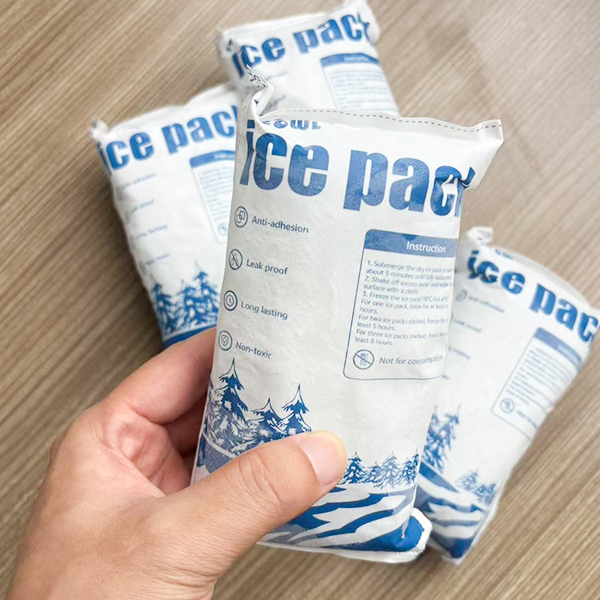
Comprehensive Guide to Using Frozen Goods Dry Ice Packs: Everything You Need to Know
Introduction:
Frozen goods dry ice packs are critical in ensuring the safe and efficient transportation of perishable products. From food to pharmaceuticals, these packs keep items at the required temperature throughout transit, guaranteeing their quality and safety. In this guide, we will explore everything you need to know about using dry ice packs in the cold chain logistics industry.
What are frozen goods dry ice packs, and how do they work?
What industries benefit from using frozen goods dry ice packs?
How to choose the right frozen goods dry ice pack for your needs?
What are the cost implications of using dry ice packs in the shipping process?
What are Frozen Goods Dry Ice Packs and How Do They Work?
Frozen goods dry ice packs are designed to maintain low temperatures for temperature-sensitive products. These packs use dry ice as the cooling agent, which sublimates (turns directly from solid to gas) to absorb heat from the surrounding environment and keep goods frozen.
Key Components:
| Component | Description | Significance |
|---|---|---|
| Insulation Layer | Prevents heat from entering | Ensures prolonged cooling |
| Dry Ice Core | The cooling agent inside the pack | Maintains the required temperature |
| Protective Outer Shell | Durable and lightweight protection | Facilitates easy and safe transport |
The effectiveness of dry ice packs depends on factors like the amount of dry ice, the quality of the insulation, and the external temperature. For optimal performance, test your dry ice packs before full-scale use.
What Industries Benefit from Using Frozen Goods Dry Ice Packs?
Various industries rely on dry ice packs to maintain temperature-sensitive products during transportation:
Pharmaceuticals:
Vaccines, blood samples, and other biologics require strict temperature control. Dry ice ensures that these products remain viable during transit.
Food & Beverage:
Frozen foods like meats, seafood, and ice cream must stay at low temperatures. Dry ice packs prevent spoilage and maintain product quality during long-distance shipping.
Biotechnology:
Biological samples, enzymes, and DNA samples need consistent cooling. Dry ice is crucial in preserving the integrity of these materials while in transit.
How to Choose the Right Frozen Goods Dry Ice Pack?
When selecting a dry ice pack, consider the following:
Size & Shape: Ensure the pack fits your shipping container or box.
Temperature Requirements: Choose a dry ice pack that meets the required temperature for the entire shipment duration.
Duration of Cooling: For longer shipments, choose packs that offer extended cooling capabilities.
Practical Tip: Always test your dry ice packs under real shipping conditions to ensure they meet the necessary cold chain requirements.
Cost Implications of Using Frozen Goods Dry Ice Packs
While dry ice packs may seem costly, they offer numerous advantages that make them a worthwhile investment:
Reduced Spoilage: Maintaining the proper temperature reduces product loss.
Better Compliance: Meeting industry temperature regulations helps avoid fines.
Improved Customer Satisfaction: Ensuring timely and safe delivery of high-quality products builds customer loyalty.
| Cost Factor | Impact on Logistics | Potential Savings |
|---|---|---|
| Reduced Spoilage | Less waste, fewer product losses | Higher profitability |
| Compliance Costs | Meeting regulations avoids fines | Improved industry reputation |
| Customer Satisfaction | High-quality product delivery | Increased customer loyalty |
2025 Developments and Trends in Frozen Goods Dry Ice Packs
Latest Trends:
Eco-Friendly Materials: Newer dry ice packs are made from sustainable materials that reduce environmental impact.
Smart Technology: Temperature sensors are now integrated into dry ice packs, alerting users when critical temperature thresholds are reached.
Market Insights:
The increasing demand for cold chain logistics, driven by e-commerce growth and online grocery shopping, is pushing companies to adopt these advanced, eco-friendly dry ice packs to stay competitive.
Frequently Asked Questions
How long do frozen goods dry ice packs last?
Dry ice packs last between 12 and 48 hours, depending on factors like pack size, insulation, and external temperature. Always test them under real shipping conditions.
Can I reuse frozen goods dry ice packs?
Dry ice packs are generally for single-use, as the dry ice sublimates. However, the outer shell may be reused if still in good condition.
Summary and Recommendations
Frozen goods dry ice packs are crucial for maintaining the cold chain in logistics. By selecting the right pack for your shipping needs, you can reduce spoilage, ensure compliance, and enhance customer satisfaction.
Next Steps:
Evaluate your shipping requirements and consider integrating dry ice packs into your logistics operations. For expert advice, consult with professionals to find the best solution for your business.
About Tempk
At Tempk, we specialize in high-performance cold chain solutions, including durable frozen goods dry ice packs. Our products are designed to meet the highest industry standards, ensuring your temperature-sensitive goods remain safe during transit.
Contact us today to get tailored dry ice pack solutions for your shipping needs.
48-Hour Dry Ice Packs: Ultimate Guide to Shipping Temperature-Sensitive Goods (2025)
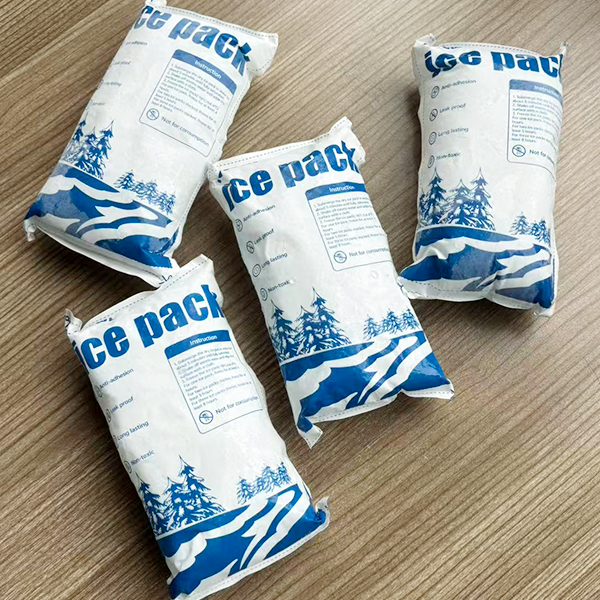
48-Hour Dry Ice Packs: How to Maintain Optimal Cold Chain Logistics for Extended Shipments
Shipping temperature-sensitive goods requires precision, especially when they need to stay cold for extended periods. A 48-hour dry ice pack ensures that products remain frozen during the entire shipment. In this article, we’ll explore the benefits, applications, and best practices for using dry ice packs in cold chain logistics.
What are 48-hour dry ice packs and how do they work?
Which industries benefit most from 48-hour dry ice packs?
How to choose the right 48-hour dry ice pack for your needs?
What are the cost implications of using 48-hour dry ice packs?
What Are 48-Hour Dry Ice Packs and How Do They Work?
48-hour dry ice packs are highly efficient cooling solutions used in cold chain logistics. These packs utilize dry ice (solid carbon dioxide) to maintain low temperatures, ensuring that products remain frozen during transit.
How They Work:
Dry ice sublimates, transforming from a solid into a gas at -78.5°C (-109.3°F). This process absorbs heat, helping keep shipments cool for up to 48 hours. The insulating materials around the dry ice slow down sublimation, maintaining cold temperatures for extended periods.
| Component | Description | Significance |
|---|---|---|
| Insulation Layer | Thick, heat-resistant layer | Retains cold for extended periods |
| Dry Ice Core | Solid carbon dioxide | Provides cooling through sublimation |
| Protective Shell | Durable outer layer | Ensures safe transport and easy handling |
Why Choose 48-Hour Dry Ice Packs?
Compared to traditional cooling methods like gel packs, 48-hour dry ice packs offer several key advantages:
Longer Cooling Duration: Ideal for long shipments, keeping goods frozen for up to 48 hours.
Superior Temperature Control: Dry ice maintains much colder temperatures than regular ice or gel packs.
Cost-Effective: Reduced risk of product spoilage means fewer losses and more cost savings.
Which Industries Benefit the Most from Using 48-Hour Dry Ice Packs?
Several industries rely on 48-hour dry ice packs to ensure safe and effective transportation of temperature-sensitive products.
Pharmaceutical Industry
Vaccines, temperature-sensitive medications, and clinical trial samples need stringent temperature control. 48-hour dry ice packs are ideal for shipping these products, ensuring they arrive at their destination without compromising efficacy.
Food and Beverage Industry
Perishable foods, especially frozen items like meat and seafood, require constant cooling. Dry ice helps prevent thawing or spoilage, maintaining freshness during long shipments. Specialty foods that need precise temperature control, like chocolates, also benefit from dry ice.
Biotechnology and Laboratories
Biological samples, including DNA and tissue samples, need to remain at low temperatures to preserve their integrity. Dry ice offers a reliable solution for transporting these materials safely.
| Application | Industry | Benefit |
|---|---|---|
| Pharmaceutical Logistics | Pharmaceuticals | Ensures vaccine and drug efficacy |
| Food Supply Chain | Food & Beverage | Prevents spoilage of frozen goods |
| Laboratory Shipping | Biotechnology | Preserves biological specimens |
How to Choose the Right 48-Hour Dry Ice Pack for Your Needs
When selecting the ideal dry ice pack, several factors need to be considered:
Size and Shape: Ensure the dry ice pack fits your shipment container and meets your space requirements.
Temperature Requirements: Understand the temperature needs of your goods. Some may need ultra-cold conditions, while others only require a slightly cooler environment.
Shipment Duration: Choose a dry ice pack that provides adequate cooling for your entire shipment duration.
Pro Tip: Always test your dry ice packs in a controlled environment to ensure they perform as expected.
What Are the Cost Implications of Using 48-Hour Dry Ice Packs?
Although the upfront cost of 48-hour dry ice packs might seem high, they can offer significant long-term savings. Here’s how:
Reduced Spoilage: Dry ice packs reduce the likelihood of spoilage, especially for high-value items like pharmaceuticals and perishables.
Improved Customer Satisfaction: Products that arrive intact and in perfect condition boost customer trust and increase repeat business.
| Cost Factor | Impact on Business | Long-Term Benefit |
|---|---|---|
| Reduced Spoilage | Minimal waste | Higher profitability |
| Compliance | Avoids penalties and fines | Enhanced reputation |
| Customer Satisfaction | Ensures product quality | Increased loyalty and repeat business |
2025 Developments and Trends in 48-Hour Dry Ice Packs
The cold chain industry is evolving rapidly, with innovative solutions improving both performance and sustainability.
Latest Developments:
Eco-Friendly Materials: There’s an increasing demand for sustainable practices, and new dry ice packs are being designed with environmentally-friendly materials.
Smart Technology: Integration of temperature sensors allows real-time tracking of shipments, ensuring compliance and optimal performance.
Market Insights:
As e-commerce and temperature-controlled delivery continue to grow, the demand for high-performance cold chain solutions like 48-hour dry ice packs is expected to rise. Businesses that adopt advanced packaging solutions will have a competitive edge.
Frequently Asked Questions
Q1: How do 48-hour dry ice packs compare to traditional ice packs?
Dry ice packs provide much colder temperatures and last longer than traditional ice packs, making them ideal for shipments requiring consistent temperatures over 48 hours.
Q2: Can 48-hour dry ice packs be used for all temperature-sensitive goods?
No, not all goods require extreme cold. For products that only need to be kept cool, regular gel packs or ice may suffice.
Summary and Recommendations
In summary, 48-hour dry ice packs are an excellent choice for maintaining the cold chain during long shipments. They provide superior temperature control, reduce spoilage, and ensure customer satisfaction.
Next Steps:
Evaluate your shipping needs and consider integrating 48-hour dry ice packs into your logistics strategy. Consult with experts to determine the best cold chain solutions for your products.
About Tempk
At Tempk, we specialize in providing advanced cold chain solutions, including high-performance 48-hour dry ice packs. Our products are designed to meet the highest standards of reliability and sustainability, ensuring safe transport of your temperature-sensitive goods. With a commitment to excellence, we help businesses optimize their cold chain operations.
Take action today: Consider Tempk’s 48-hour dry ice packs for your shipping needs!
Ice Substitute Dry Ice Packs: Essential Cold Chain Solution for 2025
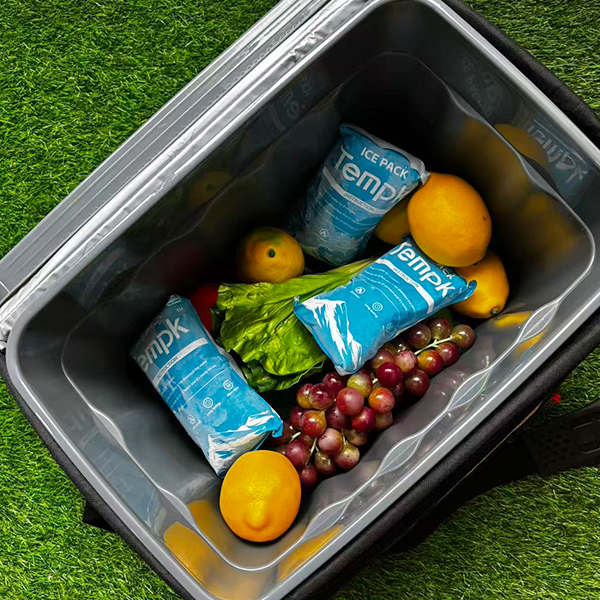
Introduction:
In today’s fast-paced logistics world, ensuring that temperature-sensitive goods like pharmaceuticals, food, and biotech products are kept within precise temperature ranges is crucial. Traditional dry ice is slowly being replaced by innovative solutions, such as ice substitute dry ice packs, which offer several advantages. These packs are particularly important for industries requiring strict temperature control, providing an efficient and safe way to transport goods. In this article, we’ll explore the benefits, applications, and trends shaping the use of ice substitute dry ice packs in 2025 and beyond.
How do ice substitute dry ice packs work?
Which industries benefit most from using these ice packs?
How can you choose the right ice substitute dry ice pack for your needs?
What are the cost implications and environmental benefits of these packs?
How Do Ice Substitute Dry Ice Packs Work?
Ice substitute dry ice packs are designed to provide effective cooling without the risks associated with traditional dry ice. These packs use phase change materials (PCMs) or gel-based substances that absorb and release heat at specific temperatures. Unlike dry ice, which sublimates and creates carbon dioxide gas, ice substitute packs maintain cold temperatures through a more stable, non-hazardous process.
Core Mechanism: When the phase change material inside these packs changes state (from solid to liquid or vice versa), it absorbs or releases large amounts of energy, keeping the surrounding products at a stable temperature. This ability makes them particularly useful for transporting pharmaceuticals, vaccines, and perishable goods.
Key Components of Ice Substitute Dry Ice Packs:
Insulation Layer: Minimizes heat transfer, ensuring that the cooling effect is prolonged.
Phase Change Core (Dry Ice Equivalent): The cooling mechanism, responsible for absorbing heat and maintaining the required temperature.
Protective Outer Shell: Durable, lightweight materials that protect the contents during transit, ensuring the pack remains intact.
| Component | Description | Significance |
|---|---|---|
| Insulation Layer | Reduces external heat transfer | Prolongs cooling effect |
| Phase Change Core | Absorbs and releases heat at specific temperatures | Maintains consistent temperature |
| Protective Outer Shell | Lightweight and durable | Enhances safety and ease of transport |
What Industries Benefit the Most from Ice Substitute Dry Ice Packs?
Ice substitute dry ice packs are crucial for industries that rely on temperature-sensitive products during transit. Some of the industries that benefit the most include:
Pharmaceuticals:
These packs are essential for transporting drugs, vaccines, and biologics, which require precise temperature control to remain effective.
Food and Beverage:
Ensuring freshness of perishable goods such as meats, dairy, and frozen foods is vital. These packs ensure that food products stay fresh from the manufacturer to the end customer.
Biotechnology:
Many biotech products, like biological samples, need to be transported at strict temperature ranges to maintain their integrity. Ice substitute dry ice packs help preserve these materials.
How to Choose the Right Ice Substitute Dry Ice Pack for Your Shipment?
Choosing the right ice substitute dry ice pack involves understanding the nature of the goods being shipped, the required temperature range, and the duration of the shipment. Here are some key considerations when selecting the right pack:
1. Temperature Requirements:
Ice substitute packs can be tailored to maintain specific temperature ranges, typically between 2°C and -20°C, depending on the material inside.
2. Duration of Cooling:
Consider how long the shipment will take. For longer durations, you may need larger or more robust packs that offer longer cooling durations, typically 12 to 48 hours.
3. Size and Fit:
The size and shape of the pack should fit within the designated shipping containers, ensuring optimal performance and no space wastage.
Tip: Always run a test before full-scale use to ensure the chosen pack meets your cooling needs under real-world conditions.
Cost Implications and Environmental Benefits of Using Ice Substitute Dry Ice Packs
While the upfront cost of ice substitute dry ice packs may be higher than traditional ice, their long-term savings and environmental benefits make them a worthwhile investment.
Cost Factors:
Reduced Spoilage: By maintaining consistent temperatures, these packs help reduce product spoilage, saving businesses money by minimizing waste.
Better Compliance: Industries with strict temperature control regulations, like pharmaceuticals, can avoid costly penalties by using these packs to stay compliant.
Improved Customer Satisfaction: By ensuring that products arrive in optimal condition, businesses can enhance customer loyalty and build a reputation for reliability.
| Cost Factor | Benefit | Impact on Your Business |
|---|---|---|
| Reduced Spoilage | Less waste, fewer damaged goods | Higher profit margins |
| Compliance Costs | Avoid regulatory fines | Maintains reputation and trust |
| Customer Satisfaction | High-quality, safe delivery | Increased customer loyalty |
Environmental Benefits:
Eco-friendly Design: Many ice substitute dry ice packs are reusable and made from biodegradable materials, making them a sustainable choice.
Lower Carbon Footprint: Unlike dry ice, which produces CO₂ emissions when it sublimates, these packs help businesses meet sustainability goals while still offering effective temperature control.
2025 Trends in Ice Substitute Dry Ice Packs
Innovation in Materials:
The demand for eco-friendly solutions in cold chain logistics is pushing manufacturers to develop sustainable materials for ice substitute dry ice packs. These materials improve thermal insulation while minimizing environmental impact, making them an attractive choice for businesses looking to reduce their carbon footprint.
Integration of Smart Technology:
Advances in technology are also being integrated into these packs. Smart sensors are now being used in some packs to provide real-time temperature monitoring, alerting users if temperatures deviate from the desired range. This helps reduce the risk of spoilage and improves shipment reliability.
Frequently Asked Questions
Q1: How long do ice substitute dry ice packs last?
Typically, ice substitute dry ice packs last 12 to 48 hours, depending on the pack size and environmental conditions.
Q2: Can I use ice substitute dry ice packs for shipping food?
Yes, these packs are ideal for shipping temperature-sensitive foods, such as frozen items, dairy, and meat, ensuring that they remain fresh during transit.
Q3: What makes ice substitute dry ice packs better than traditional dry ice?
Ice substitute packs offer longer-lasting cold, non-hazardous handling, and lower environmental impact, making them a superior alternative to traditional dry ice.
Conclusion and Recommendations
Ice substitute dry ice packs are transforming cold chain logistics by providing a safer, more efficient, and cost-effective way to transport temperature-sensitive products. By selecting the right pack based on your shipment’s requirements, you can improve efficiency, reduce spoilage, and enhance compliance.
Next Steps:
Evaluate your current cold chain logistics processes and consider integrating ice substitute dry ice packs into your operations for improved product safety and operational efficiency.
About Tempk
At Tempk, we specialize in offering industry-leading cold chain solutions. Our ice substitute dry ice packs are designed for maximum performance and sustainability, ensuring your temperature-sensitive goods stay safe during transit. We offer tailored solutions to meet your logistics needs with a focus on innovation and reliability.
Contact Tempk today to learn more about how our ice substitute dry ice packs can enhance your shipping operations.