


Long-Lasting Dry Ice Packs: The Ultimate Cold Chain Solution for Extended Shipments
Long-Lasting Dry Ice Packs: The Ultimate Cold Chain Solution for Extended Shipments
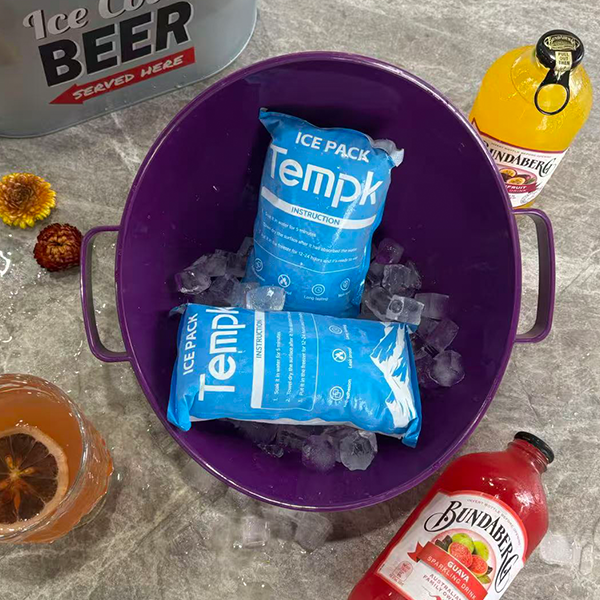
Long-Lasting Dry Ice Packs: The Ultimate Cold Chain Solution for Extended Shipments
In the world of cold chain logistics, maintaining the optimal temperature of sensitive shipments is critical. Long-lasting dry ice packs offer an ideal solution for temperature-sensitive goods like pharmaceuticals, food, and biotechnology products. These packs keep items frozen for extended durations, often up to 72 hours or more, without the mess of melting water. This article explores why long-lasting dry ice packs are becoming a preferred choice for long-distance shipments, providing valuable insights into their benefits, usage, and best practices.
What Makes Long-Lasting Dry Ice Packs the Best Choice for Long-Distance Shipments?
Long-lasting dry ice packs stand out because they offer extended cooling durations, making them ideal for long-distance shipments. Unlike traditional ice packs, which melt and create water runoff, dry ice sublimates directly from a solid to a gas. This ensures no water damage to sensitive products, maintaining product quality and safety during transit.
How Dry Ice Packs Work Effectively
Dry ice packs are made from solid carbon dioxide (CO₂), which sublimates at -78.5°C (-109.3°F). Unlike regular ice, which turns into liquid as it melts, dry ice skips the liquid phase, evaporating directly into gas. This unique property makes it a cleaner and more effective cooling method for shipments requiring sub-zero temperatures.
Key Benefits of Dry Ice Packs
| Feature | Benefit | Why It Matters |
|---|---|---|
| Superior Cooling | Maintains temperatures between -78.5°C and -40°C for extended periods | Ideal for deep-freezing, including vaccines and frozen foods |
| No Mess | Sublimates into gas, leaving no liquid residue | Prevents water damage and reduces handling issues |
| Cost-Efficiency | Reduced frequency of replacements and waste management | Lower shipping costs and cleaner operations |
| Long-lasting | Packs last up to 72 hours or more depending on conditions | Suitable for long-distance, international, or multi-day shipments |
Best Practices for Using Dry Ice Packs
Insulated Packaging: For optimal performance, dry ice packs should be used in combination with insulated boxes or coolers. This ensures the sublimation rate of dry ice is minimized, allowing for longer cooling periods.
Monitor Temperature: It is critical to track temperatures throughout the shipment to ensure that the cold chain is maintained. Consider using temperature loggers for real-time updates.
Safe Handling: Always use gloves and eye protection when handling dry ice, as it can cause severe frostbite if touched directly.
How Do Dry Ice Packs Compare to Traditional Cooling Methods?
When compared to traditional cooling methods such as gel packs or regular ice, dry ice packs offer distinct advantages. Unlike ice, which melts and creates a mess, dry ice ensures that the contents of the shipment remain dry and consistently cold.
Benefits of Dry Ice Over Traditional Cooling
No Liquid Waste: As dry ice sublimates, it avoids the problem of water runoff that often comes with traditional ice, which can damage goods.
Longevity: Dry ice outlasts traditional ice, which means fewer replacements during long transit times. This not only reduces operational costs but also ensures a more reliable temperature control.
Consistency in Cooling: Dry ice maintains a consistent, ultra-low temperature for hours, while regular ice loses its cooling power faster and often requires replenishment during transit.
Tips for Transitioning to Dry Ice
Evaluate Current Needs: Review whether your existing cooling methods are meeting your logistics needs or if dry ice can provide a more reliable solution.
Staff Training: Make sure your logistics team is trained in the proper handling and safety procedures for dry ice to avoid accidents and inefficiencies.
Track Performance: Consistently monitor temperature performance to ensure dry ice is providing the required cooling efficiency.
What Are the Key Advantages of Using Long-Lasting Dry Ice Packs in Your Business?
Long-lasting dry ice packs offer several key advantages, especially for industries like food distribution, pharmaceuticals, and e-commerce, where maintaining product quality during transit is paramount.
Cost-Effectiveness and Environmental Benefits
Dry ice packs reduce the frequency of replacements needed during transport, lowering overall shipping costs. Additionally, because they sublimate and leave no liquid behind, dry ice is an eco-friendly solution that eliminates water runoff, which can be harmful to the environment.
Industry-Specific Advantages
Pharmaceuticals: Essential for shipping vaccines and medications that need to be kept at specific temperatures, often below freezing.
Food Service: Ensures perishable items like meats and seafood are transported at safe temperatures, preventing spoilage and waste.
E-commerce: With the rise in demand for fresh and frozen goods in online shopping, dry ice provides a reliable solution for preserving product quality during delivery.
2025 Trends in Long-Lasting Dry Ice and Cold Chain Innovation
As we move into 2025, the cold chain industry is seeing significant advancements in dry ice technology, making it an even more viable solution for businesses across various sectors.
Latest Developments in Dry Ice Technology
Sustainability: Companies are increasingly adopting dry ice made from recycled CO₂, a step toward reducing the carbon footprint associated with traditional ice production.
Smarter Logistics: The integration of IoT-based temperature monitoring systems is helping companies track shipments in real-time, ensuring better accountability and temperature control.
Market Insights
The demand for long-lasting dry ice packs is expected to grow as industries such as food and pharmaceuticals continue to expand. The consumer preference for sustainable and reliable shipping solutions is pushing businesses to adopt greener practices, making dry ice a key player in the logistics sector.
Frequently Asked Questions
Q1: How long do long-lasting dry ice packs last?
A1: Depending on factors like quantity, insulation, and temperature, dry ice packs can last anywhere from 24 to 72 hours, ensuring products remain frozen during long shipments.
Q2: Can dry ice be used for international shipments?
A2: Yes, dry ice can be used for international shipments, but it must meet the specific regulations of the destination country, including packaging, labeling, and documentation.
Conclusion and Recommendations
Long-lasting dry ice packs are a game-changer for cold chain logistics, providing efficient, cost-effective, and environmentally friendly solutions for temperature-sensitive shipments. By transitioning to dry ice, businesses can improve product quality, reduce waste, and lower shipping costs. To implement this solution, companies should evaluate their cold chain needs, train their teams on safe handling, and begin testing dry ice in pilot shipments to measure its effectiveness.
About Tempk
At Tempk, we specialize in providing innovative cold chain solutions, including long-lasting dry ice packs that ensure your goods arrive safely and efficiently. Our products are designed for sustainability and optimal cooling efficiency.
Call to Action: Contact us today to learn how Tempk’s long-lasting dry ice packs can enhance your cold chain logistics.
Lunch Box Dry Ice Pack: Pack It Right
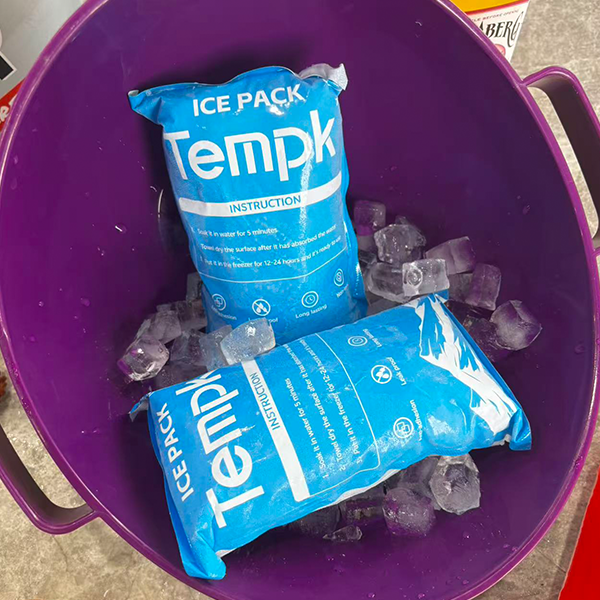
How to Use a Lunch Box Dry Ice Pack Safely
A lunch box dry ice pack can keep meals cold for 4–10 hours when sized and packed correctly. In this guide, you’ll learn how to choose the right pack, prep it, and load your lunch box step by step so food stays fresh and safe without leaks, mess, or frostbite risks.
How do you size a lunch box dry ice pack for all-day cooling?
What’s the safest way to prep and load a lunch box with dry ice packs?
Which materials and lunch bags work best with dry ice packs?
How do lunch box dry ice packs compare to gel packs or ice blocks?
What are the 2025 trends in dry ice pack materials and sustainability?
What is a Lunch Box Dry Ice Pack, and when should you use it?
Short answer: A lunch box dry ice pack is a sealed, reusable cold source engineered to hold sub-zero temperatures and keep food safe for hours. It’s ideal when you need reliable cooling in a compact lunch box—commuting, field work, school, or day trips—without the meltwater of regular ice.
Longer explanation:
Unlike loose dry ice (solid CO₂ at about −78 °C), a lunch box dry ice pack is a contained PCM (phase-change material) or CO₂-derived pack designed for everyday food transport. It avoids wet mess, reduces odor risk, and fits routine settings like offices or schools. For most users, one medium pack or two small packs can stabilize the temperature profile of a typical insulated lunch box for 4–8 hours, and up to 10 hours with better insulation and pre-chilling. If you’re carrying high-risk foods (meat, fish, dairy), you want a continuous cold chain from fridge to mealtime; a lunch box dry ice pack helps you achieve that.
Is “dry ice” the same as these packs?
Not exactly. Many consumers say “dry ice pack” to mean “extra-cold pack.” True dry ice is regulated in some contexts and can cause CO₂ buildup in sealed spaces. Lunch box dry ice packs mimic sub-zero performance without handling loose dry ice, so they’re safer and simpler for daily use. If you ever use actual dry ice, ventilate, avoid airtight seals, and handle with gloves.
How to choose the right lunch box dry ice pack size?
Short answer: Match pack mass to food mass and trip length. A practical baseline is 20–30% of the food weight in cold packs for workdays and 30–40% for hotter days or longer routes.
Longer explanation:
Your lunch box is a small thermal system: food and drink act as a thermal load; the lunch box plus pack provide insulation and cold capacity. To size a lunch box dry ice pack, start with these rules of thumb:
Food weight (g) × 0.2–0.3 = pack grams for mild weather and 6–8 hours.
Food weight (g) × 0.3–0.4 = pack grams for hot weather or 8–10 hours.
If your bag is thinly insulated, add +10% pack mass.
If you pre-chill food and bag, you can subtract −10% pack mass.
Sizing quick reference (typical insulated lunch box)
| Lunch size | Food load (approx.) | Pack size (baseline) | What it means for you |
|---|---|---|---|
| Small bento | 400–600 g | 100–180 g | One slim pack keeps fruit/dairy stable for a commute. |
| Standard lunch | 700–900 g | 160–270 g | One medium or two slim packs for 6–8 hours at room temp. |
| Hearty lunch | 1.0–1.2 kg | 250–420 g | One large or two medium packs for 8–10 hours; pre-chill helps. |
How do you pack a lunch box dry ice pack for maximum time?
Short answer: Pre-chill, layer smartly, and minimize headspace.
Steps: Chill food and pack overnight, place the lunch box dry ice pack above and/or alongside perishables, and insulate any air gaps with napkins or wraps.
Detailed steps:
Pre-chill (best practice).
Put the lunch box dry ice pack in the freezer 8–12 hours.
Pre-chill the lunch box (leave it open in a cool room or place empty bag in the fridge for 30–60 minutes).
Start with pre-cooled food straight from the refrigerator.
Use a top-down cold lid.
Cold air sinks. Place at least one lunch box dry ice pack on top. If space allows, add a flat pack at the bottom to create a temperature gradient.Create a “cold pocket.”
Arrange the pack so it touches or nearly touches protein or dairy items. Keep fruit and greens cushioned but near the cold mass.Fill dead space.
Any air gap warms fast. Use napkins, a small towel, or reusable wraps to fill space around containers. Less air = longer cold time.Seal smartly.
Close the bag firmly but do not vacuum-seal. A typical lunch box has enough fabric porosity for normal venting. If using a hard case, avoid over-tight gaskets when using true dry ice.Keep out of direct sun.
Shade the lunch box. Radiant heat shortens effective cold time by 20–30%.
Layout that works for most people (standard box)
Bottom: sandwich or main in a rigid container.
Middle: fruit/veg sides, yogurt or cheese.
Top: lunch box dry ice pack lying flat like a cold lid.
Side voids: napkins or wraps to cut air volume.
Is a lunch box dry ice pack safe for kids and workplaces?
Short answer: Yes—when you follow basic precautions.
Wrap the lunch box dry ice pack in a sleeve if it feels “too cold to touch,” keep it away from bare skin for long periods, and use food-safe, puncture-resistant packs.
Best practices for safe use:
Handling: If the pack is extremely cold out of the freezer, use a thin cloth wrap.
Contact time: Avoid resting the pack directly on bare skin.
Containers: Choose BPA-free contact surfaces and food-safe films.
Ventilation: For true dry ice (solid CO₂), never enclose in an airtight container; allow gas to vent. Most household “dry ice packs” are sealed coolants, so normal lunch boxes are fine.
Labeling: Mark the pack “Do not eat.” For kids, choose soft-edge packs that won’t bruise fruit or fingers.
How does a lunch box dry ice pack compare with gel packs or ice blocks?
Short answer: Lunch box dry ice packs deliver longer cold at lower temperatures in compact spaces, while gels are convenient for moderate cooling and regular ice is cheapest but messy.
Comparison at a glance
| Option | Typical temp band | Cold time (same mass) | Mess risk | Ideal use |
|---|---|---|---|---|
| Lunch box dry ice pack | sub-zero to −5 °C band | ★★★★☆ | Very low | High-risk foods, hot days, long commutes |
| Gel pack | ~0–5 °C band | ★★★☆☆ | Low | General lunches, mild weather |
| Ice cubes/blocks | 0 °C band | ★★☆☆☆ | High (melt) | Very short trips, budget-only |
Takeaway: If food safety or a long day is your priority, the lunch box dry ice pack wins. For light salads or snacks in spring/fall, gel packs may be sufficient.
Care, reuse, and disposal: make your lunch box dry ice pack last
Short answer: Treat your pack like premium cookware. Gentle cleaning, full freeze cycles, and careful storage maximize lifespan.
Routine care checklist:
Clean after each use. Hand-wipe with mild soap; avoid harsh solvents.
Dry before freezing. Moisture can freeze on the exterior and stick to food wraps.
Freeze flat. Flat packs stack better and distribute cold evenly as a “cold lid.”
Inspect quarterly. Look for seam wear or swelling. Retire punctured packs.
Store at 25–60% freezer load. Overpacked freezers freeze slower; underpacked freezers cycle more and waste energy.
End of life: If the lunch box dry ice pack casing is damaged, follow the manufacturer’s disposal guidance. Many newer packs use non-toxic, landfill-safe contents; some programs accept casings for material recycling.
The 5-minute Lunch Box Dry Ice Pack selector (interactive)
Use this self-check to pick the right setup. Circle your answers, then read your result.
Trip length today? A) ≤4 h B) 5–8 h C) 9–10 h
Ambient temp? A) Indoors 20–23 °C B) Warm 24–29 °C C) Hot 30–35 °C
Food type? A) Snacks/salad B) Dairy/meat C) Sushi/seafood
Lunch box insulation? A) Thick B) Medium C) Thin/fashion tote
Freezer pre-chill? A) Full 12 h B) 6 h C) No time
If you choose mostly A: One small lunch box dry ice pack (100–150 g) on top.
Mostly B: One medium pack (160–270 g) on top; optional slim bottom pack.
Mostly C: One large pack (250–400 g) top + one medium bottom, fill gaps, strict shade.
Advanced tips for power users
Long-tail: insulated lunch bag with dry ice pack
Pre-stage food containers in the fridge right against a spare pack for 30 minutes.
Put protein and dairy closest to the lunch box dry ice pack.
Add a reflective liner or light-color exterior to reduce radiant heat.
Long-tail: reusable lunch cooler dry ice sheets
Dry ice sheet packs fold around containers to increase surface contact.
For odd-shaped bento boxes, sheets can outperform a single brick pack of the same mass.
Long-tail: small lunch box dry ice pack for kids
Look for soft, rounded corners and chew-safe casings.
Add a small paper card with handling rules and emergency contact.
Real-world case
Case study: A technician commuted 90 minutes each way in July with a 900 g lunch (yogurt, chicken wrap, berries). Switching from one gel pack to a lunch box dry ice pack (220 g) and pre-chilling the bag extended safe temps from ~5 hours to ~9 hours. The pack was laid flat on top, with napkins filling side gaps for less air volume.
2025 trends: what’s new in lunch box dry ice pack materials?
Overview: In 2025, PFAS-free films, recycled PET casings, and CO₂-reclaimed cooling media are becoming mainstream. Manufacturers are optimizing phase-change curves so a lunch box dry ice pack holds colder temps longer without adding bulk. Expect more modular sheet formats, dishwasher-safe sleeves, and QR-coded care instructions.
Fast highlights
Sustainability: More packs using reclaimed CO₂ sources and recyclable shells.
Performance tuning: Narrower PCM transition bands keep food below 5 °C longer.
Usability: Thin, flexible sheets that wrap bento containers and stack flat in freezers.
Market insight: Consumers value leak-free reliability and compact thickness over raw mass. Brands that publish simple sizing charts and care guides earn repeat use and better reviews.
Frequently asked questions
Q1: Can I fly with a lunch box dry ice pack?
Yes—sealed coolant packs are widely accepted. If using true dry ice, respect airline quantity and venting rules. Check your carrier’s policy.
Q2: How long does a lunch box dry ice pack stay cold?
Typically 4–8 hours for standard lunches and up to 10 hours with pre-chill, good insulation, and minimal sun exposure.
Q3: Is condensation normal?
A little moisture outside the box is normal. Use a soft sleeve or wrap to protect papers/electronics in the same bag.
Q4: Can the pack touch my food container directly?
Yes—contact improves cooling. Avoid direct contact with bare skin for long periods.
Q5: Do I need two packs?
Use two when the day is long, the weather is hot, or your lunch box is thinly insulated. Place one on top, one at the bottom.
Summary and recommendations
Key points: A lunch box dry ice pack gives longer, colder protection than gels or ice with minimal mess. Size the pack at 20–30% of food mass for most days, 30–40% in heat. Pre-chill overnight, place the pack on top like a cold lid, and fill air gaps. For kids and offices, choose soft-edge, food-safe casings and basic handling rules.
Next steps:
Estimate your pack mass with the quick formula.
Pre-chill pack, lunch, and bag.
Pack top-down, fill air gaps, avoid sun.
For hot days, add a bottom pack.
Track results for a week and fine-tune your routine.
CTA: Want a fast recommendation? Share your food load, ambient temp, and hours—I’ll size a lunch box dry ice pack setup for you.
Cryogenic Dry Ice Packs: Essential for Pharmaceutical & Biotech Cold Chain Logistics
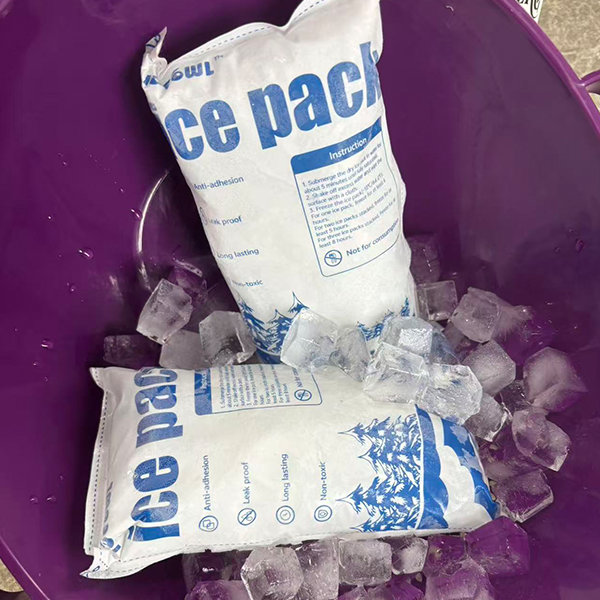
Cryogenic Dry Ice Packs: The Key to Efficient Cold Chain Solutions in Pharmaceutical and Biotech Industries
In the fast-evolving pharmaceutical and biotech sectors, maintaining the integrity of sensitive products like vaccines, biologics, and other temperature-sensitive substances is critical. One of the most reliable and efficient solutions for preserving these products during transport and storage is the use of cryogenic dry ice packs. This article will explore how cryogenic dry ice packs are revolutionizing cold chain logistics, their applications in the pharmaceutical and biotech industries, and the role they play in ensuring product safety and efficacy.
What Are Cryogenic Dry Ice Packs and Why Are They Essential?
Cryogenic dry ice packs are a form of solid carbon dioxide that are used to maintain ultra-low temperatures during the transport and storage of temperature-sensitive products. Unlike traditional ice or refrigerated systems, dry ice sublimates directly from a solid to a gas, providing an efficient and clean cooling solution without the mess of melting water. This unique property makes dry ice ideal for industries requiring strict temperature control, such as pharmaceuticals, biotech, and medical fields.
Cryogenic dry ice packs are particularly crucial in the following ways:
Maintaining ultra-low temperatures: They provide temperatures as low as -78.5°C (-109.3°F), making them perfect for maintaining the required conditions for vaccines and biologics.
Efficient cooling: Since dry ice sublimates without leaving any liquid behind, it reduces the risk of water damage to sensitive medical products.
Non-toxic and safe: Dry ice is safe when used correctly and doesn’t leave any harmful residues.
Why Cryogenic Dry Ice Packs Are Essential for Vaccine and Biotech Logistics
In the pharmaceutical and biotech industries, temperature management during transport is a major challenge. Vaccines, gene therapies, and biologics must often be stored and transported at temperatures far below freezing to maintain their efficacy. Even a slight deviation from the required temperature can render these products ineffective, resulting in significant financial losses and compromised patient safety.
The Role of Cryogenic Dry Ice in Vaccine Transport
Vaccines, especially mRNA-based ones like the COVID-19 vaccine, require storage at ultra-low temperatures. Cryogenic dry ice packs ensure that these vaccines remain within their specified temperature ranges throughout the entire supply chain. By using dry ice, companies can meet the World Health Organization (WHO) guidelines for cold chain logistics, which mandate strict temperature controls.
In addition to vaccines, biotech innovations like gene therapies, monoclonal antibodies, and cell-based treatments often require the same ultra-cold storage conditions. Dry ice plays an indispensable role in transporting these treatments globally, ensuring that they remain viable and effective when administered to patients.
How Cryogenic Dry Ice Packs Improve Pharmaceutical Cold Chain Efficiency
One of the significant advantages of cryogenic dry ice is its extended cooling power. Traditional refrigerated systems may struggle to maintain the required temperatures over long distances or for extended periods, especially in regions with inconsistent access to electricity or in remote areas. Dry ice packs, however, can sustain ultra-low temperatures for days without the need for power sources or complex refrigeration units, making them ideal for global cold chain logistics.
Applications of Cryogenic Dry Ice in Pharmaceutical Logistics
Long-distance Transport: Whether shipping vaccines, biologics, or sensitive medical samples, cryogenic dry ice packs provide a reliable way to keep products within the necessary temperature range across continents.
Last-Mile Delivery: In urban or rural environments, where temperatures may fluctuate, cryogenic dry ice ensures that medications and treatments arrive in perfect condition for final distribution to hospitals, pharmacies, or clinics.
In-Transit Temperature Monitoring: Cryogenic dry ice is often used in conjunction with temperature loggers, which provide real-time data on the temperature conditions during transit. This data is crucial for compliance with regulatory requirements and for ensuring product safety.
Cryogenic Dry Ice vs. Traditional Refrigeration in Biotech Logistics
| Feature | Cryogenic Dry Ice | Traditional Refrigeration |
|---|---|---|
| Temperature Range | -78.5°C (-109.3°F) | 0°C to -20°C (32°F to -4°F) |
| Cooling Duration | Up to several days | Limited by refrigeration capacity |
| Cost | Economical for short to mid-distance | High for long-distance transport |
| Power Source Required | No | Yes (electricity, fuel, etc.) |
| Risk of Damage to Products | Low (no melting water) | High (water condensation) |
Practical Uses of Cryogenic Dry Ice Packs in the Biotech Industry
In biotech, especially with cell-based therapies and gene editing technologies such as CRISPR, maintaining a consistent ultra-cold temperature is vital. These therapies are often sensitive to temperature variations, which can affect their potency and efficacy. Cryogenic dry ice packs offer an innovative solution by allowing these therapies to be shipped globally under the best possible conditions.
For instance, when transporting cell cultures or genetic material, dry ice maintains a controlled environment without the need for specialized, energy-intensive cooling systems.
Innovative Applications of Cryogenic Dry Ice Packs in Medical Cold Chain Logistics
In addition to pharmaceuticals and biotech, cryogenic dry ice packs are extensively used in medical sample storage and transport, such as blood samples, stem cells, and transplant organs. These products require exact temperature controls to preserve cellular integrity and prevent degradation.
Organ Transport and Cryogenic Cooling
For organ transplant procedures, where the window of viability is extremely small, dry ice is often used to maintain organs at the necessary low temperatures during their transport from donor to recipient. The minimal risk of thawing is a significant advantage for cryogenic dry ice, particularly when time is of the essence.
The Environmental Impact of Cryogenic Dry Ice Packs
As the pharmaceutical and biotech industries strive to become more sustainable, cryogenic dry ice offers an eco-friendly solution. Since it sublimes into a gas, there is no liquid waste to dispose of, and it doesn’t require any chemicals or refrigeration equipment that consume energy or generate emissions.
However, it is important to handle dry ice with care to ensure that there is no buildup of carbon dioxide gas in enclosed spaces, which could be hazardous to workers.
Conclusion: How Cryogenic Dry Ice Packs Are Shaping the Future of Medical Logistics
Cryogenic dry ice packs are not only providing a reliable, safe, and efficient means of transporting temperature-sensitive products but are also pushing the boundaries of what is possible in the medical and biotech cold chain logistics sectors. As the demand for biologics, vaccines, and gene therapies grows, the role of cryogenic dry ice in maintaining ultra-low temperatures will become increasingly important.
Why Choose Tempk as Your Logistics Technology Partner?
As a logistics technology partner, Tempk provides cutting-edge cold chain solutions that integrate cryogenic dry ice into comprehensive systems for pharmaceutical, biotech, and medical transport needs. By combining our expertise in cryogenic solutions with advanced monitoring technology, we ensure that your products are transported under optimal conditions, every time.
Contact us today to explore how Tempk’s solutions can enhance your cold chain logistics, ensuring safe, efficient, and compliant transport of your most sensitive products.
FAQ: Common Questions About Cryogenic Dry Ice Packs
Q1: How long can cryogenic dry ice maintain a cold temperature?
Cryogenic dry ice can maintain ultra-low temperatures for up to 5 days, depending on the amount used, the insulation of the packaging, and external conditions.
Q2: Is cryogenic dry ice safe to handle?
Yes, cryogenic dry ice is safe when handled properly. It should never be touched with bare skin and must be used in well-ventilated areas to prevent CO2 buildup.
Q3: How does cryogenic dry ice compare to traditional refrigeration in terms of cost?
Cryogenic dry ice is generally more cost-effective for short to medium-term transport, especially in remote areas where refrigeration systems may be expensive or unavailable.
2025 Developments in Cryogenic Dry Ice and Cold Chain Logistics
The cryogenic cold chain logistics sector is rapidly evolving, with significant advancements in automated temperature monitoring systems and real-time tracking technologies. These innovations are enhancing the reliability of dry ice systems, making them even more efficient and cost-effective.
Latest Advances in Cryogenic Dry Ice Logistics
Automated Monitoring Systems: Real-time sensors integrated with dry ice shipping solutions allow for precise tracking of temperature fluctuations, ensuring product integrity.
Sustainability Focus: Manufacturers are exploring new methods for producing dry ice with lower carbon footprints, making it a more eco-friendly option for cold chain logistics.
Frozen Goods Dry Ice Pack Sheets for Reliable Cold Chain Logistics
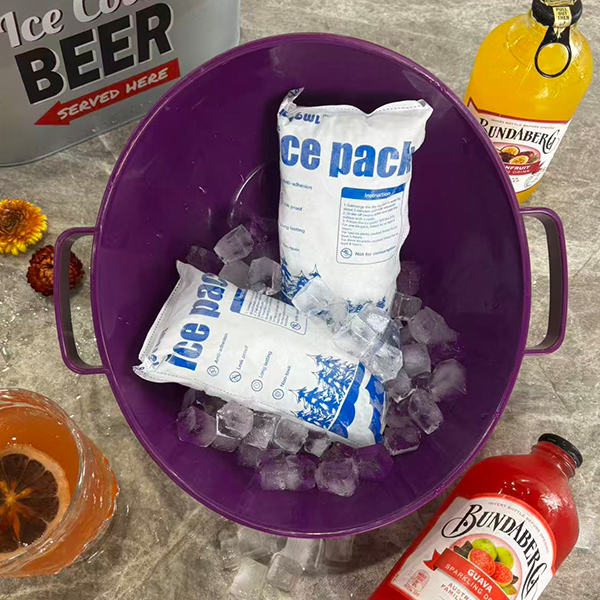
When transporting frozen goods across cities or continents, temperature stability isn’t optional — it’s your brand’s reputation on the line. Frozen goods dry ice pack sheets have become a trusted tool for logistics managers and distributors who need precise temperature control without excessive cost or weight. These versatile cooling sheets maintain sub-zero conditions, prevent spoilage, and ensure compliance with modern cold chain standards.
In this guide, you’ll learn how dry ice pack sheets outperform traditional coolants, how to select the right ones for your products, and what 2025 industry trends are reshaping cold logistics efficiency.
How dry ice pack sheets improve cold chain efficiency and compliance
The differences between dry ice sheets and traditional cooling methods
Key use cases across food, pharma, and biotech logistics
Emerging 2025 cold chain trends and sustainability innovations
Practical steps for selecting and deploying dry ice pack sheets effectively
Why Are Frozen Goods Dry Ice Pack Sheets Essential for Modern Cold Logistics?
Dry ice pack sheets deliver reliable, long-duration cooling performance with minimal weight and zero leakage risk. They are pre-filled polymer sheets that can be activated with CO₂ or stored frozen, providing temperatures as low as -78.5°C — perfect for frozen foods, vaccines, and biologics.
Unlike gel packs or water-based ice packs, dry ice sheets sublimate directly into gas, maintaining consistent cold without moisture damage. This makes them ideal for high-value or humidity-sensitive cargo.
From a business standpoint, using dry ice pack sheets reduces shipping losses, extends delivery zones, and strengthens compliance with global cold chain standards such as GDP (Good Distribution Practice).
How Do Dry Ice Pack Sheets Work?
Dry ice pack sheets combine CO₂ sublimation cooling with advanced insulation materials that control gas release and temperature duration.
Each sheet contains compact dry ice cells enclosed in multi-layer polymer film, preventing direct contact while maximizing cold air distribution. As CO₂ sublimates, it absorbs large amounts of heat, keeping the environment cold for 24–96 hours depending on thickness and insulation.
| Cooling Component | Function | Typical Duration | For Your Business |
|---|---|---|---|
| CO₂ Sublimation | Absorbs latent heat efficiently | 48–96 hours | Long-lasting temperature control |
| Polymer Film Layer | Prevents moisture exposure | Continuous | Protects packaging and product labels |
| Thermal Cell Design | Even cold distribution | 24–72 hours | Ensures uniform freezing and minimal waste |
Real-World Benefits for B2B Cold Chain Operators
Reduced product loss: Maintains temperatures below -18°C for extended transit durations.
Lower operational costs: Eliminates need for mechanical refrigeration in short hauls.
Simplified handling: Lightweight, leak-proof sheets are easier to load and stack.
Compliance-ready: Supports pharmaceutical GDP and FDA food transport guidelines.
Case Example:
A seafood exporter in Alaska reduced spoilage rates by 37% after switching to dry ice pack sheets. The new system maintained sub-zero conditions for 72 hours without requiring bulky insulated boxes.
How Do Dry Ice Pack Sheets Compare to Traditional Cooling Systems?
Dry ice pack sheets offer a superior ratio of cooling power to weight compared to gel packs or ice bricks. While gel packs provide 0°C cooling for fresh goods, dry ice maintains much lower temperatures — essential for frozen and deep-frozen items.
| Cooling Method | Temperature Range | Moisture Risk | Duration | Typical Application |
|---|---|---|---|---|
| Dry Ice Pack Sheet | -78.5°C to -18°C | None | 48–96 hrs | Frozen food, vaccines |
| Gel Pack | 0°C to +5°C | Medium | 12–36 hrs | Fresh produce, dairy |
| Water Ice Pack | 0°C | High | <12 hrs | Short-term local delivery |
| Refrigerated Container | Adjustable | Low | Continuous | Bulk ocean freight |
In short: dry ice sheets are unmatched for flexibility, reliability, and moisture-free cold maintenance, especially for long-haul or high-value goods.
Why B2B Logistics Managers Prefer Dry Ice Sheets
Temperature integrity: Crucial for FDA and WHO compliance.
Space efficiency: Sheets are thin, foldable, and reusable.
Lower carbon footprint: Require no electricity during transit.
Multi-industry adaptability: Suitable for pharmaceuticals, seafood, and frozen meal kits.
Industry Insight:
According to the 2025 Cold Chain Market Outlook, over 62% of global pharma distributors have shifted to hybrid packaging using dry ice pack sheets to replace traditional ice or coolant gels.
Applications of Frozen Goods Dry Ice Pack Sheets Across Industries
Food Distribution: Ensuring Frozen Integrity from Plant to Plate
Food distributors rely on dry ice pack sheets to maintain consistent temperatures across every distribution stage. Whether shipping frozen meats, bakery items, or seafood, dry ice sheets prevent thawing, moisture condensation, and microbial growth.
Use Case:
A European frozen dessert manufacturer uses dry ice sheets for weekly exports. Despite 48-hour airfreight, temperature deviation stays within ±1°C — preserving texture and flavor integrity.
Benefits for food distributors:
No meltwater or contamination risk
Easier storage in compact rolls
Better cost efficiency for long-haul deliveries
Pharmaceutical and Biotech Logistics
For pharmaceutical distributors and biotech firms, temperature excursions are costly — and dangerous. Frozen goods dry ice pack sheets ensure that vaccines, enzymes, and tissue samples remain at the correct temperature range even in fluctuating environments.
Advantages:
Maintains strict cold thresholds (down to -70°C)
Meets WHO and EU GDP standards
Reduces dependency on powered cooling during transit
Example:
A pharmaceutical logistics company in Singapore replaced dry ice pellets with structured dry ice sheets, achieving a 20% reduction in CO₂ usage and eliminating manual refill needs.
E-Commerce and Frozen Meal Delivery
The rise of direct-to-consumer frozen food brands has increased demand for lightweight, non-leaking cold packs. While this segment remains primarily B2C, distributors handling last-mile operations benefit from the same reliability and efficiency.
Dry ice pack sheets enable smaller shipments to maintain quality over unpredictable delivery windows.
| Sector | Primary Benefit | Typical Shipment Duration | Key Concern |
|---|---|---|---|
| Food Distribution | Uniform freezing | 48–96 hrs | Product quality retention |
| Pharmaceutical | Regulatory compliance | 24–72 hrs | Temperature validation |
| Logistics Providers | Cost-efficient operation | 72+ hrs | Reduced fuel/energy use |
Choosing the Right Dry Ice Pack Sheet for Your Business
Key Factors to Evaluate
Product Sensitivity: Determine whether your items require deep freeze (-70°C) or moderate freezing (-20°C).
Transit Duration: Longer transits need thicker or higher-density sheets.
Packaging Volume: Match sheet dimensions to minimize unused space.
Environmental Impact: Opt for recyclable or reusable polymer layers.
Pro Tip: Always test pack configurations under simulated conditions before full-scale deployment.
Dry Ice Sheet Thickness vs. Performance
| Thickness (mm) | Cooling Duration | Recommended Use Case | Business Benefit |
|---|---|---|---|
| 5mm | 24–36 hrs | Local frozen delivery | Lightweight, flexible |
| 10mm | 48–72 hrs | Medium-haul shipments | Balanced weight/cooling |
| 20mm+ | 96 hrs+ | International or pharma | Extended cold retention |
Practical Tip: Combining sheets of different thicknesses creates a multi-zone cooling effect, stabilizing temperature gradients in mixed-load cargo.
2025 Trends in Frozen Goods Cold Chain Technology
1. Sustainability and CO₂ Efficiency
In 2025, dry ice recycling systems have become standard in major logistics hubs. By reusing sublimated CO₂ gas, companies reduce emissions and operational costs.
2. Smart Temperature Monitoring
IoT-based data loggers now integrate directly into dry ice sheet shipments, offering real-time cold chain visibility through cloud dashboards.
3. Hybrid Packaging Solutions
Combining phase change materials (PCMs) with dry ice sheets ensures stable temperature transitions during customs delays or multi-zone shipping.
Industry Outlook (2025–2030):
7.5% CAGR in frozen logistics segment
15% reduction in CO₂ waste via reusable dry ice packs
Increasing adoption in biotech and food export sectors
Frequently Asked Questions
Q1: How long can frozen goods dry ice pack sheets last during transport?
Typically 48–96 hours, depending on sheet thickness, insulation, and ambient temperature.
Q2: Are dry ice sheets safe for air freight?
Yes. When properly packaged and labeled, they comply with IATA regulations for dry ice shipments.
Q3: Can dry ice pack sheets be reused?
Many modern versions are designed for multiple cycles, especially those with reinforced polymer coatings.
Q4: What’s the best storage method for unused sheets?
Keep in sealed containers or freezers below -20°C to prevent premature sublimation.
Q5: How do dry ice sheets support sustainability goals?
They minimize CO₂ waste, reduce fuel dependency, and eliminate liquid waste from melted ice.
Conclusion and Strategic Takeaways
Frozen goods dry ice pack sheets are transforming cold logistics by combining high-performance cooling with operational simplicity. They keep frozen products intact, compliant, and profitable — even under challenging transit conditions.
Key Takeaways:
Dry ice sheets offer superior sub-zero stability without leaks or power use.
They reduce operational costs and regulatory risk for B2B logistics.
Sustainability innovations in 2025 make them even more cost-efficient.
Next Steps:
Evaluate your current cold chain performance metrics.
Test different sheet densities across routes.
Partner with reliable cold chain packaging suppliers for bulk customization.
About Tempk
At Tempk, we specialize in advanced cold chain packaging solutions for global industries — from pharmaceuticals to frozen foods. Our dry ice pack sheets combine high thermal efficiency, safety, and sustainability, designed to meet the latest 2025 logistics standards.
We work alongside distributors and logistics providers to optimize cold transport systems through customized insulation, reusable packaging, and CO₂-efficient cooling methods.
Ready to optimize your frozen shipments?
Contact Tempk today for a free consultation on dry ice pack sheet integration and cold chain optimization.
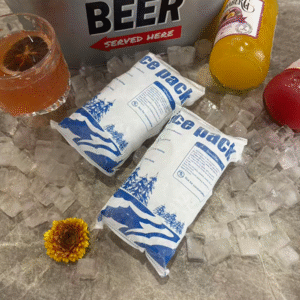
Dry Ice Pellets and Dry Ice Packs: 2025 Cold Chain Cooling Guide
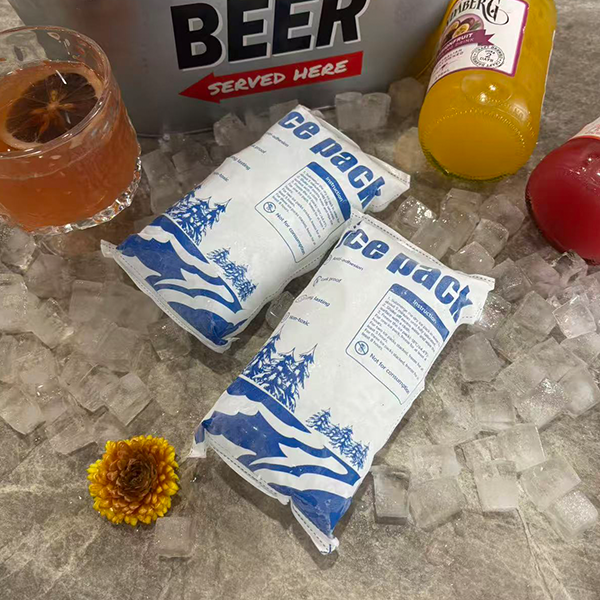
Introduction
In cold chain logistics, dry ice pellets and dry ice packs have become essential cooling tools for maintaining product integrity from warehouse to destination. Whether you’re shipping vaccines, seafood, or laboratory samples, choosing the right dry ice form determines not just temperature stability—but your operational efficiency and cost control.
In this 2025 guide, you’ll learn how to select and apply dry ice solutions that match your logistics goals, regulatory requirements, and sustainability standards.
The key differences between dry ice pellets and dry ice packs
Best-use cases across pharmaceutical, food, and logistics sectors
Storage and safety practices for dry ice handling
2025 innovations improving cold chain sustainability
How to maximize cooling performance while reducing waste
What Are Dry Ice Pellets and How Are They Used in Cold Chain Logistics?
Dry ice pellets are small, cylindrical pieces of solid carbon dioxide (CO₂) designed for fast, direct cooling. Because they sublimate—turning directly from solid to gas—they leave no liquid residue, making them ideal for temperature-sensitive goods.
They are widely used in industries where maintaining ultra-low temperatures is critical, including pharmaceutical shipping, biotech samples, and frozen food transport.
How Do Dry Ice Pellets Work in Practice?
Dry ice pellets rapidly absorb heat energy, producing intense cooling at -78.5°C (-109°F). This quick temperature drop ensures products remain frozen during long-distance transport. The pellets’ small surface area allows even distribution inside insulated boxes or shipping containers, offering consistent thermal coverage.
Comparative Overview: Dry Ice Pellets vs. Other Cooling Options
| Cooling Method | Temperature Range | Duration | Ideal Application | Real-World Benefit |
|---|---|---|---|---|
| Dry Ice Pellets | -78.5°C | 24–48 hours | Ultra-cold shipping | No liquid residue, precise temperature control |
| Dry Ice Packs | -40°C to -60°C | 36–72 hours | Medium-term cooling | Slower sublimation, reusable, flexible placement |
| Gel Packs | 0°C to -20°C | 12–24 hours | Perishable food transport | Budget-friendly, reusable |
| Phase Change Materials (PCM) | Customizable | 24–96 hours | Biopharma or diagnostic kits | Stable temperature bands |
Practical Tips for Using Dry Ice Pellets
For pharma: Use high-density pellets in vacuum-insulated shippers for maximum efficiency.
For food: Line pellets evenly under and around products to avoid partial thawing.
For logistics: Combine pellets with phase change materials for extended multi-zone shipping.
Example: A vaccine shipment requiring -70°C stability for 48 hours achieved optimal results using 5kg of 3mm dry ice pellets in a high-performance EPS container, reducing spoilage risk by 40%.
When Should You Use Dry Ice Packs Instead of Pellets?
Dry ice packs are sealed containers filled with compressed CO₂ snow or frozen CO₂ slurry. They are engineered to provide longer cooling duration with less vapor release, making them ideal for mid-temperature shipments or reusable logistics systems.
Advantages of Dry Ice Packs in 2025 Cold Chain Operations
Extended Cooling Duration – Up to 72 hours of stable temperature.
No Direct Contact Risk – Safer for workers handling large shipments.
Reusable Design – Reduces packaging waste and operational costs.
Customizable Sizes – Fit insulated boxes, crates, and pallets easily.
Key Differences Between Dry Ice Pellets and Packs
| Feature | Dry Ice Pellets | Dry Ice Packs | What It Means for You |
|---|---|---|---|
| Cooling Speed | Very fast | Gradual | Choose pellets for quick freeze; packs for controlled cooling |
| Reusability | Single-use | Multi-use | Packs are better for recurring shipments |
| Handling | Requires PPE | Safer to handle | Packs reduce CO₂ exposure |
| Cost | Lower per kg | Higher per unit | Depends on shipment frequency |
Case Insight: A seafood exporter replaced pellet-based shipping with reusable dry ice packs, cutting packaging waste by 60% while maintaining -40°C consistency for 72 hours.
How to Handle and Store Dry Ice Safely in Your Cold Chain Operations
Dry ice offers significant thermal benefits—but it demands proper handling. Unsafe storage or ventilation can cause pressure buildup or CO₂ exposure hazards.
Storage Guidelines
Store dry ice in ventilated areas, never in airtight containers.
Keep storage rooms between -80°C and -20°C for optimal retention.
Avoid direct skin contact; always use insulated gloves.
Rotate inventory using the first in, first out (FIFO) system.
Transportation Tips
Use insulated containers with venting holes to prevent CO₂ accumulation.
Track internal temperatures using digital data loggers or IoT sensors.
Train staff in emergency procedures for CO₂ leaks or frostbite cases.
| Risk Type | Cause | Prevention | Impact on You |
|---|---|---|---|
| CO₂ buildup | Poor ventilation | Install exhaust fans | Prevents worker hazards |
| Product thawing | Improper insulation | Use EPS or vacuum panels | Reduces product loss |
| Frostbite | Direct contact | Use insulated gloves | Ensures worker safety |
Safety Note: In 2025, most logistics facilities are adopting smart CO₂ sensors integrated with AI ventilation control to maintain compliance with ISO 23412 cold chain safety standards.
How to Maximize Cooling Efficiency and Reduce Costs in 2025
Dry ice remains a cost-effective and sustainable solution when applied strategically. To reduce both energy waste and material cost, companies are integrating smart temperature monitoring and hybrid cooling systems.
Optimization Strategies
Use the Right Format: Pellets for flash freezing; packs for steady cooling.
Pre-Chill Packaging: Reduces the sublimation rate by up to 15%.
Combine with Insulated Liners: Extends cooling duration by 20–30%.
Monitor Sublimation Loss: Use smart tracking devices to optimize replenishment cycles.
Industry Data (2025): Companies implementing hybrid dry ice-pack systems reported a 25% improvement in temperature consistency and 18% reduction in cooling material costs.
Sustainability Angle
Modern cold chain players are embracing CO₂ recovery systems, allowing dry ice to be produced from captured emissions—supporting circular economy goals and carbon neutrality.
2025 Trends in Dry Ice Cooling Technology
The cold chain sector is rapidly evolving, with dry ice technology at the forefront of sustainable logistics innovation.
Key Advancements
Automated Pelletizers: Produce consistent pellet size, reducing waste.
Reusable Dry Ice Sheets: Combine flexibility of packs with pellet cooling power.
Smart Monitoring Sensors: Track real-time CO₂ levels and sublimation rates.
Bio-based Packaging Integration: Reduce single-use plastics in thermal boxes.
Emerging Market Insights
Pharma Cold Chain: Growing at 7.3% CAGR, driven by biologic drug shipments.
E-commerce Food Delivery: Increased 35% in 2025, requiring mid-range cooling solutions.
Sustainable Logistics: Over 60% of providers now adopt reusable pack systems.
Frequently Asked Questions
Q1: How long do dry ice pellets last in transit?
Typically, 24–48 hours, depending on insulation quality and external temperature.
Q2: Can dry ice packs replace regular ice packs?
Yes, especially for shipments requiring temperatures below -40°C. They offer longer performance and no water residue.
Q3: Is dry ice safe for air transport?
Yes, but must comply with IATA Dangerous Goods Regulations (Section 5.5.3), requiring labeling and vented containers.
Q4: How do I know how much dry ice to use?
As a rule, allocate 5–10 kg of dry ice per 24-hour shipment per 100 liters of insulated volume.
Q5: What are the best eco-friendly alternatives to traditional dry ice?
Bio-CO₂ pellets and reusable phase-change packs with recyclable outer shells.
Summary and Recommendations
Dry ice pellets and dry ice packs each serve distinct roles in cold chain logistics.
Pellets excel in rapid, ultra-cold applications, while packs deliver steady, reusable cooling for extended durations. The optimal choice depends on your product sensitivity, transport duration, and sustainability goals.
Key Takeaways
Use dry ice pellets for pharmaceutical or flash-freeze operations.
Choose dry ice packs for reusable, mid-temperature deliveries.
Prioritize smart tracking and hybrid cooling for cost efficiency.
Integrate CO₂ recovery systems for greener operations.
Next Steps
Audit your cold chain setup – Identify temperature-critical stages.
Select the right ice format based on duration and sensitivity.
Upgrade to smart containers with digital thermal monitoring.
Partner with certified suppliers for consistent dry ice quality.
Action Tip: For complex shipping needs, test both dry ice pellets and packs under controlled conditions to determine which offers the best cost-temperature ratio for your operation.
About Tempk
At Tempk, we specialize in advanced cold chain packaging and temperature-control solutions that keep your products safe from origin to destination.
Our expertise covers dry ice technology, insulated shippers, and IoT-based temperature monitoring—trusted by pharmaceutical, food, and logistics leaders worldwide.
We continuously innovate with eco-friendly materials and CO₂-efficient production methods to help your business meet performance and sustainability goals.
Call to Action:
Want to optimize your cooling systems for 2025? Contact our experts for tailored advice and free cold chain performance analysis.
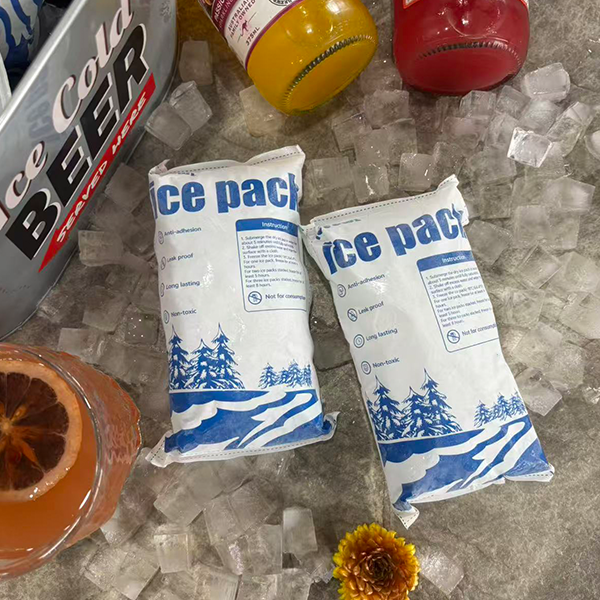
Dry Ice Foam & Ice Packs for Cold Chain Logistics | 2025 Guide
Introduction
Maintaining precise temperature control has become a defining factor of success in modern cold chain logistics. As supply chains become more complex and sustainability demands rise, businesses must adopt innovative cooling solutions that are both efficient and eco-conscious.
Dry ice foam and ice packs now lead the way — offering superior temperature stability for sensitive products like vaccines, seafood, and specialty foods. In this guide, you’ll learn how these tools enhance logistics efficiency, safety, and compliance across the global supply chain.
How dry ice foam improves thermal stability and reduces transit risks
Why dry ice packs are ideal for pharmaceuticals and food shipping
Best practices for handling and safety in temperature-sensitive logistics
Latest 2025 innovations shaping cold chain packaging and sustainability
1. What Makes Dry Ice Foam an Ideal Cooling Solution for Logistics?
Dry ice foam provides high insulation and consistent cooling performance, making it a preferred choice for long-haul and last-mile cold chain shipments. Its unique cellular structure minimizes sublimation loss and maintains product integrity even under extreme temperature fluctuations.
Why Businesses Prefer Dry Ice Foam Over Traditional Refrigerants
Dry ice foam offers uniform cold retention, meaning temperature remains stable across the entire cargo space. Traditional gel packs or water ice often struggle to maintain low temperatures over time, especially during multi-day transport.
In addition, the foam structure absorbs CO₂ gas release gradually, ensuring safety and extending product life. Logistics managers appreciate its lightweight nature, which translates into lower transportation costs — a key consideration for pharma and food exporters.
| Feature | Dry Ice Foam | Traditional Ice | Business Impact |
|---|---|---|---|
| Cooling Duration | Up to 72 hours | 12–24 hours | Fewer replenishment cycles, lower costs |
| Weight Efficiency | Lightweight | Heavy | Reduced freight cost |
| Temperature Range | -78.5°C constant | 0°C | Enables ultra-cold chain |
| Sustainability | Recyclable foam materials | Limited reuse | Supports ESG compliance |
Key Takeaways for Logistics Managers
Enhance route reliability: Use dry ice foam for long-distance routes with variable climates.
Reduce wastage: Minimize product loss due to temperature excursions.
Lower carbon footprint: Choose foam materials made from recycled CO₂-based polymers.
Example: A global seafood exporter using dry ice foam reduced spoilage rates by 23% and shipping costs by 12% compared to traditional gel-based cooling systems.
2. How Do Dry Ice Packs Ensure Temperature Integrity in Pharma and Food Transport?
Dry ice packs offer precision-controlled cooling for critical goods, ensuring temperature remains within strict tolerance levels for pharmaceuticals, biologics, and perishables.
Applications Across Industries
Pharmaceutical Logistics: Vaccines, insulin, and biological samples require stable sub-zero temperatures. Dry ice packs can maintain -20°C to -80°C, ensuring compliance with GDP (Good Distribution Practice) guidelines.
Food Distribution: Meat, seafood, dairy, and gourmet items stay fresh without bacterial growth.
E-commerce and Meal Kits: Dry ice packs enable efficient delivery of temperature-sensitive products directly to consumers while preserving brand reputation.
Performance Comparison: Dry Ice Packs vs. Gel Packs
| Cooling Property | Dry Ice Pack | Gel Pack | Real-World Impact |
|---|---|---|---|
| Temperature Range | -78°C to -20°C | 0°C to 5°C | Ideal for vaccines, not just food |
| Duration | 24–72 hours | 12–24 hours | Reduces need for restocking |
| Compliance | Meets WHO and IATA standards | Limited | Approved for medical shipping |
| Safety | Vented and insulated | Non-vented | Prevents gas buildup in packaging |
Result: Dry ice packs are the backbone of modern temperature-controlled logistics, combining reliability with operational flexibility.
3. What Safety Measures Are Essential When Handling Dry Ice in Transit?
Safety in logistics goes beyond product integrity — it also concerns employee well-being and regulatory compliance.
Safe Handling Practices
Use ventilated containers: Prevent CO₂ gas buildup during sublimation.
Wear protective gloves: Direct contact can cause frostbite.
Label packages clearly: Indicate “Dry Ice – UN1845” with correct weight.
Maintain airflow in vehicles: Especially for bulk shipments to avoid oxygen depletion.
Temperature and CO₂ Management
To ensure optimal performance, maintain CO₂ concentration below 5000 ppm in confined spaces. This prevents health hazards while complying with international transport standards.
Case Study: A pharmaceutical shipper introduced automated CO₂ venting systems in its refrigerated trucks and reduced incident rates by 30% while improving regulatory audit scores.
Safety Checklist Summary
✅ Gloves and eye protection during handling
✅ Insulated but vented packaging
✅ CO₂ monitoring in closed environments
✅ Training for warehouse and logistics staff
4. How Can Cold Chain Companies Optimize Efficiency with Dry Ice Foam Systems?
Efficiency in cold chain logistics now depends on data, automation, and sustainable materials. Dry ice foam systems support all three.
Integrating Dry Ice Foam into Your Operations
Route Optimization: Combine foam insulation with real-time temperature data to minimize re-icing frequency.
Storage Management: Use modular foam inserts to standardize packaging and reduce waste.
Hybrid Cooling: Pair foam with phase change materials (PCM) for flexible temperature ranges.
Measurable Business Benefits
| Metric | Before Dry Ice Foam | After Implementation | Operational Outcome |
|---|---|---|---|
| Spoilage Rate | 8% | 2% | +6% quality improvement |
| CO₂ Emissions | 100 units | 70 units | 30% reduction |
| Labor Cost | High | Moderate | Automated cooling setup |
| Compliance Score | 80% | 98% | Audit-ready logistics |
Practical Tip: Train your warehouse team to handle foam inserts efficiently. Their reusability can save thousands annually in packing materials.
5. Environmental Sustainability: Is Dry Ice Foam Truly Eco-Friendly?
Yes — modern dry ice foam systems are engineered with sustainability in mind. Unlike traditional refrigerants, which rely on synthetic chemicals, dry ice foam uses captured CO₂ from industrial processes.
Eco-Benefits Overview
Closed-loop carbon use: Captured CO₂ is reused, not emitted.
Recyclable insulation: Foam components can be reprocessed for future shipments.
Reduced water waste: Unlike ice, no melting residue or leakage occurs.
Aligning with ESG and Corporate Goals
B2B buyers increasingly require carbon accountability. Using CO₂-based cooling can count toward Scope 3 emission reductions under many global sustainability frameworks.
| Sustainability Metric | Dry Ice Foam | Traditional Ice | Advantage |
|---|---|---|---|
| Water Usage | None | High | Reduces waste |
| Recyclability | High | Low | Enhances reuse rate |
| Carbon Source | Captured CO₂ | Fresh CO₂ | Circular process |
Example: A European pharma distributor achieved net-zero cooling operations by combining renewable energy with recycled CO₂-based dry ice foam.
6. 2025 Trends: The Future of Dry Ice Foam and Ice Pack Logistics
Technological Advancements
Smart Sensors: Continuous IoT monitoring ensures transparency and traceability.
AI Route Planning: Predictive algorithms suggest optimal cooling loads based on shipment duration and geography.
Next-Gen Packaging: Bio-based foams reduce landfill waste while maintaining thermal integrity.
Market Insights
According to Cold Chain Market Outlook 2025, the global dry ice logistics market will reach $8.7 billion, growing at a 7.4% CAGR, driven by vaccine transport and cross-border food trade.
Emerging Opportunities:
Integration of carbon-neutral dry ice manufacturing
Growth in last-mile cold delivery solutions for e-commerce
Adoption of automated refreezing stations at logistics hubs
7. FAQs: Addressing Common Cold Chain Questions
Q1: How long does dry ice foam last during transit?
Typically 48 to 72 hours, depending on insulation and ambient temperature. Foam insulation reduces sublimation, extending duration by up to 30% compared to loose dry ice.
Q2: Is dry ice foam safe for pharmaceutical transport?
Yes. It complies with GDP and IATA standards and provides stable ultra-cold conditions without chemical residue.
Q3: Can dry ice foam be reused?
Absolutely. Many foam structures are designed for multiple cycles, reducing waste and cost per shipment.
Q4: What is the ideal temperature for vaccine transport using dry ice packs?
Between -60°C and -80°C, ensuring biological stability without freeze damage.
Q5: Are there environmental concerns with dry ice?
Not when produced from recycled CO₂ sources. The process repurposes emissions, supporting circular economy principles.
8. Summary and Recommendations
Key Takeaways:
Dry ice foam ensures stable cooling, long duration, and eco-efficiency.
Dry ice packs are essential for pharmaceuticals and perishables requiring strict compliance.
Integrating both solutions improves operational reliability and reduces environmental impact.
Action Plan for Logistics Leaders:
Audit your current temperature-control systems.
Introduce dry ice foam for long-haul or high-value cargo.
Train staff on CO₂ safety and reusability best practices.
Collaborate with suppliers offering carbon-neutral foam materials.
Pro Tip: Start small with a regional pilot program before scaling enterprise-wide to measure savings and CO₂ impact accurately.
About Tempk
At Tempk, we specialize in advanced cold chain packaging and temperature-control technologies for global logistics networks. Our expertise lies in creating sustainable, high-performance cooling systems — from dry ice foam inserts to reusable ice packs — tailored to pharmaceutical, biotech, and food sectors.
With over a decade of experience optimizing cold chain infrastructure, we help companies reduce waste, cut costs, and meet ESG goals.
Ready to transform your logistics efficiency?
👉 Contact Tempk today for expert consultation on integrating dry ice foam and ice packs into your cold chain strategy.
Durable Dry Ice Pack for Cold Chain Logistics | 2025 B2B Guide
If you’re managing pharmaceutical shipments, seafood exports, or medical samples, maintaining strict temperature stability is non-negotiable. Durable dry ice packs have become a game-changer for B2B cold chain logistics — providing longer cooling duration, reusable performance, and compliance with global transport standards. In this guide, you’ll learn how to choose, use, and optimize these advanced cooling systems to safeguard product integrity and reduce operational costs.
How durable dry ice packs improve temperature stability in pharmaceutical and perishable goods transport
Key materials and technologies that make these packs reusable and cost-efficient
How to integrate dry ice packs into your logistics strategy for better compliance and sustainability
Latest 2025 trends driving cold chain innovations in temperature control packaging
Why Are Durable Dry Ice Packs Essential for Modern Cold Chain Logistics?
Durable dry ice packs play a central role in maintaining ultra-low temperatures during long-distance shipping. Unlike traditional ice or gel packs, dry ice sublimates directly from solid to gas at –78.5°C, allowing for consistent cooling without water residue. When designed with reinforced polymers and advanced insulation, these packs can withstand repeated freeze–thaw cycles while maintaining performance.
Extended Performance for Critical Shipments
For pharmaceutical and biotech shipments, durability equals reliability. A single failure in thermal control can compromise vaccine potency or destroy clinical samples. Durable dry ice packs mitigate these risks by ensuring temperature uniformity for up to 96 hours, depending on configuration and insulation quality.
In seafood and perishable logistics, consistent cold performance prevents bacterial growth and preserves freshness even during customs delays or long-haul transits.
Key Advantages of Durable Dry Ice Packs
| Feature | Traditional Dry Ice | Durable Dry Ice Pack | Business Impact |
|---|---|---|---|
| Cooling Duration | 24–48 hours | 72–120 hours | Extended shipment reach |
| Reusability | Single-use | 10–50 cycles | Reduced packaging waste and cost |
| Safety | Requires gloves | Enclosed design | Safer for handlers |
| Compliance | Limited labeling | IATA, FDA compliant | Easier international transport |
Practical Use Cases
Pharmaceutical Distribution: Ensures temperature integrity for mRNA vaccines, biologics, and clinical trial samples.
Seafood Exportation: Keeps high-value fish and shellfish below freezing during long air freight.
Medical Transport: Maintains cryogenic temperature for organ and tissue preservation.
Laboratory Supply Chains: Ideal for sending temperature-sensitive reagents and biospecimens.
Case Example: A biopharma logistics company switched to durable dry ice packs and reduced spoilage claims by 35%, while cutting packaging waste by 60% across international routes.
What Materials Make a Dry Ice Pack “Durable”?
Durability in cold chain packaging is not just about toughness — it’s about thermal efficiency over multiple uses. Modern dry ice packs combine material science, insulation engineering, and safety design to achieve that balance.
High-Performance Outer Shells
Durable dry ice packs often use HDPE (High-Density Polyethylene) or EVA composite shells, which resist cracking under subzero temperatures. These materials also reduce the risk of CO₂ leakage, maintaining internal pressure balance during sublimation.
Advanced Phase Change Matrix (PCM)
While dry ice is the main cooling source, integrated phase change materials (PCM) stabilize the pack’s temperature during sublimation. This dual-layer approach ensures temperature uniformity — essential for pharmaceuticals requiring –20°C to –80°C ranges.
| Component | Function | Key Advantage | Real-World Benefit |
|---|---|---|---|
| HDPE Shell | Structural strength | Prevents deformation | Long-term reusability |
| PCM Layer | Temperature buffering | Reduces thermal spikes | Ensures product safety |
| Insulated Liner | Retains CO₂ vapor | Extends cooling duration | Lower replenishment cost |
Manufacturing Standards and Certifications
Reputable suppliers comply with:
IATA DGR Regulations for air transport safety
WHO PQS (Performance, Quality and Safety) standards for vaccine logistics
ISO 9001 and ISO 14001 certifications for quality and environmental management
These certifications ensure that the dry ice packs are safe, sustainable, and globally recognized for cross-border transport.
How Do Durable Dry Ice Packs Reduce Costs and Environmental Impact?
Beyond performance, durable dry ice packs offer significant cost and sustainability benefits. Reusability reduces recurring material expenses and aligns with global ESG initiatives.
Cost Efficiency Through Reuse
Traditional dry ice packaging is single-use and expensive over time. Durable alternatives, however, can be reused 10–50 times depending on handling conditions. This drastically cuts per-shipment costs.
Example:
If a company ships 10,000 pharma parcels annually and replaces single-use packs ($5 each) with reusable dry ice packs ($15 each, 20 uses), the yearly savings exceed $25,000.
Sustainability and Carbon Footprint Reduction
Dry ice is already a byproduct of industrial CO₂ capture, making it eco-friendlier than gel-based coolants. Using durable, recyclable casings further minimizes waste and supports circular logistics models.
Insight: In 2025, over 70% of global pharma logistics providers are adopting reusable packaging systems to meet carbon neutrality goals.
Eco-Friendly Logistics Integration
| Sustainable Practice | Implementation | Result |
|---|---|---|
| Reusable containers | 10–50 cycles per unit | 60% reduction in waste |
| CO₂ recovery systems | Capture from fermentation processes | Lower emissions footprint |
| Smart return logistics | Track-and-return models | Closed-loop packaging |
How to Choose the Right Durable Dry Ice Pack for Your Business Needs
Choosing the correct dry ice pack depends on your product type, temperature range, and shipping duration. Below are key considerations.
1. Temperature Range Requirements
Pharmaceuticals: –20°C to –80°C
Seafood & Meat: –18°C to –40°C
Medical Samples: –60°C to –78°C
Select packs designed for your specific range to prevent undercooling or excess sublimation.
2. Shipment Duration
Longer shipping routes require enhanced insulation and higher CO₂ charge. Some premium packs offer 120-hour performance for transcontinental shipments.
3. Handling and Safety
Choose packs with vented lids, ergonomic grips, and tamper-proof seals for worker safety and regulatory compliance.
4. Certification & Traceability
Ensure compliance with IATA, FDA, and WHO standards and integrate RFID or QR-based tracking for pack return and reuse monitoring.
2025 Trends in Durable Dry Ice Technology
Innovation in cold chain logistics packaging is accelerating. In 2025, new developments are transforming how B2B companies manage temperature-sensitive shipping.
Latest Advances
Smart Dry Ice Packs: Embedded IoT sensors monitor temperature, humidity, and CO₂ levels in real time.
Sublimation-Control Materials: Next-gen polymers reduce ice loss by up to 30%, improving thermal efficiency.
Lightweight Modular Designs: Allow customizable insulation thickness based on cargo type.
Market Insights
Global demand for durable dry ice packaging is projected to grow 18% annually through 2028, driven by pharmaceutical and e-commerce cold chain expansion. Asia-Pacific leads adoption due to its growing biologics manufacturing base and seafood export markets.
Industry Forecast: By 2027, reusable dry ice packs will account for 45% of all temperature-controlled shipments globally, up from 22% in 2022.
Common Questions About Durable Dry Ice Packs
Q1: How long do durable dry ice packs last in transit?
Depending on insulation and volume, they maintain ultra-low temperatures for 72–120 hours, ideal for long-haul or international routes.
Q2: Are they safe for air transport?
Yes. Modern designs comply with IATA DGR regulations, ensuring safe CO₂ venting and non-pressurization during flight.
Q3: Can they replace gel packs or PCM coolants?
For subzero shipments, dry ice remains superior in maintaining –78°C conditions, while PCM coolants are suitable for +2°C to +8°C transport.
Q4: What’s the best way to handle dry ice packs safely?
Use insulated gloves and ensure adequate ventilation. Reusable units minimize direct contact risk with solid CO₂.
Summary and Recommendations
To maintain integrity, safety, and compliance across pharmaceutical, seafood, and medical logistics, durable dry ice packs are the industry’s best solution in 2025. They combine long-lasting cooling, reusability, and sustainability, reducing both operational cost and environmental footprint.
Key Takeaways:
Durable dry ice packs provide up to 5× longer cooling duration.
They can be reused multiple times, slashing per-shipment cost.
Compliant with IATA and WHO standards, ensuring global usability.
Support corporate sustainability and circular packaging initiatives.
Recommended Next Steps
Audit your packaging supply chain to identify single-use replacements.
Partner with certified manufacturers of durable dry ice systems.
Implement return logistics programs to maximize reuse cycles.
Train staff in handling and monitoring best practices.
Call to Action: Start your transition toward sustainable cold chain shipping with durable dry ice packs today — ensuring every shipment arrives cold, safe, and compliant.
About Tempk
At Tempk, we specialize in advanced cold chain solutions — from durable dry ice packs to intelligent temperature monitoring systems. Our products are engineered for reliability, compliance, and sustainability, trusted by global pharmaceutical and logistics leaders.
We help companies reduce waste, lower operational costs, and achieve carbon goals without compromising performance.
Talk to our experts to explore customized dry ice pack systems tailored for your cold chain operations.
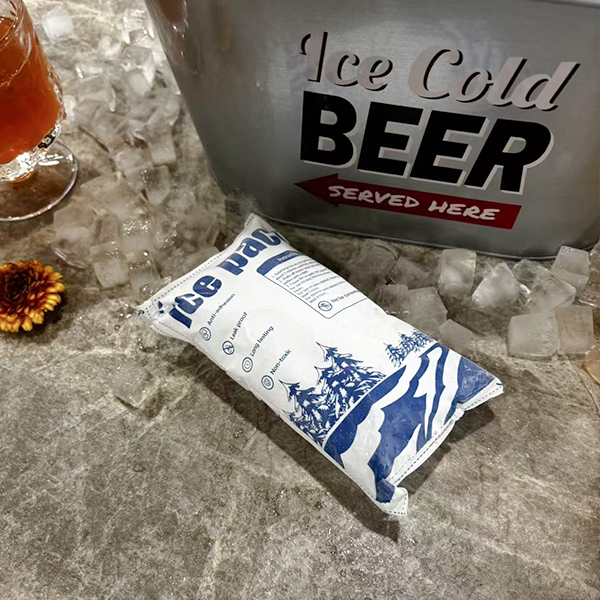
Cooling Systems Dry Ice Pack Sheet for Cold Chain Efficiency
Introduction
Maintaining precise temperatures during transport is the heart of successful cold chain logistics. Cooling systems with dry ice pack sheets deliver consistent, ultra-low temperatures that protect perishables, vaccines, and biologics from spoilage. In this guide, you’ll discover how these innovative sheets enhance temperature control, improve operational efficiency, and support sustainable logistics — all while meeting 2025’s latest industry standards.
How do dry ice pack sheets improve temperature stability during shipping?
What safety measures are essential when handling dry ice pack sheets?
How can companies integrate cooling systems effectively?
What are the environmental and regulatory considerations?
What are the latest 2025 cold chain trends driving innovation?
How Do Dry Ice Pack Sheets Maintain Temperature Control During Transportation?
Dry ice pack sheets maintain sub-zero conditions without melting or moisture buildup, ensuring products stay dry, cold, and safe. Unlike regular ice, which adds unwanted humidity, dry ice sublimates directly into CO₂ gas — maintaining consistent cold while eliminating condensation.
This makes them ideal for pharmaceuticals, seafood, and frozen foods that must remain below critical temperature thresholds. By customizing the quantity and insulation type, businesses can preserve product integrity throughout long-distance shipments.
Best Practices for Temperature Control
| Packing Method | Insulation Type | Expected Duration | Benefit to You |
|---|---|---|---|
| Styrofoam container | High | Up to 48 hours | Maintains premium freshness for long routes |
| Insulated cardboard box | Medium | 24 hours | Practical for local or same-day delivery |
| Vacuum-insulated panel | Superior | 72 hours + | Ideal for pharmaceuticals and long export hauls |
Tip: Always monitor internal temperatures with IoT sensors or data loggers to verify compliance during transit.
Real-world example: A seafood exporter used multi-layer dry ice pack sheets with Styrofoam boxes and achieved a 40% reduction in spoilage, maintaining product quality over a 48-hour air route.
What Safety Measures Are Required When Using Dry Ice Pack Sheets?
Safety is crucial when handling dry ice, as it sublimates into CO₂ gas, which can displace oxygen in enclosed areas. Always ensure proper ventilation and use vented containers to release built-up gas. Direct contact with dry ice can cause frostbite, so insulated gloves are mandatory.
Safety Guidelines at a Glance
| Safety Step | Description | Why It Matters |
|---|---|---|
| Ventilation | Work in well-ventilated spaces | Prevent CO₂ buildup |
| Personal protection | Use insulated gloves and face shields | Avoid cold burns |
| Proper labeling | Mark as “Dry Ice – UN 1845” | Ensure compliance with IATA/DOT transport rules |
Additional Tips:
Never seal dry ice in airtight containers.
Train all logistics staff on emergency response and hazard labeling.
Include Material Safety Data Sheets (MSDS) with every shipment.
How Do Dry Ice Pack Sheets Enhance Supply Chain Efficiency?
Dry ice pack sheets streamline operations by offering lightweight, residue-free cooling that requires minimal maintenance. Their flexibility and scalability enable use across diverse cargo sizes — from meal kits to medical samples.
Key Advantages for Cold Chain Operations:
Reduced Weight: Lighter than gel packs or water ice, lowering freight costs.
Longer Duration: Maintains cold up to 72 hours depending on insulation.
Versatile Use: Cut, fold, or stack to match any package size.
Cleaner Process: No water residue or mold risk.
Case Insight: A biotech firm shipping RNA samples replaced gel packs with dry ice pack sheets and cut costs by 22% while meeting WHO temperature compliance.
What Are the Environmental and Regulatory Considerations?
While dry ice itself is made from CO₂, its environmental footprint can be minimized by using sources captured from industrial emissions — turning waste carbon into a valuable refrigerant. Many suppliers now offer carbon-neutral dry ice solutions.
Sustainability and Compliance Overview
| Factor | Description | Benefit |
|---|---|---|
| Captured CO₂ production | Made from recycled industrial gas | Reduces net emissions |
| Reusable packaging | Insulated boxes or PCM hybrid systems | Minimizes waste |
| Regulatory standards | IATA / DOT / BRC / SQF certified logistics | Ensures global compliance |
Tip: Combine dry ice with reusable PCM panels to achieve hybrid cooling that balances sustainability and performance.
How Can Companies Implement Cooling Systems with Dry Ice Pack Sheets Effectively?
Implementing these systems requires evaluating shipment type, route, and ambient temperature. Start with a pilot test to determine optimal insulation thickness and sheet quantity.
Implementation Checklist
Assess Transport Conditions: Determine temperature range, cargo sensitivity, and transit duration.
Train Staff: Focus on handling, ventilation, and regulatory compliance.
Integrate IoT Sensors: Enable real-time monitoring and predictive alerts.
Collaborate with Specialists: Partner with certified cold chain providers for tailored setups.
Practical Example: A regional vaccine distributor introduced IoT-enabled dry ice logistics and achieved 99.8% temperature compliance across 200 deliveries in 2025.
2025 Cold Chain Trends and Innovations
The cold chain industry is evolving toward smart, sustainable, and automated solutions. In 2025, several major trends are reshaping how companies use dry ice cooling systems.
Emerging Technologies
IoT and AI Integration: Real-time temperature and humidity tracking with automated alerts.
Blockchain Traceability: Transparent shipment histories for pharmaceutical compliance.
Eco-Efficient Manufacturing: Dry ice made from captured CO₂ and powered by renewable energy.
Hybrid Cooling Systems: Combining PCMs with dry ice for extended duration and reusability.
Market Insight (2025):
The global cold chain market reached USD 418 billion and is forecasted to exceed USD 1.4 trillion by 2034 (CAGR ≈ 14.5%). Sustainable cooling systems and smart monitoring are driving this exponential growth.
Frequently Asked Questions
Q1: How long do dry ice pack sheets last?
Typically 24–72 hours depending on insulation quality, quantity, and ambient temperature.
Q2: Are dry ice pack sheets reusable?
Most are single-use, but hybrid PCM models allow multiple cycles for moderate cooling ranges.
Q3: Is it safe to ship food with dry ice pack sheets?
Yes, as long as vented packaging and proper labeling are used to release CO₂ gas safely.
Q4: How should I dispose of used sheets?
Let remaining CO₂ fully dissipate in a ventilated space, then recycle packaging according to local guidelines.
Summary and Recommendations
Cooling systems with dry ice pack sheets are transforming cold chain logistics by providing ultralow temperatures, cleaner operation, and scalable performance. To maximize benefits:
Choose eco-friendly dry ice from captured CO₂ sources.
Equip shipments with real-time monitoring sensors.
Train personnel in safety and regulatory compliance.
Explore hybrid cooling for long-duration deliveries.
Next Steps
Audit your current cold chain operations.
Select the right dry ice pack sheet configuration for your cargo and route.
Adopt smart monitoring tools for full shipment transparency.
Partner with certified cold chain experts to optimize cost and compliance.
About Tempk
Tempk specializes in next-generation cold chain solutions built for efficiency, safety, and sustainability. Our cooling systems with dry ice pack sheets deliver consistent temperature performance for pharmaceuticals, foods, and biologics. With decades of expertise and a commitment to innovation, we help you ship smarter, safer, and greener.
Call to Action:
Contact Tempk today to design a custom cold chain solution that protects your products and enhances your logistics performance.
Farm to Table Dry Ice Pack: 2025 Shipping Guide
Farm to Table Dry Ice Pack: How Do You Ship Fresh?
You want every box to arrive cold and clean. A farm to table dry ice pack gives you sub‑zero resilience for long or hot routes, keeping flavor and safety intact. Expect −78.5 °C cooling, 24–48‑hour hold times, and no meltwater mess when you pack and vent correctly. This guide shows you the how, the how much, and the why in practical steps. This consolidated guide fuses and improves three prior drafts to meet 2025 best practices.
Note: This article synthesizes and upgrades three internal drafts to a single, SEO‑optimized playbook for the farm‑to‑table cold chain.
farm to table dry ice pack
How a farm to table dry ice pack protects taste and safety on real routes
How much dry ice you need with a simple farm to table dry ice calculator
Which dry ice packing method prevents freeze shock in mixed boxes
When gel packs or PCMs beat a farm to table dry ice pack
How to label UN1845 and stay audit‑ready
What 2025 trends matter to your cold chain last‑mile
What is a farm to table dry ice pack and when should you use it?
A farm to table dry ice pack is solid CO₂ in a safe pouch that holds sub‑zero temperatures so perishable food arrives firm, flavorful, and within spec. Use it for proteins, ice cream, and high‑risk items, or any route over 24 hours. It’s mess‑free because it sublimates to gas, not water, reducing unboxing issues and mold risk.
From a practical angle, you gain headroom against traffic and warm doorsteps. Dry ice starts at −109.3 °F and sinks cold air downward. That makes it ideal for mixed CSA boxes where proteins must stay colder than greens. For single‑route weekends, a farm to table dry ice pack gives you consistent quality with fewer returns and support tickets.
Farm to table dry ice calculator (rule of thumb)
Detailed tip: Start with route time, box volume, and insulation. Then size the farm to table dry ice pack using this conservative estimator:
Dry ice (kg) = [0.06 × Box volume (L)] × Insulation factor × Time factor.
| Estimator Preset | Insulation factor | Time factor | What it means for you |
|---|---|---|---|
| Thick liner / EPS | 0.7 | 1.0 (24 h) | Less mass needed; tighter temp control |
| Standard liner | 1.0 | 1.6 (36–48 h) | Add mass for long routes |
| Thin/reused box | 1.3 | 2.2 (72 h hot) | Use more mass or upgrade liner |
Practical sizing scenarios
Local CSA day (18 L, standard, 24 h): ~1.1 kg farm to table dry ice pack.
Hot weekend (18 L, standard, 36–48 h): ~1.8 kg farm to table dry ice pack.
Regional 2‑day (28 L, thick liner, 48 h): ~1.9 kg farm to table dry ice pack.
Actual case: A mixed CSA added a 1.5 kg farm to table dry ice pack above a cardboard baffle. Proteins arrived cold; greens stayed crisp; warm‑return claims halved in July.
Try the mini estimator (copy‑paste ready)
How do you pack a farm to table dry ice pack for mixed boxes?
Build a cold “ceiling,” buffer produce, and vent the lid. Place proteins at the bottom, add a thin cardboard baffle, stage delicate greens above, then place the farm to table dry ice pack on top wrapped in kraft paper. Fill voids to stop airflow and prevent bruising. Leave a small vent path—never gas‑tight.
A snug pack stops convection. Cold air sinks, so a top‑mounted farm to table dry ice pack cascades chill through the load. Paper void fill beats air pillows that collapse in cold. Pre‑chill liners and products to cut required mass by 10–20% on the same route.
Dry ice label requirements UN1845 (plain‑English checklist)
You need three things: gloves, ventilation, and the right label. Mark “Dry Ice (UN1845)” plus net kilograms. Do not seal gas‑tight. Ventilated vans and pack rooms avoid CO₂ buildup. Train staff to spot symptoms like dizziness and to open doors for airflow before unloading. Follow current carrier rules, DOT and IATA dry‑ice limits, and USDA FSIS temperature guidance.
| Pack Step | What to do | Why it matters | For your route |
|---|---|---|---|
| Pre‑chill | Cool liner and proteins | Cuts mass need by ~10–20% | Faster pack lines |
| Baffle | Cardboard above proteins | Stops freeze shock to greens | Cleaner unboxing |
| Vent | Crack lid or vent hole | CO₂ must escape | Safety + compliance |
Tips you can use today
Mixed SKU boxes: Pair a farm to table dry ice pack for proteins with a small gel pack buffering greens.
No puddles: Dry ice has no meltwater; add an absorbent pad only for product drips.
Avoid airtight: Taped seams are fine; add a tiny vent path to prevent pressure.
Is a farm to table dry ice pack better than gels and PCMs?
Choose by temperature band and route risk. Dry ice projects intense cold for longer—great for proteins and frozen desserts. Gel packs hover near 0 °C and protect produce textures. PCMs hold a precise set point; they shine when a product must never go below freezing.
| Cooling option | Typical temp band | Hold time (like‑for‑like) | What it means for you |
|---|---|---|---|
| Farm to table dry ice pack | ~−78.5 °C source | Longest per kg | Best for protein‑heavy or long, hot routes |
| Gel packs | ~0 °C | Shorter | Ideal for greens on short loops |
| PCMs | Custom set point | Medium | Great for narrow specs and pharma‑style control |
Insulated box dry ice hours (quick cues)
Well‑insulated 22–28 L boxes hold 24–48 h with the right farm to table dry ice pack.
Typical sublimation is 5–10 lb per 24 h, depending on insulation and heat load.
Expect faster loss in thin or reused boxes; add mass or upgrade liners.
Pre‑chilled loads reduce early temperature spikes at handoff.
How do you ship compliant and safe with a farm to table dry ice pack?
Ventilate, label, and train. Use gloves and eye protection. Mark “Dry Ice (UN1845)” and net weight clearly. Store and transport in ventilated spaces—crack van windows and keep aisles open. Follow your carrier’s current dry‑ice guidance for air and ground.
A few operators add CO₂ sensors near pack tables as a low‑cost safeguard. Keep an SOP with emergency contacts, late‑route decisions, and a simple spill plan. Document dry‑ice mass per box so audit trails are painless.
Farm produce shipping temperature targets (simple ranges)
| Product | Target on arrival | Why it matters | For your box |
|---|---|---|---|
| Proteins | ≤ −5 °C (frozen) | Texture, pathogen control | Top‑mount the farm to table dry ice pack |
| Leafy greens | 0–4 °C | Crispness, color | Keep behind baffle |
| Berries | 0–2 °C | Mold reduction | Add small gel buffer |
How do you prove your farm to table dry ice pack worked?
Put a logger in the warmest box, define pass/fail limits, and review weekly. The warm spot is usually top corner near a flap. Sample every five minutes. Your spec might read: “proteins stay ≤ −5 °C; produce 0–4 °C on arrival.” Tie exceptions to corrective actions for the next run.
Share a simple graph with subscribers after heatwaves. It builds trust and reduces churn. Most teams standardize 2–3 “loadouts” per route and track dry‑ice mass, hold time, complaint count, and tweaks every Monday.
Metrics to review each week
Route ID, driver, and weather notes
Dry‑ice mass per box and per batch
Hold time (dispatch to doorstep)
Exceptions (warm claims, late drops)
Adjustments made for the next route
2025 trends for farm to table dry ice pack and cold chain
Operators are standardizing loadouts, adopting low‑cost Bluetooth loggers, and switching to recycled‑CO₂ dry ice. Micro‑fulfillment hubs shrink miles and dry‑ice spend. Reusable, high‑R liners get doorstep pickup, cutting waste and improving customer experience.
What’s new, at a glance
Route‑aware presets: Packing apps suggest today’s farm to table dry ice pack mass by weather.
Recycled‑CO₂ supply: Same cooling story with a lower footprint you can share.
Hybrid boxes: Dry ice for proteins, gel for greens—fewer texture complaints.
Market insight: Customers expect crisp greens, firm proteins, and clean unboxing. Winners simplify SKUs per route, tighten pack windows, and show post‑delivery temperature proof in the portal.
Frequently Asked Questions
Will a farm to table dry ice pack freeze my greens?
Keep a cardboard baffle between dry ice and produce, and add a small gel pack on the produce side.
How long does 1 kg last in a CSA box?
With a fitted liner and snug pack, plan on 18–24 hours; hot weather reduces that window.
Can I put dry ice in an airtight cooler?
No. CO₂ must escape. Use a vent path or a lid cracked slightly.
What label should I use?
Mark “Dry Ice (UN1845)” with net kilograms, positioned for handlers to see immediately.
When are gels better than a farm to table dry ice pack?
Short urban loops with produce‑only loads. For mixed or protein‑heavy boxes, go hybrid or dry ice.
Summary and recommendations
Key points: Use a farm to table dry ice pack for long holds or protein‑heavy loads. Pack with a cold ceiling, buffer produce, and vent the lid. Size mass by route time, insulation, and volume. Prove performance with a logger and fix issues weekly.
Next steps: Define two to three route presets, pick default masses, and train the pack method. Add a Monday review ritual and pilot recycled‑CO₂ supply. Need help? Book a route audit and loadout plan.
About Tempk
We build practical cold‑chain solutions for food brands—from right‑sizing your farm to table dry ice pack to designing pack stations that run fast and safe. Our tools standardize dry‑ice loads by route, track temperature automatically, and cut packaging waste. Customers see fewer warm returns and cleaner unboxing while keeping flavor intact.
CTA: Talk to our team for a route audit and a right‑sized loadout plan.
How USA Dry Ice Packs Enhance Your Food Storage and Shipping Efficiency
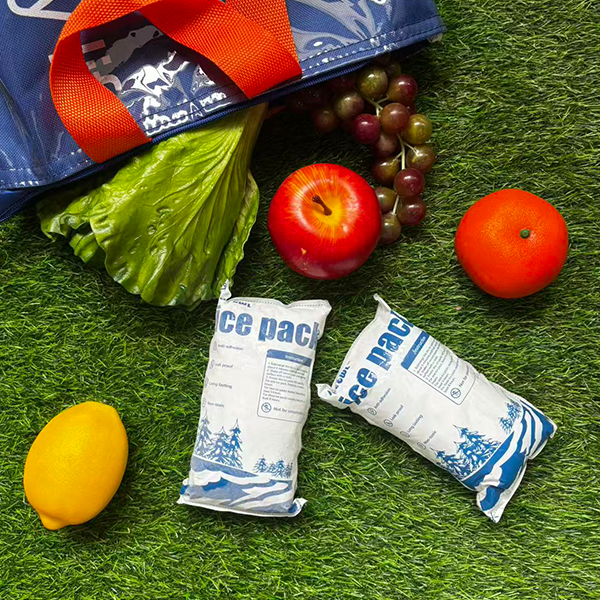
Shipping perishable goods across the USA requires effective temperature control to maintain freshness and prevent spoilage. USA dry ice packs provide a superior solution by keeping food frozen and fresh during long-distance transport. Dry ice sublimates at an incredibly low temperature, ensuring that your shipments stay within the required temperature range. This article explores how dry ice packs are transforming food storage and shipping for businesses and consumers alike.
Why are USA dry ice packs preferred over regular ice for food shipping?
How do you use dry ice packs effectively for meal delivery and food storage?
What safety measures must be considered when handling USA dry ice packs?
How to meet regulatory compliance when shipping with USA dry ice packs?
What Are USA Dry Ice Packs and How Do They Work?
USA dry ice packs are solidified carbon dioxide that sublimate directly into gas at temperatures as low as -78.5°C (-109.3°F). Unlike regular ice, which melts into liquid, dry ice maintains its freezing power without creating a mess. This unique feature makes dry ice ideal for preserving frozen food and other temperature-sensitive items during transport.
How Dry Ice Packs Keep Your Shipments Frozen
USA dry ice packs prevent thawing by maintaining a stable sub-zero temperature. Their sublimation process ensures the cooling lasts longer, especially in well-insulated environments. Whether you’re shipping frozen meals, seafood, or medical supplies, dry ice is the optimal choice for keeping goods safe and intact.
| Benefit | Dry Ice | Regular Ice | Your Advantage |
|---|---|---|---|
| Temperature Range | -78.5°C (-109.3°F) | 0°C (32°F) | Extended cold chain for longer shipping durations |
| Cleanliness | Sublimates to gas | Melts into water | No mess, no water damage |
| Longevity | 24–72 hours | 6–12 hours | Longer-lasting, reduces need for replenishing |
Why USA Dry Ice Packs Are Better Than Regular Ice
Dry ice packs offer several advantages that make them the preferred choice for perishable goods shipping:
Colder Temperatures: Regular ice can only keep items cold for a short time, whereas dry ice can maintain freezing temperatures for up to 72 hours, depending on packaging and external conditions.
No Meltwater: Unlike regular ice, which can cause contamination through melting water, dry ice sublimates into gas, keeping everything dry and clean.
Longer-lasting: Dry ice packs last much longer than regular ice, providing more reliable cooling during extended transport.
Key Considerations When Using Dry Ice
To ensure effective cooling and safety, proper handling is essential. Here’s how to use USA dry ice packs effectively:
Wear gloves: Always wear gloves when handling dry ice to avoid frostbite due to its extremely low temperatures.
Seal packaging securely: Ensure that your food packaging is tightly sealed to prevent direct contact with dry ice, which can cause spoilage or contamination.
Ensure proper ventilation: Since dry ice sublimates into carbon dioxide gas, ensure that your shipping containers are vented properly to avoid dangerous pressure buildup.
How USA Dry Ice Packs Maintain Food Quality During Transit
Using dry ice for meal prep or food shipping has several advantages. USA dry ice packs provide the required cooling power, whether you’re shipping a week’s worth of frozen meals or medical supplies.
Using USA Dry Ice Packs for Meal Delivery
When preparing meals for long-distance shipping, dry ice helps maintain the integrity of frozen foods during transit. Here’s how you can use it effectively:
Pre-freeze your food: Ensure your food is fully frozen before packing it with dry ice. This ensures that the items stay frozen for longer durations.
Proper insulation: Use insulated containers such as foam coolers or vacuum-insulated panels to maintain temperature and reduce sublimation rates.
Layer the dry ice: Place dry ice at both the top and bottom of the shipping container for even cooling. This technique, known as “sandwiching,” ensures optimal temperature control.
How Much Dry Ice to Use
For 24-hour shipments, 5–10 pounds of dry ice per 24 hours is typically recommended. Adjust this based on shipment length and temperature. For instance, a 48-hour shipment will require approximately 10–20 pounds, plus a 24-hour buffer for delays.
USA Dry Ice Pack Shipping Regulations: What You Need to Know
Shipping with dry ice in the USA is highly regulated. Each carrier has specific rules that you must follow to ensure compliance and safety.
Labeling Requirements: The package must be clearly marked with “Dry Ice” or “Carbon Dioxide, Solid,” along with the UN number 1845 and net weight of dry ice.
Carrier-specific guidelines:
FedEx and UPS: Require proper labeling and vented packaging for air shipments. UPS also has specific weight limits.
USPS: Allows up to 5 pounds of dry ice for domestic air mail, but restricts international shipments.
Important Note: Always check with your carrier for the most up-to-date rules and regulations to avoid penalties or delays.
Safety Guidelines for Handling USA Dry Ice Packs
Dry ice is a hazardous material, and improper handling can lead to serious injury or property damage.
Essential Safety Practices
Personal Protective Equipment (PPE): Always wear insulated gloves, goggles, and long sleeves when handling dry ice.
Proper Ventilation: Dry ice should never be stored in airtight containers, as the sublimation process can cause a dangerous buildup of carbon dioxide gas.
Handling in a Well-ventilated Area: Never store dry ice in a confined or poorly ventilated space, especially in small rooms or vehicles.
Conclusion: Why USA Dry Ice Packs Are the Future of Food Shipping
USA dry ice packs are essential for any business involved in shipping perishable goods. They provide the cold chain reliability needed to ensure products stay frozen during transit. By adhering to best practices for usage, handling, and shipping, you can maintain the integrity of your products and comply with all regulations.
Next Steps:
To integrate USA dry ice packs into your shipping process, evaluate the size of your shipments, choose the right packaging materials, and ensure that you are following all necessary safety guidelines. For further assistance or recommendations, consult with experts who can help you optimize your cold chain logistics.
About Tempk
At Tempk, we specialize in providing high-quality, eco-friendly dry ice and packaging solutions for the cold chain industry. We ensure your shipments stay safe, compliant, and efficient, no matter the distance. Contact us today to explore how we can help you optimize your cold chain operations.