


How Small Dry Ice Pack Sheets Improve Cold Chain Logistics
How Small Dry Ice Pack Sheets Improve Cold Chain Logistics
What Makes Small Dry Ice Pack Sheets Essential for Cold Chain Logistics?
In today’s cold chain logistics, maintaining the correct temperature is crucial for shipping perishable and temperature-sensitive products. Small dry ice pack sheets are becoming indispensable in industries like pharmaceuticals, food, and biotechnology due to their superior temperature control and cost-efficiency. These sheets ensure your goods stay at the required temperature for longer periods, reducing spoilage and saving on shipping costs. In this guide, we’ll explore how these innovative sheets work, their benefits, and why they should be a part of your cold chain solution in 2025.
How do small dry ice pack sheets work in cold chain logistics?
What are the benefits of dry ice over traditional cooling methods?
How can you maximize the effectiveness of these sheets for temperature-sensitive shipments?
What trends are shaping the future of small dry ice pack sheets in cold chain logistics?
What Are Small Dry Ice Pack Sheets and How Do They Work?
Small dry ice pack sheets are flexible, compact sheets filled with dry ice pellets. Unlike traditional ice packs, dry ice sublimates directly from solid to gas, which means it absorbs heat from its surroundings without leaving any water residue. This makes it an ideal solution for industries that require precise temperature control during transportation, such as pharmaceuticals, food, and biotechnology.
The Science Behind Dry Ice Pack Sheets
These sheets are designed to maintain extremely low temperatures of up to -78.5°C (-109.3°F). The dry ice in the sheets absorbs heat and converts into gas, cooling the environment around it. The absence of liquid in the form of melting ice means that no moisture or water damage occurs, which is crucial for sensitive products like vaccines, biologics, and frozen food.
| Feature | Traditional Ice Pack | Small Dry Ice Pack Sheets |
|---|---|---|
| Temperature Range | 0-5°C (32-41°F) | -78.5°C (-109.3°F) |
| Cooling Duration | 6-24 hours | 24-48 hours |
| Water Residue | High (melts) | None (sublimates) |
| Cost-Effectiveness | Requires frequent replacement | Longer-lasting and cost-efficient |
Why Choose Small Dry Ice Pack Sheets Over Traditional Methods?
Small dry ice pack sheets are rapidly replacing traditional cooling methods like gel packs and liquid ice for several reasons:
Superior Temperature Consistency: Dry ice maintains a consistent ultra-low temperature without fluctuations, ensuring sensitive products like pharmaceuticals are kept within the required range throughout the journey.
No Water Damage: Traditional ice can melt and potentially cause water damage, which is a major risk for perishable goods. Dry ice sublimates directly into gas, leaving no moisture behind.
Space Efficiency: Dry ice pack sheets are compact and flexible, meaning you can store and transport more products in a given space compared to traditional ice packs that require larger containers for storage.
Eco-Friendly: Many dry ice sheets are reusable and can be refrozen, reducing waste compared to single-use gel packs and liquid ice.
Maximizing the Effectiveness of Small Dry Ice Pack Sheets
To make the most of small dry ice pack sheets, it’s essential to follow best practices for temperature-controlled logistics:
Proper Layering and Placement: Ensure that dry ice sheets are placed around products for even cooling. For products sensitive to extreme cold, use a barrier to avoid direct contact with the dry ice.
Use with Insulated Containers: Pairing dry ice with high-quality insulated packaging (e.g., Styrofoam or polyurethane) can extend the cooling duration by reducing the impact of external temperature changes.
Monitor Temperature Continuously: Using temperature sensors and real-time tracking devices helps ensure that the correct temperature is maintained throughout the shipment.
How Small Dry Ice Pack Sheets Compare to Gel Packs and Ice Packs
| Cooling Method | Small Dry Ice Pack Sheets | Gel Packs / Ice Packs |
|---|---|---|
| Temperature Range | -78.5°C (-109.3°F) | 0-5°C (32-41°F) |
| Cooling Duration | 24-48 hours | 6-12 hours |
| Reusability | Yes (if hydrated and stored correctly) | Yes (but shorter lifespan) |
| Ideal Use Cases | Pharmaceuticals, frozen foods, vaccines | Dairy, fresh produce |
When to Use Each Cooling Solution:
Small Dry Ice Pack Sheets: Ideal for shipments requiring sub-zero temperatures such as vaccines, biologics, and frozen meals.
Gel Packs: Best suited for chilled products like fresh produce and dairy, where maintaining a refrigerated temperature (2-7°C) is sufficient.
Industry Applications for Small Dry Ice Pack Sheets
1. Pharmaceutical Industry
In the pharmaceutical industry, temperature fluctuations can affect the efficacy and safety of drugs and vaccines. Small dry ice pack sheets are essential for maintaining the ultra-low temperatures required by these products, ensuring compliance with regulatory standards and reducing the risk of spoilage during transit.
2. Food and Beverage
For the food industry, particularly in shipping perishable items such as seafood, meat, and ice cream, maintaining consistent freezing temperatures is vital. Dry ice sheets keep food products frozen and preserve their texture, flavor, and safety during transportation.
3. Biotechnology
In biotechnology, products like biological samples, blood, and DNA require strict temperature control to maintain their integrity. Dry ice is often the preferred solution for transporting these sensitive materials, as it provides reliable cooling over long distances.
Trends Shaping the Future of Small Dry Ice Pack Sheets in 2025
Advancements in IoT Technology
Real-time temperature monitoring systems are becoming integral in cold chain logistics. These IoT-enabled devices allow businesses to monitor the temperature of their shipments continuously, ensuring that the small dry ice pack sheets maintain their cooling efficiency.
Sustainability in Cold Chain Logistics
As businesses prioritize sustainability, the use of reusable dry ice pack sheets and eco-friendly packaging solutions are becoming standard practice. Many dry ice producers are now using CO₂ captured from renewable sources, reducing the carbon footprint of cold chain logistics.
Smart Packaging
The integration of smart sensors into packaging is helping businesses improve temperature monitoring and enhance the overall efficiency of their cold chain logistics. These innovations ensure that the cooling process is optimized and that temperature deviations are quickly detected and addressed.
Frequently Asked Questions
How long do small dry ice pack sheets last during transit?
Small dry ice pack sheets can typically last between 18 to 48 hours, depending on the size of the shipment, the quality of insulation, and ambient temperatures.
Can small dry ice pack sheets be reused?
Yes, small dry ice sheets are reusable, but they must be properly hydrated and stored to ensure their longevity.
Conclusion and Recommendations
Small dry ice pack sheets are a game-changer in the cold chain logistics industry. With their superior temperature control, longer cooling durations, and eco-friendly benefits, they provide a reliable and cost-effective solution for shipping temperature-sensitive goods. To ensure the best results, businesses should combine dry ice with best practices such as proper insulation, temperature monitoring, and compliance with safety regulations.
Next Steps:
Start evaluating small dry ice pack sheets for your logistics operations. Consider the type of products, duration of shipment, and required temperatures to determine the best solution for your needs.
About Tempk
At Tempk, we specialize in providing innovative cold chain solutions tailored to the pharmaceutical, food, and biotechnology industries. Our products ensure temperature-sensitive goods are transported efficiently and sustainably, with a focus on reducing environmental impact.
Call to Action: Contact us today to discuss how our small dry ice pack sheets can optimize your cold chain operations.
How Dry Ice Bags & Packs Revolutionize Cold Chain Shipping in 2025
How Do Dry Ice Bags & Packs Revolutionize Cold Chain Shipping in 2025?
In 2025, temperature-sensitive goods face increasingly complex transportation challenges. To ensure that perishable items like pharmaceuticals, food, and biological samples reach their destination safely and without compromise, dry ice bags and dry ice packs are pivotal. These cold chain solutions provide a reliable, cost-effective, and environmentally-friendly method for maintaining ultra-low temperatures. This article explains the working principles of dry ice bags, their advantages over traditional cooling methods, and how businesses can maximize savings and operational efficiency.
How do dry ice bags and packs function in cold chain logistics?
What benefits do dry ice packs offer over traditional ice and gel solutions?
How can businesses optimize their shipping costs using dry ice technology?
What are the emerging trends and innovations in dry ice technology for cold chain logistics?
How Do Dry Ice Bags and Packs Function in Cold Chain Logistics?
Dry ice bags and packs play a crucial role in maintaining the integrity of temperature-sensitive products during transit. Filled with solid carbon dioxide, dry ice sublimates at -78.5°C (-109.3°F) to maintain ultra-low temperatures. Unlike water-based coolants, dry ice sublimates into gas, leaving no liquid residue. This unique property helps avoid issues like water damage to products, making it an ideal solution for industries that require precise and clean temperature control, such as pharmaceuticals and biotechnology.
Key Characteristics of Dry Ice Bags and Packs:
Sub-zero cooling: Dry ice maintains an extremely low temperature, ideal for frozen food, pharmaceuticals, and research materials.
Long-lasting: Dry ice packs stay cold for extended periods, even during long-distance shipments.
No melting water: The sublimation of dry ice into CO₂ gas avoids water damage, which can be a problem with traditional ice and gel packs.
| Benefit | Traditional Ice | Dry Ice Bags & Packs | Your Impact |
|---|---|---|---|
| Cooling Duration | Short-lived | Long-lasting | Extended product shelf life |
| Risk of Water Damage | High | None | Reduced spoilage |
| Storage Efficiency | Bulky, heavier | Compact, lighter | More cost-efficient shipping |
Why Should Businesses Choose Dry Ice Packs Over Traditional Methods?
Dry ice offers several advantages over traditional cooling methods such as gel packs and regular ice. Here’s a breakdown of how dry ice packs outperform conventional ice:
Longer Cooling Duration: Dry ice packs can maintain cold temperatures for up to 48 hours, compared to regular ice that begins to melt within a few hours.
Space and Weight Efficiency: Since dry ice is denser than water, it occupies less space and reduces the overall weight of the shipment, which can lead to substantial cost savings in transport.
Environmentally Friendly: Dry ice sublimates into CO₂ gas, which does not contribute to water contamination or waste disposal issues, unlike gel or water-based packs.
Example:
A pharmaceutical company that switched from traditional ice packs to dry ice reported a 30% reduction in spoilage rates, and a 15% savings in shipping costs due to reduced packaging volume and fewer restocks during transport.
How Can Businesses Save Money with Dry Ice Packs?
Switching to dry ice packs can lead to significant cost savings in various ways:
Longer Cooling Periods: Dry ice packs reduce the need for constant replenishing during transport, lowering the overall cost of cooling materials.
Smaller Packaging Size: Their compact design allows businesses to optimize storage and shipping containers, reducing space and weight, which translates into lower shipping expenses.
Potential for Reuse: In some cases, dry ice bags can be reused, especially the outer packaging materials, helping reduce waste and save money on additional supplies.
Case Study:
A global seafood distributor transitioned to dry ice for long-haul shipments, resulting in a 20% reduction in spoilage rates, improved product quality, and a decrease in transport-related costs by 18% in just one quarter.
What Are the Latest Innovations in Dry Ice Technology for Cold Chain Logistics?
As cold chain logistics continues to evolve, the demand for smarter, more efficient cooling solutions has increased. In 2025, dry ice technology has incorporated several innovative features that improve performance and offer new opportunities for monitoring and compliance:
Smart Dry Ice Bags: Equipped with temperature sensors, these bags communicate with tracking systems, offering real-time temperature monitoring for sensitive shipments.
Advanced Insulation Materials: New materials have enhanced the ability of dry ice bags and packs to maintain low temperatures over extended periods.
Sustainable Packaging Materials: There is a growing trend toward biodegradable dry ice packaging, helping companies meet environmental goals and reduce their carbon footprint.
Latest Developments at a Glance:
Smart Technology Integration: Real-time monitoring and tracking of temperature-sensitive shipments ensure quality and compliance.
Eco-Friendly Innovations: The adoption of biodegradable and recyclable materials for packaging reduces the environmental impact.
Enhanced Cooling Materials: New insulation technologies extend the effective cooling period, even under challenging conditions.
Frequently Asked Questions About Dry Ice Bags and Packs
Q1: How long do dry ice bags last in transit?
Typically, dry ice lasts between 12 to 48 hours, depending on the amount used and the insulation quality. For longer shipments, additional dry ice may be required.
Q2: Can dry ice bags be reused?
Yes, the packaging material used for dry ice bags can often be reused, provided it remains intact and undamaged.
Best Practices for Using Dry Ice Bags and Packs
To maximize the effectiveness of dry ice bags and packs, follow these best practices:
Correct Layering: Place the dry ice packs in the shipping container to ensure they are properly distributed between the products.
Ventilation: Always use a container with ventilation holes to allow CO₂ gas to escape, preventing pressure buildup.
Temperature Monitoring: Use temperature loggers or IoT-enabled devices to track the temperature during transit and ensure your shipment stays within safe temperature ranges.
Practical Tips:
For pharmaceutical shipments, combine dry ice with phase-change materials (PCMs) for better temperature stability.
For food deliveries, ensure that dry ice is properly insulated and positioned to prevent direct contact with moisture-sensitive items.
Conclusion
Dry ice bags and dry ice packs continue to transform cold chain logistics, providing businesses with an efficient and sustainable solution for temperature-sensitive shipments. By understanding how to effectively use these innovative products, businesses can enhance their operations, reduce costs, and improve product quality and customer satisfaction.
Next Steps:
Consider transitioning to dry ice for your next shipment to enjoy longer-lasting cooling, better storage efficiency, and cost savings. Contact Tempk today for expert advice on optimizing your cold chain logistics with dry ice solutions.
About Tempk
At Tempk, we specialize in cold chain solutions, offering a range of high-performance dry ice bags and packs designed to enhance the safety and efficiency of temperature-sensitive shipments. Our products meet the highest standards of performance and sustainability, ensuring that your products stay safe and fresh during transit.
Call to Action: Reach out to Tempk for a consultation on how our dry ice solutions can improve your cold chain logistics.
Self-Cooling Dry Ice Packs: The Future of Sustainable Cold Chain Logistics

Self-Cooling Dry Ice Packs: The Future of Efficient and Sustainable Cold Chain Shipping
Self-cooling dry ice packs are transforming the landscape of cold chain logistics, offering businesses a more efficient, eco-friendly, and cost-effective solution for transporting temperature-sensitive goods. These advanced packs utilize innovative technologies that allow for optimal temperature control over extended periods, ensuring the safe delivery of perishable products such as pharmaceuticals, vaccines, biological samples, and perishable food. In this article, we explore how self-cooling dry ice packs work, their benefits, and why they are gaining momentum in industries worldwide.
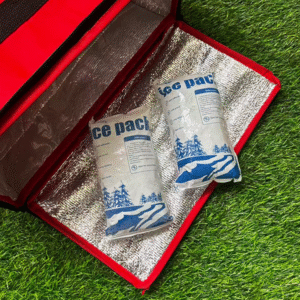
How do self-cooling dry ice packs work in cold chain logistics?
What are the key advantages of using self-cooling dry ice packs over traditional cooling methods?
How can businesses select the right self-cooling dry ice packs for their shipments?
What are the latest trends and innovations shaping self-cooling dry ice packs?
What Are Self-Cooling Dry Ice Packs?
Self-cooling dry ice packs are innovative cooling solutions that combine the efficiency of dry ice with the convenience of modern insulation technologies. Unlike traditional dry ice, which can be hazardous due to its sublimation properties, self-cooling dry ice packs integrate controlled cooling mechanisms to ensure that temperature-sensitive goods remain within their required temperature range for extended periods. These packs utilize a combination of materials like phase change materials (PCMs), desiccants, and specialized encapsulation systems to deliver cooling without the need for external energy sources.
How Do Self-Cooling Dry Ice Packs Work?
Self-cooling dry ice packs rely on the process of sublimation—where solid carbon dioxide (dry ice) turns directly into gas at -78.5°C. These packs are designed with materials that control the sublimation process, allowing the dry ice to release cooling air steadily over a set period. The cooling duration can vary based on the type of pack and the environmental conditions, making them suitable for long-distance shipments of sensitive products.
By encapsulating the dry ice in special materials that regulate its sublimation rate, the packs can maintain a stable cooling effect for anywhere from 12 hours to several days. This makes them ideal for industries such as pharmaceuticals, biotechnology, and food, where maintaining a strict temperature range is critical.
| Product Type | Cooling Duration | Ideal Use Case | Cost Efficiency |
|---|---|---|---|
| Pharmaceuticals | 24-48 hours | Vaccine shipping | Cost-effective |
| Food (Frozen Goods) | 12-24 hours | Meat, seafood, dairy | Affordable |
| Medical Supplies | 24-48 hours | Biological samples | Efficient |
Why Are Self-Cooling Dry Ice Packs the Preferred Choice?
Self-cooling dry ice packs offer several key advantages, making them the preferred choice for many industries:
1. Long-Lasting Cooling
The slow and controlled sublimation of dry ice ensures that these packs provide extended cooling, which is essential for long-duration shipments, reducing the risk of product spoilage.
2. Energy-Free Operation
Unlike refrigerated containers, self-cooling dry ice packs do not rely on external energy sources, reducing the risks associated with power failures and energy shortages. This energy independence makes them ideal for remote locations or areas with unreliable power supplies.
3. Cost-Effective
Compared to traditional refrigerated shipping methods, self-cooling dry ice packs are more affordable, especially for smaller shipments. Their reusability further enhances their cost-effectiveness by minimizing the need for new packing materials.
4. Eco-Friendly
Since self-cooling dry ice packs sublimate into carbon dioxide gas and leave no liquid waste, they are more environmentally friendly than traditional cooling methods, such as wet ice, which can result in water damage and waste. The environmentally sustainable design of these packs is becoming increasingly important as businesses strive to reduce their carbon footprint.
How to Choose the Right Self-Cooling Dry Ice Pack for Your Needs
Selecting the right self-cooling dry ice pack depends on several factors, including the type of goods being shipped, the required temperature range, and the shipment duration.
Key Considerations When Choosing Self-Cooling Dry Ice Packs
Cooling Duration: Ensure the dry ice pack provides enough cooling time for the entire duration of the shipment.
Type of Goods: Consider the temperature requirements of the goods you’re shipping. Some products may need ultra-low temperatures, while others only require moderate cooling.
Shipping Distance: Determine the travel time for your shipment and the expected environmental conditions during transport.
Pack Size: Select a pack size that maximizes cooling efficiency without producing unnecessary waste.
Many manufacturers offer customizable self-cooling dry ice packs, allowing businesses to tailor the packs based on their specific temperature control needs. Customization is especially useful for businesses that frequently ship temperature-sensitive products with varying requirements.
Real-World Applications of Self-Cooling Dry Ice Packs
Shipping Pharmaceuticals and Medical Supplies
Self-cooling dry ice packs are essential for the safe transport of pharmaceuticals and medical supplies, particularly vaccines, biological samples, and temperature-sensitive medications. With their ability to maintain a consistent temperature range, these packs ensure that products arrive at their destination in pristine condition.
Example: A pharmaceutical company used self-cooling dry ice packs to successfully ship a batch of vaccines across the country, ensuring that the product remained within the required temperature range during transit.
Shipping Perishable Foods
For businesses in the food industry, especially those dealing with frozen or chilled items like meat, seafood, and dairy, maintaining the proper temperature is crucial for product safety and quality. Self-cooling dry ice packs ensure that these items remain at the right temperature during transport, reducing the risk of spoilage and improving customer satisfaction.
Example: A global food distributor successfully used self-cooling dry ice packs to ship frozen seafood to international customers, ensuring that the products stayed at optimal temperatures for the entire journey.
Future Trends in Self-Cooling Dry Ice Packs
Technological Advancements in Dry Ice Production
Recent innovations in dry ice production have made it easier and more cost-effective to produce self-cooling dry ice packs. These advancements have led to improvements in efficiency, allowing businesses to transport temperature-sensitive products at lower costs while maintaining high-quality standards.
Sustainability in Cold Chain Logistics
As businesses focus on sustainability, self-cooling dry ice packs offer a more eco-friendly alternative to traditional cooling methods. Their ability to reduce waste and eliminate the need for hazardous materials aligns with growing environmental concerns and consumer demand for greener shipping practices.
FAQ: Common Questions About Self-Cooling Dry Ice Packs
What is the shelf life of self-cooling dry ice packs?
Self-cooling dry ice packs typically last between 24 to 48 hours, depending on external conditions and the amount of dry ice used in the pack.
Can self-cooling dry ice packs be reused?
Most self-cooling dry ice packs are single-use, but some models offer reusable options. Be sure to follow the manufacturer’s guidelines to ensure proper maintenance and prolong the pack’s lifespan.
Conclusion and Recommendations
Self-cooling dry ice packs are revolutionizing the cold chain logistics industry by providing a safe, cost-effective, and environmentally friendly solution for shipping temperature-sensitive products. Whether you are in pharmaceuticals, food, or medical supplies, these packs offer a reliable way to ensure the integrity of your shipments while keeping costs low.
For businesses looking to optimize their cold chain operations, self-cooling dry ice packs are an ideal solution. Consider integrating them into your logistics strategy to enhance product quality, reduce waste, and meet sustainability goals.
About Tempk
At Tempk, we specialize in providing cutting-edge cold chain logistics solutions, including self-cooling dry ice packs. Our products help businesses maintain the integrity of temperature-sensitive goods while offering cost-effective, sustainable, and reliable solutions for all your shipping needs.
Contact us today to learn more about how our self-cooling dry ice packs can benefit your business.
Asia Dry Ice Pack Sheets: The Key to Efficient Cold Chain Logistics

Asia Dry Ice Pack Sheets: The Essential Solution for Cold Chain Logistics in 2025
In 2025, businesses involved in shipping temperature-sensitive products, including pharmaceuticals, food, and e-commerce, are turning to Asia dry ice pack sheets for a reliable and eco-friendly solution. These sheets provide efficient cooling that not only ensures the integrity of your products during transit but also reduces shipping costs and environmental impact. With extended cooling durations and reusable designs, Asia dry ice pack sheets are revolutionizing the cold chain logistics industry. Read on to discover how they can improve your shipping operations.
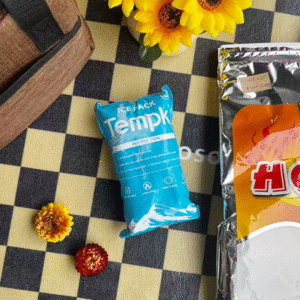
What Are Asia Dry Ice Pack Sheets?
Asia dry ice pack sheets are flexible and reusable cooling materials that help maintain the desired temperature for sensitive products during transport. They are primarily made of superabsorbent polymers that freeze when activated and provide consistent cooling for extended periods. These sheets are highly efficient for long-distance shipments and are especially valuable in industries like pharmaceuticals, food, and e-commerce.
Key Features of Asia Dry Ice Pack Sheets
Extended Cooling Duration: Capable of maintaining temperatures for up to 96 hours.
Reusable Design: Eco-friendly and cost-effective due to their ability to be used multiple times.
Compliance with Shipping Regulations: Adheres to international shipping standards like IATA PI954 and DOT §173.217.
Versatility: Ideal for various industries, including food, pharmaceuticals, and e-commerce.
Why Choose Asia Dry Ice Pack Sheets Over Traditional Cooling Methods?
When compared to traditional cooling methods such as gel packs and ice, Asia dry ice pack sheets stand out due to their superior performance and sustainability.
| Feature | Asia Dry Ice Pack Sheets | Traditional Cooling Methods | Your Advantage |
|---|---|---|---|
| Cooling Duration | Up to 96 hours | Typically less than 24 hours | Extended product shelf life |
| Reusability | Yes | Limited | Sustainable & cost-effective |
| Environmental Impact | Low | High | Eco-friendly solution |
| Compliance with Regulations | Yes | Varies | Legally compliant |
Key Benefits
Enhanced Cooling Efficiency: Dry ice pack sheets offer longer-lasting cooling, reducing the frequency of temperature monitoring and the need for replenishment during transit.
Cost-Effectiveness: Due to their reusability, dry ice sheets provide a more economical solution compared to single-use ice packs or gel packs.
Eco-Friendliness: These sheets have a lower environmental impact than traditional cooling methods, helping businesses meet sustainability goals.
How Do Asia Dry Ice Pack Sheets Improve Cold Chain Shipping?
Asia dry ice pack sheets provide a crucial advantage in maintaining product quality during long-distance and international shipments. By sublimating into carbon dioxide gas rather than melting into water, dry ice creates a dry environment, which is perfect for products that require freezing temperatures, such as vaccines, seafood, and biological materials. This method helps reduce spoilage risks, ensuring the product arrives in the same condition as it was when it was shipped.
Best Practices for Using Dry Ice Sheets
To make the most of dry ice pack sheets, consider the following best practices:
Calculate the right amount: Ensure you use the correct amount based on shipment size, product temperature requirements, and duration of transport.
Use proper insulation: Package your dry ice with sufficient insulation to slow down the sublimation process and maintain optimal temperatures.
Label your shipments: Clearly mark packages that contain dry ice to inform handlers about the necessary precautions during transit.
Applications in Cold Chain Logistics
Pharmaceuticals and Healthcare
Temperature-sensitive medications, vaccines, and biologics require strict temperature control to maintain efficacy. Dry ice pack sheets offer the cooling power necessary to preserve the integrity of these critical products during transit.
Food and Beverages
For the food and beverage industry, maintaining freshness is paramount. Dry ice pack sheets help keep perishable items, such as seafood, meat, and dairy products, within the desired temperature range, preserving their quality and safety.
E-commerce
With the rise of online shopping, especially in Asia, businesses are increasingly using dry ice pack sheets to deliver perishable items like fresh produce or chilled foods. These sheets ensure that products are shipped safely and arrive at their destination in optimal condition.
What Industries Benefit Most from Asia Dry Ice Pack Sheets?
Asia dry ice pack sheets are used across multiple industries for various cold chain needs. These include:
Pharmaceuticals: Ensuring medicines, vaccines, and biologics are transported at the correct temperatures.
Food and Beverage: Maintaining the quality and freshness of frozen or chilled products.
E-commerce: Enabling the delivery of perishable goods sold online, ensuring customer satisfaction with safe and timely deliveries.
Trends and Innovations in Dry Ice Pack Sheets
The dry ice pack sheets market is rapidly evolving, driven by new technologies and trends in the logistics industry.
New Technological Advancements
IoT Integration: Internet of Things (IoT) technology is now being integrated into cold chain solutions, allowing real-time temperature tracking during transit to ensure compliance and reduce risks.
Sustainability Initiatives: Companies are increasingly focusing on the eco-friendly sourcing and packaging of dry ice to meet global sustainability goals.
Automated Cold Chain Solutions: Automation in cold chain logistics, including AI-based tracking systems, is improving operational efficiency by providing real-time monitoring of shipments.
Frequently Asked Questions
How long do Asia dry ice pack sheets last?
These sheets typically last between 48 to 96 hours, depending on the specific pack-out configuration, temperature requirements, and environmental conditions.
Can Asia dry ice pack sheets be used for both food and pharmaceuticals?
Yes, these sheets are versatile and safe for use in shipping both food and pharmaceutical products, ensuring each product remains at its optimal temperature during transit.
Conclusion and Recommendations
Asia dry ice pack sheets offer a critical advantage in cold chain logistics by providing reliable, cost-effective, and environmentally friendly temperature control. Whether you’re in the pharmaceutical, food, or e-commerce industry, adopting these sheets for your shipping needs can improve the quality of your deliveries while reducing operational costs.
Action Steps:
Evaluate your logistics needs: Determine if dry ice pack sheets are the right solution for your specific products.
Test and measure impact: Conduct a pilot test to see how dry ice sheets can enhance your shipping processes.
Stay updated: Keep an eye on the latest trends and innovations in cold chain logistics to optimize your operations.
About Tempk
At Tempk, we specialize in advanced cold chain solutions, offering efficient and sustainable cooling methods for temperature-sensitive shipments. Our Asia dry ice pack sheets are designed to provide superior cooling performance, ensuring your products remain safe and fresh during transit.
Contact us today to learn how Tempk’s dry ice pack sheets can help optimize your cold chain logistics.
48-Hour Dry Ice Pack Sheets Guide for Frozen Shipping Success
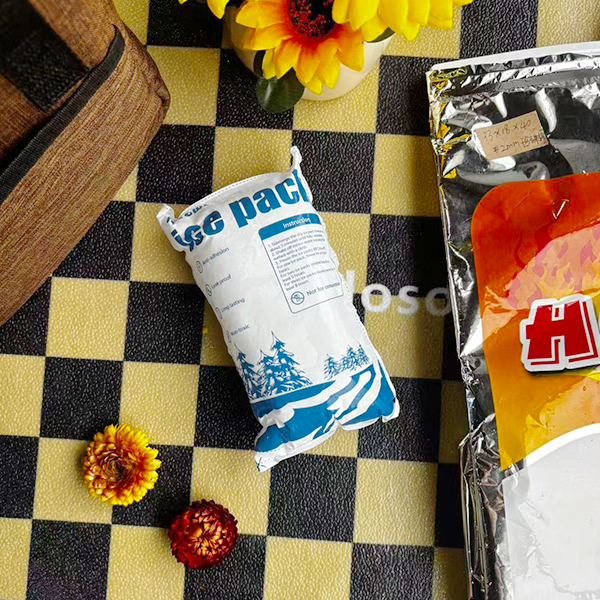
How Can 48-Hour Dry Ice Pack Sheets Transform Your Frozen Shipping Results?
Shipping frozen goods for two days requires precise temperature control that standard ice packs can’t provide. 48-hour dry ice pack sheets deliver reliable -78.5°C cooling for extended transit, ensuring your perishables arrive frozen and fresh. The global cold chain market is projected to reach $500 billion by 2025, making effective temperature control more critical than ever for shipping success.
– How much dry ice pack sheet do you need for different shipment sizes?
– Which packaging setup keeps products frozen for exactly 48 hours?
– What safety regulations and labeling requirements must you follow?
– How can you validate and monitor your dry ice shipping performance?
– What 2025 cold-chain trends will impact your shipping strategy?
## How Much 48-Hour Dry Ice Pack Sheet Do You Actually Need?
**Start with a simple 1:1 ratio of dry ice weight to product weight for reliable 48-hour performance.** This baseline assumes proper insulation and standard shipping conditions. For example, shipping 8 pounds of frozen seafood would begin with 8 pounds of dry ice sheets. The 1:1 rule works because dry ice sublimates (turns directly from solid to gas) at a predictable rate, absorbing heat from your products while maintaining consistent sub-zero temperatures.
Your actual dry ice needs depend on three key factors: seasonal temperatures, shipping route complexity, and insulation quality. Summer shipments typically require 25-35% more dry ice than winter shipments due to higher ambient temperatures. Multi-handoff routes with frequent package transfers need 10-15% additional dry ice compared to direct shipments. Better insulation can reduce your dry ice requirements by 10-25%, making investment in quality packaging materials cost-effective over time.
### Dry Ice Sizing Formula and Quick Estimator
Use this simple calculation to determine your exact dry ice needs: baseline = product weight × 1.0, then adjust for season (0.00 winter, 0.15 spring/fall, 0.35 summer), route (0.00 standard, 0.10 multi-handoff, 0.15 hot lane), and insulation (0.00 for standard, -0.10 for premium, -0.25 for vacuum insulated panels). Multiply these factors together for your final dry ice weight recommendation.
| Product Weight | Starting Dry Ice | When to Add More | What It Means For You |
|—————-|——————|——————|———————-|
| 4 lb | 4-5 lb | Hot lane in summer | Reliable 48-hour hold with standard insulation |
| 8 lb | 8-10 lb | Multi-handoff routes | Consider vacuum insulation if weight is tight |
| 12 lb | 12-15 lb | Very hot lanes | Temperature monitoring + premium insulation recommended |
### Practical Scenarios and Adjustment Tips
– **Summer seafood shipment:** Use 35% extra dry ice and include temperature data loggers
– **Pharmaceutical samples:** Add vacuum insulated panels and reduce dry ice by 20%
– **Multi-stop deliveries:** Increase dry ice by 15% and use hybrid packing layouts
> **Real-World Case:** A bakery shipping 6 pounds of frozen pastries in summer upgraded from 1-inch to 1.75-inch insulation and increased dry ice from 6 to 8 pounds. Their core temperature stayed below -10°C for 52 hours despite warm transit conditions.
## Which Packaging Setup Delivers Reliable 48-Hour Frozen Performance?
**Build a vented insulation system with top-placed dry ice sheets and proper void control for maximum effectiveness.** This configuration leverages cold air’s natural sinking property while preventing dangerous CO₂ buildup. Your packaging should include an insulated container (EPS foam or vacuum panels), the frozen products properly bagged and centered, dry ice sheets placed on top, and adequate venting for gas escape.
The most effective packouts combine multiple elements: quality insulation, strategic dry ice placement, and careful void management. Top placement provides 24-36 hours of reliable cooling, while hybrid layouts (ice on top and sides) can extend performance to 48-72 hours. Always precondition your products by freezing them hard below -18°C and chill packaging components before assembly to reduce initial heat load on your dry ice.
### Advanced Packing Techniques for Extended Duration
– **Hybrid packouts:** Combine dry ice with phase-change materials for temperature buffering
– **Void control:** Use foam pads or crumpled paper to eliminate air spaces that cause temperature fluctuations
– **Layered approach:** Place thinner dry ice sheets rather than single thick blocks for more even sublimation
| Layout Type | Sublimation Rate | Duration | Best For |
|————-|——————|———-|———-|
| Top Placement | 8-12% per 24 hours | 24-36 hours | Standard shipments |
| Surround Layout | 6-9% per 24 hours | 36-60 hours | Sensitive products |
| Hybrid Layout | 5-8% per 24 hours | 48-72 hours | 48-hour missions |
### Essential Safety and Compliance Checklist
– **Always vent containers:** Never seal dry ice in airtight packages to prevent pressure buildup
– **Use protective gear:** Wear insulated gloves and goggles when handling dry ice
– **Follow labeling requirements:** Apply UN1845 markings and Class 9 hazard labels
– **Provide handling instructions:** Include recipient care notes for safe unpacking
## What Safety Regulations Govern 48-Hour Dry Ice Shipments?
**Dry ice is classified as UN1845 dangerous goods requiring specific labeling, weight documentation, and safety precautions.** For air shipments, you must mark packages with “UN1845, Dry Ice or Carbon dioxide, solid” and display the net dry ice weight in kilograms. A 100mm square Class 9 hazard label is mandatory, with character heights of at least 12mm when package capacity exceeds 30kg.
Different carriers have varying requirements for dry ice shipments. FedEx Express doesn’t require a Shipper’s Declaration when dry ice is the only dangerous good, but proper markings are essential. UPS follows similar rules, while the U.S. Postal Service allows domestic dry ice parcels under Packaging Instruction 9A. Airlines typically limit dry ice in passenger baggage to 2.5kg (5.5 pounds), so always verify carrier-specific policies before shipping.
### Critical Safety Protocols for Handling Dry Ice
– **Storage guidelines:** Keep dry ice in well-ventilated areas and never in airtight containers
– **Disposal methods:** Allow unused dry ice to sublimate outdoors in secure, well-ventilated spaces
– **Emergency procedures:** Train staff on frostbite treatment and CO₂ exposure response
– **Customer communication:** Include clear handling instructions for end recipients
## How Can You Validate and Monitor Dry Ice Shipping Performance?
**Implement a three-step validation plan combining bench testing, lane pilots, and standardized procedures to ensure 48-hour performance.** Begin with ISTA 7E or Standard 20 testing profiles that simulate summer and winter conditions to establish baseline performance. Document temperature curves at both core and near-wall positions to identify potential weak points in your packaging system.
Real-world validation through lane pilots provides the most reliable performance data. Conduct small-scale shipments through your actual shipping routes with 25-50% extra dry ice as a safety buffer. Review data logger results to identify temperature excursions and adjust your packaging accordingly. This approach catches real-world variables like handling delays and temperature fluctuations that lab tests might miss.
### Monitoring Technology Options for Different Needs
– **Basic validation:** USB data loggers for cost-effective temperature recording
– **Real-time tracking:** IoT sensors like FedEx SenseAware for live monitoring and intervention
– **Compliance documentation:** NFC-enabled loggers for easy data retrieval and reporting
– **Safety monitoring:** CO₂ detectors in staging areas to prevent gas buildup
## 2025 Cold-Chain Logistics Developments and Trends
The cold-chain market is undergoing rapid transformation driven by technology adoption, sustainability pressures, and evolving regulations. Grand View Research projects the global cold-chain market will reach $1,611 billion by 2033, growing at 20.1% CAGR from 2025. This expansion is fueled by rising e-commerce demand for fresh and frozen foods, plus increased pharmaceutical shipping needs.
### Latest Innovations Shaping Dry Ice Shipping
– **Smart temperature monitoring:** IoT sensors providing real-time alerts for temperature deviations
– **Sustainable packaging:** Recyclable thermal shippers maintaining temperatures for 72+ hours
– **Blockchain transparency:** Distributed ledger technology ensuring supply chain integrity
– **Hybrid refrigeration:** Electric and hybrid transport units reducing environmental impact
– **Automation integration:** Robotics and AI optimizing warehouse operations and reducing errors
Market insight reveals that North America held over 33% of cold-chain revenue share in 2024, with the frozen segment (-18°C to -25°C) dominating the market. Meanwhile, Global Market Insights notes the cold-chain logistics equipment market will grow from $94.3 billion in 2025 to $179.8 billion by 2034, driven by pharmaceutical and perishable food demand.
## Frequently Asked Questions
**How many pounds of dry ice pack sheet do I need for 10lb of frozen meat for 48 hours?**
Start with approximately 10 pounds of dry ice using the 1:1 ratio, then add 25-35% for summer shipments or hot lanes. Always validate with temperature loggers to confirm performance in your specific shipping conditions.
**What labeling is required for dry ice shipments?**
Mark packages with “UN1845, Dry Ice or Carbon dioxide, solid,” display net weight in kilograms, and apply a 100mm × 100mm Class 9 hazard label. Character heights must be at least 12mm when package capacity exceeds 30kg.
**Can I ship dry ice packages via USPS?**
Yes, domestically. Packages must vent CO₂ and meet Packaging Instruction 9A requirements. Always check the latest USPS regulations before shipping as policies can change.
**What are the airline restrictions for dry ice in luggage?**
Airlines typically cap dry ice at 2.5kg (5.5lb) in passenger baggage. Always check your specific carrier’s policy and ensure proper venting is provided during transit.
**How long does bulk dry ice typically last?**
Bulk dry ice packs typically last 24-72 hours depending on insulation quality and packing layout. Vacuum insulated panels can extend this duration, while poor insulation may reduce it significantly.
## Summary and Recommendations
48-hour dry ice pack sheets provide reliable frozen shipping when properly sized, packed, and monitored. Remember these key takeaways: start with the 1:1 dry ice to product weight ratio and adjust for conditions; build vented packouts with proper insulation and top placement; comply with UN1845 labeling and weight documentation; validate performance with real-world testing; and stay informed about 2025 cold-chain trends affecting dry ice availability and regulations.
Implement these actionable steps to optimize your frozen shipping: calculate your dry ice needs using the provided estimator; upgrade to thicker insulation for longer hold times; standardize packing procedures with clear SOPs; monitor shipments with data loggers; and explore sustainable options like reusable VIP liners. These measures will help you deliver frozen products confidently while reducing spoilage and compliance issues.
## About Tempk
At Tempk, we specialize in temperature-controlled packaging solutions including 48-hour dry ice pack sheets, insulated shippers, and reusable VIP systems. Our CNAS-certified lab develops lane-validated packouts that reduce dry ice consumption while maintaining reliability. We continuously invest in sustainable materials and technologies to help customers minimize environmental impact while meeting strict temperature requirements.
**Contact our cold chain experts today for a customized shipping assessment and dry ice sizing consultation tailored to your specific products and routes.**
How to Optimize Cold Chain Transport with Logistics Dry Ice Packs
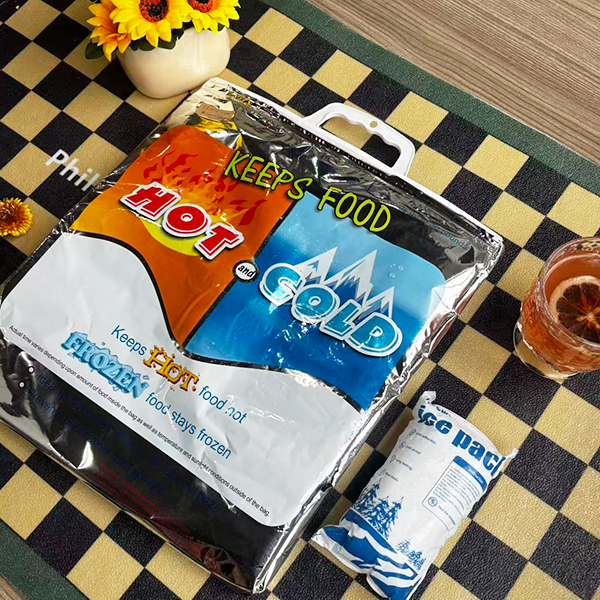
How to Optimize Cold Chain Transport with Logistics Dry Ice Packs
In the fast-paced world of logistics, maintaining a reliable cold chain is crucial. Logistics dry ice packs are an essential tool in ensuring that temperature-sensitive goods arrive at their destination in perfect condition. Whether you’re shipping pharmaceuticals, perishable food, or chemicals, these packs offer the necessary cooling power for long-duration transport. This article will explore how to use dry ice packs effectively in cold chain logistics, ensuring cost savings and product integrity.
How do logistics dry ice packs maintain temperature control in cold chain transport?
What are the benefits of using logistics dry ice packs over traditional cooling methods?
How can businesses maximize the efficiency of logistics dry ice packs?
What are the latest trends in logistics and cold chain technology?
How do logistics dry ice packs maintain temperature control in cold chain transport?
Logistics dry ice packs play a vital role in maintaining a consistent temperature throughout the shipping process. Dry ice, or solid carbon dioxide, sublimates at -78.5°C (-109.3°F), making it ideal for cooling applications. When used in cold chain logistics, dry ice packs maintain the low temperatures needed to preserve perishable items such as vaccines, seafood, and frozen foods.
These packs are designed to absorb heat from the surrounding environment, ensuring that temperature-sensitive goods stay below critical thresholds. By keeping items at the proper temperature, logistics dry ice packs reduce the risk of spoilage and product damage. They also help companies comply with industry regulations and safety standards, which are crucial in sectors like pharmaceuticals.
How do logistics dry ice packs compare to traditional cooling methods?
Compared to traditional cooling methods like gel packs or refrigerated containers, logistics dry ice packs offer several advantages. One of the primary benefits is that dry ice does not melt into water, reducing the risk of water damage to your goods. As dry ice sublimates into carbon dioxide gas, it evaporates completely, leaving no liquid residue.
Dry ice packs are also more efficient than wet ice because they have a lower temperature and sublimate more slowly. This slow rate of sublimation allows dry ice to provide longer-lasting cooling, making it a cost-effective solution for extended shipping times. Additionally, dry ice is more compact and lightweight than wet ice, saving valuable space in shipping containers.
| Benefit | Traditional Ice | Dry Ice Pack Sheets | Impact on Your Business |
|---|---|---|---|
| Cooling efficiency | Less efficient | Maintains colder temps longer | Reduced spoilage, safer products |
| Risk of water damage | High | No water damage | Improved product safety |
| Space and weight efficiency | Bulkier, heavier | More compact and lighter | Cost savings and logistical ease |
How can businesses maximize the efficiency of logistics dry ice packs?
To optimize the use of logistics dry ice packs, it’s essential to understand how to handle and store them properly. Here are some best practices:
Proper Storage: Dry ice should be stored in a well-ventilated area to allow the sublimation process to occur safely. Never store dry ice in airtight containers as the carbon dioxide buildup could cause an explosion.
Layering: When packing cold chain shipments, use a combination of dry ice packs and insulation. This ensures that the dry ice stays cold longer and that the products are shielded from external heat sources.
Strategic Placement: Position dry ice packs near the items that need the most cooling, but ensure they do not come into direct contact with sensitive goods, which could freeze or damage them.
Example:
A global food supplier used logistics dry ice packs to transport seafood across long distances. By layering dry ice with insulation and carefully positioning it around the products, they achieved a 40% reduction in spoilage rates, leading to significant cost savings.
Latest Trends in Logistics and Cold Chain Technology
As we move into 2025, several innovations are shaping the future of logistics, particularly in the cold chain industry. These technologies are enhancing the efficiency and reliability of temperature-sensitive shipments.
Smart Packaging Solutions
New packaging technologies, such as smart packaging and IoT-enabled monitoring systems, are becoming more prevalent. These systems provide real-time temperature tracking, allowing companies to monitor the conditions of their shipments remotely. Smart labels and sensors alert businesses to any temperature fluctuations during transit, helping to prevent potential spoilage and reducing the need for manual checks.
Sustainability in Cold Chain Logistics
Sustainability is a growing concern in the logistics industry, and cold chain transport is no exception. Many companies are looking for ways to reduce their carbon footprint while still ensuring that goods remain cold during transport. Eco-friendly dry ice solutions are gaining traction, offering a balance between cooling performance and environmental impact.
Latest Developments Overview
Temperature-Controlled Packaging: More advanced insulated packaging solutions are improving the effectiveness of logistics dry ice packs.
Automated Cold Chain Systems: Automation is making it easier to monitor and adjust the temperature in real-time, improving accuracy and reducing human error.
Carbon Footprint Reduction: Companies are adopting more eco-conscious practices, such as using sustainable materials and minimizing waste in their cold chain operations.
Market Insights
The demand for cold chain logistics is growing rapidly, driven by the rise of e-commerce and the increasing need for pharmaceuticals, food, and other perishable goods. According to recent market reports, the global cold chain logistics market is expected to grow by 15% annually, with dry ice playing a significant role in ensuring temperature control during transit. As consumer demand for fresh and safe products rises, logistics dry ice packs will continue to be a critical component in the supply chain.
Frequently Asked Questions
Q1: How long do logistics dry ice packs last during transport?
Logistics dry ice packs typically last between 18 to 24 hours, depending on factors like the amount of dry ice used, the insulation quality, and the external temperature conditions. It’s important to monitor temperatures throughout the journey.
Q2: Can I reuse logistics dry ice packs?
Dry ice packs are generally single-use, as they sublimate during transport. However, some companies are exploring reusable dry ice solutions that maintain their efficiency for multiple uses, reducing waste.
Summary and Recommendations
In conclusion, logistics dry ice packs are essential for ensuring the integrity of temperature-sensitive products during transit. By providing efficient and consistent cooling, these packs help businesses reduce spoilage, comply with safety standards, and improve customer satisfaction. To maximize their effectiveness, businesses should follow best practices for handling, storage, and layering.
Next Steps:
If you are looking to improve your cold chain logistics, consider integrating logistics dry ice packs into your shipping strategy. Monitor real-time temperature data and make use of eco-friendly dry ice solutions to stay ahead in the market.
About Tempk
At Tempk, we specialize in providing high-quality dry ice solutions designed to optimize cold chain logistics. Our logistics dry ice packs are reliable, cost-effective, and tailored to meet the needs of modern businesses. With a focus on efficiency and sustainability, we help businesses keep their products cold and safe during transport.
Call to Action: Contact Tempk today to learn more about how our dry ice solutions can enhance your cold chain logistics and reduce costs.
Rapid Freeze Dry Ice Packs: A Game Changer in Cold Chain Logistics

Rapid Freeze Dry Ice Packs: Revolutionizing Cold Chain Logistics
In the ever-growing cold chain logistics industry, ensuring the safe and efficient transport of temperature-sensitive goods is more crucial than ever. Rapid freeze dry ice packs have become an essential tool for businesses in sectors such as pharmaceuticals, food, and biotechnology. These cooling packs provide extended cooling durations, enhance product safety, and are environmentally friendly, positioning them as the ideal solution for modern cold chain challenges.
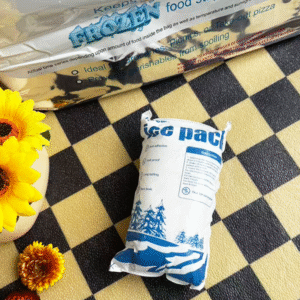
How do rapid freeze dry ice packs work to maintain ultra-low temperatures?
What are the key benefits of using dry ice compared to traditional cooling methods?
How can rapid freeze dry ice packs improve cold chain efficiency and reduce costs?
What are the latest trends in 2025 shaping the future of cold chain logistics?
How Do Rapid Freeze Dry Ice Packs Work?
Rapid freeze dry ice packs are made from solid carbon dioxide (CO₂), which sublimates (turns from solid to gas) at a temperature of -78.5°C (-109.3°F). This property allows them to maintain extremely low temperatures for extended periods without leaving any liquid residue. Unlike traditional ice packs that melt into water, dry ice sublimates directly into gas, ensuring that sensitive products are kept at the required temperature without the risk of water damage.
For instance, when used in pharmaceutical shipments, dry ice ensures that vaccines and biologics remain stable and effective during transport, preserving their integrity. This is essential for industries that require stringent temperature control to meet regulatory standards.
Why is Sublimation a Key Advantage?
The sublimation process of dry ice absorbs a significant amount of heat, allowing it to maintain low temperatures without the need for liquid water. This unique characteristic makes dry ice far more effective than gel or water-based ice packs, especially for shipments that need to stay at temperatures far below freezing.
For example, pharmaceuticals and biologics need ultra-low temperatures to maintain their potency. Traditional ice packs and gel packs are typically limited to temperatures between 0°C and 4°C, while dry ice can keep items frozen for up to 72 hours at temperatures well below freezing, which is critical for longer shipments or in warmer climates.
How Do Rapid Freeze Dry Ice Packs Compare to Traditional Cooling Methods?
Dry ice offers several advantages over traditional cooling methods, such as gel packs and liquid ice. Below is a comparative analysis of these cooling options:
| Feature | Rapid Freeze Dry Ice Packs | Traditional Ice Packs |
|---|---|---|
| Temperature Range | -78.5°C (-109.3°F) | 0°C to 4°C |
| Cooling Duration | Up to 72 hours | 6–12 hours |
| Residue | None | Water |
| Reusability | Single-use | Reusable |
| Best Use Cases | Pharmaceuticals, Biotech, Frozen foods | Chilled food, beverages, and less sensitive goods |
As you can see, rapid freeze dry ice packs are far superior when it comes to maintaining ultra-low temperatures over extended periods. They are ideal for sensitive products such as vaccines, biotech samples, and frozen food, which require precise temperature control to ensure safety and quality upon delivery.
Key Benefits of Using Rapid Freeze Dry Ice Packs in Cold Chain Logistics
1. Extended Cooling Duration
Unlike traditional ice packs, dry ice can maintain temperatures for 24 to 72 hours, depending on the quantity used and insulation quality. This reduces the need for frequent replacements and ensures that temperature-sensitive products are kept safe throughout the shipping process.
2. Improved Efficiency and Product Integrity
By providing a consistent cooling environment, rapid freeze dry ice packs help prevent product degradation. For instance, pharmaceuticals that need to be kept at sub-zero temperatures benefit from the steady cooling that dry ice offers, which preserves their efficacy.
3. Reduced Environmental Impact
Unlike traditional ice that melts into water, dry ice sublimates without leaving waste behind, making it a cleaner, more sustainable option. Many businesses are now focusing on reducing environmental impact, and using dry ice is one way to achieve this, especially when combined with eco-friendly packaging materials.
4. Cost-Effectiveness
While the initial cost of dry ice may be higher, its longer cooling duration can reduce overall transportation costs by minimizing the need for multiple replacements. Moreover, the absence of melting water reduces the risk of damage to goods, which can lead to fewer claims and lost products, further lowering costs.
Practical Usage Tips for Maximizing Dry Ice Performance
To maximize the efficiency of dry ice in cold chain logistics, consider the following tips:
Pre-cool Containers: Before adding dry ice, ensure the shipping container is cool to prevent the dry ice from wasting energy cooling down the container itself.
Layering Method: Use the “sandwich” method where a layer of dry ice is placed at the bottom and top of the cargo, with the product placed in the middle. This ensures even cooling throughout the shipment.
Ventilation: Since dry ice sublimates into CO₂ gas, it’s essential to ensure proper ventilation in the packaging to prevent pressure build-up and potential hazards.
Safety Measures: Always handle dry ice with insulated gloves and store it in well-ventilated areas to avoid frostbite and asphyxiation.
2025 Trends in Cold Chain Logistics: The Role of Rapid Freeze Dry Ice Packs
As we move into 2025, the cold chain logistics sector is embracing technological advancements that make shipping more efficient, cost-effective, and sustainable. Rapid freeze dry ice packs are at the forefront of these innovations. Here’s a look at the trends influencing the industry:
1. AI-Powered Temperature Management
Artificial intelligence is now being used to monitor temperature and humidity in real-time. AI-powered sensors help optimize the amount of dry ice used in shipments, ensuring that products are kept within the required temperature range. This technology can also predict temperature fluctuations and adjust shipments accordingly, reducing spoilage.
2. Smart Packaging and IoT Integration
Smart packaging solutions that integrate IoT sensors are becoming more common. These sensors allow for real-time monitoring of temperature and humidity during transit, ensuring that dry ice is performing optimally throughout the journey.
3. Sustainability Initiatives
Sustainability is a growing concern in the cold chain industry, and dry ice production is becoming more eco-friendly. Companies are using captured CO₂ for dry ice production, which reduces its carbon footprint. Additionally, sustainable practices like using biodegradable packaging materials and reusable insulation are becoming more common.
Frequently Asked Questions
Q1: How long do rapid freeze dry ice packs last during transportation?
Dry ice typically lasts between 18 and 24 hours, depending on the amount used and the insulation quality. In well-insulated packaging, it can last up to 72 hours.
Q2: Can rapid freeze dry ice packs be reused?
No, dry ice is a single-use refrigerant because it sublimates completely during transit. However, the insulated containers and additional materials used for packing are reusable.
Q3: Are rapid freeze dry ice packs safe to handle?
Yes, but they should be handled with care. Use insulated gloves to prevent frostbite and ensure proper ventilation when storing or transporting dry ice to avoid CO₂ buildup.
Conclusion and Recommendations
Rapid freeze dry ice packs offer a superior solution for cold chain logistics, particularly when transporting ultra-sensitive goods like pharmaceuticals, biotech samples, and frozen food. Their ability to maintain low temperatures for extended periods, combined with their environmental benefits, makes them a valuable asset to any business in the cold chain sector.
Next Steps
To optimize your cold chain logistics, consider integrating rapid freeze dry ice packs into your transportation strategy. Evaluate your cooling methods, assess how dry ice can help reduce costs, and ensure that you follow safety and regulatory guidelines.
About Tempk
At Tempk, we specialize in providing innovative cold chain solutions. Our rapid freeze dry ice packs are designed for reliability, efficiency, and sustainability. We help businesses in pharmaceuticals, food, and biotech improve their logistics with cost-effective and eco-friendly solutions.
Call to Action
Contact us today to learn how Tempk can help you streamline your cold chain logistics with our advanced dry ice solutions.
How Dry Ice Bricks and Ice Packs Improve Cold Chain Logistics
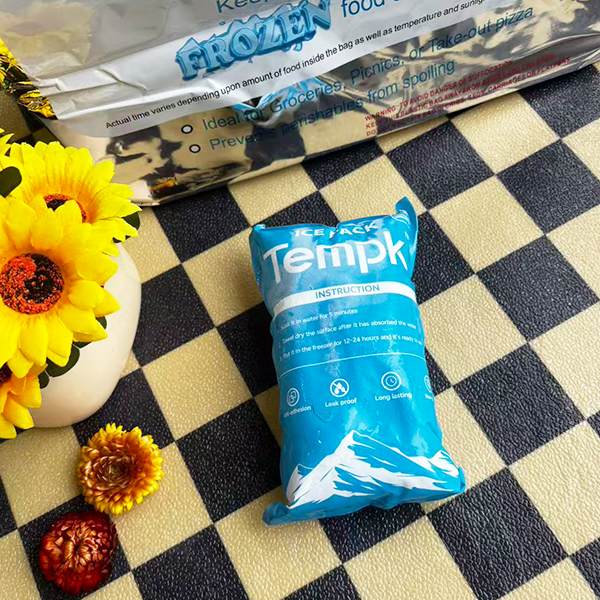
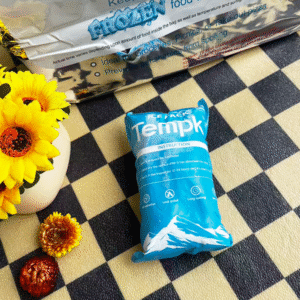
In cold chain logistics, ensuring that temperature-sensitive goods arrive safely is crucial. Dry ice bricks and ice packs play an essential role in maintaining optimal temperatures during transit, reducing spoilage and enhancing cost-efficiency. This article explores their benefits and how they can transform your cold chain operations.
What makes dry ice bricks and ice packs ideal for cold chain logistics?
How do these tools compare to traditional ice solutions?
What are the environmental and economic advantages of using dry ice?
How can businesses leverage dry ice solutions for better logistics?
What Are Dry Ice Bricks and Ice Packs?
Dry ice bricks are solid blocks of frozen carbon dioxide (-78.5°C), and ice packs are flexible containers filled with a gel or water solution that freezes at 0°C. These cooling tools are used to maintain specific temperature ranges for sensitive products during transit, including pharmaceuticals, food, and biotech products.
Dry ice sublimates into gas, making it ideal for shipments requiring long-lasting, ultra-low temperatures, while ice packs are better suited for shorter trips and moderate temperature control needs.
Comparison of Cooling Methods
| Feature | Dry Ice Bricks | Ice Packs | Traditional Ice |
|---|---|---|---|
| Temperature | -78.5°C | 0°C to -5°C | 0°C to -5°C |
| Cooling Duration | 24-72 hours | 8-12 hours | 4-6 hours |
| Reusability | Yes | Yes | No |
| Waste Generation | Minimal | Low | High |
| Suitability for Long Shipments | Best suited for long shipments | Ideal for short shipments | Not ideal for extended transit |
Why Are Dry Ice Bricks and Ice Packs Better Than Traditional Ice?
No Water Damage: Dry ice sublimates into gas, preventing any water damage to your sensitive products, a common problem with traditional ice that melts during transit.
Longer Cooling Duration: Dry ice offers superior cooling for up to 72 hours, which is essential for long-distance or international shipments. In contrast, traditional ice lasts only a few hours, potentially risking spoilage.
Space Efficiency: Dry ice takes up less space than traditional ice, allowing for more efficient use of cargo space, especially in compact or tightly packed shipments.
How to Choose the Right Dry Ice Solution for Your Shipment
Choosing the right cooling method depends on the nature of your shipment:
For long-duration shipments: Dry ice bricks are ideal due to their ability to maintain ultra-low temperatures for an extended period.
For smaller or less temperature-sensitive shipments: Ice packs are cost-effective and work well for shorter trips.
For pharmaceuticals or temperature-sensitive items: Dry ice provides precise, reliable cooling over long distances, ensuring product integrity.
The Environmental Impact of Dry Ice Bricks and Ice Packs
As sustainability becomes a growing concern in logistics, both dry ice bricks and ice packs contribute to reducing the environmental impact of cold chain operations:
Dry Ice: Since it sublimates, it leaves no liquid waste, making it an environmentally friendly option compared to traditional ice or gel packs that generate significant waste.
Eco-Friendly Ice Packs: Many ice packs are made with biodegradable, non-toxic materials, reducing their environmental footprint when compared to conventional plastic-based solutions.
Trends in Cold Chain Logistics: 2025 and Beyond
The cold chain industry is evolving, with new trends focused on sustainability and efficiency:
IoT and Real-Time Monitoring: The integration of IoT devices for temperature tracking ensures that dry ice solutions work effectively and helps businesses respond to temperature fluctuations immediately.
Smarter Packaging Solutions: Advances in packaging technology are helping enhance the cooling performance of dry ice, reducing overall shipping costs and increasing efficiency.
Sustainability Innovations: Companies are developing biodegradable dry ice options and seeking eco-friendly certifications to appeal to environmentally-conscious consumers.
Frequently Asked Questions
How long do dry ice bricks and ice packs last?
Dry ice can maintain a low temperature for 18-72 hours, depending on the shipment size and conditions. Ice packs last between 8-12 hours. Proper insulation and packaging can help maximize their effectiveness.
Can dry ice bricks and ice packs be reused?
Yes, both dry ice bricks and many types of ice packs are reusable. However, dry ice generally cannot be reused for the same shipment as it sublimates, but the material itself can be recycled for other uses.
Conclusion and Recommendations
Dry ice bricks and ice packs are integral to maintaining efficient, cost-effective cold chain logistics. By using the appropriate solution, businesses can reduce spoilage, enhance product safety, and optimize shipping costs. For longer shipments or highly temperature-sensitive goods, dry ice is the best solution. For shorter, less sensitive shipments, ice packs provide an affordable and sustainable alternative.
Next Steps:
Evaluate your cold chain needs: Assess your specific shipping requirements and determine which solution works best for your business.
Monitor your shipments: Implement temperature tracking tools to ensure your cold chain solutions maintain optimal conditions during transit.
About Tempk
At Tempk, we specialize in providing high-performance cold chain solutions. Our dry ice bricks and ice packs offer superior temperature control, cost savings, and sustainability. Contact us today to learn how we can help optimize your logistics operations with our innovative cooling solutions.
How Reusable Dry Ice Packs Improve Cold Chain Efficiency in 2025
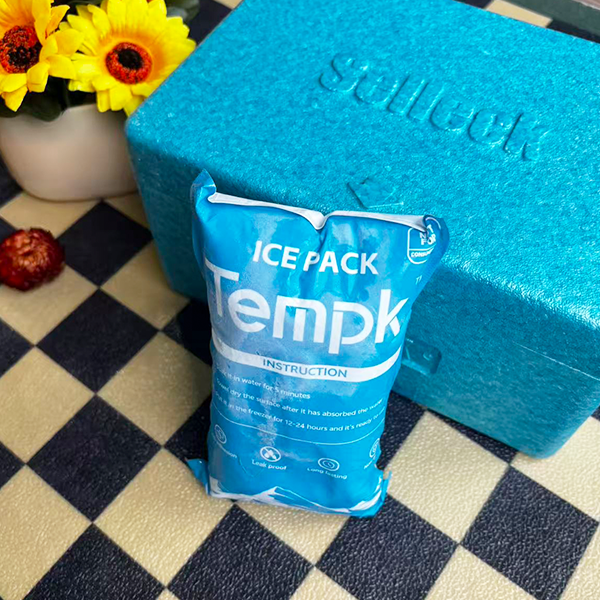
How Can Reusable Dry Ice Packs Improve Cold Chain Logistics in 2025?
Introduction
Reusable dry ice packs are revolutionizing the cold chain logistics industry in 2025, offering a more efficient, sustainable, and cost-effective solution for transporting temperature-sensitive products. Whether you’re shipping food, pharmaceuticals, or biotechnology products, these advanced cooling systems ensure your goods remain fresh and safe. In this article, we’ll explore the benefits, applications, and best practices for using reusable dry ice packs to streamline your cold chain operations.
How do reusable dry ice packs help maintain temperature control in the cold chain?
What sets reusable dry ice packs apart from traditional cooling methods?
How can businesses save money with reusable dry ice packs?
What are the latest trends in dry ice technology for cold chain logistics?
How Do Reusable Dry Ice Packs Help Maintain Temperature Control in Cold Chain Operations?
Reusable dry ice packs are highly effective at maintaining low temperatures for extended periods. Made from solid carbon dioxide, these packs sublimate at -78.5°C (-109.3°F), providing ultra-cold temperatures that are essential for transporting sensitive goods. Their ability to stay cold for long durations ensures that perishable products like vaccines, medical supplies, and seafood arrive at their destination safely.
Unlike traditional ice packs, which melt and create water that could damage goods, dry ice sublimes into a gas, leaving no moisture behind. This property makes dry ice an ideal solution for industries that require strict temperature control, particularly when moisture could ruin the product.
Benefits of Dry Ice for Cold Chain Operations
| Benefit | Traditional Ice Packs | Reusable Dry Ice Packs | Impact on Your Business |
|---|---|---|---|
| Temperature Stability | Fluctuates over time | Remains stable longer | Reduces spoilage and loss |
| Water Damage Risk | High | None | Protects sensitive goods |
| Storage Efficiency | Requires more space | More compact | Reduces storage costs |
What Sets Reusable Dry Ice Packs Apart from Traditional Cooling Methods?
There are several key advantages to using reusable dry ice packs instead of traditional ice packs or gel-based alternatives. One of the most significant benefits is that dry ice maintains a more stable, lower temperature for longer periods, which is crucial when shipping temperature-sensitive items like medications, seafood, or meats.
Dry ice packs are also more efficient in terms of storage. They are more compact and lighter than traditional methods, reducing the space required for shipping. Additionally, because dry ice sublimates into gas, there is no risk of water damage, which is a common concern with conventional ice.
How Can Businesses Save Money with Reusable Dry Ice Packs?
Switching to reusable dry ice packs can lead to significant long-term savings. Traditional ice packs and gel packs need to be replaced after each use, while dry ice packs can be used multiple times, making them more cost-effective. Additionally, dry ice reduces the need for frequent replenishment during long-haul shipments, further optimizing cold chain logistics.
This reduction in waste also aligns with sustainability goals. By using fewer disposable materials, businesses can reduce their environmental impact and lower waste disposal costs. Companies that prioritize eco-friendly solutions will find dry ice to be a practical, economically sensible option.
Real-World Example
A pharmaceutical logistics company switched to reusable dry ice packs and reported a 20% reduction in cooling costs after six months of use. The company also reduced waste significantly, supporting its environmental sustainability initiatives.
What Are the Latest Trends in Reusable Dry Ice Pack Technology?
As the cold chain industry evolves in 2025, several innovations are improving the efficiency and sustainability of reusable dry ice packs. Among the key developments are biodegradable coatings for dry ice packs, which reduce environmental impact. Additionally, many companies are integrating smart technology with dry ice packs, allowing for real-time temperature monitoring during transit. These advancements are helping businesses ensure that shipments remain within the required temperature range, minimizing spoilage and ensuring product integrity.
Key Trends in 2025 Dry Ice Technology
Sustainable Coatings: Biodegradable and eco-friendly coatings are being introduced to minimize environmental impact.
Smart Sensors: The integration of IoT technology allows for real-time temperature monitoring, enhancing the reliability of shipments.
Customizable Solutions: Businesses are offering more flexible dry ice packaging to cater to various temperature requirements.
Best Practices for Using Reusable Dry Ice Packs
To maximize the benefits of reusable dry ice packs, follow these best practices:
Proper Layering
When using dry ice, ensure that the packs are properly layered to provide consistent cooling. The dry ice should surround the product, but not come into direct contact with sensitive items that could be damaged by extreme cold.
Adequate Ventilation
Dry ice sublimates into carbon dioxide gas, so it’s essential to transport it in containers that allow the gas to escape. Sealed containers can lead to dangerous pressure buildup, which could cause damage or safety risks. Ensure your packaging has proper ventilation.
Temperature Monitoring
Use temperature-sensitive labels or smart sensors to track the internal temperature of your shipments. This is especially important for long-distance or long-duration shipments, where temperatures can fluctuate.
Hybrid Approaches
For shipments that require refrigeration but not freezing, consider combining reusable dry ice packs with gel or water packs. This hybrid approach helps maintain the ideal temperature range without risking the freezing of delicate products.
2025 Trends in Cold Chain Logistics and Dry Ice Technology
As cold chain logistics becomes more sophisticated, several emerging trends are reshaping the industry. Companies are increasingly prioritizing sustainability and cost-efficiency in their operations. Reusable dry ice packs are leading the charge by offering an eco-friendly alternative to traditional methods.
Latest Innovations
Phase Change Materials (PCMs): These materials are being integrated into dry ice packs to provide more precise temperature control and extend the cooling duration.
Vacuum Insulation Panels (VIPs): VIPs are reducing heat transfer, allowing shippers to use fewer ice packs and maintain stable temperatures for longer periods.
Real-Time Data Monitoring: The integration of IoT sensors allows businesses to track temperature and location data, enhancing transparency and reducing spoilage.
Frequently Asked Questions
Q1: How long do reusable dry ice packs last?
Reusable dry ice packs typically last 12 to 24 hours, depending on external conditions and the quantity of dry ice used. Proper handling and storage are crucial to ensuring optimal performance.
Q2: Can reusable dry ice packs be used for air shipments?
Yes, these packs are designed to meet the stringent requirements of air cargo, including compliance with TSA regulations.
Q3: How can businesses calculate the right amount of dry ice?
A general guideline is to use 5 to 10 pounds of dry ice per day of shipping. However, this should be adjusted based on factors like insulation quality and environmental conditions.
Conclusion
Reusable dry ice packs are transforming the cold chain logistics industry. Their ability to maintain consistent low temperatures, reduce costs, and support sustainability initiatives makes them a valuable tool for businesses in 2025. By adopting best practices and staying up-to-date with the latest trends, companies can improve their shipping efficiency, reduce waste, and meet customer demands for high-quality, temperature-sensitive products.
Next Steps:
Start incorporating reusable dry ice packs into your cold chain logistics operations. Monitor their performance and adjust usage based on your specific needs to optimize costs and efficiency.
About Tempk
At Tempk, we specialize in providing innovative temperature-controlled packaging solutions, including reusable dry ice packs and custom cold chain solutions. Our expertise in cold chain logistics ensures that your temperature-sensitive goods remain safe and fresh, all while minimizing environmental impact.
Call to Action: Contact us today to learn how our reusable dry ice packs can optimize your cold chain operations.
Affordable Dry Ice Pack Sheets – Cost-Effective Cold Chain Solution 2025
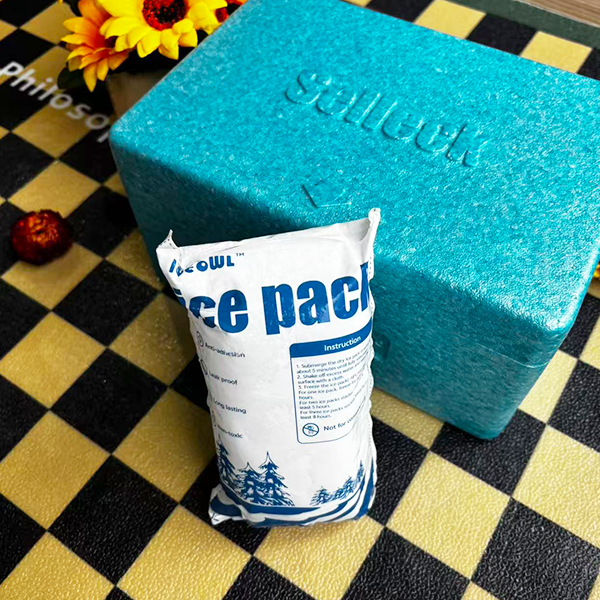
Article: Affordable Dry Ice Pack Sheets – Cost-Effective Cold Chain Shipping
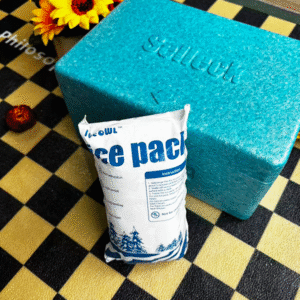
Shipping perishable items requires precise temperature control to ensure product quality. Affordable dry ice pack sheets provide a budget-friendly, efficient solution for maintaining these temperatures during transit. These sheets, popular in industries like pharmaceuticals and food delivery, help to reduce spoilage risk and improve shipment efficiency, making them a preferred choice for many businesses. In this article, we will dive into how these sheets work, their key benefits, and why they’re becoming increasingly popular in the cold chain logistics sector.
What Are Affordable Dry Ice Pack Sheets?
Affordable dry ice pack sheets are thin, flexible layers of dry ice, neatly compacted into convenient sheets. They are designed to maintain a constant low temperature for extended periods, making them ideal for shipping perishable goods. Unlike traditional ice packs that tend to melt into liquid, dry ice sheets sublimate, keeping items frozen without the mess of excess water. This makes them a superior choice for temperature-sensitive shipments, ensuring that your products reach their destination in optimal condition.
How Do Affordable Dry Ice Pack Sheets Work?
Dry ice pack sheets work by sublimating – turning directly from solid to gas – at a stable rate, which releases cold energy. This ensures that the temperature stays within the required range for a certain duration, typically between 24 to 48 hours depending on environmental conditions. The sheets are designed for easy handling, and their compact nature makes them easy to store and distribute during the shipping process.
Comparison Between Dry Ice Pack Sheets and Traditional Ice
| Feature | Dry Ice Pack Sheets | Traditional Ice Packs | Impact on Your Shipments |
|---|---|---|---|
| Cooling Duration | 24-48 hours | 12-24 hours | Longer cooling, reduces spoilage |
| Risk of Water Damage | None | High | Prevents water damage to products |
| Cost | Affordable | Can be expensive | Cost-efficient for long-distance shipping |
| Safety | Safe handling | Risk of frostbite | Safer to handle for non-trained staff |
Key Benefits of Affordable Dry Ice Pack Sheets
Cost-Effective: One of the primary benefits of dry ice pack sheets is their affordability. Compared to traditional cooling solutions, they offer a low-cost method to maintain temperature stability.
Versatility: Dry ice sheets can be tailored to fit the specific size and cooling needs of various products, including food, medical supplies, and pharmaceuticals.
Eco-Friendly: Unlike conventional ice that leaves behind water waste, dry ice sublimates into gas, leaving no mess behind, making it a more environmentally friendly option.
Choosing the Right Dry Ice Pack Sheets
When selecting dry ice pack sheets for your business, consider several factors:
Cooling Duration: Choose sheets that align with the duration of your shipment. For longer trips, consider thicker or more sheets.
Temperature Requirements: If you’re shipping pharmaceuticals, opt for sheets that maintain lower temperatures to ensure compliance with industry standards.
Customization: Some sheets are customizable in size and thickness, allowing businesses to optimize their cooling process for different products.
Real-World Applications of Affordable Dry Ice Pack Sheets
Shipping Perishable Foods
Dry ice pack sheets are ideal for shipping frozen foods such as seafood, meats, and vegetables. By using dry ice pack sheets, you ensure that products remain at the desired temperature, reducing spoilage and improving overall quality.
Pharmaceutical and Medical Supply Shipping
For the pharmaceutical industry, particularly with vaccines, maintaining a stable temperature is crucial. Dry ice pack sheets provide a reliable solution to ensure that the products remain within the required temperature range.
Eco-Friendly Cold Chain Logistics
Dry ice pack sheets are an eco-friendly solution that aligns with the growing demand for sustainable shipping methods. As businesses look for ways to reduce their environmental impact, dry ice offers a clean alternative with zero liquid waste.
Trends in the Affordable Dry Ice Pack Sheet Industry
With advancements in technology, the use of dry ice pack sheets has been growing in popularity. Some emerging trends in the industry include:
Innovations in Manufacturing: The development of more efficient and cost-effective manufacturing processes for dry ice is making these sheets more affordable and accessible.
Sustainability Focus: There is a growing push for sustainable shipping solutions, and dry ice pack sheets meet this demand by eliminating waste and reducing environmental impact.
E-Commerce and Food Delivery Growth: The rise of online grocery shopping and food delivery services has increased the need for reliable and affordable cold chain logistics. Dry ice pack sheets are becoming the go-to solution for businesses looking to transport perishable items effectively.
Frequently Asked Questions (FAQ)
Q1: How long will dry ice pack sheets keep my product cold?
Dry ice pack sheets can maintain low temperatures for up to 48 hours, depending on the type of goods and the external temperature. For longer transit times, more sheets or a combination of sheets and solid dry ice may be necessary.
Q2: Can I reuse dry ice pack sheets?
Yes, dry ice pack sheets are reusable. Simply follow the manufacturer’s instructions for rehydrating and freezing the sheets before use. This reduces waste and makes them a more cost-effective option in the long run.
Q3: Are dry ice pack sheets safe to handle?
Dry ice pack sheets are safe to handle, as they don’t involve direct contact with dry ice, which can cause burns. The gel-based sheets minimize the risk of frostbite, making them safer to use and handle.
Conclusion
Affordable dry ice pack sheets offer an efficient, cost-effective, and environmentally-friendly solution for businesses involved in cold chain logistics. Whether shipping food, pharmaceuticals, or other temperature-sensitive products, these sheets provide reliable cooling without the challenges of traditional ice. By choosing the right dry ice pack sheet tailored to your needs, you can ensure that your products remain safe, fresh, and on time, all while reducing shipping costs.
Call to Action:
Interested in finding the right affordable dry ice pack sheet for your business? Contact us today to explore your options and optimize your cold chain shipping needs.
About Tempk
Tempk specializes in cold chain solutions, providing a range of products, including dry ice pack sheets. Our mission is to help businesses reduce costs and maintain the highest quality for temperature-sensitive goods during transit. Reach out for a consultation today!