


Shipping Container Dry Ice Packs: How to Ensure Safe and Efficient Shipping
Shipping Container Dry Ice Packs: How to Ensure Safe and Efficient Shipping

Shipping Container Dry Ice Packs: How to Ensure Safe and Efficient Shipping
Shipping container dry ice packs are crucial for maintaining temperature-sensitive goods at optimal conditions during transport. Whether you are shipping pharmaceuticals, perishable foods, or high-value chemicals, dry ice provides the necessary cooling power to preserve product integrity. This article explores the advantages of dry ice in shipping, its mechanism in temperature regulation, safety best practices, and how to ensure the most efficient and compliant shipping processes.

What are the advantages of using dry ice packs in shipping containers?
How do dry ice packs maintain temperature during transportation?
What are the best practices for using dry ice in container shipping?
How to ensure compliance with safety regulations when shipping with dry ice?
What Are the Advantages of Using Dry Ice Packs in Shipping Containers?
Dry ice packs are a favored solution in shipping containers because of their unique properties that provide consistent and efficient cooling during long-distance shipments. By sublimating directly into gas, dry ice eliminates the risk of water damage that other coolants might cause. Below are the key advantages that make dry ice an optimal choice for cold chain logistics:
Key Advantages:
Long-Lasting Cooling: Dry ice maintains a consistently low temperature over an extended period, which is ideal for shipments that need to stay cold for multiple days.
Lightweight and Efficient: Unlike conventional ice, dry ice occupies less space, which translates into reduced shipping weight and cost.
No Water Residue: As dry ice sublimates directly to gas, it doesn’t leave behind any water, preventing potential damage to the products and packaging.
| Advantage | Description | Practical Implications |
|---|---|---|
| Long-Lasting Cooling | Maintains low temperatures for extended periods | Ideal for long shipping durations |
| Lightweight & Efficient | Compact and reduces shipping weight | Helps reduce transport costs |
| No Water Residue | Sublimates to gas, leaving no moisture | Keeps products and packaging clean |
User Practical Tips and Recommendations
For Pharmaceuticals: Dry ice is essential to maintain the efficacy of temperature-sensitive medications and vaccines during global shipments.
For Perishable Foods: Items like fresh seafood, meats, and other perishables that require consistent cold temperatures benefit greatly from dry ice use.
For Chemicals: Certain chemicals, especially in research and biotech, need precise temperature regulation. Dry ice ensures these products remain stable during transport.
How Do Dry Ice Packs Maintain Temperature During Transportation?
Dry ice packs function by sublimating directly into CO₂ gas, creating a cooling effect inside shipping containers. The cooling process is essential for preserving sensitive goods that require sub-zero temperatures. Here’s how dry ice works in shipping:
Temperature Control Mechanism:
Direct Sublimation: As dry ice sublimates into gas, it cools the surrounding air, which maintains the low temperatures inside the container.
Insulated Packaging: Properly insulated containers ensure that the dry ice doesn’t sublimate too quickly, extending the cooling duration.
Customized Dry Ice Quantities: The amount of dry ice used depends on the size of the shipment and the temperature requirements of the products.
| Shipping Container Setup | Key Feature | Effectiveness |
|---|---|---|
| Proper Insulation | Keeps dry ice from sublimating too quickly | Maximizes the cooling duration |
| Customized Dry Ice Amount | Adjusted based on shipment size | Ensures adequate cooling for products |
| Ventilation | Allows CO₂ gas to escape safely | Prevents dangerous pressure buildup |
Best Practices for Using Dry Ice in Container Shipping
Ensuring that dry ice packs work efficiently is crucial to meeting the temperature requirements of your shipment. Below are some best practices for using dry ice in shipping containers:
Correct Dry Ice Amount: Use approximately 1 to 2 pounds of dry ice per 10–15 pounds of product for every 24-hour period.
Effective Insulation: Proper insulation of the shipping container is vital for slowing the sublimation rate of dry ice, ensuring it lasts longer.
Ensure Ventilation: Proper ventilation is necessary to allow CO₂ gas to escape safely. Without adequate ventilation, the CO₂ can build up, potentially leading to hazardous conditions.
Safety Considerations When Using Dry Ice in Shipping Containers
Handling dry ice is not without its risks. As CO₂ sublimates into gas, it can cause asphyxiation or create pressure buildup inside the shipping container. Below are essential safety practices to mitigate these risks:
Safety Tips for Dry Ice Handling:
Wear Protective Gear: Always use insulated gloves, goggles, and long sleeves when handling dry ice to avoid frostbite and burns.
Ensure Proper Ventilation: Shipping containers must allow for CO₂ gas to escape. Poor ventilation can lead to dangerous pressure buildup.
Training: Anyone involved in handling dry ice should be adequately trained on its risks and proper handling procedures to ensure safety throughout the shipping process.
2025 Trends in Shipping Container Dry Ice Packs
As the cold chain logistics industry continues to evolve, so too does the use of dry ice in shipping containers. Here are the latest trends and developments shaping this space in 2025:
Trend Overview:
Sustainability: There is a growing emphasis on sourcing eco-friendly dry ice and utilizing sustainable packaging materials, driven by consumer and regulatory pressure.
Regulatory Compliance: The shipping industry is adapting to new regulations focused on improving transparency and safety in the transport of pharmaceuticals, food, and medical supplies.
Automation in Logistics: AI and IoT are becoming more prevalent in logistics solutions, improving the accuracy and efficiency of dry ice shipments while minimizing environmental impacts.
Latest Developments at a Glance:
Sustainability: Emphasis on renewable energy-driven dry ice production and eco-friendly materials for packaging.
AI-Driven Optimization: Artificial intelligence is helping businesses optimize dry ice shipments, enhancing route planning and minimizing carbon footprints.
Regulatory Updates: New IATA and DOT regulations focusing on sustainability and updated packaging and labeling requirements.
Common Questions About Shipping Container Dry Ice Packs
Q1: How long can dry ice last in a shipping container?
A1: Dry ice can last up to 72 hours, depending on the type of container and insulation used. For longer shipments, more dry ice may be required.
Q2: Is it safe to use dry ice in shipping containers for food?
A2: Yes, dry ice is commonly used for shipping food. It is essential to ensure proper sealing and insulation to maintain freshness.
Conclusion and Recommendations
In summary, shipping container dry ice packs are a reliable and efficient way to ensure your temperature-sensitive goods remain within the required temperature range during transit. By using the right amount of dry ice, employing effective insulation, and following best practices for safety, you can ensure the integrity of your shipments.
Next Steps: If you’re planning to ship temperature-sensitive goods, consider consulting a logistics expert to optimize your dry ice usage and ensure compliance with all safety regulations.
About Tempk
At Tempk, we specialize in cold chain logistics solutions, including dry ice packs for shipping containers. Our products are designed to maintain your goods in optimal condition during transport, offering reliable and sustainable solutions for businesses in industries such as pharmaceuticals, food, and biotechnology.
Call to Action: Contact us today to learn how we can assist you in optimizing your shipping processes with our dry ice solutions.
Dry Ice Pack Sheets for Fish Shipping: Best Practices for Safe and Efficient Transport
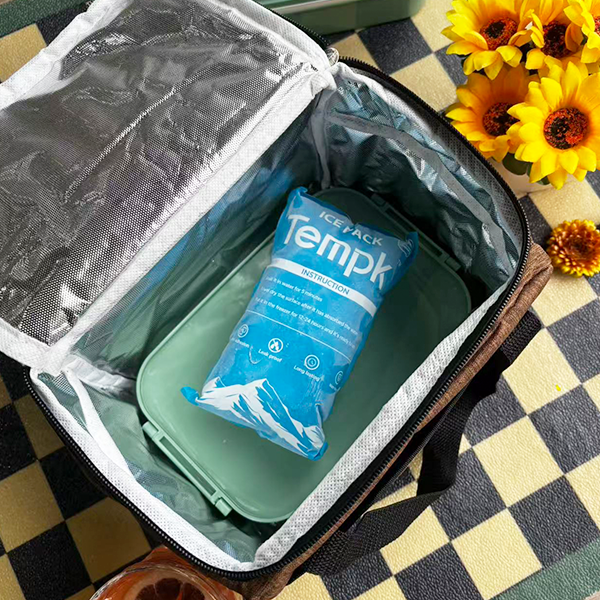
Shipping fresh fish requires precise temperature control to ensure quality and safety. Dry ice pack sheets are the perfect solution for maintaining low temperatures during transit. In this article, we will discuss how to use dry ice pack sheets effectively for fish shipping, ensuring compliance with industry standards and maximizing the freshness of your product.
The key benefits of using dry ice pack sheets for fish shipping.
How to select the right dry ice pack sheets based on the type of fish and shipment distance.
The best practices for packaging and shipping fish using dry ice.
Common challenges in fish shipping and how dry ice can help overcome them.
How to comply with regulatory requirements during dry ice transportation.
What Are Dry Ice Pack Sheets and Why Are They Essential for Fish Shipping?
Dry ice pack sheets are designed to keep perishable goods like fish at the optimal temperature during shipping. Dry ice, which sublimates at -78.5°C, is crucial in maintaining low temperatures over extended periods. These sheets offer superior performance in controlling temperatures and reducing spoilage compared to conventional ice packs.
Dry ice is especially beneficial for fish shipping, where freshness is critical. Traditional methods like gel packs or regular ice don’t provide long-lasting cooling, leading to quicker spoilage. Dry ice, on the other hand, ensures that fish remain at a safe temperature from the moment they leave the supplier to the time they reach their destination.
How Do Dry Ice Pack Sheets Work in Fish Shipping?
Dry ice pack sheets are placed around the fish in an insulated container, ensuring that the fish remain frozen or chilled throughout transit. The sublimation process of dry ice absorbs heat, maintaining low temperatures, preventing bacterial growth, and preserving the fish’s quality.
The efficiency of dry ice in maintaining temperature depends on various factors, including the weight of the shipment, shipping duration, and environmental conditions. By calculating the right amount of dry ice, you can ensure that your shipment remains within the required temperature range for the entire journey.
How to Choose the Right Dry Ice Pack Sheets for Fish Shipping
Selecting the right dry ice pack sheets is critical to ensuring the fish arrive in optimal condition. Here are some factors to consider:
Type of Fish: Some fish, like tuna or salmon, require deeper freezing temperatures, while others, like cod or haddock, are less sensitive. The type of fish will dictate how much dry ice is needed.
Shipment Duration: Longer shipments require more dry ice. It’s essential to calculate how much dry ice will sublimate over the transport duration to prevent the fish from warming up.
Environmental Conditions: If your shipment is traveling in warmer climates, you will need extra dry ice to compensate for the external temperature.
Packaging Material: Use insulated boxes or cooler bags to retain the cold for as long as possible. Ensure the dry ice is well-layered to prevent direct contact with the fish, which could lead to freezer burn.
Table: Recommended Dry Ice Amount Based on Shipment Duration
| Shipment Duration | Type of Fish | Recommended Dry Ice (lbs) | Packaging Requirements |
|---|---|---|---|
| 24-48 hours | Tuna, Salmon | 5-7 lbs | Insulated box, tight sealing |
| 48-72 hours | Cod, Haddock | 4-5 lbs | Insulated cooler bag, minimal airspace |
| 72+ hours | Mackerel, Pollock | 6-8 lbs | Insulated container with temperature monitoring |
Packaging and Shipping Best Practices for Fish Using Dry Ice
To maximize the benefits of dry ice pack sheets, it’s essential to follow proper packaging and shipping guidelines.
Pre-cool the Shipment: Pre-cool the shipping container and the fish before packing. This will help maintain the temperature longer.
Proper Layering: Place the dry ice at the bottom of the container, allowing for proper ventilation and gas release. Make sure the fish are packed securely but with space for the dry ice to sublimate effectively.
Ventilation: Dry ice produces CO₂ gas as it sublimates. Ensure that the packaging allows gas to escape to prevent pressure buildup, which could damage the container or the fish.
Use Insulated Containers: Insulated boxes or cooler bags are essential for maintaining the temperature throughout transit. Make sure the container is well-sealed to avoid any temperature fluctuations.
Challenges in Fish Shipping and How Dry Ice Can Help
While dry ice is highly effective for fish shipping, it doesn’t come without its challenges. Common issues include:
Sublimation Rate: Dry ice sublimates at a fixed rate, which can sometimes lead to insufficient cooling if not calculated correctly. This is why it’s important to plan ahead and calculate how much dry ice will be required for the shipment.
Shipping Delays: Unexpected delays can cause fish to warm up, even with dry ice. Ensure that your shipping provider can guarantee on-time delivery to minimize the risk of spoilage.
Regulatory Compliance: Shipping fish with dry ice requires compliance with various regulations, including proper labeling and handling. Ensure your shipment is clearly labeled with “Carbon Dioxide Solid” and the correct weight of the dry ice used.
How to Avoid Dry Ice Shipping Problems
Plan for Delays: Choose reliable shipping services and use temperature monitoring devices to track the condition of your shipment in real time.
Label Properly: Ensure that your dry ice is properly labeled with the appropriate warning signs, including “Carbon Dioxide Solid” and the correct net weight.
Monitor Sublimation Rates: Calculate how much dry ice you’ll need based on the expected transit time, temperature, and type of fish.
Regulatory Requirements for Shipping Fish with Dry Ice
Shipping fish with dry ice is regulated to ensure safety for handlers and the environment. Some key regulations to keep in mind include:
DOT Regulations: The U.S. Department of Transportation requires dry ice shipments to be properly labeled and packaged. Dry ice must be declared as hazardous material on air shipments.
IATA Guidelines: For air transport, the International Air Transport Association (IATA) has strict rules for the amount of dry ice used in shipments. These guidelines ensure that there’s adequate ventilation and safe handling of the gas released during sublimation.
FAQs about Shipping Fish with Dry Ice
Q1: Can I use dry ice for shipping fish overnight?
Yes, dry ice is an excellent choice for overnight shipments as it can maintain low temperatures for extended periods. Ensure the dry ice amount is sufficient based on the duration and fish type.
Q2: How do I handle dry ice safely when packing fish?
Always use gloves when handling dry ice to avoid frostbite. Ensure the container is well-ventilated to allow the CO₂ gas to escape safely.
Conclusion: Why Dry Ice Pack Sheets Are the Best Choice for Fish Shipping
Dry ice pack sheets offer unmatched temperature control for shipping fish, ensuring they remain fresh and safe during transit. By selecting the right dry ice amount, using proper packaging, and adhering to regulations, you can guarantee the best results for your shipments. Be proactive in planning and using temperature monitoring devices to avoid delays or mishandling.
Next Steps:
To optimize your fish shipping process, consult with a cold-chain logistics expert to choose the right dry ice solutions tailored to your needs. Reach out to Tempk for expert advice and reliable shipping kits designed to keep your fish fresh during transit.
About Tempk
At Tempk, we specialize in providing innovative cold-chain solutions for the shipping of perishable goods. Our dry ice pack sheets and cooler bags are designed to ensure the safe and efficient transport of seafood, pharmaceuticals, and biotech products. We offer customizable solutions to meet your shipping needs, ensuring compliance with all regulations.
Get in Touch: For tailored solutions and expert advice, contact us today to learn how we can improve your cold-chain logistics.
Dry Ice Pack Sheet Same Day Shipping: Fast & Safe Delivery for Perishables
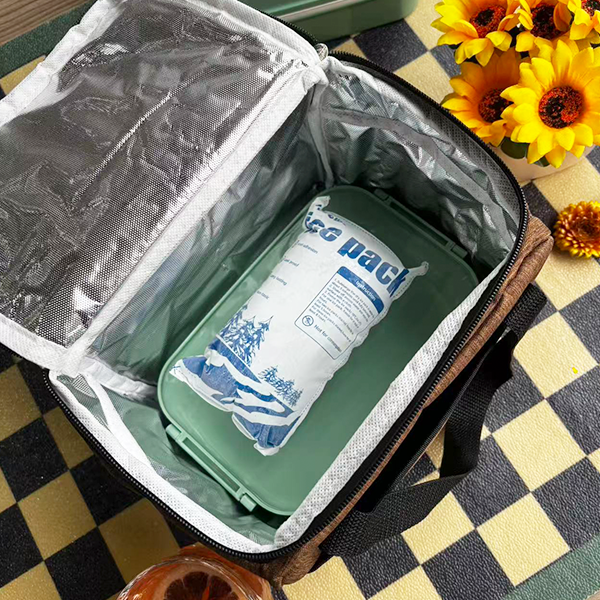
Dry Ice Pack Sheet Same Day Shipping: How to Ensure Fast and Safe Delivery for Perishable Goods?
Dry ice pack sheet same day shipping is a game-changer for industries that rely on the rapid delivery of temperature-sensitive products. Whether it’s seafood, pharmaceuticals, or biotech samples, the ability to ensure safe delivery with minimal risk of spoilage is critical. In this article, we will explore why same day dry ice shipping is essential for businesses dealing with perishable goods and how to optimize your shipping strategy to meet both customer expectations and regulatory standards.
The benefits of same-day dry ice pack sheet shipping for perishable goods
How fast shipping helps maintain regulatory compliance
Key factors to consider when shipping with dry ice packs
Best practices for improving your shipping efficiency
How to choose the best provider for same-day dry ice shipping
What Is Dry Ice Pack Sheet Same Day Shipping, and Why Is It Essential?
Dry ice pack sheet same day shipping is a specialized service designed to keep perishable goods at the required temperature while ensuring quick delivery. This method is widely used for products such as frozen foods, medical supplies, and biotech samples. The primary benefit of using dry ice pack sheets is that they offer precise and reliable temperature control throughout the shipping process, reducing the risk of spoilage and helping businesses meet industry standards.
By using dry ice pack sheets, products are kept at sub-zero temperatures, even during rapid transit times. Dry ice sublimates at -78.5°C (-109.3°F), providing long-lasting cooling that is essential for preserving the integrity of temperature-sensitive shipments.
How Does Same Day Shipping Work?
Dry ice pack sheets are specifically designed to maintain low temperatures during shipment. These sheets are placed around the goods to quickly cool them while allowing the CO₂ gas produced during sublimation to escape. This gas release prevents pressure buildup, ensuring that the packaging remains intact during transit.
Key Features of Same-Day Shipping with Dry Ice Packs:
Speed: Products are shipped on the same day, minimizing the time spent outside of temperature-controlled environments.
Safety: The process ensures that goods arrive in optimal condition, reducing spoilage or degradation.
Efficiency: Dry ice helps to maintain a stable temperature for up to 72 hours or more, depending on the quantity and shipping conditions.
Key Benefits of Same Day Dry Ice Shipping
Fast Delivery: Same-day shipping ensures timely arrival, crucial for perishable goods that have a limited shelf life.
Regulatory Compliance: Dry ice shipping meets the required standards for handling temperature-sensitive products, which is crucial for industries like pharmaceuticals and biotech.
Cost-Effective: By reducing spoilage and ensuring products arrive fresh, dry ice shipping helps minimize waste and costs for businesses.
Best Practices for Same Day Dry Ice Shipping
Use Adequate Dry Ice
The amount of dry ice required depends on the transit time and the type of product being shipped. A general rule is to use 1–2 lbs of dry ice per 24–48 hours of shipping. For longer shipments, additional dry ice is necessary to maintain the proper temperature.
Choose the Right Packaging
Selecting the correct packaging is vital for reducing temperature fluctuations during shipping. Insulated boxes and vacuum-sealed bags are essential for maintaining a consistent cold chain and ensuring the dry ice lasts longer.
Select a Reliable Provider
Choosing a logistics provider who specializes in dry ice shipping and offers same-day delivery is crucial. It’s important to partner with a provider who complies with regulatory standards, such as those set by the DOT and IATA, ensuring safe handling of dry ice.
How to Ensure Safe and Fast Dry Ice Pack Shipping
Selecting the Right Dry Ice Shipping Provider
When selecting a shipping provider for your dry ice pack sheet same day shipping, ensure they have a proven track record of delivering perishable goods safely and on time. The provider should be familiar with industry regulations and offer the appropriate packaging solutions, including insulated containers and vacuum-sealed bags.
Tip: Always ask about the provider’s real-time temperature tracking capabilities to monitor your shipment during transit.
Packing Best Practices for Dry Ice Shipments
Proper packing is essential to ensure the dry ice remains effective during the entire shipment. Make sure there is enough dry ice to last throughout the transit time. Also, ensure there is sufficient space for CO₂ gas to escape, which will help prevent pressure buildup and potential leaks in the packaging.
Best Packaging Materials for Dry Ice Shipments:
Insulated Containers: Prevent the cold air from escaping and maintain the dry ice temperature longer.
Vacuum Sealed Bags: Ideal for containing dry ice while allowing gas to escape safely.
Thermal Packaging: Foam or vacuum insulation helps keep the cold in and prevents outside temperatures from affecting the shipment.
How to Minimize the Risk of Spoilage?
Layering Products: To reduce direct exposure to cold temperatures, pack products in layers, separating them from the dry ice.
Temperature Monitoring: Use IoT-enabled temperature sensors to monitor the temperature in real-time, ensuring the product remains within the desired temperature range.
| Packaging Material | Pros | Best Use Case | Impact on Shipping |
|---|---|---|---|
| Insulated Containers | High durability and insulation | Longer transit times | Keeps the temperature stable for extended periods |
| Vacuum Sealed Bags | Prevents direct contact with dry ice | For smaller, delicate goods | Ideal for fragile items needing temperature control |
| Thermal Packaging | Lightweight and cost-effective | Shorter shipping distances | Keeps products cool without overcooling them |
2025 Trends in Dry Ice Shipping: What’s Changing?
Dry ice shipping is continually evolving. As we move into 2025, new innovations in logistics and packaging are enhancing the efficiency, sustainability, and safety of dry ice shipping.
Key Trends to Watch in 2025:
Smart Packaging: IoT-enabled sensors are being integrated into packaging to allow for real-time tracking of the temperature, which ensures greater control over the shipping process.
Eco-Friendly Solutions: The industry is focusing on reducing environmental impact by adopting sustainable materials and dry ice alternatives.
AI-Driven Logistics: Artificial intelligence is being used to predict the most efficient shipping routes and optimal times for delivery, further enhancing the shipping process.
Frequently Asked Questions (FAQs)
Q1: How much dry ice should I use for same day shipping?
The amount of dry ice depends on the product size and shipping time. Generally, 1–2 lbs of dry ice is sufficient for a 24-hour shipping duration.
Q2: How can I track the temperature during transit?
Choose a provider that offers temperature tracking services. This allows you to monitor the shipment in real-time and take action if necessary.
Conclusion and Recommendations
Dry ice pack sheet same day shipping is an indispensable service for businesses dealing with temperature-sensitive goods. By adopting the best practices outlined in this guide, you can ensure the safe, timely delivery of your perishable items while meeting regulatory standards and customer expectations.
Actionable Next Steps:
Optimize Packaging: Ensure your packaging is suited for dry ice shipments and use the correct insulation materials.
Choose a Reliable Provider: Partner with a logistics company that specializes in dry ice shipping for fast, same-day delivery.
Implement Temperature Monitoring: Invest in IoT-enabled sensors to keep track of the temperature during the entire shipment process.
About Tempk
At Tempk, we provide cutting-edge cold chain solutions, including dry ice pack sheets and insulated shipping kits. Our services are designed to ensure that your temperature-sensitive products remain safe and fresh throughout transit. Whether you’re shipping food, pharmaceuticals, or biotech samples, Tempk’s expertise guarantees reliable, secure deliveries.
Ready to Ship? Contact us today to consult with our experts and optimize your dry ice shipping solutions!
Dry Ice for Cooler Dry Ice Packs: A Reliable Cold Chain Solution for Perishables

Shipping perishables requires precise temperature control. Dry ice for cooler dry ice packs offers a superior cooling solution, maintaining subzero temperatures without melting into water. This guide will walk you through the essentials of using dry ice, ensuring your goods remain cold, fresh, and safe during transportation.

What Are Dry Ice Packs for Coolers?
Dry ice packs are solid blocks of carbon dioxide (CO₂) that provide consistent cooling in shipping containers or coolers. Unlike regular ice, dry ice sublimates directly into CO₂ gas, leaving no liquid behind. At a temperature of -78.5°C (-109.3°F), dry ice maintains a far colder temperature than ice or gel packs, making it perfect for sensitive items such as vaccines, seafood, and biologics.
How Does Dry Ice Work in Coolers?
Dry ice works by releasing cold energy through sublimation. Unlike traditional ice, which melts into water, dry ice avoids water damage and maintains a much lower temperature for a longer period. When dry ice sublimates, it directly transforms into gas, ensuring that the contents of the cooler remain frozen. This property makes dry ice ideal for long-distance shipping and storing perishable goods, as it provides consistent cold without the mess of melting ice.
Benefits of Using Dry Ice for Cooler Packs:
Longer Cooling Duration: Dry ice lasts longer than traditional ice, keeping items colder for extended periods, which is ideal for long trips.
No Water Residue: Since dry ice sublimates into gas, there is no risk of water damaging goods or packaging.
Efficient Use of Space: Dry ice takes up less space compared to traditional ice, leaving more room for your products.
Better for Sensitive Items: Dry ice is essential for goods requiring precise, ultra-low temperatures like vaccines, biotech samples, or specialty food items such as seafood.
Step-by-Step Guide: How to Use Dry Ice for Cooler Packs
Using dry ice in a cooler is a straightforward process, but it requires specific handling to ensure safety and effectiveness. Here’s how to properly pack and handle dry ice in coolers.
Step 1: Choose the Right Cooler
When selecting a cooler, the most important factors to consider are insulation and ventilation. A high-quality cooler, like those from YETI or Grizzly, helps retain cold air, minimizing sublimation and extending the lifespan of dry ice.
Insulation: Thick insulation reduces the rate at which dry ice sublimates. A well-insulated cooler ensures your dry ice will last longer and maintain a consistent temperature.
Ventilation: Dry ice sublimates into carbon dioxide gas, which can build up pressure inside the cooler. Ensure that your cooler has proper ventilation holes to allow gas to escape safely.
Step 2: Handle Dry Ice Safely
Dry ice is extremely cold and requires careful handling to avoid injury. Always wear insulated gloves or use tongs when handling dry ice to prevent frostbite. For larger shipments, ensure that dry ice is packed securely to avoid any movement that might damage your goods during transit.
Step 3: Pack the Goods and Dry Ice
Once you’ve prepared your cooler, it’s time to pack the dry ice and goods together. Here’s how to layer your cooler for maximum efficiency:
Bottom Layer: Place the dry ice at the bottom of the cooler, as cold air naturally sinks.
Barrier Layer: Add a layer of newspaper or cardboard above the dry ice to prevent direct contact with the goods. This will help protect sensitive items from the extreme cold.
Top Layer: Place your frozen or perishable items above the barrier. Make sure items are tightly packed to minimize air space and prevent temperature fluctuations.
Step 4: Seal the Cooler
Once the cooler is packed, securely close the lid. However, don’t seal it airtight. Carbon dioxide gas needs a way to escape to avoid pressure buildup that could cause the cooler to burst. If your cooler has a drain plug, leave it slightly open for ventilation.
Step 5: Monitor the Temperature
For sensitive shipments, it’s a good practice to monitor the internal temperature during transit. Temperature monitoring devices, such as data loggers or wireless sensors, can provide real-time updates and ensure the temperature stays within the desired range.
Step 6: Dispose of Dry Ice Safely
Once the dry ice has sublimated, dispose of it safely in a well-ventilated area. Never dispose of dry ice in a sealed container, as the buildup of gas can lead to an explosion.
Best Practices for Using Dry Ice for Coolers
To make the most of dry ice for your shipments, consider the following best practices:
Plan for Sublimation: Dry ice sublimates at a rate of about 5-10 pounds every 24 hours. Always calculate how much dry ice you need based on this rate to ensure that it lasts for the required duration.
Monitor Temperature Sensitivity: For highly sensitive items, like pharmaceuticals, it’s essential to maintain the correct temperature. Use temperature sensors or data loggers to ensure that conditions stay within the specified range.
Plan for Ventilation: Always ensure that the cooler allows proper gas release. If you’re shipping a large quantity of dry ice, consider using containers specifically designed to handle carbon dioxide.
Dry Ice vs. Gel Packs vs. Regular Ice: Which Is Best?
| Feature | Dry Ice | Gel Packs | Regular Ice |
|---|---|---|---|
| Temperature | -109.3°F (-78.5°C) | Varies, typically 32°F-0°F | 32°F (0°C) |
| Cooling Duration | 12–24 hours or more | 1–3 days depending on type | 1–10 days depending on cooler |
| Residue | Sublimates to gas, no liquid | Leaves gel residue | Melts into water |
| Ideal Use | Frozen items, vaccines, seafood | Short-term cooling | Beverages, short trips |
Dry ice is ideal for situations that require subzero temperatures and extended cooling, such as transporting frozen meats, seafood, or pharmaceuticals. In contrast, gel packs are better for moderate cooling needs, like shipping beverages or perishable items that don’t need freezing temperatures.
Frequently Asked Questions (FAQ)
Q1: How much dry ice do I need for a 25-quart cooler?
A standard guideline is to use 10 to 15 pounds of dry ice per day. For a 25-quart cooler, this should suffice for a 1–2 day trip.
Q2: Can I use dry ice for food shipping?
Yes, dry ice is commonly used for shipping perishable foods, especially those that require sub-zero temperatures, such as seafood or frozen items.
Q3: How long does dry ice last in a cooler?
Dry ice typically lasts 12–24 hours in an insulated cooler, depending on the amount used and the external temperature.
Q4: Can I dispose of dry ice in a trash can?
No, dry ice must be allowed to sublimate in a well-ventilated area. Never dispose of it in a sealed container or trash can as this can cause an explosion.
Conclusion
Dry ice for cooler dry ice packs is an effective and reliable solution for shipping temperature-sensitive items. By understanding how dry ice works, how to handle it safely, and how to pack it efficiently, you can ensure your goods remain fresh and safe during transit. Whether you’re shipping food, pharmaceuticals, or biotech samples, dry ice provides an unbeatable solution for cold chain logistics.
For optimal results, plan ahead, calculate your dry ice requirements, and use appropriate containers and safety measures.
Cold Chain Dry Ice Packs: Essential Guide for 2025 Logistics


Dry Ice Pack Shipping: Essential Best Practices, Safety & Compliance for 2025
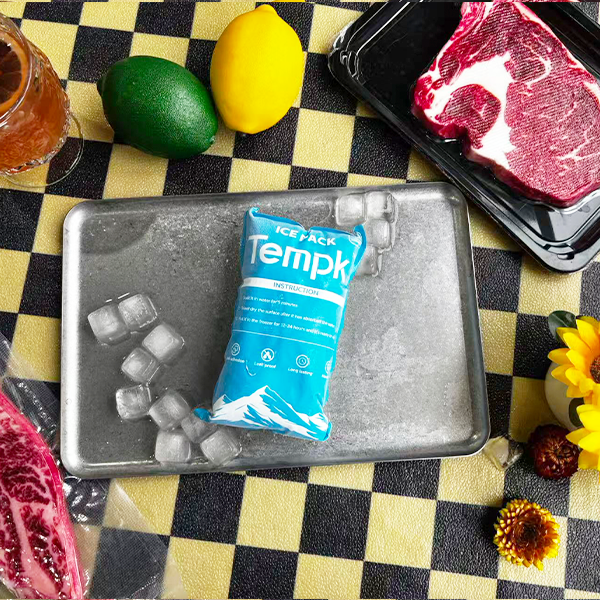
Shipping temperature-sensitive products such as pharmaceuticals, seafood, and biotechnology samples demands precision and reliability. Dry ice packs are one of the most effective solutions for maintaining ultra-low temperatures during transport. With the advent of 2025, new regulations and best practices must be adopted for safer, more efficient shipping of perishable goods. This article offers detailed insights into the advantages of dry ice, how it works, and the essential guidelines for compliance, including the latest industry trends.
What are the advantages of using dry ice for shipping?
How does dry ice shipping work across industries?
What should businesses consider when choosing a dry ice shipping solution?
What are the latest trends shaping dry ice logistics?
What Are the Advantages of Using Dry Ice for Shipping?
Dry ice packs are an essential tool for shipping temperature-sensitive products. As solid carbon dioxide, dry ice has a sublimation point of -78.5°C (-109.3°F), which is much lower than regular ice, making it ideal for maintaining ultra-low temperatures. Dry ice offers a variety of advantages over traditional ice and other refrigerants.
Key Advantages of Dry Ice Packs:
Effective Temperature Control: Dry ice maintains temperatures well below freezing, ensuring that products such as vaccines, seafood, and biotech samples remain preserved.
Compact and Lightweight: Compared to water-based ice, dry ice is much lighter and more space-efficient, reducing overall shipping costs.
No Residue: Unlike traditional ice, dry ice sublimates into a gas, leaving no liquid residue behind, thus preventing mess or leakage during handling.
| Advantage | Description | Practical Implication |
|---|---|---|
| Efficient Cooling | Maintains ultra-low temperatures | Ensures the preservation of perishable goods |
| Reduced Shipping Weight | Lighter than water-based ice | Helps reduce overall shipping costs |
| No Liquid Residue | Sublimates without leaving moisture | Eliminates potential mess during unpacking |
Practical Tips for Dry Ice Shipping:
Pharmaceutical Shipments: Dry ice is ideal for preserving the required temperatures for sensitive medications during transport.
Food Shipments: Products like seafood and meat benefit significantly from dry ice, as it maintains their freshness and prevents spoilage.
Chemical and Biotech Shipments: For chemicals and biotech products that require consistent temperatures, dry ice ensures reliability.
How Does Dry Ice Shipping Work Across Industries?
Dry ice shipping solutions are designed to maintain the correct temperature throughout the shipping process. The primary elements that influence dry ice shipping are the packaging, transportation, and shipping duration.
Process Overview:
Preparation: Dry ice packs are placed in insulated containers that prevent rapid sublimation.
Transportation: Dry ice must be transported in ventilated vehicles to ensure safety, as CO2 gas can displace oxygen.
Shipping Durations: The effectiveness of dry ice depends on how long the shipment takes. Longer journeys require more dry ice.
Considerations for Successful Dry Ice Shipping:
Shipping Duration: Longer trips require more dry ice to maintain the desired temperature.
Packaging: Insulated containers and appropriate packaging materials prevent premature sublimation.
Regulations: Different shipping regulations must be adhered to, especially for hazardous materials such as dry ice.
What Should You Consider When Choosing Dry Ice Shipping Solutions?
Choosing the best dry ice shipping solution requires evaluating several factors:
Key Considerations for Dry Ice Shipping:
Temperature Sensitivity: Some products, such as vaccines, need stricter temperature control. Dry ice or gel packs should be selected based on product needs.
Cost Efficiency: While dry ice is effective, it is more expensive than traditional ice packs. Balance the product’s value with shipping costs to determine the best solution.
Safety: Dry ice is hazardous if mishandled. Proper safety protocols, such as training staff and using insulated containers, are essential.
| Consideration | Description | Recommendation |
|---|---|---|
| Temperature Sensitivity | Products require different cooling levels | Choose dry ice for colder temperature needs |
| Cost Efficiency | Dry ice is more expensive than regular ice | Balance cost with the value of the goods |
| Safety | Dry ice can be hazardous if mishandled | Ensure proper training and safe handling |
Latest Trends in Dry Ice Logistics for 2025
The dry ice shipping industry continues to evolve with innovations designed to improve both safety and efficiency. The following trends are shaping the future of cold chain logistics:
1. Growing Demand for Fast Delivery
As the e-commerce market grows, particularly for food and pharmaceuticals, there is an increasing demand for faster deliveries. Real-time tracking systems and optimized logistics networks have emerged to address this demand.
2. Eco-friendly Innovations
With sustainability becoming a priority, the industry has seen a rise in eco-friendly dry ice packaging. Companies are also using renewable energy for manufacturing dry ice and recyclable packaging materials to reduce their carbon footprint.
3. IoT in Dry Ice Monitoring
IoT sensors are being used to monitor temperature conditions in real-time during transit. These sensors ensure that the products are kept within the required temperature ranges, enhancing reliability.
4. Enhanced Regulatory Compliance
With the tightening of regulations, especially in the transport of medical goods, the dry ice shipping industry is placing a greater focus on compliance. Businesses are ensuring that all shipments adhere to the latest handling, labeling, and packaging guidelines.
How Can You Ensure Compliance and Safety in Dry Ice Shipping?
Ensuring safety and compliance with dry ice shipping is crucial. The following best practices can help businesses remain compliant and keep their shipments safe:
Best Practices:
Training: Properly train personnel handling dry ice to ensure compliance with safety regulations.
Documentation: Keep accurate records, including temperature logs, packaging details, and shipping documents.
Audits: Perform regular audits to verify that shipping practices are in line with regulations and industry standards.
Conclusion: How to Improve Your Dry Ice Shipping Process in 2025
Shipping with dry ice is a critical part of ensuring the safe transport of temperature-sensitive products. By following the outlined best practices, staying compliant with regulations, and embracing technological advancements, businesses can optimize their cold chain logistics.
Next Steps:
Consult with cold chain logistics experts to determine the best shipping solutions based on your product’s temperature sensitivity, shipping duration, and regulatory requirements.
About Tempk
Tempk is a leading provider of advanced cold chain solutions. We specialize in dry ice packs, insulated liners, and temperature monitoring tools to ensure the safe transport of pharmaceuticals, biotech products, and food. Our dedication to quality, innovation, and regulatory compliance sets us apart in the cold chain logistics sector.
Call to Action: Contact us today for expert advice on your dry ice shipping needs and let us help optimize your logistics.
How Coolers Dry Ice Pack Sheets Enhance Cold Chain Efficiency in 2025
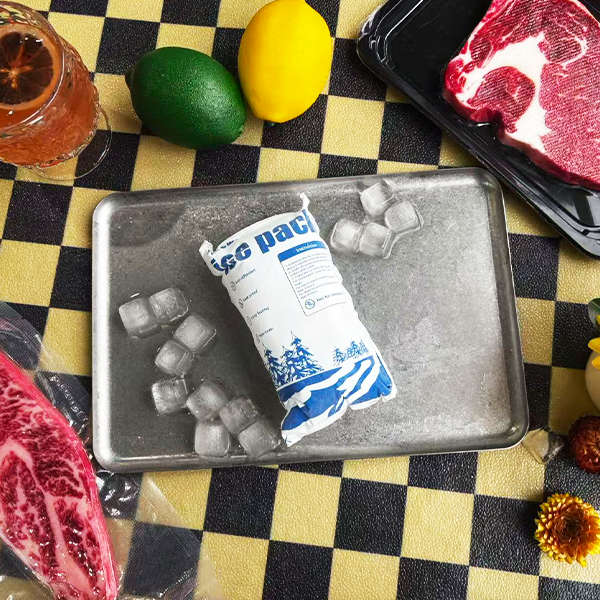
How Coolers Dry Ice Pack Sheets Enhance Cold Chain Efficiency in 2025
In the fast-paced world of cold chain logistics, efficient and reliable cooling solutions are essential for ensuring the safe transport of temperature-sensitive products. Coolers dry ice pack sheets are quickly becoming a preferred method for achieving optimal temperatures during transit. Whether you’re shipping pharmaceuticals, seafood, or biotech samples, these sheets offer significant benefits over traditional ice. In this guide, we’ll explore how they work, their advantages, and how they can revolutionize your shipping process.
What are coolers dry ice pack sheets and how do they work?
How do coolers dry ice pack sheets maintain optimal temperatures for sensitive products?
What benefits do coolers dry ice pack sheets offer over traditional ice?
What are the key safety and regulatory considerations when using dry ice?
How can businesses optimize their use of dry ice pack sheets to improve cold chain efficiency?
What Are Coolers Dry Ice Pack Sheets and How Do They Work?
Coolers dry ice pack sheets are flexible sheets that are filled with solid carbon dioxide (CO₂), commonly known as dry ice. When activated, dry ice sublimates at temperatures as low as -78.5°C, transitioning from a solid to a gas without leaving behind any liquid. This sublimation process allows these sheets to provide continuous cooling without the mess and weight associated with traditional ice.
How Do Coolers Dry Ice Pack Sheets Work?
These sheets are designed to fit into various types of coolers or insulated containers, providing a controlled and consistent cooling effect for temperature-sensitive shipments. They are particularly effective in situations where precise temperature control is essential, such as when shipping fresh seafood, pharmaceuticals, and biotech samples. Since dry ice sublimates, it keeps the contents of the cooler below freezing without introducing any water or moisture, which is especially beneficial for items that must stay dry.
Key Benefits of Using Coolers Dry Ice Pack Sheets Over Traditional Ice
When compared to traditional ice, coolers dry ice pack sheets offer several distinct advantages:
No Meltwater: Traditional ice can melt and produce water, which can potentially damage goods. Dry ice sublimates into gas, leaving no residue behind.
Longer Cooling Duration: Dry ice can maintain ultra-low temperatures for a longer period, making it ideal for shipments lasting over 24 hours. In comparison, ice typically melts much faster, reducing its cooling capacity.
Lightweight: Dry ice is significantly lighter than traditional ice, which reduces shipping costs and makes it easier to handle during transit.
| Feature | Dry Ice Pack Sheets | Traditional Ice |
|---|---|---|
| Cooling Duration | Up to 24 hours | 4-6 hours |
| Weight | Lighter and more efficient | Heavier, increasing shipping costs |
| Residue | Sublimates into gas, no residue | Melts into water, causing mess |
How Can Coolers Dry Ice Pack Sheets Ensure Safe Shipment for Temperature-Sensitive Goods?
Coolers dry ice pack sheets are essential for maintaining the integrity of products that require specific temperature conditions during transit. Industries such as pharmaceuticals, food, and biotechnology rely on these solutions to preserve the quality and effectiveness of their goods.
Pharmaceuticals: Dry ice is often used to ship temperature-sensitive medicines that require strict cold storage. Maintaining sub-zero temperatures ensures that these medicines retain their efficacy.
Seafood and Meat: Fresh seafood and meat need to stay frozen to preserve their quality. Dry ice ensures that they remain at the right temperature, preventing spoilage during transport.
Biotech Samples: Biological samples, such as vaccines or medical devices, must be kept at controlled temperatures to avoid degradation. Dry ice provides the necessary cooling for long-distance transport.
Best Practices for Using Coolers Dry Ice Pack Sheets
To maximize the effectiveness of dry ice, it is crucial to follow certain guidelines:
Sizing Your Dry Ice Pack Sheets
Estimate shipment duration: Plan on using 1-2 pounds of dry ice for every 24 pounds of product for shipments lasting 24-48 hours.
Consider product temperature sensitivity: Products that need stricter temperature control may require more dry ice, while less sensitive goods can use a smaller amount.
Packing Guidelines
Use insulated containers: Always pack dry ice pack sheets in coolers made of high-density foam or vacuum-insulated panels to minimize sublimation loss.
Pre-chill items: Ensure your items are already cold before packing, as placing warm goods near dry ice accelerates sublimation.
Handling and Safety
Protective Gear: Wear insulated gloves and goggles when handling dry ice to avoid frostbite and eye injuries.
Ventilation: Ensure proper ventilation for dry ice sublimation, as CO₂ can accumulate and displace oxygen in confined spaces, posing a risk of suffocation.
2025 Trends in Coolers Dry Ice Pack Sheets and Cold Chain Logistics
The cold chain logistics sector is evolving rapidly, with emerging technologies and sustainability efforts shaping the future of temperature-sensitive shipping. Here are some key trends for 2025:
Sustainability Efforts
Eco-friendly practices are becoming more prominent, with companies focusing on reducing their carbon footprint by using renewable sources for dry ice production and recyclable packaging materials. Sustainable options help businesses align with consumer preferences for environmentally responsible practices.
Smart Packaging Solutions
The integration of Internet of Things (IoT) sensors and smart packaging is revolutionizing cold chain logistics. By tracking temperature conditions in real-time, businesses can optimize their dry ice use and minimize waste, ensuring that products remain within the required temperature range throughout the entire shipping process.
Regulatory Advancements
As regulations surrounding the transportation of pharmaceuticals and food continue to tighten, businesses will need to adhere to stricter guidelines for dry ice usage. This trend is driving the need for standardization in dry ice handling and packaging, ensuring compliance with safety and temperature requirements.
Common Questions About Coolers Dry Ice Pack Sheets
Q1: How do I calculate how much dry ice I need for shipping?
A: Generally, you will need 1-2 pounds of dry ice per 24 pounds of product for a 24-48 hour shipment. Always consult with your logistics provider for specific recommendations based on your shipment details.
Q2: Can I ship liquid products with dry ice?
A: Yes, dry ice is effective for keeping liquids cold, but ensure that the container is well-ventilated to prevent pressure buildup from the sublimating CO₂.
Q3: Are there any safety considerations when using dry ice?
A: Yes, always handle dry ice with protective gloves and ensure proper ventilation. Dry ice sublimates into CO₂ gas, which can be hazardous in enclosed spaces.
Summary and Next Steps
Coolers dry ice pack sheets are a game-changing solution for businesses looking to maintain cold-chain efficiency in 2025. Their ability to provide longer-lasting, mess-free cooling without the drawbacks of traditional ice makes them ideal for a wide range of temperature-sensitive products. By following best practices for usage and safety, and keeping an eye on emerging trends, your cold chain logistics can be more efficient, sustainable, and cost-effective.
What to Do Next:
Consider switching to dry ice for your next shipment to improve product integrity and reduce spoilage.
Contact a logistics expert to ensure you are adhering to the latest regulations and optimizing your cold chain shipping process.
About Tempk
At Tempk, we specialize in providing advanced cold-chain solutions, including coolers dry ice pack sheets and other temperature-control products. Our innovative solutions are designed to meet the evolving needs of industries such as food, pharmaceuticals, and biotechnology, ensuring that your products arrive at their destination in optimal condition.
Call to Action: Contact us today for expert advice on optimizing your cold-chain logistics with dry ice solutions.
Cooler Dry Ice Pack Sheets: Ultimate 2025 Shipping Guide
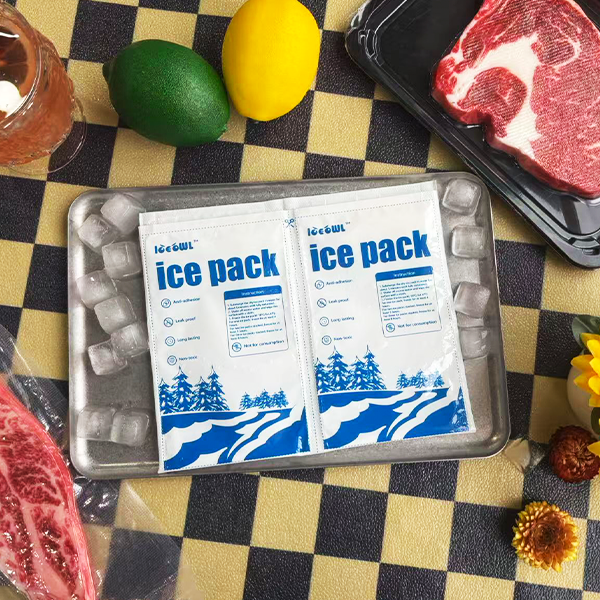
Shipping temperature-sensitive goods like pharmaceuticals, seafood, and frozen foods requires efficient and reliable cooling solutions. Cooler dry ice pack sheets are rapidly becoming the gold standard in cold chain logistics. These flexible sheets filled with dry ice pellets provide ultra-low temperatures without creating meltwater, ensuring products stay frozen for extended periods. This article dives deep into the benefits, practical applications, and best practices for using dry ice pack sheets to elevate your cold chain shipping process in 2025.
What are the advantages of using cooler dry ice pack sheets for shipping?
How do dry ice pack sheets compare to other cooling methods?
What are the best practices for using dry ice pack sheets safely?
What are the latest trends in cooler dry ice shipping for 2025?
What Are Cooler Dry Ice Pack Sheets?
Cooler dry ice pack sheets are specially designed sheets filled with dry ice pellets. Unlike traditional ice or gel packs, dry ice does not melt but instead sublimates directly from a solid to gas at -78.5°C (-109.3°F). This sublimation process absorbs heat from the surrounding environment, keeping products at freezing temperatures without creating harmful liquid water that could damage packaging or contaminate goods. The design of these sheets allows them to fit easily into coolers, offering flexible and customized solutions to maintain the required temperature during shipping.
How Dry Ice Pack Sheets Work
Sublimation: At atmospheric pressure, CO2 transitions directly from solid to gas, absorbing latent heat. This results in a cooling effect without producing meltwater, making them ideal for transporting products like vaccines, seafood, and biologics.
Flexibility: These sheets are flexible, allowing them to conform to various shapes and sizes of packaging. They can be cut or combined to match cooler dimensions and cooling duration.
| Feature | Description | Benefit for You |
|---|---|---|
| Ultra-low temperature | Dry ice stays at -78.5°C (-109.3°F) | Keeps products like pharmaceuticals frozen for up to 48 hours |
| No meltwater | Sublimates directly to gas | Ensures dry packaging, avoiding soggy boxes and contamination |
| Customizable design | Flexible, can be cut to size | Perfect for irregular items or customized cooler sizes |
| Reusable | Can be reused multiple times | Offers cost savings for frequent shipments |
Why Choose Dry Ice Pack Sheets Over Traditional Cooling Methods?
Longer Cooling Duration
Dry ice pack sheets are unmatched in their ability to maintain temperatures as low as -78.5°C for 24-48 hours, ideal for long-distance or time-sensitive shipments like pharmaceuticals, seafood, and biologics. In contrast, gel packs and ice melt quickly, leading to temperature fluctuations and potential spoilage.
No Meltwater
Traditional ice and gel packs tend to create water as they melt, which can damage packaging and labels. Dry ice, on the other hand, sublimates into gas without any liquid residue, ensuring that your products stay dry and intact throughout the shipping process.
Lightweight and Cost-Effective
Dry ice is lighter than traditional ice or gel packs, reducing overall shipping weight and helping to lower transport costs. For businesses looking to streamline their shipping processes, this is a significant benefit.
Real-Life Example:
A seafood supplier using dry ice pack sheets for overnight deliveries reported a 30% reduction in spoilage compared to using traditional ice packs, resulting in improved product quality and customer satisfaction.
Best Practices for Using Cooler Dry Ice Pack Sheets
Proper Activation and Freezing Time
Before use, ensure that the dry ice pack sheets are fully frozen to maximize their cooling duration. Pre-chilling the container, such as using block ice, can help optimize the dry ice’s effectiveness.
Sizing and Packing
Choosing the right number of dry ice pack sheets is crucial. Typically, 1-2 pounds of dry ice per 24 hours is recommended for short shipping distances. Longer shipments or warmer climates require more dry ice to maintain optimal temperature conditions.
Ventilation and Safety
Always ensure that the container is properly ventilated. Dry ice sublimates into CO2 gas, which can build up pressure in an airtight container, leading to potential hazards. Use microvented liners and leave 15-25% headspace in the container for safe gas release.
| Safety Consideration | Description | Recommended Action |
|---|---|---|
| Ventilation | CO2 gas buildup can be dangerous | Ensure proper airflow in and around containers |
| Personal Protective Equipment (PPE) | Handling dry ice can cause frostbite | Always wear gloves and goggles when handling dry ice |
| Storage | Dry ice sublimates when exposed to heat | Store dry ice in insulated, ventilated containers |
Trends Shaping Cooler Dry Ice Shipping in 2025
Sustainability Practices
With growing concerns about environmental impact, many businesses are turning to recycled CO2 for their dry ice. This practice helps reduce the carbon footprint of shipping operations, aligning with sustainability goals.
Smart Packaging Technology
The use of IoT sensors and AI-driven algorithms is transforming the cold chain industry. These technologies allow for real-time tracking of temperature, CO2 levels, and dry ice mass, ensuring the efficiency and safety of shipments.
Market Growth and Demand for Fresh Products
The demand for fresh, high-quality goods continues to rise. E-commerce platforms and industries like biotech and pharmaceuticals are increasingly relying on dry ice solutions to meet consumer expectations for fresh deliveries.
Commonly Asked Questions
How long can dry ice maintain a cold temperature during shipping?
Dry ice can maintain temperatures for 18-24 hours, depending on the quantity and insulation used. For longer trips, more dry ice may be required.
Can I use dry ice without special qualifications?
While dry ice is safe to use, it is recommended to consult with logistics providers to ensure compliance with safety regulations and proper handling.
Conclusion and Recommendations
In conclusion, cooler dry ice pack sheets provide an excellent solution for shipping perishable goods. With their ability to maintain ultra-low temperatures, prevent residue, and reduce shipping weight, they are an ideal choice for businesses looking to ensure the safe transport of temperature-sensitive products.
Next Steps:
Evaluate Your Shipping Needs: Consider the temperature requirements and shipping duration for your products.
Implement Dry Ice Solutions: For businesses shipping perishable goods, implementing dry ice solutions can improve efficiency and reduce spoilage.
Consult with Experts: Reach out to experts in dry ice logistics for tailored advice on optimizing your cold chain operations.
About Tempk
Tempk specializes in providing advanced cold chain solutions for the transportation of perishable goods. Our dry ice pack sheets, along with our custom packaging solutions, ensure the safe and efficient delivery of temperature-sensitive products. With a focus on sustainability and innovation, Tempk is your trusted partner in cold chain logistics.
Contact Us:
For personalized advice and solutions, contact our expert team today and learn how we can help optimize your cold chain shipping with dry ice.
Dry Ice Packs Same Day Delivery: How to Ensure Freshness with Fast Shipping
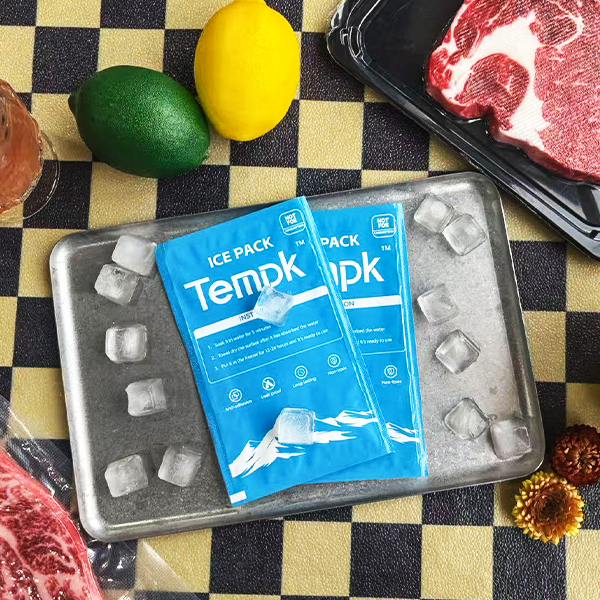
Dry Ice Packs Same Day Delivery: How to Ensure Freshness with Fast Shipping
Are you looking to preserve the integrity of your temperature-sensitive products during urgent shipments? Dry ice packs for same-day delivery offer a reliable solution to ensure your goods stay fresh, no matter the urgency. With the demand for quick, safe deliveries increasing, understanding how to use dry ice effectively is crucial for both businesses and consumers. Let’s explore how you can benefit from this essential cold chain shipping solution.
What are the key benefits of using dry ice packs for same-day delivery?
How does same-day delivery with dry ice work?
What best practices should be followed when shipping with dry ice?
How to ensure safe and efficient dry ice shipping?
What Are the Key Benefits of Using Dry Ice Packs for Same-Day Delivery?
Dry ice packs for same-day delivery offer numerous advantages for businesses needing to ship temperature-sensitive items quickly. Dry ice, which is solid carbon dioxide, maintains extremely low temperatures, which makes it perfect for preserving frozen goods, pharmaceuticals, and perishable food items. The main advantage? Dry ice sublimates directly into gas without leaving liquid residue, ensuring no mess during transport.
Key Advantages:
Efficient Temperature Control: Dry ice keeps items at a steady low temperature throughout transit, preventing spoilage.
Lightweight and Space-Efficient: Dry ice is lighter than water ice, allowing for cost-effective shipping with minimal space requirements.
No Water Residue: Unlike ice, dry ice sublimates, ensuring that no unwanted water leaks into packaging or products.
| Advantage | Description | Practical Implications |
|---|---|---|
| Temperature Control | Keeps goods at sub-zero temperatures | Ensures products remain fresh |
| Lightweight and Space-Efficient | Lighter than water ice and compact | Reduces shipping costs |
| No Water Residue | Sublimates directly to gas, leaving no moisture | Keeps products and packaging clean |
User Practical Tips and Recommendations
For pharmaceuticals: Dry ice is crucial for shipping temperature-sensitive medications that require constant low temperatures.
For perishable foods: Use dry ice to preserve the freshness of seafood, meats, and other temperature-sensitive food products.
For chemical shipments: Certain chemicals need to be kept at controlled temperatures—dry ice ensures their stability during transport.
Real-life Example:
A seafood company saw a significant reduction in spoilage rates after switching to dry ice for same-day deliveries. This allowed them to meet customer expectations for fresh products, improving satisfaction and sales.
How Does Same-Day Delivery with Dry Ice Work?
Same-day delivery with dry ice requires careful planning to ensure that the cold chain is maintained throughout the shipping process. Typically, same-day delivery services ensure that your products are picked up early in the day and delivered by evening or the following morning. Dry ice is prepared based on the shipping needs—whether that’s maintaining frozen conditions for food or chilled temperatures for medical supplies.
Key Considerations for Same-Day Dry Ice Delivery:
Distance: Shorter distances are ideal for same-day deliveries. However, with proper insulation, even longer distances can be managed.
Packaging and Insulation: Effective packaging is essential to prevent dry ice from sublimating too quickly. Insulated containers and proper sealing ensure that the dry ice lasts through the journey.
Handling and Safety: Delivery personnel must be trained to handle dry ice safely, given the potential risks of CO₂ buildup in confined spaces.
Procedure for Same-Day Delivery:
Order Placement: Ensure you place the order as early as possible in the day, ideally before 12 PM, to allow for preparation and pickup.
Dry Ice Preparation: The dry ice is prepared based on the specific temperature needs of the shipment, ensuring it stays frozen during transport.
Transport and Delivery: The shipment is picked up by a courier experienced in handling temperature-sensitive deliveries and is delivered as quickly as possible.
Best Practices for Same-Day Delivery with Dry Ice
Key Best Practices:
Use the Right Amount of Dry Ice: For optimal performance, use between 1 to 2 pounds of dry ice per 24 hours for every 10-15 pounds of product, adjusting based on the duration and temperature needs of the shipment.
Proper Ventilation: Ensure that the packaging allows CO₂ to escape. Without proper ventilation, CO₂ can build up, causing pressure and potential leakage or even rupture of the container.
Pre-Cooling of Packaging: Cool the shipping containers before placing the dry ice and products inside. This helps maintain a low temperature longer.
| Best Practice | Description | Practical Implications |
|---|---|---|
| Right Amount of Dry Ice | Use 1-2 lbs per 10-15 lbs of product per 24 hrs | Ensures efficient temperature control |
| Proper Ventilation | Ensure CO₂ can escape to prevent pressure buildup | Prevents leaks and safety hazards |
| Pre-Cool Packaging | Cool containers before packing dry ice | Maximizes the effectiveness of dry ice |
What Are the Safety Considerations When Using Dry Ice for Same-Day Shipping?
Handling dry ice requires attention to safety, as improper use can lead to health hazards or damage to products. Dry ice sublimates into carbon dioxide, which can displace oxygen in confined spaces, leading to asphyxiation risks. Additionally, dry ice is extremely cold and can cause frostbite if mishandled.
Safety Tips for Dry Ice Handling:
Wear Protective Gear: Always use gloves and goggles when handling dry ice to avoid frostbite.
Ensure Adequate Ventilation: Ensure that dry ice shipments are not placed in airtight containers to allow gas to escape.
Train Staff: Educate employees and delivery personnel about the risks and proper handling techniques for dry ice.
2025 Trends in Same-Day Dry Ice Shipping
Same-day dry ice shipping continues to evolve, with new trends emerging to meet growing demand for fast, reliable, and environmentally-conscious shipping solutions.
Latest Trends in Dry Ice Shipping:
Sustainability: Eco-friendly dry ice sourcing and packaging materials are becoming more prevalent, reflecting consumer demand for environmentally responsible shipping practices.
Regulatory Compliance: New standards for shipping pharmaceuticals and medical supplies, including dry ice handling, are being established to improve safety and traceability.
AI and Automation: Advanced logistics solutions are being implemented to optimize dry ice shipping routes, ensuring that deliveries are as efficient as possible while maintaining the integrity of temperature-sensitive goods.
| Trend | Description | Practical Implications |
|---|---|---|
| Sustainability | Use of eco-friendly dry ice and packaging | Reduces carbon footprint |
| Regulatory Compliance | Stricter rules for medical and pharmaceutical shipping | Ensures safety and traceability |
| AI and Automation | Optimization of dry ice shipping routes | More efficient, timely deliveries |
Common Questions About Same-Day Dry Ice Shipping
Q1: How long can dry ice last during same-day shipping?
Dry ice typically lasts between 12 to 24 hours in optimal conditions, depending on the amount used and the insulation of the packaging. For same-day delivery, this is generally sufficient to maintain low temperatures for the duration of the shipment.
Q2: Can I use dry ice for same-day shipping without special packaging?
No, proper packaging is essential when shipping with dry ice. The packaging should be insulated to minimize sublimation and ensure the product stays cold throughout the delivery.
Conclusion and Recommendations
In summary:
Same-day dry ice delivery offers businesses an effective solution for shipping temperature-sensitive goods rapidly while ensuring freshness. By adhering to best practices for packaging, handling, and safety, you can improve the reliability of your cold chain and satisfy customer demands.
Next Steps:
Consider implementing dry ice solutions for your next urgent shipment. Consult with a logistics expert to ensure the best practices are followed, ensuring both safety and product integrity.
About Tempk
At Tempk, we specialize in providing reliable dry ice solutions for temperature-sensitive shipments. Our expert team ensures that your products arrive fresh and safe, with cutting-edge packaging and delivery solutions. We prioritize quality, safety, and timely delivery to meet your cold chain needs.
Call to Action: Contact us for expert advice on your same-day dry ice shipping requirements today!
Dry Ice Pack for Vaccine Transport: How to Choose and Use
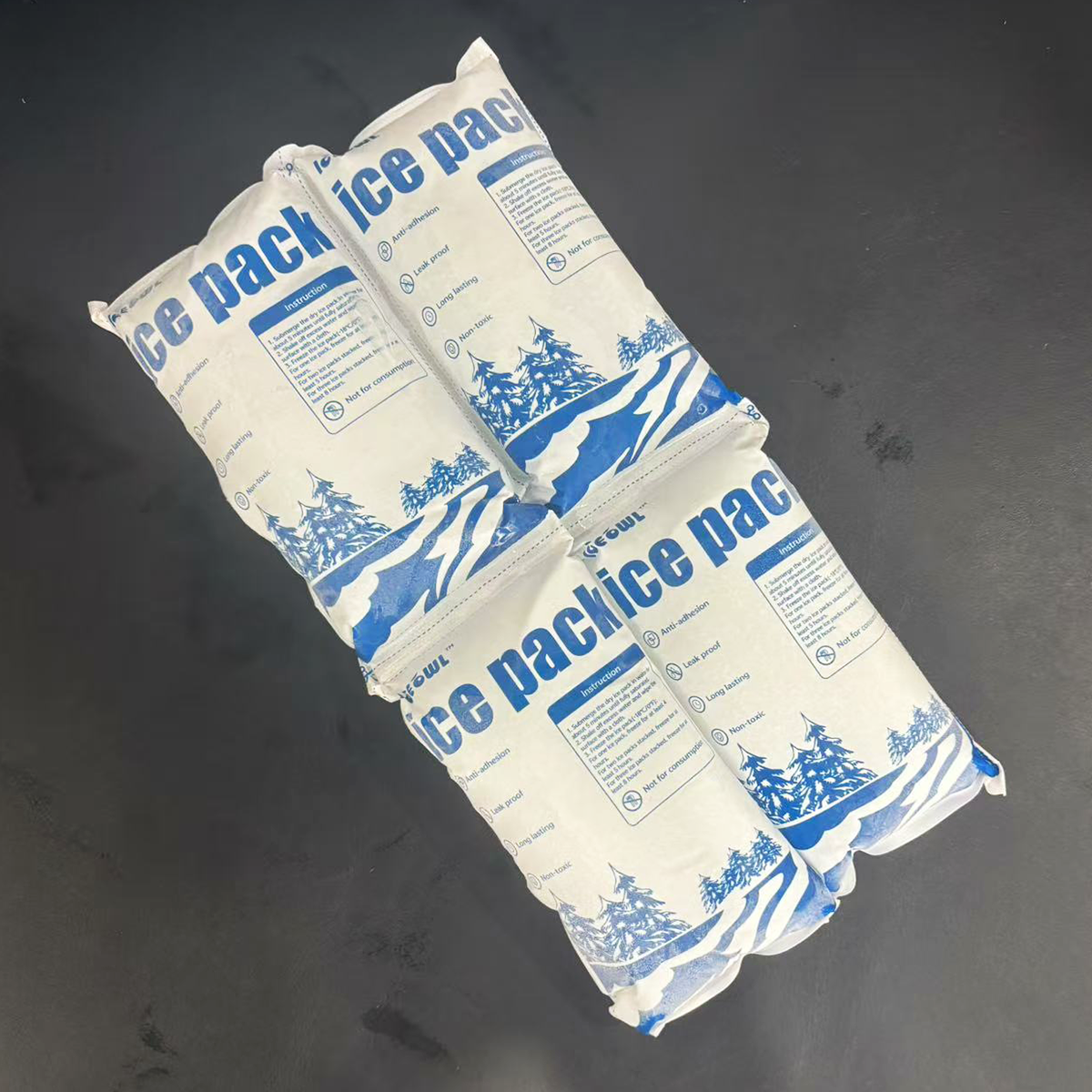
Dry Ice Pack for Vaccine Transport: How to Choose and Use
Ensuring vaccines remain at the correct temperature during transport is a critical part of healthcare logistics. In 2025, dry ice ice packs continue to be a vital tool in maintaining ultra-low temperatures for vaccines, such as the COVID-19 mRNA vaccines, which require refrigeration between -70°C and -80°C. This guide offers a comprehensive overview of how to select the right dry ice ice packs, handle and store them safely, and comply with the latest regulations to ensure safe, efficient vaccine transport.
How do you select the right dry ice ice pack for your shipment?
What safety precautions should you take when handling dry ice for vaccine shipping?
How to store and use dry ice safely during transport?
Why Are Dry Ice Ice Packs Essential for Vaccine Transport?
Dry ice ice packs are critical for transporting vaccines that require ultra-low temperatures. Vaccines like the Pfizer-BioNTech COVID-19 vaccine must be kept between -70°C and -80°C, making dry ice an essential tool. Dry ice sublimates at -78.5°C, which is ideal for ensuring vaccines remain within the required temperature range during transit.
By using dry ice ice packs, you can extend the shelf life of vaccines, preventing exposure to temperature fluctuations that could compromise their efficacy. This ensures that vaccines arrive at their destination in optimal condition, reducing the risk of ineffective immunizations.
What Makes Dry Ice Ideal for Vaccine Shipments?
Dry ice offers several advantages for vaccine transport:
Maintains Consistent Low Temperatures: Dry ice is perfect for ultra-cold storage, especially for vaccines requiring temperatures below freezing.
No Liquid Residue: Unlike regular ice, dry ice sublimates into gas, leaving no liquid that could damage packaging or cause leaks.
Long-Lasting Cooling: Dry ice lasts longer than gel packs or ice, making it ideal for long-distance and international shipments.
| Feature | Dry Ice Ice Packs | Gel Packs or Regular Ice | What This Means for You |
|---|---|---|---|
| Temperature Range | -78.5°C | 0°C to -5°C | Ensures vaccines stay frozen or chilled |
| Sublimation Rate | 5-10 lbs every 24 hours | Melts into liquid | No leaks or residue |
| Durability | Lasts longer during transit | Shorter lifespan | Reliable for long shipments |
Practical Usage Tips
For Long-Distance Shipments: Use larger or multiple dry ice packs to maintain a consistent temperature during extended transportation.
For Different Vaccine Types: Different vaccines require different temperature settings. Make sure to select the appropriate dry ice solution based on the specific temperature threshold of the vaccine.
For Sensitive Packaging: Combine dry ice with insulated shipping containers to optimize cooling and protect vaccines.
Real Case: A global health organization reported that using dry ice ice packs for vaccine transport improved shipment efficiency by 25%, ensuring vaccines arrived on time and within the required temperature range.
How Do You Select the Right Dry Ice Ice Pack for Vaccine Shipments?
Choosing the correct dry ice ice pack is crucial to maintaining the safety of vaccines. Consider these factors when selecting a dry ice solution for vaccine transport:
Key Considerations for Dry Ice Selection
Shipping Duration: Longer shipments require more dry ice. Larger packs or multiple smaller packs will be necessary for longer trips.
Packaging Size: The size of the shipping container affects the amount of dry ice required. Ensure the container can accommodate the packs while maintaining insulation.
External Temperature: If the shipment is exposed to higher temperatures, ensure enough dry ice is used to maintain the required cold.
Recommendations for Choosing Dry Ice Packs
For shorter transit times, smaller dry ice packs may suffice. For longer shipments, opt for larger or multiple packs.
Calculate the dry ice requirements based on the shipment’s duration and the vaccines’ temperature needs.
Use insulated containers designed to work efficiently with dry ice to minimize waste and ensure stable temperatures.
Safe Storage and Handling of Dry Ice During Vaccine Shipping
Proper storage and handling of dry ice are essential for safety. Dry ice can pose risks like frostbite and asphyxiation if mishandled, so it’s crucial to follow safety guidelines.
Safety Guidelines for Dry Ice Handling
Ventilation: Always store dry ice in a well-ventilated area to avoid carbon dioxide buildup.
Protective Gear: Wear insulated gloves and protective clothing to prevent frostbite and cold burns.
Disposal: Dispose of unused dry ice by allowing it to sublimate in an outdoor space. Never dispose of dry ice in sealed containers.
| Safety Protocol | Description | Your Action |
|---|---|---|
| Ventilation | Store in a well-ventilated area | Avoid confined spaces |
| Protective Gear | Use insulated gloves and goggles | Prevent frostbite or cold burns |
| Disposal Methods | Allow dry ice to sublimate outdoors | Ensure safe disposal in open air |
Practical Shipping Safety Tips
Proper Labeling: Label packages containing dry ice to alert recipients and carriers.
Shipping Container: Use sturdy, vented containers to prevent gas buildup and protect vaccines.
Training: Ensure that personnel are trained in dry ice handling and safety procedures.
2025 Developments and Trends in Dry Ice for Vaccine Transport
The cold chain industry continues to innovate, making dry ice transport even safer and more efficient. Here are some 2025 trends:
Smart Temperature Sensors: Smart sensors track the temperature of shipments in real time, ensuring vaccines remain at the correct temperature.
Blockchain for Transparency: Blockchain technology improves traceability, making it easier to ensure vaccines are stored and transported correctly.
Eco-Friendly Dry Ice Solutions: More companies are adopting carbon-neutral dry ice production to meet sustainability goals.
Key Market Insights
The cold chain logistics market is expected to reach $600 billion by 2025. As demand for vaccines and biologics grows, dry ice solutions will remain essential in ensuring safe and effective transport.
Frequently Asked Questions
Q1: How long does dry ice last when shipping vaccines?
Dry ice typically lasts 24-48 hours, depending on the size of the pack and the insulation of the container. For longer durations, larger packs or multiple packs may be necessary.
Q2: Is dry ice safe for transporting all types of vaccines?
Dry ice is used for vaccines requiring ultra-low temperatures, such as mRNA vaccines. It is not suitable for routine vaccines that need to stay between 2°C and 8°C.
Q3: How should dry ice be stored during transit?
Dry ice should be stored in well-ventilated containers to allow the gas to escape and prevent pressure buildup. Always use containers designed for dry ice transport.
Summary and Recommendations
Dry ice ice packs are crucial for maintaining vaccines at the correct temperature during transport. Choose the right size of dry ice pack, calculate the dry ice requirements, and follow safety protocols to ensure vaccines arrive safely.
Action Steps
Assess the temperature and duration requirements for your vaccine shipments.
Train staff on safe dry ice handling.
Invest in temperature monitoring devices to ensure optimal conditions throughout transport.
About Tempk
At Tempk, we specialize in providing high-quality dry ice solutions for vaccine transport. Our innovative technology ensures that vaccines are delivered on time and within the required temperature range. Contact us today for customized solutions and to learn more about our services.