


Dry Ice Pack Sheets for Medical Transport: Essential Guide
Dry Ice Pack Sheets for Medical Transport: Essential Guide
Dry Ice Pack Sheets for Medical Transport: Essential Guide
When transporting temperature-sensitive medical products, maintaining a consistent low temperature is crucial. Dry ice pack sheets offer a reliable solution to ensure that medical items, such as vaccines, insulin, and biological samples, stay frozen or chilled throughout transit. This article explores how to select the right dry ice pack sheets for your medical shipments, ensuring safety, compliance, and efficiency.
What are dry ice pack sheets, and why are they essential for medical transport?
How do you choose the right dry ice pack sheets for your medical shipments?
What are the best practices for handling and storing dry ice?
How to ensure compliance with safety regulations when shipping medical goods?
What Are Dry Ice Pack Sheets, and Why Are They Essential for Medical Transport?
Dry ice pack sheets are specifically designed sheets made of solid carbon dioxide, used to maintain ultra-low temperatures during medical shipments. With a sublimation temperature of -78.5°C, dry ice is ideal for shipping products that need to stay frozen or chilled, such as vaccines, insulin, and biological materials. These sheets are flexible, making them easy to fit into various container sizes, ensuring that medical goods remain within the required temperature range.
Key Characteristics of Dry Ice Pack Sheets for Medical Transport:
| Characteristics | Description | Significance for Medical Transport |
|---|---|---|
| Temperature Range | -78.5°C | Keeps medical products frozen |
| Sublimation Rate | 5-10 lbs every 24 hours | Ensures extended cooling during shipment |
| Size and Flexibility | Customizable sheet sizes | Fits a variety of containers for optimal cooling |
How to Choose the Right Dry Ice Pack Sheets for Medical Shipments?
Selecting the correct dry ice pack sheets depends on several factors such as the duration of the shipment, the type of medical goods, and the environmental conditions during transit. Here’s a breakdown of the key considerations:
Calculate Your Cooling Needs
Before choosing dry ice pack sheets, it’s essential to calculate how much cooling is necessary for your shipment. Larger or multiple sheets are needed for longer shipping durations, especially for medical shipments like vaccines.Consider Packaging and Insulation
To maximize cooling efficiency, ensure that the dry ice is packed with adequate insulation. Without proper insulation, the dry ice can sublimate too quickly, compromising the cooling performance.Ensure Compliance with Regulations
Dry ice is classified as a hazardous material, and its shipping is regulated by various authorities such as the Department of Transportation (DOT) and the International Air Transport Association (IATA). Make sure your packaging and documentation comply with these regulations.
Factors to Consider When Choosing Dry Ice Pack Sheets:
| Factor | Importance for Medical Shipments | Your Action |
|---|---|---|
| Cooling Duration | Determines how long the products stay cold | Choose the appropriate dry ice quantity |
| Insulation Requirements | Reduces temperature fluctuations | Use insulated shipping containers |
| Regulatory Compliance | Ensures safe transport of dry ice | Confirm compliance with regulations |
How to Safely Handle and Store Dry Ice Pack Sheets?
Handling dry ice requires special care due to its extreme cold. Improper handling can result in frostbite or suffocation due to the sublimation of carbon dioxide. Here are some best practices:
Safety Precautions for Handling Dry Ice:
Wear protective gloves and eye protection to avoid injuries.
Handle dry ice in well-ventilated areas to prevent carbon dioxide buildup, which can cause suffocation in enclosed spaces.
Avoid direct skin contact to prevent frostbite. Always use insulated gloves or tongs.
How to Store Dry Ice Safely:
Store dry ice in ventilated containers that allow gas to escape to avoid dangerous pressure buildup.
Never store dry ice in sealed containers as the sublimation process can cause an explosion.
Keep dry ice in a cool, dry environment to prolong its shelf life and ensure safety.
| Safety Considerations | Description | Your Action |
|---|---|---|
| Ventilation | Prevents dangerous gas buildup | Store in a well-ventilated area |
| Protective Gear | Protects from cold burns or injury | Always use gloves and safety goggles |
| Storage Container | Prevents accidents from gas expansion | Use ventilated, non-sealed containers |
Latest Trends in Dry Ice Use for Medical Transport in 2025
The use of dry ice in medical transport is evolving with new advancements. 2025 is expected to bring further innovations that enhance shipping efficiency and reduce costs.
New Technologies in Dry Ice Transport:
Smart Sensors: Modern dry ice packs now come with built-in temperature sensors that provide real-time tracking of conditions during shipment, allowing for better monitoring and ensuring the product stays within the required temperature range.
Blockchain for Traceability: Blockchain technology is increasingly used to track the entire shipping process, ensuring the authenticity and integrity of medical shipments.
Market Insights for 2025:
With the rising demand for faster and more reliable medical shipments, the global cold chain market is projected to reach $500 billion by 2025. The medical sector, particularly in vaccine distribution and the transport of biological materials, is driving advancements in cold chain logistics.
Frequently Asked Questions (FAQs)
Q1: How long does dry ice last during shipping?
Dry ice typically lasts 24-48 hours, depending on the size of the pack and environmental conditions during transit. For longer shipments, larger packs or multiple sheets should be used.
Q2: Can dry ice be used for shipping vaccines?
Yes, dry ice is ideal for shipping vaccines that need to be kept at ultra-low temperatures. It’s important to ensure proper packaging to maintain the required temperature during the shipment.
Summary and Recommendations
Dry ice pack sheets are essential for the safe and efficient transport of temperature-sensitive medical products. To maximize their effectiveness:
Choose the correct dry ice sheet size based on your shipment’s cooling needs.
Use insulated packaging to prolong the life of the dry ice.
Follow all safety protocols and regulatory guidelines when handling and shipping dry ice.
Action Steps:
Evaluate your shipping needs to determine the right dry ice pack sheet size.
Use insulated packaging to extend the cooling period.
Ensure regulatory compliance by working with logistics partners familiar with dry ice shipping guidelines.
About Tempk
At Tempk, we specialize in providing reliable cold chain solutions, particularly for medical and pharmaceutical transport. Our dry ice pack sheets are designed to meet the highest standards of safety and quality, ensuring your products are delivered on time and in perfect condition.
Contact Us for more information on how our dry ice solutions can improve your medical shipments.
Dry Ice Packs for Shipping Meat: Ensure Safe and Efficient Delivery
Shipping meat requires strict temperature control to maintain freshness and safety. Dry ice packs have become the standard for shipping meat due to their ultra-cold temperature and long-lasting cooling power. In this guide, we will explore how dry ice ensures safe meat transport, best practices for packaging, and the latest trends in cold chain shipping.

What makes dry ice ideal for shipping meat?
How do you calculate the right amount of dry ice for meat shipments?
What are the key safety considerations when using dry ice for meat shipping?
How can innovations in dry ice shipping improve efficiency in 2025?
Why Are Dry Ice Packs Essential for Shipping Meat?
Dry ice packs are vital for maintaining the ideal temperature during meat shipments. Unlike regular ice, dry ice sublimates at -78.5°C, ensuring your meat stays frozen and fresh during transit. This extreme cold prevents bacterial growth and spoilage, offering a reliable solution for long-distance shipping, especially for perishable items like meat.
Key Benefits of Using Dry Ice for Meat Shipping:
Preserves Freshness: Keeps meat frozen and safe for longer durations.
Reduces Spoilage: Prevents bacterial growth by maintaining subzero temperatures.
No Water Residue: Unlike regular ice, dry ice doesn’t melt into water, preventing potential damage to packaging.
| Characteristic | Description | Impact on Your Shipment |
|---|---|---|
| Temperature Range | -78.5°C | Keeps meat frozen throughout transport |
| Sublimation Rate | 5-10 lbs every 24 hours | Helps plan replacement intervals |
| Shipping Regulations | DOT and IATA rules | Compliance is key to avoid delays |
Real-World Example: A major meat supplier reduced spoilage rates by 20% by using dry ice, ensuring that meat arrived at optimal temperatures and maintained customer satisfaction.
How Do You Choose the Right Dry Ice Pack for Meat?
Selecting the right dry ice pack depends on various factors, including shipment size, transport duration, and temperature requirements. Here’s a breakdown of how to choose the ideal dry ice solution for your meat shipments:
Key Factors to Consider:
Shipment Size and Duration: Larger shipments or longer shipments require more dry ice.
Container Insulation: The effectiveness of your packaging directly impacts the cooling power of dry ice.
Packing Tips:
Short-Term Shipments: Use smaller dry ice packs if the shipment lasts less than 24 hours.
Long-Term Shipments: Use larger dry ice packs or multiple layers to ensure a stable temperature for extended transport durations.
Best Practices for Storing and Handling Dry Ice Safely
Handling dry ice safely is crucial for both personnel and the environment. Dry ice sublimates into carbon dioxide gas, which can be hazardous in confined spaces. Here’s how to safely manage dry ice during meat shipments:
Safety Guidelines:
Ventilation: Always store dry ice in well-ventilated areas to prevent carbon dioxide buildup.
Protective Gear: Use gloves and goggles to avoid frostbite when handling dry ice.
Disposal: Allow unused dry ice to sublimate safely in an outdoor, well-ventilated space.
| Safety Measure | Action to Take | Result |
|---|---|---|
| Ventilation | Store in open areas or ventilated spaces | Prevent CO2 buildup |
| Protective Gear | Wear gloves and goggles | Avoid frostbite and injury |
| Disposal Methods | Let dry ice sublimate outdoors | Safe and eco-friendly disposal |
Example: A leading logistics provider reduced safety incidents by 30% after implementing proper dry ice handling training and packaging practices.
How to Maintain the Ideal Temperature for Meat During Shipping
Effective temperature control is key to ensuring your meat remains fresh and safe throughout transit. Dry ice offers an excellent solution for maintaining freezing temperatures. Here are some best practices:
Temperature Control Tips:
Use Insulated Containers: Combine dry ice with thick, multi-layer insulation to extend cooling.
Monitor Temperature: Use temperature loggers to track conditions in real-time during shipping.
Correct Placement: Position the dry ice at the top of the container, as cold air sinks to maintain an even temperature.
| Shipping Factor | Recommended Setup | Action to Take |
|---|---|---|
| Container Insulation | Multi-layer insulation | Maintain temperature for longer |
| Temperature Monitoring | Use temperature loggers | Track real-time conditions |
| Dry Ice Placement | Place dry ice on top | Ensure even cooling distribution |
Practical Example: A meat distributor used dry ice combined with advanced insulation to keep meat at -18°C for 48 hours during transit, reducing spoilage and ensuring food safety.
2025 Trends and Innovations in Dry Ice Shipping
The cold chain logistics industry continues to evolve with new innovations that enhance dry ice shipping efficiency. Here are some of the key advancements in 2025:
Key Innovations:
Smart Temperature Sensors: Track real-time temperature conditions and receive alerts when temperatures go out of range.
Blockchain Technology: Ensure traceability of meat shipments, verifying temperature integrity.
Advanced Insulation Materials: Reduce dry ice usage and increase cooling efficiency.
Market Insights:
The cold chain logistics market is growing rapidly, driven by the demand for fresh and frozen products. Companies that adopt advanced dry ice solutions will see a reduction in spoilage and operational costs. The market is expected to reach USD 2.79 billion by 2033.
Common Questions About Dry Ice Shipping for Meat
Q1: How long will dry ice keep meat frozen in transit?
Dry ice can keep meat frozen for 24-72 hours, depending on the amount used, insulation, and external temperatures.
Q2: Can I use dry ice for international meat shipments?
Yes, but ensure compliance with international regulations and carrier guidelines regarding the transport of dry ice.
Q3: How can I monitor the temperature of my shipment?
Consider using temperature loggers to ensure your shipment stays within safe temperature ranges.
Summary and Actionable Recommendations
Using dry ice for meat shipping ensures the safe and efficient transport of perishable products. By choosing the right amount of dry ice, following safety guidelines, and monitoring temperature, you can reduce spoilage and maintain quality during transit.
Next Steps:
Calculate the correct dry ice amount for your shipment.
Use insulated containers to enhance the cooling effect of dry ice.
Implement safety and handling training for your team.
Invest in innovative technologies such as temperature monitoring sensors and AI-driven route planning.
About Tempk
At Tempk, we specialize in high-performance cold chain solutions, including dry ice packs and insulated containers, to ensure the safe transport of perishable goods. With a focus on safety, efficiency, and compliance, we help businesses deliver premium products to customers while maintaining the highest standards.
Contact Tempk
Ready to optimize your meat shipping? Contact us today for a consultation on our cold chain solutions!
Dry Ice Packs for Next Day Shipping: Ensure Safe and Efficient Delivery
Dry Ice Packs for Next Day Shipping: Ensuring Safe and Efficient Delivery
Shipping perishable and temperature-sensitive goods requires precision and care, especially when fast delivery is needed. Dry ice packs offer an ideal solution for next-day shipping, keeping items frozen and safe throughout transit. This guide will cover everything from the basics of dry ice, how to pack effectively, to understanding the regulatory requirements involved in shipping with dry ice.
Understand why dry ice is essential for next-day shipping
Learn how to calculate the right amount of dry ice for your shipment
Discover the best packaging methods and safety practices
Navigate the regulatory landscape of dry ice shipping
Stay up-to-date with 2025 trends in cold chain logistics
What Makes Dry Ice Essential for Next Day Shipping?
Dry ice is solid carbon dioxide (CO₂) that sublimates at an incredibly low temperature of -78.5°C (-109.3°F), making it perfect for keeping goods cold during shipping. Unlike traditional ice, which melts into water and can damage goods, dry ice sublimates directly into gas, leaving no residue behind. This unique property helps preserve the integrity of sensitive items, including pharmaceuticals, food, and biological samples.
How Dry Ice Works in Shipping
Dry ice sublimates into CO₂ gas as it absorbs heat, maintaining low temperatures for extended periods. When packed properly, it can keep goods frozen for up to 72 hours. This feature is crucial for next-day deliveries, ensuring that items such as frozen foods or vaccines arrive at their destination in optimal condition, without the risk of contamination or temperature deviations.
| Product Type | Ideal for Shipping | Recommended Packaging | Benefits |
|---|---|---|---|
| Pharmaceuticals | Vaccines, insulin, biologics | Insulated containers, Styrofoam boxes | Maintains efficacy and stability |
| Frozen Foods | Ice cream, frozen meals, seafood | Custom packaging, insulated coolers | Ensures product quality |
| Biological Samples | Blood, tissue, laboratory specimens | Cryogenic storage, specialized packaging | Preserves sample integrity |
How to Pack for Next Day Shipping with Dry Ice
Effective packing is essential to ensuring your dry ice shipment stays cold and safe. Here’s what you need to know about packing dry ice for next-day delivery.
1. Calculate the Right Amount of Dry Ice
To ensure proper cooling, you must calculate the correct amount of dry ice. A common guideline is to use 5–10 lbs of dry ice per 24 hours of shipping time. This will vary based on the size of the shipment and the duration of transit. Always consider adding extra to account for unexpected delays or variations in temperature.
Example Calculation:
For a 10 lb shipment, you’ll need approximately 10–15 lbs of dry ice for a 24-hour shipment. For a larger shipment, the dry ice quantity should be adjusted accordingly.
2. Choose the Right Packaging
Using insulated containers like Styrofoam boxes or polyurethane coolers is crucial for maintaining the cold temperature. Packaging should allow the CO₂ gas to escape as the dry ice sublimates. Sealing packaging too tightly can lead to dangerous pressure buildup, which can cause the container to rupture.
3. Label and Document Your Shipments
Proper labeling is required by regulatory bodies such as the Department of Transportation (DOT) and the International Air Transport Association (IATA). Packages containing dry ice must be clearly marked with:
“Dry Ice” or “Carbon Dioxide, Solid”
UN 1845 (hazardous materials code)
Weight of the dry ice in kilograms
Shipper’s and recipient’s name and address
Additionally, include a Class 9 Miscellaneous Hazard label if required.
4. Use Reliable Shipping Carriers
Choose carriers that are experienced in handling dry ice shipments. Major logistics providers like FedEx, UPS, and USPS offer next-day delivery services with proper packaging and documentation. Be sure to verify their requirements and weight limits, as regulations may differ by carrier.
Best Practices and Common Mistakes to Avoid
Common Mistakes to Avoid in Dry Ice Shipping
Improper Packaging: Failing to use insulated packaging or airtight containers can lead to the dry ice sublimating too quickly.
Incorrect Dry Ice Quantity: Using too little dry ice results in inadequate cooling, while using too much can cause excessive pressure in the package.
Not Ventilating Packaging: Dry ice releases CO₂ gas, which can build up pressure if the package isn’t properly ventilated, causing safety issues.
Failure to Comply with Regulations: Dry ice is considered hazardous, so it’s critical to adhere to all regulations for labeling and documentation to avoid delays or penalties.
Real-World Example
A pharmaceutical company successfully used the right dry ice amount and insulated packaging to ship critical vaccine doses overnight. The shipment arrived safely with the required temperature maintained, demonstrating how careful planning and proper packing can prevent spoilage and ensure customer satisfaction.
2025 Trends in Dry Ice Shipping
In 2025, the cold chain logistics industry is evolving, with new technologies and environmental considerations shaping the future of dry ice shipping.
Key Trends:
Sustainability Focus: Companies are exploring eco-friendly alternatives and practices to reduce CO₂ emissions associated with dry ice production and use.
Smart Packaging Solutions: Advanced packaging technologies will provide more precise temperature control and real-time monitoring of shipments.
AI and Automation: Artificial intelligence is being integrated to optimize dry ice usage, predict sublimation rates, and enhance efficiency in cold chain operations.
Emerging Technologies
Phase-Change Materials (PCMs): Blending dry ice with PCMs helps extend cooling time while reducing environmental impact.
Machine Learning: AI systems that predict temperature shifts and adjust dry ice quantities in real time to improve efficiency and reduce waste.
Frequently Asked Questions
Q1: How long does dry ice last during shipment?
Dry ice typically lasts 18–24 hours in transit, depending on the packaging, dry ice quantity, and ambient conditions. Pre-chilling your products and using high-density insulation will help extend its effectiveness.
Q2: Can I ship dry ice internationally?
Yes, dry ice can be shipped internationally. However, specific regulations vary by country, and additional documentation may be required. Always check with your carrier for international shipping guidelines.
Q3: Is it safe to handle dry ice?
Yes, dry ice is safe when handled properly. Always wear protective gloves and goggles to prevent frostbite and ensure adequate ventilation to avoid CO₂ buildup.
Conclusion and Recommendations
Dry ice is a reliable and efficient solution for shipping temperature-sensitive products, especially when fast delivery is needed. By calculating the right amount of dry ice, selecting proper packaging, and complying with regulatory requirements, you can ensure that your shipments arrive safely and on time.
Actionable Steps:
Calculate your dry ice requirements based on the weight and transit time of your shipment.
Choose proper packaging that allows gas release and provides adequate insulation.
Comply with carrier regulations and include the necessary documentation for smooth transit.
Track shipments for real-time monitoring and peace of mind.
About Tempk
Tempk is a leading provider of temperature-controlled packaging solutions. Our products, including dry ice packs, PCM blends, and advanced insulation materials, are designed to ensure that your perishable shipments are delivered safely and on time. We prioritize sustainability and innovation to meet the evolving needs of our customers in the food, pharmaceutical, and biotech industries.
Contact Us: For expert advice on shipping with dry ice, get in touch with our team today!
Dry Ice Pack & Dry Ice Bricks Shipping Guide 2025 – Optimize Cold Chain Logistics
Dry Ice Pack and Dry Ice Bricks Shipping: Optimizing Cold Chain Logistics in 2025
In today’s cold chain logistics, maintaining optimal temperatures is essential when shipping perishable goods such as seafood, meats, pharmaceuticals, and vaccines. Dry ice, in the form of either dry ice packs or dry ice bricks, provides an efficient and effective cooling solution for long-distance shipments. This article delves into the differences, benefits, and best practices for shipping with dry ice packs and bricks in 2025, focusing on maximizing efficiency and compliance with evolving regulations.
What are dry ice packs and dry ice bricks, and how do they work?
How do you calculate the right amount of dry ice for your shipment?
What are the best practices for shipping perishable goods using dry ice?
What safety measures must you follow when shipping with dry ice?
How do dry ice bricks compare to gel packs and other refrigerants?
What are Dry Ice Packs and Dry Ice Bricks?
Dry ice is solid carbon dioxide (CO₂) that sublimates at an extremely low temperature of -78.5°C (-109.3°F). It is used to maintain frozen and chilled conditions for temperature-sensitive goods during transport. Dry ice packs and dry ice bricks, while both effective in cooling, serve different purposes depending on the shipping requirements.
Dry Ice Packs
Dry ice packs are flexible, lightweight sheets that are often used for small to medium-sized shipments. They are typically filled with small pellets of dry ice and encased in materials like plastic or foam. Dry ice packs are ideal for short-duration shipping and can be easily arranged in packaging to fit various sizes.
Dry Ice Bricks
Dry ice bricks, on the other hand, are large blocks of dry ice that offer a more concentrated cooling effect. These are ideal for longer shipments, providing extended cooling durations. The rigid form of dry ice bricks allows for more stable temperature control during longer journeys.
| Type of Dry Ice | Description | Ideal Use Case |
|---|---|---|
| Dry Ice Packs | Flexible, lightweight sheets | Small to medium shipments requiring flexibility |
| Dry Ice Bricks | Rigid blocks, slower sublimation | Large shipments requiring extended cooling |
How Do Dry Ice Packs and Dry Ice Bricks Maintain Cold Temperatures During Shipping?
Dry ice achieves its cooling power through sublimation, where it transitions from solid to gas without becoming liquid. This process absorbs heat, effectively lowering the surrounding temperature.
Sublimation Process and Cooling
Dry Ice Packs: Sublimate at -78.5°C, providing moderate cooling for 24 to 48 hours. Their flexibility allows them to be easily distributed throughout the shipping container, maintaining consistent cold temperatures for smaller shipments.
Dry Ice Bricks: Sublimate at the same temperature, but their larger mass and solid form cause them to release CO₂ gas at a slower rate, allowing them to maintain cold temperatures for longer, making them ideal for shipments lasting up to 72 hours or more.
| Dry Ice Type | Ideal Duration of Use | Ideal Shipment Type |
|---|---|---|
| Dry Ice Packs | 24-48 hours | Short-distance shipments, perishable goods |
| Dry Ice Bricks | 72 hours or more | Long-distance shipments, bulk products |
Best Practices for Using Dry Ice in Shipping
Proper Packaging
Insulation: Use high-quality insulated boxes like Styrofoam or polyurethane foam to reduce heat transfer. Ensure the packaging allows for CO₂ gas to escape, as dry ice sublimates into gas.
Venting: Dry ice must be packed in containers that allow the CO₂ gas to vent to avoid pressure buildup, which could lead to the rupture of packaging.
Calculating the Right Amount of Dry Ice
The quantity of dry ice required depends on factors such as the shipment’s duration, the quality of insulation, and the ambient temperature during transport. As a general rule, for a 24-hour shipment, 0.5 kg of dry ice per kg of the product should be used. For longer durations, increase the amount of dry ice by 1.5 times to account for sublimation rates.
Labeling and Documentation
When shipping with dry ice, it’s crucial to comply with regulatory requirements:
Proper labeling with “Dry Ice” or “Carbon Dioxide, Solid”
UN1845 shipping number
Class 9 hazard label
The net weight of dry ice in kilograms
These labeling requirements are essential for ensuring safe and compliant transport.
Safety and Regulatory Compliance for Dry Ice Shipping
Dry ice is classified as a hazardous material (Class 9, UN1845) and requires adherence to specific shipping regulations. Compliance with IATA (International Air Transport Association) and DOT (Department of Transportation) guidelines is mandatory to ensure safe shipping.
Key Compliance Requirements:
Packaging: Dry ice must be transported in vented packaging, such as corrugated cardboard boxes with foam insulation.
Documentation: Include a proper air waybill with the shipping details, including the weight of dry ice.
Handling: Always wear insulated gloves and safety goggles when handling dry ice to prevent injury from frostbite or eye exposure.
Dry Ice vs. Gel Packs: Which Is Better for Your Shipment?
Dry ice is often compared to gel packs, especially for shipments that need to be chilled but not frozen. However, dry ice has several advantages for specific needs:
Dry Ice
Extremely Low Temperatures: Dry ice can keep frozen goods solid, unlike gel packs, which are not designed for subzero temperatures.
Longer Duration: Dry ice bricks, in particular, provide longer cooling durations than gel packs.
Gel Packs
Safer and Easier to Handle: Gel packs are non-toxic, reusable, and require no special handling. However, they cannot achieve the ultra-low temperatures necessary for frozen goods.
Shorter Cooling Period: Gel packs are ideal for chilled items but not suitable for extended freezing.
| Cooling Method | Ideal Use Case | Pros | Cons |
|---|---|---|---|
| Dry Ice | Frozen foods, biologics | Ultra-low temperatures, long duration | Requires special handling, regulatory compliance |
| Gel Packs | Fresh produce, meals | Safer, reusable, non-toxic | Limited temperature range, shorter duration |
Environmental Impact and Sustainability of Dry Ice Shipping
In 2025, sustainability is a key concern in the cold chain logistics industry. Dry ice offers some environmental advantages but also has its drawbacks.
Pros of Dry Ice:
Reclaimed CO₂: Many suppliers produce dry ice from CO₂ captured during industrial processes, reducing emissions.
No Water Waste: Dry ice sublimates directly into gas, leaving no water residue and reducing waste.
Challenges:
CO₂ Release: Although CO₂ is reclaimed, it is released into the atmosphere during sublimation.
Energy Use: The production of dry ice requires energy, typically from non-renewable sources.
Sustainability trends include the use of biodegradable refrigerants, IoT-enabled temperature monitoring, and smart packaging solutions.
Frequently Asked Questions (FAQ)
Q1: How long does dry ice last during shipping?
Dry ice typically lasts between 18 to 72 hours, depending on the type (pack or brick), insulation, and environmental conditions.
Q2: Can dry ice be used for international shipments?
Yes, dry ice can be shipped internationally, but it must comply with international shipping regulations, including those set by IATA and DOT.
Q3: What are the safety precautions for shipping with dry ice?
Ensure proper ventilation, use appropriate protective gear, and comply with all labeling and documentation requirements.
Conclusion and Recommendations
Dry ice packs and dry ice bricks are vital for cold chain logistics, offering solutions for different shipment sizes, durations, and temperature requirements. By understanding the differences between these options, calculating the appropriate amount of dry ice, and adhering to safety and regulatory guidelines, businesses can ensure the safe and efficient transport of temperature-sensitive goods.
Next Steps:
Consult with experts to choose the right dry ice solution.
Invest in high-quality packaging to enhance temperature control.
Stay updated on regulations and sustainability trends to improve your cold chain logistics.
About Tempk
At Tempk, we specialize in providing cutting-edge cold chain logistics solutions, including dry ice packs and bricks. Our products ensure your goods remain safe and fresh during transport, with a focus on sustainability and regulatory compliance.
Call to Action: Contact Tempk today to discuss how our dry ice solutions can enhance your logistics operations.
Dry Ice Shipping Bags & Packs: Optimal Cold Chain Solutions for Perishables
Dry Ice Shipping Bags & Dry Ice Packs: The Ultimate Cold Chain Solutions
When shipping temperature-sensitive goods like food, pharmaceuticals, or biotech samples, ensuring the right conditions is crucial. Dry ice shipping bags and dry ice packs are designed to maintain ultra-low temperatures during transit, preventing spoilage and ensuring your products arrive safely. This article explores the benefits of using these products, how they function, and the best practices to ensure safe and effective shipments.
How do dry ice shipping bags and packs work for temperature-sensitive shipments?
What advantages do dry ice bags and packs offer over traditional cooling methods?
How can businesses optimize their cold chain logistics using dry ice?
What precautions should be taken when using dry ice for shipping?
How Do Dry Ice Shipping Bags and Packs Work for Temperature-Sensitive Shipments?
Dry ice shipping bags and dry ice packs are essential for maintaining the correct temperature during the transportation of perishable goods. Both use solid carbon dioxide (dry ice), which sublimates directly from a solid to a gas at -78.5°C (-109.3°F). This extreme cold is perfect for keeping sensitive products frozen without the mess of melted water residue that you get from traditional ice.
The Science Behind Dry Ice
Sublimation Process: Dry ice sublimates directly into gas, leaving no water residue, which eliminates the risk of damaging sensitive goods due to melting ice.
Thermal Insulation: These bags and packs are constructed with materials that reduce heat transfer, ensuring that the dry ice lasts longer without premature sublimation.
| Product Type | Ideal Use Case | Temperature Control Range |
|---|---|---|
| Dry Ice Shipping Bags | Bulk or large shipments | -78.5°C (-109.3°F) |
| Dry Ice Packs | Precise, smaller shipments | -78.5°C (-109.3°F) |
Benefits of Using Dry Ice for Shipping Perishable Goods
Shipping perishable items such as seafood, meat, or pharmaceuticals requires efficient cooling solutions. Dry ice provides the low temperatures needed to preserve the freshness and efficacy of these items during transit.
Key Advantages of Dry Ice for Shipping:
Ultra-Cold Temperatures: Dry ice ensures that products stay frozen, even for long transit durations.
No Water Residue: Unlike regular ice, dry ice does not melt, preventing any water damage to items that are sensitive to moisture.
Cost-Effective: Although dry ice may initially seem more expensive, it is often more affordable than traditional ice because it reduces spoilage and waste over time.
Practical Applications for Dry Ice in Different Industries:
Food Industry: Seafood companies rely on dry ice to keep seafood fresh during long-distance shipping, minimizing spoilage and maintaining quality.
Pharmaceuticals: Pharmaceutical companies use dry ice to keep vaccines, medications, and biologics within required temperature ranges during shipping.
Biotech & Research: Dry ice is used by biotech companies to maintain temperature-sensitive samples during research and transport.
Real-life Example: A pharmaceutical company reduced its temperature-related shipping damages by 30% by switching to dry ice, ensuring its vaccines arrived within the required temperature range without compromise.
How Can Businesses Optimize Cold Chain Logistics with Dry Ice Shipping Bags and Packs?
Integrating dry ice shipping bags and dry ice packs into your logistics operations can streamline processes, cut shipping costs, and improve the overall quality of service. Here are some ways businesses can optimize their cold chain logistics with these cooling solutions.
Optimizing Cold Chain Logistics with Dry Ice:
Packing Optimization: Use insulated shipping containers alongside dry ice packs for longer transit times. This ensures that the temperature remains stable throughout the journey.
Efficient Handling: Proper training for logistics personnel on the safe handling of dry ice is essential to avoid accidents and ensure the products stay at the correct temperature.
Temperature Monitoring: Utilize real-time temperature monitoring systems to track the performance of dry ice throughout the shipping process. This helps in preventing spoilage and ensuring product quality.
What Should You Consider When Using Dry Ice for Shipping?
While dry ice is an efficient cooling solution, there are several factors businesses must consider to ensure safe and proper usage.
Key Considerations for Safe Handling and Shipping:
Ventilation: Dry ice sublimates into carbon dioxide, which can pose a suffocation risk in confined spaces. Ensure adequate ventilation in all areas where dry ice is used.
Storage: Dry ice should be stored in insulated containers to slow down sublimation. It should be kept away from direct sunlight and heat to prevent faster sublimation.
Labeling and Regulations: Dry ice is classified as a hazardous material and requires specific labeling and handling instructions. Packages containing dry ice must adhere to regulations set by DOT and IATA.
| Consideration | Description | Best Practice |
|---|---|---|
| Ventilation | CO2 buildup can be hazardous in confined spaces | Always use in well-ventilated areas |
| Storage | Sublimation rate increases in warm conditions | Store in cool, insulated containers |
| Regulations | Dry ice is classified as hazardous material | Ensure proper labeling and compliance |
2025 Trends in Dry Ice Shipping for Temperature-Sensitive Goods
As businesses continue to prioritize fresh and perishable goods, dry ice remains an indispensable part of the cold chain logistics process. Here’s a look at the latest trends in dry ice shipping as we approach 2025.
Emerging Trends in Dry Ice Logistics:
Rising Demand for Fresh Foods: With the growing preference for fresh, organic foods, businesses are increasingly turning to dry ice to ensure fast and safe deliveries.
Sustainability: Companies are exploring eco-friendly solutions for dry ice sourcing and packaging to cater to environmentally conscious consumers.
Smart Packaging Technologies: The integration of sensors and IoT devices in dry ice shipping bags allows for real-time monitoring, improving efficiency and reducing spoilage.
Market Insight: The global dry ice shipping market is projected to continue growing, with sectors like food and pharmaceuticals leading the demand. Smart packaging and eco-friendly solutions are expected to drive further innovations in the industry.
FAQ
Q1: How long does dry ice last in a shipping bag or pack?
Dry ice typically lasts between 18-24 hours, depending on factors like the quantity used, insulation, and ambient temperature.
Q2: Can I use dry ice for shipping without any special training?
It’s crucial to follow safety guidelines when handling dry ice. Proper ventilation and storage are essential for safe transportation. Training on dry ice handling is recommended.
Conclusion
Dry ice shipping bags and dry ice packs are essential tools for businesses that need to maintain strict temperature control during the shipping process. Whether you’re shipping perishable foods, pharmaceuticals, or biotech samples, these products ensure your goods remain in optimal condition. By integrating dry ice into your logistics operations, you can enhance product quality, reduce spoilage, and boost customer satisfaction.
Next Steps: Consider implementing dry ice solutions for your cold chain logistics. Reach out to a professional to determine the best packaging and shipping methods tailored to your needs.
About Tempk
At Tempk, we specialize in providing advanced dry ice shipping solutions to ensure your temperature-sensitive goods are transported safely and efficiently. Our products are designed to meet the demands of businesses in industries such as food, pharmaceuticals, and biotech.
Contact Us: Get in touch with us for expert advice on optimizing your cold chain logistics using dry ice solutions.
Dry Ice Pack & Dry Ice Bricks Shipping: 2025 Guide
Dry Ice Pack and Dry Ice Bricks Shipping: A Complete Guide to 2025 Best Practices
When shipping temperature-sensitive products across international borders, reliable cold chain logistics are crucial. Dry ice pack and dry ice bricks shipping offer solutions that maintain ultra-low temperatures for extended periods. This guide will help you understand how dry ice is used in shipping, the best practices, and the regulations to follow in 2025 for successful and compliant shipments.
The difference between dry ice packs and dry ice bricks
How to use dry ice for global shipping and compliance
Key regulations for dry ice shipping worldwide
Tips for optimizing packaging and shipment duration
Emerging trends in dry ice shipping
What Are Dry Ice Packs and Dry Ice Bricks, and How Do They Work in Shipping?
Dry ice packs and dry ice bricks are both forms of solid carbon dioxide, used to maintain extremely low temperatures during transport. They sublimate directly into carbon dioxide gas, providing cooling without the mess of water residue. Both are ideal for shipping goods that require frozen conditions, such as pharmaceuticals, seafood, and biological samples.
Dry ice sublimates at -78.5°C, keeping items at a constant temperature for hours or days, depending on the shipping method and package insulation.
Key Differences Between Dry Ice Packs and Dry Ice Bricks
| Feature | Dry Ice Packs | Dry Ice Bricks |
|---|---|---|
| Shape | Flexible sheets or pre-cut pieces | Rigid blocks, heavier in weight |
| Usage | Best for shorter shipping durations | Ideal for longer transit or heavier shipments |
| Cooling Duration | Shorter (12-48 hours) | Longer (up to 72 hours) |
| Flexibility | Can be easily adjusted to fit smaller spaces | Best for larger, more rigid containers |
Why Use Dry Ice Packs and Dry Ice Bricks for Global Shipping?
Shipping with dry ice packs and dry ice bricks ensures that perishable products remain safe during long-distance travel. Their cooling power is unmatched for goods like:
Pharmaceuticals & Biotech: Vaccines, blood samples, and biologics
Frozen Foods: Seafood, meats, and frozen vegetables
Chemicals: Products requiring a constant, low temperature
What Benefits Do Dry Ice Packs Offer Over Other Refrigerants?
No Water Residue: Unlike regular ice, dry ice sublimates without melting, preventing water damage to sensitive products.
Extended Cooling: Dry ice maintains temperatures for days, which is crucial for international shipping where transit times can vary.
Versatility: Dry ice is ideal for a wide range of temperature-sensitive goods, from vaccines to frozen meals.
What Regulations and Compliance Do You Need for Dry Ice Shipping in 2025?
International Regulations for Dry Ice Shipping
Dry ice is classified as UN 1845 under hazardous materials by the International Air Transport Association (IATA) and the Department of Transportation (DOT). Shipping dry ice requires careful adherence to packaging, labeling, and handling regulations to ensure safety and compliance.
Key Regulatory Requirements:
Proper Labeling: All dry ice shipments must be labeled with “Dry Ice” or “Carbon Dioxide, Solid” and include the UN 1845 number.
Weight Restrictions: IATA limits dry ice to 200 kg per package on passenger aircraft.
Ventilation: Packaging must be designed to allow the gas to escape to prevent pressure buildup and rupture.
Handling Dry Ice for International Shipments
Calculate the Correct Amount: Ensure the right amount of dry ice based on shipping duration and goods temperature requirements.
Label and Document: Include essential documentation like net dry ice weight, hazardous material labeling, and shipping destination details.
Vent Packaging: Always use vented packaging, such as perforated boxes or vented cooler bags.
Best Practices for Dry Ice Shipping
Choosing the Right Dry Ice: Pack or Brick?
The choice between dry ice packs and dry ice bricks depends on several factors:
Shipping Duration: Use dry ice bricks for longer shipments (48+ hours) and dry ice packs for shorter trips (24-48 hours).
Package Size: Dry ice packs are ideal for smaller, flexible spaces, while dry ice bricks are best for rigid, larger containers.
Packaging for Dry Ice
To optimize dry ice shipping, follow these packaging tips:
Use Insulated Containers: Protect the dry ice from external temperature changes with well-insulated boxes or cooler bags.
Allow Gas Venting: Ensure containers are not airtight to prevent the buildup of carbon dioxide gas.
Temperature Monitoring: Use IoT-enabled sensors to monitor the temperature during transit for added security.
Global Shipping Considerations for Dry Ice Packs and Dry Ice Bricks
Environmental Impact of Dry Ice Shipping
As sustainability becomes more important, the cold chain logistics industry is adopting eco-friendly packaging and reusable cooler bags to minimize environmental impact. Consider using recyclable materials for packaging and ensure that carbon dioxide emissions are minimized through energy-efficient cold storage solutions.
Customs and Import Regulations
Different countries have varying regulations for dry ice shipping. Always verify the destination country’s customs policies and hazardous material regulations before shipping. Some regions have specific guidelines on the quantity of dry ice allowed in shipments, as well as the documentation required for clearance.
2025 Trends in Dry Ice Shipping: What to Expect
Technological Innovations
The dry ice shipping industry is evolving with advanced technologies, such as:
Smart Shipping Solutions: IoT-enabled containers that provide real-time tracking and temperature monitoring.
Sustainable Shipping Materials: The rise of reusable dry ice cooler bags and eco-friendly packaging materials.
Regulatory and Market Shifts
Increased Compliance: Governments worldwide are tightening regulations, making compliance critical for businesses engaged in international shipping.
Growth of E-commerce: As global e-commerce continues to boom, demand for reliable, temperature-sensitive shipping solutions like dry ice will only increase.
Frequently Asked Questions (FAQ)
Q1: How much dry ice do I need for a 48-hour shipment?
For a 48-hour shipment, you’ll need approximately 10-15 lbs of dry ice. Adjust based on the insulation of your packaging and external temperature conditions.
Q2: Can I ship dry ice through USPS?
USPS allows dry ice for domestic shipments but restricts it to 5 lbs per package. For international shipping, use carriers like FedEx or UPS that offer specific dry ice services.
Q3: How long does dry ice last in shipping?
Dry ice typically lasts between 18-72 hours depending on the size of the shipment, insulation, and ambient temperature. Larger shipments and thicker insulation can extend the cooling duration.
Summary and Conclusion
In 2025, dry ice pack and dry ice bricks shipping offer an essential solution for transporting temperature-sensitive goods worldwide. By adhering to best practices, ensuring compliance with regulations, and selecting the correct type of dry ice, you can ensure that your perishable products reach their destination safely and efficiently.
Actionable Tip: Always verify shipping regulations and use reliable packaging for dry ice to ensure safe and on-time delivery. Consider integrating IoT-enabled monitoring systems to enhance visibility and compliance during shipment.
About Tempk
At Tempk, we specialize in providing cutting-edge cold chain solutions, including dry ice packs, dry ice bricks, and temperature-sensitive shipping products. Our goal is to help businesses ensure the safety and integrity of their shipments with reliable, efficient, and compliant cold storage solutions.
Need help with dry ice shipping? Contact us today to optimize your cold chain logistics.
Dry Ice Pack Next Day Delivery: Safe & Efficient Shipping for Perishables
Dry Ice Pack Next Day Delivery: Ensuring Safe, Efficient, and Timely Shipments
In the fast-paced world of logistics, shipping temperature-sensitive items like seafood, pharmaceuticals, and biotechnology products requires precision and reliability. For businesses seeking a reliable method to ensure their goods arrive in optimal condition, dry ice pack next day delivery is the ideal solution. Dry ice packs are crucial for maintaining subzero temperatures during transit, ensuring that perishables and sensitive materials remain fresh and undamaged. This guide explores how you can efficiently leverage dry ice packs for next day deliveries, ensuring your shipments meet the highest standards.
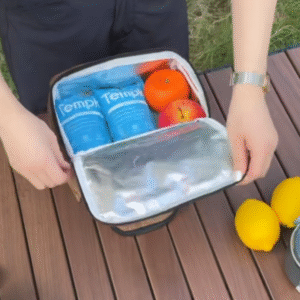
How do dry ice packs support next day delivery? Understand how dry ice keeps products at the right temperature during fast shipping.
What is the optimal way to use dry ice for fast shipping? Learn the best practices for using dry ice effectively.
What are the costs and benefits associated with dry ice for next day deliveries? Explore the financial implications and advantages of using dry ice in expedited shipments.
What Is the Role of Dry Ice Packs in Next Day Delivery?
Dry ice, the solid form of carbon dioxide, sublimates at -78.5°C (-109.3°F), providing an extremely low temperature ideal for next day delivery. Unlike conventional ice, dry ice does not melt into water but transforms directly into gas. This property makes it the go-to solution for temperature-sensitive shipments that need to be delivered quickly.
Key Benefits of Using Dry Ice for Next Day Delivery:
Longer Cooling Duration: Dry ice keeps products frozen or refrigerated for longer periods than water-based ice, ensuring that goods are transported at the required temperatures.
No Liquid Residue: As dry ice sublimates, it leaves no residue, eliminating the risk of water damage to the shipment.
Maintains Ideal Temperatures: Dry ice is perfect for items that require a consistent low temperature, from frozen foods to sensitive pharmaceuticals.
| Aspect | Dry Ice Benefits | Traditional Ice Benefits | Impact on Next Day Delivery |
|---|---|---|---|
| Cooling Duration | Longer, maintains freezing temps | Shorter, melts faster | Ensures timely and safe delivery of perishables |
| Cleanliness | No liquid residue, no leakage | Water leakage can damage goods | Keeps items dry and safe |
| Cost Efficiency | Higher initial cost, but effective long-term | Lower cost, limited cooling duration | Best for critical temperature-sensitive goods |
How Can You Optimize Dry Ice Pack Usage for Fast Shipping?
Optimizing dry ice usage for next day deliveries involves more than just adding some dry ice into the box. The key is to calculate the exact amount needed, ensure the packaging is designed to retain the cold, and follow safety protocols to ensure smooth transit.
Step-by-Step Guide to Optimizing Dry Ice for Fast Delivery
Determine Cooling Requirements:
Frozen Goods: If you’re shipping frozen food like seafood or meat, dry ice is essential to maintain a temperature of -18°C or lower.
Chilled Goods: For items like pharmaceuticals that need to remain chilled, dry ice will help achieve temperatures around 4°C.
Calculate the Right Amount of Dry Ice:
A general rule of thumb is to use 1-2 pounds of dry ice per 24 hours of transit. For most shipments with a 24-hour delivery, 1-2 pounds will suffice to maintain the required cooling.
Proper Placement and Insulation:
Place dry ice at the bottom of the box, as cold air sinks. Use insulated packaging, such as Styrofoam or vacuum-insulated panels, to prevent rapid sublimation of the dry ice.
Temperature Monitoring:
Incorporate temperature loggers into your packaging to track the temperature during transit, ensuring the shipment stays within the required range.
Packaging Integrity:
Ensure your container allows for proper ventilation. As dry ice sublimates, it releases CO2 gas, which could cause pressure build-up if the container is airtight. Adequate ventilation prevents such issues.
Real-World Example: Efficient Dry Ice Usage
A pharmaceutical company shipping temperature-sensitive vaccines found that by calculating the exact amount of dry ice required (using the weight and transit time), and by packing the products in well-insulated boxes with proper ventilation, they ensured that the vaccines arrived safely within 24 hours without any temperature excursions.
What Are the Costs and Benefits of Using Dry Ice for Next Day Delivery?
Cost Breakdown of Dry Ice for Fast Delivery
Dry ice, although more expensive than traditional ice, offers significant advantages in terms of efficiency and reliability. Here’s a quick breakdown of the typical costs involved:
Dry Ice Packs: Typically priced at $1–$3 per pound, the cost of dry ice can vary depending on your supplier.
Packaging: Insulated shipping boxes are necessary to keep the dry ice effective and typically range from $5–$10 per box.
Shipping Fees: As dry ice is considered a hazardous material, expect additional handling fees that may vary by carrier.
Benefits of Using Dry Ice for Fast Delivery
Reduced Risk of Spoilage: Dry ice helps maintain the right temperatures for longer periods, reducing spoilage and waste.
Increased Customer Satisfaction: Fast, reliable delivery of temperature-sensitive items enhances customer trust and encourages repeat business.
Reliability for Sensitive Products: For items like vaccines, biologics, or biotech samples, dry ice ensures that they remain within the required temperature range, avoiding costly damage or degradation.
| Shipping Option | Cost per Shipment | Time Frame | Benefits of Using Dry Ice |
|---|---|---|---|
| Next Day Delivery with Dry Ice | $50–$80 | 1 day | Ensures temperature integrity and freshness |
| Standard Overnight Shipping | $40–$60 | 1 day | Suitable for less sensitive shipments |
| 2-Day Shipping | $60–$90 | 2 days | Reliable, but not ideal for perishable goods |
The Future of Dry Ice for Fast Delivery
As technology continues to advance, the use of dry ice in cold chain logistics is becoming more efficient and sustainable. Here are some trends to watch for in 2025:
Recent Advancements in Dry Ice Logistics
Smart Packaging: Integration of sensors within packaging to monitor and report real-time temperature conditions. These innovations ensure that your shipment stays within the required temperature window and helps to optimize dry ice usage.
Eco-Friendly Dry Ice: Emerging carbon-neutral production methods are making dry ice more sustainable, which is especially important for businesses looking to reduce their environmental footprint.
Automated Logistics: The increasing use of AI and robotics in logistics operations is speeding up the process and reducing human error, ensuring faster and more accurate deliveries.
Benefits of These Developments
Enhanced Freshness: New technologies ensure that goods arrive in optimal condition, minimizing spoilage.
Cost Efficiency: Automated systems and smarter packaging reduce operational costs and improve logistics efficiency.
Sustainability: Eco-friendly practices help businesses reduce their carbon footprint while maintaining high standards of service.
Common Questions FAQ
Q1: How long does dry ice last during next day delivery?
Dry ice typically lasts between 18–24 hours depending on factors such as the amount of dry ice used and the type of insulation.
Q2: Can I use dry ice for international next day delivery?
Yes, dry ice can be used internationally, but it’s essential to follow specific regulations for hazardous materials handling, such as IATA packing instructions for international air transport.
Q3: How should dry ice be packed for next day delivery?
Dry ice should be packed in well-ventilated insulated containers, with the dry ice placed at the bottom of the package to ensure efficient cooling.
Q4: Is dry ice shipping safe?
Yes, dry ice shipping is safe if the proper handling procedures are followed, including wearing protective gear and ensuring that the package is properly vented.
Conclusion and Recommendations
In summary, dry ice pack next day delivery is a vital service for shipping temperature-sensitive goods efficiently. By understanding how to calculate dry ice requirements, optimize packaging, and comply with safety regulations, you can ensure your shipments arrive on time and in perfect condition.
Next Steps:
Calculate your dry ice needs based on your product’s weight and transit time.
Use high-quality, insulated containers for better temperature control.
Always ensure that your shipment complies with dry ice handling regulations.
About Tempk
At Tempk, we specialize in innovative cold chain solutions for temperature-sensitive shipments. Our high-quality dry ice packs, insulated containers, and shipping kits are designed to ensure the safe and timely delivery of your products, no matter the distance.
Contact us today for expert advice and personalized cold chain solutions tailored to your shipping needs.
Dry Ice Pack Sheet Shipping: Safe & Fast Deliveries for Perishables
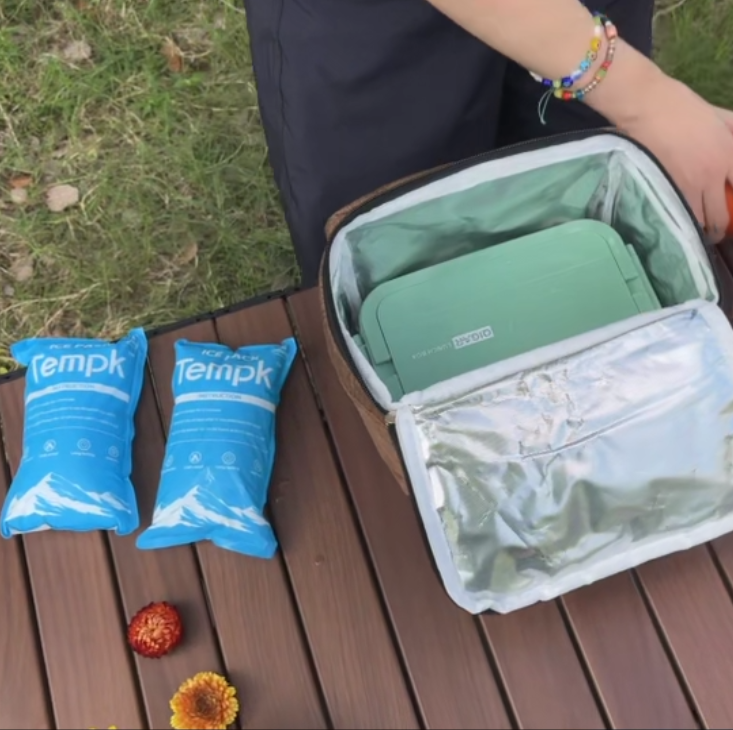
Dry ice pack sheet shipping is a critical solution for transporting temperature-sensitive goods like pharmaceuticals, biotech samples, and frozen foods. The ability to maintain ultra-low temperatures without the mess of melted ice makes dry ice an ideal choice for express deliveries. In this guide, we’ll explore everything you need to know to ensure safe and effective dry ice shipping, from proper packaging to the latest trends in logistics.
What is dry ice pack sheet shipping, and why is it essential for fast deliveries?
How can you use dry ice pack sheets for secure and safe shipping?
What are the key advantages of dry ice pack sheets in cold chain logistics?
What are the best practices for shipping with dry ice pack sheets?
What is Dry Ice Pack Sheet Shipping, and Why is It Essential for Fast Deliveries?
Dry ice pack sheet shipping utilizes sheets of solid carbon dioxide to maintain extremely low temperatures during transit. These sheets sublimate directly from solid to gas, keeping goods below freezing for extended periods without leaving moisture behind. This makes them particularly useful for shipping perishable items that must remain frozen, such as vaccines, meat, seafood, and biotech samples.
Key Insight: Dry ice sublimes at -78.5°C (-109.3°F), which is significantly colder than traditional ice, making it ideal for shipments requiring below-freezing conditions.
Why Choose Dry Ice Pack Sheets?
Superior Temperature Control: Dry ice maintains subzero temperatures for up to 72 hours, preventing spoilage or degradation of goods.
Environmentally Friendly: Unlike gel or water ice, dry ice leaves no liquid residue and sublimes into carbon dioxide, which is non-toxic and eco-friendly.
Compact and Efficient: Dry ice pack sheets are lightweight, reducing the overall weight of shipments and improving efficiency in packaging.
| Feature | Benefit | Impact on Shipping |
|---|---|---|
| Temperature Control | Keeps items frozen for up to 72 hours | Preserves product integrity and freshness |
| Eco-Friendly | No liquid residue | Meets sustainability standards |
| Compact Design | Easy to store and handle | Reduces shipping costs and packaging time |
How to Safely Ship with Dry Ice Pack Sheets?
Shipping with dry ice pack sheets requires careful handling and the right equipment. Here are some key considerations to ensure a safe and efficient shipping process:
Proper Packaging: Dry ice pack sheets must be placed inside insulated containers to prevent external heat from affecting the goods. Ensure the container allows gas to escape while preventing moisture from contaminating the goods.
Weight Considerations: The amount of dry ice used should be proportional to the shipment duration. A general rule is 1-2 pounds of dry ice per 24 hours of shipment.
Labeling and Compliance: Always label packages with “Dry Ice” or “Carbon Dioxide, Solid,” and include the appropriate handling information per DOT and IATA guidelines.
Key Tips for Safe Shipping with Dry Ice Pack Sheets:
Ventilation: Ensure containers are vented to allow CO₂ gas to escape. Using airtight containers is prohibited due to the risk of pressure buildup.
Protective Gear: Handle dry ice with insulated gloves and goggles to avoid frostbite or burns.
Monitor Temperature: Implement temperature monitoring devices to ensure goods are maintained at optimal temperatures during transit.
Best Practices for Dry Ice Pack Sheet Shipping
When shipping with dry ice, following the best practices ensures that your temperature-sensitive products remain intact and are delivered on time:
Layering Dry Ice for Optimal Cooling
For optimal cooling efficiency, always layer dry ice at the bottom of the shipping container. This setup ensures that the cold air rises from the bottom up, maintaining a consistent temperature throughout the journey.
Use Insulation: Pair dry ice with high-quality insulation like vacuum-insulated panels (VIP) to slow down the sublimation process and maintain cold temperatures.
Allow for Ventilation: Ensure that packaging has enough space or vents for CO₂ gas to escape to avoid the risk of container rupture.
Monitoring and Adjusting Conditions
Temperature Data Loggers: Use real-time temperature monitoring systems that alert you if the temperature exceeds the threshold, helping you mitigate risks during transit.
Monitor Sublimation Rate: Track the amount of dry ice used and adjust based on the length of transit and external temperature conditions. This helps to prevent waste and ensure proper cooling.
What are the Benefits of Dry Ice Pack Sheets in Cold Chain Logistics?
Dry ice pack sheets are an essential part of the cold chain, offering several advantages:
Precise Temperature Control: Dry ice is ideal for maintaining temperatures as low as -78.5°C, which is necessary for certain pharmaceutical products, vaccines, and frozen foods.
Reduced Spoilage: By maintaining consistent temperatures, dry ice prevents spoilage and preserves the quality of sensitive products.
Faster Shipments: Dry ice is lightweight and efficient, which reduces shipping times and costs, particularly when fast delivery is crucial.
How Do Dry Ice Pack Sheets Compare to Other Cooling Methods?
Dry ice offers distinct advantages over other common cooling methods like gel and water ice. Here’s a quick comparison:
| Cooling Method | Temperature Range | Duration | Moisture | Ideal Use Case |
|---|---|---|---|---|
| Dry Ice Pack Sheets | -78.5°C (-109°F) for 12-72 hours | Long duration | None (Sublimates) | Long-distance shipments requiring deep-freezing |
| Gel Packs | 0°C (32°F) for 12-24 hours | Short duration | Releases liquid | Short-distance shipments where cooling is required, but freezing isn’t |
| Water Ice | 0°C (32°F) for 6-24 hours | Very short duration | Melts into liquid | Suitable for less temperature-sensitive goods |
Common Applications of Dry Ice Pack Sheets
Dry ice pack sheets are widely used across several industries for their superior cooling and efficiency:
Pharmaceuticals: Transporting medications, vaccines, and biological samples that require stable, ultra-low temperatures.
Frozen Foods: Shipping perishable food items like seafood, meat, and ice cream while maintaining their quality.
Biotech Samples: Sending sensitive biological specimens that need to stay frozen during transit.
2025 Trends in Dry Ice Shipping
Latest Developments in Dry Ice Shipping Technology
AI-Driven Temperature Management: AI algorithms and IoT sensors monitor dry ice usage, optimize shipping routes, and provide real-time updates, enhancing the efficiency and safety of cold chain shipments.
Sustainable Dry Ice Production: Innovations in carbon capture are leading to carbon-neutral dry ice, making the shipping process more eco-friendly.
Market Insight: As the cold chain logistics market grows, driven by increasing demand for fast deliveries of sensitive goods, businesses are looking for cost-effective, reliable solutions like dry ice that provide efficient cooling without the complexity of refrigeration systems.
Frequently Asked Questions (FAQ)
Q1: How long can dry ice pack sheets keep items frozen?
Dry ice can keep items frozen for 12-72 hours, depending on factors such as the amount used, the quality of insulation, and the transit conditions.
Q2: Can I use dry ice for international shipping?
Yes, dry ice can be shipped internationally. However, you must comply with specific regulations regarding labeling and packaging, especially for air shipments.
Q3: How much dry ice should I use for a 24-hour shipment?
Typically, 1-2 pounds of dry ice per 24 hours of shipping are sufficient for most shipments, but it’s essential to adjust based on the shipment’s size and the ambient temperature.
Conclusion and Recommendations
Dry ice pack sheet shipping is an ideal solution for transporting temperature-sensitive goods safely and efficiently. By using the right amount of dry ice, ensuring proper packaging, and adhering to regulatory guidelines, you can guarantee that your products remain at the required temperature and arrive on time.
Next Steps:
Calculate the dry ice requirements based on the shipment’s size and duration.
Use high-quality insulation to extend the duration of cooling.
Choose a reliable shipping carrier with expertise in handling dry ice shipments.
About Tempk
Tempk is a leading provider of cold chain solutions, specializing in dry ice pack sheets for industries such as pharmaceuticals, biotech, and food. Our solutions are designed to ensure safe, fast, and efficient shipping for temperature-sensitive goods, helping our clients meet the challenges of modern cold chain logistics.
Call to Action: Contact Tempk for expert advice on optimizing your cold chain logistics and ensuring the safe transport of your perishable goods.
Fish Box Dry Ice Pack Sheets: Essential for Safe Seafood Shipping

When shipping seafood, keeping it at the correct temperature is paramount to ensure its freshness upon arrival. Fish box dry ice pack sheets offer a reliable, cost-effective, and efficient solution for maintaining the ideal temperature during long-distance shipments. Whether shipping locally or internationally, dry ice pack sheets provide an ultra-cold environment that prevents thawing, preserves quality, and complies with industry regulations. This guide will explore the benefits, functionality, and best practices for using these sheets in seafood shipping.

What are fish box dry ice pack sheets and how do they work?
Why are dry ice pack sheets the best option for seafood shipping?
How to choose the right dry ice pack sheet for your shipment?
How can you ensure compliance with shipping regulations when using dry ice?
What are the latest trends in cold chain logistics for 2025?
What Are Fish Box Dry Ice Pack Sheets and How Do They Work?
Fish box dry ice pack sheets are flexible, cold-retaining packaging materials made from solid dry ice, designed specifically for temperature-sensitive shipments like seafood. These sheets fit seamlessly into insulated shipping containers and sublimate at -78.5°C, ensuring that seafood remains frozen during transit.
How They Work:
Dry ice pack sheets provide consistent and long-lasting cooling. As dry ice sublimates into gas, it absorbs heat from its surroundings, maintaining ultra-low temperatures. This is especially crucial for seafood, which must stay frozen to preserve freshness and avoid bacterial growth. By using these sheets, seafood shippers can guarantee that their products remain cold without the mess of melting ice or the risk of thawing.
Why Use Dry Ice for Seafood Shipping?
Advantages Over Traditional Ice:
No Melting Water: Unlike traditional ice, dry ice sublimes directly into gas, which prevents excess water from forming inside the shipping container. This is important for avoiding soggy packaging, which could damage seafood.
Longer Cooling Duration: Dry ice lasts much longer than conventional ice. Its sublimation rate ensures that seafood stays frozen for an extended period, making it ideal for long shipments.
Ultra-Low Temperature: Dry ice provides temperatures that are well below freezing, which is crucial for preserving frozen seafood during transport.
How Do Fish Box Dry Ice Pack Sheets Work?
Dry ice pack sheets are typically placed inside insulated boxes to ensure maximum efficiency. When the sheets sublimate, they release cold CO2 gas that helps maintain a stable low temperature. By wrapping around the contents of the box, the sheets provide consistent cooling, even in long-distance shipments.
Key Benefits:
Consistency in Temperature: These sheets offer a reliable cooling method that helps avoid temperature fluctuations during transit.
Simplicity: Using dry ice pack sheets is straightforward. Simply place the sheets inside the shipping container and let them start sublimating.
Safety and Compliance: Dry ice is regulated as a hazardous material, and using fish box dry ice pack sheets ensures that shipments comply with all regulatory guidelines for safe transport.
Choosing the Right Dry Ice Pack Sheet for Your Shipment
When selecting a dry ice pack sheet for seafood shipping, consider the following factors:
Type of Seafood: Different seafood products require different cooling needs. For example, fish fillets may need a different temperature than lobsters, so it’s crucial to choose the appropriate pack sheet for your specific product.
Shipment Duration: Longer shipments require more dry ice to maintain the correct temperature. Plan accordingly, especially if your shipment will last more than 48 hours.
Shipping Destination: Domestic shipments may require less dry ice compared to international shipments, particularly if air transport is involved.
Example Breakdown:
| Type of Seafood | Recommended Dry Ice (lbs) | Estimated Cooling Duration |
|---|---|---|
| Shrimp | 1-2 lbs | 12-24 hours |
| Fish Fillets | 2-3 lbs | 24-48 hours |
| Lobster | 3-4 lbs | 48-72 hours |
How to Ensure Compliance with Dry Ice Shipping Regulations
Shipping with dry ice involves adhering to specific guidelines from organizations like the Department of Transportation (DOT) and the International Air Transport Association (IATA). Here’s how to ensure compliance:
Labeling: Packages containing dry ice must be labeled with “Dry Ice” and include the net weight of the dry ice. Additionally, a “Carbon Dioxide, Solid” label should be used to comply with hazardous materials regulations.
Packaging: Dry ice must be packaged in a way that allows for the release of gas. Insulated boxes with vented lids are commonly used to meet this requirement.
Documentation: For international shipments, a declaration form may be required that details the contents, including the dry ice weight and shipment specifics.
Latest Trends in Cold Chain Logistics for 2025
Smart Packaging:
The use of smart sensors integrated with packaging materials is growing. These sensors allow both shippers and recipients to monitor the temperature of goods in real-time, offering enhanced control over the shipping process and ensuring that seafood stays within the required temperature range.
Sustainability Initiatives:
As environmental concerns rise, the cold chain industry is moving towards more sustainable packaging solutions. Biodegradable packaging, recyclable dry ice sheets, and eco-friendly coolers are increasingly being used to minimize environmental impact.
Automation:
AI-driven logistics platforms are transforming cold chain management. These platforms optimize shipping routes, predict delays, and improve overall efficiency, helping businesses reduce costs and improve delivery times.
Frequently Asked Questions
How Much Dry Ice Do I Need for Seafood Shipping?
The amount of dry ice required depends on the type of seafood and the shipping duration. Typically, you will need about 1-2 lbs of dry ice per 12 hours of shipment time.
Can I Use Dry Ice for Domestic Seafood Shipping?
Yes, dry ice can be used for both domestic and international seafood shipping. It is particularly useful for long-distance or international shipments.
How Long Does Dry Ice Last During Shipping?
Dry ice lasts anywhere from 12 to 72 hours, depending on factors like shipment duration and insulation quality.
Conclusion and Recommendations
Fish box dry ice pack sheets are a crucial component in seafood shipping, ensuring that products remain frozen and fresh during transit. These sheets offer long-lasting cooling, are easy to use, and comply with shipping regulations. To maximize efficiency and safety:
Select the right dry ice sheet based on seafood type and shipping duration.
Work with a reliable logistics provider who understands dry ice shipping regulations.
Stay up to date with new trends like smart packaging and eco-friendly materials to further optimize your shipping process.
About Tempk
At Tempk, we specialize in providing advanced cold chain logistics solutions, including fish box dry ice pack sheets. Our products ensure safe and efficient temperature-controlled shipping for seafood, pharmaceuticals, and other perishable goods. Reach out to us for expert advice and tailored shipping solutions.
Call to Action: Contact Tempk today to learn how our dry ice packaging solutions can improve your seafood shipping operations.
Dry Ice Pack Meat Shipping: Best Practices & 2025 Trends

Dry Ice Pack Meat Shipping: The Ultimate Solution for Safe Meat Delivery in 2025
Shipping meat, particularly over long distances, requires careful management of temperature to prevent spoilage and bacterial growth. In 2025, dry ice pack meat shipping has become one of the most reliable methods for maintaining meat quality during transit. Dry ice offers a cooling solution that keeps meat at ultra-low temperatures, making it an indispensable tool for businesses in the cold chain logistics sector. This guide will explore the best practices, regulatory requirements, and trends shaping dry ice meat shipping in 2025.

How much dry ice is needed for meat shipping?
What are the best practices for packing meat with dry ice?
What are the latest innovations in dry ice meat shipping in 2025?
How to comply with regulations and ensure safe shipments?
Why is Dry Ice Ideal for Meat Shipping in 2025?
Dry ice, the solid form of carbon dioxide (CO₂), is a critical element in cold chain logistics, especially for perishable goods like meat. Unlike regular ice, dry ice sublimates directly into gas without leaving any liquid residue, ensuring a mess-free shipping process. Here’s why it remains a go-to option for meat shipping:
Temperature Control
Dry ice helps maintain temperatures as low as -78.5°C (-109.3°F), ideal for frozen meat products. It is capable of keeping meats like steaks, sausages, and roasts frozen during long-distance shipments, ensuring that they arrive fresh and free from spoilage.
Extended Shelf Life
Unlike ice packs or gel packs that lose their cooling effect within hours, dry ice lasts significantly longer, which is especially important for extended transit times, such as international shipments. This makes dry ice perfect for ensuring that meat stays frozen, even during long periods of transit.
No Water Damage
Dry ice’s ability to sublimate directly into gas means that there is no risk of water damage to packaging or the meat itself. This ensures that the meat stays dry, preventing freezer burn and packaging deterioration.
Best Practices for Packing Meat with Dry Ice
Shipping meat requires more than just throwing dry ice into a container. Proper packing ensures that both the meat and dry ice maintain optimal conditions during transport. Follow these essential steps for safe and effective dry ice meat shipping:
1. Select the Right Amount of Dry Ice
The amount of dry ice required depends on several factors such as the meat weight, shipping duration, and environmental conditions. As a general rule, use 1–2 pounds of dry ice per 5 pounds of meat for every 24 hours of transit. For larger shipments, such as 20 lbs of meat, it’s recommended to use around 6 lbs of dry ice per 24 hours, adjusting based on distance and weather conditions.
| Meat Weight | Dry Ice (24 hours) | Dry Ice (48 hours) | Practical Application |
|---|---|---|---|
| 5 lbs | 1–2 lbs | 3–4 lbs | Small sample shipments |
| 10 lbs | 3–4 lbs | 5–8 lbs | Household subscription boxes |
| 20 lbs | 6 lbs | 10–12 lbs | Ideal for family-sized shipments |
| 40 lbs | 12 lbs | 18–22 lbs | Larger shipments require extra insulation |
2. Prepare the Meat
Proper packaging of the meat is essential to avoid freezer burn and leakage. The best practices for preparing meat include:
Vacuum Sealing: Removes air to prevent freezer burn and bacterial growth.
Double-Bagging: Provides an extra layer of protection against potential leaks.
Pre-Freezing: Freezing the meat before packing ensures that it is at its optimal frozen state before shipping.
3. Pack Dry Ice and Meat Together
Here’s how to pack the dry ice and meat together in a shipping container:
Layer Dry Ice Correctly: Start with a layer of dry ice at the bottom of the insulated container, place the meat on top, and then add another layer of dry ice on top of the meat.
Use Insulated Containers: Opt for rigid coolers or fiberboard boxes, insulated with foam or eco-friendly liners, to slow down dry ice sublimation.
Ensure Ventilation: Dry ice sublimates into carbon dioxide gas, so the container must allow the gas to escape to avoid pressure buildup. Use containers with vents to release the CO₂ gas safely.
4. Label the Package
Proper labeling is crucial for compliance and safety:
UN 1845 Labeling: Clearly label the package as “Dry Ice” or “Carbon Dioxide, Solid,” and include the UN 1845 number along with the weight of dry ice.
Perishable Item Labeling: Mark the box as “Perishable – Keep Frozen” to ensure the carrier knows the urgency of the shipment.
Documentation: For air shipments, include the necessary dangerous goods declaration form, indicating the total dry ice weight and the number of packages being shipped.
Regulatory Compliance for Dry Ice Meat Shipping
Shipping meat with dry ice requires compliance with various regulations set by agencies like the Department of Transportation (DOT) and the International Air Transport Association (IATA). These regulations ensure safe handling and shipping of dry ice, which is classified as a hazardous material. Key regulatory requirements include:
Proper Shipping Name: Always label the package as “Dry Ice” or “Carbon dioxide, solid” with the appropriate UN 1845 number.
Dry Ice Weight Limits: For air shipments, dry ice quantities are capped by weight limits (usually 5 lbs per package for USPS and up to 200 kg for air freight).
Venting and Packaging: Packaging must allow for the safe release of CO₂ gas to avoid pressure buildup. Avoid sealed containers like steel drums or airtight plastic bags.
For 2025, new regulations emphasize enhanced venting, temperature monitoring, and pressure testing for packaging. IoT sensors and digital air waybills (eAWB) are becoming more common for ensuring compliance with these updated rules.
Trends Shaping Dry Ice Meat Shipping in 2025
As the cold chain logistics industry continues to evolve, several trends and technologies are shaping the future of dry ice meat shipping:
1. Sustainable Dry Ice Production
The dry ice industry is focusing on sustainability by using carbon capture technologies to produce dry ice more efficiently and with less environmental impact. Companies are increasingly integrating eco-friendly production practices to reduce their carbon footprint, meeting growing consumer demand for sustainable practices.
2. Smart Packaging and IoT Sensors
Smart packaging is becoming more common in the shipping industry. IoT sensors embedded in the packaging help monitor the temperature and humidity in real time, allowing for better control and ensuring that the meat remains within safe temperature ranges throughout the transit process.
3. Advanced Insulation Materials
New insulation materials, such as phase-change materials (PCMs), are helping to extend the duration of cooling during meat shipments. These materials store and release energy as they change phases, making them more efficient than traditional insulation methods.
Frequently Asked Questions (FAQ)
Q1: How long does dry ice last when shipping meat?
Dry ice typically lasts 24–72 hours, depending on insulation quality and ambient temperatures. The amount of dry ice used and the type of packaging significantly affect the duration.
Q2: Can dry ice damage the meat during shipping?
When packed properly, dry ice does not damage meat. However, direct contact with the dry ice or improper handling can lead to freezer burn or dehydration. Always use insulated containers and vacuum sealing.
Q3: Is dry ice shipping expensive?
While dry ice is often more costly than traditional ice, its longer cooling duration and mess-free properties make it a cost-effective option in the long run. Reducing spoilage and ensuring that the meat reaches its destination safely can help avoid financial losses.
Conclusion and Actionable Next Steps
In summary, dry ice pack meat shipping is an essential solution for keeping meat fresh during transit. By following the best practices for packing, calculating the right amount of dry ice, and adhering to regulations, businesses can ensure safe, reliable meat shipments.
Actionable Next Steps:
Assess your dry ice needs using the provided formula.
Upgrade packaging to high-performance insulation and ensure proper ventilation.
Implement temperature monitoring to track your shipments in real time.
Train your team on safety protocols and handling guidelines.
About Tempk
Tempk provides advanced cold chain logistics solutions, including dry ice shipping kits, smart sensors, and insulated packaging designed to ensure safe and efficient transportation of perishable goods. Contact us today to optimize your shipping process with our reliable and sustainable solutions.