


Dry Ice Packs for Fish Shipping: Best Practices for 2025
Dry Ice Packs for Fish Shipping: Best Practices for 2025

Shipping fish, whether fresh, frozen, or processed, requires maintaining an effective cold chain to ensure product quality and safety. Dry ice packs are the go-to solution for many businesses in the seafood industry, thanks to their ability to maintain ultra-low temperatures without leaving behind harmful liquid residue. This guide delves into the advantages, functionalities, and best practices for using dry ice packs in fish shipping, exploring the latest trends and innovations for 2025.

What Are Dry Ice Packs?
Dry ice packs are sheets that contain solid carbon dioxide (CO₂), which sublimates at -78.5°C (-109.3°F), transitioning directly from a solid to a gas. Unlike traditional ice, which melts into water, dry ice avoids creating moisture that can potentially damage or degrade perishable goods. This unique property makes dry ice an ideal cooling solution for shipping seafood, especially when maintaining frozen or sub-zero temperatures is essential.
Key Benefits of Using Dry Ice Packs for Shipping Fish
Dry ice packs provide a range of benefits that are especially useful in the cold chain logistics of fish shipping:
Extended Cooling Duration: Dry ice remains effective longer than regular ice. The sublimation process of dry ice allows it to provide continuous cooling for up to 48 hours, making it perfect for long-distance shipments.
No Residue: Unlike traditional ice that melts into water and can cause product contamination, dry ice sublimates completely without leaving behind any liquid, ensuring that the packaging remains dry and the products stay clean.
Compact and Lightweight: Dry ice packs are not only efficient but also compact, offering a space-saving solution in shipping containers. This ensures that businesses can maximize the number of shipments per container while keeping the temperature low.
Reusable Options: Some types of dry ice packs can be reused multiple times, contributing to long-term cost savings while also reducing environmental impact through recycling and reusing the packs.
Dry Ice Packs for Different Types of Fish
Dry ice packs are versatile and can be used effectively for various types of fish, each with different temperature requirements:
Fresh Fish: These products need to be kept just above freezing to preserve their freshness during transportation. Dry ice can maintain a cool enough temperature to ensure they arrive at the destination without any spoilage.
Frozen Fish: Fish that are frozen for shipping require dry ice to keep them at sub-zero temperatures throughout the journey. Dry ice helps prevent thawing and bacterial growth, preserving the fish in its original state.
Processed Fish Products: Products like fillets, smoked fish, or other value-added fish products benefit from dry ice as it helps maintain the optimal temperature, preventing deterioration and maintaining quality.
Best Practices for Using Dry Ice Packs in Fish Shipping
To ensure that fish products arrive safely and in top condition, it’s essential to follow best practices when using dry ice packs:
1. Determine the Required Cooling Capacity
Properly calculating the amount of dry ice needed is essential to prevent both undercooling and overspending. A general guideline is to use 5-10 pounds of dry ice for every 15 quarts of cooler space per 24 hours of transit. For longer shipments, or if high ambient temperatures are expected, increase the amount accordingly.
2. Use Proper Packaging
Insulated containers are crucial for keeping dry ice packs and fish products at the correct temperature. Packaging materials like expanded polystyrene (EPS) or polyurethane should be used for their thermal resistance. Ensure that the container is sealed, but not airtight, to allow gas to escape and prevent pressure build-up.
3. Layering Technique
When packing, it’s important to use a layering technique to maintain an even temperature distribution:
Bottom Layer: Start with an insulating layer at the bottom of the container, such as foam or cardboard, to protect the fish from any initial heat transfer.
Middle Layer: Arrange the frozen or fresh fish evenly, avoiding overcrowding. Air circulation between the fish pieces ensures that the cold air can circulate freely, maintaining consistent temperatures.
Top Layer: Place the dry ice packs on top of the fish, creating a “cold dome” that ensures cold air sinks and surrounds the products.
Fill Void Spaces: To reduce the need for excess dry ice, use crumpled paper or extra insulation to fill any empty spaces, preventing air gaps that could affect the temperature control.
4. Ensure Proper Ventilation
Dry ice sublimates into CO₂ gas, which can accumulate and cause dangerous pressure build-up if the container is sealed tightly. To prevent this, leave small vents or cracks in the container’s lid to allow the gas to escape safely.
5. Follow Safety Regulations
As dry ice is classified as a hazardous material (UN 1845), all shipments must comply with transportation regulations. Proper labeling and documentation are required to ensure the safety of handlers and compliance with carrier guidelines. For air shipments, many airlines restrict the amount of dry ice per package, typically limiting it to 5.5 lbs (2.5 kg).
6. Safety Precautions
When handling dry ice, ensure that protective gloves and goggles are worn to avoid frostbite. Dry ice should be stored in well-ventilated areas to prevent CO₂ from accumulating, which could lead to asphyxiation in confined spaces.
7. Disposal of Dry Ice
Once dry ice has been used, it should be allowed to sublimate in a well-ventilated area, away from people or animals. Never dispose of dry ice in sinks, drains, or trash bins, as it could cause damage or pose a safety risk.
Comparative Cooling Methods
While dry ice is often the best choice for frozen fish, other cooling methods such as gel packs and water ice packs are also available. Here’s how they compare:
| Cooling Method | Temperature Range | Duration | Practical Significance |
|---|---|---|---|
| Dry Ice Pack | -78.5°C (-109.3°F) | 24-48 hours | Best for long-distance frozen fish shipping; no water residue, ideal for exports. |
| Gel Pack | 0°C-8°C (32°F-46°F) | 6-12 hours | Ideal for chilled seafood or short-distance deliveries; reusable and non-toxic. |
| Water Pack | ~0°C (32°F) | 6-8 hours | Low-cost option for non-perishable items; melts into liquid and can cause leakage. |
Common Questions About Dry Ice Packs for Fish Shipping
How long will dry ice keep my fish frozen?
Dry ice can keep fish frozen for 24–48 hours, depending on the amount of dry ice used, the type of packaging, and the environmental conditions.How should I dispose of leftover dry ice?
Always allow unused dry ice to sublimate in a well-ventilated area. Never dispose of it in sinks or trash bins, as this can create dangerous pressure build-up.Can I ship live seafood with dry ice?
Dry ice is not suitable for live seafood, as it’s too cold. Use gel packs or water packs to maintain a chilled environment for live seafood.
2025 Trends in Fish Shipping and Cold Chain Logistics
As we approach 2025, several trends are shaping the future of fish shipping and cold chain logistics:
Sustainability Initiatives: Companies are exploring eco-friendly solutions, such as biodegradable dry ice and carbon-capture manufacturing processes, to reduce the environmental impact of their operations.
Smart Monitoring and IoT Integration: Real-time temperature tracking using IoT sensors is helping businesses ensure compliance with temperature regulations and improve visibility during the shipping process.
Hybrid Cooling Solutions: Combining dry ice with phase change materials (PCM) or gel packs is becoming more common. These hybrid systems offer extended cooling times and reduced dry ice consumption.
Conclusion
Dry ice packs remain an essential tool for efficient and safe fish shipping, providing superior cooling that ensures fish arrive at their destination fresh, frozen, and free from damage. By following best practices, understanding the cooling requirements, and staying compliant with regulations, businesses can improve the efficiency and reliability of their fish shipping processes.
Next Steps
Evaluate Your Shipping Needs: Determine if you need frozen or chilled conditions for your shipments.
Calculate Dry Ice Requirements: Use the provided guidelines to estimate the correct amount of dry ice needed for your shipment.
Invest in Quality Insulation: High-efficiency containers will reduce dry ice consumption and maintain temperature stability.
Stay Informed: Keep an eye on emerging trends such as sustainability and smart monitoring to optimize your cold chain operations.
About Tempk
Tempk is a leader in providing advanced cold chain logistics solutions, specializing in high-performance dry ice packs and insulated packaging for the seafood industry. Our solutions are designed to meet the stringent requirements of modern shipping, ensuring that your seafood products arrive in optimal condition every time.
Contact us today to learn more about how our dry ice packs can enhance your fish shipping operations.
Shipping Cross-Country with Dry Ice Packs: 2025 Best Practices

Shipping perishable goods across the country requires precision and careful planning to ensure products stay within the required temperature range. Dry ice packs are one of the most effective solutions to maintain cold temperatures throughout transit. This guide delves into best practices, regulatory considerations, packaging techniques, and the advantages of using dry ice for cross-country shipping in 2025.
What Are Dry Ice Packs and Why Are They Ideal for Cross-Country Shipping?
Dry ice is solid carbon dioxide (CO₂) that sublimes directly from solid to gas, creating an extremely low temperature of -78.5°C (-109.3°F). This property makes dry ice packs perfect for maintaining frozen conditions during long-distance shipping. Commonly used for pharmaceuticals, food, and biotechnology, dry ice ensures that temperature-sensitive goods remain at optimal temperatures without the risk of liquid water damage.
Pharmaceuticals: Essential for transporting vaccines, biologics, and temperature-sensitive medicines.
Food: Ensures that frozen foods like seafood and meats arrive in excellent condition, preventing spoilage.
Biotechnology: Crucial for biological samples and experimental materials that require precise temperature control.
How Does Cross-Country Shipping with Dry Ice Packs Work?
Shipping with dry ice involves multiple steps to ensure that goods stay frozen throughout their journey. Here’s how it works:
1. Packing the Shipment
Products are placed inside insulated packaging with dry ice packs. The insulation prevents external heat from affecting the goods, while the dry ice helps maintain subzero temperatures.
2. Selecting the Right Type of Dry Ice Pack
Based on the size of the shipment and the duration of transit, the correct amount of dry ice is calculated. Too little dry ice can cause thawing, while too much is inefficient and wasteful.
3. Choosing the Right Shipping Service
Select a specialized courier service experienced with temperature-sensitive shipments. The carrier should offer real-time monitoring of temperature conditions to ensure that goods remain within the required temperature range.
4. Real-Time Monitoring and Temperature Control
Many shipping companies offer temperature monitoring tools that provide real-time data, ensuring that corrective measures can be taken immediately if temperatures deviate from the desired range.
Key Benefits of Using Dry Ice Packs for Cross-Country Shipping
Dry ice packs are a preferred solution for cross-country shipping due to their efficiency and reliability:
1. Extended Shelf Life
Dry ice can keep products frozen for longer periods, which is essential for shipments that take multiple days.
2. Consistent and Reliable Cooling
Unlike regular ice, which melts and creates moisture, dry ice sublimates directly into gas, eliminating water damage risks.
3. Cost-Effective Solution
Dry ice doesn’t require additional refrigeration equipment or power, making it an affordable choice for shipping goods over long distances.
4. Environmentally Friendly
Dry ice sublimates without leaving residue, unlike chemical refrigerants. It’s a more sustainable option, as it uses a naturally occurring substance—carbon dioxide.
Best Practices for Safe and Efficient Cross-Country Shipping with Dry Ice
Ensuring the safety and efficiency of your shipment requires following these best practices:
1. Use Proper Packaging
Insulated coolers and containers are essential to keep temperatures low and protect goods from damage. Packaging designed specifically for dry ice ensures that it works efficiently.
2. Calculate the Correct Amount of Dry Ice
It’s crucial to calculate how much dry ice is needed to maintain the temperature for the entire journey. This depends on factors such as shipment size, transit time, and external temperatures.
3. Choose a Reliable Carrier
Work with couriers that specialize in shipping temperature-sensitive goods. They should be experienced in handling dry ice and offer tracking and monitoring capabilities.
4. Understand Regulatory Requirements
Different carriers and jurisdictions have specific rules for shipping dry ice. Ensure compliance with these regulations to avoid delays or fines. For example, the International Air Transport Association (IATA) and the U.S. Department of Transportation (DOT) have guidelines for dry ice shipping.
Common Applications of Dry Ice in Cross-Country Shipping
Several industries rely on dry ice for cross-country shipping. Here are a few common applications:
1. Pharmaceutical Shipping
Ensuring the safety and efficacy of vaccines and biologics during long-distance transport is critical. Dry ice helps maintain the required temperatures, ensuring that sensitive products remain viable.
2. Food Shipping
Shipping frozen foods like meats and seafood requires dry ice to prevent spoilage and maintain freshness during transit.
3. Biotechnology Shipping
Biotech firms use dry ice to transport biological samples, research materials, and cultures, ensuring the integrity of their products is maintained.
4. E-Commerce
Online retailers of frozen goods can use dry ice to ship products like frozen meals and ice cream, ensuring they reach customers in perfect condition.
2025 Trends in Dry Ice Shipping
Cold chain logistics continue to evolve, and dry ice shipping is no exception. Here are some key trends shaping this industry:
1. Real-Time Temperature Monitoring
Advancements in temperature-monitoring technology are improving reliability, allowing businesses to track shipments and receive alerts if temperatures go out of range.
2. Sustainable Practices
Companies are increasingly focusing on eco-friendly alternatives to traditional packaging materials, such as recyclable insulation and biodegradable coolers.
3. IoT-Enabled Shipping Solutions
The use of Internet of Things (IoT) devices to monitor shipments has become common. These sensors provide real-time data, which helps ensure products are always kept within the proper temperature range.
Common Questions About Shipping with Dry Ice
How long does dry ice last in cross-country shipping?
Dry ice can last between 18 to 36 hours depending on the insulation quality and environmental conditions. For shipments that take longer, more dry ice is required.
Can I ship liquids with dry ice packs?
Yes, liquids can be shipped with dry ice, provided they are sealed properly to avoid leaks. Dry ice will keep the liquids at the required temperature throughout the shipping process.
Conclusion
Shipping with dry ice packs is an efficient and reliable method for transporting temperature-sensitive goods across long distances. By adhering to the best practices outlined in this guide, including selecting the right packaging, calculating dry ice requirements, and understanding regulatory rules, businesses can ensure the safe delivery of their products while maintaining compliance.
Call to Action
Looking for a reliable dry ice shipping solution? Contact us today to learn how we can help you streamline your cold chain logistics and ensure the safe transport of your temperature-sensitive goods.
About Tempk
At Tempk, we specialize in providing cold chain logistics services, offering dry ice pack solutions for safe, reliable cross-country shipping. Our advanced systems ensure that your goods stay at the proper temperature throughout the journey, giving you peace of mind and improving customer satisfaction.
Ready to ship with confidence? Contact our team for personalized advice and assistance with your next dry ice shipment.
Dry Ice Pack Sheet Vaccine Shipping: Essential Guide for Safe Transport
Maintaining vaccines at the correct temperature during transport is critical to ensuring their efficacy. Dry ice pack sheets are one of the most reliable methods for preserving the required ultralow temperatures, especially for mRNA vaccines like Pfizer’s. In this article, we will explain how dry ice pack sheets work, their benefits for vaccine transportation, and the best practices for their use in cold chain logistics.
Why are dry ice pack sheets the best choice for transporting vaccines?
What precautions should you take when shipping vaccines with dry ice?
How to integrate dry ice pack sheets into your vaccine shipping process?
How Do Dry Ice Pack Sheets Work for Vaccine Shipping?
Dry ice pack sheets are highly effective for transporting temperature-sensitive goods, including vaccines. Unlike traditional ice packs that melt into liquid, dry ice sublimates directly from a solid to a gas, maintaining a much lower temperature without generating water residue. This is crucial for vaccines that need to be kept between -15°C and -60°C (-5°F and -76°F) to remain effective.
Key Benefits of Dry Ice Pack Sheets for Vaccine Shipping:
Sustained Cooling: Dry ice maintains subzero temperatures for longer durations compared to regular ice packs, making it perfect for vaccines requiring prolonged cooling.
No Water Residue: As dry ice sublimates into gas, there is no risk of contamination from melting water, ensuring a dry environment for sensitive vaccines.
Customizable Fit: Dry ice pack sheets can be tailored to different packaging sizes, optimizing cooling efficiency and saving space.
Why Are Dry Ice Pack Sheets the Safest Option for Vaccine Transportation?
Vaccines require ultra-cold conditions to retain their potency, and dry ice is the ideal solution for maintaining these conditions over long periods. Unlike ice packs, which create a mess when they melt, dry ice sublimates, avoiding the risk of liquid water damaging vaccine vials or packaging.
Advantages of Using Dry Ice:
Temperature Consistency: Dry ice ensures that vaccines remain at the correct temperature throughout their journey, reducing the risk of compromising vaccine efficacy.
Extended Cooling Duration: Dry ice’s ability to stay cold for longer periods ensures that vaccines are safely transported, even over long distances.
Precautions When Shipping Vaccines with Dry Ice
Handling dry ice comes with certain risks, including frostbite and asphyxiation. Proper safety measures are essential to avoid accidents during shipping. Below are key precautions when using dry ice for vaccine transport:
Safety Measures:
Ventilation: Dry ice releases carbon dioxide gas as it sublimates. Always ensure that the shipping container is ventilated to prevent gas buildup.
Protective Gear: Handling dry ice requires gloves and face protection to avoid frostbite or injury.
Proper Labeling: Packaging must be correctly labeled with hazard symbols to ensure compliance with shipping regulations.
Temperature Control Comparison:
| Item | Temperature Control | Duration of Cooling | Best for |
|---|---|---|---|
| Dry Ice Pack Sheets | -78.5°C (-109.3°F) | 24-48 hours | Vaccines, pharmaceuticals |
| Gel Packs | 0°C–5°C | 8–12 hours | General pharmaceuticals and food |
| Ice Packs | -1°C to 5°C | 12–24 hours | Short-distance perishable items |
How to Integrate Dry Ice Pack Sheets in Your Vaccine Shipping Process?
Successfully using dry ice pack sheets in vaccine shipping requires careful planning. Here’s a simple approach to ensuring efficient cold chain logistics:
Assess Temperature Requirements: Confirm that your vaccine requires ultra-cold temperatures.
Choose Appropriate Packaging: Use insulated containers that ensure dry ice remains effective throughout transit.
Monitor Temperature: Use data loggers to track temperature fluctuations during shipping.
Best Practices for Vaccine Shipping with Dry Ice
High-Quality Packaging: Ensure that the packaging is durable, insulated, and properly sealed to maintain the required temperature range.
Testing the Setup: Before shipping large quantities of vaccines, test the dry ice pack sheets in various conditions to ensure their effectiveness.
Prepare for Delays: Always plan for potential delays in transport and consider using additional cooling solutions for extended shipping durations.
2025 Trends in Dry Ice Shipping for Vaccines
Latest Innovations:
In 2025, there have been significant advancements in dry ice packaging technology. New materials have been developed to improve insulation, extending the lifespan of dry ice and enhancing the overall efficiency of cold chain logistics.
Industry Insights:
With the rising demand for vaccines globally, the cold chain logistics market, particularly for pharmaceuticals, is expected to expand. The growing emphasis on sustainability has led companies to develop eco-friendly dry ice solutions, reducing costs while helping the environment.
Frequently Asked Questions
Why is dry ice preferred for vaccine shipping?
Dry ice is preferred because it maintains ultra-cold temperatures without the risk of water contamination. This is crucial for ensuring the efficacy of vaccines that require consistent low temperatures during transport.
How should I handle dry ice during vaccine shipment?
Dry ice must be handled in well-ventilated spaces. Protective gloves and eye protection should be worn, and packaging must be vented to prevent carbon dioxide gas buildup.
Summary and Actionable Tips
Key Takeaways:
Dry ice pack sheets are essential for transporting vaccines that require ultra-cold temperatures. Their ability to maintain low temperatures without melting into water makes them ideal for keeping vaccines safe and effective during transit.
Next Steps:
Ensure that your vaccine shipments are correctly packed using dry ice pack sheets by selecting the right packaging and insulation materials. Always follow safety protocols and track the temperature during transport to ensure your vaccines reach their destination in perfect condition.
About Tempk
At Tempk, we specialize in providing reliable cold chain solutions for the pharmaceutical and biotechnology industries. Our dry ice pack sheets are designed to offer consistent temperature control during vaccine transport, ensuring that your vaccines remain safe and effective.
For optimal cold chain logistics, consult our team to explore the best dry ice solutions for your vaccine shipping needs.
Dry Ice Ice Pack Same Day Delivery: Safe, Efficient, and Cost-Effective Shipping Solutions
Dry Ice Ice Pack Same Day Delivery: How to Ensure Safe and Efficient Shipping
When it comes to shipping perishable goods, ensuring they remain at the right temperature is paramount. Dry ice ice packs provide an efficient and reliable solution for businesses needing same-day delivery for temperature-sensitive items. This article explores the benefits of dry ice ice packs, how they work, and how you can use them effectively for safe and timely deliveries. By the end of this guide, you’ll know everything you need to ensure your shipments stay cool and intact, even under tight timelines.
What benefits do dry ice ice packs provide for urgent shipping?
How can you ensure the safe handling of dry ice ice packs for deliveries?
More insights on using dry ice ice packs for your deliveries.
How Do Dry Ice Ice Packs Work for Same-Day Delivery?
Dry ice ice packs are essential for businesses that need to ship goods quickly, especially those that require temperature-sensitive handling. Dry ice is solid carbon dioxide that sublimates at −78.5°C (−109.3°F), meaning it turns directly from solid to gas, keeping products frozen without leaving any liquid behind. This makes it ideal for urgent shipments where temperature control is critical, like pharmaceuticals, seafood, and frozen food.
Key Advantages of Dry Ice Ice Packs for Same-Day Delivery:
Extended Cooling Duration: Dry ice provides longer cooling times than traditional ice, ensuring that your perishable products remain frozen.
No Water Damage: As it sublimates, dry ice doesn’t produce any water that could potentially damage your products or packaging.
Reliable Temperature Control: The consistent sub-zero temperature of dry ice helps maintain the integrity of your goods during transit.
Why Are Dry Ice Ice Packs Used for Same-Day Delivery?
For industries such as food, pharmaceuticals, and biotech, the need for quick and effective temperature control is critical. Dry ice is essential in these sectors:
Food Industry: Frozen goods like seafood, ice cream, or meat can arrive fresh and unspoiled with the help of dry ice.
Pharmaceuticals: Dry ice is necessary for maintaining the required low temperatures for vaccines, medicines, and other temperature-sensitive products.
Biotech: It ensures that sensitive biological samples are kept at the correct temperature for analysis.
The Benefits of Using Dry Ice Ice Packs for Urgent Shipping
Dry ice ice packs offer several important advantages when it comes to urgent shipping:
Quick Delivery Without Compromise: Even during rushed deliveries, dry ice ensures that temperature-sensitive products stay within their required temperature range.
Cost-Effective Solution: While dry ice may seem pricier than regular ice packs, it can actually save money by reducing product spoilage, especially when shipping high-value items.
Flexible and Easy to Use: Dry ice ice packs come in different sizes, which makes them easy to use for various container types, allowing businesses to scale as needed.
Ensuring Safe Handling of Dry Ice Ice Packs for Same-Day Delivery
For safe and reliable delivery, it’s important to follow specific guidelines when handling dry ice ice packs. Here’s how to ensure a safe shipment:
Reliability
Dry ice keeps items frozen for up to 24 hours, which is essential for same-day delivery, especially for products that are highly sensitive to temperature fluctuations.
Minimized Risk of Spoilage
Whether you are shipping medical supplies, food, or biotech products, using dry ice reduces the risk of spoilage and ensures the integrity of your goods.
Efficient Delivery Process
Unlike regular ice packs, dry ice doesn’t require constant refrigeration, which can save on labor and monitoring costs. This makes dry ice a more efficient solution for businesses seeking quick and reliable same-day delivery.
| Benefit | Description | Application |
|---|---|---|
| Extended Cooling | Dry ice keeps items frozen longer. | Ideal for urgent shipments. |
| No Water Damage | Sublimates without liquid. | Prevents damage to temperature-sensitive goods. |
| Cost-Effective | Reduces spoilage and returns. | Saves on costs related to product loss. |
Tips for Using Dry Ice Ice Packs for Safe and Efficient Delivery
Monitor the Amount of Dry Ice: Calculate the correct amount of dry ice based on the size of your shipment and how long the transit will take.
Proper Packaging: Ensure that your products are surrounded by dry ice ice packs to maintain even cooling throughout the entire shipment.
Label Correctly: Make sure all packages are properly labeled with the correct handling instructions to ensure smooth and safe transportation.
Real-life Example:
A biotech company successfully used dry ice ice packs for same-day delivery of temperature-sensitive vaccines. The dry ice kept the vaccines within the required temperature range, and the products arrived intact and on time.
Safe Shipping Practices for Dry Ice Ice Packs
When shipping with dry ice ice packs, safety is paramount. Here’s what you need to know:
Use Insulated Containers: Dry ice needs to be packed in insulated containers, such as Styrofoam or polyurethane boxes, to maintain the proper temperature.
Ventilation: Dry ice sublimates into CO2 gas, which needs to be able to escape. Never use airtight containers, as this could cause a buildup of pressure.
Wear Gloves: Always wear protective gloves when handling dry ice to avoid frostbite.
Key Safety Guidelines for Handling Dry Ice
Keep dry ice in a well-ventilated area to allow the CO2 gas to safely escape.
Ensure that all dry ice shipments comply with international shipping regulations and labeling requirements.
What Are the Latest Trends in Same-Day Dry Ice Shipping for 2025?
Overview of the Latest Trends
In 2025, same-day dry ice shipping is being reshaped by new technological advancements and sustainability initiatives. Some of the latest trends include:
Sustainable Dry Ice: Companies are opting for carbon-neutral dry ice to reduce their environmental impact.
Smart Packaging Solutions: Packaging innovations are enhancing the performance of dry ice, making it more efficient for extended shipping times.
Robust Tracking Technology: Real-time monitoring systems are improving the ability to track the condition of temperature-sensitive shipments, ensuring they stay within the required temperature range.
Market Insights
The demand for same-day dry ice shipping is expected to continue growing in 2025 as industries focus more on providing faster and more reliable delivery options for perishable goods.
FAQ
Q1: What is the cost of using dry ice ice packs for same-day delivery?
The cost of dry ice ice packs depends on the shipment size and the amount used. However, dry ice can often be more cost-effective than refrigerated shipping, especially for smaller shipments.
Q2: How long can dry ice ice packs keep items cold during same-day delivery?
Dry ice can maintain sub-zero temperatures for up to 24 hours, making it perfect for same-day delivery.
Conclusion and Recommendations
In conclusion, dry ice ice packs are an effective and reliable solution for businesses that need to ship perishable goods quickly. By offering extended cooling, preventing spoilage, and reducing costs, dry ice is an excellent option for same-day delivery.
Actionable Next Steps:
For Pharmaceutical Companies: Use dry ice ice packs for transporting temperature-sensitive medicines.
For Food Suppliers: Ensure perishable goods arrive fresh by using dry ice ice packs for same-day delivery.
For Biotech Businesses: Safeguard lab samples and other sensitive materials with dry ice ice packs for efficient transport.
About Tempk
Tempk specializes in providing reliable cold chain solutions, including high-quality dry ice ice packs. Our products ensure your shipments remain intact and meet temperature requirements for safe delivery.
Need expert advice? Contact us today for personalized recommendations tailored to your shipping needs.
How to Use Dry Ice Cooler Packs for Safe and Efficient Shipping | 2025 Guide
When shipping perishable goods over long distances, maintaining the correct temperature during transit is essential to ensure product integrity. Dry ice cooler packs are a powerful solution for maintaining the necessary cold temperatures throughout the journey. This guide outlines the best practices for using dry ice packs effectively, the safety measures to take, and how to optimize your shipping process for the best results.

What are dry ice cooler packs, and how do they work?
How can dry ice cooler packs ensure safe temperature control during shipping?
What are the essential safety measures when using dry ice for shipping?
How can you optimize dry ice usage for your shipments?
What Are Dry Ice Cooler Packs and How Do They Work?
Dry ice is solidified carbon dioxide (CO₂) that sublimes directly into gas without turning into liquid, making it the ideal cooling agent for perishable goods. Dry ice cooler packs are specially designed to maintain sub-zero temperatures over extended periods, making them perfect for shipping temperature-sensitive items like food, pharmaceuticals, or biological samples.
How Dry Ice Cooler Packs Function
Dry ice packs come in various forms: sheets, blocks, and pellets. They work by releasing cold air as they sublime, maintaining a consistently low temperature within an insulated shipping container. This controlled environment ensures that goods remain within the required temperature range, especially important during long-distance transport or in hot weather.
Tip: Ensure that the container is properly ventilated to allow CO₂ gas to escape as the dry ice sublimates. Lack of ventilation could lead to dangerous gas buildup.
How Can Dry Ice Cooler Packs Help Maintain the Right Temperature?
Ensuring Temperature Control
Dry ice cooler packs are effective in keeping perishable goods cold throughout shipping. Depending on the insulation and the dry ice quantity, these packs can maintain sub-zero temperatures for 24 to 72 hours or longer. This makes them ideal for cross-country shipments and long-distance travel.
Benefits of Using Dry Ice for Shipping
| Shipping Factor | Dry Ice Cooler Packs | Benefit |
|---|---|---|
| Cooling Duration | 24 to 72 hours | Ensures prolonged cooling for perishable goods |
| Cost-Effectiveness | Efficient use of dry ice | Reduces the need for continuous refrigeration, cutting costs |
| Temperature Control | Consistent low temperatures | Maintains required temperature for sensitive shipments |
Safety Measures for Handling Dry Ice Cooler Packs
What Safety Precautions Should You Take?
While dry ice is an effective cooling solution, it can be hazardous if mishandled. Here are essential safety tips:
Wear Protective Gloves: Always use insulated gloves to handle dry ice to avoid frostbite or burns.
Proper Ventilation: Since dry ice sublimates into CO₂ gas, make sure the shipping container has proper ventilation to prevent the buildup of gas, which could cause suffocation.
Correct Storage: Store dry ice in containers designed for transport to maintain temperature consistency and prevent dangerous gas buildup.
Safety Tip: Never store dry ice in airtight containers, as the pressure from CO₂ gas could cause an explosion.
How to Use Dry Ice Cooler Packs for Long-Distance Shipping
How Can You Ensure Safe Shipping with Dry Ice?
Shipping perishable goods across long distances requires careful planning and the correct use of dry ice cooler packs. Follow these steps to optimize your shipments:
Choose the Right Packaging: Select an insulated container designed specifically for dry ice. This will ensure the dry ice remains effective throughout the trip.
Calculate the Correct Amount of Dry Ice: Typically, 1 to 2 pounds of dry ice per 24-hour period is recommended for maintaining the required temperature.
Use Temperature Monitoring Tools: Temperature-sensitive indicators can help ensure that your goods remain within the required temperature range during transport.
Select an Appropriate Shipping Method: To prevent the dry ice from sublimating too quickly, choose a faster shipping method, such as air shipping.
How to Optimize Dry Ice Usage
| Shipping Duration | Amount of Dry Ice | Recommended Shipping Method |
|---|---|---|
| 1-2 Days | 2-3 pounds per 24 hours | Overnight air freight |
| 3-5 Days | 4-6 pounds per 24 hours | Ground shipping with expedited service |
| 6+ Days | 8-10 pounds per 24 hours | Express air or same-day services |
Best Practices for Safe and Effective Dry Ice Shipping
Minimize Air Exposure: Reduce the air inside your shipping container to slow down the sublimation rate of the dry ice.
Pre-cool Your Shipping Containers: Pre-cooling your container with dry ice ensures that the temperature remains stable from the moment your product is packed.
Use Dry Ice Sheets or Pads: For delicate products, dry ice sheets offer more control over cooling and are easier to place around sensitive items.
Real-Life Example
A company shipping sensitive biotech samples across the country uses dry ice sheets to ensure that the temperature remains constant, keeping the samples viable. The dry ice sheets maintained the correct temperature for 48 hours without any fluctuation.
2025 Trends in Dry Ice Shipping: What’s Next?
Latest Developments in Dry Ice Cooler Pack Shipping
The dry ice shipping industry continues to evolve, with new technologies and solutions emerging. Some key trends for 2025 include:
Smart Packaging Solutions: The rise of “smart packaging” involves integrating sensors that monitor and adjust the cooling process in real-time, improving dry ice usage efficiency.
Environmental Concerns: Research into sustainable cooling solutions, such as biodegradable alternatives to dry ice, is gaining momentum.
Latest Innovations in Dry Ice Cooler Packs
Smart Sensors: Real-time tracking of temperature and humidity within the shipping container helps ensure the correct temperature is maintained throughout transit.
Eco-Friendly Materials: There is increasing research into reducing the environmental impact of dry ice by using recyclable and sustainable cooling solutions.
Automated Shipping: Automation and AI-driven logistics are improving the dry ice shipping process, reducing human error and enhancing overall efficiency.
FAQ: Common Questions About Shipping with Dry Ice Cooler Packs
How long can dry ice keep goods cold during shipping?
Dry ice cooler packs can keep shipments cold for up to 72 hours, depending on the quantity of dry ice and the conditions of the shipment.
Can I ship dry ice with standard carriers like FedEx or UPS?
Yes, dry ice can be shipped with carriers like FedEx and UPS, but specific regulations must be followed, including packaging, labeling, and documentation requirements.
What are the labeling requirements for dry ice shipments?
Packages must be labeled with “Dry Ice” or “Carbon Dioxide, Solid,” UN 1845, the net weight of dry ice, and a Class 9 hazard label for air shipments.
Summary & Recommendations
Dry ice cooler packs provide a reliable and efficient way to maintain the proper temperature for sensitive shipments. By following the guidelines for packing, labeling, and handling dry ice, you can ensure the safe transport of your perishable goods.
Next Steps:
If you’re new to dry ice shipping, consult with a logistics expert to help you determine the right amount of dry ice and select the best shipping methods for your needs. Always ensure compliance with the latest regulations and stay informed about new technologies that can improve your shipping process.
About Tempk
Tempk is a leading innovator in cold chain logistics, providing sustainable, temperature-controlled shipping solutions. With our cutting-edge products, including dry ice cooler packs and gel packs, we help businesses meet the strict demands of modern shipping. Stay compliant, efficient, and environmentally friendly with Tempk.
Call to Action:
Contact Tempk today to discuss your shipping needs and find the right solution for your business!
Vaccine Transport Dry Ice Pack Sheet: Ensure Safe Vaccine Shipping
Vaccine Transport Dry Ice Pack Sheet: A Complete Guide to Safe and Efficient Vaccine Shipping
Ensuring the safe transport of vaccines is essential to maintaining their efficacy. Dry ice pack sheets play a crucial role in keeping vaccines at their required temperatures during transit. This guide explores the importance of dry ice pack sheets, how they work, and the best practices to ensure vaccines are delivered in optimal condition.
What Are Vaccine Transport Dry Ice Pack Sheets?
Vaccine transport dry ice pack sheets are specially designed sheets made from dry ice, which is solidified carbon dioxide. These sheets are used in the cold chain process, a crucial logistics method for keeping temperature-sensitive items like vaccines at their required temperatures during transport. Dry ice’s ability to maintain extremely low temperatures without transitioning to a liquid state makes it an ideal solution for keeping vaccines cold during long shipments.
Dry Ice Properties:
Sublimation: Dry ice sublimates directly from a solid to a gas at -78.5°C, maintaining a steady temperature without the mess of liquid water.
Ultra-low Temperature Control: It is particularly effective for transporting vaccines that require temperatures much lower than conventional refrigeration.
How Do Vaccine Transport Dry Ice Pack Sheets Work?
Dry ice pack sheets work by slowly sublimating at a consistent rate, keeping the temperature of the surrounding environment at the required level for the entire duration of the journey. Typically, dry ice pack sheets are placed inside insulated containers. These containers, along with the dry ice sheets, form a highly effective solution for vaccine transportation, particularly when transporting vaccines that need ultra-cold storage.
The sublimation process is a key factor that helps maintain the temperature, allowing vaccines to remain at optimal temperatures ranging from -20°C to -70°C, depending on the vaccine type. This is particularly important for vaccines like mRNA vaccines, which require subzero temperatures.
Why Are Vaccine Transport Dry Ice Pack Sheets Crucial for Vaccine Shipping?
Temperature fluctuations can render vaccines ineffective, which is why dry ice pack sheets are so important for vaccine transport. These sheets ensure that vaccines are shipped within the required temperature range, preventing any degradation during the journey.
Key Benefits:
Temperature Stability: They maintain stable, ultra-low temperatures throughout the shipping process, preventing vaccines from losing potency due to exposure to heat.
Regulatory Compliance: Dry ice ensures that shipments comply with international standards for the safe transport of vaccines, avoiding fines or issues during customs inspection.
Cost Efficiency: By preventing the spoilage of vaccines, dry ice reduces waste, saving significant costs associated with the disposal of unusable vaccines.
Types of Vaccines That Require Dry Ice for Transport
Some vaccines need ultra-cold temperatures for storage and transport. Here is a breakdown of vaccine types that require dry ice for effective shipping:
| Vaccine Type | Temperature Requirement | Role of Dry Ice |
|---|---|---|
| mRNA Vaccines | -70°C or lower | Essential for maintaining required temperatures |
| Influenza Vaccines | 2°C to 8°C | Helps maintain the cold chain during transport |
| Other Temperature-Sensitive Vaccines | Varies from -20°C to 8°C | Provides cooling for extended shipping |
Note: mRNA vaccines like Pfizer and Moderna require extremely low temperatures, making dry ice essential for ensuring their efficacy during transport.
How to Use Vaccine Transport Dry Ice Pack Sheets?
Using dry ice pack sheets effectively involves several key steps to ensure vaccines remain at the required temperature:
Prepare the Dry Ice Pack Sheets: Freeze the dry ice sheets ahead of time to ensure they start at the correct temperature.
Pack the Vaccines and Dry Ice: Place the dry ice sheets in an insulated shipping container and arrange the vaccines in the inner compartment to prevent direct contact with the dry ice.
Seal the Container: Properly seal the container to prevent heat ingress and ensure temperature stability.
Monitor Temperature: Use temperature loggers to ensure the container maintains the right temperature throughout transit.
Safety Tip: Always handle dry ice with care. Use gloves, goggles, and work in well-ventilated areas to avoid the risk of frostbite or carbon dioxide buildup.
Best Practices for Using Dry Ice Pack Sheets in Vaccine Transport
To ensure the best possible outcomes when using dry ice pack sheets for vaccine shipping, follow these best practices:
Use the Right Packaging: Ensure the shipping container is adequately insulated to complement the dry ice sheets and prevent external temperature fluctuations.
Comply with Local and International Regulations: Always check that your shipping methods meet both local and global standards for vaccine transport.
Monitor the Temperature Throughout Transit: Implement temperature logging systems to track and verify that the required conditions are maintained during the journey.
Choosing the Right Dry Ice Pack Sheet for Vaccine Shipping
Choosing the right dry ice pack sheet depends on several factors, including the duration of the shipment, the specific vaccine temperature requirements, and the insulation properties of the shipping container. For longer shipments, more dry ice may be necessary, and the shipping container should provide sufficient insulation.
Example: If you’re shipping vaccines that require -70°C, ensure that the dry ice pack sheets can maintain that temperature throughout the transport duration.
Frequently Asked Questions (FAQ)
What is the shelf life of dry ice in vaccine transport?
The shelf life of dry ice depends on the amount used and the quality of the insulation. Typically, dry ice lasts between 18 to 24 hours in well-insulated containers.
Can dry ice be used for all types of vaccines?
No, dry ice is ideal for vaccines that require subzero temperatures. For vaccines needing temperatures between 2°C and 8°C, standard refrigeration is more suitable.
2025 Trends in Vaccine Shipping and Cold Chain Logistics
The demand for vaccine transport solutions, especially dry ice pack sheets, has surged due to increased vaccine production and distribution. Innovations in technology are making the cold chain more reliable and efficient, enabling the global transport of vaccines under stringent temperature control.
Emerging Trends:
Automation: The integration of AI and IoT technology is revolutionizing cold chain logistics, providing real-time monitoring and reducing the need for manual intervention.
Sustainability: Eco-friendly materials are being developed to replace traditional insulation, reducing the environmental impact of vaccine transport.
Key Insight: Technology-driven improvements in cold chain logistics are making vaccine transport more efficient while ensuring that vaccines arrive in optimal condition.
Conclusion: Ensuring Safe Vaccine Transport
Dry ice pack sheets are essential for ensuring that temperature-sensitive vaccines are transported safely. By understanding the importance of dry ice in maintaining the required temperature and adhering to best practices, you can help ensure that vaccines arrive at their destination effective and ready for use. As vaccine distribution grows globally, these solutions continue to evolve, offering new possibilities for ensuring safe, efficient vaccine shipping.
Call to Action:
For more detailed guidance on optimizing your vaccine transport logistics with dry ice, contact us today for personalized recommendations.
Dry Ice Pack Sheets for Vaccine Shipping: Best Practices for 2025
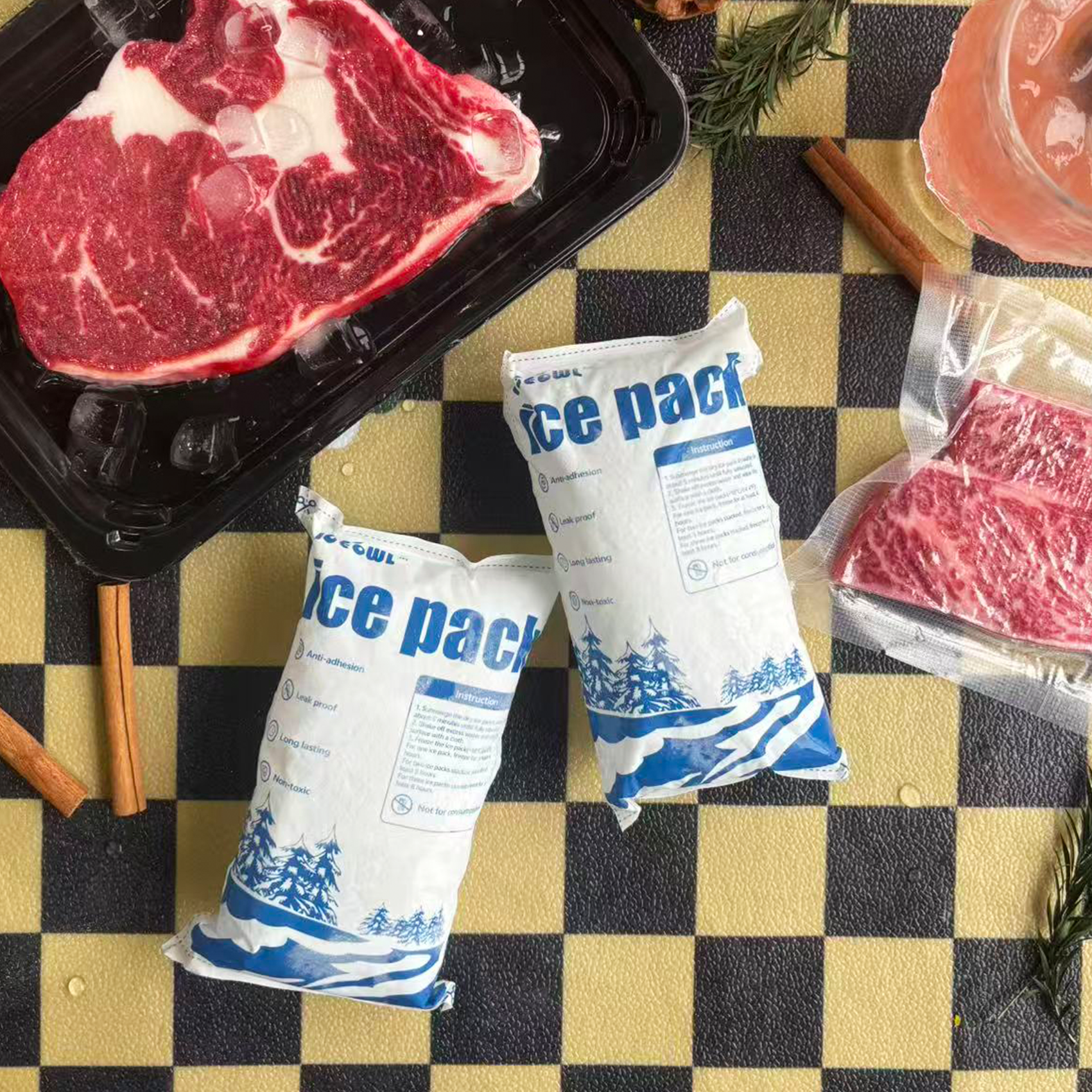
When it comes to vaccine transportation, maintaining the correct temperature is vital for ensuring their potency upon arrival. Dry ice pack sheets have become an essential tool in cold chain logistics, offering a reliable, effective, and safe solution for shipping vaccines that require ultra-low temperatures. In this article, we will guide you through everything you need to know about using dry ice pack sheets for vaccine shipping, from best practices to safety and compliance tips for 2025.
What are dry ice pack sheets and why are they essential for vaccine shipping?
How do you properly use dry ice pack sheets for vaccine shipments?
What are the safety considerations and regulatory requirements for shipping vaccines with dry ice?
What Are Dry Ice Pack Sheets and Why Are They Essential for Vaccine Shipping?
Dry ice is solid carbon dioxide, sublimating directly from solid to gas at a temperature of -78.5°C. This extreme cold temperature makes it ideal for maintaining the ultra-low temperatures required for vaccine preservation. Unlike regular ice, dry ice doesn’t melt into water, preventing water damage to sensitive pharmaceutical products.
Why Dry Ice Pack Sheets Are Critical for Vaccine Shipping
Dry ice pack sheets are specially designed for temperature-sensitive shipments like vaccines. These sheets provide consistent cooling, ensuring the vaccine remains stable throughout transit. Their benefits include:
Ultra-Low Temperature Maintenance: Dry ice keeps vaccines at temperatures well below freezing, which is crucial for maintaining their efficacy.
No Residual Moisture: Unlike gel packs, dry ice sublimates without leaving behind any water, reducing contamination risk.
Extended Cooling Duration: Depending on the amount used, dry ice pack sheets can maintain a steady temperature for several hours, even during long shipments.
Key Vaccine Types and Their Temperature Needs
| Vaccine Type | Ideal Temperature Range | Dry Ice Pack Sheet Benefit |
|---|---|---|
| mRNA Vaccines | -70°C to -80°C | Keeps vaccines stable and cold |
| Inactivated Vaccines | 2°C to 8°C | Provides steady cooling without freezing |
| Biologic Samples | -20°C or lower | Maintains stability during transport |
How to Use Dry Ice Pack Sheets for Vaccine Shipping Effectively?
Using dry ice pack sheets for vaccine shipping is not just about placing them in a box—precision is essential to ensure vaccines stay within the required temperature range. Here’s how to do it correctly:
Best Practices for Using Dry Ice Pack Sheets
Choose the Right Dry Ice Pack Sheets:
Select sheets specifically designed for the temperature range of your vaccine shipment. For example, thicker sheets are needed for mRNA vaccines, which require ultra-low temperatures.Calculate the Correct Amount of Dry Ice:
The amount of dry ice needed depends on the size of the shipment, the temperature requirements of the vaccine, and the duration of transport. Generally, 5-10 lbs is enough for a 24-hour shipment of mRNA vaccines, but larger shipments may require more.Pack Efficiently:
Dry ice pack sheets should be distributed evenly around the vaccine containers. Ensure the sheets cover the top, bottom, and sides to prevent any temperature fluctuations during transit.Monitor Temperature:
Use temperature monitors within the package to track the internal temperature of the shipment. This ensures vaccines remain within the safe temperature range throughout the journey.
Pro Tip:
Always check with your shipping carrier for any additional dry ice regulations, as specific requirements can vary depending on the carrier.
Key Safety Considerations When Shipping Vaccines with Dry Ice
While dry ice is effective at keeping vaccines cold, it also comes with certain risks. Understanding these risks and following safety guidelines is crucial for a smooth and safe shipping process.
Safety Guidelines for Dry Ice Shipping
Ensure Proper Ventilation:
Dry ice releases carbon dioxide gas as it sublimates. Ensure your shipping containers have proper ventilation to allow gas to escape and prevent dangerous gas buildup.Use Insulated Containers:
To prevent excessive sublimation and maintain temperature control, use insulated and vented containers designed for dry ice shipments.Handle with Care:
Dry ice can cause severe frostbite if it comes into direct contact with skin. Always use protective gloves when handling dry ice.Proper Labeling:
Containers with dry ice must be clearly labeled with “Dry Ice” and the weight of the dry ice. This is necessary for safe handling by the carrier.
How Long Can Dry Ice Pack Sheets Maintain Temperature for Vaccine Shipments?
The duration that dry ice pack sheets can maintain the required temperature depends on several factors, including the amount of dry ice used, the insulation of the container, and the shipping duration.
Dry Ice Sublimation Timelines
| Vaccine Type | Dry Ice Quantity Required | Sublimation Time |
|---|---|---|
| mRNA Vaccines | 5-10 lbs | 18-24 hours |
| Inactivated Vaccines | 10-15 lbs | 24-48 hours |
| Biologic Samples | 15-20 lbs | 24-36 hours |
Trends in Dry Ice for Vaccine Shipping in 2025
As the cold chain logistics industry evolves, advancements in technology and sustainability practices are shaping the future of dry ice shipping. Here are some key trends:
Latest Innovations
Temperature-Controlled Packaging:
New insulation materials are being developed to extend the lifespan of dry ice, enabling temperature control over longer distances.Real-Time Temperature Monitoring:
The rise of real-time temperature monitoring systems allows for continuous tracking of vaccine temperature throughout transit.Sustainability Practices:
With growing environmental awareness, more eco-friendly dry ice alternatives are being explored, alongside improved recycling practices.
Market Insights
The demand for dry ice in vaccine shipping is expected to increase, driven by the ongoing global vaccine distribution. This growing demand is prompting innovations in packaging and shipping methods to improve efficiency and sustainability.
Frequently Asked Questions
How much dry ice is needed for vaccine shipments?
The amount of dry ice required depends on the shipment size, temperature needs, and transport duration. Typically, 5-10 lbs of dry ice is sufficient for a 24-hour shipment.
Can dry ice damage vaccines during transport?
When used properly, dry ice does not damage vaccines. However, improper packing or excessive exposure to dry ice can freeze the vaccine, which might compromise its efficacy.
Conclusion and Recommendations
Dry ice pack sheets play a crucial role in ensuring vaccines are transported within their required temperature ranges. By following best practices for packing, handling, and monitoring temperature, you can ensure safe delivery.
Next Steps:
To ensure your vaccines arrive safely, use high-quality dry ice pack sheets, calculate the correct amount of dry ice, and always follow safety guidelines. Consider using real-time temperature monitoring to provide added assurance.
About Tempk
At Tempk, we specialize in cold chain logistics, providing solutions tailored for safe and efficient vaccine shipping with dry ice pack sheets. Our commitment to quality and reliability ensures that temperature-sensitive products reach their destination safely.
For a consultation on your vaccine shipping needs, contact us today.
Dry Ice Pack Sheets for Cold Chain Logistics: Efficient Shipping Solution

Shipping temperature-sensitive products, such as pharmaceuticals, food, and biotech materials, demands reliable cooling methods to ensure their integrity during transit. Dry ice pack sheets have gained popularity in the cold chain logistics industry due to their superior cooling capabilities and ease of use. These sheets are an essential solution, providing a safe and efficient cooling option for goods that require strict temperature control. In this article, we explore the benefits of dry ice pack sheets, how they work, best practices for usage, and the future of cold chain logistics.
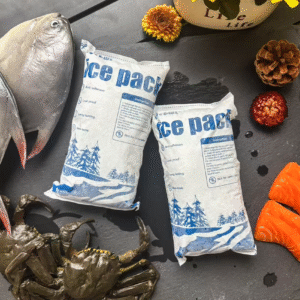
Dry ice pack sheets provide long-lasting cooling without any moisture, essential for preserving temperature-sensitive products.
They are versatile and used across multiple industries, including food, pharmaceuticals, and biotechnology.
Proper storage and handling are critical to ensure safety and efficiency in cold chain logistics.
Best practices for using dry ice pack sheets involve correct storage, sizing, and regulatory compliance to guarantee safe and effective shipments.
Why Are Dry Ice Pack Sheets Essential for Cold Chain Shipping?
Dry ice pack sheets are invaluable in maintaining temperature control during shipping, offering multiple advantages over traditional cooling methods. Unlike gel packs or regular ice, dry ice sublimates directly from a solid to a gas, leaving no moisture behind. This characteristic is especially beneficial for products that could be damaged by excess liquid, such as medicines, vaccines, and frozen foods.
Dry ice pack sheets are available in various forms, making them adaptable for different packaging needs. They are particularly useful for maintaining sub-zero temperatures, ensuring that perishable items like vaccines, biological samples, and frozen meals remain safely preserved throughout long-distance shipments.
What Makes Dry Ice Pack Sheets Stand Out in Cold Chain Logistics?
Dry ice pack sheets are often preferred over other cooling methods due to their high cooling efficiency, long duration, and flexibility. These sheets are capable of maintaining a constant low temperature for extended periods, making them ideal for overnight and long-distance shipping. Their lightweight design reduces the overall weight of shipments, which helps to lower transportation costs.
Pre-made sheets are commonly available, which simplifies integration into shipping kits. This convenience allows businesses to scale their shipments according to demand and ensure that their products are properly cooled.
How Do Dry Ice Pack Sheets Work?
Dry ice pack sheets are composed of solid carbon dioxide (CO₂). When placed in an insulated shipping container, the dry ice begins to sublimate, transitioning from a solid to a gas. This process provides a continuous cooling effect that helps maintain the temperature of sensitive products. The absence of moisture ensures that items remain dry, preventing spoilage—an essential factor when shipping frozen foods or biological materials.
Comparison of Dry Ice Pack Sheets with Other Cooling Methods
| Property | Dry Ice Pack Sheets | Gel Packs/Ice | CO₂ Dry Ice | Phase Change Materials (PCMs) |
|---|---|---|---|---|
| Cooling Duration | 12-72 hours | 4-24 hours | 48-96 hours+ | 24-96 hours |
| Moisture Content | None (Sublimates) | Liquid water (Melting) | None (Sublimates) | Varies (depends on formulation) |
| Ideal for | Long-distance shipping | Short-distance | Deep-freezing | Precise temperature control |
| Weight Efficiency | Lightweight | Heavy/Water-based | Heavy | Moderate |
Best Practices for Using Dry Ice Pack Sheets in Shipping
To ensure that dry ice pack sheets perform optimally, it’s essential to follow best practices for handling, storage, and transportation.
1. Proper Storage Before Use
Store dry ice in a well-ventilated area, away from heat sources. Insulated containers should be used to minimize sublimation, ensuring that cooling capacity is maintained. Avoid airtight containers to prevent the buildup of pressure, which could cause accidents.
2. Correct Usage in Packaging
Use the correct amount of dry ice depending on the shipment’s duration and the quality of insulation. Overuse of dry ice can lead to overly cold conditions, potentially damaging certain products, such as some pharmaceuticals that need to stay within specific temperature ranges. Make sure the packaging is secure and has enough room for ventilation to avoid dangerous gas buildup.
3. Safety Considerations
Handle dry ice with care, always using insulated gloves to prevent frostbite. Packaging should be clearly labeled with safety information to alert handlers of potential hazards. As dry ice sublimates into carbon dioxide gas, ensure the packaging is vented, particularly for air transport, to prevent suffocation risks in confined spaces.
Case Study: A Pharmaceutical Success Story
A major pharmaceutical company transitioned from gel packs to dry ice for shipping vaccines. The result? A 30% reduction in cooling-related shipping delays and enhanced temperature control across their supply chain. By switching to dry ice pack sheets, they ensured their shipments remained consistently within the required temperature range, reducing spoilage and increasing overall efficiency.
Benefits of Using Dry Ice Pack Sheets
Enhanced Temperature Control for Sensitive Products
Dry ice offers a consistent and long-lasting cooling effect, essential for preserving temperature-sensitive products like food, medicines, and biotech products. Unlike traditional ice or gel packs, dry ice maintains sub-zero temperatures for up to 72 hours or more, providing superior protection during long shipments.
Eco-Friendly Solution
Dry ice pack sheets are environmentally friendly as they sublimate into carbon dioxide gas, leaving no waste behind. This makes them an excellent choice for businesses seeking sustainable solutions while maintaining product quality during transportation.
Cost Efficiency
For longer shipments, dry ice is often more cost-effective. The ability to maintain a cold temperature for extended periods eliminates the need for additional cooling methods, such as refrigerated containers, which can significantly reduce transportation costs.
Key Considerations When Shipping with Dry Ice
When integrating dry ice into your shipping processes, keep the following key factors in mind to ensure safe and efficient deliveries:
Insulation Quality: The insulation quality of your shipping container will greatly impact the performance of dry ice pack sheets. High-quality insulation helps maintain low temperatures and prevents premature sublimation of the dry ice.
Shipping Regulations: Comply with international regulations, such as IATA guidelines, when shipping dry ice. Make sure to properly label and package shipments containing dry ice to avoid compliance issues.
Regulatory Guidelines: Follow all regulatory guidelines for safe and compliant dry ice use, including proper labeling and handling to ensure the safety of personnel and products during transit.
Trends and Future Developments in Dry Ice Shipping
Advancements in Dry Ice Packaging
Packaging innovations are making it easier to ensure that shipments remain at optimal temperatures throughout the transit process. Real-time temperature monitoring systems are now being integrated into shipping containers, allowing for more precise tracking of temperature variations during transport.
Focus on Sustainability in Cold Chain Logistics
The cold chain industry is increasingly focusing on reducing its environmental footprint. With an emphasis on reducing waste and using renewable energy, dry ice is seen as an eco-friendly cooling solution that fits perfectly within the industry’s growing sustainability efforts.
FAQs
Q1: How long can dry ice pack sheets keep products cold during shipping?
Dry ice pack sheets can maintain cold temperatures for 12-72 hours, depending on the quantity used and the insulation quality of the shipping container.
Q2: Can dry ice be shipped by air?
Yes, dry ice is commonly shipped by air. However, air shipments require specific packaging and labeling, as well as compliance with air transport regulations.
Conclusion
Dry ice pack sheets are an essential tool in the cold chain logistics industry. They offer a reliable, cost-effective, and eco-friendly solution for maintaining temperature-sensitive shipments. By following best practices for storage, handling, and usage, businesses can optimize their cold chain logistics operations and ensure their products reach their destination safely and efficiently.
Next Steps:
Ensure proper sizing and storage of dry ice pack sheets based on your shipping requirements.
Stay updated with 2025 cold chain trends to maximize efficiency.
Improve insulation and packing strategies to enhance temperature stability during long-distance shipments.
About Tempk:
Tempk specializes in providing advanced cold chain logistics solutions, including high-performance dry ice pack sheets. With a commitment to quality and sustainability, we help businesses streamline their temperature-sensitive shipping processes.
Contact us today for tailored cold chain solutions that suit your shipping needs.
Enhance Cold Chain Shipping with Dry Ice Pack Sheets for Frozen Foods

In the fast-paced world of cold chain logistics, ensuring that frozen food reaches its destination at the right temperature is critical for maintaining product quality and safety. One of the most effective solutions is the use of dry ice pack sheets, which offer unparalleled benefits over traditional cooling methods. These sheets not only provide long-lasting cooling but also ensure that your products remain in perfect condition during transit. In this article, we’ll explore how dry ice pack sheets work, their advantages, and how to use them effectively in your shipping processes.
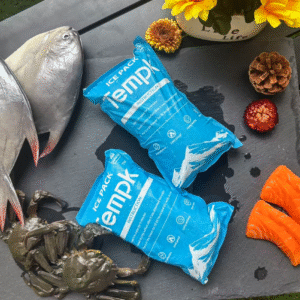
What Are Frozen Food Dry Ice Pack Sheets?
Frozen food dry ice pack sheets are flexible cooling agents made of solidified carbon dioxide (CO2) that sublimate directly from solid to gas at -78.5°C (-109.3°F). This sublimation process is what makes them so effective in maintaining low temperatures during shipping. Unlike traditional ice or gel packs, dry ice leaves no liquid residue, preventing water damage to sensitive food products such as seafood, meats, and desserts.
These sheets are highly customizable and can be cut to fit various container sizes and shapes, providing a snug and efficient cooling solution. The flexibility of dry ice pack sheets also allows them to conform to the shape of the products being shipped, making them a versatile option for businesses in the frozen food industry.
How Do Dry Ice Pack Sheets Work in Cold Chain Logistics?
Dry ice pack sheets provide a unique cooling mechanism through the sublimation process. Here’s how they work:
Sublimation Process: As dry ice sublimates, it absorbs heat from its surroundings, creating a cooling effect that can last for up to 72 hours. This is much longer than traditional gel or ice packs, which only maintain cool temperatures for 12-24 hours.
Long-lasting Cooling Effect: Unlike water-based cooling systems, dry ice pack sheets ensure that the cooling process is free from any liquid residue, making them ideal for shipping frozen food and pharmaceutical products that require ultra-low temperatures.
Cost-effective and Sustainable: Many dry ice sheets are reusable, offering a sustainable and cost-effective solution. Reusing sheets reduces waste and lowers the overall cost of shipping.
Customizable for Different Products: Dry ice pack sheets can be cut to fit any size or shape, ensuring the products are kept at the required temperature without wasting materials.
Benefits of Using Dry Ice Pack Sheets for Frozen Food Shipping
Frozen food shipments must meet strict temperature regulations, and dry ice pack sheets offer several key advantages:
1. Maintains Product Quality
Dry ice sheets ensure that products like frozen meats, seafood, and ice cream remain at the desired temperature throughout transit. By preventing thawing, these sheets help preserve the integrity and texture of perishable goods, reducing spoilage and waste.
2. Extended Shelf Life
By keeping products frozen for extended periods, dry ice sheets prevent bacterial growth and the risk of foodborne pathogens, ultimately increasing the shelf life of the items.
3. Environmentally Friendly
Since dry ice is made from carbon dioxide (CO2), a naturally occurring substance, it doesn’t leave behind harmful residue or contribute to environmental pollution. This makes dry ice an eco-friendly option for cold chain logistics.
4. Flexibility in Handling
Dry ice pack sheets are flexible, enabling them to fit snugly into containers, maximizing space and ensuring even distribution of cooling. This feature is particularly beneficial when shipping products of varying shapes and sizes.
How to Choose the Right Dry Ice Pack Sheets for Your Shipping Needs
Selecting the right dry ice pack sheets involves considering several factors to ensure optimal performance:
Size and Shape of Shipments
Dry ice sheets are customizable, so it’s essential to choose the right size for your shipment. The sheets can be cut to fit different shapes and sizes of products, providing complete coverage.Duration of the Trip
The duration of the shipping journey directly affects the amount of dry ice required. For longer trips, thicker or larger sheets are needed to maintain the cold temperatures.Storage and Handling
If your business requires long-term storage of dry ice, opt for reusable sheets or those with gel-based refrigerants, which can be recharged and reused multiple times.
Best Practices for Shipping Frozen Foods with Dry Ice
When using dry ice pack sheets, there are several best practices to follow to ensure safe and efficient shipping:
1. Proper Packaging and Insulation
Use insulated containers to minimize heat transfer from the external environment, enhancing the effectiveness of dry ice pack sheets. Proper insulation ensures that the cooling effect lasts longer.
2. Follow Safety Regulations
Dry ice is classified as a hazardous material, so ensure that you follow all relevant safety guidelines, including proper labeling, ventilation, and protective gear for handling.
3. Monitor Temperature
Monitor the temperature of the shipment throughout its journey using temperature sensors or data loggers. This will ensure that your products stay within the required temperature range.
2025 Trends and Innovations in Frozen Food Shipping
The frozen food shipping industry is constantly evolving. Some of the latest trends and innovations include:
Sustainable Alternatives to Dry Ice
As sustainability becomes a key focus in logistics, many companies are exploring eco-friendly alternatives to dry ice, such as bio-based refrigerants and phase change materials (PCMs).
IoT Integration in Cold Chain Logistics
Real-time monitoring systems powered by the Internet of Things (IoT) enable businesses to track temperature, humidity, and other critical factors, reducing spoilage and improving efficiency.
Hybrid Cooling Solutions
Hybrid systems combining dry ice and PCMs offer a balanced solution, providing ultra-cold temperatures at the start of the shipment and maintaining stable conditions throughout the journey.
FAQ
What is the difference between dry ice pack sheets and regular dry ice?
Dry ice pack sheets are flexible and designed for easy handling, whereas regular dry ice is solid and typically comes in blocks or pellets. Dry ice pack sheets are ideal for keeping frozen food at ultra-low temperatures without leaving any liquid residue.
How long can dry ice pack sheets keep my frozen food cold?
Dry ice pack sheets can maintain temperatures for up to 72 hours, depending on the size and insulation of the container, making them perfect for long-distance shipping.
Conclusion and Recommendations
Dry ice pack sheets are an invaluable tool in ensuring the safe and efficient shipping of frozen foods. They provide long-lasting cooling, are environmentally friendly, and help preserve the quality of perishable goods. By choosing the right dry ice pack sheets and following best practices, businesses can reduce spoilage, enhance customer satisfaction, and comply with regulatory requirements.
Next Steps:
Evaluate your shipment needs and determine the appropriate dry ice pack sheet size based on the payload and journey duration.
Follow best practices for packaging and safety to ensure your frozen foods stay within the required temperature range.
Stay updated on new trends and innovations in cold chain logistics to maintain a competitive edge in the market.
About Tempk
Tempk is a leader in providing high-quality dry ice solutions for cold chain logistics. Our products are designed to meet the stringent requirements of the food industry, ensuring that your frozen goods remain in optimal condition from start to finish.
Call to Action:
Contact Tempk today for tailored solutions to optimize your frozen food shipping process with dry ice pack sheets.
Dry Ice Pack Sheets Same Day Delivery: Ensuring Safe and Timely Shipments
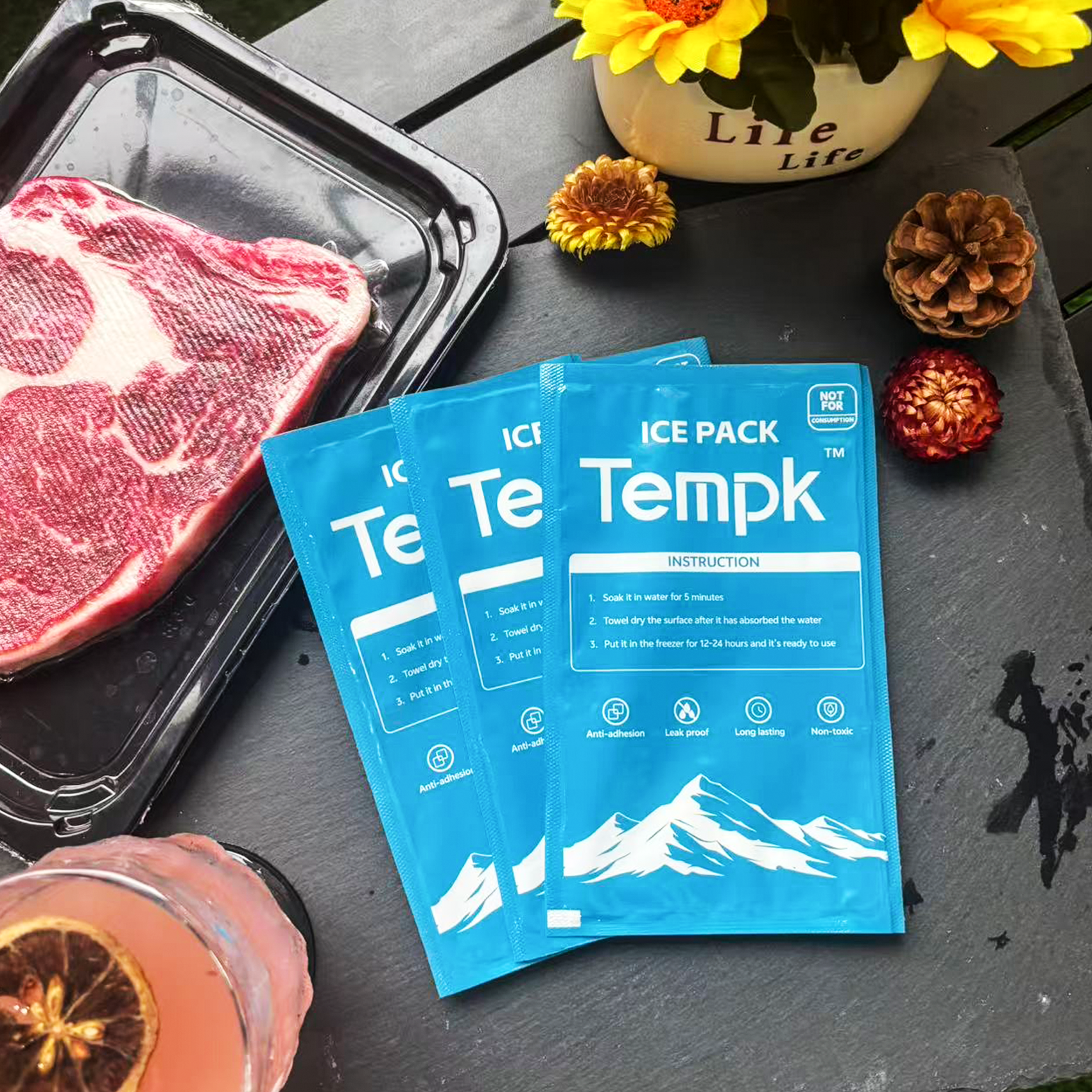
Shipping temperature-sensitive products such as food, pharmaceuticals, and biological samples require utmost care and precision. One of the most reliable methods of ensuring these products remain intact and safe is using dry ice pack sheets for same-day delivery. These sheets maintain ultra-low temperatures without the mess of melting ice, offering a solution to preserve product integrity during transport. This guide delves into the benefits, uses, and logistics of dry ice pack sheets, detailing how they revolutionize the cold chain industry for fast deliveries.
What Are Dry Ice Pack Sheets?
Dry ice pack sheets are flexible sheets made from solid carbon dioxide (CO2), designed to maintain extremely low temperatures—around -78.5°C (-109.3°F). Unlike traditional ice, dry ice sublimates, turning from a solid directly into a gas without leaving behind any liquid residue. These sheets are highly versatile, easily cut or molded to fit various packaging configurations, ensuring a secure fit and optimized cooling performance.
Benefits of Using Dry Ice Pack Sheets for Same-Day Delivery
1. Superior Cooling Efficiency
Dry ice pack sheets excel in maintaining ultra-low temperatures throughout their journey. This cooling efficiency is crucial for industries like pharmaceuticals, food and beverages, and biotech, where maintaining the required temperature range is vital for product safety. Unlike regular ice or gel packs, dry ice can keep items frozen for longer periods without creating excess moisture, making it perfect for extended transit times.
2. Environmental Benefits
Dry ice offers a carbon dioxide-based cooling solution, which is more environmentally friendly than traditional refrigeration methods. It leaves no waste behind and doesn’t require additional insulation, unlike wet ice or gel packs, which often need special liners and disposable packaging. Dry ice is also carbon-neutral in some cases when produced from renewable CO2 sources, supporting a more sustainable cold chain.
3. Versatility and Customization
Dry ice sheets can be cut, folded, and shaped to fit a wide variety of packaging needs, whether for pharmaceuticals, perishable foods, or e-commerce products. This flexibility allows businesses to meet the unique demands of their shipments and optimize their packaging efficiency.
4. Regulatory Compliance
Shipping temperature-sensitive goods with dry ice requires compliance with various regulations, including those set by IATA (International Air Transport Association) and DOT (Department of Transportation). Proper packaging, labeling, and documentation are essential to avoid delays and ensure safe transport. Fortunately, dry ice is recognized as a hazardous material (UN 1845), and adhering to the guidelines ensures that shipments meet these regulations.
How Does Same-Day Delivery Improve Cold Chain Logistics?
1. Faster Time-to-Market
Same-day delivery reduces transit times, meaning your temperature-sensitive products, whether medications, frozen meals, or biological samples, reach their destinations quicker. This faster turnaround is essential for improving customer satisfaction and ensuring that products are available when needed, especially for industries like pharmaceuticals or food.
2. Reduced Risk of Spoilage
Perishables and medical products are at risk of spoilage if temperatures fluctuate or if the shipping time is too long. Same-day delivery minimizes these risks by reducing the exposure time, ensuring products are delivered while still within their required temperature range.
3. Cost-Effectiveness
Though same-day delivery may come with an initial premium, it can reduce the overall cost by preventing the need for extra storage or re-shipping. In industries where maintaining quality is paramount, the benefits far outweigh the potential costs of spoilage or missed deadlines.
How Dry Ice Pack Sheets Work for Same-Day Delivery
The process of utilizing dry ice for same-day delivery involves several essential steps:
1. Packing and Preparation
The packing process is crucial for ensuring that both the product and the dry ice pack sheet are properly placed within the packaging. Dry ice is placed around the goods to keep them at the required temperature, ensuring there is no movement during transit.
2. Same-Day Shipping Process
Once packed, the product is handed over to a specialized same-day courier that is equipped to handle temperature-sensitive deliveries. These services are designed to ensure that the product reaches its destination within the same day while maintaining the temperature requirements.
3. Real-Time Temperature Monitoring
Many logistics providers offer real-time monitoring to ensure that the dry ice and product are maintained at the correct temperatures during transit. If any temperature deviations are detected, immediate corrective measures are taken to preserve product integrity.
Why Choose Dry Ice Pack Sheets for Same-Day Delivery?
1. Enhanced Temperature Control
Dry ice offers superior cooling compared to gel packs or ice, maintaining sub-zero temperatures for extended periods. This is essential for shipping products that require frozen conditions, such as pharmaceuticals, biologics, or food.
2. Environmentally Friendly Solution
Because dry ice sublimates into gas, it does not produce water waste, unlike melting ice. Additionally, dry ice can be produced sustainably, reducing the overall environmental footprint of your shipping processes.
3. Flexible and Tailored to Your Needs
Dry ice pack sheets are highly customizable and can be adjusted to fit a wide range of products and shipping containers. This means you can ensure optimal cooling coverage without the need for excess insulation or bulky packaging materials.
Applications in Same-Day Delivery
1. Pharmaceutical and Biotech
Dry ice is ideal for shipping temperature-sensitive medical goods, including vaccines, biological samples, and biotech products. By using dry ice pack sheets, these items can be safely transported without risk of temperature deviations, ensuring they remain within required temperature ranges for efficacy.
2. Food and Beverage Industry
For the food and beverage industry, maintaining freshness during transit is essential. Dry ice pack sheets provide reliable cooling to ensure that perishable food items such as meat, seafood, and frozen meals arrive safely at their destination without compromising quality.
3. E-Commerce and Retail
With the rise of e-commerce, same-day delivery has become a key selling point for businesses. Dry ice pack sheets enable fast, safe deliveries of temperature-sensitive products, including frozen meals, ice cream, and other perishables.
Practical Tips for Using Dry Ice Pack Sheets for Same-Day Delivery
Ensure proper packaging: Always use insulated boxes with ventilation openings to allow dry ice to sublimate properly.
Calculate the right quantity: Use around 5-10 pounds of dry ice per 24 hours of transit, adjusting based on the shipment size and temperature requirements.
Check local suppliers for urgent needs: In case of last-minute shipments, local grocery stores or industrial gas suppliers are great sources for obtaining dry ice pack sheets quickly.
Frequently Asked Questions
Q1: How long does dry ice last in a pack sheet?
Dry ice in a pack sheet can last anywhere from 18 to 36 hours, depending on environmental conditions. For same-day deliveries, dry ice pack sheets keep your products frozen during transit.
Q2: Can I ship liquids with dry ice pack sheets?
Yes, dry ice can be used to ship liquids, as long as they are properly sealed to prevent leaks or thermal damage. Dry ice ensures that the liquids remain stable throughout the shipping process.
Conclusion
Dry ice pack sheets for same-day delivery offer significant advantages in industries that require precise temperature control during shipping. By ensuring fast delivery times, reducing spoilage, and providing enhanced flexibility, dry ice plays a critical role in cold chain logistics. If you are shipping temperature-sensitive products, investing in dry ice for same-day delivery can streamline your operations and enhance customer satisfaction.
Call to Action
Looking to optimize your same-day delivery logistics? Contact us today to learn how our dry ice pack sheet solutions can ensure your products arrive frozen, safe, and on time.
About Tempk
At Tempk, we specialize in providing cold chain logistics solutions for industries requiring fast, reliable delivery of temperature-sensitive products. With our dry ice pack sheets and tailored shipping services, we ensure your products stay at the right temperature from start to finish.