


Dry Ice Pack Vaccines: Safe Shipping Solutions & Best Practices
Dry Ice Pack Vaccines: Safe Shipping Solutions & Best Practices

How Do Dry Ice Packs Ensure Safe Vaccine Shipping in 2025?
Dry ice packs are an essential component in the safe transport of vaccines, particularly those requiring ultra-low temperatures. With vaccines such as the COVID-19 mRNA vaccines needing temperatures as low as -70°C, dry ice ensures that vaccines remain stable and effective during transit. This article explores how dry ice maintains the required cold chain, offering a reliable, cost-effective solution for global vaccine distribution.

Why are dry ice packs crucial for vaccine transportation?
How do dry ice packs maintain temperature during shipments?
What are the best practices for using dry ice in vaccine shipping?
What are the alternatives to dry ice for vaccine transport?
Why Are Dry Ice Packs Essential for Vaccine Transportation?
Dry ice packs play a critical role in transporting vaccines because they maintain ultra-low temperatures essential for certain vaccines’ stability. Dry ice sublimates directly from solid carbon dioxide (CO₂) into gas, ensuring no liquid residue that could potentially contaminate the vaccine. Some vaccines, like those for COVID-19, require storage at around -70°C, making dry ice the ideal solution for preventing spoilage and maintaining vaccine potency during long-distance transport.
Key Benefits of Dry Ice in Vaccine Transport:
Temperature Maintenance: Dry ice’s ability to maintain ultra-low temperatures ensures that vaccines remain effective throughout the shipping process.
No Water Residue: Unlike ice packs, dry ice does not melt into liquid, preventing contamination.
Long Cooling Duration: Dry ice can maintain temperatures for up to 72 hours in properly insulated containers, making it ideal for extended transport periods.
How Do Dry Ice Packs Maintain Temperature During Vaccine Shipments?
Dry ice packs offer a unique solution for maintaining the required cold chain in vaccine shipments. As dry ice sublimates, it provides continuous cooling without melting into a liquid, ensuring that vaccines are not exposed to moisture during transit. This is particularly important for mRNA vaccines that can be compromised by fluctuations in temperature.
Dry Ice Temperature Control Mechanism
Dry ice maintains a temperature of -78.5°C, far below the freezing point of water. By sublating directly into gas, it provides consistent cooling throughout the journey, ensuring vaccines stay within their required temperature range.
| Packing Factor | Recommended Practice | Why It Matters |
|---|---|---|
| Quantity of Dry Ice | 5-10 lbs per 24 hours | Ensures the required temperature is maintained for vaccines |
| Labeling | Mark with proper dry ice labels | Prevents mishandling and ensures safety |
| Insulation | Use insulated containers | Extends cooling effectiveness, reduces waste |
| Monitoring | Add temperature monitoring devices | Provides real-time data for safe vaccine transport |
Best Practices for Using Dry Ice in Vaccine Shipments
The safe and effective use of dry ice in vaccine shipments involves several critical practices:
Calculate the Correct Dry Ice Quantity
Determining the right amount of dry ice is essential for maintaining the desired temperature throughout the transport. A general rule of thumb is to use 5-10 pounds of dry ice per 24-hour shipping window, but the amount can vary based on the size of the shipment and duration.
Use Insulated Packaging
Proper insulation in shipping containers helps prolong the cooling effects of dry ice, ensuring vaccines remain at the correct temperature. These containers should also have ventilation to allow the sublimating CO₂ gas to escape safely.
Proper Labeling and Handling
Packages containing dry ice should be labeled with “Carbon Dioxide Solid” and appropriate hazard symbols, ensuring safe handling and compliance with transportation regulations, especially when using air freight.
Temperature Monitoring
To track the temperature throughout transit, it’s essential to include temperature monitoring devices such as data loggers. This ensures that vaccines are maintained within the required cold chain during transport.
Plan for Dry Ice Disposal
When the shipment arrives, dry ice should be allowed to sublimate in a well-ventilated area, and recipients should be informed about safe disposal practices to prevent CO₂ buildup in enclosed spaces.
Alternatives to Dry Ice for Vaccine Transport
While dry ice is the preferred option for ultra-low temperature vaccines, there are alternative refrigerants for vaccines that require higher storage temperatures.
Gel Packs: Ideal for vaccines that need temperatures between 2°C and 8°C, gel packs are non-hazardous, reusable, and cost-effective.
Phase-Change Materials (PCMs): For vaccines requiring precise temperature control, PCMs offer a reliable alternative. They can maintain temperatures between -20°C and 5°C and are increasingly used in vaccine shipping.
2025 Trends in Dry Ice Vaccine Shipping
The vaccine logistics industry is evolving, driven by technological advances and sustainability trends. Here’s an overview of key developments for 2025:
Sustainability and CO₂ Supply Challenges
As demand for dry ice increases, the supply of CO₂ has faced constraints. The 2025 dry ice market is expected to grow by 7.4% annually, driven by biologics and vaccine distribution. To meet this demand sustainably, companies are exploring bio-based CO₂ capture methods.
Real-Time Temperature Monitoring
New IoT-enabled temperature tracking solutions are revolutionizing cold chain logistics, offering real-time data to monitor conditions throughout the transport process. This improves vaccine safety and ensures regulatory compliance.
Innovations in Dry Ice Formats
Companies are developing new dry ice formats, such as thin slices or customized cuts, which allow for more efficient cooling and better fit inside packaging, reducing waste and supercooling risks.
Frequently Asked Questions
Q1: Why should I use dry ice to ship vaccines?
Dry ice is crucial for vaccines requiring ultra-low temperatures, ensuring that they remain viable and effective during long-distance shipments.
Q2: How do I ensure vaccines stay at the correct temperature during shipping?
Using dry ice in conjunction with temperature monitoring devices ensures vaccines remain within the required range. Proper insulation also plays a critical role in extending the cooling effects of dry ice.
Q3: Can I use dry ice for all types of vaccines?
No, dry ice is only suitable for vaccines requiring ultra-low temperatures. Vaccines like varicella should not be stored with dry ice due to the extreme cold.
Conclusion and Recommendations
Dry ice packs are essential for ensuring the safe transport of vaccines requiring ultra-low temperatures. Following best practices, such as correct dry ice quantity, proper packaging, and temperature monitoring, will ensure that vaccines are delivered safely without compromising their effectiveness.
Actionable Suggestions:
Assess your vaccine shipping needs and use dry ice only when necessary.
Implement temperature tracking and partner with experienced logistics providers to streamline the shipping process.
About Tempk
At Tempk, we specialize in providing comprehensive cold chain solutions for the pharmaceutical industry, ensuring that vaccines remain safe and on time. Our products, including dry ice pack sheets, insulated containers, and temperature monitoring systems, are designed to meet the highest standards of cold chain logistics.
Call to Action: Contact us today to learn more about how our innovative cold chain solutions can optimize your vaccine distribution process.
Cooler Bag Dry Ice Pack Sheets: A Reliable Solution for Perishable Goods
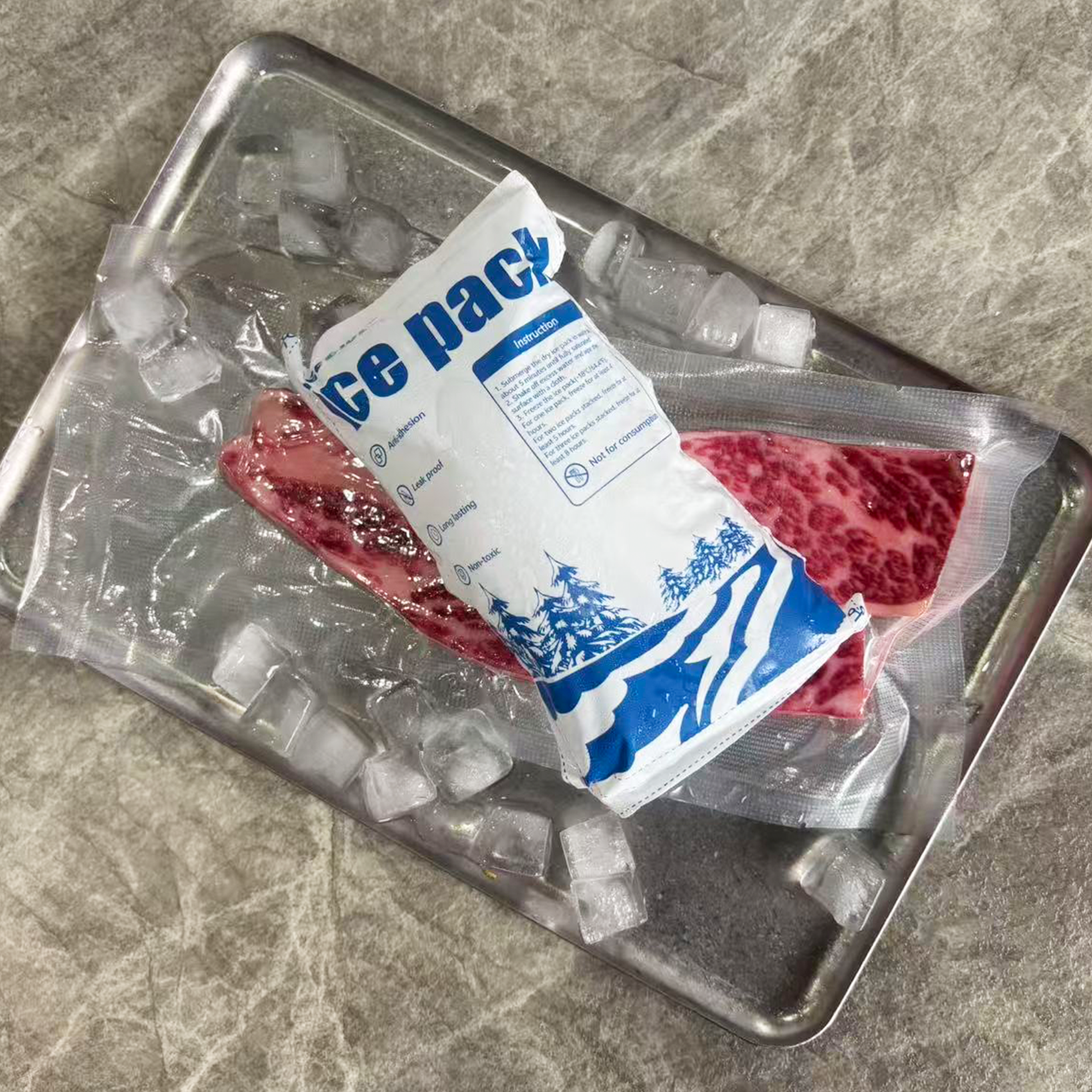
Cooler Bag Dry Ice Pack Sheets: How to Keep Your Perishable Goods at Optimal Temperatures
Shipping perishable items requires highly reliable cooling solutions, and one of the most effective methods is using cooler bag dry ice pack sheets. These specialized sheets ensure that your temperature-sensitive products, such as food, pharmaceuticals, and biological specimens, remain intact during transit, all while being efficient and safe to use. This article provides a comprehensive guide on how cooler bag dry ice pack sheets work, their benefits, best practices for use, safety considerations, and the latest trends in dry ice shipping.
How do cooler bag dry ice pack sheets maintain temperature?
What are the best practices for using dry ice pack sheets effectively?
What are the safety considerations when shipping with dry ice?
How can you improve your shipping processes for perishable goods?
How Do Cooler Bag Dry Ice Pack Sheets Maintain Temperature?
Dry ice pack sheets leverage the cooling properties of solid carbon dioxide, which has a temperature of -78.5°C (-109.3°F). This extreme cold is perfect for preserving frozen foods, pharmaceuticals, and other temperature-sensitive products. Unlike traditional ice, which melts into water and can damage products, dry ice sublimates directly into carbon dioxide gas, leaving no liquid residue behind. This feature is particularly beneficial for moisture-sensitive items.
Cooler bag dry ice pack sheets work by absorbing heat from the products they’re cooling. As the dry ice sublimates, it converts into gas, maintaining an ultra-low temperature throughout the process. These sheets are ideal for scenarios where extended cooling is required without the risk of liquid formation.
Dry Ice vs. Traditional Ice Packs: A Comparison
Traditional ice packs are effective for short-term cooling but have limitations when it comes to long durations and temperature control. As ice melts, it generates water that can damage moisture-sensitive goods. Dry ice, on the other hand, sublimates without producing any liquid, which is critical for shipping certain perishable goods.
| Cooling Method | Temperature Range | Duration of Cooling | Best for |
|---|---|---|---|
| Dry Ice | -78.5°C (-109.3°F) | 24–48 hours | Frozen foods, pharmaceuticals |
| Traditional Ice | 0°C (32°F) | 4–12 hours | Beverages, less-sensitive goods |
Best Practices for Using Cooler Bag Dry Ice Pack Sheets
Using cooler bag dry ice pack sheets correctly is essential for ensuring the safety and quality of your shipments. Below are the top best practices to ensure optimal performance:
1. Calculate the Right Amount of Dry Ice
To maintain the cold chain during shipping, use approximately 1 pound of dry ice for every 24 hours of transit. The exact amount can vary based on the type of product being shipped, the shipping duration, and the environmental conditions. For longer shipments, adjust the quantity to accommodate higher temperatures or extended transit times.
2. Use Insulated Packaging
Dry ice works best in insulated packaging, which helps to preserve its cooling ability over time. Make sure to use vacuum-insulated containers or cooler bags designed to retain the cold longer. These packages will help prevent the dry ice from warming up too quickly and ensure that your shipment remains at the desired temperature for the duration of transit.
3. Proper Sealing of Packaging
Ensure that your packaging is sealed properly. Air-tight packaging prevents cold air from escaping and minimizes the sublimation rate of the dry ice. A tightly sealed container also prevents leakage of carbon dioxide gas during shipping, which can cause pressure buildup and lead to package rupture.
How to Pack Dry Ice for Safe Shipping
Place the dry ice at the bottom of the package, followed by absorbent materials to prevent direct contact with items.
Wrap the items in bubble wrap or foam to protect them from direct exposure to the dry ice.
Ensure proper ventilation by incorporating ventilation holes in the packaging. This allows the gas to escape, preventing pressure buildup that could cause damage.
Are There Safety Considerations When Shipping with Dry Ice?
Handling dry ice requires caution. It is extremely cold, and improper handling can lead to serious injury. Moreover, as dry ice sublimates, it releases carbon dioxide gas, which can displace oxygen in confined spaces, creating a potential suffocation risk. Here are some essential safety tips to consider:
Wear Insulated Gloves: Always wear insulated gloves when handling dry ice to protect yourself from frostbite.
Ensure Proper Ventilation: Always use ventilated containers for shipping dry ice. Avoid using airtight packaging to allow gas to escape safely.
Label Packages Correctly: Ensure that the packaging is clearly marked with “Dry Ice” and that it contains handling instructions to ensure the safety of all personnel involved.
Additional Tips for Safe Shipping
Train your staff on how to handle dry ice according to safety guidelines from organizations like the IATA and DOT.
Use temperature tracking systems, such as temperature loggers or smart sensors, to monitor and ensure the shipment remains within safe temperature ranges.
Practical Tip: A pharmaceutical company shipping vaccines used cooler bag dry ice pack sheets and successfully reduced spoilage by 50% during international transit, ensuring that the vaccines arrived in optimal condition.
2025 Trends and Innovations in Dry Ice Shipping
The dry ice shipping industry continues to evolve as new technologies and innovations improve efficiency, sustainability, and temperature control.
Key Developments in the Industry
Smart Packaging Solutions: Temperature-sensitive labels and real-time tracking sensors help ensure that shipments stay within the required temperature range, even when there are delays in transit.
Advanced Insulation Materials: Companies are adopting high-performance insulation materials that provide better thermal resistance, helping reduce the need for dry ice and minimizing waste.
Common Questions About Shipping with Dry Ice
Q1: Can dry ice be used to ship electronics?
Yes, dry ice can be used for shipping electronics, but care must be taken to prevent direct contact with electronic components. Use insulated containers to avoid any moisture exposure.
Q2: How long can dry ice keep products frozen during shipping?
Dry ice can keep products frozen for 24–48 hours depending on the amount used and the quality of insulation. Always calculate your dry ice needs before shipping to ensure your items remain at the right temperature.
Conclusion and Recommendations
Cooler bag dry ice pack sheets offer an effective solution for shipping temperature-sensitive goods. By using these sheets correctly and following best practices, you can ensure that your products remain in good condition during transit. As technology advances, 2025 brings even more innovations that enhance dry ice shipping processes, including improved insulation materials, smart packaging, and eco-friendly alternatives.
Action Suggestion: If you’re ready to optimize your shipping strategy, consult with logistics experts who specialize in cold chain solutions to determine the best dry ice packing strategy for your products.
About Tempk
At Tempk, we specialize in providing cutting-edge cold chain logistics solutions, including cooler bags and dry ice pack sheets. Our technology ensures that your temperature-sensitive products are securely and efficiently transported, whether by air, land, or sea. With years of experience and a commitment to customer satisfaction, we offer tailored solutions that meet your specific shipping needs.
Call to Action: Reach out today for expert advice on your cold chain logistics requirements and optimize your shipping solutions.
Dry Ice Pack Fast Delivery: Best Practices for Safe & Efficient Shipping in 2025
Dry Ice Pack Fast Delivery: How to Ensure Safe and Efficient Shipping
Ensuring the fast and safe delivery of perishable goods is critical, especially when shipping temperature-sensitive items like food, pharmaceuticals, and research materials. Dry ice pack fast delivery has become a vital solution for keeping goods at optimal temperatures during transit. This guide explores how dry ice can help ensure fast delivery, improve product quality, and meet regulatory standards in 2025.
How do dry ice packs ensure fast and safe delivery of perishable goods?
What are the benefits of using dry ice packs over traditional shipping methods?
How can you optimize your shipping process with dry ice to minimize delays?
What are the best practices for handling and storing dry ice during shipping?
How Do Dry Ice Packs Ensure Fast and Safe Delivery of Perishable Goods?
Dry ice provides an efficient cooling solution, keeping products at an extremely low temperature of -78.5°C (-109.3°F). This makes it perfect for goods that must stay frozen or at a constant low temperature. By using dry ice, you minimize the risks of spoilage, thawing, or degradation during transit, especially in industries like pharmaceuticals, where maintaining product integrity is critical.
Advantages of Dry Ice for Fast Delivery:
Extended Cooling Power: Unlike regular ice, dry ice sublimates directly into gas, leaving no liquid residue. This is especially beneficial for maintaining a dry environment around your goods.
Efficient Temperature Control: Dry ice maintains temperatures as low as -78.5°C, which is ideal for shipping frozen foods, biological samples, or pharmaceuticals.
Faster Delivery Options: Many logistics providers offer next-day or two-day shipping with dry ice, ensuring timely delivery of temperature-sensitive goods.
| Feature | Dry Ice | Regular Ice |
|---|---|---|
| Temperature Range | -78.5°C | 0°C (32°F) |
| Sublimation | Turns into gas | Melts into water |
| Ideal for | Frozen foods, pharmaceuticals | Short-term cooling |
| Shipping Duration | 24-72 hours | Typically 24 hours |
What Are the Best Practices for Using Dry Ice in Shipping?
To ensure your dry ice shipments are delivered quickly and safely, follow these best practices:
Proper Packaging: Use insulated containers and ensure that packages are tightly sealed to prevent CO2 gas leakage during sublimation.
Ventilation: Always include ventilation holes in your containers to allow CO2 gas to escape and avoid pressure buildup.
Temperature Monitoring: Use temperature monitoring devices to ensure the shipment stays within the required temperature range throughout transit.
Regulatory Compliance: Follow the regulations set by the Department of Transportation (DOT) and the International Air Transport Association (IATA) for dry ice shipments.
Handling Dry Ice Safely
Dry ice is hazardous and should be handled with care. Always wear insulated gloves to avoid frostbite, and ensure that the shipment is placed in a well-ventilated area to prevent CO2 gas from displacing oxygen.
Optimal Quantity for Dry Ice Shipping
A general rule is to use 5–10 lbs of dry ice for every 24–48 hours of shipping. The exact quantity may vary depending on the shipment size, insulation, and ambient temperature.
How to Choose the Right Shipping Option for Fast Delivery?
Selecting the right shipping method is crucial for ensuring that perishable goods arrive on time and in good condition. Consider these factors:
Shipping Provider: Choose a logistics provider experienced in temperature-sensitive shipments, as they are more likely to handle dry ice correctly.
Delivery Speed: For fast delivery, opt for next-day or two-day shipping.
Insurance: If shipping valuable or irreplaceable goods, consider insuring your shipment to mitigate any risks associated with delays or damages.
2025 Trends in Dry Ice Shipping and Fast Delivery
The demand for fast and reliable delivery of perishable goods continues to rise, with dry ice shipping evolving to meet these demands. Key trends include:
Smart Packaging: Real-time temperature monitoring sensors integrated into packaging are becoming more common, helping track the shipment’s condition throughout the delivery.
Eco-Friendly Alternatives: Companies are exploring carbon-negative dry ice pellets and compostable insulation materials to reduce the environmental impact of shipping.
AI-Driven Logistics: Machine learning algorithms are optimizing shipping routes and dry ice usage, reducing costs while maintaining temperature reliability.
Key Innovations in 2025
Carbon-Negative Dry Ice: Dry ice made from captured CO2 emissions, reducing the carbon footprint of shipping.
Compostable Insulation: Bio-based foams that provide comparable thermal performance to traditional materials without plastic waste.
IoT Temperature Monitoring: Real-time alerts to ensure temperature control during transit.
Automation in Shipping: Automated systems that reduce human error and streamline dry ice allocation.
Common FAQs About Dry Ice Pack Fast Delivery
Question 1: How much dry ice should I use for a 24-hour shipment?
Answer: Use 5–10 lbs of dry ice per 24 hours of shipping. The exact amount depends on factors like insulation, ambient temperature, and product needs.
Question 2: Can dry ice be used for shipping pharmaceuticals?
Answer: Yes, dry ice is ideal for shipping pharmaceuticals that require low temperatures. Be sure to follow safety protocols and regulations.
Question 3: Are there eco-friendly alternatives to traditional dry ice?
Answer: Emerging options include carbon-negative dry ice pellets and compostable insulation, which reduce the environmental impact of shipping.
Conclusion and Recommendations
Dry ice pack fast delivery is an essential solution for maintaining the quality of temperature-sensitive shipments. By following best practices for packaging, calculating the correct amount of dry ice, and choosing the right shipping methods, you can ensure your goods arrive on time and in optimal condition. Keep up with industry trends like smart packaging, eco-friendly alternatives, and AI-driven logistics to stay ahead in 2025.
Next Steps:
Review your shipping routes and calculate dry ice needs using our simple formula.
Choose the right insulation and hybrid solutions for improved temperature control.
Stay compliant with regulations and invest in real-time tracking for better shipment visibility.
About Tempk
At Tempk, we specialize in cold chain logistics, providing innovative dry ice solutions for the safe and efficient transport of perishable goods. Our systems include temperature monitoring, regulatory compliance, and eco-friendly packaging solutions.
Call to Action: Contact Tempk today for a consultation on optimizing your dry ice shipping process and ensuring fast delivery of your perishable goods.
Shipping Kit Dry Ice Packs: Essential Guide to Safe, Efficient Cold Chain Shipping

Shipping Kit Dry Ice Packs: How to Safely Ship Temperature-Sensitive Goods
In the cold chain logistics industry, maintaining the integrity of temperature-sensitive products during shipping is crucial. Dry ice packs used in shipping kits are a reliable solution for preserving the required temperature of perishable goods. In this article, we will explore the mechanics of shipping kits with dry ice packs, how they improve efficiency, and the best practices for utilizing them to ensure safe delivery. This guide is tailored to help you navigate the complexities of shipping temperature-sensitive items like food, pharmaceuticals, and biological samples.

How do dry ice packs work in shipping kits?
What are the best practices for shipping with dry ice packs?
How can shipping kits with dry ice packs improve efficiency and reduce spoilage?
What are the key considerations when choosing a dry ice shipping kit?
How Do Dry Ice Packs Work in Shipping Kits?
Dry ice, the solid form of carbon dioxide (CO₂), sublimates at a temperature of -78.5°C (-109.3°F), providing an effective cooling solution for perishable goods during transit. When dry ice is used in shipping kits, it maintains ultra-low temperatures while sublimating into gas without leaving any liquid residue. This unique feature ensures that no water is left behind, which is a significant advantage over traditional ice or gel packs.
Pro tip: Dry ice sublimates at an average rate of 5-10 pounds every 24 hours, depending on factors like the quantity of dry ice used and the quality of insulation in the shipping kit.
Shipping kits designed for dry ice use ensure that the temperature remains consistently low throughout transit, reducing spoilage and preserving the integrity of the products. By combining dry ice with high-performance insulation, shipping kits can keep items frozen for extended periods, allowing for longer delivery times without compromising quality.
| Item Type | Dry Ice Usage | Benefits |
|---|---|---|
| Food | 5-10 lbs per 24-48 hours | Preserves freshness, prevents thawing |
| Pharmaceuticals | 1-2 lbs per 24 hours | Ensures efficacy and stability |
| Biological Samples | 3-5 lbs per 48 hours | Maintains sample integrity during transport |
Best Practices for Shipping with Dry Ice Packs
To maximize the effectiveness of dry ice packs in shipping kits, certain practices should be followed. These practices not only enhance cooling performance but also ensure compliance with safety regulations.
Calculate the Right Amount of Dry Ice: For every 24-48 hours of transit, use approximately 1-2 pounds of dry ice. Consider the insulation properties of the shipping kit and adjust the amount accordingly.
Use Insulated Containers: High-quality insulated containers are essential for keeping dry ice from sublimating too quickly. They help maintain consistent temperatures and reduce the overall amount of dry ice needed.
Seal Containers Tightly: Ensure that shipping containers are sealed properly to retain the cold air. However, ensure the containers are not airtight, as carbon dioxide gas needs to escape to prevent pressure buildup.
Ensure Adequate Ventilation: Make sure the container has sufficient ventilation holes to allow the carbon dioxide gas to escape safely, preventing potential risks such as container rupture.
How Shipping Kits Improve Efficiency and Reduce Spoilage
Shipping kits with dry ice packs not only help maintain the required temperatures but also improve logistics efficiency in the following ways:
Faster Delivery Times: Dry ice shipping kits keep the contents at the required temperature, allowing for faster delivery times without compromising product quality. This is especially important for industries like pharmaceuticals and food, where timely delivery is critical.
Reduced Spoilage and Waste: By maintaining optimal temperatures, dry ice helps reduce spoilage and waste, especially for temperature-sensitive items like seafood, meats, and medicines.
Cost Efficiency: Efficient insulation and careful dry ice usage reduce the total amount needed for each shipment, ultimately saving money while maintaining temperature control.
Real-life example: A pharmaceutical distributor saw a 30% reduction in product spoilage after switching to dry ice shipping kits with insulated containers, improving customer satisfaction and reducing losses.
Key Considerations When Choosing a Dry Ice Shipping Kit
When selecting a dry ice shipping kit, several factors must be taken into account to ensure that the solution fits your specific needs. These factors include:
Temperature Requirements: Ensure that the shipping kit can maintain the necessary temperature range for your products. For instance, dry ice can maintain temperatures for up to 48 hours, but certain goods may need more stringent cooling solutions.
Insulation Quality: The better the insulation, the longer the dry ice will last. Good insulation also helps optimize the cooling effect, reducing the overall amount of dry ice needed.
Size and Fit: Choose a shipping kit that fits your shipment size. It should provide enough space for both the dry ice and the products, while still ensuring a secure fit to prevent temperature fluctuations.
Regulatory Compliance: Dry ice shipping kits must meet regulatory guidelines such as those set by the Department of Transportation (DOT) and the International Air Transport Association (IATA). Compliance with these regulations is crucial for safe and legal transport.
Important tip: Always check the specific regulations for dry ice shipping in your destination country, as international rules may vary.
2025 Trends in Dry Ice Shipping Kits
As we approach 2025, several trends and innovations are shaping the future of dry ice shipping kits. The industry is evolving to meet the growing demand for fast, efficient, and sustainable cold chain solutions.
Smart Shipping Kits: Temperature monitoring sensors are being integrated into shipping kits to provide real-time tracking of the shipment’s temperature, ensuring that products stay within the desired range throughout transit.
Eco-friendly Packaging: With sustainability becoming a top priority, many companies are moving towards biodegradable and recyclable materials for their dry ice shipping kits, reducing the environmental impact of cold chain logistics.
Latest Developments Overview:
AI-driven Temperature Management: New temperature management systems use artificial intelligence to track and adjust the cooling process, improving efficiency.
Sustainable Dry Ice Production: Many manufacturers are focusing on creating CO₂ from industrial processes, reducing the carbon footprint of dry ice production.
Hybrid Packaging Solutions: Combining dry ice with phase change materials (PCMs) has been shown to extend cooling durations while minimizing CO₂ use.
Market Insights:
As global demand for reliable cold chain logistics continues to grow, particularly in the pharmaceutical, food, and biotechnology industries, the role of dry ice in shipping kits is becoming increasingly important. Innovations in packaging materials, temperature monitoring, and sustainable solutions will continue to shape the market well into 2025 and beyond.
Frequently Asked Questions
Q1: How much dry ice is needed to ship seafood?
For seafood, 5-10 pounds of dry ice per 24-48 hours of transit is recommended. Always factor in the insulation quality of the shipping kit for better temperature management.
Q2: Can dry ice be used for shipping electronics?
Yes, dry ice is safe for shipping electronics, as long as the shipping kit is properly insulated to prevent condensation that could damage the devices.
Conclusion and Suggestions
Shipping kits with dry ice packs are an indispensable part of cold chain logistics, ensuring the safe transport of temperature-sensitive goods. By following best practices, selecting the right dry ice shipping kit, and staying up to date with industry trends, you can significantly improve the quality of your shipments while reducing costs and spoilage.
Action suggestion: If you’re looking to upgrade your cold chain logistics, consider investing in dry ice shipping kits and consult with industry experts to find the best solutions tailored to your needs.
About Tempk
At Tempk, we specialize in providing innovative cold chain logistics solutions, including advanced dry ice shipping kits. Our solutions are designed to maintain the integrity of your temperature-sensitive products, using the latest technology and sustainable materials.
Call to Action: Reach out to Tempk today to find the perfect shipping kit for your cold chain needs!
How to Use Dry Ice in a Cooler: Safe & Effective Tips for 2025

How to Use Dry Ice in a Cooler: A Complete Guide for 2025
Dry ice is the ultimate solution for keeping items frozen for extended periods. Ideal for long trips, power outages, or shipping perishable items, it’s essential to understand its safe use and proper handling. In this guide, we’ll explore everything you need to know about using dry ice in coolers, including best practices, safety guidelines, and the latest trends in 2025.

What Is Dry Ice and How Does It Work?
Dry ice is the solid form of carbon dioxide (CO₂), known for its exceptionally cold temperature of -78.5°C (-109.3°F). Unlike regular ice, which melts into water, dry ice sublimates directly from a solid to a gas, leaving no residue. This unique property makes it ideal for maintaining cold temperatures during transport or storage, especially when water from regular ice could be harmful.
Why Choose Dry Ice Over Regular Ice?
Dry ice offers numerous advantages compared to traditional ice:
Lower Temperature: Dry ice keeps items frozen far below the freezing point of water, which is essential for preserving items like meat, vaccines, and biotech products.
No Meltwater: Since dry ice sublimates into CO₂ gas, there’s no mess to clean up, making it ideal for dry transport.
Longer Cooling Duration: Dry ice lasts significantly longer than regular ice, reducing the need for frequent replenishments during long shipments or extended storage.
However, dry ice does have its limitations. It requires careful handling to ensure proper ventilation due to the CO₂ gas, and it has a shorter duration of cooling power compared to regular ice under certain conditions.
How to Safely Use Dry Ice in a Cooler
1. Handle with Care
Dry ice is extremely cold, and direct contact with skin can cause severe frostbite. Always wear insulated gloves when handling dry ice, and use tongs or a towel to place it into the cooler.
2. Proper Ventilation is Crucial
When using dry ice in a cooler, ensure the cooler is not airtight. Open the drain plug or leave the lid slightly ajar to allow the CO₂ gas to escape. Never use dry ice in sealed containers without proper ventilation, as the buildup of CO₂ can lead to dangerous pressure accumulation.
3. Correct Placement in the Cooler
For optimal cooling, place dry ice at the bottom of the cooler, as cold air sinks. Avoid placing dry ice directly on food, as it can cause it to freeze solid and ruin the texture. Instead, use a barrier like cardboard or towels to separate the dry ice from perishable goods.
4. Use Insulation
Wrap dry ice in newspaper or a towel to slow down its sublimation and protect the cooler’s contents from extreme cold. This also helps to minimize direct contact with the food.
Best Practices for Different Scenarios
For Long Road Trips
Pre-chill the Cooler: Lower the cooler’s temperature with regular ice before adding dry ice for an extra boost of cold.
Use a Combination: Place dry ice at the bottom and regular ice on top for optimal cooling.
Monitor CO₂ Levels: Ensure the car is well-ventilated to avoid CO₂ buildup inside the vehicle.
For Shipping Perishable Items
Wrap Securely: Use insulated packaging and appropriate materials to wrap dry ice.
Label Clearly: Mark the package with “Dry Ice” and include all necessary handling instructions.
Check Regulations: Make sure to follow the regulations for shipping dry ice, including weight and packaging guidelines.
For Emergency Situations
Use Sparingly: Apply dry ice only to items that require freezing.
Monitor Usage: Regularly check the cooler to ensure it maintains low temperatures.
Ensure Ventilation: Keep the cooler in a well-ventilated area to allow the CO₂ gas to dissipate.
Safety Precautions
1. Avoid Direct Contact with Dry Ice
Never touch dry ice with bare skin. Always wear protective gloves and use tongs or other tools to handle it.
2. Ensure Proper Ventilation
When using dry ice, always ensure that it’s in a well-ventilated area. The gas it emits can displace oxygen and cause suffocation in confined spaces.
3. Transport Dry Ice Safely
When transporting dry ice in a car or any vehicle, ensure the cooler is in a well-ventilated space. Never leave dry ice in a sealed trunk or airtight space, as it could cause pressure buildup.
4. Proper Disposal of Leftover Dry Ice
Once you’re done using dry ice, let it sublimate in a well-ventilated area. Never flush dry ice down the sink or place it in a sealed trash can, as it could cause damage.
Alternatives to Dry Ice
While dry ice is highly effective, there are alternatives depending on the situation:
Gel Packs: Reusable and maintain cold temperatures for extended periods.
Phase Change Materials (PCMs): These materials are designed to maintain specific temperatures, ideal for sensitive items.
Regular Ice: Readily available and effective for short-term cooling needs.
Conclusion
Dry ice remains one of the best solutions for maintaining low temperatures during storage or transport. By following safety guidelines, best practices, and using it efficiently, you can ensure the optimal performance of your cooling needs. Always prioritize ventilation and handle dry ice with care to avoid accidents.
FAQs
Q1: How much dry ice should I use in a cooler?
A general guideline is to use 5 to 10 pounds of dry ice per day for a 25-quart cooler. Adjust based on the cooler’s size and the duration of your trip.
Q2: Can I use dry ice in a soft cooler?
It’s not recommended. Dry ice can damage the material of soft coolers and requires proper ventilation, which soft coolers may not provide.
Q3: How do I store dry ice?
Store dry ice in a well-ventilated area. Do not store it in a sealed container, as the buildup of CO₂ gas can cause pressure to increase and potentially rupture the container.
Q4: Can I use dry ice with regular ice?
Yes, combining dry ice with regular ice can provide both freezing and cooling capabilities. Place dry ice at the bottom and regular ice on top for optimal performance.
Q5: Is dry ice safe for food?
Yes, dry ice is safe for food when used correctly. Ensure proper ventilation and prevent direct contact with food to avoid freezing it solid.
About Tempk
Tempk specializes in providing high-quality cooling solutions, including dry ice packs and coolers. Our products are designed to meet the needs of various applications, from shipping perishable items to outdoor adventures. We prioritize safety and performance in all our offerings.
For more information or to purchase our products, visit our website.
How to Use Dry Ice Pack for Shipping Temperature-Sensitive Goods

When shipping temperature-sensitive products in 2025, using dry ice packs is an essential method to ensure your goods remain within their required temperature range. Dry ice allows for effective temperature control during transit, preventing spoilage and maintaining the quality of perishable items. This article provides comprehensive insights into using dry ice in cold chain logistics, including best practices, regulations, and the latest trends.

What is dry ice, and how does it work for shipping?
How to properly use dry ice packs for shipping?
What are the best practices for maintaining the right temperature during transit?
What is Dry Ice, and How Does it Work for Shipping?
Dry ice is frozen carbon dioxide (CO₂) and is widely used in the shipping of temperature-sensitive goods. Unlike regular ice, which melts and leaves moisture behind, dry ice sublimates directly into gas, leaving no liquid residue. This makes dry ice an ideal cooling agent for maintaining freezing temperatures during transit.
Why Dry Ice is Essential for Cold Chain Shipping:
Extended Cooling Duration: Dry ice lasts longer than traditional ice, providing up to 48 hours of cooling, depending on the shipment size and packaging conditions.
No Moisture: As dry ice turns into gas, it prevents the water damage that could otherwise affect perishable items.
Cost-Effective: Dry ice is a more affordable option compared to refrigerated containers, especially for shorter shipping distances or smaller shipments.
How to Properly Use Dry Ice Packs for Shipping?
1. Calculate Dry Ice Requirements
The amount of dry ice needed depends on factors such as the weight of the shipment and the duration of transit. A general rule is to use 5 to 10 pounds of dry ice per 24 hours of shipping time for items weighing up to 12.5 pounds.
Key Tips:
For short-distance shipments, use a lower amount of dry ice (e.g., 5 lbs per 24 hours).
For longer shipments, ensure that the cooling is sufficient by increasing dry ice quantity and using better insulation.
2. Use Proper Packaging
Dry ice must be placed inside well-insulated containers that minimize heat transfer. Common materials include:
Styrofoam and Mylar bags, which offer excellent insulation.
Cooler bags that are designed to handle the sublimation of dry ice without compromising the integrity of the shipment.
Best Practice: Ensure that the dry ice is positioned at the top of the shipment to allow the cold air to descend through the package, maintaining an even temperature distribution.
What Are the Best Practices for Maintaining the Right Temperature During Transit?
1. Temperature Monitoring
For highly sensitive shipments, it is essential to track the internal temperature throughout the transit. Using temperature monitoring devices will help ensure that the goods remain within the desired range.
Real-Time Temperature Tracking: Consider including a data logger that tracks temperature changes in real-time and provides alerts if there are any deviations.
2. Label Packages Correctly
All shipments containing dry ice should be clearly labeled with the proper identification:
“Carbon Dioxide Solid” label for clear identification.
UN 1845 label to comply with shipping regulations.
The net weight of the dry ice in kilograms must be included.
This ensures that handlers are aware of the contents and can take the proper safety precautions.
How to Optimize Your Shipping Processes with Dry Ice?
To further improve your cold chain logistics, here are some advanced strategies for optimizing dry ice usage:
Analyze Historical Shipping Data
Review past shipping data to determine the amount of dry ice used in different conditions. This helps improve future efficiency and reduce wastage.Use Temperature-Controlled Containers
For longer shipping durations, opt for thermal reflective containers that can prolong the effectiveness of dry ice, ensuring the cold chain is maintained.Automate Shipping and Monitoring
Leverage AI-powered logistics platforms to predict shipping conditions and calculate the optimal dry ice amount required for each shipment. Automation can streamline the process, minimize human error, and ensure that your goods stay at the right temperature.
| Shipping Factor | Recommended Practice | Why It Matters |
|---|---|---|
| Quantity of Dry Ice | Use 5–10 lbs per 24 hours of shipping | Ensures consistent cooling without wastage |
| Packaging | Use insulated containers like Styrofoam | Retains cold and extends dry ice longevity |
| Temperature Monitoring | Include devices to track temperature | Prevents temperature excursions and spoilage |
Dry Ice Shipping: Tips for Safe and Efficient Use
Safe Handling of Dry Ice
Dry ice is safe when handled with care. Always use insulated gloves and avoid direct skin contact to prevent frostbite. Additionally, ensure dry ice is stored in well-ventilated spaces to allow the gas to dissipate safely.
Planning for Safe Disposal
As dry ice sublimates into gas, it must be handled correctly to avoid the build-up of carbon dioxide. Always ensure dry ice is disposed of in a well-ventilated area, far from enclosed spaces.
2025 Trends in Dry Ice Shipping Solutions
The cold chain industry is evolving rapidly with a focus on sustainability and technology.
New Dry Ice Technologies:
Smarter Packaging: Advances in smart packaging are enabling shipments to self-regulate temperature, ensuring consistent conditions throughout transit.
AI-Driven Logistics: Artificial intelligence is used to predict environmental factors, optimize dry ice usage, and reduce waste.
Sustainable Practices:
Eco-friendly packaging materials, such as biodegradable liners and reusable containers, are becoming increasingly popular, reducing environmental impact.
Frequently Asked Questions
What is the ideal amount of dry ice for shipping seafood?
To maintain the freshness of seafood, use 1–2 pounds of dry ice per 24–48 hours of shipping time. Adjust based on transit conditions.
Can dry ice be used for shipping personal care products?
Yes, dry ice can be used for shipping personal care items, particularly those that need to remain cool but not frozen. Use proper insulation and avoid direct contact with the products.
Summary and Recommendations
Dry ice remains an essential tool for cold chain logistics, providing reliable cooling without moisture damage. By following best practices, such as proper packaging, temperature monitoring, and labeling, businesses can ensure the safe and efficient transportation of temperature-sensitive goods.
Actionable Suggestions:
Assess your shipping needs and determine which products require dry ice.
Train staff on safe handling procedures and regulatory compliance.
Consider integrating smart packaging technologies to improve efficiency and reduce costs.
About Tempk
At Tempk, we specialize in advanced cold chain solutions for shipping temperature-sensitive goods. Our innovative products, including dry ice packs, phase-change materials, and insulated containers, ensure that your shipments arrive safely, on time, and in optimal condition.
Call to Action: Reach out today for tailored cold chain solutions, and optimize your shipping processes with our reliable dry ice packs and cutting-edge logistics technologies.
How Dry Ice Packs Enhance Food Delivery and Cold Chain Logistics
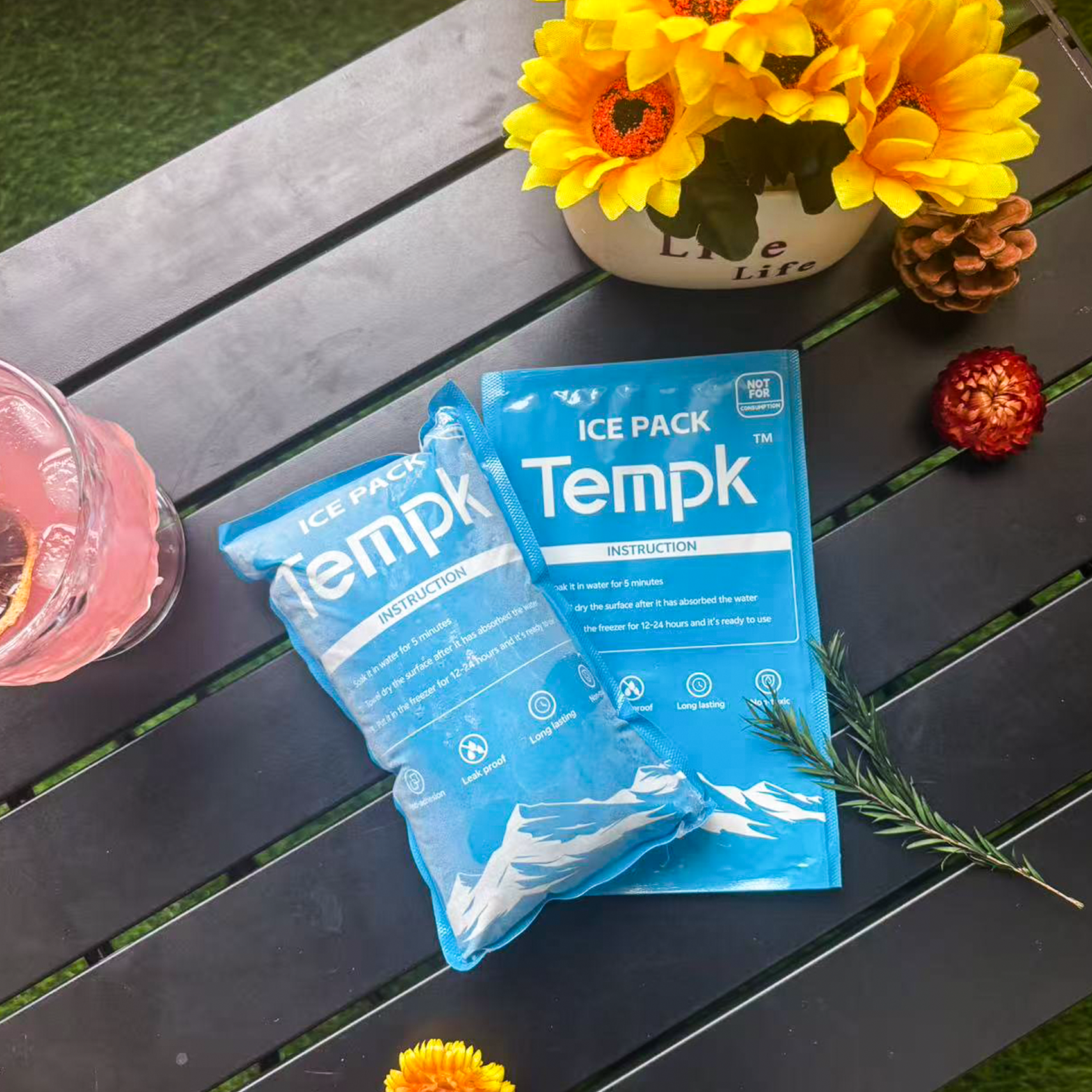
How Dry Ice Packs Enhance Food Delivery and Cold Chain Logistics
Dry ice packs are a game-changer in food delivery, playing a crucial role in maintaining the quality and safety of perishable products. By offering a cooling solution that far surpasses traditional ice or gel packs, dry ice ensures that frozen goods like seafood, meats, and meal kits remain in optimal condition during transit. This guide explores the benefits, best practices, and cutting-edge trends for using dry ice in food delivery, helping businesses optimize their cold chain logistics.
What are the best practices for using dry ice in food shipments?
How can businesses optimize their food delivery process with dry ice?
What are the key trends reshaping cold chain logistics in 2025?
Why Are Dry Ice Packs Crucial for Food Delivery?
Dry ice packs are indispensable in the food delivery industry, especially for shipments requiring freezing or refrigeration. Unlike traditional ice, which melts into water and can lead to soggy packaging or contamination, dry ice remains solid while sublimating directly into carbon dioxide gas. This characteristic helps keep food at the required temperature for extended periods, reducing spoilage and ensuring product integrity.
Key Benefits of Dry Ice in Food Delivery
Superior Cooling Power: Dry ice maintains temperatures as low as -78.5°C (-109.3°F), making it ideal for frozen foods like ice cream, meats, and seafood. Unlike ice or gel packs, which can only keep products cool for short periods, dry ice ensures products stay frozen for longer durations, making it perfect for long-distance shipments.
No Meltwater: One of the major drawbacks of using regular ice is the water it leaves behind. Dry ice, however, sublimates directly into gas without leaving any liquid residue, preserving both the integrity of the packaging and the freshness of the products.
Cost Efficiency: While dry ice may seem expensive at first glance, it’s a cost-effective solution for shipping frozen foods over long distances. It provides a consistent cooling environment and reduces the risk of spoilage, potentially saving businesses significant costs related to waste.
Best Practices for Using Dry Ice in Food Shipments
To optimize dry ice use, businesses must follow industry best practices to ensure food products stay fresh and comply with safety regulations.
1. How Much Dry Ice Should Be Used?
The amount of dry ice required depends on various factors such as shipment size, transit duration, and the type of food being shipped. As a rule of thumb, 5 to 10 pounds of dry ice should be used per 24 hours of shipping. For longer shipments or larger orders, more dry ice may be needed.
2. Proper Packaging for Dry Ice
It is essential to use insulated packaging to slow down the sublimation rate of dry ice, ensuring that the cold air is retained for as long as possible. The packaging should also be ventilated to allow the carbon dioxide gas to escape and avoid dangerous pressure buildup.
3. Labeling and Safety Guidelines
Shipping packages containing dry ice must be labeled with the appropriate “Carbon Dioxide Solid” hazard symbols. This is required by international shipping regulations to ensure proper handling and to inform all parties about the presence of dry ice, which can be hazardous if not managed correctly.
4. Temperature Monitoring
For optimal results, temperature monitoring devices should be included in shipments. These devices track the temperature throughout transit, allowing businesses to ensure that food stays within the required temperature range and enabling quick corrective actions if needed.
5. Safe Handling by Recipients
Educating recipients about the safe handling of dry ice is crucial. Since dry ice sublimates into carbon dioxide, it is important to store it in a well-ventilated area and avoid touching it directly with bare skin. Clear instructions should be provided on how to handle and dispose of the dry ice safely.
Packing Best Practices
| Packing Factor | Recommended Practice | Why It Matters |
|---|---|---|
| Quantity of Dry Ice | Use 5-10 lbs per 24 hours | Prevents temperature fluctuations |
| Packaging Insulation | Use insulated, ventilated boxes | Retains cold for longer and avoids pressure buildup |
| Labeling | Properly mark with “Carbon Dioxide Solid” label | Ensures safe handling and compliance |
| Monitoring | Include temperature monitoring devices | Provides real-time data on shipment conditions |
How to Optimize Food Delivery Processes with Dry Ice
To streamline the food delivery process and ensure that shipments arrive fresh, businesses need to adopt a strategic approach.
1. Analyze Historical Shipping Data
Review past shipments to identify patterns in temperature fluctuations, dry ice usage, and packaging efficiency. This data can help businesses fine-tune their cold chain processes, reducing costs and improving shipping performance.
2. Collaborate with Experts
Partnering with logistics providers who specialize in cold chain shipping can significantly improve efficiency. These experts can provide valuable insights into the best practices for using dry ice, helping businesses handle shipments with care and optimize the use of resources.
3. Training for Team Members
Proper training is essential for reducing errors and improving the efficiency of the dry ice packing process. Ensure that your team is well-versed in handling, packaging, labeling, and regulatory compliance to minimize risks and enhance operational efficiency.
4. Technology Integration
Leveraging advanced logistics software can help businesses optimize dry ice usage. AI-driven platforms can predict dry ice requirements based on various factors, automate temperature tracking, and optimize shipping routes, all of which contribute to smoother and more cost-effective shipping processes.
Trends in Dry Ice Use and Food Delivery Practices in 2025
As the food delivery industry evolves, several new trends are emerging that impact how dry ice is used and how food is shipped.
Sustainability and Eco-Friendly Packaging
With growing concerns over environmental impact, many companies are turning to sustainable packaging solutions. Biodegradable materials and eco-friendly insulation are being used alongside dry ice to reduce the overall carbon footprint of food delivery operations.
Advanced Temperature Monitoring
The use of IoT-powered temperature monitoring systems is becoming more common. These systems provide real-time tracking and alerts if the temperature deviates from the desired range, helping businesses react quickly to prevent spoilage.
Interactive Packaging for Better Customer Engagement
Interactive packaging that allows customers to track their shipments and monitor temperature conditions is becoming a popular trend. This enhances the customer experience by providing greater transparency and increasing trust in the delivery process.
Market Insights
As the demand for fresh and organic foods continues to rise, the need for reliable and efficient cold chain logistics is becoming more critical. Businesses that adopt advanced cold chain technologies and best practices will be well-positioned to meet the increasing demand and stay competitive in the global market.
Frequently Asked Questions
Q1: Why should I use dry ice for food delivery?
Dry ice is essential for keeping food frozen during transit, ensuring it remains fresh and safe. It provides longer-lasting cooling and avoids the water damage that traditional ice can cause.
Q2: How long does dry ice last in food delivery?
Dry ice can maintain low temperatures for 24–48 hours, depending on the amount used and the insulation in the packaging. It’s ideal for long-distance shipments that require extended cooling.
Q3: Are dry ice packs safe to handle?
Yes, as long as proper safety protocols are followed. Wear gloves, use proper ventilation, and ensure that dry ice is handled in open, well-ventilated spaces to avoid injury or asphyxiation.
Conclusion and Recommendations
Dry ice packs are indispensable for ensuring the safe transport of perishable foods, providing consistent, long-lasting cooling that traditional ice cannot offer. By following best practices such as proper packaging, labeling, and temperature monitoring, businesses can optimize their cold chain operations and ensure the quality of their products.
Actionable Suggestions:
Review and optimize your current food delivery processes by evaluating how dry ice can improve your shipping efficiency.
Invest in advanced temperature monitoring technology to maintain high-quality control throughout the shipping process.
Collaborate with logistics providers who specialize in dry ice shipments to ensure compliance and efficiency.
About Tempk
At Tempk, we specialize in providing innovative cold chain solutions, offering high-quality dry ice packs and packaging solutions tailored to the food and pharmaceutical industries. Our products ensure that your goods remain fresh and safe, regardless of the shipping distance.
Call to Action: Contact Tempk today to learn more about our dry ice packs and how we can help optimize your cold chain logistics.
Dry Ice Pack Sheets for Cooler Shipments: Best Practices & Benefits
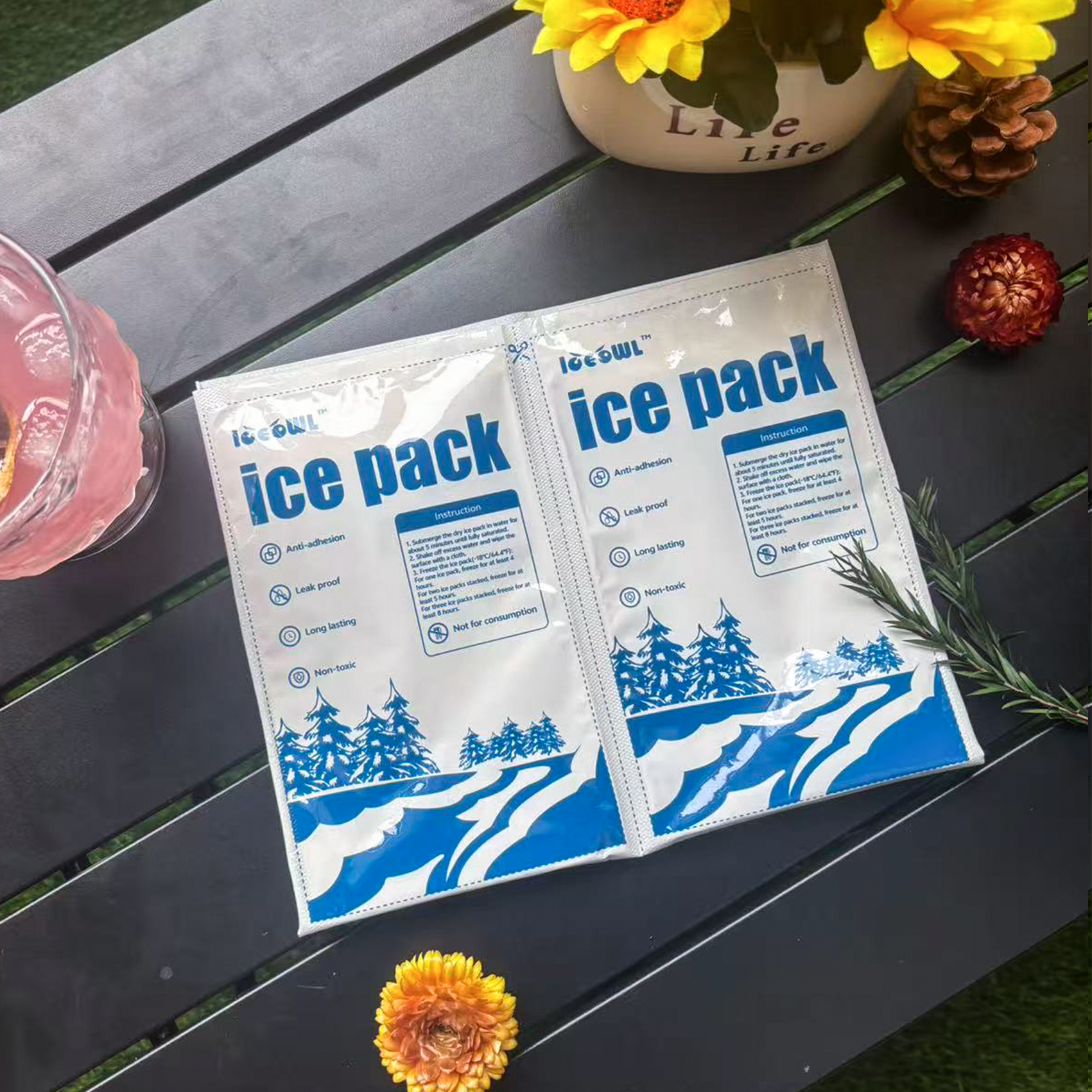
How Can Dry Ice Pack Sheets Enhance Cold Chain Logistics for Cooler Shipments?
Dry ice pack sheets are a game-changing innovation in cold chain logistics. These sheets ensure that temperature-sensitive goods, such as pharmaceuticals, food, and other perishable products, remain at their ideal temperature during shipping. With a growing demand for efficiency and reliability in the cold chain industry, dry ice pack sheets offer a practical solution for businesses aiming to improve their shipping operations. This article will delve into how dry ice pack sheets enhance cooler shipments, their benefits, and best practices for usage in the cold chain logistics space in 2025.
Why are dry ice pack sheets crucial for cold chain logistics?
How do dry ice pack sheets improve temperature control during shipping?
What best practices should businesses follow when using dry ice for cooler shipments?
Why Are Dry Ice Pack Sheets Crucial for Cold Chain Logistics?
Dry ice pack sheets play an indispensable role in ensuring the integrity of temperature-sensitive goods during transit. By maintaining a consistent low temperature without the risk of water damage, these sheets reduce the likelihood of spoilage and degradation, particularly for products like pharmaceuticals, frozen foods, and biological samples.
Dry ice sublimes at -78.5°C, maintaining an ultra-low temperature that ensures perishable items stay frozen during transport. This avoids the meltwater issue associated with traditional ice, which can damage products. In fact, implementing dry ice sheets has led to a reduction in spoilage rates by up to 75% in certain industries.
Key Benefits:
No Meltwater: Dry ice sublimates, avoiding liquid residue.
Reliable Temperature Control: Ensures that goods, especially sensitive products like vaccines, remain within the required temperature range.
Cost-Effective: By reducing spoilage, dry ice sheets help businesses cut down on the costs associated with product loss.
How Do Dry Ice Pack Sheets Improve Temperature Control During Shipping?
Dry ice pack sheets maintain a controlled, consistent cold temperature for extended periods, making them a highly effective solution for shipping goods that require strict temperature management. These sheets are particularly beneficial when shipping perishable products or sensitive pharmaceuticals that need to stay frozen or chilled.
For example, vaccines and biologics must be kept at a stable, low temperature. Dry ice sheets provide the necessary cooling power, ensuring that the goods remain within the required temperature range throughout the shipping process. In the food industry, dry ice is essential for keeping items frozen and preserving freshness, preventing thawing during transit.
| Packing Factor | Recommended Practice | Why It Matters |
|---|---|---|
| Quantity of Dry Ice | 5-10 lbs per 24 hours | Prevents temperature fluctuations, maintains safety |
| Labeling | Mark with appropriate dry ice labels | Ensures safe handling and regulatory compliance |
| Insulation | Use proper insulated packaging | Extends the cooling effectiveness of dry ice |
| Monitoring | Implement temperature tracking | Ensures regulatory compliance and product safety |
Best Practices for Using Dry Ice in Cooler Shipments
Determine the Correct Quantity of Dry Ice: For optimal performance, businesses should use 5-10 pounds of dry ice per 24 hours of shipping. However, adjustments may be necessary depending on shipment specifics and product sensitivity.
Proper Labeling: It is essential to clearly label shipments with “Carbon Dioxide Solid” to ensure compliance with transportation regulations.
Use Insulated Packaging: Well-insulated cooler bags or boxes help maximize the efficacy of dry ice, reducing heat ingress and ensuring that temperatures stay low for longer.
Temperature Monitoring: Employ temperature monitoring devices to ensure that goods stay within the desired temperature range during the entire shipping process.
Safe Disposal of Dry Ice: Educate recipients about proper disposal procedures, ensuring dry ice sublimates in a well-ventilated area to avoid pressure build-up or harm.
What Are the Key Benefits of Using Dry Ice Pack Sheets?
Dry ice pack sheets provide multiple benefits in shipping temperature-sensitive goods, particularly in industries like food and pharmaceuticals. Their ability to maintain low temperatures for extended durations, combined with the fact that they sublimate rather than melt, gives them a distinct edge over other cooling methods like gel packs or traditional ice.
Consistent Temperature Control
Dry ice ensures that temperature fluctuations are minimized, making it ideal for shipping high-value or highly sensitive goods that could degrade or lose efficacy if exposed to even minor temperature changes.
Cost-Effective Solutions
While dry ice might seem costly upfront, the reduction in spoilage and the elimination of meltwater-related damages make it a highly cost-effective solution in the long run. It also reduces the need for ice packs that would otherwise require replenishment during longer shipments.
Environmentally Friendly
Dry ice is a more eco-friendly option compared to other cooling materials. Since it sublimates directly into gas, there is no liquid runoff, and it doesn’t contribute to water waste. This makes it a more sustainable alternative for businesses looking to improve their environmental footprint.
How Can Businesses Optimize Their Shipping Process with Dry Ice?
To ensure that cold chain logistics are optimized, businesses should consider several key strategies when integrating dry ice into their shipping processes.
Conduct a Shipping Efficiency Analysis
Reviewing historical shipping data helps businesses assess the optimum amount of dry ice required for different shipment types, allowing them to adjust based on specific needs and environmental conditions.
Implement Technology and Track Shipments
Incorporating IoT-based temperature sensors and real-time tracking can provide businesses with valuable data about their shipments, allowing them to address any temperature deviations before they become a problem.
Train Employees and Partners
Ensuring that both internal staff and logistics partners are adequately trained in handling dry ice and following best practices can minimize errors and increase operational efficiency.
Collaborate with Experienced Logistics Providers
Partnering with logistics providers who have extensive experience in handling dry ice shipments can provide insights into the best practices, regulatory compliance, and more efficient, cost-effective methods.
Real-World Application: How Dry Ice Helped a Pharmaceutical Company Reduce Spoilage
A pharmaceutical company recently integrated dry ice pack sheets into their shipping process for delivering vaccines to remote areas. By calculating the precise amount of dry ice needed based on historical data and monitoring temperature conditions, they were able to cut spoilage by 50% and significantly improve customer satisfaction.
2025 Dry Ice Shipping Trends and Innovations
The dry ice shipping industry is experiencing several innovations that are making logistics more efficient, cost-effective, and environmentally friendly. Here’s a look at some of the latest trends shaping the industry:
Sustainable Packaging Materials
As sustainability becomes increasingly important, new eco-friendly insulation materials are being developed to improve cold chain shipping while reducing environmental impact.
AI-Driven Logistics
Artificial intelligence is being used to predict the exact amount of dry ice required for specific shipments, helping businesses reduce waste and improve efficiency in their cold chain processes.
Hybrid Packaging Solutions
Hybrid packaging, which combines dry ice with other temperature-sensitive materials, is gaining popularity for its ability to extend the shelf life of perishable goods while reducing the amount of CO₂ used.
Frequently Asked Questions
Q1: Why is dry ice used for shipping?
Dry ice maintains ultra-low temperatures and sublimates into gas, making it ideal for preserving temperature-sensitive products during transportation.
Q2: Is handling dry ice safe?
Yes, with the proper precautions. Always handle dry ice with gloves and ensure adequate ventilation to avoid CO₂ buildup.
Conclusion and Recommendations
Dry ice pack sheets are a vital tool in cold chain logistics, providing businesses with a reliable and cost-effective way to ensure the integrity of temperature-sensitive goods. By adopting best practices and staying ahead of the latest trends, businesses can optimize their shipping processes and improve customer satisfaction.
Actionable Steps:
Evaluate your shipping needs and consider using dry ice for temperature-sensitive goods.
Invest in training and technology to streamline your cold chain logistics.
Collaborate with experienced logistics partners for safer and more efficient shipping.
About Tempk
At Tempk, we specialize in providing cutting-edge cold chain logistics solutions, from dry ice pack sheets to insulated packaging and real-time temperature monitoring. Our focus is on helping businesses transport perishable goods safely and efficiently, adhering to industry regulations while minimizing environmental impact.
Contact us today to learn how we can optimize your cold chain shipping solutions.
Biotech Dry Ice Packs: Essential for Safe Temperature-Controlled Shipments
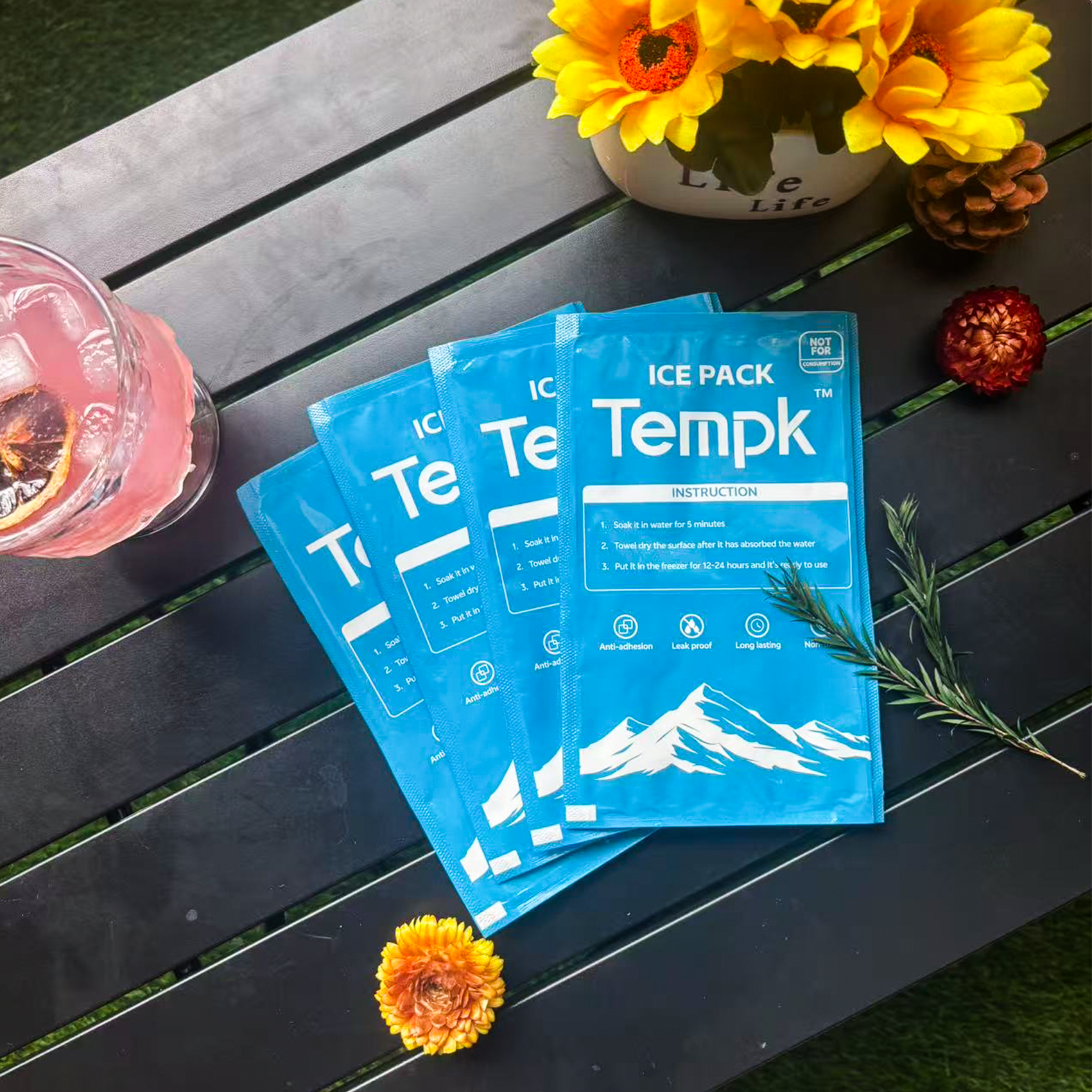
Biotech Dry Ice Packs: Essential for Safe and Efficient Cold Chain Logistics
In 2025, ensuring that temperature-sensitive shipments remain at the correct temperature is more crucial than ever, especially for industries such as pharmaceuticals, biotechnology, and perishable food products. Biotech dry ice packs have emerged as the go-to solution for keeping these shipments safe and secure during transport. These advanced cooling solutions offer several advantages over traditional ice and gel packs, providing more reliable temperature control, longer-lasting cooling, and greater compliance with regulatory requirements. This article delves into the importance of biotech dry ice packs, how they work, their benefits, and how to choose the right solution for your cold chain logistics.

What Are Biotech Dry Ice Packs and How Do They Work?
Biotech dry ice packs are specialized cold storage solutions made from solid carbon dioxide (CO₂), which, when sublimated, turns directly from solid to gas. Unlike traditional ice packs or gel packs, which melt and release water, dry ice provides a consistent cooling effect without the risk of moisture contamination—making it ideal for sensitive materials like vaccines, biologics, and research specimens.
These packs are essential in maintaining ultra-low temperatures, often as low as -78.5°C (-109.3°F), during long-distance shipments. The sublimation process ensures that the temperature remains stable for extended periods, thus protecting the integrity and efficacy of sensitive products.
Benefits of Biotech Dry Ice Packs in Cold Chain Logistics
1. Extended Cooling Duration
Biotech dry ice packs are known for their extended cooling capabilities, providing reliable temperature control for up to 72 hours or more, depending on the size of the pack and environmental factors. This extended cooling duration makes them perfect for long-haul shipments of biotech samples, pharmaceuticals, and food items, especially when other cooling methods fall short.
2. Uniform Temperature Distribution
Unlike traditional ice packs that can create hot or cold spots during transit, biotech dry ice packs ensure uniform cooling across the entire shipment. This is crucial for vaccines, cell therapies, and biologics, where even a small temperature variation can result in loss of product efficacy.
3. Non-toxic and Safe
Dry ice is non-toxic and safe to handle, offering a significant advantage over chemical-based refrigeration methods that could potentially contaminate products. This makes biotech dry ice packs an ideal solution for industries that require stringent safety standards, such as pharmaceuticals and biotech.
4. Eco-Friendly and Sustainable
In response to growing sustainability concerns, biotech dry ice packs are designed to be environmentally friendly. Reusable dry ice packs reduce waste and lower the carbon footprint of shipping operations. Additionally, biobased CO₂ sources are being explored to further reduce the environmental impact of dry ice production.
| Feature | Biotech Dry Ice Packs | Traditional Ice Packs | Benefits for Your Shipments |
|---|---|---|---|
| Cooling Duration | Up to 72 hours | Often <24 hours | Ensures stability for long shipments |
| Temperature Range | -78.5°C (-109.3°F) | 0–5°C | Ideal for sensitive temperature needs |
| Reusability | Yes, for durable packs | Single-use | Reduces long-term costs and waste |
| Safety | Non-toxic | Potential contamination risk | Ensures compliance with safety standards |
Why Are Biotech Dry Ice Packs Essential for Pharmaceutical Shipments?
In the pharmaceutical industry, temperature consistency is paramount to ensuring the potency and efficacy of sensitive drugs. Biotech dry ice packs play a vital role in shipping vaccines, biologics, and cell therapies, which all require precise temperature control. By maintaining a stable environment throughout the shipping process, dry ice ensures that these products arrive at their destination in optimal condition.
For instance, mRNA vaccines require sub-zero temperatures to remain effective, and biotech dry ice packs provide the necessary cooling to prevent any temperature excursions during transport, especially when shipping internationally or over long distances.
How to Choose the Right Biotech Dry Ice Pack for Your Shipment
When selecting a biotech dry ice pack, consider the following factors to ensure it meets the needs of your shipment:
1. Temperature Range
Determine the temperature requirements of your product. Biotech dry ice packs can maintain extremely low temperatures, which is ideal for pharmaceuticals that need to be kept at sub-zero conditions.
2. Duration of Shipment
Choose a dry ice pack that will provide sufficient cooling for the entire shipment duration. For longer trips, select packs with greater cooling capacity to ensure the product remains within the required temperature range.
3. Size and Packaging
Consider the size and shape of your shipment when selecting a biotech dry ice pack. Customizable options are available to fit different shipment sizes, ensuring optimal cooling without wasting space.
| Factor | Consideration | Impact for Your Shipment |
|---|---|---|
| Temperature Range | Match product requirements | Ensures preservation of product integrity |
| Duration of Shipment | Choose longer-lasting packs | Prevents temperature fluctuations |
| Size and Packaging | Custom solutions available | Maximizes space and efficiency |
Best Practices for Using Biotech Dry Ice Packs
To get the most out of your biotech dry ice packs, follow these best practices:
Proper Packaging: Use insulated packaging materials to reduce heat ingress and maintain cooling throughout the shipment.
Monitor Temperature: Integrate temperature-monitoring devices to track the conditions of your shipment in real-time.
Regulatory Compliance: Ensure all regulatory guidelines, such as IATA and UN regulations, are followed to avoid penalties or delays.
Pro Tip: Test your dry ice packs before actual shipments to ensure they maintain the correct temperature range throughout transit.
Trends and Innovations in Biotech Dry Ice Packs for 2025
As the biotech and pharmaceutical industries evolve, so do the technologies supporting their cold chain logistics. Some key trends include:
1. Advanced Temperature Monitoring
The integration of IoT devices and real-time sensors is transforming the way biotech shipments are monitored. These innovations allow for continuous tracking of the temperature, ensuring compliance with strict regulatory requirements and minimizing the risk of product spoilage.
2. Eco-Friendly Alternatives
With growing environmental concerns, companies are exploring alternatives to traditional dry ice. Sustainable dry ice alternatives, such as biodegradable packaging and recycled CO₂ sources, are gaining traction in the market.
3. Customization and Flexibility
Customized biotech dry ice packs are becoming more popular, allowing companies to tailor solutions for specific shipment sizes, temperature needs, and durations, ensuring maximum efficiency and cost-effectiveness.
Common Questions About Biotech Dry Ice Packs
Q1: How long do biotech dry ice packs maintain cold temperatures?
Biotech dry ice packs typically maintain sub-zero temperatures for 48-72 hours, depending on environmental conditions.
Q2: Can biotech dry ice packs be reused?
Yes, some biotech dry ice packs are reusable, provided they are maintained correctly and rehydrated before each use.
Q3: Are biotech dry ice packs safe to use?
Absolutely! These packs are non-toxic, safe to handle, and comply with regulatory safety standards.
Conclusion and Recommendations
Biotech dry ice packs are essential for maintaining temperature integrity during the shipment of sensitive goods, ensuring that your pharmaceuticals, biotech samples, and food products arrive safely and in top condition. By understanding how to select, use, and monitor these packs, you can optimize your cold chain logistics for greater efficiency, compliance, and cost-effectiveness.
Actionable Tip: Before your next shipment, assess your cold chain needs, choose the right biotech dry ice pack, and ensure you follow best practices for temperature monitoring and packaging.
About Tempk
At Tempk, we specialize in providing high-quality biotech dry ice packs designed to meet the rigorous standards of the pharmaceutical and biotech industries. Our innovative solutions ensure that your temperature-sensitive products are transported securely and efficiently, meeting all necessary regulatory requirements.
Contact us today to learn how we can help you optimize your cold chain logistics!
Dry Ice Packs Free Shipping: How to Ship Frozen Goods Safely & Save on Delivery Costs
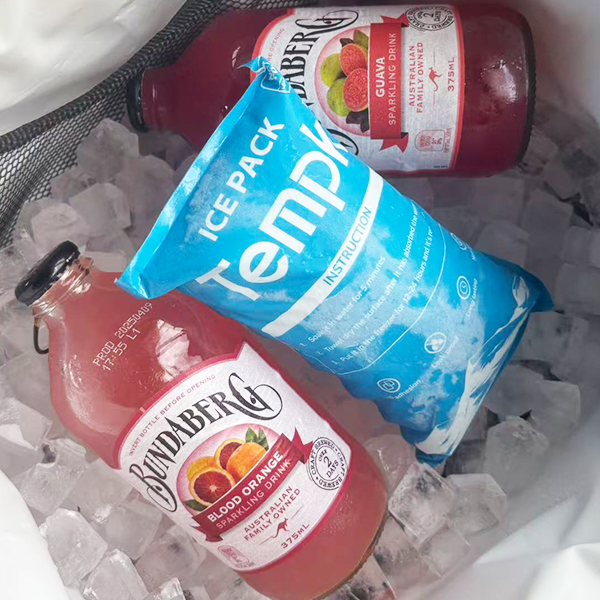
Dry Ice Packs Free Shipping: How to Ensure Efficient Delivery for Temperature-Sensitive Products
Shipping temperature-sensitive products requires reliable packaging solutions. One of the best ways to maintain the integrity of these goods is by using dry ice packs, especially when shipping across long distances. But how can you ensure safe and efficient delivery, while offering free shipping? This article explores the benefits of dry ice packs and provides actionable steps for optimizing shipping strategies for businesses.

How do dry ice packs work to protect temperature-sensitive goods during shipping?
What are the benefits of offering free shipping on dry ice pack orders?
How can businesses improve the efficiency of their dry ice shipping methods?
What are the best practices for shipping dry ice with free delivery?
How Do Dry Ice Packs Work for Shipping Temperature-Sensitive Products?
Dry ice is the solid form of carbon dioxide (CO₂), and it sublimates directly from a solid to a gas at -78.5°C (-109.3°F). By using dry ice packs, businesses can effectively control the temperature of perishable items during shipping. This is especially important for items such as pharmaceuticals, frozen foods, or biological samples that must remain at a consistently low temperature during transit.
Dry ice packs serve as a highly effective coolant because they absorb heat from their surroundings, which helps maintain the product’s desired temperature for extended periods. This ensures the integrity and safety of goods throughout the shipping process, reducing the risk of spoilage.
Why Offer Free Shipping on Dry Ice Pack Orders?
Offering free shipping on dry ice pack orders can be a powerful marketing strategy. It adds significant value to your service and can attract more customers, especially those ordering perishable goods that require reliable shipping solutions.
Competitive Advantage
In today’s e-commerce landscape, consumers are increasingly looking for free shipping options. By offering free delivery on dry ice orders, you not only appeal to cost-conscious customers but also position your brand as a service-focused leader in the industry.
Improved Customer Satisfaction
Shipping costs are often a barrier for customers, and by eliminating this, you increase the likelihood of repeat business and positive reviews. Additionally, customers feel more confident knowing that their perishable goods are being delivered with no hidden fees.
Attract More Business
Offering free shipping can increase order volume, as customers are more likely to make a purchase when they see the “free shipping” option. This strategy can lead to a boost in overall sales.
How Can Businesses Improve the Efficiency of Their Dry Ice Shipping Methods?
Efficient shipping practices are key to reducing costs and ensuring timely deliveries. Here are some strategies businesses can implement to optimize dry ice shipping:
Use Proper Packaging for Dry Ice
Choosing the right packaging is crucial for keeping dry ice effective during shipping. Insulated containers such as foam boxes or vacuum-sealed packaging help slow down the sublimation process, keeping dry ice intact for a longer period.
Use Sealed Containers: A well-sealed container prevents CO₂ from escaping too quickly, extending the life of the dry ice.
Opt for Insulated Boxes: Use thermal insulation materials that help maintain the low temperature during transit, ensuring that the dry ice remains solid for as long as possible.
Optimize Shipping Methods for Speed and Reliability
When shipping temperature-sensitive products, speed matters. Faster shipping methods, such as air freight, reduce the amount of time goods spend in transit, helping preserve product quality.
Air Freight for Faster Delivery: Air freight is generally faster and more reliable for international or long-distance shipping. It also minimizes the risk of temperature fluctuations.
Route Planning: Plan shipping routes carefully to ensure your products spend the least amount of time in transit. Faster routes reduce the need for excess dry ice, cutting down on costs.
What Are the Best Practices for Shipping Dry Ice with Free Delivery?
Shipping dry ice efficiently while offering free shipping requires a strategic approach. Here are some key best practices businesses can follow:
Clearly Communicate Shipping Policies
Make sure your customers know about the free shipping option upfront, including any conditions that might apply (such as minimum order amounts or delivery timeframes). Transparency can help set clear expectations and avoid confusion.Calculate Shipping Costs into Product Prices
When offering free shipping, it’s important to factor the cost into the overall price of your products. By doing this, you ensure your business remains profitable while providing a valuable service to customers.Offer Free Shipping on Specific Orders
Consider offering free shipping only on orders over a certain amount or for certain items that require dry ice shipping. This strategy ensures that you still cover shipping costs while encouraging larger orders.
Shipping Strategy | Advantages | Best For
|—————————|———————————————|————————————-|
| Free Shipping on Orders Above $X | Increases order volume and customer loyalty | Businesses with higher margins |
| Flat-Rate Shipping | Predictable shipping costs, easier for budgeting | Small businesses or startups |
| Free Shipping with Membership | Increases subscription or membership sales | Subscription-based businesses |
Use Technology to Streamline Shipping
Invest in smart shipping technology that can track shipments in real-time and adjust temperatures accordingly. Smart packaging solutions that provide real-time temperature monitoring can ensure that your dry ice remains effective throughout the shipping process, even during unforeseen delays.Select Reliable Delivery Partners
Partnering with reputable logistics providers that specialize in cold chain solutions is key to the success of your dry ice shipping strategy. Choose providers with experience handling perishable goods to ensure that your products are delivered on time and at the correct temperature.
Latest Trends in Dry Ice Shipping for 2025
As we move into 2025, the shipping industry continues to evolve with new technologies and strategies that can enhance the way we ship temperature-sensitive products.
Smart Packaging Technology
Innovations in smart packaging, such as temperature-sensitive labels and sensors, provide real-time tracking of the shipment’s temperature. This technology allows businesses to track and ensure that products are delivered within the required temperature range, reducing the risk of spoilage.Sustainability in Dry Ice Shipping
With a growing focus on sustainability, businesses are looking for eco-friendly alternatives to traditional dry ice. Innovations in biodegradable packaging materials and sustainable refrigerants are becoming increasingly popular in the cold chain industry.Global E-Commerce Expansion
As global e-commerce continues to grow, more businesses are looking for reliable ways to ship temperature-sensitive products across borders. The demand for dry ice shipping is expected to rise, especially in industries like food, pharmaceuticals, and biotechnology.
FAQ: Shipping Dry Ice Packs with Free Shipping
Q1: Can I offer free shipping on dry ice pack orders without increasing product prices?
While it’s possible, it’s generally more sustainable to include the cost of shipping in the price of the product. This way, you can offer free shipping without compromising your profit margins.
Q2: How do I calculate the amount of dry ice needed for international shipments?
The amount of dry ice depends on factors like shipping duration, temperature requirements, and packaging type. Typically, 5-10 pounds of dry ice per shipment is adequate for short distances, but longer shipments may require more.
Q3: Are there regulations for shipping dry ice internationally?
Yes, shipping dry ice internationally requires adherence to specific regulations, including proper labeling and weight restrictions. Ensure you comply with the regulations of the destination country to avoid delays.
Summary and Recommendations
To sum up, offering dry ice packs with free shipping is a great way to attract customers and enhance their experience. By choosing the right packaging, optimizing shipping methods, and partnering with the right logistics providers, you can ensure safe and efficient delivery of temperature-sensitive products.
Next Steps for Your Business
Integrate free shipping: Factor shipping costs into your pricing strategy and clearly communicate this to your customers.
Optimize packaging and shipping routes: Invest in high-quality insulated containers and select the fastest shipping methods.
Embrace smart shipping solutions: Use technology to monitor temperature and ensure safe delivery.
About Tempk
At Tempk, we specialize in providing cold chain solutions that guarantee the safe and efficient shipping of temperature-sensitive goods. Our expertise in dry ice shipping allows businesses to offer reliable delivery, keeping products in optimal condition from start to finish.
Contact us today to learn more about how we can help streamline your shipping process with dry ice and free delivery options.