


Pack of 48 Dry Ice Packs for Wholesale Logistics
Pack of 48 Dry Ice Packs for Wholesale Logistics
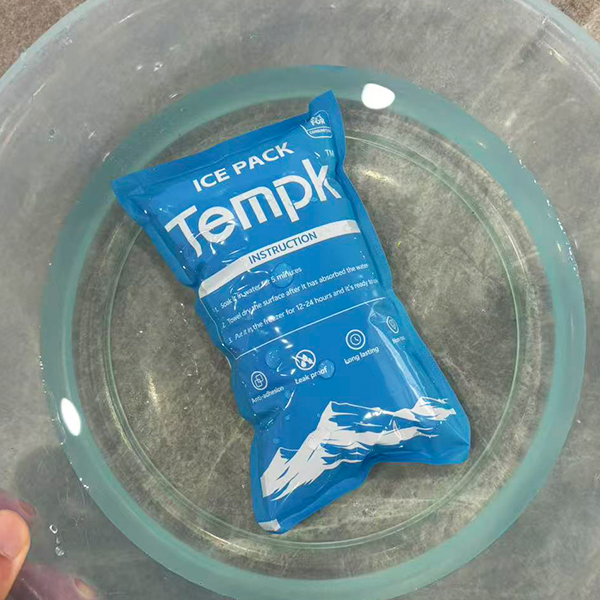
In commercial cold chain logistics, a pack of 48 dry ice packs provides the perfect balance between efficiency, scalability, and cost control. Whether you’re shipping pharmaceuticals, frozen foods, or biological samples, choosing the right quantity and configuration of dry ice packs ensures consistent temperature maintenance and optimized shipping performance across multiple packages.
At Tempk, we understand how bulk dry ice solutions streamline operations and reduce per-unit costs—key advantages for wholesale and large-scale distribution networks.

How a pack of 48 dry ice packs enhances operational efficiency in B2B logistics.
Key cost and performance comparisons against smaller or larger pack configurations.
Best practices for storage, handling, and regulatory compliance in bulk shipments.
How to integrate this solution into your logistics workflow to maximize ROI.
Why Choose a Pack of 48 Dry Ice Packs for Commercial Use?
Bulk packaging minimizes operational downtime and maximizes temperature efficiency. By standardizing shipments with a pack of 48, logistics teams can reduce per-unit handling, optimize freezer space, and streamline inventory tracking. Each pack serves as a modular thermal control unit, ensuring consistent performance across multiple shipments.
Key Operational Benefits
Cost Efficiency: Buying in bulk reduces unit cost by 15–25% compared to smaller packs.
Consistency: Uniform size and performance make it easier to predict temperature curves.
Ease of Distribution: 48-pack configurations are compatible with standard cold chain cartons and pallet systems.
Reduced Waste: Less repackaging and reduced CO₂ sublimation loss.
In controlled trials, 48-pack systems maintained optimal sub-zero temperatures for up to 72 hours during mid-distance transport—ideal for food and biopharma shipments.
Comparing Pack Sizes — Why 48 Is the Sweet Spot
| Pack Configuration | Weight (Approx.) | Typical Usage Volume | Key Advantage | Impact on Cost per Shipment |
|---|---|---|---|---|
| 12-Pack | 6–8 kg | Small businesses | Easy handling | High per-unit cost |
| 24-Pack | 12–15 kg | Medium e-commerce | Balanced load | Moderate savings |
| 48-Pack | 25–30 kg | Commercial/Wholesale | Best cost-performance ratio | Lowest per-unit cost (-20%) |
The 48-pack configuration is widely adopted by distributors and 3PL (third-party logistics) companies who ship multiple insulated containers simultaneously. It ensures high availability without overstocking.
Practical Application Scenarios
Pharmaceutical Distribution: Maintaining vaccine or biologic stability from warehouse to clinic.
Frozen Food Export: Ensuring seafood, meat, or dairy arrive intact after 48- to 72-hour transit.
Laboratory Logistics: Supporting dry ice-dependent sample transfers between research centers.
Catering and Event Supply: Preserving temperature-sensitive materials during large-scale events.
Case Example: A European food exporter using 48-pack dry ice bundles reduced per-shipment cooling costs by 19% while achieving stable core temperature at -78°C over 60 hours.
How Does a Pack of 48 Dry Ice Packs Optimize Your Supply Chain?
Bulk packaging is not only about volume—it’s about logistics precision. The 48-pack model allows integrated scheduling of replenishment cycles, simplified tracking, and predictable temperature profiles.
Temperature and Duration Performance
| Shipping Duration | Avg. Temperature Maintenance | Optimal Use Case | Typical Re-Freeze Interval |
|---|---|---|---|
| 24 hours | -78°C to -65°C | Short regional shipping | None required |
| 48 hours | -78°C to -60°C | Standard commercial routes | Every 2–3 days |
| 72 hours | -78°C to -55°C | Extended cold chain transport | Requires backup cooling |
These ranges are based on controlled tests with insulated containers and standard CO₂ sublimation rates.
Key Supply Chain Advantages
Standardization: Aligns with warehouse picking systems for scalable fulfillment.
Inventory Simplification: Reduces SKU complexity by consolidating into one bulk item.
Predictable Cooling Curve: Enables precise thermal planning and temperature mapping.
Reduced Handling Time: Less frequent reloading or repacking compared to smaller quantities.
Tip: Integrate digital thermologgers into your 48-pack shipments to ensure traceable compliance with Good Distribution Practice (GDP) standards.
Safety, Handling, and Compliance Considerations
Dry ice handling in commercial volumes requires structured safety measures. The 48-pack format simplifies compliance because all units are pre-packaged under consistent weight and volume controls.
Regulatory Compliance Overview
| Regulation | Applies To | Core Requirement | Compliance Method |
|---|---|---|---|
| IATA DGR | Air transport | Max 2.5 kg per package | Split 48-pack loads |
| OSHA 1910.134 | Handling areas | Adequate ventilation | Use CO₂ monitors |
| Amazon FBA | E-commerce | Dry ice ≤5 lbs per parcel | Pre-weigh each segment |
Note: Always store 48-pack bundles in ventilated freezers and use insulated gloves during handling.
How to Store and Transport a Pack of 48 Dry Ice Packs Efficiently
Proper storage is crucial for maintaining efficiency and minimizing sublimation losses.
Storage Best Practices
Insulation: Use double-layered Mylar or Kraft-paper-lined containers.
Temperature Zones: Maintain storage between -80°C and -60°C.
Ventilation: Prevent CO₂ buildup with mechanical airflow systems.
FIFO System: Implement “first-in, first-out” inventory management to minimize wastage.
Transportation Optimization
Use palletized modular systems—each 48-pack fits evenly on a 40×48-inch pallet.
Coordinate dry ice replenishment schedules with shipping frequency.
For long-haul shipments, combine 48-packs with phase change materials (PCM) to stabilize temperature beyond 72 hours.
2025 Trends: How Bulk Dry Ice Packaging Is Evolving
In 2025, cold chain logistics is increasingly shifting toward automation and sustainability. The pack of 48 dry ice packs plays a key role in this transformation.
Key 2025 Developments
Smart Packaging Integration: Sensors and IoT trackers now monitor sublimation and core temperature in real time.
Eco-Optimized Storage Materials: Recyclable Mylar and low-emission manufacturing reduce CO₂ footprint by 12–18%.
Hybrid Cooling Models: Combining dry ice with PCM extends durability by 40% while cutting costs.
AI-Driven Route Planning: Predictive algorithms align cooling supply with shipment destination and distance.
According to 2025 industry data, bulk dry ice shipments are expected to grow 17% annually, driven by pharmaceutical exports and frozen food delivery expansion.
Frequently Asked Questions
Q1: How long can a pack of 48 dry ice packs last during transport?
Typically up to 72 hours, depending on insulation and ambient temperature.
Q2: Is the 48-pack format suitable for air freight?
Yes, but it must comply with IATA Dangerous Goods Regulations—split into smaller sub-units for air transport.
Q3: What industries benefit most from 48-pack configurations?
Pharmaceuticals, biotechnology, food export, and e-commerce fulfillment centers.
Q4: How should bulk dry ice be stored?
In ventilated freezers at -80°C, using protective gear and sealed insulated boxes.
Q5: Can dry ice packs be reused?
While sublimated dry ice cannot be reused, the packaging materials (Mylar sheets or trays) can be reused or recycled.
Summary and Recommendations
A pack of 48 dry ice packs offers the optimal balance of cost, scalability, and performance for commercial cold chain logistics. It minimizes handling effort, ensures consistent temperature control, and aligns with 2025 sustainability standards.
Actionable Takeaways
Adopt 48-pack configurations for all bulk shipment operations.
Combine with PCM or IoT monitoring for extended performance.
Train handling teams in safety compliance and sublimation control.
Partner with trusted suppliers like Tempk for reliable cold chain support.
About Tempk
At Tempk, we specialize in high-efficiency dry ice packaging systems designed for modern logistics. Our 48-pack configurations are engineered to deliver consistent cooling power for up to 72 hours, ensuring product integrity from warehouse to final delivery.
We serve global industries including pharmaceuticals, biotechnology, and food logistics, providing scalable cold chain solutions that combine safety, sustainability, and cost optimization.
Get a Free Consultation with Tempk Experts
Pack of 100 Dry Ice Pack — 2025 Cold Chain Guide

Pack of 100 Dry Ice Pack: 2025 Cold‑Chain Playbook
If you ship temperature‑sensitive goods, a pack of 100 dry ice pack standardizes pack‑outs, reduces labor, and extends hold time across hot and cold seasons. This playbook gives you the short rules, validated patterns, and safety tips you need to ship frozen or 2–8 °C with confidence. You’ll see how to size coolant, avoid cold shock, and validate designs without over‑spending or over‑cooling.
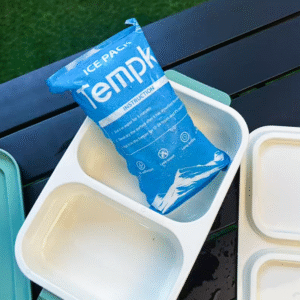
Why a bulk set improves consistency and cost for multi‑site operations
How to right‑size coolant with a quick estimator for 24–72‑hour lanes
What to choose: dry ice sheets, gel packs, or PCMs for 2–8 °C control
How to label, vent, and train teams for compliant, safe pack‑outs
Why choose a pack of 100 dry ice pack for routine frozen shipping?
A pack of 100 dry ice pack cuts errors and speeds throughput while holding colder set points longer. Pre‑measured units remove guesswork, so new staff can follow SOPs and hit time‑in‑range targets. Bulk buying lowers unit cost and ensures inventory during spikes. Many teams see faster pack‑outs, fewer re‑packs, and steadier temperatures through weekend dwell times.
Think of each unit as a flat, flexible “cold blanket.” Flat packs cover lids, walls, and corners where heat leaks. That coverage smooths gradients that cause returns or thaw. In practice, you’ll pre‑condition at −20 °C for frozen lanes or near 0–5 °C for chilled. Standardizing counts per carton size accelerates training, improves QA, and makes audits easier. Standardizing on a pack of 100 dry ice pack also stabilizes reordering and forecasting.
What configuration delivers the best time‑in‑range for your lanes?
Use lid‑and‑floor plus wall strips for 12–24 L boxes; wrap smaller boxes burrito‑style. For tall loads, a 360° band eliminates flap hot spots. Combine a small topper with perimeter coverage to handle last‑mile heat spikes without oversizing the carton. Start simple, then tune with data loggers. This setup works best when each carton uses a pack of 100 dry ice pack bundle staged by duration.
| Coverage patterns that reduce failures | Fit | Count | What it means for you |
|---|---|---|---|
| Burrito wrap | ≤10 L small shipper | 2–4 units | Fast kitting; strong edge protection |
| Lid + floor + walls | 12–24 L shipper | 4–6 units | Balances vertical gradients |
| 360° band | Tall payloads | 3–5 units | Eliminates flap hot spots |
Practical tips and advice
Hot‑lane seafood: Use full‑coverage lid, add one extra unit for last‑mile dwell.
Biologics at 2–8 °C: Pair wall strips with a +5 °C PCM lid to prevent cold shock.
Peak season surge: Pre‑kit tens (10/20/30) so teams grab and go by transit hours.
QA photos: Label each image with the lane and the exact count from your pack of 100 dry ice pack.
Real‑world case: A coastal dessert brand swapped loose pellets for flat coverage. Time‑in‑range improved by a workday, and pack‑out time fell ~18% with fewer re‑packs.
How many from a pack of 100 dry ice pack do you need per order?
Size a pack of 100 dry ice pack by heat gain, not guesswork. A quick baseline is 5–10 lb of dry‑ice‑equivalent per 24 h, adjusted for insulation and ambient. Add 20–30% buffer for delays; subtract if you use VIP shippers. Pre‑condition: −20 °C for frozen, 0–5 °C for chilled. When in doubt, start high and tune down—using a pack of 100 dry ice pack lets you do this in clean increments.
Translate hours to day‑equivalents; multiply by a mid‑point dose; then tweak for season and box type. Higher headspace, thin foam, or hot warehouses raise heat gain. Better insulation lowers it. Validate with one hot‑profile test and tune down once you confirm surplus cooling.
Quick estimator you can run in under a minute
Transit days = hours/24. 2) Base mass = 7.5 lb × transit days. 3) Buffer = +25%. 4) VIP factor = −15–30%. Example: 48 h lane, standard EPS → ~14 lb base → +25% ≈ 17.5 lb. Pre‑kit 6–8 flat units per 14 L box and validate with a logger. Document counts per SKU in your SOP as pack of 100 dry ice pack increments for easy auditing.
| Starter counts by shipper size and duration | 24 h | 48 h | For you |
|---|---|---|---|
| 8–12 L 2–8 °C | 24 h: 3–4 | 48 h: 5–6 | Small meal kits, diagnostics |
| 12–18 L 2–8 °C | 24 h: 4–5 | 48 h: 7–8 | Common parcel size |
| Frozen ≤−15 °C | 24 h: +25% | 48 h: +50% | Pre‑condition at −20 °C |
Pack of 100 dry ice pack vs gel packs vs PCMs — which wins?
Use a pack of 100 dry ice pack for frozen lanes, PCMs for tight 2–8 °C, and gel packs for short chilled routes. Dry ice offers colder set points and longer duration. PCMs lock a narrow range, simplify paperwork, and reduce cold shock. Gel packs are low‑cost for local delivery. For scaling, a pack of 100 dry ice pack keeps dosing repeatable across sites.
Many teams blend strategies: a small dry‑ice topper for heat spikes, PCM at +5 °C on the lid for precision, and flat wall strips for coverage. That cocktail cuts waste while protecting critical SKUs.
Decision aid: refrigerant selection by need
Need below −15 °C? Choose dry‑ice‑equivalent coverage.
Need +2–8 °C for biologics? Use PCM lids and wall strips.
Local chilled groceries? Gel packs suffice if transit <24 h.
Mixed catalog? Standardize coverage, vary the lid.
Safety, labeling, and compliance with a pack of 100 dry ice pack
Treat a pack of 100 dry ice pack like any dry‑ice‑class solution: vent, label, and train. Packages must vent CO₂; never hermetically seal. Mark “Dry Ice/Carbon Dioxide, solid,” UN1845, and net mass. Train staff, wear insulated gloves and goggles, and ventilate pack‑out rooms.
Separate product from coolant with a spacer to avoid cold shock or freezer burn. Use CO₂ monitors where you store or handle bulk refrigerant. Publish one‑page job aids so every shift handles acceptance checks the same way. Keep a shadow inventory so every station can pull from a pack of 100 dry ice pack without delay.
2025 trends: how a pack of 100 dry ice pack fits the future
In 2025, shippers pair a pack of 100 dry ice pack with smarter packaging. VIP + PCM hybrids lower refrigerant mass. Parcel‑profile testing like 7E becomes baseline. Low‑cost data loggers and CO₂ sensors drive faster iteration and fewer claims. Standardizing around a pack of 100 dry ice pack simplifies playbooks across regions.
What’s new at a glance
VIP + PCM hybrids: Reduce coolant mass while protecting edges and lids.
Right‑sizing kits: Match coolant to payload volume to cut dim‑weight and waste.
IoT monitoring: Alerts teams to heat spikes and CO₂ levels before product risk.
Market insight
Teams report double‑digit reductions in returns after standardizing on coverage patterns, and a measurable drop in labor when pre‑kitting units in tens. Inventory turns improve, too.
Implementation roadmap for a pack of 100 dry ice pack
Map your top three lanes (hours, ambient, insulation).
Choose a coverage pattern and align counts to a pack of 100 dry ice pack.
Pre‑kit units in tens by duration (24/48/72 h).
Run one hot‑profile test with two variants; keep the winner.
Publish a one‑page SOP and retrain quarterly.
Recommended internal links
Quick self‑check and sizing snippet
Frequently Asked Questions
How long does a pack of 100 dry ice pack last in transit?
With good insulation, expect 24–72 hours. Hot lanes or thin foam shorten duration; VIP lids extend it. Validate with a logger before scaling.
Is a pack of 100 dry ice pack overkill for small teams?
No. Bulk lowers unit cost and speeds training. Store flat, refreeze, and deploy as needed.
Do I need UN1845 labels if I only use PCMs or gel packs?
No. UN1845 applies to dry ice. Still document conditioning and placement, and follow carrier rules.
How do I prevent cold shock for sensitive biologics?
Use a +5 °C PCM lid, minimize headspace, and pre‑cool the payload before pack‑out.
Summary and recommendations
A pack of 100 dry ice pack improves consistency, speeds pack‑outs, and protects product on hot and long routes. Start with simple coverage, size by heat gain, and validate once—then scale with confidence.
Run a one‑lane pilot this week: choose a pattern, kit tens, log temperatures, and publish the SOP. Need help tailoring counts and patterns to your boxes? Contact our team for a quick sizing session.
About Tempk
Tempk designs passive cold‑chain kits for food, pharma, and advanced materials. We validate against parcel profiles, right‑size coolant, and publish SOPs teams actually use. Clients see longer time‑in‑range and lower dim‑weight with fewer re‑packs.
Ready to standardize your pack‑outs? Request a lane‑specific plan now.
Sale Dry Ice Pack Sheet: 2025 Cold‑Chain Guide

Sale Dry Ice Pack Sheet: Ship Colder, Safer in 2025
Updated October 2025. If you need dependable temperature control, a sale dry ice pack sheet gives you flexible, reusable cooling without hazmat complexity. In this guide, you’ll size it correctly, pack it safely, and decide when to pair it with real CO₂ dry ice or PCMs. We fused the strongest ideas from your three internal drafts and aligned them with 2025 on‑page SEO best practices.
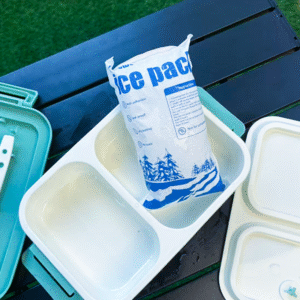
What a sale dry ice pack sheet really is and when to use it for chilled/frozen lanes
How to size sheets for 24–72 hours, with a quick formula and table
Pack‑out steps and safety when combining sheets with real dry ice (UN 1845)
2025 trends shaping coolant choice: sustainability, sensors, and compliance
FAQs for buyers, from reuse and hygiene to labeling and international shipping
What does “sale dry ice pack sheet” mean—and which type do you need?
Short answer: A sale dry ice pack sheet is a hydrate‑to‑freeze polymer sheet you cut to size and reuse. It chills like ice, stays tidy, and stores dry. For deep‑freeze lanes (≈ −78.5 °C, multi‑day), use real dry ice and label/vent properly. For precise setpoints (e.g., 2–8 °C or −21 °C), use PCM packs.
From your buyer’s perspective: Sheets shine on 0–48 h e‑commerce lanes, grocery, meal kits, florals, and “must not freeze” health products. They reduce mess, fit odd shapes, and avoid hazmat paperwork. Real dry ice still wins when payloads must stay hard‑frozen for days.
Sale dry ice pack sheet vs. gel packs vs. real dry ice (quick compare)
| Cooling option | Typical temp range | Typical duration | What it means for you |
|---|---|---|---|
| Sale dry ice pack sheet | ≈ 0–4 °C (chilled) or short frozen | ~24–48 h (with good insulation) | Flexible, reusable, ships/stores dry; great for overnight lanes |
| Gel pack / wet ice | ≈ 0–5 °C | ~6–24 h | Lowest cost; can leak/sweat; shorter hold time |
| Real CO₂ dry ice (UN 1845) | ≈ −78.5 °C | 48–96 h+ (size & insulation dependent) | Deep‑freeze performance; Class 9 marking; vented packaging required |
Practical tips you can use today
Match the lane, not the myth: Don’t treat sheets like CO₂ dry ice; they’re different tools.
Fill voids, reduce air gaps: Cut sheets to wrap surfaces; fewer hot spots, longer hold.
Upgrade insulation first: Better R‑value often cuts sheet count by 10–30%.
Log and learn: Use a simple temp logger; tune your pack‑out in two or three trials.
Real case: A regional seafood shipper wrapped fillets with two sheets in a 12 L EPS shipper and held ≤ 2 °C for 36 h. In summer, they added a third sheet and kraft paper to manage surface condensation; complaints dropped to near zero.
How do you size a sale dry ice pack sheet for 24–72 hours?
Direct answer: Start from payload mass, route hours, ambient risk, and insulation quality. For day‑long chilled lanes, begin with 1 sheet per 5–8 L box volume, then add 20–30% margin for heat spikes. Use more sheets or add PCMs/CO₂ for longer or colder lanes.
Why this works: Cooling capacity tracks with hydrated mass and contact area. Good fit (less air) beats “more coolant.” Always validate with a logger before peak season.
Quick sizing formula you can test this week
| Payload (approx.) | Route & ambient | Suggested sheets | Your benefit |
|---|---|---|---|
| 5–8 L (snacks, kits) | ≤ 24 h, mild | 1–2 | Simple, low cost, chilled delivery |
| 10–15 L (meals, dairy) | 24–36 h, warm | 2–3 | Steadier temps; fewer returns |
| 20–25 L (meat/seafood) | 36–48 h, hot | 3–4 + better liner | Manage heat spikes confidently |
| 30 L+ frozen desserts | 48–72 h | Sheets + PCM or CO₂ | Deep‑freeze reliability |
Hands‑on guide (pack‑out sequence)
Hydrate sheets in clean water until cells fully swell; gently press to release air.
Pat dry; freeze flat on trays for 24–48 h for even performance.
Pre‑cool the shipper and product when possible.
Layering: liner → sheet → payload → sheet → void‑fill → close/label.
Log temps for continuous improvement; keep a simple “recipe card” by lane.
How do you prepare and pack a sale dry ice pack sheet safely?
Key points: Wear gloves when handling extreme cold. Vent packages if you add real dry ice. Keep sheets clean and food‑contact safe. Add a moisture barrier (paper/liner) to protect cartons from condensation.
Compliance snapshot for 2025 (plain language)
Sheets & most PCMs: Typically non‑hazardous; follow SDS and good hygiene.
Real CO₂ dry ice: Class 9 UN 1845; use hazard label/marking and vented packaging; follow carrier limits.
Workplace CO₂ safety: Ventilate pack rooms when using dry ice; train staff on frostbite risks and safe disposal.
Pro tips that reduce risk and cost
Freeze flat, not folded: Avoid “bridging” and uneven contact.
Protect sensitive goods: Add a barrier between sheet and delicate cartons.
Don’t over‑pack: Extra insulation sometimes saves more than extra coolant.
Document your SOP: A one‑page checklist keeps seasonal staff on track.
2025 sale dry ice pack sheet trends that change buying decisions
Trend overview: Buyers are shifting routine sale dry ice pack sheet use to reduce plastic waste and avoid hazmat steps, while reserving CO₂ dry ice for deep‑freeze or multi‑day frozen lanes. Smart tags and low‑cost loggers make validation easy. Materials are improving, so lighter liners deliver the same hold times with fewer sheets.
What’s new (and why it matters)
Smarter validation: Inexpensive loggers make pack‑outs data‑driven, not guesswork.
Sustainable moves: Recyclable liners and take‑back programs trim waste and costs.
Setpoint precision: PCM options at 2–8 °C and −21 °C reduce over‑cooling and damage.
Market insight: Expect continued growth in meal kits, last‑mile grocery, and specialty pharma—routes where sale dry ice pack sheet solutions cut spills, simplify ops, and scale quickly.
Sale dry ice pack sheet FAQ
1) How long will a sale dry ice pack sheet keep items cold?
About 24–48 hours in a well‑insulated shipper. Log a test on your lane and adjust sheet count or insulation.
2) Is a sale dry ice pack sheet the same as real dry ice?
No. Sheets are hydrated polymers you freeze and reuse. Dry ice is solid CO₂ (≈ −78.5 °C) with hazmat rules.
3) Can I cut sheets to fit my box?
Yes. Cut between cells to wrap products and remove voids for longer hold.
4) Do I need special labels?
For sheets alone, no special hazmat labels. If you add CO₂ dry ice, use Class 9 UN 1845 marking and vent packaging.
5) What about food contact and hygiene?
Use clean water to hydrate, keep surfaces sanitary, and add a paper or film barrier where needed.
6) When should I use PCMs instead?
If you need 2–8 °C or −21 °C precisely—especially for audited health lanes—PCMs are ideal.
Summary & next steps
In short: A sale dry ice pack sheet is your flexible, reusable choice for 0–48 h chilled or short frozen lanes. For multi‑day deep‑freeze, switch to CO₂ dry ice; for strict 2–8 °C or −21 °C, select PCMs. Size by volume and route, improve insulation before adding coolant, and validate with a logger.
Do this next:
Map lanes by temp and hours.
Pilot 2–3 pack‑outs (sheet counts and liner types).
Lock the cheapest recipe that meets your quality floor.
Document a one‑page SOP; train before peak.
CTA: Ready to spec your lane? Contact Tempk for a tailored pack‑out and sample kit.
About Tempk
We design practical, data‑driven cold‑chain systems—from sale dry ice pack sheet options to PCMs and liners—that reduce spoilage and simplify compliance. Our team helps you choose the lightest, lowest‑cost recipe that still passes your lane audits. Two advantages: rapid prototyping with real‑world loggers, and packaging that balances sustainability with performance.
Let’s talk: Get a no‑cost pack‑out review and sample plan for your top lane.
Pack of 12 Dry Ice Packs | 2025 Cold Chain Guide

Pack of 12 Dry Ice Packs: 2025 Shipping Playbook
If you need reliable frozen or chilled control, a pack of 12 dry ice packs lets you scale hold time from day trips to multi‑day lanes without guesswork. In this guide, you’ll size the pack correctly, avoid freeze damage, and meet 2025 labeling and safety rules. You’ll also see when to choose gel/PCM over true dry ice, plus a quick checklist to cut spoilage by half on hot routes.
Editorial note: This page consolidates and improves the three drafts you provided into one 2025‑ready article.
Choose the right pack of 12 dry ice packs for frozen vs. chilled lanes
Calculate how many packs you need for 24–72h routes
Pack, label, and vent safely with compliance-ready steps
Compare gel/PCM packs versus real dry ice for cost and risk
Use a quick self-check tool to cut exceptions and refunds
How does a pack of 12 dry ice packs improve hold time?
Short answer: A pack of 12 dry ice packs spreads cold evenly, extends hold time, and fits different box sizes with modular placement. Twelve smaller units surround the payload, reduce hot spots, and keep temperatures stable when doors open or drivers dwell. In typical insulated shippers, a 12‑pack can maintain sub‑zero or chilled ranges for 24–72 hours, depending on insulation thickness, ambient heat, and void fill.
Why this works for you:
Placing more packs on top counters warm air ingress each time a box is opened. Lining sides and filling voids slows convection. On summer lanes, switching from one large block to a 12‑pack layout often yields longer, flatter temperature curves and fewer excursions. For chilled SKUs (0–8 °C), select PCM packs; for deep‑frozen (≤ –18 °C), use true dry ice or a hybrid (dry ice plus PCM partitioning) to protect mixed payloads.
What’s the fastest way to size a 12‑pack for your route?
Practical method: estimate heat gain and match it with total cold capacity, then add a 20–30% buffer. Use the table below for quick picks before full validation.
| Sizing shortcut (goal) | Baseline | Buffer | What it means for you |
|---|---|---|---|
| Chilled 0–8 °C, 24–36 h | 8–10 PCM packs | +2 on top | Safer for door‑step holds and hot docks |
| Frozen ≤ –18 °C, 24–48 h | 6–10 lb dry ice | +25% | Mark UN1845, vent, add top‑load packs |
| Mixed SKUs 36–60 h | 6–8 PCM + 4–6 lb dry ice | +2 PCM top | Frozen stays frozen; chilled won’t freeze |
Actionable tips for users
Short, hot routes: Use more top‑packs; heat rises when the carton is opened.
Long lanes: Upgrade to VIP or reflective liners; you’ll cut required refrigerant by ~20–30%.
Tight budget: Right‑size cartons to kill air gaps; fewer cubic inches = less heat load.
Real‑world case: A meal‑kit brand shifted to a 12‑pack PCM “top‑heavy” pattern and added a foil liner. Summer refunds fell 28% while packout cost stayed flat.
Pack of 12 Dry Ice Packs
Pack of 12 dry ice packs vs. real dry ice—what should you choose?
Bottom line: Use the pack of 12 dry ice packs (PCM/gel) for chilled goods that must not freeze; use real dry ice for frozen and deep‑frozen goods. PCM maintains a steady 0–8 °C band without damaging sensitive SKUs. True dry ice (solid CO₂, ~–78.5 °C) delivers the coldest temps and longest frozen hold but requires labeling, PPE, and ventilation.
How to decide quickly:
Chilled meds, produce, chocolate: a 12‑pack PCM kit prevents freeze shock.
Ice cream, frozen meat, biologics: dry ice keeps ≤ –18 °C stable for multi‑day lanes.
Mixed loads: dry ice above frozen SKUs; PCM around chilled SKUs with a cardboard partition.
Hybrid packout that reduces risk
Start with pre‑conditioned PCM around the sides, payload centered, dry ice on top of a divider for frozen items only. If the dry ice finishes early, PCM maintains safe refrigeration until delivery. This reduces excursions without adding meltwater or messy clean‑ups.
| Choice | Core advantage | Trade‑off | Best fit |
|---|---|---|---|
| 12‑pack PCM/gel | Simple, no hazmat | Shorter frozen hold | Chilled 0–8 °C; “no‑freeze” SKUs |
| Dry ice | Deep‑frozen endurance | Labeling, PPE, venting | Frozen ≤ –18 °C, 48–72 h |
| Hybrid | Stabilizes both bands | Slight packout complexity | Mixed SKUs, weekend dwell |
How to size a pack of 12 dry ice packs for 24–72 hours?
Core rule: Match heat load with total refrigerant capacity and add 20–30% headroom. For PCM, use the pack’s latent heat spec; for dry ice, field rules of thumb are ~5–10 lb per 24 h in small coolers, heavily dependent on insulation and voids.
Step‑by‑step from your desk:
Define lane: total hours door‑to‑door, worst‑case ambient, any weekend holds.
Know your box: insulation thickness or R/U‑value (EPS vs. VIP vs. reflective liner).
Estimate heat load: U × Area × ΔT × time.
Pick PCM or dry ice mass: capacity ≥ heat load × 1.25 (buffer).
Placement: 60% of cold mass on top, balance on sides; fill voids.
Mini‑calculator (example, paste into your notes):
2025 compliance & safety checklist (if you use real dry ice)
Non‑negotiables you can copy into your SOP:
Marking: “UN 1845, Dry Ice, net __ kg” + Class 9 label; keep addresses off the hazard diamond.
Ventilation: never seal airtight; CO₂ must vent to prevent pressure build‑up.
PPE: insulated gloves and eye protection; avoid prolonged handling.
Placement: dry ice above the payload; cold sinks as it warms.
Documentation: follow the current air‑carrier acceptance checklist for dry‑ice‑as‑refrigerant.
Warehouse & vehicle safety: monitor air in small spaces; follow occupational exposure limits.
For PCM/gel 12‑packs: no UN1845 marks needed; still include clear “Do Not Freeze” or “Chilled 2–8 °C” instructions for recipients to minimize door‑open time.
2025 cold chain trends and what’s next
Trend overview:
In 2025, modular packouts dominate: brands standardize one pack of 12 dry ice packs for chilled lanes and add dry ice only when frozen endurance is essential. Bio‑CO₂ sourcing and CO₂ recovery improve sustainability claims. Low‑cost reflective liners and thin VIP panels shave 20–30% off refrigerant needs, while compact data loggers make validation routine for SMBs.
Latest developments at a glance
Hybrid cooling (dry ice + PCM): smoother curves, fewer excursions on mixed loads.
Reflective “foil” liners: easy retrofit to extend runtime without re‑boxing.
Top‑heavy layouts: more cold mass on top to counter door‑open heat spikes.
Market insight:
E‑grocery, biologics, and direct‑to‑patient shipments keep driving demand. Teams that validate two or three standard kits (24 h, 48 h, 72 h) report lower exception rates and simpler training—especially for seasonal staff.
FAQs
How long will a pack of 12 dry ice packs keep my goods cold?
With EPS or reflective liners, expect 12–48 h for PCM chilled packs; with dry ice and good insulation, 24–72 h for frozen lanes. Validate for your route and add a 20–30% buffer.
Can I fly with a 12‑pack if it’s gel/PCM, not dry ice?
Yes. PCM/gel packs are not UN1845. If you add dry ice, apply UN1845 marks, correct net weight, and a Class 9 label.
How many packs do I actually need?
Start with the heat‑load method. As a shortcut, use 8–10 PCM packs for 24–36 h chilled at 25 °C ambient; for frozen, 6–10 lb dry ice per 24–48 h and adjust for insulation.
Will dry ice damage food?
It can. Keep food wrapped and separate with cardboard; never allow direct contact.
Can I reuse PCM packs?
Yes. Re‑freeze flat, avoid stacking while charging, and replace any punctured cells.
Summary & recommendations
Key points: A pack of 12 dry ice packs gives you modular cold placement, flatter temperature curves, and easier scaling across box sizes. Use PCM for chilled 0–8 °C, dry ice for deep‑frozen, and hybrids for mixed loads. Right‑size cartons, fill voids, and keep more cold mass on top to extend runtime.
Next steps (CTA):
Pick your target band (chilled vs. frozen).
Choose PCM or dry ice (or hybrid) and size with a 25% buffer.
Validate one 24 h, one 48 h, and one 72 h kit with loggers.
Talk to Tempk for a packout worksheet and a lane‑by‑lane validation plan.
About Tempk
We design cold‑chain solutions that are easy to run at scale. Our validated 12‑pack PCM kits, reflective liners, and frozen packouts help you hold spec with less refrigerant and fewer exceptions. We back it with training SOPs and quick calculators so your team spends less time firefighting and more time shipping.
Ready to optimize your packouts? Contact us for a fast assessment and a route‑ready configuration.
Pack of 6 Dry Ice Pack Sheet: 2025 Shipping Guide

Pack of 6 Dry Ice Pack Sheet: How to Ship Right?
If you ship frozen products, a pack of 6 dry ice pack sheet gives you even, wrap‑around cooling and predictable results. Used with vented packaging and solid CO₂ where needed, you can achieve 48–72 hours of frozen hold time and reduce reships. This upgraded guide merges and refines the three drafts you shared to align with 2025 on‑page SEO and cold‑chain best practices.
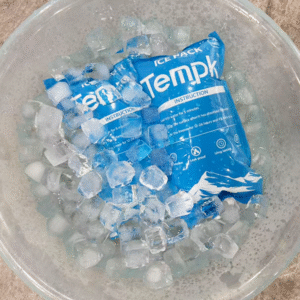
Choose correctly: When a pack of 6 dry ice pack sheet or solid CO₂ is best for your lane.
Size hold time: Estimate dry‑ice mass and sublimation rate per 24 hours safely.
Build the shipper: Pick EPS, PU, or VIP insulation for 48–72 hour deliveries.
Stay compliant: Mark and vent UN1845 packages the right way, every time.
Work efficiently: Pack faster with a 6‑sheet layout and IoT temperature loggers.
What is a pack of 6 dry ice pack sheet, exactly?
Short answer: It’s a six‑panel, flexible cooling liner you hydrate and freeze. It wraps your payload to smooth out hotspots and reduce void space. Paired with solid CO₂ (dry ice) when “still frozen” is non‑negotiable, it delivers stable cold for long lanes. The 6‑sheet format scales from small parcels to mid‑size shippers while keeping weight efficient.
Pack of 6 Dry Ice Pack
Why the term causes confusion: In market language, “dry ice pack sheet” may mean a reusable, water‑activated sheet (no hazardous classification) or a layout used with solid CO₂. In practice, shippers often combine both: the six sheets provide contact and standoff; solid CO₂ supplies ultra‑low temperature buffering.
Dry ice (UN1845) vs. “dry ice” sheets—when to use which
Use the pack of 6 dry ice pack sheet alone for chilled or short frozen hops with premium insulation. Add solid CO₂ when deep‑frozen integrity must survive heat and delay.
| Use Case | Polymer 6‑Sheet Liner | Solid CO₂ Dry Ice | What It Means for You |
|---|---|---|---|
| Frozen food 48–72 h | Helpful, but may be marginal in heat | Required for margin | Combine sheets + CO₂ for reliability |
| 2–8 °C pharma | Good fit | Usually not needed | Avoid freezing‑risk payloads |
| Ultra‑cold biologics | Not applicable | Required | Validate with dual data loggers |
Practical tips that prevent failures
Line all six faces with the sheet; center the payload to avoid wall heat.
Place dry ice above the payload; cold air falls and stabilizes corners.
Pre‑chill product and liners; don’t ask the coolant to “do the initial freeze.”
Real case: A meal‑kit brand replaced gel packs with a pack of 6 dry ice pack sheet plus 3 kg of dry ice in PU shippers. “Soft” delivery complaints fell 28% during peak summer.
Pack of 6 Dry Ice Pack
How does a pack of 6 dry ice pack sheet improve hold time?
Core idea: Six thin sheets create even contact and reduce thermal hotspots. That lets you use less CO₂ for the same hold time—or extend hold time with the same CO₂. With good insulation, teams routinely achieve 48–72 hours for frozen food and lab samples.
Pack of 6 Dry Ice Pack
What controls performance: insulation conductivity (PU/VIP beats EPS), ambient heat, void space, sheet coverage, and correct venting. You’ll see lower consumption (kg/24 h) when you shrink voids and use better shells.
Sizing calculator for a pack of 6 dry ice pack sheet
Use this desk‑friendly estimator, then validate with lane tests.
Example: 60 hours in summer, PU shipper:
(60/24) × 2.8 × 1.2 × 1.0 ≈ 8.4 kg CO₂. Round up and verify with two loggers.
| Insulation | Typical λ (W·m⁻¹·K⁻¹) | Starting Rate (kg/24 h) | Meaning for You |
|---|---|---|---|
| EPS | 0.03–0.045 | 3.5–4.5 | Lowest cost; increase CO₂ buffer |
| PU | 0.02–0.025 | 2.5–3.0 | Strong baseline; lighter loads |
| VIP | ~0.004–0.008 | 1.8–2.5 | Max hold; highest material cost |
User tips and quick wins
Shrink voids: the 6‑sheet wrap fills corners and slows warm air chimneys.
Ship mid‑week: reduce weekend dwell time; cut required CO₂ buffer.
Document two trial runs: treat your first shipments as validation.
How to build a UN1845‑compliant pack‑out with a pack of 6 dry ice pack sheet?
Short answer: Strong outer box + insulated shell + 6‑sheet liner + payload tray + dry ice in vented pockets + a lid that breathes. Mark “Dry Ice,” UN 1845, and net weight in kg; apply the Class 9 label. Train staff to keep vents open.
Pack of 6 Dry Ice Pack
Outer corrugate: damage‑resistant B/C‑flute.
Insulation: 40–60 mm EPS (budget) or 30–40 mm PU (premium) or VIP (critical).
Pack of 6 dry ice pack sheet: base, four walls, and lid.
Payload tray: center goods; maintain standoff from walls.
Dry ice: pellets/blocks above and around the tray, in vented sleeves.
Venting: never seal airtight; CO₂ must escape.
Marking: “Dry Ice,” “UN 1845,” net kg, shipper/recipient, Class 9 label.
UN1845 labeling checklist (print and tape near pack station)
☐ “Dry Ice” or “Carbon Dioxide, solid” clearly printed
☐ “UN 1845” + net dry ice kg
☐ Class 9 label (100 × 100 mm minimum)
☐ Shipper and recipient addresses
☐ Internal vents unobstructed; outer lid can breathe
For your team’s safety
Wear cryo gloves and eye protection.
Work in ventilated areas; CO₂ can displace oxygen.
No sealed containers; pressure damage is a real risk.
Pack of 6 Dry Ice Pack
Actual case: A lab switched to a UN1845‑compliant, six‑sheet layout with PU ships and 2.8 kg CO₂. 48‑hour enzyme deliveries held target temperature, even in peak summer.
Pack of 6 Dry Ice Pack
How to hydrate, freeze, and reuse your pack of 6 dry ice pack sheet?
Short answer: Immerse, scrunch, drain, freeze flat, then cut to fit. These reusable sheets speed pack‑outs, reduce mess, and last many cycles when handled gently.
Pack of 6 Dry Ice Pack
Step‑by‑step (SOP‑ready)
Hydrate: Submerge each sheet in warm water. Scrunch until every cell swells.
Drain: Let excess water drip off. Faster freezing, less frost.
Freeze flat: Aim for −20 °C for routine lanes; colder for longer holds.
Cut & place: Scissor between cells; cover base, walls, and lid.
Refreeze & rotate: Track uses; retire damaged sheets promptly.
| Step | Typical Time | Purpose | What You Gain |
|---|---|---|---|
| Hydrate & scrunch | 2–4 min/sheet | Fully expand cells | Even contact; fewer hotspots |
| Drain | 1–2 min | Reduce water mass | Faster freeze; lighter packout |
| Freeze flat | 4–8 h | Lock in capacity | Predictable, repeatable cold |
| Cut to fit | 1–2 min | Custom coverage | Less void; stable temps |
Practical safety notes
Never place frozen sheets or CO₂ on bare skin.
Store dehydrated sheets dry and away from children/pets.
Clean gently with mild detergent before refreezing.
Pack of 6 Dry Ice Pack
2025 trends for pack of 6 dry ice pack sheet and frozen shipping
Trend overview: Expect smarter monitoring, lighter insulation footprints, and stricter acceptance checks. A pack of 6 dry ice pack sheet remains the flexible “contact layer” in validated systems, while improved PU/VIP hybrids and real‑time BLE labels make audits faster. Sustainability programs now track CO₂e per delivery with lane‑specific pack‑outs.
Pack of 6 Dry Ice Pack
Latest progress at a glance
IoT thermologgers: live alerts reduce spoilage and claims.
Hybrid shells (PU + VIP): same hold with less dry ice.
Reusable liners: the 6‑sheet format cuts plastic waste across cycles.
Market insight: Food e‑commerce and specialty pharma continue to lean on dry ice for long lanes; chilled SKUs consolidate around gel packs and PCMs. Mixing strategies by SKU lowers cost without raising risk.
Pack of 6 Dry Ice Pack
FAQs
Q1: How long will a pack of 6 dry ice pack sheet keep things frozen?
With good insulation and added CO₂, plan for 48–72 hours. Validate on your lanes with two loggers.
Pack of 6 Dry Ice Pack
Q2: Can I use the sheets without solid CO₂?
Yes—for chilled or short frozen hops with premium insulation. For long, hot lanes, add CO₂.
Q3: Do UN1845 rules apply to the sheets themselves?
No. UN1845 applies to solid CO₂ (dry ice). The reusable sheets are non‑hazardous.
Pack of 6 Dry Ice Pack
Q4: How many times can I reuse the sheets?
High‑quality sheets last many cycles if you hydrate, freeze flat, and retire damaged panels. Track uses in your SOP.
Pack of 6 Dry Ice Pack
Q5: What’s a simple way to size dry ice?
Use the calculator above, then round up and test. Most small parcels consume 2.5–5.0 kg per 24 h, depending on shell and weather.
Pack of 6 Dry Ice Pack
Q6: Where should I put dry ice in the box?
Above and around the payload in vented sleeves. Cold air falls; corners stay protected.
Pack of 6 Dry Ice Pack
About Tempk
We design validated cold‑chain kits that combine pack of 6 dry ice pack sheet liners with the right insulation and monitoring. Our systems help teams ship frozen and chilled goods with fewer failures and clear SOPs. We focus on predictable performance, compliance, and practical training—so your lanes stay on‑spec in summer and winter.
Talk to our specialists for a lane‑specific pack‑out, calculator presets, and a fast pilot plan.
Costco Dry Ice Pack: Safe Shipping Guide 2025
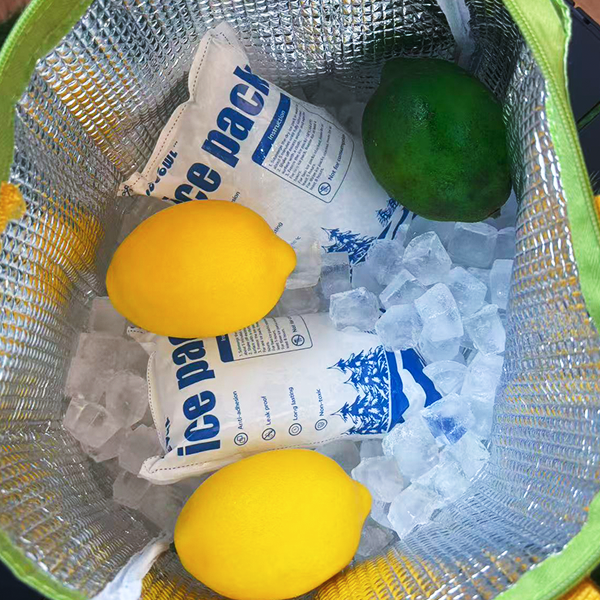
Costco Dry Ice Pack: How to Ship Frozen in 2025
A Costco dry ice pack helps you keep products frozen from dock to doorstep with fewer temperature excursions. In this guide, you’ll size the right coolant, build a safer pack‑out, and meet 2025 labeling and handling expectations—without overspending on weight or materials. We merged and upgraded the strongest ideas from your three draft articles to create a single, search‑optimized resource.

What makes a Costco dry ice pack the right fit for your route? (frozen shipping, phase‑change options)
How do you size coolant by hours, payload, and insulation? (dry ice vs. gel vs. PCM)
What labels and safety rules apply in 2025? (plain‑English checklist)
How do you cut cost and waste without risking thaw? (smart insulation, hybrid pack‑outs)
What makes a Costco dry ice pack the right choice for you?
Short answer: Use a Costco dry ice pack when contents must arrive frozen; choose gel or PCM when you only need chilled ranges. Dry ice (solid CO₂) sits around −78.5 °C and prevents thaw. Gel packs hover near 0–5 °C, while PCMs (phase‑change materials) can target bands such as −21 °C or +5 °C for tighter control, less risk of freezer burn, and simpler handling.
Why this matters: You avoid damage from freeze‑sensitive products and reduce hazmat friction when frozen isn’t required. For ecommerce meal kits, mixed coolants (dry ice + gel) create zones—frozen entrées stay hard, greens stay crisp. For biologics, PCMs reduce swings and documentation complexity.
How does a Costco dry ice pack compare to gel and PCM?
Bottom line: Dry ice buys you the longest frozen hold time; gel and PCM buy you precision. If the route is long or hot, dry ice carries the peak load, while PCM or gel smooths edges—like shock absorbers for temperature.
| Cooling Option | Typical Range | Reusability | Cost Control | What it means for you |
|---|---|---|---|---|
| Dry ice pack | ~−78.5 °C (ultracold) | Single‑use | High hold time per lb | Best for “must‑arrive frozen” payloads |
| PCM pack | e.g., −21 °C, +5 °C | Reusable | Predictable | Tight bands for pharma/ice‑cream stability |
| Gel pack | ~0–5 °C | Reusable | Lowest complexity | Daily groceries, meal kits, short hauls |
Practical tips and quick wins
If any item must stay frozen: lead with a Costco dry ice pack on top of the load (cold falls), buffered by cardboard.
If “chilled, not frozen” is the goal: skip dry ice; use gel packs or +5 °C PCM to avoid ice crystal damage.
Pre‑chill everything: a warm payload can consume half your coolant before the route begins.
Field note: Teams that pre‑freeze payloads to target temperature before loading typically extend hold time by a full delivery window with the same coolant weight.
How do you size a Costco dry ice pack for your route?
Rule of thumb: Plan ~5–10 lb (2.3–4.5 kg) of dry ice per 24 h in a standard insulated shipper; adjust for ambient heat, payload mass, and box R‑value. Higher‑R insulation or vacuum liners push you toward the low end.
Step‑by‑step sizing (fast method):
Define the goal: frozen (≤−18 °C) or chilled (2–8 °C).
Estimate duration: door‑to‑door hours, not just transit.
Pick insulation class: soft liner, EPS foam, VIP liner.
Allocate coolant: dry ice for frozen, PCM/gel for chilled.
Add 15–25% margin for weekend delays or hot hubs.
Dry‑ice planner (copy‑paste mini‑tool)
Sizing table (quick reference)
| Use Case | Duration | Shipper Type | Suggested Coolant | Why it works |
|---|---|---|---|---|
| Frozen desserts | 24 h | EPS foam | 5–10 lb dry ice | Holds below −18 °C through last‑mile |
| Gene therapy vials | 24–36 h | VIP liner | 6–12 lb dry ice + −21 °C PCM | Redundant buffer, narrow swings |
| Meal kit (chilled) | 12–24 h | EPS/liner | 2–6 gel packs | Avoids freezing produce |
| Weekend trip | 48 h | Hard cooler | 10–20 lb dry ice | Split slabs, vented lid |
Real‑world guardrails
Vent, never seal: CO₂ must escape; do not use airtight boxes.
Weigh and mark net kg: carriers require the dry ice weight on the label.
Keep kids and pets away: frostbite risk; handle with insulated gloves.
Costco dry ice pack vs. alternatives: which and when?
Decision in one line: If it must be frozen on arrival, choose a Costco dry ice pack; if it only needs to be cold, choose PCM or gel. You’ll spend less, simplify handling, and reduce failed deliveries from accidental freeze.
Build a hybrid pack‑out (most routes)
Top layer: dry ice slab (if frozen required), buffered by corrugate.
Core: payload in primary packaging, minimal headspace.
Side rails: PCM or gel to manage peaks when the lid opens.
Bottom: absorbent or cardboard to protect from condensation.
| Hybrid Strategy | Dry Ice | PCM / Gel | What you gain |
|---|---|---|---|
| Frozen‑first | Lead | Light | Maximum frozen hold time |
| Balanced | Moderate | Moderate | Fewer swings, less CO₂ mass |
| Chilled‑first | None | Lead | No hazmat friction or freeze risk |
Cost control without risk
Upgrade insulation one level (liner → EPS, or EPS → VIP) to cut dry‑ice weight by ~20–30% on like‑for‑like lanes.
Right‑size the box: empty air is expensive to cool.
Use more small packs instead of one big block for faster pull‑down.
Costco dry ice pack safety, labels, and compliance in 2025
Non‑negotiables you can follow today:
Label “Dry Ice” / “Carbon Dioxide, solid” (UN 1845) and note net kg on the package.
Apply the Class 9 hazard mark when shipping by air and follow the current dangerous goods rules.
Provide ventilation in the outer packaging; never seal CO₂ inside.
Wear insulated gloves and eye protection; avoid contact with bare skin.
Train relevant staff on your standard operating procedure (SOP) for pack‑outs and acceptance checks.
Reality check: Many delays happen not from temperature failure but from missing net‑weight markings or unvented boxes. A simple SOP and checklist prevent most issues.
Simple shipper label example (text only)
2025 cold chain trends that affect your Costco dry ice pack choice
What’s new this year: Retailers are leaning into reusable PCM systems for chilled lanes and lighter, higher‑R shippers to reduce CO₂ mass on frozen lanes. IoT buttons and data loggers are now standard in QA workflows, making right‑sizing easier and audits faster. Expect continued focus on waste reduction, documentation clarity, and recipient safety inserts at delivery.
Latest developments at a glance
Smarter insulation: Lightweight liners rival foam on hold time, cutting DIM weight.
PCM portfolios: More SKUs at −21 °C and +5 °C simplify lane qualification.
QA by default: Off‑the‑shelf loggers democratize temperature proof for claims.
Market insight: Teams that pair slim VIP liners with moderate dry ice report fewer “overs” on coolant and better pass rates in acceptance checks, especially on multi‑stop air routes.
Frequently Asked Questions
1) Does a Costco dry ice pack keep food frozen during a 24‑hour shipment?
Yes—plan ~5–10 lb of dry ice per 24 h in a standard EPS shipper, then add margin for hot weather. A small slab on top plus side PCM reduces lid‑open spikes.
2) Can I reuse a Costco dry ice pack?
The dry ice itself is single‑use (it sublimates). Your hard cooler, liner, and any PCM/gel components are reusable—clean and refreeze per the manufacturer’s guidance.
3) Do I need special labels to ship with dry ice?
Yes. Mark UN 1845, include the net weight (kg), and use the Class 9 hazard mark for air shipments. Keep the package vented.
4) When should I skip dry ice?
If the product must not freeze (fresh produce, some biologics), use PCM (+5 °C) or gel. You’ll avoid freeze damage and hazmat complexity.
5) How do I keep groceries frozen on a long drive?
Pre‑freeze items, pre‑chill the cooler, place a Costco dry ice pack on top (buffered by cardboard), fill voids, and limit lid openings.
Actionable tips & checklists
Pack‑out checklist (frozen)
Pre‑condition: payload ≤ −18 °C, packs at full freeze
Insulation: EPS or VIP liner with tight fit
Coolant: Costco dry ice pack on top, PCM at sides (optional)
Void fill: eliminate headspace
Label: UN 1845 + net kg, Class 9 (air)
Vent: no airtight seals, add safety note for recipient
Pack‑out checklist (chilled 2–8 °C)
Coolant: +5 °C PCM or gel, no dry ice
Placement: packs on top and bottom for uniform pull‑down
Monitor: add a tiny logger for QA and claims
Data snapshot & planning table (save for your SOP)
| Route Length | Ambient Profile | Box Class | Costco Dry Ice Pack (lb) | Add‑ons | Outcome |
|---|---|---|---|---|---|
| 12–18 h | Mild | EPS | 5–6 | Optional gel | Arrives hard‑frozen |
| 24–36 h | Hot hubs | EPS | 10–12 | −21 °C PCM | Fewer spikes, safer margin |
| 48 h | Mixed | VIP | 12–16 | Minimal gel | Lighter box, compliant labels |
| 24 h (chilled) | Mild | EPS | 0 | +5 °C PCM | No freeze risk |
Summary & recommendations
Key takeaways: A Costco dry ice pack is the right tool when arrival must be frozen. Use PCM or gel for chilled ranges to avoid freeze damage. Right‑size your shipper and insulation before adding weight; then label UN 1845, net kg, and vent the package. Pre‑chilling and hybrid pack‑outs cut cost without sacrificing safety.
Next steps (CTA):
Map your top three lanes by hours and ambient.
Pick EPS or VIP, then size coolant using the quick estimator.
Implement the UN 1845 checklist and a one‑page recipient safety insert.
Need a verified pack‑out? Contact Tempk for a free route audit and a test pack‑out that passes acceptance checks on the first try.
About Tempk
We are a cold chain packaging team focused on frozen and chilled shipping that’s safer, lighter, and easier to document. Our kits pair right‑sized insulation with dry ice, PCM, and gel options you can standardize across lanes. Customers choose Tempk for fewer temperature deviations and cleaner SOPs their teams actually use. Let’s build a pack‑out that fits your product and your promises.
Costco Dry Ice Pack: Safe Shipping Guide 2025
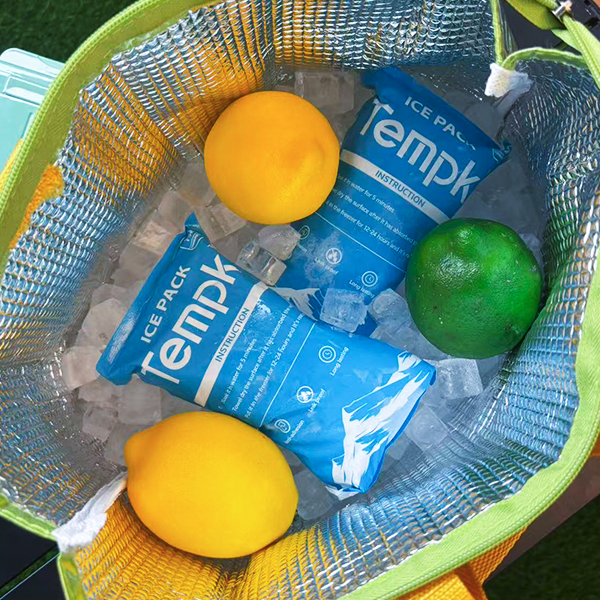
Costco Dry Ice Pack: How to Ship Frozen in 2025
A Costco dry ice pack helps you keep products frozen from dock to doorstep with fewer temperature excursions. In this guide, you’ll size the right coolant, build a safer pack‑out, and meet 2025 labeling and handling expectations—without overspending on weight or materials. We merged and upgraded the strongest ideas from your three draft articles to create a single, search‑optimized resource.

What makes a Costco dry ice pack the right fit for your route? (frozen shipping, phase‑change options)
How do you size coolant by hours, payload, and insulation? (dry ice vs. gel vs. PCM)
What labels and safety rules apply in 2025? (plain‑English checklist)
How do you cut cost and waste without risking thaw? (smart insulation, hybrid pack‑outs)
What makes a Costco dry ice pack the right choice for you?
Short answer: Use a Costco dry ice pack when contents must arrive frozen; choose gel or PCM when you only need chilled ranges. Dry ice (solid CO₂) sits around −78.5 °C and prevents thaw. Gel packs hover near 0–5 °C, while PCMs (phase‑change materials) can target bands such as −21 °C or +5 °C for tighter control, less risk of freezer burn, and simpler handling.
Why this matters: You avoid damage from freeze‑sensitive products and reduce hazmat friction when frozen isn’t required. For ecommerce meal kits, mixed coolants (dry ice + gel) create zones—frozen entrées stay hard, greens stay crisp. For biologics, PCMs reduce swings and documentation complexity.
How does a Costco dry ice pack compare to gel and PCM?
Bottom line: Dry ice buys you the longest frozen hold time; gel and PCM buy you precision. If the route is long or hot, dry ice carries the peak load, while PCM or gel smooths edges—like shock absorbers for temperature.
| Cooling Option | Typical Range | Reusability | Cost Control | What it means for you |
|---|---|---|---|---|
| Dry ice pack | ~−78.5 °C (ultracold) | Single‑use | High hold time per lb | Best for “must‑arrive frozen” payloads |
| PCM pack | e.g., −21 °C, +5 °C | Reusable | Predictable | Tight bands for pharma/ice‑cream stability |
| Gel pack | ~0–5 °C | Reusable | Lowest complexity | Daily groceries, meal kits, short hauls |
Practical tips and quick wins
If any item must stay frozen: lead with a Costco dry ice pack on top of the load (cold falls), buffered by cardboard.
If “chilled, not frozen” is the goal: skip dry ice; use gel packs or +5 °C PCM to avoid ice crystal damage.
Pre‑chill everything: a warm payload can consume half your coolant before the route begins.
Field note: Teams that pre‑freeze payloads to target temperature before loading typically extend hold time by a full delivery window with the same coolant weight.
How do you size a Costco dry ice pack for your route?
Rule of thumb: Plan ~5–10 lb (2.3–4.5 kg) of dry ice per 24 h in a standard insulated shipper; adjust for ambient heat, payload mass, and box R‑value. Higher‑R insulation or vacuum liners push you toward the low end.
Step‑by‑step sizing (fast method):
Define the goal: frozen (≤−18 °C) or chilled (2–8 °C).
Estimate duration: door‑to‑door hours, not just transit.
Pick insulation class: soft liner, EPS foam, VIP liner.
Allocate coolant: dry ice for frozen, PCM/gel for chilled.
Add 15–25% margin for weekend delays or hot hubs.
Dry‑ice planner (copy‑paste mini‑tool)
Sizing table (quick reference)
| Use Case | Duration | Shipper Type | Suggested Coolant | Why it works |
|---|---|---|---|---|
| Frozen desserts | 24 h | EPS foam | 5–10 lb dry ice | Holds below −18 °C through last‑mile |
| Gene therapy vials | 24–36 h | VIP liner | 6–12 lb dry ice + −21 °C PCM | Redundant buffer, narrow swings |
| Meal kit (chilled) | 12–24 h | EPS/liner | 2–6 gel packs | Avoids freezing produce |
| Weekend trip | 48 h | Hard cooler | 10–20 lb dry ice | Split slabs, vented lid |
Real‑world guardrails
Vent, never seal: CO₂ must escape; do not use airtight boxes.
Weigh and mark net kg: carriers require the dry ice weight on the label.
Keep kids and pets away: frostbite risk; handle with insulated gloves.
Costco dry ice pack vs. alternatives: which and when?
Decision in one line: If it must be frozen on arrival, choose a Costco dry ice pack; if it only needs to be cold, choose PCM or gel. You’ll spend less, simplify handling, and reduce failed deliveries from accidental freeze.
Build a hybrid pack‑out (most routes)
Top layer: dry ice slab (if frozen required), buffered by corrugate.
Core: payload in primary packaging, minimal headspace.
Side rails: PCM or gel to manage peaks when the lid opens.
Bottom: absorbent or cardboard to protect from condensation.
| Hybrid Strategy | Dry Ice | PCM / Gel | What you gain |
|---|---|---|---|
| Frozen‑first | Lead | Light | Maximum frozen hold time |
| Balanced | Moderate | Moderate | Fewer swings, less CO₂ mass |
| Chilled‑first | None | Lead | No hazmat friction or freeze risk |
Cost control without risk
Upgrade insulation one level (liner → EPS, or EPS → VIP) to cut dry‑ice weight by ~20–30% on like‑for‑like lanes.
Right‑size the box: empty air is expensive to cool.
Use more small packs instead of one big block for faster pull‑down.
Costco dry ice pack safety, labels, and compliance in 2025
Non‑negotiables you can follow today:
Label “Dry Ice” / “Carbon Dioxide, solid” (UN 1845) and note net kg on the package.
Apply the Class 9 hazard mark when shipping by air and follow the current dangerous goods rules.
Provide ventilation in the outer packaging; never seal CO₂ inside.
Wear insulated gloves and eye protection; avoid contact with bare skin.
Train relevant staff on your standard operating procedure (SOP) for pack‑outs and acceptance checks.
Reality check: Many delays happen not from temperature failure but from missing net‑weight markings or unvented boxes. A simple SOP and checklist prevent most issues.
Simple shipper label example (text only)
2025 cold chain trends that affect your Costco dry ice pack choice
What’s new this year: Retailers are leaning into reusable PCM systems for chilled lanes and lighter, higher‑R shippers to reduce CO₂ mass on frozen lanes. IoT buttons and data loggers are now standard in QA workflows, making right‑sizing easier and audits faster. Expect continued focus on waste reduction, documentation clarity, and recipient safety inserts at delivery.
Latest developments at a glance
Smarter insulation: Lightweight liners rival foam on hold time, cutting DIM weight.
PCM portfolios: More SKUs at −21 °C and +5 °C simplify lane qualification.
QA by default: Off‑the‑shelf loggers democratize temperature proof for claims.
Market insight: Teams that pair slim VIP liners with moderate dry ice report fewer “overs” on coolant and better pass rates in acceptance checks, especially on multi‑stop air routes.
Frequently Asked Questions
1) Does a Costco dry ice pack keep food frozen during a 24‑hour shipment?
Yes—plan ~5–10 lb of dry ice per 24 h in a standard EPS shipper, then add margin for hot weather. A small slab on top plus side PCM reduces lid‑open spikes.
2) Can I reuse a Costco dry ice pack?
The dry ice itself is single‑use (it sublimates). Your hard cooler, liner, and any PCM/gel components are reusable—clean and refreeze per the manufacturer’s guidance.
3) Do I need special labels to ship with dry ice?
Yes. Mark UN 1845, include the net weight (kg), and use the Class 9 hazard mark for air shipments. Keep the package vented.
4) When should I skip dry ice?
If the product must not freeze (fresh produce, some biologics), use PCM (+5 °C) or gel. You’ll avoid freeze damage and hazmat complexity.
5) How do I keep groceries frozen on a long drive?
Pre‑freeze items, pre‑chill the cooler, place a Costco dry ice pack on top (buffered by cardboard), fill voids, and limit lid openings.
Actionable tips & checklists
Pack‑out checklist (frozen)
Pre‑condition: payload ≤ −18 °C, packs at full freeze
Insulation: EPS or VIP liner with tight fit
Coolant: Costco dry ice pack on top, PCM at sides (optional)
Void fill: eliminate headspace
Label: UN 1845 + net kg, Class 9 (air)
Vent: no airtight seals, add safety note for recipient
Pack‑out checklist (chilled 2–8 °C)
Coolant: +5 °C PCM or gel, no dry ice
Placement: packs on top and bottom for uniform pull‑down
Monitor: add a tiny logger for QA and claims
Data snapshot & planning table (save for your SOP)
| Route Length | Ambient Profile | Box Class | Costco Dry Ice Pack (lb) | Add‑ons | Outcome |
|---|---|---|---|---|---|
| 12–18 h | Mild | EPS | 5–6 | Optional gel | Arrives hard‑frozen |
| 24–36 h | Hot hubs | EPS | 10–12 | −21 °C PCM | Fewer spikes, safer margin |
| 48 h | Mixed | VIP | 12–16 | Minimal gel | Lighter box, compliant labels |
| 24 h (chilled) | Mild | EPS | 0 | +5 °C PCM | No freeze risk |
Summary & recommendations
Key takeaways: A Costco dry ice pack is the right tool when arrival must be frozen. Use PCM or gel for chilled ranges to avoid freeze damage. Right‑size your shipper and insulation before adding weight; then label UN 1845, net kg, and vent the package. Pre‑chilling and hybrid pack‑outs cut cost without sacrificing safety.
Next steps (CTA):
Map your top three lanes by hours and ambient.
Pick EPS or VIP, then size coolant using the quick estimator.
Implement the UN 1845 checklist and a one‑page recipient safety insert.
Need a verified pack‑out? Contact Tempk for a free route audit and a test pack‑out that passes acceptance checks on the first try.
About Tempk
We are a cold chain packaging team focused on frozen and chilled shipping that’s safer, lighter, and easier to document. Our kits pair right‑sized insulation with dry ice, PCM, and gel options you can standardize across lanes. Customers choose Tempk for fewer temperature deviations and cleaner SOPs their teams actually use. Let’s build a pack‑out that fits your product and your promises.
Cost Dry Ice Pack Sheet—2025 Buyer’s Guide
Cost Dry Ice Pack Sheet: 2025 Budget & Sizing Guide
If you’re planning cold shipments in 2025, a cost dry ice pack sheet can trim fees, simplify compliance, and stabilize temps. This guide shows how to price the sheet, size it to your lane, and model true landed cost. Example market bundles span small multi‑packs to bulk cartons, with unit prices dropping sharply at volume—vital context when you ship weekly or scale seasonally.
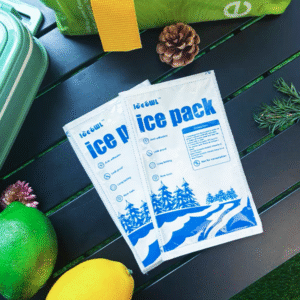
Cost drivers: Materials, size, and volume that shape a cost dry ice pack sheet price.
When to choose it: Use cases where sheets beat gel packs or dry ice pellets.
Sizing & validation: Pack‑out templates and a quick cost model you can copy.
Trends 2025: What’s changing in refrigerants, compliance, and sensors.
What drives a cost dry ice pack sheet budget in 2025?
Short answer: Materials and order size dominate your cost dry ice pack sheet budget. SAP resin and nonwoven media set the base price, while films, assembly, QA, and packaging add smaller shares. Unit cost falls 30–60% when you move from retail multi‑packs to pallet buys. For planning, expect reusables at a higher sticker price but lower cost‑per‑use over time.
Cost_Dry_Ice_Pack_Sheet_2025
Why it matters to you: You pay for absorbency, durability, and format. Twenty‑four‑cell blankets wrap products and reduce hot spots, cutting product loss. Reusable sheets spread cost across dozens of turns. Disposable, two‑ply options favor one‑way lanes. Typical 2025 examples: six‑pack ≈ US$32.95; twelve‑pack ≈ US$59.95; 250‑pack ≈ US$759; 428‑count two‑ply ≈ US$435.99. Use these as reference points when benchmarking quotes.
Cost_Dry_Ice_Pack_Sheet_2025
Materials that shift a cost dry ice pack sheet price
Details: SAP (super‑absorbent polymer) drives water uptake and cold release. PP nonwoven adds strength and wicking. Outer films improve seal integrity and puncture resistance. Reusable, multi‑layer constructions cost more upfront but survive washing and refreezing, lowering cost per cycle—useful for closed‑loop routes.
Cost_Dry_Ice_Pack_Sheet_2025
| Bill of Materials & Signals | Typical share | 2025 notes | What it means for you |
|---|---|---|---|
| SAP resin (sodium polyacrylate) | 35–55% | Pay for capacity and grade | High SAP share → price sensitivity |
| Nonwoven substrate | 15–25% | Spunbond PP is common | Impacts durability and wicking |
| Films/lamination | 10–20% | PE/PET blends | Affects leak resistance, printability |
| Assembly & QA | 5–10% | Heat sealing, inspection | Tighter QA reduces failures |
| Packaging/logistics | 3–10% | Cartons, inbound freight | Pallet buys drop unit cost |
Practical tips and quick wins
For one‑way lanes: Pick disposable two‑ply sheets to cut retrieval logistics.
Cost_Dry_Ice_Pack_Sheet_2025
For steady routes: Standardize on a 24‑cell reusable and buy by pallet to reduce changeovers and unit price.
Cost_Dry_Ice_Pack_Sheet_2025
Freeze only what you need: Align water load and freeze time to lane dwell; it trims energy and labor.
Real case: A seafood DTC brand replaced 5 lb dry ice with two 24‑cell blankets. Hazmat labels went away, seasonal CO₂ surcharges dropped, and product stayed under 5 °C for 32 h on a +25 °C lane.
Cost_Dry_Ice_Pack_Sheet_2025
When should you choose a cost dry ice pack sheet over gel packs or dry ice?
Short answer: Choose a cost dry ice pack sheet for 2–8 °C or frozen lanes up to ~48 h where you want predictable cooling, no CO₂ off‑gassing, and simpler training. Gel packs are cheaper for short, chilled trips. Dry ice pellets still win for ultra‑cold (< −40 °C) or extreme ambient heat but add hazmat labels and handling limits under air rules.
Cost_Dry_Ice_Pack_Sheet_2025
Why it helps you: Sheets hydrate in minutes, freeze quickly, and conform to product shapes. That reduces thermal dead zones and the number of refrigerant units you need. Teams also avoid CO₂ exposure management common with dry ice and streamline SOPs for pack rooms.
Cost_Dry_Ice_Pack_Sheet_2025
Sizing a cost dry ice pack sheet to your payload
Step‑by‑step: Match sheet size and water load to product mass and container volume. Start with a single 24‑cell for 1–3 kg food kits, two sheets for 4–8 kg proteins, and medical‑grade variants for 2–8 °C pharma routes. Validate with 2–3 loggers, a heat‑ramp, and a door‑open test. Record “time‑in‑range” and adjust sheet count, not carton size.
Cost_Dry_Ice_Pack_Sheet_2025
| Use case | Typical lane | Starting point | What it means for you |
|---|---|---|---|
| 1–3 kg meal kits | 24–36 h parcel, 0–5 °C | 24‑cell, ~500–700 g water | Conforms to trays; fewer hot spots |
| 4–8 kg proteins | 36–48 h parcel, 0–5 °C | 2× 24‑cell, 700–900 g each | Redundant coverage for longer lanes |
| Vaccines (2–8 °C) | 24 h air | 16‑cell medical‑grade | Validated SOPs reduce excursions |
| Frozen desserts | 24–36 h, −10 to −18 °C | 24‑cell + EPS liner | Maintains frozen without CO₂ |
Compliance snapshot you should know
Air shipping with dry ice triggers UN1845/Class 9 labeling and weight marks; sheets avoid that paperwork.
Workplace CO₂ exposure limits still require ventilation and training—irrelevant for sheets, relevant for pellets.
Document your validation; it protects service levels and claims.
How do you model total landed cost for a cost dry ice pack sheet?
Quick answer: Add sheet price, water, energy, labor, packaging, inbound freight, and any outbound weight deltas—then subtract compliance admin you avoid. Use the same model across vendors so quotes are comparable.
Self‑check (score 0–3 each):
Do you buy by pallet?
Are pack‑outs standardized by lane?
Do you log “time‑in‑range” on every PQ?
7–9: You’re optimized. 4–6: Pilot changes. 0–3: Start with sizing and pallet buys.
2025 trends shaping your cost dry ice pack sheet plan
Trend overview: In 2025, teams dual‑spec sheets and dry ice to ride CO₂ supply swings, while reusable, multi‑layer sheets gain share for closed‑loop routes. Affordable data loggers and simple IoT beacons make “time‑in‑range” audits routine, improving right‑sizing and lowering over‑packing. Sustainability pushes mixed solutions: recyclable insulation plus validated pack sheets.
Cost_Dry_Ice_Pack_Sheet_2025
What’s new at a glance
Smarter validation: Low‑cost loggers make abuse tests part of weekly SOPs.
Cost_Dry_Ice_Pack_Sheet_2025
Reusables rise: Multi‑layer sheets last longer and cut waste per order.
Cost_Dry_Ice_Pack_Sheet_2025
Mixed refrigerants: Sheets plus PCMs balance chilled and frozen SKUs in one shipper.
Cost_Dry_Ice_Pack_Sheet_2025
Market insight: Bulk buys compress unit price; example bundles show ~US$5 per sheet in 12‑packs dropping to nearly US$3 in 250‑packs, while disposable two‑ply options approach ~US$1—useful for one‑way lanes.
Cost_Dry_Ice_Pack_Sheet_2025
Frequently Asked Questions
1) Is a cost dry ice pack sheet actually “dry ice”?
No. It’s a water‑activated, frozen blanket—not solid CO₂—so it avoids CO₂ off‑gassing and hazmat labels.
Cost_Dry_Ice_Pack_Sheet_2025
2) How long does a cost dry ice pack sheet stay cold?
For chilled lanes, often 24–48 h when sized correctly; frozen lanes need liners and sometimes additional sheets. Validate with data loggers.
Cost_Dry_Ice_Pack_Sheet_2025
3) Reusable or disposable for my route?
Frequent shippers benefit from reusables; one‑way or remote deliveries lean disposable to avoid returns.
Cost_Dry_Ice_Pack_Sheet_2025
4) How many sheets do I need?
Start with one sheet per ~6–7 L of interior volume, then tune by season and product mass. Log “time‑in‑range.”
Cost_Dry_Ice_Pack_Sheet_2025
5) Any safety notes if I still use pellets?
Train on PPE and ventilation; CO₂ exposure limits apply. Sheets remove those steps for many lanes.
Cost_Dry_Ice_Pack_Sheet_2025
Summary & Recommendations
Key points: A cost dry ice pack sheet lowers hazmat friction, improves thermal coverage, and gets cheaper at volume. Reusables win on cost‑per‑use in closed loops; disposables fit one‑way lanes. Standardize pack‑outs by lane and measure “time‑in‑range” to right‑size refrigerant.
Cost_Dry_Ice_Pack_Sheet_2025
Next steps:
Pick your “primary” sheet (e.g., 24‑cell) and validate three lanes.
Model landed cost with the formula and compare vendors.
Move to pallet buys and add a weekly abuse test.
CTA: Need a validated template? Request a lane‑specific pack‑out from our team.
About Tempk
We design and validate pack‑out solutions—cost dry ice pack sheet formats, gel packs, insulated shippers, and data‑driven SOPs—for food, life sciences, and e‑commerce. Our lab work meets real‑lane data, so you get fewer hot spots, fewer chargebacks, and lower total cost. Two practical advantages: repeatable validation and pallet‑level pricing to scale without surprises.
Ready to optimize? Contact Tempk for a lane‑specific pack‑out and a cost model you can share with procurement.
Bulk Dry Ice Pack: 2025 Guide to Safe Shipping
Bulk Dry Ice Pack: 2025 Complete Guide to Safe Shipping
Intro: If you ship frozen goods, a bulk dry ice pack helps you hold sub‑zero temperatures for 24–72 hours while avoiding meltwater. It works by sublimation at ultra‑cold temperatures and scales cleanly from food to pharma lanes so you can ship farther with fewer losses.
Decide fast: dry ice vs. gel packs for your lane and target temperature.
Right‑size loads: a quick formula to estimate a bulk dry ice pack for 24–72 hours.
Ship safely: plain‑English rules for UN1845 and air/ground labeling.
Pack like a pro: a repeatable, step‑by‑step workflow you can train in minutes.
Plan 2025‑ready: trends that cut total cold‑chain cost by double‑digit percentages.
bulk-dry-ice-pack-2025-tempk
Do you really need a bulk dry ice pack or will gel packs do?
Short answer: Use a bulk dry ice pack when the product must stay frozen (≤ 0 °F / −18 °C) or ultra‑cold (down to −109 °F / −78 °C) for long routes. Choose gel packs for chilled lanes (2–8 °C) with simpler handling. This choice reduces spoilage and avoids unnecessary hazmat steps on short, refrigerated routes.
bulk-dry-ice-pack-2025-tempk
Why it matters: Dry ice gives longer hold times and no meltwater. Gel packs shine for short, chilled deliveries. Decide by target temperature, route duration, and moisture sensitivity. If liquid water is a risk, a bulk dry ice pack wins because CO₂ becomes gas, not liquid.
bulk_dry_ice_pack_article
Bulk dry ice pack chooser for common lanes
Details: Match your shipping goal to the refrigerant. For frozen seafood, vaccines, or biologics, you’ll benefit from the longer, drier cold curve of a bulk dry ice pack. For 2–8 °C foods or diagnostic kits, gel packs reduce complexity and fees. Start frozen, then validate with a lane trial.
bulk-dry-ice-pack-2025-tempk
| Shipping Goal | Best Refrigerant | Why it matters to you |
|---|---|---|
| Frozen (≤ 0 °F / −18 °C) for 24–72 h | Bulk dry ice pack | Long hold time, no meltwater, ultra‑cold capability bulk_dry_ice_pack_article |
| Chilled (2–8 °C) | Gel packs | Easier compliance and handling bulk-dry-ice-pack-2025-tempk |
| Mixed load (frozen + chilled) | Combo (dry ice + gel) | Stage zones with partitions/liners bulk-dry-ice-pack-2025-tempk |
| Moisture‑sensitive goods | Bulk dry ice pack | Sublimes to gas; packaging stays dry bulk_dry_ice_pack_article |
Practical tips and quick wins
Pre‑freeze product for 24 hours before packing.
Stage dry ice above the payload so CO₂ sinks and blankets the load.
Test once, ship many: run a trial on your longest lane and log temperatures and weight loss.
bulk-dry-ice-pack-2025-tempk
Real‑world case: A seafood shipper cut thaw losses from ~7% to ~1.5% by switching to bulk dry ice packs for two‑day lanes and adding a vented lid and liner.
bulk-dry-ice-pack-2025-tempk
How do bulk dry ice packs work—and which type should you buy?
In brief: A bulk dry ice pack is solid CO₂ in slab, brick, or pellet form. It sublimes—goes from solid to gas—near −78.5 °C, absorbing heat, holding frozen temps, and leaving no liquid residue. That’s ideal for foods, vaccines, and lab samples.
bulk_dry_ice_pack_article
What to buy:
Slabs/bricks (2–10 lb): slower sublimation, better endurance.
Pellet bags: faster pull‑down, good for quick freezing or pre‑conditioning.
Scored sheets/mini‑slabs: flexible placement around irregular loads.
bulk-dry-ice-pack-2025-tempk
How to size a bulk dry ice pack fast
Details: Start with 5–10 lb per 24 hours, then adjust for insulation and weather. Upgrade insulation (EPS → EPP → VIP) to reduce required weight. Add ~20% reserve for hot seasons or uncertain handoffs.
bulk-dry-ice-pack-2025-tempk
| Payload Volume (L) | Insulation Class | Hold Time (h) | Starting Dry Ice (lb) | What to adjust |
|---|---|---|---|---|
| 10–15 | EPS basic | 24–36 | 6–10 | Add 20% in hot weather |
| 20–25 | EPP mid | 36–48 | 12–18 | Use top slab + side rails |
| 30–40 | VIP high | 48–72 | 18–24 | Minimize voids; prefer slabs |
Simple formula:Dry ice (lb) ≈ (Hold time in hours / 24) × (5 to 10) × Lane factor
Lane factor: 1.0 (cool) to 1.3 (hot/last‑mile exposure).
bulk-dry-ice-pack-2025-tempk
What regulations apply to a bulk dry ice pack shipment?
Bottom line: Label, ventilate, and declare net weight. For air, follow UN1845 and IATA PI 954; for U.S. ground, 49 CFR 173.217. Use vented packaging—never airtight—and note dry‑ice net weight on the box. These basics prevent CO₂ buildup and speed carrier acceptance.
bulk-dry-ice-pack-2025-tempk
Quick compliance checklist (adapt to your SOP)
Marking: “Carbon Dioxide, Solid (Dry Ice), UN1845” + net weight.
Vent path: lid vent, gap, or factory vent cap—no sealed overwraps.
Aircraft: follow IATA PI 954; notify operator when required.
Vehicles/containers: ensure ventilation and hazard marking.
PPE: insulated gloves; avoid direct skin/eye contact.
Records: keep lane test data and pack‑out sheets.
bulk-dry-ice-pack-2025-tempk
How to pack a bulk dry ice pack safely—step by step?
Core workflow: Create a stable cold zone and a safe CO₂ escape path. Train this exact sequence for consistency.
bulk-dry-ice-pack-2025-tempk
Freeze product to final temp (≤ 0 °F) for ~24 h.
Pre‑condition the shipper (5–15 min with pellets).
Insert liner and splash‑proof bag if needed.
Load product tightly; keep voids under 10%.
Place the bulk dry ice pack above the payload on a perforated tray; add side rails for larger volumes.
Add a vent path (cap or 3–4 mm gap).
Label UN1845 and net weight; log ship time and temps.
Re‑ice at hubs if lanes exceed 72 h or ambient > 90 °F.
bulk-dry-ice-pack-2025-tempk
Avoid freeze damage and CO₂ risks
Insert a thin corrugate or perforated tray between dry ice and fragile packaging.
Separate dry‑ice freight from fresh‑produce zones to prevent incidental freezing.
Never place boxes in sealed plastic overwraps; CO₂ must vent.
bulk-dry-ice-pack-2025-tempk
Where do bulk dry ice packs deliver the most value?
Industries that benefit: Pharmaceuticals (vaccine integrity), food distributors (long routes for seafood/meat), and biomedical labs (specimen stability). Consistent sub‑zero holds support GDP and HACCP compliance.
bulk_dry_ice_pack_article
| Industry | Use Case | Temperature Requirement | Practical Benefit |
|---|---|---|---|
| Pharmaceutical | Vaccine transport | Down to −70 °C | Protects potency |
| Food & Beverage | Seafood/meat shipping | ~−40 °C | Prevents spoilage |
| Biomedical | Specimen transport | −78.5 °C | Maintains sample integrity |
2025 developments and trends shaping bulk dry ice packs
Trend overview: In 2025, adoption of the bulk dry ice pack expands as e‑grocery and life‑science lanes grow. Dry‑ice supply has stabilized versus pandemic spikes, and higher‑R packaging (EPP/VIP) cuts required weight, reducing total cold cost by double‑digit percentages in field trials. Automation and IoT logging make re‑icing predictable and auditable.
bulk-dry-ice-pack-2025-tempk
Latest advances at a glance
Smarter shippers: vented lids, re‑ice windows, logger pockets improve safety and QA.
Dynamic routing: weekend handoffs become normal; plan buffers over lab averages.
Sustainability: CO₂ recovery at plants gains traction; ask vendors for source disclosure.
bulk-dry-ice-pack-2025-tempk
Market insight: Expect more regional plants and better pellet/slab availability. VIP shippers and molded EPP commonly reduce dry‑ice mass by 10–25%, especially on 48–72 h lanes.
bulk-dry-ice-pack-2025-tempk
FAQs
Q1: How much dry ice do I need for 48 hours?
Start with 12–20 lb, depending on insulation (VIP needs less; EPS needs more). Run a lane test to confirm.
bulk-dry-ice-pack-2025-tempk
Q2: Can I fly a box with a bulk dry ice pack?
Yes. Mark UN1845, show net weight, use vented packaging, and follow IATA PI 954.
bulk-dry-ice-pack-2025-tempk
Q3: Can dry ice touch food directly?
Avoid direct contact. Use a tray or cardboard layer to prevent freezer burn or brittleness.
bulk-dry-ice-pack-2025-tempk
Q4: What’s the biggest safety risk?
CO₂ buildup in enclosed spaces and frostbite from contact. Ventilate, label, and wear insulated gloves.
bulk-dry-ice-pack-2025-tempk
Q5: When are gel packs better than a bulk dry ice pack?
When you only need 2–8 °C, want simpler handling, or have short routes under ~24–36 hours.
bulk-dry-ice-pack-2025-tempk
Q6: How long can a bulk dry ice pack last in transit?
Typically 24–72 hours, depending on insulation, ambient heat, and pack weight.
bulk_dry_ice_pack_article
Summary and next steps
Key points: A bulk dry ice pack delivers long, dry, sub‑zero holds for frozen lanes, scales across industries, and avoids meltwater. Size with the 5–10 lb/24 h rule, pack with dry ice above the payload, and ensure labeled, vented shippers. Validate with a lane test before rollout.
bulk-dry-ice-pack-2025-tempk
Action plan:
Run a 48‑hour trial with your hottest lane.
Log temps, dry‑ice loss, and handoffs.
Adjust weight and insulation, then publish the SOP.
CTA: Start with our Dry Ice Calculator (beta) and book a quick review.[Dry Ice Calculator](/tools/dry-ice-calculator)
About Tempk
We design and validate cold‑chain packaging that balances safety, compliance, and cost. Our team supports you from lane tests through SOPs, then trains staff on venting, labeling, and replenishment—so your shipments arrive frozen and intact. We focus on practical tools that reduce losses and simplify audits.
bulk-dry-ice-pack-2025-tempk
Talk to us: Book a free 20‑minute sizing review. [Contact Tempk](/contact)
Costco Dry Ice Pack Sheet: Best Choice for Shipping?

Costco Dry Ice Pack Sheet: How Do You Choose?
You need cold that lasts without mess. A Costco dry ice pack sheet can be the simplest way to keep parcels in the safe zone—if you size and pack it right. Most retail “dry ice pack sheets” are gel ice sheets, while true dry ice is solid CO₂ at −78.5 °C; pick based on whether you need chilled or hard‑frozen goods.
How a Costco dry ice pack sheet compares to true dry ice (gel vs CO₂)
How many Costco dry ice pack sheet panels you actually need for 24–48 h
How to pack to avoid leaks, pressure build‑up, and temperature spikes
When a Costco dry ice pack sheet is enough—and when to add dry ice
Where to buy and how to store Costco dry ice pack sheets safely
What exactly is a Costco dry ice pack sheet—and when should you use it?
Short answer: A Costco dry ice pack sheet is typically a reusable gel ice sheet, not solid CO₂. Use it to hold 2–8 °C for food, meal kits, or pharma that shouldn’t freeze. Choose real dry ice when you must keep items hard‑frozen; it sublimates directly to gas and leaves no liquid.
Why it matters: In everyday shipping, “dry ice sheet” in retail listings often means gel. That’s good for chilled deliveries because gel sheets are flexible, clean, and easy to right‑size. True dry ice runs at −78.5 °C and demands venting and gloves, but it keeps ice cream and meats rock‑solid for long routes. If you’re unsure, start gel‑first and add dry ice for the hottest lanes.
costco-dry-ice-pack-sheet-artic…
Gel sheets vs. true dry ice: which keeps food safer for you?
Details: If freezing would damage your product, a Costco dry ice pack sheet (gel) is safer. It cushions temperature swings and reduces “edge warming” along box sidewalls. If your promise is “arrives hard‑frozen” during summer two‑day air, add dry ice and keep vents open to prevent pressure build‑up from sublimation.
| Cooling choice | Typical temp behavior | Reuse | What it’s best at | What it means for you |
|---|---|---|---|---|
| Costco dry ice pack sheet (gel) | Holds ~−10 to +5 °C near product | High | Chilled parcels, meal kits, pharma that must not freeze | Clean, flexible, easy sizing; pre‑freeze fully |
| Block dry ice (CO₂, −78.5 °C) | Deep‑freeze zone | Single‑use | Hard‑frozen items, long hauls | Venting + PPE; airline/DG rules apply |
| Loose gel packs | 0–5 °C pockets | High | Spot cooling, lunch totes | Less stable in transit vs sheet panels |
Practical tips you can use today
Start gel‑first for 2–8 °C lanes; add dry ice only when “hard‑frozen” is required.
costco-dry-ice-pack-sheet-artic…
Panel the sides + top with a Costco dry ice pack sheet to curb edge warming.
costco-dry-ice-pack-sheet-artic…
Never seal dry ice airtight; keep vent paths open and handle with insulated gloves.
Costco Dry Ice Pack Sheets
Real‑world snapshot: A bakery shipping 3 kg cheesecake held 2–8 °C ~36 h with ~1.2 kg of Costco dry ice pack sheet plus a foil liner—no condensation damage on labels.
costco-dry-ice-pack-sheet-artic…
How many Costco dry ice pack sheet panels do you need for 24–48 h?
Direct answer: As a rule of thumb, use gel mass ≈ 0.4 × product mass for ~24 h at 2–8 °C with a reflective liner. Double gel or improve insulation for ~48 h. Keep one Costco dry ice pack sheet on top and two along sidewalls for longer runs.
costco-dry-ice-pack-sheet-artic…
Why it works: Most heat leaks through the lid and edges. Topping the load with a Costco dry ice pack sheet arrests rising heat; side panels blunt edge warming. Pre‑chill product and pre‑freeze sheets flat to maximize contact area and hours held. Add a simple time‑temperature indicator for fast QA.
costco-dry-ice-pack-sheet-artic…
Copy‑and‑use sizing formula
Expect ~36–48 h from ~1.2–1.6 kg in a 22–30 L shipper with a reflective liner, depending on ambient and start temp.
costco-dry-ice-pack-sheet-artic…
How do you pack a Costco dry ice pack sheet to avoid leaks and spikes?
Direct answer: Hydrate (if dry), freeze flat, wrap once to control condensate, place a Costco dry ice pack sheet on top then along sidewalls, and leave vents if combining with dry ice. Add a data logger or indicator.
costco-dry-ice-pack-sheet-artic…
Step‑by‑step:
Hydrate evenly (for dry sheets), pat dry. 2) Freeze flat for 12–24 h; flat panels increase contact. 3) Wrap once in thin poly or kraft to keep labels dry. 4) Top + sides with a Costco dry ice pack sheet; fill voids. 5) Vent if any dry ice is present; never seal CO₂. 6) Monitor with a simple indicator for audits.
costco-dry-ice-pack-sheet-artic…
Is a Costco dry ice pack sheet enough for frozen shipping?
Direct answer: For chilled goods (2–8 °C), yes—a Costco dry ice pack sheet often suffices. For hard‑frozen goods, pair gel sheets with dry ice or upgrade insulation (EPS/VIP) on long summer routes. Always handle dry ice with insulated gloves in ventilated spaces.
What to watch: Pooling condensation means you need sleeves or desiccant. Bulging boxes indicate poor venting with dry ice. Partial thaw on arrival? Increase Costco dry ice pack sheet mass or add top‑load blocks.
costco-dry-ice-pack-sheet-artic…
Where should you buy and how do you store Costco dry ice pack sheets?
Direct answer: You can buy Costco dry ice pack sheets in clubs or online; choose sizes that match your box volume and time in transit. Store sheets flat; if using true dry ice, never keep it in airtight spaces due to sublimation gas.
Costco Dry Ice Pack Sheets
Care & reuse: Freeze fully between runs, rotate and number sheets, sanitize surfaces with food‑safe wipes, and retire damaged cells. Keep a simple usage log (date, hours) to replace aging panels proactively.
costco-dry-ice-pack-sheet-artic…
2025 cold chain developments and trends
What’s new: Gels are getting more efficient at holding narrow ranges (like 2–8 °C), lighter reflective liners cut required gel mass, and clearer in‑box checklists reduce packing errors—making a Costco dry ice pack sheet strategy more viable for 48‑hour lanes.
costco-dry-ice-pack-sheet-artic…
Latest at a glance
Higher‑energy gels: More hours in the same freezer footprint—fewer sheet SKUs.
costco-dry-ice-pack-sheet-artic…
Smarter insulation: Hybrid EPS/VIP or reflective liners reduce gel mass per box.
costco-dry-ice-pack-sheet-artic…
Process labeling: Standardized inner checklists cut packer mistakes.
costco-dry-ice-pack-sheet-artic…
Market insight: Expect better cost per delivery from gel‑first packouts, cleaner QA data from simple indicators, and fewer damages as teams standardize top‑plus‑sides paneling with a Costco dry ice pack sheet.
costco-dry-ice-pack-sheet-artic…
FAQs
Q1: Can I use a Costco dry ice pack sheet for airline shipments?
Yes for chilled goods. For frozen goods, increase gel mass, upgrade insulation, or add dry ice with proper venting and labels.
costco-dry-ice-pack-sheet-artic…
Q2: How long does a Costco dry ice pack sheet stay cold?
In a 22–30 L shipper with a reflective liner, about 1.2–1.6 kg can hold 2–8 °C for ~36–48 h, depending on ambient and start temp.
costco-dry-ice-pack-sheet-artic…
Q3: Can a Costco dry ice pack sheet keep ice cream hard?
Not reliably over long transits. Add dry ice or shorten the route and upgrade insulation.
costco-dry-ice-pack-sheet-artic…
Q4: Does dry ice leave liquid residue in the box?
No—dry ice sublimates from solid to gas, so you won’t see meltwater; always ensure venting.
Costco Dry Ice Pack Sheets
Q5: Any quick signs I need to change my packout?
Pooling condensate, bulging walls, or partial thaw are red flags—add sleeves, venting, or more Costco dry ice pack sheet mass.
costco-dry-ice-pack-sheet-artic…
Summary & next steps
Key takeaways: Use a Costco dry ice pack sheet when you need clean, reusable cooling for 2–8 °C. Size gel at ~0.4× product mass for ~24 h, panel the top and sides, and add dry ice only for hard‑frozen promises. Monitor each parcel and iterate.
costco-dry-ice-pack-sheet-artic…
Do this now: 1) Define chilled vs frozen. 2) Size your Costco dry ice pack sheet using the formula above. 3) Pack top + sides, vent if dry ice is present, and log results. CTA: Get a sizing plan and packout checklist from our team today.
About Tempk
We design practical cold chain packouts for teams that want fewer damages and cleaner QA. Our guidance on the Costco dry ice pack sheet blends field use, packaging science, and simple operating steps—so you get reliable hours with less mess and cost. We focus on pack time, predictable performance, and easy scaling.
costco-dry-ice-pack-sheet-artic…
CTA: Need a packout that just works? Request a one‑page sizing plan now.