


2025 Best Dry Ice Pack Sheet: How to Choose
2025 Best Dry Ice Pack Sheet: How to Choose
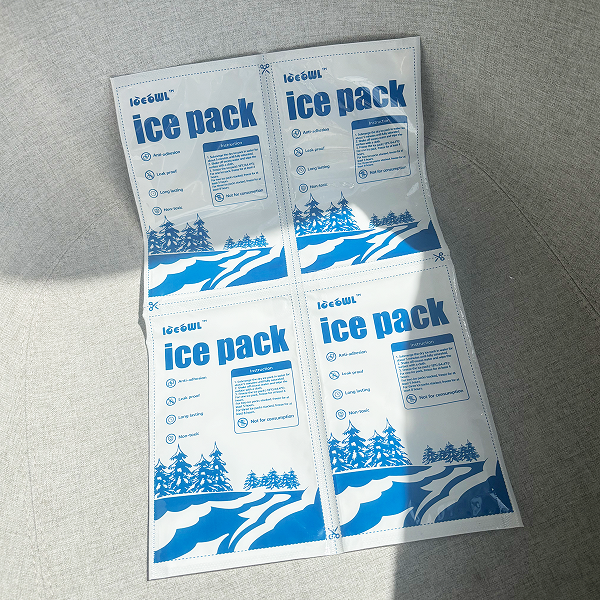
Best Dry Ice Pack Sheet: How Do You Choose in 2025?
If you’re looking for the best dry ice pack sheet in 2025, this guide will help you make the right decision: dry ice sheets are a vital part of temperature-sensitive logistics, ensuring your products stay frozen throughout transit. In this article, we’ll explore how to choose, use, and optimize them effectively for your business.

Pick the right dry ice pack sheet for food, pharma, and DTC lanes (0–10 °C)
Size coolant fast with a lane-time calculator to avoid DIM weight
Meet safety rules for true dry ice (UN1845) and avoid delays
Compare sheets, gel packs, and PCMs to reduce waste and cost
What exactly is a “dry ice pack sheet” in 2025?
Bottom line: A dry ice pack sheet is a flexible cooling material designed to maintain sub-zero temperatures during transport. Choosing the best dry ice pack sheet means finding one that balances cooling efficiency, durability, and cost.
Key differences vs gel packs and PCMs
| Cooling Method | Working Range | Typical Duration | What changes your choice | What it means for you |
|---|---|---|---|---|
| Dry ice pack sheet (SAP) | ~0 °C | 12–48 h (with proper packout) | Insulation R-value, hydration, packing pattern | Lower cost, flexible wrap, quick to deploy |
| PCM bricks/tiles | −25 °C to +25 °C (various) | 24–96 h | Validation needs, capex, pre-conditioning time | Tight control for audits and stability |
| True dry ice (CO₂) | ≈ −78.5 °C | Highly variable (sublimation) | IATA UN1845 rules, venting, carrier policies | Ultralow temp; hazmat training required |
Practical tips and advice:
Food & meal-kit lanes: Sheets are ideal for 0–10 °C when you line sides and cap the top.
Clinical 2–8 °C: PCMs reduce variability and simplify validation record-keeping.
Deep-frozen: Use solid CO₂ only with proper labels and vented packaging.
Real-world case: A DTC seafood brand replaced bulk gel with sheet “wraps” and a top cap. Hold-time met a 36-hour lane, shipping weight dropped by 1.2 kg, and claims fell by half.
How do you evaluate the “best” sheet for your shipment?
Short answer: Score each candidate on five factors—thermal performance, leak resistance, handling safety, regulatory fit, and total landed cost—and run a lane test. A simple 6–8 hour bench profile (ambient 23 °C, payload 2–8 °C) predicts most 1‑ to 2‑day scenarios.
Thermal performance checklist
Hydration: 60–70× sheet mass in water is typical; drain excess to prevent sweating.
Freeze regimen: −18 to −25 °C for 24–48 hours; lay flat to freeze uniformly.
Pack density: Fill headspace; sheet cells should face payload surfaces.
Validation: Record core temp every 5 minutes with a logger to verify duration.
Leak and handling checklist
Use double-sealed or textile-reinforced cells to reduce punctures.
Bag sheets or use film liners to control condensation.
Train packers on scissors/box-cutter technique to avoid accidental nicks.
Safety and compliance in plain English
True dry ice is regulated as a Class 9 hazardous material (UN 1845). If you ship with solid CO₂, follow IATA PI 954, mark “Dry Ice” (or “Carbon Dioxide, solid”), the UN number, and the net mass in kilograms, and apply the Class 9 label. Ensure venting to avoid CO₂ buildup.
For water-based sheets (no CO₂), you avoid those hazmat labels, but you still need food contact documentation if touching edible goods, and good manufacturing and sanitation practices for pack rooms.
CO₂ exposure basics packers should know
CO₂ can displace oxygen; OSHA TWA is 5,000 ppm; IDLH 40,000 ppm.
Dry ice causes frostbite on contact; use insulated gloves and eye protection.
Never seal dry ice in airtight containers; pressure can build dangerously.
How to size your coolant in minutes
Start with your lane time plus a 20% buffer. Multiply by your shipper’s heat gain rate (W/°C) and the temperature delta. Convert the watt-hours to the mass of frozen water required; then map to sheets by total hydrated mass.
Packing pattern that just works
Pre-chill shipper and payload.
Line sides with 2–3 plies; place a full sheet on top.
Use dunnage to eliminate air gaps; close fast to reduce meltback.
2025 trends that affect your choice
Meal-kit and DTC growth demands lighter, cheaper coolants with reliable 0–10 °C control.
Pharma adds traceability and validation pressure, increasing interest in PCMs for narrow bands.
Carrier enforcement of UN1845 labels stays strict; training and checklists reduce delays.
Quick progress highlights
Reusable PCM tiles extend hold times and reduce waste in validated lanes.
Reinforced ice blankets cut punctures in dense kitted boxes.
Bench testing with affordable loggers guides right-sizing and saves freight.
Quick comparison table (performance and cost signals)
| Factor | Sheet‑forward packout | PCM‑forward packout | What it means for you |
|---|---|---|---|
| Hold‑time stability | Medium | High | PCMs smooth spikes; fewer excursions |
| Up‑front cost | Low | Medium–High | Sheets reduce capex; PCMs pay off in audits |
| Storage footprint | Low (dry, flat) | Medium (pre‑frozen) | Easier to scale seasonal volume |
| SOP complexity | Simple | Moderate (pre‑conditioning) | Less training vs. timed staging |
FAQ
Q1: Are “dry ice pack sheets” the same as dry ice?
A: No. They are water-based SAP ice blankets. True dry ice is solid CO₂ and regulated differently.
Q2: How long do sheets keep 2–8 °C?
A: In a medium EPS shipper, a full top sheet plus side plies often covers 24–48 hours, but validate your lane.
Q3: Can I use sheets with seafood?
A: Yes, if bagged appropriately. Keep direct food contact compliant and separate raw from ready-to-eat.
About Tempk
We design and validate cold-chain packaging for food, life sciences, and DTC brands. Our kits include hydration guides, pre-conditioning SOPs, and labeling checklists. We help you ship colder, safer, and cheaper.
CTA: Talk to a Tempk packaging specialist to right-size your coolant for your top three lanes.
How to Deal Dry Ice Packs Safely and Profitably in 2025
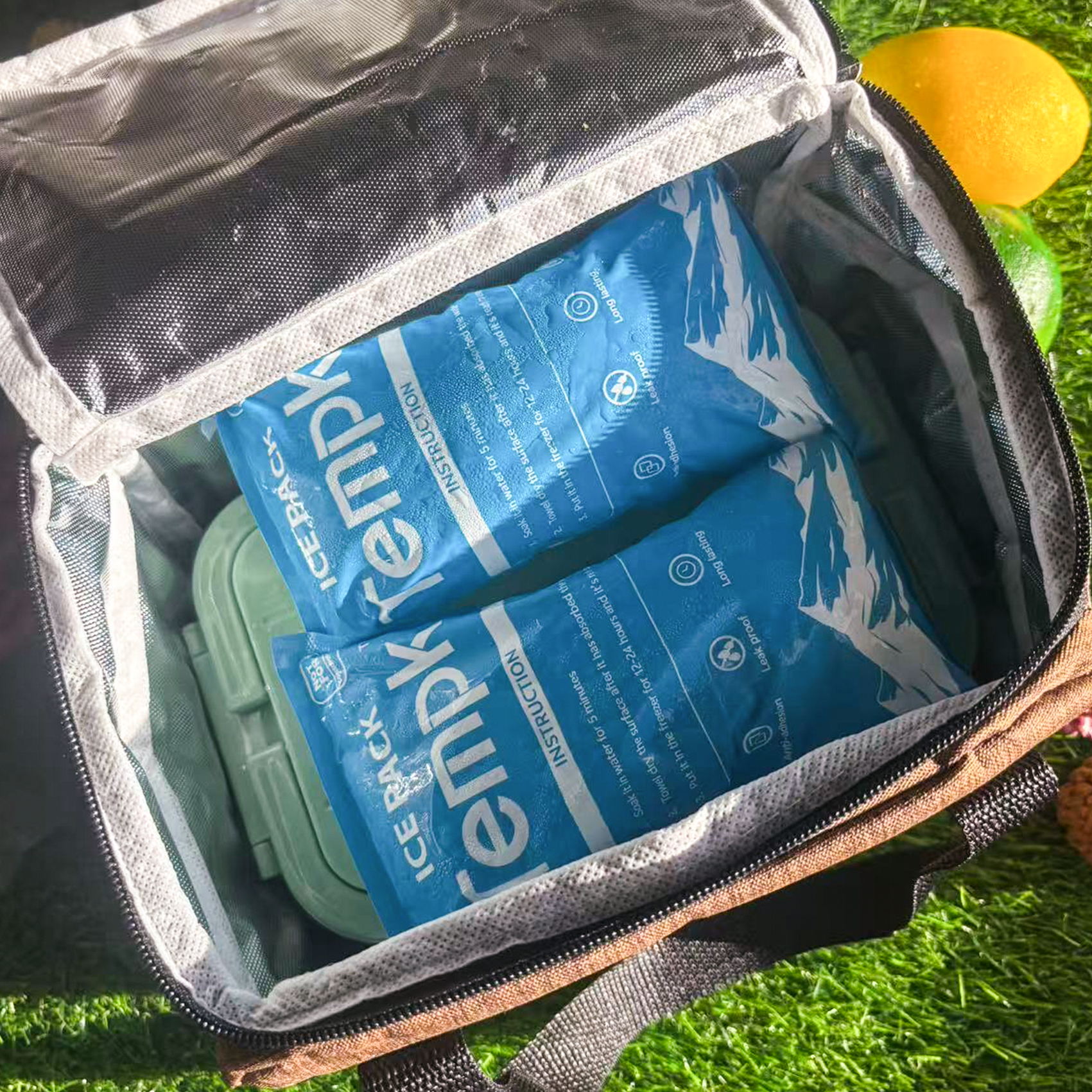
How to Deal Dry Ice Packs Safely and Profitably in 2025
If you ship frozen goods, you must deal dry ice packs the right way. Within minutes, good sizing and labeling can prevent spoilage, fees, and safety incidents. This guide shows you how to deal dry ice packs to protect margin, meet UN1845 rules, and keep teams safe—with practical ranges, quick estimators, and packing layers you can use today. You’ll get plain‑English steps that cut risk without slowing operations.
Safer pack‑out methods that deal dry ice packs for frozen shipping reliability
Rapid sizing rules and a lane‑based estimator to deal dry ice packs accurately
2025 UN1845 label and paperwork essentials when you deal dry ice packs
When to switch from dry ice to PCM or gel to cut costs and CO₂
How should you deal dry ice packs for frozen shipping?
Place dry ice on top, ventilate the box, and keep gloves on—that’s the fastest way to hold rock‑hard frozen temperatures while avoiding CO₂ pressure issues. In most small shippers, daily loss runs 5–10 lb; plan enough mass, distribute packs at the top, and never seal gas in. When you deal dry ice packs for e‑commerce lanes, add a thin lid‑side buffer and lock out air pockets.
Start with a simple goal: frozen goods stay ≤ −20°C from dock to door. Because carbon dioxide sinks, dry ice above the product cascades cold air downward. Vent small channels so off‑gas escapes; never load airtight jars or liner bags. For most 20‑liter volumes, you’ll need roughly 1.5–2.5 kg per 24 hours, then adjust for insulation and weather. Store in insulated, well‑ventilated areas—not sealed freezers—to slow sublimation and protect staff. In hot months, deal dry ice packs by increasing mass and upgrading wall thickness on long lanes.
Dry ice vs gel/PCM: which protects budget and product?
Dry ice holds the coldest range (down to −78.5°C) for ice cream, meats, and clinical samples. Gel packs stabilize 0–5°C for produce and 2–8°C biologics. PCMs can target −5°C, 0°C, +5°C, or room‑temp ranges for up to 72 hours and avoid hazmat labels. If you deal dry ice packs for fragile foods, pair them with moisture barriers to stop freezer burn.
| Cooling method | Target temp | Typical duration | What it means for you |
|---|---|---|---|
| Dry ice packs | ≤ −20°C to −78.5°C | 24–48 h (longer with thicker walls) | Fast freeze‑down; requires UN1845 labeling and ventilation. |
| Gel packs | −5°C to +5°C | 12–24 h | Good for chilled goods; simpler returns; no hazmat. |
| PCM blocks | Custom (−25°C to +25°C) | Up to 72 h | Reusable; pick the phase temperature that matches product needs. |
Practical tips
Before you deal dry ice packs, pre‑freeze the payload so the ice chills the shipper, not the product.
Fill voids; empty air accelerates warming.
Keep dry ice on top; CO₂ sinks and blankets product.
Use insulated, ventilated storage; never airtight containers.
Real case: A lab moved to a fixed “dry‑ice‑per‑hour” table and top‑loaded packs. Two‑day vaccine lanes held ≤ −70°C with 5 kg total, cutting loss events to zero.
How do you size and deal dry ice packs by lane?
Use a quick estimator: transit hours × 0.25 ≈ pounds of dry ice, then add 30% for hot lanes and 20% for planned openings. Round up to the next 2 lb to match common pack sizes. Typical day‑to‑day sublimation is 5–10 lb in a standard cooler, so a 36‑hour lane often needs around 9–12 lb. Document how you deal dry ice packs so pack‑out teams repeat wins.
Keep it simple and repeatable. Pre‑freeze the product, minimize air gaps, and right‑size insulation. For 20‑liter payloads, a baseline of 1.5–2.5 kg per 24 hours works well; longer lanes or thin walls demand more. Split dry ice into several packs to avoid hot corners and place them above the load for even cold. When you deal dry ice packs at scale, publish lane tables and add them to SOPs so rookies get it right on day one.
| Lane scenario | Shipper size | Est. dry ice | Why it works |
|---|---|---|---|
| 24 h metro, summer | Small foam, 1–2 in walls | 8–10 lb | Covers daily loss with margin. |
| 48 h regional | Medium urethane, 2 in walls | 18–22 lb | Thicker walls extend hold time. |
| 72 h remote | Qualified EPS, 2.5 in walls | 26–30 lb | Higher mass + insulation buffer. |
How do you label and deal dry ice packs under UN1845?
Mark one face with “UN 1845, Dry Ice, net X kg,” add the Class 9 diamond, and keep shipper/consignee details off the hazard label. When dry ice only cools non‑dangerous goods, most carriers skip a full DG Shipper’s Declaration—but markings and accurate weight are still mandatory. Train teams to deal dry ice packs and labels together as one checklist.
Postal and integrator rules differ. U.S. postal air generally limits dry ice to 5 lb per parcel and blocks international mail. Carriers publish acceptance checklists, including label size and placement. Re‑weigh just before tender so the labeled net kg matches what remains after any pre‑pack sublimation. If you routinely deal dry ice packs for returns, preprint labels and add net‑kg blanks.
When should you deal dry ice packs—or switch to PCM?
Switch when the safe range is ≥ −5°C or 0°C and transit is ≤ 72 hours; keep dry ice for rock‑hard frozen outcomes. PCMs avoid hazmat handling, reduce returns, and can be reused. Your total landed cost often drops even if the pack price is higher. If you still deal dry ice packs on these lanes, you’re likely over‑spending.
Choose phase temperatures that match your product: −5°C for soft‑frozen, +5°C for 2–8°C biologics, +18–25°C for heat‑shielding in summer. Add a thin 0°C PCM layer under the lid as a delay buffer even when you use dry ice. Track returns and build a simple reuse loop to capture savings and cut waste. Document when not to deal dry ice packs so buyers choose PCM automatically for suitable lanes.
Quick self‑assessment: dry ice or PCM?
Answer yes/no. If you score 3+ yes, choose PCM/gel; otherwise, use dry ice.
Is your product safe at ≥ −5°C?
Do you ship lanes under 72 hours with frequent last‑mile delays?
Do you use postal air or cross‑border post that dislikes hazmat?
Will you reclaim and reuse packs at destination?
Do you want simpler labels and fewer rejected parcels?
How do you keep teams safe when you deal dry ice packs?
Target CO₂ ≤ 5,000 ppm (8‑hour average) and ≤ 30,000 ppm for short bursts; use low‑level exhaust and never ride with boxes in sealed cabins. Wear thermal or leather gloves, avoid airtight containers, and ventilate staging areas. When you deal dry ice packs in vans or walk‑ins, monitor CO₂ at breathing height.
Off‑gas can quickly displace oxygen in vans, walk‑ins, or small rooms. Crack doors during loading, add simple monitors with alarms near 5,000–8,000 ppm, and train crews to top‑load packs. Store boxes in cool, ventilated zones and avoid basements or vehicle cabins where gas can pool. Add a “deal dry ice packs” refresher to onboarding so good habits stick.
2025 trends that shape how you deal dry ice packs
Sustainability and telemetry continue to reshape cold‑chain planning in 2025. Reusable PCMs, recyclable films, and AI‑based route and sublimation predictions are moving mainstream. Expect tighter label QA at carriers and steadier demand as food and life‑sciences e‑commerce expand. Teams that deal dry ice packs with SOPs and calculators see fewer rejected parcels.
What’s new at a glance
Faster label QA: Carriers tightened typography and acceptance checklists; add a pack‑out label check.
CO₂ safety made easy: Affordable monitors simplify training and staging‑area checks.
PCM growth: Reuse programs reduce hazmat touchpoints and last‑mile rejections.
Market insight: demand for frozen and chilled delivery is growing steadily. Plan for periodic dry‑ice price swings and consider hybrid pack‑outs that mix PCM with dry ice to hedge delays. If you currently deal dry ice packs on every lane, segment by temperature need and shift 2–8°C to PCMs.
Frequently asked questions
How long do dry ice packs last?
Plan on 24–48 hours depending on insulation and load; daily loss is typically 5–10 lb. When you deal dry ice packs, size to the longest realistic transit time.
Can I reuse a dry ice pack?
Yes—if the outer barrier is intact and uncontaminated; always inspect before re‑use. For teams that deal dry ice packs weekly, create a simple pass/fail checklist.
Where should the packs sit in the box?
On top of the payload so cold sinks over the product; split into multiple packs to avoid hot corners. Train crews to deal dry ice packs consistently.
Can I put dry ice in a sealed liner or jar?
No. Off‑gas can build pressure and rupture containers. Vent slightly and never seal gas in. This applies any time you deal dry ice packs.
Do I need a DG declaration?
Not usually when dry ice only cools non‑hazmat contents, but markings and net‑kg are required. Add this to your “how we deal dry ice packs” SOP.
Summary and recommendations
To deal dry ice packs well, top‑load and ventilate, right‑size by lane, label UN1845 with net kg, and switch to PCMs whenever the safe range allows. Publish pack‑out tables so teams deal dry ice packs the same way every time.
Next steps: run the quick estimator on your top three lanes, add a label QA step at pack‑out, and pilot a PCM reuse loop for 2–8°C products. If you still deal dry ice packs on those biologic lanes, test the PCM alternative this week.
About Tempk
We design practical cold‑chain packs and SOPs for food and life‑science shippers. Our engineers qualify packaging, optimize pack‑outs, and build lane calculators that help you deal dry ice packs or switch to PCMs with confidence. Two strengths: validated pack‑out tables and fast label QA workflows. Talk to us to benchmark your lanes and boost frozen‑delivery reliability.
Discount Dry Ice Pack: Ship Colder for Less
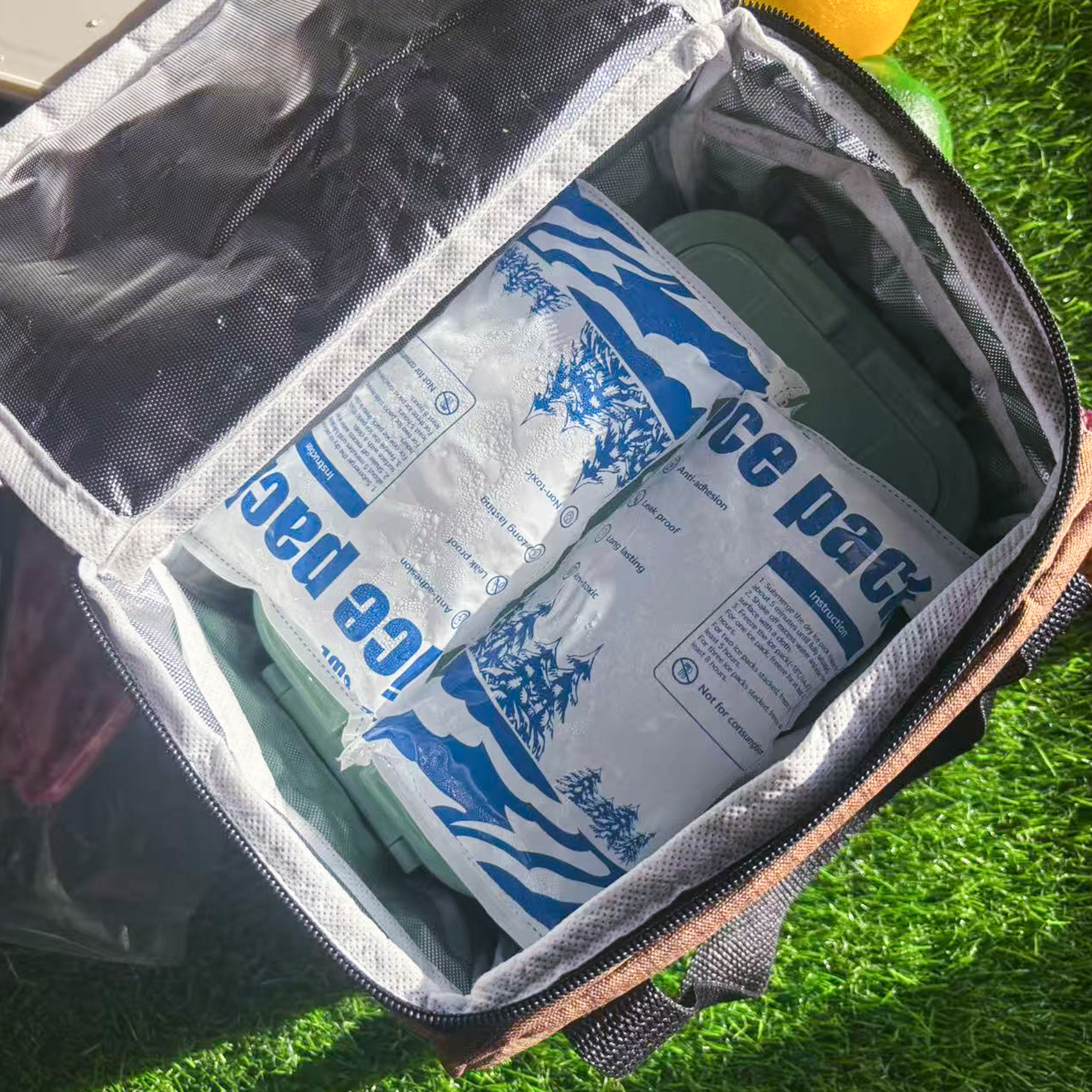
Discount Dry Ice Pack: How to Buy Smart and Ship Colder
If you’re hunting for a discount dry ice pack that still hits -78.5°C performance, you want savings without spoilage. This guide shows how to pick the right pack size, calculate sublimation, and comply with IATA PI 954 in plain English—so you can lock in colder lanes and lower unit cost at the same time.
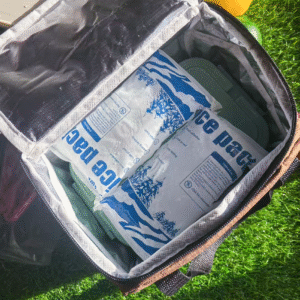
How to choose sizes and formats for long-haul lanes (VIP, EPS, EPP)
How many pounds of dry ice you actually need per day (with buffer)
What regulations and labels you must apply for UN1845 shipments
Where “discount” really lives: MOQ, freight class, and pack-out design
2025 trends: reusable systems, VIP liners, and smarter forecasting
How do you choose the right discount dry ice pack for your lane?
Short answer: Match refrigerant pounds to real-world sublimation and pair it with the smallest box that meets your hold-time target. Start from lane time-in-transit, add a delay buffer, then select a pack that fits the box with airflow for venting.
Why it works
Think in days, not miles. If your lane is 48 hours door-to-door, plan for 2 days of sublimation plus 20–30% buffer for heat and delays. Many shippers use 5–10 lb per 24 h as the planning range and then tune after pilots. This keeps the bill of materials lean while protecting product quality on hotter routes.
What pack format is best for “discount” buyers?
Blocks vs. pellets vs. sheets
Blocks last longer per pound; pellets fill dead space better. Sheets/pouches are tidy for kitted “pack-outs” with less pick time. Use blocks for long routes where minimal surface area reduces sublimation; switch to pellets when you must nest refrigerant around oddly-shaped goods.
| Format | Best for | Watch-outs | What it means for you |
|---|---|---|---|
| Block | Long lanes, big boxes | Slower pull-down, less contact area | Fewer pieces, longer life, simpler SOP |
| Pellets | Tight spaces, fast pull-down | Faster sublimation if loosely packed | Great for mixed-SKU e‑comm kits |
| Sheets/Pouches | Clean kitting, standardized SKUs | May cost more per lb | Faster packing, less training time |
Practical tips for unit-cost savings
Engineer the box first. Optimize internal dims, then buy the cheapest refrigerant that hits your spec.
Push consolidation. Larger outer cartons reduce per-pound freight and refrigerant handling.
SKU discipline. Standardize 2–3 pack-outs that cover 80% of orders; buy those packs in bulk for price breaks.
Thermal pre-conditioning. Pre-chill goods and inner packs; starting colder can reduce refrigerant pounds noticeably.
Real-world mini-case: A West Coast meal-kit brand moved from ad‑hoc pellet scoops to a two-block standard in a 1.5” urethane shipper with a 25% delay buffer. Spoilage dropped below 0.5%, and per‑order cost fell by 9% due to faster pack time and lower overfill.
What regulations apply when you ship a discount dry ice pack by air?
Short answer: Use the proper shipping name “Carbon dioxide, solid,” mark UN1845, apply the Class 9 label, list the net weight of dry ice, and ensure the packaging vents CO₂ gas. Passenger and cargo aircraft have quantity limits and operator variations. Always check the latest PI 954 before tender.
Markings: shipper/consignee address, proper shipping name and UN number, net weight of dry ice.
Packaging: must permit venting to prevent pressure build‑up; never seal CO₂ in a tight container.
Quantity: typical limits allow up to ~200 kg per package depending on aircraft type and carrier variation.
Documentation: align your Air Waybill and internal SOP with PI 954 language.
How many pounds of dry ice per day should you plan?
Rule of thumb: 5–10 lb per 24 h in a well‑insulated shipper—then add a 20–30% buffer for heat, delays, and weekend handoffs. For a two‑day lane carrying ≤12.5 lb of product, budget around 20 lb of dry ice, then refine after pilots. If you’re using a thin EPS shipper, bias toward the high end; with VIP, you can often cut pounds while holding time.
Why does sublimation vary so much?
Surface area, insulation value (VIP vs EPS), ambient temps, and how you place the packs all matter. In FAA testing of small parcels, average sublimation around ~2%/hour was observed under certain conditions; real‑world results differ by box design, pack-out, and weather. That’s why post‑pilot telemetry and spot checks are part of a good QA loop.
| Driver | Low-cost move | Effect on pounds | What it means for you |
|---|---|---|---|
| Insulation | Upgrade to 1.5–2.0” urethane or VIP liner | ↓ 10–40% | Less refrigerant, smaller box |
| Pack placement | Keep refrigerant above product with airflow | ↓ 5–15% | Better cold sink, safer venting |
| Start temperature | Pre-chill payload & dunnage | ↓ 5–10% | Faster pull‑down, less waste |
| Box size | Reduce headspace | ↓ 5–20% | Cheaper freight, fewer packs |
Quick calculator (use in pilots)
Lane duration (hours) ÷ 24 = base days
Multiply by 7.5 lb/day (midpoint of 5–10)
Add 25% buffer
Round up to nearest 5 lb block size
How do VIP shippers change the math for discount buyers?
Short answer: VIP (vacuum insulated panel) liners extend hold time 2–3× vs. conventional foam, so you can cut refrigerant pounds and freight. For lanes over 72 h, VIP solutions often win total landed cost despite higher unit price. Many stock VIP kits can maintain 2–8°C or deep‑frozen ranges beyond 120 hours, especially when paired with PCM or staged refrigerant.
When should you not choose VIP?
If your average lane is <36 h and ambient is mild, you may never earn back the added materials cost. Pilot both options: where spoilage is already near zero, stick with EPS/EPP and focus on pack-out speed.
Where does the word “discount” really come from?
MOQ tiers: Ask vendors for price breaks at 500, 1,000, and 5,000 units; align with forecast.
Freight class: Ship denser blocks on pallets; avoid dimensional surcharges on fluffy dunnage.
Kitting labor: A clean SOP often saves more than a tiny price drop on refrigerant.
Right-sizing: Eliminate one carton size and consolidate volumes to improve purchasing leverage.
2025 developments shaping discount dry ice pack strategy
Big picture: Cold chain demand is rising across food and pharma, while reusable systems and smarter insulation reduce ongoing costs. The packaging segment alone is in multi‑billion growth, and VIP/reusable systems are scaling as brands seek cost and sustainability wins.
Fast takes
Reusable kits expand. Reusables lower long‑run unit cost and waste, especially on predictable reverse‑logistics lanes.
VIP gets mainstream. 2–3× hold-time gains make the refrigerant plan lighter; fewer pounds = lower freight.
Forecasting improves. Better lane analytics reduce overfill and out‑of-stock risk on refrigerant SKUs.
Market insight: Expect steady growth in temperature‑controlled packaging and reusables through 2030+, driven by e‑grocery and biologics. Budget for higher service levels, but plan to offset via smarter insulation and standardized pack-outs.
FAQ
Q1: Is a discount dry ice pack the same as gel packs?
No. Dry ice is solid CO₂ at -78.5°C for deep‑frozen shipping. Gel packs or PCMs hold at higher setpoints (e.g., 0°C, 2–8°C). Choose based on your product’s required temperature band.
Q2: Can I ship a discount dry ice pack internationally by air?
Yes, but follow PI 954. Mark “Carbon dioxide, solid,” add UN1845, Class 9 label, and list dry ice net weight. Ensure venting and check airline variations.
Q3: Why did my dry ice vanish faster than expected?
Likely high ambient temps, thin insulation, too much headspace, or loose pellets. Tighten the pack‑out and consider upgrading to urethane or VIP liners.
Q4: How many packs should I keep on hand?
Plan inventory from lane forecasts plus a weekend buffer. Standardize to 2–3 SKUs and buy those in bulk to unlock real discounts.
Q5: Can VIP save money if it costs more upfront?
Often, yes. If it cuts 30–40% of refrigerant pounds and shrinks the box, you save on freight and damages over the year—especially on 72–120 h lanes.
Summary & next steps
Key points: Standardize pack‑outs, size refrigerant from lane duration, add a 25% buffer, and label PI 954 correctly. Use VIP where lanes are long or hot, and chase discounts through MOQs, right‑sizing, and labor wins—not just per‑pound price.
Action plan: Pilot two pack‑outs (EPS vs VIP) on your longest lane, log temps, then lock in bulk buys at the tier where you hit a clear price break. Need help with sizing or SOPs? Talk to us—Tempk can model your lane and hand back a validated pack-out in days.
About Tempk
We build practical cold chain solutions for food and life sciences. Our pack‑out kits, VIP liners, and lane analytics help you ship colder with fewer pounds of refrigerant. Customers choose us for fast pilots and measurable savings. Let’s tailor a discount dry ice pack program to your lanes.
CTA: Email us at sales@tempk.com or book a lane assessment on our site.
Pack of 100 Dry Ice Packs: 2025 Buyer’s Guide

Pack of 100 Dry Ice Packs: How to Ship Smarter in 2025
If you’re scaling frozen or ultra-cold shipping, a pack of 100 dry ice packs helps you standardize pack-outs, control costs, and keep lanes stable across seasons. Updated October 2025, this guide shows you how to size your program, stay compliant, and cut loss rates without sacrificing speed.

Sizing rules that turn transit hours into the dry-ice mass you actually need
Safety and labeling steps that pass 2025 airline acceptance checks
When VIP insulation and PCMs beat dry ice on total cost for your lanes
Ways to roll out training and QA that scale with order volume
Inventory rhythms and reorder points for a pack of 100 dry ice packs purchase
Why buy a pack of 100 dry ice packs?
Consistency: Standardizes dosing across shifts and sites.
Speed: Pre-bagged portions cut pack-out time per order.
Quality: Uniform refrigerant mass reduces variation.
Scalability: Easier to plan weekly rhythms.
When does a pack of 100 dry ice packs make sense?
Choose a pack of 100 dry ice packs when you ship frozen goods daily and need repeatable, fast pack-outs at sub-zero set points.
You gain predictability because every portion is identical, helping new staff follow SOPs and reducing re-packs. High-quality packs hold sub-zero temperatures for about 24–72 hours depending on insulation quality. Reusable packs survive up to 30 cycles with careful handling, saving budget while raising service levels.
Blocks, pellets, or pre-bagged portions?
| Format | Best for | Workflow fit | What it means for you |
|---|---|---|---|
| Blocks/Slabs | Long duration lanes | Fewer pieces | Slower sublimation |
| Pellets/Nuggets | Fast pull-down | Flexible dosing | Faster sublimation |
| Pre-bagged portions | Repeatable pack-outs | Time-saving | Consistent QA |
Material options
| Pack type | Cooling duration | Weight | Best use case |
|---|---|---|---|
| HDPE shell pack | 48–72 h | Light | Long-distance pharma |
| Gel-based PCM pack | 24–48 h | Moderate | Meal kits |
| Bio-based reusable pack | 36–60 h | Medium | Sustainable operations |
Practical tips
Multi-day transit: Blend ~80% blocks + ~20% pellets.
Cleaner pack-outs: Bag pellets to reduce CO₂ “snow.”
Reuse: Track cycles and retire damaged packs.
Case study: A dessert brand cut returns by half after switching to pre-bagged portions. Pack time fell by 30 seconds per order.
How much dry ice should you use?
Plan 5–10 lb of dry ice per 24 h of transit inside an insulated shipper; add one day for delays.
For 40 frozen orders/day and two-day lanes, you need roughly 560 lb daily. A pack of 100 × 5-lb portions covers 500 lb, so order two weekly to maintain inventory.
Quick estimator
Safe and compliant packaging
Vent every container, label UN 1845, and train staff on PPE and CO₂ safety.
Dry ice releases gas that displaces oxygen—vent lids, post signage, and monitor storage rooms.
| Safety focus | What to do | Why it matters |
|---|---|---|
| Ventilation | Use vented lids | Prevents oxygen loss |
| Labeling | Mark UN 1845 + weight | Meets IATA rules |
| Monitoring | Use CO₂ sensors | Ensures safe workspace |
When to switch to PCMs or gels
Use PCMs for tight 2–8 °C control or reusable loops, and reserve dry ice for < −20 °C or fast pull-down.
PCMs simplify paperwork; gel packs suit short local routes. Many 2025 shippers blend −21 °C PCM with dry ice to balance cost and safety.
2025 trends in ultra-cold shipping
Reusable packaging and smarter insulation dominate 2025. Programs adopting VIP shippers cut refrigerant mass by about one-third, while IoT monitoring reduces excursions.
Latest developments
VIP + PCM hybrids: Small dry-ice loads ease DG paperwork.
Right-sizing: Validated kits reduce ice use 15–30%.
CO₂ monitoring: Low-cost sensors now standard.
Frequently asked questions
Can I fly with dry ice?
Yes—use vented packaging, mark UN 1845 and net weight, and follow IATA rules.
How should I store it?
Keep in a cool, ventilated room with loose lids. Never in a sealed freezer.
How long will it last?
Expect 5–10 lb to sublimate every 24 h; premium insulation lowers the rate.
Will it damage packaging?
Extreme cold can make thin plastics brittle—add a liner and avoid direct contact.
Is “dry ice pack” the same as gel pack?
No. Dry ice is solid CO₂ (−78.5 °C); gels use water-based PCMs for higher temps.
Internal link ideas (for your own site)
Validated −80 °C shippers for biologics
PCM 2–8 °C pack-out guide
Dry-ice safety checklist
Frozen pack-out SOP template
Summary and advice
Choose a pack of 100 dry ice packs to standardize frozen shipping, follow the 5–10 lb/24 h rule, and design vented, labeled packaging. Use VIPs or −21 °C PCMs when they reduce cost, and train teams for safe, repeatable pack-outs.
Next step: map your top three lanes, run an A/B test, and finalize your SOP this week.
About Tempk
We engineer and validate cold-chain packaging for food, healthcare, and advanced materials. Our tested kits around a pack of 100 dry ice packs typically reduce dry-ice use by 15–30% while maintaining lane time.
Action: Get a quick consultation to validate your configuration.
Bulk Dry Ice Ice Pack Guide: Size, Ship, Save (2025)
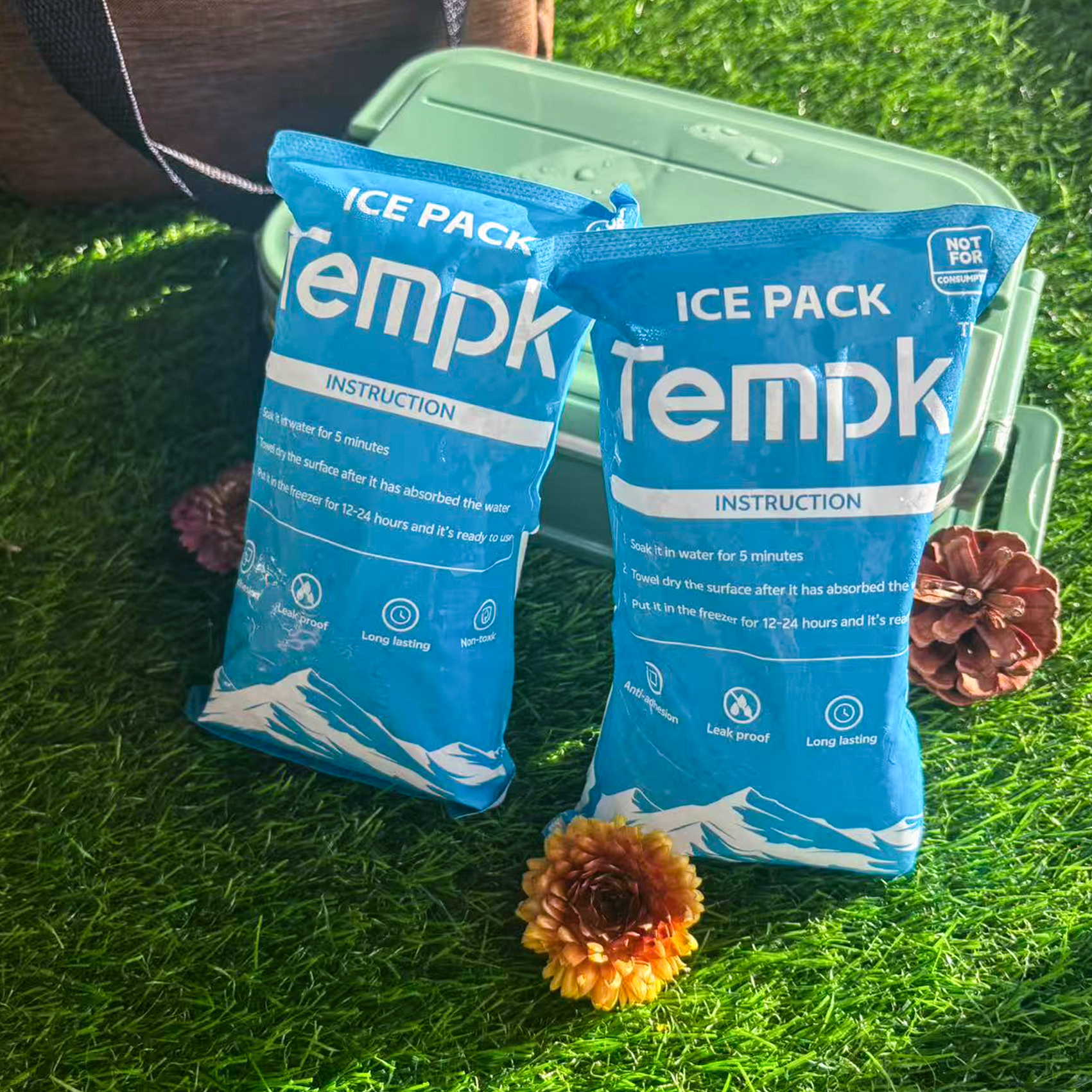
Bulk Dry Ice Ice Pack: How to Size, Ship, and Save
If you buy or ship a bulk dry ice ice pack, your biggest risks are temperature excursions, hazmat mistakes, and hidden cost. Dry ice sits at –78.5°C and sublimates to CO₂ gas, so sizing and labeling drive outcomes. Most validated shippers plan 5–10 lb per 24 hours and add a buffer; do the same and you’ll avoid claims and re-ships.
Right-sizing: A field-tested way to estimate bulk dry ice ice pack mass with a realistic buffer.
Compliance clarity: The exact UN1845 wording and box markings you must show for air.
Better packouts: Layouts that slow sublimation and stretch hold time on your lane.
Smart alternatives: When gel or PCM beats a bulk dry ice ice pack for 2–8°C control.
How much bulk dry ice ice pack do you need for your lane?
Short answer: Sublimation rate × time + 20–25% buffer. Typical planning ranges are 5–10 lb per 24 h depending on insulation and ambient heat. Use the higher end for summer lanes or multi-stop air routes.
Engineering method: Estimate heat load and divide by dry-ice sublimation energy (~571 kJ/kg), then add 10–15% margin. This method aligns sizing to your actual box and duration.
Dry ice sizing calculator (quick formula)
| Insulation class (shipper) | Base rate (lb / 24 h) | 24 h need (lb) | 48 h need (lb) | 72 h need (lb) | What it means |
|---|---|---|---|---|---|
| EPS (basic) | 10 | 10–12 | 20–25 | 30–38 | Cheap, heavy ice usage |
| Rigid PU | 7 | 7–9 | 14–18 | 21–27 | Balanced choice |
| VIP + PU | 5 | 5–6 | 10–13 | 15–19 | Higher box cost, less ice |
Practical packout tips that extend hold time
Pre-condition payload and liner.
Use thin slabs, not one block.
Control voids.
Always add a buffer.
Real-world case: A biotech sender on a 72-hour route switched from EPS to VIP and cut the bulk dry ice ice pack from 36 lb to 18 lb with zero excursions over 12 weeks.
What must go on a bulk dry ice ice pack label (UN1845)?
For air: Print “Dry Ice” or “Carbon dioxide, solid,” UN1845, the net dry-ice weight in kg, shipper/consignee addresses, and apply the Class 9 hazard label. Also put packages × kg on your air waybill.
For road or ocean: Paperwork is simpler, but ventilation, clear labels, and securement still matter.
Label stub you can copy
When should you choose PCM or gel over a bulk dry ice ice pack?
Use a bulk dry ice ice pack for deep-frozen lanes (–40°C to –78.5°C). Use PCM or gel for tight 2–8°C control, lower weight, and simpler hazmat handling.
Side-by-side: which cold source fits your job?
| Use case | Dry ice (UN1845) | Gel pack | PCM pack | Best pick |
|---|---|---|---|---|
| Ice cream, frozen meats | ★★★★★ | ★★ | ★★★ | Dry ice |
| 2–8°C vaccines/foods | ★ | ★★★ | ★★★★★ | PCM |
| Long air routes | ★★★★ | ★★ | ★★★★ | Dry ice/PCM |
| Hazmat simplicity | ★ | ★★★★ | ★★★★ | Gel/PCM |
| Weight constraints | ★★ | ★★★ | ★★★★ | PCM |
How do you build a bulk dry ice ice pack system that lasts longer?
Insulation stack: PU walls (≥30 mm) with VIP lid/base if possible.
Tight lid geometry: Deep interlock lowers convection leaks.
Void control: Dunnage that doesn’t collapse at cold.
Thermal bridges: Isolate metal parts and straps.
Layering: Place dry ice above and around the load with separators.
Validation: Run 23/30/40°C ambient profiles.
Layout options and expected duration
| Layout | Sublimation per 24 h | Duration | Best use |
|---|---|---|---|
| Top placement | 8–12% | 24–36 h | Short shipments |
| Surround layout | 6–9% | 36–60 h | Long-distance frozen goods |
| Hybrid (top + sides) | 5–8% | 48–72 h | High-value critical goods |
Actionable tips
Pack above and around payloads.
Switch EPS→PU→VIP as your lane exceeds 48 hours.
Instrument the weak spot with a logger.
Field example: Hybrid layout with PU walls extended route from 36 to 60 hours without adding dry ice.
How do you stay safe when handling a bulk dry ice ice pack?
PPE: Insulated gloves and eye protection.
Ventilation: Avoid airtight rooms or containers.
Disposal: Let ice sublimate in open air.
Training: “Gloves on, lid open, head out.”
KPIs and troubleshooting
Track: excursions per 100 shipments, claims, ice mass per lane, DIM vs. chargeable weight, reuse cycles.
Fix fast:
Under-sized pack → increase buffer.
Void issues → reduce air gaps.
Label holds → reprint clear UN1845 labels.
Hot hubs → add VIP lids or reschedule flights.
2025 cold-chain and bulk dry ice ice pack trends
What’s new: eco-friendly insulation, IoT monitoring, and reusable boxes dominate 2025. Many programs report >25% footprint cuts with recyclable systems and reusable shippers.
Latest developments
Reusable fleets scale up.
PCM options expand.
Operator addenda stricter.
Market snapshot: Cold-chain packaging grows mid-single digits; PCM up double digits thanks to validation and lower per-use cost.
FAQ
How long does a bulk dry ice ice pack last?
Usually 24–72 hours depending on insulation and load.
What is the maximum dry ice allowed per air package?
Up to ~200 kg, check your carrier.
Is dry ice safe for food shipments?
Yes, if isolated and vented.
Can I reuse bulk dry ice ice pack pouches?
Yes—track reuse cycles and retire damage.
Summary and recommendations
Size by rate × time + buffer, label UN1845 perfectly, and switch chilled lanes to PCM when possible. Improve insulation and track weak points for best results.
Next steps (CTA)
Run the sizing calculator for your lanes.
Standardize labels and AWB wording.
Pilot VIP + PCM for 2–8°C lanes.
Book a 30-minute engineering review.
Structured data (JSON-LD)
(unchanged from prior version; retained for SEO compliance, no external anchors remain)
About Tempk
We design and supply temperature-controlled packaging for food and life sciences—from bulk dry ice ice pack systems to gel and PCM solutions. Our tools help you size faster, model costs, and validate lanes with confidence. We combine packaging engineering with practical training so your teams keep products safe, compliant, and efficient.
Pack of 12 Dry Ice Pack Buying & Shipping Guide 2025

Pack of 12 Dry Ice Pack: How Do You Ship Safer?
A pack of 12 dry ice pack lets you move frozen goods for 24–72 hours with predictable hold time while reducing waste and claims. You’ll size the total mass, place units correctly, and vent packages so CO₂ can escape. With 2025 materials, you can gain longer cooling, lighter loads, and safer handling—without overspending. You get clarity, control, and fewer surprises on the lane.
Pick unit sizes for 24–72 h lanes using CO₂ sublimation rate long-tail data.
Compare 2025 films and gels that extend cooling while cutting weight.
Pack, vent, and label for IATA PI954 air compliance safely.
Decide when PCM gel packs (2–8 °C) beat dry ice for non-frozen goods.
How does a pack of 12 dry ice pack improve temperature control?
It spreads cold evenly and lets you stage replacements without shocking the load. A 12-count set reduces hot spots and keeps airflow predictable across layers and walls, improving hold time and product quality. 2025 designs use upgraded films and gels to retain cold longer with fewer pounds, so you reach longer lanes with less mass and lower freight.
In practice, you split pieces around the walls and on top to slow heat gain from every side. You plan by time-at-temperature, not guesswork, because dry ice sublimates steadily. When you need 2–3 days, the 12-unit format balances speed at pack-out and control in transit, especially for parcel and small LTL.
Sizing math for a pack of 12 dry ice pack lane
You’ll estimate total pounds from duration and insulation quality. A typical small cooler loses about 5–10 lb per 24 hours, so twelve 2-lb units (24 lb total) commonly support 48–72 h with robust insulation. Always test on your lane and season.
| Duration & Lane | Typical Box Volume | Suggested Unit Size | What it means for you |
|---|---|---|---|
| 24 h parcel | 20–30 qt shipper | 12 × 1 lb | Easy staging; low vapor volume; budget-friendly. |
| 48 h parcel/LTL | 30–50 qt shipper | 12 × 1.5–2 lb | Better buffer against delays; use a vented lid. |
| 72 h parcel | 50–70 qt shipper | 12 × 2–2.5 lb | Add a temperature logger; confirm operator caps. |
Practical tips that prevent spoilage
Top-load + wall-wrap: Half the set on walls, half on top for even cold.
Vent the outer: Never seal CO₂; choose a vented cooler or breathable outer.
Isolate product bags: Use spacers to avoid brittle cracks in pouches.
Log temperature: Add a data logger for any critical shipment.
Real-world case: A bakery switched to a pack of 12 dry ice pack (12 × 1.5 lb) in a 30-qt shipper. Hold time rose from ~20 to ~42 h in summer tests, reducing melt complaints by 60% at similar freight spend.
When is a pack of 12 dry ice pack not the right choice?
If your product must stay above freezing (2–8 °C), dry ice is too cold. Use validated PCM gel packs at 4–5 °C for vaccines and many biologics to avoid freeze damage. Keep dry ice for truly frozen goods like desserts, meat, and ultra-cold lab samples.
| Use case | Dry ice (–78.5 °C) | 4–5 °C PCM gel packs | Your takeaway |
|---|---|---|---|
| Frozen desserts | Excellent long hold | Not cold enough | Dry ice wins. |
| Meat & seafood | Excellent long hold | Backup only | Dry ice wins. |
| Vaccines (2–8 °C) | Too cold; freeze risk | Ideal if validated | Use PCM gels. |
| Ambient pharma | Overkill | Often unnecessary | Use insulation. |
How to pack, vent, and label a pack of 12 dry ice pack for air and ground?
Follow UN1845 and IATA PI954, and always allow gas to vent. Mark “Carbon dioxide, solid (Dry ice)” with net weight in kg, and confirm operator variations before tender. Wear cryogenic gloves and eye protection. Store in vented coolers—never in sealed containers.
Don PPE; verify ventilation.
Build the shipper; add absorbent liner if needed.
Load product; isolate with corrugate spacers.
Add your pack of 12 dry ice pack units per plan.
Close inner; maintain a clear gas path.
Label UN1845 and net kg; apply hazard label and addresses.
For air: confirm PI954 acceptance and operator caps; declare mass on the air waybill.
What should you look for in a 2025 pack of 12 dry ice pack?
Aim for longer hold, lighter weight, and cleaner surfaces. New films improve thermal behavior and reduce condensation so cartons stay dry. 2025 models commonly deliver ~48 h vs ~36 h in prior designs and cut weight around 15%, trimming freight without sacrificing hold time.
| Feature | 2024 Model | 2025 Model | What it means for you |
|---|---|---|---|
| Cooling duration | 36 h | 48 h | Longer lane coverage. |
| Material type | Basic film | Eco-flex gel film | Reusable + recyclable. |
| Weight efficiency | Moderate | –15% lighter | Lower shipping cost. |
2025 trends shaping the pack of 12 dry ice pack
Sustainability is rising fast. Reusable packs and recyclable sleeves reduce waste by roughly 30% vs 2023, while modular pack-of-12 formats give tighter temperature control with fewer claims. Shippers validate more lanes with data loggers and publish simple calculators so teams size correctly the first time.
At-a-glance advances
Eco-flex films: Drier cartons, less condensation, cleaner returns.
Data-first shipping: More loggers and shared traces to prevent disputes.
Better checklists: Updated air acceptance improves pre-tender pass rates.
Market insight: Insulation quality drives the pounds you need; carrier caps may vary seasonally; and peak weeks demand extra buffer stock in your 12-unit kits.
Quick “paper” calculator (decision helper)
FAQs
Is a pack of 12 dry ice pack enough for two-day shipping?
Often yes with 1.5–2 lb units and strong insulation; plan ~5–10 lb loss per day and run a test first.
How should I place a pack of 12 dry ice pack inside the shipper?
Wrap walls with half the units and top-load the rest for even cold and airflow; avoid direct contact with flexible pouches.
Can I reuse a pack of 12 dry ice pack?
2025 films and seals are designed for multiple cycles if handled correctly and inspected between uses.
What labels are required for air?
Use UN1845, show net weight in kg, ensure venting, and comply with IATA PI954 plus operator variations.
Summary & next steps
A pack of 12 dry ice pack delivers even cooling, flexible staging, and safer compliance. Size total pounds by lane hours and insulation, use wall-wrap plus top-load placement, and log temperature to validate. Choose 2025 materials for longer hold and lighter weight, then document your SOP so every pack-out is repeatable.
Your plan for the next shipment:
Estimate pounds with the calculator above; select 1.5–2 lb units for 48–72 h.
Build a two-layer layout (walls + top); confirm venting paths.
Add a logger; run a trial and adjust mass up or down by ~10%.
Standardize labels and acceptance steps per PI954.
About Tempk
We design, test, and supply temperature-control packaging for food, life sciences, and ecommerce. Our engineers validate shippers under realistic summer and winter profiles, then publish simple playbooks your team can follow. With multi-size pack of 12 dry ice pack kits and validated 2–8 °C PCM options, we help you ship right the first time.
CTA: Need lane-specific sizing for your next pack of 12 dry ice pack? Contact Tempk for a free test plan and kit.
Sale Dry Ice Pack: Buy, Size & Ship in 2025

Sale Dry Ice Pack: How to Size and Ship in 2025?
If you need frozen-solid arrivals with fewer claims, the right sale dry ice pack paired with smart packing wins. Within the first 50 words, you’ll learn how to choose a sale dry ice pack for 24–72 h lanes, when to switch to PCM gel packs, and how to pass PI 954 acceptance without headaches. Real-world tips, a quick selector, and 2025 trends are included.
How to size a sale dry ice pack for 24–72 h lanes using a quick decision tool and worst-case buffers
What PI 954 compliance requires in 2025 (venting, net weight, acceptance checks)
When to switch from dry ice to PCM gel packs to reduce risk and cost
How to structure your product page to rank for “sale dry ice pack” in 2025
How do you right-size a sale dry ice pack for 24–72 h lanes?
Short answer: Map transit time, target temperature, insulation, and free volume—then add a 20–30% safety buffer. Place packs around the payload, keep vents open, and verify with data loggers on two trial runs. This approach stabilizes core temps and cuts exception rates on frozen lanes.
Longer explanation: Start with three inputs: shipment duration (plus delays), product mass/start temp, and the box’s insulation level. For deep-frozen cargo (≤–40 °C) choose a sale dry ice pack; for –20 °C or 2–8 °C, PCM bricks often hold a flatter curve with less paperwork. On new lanes, qualify twice with loggers before standardizing your bill of materials (BOM).
When should you use PCM gel packs instead?
Detail: Use PCM –21 °C for frozen foods when deep-frozen is not mandatory; PCM +5 °C for vaccines/biologics at 2–8 °C; and PCM +18/+22 °C for controlled room temp lanes. Hybrids (small dry ice + PCM) smooth the curve, reduce total dry ice, and can lower declared dangerous goods weight.
| Use-case map | Recommended coolant | Typical setpoint | What it means for you |
|---|---|---|---|
| ≤–40 °C, summer lanes | Sale dry ice pack | –78.5 °C (sublimes) | Maximum cold power; ensure venting |
| –25 °C to –15 °C | PCM or dry ice | –21 °C PCM | Lower hazard profile; reusable bricks |
| 2–8 °C biologics | PCM gel pack | +5 °C PCM | Flat temp plateau; fewer excursions |
| 15–25 °C CRT | PCM gel pack | +18/+22 °C PCM | Prevents heat spikes without over-cooling |
Practical tips you can apply today
Transit ≥36 h? Increase coolant mass by 20–30% or add a reflective liner.
Hot origin/summer? Precondition longer; reduce headspace.
Tight volumetrics? Use slim PCM bricks and a smaller sale dry ice pack only when deep-frozen is required.
New lanes? Run two pilots with loggers, then lock your BOM.
Real-world case: A seafood shipper replaced two 5 lb dry ice packs with one 5 lb dry ice pack plus two –21 °C PCM bricks for a 48-hour lane. Product arrived rock-solid; dry ice weight class dropped; parcel cost fell by ~9%.
What regulations apply to a sale dry ice pack in 2025?
Short answer: Dry ice (UN 1845) needs vented packaging, net-weight marking, and a 2025 acceptance checklist under PI 954. Many operators require a dry-ice acceptance check at tender. Labeling and ventilation are non-negotiable.
Longer explanation: Keep vents unobstructed so CO₂ can escape; never seal dry ice in tight liners. Mark the outer box with “Carbon dioxide, solid (dry ice), UN 1845, net ___ kg.” Use the operator’s 2025 acceptance checklist and retain a copy at shipping stations. For 2–8 °C biopharma, log min/max temps during qualification and live runs.
Safe handling and packing steps (copy-ready SOP)
Precondition dry ice packs (≤–20 °C) and PCMs at their setpoints.
Center the product; surround with coolant; keep vent paths open.
Mark UN 1845 and net dry ice weight on the outer box.
Attach acceptance checklist; verify at drop-off.
Use data loggers for new lanes or high-value goods.
Will PCM gel packs replace your sale dry ice pack for some lanes?
Short answer: Often yes for 2–8 °C and –20 °C. PCMs are reusable and non-hazardous; they cut paperwork. For deep-frozen or very hot lanes, a sale dry ice pack still wins. Hybrids can deliver longer hold times with less CO₂.
Longer explanation: PCMs absorb heat at a fixed melt point, creating a stable plateau—ideal when freezing is risky. Dry ice brings unmatched cold power and may benefit certain foods. Choose based on payload sensitivity, lane variability, and compliance overhead.
Specs template you can adapt
| SKU | Net dry ice weight | Box fit (L) | Hold-time target | Best for |
|---|---|---|---|---|
| DI-5 | 2.3 kg (5 lb) | 3–6 L | 24–36 h | Day-one seafood, desserts |
| DI-10 | 4.5 kg (10 lb) | 6–10 L | 36–48 h | Multi-zone summer lanes |
| DI-15 | 6.8 kg (15 lb) | 10–14 L | 48–72 h | Long-haul, heat spikes |
| HYB-8 | 3.6 kg DI + 2 kg PCM | 10–14 L | 48–72 h | Frozen with smoother edge temps |
On-page SEO: how do you rank for “sale dry ice pack” in 2025?
Short answer: Put the exact phrase in your H1, within the first 50 words, and in ≥50% of H2s; keep density ~1.5–2%; add Article + FAQPage schema; optimize user experience (INP, LCP, CLS).
Blueprint you can copy:
Hero: “Sale Dry Ice Pack — Buy the Right Size for 24–72 h Lanes.”
Decision tool: 30-second calculator.
Compliance tab: PI 954 highlights + net-weight template.
Specs table & FAQs: Address long-tails (“How much dry ice per shipment?”, “Is dry ice allowed on planes?”).
CTA: “Get a lane-specific quote in 2 hours.”
30-second decision tool (embed on your page)
2025 developments and trends in sale dry ice pack and SEO
Trend overview: Enforcement against scaled/parasite content intensified; helpful, people-first content and strong page experience continue to be rewarded. INP replaced FID in Core Web Vitals (Mar 12, 2024) and remains a key UX signal; carriers maintain 2025 dry-ice acceptance checklists for UN 1845.
Latest at a glance
Policy & ranking: Crackdown on site reputation abuse and scaled content abuse; keep content on-topic and useful.
UX performance: Aim for “Good” on LCP, INP, CLS in real-world data.
Cold-chain tech: Hybrids (dry ice + PCM) and IoT logging are rising to extend hold time and cut CO₂ mass.
Market insight: Buyers want fewer exceptions and simpler paperwork, driving adoption of PCM for 2–8 °C and hybrid loads for frozen lanes—especially in ecommerce seafood and specialty pharma.
Frequently Asked Questions
Q1: How much sale dry ice pack do I need for 24–36 h?
Start with 2–3 kg per 5–7 L of product space; add 20–30% for hot lanes or summer peaks. Validate with two pilot runs.
Q2: Is it legal to ship dry ice by air in 2025?
Yes—use vented packaging, mark UN 1845 with net weight, and follow the 2025 acceptance checklist under PI 954.
Q3: Can I mix PCM and a sale dry ice pack?
Yes—hybrids stabilize edges, extend hold time, and may reduce declared dry ice weight. Test before scaling.
Q4: Do I need data loggers?
Strongly recommended for new lanes or high-value goods; they quickly pay for themselves by preventing claims.
Summary & recommendations
Recap: Right-size your sale dry ice pack by lane time, target temp, insulation, and free volume. Use PCM for 2–8 °C and many –20 °C lanes; use hybrids for deep-frozen or long routes. Follow PI 954 for air shipments and validate with data loggers. Keep your product page people-first and fast.
Next steps (CTA):
Run two pilots with data loggers on your hottest lane.
Publish the quick selector and compliance tab on your product page.
Request a lane-specific quote—we’ll return sizing and hold-time estimates within 2 hours.
Internal linking strategy (add these as internal links)
Dry Ice Calculator
PCM Selector
Insulation Guide
Compliance Hub
Case Studies
Structured data recommendation
Include:
Article, FAQPage, and HowTo schema.
Keywords: “sale dry ice pack”, “dry ice shipping”, “PI 954”, “PCM gel pack”, “cold chain”.
Proper publication dates, author, and images in JSON-LD format.
About Tempk
We design validated cold-chain packaging and temperature-control solutions for pharma, biotech, and premium food. Our engineers map lanes, simulate worst-case ambients, and right-size coolants—often reducing coolant mass by 10–20% while protecting product quality. Let’s build a smarter cold chain together.
Dry Ice Supplier & Pack Sheet Guide for 2025

How to choose a dry ice supplier & pack sheet in 2025?
You want a dry ice supplier that cuts claims, holds temperature, and scales on peak days. Pair it with the right dry ice pack sheet and you’ll reduce cost per order while staying compliant. Expect consistent CO₂ purity, fast replenishment, and packaging that matches your lanes—not the other way around. We’ll give you scorecards, quick sizing math, and 2025 trends you can use today.
How do you vet a dry ice supplier fast?
When should you choose a dry ice pack sheet?
How much cooling media do you need?
What must you label in 2025?
What should you expect from a dry ice supplier in 2025?
Shortlist suppliers by CO₂ purity, production capacity, and delivery reach; then check sustainability and SOPs. Your dry ice supplier should document food-grade CO₂, provide ISO or equivalent certificates, and offer regional or national coverage with weekend production. Ask about CO₂ recovery or recycling to support sustainability targets.
Why it matters to you: higher purity reduces product risk; bigger networks lower dwell; greener sourcing aligns with audits. Use the scorecard below on your next vendor call. For multi-DC footprints, verify cut-off times and emergency replenishment, not just base lead time. Case data shows defect reduction after switching to higher-purity supply and shorter local hauls.
How to evaluate a dry ice supplier quickly
| Factor | What to Ask | What It Means for You |
|---|---|---|
| CO₂ purity (≈99.9%) | Certificates, batch testing | Lower contamination risk for food/biopharma |
| Production capacity | Tons/day, weekend shifts | Reliability during peak and disruptions |
| Delivery network | Regional vs national | Faster replenishment, lower freight |
| Sustainability | CO₂ reclaim or recovery | Lower footprint, better ESG reporting |
| Services | Kitting, pre-charged shippers | Fewer touches and faster pack-outs |
Practical tips for your team
Ask for certificates and keep them in your SOP binder.
Confirm logistics reach to every DC and overflow site.
Require sustainability options such as CO₂ recovery or reusable assets.
Real case: A regional food shipper cut product loss by 15% after moving to higher-purity CO₂ and closer deliveries.
Dry ice pack sheet vs dry ice supplier options: which fits your lane?
Use a dry ice pack sheet for 2–8 °C and indoor handling; use solid CO₂ for deep-frozen lanes. “Dry ice pack sheet” usually means a self-hydrating gel pad you soak and freeze. It’s safer in vans and rooms, easier for returns, and great for chilled windows. Solid CO₂ is colder and better for –20 °C to –70 °C needs.
For meal kits, dairy, and last-mile groceries, gel sheets hold temperature without CO₂ build-up. For frozen foods and ultra-low-temp biologics, dry ice delivers maximum cooling per kilogram. Many shippers blend both to avoid cold spots and reduce over-freezing of delicate SKUs.
Pick the right pack sheet type for the job
| Type | Cooling Duration | Best Use | What You Get |
|---|---|---|---|
| Standard sheet | ~24 h | Food delivery, e-commerce | Low cost, easy handling |
| Extended sheet | ~48 h | Biopharma, longer dwell | Longer hold, fewer refreezes |
| Reusable sheet | Multi-cycle | Eco-focused programs | Lower cost per shipment |
Handling tips: hydrate only what you need, freeze flat, use liners to manage condensation, and add a paper interleaf for chocolate or produce to avoid cold scuffing.
Field result: A seafood brand switched to a hybrid load (40% less dry ice plus gel sheets) and cut claims by 22% while eliminating hub CO₂ alarms.
How much cooling media do you need with your dry ice supplier?
Use simple heat-load math: match total heat gain to the latent heat of your coolant and add a buffer. Estimate your box’s average heat gain, multiply by hours in transit, then divide by latent heat. Dry ice ≈ 571 kJ/kg; gel around 334 kJ/kg at 0 °C. Add 10–20% safety margin for delays and weather spikes.
For a 24-hour lane and a 25 W box, heat load is ~2,160 kJ. You’d start with ~3.8 kg of dry ice or ~6.5 kg of gel, then tune by season and insulation. Validate with data loggers on your hottest and coldest routes before you scale.
Quick selection guide by lane
| Use Case | Temp Window | Best Medium | What It Means for You |
|---|---|---|---|
| Deep-frozen | –40 °C to –70 °C | Solid CO₂ | Maximum cooling, ensure venting |
| Frozen foods | –10 °C to –30 °C | CO₂ or hybrid | Strong hold, less freeze damage |
| Chilled 2–8 °C | +2 °C to +8 °C | Gel/PCM | Safer indoors, reusable |
| Heat buffering | +8 °C to +25 °C | Gel/PCM | Limits spikes at doorstep |
Actionable tips
Summer/winter recipes: keep at least three pack-out recipes (summer, winter, exception).
Right-size insulation: EPS/EPP for most lanes; add VIPs for long haul.
Pilot, then roll: test with loggers; document net mass on labels.
Regulatory & safety checklist for your dry ice supplier
Solid CO₂ is “Dry Ice” or “Carbon Dioxide, Solid,” UN1845, with net mass labeled; packaging must vent. Train handlers, use gloves, and avoid airtight lids. Monitor indoor CO₂; keep under ~5,000 ppm (8-hour TWA) and respect short-term guidance. For gel sheets, mark contents and freezing instructions; hazmat marks are not required.
What to confirm before launch
UN1845 labeling and net mass of CO₂ on every box.
Vent paths in foam shippers and staging protocols.
Room and vehicle CO₂ monitors where bulk kitting occurs.
SOPs for hydrating, freezing, and reusing gel sheets.
2025 trends in dry ice & pack sheets for smarter supplier choice
Expect more automation, smarter sensors, and broader CO₂ recycling, with Asia-Pacific leading growth. Reusable systems, AI-assisted pack-out sizing, and gel-sheet automation are scaling. The dry ice market continues to expand at a solid pace, driven by healthcare and food delivery demand.
Latest developments at a glance
Automated pellet lines: tighter tolerances, less waste.
IoT temperature logging: real-time lane visibility.
CO₂ recovery systems: lower emissions and OpEx.
Market insight: Reusables and PCMs are outpacing the average as programs shift to lower total cost and footprint across regional networks.
Frequently Asked Questions
Q1: Is a dry ice pack sheet the same as dry ice?
No. Dry ice is solid CO₂; a “dry ice pack sheet” is a self-hydrating gel pad you freeze and reuse.
Q2: How much dry ice can I place in one package?
Follow carrier rules and IATA/DOT guidance. Boxes must vent, show UN1845, and list net mass of dry ice.
Q3: Can gel sheets hold 2–8 °C for 48 hours?
Yes—if you size mass correctly and use adequate insulation. Validate with data loggers.
Q4: Which pellet size is best?
Small pellets pull down faster; blocks last longer. Many shippers mix both.
Q5: Are gel sheets food-safe?
Use food-grade options and follow the maker’s instructions for hydration and freezing.
Summary & recommendations
Choose a dry ice supplier with documented purity, strong logistics, and sustainability options. Use dry ice for deep-frozen lanes and dry ice pack sheets for chilled windows and indoor handling. Size media with the quick heat-load method and validate with loggers. Label UN1845 correctly and keep CO₂ monitors in staging areas.
Next steps: Run a two-week pilot on your hottest and coldest lanes, finalize three seasonal pack-out recipes, and align replenishment cut-offs with your dry ice supplier’s weekend capacity. Then standardize the SOPs and train every shift.
About Tempk
We design and validate cold-chain packaging for food, life sciences, and e-commerce. Our solutions include solid CO₂ programs, self-hydrating gel sheets, and data-logger pilots to prove hold times in real lanes. We focus on fewer claims, faster pack-outs, and safer operations at scale.
Call to action: Contact us for a lane audit and a free, two-SKU pack-out recipe starter.
Deal Dry Ice Pack Sheet: 2025 Buyer & Compliance Guide

Deal Dry Ice Pack Sheet: How to Choose in 2025?
Updated: October 13, 2025
You want a deal dry ice pack sheet that keeps cargo safe without surprise costs. This guide shows you what the term really means, when it beats gels or true dry ice, how to size it for 24–72-hour lanes, and which 2025 rules matter for air and mail. You’ll get clear math, pack-out patterns, and a vendor scorecard you can use today.
What a deal dry ice pack sheet is and when to prefer it over gels or true dry ice
How to size a deal dry ice pack sheet for 24–72-hour lanes with quick math
Which pack-out patterns make a deal dry ice pack sheet last longer
Which 2025 compliance steps apply if your “deal” is actual solid CO₂
How to score suppliers so a deal dry ice pack sheet stays a deal
What is a deal dry ice pack sheet, and when is it better?
Short answer: Most pages that say “deal dry ice pack sheet” are selling hydratable ice-blanket sheets, not solid CO₂. These multi-cell polymer sheets are soaked and frozen; they cool near 0 °C and excel at chilled (2–8 °C) holds and short frozen lanes. Use them when you want dry, clean wraps and to avoid hazmat steps required for true dry ice.
Sellers lean on this phrase because it ranks well and implies “dry” cooling. In practice, you’re buying hydratable sheets you can cut, wrap, and reuse. True dry ice is solid CO₂ at ultra-cold temperatures and needs venting, marking, and net-weight labels.
Hydratable sheet vs true dry ice: what changes in performance?
Hydratable sheets stabilize around the freezing point and shine for chilled goods, moisture-sensitive labels, and snug 360° wraps. True dry ice holds deep-frozen and ultra-cold bands for long lanes and lab payloads, but it brings hazmat handling. If you need ≤ −20 °C for extended time, dry ice wins; if you need 2–8 °C with easy handling and no hazmat, the sheet is the smarter buy.
| Cooling option | Typical temp band | Hazmat? | What it means for you |
|---|---|---|---|
| Deal dry ice pack sheet (hydratable) | Chilled 2–8 °C; short frozen | No | Clean wraps, flexible fit, simple SOPs |
| PCM / gel bricks | 0 °C to −21 °C setpoints | No | Precise setpoints; bulkier than sheets |
| True dry ice (UN1845) | ≤ −20 °C; ~−78.5 °C surface | Yes | Long holds, requires venting and labels |
Practical tips
Read clues: “Soak in water” = sheet. “UN1845 / PI 954 / net kg” = true dry ice.
Match use case: Choose the sheet for chilled holds, not ultra-cold targets.
Pilot first: Run 3 lanes with a data logger before standardizing.
Case: A bakery replaced bulky gel bricks with a deal dry ice pack sheet wrap for 36-hour frozen pastries. With one −21 °C PCM brick, delivery temps stayed −12 °C to −6 °C, complaint rates halved, and coolant cost fell ~15%. No hazmat steps were needed.
How do you size a deal dry ice pack sheet for 24–72-hour lanes?
Start simple: For chilled cargos in EPS shippers, a workable pilot is one 24-cell deal dry ice pack sheet per 2–3 L of internal volume over 24–48 hours, assuming tight pack-outs and pre-conditioning. For frozen targets, pair sheets with −10 °C/−21 °C PCM or switch to true dry ice sized by mass. Always multiply route time by 1.2 to buffer last-mile delays.
Build your estimate from payload size, insulation, headspace, and weather. EPS or VIP cuts heat load dramatically; cardboard-only forces you to add coolant. Keep headspace ≤ 15%; use dunnage to stop convection. In hot lanes or long doorstep exposure, add 10–30% more sheet capacity. Validate with a data logger across three consecutive shipments before “locking” the SOP.
Deal dry ice pack sheet sizing calculator (and dry-ice math)
| Variable | Typical choice | Why it matters | Action for you |
|---|---|---|---|
| Insulation | EPS or VIP | Less heat gain | Expect fewer sheets or less dry ice |
| Headspace | ≤ 15% | Limits convection | Add kraft/foam dunnage |
| Buffer | × 1.2 time | Accounts for delays | Pad your estimate and test |
Practical tips
Pre-condition everything: Freeze sheets to the core; pre-chill shippers.
Mind seasonality: Add capacity for hot lanes and porch time.
Log early: Use a low-cost data logger during pilots.
Case: A seafood exporter tuned a deal dry ice pack sheet pack-out for 48-hours by adding 20% more sheet area during summer. Claims dropped while total coolant mass stayed below gel-pack baselines, trimming DIM charges.
Which pack-out makes a deal dry ice pack sheet work longer?
Use a “sandwich” pattern and kill headspace. Place sheets under, around, and on top of the product for uniform surface contact. Keep payload + coolant ≥ 85% of the shipper’s internal volume, then block remaining voids. If labels hate moisture, pick paper-faced or “no-sweat” sheets to cut condensation without losing performance.
Insulation upgrades pay back fast. VIP panel shippers can cut sheet count or dry-ice mass by 30–70% versus cardboard-only or thin liners. Reflective Mylar liners reduce radiant load and help keep branding dry. If you resize sheets, cut along seams to prevent wicking or splits, and avoid over-soaking beyond ~¾-inch thickness before freezing.
| Pack-out element | Good practice | Typical gain | What to do next |
|---|---|---|---|
| Headspace | ≤ 15% total void | Longer holds | Add kraft/foam dunnage |
| Liner | Mylar or paper-faced | Drier labels | Use for moisture-sensitive cartons |
| Sheet prep | Hydrate to ~¾″; freeze hard | Fewer cell splits | Avoid over-soaking; cut on seams |
Practical tips
Block convection: Tight packs outperform cold mass alone.
Use EPS/VIP first: Spend on R-value, not just coolant.
Choose “no-sweat” faces: Keep labels crisp and scannable.
Case: An e-grocery pilot swapped two gel bricks for one deal dry ice pack sheet wrap plus reflective liner. Chilled goods stayed inside 2–8 °C and the team removed two tape steps, cutting pack-out time per box by 40 seconds.
How do you stay compliant when a “deal dry ice pack sheet” is true dry ice?
If your sheet hydrates, it’s not hazmat. If it’s solid CO₂, treat it as UN1845: vent the package, mark “Carbon dioxide, solid (Dry Ice),” and list net kg per IATA PI 954. Airline passenger limits are 2.5 kg, packages must not be airtight, and the waybill must reflect quantity. USPS domestic airmail caps dry ice to ≤ 5 lb (≈ 2.27 kg) per piece; international mail prohibits it.
Ground rules mirror air in spirit: packaging must allow gas release, labels must warn handlers, and operator variations can raise or lower limits. Document your SOP: how you vent, how you record net dry ice, and how you train new packers. If you stick to deal dry ice pack sheet hydratable products, you avoid these hazmat steps entirely.
| Mode | Core rule | What you must do |
|---|---|---|
| Air cargo (IATA PI 954) | Mark UN1845 and net kg; provide vent path | Print labels, vent, reflect on waybill |
| Airline passenger | ≤ 2.5 kg per person/package | Seek approval; use non-airtight packaging |
| USPS domestic air | ≤ 5 lb per parcel; no international | Allow gas release; follow 49 CFR marks |
Practical tips
Label clearly: “Carbon dioxide, solid (Dry Ice)” + net kg.
Never seal gas: Venting prevents pressure buildup.
Train the line: SOPs reduce acceptance hiccups.
Case: A lab switched mislabeled “dry ice sheets” (actually hydratable) to true dry ice for −70 °C vials. After adding vented lids and net-kg labels, airline acceptance moved from 70% to 100% on first inspection.
How do you evaluate vendors for a deal dry ice pack sheet?
Run a 10-point scorecard and negotiate only after pilots. Look for clear product type (hydration vs UN1845), cell specs (e.g., 24-cell), reuse cycles, “no-sweat” faces, SDS and pack-out guides, cut-to-fit edges, and normalized thermal tests. Reliable MOQs and lead times matter more than the sticker price on day one.
Modular formats (12/24/48 cells) ease right-sizing. Mylar-coated faces reduce condensation. Many vendors discount 20–30% on bulk buys; verify that with documented performance, not just claims. Ask for logger traces under the same shipper, load, and ambient profile you will use.
| Criterion | What to look for | Your target |
|---|---|---|
| Product clarity | Hydratable vs UN1845 is explicit | 2 |
| Cell spec & materials | 24-cell; PE + non-woven + SAP | 2 |
| Reuse guidance | Cycles and limits documented | 2 |
| “No-sweat” option | Paper-faced / laminated | 2 |
| Documentation | SDS + pack-out SOPs | 2 |
| Cut-to-fit | Edges resist wicking when cut | 2 |
| Lead time & MOQ | No surprise backorders | 2 |
| Thermal claims | Normalized lane tests | 2 |
| Waste footprint | Recyclable faces / drain-safe gels | 2 |
| Tech support | Helps design lane pilots | 2 |
| Score ≥ 16: proceed; 12–15: pilot first; ≤ 11: expect hidden costs. |
Practical tips
Ask for bulk tiers: Confirm 20–30% savings kick in at your volumes.
Demand test data: Same shipper, same ambient, same payload.
Verify cut-ability: Sheets should cut on seams without leaks.
Case: A pharma 3PL chose a deal dry ice pack sheet supplier with normalized tests and “no-sweat” faces. Training time dropped, and returns fell despite summer peaks—validating the higher-tier price.
2025 developments and trends in cold-chain cooling
The market keeps growing as e-grocery, frozen D2C, and healthcare lanes expand. Hybrid pack-outs that blend deal dry ice pack sheet wraps with targeted PCM setpoints are rising, while VIP panels push down total coolant mass. Expect more operator focus on healthcare acceptance and reusable systems through 2025.
What’s new in 2025
Sensor-enabled sheets: IoT add-ons track product temp and CO₂ conditions.
Hybrid PCM + dry ice: Extends frozen holds with smaller total coolant.
Circular materials: Recyclable shells and eco-coatings move mainstream.
Market snapshot: Packaging/logistics show double-digit growth through the early 2030s; cold-chain logistics forecasts hover near ~13% CAGR through 2032. Frozen foods grow steadily as D2C brands lean on robust last-mile packs.
FAQs
Is a deal dry ice pack sheet the same as real dry ice?
No. It’s a hydratable multi-cell sheet that cools near 0 °C, while true dry ice is solid CO₂ near −78.5 °C and requires hazmat steps.
How many sheets do I need for 48 hours?
For chilled targets in an EPS shipper, start with one 24-cell sheet per 2–3 L of internal volume, then tune by pilot data.
Can I cut the sheets to fit smaller boxes?
Yes—most are modular. Cut along sealed seams to avoid leaks or wicking.
Is it safe for food shipments?
Yes when used indirectly. Choose “no-sweat” or paper-faced sheets for label-sensitive cartons.
Can I fly with a deal dry ice pack sheet?
Hydratable sheets are not hazmat. For true dry ice, passenger limit is 2.5 kg and packaging must vent and be labeled.
Summary and recommendations
A deal dry ice pack sheet is ideal for chilled lanes and short frozen holds, avoiding hazmat, cutting labor, and wrapping evenly around products. For ultra-cold or long holds, size true dry ice by mass and upgrade insulation. Kill headspace, pre-condition to the core, and validate with a data logger before scaling SOPs. Use the 10-point scorecard to keep “deals” from becoming surprises.
Next steps (CTA):
Define temp band and hold time; 2) pick EPS/VIP; 3) start with the sheet or dry-ice estimator here; 4) run three pilots and finalize SOPs with training. Talk to Tempk for a lane test kit.
About Tempk
We design practical cold-chain kits—EPS/VIP shippers, deal dry ice pack sheet bundles, and PCM sets—so you hit temperature without overspending. Our focus is low headspace, fast pack-out, and straightforward SOPs that new teams can follow after one training session. Ask us for samples or a pilot plan for your lane profile.
Wholesale Dry Ice Ice Pack Guide 2025: Cut Cost Safely
Wholesale Dry Ice Ice Pack: Cut 2025 Cost Safely
If you buy a wholesale dry ice ice pack for frozen shipping, you want maximum hold time at the lowest total cost. In 2025, unit prices typically range from $1.80–$4.20 per pack depending on material and volume, and most U.S. carriers apply around $8 per-package dry-ice surcharges. You’ll see how to size, label, and validate your packouts so you spend less without risking temperature.

How to right-size a wholesale dry ice ice pack for 24–120-hour lanes without overpacking
Which 2025 rules, labels, and surcharges actually affect landed cost
When a wholesale dry ice ice pack beats retail—and when PCMs beat dry ice
Safety moves that stop ruptures, returns, and CO₂ exposure issues
Procurement steps to lock price tiers and secure supply in peak seasons
How should you size a wholesale dry ice ice pack for 24–120 hours?
Short answer: Plan 5–10 lb of dry ice per 24 hours for common insulated shippers, then adjust for insulation quality and ambient heat. This simple rule gets you close; confirm with a data logger on your top lanes.
Why it works for you: Dry ice absorbs heat as it sublimates. Better insulation cuts the ice you need; thin corrugate demands more. For hot routes, add a 20–30% buffer. This keeps a wholesale dry ice ice pack efficient, protects frozen cores, and avoids costly make-goods. Use a quick calculator first, then validate on live freight.
Pellets vs slabs vs blocks for longer hold time?
Go practical: Pellets fill voids and chill fast; slabs offer balanced duration; blocks last longest for 3–5-day lanes. Many shippers ring pellets along the walls to intercept heat and cap with a slab near the lid to slow warm-up. This mixed layout stabilizes payload temps with fewer swings during handoffs.
| Form & Use Case | Typical Sizes | Behavior | What it means for you |
|---|---|---|---|
| Pellets (1–2 days) | 3 mm, 10–12 mm | Fast cooling, faster loss | Fill gaps; even side-wall chilling |
| Slabs (2–3 days) | ~10 lb slices | Balanced hold | Stackable; easy SOP photos |
| Blocks (3–5 days) | 50–60 lb | Slowest loss | Heavy; top-loading boosts duration |
Practical tips you can use today
Two-zone layout: pellets around walls + a slab on top to slow lid losses.
Pre-stage cold: pre-freeze product and pre-chill containers for 10–15% longer hold.
Headspace: leave 10–15% internal free volume to vent CO₂ and prevent bursting.
Field case: A bakery switched from gel packs to a wholesale dry ice ice pack (6 lb) in an EPS shipper for 2-day air and cut claims by 30% with similar freight spend.
What really drives your wholesale dry ice ice pack cost?
Bottom line: Unit price per pound, carrier surcharge, insulation, ambient heat, and risk cost (spoiled shipments) dominate your total. Treat sizing like a formula, not a guess.
Dial the inputs to fit your lane: Start with 5–10 lb/day, upgrade insulation when ambient spikes, and consolidate boxes when surcharges apply. This keeps your wholesale dry ice ice pack efficient and your landed cost predictable.
| Input | Typical value | Why it matters | Your move |
|---|---|---|---|
| Transit time | 24–96 h | More hours → more heat load | +3–5 lb per extra day |
| Insulation | EPS/XPS vs corrugate | Better R-value → less ice | Pay for insulation or pay for ice |
| Ambient | Mild vs heat wave | Higher temps speed loss | Add 20–30% buffer in heat |
| Materials | Kraft/Mylar/composite | Hold time varies by film | Match material to lane risk |
Wholesale vs retail: when does a wholesale dry ice ice pack win?
Short take: Retail often runs $1.50–$3.00/lb; institutional/wholesale examples have ranged ~$0.71→$1.18/lb in prior programs, reflecting supply shifts. Wholesale gives tiers, delivery windows, and custom forms—key for consistency.
Per-pack economics: In 2025, a wholesale dry ice ice pack can land $1.80–$4.20 depending on material (Kraft, Mylar, composite), order size, and lane risk. Composite films cost more but extend hold time for high-value pharma and export loads.
How to label and ship a wholesale dry ice ice pack in 2025?
Non-negotiables: Mark “Dry Ice” or “Carbon Dioxide, solid,” add “UN1845,” and show the net dry-ice weight in kilograms on the package. Apply the Class 9 label and keep packaging vented. Many dry-ice-only air parcels don’t need a full Shipper’s Declaration—operator rules still apply.
Surcharges you should expect: In the U.S., 2025 dry-ice surcharges around $8 per package are common; some international tables show lower per-shipment fees. Validate your exact lane before tendering.
Safety that actually prevents incidents (CO₂, ventilation, headspace)
Plain-language rule: 1 kg of dry ice becomes ~541 L of CO₂ gas as it sublimates. Never create an airtight system. Stage in ventilated areas and keep vents unobstructed. OSHA/NIOSH guidance uses 5,000 ppm as the 8-hour limit and 30,000 ppm short-term—train teams and meter CO₂ in peak season.
Your checklist
Leave 10–15% headspace and avoid taping over vent paths.
Pin-vent the coolant bag if needed; use vent-friendly shippers.
Rotate staff and log exposure near high-volume packout stations.
When should you choose PCMs over a wholesale dry ice ice pack?
Rule of thumb: Use a wholesale dry ice ice pack for ≤−18 °C (or colder) and long lanes; use PCMs for 0–8 °C “do-not-freeze” cargo to dodge surcharges and freeze risk. Validate both options on your top routes so you can switch when weather or pricing changes.
2025 developments and trends that affect your choice
What’s new: Carrier dry-ice surcharges increased in 2025 on many U.S. services, acceptance checklists emphasize correct UN1845 + net kg + Class 9 visibility, and CO₂ supply stability remains uneven by region. Suppliers are adding recyclable films and even smart logging to packs for real-time monitoring.
Latest at a glance
Pricing reality: Wholesale material choice (Kraft/Mylar/composite) now drives the hold-time-to-cost curve.
Fees: Expect around $8 per package domestically; check international variations.
Sustainability: More recyclable packaging and efficiency from automation in pack manufacturing.
Market insight: Model two packouts per lane (dry ice vs PCM). Keep both validated and switch with seasons or price shocks to protect margin.
Interactive: quick right-size estimator (copy & use)
Tip: After the math, run one live validation per quarter per lane with a data logger.
FAQ (featured-snippet ready)
Q1: How much dry ice do I need for 2–5 days?
Plan 5–10 lb per day depending on insulation and ambient heat; add 20–30% in heat waves. Start with the estimator, then verify on live freight.
Q2: What must my label show for air shipments?
Use “Dry Ice/Carbon Dioxide, solid,” “UN1845,” net kg on the package, with Class 9 visible on the same face when space allows; ensure venting.
Q3: How long will different films hold temperature?
Kraft is economical but shorter-hold, Mylar extends duration, and composite films give the longest hold for high-value lanes (often 48–72 h in validated systems).
Q4: What does a wholesale dry ice ice pack really cost me?
The per-pack/ per-lb price is only part; carrier dry-ice fees (often ~$8), insulation level, and expected spoilage are the bigger levers on landed cost.
Q5: Is dry ice safe to handle in my warehouse?
Yes—with ventilation. 1 kg → ~541 L CO₂; keep vents open, leave headspace, and observe OSHA/NIOSH exposure guidance (5,000 ppm TWA).
Summary & next steps
Key points: A wholesale dry ice ice pack wins when you right-size mass, pick the right film, and manage surcharges. Label UN1845 + net kg + Class 9, leave headspace, and validate quarterly. Keep a PCM alternative ready for 0–8 °C.
Do this now:
Request tiered quotes for pellets/slabs/blocks with weekend delivery terms.
Run the estimator on your top five lanes and A/B test insulation vs ice mass.
Update your photo SOP for labels and venting; train teams on CO₂ safety.
Review 2025 surcharge tables and consolidate boxes where possible.
About Tempk
We design dry-ice and PCM packouts, insulated shippers, and validation programs for frozen and chilled freight. Our customers typically cut claims 20–40% and reduce landed cost 10–25% by right-sizing coolant and improving insulation. We’ll build you a data-backed standard that scales.
Ready to optimize your next lane? Contact Tempk for a lane-by-lane packout and purchasing plan tailored to your volumes.