


Amazon Dry Ice Pack: 2025 Buying & Shipping Guide
Amazon Dry Ice Pack: 2025 Buying & Shipping Guide

Amazon Dry Ice Pack: How to Size and Ship?
Introduction (Last reviewed: October 11, 2025)
If you need reliable frozen delivery, an Amazon dry ice pack gives you sub‑zero control without messy meltwater. In the first 24–72 hours, the right pack count, venting, and labels decide success. You’ll learn how much to use, which rules apply, and how to cut waste while staying compliant. (This article fuses your three internal drafts and adds 2025 updates.)
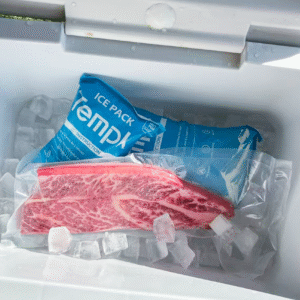
How do you size an Amazon dry ice pack for 24–72‑hour lanes?
What 2025 rules govern UN1845 labels, venting, and air/USPS limits?
Where does an Amazon dry ice pack beat gel or PCM—and when not?
How can you reduce cost with hybrid builds and better insulation?
What 2025 market and tech trends should shape your plan?
What makes an Amazon dry ice pack the right choice?
Direct answer:
An Amazon dry ice pack holds −78.5 °C cold, leaves no liquid, and stabilizes frozen payloads over multi‑day lanes. It turns from solid to gas (sublimation), so you must provide a safe vent path. For deep‑freeze goods—ice cream, premium seafood, biologics—it outperforms gel/PCM that target chilled ranges.
Expanded explanation:
Think of dry ice as “cold steam” in reverse—it disappears rather than melts. That protects labels and cartons from moisture and prevents soggy unboxing. Use gel or 5 °C PCM when you don’t want freezing; keep Amazon dry ice pack for items that must stay rock‑solid. One pound of dry ice produces about 8.8 ft³ of CO₂ gas as it warms, which is why vents matter. FAA
How does it compare to gel and PCM (phase‑change material)?
For frozen, Amazon dry ice pack wins on temperature depth and duration. For 2–8 °C goods, PCM is safer because it avoids freeze damage. Use gel for short, local chilled runs.
| Refrigerant | Typical Range | Usual Duration | What it means for you |
|---|---|---|---|
| Dry ice | −78.5 °C to −20 °C | 24–72 h | Deep‑freeze lanes; must vent; label UN1845 + Class 9 |
| PCM 5 °C | 2–8 °C (fridge) | 24–60 h | Vaccines, dairy, produce; no freeze risk |
| Gel pack | ~0–10 °C | 12–36 h | Short last‑mile; low cost; may wet cartons |
Practical tips & scenarios
Frozen desserts in summer: Use Amazon dry ice pack, pre‑freeze payload, add 10–15% buffer for delays.
Chilled vaccines: Prefer PCM 5 °C; add small dry‑ice “guard” only if lane validation shows spikes.
E‑commerce food: Validate one lane per season with a logger; tune pack counts quarterly.
amazon_dry_ice_pack_article
Case: A dessert brand doubled dry ice from 4 lb to 8 lb and added vented EPS lids; “arrived‑soft” tickets fell 28% across hot lanes while refund costs dropped within two weeks.
amazon_dry_ice_pack_article
How many Amazon dry ice pack units do you need?
Direct answer:
Start at 5–10 lb per 24 h, then adjust for insulation, ambient heat, and payload mass. Include a 10–15% buffer for delays. Keep the Amazon dry ice pack near the top and around the sides; fill voids to slow sublimation.
amazon_dry_ice_pack_article
Expanded explanation:
Because each pound becomes ~8.8 ft³ CO₂, poor venting or large headspace accelerates loss. Thicker insulation (EPS 2–3″) or VIPs reduces lb/day; thin liners or hot lanes demand more. Pre‑freeze the product; dry ice maintains, it doesn’t fast‑freeze. FAA
Sizing details (fast lane math)
| Planning factor | Baseline | If this is true… | Then do this |
|---|---|---|---|
| Ambient | 18–24 °C | 28–35 °C summer | Add 20–40% dry ice |
| Insulation | EPS 2–3″ | Thin paper liners | Add 2–4 lb per 24 h |
| Payload temp | Pre‑frozen | Only chilled | Increase by ~30% |
| Headspace | Minimal, vented | Large voids | Fill voids; keep vents |
Practical tips & scenarios
48 h, thin liners, hot lane: 6 lb/24 h × 2 d = 12 lb → +30% heat/liners = ~16 lb total → 1 lb units = 16–18 packs with buffer.
Hybrid build: Dry ice + 5 °C PCM can trim CO₂ use ~15% while extending duration.
amazon_dry_ice_pack_article
Case: A biotech shipper used a hybrid dry ice + PCM design and extended 72 h holds while cutting dry ice ~15%, reducing cost without compromising viability.
amazon_dry_ice_pack_article
Install this simple dry‑ice calculator
Amazon dry ice pack compliance: what rules apply?
Direct answer:
Mark “UN1845 Carbon dioxide, solid,” add Class 9, show net kg, and ensure venting. USPS air mail is ≤5 lb dry ice per mailpiece. Passenger baggage is ≤2.5 kg per person with airline approval; cargo shipments follow IATA PI 954 rules and operator variations.
Expanded explanation:
For air cargo, many operators accept up to ~200 kg net dry ice per package under PI 954 when packaging vents CO₂ and is properly labeled; always confirm carrier variations (some routes cap lower). For consumer air mail, USPS caps at 5 lb per piece; heavier loads go surface/ground. Passenger baggage must not be airtight and must be marked accordingly.
Quick compliance table
| Mode | Key limit | Labeling & notes | What it means |
|---|---|---|---|
| Air cargo (PI 954) | Often up to ~200 kg/package (operator limits vary) | UN1845, Class 9, net kg; vented packaging | Design to PI 954; verify operator cap at booking. |
| USPS domestic air | ≤5 lb per mailpiece | Vented, marked per Pub 52 & 49 CFR | Use ground for larger amounts. Postal Explorer |
| Passenger baggage | ≤2.5 kg per person | “Dry ice/CO₂ solid” + net weight; airline approval | For personal travel only; not for commerce. |
Practical tips & scenarios
Print UN1845 + net kg on the same face as Class 9; avoid placing labels on the bottom.
Add small vent slits near the lid on EPS shippers; never seal liners airtight.
Keep SDS handy; some carriers request it at acceptance.
amazon_dry_ice_pack_article
Case: After adding a UN1845/net‑kg field to the packout SOP, a 3PL cut carrier refusals to near zero on pharma lanes within a week.
amazon_dry_ice_pack_article
Will an Amazon dry ice pack lower total cost?
Direct answer:
Yes—if you right‑size packs, upgrade insulation, and use hybrids. Fewer spoilage claims, fewer re‑ships, and simpler SOPs lower total landed cost.
Expanded explanation:
Uniform unit sizes speed packout and reduce errors. A hybrid Amazon dry ice pack + PCM build can trim total dry ice and stabilize surface temperatures, improving product quality on arrival. Validate with low‑cost BLE/USB loggers before scaling.
amazon_dry_ice_pack_article
Where the savings come from
| Lever | Effect | Your takeaway |
|---|---|---|
| Better insulation (R↑) | Less lb/day consumption | Pay once; save every shipment |
| Hybrid builds | ~10–20% less dry ice | Smoother temps, fewer returns |
| SOP + labels | Fewer refusals | Faster acceptance, fewer fees |
2025 trends for your Amazon dry ice pack strategy
Trend overview:
Market demand is growing. The global dry‑ice market is projected to rise from $1.66 B (2025) to $2.73 B by 2032 (CAGR 7.4%). Expect more thin‑pack formats, IoT monitoring, and captured‑CO₂ sourcing to reduce footprint. Plan for digital acceptance checks aligned to 2025 DGR updates.
Latest developments at a glance
Thin packs: Space‑savvy bricks/sheets that still hold −78.5 °C; helpful for crowded vans.
amazon_dry_ice_pack_article
Smarter monitoring: BLE/NFC loggers + dashboards for lane validation and SOP tuning.
amazon_dry_ice_pack_article
Circular CO₂: More producers source CO₂ from industrial capture to lower impact.
amazon_dry_ice_pack_article
Market insight: Asia‑Pacific continues to lead share, with food and pharma growth pulling stronger frozen lanes. Optimize insulation first; poor containers inflate lb/day consumption and cost.
Frequently Asked Questions
Q1: How long will an Amazon dry ice pack last?
Typically 24–72 h depending on lb/day, insulation, and heat. Start with 5–10 lb per 24 h and validate with a logger.
amazon_dry_ice_pack_article
Q2: Can I ship an Amazon dry ice pack by air?
Yes—follow PI 954: UN1845, Class 9, net kg, vent packaging, and confirm any operator‑specific caps.
Q3: What about USPS?
USPS air mail allows ≤5 lb dry ice per mailpiece; heavier shipments go by surface.
Q4: How much gas does dry ice produce?
About 8.8 ft³ CO₂ per pound—design vent paths accordingly.
Q5: Can I use Amazon FBA for frozen goods with dry ice?
FBA generally does not accept products requiring refrigeration/freezing; meltable items face April 15–Oct 15 windows. Use FBM/3PL for cold‑chain SKUs.
Summary & recommendations
Key points:
An Amazon dry ice pack delivers ultra‑cold performance without meltwater. Size at 5–10 lb/24 h, pre‑freeze the payload, vent the container, and label UN1845 + Class 9 + net kg. Consider hybrids to reduce consumption and upgrade insulation to cut cost.
amazon_dry_ice_pack_article
Next steps (CTA):
Run one instrumented test per lane and season.
Lock an SOP with pack counts and label placement.
Deploy the calculator on your site and train the team.
Contact Tempk for a lane‑specific optimization plan.
About Tempk
We engineer validated cold‑chain packaging—Amazon dry ice pack systems, hybrid PCM builds, and reusable shippers—for food, pharma, and biotech. Our designs focus on lane reality (weather, courier mix, takt time) and come with calculators and SOPs your team will actually use. Talk to us for a 15‑minute lane review.
Cost Dry Ice Ice Pack: 2025 Pricing, Rules & ROI

Cost Dry Ice Ice Pack: 2025 Pricing, Rules & ROI
Choosing the right cost dry ice ice pack in 2025 directly lowers your total landed cost while protecting product quality. You’ll see real per‑pound pricing, typical surcharges, and right‑sizing rules you can copy today. In plain English, we show the math, when to switch to gel packs, and how to label shipments correctly for air and ground. You’ll also get a mini calculator and a quick checklist to apply on your next shipment.
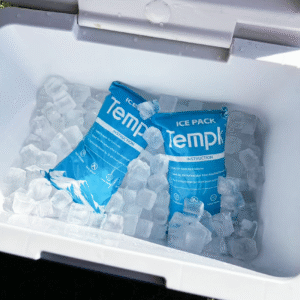
How to size a cost dry ice ice pack for 24–120‑hour lanes without overspending
Which 2025 surcharges and rules matter most for your cost dry ice ice pack
When PCMs beat a cost dry ice ice pack for 0–8 °C “do‑not‑freeze” freight
How to combine data loggers and insulation choices to reduce total cost
What drives the cost dry ice ice pack in 2025?
Direct answer: Price per pound, carrier dry‑ice fees, insulation R‑value, ambient heat, and failure risk are the big levers. Retail dry ice commonly lands between $1.60 and $3.00 per lb, and many air services add about an $8 dry‑ice fee per package. Plan around a 5–10 lb per‑day sublimation range and upgrade insulation where it’s cheaper than shipping extra weight. These figures synthesize current field data and carrier guidance.
cost_dry_ice_ice_pack
Why it matters to you: Think of heat as water leaking into a bucket. Better insulation shrinks the leak, so you buy less ice for the same lane. If you ship frozen goods for 2–3 days, start near 5 lb/day in tight EPS shippers and 8–10 lb/day in thin corrugate. Supplier tiers push unit price down as you buy more; pair with a neighbor to place a 100‑lb order and cut the per‑lb rate.
How much dry ice per day for common frozen lanes?
For mid‑size shippers, a practical range is 5–10 lb per 24 hours. Use the low end for dense EPS or VIP containers, and the high end for thin walls or hot routes. Record one run per lane with a data logger; you’ll know if you can trim ice or need a buffer for heat waves.
| Lane length | Base lb/day | When to use | What it means for you |
|---|---|---|---|
| 24 h, EPS/VIP | 5 | Mild routes, tight fit | Lower mass, lower freight weight |
| 48–72 h, EPS | 6–7 | Most frozen food | Balance weight and margin |
| 72–96 h, corrugate | 8–10 | Hot summers, thin walls | Consider better insulation over more ice |
Practical tips and suggestions
Hot lanes: Pre‑freeze payload and add a 20–30% buffer.
Long lanes: Split ice along walls and lid to reduce hotspots.
Ultra‑frozen: Use dry ice for ≤−50 °C specs; PCMs alone won’t hold it.
Validation: Run a data‑logger trial for each lane and cost dry ice ice pack size.
Actual case: A West‑coast bakery replaced gels with a 6 lb cost dry ice ice pack in an EPS cooler for two‑day air and cut claims ~30% with no base‑rate increase.
How do you size a cost dry ice ice pack without overspending?
Short answer: Use a repeatable estimator and validate with one timed trial. A popular shortcut for frozen lanes is payload weight × 0.6 × transit days. Cross‑check with the 5–10 lb/day heuristic and adjust +20–30% for heat waves or thin corrugate.
Worked examples for fast budgeting
Example A (2‑day air, EPS): 6 lb × $1.80 = $10.80 ice + ~$8 dry‑ice fee + $3 materials ≈ $21.80–$23.80.
Example B (4‑day ground, corrugate): 18 lb × $1.60 = $28.80 ice + $0–$8 fee + $3.50 materials ≈ $32.30–$40.30.
Example C (3‑day air, hot route): 29 lb × $2.20 = $63.80 + ~$8 fee + $3.50 ≈ $75.30; upgrading insulation likely cheaper.
Dry ice vs gel packs: when is a cost dry ice ice pack the better choice?
Rule of thumb: Choose dry ice for ≤−18 °C targets or longer lanes; choose PCMs/gel for 0–8 °C “do‑not‑freeze” products. Dry ice is single‑use but powerful; gels are reusable and avoid hazmat fees. Hybrid packouts use a small cost dry ice ice pack plus PCMs to stage from frozen to chilled over 3–5 days.
| Cooling method | Typical unit cost | Reuse | Regulatory burden | Best fit |
|---|---|---|---|---|
| Dry ice | $1.60–$3.00 per lb | Single‑use | Class 9 label, venting, UN1845 | Keep products ≤−18 °C |
| PCM/gel | $2–$5 per pack | Reusable | No hazmat for most lanes | Hold 0–8 °C or supplement dry ice |
Labeling and safety for any cost dry ice ice pack
Do this every time: Air shipments must be vented and marked “Carbon Dioxide, solid,” with UN1845 and net kg, plus a Class 9 label. Leave 10–15% headspace. CO₂ expands ~541 L per kilogram; never hermetically seal. A one‑page SOP with photos prevents relabel fees and delays.
Mark Dry Ice / Carbon Dioxide, solid.
Add UN1845 and net weight in kg (e.g., 6.0 kg).
Apply Class 9 label on a vertical side.
Use vented packaging; never tape over vents.
Quick self‑check
We validated at least one lane with a data logger.
We documented UN1845 and net kg on every air carton.
We leave 10–15% headspace in every box.
We have a PCM alternative to a cost dry ice ice pack for 0–8 °C lanes.
We renegotiate dry‑ice tiers quarterly.
2025 trends that change your cost dry ice ice pack
What’s new: Expect steady per‑lb pricing with regional swings, modest carrier fee increases, and better insulation/monitoring tech. Portable dry‑ice generators and lighter VIP liners cut transport cost. Keeping both a cost dry ice ice pack and a PCM packout validated lets you switch when weather or price moves.
Latest updates at a glance
Carrier fees: Many U.S. air services apply dry‑ice handling fees around $8 per package.
Supply: CO₂ availability can tighten locally; keep two suppliers.
Tech: Cheaper cloud data loggers make quarterly lane validation easy.
Materials: New VIP liners reduce ice mass without hurting hold time.
Market insight: Model two packouts per lane and negotiate surcharge terms annually. When energy costs spike or heat waves hit, switching to higher‑R packaging often beats shipping another 5–10 lb per day of a cost dry ice ice pack.
FAQ
What does a cost dry ice ice pack include?
It means the ice mass, carrier fee, materials, labor, and expected risk cost—use all five to compare options.
Is dry ice hazardous?
Yes. It is regulated in air transport; packages must vent and be labeled. Train staff and meter CO₂ in staging areas.
How much headspace do I need?
Aim for 10–15% free volume and keep vents open; CO₂ expands fast as the ice sublimates.
Can I ship dry ice by ground without hazmat paperwork?
With non‑dangerous goods, you typically need proper labels and venting, not a full hazmat declaration. Confirm your carrier guide.
How many pounds per day should I plan?
Start with 5–10 lb per 24 hours and validate with a logger on your own lanes.
Summary and recommendations
Key points: Your cost dry ice ice pack is driven by price per lb, carrier fees, insulation, ambient heat, and risk. Right‑size with simple math, label correctly, leave headspace, and keep a PCM option for chilled lanes. Validate with a data logger and revisit tiers with suppliers once per quarter.
Next steps: Run the estimator for your top five lanes, then A/B test insulation vs ice mass. Refresh your labeling SOP and schedule a quarterly lane validation. CTA: Contact Tempk for a lane‑by‑lane packout and cost model.
About Tempk
We design validated dry‑ice and PCM packouts, insulated shippers, and labeling SOPs. We help food, pharma, and biotech teams cut claims by 20–40% and reduce landed cost by 10–25% by right‑sizing coolant and improving insulation.
Dry Ice Supplier vs Ice Pack: 2025 Buyer’s Guide
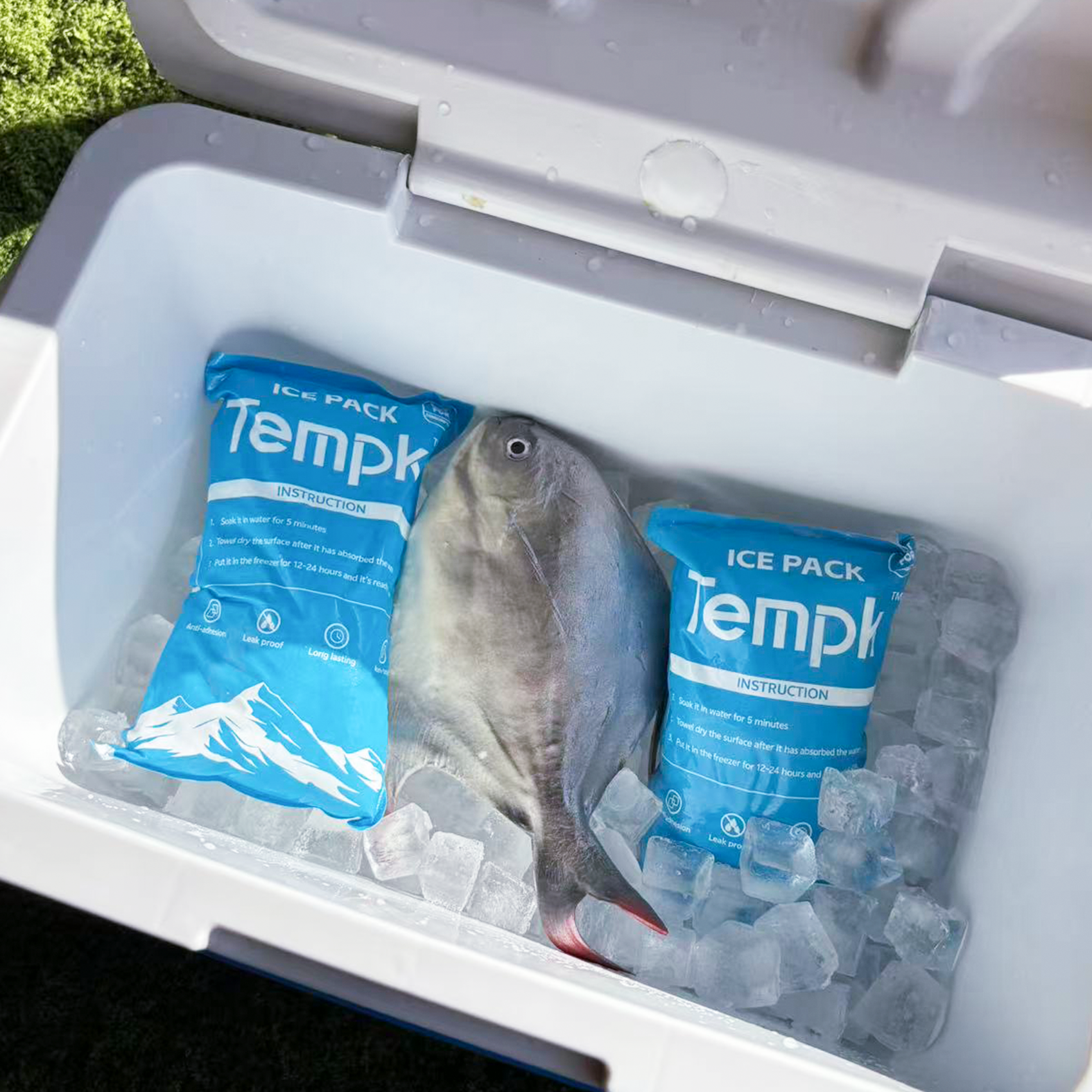
Dry Ice Supplier or Ice Pack: How to Choose in 2025
Updated: October 11, 2025
Choosing a dry ice supplier or an ice pack strategy comes down to temperature, time, and compliance. Dry ice holds about –109.3 °F (–78.5 °C) and turns straight to gas, keeping parcels dry; ice packs maintain 35–45 °F for chilled loads. This guide shows you how to vet a dry ice supplier, size cooling correctly, and stay compliant—so your shipments arrive safe without overspending.
How do you vet a dry ice supplier for quality and reliability? (local production, forms, safety)
dry_ice_supplier_article
Dry ice supplier or ice pack—which fits your lane and product? (frozen vs. chilled, hybrid builds)
dry_ice_supplier_article
How much dry ice should you start with for each shipment? (fast estimator, tuning by data)
文章3-web
What labels and rules actually matter in 2025? (UN1845, PI 954, venting)
dry_ice_supplier_article
Which 2025 trends can lower cost and risk? (CO₂ capture, smart logging, reusables)
dry_ice_supplier_article
What does a reliable dry ice supplier guarantee in 2025?
Short answer: Fresh production, the right forms, and safety‑first guidance from your dry ice supplier cut loss and errors. Prioritize nearby production (fewer sublimation losses), frequent delivery, and options like pellets, nuggets, and blocks to match your pack‑outs. Ask for handling instructions and vented containers as part of the service.
dry_ice_supplier_article
Why it matters: Dry ice sublimates over time. A local, frequent‑run dry ice supplier helps you receive fresher product and less waste. Expect help choosing forms (pellets for fast pull‑down; blocks for long lanes) and practical packaging tips to maximize hold time and safety. Sustainability credentials—CO₂ capture and reusable packaging—are now a differentiator.
dry_ice_supplier_article
What should your dry ice supplier provide by default?
Purity, forms, delivery windows, and compliance support—these reduce excursions and rework. Many buyers look for ≥99.9% CO₂ purity, regional coverage, and flexible drop schedules; your dry ice supplier should also provide clear safety data and training materials.
Dry_Ice_Supplier_Ice_Pack_Tempk…
| Supplier Checklist | What to Ask | What Good Looks Like | Why It Helps You |
|---|---|---|---|
| Production cadence | Daily/on‑demand runs | Same‑/next‑day delivery | Fresher ice, less loss dry_ice_supplier_article |
| Forms & sizes | Pellets, blocks, “rice” | Choice by lane length | Right form, right hold time dry_ice_supplier_article |
| Purity & SDS | Food‑grade CO₂ docs | ≥99.9% CO₂, SDS shared | Consistent performance Dry_Ice_Supplier_Ice_Pack_Tempk… |
| Safety & training | PPE, venting guidance | Pack SOPs and labels | Fewer incidents, faster pack‑out dry_ice_supplier_article |
Practical tips you can use today
Pre‑chill shippers and product to lower the initial heat load.
dry_ice_supplier_article
Place dry ice on top of frozen goods so cold gas sinks through the payload.
dry_ice_supplier_article
Keep packages vented; never gas‑tight. Your dry ice supplier should reinforce this.
dry_ice_supplier_article
Real‑world case: A dessert brand swapped retail blocks for scheduled pellets + half‑blocks from a regional dry ice supplier. Result: fewer temperature excursions on 3‑day lanes and ~9% lower coolant cost by standardizing form factor.
文章3-web
Dry ice supplier or ice pack—which fits your product and lane?
Short answer: Use dry ice for fully frozen, multi‑day lanes; use ice packs for 2–8 °C, short‑haul parcels; combine both for hybrid control. Dry ice is colder and often lighter per unit of cooling; ice packs are reusable and simpler to handle.
dry_ice_supplier_article
More detail: Ice packs typically hold refrigerator‑like temperatures and are ideal for products that must not freeze. They’re budget‑friendly and safer to handle. Dry ice excels when you must keep goods frozen for days or ship where refrigeration is scarce. Many teams layer ice packs around sensitive items and place dry ice above for stable, frozen conditions.
dry_ice_supplier_article
Side‑by‑side comparison for quick decisions
| Factor | Dry Ice | Ice Pack | What it means for you |
|---|---|---|---|
| Operating temp | –109.3 °F (–78.5 °C) | 35–45 °F (2–7 °C) | Frozen vs. chilled selection dry_ice_supplier_article |
| Typical duration | Several days when packed well | Often up to ~6 hours | Pick by lane length dry_ice_supplier_article |
| Cost profile | Consumable, higher per ship | Reusable, lower unit cost | Balance budget & scale dry_ice_supplier_article |
| Safety & rules | PPE + UN1845 + venting | Minimal restrictions | Plan training & labeling dry_ice_supplier_article |
Field‑ready guidance
Frozen desserts, 2–3 days: dry ice blocks + pellet topper; verify vent path.
文章3-web
Fresh biologics, 2–8 °C: high‑quality ice packs; avoid dry ice freezing.
dry_ice_supplier_article
Mixed payloads: hybrid build with ice packs buffering and dry ice maintaining frozen zones.
dry_ice_supplier_article
How much dry ice do you actually need for each shipment?
Short answer: Start with 5–10 lb per 24 h for a well‑insulated parcel, then tune by data. For 10 lb of product over 24 h, ~5 lb dry ice is a common baseline; increase with longer lanes or poor insulation.
dry_ice_supplier_article
Why it works: Dry ice cooling comes from sublimation, not melting, so it often weighs less than the equivalent cooling from water‑based packs. Use blocks for longer lanes (slower loss), pellets for fast pull‑down in tight voids, and always allow gas to vent. Your dry ice supplier can help run sizing calculators for your routes.
dry_ice_supplier_article
Quick estimator (copy & adapt)
| Estimator Input | Typical Value | Tuning Tip | What it means for you |
|---|---|---|---|
| Transit days | 1–4 | Include sortation buffers | Prevent under‑packing |
| Insulation factor | 0.8–1.4 | Better R‑value → smaller factor | Right‑size cost |
| Pack geometry | Low voids best | Fill voids to slow convection | Longer hold time |
| Form choice | Blocks for long lanes | Pellets to fill gaps | Match to handling |
Pro tip: Pre‑chill containers and product. It’s a free “extra hour” of hold time that any dry ice supplier will recommend.
dry_ice_supplier_article
Safety & compliance: can your dry ice supplier keep you audit‑ready?
Bottom line: Mark UN1845, show net weight, apply Class 9, and keep packages vented. IATA PI 954 and carrier job aids mirror these rules; many airlines cap dry ice on passenger aircraft. Train teams on PPE and unpack in ventilated areas.
dry_ice_supplier_article
Details that prevent delays: Use vented lids or relief paths, never seal dry ice in airtight bags, and include handling guidance in SOPs. A competent dry ice supplier provides SDS, labeling guidance, and refresher training for pack‑out teams.
dry_ice_supplier_article
Compliance checklist you can paste into your SOP
UN1845 + proper shipping name on outer box; net kg displayed.
dry_ice_supplier_article
Class 9 hazard label applied clearly; don’t cover or fold.
dry_ice_supplier_article
Venting required; never gas‑tight.
dry_ice_supplier_article
Passenger aircraft limits exist; many services impose low per‑package caps.
dry_ice_supplier_article
2025 cold chain developments and trends
Trend overview: CO₂ capture now underpins many dry ice plants, strengthening supply and sustainability claims. Smart temperature loggers and connected labels are standard in shipper kits, while reusable insulation and eco‑friendly gels reduce waste. Expect broader hybrid builds and subscription supply models from your dry ice supplier.
dry_ice_supplier_article
Latest at a glance
CO₂ capture → dry ice: lower footprint narratives and more stable sourcing.
dry_ice_supplier_article
IoT tracking: real‑time alerts cut spoilage and speed root‑cause analysis.
dry_ice_supplier_article
Reusable shippers: better insulation, less refrigerant, lower lifetime cost.
dry_ice_supplier_article
Market insight: E‑commerce and personalized medicine are extending frozen lanes and raising expectations for compliance literacy from every dry ice supplier you consider. Hybrid systems mixing dry ice and high‑performance packs are gaining share.
dry_ice_supplier_article
Hands‑on tips and quick wins
Scenario—2‑day frozen desserts: Use blocks with a small pellet topper; log the first two runs and tune weight.
文章3-web
Scenario—same‑day groceries (chilled): Select high‑quality ice packs; avoid dry ice to prevent freezing.
dry_ice_supplier_article
Scenario—4‑day national lane: Choose block‑heavy builds from your dry ice supplier and minimize headspace.
dry_ice_supplier_article
Field example: Switching to a local dry ice supplier with daily production cut sublimation losses in transit and improved Monday‑morning fill rate for urgent orders.
dry_ice_supplier_article
Frequently Asked Questions
Q1: How cold is dry ice and why does it outperform water ice?
Dry ice sits near –109.3 °F (–78.5 °C) and sublimates—no meltwater—so cooling stays dry and consistent.
dry_ice_supplier_article
Q2: Can I combine dry ice and ice packs in one box?
Yes. Use ice packs to buffer sensitive items and dry ice above to hold frozen conditions for longer lanes.
dry_ice_supplier_article
Q3: What starting amount should I try if I don’t have data yet?
Plan 5–10 lb per 24 h for a typical insulated parcel, then adjust by lane data and insulation.
文章3-web
Q4: What labeling is required for air shipments?
Mark UN1845 “Dry ice/Carbon dioxide, solid,” show net kg, apply Class 9, and ensure venting as required by PI 954.
dry_ice_supplier_article
Q5: What purity should I expect from a dry ice supplier?
Look for documented, food‑grade CO₂—many buyers target ≥99.9% purity from their dry ice supplier.
Dry_Ice_Supplier_Ice_Pack_Tempk…
Summary and recommendations
Key points: Pick a dry ice supplier with local production, the right forms, and strong safety/compliance support. Use dry ice for frozen, multi‑day lanes; ice packs for 2–8 °C or short hauls; try hybrid builds where it helps. Start at 5–10 lb per 24 h and tune with loggers. Keep packages vented and labeled (UN1845, net kg, Class 9).
Next steps (CTA):
Audit your SKUs by frozen vs. chilled and transit time.
Ask a dry ice supplier for form options and delivery windows.
Run two test shipments with data loggers; adjust weights ±20%.
Publish a one‑page pack‑out SOP and train your team.
dry_ice_supplier_article
About Tempk
We engineer practical cold‑chain builds that combine dry ice and advanced packs. Our team supports sizing, labeling, and pack‑out SOPs, and we prioritize sustainability through smart sensors and reusable insulation. If you need a lane‑specific recommendation or an SOP template, we’re ready to help.
Bulk Dry Ice Pack Sheet: 2025 Buyer’s Guide

Bulk Dry Ice Pack Sheet: Which Solution Wins in 2025?
If you run temperature-sensitive lanes, a bulk dry ice pack sheet helps you hit target temps, cut waste, and standardize pack-outs. Within the first 50 words, we name our main keyword: bulk dry ice pack sheet. You’ll see clear sizing rules, venting steps, and when to choose gel vs. dry ice to keep products safe for 24–72 hours. This guide is written for busy ops teams.
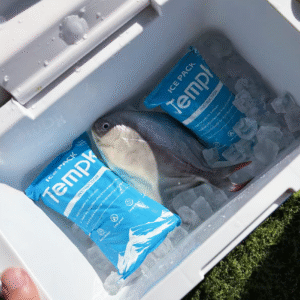
When a bulk dry ice pack sheet beats loose blocks for uniform cold and safety
How to size a bulk dry ice pack sheet to lane duration and insulation class
How to vent a bulk dry ice pack sheet to avoid pressure and burst risks
When to switch from bulk dry ice pack sheet to gel sheets or hybrids
2025 trends that upgrade bulk dry ice pack sheet sustainability and ROI
What is a bulk dry ice pack sheet, and how does it work?
Direct answer: A bulk dry ice pack sheet is sold by the case for repeatable pack-outs. Two families share similar names in the market: gel-based “ice pack sheets” for 0–8 °C, and ventable CO₂ dry ice sheets for subzero lanes. Both formats wrap products evenly and stabilize temperature profiles.
bulk_dry_ice_pack_sheet
bulk-dry-ice-pack-sheet-article
Explanation: Gel sheets are water-based cells you hydrate, freeze flat, then cut to fit. They hold 0–8 °C for ~24–48 hours in insulated shippers and are reusable. Dry ice sheets are multi‑cell CO₂ formats that sublimate to maintain deep‑frozen temps; they require vent paths and UN1845 labels when mass is high. Use gel for chilled lanes; use dry ice for frozen or long routes.
bulk_dry_ice_pack_sheet
bulk-dry-ice-pack-sheet-article
Key terms in plain language (long-tail: dry ice vs gel sheet)
Sublimation: Solid CO₂ turns to gas; there’s no liquid stage.
Venting: A small, deliberate gas‑escape path that prevents pressure build-up.
Headspace: Extra volume inside the shipper for gas; stabilizes pressure.
Barrier film: Plastic that blocks moisture/air; great for cold, but needs venting.
| What You’re Choosing | Typical Options | Why It Matters | Practical Benefit |
|---|---|---|---|
| Cell count | 12 / 24 / 48 | Controls surface area & rate | Tune to lane duration |
| Unit mass per sheet | 0.5–2.0 lb | Thermal inertia | Match ambient profile |
| Film thickness | 4–6 mil | Tear resistance | Survives automation |
| Venting feature | Micro‑vent / fold gap | Prevents overpressure | Safe & compliant |
| Case size | 24 / 48 / 96 | Replenishment cadence | Fewer stockouts |
Practical tips and use cases (long-tail: dry ice vs gel sheet for 2–8 °C)
Chilled foods and 2–8 °C meds: Prefer gel sheets; they avoid CO₂ handling and keep goods above freezing.
Deep‑frozen items: Prefer a bulk dry ice pack sheet; add a barrier tray to protect packaging.
Hybrid: Wrap with gel and place a small dry ice slab on top for longer frozen holds; always vent the shipper.
bulk_dry_ice_pack_sheet
Real case: A butcher lined sides with two gel sheets and capped with a top sheet in summer heat (~30 °C). Meat arrived at 3–5 °C and wet‑box complaints dropped.
bulk_dry_ice_pack_sheet
How do you size a bulk dry ice pack sheet to your lanes?
Direct answer: Start with lane duration + insulation class to estimate sheets per box, then validate at the warm edge. Avoid over‑icing; it adds cost and CO₂ volume without real benefit. Begin small and adjust by ±1 sheet.
bulk-dry-ice-pack-sheet-article
Deeper explanation: Time, target temperature (e.g., ≤ −20 °C vs 0–8 °C), ambient map, payload mass, and R‑value determine cooling mass. Gel sheets for chilled lanes typically hold 24–48 hours; dry ice sheets can reach 48–72 hours with proper venting. Add 20–30% buffer for porch dwell or peak summer. Log temperature on trial runs and lock recipes.
bulk_dry_ice_pack_sheet
Quick lane‑first sizing method (long-tail: bulk dry ice pack sheet sizing)
Map lane hours by ambient bands.
Pick shipper class (EPS/PU/VIP).
Start with 3 sheets for 24–36 hr food lanes; 4–6 sheets for longer or frozen targets.
Validate warm; shift by ±1 sheet; publish the recipe card.
bulk-dry-ice-pack-sheet-article
| Lane Duration | Container | Starting Sheets | Notes |
|---|---|---|---|
| 24–36 hr | EPS | 3 | Top, bottom, side |
| 36–48 hr | EPS/PU | 4 | Split 2/2 top & bottom |
| 48–60 hr | PU/VIP | 5–6 | Add side strips; vent notch |
| 60–72 hr | VIP | 6–8 | Engineered micro‑vents required |
A simple self‑check calculator
How do you vent a bulk dry ice pack sheet safely?
Direct answer: Always provide two vent paths: one inside the bag (fold gap or micro‑vents) and one in the outer shipper (lid notch/plug). Label dry ice as UN1845 with net weight when required.
bulk-dry-ice-pack-sheet-article
Why it matters: Dry ice expands ~750× as it becomes gas; without relief, bags can rupture or lids lift. Micro‑vents (2–3 mm) near bag corners or a 3–5 mm fold gap keep pressure manageable. Confirm vents are not blocked by gel wraps or dunnage. Validate at 23–25 °C with a datalogger.
bulk-dry-ice-pack-sheet-article
Field‑proven venting SOP (long-tail: how to vent dry ice packaging)
Do not fully seal the inner bag.
Verify a relief notch or plug in the shipper.
Mark “Dry Ice – UN1845” + net weight (kg).
Audit 5 boxes per line per day during peak.
bulk-dry-ice-pack-sheet-article
| Risk Scenario | Cause | Prevention | Result |
|---|---|---|---|
| Bag rupture | Fully sealed bag | Micro‑vents or fold gap | Safe venting |
| Lid lift | Airtight shipper | Relief notch/plug | Pressure control |
| Frost damage | Direct contact | Barrier tray/sleeve | Product integrity |
| Over‑icing | Habitual extra ice | Validated recipes | Lower waste |
Bulk dry ice pack sheet vs. gel sheet: which should you choose?
Short answer: Choose gel for 0–8 °C, no hazmat, and reuse; choose a bulk dry ice pack sheet for deep‑frozen lanes or >48 hours. Hybrid packs extend frozen time and smooth temperature swings.
bulk_dry_ice_pack_sheet
Context: Gel sheets hydrate–freeze–pack and can be cut along seams for 360° coverage. Dry ice sheets are non‑reusable but deliver sub‑zero holds; they require venting and labeling when mass exceeds limits. For precise 2–8 °C, combine gel with PCM to avoid accidental freezing.
bulk_dry_ice_pack_sheet
At‑a‑glance comparison (long-tail: dry ice vs gel sheet)
| Criteria | Gel Sheet | Dry Ice Pack Sheet | What it means for you |
|---|---|---|---|
| Temperature | 0–8 °C | ≤ −78.5 °C | Chilled vs deep‑frozen control |
| Duration | 24–48 h | 48–72 h (vented) | Depends on R‑value & mass |
| Reusability | Yes | No | Cost per shipment |
| Safety | Non‑hazmat | Hazmat | Training & labels |
| Best use | Produce, biologics 2–8 °C | Ice cream, long frozen lanes | Choose per lane |
Pro moves you can use today
Pre‑chill everything: Cold product + cold shipper = longer holds.
Provide 360° coverage: Top, bottom, and sides to eliminate warm corners.
Add a spacer layer: Buffer freeze‑sensitive packaging from direct cold.
bulk_dry_ice_pack_sheet
2025 developments and trends for bulk dry ice pack sheet programs
Trend overview: Expect smarter films with pressure‑responsive vents, recyclable mono‑material barriers, and predictive pack‑out software. PCM gel sheets are gaining traction for precise 2–8 °C control, often replacing dry ice in compliant lanes. The cold‑chain market continues to expand rapidly into 2025.
bulk_dry_ice_pack_sheet
bulk-dry-ice-pack-sheet-article
Latest progress at a glance
Smart vent films: Open at low PSI, then re‑seal at rest for safer handling.
Predictive dosing: Route‑aware tools set exact sheet counts per shipment.
Recyclable sleeves: Hybrid Kraft–film outers reduce plastic mass.
bulk-dry-ice-pack-sheet-article
Market insight: Reusable gel programs reduce hazmat fees and simplify training. Regulators continue to emphasize venting and labeling for dry ice, increasing the value of validated recipes. Firms that standardize hybrid gel+PCM or sheet‑based dry ice achieve fewer rejects and lower cost.
bulk_dry_ice_pack_sheet
How should you buy, store, and stage a bulk dry ice pack sheet?
Direct answer: Keep bulk dry ice pack sheet SKUs in closed cases, kit by cart, and trigger replenishment on the last case. Aim for 0.8–1.2 cases per week per line so opened cases do not drift across shifts.
bulk-dry-ice-pack-sheet-article
Details: A bulk dry ice pack sheet program works best with two case sizes (48 and 24) to smooth demand. Stage only today’s open cases at lines, color‑code by lane type, and cycle‑count partials daily. Use e‑paper labels to show recipe and remaining counts. This reduces waste and speeds audits.
bulk-dry-ice-pack-sheet-article
Warehouse & automation tips (long‑tail: warehouse playbook for bulk dry ice pack sheet)
Slot each bulk dry ice pack sheet SKU in a dedicated pallet position.
Feed cases to carousels; pickers drop sheets into totes for each order.
Vision checks confirm top/bottom placement of each bulk dry ice pack sheet.
End‑of‑shift: close partials, log exceptions, and return to bin.
bulk-dry-ice-pack-sheet-article
Frequently asked questions
Is a bulk dry ice pack sheet actually dry ice?
Sometimes yes. The term in the market covers both gel “ice pack sheets” and CO₂ dry ice sheet formats. Check your spec sheet and venting requirements.
bulk_dry_ice_pack_sheet
How long will a gel sheet stay cold?
Typically 24–48 hours in a good insulated shipper; add mass or better insulation for longer routes.
bulk_dry_ice_pack_sheet
Do I need to vent dry ice sheets?
Yes. Provide an inner vent path and an outer relief notch or plug; label UN1845 with net weight as applicable.
bulk-dry-ice-pack-sheet-article
How many sheets per box should I start with?
Begin with 3–4 for 24–36 hr food lanes; 6–8 for longer or colder targets; validate and adjust.
bulk-dry-ice-pack-sheet-article
Can I mix gel sheets and dry ice?
Yes. Wrapping with gel and placing a small dry ice slab on top extends frozen hold and smooths temperatures—ensure proper venting.
bulk_dry_ice_pack_sheet
Summary and recommendations
Bottom line: A bulk dry ice pack sheet strategy is scalable across seasons. A bulk dry ice pack sheet program improves repeatability, safety, and cost control. Size by lane and insulation, validate at the warm edge, and vent every inner bag and outer shipper. Use gel for chilled lanes, dry ice sheets for deep‑frozen, and hybrids for long routes.
bulk_dry_ice_pack_sheet
bulk-dry-ice-pack-sheet-article
Next steps: For your next trial, place one extra bulk dry ice pack sheet in warm lanes and remove it in cool lanes to see variance. Map your lanes, choose container classes, set starting sheet counts, and publish pack‑out cards. Train on venting/labels, log validation data, and review exceptions within 24 hours. Then scale with 2025 materials and smart QA.
About Tempk
We engineer cold‑chain packaging that is safe, sustainable, and easy to run at scale. Our bulk dry ice pack sheet SKUs include vented films, recyclable sleeves, and lane‑specific playbooks. Clients report lower over‑icing and fewer handling defects during peak seasons. Let’s model your routes and deploy a validated program that stays cold, safe, and compliant.
Dry Ice Supplier Dry Ice Pack: How to Choose in 2025

Dry Ice Supplier Dry Ice Pack: How to Choose in 2025
If you want fewer excursions and lower cost per delivery, standardize on the right dry ice supplier dry ice pack and a simple sizing SOP. It runs at −78.5 °C, vents ~541 L of CO₂ per kg, and—when paired with better insulation—can cut dry‑ice mass by 20–40%. This guide merges three 2025 playbooks into one practical blueprint you can ship tomorrow.
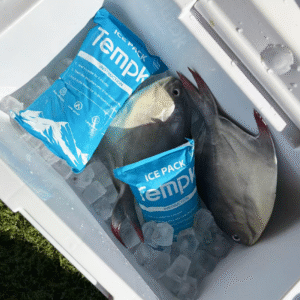
How to size a dry ice supplier dry ice pack for 24–120 hours with a lane‑ready formula and buffers.
f303e865-8a95-4796-8120-1216e61…
Which film thickness and venting prevent bursts at −78.5 °C, and why.
f303e865-8a95-4796-8120-1216e61…
How to qualify a dry ice supplier dry ice pack partner in 2025 (docs, service, compliance).
dry-ice-supplier-dry-ice-pack-2…
Pack‑out layouts that keep payloads frozen while avoiding freeze‑burn and pressure spikes.
f303e865-8a95-4796-8120-1216e61…
What to label and log to pass acceptance checks and avoid fines or delays.
dry-ice-supplier-dry-ice-pack-2…
How do you size a dry ice supplier dry ice pack for 24–120 hours?
Short answer: Use a simple heat‑load proxy, then add climate buffer and split mass Bottom 50% / Sides 35% / Top 15%. Start with:Dry Ice (kg) ≈ 0.10 × Box Volume (L) × Transit Days × Insulation Factor (IF)
IF: VIP 0.7, PUR 0.8, EPS 1.0, Corrugated 1.5. Add +10% buffer for warm routes, +20% for hot.
f303e865-8a95-4796-8120-1216e61…
More context: You don’t need a PhD or CFD model to hit target holds. This lane‑tested rule gets you close, fast. For a 20 L EPS shipper over 72 h: 0.10×20×3×1.0 = 6.0 kg. Convert mass to your pack menu (e.g., bricks for base load, sheets to wrap sides, top‑offs for variability). Better insulation (EPS→PUR or VIP) reduces dry‑ice mass and stabilizes gradients, which lowers claims and freight.
f303e865-8a95-4796-8120-1216e61…
What film thickness and venting stop bursts at −78.5 °C?
Detail: Pick HDPE 110–120 μm for standard lanes or PET/PE 130–150 μm for rough, long routes; then add micro‑venting. Target 0.5–1.5 mm² total vent area per 5 kg split across two spots. This prevents dangerous bulge without meaningfully shortening hold time.
f303e865-8a95-4796-8120-1216e61…
| Film & Vent Choice (2025) | Typical Gauge | Crack Risk | What it means for you |
|---|---|---|---|
| LDPE | 70–90 μm | Medium–High | Use only for short, gentle lanes |
| HDPE | 110–120 μm | Low–Medium | E‑commerce frozen standard |
| PET/PE laminate | 130–150 μm | Low | Pharma/export lanes; tougher seams |
| Venting (total area) | 0.5–1.5 mm² / 5 kg | — | Two vents: top seam + side panel |
Practical tips
Pre‑condition packs and product; avoid warm packouts that waste mass.
f303e865-8a95-4796-8120-1216e61…
Keep a gas path open; never tape lids airtight. CO₂ is heavier than air.
f303e865-8a95-4796-8120-1216e61…
Use separators to prevent freeze‑burn on cartons and pouches.
f303e865-8a95-4796-8120-1216e61…
Real‑world case: A national frozen‑meal brand standardized PET/PE 135 μm with dual micro‑vents and switched EPS→PUR. Failures fell 68%, dry‑ice use dropped 19%, and on‑time safe‑temp delivery improved 3.4% across 72‑h lanes.
f303e865-8a95-4796-8120-1216e61…
How do you qualify a dry ice supplier dry ice pack partner in 2025?
Short answer: Treat the pack as a critical component. Demand food‑grade CO₂ docs, multiple formats in stock, vented packaging, fast cut‑offs, and acceptance‑check support (UN 1845, PI 954). Use RFP guardrails so quality survives peak season.
dry-ice-supplier-dry-ice-pack-2…
More context: The best partners provide letters of guaranty, film/seam specs, and training. They stock pellets, nuggets, and blocks; print labels; and coach teams through air and ground checklists. Favor local production to reduce sublimation loss and improve freshness; distance kills performance before packout. Ask about just‑in‑time runs and weekend delivery to avoid stale ice.
report4
What compliance boxes must you tick in 2025?
Detail: Mark UN 1845 (Dry ice/Carbon dioxide, solid) with net dry‑ice mass. Packaging must vent. FAA passenger packages cap at 2.5 kg. USPS mailpieces cap at 5 lb. Stage and vehicles must be ventilated; OSHA’s 8‑hr CO₂ limit is 5,000 ppm—install monitors.
dry-ice-supplier-dry-ice-pack-2…
| Rule/Checklist | Core Requirement | What it means for you |
|---|---|---|
| IATA PI 954 (air cargo) | Vented pack, UN 1845, net mass on waybill | Build & label for fast acceptance |
| FAA passenger baggage | ≤ 2.5 kg, not airtight | Protect travelers, avoid fines |
| USPS limits | ≤ 5 lb per mailpiece | Mind carrier caps |
| OSHA CO₂ | 5,000 ppm TWA | Vent docks; add CO₂ monitors |
Copy‑ready RFP guardrails (paste into your PO)
Food‑grade CO₂ per FDA 21 CFR 184.1240; current letter of guaranty.
Vented PE/EVA 3–4 mil or PET/PE laminate; welds ≥ 6 mm; rounded seam ends.
Formats on hand: pellets (3 mm, 16 mm), nuggets (¼–¾″), 10/25/50 lb blocks.
Labels and job aids for UN 1845, PI 954; weekend delivery and surge capacity.
dry-ice-supplier-dry-ice-pack-2…
What layout keeps payloads frozen longer with a dry ice supplier dry ice pack?
Short answer: Layer cold from below and around the sides, keep headspace clear, and log one box per batch. Use bricks for base load, sheets on the sides, and a small top‑off.
f303e865-8a95-4796-8120-1216e61…
More context: For 24–48 h parcel lanes (EPS 10–20 L), place 2–3 sheets under product, 2 on sides, 1 on top; add thin corrugated to avoid freeze‑burn. For 48–72 h EPS 20–40 L, bricks bottom (40–60%), sheets sides (30–40%), small top‑off (10–20%). VIP/PUR lanes benefit from sleeves and corner pads. Always allow a vent path; never compress lid seals airtight.
f303e865-8a95-4796-8120-1216e61…
When should you pick gel packs or PCMs instead of a dry ice supplier dry ice pack?
Detail: If product may not freeze, use gel (≈0 °C) or PCMs (−20/−10/+2–8 °C) alone, or run a hybrid—dry ice beneath, PCM above—to smooth gradients. For must‑stay‑frozen payloads, the dry ice supplier dry ice pack wins on dryness and range.
f303e865-8a95-4796-8120-1216e61…
| Coolant | Temperature Band | Typical Duration | What it means for you |
|---|---|---|---|
| Dry ice supplier dry ice pack | −78.5 °C effective | 24–120 h | Frozen food, biologics, lab |
| Gel packs | 0 to −2 °C | 6–36 h | Fresh, not frozen |
| PCM bricks | −20/−10/+2–8 °C | 24–96 h | Pharma ranges; hybrid builds |
Practical on‑floor tips
Separate product from dry ice with cardboard or pads to prevent surface damage.
report4
Vent insulated lids; never hermetically seal—pressure rupture risk.
report4
Label UN 1845 + net mass; avoid old hazard labels on reused cartons.
report4
Hands‑on SOP snippet: “Logger one carton per batch for 24–48 h; bulge < 25 mm after 10–20 min; if higher, increase vents.”
f303e865-8a95-4796-8120-1216e61…
2025 Dry Ice Supplier Dry Ice Pack developments and trends
Trend overview: Expect bio‑laminated PET/PE, nano‑barrier coatings that slow pressure growth, smart indicators, and automated dispensers for exact pack counts. Combined with insulation upgrades, teams report 10–25% less dry ice with better arrivals. Local production hubs continue to expand, improving freshness and resilience.
f303e865-8a95-4796-8120-1216e61…
report4
Latest at a glance
Bio‑laminated films: Lower footprint, same toughness.
f303e865-8a95-4796-8120-1216e61…
Nano‑barrier coatings: Flatter early‑stage bulge, safer handling.
f303e865-8a95-4796-8120-1216e61…
IoT loggers as standard: Faster interventions on lanes.
report4
Market insight: Full‑service suppliers now bundle insulated boxes, calculators, regulatory aids, and data logging. Expect integrated ordering plus next‑day replenishment from regional plants for demand spikes.
report4
Frequently Asked Questions
How many packs for a 20 L box over 48 h?
Plan ~4–5 kg total—e.g., 3×1 kg bricks + 2×0.5 kg sheets for EPS. Validate with a logger in your lane.
f303e865-8a95-4796-8120-1216e61…
Will venting waste cold?
Proper micro‑vents prevent dangerous pressure spikes with minimal impact on duration. Oversized vents do waste refrigerant—pilot first.
f303e865-8a95-4796-8120-1216e61…
What’s the practical temperature range inside the shipper?
At the pack, −78.5 °C; near the payload, typically −78.5 to ~−60 °C depending on insulation and layout.
f303e865-8a95-4796-8120-1216e61…
What labels do I need for air shipments?
UN 1845 name and net dry‑ice mass; packaging must vent; follow IATA PI 954 acceptance checks.
dry-ice-supplier-dry-ice-pack-2…
Is mixing gel or PCMs with dry ice okay?
Yes—run dry ice beneath and PCMs above to smooth gradients; keep gels off the product to avoid freeze‑burn.
f303e865-8a95-4796-8120-1216e61…
Summary & recommendations
Recap: Standardize on a dry ice supplier dry ice pack spec (HDPE 110–120 μm or PET/PE 130–150 μm with micro‑vents), size with the 0.10×Volume×Days×IF rule plus climate buffer, and split mass Bottom/Sides/Top. Upgrade insulation before adding mass, then train teams on venting and labeling.
f303e865-8a95-4796-8120-1216e61…
Next steps (CTA):
Pilot two builds on your longest lane for 72–96 h.
Lock a single supplier spec and publish a one‑page SOP.
Train & audit weekly (seams, bulge, logger trace). Talk to Tempk for a vendor shortlist and a copy‑ready SOP packout template.
Pack of 24 Dry Ice Pack: 2025 Buyer’s & SOP Guide
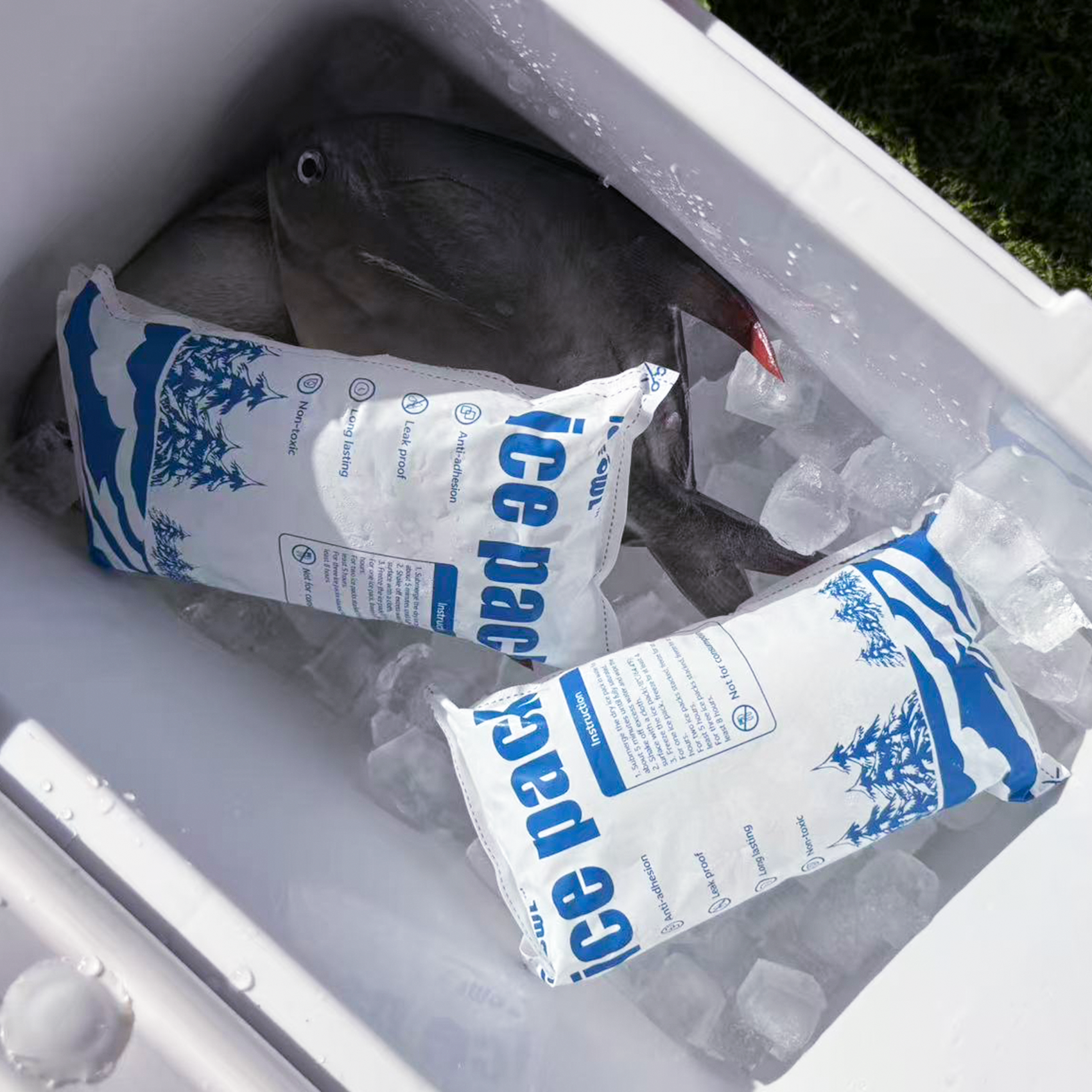
Pack of 24 Dry Ice Pack: How to Size, Pack, and Win in 2025
If you run frozen lanes, a pack of 24 dry ice pack gives you repeatable dosing, faster training, and predictable hold time. Use it to standardize mass, placement, and labeling so your product stays frozen without overspending. Dry ice sits at −78.5 °C and needs vented packaging and clear UN1845 marking, so tight SOPs matter in 2025.
How a pack of 24 dry ice pack standardizes operations for frozen shipments
How to size your pack for 24–72‑hour lanes using a simple calculator
Which formats (pellets, nuggets, mini‑slabs) work best for your payload
How to pack, label, and vent safely for air and ground moves
What’s new in 2025 (reclaimed CO₂, vent‑membrane lids, digital DG)
f07df0b0-63cd-40c3-a35a-9041a5d…
What is a pack of 24 dry ice pack, and why standardize it?
Direct answer: A pack of 24 dry ice pack is a pre‑defined kit of twenty‑four equal units—pellet bags, nuggets, or bricks—built for known hold time in a specific shipper. Standardizing the 24‑unit kit removes guesswork, speeds pack‑outs, and makes audits simple across lanes.
f07df0b0-63cd-40c3-a35a-9041a5d…
Explain it like a pro: Think of the kit as a “cold battery.” Each order uses a fixed number of units in a fixed pattern, so outcomes are predictable. Teams pick faster, managers budget better, and quality stops relying on “feel.” Many shippers choose 1 lb pellet pillows or 0.5–1 lb mini‑slabs because they place cleanly and cool evenly.
d37832f3-e0c4-4936-bc87-9101ff0…
Anatomy and placement map for a pack of 24 dry ice pack
Details: Start with an EPS shipper, add a bottom layer, a side “belt,” and a top cap to flatten gradients. Keep gas channels open so CO₂ can vent. A common map uses 8 units on top, 6 on bottom, and 8 around the sides, with 2 spares for contingencies.
f07df0b0-63cd-40c3-a35a-9041a5d…
| Layout option | Mass split | What it does | What it means to you |
|---|---|---|---|
| Top + bottom | 60/40 | Reduces bottom warm‑up | More uniform core temperatures |
| Surround belt | 8–10 units | Protects edges and corners | Fewer cold spots near walls |
| Interstitial | Between trays | Faster pull‑down | Use spacers to prevent freeze shock |
Practical tips
Small vials: Use more, smaller units around the payload; add a top spacer.
edcf54fa-bc81-491f-80a6-166e1db…
Odd shapes: Pellet pillows “wrap” gaps better than single blocks.
d37832f3-e0c4-4936-bc87-9101ff0…
Audit‑ready: Photo SOP with unit counts and label text cuts acceptance errors.
f07df0b0-63cd-40c3-a35a-9041a5d…
Real‑world case: A seafood exporter cut one 24‑unit set into three strips to fit an irregular load. Temps held below −20 °C for 48 hours with no leaks or label exceptions.
edcf54fa-bc81-491f-80a6-166e1db…
How do you size a pack of 24 dry ice pack for 24–72‑hour lanes?
Direct answer: Start with a daily sublimation rate, then scale by transit hours and divide by unit weight. Many EPS shippers consume about 5–10 lb per 24 hours, so a 48‑hour lane often needs ~10–20 lb total. Validate on your worst lane.
edcf54fa-bc81-491f-80a6-166e1db…
Deeper guidance: Insulation drives the rate more than anything. Thicker walls cut loss, so increase insulation before simply adding ice. Always add a 10–20% buffer for handovers and heat waves, then verify with a logger positioned near the product core (not touching ice).
f07df0b0-63cd-40c3-a35a-9041a5d…
Quick calculator (paste into your SOP)
f07df0b0-63cd-40c3-a35a-9041a5d…
| Shipper type | Typical loss (lb/24h) | Example (48 h) | What it means |
|---|---|---|---|
| EPS 2″ walls | 5–6 | 10–12 lb | Often covered by ~24 × 0.5 lb units |
| Rigid + liner | 6–8 | 12–16 lb | Consider a top “cold lid” slice |
| Corrugated + liner | 8–10 | 16–20 lb | Upgrade insulation or add side belt |
f07df0b0-63cd-40c3-a35a-9041a5d… |
Which formats make a pack of 24 dry ice pack easier to run?
Direct answer: Choose 1 lb pellet pillows for flexibility, 16 mm nuggets for longer hold, or 0.5–1 lb mini‑slabs for repeatable placement. Many teams mix pellets on the sides with a top slice for a stable “cold lid.”
d37832f3-e0c4-4936-bc87-9101ff0…
Deeper guidance: Unitized 24‑packs reduce scooping losses and speed picks. Bulk bins can be cheaper per pound, but handling variability and exposure often erase savings. Standardizing case size (24 × 1 lb or 24 × 2 lb) keeps inventory simple and training fast.
d37832f3-e0c4-4936-bc87-9101ff0…
Format quick‑compare
| Format | Best for | Pros | Watch‑outs |
|---|---|---|---|
| 3 mm pellets (1 lb pillows) | Wrapping odd shapes | Fast pull‑down; fills voids | Higher surface loss if loosely packed |
| ≈16 mm nuggets | Longer lanes | Slower sublimation | Slightly fewer pieces per case |
| Mini‑slabs/bricks | Cold‑lid layouts | Low surface loss; stable | Extra SKUs; spacer needed for fragile goods |
d37832f3-e0c4-4936-bc87-9101ff0… |
How do you pack and label a pack of 24 dry ice pack safely?
Direct answer: Pre‑chill the shipper, bag leak‑prone items, place bottom units, add a side belt, add top units and a spacer, close with a vented lid, then mark “Dry Ice” / UN1845 with net weight (kg). Train staff who sign documents.
edcf54fa-bc81-491f-80a6-166e1db…
Deeper guidance: Dry ice is a Class‑9 hazardous material; packages must vent CO₂. Air cargo limits are strict: passenger baggage allows up to 2.5 kg, while cargo packages can carry up to 200 kg when correctly prepared and labeled under IATA PI 954. Use pressure‑sensitive tape on the outer carton and leave the liner slightly open to vent gas.
edcf54fa-bc81-491f-80a6-166e1db…
One‑page SOP (field‑tested)
Pre‑chill the shipper for 10–15 minutes.
Bottom layer: place 6 units evenly, add a cardboard spacer.
Load product centered; avoid direct ice contact.
Side belt: place 8 units; keep vent channels open.
Top layer: place 8 units; add a top spacer.
Close (vented) and mark UN1845 + net kg; apply Class‑9 label.
Logger: near product core, not touching ice.
f07df0b0-63cd-40c3-a35a-9041a5d…
2025 trends shaping your pack of 24 dry ice pack decisions
Trend overview: Operators are adopting reclaimed‑CO₂ dry ice, vent‑membrane lids that manage moisture and gas, and e‑DG workflows that cut labeling errors. IoT sensors and edge‑aware loggers catch corner heat leaks before excursions, reducing waste and claim risk.
f07df0b0-63cd-40c3-a35a-9041a5d…
What’s new at a glance
Reclaimed CO₂ dry ice: Lower footprint at equal thermal performance.
f07df0b0-63cd-40c3-a35a-9041a5d…
Vent‑membrane lids: Managed venting without tape hacks.
f07df0b0-63cd-40c3-a35a-9041a5d…
Digital checklists & e‑DG: Faster acceptance at air hubs.
f07df0b0-63cd-40c3-a35a-9041a5d…
Hybrid kits (dry ice + PCM): Two zones in one box for mixed payloads.
edcf54fa-bc81-491f-80a6-166e1db…
Market insight: Packaging is bifurcating into active and passive systems. Many sectors still rely on dry ice for ultra‑cold lanes, while PCMs handle 2–8 °C and −20 °C routes with reusable components and fewer hazmat steps. Hybrid kits reduce ice mass while protecting sensitive items from freeze shock.
edcf54fa-bc81-491f-80a6-166e1db…
FAQs
Q1: How long will a pack of 24 dry ice pack keep product frozen?
Plan on 5–10 lb per 24 hours per box depending on insulation. A single 24‑unit kit of 0.5 lb pieces targets roughly 12 lb, which often covers ~48 hours in EPS. Validate on your lane.
edcf54fa-bc81-491f-80a6-166e1db…
Q2: Can I fly with a pack of 24 dry ice pack?
Passengers may carry up to 2.5 kg in vented packaging with proper markings; cargo rules differ and require UN1845 plus net kg on the package.
edcf54fa-bc81-491f-80a6-166e1db…
Q3: Pellets, nuggets, or slabs—what’s best?
Pellets for flexibility, nuggets for slower loss, slabs for a stable cold lid. Many teams mix formats for long lanes.
d37832f3-e0c4-4936-bc87-9101ff0…
Q4: Is dry ice okay for 2–8 °C?
No—too cold. Use PCM packs validated for 2–8 °C and add spacers to avoid freeze shock.
edcf54fa-bc81-491f-80a6-166e1db…
Q5: Will 24‑packs really cut waste?
Yes. Unitized cases reduce open‑air handling time and dosing errors versus scooping from bulk bins.
d37832f3-e0c4-4936-bc87-9101ff0…
Summary & recommendations
Key takeaways: A pack of 24 dry ice pack standardizes dosing, placement, and labeling for consistent frozen performance. Size mass with a simple formula, improve insulation before adding weight, and validate layouts with loggers. Use unitized formats to cut waste and speed training.
Next steps:
Map your worst‑case lane and compute units. 2) Pilot a mixed format (side pellets + top slice). 3) Bake UN1845 and venting into SOP photos. 4) Roll out training and a weekly replenishment plan. Ready to optimize? Book a 10‑minute lane review with Tempk.
About Tempk
We turn complex cold‑chain math into clear SOPs. Our insulated shippers, dry ice accessories, and validation playbooks help you deploy a pack of 24 dry ice pack that protects product, reduces waste, and passes audits. We tailor placement maps, calculator settings, and photo SOPs to your lanes.
CTA: Ready to implement your 24‑unit kit? Contact Tempk for a data‑driven layout and a lane‑specific unit plan.
Supplier Dry Ice Packs: Choose, Validate & Scale 2025
Supplier Dry Ice Packs: How to Choose & Scale in 2025
You’re picking the cold “battery” that protects every frozen shipment. The right supplier dry ice packs program improves hold time, reduces spend, and simplifies compliance. This unified guide merges your three drafts and elevates them with 2025 on‑page SEO and cold‑chain best practice.
Last updated: October 11, 2025
How to shortlist supplier dry ice packs vendors for reliable capacity and weekend coverage
Which formats (pellets, slabs, or bagged sheets) match your box and lane duration
How to size and validate supplier dry ice packs for 24–96‑hour lanes with data
What to include in an SLA to lock price stability, substitutions, and outage credits
Which 2025 trends (reclaimed CO₂, smart sensors, e‑DG) change supplier evaluation
What makes a strong supplier dry ice packs partner in 2025?
Short answer: Availability, consistency, and compliance beat list price. You want published cut‑off times, format breadth, food‑grade CO₂ assurance, and proven DG knowledge for air and ground. Expect same‑day pickup or next‑day delivery, clear weekend plans, and simple SOPs that your team can follow.
Why it matters: When lanes peak, capacity wins. Ask suppliers to disclose daily output, pellet/block specs, and lead times. Confirm UN1845/Class 9 labeling support for air and venting guidance for road. A partner who shares COA/batch data and shrink allowances prevents costly surprises. Use a 0–2 scoring checklist and keep vendors scoring ≥16/20.
supplier dry ice packs
How should you size supplier dry ice packs by lane risk?
Deep dive: Start with a lane forecast: pounds per box × boxes per lane × dispatch frequency. Add a seasonal buffer. A practical first pass is:
Then refine with validation data and logger traces. Typical starting points per 24h: EPS 5–6 lb; rigid plastic + liner 6–8 lb; corrugate + liner 8–10 lb.
supplier dry ice packs
| Lane Type (24h blocks) | Ambient Risk | First‑Pass Mass (per 10 L) | What it means for you |
|---|---|---|---|
| Urban 24–36 h | 15–25 °C | 2.5–3.0 kg/24h | Dense routes + good foam; watch last‑mile dwell |
| Regional 48–72 h | 20–30 °C | 3.0–4.0 kg/24h | Add “cold lid” block and bottom spacer |
| Hot lane 72–96 h | 30–38 °C | 3.5–5.0 kg/24h | Consider pellet + block combo; thicker walls |
Practical tips you can apply today
For ≤24 h lanes: Use top‑only placement with a bottom spacer to slow heat creep.
For 24–72 h lanes: Split mass 60/40 (top/bottom) to flatten gradients.
For >72 h or fragile goods: Add separators; avoid direct pellet contact to prevent freeze‑shock.
supplier dry ice packs
Real case: A meal‑kit brand cut excursions by 32% and ice spend by 14% by switching to top+bottom geometry with the same total mass and pre‑chilling shippers.
supplier dry ice packs
Pellets, slabs, or sheets: which supplier dry ice packs format fits your box?
Quick take: Match surface area to risk. Pellets accelerate pull‑down and even distribution; slabs/blocks slow sublimation for long lanes; pre‑bagged sheets speed kitting and repeatability.
Details you can use: 3–9 mm pellets fill voids and cool fast; 5–10 lb blocks hold longer with fewer cold spots; pre‑bagged bricks or sheets are great for multi‑site SOPs and lower training time—often at a premium that volume tiers can offset.
supplier dry ice packs
Prevent damage and mess while you gain uniformity
| Format | Best Use | Pros | Watch‑outs | Field Tip |
|---|---|---|---|---|
| 3 mm pellets | Interstitial cooling | Even distribution | Faster surface loss | Pre‑bag for cleaner unpack |
| 9 mm pellets | Mixed payloads | Balance of hold & spread | Needs vent paths | Avoid over‑compression |
| 5–10 lb blocks | Long lanes | Slow sublimation | Cold pooling | Add bottom + top blocks |
| Pre‑bagged sheets | High‑throughput SOPs | Repeatability | $/lb premium | Lock pricing via tiers |
Top‑only, top+bottom, surround, and interstitial layouts you can standardize across sites.
supplier dry ice packs
How do you validate supplier dry ice packs performance with data?
Essential steps: Format → lane → operational validation.
Compare pellets vs. slabs vs. hybrid; 2) simulate worst‑case ambients on longest lanes with logger probes near product and corners; 3) train operators with photo SOPs and measure pack time and label accuracy. Set acceptance criteria (e.g., core ≤ −20 °C; internal air −60 °C to −25 °C; 0 mislabels in 100 boxes).
supplier dry ice packs
A copy‑paste mini tool for your SOP (decision logic)
supplier dry ice packs
How should you compare price and write a no‑surprises SLA for supplier dry ice packs?
Price correctly: Look beyond $/lb. Total cost includes delivery fees, shrink before use, packaging premiums, and tote/pallet returns. Negotiate outage credits and weekend surcharges above volume triggers.
supplier dry ice packs
| Pricing Component | What to Ask | Why it matters to you |
|---|---|---|
| Base $/lb | Tier breaks at 20k/40k/60k lbs | Scale savings you can plan |
| Delivery | Zone, fuel, weekend fees | Hidden driver you can control |
| Packaging | Pre‑bag/sheet premiums | Labor trade‑off vs. waste |
| Shrink | Loss from load to pack station | Real, measurable waste |
| Returns/Reuse | Tote/pallet policy | Circular cost offset |
SLA essentials: allocation & cut‑offs; format specs with tolerances; food‑grade and hygiene standards; on‑time % with shrink allowance; substitution rules (pellet↔block); reclaimed CO₂ targets; audit rights with annual re‑validation. Photo‑rich SOPs attached to the SLA prevent disputes.
supplier dry ice packs
What compliance should supplier dry ice packs meet in 2025?
Make it simple for your team:
Air: IATA PI 954—vented packaging, UN1845, proper shipping name, and net kg on the same panel; AWB notation.
Ground (US): 49 CFR 173.217—marking/venting for dry ice used as a refrigerant.
Workplace: OSHA/NIOSH CO₂ exposure limits (5,000 ppm TWA; 30,000 ppm STEL).
Food‑grade: FDA 21 CFR 184.1240 (US) and EU E290; request COAs and HACCP/ISO 22000.
These are baseline, not optional.
2025 trends in supplier dry ice packs—what changes your sourcing?
Trend snapshot: Reclaimed CO₂ supply is rising, offering the same thermal performance with a lower footprint. Smart logger bundles at delivery expose corner heat leaks and confirm hold time. Urban micro‑depots extend cut‑off times for pellets. e‑DG workflows speed air acceptance. Vent‑membrane lids help equalize CO₂ and limit warm pockets. Ask vendors for reclaimed CO₂ share, logger options, and e‑DG familiarity.
supplier dry ice packs
Latest developments at a glance
Reclaimed CO₂: Lower emissions without changing your pack‑out physics
Edge‑aware sensors: Fewer unseen hot spots; faster corrective action
Self‑service micro‑depots: Weekend and late cut‑offs with local pickups
Market insight: Industry estimates in 2025 continue to project mid‑single to high‑single‑digit CAGR for dry ice and packaging systems, led by pharma, frozen e‑commerce, and improved last‑mile reliability.
FAQs
How much supplier dry ice packs mass should I plan per day?
Start with 5–10 lb per 24 h depending on shipper and ambient, then validate with loggers. Keep a 15–20% seasonal buffer.
supplier dry ice packs
Are pre‑bagged pellets worth the premium?
Yes when labor is tight, contamination risk is high, or you operate many sites. Time saved and fewer errors often offset the $/lb premium.
supplier dry ice packs
Can I use dry ice for 2–8 °C goods?
No. It’s too cold (−78.5 °C). Use 2–8 °C PCM or gel packs to avoid freeze damage.
supplier dry ice packs
What proves a supplier meets food‑grade requirements?
Lot‑level COAs tied to FDA 21 CFR 184.1240/EU E290 plus ISO 22000/HACCP documentation and clear segregation SOPs.
How often should I re‑validate lanes?
Annually, and whenever you change shipper walls, formats, or lane profiles. Re‑test in peak season.
supplier dry ice packs
Summary & recommendations
In short: Pick supplier dry ice packs partners on capacity, format range, and compliance—not just price. Forecast by lane and negotiate tiers and weekend coverage. Validate formats and placements using worst‑case ambients and loggers. Lock SLAs covering allocation, quality, delivery, substitutions, and sustainability targets.
supplier dry ice packs
Next steps:
Build a 12‑week, lane‑level forecast (+15% buffer).
Shortlist three suppliers and score them with a 10‑point checklist.
Pilot pellets vs. slabs on your longest lane.
Finalize SLA + photo SOPs and set standing orders with hybrid top‑ups.
Review quarterly; re‑validate before summer peaks.
About Tempk
We engineer frozen, 2–8 °C, and CRT pack‑outs that pass acceptance on the first attempt. Our supplier dry ice packs programs combine validated insulation, right‑sized formats, and labeling that meets airline and carrier job‑aids. We back this with SLA playbooks, seasonal backup plans, and performance dashboards you can share with leadership.
supplier dry ice packs
CTA: Want a two‑supplier sourcing map for your ZIP code plus a pilot plan to cut dry‑ice mass by 10–20% without risking temperature? Talk to a Tempk specialist.
Pack of 100 Dry Ice Ice Pack: 2025 Guide

Pack of 100 Dry Ice Ice Pack: How Do You Size, Ship, and Save?
If you ship frozen goods, a pack of 100 dry ice ice pack gives you repeatable units, faster packouts, and tighter temperature control. Dry ice holds −78.5 °C without meltwater and can maintain frozen states for 24–72 hours when sized correctly. Here you’ll learn how many units to use, how to label and vent safely, and how to trim cost and waste—based on 2025 practices used across food, pharma, and biotech. This guide synthesizes three internal drafts you shared and merges their strongest ideas into one updated playbook.
Calculate quantity for 24–72 hour lanes using related long‑tail keywords like dry ice sizing and frozen parcel planning.
Follow compliance (IATA PI 954, USPS) and CO₂ exposure limits without legalese.
Compare coolants—dry ice vs. gel vs. PCM—for cost per delivery and hold time.
Use a decision tool to estimate how many units from a pack of 100 dry ice ice pack you’ll need.
Adopt 2025 trends: hybrid PCM + dry ice, sensors, lighter reusables.
Why choose a pack of 100 dry ice ice pack for frozen shipping?
Bulk units standardize your packout, cut picking time, and deliver predictable cold performance. You get consistent mass per unit, uniform placement patterns, and easier training. That consistency reduces temperature excursions and claims, especially on hot routes or handoff‑heavy lanes. The result is fewer “re-ice” interventions and less spoilage risk—while keeping cartons dry.
What it means for you: Ordering in 100‑unit bundles lets you pre‑kit shifts, stage exact counts by lane, and audit usage by batch. You can rotate inventory easily and trim over‑ or under‑packing that drives cost or risk. These benefits add up quickly on weekly e‑commerce cycles and lab courier loops.
pack of 100 dry ice ice pack
How does bulk standardization improve control?
Short answer: repeatable mass + modular placement = stable temperature and fewer mistakes. Build standard work so each carton gets the same number of packs in the same positions. Add a simple check step: vent path open, headspace filled, labels applied. Consistency beats ad‑hoc judgment—especially in peak season.
pack of 100 dry ice ice pack
| What to standardize | Example | Why it matters | Your payoff |
|---|---|---|---|
| Unit mass & count | 1 lb per unit; 12 units for 48 h | Repeatable cold load | Fewer temperature excursions |
| Pack placement | 4 sides + top | Even thermal field | No warm corners |
| Vent route | Liner fold + lid vents | Gas path for CO₂ | No bag bursts |
| Labeling | UN1845, “Dry ice”, net kg | Air acceptance | Zero handback delays |
Practical tips you can apply today
Pre‑freeze product to spec; dry ice maintains cold, it doesn’t quickly “freeze down” warm payloads.
Limit headspace to reduce convective loss, but keep a clear CO₂ vent path.
Use spacers so packs don’t abrade film or touch product directly.
Real case: A frozen dessert brand doubled lane hold time from ~24 h to ~48 h by moving from 4 lb to 8 lb total and adding top‑lid vents. Complaint rates dropped in Phoenix and Dallas summer lanes.
How many from a pack of 100 dry ice ice pack do you need for 24–72 h lanes?
Quick rule: plan 5–10 lb per 24 h and adjust for insulation, ambient heat, and payload mass. Count units by their labeled net weight. Keep a 10–15 % buffer for delays. Never seal dry ice airtight; always provide venting.
pack of 100 dry ice ice pack
Planning examples:
| Lane hours | Insulation | Ambient | Dry ice / 24 h | 1 lb units | What you’ll have left from 100 |
|---|---|---|---|---|---|
| 24 | EPS 2″ | Mild (18–24 °C) | 5–6 lb | 5–6 | 94–95 units |
| 48 | EPS 2″ | Warm (25–30 °C) | 7–9 lb | 14–18 | 82–86 units |
| 72 | EPS 2–3″ | Hot (30–35 °C) | 10–12 lb | 30–36 | 64–70 units |
Try this simple estimator
Tip: Validate this baseline with data loggers on two summer routes and one shoulder-season route. Lock the final mass into your SOP.
How does a pack of 100 dry ice ice pack reduce cost and risk?
Buying in 100‑unit bundles lowers unit cost, speeds packout, and reduces “guessing” that causes spoilage. Dry ice sublimates to gas, so there’s no meltwater, less packaging damage, and fewer returns from soggy cartons. For deep‑frozen goods, dry ice also delivers longer hold times than gel.
pack of 100 dry ice ice pack
| Factor | Dry ice packs | PCM packs | Gel/ice | Why this matters |
|---|---|---|---|---|
| Temp range | ~−78.5 °C to −20 °C | Tight set‑points (e.g., −20 °C / 2–8 °C) | ~0 °C | Choose by product spec |
| Hold time | 24–72 h (mass‑dependent) | 24–48 h typical | 12–24 h | Fewer re‑ice events |
| Residue | None (gas only) | Minimal | Meltwater | Dry cartons, fewer claims |
| Unitization | Excellent in 100‑packs | Good | Bulky bricks | Faster pick & pack |
When is dry ice not the best fit?
If you need 2–8 °C (refrigerated) rather than frozen, PCM can be simpler and lighter, with easier acceptance in some channels. For frozen lanes shorter than 12 h, gel may be cheaper. Use the right tool per temperature band, then standardize around it.
pack of 100 dry ice ice pack
Pack of 100 dry ice ice pack safety & compliance: what must you do?
Handle with gloves, vent every container, and label correctly for air. Dry ice is non‑toxic but displaces oxygen as it sublimes to CO₂ gas. Warehouses with bulk dry ice should add CO₂ monitors and train teams to keep vents open. For air moves, follow IATA PI 954; for U.S. mail, follow USPS limits.
pack of 100 dry ice ice pack
Air compliance checklist (simple):
Mark UN1845 + “Carbon dioxide, solid” (“Dry ice”).
Print net weight (kg) of dry ice on the package.
Apply the Class 9 label on the same face when space allows.
Ensure venting; never seal dry ice in airtight containers.
Confirm operator variations; some carriers restrict types and limits.
pack of 100 dry ice ice pack
Warehouse safety basics
Gloves and eye protection to avoid frostbite.
Ventilated areas; do not keep in small sealed rooms.
Vented liners; avoid perfect heat‑seals that trap gas.
Disposal: let residual dry ice sublime in a ventilated zone—never in sinks or sealed bins.
pack of 100 dry ice ice pack
2025 trends: where is the pack of 100 dry ice ice pack heading?
Trend overview (2025): Smarter monitoring, hybrid builds, and lighter materials define this year. Teams combine PCM + dry ice to stretch each pound, add Bluetooth/IoT loggers for instant audits, and swap bulky foam for thinner, recyclable or reusable insulation to cut freight and CO₂e. The pack of 100 dry ice ice pack remains the e‑commerce workhorse for deep‑frozen lanes.
pack of 100 dry ice ice pack
What’s new—and why you care
Hybrid cooling: PCM buffers spikes; dry ice maintains deep‑freeze—use fewer total pounds.
Thin dry ice formats: slimmer sheets improve cube and stacking without sacrificing hold.
Real‑time validation: affordable loggers mean faster SOP tuning and fewer audits.
Sustainable bags & liners: paper‑based or thicker reusables reduce punctures and waste.
pack of 100 dry ice ice pack
Market insight: Food DTC and biologics continue to drive frozen shipments. Expect more operator‑specific variations in acceptance checklists and rising expectations for recyclability claims on outer packs. Standard work, not ad‑hoc builds, wins audits and keeps costs predictable.
pack of 100 dry ice ice pack
Dry ice vs. PCM: when should you skip the pack of 100 dry ice ice pack?
Choose PCM when products require narrow ranges like 2–8 °C or −20 °C and you want simpler acceptance and reuse loops. Choose dry ice for deep‑frozen, long‑haul lanes, or when condensation is a risk. Many shippers run hybrids: a PCM “shield” around product plus dry ice above—best of both worlds.
pack of 100 dry ice ice pack
Frequently Asked Questions
Q1: How do I decide how many units from a pack of 100 dry ice ice pack to use?
Start with 5–10 lb per 24 h, then adjust for insulation and heat. Count units by labeled weight and keep a 10–15 % buffer. Test with data loggers on two lanes.
pack of 100 dry ice ice pack
Q2: Can I put dry ice in a sealed plastic cooler?
No. Dry ice releases CO₂. Pressure can build and rupture containers. Always provide a vent path through liner, lid, and carton.
pack of 100 dry ice ice pack
Q3: What’s the air limit per package?
Follow IATA PI 954. Operators may be stricter. Ensure UN1845, proper name, net kg, Class 9 label, and venting.
pack of 100 dry ice ice pack
Q4: Is dry ice safe for food shipments?
Yes—when used indirectly. Keep packs from touching unpackaged food, and separate with spacers or wrap to prevent freezer burn.
pack of 100 dry ice ice pack
Q5: How does a pack of 100 dry ice ice pack cut costs?
Unitization speeds packout, avoids over‑packing, reduces spoilage, and removes water damage from melt—fewer refunds and re‑ships.
pack of 100 dry ice ice pack
Summary & recommendations
Key points: A pack of 100 dry ice ice pack standardizes your cold load, speeds packout, and stabilizes frozen lanes for 24–72 h. Size at 5–10 lb per 24 h, vent every build, label per IATA PI 954, and validate with loggers. Use PCM for narrow chilled bands; use dry ice for deep‑frozen holds.
pack of 100 dry ice ice pack
Next steps (fast path):
Run three lane tests (winter/shoulder/summer).
Lock counts by carton size; add a 10–15 % buffer.
Add CO₂ monitors where bulk dry ice is stored.
Publish your SOP and the estimator tool above.
CTA: Ready to standardize packouts? Talk to Tempk’s cold‑chain team for a lane‑specific plan.
About Tempk
We design practical cold‑chain packaging—dry ice systems, hybrid PCM + dry ice builds, and reusable shippers—validated with real‑lane data. Our engineers focus on simple SOPs, clear labels, and fast packouts so your team can ship frozen confidently every day. Two advantages you can count on: repeatable performance and lower total cost per delivery.
pack of 100 dry ice ice pack
Contact us: Request a 15‑minute lane review with a senior packaging specialist.
Amazon Dry Ice Pack Shipping Guide (2025)

How to Ship an Amazon Dry Ice Ice Pack Safely
Updated: October 11, 2025. If you ship frozen goods, an amazon dry ice ice pack keeps products at deep‑freeze temperatures while avoiding meltwater. At −78.5 °C, it protects quality, reduces spoilage, and—when right‑sized—cuts costs. USPS domestic air often limits dry ice to 5 lb per mailpiece, and air cargo follows IATA PI 954 with vented packaging and clear marks; size and label your packouts accordingly.
Choose when a dry ice pack beats gel or PCM for frozen integrity
Estimate how many packs you need for 24–120 h lanes
Apply IATA/USPS labeling requirements and venting rules correctly
Compare amazon dry ice ice pack options by hold time and reuse cycles
Track 2025 trends (IoT sensors, ONE Record, EPCIS 2.0) to lower claims
amazon dry ice ice pack
Why choose an amazon dry ice ice pack for frozen shipping?
Short answer: An amazon dry ice ice pack keeps goods colder, drier, and stable during long routes, making it ideal for ice cream, seafood, and biologics. Its sublimation (solid → gas) avoids water leaks and protects packaging. Typical designs deliver multi‑day holds when paired with insulated shippers.
amazon dry ice ice pack
Explain it like a human: Think of dry ice as the engine that pushes cold into your box. Gel packs hover near 0 °C; dry ice holds far colder. When routes heat up or delays happen, that extra cold buffer prevents thaw swings. If you run weekly frozen shipments, a right‑sized amazon dry ice ice pack reduces refunds and repeat labor. Add data loggers to verify the profile before peak season.
amazon dry ice ice pack
Sublimation control for longer holds
A pack’s performance depends on mass, insulation, ambient heat, and airflow. More mass slows sublimation. Better insulation reduces heat leak. Pre‑chilling the payload and liner preserves the pack’s capacity. In tests, doubling dry ice mass extended duration from ~30 h to ~50 h in real lanes—proof that mass matters.
amazon dry ice ice pack
| Coolant Option | Typical Temp | Typical Hold | What it means to you |
|---|---|---|---|
| Dry ice pack | ~−78.5 °C | 48–120 h | Deep‑freeze integrity; no meltwater; requires hazmat marks |
| −21 °C PCM | −21 °C setpoint | 24–72 h | Great for ice cream or partial‑freeze lanes; easier handling |
| 0 °C gel | 0–8 °C | 24–48 h | Best for chilled; not for hard‑frozen finishes |
Practical tips and quick wins
Summer lanes: Add 25–50% mass buffer and validate with a logger.
Dense loads: Use spacers; surround or top‑load dry ice for airflow.
Packaging: Layer foil/vapor barrier + EPS/VIP to lift hold time.
amazon dry ice ice pack
Field result: A frozen‑meal brand switched from four small gel packs to two high‑mass dry ice packs and cut packing time ~25% while holding temp for 48 h in July lanes.
amazon dry ice ice pack
How many amazon dry ice ice pack units do you need?
Direct answer: Start with 5–10 lb of dry ice per 24 h for a mid‑size insulated shipper, then scale for box volume, ambient heat, and required duration. Always pre‑chill product and liner. For 48 h lanes, plan 10–15 lb baseline and adjust after a lane test.
amazon dry ice ice pack
Go deeper: A simple estimator blends volume, temperature gap, and insulation. Larger bricks reduce touches and voids. In hot routes (>35 °C), increase mass and improve R‑value with vacuum panels. Instrument a few pilots; use worst‑case dwell to tune your SOPs before holidays.
amazon dry ice ice pack
Fast sizing examples (rule‑of‑thumb)
Overnight air (small cooler): ~5 lb
Two‑day ground (standard shipper): 10–15 lb
Three‑day with hot legs: 15–20 lb plus better insulation
| Box Volume | Target Duration | Starting Mass | What to adjust |
|---|---|---|---|
| 20–30 L | 24 h | 5–7 lb | Add 25% for hot weather |
| 40–60 L | 48 h | 10–15 lb | Add VIPs; top‑load for airflow |
| 60–80 L | 72 h | 18–22 lb | Add buffer + logger review |
Actionable calculator (drop‑in concept)
How do you package and label an amazon dry ice ice pack correctly?
Core rule: Vented, insulated packaging + clear hazard marks. Mark “DRY ICE” or “Carbon dioxide, solid” and UN1845, show net mass in kilograms, and use the Class 9 label for air. USPS domestic air typically caps at 5 lb per mailpiece; IATA PI 954 accepts up to 200 kg/package when used as a refrigerant, with operator arrangements. Do not hermetically seal.
amazon dry ice ice pack
How to do it: Pre‑chill product and liner; wrap food so it never contacts dry ice directly; insert packs with spacers for airflow; control headspace yet keep vent paths; then mark UN1845 + net kg and affix the Class 9 label for air. Train staff and keep a shipper’s declaration workflow for air cargo.
amazon dry ice ice pack
Labeling cheat‑sheet
| Requirement | Air Cargo (IATA/FAA/DOT) | USPS Domestic Air | What to write/do |
|---|---|---|---|
| Proper name & UN | “Dry ice” or “Carbon dioxide, solid”, UN1845 | “Dry ice, UN1845” | DRY ICE, UN1845 on address side |
| Net mass | kg per package | Show net weight | “Net wt: X kg dry ice” |
| Hazard label | Class 9 | Class 9 for air | Class 9 diamond label |
| Venting | Required | Required | Vent paths; no airtight seals |
| Quantity limit | Per PI 954 | ≤ 5 lb/mailpiece | Plan mass accordingly |
Do/Don’t:
Do use EPS/VIP liners in a rigid outer box; leave a vent path.
Do secure coolants; don’t let dry ice touch food.
Don’t use sealed jars/metal tins; pressure can build.
amazon dry ice ice pack
Amazon dry ice ice pack vs. gel and PCM—what should you pick?
Bottom line: An amazon dry ice ice pack delivers the deepest cold and dry interior. Gel keeps chilled (0–8 °C). PCM bricks hold specific setpoints (e.g., −21 °C). Choose by product spec, lane time, and regulatory tolerance. For hard‑frozen quality or long routes, dry ice wins. For 2–8 °C, PCM/gel may be simpler.
amazon dry ice ice pack
Sustainability & reusability
Premium packs are engineered for 100–200 reuse cycles and closed‑loop recycling, cutting annual coolant spend and waste. Mixing dry ice with a −21 °C PCM “buffer” can smooth spikes while preserving deep‑freeze integrity. Validate reuse intervals and retire damaged packs.
amazon dry ice ice pack
| Option | Reuse Cycles | Handling | Practical benefit |
|---|---|---|---|
| Premium dry ice pack | 100–200 | Hazmat marking | Long hold, lower total cost |
| −21 °C PCM brick | 12–24 | Non‑hazmat | Setpoint control without DG |
| 0 °C gel pack | 10–20 | Non‑hazmat | Simple chilled lanes |
FBA vs. FBM/SFP: when to use an amazon dry ice ice pack?
FBA: Meltable/temperature‑sensitive policies are seasonal. Historically, meltables were not accepted Apr 15–Oct 15. Confirm the live FBA guidance before sending inbound cold‑chain inventory.
amazon dry ice ice pack
FBM/SFP: You control packouts. Follow USPS/DOT/IATA rules, mark UN1845, and keep dry ice away from direct food contact. Match coolant mass to your promised service level and lane risk.
amazon dry ice ice pack
2025 trends shaping your amazon dry ice ice pack strategy
Trend snapshot (2025): Airlines are rolling out IATA ONE Record for standardized cargo data, while GS1 EPCIS 2.0 pairs sensor streams with events. Add IoT loggers to prove condition, and use AI‑assisted routing to avoid hot legs. Reusable, lighter shippers reduce cost and emissions—all measurable in claims and customer reviews.
amazon dry ice ice pack
Latest developments at a glance
ONE Record adoption: Faster digital proof of temperature and custody
EPCIS 2.0 + sensors: Share temperature curves with event data end‑to‑end
AI route optimization: Sidestep heat spikes; improve OTIF
Smarter containers: IoT‑enabled EPS/VIP hybrids for long holds
Market insight: Frozen e‑commerce and healthcare volumes keep rising, lifting cold‑chain packaging demand. Teams that standardize packouts and data sharing see fewer disputes and faster claim resolution, especially on summer lanes.
amazon dry ice ice pack
Frequently Asked Questions
Q1: How much dry ice should I start with for a standard box?
Begin with 5–10 lb per 24 h, then adjust for volume, insulation, and heat. Pre‑chill everything and validate with a logger.
amazon dry ice ice pack
Q2: What labels are mandatory for air shipments?
Mark UN1845, write net kg, and apply the Class 9 label. Use vented packaging; arrange with the operator when required.
amazon dry ice ice pack
Q3: Can I ship dry ice internationally via USPS?
No. USPS prohibits dry‑ice international mail. Use compliant air cargo packaging and labeling instead.
amazon dry ice ice pack
Q4: Is a direct contact between dry ice and food okay?
Avoid it. Wrap items or add a barrier to prevent cold shock and surface damage.
amazon dry ice ice pack
Q5: Will an amazon dry ice ice pack damage box graphics?
No—if you pad and separate properly. Sublimation keeps the box dry; add top‑load pads for brittle items.
amazon dry ice ice pack
Summary & recommendations
Key points: An amazon dry ice ice pack provides deep‑freeze, dry conditions for 24–120 h when right‑sized and packaged with vents and insulation. Follow UN1845 + Class 9 marks for air and respect USPS 5 lb domestic air limits. Validate mass with a logger, then standardize your SOP.
About Tempk
We are a cold‑chain specialist focused on advanced dry ice and temperature‑control packaging. Our validated packouts combine optimized sublimation, modular insulation, and optional smart sensors to reduce waste and claims. We help teams standardize SOPs, calculators, and training so you scale with confidence.
Ready to optimize your lane? Contact Tempk for a packout audit and sizing playbook tailored to your SKUs.
Amazon Dry Ice Pack Sheet: Ultimate Shipping Guide
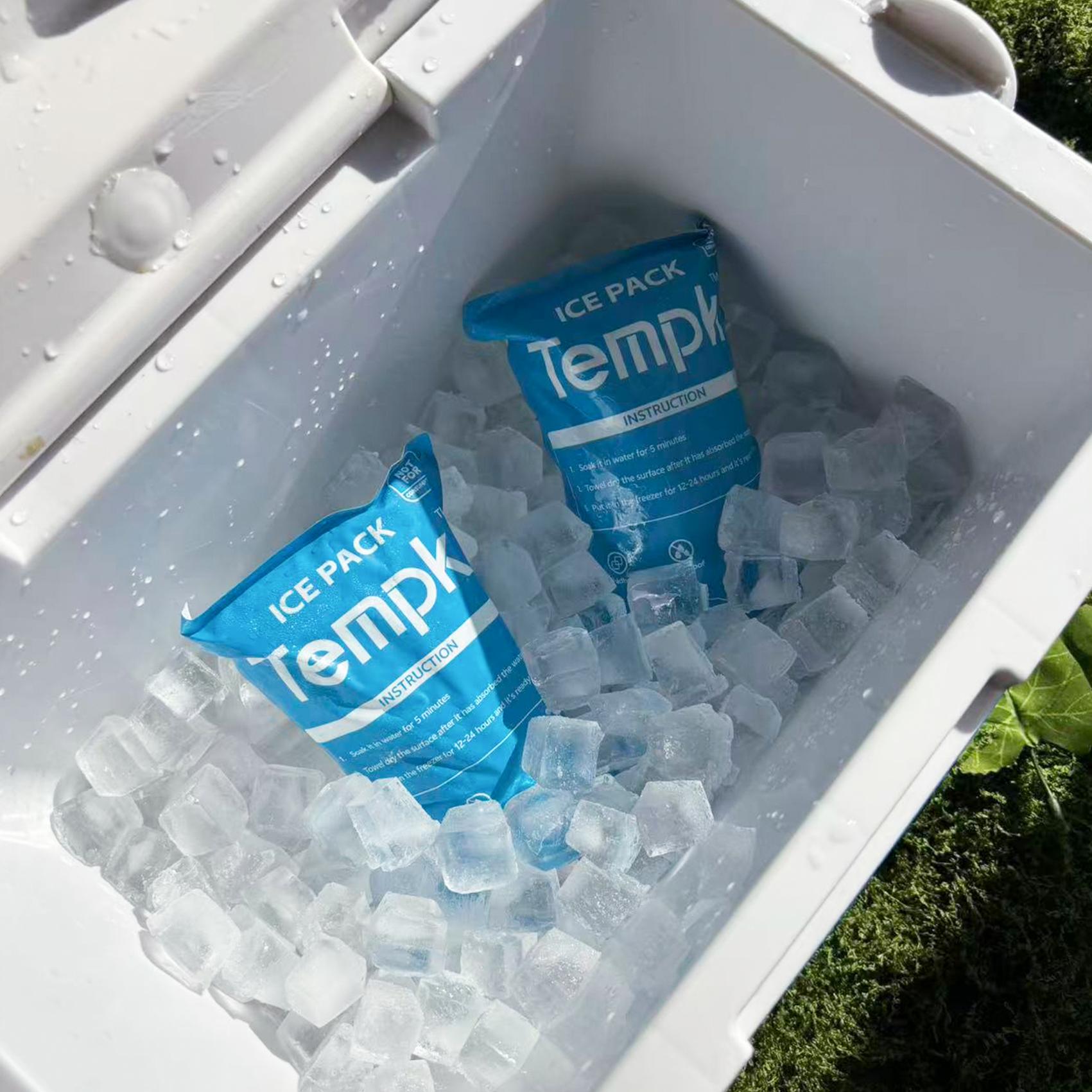
Amazon Dry Ice Pack Sheet: How to Ship Right in 2025
If you need reliable 24–72‑hour control, an Amazon dry ice pack sheet can deliver when sized, placed, and validated correctly. In the next minutes, you’ll get a field‑tested packing plan, a quick sizing rule, and 2025 updates that raise performance and compliance—without messy CO₂ dry ice. All guidance is written for e‑commerce, meal kits, and health shipments.
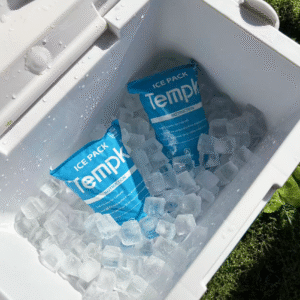
Pick the right Amazon dry ice pack sheet for your route (coverage vs. hold time).
Build a high‑retention packout (layering, air‑void control, lid/base strategy).
Validate for 24–72 hours using a simple “two‑shipment” performance test.
Meet marketplace and carrier guardrails without hazmat complexity.
What is an Amazon dry ice pack sheet and why does it matter?
Short answer: An Amazon dry ice pack sheet is a hydratable, cut‑to‑fit ice blanket—not CO₂ dry ice. It hydrates, freezes at household‑freezer temps (~0 to −18 °C), and stays dry as it warms. You get flexible coverage, flat storage, and standard‑goods handling. That means fewer surprises at listing, inbound, or hand‑offs.
What this means for you: You can hit chilled (0–8 °C) and light frozen holds without Class‑9 labeling or vented crates. For deep‑frozen, you’ll still combine with CO₂ or higher‑mass coolants. This sheet shines where coverage and convenience matter: lids, bases, and wall strips around sensitive corners.
amazon dry ice pack sheet
How does a 24‑cell sheet compare for 24–72‑hour holds?
In practice, a 24‑cell Amazon dry ice pack sheet balances flexible coverage and cold mass. Start with lid + base; add wall strips when lanes get hot or transit extends past 24 h. Expect ~24–48 h chilled control with good insulation; push to 72 h using added sheets or hybrid coolants.
amazon dry ice pack sheet
| Packout Layer Plan | What to place | Typical thickness | Why it matters to you |
|---|---|---|---|
| Lid zone | 1 sheet (full or ½) | ~3–6 mm frozen | Fast pull‑down each open; reduces lid‑corner spikes |
| Product zone | Bagged goods + dunnage | — | Fills voids; prevents convection “chimneys” |
| Base zone | 1 sheet (full) | ~3–6 mm frozen | Keeps bottom corners cold for longer |
| Wall strips | 1–2 narrow strips | ~3–6 mm frozen | Stabilizes edge warm‑spots after 24 h |
| Insulation | Foam/VIP + liner | 25–50 mm | Slows heat ingress; extends every sheet’s runtime |
Practical tips you can use today
Hydrate evenly; then wipe and freeze flat. Even hydration = even freeze = fewer hot spots.
Place one Amazon dry ice pack sheet on the lid and one on the base. Cold falls; lid cooling improves recovery after door‑opens.
Kill air gaps. Use light dunnage to block vertical “flues” that warm corners early.
Add wall strips for warm lanes or >24 h targets. Simple, cheap run‑time boost.
amazon dry ice pack sheet
Field case: A bakery replaced two gel bricks with one Amazon dry ice pack sheet on the base + one on the lid, plus a small gel brick for mass. Summer complaints fell by a third because edges and the lid stayed colder through last mile.
amazon dry ice pack sheet
How many Amazon dry ice pack sheets do you need for 24–72 hours?
Rule of thumb: Cover first, then add mass. Use 2 sheets (lid + base) for most small boxes. Add +1 sheet per extra 24 h or for hot lanes (≥31 °C). Keep a 15–25% reserve for delays.
amazon dry ice pack sheet
Quick planner (copy‑ready)
| Container (internal) | Baseline plan | Warm lane add‑ons | Hot lane add‑ons | Outcome you can expect |
|---|---|---|---|---|
| <10 L lunch/mailers | 1×½ sheet top + 1×½ base | +1 narrow wall strip | +1 extra ½ sheet | 12–24 h chilled control |
| 10–20 L shipper | 1 full top + 1 full base | +1 wall strip | +1 full sheet reserve | 24–48 h chilled / light frozen |
| 20–35 L shipper | 2 full (top/base) | +2 wall strips | +1–2 full sheets | 36–60 h with good insulation |
| 35–60 L crate | 2–3 full | +2–3 strips | +2 full sheets | 48–72 h with hybrids |
Notes: Duration assumes decent insulation and pre‑chilled payloads. Extend runtime with vacuum panels or a small gel/PCM brick.
amazon dry ice pack sheet
How to pack with an Amazon dry ice pack sheet for best results?
Core play: Pre‑condition, place lid + base, fill voids, then verify. Keep steps simple so teams repeat them flawlessly.
Hydrate & freeze: Soak cloth side, wipe, freeze flat until rigid.
Pre‑chill the box: Stage empty insulated boxes in a cooler for 30–60 min.
Base layer: Place one Amazon dry ice pack sheet on the bottom.
Load goods: Bag, add dunnage, and avoid touching bare liners.
Lid layer: Place the second sheet under the lid.
Seal & label: Add a moisture barrier bag if labels wrinkle.
Validate: Run two small shipments; log temperature and arrival state.
amazon dry ice pack sheet
“One‑minute” decision tool
A. Shipping chilled (0–8 °C) snacks or kits? → Use sheets (lid/base), add wall strips in summer.
B. Shipping deep‑frozen ice cream? → Add CO₂ dry ice or heavier PCM; sheets become coverage buffers.
C. Listing sheets on a marketplace? → Treat as non‑hazmat coolants; keep SDS ready; follow liquids/gels prep if any variant ships wet.
amazon dry ice pack sheet
Compliance and safety: sheets vs. CO₂ dry ice
Sheets: Standard goods; no CO₂; simple to list, store, and ship.
CO₂ dry ice (UN 1845): Requires Class‑9 marking for air, net‑weight declaration, and compatible carriers. Some marketplace‑provided carrier services prohibit dry‑ice parcels; choose alternatives and follow label rules. Use Amazon dry ice pack sheet coverage to protect edges even when CO₂ is your main refrigerant.
amazon dry ice pack sheet
2025 developments that lift sheet performance
Trend snapshot (2025): Lighter gels, smarter indicators, and modular cell layouts are improving hold times and traceability with fewer sheets. Expect eco‑forward materials and embedded temp dots or Bluetooth loggers for quick audits. Hybrid packouts (sheets + VIP liners + a small PCM/gel brick) are now a go‑to for 48–72 h without CO₂.
amazon dry ice pack sheet
Latest advances at a glance
Hybrid PCMs: Extend sub‑zero plateaus without hazmat workflows.
Snap‑apart cells: Faster, tidier custom sizing on busy benches.
Smart hydration kits: Pre‑measured water pouches for consistent fill.
Brandable films & QR: Easy SOP access and disposal guidance on‑pack.
amazon dry ice pack sheet
Market insight: As home‑delivery and diagnostic kits expand, demand for mid‑duration passive cooling is rising. Teams win by standardizing lid/base coverage, validating two shipments per lane, then scaling with a documented BOM.
amazon dry ice pack sheet
FAQs
Q1: Are Amazon dry ice pack sheets “real” dry ice?
No. They are hydratable polymer sheets that freeze around 0 to −18 °C and stay dry as they warm. They do not sublimate like CO₂ dry ice.
amazon dry ice pack sheet
Q2: How long will one sheet last in transit?
With good insulation, plan for ~24–36 h chilled per full sheet; add sheets for warm lanes or longer routes. Validate with small pilots.
amazon dry ice pack sheet
Q3: For a 48–72 h target, what’s the starting setup?
Lid + base (2 sheets) plus wall strips, then add 1–2 sheets or a small gel/PCM brick. Hybrid beats over‑stacking one format.
amazon dry ice pack sheet
Q4: Can I cut sheets to size?
Yes. Hydrate and freeze first; then cut along seams. This reduces bead loss and keeps edges tidy.
amazon dry ice pack sheet
Q5: Do I need special labels or vents?
For sheets—no. If you add CO₂ dry ice, follow dangerous‑goods labeling, select a compatible carrier, and declare net weight.
amazon dry ice pack sheet
Summary and next steps
Three things to remember: (1) Start with lid + base Amazon dry ice pack sheet coverage, (2) kill air gaps and add wall strips for warm routes, (3) validate two shipments before scaling. Do that, and you’ll hit 24–72 h targets with fewer surprises and cleaner unboxings.
amazon dry ice pack sheet
Action plan:
Pick a sheet standard (24‑cell) and define lid/base coverage by box size.
Pilot two shipments per lane with a simple logger and reserve margin.
Document your BOM and SOP, then train teams. Need help? → Book a packout review with Tempk experts.
About Tempk
We engineer passive cold‑chain solutions—ice sheets, PCM packs, and insulated shippers—validated across e‑commerce and health logistics. Our team standardizes coverage‑first packouts, then hardens them with small pilots so you waste less time and cold mass.
CTA: Talk to a Tempk specialist to map your next‑lane packout.