


Best 24-Cell Dry Ice Pack for Your Container (2025)
Best 24-Cell Dry Ice Pack for Your Container (2025)

Which 24-Cell Dry Ice Pack Fits Your Container Best?
Choosing the right 24-cell dry ice pack can make or break your shipment’s success. Within the first few minutes of reading, you’ll know exactly how to size, pack, and handle dry ice sheets—no guesswork. A single 24-cell sheet typically cools 5–8 L of container space for 24 hours, but proper planning can double that duration while reducing waste and ensuring safety.
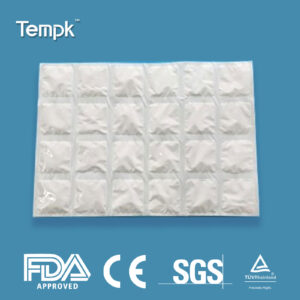
Identify the best dry ice pack size and number of 24-cell sheets for any container.
Estimate dry ice weight (5–10 lb/day) for frozen lanes.
Follow safe packing and venting practices.
Learn hybrid cooling strategies for cost efficiency.
Apply 2025 trends in smart packaging and eco-design.
How many 24-cell dry ice packs do you need?
Start with 1 sheet per 5–8 L of internal volume for ~24 hours of hold time. For a 20 L shipper, use three sheets; for 30 L, four sheets. Each sheet delivers roughly 8–12 hours of chilled performance—extend by wrapping around the payload or combining with solid CO₂.
| Container Volume (L) | Starting Sheets | Typical Hold (chilled) | What This Means for You |
|---|---|---|---|
| 5–10 | 1 | 8–24 h | Small mailers or compact boxes |
| 15–20 | 2–3 | 24–48 h | Most DTC food or pharma parcels |
| 25–30 | 3–4 | 36–60 h | Large payloads needing extra margin |
| 40+ | 4–6 | 48–72 h | Extended lanes or high ambient routes |
Quick rule: Add one sheet for every extra 24 hours of shipping or every +10 °C ambient increase.
Fast sizing formula (for SOPs)
Example:
A 20 L insulated box on a 36 h route in summer:
20 L ÷ 7 ≈ 3 sheets + 1 (hot weather) = 4 total.
How does insulation affect your dry ice pack count?
The better the insulation, the fewer packs you need. EPS foam maintains cold longest, while cardboard liners need extra help.
| Container Type | Insulation Rating | Recommended Dry Ice | Real-World Insight |
|---|---|---|---|
| EPS (Styrofoam) | Excellent | 5 lb / 24 h | Ideal for biopharma & frozen foods |
| Plastic Crate | Good | 6–7 lb / 24 h | Works for DTC food delivery |
| Cardboard + Liner | Moderate | 8–9 lb / 24 h | Add 1–2 sheets for warm lanes |
Tip: Pre-chill your box before packing. Cold walls keep sheets efficient.
How to calculate dry ice weight for frozen shipments
For frozen lanes (−20 °C or colder), use solid CO₂ dry ice measured by weight:
Formula:Dry Ice (lb) = Hold Days × 7.5 (lb/day) × (1 + 0.2 reserve)
Example: 2 days × 7.5 = 15 lb + 20% = 18 lb total.
| Hold Time | Tight EPS Shipper | Typical Cooler | Loose Cooler |
|---|---|---|---|
| 24 h | 5 lb | 7.5 lb | 10 lb |
| 48 h | 10 lb | 15 lb | 20 lb |
| 72 h | 15 lb | 22.5 lb | 30 lb |
Use the lower end for dense EPS foam and the higher end for thinner boxes or hot climates.
When to use 24-cell sheets vs. solid CO₂
| Use Case | Best Refrigerant | Why It Works | Watch Out For |
|---|---|---|---|
| 0–8 °C chilled goods | 24-cell dry ice pack | Flexible, non-hazmat, reusable | Shorter hold time |
| ≤ −20 °C frozen lanes | Solid CO₂ (dry ice) | Deep cold, long duration | Requires labeling & venting |
| 36–60 h mixed loads | Hybrid setup | Combine sheets + small CO₂ slab | Needs training & SOP |
Real-world case: A biotech shipper swapped block ice for 24-cell sheets in EPS boxes and cut spoilage 22% while reducing packing time 40%.
Safe packing SOP for 24-cell dry ice sheets
Hydrate fully in warm water until bubbles stop.
Freeze flat for 24–48 h at ≤ −18 °C.
Pre-chill both product and shipper.
Wrap & cap: line sides and top for 360° coverage.
Vent properly—never seal solid CO₂ airtight.
Wear gloves to avoid frost burns.
Label UN 1845 if any solid CO₂ is included.
Case study: A meal-kit brand reduced summer warm-arrival issues by one-third after adopting wrap-and-cap packing.
2025 trends in dry ice packaging
The cold chain industry is embracing smart, sustainable, and hybrid designs:
Reusable cut-to-fit sheets reduce waste and trim along seams.
Precision sublimation control improves CO₂ efficiency (3–8% loss/day).
Smart temperature sensors send alerts for temperature excursions.
Hybrid packouts mix sheets + CO₂ slabs for cost-balanced performance.
Market insight: Brands adopting seasonal validation logs have cut spoilage 30–60% while lowering material waste.
FAQs
Q1: Is a 24-cell dry ice pack the same as solid dry ice?
No. 24-cell packs are polymer sheets cooling near 0 °C; solid CO₂ reaches −78.5 °C.
Q2: How long does one 24-cell sheet last?
Around 8–12 hours per sheet; wrap with 2–4 sheets for 24–36 hours.
Q3: Can I fly with dry ice?
Yes—≤ 2.5 kg (5.5 lb) per passenger with venting and UN 1845 marking. Cargo follows IATA PI 954 for higher limits.
Q4: Can I reuse dry ice packs?
Hydrated polymer packs can be refrozen; solid CO₂ cannot—it sublimates to gas.
Q5: What’s the safe way to dispose of leftover dry ice?
Let it sublimate in a ventilated area—never seal or dump in sinks.
Summary & recommendations
Use one 24-cell sheet per 5–8 L of volume for 24 h chilled control.
Add 30–40% for longer or hotter shipments.
Use 5–10 lb/day of solid CO₂ for frozen lanes.
Always vent, label, and monitor temperature.
Validate every lane with a two-box PQ test.
Next step: Measure your container, apply the formula, and test one shipment. For precise results, request a free packout review from Tempk’s specialists.
About Tempk
Tempk engineers validated cold chain solutions—from flexible 24-cell dry ice sheets to hybrid CO₂ packouts. Our systems are tested for real-world lanes across food, pharma, and biotech logistics. We focus on performance, safety, and sustainability, helping clients reduce spoilage and cost while meeting all IATA PI 954 and UN 1845 requirements.
Talk to us for a lane-specific dry ice strategy or a print-ready SOP today.
What Size Dry Ice Bag Fits a 10 lb Block?
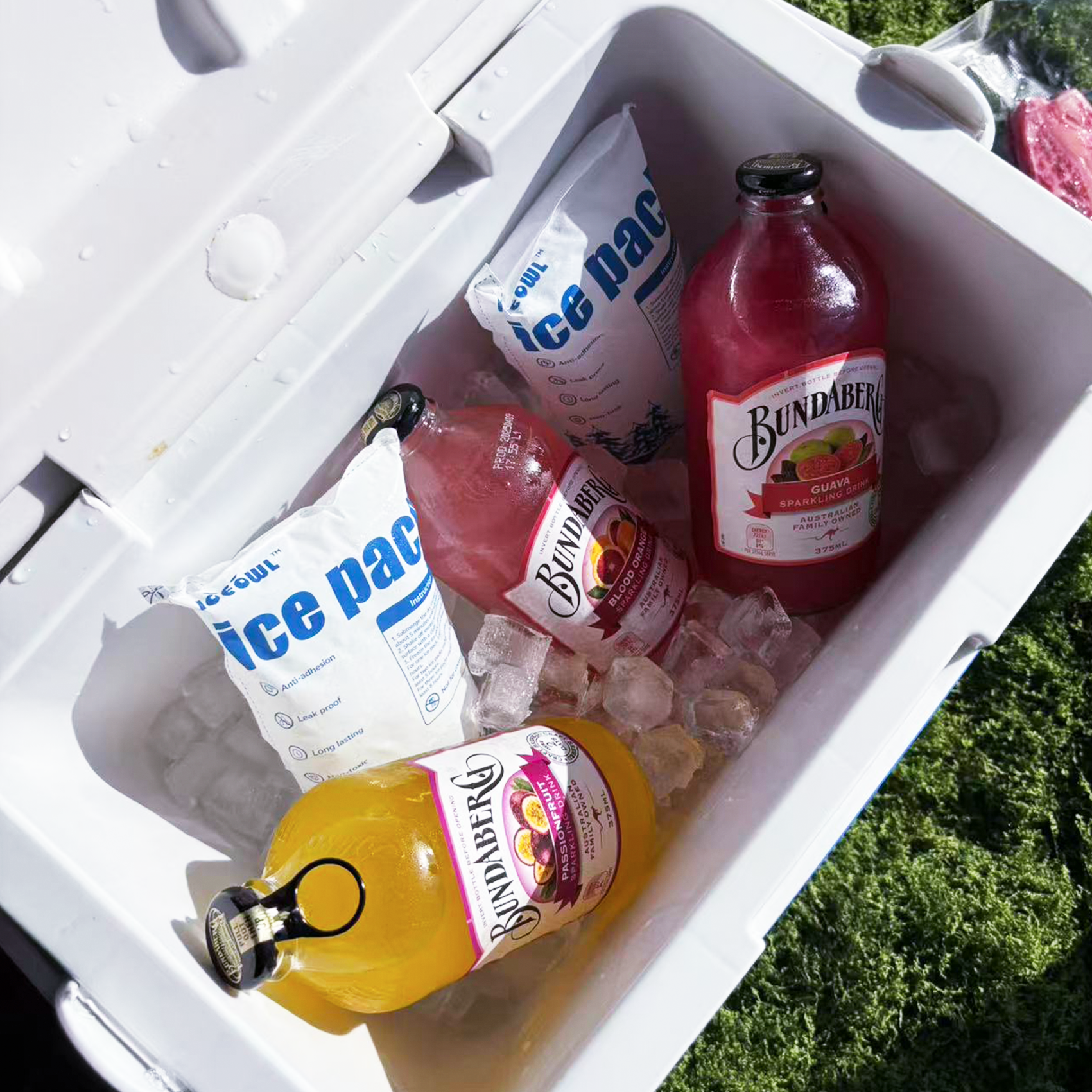
If you need a precise, safe answer fast: the best all‑around choice for a 10 lb dry ice bag is a vented 12″ × 16″ lay‑flat LDPE (2–3 mil); for an upright packout, use a vented gusseted 10.5″ × 10.5″ × 21″ (2–3 mil). Both fit a typical 10″ × 10″ × 2–2⅜” block, leave fold‑over headroom, and meet 2025 handling best practices. You’ll pack faster, stay compliant, and cut breakage.
Which 10 lb dry ice bag size fits best?—with long‑tail guidance like 10 lb dry ice bag dimensions.
How thick should the film be?—vented dry ice bag thickness for rough handling.
How do you calculate bag size from volume?—a simple method you can reuse.
How do you pack for compliance?—labels, venting, and UN1845 dry ice tips.
What’s new in 2025?—materials, sensors, and sustainability that affect your choice.
Which 10 lb dry ice bag size works best in 2025?
Short answer: Use a vented 12″ × 16″ 10 lb dry ice bag (2–3 mil) for flat “slice” blocks, or a vented 10.5″ × 10.5″ × 21″ 10 lb dry ice bag for upright loading. Both provide safe slack, easy fold‑over, and clean labeling. Avoid airtight closures.
Why this fit? A 10 lb block is typically ~10″ × 10″ × 2–2⅜”. A 12″ lay‑flat width clears the 10″ face with insertion slack; 16″ height leaves room to fold without sealing. The gusseted footprint mirrors the 10″ × 10″ face for neat stacking in crates. Venting prevents pressure buildup and supports IATA/OSHA‑style handling norms.
Flat vs. gusseted 10 lb dry ice bag—how to choose
Flat lay‑flat (12″ × 16″, 2–3 mil, vented): Easiest to source, fast to load, generous fold‑over.
Gusseted (10.5″ × 10.5″ × 21″, 2–3 mil, vented): Self‑standing, tidy footprint, better for narrow crates.
Tight liner fit (≈10″ × 10″ × 3″ gusseted): Use only inside rigid liners when you want minimal air gaps and controlled headspace.
| Scenario | Recommended 10 lb dry ice bag | Film thickness | What it means for you |
|---|---|---|---|
| Flat “slice” block (10″ × 10″ × 2–2⅜”) | 12″ × 16″ lay‑flat, vented | 2–3 mil | Fast loading, reliable fold‑over, broad availability |
| Upright in crate/liner | 10.5″ × 10.5″ × 21″ gusseted, vented | 2–3 mil | Neat footprint, better stacking, cleaner unpack |
| Rough handling / shards | 13″ × 20″ lay‑flat, vented | 3–4 mil | Extra circumference for fragments; fewer tears |
| Tight inside rigid VIP/EPS liner | ~10″ × 10″ × 3″ gusseted, vented | 3 mil | Minimal headspace, slower sublimation (never airtight) |
Practical tips that save time and product
Leave a vent path. Fold—don’t heat‑seal—the 10 lb dry ice bag mouth.
Pre‑chill the shipper. Pre‑cooling reduces early sublimation spikes.
Separate cargo. Add a rigid divider to keep product off the block.
Real case: A dessert shipper switched from 10″ × 12″ to 12″ × 16″ 10 lb dry ice bags (3 mil, vented). Tears during loading fell sharply and hold time improved, thanks to cleaner fold‑overs and better foam placement. Re‑pack errors dropped and QA cleared more outbound boxes per hour.
How do you calculate a 10 lb dry ice bag from volume?
Core idea: Calculate block volume, add loading slack, then add fold‑over for safe venting.
Step‑by‑step (copy this):
Mass → volume: Dry ice density ≈ 1.56 g/cm³. A 10 lb block = 4,536 g → ~2,910 cm³.
Typical slice: 10″ × 10″ × 2–2⅜” (≈200–238 in³).
Lay‑flat width: Use width ≥ face + 1–2″ slack → 12″ for a 10″ face.
Bag height: height ≥ thickness × 5–8 to allow fold‑over and labels → 16–21″.
Headspace: Target ~1″ each side or gusseted cross‑section that equals the face.
Headspace, venting, and fold‑over length
A 10 lb dry ice bag needs fold‑over headroom (2–5″) and a non‑airtight mouth. Micro‑perfs, loose twist ties, or a simple fold work well. Keep empty headspace modest to slow heat ingress, but never trap CO₂.
| Block thickness | Good bag height | Good bag width | Practical meaning |
|---|---|---|---|
| 2.0″ | 16″ | 12″ | Easy fold‑over; minimal air volume |
| 2.25″ | 16–18″ | 12″ | Extra fold room for labels |
| 2.375″ | 18–21″ | 12″ | Tolerates slight block variance |
Which materials and thickness are best for a 10 lb dry ice bag?
Best all‑rounder: LDPE/HDPE with metallocene (for low‑temp flexibility). For most routes, a 2–3 mil vented film is ideal. Step up to 3–4 mil for rough handling, shards, or long routes.
Why LDPE/HDPE blends? Tough at −78.5 °C, resist haze/brittleness, and print cleanly for labels.
When to add a wrap? A loose kraft‑paper inner wrap reduces frost on film and cushions edges.
What to avoid? Thin grocery bags or non‑vented “water‑ice” bags—risk cracking and pressure buildup.
When to step up to 3–4 mil on a 10 lb dry ice bag
Sharp fragments expected: Broken blocks, frequent re‑packs.
Heavy conveyor handling: Automated sortation, long hubs.
VIP/EPS liners with tight tolerances: Film sees more abrasion.
How should you pack a 10 lb dry ice bag for compliance?
Follow this sequence for a safer, faster packout:
PPE first. Wear insulated gloves and eye protection.
Wrap, then bag. Light kraft wrap → 10 lb dry ice bag (12″ × 16″ lay‑flat or 10.5″ × 10.5″ × 21″ gusseted), vented.
Rigid separator. Place a board/foam sheet above the block; keep product off direct contact.
Insulated outer. Use a vented cooler/shipper; crack the drain/vent or use designed vents.
Label outer shipper. “Dry Ice / Carbon dioxide, solid, UN1845” and net weight (kg).
Do not seal airtight. Neither the 10 lb dry ice bag nor the outer may be airtight.
Weigh and record. Log net dry ice for audits and customer notifications.
Quick compliance checklist (print for your bench)
10 lb dry ice bag vented and folded (not sealed)
Divider in place; no product touching dry ice
Outer has vent path; UN1845 mark + net kg on label
Packout sheet updated with starting weight and target hold time
Cold‑chain trends in 2025 that affect your 10 lb dry ice bag
What’s new: Vented membranes, tougher low‑temp films, and smarter liners are making every 10 lb dry ice bag safer and cleaner to use. Recycled and bio‑content blends are advancing without sacrificing impact strength. VIP liners and data loggers extend hold time and reduce re‑ice events.
Latest advances at a glance
Micro‑vent films: Controlled CO₂ release without manual perforation.
Metallocene‑rich blends: Better tear resistance with thin gauges.
Returnable liners: Reuse programs that fit the 10″ × 10″ footprint.
Market insight: Demand for 10 lb formats stays high in last‑mile frozen food and biologics, favoring 12″ × 16″ 10 lb dry ice bags with clear label real estate and quick fold‑over.
Frequently Asked Questions
Q1: What’s the single safest pick for most teams?
Choose a vented 12″ × 16″ 10 lb dry ice bag in 2–3 mil. It loads quickly, folds cleanly, and fits standard 10″ × 10″ slices.
Q2: When should I use a gusseted 10 lb dry ice bag?
Use 10.5″ × 10.5″ × 21″ when you want an upright, self‑standing footprint inside a crate or liner.
Q3: Can I heat‑seal a 10 lb dry ice bag?
No. Never seal airtight. Fold or loosely tie to maintain a vent path for CO₂.
Q4: How long does a 10 lb block last in practice?
Expect ~18–36 hours in a typical cooler. VIP/EPS systems can extend this, assuming minimal openings.
Q5: What if my blocks vary in thickness?
Design for 2–2⅜” thickness. Choose 16–21″ height to preserve fold‑over headroom and venting.
Q6: Do I need to log dry ice weight?
Yes—log starting net kg for labels and audits. It simplifies re‑ice planning and regulatory checks.
Summary & recommendations
Three takeaways:
A 12″ × 16″ vented 10 lb dry ice bag (2–3 mil) fits most 10″ × 10″ slices.
For upright packouts, pick a 10.5″ × 10.5″ × 21″ vented 10 lb dry ice bag.
Always leave a vent path, add a divider, and label UN1845 + net kg.
Next steps (do this today):
Standardize on one lay‑flat and one gusseted SKU.
Print the compliance checklist for your bench.
Add a divider to every packout.
Run a 24‑hour hold‑time test and record weight loss.
CTA: Want a one‑page spec for your line? Talk to Tempk’s cold‑chain team for a fast packout review.
A tiny decision helper (paste into your SOP)
Suggested internal links (on your site)
Dry ice vs. PCM: choosing the right cold source → /knowledge/dry-ice-vs-pcm
UN1845 labeling checklist for dry ice packages → /knowledge/dry-ice-label-checklist-un1845
How much dry ice do I need for 24–72 hours? → /knowledge/how-much-dry-ice
Dry ice bag venting: best practices in 2025 → /knowledge/dry-ice-bag-venting
Choosing the right insulated shipper → /knowledge/insulated-shipper-guide
About Tempk
We design high‑performance cold‑chain packaging that balances reliability, compliance, and cost. Our 10 lb dry ice bag options are engineered for low‑temperature toughness, clean fold‑overs, and easy labeling. With validated packouts and quick‑start SOPs, we help your team ship on time and in temp—every day.
Ready to optimize your 10 lb dry ice bag spec? Contact our specialists for a tailored packout and a one‑page line guide.
Operating Temperature Range of a Dry Ice Pack – 2025 Expert Guide
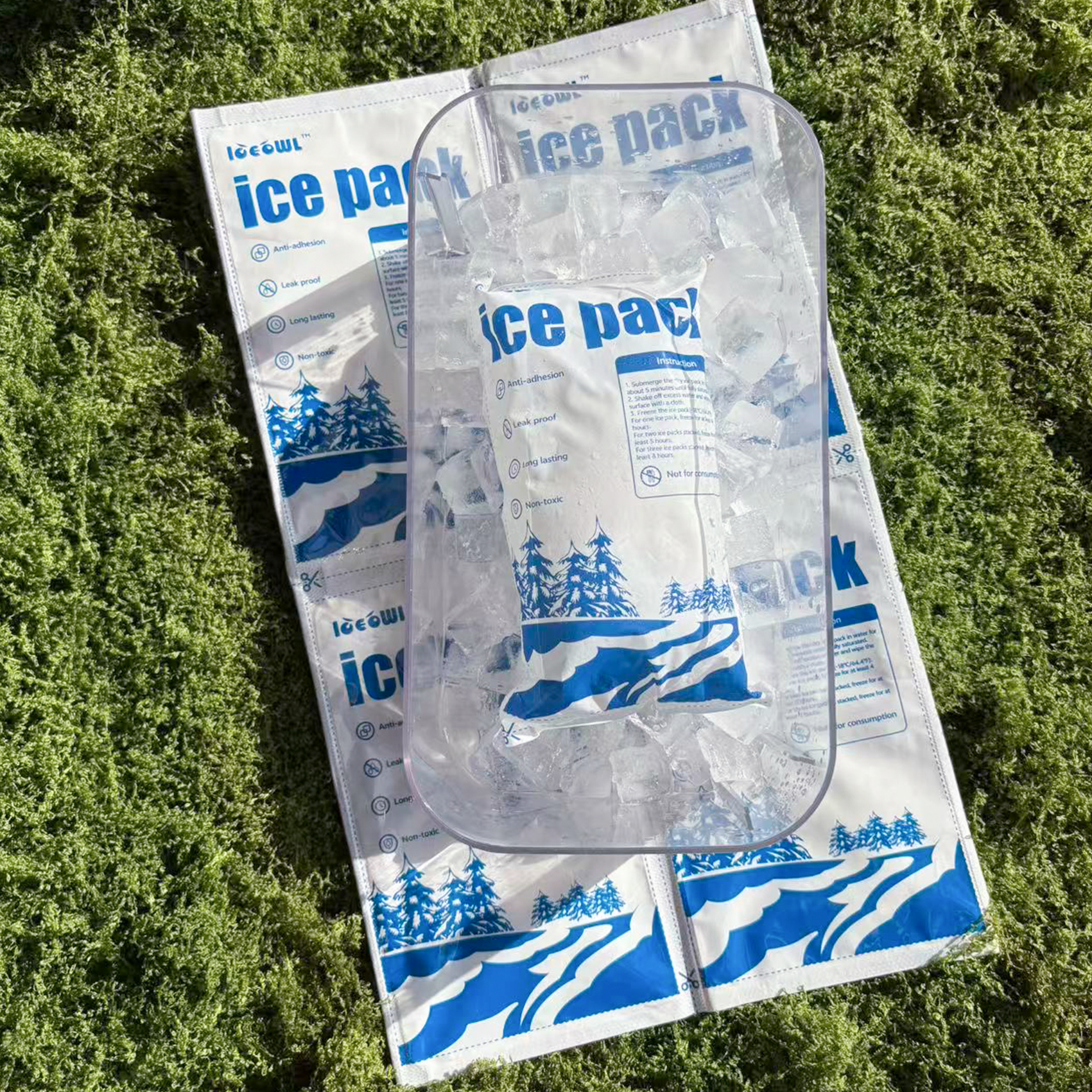
The operating temperature range of a dry ice pack defines how effectively you can keep your products frozen or ultra-cold. Dry ice sits at −78.5 °C (−109.3 °F), and its performance depends on insulation, airflow, and pack-out design. This guide explains how cold it gets, how long it lasts, and how to use it safely for shipping in 2025.

What temperatures a dry ice pack can reach and maintain
How insulation and packaging affect temperature range
How long dry ice lasts and how much you need
2025 safety, compliance, and innovation trends
Real-world strategies to optimize cold-chain performance
What is the operating temperature range of a dry ice pack?
In simple terms: the operating temperature range of a dry ice pack extends from around −90 °C to −60 °C in ultra-cold setups and up to −20 °C for frozen shipments. The coldest point, −78.5 °C, is the sublimation temperature of carbon dioxide—the point where it turns directly from solid to gas.
Dry ice sublimates instead of melting, so it produces no liquid water and keeps products dry. That makes it perfect for temperature-sensitive items like vaccines, frozen food, and biological samples. The consistent, ultra-low temperature ensures a stable cold chain with minimal contamination risk.
Why −78.5 °C is ideal for logistics
Dry ice offers roughly twice the cooling capacity of water ice and lasts up to four times longer when properly insulated. This efficiency provides reliable performance for long-haul shipments or critical pharmaceutical logistics where even minor temperature deviations can affect product quality.
How cold can a dry ice pack get compared with other cooling agents?
| Cooling Agent | Typical Range | Duration | Key Advantage | Common Use |
|---|---|---|---|---|
| Dry Ice Pack | −78.5 °C to −60 °C | 24–72 h | Extreme cold, no liquid | Frozen foods, biologics |
| Gel/PCM Pack | −20 °C to +8 °C | 24–96 h | Reusable, steady temp | Vaccines, food delivery |
| Refrigerant Brick | −10 °C to +4 °C | 48–72 h | Moderate cold | Produce, dairy |
| Regular Ice | 0 °C to −2 °C | 6–12 h | Inexpensive | Short trips |
Key takeaway: Only dry ice reaches true ultra-cold ranges, but proper insulation and safety precautions are crucial to maintain performance and protect handlers.
How insulation and container type affect performance
| Container Type | Insulation Quality | Hold Time | Recommended Ice |
|---|---|---|---|
| Styrofoam (EPS) | Excellent | 48–72 h | 5 lb / 24 h |
| Plastic Cooler | Good | 36–48 h | 6–8 lb / 24 h |
| Cardboard Box | Moderate | 24–36 h | 10–12 lb / 24 h |
| VIP Container | Outstanding | 72 h + | 25 % less dry ice |
Best practice: always size your dry ice load based on insulation quality, shipment duration, and external temperature.
Expert tip: Use multiple 24-cell dry-ice sheets between product layers to distribute cooling evenly.
How long does dry ice last—and how much should you use?
Dry ice sublimation depends on insulation and ambient conditions. On average, 5–10 lb per 24 hours per standard shipper is typical.
Quick estimation method:
Add trip hours + buffer (e.g., 48 h + 12 h = 60 h)
Choose sublimation rate: VIP 0.1–0.2 kg/h, EPS 0.2–0.4 kg/h
Multiply: 0.3 kg/h × 60 h = 18 kg baseline
Add 15 % buffer → ≈ 21 kg dry ice total
Re-validate each lane with temperature loggers and adjust for seasonality.
Safety and handling best practices
Dry ice can cause severe frostbite or pressure buildup if misused. Always follow these safety principles:
Use insulated gloves and goggles to prevent skin injury
Vent all containers—never seal airtight
Store in insulated, non-sealed boxes, not freezers
Avoid confined spaces—1 kg of dry ice releases about 541 L of CO₂ gas
Label shipments “Dry ice / Carbon dioxide, solid” with the net weight
For air transport, airlines typically limit dry ice to 2.5 kg per package. Freight follows UN 1845 (Class 9) standards and IATA PI 954 guidelines.
Practical temperature-control strategies
Layered pack-outs: Place dry ice on top and bottom for even cooling
Combine with gel packs: Stabilizes gradients for long trips
Monitor with data loggers: Confirm real temperatures, not estimates
Plan for duration: Adjust quantity for each lane and stop frequency
Avoid overload: Too much dry ice can rupture sealed packages
Case example: A biotech shipper reduced losses by 38 % using a dual-phase setup—dry ice beneath and PCM packs above—to maintain −65 °C for 60 hours.
2025 innovations and sustainability trends
The cold-chain industry is shifting toward smarter, greener solutions:
Reusable polymer-based “dry ice” packs that can freeze down to −80 °C
Vacuum Insulated Panels (VIP) that extend hold time while cutting weight
IoT temperature sensors for real-time tracking
CO₂ capture systems producing lower-carbon dry ice
Automated re-icing stations at logistics hubs for multi-day routes
These innovations reduce CO₂ consumption by up to 25 % and improve compliance with new environmental standards.
Frequently asked questions
Q1. What is the coldest temperature a dry ice pack can reach?
Up to −78.5 °C (−109.3 °F) at the surface; payloads typically stay between −90 °C and −60 °C depending on insulation and standoff distance.
Q2. How long does dry ice last in a cooler?
5–10 lb typically lasts 24–48 hours; VIP containers extend that to 72 hours or more.
Q3. Can dry ice damage food or packaging?
Yes, direct contact may cause freezer burn—always use separators.
Q4. Is dry ice safe for air travel?
Yes, within airline limits (2.5 kg per package) and with proper venting and labeling.
Q5. Are dry ice packs reusable?
CO₂ dry ice evaporates completely, but the insulated containers and polymer packs are reusable.
2025 cold-chain trends and market insight
Demand for frozen and ultra-cold shipping is accelerating. E-commerce meal kits, biologics, and vaccine logistics drive global dry-ice packaging growth at 7 % + CAGR.
Companies adopting VIP-plus-sensor pack-outs report up to 15–20 % improvement in delivery stability and lower waste.
Key progress
VIP panels reduce dry-ice usage by 25 %
Smart IoT loggers cut spoilage rates by 30 %
Recyclable liners replace EPS to meet eco-targets
Modular pack-outs support lane-specific optimization
Summary and recommendations
The operating temperature range of a dry ice pack spans from −90 °C to −60 °C for ultra-cold and up to −20 °C for frozen shipments.
Success depends on correct sizing, insulation choice, and safe handling.
Quick recap:
Use dry ice for ≤ −20 °C targets; gel or PCM packs for warmer ranges
Never seal containers airtight—venting is critical
Monitor every shipment with a data logger
Re-validate pack-outs seasonally or by lane
Follow UN 1845 and IATA PI 954 standards for compliance
Next step: Evaluate your shipping needs and design a lane-specific solution. For tailored guidance, consult Tempk’s cold-chain specialists.
About Tempk
Tempk designs advanced cold-chain solutions combining dry ice, PCM packs, and next-generation insulation.
Our systems maintain precise temperatures from −80 °C for pharmaceuticals to 2–8 °C for food logistics.
We emphasize sustainability, reusability, and performance validation to ensure your products arrive safely, every time.
Ready to optimize your cold-chain?
Contact Tempk for expert consultation and customized pack-out design.
Maximum Dry Ice per Package Allowed (2025)

What’s the Maximum Dry Ice per Package Allowed?
The maximum dry ice per package allowed depends on mode and operator rules. In air cargo, it’s up to 200 kg per package; in passenger baggage, it’s 2.5 kg per person; USPS air caps a mailpiece at 5 lb. You still need vented packaging, UN1845 marking, and the right AWB text to pass acceptance. This article consolidates the latest 2025 compliance guidelines and practical cold chain advice.
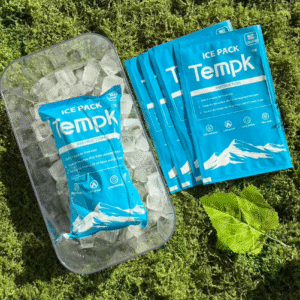
Legal limits by mode with the maximum dry ice per package allowed for common scenarios
Packaging, labeling, and venting so handlers clear your shipment fast
A quick calculator approach to size dry ice without overpacking
Carrier variations and how to avoid rejections on specific lanes
2025 trends that influence safety, cost, and sustainability
What is the maximum dry ice per package allowed in 2025?
Short answer: Up to 200 kg per package for air cargo, 2.5 kg in passenger baggage, and ≤ 5 lb for USPS air. Ground has no single national cap; follow packaging, venting, and carrier weight/SOP limits. Always confirm operator variations before you ship. The same package can be legal on cargo but restricted on a passenger route.
Why it matters: A single wrong number on your label or AWB can hold freight at tender. Treat 200 kg as a global ceiling, not a guarantee. Your packaging must vent CO₂ and display UN1845, the proper shipping name, and net kg of dry ice on the box.
How do operator variations change the maximum dry ice per package allowed?
Airlines, express carriers, and postal services can set tighter limits. Common examples include lower per-package caps on some fleets, per-hold totals, and service-level restrictions. Plan your pack-out for the maximum dry ice per package allowed on that exact service and lane, not just the IATA headline rule.
| Mode / Service | Limit (typical) | Key rule you must meet | What it means for you |
|---|---|---|---|
| Air cargo (UN1845) | 200 kg / package | Venting + UN1845 + net kg + AWB text | Use validated shippers; print exact net kg |
| Passenger baggage | 2.5 kg / passenger | Airline approval + venting + marking | Fine for short trips; not for bulk payloads |
| USPS air mailpiece | ≤ 5 lb | Domestic air only + venting + label | Need more? Use surface/ground or cargo |
| Domestic ground (U.S.) | No national kg cap | Packaging + carrier SOP | Follow carrier weight limits (e.g., ≤ 150 lb/package) |
Practical tips and quick wins
Print net kg, not “approx.” Align box, docs, and e-AWB values.
Never seal airtight. Venting is mandatory.
Overpacks: Marks must remain visible; never “hide” UN1845 and net kg.
Case in point: A biotech shipper cut spoilage by 40% after adding CO₂/temperature loggers and right-sizing per-package limits, then aligning labels and AWB entries with operator checklists.
How to calculate the maximum dry ice per package allowed for your lane?
Core idea: Match duration × sublimation rate × safety buffer. Use validated data for your container.
Quick formula:
Dry ice (lb) = (Transit hours ÷ 24) × daily sublimation rate × buffer (1.1–1.2)
Typical rates (24 h): Excellent foam shipper 4–6 lb; good plastic 6–8 lb; lined carton 8–10 lb.
Example: 48 h in a foam shipper at ~5–6 lb/day → 10–12 lb, plus 10–20 % buffer.
Reality check: Hot lanes, customs holds, and re-sorting increase consumption.
| Planning input | Typical range | What to enter | Why it matters to you |
|---|---|---|---|
| Transit duration | +24–120 h | Add 1-day buffer | Delays are common |
| Daily loss (foam) | 4–6 lb/24 h | Use worst-case | Prevent under-packing |
| Ambient risk | Mild / Hot | +10–20% in heat | Lane-specific safety |
| Net dry ice (kg) | Calculated | Put exact kg on box | Pass acceptance first time |
Actionable tips
Short haul: Compact foam shipper with 2–6 kg often holds 24–36 h when pre-chilled.
Long haul: Combine dry ice with PCMs for smoother temperature control.
High value: Add CO₂ and temperature sensors; set alerts for trend breaks.
Labeling and packaging for the maximum dry ice per package allowed
Do this every time: UN1845, “Dry Ice” or “Carbon Dioxide, Solid,” net weight (kg) on the outer box, Class 9 label, vented design, and correct AWB line. No airtight seals. This is the fastest way to clear carrier acceptance with the maximum dry ice per package allowed.
Acceptance checklist:
Vented, robust outer + insulated inner.
UN1845 + proper name + net kg printed on box side.
Class 9 label visible; marks not covered by tape or overpack skins.
AWB shows UN1845, number of packages, and net kg per package.
Training up to date; use e-DGD where required.
Carrier differences: when the maximum dry ice per package allowed changes
Courier air: Many services cap packages below 200 kg, often 2.5–20 kg.
USPS: ≤ 5 lb by air; more must go ground.
UPS/FedEx/DHL: Follow IATA rules but check service-level SOPs.
Ground: Follow packaging and operator weight limits; no single national cap.
Pro move: Build a one-page SOP per lane listing the maximum dry ice per package allowed, AWB line format, and acceptance checklist.
2025 updates shaping the maximum dry ice per package allowed
What’s new: Digital acceptance and documentation are now standard. Expect e-DGD, lane-specific operator caps, and tighter overpack marking checks. Smart vent plugs and CO₂-aware packaging reduce pressure risk while cutting waste. Growing pharma and biologics demand favors validated foam/VIP kits and hybrid dry-ice + PCM designs.
Latest at a glance
e-DGD & checklists reduce paperwork errors.
Operator variations: 200 kg is the ceiling; check per-fleet limits.
Sustainability: CO₂ recovery and lighter shippers lower cost.
Market insight: Teams that validate pack-outs with data loggers often cut dry ice use by 10–20% while staying compliant.
FAQ: common compliance questions about the maximum dry ice per package allowed
Q1: What is the maximum dry ice per package allowed for air cargo?
Up to 200 kg per package, with venting, UN1845 marking, and correct AWB text. Operators may set lower limits.
Q2: How much can I carry in passenger baggage?
2.5 kg (5.5 lb) per passenger/package, airline approval required, and the container must vent.
Q3: What does USPS allow by air?
≤ 5 lb per mailpiece for domestic air; heavier amounts must go surface/ground or cargo.
Q4: Do I need a Shipper’s Declaration?
Not when dry ice cools non-dangerous goods; do include the UN1845 line on the AWB. If cooling dangerous goods, a declaration applies.
Q5: What happens if I exceed an operator’s cap?
Expect rejections, delays, or penalties. Always weigh and declare net kg correctly.
Summary & recommendations
Remember: The maximum dry ice per package allowed is 200 kg in air cargo, 2.5 kg in baggage, and 5 lb for USPS air. Use vented packaging, print UN1845 and net kg, and align AWB text to the booked service. Validate pack-outs with data to avoid over- or under-packing. Build lane-specific SOPs to ensure every shipment clears first time.
Next steps:
Confirm the carrier/service cap.
Use the calculator to size ice.
Print exact net kg on box and AWB.
Pilot with data loggers.
Review your training quarterly.
Internal links you can add
Dry Ice Labeling Guide (UN1845 & Class 9) → /knowledge/dry-ice-labeling-un1845
How to Build a 48-Hour Frozen Pack-Out → /knowledge/48h-frozen-packout
Validated Foam Shipper Sizing Calculator → /tools/shipper-sizing-calculator
Hybrid Cooling: Dry Ice + PCM → /knowledge/dry-ice-plus-pcm
AWB Examples for Dry Ice → /resources/dry-ice-awb-examples
Engagement boosters
Decision widget: “How much dry ice can I legally use?” (mode / carrier inputs)
Self-check quiz: “Can this package fly?” (5 yes/no checks)
Downloadable checklist: “Dry ice acceptance walk-through (2025).”
About Tempk
We help you ship frozen and refrigerated products safely and compliantly. Our validated foam/VIP shippers, dry-ice packs, and monitoring options keep lanes stable for 24–120 hours while meeting labeling and venting rules. We combine packaging science with hands-on lane design to shorten acceptance times and cut waste.
Call to action: Want a 10-minute pack-out review? Talk to a cold-chain specialist.
Maximum Dry Ice Allowed per Package in 2025 | Rules
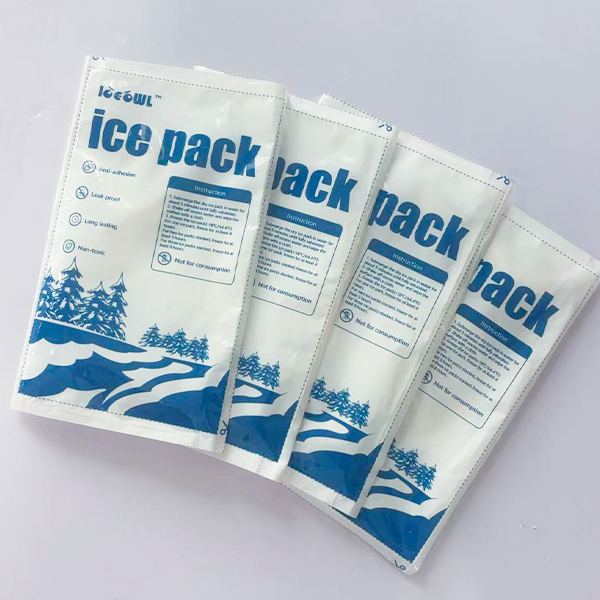
What Is the Maximum Dry Ice Allowed per Package?
The maximum dry ice allowed per package depends on mode and operator: air cargo typically permits 200 kg under IATA PI 954, passenger baggage allows 2.5 kg, and USPS domestic air caps 5 lb. You’ll stay compliant by venting CO₂, marking UN1845, and stating net weight in kilograms. This guide gives you simple rules, a calculator, and pack‑out checklists to avoid rejection and keep products safe.
Fast limits: The maximum dry ice allowed per package by air cargo, passenger baggage, USPS, and ground.
Compliance essentials: Labels, markings, and venting that pass acceptance checks.
Calculator: Convert dry ice to CO₂ gas and right‑size pack‑outs for your route and hold time.
Carrier nuances: When operators lower the ceiling and how to plan for it.
Real‑world tips: Vaccine kits, seafood, and e‑commerce scenarios that ship cleanly.
How is the maximum dry ice allowed per package set in 2025?
Short answer: Air cargo packages are typically limited to 200 kg under PI 954; passenger baggage is 2.5 kg (5.5 lb) per person/package with airline approval; USPS domestic air is ≤5 lb per mailpiece; ground follows 49 CFR exceptions and operator rules. Venting, “UN1845” marking, net kg, and Class 9 labels are non‑negotiable.
The maximum dry ice allowed per package reflects safety in enclosed spaces. Dry ice sublimates to CO₂; in aircraft holds this can displace oxygen and raise pressure. Operators therefore enforce per‑package caps and sometimes per‑flight totals. Ground networks rely on venting and marking rather than a single national number. Always confirm operator variations before packing.
IATA PI 954: maximum dry ice allowed per package for air cargo
Under PI 954, you can load up to 200 kg per package when packaging releases CO₂, is strong, and is correctly labeled. Airlines may set a lower ceiling by aircraft or route. For baggage, the 2.5 kg personal limit protects passengers and crew. USPS domestic air mail caps dry ice at 5 lb per piece; heavier amounts must go surface/ground.
| 2025 quick limits by mode | Standard cap | Core compliance | What it means for you |
|---|---|---|---|
| Air cargo (PI 954) | 200 kg | Vented packaging; UN1845; Class 9; net kg | Design shipper and AWB to PI 954; verify operator caps |
| Passenger baggage | 2.5 kg pp | Airline approval; vented; mark “Dry ice” and weight | Small personal perishables only |
| USPS domestic air | 5 lb | Pub 52 rules; venting; markings | Keep mailpieces ≤5 lb or switch to ground |
| U.S. ground (49 CFR) | Exception ≤2.5 kg; >2.5 kg allowed with added rules | Vented; markings; carrier acceptance | Flexible but still regulated, especially in enclosed vans |
Practical tips and suggestions
Pharma kit (36–72 h): Use VIP shippers; aim 10–20 kg per package—well below the maximum dry ice allowed per package yet long‑lasting.
E‑commerce frozen foods (48 h): Choose faster service + thicker EPS to stay under USPS 5 lb air cap.
Passenger travel (seafood/meds): Pack ≤2.5 kg in a vented cooler; declare at check‑in.
Case in point: A vaccine lane reduced rejections by switching to pre‑printed PI 954 labels and logging net kg on the AWB. Acceptance time dropped, and cold excursions fell on the route’s hottest month.
How do you calculate the maximum dry ice allowed per package safely?
Core idea: 1 kg dry ice → ~541 L CO₂ gas at STP. Right‑size dry ice so expected gas fits your package’s venting capacity and the operator’s per‑package limit. The maximum dry ice allowed per package should never exceed either your vent capacity or the regulatory ceiling.
Use this simple two‑step method from the shipper’s perspective. Keep sentences short. Use round numbers.
Estimate gas volume:
dry ice (kg) × 541 = CO₂ liters.Check venting: Your packaging should safely relieve that gas over the trip. If not, reduce dry ice or upgrade insulation.
CO₂ venting, labeling, and documentation behind the limit
Venting: Never seal liners airtight. Lids must lift or vent.
Marking: Print “Carbon dioxide, solid (Dry ice), UN1845” and net kg on the outer box.
Label: Apply Class 9 hazard diamond; keep the net kg outside the diamond border.
Docs: For air cargo, include UN1845 and net kg on the air waybill. Some cases require a DG declaration.
| What to print | Minimum detail | Placement | Why it matters to you |
|---|---|---|---|
| Proper shipping name | “Carbon dioxide, solid” or “Dry ice” | Address side | Universal identification |
| UN number | UN1845 | With the name | Acceptance check passes faster |
| Net quantity | kg only (not lb) | Near address; outside hazard label | Prevents re‑labeling delays |
| Class label | Class 9 diamond | Flat, clean surface | Visual cue for handlers |
Which carriers and services change the maximum dry ice allowed per package?
Airlines and integrators can set lower caps than PI 954. Expect 2.5–10 kg caps in some express networks for standard parcel air services. Passenger baggage holds at 2.5 kg per person/package with airline approval. USPS caps 5 lb for domestic air; heavier pieces must move surface/ground with “Surface Mail Only” marking. Ground carriers will carry >2.5 kg per package under additional rules—confirm acceptance first.
USPS, passenger baggage, and ground exceptions—how to plan
USPS air (≤5 lb): Upgrade insulation or compress transit time to stay under the cap.
Passenger (2.5 kg): Declare, mark, and use vented containers. For more volume, ship cargo.
Ground >2.5 kg: Apply full markings and ensure driver awareness in enclosed vehicles.
2025 developments and trends shaping the maximum dry ice allowed per package
Trend overview: In 2025, cold chain programs focus on optimal—not maximal—dry ice. Smart CO₂ sensors, automated venting, and hybrid PCM + dry ice pack‑outs reduce risk, re‑ice events, and emissions. Operators are tightening per‑flight CO₂ load planning in hot seasons and animal‑carriage routes. Update SOPs with current label formats and bigger type for net kg readability.
What’s new (at a glance)
Smart CO₂ monitoring: Real‑time gas + temperature alerts cut surprise rejections.
Hybrid pack‑outs: PCM + modest dry ice extends hold time with less total CO₂.
Acceptance UX: Carriers emphasize pre‑booking quantity checks and clear label placement.
Market insight: Biologics and gene therapies keep demand high. Reusable VIP systems and route‑specific pack‑outs reduce total dry ice while maintaining deep‑frozen lanes. Teams that model sublimation against per‑hold caps avoid last‑minute splits and delays.
Frequently Asked Questions
Q1. What is the maximum dry ice allowed per package on air cargo?
Typically 200 kg under PI 954, but operators can set lower numbers. Book early and confirm.
Q2. What is the maximum dry ice allowed per package in passenger baggage?
2.5 kg (5.5 lb) per person/package with airline approval in a vented container.
Q3. What is the maximum dry ice allowed per package in USPS domestic air?
5 lb per mailpiece. Heavier pieces must travel surface/ground and be marked accordingly.
Q4. Can I exceed 2.5 kg on ground?
Yes, but you lose the small‑quantity exception and must meet added hazmat and carrier rules.
Q5. Where do I write the net weight?
On the outer box in kilograms, not inside the Class 9 diamond.
Q6. Does form (pellets vs blocks) change the maximum dry ice allowed per package?
No—the cap is net mass. Pellets sublimate faster, so plan slightly higher loads for the same hold time.
Q7. Do I need a Shipper’s Declaration?
Sometimes. For non‑DG products cooled by dry ice, you often only note UN1845 and net kg on the AWB. Check your operator’s rules.
Summary and Recommendations
Key points: The maximum dry ice allowed per package is 200 kg for air cargo (typically), 2.5 kg for passenger baggage, and 5 lb for USPS air. Always vent CO₂, mark UN1845 and net kg, and confirm operator variations. Use VIP or hybrid pack‑outs to lower required mass and stay well below caps.
Next steps:
Map your mode and route; apply the correct cap.
Use the estimator above to size dry ice and validate venting.
Print compliant labels and pre‑book quantities with the carrier.
Add CO₂ and temperature logging to every high‑value lane.
CTA: Need a PI‑954‑ready label set and pack‑out checklist? Talk to Tempk today.
About Tempk
We design and validate IATA‑compliant dry‑ice and PCM systems for biopharma, food, and specialty logistics. Our engineers combine packaging science with airline acceptance know‑how to cut rejections and re‑ice costs. Clients see fewer delays and more stable temperatures thanks to right‑sized dry ice and better venting.
Let’s optimize your route: Request a lane‑specific pack‑out and labeling template from our team.
Dry Ice vs PCM Gel Packs: Which Should You Use in 2025?

Dry ice vs PCM gel packs is the single most important decision when you ship temperature-sensitive goods. Choose wrong and you risk product loss, compliance issues, and unhappy customers. Choose right and you reduce costs, minimize claims, and ship with confidence. This article synthesizes and improves your previous drafts to deliver a 2025-ready guide.
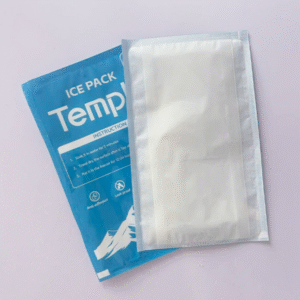
Temperature & physics: how dry ice vs PCM gel packs truly differ in performance and set-points
Safety & regulations: what handlers must do, and when hazmat rules apply
Best-fit scenarios: food, pharma, and e-grocery lane choices that actually work
Pack-out design: insulation first, coolant second for longer hold time
2025 trends: reusables, VIP insulation, and validation habits that win
How do temperature and physics differ?
Short answer: Dry ice vs PCM gel packs diverge on temperature and phase behavior. Dry ice sits near −78.5 °C and sublimates to gas, delivering ultra-low cooling. PCM gel packs are engineered to freeze/melt at target set-points (for example −21 °C, +5 °C, or +20 °C), giving stable temperature without gas.
Why you should care: Ultra-low is great for deep-frozen goods, but it can over-cool chilled payloads. PCMs hold a narrow band, helping you avoid cold shock and excursions. In 2025 operations, that stability prevents rework and cuts claims—especially in pharma and meal-kit delivery.
How do set-point PCMs avoid “over-cooling”?
During the phase change, PCMs absorb heat at a nearly constant temperature. A +5 °C PCM buffers a 2–8 °C payload near the middle of the range, while a −21 °C PCM protects frozen foods without pushing them toward −78 °C. The result is predictable thermal behavior with safer handling and easier SOPs—no CO₂ gas and no frostbite risk for the end user.
| Comparison | Dry ice | PCM gel packs | Practical meaning |
|---|---|---|---|
| Working temperature | ~−78.5 °C | Custom set-point (−21 °C, +5 °C, +20 °C) | Match coolant to product label |
| Phase behavior | Sublimates → gas | Melts/freezes; no gas | Venting vs. simple refreeze |
| Hazmat status | Regulated UN 1845 | Non-hazmat | Labels/training vs. easy handling |
| Reuse | Single use | Reusable | Lower cost per cycle |
| User safety | PPE required | Safe to touch | Fewer incidents |
Practical tips
Vaccine lanes (2–8 °C): Use +5 °C PCM packs, not 0 °C ice, to avoid cold shock.
Frozen foods (−30 °C to −10 °C): Use −21 °C PCM packs for short/medium routes; dry ice for ultra-low or long haul.
Consumer deliveries: Avoid hazmat steps at the doorstep—prefer PCM unless ≤−40 °C is mandatory.
Real case: A seafood shipper replaced mixed gel + dry ice with −21 °C PCMs and better insulation for 24–36 h regional lanes. Complaint rates fell, hazmat steps disappeared, and repack time dropped by one-third while maintaining temperature integrity.
When should you choose each method?
Direct answer: Use dry ice for ≤−40 °C or CO₂-beneficial shipments. Use PCM gel packs for −21 °C frozen, +5 °C refrigerated, or +18/+22 °C controlled room temperature (CRT), and when you want simpler handling without hazmat paperwork.
How to decide:
Map product limits. If ≤−40 °C, use dry ice.
Check restrictions. If hazmat blocks your route, choose PCM.
Plan for reuse. PCM programs cut recurring costs.
Pack-out design: insulation before coolant
Reducing heat gain matters more than adding coolant. VIP (vacuum insulated panels) outperform thick foam, enabling smaller boxes and longer hold times. Position coolant where heat enters (top/sides) and minimize headspace.
| Pack-out factor | What to do | Why | Impact |
|---|---|---|---|
| Box sizing | Right-size space | Less air = longer hold | Lower freight |
| Insulation | Add VIP | Reduce heat gain | Extend duration |
| Coolant placement | Top/sides | Match heat path | Stable temps |
| Conditioning | Follow SOP | Prevent excursions | Consistency |
Mini “How-To”:
Pre-stabilize payload.
Condition PCM or weigh dry ice.
Load with minimal headspace.
Verify with data loggers.
Shipping safety and compliance
Dry ice: Needs vented packaging, labeling, and trained handling. Never make a dry-ice package airtight. Mark “Dry Ice/Carbon Dioxide, Solid,” with UN 1845 and net mass (kg).
PCM packs: Usually non-hazmat—just follow supplier SDS and conditioning SOP.
Safety essentials:
Use insulated gloves and ventilation for dry ice.
Confirm carrier CO₂ limits.
For consumer boxes, use only non-hazmat PCMs.
2025 cold chain trends
Sustainability & innovation: Reusable PCMs and VIP insulation are standardizing in global shipping. Shippers now optimize −21 °C and +5 °C programs to eliminate hazmat steps, reduce waste, and validate performance with data loggers.
Key developments
Hybrid cooling: Combining PCMs with small dry-ice loads extends duration.
New PCM chemistry: Higher latent heat, tighter set-points, longer hold times.
Validation culture: Summer/winter lane testing as standard practice.
Market insight: E-grocery, biologics, and specialty foods drive rising demand for −21 °C and +5 °C PCMs. Reusable packaging and closed-loop programs deliver cost and ESG gains, while dry ice remains critical for ≤−40 °C use.
FAQs
Q1: Is a PCM gel pack the same as dry ice?
No. A PCM gel pack is a reusable phase-change coolant at a specific temperature; dry ice is solid CO₂ at −78.5 °C.
Q2: When should I choose −21 °C PCMs instead of dry ice?
For frozen goods not needing ≤−40 °C, choose −21 °C PCMs for safe, non-hazmat shipping.
Q3: Can I fly with dry ice?
Yes—within airline and courier limits with venting and labeling. PCMs have no such restriction.
Q4: What causes most PCM shipment issues?
Improper conditioning and excess air space. Follow SOPs strictly.
Q5: Are PCMs safe for end customers?
Yes. They are sealed, non-toxic, and reusable.
Summary & recommendations
Key points: Dry ice vs PCM gel packs differ in temperature, safety, and rules. Dry ice covers ≤−40 °C lanes but adds hazmat overhead. PCMs handle −21 °C to +22 °C safely and efficiently. Optimize insulation before increasing coolant.
Next steps:
Map SKU temperature requirements.
Choose the lowest-hazard coolant that meets them.
Validate lanes by season.
CTA: Consult a Tempk cold-chain expert to optimize your set-points and packaging.
About Tempk
We create practical, validated cold-chain packaging—reusable PCM gel packs (−21 °C, +5 °C, +18/+22 °C), VIP shippers, and tested SOPs for frozen, refrigerated, and CRT lanes. We focus on compliance, performance, and cost efficiency.
Best Dry Ice Bag for Vaccines: How to Choose

If you need the best dry ice bag for vaccines, pick a vented, medical-grade liner that releases CO₂, prevents vial contact, and fits an IATA PI 954–ready shipper. You get stable ultra-low temperatures (around −78.5 °C), regulatory compliance, and fewer rejected shipments. This guide combines field-tested methods, current checklists, and practical tips you can apply today.
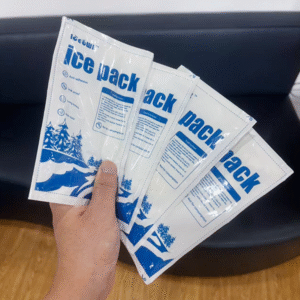
When to use a dry-ice solution for ultracold vaccine shipping
How to choose the right liner and size the charge
Step-by-step packing that stays PI 954 compliant
What to avoid and why, plus 2025 trends that matter
When do you actually need the best dry ice bag for vaccines?
Short answer: Use the best dry ice bag for vaccines only for products labeled for ultracold (≤ −60 °C) or deep-frozen (−50 °C to −15 °C) lanes where dry ice is required. Refrigerated vaccines (2–8 °C) should not use dry ice because over-cooling can damage potency. Always verify the product label and route qualification notes.
Why this matters to you: Vaccines are sensitive; even small swings can reduce efficacy. Dry ice sublimes to CO₂ at −78.5 °C, so packages must vent. For mRNA or other ultracold products, a vented liner inside a validated shipper preserves temperature while avoiding pressure build-up. For 2–8 °C or standard-frozen products, choose PCM/gel packs instead.
Sizing the best dry ice bag for vaccines for 24–72-hour lanes
Aim to right-size the charge to the lane and shipper performance. As a planning start: ~2–6 kg per 24 h for mid-size foam/VIP shippers, scaling with ambient extremes. Leave headspace in the vented bag so CO₂ escapes. If you consistently exceed ~9–10 kg per 48 h, step up to a larger, better-insulated shipper rather than choking vent paths.
| Choice you’re making | Good baseline | When to upsize | What it means for you |
|---|---|---|---|
| Bag material | Vented PE/HDPE (2–4 mil) | Multilayer/foil-laminate for >48 h | Slower sublimation, longer hold time |
| Charge per 24 h | 2–6 kg typical | >6 kg in hot lanes | Validate with data loggers |
| Liner type | Micro-perfs | Valve liner for dense loads | More controlled venting, fewer bulges |
Practical tips that save time and product
Separate vials from ice: Add a rigid spacer or tray; never allow direct contact.
Keep vents open: Don’t over-tape inner lids; CO₂ must escape.
Label precisely: Mark “Carbon dioxide, solid / UN1845” and net dry ice mass in kg on one vertical side.
Real-world case: A cross-border mRNA route switched from plain LDPE to vented foil-laminated bags and extended hold time by ~27% while cutting dry-ice consumption ~15%.
How do you pack with the best dry ice bag for vaccines step-by-step?
Core steps: Condition components, load product centrally, insert a spacer, fill the best dry ice bag for vaccines above or around the payload, close without sealing vents, then label and log. Keep PPE on, work in ventilation, and place a calibrated data logger with the vials.
Expanded guidance:
Use a ventilated outer carton with a rigid inner (EPS, EPP, or VIP). The best dry ice bag for vaccines must not be airtight; leave headspace for CO₂. For UN3373 specimens, ensure 95 kPa secondary containment (different from the dry-ice liner). Mark UN1845 and net kg. Many carriers mirror IATA PI 954 in 2025, so aligning once reduces delays across lanes.
Valve liner vs. micro-perforated liner—what should you pick?
For most parcel shippers, a micro-perforated vented liner is fast and economical. If the load is dense, voids are minimal, or routes are long, a one-way valve liner offers more predictable gas regulation and reduces “ballooning.” Both options qualify when vents stay clear and the shipper is PI 954–ready.
Actionable tips
Use dividers: Keep fragile vials away from pellets to avoid thermal shock.
Weigh your charge: Record net kg dry ice accurately—2025 checklists are stricter.
Plan replenishment: For long lanes, choose a bag that opens/re-closes without blocking vents.
Actual case: A biotech moved to multilayer vented liners (4 kg per shipper) and held −75 °C for 48 h consistently; inspections sped up because UN1845/net-kg prompts were printed on the liner.
When should you avoid a dry-ice approach for vaccines?
If the label says 2–8 °C, do not use dry ice. Choose PCM/gel packs and validated refrigerated pack-outs. For standard frozen vaccines, use frozen packs and a barrier, not dry ice. Dry ice remains the right tool only when the product requires ultracold ranges—and only with a vented system.
2025 trends that shape the best dry ice bag for vaccines
Trend overview: 2025 acceptance checklists reinforce PI 954 labeling, accurate net-kg marking, and visible vent paths. Reusable EPP/VIP systems, IoT temperature + CO₂ sensors, and aerogel/VIP hybrids extend hold time so you can reduce charge mass. Programs increasingly reserve dry ice for ULT lanes while using PCMs for 2–8 °C to cut risk and waste.
Latest progress at a glance
Valve liners mature: Better gas control for dense pack-outs and long routes.
Audit-ready packaging: Printed prompts and QR job aids reduce errors at tender.
Sustainability uptick: Returnable shippers and lower dry-ice loads meet ESG goals.
Market insight: Demand for temperature-sensitive biologics keeps rising. Teams that combine vented liners, precise labeling, and live telemetry see fewer rejections and less product loss. Closed-loop, reusable systems help control cost while meeting GDP documentation expectations.
FAQ — best dry ice bag for vaccines and compliance
Q1: What is the best dry ice bag for vaccines right now?
A vented PE/HDPE liner or a one-way valve liner sized to your qualified charge, used with a spacer so vials never touch the ice.
Q2: How big should the best dry ice bag for vaccines be?
Match it to the shipper and route: a common start is ~2–6 kg per 24 h for mid-size cartons; validate with data loggers and seasonal trials.
Q3: How do I label shipments that use the best dry ice bag for vaccines?
Mark “Carbon dioxide, solid / UN1845” and the net dry-ice mass (kg); apply Class 9 where required; ensure the package vents.
Q4: Do I need 95 kPa pouches with the best dry ice bag for vaccines?
Only if your shipment classification requires it (e.g., UN3373). Finished vaccines often don’t, but lab specimens do.
Q5: Is it safe to handle multiple boxes indoors?
Ventilate. Respect OSHA/NIOSH CO₂ exposure limits (5,000 ppm TWA; 30,000 ppm STEL).
Summary & recommendations
Key takeaways: The best dry ice bag for vaccines is vented, durable, and PI 954–ready, paired with spacers and accurate UN1845/net-kg labels. Use dry ice only when the label requires ultracold ranges; otherwise use PCMs. Validate charges with data loggers; keep vent paths open; train staff on CO₂ safety.
Next steps (do this now):
Confirm your product’s temperature band.
Select a vented liner (or valve liner) sized to your qualified charge.
Run a test pack-out with a logger; tune kg for summer/winter.
Standardize labels and a PI-954 checklist across sites.
Add CO₂ monitoring for dense loads; review data monthly.
About Tempk
We design cold-chain packaging for pharma and biotech, including vented dry ice liners, validated shippers, and route-specific recipes. Our advantages: validated hold-time modeling and audit-ready documentation that help you pass acceptance checks the first time. To optimize your next ULT lane, talk with our specialists.
CTA: Ready to size the best dry ice bag for vaccines for your route? Contact Tempk for a lane-specific pack-out and validation plan.
What Is a Dry Ice Pack? 2025 Guide for Safe Shipping
Dry Ice Pack Guide 2025: What It Is, How to Use It
A dry ice pack keeps products at ultra‑cold temperatures by using solid CO₂ that vents as it cools. If you need reliable sub‑70 °C shipping today, this dry ice pack guide shows safe packing steps, sizing math, and 2025 compliance so you can ship frozen goods with confidence. It also clarifies naming confusion and offers practical tips tested across real shipments.

What a dry ice pack means in practice, and how to avoid naming confusion (long‑tail: dry ice pack vs gel pack)
How a dry ice pack works and when to choose it over PCM or gel (long‑tail: ultra‑cold shipping pack)
How to size a dry ice pack using a simple formula (long‑tail: how long does a dry ice pack last)
Which 2025 labels, marks, and limits apply—and how to pass airline checks
Field‑tested packing patterns to extend hold time without over‑engineering
What is a dry ice pack and why does naming matter?
In industry practice, a dry ice pack is a CO₂‑based refrigerant assembly for ultra‑cold shipping. The term can also refer to polymer sheets that hydrate and freeze, but those are not CO₂. To avoid errors, specify whether you need CO₂ dry ice pack or a polymer ice sheet, especially in regulated lanes.
When you order a dry ice pack, ask for UN1845 CO₂ if your product requires below −70 °C. Some vendors market hydratable sheets as a dry ice pack because the surface stays dry. Those sheets are reusable and safer to handle, yet they cannot match the extreme cold of a CO₂ solution. Use the polymer option for 2–8 °C or −20 °C ranges; choose a dry ice pack when deep‑freeze or ultra‑cold control is mandatory.
Encapsulated inserts and smoother temperature profiles
Encapsulated inserts that hold pellets in a tray reduce product cold shock and keep a steadier micro‑climate. Blocks last longer because of lower surface‑area‑to‑mass; pellets pull down fast and are easier to dose. For lanes with frequent door‑opens, a lidded insert above the payload helps keep the dry ice pack from over‑cooling sensitive vials.
| Cold source | Typical range | Notes | What it means for you |
|---|---|---|---|
| Dry ice pack (CO₂) | ≤ −70 °C to −78.5 °C | Vented; no liquid | Use for ultra‑cold biologics and long frozen lanes |
| PCM pack (−20 °C / +5 °C / +22 °C) | Narrow set point | Reusable | Choose for vaccines/samples with tight bands |
| Gel pack (water‑based) | 0 – −10 °C | Condensation possible | Budget option for short chilled food deliveries |
Practical tips & quick wins
Door‑open events: Open slowly in a ventilated area; close promptly.
Carton fit: Fill voids; air gaps accelerate dry ice pack burn‑off.
Block vs pellet: Use more blocks in hot seasons; pellets to pre‑cool before handoff.
Real‑world example: A lab shipping enzyme kits moved from loose pellets in EPS to a lidded insert with more blocks. Hold time rose from 48 h to 72 h on a hot‑season profile, and temperature excursions went to zero across three pilots.
How long does a dry ice pack last, and how much do you need?
Plan by time and expected sublimation, then add a safety buffer. In a mid‑size insulated shipper, the refrigerant often loses several kilograms per day. Warmer profiles, thin foam, and frequent openings increase the rate; vacuum‑insulated panels slow it. FAA testing shows pellets sublimate faster than large blocks, reinforcing the “faster pull‑down vs longer hold” trade‑off.
How do you pack a shipment with a dry ice pack safely in 2025?
Vent, label, and separate payload from the cold source. Use a rigid insulated shipper that permits gas release; never make it air‑tight. Mark “Dry Ice” or “Carbon Dioxide, solid”, include UN1845 and the net weight on the airway bill and box. A Shipper’s Declaration is not required when cooling non‑dangerous goods; operator variations may apply.
USPS note (air): ≤ 5 lb dry ice per mailpiece; international mail is prohibited. Ensure packaging vents CO₂.
Pre‑condition the shipper and stage the payload at its qualified temperature.
Place a bottom layer of blocks or pellets in a vented sleeve or tray.
Add a buffer so product does not sit directly on the cold source unless validated.
Load the payload; top off with the remaining mass from your calculation.
Close without sealing air‑tight; apply marks and labels; brief the receiver on opening SOP.
Safety first: ventilation, PPE, and facility controls
Protect people first. Carbon dioxide can quickly displace oxygen; target below 5,000 ppm time‑weighted average and below 30,000 ppm short‑term. Use insulated gloves and eye protection, ventilate vehicles and rooms, and avoid storing any dry ice pack in sealed containers.
One pound of dry ice becomes ~250 L of gas, so even a small charge can over‑pressurize a closed cooler. Add a CO₂ monitor in enclosed docks and vans, train teams on safe opening, and keep SOP cards with every shipment.
2025 trends in ultra‑cold shipping
What’s new this year: Smart sensors, validated hybrid shippers, and standardized lane testing. Many teams pair a dry ice pack with PCM “buffers” to flatten spikes and cut total ice mass. Qualification to ISTA 7E profiles speeds audits and reduces excursion risk on hot lanes.
Latest developments at a glance
VIP + PCM hybrids: Longer hold with less CO₂; smoother profiles.
Acceptance checklists: Faster airline checks when cooling non‑DG goods.
CO₂ monitoring: Portable sensors on docks and vans to protect staff.
Market insight: Demand remains strong in healthcare and food e‑commerce. Shippers that right‑size their dry ice pack and validate to lane profiles reduce cost, waste, and claims.
Frequently Asked Questions
Is a dry ice pack the same as a polymer ice sheet?
No. A dry ice pack typically uses solid CO₂ that vents; a polymer sheet is water‑based and reusable. Confirm which one your lane requires.
Do I need a dangerous goods declaration for CO₂ refrigerant?
When it cools non‑dangerous goods, a declaration is usually not required, but UN1845, the proper name, and net weight must appear on the waybill and package.
How much do I need for 48 hours?
Start with 3–4.5 kg per day in a mid‑size VIP/EPS shipper, add 20% buffer, and validate with a logger.
Can I seal the box tightly to trap cold?
No. Packages must vent CO₂ to avoid pressure build‑up and rupture risk. PI 954 requires gas release.
Is it safe for food?
Yes, but avoid direct contact with unpackaged food to prevent freezer burn; always use a barrier bag.
Summary & recommendations
Key takeaways: A dry ice pack is the simplest way to achieve ≤ −70 °C on long lanes. Vent every package and mark UN1845 with net weight. Size by time and expected sublimation plus buffer, and validate against lane profiles to prevent excursions.
Next steps: Map your lane, estimate mass with the formula, run a pilot with data logging, then standardize your SOP. Ready for a lane‑based plan? Get a tailored dry ice pack configuration and validation checklist from our team.
About Tempk
Tempk designs and qualifies cold‑chain systems for pharma, biotech, and food. We build CO₂ dry ice pack kits and VIP‑PCM hybrids with audit‑ready documentation. Our customers report fewer excursions and lower replenishment rates after moving to lane‑validated designs. Talk to an expert for a recommendation aligned to your routes and label claims.
What Happens If a Dry Ice Bag Gets Wet? (2025 Guide)

What Happens If a Dry Ice Bag Gets Wet? Safety & Fixes
When a dry ice bag gets wet, sublimation surges, CO₂ gas builds faster, and hold time drops. If a dry ice bag gets wet inside a sealed shipper, pressure can rise and create safety risks. You need fast, simple steps that stabilize temperature, maintain compliance, and keep people safe. One kilogram of dry ice produces ~541 L of CO₂ gas, so ventilation is non-negotiable.
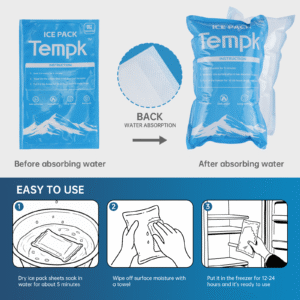
Why a dry ice bag gets wet and what happens next (condensation and heat transfer)
How to fix the situation when a dry ice bag gets wet in transit
How to prevent wet dry ice bag events with better packaging and design
2025 materials and sensors that reduce moisture risk
Why does a dry ice bag get wet—and what happens next?
Short answer: Water is a heat highway — when a dry ice bag gets wet, sublimation accelerates.
Condensation forms as warm, humid air meets a cold surface. If liquid water touches dry ice, heat transfer increases dramatically and CO₂ release spikes. Expect faster fogging, shorter cooling duration, and higher internal pressure if vents are blocked.
Moisture on the film or in the cavity turns into a heat bridge. You’ll see sweating, frost crusting, and labels loosening. In sealed liners, pressure rises as CO₂ accumulates. In confined spaces, that gas can displace oxygen — always keep the area ventilated.
How much CO₂ is released when a dry ice bag gets wet?
A dry ice bag that gets wet releases CO₂ much faster.
1 lb of dry ice generates about 250 L of CO₂; 1 kg generates ~541 L. That can deform packaging or pop seams if a liner is sealed. Use vent-able folds or micro-perforations; never knot or heat-seal a liner.
| Exposure scenario | Estimated rate | Risk level | Impact on shipment |
|---|---|---|---|
| Dry, well-vented | Slow | Low | Predictable hold time |
| Humid air | Moderate | Medium | Slightly shorter cooling duration |
| Direct water contact | Fastest | High | Pressure build-up and temperature loss |
Practical tips when a dry ice bag gets wet
If indoors: Move to a ventilated area; open liner folds; wipe moisture; replace soggy inserts.
During loading: Add a vapor barrier around the payload and ensure the ice compartment can vent.
If frequent: Add splash shields or use higher-grade insulation designed for humid lanes.
Case example: A pharmaceutical lab found that replacing unlined bags with moisture-resistant composite liners extended temperature hold time by 24 hours on 72-hour routes.
What should you do if a dry ice bag gets wet in transit?
Act fast: ventilate, verify vent paths, remove water, replace wet components, and document for compliance.
Your goal is to restore thermal performance and maintain safety.
Ventilate the area — CO₂ is heavier than air.
Check venting — never seal dry ice in an airtight liner.
Remove free water — wipe surfaces dry.
Replace insulation — wet fibers conduct heat rapidly.
Re-label — use freezer-grade materials.
Record details — time, location, and corrective actions.
| Step | Reason | Time needed | Benefit |
|---|---|---|---|
| Ventilation | Prevents gas buildup | 1–2 min | Safety first |
| Verify venting | Avoids liner rupture | 1 min | Compliance |
| Remove moisture | Reduces heat transfer | 3 min | Longer cooling |
| Replace inserts | Restores insulation | 5 min | Stable temperature |
How to prevent a “dry ice bag gets wet” scenario
Control humidity, pre-condition packaging, and design for venting.
Maintain packing rooms below 40% RH, pre-chill shippers, and use hydrophobic liners. Avoid over-packing — leave vent space above the refrigerant.
| Prevention Tip | Method | Result |
|---|---|---|
| Humidity control | Dehumidify pack-out rooms | Less condensation |
| Pre-conditioning | Cool boxes before loading | Reduces dew formation |
| Liner upgrade | Use hydrophobic multi-layer film | Stops direct moisture |
| Proper venting | Fold, don’t seal, liner tops | Prevents over-pressure |
2025 developments and trends that matter
New packaging technologies make it easier to prevent moisture damage. Smart CO₂ and humidity sensors can detect when a dry ice bag gets wet before it compromises hold time. VIP shippers and closed-loop containers extend cold retention and minimize waste.
Latest innovations
Sensor-integrated packaging – sends alerts when humidity or CO₂ levels rise
Hydrophobic liners – repel water without trapping gas
Reusable systems – lower waste and maintain consistent performance
Market insight: Global adoption of smart and sustainable cold-chain solutions is increasing as compliance and efficiency pressures grow.
FAQ
Is it dangerous if a dry ice bag gets wet?
Yes. Faster CO₂ release can displace oxygen and create pressure. Keep packages vented.
Why does fog appear when a dry ice bag gets wet?
Heat from water drives rapid sublimation, and the gas condenses moisture in the air.
Can I reuse a liner after it gets wet and freezes?
Only if it hasn’t cracked and still vents safely.
Should I seal a wet liner to keep water out?
No. Leave venting open — seal moisture out at the payload level instead.
How much gas is produced?
About 250 L per pound, or 541 L per kilogram of dry ice.
Summary and recommendations
When a dry ice bag gets wet, sublimation speeds up, CO₂ rises, and insulation efficiency drops.
Vent immediately, verify vent paths, remove moisture, and replace damaged parts.
Prevent recurrence through humidity control, better liner materials, and training.
Next steps:
Audit your SOPs, upgrade to moisture-resistant liners, and test CO₂ sensors on humid routes.
Need tailored solutions? Consult a Tempk specialist for a packaging audit.
About Tempk
Tempk designs and tests cold-chain packaging that stays compliant and reliable — even when conditions get wet.
Our team blends packaging science with logistics experience to extend hold times and meet 2025 regulatory standards.
We help global clients reduce spoilage, improve safety, and achieve sustainable temperature control.
Dry Ice Pack vs Dry Ice: What’s the Real Difference?
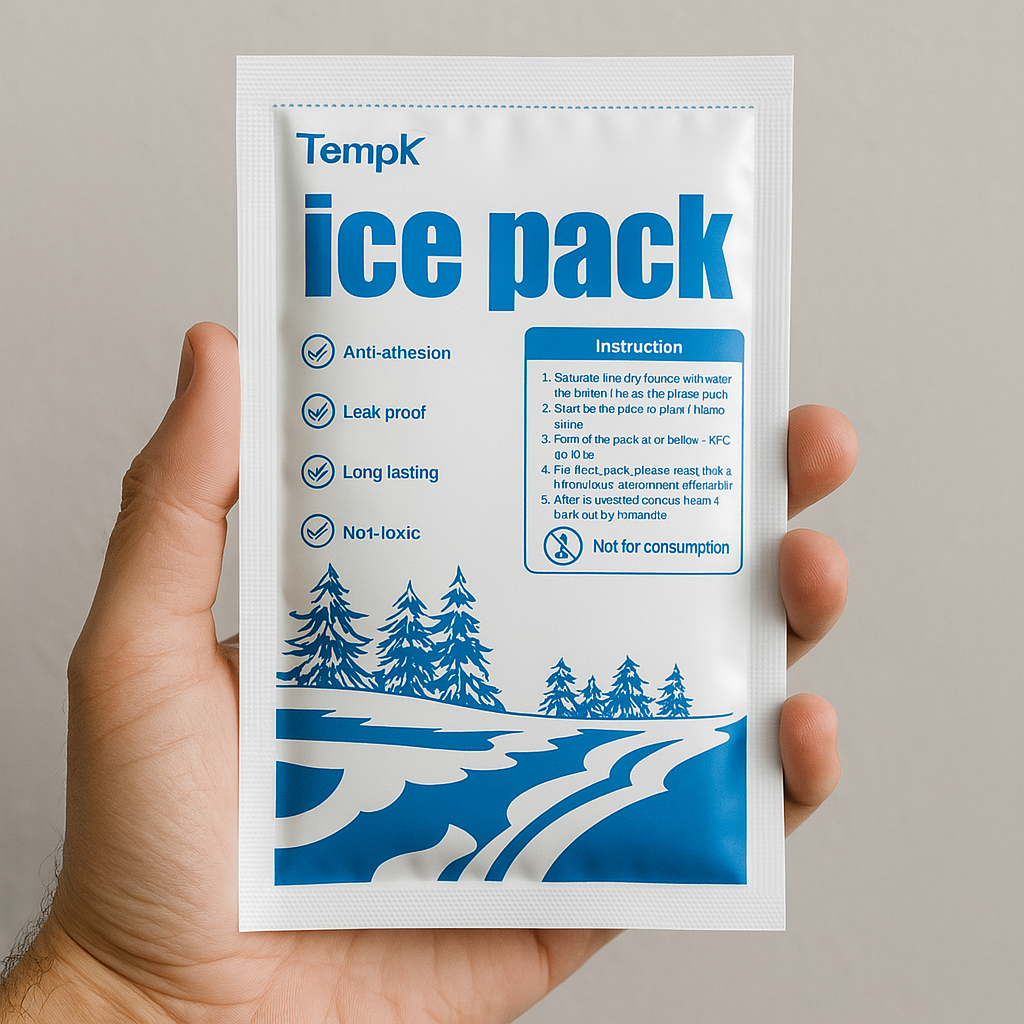
What Exactly Is a Dry Ice Pack vs Dry Ice?
Intro: A dry ice pack is not always the same as dry ice. In shipping and cold-chain work, a dry ice pack can mean a polymer-based PCM sheet you hydrate and freeze, or a pouch that actually contains solid CO₂. Knowing which one you have helps you hit the right temperature, avoid hazards, and stay compliant in 2025. This article merges and improves the three drafts you provided.
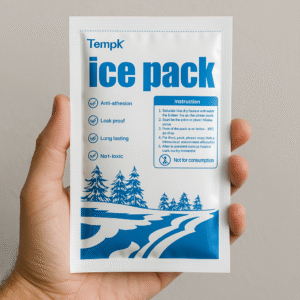
What a dry ice pack is and why the term causes confusion (long‑tail: dry ice pack vs dry ice)
When to choose a dry ice pack or true dry ice for your lane
How to pack, label, and handle each refrigerant safely and efficiently
2025 trends: reusable −21 °C PCM, hybrid pack‑outs, and greener materials
What is a dry ice pack and why does the term confuse buyers?
Short answer: A dry ice pack is not always solid CO₂; it’s often a reusable phase‑change pack designed for set‑point cooling near 0 °C or −21 °C. Some vendors also use “dry ice pack” to describe packaged dry ice. That’s why you’ll see the same phrase on two very different products.
Plain‑English breakdown: If your pack recharges in a freezer and is reusable, you’re holding a PCM sheet or plate—no CO₂ inside. If your pack vents gas and requires gloves and labels, it’s true dry ice (solid CO₂). This distinction matters when you need chilled (2–8 °C), frozen (≈−20 °C), or ultra‑cold (≈−78 °C) performance.
How does a dry ice pack work (PCM sheet) compared with dry ice?
PCM “dry ice pack”: A flexible sheet with super‑absorbent polymer cells that you soak, freeze, and reuse. It freezes like water, holds a steady set‑point (often around −21 °C or 0 °C), and releases no gas.
Dry ice (solid CO₂): Carbon dioxide frozen at about −78.5 °C. It skips the liquid phase and turns straight into gas (sublimation), so packages must vent. It delivers very deep cold for long durations but carries frostbite and CO₂ exposure risks.
| Attribute | Dry Ice Pack (PCM) | Dry Ice (Solid CO₂) | What it means for you |
|---|---|---|---|
| Core material | Hydrated polymer/PCM | Frozen CO₂ | Pick based on whether you need reusable set‑point cooling or ultra‑cold power |
| Working temp | ~0 °C or ~−21 °C | ~−78.5 °C | Protect chill/frozen goods vs. keep items rock‑solid frozen |
| Phase change | Freezes/melts | Sublimates (solid→gas) | No gas vs. CO₂ gas requiring venting |
| Hazmat status | Generally non‑hazmat | UN 1845, Class 9 | Simplified shipping vs. labeling, training, ventilation |
| Reuse | Reusable hundreds of cycles | Consumed in transit | Lower waste and steady OPEX vs. one‑time use |
| Typical use | Produce, 2–8 °C pharma, D2C frozen meals | Ice cream, deep‑frozen seafood, ultra‑cold biologics | Match your lane and product tolerance |
Practical tips you can apply today
If the label lists a set‑point (e.g., −21 °C), it’s a dry ice pack (PCM), not CO₂.
If it mentions UN 1845 or “vent packaging,” you’re dealing with dry ice.
Pre‑chill product, refrigerant, and shipper. This reduces load and extends hold time.
For frozen foods, wrap the payload with a dry ice pack on all sides for uniform contact.
For dry ice, always allow gas to escape; never shrink‑wrap or seal it in an airtight liner.
Real‑world example: A meal‑kit brand replaced two gel bricks with two −21 °C dry ice pack sheets and improved void fill. Warm‑arrival complaints fell in peak summer while freeze damage remained flat.
When should you choose a dry ice pack vs true dry ice?
Rule of thumb: Use a dry ice pack for refrigerated and standard frozen lanes; use dry ice for ultra‑cold lanes or when you need CO₂ atmosphere. This balances product quality, compliance burden, and cost.
Why it works: A dry ice pack delivers controlled cold near its set‑point, preventing over‑freezing of produce and biologics. Dry ice provides extreme cold and long buffers but triggers hazmat rules and demands ventilation and PPE.
A quick decision framework (check all that apply)
Your lowest allowable product temp is ≥ −30 °C → choose a dry ice pack (−21 °C).
You need ≤ −40 °C for days → choose dry ice.
You want reusable, non‑hazmat cooling → choose a dry ice pack.
You benefit from CO₂ atmosphere in‑box → choose dry ice.
You ship by air with hazmat limits → prefer a dry ice pack.
| Scenario | Target range | Best choice | Why | Watch‑outs |
|---|---|---|---|---|
| Produce & 2–8 °C pharma | +2 °C to +8 °C | Dry ice pack (0 °C or +5 °C) | Gentle, steady cooling | Pre‑condition packs and shipper |
| D2C frozen desserts (24–48 h) | −25 °C to −10 °C | Dry ice pack (−21 °C) | Reusable and non‑hazmat | 360° wrap to avoid hotspots |
| Deep‑frozen biologics/seafood | ≤ −40 °C | Dry ice | Ultra‑cold buffer | Ventilation, PPE, UN 1845 labeling |
| Long lanes with delays | −30 °C to −10 °C | Hybrid: dry ice pack + small dry ice | Extends hold without over‑freezing | Extra weight; hazmat rules apply |
Packing and compliance essentials (copy‑and‑use)
2025 dry ice pack and cold‑chain trends that matter
What’s new in 2025: Reusable dry ice pack systems (especially −21 °C plates) are replacing one‑way gel in frozen food lanes. Hybrid pack‑outs (PCM + a small dry‑ice charge) help cover delays without over‑freezing sensitive items. Research into biodegradable “jelly ice” and better insulation (VIP panels) reduces waste while improving hold time.
Latest developments at a glance
Reusable PCM designs: Longer life, cut‑to‑fit sheets ease returns and reverse logistics.
Validation by data: More teams size dry ice pack loads with route data loggers, not guesswork.
Hybrid strategies: A thin layer of dry ice above PCM adds a safety buffer for carrier hiccups.
Greener materials: Emerging hydrogels and recyclable films reduce end‑of‑life impact.
Market insight: Frozen D2C continues to expand, while pharma tightens compliance. Expect stricter carrier enforcement on dry‑ice declarations and broader adoption of non‑hazmat PCM for routine frozen and refrigerated lanes.
Dry ice pack FAQs (and dry ice basics)
Is a dry ice pack the same as dry ice?
No. A dry ice pack is usually a reusable PCM pack set around 0 °C or −21 °C; dry ice is solid CO₂ at ≈ −78.5 °C.
How long does a dry ice pack stay cold?
Plan for 24–36 h per box with good insulation and full 360° contact; add sheets or better insulation for longer lanes.
Can I fly with a dry ice pack?
Generally yes—it is not UN 1845. If you add dry ice, follow airline limits and vent the package.
When should I avoid dry ice?
Avoid it with freeze‑sensitive goods and in poorly ventilated spaces. Use a dry ice pack for controlled chill or standard frozen.
What’s the safest way to handle dry ice?
Wear gloves and eye protection, and ensure ventilation. Never seal dry ice in a rigid airtight container.
Summary and next steps
Key takeaways: Choose a dry ice pack for steady, reusable cooling in chilled and standard frozen lanes; choose dry ice for ultra‑cold or multi‑day frozen shipments. Size refrigerant by your lane and insulation—not guesswork. Hybrid pack‑outs can bridge gaps when delays occur.
Action plan: Map each SKU to an allowable temperature band, select the lightest‑hazard refrigerant that meets it, validate with data loggers in both summer and winter, and standardize SOPs by lane length. Call to action: Get a tailored pack‑out plan and a hold‑time estimate for your lanes—contact Tempk today.
About Tempk
Tempk designs cold‑chain packaging you can deploy quickly and at scale. Our portfolio includes reusable dry ice pack plates (−21 °C, +5 °C, +18/22 °C), validated shippers, and hybrid pack‑out SOPs. We build to food‑grade standards and focus on low‑waste, high‑reliability performance.