


Safe Dry Ice Package Venting: 2025 Compliance Guide
Safe Dry Ice Package Venting: 2025 Compliance Guide
Dry ice is a powerful coolant widely used in shipping perishable items. However, proper venting of dry ice packages is crucial to prevent dangerous CO₂ buildup. In this guide, we will explore how to safely vent a package containing dry ice, ensuring compliance with 2025 shipping standards. You will learn the importance of venting, practical tips, and industry regulations.

Why venting is necessary for safe dry ice shipments
The different methods used for venting dry ice packages
How to comply with the latest 2025 guidelines for safe transport
The best materials and packaging for vented dry ice containers
Key safety tips to prevent CO₂ hazards
Why Is Venting Necessary for Dry Ice Shipments?
Proper venting is a safety measure to prevent CO₂ buildup inside the package. Carbon dioxide sublimates into gas at a rapid rate and needs to escape to avoid pressure buildup, which can cause packaging to burst or leak dangerous gas into the surrounding area. The venting process helps control this pressure while maintaining the integrity of the contents inside.
Venting ensures that the gas can safely escape from the package, reducing the risk of suffocation or explosion due to excessive pressure. Venting must be carried out carefully to meet specific regulatory standards, such as those from IATA and UN1845, which govern dry ice shipments.
Understanding Dry Ice Sublimation and Venting
When dry ice sublimates (turns from solid to gas), it releases carbon dioxide (CO₂), which can cause serious hazards if not properly managed. The volume of gas increases rapidly as the temperature rises, and sealed containers can become pressurized. Packaging must be able to release the gas to prevent an explosion.
For example, 5 kg of dry ice can produce up to 2,000 liters of CO₂ gas. Without venting, this gas could cause significant damage or pose a suffocation risk. To ensure safety, containers should be designed with breathable vents that allow for controlled release of CO₂.
Methods for Venting Dry Ice Packages
There are several methods used for venting dry ice containers during shipping:
Micro-perforated bags: These are bags with tiny holes that allow gas to escape while preventing the dry ice from directly coming into contact with the package contents.
Foam inserts with vents: Packaging materials such as foam can be designed with built-in holes or channels that allow CO₂ to vent while providing insulation for the dry ice.
Loose-fit lids: Some containers use a lid that is not fully sealed, allowing gas to escape from the package. This option should be carefully monitored to ensure it does not affect the integrity of the package contents.
Active ventilation systems: Larger packages may use systems to continuously release gas in a controlled manner. These are more complex but provide maximum safety.
Packaging Materials for Safe Venting
Choosing the right packaging material is essential to ensure both the safety of the shipment and compliance with regulations. A few key considerations include:
Insulation materials: Packaging must provide insulation to maintain the temperature of the dry ice while still allowing gas to vent.
Durability: Ensure the package can withstand rough handling during transportation. The material must not only allow for CO₂ venting but also protect against physical damage.
Compliance with regulatory standards: Packages must adhere to the latest IATA, UN, and DOT guidelines for dry ice shipping, including proper labeling and venting features.
Common Dry Ice Shipping Mistakes and How to Avoid Them
Some common errors that occur during dry ice shipments include:
Using airtight containers: These prevent gas from escaping, leading to pressure buildup and the potential for accidents. Always ensure your package has proper ventilation.
Insufficient venting: Not allowing enough space or mechanisms for CO₂ to escape can result in dangerous consequences. Always check venting mechanisms during the packaging process.
Incorrect labeling: Packages containing dry ice must be correctly labeled with the proper identification, including UN 1845 and the “Dry Ice” marking. Incorrect labeling can delay shipments and result in non-compliance with shipping regulations.
Practical Case Study: A recent case involved a company that used an airtight container for shipping dry ice. The package exploded due to pressure buildup, resulting in product loss and significant damage. This highlights the importance of using vented containers that meet regulatory requirements.
2025 Dry Ice Venting Guidelines
As of 2025, the regulations for venting dry ice packages have been updated to emphasize the importance of safety and compliance. Shipping companies must ensure that packages are equipped with proper venting systems, either passive or active. These systems allow gas to escape at a controlled rate, which helps prevent dangerous pressure buildup.
Key Updates to 2025 Guidelines
Increased venting requirements: For larger shipments or shipments involving more than 5 kg of dry ice, the package must include a venting system that releases CO₂ at a specific rate.
Stronger emphasis on gas escape routes: Materials such as foam, fabric bags, and perforated liners are more frequently required for larger packages to ensure gas can escape effectively.
Labeling requirements: New guidelines call for clearer markings on packages, specifying the quantity of dry ice and ensuring compliance with UN 1845, the standard for dry ice transport.
Latest Industry Trends
Use of biodegradable and eco-friendly packaging: Many companies are moving towards sustainable packaging solutions for dry ice, which also includes venting options to ensure safety.
Smart shipping technology: Real-time monitoring systems are being implemented in dry ice shipments, tracking the pressure inside the containers to ensure CO₂ levels are within safe limits.
Market Insights
The global demand for dry ice shipments is expected to rise with the increasing popularity of perishable goods, pharmaceuticals, and biological sample shipments. As companies seek to ensure safe and compliant transport, the focus on venting and packaging materials will continue to evolve, incorporating advanced technology to enhance safety standards.
Common Questions About Dry Ice Venting
Q1: Why is venting important for dry ice shipments?
Venting is crucial because it allows carbon dioxide gas to escape during the sublimation process, preventing pressure buildup inside the package. Without venting, containers may explode or leak dangerous gases.
Q2: How can I ensure that my dry ice package is vented properly?
Ensure that your packaging includes breathable materials like micro-perforated bags, foam inserts with vents, or active venting systems. Always check compliance with the latest regulations.
Summary and Recommendations
Main Points: Proper venting is essential to safely ship dry ice. Ensure compliance with 2025 guidelines, use breathable packaging, and always label your shipment correctly.
Next Steps: Review your current shipping procedures, update packaging to meet venting requirements, and check your compliance with the latest regulations to avoid safety hazards and fines.
About Tempk
We specialize in providing advanced cold chain packaging solutions, including dry ice containers that comply with the latest 2025 venting guidelines. Our products ensure safe, efficient, and environmentally friendly transportation of temperature-sensitive goods.
Contact us for tailored solutions and expert advice on your cold chain shipping needs.
How to Vent a Dry Ice Bag Properly: 2025 Guide

Handling dry ice safely is crucial in preventing dangerous situations, such as container ruptures, gas leaks, and even suffocation risks. As dry ice sublimes, it produces carbon dioxide (CO₂) gas, which must be allowed to escape from the packaging. In this guide, we’ll walk you through the essentials of venting dry ice bags properly in compliance with 2025 regulations, ensuring both safety and product integrity during storage and transport.
Understand the importance of proper venting to avoid hazardous pressure buildup
Learn the best practices for packaging and sealing dry ice bags
Stay up-to-date with the latest 2025 shipping regulations for dry ice
Discover practical methods for managing CO₂ sublimation and ensuring safe handling
Why is Venting Dry Ice Bags Crucial?
The Risks of Improper Venting
Dry ice sublimates into CO₂ gas, which is a crucial part of maintaining its cooling properties. However, if the gas has nowhere to escape, it will accumulate inside the packaging, causing dangerous pressure buildup. This could lead to:
Explosion Risk: The pressure from CO₂ can cause bags or containers to rupture, damaging goods and posing a significant safety threat.
Suffocation Hazard: In confined spaces, CO₂ can displace oxygen, leading to potential asphyxiation.
Regulatory Non-Compliance: In 2025, air transport regulations, including IATA and FAA rules, mandate that dry ice shipments must be properly vented to ensure safety.
Did you know? For every kilogram of dry ice, about 509 liters of CO₂ gas can be released as it sublimates. Without proper venting, this can rapidly fill small containers, increasing the risk of rupture.
What Happens If Dry Ice Bags Aren’t Ventilated?
Failing to vent dry ice bags can have disastrous consequences. Without a venting mechanism, the expanding CO₂ gas can create high-pressure situations, resulting in:
| Issue | Potential Risk | How Venting Helps |
|---|---|---|
| No Venting | Explosion or rupture | Allows gas to escape safely |
| Improper Packaging | Damage to container or product | Maintains integrity and prevents leaks |
| Regulatory Non-compliance | Fines or penalties | Meets industry standards for transport |
Key Practices for Venting Dry Ice Bags
1. Use Ventilated Packaging
Always opt for packaging designed specifically for venting dry ice. Airtight bags or containers should never be used, as they prevent the CO₂ from escaping.
Vented Dry Ice Bags: These are designed with breathable materials like mesh or perforated layers that allow gas to escape without compromising the bag’s integrity.
Insulated Containers with Vents: These help maintain temperature control while also allowing gas to escape safely.
2. Secure the Bag Without Sealing It Completely
When sealing a dry ice bag, it’s crucial to leave enough space for the CO₂ gas to escape. Avoid fully sealing the bag—use a fold-and-clamp or band-and-fold method to create a gap at the top for gas release.
Fold-and-Clamp Method: Fold the bag neck and secure it with a clamp, leaving room for the gas to vent.
Band-and-Fold: Wrap a rubber band around the neck, creating an opening for gas to escape.
How to Choose the Right Packaging for Dry Ice Venting
Selecting the right packaging ensures the safe and efficient release of CO₂ gas. Here are the best options:
Vented Pouches: Ideal for smaller shipments, these bags allow gas to vent through mesh or perforations.
Insulated Boxes with Vents: For larger loads, insulated boxes help maintain temperature while providing venting slits for gas release.
Corrugated Cardboard with Venting: When shipping temperature-sensitive items, a corrugated box with pre-cut slits for gas venting is a great option.
What Are the Regulations for Venting Dry Ice in 2025?
In 2025, regulations for shipping dry ice are more stringent than ever. Key guidelines include:
IATA PI 954: Requires dry ice shipments to be packed in containers that allow CO₂ to escape.
FAA Regulations (49 CFR §173.217): All dry ice shipments must be labeled as “Carbon Dioxide, Solid (UN1845)” with the net weight clearly marked.
Non-Compliance Can Lead to:
Penalties or fines for failure to adhere to regulations.
Shipment delays due to improper venting or labeling.
Step-by-Step Guide to Properly Venting Dry Ice Bags
Select the Correct Bag or Container
Choose bags or containers that allow gas to escape. Use breathable or perforated materials designed for dry ice.Seal the Bag Loosely
Use methods like fold-and-clamp or band-and-fold to ensure there is room for the gas to vent.Monitor Sublimation Rates
Pay attention to the rate of sublimation to prevent excessive pressure buildup. Use insulated containers to slow sublimation if necessary.Label Your Shipment Correctly
All dry ice shipments must be clearly labeled with the UN1845 designation, the net weight of the dry ice, and hazard class 9 labels.
Trends in Dry Ice Venting and Packaging in 2025
Key Developments:
Smart Packaging: New venting technologies are emerging, integrating sensors that monitor pressure and provide real-time alerts when the gas needs to be released.
Eco-Friendly Materials: The rise of sustainable packaging solutions, such as biodegradable films, is reshaping the industry, reducing environmental impact while maintaining venting efficiency.
Automated Compliance Monitoring: Companies are increasingly using AI-driven systems to ensure compliance with regulations, automatically verifying that packages have the proper venting and labeling before shipment.
Frequently Asked Questions (FAQ)
Q1: Why is venting so important for dry ice shipments?
Venting is essential to prevent pressure buildup from CO₂ gas, which can cause ruptures, leaks, or even explosions if not properly managed.
Q2: Can I use any bag for shipping dry ice?
No, only breathable bags designed specifically for dry ice can be used. Regular plastic bags are airtight and will not allow the gas to escape.
Q3: What are the regulations for shipping dry ice by air?
Air shipments of dry ice must comply with IATA’s Packing Instruction 954, which requires that the package be vented and clearly labeled with the net weight and other relevant information.
Conclusion
Properly venting dry ice bags is crucial for both safety and compliance with 2025 regulations. Using breathable, ventilated packaging ensures that the CO₂ gas can escape safely, preventing dangerous pressure buildup. By following the guidelines above, you can maintain safe, efficient, and regulatory-compliant dry ice handling.
Next Steps:
Ensure that you are using vented bags for all dry ice shipments.
Label your packages with the correct UN1845 marking and net weight.
Train your team on the latest venting and safety procedures to avoid mishaps.
About Tempk
Tempk is a leader in providing cold chain solutions designed to meet the highest safety standards. We specialize in dry ice venting bags and insulated containers, ensuring that your shipments stay safe and compliant with 2025 regulations.
Need help? Contact Tempk for expert advice on optimizing your dry ice shipping process.
How to Use Dry Ice Packs for Safe Shipping in 2025

Dry ice packs are essential for maintaining sub-zero temperatures during shipping, particularly for temperature-sensitive goods like frozen meat, seafood, vaccines, and pharmaceuticals. Using dry ice effectively ensures that your products remain in top condition during transit, reducing spoilage and maintaining safety standards. This comprehensive guide explores everything you need to know about using dry ice packs safely, efficiently, and according to the latest 2025 guidelines.
What are dry ice packs and how do they work?
How to handle dry ice safely?
Choosing the right amount of dry ice for your shipment
Dry ice vs. gel packs: Which one is best for your needs?
Regulations for shipping with dry ice
Best practices for storing and handling dry ice
What Are Dry Ice Packs and How Do They Work?
Dry ice packs are sealed containers filled with solid carbon dioxide (CO₂), which sublimate from a solid directly into a gas without turning into a liquid. This unique characteristic makes dry ice a superior cooling agent compared to regular water ice. At a chilling temperature of −109.3°F (−78.5°C), dry ice ensures that goods stay frozen without leaving any residual water, making it ideal for shipping frozen food, biological specimens, and pharmaceuticals.
Why Choose Dry Ice for Shipping?
Cold Storage for Long Durations: Unlike regular ice, which melts into water, dry ice remains solid and cools goods for up to 72 hours, making it ideal for long shipments.
No Mess: Dry ice turns into gas, avoiding the liquid residue that can damage packaging or goods.
Higher Efficiency: Dry ice maintains a sub-zero temperature, ensuring perishable items stay frozen throughout their journey.
How Does Dry Ice Work?
Sublimation: Dry ice sublimates (turns directly into gas), which releases CO₂ into the air. This prevents the buildup of water, which can affect the quality of the product, especially for items like frozen meat or medications.
Temperature: Dry ice maintains an extremely low temperature (−109.3°F or −78.5°C), much colder than regular ice, which freezes at 32°F (0°C). This ensures products stay frozen or remain at optimal cold storage temperatures during shipping.
How to Handle Dry Ice Safely?
Handling dry ice requires extra caution due to its extremely low temperature and the CO₂ gas it emits during sublimation. Follow these essential safety steps:
Wear Protective Gear: Always use insulated gloves and safety goggles to handle dry ice, as direct contact can cause severe frostbite.
Ensure Proper Ventilation: Since dry ice releases CO₂ gas, always handle it in well-ventilated areas to prevent oxygen displacement, which can lead to suffocation in confined spaces.
Avoid Airtight Containers: Never seal dry ice in airtight containers because the buildup of CO₂ gas can cause the container to rupture.
Handling Tips for Maximum Safety:
Ventilate the Area: Ensure the room where you handle dry ice is ventilated, allowing the gas to escape safely.
Use in Moderation: Calculate the appropriate amount of dry ice based on the shipment duration and product temperature requirements. Excessive use can result in dangerous CO₂ buildup.
Storage in Open Spaces: Avoid storing dry ice in small, confined spaces like cars or walk-in coolers, where the gas could accumulate and displace oxygen.
Dry Ice vs. Gel Packs: Which Is Best for Your Needs?
When deciding whether to use dry ice packs or gel packs, it depends on the type of shipment, the required temperature range, and the duration of transport.
Dry Ice: Best for long-duration shipments (48-72 hours) that require sub-zero temperatures, such as frozen meats, vaccines, and biological samples.
Gel Packs: Ideal for shorter durations and products that need to stay chilled but not frozen, such as fresh food or certain medications.
Key Comparison:
| Feature | Dry Ice Packs | Gel Packs |
|---|---|---|
| Temperature Range | Below 0°F (−18°C) | 32°F–50°F (0°C–10°C) |
| Duration | 48–72 hours | 24–36 hours |
| Best For | Frozen goods (meat, ice cream) | Chilled goods (medications) |
| Storage Requirements | Requires ventilation | No special requirements |
How to Calculate the Right Amount of Dry Ice for Your Shipment
To determine the correct amount of dry ice, several factors must be considered, including shipment duration, product type, and the insulation quality of your packaging. Typically, dry ice is used in quantities of 5–10 lbs per 24 hours.
General Guidelines:
For 24-hour shipments: Use 5–10 lbs of dry ice.
For 48-hour shipments: Use 10–20 lbs of dry ice.
For 72-hour shipments: Use 15–30 lbs of dry ice.
Adjusting for Conditions:
Higher Temperatures: Add an extra 10-15% dry ice to account for faster sublimation in hot weather.
Better Insulation: If you use thicker insulation, you may need less dry ice.
Dry Ice Regulations for Shipping
Shipping dry ice is regulated to ensure safety for handlers and the environment. Compliance with regulations is critical when preparing shipments.
Key Regulations:
Labeling: Packages containing dry ice must be labeled with “Dry Ice” or “Carbon Dioxide, Solid” along with the UN1845 marking.
Quantity Limits: For air shipments, the maximum dry ice allowed per package is typically 5.5 lbs (2.5 kg), depending on the carrier.
Ventilation: Packaging must allow CO₂ gas to escape. Ensure that containers are vented appropriately.
Best Practices for Storing and Handling Dry Ice
Dry ice must be stored and handled correctly to prevent accidents and ensure its effectiveness during transport.
Storage Tips:
Use Insulated Containers: Store dry ice in a vented cooler or insulated box to reduce sublimation while allowing gas to escape.
Keep in a Cool, Dry Area: Store dry ice in a cool, dry space to minimize sublimation, but avoid airtight containers that could cause pressure buildup.
Additional Tips:
Buy Only What You Need: Dry ice sublimates quickly, so only purchase the amount necessary for the shipment to avoid waste.
Use a Thermometer: Consider using temperature data loggers to monitor the temperature of your goods during transport, ensuring they stay within safe ranges.
2025 Trends in Dry Ice Usage for Shipping and Logistics
The cold chain logistics sector is increasingly integrating technology into packaging solutions, improving efficiency and reliability.
Latest Developments:
Smart Packaging: Temperature-sensitive monitoring technologies, such as smart labels and Bluetooth-enabled temperature sensors, help track the condition of shipments in real-time.
Sustainability: The industry is moving towards more eco-friendly alternatives, including reusable phase-change materials that reduce reliance on dry ice.
Market Insights:
Growing Demand: With the rise of e-commerce, especially in perishables and pharmaceuticals, the demand for reliable cold chain solutions will continue to grow.
Smart Solutions: Automated temperature-controlled packaging and real-time monitoring solutions are becoming more mainstream, reducing costs and improving shipment reliability.
FAQs
Q1: How much dry ice do I need to ship 10 lbs of frozen meat?
Typically, 5–10 lbs of dry ice is required for every 24 hours of shipping. For 10 lbs of meat, 5–10 lbs of dry ice is adequate for a 24-hour shipment.
Q2: Can dry ice be used for international shipments?
Yes, but international shipments may have additional regulations. Always check with your carrier and destination country’s guidelines before shipping.
Q3: Can I reuse dry ice packs?
No, dry ice sublimes into gas, leaving no residual material to reuse. However, gel packs can be reused after refreezing.
Q4: What safety precautions should I take when using dry ice?
Always wear insulated gloves and goggles, handle dry ice in well-ventilated areas, and avoid sealing it in airtight containers.
Conclusion
Dry ice packs are indispensable for ensuring the safe and efficient shipment of temperature-sensitive goods. By following proper handling and regulatory guidelines, as well as utilizing the right amount of dry ice, you can ensure that your products remain frozen or chilled during transit.
Next Steps:
Calculate the required amount of dry ice based on shipment weight and duration.
Choose proper packaging that allows for ventilation and reduces heat transfer.
Ensure safety by wearing protective gear and following all regulatory guidelines.
About Tempk
Tempk is a leading provider of cold chain solutions specializing in temperature-controlled packaging for the food, pharmaceutical, and biotechnology industries. We offer reliable services to ensure your products arrive on time and in optimal condition, utilizing the latest technology and industry standards.
Need expert advice on your cold-chain logistics? Contact Tempk today!
How to Use Dry Ice Bags for Safe and Efficient Shipping in 2025

When shipping temperature-sensitive goods, dry ice bags are essential to maintaining ultra-low temperatures throughout transit. Whether you’re handling biological samples, pharmaceuticals, or frozen foods, understanding how to pack and use dry ice bags correctly is key to ensuring safety, efficiency, and compliance with evolving regulations. This guide will cover the step-by-step process for using dry ice bags in 2025, focusing on packing, safety, and best practices.
What Are Dry Ice Bags and Why Are They Crucial for Shipping?
A dry ice bag is an insulated, vented pouch specifically designed to hold dry ice in a secure and controlled manner. These bags are essential for maintaining subzero temperatures (below -78.5°C or -109.3°F), ideal for shipping items that need to stay frozen, such as biological samples, pharmaceuticals, and frozen foods. Unlike traditional ice packs, dry ice sublimates directly into gas without leaving moisture behind, which prevents water damage to products.
Using dry ice bags ensures that your goods remain at the required low temperatures throughout the shipment. Moreover, the venting mechanism built into the bags allows the carbon dioxide gas from the sublimating dry ice to escape, preventing pressure buildup and ensuring safety.
Why it matters:
Dry ice bags are critical in cold chain logistics because they provide a controlled environment that preserves product integrity, maintains regulatory compliance, and prevents the loss of product efficacy or spoilage during transit.
How to Pack Dry Ice Safely in a Bag for Shipment?
Step-by-Step Packing Guide
Choose the Correct Dry Ice Bag
Select a vented dry ice bag of appropriate size for your shipment. Ensure that there is enough space in the bag for gas expansion as dry ice sublimates.Wear Protective Gear
Always wear insulated gloves when handling dry ice to avoid frostbite or burns. Handle the dry ice carefully to prevent injury.Add the Dry Ice
Place the dry ice inside the bag, ensuring it is securely packed but not overpacked, allowing space for gas to escape through the bag’s vents.Seal the Bag
Seal the bag but leave a small opening, or use a venting plug to allow carbon dioxide (CO₂) to escape safely. Never seal dry ice bags completely as this can cause dangerous pressure buildup.Label the Package
Ensure that the bag is properly labeled with UN 1845 (Dry Ice), the net weight of the dry ice in kilograms, and any other required hazard markings. This is crucial for regulatory compliance during transit.
What Products Require Dry Ice Bags for Shipping?
Ideal Products for Dry Ice Use
Dry ice bags are typically used for shipping products that require extremely low temperatures throughout the transport process. These include:
Pharmaceuticals: Vaccines, temperature-sensitive drugs, and biologics that must remain frozen.
Frozen Food: Seafood, meat, and ice cream, which need to stay at sub-zero temperatures.
Biological Samples: Blood samples, tissue cultures, and research specimens that require constant freezing.
Why Dry Ice Is Superior for These Products
Dry ice maintains temperatures far below what standard ice can offer, keeping goods frozen without the risk of water damage. Moreover, since dry ice sublimes into gas, there’s no melting water to cause product contamination or packaging damage.
Safety Regulations for Using Dry Ice Bags in 2025
Dry ice, classified as a dangerous good, must comply with IATA PI 954 and 49 CFR 173.217 regulations for air, sea, and ground transport. These guidelines are designed to minimize hazards related to carbon dioxide (CO₂) gas. When using dry ice bags, it’s critical to:
Mark Properly: Label the shipment with UN 1845 (Dry Ice) and the net weight of dry ice in kilograms.
Vent the Bag: Ensure the dry ice bag is vented to allow the sublimated CO₂ to escape. This prevents pressure buildup.
Follow Carrier Guidelines: Confirm the maximum weight limits of dry ice allowed by your carrier, as some air carriers limit dry ice per package.
Tip: Always check with your carrier’s specific dry ice transportation guidelines. Some carriers like FedEx and UPS have updated their dry ice transport policies in 2025 to accommodate the latest safety standards.
Choosing the Right Dry Ice Bag for Your Needs
Bag Types and Features
| Bag Type | Best For | Key Features | What It Means for You |
|---|---|---|---|
| Standard Bags | Small shipments, standard shipping | Light insulation, basic venting | Ideal for short routes and small shipments |
| Custom Bags | Large or complex shipments | Heavy-duty insulation, reinforced seams, specialized venting | Better insulation and more durable for long-distance shipments |
| Medical-Grade Bags | Biologics, pharmaceuticals | High insulation, regulatory approval | Provides enhanced safety and reliability for sensitive products |
How to Choose the Right One
Select the bag that suits your shipment size, distance, and ambient temperature. Custom bags are ideal for shipments with fragile or valuable items like biological samples that require extra protection. Standard bags work well for smaller shipments where temperature fluctuations are less of a concern.
2025 Trends and Innovations in Dry Ice Shipping
Key Trends
As the cold chain logistics industry evolves, several innovations are shaping the future of dry ice use:
Smart Monitoring: Integration of IoT sensors to track temperature and CO₂ levels during transport. This provides real-time data to ensure compliance and safety.
Sustainable Practices: Increasing use of recycled CO₂ in dry ice production, reducing the carbon footprint.
Advanced Insulation Materials: Materials like vacuum panels and aerogels are enhancing dry ice efficiency, extending the hold times and reducing sublimation rates.
Impact on You: These trends offer better product preservation, reduced environmental impact, and greater regulatory compliance, making your shipping process more efficient and sustainable.
Common Mistakes to Avoid When Using Dry Ice Bags
| Mistake | Consequence | Solution |
|---|---|---|
| Sealing the cooler airtight | Pressure buildup, potential rupture | Leave vent holes or tape the lid loosely |
| Direct contact with dry ice | Packaging film becomes brittle and tears | Use a spacer between the dry ice and packaging |
| Underfilled insulation gaps | Faster sublimation, uneven cooling | Fill voids with paper or air pillows |
Pro Tip: Ensure that dry ice is placed above the product, as cold air sinks, ensuring even cooling of the goods.
Conclusion and Recommendations
Proper use of dry ice bags is essential for safe, efficient, and compliant shipping of temperature-sensitive goods. By following the latest guidelines, packing correctly, and using the appropriate type of bag for your needs, you can ensure your products remain at the desired temperature throughout the shipping process.
Next Steps:
Choose the Right Dry Ice Bag: Assess your shipment requirements and select the appropriate bag type (standard, custom, or medical-grade).
Monitor Temperature During Transit: Consider using smart monitoring systems to track temperature and ensure compliance.
Adhere to Regulations: Always follow IATA and 49 CFR guidelines for labeling, packing, and venting.
Contact Tempk today for personalized advice and the best dry ice solutions for your business.
About Tempk
At Tempk, we specialize in providing high-quality dry ice bags and cold chain solutions to ensure the safe, efficient, and compliant transport of temperature-sensitive goods. Our products help businesses maintain product integrity while complying with the latest 2025 regulations.
Ready to optimize your cold chain logistics? Contact Tempk for expert advice and customized solutions tailored to your needs.
How to Store Empty Dry Ice Bags Between Uses Safely

How to Store Empty Dry Ice Bags Between Uses: Best Practices and Tips
Storing empty dry ice bags properly is essential for maintaining safety, compliance, and efficiency in your cold chain operations. By following the best practices for ventilation, temperature control, and proper storage techniques, you can extend the life of your bags and reduce the risk of contamination. This guide will walk you through the key steps to ensure your bags are ready for reuse, fully compliant, and safe for handling.
What Is the Best Way to Store Empty Dry Ice Bags?
Proper storage of empty dry ice bags is crucial to avoid safety hazards, such as CO₂ buildup, and to maintain the integrity of the bags for future use. The storage environment should be well-ventilated, cool, and dry to ensure the bags stay intact and free from mold or damage. Storing the bags in a way that allows for gas venting and minimizes exposure to sunlight or heat can significantly extend their usability.
Key Storage Guidelines:
Ventilation: Always store dry ice bags in a well-ventilated space to allow residual CO₂ to dissipate.
Temperature: Keep the bags in a cool, dry area away from direct sunlight. Ideal storage temperatures range from 50°F to 85°F (10°C–29°C).
Moisture: Ensure bags are completely dry before storing to avoid mold growth and degradation.
Sealing: Never seal bags around residual dry ice. This can lead to pressure buildup and potential ruptures.
Why Does Proper Storage of Empty Dry Ice Bags Matter?
Safety Considerations:
Dry ice sublimates into CO₂ gas, which can accumulate if not allowed to vent. Storing dry ice bags in airtight containers poses a significant safety risk, as the trapped gas can cause pressure to build up, potentially leading to ruptures or explosions. By maintaining proper storage protocols, you can prevent hazardous situations and ensure safe handling of bags.
Cost Efficiency and Environmental Impact:
Reusing dry ice bags can help reduce packaging costs, minimize waste, and support sustainability goals. Proper storage extends the life of the bags, reducing the need to purchase new ones frequently and contributing to a greener cold chain process.
How Should You Store Empty Dry Ice Bags to Ensure Safety and Compliance?
1. Storage Environment and Container Types:
To avoid damage and ensure effective gas venting, always store dry ice bags in a ventilated container. Use materials such as polyethylene bins, Styrofoam containers, or insulated foam coolers with loose lids or vent holes. Avoid rigid, sealed boxes, as these can trap residual CO₂ and increase the risk of rupture.
| Storage Factor | Recommended Practice | What to Avoid |
|---|---|---|
| Ventilation | Open containers, breathable lids | Airtight containers |
| Insulation | Thick foam or insulated liners | Materials that crack under cold |
| Temperature | Store in cool, dry spaces (50°F–85°F) | Extreme heat or cold exposure |
2. Cleanliness and Moisture Control:
Ensure that dry ice bags are completely dry before storing. Any residual moisture can lead to mold growth or compromise the bag’s insulation. Consider using desiccant packets to absorb moisture, especially in humid environments. Regularly inspect bags for signs of condensation and ensure that storage areas are free from dirt, dust, or pests.
How Do You Clean and Re-Stage Food-Contact Dry Ice Bags?
Step-by-Step Cleaning Process:
Inspect for Damage: Check for tears, punctures, or signs of wear. Retire any damaged bags from reuse.
Remove Residual Dry Ice: Always allow any residual dry ice to sublimate completely in a well-ventilated space.
Clean the Bags: Wash with warm water and mild soap to remove any visible debris. Avoid harsh chemicals that could damage the material.
Sanitize: Use an EPA-registered food-contact sanitizer to ensure the bags are safe for reuse. Follow the manufacturer’s instructions for proper dwell time.
Dry Completely: Let the bags air dry completely before storing them. Avoid placing bags in direct sunlight to prevent UV damage.
What Are the Key Considerations for Storing Different Types of Dry Ice Bags?
Dry ice bags come in different materials, and the storage needs for each type can vary. For example, heavy-duty plastic bags are durable but sensitive to UV light, while nonwoven textile bags are more breathable but require careful drying to prevent mold.
| Bag Type | Material | Storage Recommendations |
|---|---|---|
| Heavy-duty plastic | Polyethylene/foam | Store flat or lightly folded away from sunlight |
| Nonwoven textile | Synthetic fibers/foam | Air-dry completely and avoid compression |
| Foil-lined hybrid | Reflective foil/foam | Store flat, avoid sharp folds and rough surfaces |
2025 Trends in Dry Ice and Cold Chain Packaging
As the cold chain industry continues to evolve in 2025, there is a growing emphasis on sustainability and reusable packaging. Innovations like biodegradable dry ice bags, smart sensors embedded in packaging for temperature and gas monitoring, and desiccant-integrated liners are helping companies improve safety, reduce waste, and enhance operational efficiency.
Key Trends to Watch:
Reusable Dry Ice Bags: The use of reusable packaging systems is on the rise, offering significant cost savings and sustainability benefits.
Smart Packaging: Sensors in packaging allow for real-time monitoring of temperature and CO₂ pressure, ensuring the safe handling of products during transit.
Biodegradable Materials: Companies are exploring eco-friendly alternatives to traditional dry ice bag materials to reduce their environmental footprint.
FAQ (Frequently Asked Questions)
Q1: Is it safe to store empty dry ice bags in the freezer?
No, it’s not safe. Freezers are confined spaces where CO₂ can accumulate, creating a potential safety hazard. Always use ventilated storage.
Q2: How often should I clean empty dry ice bags?
Clean bags after each use to prevent mold, odors, and contamination. A mild detergent and air drying are sufficient for most bags.
Q3: What should I do if a dry ice bag is damaged?
Retire any bags with visible tears or signs of wear. Damaged bags can compromise the integrity of your cold chain and pose safety risks.
Conclusion and Recommendations
To store empty dry ice bags effectively, ensure that they are kept in a well-ventilated, cool, and dry environment. Follow a proper cleaning and inspection routine to maintain bag quality and safety. Consider the material of your bags and their specific storage requirements to maximize their lifespan. Regular inspections and proper storage can help reduce waste, improve cost efficiency, and ensure compliance with safety regulations.
Next Steps:
Designate a storage area with adequate ventilation.
Implement a bag inspection and cleaning protocol for each use cycle.
Monitor storage conditions regularly to prevent moisture buildup and degradation.
About Tempk
At Tempk, we specialize in cold chain solutions, offering high-quality, reusable dry ice bags and packaging designed for safety, durability, and compliance. Our products help you maintain temperature integrity while reducing waste and operational costs. Reach out to us for expert guidance on optimizing your cold chain processes.
How to Prevent Frostbite When Loading a Dry Ice Bag

How to Prevent Frostbite When Loading a Dry Ice Bag: A Step-by-Step Guide
Loading dry ice bags can be hazardous if not done correctly. The extreme cold of dry ice (−78.5 °C or −109 °F) can cause frostbite in seconds, making proper safety procedures crucial. In this guide, you’ll learn the best practices, protective gear, and efficient handling methods to prevent frostbite when loading dry ice bags.
Understand how frostbite occurs during dry ice handling
Select the right protective gear and tools
Learn the safe step-by-step loading procedures
Discover the latest trends and 2025 updates in cold-chain safety
Why is frostbite a serious risk when loading dry ice?
Frostbite occurs because dry ice is extremely cold.
Dry ice is solid CO₂ and sublimates directly into gas at −78.5 °C (−109 °F), making direct contact with skin dangerous. Even a brief touch can cause severe cold burns, as the rapid loss of heat from the skin causes tissue to freeze. Frostbite can result in tissue damage, permanent injury, or necrosis if not addressed promptly.
What protective gear should you use to prevent frostbite?
The right gloves and personal protective equipment (PPE) are essential.
When loading dry ice, never use bare hands or thin gloves. Always opt for cryogenic-rated gloves that are insulated to protect against extreme cold. Additionally, safety goggles or a face shield, long sleeves, and closed-toe shoes are critical. These items create a barrier between you and the dry ice, preventing direct skin contact.
| Glove Type | Material | Temperature Rating | When to Use |
|---|---|---|---|
| Cryogenic gloves | Multi-layer fabric | Down to −196 °C (−320 °F) | Handling dry ice pellets and blocks |
| Leather work gloves | Leather | Around −50 °C (−58 °F) | Short tasks, small quantities |
| Nitrile gloves | Nitrile | Minimal protection | Use as an underlayer, not as primary protection |
Step-by-step process: How to load a dry ice bag safely?
Pre-check the area and tools
Ensure the dry ice is delivered in a vented, insulated container (not airtight). Inspect gloves, tongs, and other tools for wear or damage. Make sure the loading area is well-ventilated.Transfer dry ice from storage to loading station
Use tongs or a scoop to move dry ice from its storage cooler to a staging tray, ensuring it doesn’t touch any exposed surfaces.Loading the dry ice into the bag
Place the coldest dry ice pieces first, typically near the bottom. Use a protective liner to keep the bag from freezing. Avoid direct contact between the dry ice and the bag.Final checks and sealing
Check the stability of the packed dry ice. Seal the bag in a way that allows CO₂ to vent (e.g., a flap or one-way valve). Label the bag clearly, marking it “Dry Ice – Handle with Insulated Gloves.”Post-loading clean-up
Let any dry ice fragments sublimate naturally in a well-ventilated area. Monitor the CO₂ levels to prevent asphyxiation risk.
Common mistakes and how to avoid them
Mistake 1: Using tight or thin gloves
Fix: Use loose, thick cryogenic-rated gloves for insulation and handling tools such as tongs to prevent frostbite.
Mistake 2: Sealing the bag airtight
Fix: Always use vented seals or pressure relief valves to prevent dangerous CO₂ buildup.
Mistake 3: Inadequate ventilation
Fix: Ensure strong airflow in the work area and use CO₂ monitors to keep gas levels below harmful concentrations.
2025 Cold Chain & Safety Trends in Dry Ice Handling
Latest innovations
With the rise of sustainability mandates and technological advancements in cold-chain logistics, we are seeing smarter, safer handling tools for dry ice. Here are some noteworthy trends:
Smart insulation materials: Multi-layer composite liners reduce conductive cold transfer while staying thin.
Integrated CO₂ sensors: Bags with embedded sensors that alert handlers to risk zones, improving safety.
Automated loading arms: Robotic arms that handle dry ice blocks for human-free transfers, enhancing efficiency and safety.
These innovations not only reduce the risk of frostbite but also improve operational efficiency in high-volume environments.
FAQ: Common Questions About Frostbite and Dry Ice Loading
Q1: How long does it take for dry ice contact to cause frostbite?
A: Even a few seconds of direct contact can cause frostbite. Dry ice is extremely cold, and the skin freezes rapidly.
Q2: Can I handle dry ice with regular work gloves?
A: No. Ordinary gloves are too thin. Always use cryogenic-rated gloves for safety.
Q3: Is it safe to load dry ice in my car?
A: Transport dry ice only in well-ventilated vehicles. Keep the windows open or place the container in the trunk.
Q4: What should I do if dry ice burns my skin?
A: Immediately flush the area with cold water, and seek medical attention if symptoms persist.
Q5: Can I store dry ice in my freezer?
A: No. Storing dry ice in a freezer can cause CO₂ gas buildup, which is dangerous. Always use a vented container.
Key Takeaways
Dry ice is incredibly cold and can cause frostbite in seconds.
Always use insulated gloves, proper ventilation, and tools to handle dry ice safely.
Avoid sealing dry ice bags airtight and ensure the gas has room to escape.
Action Steps
Upgrade PPE inventory: Ensure your facility stocks cryogenic-rated gloves and safety goggles.
Review handling procedures: Update your SOPs to include CO₂ monitoring and proper bag sealing techniques.
Install ventilation and CO₂ alarms: Regularly check ventilation systems and ensure your work area is well-ventilated.
Train staff: Conduct regular safety drills to ensure staff can handle dry ice properly.
How to Package Dry Ice for Air Shipment Safely in 2025 – Expert Guide

How to Package Dry Ice for Air Shipment Safely in 2025
Shipping dry ice by air requires careful planning and strict adherence to safety protocols. Improper packaging can lead to dangerous CO₂ buildup or shipment delays. In this guide, you’ll learn how to package dry ice according to the 2025 regulations, ensuring safe, compliant, and efficient shipments.
How to calculate dry ice quantity for air shipments.
What are the packaging materials and methods required?
How to label and mark your packages to comply with IATA rules.
Trends and innovations in dry ice shipping for 2025.
What is the Basic Requirement for Dry Ice Air Shipment?
Dry ice must be packaged in vented containers that allow CO₂ gas to escape. This is crucial to avoid pressure buildup which could cause explosions. Additionally, the package must be labeled correctly with the proper shipping name (“Dry Ice” or “Carbon Dioxide, Solid”) and the UN 1845 number. These requirements are part of the IATA’s Packing Instruction 954 (PI 954), which remains the gold standard for dry ice air shipments in 2025.
What Packaging Materials and Methods Should You Use?
Insulation: Use materials like EPS foam or vacuum-insulated panels (VIP) for optimal thermal insulation. VIPs are more efficient but costlier.
Venting: Ensure that the outer container is not airtight. Use vent holes or leave flaps slightly open for proper gas release.
Layering Strategy: Place dry ice around the product, separated by protective layers like cardboard or foam, ensuring that the dry ice doesn’t directly contact sensitive goods.
| Packing Element | Recommended Choice | Why It Matters |
|---|---|---|
| Insulated Container | EPS foam or VIP | Ensures adequate insulation to control sublimation. |
| Outer Box | Corrugated cardboard, plastic | Provides structural strength and meets carrier needs. |
| Ventilation | Built-in vent holes or tape gaps | Prevents dangerous CO₂ buildup from pressure. |
| Separation Material | Cardboard, foam inserts | Prevents contact between dry ice and sensitive goods. |
Step-by-Step Packing Process
Pre-cool your products: Ensure your goods are pre-frozen to reduce thermal load.
Choose the right insulation: Select EPS foam or VIP for optimal dry ice retention.
Pack dry ice: Place the dry ice around but not in direct contact with the product.
Seal and vent the container: Leave small gaps or use vented flaps to allow CO₂ to escape.
Label correctly: Affix the Class 9 hazard label, “Dry Ice” or “Carbon Dioxide, Solid,” UN 1845, and the net weight.
Key Regulations for Dry Ice Air Shipments in 2025
Marking and Labeling:
For all shipments, the following must be clearly visible:
Class 9 hazard label
UN 1845
Net weight of dry ice in kilograms (kg)
Shipper’s Declaration:
In most cases, when shipping dry ice without other hazardous goods, a full Shipper’s Declaration is not required. However, for shipments containing dangerous goods (DG), a full declaration is needed.
Carrier-Specific Rules:
Different airlines and carriers may impose additional limitations, such as maximum dry ice weight per package or specific requirements for container materials. Always verify with your carrier for route-specific rules.
How Much Dry Ice is Needed for Air Shipments?
To determine the correct quantity of dry ice, follow this formula:
Base Sublimation Rate: 5–10 lb per 24 hours, depending on insulation quality.
Buffer: Always add 20-25% extra to cover unexpected delays or changes in route conditions.
For example, for a 48-hour shipment, you would need approximately:
6 lb/day x 2 days = 12 lb
Add 25% buffer = 2.4 lb
Total dry ice required: 14.4 lb (~6.5 kg)
Special Considerations for Dry Ice Quantities
Passenger Shipments: Only 2.5 kg of dry ice per passenger is allowed (with carrier approval).
Cargo Shipments: The maximum dry ice allowed is 200 kg per package, though airlines may set lower limits.
Dry Ice Air Shipment Documentation
When shipping dry ice, the following documentation is required:
Air Waybill (AWB) with:
UN 1845
Proper shipping name (“Dry Ice” or “Carbon Dioxide, Solid”)
Net weight of dry ice in kg
Acceptance Checklist: Follow the 2025 carrier dry-ice checklist to ensure all regulations are met.
What to Avoid When Packaging Dry Ice
Avoid airtight containers: This can cause pressure to build up and lead to ruptures.
Don’t skimp on insulation: Poor insulation accelerates sublimation, increasing dry ice consumption and risks.
Ensure clear labeling: Incorrect or missing labels can cause delays or rejections.
Don’t ignore carrier-specific requirements: Each carrier might have additional rules—always check before shipping.
2025 Trends in Dry Ice Air Shipments
Hybrid Cooling Systems:
Combining dry ice with phase change materials (PCMs) is emerging as a popular solution to reduce waste and ensure precise temperature control. This is particularly useful for shipments requiring temperatures that dry ice alone cannot maintain.
Smart Packaging:
Smart sensors integrated into packages to monitor temperature and CO₂ levels are becoming more common, providing real-time data to optimize shipping processes and prevent issues before they occur.
Sustainability Focus:
As part of the growing trend for sustainable logistics, eco-friendly refrigerants like biodegradable gel packs and PCMs are being adopted as alternatives to dry ice in some air shipments.
Case Study: Biotech Shipment Success
A biotechnology company reduced spoilage by 25% and avoided regulatory violations by switching from traditional tight-sealing coolers to vented packaging kits. This change led to fewer shipment holds and improved on-time delivery within one month.
Frequently Asked Questions
Q1: How long will dry ice last in a properly packaged air shipment?
Dry ice typically lasts 24–72 hours, depending on insulation and sublimation rate. Always factor in a buffer for delays.
Q2: Can I ship dry ice with gel packs in the same package?
Yes. Ensure dry ice is separated from gel packs with protective layers to avoid freezing sensitive products.
Q3: Is a Shipper’s Declaration needed for dry ice shipments?
Only if shipping dangerous goods with dry ice. For non-DG shipments, ensure proper labeling and documentation.
Conclusion and Action Plan
To successfully package dry ice for air shipment, follow these key steps:
Use vented, insulated packaging to allow CO₂ gas to escape.
Accurately calculate dry ice requirements and add a 20–25% buffer.
Label and mark your packages according to IATA 2025 guidelines.
Stay updated with carrier-specific rules and regulatory changes.
Next Steps:
Audit Your Current Packaging Process: Use the 2025 dry-ice checklist.
Train Your Team: Ensure all staff are familiar with IATA PI 954 requirements.
Consider Sustainable Alternatives: Explore the benefits of phase-change materials and smart sensors.
How to Pack Frozen Food with Dry Ice Properly: 2025 Best Practices

How to Pack Frozen Food with Dry Ice Properly: A 2025 Guide
Packing frozen food with dry ice correctly is crucial to ensuring your products stay frozen during transit while also adhering to safety regulations. In this guide, you’ll find a step-by-step breakdown of the process, the best packaging materials, dry ice calculations, safety precautions, and how to stay compliant with 2025 regulations. Keep your shipments in optimal condition and meet all carrier and regulatory requirements.
How to calculate the correct amount of dry ice for safe packing
Best packaging and insulation methods to prevent sublimation
Key labeling rules and compliance steps to avoid costly mistakes
How 2025 innovations in cold chain technology can make your shipments smarter and greener
How Much Dry Ice Should You Use to Pack Frozen Food?
Core Answer:
The amount of dry ice needed depends on several factors: the weight of the product, the duration of transit, and the ambient temperature. A general rule is to plan for 5–10 lbs of dry ice per 24 hours of transit for every 10-15 lbs of frozen food. If the package is poorly insulated or the environment is hotter, you may need more.
Dry Ice Calculation Example
For a 2-day transit with 5 kg (11 lbs) of frozen food:
Dry Ice (lbs) = Product Weight (kg) × 1.1 × Transit Days × Safety Buffer
= 5 kg × 1.1 × 2 days × 1.15 = 12.7 lbs of dry ice.
Explanation & Insight:
Dry ice sublimates (turns from solid to gas), meaning it gradually loses mass over time. The better your insulation and the lower the ambient temperature, the slower the sublimation. Always factor in a safety margin to account for delays or inefficiencies in insulation.
| Product Weight | Transit Time | Dry Ice Required | Benefit |
|---|---|---|---|
| 5 kg | 2 days | 12.7 lbs | Keeps products frozen with buffer for delay |
| 2 kg | 1 day | 3–4 lbs | Maintains solid freeze even with 8-hour delay |
| 5 kg | 2 days + buffer | 14–15 lbs | Covers unexpected temperature spikes |
What Packaging and Venting Methods Ensure Safe Shipping?
Core Answer:
For the best dry ice shipping, use a multi-layer insulation system with proper venting. The outer box should be rigid (corrugated or fiberboard), and the inner insulation should consist of EPS foam (expanded polystyrene) or VIP (vacuum-insulated panels). Never seal the package airtight, as dry ice generates gas, which must escape to avoid pressure buildup.
Venting and Distribution Tips:
Venting:
Leave small vent holes (around 5–8 mm) for the CO₂ gas to escape. Ensure the liner is loosely closed but not sealed.Dry Ice Placement:
Place the dry ice on top and sides of the frozen food, not beneath it, to ensure cold air sinks properly and surrounds the product.Voids and Space Filling:
Use foam, kraft paper, or air pillows to fill any gaps inside the package. This reduces airflow and helps keep the temperature stable.
Example in Practice:
A frozen food company optimized its dry ice use by adding extra insulation and repositioning dry ice in perforated bags. They improved the freezing duration by 15% and cut waste by 10%.
What Are the Key Labeling and Documentation Requirements?
Quick Answer:
For air shipments, dry ice must be labeled as “Dry Ice / Carbon Dioxide, Solid (UN1845)” with the net weight clearly marked. Shipments containing more than 5.5 lbs (2.5 kg) of dry ice must also include a Class 9 Hazard Diamond. Keep all documentation updated to avoid shipping delays.
Carrier-Specific Requirements:
UPS and FedEx:
Both require waybill notation (“Dry Ice, UN1845, net weight”) and proper labeling for hazardous goods.IATA and DOT Rules:
For international shipping, comply with IATA PI 954 and DOT regulations. Always double-check the specific limits of each carrier.
Why Proper Labeling Matters:
Incorrect or missing labeling can result in costly fines, delays, or even the rejection of your shipment. A UN 1845 label ensures that your dry ice is handled as a hazardous material according to legal requirements.
What Are the Safety Precautions You Should Take When Handling Dry Ice?
Core Answer:
Dry ice is hazardous due to its extreme cold and the CO₂ gas it releases as it sublimates. Always wear insulated gloves, goggles, and protective clothing when handling dry ice, and ensure the workspace is well-ventilated. Never seal dry ice in airtight containers, as the buildup of gas can cause explosions.
Safety Best Practices:
Use PPE (Personal Protective Equipment):
Wear insulated gloves and eye protection at all times when handling dry ice to avoid frostbite or injury from cold exposure.Ventilation:
Ensure all dry ice handling is done in well-ventilated areas to avoid CO₂ buildup, which can displace oxygen and cause asphyxiation.Proper Disposal:
Allow dry ice to sublimate in an outdoor area that is well-ventilated. Never dispose of dry ice down drains or seal it in containers.
Real-World Example:
A food logistics company had a 30% reduction in handling injuries after implementing strict safety training and ventilation protocols.
How Do You Handle 2025’s Innovations in Cold Chain Shipping?
Trend Overview:
As technology advances in 2025, smarter cold chain solutions are emerging. This includes AI-driven coolant dosing, smart packaging systems that track temperature in real-time, and eco-friendly liners that help reduce environmental impact.
2025 Innovations:
AI-driven temperature management: Predicts sublimation rates and adjusts dry ice amounts accordingly.
Smart packaging: Embedded sensors track temperature, ensuring constant monitoring during transit.
Sustainable materials: Use of biodegradable insulation and carbon-neutral dry ice is on the rise, reducing waste and carbon footprints.
Market Insight:
With the rise in e-commerce frozen food shipments, customers expect zero-melt deliveries. Cold chain providers are increasingly adopting these innovations to improve temperature control, reduce waste, and meet sustainability goals.
Frequently Asked Questions
Q1: How long does dry ice last in transit?
Dry ice can last 24–72 hours depending on the insulation and amount used. Always add extra for buffer time.
Q2: Can I ship dry ice in personal luggage?
Yes, but only up to 2.5 kg (5.5 lbs) with advance approval from the airline. Ensure the bag is vented and properly marked.
Q3: How do I calculate dry ice for my shipment?
Use the formula:
Dry Ice (lbs) = Product weight (lbs) × 1.1 × transit days × 1.15 safety buffer.
Summary and Recommendations
To pack frozen food with dry ice properly, always calculate the right amount of dry ice, choose appropriate packaging, and ensure proper labeling. For 2025, adopting smarter, more sustainable technologies will enhance efficiency and compliance. Keep safety a priority by following best practices for handling and venting dry ice.
Next Steps:
Review your packing methods and integrate AI-powered or smart packaging for better temperature monitoring.
Update your SOPs with 2025 guidelines and conduct training sessions on dry ice handling.
Ensure compliance with all regulations and carrier requirements to avoid delays.
About Tempk
At Tempk, we specialize in cold chain packaging solutions that reduce dry ice waste by up to 30% while maintaining compliance and performance. Our designs are tailored to meet the stringent requirements of air and ground shipping in 2025. Contact us for a personalized consultation to optimize your shipments.
How to Pack Dry Ice to Ship Frozen Meat Safely

How to Pack Dry Ice to Ship Frozen Meat Safely?
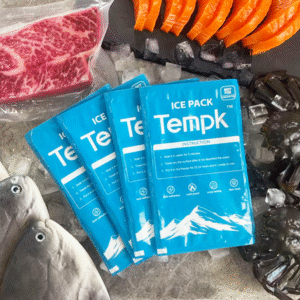
Shipping frozen meat without compromising quality requires precise temperature control, especially when using dry ice. It is crucial to understand the right amounts of dry ice, the best packing materials, and the regulations you must follow to ensure that meat products remain frozen during transit and arrive in perfect condition. In this guide, we’ll cover the essentials of how to pack dry ice to ship frozen meat safely, helping you stay compliant with 2025 guidelines while optimizing the shipping process.
How much dry ice do you need per 24–72 hours for safe frozen meat shipping?
What packaging design and venting rules must you follow for compliance?
How do you layer insulation, meat, and dry ice to maintain temperature?
What regulatory labeling, documentation, and safety precautions are required?
What trends are emerging in the cold chain logistics of 2025?
How Much Dry Ice Should You Use to Ship Frozen Meat Over 1–3 Days?
Core Answer:
You should estimate 5–10 lbs of dry ice per 24 hours for typical shipping conditions. However, this amount may need adjustment depending on the duration of the shipment, ambient temperature, and insulation used.
Explanation:
Dry ice sublimates at approximately 5–10 lbs per 24 hours, depending on the shipping conditions and the quality of insulation. For example, when shipping 10 lbs of meat, you may need around 7 lbs of dry ice per day for a short transit. In warmer weather or longer distances, you will need more. Testing your shipment with temperature loggers helps ensure optimal results.
| Shipment Duration | Typical Dry Ice Amount | Risk of Underestimating | Practical Application |
|---|---|---|---|
| 1 day (overnight) | 5–8 lbs (2.3–3.6 kg) | Partial thaw, warm edges | Local shipments |
| 2 days | 10–15 lbs (4.5–6.8 kg) | Meat warms or partially thaws | Cross-state shipments |
| 3 days | 15–20 lbs (6.8–9 kg) | Full thaw, quality loss | Long-distance or remote areas |
Tip: For longer transit times or in hot climates, it is advisable to increase the dry ice load by 20% or use thicker insulation materials to slow down sublimation.
What Packaging Design & Venting Rules Must You Follow?
Core Answer:
Your packaging must always allow CO₂ gas to vent, never seal airtight, and should include the necessary labels: “Dry Ice” or “Carbon Dioxide, Solid,” UN 1845, and net dry ice weight in kg.
Explanation:
As dry ice sublimates, it releases CO₂ gas. If the packaging is airtight, the pressure can build up and rupture the container. To avoid this, the outer packaging must have vents, and the inner cooler must not be sealed tightly. Packaging materials should comply with hazardous materials guidelines to ensure safety.
Required Labels:
“Dry Ice” or “Carbon Dioxide, Solid”
UN Number: UN 1845
Net weight of dry ice (kg)
Class 9 hazardous material label
Shipper & recipient addresses
Packaging Process:
Outer Box: Use a corrugated fiberboard or durable plastic box.
Insulation: Add EPS foam panels or rigid insulation around the meat and dry ice.
Ventilation: Ensure the package can vent CO₂ by not sealing the inner cooler too tightly.
How to Layer Insulation, Meat & Dry Ice for Temperature Control?
Core Answer:
When packing frozen meat with dry ice, the dry ice should surround the meat on all sides and be placed on top to ensure the cold air sinks through the product. Insulation should be used to slow down heat ingress, and all voids should be filled with packing materials.
Explanation:
Meat Placement: Place vacuum-sealed meat in the center of the cooler to minimize air exposure.
Dry Ice Placement: Place dry ice on top and around the sides of the meat, but avoid direct contact with the meat to prevent freezer burn. Ensure that the dry ice is not tightly packed and can sublimate without restriction.
Insulation: Use foam or other insulating materials to fill gaps and reduce the chances of temperature fluctuations.
Packaging Layering Example:
Vacuum-seal meat and place it in the center.
Surround the meat with approximately 10 lbs of dry ice.
Use 2 inches of foam insulation around the dry ice.
Fill any voids with crumpled paper or cellulose insulation to prevent shifting.
Ensure the cooler lid is slightly open or has vent holes to allow gas to escape.
What Regulatory Labeling, Documentation & Safety Steps Are Required?
Core Answer:
Complying with regulations is essential when shipping dry ice. This includes labeling the package properly and ensuring it is handled by certified personnel familiar with hazardous materials shipping protocols.
Explanation:
Dry ice is considered a Class 9 hazardous material, and shipping it requires careful attention to regulatory guidelines to ensure safety and compliance.
Key Documentation & Safety:
Proper Labeling: Always label the outer box with “Dry Ice” or “Carbon Dioxide, Solid,” include the UN number, and the net dry ice weight.
Shipper’s Declaration: For air shipments of more than 5.5 lbs (2.5 kg), include a shipper’s declaration for dangerous goods.
Handling Precautions: Always handle dry ice with insulated gloves and work in well-ventilated areas to avoid CO₂ buildup.
Compliance Tips:
Never seal the package airtight. Ensure that CO₂ can vent freely.
Verify that the packing and labeling meet carrier-specific rules (e.g., FedEx, UPS, USPS).
Use temperature data loggers to monitor internal conditions during transit.
2025 Trends in Dry Ice Shipping and Cold Chain Innovations
Trend Overview:
In 2025, the cold chain logistics industry is evolving, with a focus on smarter packaging, real-time temperature monitoring, and the use of eco-friendly materials to improve efficiency and reduce costs.
Latest Innovations:
Smart Temperature Monitoring: IoT-connected sensors alert you if the temperature deviates from the desired range during transit.
Eco-friendly Materials: High-performance, sustainable materials such as VIP liners are becoming more common, providing better insulation while reducing environmental impact.
AI-powered Route Optimization: Delivery platforms are using artificial intelligence to optimize routes based on temperature conditions, minimizing transit times and reducing dry ice usage.
Market Insights:
As consumer demand for direct-to-consumer frozen meat shipments grows, it’s essential to adopt these innovations to improve reliability, reduce waste, and build customer trust. Brands that optimize their dry ice packing methods while embracing sustainability will gain a competitive edge.
Frequently Asked Questions (FAQ)
Q1: How much dry ice do I need to ship frozen meat for 48 hours?
You typically need 10–15 lbs (4.5–6.8 kg) of dry ice for 48 hours, depending on insulation quality and ambient temperature. Always perform a test with temperature loggers.
Q2: Can I seal the shipping box tightly?
No, the box must allow for venting to prevent pressure buildup from the CO₂ gas. A tightly sealed box can rupture during transit.
Q3: What if my shipment is delayed and dry ice runs out?
To mitigate this risk, always include a buffer (extra dry ice), choose fast transit routes, and work with carriers who can replenish dry ice if needed.
Summary & Recommendations
Key Takeaways:
To pack dry ice for shipping frozen meat safely, always ensure proper ventilation, accurate labeling, and the right amount of dry ice. Use insulated packaging to maintain low temperatures and follow regulatory guidelines to ensure compliance. Test shipments with temperature loggers to adjust dry ice quantities.
Next Steps for You:
Audit your packaging to ensure it’s optimized for your specific shipping conditions.
Implement a dry ice calculator for better load estimation.
Train your team on handling dry ice and understanding the required regulations.
About Tempk
We specialize in providing cold-chain solutions for the shipping industry, particularly in the transportation of frozen food and biothermal products. Our innovative, eco-friendly packaging options, combined with our expertise in temperature management, ensure that your products arrive safely and on time. Whether you need a tailored cold-chain plan or advice on regulatory compliance, Tempk is here to help.
How to Pack Dry Ice for Shipping Safely (2025)
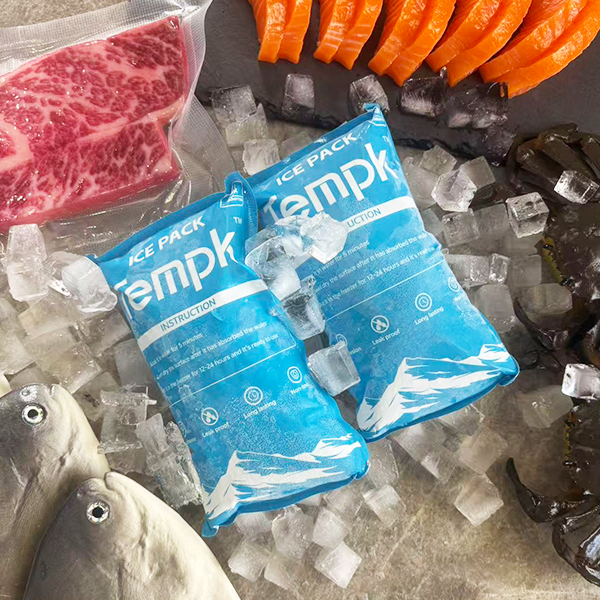
Packing dry ice for shipping isn’t just about tossing blocks into a box—it’s about compliance, safety, and keeping your products intact. In 2025, following IATA PI 954 and 49 CFR 173.217 is essential for international and domestic shipments. You need the right amount of dry ice, proper insulation, clear labeling with “UN 1845,” and a package design that allows CO₂ to vent. Done right, you’ll avoid costly delays, protect your cargo, and pass carrier checks the first time.
Calculate how much dry ice you actually need for your lane and payload
Choose the right insulated container to extend hold time and reduce waste
Label and document packages correctly to comply with Class 9 rules
Apply real-world cold chain best practices for food, pharma, and biotech
Understand 2025 innovations: carbon-negative pellets, IoT monitoring, and sustainable insulation
How much dry ice should you use for shipping?
Direct answer: Plan 2.5–5 lb (≈1.1–2.3 kg) per 24 hours per small cooler, then adjust for insulation, climate, and transit delays. Mark only the net dry ice weight in kg on the box.
Expanded explanation:
The sublimation rate depends on insulation type, box size, and ambient conditions. A 48-hour ground shipment in summer might require 10–14 lb (4.5–6.4 kg), while the same shipment with a vacuum-insulated shipper may need just 8–10 lb. Always round up and add a 25–40% buffer for customs or weather delays.
Easy sizing shortcut
| Route & Duration | Base Estimate | Buffer | What It Means for You |
|---|---|---|---|
| Domestic air, 48 hr | 6–8 lb | +2 lb for thin liner | Safe for 2-day lanes |
| Warm 3-day ground | 10–14 lb | Upgrade insulation | Reduce spoilage risk |
| Intl express, 2–3 days | 8–12 lb | Buffer 25–40% | Covers customs dwell |
Pro tips:
Place dry ice on top of the payload—cold air sinks and stabilizes temperatures.
Record net dry ice weight during pack-out—this is a compliance requirement.
Use a pack-out calculator or historical lane data to refine estimates.
What packaging works best for dry ice shipments?
Direct answer: Use a vented corrugated outer box with strong insulation (EPS or VIP), secure the product in a sealed inner container, and leave a vent path for gas.
Details:
EPS foam (1–1.5 in): Affordable, holds for 24–48 hours, ideal for domestic shipping.
Vacuum Insulation Panels (VIP): High performance, holds for 48–96 hours, reduces dry ice by ~30%.
Rigid polystyrene coolers: Reusable, durable, moderate efficiency.
| Container Type | Hold Time | Efficiency | Application |
|---|---|---|---|
| EPS liner (1–1.5 in) | 24–48 hrs | Moderate | Low-cost, short hauls |
| VIP panels | 48–96 hrs | High | Long, high-value shipments |
| Rigid cooler | 24–72 hrs | Moderate-high | Durable, reusable option |
Practical advice:
For weekend risk, add 25–40% dry ice reserve or switch to VIP.
For parcels >30 kg capacity, ensure label text height ≥12 mm.
Never seal completely; venting is mandatory to prevent ruptures.
What labels and documents are required in 2025?
Direct answer: Mark one face of the package with:
“UN 1845, Dry Ice, net __ kg”
Class 9 hazard diamond
Shipper and recipient addresses (not on the hazard label)
Expanded:
FedEx/UPS: No hazmat declaration if dry ice is used to cool non-dangerous goods. Still, you must input net kg in shipping tools.
USPS: Domestic only, max 5 lb by air; no international dry ice shipments allowed.
IATA 2025 Checklist: Self-audit tool for shippers to avoid acceptance delays.
Safety rules you cannot ignore
Never use airtight containers: CO₂ must vent.
Wear insulated gloves: Frostbite can occur in seconds.
Ventilate vehicles & storage: CO₂ can displace oxygen.
Don’t write inside the Class 9 diamond: Labels must be clean and clear.
Case insight: A seafood exporter reduced failed scans by 60% after switching to preprinted UN 1845 panels with a dedicated address area.
What are the 2025 innovations in dry ice shipping?
Carbon-negative dry ice pellets: Made from captured CO₂, reducing emissions.
Compostable insulation (biofoam): Meets ISTA 7E freeze standards, composts in ~100 days.
IoT monitoring: Real-time temperature alerts and data logging for compliance.
AI routing & automation: Cuts dwell times and optimizes dry ice allocation.
Market insight: By 2025, reusable shippers and VIP packaging are cutting spoilage claims by over 20%, making eco-friendly choices financially attractive.
FAQ
Q1: How to pack dry ice for shipping without a hazmat declaration?
Use a ventilated box, add insulation, weigh and label “UN 1845, Dry Ice, net _kg,” and apply a Class 9 label.
Q2: How much dry ice per day should I plan for?
2.5–5 lb per 24 hr for small shippers; always add a 25% buffer.
Q3: Can I ship dry ice internationally with USPS?
No. USPS permits domestic dry ice shipments only, ≤5 lb by air.
Q4: Where should I place the hazard label and text?
On the same face of the package, outside of the hazard diamond.
Q5: Can I mix gel packs with dry ice?
Yes. Gel packs act as a buffer once dry ice is spent, extending hold time.
Summary & Recommendations
To pack dry ice in 2025:
Choose a vented outer box with EPS or VIP insulation
Add dry ice above the payload and record the net kg
Mark clearly with UN 1845 + Class 9 hazard label
Follow carrier-specific guides to avoid labeling errors
Consider VIP, reusable shippers, and IoT monitoring to cut cost and risk
Next steps:
Use Tempk’s dry ice calculator for frozen shipping
Explore gel packs vs dry ice for pharma
Download the IATA packing instruction 954 checklist
About Tempk
At Tempk, we design cold chain solutions that reduce dry ice consumption while maintaining compliance. Our systems combine validated pack-outs, eco-friendly insulation, and automated labeling tools to help you cut exceptions and reduce spoilage.
CTA: Ready to optimize your shipments? Schedule a cold chain consultation and get a tailored pack-out review for your top shipping lanes.