


How to Pack a Styrofoam Cooler with Dry Ice (2025 Guide)
How to Pack a Styrofoam Cooler with Dry Ice (2025 Guide)
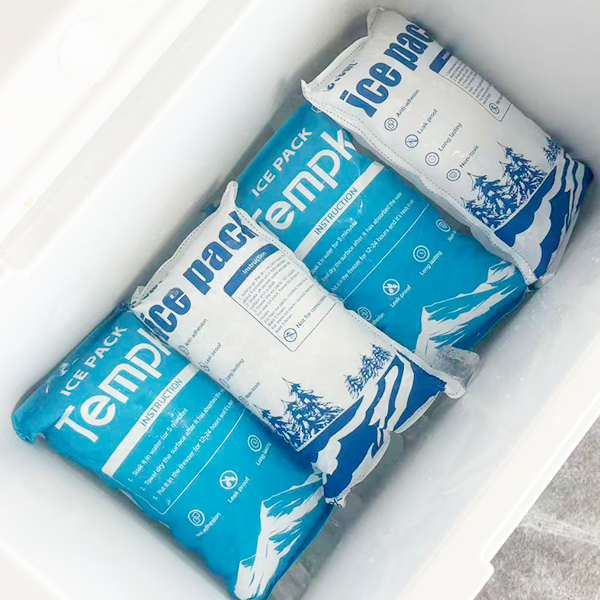
How to Pack a Styrofoam Cooler with Dry Ice: The Complete Guide for Safe and Effective Cooling
Packing a Styrofoam cooler with dry ice can be a highly effective way to ensure that perishable goods remain frozen during transport. Whether you’re shipping biological samples, frozen foods, or preparing for an extended camping trip, understanding the correct packing techniques ensures that your items stay safe and cold. This guide walks you through the entire process, from selecting the right cooler to safety precautions and advanced tips for 2025.
How do you properly pack a Styrofoam cooler with dry ice?
What are the essential tips for using dry ice in a cooler?
How much dry ice should you use for different shipping durations?
What are the safety precautions when handling dry ice?
What are common packing mistakes and how to avoid them?
How to Properly Pack a Styrofoam Cooler with Dry Ice?
Packing a Styrofoam cooler with dry ice requires several careful steps to ensure effective cooling and safety. The main goal is to ensure that the dry ice maintains its cooling power while protecting the items inside from damage. Here’s a step-by-step guide to help you pack your cooler effectively.
Step-by-Step Guide to Packing a Styrofoam Cooler with Dry Ice
Choose the Right Size Cooler
Make sure the cooler is large enough to accommodate both the products you’re shipping and the dry ice but not so large that the dry ice will not be effective at maintaining a low temperature.
Prepare the Items for Packing
Ensure that all items being shipped are securely packaged. For temperature-sensitive goods, wrap them with insulating materials such as bubble wrap or foam padding.
Layer the Dry Ice
Dry ice should be placed either on top of or near the items being shipped. Since cold air sinks, placing dry ice at the top ensures the cold air descends, cooling the items effectively.
Use larger blocks of dry ice instead of smaller pellets if possible, as they sublimate more slowly and last longer.
Add Proper Insulation
To maximize the cooling duration, wrap both the dry ice and the items in insulating materials such as thermal blankets or bubble wrap. Although Styrofoam coolers offer decent insulation, extra layers will help prolong the cooling time.
Seal the Cooler Securely
Ensure that the cooler is sealed tightly to avoid any escape of cold air and prevent rapid sublimation of the dry ice.
Label the Cooler Properly
Don’t forget to label the cooler with appropriate handling instructions, such as “Dry Ice” or “Keep Frozen,” to ensure safe handling during transit.
Common Mistakes to Avoid
Using Too Little Dry Ice
Always use enough dry ice based on the cooler size and shipping duration. Underestimating the amount can lead to the products thawing during transport.
Improper Sealing
Failing to properly seal the cooler can lead to temperature loss. Ensure the cooler lid is tightly closed to retain the cold air.
Placing Dry Ice Directly on Items
Never place dry ice directly on perishable items. Use a barrier such as foam or cardboard to protect the items from the extreme cold.
What Are the Essential Tips for Using Dry Ice in a Cooler?
Using dry ice in a Styrofoam cooler is effective, but it’s important to follow specific guidelines to ensure the dry ice remains efficient and safe throughout the journey.
Tips for Using Dry Ice Effectively
Use the Right Amount of Dry Ice
The amount of dry ice you need depends on the cooler size, shipping duration, and ambient temperature. Typically, for every 24 hours of shipping, use 5-10 pounds of dry ice for a 15-25 quart cooler. For larger coolers, adjust accordingly.
Ensure Proper Ventilation
Dry ice sublimates into carbon dioxide gas, so it’s essential that the cooler is ventilated to allow the gas to escape. Avoid airtight containers, as pressure can build up.
Handle Dry Ice Safely
Always wear gloves when handling dry ice, as direct contact with bare skin can cause severe frostbite. Use tongs or a scoop when handling blocks of dry ice.
Pre-chill the Cooler
If time permits, pre-chill the cooler with regular ice or gel packs before adding dry ice. This helps maintain the cold temperature for longer and reduces the need for excess dry ice.
How Much Dry Ice Should You Use for Different Shipping Durations?
The amount of dry ice required for different shipping durations varies. Here’s a simple breakdown of how much dry ice you’ll need:
| Shipping Duration | Dry Ice Required (for a 12x12x12 Cooler) | Best Use Case |
|---|---|---|
| 24 Hours | 5-10 Pounds | Short-duration shipping |
| 48 Hours | 10-20 Pounds | Medium-duration shipping |
| 72 Hours | 20-30 Pounds | Long-duration shipping |
Example: If you are shipping biological samples for 72 hours in a 12x12x12 cooler, you would require around 20-30 pounds of dry ice to keep the temperature stable.
What Are the Safety Precautions When Handling Dry Ice?
Handling dry ice safely is essential due to its extreme cold and the risk of asphyxiation from the carbon dioxide gas it releases.
Safety Tips for Handling Dry Ice
Wear Protective Gear
Always use insulated gloves and goggles to prevent frostbite and injury when handling dry ice.
Ensure Proper Ventilation
Dry ice sublimates into carbon dioxide gas, which can displace oxygen. Always handle dry ice in a well-ventilated area, and avoid storing it in airtight containers.
Store Dry Ice Properly
Never store dry ice in sealed containers, as the gas buildup can lead to dangerous pressure and even cause explosions.
2025 Trends in Cold Chain Logistics
As we move into 2025, cold chain logistics is evolving with new innovations. These advancements are focused on improving the efficiency of cooling systems, reducing environmental impact, and ensuring compliance with regulatory standards.
Latest Developments
Smart Temperature Monitoring: Temperature sensors integrated into coolers and shipping containers allow real-time tracking of temperature conditions, ensuring sensitive goods are kept at optimal temperatures.
Eco-Friendly Dry Ice: Companies are increasingly adopting biodegradable dry ice solutions to reduce environmental impact.
Advanced Insulation Materials: New materials like vacuum-insulated panels (VIPs) and aerogel are improving insulation and extending dry ice longevity.
By staying informed about these innovations, you can optimize your cold chain logistics and maintain the highest standards of temperature control.
FAQ
Q: How much dry ice should I use for a 12x12x12 styrofoam cooler?
For a 12x12x12 cooler, use 5-10 pounds of dry ice for a 24-hour shipping period.
Q: Is it safe to touch dry ice with bare hands?
No, dry ice is extremely cold and can cause frostbite. Always use gloves when handling dry ice.
Summary & Recommendations
Packing a Styrofoam cooler with dry ice requires careful preparation, proper insulation, and attention to safety. By following the steps outlined above, including using the right amount of dry ice, ensuring proper ventilation, and sealing the cooler correctly, you can ensure that your items remain frozen and safe during transport.
Next Steps:
Assess your trip needs: Determine the cooler size and trip duration to calculate the required amount of dry ice.
Prepare the cooler: Pre-chill your cooler and ensure it’s properly insulated.
Pack effectively: Layer dry ice, frozen goods, and perishables according to the steps outlined to maximize cooling.
Monitor and dispose safely: Check the cooler regularly and dispose of any remaining dry ice in a safe, ventilated area.
About Tempk
At Tempk, we specialize in providing high-quality cold chain solutions, including dry ice, insulated coolers, and packaging materials for temperature-sensitive shipments. Whether you’re in the medical, food, or logistics industry, we help ensure that your products remain at the proper temperature during transport.
Contact us today to discover how we can help streamline your logistics and keep your products cold the right way.
How to Pack a Cooler With Dry Ice Safely & Efficiently

Planning a long road trip, camping adventure or shipment of frozen goods? Understanding how to pack a cooler with dry ice will keep your food, medicine or fish frozen and safe for days. Dry ice is solid carbon dioxide at –109 °F (–78.5 °C), which sublimates into gas rather than meltingcksupply.com. This cooling power offers up to twice the chilling capacity of regular ice and lasts longernoblegassolutions.com, but misuse can cause frostbite and dangerous gas build‑upsafety.rochester.edu. This guide explains step‑by‑step layering, quantity calculations and regulatory tips so you can confidently pack a cooler with dry ice in 2025.
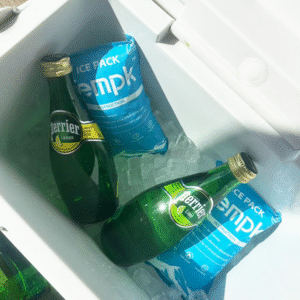
Why choose dry ice for cooler packing? Discover the advantages of dry ice over water ice and when it’s the right choice for keeping items frozennoblegassolutions.com.
How to pack a cooler with dry ice step by step? Learn the proper cooler selection, pre‑chilling, layering and venting techniquescentralmcgowan.com.
How much dry ice do you need? Use rule‑of‑thumb quantities and a simple calculator to estimate pounds of dry ice per day.
What safety precautions and regulations apply? Get essential tips for handling, ventilation and disposal, plus 2025 shipping rulessafety.rochester.edu.
What are 2025 trends and innovations? Explore new sustainable coolers, hybrid cooling methods and smart sensors that improve the cold chain.
Why choose dry ice to pack your cooler?
Direct answer
Dry ice keeps contents colder for longer than water ice, offering mess‑free cooling but requiring careful handling. Unlike regular ice, dry ice sublimates directly into carbon dioxide gas, leaving no puddlesnoblegassolutions.com. At –109.3 °F, it produces more cooling per pound and can freeze meat or ice cream for multiple daystempcontrolpack.com. However, its extreme cold can cause frostbite and items near it may freeze, so you must wrap the dry ice and separate it from goodscksupply.com.
Expanded explanation
Traditional ice works well for drinks and short trips, but it melts into water that needs draining and can accelerate the melting of remaining ice. Dry ice solves these problems because it sublimates into gas, making your cooler lighter and eliminating messy meltwaterpatriotcoolers.com. Its deep cold is ideal for keeping raw meat, seafood and ice cream frozen even on extended camping trips or multi‑day shipmentsgrizzlycoolers.com. Dry ice also extends the life of regular ice when layered correctlygrizzlycoolers.com. In 2025, eco‑friendly coolers with improved insulation and VIP (vacuum insulation panel) technology can double dry ice durationtempcontrolpack.com. Yet, you must manage sublimation: one pound of dry ice yields about 250 litres of CO₂ gassafety.rochester.edu, so proper ventilation and handling are critical.
Dry ice vs. regular ice: which suits your trip?
| Factor | Dry Ice | Regular Ice | Practical significance for you |
|---|---|---|---|
| Temperature | −109 °F (−78.5 °C) produces ultra‑cold conditions. | 32 °F (0 °C) keeps items cold but not frozen. | Dry ice freezes items; regular ice only chills. Choose based on whether you need freezing or cooling. |
| Longevity | Sublimates at about 5–10 lb per day in a coolershipmercury.com; blocks last longer than pellets. | Melts and leaves water; melting accelerates as water accumulatespatriotcoolers.com. | Dry ice lasts longer but must be vented. Regular ice requires draining water. |
| Weight and mess | Lighter and leaves no liquid residue; produces only gaspatriotcoolers.com. | Heavier and produces meltwater that needs disposal. | Dry ice reduces cooler weight and clean‑up time. |
| Cost | More expensive per pound and may require minimum purchase; some stores restrict sales to adultsgrizzlycoolers.com. | Inexpensive and widely available. | Use dry ice for critical frozen goods; use wet ice for budget or non‑critical cooling. |
| Safety | Requires insulated gloves; frostbite risk; CO₂ gas may accumulatesafety.rochester.edu. | Safe to handle; minimal risk beyond meltwater. | Dry ice demands training and ventilation; regular ice is safer for casual use. |
| Environmental impact | Releases CO₂ gas but no water; can be combined with sustainable insulation like VIP or reclaimed CO₂. | Melting water can be repurposed but may accelerate melting of remaining ice. | Choose dry ice to minimize water waste and explore hybrid systems for sustainability. |
Practical tips and scenarios
Short weekend trip: If you’re packing sodas and snacks for a picnic, regular ice works fine. It’s inexpensive and safe to handle.
Multi‑day camping with meat and ice cream: Use dry ice at the top and bottom of your cooler to keep items frozennoblegassolutions.com. Wrap each block to prevent freezer burncentralmcgowan.com.
Mixed loads (frozen and fresh): Combine dry ice and regular ice. Place dry ice at the bottom, cover with cardboard, then add frozen food, and put regular ice and drinks on topcentralmcgowan.com. This creates a dual cooling effect without freezing produce.
Shipping samples: For biological samples or pharmaceuticals, choose validated VIP shippers, layer dry ice above and below samples, and add a temperature logger.
Actual case: A 2024 cross‑country move used 20 lb of dry ice and regular ice to transport a freezer of frozen venison. By wrapping each dry ice slab in newspaper and placing it above and below the meat, the hunters kept their venison completely frozen for three days without any water mess. They learned how to pack a cooler with dry ice the right way and avoided spoilage.
How to pack a cooler with dry ice: step‑by‑step guide
Packing a cooler with dry ice requires planning. Follow these steps to keep your goods cold or frozen while staying safe. Remember that your goal is to maintain a cold environment, manage gas release and protect items from direct contact.
Step‑by‑step instructions
Choose the right cooler: Select a well‑insulated cooler such as styrofoam or a hard‑sided plastic cooler. It should not seal completely; a drain plug or lid vent allows CO₂ to escape. For single‑day trips, styrofoam boxes work; for multi‑day trips, pick a premium cooler or VIP shipper.
Pre‑chill your items and cooler: Freeze or chill your goods before packing. A warm cooler will consume dry ice quickly because energy must first cool down the container.
Line and prepare the cooler: For plastic coolers, line the interior with styrofoam or cardboard to protect walls from extreme coldcentralmcgowan.com. You can also place a layer of towels to cushion the dry ice.
Wrap the dry ice: Using newspaper, cloth or cardboard, wrap each dry ice blockcksupply.com or place smaller pieces into a paper bagcentralmcgowan.com. Wrapping slows sublimation and prevents accidental contact.
Layer the dry ice and contents:
Frozen items: Place a wrapped dry ice slab at the bottom, add a cardboard separator, stack frozen goods, fill voids with newspaper, then add another dry ice slab on topnoblegassolutions.com. This sandwiching method ensures items stay frozen from above and below.
Mixed loads (fresh and frozen): Place dry ice at the bottom, cover with cardboard, add frozen items, then separate with another piece of cardboard and layer drinks or fresh food on topcentralmcgowan.com. Use regular ice or gel packs for the top layer to keep drinks cold without freezing them.
Drinks only: Put wrapped dry ice at the bottom and separate beverages using a basket or cardboard. Alternatively, place the dry ice on one side of the cooler using a divider to keep drinks chilled but not frozencentralmcgowan.com.
Fill empty spaces: Crumple newspaper or kraft paper to fill gaps around the dry ice and goodscentralmcgowan.com. This improves insulation and slows sublimation.
Vent and close the lid loosely: Do not seal the cooler completely. Leave the drain plug open or tilt the lid slightly so CO₂ gas can escapecentralmcgowan.com. In transit, crack a window or store the cooler in a ventilated area.
Monitor and replenish: Check the dry ice periodically, especially on longer trips. Add more blocks if necessary, following the same layering method and wearing glovescentralmcgowan.com.
Dispose of remaining dry ice safely: When you’re done, unwrap leftover dry ice and allow it to sublimate in a well‑ventilated area away from children and petscentralmcgowan.com. Never put it down drains or trash binscentralmcgowan.com.
Choosing the right cooler and materials
The type of cooler influences how long dry ice lasts. Below is a comparison of common cooler types and their typical performance from recent studies and manufacturer guides:
| Cooler Type | Typical Dry Ice Duration | Ideal Use Case | What this means for you |
|---|---|---|---|
| Styrofoam cooler | 18–24 hours | Short trips, picnics or day events | Cheap and lightweight but short duration; pack extra dry ice or plan for quick use. |
| Hard‑sided insulated cooler | 2–3 days | Camping trips and weekend shipping | Good insulation; can handle multiple layers of dry ice. |
| High‑quality large cooler | 3–5 days | Extended transport or long storage | Thick walls and tight fit help reduce the amount of dry ice needed. |
| VIP shipper (Vacuum Insulation Panel) | Up to a week with less ice | Pharmaceutical and long‑haul shipping | Premium insulation; reduces dry ice weight and costs but is expensive. |
Step‑by‑step layering variations
For different scenarios, adjust the layering approach:
Food freezing: Create a “dry ice sandwich” with dry ice below and above your frozen goodsnoblegassolutions.com. Insert cardboard separators to prevent freezer burn and maintain even freezing. Fill gaps with pellets or wadded paper.
Fresh produce: Keep produce away from direct dry ice. Use multiple layers of cardboard or towels and place produce on top or on the opposite side of the coolercentralmcgowan.com. Too much dry ice will freeze fruit or salad.
Hunting or fishing expeditions: For game meat, put meat at the bottom and stack dry ice directly on top to freeze quickly. Keep vents open to release gas.
Medical and pharmaceutical shipments: Use validated insulated boxes with 1.5–2 in EPS or VIP, place dry ice above and below vials, and record temperatures with a logger. Label packages “Carbon dioxide, solid (dry ice) UN 1845” and declare net weight.
Dry ice quantity calculator
Estimating the correct amount of dry ice is essential. A simple rule is 5–10 pounds (2.3–4.5 kg) per 24 hours for a typical 12.5 lb shipmentshipmercury.com. Add a 20–25 % buffer for longer trips or hot weather. Use the following table to plan your trip:
| Duration (hours) | EPS cooler (6–7 lb/day) | VIP cooler (4–5 lb/day) | Practical guide |
|---|---|---|---|
| 24 h | 6–7 lb | 4–5 lb | Overnight shipments and next‑day deliveries; ensure cooler is fully insulated and pre‑chilled. |
| 48 h | 12–14 lb | 8–10 lb | Two‑day camping or national shipping; pack with double layers and fill voids tightly. |
| 72 h | 18–21 lb | 12–15 lb | Extended trips or international shipments; consider using VIP panels to reduce weight and cost. |
| 96 h+ | Add 6–7 lb per extra day | Add 4–5 lb per extra day | For long routes or remote expeditions; split cargo into multiple smaller coolers to improve gas venting and handling. |
This calculator helps you determine how to pack a cooler with dry ice by matching your trip length and cooler type. Always err on the side of extra dry ice to account for unexpected delays.
Interactive tip: create your own dry ice checklist
Make a simple checklist for your trip: (1) measure cooler size; (2) calculate dry ice quantity using the table above; (3) gather materials like cardboard, towels and newspaper; (4) wrap dry ice; (5) pre‑chill items; (6) layer correctly; (7) vent the cooler; (8) pack a backup pair of insulated gloves. Checking off these steps ensures you’re fully prepared.
Real‑world example: A family shipping homemade gelato across the country in 2025 used a 48‑hour EPS cooler. They calculated 14 lb of dry ice for two daystempcontrolpack.com and added a 25 % buffer, for a total of 18 lb. By layering the gelato between dry ice slabs with cardboard separators and filling gaps, the gelato arrived frozen despite a 12‑hour delay, illustrating proper application of the dry ice quantity calculator.
Safety precautions when packing a cooler with dry ice
Dry ice’s extreme cold and rapid sublimation pose hazards. Following these safety tips protects you and ensures your cooler functions properly.
Key safety guidelines
Wear protective gear: Always handle dry ice with insulated gloves and safety gogglessafety.rochester.edu. Use tongs to lift blocks or pelletssafety.rochester.edu.
Ventilation: Never store or transport dry ice in sealed rooms, closets or vehicles. CO₂ gas displaces oxygen and can cause suffocationsafety.rochester.edu. Keep windows slightly open during transport and store coolers outdoors or in well‑ventilated spacescentralmcgowan.com.
Avoid airtight containers: A tightly sealed cooler can explode due to pressure build‑upsafety.rochester.edu. Choose containers with drain plugs or vent holes and do not tape them shutcentralmcgowan.com.
Keep out of reach: Store dry ice away from children and petscentralmcgowan.com. Do not ingest or use it directly in drinkscentralmcgowan.com.
No contact with plumbing or glass: Never dispose of dry ice in sinks, toilets or drains; the extreme cold can crack plumbingcentralmcgowan.com. Avoid glass containers that can shatterups.com.
Emergency awareness: Signs of CO₂ exposure include headaches, rapid breathing and blue lips. If you or a passenger experiences these symptoms, move to fresh air immediately and call emergency servicesgrizzlycoolers.com.
Ventilation and storage specifics
Dry ice expands by about 800 times when it sublimatessafety.rochester.edu. For this reason:
Store in ventilated coolers: Keep the drain plug open or insert a venting valve to allow gas escapecentralmcgowan.com.
Transport safely: Place the cooler in the trunk or truck bed if possible and crack open a window. Avoid storing it in passenger compartments for long periodsgrizzlycoolers.com.
Never in refrigerators or freezers: Standard refrigerators are airtight; storing dry ice inside can cause dangerous gas accumulation or damage equipmentsafety.rochester.edu.
Disposal and after‑use tips
When you finish your trip:
Sublimate in open air: Remove any remaining dry ice from packaging, leave it in a well‑ventilated area, and allow it to sublimate completelycentralmcgowan.com.
Do not pour water over dry ice indoors: Water speeds up sublimation and increases CO₂ release. Only use water outside to accelerate sublimation if necessary and ensure everyone stands backcentralmcgowan.com.
Recycle or reuse packaging: Once the dry ice is gone, you can recycle clean film or corrugated boxes through appropriate channels, as discussed in our disposal guide.
Safety incident: In a 2023 incident, a sealed cooler of dry ice in a truck caused the driver to experience dizziness and shortness of breath. Investigations revealed the cooler lacked ventilation. The company implemented new SOPs including venting the cooler and training drivers on how to pack a cooler with dry ice safely. There have been no similar incidents since.
Packing a cooler with dry ice for different scenarios
Different activities require adapting the core principles of packing a cooler with dry ice. The following sections explain how to adjust for camping, hunting, shipping food and shipping medicine.
Camping or road trips
For camping, you typically need to keep a mixture of frozen and fresh foods. Start by pre‑freezing meat and ice cream. Place a wrapped dry ice block at the bottom of your cooler and cover with cardboard. Add frozen items and fill gaps with newspaper. Place fresh produce and drinks on top, separated by another cardboard layercentralmcgowan.com. Consider adding regular ice on top to keep drinks cold while dry ice keeps frozen items solidcentralmcgowan.com. Avoid opening the cooler frequently; each opening introduces warm air and increases sublimationnoblegassolutions.com. At night, insulate the cooler further by covering it with a sleeping bag or blanketnoblegassolutions.com.
Hunting and fishing trips
Packing game meat or fish requires rapid freezing. Place the meat in sealed bags and lay them at the bottom of the cooler. Cover with a cardboard sheet and place dry ice directly on topcentralmcgowan.com. This freezes the meat quickly. Fill empty spaces with pellets or newspaper to slow sublimation and keep the load from shifting. For multi‑day hunts, bring extra dry ice in a separate container, replenishing as needed. Always follow safety guidelines and store the cooler outside your tent to avoid CO₂ build‑upgrizzlycoolers.com.
Shipping food or pharmaceuticals
When shipping goods by mail or courier, compliance with hazardous‑materials regulations is critical. Use an EPS or VIP insulated container inside a corrugated cardboard boxups.com. Pre‑freeze items and wrap them individually. Layer dry ice at the bottom and top of the inner container, separated by cardboard. Leave room for gas to escape and avoid sealing the box airtight. According to UPS guidelines, dry ice should not touch the product; its only job is to keep the shipment coldups.com. Place hazard labels (Class 9) and mark “Carbon dioxide, solid (dry ice), UN 1845” along with net weight. For air shipments, abide by IATA Packing Instruction 954; passenger flights often limit dry ice to a few kilograms per packageups.com. Always contact your carrier for specific weight limits and paperworkups.com.
How regulations affect packing
Packing with dry ice is subject to rules under the U.S. Department of Transportation and international air transport bodies. For example, UPS emphasises proper separation of dry ice from contents and warns against airtight sealsups.com. The International Air Transport Association (IATA) requires packages to include hazard labels and net weight, and may restrict quantity per flightups.com. In 2025, some carriers also require CO₂ sensors or temperature loggers to be included to prove compliance. Failing to follow these rules can result in fines or shipment refusal. Always consult your carrier and stay updated on regulatory changes.
Table: Packing methods by scenario
| Scenario | Layering approach | Documentation & regulations | Benefit to you |
|---|---|---|---|
| Camping/picnic | Dry ice bottom; cardboard; frozen goods; cardboard; drinks with regular icecentralmcgowan.com | None beyond safety guidelines | Keeps frozen and fresh items at appropriate temps |
| Hunting/fishing | Meat in bags; cardboard; dry ice on top; fill gaps with papercentralmcgowan.com | None beyond safety guidelines | Rapidly freezes meat; prevents spoilage on multi‑day trips |
| Food shipping | Dry ice bottom and top separated by cardboard | UN 1845 label, Class 9, weight markingtempcontrolpack.com | Ensures compliance and preserves product quality |
| Pharmaceuticals | Dual‑layer dry ice with VIP shipper; temperature logger | IATA/airline rules, declarationsups.com | Meets strict temperature control requirements |
Practical tips for each scenario
Camping: Pre‑freeze water bottles to use as drink chillers after they thaw; they double as drinking water.
Hunting: Use multiple small coolers to separate meat from ice; this helps vent CO₂ and keeps loads manageable.
Shipping: Tape seams lightly; do not over‑tape; include a note inside explaining the package contains dry ice in case of inspection.
Medical: Use barcodes or QR codes to track temperature and provide data for audits; invest in validated packaging to meet Good Distribution Practice requirements.
Case study: A biotech company needed to ship biological samples internationally in 2025. They used a VIP shipper with 2 in insulation, layered dry ice above and below the vials and added a temperature logger. Despite a customs delay, the samples maintained –20 °C for 60 hours. Proper labelling and documentation prevented fines, demonstrating the importance of regulatory compliance and understanding how to pack a cooler with dry ice for international shipments.
2025 trends and innovations in cooler packing with dry ice
The cold‑chain industry continues to evolve, with new materials and technology improving the efficiency of dry ice cooling and reducing environmental impact. Staying informed helps you choose the best solution for your needs.
Trend overview
Hybrid cooling systems: Companies now combine dry ice with phase‑change materials (PCMs) to create temperature zones within a single package. PCMs maintain temperatures between 2 °C and 8 °C or 15 °C and 25 °C while dry ice ensures sub‑zero conditions. Hybrid systems prevent freeze damage in mixed loads and are popular in 2025 for transporting both frozen vaccines and refrigerated medications.
Smarter coolers: New coolers incorporate IoT sensors and Bluetooth loggers to monitor temperature, CO₂ levels and orientation in real timetempcontrolpack.com. Alerts notify shippers if the cooler gets too warm or if gas vents are blocked, allowing for quick corrective action.
Sustainable materials: Manufacturers are introducing biodegradable insulating panels and recyclable molded‑fiber coolers. Some hubs reclaim CO₂ from dry ice sublimation and convert it back into industrial gas.
Regulatory harmonisation: Global regulators are moving toward unified standards for dry ice shipments. The European Union’s Packaging and Packaging Waste Regulation (PPWR) encourages recyclable packaging, and more carriers require net weight and hazard labels. Automated compliance tools built into shipping software make it easier to generate correct labels and documentation.
Market growth: With the expansion of e‑commerce groceries and biologics, demand for cold‑chain solutions is rising. Analysts project the phase‑change material market will reach about USD 500 million in 2025 with an 8 % CAGRarchivemarketresearch.com, spurring investment in hybrid systems and high‑performance insulation.
Latest developments at a glance
Hybrid cooling: Dry ice combined with PCM sleeves or gel packs prevents freeze damage while extending cooling duration.
VIP and aerogel insulation: Vacuum insulation panels and aerogel liners offer superior insulating power, reducing dry ice weight by up to 50 %.
Smart tracking: CO₂‑aware sensors and RFID tags automatically record temperature and gas levels, sending data to cloud dashboards for real‑time visibility.
CO₂ recycling: Some logistics hubs recapture CO₂ from sublimation and reuse it in industrial processestempcontrolpack.com, reducing greenhouse emissions.
User‑friendly kits: Many companies now sell ready‑to‑ship coolers with pre‑measured dry ice, insulation and labelling instructions, simplifying compliance for small businesses.
Market insights
The growth of online food delivery, personalised medicine and cross‑border e‑commerce has made cold‑chain reliability a differentiator. Hybrid cooler kits using dry ice and PCMs reduce waste and shipping costs. New regulations, such as Minnesota’s Extended Producer Responsibility laws and the EU’s PPWR, encourage packaging that is refillable, reusable or recyclable by 2030, pushing companies to invest in better insulation. Keeping up with these trends will help you stay competitive and meet evolving customer expectations.
Frequently Asked Questions
Q1: How much dry ice do I need for my cooler?
Plan for about 5–10 pounds of dry ice per 24 hours for a typical 12.5‑pound loadshipmercury.com. Use the calculator above to adjust for cooler type and duration; add a 20–25 % buffer for hot weather or delays.
Q2: Can I use dry ice with regular ice?
Yes. Place dry ice at the bottom or on one side and cover it with cardboard or papercentralmcgowan.com. Then add regular ice and drinks on top. This keeps drinks cold without freezing and extends the life of the regular icegrizzlycoolers.com.
Q3: Can I pack dry ice in my cooler for air travel?
You can, but you must follow airline and IATA regulations. Packages must be vented, labelled “Carbon dioxide, solid (dry ice), UN 1845” and include net weight. Passenger flights often limit dry ice to a few kilograms per packageups.com. Always contact your airline in advance.
Q4: How do I store leftover dry ice after a trip?
Allow any remaining dry ice to sublimate in a well‑ventilated area away from children and petscentralmcgowan.com. Do not put it in the sink or trashcentralmcgowan.com, and never store it in an airtight freezersafety.rochester.edu.
Q5: Are there alternatives to dry ice?
Yes. Phase‑change materials (PCMs) provide reusable cooling at specific temperature ranges (e.g., 2–8 °C or –20 °C). Gel packs and hydrated dry ice packs can also be refrozen for repeated use. These alternatives reduce CO₂ emissions and hazardous‑material requirements.
Summary and recommendations
Packing a cooler with dry ice is the best way to keep goods frozen or chilled on long journeys. To do it safely and effectively, choose a well‑ventilated, insulated cooler, pre‑chill your items, wrap dry ice in newspaper or cloth, and layer dry ice with cardboard and items according to whether they’re frozen or freshcentralmcgowan.com. Fill empty spaces with paper to slow sublimation and leave the lid slightly ajar or drain plug open to vent CO₂centralmcgowan.com. Plan the dry ice quantity using the 5–10 lb per day rule and add a buffer for delaysshipmercury.com. Always wear protective gloves and eye protection, and never place dry ice in airtight containerssafety.rochester.edu. Stay informed about 2025 regulations and innovations, such as hybrid PCM systems and smart coolers, to improve efficiency and compliance.
Actionable next steps
Create a packing SOP: Document the step‑by‑step process and share it with your team or family. Include cooler selection, dry ice quantities, layering techniques, safety gear, and disposal instructions.
Invest in the right equipment: Consider upgrading to high‑quality or VIP coolers and purchase cardboard sheets, kraft paper and insulating towels for layering. Acquire a temperature logger for shipments.
Calculate dry ice needs: Use the quantity calculator table to determine pounds required for your trip. Always add a 20 % buffer for delays or high temperatures.
Train for safety: Educate everyone involved on handling dry ice, venting, recognising CO₂ exposure symptoms and first aid. Provide protective gloves and goggles.
Explore sustainable options: Evaluate phase‑change materials (PCMs) or hybrid cooling kits for long‑term cost savings and reduced environmental impact. Keep up with new regulations and trending innovations.
About Tempk
At Tempk we specialise in cold‑chain packaging solutions that combine advanced insulation, dry ice expertise and sustainable materials. Our engineers design custom coolers and VIP shippers that optimise dry ice performance while reducing waste. We offer pre‑configured kits with dry ice, PCMs, and temperature monitoring devices to meet strict regulatory standards. We partner with recyclers to recover packaging materials and support Extended Producer Responsibility goals. We’re committed to helping you learn how to pack a cooler with dry ice safely, improve your supply chain and protect your products from origin to destination.
Call to action
Need help choosing the right dry ice kit? Contact Tempk’s cold‑chain specialists today for a consultation. Whether you’re planning a camping trip, shipping biologics or exploring hybrid cooling, our experts will recommend the best solution and provide training on proper handling.
How to Pack a Cooler with Dry Ice: Top or Bottom Placement for Maximum Efficiency

How to Pack a Cooler with Dry Ice: Top or Bottom?
When packing a cooler with dry ice, the placement of the ice bag plays a crucial role in ensuring that your perishables stay at the right temperature. Whether you place the dry ice on top or bottom depends on your needs, the type of cooler, and the items you’re transporting. This guide will provide you with step-by-step instructions on how to pack a cooler with dry ice and explain the optimal placement to maximize efficiency.
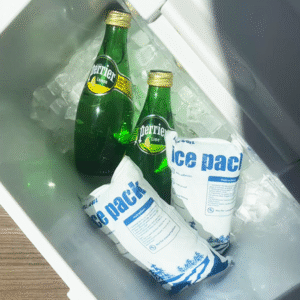
What is the best method to pack a cooler with dry ice for maximum efficiency?
Should the dry ice be placed on top or at the bottom of the cooler?
How does dry ice work and what factors affect its cooling power?
How to safely handle and store dry ice in a cooler?
What Is Dry Ice and How Does It Work in a Cooler?
Dry ice is solid carbon dioxide (CO₂) that sublimates directly from a solid to a gas at -78.5°C (-109.3°F). Unlike regular ice, dry ice doesn’t melt into a liquid; it turns into gas, which makes it perfect for cooling without leaving behind any water. This process releases a large amount of cold energy, making dry ice much more effective for long-term cooling in a cooler.
In coolers, dry ice maintains a much lower temperature compared to regular ice. The colder environment helps preserve temperature-sensitive items like food, medical supplies, and pharmaceuticals for longer periods.
Should You Place the Dry Ice on Top or Bottom?
When packing a cooler with dry ice, the positioning of the dry ice bag—either on top or at the bottom—affects the efficiency of the cooling process. Both positions have their advantages, depending on the cooling requirements.
Dry Ice on the Bottom
Placing the dry ice at the bottom of the cooler allows cold air to sink and surround the items, ensuring that frozen goods stay cold for extended periods. This method is ideal for keeping food items frozen at the bottom of the cooler. Cold air naturally moves downward, making this method perfect for long trips or when you need to maintain freezing temperatures for an extended period. However, the contents at the top of the cooler may thaw quicker compared to the bottom layer.
Dry Ice on the Top
Placing the dry ice on top of the items in the cooler works well for rapid cooling. Since cold air falls, this method helps cool down the items faster, making it ideal for short-term trips where you want to cool everything quickly. However, it may not maintain the cold as effectively for long-term storage, especially for items at the bottom of the cooler.
How to Pack a Cooler with Dry Ice: Step-by-Step Guide
1. Prepare the Cooler
Start with a clean, dry, and well-insulated cooler. Ensure that the cooler has adequate ventilation to allow the carbon dioxide gas to escape. Some coolers have vented drain plugs specifically designed for this purpose.
2. Layer the Dry Ice
Choose whether to place the dry ice on the top or bottom of the cooler based on your needs:
For long-term freezing (e.g., for frozen food or medical shipments), place the dry ice at the bottom.
For quick cooling (e.g., for drinks or short-term trips), place the dry ice on top.
Wrap the dry ice in newspaper or other insulating materials to prevent direct contact with the items inside. Dry ice can burn through materials like plastic or paper if they come into direct contact.
3. Add the Items
Carefully place the perishable items inside the cooler. If the items need to stay frozen, put them above the dry ice (if placed on the bottom) or below it (if placed on the top). If you’re using both dry ice and regular ice, make sure that the dry ice does not directly touch the regular ice.
4. Cover the Items
Add a layer of regular ice, gel packs, or insulation material (like foam or newspaper) to regulate the temperature. This step ensures that the cooler stays cold without over-freezing the contents.
5. Seal the Cooler
Close the cooler tightly, but don’t seal it airtight. The carbon dioxide gas must have room to escape. If the cooler has a vent, leave it open to prevent pressure buildup. Store the cooler in a cool, shaded location for optimal results.
Factors Affecting the Cooling Efficiency of Dry Ice in a Cooler
1. Insulation Quality
The effectiveness of the cooler’s insulation plays a huge role in how long the dry ice will last. Well-insulated coolers help slow down sublimation and maintain low temperatures longer. Poor insulation leads to faster sublimation of dry ice and a decrease in its cooling effectiveness.
2. Amount of Dry Ice
The more dry ice you use, the longer your cooler will stay cold. For longer trips, use more dry ice, and adjust the placement accordingly. A general guideline is to use 5-10 pounds of dry ice per 24 hours of cooling, depending on the cooler size.
3. Duration of Use
For short trips, placing the dry ice on top might be more efficient, as it cools the items quickly. For extended trips, place the dry ice at the bottom to maximize the cooling duration.
4. Type of Items
Different types of items require different cooling strategies. For frozen goods, dry ice placement is crucial for maintaining the proper temperature. For non-frozen items, ensure that the dry ice does not directly freeze them. Using extra insulation between dry ice and the contents can help maintain an optimal temperature without causing damage.
Pros and Cons of Dry Ice on Top vs. Bottom
| Position | Effectiveness | Pros | Cons |
|---|---|---|---|
| Dry Ice on Bottom | Best for long-term freezing | Keeps frozen items cold longer | Items at the top may thaw faster |
| Dry Ice on Top | Best for rapid cooling | Effective for short-term cooling | Items at the bottom may thaw quicker |
Safety Tips When Handling Dry Ice
1. Wear Insulated Gloves
Always use insulated gloves or tongs when handling dry ice to avoid frostbite or burns.
2. Ventilation Is Key
Ensure that the cooler is well-ventilated. The carbon dioxide gas produced as dry ice sublimates can displace oxygen, creating a suffocation hazard.
3. Never Seal Dry Ice in Airtight Containers
Sealing dry ice in an airtight container can lead to pressure buildup, potentially causing the container to explode. Always allow the gas to escape.
Real-Life Example
A catering company transporting frozen meals used the bottom-placement method with dry ice. They noticed that placing the dry ice at the bottom kept the meals frozen for the entire 12-hour journey, while the top-placement method resulted in some items thawing earlier than expected.
2025 Trends in Dry Ice and Cooler Technology
Latest Innovations in Cooler Technology
In 2025, coolers have become more advanced with innovations in insulation, temperature monitoring, and environmental sustainability. Features such as smart temperature sensors and better insulation materials help optimize the use of dry ice, ensuring that perishables stay at the ideal temperature for longer.
Eco-Friendly Alternatives
Eco-friendly options, such as dry-ice substitute packs and feather-based insulation, are becoming more common. These alternatives reduce the environmental impact of dry ice and provide longer-lasting cooling solutions.
Common Questions
Q1: How much dry ice should I use for a 24-hour trip?
You will need 5-10 pounds of dry ice for a standard-sized cooler for a 24-hour period. Adjust based on cooler size and external temperature.
Q2: Can I touch dry ice with bare hands?
No, dry ice is extremely cold and can cause frostbite. Always use gloves or tongs to handle it.
Q3: Is it safe to use dry ice in a plastic cooler?
Yes, but ensure the cooler is well-ventilated. Avoid using airtight plastic coolers, as the buildup of carbon dioxide gas can be dangerous.
Conclusion and Recommendations
Packing a cooler with dry ice effectively requires understanding the science of cold air and sublimation, and using proper insulation and ventilation. Whether you place the dry ice on top or bottom depends on your specific needs—bottom placement is ideal for long-term freezing, while top placement is best for rapid cooling.
Next Steps:
Use a high-quality cooler with good insulation.
Follow the packing guide to optimize cooling efficiency.
Explore eco-friendly alternatives like dry-ice substitute packs.
About Tempk
Tempk is a leading provider of cold chain solutions, specializing in advanced packaging and transportation methods to maintain product integrity. We offer innovative solutions for food, pharmaceutical, and logistics industries, helping businesses optimize their cooling processes.
How to Label Dry Ice Packages According to IATA Regulations in 2025 – Complete Guide
How to Label Dry Ice Packages According to IATA Regulations in 2025
When shipping dry ice, proper labeling is not just about meeting regulatory requirements; it ensures safety during transit. As a hazardous material, dry ice (solid carbon dioxide, UN 1845) is subject to strict regulations under the International Air Transport Association (IATA). In this guide, we will walk you through how to label dry ice packages according to IATA’s latest 2025 standards, providing essential information on symbols, documentation, packaging, and common mistakes to avoid.
What are the IATA guidelines for labeling dry ice packages?
Why is accurate labeling essential for safe dry ice transport?
How can you ensure dry ice packages comply with IATA regulations?
What penalties exist for improper labeling?
What are the latest updates to dry ice shipping in 2025?
What Are the IATA Guidelines for Labeling Dry Ice Packages?
IATA’s Dangerous Goods Regulations (DGR) specify clear guidelines for labeling dry ice packages. Dry ice is classified as a hazardous material (UN1845) and must be handled with care to avoid potential risks such as suffocation, frostbite, or other hazards caused by its sublimation into carbon dioxide gas. Here’s a detailed breakdown of the labeling requirements.
Key Labeling Requirements for Dry Ice:
UN Number: Mark the package with “UN 1845” to identify it as containing dry ice.
Class 9 Hazardous Materials Label: Dry ice falls under Class 9, and a specific hazardous materials diamond label must be used.
Weight of Dry Ice: Indicate the net weight of the dry ice in kilograms on the label.
Proper Shipping Name: The package must display the proper shipping name: “Dry Ice” or “Carbon Dioxide, Solid.”
Cargo Aircraft Only (if applicable): If the dry ice exceeds 5.5 kg, mark the package with “CARGO AIRCRAFT ONLY” to prevent it from being transported in the passenger cabin.
General Packaging Instructions:
Dry ice must be packaged in a way that allows for the safe release of carbon dioxide gas during transit. Packaging must prevent dangerous pressure buildup while ensuring the safety of handlers and passengers. It should also be resistant to moisture or any materials that could cause a hazardous reaction.
Why Is Correct Labeling Important for Dry Ice Air Transport?
Labeling dry ice correctly is essential not just for regulatory compliance but for safety. Dry ice sublimes into carbon dioxide gas, which can displace oxygen in confined spaces, posing serious health risks to personnel and passengers if not handled correctly. Incorrect labeling can lead to mishandling, delays, and safety hazards.
Benefits of Correct Labeling:
Safety: Accurate labeling ensures proper handling, reducing the risks associated with dry ice’s hazardous nature.
Compliance: Adhering to IATA’s guidelines helps avoid fines and delays caused by improper labeling.
Efficiency: Correct labels expedite the shipping and clearance process, ensuring smooth transit for your packages.
Risks of Improper Labeling:
Penalties: Failure to comply with labeling regulations can result in fines, delays, and even the confiscation of goods.
Safety Hazards: Incorrect labeling can lead to accidents like asphyxiation, frostbite, or even explosions in extreme cases.
Shipment Delays: Improperly labeled packages may cause delays due to re-inspection or relabeling requirements.
How to Ensure That Dry Ice Packages Are Compliant with IATA Regulations?
To ensure full compliance with IATA regulations, follow these essential steps:
1. Review IATA’s Dangerous Goods Regulations (DGR)
Familiarize yourself with IATA’s Dangerous Goods Regulations, especially the sections relevant to dry ice and hazardous material shipping.
2. Proper Labeling
Ensure that the UN number (UN 1845), Class 9 hazardous material label, and weight of the dry ice are clearly marked on the package.
3. Use Approved Containers
Only use containers that are IATA-approved and designed for dry ice. These containers allow for the proper release of carbon dioxide gas while ensuring the safety of the contents.
4. Verify Package Weight
Ensure that the weight of the dry ice is within allowable limits. For passenger aircraft, the limit is 2.5 kg, while cargo aircraft may accommodate up to 5.5 kg per package.
5. Cargo Aircraft Restrictions
If your dry ice shipment exceeds the 5.5 kg limit, ensure the package is clearly labeled as “CARGO AIRCRAFT ONLY.”
Key Labeling Symbols and Requirements for Dry Ice Packages
Dry ice packages must feature several mandatory markings to comply with IATA regulations:
UN 1845 Symbol: Indicates that the package contains dry ice.
Example: UN 1845
DRY ICE
Class 9 Hazardous Materials Label: A diamond-shaped label that signifies miscellaneous hazardous materials.
Cargo Aircraft Only (If Applicable): For dry ice shipments exceeding 5.5 kg, this marking restricts the transport to cargo aircraft.
Weight of Dry Ice: The exact weight of the dry ice in kilograms must be marked on the package.
| Label Component | Description | Importance |
|---|---|---|
| UN Number (UN 1845) | Identifies the hazardous material (dry ice). | Essential for identification and safety. |
| Class 9 Label | Diamond-shaped label for miscellaneous hazardous materials. | Required for all dry ice shipments. |
| Cargo Aircraft Only | Indicates that the shipment cannot be carried in passenger cabins. | Ensures compliance with air transport restrictions. |
| Weight of Dry Ice | Exact weight in kilograms. | Critical for safety and compliance. |
Latest Trends in Dry Ice Transport and Labeling (2025)
As of 2025, several advancements are influencing dry ice transport and labeling. The focus is shifting towards sustainability, digitalization, and enhanced safety protocols. These trends aim to improve the overall efficiency and safety of transporting temperature-sensitive products, such as pharmaceuticals and perishable foods.
Key Trends:
Sustainability: Increased use of eco-friendly packaging materials and reusable dry ice containers is becoming a priority for reducing environmental impact.
Smart Labeling: The integration of RFID and QR codes for real-time tracking and temperature monitoring is growing, allowing shippers to ensure the integrity of their dry ice shipments.
Improved Handling Protocols: More rigorous handling procedures are being adopted by airlines and logistics companies to enhance the safety and efficiency of hazardous material transportation.
Frequently Asked Questions
Q1: What are the penalties for improper labeling of dry ice?
Failure to label dry ice correctly can lead to fines, delays, and goods being rejected. It is crucial to comply with IATA regulations to avoid such penalties.
Q2: What is the maximum weight for dry ice on passenger aircraft?
Passenger aircraft can only carry up to 2.5 kg of dry ice per package. If the weight exceeds this, the dry ice must be shipped on cargo aircraft.
Q3: Do I need a Shipper’s Declaration for Dangerous Goods?
A Shipper’s Declaration is only required if dry ice is used with other hazardous materials. If dry ice is used solely as a refrigerant, it does not require this declaration.
Conclusion and Actionable Insights
Correctly labeling dry ice shipments according to IATA’s 2025 regulations ensures safe, efficient, and compliant transport. By following these updated guidelines, you will avoid delays, penalties, and safety hazards while enhancing the overall efficiency of your cold chain logistics.
Actionable Steps:
Familiarize yourself with the IATA Dangerous Goods Regulations for dry ice.
Ensure your dry ice packages are properly labeled with the UN number, hazard symbols, weight, and proper shipping name.
Regularly review and comply with the latest trends and regulations to stay ahead of industry standards.
About Tempk
Tempk is a leader in cold chain logistics, offering safe and reliable dry ice packaging solutions that comply with IATA regulations. Our products ensure that your goods, whether pharmaceuticals or perishable food items, are transported safely and efficiently.
Contact us today to discover how our dry ice solutions can help streamline your shipping operations.
How to Label Dry Ice Packages for Safe Shipping – IATA 954 Compliance Guide 2025
Shipping perishable goods with dry ice requires strict compliance with international safety regulations to prevent risks such as pressure buildup and asphyxiation. Understanding how to label dry ice packages according to IATA 954 ensures both safety and regulatory adherence. This guide provides a detailed step-by-step process for properly labeling dry ice packages, ensuring compliance and reducing the risk of penalties.

Why is labeling dry ice crucial for safety?
What are the exact requirements of IATA 954 for dry ice labeling?
How do you label dry ice packages correctly to avoid penalties?
What are the consequences of improper labeling?
Latest trends in dry ice packaging for 2025.
Why Is Proper Labeling of Dry Ice Packages Essential?
Labeling dry ice packages is crucial for safety, compliance, and efficient transport. Dry ice is categorized as a dangerous good, and mishandling can lead to serious accidents, such as suffocation or explosion due to CO₂ gas buildup. Following proper labeling guidelines not only ensures the safety of personnel but also guarantees that your shipment adheres to international air transport standards, avoiding penalties and delays.
Key reasons why labeling is important:
Safety: Prevents accidents related to CO₂ gas buildup, which can be fatal in confined spaces.
Compliance: Ensures adherence to IATA 954 regulations, avoiding fines and delays.
Clear Instructions: Provides handlers with necessary safety information.
What Does IATA 954 Require for Dry Ice Labeling?
IATA’s Packing Instruction (PI) 954 is specifically designed for the safe transport of dry ice. It mandates the inclusion of several key labeling elements to minimize risks during air transport. Here’s a breakdown of the essential requirements.
Key Labeling Components of IATA 954:
UN Number and Proper Shipping Name:
Every package containing dry ice must be marked with:UN 1845 (Carbon Dioxide, solid)
Hazard Class and Label:
Dry ice is categorized under Class 9 (Miscellaneous Dangerous Goods), and a Class 9 hazard label must be affixed to the package.
CO₂ Volume Information:
Clearly display the net weight of the dry ice (in kilograms or pounds) and gross weight (including contents).
Special Handling Instructions:
The air waybill must indicate “Carbon Dioxide, solid, UN 1845” along with ventilation instructions to ensure gas can escape during transport.
Airline-Specific Requirements:
Additional forms like the Dangerous Goods Declaration may be required by certain airlines.
Example of a Correctly Labeled Dry Ice Package:
| Label Element | Details | Importance |
|---|---|---|
| UN Number | UN 1845 | Identifies the substance as dangerous |
| Proper Shipping Name | Carbon Dioxide, solid | Specifies the substance being shipped |
| Hazard Class | Class 9 | Alerts to miscellaneous hazardous goods |
| Net Weight | 5 kg | Provides handling details and transport info |
| Special Handling Notes | Ventilate, Use Caution | Reduces risk of asphyxiation or rupture |
How Do You Correctly Label Dry Ice Packages?
The process of labeling dry ice packages is straightforward, but attention to detail is crucial. Here’s a step-by-step guide to ensure your shipments are compliant with IATA 954.
Step-by-Step Dry Ice Labeling Process:
Prepare the Packaging:
Use strong, insulated containers with ventilation holes to allow CO₂ gas to escape.
Attach the Hazard Label:
Place the Class 9 hazard label on the package, ensuring it is visible and undamaged.
Include UN Number and Shipping Name:
On the same side as the hazard label, prominently display UN 1845 and Carbon Dioxide, solid.
Mark the Weight:
List both the net weight of the dry ice and the gross weight of the package, including the contents.
Add Special Handling Instructions:
Clearly state “Dry Ice” and provide ventilation instructions.
Complete the Air Waybill:
Fill in the air waybill with the number of packages, net weight per package, and necessary handling instructions.
Review Airline-Specific Requirements:
Ensure that all required forms (e.g., Dangerous Goods Declaration) are completed before shipment.
What Are the Consequences of Improper Labeling?
Improper labeling can lead to several penalties and operational disruptions. Here are the potential consequences:
Fines: Authorities may impose fines for non-compliance with IATA 954.
Delays: Shipments may be delayed or rejected, affecting sensitive goods like pharmaceuticals or food.
Confiscation: In severe cases, improperly labeled shipments can be confiscated, leading to financial losses.
2025 Trends and Innovations in Dry Ice Shipping
As the cold chain industry continues to evolve, there are several emerging trends that are shaping the way dry ice is shipped:
Smart Monitoring Technology:
Real-time monitoring sensors embedded in packaging to track CO₂ levels and temperature, improving shipment integrity.
Sustainable Packaging:
Growing use of eco-friendly packaging materials that reduce environmental impact and minimize sublimation rates.
Digital Labeling Solutions:
The rise of digital tools and mobile apps that generate and track compliant dry ice labels, reducing human error.
Frequently Asked Questions (FAQ)
Q1: Do I need a Shipper’s Declaration for dry ice shipments?
A Shipper’s Declaration is not required if dry ice is used solely for cooling non-dangerous goods. However, it’s essential to complete the air waybill with the necessary details.
Q2: What is the maximum allowable weight of dry ice per package?
The maximum allowable weight per package is 200 kg for cargo aircraft. Passenger aircraft have stricter limits of 2.5 kg per individual passenger.
Q3: How should I pack dry ice for air shipment?
Ensure your packaging is vented and insulated to allow safe release of CO₂ gas during transit. Do not use sealed bags or containers.
Conclusion
Proper labeling of dry ice shipments is a critical part of ensuring the safe and compliant transportation of temperature-sensitive goods. By adhering to the guidelines set out in IATA PI 954, you can reduce the risk of accidents, avoid costly fines, and streamline the shipping process. Always stay up-to-date with the latest regulations and incorporate technological advancements to enhance safety and compliance.
About Tempk
At Tempk, we specialize in cold chain logistics, ensuring that all shipments, including those with dry ice, comply with the latest safety regulations. Our advanced packaging solutions and regulatory expertise ensure the safe and efficient transport of perishable goods, minimizing risk and maximizing reliability.
For more information, consult with a Tempk expert today and ensure your shipments are fully compliant with IATA standards.
How to Label a Package with UN1845 Dry Ice – 2025 Guide
Properly labeling packages containing dry ice (UN1845) is essential for safety, compliance and efficiency in cold‑chain logistics. The International Air Transport Association (IATA) and the U.S. Department of Transportation (DOT) require that packages allow carbon‑dioxide gas to vent to prevent ruptures. In addition, each package must display the proper shipping name (Dry ice or Carbon dioxide, solid), the UN number (UN 1845), a Class 9 hazard label, the net weight in kilograms and the shipper and consignee addresses. This guide will walk you through each element of a compliant label and highlight the latest 2025 trends.
Why correct labeling matters for UN1845 dry‑ice packages – understand the risks of CO₂ build‑up and the legal consequences of improper markingfedex.com.
What information must appear on the label – including the proper shipping name, UN number, net weight and hazard symbol.
How to size, position and print labels – discover label dimensions, minimum text heights and placement rules.
Mode‑specific requirements for air, ground and postal services – learn how weight limits and documentation differ between IATA, USPS and DOT guidelines.
Common mistakes and best practices for durable, legible labels – avoid frequent errors such as writing inside the hazard diamond or failing to vent packagesshipmercury.com.
Emerging 2025 trends in dry‑ice logistics – from digital acceptance checklists to sustainable packaging and IoT trackingtrackonomy.ai.
Why does proper labeling matter for UN1845 dry‑ice shipments?
Dry ice is hazardous if mishandled
Dry ice (solid carbon dioxide) sublimates to gas at −78.5 °C. If it is enclosed in a sealed container or thick metal drum, gas pressure can build up and rupture the packagingfedex.com. This risk is why regulations require vented packaging for all dry‑ice shipmentsecfr.gov. In confined spaces such as aircraft holds, carbon‑dioxide accumulation can displace oxygen and pose asphyxiation hazardshazmatuniversity.com. Proper labeling warns handlers of these hazards and ensures that packages are stowed and ventilated correctly.
Regulatory compliance avoids fines and delays
Dry ice is classified as a Class 9 “miscellaneous dangerous good” under the UN model regulations and IATA Dangerous Goods Regulations. Failing to label packages with the UN number, hazard class and net weight may result in rejection by carriers or regulatory finesfedex.com. Some carriers, such as FedEx, require packages to pass a detailed acceptance checklist that checks for UN 1845 markings, proper shipping names, net weight and Class 9 labelsfedex.com. Non‑compliant shipments may be embargoed or returned to the shipperfedex.com. Correct labeling therefore protects your shipment from costly delays and ensures the safety of logistics personnel.
Labeling communicates critical information
Clear labels tell handlers the nature of the contents, the weight of dry ice and any special handling needs. This information helps carriers arrange for proper ventilation and track the quantity of hazardous material loaded on an aircraftdess.uccs.edu. In an emergency, responders can quickly identify the hazardous substance and consult safety procedures. Proper labeling is not only a legal obligation but a way to protect your product and everyone who handles it.
What information must appear on a UN1845 dry‑ice label?
A compliant label contains six core elements. Each element is mandated by IATA, USPS or DOT regulations and must be durable, legible and affixed on the package (not on a pouch)fedex.com.
| Element | Requirement & Source | Why it matters to you |
|---|---|---|
| Proper shipping name | The label must display “Dry Ice” or “Carbon Dioxide Solid.” The proper shipping name must appear on the same surface as the Class 9 hazard label when package dimensions allowshipmercury.com. | Identifies the material so handlers know it is a refrigerant, not a toxic gas, and ensures compliance with IATA 7.1.4.1. |
| UN number (UN 1845) | Packages must be marked with the UN number. The letters “UN” must be included; listing only “1845” is unacceptableairseacontainers.com. Minimum text height is 12 mm for packages >30 kg, 6 mm for >5 kg up to 30 kg and appropriate size for ≤5 kgfedex.com. | Enables quick identification of the hazard class during inspections and helps carriers track quantity limits. |
| Net weight of dry ice (kg) | The net quantity of dry ice must be shown in kilograms on the outside of each packageshipmercury.com. Overpacks must display the total net weight of dry icefedex.com. Some operators allow the statement “2.5 kg or less” for small exceptionsecfr.gov. | Helps carriers ensure packages stay under weight limits (200 kg for air cargo) and comply with USPS and passenger limits. |
| Class 9 hazard label | A Class 9 diamond‑shaped hazard label must be affixed; it must measure at least 100 mm × 100 mm and be applied square‑on‑point. Do not write inside the diamondfedex.com. | Warns of miscellaneous hazards to handlers and ensures compliance with international hazard labeling standards. |
| Shipper & consignee addresses | The name and address of both the shipper and recipient must be durably marked on the package; this can be printed on the dry‑ice label or marked separatelyfedex.com. | Provides contact information for carriers and customs; missing addresses can cause rejection or delays. |
| Ventilation statement / handling instructions | Packaging must be vented to permit CO₂ release; do not seal packages airtight or place dry ice in sealed plastic bagsfedex.com. Carriers often place “DO NOT WRITE BELOW THIS LINE” on labels to discourage writing inside hazard symbolsfedex.com. | Protects the package from rupture and ensures safe handling. |
Additional documentation on the air waybill
When dry ice is used as a refrigerant for non‑dangerous goods, a Shipper’s Declaration is not required. However, the air waybill or electronic equivalent must include the UN number, proper shipping name, number of packages and net weight of dry icedess.uccs.edulion.com. For example, the entry might read:
Failing to include this information on the air waybill can lead to rejection at the acceptance pointdess.uccs.edu.
How to size, position and print UN1845 labels
Label size and text height
Regulations specify the minimum size of the hazard diamond and the text height for UN numbers:
Class 9 hazard label: Must be at least 100 mm × 100 mm (square‑on‑point) and placed on a vertical sidetempcontrolpack.com.
UN number text height: 12 mm for packages over 30 kg; 6 mm for packages 5–30 kg; adequate size for packages under 5 kgfedex.com.
OVERPACK marking: If an overpack hides inner labels, the word “OVERPACK” must appear in letters at least 12 mm hightempcontrolpack.com.
These dimensions are common failure points in carrier acceptance checks, so measure your labels before printingtempcontrolpack.com.
Placement rules
Same surface requirement: The proper shipping name and UN 1845 should be on the same surface of the package as the Class 9 hazard label when space allowsshipmercury.com.
Vertical orientation: Affix the hazard label on a vertical side; avoid placing it on the top or bottom where it can be obscuredfedex.com.
No overlap: Labels must not cover or obscure other required markingsfedex.com.
Direct application: Self‑adhesive labels must be attached directly to the package; do not place them inside plastic pouches or under shrink wrapfedex.com.
Printing and materials
For cold‑chain shipments, choose durable materials and adhesives that withstand sub‑zero temperatures:
Use freezer‑ or cryo‑rated adhesives that remain sticky at −78.5 °C. Resin or wax‑resin thermal transfer ribbons provide moisture and abrasion resistance.
Apply labels to dry, unfrosted surfaces to avoid edge lift; use a label backer on textured corrugate for better adhesiontempcontrolpack.com.
Avoid ordinary office labels; they may curl or fall off when exposed to condensation during thaw cycles.
Step‑by‑step: Building a compliant UN1845 label
Follow this process each time you prepare a package with dry ice:
Weigh the dry ice: Use a calibrated scale to determine the net weight. Record the weight in kilogramsshipmercury.com.
Print the core text: On the label, print “Dry ice” or “Carbon dioxide, solid” and the UN number “UN 1845.” Ensure the UN text height meets size requirementsairseacontainers.com.
Add the net weight: Write the net weight (e.g., “5 kg”) outside the hazard diamond. Do not write the weight inside the diamond borderfedex.com.
Affix the Class 9 label: Apply a 100 mm × 100 mm hazard label on a vertical side of the packagetempcontrolpack.com.
Mark shipper and consignee addresses: Use durable ink or a printed shipping label to mark the names and addresses on the packagefedex.com.
Vent the package: Confirm that your packaging allows CO₂ to vent—do not seal all seams or place dry ice in sealed bagsfedex.com.
Complete the air waybill (if applicable): In the “Nature and Quantity of Goods” field, enter “UN1845, Dry ice, X packages × Y kg”dess.uccs.edu.
Check for overpacks: If you place multiple packages in an overpack and inner labels are not visible, mark “OVERPACK” in ≥12 mm letters and show the total net weight of dry ice on the overpacktempcontrolpack.com.
Inspect before shipping: Use an acceptance checklist similar to FedEx’s to verify that all markings and labels are present and legiblefedex.com.
Mode‑specific labeling requirements
Different transport modes impose additional restrictions and documentation. Understanding these differences will help you avoid surprises at the shipping counter.
Air cargo (IATA/ICAO)
Weight limits: IATA Packing Instruction 954 allows up to 200 kg of dry ice per package for passenger and cargo aircrafthazmatuniversity.com. Operators may impose lower limits—some carriers cap packages at 68 kgtempcontrolpack.com.
Ventilation: Packages must be designed and constructed to allow CO₂ releasedess.uccs.edu. Shippers must arrange with the carrier to ensure ventilation procedures are followeddess.uccs.edu.
Documentation: When a Shipper’s Declaration is not required, the air waybill must list UN 1845, the proper shipping name, number of packages and net weightdess.uccs.edu.
Declaration required with dangerous goods: If dry ice is used to refrigerate dangerous goods, a Shipper’s Declaration is mandatoryhazmatuniversity.com.
Operator variations: Check each airline’s operator variations (e.g., AM‑09, AS‑11) to confirm venting procedures and weight limitsdess.uccs.edu.
USPS domestic mail
The United States Postal Service permits dry ice in domestic mail under strict conditions. For air transport, mailpieces may contain no more than 5 pounds (≈2.27 kg) of dry icepe.usps.com. For surface mail, packages may exceed 5 pounds, but international mail is prohibitedpe.usps.com. Each mailpiece must be clearly marked on the address side with the contents being cooled and the net weight of the dry icepe.usps.com. Air‑transport mail must bear a Class 9 label and be marked “Carbon Dioxide Solid, UN1845” or “Dry Ice, UN1845”pe.usps.com. Surface‑transport mail must show “Surface Mail Only” along with the proper shipping name and UN numberpe.usps.com.
Ground transport (DOT/49 CFR)
In the United States, dry ice is not regulated as hazardous by road or rail when used as a refrigerant, provided packages are vented and marked appropriately. The net mass of dry ice must be marked on the outside of the packageecfr.gov. Dry ice in quantities not exceeding 2.5 kg (5.5 lb) per package is excepted from other requirements if the package is vented and marked with the proper name and net weightecfr.gov. When used for diagnostic or treatment purposes (e.g., medical specimens), dry ice is excepted from shipping paper requirements provided the package is vented and marked accordinglyecfr.gov.
Passenger baggage
Passengers may carry up to 2.5 kg (5.5 lb) of dry ice in checked or carry‑on baggage with operator approval. The package must permit CO₂ venting and be marked with the net quantity or the statement “2.5 kg or less”. Always contact the airline for approval before travel.
Overpacks and mixed contents (UN3373)
When packages containing dry ice are placed in an overpack and the inner labels are not visible, the overpack must be marked “OVERPACK” in letters ≥12 mm and display the total net weight of the dry ice. If dry ice is shipped with UN3373 Biological Substance Category B, both labels—the UN3373 diamond and the Class 9/UN 1845 label—must appear. A Shipper’s Declaration is not required when dry ice is used only as a refrigerant for UN3373tempcontrolpack.com, but the air waybill must note both items.
Operator‑specific notes (FedEx & UPS)
Carriers like FedEx and UPS publish their own job aids. FedEx’s 2025 checklist requires packages to be in good condition, marked with the shipper and consignee addresses, UN 1845, the proper shipping name, the Class 9 hazard label and the net weight in kilogramsfedex.com. It also prohibits using FedEx‑branded boxes (except for specific Temp‑Assure packaging) and polystyrene foam coolers unless approvedfedex.com. UPS largely follows IATA rules but may set lower weight limits; always check your carrier’s current guidelinestempcontrolpack.com.
Common mistakes and how to avoid them
Mistakes on dry‑ice labels can lead to rejected shipments. Avoid these pitfalls:
Writing inside the hazard diamond: Never write the net weight or other text inside the Class 9 diamondfedex.com. Keep the symbol clean so inspectors can see it.
Using pounds only: Regulations require the net weight in kilograms; pounds may be shown in parentheses.
Forgetting the overpack label: If inner labels are hidden, mark “OVERPACK” and the total net weight.
Selecting the wrong hazard label: Dry ice uses the generic Class 9 label; do not use the lithium battery variant.
Sealing packages airtight: Venting is mandatory. Never tape all seams or place dry ice in sealed plastic bagsfedex.com.
Missing addresses: Without shipper and consignee addresses, carriers may reject the packagefedex.com.
Use a checklist to verify each element before dispatch. Carriers often inspect all sides of the package, so mark each face clearly and remove any irrelevant or contradictory labelsfedex.com.
Durable materials and adhesives for cold‑chain labels
Extreme cold can cause ordinary labels to curl or detach. To ensure your labels remain intact:
Choose cryogenic adhesives rated for temperatures below −78.5 °C; these adhesives maintain tackiness in freezer conditionstempcontrolpack.com.
Print with resin or wax‑resin thermal transfer ribbons to resist moisture and abrasion.
Apply labels on dry, unfrosted surfaces; moisture can prevent proper adhesion.
When labeling corrugated boxes, use a flat label backer to prevent edge lift and ensure the label lies flat.
Store spare labels in a sealed bag to protect them from condensation before use.
2025 trends and innovations in dry‑ice logistics
The cold‑chain industry is evolving rapidly. Staying informed about new technologies and practices can improve compliance and efficiency.
Sustainable packaging
Environmental concerns and stricter regulations are pushing sustainability to the forefront of cold‑chain logisticstrackonomy.ai. Companies are adopting eco‑friendly materials such as recyclable and biodegradable packagingtrackonomy.ai. Sustainable packaging reduces waste, lowers carbon footprints and may appeal to environmentally conscious customers.
Smart monitoring and IoT sensors
Real‑time temperature monitoring helps maintain product quality and ensure regulatory compliance. Advanced IoT‑enabled tracking devices provide continuous visibility into location, temperature and humiditytrackonomy.ai. These systems allow you to adjust shipping routes, avoid delays and document the temperature history of your package, which can be critical for pharmaceuticals and biologicstrackonomy.ai.
Automation and robotics
Labor shortages and the need for efficiency are driving automation in cold‑chain facilities. Automated storage and retrieval systems and robotic handlers streamline processes, reduce errors and improve throughputtrackonomy.ai. Automation also enhances consistency in temperature control and reduces the risk of human error.trackonomy.ai
Artificial intelligence and predictive analytics
AI helps optimize routes, forecast demand and predict equipment maintenance needstrackonomy.ai. Predictive analytics can foresee potential disruptions and propose alternative routes or shipping methods. For dry‑ice shipments, AI can estimate sublimation rates and recommend the amount of dry ice needed to maintain temperature without exceeding weight limits.
Growth in pharmaceutical cold chain
The pharmaceutical sector continues to drive cold‑chain expansion. Gene and cell therapies require ultra‑cold temperatures, increasing the demand for reliable dry‑ice logisticstrackonomy.ai. Ensuring compliant labeling and documentation is crucial in this high‑value sector.
Digital acceptance checklists and eAWB adoption
Carriers are moving toward digital acceptance processes. FedEx’s 2025 checklist emphasizes electronic records and digital labelsfedex.com. Many carriers accept eAWBs (electronic air waybills) that incorporate the UN 1845 line and net weight automaticallytempcontrolpack.com. Adopting digital documentation reduces paper waste and speeds up acceptance.
FAQ – frequently asked questions
Q1: Do I need a Shipper’s Declaration when shipping dry ice?
If dry ice is used solely as a refrigerant for non‑dangerous goods, a Shipper’s Declaration is not required. Instead, include the UN number, proper shipping name, number of packages and net weight on the air waybilldess.uccs.edu. When shipping with dangerous goods (e.g., chemicals), you must complete a Shipper’s Declarationhazmatuniversity.com.
Q2: What is the maximum amount of dry ice allowed per package?
For air transport, IATA Packing Instruction 954 permits up to 200 kg of dry ice per packagehazmatuniversity.com; individual airlines may set lower limits. USPS allows only 5 lb (≈2.27 kg) in air mailpiecespe.usps.com, while passengers may carry up to 2.5 kg with airline approval.
Q3: Can I reuse old hazard labels or stick multiple labels on the same package?
Do not reuse labels if they are faded or damaged; all markings must be clear and legible. Remove irrelevant or contradictory labels before shippingfedex.com.
Q4: What happens if I forget to vent the package?
Failure to vent packages can cause pressure build‑up and rupturefedex.com. Carriers may reject sealed packages or return them to the shipperfedex.com.
Q5: Are there alternatives to dry ice?
Yes. Phase‑change materials (PCMs) and gel packs are alternatives for moderate temperatures, and some shippers use liquid nitrogen for ultra‑cold conditions. However, these require different labeling and handling rules and may not offer the same temperature range as dry ice.
Summary and recommendations
Compliant labeling of UN 1845 dry‑ice packages protects your shipment, ensures safety and prevents costly delays. Remember to:
Mark packages with “Dry ice” or “Carbon dioxide solid,” “UN 1845,” the net weight (kg), the Class 9 hazard label and both addressestempcontrolpack.com.
Use labels with minimum dimensions: 100 mm × 100 mm hazard diamond; UN number text height of 12 mm (>30 kg) or 6 mm (>5 kg)fedex.com.
Keep labels on the same surface and affix them directly to the package. Do not write inside the hazard diamondfedex.com.
Vent packages to allow CO₂ to escape and prevent rupturesfedex.com.
Document the shipment on the air waybill with the UN number, shipping name, number of packages and net weightdess.uccs.edu.
Stay updated with carrier variations and 2025 trends such as e‑documentation, sustainable packaging and IoT monitoringtrackonomy.ai.
By following these steps and verifying each element, you’ll ensure that your dry‑ice shipments remain safe, compliant and efficient.
Actionable next steps
Prepare a label template: Create a reusable template that includes fields for the proper shipping name, UN number, net weight and addresses. Check that the hazard diamond meets the 100 mm minimum size.
Invest in durable materials: Stock cryogenic‑rated labels and thermal transfer ribbons to ensure legibility in sub‑zero conditions.
Use digital tools: Adopt electronic air waybills and digital acceptance checklists to streamline documentation.
Train your team: Provide hazmat training so employees understand Packing Instruction 954 and operator variationshazmatuniversity.com.
Engage experts: Contact cold‑chain specialists if your shipment involves dangerous goods or international routing.
About Tempk
Tempk is an innovator in sustainable cold‑chain packaging. We develop insulated containers, reusable ice packs and compliant labels that meet the latest UN1845 and IATA regulations. Our products are designed to allow proper venting of carbon‑dioxide gas and to withstand ultra‑cold temperatures. By combining eco‑friendly materials with smart design, we help shippers maintain product integrity while reducing environmental impact. Whether you’re transporting pharmaceuticals, food or scientific samples, Tempk offers tailored solutions to keep your cargo safe and compliant.
Ready to upgrade your cold‑chain labeling? Contact us for expert advice and discover how our compliant labels and packaging can simplify your logistics.
How to Hydrate Dry Ice Pack Sheets for Optimal Cooling

How to Hydrate and Activate Dry Ice Pack Sheets for Effective Cold Chain Solutions
Dry ice pack sheets are vital for maintaining low temperatures during the transportation of temperature-sensitive products, but activating these sheets properly is essential for optimal performance. This guide will take you through the process of hydrating and activating dry ice pack sheets, ensuring that they deliver consistent cooling and perform effectively in your cold chain operations.
Proper Hydration and Activation: Learn the step-by-step process to activate dry ice pack sheets for long-lasting cooling.
Best Practices for Efficiency: Discover tips to ensure the sheets stay effective during transport and storage.
Common Mistakes to Avoid: Avoid errors that could reduce cooling effectiveness or lead to potential damage during shipping.
How to Hydrate Dry Ice Pack Sheets Properly?
Hydrating dry ice pack sheets is an essential process for activating the cooling gel inside, ensuring that the sheets provide consistent cold for longer durations. Proper hydration is the first step to maximizing the effectiveness of these sheets during transport.
Step-by-Step Process for Hydrating Dry Ice Pack Sheets
Place the Sheets in Water
Start by submerging the dry ice pack sheets in a container of cold or room-temperature water. Avoid hot water, as it can activate the sheet too quickly and reduce its cooling capacity. Cold water ensures a steady activation process, providing more controlled hydration.Wait for Full Absorption
Allow the sheets to sit in the water for about 15-30 minutes. This gives enough time for the polymer in the sheet to absorb the water and expand fully. Make sure the sheets are entirely submerged to ensure complete activation.Remove Excess Water
After the sheets have absorbed enough water, gently remove them and allow any excess water to drain off. Excess moisture can lead to leakage or damage during storage or shipping.Place the Sheets in a Cooler
Once the sheets are fully hydrated, place them around your temperature-sensitive products inside the cooler. Proper placement ensures that the cooling effect is evenly distributed across the entire shipment.
Practical Example: If you’re shipping sensitive biological samples that require temperatures below 4°C for 48 hours, proper hydration of dry ice pack sheets ensures that the samples remain within the safe temperature range.
Why is Hydrating Dry Ice Pack Sheets Essential?
Proper hydration of dry ice pack sheets optimizes their cooling efficiency, extends the duration of cold release, and ensures the safe transport of temperature-sensitive goods. Hydration activates the polymer, which plays a critical role in maintaining low temperatures for extended periods.
Key Benefits of Hydration:
Optimizes Cooling Efficiency: Fully hydrated sheets deliver consistent, effective cooling, preventing temperature fluctuations during transit.
Extends Cooling Duration: Hydrated sheets hold cold for a longer period, which is especially useful for extended shipments or storage.
Prevents Mishaps: Dry ice pack sheets that are not hydrated properly may underperform, leading to spoiled products or potential safety risks.
| Benefit | Impact | Best Practice |
|---|---|---|
| Optimizes Cooling | Provides steady, reliable cooling | Always hydrate before use |
| Extends Cooling Time | Keeps products within temperature range longer | Use multiple sheets for extended cooling |
| Prevents Mishaps | Reduces risk of temperature fluctuations | Hydrate sheets thoroughly before use |
How Can You Maximize the Effectiveness of Dry Ice Pack Sheets?
To ensure dry ice pack sheets remain effective throughout their use, it’s important to follow some key practices for extended cooling and storage. Here’s how to maximize their performance:
Maximizing Dry Ice Pack Sheet Efficiency
Proper Insulation
Ensure the cooler or shipping container is well-insulated. Good insulation ensures that the dry ice pack sheets stay cold for a longer period by minimizing heat exchange with the outside environment.Store Sheets in Cool Areas Before Use
Store hydrated sheets in a cool place prior to use. The colder the sheet is before activation, the better it will perform once placed in the shipping container.Use Larger Sheets for Longer Shipments
For longer shipments, use larger sheets or multiple sheets to increase the cooling duration. Larger sheets provide more thermal mass, which helps maintain low temperatures for extended periods.Limit Opening of the Cooler
Each time the cooler is opened, cold air escapes, reducing the effectiveness of the dry ice pack sheets. Limit the number of times the cooler is opened to maintain a stable temperature inside.
Example: For long-distance shipments of perishable food, using a well-insulated cooler and multiple hydrated dry ice pack sheets ensures that the product stays at the required temperature for up to 72 hours during transit.
Common Mistakes When Activating Dry Ice Pack Sheets and How to Avoid Them
Activating dry ice pack sheets is a simple process, but there are a few common mistakes that can affect performance. Here’s how to avoid them:
Using Hot Water
Hot water can cause the sheets to activate too quickly, reducing the cooling duration. Always use cold or room-temperature water for hydration.Not Allowing Enough Time for Hydration
Rushing the hydration process can lead to insufficient activation. Always allow the sheets to absorb water for 15-30 minutes to ensure they are fully hydrated.Storing Sheets in Hot Environments
Storing dry ice pack sheets in a hot environment before hydration can diminish their cooling effectiveness. Store them in a cool place to maximize their performance.
| Mistake | Impact | Solution |
|---|---|---|
| Using Hot Water | Reduces cooling efficiency | Use cold or room-temperature water |
| Insufficient Hydration | Leads to inadequate cooling | Hydrate for at least 15-30 minutes |
| Storing in Hot Environments | Decreases sheet’s cooling power | Store in a cool environment before use |
The Future of Dry Ice Pack Sheets in Cold Chain Logistics
As cold chain logistics evolve, so does the technology behind dry ice pack sheets. By 2025, new trends such as smart monitoring systems and eco-friendly materials are shaping the future of the cold chain industry.
Emerging Trends:
Smart Packaging: Advanced sensors will soon allow temperature and humidity tracking during transport, ensuring that dry ice pack sheets are always functioning at their best.
Eco-friendly Refrigerants: New refrigerants and biodegradable packaging materials will help reduce the carbon footprint of shipping cold goods.
Customized Solutions: Companies are now developing custom-sized dry ice pack sheets tailored to specific industry needs, improving both cooling efficiency and packaging space.
Market Insight: Businesses that focus on sustainability and advanced cold chain technologies will be better positioned to meet regulatory standards and consumer demand in the coming years.
FAQ
Q1: How long should I hydrate dry ice pack sheets before use?
Hydrate the sheets for at least 15-30 minutes in cold or room-temperature water to ensure proper activation.
Q2: Can dry ice pack sheets be used without hydration?
No, these sheets need to be hydrated before use to activate the cooling gel inside and ensure effective temperature control.
Conclusion
Hydrating dry ice pack sheets properly is essential for ensuring efficient cold chain performance. By following the recommended steps for hydration and activation, you can extend cooling duration, prevent mishaps, and maintain the safety of your temperature-sensitive shipments. Remember to always store sheets in a cool environment, use proper insulation, and limit the number of times you open the cooler to keep temperatures stable.
Next Steps:
Hydrate the dry ice pack sheets for at least 15-30 minutes in cold water before use.
Ensure proper insulation around the dry ice pack sheets to optimize cooling efficiency.
Use multiple sheets for extended cooling during long shipments or storage.
About Tempk
Tempk is a leader in cold chain logistics solutions, specializing in high-quality dry ice pack sheets, temperature monitoring systems, and other cooling products. Our solutions are designed to ensure the safe and efficient transport of temperature-sensitive goods. Reach out to Tempk for reliable, cost-effective cooling solutions for your cold chain needs.
How to Dispose of a Used Dry Ice Bag Safely and Responsibly

Disposing of used dry ice bags requires careful consideration of safety and environmental impact. Dry ice, the solid form of carbon dioxide, sublimates directly into gas at a very low temperature, posing potential risks to both individuals and the environment if handled improperly. In this guide, we’ll explore safe disposal practices, provide safety precautions, and suggest environmentally responsible alternatives. By following the guidelines outlined here, you can ensure that you’re handling dry ice in the safest and most eco-friendly manner possible.
Understand the safety risks associated with improperly disposing of dry ice.
Learn how to properly and safely dispose of dry ice bags.
Discover sustainable alternatives to traditional disposal methods.
Understand how to comply with evolving regulations around dry ice disposal.
Key Risks and Hazards of Improper Dry Ice Disposal
Improper disposal of dry ice can result in significant health and safety risks, including frostbite, asphyxiation, and even explosions. The sublimation process, where dry ice turns from solid to gas, creates carbon dioxide, which can accumulate in confined spaces, leading to suffocation. Additionally, the extremely low temperature of dry ice can cause severe skin damage, and disposing of it improperly in plumbing systems can lead to costly repairs.
Frostbite
Direct contact with dry ice can cause instant and severe frostbite, as its temperature is around -78.5°C (-109.3°F). Always wear insulated gloves and protective clothing when handling dry ice to avoid skin contact.
Asphyxiation
Dry ice sublimates into carbon dioxide gas, which displaces oxygen in the air. In confined spaces, this can lead to suffocation. Ensure proper ventilation when disposing of dry ice to prevent CO2 buildup and protect yourself and others from harmful gases.
Explosion
Sealing dry ice in airtight containers, including trash bags, can lead to dangerous gas buildup as it sublimates. This pressure can cause containers to burst. Never seal dry ice in airtight containers or enclosed spaces.
Plumbing Damage
Throwing dry ice down sinks or toilets is dangerous because the extreme cold can crack plumbing materials. Never dispose of dry ice in plumbing systems or drains, as the temperature can damage pipes.
Plastic Pollution
The bags used to contain dry ice are usually made of polyethylene film, which can persist in landfills for centuries. Improper disposal of these bags can contribute to plastic pollution. Consider recycling these bags when possible.
Best Practices for Safely Disposing of Dry Ice
1. Wear Protective Gear
Always wear insulated gloves, safety goggles, and long-sleeved clothing when handling dry ice. This protects your skin from frostbite and your eyes from potential splashes.
2. Ventilate the Area
Ensure you are disposing of dry ice in a well-ventilated space. Dry ice sublimates into carbon dioxide gas, which can accumulate in confined areas, creating asphyxiation hazards. Ideally, dispose of it in an outdoor area or an open, ventilated space.
3. Let the Dry Ice Sublimate
The safest way to dispose of dry ice is by letting it sublimate naturally. Leave the dry ice in a well-ventilated area where it can sublimate into the air. Never attempt to speed up the process in a confined area, as this increases the risk of dangerous CO2 concentrations.
4. Never Seal Dry Ice
Never place dry ice in sealed containers, as the gas buildup can lead to an explosion. Allow the dry ice to sublimate freely in an open space.
Can You Dispose of Dry Ice in the Trash?
No, you should never dispose of dry ice in the trash. As dry ice sublimates into carbon dioxide gas, it can cause trash bags or containers to rupture, creating a potential hazard. Instead, let the dry ice sublimate naturally in a well-ventilated area before disposing of the empty bag.
Where Is the Best Place to Dispose of Dry Ice?
The ideal location for disposing of dry ice is outdoors in an open area where the gas can dissipate safely. Make sure to avoid placing it near buildings, windows, or enclosed spaces.
Choose a well-ventilated, open area: Ensure the space allows for the free movement of CO2 gas.
Let it sublimate naturally: Avoid accelerating the sublimation process indoors, as this could create unsafe gas concentrations.
Keep it away from confined spaces: Never dispose of dry ice in small rooms or spaces where CO2 could accumulate.
Alternatives to Traditional Dry Ice Disposal
There are several eco-friendly alternatives to traditional dry ice disposal methods. These options can help reduce environmental impact and ensure safer handling:
Dry Ice Recycling Programs
Some specialized programs may accept used dry ice for recycling purposes, though this is not always available. Check with local waste management facilities or look for dedicated collection points.Use Dry Ice Sublimation Devices
Innovations such as dry ice sublimation devices can help safely manage the release of carbon dioxide in controlled environments. These devices help reduce environmental impact by capturing and controlling the CO2 gas.Explore Biodegradable Bags
Some companies are offering biodegradable dry ice bags made from eco-friendly materials that decompose under specific conditions, minimizing plastic waste and pollution.
Environmental Impact and Sustainability
The environmental impact of improper dry ice disposal can be significant. Discarding polyethylene bags or improperly releasing CO2 into the atmosphere contributes to plastic pollution and climate change. However, the move toward eco-friendly materials and sustainable disposal methods is becoming more common, with solutions such as biodegradable dry ice bags and CO2 capture technology gaining traction in industries around the world.
Trends in Sustainable Dry Ice Disposal (2025)
Carbon Capture Technology: Innovations in carbon capture are allowing industries to reduce the CO2 released during dry ice sublimation, preventing it from contributing to climate change.
Waste-to-Energy Solutions: Research into using CO2 emissions for energy production is growing, potentially turning waste into a resource and minimizing the environmental footprint of dry ice disposal.
Impact of Evolving Regulations
New packaging regulations, such as the EU’s Packaging and Packaging Waste Regulation (PPWR) and Extended Producer Responsibility (EPR) laws, are pushing businesses to adopt sustainable practices. These regulations are expected to require all packaging, including dry ice bags, to be recyclable or reusable by 2030.
FAQ: Common Questions About Dry Ice Disposal
Q1: How long does it take for dry ice to sublimate?
Dry ice typically sublimates in 5-10 hours depending on the amount and environmental conditions. Ensure the area is well-ventilated to allow for safe gas release.
Q2: Can I dispose of dry ice in my backyard?
Yes, you can dispose of dry ice in an open outdoor area such as your backyard. Ensure it’s away from buildings and windows for safety.
Q3: What should I do if dry ice burns my skin?
If dry ice comes into contact with your skin, immediately run the affected area under warm water. Seek medical attention if necessary, and avoid using ice-cold water as it may worsen the injury.
Conclusion
Proper disposal of used dry ice bags is essential to avoid health hazards and environmental damage. By following the safety measures and disposal steps outlined in this guide, you can handle dry ice responsibly. Always prioritize ventilation, protective gear, and proper handling practices to ensure both safety and environmental responsibility. For businesses, exploring sustainable alternatives such as recyclable dry ice bags and CO2 capture technologies can help reduce the environmental impact of dry ice disposal.
Next Steps:
Always handle dry ice safely and dispose of it in a well-ventilated area to avoid risks like asphyxiation and frostbite.
Explore eco-friendly alternatives to traditional disposal methods, such as dry ice recycling programs or biodegradable packaging.
Stay informed on regulations regarding dry ice disposal and packaging, and ensure compliance with emerging sustainability laws.
About Tempk
Tempk is a leader in sustainable cold chain solutions, offering cutting-edge technology for dry ice management. We specialize in developing advanced systems that prioritize safety, efficiency, and environmental responsibility. Our products help businesses safely handle and dispose of dry ice, while minimizing environmental impact.
Contact us today for professional advice on dry ice disposal solutions and sustainable packaging alternatives.
How to Calculate Sublimation Rate in a Bag: A Complete Guide
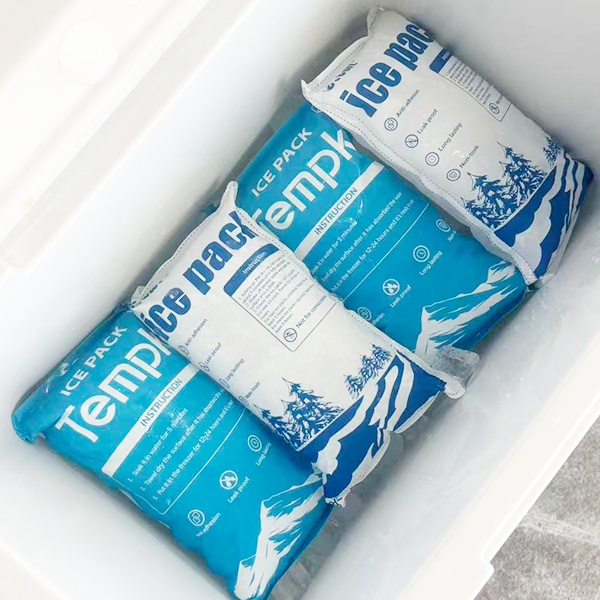
How to Calculate the Sublimation Rate in a Bag: A Complete Guide
In the cold chain logistics industry, calculating the sublimation rate of dry ice in a bag is essential to ensure that temperature-sensitive products are preserved during transit. Understanding the rate at which dry ice sublimates allows businesses to optimize their packaging, select the right amount of dry ice, and manage transit conditions more efficiently.
This guide will provide you with practical formulas, key factors influencing sublimation, and emerging innovations in 2025 that can help you improve cold chain efficiency.
What is sublimation and why is it crucial for packaging?
How do you calculate the sublimation rate in a bag for effective packaging?
What factors impact sublimation rates in cold chain logistics?
What are the latest 2025 innovations in sublimation control and cold chain packaging?
What is Sublimation and Why Is It Important for Cold Chain Packaging?
Sublimation is the transition of a substance directly from a solid to a gas without passing through the liquid phase. In cold chain logistics, it specifically refers to the process in which dry ice (solid carbon dioxide) sublimates into carbon dioxide gas, which can pose safety risks if not properly managed.
Sublimation’s Impact on Product Integrity:
In cold chain operations, the sublimation of dry ice directly affects the cooling efficiency of packaging. If sublimation occurs too rapidly, products such as vaccines, perishable foods, or pharmaceuticals may be exposed to undesired temperatures, risking spoilage or damage.
By calculating the sublimation rate, logistics professionals can better manage how much dry ice to use, how long the cooling will last, and prevent the release of excess CO₂ into the environment.
How to Calculate Sublimation Rate in a Bag: Step-by-Step
Calculating the sublimation rate in a bag involves measuring the mass of dry ice that has sublimated over a given period of time. Here’s the basic formula:
Sublimation Rate Formula:
Sublimation Rate=Mass of Dry Ice SublimatedTime Taken for Sublimation\text{Sublimation Rate} = \frac{\text{Mass of Dry Ice Sublimated}}{\text{Time Taken for Sublimation}}
For a practical example:
If you start with 5 kg of dry ice and after 2 hours, 1 kg has sublimated, the calculation would be:
Sublimation Rate=1 kg2 hours=0.5 kg/hour\text{Sublimation Rate} = \frac{1 \text{ kg}}{2 \text{ hours}} = 0.5 \text{ kg/hour}
This simple calculation can help determine the rate at which sublimation occurs, allowing for optimized packaging strategies.
Factors That Affect Sublimation in Cold Chain Bags
Several environmental and material factors can influence the rate at which sublimation occurs in a bag. Understanding these variables can help you control and reduce sublimation to maintain the integrity of temperature-sensitive products.
Temperature: Higher ambient temperatures lead to faster sublimation. In hot environments, the sublimation rate increases, potentially causing rapid loss of cooling power.
Airflow: Increased airflow, whether from external sources or internal movement, accelerates sublimation. To slow the process, controlling airflow is key.
Humidity: Low humidity conditions can promote sublimation by reducing the moisture in the air, but excessive dryness may cause the ice to sublimate too quickly.
Packaging Material: The insulation quality of the packaging plays a crucial role. Bags with high-quality insulation slow down sublimation, while poorly insulated bags accelerate the process.
Size of Dry Ice: Larger blocks of dry ice sublimate more slowly than smaller pellets, as they have less surface area exposed to the air.
The Role of Packaging Materials in Sublimation Control
The choice of packaging materials significantly impacts sublimation rates. By using materials that offer better insulation, you can reduce the rate of sublimation and extend the cooling duration.
| Packaging Material | Insulation Quality | Effect on Sublimation Rate |
|---|---|---|
| Standard Plastic | Low | Fast Sublimation |
| Insulated Fabric | High | Slows Down Sublimation |
| Vacuum-Sealed Bags | Very High | Significantly Reduces Sublimation |
Recommendation: Use insulated bags, vacuum-sealed packaging, or materials with high insulation ratings to ensure the dry ice retains its cooling power for longer periods.
Practical Tip for Reducing Sublimation
Seal the Bag Properly: Ensuring the bag is tightly sealed minimizes airflow, which can slow down sublimation.
Use Larger Ice Packs: Larger dry ice packs sublimate more slowly and are better suited for long-duration shipping.
Latest Trends in Sublimation Control: What’s New in 2025?
The cold chain logistics industry is rapidly evolving with new technologies designed to improve sublimation control. As we move into 2025, several key innovations are reshaping how companies handle sublimation in packaging.
Emerging Technologies:
Thermally Regulated Packaging: Advanced temperature-regulated packaging systems are now able to maintain a stable cooling environment, reducing the need for constant monitoring and replenishment of dry ice.
Smart Packaging: Embedded IoT sensors that monitor temperature and humidity in real time are enabling companies to track sublimation rates more accurately and make data-driven decisions for replenishment.
Sustainable Cold Storage Solutions: Solar-powered cold storage and recyclable insulation materials are becoming more popular, offering an eco-friendly approach to cold chain logistics while still maintaining excellent insulation properties.
These innovations are not only improving the efficiency of cold chain systems but are also helping reduce environmental impact, aligning with sustainability goals in the industry.
Frequently Asked Questions (FAQ)
Q1: How can I minimize the risk of sublimation during long-distance transport?
Use insulated packaging and tightly sealed bags to minimize airflow. Also, monitor the temperature and humidity regularly during transport to maintain optimal conditions for sublimation control.
Q2: Does the sublimation rate vary depending on the type of dry ice?
Yes, smaller pellets of dry ice sublimate faster than larger blocks due to their higher surface area. For longer transport durations, consider using larger blocks to reduce the sublimation rate.
Q3: Can regular plastic bags reduce sublimation?
No, standard plastic bags are not ideal for minimizing sublimation. Use high-quality insulated or vacuum-sealed bags for better performance.
Conclusion and Actionable Recommendations
To effectively manage sublimation in cold chain logistics, it’s essential to calculate the sublimation rate accurately and optimize packaging choices. By selecting high-quality insulation, understanding the factors influencing sublimation, and integrating new technologies, you can extend the cooling duration and improve product safety during transport.
Action Steps:
Invest in insulated and vacuum-sealed packaging for better temperature control.
Regularly monitor temperature and sublimation rates during shipping.
Explore the latest cold chain innovations like IoT sensors and solar-powered systems for better performance and sustainability.
About Tempk
Tempk specializes in advanced cold chain packaging solutions, providing insulated bags and sublimation control products that ensure the safe transportation of temperature-sensitive goods. With over 10 years of expertise, Tempk offers innovative solutions that improve reliability, reduce costs, and enhance safety for cold chain operations.
Contact Us for expert advice on optimizing your cold chain processes and reducing sublimation risks.
How to Activate Dry Ice Pack Sheets for Maximum Cold Storage Efficiency

Dry ice pack sheets are becoming increasingly essential for temperature-sensitive logistics, especially in industries like pharmaceuticals, food, and biological specimen transport. Understanding how to properly activate dry ice pack sheets ensures maximum performance, enabling you to maintain sub-zero temperatures for longer durations, which is vital for maintaining the integrity of your products during transit.
What are dry ice pack sheets and how do they work?
How to activate dry ice pack sheets effectively for optimal performance?
What factors influence the performance of activated dry ice packs?
How long do activated dry ice pack sheets last?
How can dry ice pack sheets optimize your cold chain logistics?
What Are Dry Ice Pack Sheets and How Do They Work?
Dry ice pack sheets are flexible, reusable cold packs that use a superabsorbent polymer to absorb water and achieve extremely low freezing temperatures. They are designed to keep perishable goods, medical supplies, and other temperature-sensitive items cold for extended periods, much longer than regular gel packs.
When activated, these sheets undergo a process where a polymer inside absorbs water and forms a hydrogel, freezing to temperatures as low as -21°C (-40°F), far below traditional ice or gel pack freezing capabilities. This feature makes them ideal for cold chain logistics.
Key Benefits of Dry Ice Pack Sheets:
Flexibility: These sheets are more adaptable than solid dry ice or gel packs, allowing them to fit into tight spaces and wrap around products for more efficient cooling.
Longer Cooling Duration: Once activated, dry ice sheets last up to 7 times longer than standard ice, making them highly effective for longer transportation times.
Reusable and Cost-Effective: Dry ice sheets can be reused multiple times, reducing the cost and environmental impact of single-use ice packs.
Step-by-Step Guide on How to Activate Dry Ice Pack Sheets
To ensure your dry ice pack sheets perform optimally, follow this simple guide for activation:
Step 1: Gather the Necessary Materials
Before starting the activation process, make sure you have the following:
Dry ice pack sheets
Warm (not boiling) water
A shallow container or sink
A towel for drying
Step 2: Immerse the Sheets in Warm Water
Submerge the Sheets: Place the dry ice pack sheets into a shallow container or sink filled with warm water. Ensure the sheets are fully submerged.
Weigh Down the Sheets: Place an object on top to keep the sheets fully immersed, ensuring even hydration.
Step 3: Hydrate the Sheets
Wait for Absorption: Let the sheets soak in the warm water for approximately 10–15 minutes. During this time, the polymer inside the sheets will absorb the water and expand, preparing them for freezing.
Massage the Sheets: Gently massage the sheets to help air bubbles escape and ensure even hydration.
Check the Thickness: The sheets will become thicker and firmer once properly hydrated. Ensure that they are not over-hydrated, as this could affect their performance.
Step 4: Dry the Sheets
Remove Excess Water: Once the hydration process is complete, remove the sheets from the water.
Pat Dry: Use a towel to remove any excess moisture. This step is essential to prevent ice buildup on the exterior during freezing.
Step 5: Freeze the Sheets
Place in Freezer: Lay the hydrated sheets flat in your freezer, ensuring they do not overlap for even freezing.
Optimal Freezing Time: Freeze the sheets for at least 24 hours for maximum cold storage capacity.
Factors That Affect the Performance of Activated Dry Ice Pack Sheets
Understanding the factors that affect the performance of dry ice pack sheets will help you extend their cooling duration and improve overall efficiency during transport:
Insulation Quality
The quality of insulation in your cooler or storage container significantly impacts the effectiveness of dry ice pack sheets. High-quality insulation reduces heat transfer and slows down sublimation, keeping your dry ice colder for longer.
External Temperature
External temperature plays a crucial role in the longevity of dry ice. Higher ambient temperatures increase sublimation rates, meaning dry ice will sublimate faster. In hot conditions, using more dry ice or enhancing your container’s insulation can help mitigate this effect.
Amount of Dry Ice
Using a larger quantity of dry ice will prolong the cooling duration. When shipping goods over longer distances, calculating the right amount of dry ice is crucial to ensure consistent temperatures.
Cooler Opening Frequency
Every time a cooler is opened, warm air enters, accelerating the sublimation process of dry ice. Limiting access to the cooler will help maintain lower temperatures for longer periods.
How Long Do Activated Dry Ice Pack Sheets Last?
The duration that dry ice pack sheets remain effective depends on various factors such as insulation, external temperature, and how much dry ice is used. Typically, activated dry ice pack sheets can last anywhere from 18 to 48 hours:
| Cooler Insulation | Estimated Duration | Impact on Cooling Duration |
|---|---|---|
| Well-insulated | 24–48 hours | Longer cooling duration |
| Moderately insulated | 12–24 hours | Moderate cooling time |
| Poorly insulated | 6–12 hours | Short cooling time, rapid sublimation |
Best Practices for Using Dry Ice in Cold Chain Logistics
To get the most out of your dry ice pack sheets, follow these best practices in cold chain logistics:
Properly Seal the Cooler: Use tight-fitting lids or seals to minimize the entry of warm air, which will speed up the sublimation of dry ice.
Place Dry Ice on Top: Cold air sinks, so placing dry ice on top of items ensures optimal temperature maintenance.
Regular Temperature Monitoring: Use temperature monitoring devices inside the cooler to ensure the contents stay within the required temperature range.
2025 Trends in Dry Ice Use for Cold Chain Logistics
In 2025, the cold chain logistics industry continues to evolve, and so does the technology around dry ice. Key trends include:
Eco-friendly Alternatives: The shift towards sustainable packaging and cooling options, such as biodegradable alternatives, is accelerating.
Smart Shipping Technologies: Real-time temperature tracking and data logging are improving the management of dry ice and the cold chain process.
Improved Insulation Technologies: Advancements in insulation are helping extend the effectiveness of dry ice packs, ensuring more reliable and efficient transportation of sensitive goods.
Common Questions About Dry Ice Pack Sheets
How Long Does It Take for Dry Ice Pack Sheets to Activate?
The activation process typically takes 10–15 minutes, during which the sheets absorb water and begin to expand.
Can I Use Dry Ice Pack Sheets for Long-Term Storage?
Dry ice pack sheets are ideal for short-term use (up to 48 hours). For long-term storage, additional cooling methods may be required.
Are Dry Ice Pack Sheets Reusable?
Yes, dry ice pack sheets can be reused multiple times. After each use, they need to be properly rehydrated and frozen.
Conclusion and Actionable Insights
Activating dry ice pack sheets is a simple process, but understanding how to properly use them is essential for ensuring their effectiveness in cold chain logistics. By following the steps outlined in this guide, you can ensure the longevity of your dry ice packs and maintain the safety of your temperature-sensitive shipments.
Next Steps:
Follow the correct hydration and freezing steps for optimal performance.
Implement best practices for storage and transport to extend the cooling duration.
Stay updated with 2025 industry trends and technologies to enhance your cold chain logistics.
About Tempk
Tempk is a leader in cold chain solutions, specializing in advanced dry ice pack sheets, cooling systems, and insulated containers for industries like food, pharmaceuticals, and research. Our products are designed to meet the highest standards of efficiency and reliability.
Contact us today for expert advice on optimizing your cold chain logistics.