


Dry Ice vs Gel Packs: Which Is Better for Shipping Perishables?
Dry Ice vs Gel Packs: Which Is Better for Shipping Perishables?
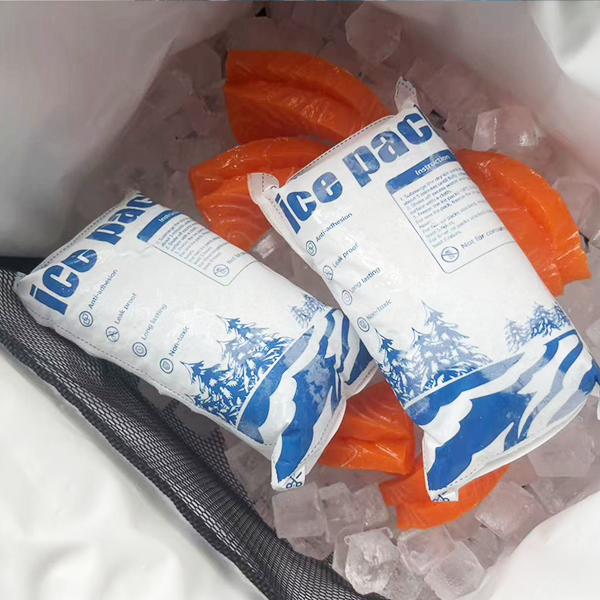
Shipping perishable goods, especially in the cold chain logistics industry, requires careful consideration of the best cooling method. Dry ice and gel packs are the most commonly used materials, each having distinct advantages. In this article, we will explore the differences between these two cooling agents, guide you on when to choose each, and discuss their benefits and limitations based on the 2025 cold chain shipping trends.
What Are Dry Ice and Gel Packs?
Dry Ice (Solid CO₂):
Dry ice is frozen carbon dioxide that sublimates directly from a solid to a gas at -78.5°C (-109.3°F), making it perfect for extremely cold environments. Unlike traditional ice, dry ice does not leave any liquid residue, preventing potential water damage to sensitive products.
Gel Packs:
Gel packs are flexible containers filled with a non-toxic gel, which freezes and releases cold gradually over time. They work by absorbing heat from the surrounding environment, maintaining temperatures typically in the 2-8°C range, ideal for refrigerated goods.
When Should You Use Dry Ice for Shipping?
Dry ice is the go-to option when shipping products that need to remain at sub-zero temperatures, like pharmaceuticals, biological samples, or frozen foods. Its ability to sustain extremely cold temperatures for extended periods makes it ideal for long-distance shipments or shipments in hot climates.
Key Benefits of Dry Ice for Shipping:
Extreme Cold: Keeps items well below -78.5°C, essential for frozen foods and medical samples.
Long-Lasting: Sublimates slowly, offering prolonged cooling.
No Liquid Residue: Prevents potential product damage caused by melting.
Practical Example:
A pharmaceutical company shipping vaccines across the country may prefer dry ice to maintain the required ultra-low temperatures during the journey.
When Should You Choose Gel Packs for Shipping?
Gel packs work best for products that need to be kept cool, but not frozen. They are ideal for temperature-sensitive goods like chocolates, cosmetics, and certain medications. Gel packs offer a safer, non-toxic alternative to dry ice, and they don’t require specialized handling or packaging.
Key Benefits of Gel Packs for Shipping:
Safe Handling: No risk of burns or suffocation, unlike dry ice.
Reusability: Gel packs can be reused, making them a more cost-effective and environmentally friendly option for frequent shipments.
Customizable Cooling: Gel packs can be tailored to maintain specific temperature ranges, such as 2-8°C for pharmaceutical products.
Dry Ice vs Gel Packs: Pros and Cons Comparison
| Feature | Dry Ice | Gel Packs |
|---|---|---|
| Temperature Range | -78.5°C (-109.3°F) | 2-8°C (32-46°F) |
| Cooling Duration | Long-lasting, can last for days | Typically 12-48 hours |
| Handling Safety | Requires caution (frostbite, CO₂ buildup) | Safe, non-toxic |
| Packaging | Requires ventilated packaging | No special packaging needed |
| Ideal Use | Frozen foods, pharmaceuticals, biological samples | Chocolates, cosmetics, temperature-sensitive electronics |
How to Choose Between Dry Ice and Gel Packs?
The decision on which cooling agent to use depends on several factors, including the temperature requirements of the product, the shipping duration, and the handling risks.
Temperature Requirements: If the product requires freezing, dry ice is the only option. For products that need to stay cool but not frozen, gel packs are the best choice.
Shipping Duration: Dry ice is better for longer shipments, while gel packs are ideal for shorter, less critical shipments.
Handling Safety: If your team isn’t equipped to handle hazardous materials like dry ice, gel packs are a safer alternative.
2025 Cold Chain Trends: Innovations and Sustainability
As the cold chain industry evolves, sustainability and technology are becoming more integral. In 2025, eco-friendly alternatives to traditional cooling methods, such as biodegradable gel packs and low-GWP dry ice, are gaining popularity. Smart packaging, temperature tracking, and hybrid solutions combining dry ice and gel packs are also emerging as reliable methods to ensure the integrity of temperature-sensitive goods.
Key Trends for 2025:
Hybrid Solutions: Combining dry ice with gel packs to extend cooling duration.
Smart Packaging: Embedding sensors for real-time temperature tracking.
Sustainability: Increased demand for biodegradable and reusable cooling solutions.
FAQ:
Q1: What is better for shipping temperature-sensitive products, dry ice or gel packs?
Dry ice is best for frozen items requiring ultra-low temperatures, while gel packs are ideal for products that need to remain cool but not frozen.
Q2: How long can gel packs maintain the required temperature?
Gel packs typically maintain temperatures for 12 to 48 hours, depending on their size and cooling composition.
Conclusion and Recommendations
Choosing between dry ice and gel packs for shipping depends on the nature of your product, the required temperature range, and your shipment’s duration. Dry ice is essential for ultra-cold goods, while gel packs are more cost-effective and safer for cool, non-frozen items. For many shipments, hybrid solutions combining both methods may offer the best results.
Next Steps:
Evaluate Your Products: Identify whether they need to be frozen or just kept cool.
Use Hybrid Solutions: Consider combining gel packs with a small amount of dry ice for longer shipments.
Adopt Sustainable Practices: Explore eco-friendly gel packs or low-GWP dry ice to reduce environmental impact.
About Tempk
Tempk is a leading provider of sustainable cold chain solutions, offering dry ice and gel packs for industries that demand reliable temperature control. Our innovative solutions ensure your goods arrive safely and in optimal condition. Reach out today for tailored advice on your cold chain shipping needs.
Dry Ice vs Gel Packs: Which Lasts Longer for Cold Chain Shipping?

Dry Ice vs Gel Packs: Which Lasts Longer in Cold Chain Shipping?
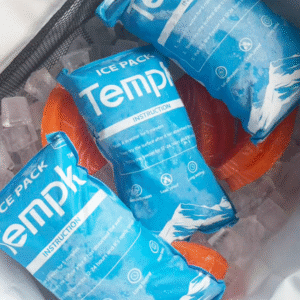
When it comes to shipping temperature-sensitive products, understanding which refrigerant—dry ice or gel packs—lasts longer is crucial for ensuring the safe delivery of goods. In this article, we will break down the key differences between these two cooling methods, their longevity, and the scenarios where each is most suitable for use in cold chain logistics. With proper knowledge, you can make informed decisions to ensure your products reach their destination at the required temperature.
What is dry ice, and how does it work for shipping?
How do gel packs compare to dry ice for long-lasting cooling?
Which cooling solution is more suitable for different shipping conditions?
What are the latest trends in cold chain logistics for 2025?
What Is Dry Ice, and How Does It Work for Shipping?
Dry ice is the solid form of carbon dioxide (CO₂) that sublimates directly from a solid state into a gas at a temperature of -78.5°C (-109.3°F). This ultra-low temperature makes dry ice an excellent option for maintaining extremely cold temperatures during the shipment of perishable items such as pharmaceuticals, biological samples, and frozen foods.
Dry ice works through sublimation, which means it transforms from a solid directly into gas, absorbing significant amounts of heat. It is particularly effective when used with proper insulation, helping shipments maintain freezing conditions for long durations. Dry ice is commonly used for shipments requiring deep-freezing, such as vaccines, ice cream, and meat, due to its ability to maintain temperatures well below freezing.
Dry Ice vs Gel Packs: How Long Does Dry Ice Last?
Dry ice has a longer cooling duration compared to many alternatives, including gel packs, thanks to its extremely low temperature. On average, dry ice can last anywhere from 18 to 72 hours, depending on various factors like the amount of dry ice used, the packaging, and the insulation involved.
| Factor | Dry Ice Duration | Gel Pack Duration | Practical Significance |
|---|---|---|---|
| Shipping Duration | 18-72 hours | 12-48 hours | Longer durations for dry ice |
| Product Type | Pharmaceuticals, food | Snacks, medical samples | Best suited for medical goods |
| Temperature Control | -78.5°C | 0°C to 5°C | Dry ice provides colder temperatures |
Key Insight: Dry ice lasts longer than gel packs, especially for products requiring low temperatures over extended periods.
What Are Gel Packs, and How Do They Compare to Dry Ice?
Gel packs are flexible pouches filled with a gel solution that freezes at temperatures around 0°C. These are typically used for products that require refrigeration but not freezing, such as fresh produce, dairy, and certain medications.
Although gel packs are convenient for short-term shipping, they do not last as long as dry ice. Gel packs are better for shipments requiring a mild, controlled temperature range (usually between 1°C and 5°C). While they are reusable and cost-effective for short-term cooling, they lack the ultra-low temperature capabilities of dry ice.
How Do Gel Packs Compare to Dry Ice for Long-Lasting Cooling?
Gel packs are a more affordable option, especially for short shipments, but they are not as effective as dry ice for long-term cooling. Dry ice is ideal for shipments that require sustained low temperatures, whereas gel packs work best for products that only need to remain cool for a few hours or a day.
| Comparison Aspect | Dry Ice | Gel Packs |
|---|---|---|
| Temperature | -78.5°C | 0°C to 5°C |
| Duration | 18-72 hours | 12-48 hours |
| Ideal Use | Pharmaceuticals, frozen foods | Refrigerated foods, snacks |
Key Insight: For shipments requiring prolonged refrigeration or freezing, dry ice is a superior option. Gel packs are more suitable for shorter durations and moderate cooling needs.
Which One Is More Suitable for Different Shipping Conditions?
Choosing between dry ice and gel packs depends on the specific conditions of your shipment. Dry ice is ideal for products that need to remain frozen, such as pharmaceuticals, biological samples, and frozen food. For long-distance shipments that span multiple time zones, dry ice is often the best solution.
In contrast, gel packs are a better choice for items that need to remain cool but not frozen. For example, chocolate, cosmetics, and certain medications benefit from gel packs as they offer a gentle and controlled cooling effect over short distances.
Practical Tip: For long-distance shipping across several time zones, dry ice will maintain the necessary sub-zero temperatures. For products that only need to stay cool for a short time, gel packs paired with insulation may be sufficient.
2025 Latest Trends in Cold Chain Shipping
The cold chain logistics industry is continually evolving, with advancements in technology and sustainability driving changes in how products are shipped.
Emerging Technologies in Temperature Control
Smart Temperature Sensors: These sensors can be incorporated into both dry ice and gel pack shipments to provide real-time monitoring of temperature fluctuations during transit.
Phase Change Materials (PCMs): These materials are becoming increasingly popular as they offer more controlled and stable temperature management over extended periods.
Market Insights for 2025
Sustainability Demand: There is an increasing demand for eco-friendly cooling solutions in the logistics industry. While dry ice is effective, it has a higher environmental impact due to its energy-intensive production. As a result, companies are exploring more sustainable alternatives such as biodegradable gel packs and phase change materials (PCMs).
Increased Adoption of Gel Packs: With sustainability becoming a primary focus, gel packs, which are reusable and environmentally friendly, are expected to see greater adoption for short-term temperature-sensitive shipments.
Frequently Asked Questions
Q1: How long does dry ice last during shipping?
Dry ice typically lasts anywhere from 18 to 72 hours, depending on the amount used and the quality of insulation.
Q2: Are gel packs reusable?
Yes, many gel packs are reusable. They can be refrozen after use, but their cooling efficiency may degrade over time.
Q3: Can I ship pharmaceuticals with gel packs?
Gel packs are suitable for pharmaceuticals that require refrigeration but not freezing. For medications needing sub-zero temperatures, dry ice is recommended.
Conclusion & Recommendations
In conclusion, dry ice is best for shipments that require sustained low temperatures over longer durations, such as pharmaceuticals, frozen food, and biological samples. Gel packs, while more cost-effective and environmentally friendly, are ideal for short-term shipments and items that need to remain cool but not frozen.
Recommended Actions:
For Long-Distance Shipments: If you’re shipping items that need consistent sub-zero temperatures, use dry ice with high-quality insulation.
For Short-Distance Shipments: For products like chocolates, cosmetics, or certain food items, gel packs are sufficient and more sustainable.
For Eco-Conscious Shipping: Explore sustainable alternatives like PCMs that offer improved performance and minimal environmental impact.
About TempK
Tempk is a leading provider of cold chain logistics solutions, offering both dry ice and gel pack options tailored to your specific needs. We specialize in ensuring temperature-sensitive shipments reach their destinations in optimal condition. With advanced insulation technologies and reliable delivery systems, we are here to provide the best temperature control for your products.
For more information, contact us today for expert advice on the most suitable cooling method for your next shipment.
Dry Ice Ventilation Packaging: Optimizing Cold Chain Logistics for 2025

In 2025, maintaining the integrity of temperature-sensitive shipments is crucial, and dry ice ventilation packaging has emerged as a key solution. Dry ice sublimates at –78.5°C, making it one of the most efficient cooling methods for the cold chain industry. However, without proper ventilation, the risks associated with carbon dioxide (CO₂) buildup can lead to hazardous situations. This article delves into how dry ice ventilation packaging is critical for cold chain efficiency and how its application is evolving in line with the latest industry trends and regulations.
What is dry ice ventilation packaging and how does it work?
Why is dry ice ventilation packaging essential for the cold chain industry?
How can dry ice ventilation packaging enhance temperature control during transportation?
What are the key trends and advancements in dry ice ventilation packaging for 2025?
What is Dry Ice Ventilation Packaging and How Does It Work?
Dry ice ventilation packaging involves the use of dry ice (solid CO₂) paired with engineered ventilation systems that allow the gas to safely escape during sublimation. Unlike traditional cooling methods, dry ice sublimes directly into gas without leaving any moisture, making it ideal for temperature-sensitive shipments. The ventilated packaging ensures that the CO₂ gas does not cause pressure buildup, preventing container rupture and reducing the risk of asphyxiation.
The packaging system is specifically designed to handle CO₂ emissions, with strategically placed vents or permeable materials that allow the gas to escape safely, maintaining a stable environment for the goods inside. This method is particularly essential in industries such as pharmaceuticals, food distribution, and biotechnology, where precise temperature control is critical to the product’s integrity.
How Dry Ice Ventilation Packaging Enhances Cold Chain Logistics
By utilizing dry ice, the packaging solution reduces the risk of spoilage during transit, which is especially important for goods that are sensitive to temperature variations. Moreover, the ventilation design ensures that the gas expands without creating excess pressure, thereby preventing potential damage to the packaging and the goods inside.
Compared to traditional ice packs, which tend to melt and cause condensation, dry ice ventilation packaging maintains cold temperatures for a longer duration, offering more reliable cooling. This sustainable solution minimizes the need for frequent repacking or additional cooling interventions, thereby reducing operational costs in the cold chain.
| Feature | Dry Ice Ventilation Packaging | Traditional Ice Packs |
|---|---|---|
| Cooling Efficiency | High (longer-lasting cooling) | Moderate (cooling melts quickly) |
| Condensation | Minimal (no moisture) | High (causes product damage) |
| Gas Ventilation | Yes (prevents overpressure) | No (risk of rupture) |
| Sustainability | Eco-friendly (controlled CO₂ release) | Less sustainable (melts away) |
Practical Applications of Dry Ice Ventilation Packaging
Food Industry: Dry ice packaging is crucial for the transportation of frozen food products. It ensures that items stay at the required temperature during long-distance transport.
Pharmaceuticals: The pharmaceutical industry relies heavily on dry ice packaging to maintain the efficacy of temperature-sensitive medicines, especially vaccines.
Biotechnology: Dry ice packaging is also employed in the transport of laboratory samples and other materials that must remain within specific temperature ranges to preserve their quality.
Real-Life Example
A pharmaceutical company successfully shipped a batch of vaccines internationally, utilizing dry ice ventilation packaging. The result? The vaccines arrived at the destination at the required temperature, preserving their potency and preventing any wastage.
Why is Dry Ice Ventilation Packaging Essential for the Cold Chain Industry?
Dry ice ventilation packaging offers several significant benefits that enhance cold chain operations. First, it provides longer-lasting cooling compared to traditional ice packs, which often melt and fail to provide consistent temperatures. This extended cooling time reduces the risk of product spoilage, especially in industries where temperature fluctuations can have dire consequences, such as pharmaceuticals and food distribution.
In addition, dry ice is more sustainable than conventional ice, as it sublimates without leaving any water residue. This makes it easier to dispose of and avoids the environmental concerns associated with melting ice and disposable gel packs.
Advantages for Pharmaceuticals and Biotech Industries
For sectors like pharmaceuticals, maintaining precise temperature control is not just a matter of quality; it is also about regulatory compliance. Dry ice ventilation packaging ensures that sensitive products, like vaccines and biologics, stay within the critical temperature range during transport, even over extended periods.
Cost-Efficiency and Sustainability
By eliminating the need for multiple repacking stages or additional refrigeration, dry ice ventilation packaging offers a cost-effective solution. The reduced carbon footprint, coupled with a decrease in the use of plastics and other disposable materials, makes this packaging option a step toward more sustainable cold chain logistics.
| Industry | Dry Ice Ventilation Packaging | Traditional Cooling Methods |
|---|---|---|
| Pharmaceuticals | Reliable temperature control for long durations | Shorter cooling durations, higher risk |
| Food Distribution | Long-lasting cooling without condensation | Risk of product degradation |
| Biotech | Stable cooling, reduces temperature fluctuations | Increased spoilage risk |
What Are the Key Trends and Advancements in Dry Ice Ventilation Packaging for 2025?
As we move into 2025, the cold chain logistics sector is evolving rapidly. Dry ice ventilation packaging is at the forefront of this transformation, with several key trends influencing its development:
Trend 1: Integration with IoT Technology
In 2025, smart packaging that integrates with the Internet of Things (IoT) will play a crucial role in revolutionizing dry ice packaging. IoT-enabled packaging will allow for real-time monitoring of temperature, humidity, and pressure levels during transport, providing greater visibility and control over sensitive shipments.
Trend 2: Sustainable Materials and Practices
With increasing focus on sustainability, more companies are shifting to biodegradable and recyclable materials in their dry ice packaging solutions. These materials are not only environmentally friendly but also ensure that the packaging meets stricter regulatory standards in 2025.
Trend 3: Automation in Cold Chain Logistics
Automated systems are becoming an integral part of cold chain logistics. Robotics, AI-driven monitoring tools, and automated warehouses will help optimize the handling of temperature-sensitive products, ensuring that the cold chain remains unbroken and efficient.
Latest Advancements in Dry Ice Ventilation Packaging
Smart Monitoring Systems: Real-time data collection and monitoring for temperature integrity during transport.
Eco-Friendly Packaging: Increased adoption of recyclable materials for dry ice packaging.
Automated Cold Chain Management: Robotics and AI-driven systems optimize the handling of perishable goods.
Conclusion and Recommendations
Key Takeaways:
Dry ice ventilation packaging is vital for maintaining the quality and safety of temperature-sensitive goods in transit.
It offers superior cooling efficiency, minimizes condensation risks, and is more sustainable than traditional cooling methods.
With technological advancements, such as IoT integration and AI optimization, dry ice packaging solutions are poised to become even more efficient and eco-friendly in the coming years.
Next Steps:
For businesses looking to improve cold chain efficiency, investing in dry ice ventilation packaging is essential. Explore smart packaging solutions and eco-friendly materials to stay ahead of industry trends. Contact experts to ensure that your logistics strategy remains compliant and optimized for 2025.
About Tempk
Tempk is a leading provider of innovative cold chain packaging solutions. We specialize in dry ice ventilation packaging to ensure the safe transport of temperature-sensitive products. Our products focus on sustainability, efficiency, and regulatory compliance, helping businesses navigate the evolving cold chain landscape with ease.
Call to Action:
For tailored cold chain solutions, contact Tempk today to learn more about our dry ice ventilation packaging and how we can help you optimize your logistics operations.
Dry Ice Substitute Packs: Sustainable Cold Chain Logistics Solution for 2025

In the rapidly evolving cold chain logistics sector, dry ice has long been the standard for maintaining sub-zero temperatures. However, with rising safety concerns and environmental impact, the industry is shifting toward dry ice substitute packs. These innovative solutions provide safer, greener, and more cost-efficient cooling methods, offering a viable alternative for transporting perishable goods. In this article, we’ll dive into why dry ice substitute packs are the future of cold chain logistics.
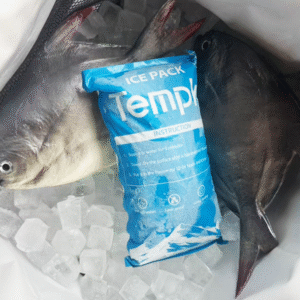
What Are Dry Ice Substitute Packs and How Do They Work?
Dry ice substitute packs are innovative cooling agents designed to replace traditional dry ice in the cold chain industry. These packs use materials like super absorbent polymers (SAP) or phase change materials (PCMs) to absorb and release heat through phase changes or gel-based systems, providing reliable cooling without the safety risks of dry ice.
Unlike dry ice, which sublimes into carbon dioxide gas, dry ice substitute packs remain solid and are safe to handle. They work by absorbing water, freezing into a gel-like substance, and slowly releasing the cold during transportation, ensuring a consistent temperature.
Key Benefits of Dry Ice Substitute Packs:
Safer handling: These packs do not release harmful gases and reduce risks like frostbite.
Environmentally friendly: Made from non-toxic materials, they offer a greener solution to dry ice.
Cost-efficient: With reusable options, these packs help cut costs in the long run.
How Do Dry Ice Substitute Packs Compare to Traditional Dry Ice?
Dry ice has been the go-to solution for cold chain logistics, but it comes with risks, including potential frostbite, asphyxiation from CO₂ buildup, and environmental concerns. Here’s how dry ice substitute packs stack up:
| Feature | Dry Ice | Dry Ice Substitute Packs |
|---|---|---|
| Temperature Range | -78.5°C | -20°C to -40°C |
| Cooling Duration | Short lifespan (12–24 hrs) | Long-lasting (up to 48 hrs) |
| Safety | High risk (frostbite, CO₂ gas) | Low risk (non-toxic, no gases) |
| Environmental Impact | High (CO₂ emissions) | Low (eco-friendly materials) |
| Reusability | Single-use | Reusable |
| Cost Efficiency | Low (single-use) | High (reusable, lower total costs) |
Why Are Dry Ice Substitute Packs Safer?
Traditional dry ice carries several significant safety hazards. It sublimes into CO₂ gas, which can displace oxygen in confined spaces, posing an asphyxiation risk. Additionally, handling dry ice can lead to frostbite or severe burns without proper safety measures.
Dry ice substitute packs eliminate these risks. They are non-toxic, and since they don’t release gases, there is no need for specialized ventilation or safety training. The risk of frostbite or injury is significantly reduced, making them safer for both workers and consumers.
Safety Advantages:
No harmful gas emissions: Dry ice packs do not release CO₂ gas.
No specialized equipment: These packs don’t require hazardous materials handling.
Safe handling: The absence of extreme temperatures ensures no risk of burns or frostbite.
How Do Dry Ice Substitute Packs Compare to Other Cooling Methods?
Other cooling methods include gel packs, ice packs, and liquid nitrogen, but dry ice substitute packs often outperform them in many areas.
| Cooling Method | Temperature Control | Duration | Safety | Cost |
|---|---|---|---|---|
| Dry Ice | Extreme cold (-78.5°C) | Short | Hazardous, requires special handling | Low (single-use) |
| Gel Packs | Moderate cold (~0°C to -20°C) | Medium | Safe, reusable, non-toxic | Moderate |
| Liquid Nitrogen | Ultra-cold (-196°C) | Very short | Dangerous, requires special handling | High |
| Dry Ice Substitute Packs | Moderate cold (~-20°C to -40°C) | Long-lasting (12–48 hrs) | Safe, reusable, non-toxic | High (reusable) |
Dry ice substitute packs offer a balanced solution—providing reliable cooling, longer duration, and a safer, greener alternative compared to other methods.
The Growing Demand for Dry Ice Substitute Packs in Cold Chain Logistics
As industries like pharmaceuticals, food, and biotechnology demand higher safety and sustainability standards, the popularity of dry ice substitute packs continues to rise. The pharmaceutical industry, in particular, needs precise temperature control for vaccines and biologics. Dry ice substitute packs offer an efficient, safer solution for transporting these sensitive products.
Industries Benefiting from Dry Ice Substitute Packs:
Pharmaceuticals: Vaccines, blood products, and other temperature-sensitive medicines require consistent, regulated cooling.
Food & Beverage: Perishable goods like frozen food, meats, and dairy need reliable cooling to maintain quality during transport.
Biotechnology: Biological samples and lab research materials benefit from stable temperature control, ensuring their integrity during transit.
Trends and Innovations in Dry Ice Alternatives for 2025
In 2025, advancements in material science are leading to even better performing dry ice substitute packs. Manufacturers are focusing on enhancing cooling performance, improving materials for longer cooling durations, and increasing sustainability.
Latest Developments:
Enhanced materials: New SAP formulations that offer longer cooling times and better heat retention.
Smart packaging: Integration of IoT temperature monitoring to ensure precise control during transportation.
Sustainable solutions: Biodegradable and recyclable outer films to reduce environmental impact.
Frequently Asked Questions About Dry Ice Substitute Packs
Q1: Are dry ice substitute packs reusable?
Yes, dry ice substitute packs are designed to be reused multiple times, making them a cost-effective and eco-friendly option for cold chain logistics.
Q2: How do I choose the right dry ice substitute pack for my shipment?
Select the appropriate pack based on factors such as the required temperature range, transit duration, and the type of goods being shipped. Researching phase-change materials and specifications will help guide your decision.
Q3: Are dry ice substitute packs more expensive than dry ice?
While dry ice substitute packs may have a higher initial cost, their reusability and environmental benefits make them more cost-effective over time, especially for frequent use.
Conclusion: The Future of Cold Chain Logistics with Dry Ice Substitute Packs
Dry ice substitute packs offer a safer, more sustainable, and cost-effective alternative to traditional dry ice in cold chain logistics. As industries continue to prioritize environmental sustainability, safety, and cost-efficiency, the adoption of these packs is set to increase in 2025 and beyond.
Actionable Insights:
Switch to dry ice substitute packs: Transitioning from dry ice can improve safety and reduce environmental impact.
Evaluate your cold chain needs: Choose the right pack based on your products’ temperature requirements.
Stay up-to-date with new technologies: Incorporate innovations in cooling materials and monitoring systems to further optimize your logistics.
About Tempk
Tempk is a leading provider of temperature-controlled solutions, offering high-performance dry ice substitute packs tailored for the cold chain logistics industry. With a commitment to safety, sustainability, and innovation, Tempk’s products ensure reliable and eco-friendly transportation for temperature-sensitive goods.
Explore how Tempk can enhance your cold chain operations. Contact us for expert advice and custom solutions today!
Best Dry Ice Storage Bags: How to Choose the Best Option for Safe Storage
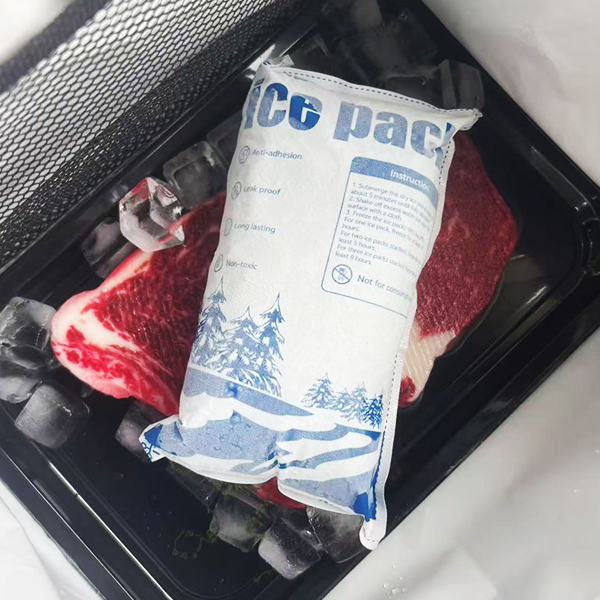
Dry ice storage bags are essential for safely storing and handling dry ice, ensuring its longevity and preventing unnecessary exposure to harmful elements. These bags are crucial for businesses and individuals who frequently use dry ice, especially in industries that require strict temperature control. This article will guide you on selecting the best dry ice storage bags, focusing on safety, efficiency, and the latest industry practices.
What makes the best dry ice storage bags?
How do dry ice storage bags ensure safety during transportation?
What materials and designs are recommended for dry ice storage bags?
Why is insulation important in choosing the right bag for dry ice storage?
What Makes the Best Dry Ice Storage Bags?
When it comes to selecting the best dry ice storage bags, several factors come into play. The material of the bag, its insulating properties, and its durability are key considerations. Dry ice, which is solidified carbon dioxide, requires special attention to ensure it doesn’t sublimate too quickly or cause harm.
The ideal dry ice storage bag should be highly insulated to prevent heat from reaching the dry ice and causing it to sublimate faster. This helps prolong the lifespan of dry ice during storage. Additionally, a well-sealed bag ensures no moisture or air exposure, which is essential for maintaining dry ice at optimal conditions.
A good quality storage bag also features multiple layers of material for added protection, ensuring the bag holds up during transport without breaking down. Bags with heavy-duty zippers or secure Velcro closures are excellent for preventing leaks, keeping the dry ice safe within.
What Are the Insulating Properties of Dry Ice Storage Bags?
The main factor in choosing the best dry ice storage bag is the insulating capability of the material. Insulation keeps the temperature stable inside the bag, preventing external warmth from affecting the dry ice’s sublimation rate. Materials like polyethylene and heavy-duty foam are commonly used due to their excellent thermal insulation properties.
Research shows that the most effective dry ice storage bags use advanced, multi-layered fabrics or reflective materials to trap the cold inside and block external heat. This design minimizes the heat transfer and allows dry ice to remain solid for an extended period.
Tip: When shopping for a dry ice storage bag, ensure it features at least two layers of insulation. Bags with a thicker foam or reflective coating are ideal for long-term storage.
Why Is the Bag Design So Important for Dry Ice Storage?
Beyond insulation, the design of the dry ice storage bag also impacts its performance. The proper size and shape of the bag ensure that dry ice is packed securely without too much space, reducing the chances of sublimation. A bag that is too large will allow dry ice to sublimate faster due to the extra air volume inside.
A well-designed bag will also be easy to handle, with comfortable handles or straps that make it easier to transport. For users who deal with large quantities of dry ice, large capacity storage bags with reinforced handles are a must. This design allows for both safe storage and easy handling.
| Feature | Polyethylene Bags | Foam Insulated Bags | Reflective Fabric Bags |
|---|---|---|---|
| Insulation | Moderate | High | Very High |
| Durability | Medium | High | High |
| Ideal for | Short-term storage | Long-term storage | Long-term storage |
Practical Application:
For businesses: Restaurants, shipping companies, and research labs often rely on dry ice to maintain frozen items during transport. In these cases, large, insulated storage bags can keep dry ice intact for the longest time possible.
For personal use: If you’re a hobbyist or need dry ice for short-term use at events, a smaller, high-quality insulated bag will work perfectly.
How Do Dry Ice Storage Bags Ensure Safe Transport?
Ensuring safety during dry ice transport is a top priority. Dry ice can cause frostbite and even suffocation in confined spaces if not handled correctly. Therefore, using secure storage bags is critical for safety.
High-quality dry ice storage bags feature multiple layers of insulation that keep the dry ice at a low temperature without causing hazardous exposure. A bag that is both durable and sealed tightly prevents any risk of leakage, which is essential when transporting dry ice over long distances.
Warning: Never store dry ice in a completely airtight container. It needs ventilation to prevent the buildup of carbon dioxide gas, which can lead to suffocation in confined spaces.
Are There Any Specific Guidelines for Dry Ice Storage Bags?
Yes, there are several guidelines that users should follow when using dry ice storage bags:
Ensure the bag is airtight but breathable. Dry ice sublimates into carbon dioxide, so it’s essential that the bag allows for some gas escape but doesn’t leak air.
Keep the storage area ventilated. If you’re storing dry ice in a room, ensure there is proper ventilation to avoid a buildup of carbon dioxide.
Check the bag’s weight capacity to ensure that it can handle the amount of dry ice you plan to store.
How to Store Dry Ice for Maximum Longevity?
To maximize the longevity of dry ice stored in a bag, consider the following tips:
Keep dry ice in a cool, dry place with minimal exposure to heat or sunlight.
Limit the amount of air in the storage bag to reduce sublimation.
Use dry ice within 24-48 hours for optimal results, especially if transporting it to remote locations.
The Latest Innovations in Dry Ice Storage Bags
In 2025, the dry ice storage bag industry has seen innovations aimed at improving efficiency and insulation. Advanced materials like aerogel are now being incorporated into some of the latest bags, significantly improving insulation and reducing the amount of sublimation. These bags are lightweight yet extremely durable, perfect for industries requiring both portability and long-term storage.
Key Developments
Multi-layer technology now offers improved insulation for longer-lasting dry ice.
Aerogel-lined bags for better thermal protection.
Sustainable storage bags made from biodegradable or recyclable materials, meeting eco-friendly standards.
Practical Tip: If you are looking to store large quantities of dry ice for extended periods, consider investing in an aerogel-insulated bag, which can last significantly longer than traditional materials.
Common Questions about Dry Ice Storage Bags
Q1: How do I prevent dry ice from sublimating too quickly?
The key is choosing a high-quality dry ice storage bag with excellent insulation. Make sure the bag is airtight but breathable to allow carbon dioxide to escape safely. Additionally, storing the bag in a cool, dry place will also help prevent sublimation.
Q2: Can I use a regular cooler for dry ice storage?
While you can use a cooler, it’s better to opt for a dedicated dry ice storage bag designed with superior insulation. A regular cooler may not be able to provide the same level of temperature control, potentially leading to faster sublimation.
Conclusion
When it comes to storing dry ice safely and efficiently, choosing the right storage bag is crucial. Make sure to focus on insulation, bag durability, and ease of transport. As the industry continues to evolve, innovations like aerogel-lined bags offer even better protection for longer periods of storage.
Action Tip:
Before purchasing, ensure the storage bag meets your specific needs, whether for personal or business use. Consider high-insulation bags for long-term storage and compact options for short-term needs.
About Tempk
Tempk is an industry leader in innovative storage solutions, specializing in dry ice storage bags and other cold chain equipment. Our products are designed for efficiency and safety, ensuring that dry ice remains intact for as long as possible during transport.
Want more expert advice? Reach out to Tempk today for personalized recommendations based on your needs!
Dry Ice Shipping Bags: The Ultimate 2025 Guide to Safe Cold Chain Shipping
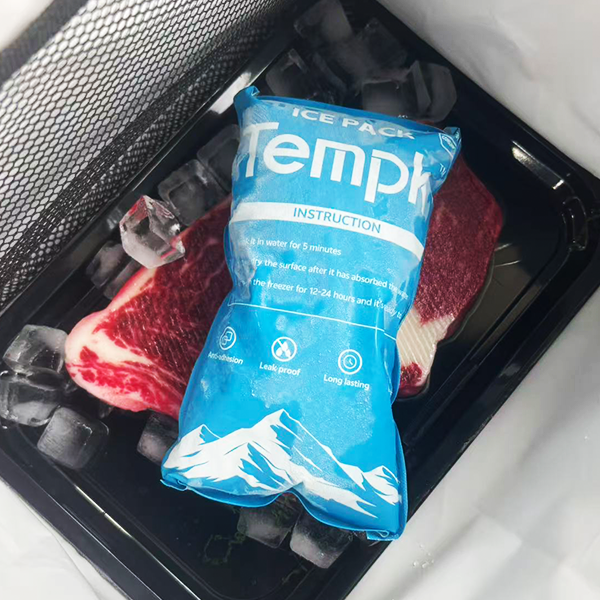
Dry Ice Shipping Bags in 2025: The Ultimate Guide to Temperature Control and Cold Chain Solutions
Shipping temperature-sensitive products, such as pharmaceuticals, biological samples, or frozen foods, demands precise temperature control. Dry ice shipping bags are essential for ensuring these goods remain at optimal temperatures during transit. This comprehensive guide explains the importance of selecting the right dry ice shipping bags, how they work, and how to optimize your shipping practices to ensure safe delivery. By understanding the key factors, you can significantly improve shipping efficiency and comply with 2025’s updated regulations.

The Importance of Dry Ice Shipping Bags in 2025:
Enhanced Temperature Control: Dry ice bags maintain ultra-low temperatures, keeping products frozen during long-distance transit.
Compliance with Regulations: Regulatory standards for temperature-sensitive goods require that packaging methods meet strict guidelines. Dry ice shipping bags help meet these requirements efficiently.
Cost-Effectiveness: Proper use of dry ice bags reduces waste by ensuring minimal dry ice is lost through sublimation, saving costs.
What Are Dry Ice Shipping Bags and How Do They Work?
Dry ice shipping bags are specialized insulated containers that safely contain dry ice while preventing its direct contact with the product. Dry ice sublimates directly from solid to gas, so these bags are designed to control the sublimation rate. This ensures your goods stay cold for an extended period without any leakage or contamination.
How Do They Function?
Dry ice sublimates at −78.5°C (−109.3°F), and without insulation, it can rapidly lose its cooling effect. The bag helps by slowing down this process, thus maintaining the required temperature for the duration of the shipment. Additionally, the bags allow for CO2 gas to safely escape, preventing pressure build-up that could damage the packaging or the product.
Types of Dry Ice Shipping Bags
There are various types of dry ice bags available, and the choice depends on the shipment’s duration and temperature requirements:
Single-Layer Dry Ice Bags:
Basic bags ideal for short-duration shipments or smaller quantities of dry ice.
Cost-effective but offer minimal insulation.
Multi-Layer Dry Ice Bags:
These bags feature multiple layers of insulating materials like polyethylene and foam, offering superior temperature control for longer shipments.
Customizable Dry Ice Bags:
Tailored to specific needs, such as large shipments or specialized cargo like medical samples. These bags come in various sizes and thicknesses.
Key Factors to Consider When Choosing Dry Ice Shipping Bags
When selecting a dry ice shipping bag, consider the following:
Material Quality: Choose high-quality, durable materials that can withstand extreme cold and prevent leaks.
Insulation: The insulation should be adequate to maintain the required temperature for the entire transit duration without being overly bulky.
Leak Resistance: Look for bags with secure seals and features that prevent CO2 gas from leaking out prematurely.
Size: Ensure the bag fits your shipment size appropriately—too large and you waste dry ice; too small and you risk insufficient cooling.
Cost: While premium bags may be more expensive, their improved performance can save on dry ice costs in the long run.
How to Calculate the Right Amount of Dry Ice for Your Shipment
The correct amount of dry ice is critical to ensuring your shipment remains cold without unnecessary waste. Here’s how to calculate the right amount:
Product Type and Size: Larger items or those requiring a more consistent temperature will need more dry ice.
Shipping Time: Longer transit times require additional dry ice to compensate for sublimation.
Environmental Conditions: High temperatures during shipping accelerate sublimation, so more dry ice will be needed in hot climates.
A typical guideline is 5-10 pounds of dry ice for every 24 hours of transit, but it’s important to consider specific conditions for accurate calculations.
The Advantages of Using Dry Ice Shipping Bags
Using dry ice shipping bags has numerous benefits:
Temperature Control: These bags maintain the desired low temperatures, crucial for perishable goods.
Cost-Efficiency: By reducing dry ice waste, they help keep shipping costs down.
Regulatory Compliance: Many industries, especially pharmaceuticals, require specific temperature ranges during shipping. Dry ice bags ensure compliance with these regulations.
Convenient Handling: Well-designed bags make packing and shipping easier by minimizing leaks and providing strong insulation.
Dry Ice Shipping Bags vs. Gel Packs: Which One Should You Choose?
When deciding between dry ice and gel packs, consider your shipment’s needs:
Dry Ice: Ideal for products requiring temperatures below freezing (−109.3°F), such as pharmaceuticals, biological samples, or frozen foods.
Gel Packs: Better for keeping items cool (32°F–50°F) but not frozen. They are perfect for chilled items but have a shorter duration than dry ice.
| Feature | Dry Ice Shipping Bags | Gel Packs |
|---|---|---|
| Temperature Range | −109.3°F (−78.5°C) and below | 32°F to 50°F (0°C to 10°C) |
| Duration | Longer-lasting for long hauls | Shorter-lasting, for smaller shipments |
| Best Use | Frozen goods, pharmaceuticals | Chilled foods, sensitive items |
| Cost | Higher initial cost | More affordable for short-term cooling |
2025 Dry Ice Shipping Bag Trends
The dry ice shipping bag industry is evolving rapidly, with several exciting developments on the horizon for 2025:
Eco-Friendly Materials: With growing environmental concerns, many dry ice bags are now made from sustainable materials that provide the same high performance while being more eco-conscious.
Advanced Insulation: New high-performance insulation materials, such as vacuum-insulated panels (VIPs) and aerogels, provide longer hold times without increasing bulk.
Smart Sensors: The integration of IoT devices, such as temperature and CO2 level loggers, allows for real-time monitoring of shipment conditions, ensuring compliance and reducing the risk of temperature excursions.
Common Mistakes to Avoid with Dry Ice Shipping Bags
Sealing Packages Airtight: Always leave ventilation space for CO2 to escape to prevent pressure build-up.
Incorrect Labeling: Proper labeling is crucial for compliance, including marking the shipment with “Dry Ice” and the appropriate UN1845 code.
Inadequate Ventilation: Make sure the bags and containers allow for proper gas release to prevent damage.
Practical Tips for Using Dry Ice Shipping Bags
Prepare the Bag Properly: Ensure it is sealed correctly before use.
Check for Ventilation: Ensure your container allows CO2 gas to escape safely.
Calculate the Right Amount of Dry Ice: Use a simple formula based on shipping time, insulation type, and ambient temperature.
FAQs
Q1: How long can dry ice last in a shipping bag?
Dry ice typically lasts 18-24 hours in standard dry ice shipping bags, depending on the conditions.
Q2: Can I use dry ice shipping bags for perishable food?
Yes, dry ice is perfect for shipping perishable food that needs to stay frozen.
Conclusion
Dry ice shipping bags are essential for transporting goods that require ultra-low temperatures. By understanding the various types of bags, their benefits, and how to use them effectively, you can ensure safe and compliant deliveries. In 2025, look for innovations in eco-friendly materials, advanced insulation, and smart monitoring systems to enhance your cold chain shipping solutions.
About Tempk
Tempk is a leading provider of high-quality cold chain solutions, including dry ice shipping bags, insulation materials, and customized packaging for pharmaceuticals, food, and biotech industries. Our commitment to sustainability and innovation ensures that your shipments are delivered safely, efficiently, and in compliance with industry standards.
Dry Ice Replacement Packs: The Ultimate Guide for Safe Cold Chain Shipping
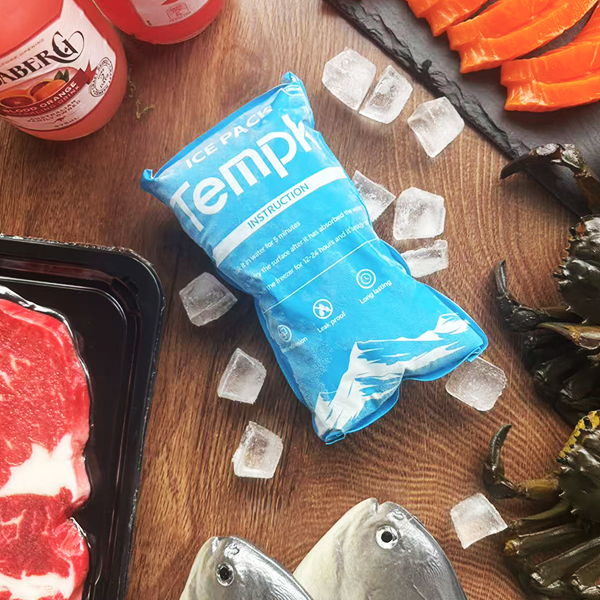
Dry Ice Replacement Packs: The Ultimate Guide for Safe Cold Chain Shipping
When shipping temperature-sensitive goods, maintaining a stable temperature is essential to ensure product integrity. Dry ice replacement packs provide a safer, more sustainable alternative to traditional dry ice, offering a reliable way to maintain optimal cooling conditions without the associated hazards and regulatory constraints. This guide will explore how dry ice replacement packs work, their benefits, and how to integrate them into your cold chain shipping strategy.
Understand how dry ice replacement packs work and why they are safer than traditional dry ice.
Learn the key benefits, including sustainability, cost-effectiveness, and ease of use.
Discover the latest trends in dry ice alternatives and how they align with evolving industry regulations.
Learn how to effectively integrate these packs into your cold chain logistics strategy.
What Are Dry Ice Replacement Packs and How Do They Work?
Dry ice replacement packs serve as an alternative to dry ice for maintaining low temperatures during shipping. Unlike dry ice, which sublimates into carbon dioxide gas, these packs remain solid, reducing the risks associated with dry ice, such as asphyxiation or frostbite. They generally consist of phase change materials (PCMs), which absorb and release heat at specific temperatures, ensuring reliable cooling without the need for ventilation.
Why this matters to you: The safety of your shipments and the integrity of your products are critical. Dry ice replacement packs offer precise temperature control without the hazards of dry ice, making them an ideal choice for industries such as pharmaceuticals, food, and medical supplies.
Key Benefits of Dry Ice Replacement Packs
Safety: No hazardous CO₂ gas buildup, preventing the risk of suffocation or frostbite.
Reliability: Maintain consistent temperatures between 2-8°C, perfect for shipping pharmaceuticals and perishable goods.
Sustainability: Reusable packs reduce waste, offering an eco-friendly alternative to dry ice.
Ease of Handling: No special handling, labeling, or venting requirements compared to dry ice.
| Feature | Description | Benefits |
|---|---|---|
| Cooling Duration | Lasts up to 72 hours | Suitable for long-duration shipments |
| Materials Used | Phase change materials (PCMs) | Absorbs and releases heat steadily |
| Safety | Solid, non-gaseous packs | No asphyxiation risks from CO₂ |
| Environmental Impact | Reusable and eco-friendly | Reduces waste compared to single-use dry ice packs |
When Should You Use Dry Ice Replacement Packs for Shipping?
Dry ice replacement packs are best for shipments requiring consistent, long-lasting cooling. These packs are ideal for:
Pharmaceuticals and Biologics: Medications, vaccines, and other biologics need a consistent 2-8°C range. Dry ice replacement packs ensure that products are kept within this critical range without the risk of freezing, unlike dry ice.
Perishable Foods: Items like meat, seafood, and dairy require precise temperature control to prevent spoilage. Dry ice replacement packs provide this stability while also reducing the risks of freezing.
Long-Duration Shipments: Shipments lasting over 24 hours benefit from the extended cooling duration that dry ice replacement packs offer, ensuring the temperature stays within the desired range.
Use Case Example:
| Scenario | Product | Benefits of Dry Ice Replacement Packs |
|---|---|---|
| Pharmaceuticals | Vaccines, Insulin | Maintains 2-8°C without freezing; ideal for global shipping |
| Food & Beverage | Seafood, Meat | Prevents freezing and spoilage, ensuring freshness |
| Chemicals | Temperature-sensitive chemicals | Ensures consistent, safe cooling throughout transit |
How to Use Dry Ice Replacement Packs for Efficient Shipping
Using dry ice replacement packs requires a few key steps to ensure that your products remain within the desired temperature range throughout the shipping process:
Pre-chill the packaging: Before placing the dry ice replacement packs inside the container, make sure to pre-chill the packaging. This helps maintain a stable internal temperature and avoids temperature shocks to the product.
Layer the replacement packs: Place the packs around the products with sufficient insulation to ensure optimal cooling. It’s essential to prevent direct contact between the product and the packs to avoid freezing.
Seal the container: Even though these packs don’t release gases like dry ice, ensure that the container is properly sealed to prevent temperature fluctuations during transit.
Monitor temperature: Use temperature loggers to monitor the internal temperature of the shipment throughout the journey. This helps verify that the goods remain within the required temperature range.
Best Practices for Packing
Avoid Direct Contact: Never let the dry ice replacement packs come into direct contact with the product, as this could lead to damage or freezing.
Use Insulation: Ensure that the shipment is insulated adequately to maintain the temperature inside.
Temperature Monitoring: Track the internal temperature of your shipment to ensure proper cooling and prevent potential issues.
2025 Trends: How Are Dry Ice Replacement Packs Evolving?
As the cold chain logistics industry advances, dry ice replacement packs are becoming more sophisticated, offering even better performance and sustainability. Some key 2025 trends include:
Smarter Temperature Monitoring: Temperature loggers now sync in real-time with dry ice replacement packs, giving users real-time updates on their shipment conditions and ensuring greater risk management.
Sustainable Materials: The development of eco-friendly phase change materials (PCMs) is making dry ice replacement packs even greener, aligning with global sustainability trends.
Improved Insulation: New insulation technologies are making dry ice replacement packs more efficient, allowing them to offer better cooling performance while reducing pack size and weight.
Market Insights
The market for dry ice replacement packs is growing rapidly, particularly in the pharmaceutical and food industries, driven by increased demand for temperature-controlled shipping. These packs provide a sustainable solution for companies looking to meet regulatory standards while reducing their carbon footprint.
Frequently Asked Questions (FAQ)
Q1: What temperature range do dry ice replacement packs maintain?
Dry ice replacement packs typically maintain temperatures between 2°C and 8°C, making them ideal for shipping pharmaceuticals and perishable goods.
Q2: Can dry ice replacement packs be reused?
Yes, many dry ice replacement packs are designed to be reusable, providing a cost-effective solution for multiple shipments.
Q3: How long can dry ice replacement packs last during transit?
Dry ice replacement packs can last from 48 to 72 hours, depending on the size of the pack and the environmental conditions.
Conclusion & Recommendations
Key Takeaways:
Dry ice replacement packs offer a safe, sustainable, and cost-effective solution for temperature-sensitive shipments. They provide extended cooling durations, are reusable, and comply with regulatory standards. Whether shipping pharmaceuticals, food, or chemicals, these packs offer the reliability and safety you need for effective cold chain management.
Action Plan:
Evaluate Your Cooling Needs: Determine the appropriate dry ice replacement pack based on your product’s temperature requirements and shipment duration.
Proper Packing: Ensure that you pack your shipments correctly by pre-chilling containers, layering the replacement packs, and using proper insulation.
Monitor the Temperature: Use temperature loggers to track your shipment’s conditions and adjust the packing as needed.
Ready to optimize your cold chain logistics? Contact Tempk today to discuss the best dry ice replacement pack for your shipping needs.
About Tempk
Tempk specializes in high-performance cold chain solutions, including dry ice replacement packs designed to keep your temperature-sensitive goods safe. We partner with businesses across pharmaceuticals, food, and biotechnology sectors to provide sustainable and cost-effective shipping solutions. Contact us today to learn more about our cold chain products and how we can help streamline your logistics.
Dry Ice Packs for Seafood: 2025 Guide for Safe & Fresh Shipping

Dry Ice Packs for Seafood: A Comprehensive Guide to Ensuring Safe and Fresh Transport in 2025
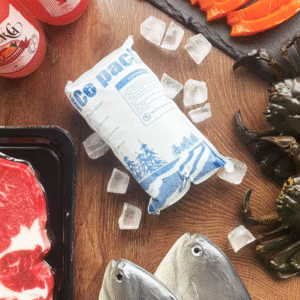
In the world of seafood logistics, ensuring the freshness and safety of products during transit is paramount. Dry ice packs for seafood shipping are a vital tool to maintain ideal temperature conditions, making long-distance transportation possible without compromising quality. These packs offer a superior cooling solution, allowing seafood to remain at safe temperatures until it reaches its destination. In this article, we’ll explore how dry ice packs work, the advantages of using them, best practices, and emerging trends in the seafood shipping industry.
What are dry ice packs for seafood and how do they work?
Why are dry ice packs essential for seafood shipping?
How do dry ice packs compare with other cooling methods?
What are the best practices for shipping seafood with dry ice?
How to select the most suitable dry ice pack for your shipment?
What Are Dry Ice Packs for Seafood and How Do They Work?
Dry ice packs for seafood are specialized cooling solutions that use solid carbon dioxide (CO₂) to maintain ultra-low temperatures. Unlike regular ice, which melts into water, dry ice sublimates, turning directly from a solid to gas, maintaining a consistent freezing environment. The packs are typically made from CO₂ dry ice pellets or blocks enclosed in vented bags, allowing the CO₂ gas to escape while cold air sinks, enveloping the seafood.
Why are dry ice packs so effective?
Longer Cooling Duration: Dry ice lasts significantly longer than traditional ice, keeping seafood frozen for up to 72 hours or more.
No Meltwater: Since dry ice sublimates, it doesn’t leave behind water, which could damage packaging or compromise the freshness of the product.
Temperature Consistency: Dry ice maintains consistent temperatures throughout the shipment, reducing the risk of spoilage due to temperature fluctuations.
Dry Ice vs. Traditional Ice
| Feature | Dry Ice Packs | Traditional Ice Packs |
|---|---|---|
| Cooling Duration | Up to 72 hours | Less than 24 hours |
| Temperature Consistency | Even and consistent | Can fluctuate |
| Water Residue | None | Significant melting |
| Ideal Use Case | Long-distance shipments | Shorter or local shipments |
Practical Example:
For a seafood supplier shipping fresh fish internationally, dry ice ensures the product remains frozen and safe, preventing bacterial growth and spoilage throughout the journey.
Why Are Dry Ice Packs Crucial for Seafood Transport?
Seafood is highly perishable and needs to be kept frozen or at a specific chilled temperature to avoid degradation. Dry ice is particularly effective in this regard as it can maintain lower temperatures for longer than traditional cooling methods like gel packs or phase change materials. For businesses in seafood distribution, ensuring that the product remains within the safe temperature range is not just crucial for quality but also for food safety standards.
Industries that Benefit from Dry Ice for Seafood:
Seafood Distributors: Dry ice allows distributors to ship frozen fish, shellfish, and other seafood across long distances without thawing.
Retailers: Ensures seafood stays fresh during transit from suppliers to stores or direct to consumers.
Restaurants and Hotels: Maintains freshness and quality for restaurants sourcing high-quality seafood from distant locations.
Pro Tip: For seafood businesses, investing in dry ice packs reduces spoilage risk and helps maintain high-quality standards, leading to better customer satisfaction and fewer returns.
How Do Dry Ice Packs Compare with Other Cooling Methods?
Dry ice packs are superior to traditional ice or gel packs, especially for long-distance seafood shipments. While gel packs and ice can maintain cool temperatures for a short duration, they tend to lose effectiveness and melt, which leads to water damage and temperature fluctuation. In contrast, dry ice’s ability to sublimate ensures that seafood remains frozen without the mess of melting ice.
Comparison Table: Dry Ice vs Gel Packs vs Regular Ice
| Feature | Dry Ice Packs | Gel Packs | Regular Ice |
|---|---|---|---|
| Cooling Duration | 72 hours or more | 6-24 hours | Less than 24 hours |
| Temperature Range | Below -78.5°C | 0°C to -18°C | 0°C to 5°C |
| Moisture Produced | None | Melts to liquid | Melts to liquid |
| Ideal Use | Long-distance, frozen seafood | Chilled or short-distance seafood | Local, non-frozen goods |
Best Practices for Using Dry Ice Packs to Ship Seafood
To ensure the best results when shipping seafood with dry ice, follow these best practices:
Pre-Freezing Seafood: Always ensure the seafood is properly frozen before packing to maintain its quality during transit.
Proper Packaging: Use insulated containers to minimize heat exchange and prevent the temperature from rising.
Layering Dry Ice: Place dry ice on top of the seafood to maximize cooling efficiency (cold air sinks).
Check Regulations: When shipping internationally, verify the specific regulations for transporting dry ice, as each country has different requirements.
Helpful Tip: Pre-chill your containers for at least 12 hours before use to minimize the initial temperature load, which can help extend the life of the dry ice.
How to Choose the Right Dry Ice Pack for Your Seafood Shipment
When selecting dry ice packs, consider the following factors:
Shipment Duration: For shipments lasting more than 48 hours, opt for larger dry ice packs to ensure consistent cooling.
Temperature Requirements: Seafood must remain at sub-zero temperatures (below -18°C) for frozen goods. Choose a dry ice pack that can meet these needs.
Shipment Size: Larger shipments may require multiple dry ice packs to evenly distribute the cooling across the entire shipment.
Pro Tip: For small shipments, a single pack may suffice. For larger or bulk shipments, using multiple packs ensures that the temperature remains consistent throughout.
2025 Trends in Seafood Shipping and Cold Chain Logistics
The cold chain logistics industry is evolving, with new technologies making seafood shipping more efficient and sustainable. Notable trends include:
Smart Dry Ice Packs: These packs are equipped with sensors to monitor temperature in real-time, ensuring that seafood stays within the safe temperature range.
Eco-Friendly Dry Ice: Innovations in CO2 production are making dry ice more environmentally friendly, reducing the carbon footprint of seafood shipping.
AI-Integrated Cold Chain Systems: AI is being used to optimize cold chain systems, improving shipping routes and reducing waste, which ultimately leads to fresher seafood and lower shipping costs.
Market Insights: With the rise in consumer demand for fresh, sustainably sourced seafood, the cold chain logistics market is poised for growth. The seafood industry is increasingly relying on dry ice as an essential part of its logistics to meet these consumer expectations.
Frequently Asked Questions (FAQs)
Q1: How long do dry ice packs last during shipment?
Dry ice packs can last between 48 to 72 hours depending on the shipping conditions and amount used. Proper insulation can extend the duration.
Q2: Can dry ice packs be reused?
Yes, dry ice packs are reusable. However, they must be fully sublimated and dried before being used again.
Q3: What are the temperature requirements for shipping seafood?
Fresh seafood should be shipped at 32°F (0°C), while frozen seafood needs to remain at -20°F (-29°C) or lower.
Conclusion
Dry ice packs for seafood are an essential component of successful seafood shipping. By providing long-lasting, consistent cooling, they help ensure that seafood products remain fresh, safe, and of high quality. Whether you’re shipping locally or internationally, using the right dry ice solutions can prevent spoilage, reduce costs, and meet customer demands for fresh products. By following the best practices outlined here and staying up-to-date on new trends in cold chain logistics, you can optimize your shipping process and ensure seafood quality is maintained every step of the way.
For businesses shipping seafood, investing in reliable dry ice solutions is a smart choice that guarantees success in the increasingly competitive market.
About Tempk
At Tempk, we specialize in providing cutting-edge cold chain solutions for seafood and other perishable goods. Our dry ice packs, insulated containers, and advanced logistics tools ensure that your products remain fresh and safe during transit. With our expertise and commitment to sustainability, Tempk is your trusted partner for seafood shipping.
Contact us today to learn more about our solutions and how we can help optimize your cold chain logistics.
Dry Ice Packs for Meat Shipping: 2025 Guide for Compliance and Best Practices

Dry Ice Packs for Meat Shipping: How to Ensure Freshness and Compliance in 2025
Shipping frozen meat can be a challenge, especially when maintaining proper temperatures during transit is essential. Dry ice packs provide a reliable solution to keep meat frozen and compliant with the necessary shipping regulations. In this guide, we will walk you through the 2025 regulations, packaging best practices, and the correct amount of dry ice needed to ensure your meat shipments arrive fresh, safe, and within compliance.
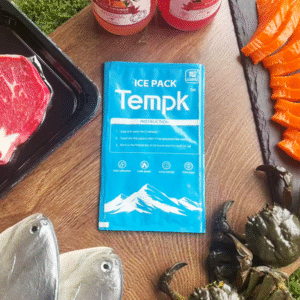
What are the 2025 dry ice packs for meat shipping regulations?
How to calculate the right amount of dry ice for different types of meat?
Common mistakes to avoid when using dry ice packs in meat shipping.
How to ensure compliance with IATA PI 954 and other regulations.
Tips for reducing shipping costs and optimizing dry ice usage.
Why use dry ice packs for meat shipping?
Dry ice packs are one of the most effective ways to keep meat frozen during long-distance shipping. Unlike regular ice, dry ice sublimates directly from solid to gas at -78.5°C, which creates a consistently cold environment that keeps meat products at the required temperature. This is particularly essential for products like fish and beef, which require sub-zero conditions to maintain quality and avoid spoilage.
Key Benefits of Using Dry Ice for Meat Shipping:
Longer Duration: Dry ice lasts longer than regular ice, keeping products frozen for up to 72 hours or more, depending on packaging and transit conditions.
Better Temperature Control: Dry ice maintains the necessary freezing temperatures throughout the shipping process, ensuring that meat stays at or below the required freezing temperatures.
Compliance with Regulations: Dry ice is regulated as a hazardous material for shipping, but when used properly, it ensures compliance with essential regulations, including IATA PI 954 and UN1845.
Case Study: A seafood distributor switched from gel packs to dry ice for their international shipments. They saw a significant reduction in spoilage claims, improving customer satisfaction and reducing waste.
How do you calculate the right amount of dry ice for meat shipping?
Calculating the correct amount of dry ice is crucial to ensure that your meat stays frozen but also avoids unnecessary waste. A general guideline is to use 5–10 pounds of dry ice per 24 hours of transit per package. However, this will vary based on ambient temperatures, the type of meat, and the shipping duration.
Steps to Calculate Dry Ice Requirements:
Estimate the transit time: Longer shipments need more dry ice.
Consider the insulation of your packaging: Better insulation reduces the amount of dry ice needed.
Factor in the type of meat: Delicate meats like seafood may require more dry ice.
Account for environmental conditions: Hotter weather accelerates sublimation, meaning more dry ice will be needed.
| Shipment Duration | Ambient Temperature | Dry Ice Needed per 10 lb Meat |
|---|---|---|
| 24 Hours | 20–25°C | 5–8 lbs |
| 48 Hours | 25–30°C | 10–15 lbs |
| 72 Hours | 30–35°C | 20–25 lbs |
How to package dry ice for meat shipping?
Packaging is just as important as the amount of dry ice used. If dry ice is packed incorrectly, it might sublimate too quickly, leaving your meat at an unsafe temperature. Here’s how to ensure proper dry ice packing:
Choose the right container: Use a sturdy, insulated container approved for dry ice shipping, such as Styrofoam boxes, which are lightweight and provide excellent insulation.
Add the dry ice: Place the dry ice on top of the meat, ensuring it doesn’t come into direct contact with the product. This prevents freezer burn while maintaining a steady temperature.
Vent the container: Dry ice sublimates into gas and needs to be vented to avoid dangerous pressure build-up.
Seal and label the package: Once the dry ice is packed, seal the container and apply the UN1845 hazardous material label.
Packaging Best Practices:
Use a layered approach when shipping multiple items, creating thermal zones with corrugated inserts.
Attach a temperature data logger to monitor conditions throughout transit.
Tip: Ensure that your packaging meets IATA’s guidelines for hazardous materials to avoid issues at customs or with air carriers.
How to ensure compliance with 2025 regulations for meat shipping?
In 2025, dry ice shipping for meat continues to be regulated as a hazardous material. To stay compliant with IATA PI 954 and other international shipping regulations, you must adhere to the following practices:
Best Compliance Practices:
Mark the packaging correctly: Your packaging must include the UN1845 label, identifying dry ice as a hazardous material.
Ensure proper venting: All dry ice shipments must allow gas to escape to avoid dangerous pressure buildup.
Use the correct weight limits: Air shipments are limited to 200 kg of dry ice per package. Larger shipments must be divided into smaller units.
Provide the right documentation: Ensure accurate documentation with the correct dry ice weight on the air waybill.
Regulatory Tip: Always double-check weight and labeling to prevent penalties. Accurate documentation is essential for smooth shipping processes.
Common mistakes to avoid in dry ice meat shipping
Shipping meat with dry ice is straightforward, but there are a few common mistakes that can lead to issues. Here’s how to avoid them:
Incorrect dry ice quantity: Not using enough dry ice to cover the transit time or environmental conditions may lead to thawing, spoilage, and potential health risks.
Improper packaging: Sealing the package too tightly or using the wrong box can prevent the escape of CO₂ gas, causing dangerous pressure buildup.
Missing labels or documentation: Failing to properly label or provide necessary paperwork can lead to delays or issues during shipping.
Failure to monitor temperature: Not checking the temperature during transit means you can’t ensure that the meat remained frozen.
Best Tip: Always ensure your meat is packaged with proper insulation, and double-check the dry ice quantity before shipping.
Key trends in dry ice shipping for meat in 2025
2025 is seeing advancements in the cold chain industry that affect dry ice shipping practices. Some key trends to keep an eye on:
Digitalization and automation: The rise of digital tracking systems and eAWB (electronic air waybill) is enhancing the transparency and efficiency of dry ice shipments.
Sustainable packaging: More companies are focusing on eco-friendly packaging materials to minimize environmental impact while ensuring the quality of frozen shipments.
Smarter temperature monitoring: New technologies, like wireless sensors, allow for more precise temperature control and monitoring during transit.
Latest Developments:
Smart Packaging: New insulated boxes that retain cold longer, reducing the amount of dry ice required.
Automated Documentation: The increasing use of digital documentation has made compliance easier to manage.
CO₂ Regulations: Stricter regulations around CO₂ emissions are driving innovations toward greener shipping methods.
Market Insight: The demand for sustainable, efficiently shipped meat products is growing, particularly for international shipments. Companies that use smart packaging solutions report better results in terms of quality and regulatory compliance.
Frequently Asked Questions
Q1: How much dry ice do I need to ship 10 pounds of meat for 48 hours?
A1: You will typically need about 10–15 pounds of dry ice for 48 hours, depending on ambient temperature and insulation quality.
Q2: Can I use regular ice for meat shipping instead of dry ice?
A2: No, regular ice cannot keep meat frozen at the sub-zero temperatures required. Dry ice is essential for maintaining frozen meat during long transit durations.
Q3: What are the new regulations for dry ice shipping in 2025?
A3: In 2025, dry ice shipping regulations focus on proper packaging, venting, labeling (UN1845), and accurate documentation. Ensure compliance with IATA PI 954 and other international requirements.
Summary and Recommendations
To ship meat successfully with dry ice in 2025, use proper packaging, calculate the necessary dry ice amount, and adhere to regulations like UN1845 and PI 954. By following these steps, you can ensure your shipments stay safe and compliant.
Next Steps:
Review your current dry ice packaging to ensure it complies with 2025 regulations.
Train your team on proper dry ice handling and labeling.
Implement temperature monitoring to ensure your shipments stay within safe temperatures.
About Tempk
At Tempk, we specialize in providing cold chain solutions tailored to the meat shipping industry. Our innovative dry ice packaging solutions ensure compliance with all necessary regulations while maintaining product quality.
For more details, visit our website or contact us to optimize your meat shipping process.
Dry Ice Packs for Lunch Bags: Keep Your Food Fresh Longer

Dry Ice Packs for Lunch Bags: Are They the Best Cooling Solution?
When it comes to keeping your lunch fresh, the right cooling method is crucial. With numerous options available, dry ice packs stand out as a popular yet often misunderstood choice. But are they the best option for keeping your lunch cool, or are there better alternatives? In this article, we’ll explore the benefits, safety considerations, and practical applications of dry ice packs for lunch bags. We will also compare them to other cooling methods, like gel packs and ice packs, to help you make an informed decision.

The cooling effectiveness of dry ice packs for lunch bags.
How dry ice compares to other cooling solutions like gel packs or ice packs.
The safety considerations when using dry ice in lunch bags.
Practical tips for choosing the best cooling method for your lunch needs.
Are Dry Ice Packs the Best Option for Keeping Your Lunch Cool?
Dry ice packs can be an excellent choice for keeping lunch cool, particularly if your food requires ultra-cold temperatures. Unlike conventional ice packs or gel packs, dry ice stays colder for much longer, making it ideal for frozen foods and perishable items that need to remain at sub-zero temperatures. However, there are some important considerations to keep in mind, especially regarding handling and safety.
Dry ice sublimates directly from solid to gas, which means it doesn’t leave behind any liquid water but can lead to gas buildup in sealed containers. This can be dangerous if not handled properly, requiring specific care when packing and transporting. For everyday lunch use, dry ice may not be necessary unless you’re dealing with highly temperature-sensitive items.
The Pros and Cons of Using Dry Ice Packs in Lunch Bags
| Feature | Dry Ice Pack | Gel Pack | Ice Pack |
|---|---|---|---|
| Temperature Range | -109°F (-78°C) | 32°F (0°C) | 32°F (0°C) |
| Duration of Cooling | 12-48 hours (depending on size) | 4-6 hours | 4-6 hours |
| Safety | Requires careful handling (sublimates) | Safe and easy to handle | Safe but can melt into water |
| Cost | Higher | Lower | Moderate |
Dry ice is fantastic for longer-lasting cooling but may not be necessary unless you’re transporting frozen food or need long-term cold preservation. For everyday lunch storage, gel packs and ice packs are typically more practical and affordable.
How Do Dry Ice Packs Compare to Gel Packs and Ice Packs for Lunch Bags?
Gel packs and ice packs are far more commonly used in lunch bags, mainly because of their ease of use and affordability. Let’s break down how each one performs for various types of lunch needs.
Gel Packs: The Safer and More Practical Option
Gel packs are a solid choice for keeping lunch cool for a few hours. They freeze at around 32°F (0°C) and work well in lunch bags for maintaining a safe, cool temperature without the risk of dangerous gas buildup. Gel packs are also reusable, making them an eco-friendly and cost-effective option.
However, they can only maintain a cool temperature for a limited time, typically 4-6 hours. They are not suitable for long-term cooling or foods that require freezing temperatures.
Ice Packs: The Traditional Cooling Solution
Ice packs, like gel packs, are commonly used for lunch bags but come with a few practical challenges. They are often bulkier and can create a mess as they melt, making them less ideal for daily use. However, they are effective for short-term cooling needs, such as keeping sandwiches or beverages cold for a few hours.
For a more extended cooling period or highly sensitive food, dry ice is usually a better option, but for standard use, ice packs are often sufficient.
When Should You Use Dry Ice Packs for Lunch Bags?
Dry ice is best for special occasions when you need to maintain freezing temperatures over extended periods. Here are some cases where dry ice is the preferred cooling method:
Frozen foods: Items like frozen meals, ice cream, and perishable food requiring freezing temperatures benefit the most from dry ice.
Extended transit times: If you need to store food for more than just a few hours, dry ice can provide the necessary cooling to keep your lunch fresh for longer.
Temperature-sensitive items: Certain pharmaceuticals, dairy products, or desserts like ice cream require extremely low temperatures to preserve their quality and safety.
When to Use Gel Packs or Ice Packs
For everyday lunch use, gel packs and ice packs are the most practical and cost-effective. These cooling options are perfect for foods like sandwiches, fruits, salads, and beverages, which don’t require freezing. If you need to keep lunch cool for a few hours but don’t need ultra-low temperatures, gel packs and ice packs will serve you well.
2025 Trends in Lunch Bag Cooling Solutions
The lunch bag cooling market is evolving, with increasing demand for more sustainable and efficient cooling options. As consumers prioritize eco-friendly products, innovations are emerging that use biodegradable and non-toxic materials to provide longer-lasting cooling. Additionally, technologies are being developed to enhance the efficiency of cooling materials while minimizing the environmental impact.
Key Trends in Lunch Bag Cooling Solutions
Sustainable materials: More cooling solutions are being developed using biodegradable and non-toxic materials.
Smarter packaging: New designs are improving the effectiveness of cooling without adding bulk to lunch bags.
Longer-lasting solutions: Advances in gel and ice pack technology are enabling longer cooling durations, providing more flexibility for users.
Frequently Asked Questions
Q: Can I use dry ice packs in my lunch bag for everyday use?
Dry ice packs are typically unnecessary for everyday lunch bags. Gel packs or ice packs are more suitable for daily use, providing enough cooling without the complexities and costs associated with dry ice.
Q: How long does dry ice last in a lunch bag?
Dry ice can last anywhere from 12 to 48 hours, depending on the size of the pack and how well it is packed. This makes it ideal for longer trips or when you need to keep items frozen for extended periods.
Q: Are gel packs safe for lunch bags?
Yes, gel packs are completely safe for lunch bags. They are non-toxic and easy to handle, making them a great choice for everyday cooling.
Conclusion and Recommendations
When it comes to choosing the best cooling solution for your lunch bag, it’s essential to consider the type of food you’re carrying and the duration of the cooling needed. Dry ice is great for specialized cooling needs, like keeping frozen items cold for extended periods. However, for most everyday lunch needs, gel packs or ice packs are simpler, more practical, and more cost-effective options.
About Tempk
At Tempk, we specialize in providing high-quality, sustainable cooling solutions for all types of temperature-sensitive items. Whether you’re packing lunch, shipping perishable goods, or need a reliable cold chain solution, our products—ranging from gel packs to dry ice solutions—ensure your food stays fresh for the duration of your journey. With a focus on eco-friendly materials and innovation, Tempk offers products that meet the highest standards of performance and sustainability.
For personalized advice on the best cooling solution for your lunch bag, contact Tempk today.