


Buyer Guide to Thermal Shipping Bag Canvas
Buyer Guide to Thermal Shipping Bag Canvas

Thermal Shipping Bag Canvas: A Clear Procurement Path for Buyers
A thermal shipping bag canvas request should end with a clear commercial specification, not just a shortlist of suppliers. The best buying process starts by defining the payload, route, handling pattern, cleaning expectation, branding need, and proof required before scale-up. This final version brings the buyer decision into one practical path for packaging engineers, ecommerce teams, and sourcing managers who need fewer surprises between sampling and production.
A Better Buying Path: Define, Test, Then Scale
A thermal shipping bag canvas purchase becomes easier when buyers separate the decision into three stages: define the job, test the sample, and control the production order. Defining the job means writing the payload, route, temperature sensitivity, handling pattern, cleaning routine, and branding need in plain language. Testing the sample means loading and using it as operators will use it. Scaling means locking the specification and checking production against the approved sample.
For packaging engineers, ecommerce teams, and sourcing managers, this process is more reliable than comparing supplier catalogs page by page. It also reduces the risk that matters most in this keyword: choosing canvas for appearance while ignoring liner hygiene, moisture exposure, and closure performance. A buyer does not need to know every material detail at the beginning, but the buyer does need to know what the bag must survive in real use.
The final specification should be practical enough for procurement, clear enough for the supplier, and honest enough for quality or operations teams. It should not overpromise refrigeration or compliance. It should explain the product's role inside a larger temperature-aware workflow.
What the Bag Can Do and What It Cannot Do
The product category behind thermal shipping bag canvas is usually passive insulation unless a powered cooling system is specifically included. Passive insulation helps slow heat transfer. It can support chilled, hot, or temperature-sensitive handoffs when the product starts in the correct condition and the route is suitable. It cannot correct poor pre-cooling, long uncontrolled delays, or a route that requires active refrigeration.
This distinction protects buyers from unrealistic claims. For grocery and food delivery, an insulated bag can help reduce temperature change during short handling periods, but the operation still needs food safety procedures, correct loading, and appropriate separation. For frozen food, the bag often needs coolant and a route plan; it should not be treated as a freezer. For healthcare or regulated products, additional qualification, monitoring, and documentation may be required.
Buyers in global B2B shipping and branded retail programs should write these boundaries into their RFQ. A clear statement such as passive insulated bag for prepared meal delivery or insulated mailer to be used with chilled gel packs is more useful than a broad phrase such as refrigerated bag. Precise language leads to better supplier recommendations and fewer misunderstandings during approval.
The Specification That Prevents Most Problems
A useful specification does not have to be long. It should identify the bag type, internal usable dimensions, expected payload, outer material, liner material, insulation structure, closure, handle or strap style, logo method, cleaning expectation, carton packing, and evidence required for performance claims. If exact values are not known, write them as questions for supplier confirmation.
For small parcel shipping, wine and beverage gifting, specialty food, and premium retail delivery, the most important details are often physical and operational. Can the bag close when loaded? Does the shape support the product? Can the liner be wiped and dried? Does the handle remain comfortable with the expected load? Does the carton packing protect the bag shape? Will the approved sample match mass production? These questions are simple, but they prevent many common purchasing failures.
The specification should also state what will be checked at receiving. Examples include dimensions, stitching, zipper function, logo placement, liner condition, odor, carton count, and visual damage. A supplier relationship improves when both sides know what counts as acceptable before the order ships.
Procurement Control Table
Use this table to keep the sourcing process practical from the first request to the second order.
| Procurement step | Practical action | Risk reduced | Evidence to keep |
|---|---|---|---|
| Define the job | Write payload, route, handling, cleaning, and branding requirements | Prevents overbroad supplier quotations | Internal use case brief |
| Approve sample | Load it with real products and check closure, handling, and cleaning | Prevents good-looking but unusable samples | Sample approval checklist |
| Check claims | Ask how hold time, durability, and leak resistance were evaluated | Prevents unsupported performance assumptions | Supplier test summary or verification note |
| Control production | Freeze approved materials, colors, dimensions, and packing method | Prevents quality drift after PO | Signed specification and inspection criteria |
| Review rollout | Gather feedback from warehouse, riders, stores, or end users | Finds issues before a second bulk order | Receiving and field feedback record |
The table makes the buying process less dependent on sales language. It also gives internal teams a shared checklist. Procurement can compare offers, quality can review claims, and operations can test usability without waiting until the full shipment arrives.
How to Compare Suppliers Without Chasing the Lowest Price
Price matters, especially in bulk orders, distributor programs, and private-label projects. The problem is that the lowest unit price may omit important details. A cheaper bag may use a thinner liner, weaker handle, looser stitching, lighter insulation, or less protective carton packing. These differences may not appear until the product is loaded, cleaned, or shipped through several branches.
A better comparison puts the quotation next to the specification. Are the materials the same? Are the dimensions internal or external? Is the logo method included? Is carton packing included? Is the supplier committing to the approved sample? Are there any substitutions allowed? Does the supplier provide enough documentation for your internal review? These questions make price meaningful.
Buyers should also think about the cost of change. If the first order arrives with quality drift, the correction cost includes time, complaints, rework, inventory, and delayed rollout. Paying slightly more for controlled production may be cheaper than fixing a poor bulk shipment. The goal is not to buy the most expensive bag; it is to buy the least ambiguous bag that fits the job.
When a Sample Looks Good but Is Not Ready
A good-looking sample can still be unfinished. The bag may photograph well but fail to close when packed with the actual product. It may feel strong when empty but distort when loaded. It may have a liner that wipes clean on flat areas but traps residue in seams. It may display a logo nicely on one panel but crease during carton packing. These are normal findings during sample review, not reasons to skip testing.
A buyer sourcing canvas thermal shipping bags with insulated liners should test the sample with real payloads, not a substitute of similar size. If the use involves chilled or frozen items, include the coolant or spacer method planned for production. If the use involves riders, stores, or branch teams, ask them to handle the sample. If the product is customer-facing, review appearance after folding, packing, and repeated opening.
The sample stage should end with a written decision: approved as is, approved with changes, rejected, or needs another sample. This prevents informal comments from turning into unclear production instructions. It also gives the supplier a controlled path to improve the product before scale-up.
Practical Example: Importer Review Before a Bulk Order
Imagine an importer buying canvas thermal shipping bags with insulated liners for small parcel shipping, wine and beverage gifting, specialty food, and premium retail delivery. The supplier offers three options: a lower-cost lightweight style, a mid-range bag with stronger handles, and a premium version with a more attractive outer fabric. Instead of choosing immediately, the importer writes a short operating brief: product type, load weight range to confirm, route exposure to verify, cleaning expectation, logo method, and packing requirement.
The samples are then reviewed by different people. A warehouse employee checks carton packing and storage. A delivery operator checks loading and carrying. A quality reviewer checks the liner and claim wording. A brand manager checks logo appearance. The mid-range bag may become the best option because it meets the most operational requirements, even if it is not the cheapest or the most premium-looking.
This example is hypothetical, but the pattern is common. Good procurement is not only a supplier search; it is a process for turning uncertain requirements into a product that can be ordered, received, used, and reordered with fewer surprises.
Supplier Shortlisting Questions
When shortlisting suppliers for thermal shipping bag canvas, ask questions that reveal control rather than only enthusiasm. Can the supplier explain the difference between the proposed styles? Can they provide production-like samples? Can they confirm material, liner, insulation, closure, and logo method before final price? Can they describe how the approved sample is protected during mass production? Can they explain what performance claims are based on and what still needs buyer verification?
The best supplier is not always the one with the largest catalog. It is the supplier that can respond to your use case without turning every question into a slogan. A good answer may include limitations. For example, the supplier may say that a passive bag needs coolant for a particular frozen food route, or that a certain liner is easier to wipe but changes the feel of the product. Honest boundaries are useful in B2B sourcing.
A shortlist should include both commercial and operational factors. Price, MOQ, and lead time matter, but so do sample accuracy, carton packing, communication, change control, and the supplier's willingness to document the final specification. Keep a scorecard that reflects the way your business will actually use the bag.
Second-Order Thinking: Reorders, Changes, and Replacement
The first order is only part of the sourcing decision. If the product succeeds, you may need reorders, new colors, branch-specific logos, revised sizes, or a different packing method. A supplier who can manage these changes carefully is more valuable than one who only wins the first quotation. Ask how future changes will be documented and how old and new versions will be separated if both remain in stock.
For material-led sourcing, replacement planning can matter as much as launch planning. Bags used in delivery, grocery, and beverage trade can be lost, damaged, or worn out. Decide whether replacement units must match the original exactly or whether an updated version is acceptable. Clear version control protects brand consistency and makes inventory management easier.
FAQ
Q: What should I include in a thermal shipping bag canvas RFQ?
A: Include intended use, payload, internal size needs, route exposure, cleaning expectations, logo method, order quantity range if available, carton packing needs, and the evidence required for performance claims. If you do not know an exact parameter, ask the supplier to confirm options instead of guessing.
Q: Is a soft insulated bag suitable for frozen food?
A: It may support some frozen food handoffs when used with the right coolant, starting product condition, route duration, and handling control. It should not be treated as a freezer. Buyers should verify the route, packout, and acceptance criteria before making frozen performance claims.
Q: How can I avoid quality drift in bulk production?
A: Keep an approved sample and a written specification. Confirm materials, dimensions, liner, insulation, closure, logo, and carton packing. Ask the supplier to notify you before substitutions. Use receiving inspection to compare the shipment against the approved sample.
Q: What is the most overlooked feature?
A: Cleaning and drying are often overlooked. A bag that looks durable may still create operational problems if the liner traps residue, absorbs odor, or stays wet. For food, grocery, and delivery use, cleaning behavior should be reviewed before ordering.
Conclusion
The right thermal shipping bag canvas choice comes from a practical sourcing process. Define the job, understand the bag's limits, test with real payloads, compare suppliers against a written specification, and control production against the approved sample. This approach is more reliable than buying by catalog appearance or unit price alone.
For buyers preparing a commercial order, the next step is to create a short route and payload brief. Share that brief with the supplier and ask for a sample that reflects production materials and packing. The result is a clearer conversation and a lower-risk bulk order.
Final Buyer Note
Before publishing or using this article as a buying brief, the editor or procurement owner should adjust any route-specific assumptions to the real program. For canvas thermal shipping bags with insulated liners, the practical details are usually more important than generic product names: payload, loading method, cleaning routine, storage, carton packing, logo method, and supplier change control. A clearer brief produces better samples, fewer quotation misunderstandings, and a more reliable path from trial order to repeat purchase.
About Tempk
Tempk supports insulated packaging buyers with practical product discussions around size, materials, route conditions, logo requirements, order quantity, and cleaning or reuse needs. For global B2B shipping and branded retail programs, the most useful conversation usually starts with the product being carried and the way the bag will be used. From there, Tempk can help review suitable insulated bag structures and the questions that should be answered before a commercial order is placed.
Use your next supplier conversation to confirm route fit, material structure, cleaning expectations, and sample-to-production control for thermal shipping bag canvas. Tempk can help you organize that review.
Buyer Guide to Thermal Lunch Bag Trade Beverage
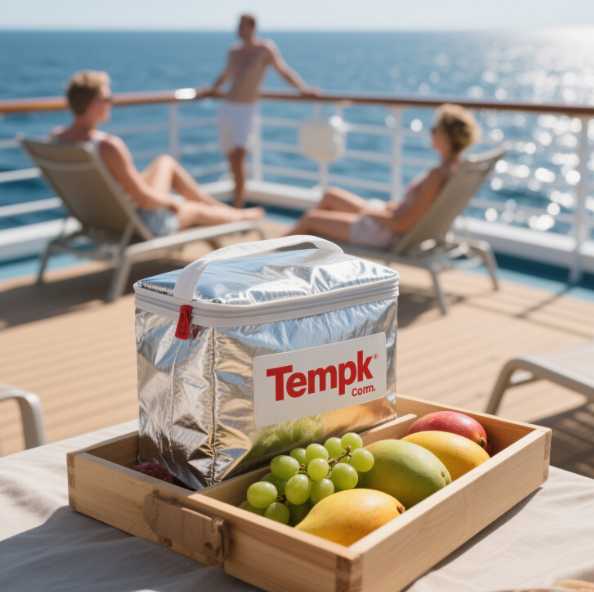
Thermal Lunch Bag Trade Beverage: A Clear Procurement Path for Buyers
A thermal lunch bag trade beverage request should end with a clear commercial specification, not just a shortlist of suppliers. The best buying process starts by defining the payload, route, handling pattern, cleaning expectation, branding need, and proof required before scale-up. This final version brings the buyer decision into one practical path for beverage brands, corporate buyers, promotional distributors, and lunch program operators who need fewer surprises between sampling and production.
A Better Buying Path: Define, Test, Then Scale
A thermal lunch bag trade beverage purchase becomes easier when buyers separate the decision into three stages: define the job, test the sample, and control the production order. Defining the job means writing the payload, route, temperature sensitivity, handling pattern, cleaning routine, and branding need in plain language. Testing the sample means loading and using it as operators will use it. Scaling means locking the specification and checking production against the approved sample.
For beverage brands, corporate buyers, promotional distributors, and lunch program operators, this process is more reliable than comparing supplier catalogs page by page. It also reduces the risk that matters most in this keyword: choosing by style and overlooking condensation, bottle stability, liner cleaning, and cold-pack compatibility. A buyer does not need to know every material detail at the beginning, but the buyer does need to know what the bag must survive in real use.
The final specification should be practical enough for procurement, clear enough for the supplier, and honest enough for quality or operations teams. It should not overpromise refrigeration or compliance. It should explain the product's role inside a larger temperature-aware workflow.
What the Bag Can Do and What It Cannot Do
The product category behind thermal lunch bag trade beverage is usually passive insulation unless a powered cooling system is specifically included. Passive insulation helps slow heat transfer. It can support chilled, hot, or temperature-sensitive handoffs when the product starts in the correct condition and the route is suitable. It cannot correct poor pre-cooling, long uncontrolled delays, or a route that requires active refrigeration.
This distinction protects buyers from unrealistic claims. For grocery and food delivery, an insulated bag can help reduce temperature change during short handling periods, but the operation still needs food safety procedures, correct loading, and appropriate separation. For frozen food, the bag often needs coolant and a route plan; it should not be treated as a freezer. For healthcare or regulated products, additional qualification, monitoring, and documentation may be required.
Buyers in beverage trade and foodservice markets should write these boundaries into their RFQ. A clear statement such as passive insulated bag for prepared meal delivery or insulated mailer to be used with chilled gel packs is more useful than a broad phrase such as refrigerated bag. Precise language leads to better supplier recommendations and fewer misunderstandings during approval.
The Specification That Prevents Most Problems
A useful specification does not have to be long. It should identify the bag type, internal usable dimensions, expected payload, outer material, liner material, insulation structure, closure, handle or strap style, logo method, cleaning expectation, carton packing, and evidence required for performance claims. If exact values are not known, write them as questions for supplier confirmation.
For bottled drinks, canned beverages, office lunches, sampling campaigns, and small catering deliveries, the most important details are often physical and operational. Can the bag close when loaded? Does the shape support the product? Can the liner be wiped and dried? Does the handle remain comfortable with the expected load? Does the carton packing protect the bag shape? Will the approved sample match mass production? These questions are simple, but they prevent many common purchasing failures.
The specification should also state what will be checked at receiving. Examples include dimensions, stitching, zipper function, logo placement, liner condition, odor, carton count, and visual damage. A supplier relationship improves when both sides know what counts as acceptable before the order ships.
Procurement Control Table
Use this table to keep the sourcing process practical from the first request to the second order.
| Procurement step | Practical action | Risk reduced | Evidence to keep |
|---|---|---|---|
| Define the job | Write payload, route, handling, cleaning, and branding requirements | Prevents overbroad supplier quotations | Internal use case brief |
| Approve sample | Load it with real products and check closure, handling, and cleaning | Prevents good-looking but unusable samples | Sample approval checklist |
| Check claims | Ask how hold time, durability, and leak resistance were evaluated | Prevents unsupported performance assumptions | Supplier test summary or verification note |
| Control production | Freeze approved materials, colors, dimensions, and packing method | Prevents quality drift after PO | Signed specification and inspection criteria |
| Review rollout | Gather feedback from warehouse, riders, stores, or end users | Finds issues before a second bulk order | Receiving and field feedback record |
The table makes the buying process less dependent on sales language. It also gives internal teams a shared checklist. Procurement can compare offers, quality can review claims, and operations can test usability without waiting until the full shipment arrives.
How to Compare Suppliers Without Chasing the Lowest Price
Price matters, especially in bulk orders, distributor programs, and private-label projects. The problem is that the lowest unit price may omit important details. A cheaper bag may use a thinner liner, weaker handle, looser stitching, lighter insulation, or less protective carton packing. These differences may not appear until the product is loaded, cleaned, or shipped through several branches.
A better comparison puts the quotation next to the specification. Are the materials the same? Are the dimensions internal or external? Is the logo method included? Is carton packing included? Is the supplier committing to the approved sample? Are there any substitutions allowed? Does the supplier provide enough documentation for your internal review? These questions make price meaningful.
Buyers should also think about the cost of change. If the first order arrives with quality drift, the correction cost includes time, complaints, rework, inventory, and delayed rollout. Paying slightly more for controlled production may be cheaper than fixing a poor bulk shipment. The goal is not to buy the most expensive bag; it is to buy the least ambiguous bag that fits the job.
When a Sample Looks Good but Is Not Ready
A good-looking sample can still be unfinished. The bag may photograph well but fail to close when packed with the actual product. It may feel strong when empty but distort when loaded. It may have a liner that wipes clean on flat areas but traps residue in seams. It may display a logo nicely on one panel but crease during carton packing. These are normal findings during sample review, not reasons to skip testing.
A buyer sourcing thermal lunch bags for beverage and meal use should test the sample with real payloads, not a substitute of similar size. If the use involves chilled or frozen items, include the coolant or spacer method planned for production. If the use involves riders, stores, or branch teams, ask them to handle the sample. If the product is customer-facing, review appearance after folding, packing, and repeated opening.
The sample stage should end with a written decision: approved as is, approved with changes, rejected, or needs another sample. This prevents informal comments from turning into unclear production instructions. It also gives the supplier a controlled path to improve the product before scale-up.
Practical Example: Importer Review Before a Bulk Order
Imagine an importer buying thermal lunch bags for beverage and meal use for bottled drinks, canned beverages, office lunches, sampling campaigns, and small catering deliveries. The supplier offers three options: a lower-cost lightweight style, a mid-range bag with stronger handles, and a premium version with a more attractive outer fabric. Instead of choosing immediately, the importer writes a short operating brief: product type, load weight range to confirm, route exposure to verify, cleaning expectation, logo method, and packing requirement.
The samples are then reviewed by different people. A warehouse employee checks carton packing and storage. A delivery operator checks loading and carrying. A quality reviewer checks the liner and claim wording. A brand manager checks logo appearance. The mid-range bag may become the best option because it meets the most operational requirements, even if it is not the cheapest or the most premium-looking.
This example is hypothetical, but the pattern is common. Good procurement is not only a supplier search; it is a process for turning uncertain requirements into a product that can be ordered, received, used, and reordered with fewer surprises.
Supplier Shortlisting Questions
When shortlisting suppliers for thermal lunch bag trade beverage, ask questions that reveal control rather than only enthusiasm. Can the supplier explain the difference between the proposed styles? Can they provide production-like samples? Can they confirm material, liner, insulation, closure, and logo method before final price? Can they describe how the approved sample is protected during mass production? Can they explain what performance claims are based on and what still needs buyer verification?
The best supplier is not always the one with the largest catalog. It is the supplier that can respond to your use case without turning every question into a slogan. A good answer may include limitations. For example, the supplier may say that a passive bag needs coolant for a particular frozen food route, or that a certain liner is easier to wipe but changes the feel of the product. Honest boundaries are useful in B2B sourcing.
A shortlist should include both commercial and operational factors. Price, MOQ, and lead time matter, but so do sample accuracy, carton packing, communication, change control, and the supplier's willingness to document the final specification. Keep a scorecard that reflects the way your business will actually use the bag.
Second-Order Thinking: Reorders, Changes, and Replacement
The first order is only part of the sourcing decision. If the product succeeds, you may need reorders, new colors, branch-specific logos, revised sizes, or a different packing method. A supplier who can manage these changes carefully is more valuable than one who only wins the first quotation. Ask how future changes will be documented and how old and new versions will be separated if both remain in stock.
For trade procurement, replacement planning can matter as much as launch planning. Bags used in delivery, grocery, and beverage trade can be lost, damaged, or worn out. Decide whether replacement units must match the original exactly or whether an updated version is acceptable. Clear version control protects brand consistency and makes inventory management easier.
FAQ
Q: What should I include in a thermal lunch bag trade beverage RFQ?
A: Include intended use, payload, internal size needs, route exposure, cleaning expectations, logo method, order quantity range if available, carton packing needs, and the evidence required for performance claims. If you do not know an exact parameter, ask the supplier to confirm options instead of guessing.
Q: Is a soft insulated bag suitable for frozen food?
A: It may support some frozen food handoffs when used with the right coolant, starting product condition, route duration, and handling control. It should not be treated as a freezer. Buyers should verify the route, packout, and acceptance criteria before making frozen performance claims.
Q: How can I avoid quality drift in bulk production?
A: Keep an approved sample and a written specification. Confirm materials, dimensions, liner, insulation, closure, logo, and carton packing. Ask the supplier to notify you before substitutions. Use receiving inspection to compare the shipment against the approved sample.
Q: What is the most overlooked feature?
A: Cleaning and drying are often overlooked. A bag that looks durable may still create operational problems if the liner traps residue, absorbs odor, or stays wet. For food, grocery, and delivery use, cleaning behavior should be reviewed before ordering.
Conclusion
The right thermal lunch bag trade beverage choice comes from a practical sourcing process. Define the job, understand the bag's limits, test with real payloads, compare suppliers against a written specification, and control production against the approved sample. This approach is more reliable than buying by catalog appearance or unit price alone.
For buyers preparing a commercial order, the next step is to create a short route and payload brief. Share that brief with the supplier and ask for a sample that reflects production materials and packing. The result is a clearer conversation and a lower-risk bulk order.
Final Buyer Note
Before publishing or using this article as a buying brief, the editor or procurement owner should adjust any route-specific assumptions to the real program. For thermal lunch bags for beverage and meal use, the practical details are usually more important than generic product names: payload, loading method, cleaning routine, storage, carton packing, logo method, and supplier change control. A clearer brief produces better samples, fewer quotation misunderstandings, and a more reliable path from trial order to repeat purchase.
About Tempk
Tempk supports insulated packaging buyers with practical product discussions around size, materials, route conditions, logo requirements, order quantity, and cleaning or reuse needs. For beverage trade and foodservice markets, the most useful conversation usually starts with the product being carried and the way the bag will be used. From there, Tempk can help review suitable insulated bag structures and the questions that should be answered before a commercial order is placed.
Use your next supplier conversation to confirm route fit, material structure, cleaning expectations, and sample-to-production control for thermal lunch bag trade beverage. Tempk can help you organize that review.
Buyer Guide to Thermal Cooler Bag Corporate Canada
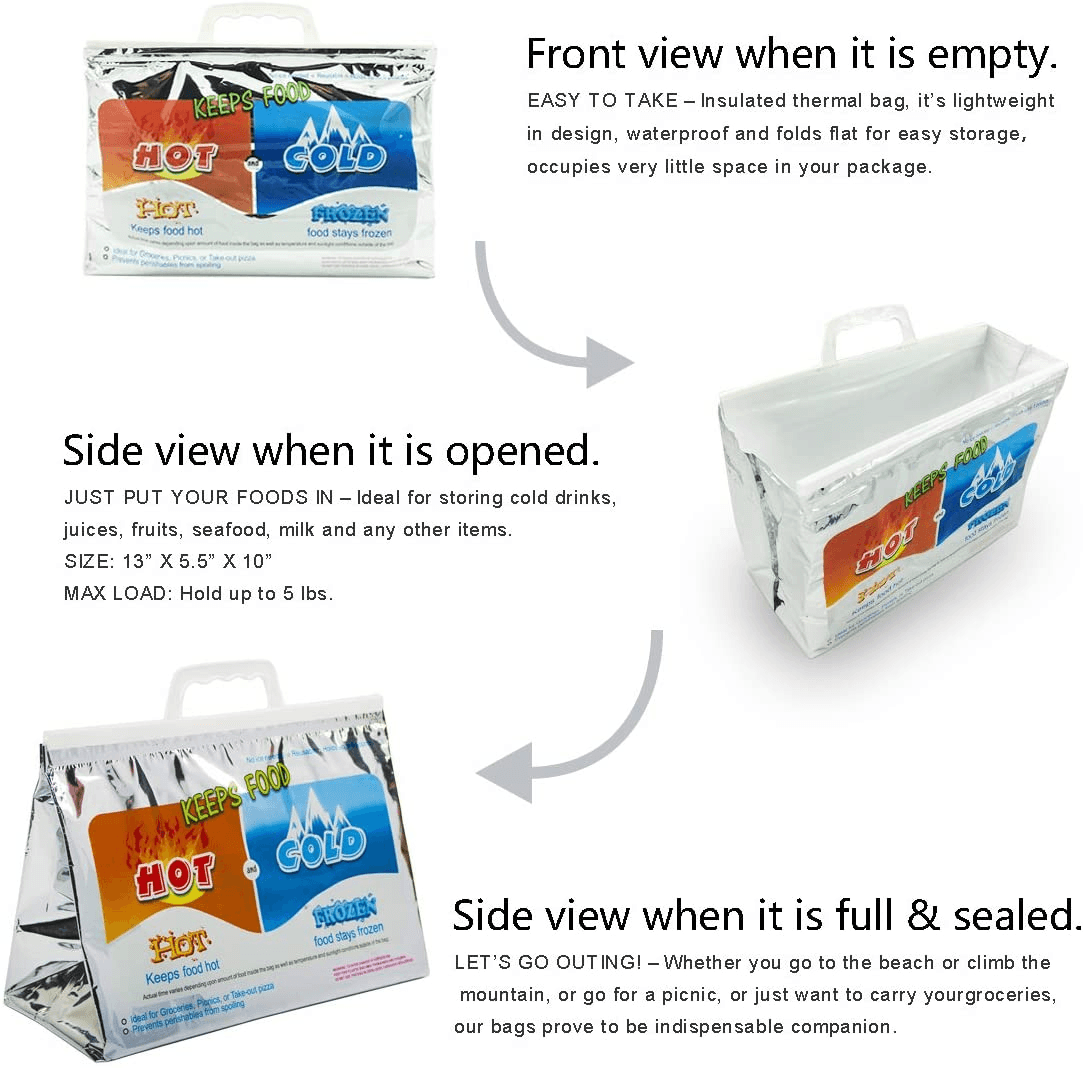
Thermal Cooler Bag Corporate Canada: A Clear Procurement Path for Buyers
A thermal cooler bag corporate canada request should end with a clear commercial specification, not just a shortlist of suppliers. The best buying process starts by defining the payload, route, handling pattern, cleaning expectation, branding need, and proof required before scale-up. This final version brings the buyer decision into one practical path for corporate procurement, HR gifting teams, grocery operators, and foodservice buyers who need fewer surprises between sampling and production.
A Better Buying Path: Define, Test, Then Scale
A thermal cooler bag corporate canada purchase becomes easier when buyers separate the decision into three stages: define the job, test the sample, and control the production order. Defining the job means writing the payload, route, temperature sensitivity, handling pattern, cleaning routine, and branding need in plain language. Testing the sample means loading and using it as operators will use it. Scaling means locking the specification and checking production against the approved sample.
For corporate procurement, HR gifting teams, grocery operators, and foodservice buyers, this process is more reliable than comparing supplier catalogs page by page. It also reduces the risk that matters most in this keyword: treating a branded cooler bag as merchandise only instead of a usable temperature-aware carrying system. A buyer does not need to know every material detail at the beginning, but the buyer does need to know what the bag must survive in real use.
The final specification should be practical enough for procurement, clear enough for the supplier, and honest enough for quality or operations teams. It should not overpromise refrigeration or compliance. It should explain the product's role inside a larger temperature-aware workflow.
What the Bag Can Do and What It Cannot Do
The product category behind thermal cooler bag corporate canada is usually passive insulation unless a powered cooling system is specifically included. Passive insulation helps slow heat transfer. It can support chilled, hot, or temperature-sensitive handoffs when the product starts in the correct condition and the route is suitable. It cannot correct poor pre-cooling, long uncontrolled delays, or a route that requires active refrigeration.
This distinction protects buyers from unrealistic claims. For grocery and food delivery, an insulated bag can help reduce temperature change during short handling periods, but the operation still needs food safety procedures, correct loading, and appropriate separation. For frozen food, the bag often needs coolant and a route plan; it should not be treated as a freezer. For healthcare or regulated products, additional qualification, monitoring, and documentation may be required.
Buyers in Canada should write these boundaries into their RFQ. A clear statement such as passive insulated bag for prepared meal delivery or insulated mailer to be used with chilled gel packs is more useful than a broad phrase such as refrigerated bag. Precise language leads to better supplier recommendations and fewer misunderstandings during approval.
The Specification That Prevents Most Problems
A useful specification does not have to be long. It should identify the bag type, internal usable dimensions, expected payload, outer material, liner material, insulation structure, closure, handle or strap style, logo method, cleaning expectation, carton packing, and evidence required for performance claims. If exact values are not known, write them as questions for supplier confirmation.
For employee programs, corporate catering, office lunches, grocery pickup, and branded campaigns, the most important details are often physical and operational. Can the bag close when loaded? Does the shape support the product? Can the liner be wiped and dried? Does the handle remain comfortable with the expected load? Does the carton packing protect the bag shape? Will the approved sample match mass production? These questions are simple, but they prevent many common purchasing failures.
The specification should also state what will be checked at receiving. Examples include dimensions, stitching, zipper function, logo placement, liner condition, odor, carton count, and visual damage. A supplier relationship improves when both sides know what counts as acceptable before the order ships.
Procurement Control Table
Use this table to keep the sourcing process practical from the first request to the second order.
| Procurement step | Practical action | Risk reduced | Evidence to keep |
|---|---|---|---|
| Define the job | Write payload, route, handling, cleaning, and branding requirements | Prevents overbroad supplier quotations | Internal use case brief |
| Approve sample | Load it with real products and check closure, handling, and cleaning | Prevents good-looking but unusable samples | Sample approval checklist |
| Check claims | Ask how hold time, durability, and leak resistance were evaluated | Prevents unsupported performance assumptions | Supplier test summary or verification note |
| Control production | Freeze approved materials, colors, dimensions, and packing method | Prevents quality drift after PO | Signed specification and inspection criteria |
| Review rollout | Gather feedback from warehouse, riders, stores, or end users | Finds issues before a second bulk order | Receiving and field feedback record |
The table makes the buying process less dependent on sales language. It also gives internal teams a shared checklist. Procurement can compare offers, quality can review claims, and operations can test usability without waiting until the full shipment arrives.
How to Compare Suppliers Without Chasing the Lowest Price
Price matters, especially in bulk orders, distributor programs, and private-label projects. The problem is that the lowest unit price may omit important details. A cheaper bag may use a thinner liner, weaker handle, looser stitching, lighter insulation, or less protective carton packing. These differences may not appear until the product is loaded, cleaned, or shipped through several branches.
A better comparison puts the quotation next to the specification. Are the materials the same? Are the dimensions internal or external? Is the logo method included? Is carton packing included? Is the supplier committing to the approved sample? Are there any substitutions allowed? Does the supplier provide enough documentation for your internal review? These questions make price meaningful.
Buyers should also think about the cost of change. If the first order arrives with quality drift, the correction cost includes time, complaints, rework, inventory, and delayed rollout. Paying slightly more for controlled production may be cheaper than fixing a poor bulk shipment. The goal is not to buy the most expensive bag; it is to buy the least ambiguous bag that fits the job.
When a Sample Looks Good but Is Not Ready
A good-looking sample can still be unfinished. The bag may photograph well but fail to close when packed with the actual product. It may feel strong when empty but distort when loaded. It may have a liner that wipes clean on flat areas but traps residue in seams. It may display a logo nicely on one panel but crease during carton packing. These are normal findings during sample review, not reasons to skip testing.
A buyer sourcing thermal cooler bags for corporate use should test the sample with real payloads, not a substitute of similar size. If the use involves chilled or frozen items, include the coolant or spacer method planned for production. If the use involves riders, stores, or branch teams, ask them to handle the sample. If the product is customer-facing, review appearance after folding, packing, and repeated opening.
The sample stage should end with a written decision: approved as is, approved with changes, rejected, or needs another sample. This prevents informal comments from turning into unclear production instructions. It also gives the supplier a controlled path to improve the product before scale-up.
Practical Example: Importer Review Before a Bulk Order
Imagine an importer buying thermal cooler bags for corporate use for employee programs, corporate catering, office lunches, grocery pickup, and branded campaigns. The supplier offers three options: a lower-cost lightweight style, a mid-range bag with stronger handles, and a premium version with a more attractive outer fabric. Instead of choosing immediately, the importer writes a short operating brief: product type, load weight range to confirm, route exposure to verify, cleaning expectation, logo method, and packing requirement.
The samples are then reviewed by different people. A warehouse employee checks carton packing and storage. A delivery operator checks loading and carrying. A quality reviewer checks the liner and claim wording. A brand manager checks logo appearance. The mid-range bag may become the best option because it meets the most operational requirements, even if it is not the cheapest or the most premium-looking.
This example is hypothetical, but the pattern is common. Good procurement is not only a supplier search; it is a process for turning uncertain requirements into a product that can be ordered, received, used, and reordered with fewer surprises.
Supplier Shortlisting Questions
When shortlisting suppliers for thermal cooler bag corporate canada, ask questions that reveal control rather than only enthusiasm. Can the supplier explain the difference between the proposed styles? Can they provide production-like samples? Can they confirm material, liner, insulation, closure, and logo method before final price? Can they describe how the approved sample is protected during mass production? Can they explain what performance claims are based on and what still needs buyer verification?
The best supplier is not always the one with the largest catalog. It is the supplier that can respond to your use case without turning every question into a slogan. A good answer may include limitations. For example, the supplier may say that a passive bag needs coolant for a particular frozen food route, or that a certain liner is easier to wipe but changes the feel of the product. Honest boundaries are useful in B2B sourcing.
A shortlist should include both commercial and operational factors. Price, MOQ, and lead time matter, but so do sample accuracy, carton packing, communication, change control, and the supplier's willingness to document the final specification. Keep a scorecard that reflects the way your business will actually use the bag.
Second-Order Thinking: Reorders, Changes, and Replacement
The first order is only part of the sourcing decision. If the product succeeds, you may need reorders, new colors, branch-specific logos, revised sizes, or a different packing method. A supplier who can manage these changes carefully is more valuable than one who only wins the first quotation. Ask how future changes will be documented and how old and new versions will be separated if both remain in stock.
For corporate procurement, replacement planning can matter as much as launch planning. Bags used in delivery, grocery, and beverage trade can be lost, damaged, or worn out. Decide whether replacement units must match the original exactly or whether an updated version is acceptable. Clear version control protects brand consistency and makes inventory management easier.
FAQ
Q: What should I include in a thermal cooler bag corporate canada RFQ?
A: Include intended use, payload, internal size needs, route exposure, cleaning expectations, logo method, order quantity range if available, carton packing needs, and the evidence required for performance claims. If you do not know an exact parameter, ask the supplier to confirm options instead of guessing.
Q: Is a soft insulated bag suitable for frozen food?
A: It may support some frozen food handoffs when used with the right coolant, starting product condition, route duration, and handling control. It should not be treated as a freezer. Buyers should verify the route, packout, and acceptance criteria before making frozen performance claims.
Q: How can I avoid quality drift in bulk production?
A: Keep an approved sample and a written specification. Confirm materials, dimensions, liner, insulation, closure, logo, and carton packing. Ask the supplier to notify you before substitutions. Use receiving inspection to compare the shipment against the approved sample.
Q: What is the most overlooked feature?
A: Cleaning and drying are often overlooked. A bag that looks durable may still create operational problems if the liner traps residue, absorbs odor, or stays wet. For food, grocery, and delivery use, cleaning behavior should be reviewed before ordering.
Conclusion
The right thermal cooler bag corporate canada choice comes from a practical sourcing process. Define the job, understand the bag's limits, test with real payloads, compare suppliers against a written specification, and control production against the approved sample. This approach is more reliable than buying by catalog appearance or unit price alone.
For buyers preparing a commercial order, the next step is to create a short route and payload brief. Share that brief with the supplier and ask for a sample that reflects production materials and packing. The result is a clearer conversation and a lower-risk bulk order.
Final Buyer Note
Before publishing or using this article as a buying brief, the editor or procurement owner should adjust any route-specific assumptions to the real program. For thermal cooler bags for corporate use, the practical details are usually more important than generic product names: payload, loading method, cleaning routine, storage, carton packing, logo method, and supplier change control. A clearer brief produces better samples, fewer quotation misunderstandings, and a more reliable path from trial order to repeat purchase.
About Tempk
Tempk supports insulated packaging buyers with practical product discussions around size, materials, route conditions, logo requirements, order quantity, and cleaning or reuse needs. For Canada, the most useful conversation usually starts with the product being carried and the way the bag will be used. From there, Tempk can help review suitable insulated bag structures and the questions that should be answered before a commercial order is placed.
Use your next supplier conversation to confirm route fit, material structure, cleaning expectations, and sample-to-production control for thermal cooler bag corporate canada. Tempk can help you organize that review.
Buyer Guide to Thermal Bag Wholesale Middle East
Thermal Bag Wholesale Middle East: A Clear Procurement Path for Buyers
A thermal bag wholesale middle east request should end with a clear commercial specification, not just a shortlist of suppliers. The best buying process starts by defining the payload, route, handling pattern, cleaning expectation, branding need, and proof required before scale-up. This final version brings the buyer decision into one practical path for wholesalers, restaurant chains, grocery groups, and importers who need fewer surprises between sampling and production.
A Better Buying Path: Define, Test, Then Scale
A thermal bag wholesale middle east purchase becomes easier when buyers separate the decision into three stages: define the job, test the sample, and control the production order. Defining the job means writing the payload, route, temperature sensitivity, handling pattern, cleaning routine, and branding need in plain language. Testing the sample means loading and using it as operators will use it. Scaling means locking the specification and checking production against the approved sample.
For wholesalers, restaurant chains, grocery groups, and importers, this process is more reliable than comparing supplier catalogs page by page. It also reduces the risk that matters most in this keyword: specifying bags from a catalog without testing heat exposure, vehicle loading, rider handling, or cleaning cycles. A buyer does not need to know every material detail at the beginning, but the buyer does need to know what the bag must survive in real use.
The final specification should be practical enough for procurement, clear enough for the supplier, and honest enough for quality or operations teams. It should not overpromise refrigeration or compliance. It should explain the product's role inside a larger temperature-aware workflow.
What the Bag Can Do and What It Cannot Do
The product category behind thermal bag wholesale middle east is usually passive insulation unless a powered cooling system is specifically included. Passive insulation helps slow heat transfer. It can support chilled, hot, or temperature-sensitive handoffs when the product starts in the correct condition and the route is suitable. It cannot correct poor pre-cooling, long uncontrolled delays, or a route that requires active refrigeration.
This distinction protects buyers from unrealistic claims. For grocery and food delivery, an insulated bag can help reduce temperature change during short handling periods, but the operation still needs food safety procedures, correct loading, and appropriate separation. For frozen food, the bag often needs coolant and a route plan; it should not be treated as a freezer. For healthcare or regulated products, additional qualification, monitoring, and documentation may be required.
Buyers in Middle East should write these boundaries into their RFQ. A clear statement such as passive insulated bag for prepared meal delivery or insulated mailer to be used with chilled gel packs is more useful than a broad phrase such as refrigerated bag. Precise language leads to better supplier recommendations and fewer misunderstandings during approval.
The Specification That Prevents Most Problems
A useful specification does not have to be long. It should identify the bag type, internal usable dimensions, expected payload, outer material, liner material, insulation structure, closure, handle or strap style, logo method, cleaning expectation, carton packing, and evidence required for performance claims. If exact values are not known, write them as questions for supplier confirmation.
For hot climate delivery, supermarket programs, foodservice distribution, and catering, the most important details are often physical and operational. Can the bag close when loaded? Does the shape support the product? Can the liner be wiped and dried? Does the handle remain comfortable with the expected load? Does the carton packing protect the bag shape? Will the approved sample match mass production? These questions are simple, but they prevent many common purchasing failures.
The specification should also state what will be checked at receiving. Examples include dimensions, stitching, zipper function, logo placement, liner condition, odor, carton count, and visual damage. A supplier relationship improves when both sides know what counts as acceptable before the order ships.
Procurement Control Table
Use this table to keep the sourcing process practical from the first request to the second order.
| Procurement step | Practical action | Risk reduced | Evidence to keep |
|---|---|---|---|
| Define the job | Write payload, route, handling, cleaning, and branding requirements | Prevents overbroad supplier quotations | Internal use case brief |
| Approve sample | Load it with real products and check closure, handling, and cleaning | Prevents good-looking but unusable samples | Sample approval checklist |
| Check claims | Ask how hold time, durability, and leak resistance were evaluated | Prevents unsupported performance assumptions | Supplier test summary or verification note |
| Control production | Freeze approved materials, colors, dimensions, and packing method | Prevents quality drift after PO | Signed specification and inspection criteria |
| Review rollout | Gather feedback from warehouse, riders, stores, or end users | Finds issues before a second bulk order | Receiving and field feedback record |
The table makes the buying process less dependent on sales language. It also gives internal teams a shared checklist. Procurement can compare offers, quality can review claims, and operations can test usability without waiting until the full shipment arrives.
How to Compare Suppliers Without Chasing the Lowest Price
Price matters, especially in bulk orders, distributor programs, and private-label projects. The problem is that the lowest unit price may omit important details. A cheaper bag may use a thinner liner, weaker handle, looser stitching, lighter insulation, or less protective carton packing. These differences may not appear until the product is loaded, cleaned, or shipped through several branches.
A better comparison puts the quotation next to the specification. Are the materials the same? Are the dimensions internal or external? Is the logo method included? Is carton packing included? Is the supplier committing to the approved sample? Are there any substitutions allowed? Does the supplier provide enough documentation for your internal review? These questions make price meaningful.
Buyers should also think about the cost of change. If the first order arrives with quality drift, the correction cost includes time, complaints, rework, inventory, and delayed rollout. Paying slightly more for controlled production may be cheaper than fixing a poor bulk shipment. The goal is not to buy the most expensive bag; it is to buy the least ambiguous bag that fits the job.
When a Sample Looks Good but Is Not Ready
A good-looking sample can still be unfinished. The bag may photograph well but fail to close when packed with the actual product. It may feel strong when empty but distort when loaded. It may have a liner that wipes clean on flat areas but traps residue in seams. It may display a logo nicely on one panel but crease during carton packing. These are normal findings during sample review, not reasons to skip testing.
A buyer sourcing thermal bags for wholesale programs should test the sample with real payloads, not a substitute of similar size. If the use involves chilled or frozen items, include the coolant or spacer method planned for production. If the use involves riders, stores, or branch teams, ask them to handle the sample. If the product is customer-facing, review appearance after folding, packing, and repeated opening.
The sample stage should end with a written decision: approved as is, approved with changes, rejected, or needs another sample. This prevents informal comments from turning into unclear production instructions. It also gives the supplier a controlled path to improve the product before scale-up.
Practical Example: Importer Review Before a Bulk Order
Imagine an importer buying thermal bags for wholesale programs for hot climate delivery, supermarket programs, foodservice distribution, and catering. The supplier offers three options: a lower-cost lightweight style, a mid-range bag with stronger handles, and a premium version with a more attractive outer fabric. Instead of choosing immediately, the importer writes a short operating brief: product type, load weight range to confirm, route exposure to verify, cleaning expectation, logo method, and packing requirement.
The samples are then reviewed by different people. A warehouse employee checks carton packing and storage. A delivery operator checks loading and carrying. A quality reviewer checks the liner and claim wording. A brand manager checks logo appearance. The mid-range bag may become the best option because it meets the most operational requirements, even if it is not the cheapest or the most premium-looking.
This example is hypothetical, but the pattern is common. Good procurement is not only a supplier search; it is a process for turning uncertain requirements into a product that can be ordered, received, used, and reordered with fewer surprises.
Supplier Shortlisting Questions
When shortlisting suppliers for thermal bag wholesale middle east, ask questions that reveal control rather than only enthusiasm. Can the supplier explain the difference between the proposed styles? Can they provide production-like samples? Can they confirm material, liner, insulation, closure, and logo method before final price? Can they describe how the approved sample is protected during mass production? Can they explain what performance claims are based on and what still needs buyer verification?
The best supplier is not always the one with the largest catalog. It is the supplier that can respond to your use case without turning every question into a slogan. A good answer may include limitations. For example, the supplier may say that a passive bag needs coolant for a particular frozen food route, or that a certain liner is easier to wipe but changes the feel of the product. Honest boundaries are useful in B2B sourcing.
A shortlist should include both commercial and operational factors. Price, MOQ, and lead time matter, but so do sample accuracy, carton packing, communication, change control, and the supplier's willingness to document the final specification. Keep a scorecard that reflects the way your business will actually use the bag.
Second-Order Thinking: Reorders, Changes, and Replacement
The first order is only part of the sourcing decision. If the product succeeds, you may need reorders, new colors, branch-specific logos, revised sizes, or a different packing method. A supplier who can manage these changes carefully is more valuable than one who only wins the first quotation. Ask how future changes will be documented and how old and new versions will be separated if both remain in stock.
For regional wholesale, replacement planning can matter as much as launch planning. Bags used in delivery, grocery, and beverage trade can be lost, damaged, or worn out. Decide whether replacement units must match the original exactly or whether an updated version is acceptable. Clear version control protects brand consistency and makes inventory management easier.
FAQ
Q: What should I include in a thermal bag wholesale middle east RFQ?
A: Include intended use, payload, internal size needs, route exposure, cleaning expectations, logo method, order quantity range if available, carton packing needs, and the evidence required for performance claims. If you do not know an exact parameter, ask the supplier to confirm options instead of guessing.
Q: Is a soft insulated bag suitable for frozen food?
A: It may support some frozen food handoffs when used with the right coolant, starting product condition, route duration, and handling control. It should not be treated as a freezer. Buyers should verify the route, packout, and acceptance criteria before making frozen performance claims.
Q: How can I avoid quality drift in bulk production?
A: Keep an approved sample and a written specification. Confirm materials, dimensions, liner, insulation, closure, logo, and carton packing. Ask the supplier to notify you before substitutions. Use receiving inspection to compare the shipment against the approved sample.
Q: What is the most overlooked feature?
A: Cleaning and drying are often overlooked. A bag that looks durable may still create operational problems if the liner traps residue, absorbs odor, or stays wet. For food, grocery, and delivery use, cleaning behavior should be reviewed before ordering.
Conclusion
The right thermal bag wholesale middle east choice comes from a practical sourcing process. Define the job, understand the bag's limits, test with real payloads, compare suppliers against a written specification, and control production against the approved sample. This approach is more reliable than buying by catalog appearance or unit price alone.
For buyers preparing a commercial order, the next step is to create a short route and payload brief. Share that brief with the supplier and ask for a sample that reflects production materials and packing. The result is a clearer conversation and a lower-risk bulk order.
Final Buyer Note
Before publishing or using this article as a buying brief, the editor or procurement owner should adjust any route-specific assumptions to the real program. For thermal bags for wholesale programs, the practical details are usually more important than generic product names: payload, loading method, cleaning routine, storage, carton packing, logo method, and supplier change control. A clearer brief produces better samples, fewer quotation misunderstandings, and a more reliable path from trial order to repeat purchase.
About Tempk
Tempk supports insulated packaging buyers with practical product discussions around size, materials, route conditions, logo requirements, order quantity, and cleaning or reuse needs. For Middle East, the most useful conversation usually starts with the product being carried and the way the bag will be used. From there, Tempk can help review suitable insulated bag structures and the questions that should be answered before a commercial order is placed.
Use your next supplier conversation to confirm route fit, material structure, cleaning expectations, and sample-to-production control for thermal bag wholesale middle east. Tempk can help you organize that review.
Buyer Guide to Refrigerated Bag Supplier China
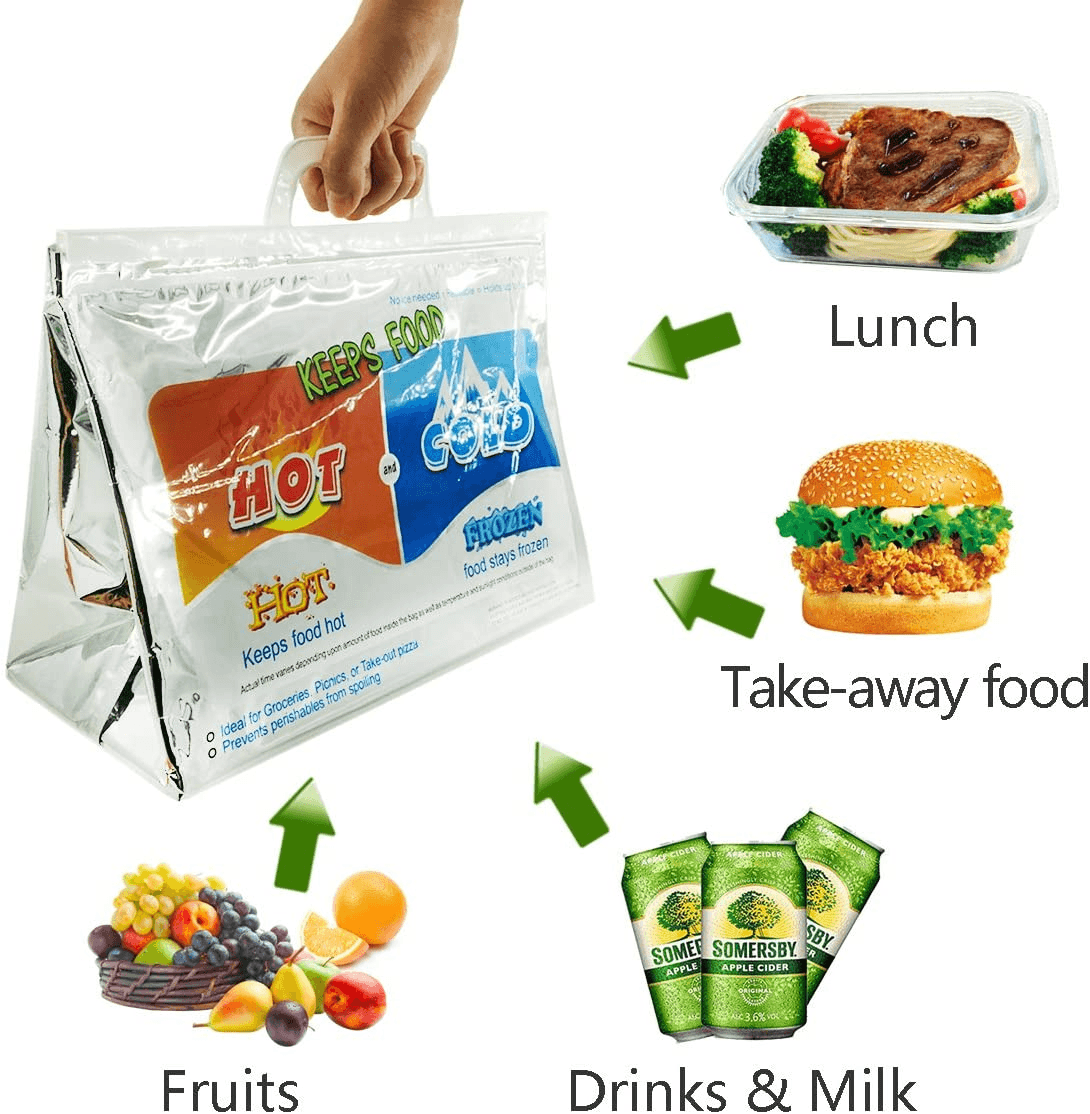
Refrigerated Bag Supplier China: A Clear Procurement Path for Buyers
A refrigerated bag supplier china request should end with a clear commercial specification, not just a shortlist of suppliers. The best buying process starts by defining the payload, route, handling pattern, cleaning expectation, branding need, and proof required before scale-up. This final version brings the buyer decision into one practical path for importers, brand owners, and procurement teams comparing factory suppliers who need fewer surprises between sampling and production.
A Better Buying Path: Define, Test, Then Scale
A refrigerated bag supplier china purchase becomes easier when buyers separate the decision into three stages: define the job, test the sample, and control the production order. Defining the job means writing the payload, route, temperature sensitivity, handling pattern, cleaning routine, and branding need in plain language. Testing the sample means loading and using it as operators will use it. Scaling means locking the specification and checking production against the approved sample.
For importers, brand owners, and procurement teams comparing factory suppliers, this process is more reliable than comparing supplier catalogs page by page. It also reduces the risk that matters most in this keyword: confusing an insulated bag with a powered refrigerator or accepting hold-time claims without a matching packout. A buyer does not need to know every material detail at the beginning, but the buyer does need to know what the bag must survive in real use.
The final specification should be practical enough for procurement, clear enough for the supplier, and honest enough for quality or operations teams. It should not overpromise refrigeration or compliance. It should explain the product's role inside a larger temperature-aware workflow.
What the Bag Can Do and What It Cannot Do
The product category behind refrigerated bag supplier china is usually passive insulation unless a powered cooling system is specifically included. Passive insulation helps slow heat transfer. It can support chilled, hot, or temperature-sensitive handoffs when the product starts in the correct condition and the route is suitable. It cannot correct poor pre-cooling, long uncontrolled delays, or a route that requires active refrigeration.
This distinction protects buyers from unrealistic claims. For grocery and food delivery, an insulated bag can help reduce temperature change during short handling periods, but the operation still needs food safety procedures, correct loading, and appropriate separation. For frozen food, the bag often needs coolant and a route plan; it should not be treated as a freezer. For healthcare or regulated products, additional qualification, monitoring, and documentation may be required.
Buyers in China export market should write these boundaries into their RFQ. A clear statement such as passive insulated bag for prepared meal delivery or insulated mailer to be used with chilled gel packs is more useful than a broad phrase such as refrigerated bag. Precise language leads to better supplier recommendations and fewer misunderstandings during approval.
The Specification That Prevents Most Problems
A useful specification does not have to be long. It should identify the bag type, internal usable dimensions, expected payload, outer material, liner material, insulation structure, closure, handle or strap style, logo method, cleaning expectation, carton packing, and evidence required for performance claims. If exact values are not known, write them as questions for supplier confirmation.
For food delivery, pharmacy delivery, grocery retail, seafood, and meal kits, the most important details are often physical and operational. Can the bag close when loaded? Does the shape support the product? Can the liner be wiped and dried? Does the handle remain comfortable with the expected load? Does the carton packing protect the bag shape? Will the approved sample match mass production? These questions are simple, but they prevent many common purchasing failures.
The specification should also state what will be checked at receiving. Examples include dimensions, stitching, zipper function, logo placement, liner condition, odor, carton count, and visual damage. A supplier relationship improves when both sides know what counts as acceptable before the order ships.
Procurement Control Table
Use this table to keep the sourcing process practical from the first request to the second order.
| Procurement step | Practical action | Risk reduced | Evidence to keep |
|---|---|---|---|
| Define the job | Write payload, route, handling, cleaning, and branding requirements | Prevents overbroad supplier quotations | Internal use case brief |
| Approve sample | Load it with real products and check closure, handling, and cleaning | Prevents good-looking but unusable samples | Sample approval checklist |
| Check claims | Ask how hold time, durability, and leak resistance were evaluated | Prevents unsupported performance assumptions | Supplier test summary or verification note |
| Control production | Freeze approved materials, colors, dimensions, and packing method | Prevents quality drift after PO | Signed specification and inspection criteria |
| Review rollout | Gather feedback from warehouse, riders, stores, or end users | Finds issues before a second bulk order | Receiving and field feedback record |
The table makes the buying process less dependent on sales language. It also gives internal teams a shared checklist. Procurement can compare offers, quality can review claims, and operations can test usability without waiting until the full shipment arrives.
How to Compare Suppliers Without Chasing the Lowest Price
Price matters, especially in bulk orders, distributor programs, and private-label projects. The problem is that the lowest unit price may omit important details. A cheaper bag may use a thinner liner, weaker handle, looser stitching, lighter insulation, or less protective carton packing. These differences may not appear until the product is loaded, cleaned, or shipped through several branches.
A better comparison puts the quotation next to the specification. Are the materials the same? Are the dimensions internal or external? Is the logo method included? Is carton packing included? Is the supplier committing to the approved sample? Are there any substitutions allowed? Does the supplier provide enough documentation for your internal review? These questions make price meaningful.
Buyers should also think about the cost of change. If the first order arrives with quality drift, the correction cost includes time, complaints, rework, inventory, and delayed rollout. Paying slightly more for controlled production may be cheaper than fixing a poor bulk shipment. The goal is not to buy the most expensive bag; it is to buy the least ambiguous bag that fits the job.
When a Sample Looks Good but Is Not Ready
A good-looking sample can still be unfinished. The bag may photograph well but fail to close when packed with the actual product. It may feel strong when empty but distort when loaded. It may have a liner that wipes clean on flat areas but traps residue in seams. It may display a logo nicely on one panel but crease during carton packing. These are normal findings during sample review, not reasons to skip testing.
A buyer sourcing insulated or actively cooled refrigerated-style bags should test the sample with real payloads, not a substitute of similar size. If the use involves chilled or frozen items, include the coolant or spacer method planned for production. If the use involves riders, stores, or branch teams, ask them to handle the sample. If the product is customer-facing, review appearance after folding, packing, and repeated opening.
The sample stage should end with a written decision: approved as is, approved with changes, rejected, or needs another sample. This prevents informal comments from turning into unclear production instructions. It also gives the supplier a controlled path to improve the product before scale-up.
Practical Example: Importer Review Before a Bulk Order
Imagine an importer buying insulated or actively cooled refrigerated-style bags for food delivery, pharmacy delivery, grocery retail, seafood, and meal kits. The supplier offers three options: a lower-cost lightweight style, a mid-range bag with stronger handles, and a premium version with a more attractive outer fabric. Instead of choosing immediately, the importer writes a short operating brief: product type, load weight range to confirm, route exposure to verify, cleaning expectation, logo method, and packing requirement.
The samples are then reviewed by different people. A warehouse employee checks carton packing and storage. A delivery operator checks loading and carrying. A quality reviewer checks the liner and claim wording. A brand manager checks logo appearance. The mid-range bag may become the best option because it meets the most operational requirements, even if it is not the cheapest or the most premium-looking.
This example is hypothetical, but the pattern is common. Good procurement is not only a supplier search; it is a process for turning uncertain requirements into a product that can be ordered, received, used, and reordered with fewer surprises.
Supplier Shortlisting Questions
When shortlisting suppliers for refrigerated bag supplier china, ask questions that reveal control rather than only enthusiasm. Can the supplier explain the difference between the proposed styles? Can they provide production-like samples? Can they confirm material, liner, insulation, closure, and logo method before final price? Can they describe how the approved sample is protected during mass production? Can they explain what performance claims are based on and what still needs buyer verification?
The best supplier is not always the one with the largest catalog. It is the supplier that can respond to your use case without turning every question into a slogan. A good answer may include limitations. For example, the supplier may say that a passive bag needs coolant for a particular frozen food route, or that a certain liner is easier to wipe but changes the feel of the product. Honest boundaries are useful in B2B sourcing.
A shortlist should include both commercial and operational factors. Price, MOQ, and lead time matter, but so do sample accuracy, carton packing, communication, change control, and the supplier's willingness to document the final specification. Keep a scorecard that reflects the way your business will actually use the bag.
Second-Order Thinking: Reorders, Changes, and Replacement
The first order is only part of the sourcing decision. If the product succeeds, you may need reorders, new colors, branch-specific logos, revised sizes, or a different packing method. A supplier who can manage these changes carefully is more valuable than one who only wins the first quotation. Ask how future changes will be documented and how old and new versions will be separated if both remain in stock.
For factory sourcing, replacement planning can matter as much as launch planning. Bags used in delivery, grocery, and beverage trade can be lost, damaged, or worn out. Decide whether replacement units must match the original exactly or whether an updated version is acceptable. Clear version control protects brand consistency and makes inventory management easier.
FAQ
Q: What should I include in a refrigerated bag supplier china RFQ?
A: Include intended use, payload, internal size needs, route exposure, cleaning expectations, logo method, order quantity range if available, carton packing needs, and the evidence required for performance claims. If you do not know an exact parameter, ask the supplier to confirm options instead of guessing.
Q: Is a soft insulated bag suitable for frozen food?
A: It may support some frozen food handoffs when used with the right coolant, starting product condition, route duration, and handling control. It should not be treated as a freezer. Buyers should verify the route, packout, and acceptance criteria before making frozen performance claims.
Q: How can I avoid quality drift in bulk production?
A: Keep an approved sample and a written specification. Confirm materials, dimensions, liner, insulation, closure, logo, and carton packing. Ask the supplier to notify you before substitutions. Use receiving inspection to compare the shipment against the approved sample.
Q: What is the most overlooked feature?
A: Cleaning and drying are often overlooked. A bag that looks durable may still create operational problems if the liner traps residue, absorbs odor, or stays wet. For food, grocery, and delivery use, cleaning behavior should be reviewed before ordering.
Conclusion
The right refrigerated bag supplier china choice comes from a practical sourcing process. Define the job, understand the bag's limits, test with real payloads, compare suppliers against a written specification, and control production against the approved sample. This approach is more reliable than buying by catalog appearance or unit price alone.
For buyers preparing a commercial order, the next step is to create a short route and payload brief. Share that brief with the supplier and ask for a sample that reflects production materials and packing. The result is a clearer conversation and a lower-risk bulk order.
Final Buyer Note
Before publishing or using this article as a buying brief, the editor or procurement owner should adjust any route-specific assumptions to the real program. For insulated or actively cooled refrigerated-style bags, the practical details are usually more important than generic product names: payload, loading method, cleaning routine, storage, carton packing, logo method, and supplier change control. A clearer brief produces better samples, fewer quotation misunderstandings, and a more reliable path from trial order to repeat purchase.
About Tempk
Tempk supports insulated packaging buyers with practical product discussions around size, materials, route conditions, logo requirements, order quantity, and cleaning or reuse needs. For China export market, the most useful conversation usually starts with the product being carried and the way the bag will be used. From there, Tempk can help review suitable insulated bag structures and the questions that should be answered before a commercial order is placed.
Use your next supplier conversation to confirm route fit, material structure, cleaning expectations, and sample-to-production control for refrigerated bag supplier china. Tempk can help you organize that review.
Buyer Guide to Insulated Shopping Bag Heavy Duty

Insulated Shopping Bag Heavy Duty: A Clear Procurement Path for Buyers
A insulated shopping bag heavy duty request should end with a clear commercial specification, not just a shortlist of suppliers. The best buying process starts by defining the payload, route, handling pattern, cleaning expectation, branding need, and proof required before scale-up. This final version brings the buyer decision into one practical path for retail buyers, grocers, promotional teams, and reusable packaging managers who need fewer surprises between sampling and production.
A Better Buying Path: Define, Test, Then Scale
A insulated shopping bag heavy duty purchase becomes easier when buyers separate the decision into three stages: define the job, test the sample, and control the production order. Defining the job means writing the payload, route, temperature sensitivity, handling pattern, cleaning routine, and branding need in plain language. Testing the sample means loading and using it as operators will use it. Scaling means locking the specification and checking production against the approved sample.
For retail buyers, grocers, promotional teams, and reusable packaging managers, this process is more reliable than comparing supplier catalogs page by page. It also reduces the risk that matters most in this keyword: overbuilding the bag for appearance while under-specifying seams, closure, load comfort, and liner cleanability. A buyer does not need to know every material detail at the beginning, but the buyer does need to know what the bag must survive in real use.
The final specification should be practical enough for procurement, clear enough for the supplier, and honest enough for quality or operations teams. It should not overpromise refrigeration or compliance. It should explain the product's role inside a larger temperature-aware workflow.
What the Bag Can Do and What It Cannot Do
The product category behind insulated shopping bag heavy duty is usually passive insulation unless a powered cooling system is specifically included. Passive insulation helps slow heat transfer. It can support chilled, hot, or temperature-sensitive handoffs when the product starts in the correct condition and the route is suitable. It cannot correct poor pre-cooling, long uncontrolled delays, or a route that requires active refrigeration.
This distinction protects buyers from unrealistic claims. For grocery and food delivery, an insulated bag can help reduce temperature change during short handling periods, but the operation still needs food safety procedures, correct loading, and appropriate separation. For frozen food, the bag often needs coolant and a route plan; it should not be treated as a freezer. For healthcare or regulated products, additional qualification, monitoring, and documentation may be required.
Buyers in retail, grocery, and wholesale programs should write these boundaries into their RFQ. A clear statement such as passive insulated bag for prepared meal delivery or insulated mailer to be used with chilled gel packs is more useful than a broad phrase such as refrigerated bag. Precise language leads to better supplier recommendations and fewer misunderstandings during approval.
The Specification That Prevents Most Problems
A useful specification does not have to be long. It should identify the bag type, internal usable dimensions, expected payload, outer material, liner material, insulation structure, closure, handle or strap style, logo method, cleaning expectation, carton packing, and evidence required for performance claims. If exact values are not known, write them as questions for supplier confirmation.
For in-store shopping, curbside pickup, grocery delivery, and customer loyalty programs, the most important details are often physical and operational. Can the bag close when loaded? Does the shape support the product? Can the liner be wiped and dried? Does the handle remain comfortable with the expected load? Does the carton packing protect the bag shape? Will the approved sample match mass production? These questions are simple, but they prevent many common purchasing failures.
The specification should also state what will be checked at receiving. Examples include dimensions, stitching, zipper function, logo placement, liner condition, odor, carton count, and visual damage. A supplier relationship improves when both sides know what counts as acceptable before the order ships.
Procurement Control Table
Use this table to keep the sourcing process practical from the first request to the second order.
| Procurement step | Practical action | Risk reduced | Evidence to keep |
|---|---|---|---|
| Define the job | Write payload, route, handling, cleaning, and branding requirements | Prevents overbroad supplier quotations | Internal use case brief |
| Approve sample | Load it with real products and check closure, handling, and cleaning | Prevents good-looking but unusable samples | Sample approval checklist |
| Check claims | Ask how hold time, durability, and leak resistance were evaluated | Prevents unsupported performance assumptions | Supplier test summary or verification note |
| Control production | Freeze approved materials, colors, dimensions, and packing method | Prevents quality drift after PO | Signed specification and inspection criteria |
| Review rollout | Gather feedback from warehouse, riders, stores, or end users | Finds issues before a second bulk order | Receiving and field feedback record |
The table makes the buying process less dependent on sales language. It also gives internal teams a shared checklist. Procurement can compare offers, quality can review claims, and operations can test usability without waiting until the full shipment arrives.
How to Compare Suppliers Without Chasing the Lowest Price
Price matters, especially in bulk orders, distributor programs, and private-label projects. The problem is that the lowest unit price may omit important details. A cheaper bag may use a thinner liner, weaker handle, looser stitching, lighter insulation, or less protective carton packing. These differences may not appear until the product is loaded, cleaned, or shipped through several branches.
A better comparison puts the quotation next to the specification. Are the materials the same? Are the dimensions internal or external? Is the logo method included? Is carton packing included? Is the supplier committing to the approved sample? Are there any substitutions allowed? Does the supplier provide enough documentation for your internal review? These questions make price meaningful.
Buyers should also think about the cost of change. If the first order arrives with quality drift, the correction cost includes time, complaints, rework, inventory, and delayed rollout. Paying slightly more for controlled production may be cheaper than fixing a poor bulk shipment. The goal is not to buy the most expensive bag; it is to buy the least ambiguous bag that fits the job.
When a Sample Looks Good but Is Not Ready
A good-looking sample can still be unfinished. The bag may photograph well but fail to close when packed with the actual product. It may feel strong when empty but distort when loaded. It may have a liner that wipes clean on flat areas but traps residue in seams. It may display a logo nicely on one panel but crease during carton packing. These are normal findings during sample review, not reasons to skip testing.
A buyer sourcing heavy duty insulated shopping bags should test the sample with real payloads, not a substitute of similar size. If the use involves chilled or frozen items, include the coolant or spacer method planned for production. If the use involves riders, stores, or branch teams, ask them to handle the sample. If the product is customer-facing, review appearance after folding, packing, and repeated opening.
The sample stage should end with a written decision: approved as is, approved with changes, rejected, or needs another sample. This prevents informal comments from turning into unclear production instructions. It also gives the supplier a controlled path to improve the product before scale-up.
Practical Example: Importer Review Before a Bulk Order
Imagine an importer buying heavy duty insulated shopping bags for in-store shopping, curbside pickup, grocery delivery, and customer loyalty programs. The supplier offers three options: a lower-cost lightweight style, a mid-range bag with stronger handles, and a premium version with a more attractive outer fabric. Instead of choosing immediately, the importer writes a short operating brief: product type, load weight range to confirm, route exposure to verify, cleaning expectation, logo method, and packing requirement.
The samples are then reviewed by different people. A warehouse employee checks carton packing and storage. A delivery operator checks loading and carrying. A quality reviewer checks the liner and claim wording. A brand manager checks logo appearance. The mid-range bag may become the best option because it meets the most operational requirements, even if it is not the cheapest or the most premium-looking.
This example is hypothetical, but the pattern is common. Good procurement is not only a supplier search; it is a process for turning uncertain requirements into a product that can be ordered, received, used, and reordered with fewer surprises.
Supplier Shortlisting Questions
When shortlisting suppliers for insulated shopping bag heavy duty, ask questions that reveal control rather than only enthusiasm. Can the supplier explain the difference between the proposed styles? Can they provide production-like samples? Can they confirm material, liner, insulation, closure, and logo method before final price? Can they describe how the approved sample is protected during mass production? Can they explain what performance claims are based on and what still needs buyer verification?
The best supplier is not always the one with the largest catalog. It is the supplier that can respond to your use case without turning every question into a slogan. A good answer may include limitations. For example, the supplier may say that a passive bag needs coolant for a particular frozen food route, or that a certain liner is easier to wipe but changes the feel of the product. Honest boundaries are useful in B2B sourcing.
A shortlist should include both commercial and operational factors. Price, MOQ, and lead time matter, but so do sample accuracy, carton packing, communication, change control, and the supplier's willingness to document the final specification. Keep a scorecard that reflects the way your business will actually use the bag.
Second-Order Thinking: Reorders, Changes, and Replacement
The first order is only part of the sourcing decision. If the product succeeds, you may need reorders, new colors, branch-specific logos, revised sizes, or a different packing method. A supplier who can manage these changes carefully is more valuable than one who only wins the first quotation. Ask how future changes will be documented and how old and new versions will be separated if both remain in stock.
For bulk retail procurement, replacement planning can matter as much as launch planning. Bags used in delivery, grocery, and beverage trade can be lost, damaged, or worn out. Decide whether replacement units must match the original exactly or whether an updated version is acceptable. Clear version control protects brand consistency and makes inventory management easier.
FAQ
Q: What should I include in a insulated shopping bag heavy duty RFQ?
A: Include intended use, payload, internal size needs, route exposure, cleaning expectations, logo method, order quantity range if available, carton packing needs, and the evidence required for performance claims. If you do not know an exact parameter, ask the supplier to confirm options instead of guessing.
Q: Is a soft insulated bag suitable for frozen food?
A: It may support some frozen food handoffs when used with the right coolant, starting product condition, route duration, and handling control. It should not be treated as a freezer. Buyers should verify the route, packout, and acceptance criteria before making frozen performance claims.
Q: How can I avoid quality drift in bulk production?
A: Keep an approved sample and a written specification. Confirm materials, dimensions, liner, insulation, closure, logo, and carton packing. Ask the supplier to notify you before substitutions. Use receiving inspection to compare the shipment against the approved sample.
Q: What is the most overlooked feature?
A: Cleaning and drying are often overlooked. A bag that looks durable may still create operational problems if the liner traps residue, absorbs odor, or stays wet. For food, grocery, and delivery use, cleaning behavior should be reviewed before ordering.
Conclusion
The right insulated shopping bag heavy duty choice comes from a practical sourcing process. Define the job, understand the bag's limits, test with real payloads, compare suppliers against a written specification, and control production against the approved sample. This approach is more reliable than buying by catalog appearance or unit price alone.
For buyers preparing a commercial order, the next step is to create a short route and payload brief. Share that brief with the supplier and ask for a sample that reflects production materials and packing. The result is a clearer conversation and a lower-risk bulk order.
Final Buyer Note
Before publishing or using this article as a buying brief, the editor or procurement owner should adjust any route-specific assumptions to the real program. For heavy duty insulated shopping bags, the practical details are usually more important than generic product names: payload, loading method, cleaning routine, storage, carton packing, logo method, and supplier change control. A clearer brief produces better samples, fewer quotation misunderstandings, and a more reliable path from trial order to repeat purchase.
About Tempk
Tempk supports insulated packaging buyers with practical product discussions around size, materials, route conditions, logo requirements, order quantity, and cleaning or reuse needs. For retail, grocery, and wholesale programs, the most useful conversation usually starts with the product being carried and the way the bag will be used. From there, Tempk can help review suitable insulated bag structures and the questions that should be answered before a commercial order is placed.
Use your next supplier conversation to confirm route fit, material structure, cleaning expectations, and sample-to-production control for insulated shopping bag heavy duty. Tempk can help you organize that review.
Buyer Guide to Insulated Shopping Bag Bulk Order
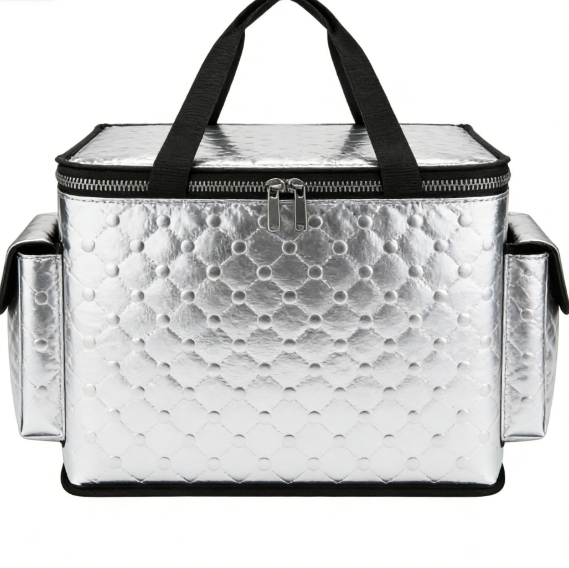
Insulated Shopping Bag Bulk Order: A Clear Procurement Path for Buyers
A insulated shopping bag bulk order request should end with a clear commercial specification, not just a shortlist of suppliers. The best buying process starts by defining the payload, route, handling pattern, cleaning expectation, branding need, and proof required before scale-up. This final version brings the buyer decision into one practical path for retail chains, promotional buyers, distributors, and procurement teams who need fewer surprises between sampling and production.
A Better Buying Path: Define, Test, Then Scale
A insulated shopping bag bulk order purchase becomes easier when buyers separate the decision into three stages: define the job, test the sample, and control the production order. Defining the job means writing the payload, route, temperature sensitivity, handling pattern, cleaning routine, and branding need in plain language. Testing the sample means loading and using it as operators will use it. Scaling means locking the specification and checking production against the approved sample.
For retail chains, promotional buyers, distributors, and procurement teams, this process is more reliable than comparing supplier catalogs page by page. It also reduces the risk that matters most in this keyword: letting unit price hide quality drift, inconsistent branding, weak handles, and unsuitable packaging for distribution. A buyer does not need to know every material detail at the beginning, but the buyer does need to know what the bag must survive in real use.
The final specification should be practical enough for procurement, clear enough for the supplier, and honest enough for quality or operations teams. It should not overpromise refrigeration or compliance. It should explain the product's role inside a larger temperature-aware workflow.
What the Bag Can Do and What It Cannot Do
The product category behind insulated shopping bag bulk order is usually passive insulation unless a powered cooling system is specifically included. Passive insulation helps slow heat transfer. It can support chilled, hot, or temperature-sensitive handoffs when the product starts in the correct condition and the route is suitable. It cannot correct poor pre-cooling, long uncontrolled delays, or a route that requires active refrigeration.
This distinction protects buyers from unrealistic claims. For grocery and food delivery, an insulated bag can help reduce temperature change during short handling periods, but the operation still needs food safety procedures, correct loading, and appropriate separation. For frozen food, the bag often needs coolant and a route plan; it should not be treated as a freezer. For healthcare or regulated products, additional qualification, monitoring, and documentation may be required.
Buyers in global bulk purchasing market should write these boundaries into their RFQ. A clear statement such as passive insulated bag for prepared meal delivery or insulated mailer to be used with chilled gel packs is more useful than a broad phrase such as refrigerated bag. Precise language leads to better supplier recommendations and fewer misunderstandings during approval.
The Specification That Prevents Most Problems
A useful specification does not have to be long. It should identify the bag type, internal usable dimensions, expected payload, outer material, liner material, insulation structure, closure, handle or strap style, logo method, cleaning expectation, carton packing, and evidence required for performance claims. If exact values are not known, write them as questions for supplier confirmation.
For retail checkout, grocery loyalty campaigns, subscription boxes, and customer-facing reusable bags, the most important details are often physical and operational. Can the bag close when loaded? Does the shape support the product? Can the liner be wiped and dried? Does the handle remain comfortable with the expected load? Does the carton packing protect the bag shape? Will the approved sample match mass production? These questions are simple, but they prevent many common purchasing failures.
The specification should also state what will be checked at receiving. Examples include dimensions, stitching, zipper function, logo placement, liner condition, odor, carton count, and visual damage. A supplier relationship improves when both sides know what counts as acceptable before the order ships.
Procurement Control Table
Use this table to keep the sourcing process practical from the first request to the second order.
| Procurement step | Practical action | Risk reduced | Evidence to keep |
|---|---|---|---|
| Define the job | Write payload, route, handling, cleaning, and branding requirements | Prevents overbroad supplier quotations | Internal use case brief |
| Approve sample | Load it with real products and check closure, handling, and cleaning | Prevents good-looking but unusable samples | Sample approval checklist |
| Check claims | Ask how hold time, durability, and leak resistance were evaluated | Prevents unsupported performance assumptions | Supplier test summary or verification note |
| Control production | Freeze approved materials, colors, dimensions, and packing method | Prevents quality drift after PO | Signed specification and inspection criteria |
| Review rollout | Gather feedback from warehouse, riders, stores, or end users | Finds issues before a second bulk order | Receiving and field feedback record |
The table makes the buying process less dependent on sales language. It also gives internal teams a shared checklist. Procurement can compare offers, quality can review claims, and operations can test usability without waiting until the full shipment arrives.
How to Compare Suppliers Without Chasing the Lowest Price
Price matters, especially in bulk orders, distributor programs, and private-label projects. The problem is that the lowest unit price may omit important details. A cheaper bag may use a thinner liner, weaker handle, looser stitching, lighter insulation, or less protective carton packing. These differences may not appear until the product is loaded, cleaned, or shipped through several branches.
A better comparison puts the quotation next to the specification. Are the materials the same? Are the dimensions internal or external? Is the logo method included? Is carton packing included? Is the supplier committing to the approved sample? Are there any substitutions allowed? Does the supplier provide enough documentation for your internal review? These questions make price meaningful.
Buyers should also think about the cost of change. If the first order arrives with quality drift, the correction cost includes time, complaints, rework, inventory, and delayed rollout. Paying slightly more for controlled production may be cheaper than fixing a poor bulk shipment. The goal is not to buy the most expensive bag; it is to buy the least ambiguous bag that fits the job.
When a Sample Looks Good but Is Not Ready
A good-looking sample can still be unfinished. The bag may photograph well but fail to close when packed with the actual product. It may feel strong when empty but distort when loaded. It may have a liner that wipes clean on flat areas but traps residue in seams. It may display a logo nicely on one panel but crease during carton packing. These are normal findings during sample review, not reasons to skip testing.
A buyer sourcing bulk insulated shopping bags should test the sample with real payloads, not a substitute of similar size. If the use involves chilled or frozen items, include the coolant or spacer method planned for production. If the use involves riders, stores, or branch teams, ask them to handle the sample. If the product is customer-facing, review appearance after folding, packing, and repeated opening.
The sample stage should end with a written decision: approved as is, approved with changes, rejected, or needs another sample. This prevents informal comments from turning into unclear production instructions. It also gives the supplier a controlled path to improve the product before scale-up.
Practical Example: Importer Review Before a Bulk Order
Imagine an importer buying bulk insulated shopping bags for retail checkout, grocery loyalty campaigns, subscription boxes, and customer-facing reusable bags. The supplier offers three options: a lower-cost lightweight style, a mid-range bag with stronger handles, and a premium version with a more attractive outer fabric. Instead of choosing immediately, the importer writes a short operating brief: product type, load weight range to confirm, route exposure to verify, cleaning expectation, logo method, and packing requirement.
The samples are then reviewed by different people. A warehouse employee checks carton packing and storage. A delivery operator checks loading and carrying. A quality reviewer checks the liner and claim wording. A brand manager checks logo appearance. The mid-range bag may become the best option because it meets the most operational requirements, even if it is not the cheapest or the most premium-looking.
This example is hypothetical, but the pattern is common. Good procurement is not only a supplier search; it is a process for turning uncertain requirements into a product that can be ordered, received, used, and reordered with fewer surprises.
Supplier Shortlisting Questions
When shortlisting suppliers for insulated shopping bag bulk order, ask questions that reveal control rather than only enthusiasm. Can the supplier explain the difference between the proposed styles? Can they provide production-like samples? Can they confirm material, liner, insulation, closure, and logo method before final price? Can they describe how the approved sample is protected during mass production? Can they explain what performance claims are based on and what still needs buyer verification?
The best supplier is not always the one with the largest catalog. It is the supplier that can respond to your use case without turning every question into a slogan. A good answer may include limitations. For example, the supplier may say that a passive bag needs coolant for a particular frozen food route, or that a certain liner is easier to wipe but changes the feel of the product. Honest boundaries are useful in B2B sourcing.
A shortlist should include both commercial and operational factors. Price, MOQ, and lead time matter, but so do sample accuracy, carton packing, communication, change control, and the supplier's willingness to document the final specification. Keep a scorecard that reflects the way your business will actually use the bag.
Second-Order Thinking: Reorders, Changes, and Replacement
The first order is only part of the sourcing decision. If the product succeeds, you may need reorders, new colors, branch-specific logos, revised sizes, or a different packing method. A supplier who can manage these changes carefully is more valuable than one who only wins the first quotation. Ask how future changes will be documented and how old and new versions will be separated if both remain in stock.
For bulk order sourcing, replacement planning can matter as much as launch planning. Bags used in delivery, grocery, and beverage trade can be lost, damaged, or worn out. Decide whether replacement units must match the original exactly or whether an updated version is acceptable. Clear version control protects brand consistency and makes inventory management easier.
FAQ
Q: What should I include in a insulated shopping bag bulk order RFQ?
A: Include intended use, payload, internal size needs, route exposure, cleaning expectations, logo method, order quantity range if available, carton packing needs, and the evidence required for performance claims. If you do not know an exact parameter, ask the supplier to confirm options instead of guessing.
Q: Is a soft insulated bag suitable for frozen food?
A: It may support some frozen food handoffs when used with the right coolant, starting product condition, route duration, and handling control. It should not be treated as a freezer. Buyers should verify the route, packout, and acceptance criteria before making frozen performance claims.
Q: How can I avoid quality drift in bulk production?
A: Keep an approved sample and a written specification. Confirm materials, dimensions, liner, insulation, closure, logo, and carton packing. Ask the supplier to notify you before substitutions. Use receiving inspection to compare the shipment against the approved sample.
Q: What is the most overlooked feature?
A: Cleaning and drying are often overlooked. A bag that looks durable may still create operational problems if the liner traps residue, absorbs odor, or stays wet. For food, grocery, and delivery use, cleaning behavior should be reviewed before ordering.
Conclusion
The right insulated shopping bag bulk order choice comes from a practical sourcing process. Define the job, understand the bag's limits, test with real payloads, compare suppliers against a written specification, and control production against the approved sample. This approach is more reliable than buying by catalog appearance or unit price alone.
For buyers preparing a commercial order, the next step is to create a short route and payload brief. Share that brief with the supplier and ask for a sample that reflects production materials and packing. The result is a clearer conversation and a lower-risk bulk order.
Final Buyer Note
Before publishing or using this article as a buying brief, the editor or procurement owner should adjust any route-specific assumptions to the real program. For bulk insulated shopping bags, the practical details are usually more important than generic product names: payload, loading method, cleaning routine, storage, carton packing, logo method, and supplier change control. A clearer brief produces better samples, fewer quotation misunderstandings, and a more reliable path from trial order to repeat purchase.
About Tempk
Tempk supports insulated packaging buyers with practical product discussions around size, materials, route conditions, logo requirements, order quantity, and cleaning or reuse needs. For global bulk purchasing market, the most useful conversation usually starts with the product being carried and the way the bag will be used. From there, Tempk can help review suitable insulated bag structures and the questions that should be answered before a commercial order is placed.
Use your next supplier conversation to confirm route fit, material structure, cleaning expectations, and sample-to-production control for insulated shopping bag bulk order. Tempk can help you organize that review.
Buyer Guide to Insulated Pouch Trade Fresh Produce
Insulated Pouch Trade Fresh Produce: A Clear Procurement Path for Buyers
A insulated pouch trade fresh produce request should end with a clear commercial specification, not just a shortlist of suppliers. The best buying process starts by defining the payload, route, handling pattern, cleaning expectation, branding need, and proof required before scale-up. This final version brings the buyer decision into one practical path for produce exporters, importers, packers, and specialty grocery buyers who need fewer surprises between sampling and production.
A Better Buying Path: Define, Test, Then Scale
A insulated pouch trade fresh produce purchase becomes easier when buyers separate the decision into three stages: define the job, test the sample, and control the production order. Defining the job means writing the payload, route, temperature sensitivity, handling pattern, cleaning routine, and branding need in plain language. Testing the sample means loading and using it as operators will use it. Scaling means locking the specification and checking production against the approved sample.
For produce exporters, importers, packers, and specialty grocery buyers, this process is more reliable than comparing supplier catalogs page by page. It also reduces the risk that matters most in this keyword: using a pouch as if it can replace pre-cooling, cold storage, or lane control. A buyer does not need to know every material detail at the beginning, but the buyer does need to know what the bag must survive in real use.
The final specification should be practical enough for procurement, clear enough for the supplier, and honest enough for quality or operations teams. It should not overpromise refrigeration or compliance. It should explain the product's role inside a larger temperature-aware workflow.
What the Bag Can Do and What It Cannot Do
The product category behind insulated pouch trade fresh produce is usually passive insulation unless a powered cooling system is specifically included. Passive insulation helps slow heat transfer. It can support chilled, hot, or temperature-sensitive handoffs when the product starts in the correct condition and the route is suitable. It cannot correct poor pre-cooling, long uncontrolled delays, or a route that requires active refrigeration.
This distinction protects buyers from unrealistic claims. For grocery and food delivery, an insulated bag can help reduce temperature change during short handling periods, but the operation still needs food safety procedures, correct loading, and appropriate separation. For frozen food, the bag often needs coolant and a route plan; it should not be treated as a freezer. For healthcare or regulated products, additional qualification, monitoring, and documentation may be required.
Buyers in fresh produce trade and export channels should write these boundaries into their RFQ. A clear statement such as passive insulated bag for prepared meal delivery or insulated mailer to be used with chilled gel packs is more useful than a broad phrase such as refrigerated bag. Precise language leads to better supplier recommendations and fewer misunderstandings during approval.
The Specification That Prevents Most Problems
A useful specification does not have to be long. It should identify the bag type, internal usable dimensions, expected payload, outer material, liner material, insulation structure, closure, handle or strap style, logo method, cleaning expectation, carton packing, and evidence required for performance claims. If exact values are not known, write them as questions for supplier confirmation.
For berries, herbs, cut fruit, premium vegetables, and delicate chilled produce, the most important details are often physical and operational. Can the bag close when loaded? Does the shape support the product? Can the liner be wiped and dried? Does the handle remain comfortable with the expected load? Does the carton packing protect the bag shape? Will the approved sample match mass production? These questions are simple, but they prevent many common purchasing failures.
The specification should also state what will be checked at receiving. Examples include dimensions, stitching, zipper function, logo placement, liner condition, odor, carton count, and visual damage. A supplier relationship improves when both sides know what counts as acceptable before the order ships.
Procurement Control Table
Use this table to keep the sourcing process practical from the first request to the second order.
| Procurement step | Practical action | Risk reduced | Evidence to keep |
|---|---|---|---|
| Define the job | Write payload, route, handling, cleaning, and branding requirements | Prevents overbroad supplier quotations | Internal use case brief |
| Approve sample | Load it with real products and check closure, handling, and cleaning | Prevents good-looking but unusable samples | Sample approval checklist |
| Check claims | Ask how hold time, durability, and leak resistance were evaluated | Prevents unsupported performance assumptions | Supplier test summary or verification note |
| Control production | Freeze approved materials, colors, dimensions, and packing method | Prevents quality drift after PO | Signed specification and inspection criteria |
| Review rollout | Gather feedback from warehouse, riders, stores, or end users | Finds issues before a second bulk order | Receiving and field feedback record |
The table makes the buying process less dependent on sales language. It also gives internal teams a shared checklist. Procurement can compare offers, quality can review claims, and operations can test usability without waiting until the full shipment arrives.
How to Compare Suppliers Without Chasing the Lowest Price
Price matters, especially in bulk orders, distributor programs, and private-label projects. The problem is that the lowest unit price may omit important details. A cheaper bag may use a thinner liner, weaker handle, looser stitching, lighter insulation, or less protective carton packing. These differences may not appear until the product is loaded, cleaned, or shipped through several branches.
A better comparison puts the quotation next to the specification. Are the materials the same? Are the dimensions internal or external? Is the logo method included? Is carton packing included? Is the supplier committing to the approved sample? Are there any substitutions allowed? Does the supplier provide enough documentation for your internal review? These questions make price meaningful.
Buyers should also think about the cost of change. If the first order arrives with quality drift, the correction cost includes time, complaints, rework, inventory, and delayed rollout. Paying slightly more for controlled production may be cheaper than fixing a poor bulk shipment. The goal is not to buy the most expensive bag; it is to buy the least ambiguous bag that fits the job.
When a Sample Looks Good but Is Not Ready
A good-looking sample can still be unfinished. The bag may photograph well but fail to close when packed with the actual product. It may feel strong when empty but distort when loaded. It may have a liner that wipes clean on flat areas but traps residue in seams. It may display a logo nicely on one panel but crease during carton packing. These are normal findings during sample review, not reasons to skip testing.
A buyer sourcing insulated pouches for fresh produce handling should test the sample with real payloads, not a substitute of similar size. If the use involves chilled or frozen items, include the coolant or spacer method planned for production. If the use involves riders, stores, or branch teams, ask them to handle the sample. If the product is customer-facing, review appearance after folding, packing, and repeated opening.
The sample stage should end with a written decision: approved as is, approved with changes, rejected, or needs another sample. This prevents informal comments from turning into unclear production instructions. It also gives the supplier a controlled path to improve the product before scale-up.
Practical Example: Importer Review Before a Bulk Order
Imagine an importer buying insulated pouches for fresh produce handling for berries, herbs, cut fruit, premium vegetables, and delicate chilled produce. The supplier offers three options: a lower-cost lightweight style, a mid-range bag with stronger handles, and a premium version with a more attractive outer fabric. Instead of choosing immediately, the importer writes a short operating brief: product type, load weight range to confirm, route exposure to verify, cleaning expectation, logo method, and packing requirement.
The samples are then reviewed by different people. A warehouse employee checks carton packing and storage. A delivery operator checks loading and carrying. A quality reviewer checks the liner and claim wording. A brand manager checks logo appearance. The mid-range bag may become the best option because it meets the most operational requirements, even if it is not the cheapest or the most premium-looking.
This example is hypothetical, but the pattern is common. Good procurement is not only a supplier search; it is a process for turning uncertain requirements into a product that can be ordered, received, used, and reordered with fewer surprises.
Supplier Shortlisting Questions
When shortlisting suppliers for insulated pouch trade fresh produce, ask questions that reveal control rather than only enthusiasm. Can the supplier explain the difference between the proposed styles? Can they provide production-like samples? Can they confirm material, liner, insulation, closure, and logo method before final price? Can they describe how the approved sample is protected during mass production? Can they explain what performance claims are based on and what still needs buyer verification?
The best supplier is not always the one with the largest catalog. It is the supplier that can respond to your use case without turning every question into a slogan. A good answer may include limitations. For example, the supplier may say that a passive bag needs coolant for a particular frozen food route, or that a certain liner is easier to wipe but changes the feel of the product. Honest boundaries are useful in B2B sourcing.
A shortlist should include both commercial and operational factors. Price, MOQ, and lead time matter, but so do sample accuracy, carton packing, communication, change control, and the supplier's willingness to document the final specification. Keep a scorecard that reflects the way your business will actually use the bag.
Second-Order Thinking: Reorders, Changes, and Replacement
The first order is only part of the sourcing decision. If the product succeeds, you may need reorders, new colors, branch-specific logos, revised sizes, or a different packing method. A supplier who can manage these changes carefully is more valuable than one who only wins the first quotation. Ask how future changes will be documented and how old and new versions will be separated if both remain in stock.
For fresh produce trade, replacement planning can matter as much as launch planning. Bags used in delivery, grocery, and beverage trade can be lost, damaged, or worn out. Decide whether replacement units must match the original exactly or whether an updated version is acceptable. Clear version control protects brand consistency and makes inventory management easier.
FAQ
Q: What should I include in a insulated pouch trade fresh produce RFQ?
A: Include intended use, payload, internal size needs, route exposure, cleaning expectations, logo method, order quantity range if available, carton packing needs, and the evidence required for performance claims. If you do not know an exact parameter, ask the supplier to confirm options instead of guessing.
Q: Is a soft insulated bag suitable for frozen food?
A: It may support some frozen food handoffs when used with the right coolant, starting product condition, route duration, and handling control. It should not be treated as a freezer. Buyers should verify the route, packout, and acceptance criteria before making frozen performance claims.
Q: How can I avoid quality drift in bulk production?
A: Keep an approved sample and a written specification. Confirm materials, dimensions, liner, insulation, closure, logo, and carton packing. Ask the supplier to notify you before substitutions. Use receiving inspection to compare the shipment against the approved sample.
Q: What is the most overlooked feature?
A: Cleaning and drying are often overlooked. A bag that looks durable may still create operational problems if the liner traps residue, absorbs odor, or stays wet. For food, grocery, and delivery use, cleaning behavior should be reviewed before ordering.
Conclusion
The right insulated pouch trade fresh produce choice comes from a practical sourcing process. Define the job, understand the bag's limits, test with real payloads, compare suppliers against a written specification, and control production against the approved sample. This approach is more reliable than buying by catalog appearance or unit price alone.
For buyers preparing a commercial order, the next step is to create a short route and payload brief. Share that brief with the supplier and ask for a sample that reflects production materials and packing. The result is a clearer conversation and a lower-risk bulk order.
Final Buyer Note
Before publishing or using this article as a buying brief, the editor or procurement owner should adjust any route-specific assumptions to the real program. For insulated pouches for fresh produce handling, the practical details are usually more important than generic product names: payload, loading method, cleaning routine, storage, carton packing, logo method, and supplier change control. A clearer brief produces better samples, fewer quotation misunderstandings, and a more reliable path from trial order to repeat purchase.
About Tempk
Tempk supports insulated packaging buyers with practical product discussions around size, materials, route conditions, logo requirements, order quantity, and cleaning or reuse needs. For fresh produce trade and export channels, the most useful conversation usually starts with the product being carried and the way the bag will be used. From there, Tempk can help review suitable insulated bag structures and the questions that should be answered before a commercial order is placed.
Use your next supplier conversation to confirm route fit, material structure, cleaning expectations, and sample-to-production control for insulated pouch trade fresh produce. Tempk can help you organize that review.
Buyer Guide to Insulated Mailer Bag Importer Malaysia
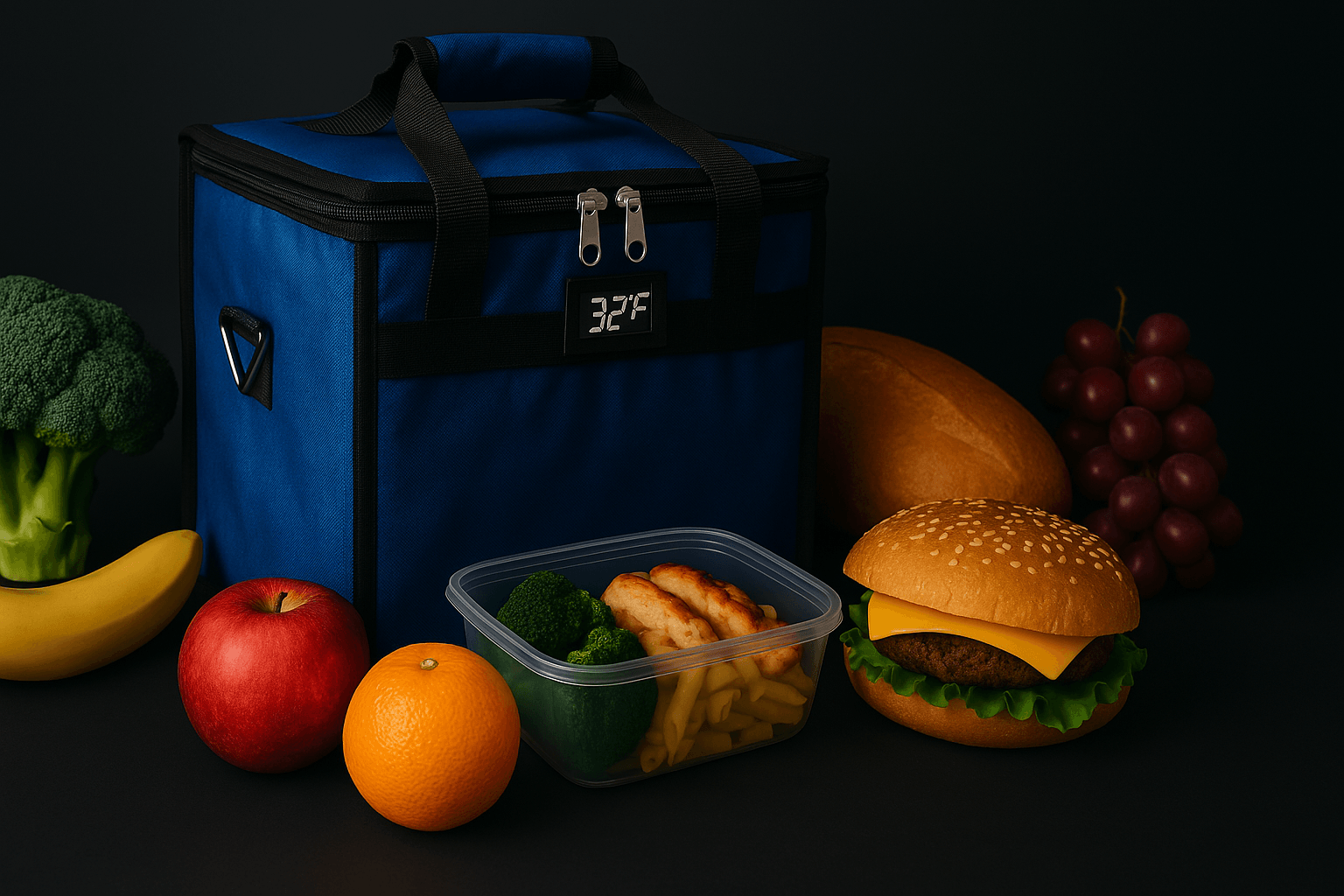
Insulated Mailer Bag Importer Malaysia: A Clear Procurement Path for Buyers
A insulated mailer bag importer malaysia request should end with a clear commercial specification, not just a shortlist of suppliers. The best buying process starts by defining the payload, route, handling pattern, cleaning expectation, branding need, and proof required before scale-up. This final version brings the buyer decision into one practical path for importers, ecommerce sellers, frozen food brands, and pharmacy delivery operators who need fewer surprises between sampling and production.
A Better Buying Path: Define, Test, Then Scale
A insulated mailer bag importer malaysia purchase becomes easier when buyers separate the decision into three stages: define the job, test the sample, and control the production order. Defining the job means writing the payload, route, temperature sensitivity, handling pattern, cleaning routine, and branding need in plain language. Testing the sample means loading and using it as operators will use it. Scaling means locking the specification and checking production against the approved sample.
For importers, ecommerce sellers, frozen food brands, and pharmacy delivery operators, this process is more reliable than comparing supplier catalogs page by page. It also reduces the risk that matters most in this keyword: underestimating tropical ambient exposure, last-mile delays, condensation, and local fulfillment handling. A buyer does not need to know every material detail at the beginning, but the buyer does need to know what the bag must survive in real use.
The final specification should be practical enough for procurement, clear enough for the supplier, and honest enough for quality or operations teams. It should not overpromise refrigeration or compliance. It should explain the product's role inside a larger temperature-aware workflow.
What the Bag Can Do and What It Cannot Do
The product category behind insulated mailer bag importer malaysia is usually passive insulation unless a powered cooling system is specifically included. Passive insulation helps slow heat transfer. It can support chilled, hot, or temperature-sensitive handoffs when the product starts in the correct condition and the route is suitable. It cannot correct poor pre-cooling, long uncontrolled delays, or a route that requires active refrigeration.
This distinction protects buyers from unrealistic claims. For grocery and food delivery, an insulated bag can help reduce temperature change during short handling periods, but the operation still needs food safety procedures, correct loading, and appropriate separation. For frozen food, the bag often needs coolant and a route plan; it should not be treated as a freezer. For healthcare or regulated products, additional qualification, monitoring, and documentation may be required.
Buyers in Malaysia and Southeast Asian import channels should write these boundaries into their RFQ. A clear statement such as passive insulated bag for prepared meal delivery or insulated mailer to be used with chilled gel packs is more useful than a broad phrase such as refrigerated bag. Precise language leads to better supplier recommendations and fewer misunderstandings during approval.
The Specification That Prevents Most Problems
A useful specification does not have to be long. It should identify the bag type, internal usable dimensions, expected payload, outer material, liner material, insulation structure, closure, handle or strap style, logo method, cleaning expectation, carton packing, and evidence required for performance claims. If exact values are not known, write them as questions for supplier confirmation.
For small parcel chilled goods, cosmetics, food kits, and temperature-sensitive ecommerce orders, the most important details are often physical and operational. Can the bag close when loaded? Does the shape support the product? Can the liner be wiped and dried? Does the handle remain comfortable with the expected load? Does the carton packing protect the bag shape? Will the approved sample match mass production? These questions are simple, but they prevent many common purchasing failures.
The specification should also state what will be checked at receiving. Examples include dimensions, stitching, zipper function, logo placement, liner condition, odor, carton count, and visual damage. A supplier relationship improves when both sides know what counts as acceptable before the order ships.
Procurement Control Table
Use this table to keep the sourcing process practical from the first request to the second order.
| Procurement step | Practical action | Risk reduced | Evidence to keep |
|---|---|---|---|
| Define the job | Write payload, route, handling, cleaning, and branding requirements | Prevents overbroad supplier quotations | Internal use case brief |
| Approve sample | Load it with real products and check closure, handling, and cleaning | Prevents good-looking but unusable samples | Sample approval checklist |
| Check claims | Ask how hold time, durability, and leak resistance were evaluated | Prevents unsupported performance assumptions | Supplier test summary or verification note |
| Control production | Freeze approved materials, colors, dimensions, and packing method | Prevents quality drift after PO | Signed specification and inspection criteria |
| Review rollout | Gather feedback from warehouse, riders, stores, or end users | Finds issues before a second bulk order | Receiving and field feedback record |
The table makes the buying process less dependent on sales language. It also gives internal teams a shared checklist. Procurement can compare offers, quality can review claims, and operations can test usability without waiting until the full shipment arrives.
How to Compare Suppliers Without Chasing the Lowest Price
Price matters, especially in bulk orders, distributor programs, and private-label projects. The problem is that the lowest unit price may omit important details. A cheaper bag may use a thinner liner, weaker handle, looser stitching, lighter insulation, or less protective carton packing. These differences may not appear until the product is loaded, cleaned, or shipped through several branches.
A better comparison puts the quotation next to the specification. Are the materials the same? Are the dimensions internal or external? Is the logo method included? Is carton packing included? Is the supplier committing to the approved sample? Are there any substitutions allowed? Does the supplier provide enough documentation for your internal review? These questions make price meaningful.
Buyers should also think about the cost of change. If the first order arrives with quality drift, the correction cost includes time, complaints, rework, inventory, and delayed rollout. Paying slightly more for controlled production may be cheaper than fixing a poor bulk shipment. The goal is not to buy the most expensive bag; it is to buy the least ambiguous bag that fits the job.
When a Sample Looks Good but Is Not Ready
A good-looking sample can still be unfinished. The bag may photograph well but fail to close when packed with the actual product. It may feel strong when empty but distort when loaded. It may have a liner that wipes clean on flat areas but traps residue in seams. It may display a logo nicely on one panel but crease during carton packing. These are normal findings during sample review, not reasons to skip testing.
A buyer sourcing insulated mailer bags should test the sample with real payloads, not a substitute of similar size. If the use involves chilled or frozen items, include the coolant or spacer method planned for production. If the use involves riders, stores, or branch teams, ask them to handle the sample. If the product is customer-facing, review appearance after folding, packing, and repeated opening.
The sample stage should end with a written decision: approved as is, approved with changes, rejected, or needs another sample. This prevents informal comments from turning into unclear production instructions. It also gives the supplier a controlled path to improve the product before scale-up.
Practical Example: Importer Review Before a Bulk Order
Imagine an importer buying insulated mailer bags for small parcel chilled goods, cosmetics, food kits, and temperature-sensitive ecommerce orders. The supplier offers three options: a lower-cost lightweight style, a mid-range bag with stronger handles, and a premium version with a more attractive outer fabric. Instead of choosing immediately, the importer writes a short operating brief: product type, load weight range to confirm, route exposure to verify, cleaning expectation, logo method, and packing requirement.
The samples are then reviewed by different people. A warehouse employee checks carton packing and storage. A delivery operator checks loading and carrying. A quality reviewer checks the liner and claim wording. A brand manager checks logo appearance. The mid-range bag may become the best option because it meets the most operational requirements, even if it is not the cheapest or the most premium-looking.
This example is hypothetical, but the pattern is common. Good procurement is not only a supplier search; it is a process for turning uncertain requirements into a product that can be ordered, received, used, and reordered with fewer surprises.
Supplier Shortlisting Questions
When shortlisting suppliers for insulated mailer bag importer malaysia, ask questions that reveal control rather than only enthusiasm. Can the supplier explain the difference between the proposed styles? Can they provide production-like samples? Can they confirm material, liner, insulation, closure, and logo method before final price? Can they describe how the approved sample is protected during mass production? Can they explain what performance claims are based on and what still needs buyer verification?
The best supplier is not always the one with the largest catalog. It is the supplier that can respond to your use case without turning every question into a slogan. A good answer may include limitations. For example, the supplier may say that a passive bag needs coolant for a particular frozen food route, or that a certain liner is easier to wipe but changes the feel of the product. Honest boundaries are useful in B2B sourcing.
A shortlist should include both commercial and operational factors. Price, MOQ, and lead time matter, but so do sample accuracy, carton packing, communication, change control, and the supplier's willingness to document the final specification. Keep a scorecard that reflects the way your business will actually use the bag.
Second-Order Thinking: Reorders, Changes, and Replacement
The first order is only part of the sourcing decision. If the product succeeds, you may need reorders, new colors, branch-specific logos, revised sizes, or a different packing method. A supplier who can manage these changes carefully is more valuable than one who only wins the first quotation. Ask how future changes will be documented and how old and new versions will be separated if both remain in stock.
For import sourcing, replacement planning can matter as much as launch planning. Bags used in delivery, grocery, and beverage trade can be lost, damaged, or worn out. Decide whether replacement units must match the original exactly or whether an updated version is acceptable. Clear version control protects brand consistency and makes inventory management easier.
FAQ
Q: What should I include in a insulated mailer bag importer malaysia RFQ?
A: Include intended use, payload, internal size needs, route exposure, cleaning expectations, logo method, order quantity range if available, carton packing needs, and the evidence required for performance claims. If you do not know an exact parameter, ask the supplier to confirm options instead of guessing.
Q: Is a soft insulated bag suitable for frozen food?
A: It may support some frozen food handoffs when used with the right coolant, starting product condition, route duration, and handling control. It should not be treated as a freezer. Buyers should verify the route, packout, and acceptance criteria before making frozen performance claims.
Q: How can I avoid quality drift in bulk production?
A: Keep an approved sample and a written specification. Confirm materials, dimensions, liner, insulation, closure, logo, and carton packing. Ask the supplier to notify you before substitutions. Use receiving inspection to compare the shipment against the approved sample.
Q: What is the most overlooked feature?
A: Cleaning and drying are often overlooked. A bag that looks durable may still create operational problems if the liner traps residue, absorbs odor, or stays wet. For food, grocery, and delivery use, cleaning behavior should be reviewed before ordering.
Conclusion
The right insulated mailer bag importer malaysia choice comes from a practical sourcing process. Define the job, understand the bag's limits, test with real payloads, compare suppliers against a written specification, and control production against the approved sample. This approach is more reliable than buying by catalog appearance or unit price alone.
For buyers preparing a commercial order, the next step is to create a short route and payload brief. Share that brief with the supplier and ask for a sample that reflects production materials and packing. The result is a clearer conversation and a lower-risk bulk order.
Final Buyer Note
Before publishing or using this article as a buying brief, the editor or procurement owner should adjust any route-specific assumptions to the real program. For insulated mailer bags, the practical details are usually more important than generic product names: payload, loading method, cleaning routine, storage, carton packing, logo method, and supplier change control. A clearer brief produces better samples, fewer quotation misunderstandings, and a more reliable path from trial order to repeat purchase.
About Tempk
Tempk supports insulated packaging buyers with practical product discussions around size, materials, route conditions, logo requirements, order quantity, and cleaning or reuse needs. For Malaysia and Southeast Asian import channels, the most useful conversation usually starts with the product being carried and the way the bag will be used. From there, Tempk can help review suitable insulated bag structures and the questions that should be answered before a commercial order is placed.
Use your next supplier conversation to confirm route fit, material structure, cleaning expectations, and sample-to-production control for insulated mailer bag importer malaysia. Tempk can help you organize that review.
Buyer Guide to Insulated Grocery Bag Packaging Indonesia

Insulated Grocery Bag Packaging Indonesia: A Clear Procurement Path for Buyers
A insulated grocery bag packaging indonesia request should end with a clear commercial specification, not just a shortlist of suppliers. The best buying process starts by defining the payload, route, handling pattern, cleaning expectation, branding need, and proof required before scale-up. This final version brings the buyer decision into one practical path for grocery operators, ecommerce teams, food brands, and importers who need fewer surprises between sampling and production.
A Better Buying Path: Define, Test, Then Scale
A insulated grocery bag packaging indonesia purchase becomes easier when buyers separate the decision into three stages: define the job, test the sample, and control the production order. Defining the job means writing the payload, route, temperature sensitivity, handling pattern, cleaning routine, and branding need in plain language. Testing the sample means loading and using it as operators will use it. Scaling means locking the specification and checking production against the approved sample.
For grocery operators, ecommerce teams, food brands, and importers, this process is more reliable than comparing supplier catalogs page by page. It also reduces the risk that matters most in this keyword: ignoring humidity, rain, motorbike handling, mixed payloads, and packaging storage space. A buyer does not need to know every material detail at the beginning, but the buyer does need to know what the bag must survive in real use.
The final specification should be practical enough for procurement, clear enough for the supplier, and honest enough for quality or operations teams. It should not overpromise refrigeration or compliance. It should explain the product's role inside a larger temperature-aware workflow.
What the Bag Can Do and What It Cannot Do
The product category behind insulated grocery bag packaging indonesia is usually passive insulation unless a powered cooling system is specifically included. Passive insulation helps slow heat transfer. It can support chilled, hot, or temperature-sensitive handoffs when the product starts in the correct condition and the route is suitable. It cannot correct poor pre-cooling, long uncontrolled delays, or a route that requires active refrigeration.
This distinction protects buyers from unrealistic claims. For grocery and food delivery, an insulated bag can help reduce temperature change during short handling periods, but the operation still needs food safety procedures, correct loading, and appropriate separation. For frozen food, the bag often needs coolant and a route plan; it should not be treated as a freezer. For healthcare or regulated products, additional qualification, monitoring, and documentation may be required.
Buyers in Indonesia should write these boundaries into their RFQ. A clear statement such as passive insulated bag for prepared meal delivery or insulated mailer to be used with chilled gel packs is more useful than a broad phrase such as refrigerated bag. Precise language leads to better supplier recommendations and fewer misunderstandings during approval.
The Specification That Prevents Most Problems
A useful specification does not have to be long. It should identify the bag type, internal usable dimensions, expected payload, outer material, liner material, insulation structure, closure, handle or strap style, logo method, cleaning expectation, carton packing, and evidence required for performance claims. If exact values are not known, write them as questions for supplier confirmation.
For urban grocery delivery, wet markets, fresh food retail, and island logistics, the most important details are often physical and operational. Can the bag close when loaded? Does the shape support the product? Can the liner be wiped and dried? Does the handle remain comfortable with the expected load? Does the carton packing protect the bag shape? Will the approved sample match mass production? These questions are simple, but they prevent many common purchasing failures.
The specification should also state what will be checked at receiving. Examples include dimensions, stitching, zipper function, logo placement, liner condition, odor, carton count, and visual damage. A supplier relationship improves when both sides know what counts as acceptable before the order ships.
Procurement Control Table
Use this table to keep the sourcing process practical from the first request to the second order.
| Procurement step | Practical action | Risk reduced | Evidence to keep |
|---|---|---|---|
| Define the job | Write payload, route, handling, cleaning, and branding requirements | Prevents overbroad supplier quotations | Internal use case brief |
| Approve sample | Load it with real products and check closure, handling, and cleaning | Prevents good-looking but unusable samples | Sample approval checklist |
| Check claims | Ask how hold time, durability, and leak resistance were evaluated | Prevents unsupported performance assumptions | Supplier test summary or verification note |
| Control production | Freeze approved materials, colors, dimensions, and packing method | Prevents quality drift after PO | Signed specification and inspection criteria |
| Review rollout | Gather feedback from warehouse, riders, stores, or end users | Finds issues before a second bulk order | Receiving and field feedback record |
The table makes the buying process less dependent on sales language. It also gives internal teams a shared checklist. Procurement can compare offers, quality can review claims, and operations can test usability without waiting until the full shipment arrives.
How to Compare Suppliers Without Chasing the Lowest Price
Price matters, especially in bulk orders, distributor programs, and private-label projects. The problem is that the lowest unit price may omit important details. A cheaper bag may use a thinner liner, weaker handle, looser stitching, lighter insulation, or less protective carton packing. These differences may not appear until the product is loaded, cleaned, or shipped through several branches.
A better comparison puts the quotation next to the specification. Are the materials the same? Are the dimensions internal or external? Is the logo method included? Is carton packing included? Is the supplier committing to the approved sample? Are there any substitutions allowed? Does the supplier provide enough documentation for your internal review? These questions make price meaningful.
Buyers should also think about the cost of change. If the first order arrives with quality drift, the correction cost includes time, complaints, rework, inventory, and delayed rollout. Paying slightly more for controlled production may be cheaper than fixing a poor bulk shipment. The goal is not to buy the most expensive bag; it is to buy the least ambiguous bag that fits the job.
When a Sample Looks Good but Is Not Ready
A good-looking sample can still be unfinished. The bag may photograph well but fail to close when packed with the actual product. It may feel strong when empty but distort when loaded. It may have a liner that wipes clean on flat areas but traps residue in seams. It may display a logo nicely on one panel but crease during carton packing. These are normal findings during sample review, not reasons to skip testing.
A buyer sourcing insulated grocery bag packaging should test the sample with real payloads, not a substitute of similar size. If the use involves chilled or frozen items, include the coolant or spacer method planned for production. If the use involves riders, stores, or branch teams, ask them to handle the sample. If the product is customer-facing, review appearance after folding, packing, and repeated opening.
The sample stage should end with a written decision: approved as is, approved with changes, rejected, or needs another sample. This prevents informal comments from turning into unclear production instructions. It also gives the supplier a controlled path to improve the product before scale-up.
Practical Example: Importer Review Before a Bulk Order
Imagine an importer buying insulated grocery bag packaging for urban grocery delivery, wet markets, fresh food retail, and island logistics. The supplier offers three options: a lower-cost lightweight style, a mid-range bag with stronger handles, and a premium version with a more attractive outer fabric. Instead of choosing immediately, the importer writes a short operating brief: product type, load weight range to confirm, route exposure to verify, cleaning expectation, logo method, and packing requirement.
The samples are then reviewed by different people. A warehouse employee checks carton packing and storage. A delivery operator checks loading and carrying. A quality reviewer checks the liner and claim wording. A brand manager checks logo appearance. The mid-range bag may become the best option because it meets the most operational requirements, even if it is not the cheapest or the most premium-looking.
This example is hypothetical, but the pattern is common. Good procurement is not only a supplier search; it is a process for turning uncertain requirements into a product that can be ordered, received, used, and reordered with fewer surprises.
Supplier Shortlisting Questions
When shortlisting suppliers for insulated grocery bag packaging indonesia, ask questions that reveal control rather than only enthusiasm. Can the supplier explain the difference between the proposed styles? Can they provide production-like samples? Can they confirm material, liner, insulation, closure, and logo method before final price? Can they describe how the approved sample is protected during mass production? Can they explain what performance claims are based on and what still needs buyer verification?
The best supplier is not always the one with the largest catalog. It is the supplier that can respond to your use case without turning every question into a slogan. A good answer may include limitations. For example, the supplier may say that a passive bag needs coolant for a particular frozen food route, or that a certain liner is easier to wipe but changes the feel of the product. Honest boundaries are useful in B2B sourcing.
A shortlist should include both commercial and operational factors. Price, MOQ, and lead time matter, but so do sample accuracy, carton packing, communication, change control, and the supplier's willingness to document the final specification. Keep a scorecard that reflects the way your business will actually use the bag.
Second-Order Thinking: Reorders, Changes, and Replacement
The first order is only part of the sourcing decision. If the product succeeds, you may need reorders, new colors, branch-specific logos, revised sizes, or a different packing method. A supplier who can manage these changes carefully is more valuable than one who only wins the first quotation. Ask how future changes will be documented and how old and new versions will be separated if both remain in stock.
For packaging sourcing, replacement planning can matter as much as launch planning. Bags used in delivery, grocery, and beverage trade can be lost, damaged, or worn out. Decide whether replacement units must match the original exactly or whether an updated version is acceptable. Clear version control protects brand consistency and makes inventory management easier.
FAQ
Q: What should I include in a insulated grocery bag packaging indonesia RFQ?
A: Include intended use, payload, internal size needs, route exposure, cleaning expectations, logo method, order quantity range if available, carton packing needs, and the evidence required for performance claims. If you do not know an exact parameter, ask the supplier to confirm options instead of guessing.
Q: Is a soft insulated bag suitable for frozen food?
A: It may support some frozen food handoffs when used with the right coolant, starting product condition, route duration, and handling control. It should not be treated as a freezer. Buyers should verify the route, packout, and acceptance criteria before making frozen performance claims.
Q: How can I avoid quality drift in bulk production?
A: Keep an approved sample and a written specification. Confirm materials, dimensions, liner, insulation, closure, logo, and carton packing. Ask the supplier to notify you before substitutions. Use receiving inspection to compare the shipment against the approved sample.
Q: What is the most overlooked feature?
A: Cleaning and drying are often overlooked. A bag that looks durable may still create operational problems if the liner traps residue, absorbs odor, or stays wet. For food, grocery, and delivery use, cleaning behavior should be reviewed before ordering.
Conclusion
The right insulated grocery bag packaging indonesia choice comes from a practical sourcing process. Define the job, understand the bag's limits, test with real payloads, compare suppliers against a written specification, and control production against the approved sample. This approach is more reliable than buying by catalog appearance or unit price alone.
For buyers preparing a commercial order, the next step is to create a short route and payload brief. Share that brief with the supplier and ask for a sample that reflects production materials and packing. The result is a clearer conversation and a lower-risk bulk order.
Final Buyer Note
Before publishing or using this article as a buying brief, the editor or procurement owner should adjust any route-specific assumptions to the real program. For insulated grocery bag packaging, the practical details are usually more important than generic product names: payload, loading method, cleaning routine, storage, carton packing, logo method, and supplier change control. A clearer brief produces better samples, fewer quotation misunderstandings, and a more reliable path from trial order to repeat purchase.
About Tempk
Tempk supports insulated packaging buyers with practical product discussions around size, materials, route conditions, logo requirements, order quantity, and cleaning or reuse needs. For Indonesia, the most useful conversation usually starts with the product being carried and the way the bag will be used. From there, Tempk can help review suitable insulated bag structures and the questions that should be answered before a commercial order is placed.
Use your next supplier conversation to confirm route fit, material structure, cleaning expectations, and sample-to-production control for insulated grocery bag packaging indonesia. Tempk can help you organize that review.