


20 lb Dry Ice Bag: Safe Packing & Sizing Guide
20 lb Dry Ice Bag: Safe Packing & Sizing Guide

20 lb Dry Ice Bag: How to Choose, Pack, and Ship
If you need 24–48 hours of deep‑freeze shipping, a 20 lb dry ice bag is the sweet spot. It’s powerful, easy to handle, and compliant when labeled as UN1845. In this guide, you’ll size your 20 lb dry ice bag with a simple calculator, pack it safely, and avoid temperature excursions on real routes. (Synthesized from your three drafts.
Pick the right dry ice amount for 24–72 hours using a practical dry ice calculator long‑tail method.
Pack a 20 lb dry ice bag for fewer excursions and safer handling in transit.
Comply with UN1845 labeling and 2025 good‑practice rules without overpacking.
Plan 2025‑ready cold chain strategies using hybrid cooling and smarter monitoring.
Will a 20 lb dry ice bag cover your route duration?
Short answer: Yes, for most 1–2 day frozen shipments, a 20 lb dry ice bag keeps contents below freezing when paired with a quality insulated shipper. If the box is opened often or faces high heat, add a buffer or step up insulation.
What this means for you: You’ll typically budget ~5–10 lb per 24 hours in a mid‑size shipper. For 48 hours, a 20 lb dry ice bag is the practical baseline; hot lanes or poor insulation need more. Reference carrier rules for air segments (dry ice = Carbon Dioxide, Solid, UN1845) and ventilate packaging to release CO₂ gas.
How much dry ice do you actually need for 24–72 hours?
Use this pocket rule: Dry ice (lb) ≈ Hours/24 × 6–10. Choose the low end for VIP/VIP‑panel shippers and the high end for basic foam. Keep product volume tight—air gaps speed sublimation. (Derived from your drafts’ consensus ranges.
dry ice bag size 20 lb
)
| Scenario | Duration | Baseline Dry Ice | What it means for you |
|---|---|---|---|
| Small samples, pre‑chilled EPS | ~24 h | 8–10 lb | Overnight lanes; minimize void space. |
| Meal kits / vaccines, mid box | ~48 h | 20 lb | 20 lb dry ice bag matches 2‑day routes. |
| Bulk frozen foods, hot lane | 60–72 h | 25–35 lb | Add PCM or upgrade insulation for safety margin. |
Practical tips & quick wins
Pre‑chill the shipper for 1–2 hours; warm walls consume dry ice first.
Place dry ice on top (cold air sinks) with a paper/foam layer between ice and product.
Fill voids to slow airflow; use foam sheets or kraft paper.
Plan a buffer (≈ 10–20%) for summer lanes or multi‑stop handling.
Real‑world case: A biotech box planned for 36 hours arrived after ~60 hours; a 20 lb dry ice bag plus tight insulation kept vials at deep‑freeze, with a small reserve remaining. The buffer prevented a costly excursion.
dry ice bag size 20 lb
How do you pack a 20 lb dry ice bag for safe, stable cooling?
Core answer: Vent, insulate, and label. Use a rigid, insulated shipper, allow CO₂ gas to vent, and apply Dry Ice (UN1845) and net weight labels. Never seal ice in an airtight container.
From your drafts’ best practices: Wear insulated gloves and eye protection; avoid direct skin contact. Keep food and pharma off direct ice contact with a spacer. For air, follow good‑practice equivalents of IATA PI 954 (vented pack, hazard label, net weight in kg).
Step‑by‑step: Pack a 20 lb dry ice bag
Prep shipper: Pre‑chill and confirm vent path.
Load product: Place in center; add spacers.
Add ice: Set the 20 lb dry ice bag above product; split into 2–3 bags for even cooling.
Fill voids: Paper/foam to reduce convection.
Close (not airtight): Tape seams but keep a vent path.
Label: “Carbon Dioxide, Solid (Dry Ice), UN1845, 9” + net weight (e.g., 9.1 kg).
Document & brief receiver: Include handling note and expected residual ice.
Will hybrid cooling extend a 20 lb dry ice bag?
Yes—combine dry ice with –20 °C PCM to bridge the last 12–24 hours. Hybrid packs reduce total dry ice while preserving frozen temps as the ice wanes, and they’re reusable.
When should you go hybrid?
Hot summer lanes where 48 hours often become 60.
Door‑open risk in fulfillment centers or customs.
Carrier cutovers (air‑to‑ground) that add dwell time.
| Option | What you add | Typical gain | Meaning for you |
|---|---|---|---|
| 20 lb dry ice bag only | — | ~48 h | Standard 2‑day frozen shipping. |
| 20 lb dry ice + –20 °C PCM | 2–4 PCM bricks | +12–24 h | Lower risk; less over‑icing. |
| VIP shipper + 20 lb ice | VIP panels | +24–36 h | Premium cost; best for critical lanes. |
Quick “Is 20 lb enough for me?” decision helper
Route hours known? If ≤48 h, start with a 20 lb dry ice bag.
Ambient ≥30 °C or frequent door opens? Add +4–8 lb or PCM.
Large box or lots of headspace? Upgrade insulation or add +6–10 lb.
Air segment included? Confirm carrier’s dry ice limits and labels.
2025 cold chain trends that affect your dry ice choice
Trend snapshot: Shippers are optimizing right‑sizing (less waste), pairing dry ice + PCM for 72‑hour lanes, and adopting real‑time loggers to catch excursions early. Dry ice remains the go‑to for deep‑freeze (<–50 °C), while smarter insulation extends what a 20 lb dry ice bag can do.
What’s new—and why it matters
Right‑sizing with lane data: Fewer “just in case” pounds; lower cost and CO₂ usage.
Automated pellet quality: More uniform pellets = steadier sublimation.
Sensor‑driven QA: Alerts reduce product loss; informs next‑shipment ice qty.
Market view: Expect continued growth in frozen D2C foods, clinical logistics, and regional air‑to‑ground networks—exactly where a 20 lb dry ice bag anchors 2‑day reliability.
FAQ (for Featured Snippets)
Q1: How long does a 20 lb dry ice bag last?
Typically ~48 hours in a mid‑size insulated box if unopened. Hot lanes or frequent opening shorten duration; add a buffer.
Q2: Can I put dry ice in a sealed container?
No. CO₂ gas builds pressure. Use vented packaging and apply UN1845 labels with net weight.
Q3: Where should I place the 20 lb dry ice bag in the box?
On top of the product with a spacer; cold air sinks for even cooling.
Q4: Is hybrid cooling worth it for 2–3 day routes?
Yes. Pair a 20 lb dry ice bag with –20 °C PCM to stretch time and cut over‑icing.
Q5: How much dry ice per day should I plan?
Budget ~6–10 lb per 24 hours, depending on insulation, ambient heat, and box size.
Summary & next steps
Key takeaways: A 20 lb dry ice bag is the practical standard for 48‑hour frozen shipping. Pack it on top, vent the box, fill voids, and label UN1845 with net weight. Use PCM or better insulation for hot lanes or 60–72 hours.
Do this now:
Estimate hours and pick 20 lb for ≤48 h. 2) Pre‑chill shipper, split ice, fill voids. 3) Add PCM for hot routes. 4) Log temperature and refine the next pack‑out based on data. Need help? Talk to our packaging team for a lane‑specific design.
About Tempk
We design and validate cold chain packaging—from 20 lb dry ice bag kits to hybrid PCM solutions—tested in our CNAS‑certified lab for –80 °C, –20 °C, and 2–8 °C lanes. We help you right‑size ice, reduce waste, and pass audits with clear SOPs and labels.
CTA: Plan your next frozen lane with us—get a lane‑specific 48–72 h pack‑out in 24 hours.
Dry Ice Bag vs Cooler: Best Choice for 2025 Shipping
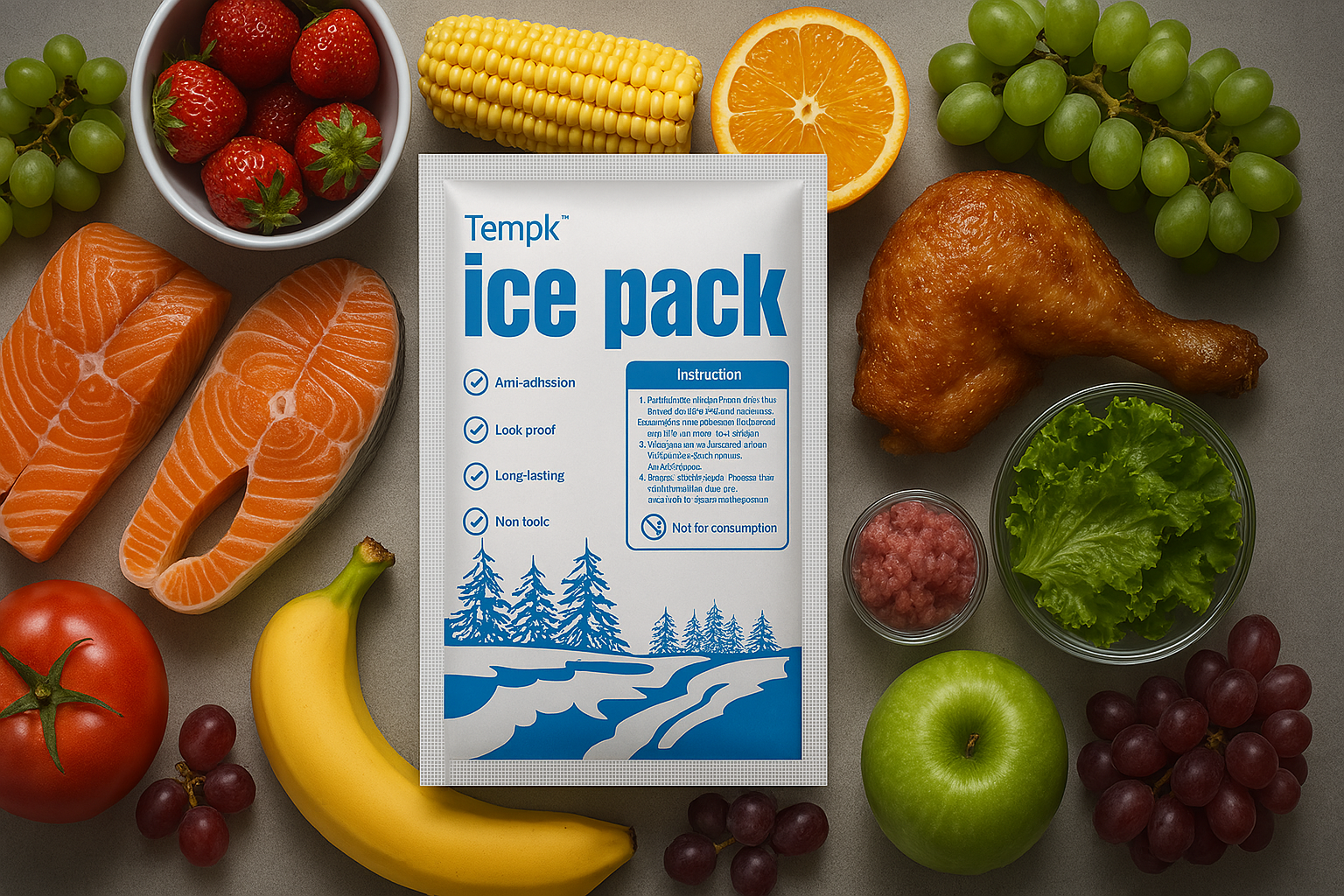
Dry Ice Bag vs Cooler: How Should You Choose in 2025?
Updated: September 19, 2025
When you compare a dry ice bag vs cooler, you’re choosing between portability and multi‑day hold time. This guide gives you clear rules, packing steps, and safety checks so you can ship with confidence in 2025. You’ll also get trends, FAQs, and a quick selector to help you act today.
Which option keeps products safe longer, using dry ice bags for shipping or hard coolers?
When does a dry ice bag vs cooler save you money without risking quality?
How do you pack each method to avoid CO₂ pressure and frostbite?
Which 2025 innovations matter for smarter, greener cold chain?
Content consolidated and upgraded from three internal drafts to align with 2025 SEO and cold‑chain best practices.
dry ice bag vs cooler
When does a dry ice bag vs cooler save you money?
Short trips and small payloads favor a dry ice bag vs cooler; multi‑day or high‑risk loads favor a cooler. For under ~24–36 hours, a bag cuts weight‑based shipping fees and speeds packing. For 48+ hours or heat‑exposed routes, a cooler’s thicker insulation reduces dry ice use and spoilage risk.
Light loads hate bulk. If you’re moving meal kits across town or samples to a clinic, a bag is fast, light, and easy to store. Long hauls punish thin insulation. If you’re crossing hot hubs or weekends, a cooler helps dry ice last and protects fragile items from direct contact. Match container to hold time, ambient heat, and product sensitivity.
How do costs compare for small vs large shipments?
Bags cost less upfront and reduce dimensional weight, which lowers courier fees. Coolers cost more initially but last for years and stabilize temperature on routes with delays. If your dry ice spend is high or claims are rising, a cooler often pays for itself in fewer reships and write‑offs.
| Cost Driver | Dry Ice Bag | Cooler | What it means for you |
|---|---|---|---|
| Up‑front price | Low | Higher | Bags fit tight budgets; coolers are an investment |
| Shipping weight/volume | Lowest | Higher | Bags cut carrier charges on air & last‑mile |
| Reuse cycles | Limited | High | Coolers amortize over repeated routes |
| Dry ice consumption | Higher on long routes | Lower on long routes | Coolers save ice in heat or delays |
Practical tips that cut total cost
Short city routes: Use a ventilated bag, then stage gel packs for items that must not freeze.
Weekend risk: Pick a cooler if hand‑offs may slip; the buffer saves product and support time.
Mixed loads: Bag for frozen items inside a cooler for chilled items; keep vents open.
How does dry ice bag vs cooler performance compare?
A dry ice bag vs cooler differs most in insulation and how gas can vent. Bags are flexible and light, ideal for 12–36 hours. Coolers add foam thickness and gasket control that stretch frozen or chilled windows to multiple days with the same ice.
Bags shine when you carry items by hand, ride‑share, or bike. Coolers shine when routes cross hot ramps, sit on docks, or face customs delays. If contents must not freeze, separate layers and use gel packs even inside a cooler to keep 2–8 °C zones.
Key specs at a glance
| Performance Factor | Dry Ice Bag | Cooler | Practical effect |
|---|---|---|---|
| Typical hold time | ~12–36 h | 48–72+ h | Pick cooler for long or hot legs |
| Insulation | Thin foam + liner | Thick foam walls + tight lid | Coolers resist heat ingress |
| Gas management | Zippers/vents | Drains/loosely sealed lid | Never fully seal either option |
| Impact protection | Low–medium | High | Coolers shield fragile packaging |
Field‑tested packing patterns
Practical tips and advice (for a dry ice bag vs cooler decision)
Pharma last‑mile: If SOPs require 2–8 °C only, treat your dry ice bag vs cooler choice as “cooler + gel packs,” and keep dry ice isolated for frozen lanes.
E‑grocery: Use route data to time deliveries; a dry ice bag vs cooler test over one week will show which days need coolers as buffers.
Export lanes: Where customs adds a day, upgrade the dry ice bag vs cooler plan to a cooler and add extra dividers to prevent direct contact.
Keep gas paths open: Never make the package airtight. CO₂ must vent to avoid pressure.
Wrap the ice: Newspaper/cardboard slows sublimation and protects hands and surfaces.
Layer by sensitivity: Put frozen items near the ice; place “do‑not‑freeze” items above dividers.
Fill voids: Paper or liners reduce air gaps that speed warming.
What safety rules matter with a dry ice bag vs cooler?
Safety is simple: ventilate, label, protect skin, and avoid sealed containers. Dry ice is −78.5 °C; it can burn skin and displace oxygen in closed spaces. Use insulated gloves, choose containers with vent paths, and crack a window in vehicles. Label shipments with UN 1845 and net dry ice weight per carrier rules.
For office storage, set a “no sealed rooms” rule. Store in ventilated areas, keep detectors maintained, and train staff to move ice with gloves and tongs. For flights, confirm airline limits and note that lithium batteries and dry ice may have combined quantity rules.
Fast safety checklist for teams
Gloves and eye protection ready at pack‑out
Vent paths verified; drains or zippers not taped shut
UN 1845 label + dry ice net weight on the box
Vehicle ventilation on; never transport in a sealed trunk
Plan for disposal: let dry ice sublimate in open air
How do you pack a dry ice bag vs cooler without risk?
For bags: place wrapped dry ice at the bottom, add a rigid divider, then the payload, filling voids with paper. Zip but do not fully seal; ensure a vent path.
For coolers: line walls with cardboard/foam, place frozen goods at the bottom, add wrapped dry ice on top if you need fast pull‑down. For mixed loads, partition frozen and chilled zones and use gel packs for 2–8 °C items.
Quick “right‑sized” ice guide (rule‑of‑thumb)
dry ice bag vs cooler packing checklist
Label the shipper, confirm vents, and document the dry ice bag vs cooler choice in the work order.
Photograph the pack‑out so QA can compare dry ice bag vs cooler methods on each lane.
| Payload (lb) | ~12 h | 24–48 h | 48–72 h | Your move |
|---|---|---|---|---|
| 5 | 2.5 | 5 | 7.5 | Bag works for the day; cooler if hotter |
| 10 | 5 | 10 | 15 | Consider a cooler beyond 24 h |
| 20 | 10 | 20 | 30 | Cooler required; bag becomes heavy |
dry ice bag vs cooler: the quick selector
Answer three questions and act:
Under 24–36 hours? Choose a dry ice bag vs cooler workflow that favors the bag.
Over 48 hours or hot lanes? Choose the cooler in the dry ice bag vs cooler decision.
“Do‑not‑freeze” items present? Use gel packs and dividers inside a cooler; keep the dry ice bag vs cooler layers separate.
Real‑world case: A regional meal‑kit brand used bags for city routes under 18 hours and coolers for weekend holds. Complaints dropped and reships fell after switching long legs to coolers while keeping bike couriers on bags.
2025 cold‑chain trends that affect a dry ice bag vs cooler
Three shifts define 2025: smarter tracking, greener materials, and tighter CO₂ rules. Low‑cost loggers make lane validation easy. Recycled and compostable liners cut footprint without losing hold time. Carriers are stricter on labels, declared weights, and ventilation notes.
Shippers now blend methods: a dry ice bag vs cooler approach inside one shipper to split frozen and chilled SKUs, or gel‑only packs where “do‑not‑freeze” rules apply. Expect more QR‑based chain‑of‑custody and easier claim defense with lane‑level data.
Latest progress at a glance
Smart monitors: Affordable data loggers raise compliance and reduce waste.
Eco options: Recycled foams, compostable films, and reusable shippers gain share.
Operational rigor: Closer checks on UN 1845 marks, net weights, and venting instructions.
Market insight you can use
Mixed‑mode packing reduces dry ice use on mild lanes.
Stakeholders expect temperature proofs with each delivery.
Clear SOPs cut training time and incident rates across sites.
Still deciding? Run a quick dry ice bag vs cooler pilot on two lanes this week and compare spoilage, claims, and courier fees.
Pro tip: Write “dry ice bag vs cooler” into your SOP titles so teams can find the right playbook fast.
FAQs
Is a dry ice bag vs cooler better for pharma samples?
Use a cooler for routes beyond 24–36 hours or where freezing must be avoided; add gel packs to hold 2–8 °C and a divider to isolate dry ice.
How long will dry ice last in a bag vs a cooler?
Expect roughly a day in a ventilated bag and two to three days in a well‑insulated cooler, depending on ambient heat and how tightly you pack voids.
Can I place a dry ice bag inside a hard cooler?
Yes. It’s a good way to keep frozen and chilled items separate. Keep vents open and never seal the system airtight.
What’s the safest way to transport dry ice in a car?
Vent the vehicle, place the shipper where gas can escape, and never ride with dry ice in a sealed trunk. Wear gloves when handling blocks.
dry ice bag vs cooler: summary and next steps
Key takeaways: A dry ice bag vs cooler choice hinges on time, temperature risk, and payload size. Bags win on weight and speed for short, local routes. Coolers win on hold time, protection, and cost per successful delivery on long or hot legs.
Your plan for this week: Audit lanes over 24 hours, standardize pack‑outs, and pilot data loggers. Build a simple matrix: bag for <24–36 h local, cooler for 48+ h or heat‑exposed legs, and gel‑only for “do‑not‑freeze” items. Need help? Our team can map lanes and right‑size ice in one workshop.
About Tempk
We build practical, tested solutions for temperature‑controlled shipping. Our portfolio covers dry ice bags, reusable coolers, and insulated liners designed for food, life sciences, and specialty retail. We focus on durability, clear SOPs, and greener materials so you can protect product and margin on every lane.
Talk to an expert: Book a cold‑chain consult and get a lane‑by‑lane pack‑out with targeted savings, including a custom dry ice bag vs cooler matrix for your lanes.
Dry Ice Bag Size 10 lb – Pack Right in 2025
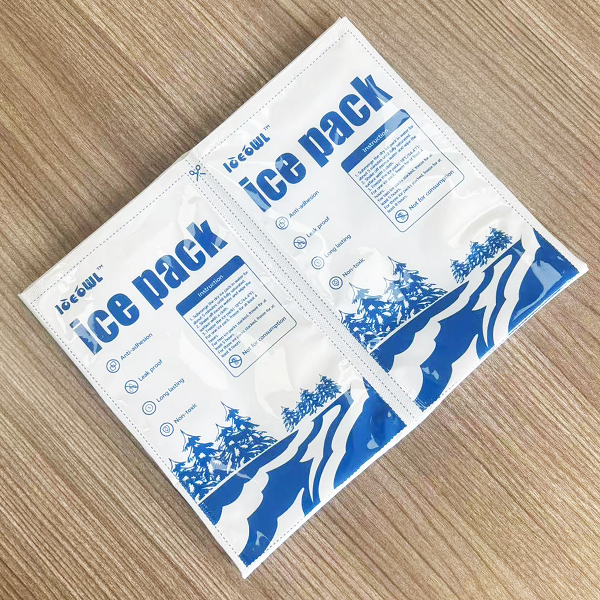
If you ship frozen goods, a dry ice bag size 10 lb is the most reliable “one-day” option for parcel lanes. In standard EPS, it holds ~24 hours; in urethane, longer. You only need ventable packing, UN 1845 marks, and a simple 7-step method to pass 2025 checks. You’ll learn fit, run-time, labels, and when to size up.
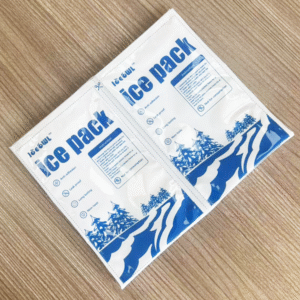
What does “dry ice bag size 10 lb” mean? Dimensions, fit, and block vs pellet choices.
How long does 10 lb last? Easy rules using real parcel profiles.
How do you pack it right in 2025? A copy-ready, audit-friendly SOP.
Is 10 lb enough for you? A quick decision tool for 5/10/20 lb picks.
What’s new in 2025? Label updates, mail limits, and smarter monitoring.
What does a dry ice bag size 10 lb actually mean?
Direct answer:
It’s a bag built to hold ten pounds of dry ice, typically one 10″×10″×2″ block or the same mass of pellets. Paper dry-ice bags around 10.5″×10.5″×21″ give room for folds and vent paths. Capacity describes how much ice it holds, not the outside size you see.
Why it matters to you:
Right-sized geometry reduces edge-crush on liners and prevents tears when CO₂ forms. Blocks stack cleanly for predictable contact. Pellets “flow” around odd shapes for faster pull-down, but they sublimate faster at first. Choose bag materials that print clearly and allow gas to vent.
10 lb block vs pellets—what fits best?
| Format (10 lb) | Typical size | Best use | What it means for you |
|---|---|---|---|
| Block | ~10″×10″×2″ | Flat payloads; tight ISCs | Clean stack, steady contact, predictable run-time |
| Pellets/Nuggets | variable volume | Irregular loads | Faster pull-down; watch early losses |
| Paper dry-ice bag | ~10.5″×10.5″×21″ | All 10 lb packs | Strong, printable, vent-friendly |
Practical tips you can use today
Block fit: Avoid forcing the block; keep fold channels open for vents.
Pellet control: Use inner sleeves to keep pellets off labels and sensors.
Void fill: Use kraft pads, not bubble that collapses in the cold.
Field case: A D2C brand swapped EPS 1″ + 8 lb pellets for PUR 2″ + dry ice bag size 10 lb. Summer melt claims fell ~40% with the same delivered cost thanks to better insulation.
How long will a dry ice bag size 10 lb last in transit?
Direct answer:
Plan around 5–10 lb sublimation per 24 hours. In decent insulation, dry ice bag size 10 lb often covers ~24 hours of frozen hold; PUR 2″ pushes it into the 28–36 hour range. Thin liners and hot lanes shorten that window.
Quick run-time planner for 10 lb routes
| Parcel scenario | Insulation | Ambient | Expected hold with 10 lb | For you |
|---|---|---|---|---|
| Tight packout | PUR ~2″ | Mild | 28–36 h | Overnight + buffer |
| Standard kit | EPS ~1–1.5″ | Room temp | ~24 h | Typical “day-and-a-half” |
| Thin liner, gaps | <1″ | Hot | 12–18 h | Upgrade to 15–20 lb or improve box |
Rule you can trust: Carrier guidance keeps anchoring to 5–10 lb per 24 h, which is why dry ice bag size 10 lb is the frozen “unit” for one-day lanes.
How do you pack a dry ice bag size 10 lb to pass 2025 rules?
Direct answer:
Wear PPE, pre-chill product, keep vent paths, and mark UN 1845 with net kg. For non-dangerous goods cooled by dry ice, no shipper’s declaration is needed; add the air waybill line for air. USPS air caps at 5 lb per mailpiece, so route 10 lb by parcel carrier.
7-step pack plan:
Stage safely: Ventilated area; insulated gloves and eye protection.
Pre-chill payload: Don’t waste ice pulling product down.
Pad the base: Corrugate sheet to slow conduction.
Load the ice: Place the dry ice bag size 10 lb above frozen goods; keep vents open.
Fill voids: Kraft or pads, never airtight seals.
Close & label: “UN 1845, Dry ice/Carbon dioxide, solid,” net mass in kg; Class 9 label on same face.
Docs: For air, add the AWB line with UN 1845 and net kg.
2025 labeling: UN 1845, Class 9, net kg (PI 954)
| Requirement | What you do | Applies when | Your benefit |
|---|---|---|---|
| UN number + name | “UN 1845, Dry ice/CO₂, solid” | All modes | Prevents hub rework |
| Net mass (kg) | e.g., “Dry ice, 4.5 kg” | Air & ULDs | Required marking |
| Ventable pack | Never airtight | All modes | Compliant and safer |
| AWB line | UN 1845 + net kg | Air, non-DG payload | No DG declaration needed |
Safety quick hits
CO₂ exposure: TWA 5,000 ppm; STEL 30,000 ppm; ventilate staging and vehicles.
No sealed vessels: Never screw-cap a bucket with dry ice.
PPE: Gloves and eye protection; surface is about −78.5 °C.
Is a dry ice bag size 10 lb right for you—or choose 5 lb or 20 lb?
Direct answer:
Pick 10 lb for ≤24–36 hour lanes in decent insulation. Use 5 lb for same-day urban runs. Use 15–20 lb for 36–48 hours, hot routes, or thin liners.
Calculator you can copy
Pro tips you can apply now
Overnights: Dry ice bag size 10 lb + PUR 2″ + tight inner cartons.
Biotech kits: Add a card pad; keep vents clear; add the AWB line.
Friday shipouts: Upgrade to 15–20 lb or Saturday delivery in summer.
2025 dry ice shipping trends and what they mean
Trend overview:
In 2025, acceptance checklists clarify PI 954 formatting, new USPS outer-pack strength rules apply to hazmat mail, and sensors become routine for chain-of-custody. Urethane re-use models rise to reduce footprint without losing hold time. Dry ice bag size 10 lb stays the baseline “unit” for one-day lanes.
Latest at a glance
Label clarity wins: UN 1845 + net kg on the same face reduces hub rework.
Data-driven OQ: Teams standardize 7E-like profiles for summer/winter kits.
Sustainability: Reusable urethane liners extend life and cut waste.
Frequently Asked Questions
Q1: How long does a dry ice bag size 10 lb last?
About a day in standard EPS, longer with urethane and tight voids; plan using the 5–10 lb per 24 h rule.
Q2: What must be printed on the box?
“UN 1845, Dry ice/Carbon dioxide, solid,” the Class 9 label, and the net mass in kg—on the same outer face.
Q3: Do I need a shipper’s declaration?
Not when dry ice cools non-dangerous goods; add the AWB line with UN 1845 and net kg for air.
Q4: Can I send 10 lb by USPS air?
No. USPS caps dry ice at ≤5 lb per mailpiece by air; use parcel carriers or split shipments.
Q5: Is storage in a closed room safe?
Avoid it. Follow OSHA/NIOSH limits (TWA 5,000 ppm; STEL 30,000 ppm) and ventilate well.
Summary and next steps
Key points:
Dry ice bag size 10 lb fits a standard 10″×10″×2″ block or pellets, delivers ~24 hours in typical parcel kits, and must be ventable, UN 1845-labeled, and marked with net kg. Step up to 15–20 lb or upgrade insulation for hot 48-hour lanes.
Action plan:
Confirm lane hours and insulation grade.
Start with dry ice bag size 10 lb for ≤24–36 h; pilot and log temps.
Standardize labels and the AWB line.
Train and audit weekly through peak.
About Tempk
We design validated packouts that pass ISTA 7E, and we maintain SOPs and label sets aligned with PI 954 and 49 CFR. Our kits favor reusable urethane and right-sized dry ice bag size 10 lb inserts to balance cost and protection.
Call to action:
Need a validated 10 lb packout? Talk to a Tempk specialist for a 15-minute lane review and a pilot bill of materials.
Dry Ice Bag Recycling Guide 2025: Safe & Compliant

Dry Ice Bag Recycling: Your 2025 Safe & Legal Playbook
Updated: September 18, 2025
[Introduction:
Dry ice bag recycling is the fastest way to stay safe, legal, and sustainable in 2025. You’ll let the ice fully sublimate, prep clean film and foam, and route them to the right programs—without risking CO₂ pressure or curbside contamination. In a few steps, you’ll reduce disposal cost, avoid SB 343 claim issues, and meet IATA venting basics. This playbook shows exactly how to do it.]
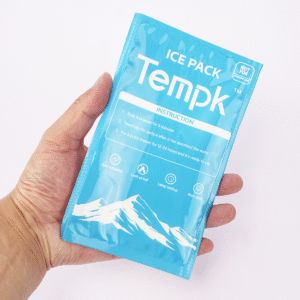
What makes dry ice bag recycling accepted at scale, and why Store Drop-Off matters?
How to prep film and foam safely to avoid CO₂ pressure and curbside tanglers?
Which materials qualify (PE film, EPS) and which fail (metallized, composites)?
How 2025 rules like PPWR and SB 343 change labels and claims?
How reuse compares with dry ice bag recycling for cost and impact?
What counts as dry ice bag recycling in 2025?
Short answer: Dry ice bag recycling means routing empty, clean polyethylene film (#2 HDPE or #4 LDPE) to retail Store Drop-Off programs for dry ice bag recycling and sending EPS foam coolers to dedicated drop-off or mail-back. Curbside MRFs rarely take films; they tangle screens and depress bale value. If the bag is multilayer, metallized, or dirty, do not drop it—reuse internally or dispose. Keep documentation for EPR reporting and label substantiation.
Why it matters to you: You cut contamination fees, protect sortation equipment, and keep claims compliant. Most cities still reject films curbside; Store Drop-Off yields cleaner material for dry ice bag recycling that is actually reprocessed. For foam, specialized densifiers turn EPS into blocks for new products. Treat film, foam, and corrugate as separate streams. Clear instructions on your pack slip reduce returns, tickets, and reputational risk.
Clean & dry film: why Store Drop‑Off works best
Clean, dry PE film meets the quality thresholds retail programs need. Moisture, food residue, and heavy paper labels lower bale value and can disqualify loads. Remove paper labels when practical, keep inks light, and standardize on mono‑PE. This improves real dry ice bag recycling outcomes and protects your partner stores from program shutdowns tied to dry ice bag recycling.
| Film or Liner Type | Likely Resin | Store Drop‑Off? | What it means for you |
|---|---|---|---|
| Clear “ice/dry ice” film | LDPE/LLDPE | Yes if clean & dry | Remove stickers; bundle films before drop‑off |
| Heavy PE liner | HDPE | Yes if clean & dry | Good durability; avoid heavy inks/labels |
| Woven sack style | PP | No | Focus on reuse loops; not Store Drop‑Off eligible |
| Shiny/metallized liner | Multilayer | No | Redesign next buy; route to disposal |
| Paper bag with PE lining | Composite | No | Consider paper‑only or mono‑PE next time |
Practical tips you can use today
Receiving dock: Vent residual dry ice before handling; never seal gas in a bag or box.
Delabeling: Remove large paper labels; choose PE film labels next order.
Aggregation: Nest small films into one bag and knot loosely for Store Drop‑Off.
Documentation: Keep a one‑page spec (resin, thickness, inks) for audits and EPR.
Real‑world case: A meal‑kit brand switched to mono‑PE film and added a Store Drop‑Off icon and QR on the pack slip. Within six weeks, film returns rose from 9% to 43% and “how do I recycle this?” tickets dropped by 42%.
How do you prep for dry ice bag recycling safely?
Direct steps: Let dry ice fully sublimate in a ventilated area, then prep like any Store Drop‑Off film: empty, clean, and dry. Do not trap gas in an airtight container. Wear insulated gloves and eye protection for large volumes. Open cooler lids, loosen bag ties, and allow frost to vanish before bundling films. This simple sequence prevents CO₂ pressure, cold burns, and rejected drop‑off loads in dry ice bag recycling.
Detail you can apply: Dry ice is solid CO₂. As it warms, it releases gas that can displace oxygen or rupture sealed packaging. Treat your end‑of‑use steps like shipping rules: packages must permit CO₂ release (mirroring IATA PI 954). Post a one‑page SOP near docks: “Vent → Identify (#2/#4 PE or EPS) → Delabel → Clean & dry → Route to Store Drop‑Off or EPS site.” Train staff once; repeat quarterly in peak season.
Hand‑on checklist (copy/paste)
Which materials qualify for dry ice bag recycling?
Quick take: PE film (HDPE #2 or LDPE #4) is the primary path for dry ice bag recycling. Multilayer and metallized films, many PP films, and paper/PE composites are out. EPS foam is not curbside in most cities but can go to dedicated drop‑off or mail‑back; corrugate goes curbside once tape and film are removed. The cleaner your streams, the higher your true dry ice bag recycling rate.
What to specify next buy: Choose mono‑PE films, keep inks low‑coverage, and request film‑compatible labels. Ask suppliers for material IDs, thickness, and any barrier layers. For foam, confirm your regional drop‑off or densifier in advance. If you must use a composite today, plan a phase‑down and provide clear “do not drop‑off” instructions to avoid contamination.
Cost & quality: film vs. foam at a glance
| Material | Typical Use | Recycling Path | Your payoff |
|---|---|---|---|
| LDPE/LLDPE film | Inner “dry ice” bag | Store Drop‑Off (clean/dry) | Higher acceptance; faster prep |
| HDPE film | Thick liners | Store Drop‑Off (clean/dry) | Durable; label‑sensitive |
| EPS foam | Insulated shipper | Regional drop‑off/mail‑back | Keeps fiber bales clean |
| Corrugate | Outer box | Curbside fiber | Easy diversion; remove tape/film |
| Multilayer film | Barrier liners | Not eligible | Redesign to mono‑PE |
Where should dry ice bag recycling happen—store drop‑off or curbside?
Bottom line: Use Store Drop‑Off for film and specialized sites for foam. Dry ice bag recycling through curbside is rarely allowed for films and often fails for foam. Retail film programs collect higher‑quality PE; foam densifiers need clean, tape‑free EPS. Mixing streams causes MRF jams, rejected bales, and fees—costs you can avoid with simple sorting and clear customer instructions.
Make it effortless: Add a small “After Delivery” insert: 1) Vent dry ice. 2) Film: clean/dry → Store Drop‑Off. 3) Foam: remove tape → drop‑off/mail‑back. 4) Box: curbside fiber. Include a QR to your recycling page with a locator and prep steps. For B2B lanes, consolidate weekly returns to regional foam sites and keep weight receipts for ESG reporting.
Decision helper for dry ice bag recycling (embed on your page)
Can labels and inks block dry ice bag recycling?
Yes—and it’s avoidable. Large paper labels and aggressive adhesives can downgrade film recyclability and cause Store Drop‑Off rejections in dry ice bag recycling. For better dry ice bag recycling, specify small PE film labels, water‑removable adhesives, and light ink coverage. Keep structures mono‑material; avoid metallization and barriers unless essential, then communicate “do not drop‑off” on pack.
What to do now: Add “label hygiene” to your packaging spec. For returns, ask staff to peel big paper labels when practical. If you’re a brand, align on‑pack instructions with your verified acceptance path. Minimal ink and fewer add‑ons make dry ice bag recycling simpler and cheaper.
Reuse vs. dry ice bag recycling: which saves more?
Winner first: Reuse first, recycle second. Intact film liners and EPS coolers can run multiple internal cycles for staging or returns. When film tears or soils, switch to dry ice bag recycling via Store Drop‑Off; when foam dents or soils, send to drop‑off/mail‑back. This hierarchy cuts cost, reduces purchases, and improves dry ice bag recycling diversion without performance loss.
How to operationalize reuse: Inspect before each cycle (tears, residue, blocked vents). Clean with mild soap; dry fully. Store cool and out of sunlight. For temperature ranges that don’t need extreme cold, pair reusable shippers with phase‑change packs to reduce dry ice usage and shipping weight.
2025 developments: what’s changing in dry ice bag recycling?
Trend overview (2025) for dry ice bag recycling: EU PPWR entered into force on Feb 11, 2025, pushing design‑for‑recyclability; U.S. packaging EPR expands in CA, CO, ME, MN, and OR; retailers continue scaling Store Drop‑Off for films while curbside access to films stays limited. Brands tighten labels to match real infrastructure and keep SB 343 claims compliant. Document your routes and keep proofs.
Latest at a glance
Policy: EPR programs roll out producer duties and reporting; align labels and track weights.
Infrastructure: Film = Store Drop‑Off; Foam = regional drop‑off/mail‑back; Fiber = curbside.
Design: Mono‑PE films with light inks and PE labels are winning specs.
Data: Recovery rates improve when you add an “After Delivery” insert and a locator QR.
Market insight: Buyers want proof—eligible labels for dry ice bag recycling, drop‑off maps, and receipts. Standardize SKUs, right‑size liners, and simplify instructions to lower friction and boost dry ice bag recycling recovery.
Common mistakes that derail dry ice bag recycling
Throwing film in curbside—creates “tanglers” and rejected bales.
Recycling foam with cardboard—contaminates fiber; route foam separately.
Skipping ventilation—residual dry ice builds pressure or displaces oxygen.
Over‑engineered films—multilayers hurt eligibility and raise costs.
FAQs
Is an unlabeled bag recyclable?
Often yes if it’s stretchy PE (#2/#4) and clean/dry. When uncertain, route to Store Drop‑Off or reuse internally.
Can I put the bag in curbside after the ice is gone?
Usually no. Most programs reject films. Use Store Drop‑Off for dry ice bag recycling and curbside only for the box (tape removed).
Do stickers matter?
Yes. Large paper labels and strong glue can cause rejections. Peel them when practical; choose film labels next buy.
Is there any safety risk once the ice is gone?
If dry ice remains, yes. Ventilate first, wear gloves, and never seal CO₂ in a bag or box.
Are paper dry‑ice bags recyclable?
Paper/PE composites typically are not. Use paper‑only or mono‑PE designs and give clear disposal instructions.
Summary & recommendations
Bottom line: Make dry ice bag recycling real by keeping film mono‑PE, clean, and dry; using Store Drop‑Off for film and dedicated sites for foam; and venting before any handling. Standardize specs, cut inks and labels, and document routes for EPR and audits.
Next steps: 1) Publish an “After Delivery” insert and online locator. 2) Align film specs to mono‑PE with PE labels. 3) Consolidate foam returns weekly. 4) Track weights and receipts. 5) Train teams on venting and prep. Ready to go on dry ice bag recycling? Book a 20‑minute review—we’ll tailor an SOP and locator for your SKUs.
About Tempk
We engineer cold‑chain SOPs that work—from film specs and labeling to drop‑off routing and staff training. Our kits help you qualify film for Store Drop‑Off, keep foam out of fiber bales, and maintain CO₂ safety. Customers pick us for two reasons: fewer temperature excursions and cleaner end‑of‑use. Let’s build your recycling‑ready packouts.
Dry Ice Bag Mylar: Safety, Sizing & 2025 Guide

Dry Ice Bag Mylar: How Do You Pack It Safely?
You can use a safely if you design for venting, spacing, and correct ice mass. Dry ice sits at −78.5 °C and turns into gas; sealed Mylar traps that gas and can burst. Use a vent path, keep gentle folds, and size the dry ice with a simple rule so product stays frozen and shippers stay compliant.
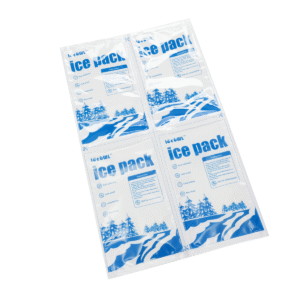
When is a dry ice bag mylar the right choice?
How do you pack and vent to prevent ruptures?
How much dry ice should you plan per lane?
How does Mylar compare to LDPE and nylon?
Which 2025 trends matter for materials and labels?
What is a dry ice bag mylar—and when should you use it?
Use a dry ice bag mylar as a high-barrier liner or sleeve, not as an airtight chamber. It blocks odor and moisture, keeps cartons dry, and protects presentation. But if you seal it fully around dry ice, CO₂ pressure can split the film or seams. Always design a deliberate vent path and place the bag where gas can escape.
Mylar (biaxially oriented PET) shines as a vapor/odor shield and print surface. At deep-cold temperatures it stiffens, so avoid tight creases and crushed corners. For ecommerce frozen food, a hybrid is common: LDPE inside for flex, dry ice bag mylar outside for barrier, both vented.
How does a Mylar dry ice bag behave at −78.5 °C?
Mylar is strong at room temperature and becomes more brittle when very cold, especially at fold lines. Its oxygen and moisture barriers are excellent, but CO₂ must vent. Heat-seals are reliable; for dry ice, use partial seals, micro-notches, or a membrane patch to release gas in a controlled way.
| Property (typical) | Mylar (BoPET) | LDPE | Nylon 6 | What it means for you |
|---|---|---|---|---|
| Moisture barrier | High | Medium | Medium | Cartons stay drier with Mylar. |
| Oxygen barrier | High | Low | Medium–High | Better odor/flavor protection. |
| Flex at −78.5 °C | Moderate–Low | Moderate | Moderate | Avoid sharp creases in Mylar. |
| CO₂ permeability | Low | Higher | Medium | Low permeation demands venting. |
| Heat-sealability | Excellent | Good | Good | Partial/vented seals work best. |
How do you pack a dry ice bag mylar to prevent bursts?
The core rule: let CO₂ out. Use a fin-seal notch (2–3 mm), 2–4 micro-perforations per 100 cm² on the top panel, or a small breathable membrane patch. Maintain spacer gaps so gas can flow to the cooler headspace and out through a vent crack. Label UN1845 for air, and avoid airtight containers.
Step-by-step (reliable 36–48 h parcel):
Pre-freeze payload ≤ −18 °C; pre-cool shipper.
Line shipper; add bottom spacer.
Load product; fill voids.
Add vented dry ice bag mylar on top; spread pellets evenly.
Add top pad; close liner; keep lid crack/vent.
Mark “Dry Ice, UN1845” with net kg; keep package not airtight.
Dry-ice sizing mini-calculator
Dry ice bag mylar vs LDPE vs nylon: which should you pick?
If dryness/odor control is the goal, choose a dry ice bag mylar; if flex/fold durability is paramount, LDPE or nylon may be easier. Many teams run hybrids: LDPE inner for flex, dry ice bag mylar outer for barrier. Add a vent path in all cases.
| Use Case | Best Pick | Why | Alternative | Practical note |
|---|---|---|---|---|
| Odor & oxygen control | dry ice bag mylar | Superior barrier | Nylon laminate | Keep vent path active. |
| Rough handling | LDPE | Soft, resists cracking | Nylon | Pair with Mylar outer liner. |
| Mixed coolants (PCM + dry ice) | Mylar liner + LDPE inner | Barrier + flex | Coex films | Stabilizes sidewalls. |
| Food contact sleeve | Nylon/PE | Common grades, tough | Mylar/PE | Validate seals. |
What labels and rules apply to dry ice bag mylar in 2025?
For air, declare “Dry Ice, UN1845” with net kg and ensure packaging can vent CO₂. Keep packages not airtight. Post clear handling icons, and train teams to use PPE and ventilate workspaces. For ground, follow carrier guidance; same venting and labeling discipline reduces returns and safety incidents.
2025 trends shaping dry ice bag mylar and frozen shipping
Expect vent-friendly laminates, membrane vents, and smarter SOPs. Teams are standardizing vent notches and pre-sealed patches, adding QR-coded instructions, and adopting recyclable mono-material structures. Hybrid coolant strategies (PCMs + dry ice) are rising to buffer temperature extremes while preserving unboxing quality.
Latest developments at a glance
Laser micro-vents: Precise CO₂ release without over-perforation.
Membrane patches: Tyvek-style breathers embedded in Mylar windows.
Digital SOPs: QR links to lane-specific pack steps reduce errors.
FAQs
Can I seal a dry ice bag mylar completely airtight?
No. Airtight sealing traps CO₂ and can cause a burst. Add a notch, micro-perfs, or a membrane vent.
Where should the bag sit—top or bottom?
Top is safer. CO₂ sinks; top placement vents gas and avoids direct freeze shock.
How many perforations are safe?
As few as needed—often 2–4 per 100 cm² on the top panel only. Over-perforation defeats barrier benefits.
Why does Mylar crack at deep-cold temps?
It stiffens at −78.5 °C, and sharp folds create stress risers. Round corners, avoid tight pleats, choose thicker gauges.
Can I mix PCMs with dry ice inside a dry ice bag mylar system?
Yes. Place PCMs around sides and the vented Mylar dry ice pouch on top to avoid product over-freezing.
Summary & next steps
Key takeaways: Use a vented dry ice bag mylar as a barrier liner, top-place it with spacers, right-size dry ice with the calculator, and standardize labeling and PPE. Hybrids with LDPE boost durability; validation beats guesswork every time.
Do this next:
Pick your vent method and bag gauge.
Run a 48-hour pilot with a data logger.
Adjust dry-ice mass using real lane data.
Publish a one-page SOP with photos.
Train the bench; audit monthly.
About Tempk
We engineer cold-chain kits that pair vented dry ice bag mylar liners with matched insulation, labeling, and SOPs. Our customers report fewer ruptures and “wet box” issues, and often cut dry-ice use after lane validation. We publish tools, checklists, and calculators so your team hits temperature and presentation targets on the first attempt.
Ready to standardize your program? Book a 20-minute consult and get a lane-specific spec for your SKUs.
Which Dry Ice Bag Kraft Paper Is Right in 2025?

Which Dry Ice Bag Kraft Paper Is Right in 2025?
You choose dry ice bag kraft paper to keep shipments cold, vent CO₂ safely, and meet labeling and food‑contact rules. In 2025, the best choice balances venting, wet strength, and end‑of‑life claims you can defend. This guide merges and upgrades your three drafts into one SEO‑perfected article with tools, tables, and FAQs.
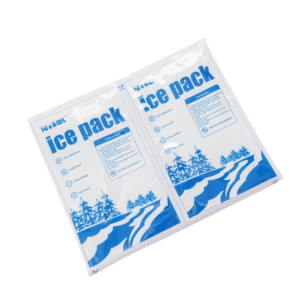
How dry ice bag kraft paper works and when to use it (with long‑haul and lab lane tips)
Which coatings—PE, PLA, or dispersion—fit your sustainability and performance goals
How to size dry ice bag kraft paper for your route and cooler class
What to print and place for UN1845 dry ice compliance and food‑contact records
2025 trends shaping dry ice bag kraft paper choices
What is dry ice bag kraft paper—and when should you use it?
Direct answer: Dry ice bag kraft paper is a wet‑strength paper sleeve or bag—often micro‑vented or micro‑perforated—that holds pellets or blocks, lets CO₂ escape, shields product from abrasion, and tolerates cold and condensation. Use it when you need fiber‑based protection with compliant gas release and simple disposal.
Expanded explanation:
Think of it as a breathable jacket for your cold source. The bag shapes pellets, reduces dust, and prevents frost scuffing on pouches or cartons. Unlike sealed plastics, ventable fiber avoids pressure build‑up as dry ice sublimates at −78.5 °C. In air freight, inner packaging must vent; the outer package carries UN1845, Class 9, and net dry ice weight. Choose the paper build that survives damp handling and supports your recycling or organics plan.
Do coatings change performance and recyclability?
Details:
Coatings affect moisture resistance, sealability, and recovery. Pick the coating that matches lane risk, closure method, and disposal claims.
| Coating / Build | Moisture & Handling | Sealability | What it means for you |
|---|---|---|---|
| PE‑coated dry ice bag kraft paper | High splash resistance, rugged | Heat‑sealable | Tough for rough lanes; recycling acceptance varies by region—verify locally. dry ice bag kraft paper |
| PLA‑coated kraft paper | Good resistance | Heat‑sealable | Industrially compostable when certified and when facilities accept it; not home compost. dry ice bag kraft paper |
| Dispersion‑coated kraft paper | Moderate resistance | Heat or adhesive (varies) | Designed for mill‑friendly repulpability; check WVTR targets with supplier. dry ice bag kraft paper |
| Uncoated wet‑strength kraft | Low barrier | Fold/tape | Best recyclability; use when cooler/liner already manages moisture. dry ice bag kraft paper |
Practical tips you can use today
Vent by design: choose micro‑perfs, pin vents, or vent patches—never fully seal dry ice.
Specify wet‑strength: PAE‑fortified papers resist tear when damp.
Food‑contact sanity check: keep 21 CFR Part 176 documentation when direct or incidental contact is possible.
Real‑world case: A seafood shipper adopted dispersion‑coated, micro‑vented dry ice bag kraft paper, cutting pellet dust complaints and keeping air‑cargo acceptance smooth thanks to explicit venting language on the spec sheet.
How do you size dry ice bag kraft paper for your route?
Direct answer: Start from hold‑time, payload, insulation class, and ambient profile. Back‑solve to ice mass, then choose dry ice bag kraft paper that keeps shape, vents reliably, and survives moisture without creating airtight seals.
Expanded explanation:
Sublimation depends on heat gain. A common starting point is ~5–10 lb per 24 h for insulated shippers, then adjust for summer lanes, openings, and box volume. The bag doesn’t “add cold”; it protects the cold—reducing pellet loss and wet tearing that can accelerate sublimation. Validate with two seasons of lane tests and temperature loggers.
Copy‑and‑use “Lane Profiler” (interactive checklist)
| Hold‑time target | Dry ice mass | Dry ice bag kraft paper build | Why this pairing |
|---|---|---|---|
| ≤ 24 h, premium cooler | 5–7 lb | Uncoated wet‑strength | Lightest coating; easy recycling where accepted. dry ice bag kraft paper |
| 24–48 h, standard cooler | 8–12 lb | Dispersion‑coated | Splash resistance + repulpability focus. dry ice bag kraft paper |
| > 48 h, rough handling | 12–16 lb | PE‑coated with vents | Abuse tolerance; check local recovery options. dry ice bag kraft paper |
| Compost‑forward programs | 8–12 lb | Certified PLA‑coated | Only where industrial composting access exists. dry ice bag kraft paper |
Field tips that reduce shrink
Pre‑chill shippers and payload.
Place dry ice above and below product; never trap gas.
Fill voids with kraft dunnage to slow warm air intrusion.
How does dry ice bag kraft paper keep you compliant and safe?
Direct answer: Packages must vent CO₂, survive cold and moisture, and keep documentation tight. For air: inner package vents; outer shipper shows UN1845, Class 9, and net dry ice weight. Train teams to ventilate vehicles and rooms; CO₂ limits: 5,000 ppm TWA and 30,000 ppm STEL. Keep 21 CFR Part 176 letters when food contact is possible.
Expanded explanation:
Dry ice is odorless and heavy; gas pools in low areas. Open doors, crack van windows, and avoid sealed trunks. Post CO₂ limits at packout stations. Keep SDS access handy. For labels, print the proper shipping name (“Dry Ice” or “Carbon Dioxide, solid”), UN 1845, Class 9 mark, and net weight in kilograms on the outer container. Your dry ice bag kraft paper sleeve stays unsealed and un‑labeled inside. Archive supplier compliance letters for coatings, inks, and adhesives.
One‑minute labeling checklist (air)
Proper shipping name + UN1845 on the outer shipper
Class 9 hazard label positioned per carrier requirements
Net dry ice weight (kg) visible and accurate
Names/addresses of shipper and recipient
Inner dry ice bag kraft paper is vented (micro‑perfs, patch, or notch)
Dry ice bag kraft paper vs. plastic or waxed alternatives—what’s best?
Direct answer: Dry ice bag kraft paper is safer for venting and often wins on sustainability; plastic may add barrier but risks trapped gas and brittleness at cryo temps. Choose fiber when you want compliant venting and clearer end‑of‑life options.
Side‑by‑side comparison
| Attribute | Dry ice bag kraft paper | Plastic / waxed liners | What it means for you |
|---|---|---|---|
| Venting & pressure | Natural breathability; micro‑perfs | Often airtight unless engineered | Lower rupture risk; smoother air acceptance |
| Cold durability | Wet‑strength grades resist tear | Some plastics get brittle | Fewer failure claims in rough handling |
| Insulation role | Works with EPS/VIP; adds buffering | Needs added insulation | Longer hold time per pound of ice |
| End‑of‑life | Recyclable/repulpable or compostable (when certified and accepted) | Limited recovery; landfill‑prone | Stronger ESG story and clear guidance dry ice bag kraft paper |
Actual case: A clinical‑trial site replaced sealed plastic sleeves with micro‑vented dry ice bag kraft paper and recorded zero “bloated bag” incidents plus ~12% less ice usage across three metros.
2025 trends in dry ice bag kraft paper and cold chain
Trend overview (2025):
Dispersion‑coated “mill‑friendly” barriers advance repulpability without heavy polymers. PLA stacks target certified industrial composting where access exists. More shippers publish regional disposal guidance and test designs with mills and MRFs before scale. Expect portfolio strategies: uncoated for short lanes, dispersion for recovery, PLA for organics, and PE for abuse‑heavy routes.
Latest advances at a glance
Dispersion‑coat 2.0: better splash resistance with mill‑friendly recovery
Compostable barrier stacks: PLA‑based systems for programs with real access
Validation first: logger‑backed trials with suppliers, mills, and converters before rollout
Market insight:
Acceptance of poly‑coated fiber is still uneven in North America, while organics access varies city‑to‑city. Leaders now print localized disposal copy or offer take‑back. The buying shift favors clear claims over broad recyclability marketing.
FAQs
1) Do dry ice bags have to be vented?
Yes. Dry ice bag kraft paper should include micro‑perfs or vent paths. Never trap CO₂ in an airtight liner.
2) Where do UN1845 labels go?
On the outer package with proper shipping name, Class 9 label, and net dry ice weight. The inner dry ice bag kraft paper remains un‑labeled but vented.
3) Is PLA‑coated kraft paper compostable everywhere?
No. It’s industrially compostable only when certified and where facilities accept it—verify local access.
4) Is PE‑coated kraft “recyclable”?
Sometimes, depending on local programs and mills; avoid blanket claims and publish region‑specific guidance.
5) What about worker safety?
Ventilate pack rooms and vehicles. Keep OSHA/NIOSH CO₂ limits visible: 5,000 ppm TWA; 30,000 ppm STEL. Train teams and avoid breathing cold plumes.
Pro tips & quick wins for users
Hot‑lane summer runs: add +2 lb dry ice per 10 °C above 25 °C and switch to dispersion‑coated dry ice bag kraft paper to keep recovery options.
Rough handling hubs: choose PE‑coated dry ice bag kraft paper with reinforced seams and vent patches.
Food contact risk: keep 21 CFR Part 176 letters on file and restrict ink sets accordingly.
Field example: A regional seafood brand paired dispersion‑coated dry ice bag kraft paper with pre‑chilled shippers and cut condensation on outers while maintaining lane performance.
Summary & next steps
Key points: Choose dry ice bag kraft paper that vents reliably, resists wet tearing, and matches real end‑of‑life access. Put labels on the outer shipper, keep food‑contact documents, and validate with data loggers before scale. Publish local disposal guidance to avoid greenwashing.
Action plan:
Map summer/winter lanes and size ice with the Lane Profiler.
Select coating by lane risk and disposal access.
Pilot three shipments per lane with loggers.
Train teams on venting, labels, and CO₂ safety.
Publish simple “recycle/compost/landfill” instructions by ZIP.
About Tempk
We design evidence‑based cold‑chain packaging with dry ice bag kraft paper options in uncoated wet‑strength, dispersion‑coated, PE‑coated, and PLA‑coated builds—each with validated venting. We support IATA and 21 CFR documentation and run packout trials to right‑size cost and risk. CTA: Book a 15‑minute consult to spec the right bag for your lane.
Dry Ice Bag Heavy Duty: 2025 Guide to Safe Shipping
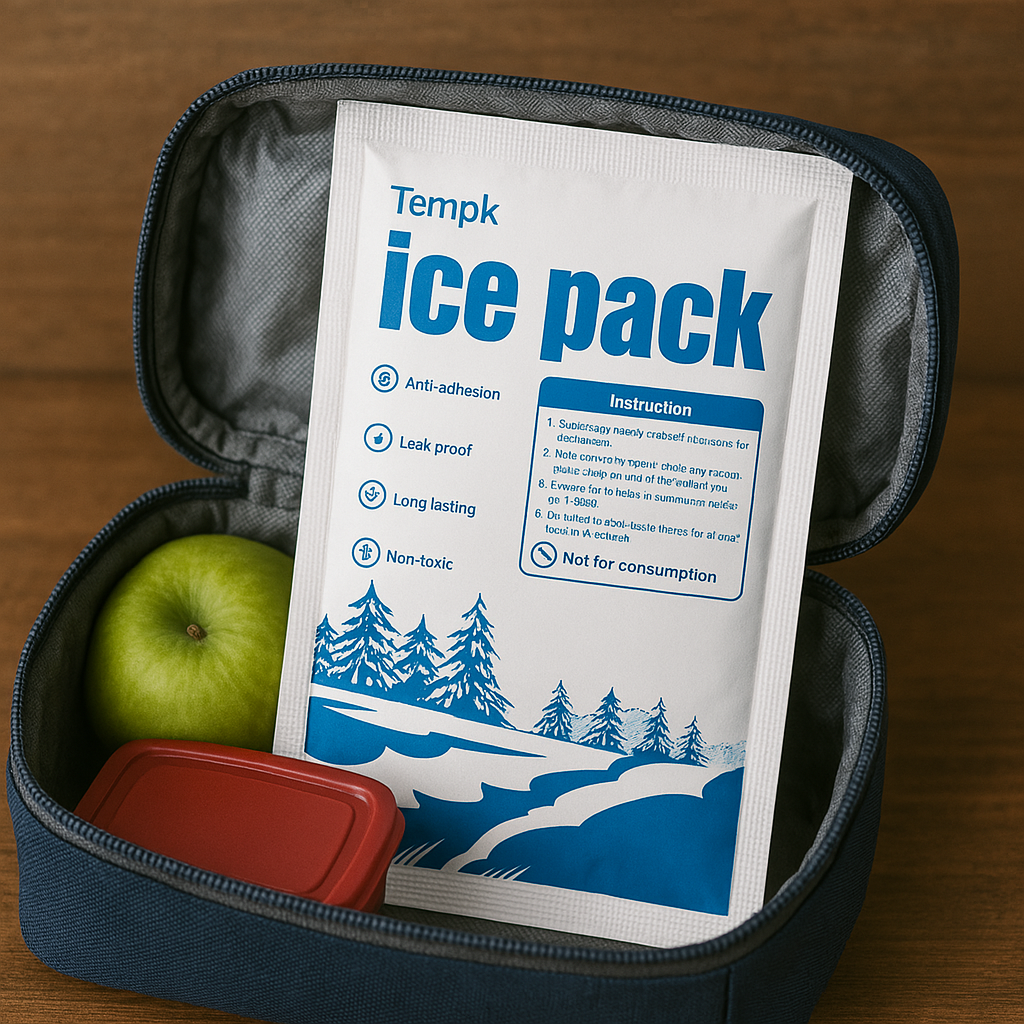
Dry Ice Bag Heavy Duty: How to Pass 2025 Checks
You ship frozen goods under pressure. A dry ice bag heavy duty protects product, vents CO₂ safely, and helps you pass 2025 acceptance checks. In the first five minutes, teams lose time to torn liners, sealed vents, and missing UN 1845 markings. This guide shows you how to spec, pack, and label with fewer rejections and lower cost using a dry ice bag heavy duty.
What makes a dry ice bag heavy duty compliant and reliable?
How to size, pack, and label for IATA/DOT rules with vented dry ice packaging?
Which materials, thickness, and closures work best for rough lanes?
How much dry ice do you need for 24–72 hours, and how do you estimate it fast?
What 2025 trends will affect your next frozen launch?
What makes a dry ice bag heavy duty compliant in 2025?
A dry ice bag heavy duty should combine 4–8 mil LLDPE or similar tough film, wide or double heat-seals, and a fold-and-clamp closure that is strong yet not hermetic, preserving a gas path from bag to shipper. Keep headspace and avoid airtight overwraps. Label UN 1845 and net kg on the outer.
Expanded: Dry ice turns to gas rapidly. If the closure or overwrap is airtight, pressure builds and damages the packout. Choose puncture-resistant film that survives sharp pellets and corners, use 10–20 mm seals, and leave a controlled vent path. These simple choices reduce rejections at acceptance and improve safety for handlers. A dry ice bag heavy duty set up this way is both tough and compliant.
Fold-and-clamp vs. heat-seal: which venting method works best?
Fold-and-clamp or a reusable band cinches the neck without sealing it airtight; heat sealing can trap gas. Microperforated liners are an option, but the outer must be vented too. Keep a clear path from the bag to the shipper lid and carton flaps. For palletized freight, perforate shrink wrap near vents so CO₂ can escape.
| Spec chooser | Typical choice | What to check | Benefit to you |
|---|---|---|---|
| Film thickness | 4–8 mil LLDPE | Low-temp impact & puncture | Fewer tears around pellets |
| Seams | 10–20 mm double seals | Seal burst vs. load | Fewer seam splits |
| Closure | Fold-and-clamp/band | Vent path remains | Compliance + speed |
| Liner shape | Gusseted/pillow | Fits foam cavity | Better gas flow |
| Overwrap | Perforated only | Vent points open | Prevents pressure build-up |
Practical tips you can use today
Fragile payloads: Add a tray between product and the dry ice bag heavy duty to avoid cold shock.
dry ice bag heavy duty
Hot lanes: Pre-chill the inner; warm foam accelerates sublimation.
dry ice bag heavy duty
Rough handling: Choose 6–8 mil film and wider seals to boost margin.
dry ice bag heavy duty
Oversized cavity: Match liner size so the dry ice bag heavy duty doesn’t bunch and block the vent path.
Field case: Swapping from 4 mil to a 6 mil dry ice bag heavy duty with an 18 mm seal cut split incidents to zero across 1,600 parcels while keeping acceptance time under two minutes.
How do you size, pack, and label with a dry ice bag heavy duty?
Use a rigid inner shipper, place dry ice in a dry ice bag heavy duty, close with a fold-and-clamp or band (not hermetic), maintain headspace, and ensure a gas path to the outer carton. Mark “Dry ice/Carbon dioxide, solid,” UN 1845 and the net dry-ice mass in kg.
Expanded: Reliable packouts look simple: a foam/EPP inner inside a strong outer (275# or better). Spacers prevent direct contact with vials. Do not shrink-wrap the shipper unless perforated near vent points. On the air waybill, complete the dry-ice line exactly as carriers expect. A dry ice bag heavy duty that is vented and labeled correctly speeds acceptance.
Quick “how much dry ice?” estimator
Rule of thumb: 5–10 lb per 24 h depending on insulation, payload mass, and touches.
Example: 36 h door-to-door → (6.5 * 36/24) * 1.3 ≈ 12.7 lb.
| Labeling checklist | Minimum content | Why it matters | Result |
|---|---|---|---|
| Proper name + UN | “Dry ice/Carbon dioxide, solid,” UN 1845 | Required marking | Faster acceptance |
| Net mass (kg) | e.g., 6.0 kg per package | Checked at tender | Avoids rework |
| Class 9 label | Hazard class on outer face | Visibility & rules | Compliance |
| AWB entry | UN 1845, x packages × y kg (net) | Carrier expects format | Fewer delays |
Carriers publish clear AWB examples and label sizing notes to speed acceptance.
Lane risk self-check (answer Yes/No)
Is any inner lining or overwrap airtight? If Yes, change to clamp/band or perforate.
Are carton flap vents clear after taping? If No, re-tape to open a path.
Is the vehicle ventilated during last mile? If No, add driver SOPs.
Will ambient exceed 30 °C? If Yes, raise dry ice by ~25%.
Do you have preprinted UN 1845 + net kg on outers? If No, add it.
Which materials make a dry ice bag heavy duty last longer?
LLDPE or blends at 4–8 mil resist puncture and cold cracking; wide/double heat-seals raise burst strength; gusseted shapes prevent bunching and protect the gas path.
Expanded: Bags ride inside foam or EPP inners. Weak points are corners, pellet points, and seams. Tune specs with quick puncture and drop checks. If you palletize, verify perforations near vent points so the system remains vented. For very long lanes, pair the dry ice bag heavy duty with reusable EPP shippers and robust clamps.
| Material & design | Typical spec | Best for | What it means |
|---|---|---|---|
| LLDPE film | 6 mil, double seal | Rough handling | Lower tear risk |
| Double-wall kraft paper bag | Two plies with liner | Heavy foods, short routes | Recyclable; single-use |
| Insulated chest (EPP/EPS) | Rigid + foam | >48 h or bulk | Longer hold time |
| Gusseted liner | Sized to cavity | Dense packouts | Stable stacking |
| Reusable band | Cinch, not seal | Fast operations | Repeatable closure |
| Microperfs | Rated for CO₂ | Dusty pellet lanes | Smoother venting |
Do regulations require venting and specific markings?
Yes. Packages with dry ice must permit CO₂ to escape and carry “Dry ice/Carbon dioxide, solid,” UN 1845 with net mass in kg; Class 9 labels apply where required. Keep closures non-hermetic and avoid gasket traps in coolers. For worker safety, ventilate rooms and vehicles in line with exposure limits: ~5,000 ppm TWA, 30,000 ppm STEL, and 40,000 ppm IDLH.
2025 trends in dry ice bag heavy duty and the cold chain
Trend overview: Acceptance scrutiny is up in 2025. Carriers emphasize vented packaging, clear UN 1845 net-mass marking, and precise AWB entries. Teams are adopting reusable EPP shippers, better clamps, and perforated pallet wrap to eliminate heat-sealed liners.
Latest advances at a glance
Clearer AWB cues: Job aids spell out “UN 1845, Dry Ice, x × y kg (net per package).”
dry ice bag heavy duty
Airtight warnings: Healthcare guidance highlights rupture risk from sealed liners.
dry ice bag heavy duty
Room/vehicle safety: More SOPs for CO₂ ventilation and signage.
dry ice bag heavy duty
Eco shifts: Lighter outers reduce DIM weight; liner choices favor recycle-ready films.
Smart monitoring: Simple Bluetooth/NFC loggers verify temperature and handoffs.
Market insight: Shippers pair a dry ice bag heavy duty with lighter outers to lower shipping cost while staying compliant. Expect more temperature and CO₂ signage in packout rooms and SOPs that specify fold-and-clamp over heat-seal. A standardized dry ice bag heavy duty spec also shortens training time.
Frequently asked questions
How strong should a dry ice bag heavy duty be for typical parcel lanes?
4–6 mil with a fold-and-clamp works for most lanes; pick 6–8 mil for rough handling.
Does a dry ice bag heavy duty have to be vented?
Yes. Keep a controlled vent path; never make the closure airtight.
What has to appear on the outside label?
“Dry ice/Carbon dioxide, solid,” UN 1845 and the net dry-ice mass in kg, plus a Class 9 label where required.
How much dry ice should I plan for 48 hours?
Often 10–16 lb for well-insulated parcel shippers, more if hot or high-touch.
Is it safe to carry multiple dry-ice packages in a closed trunk?
No. CO₂ can build up. Keep vehicles ventilated and avoid sealed trunks.
Summary & next steps
Key points: A dry ice bag heavy duty must balance strength and venting. Choose 4–8 mil film with robust seams, use a fold-and-clamp or banded closure, ensure a gas path, and label UN 1845 with net kg. Ventilate rooms and vehicles; tune dry-ice mass with quick lane tests.
Action plan: Audit liners for heat-seal risks; switch to clamp/band. Add a preprinted UN 1845 + net kg box on outers. Run puncture, drop, and gas-path checks. Update SOPs with your acceptance checklist and AWB examples. Train couriers on CO₂ ventilation. A dry ice bag heavy duty that vents reliably reduces delays and claims.
About Tempk
We engineer heavy duty dry-ice packaging that passes 2025 acceptance the first time. From dry ice bag heavy duty liners with reliable clamps to ready-to-print UN 1845 label kits and packout SOPs, we blend compliance with speed so your team ships frozen goods confidently and safely. Talk to a Tempk specialist to review your lane and spec.
Dry Ice Bag for Vaccines: 2025 Cold Chain Guide
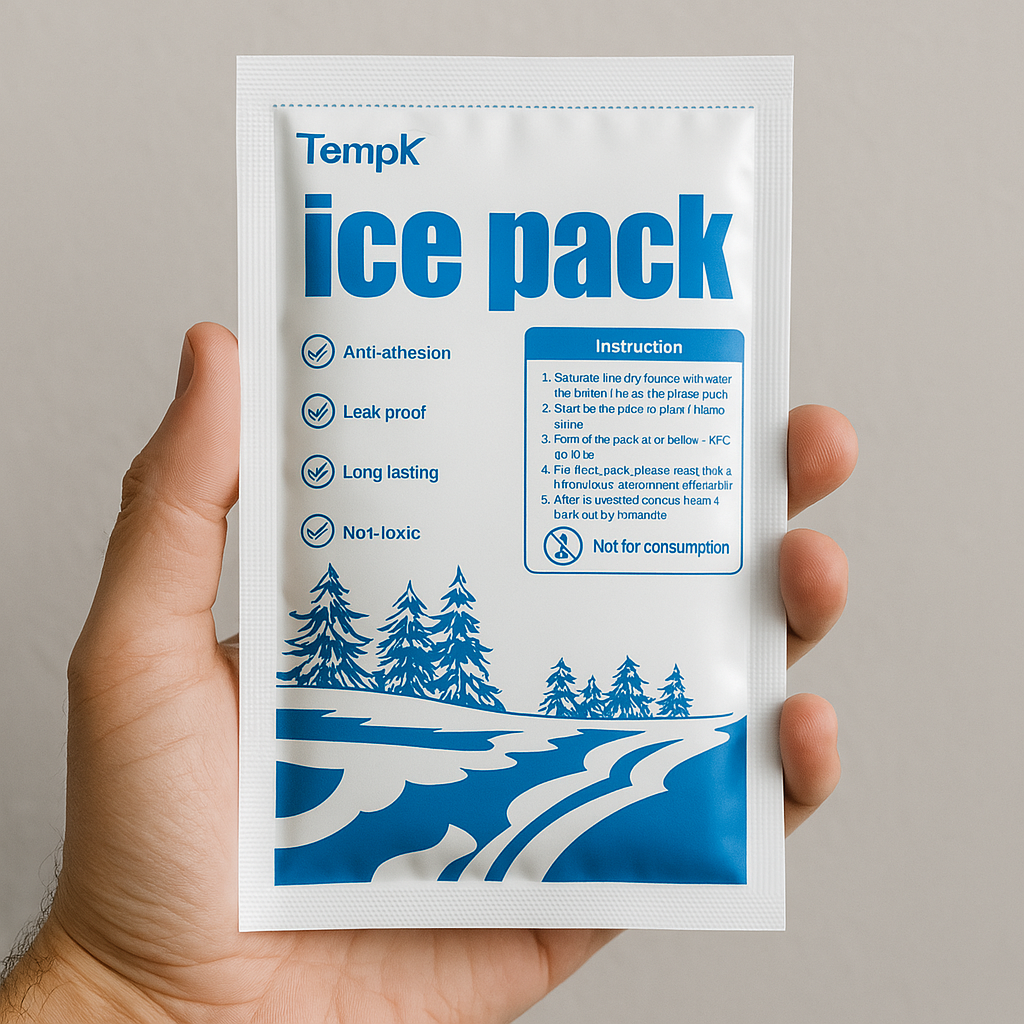
Dry Ice Bag for Vaccines: How to Size, Pack & Comply
Last updated: September 18, 2025. This consolidated guide merges three expert drafts and aligns them to 2025 on‑page SEO and compliance standards.
In short: use a dry ice bag for vaccines only when the label or validated pack‑out requires frozen or ultra‑low temperatures, then size the dry ice for the lane’s worst hour and keep CO₂ venting and UN1845 labeling crystal‑clear.
How to size a dry ice bag for vaccines for 24–72 hours with lane risk in mind
How to pack, vent, and mark UN1845 under IATA PI 954 (air) and field SOPs
When to avoid dry ice and use 2–8 °C cool packs instead
How food lanes differ (a short dry ice bag for meat section) and what that means for you
What 2025 tech and policy trends change your playbook
How much dry ice should your dry ice bag for vaccines hold?
Short answer: For a typical validated shipper, plan 5–10 lb per 24 h, then round up and add ~20% for handoffs and hot ramps. Place the dry ice bag for vaccines above the payload (cold air sinks) and keep a standoff to avoid brittle contact. Start a logger and size to the lane’s longest credible hour, not the brochure estimate.
Why this works: Field rules of thumb and qualification data converge around ~5–10 lb per day for small/medium ULT shippers, with sublimation accelerating when packages are opened or exposed to heat. If your OQ report lists a sublimation rate, multiply it by transit hours and add a 1.2 safety factor. Avoid using a dry ice bag for vaccines for routine 2–8 °C products—conditioned cool packs are safer for those lines.
UN1845 & PI 954 for your dry ice bag for vaccines—what matters in 2025?
Your outer box must read “Dry Ice” or “Carbon dioxide, solid,” UN1845, and the net dry ice mass in kg, on two opposing sides. Packages must vent CO₂; never seal inner liners or the dry ice bag for vaccines gas‑tight. Airline/operator variations apply, so copy the exact net kg onto paperwork. Trained staff, open vents, and a visible label keep auditors and carriers aligned.
| Sizing Input vs. Control | Typical Range | Practical Control | What it means to you |
|---|---|---|---|
| Ambient extremes | −10 °C to +43 °C | Size for the hottest hour; use 20% margin | Prevents mid‑lane warmup |
| Sublimation baseline | 5–10 lb / 24 h | Use upper bound for >2 handoffs | Keeps buffer for quick‑open events |
| Label & venting | UN1845 + net kg; vent path | Bag secured but not air‑tight | Avoids pressure, carrier rejections |
Practical tips to run your dry ice bag for vaccines today
Hot‑lane rule: Add 20% dry ice for >2 handoffs or >32 °C peaks.
Logger placement: Put the logger near the thermal core, not buried in pellets.
Quick‑open SOP: Open <60 s in a ventilated zone; reseal and log time‑open.
Bag spec: Use −80 °C‑rated PE or co‑extruded film (100–150 µm) with clip/tie closure—contain pellets, don’t trap gas.
Real case: A depot moved 6,000 mRNA doses on a 48 h route with two hubs. With a dry ice bag for vaccines loaded to 24 lb and a validated ULT shipper, excursions dropped to zero and claims halved in one quarter.
How do you pack and label a dry ice bag for vaccines safely?
Core steps (auditor‑friendly): Pre‑stage at label temperature → confirm vents → load vials in secondary + logger → fill and secure the dry ice bag for vaccines → maintain standoff → close shipper → mark UN1845 + net kg on two sides → document lot/ID/time. This keeps CO₂ release, traceability, and label compliance tight while protecting vials from thermal shock.
Extra context: Dry ice becomes CO₂ gas, so ventilation is a safety and regulatory requirement. OSHA/NIOSH exposure limits and IATA PI 954 are the anchors used by auditors; training plus a one‑page bench card prevents sealing vents by mistake. For 2–8 °C lines, use conditioned packs instead of a dry ice bag for vaccines to avoid freeze damage.
Lane calculator for your dry ice bag for vaccines (use for quoting, then validate)
When should you avoid a dry ice bag for vaccines?
Skip it when labels specify 2–8 °C storage or when the IFU disallows sub‑zero transport. In those cases, use PQS‑aligned carriers and conditioned cool packs/PCMs. A dry ice bag for vaccines is reserved for frozen (−50 to −15 °C) or ultra‑low (−90 to −60 °C) shipments that your validation supports.
Mini self‑check for a dry ice bag for vaccines
Is your product labeled for frozen or ULT transport?
Is the package vented with UN1845 and net kg on two sides?
Did you plan ≥10 lb/24 h for typical shippers (plus 20%)?
Do pack‑out staff know CO₂ safety and “quick‑open” steps?
What changes when shipping food—dry ice bag for meat?
Food lanes share physics but differ in targets. A dry ice bag for meat keeps cuts hard‑frozen and dry; gel packs keep cooked or chilled foods at 2–8 °C. Use ≥2 in insulation for 24–48 h, position dry ice on top, and leave liners slightly open to vent gas. Label Class 9, UN1845, and net kg clearly. Plan shipments early in the week to avoid weekend holds.
2025 trends that change your dry ice bag for vaccines plan
Smarter shippers: Integrated loggers and CO₂ sensors with QR IFUs raise first‑attempt success.
Sustainability: Recovered‑carbon dry ice and recyclable liners reduce footprint without losing hold time.
Better planning models: Teams combine qualification loss rates with lane history to right‑size the dry ice bag for vaccines from day one.
[Tip: save or screenshot this section for training.]
FAQ: dry ice bag for vaccines
Can I use a dry ice bag for vaccines stored at 2–8 °C?
No. Use conditioned cool packs and PQS carriers; dry ice risks freezing these products.
How much dry ice per 24 h should I plan?
Use 5–10 lb per day for typical shippers, then add ~20% for handoffs and heat exposure.
What labels are mandatory for air shipments?
Mark “Dry Ice/Carbon dioxide, solid,” UN1845, and the net dry ice mass in kg on two opposing sides; ensure CO₂ can vent.
Is there an exposure risk when opening shippers?
Yes. Open in ventilated areas and train staff; CO₂ can displace oxygen quickly in closed rooms.
Sources aligned: CDC Vaccine Storage & Handling Toolkit (2024), WHO PQS cold chain guidance, IATA PI 954, FAA/ICAO dry ice rules, OSHA/NIOSH CO₂ exposure limits, USP <1079>.
Summary & recommendations for your dry ice bag for vaccines
Focus on four habits: use a dry ice bag for vaccines only when labels allow, size at ≥10 lb/24 h plus margin, keep packages vented and marked UN1845, and train teams on CO₂ safety and quick‑open SOPs. These moves cut excursions, reduce claims, and keep audits clean.
Next steps: Audit your lanes; validate a pack‑out with logging; standardize UN1845 labels; coach a 15‑minute bench drill; and revisit dry‑ice mass after two cycles.
About Tempk
We help biopharma and food teams move temperature‑sensitive products with audited reliability. Our validated shippers, dry ice bag for vaccines kits, and lane‑specific SOPs reduce excursions and documentation work. Customers report steadier dwell, faster acceptance, and fewer claims after standardizing our pack‑outs and calculators.
Talk to us: Book a 30‑minute consult to match a dry ice bag for vaccines to your riskiest lane—sizing, labeling, and training included.
Dry Ice Bag for Shipping Frozen Food: 2025 Guide
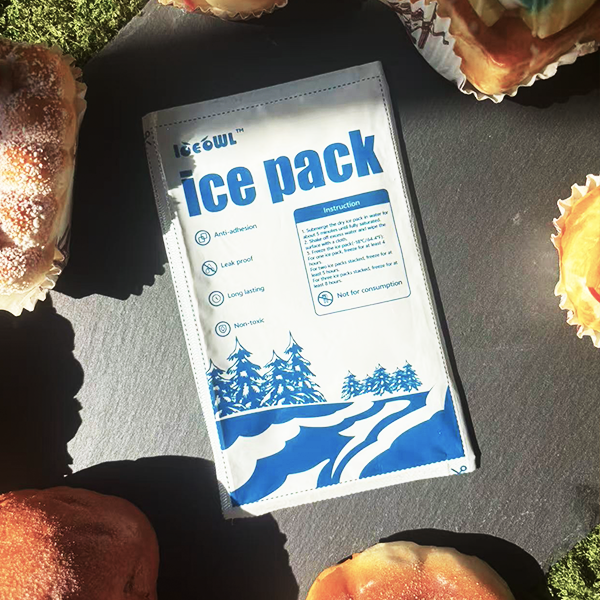
How to Use a Dry Ice Bag for Shipping Frozen Food?
Updated: September 18, 2025
A dry ice bag for shipping frozen food gives you ultra-cold, dry cooling and reliable hold time. Use it to keep product rock-solid across zones while staying compliant and safe. In real operations, well-packed shippers cut thaw-related complaints by half and protect margins during peak heat. This guide shows you what to use, how to pack, and how to choose the right amount of dry ice for your route. Use a dry ice bag for shipping frozen food to standardize quality on every lane.
This article will help you:
Explain why a dry ice bag for shipping frozen food outperforms gel packs for long routes.
Calculate ice weight with a simple planner and frozen food shipping rules of thumb.
Pack, label, and vent correctly to meet hazardous materials requirements.
Compare coolants and insulation choices for frozen meal delivery.
Apply 2025 trends (smart sensors, eco CO₂) to reduce risk and waste.
What makes a dry ice bag for shipping frozen food work?
It holds dry ice, vents CO₂ safely, and shields food from direct contact to prevent freezer burn. Dry ice sublimates, so there’s no meltwater to soak cartons. The bag’s film and vents slow loss, extend hold time, and keep everything dry. In insulated shippers, the combination preserves texture and taste for demanding products like ice cream or sashimi.
For you, it means fewer surprises at delivery. The dry ice bag for shipping frozen food adds a cold core while the box insulation blocks heat. Use it for 24–72 hour lanes, warm climates, or premium loads. When customers open the box, they see dry packaging, intact seals, and food that is still solid—no refreezing needed.
Dry Ice Bag for Shipping Frozen…
Which bag and ice form should you pick for longer routes?
Pellets spread cooling evenly and are easier to portion. Blocks last longer because of lower surface area. Hybrid liners add foil layers that reflect radiant heat. Choose ventilated bags that release gas. Match the bag to your lane time and ambient highs; secure it so CO₂ flow never pressurizes a sealed space.
| Dry Ice Setup Planner | Typical Duration | Insulation Need | What it means for you |
|---|---|---|---|
| Pellets in vented bag | 12–24 h | 1–1.5 in foam liner | Even cooling for short hauls and small boxes |
| Block in vented bag | 24–48 h | 1.5–2 in foam or VIP | Longer lanes with fewer handoffs |
| Hybrid foil liner + block | 36–60 h | VIP/aerogel + tight fit | Best for premium cargo and hot routes |
Practical tips that save product
Separate food from dry ice with cardboard or a divider to avoid cold spots.
Fill voids with paper or air pillows to reduce airflow and sublimation.
Position high: place the dry ice bag for shipping frozen food above items so cold air sinks through the load.
Train handlers to wear insulated gloves and open boxes in ventilated areas.
Real-world case: A frozen seafood sender switched to a block-in-bag plus a 2-inch liner on a 48-hour lane. Complaints dropped from 9% to 3%, and returns fell by a third while shipping cost rose only marginally.
How much dry ice should a dry ice bag for shipping frozen food hold?
Plan 5–10 lb per 24 hours, then adjust for insulation, ambient heat, and box size inside your dry ice bag for shipping frozen food. Heavier products hold cold better; empty space warms faster. Round up for summer routes and last-mile delays. Always leave vent paths so gas escapes without ballooning a bag or cooler.
Expand the estimate with a quick checklist: route hours, handoffs, ambient highs, insulation thickness, product mass, and whether doors will open mid-route. If any factor is “high risk,” increase the load or upgrade insulation. Test your packout before scaling.
Quick “Dry Ice Estimator” (rule‑of‑thumb)
How do you pack, label, and ship a dry ice bag for shipping frozen food?
Use a rigid outer box, an insulated inner, and a vented dry ice bag for shipping frozen food. Each dry ice bag for shipping frozen food must have a gas escape path. Place a spacer over product, set the bag above, and tape the lid lightly so gas can vent. Label packages per carrier rules for UN 1845 (Dry Ice/Carbon dioxide, solid) with net weight. Avoid airtight containers; never seal gas in.
Design your SOP so no step depends on memory: PPE at the pack line, pre-cut spacers, weighed ice, printed labels, and a vent check before sealing. For air lanes, confirm carrier limits by service level; for ground, confirm labeling and handling rules. Archive packout test logs for audits and customer service.
Common mistakes to avoid
Sealing the cooler airtight (pressure risk).
Letting dry ice touch packaging film directly (brittle breakage).
Underfilling insulation gaps (faster sublimation).
Putting the dry ice bag for shipping frozen food below product (warm top layers).
Dry ice bag for shipping frozen food vs gel packs: which wins?
For fully frozen goods over 24 hours, the dry ice bag for shipping frozen food wins on temperature and hold time. Gel packs shine for chilled ranges (0–8 °C), local routes, and simpler handling. A hybrid works well: dry ice as the freeze anchor, gel packs to buffer outer layers and fill voids.
Pick by requirement, not habit. Map the lowest safe product temperature and the latest time a customer might open the box. If your “worst-case open” is beyond 24 hours, dry ice is usually the safer bet. If you’re delivering same-day or need 2–8 °C, gel packs or PCMs are easier and non-hazardous.
Decision mini‑tool
Does product need ≤ −18 °C the whole time? If yes, choose dry ice.
Is the lane > 24 h or in summer heat? Increase dry ice or insulation.
Mixed load (frozen + chilled)? Compartmentalize; keep the dry ice bag for shipping frozen food in its own cavity.
2025 trends: dry ice bag for shipping frozen food and beyond
Fresh packaging is getting smarter and greener. Expect wider use of embedded sensors that log temperature and CO₂, recycled‑source CO₂ for ice, and higher‑performance liners that extend hold time without extra weight. Carriers continue to enforce stricter labeling and anti‑abuse policies; well-documented, helpful pages and better UX also support rankings and trust.
What’s new at a glance
Smarter monitoring: Low‑power loggers and QR audits reduce disputes on “box arrived warm.”
Greener inputs: More vendors certify recycled CO₂, cutting footprint without performance loss.
Better insulation: Vacuum panels and thin reflective liners add hours without bulk.
Market insight: E‑commerce frozen foods and pharmacy spillover keep driving demand. Teams adopting sensors plus stronger pack SOPs report fewer claims and steadier reviews.
Frequently asked questions
How long will a dry ice bag for shipping frozen food keep items solid?
With good insulation, 24–48 hours is typical; longer lanes require more ice or better liners. Test your exact box before rollout.
Can I put dry ice directly on food pouches?
No. Use a spacer or divider to prevent cold shock and brittle packaging.
Is air shipping allowed?
Yes, but you must label UN 1845 (Dry Ice/CO₂, solid), show net weight, vent the shipper, and follow carrier limits. Confirm the latest rules for your service level.
What if I need both frozen and chilled in one box?
Use a divider. Keep the dry ice bag for shipping frozen food in a top cavity and buffer the chilled zone with gel packs or PCMs.
Summary and next steps
Key points: The dry ice bag for shipping frozen food delivers ultra‑cold, dry cooling; place it above product, vent the shipper, and size the load with a simple rule of thumb. When in doubt, add ice or insulation to the dry ice bag for shipping frozen food. Hybrid setups add stability. Document your SOP, test, and monitor.
Action plan: Pilot one lane. Record temps, adjust ice weight, and standardize the packout. Roll out to your hottest lanes first. Need help? Request a packout audit and sample kit.
About Tempk
We design and test dry ice bags, insulated liners, and end‑to‑end cold‑chain solutions—including the dry ice bag for shipping frozen food you can rely on. Our lab-verified packouts help brands keep food solid through longer lanes with fewer claims. We focus on clean handling, smart ventilation, and repeatable SOPs so your team ships confidently every day.
Dry Ice Bag for Shipping Food: 2025 Complete Guide

How to Use a Dry Ice Bag for Shipping Food
[Updated: September 2025]
You need a dry ice bag for shipping food when you must keep products frozen, safe, and compliant. Used correctly, a dry ice bag for shipping food holds sub‑zero temperatures, avoids messy meltwater, and meets 2025 labeling rules. With tight packouts and vented lids, you cut spoilage and protect quality on every lane.
Pick the right dry ice bag for shipping food and insulation for your lane
Calculate coolant with a quick estimator for 24–72‑hour routes
Pack, vent, and label boxes so CO₂ escapes safely
Meet UN1845 rules and reduce claims with sensors and PCMs
Apply 2025 trends to lower cost and improve reliability
How much dry ice do you need in a dry ice bag for shipping food?
Start with 5–10 lb per day for small parcels, then adjust for insulation and heat. For standard EPS, plan 6–7 lb/day; for VIPs, 4–5 lb/day. Add 20–30% in hot hubs. This keeps a dry ice bag for shipping food cold enough across 24–72 hours.
Think of dry ice as fuel—thin liners and hot routes burn faster. Place slabs above product because cold air sinks, and use separators to prevent cold shock. Loggers let you tune each lane so your dry ice bag for shipping food is right‑sized, not guessed.
Long‑haul vs. overnight: what changes the dry ice math?
Overnight parcels often succeed with the lower end of the range if you pre‑freeze and limit headspace. Two‑day routes benefit from thicker EPS or VIPs and a larger load. For desert lanes, pair a dry ice bag for shipping food with PCMs to shield non‑freezables.
| Transit plan | EPS load (lb/day) | VIP load (lb/day) | What it means for you |
|---|---|---|---|
| Overnight (≤24 h) | 6–7 | 4–5 | Smaller load if pre‑frozen and tightly packed |
| Two‑day (48 h) | 12–14 | 8–10 | Increase load; fill voids to slow heat |
| Three‑day (72 h) | 18–21 | 12–15 | Premium insulation and route alerts |
Practical tips
If ambient peaks above 90°F for >4 hours: add ≥20% dry ice.
If using VIPs: start at 4–5 lb/day; verify with data loggers.
For mixed orders: separate non‑freezables with cardboard and PCMs.
Quick route fitness check (self‑assessment)
Is your lane hotter than 90°F for more than 4 hours? → Add 20–30% to your dry ice bag for shipping food load.
Is headspace >15% of the box volume? → Fill voids to slow sublimation.
Do you ship items that must not freeze? → Add PCMs and separators near those items.
Real‑world: A meal‑kit brand moved slabs to the lid and added 1.5″ EPS collars. “Soft on arrival” complaints halved while coolant spend fell by ~12%.
How do you pack a dry ice bag for shipping food without damage?
Build a cold sandwich and let CO₂ escape. Pre‑freeze items, place a dry ice bag for shipping food on top, add separators above and below products, and fill voids with breathable kraft. Close the cooler and outer box snugly—but never airtight—to vent gas.
Start with vacuum‑sealed foods at −10°F or lower. Load dry ice inside its bag to limit fragments, then fold loosely so gas can exit. Use corrugated pads to spread cold and prevent freezer burn. Finish with a firm outer carton and the marked net dry ice weight so teams can apply the right label.
Which materials deliver the best hold time in 2025?
EPS at 1–1.5″ is the workhorse for 24–48 hours; VIP panels extend hold time with thinner walls and lower DIM weight. Reflective liners save space for short runs. Choose HDPE for puncture‑resistant bags, LDPE for flexible liners, and PP for reusable inserts. The right dry ice bag for shipping food resists puncture and folds for safe venting.
| Material or method | What it does | Typical spec | Why it helps |
|---|---|---|---|
| HDPE dry ice bag | Resists puncture, handles deep cold | 4–8 mil | Fewer leaks; safer handling |
| EPS foam | Slows heat flow | 1–1.5″ wall | 24–48 h hold time |
| VIP panels | High R‑value in thin form | Premium kit | Longer hold with less weight |
| Cardboard separator | Diffuses extreme cold | Single/Double wall | Prevents cold shock |
Safety & labeling essentials
Mark UN1845 and net dry ice weight (kg) on the outer box.
Leave a vent path—crack the lid or use vented plugs.
Never seal the dry ice bag airtight; fold it instead.
Case: An ice‑cream brand added vent holes and separated pints with pads. Arrival temperatures stabilized and boxes stopped deforming.
Which regulations matter for a dry ice bag for shipping food in 2025?
Print “Dry Ice” (UN1845), list net weight in kilograms, and use Class 9 markings for air. Packages must vent CO₂; documentation varies by mode. Ground within the U.S. is often excepted with correct markings; air operators enforce stricter limits.
Regulators treat dry ice as a refrigerant. Postal services cap dry ice per piece for air, and carriers publish label and paperwork rules. Handle in ventilated rooms and train staff on frostbite risks so your dry ice bag for shipping food keeps people and products safe.
Regulatory snapshot (sources, no external links): IATA Dangerous Goods Regulations (2025 edition); 49 CFR 173.217 (US DOT/PHMSA); USPS Publication 52 (2025); carrier dry ice guides (air operators and parcel carriers).
Fast compliance checklist for your team
Print UN1845 and “Carbon Dioxide, solid,” plus net dry ice weight (kg). Use the Class 9 label for air. Note dry ice on the air waybill when required. Pack in vented containers; avoid sealed drums. Store cool, ventilated—never in airtight freezers.
How do you choose the right size dry ice bag for shipping food?
Match bag volume to coolant load and product mass. Use large HDPE bags for slabs in big shippers; smaller LDPE liners fit pellet fills. Leave headroom for gas. A right‑sized dry ice bag for shipping food prevents bunching that can block vents.
A quick estimator you can run right now
Daily rate (lb/day) × days × 1.2 buffer. Example: in EPS for 48 h, 6.5 × 2 × 1.2 ≈ 15.6 lb → round to 16. With VIPs: 4.5 × 2 × 1.2 ≈ 10.8 lb → round to 11. Record actuals and adjust by season.
2025 Developments and Trends in Dry‑Ice Food Shipping
In September 2025, shippers pair a dry ice bag for shipping food with IoT loggers, PCMs that shield non‑freezables, and films made with recycled content. The result is lower waste, fewer claims, and better reviews.
At‑a‑glance advances
Embedded sensors: Track temperature and CO₂ for proactive action.
Hybrid cooling: Dry ice maintains frozen zones; PCMs protect items that must not freeze.
Sustainable materials: Recycled or bio‑based films and reusable inserts cut waste.
E‑commerce for frozen foods keeps expanding. Teams that standardize packouts (overnight, 48‑hour, long‑haul) and use lane calculators spend less on coolant and issue fewer refunds.
Frequently Asked Questions
Q: How much dry ice for a 48‑hour route?
Start near 12–14 lb in EPS or 8–10 lb in VIPs for small parcels; add 20% for hot hubs.
Q: Can I combine gel packs with a dry ice bag for shipping food?
Yes. Use gel packs to buffer items that must not freeze, separated by cardboard from the dry ice.
Q: Where should I place the dry ice in the box?
Above the product so cold air sinks; add separators to prevent cold shock.
Q: Is it safe to touch dry ice?
No. Wear insulated gloves and eye protection; handle in ventilated spaces.
Q: Do I need paperwork for ground shipments?
Often not beyond correct markings; always follow your carrier’s instructions.
Q: Can I reuse a dry ice bag for shipping food?
If the film shows no pinholes or tears, clean and reuse; discard at first sign of damage.
Summary and Next Steps
Use the right load per day, pack dry ice high with separators, vent the box, and label UN1845 with net weight. Choose HDPE bags and quality insulation, verify with sensors, and right‑size by lane. A tuned dry ice bag for shipping food plan reduces spoilage and costs.
Map your lanes, calculate coolant with the quick estimator, and validate two test runs per lane. Standardize packouts and train teams on venting and labels. Need a tailored kit? Contact our engineers for a free plan.
Document each lane’s settings so every dry ice bag for shipping food packout is repeatable.
About Tempk
We also maintain a standard dry ice bag for shipping food packout library for common lanes. Tempk designs validated packouts for frozen foods using HDPE dry ice bags, EPS and VIP shippers, and PCM hybrids. Our CNAS‑certified lab runs lane simulations and provides simple calculators so you ship with confidence.
Call to action: Request a packout audit or a lane‑specific dry ice calculator today.