


Do Dry Ice Packs Need Soaking? Hydration & Freezing Guide
Do Dry Ice Packs Need Soaking? Hydration & Freezing Guide
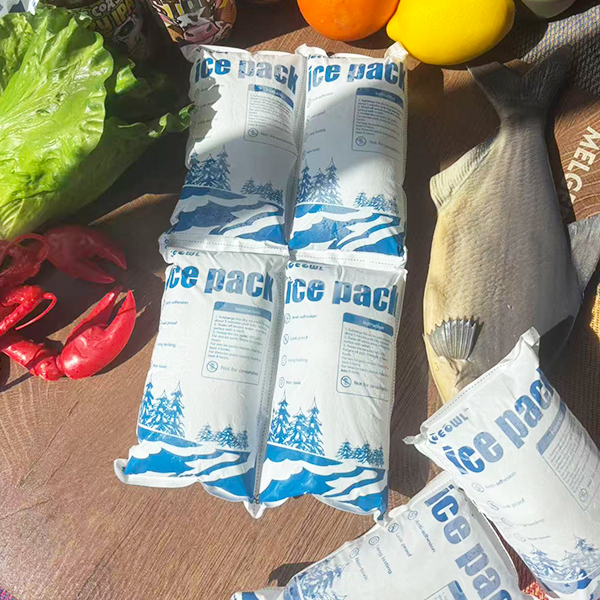
Do Dry Ice Packs Need to Be Soaked in Water Before Freezing? The Complete Guide for Optimal Hydration and Freezing
Dry ice packs are crucial for maintaining low temperatures during various applications such as shipping, medical storage, and outdoor activities. Unlike traditional gel packs, dry ice packs require proper hydration before freezing to function effectively. In this guide, we will explore whether dry ice packs need to be soaked in water before freezing, the hydration process, and best practices for freezing them. We’ll also touch on how these packs are evolving in 2025 with new trends and innovations in cold chain logistics.

Do dry ice packs need to be soaked in water before freezing?
How long should dry ice packs be hydrated for optimal performance?
Best practices for freezing and using dry ice packs for various applications.
Emerging trends and sustainable solutions in cold chain shipping.
Do Dry Ice Packs Need to Be Soaked in Water Before Freezing?
Yes, dry ice packs must be soaked in water before freezing for most types. The key to understanding this process lies in the composition of the packs themselves. Dry ice packs, often called hydratable gel packs, contain superabsorbent polymers that need water to activate them. These polymers absorb the water, freeze, and provide the necessary cooling over time.
There are different types of dry ice packs, and while traditional gel packs do not require water hydration, hydratable packs do. These packs need hydration to maximize their cooling efficiency and maintain performance throughout the freezing process.
Why Is Hydration Important for Dry Ice Packs?
Thermal Mass: Hydrating dry ice packs increases their mass, which allows them to store and release cold energy effectively.
Expansion: When soaked in water, the polymers expand and fill the cell cavities. Proper hydration ensures the gel inside the pack freezes evenly, preventing cracking or rupture during freezing.
Reusability: Proper hydration ensures that the pack remains reusable and maintains an even distribution of gel for future uses. Hydrating packs that have already been used helps preserve their cooling performance.
How Long Should Dry Ice Packs Be Hydrated?
The hydration time varies depending on the brand and type of dry ice pack. However, the general rule is to hydrate the pack for anywhere between 5 to 15 minutes, depending on the pack’s size and model.
Small Hydrogel Packs: For smaller packs, a 5-minute soak is often sufficient to ensure proper hydration and cooling capacity.
Larger Hydrogel Packs: Larger packs may require up to 15 minutes to ensure full hydration and prevent underhydration, which can compromise their cooling ability.
Hydration Guidelines Based on Pack Size and Manufacturer:
| Dry Ice Pack Model | Typical Soak Time | Notes on Hydration | Effectiveness |
|---|---|---|---|
| Techni Ice Reusable Packs | ~15 minutes | Use warm water; ensure proper drying | Ensures full polymer activation |
| Tempcontrolpack Hydrate Packs | 15 minutes | Pat dry to avoid ice formation | Full cell expansion |
| IcePack Store Sheets | 1 minute | Hydrate to ¾ inch thickness | Quick activation for small cells |
| Cameron Packaging Gel Packs | 4-5 minutes (small), 10-15 minutes (large) | Massage stubborn cells for better absorption | Suitable for large shipments |
| Thermal Ice IcePak Wraps | ~5 minutes | Wipe clean and freeze overnight | Fast hydration, ideal for pharmaceutical shipping |
It’s essential to follow the manufacturer’s instructions for your specific dry ice pack, as this will ensure the best results for hydration and freezing.
Best Practices for Freezing Dry Ice Packs
Once hydrated, dry ice packs should be frozen to activate their cooling properties fully. Here are some tips for freezing dry ice packs:
Ensure Full Hydration Before Freezing: After soaking and drying the pack, ensure it’s fully hydrated before freezing. Hydration must be even across the entire pack to avoid inconsistent freezing.
Freeze for at Least 24 Hours: For optimal performance, freeze the hydrated packs for at least 24 hours. This ensures that the entire pack reaches the freezing point, providing extended cooling.
Lay the Pack Flat in the Freezer: To ensure uniform freezing, lay the dry ice pack flat in the freezer. Avoid overcrowding the freezer, as this can prevent proper air circulation and affect the freezing efficiency.
Use Proper Storage: If not in use, store dry ice packs in a cool, dry place and periodically rehydrate them to maintain their efficiency. When ready for use, make sure to pre-chill the items in your cooler or shipping container to reduce the cooling load.
Common Mistakes and How to Avoid Them
Oversoaking: Leaving dry ice packs submerged for too long can saturate the polymer, causing it to split when frozen. Stick to the recommended hydration times to avoid this issue.
Underhydrating: If the pack isn’t fully hydrated, it will not freeze evenly, and the cooling effect may be compromised. Ensure the polymer inside the pack expands completely.
Not Drying Thoroughly: Failure to dry the packs properly after hydration can lead to ice buildup on the surface, which reduces flexibility and may cause damage. Pat the packs dry thoroughly after soaking.
Emerging Trends in Cold Chain Shipping for 2025
As we move into 2025, cold chain logistics continue to evolve with more advanced and sustainable solutions. Some of the key trends that will shape the future of dry ice packs and cold chain shipping include:
Sustainable Materials: There is an increasing focus on biodegradable gel packs and eco-friendly packaging solutions to reduce environmental impact. Companies are looking for packaging materials that can be reused multiple times without harming the environment.
Smart Packaging: With the integration of smart sensors and temperature loggers, cold chain solutions are becoming more efficient. These sensors monitor the temperature of shipments in real-time, ensuring dry ice packs maintain the correct temperature throughout transit.
AI and Automation: The use of artificial intelligence and automation is revolutionizing logistics by predicting temperature fluctuations and adjusting cooling methods in real-time, ensuring the cold chain process is optimized.
Phase Change Materials (PCMs): PCMs are becoming more popular for providing precise temperature control. These materials are designed to maintain a narrow temperature range, making them ideal for temperature-sensitive products like pharmaceuticals and vaccines.
Frequently Asked Questions (FAQ)
Q1: Can I reuse dry ice packs after they thaw?
Yes, dry ice packs are reusable. After thawing, simply rehydrate them and refreeze them for future use.
Q2: What happens if I over-soak a dry ice pack?
Over-soaking can cause the pack to become too saturated, leading to splitting or leakage during freezing. Always follow the recommended soaking times and thickness guidelines.
Q3: Can I use dry ice packs without soaking them?
No, hydration is essential to activate the polymers inside the pack. Without soaking, the pack will not be effective in providing cooling.
Q4: How can I tell if a dry ice pack is fully hydrated?
A fully hydrated pack should be about ¾ inch thick. If any cells are not fully expanded, gently massage them to ensure complete hydration.
Conclusion and Recommendations
In conclusion, proper hydration and freezing are essential for ensuring the effectiveness of dry ice packs. By following the correct soaking times, drying procedures, and freezing guidelines, you can maximize their performance and extend their lifespan. With the right approach, your dry ice packs will provide reliable, efficient cooling for your temperature-sensitive shipments.
Action Step: Follow the manufacturer’s hydration guidelines to ensure your dry ice packs are fully activated. Proper freezing, along with the right storage and handling practices, will help maintain their cooling efficiency. Stay ahead of the curve by exploring sustainable cold chain solutions for 2025.
About Tempk
At Tempk, we specialize in providing cutting-edge cold chain solutions, including high-quality dry ice packs, temperature monitoring systems, and sustainable packaging options. Our innovative products help businesses maintain optimal temperature control during shipments, ensuring safety and quality for pharmaceuticals, food, and other sensitive materials.
Contact Tempk today for expert advice on optimizing your cold chain logistics!
Do Dry Ice Packs Leak When Thawing? | 2025 Safety Guide
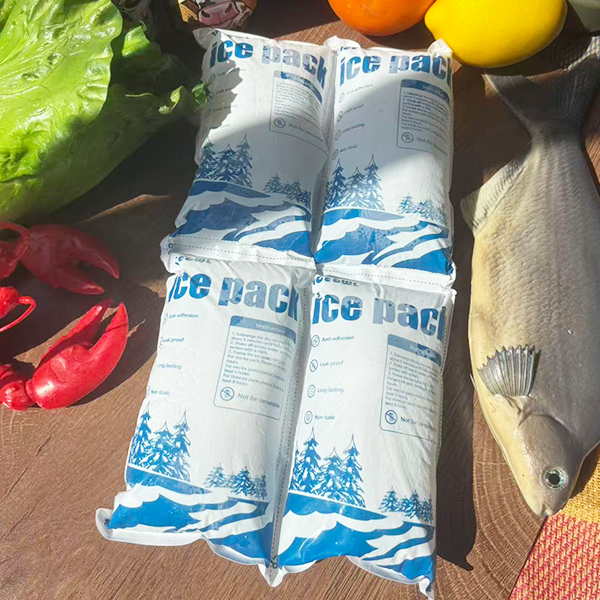
Do Dry Ice Packs Leak When Thawing? | 2025 Safety Guide
Dry ice packs are essential for cold chain logistics, particularly when transporting temperature-sensitive goods. However, a common question among shippers is: Do dry ice packs leak when thawing? In this comprehensive guide, we’ll address the thawing process, factors that may lead to leakage, and the best practices for ensuring safe handling of dry ice.
Dry ice packs are designed to maintain ultra-low temperatures without leaving liquid residue, making them an ideal solution for preserving food, pharmaceuticals, and medical samples during transit. However, there are concerns about leakage during the thawing process. Let’s dive into the details to understand the behavior of dry ice packs and the key considerations for handling them safely.

What Happens When Dry Ice Packs Thaw?
Dry ice packs don’t leak in the traditional sense because they don’t melt into a liquid like regular ice. Instead, dry ice undergoes a process called sublimation, where it transitions directly from a solid to a gas at temperatures of -78.5°C (-109.3°F). This unique property ensures there is no liquid that can leak out.
However, certain factors such as packaging integrity, handling, and environmental conditions can influence whether the pack appears to leak.
Key Factors Influencing Leakage
1. Packaging Integrity:
Dry ice packs with compromised seals are more likely to experience leakage. Whether it’s during the freezing process, mishandling during transport, or storage in improper conditions, damage to the packaging can lead to a slight seepage of moisture or polymer gel from the pack. Inspecting the packaging before use and ensuring it’s intact can prevent most of these issues.
2. Handling and Storage Conditions:
Mishandling of dry ice packs can result in punctures or tears in the packaging. Storage in unstable environments with fluctuating temperatures can also stress the seals, contributing to potential leaks. Proper care should be taken to handle and store the packs safely.
3. Temperature Fluctuations:
Dry ice sublimates at a rate influenced by external temperatures. Rapid changes in temperature, such as exposure to direct sunlight or inconsistent storage conditions, can cause the dry ice to sublimate unevenly. This uneven sublimation might result in a buildup of gas pressure, which could lead to ruptures or leaks from sealed containers.
Why Do Dry Ice Packs Appear to Leak?
Though dry ice packs don’t leak in the traditional sense, there are several conditions under which they may appear to do so:
1. Condensation Formation:
If dry ice is exposed to moisture or humidity, condensation can form around the pack. This moisture, which pools around the container, may give the appearance of leakage, even though it’s just water from the environment. To mitigate this, it’s important to store dry ice in dry, well-ventilated areas.
2. Pressure Buildup from Sublimation:
As dry ice sublimates into CO₂ gas, it can generate pressure within its container. If the container is not properly vented, this pressure may cause it to rupture. To prevent this, ensure the packaging allows for adequate venting, allowing the gas to escape safely.
Best Practices to Prevent Dry Ice Leaks
Here are several best practices to ensure dry ice doesn’t leak during thawing:
1. Choose High-Quality, Vented Packaging
Always opt for dry ice containers that are specifically designed for sublimation. These containers should have built-in ventilation to allow CO₂ gas to escape safely and prevent dangerous pressure buildup.
2. Handle with Care
Dry ice packs should be handled gently to avoid punctures or stress on the seals. Always use gloves when handling dry ice to avoid direct skin contact.
3. Store Dry Ice Packs in Stable Temperature Conditions
To ensure consistent sublimation rates, store dry ice packs in environments where temperatures are stable. Avoid exposure to rapid changes in temperature to prevent irregular sublimation and potential leaks.
4. Inspect Packaging Before Use
Inspect dry ice packs before use for any visible damage. If the pack has any tears, punctures, or bulging seams, discard it immediately to prevent leakage.
5. Avoid Direct Contact with Moisture
Ensure dry ice packs are kept in moisture-free environments. Moisture can cause condensation to form around the pack, which may lead to water pooling at the bottom of the container, giving the false appearance of leakage.
Are Leaked Contents Harmful?
Most dry ice packs are filled with non-toxic materials such as sodium polyacrylate, a superabsorbent polymer. In case of leakage, the gel is generally safe to handle. However, you should avoid prolonged contact with skin or ingestion of any leaked contents. If leakage occurs, carefully follow these steps:
Avoid Direct Contact: Wash any exposed skin immediately with soap and water.
Inspect Your Shipment: If the leaked material comes into contact with temperature-sensitive goods, assess the situation carefully to determine whether the items are still safe to use.
How to Properly Handle Dry Ice During Shipping
When shipping temperature-sensitive items, follow these practices to ensure safe use of dry ice:
1. Use Proper Insulation and Ventilation
Proper insulation helps maintain low temperatures for extended periods. Additionally, ensure your dry ice containers are vented to allow CO₂ gas to escape safely.
2. Store Dry Ice Properly
Store dry ice in a well-ventilated area, and never in completely sealed containers. Always store it away from heat sources to slow the rate of sublimation.
3. Monitor Sublimation Rates
Keep an eye on the sublimation rate, especially if the dry ice is exposed to warmer conditions. This helps to ensure there is no excessive gas buildup.
Comparing Dry Ice Packs, Gel Packs, and Traditional Dry Ice
To better understand the differences and advantages of dry ice packs, let’s compare them with other cooling methods:
| Feature | Dry Ice Packs (Gel-based) | Traditional Gel Packs | Dry Ice (Solid CO₂) |
|---|---|---|---|
| Composition | Dehydrated polymer sheet activated by water | Water-based gel with thickening agents | Solid CO₂ that sublimates to gas |
| Leak Potential | Non-leaking under normal conditions | Leaks if punctured or seals fail | No liquid, sublimates to gas |
| Temperature Range | Freezes at about -21°C (-6°F) | 0°C–8°C (32°F–46°F) | -78.5°C (-109.3°F) |
| Reusable | Yes, can be refrozen and reused | Often reusable, but can degrade | No, used once |
| Environmental Impact | Often made from plastic, some are compostable | Made from synthetic materials | Sublimates CO₂, no solid waste |
2025 Innovations and Sustainability Trends in Cold Chain Logistics
As the demand for temperature-sensitive shipments grows, the cold chain industry continues to evolve. Here are some of the latest trends in the use of dry ice:
Smart Temperature Monitoring: New technologies incorporate sensors to monitor the temperature of dry ice packs during transit, ensuring proper cooling throughout the shipping process.
Sustainable Practices: Companies are increasingly using biodegradable and reusable packaging options, helping to reduce the environmental impact of shipping materials.
Carbon-negative Dry Ice: Advances in carbon capture technology are leading to the production of carbon-negative dry ice, which reduces the overall carbon footprint of cold chain operations.
Frequently Asked Questions
Q1: Do dry ice packs leak when thawing?
Dry ice packs are designed not to leak during thawing. However, minor condensation might occur if the pack is exposed to moisture, which can be easily wiped away.
Q2: Can dry ice be used for shipping perishable food?
Yes, dry ice is perfect for shipping frozen or ultra-cold food items, as it can maintain subzero temperatures for extended periods.
Q3: How should I handle dry ice safely during shipment?
Always ensure that dry ice is stored in vented containers, away from heat sources, and handle it with insulated gloves to avoid direct contact with skin.
Conclusion
Dry ice packs are an effective solution for maintaining cold temperatures during transit. While they don’t leak in the traditional sense, improper handling, packaging issues, or environmental factors can cause problems. By following best practices such as using vented packaging, storing in stable temperature conditions, and handling with care, you can ensure safe, leak-free shipping.
Next Steps: Always inspect dry ice packs before use, ensure proper packaging, and choose quality products designed for your shipping needs. For more details on safe shipping practices, consult our articles on related topics such as using dry ice with gel packs and shipping temperature-sensitive goods.
About Tempk
Tempk is a leader in cold chain logistics, providing innovative packaging solutions that balance performance, sustainability, and safety. Our team offers decades of expertise to design leakproof dry ice packs and advanced cooling solutions. Contact us today to discover how Tempk can enhance your cold chain efficiency.
Do Dry Ice Packs Leak Water? Your Guide to Condensation and Extra Bags
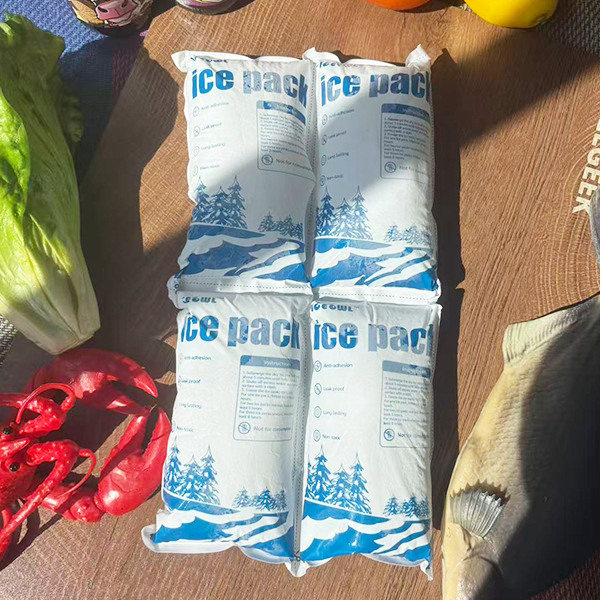
Do Dry Ice Packs Leak Water or Sweat During Thawing?
Dry ice packs are prized for keeping products ultra‑cold without the mess. Unlike gel packs, dry ice sublimates directly from a solid to a gas, leaving no liquid water behind. However, the extreme cold can cause condensation on packaging or labels, especially in humid environments. This article answers whether dry ice packs actually leak water, explains why sweating occurs on the outside, and shows when a secondary bag helps. We’ll use plain language, cite authoritative sources and share practical tips for worry‑free cold shipping.

Why dry ice doesn’t leak water: Understanding sublimation and why it keeps products dry.
What causes “sweating” on shipments: How condensation forms on outer packaging and how to prevent it.
Whether you need an extra bag: When a secondary liner makes sensetempcontrolpack.com and how to use it properly.
Gel packs vs dry ice: Comparing moisture, leakage and condensation.
Future innovations: 2025 trends in moisture‑controlled cold chain packaging.
Why Dry Ice Doesn’t Leak Water – The Science of Sublimation
Dry ice packs don’t leak water because they sublimate directly from solid to gas instead of melting. Carbon dioxide stored as dry ice changes from a solid at –78.5 °C into carbon dioxide gas, leaving no puddles or liquid residueco2meter.com. This “dry” property is why dry ice gets its name and why it’s so useful for shipping perishables without moisture damage. Manufacturers like Dry Ice Corp highlight that dry ice packs contain no water; they convert completely to CO₂ gas, meaning there is zero risk of water contamination for your goodsdryicecorp.com.]
When you place a dry ice pack inside an insulated container, the cold energy comes from sublimation – the direct phase change from solid carbon dioxide into carbon dioxide gas. Unlike water‑based ice or gel packs that melt into liquid, dry ice doesn’t thaw, so there is no meltwater to soak your productco2meter.com. This feature is ideal for applications like frozen foods, pharmaceuticals and lab specimens where moisture can ruin packaging or compromise sterilitytempcontrolpack.com. The absence of liquid also reduces cross‑contamination risks and keeps surfaces cleaner. Temperature control is achieved through the cold gas enveloping the payload, which is why carriers require venting holes in containers. However, as we’ll explain later, the cold gas can cool the surrounding air below its dew point, causing moisture in humid air to condense on the exterior.]
Sublimation vs Melting: Understanding the Difference
Sublimation occurs when a substance transitions directly from solid to gas. Dry ice is essentially frozen carbon dioxide, so at typical shipping temperatures it skips the liquid phase entirely. This is why dry ice remains dry even as it dissipatesnexair.com. Water ice and most gel packs melt into liquid when they warm, which can create puddles or drips and potentially damage packaging or labels. Gel packs are essentially water mixed with a polymer (such as sodium polyacrylate) that holds water in a gel statetempaidcoldchain.com. When they warm above freezing, the gel softens and water can seep out if the pack is punctured or if condensation forms on the exterior.
| Coolant type | Phase‑change behaviour | Moisture output | Impact on shipping |
|---|---|---|---|
| Dry ice pack | Sublimates (solid → gas) | No water produced; gas may cool surrounding air causing external condensationco2meter.comcoldkeepers.com | Keeps products dry; requires venting holes to release CO₂ gas and may cool the outside of the package below dew point. |
| Gel pack | Melts (solid/gel → liquid) | Water and gel can leak if the pack breaks; some designs minimise “sweating”tempaidcoldchain.com | Suitable for chilled temperatures (2–8 °C); may cause wet labels or soggy boxes if not contained. |
| Water ice | Melts (solid → liquid) | Produces liquid water and can cause soggy packaging | Simple but less suitable for shipping due to leakage and shorter hold time. |
Practical Tips to Keep Shipments Dry
Pre‑cool the payload and container: Starting with chilled items reduces the load on dry ice and helps maintain dryness longer.
Use insulated packaging: Insulation slows sublimation and helps maintain temperature. Materials like expanded polystyrene (EPS), polyurethane foam or advanced vacuum insulation panels (VIPs) provide thermal resistance and reduce the chance of dew forming on outer surfaces.
Vent the box correctly: Always allow carbon dioxide to escape. Do not seal the inner bag completely; fold it to allow gas to ventpe.usps.com. Vent holes should direct gas away from the product and handlers.
Monitor temperature: Use a temperature data logger to track internal conditions and ensure the dry ice pack remains within the desired temperature range.
Case example: A pharmaceutical lab shipping frozen stem cell samples replaced gel ice with dry ice packs. They noticed that the absence of water leaks prevented vials from becoming damp, reducing cross‑contamination risk and ensuring better sample integrity. The lab also switched to data‑logging tags to verify that the samples remained below –20 °C throughout transit. Dry ice’s dry sublimation was critical to the success of these shipments.
What Causes “Sweating” on Dry Ice Shipments?
Sweating or condensation on dry ice shipments comes from humid air, not from the dry ice itself. The extremely cold surface of a dry ice pack or the walls of an insulated container can cool the surrounding air below its dew point. Moisture in the air then condenses on the outside of the package, appearing as droplets or frostcoldkeepers.com. This outer condensation is similar to a cold glass “sweating” on a hot day.
Although dry ice sublimates without liquid, its intense cold can chill surfaces enough to condense water vapor. If the shipping carton travels through a humid environment or from a cool warehouse into warm, moist air, condensation may form on the exterior. The United States Postal Service’s packaging instructions specifically warn that insulating material must prevent condensation and wetting of the mailing cartonpe.usps.com. Without adequate insulation, moisture can drip onto labels, compromise adhesives and weaken cardboard boxes.
Moisture Barriers and Hydrophobic Liners
High‑quality dry ice bags and totes use moisture‑resistant shells and hydrophobic liners to block condensation. Tempk’s high‑performance dry ice bags incorporate a high‑density polyethylene (HDPE) moisture shell and a microcellular insulation layer to stop condensation from penetrating to the cargotempcontrolpack.com. This multi‑layer design acts like a raincoat for your shipment: the innermost layers insulate and vent CO₂ gas, while the outer shell repels moisture and maintains structural strength. Nordic Cold Chain’s “no sweat gel packs” use a multi‑layer exterior to absorb moisture and reduce surface condensationnordiccoldchain.com; similar moisture‑absorbing technologies are being adapted for dry ice packaging to keep labels legible.
| Condensation source | Reason | Mitigation techniques | Benefit |
|---|---|---|---|
| Humidity in transit | Warm, moist air contacts cold pack surfaces; water condenses. | Use insulated containers and moisture‑resistant shellstempcontrolpack.com; wrap outer carton with absorbent material; avoid moving from cold to hot environments too quickly. | Keeps outer packaging dry and prevents label damage. |
| Insufficient insulation | Thin or damaged insulation allows cold surfaces to contact humid air directly. | Use appropriate insulation thickness and materials (EPS, VIPs); ensure there are no gaps; consider double‑boxing for long durations. | Reduces dew point drop and condensation. |
| Improper venting | Sealed inner bags trap gas, causing moisture buildup. | Fold inner liner; never tape it shutpe.usps.com; create venting channels to direct CO₂ away. | Prevents pressure buildup and moisture pooling. |
Practical Tips to Reduce Condensation
Add an outer absorbent wrap: Include absorbent paper or cloth around the insulated box to collect any external moisture.
Use moisture barriers: Select bags with a moisture‑resistant outer shell or wrap the dry ice pack in a breathable tissue layertempcontrolpack.com. This layer prevents condensation from penetrating and protects the product.
Plan for climate: When shipping from cold to warm/humid climates, expect more condensation. Use additional insulation or moisture‑absorbing materials in these routes.
Ensure proper label placement: Place labels in areas less prone to moisture or use waterproof labels and adhesives.
Case example: A seafood exporter shipping frozen shrimp from Alaska to Florida used foam coolers lined with dry ice packs. During summer deliveries, the outside of the carton “sweated,” damaging the shipping label. After switching to moisture‑resistant insulated liners and adding an absorbent outer sleeve, condensation no longer affected the labels, ensuring shipments arrived properly identified.
Should You Use an Extra Bag or Liner?
Using an extra bag or secondary liner is recommended for most dry ice shipments—not to contain water, but to prevent contamination and comply with safety regulations. Dry ice packs do not leak water, but they can produce CO₂ gas and small dry ice fragments. Many carriers and hazardous‑materials rules require a leak‑proof liner to contain any debris and to vent gas safely. Tempk’s packing procedure advises wrapping dry ice in breathable tissue and placing it in a leak‑proof secondary liner (extra bag) before sealing the insulated totetempcontrolpack.com.
An inner “primary” bag holds the product and any gel packs or dry ice. A secondary liner (often called an extra bag) sits between this inner bag and the outer insulated container. The purpose of this extra bag is fourfold:
Contain debris: Subliming dry ice can break into small pellets or fragments. The extra bag traps these pieces so they don’t mix with your goods.
Prevent condensation transfer: Even though dry ice doesn’t melt, humidity can condense on the bag. A leak‑proof liner stops moisture from soaking into cardboard boxes or packaging materials.
Comply with regulations: Many shipping regulations—such as U.S. Department of Transportation (DOT) and International Air Transport Association (IATA) rules—require a secondary packaging that can contain the contents if the primary packaging fails.
Enhance safety: Wrapping dry ice in tissue allows gas to escape through the extra bag, preventing pressure buildup while still protecting the producttempcontrolpack.com.
The extra bag should not be sealed airtight. According to USPS guidelines and FedEx packaging instructions, the inner liner should be folded closed but left vented so carbon dioxide gas can escapepe.usps.com. Sealing an inner bag or taping it shut can cause pressure buildup and is prohibited.
Selecting and Using the Right Extra Bag
When choosing an extra bag for dry ice shipments, consider the following factors:
Material strength: Use a heavy‑duty, puncture‑resistant plastic (e.g., polyethylene) or thick freezer bag. Thin grocery bags can tear easily.
Leak‑proof design: The bag should be seam‑sealed to prevent condensation or debris from escaping. Some premium liners feature double seals or zip closures for ease of use.
Breathability for gas release: Although the bag must be leak‑proof, it should still allow gas to vent. This is usually achieved by leaving the opening folded but unsealed or by using gas‑permeable film with microperforations.
Size and fit: The liner should fit inside the insulated container without leaving large air pockets, which could reduce efficiency.
Sustainability: Look for liners made from recyclable or compostable materials to reduce environmental impact. Paper‑based moisture barriers and plant‑based plastics are emerging options.
To use the extra bag:
Wrap the dry ice pack: Use breathable tissue or newspaper to wrap each dry ice pack. This reduces direct contact with product and absorbs condensationtempcontrolpack.com.
Insert into extra bag: Place the wrapped dry ice inside the leak‑proof liner along with the payload. Fold the bag closed but do not seal completely.
Place inside insulated container: Add insulation around the bag to maintain temperature and further reduce condensation.
Label appropriately: Mark the package as containing dry ice, list the net weight of dry ice, and include hazard labels where required.
| Packaging layer | Purpose | Key features |
|---|---|---|
| Primary bag | Holds the product (e.g., food, medicine) and may include gel packs or dry ice. | Leak‑proof; food‑safe; sized for payload. |
| Extra bag (secondary liner) | Contains wrapped dry ice and product; traps debris and condensation; allows venting. | Heavy‑duty plastic; leak‑proof seams; folding closuretempcontrolpack.com. |
| Insulated container | Maintains cold temperature and protects against humidity. | EPS, polyurethane, VIPs; moisture‑resistant shelltempcontrolpack.com. |
| Outer carton | Provides structural protection and surfaces for labels. | Corrugated box; vent holes; sealed with packing tape; moisture‑absorbing wrap if needed. |
Practical Tips for Extra Bags
Inspect before reuse: If using reusable liners, check for cracks or punctures. Replace if damaged.
Avoid overfilling: Overstuffing the liner can cause seams to split and reduce venting efficiency.
Combine with absorbents: For long routes or humid climates, add absorbent pads inside the extra bag to capture any condensation.
Follow regulations: Declare the weight of dry ice and label the package correctly. Use UN 1845 dry ice labels for air freight.
Dispose responsibly: At destination, allow remaining dry ice to sublimate in a well‑ventilated area. Recycle or properly dispose of plastic liners.
Case example: A gourmet meal service shipping frozen meals across the country added a secondary liner after experiencing condensation on the inner cardboard. The extra bag, along with an absorbent pad, prevented moisture damage. Drivers reported that packages remained dry and labels stayed intact, and there were no issues with CO₂ buildup because the liner was folded, not sealed.
Cold Packs vs Dry Ice: Moisture, Leakage and Condensation
Gel packs and dry ice serve different temperature needs, and their behaviour during thawing differs significantly. Dry ice packs operate at –78.5 °C and sublimate to CO₂ gas, so there is no liquid waterco2meter.com. Gel packs, on the other hand, are water‑based and melt into liquid as they warm. They can “sweat” or leak if punctured or if condensation forms on their surface.
Gel packs are essentially pouches filled with water mixed with polymers or cellulose to retain coldtempaidcoldchain.com. They are designed to maintain chilled temperatures (2–8 °C) rather than freezing. Because they are water‑based, gel packs can leak water if damaged. Manufacturers often use multi‑layer films to minimise condensation and sweatingnordiccoldchain.com. Some high‑end gel packs, called “no‑sweat” packs, incorporate moisture‑absorbing outer layers to keep the exterior dry. In contrast, dry ice is used for shipments requiring sub‑zero temperatures, such as ice cream or lab samples. It produces no liquid water and therefore avoids the mess associated with melting ice or gel packsdryicecorp.com.
Do Gel Packs Leak or Sweat?
Most gel packs are sealed to prevent leakage, but they can still produce moisture. TempAid’s top questions about gel packs explain that these packs contain water and sodium polyacrylate or cellulosetempaidcoldchain.com. When they thaw, condensation may form on the pack’s surface, but the materials are non‑toxic and safe for contacttempaidcoldchain.com. Some manufacturers add a thin, moisture‑wicking layer that absorbs condensation so your packaging stays drynordiccoldchain.com. However, if a gel pack is punctured, the gel can escape. Disposal guidelines usually involve cutting a corner of the pack and discarding the gel in the trashtempaidcoldchain.com. Therefore, while gel packs generally do not “sweat” like a beverage bottle, they can still create moisture on the exterior if not designed with no‑sweat technology.
| Factor | Dry ice pack | Gel pack |
|---|---|---|
| Typical temperature range | –78.5 °C to –20 °C | 0 °C to 8 °C |
| Leakage risk | No liquid; gas onlyco2meter.com | Water/gels may leak if puncturedtempaidcoldchain.com |
| Condensation potential | Can cool air and cause external condensationcoldkeepers.com | Moisture can form on pack’s surface; some packs are “no‑sweat”nordiccoldchain.com |
| Regulatory handling | DOT/IATA restrictions; venting requiredpe.usps.com | Generally less regulated; no hazardous class but still treat as perishable |
| Reusability | Can be reused until sublimated; must vent gas safely | Often reusable; freeze for next shipment; inspect for leaks |
| Ideal use case | Frozen foods, biological specimens, ice cream | Fresh produce, pharmaceuticals needing 2–8 °C |
Choosing the Right Coolant
For frozen or sub‑zero shipments: Choose dry ice packs. They keep goods at or below freezing and avoid the mess of melting waterdryicecorp.com.
For chilled goods: Use gel packs designed for 2–8 °C. Consider “no‑sweat” gel packs for moisture‑sensitive goodsnordiccoldchain.com.
When combining: Some shipments use both. Place gel packs around chilled goods and dry ice above frozen items. Always separate by an insulated divider to prevent the gel from freezing or rupturing.
Evaluate regulations: Dry ice shipments must list the weight of CO₂ and follow hazard labeling, while gel packs do not have such restrictions.
Case example: A cheese producer shipping artisan cheeses uses gel packs for soft cheeses requiring 2–6 °C and dry ice for hard cheeses that must remain frozen. By combining both coolants with an insulated divider, they achieve stable, moisture‑controlled temperature zones within the same shipment.
2025 Innovations in Dry Ice and Moisture Control
The cold chain industry is innovating rapidly to enhance temperature control and moisture management. In 2025, several breakthroughs are shaping dry ice packaging:
Smart moisture‑resistant shells: Manufacturers have introduced multi‑layer HDPE shells and microcellular insulation that prevent condensation from reaching the cargotempcontrolpack.com. These shells combine high R‑value insulation with hydrophobic surfaces for a “no‑sweat” experience.
Sensor‑integrated packaging: IoT temperature and humidity sensors are being embedded into dry ice bags and shippers to monitor conditions in real time. These sensors alert shippers if the inner environment becomes too humid or warm and can integrate with blockchain tracking for traceability.
Advanced phase‑change materials (PCMs): Hybrid coolants using PCMs and dry ice extend hold time and manage moisture by absorbing or releasing latent heat. This technology offers a smoother temperature curve and can reduce sublimation rates.
Reusable closed‑loop packaging: Companies are developing closed‑loop systems where insulated containers and dry ice packs are returned and reconditioned. These systems use durable, moisture‑resistant materials that last many cycles and reduce waste.
Bio‑derived and compostable liners: Sustainability drives the adoption of biodegradable moisture‑resistant liners made from plant‑based polymers. Some are designed to compost after use, aligning with circular economy goals.
Latest Advances At a Glance
Smart moisture monitoring: IoT sensors track both temperature and humidity inside the package, allowing proactive intervention.
Hybrid dry‑ice‑PCM systems: Combine the extreme cold of dry ice with the stable temperature of PCMs for extended and controlled cooling.
Recyclable insulation: New insulation materials, such as starch‑based foams or recycled paper with moisture‑resistant coatings, provide performance without plastic waste.
AI‑optimized packing tools: Software tools help calculate the right mix of dry ice packs, gel packs and insulation based on route, climate and product sensitivity. Some include carbon footprint calculators.
Industry analysts predict that moisture‑resistant cold chain packaging will grow as part of a global market shift towards sustainability and traceability. Demand for reusable and smart packaging is projected to rise because companies want to reduce waste and ensure real‑time compliance. Moisture control features are increasingly integrated into packaging solutions as consumers and regulators expect quality, safety and environmental responsibility.
Frequently Asked Questions
Q1: Do dry ice packs sweat or leak water like gel packs?
No. Dry ice sublimates directly into gas, producing no liquid waterco2meter.com. Condensation on the outside of the package is caused by humid air cooling on the cold surfacecoldkeepers.com. Gel packs, by contrast, can leak water or gel if puncturedtempaidcoldchain.com.
Q2: Should I double‑bag dry ice packs?
Yes, a secondary liner is recommended to trap debris and condensation and to comply with regulationstempcontrolpack.com. The inner bag should remain vented; do not tape it shutpe.usps.com.
Q3: Why does my shipping box feel damp when using dry ice packs?
The dampness is likely condensation forming on the outer surface as cold temperatures cool the surrounding aircoldkeepers.com. Use moisture‑resistant liners and absorbent wraps to keep the exterior drytempcontrolpack.com.
Q4: Can I reuse dry ice packs?
Dry ice packs can be reused until the dry ice has fully sublimated. Store unused portions in a ventilated, insulated container and handle with insulated gloves. Once sublimated, they cannot be refrozen without specialized equipment.
Q5: What is the difference between no‑sweat gel packs and standard gel packs?
No‑sweat gel packs have a moisture‑absorbing outer layer that reduces surface condensationnordiccoldchain.com. Standard gel packs may form condensation on the exterior; both should be inspected for leakstempaidcoldchain.com.
About Tempk
Tempk specializes in thermal packaging solutions for cold chain logistics. We design high‑performance dry ice bags, gel packs, insulated shippers and custom kitting services for food, pharmaceuticals and life sciences. Our products feature moisture‑resistant shells, breathable liners and advanced insulation to ensure your shipments stay cold and drytempcontrolpack.com. With a focus on sustainability and innovation, we offer reusable packaging and IoT‑enabled monitoring tools.
Want to ship smarter? Contact Tempk’s experts for advice on dry ice and gel pack solutions. We’ll help you choose the right package, design custom kits and implement monitoring systems that keep your products safe and your customers happy.
Do Dry Ice Packs Leak Water or Condensation During Thawing?
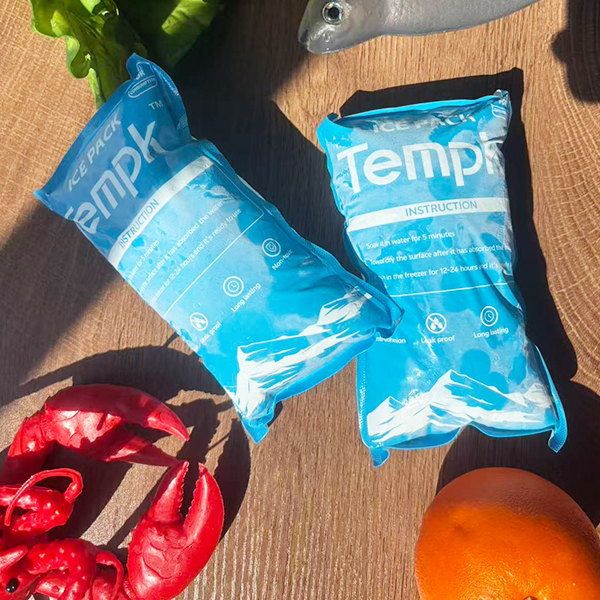
Do Dry Ice Packs Leak Water or Condensation During Thawing? How Can You Prevent Box Damage?
When shipping temperature-sensitive products, especially perishable goods, maintaining an effective cold chain is essential. Dry ice is a popular solution to keep items frozen, but one common concern is whether dry ice packs leak condensation or water during thawing. Understanding how dry ice behaves during transit, along with the risks associated with condensation, is key to ensuring the protection of your products and packaging. In this article, we will discuss the factors that influence dry ice thawing, how to prevent box damage, and the latest 2025 trends in cold chain logistics.

Why do dry ice packs not leak water or condensation during thawing?
How does condensation affect the integrity of packaging during shipping?
What are the most effective strategies to prevent box damage from dry ice thawing?
2025 trends in cold chain logistics: Innovations and best practices.
Why Don’t Dry Ice Packs Leak Water or Condensation During Thawing?
Dry ice sublimates directly from solid CO₂ to gas without transitioning through a liquid phase. This means it does not melt into water or cause liquid condensation inside the package. However, there are indirect factors that can lead to moisture accumulation in certain conditions.
Dry Ice Sublimation Process:
As dry ice sublimates, it releases carbon dioxide gas. This process does not produce liquid water. However, the surrounding air, which may be warm and humid, can cool down and condense on the interior surfaces of the package. The condensation comes from moisture in the ambient air, not the dry ice itself.
Key Insight: While dry ice does not create liquid water, it can cause condensation indirectly by cooling the air inside the package, especially in humid environments.
Indirect Effects of Dry Ice Sublimation
Moisture in the air: When the dry ice cools the air inside the package, any warm, moist air that enters may reach its dew point, leading to condensation on the package’s surfaces.
Humidity control: High humidity levels increase the chances of condensation, potentially harming sensitive goods and compromising the integrity of the packaging.
Dry Ice Behavior vs Gel Packs
Dry Ice: Sublimates directly into gas, no liquid phase.
Gel Packs: Release liquid water as they thaw, leading to high moisture risk inside the box.
How Does Condensation Affect Packaging During Shipping?
Condensation can lead to significant issues during shipping, especially if moisture accumulates in the package. While dry ice itself doesn’t leak water, the indirect condensation can cause the following problems:
Damage to Sensitive Goods: Certain products, such as food, pharmaceuticals, or electronics, are highly sensitive to moisture. Condensation can damage their quality, leading to spoilage or corrosion, which incurs additional costs and customer dissatisfaction.
Weakening of Packaging Materials: Excess moisture can weaken packaging materials, especially cardboard, causing it to soften, tear, or even collapse. This makes it more susceptible to damage during handling or transit.
Disruption of the Cold Chain: If moisture causes ice packs to thaw prematurely or affects the temperature control, the cold chain may be disrupted. This can compromise the quality of perishable items, especially when combined with temperature fluctuations.
Tip: Always use moisture-absorbing materials inside the box to mitigate condensation and safeguard the contents.
How to Prevent Box Damage from Dry Ice Thawing
Proper packaging is essential to preventing damage due to condensation. Here are several best practices to reduce the risk of box damage:
1. Use Insulated Containers
Insulated containers, such as Styrofoam boxes or thick plastic coolers, help regulate temperature by slowing down the sublimation of dry ice. This minimizes the amount of moisture introduced to the package, keeping condensation at bay.
2. Incorporate Moisture Absorbers or Desiccants
Adding desiccants or moisture-absorbing packets inside the box can effectively absorb excess moisture from the air, preventing it from condensing on the contents or the packaging.
Best Moisture Absorbers:
Silica gel packets
Activated charcoal bags
Clay desiccants
3. Ensure Proper Ventilation
To prevent pressure buildup from the sublimating dry ice, ensure that the package is properly ventilated. Ventilated boxes or containers with small holes allow CO₂ gas to escape, which also reduces moisture accumulation and prevents the container from becoming too pressurized.
4. Use Multi-Layer Packaging
Multi-layer packaging, such as using sealed bags inside the outer box, can further protect sensitive goods from moisture. Even if condensation forms in the box, the moisture will not reach the products themselves.
5. Select the Right Cold Pack for the Duration
Using the correct cold pack for the duration of the shipment can help control the rate of sublimation. Larger dry ice packs or a combination of gel packs and dry ice may be more effective for longer shipping times.
Preventive Methods:
| Method | Benefit | How to Apply |
|---|---|---|
| Insulated Containers | Maintains temperature and reduces sublimation | Use Styrofoam coolers or thick plastic containers |
| Moisture Absorbers | Absorbs excess moisture | Place silica gel or desiccants inside the box |
| Ventilated Packaging | Prevents pressure buildup and moisture issues | Use boxes with venting holes or breathable liners |
| Multi-Layer Packaging | Protects items from moisture | Use sealed bags or liners inside outer packaging |
| Proper Cold Pack Selection | Extends the cooling duration and reduces fluctuations | Use larger dry ice or combine with gel packs |
2025 Trends in Cold Chain Logistics and Packaging
As we move into 2025, the cold chain logistics industry is evolving rapidly, with innovations that aim to reduce moisture risks and improve the overall reliability of temperature-controlled shipping. Here are the latest trends:
Smart Packaging Solutions
Packaging with integrated sensors and real-time tracking systems is gaining popularity. These smart packaging solutions help monitor temperature and humidity levels during transit, ensuring that the conditions remain optimal and reducing the chances of moisture-related damage.
Sustainable and Eco-Friendly Insulation
Companies are shifting towards biodegradable and recyclable materials for insulation and cold packs, reducing the environmental impact of packaging. Eco-friendly materials, such as wool-based liners and biodegradable polymers, are becoming more common in cold chain packaging.
Hybrid Cold Solutions
Hybrid cooling systems, which combine dry ice with other refrigerants like phase change materials (PCMs) or gel packs, are on the rise. These systems maintain consistent cooling over longer periods without the risks associated with dry ice sublimation.
Market Insights: The cold chain packaging market is expected to exceed $8 billion by 2025, driven by the demand for advanced moisture control technologies and more sustainable shipping solutions.
Frequently Asked Questions
Q1: Do dry ice packs leak water or condensation during thawing?
Dry ice sublimates directly into CO₂ gas and does not produce water. Any condensation seen is caused by the humid air outside the package.
Q2: How can I prevent box damage from condensation?
Use moisture-absorbing materials like silica gel or desiccants, ensure proper insulation, and ventilate the packaging to allow CO₂ gas to escape.
Q3: How do gel packs differ from dry ice in terms of moisture risk?
Gel packs release water as they thaw, making them more prone to causing internal condensation. Dry ice, on the other hand, does not release liquid water.
Conclusion
To summarize, dry ice is an effective refrigerant that does not produce water during its sublimation process. However, the indirect condensation caused by external factors can still pose a risk to your packaging and goods. By following best practices such as using insulated containers, moisture-absorbing materials, and proper ventilation, you can prevent damage and maintain the integrity of your cold chain shipments.
Next Steps:
Implement moisture-absorbing solutions like desiccants in your packaging.
Use ventilated boxes to prevent pressure buildup.
Ensure proper temperature monitoring throughout transit to avoid any moisture-related damage.
About Tempk
At Tempk, we specialize in providing innovative cold chain solutions that ensure the safe transport of temperature-sensitive goods. Our product range includes high-performance dry ice packs, insulated containers, and moisture control technologies designed to maintain the cold chain integrity of your shipments.
Take Action: Contact our team today to learn how our cold chain solutions can optimize your shipping process and protect your perishable goods.
Do Dry Ice Bags Need Absorbent Pads for Safe Shipping?
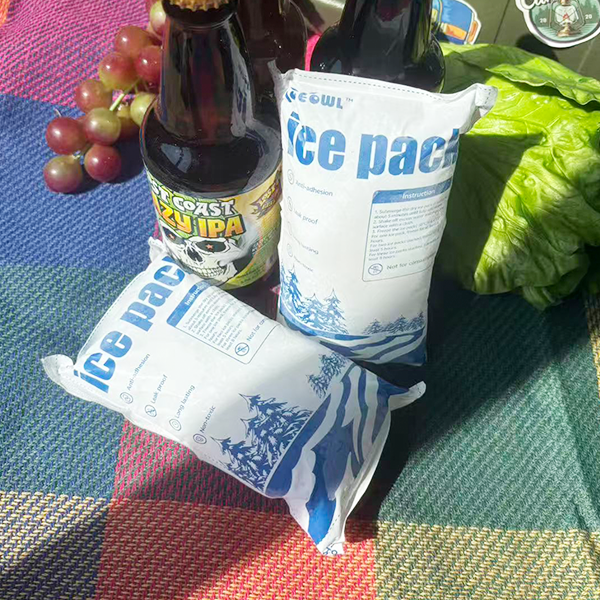
Shipping temperature-sensitive goods such as pharmaceuticals, biological samples, and perishable food is a delicate process. One of the key elements that contribute to a successful shipment is the proper packaging of dry ice. A common question that arises in the world of cold chain logistics is whether dry ice bags require absorbent pads. The simple answer is yes in certain circumstances, especially when shipping liquids or products that may leak. In this article, we will explore the necessity of absorbent pads in dry ice shipments, discuss their benefits, and provide best practices for optimizing dry ice shipping.

Do dry ice bags require absorbent pads for safe shipping?
What are the benefits of using absorbent pads with dry ice bags?
When should you use absorbent pads in dry ice shipping?
Best practices for dry ice shipping and absorbent pad use
2025 cold chain innovations impacting absorbent materials
Do Dry Ice Bags Need Absorbent Pads?
Dry ice sublimates, transitioning directly from solid to gas at extremely low temperatures. Unlike regular ice, dry ice does not melt into water but instead turns into carbon dioxide gas. This creates an environment where moisture accumulation inside the shipping package can still occur due to condensation from temperature fluctuations. Absorbent pads are crucial in this case, as they help manage the moisture generated during the sublimation process.
Why Absorbent Pads Are Necessary in Dry Ice Shipments:
Protection Against Moisture Damage: As dry ice sublimates, moisture may accumulate and potentially cause damage to the contents inside the package. For sensitive products such as pharmaceuticals, electronics, or perishable goods, absorbent pads can prevent water from coming into contact with these items, thus safeguarding their integrity.
Maintain Package Integrity: Absorbent pads reduce the moisture inside the shipping container, preventing the dry ice bag from weakening or rupturing. This ensures that the dry ice continues to sublimate safely, maintaining the desired temperature during transit.
Compliance with Regulations: Regulatory bodies like the IATA and the U.S. Department of Transportation often mandate the use of absorbent materials when shipping liquids alongside dry ice. These guidelines ensure safe transport and prevent potential contamination from leaks.
Practical Example:
A pharmaceutical company shipping temperature-sensitive drugs placed absorbent pads between the primary and secondary packaging during transport. This ensured that any moisture generated by the dry ice did not compromise the medications, and the shipment was delivered within the required temperature range without incident.
When Are Absorbent Pads Necessary in Dry Ice Bags?
While absorbent pads are not always necessary when shipping dry ice on its own, there are specific scenarios where their use is crucial:
Long-Distance Shipments:
For shipments that last over 24 hours, absorbent pads help prevent moisture accumulation and protect the contents, ensuring safe delivery. As dry ice sublimates over extended periods, moisture becomes more likely to form, especially in fluctuating temperatures.
Warm Weather Shipping:
In hot climates, the sublimation rate of dry ice increases, leading to more condensation. Absorbent pads help manage the excess moisture and protect products from potential damage. Using absorbent pads becomes particularly important during summer months or when shipping to regions with high temperatures.
Sensitive Products:
For highly sensitive products, such as biological samples, pharmaceuticals, or electronics, it’s critical to prevent any moisture exposure. Absorbent pads provide an added layer of protection, ensuring that the products remain intact and safe throughout transit.
Best Practices for Using Absorbent Pads:
To ensure the most effective use of absorbent pads in dry ice shipments, follow these best practices:
Use the Correct Size Bag: The dry ice bag must be large enough to allow the dry ice to sublimate without causing excess moisture buildup inside the container.
Layer Absorbent Pads Properly: Place the absorbent pads around the dry ice but avoid direct contact, as freezing may affect their performance.
Monitor Temperature During Transit: Real-time monitoring ensures that the dry ice is functioning effectively and that the temperature-sensitive goods are kept within the required range.
Ensure Proper Ventilation: Dry ice bags should be placed in ventilated containers to prevent CO₂ gas buildup. This will allow the gas to escape without pressure buildup that could damage the packaging.
2025 Trends in Dry Ice Shipping: Innovations and Insights
The logistics and cold chain industries are rapidly evolving, and 2025 is set to see significant advancements in packaging and absorbent materials:
Smart Cold Chain Solutions: The rise of AI-powered sensors and real-time temperature monitoring is transforming how dry ice shipments are managed. This technology allows companies to adjust shipping conditions on-the-fly, reducing waste and ensuring compliance with safety standards.
Sustainability Initiatives: There is a growing emphasis on eco-friendly solutions, such as biodegradable absorbent pads and sustainable cold chain packaging options.
Advanced Insulation Materials: New insulation technologies, such as aerogels, allow dry ice to maintain its effectiveness for longer periods, reducing the overall need for refrigerants.
Frequently Asked Questions
Do dry ice bags need absorbent pads?
Yes, absorbent pads are necessary if you’re shipping liquids or materials that might leak. For solid items, absorbent materials may not be required but could still provide extra protection.
What is the role of absorbent pads in dry ice shipping?
Absorbent pads prevent water damage by soaking up moisture that may accumulate from condensation during the sublimation process of dry ice.
How do I choose the right absorbent pads?
Ensure the absorbent material is suitable for hazardous materials and has the capacity to absorb any liquid that could potentially leak. Always check packaging regulations for required absorbent pad specifications.
Conclusion
Shipping with dry ice requires precise attention to packaging and moisture control. While dry ice itself doesn’t produce liquid, absorbent pads are essential for shipments involving liquids or sensitive items to manage any moisture and maintain product integrity. Follow the best practices outlined above to ensure your cold chain logistics are both safe and compliant with industry regulations.
For additional guidance on optimizing your dry ice shipments, contact our experts at Tempk. We offer tailored solutions to ensure your shipments arrive safely and on time, meeting all regulatory requirements.
Cold Packs for Overnight Shipping: Ensure Fresh and Safe Deliveries

Cold Packs for Overnight Shipping: How to Ensure Safe and Fresh Deliveries?
When shipping perishable items overnight, maintaining the proper temperature is critical. Cold packs are essential for ensuring the freshness and safety of products like food, medicine, and sensitive goods. This article explores the best types of cold packs for overnight shipping, the latest 2025 trends, and best practices for packing.

How can you choose the right cold pack for overnight shipping?
What are the latest trends in cold pack technology for 2025?
What are the best practices for packing your cold packs for safe shipping?
How do you calculate the number of cold packs needed?
How Can You Choose the Right Cold Pack for Overnight Shipping?
When it comes to overnight shipping, choosing the right cold pack depends on several factors including the type of goods, shipment duration, and external temperatures.
Gel packs are ideal for moderate cooling needs, while dry ice is perfect for frozen goods. Phase Change Materials (PCMs) offer high precision for sensitive products.
Tip: Choose gel packs for food products and PCMs for medical shipments that need precise temperature control. Dry ice is best for items requiring ultra-cold conditions.
H3: Types of Cold Packs for Overnight Shipping
| Type | Description | Ideal Use |
|---|---|---|
| Gel Packs | Water-based gel that freezes and cools. | Food products, pharmaceuticals, and short-to-medium shipments. |
| Dry Ice | Solid CO2 that maintains extreme cold. | Frozen foods, biological samples, and long-distance shipments. |
| Phase Change Materials | Materials that melt/freeze at specific temperatures. | High-value pharmaceuticals, vaccines, and sensitive biological samples. |
| Ice Packs | Water or saline-based packs that freeze at lower temperatures. | Short-distance, cost-effective cooling for less sensitive products. |
H2: What Are the Best Practices for Using Cold Packs in Overnight Shipping?
To optimize cold pack performance and ensure your goods remain at the right temperature, follow these best practices:
1. Choose the Right Cold Pack Type
Make sure the cold pack is suited for the specific product and temperature requirement. For example, dry ice is essential for frozen foods, while gel packs work better for refrigerated items.
2. Pack the Shipment Properly
Proper packing is crucial for maintaining the cold chain. Here’s how to ensure your cold packs work effectively:
Pre-chill the cold packs before use.
Use insulated packaging to minimize temperature changes.
Ensure cold packs are evenly distributed around the product to maintain consistent cooling.
Fill any empty spaces with insulating materials to prevent air movement that could affect temperature control.
3. Monitor the Temperature
Invest in temperature loggers to monitor the condition of your shipments and ensure cold packs are performing as expected. Use real-time monitoring sensors for continuous visibility.
Note: Make sure your shipment is labeled as “Perishable” and includes any relevant handling instructions, especially when using dry ice.
How Many Cold Packs Do You Need for Overnight Shipping?
The number of cold packs required depends on the weight of the shipment, the ambient temperature, and the type of cold pack used. A general rule of thumb is to use one to two cold packs per pound of product.
For longer durations or warmer climates, you may need to increase the number of packs. For example, a 20-pound meal kit might need five to ten cold packs for a 24-hour journey.
| Shipping Scenario | Approx. Cold Pack Weight | Expected Cooling Duration | Recommended Use |
|---|---|---|---|
| Light meal kit (10 lb) | 2–3 lb (2–3 medium gel packs) | 12–24 hours | Keeps fresh food items like salads or sandwiches chilled overnight. |
| Medium parcel (20 lb) | 5–8 lb (5–8 gel packs) | 24 hours | Ideal for meal kits or dairy products. |
| Heavy shipment (30 lb) | 8–10 lb of gel packs | 24+ hours | Use large packs for longer distances. |
What Are the Latest Trends in Cold Chain Logistics for 2025?
As the cold chain logistics industry continues to evolve, several trends are emerging that will shape the future of overnight shipping.
Smart Packaging and Temperature Tracking
In 2025, smart packaging solutions that use real-time temperature monitoring and NFC tags are gaining popularity. These technologies ensure that businesses can track the exact temperature of shipments from start to finish, reducing the risk of temperature excursions.
Sustainable Cold Chain Solutions
Consumers and businesses alike are demanding eco-friendly solutions. Recyclable materials, plant-based cold packs, and biodegradable insulation are gaining traction as companies seek to minimize their environmental impact.
2025 Insight: Plant-based gels now offer 14% more latent heat than traditional gels, providing longer cooling durations while being environmentally friendly.
How to Pack Cold Packs Effectively for Overnight Shipping?
Proper packing is key to ensuring that cold packs perform efficiently. Here’s how to do it:
Pre-chill your cold packs and insulated containers.
Use insulated packaging like foam coolers or thermal bags.
Layer cold packs around the items, making sure they are evenly distributed.
Fill any voids with materials like crumpled paper to prevent shifting during transit.
Seal and label your package clearly as “Perishable.”
Actionable Tip: Always pack your items early in the week to avoid delays, and ensure your shipment arrives in time for your customer.
FAQ
Q1: How long do cold packs last during overnight shipping?
Cold packs can last anywhere from 12–48 hours, depending on the type used, the quantity, and the insulation of the package.
Q2: Can I use cold packs for shipping frozen food?
Yes, dry ice is better for long-term freezing, but for shorter distances, gel packs can maintain refrigerated temperatures for frozen goods.
Q3: Are there eco-friendly cold pack options available?
Yes, there are biodegradable and plant-based cold packs that offer similar cooling performance while reducing environmental impact.
Summary and Recommendations
Cold packs are crucial for maintaining the safety and quality of perishable goods during overnight shipping. By choosing the right cold pack, packing properly, and monitoring temperatures, businesses can ensure that their products arrive fresh and safe.
Next Steps: Upgrade your cold chain logistics with real-time temperature tracking and consider sustainable cold packs to stay ahead of industry trends.
About Tempk
Tempk is a leading provider of cold chain logistics solutions, specializing in insulated packaging, gel packs, and smart monitoring systems. We help businesses safely ship temperature-sensitive products, ensuring reliable delivery and customer satisfaction.
Contact us today to learn more about our customized cold pack solutions and how we can optimize your shipping processes.
Cold Packs for Shipping Frozen Food | Best Solutions for Safe Transit
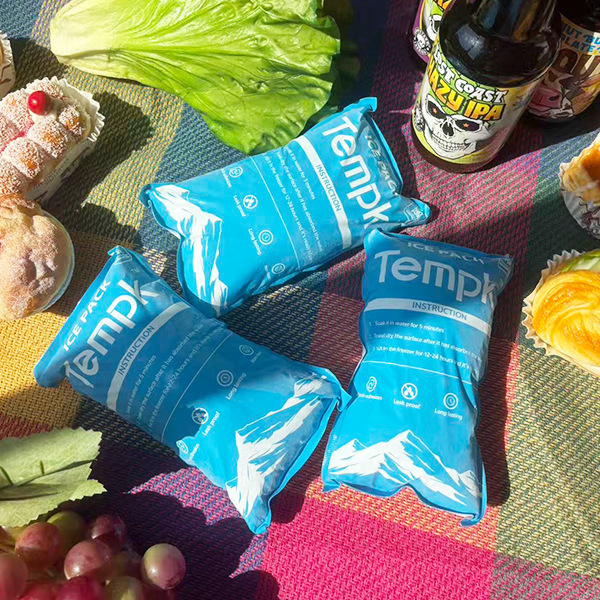
Shipping frozen food requires careful temperature control to maintain product quality and prevent spoilage. In 2025, new advancements in cold pack technology have enhanced the efficiency and sustainability of cold chain solutions. This guide will help you navigate the best cold pack options for your frozen shipments, ensuring that your goods stay frozen and safe during transit.

Why Are Cold Packs Essential for Shipping Frozen Food?
Maintaining the cold chain throughout the shipping process is vital for preserving the integrity and safety of frozen food. Cold packs play a critical role by regulating temperature, preventing thawing, and absorbing excess heat. Whether you are shipping ice cream, seafood, or frozen meats, selecting the appropriate cold pack is essential to guarantee your products arrive in optimal condition.
Types of Cold Packs for Shipping Frozen Food
There are several types of cold packs, each with unique properties and advantages. Choosing the right one depends on various factors, including the shipment’s duration, temperature requirements, and external conditions.
1. Gel Ice Packs
Gel ice packs are a popular choice for shipping frozen food due to their versatility and ability to maintain temperatures over extended periods. They are made from non-toxic, food-safe materials and are available in various sizes and configurations.
Advantages:
Reusable and cost-effective
Leak-proof and durable
Flexible design fits different container shapes
Best Use Case: Ideal for medium-duration shipments that require controlled cooling, such as frozen vegetables, meats, and dairy products.
2. Dry Ice
Dry ice, or solid carbon dioxide, is highly effective for long-distance shipments and products requiring extremely low temperatures. It sublimates directly into gas, leaving no water residue, which makes it a clean and efficient option.
Advantages:
Maintains temperatures as low as -109.3°F (-78.5°C)
No water residue, reducing the risk of mess
Ideal for extended shipments, such as frozen desserts and seafood
Best Use Case: Perfect for high-demand items like ice cream or frozen meats that need to remain below freezing for long periods.
3. Phase Change Materials (PCMs)
PCMs are innovative materials that change phases (from solid to liquid) to absorb or release heat at a specific temperature. They offer precise temperature control and are reusable, making them environmentally friendly.
Advantages:
Customizable temperature ranges
Stable, predictable performance
Reusable and eco-friendly
Best Use Case: Ideal for sensitive products that require precise temperature control, such as pharmaceuticals or high-value frozen foods.
How to Choose the Right Cold Pack
Choosing the right cold pack depends on several factors, including:
Duration of Shipment: Longer shipments require cold packs like dry ice or PCMs, which provide consistent cooling for extended periods. For shorter trips, gel or ice packs are more suitable.
Temperature Requirements: Different frozen food products require different temperatures. For example, ice cream needs a much colder environment than frozen vegetables. Choose a cold pack that maintains the required temperature for the product.
Environmental Impact: Reusable and eco-friendly cold packs like gel packs and PCMs can help reduce waste and environmental impact.
Regulatory Compliance: Ensure that the cold pack meets any regulatory requirements, especially for international shipments. For example, dry ice shipments must comply with IATA guidelines.
Key Considerations for Using Cold Packs in Frozen Food Shipping
To maximize the effectiveness of your cold packs, consider these key factors:
Pre-Chill the Cold Packs: Ensure cold packs are fully frozen or chilled before packing to ensure they maintain the necessary temperature for the entire transit.
Use Insulated Packaging: Insulated containers help prevent cold packs from losing their cooling ability too quickly. Insulated packaging also protects your frozen goods from external temperature fluctuations.
Proper Placement of Cold Packs: Ensure that cold packs are placed around the perimeter of the shipment, and avoid placing them directly on the food to prevent freezer burn.
Temperature Monitoring: For sensitive shipments, consider using temperature monitoring devices to track the temperature during transit and receive real-time alerts if conditions change.
Labeling and Packaging: Clearly label your shipments with appropriate temperature requirements and handling instructions. This will help prevent delays or mishandling during transit.
2025 Trends in Cold Pack Solutions for Shipping Frozen Food
As technology advances, cold chain logistics continues to evolve. Here are some of the key trends to watch in 2025:
Sustainable Cold Chain Solutions
As sustainability becomes a growing concern, many logistics companies are turning to eco-friendly cold pack options. For instance, biodegradable gel packs and reusable ice packs are becoming increasingly popular, helping reduce waste and improve environmental impact.
Smart Cold Chain Technologies
The integration of smart technology into cold chain solutions is gaining momentum. Temperature sensors, real-time monitoring, and smart packaging are allowing for more precise temperature control and better management of the cold chain, ensuring that products arrive at their destination at the ideal temperature.
Automated Packaging Systems
In 2025, automated packaging systems are revolutionizing the cold chain industry. These systems can optimize packing to ensure the right amount of cold packs is used and that products are efficiently packaged for maximum cooling.
Best Cold Packs for Shipping Frozen Food in 2025
Here are some of the best cold pack options available for shipping frozen food:
| Product Name | Type | Duration | Ideal For | Price Range |
|---|---|---|---|---|
| Luna Ice Gel Packs | Gel Ice Pack | Up to 72 hours | Small to medium shipments | $20–$50 |
| Dry Ice Sheets | Dry Ice | Varies | Long-distance, multi-day shipments | $30–$100 |
| PhaseChange PCM Packs | Phase Change Material | Customizable | Temperature-sensitive goods | $50–$150 |
Common Questions about Cold Packs for Shipping Frozen Food
Q: Can I reuse cold packs for shipping frozen food?
Yes, many cold packs, such as gel packs and PCMs, can be reused as long as they are in good condition and continue to perform as expected.
Q: How do I keep frozen food cold during long shipments?
For long shipments, dry ice or PCMs are the best options to ensure that your frozen food remains at the proper temperature. These cold packs offer sustained cooling power.
Q: Do I need to use insulated packaging for frozen food shipments?
Yes, insulated packaging is essential for maintaining temperature control and protecting your frozen products during transit.
Conclusion and Recommendations
Selecting the right cold pack is vital for ensuring the safety and quality of frozen food during transit. In 2025, technological advancements offer more effective and environmentally friendly options for maintaining the cold chain. By considering factors like shipment duration, temperature requirements, and environmental impact, you can select the most suitable cold pack for your needs. To ensure optimal results, remember to pre-chill your cold packs, use insulated packaging, and monitor the temperature during transit.
Next Steps:
Choose the Right Cold Pack: Select a cold pack based on your shipment’s temperature needs and duration.
Optimize Packaging: Use insulated containers to protect your frozen food and maximize cooling efficiency.
Monitor and Track Temperature: Consider using temperature monitors to ensure the cold chain is maintained throughout the shipment.
About Tempk
At Tempk, we specialize in providing innovative cold chain packaging solutions. Our range of cold packs, including gel ice packs, dry ice sheets, and phase change materials, are designed to maintain the integrity of your products during transit. We are committed to providing reliable, sustainable, and cost-effective solutions for the frozen food shipping industry.
Contact Tempk today to learn more about our cold chain solutions and how we can support your shipping needs.
Cold Packs for Shipping Food: Essential Guide to Safe Transport & Trends for 2025
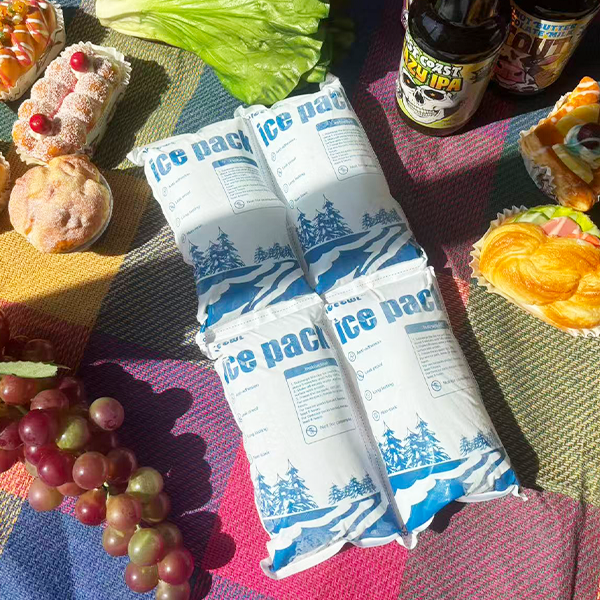
Shipping perishable goods requires precision, and maintaining the correct temperature is essential for ensuring food safety and quality. Cold packs play a vital role in food shipping, preserving freshness and preventing spoilage. This guide will explore everything you need to know about cold packs, including the best types for specific foods, how to pack them efficiently, and the latest trends shaping the cold chain industry in 2025.

What are cold packs for shipping food? An overview of cold pack types and their uses.
Why are cold packs essential for food shipping? Understanding their critical role in maintaining food quality.
How do cold packs work? Insights into their cooling mechanisms and best practices.
What types of cold packs are best for shipping food? A breakdown of the ideal cold packs for various food items.
How to pack food with cold packs effectively? Step-by-step instructions for safe and efficient shipping.
What Are Cold Packs for Shipping Food?
Cold packs are specially designed products that help maintain low temperatures during food transportation. These packs are made from various materials, including gel, ice, and dry ice, to keep perishable items safe from spoilage during transit. They ensure that food stays fresh, safe, and edible by absorbing or generating cold and maintaining consistent temperatures.
How Do Cold Packs Work for Shipping?
Cold packs work by absorbing heat from the contents of the package and maintaining a low temperature over a defined period. These packs can be pre-frozen or activated through specific methods (such as dry ice sublimation). They work in conjunction with proper insulation to regulate the internal temperature of shipping containers and prevent the external environment from affecting the contents.
Why Are Cold Packs Essential for Food Shipping?
Cold packs are indispensable for several key reasons:
Maintaining Freshness
Cold packs ensure that perishable goods stay within safe temperature ranges, preventing deterioration. Items like meats, dairy, and fresh produce can spoil quickly if not kept cold.Preventing Spoilage and Bacteria Growth
Cold temperatures slow down the growth of harmful bacteria, which thrive in warm environments. Cold packs help delay or prevent bacterial contamination, keeping food safe during transit.Enhancing Shelf Life
By extending the time food remains fresh, cold packs allow companies to ship over longer distances and durations without sacrificing product quality. This is especially important for sectors like meal kit services and pharmaceutical shipping.
Tip: For extended shipments, combine cold packs with dry ice for optimal cooling, particularly for frozen food.
What Types of Cold Packs Are Best for Shipping Food?
The ideal cold pack for your needs depends on the type of food and the length of the shipping journey. Here’s a quick guide to the best cold packs:
For Short-Distance Shipments:
Ice packs are perfect for short journeys (under 12 hours). They work well for products that need to remain cool but not frozen, like fresh produce and dairy products.For Long-Distance or Multi-Day Shipments:
Gel packs are ideal for keeping products chilled for extended periods. They are reusable and safe for a variety of food items, such as meat and prepared meals.For Frozen Foods or Long-Haul Shipments:
Dry ice is the most effective option for maintaining extremely low temperatures. It’s best for frozen foods like meat, fish, and frozen vegetables, as well as pharmaceutical products that require freezing.
Cold Pack Comparison Table
| Cold Pack Type | Best For | Advantages | Limitations |
|---|---|---|---|
| Gel Packs | Refrigerated foods like dairy and produce | Reusable, non-toxic, safe for direct contact with food | Limited cooling duration (12-48 hours) |
| Ice Packs | Fresh produce, seafood | Cost-effective, simple to use | Melts quickly, needs replacement for longer shipments |
| Dry Ice | Frozen foods, long-haul shipping | Extremely cold, lasts longer | Requires ventilation, hazardous, rapid sublimation |
How Do You Use Cold Packs for Food Shipping Effectively?
To get the most out of your cold packs, follow these best practices:
Choose the Right Cold Pack:
Select the appropriate cold pack based on the food’s temperature needs and the duration of the journey. Use ice packs for short trips, gel packs for medium-range shipping, and dry ice for long-haul or frozen food shipments.Use Insulated Containers:
Insulation is key to maintaining the cooling effect. Use Styrofoam or insulated bags to prevent heat from entering the package and affecting the temperature.Properly Calculate the Quantity of Cold Packs:
Be sure to use the correct number of cold packs for the size of your shipment and the duration of the transit. Overpacking can waste resources, while underpacking may lead to spoilage.Temperature Monitoring:
For sensitive shipments, use temperature trackers to ensure that the cold packs maintain the correct temperature throughout the journey. This provides peace of mind and helps you comply with regulations.
2025 Trends in Cold Chain Shipping
The cold chain logistics industry is evolving rapidly to meet the demands of growing sectors like e-commerce, grocery delivery, and pharmaceuticals. Here are the latest trends and innovations that will shape the industry in 2025:
Smart Packaging Solutions:
New smart cold packs with built-in sensors can monitor and adjust the temperature in real time, ensuring that perishable goods are maintained within the required temperature ranges during transit.Sustainability in Cold Chain Logistics:
Eco-friendly cold packs, such as biodegradable gel packs and recyclable packaging, are becoming more prevalent. This shift helps reduce waste and carbon emissions, meeting both regulatory and consumer demands for sustainable products.Temperature-Controlled Delivery Services:
Many food delivery companies are investing in real-time temperature monitoring systems to ensure that food arrives at the correct temperature. This innovation improves food safety and quality, enhancing customer satisfaction.
Frequently Asked Questions
Q1: What is the best cold pack for shipping frozen food?
Dry ice is the most effective for shipping frozen foods. It can maintain freezing temperatures for extended periods, making it ideal for meat, frozen vegetables, and pharmaceuticals.
Q2: How long do gel packs last during shipping?
Gel packs typically last between 12 and 48 hours depending on their size, insulation quality, and external temperature conditions.
Q3: Can I use dry ice for shipping perishable foods?
Yes, dry ice is great for shipping perishable frozen foods. However, it requires special handling, including ventilation and compliance with regulations.
Conclusion and Recommendations
Cold packs are crucial for maintaining the freshness and safety of perishable foods during shipping. By choosing the right cold pack for your needs and following best practices for packing, you can ensure that your products arrive at their destination in optimal condition. Embrace the latest trends in cold chain logistics, such as smart packaging and sustainable solutions, to stay ahead in the industry.
Actionable Steps:
Select the appropriate cold pack based on your food’s requirements.
Use insulated containers to maximize cooling efficiency.
Monitor temperature during transit to ensure food safety.
About Tempk
At Tempk, we provide innovative cold chain solutions designed to ensure the safe and efficient transport of temperature-sensitive goods. Our products, including gel packs, ice packs, and dry ice, are designed to maintain the integrity of your perishable shipments, ensuring they arrive fresh and safe.
Next Steps:
Contact Tempk today for personalized cold chain solutions tailored to your shipping needs. We’ll help you optimize your food shipping process for maximum efficiency and safety.
Cold Packs for Shipping: Safe and Efficient Temperature Control
Shipping temperature-sensitive goods requires precision, and cold packs are a vital part of maintaining this control. In this guide, we’ll explore how cold packs work, the best practices for using them, and how to optimize cold chain logistics to ensure the safe and cost-effective transport of perishable goods. Whether you are shipping food, pharmaceuticals, or other temperature-sensitive items, understanding how to maximize the use of cold packs will keep your products safe and fresh.

What are cold packs for shipping, and how do they work?
How can you maximize the effectiveness of cold packs for shipping?
What are the best practices for ensuring safe and efficient cold chain logistics?
What are the latest trends and innovations in cold chain logistics for 2025?
What Are Cold Packs for Shipping, and How Do They Work?
Cold packs are cooling agents used to maintain a specific temperature during the transportation of perishable goods. These packs are available in various types, including gel packs, ice packs, and phase change materials (PCMs), each offering different benefits based on the requirements of the shipment.
How Cold Packs Work:
Cold packs typically contain a gel or liquid that absorbs and retains cold. When frozen, they release cool temperatures, preserving the quality of perishable goods by maintaining a cold environment. The common types include:
Gel Packs: These are water-based gels that provide moderate cooling. They are great for shorter shipments and are reusable.
Ice Packs: Filled with a water-based solution, ice packs offer a stronger cooling effect and are best for long-distance shipments.
Phase Change Materials (PCMs): These advanced materials change from solid to liquid at a specific temperature, providing consistent cooling and are ideal for strict temperature-sensitive shipments like pharmaceuticals.
How Can You Maximize the Effectiveness of Cold Packs?
Choose the Right Cold Pack Type: Select a cold pack that fits your shipment’s specific needs. For shorter trips, gel packs or smaller ice packs suffice. For longer shipments or more precise temperature control, PCM packs or larger ice packs may be needed.
Use Proper Insulation: Pair cold packs with insulated containers to maintain the desired temperature for longer. Insulated packaging ensures that the cold packs remain effective by minimizing the heat transfer from the external environment.
Pre-Chill Your Products: Always chill your products before packing them with cold packs. This prevents the cold packs from being overwhelmed by the warmer temperature of the goods, thus enhancing their cooling efficiency.
Strategic Cold Pack Placement: Place cold packs at the top, bottom, and sides of the shipment for even cooling. Layer the cold packs around the product to avoid direct contact, which could cause damage to sensitive items.
Monitor Environmental Conditions: Keep track of external factors, such as ambient temperature, during transit. Adjust the type and number of cold packs accordingly to ensure optimal performance based on the shipping conditions.
Key Best Practices for Cold Chain Logistics
Regulatory Compliance: Adhere to industry regulations, such as GDP (Good Distribution Practices) for pharmaceuticals and HACCP (Hazard Analysis Critical Control Point) for food safety. This includes monitoring and recording temperatures during the entire shipping process.
Real-Time Temperature Monitoring: Use temperature monitoring devices like data loggers to track the temperature throughout the journey. These tools help ensure your cold packs perform effectively, and the contents stay within the required temperature range.
Packaging Design and Selection: Choose packaging that provides a balance between insulation and ventilation. Airtight packaging may trap moisture, while packages that allow airflow help maintain the right temperature.
2025 Innovations in Cold Chain Logistics: Trends and Future Directions
The cold chain logistics industry is evolving rapidly with new technological advancements that aim to make shipping temperature-sensitive goods more efficient and sustainable.
Key Developments:
Smart Packaging: Smart cold chain packaging now includes integrated temperature sensors, real-time tracking, and automated alert systems. This innovation ensures that perishable goods stay within the desired temperature range.
Sustainability: There is a growing focus on eco-friendly cold chain solutions, with biodegradable and water-based cold packs being developed to reduce plastic waste.
AI and Machine Learning: AI-powered logistics are helping optimize cold chain processes by predicting temperature fluctuations and adjusting cooling methods dynamically during transportation.
Market Insights:
The demand for temperature-sensitive products is expected to grow, driving the need for more advanced cold packs. Cold packs are becoming smarter, with technologies like IoT sensors providing real-time data and enhancing operational efficiency. This evolution is crucial as the industry moves toward more sustainable practices and tighter regulations.
Best Practices for Cold Pack Shipping
Choose the Right Cold Packs for Your Shipment: Match the cold pack to your shipment’s duration and sensitivity. Use gel packs for short-distance deliveries and PCM for extended cooling or highly sensitive items like pharmaceuticals.
Optimal Packaging: Use thick, rigid insulation materials like polystyrene or polyurethane foam to ensure cold packs last throughout the journey. Consider eco-friendly packaging options as part of a sustainable cold chain solution.
Monitor the Conditions in Real-Time: Implement IoT-enabled sensors or data loggers to track the temperature and conditions during transit. These tools can alert you if temperatures fall outside acceptable ranges, allowing you to act quickly.
Adhere to Safety and Regulatory Guidelines: Always follow the appropriate safety guidelines for packaging and labeling, especially when using materials like dry ice. Ensure the correct documentation is in place for dangerous goods if necessary.
FAQ
Can I reuse gel packs?
Yes, most gel packs are reusable. Ensure they are thoroughly checked for punctures before reuse to avoid contamination.
How do I ensure my cold packs stay effective throughout transit?
To ensure optimal performance, always use the right type and amount of cold packs for your specific shipment. Pair them with insulated containers and monitor temperatures throughout the journey.
Are there sustainable cold chain solutions?
Yes, innovations like biodegradable gel packs and water-based ice packs are becoming more common, offering more eco-friendly alternatives to traditional cold chain solutions.
Conclusion and Recommendations
To ensure the safe and efficient shipping of perishable goods, it’s crucial to understand the science and best practices behind cold pack use. By choosing the right type of cold pack, using proper insulation, and monitoring environmental conditions, you can optimize your cold chain logistics and ensure that your shipments arrive in perfect condition.
Action Step: For your next shipment, consider integrating smart sensors, real-time monitoring tools, and sustainable cold pack solutions to enhance the reliability of your cold chain.
About Tempk
Tempk specializes in providing innovative cold chain solutions tailored for food, pharmaceuticals, and biotech industries. Our products, such as reusable gel packs and insulated containers, are designed to meet the highest industry standards while prioritizing sustainability.
Take Action: Contact Tempk today to discuss how our advanced cold chain solutions can enhance the efficiency and sustainability of your shipping processes.
How Cold Packs Ensure Freshness & Safety in Food Delivery | Best Practices
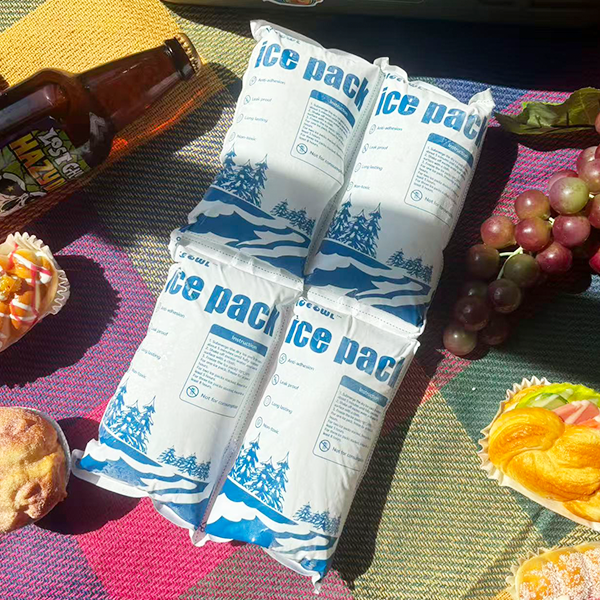
How to Ensure Freshness and Safety in Food Delivery with Cold Packs
Ensuring food arrives at the correct temperature is vital for maintaining quality and safety. In food delivery, using cold packs is a crucial method for achieving this. In this guide, we explore the role of cold packs in food delivery, their types, best practices for use, and how they contribute to a safer and fresher delivery process.
What types of cold packs are best for different foods?
How do cold packs maintain food temperature?
How to use cold packs effectively for safe delivery?
Why Are Cold Packs Crucial for Food Delivery?
Cold packs are essential for maintaining the proper temperature during food delivery, which is necessary to prevent bacterial growth and food spoilage. Foods like dairy, meats, and seafood are particularly vulnerable to temperature fluctuations, and cold packs help ensure they stay within safe temperature ranges during transit.
Cold packs, such as gel and dry ice packs, help keep perishable foods at temperatures below 40°F (4°C) for refrigerated items and below 0°F (-18°C) for frozen items. This helps reduce the risk of foodborne illnesses caused by improper temperature control.
What Types of Cold Packs Are Best for Food Delivery?
Cold packs come in several types, each designed for different purposes. Choosing the right type can make all the difference in ensuring that food stays fresh during delivery.
Gel Ice Packs for Fresh Foods
Gel ice packs are ideal for fresh foods like fruits, vegetables, and dairy products. These packs typically maintain temperatures between 34°F (1°C) and 50°F (10°C), ensuring freshness without freezing delicate items. They’re reusable, flexible, and leak-proof, making them convenient for various food delivery setups.
Dry Ice Packs for Frozen Foods
Dry ice packs are the best choice for frozen items. With temperatures as low as -109°F (-78.5°C), dry ice is perfect for maintaining the sub-zero temperatures required for long-lasting frozen food delivery. However, these packs need special handling due to their potential safety hazards, including the risk of pressure buildup and asphyxiation from CO₂ gas.
Phase Change Material (PCM) Packs for Controlled Temperature
PCM packs offer a balance between gel packs and dry ice, maintaining precise temperatures for both refrigerated and frozen goods. These are an excellent option for items that need consistent temperature control, especially in longer deliveries.
| Type of Cold Pack | Ideal For | Temperature Range | Pros | Cons |
|---|---|---|---|---|
| Gel Ice Packs | Fresh foods | 34°F-50°F (1°C-10°C) | Reusable, flexible | Short cooling duration |
| Dry Ice Packs | Frozen foods | Below 0°F (-18°C) | Ultra-cold, long-lasting | Requires special handling |
| PCM Packs | Refrigerated and frozen foods | Customizable | Precise temperature control | More expensive |
Best Practices for Using Cold Packs in Food Delivery
To maximize the effectiveness of cold packs in food delivery, follow these best practices:
Pre-Chill Containers and Cold Packs
Always pre-chill your containers and cold packs before packing your food. This helps ensure a stable temperature at the start of the delivery, reducing the risk of temperature fluctuations during transit.Proper Placement of Cold Packs
Strategically place cold packs on the top, bottom, and sides of the food.
Use insulated barriers to prevent direct contact between cold packs and sensitive items.
Distribute cold packs evenly to maintain consistent temperatures throughout the delivery.
Monitor Temperature During Transit
Utilize temperature data loggers to monitor the temperature of your food throughout its journey. This real-time tracking ensures your food stays within safe temperature ranges and allows for early detection of any temperature excursions.Use Enough Cold Packs
Ensure that you’re using an adequate number of cold packs based on the distance, duration, and type of food. Too few cold packs may lead to insufficient cooling, while too many may result in frozen food or wasted resources.Consider Climate and Delivery Time
The climate and delivery time are critical factors in choosing the right cold packs. For longer deliveries or in hot weather, use more robust options like dry ice or PCM packs. Short-distance deliveries in cooler environments may only need gel packs.
2025 Trends and Innovations in Cold Chain Logistics
The cold chain logistics industry is constantly evolving, with innovations that improve the efficiency and sustainability of food delivery.
Key Trends in 2025 Cold Chain Logistics
Smart Cold Chain Solutions: The use of IoT (Internet of Things) technology enables businesses to track food temperatures in real-time, ensuring that food remains within the required temperature ranges throughout the delivery process.
Sustainable Packaging: As sustainability becomes increasingly important, the industry is adopting eco-friendly cold packs, including biodegradable gel packs and reusable insulation, to minimize the environmental impact of food delivery logistics.
Hybrid Cooling Systems: Combining dry ice, gel packs, and phase change materials, hybrid cooling systems offer better temperature control and longer-lasting cooling during food delivery.
Future of Food Delivery: 2025 Innovations
Hybrid cooling systems: Offering enhanced temperature control for sensitive products like biologics.
Smart monitoring tools: Real-time tracking of temperature and CO₂ levels via mobile apps.
Eco-friendly materials: New biodegradable and compostable options are being developed to reduce waste in the cold chain process.
FAQs about Cold Packs for Food Delivery
Q1: How long do cold packs keep food cold during delivery?
Cold packs like gel ice typically maintain temperatures for 12-48 hours, while dry ice can last up to 24-48 hours depending on insulation and external temperature conditions.
Q2: Can I use cold packs for all types of food?
Yes, cold packs can be used for most types of food, but it’s important to select the right type based on whether you’re delivering fresh or frozen items.
Q3: Are cold packs safe for the environment?
Many cold packs are reusable and safe for the environment. Some companies are even offering biodegradable gel packs and sustainable insulation solutions.
Summary and Recommendations
By using the right cold packs, ensuring proper placement, and adhering to best practices, food delivery services can ensure that food reaches customers safely and at the correct temperature. For longer deliveries or in hot climates, consider using dry ice or PCM packs. In addition, stay ahead of trends like smart cold chain monitoring and sustainable practices to enhance your delivery service.
Action Plan: Invest in smart cold chain solutions to monitor temperatures in real-time and explore sustainable cold pack options to reduce your environmental impact.
About Tempk
At Tempk, we specialize in providing innovative cold chain solutions for food delivery. From gel ice packs to smart monitoring systems, our products are designed to ensure the freshness and safety of your perishable items. With a focus on sustainability and advanced logistics, we are committed to optimizing your food delivery system.
Contact us today for more information on how we can help optimize your cold chain logistics and ensure the quality and safety of your food deliveries.