


Insulated Shipping Bag Distributor: Supplier Shortlisting Guide
Insulated Shipping Bag Distributor: Supplier Shortlisting Guide

How to Shortlist Insulated Shipping Bag Distributor Suppliers Without Guesswork
A good shortlist for an insulated shipping bag distributor starts with one question: what job must the bag perform after it leaves the supplier? The answer may involve food delivery, retail promotions, chilled ecommerce parcels, pharmacy handover, or distributor resale. Each use changes the right liner, insulation, closure, print method, and carton packing. This final guide combines procurement, material, and route thinking into a cleaner decision process for B2B buyers.
A cleaner way to shortlist suppliers
A B2B order should move through a controlled sample-to-production path. First, define the use case in plain language: what goes into the bag, how cold or warm it starts, how long it is handled, how often it is opened, and whether the end user will keep, return, clean, or discard it. Only after that should you discuss color, logo, handle style, or carton quantity. This order of decisions prevents a beautiful sample from becoming a weak operating tool.
For distribution channel planning, the supplier conversation should include stock range, sell-through, packaging, buyer education, and replacement supply. Ask whether the supplier can document the material stack, repeat the approved structure in production, and separate cosmetic options from functional changes. A change in liner, foam, zipper, or seam method can change the way the bag behaves even when the outer shape looks the same. This is especially important when the first order is a trial and later orders will support a larger route or retail program.
Do not approve a sample only by photographing it. Put the intended payload inside, close it, carry it the way staff will carry it, and clean it the way users will clean it. Check whether the zipper catches the liner, the handles twist, the bag collapses into the product, or condensation collects in a corner. If it is a backpack or courier bag, load comfort and repeated opening matter as much as the material list. If it is a pouch or mailer, seal behavior and carton fit become more important.
For insulated shipping bag distributor, the shortlist should not be built from price columns alone. Give each supplier the same use brief and ask them to respond to the same practical questions. If one supplier is cheaper but cannot explain material changes, packing, liner, or production control, the savings may disappear during claims, returns, or reorders.
Translate product words into operating facts
The most useful way to compare insulated shipping bag options is to separate the visible shell from the thermal layer and the liner. The shell handles abrasion, brand appearance, printing, and contact with rain or vehicle interiors. The insulation layer slows heat movement but cannot create cooling by itself. The liner manages moisture, cleaning, odor, and contact with packaged goods. When a supplier only describes the outside fabric, you still need to ask what is inside the wall and how the edges are finished.
Buyers often ask for a thicker bag because thickness feels measurable. Thickness matters, but it is not the whole answer. A bulky foam layer with poor seam construction can lose cold air quickly when the lid is opened again and again. A thinner but better-designed structure may be easier to fold, clean, pack, and carry. For insulated shipping bag distributor, the practical review should include liner moisture control, packout compatibility, carton size, return expectations, and whether the bag is disposable or reusable. Those details decide whether the approved sample will survive the intended route.
Reflective silver liners, foil laminates, PEVA-style liners, PVC-style liners, and fabric liners all create different trade-offs. A reflective surface can support a professional cold-chain look and reduce radiant heat exposure when used correctly, but it still depends on the closure, coolant plan, payload temperature, and handling time. For food-contact or medical-adjacent use, buyers should ask for material declarations and cleaning guidance rather than assuming that a shiny liner is automatically compliant.
The word insulated can also create confusion. It means the bag resists heat transfer; it does not prove a fixed hold time under every ambient condition. If the shipment involves chilled foods, pharmaceuticals, vaccines, or samples, the required temperature range must come from the product owner or quality team. The bag, coolant, carton, and handover process should then be checked together. This distinction protects buyers from treating a promotional carrier as a validated transport system.
Build the specification around risk
| Shortlisting step | Decision to make | Evidence or action to request |
|---|---|---|
| Define the job | Delivery, promotion, resale, sample transport, or secondary protection | Write a route and payload brief before asking for price. |
| Choose the structure | Backpack, tote, pouch, mailer, or soft cooler form | Compare real payload fit, not only catalog dimensions. |
| Check thermal language | Insulated, chilled, refrigerated, waterproof, or qualified | Ask what the words mean in the supplier quote. |
| Approve sample | Material, closure, print, liner, odor, cleaning, and packaging | Test it with real handling before production approval. |
| Scale carefully | Batch consistency, carton packing, artwork control, and inspection plan | Lock the approved specification and confirm any changes. |
| Review risk | Regulated products, food-contact needs, moisture, and complaints | Bring quality or operations into the buying decision early. |
The aim of this checklist is not to make the product complicated. It is to stop unclear words from driving the purchase. When a buyer knows which claims need evidence and which details are only cosmetic, quotation comparison becomes faster and more reliable.
The biggest purchasing risk is treating all soft insulated products as interchangeable. A picnic-style bag, a food delivery backpack, a waterproof mailer, and a promotional shopping bag may all contain insulation, but their weak points are different. The picnic bag may focus on retail appearance. The delivery backpack may need fast access and rider comfort. The mailer may need parcel durability and closure integrity. The promotional bag may need low cost and strong branding. A clear use case keeps the specification honest.
Another risk is accepting a hold-time claim without the test conditions. A useful claim should explain the payload, starting temperature, coolant arrangement, ambient profile, opening frequency, and acceptance limit. Without those conditions, a hold-time number may describe only a controlled demonstration. Buyers should ask for the test summary when temperature exposure is critical. If the supplier cannot provide one, write the claim as an assumption and verify it before large deployment.
From approved sample to repeatable order
In daily operations, the bag interacts with people more than with specifications. Drivers may open it at every stop. Store staff may overload it because the side walls flex. Customers may judge the brand by whether the liner looks clean at handover. Warehouse teams may stack cartons in a way that compresses soft insulation before the bags reach the route. These ordinary handling events often explain why a technically acceptable sample disappoints in the field.
The route should guide the shape. A flat insulated pouch works for small items, samples, and lightweight parcels, but it may not protect tall meal boxes. A boxy backpack can organize delivery loads but may be too large for promotional giveaway use. A foldable shopping bag reduces storage cost but may lose structure when loaded with bottles or heavy groceries. A waterproof-style mailer can improve parcel confidence but may not be suitable for repeated cleaning. The correct shape is the one users can operate without improvising.
A typical scenario: a buyer wants an insulated shipping bag for food delivery, grocery pickup, samples, promotional retail, light pharmaceutical handover, and insulated ecommerce shipments. The first sample looks acceptable because the color and logo are correct. During a route trial, staff notice that warm ambient exposure happens at the loading area, not inside the vehicle, and the bag is opened more often than expected. The solution may be a different closure, a pre-chilled payload process, a better ice pack pocket, or a second bag size rather than simply choosing a thicker insulation layer.
For global B2B markets, the buying team should also think about replacement and cleaning. A bag that is inexpensive but difficult to wipe may create a hygiene problem. A bag that looks premium but cannot be nested or folded may raise storage cost. A courier backpack that performs thermally but causes shoulder fatigue may be rejected by riders. A practical specification balances thermal support, human handling, and total operating friction.
Repeatability is the difference between a sample project and a real sourcing program. Keep a record of the approved material, size, liner, closure, print artwork, packing method, and any tests or assumptions. Ask the supplier to notify you before changing components. This is especially important for distributor, branded, and route-critical orders.
Buyer notes for the final comparison
Sustainability decisions should be connected to real use, not only to material labels. A reusable insulated shipping bag can reduce disposable packaging in a repeated route, but only if the bag is durable, cleanable, and worth returning. A lightweight disposable or semi-disposable mailer can be appropriate for one-way ecommerce if it protects the product and avoids excessive volume. The less visible question is how many failed shipments, returns, or replacements a poor specification can create.
Procurement teams should ask whether the design supports the intended life cycle. Can the liner be wiped without peeling? Does the print method survive cleaning? Can damaged bags be separated from active stock? Are cartons strong enough for export shipping? Does the bag arrive flat, folded, or shaped, and how does that affect warehouse space? These questions are not environmental slogans; they decide how much waste and cost the program creates after launch.
For branded or promotional orders, there is another sustainability issue: will recipients actually reuse the bag? A cheap insulated shopping bag that feels weak may be discarded quickly even if it uses less material. A better-balanced design may cost more per unit but keep the brand visible longer. For operational fleets, replacement rate and cleaning time often matter more than the material claim printed on a label. Buyers should test the user behavior they want to encourage.
The strongest insulated shipping bag distributor proposal is usually the one that explains limitations clearly. A supplier that says every bag suits every temperature-sensitive product is creating risk. A supplier that asks about route, payload, coolant, cleaning, and documentation is helping you avoid overbuying, under-specifying, or choosing a bag for the wrong reason.
FAQ
What is the first step in shortlisting insulated shipping bag distributor suppliers?
Define the job the bag must perform. Write down the product type, route, payload, handling method, cleaning expectation, branding need, and whether temperature proof is required. Once that is clear, supplier comparison becomes more objective because every sample is judged against the same operating requirement.
What claims should I treat carefully?
Treat fixed hold time, waterproof, food grade, pharmaceutical suitable, and heavy-duty claims carefully unless the supplier explains the test method, material basis, or intended use. These words can be useful, but they need context. A cautious buyer asks what was tested, with what payload, and under what conditions.
How do I know whether a sample can become a production order?
Ask the supplier to lock the material stack, dimensions, liner, closure, artwork, and packing method after approval. Request confirmation if any component changes before production. A sample is useful only when it represents the same structure that will be produced and delivered.
Should branding or insulation come first?
For an operational cold-chain bag, insulation and usability should come first. For promotional retail, branding may carry more weight, but the bag still needs to feel reliable enough for reuse. In most B2B orders, the best result comes from defining the functional base first and then applying branding without weakening it.
Can Tempk recommend a suitable option without exact test data?
Tempk can discuss practical directions based on route, payload, temperature range, size, and branding needs. However, any critical temperature claim should be checked against real packout conditions and quality requirements. The aim is to narrow the right product family before confirming details through samples and documentation.
Conclusion
Shortlisting insulated shipping bag distributor suppliers is easier when you separate function, appearance, thermal expectations, and operational risk. Ask for evidence where claims affect quality, and avoid treating a soft insulated bag as a universal cold-chain system. The best supplier discussion is specific: product, route, payload, liner, closure, sample control, and production repeatability.
About Tempk
Tempk provides cold-chain packaging options including insulated thermal bags, cooler backpacks, gel ice packs, dry ice packs, insulated liners, EPP boxes, pallet covers, and related materials. For sourcing projects around insulated shipping bag distributor, we help buyers frame the right questions before sampling: what the bag carries, how it is handled, what thermal support is realistic, how it should be branded, and what must stay consistent in production.
Before finalizing insulated shipping bag distributor, ask Tempk to review your route, payload, liner preference, closure needs, and branding plan. A clearer brief usually leads to a better sample and fewer production surprises.
Insulated Pouch Supplier Singapore: Supplier Shortlisting Guide
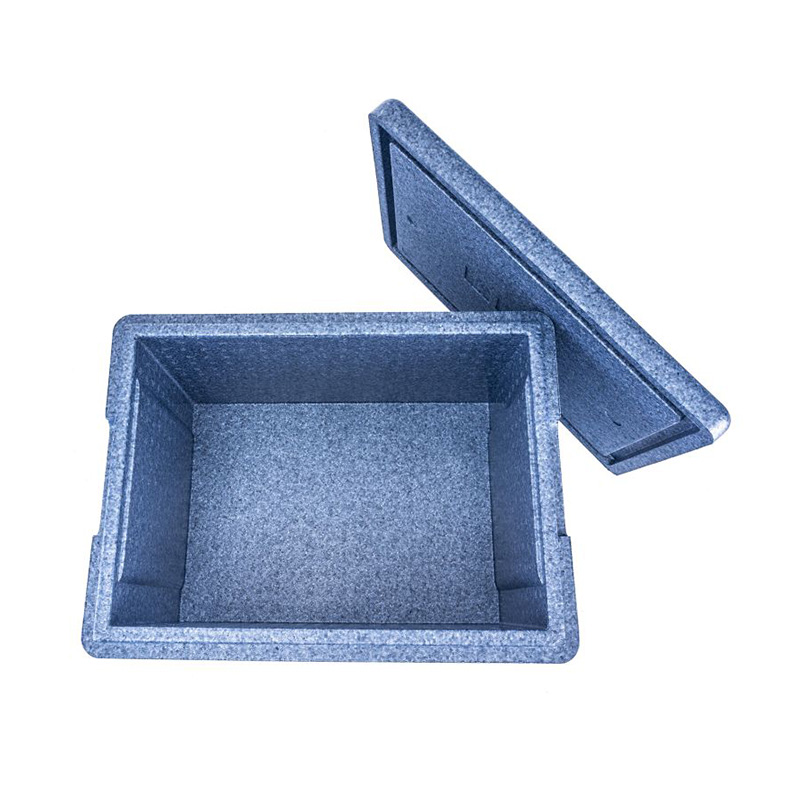
How to Shortlist Insulated Pouch Supplier Singapore Suppliers Without Guesswork
A good shortlist for an insulated pouch supplier singapore starts with one question: what job must the bag perform after it leaves the supplier? The answer may involve food delivery, retail promotions, chilled ecommerce parcels, pharmacy handover, or distributor resale. Each use changes the right liner, insulation, closure, print method, and carton packing. This final guide combines procurement, material, and route thinking into a cleaner decision process for B2B buyers.
A cleaner way to shortlist suppliers
A B2B order should move through a controlled sample-to-production path. First, define the use case in plain language: what goes into the bag, how cold or warm it starts, how long it is handled, how often it is opened, and whether the end user will keep, return, clean, or discard it. Only after that should you discuss color, logo, handle style, or carton quantity. This order of decisions prevents a beautiful sample from becoming a weak operating tool.
For supplier screening, the supplier conversation should include product fit, sample review, documentation, and order scaling. Ask whether the supplier can document the material stack, repeat the approved structure in production, and separate cosmetic options from functional changes. A change in liner, foam, zipper, or seam method can change the way the bag behaves even when the outer shape looks the same. This is especially important when the first order is a trial and later orders will support a larger route or retail program.
Do not approve a sample only by photographing it. Put the intended payload inside, close it, carry it the way staff will carry it, and clean it the way users will clean it. Check whether the zipper catches the liner, the handles twist, the bag collapses into the product, or condensation collects in a corner. If it is a backpack or courier bag, load comfort and repeated opening matter as much as the material list. If it is a pouch or mailer, seal behavior and carton fit become more important.
For insulated pouch supplier singapore, the shortlist should not be built from price columns alone. Give each supplier the same use brief and ask them to respond to the same practical questions. If one supplier is cheaper but cannot explain material changes, packing, liner, or production control, the savings may disappear during claims, returns, or reorders.
Translate product words into operating facts
The most useful way to compare insulated pouch options is to separate the visible shell from the thermal layer and the liner. The shell handles abrasion, brand appearance, printing, and contact with rain or vehicle interiors. The insulation layer slows heat movement but cannot create cooling by itself. The liner manages moisture, cleaning, odor, and contact with packaged goods. When a supplier only describes the outside fabric, you still need to ask what is inside the wall and how the edges are finished.
Buyers often ask for a thicker bag because thickness feels measurable. Thickness matters, but it is not the whole answer. A bulky foam layer with poor seam construction can lose cold air quickly when the lid is opened again and again. A thinner but better-designed structure may be easier to fold, clean, pack, and carry. For insulated pouch supplier singapore, the practical review should include opening style, liner wipeability, pouch stiffness, brand label area, and whether it needs an ice pack pocket. Those details decide whether the approved sample will survive the intended route.
Reflective silver liners, foil laminates, PEVA-style liners, PVC-style liners, and fabric liners all create different trade-offs. A reflective surface can support a professional cold-chain look and reduce radiant heat exposure when used correctly, but it still depends on the closure, coolant plan, payload temperature, and handling time. For food-contact or medical-adjacent use, buyers should ask for material declarations and cleaning guidance rather than assuming that a shiny liner is automatically compliant.
The word insulated can also create confusion. It means the bag resists heat transfer; it does not prove a fixed hold time under every ambient condition. If the shipment involves chilled foods, pharmaceuticals, vaccines, or samples, the required temperature range must come from the product owner or quality team. The bag, coolant, carton, and handover process should then be checked together. This distinction protects buyers from treating a promotional carrier as a validated transport system.
Build the specification around risk
| Shortlisting step | Decision to make | Evidence or action to request |
|---|---|---|
| Define the job | Delivery, promotion, resale, sample transport, or secondary protection | Write a route and payload brief before asking for price. |
| Choose the structure | Backpack, tote, pouch, mailer, or soft cooler form | Compare real payload fit, not only catalog dimensions. |
| Check thermal language | Insulated, chilled, refrigerated, waterproof, or qualified | Ask what the words mean in the supplier quote. |
| Approve sample | Material, closure, print, liner, odor, cleaning, and packaging | Test it with real handling before production approval. |
| Scale carefully | Batch consistency, carton packing, artwork control, and inspection plan | Lock the approved specification and confirm any changes. |
| Review risk | Regulated products, food-contact needs, moisture, and complaints | Bring quality or operations into the buying decision early. |
The aim of this checklist is not to make the product complicated. It is to stop unclear words from driving the purchase. When a buyer knows which claims need evidence and which details are only cosmetic, quotation comparison becomes faster and more reliable.
The biggest purchasing risk is treating all soft insulated products as interchangeable. A picnic-style bag, a food delivery backpack, a waterproof mailer, and a promotional shopping bag may all contain insulation, but their weak points are different. The picnic bag may focus on retail appearance. The delivery backpack may need fast access and rider comfort. The mailer may need parcel durability and closure integrity. The promotional bag may need low cost and strong branding. A clear use case keeps the specification honest.
Another risk is accepting a hold-time claim without the test conditions. A useful claim should explain the payload, starting temperature, coolant arrangement, ambient profile, opening frequency, and acceptance limit. Without those conditions, a hold-time number may describe only a controlled demonstration. Buyers should ask for the test summary when temperature exposure is critical. If the supplier cannot provide one, write the claim as an assumption and verify it before large deployment.
From approved sample to repeatable order
In daily operations, the bag interacts with people more than with specifications. Drivers may open it at every stop. Store staff may overload it because the side walls flex. Customers may judge the brand by whether the liner looks clean at handover. Warehouse teams may stack cartons in a way that compresses soft insulation before the bags reach the route. These ordinary handling events often explain why a technically acceptable sample disappoints in the field.
The route should guide the shape. A flat insulated pouch works for small items, samples, and lightweight parcels, but it may not protect tall meal boxes. A boxy backpack can organize delivery loads but may be too large for promotional giveaway use. A foldable shopping bag reduces storage cost but may lose structure when loaded with bottles or heavy groceries. A waterproof-style mailer can improve parcel confidence but may not be suitable for repeated cleaning. The correct shape is the one users can operate without improvising.
A typical scenario: a buyer wants an insulated pouch for short urban delivery, pharmacy pickup, grocery fulfillment, samples, and compact meal delivery. The first sample looks acceptable because the color and logo are correct. During a route trial, staff notice that warm ambient exposure happens at the loading area, not inside the vehicle, and the bag is opened more often than expected. The solution may be a different closure, a pre-chilled payload process, a better ice pack pocket, or a second bag size rather than simply choosing a thicker insulation layer.
For Singapore, the buying team should also think about replacement and cleaning. A bag that is inexpensive but difficult to wipe may create a hygiene problem. A bag that looks premium but cannot be nested or folded may raise storage cost. A courier backpack that performs thermally but causes shoulder fatigue may be rejected by riders. A practical specification balances thermal support, human handling, and total operating friction.
Repeatability is the difference between a sample project and a real sourcing program. Keep a record of the approved material, size, liner, closure, print artwork, packing method, and any tests or assumptions. Ask the supplier to notify you before changing components. This is especially important for distributor, branded, and route-critical orders.
Buyer notes for the final comparison
Sustainability decisions should be connected to real use, not only to material labels. A reusable insulated pouch can reduce disposable packaging in a repeated route, but only if the bag is durable, cleanable, and worth returning. A lightweight disposable or semi-disposable mailer can be appropriate for one-way ecommerce if it protects the product and avoids excessive volume. The less visible question is how many failed shipments, returns, or replacements a poor specification can create.
Procurement teams should ask whether the design supports the intended life cycle. Can the liner be wiped without peeling? Does the print method survive cleaning? Can damaged bags be separated from active stock? Are cartons strong enough for export shipping? Does the bag arrive flat, folded, or shaped, and how does that affect warehouse space? These questions are not environmental slogans; they decide how much waste and cost the program creates after launch.
For branded or promotional orders, there is another sustainability issue: will recipients actually reuse the bag? A cheap insulated shopping bag that feels weak may be discarded quickly even if it uses less material. A better-balanced design may cost more per unit but keep the brand visible longer. For operational fleets, replacement rate and cleaning time often matter more than the material claim printed on a label. Buyers should test the user behavior they want to encourage.
The strongest insulated pouch supplier singapore proposal is usually the one that explains limitations clearly. A supplier that says every bag suits every temperature-sensitive product is creating risk. A supplier that asks about route, payload, coolant, cleaning, and documentation is helping you avoid overbuying, under-specifying, or choosing a bag for the wrong reason.
FAQ
What is the first step in shortlisting insulated pouch supplier singapore suppliers?
Define the job the bag must perform. Write down the product type, route, payload, handling method, cleaning expectation, branding need, and whether temperature proof is required. Once that is clear, supplier comparison becomes more objective because every sample is judged against the same operating requirement.
What claims should I treat carefully?
Treat fixed hold time, waterproof, food grade, pharmaceutical suitable, and heavy-duty claims carefully unless the supplier explains the test method, material basis, or intended use. These words can be useful, but they need context. A cautious buyer asks what was tested, with what payload, and under what conditions.
How do I know whether a sample can become a production order?
Ask the supplier to lock the material stack, dimensions, liner, closure, artwork, and packing method after approval. Request confirmation if any component changes before production. A sample is useful only when it represents the same structure that will be produced and delivered.
Should branding or insulation come first?
For an operational cold-chain bag, insulation and usability should come first. For promotional retail, branding may carry more weight, but the bag still needs to feel reliable enough for reuse. In most B2B orders, the best result comes from defining the functional base first and then applying branding without weakening it.
Can Tempk recommend a suitable option without exact test data?
Tempk can discuss practical directions based on route, payload, temperature range, size, and branding needs. However, any critical temperature claim should be checked against real packout conditions and quality requirements. The aim is to narrow the right product family before confirming details through samples and documentation.
Conclusion
Shortlisting insulated pouch supplier singapore suppliers is easier when you separate function, appearance, thermal expectations, and operational risk. Ask for evidence where claims affect quality, and avoid treating a soft insulated bag as a universal cold-chain system. The best supplier discussion is specific: product, route, payload, liner, closure, sample control, and production repeatability.
About Tempk
Tempk provides cold-chain packaging options including insulated thermal bags, cooler backpacks, gel ice packs, dry ice packs, insulated liners, EPP boxes, pallet covers, and related materials. For sourcing projects around insulated pouch supplier singapore, we help buyers frame the right questions before sampling: what the bag carries, how it is handled, what thermal support is realistic, how it should be branded, and what must stay consistent in production.
Before finalizing insulated pouch supplier singapore, ask Tempk to review your route, payload, liner preference, closure needs, and branding plan. A clearer brief usually leads to a better sample and fewer production surprises.
Insulated Pouch Exporter Australia: Supplier Shortlisting Guide

How to Shortlist Insulated Pouch Exporter Australia Suppliers Without Guesswork
A good shortlist for an insulated pouch exporter australia starts with one question: what job must the bag perform after it leaves the supplier? The answer may involve food delivery, retail promotions, chilled ecommerce parcels, pharmacy handover, or distributor resale. Each use changes the right liner, insulation, closure, print method, and carton packing. This final guide combines procurement, material, and route thinking into a cleaner decision process for B2B buyers.
A cleaner way to shortlist suppliers
A B2B order should move through a controlled sample-to-production path. First, define the use case in plain language: what goes into the bag, how cold or warm it starts, how long it is handled, how often it is opened, and whether the end user will keep, return, clean, or discard it. Only after that should you discuss color, logo, handle style, or carton quantity. This order of decisions prevents a beautiful sample from becoming a weak operating tool.
For export sourcing, the supplier conversation should include export cartons, documentation, destination-market fit, and shipping-ready packaging. Ask whether the supplier can document the material stack, repeat the approved structure in production, and separate cosmetic options from functional changes. A change in liner, foam, zipper, or seam method can change the way the bag behaves even when the outer shape looks the same. This is especially important when the first order is a trial and later orders will support a larger route or retail program.
Do not approve a sample only by photographing it. Put the intended payload inside, close it, carry it the way staff will carry it, and clean it the way users will clean it. Check whether the zipper catches the liner, the handles twist, the bag collapses into the product, or condensation collects in a corner. If it is a backpack or courier bag, load comfort and repeated opening matter as much as the material list. If it is a pouch or mailer, seal behavior and carton fit become more important.
For insulated pouch exporter australia, the shortlist should not be built from price columns alone. Give each supplier the same use brief and ask them to respond to the same practical questions. If one supplier is cheaper but cannot explain material changes, packing, liner, or production control, the savings may disappear during claims, returns, or reorders.
Translate product words into operating facts
The most useful way to compare insulated pouch options is to separate the visible shell from the thermal layer and the liner. The shell handles abrasion, brand appearance, printing, and contact with rain or vehicle interiors. The insulation layer slows heat movement but cannot create cooling by itself. The liner manages moisture, cleaning, odor, and contact with packaged goods. When a supplier only describes the outside fabric, you still need to ask what is inside the wall and how the edges are finished.
Buyers often ask for a thicker bag because thickness feels measurable. Thickness matters, but it is not the whole answer. A bulky foam layer with poor seam construction can lose cold air quickly when the lid is opened again and again. A thinner but better-designed structure may be easier to fold, clean, pack, and carry. For insulated pouch exporter australia, the practical review should include opening style, liner wipeability, pouch stiffness, brand label area, and whether it needs an ice pack pocket. Those details decide whether the approved sample will survive the intended route.
Reflective silver liners, foil laminates, PEVA-style liners, PVC-style liners, and fabric liners all create different trade-offs. A reflective surface can support a professional cold-chain look and reduce radiant heat exposure when used correctly, but it still depends on the closure, coolant plan, payload temperature, and handling time. For food-contact or medical-adjacent use, buyers should ask for material declarations and cleaning guidance rather than assuming that a shiny liner is automatically compliant.
The word insulated can also create confusion. It means the bag resists heat transfer; it does not prove a fixed hold time under every ambient condition. If the shipment involves chilled foods, pharmaceuticals, vaccines, or samples, the required temperature range must come from the product owner or quality team. The bag, coolant, carton, and handover process should then be checked together. This distinction protects buyers from treating a promotional carrier as a validated transport system.
Build the specification around risk
| Shortlisting step | Decision to make | Evidence or action to request |
|---|---|---|
| Define the job | Delivery, promotion, resale, sample transport, or secondary protection | Write a route and payload brief before asking for price. |
| Choose the structure | Backpack, tote, pouch, mailer, or soft cooler form | Compare real payload fit, not only catalog dimensions. |
| Check thermal language | Insulated, chilled, refrigerated, waterproof, or qualified | Ask what the words mean in the supplier quote. |
| Approve sample | Material, closure, print, liner, odor, cleaning, and packaging | Test it with real handling before production approval. |
| Scale carefully | Batch consistency, carton packing, artwork control, and inspection plan | Lock the approved specification and confirm any changes. |
| Review risk | Regulated products, food-contact needs, moisture, and complaints | Bring quality or operations into the buying decision early. |
The aim of this checklist is not to make the product complicated. It is to stop unclear words from driving the purchase. When a buyer knows which claims need evidence and which details are only cosmetic, quotation comparison becomes faster and more reliable.
The biggest purchasing risk is treating all soft insulated products as interchangeable. A picnic-style bag, a food delivery backpack, a waterproof mailer, and a promotional shopping bag may all contain insulation, but their weak points are different. The picnic bag may focus on retail appearance. The delivery backpack may need fast access and rider comfort. The mailer may need parcel durability and closure integrity. The promotional bag may need low cost and strong branding. A clear use case keeps the specification honest.
Another risk is accepting a hold-time claim without the test conditions. A useful claim should explain the payload, starting temperature, coolant arrangement, ambient profile, opening frequency, and acceptance limit. Without those conditions, a hold-time number may describe only a controlled demonstration. Buyers should ask for the test summary when temperature exposure is critical. If the supplier cannot provide one, write the claim as an assumption and verify it before large deployment.
From approved sample to repeatable order
In daily operations, the bag interacts with people more than with specifications. Drivers may open it at every stop. Store staff may overload it because the side walls flex. Customers may judge the brand by whether the liner looks clean at handover. Warehouse teams may stack cartons in a way that compresses soft insulation before the bags reach the route. These ordinary handling events often explain why a technically acceptable sample disappoints in the field.
The route should guide the shape. A flat insulated pouch works for small items, samples, and lightweight parcels, but it may not protect tall meal boxes. A boxy backpack can organize delivery loads but may be too large for promotional giveaway use. A foldable shopping bag reduces storage cost but may lose structure when loaded with bottles or heavy groceries. A waterproof-style mailer can improve parcel confidence but may not be suitable for repeated cleaning. The correct shape is the one users can operate without improvising.
A typical scenario: a buyer wants an insulated pouch for meal-kit fulfillment, seafood sampling, grocery collection, clinic handover, and retail promotion. The first sample looks acceptable because the color and logo are correct. During a route trial, staff notice that warm ambient exposure happens at the loading area, not inside the vehicle, and the bag is opened more often than expected. The solution may be a different closure, a pre-chilled payload process, a better ice pack pocket, or a second bag size rather than simply choosing a thicker insulation layer.
For Australia, the buying team should also think about replacement and cleaning. A bag that is inexpensive but difficult to wipe may create a hygiene problem. A bag that looks premium but cannot be nested or folded may raise storage cost. A courier backpack that performs thermally but causes shoulder fatigue may be rejected by riders. A practical specification balances thermal support, human handling, and total operating friction.
Repeatability is the difference between a sample project and a real sourcing program. Keep a record of the approved material, size, liner, closure, print artwork, packing method, and any tests or assumptions. Ask the supplier to notify you before changing components. This is especially important for distributor, branded, and route-critical orders.
Buyer notes for the final comparison
Sustainability decisions should be connected to real use, not only to material labels. A reusable insulated pouch can reduce disposable packaging in a repeated route, but only if the bag is durable, cleanable, and worth returning. A lightweight disposable or semi-disposable mailer can be appropriate for one-way ecommerce if it protects the product and avoids excessive volume. The less visible question is how many failed shipments, returns, or replacements a poor specification can create.
Procurement teams should ask whether the design supports the intended life cycle. Can the liner be wiped without peeling? Does the print method survive cleaning? Can damaged bags be separated from active stock? Are cartons strong enough for export shipping? Does the bag arrive flat, folded, or shaped, and how does that affect warehouse space? These questions are not environmental slogans; they decide how much waste and cost the program creates after launch.
For branded or promotional orders, there is another sustainability issue: will recipients actually reuse the bag? A cheap insulated shopping bag that feels weak may be discarded quickly even if it uses less material. A better-balanced design may cost more per unit but keep the brand visible longer. For operational fleets, replacement rate and cleaning time often matter more than the material claim printed on a label. Buyers should test the user behavior they want to encourage.
The strongest insulated pouch exporter australia proposal is usually the one that explains limitations clearly. A supplier that says every bag suits every temperature-sensitive product is creating risk. A supplier that asks about route, payload, coolant, cleaning, and documentation is helping you avoid overbuying, under-specifying, or choosing a bag for the wrong reason.
FAQ
What is the first step in shortlisting insulated pouch exporter australia suppliers?
Define the job the bag must perform. Write down the product type, route, payload, handling method, cleaning expectation, branding need, and whether temperature proof is required. Once that is clear, supplier comparison becomes more objective because every sample is judged against the same operating requirement.
What claims should I treat carefully?
Treat fixed hold time, waterproof, food grade, pharmaceutical suitable, and heavy-duty claims carefully unless the supplier explains the test method, material basis, or intended use. These words can be useful, but they need context. A cautious buyer asks what was tested, with what payload, and under what conditions.
How do I know whether a sample can become a production order?
Ask the supplier to lock the material stack, dimensions, liner, closure, artwork, and packing method after approval. Request confirmation if any component changes before production. A sample is useful only when it represents the same structure that will be produced and delivered.
Should branding or insulation come first?
For an operational cold-chain bag, insulation and usability should come first. For promotional retail, branding may carry more weight, but the bag still needs to feel reliable enough for reuse. In most B2B orders, the best result comes from defining the functional base first and then applying branding without weakening it.
Can Tempk recommend a suitable option without exact test data?
Tempk can discuss practical directions based on route, payload, temperature range, size, and branding needs. However, any critical temperature claim should be checked against real packout conditions and quality requirements. The aim is to narrow the right product family before confirming details through samples and documentation.
Conclusion
Shortlisting insulated pouch exporter australia suppliers is easier when you separate function, appearance, thermal expectations, and operational risk. Ask for evidence where claims affect quality, and avoid treating a soft insulated bag as a universal cold-chain system. The best supplier discussion is specific: product, route, payload, liner, closure, sample control, and production repeatability.
About Tempk
Tempk provides cold-chain packaging options including insulated thermal bags, cooler backpacks, gel ice packs, dry ice packs, insulated liners, EPP boxes, pallet covers, and related materials. For sourcing projects around insulated pouch exporter australia, we help buyers frame the right questions before sampling: what the bag carries, how it is handled, what thermal support is realistic, how it should be branded, and what must stay consistent in production.
Before finalizing insulated pouch exporter australia, ask Tempk to review your route, payload, liner preference, closure needs, and branding plan. A clearer brief usually leads to a better sample and fewer production surprises.
Insulated Mailer Bag Waterproof: Supplier Shortlisting Guide

How to Shortlist Insulated Mailer Bag Waterproof Suppliers Without Guesswork
A good shortlist for an insulated mailer bag waterproof starts with one question: what job must the bag perform after it leaves the supplier? The answer may involve food delivery, retail promotions, chilled ecommerce parcels, pharmacy handover, or distributor resale. Each use changes the right liner, insulation, closure, print method, and carton packing. This final guide combines procurement, material, and route thinking into a cleaner decision process for B2B buyers.
A cleaner way to shortlist suppliers
A B2B order should move through a controlled sample-to-production path. First, define the use case in plain language: what goes into the bag, how cold or warm it starts, how long it is handled, how often it is opened, and whether the end user will keep, return, clean, or discard it. Only after that should you discuss color, logo, handle style, or carton quantity. This order of decisions prevents a beautiful sample from becoming a weak operating tool.
For commercial investigation, the supplier conversation should include product fit, quality review, and supplier communication. Ask whether the supplier can document the material stack, repeat the approved structure in production, and separate cosmetic options from functional changes. A change in liner, foam, zipper, or seam method can change the way the bag behaves even when the outer shape looks the same. This is especially important when the first order is a trial and later orders will support a larger route or retail program.
Do not approve a sample only by photographing it. Put the intended payload inside, close it, carry it the way staff will carry it, and clean it the way users will clean it. Check whether the zipper catches the liner, the handles twist, the bag collapses into the product, or condensation collects in a corner. If it is a backpack or courier bag, load comfort and repeated opening matter as much as the material list. If it is a pouch or mailer, seal behavior and carton fit become more important.
For insulated mailer bag waterproof, the shortlist should not be built from price columns alone. Give each supplier the same use brief and ask them to respond to the same practical questions. If one supplier is cheaper but cannot explain material changes, packing, liner, or production control, the savings may disappear during claims, returns, or reorders.
Translate product words into operating facts
The most useful way to compare insulated mailer bag options is to separate the visible shell from the thermal layer and the liner. The shell handles abrasion, brand appearance, printing, and contact with rain or vehicle interiors. The insulation layer slows heat movement but cannot create cooling by itself. The liner manages moisture, cleaning, odor, and contact with packaged goods. When a supplier only describes the outside fabric, you still need to ask what is inside the wall and how the edges are finished.
Buyers often ask for a thicker bag because thickness feels measurable. Thickness matters, but it is not the whole answer. A bulky foam layer with poor seam construction can lose cold air quickly when the lid is opened again and again. A thinner but better-designed structure may be easier to fold, clean, pack, and carry. For insulated mailer bag waterproof, the practical review should include closure integrity, puncture resistance, water resistance, ice pack fit, and courier handling. Those details decide whether the approved sample will survive the intended route.
Reflective silver liners, foil laminates, PEVA-style liners, PVC-style liners, and fabric liners all create different trade-offs. A reflective surface can support a professional cold-chain look and reduce radiant heat exposure when used correctly, but it still depends on the closure, coolant plan, payload temperature, and handling time. For food-contact or medical-adjacent use, buyers should ask for material declarations and cleaning guidance rather than assuming that a shiny liner is automatically compliant.
The word insulated can also create confusion. It means the bag resists heat transfer; it does not prove a fixed hold time under every ambient condition. If the shipment involves chilled foods, pharmaceuticals, vaccines, or samples, the required temperature range must come from the product owner or quality team. The bag, coolant, carton, and handover process should then be checked together. This distinction protects buyers from treating a promotional carrier as a validated transport system.
Build the specification around risk
| Shortlisting step | Decision to make | Evidence or action to request |
|---|---|---|
| Define the job | Delivery, promotion, resale, sample transport, or secondary protection | Write a route and payload brief before asking for price. |
| Choose the structure | Backpack, tote, pouch, mailer, or soft cooler form | Compare real payload fit, not only catalog dimensions. |
| Check thermal language | Insulated, chilled, refrigerated, waterproof, or qualified | Ask what the words mean in the supplier quote. |
| Approve sample | Material, closure, print, liner, odor, cleaning, and packaging | Test it with real handling before production approval. |
| Scale carefully | Batch consistency, carton packing, artwork control, and inspection plan | Lock the approved specification and confirm any changes. |
| Review risk | Regulated products, food-contact needs, moisture, and complaints | Bring quality or operations into the buying decision early. |
The aim of this checklist is not to make the product complicated. It is to stop unclear words from driving the purchase. When a buyer knows which claims need evidence and which details are only cosmetic, quotation comparison becomes faster and more reliable.
The biggest purchasing risk is treating all soft insulated products as interchangeable. A picnic-style bag, a food delivery backpack, a waterproof mailer, and a promotional shopping bag may all contain insulation, but their weak points are different. The picnic bag may focus on retail appearance. The delivery backpack may need fast access and rider comfort. The mailer may need parcel durability and closure integrity. The promotional bag may need low cost and strong branding. A clear use case keeps the specification honest.
Another risk is accepting a hold-time claim without the test conditions. A useful claim should explain the payload, starting temperature, coolant arrangement, ambient profile, opening frequency, and acceptance limit. Without those conditions, a hold-time number may describe only a controlled demonstration. Buyers should ask for the test summary when temperature exposure is critical. If the supplier cannot provide one, write the claim as an assumption and verify it before large deployment.
From approved sample to repeatable order
In daily operations, the bag interacts with people more than with specifications. Drivers may open it at every stop. Store staff may overload it because the side walls flex. Customers may judge the brand by whether the liner looks clean at handover. Warehouse teams may stack cartons in a way that compresses soft insulation before the bags reach the route. These ordinary handling events often explain why a technically acceptable sample disappoints in the field.
The route should guide the shape. A flat insulated pouch works for small items, samples, and lightweight parcels, but it may not protect tall meal boxes. A boxy backpack can organize delivery loads but may be too large for promotional giveaway use. A foldable shopping bag reduces storage cost but may lose structure when loaded with bottles or heavy groceries. A waterproof-style mailer can improve parcel confidence but may not be suitable for repeated cleaning. The correct shape is the one users can operate without improvising.
A typical scenario: a buyer wants an insulated mailer bag for food delivery, grocery pickup, samples, promotional retail, light pharmaceutical handover, and insulated ecommerce shipments. The first sample looks acceptable because the color and logo are correct. During a route trial, staff notice that warm ambient exposure happens at the loading area, not inside the vehicle, and the bag is opened more often than expected. The solution may be a different closure, a pre-chilled payload process, a better ice pack pocket, or a second bag size rather than simply choosing a thicker insulation layer.
For global B2B markets, the buying team should also think about replacement and cleaning. A bag that is inexpensive but difficult to wipe may create a hygiene problem. A bag that looks premium but cannot be nested or folded may raise storage cost. A courier backpack that performs thermally but causes shoulder fatigue may be rejected by riders. A practical specification balances thermal support, human handling, and total operating friction.
Repeatability is the difference between a sample project and a real sourcing program. Keep a record of the approved material, size, liner, closure, print artwork, packing method, and any tests or assumptions. Ask the supplier to notify you before changing components. This is especially important for distributor, branded, and route-critical orders.
Buyer notes for the final comparison
Sustainability decisions should be connected to real use, not only to material labels. A reusable insulated mailer bag can reduce disposable packaging in a repeated route, but only if the bag is durable, cleanable, and worth returning. A lightweight disposable or semi-disposable mailer can be appropriate for one-way ecommerce if it protects the product and avoids excessive volume. The less visible question is how many failed shipments, returns, or replacements a poor specification can create.
Procurement teams should ask whether the design supports the intended life cycle. Can the liner be wiped without peeling? Does the print method survive cleaning? Can damaged bags be separated from active stock? Are cartons strong enough for export shipping? Does the bag arrive flat, folded, or shaped, and how does that affect warehouse space? These questions are not environmental slogans; they decide how much waste and cost the program creates after launch.
For branded or promotional orders, there is another sustainability issue: will recipients actually reuse the bag? A cheap insulated shopping bag that feels weak may be discarded quickly even if it uses less material. A better-balanced design may cost more per unit but keep the brand visible longer. For operational fleets, replacement rate and cleaning time often matter more than the material claim printed on a label. Buyers should test the user behavior they want to encourage.
The strongest insulated mailer bag waterproof proposal is usually the one that explains limitations clearly. A supplier that says every bag suits every temperature-sensitive product is creating risk. A supplier that asks about route, payload, coolant, cleaning, and documentation is helping you avoid overbuying, under-specifying, or choosing a bag for the wrong reason.
FAQ
What is the first step in shortlisting insulated mailer bag waterproof suppliers?
Define the job the bag must perform. Write down the product type, route, payload, handling method, cleaning expectation, branding need, and whether temperature proof is required. Once that is clear, supplier comparison becomes more objective because every sample is judged against the same operating requirement.
What claims should I treat carefully?
Treat fixed hold time, waterproof, food grade, pharmaceutical suitable, and heavy-duty claims carefully unless the supplier explains the test method, material basis, or intended use. These words can be useful, but they need context. A cautious buyer asks what was tested, with what payload, and under what conditions.
How do I know whether a sample can become a production order?
Ask the supplier to lock the material stack, dimensions, liner, closure, artwork, and packing method after approval. Request confirmation if any component changes before production. A sample is useful only when it represents the same structure that will be produced and delivered.
Should branding or insulation come first?
For an operational cold-chain bag, insulation and usability should come first. For promotional retail, branding may carry more weight, but the bag still needs to feel reliable enough for reuse. In most B2B orders, the best result comes from defining the functional base first and then applying branding without weakening it.
Can Tempk recommend a suitable option without exact test data?
Tempk can discuss practical directions based on route, payload, temperature range, size, and branding needs. However, any critical temperature claim should be checked against real packout conditions and quality requirements. The aim is to narrow the right product family before confirming details through samples and documentation.
Conclusion
Shortlisting insulated mailer bag waterproof suppliers is easier when you separate function, appearance, thermal expectations, and operational risk. Ask for evidence where claims affect quality, and avoid treating a soft insulated bag as a universal cold-chain system. The best supplier discussion is specific: product, route, payload, liner, closure, sample control, and production repeatability.
About Tempk
Tempk provides cold-chain packaging options including insulated thermal bags, cooler backpacks, gel ice packs, dry ice packs, insulated liners, EPP boxes, pallet covers, and related materials. For sourcing projects around insulated mailer bag waterproof, we help buyers frame the right questions before sampling: what the bag carries, how it is handled, what thermal support is realistic, how it should be branded, and what must stay consistent in production.
Before finalizing insulated mailer bag waterproof, ask Tempk to review your route, payload, liner preference, closure needs, and branding plan. A clearer brief usually leads to a better sample and fewer production surprises.
Insulated Cooler Bag Company: Supplier Shortlisting Guide
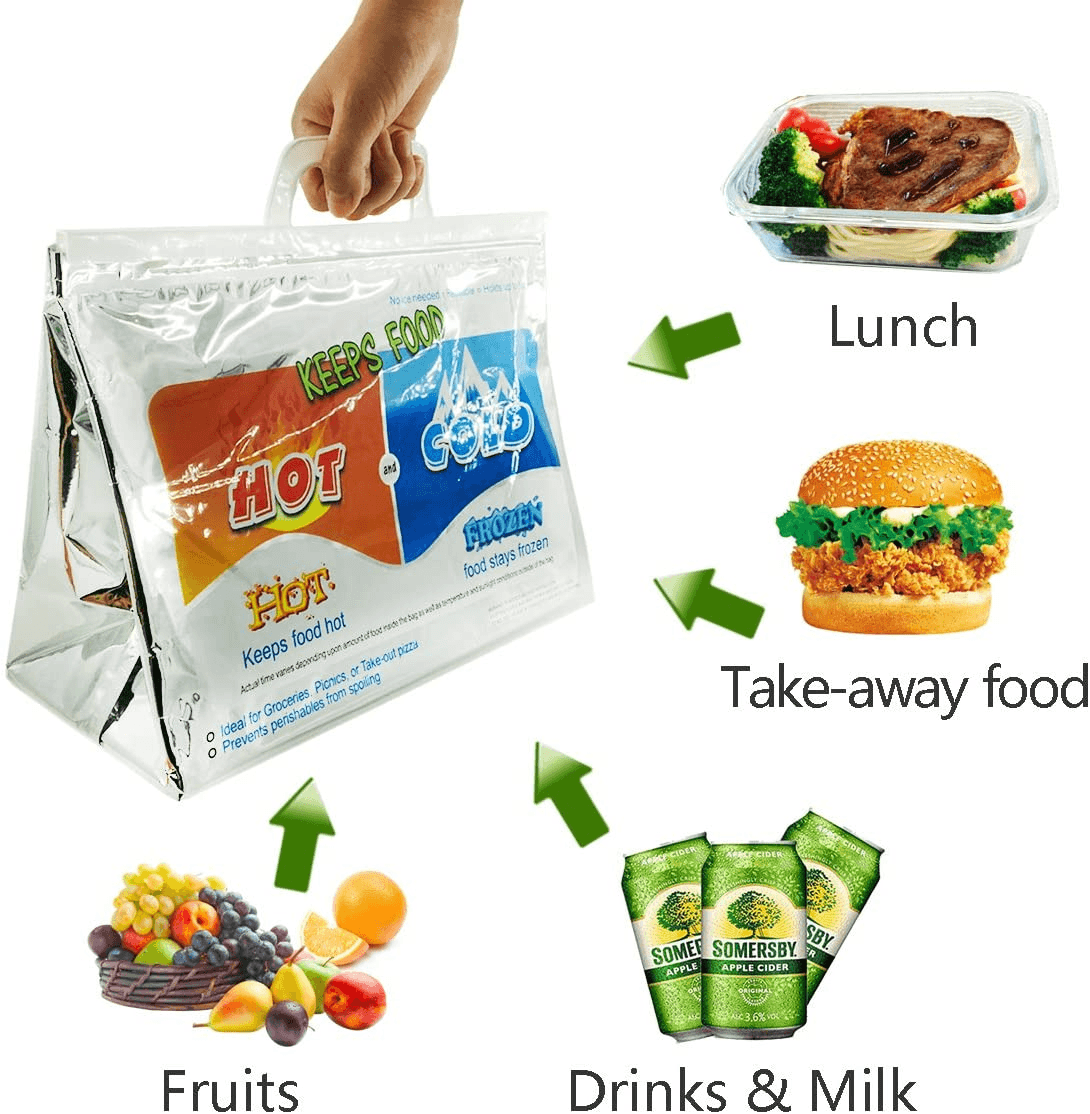
How to Shortlist Insulated Cooler Bag Company Suppliers Without Guesswork
A good shortlist for an insulated cooler bag company starts with one question: what job must the bag perform after it leaves the supplier? The answer may involve food delivery, retail promotions, chilled ecommerce parcels, pharmacy handover, or distributor resale. Each use changes the right liner, insulation, closure, print method, and carton packing. This final guide combines procurement, material, and route thinking into a cleaner decision process for B2B buyers.
A cleaner way to shortlist suppliers
A B2B order should move through a controlled sample-to-production path. First, define the use case in plain language: what goes into the bag, how cold or warm it starts, how long it is handled, how often it is opened, and whether the end user will keep, return, clean, or discard it. Only after that should you discuss color, logo, handle style, or carton quantity. This order of decisions prevents a beautiful sample from becoming a weak operating tool.
For company comparison, the supplier conversation should include commercial support, product range, sample feedback, customization, and reliable communication. Ask whether the supplier can document the material stack, repeat the approved structure in production, and separate cosmetic options from functional changes. A change in liner, foam, zipper, or seam method can change the way the bag behaves even when the outer shape looks the same. This is especially important when the first order is a trial and later orders will support a larger route or retail program.
Do not approve a sample only by photographing it. Put the intended payload inside, close it, carry it the way staff will carry it, and clean it the way users will clean it. Check whether the zipper catches the liner, the handles twist, the bag collapses into the product, or condensation collects in a corner. If it is a backpack or courier bag, load comfort and repeated opening matter as much as the material list. If it is a pouch or mailer, seal behavior and carton fit become more important.
For insulated cooler bag company, the shortlist should not be built from price columns alone. Give each supplier the same use brief and ask them to respond to the same practical questions. If one supplier is cheaper but cannot explain material changes, packing, liner, or production control, the savings may disappear during claims, returns, or reorders.
Translate product words into operating facts
The most useful way to compare cooler bag options is to separate the visible shell from the thermal layer and the liner. The shell handles abrasion, brand appearance, printing, and contact with rain or vehicle interiors. The insulation layer slows heat movement but cannot create cooling by itself. The liner manages moisture, cleaning, odor, and contact with packaged goods. When a supplier only describes the outside fabric, you still need to ask what is inside the wall and how the edges are finished.
Buyers often ask for a thicker bag because thickness feels measurable. Thickness matters, but it is not the whole answer. A bulky foam layer with poor seam construction can lose cold air quickly when the lid is opened again and again. A thinner but better-designed structure may be easier to fold, clean, pack, and carry. For insulated cooler bag company, the practical review should include outer fabric, insulation, liner, seams, handles, print, and use frequency. Those details decide whether the approved sample will survive the intended route.
Reflective silver liners, foil laminates, PEVA-style liners, PVC-style liners, and fabric liners all create different trade-offs. A reflective surface can support a professional cold-chain look and reduce radiant heat exposure when used correctly, but it still depends on the closure, coolant plan, payload temperature, and handling time. For food-contact or medical-adjacent use, buyers should ask for material declarations and cleaning guidance rather than assuming that a shiny liner is automatically compliant.
The word insulated can also create confusion. It means the bag resists heat transfer; it does not prove a fixed hold time under every ambient condition. If the shipment involves chilled foods, pharmaceuticals, vaccines, or samples, the required temperature range must come from the product owner or quality team. The bag, coolant, carton, and handover process should then be checked together. This distinction protects buyers from treating a promotional carrier as a validated transport system.
Build the specification around risk
| Shortlisting step | Decision to make | Evidence or action to request |
|---|---|---|
| Define the job | Delivery, promotion, resale, sample transport, or secondary protection | Write a route and payload brief before asking for price. |
| Choose the structure | Backpack, tote, pouch, mailer, or soft cooler form | Compare real payload fit, not only catalog dimensions. |
| Check thermal language | Insulated, chilled, refrigerated, waterproof, or qualified | Ask what the words mean in the supplier quote. |
| Approve sample | Material, closure, print, liner, odor, cleaning, and packaging | Test it with real handling before production approval. |
| Scale carefully | Batch consistency, carton packing, artwork control, and inspection plan | Lock the approved specification and confirm any changes. |
| Review risk | Regulated products, food-contact needs, moisture, and complaints | Bring quality or operations into the buying decision early. |
The aim of this checklist is not to make the product complicated. It is to stop unclear words from driving the purchase. When a buyer knows which claims need evidence and which details are only cosmetic, quotation comparison becomes faster and more reliable.
The biggest purchasing risk is treating all soft insulated products as interchangeable. A picnic-style bag, a food delivery backpack, a waterproof mailer, and a promotional shopping bag may all contain insulation, but their weak points are different. The picnic bag may focus on retail appearance. The delivery backpack may need fast access and rider comfort. The mailer may need parcel durability and closure integrity. The promotional bag may need low cost and strong branding. A clear use case keeps the specification honest.
Another risk is accepting a hold-time claim without the test conditions. A useful claim should explain the payload, starting temperature, coolant arrangement, ambient profile, opening frequency, and acceptance limit. Without those conditions, a hold-time number may describe only a controlled demonstration. Buyers should ask for the test summary when temperature exposure is critical. If the supplier cannot provide one, write the claim as an assumption and verify it before large deployment.
From approved sample to repeatable order
In daily operations, the bag interacts with people more than with specifications. Drivers may open it at every stop. Store staff may overload it because the side walls flex. Customers may judge the brand by whether the liner looks clean at handover. Warehouse teams may stack cartons in a way that compresses soft insulation before the bags reach the route. These ordinary handling events often explain why a technically acceptable sample disappoints in the field.
The route should guide the shape. A flat insulated pouch works for small items, samples, and lightweight parcels, but it may not protect tall meal boxes. A boxy backpack can organize delivery loads but may be too large for promotional giveaway use. A foldable shopping bag reduces storage cost but may lose structure when loaded with bottles or heavy groceries. A waterproof-style mailer can improve parcel confidence but may not be suitable for repeated cleaning. The correct shape is the one users can operate without improvising.
A typical scenario: a buyer wants a cooler bag for food delivery, grocery pickup, samples, promotional retail, light pharmaceutical handover, and insulated ecommerce shipments. The first sample looks acceptable because the color and logo are correct. During a route trial, staff notice that warm ambient exposure happens at the loading area, not inside the vehicle, and the bag is opened more often than expected. The solution may be a different closure, a pre-chilled payload process, a better ice pack pocket, or a second bag size rather than simply choosing a thicker insulation layer.
For global B2B markets, the buying team should also think about replacement and cleaning. A bag that is inexpensive but difficult to wipe may create a hygiene problem. A bag that looks premium but cannot be nested or folded may raise storage cost. A courier backpack that performs thermally but causes shoulder fatigue may be rejected by riders. A practical specification balances thermal support, human handling, and total operating friction.
Repeatability is the difference between a sample project and a real sourcing program. Keep a record of the approved material, size, liner, closure, print artwork, packing method, and any tests or assumptions. Ask the supplier to notify you before changing components. This is especially important for distributor, branded, and route-critical orders.
Buyer notes for the final comparison
Sustainability decisions should be connected to real use, not only to material labels. A reusable cooler bag can reduce disposable packaging in a repeated route, but only if the bag is durable, cleanable, and worth returning. A lightweight disposable or semi-disposable mailer can be appropriate for one-way ecommerce if it protects the product and avoids excessive volume. The less visible question is how many failed shipments, returns, or replacements a poor specification can create.
Procurement teams should ask whether the design supports the intended life cycle. Can the liner be wiped without peeling? Does the print method survive cleaning? Can damaged bags be separated from active stock? Are cartons strong enough for export shipping? Does the bag arrive flat, folded, or shaped, and how does that affect warehouse space? These questions are not environmental slogans; they decide how much waste and cost the program creates after launch.
For branded or promotional orders, there is another sustainability issue: will recipients actually reuse the bag? A cheap insulated shopping bag that feels weak may be discarded quickly even if it uses less material. A better-balanced design may cost more per unit but keep the brand visible longer. For operational fleets, replacement rate and cleaning time often matter more than the material claim printed on a label. Buyers should test the user behavior they want to encourage.
The strongest insulated cooler bag company proposal is usually the one that explains limitations clearly. A supplier that says every bag suits every temperature-sensitive product is creating risk. A supplier that asks about route, payload, coolant, cleaning, and documentation is helping you avoid overbuying, under-specifying, or choosing a bag for the wrong reason.
FAQ
What is the first step in shortlisting insulated cooler bag company suppliers?
Define the job the bag must perform. Write down the product type, route, payload, handling method, cleaning expectation, branding need, and whether temperature proof is required. Once that is clear, supplier comparison becomes more objective because every sample is judged against the same operating requirement.
What claims should I treat carefully?
Treat fixed hold time, waterproof, food grade, pharmaceutical suitable, and heavy-duty claims carefully unless the supplier explains the test method, material basis, or intended use. These words can be useful, but they need context. A cautious buyer asks what was tested, with what payload, and under what conditions.
How do I know whether a sample can become a production order?
Ask the supplier to lock the material stack, dimensions, liner, closure, artwork, and packing method after approval. Request confirmation if any component changes before production. A sample is useful only when it represents the same structure that will be produced and delivered.
Should branding or insulation come first?
For an operational cold-chain bag, insulation and usability should come first. For promotional retail, branding may carry more weight, but the bag still needs to feel reliable enough for reuse. In most B2B orders, the best result comes from defining the functional base first and then applying branding without weakening it.
Can Tempk recommend a suitable option without exact test data?
Tempk can discuss practical directions based on route, payload, temperature range, size, and branding needs. However, any critical temperature claim should be checked against real packout conditions and quality requirements. The aim is to narrow the right product family before confirming details through samples and documentation.
Conclusion
Shortlisting insulated cooler bag company suppliers is easier when you separate function, appearance, thermal expectations, and operational risk. Ask for evidence where claims affect quality, and avoid treating a soft insulated bag as a universal cold-chain system. The best supplier discussion is specific: product, route, payload, liner, closure, sample control, and production repeatability.
About Tempk
Tempk provides cold-chain packaging options including insulated thermal bags, cooler backpacks, gel ice packs, dry ice packs, insulated liners, EPP boxes, pallet covers, and related materials. For sourcing projects around insulated cooler bag company, we help buyers frame the right questions before sampling: what the bag carries, how it is handled, what thermal support is realistic, how it should be branded, and what must stay consistent in production.
Before finalizing insulated cooler bag company, ask Tempk to review your route, payload, liner preference, closure needs, and branding plan. A clearer brief usually leads to a better sample and fewer production surprises.
Insulated Cooler Bag Branded: Supplier Shortlisting Guide
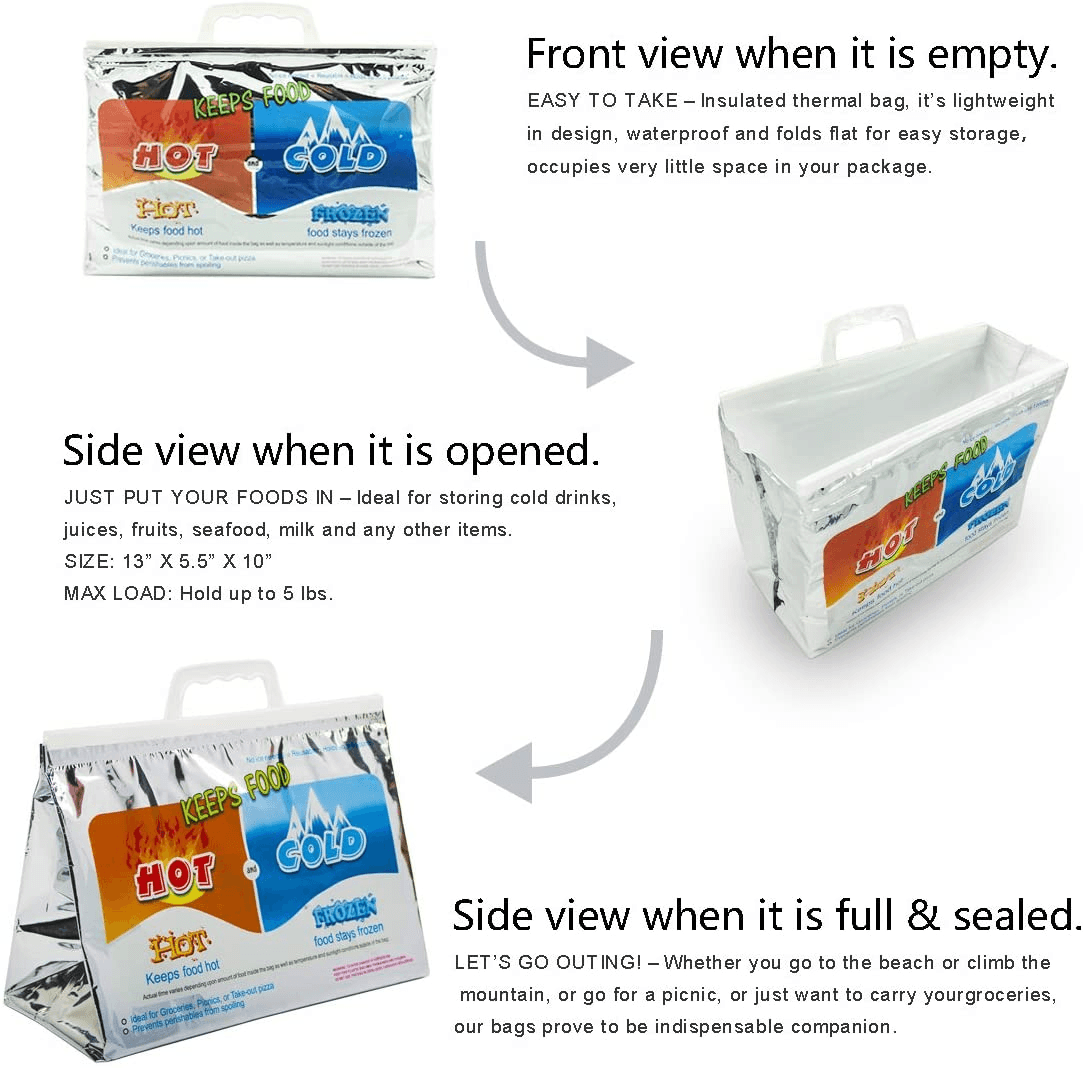
How to Shortlist Insulated Cooler Bag Branded Suppliers Without Guesswork
A good shortlist for an insulated cooler bag branded starts with one question: what job must the bag perform after it leaves the supplier? The answer may involve food delivery, retail promotions, chilled ecommerce parcels, pharmacy handover, or distributor resale. Each use changes the right liner, insulation, closure, print method, and carton packing. This final guide combines procurement, material, and route thinking into a cleaner decision process for B2B buyers.
A cleaner way to shortlist suppliers
A B2B order should move through a controlled sample-to-production path. First, define the use case in plain language: what goes into the bag, how cold or warm it starts, how long it is handled, how often it is opened, and whether the end user will keep, return, clean, or discard it. Only after that should you discuss color, logo, handle style, or carton quantity. This order of decisions prevents a beautiful sample from becoming a weak operating tool.
For brand customization, the supplier conversation should include logo placement, color consistency, print durability, and user perception. Ask whether the supplier can document the material stack, repeat the approved structure in production, and separate cosmetic options from functional changes. A change in liner, foam, zipper, or seam method can change the way the bag behaves even when the outer shape looks the same. This is especially important when the first order is a trial and later orders will support a larger route or retail program.
Do not approve a sample only by photographing it. Put the intended payload inside, close it, carry it the way staff will carry it, and clean it the way users will clean it. Check whether the zipper catches the liner, the handles twist, the bag collapses into the product, or condensation collects in a corner. If it is a backpack or courier bag, load comfort and repeated opening matter as much as the material list. If it is a pouch or mailer, seal behavior and carton fit become more important.
For insulated cooler bag branded, the shortlist should not be built from price columns alone. Give each supplier the same use brief and ask them to respond to the same practical questions. If one supplier is cheaper but cannot explain material changes, packing, liner, or production control, the savings may disappear during claims, returns, or reorders.
Translate product words into operating facts
The most useful way to compare cooler bag options is to separate the visible shell from the thermal layer and the liner. The shell handles abrasion, brand appearance, printing, and contact with rain or vehicle interiors. The insulation layer slows heat movement but cannot create cooling by itself. The liner manages moisture, cleaning, odor, and contact with packaged goods. When a supplier only describes the outside fabric, you still need to ask what is inside the wall and how the edges are finished.
Buyers often ask for a thicker bag because thickness feels measurable. Thickness matters, but it is not the whole answer. A bulky foam layer with poor seam construction can lose cold air quickly when the lid is opened again and again. A thinner but better-designed structure may be easier to fold, clean, pack, and carry. For insulated cooler bag branded, the practical review should include outer fabric, insulation, liner, seams, handles, print, and use frequency. Those details decide whether the approved sample will survive the intended route.
Reflective silver liners, foil laminates, PEVA-style liners, PVC-style liners, and fabric liners all create different trade-offs. A reflective surface can support a professional cold-chain look and reduce radiant heat exposure when used correctly, but it still depends on the closure, coolant plan, payload temperature, and handling time. For food-contact or medical-adjacent use, buyers should ask for material declarations and cleaning guidance rather than assuming that a shiny liner is automatically compliant.
The word insulated can also create confusion. It means the bag resists heat transfer; it does not prove a fixed hold time under every ambient condition. If the shipment involves chilled foods, pharmaceuticals, vaccines, or samples, the required temperature range must come from the product owner or quality team. The bag, coolant, carton, and handover process should then be checked together. This distinction protects buyers from treating a promotional carrier as a validated transport system.
Build the specification around risk
| Shortlisting step | Decision to make | Evidence or action to request |
|---|---|---|
| Define the job | Delivery, promotion, resale, sample transport, or secondary protection | Write a route and payload brief before asking for price. |
| Choose the structure | Backpack, tote, pouch, mailer, or soft cooler form | Compare real payload fit, not only catalog dimensions. |
| Check thermal language | Insulated, chilled, refrigerated, waterproof, or qualified | Ask what the words mean in the supplier quote. |
| Approve sample | Material, closure, print, liner, odor, cleaning, and packaging | Test it with real handling before production approval. |
| Scale carefully | Batch consistency, carton packing, artwork control, and inspection plan | Lock the approved specification and confirm any changes. |
| Review risk | Regulated products, food-contact needs, moisture, and complaints | Bring quality or operations into the buying decision early. |
The aim of this checklist is not to make the product complicated. It is to stop unclear words from driving the purchase. When a buyer knows which claims need evidence and which details are only cosmetic, quotation comparison becomes faster and more reliable.
The biggest purchasing risk is treating all soft insulated products as interchangeable. A picnic-style bag, a food delivery backpack, a waterproof mailer, and a promotional shopping bag may all contain insulation, but their weak points are different. The picnic bag may focus on retail appearance. The delivery backpack may need fast access and rider comfort. The mailer may need parcel durability and closure integrity. The promotional bag may need low cost and strong branding. A clear use case keeps the specification honest.
Another risk is accepting a hold-time claim without the test conditions. A useful claim should explain the payload, starting temperature, coolant arrangement, ambient profile, opening frequency, and acceptance limit. Without those conditions, a hold-time number may describe only a controlled demonstration. Buyers should ask for the test summary when temperature exposure is critical. If the supplier cannot provide one, write the claim as an assumption and verify it before large deployment.
From approved sample to repeatable order
In daily operations, the bag interacts with people more than with specifications. Drivers may open it at every stop. Store staff may overload it because the side walls flex. Customers may judge the brand by whether the liner looks clean at handover. Warehouse teams may stack cartons in a way that compresses soft insulation before the bags reach the route. These ordinary handling events often explain why a technically acceptable sample disappoints in the field.
The route should guide the shape. A flat insulated pouch works for small items, samples, and lightweight parcels, but it may not protect tall meal boxes. A boxy backpack can organize delivery loads but may be too large for promotional giveaway use. A foldable shopping bag reduces storage cost but may lose structure when loaded with bottles or heavy groceries. A waterproof-style mailer can improve parcel confidence but may not be suitable for repeated cleaning. The correct shape is the one users can operate without improvising.
A typical scenario: a buyer wants a cooler bag for food delivery, grocery pickup, samples, promotional retail, light pharmaceutical handover, and insulated ecommerce shipments. The first sample looks acceptable because the color and logo are correct. During a route trial, staff notice that warm ambient exposure happens at the loading area, not inside the vehicle, and the bag is opened more often than expected. The solution may be a different closure, a pre-chilled payload process, a better ice pack pocket, or a second bag size rather than simply choosing a thicker insulation layer.
For global B2B markets, the buying team should also think about replacement and cleaning. A bag that is inexpensive but difficult to wipe may create a hygiene problem. A bag that looks premium but cannot be nested or folded may raise storage cost. A courier backpack that performs thermally but causes shoulder fatigue may be rejected by riders. A practical specification balances thermal support, human handling, and total operating friction.
Repeatability is the difference between a sample project and a real sourcing program. Keep a record of the approved material, size, liner, closure, print artwork, packing method, and any tests or assumptions. Ask the supplier to notify you before changing components. This is especially important for distributor, branded, and route-critical orders.
Buyer notes for the final comparison
Sustainability decisions should be connected to real use, not only to material labels. A reusable cooler bag can reduce disposable packaging in a repeated route, but only if the bag is durable, cleanable, and worth returning. A lightweight disposable or semi-disposable mailer can be appropriate for one-way ecommerce if it protects the product and avoids excessive volume. The less visible question is how many failed shipments, returns, or replacements a poor specification can create.
Procurement teams should ask whether the design supports the intended life cycle. Can the liner be wiped without peeling? Does the print method survive cleaning? Can damaged bags be separated from active stock? Are cartons strong enough for export shipping? Does the bag arrive flat, folded, or shaped, and how does that affect warehouse space? These questions are not environmental slogans; they decide how much waste and cost the program creates after launch.
For branded or promotional orders, there is another sustainability issue: will recipients actually reuse the bag? A cheap insulated shopping bag that feels weak may be discarded quickly even if it uses less material. A better-balanced design may cost more per unit but keep the brand visible longer. For operational fleets, replacement rate and cleaning time often matter more than the material claim printed on a label. Buyers should test the user behavior they want to encourage.
The strongest insulated cooler bag branded proposal is usually the one that explains limitations clearly. A supplier that says every bag suits every temperature-sensitive product is creating risk. A supplier that asks about route, payload, coolant, cleaning, and documentation is helping you avoid overbuying, under-specifying, or choosing a bag for the wrong reason.
FAQ
What is the first step in shortlisting insulated cooler bag branded suppliers?
Define the job the bag must perform. Write down the product type, route, payload, handling method, cleaning expectation, branding need, and whether temperature proof is required. Once that is clear, supplier comparison becomes more objective because every sample is judged against the same operating requirement.
What claims should I treat carefully?
Treat fixed hold time, waterproof, food grade, pharmaceutical suitable, and heavy-duty claims carefully unless the supplier explains the test method, material basis, or intended use. These words can be useful, but they need context. A cautious buyer asks what was tested, with what payload, and under what conditions.
How do I know whether a sample can become a production order?
Ask the supplier to lock the material stack, dimensions, liner, closure, artwork, and packing method after approval. Request confirmation if any component changes before production. A sample is useful only when it represents the same structure that will be produced and delivered.
Should branding or insulation come first?
For an operational cold-chain bag, insulation and usability should come first. For promotional retail, branding may carry more weight, but the bag still needs to feel reliable enough for reuse. In most B2B orders, the best result comes from defining the functional base first and then applying branding without weakening it.
Can Tempk recommend a suitable option without exact test data?
Tempk can discuss practical directions based on route, payload, temperature range, size, and branding needs. However, any critical temperature claim should be checked against real packout conditions and quality requirements. The aim is to narrow the right product family before confirming details through samples and documentation.
Conclusion
Shortlisting insulated cooler bag branded suppliers is easier when you separate function, appearance, thermal expectations, and operational risk. Ask for evidence where claims affect quality, and avoid treating a soft insulated bag as a universal cold-chain system. The best supplier discussion is specific: product, route, payload, liner, closure, sample control, and production repeatability.
About Tempk
Tempk provides cold-chain packaging options including insulated thermal bags, cooler backpacks, gel ice packs, dry ice packs, insulated liners, EPP boxes, pallet covers, and related materials. For sourcing projects around insulated cooler bag branded, we help buyers frame the right questions before sampling: what the bag carries, how it is handled, what thermal support is realistic, how it should be branded, and what must stay consistent in production.
Before finalizing insulated cooler bag branded, ask Tempk to review your route, payload, liner preference, closure needs, and branding plan. A clearer brief usually leads to a better sample and fewer production surprises.
Insulated Bag Exporter Turkey: Supplier Shortlisting Guide
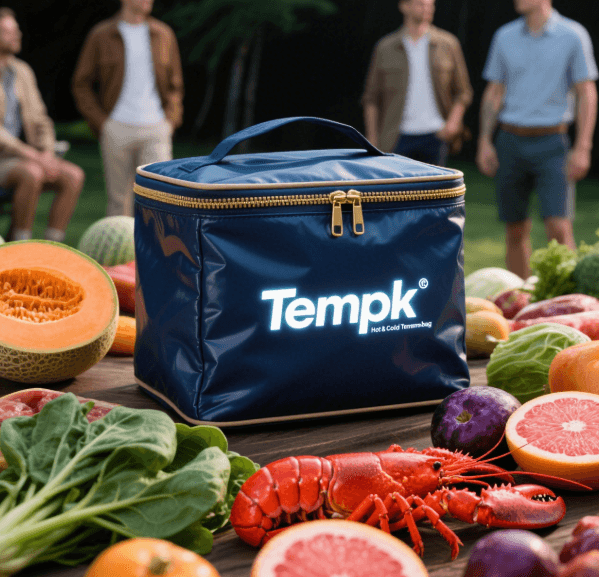
How to Shortlist Insulated Bag Exporter Turkey Suppliers Without Guesswork
A good shortlist for an insulated bag exporter turkey starts with one question: what job must the bag perform after it leaves the supplier? The answer may involve food delivery, retail promotions, chilled ecommerce parcels, pharmacy handover, or distributor resale. Each use changes the right liner, insulation, closure, print method, and carton packing. This final guide combines procurement, material, and route thinking into a cleaner decision process for B2B buyers.
A cleaner way to shortlist suppliers
A B2B order should move through a controlled sample-to-production path. First, define the use case in plain language: what goes into the bag, how cold or warm it starts, how long it is handled, how often it is opened, and whether the end user will keep, return, clean, or discard it. Only after that should you discuss color, logo, handle style, or carton quantity. This order of decisions prevents a beautiful sample from becoming a weak operating tool.
For export sourcing, the supplier conversation should include export cartons, documentation, destination-market fit, and shipping-ready packaging. Ask whether the supplier can document the material stack, repeat the approved structure in production, and separate cosmetic options from functional changes. A change in liner, foam, zipper, or seam method can change the way the bag behaves even when the outer shape looks the same. This is especially important when the first order is a trial and later orders will support a larger route or retail program.
Do not approve a sample only by photographing it. Put the intended payload inside, close it, carry it the way staff will carry it, and clean it the way users will clean it. Check whether the zipper catches the liner, the handles twist, the bag collapses into the product, or condensation collects in a corner. If it is a backpack or courier bag, load comfort and repeated opening matter as much as the material list. If it is a pouch or mailer, seal behavior and carton fit become more important.
For insulated bag exporter turkey, the shortlist should not be built from price columns alone. Give each supplier the same use brief and ask them to respond to the same practical questions. If one supplier is cheaper but cannot explain material changes, packing, liner, or production control, the savings may disappear during claims, returns, or reorders.
Translate product words into operating facts
The most useful way to compare insulated bag options is to separate the visible shell from the thermal layer and the liner. The shell handles abrasion, brand appearance, printing, and contact with rain or vehicle interiors. The insulation layer slows heat movement but cannot create cooling by itself. The liner manages moisture, cleaning, odor, and contact with packaged goods. When a supplier only describes the outside fabric, you still need to ask what is inside the wall and how the edges are finished.
Buyers often ask for a thicker bag because thickness feels measurable. Thickness matters, but it is not the whole answer. A bulky foam layer with poor seam construction can lose cold air quickly when the lid is opened again and again. A thinner but better-designed structure may be easier to fold, clean, pack, and carry. For insulated bag exporter turkey, the practical review should include material stack, opening size, closure, handles, liner, and route exposure. Those details decide whether the approved sample will survive the intended route.
Reflective silver liners, foil laminates, PEVA-style liners, PVC-style liners, and fabric liners all create different trade-offs. A reflective surface can support a professional cold-chain look and reduce radiant heat exposure when used correctly, but it still depends on the closure, coolant plan, payload temperature, and handling time. For food-contact or medical-adjacent use, buyers should ask for material declarations and cleaning guidance rather than assuming that a shiny liner is automatically compliant.
The word insulated can also create confusion. It means the bag resists heat transfer; it does not prove a fixed hold time under every ambient condition. If the shipment involves chilled foods, pharmaceuticals, vaccines, or samples, the required temperature range must come from the product owner or quality team. The bag, coolant, carton, and handover process should then be checked together. This distinction protects buyers from treating a promotional carrier as a validated transport system.
Build the specification around risk
| Shortlisting step | Decision to make | Evidence or action to request |
|---|---|---|
| Define the job | Delivery, promotion, resale, sample transport, or secondary protection | Write a route and payload brief before asking for price. |
| Choose the structure | Backpack, tote, pouch, mailer, or soft cooler form | Compare real payload fit, not only catalog dimensions. |
| Check thermal language | Insulated, chilled, refrigerated, waterproof, or qualified | Ask what the words mean in the supplier quote. |
| Approve sample | Material, closure, print, liner, odor, cleaning, and packaging | Test it with real handling before production approval. |
| Scale carefully | Batch consistency, carton packing, artwork control, and inspection plan | Lock the approved specification and confirm any changes. |
| Review risk | Regulated products, food-contact needs, moisture, and complaints | Bring quality or operations into the buying decision early. |
The aim of this checklist is not to make the product complicated. It is to stop unclear words from driving the purchase. When a buyer knows which claims need evidence and which details are only cosmetic, quotation comparison becomes faster and more reliable.
The biggest purchasing risk is treating all soft insulated products as interchangeable. A picnic-style bag, a food delivery backpack, a waterproof mailer, and a promotional shopping bag may all contain insulation, but their weak points are different. The picnic bag may focus on retail appearance. The delivery backpack may need fast access and rider comfort. The mailer may need parcel durability and closure integrity. The promotional bag may need low cost and strong branding. A clear use case keeps the specification honest.
Another risk is accepting a hold-time claim without the test conditions. A useful claim should explain the payload, starting temperature, coolant arrangement, ambient profile, opening frequency, and acceptance limit. Without those conditions, a hold-time number may describe only a controlled demonstration. Buyers should ask for the test summary when temperature exposure is critical. If the supplier cannot provide one, write the claim as an assumption and verify it before large deployment.
From approved sample to repeatable order
In daily operations, the bag interacts with people more than with specifications. Drivers may open it at every stop. Store staff may overload it because the side walls flex. Customers may judge the brand by whether the liner looks clean at handover. Warehouse teams may stack cartons in a way that compresses soft insulation before the bags reach the route. These ordinary handling events often explain why a technically acceptable sample disappoints in the field.
The route should guide the shape. A flat insulated pouch works for small items, samples, and lightweight parcels, but it may not protect tall meal boxes. A boxy backpack can organize delivery loads but may be too large for promotional giveaway use. A foldable shopping bag reduces storage cost but may lose structure when loaded with bottles or heavy groceries. A waterproof-style mailer can improve parcel confidence but may not be suitable for repeated cleaning. The correct shape is the one users can operate without improvising.
A typical scenario: a buyer wants an insulated bag for food delivery, supermarket promotion, pharmacy samples, wholesale resale, and cross-border branded supply. The first sample looks acceptable because the color and logo are correct. During a route trial, staff notice that warm ambient exposure happens at the loading area, not inside the vehicle, and the bag is opened more often than expected. The solution may be a different closure, a pre-chilled payload process, a better ice pack pocket, or a second bag size rather than simply choosing a thicker insulation layer.
For Turkey, the buying team should also think about replacement and cleaning. A bag that is inexpensive but difficult to wipe may create a hygiene problem. A bag that looks premium but cannot be nested or folded may raise storage cost. A courier backpack that performs thermally but causes shoulder fatigue may be rejected by riders. A practical specification balances thermal support, human handling, and total operating friction.
Repeatability is the difference between a sample project and a real sourcing program. Keep a record of the approved material, size, liner, closure, print artwork, packing method, and any tests or assumptions. Ask the supplier to notify you before changing components. This is especially important for distributor, branded, and route-critical orders.
Buyer notes for the final comparison
Sustainability decisions should be connected to real use, not only to material labels. A reusable insulated bag can reduce disposable packaging in a repeated route, but only if the bag is durable, cleanable, and worth returning. A lightweight disposable or semi-disposable mailer can be appropriate for one-way ecommerce if it protects the product and avoids excessive volume. The less visible question is how many failed shipments, returns, or replacements a poor specification can create.
Procurement teams should ask whether the design supports the intended life cycle. Can the liner be wiped without peeling? Does the print method survive cleaning? Can damaged bags be separated from active stock? Are cartons strong enough for export shipping? Does the bag arrive flat, folded, or shaped, and how does that affect warehouse space? These questions are not environmental slogans; they decide how much waste and cost the program creates after launch.
For branded or promotional orders, there is another sustainability issue: will recipients actually reuse the bag? A cheap insulated shopping bag that feels weak may be discarded quickly even if it uses less material. A better-balanced design may cost more per unit but keep the brand visible longer. For operational fleets, replacement rate and cleaning time often matter more than the material claim printed on a label. Buyers should test the user behavior they want to encourage.
The strongest insulated bag exporter turkey proposal is usually the one that explains limitations clearly. A supplier that says every bag suits every temperature-sensitive product is creating risk. A supplier that asks about route, payload, coolant, cleaning, and documentation is helping you avoid overbuying, under-specifying, or choosing a bag for the wrong reason.
FAQ
What is the first step in shortlisting insulated bag exporter turkey suppliers?
Define the job the bag must perform. Write down the product type, route, payload, handling method, cleaning expectation, branding need, and whether temperature proof is required. Once that is clear, supplier comparison becomes more objective because every sample is judged against the same operating requirement.
What claims should I treat carefully?
Treat fixed hold time, waterproof, food grade, pharmaceutical suitable, and heavy-duty claims carefully unless the supplier explains the test method, material basis, or intended use. These words can be useful, but they need context. A cautious buyer asks what was tested, with what payload, and under what conditions.
How do I know whether a sample can become a production order?
Ask the supplier to lock the material stack, dimensions, liner, closure, artwork, and packing method after approval. Request confirmation if any component changes before production. A sample is useful only when it represents the same structure that will be produced and delivered.
Should branding or insulation come first?
For an operational cold-chain bag, insulation and usability should come first. For promotional retail, branding may carry more weight, but the bag still needs to feel reliable enough for reuse. In most B2B orders, the best result comes from defining the functional base first and then applying branding without weakening it.
Can Tempk recommend a suitable option without exact test data?
Tempk can discuss practical directions based on route, payload, temperature range, size, and branding needs. However, any critical temperature claim should be checked against real packout conditions and quality requirements. The aim is to narrow the right product family before confirming details through samples and documentation.
Conclusion
Shortlisting insulated bag exporter turkey suppliers is easier when you separate function, appearance, thermal expectations, and operational risk. Ask for evidence where claims affect quality, and avoid treating a soft insulated bag as a universal cold-chain system. The best supplier discussion is specific: product, route, payload, liner, closure, sample control, and production repeatability.
About Tempk
Tempk provides cold-chain packaging options including insulated thermal bags, cooler backpacks, gel ice packs, dry ice packs, insulated liners, EPP boxes, pallet covers, and related materials. For sourcing projects around insulated bag exporter turkey, we help buyers frame the right questions before sampling: what the bag carries, how it is handled, what thermal support is realistic, how it should be branded, and what must stay consistent in production.
Before finalizing insulated bag exporter turkey, ask Tempk to review your route, payload, liner preference, closure needs, and branding plan. A clearer brief usually leads to a better sample and fewer production surprises.
Cooler Bag Factory Brazil: Supplier Shortlisting Guide
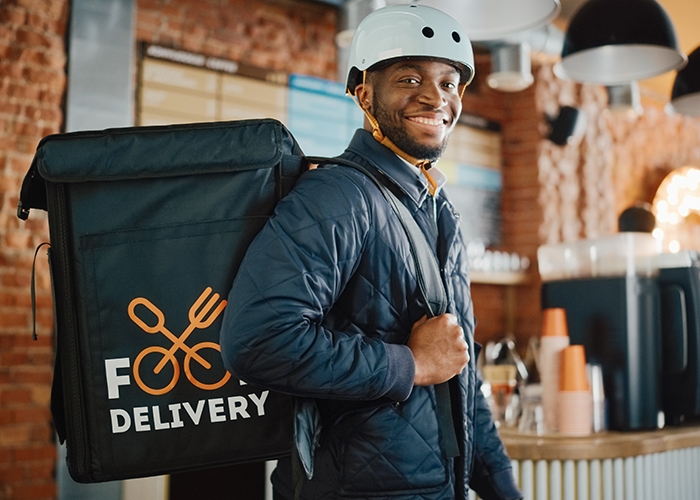
How to Shortlist Cooler Bag Factory Brazil Suppliers Without Guesswork
A good shortlist for a cooler bag factory brazil starts with one question: what job must the bag perform after it leaves the supplier? The answer may involve food delivery, retail promotions, chilled ecommerce parcels, pharmacy handover, or distributor resale. Each use changes the right liner, insulation, closure, print method, and carton packing. This final guide combines procurement, material, and route thinking into a cleaner decision process for B2B buyers.
A cleaner way to shortlist suppliers
A B2B order should move through a controlled sample-to-production path. First, define the use case in plain language: what goes into the bag, how cold or warm it starts, how long it is handled, how often it is opened, and whether the end user will keep, return, clean, or discard it. Only after that should you discuss color, logo, handle style, or carton quantity. This order of decisions prevents a beautiful sample from becoming a weak operating tool.
For factory evaluation, the supplier conversation should include approved sample control, production consistency, quality inspection, and export packing. Ask whether the supplier can document the material stack, repeat the approved structure in production, and separate cosmetic options from functional changes. A change in liner, foam, zipper, or seam method can change the way the bag behaves even when the outer shape looks the same. This is especially important when the first order is a trial and later orders will support a larger route or retail program.
Do not approve a sample only by photographing it. Put the intended payload inside, close it, carry it the way staff will carry it, and clean it the way users will clean it. Check whether the zipper catches the liner, the handles twist, the bag collapses into the product, or condensation collects in a corner. If it is a backpack or courier bag, load comfort and repeated opening matter as much as the material list. If it is a pouch or mailer, seal behavior and carton fit become more important.
For cooler bag factory brazil, the shortlist should not be built from price columns alone. Give each supplier the same use brief and ask them to respond to the same practical questions. If one supplier is cheaper but cannot explain material changes, packing, liner, or production control, the savings may disappear during claims, returns, or reorders.
Translate product words into operating facts
The most useful way to compare cooler bag options is to separate the visible shell from the thermal layer and the liner. The shell handles abrasion, brand appearance, printing, and contact with rain or vehicle interiors. The insulation layer slows heat movement but cannot create cooling by itself. The liner manages moisture, cleaning, odor, and contact with packaged goods. When a supplier only describes the outside fabric, you still need to ask what is inside the wall and how the edges are finished.
Buyers often ask for a thicker bag because thickness feels measurable. Thickness matters, but it is not the whole answer. A bulky foam layer with poor seam construction can lose cold air quickly when the lid is opened again and again. A thinner but better-designed structure may be easier to fold, clean, pack, and carry. For cooler bag factory brazil, the practical review should include outer fabric, insulation, liner, seams, handles, print, and use frequency. Those details decide whether the approved sample will survive the intended route.
Reflective silver liners, foil laminates, PEVA-style liners, PVC-style liners, and fabric liners all create different trade-offs. A reflective surface can support a professional cold-chain look and reduce radiant heat exposure when used correctly, but it still depends on the closure, coolant plan, payload temperature, and handling time. For food-contact or medical-adjacent use, buyers should ask for material declarations and cleaning guidance rather than assuming that a shiny liner is automatically compliant.
The word insulated can also create confusion. It means the bag resists heat transfer; it does not prove a fixed hold time under every ambient condition. If the shipment involves chilled foods, pharmaceuticals, vaccines, or samples, the required temperature range must come from the product owner or quality team. The bag, coolant, carton, and handover process should then be checked together. This distinction protects buyers from treating a promotional carrier as a validated transport system.
Build the specification around risk
| Shortlisting step | Decision to make | Evidence or action to request |
|---|---|---|
| Define the job | Delivery, promotion, resale, sample transport, or secondary protection | Write a route and payload brief before asking for price. |
| Choose the structure | Backpack, tote, pouch, mailer, or soft cooler form | Compare real payload fit, not only catalog dimensions. |
| Check thermal language | Insulated, chilled, refrigerated, waterproof, or qualified | Ask what the words mean in the supplier quote. |
| Approve sample | Material, closure, print, liner, odor, cleaning, and packaging | Test it with real handling before production approval. |
| Scale carefully | Batch consistency, carton packing, artwork control, and inspection plan | Lock the approved specification and confirm any changes. |
| Review risk | Regulated products, food-contact needs, moisture, and complaints | Bring quality or operations into the buying decision early. |
The aim of this checklist is not to make the product complicated. It is to stop unclear words from driving the purchase. When a buyer knows which claims need evidence and which details are only cosmetic, quotation comparison becomes faster and more reliable.
The biggest purchasing risk is treating all soft insulated products as interchangeable. A picnic-style bag, a food delivery backpack, a waterproof mailer, and a promotional shopping bag may all contain insulation, but their weak points are different. The picnic bag may focus on retail appearance. The delivery backpack may need fast access and rider comfort. The mailer may need parcel durability and closure integrity. The promotional bag may need low cost and strong branding. A clear use case keeps the specification honest.
Another risk is accepting a hold-time claim without the test conditions. A useful claim should explain the payload, starting temperature, coolant arrangement, ambient profile, opening frequency, and acceptance limit. Without those conditions, a hold-time number may describe only a controlled demonstration. Buyers should ask for the test summary when temperature exposure is critical. If the supplier cannot provide one, write the claim as an assumption and verify it before large deployment.
From approved sample to repeatable order
In daily operations, the bag interacts with people more than with specifications. Drivers may open it at every stop. Store staff may overload it because the side walls flex. Customers may judge the brand by whether the liner looks clean at handover. Warehouse teams may stack cartons in a way that compresses soft insulation before the bags reach the route. These ordinary handling events often explain why a technically acceptable sample disappoints in the field.
The route should guide the shape. A flat insulated pouch works for small items, samples, and lightweight parcels, but it may not protect tall meal boxes. A boxy backpack can organize delivery loads but may be too large for promotional giveaway use. A foldable shopping bag reduces storage cost but may lose structure when loaded with bottles or heavy groceries. A waterproof-style mailer can improve parcel confidence but may not be suitable for repeated cleaning. The correct shape is the one users can operate without improvising.
A typical scenario: a buyer wants a cooler bag for urban delivery, beach and outdoor retail, grocery collection, catering, and temperature-sensitive sample handover. The first sample looks acceptable because the color and logo are correct. During a route trial, staff notice that warm ambient exposure happens at the loading area, not inside the vehicle, and the bag is opened more often than expected. The solution may be a different closure, a pre-chilled payload process, a better ice pack pocket, or a second bag size rather than simply choosing a thicker insulation layer.
For Brazil, the buying team should also think about replacement and cleaning. A bag that is inexpensive but difficult to wipe may create a hygiene problem. A bag that looks premium but cannot be nested or folded may raise storage cost. A courier backpack that performs thermally but causes shoulder fatigue may be rejected by riders. A practical specification balances thermal support, human handling, and total operating friction.
Repeatability is the difference between a sample project and a real sourcing program. Keep a record of the approved material, size, liner, closure, print artwork, packing method, and any tests or assumptions. Ask the supplier to notify you before changing components. This is especially important for distributor, branded, and route-critical orders.
Buyer notes for the final comparison
Sustainability decisions should be connected to real use, not only to material labels. A reusable cooler bag can reduce disposable packaging in a repeated route, but only if the bag is durable, cleanable, and worth returning. A lightweight disposable or semi-disposable mailer can be appropriate for one-way ecommerce if it protects the product and avoids excessive volume. The less visible question is how many failed shipments, returns, or replacements a poor specification can create.
Procurement teams should ask whether the design supports the intended life cycle. Can the liner be wiped without peeling? Does the print method survive cleaning? Can damaged bags be separated from active stock? Are cartons strong enough for export shipping? Does the bag arrive flat, folded, or shaped, and how does that affect warehouse space? These questions are not environmental slogans; they decide how much waste and cost the program creates after launch.
For branded or promotional orders, there is another sustainability issue: will recipients actually reuse the bag? A cheap insulated shopping bag that feels weak may be discarded quickly even if it uses less material. A better-balanced design may cost more per unit but keep the brand visible longer. For operational fleets, replacement rate and cleaning time often matter more than the material claim printed on a label. Buyers should test the user behavior they want to encourage.
The strongest cooler bag factory brazil proposal is usually the one that explains limitations clearly. A supplier that says every bag suits every temperature-sensitive product is creating risk. A supplier that asks about route, payload, coolant, cleaning, and documentation is helping you avoid overbuying, under-specifying, or choosing a bag for the wrong reason.
FAQ
What is the first step in shortlisting cooler bag factory brazil suppliers?
Define the job the bag must perform. Write down the product type, route, payload, handling method, cleaning expectation, branding need, and whether temperature proof is required. Once that is clear, supplier comparison becomes more objective because every sample is judged against the same operating requirement.
What claims should I treat carefully?
Treat fixed hold time, waterproof, food grade, pharmaceutical suitable, and heavy-duty claims carefully unless the supplier explains the test method, material basis, or intended use. These words can be useful, but they need context. A cautious buyer asks what was tested, with what payload, and under what conditions.
How do I know whether a sample can become a production order?
Ask the supplier to lock the material stack, dimensions, liner, closure, artwork, and packing method after approval. Request confirmation if any component changes before production. A sample is useful only when it represents the same structure that will be produced and delivered.
Should branding or insulation come first?
For an operational cold-chain bag, insulation and usability should come first. For promotional retail, branding may carry more weight, but the bag still needs to feel reliable enough for reuse. In most B2B orders, the best result comes from defining the functional base first and then applying branding without weakening it.
Can Tempk recommend a suitable option without exact test data?
Tempk can discuss practical directions based on route, payload, temperature range, size, and branding needs. However, any critical temperature claim should be checked against real packout conditions and quality requirements. The aim is to narrow the right product family before confirming details through samples and documentation.
Conclusion
Shortlisting cooler bag factory brazil suppliers is easier when you separate function, appearance, thermal expectations, and operational risk. Ask for evidence where claims affect quality, and avoid treating a soft insulated bag as a universal cold-chain system. The best supplier discussion is specific: product, route, payload, liner, closure, sample control, and production repeatability.
About Tempk
Tempk provides cold-chain packaging options including insulated thermal bags, cooler backpacks, gel ice packs, dry ice packs, insulated liners, EPP boxes, pallet covers, and related materials. For sourcing projects around cooler bag factory brazil, we help buyers frame the right questions before sampling: what the bag carries, how it is handled, what thermal support is realistic, how it should be branded, and what must stay consistent in production.
Before finalizing cooler bag factory brazil, ask Tempk to review your route, payload, liner preference, closure needs, and branding plan. A clearer brief usually leads to a better sample and fewer production surprises.
Cooler Backpack Factory China: Supplier Shortlisting Guide
How to Shortlist Cooler Backpack Factory China Suppliers Without Guesswork
A good shortlist for a cooler backpack factory china starts with one question: what job must the bag perform after it leaves the supplier? The answer may involve food delivery, retail promotions, chilled ecommerce parcels, pharmacy handover, or distributor resale. Each use changes the right liner, insulation, closure, print method, and carton packing. This final guide combines procurement, material, and route thinking into a cleaner decision process for B2B buyers.
A cleaner way to shortlist suppliers
A B2B order should move through a controlled sample-to-production path. First, define the use case in plain language: what goes into the bag, how cold or warm it starts, how long it is handled, how often it is opened, and whether the end user will keep, return, clean, or discard it. Only after that should you discuss color, logo, handle style, or carton quantity. This order of decisions prevents a beautiful sample from becoming a weak operating tool.
For factory evaluation, the supplier conversation should include approved sample control, production consistency, quality inspection, and export packing. Ask whether the supplier can document the material stack, repeat the approved structure in production, and separate cosmetic options from functional changes. A change in liner, foam, zipper, or seam method can change the way the bag behaves even when the outer shape looks the same. This is especially important when the first order is a trial and later orders will support a larger route or retail program.
Do not approve a sample only by photographing it. Put the intended payload inside, close it, carry it the way staff will carry it, and clean it the way users will clean it. Check whether the zipper catches the liner, the handles twist, the bag collapses into the product, or condensation collects in a corner. If it is a backpack or courier bag, load comfort and repeated opening matter as much as the material list. If it is a pouch or mailer, seal behavior and carton fit become more important.
For cooler backpack factory china, the shortlist should not be built from price columns alone. Give each supplier the same use brief and ask them to respond to the same practical questions. If one supplier is cheaper but cannot explain material changes, packing, liner, or production control, the savings may disappear during claims, returns, or reorders.
Translate product words into operating facts
The most useful way to compare insulated cooler backpack options is to separate the visible shell from the thermal layer and the liner. The shell handles abrasion, brand appearance, printing, and contact with rain or vehicle interiors. The insulation layer slows heat movement but cannot create cooling by itself. The liner manages moisture, cleaning, odor, and contact with packaged goods. When a supplier only describes the outside fabric, you still need to ask what is inside the wall and how the edges are finished.
Buyers often ask for a thicker bag because thickness feels measurable. Thickness matters, but it is not the whole answer. A bulky foam layer with poor seam construction can lose cold air quickly when the lid is opened again and again. A thinner but better-designed structure may be easier to fold, clean, pack, and carry. For cooler backpack factory china, the practical review should include shoulder load, back panel comfort, zipper durability, internal divider options, and whether the rider opens the bag repeatedly. Those details decide whether the approved sample will survive the intended route.
Reflective silver liners, foil laminates, PEVA-style liners, PVC-style liners, and fabric liners all create different trade-offs. A reflective surface can support a professional cold-chain look and reduce radiant heat exposure when used correctly, but it still depends on the closure, coolant plan, payload temperature, and handling time. For food-contact or medical-adjacent use, buyers should ask for material declarations and cleaning guidance rather than assuming that a shiny liner is automatically compliant.
The word insulated can also create confusion. It means the bag resists heat transfer; it does not prove a fixed hold time under every ambient condition. If the shipment involves chilled foods, pharmaceuticals, vaccines, or samples, the required temperature range must come from the product owner or quality team. The bag, coolant, carton, and handover process should then be checked together. This distinction protects buyers from treating a promotional carrier as a validated transport system.
Build the specification around risk
| Shortlisting step | Decision to make | Evidence or action to request |
|---|---|---|
| Define the job | Delivery, promotion, resale, sample transport, or secondary protection | Write a route and payload brief before asking for price. |
| Choose the structure | Backpack, tote, pouch, mailer, or soft cooler form | Compare real payload fit, not only catalog dimensions. |
| Check thermal language | Insulated, chilled, refrigerated, waterproof, or qualified | Ask what the words mean in the supplier quote. |
| Approve sample | Material, closure, print, liner, odor, cleaning, and packaging | Test it with real handling before production approval. |
| Scale carefully | Batch consistency, carton packing, artwork control, and inspection plan | Lock the approved specification and confirm any changes. |
| Review risk | Regulated products, food-contact needs, moisture, and complaints | Bring quality or operations into the buying decision early. |
The aim of this checklist is not to make the product complicated. It is to stop unclear words from driving the purchase. When a buyer knows which claims need evidence and which details are only cosmetic, quotation comparison becomes faster and more reliable.
The biggest purchasing risk is treating all soft insulated products as interchangeable. A picnic-style bag, a food delivery backpack, a waterproof mailer, and a promotional shopping bag may all contain insulation, but their weak points are different. The picnic bag may focus on retail appearance. The delivery backpack may need fast access and rider comfort. The mailer may need parcel durability and closure integrity. The promotional bag may need low cost and strong branding. A clear use case keeps the specification honest.
Another risk is accepting a hold-time claim without the test conditions. A useful claim should explain the payload, starting temperature, coolant arrangement, ambient profile, opening frequency, and acceptance limit. Without those conditions, a hold-time number may describe only a controlled demonstration. Buyers should ask for the test summary when temperature exposure is critical. If the supplier cannot provide one, write the claim as an assumption and verify it before large deployment.
From approved sample to repeatable order
In daily operations, the bag interacts with people more than with specifications. Drivers may open it at every stop. Store staff may overload it because the side walls flex. Customers may judge the brand by whether the liner looks clean at handover. Warehouse teams may stack cartons in a way that compresses soft insulation before the bags reach the route. These ordinary handling events often explain why a technically acceptable sample disappoints in the field.
The route should guide the shape. A flat insulated pouch works for small items, samples, and lightweight parcels, but it may not protect tall meal boxes. A boxy backpack can organize delivery loads but may be too large for promotional giveaway use. A foldable shopping bag reduces storage cost but may lose structure when loaded with bottles or heavy groceries. A waterproof-style mailer can improve parcel confidence but may not be suitable for repeated cleaning. The correct shape is the one users can operate without improvising.
A typical scenario: a buyer wants an insulated cooler backpack for OEM cooler backpacks, delivery fleet bags, private-label outdoor bags, and wholesale distribution. The first sample looks acceptable because the color and logo are correct. During a route trial, staff notice that warm ambient exposure happens at the loading area, not inside the vehicle, and the bag is opened more often than expected. The solution may be a different closure, a pre-chilled payload process, a better ice pack pocket, or a second bag size rather than simply choosing a thicker insulation layer.
For China export sourcing, the buying team should also think about replacement and cleaning. A bag that is inexpensive but difficult to wipe may create a hygiene problem. A bag that looks premium but cannot be nested or folded may raise storage cost. A courier backpack that performs thermally but causes shoulder fatigue may be rejected by riders. A practical specification balances thermal support, human handling, and total operating friction.
Repeatability is the difference between a sample project and a real sourcing program. Keep a record of the approved material, size, liner, closure, print artwork, packing method, and any tests or assumptions. Ask the supplier to notify you before changing components. This is especially important for distributor, branded, and route-critical orders.
Buyer notes for the final comparison
Sustainability decisions should be connected to real use, not only to material labels. A reusable insulated cooler backpack can reduce disposable packaging in a repeated route, but only if the bag is durable, cleanable, and worth returning. A lightweight disposable or semi-disposable mailer can be appropriate for one-way ecommerce if it protects the product and avoids excessive volume. The less visible question is how many failed shipments, returns, or replacements a poor specification can create.
Procurement teams should ask whether the design supports the intended life cycle. Can the liner be wiped without peeling? Does the print method survive cleaning? Can damaged bags be separated from active stock? Are cartons strong enough for export shipping? Does the bag arrive flat, folded, or shaped, and how does that affect warehouse space? These questions are not environmental slogans; they decide how much waste and cost the program creates after launch.
For branded or promotional orders, there is another sustainability issue: will recipients actually reuse the bag? A cheap insulated shopping bag that feels weak may be discarded quickly even if it uses less material. A better-balanced design may cost more per unit but keep the brand visible longer. For operational fleets, replacement rate and cleaning time often matter more than the material claim printed on a label. Buyers should test the user behavior they want to encourage.
The strongest cooler backpack factory china proposal is usually the one that explains limitations clearly. A supplier that says every bag suits every temperature-sensitive product is creating risk. A supplier that asks about route, payload, coolant, cleaning, and documentation is helping you avoid overbuying, under-specifying, or choosing a bag for the wrong reason.
FAQ
What is the first step in shortlisting cooler backpack factory china suppliers?
Define the job the bag must perform. Write down the product type, route, payload, handling method, cleaning expectation, branding need, and whether temperature proof is required. Once that is clear, supplier comparison becomes more objective because every sample is judged against the same operating requirement.
What claims should I treat carefully?
Treat fixed hold time, waterproof, food grade, pharmaceutical suitable, and heavy-duty claims carefully unless the supplier explains the test method, material basis, or intended use. These words can be useful, but they need context. A cautious buyer asks what was tested, with what payload, and under what conditions.
How do I know whether a sample can become a production order?
Ask the supplier to lock the material stack, dimensions, liner, closure, artwork, and packing method after approval. Request confirmation if any component changes before production. A sample is useful only when it represents the same structure that will be produced and delivered.
Should branding or insulation come first?
For an operational cold-chain bag, insulation and usability should come first. For promotional retail, branding may carry more weight, but the bag still needs to feel reliable enough for reuse. In most B2B orders, the best result comes from defining the functional base first and then applying branding without weakening it.
Can Tempk recommend a suitable option without exact test data?
Tempk can discuss practical directions based on route, payload, temperature range, size, and branding needs. However, any critical temperature claim should be checked against real packout conditions and quality requirements. The aim is to narrow the right product family before confirming details through samples and documentation.
Conclusion
Shortlisting cooler backpack factory china suppliers is easier when you separate function, appearance, thermal expectations, and operational risk. Ask for evidence where claims affect quality, and avoid treating a soft insulated bag as a universal cold-chain system. The best supplier discussion is specific: product, route, payload, liner, closure, sample control, and production repeatability.
About Tempk
Tempk provides cold-chain packaging options including insulated thermal bags, cooler backpacks, gel ice packs, dry ice packs, insulated liners, EPP boxes, pallet covers, and related materials. For sourcing projects around cooler backpack factory china, we help buyers frame the right questions before sampling: what the bag carries, how it is handled, what thermal support is realistic, how it should be branded, and what must stay consistent in production.
Before finalizing cooler backpack factory china, ask Tempk to review your route, payload, liner preference, closure needs, and branding plan. A clearer brief usually leads to a better sample and fewer production surprises.
Cooler Backpack Commercial France: Supplier Shortlisting Guide

How to Shortlist Cooler Backpack Commercial France Suppliers Without Guesswork
A good shortlist for a cooler backpack commercial france starts with one question: what job must the bag perform after it leaves the supplier? The answer may involve food delivery, retail promotions, chilled ecommerce parcels, pharmacy handover, or distributor resale. Each use changes the right liner, insulation, closure, print method, and carton packing. This final guide combines procurement, material, and route thinking into a cleaner decision process for B2B buyers.
A cleaner way to shortlist suppliers
A B2B order should move through a controlled sample-to-production path. First, define the use case in plain language: what goes into the bag, how cold or warm it starts, how long it is handled, how often it is opened, and whether the end user will keep, return, clean, or discard it. Only after that should you discuss color, logo, handle style, or carton quantity. This order of decisions prevents a beautiful sample from becoming a weak operating tool.
For commercial investigation, the supplier conversation should include product fit, quality review, and supplier communication. Ask whether the supplier can document the material stack, repeat the approved structure in production, and separate cosmetic options from functional changes. A change in liner, foam, zipper, or seam method can change the way the bag behaves even when the outer shape looks the same. This is especially important when the first order is a trial and later orders will support a larger route or retail program.
Do not approve a sample only by photographing it. Put the intended payload inside, close it, carry it the way staff will carry it, and clean it the way users will clean it. Check whether the zipper catches the liner, the handles twist, the bag collapses into the product, or condensation collects in a corner. If it is a backpack or courier bag, load comfort and repeated opening matter as much as the material list. If it is a pouch or mailer, seal behavior and carton fit become more important.
For cooler backpack commercial france, the shortlist should not be built from price columns alone. Give each supplier the same use brief and ask them to respond to the same practical questions. If one supplier is cheaper but cannot explain material changes, packing, liner, or production control, the savings may disappear during claims, returns, or reorders.
Translate product words into operating facts
The most useful way to compare insulated cooler backpack options is to separate the visible shell from the thermal layer and the liner. The shell handles abrasion, brand appearance, printing, and contact with rain or vehicle interiors. The insulation layer slows heat movement but cannot create cooling by itself. The liner manages moisture, cleaning, odor, and contact with packaged goods. When a supplier only describes the outside fabric, you still need to ask what is inside the wall and how the edges are finished.
Buyers often ask for a thicker bag because thickness feels measurable. Thickness matters, but it is not the whole answer. A bulky foam layer with poor seam construction can lose cold air quickly when the lid is opened again and again. A thinner but better-designed structure may be easier to fold, clean, pack, and carry. For cooler backpack commercial france, the practical review should include shoulder load, back panel comfort, zipper durability, internal divider options, and whether the rider opens the bag repeatedly. Those details decide whether the approved sample will survive the intended route.
Reflective silver liners, foil laminates, PEVA-style liners, PVC-style liners, and fabric liners all create different trade-offs. A reflective surface can support a professional cold-chain look and reduce radiant heat exposure when used correctly, but it still depends on the closure, coolant plan, payload temperature, and handling time. For food-contact or medical-adjacent use, buyers should ask for material declarations and cleaning guidance rather than assuming that a shiny liner is automatically compliant.
The word insulated can also create confusion. It means the bag resists heat transfer; it does not prove a fixed hold time under every ambient condition. If the shipment involves chilled foods, pharmaceuticals, vaccines, or samples, the required temperature range must come from the product owner or quality team. The bag, coolant, carton, and handover process should then be checked together. This distinction protects buyers from treating a promotional carrier as a validated transport system.
Build the specification around risk
| Shortlisting step | Decision to make | Evidence or action to request |
|---|---|---|
| Define the job | Delivery, promotion, resale, sample transport, or secondary protection | Write a route and payload brief before asking for price. |
| Choose the structure | Backpack, tote, pouch, mailer, or soft cooler form | Compare real payload fit, not only catalog dimensions. |
| Check thermal language | Insulated, chilled, refrigerated, waterproof, or qualified | Ask what the words mean in the supplier quote. |
| Approve sample | Material, closure, print, liner, odor, cleaning, and packaging | Test it with real handling before production approval. |
| Scale carefully | Batch consistency, carton packing, artwork control, and inspection plan | Lock the approved specification and confirm any changes. |
| Review risk | Regulated products, food-contact needs, moisture, and complaints | Bring quality or operations into the buying decision early. |
The aim of this checklist is not to make the product complicated. It is to stop unclear words from driving the purchase. When a buyer knows which claims need evidence and which details are only cosmetic, quotation comparison becomes faster and more reliable.
The biggest purchasing risk is treating all soft insulated products as interchangeable. A picnic-style bag, a food delivery backpack, a waterproof mailer, and a promotional shopping bag may all contain insulation, but their weak points are different. The picnic bag may focus on retail appearance. The delivery backpack may need fast access and rider comfort. The mailer may need parcel durability and closure integrity. The promotional bag may need low cost and strong branding. A clear use case keeps the specification honest.
Another risk is accepting a hold-time claim without the test conditions. A useful claim should explain the payload, starting temperature, coolant arrangement, ambient profile, opening frequency, and acceptance limit. Without those conditions, a hold-time number may describe only a controlled demonstration. Buyers should ask for the test summary when temperature exposure is critical. If the supplier cannot provide one, write the claim as an assumption and verify it before large deployment.
From approved sample to repeatable order
In daily operations, the bag interacts with people more than with specifications. Drivers may open it at every stop. Store staff may overload it because the side walls flex. Customers may judge the brand by whether the liner looks clean at handover. Warehouse teams may stack cartons in a way that compresses soft insulation before the bags reach the route. These ordinary handling events often explain why a technically acceptable sample disappoints in the field.
The route should guide the shape. A flat insulated pouch works for small items, samples, and lightweight parcels, but it may not protect tall meal boxes. A boxy backpack can organize delivery loads but may be too large for promotional giveaway use. A foldable shopping bag reduces storage cost but may lose structure when loaded with bottles or heavy groceries. A waterproof-style mailer can improve parcel confidence but may not be suitable for repeated cleaning. The correct shape is the one users can operate without improvising.
A typical scenario: a buyer wants an insulated cooler backpack for commercial lunch delivery, grocery courier operations, event catering, and branded takeaway service. The first sample looks acceptable because the color and logo are correct. During a route trial, staff notice that warm ambient exposure happens at the loading area, not inside the vehicle, and the bag is opened more often than expected. The solution may be a different closure, a pre-chilled payload process, a better ice pack pocket, or a second bag size rather than simply choosing a thicker insulation layer.
For France, the buying team should also think about replacement and cleaning. A bag that is inexpensive but difficult to wipe may create a hygiene problem. A bag that looks premium but cannot be nested or folded may raise storage cost. A courier backpack that performs thermally but causes shoulder fatigue may be rejected by riders. A practical specification balances thermal support, human handling, and total operating friction.
Repeatability is the difference between a sample project and a real sourcing program. Keep a record of the approved material, size, liner, closure, print artwork, packing method, and any tests or assumptions. Ask the supplier to notify you before changing components. This is especially important for distributor, branded, and route-critical orders.
Buyer notes for the final comparison
Sustainability decisions should be connected to real use, not only to material labels. A reusable insulated cooler backpack can reduce disposable packaging in a repeated route, but only if the bag is durable, cleanable, and worth returning. A lightweight disposable or semi-disposable mailer can be appropriate for one-way ecommerce if it protects the product and avoids excessive volume. The less visible question is how many failed shipments, returns, or replacements a poor specification can create.
Procurement teams should ask whether the design supports the intended life cycle. Can the liner be wiped without peeling? Does the print method survive cleaning? Can damaged bags be separated from active stock? Are cartons strong enough for export shipping? Does the bag arrive flat, folded, or shaped, and how does that affect warehouse space? These questions are not environmental slogans; they decide how much waste and cost the program creates after launch.
For branded or promotional orders, there is another sustainability issue: will recipients actually reuse the bag? A cheap insulated shopping bag that feels weak may be discarded quickly even if it uses less material. A better-balanced design may cost more per unit but keep the brand visible longer. For operational fleets, replacement rate and cleaning time often matter more than the material claim printed on a label. Buyers should test the user behavior they want to encourage.
The strongest cooler backpack commercial france proposal is usually the one that explains limitations clearly. A supplier that says every bag suits every temperature-sensitive product is creating risk. A supplier that asks about route, payload, coolant, cleaning, and documentation is helping you avoid overbuying, under-specifying, or choosing a bag for the wrong reason.
FAQ
What is the first step in shortlisting cooler backpack commercial france suppliers?
Define the job the bag must perform. Write down the product type, route, payload, handling method, cleaning expectation, branding need, and whether temperature proof is required. Once that is clear, supplier comparison becomes more objective because every sample is judged against the same operating requirement.
What claims should I treat carefully?
Treat fixed hold time, waterproof, food grade, pharmaceutical suitable, and heavy-duty claims carefully unless the supplier explains the test method, material basis, or intended use. These words can be useful, but they need context. A cautious buyer asks what was tested, with what payload, and under what conditions.
How do I know whether a sample can become a production order?
Ask the supplier to lock the material stack, dimensions, liner, closure, artwork, and packing method after approval. Request confirmation if any component changes before production. A sample is useful only when it represents the same structure that will be produced and delivered.
Should branding or insulation come first?
For an operational cold-chain bag, insulation and usability should come first. For promotional retail, branding may carry more weight, but the bag still needs to feel reliable enough for reuse. In most B2B orders, the best result comes from defining the functional base first and then applying branding without weakening it.
Can Tempk recommend a suitable option without exact test data?
Tempk can discuss practical directions based on route, payload, temperature range, size, and branding needs. However, any critical temperature claim should be checked against real packout conditions and quality requirements. The aim is to narrow the right product family before confirming details through samples and documentation.
Conclusion
Shortlisting cooler backpack commercial france suppliers is easier when you separate function, appearance, thermal expectations, and operational risk. Ask for evidence where claims affect quality, and avoid treating a soft insulated bag as a universal cold-chain system. The best supplier discussion is specific: product, route, payload, liner, closure, sample control, and production repeatability.
About Tempk
Tempk provides cold-chain packaging options including insulated thermal bags, cooler backpacks, gel ice packs, dry ice packs, insulated liners, EPP boxes, pallet covers, and related materials. For sourcing projects around cooler backpack commercial france, we help buyers frame the right questions before sampling: what the bag carries, how it is handled, what thermal support is realistic, how it should be branded, and what must stay consistent in production.
Before finalizing cooler backpack commercial france, ask Tempk to review your route, payload, liner preference, closure needs, and branding plan. A clearer brief usually leads to a better sample and fewer production surprises.