


Thermal Shipping Bag Wholesaler: Practical Sourcing Guide
Thermal Shipping Bag Wholesaler: Practical Sourcing Guide

Thermal Shipping Bag Wholesaler: Practical Sourcing Without Overstated Claims
A thermal shipping bag wholesaler project should begin with the route, product, user, and claim language, not with a catalog photo. The bag must be comfortable enough to use, durable enough to handle, cleanable enough for the operator, and honest enough in its temperature claims. For parcel shipping, meal kits, frozen gel pack use, and temperature-sensitive ecommerce, a sourcing team should treat the item as a working part of the cold-chain or food-handling process. This final guide brings the decision down to the checks that matter before you approve samples, branding, cartons, and bulk production.
Define the operating role before comparing bags
The phrase thermal shipping bag wholesaler can point to several different products. It may be a soft grocery tote, a delivery backpack, a parcel liner, a lunch bag, a promotional cooler, or a heavy-duty reusable delivery unit. These products are not interchangeable. They may share insulation, but they face different loading patterns, different cleaning routines, different user expectations, and different packaging requirements.
For wholesalers, ecommerce packaging buyers, cold-chain distributors, and procurement managers, the operating role should be written before the product is quoted. A simple sentence is enough: this bag is for parcel shipping, meal kits, frozen gel pack use, and temperature-sensitive ecommerce. Then add the expected product type, carrying time, cold source, opening frequency, loaded weight, cleaning method, and branding level. This prevents a supplier from quoting a visually similar item that does not fit the work.
The most useful specification is practical. It does not need to include unsupported thermal promises. It should describe the product construction, how the bag will be used, what needs to be customized, and what evidence or sample review is needed before the buyer trusts the order.
Separate insulation, water protection, and temperature control
One reason thermal shipping bag wholesaler sourcing becomes confusing is that product claims often blend several ideas. Insulation slows heat transfer. Water resistance helps the outer surface handle rain or moisture. Leak resistance relates to seams, liner corners, and melted ice water. Temperature control depends on the entire packout and route. A passive bag is not the same as active refrigeration, and a waterproof shell does not automatically mean safe temperature management.
Public food-safety guidance is a useful reminder that cold handling depends on keeping products within their required conditions, but an insulated bag does not create a fixed temperature range on its own. Food and healthcare buyers should treat published temperature numbers as control references, not universal guarantees for every product. For example, official consumer and industry guidance in North America commonly refers to keeping refrigerated foods cold and frozen foods frozen, while pharmaceutical guidance places emphasis on labelled storage conditions and data-supported transport. In Europe, food hygiene rules and HACCP-based procedures shape how operators think about clean transport, documented procedures, and responsibility across the food chain. For sourcing work, the practical conclusion is simple: confirm the product requirement first, then evaluate the bag, coolant, route, and documentation together.
The specification package buyers should request
| Supplier checkpoint | Question to ask | What a useful answer shows |
|---|---|---|
| Sample control | Does the supplier keep an approved sample and material record? | Reduces surprises when production starts |
| Claim control | Can the supplier separate water-resistant, leak-resistant, insulated, and temperature-controlled claims? | Avoids misleading product pages and customer complaints |
| Artwork process | Are logo files, placement, print method, and color tolerance approved before mass production? | Prevents branding disputes after goods are packed |
| Packaging plan | Is carton size, folding method, liner protection, and label wording confirmed? | Protects the bag during export and warehouse storage |
| Change communication | Will material, liner, zipper, or color changes be communicated before production? | Supports repeat orders and reduces quality drift |
| Use-case fit | Has the supplier discussed payload, cold source, route, and cleaning routine? | Shows whether the offer is operational or only commercial |
This supplier matrix is useful because it focuses on repeatability. A good first sample is not enough if the buyer cannot confirm what will be repeated in production. For custom, wholesale, OEM, and regional trade programs, production consistency is often more valuable than adding another unverified feature to the product page.
Sample testing should look like daily use
A sample for thermal shipping bag should be tested under realistic handling. Load it with a representative payload. Add the cold source if the final use requires one. Carry it by the handles or straps. Open and close it repeatedly. Wipe the liner. Let it dry. Fold it into the planned carton. Check whether the logo creases, the zipper catches, the bottom sags, or the corners collect moisture.
This review is different from formal thermal qualification. It is an operational sample check. If the product is expected to protect sensitive goods for a defined condition, further testing or documented evidence may be needed. But even before formal testing, a simple handling review can reveal whether the bag is likely to survive the work it is being asked to do.
For private-label and personalized orders, keep one approved sample as a reference. Record the material structure, color standard, print method, dimensions, packaging method, and any special instruction. When bulk goods arrive, compare them against the reference before the product is released to customers or field teams.
How to evaluate price without buying the wrong bag
Unit price is important, but it is easy to misread. A lower price may come from a lighter shell, thinner insulation, simpler liner, weaker handle reinforcement, lower print durability, smaller real size, looser quality control, or more compressed carton packing. Some of these differences may be acceptable for promotional use. They may be unacceptable for delivery fleets, grocery operations, or repeated wholesale resale.
A more useful comparison is cost per usable order. If a bag is intended for repeated professional use, ask whether it can be cleaned, stored, and handled without frequent replacement. If it is a retail product, ask whether the packaging protects the shape and brand impression. If it is a shipping item, ask whether it fits the payload and cold source without wasting carton space. Price should be compared after these questions are answered.
Where this bag may not be the right solution
The strongest sourcing decision also identifies limits. A thermal shipping bag wholesaler may not be enough for long exposure, strict pharmaceutical requirements, frozen shipments without a planned cold source, mixed hot and cold loads without separation, or routes with repeated opening in high ambient heat. It may also be the wrong product if the buyer needs rigid stacking, tamper evidence, active cooling, or a qualified shipper with documented lane performance.
That does not reduce the value of a thermal shipping bag. It simply places it correctly. In many operations, the bag is an excellent tool for short last-mile handling, grocery handoff, retail pickup, branded carry, or support around a larger cold-chain system. It becomes risky only when the claim is broader than the construction and the process can support.
Procurement workflow from inquiry to repeat order
- Write the use case and product boundary in plain English.
- Confirm required temperature conditions with the product owner or quality team where relevant.
- Ask suppliers to quote the same structure, not just the same size or photo.
- Review sample handling, cleaning, packaging, and branding before signing off.
- Keep an approved sample and material record for comparison with bulk goods.
- Use cautious claim language unless performance is supported by relevant evidence.
- Document any material, liner, closure, logo, or carton change before repeat production.
This workflow is deliberately practical. It gives wholesalers, ecommerce packaging buyers, cold-chain distributors, and procurement managers a way to control the project without overcomplicating the sourcing process. The goal is not to turn every bag into a laboratory project. The goal is to make sure the chosen product fits the real use and can be supplied consistently.
FAQ
Is a thermal shipping bag wholesaler automatically temperature controlled?
No. An insulated bag slows heat transfer, but temperature control depends on the full packout and handling process. The product temperature before packing, cold source, loading density, ambient exposure, route time, and opening frequency all matter. For sensitive goods, ask for evidence that matches your intended use rather than relying on a generic claim.
What should I check before approving a sample?
Check the outer material, liner, insulation, stitching, closure, handles, usable space, cleaning routine, logo result, and carton packing. Load the sample with the intended payload and cold source. Open it repeatedly and wipe the liner after use. A good sample should pass a practical handling review, not only a visual inspection.
Can I personalize the bag without changing performance?
Personalization can affect cost, lead time, surface durability, and sometimes the structure. Printing, embroidery, labels, color changes, and custom panels should be approved together with the material and construction. Do not treat artwork as a separate cosmetic step if the logo position or print process changes the way the bag is folded, cleaned, or handled.
How should buyers compare wholesale suppliers?
Compare suppliers by specification clarity, sample control, material consistency, packaging plan, communication about changes, and willingness to discuss the actual use case. Unit price is important, but it is not enough. A slightly cheaper bag can become expensive if it arrives misshaped, uses a different liner, or cannot support the cleaning routine.
When is an insulated bag not enough?
A bag may not be enough when the product has strict temperature requirements, long unrefrigerated exposure, repeated opening, high ambient heat, or documentation needs. In those situations, the thermal shipping bag should be evaluated as one part of a larger cold-chain system that may include coolants, monitoring, qualified packaging, or refrigerated transport.
Conclusion
A thermal shipping bag wholesaler is worth buying only when its specification fits the route, payload, user, and claim language. Start with the intended job, confirm the material structure, test a real sample, and keep the supplier accountable for production consistency.
For custom, wholesale, OEM, or regional trade work, this discipline is what turns an insulated bag from a simple accessory into a dependable part of a cold-chain or food-handling program.
About Tempk
Tempk supports B2B buyers with insulated bags and related cold-chain packaging, including ice packs, insulated boxes, medical cooler boxes, and thermal pallet covers. For a thermal shipping bag wholesaler inquiry, we focus on the practical details that affect production and use: material structure, customization, packout assumptions, sample approval, carton packing, and realistic product claims. We can help you discuss the right product boundary before you commit to a custom or bulk order.
Send Tempk your route, payload, target use, and branding plan. We can help you compare practical thermal shipping bag options before you move from sample approval to production.
Thermal Shipping Bag Personalized: Practical Sourcing Guide

Thermal Shipping Bag Personalized: Practical Sourcing Without Overstated Claims
A thermal shipping bag personalized project should begin with the route, product, user, and claim language, not with a catalog photo. The bag must be comfortable enough to use, durable enough to handle, cleanable enough for the operator, and honest enough in its temperature claims. For branded parcel shipments, sample deliveries, prepared food packs, and retail unboxing, a sourcing team should treat the item as a working part of the cold-chain or food-handling process. This final guide brings the decision down to the checks that matter before you approve samples, branding, cartons, and bulk production.
Define the operating role before comparing bags
The phrase thermal shipping bag personalized can point to several different products. It may be a soft grocery tote, a delivery backpack, a parcel liner, a lunch bag, a promotional cooler, or a heavy-duty reusable delivery unit. These products are not interchangeable. They may share insulation, but they face different loading patterns, different cleaning routines, different user expectations, and different packaging requirements.
For meal kit brands, specialty food sellers, ecommerce teams, and promotional packaging buyers, the operating role should be written before the product is quoted. A simple sentence is enough: this bag is for branded parcel shipments, sample deliveries, prepared food packs, and retail unboxing. Then add the expected product type, carrying time, cold source, opening frequency, loaded weight, cleaning method, and branding level. This prevents a supplier from quoting a visually similar item that does not fit the work.
The most useful specification is practical. It does not need to include unsupported thermal promises. It should describe the product construction, how the bag will be used, what needs to be customized, and what evidence or sample review is needed before the buyer trusts the order.
Separate insulation, water protection, and temperature control
One reason thermal shipping bag personalized sourcing becomes confusing is that product claims often blend several ideas. Insulation slows heat transfer. Water resistance helps the outer surface handle rain or moisture. Leak resistance relates to seams, liner corners, and melted ice water. Temperature control depends on the entire packout and route. A passive bag is not the same as active refrigeration, and a waterproof shell does not automatically mean safe temperature management.
Public food-safety guidance is a useful reminder that cold handling depends on keeping products within their required conditions, but an insulated bag does not create a fixed temperature range on its own. Food and healthcare buyers should treat published temperature numbers as control references, not universal guarantees for every product. For example, official consumer and industry guidance in North America commonly refers to keeping refrigerated foods cold and frozen foods frozen, while pharmaceutical guidance places emphasis on labelled storage conditions and data-supported transport. In Europe, food hygiene rules and HACCP-based procedures shape how operators think about clean transport, documented procedures, and responsibility across the food chain. For sourcing work, the practical conclusion is simple: confirm the product requirement first, then evaluate the bag, coolant, route, and documentation together.
The specification package buyers should request
| Supplier checkpoint | Question to ask | What a useful answer shows |
|---|---|---|
| Sample control | Does the supplier keep an approved sample and material record? | Reduces surprises when production starts |
| Claim control | Can the supplier separate water-resistant, leak-resistant, insulated, and temperature-controlled claims? | Avoids misleading product pages and customer complaints |
| Artwork process | Are logo files, placement, print method, and color tolerance approved before mass production? | Prevents branding disputes after goods are packed |
| Packaging plan | Is carton size, folding method, liner protection, and label wording confirmed? | Protects the bag during export and warehouse storage |
| Change communication | Will material, liner, zipper, or color changes be communicated before production? | Supports repeat orders and reduces quality drift |
| Use-case fit | Has the supplier discussed payload, cold source, route, and cleaning routine? | Shows whether the offer is operational or only commercial |
This supplier matrix is useful because it focuses on repeatability. A good first sample is not enough if the buyer cannot confirm what will be repeated in production. For custom, wholesale, OEM, and regional trade programs, production consistency is often more valuable than adding another unverified feature to the product page.
Sample testing should look like daily use
A sample for personalized thermal shipping bag should be tested under realistic handling. Load it with a representative payload. Add the cold source if the final use requires one. Carry it by the handles or straps. Open and close it repeatedly. Wipe the liner. Let it dry. Fold it into the planned carton. Check whether the logo creases, the zipper catches, the bottom sags, or the corners collect moisture.
This review is different from formal thermal qualification. It is an operational sample check. If the product is expected to protect sensitive goods for a defined condition, further testing or documented evidence may be needed. But even before formal testing, a simple handling review can reveal whether the bag is likely to survive the work it is being asked to do.
For private-label and personalized orders, keep one approved sample as a reference. Record the material structure, color standard, print method, dimensions, packaging method, and any special instruction. When bulk goods arrive, compare them against the reference before the product is released to customers or field teams.
How to evaluate price without buying the wrong bag
Unit price is important, but it is easy to misread. A lower price may come from a lighter shell, thinner insulation, simpler liner, weaker handle reinforcement, lower print durability, smaller real size, looser quality control, or more compressed carton packing. Some of these differences may be acceptable for promotional use. They may be unacceptable for delivery fleets, grocery operations, or repeated wholesale resale.
A more useful comparison is cost per usable order. If a bag is intended for repeated professional use, ask whether it can be cleaned, stored, and handled without frequent replacement. If it is a retail product, ask whether the packaging protects the shape and brand impression. If it is a shipping item, ask whether it fits the payload and cold source without wasting carton space. Price should be compared after these questions are answered.
Where this bag may not be the right solution
The strongest sourcing decision also identifies limits. A thermal shipping bag personalized may not be enough for long exposure, strict pharmaceutical requirements, frozen shipments without a planned cold source, mixed hot and cold loads without separation, or routes with repeated opening in high ambient heat. It may also be the wrong product if the buyer needs rigid stacking, tamper evidence, active cooling, or a qualified shipper with documented lane performance.
That does not reduce the value of a personalized thermal shipping bag. It simply places it correctly. In many operations, the bag is an excellent tool for short last-mile handling, grocery handoff, retail pickup, branded carry, or support around a larger cold-chain system. It becomes risky only when the claim is broader than the construction and the process can support.
Procurement workflow from inquiry to repeat order
- Write the use case and product boundary in plain English.
- Confirm required temperature conditions with the product owner or quality team where relevant.
- Ask suppliers to quote the same structure, not just the same size or photo.
- Review sample handling, cleaning, packaging, and branding before signing off.
- Keep an approved sample and material record for comparison with bulk goods.
- Use cautious claim language unless performance is supported by relevant evidence.
- Document any material, liner, closure, logo, or carton change before repeat production.
This workflow is deliberately practical. It gives meal kit brands, specialty food sellers, ecommerce teams, and promotional packaging buyers a way to control the project without overcomplicating the sourcing process. The goal is not to turn every bag into a laboratory project. The goal is to make sure the chosen product fits the real use and can be supplied consistently.
FAQ
Is a thermal shipping bag personalized automatically temperature controlled?
No. An insulated bag slows heat transfer, but temperature control depends on the full packout and handling process. The product temperature before packing, cold source, loading density, ambient exposure, route time, and opening frequency all matter. For sensitive goods, ask for evidence that matches your intended use rather than relying on a generic claim.
What should I check before approving a sample?
Check the outer material, liner, insulation, stitching, closure, handles, usable space, cleaning routine, logo result, and carton packing. Load the sample with the intended payload and cold source. Open it repeatedly and wipe the liner after use. A good sample should pass a practical handling review, not only a visual inspection.
Can I personalize the bag without changing performance?
Personalization can affect cost, lead time, surface durability, and sometimes the structure. Printing, embroidery, labels, color changes, and custom panels should be approved together with the material and construction. Do not treat artwork as a separate cosmetic step if the logo position or print process changes the way the bag is folded, cleaned, or handled.
How should buyers compare wholesale suppliers?
Compare suppliers by specification clarity, sample control, material consistency, packaging plan, communication about changes, and willingness to discuss the actual use case. Unit price is important, but it is not enough. A slightly cheaper bag can become expensive if it arrives misshaped, uses a different liner, or cannot support the cleaning routine.
When is an insulated bag not enough?
A bag may not be enough when the product has strict temperature requirements, long unrefrigerated exposure, repeated opening, high ambient heat, or documentation needs. In those situations, the personalized thermal shipping bag should be evaluated as one part of a larger cold-chain system that may include coolants, monitoring, qualified packaging, or refrigerated transport.
Conclusion
A thermal shipping bag personalized is worth buying only when its specification fits the route, payload, user, and claim language. Start with the intended job, confirm the material structure, test a real sample, and keep the supplier accountable for production consistency.
For custom, wholesale, OEM, or regional trade work, this discipline is what turns an insulated bag from a simple accessory into a dependable part of a cold-chain or food-handling program.
About Tempk
Tempk supports B2B buyers with insulated bags and related cold-chain packaging, including ice packs, insulated boxes, medical cooler boxes, and thermal pallet covers. For a thermal shipping bag personalized inquiry, we focus on the practical details that affect production and use: material structure, customization, packout assumptions, sample approval, carton packing, and realistic product claims. We can help you discuss the right product boundary before you commit to a custom or bulk order.
Send Tempk your route, payload, target use, and branding plan. We can help you compare practical personalized thermal shipping bag options before you move from sample approval to production.
Thermal Shipping Bag Company: Practical Sourcing Guide

Thermal Shipping Bag Company: Practical Sourcing Without Overstated Claims
A thermal shipping bag company project should begin with the route, product, user, and claim language, not with a catalog photo. The bag must be comfortable enough to use, durable enough to handle, cleanable enough for the operator, and honest enough in its temperature claims. For temperature-sensitive parcel lanes, trial shipments, and packaging scale-up, a sourcing team should treat the item as a working part of the cold-chain or food-handling process. This final guide brings the decision down to the checks that matter before you approve samples, branding, cartons, and bulk production.
Define the operating role before comparing bags
The phrase thermal shipping bag company can point to several different products. It may be a soft grocery tote, a delivery backpack, a parcel liner, a lunch bag, a promotional cooler, or a heavy-duty reusable delivery unit. These products are not interchangeable. They may share insulation, but they face different loading patterns, different cleaning routines, different user expectations, and different packaging requirements.
For ecommerce brands, frozen food sellers, procurement teams, and logistics managers, the operating role should be written before the product is quoted. A simple sentence is enough: this bag is for temperature-sensitive parcel lanes, trial shipments, and packaging scale-up. Then add the expected product type, carrying time, cold source, opening frequency, loaded weight, cleaning method, and branding level. This prevents a supplier from quoting a visually similar item that does not fit the work.
The most useful specification is practical. It does not need to include unsupported thermal promises. It should describe the product construction, how the bag will be used, what needs to be customized, and what evidence or sample review is needed before the buyer trusts the order.
Separate insulation, water protection, and temperature control
One reason thermal shipping bag company sourcing becomes confusing is that product claims often blend several ideas. Insulation slows heat transfer. Water resistance helps the outer surface handle rain or moisture. Leak resistance relates to seams, liner corners, and melted ice water. Temperature control depends on the entire packout and route. A passive bag is not the same as active refrigeration, and a waterproof shell does not automatically mean safe temperature management.
Public food-safety guidance is a useful reminder that cold handling depends on keeping products within their required conditions, but an insulated bag does not create a fixed temperature range on its own. Food and healthcare buyers should treat published temperature numbers as control references, not universal guarantees for every product. For example, official consumer and industry guidance in North America commonly refers to keeping refrigerated foods cold and frozen foods frozen, while pharmaceutical guidance places emphasis on labelled storage conditions and data-supported transport. In Europe, food hygiene rules and HACCP-based procedures shape how operators think about clean transport, documented procedures, and responsibility across the food chain. For sourcing work, the practical conclusion is simple: confirm the product requirement first, then evaluate the bag, coolant, route, and documentation together.
The specification package buyers should request
| Supplier checkpoint | Question to ask | What a useful answer shows |
|---|---|---|
| Sample control | Does the supplier keep an approved sample and material record? | Reduces surprises when production starts |
| Claim control | Can the supplier separate water-resistant, leak-resistant, insulated, and temperature-controlled claims? | Avoids misleading product pages and customer complaints |
| Artwork process | Are logo files, placement, print method, and color tolerance approved before mass production? | Prevents branding disputes after goods are packed |
| Packaging plan | Is carton size, folding method, liner protection, and label wording confirmed? | Protects the bag during export and warehouse storage |
| Change communication | Will material, liner, zipper, or color changes be communicated before production? | Supports repeat orders and reduces quality drift |
| Use-case fit | Has the supplier discussed payload, cold source, route, and cleaning routine? | Shows whether the offer is operational or only commercial |
This supplier matrix is useful because it focuses on repeatability. A good first sample is not enough if the buyer cannot confirm what will be repeated in production. For custom, wholesale, OEM, and regional trade programs, production consistency is often more valuable than adding another unverified feature to the product page.
Sample testing should look like daily use
A sample for thermal shipping bag supplier program should be tested under realistic handling. Load it with a representative payload. Add the cold source if the final use requires one. Carry it by the handles or straps. Open and close it repeatedly. Wipe the liner. Let it dry. Fold it into the planned carton. Check whether the logo creases, the zipper catches, the bottom sags, or the corners collect moisture.
This review is different from formal thermal qualification. It is an operational sample check. If the product is expected to protect sensitive goods for a defined condition, further testing or documented evidence may be needed. But even before formal testing, a simple handling review can reveal whether the bag is likely to survive the work it is being asked to do.
For private-label and personalized orders, keep one approved sample as a reference. Record the material structure, color standard, print method, dimensions, packaging method, and any special instruction. When bulk goods arrive, compare them against the reference before the product is released to customers or field teams.
How to evaluate price without buying the wrong bag
Unit price is important, but it is easy to misread. A lower price may come from a lighter shell, thinner insulation, simpler liner, weaker handle reinforcement, lower print durability, smaller real size, looser quality control, or more compressed carton packing. Some of these differences may be acceptable for promotional use. They may be unacceptable for delivery fleets, grocery operations, or repeated wholesale resale.
A more useful comparison is cost per usable order. If a bag is intended for repeated professional use, ask whether it can be cleaned, stored, and handled without frequent replacement. If it is a retail product, ask whether the packaging protects the shape and brand impression. If it is a shipping item, ask whether it fits the payload and cold source without wasting carton space. Price should be compared after these questions are answered.
Where this bag may not be the right solution
The strongest sourcing decision also identifies limits. A thermal shipping bag company may not be enough for long exposure, strict pharmaceutical requirements, frozen shipments without a planned cold source, mixed hot and cold loads without separation, or routes with repeated opening in high ambient heat. It may also be the wrong product if the buyer needs rigid stacking, tamper evidence, active cooling, or a qualified shipper with documented lane performance.
That does not reduce the value of a thermal shipping bag supplier program. It simply places it correctly. In many operations, the bag is an excellent tool for short last-mile handling, grocery handoff, retail pickup, branded carry, or support around a larger cold-chain system. It becomes risky only when the claim is broader than the construction and the process can support.
Procurement workflow from inquiry to repeat order
- Write the use case and product boundary in plain English.
- Confirm required temperature conditions with the product owner or quality team where relevant.
- Ask suppliers to quote the same structure, not just the same size or photo.
- Review sample handling, cleaning, packaging, and branding before signing off.
- Keep an approved sample and material record for comparison with bulk goods.
- Use cautious claim language unless performance is supported by relevant evidence.
- Document any material, liner, closure, logo, or carton change before repeat production.
This workflow is deliberately practical. It gives ecommerce brands, frozen food sellers, procurement teams, and logistics managers a way to control the project without overcomplicating the sourcing process. The goal is not to turn every bag into a laboratory project. The goal is to make sure the chosen product fits the real use and can be supplied consistently.
FAQ
Is a thermal shipping bag company automatically temperature controlled?
No. An insulated bag slows heat transfer, but temperature control depends on the full packout and handling process. The product temperature before packing, cold source, loading density, ambient exposure, route time, and opening frequency all matter. For sensitive goods, ask for evidence that matches your intended use rather than relying on a generic claim.
What should I check before approving a sample?
Check the outer material, liner, insulation, stitching, closure, handles, usable space, cleaning routine, logo result, and carton packing. Load the sample with the intended payload and cold source. Open it repeatedly and wipe the liner after use. A good sample should pass a practical handling review, not only a visual inspection.
Can I personalize the bag without changing performance?
Personalization can affect cost, lead time, surface durability, and sometimes the structure. Printing, embroidery, labels, color changes, and custom panels should be approved together with the material and construction. Do not treat artwork as a separate cosmetic step if the logo position or print process changes the way the bag is folded, cleaned, or handled.
How should buyers compare wholesale suppliers?
Compare suppliers by specification clarity, sample control, material consistency, packaging plan, communication about changes, and willingness to discuss the actual use case. Unit price is important, but it is not enough. A slightly cheaper bag can become expensive if it arrives misshaped, uses a different liner, or cannot support the cleaning routine.
When is an insulated bag not enough?
A bag may not be enough when the product has strict temperature requirements, long unrefrigerated exposure, repeated opening, high ambient heat, or documentation needs. In those situations, the thermal shipping bag supplier program should be evaluated as one part of a larger cold-chain system that may include coolants, monitoring, qualified packaging, or refrigerated transport.
Conclusion
A thermal shipping bag company is worth buying only when its specification fits the route, payload, user, and claim language. Start with the intended job, confirm the material structure, test a real sample, and keep the supplier accountable for production consistency.
For custom, wholesale, OEM, or regional trade work, this discipline is what turns an insulated bag from a simple accessory into a dependable part of a cold-chain or food-handling program.
About Tempk
Tempk supports B2B buyers with insulated bags and related cold-chain packaging, including ice packs, insulated boxes, medical cooler boxes, and thermal pallet covers. For a thermal shipping bag company inquiry, we focus on the practical details that affect production and use: material structure, customization, packout assumptions, sample approval, carton packing, and realistic product claims. We can help you discuss the right product boundary before you commit to a custom or bulk order.
Send Tempk your route, payload, target use, and branding plan. We can help you compare practical thermal shipping bag supplier program options before you move from sample approval to production.
Thermal Lunch Bag Custom: Practical Sourcing Guide
Thermal Lunch Bag Custom: Practical Sourcing Without Overstated Claims
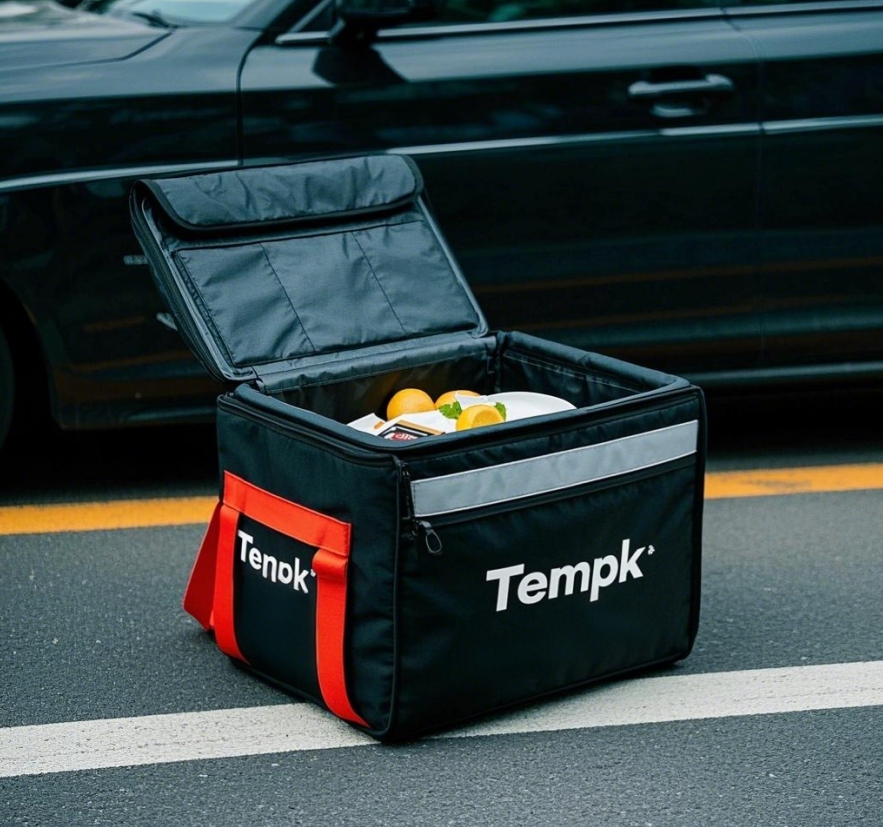
A thermal lunch bag custom project should begin with the route, product, user, and claim language, not with a catalog photo. The bag must be comfortable enough to use, durable enough to handle, cleanable enough for the operator, and honest enough in its temperature claims. For employee meals, school lunch, brand promotion, subscription meals, and light chilled carry, a sourcing team should treat the item as a working part of the cold-chain or food-handling process. This final guide brings the decision down to the checks that matter before you approve samples, branding, cartons, and bulk production.
Define the operating role before comparing bags
The phrase thermal lunch bag custom can point to several different products. It may be a soft grocery tote, a delivery backpack, a parcel liner, a lunch bag, a promotional cooler, or a heavy-duty reusable delivery unit. These products are not interchangeable. They may share insulation, but they face different loading patterns, different cleaning routines, different user expectations, and different packaging requirements.
For gift buyers, corporate procurement teams, meal service brands, and distributors, the operating role should be written before the product is quoted. A simple sentence is enough: this bag is for employee meals, school lunch, brand promotion, subscription meals, and light chilled carry. Then add the expected product type, carrying time, cold source, opening frequency, loaded weight, cleaning method, and branding level. This prevents a supplier from quoting a visually similar item that does not fit the work.
The most useful specification is practical. It does not need to include unsupported thermal promises. It should describe the product construction, how the bag will be used, what needs to be customized, and what evidence or sample review is needed before the buyer trusts the order.
Separate insulation, water protection, and temperature control
One reason thermal lunch bag custom sourcing becomes confusing is that product claims often blend several ideas. Insulation slows heat transfer. Water resistance helps the outer surface handle rain or moisture. Leak resistance relates to seams, liner corners, and melted ice water. Temperature control depends on the entire packout and route. A passive bag is not the same as active refrigeration, and a waterproof shell does not automatically mean safe temperature management.
Public food-safety guidance is a useful reminder that cold handling depends on keeping products within their required conditions, but an insulated bag does not create a fixed temperature range on its own. Food and healthcare buyers should treat published temperature numbers as control references, not universal guarantees for every product. For example, official consumer and industry guidance in North America commonly refers to keeping refrigerated foods cold and frozen foods frozen, while pharmaceutical guidance places emphasis on labelled storage conditions and data-supported transport. In Europe, food hygiene rules and HACCP-based procedures shape how operators think about clean transport, documented procedures, and responsibility across the food chain. For sourcing work, the practical conclusion is simple: confirm the product requirement first, then evaluate the bag, coolant, route, and documentation together.
The specification package buyers should request
| Supplier checkpoint | Question to ask | What a useful answer shows |
|---|---|---|
| Sample control | Does the supplier keep an approved sample and material record? | Reduces surprises when production starts |
| Claim control | Can the supplier separate water-resistant, leak-resistant, insulated, and temperature-controlled claims? | Avoids misleading product pages and customer complaints |
| Artwork process | Are logo files, placement, print method, and color tolerance approved before mass production? | Prevents branding disputes after goods are packed |
| Packaging plan | Is carton size, folding method, liner protection, and label wording confirmed? | Protects the bag during export and warehouse storage |
| Change communication | Will material, liner, zipper, or color changes be communicated before production? | Supports repeat orders and reduces quality drift |
| Use-case fit | Has the supplier discussed payload, cold source, route, and cleaning routine? | Shows whether the offer is operational or only commercial |
This supplier matrix is useful because it focuses on repeatability. A good first sample is not enough if the buyer cannot confirm what will be repeated in production. For custom, wholesale, OEM, and regional trade programs, production consistency is often more valuable than adding another unverified feature to the product page.
Sample testing should look like daily use
A sample for custom thermal lunch bag should be tested under realistic handling. Load it with a representative payload. Add the cold source if the final use requires one. Carry it by the handles or straps. Open and close it repeatedly. Wipe the liner. Let it dry. Fold it into the planned carton. Check whether the logo creases, the zipper catches, the bottom sags, or the corners collect moisture.
This review is different from formal thermal qualification. It is an operational sample check. If the product is expected to protect sensitive goods for a defined condition, further testing or documented evidence may be needed. But even before formal testing, a simple handling review can reveal whether the bag is likely to survive the work it is being asked to do.
For private-label and personalized orders, keep one approved sample as a reference. Record the material structure, color standard, print method, dimensions, packaging method, and any special instruction. When bulk goods arrive, compare them against the reference before the product is released to customers or field teams.
How to evaluate price without buying the wrong bag
Unit price is important, but it is easy to misread. A lower price may come from a lighter shell, thinner insulation, simpler liner, weaker handle reinforcement, lower print durability, smaller real size, looser quality control, or more compressed carton packing. Some of these differences may be acceptable for promotional use. They may be unacceptable for delivery fleets, grocery operations, or repeated wholesale resale.
A more useful comparison is cost per usable order. If a bag is intended for repeated professional use, ask whether it can be cleaned, stored, and handled without frequent replacement. If it is a retail product, ask whether the packaging protects the shape and brand impression. If it is a shipping item, ask whether it fits the payload and cold source without wasting carton space. Price should be compared after these questions are answered.
Where this bag may not be the right solution
The strongest sourcing decision also identifies limits. A thermal lunch bag custom may not be enough for long exposure, strict pharmaceutical requirements, frozen shipments without a planned cold source, mixed hot and cold loads without separation, or routes with repeated opening in high ambient heat. It may also be the wrong product if the buyer needs rigid stacking, tamper evidence, active cooling, or a qualified shipper with documented lane performance.
That does not reduce the value of a custom thermal lunch bag. It simply places it correctly. In many operations, the bag is an excellent tool for short last-mile handling, grocery handoff, retail pickup, branded carry, or support around a larger cold-chain system. It becomes risky only when the claim is broader than the construction and the process can support.
Procurement workflow from inquiry to repeat order
- Write the use case and product boundary in plain English.
- Confirm required temperature conditions with the product owner or quality team where relevant.
- Ask suppliers to quote the same structure, not just the same size or photo.
- Review sample handling, cleaning, packaging, and branding before signing off.
- Keep an approved sample and material record for comparison with bulk goods.
- Use cautious claim language unless performance is supported by relevant evidence.
- Document any material, liner, closure, logo, or carton change before repeat production.
This workflow is deliberately practical. It gives gift buyers, corporate procurement teams, meal service brands, and distributors a way to control the project without overcomplicating the sourcing process. The goal is not to turn every bag into a laboratory project. The goal is to make sure the chosen product fits the real use and can be supplied consistently.
FAQ
Is a thermal lunch bag custom automatically temperature controlled?
No. An insulated bag slows heat transfer, but temperature control depends on the full packout and handling process. The product temperature before packing, cold source, loading density, ambient exposure, route time, and opening frequency all matter. For sensitive goods, ask for evidence that matches your intended use rather than relying on a generic claim.
What should I check before approving a sample?
Check the outer material, liner, insulation, stitching, closure, handles, usable space, cleaning routine, logo result, and carton packing. Load the sample with the intended payload and cold source. Open it repeatedly and wipe the liner after use. A good sample should pass a practical handling review, not only a visual inspection.
Can I personalize the bag without changing performance?
Personalization can affect cost, lead time, surface durability, and sometimes the structure. Printing, embroidery, labels, color changes, and custom panels should be approved together with the material and construction. Do not treat artwork as a separate cosmetic step if the logo position or print process changes the way the bag is folded, cleaned, or handled.
How should buyers compare wholesale suppliers?
Compare suppliers by specification clarity, sample control, material consistency, packaging plan, communication about changes, and willingness to discuss the actual use case. Unit price is important, but it is not enough. A slightly cheaper bag can become expensive if it arrives misshaped, uses a different liner, or cannot support the cleaning routine.
When is an insulated bag not enough?
A bag may not be enough when the product has strict temperature requirements, long unrefrigerated exposure, repeated opening, high ambient heat, or documentation needs. In those situations, the custom thermal lunch bag should be evaluated as one part of a larger cold-chain system that may include coolants, monitoring, qualified packaging, or refrigerated transport.
Conclusion
A thermal lunch bag custom is worth buying only when its specification fits the route, payload, user, and claim language. Start with the intended job, confirm the material structure, test a real sample, and keep the supplier accountable for production consistency.
For custom, wholesale, OEM, or regional trade work, this discipline is what turns an insulated bag from a simple accessory into a dependable part of a cold-chain or food-handling program.
About Tempk
Tempk supports B2B buyers with insulated bags and related cold-chain packaging, including ice packs, insulated boxes, medical cooler boxes, and thermal pallet covers. For a thermal lunch bag custom inquiry, we focus on the practical details that affect production and use: material structure, customization, packout assumptions, sample approval, carton packing, and realistic product claims. We can help you discuss the right product boundary before you commit to a custom or bulk order.
Send Tempk your route, payload, target use, and branding plan. We can help you compare practical custom thermal lunch bag options before you move from sample approval to production.
Thermal Cooler Bag Waterproof: Practical Sourcing Guide
Thermal Cooler Bag Waterproof: Practical Sourcing Without Overstated Claims
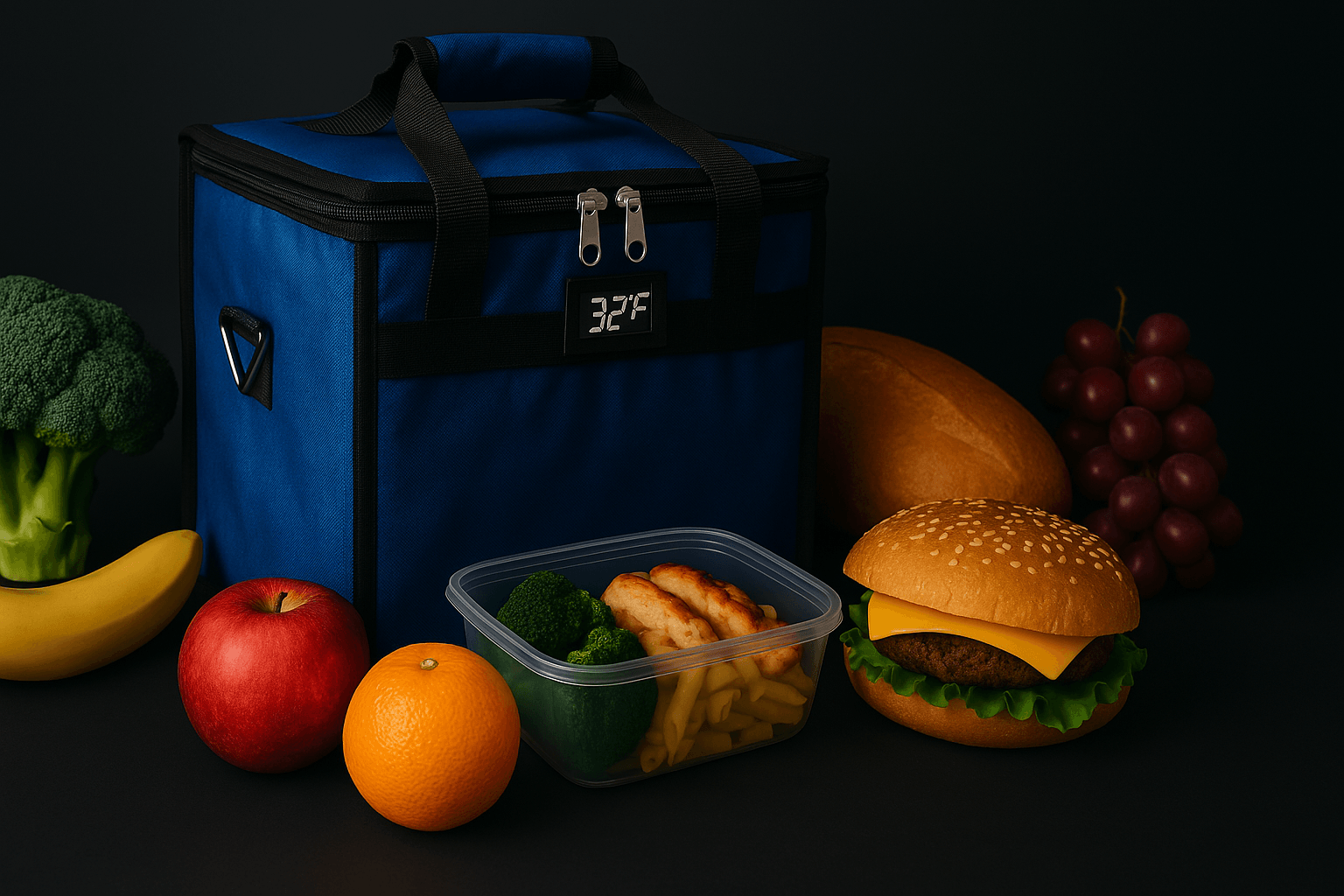
A thermal cooler bag waterproof project should begin with the route, product, user, and claim language, not with a catalog photo. The bag must be comfortable enough to use, durable enough to handle, cleanable enough for the operator, and honest enough in its temperature claims. For rainy delivery, melted ice packs, seafood pickup, outdoor events, and repeated cleaning, a sourcing team should treat the item as a working part of the cold-chain or food-handling process. This final guide brings the decision down to the checks that matter before you approve samples, branding, cartons, and bulk production.
Define the operating role before comparing bags
The phrase thermal cooler bag waterproof can point to several different products. It may be a soft grocery tote, a delivery backpack, a parcel liner, a lunch bag, a promotional cooler, or a heavy-duty reusable delivery unit. These products are not interchangeable. They may share insulation, but they face different loading patterns, different cleaning routines, different user expectations, and different packaging requirements.
For food delivery teams, outdoor retailers, grocery operators, and sourcing managers, the operating role should be written before the product is quoted. A simple sentence is enough: this bag is for rainy delivery, melted ice packs, seafood pickup, outdoor events, and repeated cleaning. Then add the expected product type, carrying time, cold source, opening frequency, loaded weight, cleaning method, and branding level. This prevents a supplier from quoting a visually similar item that does not fit the work.
The most useful specification is practical. It does not need to include unsupported thermal promises. It should describe the product construction, how the bag will be used, what needs to be customized, and what evidence or sample review is needed before the buyer trusts the order.
Separate insulation, water protection, and temperature control
One reason thermal cooler bag waterproof sourcing becomes confusing is that product claims often blend several ideas. Insulation slows heat transfer. Water resistance helps the outer surface handle rain or moisture. Leak resistance relates to seams, liner corners, and melted ice water. Temperature control depends on the entire packout and route. A passive bag is not the same as active refrigeration, and a waterproof shell does not automatically mean safe temperature management.
Public food-safety guidance is a useful reminder that cold handling depends on keeping products within their required conditions, but an insulated bag does not create a fixed temperature range on its own. Food and healthcare buyers should treat published temperature numbers as control references, not universal guarantees for every product. For example, official consumer and industry guidance in North America commonly refers to keeping refrigerated foods cold and frozen foods frozen, while pharmaceutical guidance places emphasis on labelled storage conditions and data-supported transport. In Europe, food hygiene rules and HACCP-based procedures shape how operators think about clean transport, documented procedures, and responsibility across the food chain. For sourcing work, the practical conclusion is simple: confirm the product requirement first, then evaluate the bag, coolant, route, and documentation together.
For waterproof-focused sourcing, the wording should be especially precise. Ask which part of the product is water-resistant: the outer fabric, the zipper, the seams, the liner, or the whole construction. A buyer may need a rain-resistant shell for delivery, a leak-resistant liner for melted ice packs, or an easy-wipe surface for cleaning. Those are different design goals and should not be merged into one vague claim.
The specification package buyers should request
| Supplier checkpoint | Question to ask | What a useful answer shows |
|---|---|---|
| Sample control | Does the supplier keep an approved sample and material record? | Reduces surprises when production starts |
| Claim control | Can the supplier separate water-resistant, leak-resistant, insulated, and temperature-controlled claims? | Avoids misleading product pages and customer complaints |
| Artwork process | Are logo files, placement, print method, and color tolerance approved before mass production? | Prevents branding disputes after goods are packed |
| Packaging plan | Is carton size, folding method, liner protection, and label wording confirmed? | Protects the bag during export and warehouse storage |
| Change communication | Will material, liner, zipper, or color changes be communicated before production? | Supports repeat orders and reduces quality drift |
| Use-case fit | Has the supplier discussed payload, cold source, route, and cleaning routine? | Shows whether the offer is operational or only commercial |
This supplier matrix is useful because it focuses on repeatability. A good first sample is not enough if the buyer cannot confirm what will be repeated in production. For custom, wholesale, OEM, and regional trade programs, production consistency is often more valuable than adding another unverified feature to the product page.
Sample testing should look like daily use
A sample for water-resistant thermal cooler bag should be tested under realistic handling. Load it with a representative payload. Add the cold source if the final use requires one. Carry it by the handles or straps. Open and close it repeatedly. Wipe the liner. Let it dry. Fold it into the planned carton. Check whether the logo creases, the zipper catches, the bottom sags, or the corners collect moisture.
This review is different from formal thermal qualification. It is an operational sample check. If the product is expected to protect sensitive goods for a defined condition, further testing or documented evidence may be needed. But even before formal testing, a simple handling review can reveal whether the bag is likely to survive the work it is being asked to do.
For private-label and personalized orders, keep one approved sample as a reference. Record the material structure, color standard, print method, dimensions, packaging method, and any special instruction. When bulk goods arrive, compare them against the reference before the product is released to customers or field teams.
How to evaluate price without buying the wrong bag
Unit price is important, but it is easy to misread. A lower price may come from a lighter shell, thinner insulation, simpler liner, weaker handle reinforcement, lower print durability, smaller real size, looser quality control, or more compressed carton packing. Some of these differences may be acceptable for promotional use. They may be unacceptable for delivery fleets, grocery operations, or repeated wholesale resale.
A more useful comparison is cost per usable order. If a bag is intended for repeated professional use, ask whether it can be cleaned, stored, and handled without frequent replacement. If it is a retail product, ask whether the packaging protects the shape and brand impression. If it is a shipping item, ask whether it fits the payload and cold source without wasting carton space. Price should be compared after these questions are answered.
Where this bag may not be the right solution
The strongest sourcing decision also identifies limits. A thermal cooler bag waterproof may not be enough for long exposure, strict pharmaceutical requirements, frozen shipments without a planned cold source, mixed hot and cold loads without separation, or routes with repeated opening in high ambient heat. It may also be the wrong product if the buyer needs rigid stacking, tamper evidence, active cooling, or a qualified shipper with documented lane performance.
That does not reduce the value of a water-resistant thermal cooler bag. It simply places it correctly. In many operations, the bag is an excellent tool for short last-mile handling, grocery handoff, retail pickup, branded carry, or support around a larger cold-chain system. It becomes risky only when the claim is broader than the construction and the process can support.
Procurement workflow from inquiry to repeat order
- Write the use case and product boundary in plain English.
- Confirm required temperature conditions with the product owner or quality team where relevant.
- Ask suppliers to quote the same structure, not just the same size or photo.
- Review sample handling, cleaning, packaging, and branding before signing off.
- Keep an approved sample and material record for comparison with bulk goods.
- Use cautious claim language unless performance is supported by relevant evidence.
- Document any material, liner, closure, logo, or carton change before repeat production.
This workflow is deliberately practical. It gives food delivery teams, outdoor retailers, grocery operators, and sourcing managers a way to control the project without overcomplicating the sourcing process. The goal is not to turn every bag into a laboratory project. The goal is to make sure the chosen product fits the real use and can be supplied consistently.
FAQ
Is a thermal cooler bag waterproof automatically temperature controlled?
No. An insulated bag slows heat transfer, but temperature control depends on the full packout and handling process. The product temperature before packing, cold source, loading density, ambient exposure, route time, and opening frequency all matter. For sensitive goods, ask for evidence that matches your intended use rather than relying on a generic claim.
What should I check before approving a sample?
Check the outer material, liner, insulation, stitching, closure, handles, usable space, cleaning routine, logo result, and carton packing. Load the sample with the intended payload and cold source. Open it repeatedly and wipe the liner after use. A good sample should pass a practical handling review, not only a visual inspection.
Can I personalize the bag without changing performance?
Personalization can affect cost, lead time, surface durability, and sometimes the structure. Printing, embroidery, labels, color changes, and custom panels should be approved together with the material and construction. Do not treat artwork as a separate cosmetic step if the logo position or print process changes the way the bag is folded, cleaned, or handled.
How should buyers compare wholesale suppliers?
Compare suppliers by specification clarity, sample control, material consistency, packaging plan, communication about changes, and willingness to discuss the actual use case. Unit price is important, but it is not enough. A slightly cheaper bag can become expensive if it arrives misshaped, uses a different liner, or cannot support the cleaning routine.
When is an insulated bag not enough?
A bag may not be enough when the product has strict temperature requirements, long unrefrigerated exposure, repeated opening, high ambient heat, or documentation needs. In those situations, the water-resistant thermal cooler bag should be evaluated as one part of a larger cold-chain system that may include coolants, monitoring, qualified packaging, or refrigerated transport.
Does waterproof mean leakproof?
Not always. Water-resistant fabric, coated surfaces, taped seams, sealed corners, and leakproof liners are different design issues. A buyer should ask which part of the bag is water-resistant, whether seams are sealed, and whether the claim has been tested with melted ice water and real handling conditions.
Conclusion
A thermal cooler bag waterproof is worth buying only when its specification fits the route, payload, user, and claim language. Start with the intended job, confirm the material structure, test a real sample, and keep the supplier accountable for production consistency.
For custom, wholesale, OEM, or regional trade work, this discipline is what turns an insulated bag from a simple accessory into a dependable part of a cold-chain or food-handling program.
About Tempk
Tempk supports B2B buyers with insulated bags and related cold-chain packaging, including ice packs, insulated boxes, medical cooler boxes, and thermal pallet covers. For a thermal cooler bag waterproof inquiry, we focus on the practical details that affect production and use: material structure, customization, packout assumptions, sample approval, carton packing, and realistic product claims. We can help you discuss the right product boundary before you commit to a custom or bulk order.
Send Tempk your route, payload, target use, and branding plan. We can help you compare practical water-resistant thermal cooler bag options before you move from sample approval to production.
Thermal Cooler Bag Personalized: Practical Sourcing Guide

Thermal Cooler Bag Personalized: Practical Sourcing Without Overstated Claims
A thermal cooler bag personalized project should begin with the route, product, user, and claim language, not with a catalog photo. The bag must be comfortable enough to use, durable enough to handle, cleanable enough for the operator, and honest enough in its temperature claims. For brand campaigns, employee gifts, food delivery packs, and retail cooler bags, a sourcing team should treat the item as a working part of the cold-chain or food-handling process. This final guide brings the decision down to the checks that matter before you approve samples, branding, cartons, and bulk production.
Define the operating role before comparing bags
The phrase thermal cooler bag personalized can point to several different products. It may be a soft grocery tote, a delivery backpack, a parcel liner, a lunch bag, a promotional cooler, or a heavy-duty reusable delivery unit. These products are not interchangeable. They may share insulation, but they face different loading patterns, different cleaning routines, different user expectations, and different packaging requirements.
For promotional product buyers, retailers, clubs, food brands, and procurement teams, the operating role should be written before the product is quoted. A simple sentence is enough: this bag is for brand campaigns, employee gifts, food delivery packs, and retail cooler bags. Then add the expected product type, carrying time, cold source, opening frequency, loaded weight, cleaning method, and branding level. This prevents a supplier from quoting a visually similar item that does not fit the work.
The most useful specification is practical. It does not need to include unsupported thermal promises. It should describe the product construction, how the bag will be used, what needs to be customized, and what evidence or sample review is needed before the buyer trusts the order.
Separate insulation, water protection, and temperature control
One reason thermal cooler bag personalized sourcing becomes confusing is that product claims often blend several ideas. Insulation slows heat transfer. Water resistance helps the outer surface handle rain or moisture. Leak resistance relates to seams, liner corners, and melted ice water. Temperature control depends on the entire packout and route. A passive bag is not the same as active refrigeration, and a waterproof shell does not automatically mean safe temperature management.
Public food-safety guidance is a useful reminder that cold handling depends on keeping products within their required conditions, but an insulated bag does not create a fixed temperature range on its own. Food and healthcare buyers should treat published temperature numbers as control references, not universal guarantees for every product. For example, official consumer and industry guidance in North America commonly refers to keeping refrigerated foods cold and frozen foods frozen, while pharmaceutical guidance places emphasis on labelled storage conditions and data-supported transport. In Europe, food hygiene rules and HACCP-based procedures shape how operators think about clean transport, documented procedures, and responsibility across the food chain. For sourcing work, the practical conclusion is simple: confirm the product requirement first, then evaluate the bag, coolant, route, and documentation together.
The specification package buyers should request
| Supplier checkpoint | Question to ask | What a useful answer shows |
|---|---|---|
| Sample control | Does the supplier keep an approved sample and material record? | Reduces surprises when production starts |
| Claim control | Can the supplier separate water-resistant, leak-resistant, insulated, and temperature-controlled claims? | Avoids misleading product pages and customer complaints |
| Artwork process | Are logo files, placement, print method, and color tolerance approved before mass production? | Prevents branding disputes after goods are packed |
| Packaging plan | Is carton size, folding method, liner protection, and label wording confirmed? | Protects the bag during export and warehouse storage |
| Change communication | Will material, liner, zipper, or color changes be communicated before production? | Supports repeat orders and reduces quality drift |
| Use-case fit | Has the supplier discussed payload, cold source, route, and cleaning routine? | Shows whether the offer is operational or only commercial |
This supplier matrix is useful because it focuses on repeatability. A good first sample is not enough if the buyer cannot confirm what will be repeated in production. For custom, wholesale, OEM, and regional trade programs, production consistency is often more valuable than adding another unverified feature to the product page.
Sample testing should look like daily use
A sample for personalized thermal cooler bag should be tested under realistic handling. Load it with a representative payload. Add the cold source if the final use requires one. Carry it by the handles or straps. Open and close it repeatedly. Wipe the liner. Let it dry. Fold it into the planned carton. Check whether the logo creases, the zipper catches, the bottom sags, or the corners collect moisture.
This review is different from formal thermal qualification. It is an operational sample check. If the product is expected to protect sensitive goods for a defined condition, further testing or documented evidence may be needed. But even before formal testing, a simple handling review can reveal whether the bag is likely to survive the work it is being asked to do.
For private-label and personalized orders, keep one approved sample as a reference. Record the material structure, color standard, print method, dimensions, packaging method, and any special instruction. When bulk goods arrive, compare them against the reference before the product is released to customers or field teams.
How to evaluate price without buying the wrong bag
Unit price is important, but it is easy to misread. A lower price may come from a lighter shell, thinner insulation, simpler liner, weaker handle reinforcement, lower print durability, smaller real size, looser quality control, or more compressed carton packing. Some of these differences may be acceptable for promotional use. They may be unacceptable for delivery fleets, grocery operations, or repeated wholesale resale.
A more useful comparison is cost per usable order. If a bag is intended for repeated professional use, ask whether it can be cleaned, stored, and handled without frequent replacement. If it is a retail product, ask whether the packaging protects the shape and brand impression. If it is a shipping item, ask whether it fits the payload and cold source without wasting carton space. Price should be compared after these questions are answered.
Where this bag may not be the right solution
The strongest sourcing decision also identifies limits. A thermal cooler bag personalized may not be enough for long exposure, strict pharmaceutical requirements, frozen shipments without a planned cold source, mixed hot and cold loads without separation, or routes with repeated opening in high ambient heat. It may also be the wrong product if the buyer needs rigid stacking, tamper evidence, active cooling, or a qualified shipper with documented lane performance.
That does not reduce the value of a personalized thermal cooler bag. It simply places it correctly. In many operations, the bag is an excellent tool for short last-mile handling, grocery handoff, retail pickup, branded carry, or support around a larger cold-chain system. It becomes risky only when the claim is broader than the construction and the process can support.
Procurement workflow from inquiry to repeat order
- Write the use case and product boundary in plain English.
- Confirm required temperature conditions with the product owner or quality team where relevant.
- Ask suppliers to quote the same structure, not just the same size or photo.
- Review sample handling, cleaning, packaging, and branding before signing off.
- Keep an approved sample and material record for comparison with bulk goods.
- Use cautious claim language unless performance is supported by relevant evidence.
- Document any material, liner, closure, logo, or carton change before repeat production.
This workflow is deliberately practical. It gives promotional product buyers, retailers, clubs, food brands, and procurement teams a way to control the project without overcomplicating the sourcing process. The goal is not to turn every bag into a laboratory project. The goal is to make sure the chosen product fits the real use and can be supplied consistently.
FAQ
Is a thermal cooler bag personalized automatically temperature controlled?
No. An insulated bag slows heat transfer, but temperature control depends on the full packout and handling process. The product temperature before packing, cold source, loading density, ambient exposure, route time, and opening frequency all matter. For sensitive goods, ask for evidence that matches your intended use rather than relying on a generic claim.
What should I check before approving a sample?
Check the outer material, liner, insulation, stitching, closure, handles, usable space, cleaning routine, logo result, and carton packing. Load the sample with the intended payload and cold source. Open it repeatedly and wipe the liner after use. A good sample should pass a practical handling review, not only a visual inspection.
Can I personalize the bag without changing performance?
Personalization can affect cost, lead time, surface durability, and sometimes the structure. Printing, embroidery, labels, color changes, and custom panels should be approved together with the material and construction. Do not treat artwork as a separate cosmetic step if the logo position or print process changes the way the bag is folded, cleaned, or handled.
How should buyers compare wholesale suppliers?
Compare suppliers by specification clarity, sample control, material consistency, packaging plan, communication about changes, and willingness to discuss the actual use case. Unit price is important, but it is not enough. A slightly cheaper bag can become expensive if it arrives misshaped, uses a different liner, or cannot support the cleaning routine.
When is an insulated bag not enough?
A bag may not be enough when the product has strict temperature requirements, long unrefrigerated exposure, repeated opening, high ambient heat, or documentation needs. In those situations, the personalized thermal cooler bag should be evaluated as one part of a larger cold-chain system that may include coolants, monitoring, qualified packaging, or refrigerated transport.
Conclusion
A thermal cooler bag personalized is worth buying only when its specification fits the route, payload, user, and claim language. Start with the intended job, confirm the material structure, test a real sample, and keep the supplier accountable for production consistency.
For custom, wholesale, OEM, or regional trade work, this discipline is what turns an insulated bag from a simple accessory into a dependable part of a cold-chain or food-handling program.
About Tempk
Tempk supports B2B buyers with insulated bags and related cold-chain packaging, including ice packs, insulated boxes, medical cooler boxes, and thermal pallet covers. For a thermal cooler bag personalized inquiry, we focus on the practical details that affect production and use: material structure, customization, packout assumptions, sample approval, carton packing, and realistic product claims. We can help you discuss the right product boundary before you commit to a custom or bulk order.
Send Tempk your route, payload, target use, and branding plan. We can help you compare practical personalized thermal cooler bag options before you move from sample approval to production.
Thermal Cooler Bag Packaging: Practical Sourcing Guide
Thermal Cooler Bag Packaging: Practical Sourcing Without Overstated Claims
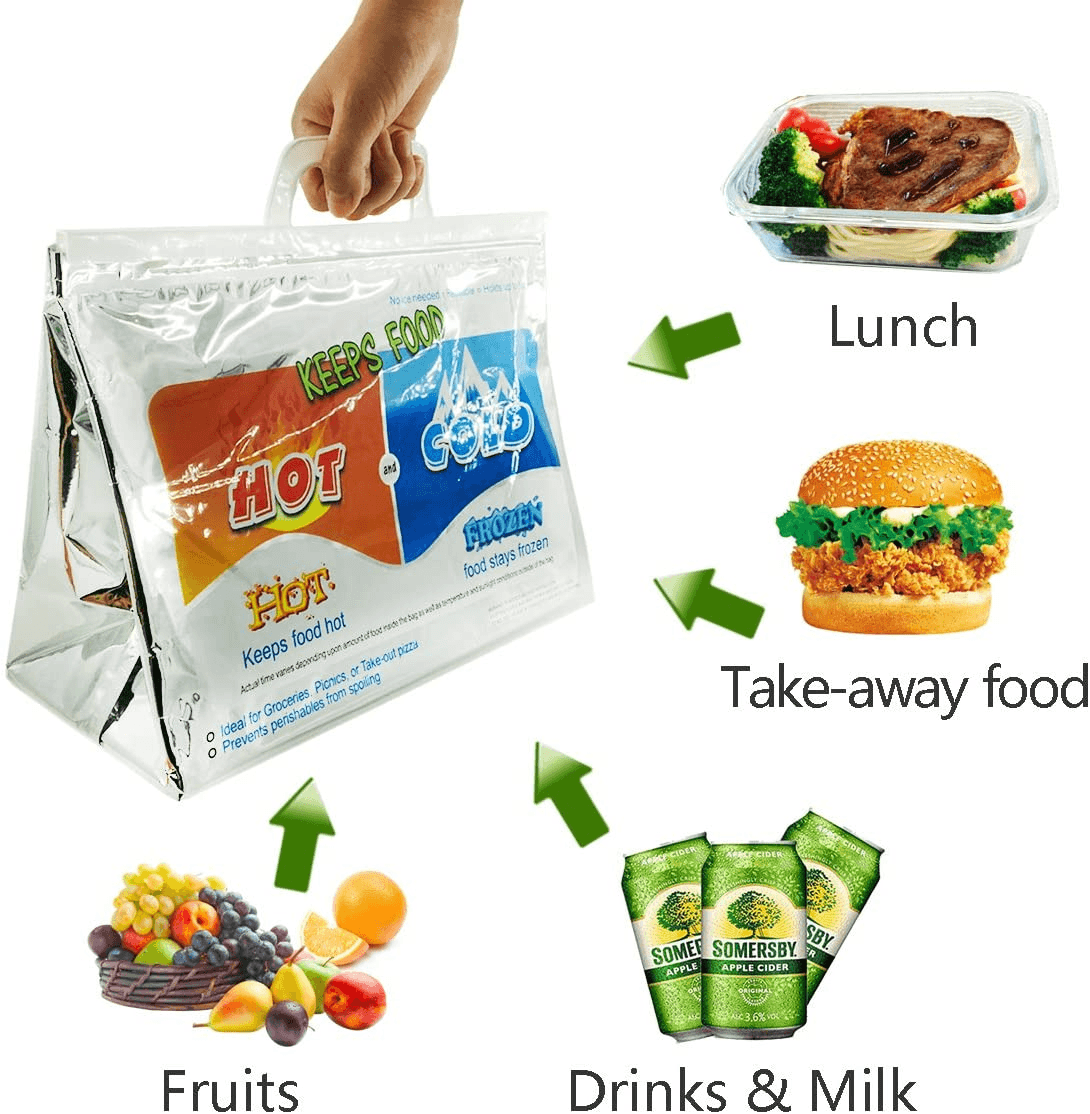
A thermal cooler bag packaging project should begin with the route, product, user, and claim language, not with a catalog photo. The bag must be comfortable enough to use, durable enough to handle, cleanable enough for the operator, and honest enough in its temperature claims. For retail packaging, shipping cartons, display packs, and protected bulk transport, a sourcing team should treat the item as a working part of the cold-chain or food-handling process. This final guide brings the decision down to the checks that matter before you approve samples, branding, cartons, and bulk production.
Define the operating role before comparing bags
The phrase thermal cooler bag packaging can point to several different products. It may be a soft grocery tote, a delivery backpack, a parcel liner, a lunch bag, a promotional cooler, or a heavy-duty reusable delivery unit. These products are not interchangeable. They may share insulation, but they face different loading patterns, different cleaning routines, different user expectations, and different packaging requirements.
For packaging engineers, brand owners, ecommerce sellers, and procurement teams, the operating role should be written before the product is quoted. A simple sentence is enough: this bag is for retail packaging, shipping cartons, display packs, and protected bulk transport. Then add the expected product type, carrying time, cold source, opening frequency, loaded weight, cleaning method, and branding level. This prevents a supplier from quoting a visually similar item that does not fit the work.
The most useful specification is practical. It does not need to include unsupported thermal promises. It should describe the product construction, how the bag will be used, what needs to be customized, and what evidence or sample review is needed before the buyer trusts the order.
Separate insulation, water protection, and temperature control
One reason thermal cooler bag packaging sourcing becomes confusing is that product claims often blend several ideas. Insulation slows heat transfer. Water resistance helps the outer surface handle rain or moisture. Leak resistance relates to seams, liner corners, and melted ice water. Temperature control depends on the entire packout and route. A passive bag is not the same as active refrigeration, and a waterproof shell does not automatically mean safe temperature management.
Public food-safety guidance is a useful reminder that cold handling depends on keeping products within their required conditions, but an insulated bag does not create a fixed temperature range on its own. Food and healthcare buyers should treat published temperature numbers as control references, not universal guarantees for every product. For example, official consumer and industry guidance in North America commonly refers to keeping refrigerated foods cold and frozen foods frozen, while pharmaceutical guidance places emphasis on labelled storage conditions and data-supported transport. In Europe, food hygiene rules and HACCP-based procedures shape how operators think about clean transport, documented procedures, and responsibility across the food chain. For sourcing work, the practical conclusion is simple: confirm the product requirement first, then evaluate the bag, coolant, route, and documentation together.
The specification package buyers should request
| Supplier checkpoint | Question to ask | What a useful answer shows |
|---|---|---|
| Sample control | Does the supplier keep an approved sample and material record? | Reduces surprises when production starts |
| Claim control | Can the supplier separate water-resistant, leak-resistant, insulated, and temperature-controlled claims? | Avoids misleading product pages and customer complaints |
| Artwork process | Are logo files, placement, print method, and color tolerance approved before mass production? | Prevents branding disputes after goods are packed |
| Packaging plan | Is carton size, folding method, liner protection, and label wording confirmed? | Protects the bag during export and warehouse storage |
| Change communication | Will material, liner, zipper, or color changes be communicated before production? | Supports repeat orders and reduces quality drift |
| Use-case fit | Has the supplier discussed payload, cold source, route, and cleaning routine? | Shows whether the offer is operational or only commercial |
This supplier matrix is useful because it focuses on repeatability. A good first sample is not enough if the buyer cannot confirm what will be repeated in production. For custom, wholesale, OEM, and regional trade programs, production consistency is often more valuable than adding another unverified feature to the product page.
Sample testing should look like daily use
A sample for thermal cooler bag packaging system should be tested under realistic handling. Load it with a representative payload. Add the cold source if the final use requires one. Carry it by the handles or straps. Open and close it repeatedly. Wipe the liner. Let it dry. Fold it into the planned carton. Check whether the logo creases, the zipper catches, the bottom sags, or the corners collect moisture.
This review is different from formal thermal qualification. It is an operational sample check. If the product is expected to protect sensitive goods for a defined condition, further testing or documented evidence may be needed. But even before formal testing, a simple handling review can reveal whether the bag is likely to survive the work it is being asked to do.
For private-label and personalized orders, keep one approved sample as a reference. Record the material structure, color standard, print method, dimensions, packaging method, and any special instruction. When bulk goods arrive, compare them against the reference before the product is released to customers or field teams.
How to evaluate price without buying the wrong bag
Unit price is important, but it is easy to misread. A lower price may come from a lighter shell, thinner insulation, simpler liner, weaker handle reinforcement, lower print durability, smaller real size, looser quality control, or more compressed carton packing. Some of these differences may be acceptable for promotional use. They may be unacceptable for delivery fleets, grocery operations, or repeated wholesale resale.
A more useful comparison is cost per usable order. If a bag is intended for repeated professional use, ask whether it can be cleaned, stored, and handled without frequent replacement. If it is a retail product, ask whether the packaging protects the shape and brand impression. If it is a shipping item, ask whether it fits the payload and cold source without wasting carton space. Price should be compared after these questions are answered.
Where this bag may not be the right solution
The strongest sourcing decision also identifies limits. A thermal cooler bag packaging may not be enough for long exposure, strict pharmaceutical requirements, frozen shipments without a planned cold source, mixed hot and cold loads without separation, or routes with repeated opening in high ambient heat. It may also be the wrong product if the buyer needs rigid stacking, tamper evidence, active cooling, or a qualified shipper with documented lane performance.
That does not reduce the value of a thermal cooler bag packaging system. It simply places it correctly. In many operations, the bag is an excellent tool for short last-mile handling, grocery handoff, retail pickup, branded carry, or support around a larger cold-chain system. It becomes risky only when the claim is broader than the construction and the process can support.
Procurement workflow from inquiry to repeat order
- Write the use case and product boundary in plain English.
- Confirm required temperature conditions with the product owner or quality team where relevant.
- Ask suppliers to quote the same structure, not just the same size or photo.
- Review sample handling, cleaning, packaging, and branding before signing off.
- Keep an approved sample and material record for comparison with bulk goods.
- Use cautious claim language unless performance is supported by relevant evidence.
- Document any material, liner, closure, logo, or carton change before repeat production.
This workflow is deliberately practical. It gives packaging engineers, brand owners, ecommerce sellers, and procurement teams a way to control the project without overcomplicating the sourcing process. The goal is not to turn every bag into a laboratory project. The goal is to make sure the chosen product fits the real use and can be supplied consistently.
FAQ
Is a thermal cooler bag packaging automatically temperature controlled?
No. An insulated bag slows heat transfer, but temperature control depends on the full packout and handling process. The product temperature before packing, cold source, loading density, ambient exposure, route time, and opening frequency all matter. For sensitive goods, ask for evidence that matches your intended use rather than relying on a generic claim.
What should I check before approving a sample?
Check the outer material, liner, insulation, stitching, closure, handles, usable space, cleaning routine, logo result, and carton packing. Load the sample with the intended payload and cold source. Open it repeatedly and wipe the liner after use. A good sample should pass a practical handling review, not only a visual inspection.
Can I personalize the bag without changing performance?
Personalization can affect cost, lead time, surface durability, and sometimes the structure. Printing, embroidery, labels, color changes, and custom panels should be approved together with the material and construction. Do not treat artwork as a separate cosmetic step if the logo position or print process changes the way the bag is folded, cleaned, or handled.
How should buyers compare wholesale suppliers?
Compare suppliers by specification clarity, sample control, material consistency, packaging plan, communication about changes, and willingness to discuss the actual use case. Unit price is important, but it is not enough. A slightly cheaper bag can become expensive if it arrives misshaped, uses a different liner, or cannot support the cleaning routine.
When is an insulated bag not enough?
A bag may not be enough when the product has strict temperature requirements, long unrefrigerated exposure, repeated opening, high ambient heat, or documentation needs. In those situations, the thermal cooler bag packaging system should be evaluated as one part of a larger cold-chain system that may include coolants, monitoring, qualified packaging, or refrigerated transport.
Conclusion
A thermal cooler bag packaging is worth buying only when its specification fits the route, payload, user, and claim language. Start with the intended job, confirm the material structure, test a real sample, and keep the supplier accountable for production consistency.
For custom, wholesale, OEM, or regional trade work, this discipline is what turns an insulated bag from a simple accessory into a dependable part of a cold-chain or food-handling program.
About Tempk
Tempk supports B2B buyers with insulated bags and related cold-chain packaging, including ice packs, insulated boxes, medical cooler boxes, and thermal pallet covers. For a thermal cooler bag packaging inquiry, we focus on the practical details that affect production and use: material structure, customization, packout assumptions, sample approval, carton packing, and realistic product claims. We can help you discuss the right product boundary before you commit to a custom or bulk order.
Send Tempk your route, payload, target use, and branding plan. We can help you compare practical thermal cooler bag packaging system options before you move from sample approval to production.
Thermal Cooler Bag OEM: Practical Sourcing Guide
Thermal Cooler Bag OEM: Practical Sourcing Without Overstated Claims
A thermal cooler bag oem project should begin with the route, product, user, and claim language, not with a catalog photo. The bag must be comfortable enough to use, durable enough to handle, cleanable enough for the operator, and honest enough in its temperature claims. For private-label cooler bags, delivery bags, retail programs, and branded cold-chain accessories, a sourcing team should treat the item as a working part of the cold-chain or food-handling process. This final guide brings the decision down to the checks that matter before you approve samples, branding, cartons, and bulk production.
Define the operating role before comparing bags
The phrase thermal cooler bag oem can point to several different products. It may be a soft grocery tote, a delivery backpack, a parcel liner, a lunch bag, a promotional cooler, or a heavy-duty reusable delivery unit. These products are not interchangeable. They may share insulation, but they face different loading patterns, different cleaning routines, different user expectations, and different packaging requirements.
For private-label brands, importers, product managers, and sourcing teams, the operating role should be written before the product is quoted. A simple sentence is enough: this bag is for private-label cooler bags, delivery bags, retail programs, and branded cold-chain accessories. Then add the expected product type, carrying time, cold source, opening frequency, loaded weight, cleaning method, and branding level. This prevents a supplier from quoting a visually similar item that does not fit the work.
The most useful specification is practical. It does not need to include unsupported thermal promises. It should describe the product construction, how the bag will be used, what needs to be customized, and what evidence or sample review is needed before the buyer trusts the order.
Separate insulation, water protection, and temperature control
One reason thermal cooler bag oem sourcing becomes confusing is that product claims often blend several ideas. Insulation slows heat transfer. Water resistance helps the outer surface handle rain or moisture. Leak resistance relates to seams, liner corners, and melted ice water. Temperature control depends on the entire packout and route. A passive bag is not the same as active refrigeration, and a waterproof shell does not automatically mean safe temperature management.
Public food-safety guidance is a useful reminder that cold handling depends on keeping products within their required conditions, but an insulated bag does not create a fixed temperature range on its own. Food and healthcare buyers should treat published temperature numbers as control references, not universal guarantees for every product. For example, official consumer and industry guidance in North America commonly refers to keeping refrigerated foods cold and frozen foods frozen, while pharmaceutical guidance places emphasis on labelled storage conditions and data-supported transport. In Europe, food hygiene rules and HACCP-based procedures shape how operators think about clean transport, documented procedures, and responsibility across the food chain. For sourcing work, the practical conclusion is simple: confirm the product requirement first, then evaluate the bag, coolant, route, and documentation together.
The specification package buyers should request
| Supplier checkpoint | Question to ask | What a useful answer shows |
|---|---|---|
| Sample control | Does the supplier keep an approved sample and material record? | Reduces surprises when production starts |
| Claim control | Can the supplier separate water-resistant, leak-resistant, insulated, and temperature-controlled claims? | Avoids misleading product pages and customer complaints |
| Artwork process | Are logo files, placement, print method, and color tolerance approved before mass production? | Prevents branding disputes after goods are packed |
| Packaging plan | Is carton size, folding method, liner protection, and label wording confirmed? | Protects the bag during export and warehouse storage |
| Change communication | Will material, liner, zipper, or color changes be communicated before production? | Supports repeat orders and reduces quality drift |
| Use-case fit | Has the supplier discussed payload, cold source, route, and cleaning routine? | Shows whether the offer is operational or only commercial |
This supplier matrix is useful because it focuses on repeatability. A good first sample is not enough if the buyer cannot confirm what will be repeated in production. For custom, wholesale, OEM, and regional trade programs, production consistency is often more valuable than adding another unverified feature to the product page.
Sample testing should look like daily use
A sample for OEM thermal cooler bag should be tested under realistic handling. Load it with a representative payload. Add the cold source if the final use requires one. Carry it by the handles or straps. Open and close it repeatedly. Wipe the liner. Let it dry. Fold it into the planned carton. Check whether the logo creases, the zipper catches, the bottom sags, or the corners collect moisture.
This review is different from formal thermal qualification. It is an operational sample check. If the product is expected to protect sensitive goods for a defined condition, further testing or documented evidence may be needed. But even before formal testing, a simple handling review can reveal whether the bag is likely to survive the work it is being asked to do.
For private-label and personalized orders, keep one approved sample as a reference. Record the material structure, color standard, print method, dimensions, packaging method, and any special instruction. When bulk goods arrive, compare them against the reference before the product is released to customers or field teams.
How to evaluate price without buying the wrong bag
Unit price is important, but it is easy to misread. A lower price may come from a lighter shell, thinner insulation, simpler liner, weaker handle reinforcement, lower print durability, smaller real size, looser quality control, or more compressed carton packing. Some of these differences may be acceptable for promotional use. They may be unacceptable for delivery fleets, grocery operations, or repeated wholesale resale.
A more useful comparison is cost per usable order. If a bag is intended for repeated professional use, ask whether it can be cleaned, stored, and handled without frequent replacement. If it is a retail product, ask whether the packaging protects the shape and brand impression. If it is a shipping item, ask whether it fits the payload and cold source without wasting carton space. Price should be compared after these questions are answered.
Where this bag may not be the right solution
The strongest sourcing decision also identifies limits. A thermal cooler bag oem may not be enough for long exposure, strict pharmaceutical requirements, frozen shipments without a planned cold source, mixed hot and cold loads without separation, or routes with repeated opening in high ambient heat. It may also be the wrong product if the buyer needs rigid stacking, tamper evidence, active cooling, or a qualified shipper with documented lane performance.
That does not reduce the value of a OEM thermal cooler bag. It simply places it correctly. In many operations, the bag is an excellent tool for short last-mile handling, grocery handoff, retail pickup, branded carry, or support around a larger cold-chain system. It becomes risky only when the claim is broader than the construction and the process can support.
Procurement workflow from inquiry to repeat order
- Write the use case and product boundary in plain English.
- Confirm required temperature conditions with the product owner or quality team where relevant.
- Ask suppliers to quote the same structure, not just the same size or photo.
- Review sample handling, cleaning, packaging, and branding before signing off.
- Keep an approved sample and material record for comparison with bulk goods.
- Use cautious claim language unless performance is supported by relevant evidence.
- Document any material, liner, closure, logo, or carton change before repeat production.
This workflow is deliberately practical. It gives private-label brands, importers, product managers, and sourcing teams a way to control the project without overcomplicating the sourcing process. The goal is not to turn every bag into a laboratory project. The goal is to make sure the chosen product fits the real use and can be supplied consistently.
FAQ
Is a thermal cooler bag oem automatically temperature controlled?
No. An insulated bag slows heat transfer, but temperature control depends on the full packout and handling process. The product temperature before packing, cold source, loading density, ambient exposure, route time, and opening frequency all matter. For sensitive goods, ask for evidence that matches your intended use rather than relying on a generic claim.
What should I check before approving a sample?
Check the outer material, liner, insulation, stitching, closure, handles, usable space, cleaning routine, logo result, and carton packing. Load the sample with the intended payload and cold source. Open it repeatedly and wipe the liner after use. A good sample should pass a practical handling review, not only a visual inspection.
Can I personalize the bag without changing performance?
Personalization can affect cost, lead time, surface durability, and sometimes the structure. Printing, embroidery, labels, color changes, and custom panels should be approved together with the material and construction. Do not treat artwork as a separate cosmetic step if the logo position or print process changes the way the bag is folded, cleaned, or handled.
How should buyers compare wholesale suppliers?
Compare suppliers by specification clarity, sample control, material consistency, packaging plan, communication about changes, and willingness to discuss the actual use case. Unit price is important, but it is not enough. A slightly cheaper bag can become expensive if it arrives misshaped, uses a different liner, or cannot support the cleaning routine.
When is an insulated bag not enough?
A bag may not be enough when the product has strict temperature requirements, long unrefrigerated exposure, repeated opening, high ambient heat, or documentation needs. In those situations, the OEM thermal cooler bag should be evaluated as one part of a larger cold-chain system that may include coolants, monitoring, qualified packaging, or refrigerated transport.
Conclusion
A thermal cooler bag oem is worth buying only when its specification fits the route, payload, user, and claim language. Start with the intended job, confirm the material structure, test a real sample, and keep the supplier accountable for production consistency.
For custom, wholesale, OEM, or regional trade work, this discipline is what turns an insulated bag from a simple accessory into a dependable part of a cold-chain or food-handling program.
About Tempk
Tempk supports B2B buyers with insulated bags and related cold-chain packaging, including ice packs, insulated boxes, medical cooler boxes, and thermal pallet covers. For a thermal cooler bag oem inquiry, we focus on the practical details that affect production and use: material structure, customization, packout assumptions, sample approval, carton packing, and realistic product claims. We can help you discuss the right product boundary before you commit to a custom or bulk order.
Send Tempk your route, payload, target use, and branding plan. We can help you compare practical OEM thermal cooler bag options before you move from sample approval to production.
Thermal Carry Bag Trade: Practical Sourcing Guide
Thermal Carry Bag Trade: Practical Sourcing Without Overstated Claims
A thermal carry bag trade project should begin with the route, product, user, and claim language, not with a catalog photo. The bag must be comfortable enough to use, durable enough to handle, cleanable enough for the operator, and honest enough in its temperature claims. For retail carryout, grocery pickup, restaurant delivery, and promotional resale, a sourcing team should treat the item as a working part of the cold-chain or food-handling process. This final guide brings the decision down to the checks that matter before you approve samples, branding, cartons, and bulk production.
Define the operating role before comparing bags
The phrase thermal carry bag trade can point to several different products. It may be a soft grocery tote, a delivery backpack, a parcel liner, a lunch bag, a promotional cooler, or a heavy-duty reusable delivery unit. These products are not interchangeable. They may share insulation, but they face different loading patterns, different cleaning routines, different user expectations, and different packaging requirements.
For trading companies, distributors, supermarkets, meal service brands, and B2B buyers, the operating role should be written before the product is quoted. A simple sentence is enough: this bag is for retail carryout, grocery pickup, restaurant delivery, and promotional resale. Then add the expected product type, carrying time, cold source, opening frequency, loaded weight, cleaning method, and branding level. This prevents a supplier from quoting a visually similar item that does not fit the work.
The most useful specification is practical. It does not need to include unsupported thermal promises. It should describe the product construction, how the bag will be used, what needs to be customized, and what evidence or sample review is needed before the buyer trusts the order.
Separate insulation, water protection, and temperature control
One reason thermal carry bag trade sourcing becomes confusing is that product claims often blend several ideas. Insulation slows heat transfer. Water resistance helps the outer surface handle rain or moisture. Leak resistance relates to seams, liner corners, and melted ice water. Temperature control depends on the entire packout and route. A passive bag is not the same as active refrigeration, and a waterproof shell does not automatically mean safe temperature management.
Public food-safety guidance is a useful reminder that cold handling depends on keeping products within their required conditions, but an insulated bag does not create a fixed temperature range on its own. Food and healthcare buyers should treat published temperature numbers as control references, not universal guarantees for every product. For example, official consumer and industry guidance in North America commonly refers to keeping refrigerated foods cold and frozen foods frozen, while pharmaceutical guidance places emphasis on labelled storage conditions and data-supported transport. In Europe, food hygiene rules and HACCP-based procedures shape how operators think about clean transport, documented procedures, and responsibility across the food chain. For sourcing work, the practical conclusion is simple: confirm the product requirement first, then evaluate the bag, coolant, route, and documentation together.
The specification package buyers should request
| Supplier checkpoint | Question to ask | What a useful answer shows |
|---|---|---|
| Sample control | Does the supplier keep an approved sample and material record? | Reduces surprises when production starts |
| Claim control | Can the supplier separate water-resistant, leak-resistant, insulated, and temperature-controlled claims? | Avoids misleading product pages and customer complaints |
| Artwork process | Are logo files, placement, print method, and color tolerance approved before mass production? | Prevents branding disputes after goods are packed |
| Packaging plan | Is carton size, folding method, liner protection, and label wording confirmed? | Protects the bag during export and warehouse storage |
| Change communication | Will material, liner, zipper, or color changes be communicated before production? | Supports repeat orders and reduces quality drift |
| Use-case fit | Has the supplier discussed payload, cold source, route, and cleaning routine? | Shows whether the offer is operational or only commercial |
This supplier matrix is useful because it focuses on repeatability. A good first sample is not enough if the buyer cannot confirm what will be repeated in production. For custom, wholesale, OEM, and regional trade programs, production consistency is often more valuable than adding another unverified feature to the product page.
Sample testing should look like daily use
A sample for thermal carry bag should be tested under realistic handling. Load it with a representative payload. Add the cold source if the final use requires one. Carry it by the handles or straps. Open and close it repeatedly. Wipe the liner. Let it dry. Fold it into the planned carton. Check whether the logo creases, the zipper catches, the bottom sags, or the corners collect moisture.
This review is different from formal thermal qualification. It is an operational sample check. If the product is expected to protect sensitive goods for a defined condition, further testing or documented evidence may be needed. But even before formal testing, a simple handling review can reveal whether the bag is likely to survive the work it is being asked to do.
For private-label and personalized orders, keep one approved sample as a reference. Record the material structure, color standard, print method, dimensions, packaging method, and any special instruction. When bulk goods arrive, compare them against the reference before the product is released to customers or field teams.
How to evaluate price without buying the wrong bag
Unit price is important, but it is easy to misread. A lower price may come from a lighter shell, thinner insulation, simpler liner, weaker handle reinforcement, lower print durability, smaller real size, looser quality control, or more compressed carton packing. Some of these differences may be acceptable for promotional use. They may be unacceptable for delivery fleets, grocery operations, or repeated wholesale resale.
A more useful comparison is cost per usable order. If a bag is intended for repeated professional use, ask whether it can be cleaned, stored, and handled without frequent replacement. If it is a retail product, ask whether the packaging protects the shape and brand impression. If it is a shipping item, ask whether it fits the payload and cold source without wasting carton space. Price should be compared after these questions are answered.
Where this bag may not be the right solution
The strongest sourcing decision also identifies limits. A thermal carry bag trade may not be enough for long exposure, strict pharmaceutical requirements, frozen shipments without a planned cold source, mixed hot and cold loads without separation, or routes with repeated opening in high ambient heat. It may also be the wrong product if the buyer needs rigid stacking, tamper evidence, active cooling, or a qualified shipper with documented lane performance.
That does not reduce the value of a thermal carry bag. It simply places it correctly. In many operations, the bag is an excellent tool for short last-mile handling, grocery handoff, retail pickup, branded carry, or support around a larger cold-chain system. It becomes risky only when the claim is broader than the construction and the process can support.
Procurement workflow from inquiry to repeat order
- Write the use case and product boundary in plain English.
- Confirm required temperature conditions with the product owner or quality team where relevant.
- Ask suppliers to quote the same structure, not just the same size or photo.
- Review sample handling, cleaning, packaging, and branding before signing off.
- Keep an approved sample and material record for comparison with bulk goods.
- Use cautious claim language unless performance is supported by relevant evidence.
- Document any material, liner, closure, logo, or carton change before repeat production.
This workflow is deliberately practical. It gives trading companies, distributors, supermarkets, meal service brands, and B2B buyers a way to control the project without overcomplicating the sourcing process. The goal is not to turn every bag into a laboratory project. The goal is to make sure the chosen product fits the real use and can be supplied consistently.
FAQ
Is a thermal carry bag trade automatically temperature controlled?
No. An insulated bag slows heat transfer, but temperature control depends on the full packout and handling process. The product temperature before packing, cold source, loading density, ambient exposure, route time, and opening frequency all matter. For sensitive goods, ask for evidence that matches your intended use rather than relying on a generic claim.
What should I check before approving a sample?
Check the outer material, liner, insulation, stitching, closure, handles, usable space, cleaning routine, logo result, and carton packing. Load the sample with the intended payload and cold source. Open it repeatedly and wipe the liner after use. A good sample should pass a practical handling review, not only a visual inspection.
Can I personalize the bag without changing performance?
Personalization can affect cost, lead time, surface durability, and sometimes the structure. Printing, embroidery, labels, color changes, and custom panels should be approved together with the material and construction. Do not treat artwork as a separate cosmetic step if the logo position or print process changes the way the bag is folded, cleaned, or handled.
How should buyers compare wholesale suppliers?
Compare suppliers by specification clarity, sample control, material consistency, packaging plan, communication about changes, and willingness to discuss the actual use case. Unit price is important, but it is not enough. A slightly cheaper bag can become expensive if it arrives misshaped, uses a different liner, or cannot support the cleaning routine.
When is an insulated bag not enough?
A bag may not be enough when the product has strict temperature requirements, long unrefrigerated exposure, repeated opening, high ambient heat, or documentation needs. In those situations, the thermal carry bag should be evaluated as one part of a larger cold-chain system that may include coolants, monitoring, qualified packaging, or refrigerated transport.
Conclusion
A thermal carry bag trade is worth buying only when its specification fits the route, payload, user, and claim language. Start with the intended job, confirm the material structure, test a real sample, and keep the supplier accountable for production consistency.
For custom, wholesale, OEM, or regional trade work, this discipline is what turns an insulated bag from a simple accessory into a dependable part of a cold-chain or food-handling program.
About Tempk
Tempk supports B2B buyers with insulated bags and related cold-chain packaging, including ice packs, insulated boxes, medical cooler boxes, and thermal pallet covers. For a thermal carry bag trade inquiry, we focus on the practical details that affect production and use: material structure, customization, packout assumptions, sample approval, carton packing, and realistic product claims. We can help you discuss the right product boundary before you commit to a custom or bulk order.
Send Tempk your route, payload, target use, and branding plan. We can help you compare practical thermal carry bag options before you move from sample approval to production.
Thermal Bag Wholesaler Europe: Practical Sourcing Guide
Thermal Bag Wholesaler Europe: Practical Sourcing Without Overstated Claims
A thermal bag wholesaler europe project should begin with the route, product, user, and claim language, not with a catalog photo. The bag must be comfortable enough to use, durable enough to handle, cleanable enough for the operator, and honest enough in its temperature claims. For cross-border retail distribution, grocery delivery, food service, and reusable cooler bag resale, a sourcing team should treat the item as a working part of the cold-chain or food-handling process. This final guide brings the decision down to the checks that matter before you approve samples, branding, cartons, and bulk production.
Define the operating role before comparing bags
The phrase thermal bag wholesaler europe can point to several different products. It may be a soft grocery tote, a delivery backpack, a parcel liner, a lunch bag, a promotional cooler, or a heavy-duty reusable delivery unit. These products are not interchangeable. They may share insulation, but they face different loading patterns, different cleaning routines, different user expectations, and different packaging requirements.
For European distributors, food delivery brands, retail procurement teams, and packaging wholesalers, the operating role should be written before the product is quoted. A simple sentence is enough: this bag is for cross-border retail distribution, grocery delivery, food service, and reusable cooler bag resale. Then add the expected product type, carrying time, cold source, opening frequency, loaded weight, cleaning method, and branding level. This prevents a supplier from quoting a visually similar item that does not fit the work.
The most useful specification is practical. It does not need to include unsupported thermal promises. It should describe the product construction, how the bag will be used, what needs to be customized, and what evidence or sample review is needed before the buyer trusts the order.
Separate insulation, water protection, and temperature control
One reason thermal bag wholesaler europe sourcing becomes confusing is that product claims often blend several ideas. Insulation slows heat transfer. Water resistance helps the outer surface handle rain or moisture. Leak resistance relates to seams, liner corners, and melted ice water. Temperature control depends on the entire packout and route. A passive bag is not the same as active refrigeration, and a waterproof shell does not automatically mean safe temperature management.
Public food-safety guidance is a useful reminder that cold handling depends on keeping products within their required conditions, but an insulated bag does not create a fixed temperature range on its own. Food and healthcare buyers should treat published temperature numbers as control references, not universal guarantees for every product. For example, official consumer and industry guidance in North America commonly refers to keeping refrigerated foods cold and frozen foods frozen, while pharmaceutical guidance places emphasis on labelled storage conditions and data-supported transport. In Europe, food hygiene rules and HACCP-based procedures shape how operators think about clean transport, documented procedures, and responsibility across the food chain. For sourcing work, the practical conclusion is simple: confirm the product requirement first, then evaluate the bag, coolant, route, and documentation together.
The specification package buyers should request
| Supplier checkpoint | Question to ask | What a useful answer shows |
|---|---|---|
| Sample control | Does the supplier keep an approved sample and material record? | Reduces surprises when production starts |
| Claim control | Can the supplier separate water-resistant, leak-resistant, insulated, and temperature-controlled claims? | Avoids misleading product pages and customer complaints |
| Artwork process | Are logo files, placement, print method, and color tolerance approved before mass production? | Prevents branding disputes after goods are packed |
| Packaging plan | Is carton size, folding method, liner protection, and label wording confirmed? | Protects the bag during export and warehouse storage |
| Change communication | Will material, liner, zipper, or color changes be communicated before production? | Supports repeat orders and reduces quality drift |
| Use-case fit | Has the supplier discussed payload, cold source, route, and cleaning routine? | Shows whether the offer is operational or only commercial |
This supplier matrix is useful because it focuses on repeatability. A good first sample is not enough if the buyer cannot confirm what will be repeated in production. For custom, wholesale, OEM, and regional trade programs, production consistency is often more valuable than adding another unverified feature to the product page.
Sample testing should look like daily use
A sample for thermal bag wholesale program should be tested under realistic handling. Load it with a representative payload. Add the cold source if the final use requires one. Carry it by the handles or straps. Open and close it repeatedly. Wipe the liner. Let it dry. Fold it into the planned carton. Check whether the logo creases, the zipper catches, the bottom sags, or the corners collect moisture.
This review is different from formal thermal qualification. It is an operational sample check. If the product is expected to protect sensitive goods for a defined condition, further testing or documented evidence may be needed. But even before formal testing, a simple handling review can reveal whether the bag is likely to survive the work it is being asked to do.
For private-label and personalized orders, keep one approved sample as a reference. Record the material structure, color standard, print method, dimensions, packaging method, and any special instruction. When bulk goods arrive, compare them against the reference before the product is released to customers or field teams.
How to evaluate price without buying the wrong bag
Unit price is important, but it is easy to misread. A lower price may come from a lighter shell, thinner insulation, simpler liner, weaker handle reinforcement, lower print durability, smaller real size, looser quality control, or more compressed carton packing. Some of these differences may be acceptable for promotional use. They may be unacceptable for delivery fleets, grocery operations, or repeated wholesale resale.
A more useful comparison is cost per usable order. If a bag is intended for repeated professional use, ask whether it can be cleaned, stored, and handled without frequent replacement. If it is a retail product, ask whether the packaging protects the shape and brand impression. If it is a shipping item, ask whether it fits the payload and cold source without wasting carton space. Price should be compared after these questions are answered.
Where this bag may not be the right solution
The strongest sourcing decision also identifies limits. A thermal bag wholesaler europe may not be enough for long exposure, strict pharmaceutical requirements, frozen shipments without a planned cold source, mixed hot and cold loads without separation, or routes with repeated opening in high ambient heat. It may also be the wrong product if the buyer needs rigid stacking, tamper evidence, active cooling, or a qualified shipper with documented lane performance.
That does not reduce the value of a thermal bag wholesale program. It simply places it correctly. In many operations, the bag is an excellent tool for short last-mile handling, grocery handoff, retail pickup, branded carry, or support around a larger cold-chain system. It becomes risky only when the claim is broader than the construction and the process can support.
Procurement workflow from inquiry to repeat order
- Write the use case and product boundary in plain English.
- Confirm required temperature conditions with the product owner or quality team where relevant.
- Ask suppliers to quote the same structure, not just the same size or photo.
- Review sample handling, cleaning, packaging, and branding before signing off.
- Keep an approved sample and material record for comparison with bulk goods.
- Use cautious claim language unless performance is supported by relevant evidence.
- Document any material, liner, closure, logo, or carton change before repeat production.
This workflow is deliberately practical. It gives European distributors, food delivery brands, retail procurement teams, and packaging wholesalers a way to control the project without overcomplicating the sourcing process. The goal is not to turn every bag into a laboratory project. The goal is to make sure the chosen product fits the real use and can be supplied consistently.
FAQ
Is a thermal bag wholesaler europe automatically temperature controlled?
No. An insulated bag slows heat transfer, but temperature control depends on the full packout and handling process. The product temperature before packing, cold source, loading density, ambient exposure, route time, and opening frequency all matter. For sensitive goods, ask for evidence that matches your intended use rather than relying on a generic claim.
What should I check before approving a sample?
Check the outer material, liner, insulation, stitching, closure, handles, usable space, cleaning routine, logo result, and carton packing. Load the sample with the intended payload and cold source. Open it repeatedly and wipe the liner after use. A good sample should pass a practical handling review, not only a visual inspection.
Can I personalize the bag without changing performance?
Personalization can affect cost, lead time, surface durability, and sometimes the structure. Printing, embroidery, labels, color changes, and custom panels should be approved together with the material and construction. Do not treat artwork as a separate cosmetic step if the logo position or print process changes the way the bag is folded, cleaned, or handled.
How should buyers compare wholesale suppliers?
Compare suppliers by specification clarity, sample control, material consistency, packaging plan, communication about changes, and willingness to discuss the actual use case. Unit price is important, but it is not enough. A slightly cheaper bag can become expensive if it arrives misshaped, uses a different liner, or cannot support the cleaning routine.
When is an insulated bag not enough?
A bag may not be enough when the product has strict temperature requirements, long unrefrigerated exposure, repeated opening, high ambient heat, or documentation needs. In those situations, the thermal bag wholesale program should be evaluated as one part of a larger cold-chain system that may include coolants, monitoring, qualified packaging, or refrigerated transport.
What should European buyers consider?
European buyers should think beyond the bag itself. Food operators often need hygiene procedures, supplier traceability, safe transport conditions, and product-specific controls. A thermal bag can support handling, but the operator remains responsible for using it within the correct process and for verifying any required documentation.
Conclusion
A thermal bag wholesaler europe is worth buying only when its specification fits the route, payload, user, and claim language. Start with the intended job, confirm the material structure, test a real sample, and keep the supplier accountable for production consistency.
For custom, wholesale, OEM, or regional trade work, this discipline is what turns an insulated bag from a simple accessory into a dependable part of a cold-chain or food-handling program.
About Tempk
Tempk supports B2B buyers with insulated bags and related cold-chain packaging, including ice packs, insulated boxes, medical cooler boxes, and thermal pallet covers. For a thermal bag wholesaler europe inquiry, we focus on the practical details that affect production and use: material structure, customization, packout assumptions, sample approval, carton packing, and realistic product claims. We can help you discuss the right product boundary before you commit to a custom or bulk order.
Send Tempk your route, payload, target use, and branding plan. We can help you compare practical thermal bag wholesale program options before you move from sample approval to production.