INSULATED SHOPPING BAGS

INSULATED SHOPPING BAGS

INSULATED SHOPPING BAGS

Struggling with melting ice cream in the scorching summer? Drinks like cola and beer turning into hot beverages? Or perhaps your hot drinks and food freeze solid in the biting winter wind?

Huizhou Industrial has compiled a guide on how to manage insulation needs. Whether you’re planning a short outdoor trip or looking to keep your groceries at the right temperature, today we recommend a convenient solution—a thermal bag.

When choosing the right thermal bag, you can make your selection based on the types available and your specific needs.

Currently, various supermarkets, tea shops, bakeries, and restaurants offer a wide variety of thermal bags. These bags generally fall into the following categories:img912

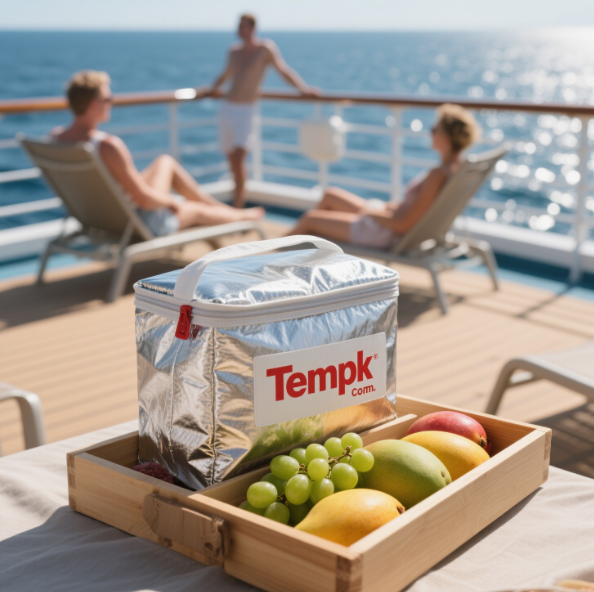
  1. Aluminum Foil Thermal Bags: The inner layer is made of aluminum foil, while the outer layer is typically non-woven fabric or Oxford cloth. These are suitable for short-term preservation of frozen food, such as for everyday shopping or short-distance transportation. The aluminum foil reflects heat radiation, significantly reducing heat transfer and effectively maintaining the internal temperature.
  2. EPE Pearl Cotton Thermal Bags: Featuring an inner layer of EPE pearl cotton and an outer layer of non-woven fabric or polyester, these bags are ideal for long-distance transportation and cold chain logistics. EPE pearl cotton offers excellent insulation and cushioning, making it suitable for long-term thermal needs.
  3. PU Foam Thermal Bags: These have an inner layer of PU foam and an outer layer commonly made of PVC or nylon. They are perfect for situations requiring high insulation performance, such as pharmaceutical cold chain transport and high-end frozen food shipping. The high-density PU foam ensures superior thermal retention.
  4. Non-Woven Fabric Thermal Bags: The inner layer can be aluminum foil or EPE pearl cotton, with a non-woven fabric outer layer. These are suitable for everyday household use and short shopping trips, being lightweight, portable, and offering moderate insulation.
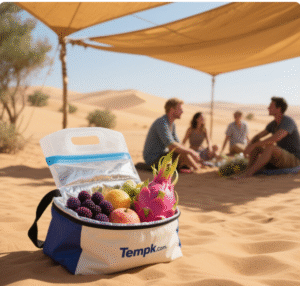
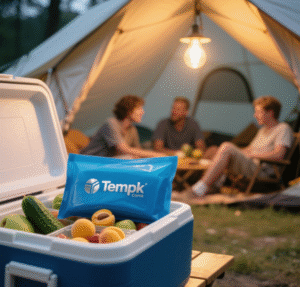
  5. PVC Thermal Bags: The inner layer is usually aluminum foil or EPE pearl cotton, with a PVC outer layer. Ideal for outdoor activities like picnics and camping, these bags are waterproof, moisture-proof, and wear-resistant, providing good insulation.
  6. Cotton Thermal Bags: With an inner layer of aluminum foil or EPE pearl cotton and an outer layer of cotton fabric, these bags are suited for lighter frozen food preservation needs, such as household storage and daily carrying. They are stylish, with a comfortable feel.
  7. Oxford Cloth Thermal Bags: These feature an inner layer of aluminum foil or EPE pearl cotton and an outer layer of Oxford cloth. Ideal for situations requiring durability, such as long-distance transport or frequent use, Oxford cloth is wear-resistant and tear-resistant, with good thermal performance.
  8. TPU Thermal Bags: With an inner layer made of TPU material and an outer layer of nylon or polyester, these bags are perfect for high-demand cold chain transport. TPU material offers excellent low-temperature resistance and flexibility, making it suitable for extreme conditions.
  9. Composite Material Thermal Bags: These are made from a combination of materials, such as PU foam and aluminum foil on the inside, with Oxford cloth or PVC on the outside. These bags are suitable for situations requiring comprehensive performance, like high-end food and pharmaceutical cold chain transport, offering extended and stable thermal retention.

After understanding the types of thermal bags, here are some tips for choosing the right one:

  1. Identify Your Needs: Consider whether you need it for short-term shopping (under half an hour) or long-term food preservation (several hours or more). Determine if it’s primarily for frozen food, hot meals, or both.
  2. Check Insulation Performance: Look at the bag’s material—aluminum foil and aerogel typically offer better insulation. Refer to the product’s insulation duration in the specifications.
  3. Size and Capacity: Choose a thermal bag that matches the quantity and size of the food you usually buy, avoiding one that’s too big or too small.img412
  4. Portability: Ensure it has comfortable handles or straps for easy carrying. A lightweight thermal bag will reduce your burden.
  5. Durability: Choose a bag with sturdy materials and solid stitching to ensure long-term use.
  6. Sealing: High-quality zippers, closures, or clasps will ensure a good seal, helping to maintain the temperature.
  7. Ease of Cleaning: Choose a material that’s easy to wipe down and clean to maintain hygiene.
  8. Design: If the appearance matches your taste, you’ll be more inclined to use it.
  9. Budget: Within the products that meet your needs, select a thermal bag that fits your budget.img122

By considering these factors, you’ll be able to choose a thermal shopping bag that satisfies your requirements.

Shanghai Huizhou Industrial Co., Ltd. is a high-tech enterprise in the cold chain industry, headquartered in Shanghai, China, with five production bases nationwide. The company is dedicated to providing professional cold chain temperature control packaging solutions for food and fresh products (fresh fruits and vegetables, beef, lamb, poultry, seafood, frozen foods, baked goods, low-temperature dairy products) and pharmaceutical cold chain customers (biopharmaceuticals, blood products, vaccines, biological samples, in vitro diagnostic reagents, animal health). Our range of thermal bags and boxes includes aluminum foil thermal bags, insulated bags, EPP insulated boxes, VPU insulated boxes, and plastic insulated boxes, designed to meet your needs in various scenarios.img112

Our company has assembled a professional R&D team and established a 1,400-square-meter laboratory according to CNAS standards, fully equipped with various professional testing and inspection instruments.

VERVIEW OF VACUUM INSULATION PANELS (VIPS)

VERVIEW OF VACUUM INSULATION PANELS (VIPS)

Vacuum Insulation Panels (VIPs), also known as vacuum thermal panels, are highly efficient insulating materials. They consist mainly of three components: a core material, a barrier film, and a getter. The core material restricts the movement of gas molecules within the panel, thereby preventing convection and conduction of heat while providing structural support. The barrier film and getter work together to maintain the vacuum inside the panel, further reducing thermal conductivity. Generally, VIPs can be installed on the exterior or interior of objects requiring insulation to achieve a thermal effect. Due to their unique properties, VIPs have a wide range of applications in the insulation and thermal preservation industry.


Advantages of VIPs in Insulated Transportation Packaging
High Thermal Efficiency: VIPs have an extremely low thermal conductivity, significantly reducing heat transfer and effectively minimizing heat loss, which helps maintain stable temperatures during transportation.
Good Compression Strength: The structural design of VIPs endows them with strong compression resistance and durability, allowing them to withstand pressure, vibrations, and impacts during transportation.
Environmentally Friendly: VIPs are produced without ozone-depleting substances and do not emit greenhouse gases or harmful substances during use. They are also recyclable, reducing resource consumption and benefiting the environment.
Fire Resistance: VIPs offer good fire resistance, enhancing safety during transport.
Space-Saving: The thinness of VIPs reduces packaging volume, improving transportation efficiency.img716
Energy Saving: Using VIPs as an insulating material can significantly reduce energy consumption and lower costs.
Lightweight: The light weight of VIPs helps reduce transportation costs.
Disadvantages of VIPs in Insulated Transportation Packaging
High Cost: VIPs are relatively expensive compared to traditional insulation materials, leading to higher market prices and increased transportation costs.
High Technical Requirements: The production of VIPs is complex, requiring advanced technology and precision equipment, which limits large-scale production.
Susceptibility to Damage: The barrier film and core material of VIPs are relatively fragile and prone to physical damage, which can impair insulation performance.
High Sealing Requirements: The insulation performance of VIPs is highly dependent on proper sealing; poor sealing can degrade the thermal performance.
Installation Complexity: Installing VIPs requires professional skills and equipment to ensure optimal insulation performance.
Environmental Sensitivity: The insulation performance of VIPs can be affected by environmental factors such as humidity and pressure, requiring careful control during use.
How to Choose VIPs
When selecting VIPs, consider the following factors:图片4

Thermal Performance: Thermal conductivity is a key indicator of VIP insulation performance. Opt for panels with lower thermal conductivity (e.g., less than 0.0025 W/m·K) for better insulation.
Compression Strength: Since VIPs may be subjected to pressure during transportation and use, choose products with high compression strength to better withstand vibrations and impacts.
Quality of Appearance: Select panels with suitable dimensions and thickness based on the size and insulation needs of the packaged items. Ensure the surface is smooth and free of defects.
Sealing Quality: Check the sealing quality of the VIPs to avoid air leakage that could compromise insulation performance.
Application Areas
VIPs are widely used in insulated transportation packaging across various sectors:

Cold Chain Logistics: VIPs are used for transporting products that require low temperatures, such as food and pharmaceuticals, ensuring temperature stability and product quality during transport.
Refrigeration Equipment: VIPs are used as insulation layers in refrigerators and freezers, enhancing insulation performance and saving energy.
Building Insulation: VIPs can also be used for building wall insulation, improving thermal efficiency and reducing energy consumption.
Case Studies
Pharmaceutical Company Example: A pharmaceutical company uses VIPs as insulation material for packaging temperature-sensitive medications. Through efficient packaging design and the high thermal performance of VIPs, the company ensures product quality while reducing energy consumption and costs during transport. The lightweight and space-saving characteristics of VIPs also improve transportation efficiency, providing significant economic benefitsCold Chain Logistics Company Example: A cold chain logistics company uses VIPs as insulation material in refrigerated trucks. This successfully reduces temperature fluctuations during transport, enhancing the freshness and stability of goods. Additionally, due to the small size and light weight of VIPs, the company achieves lower transportation costs and higher vehicle loading rates.

How Huizhou Will Assist
In cold chain transportation, VIPs can be paired with various products to create a comprehensive insulation packaging solution through proper packaging design and sealing measures, ensuring stable temperatures during long-distance and extended transport.

If you choose us, Huizhou Industrial will not only provide VIPs but also offer refrigerants and insulation packaging materials to ensure your products maintain optimal quality and insulation during transport.图片2

ere are the refrigerants and insulation packaging materials we can provide:

Ice Packs: Ice packs are convenient and economical refrigerants. They are easy to freeze and reuse, and they do not produce liquid during transport, keeping goods dry. In refrigerated transport, using ice packs with VIPs can extend insulation time.
Aluminum Foil Bags: These bags have an inner layer of aluminum foil and an outer layer of plastic film, offering excellent reflective properties. When used with VIPs, they further enhance insulation performance.
Foam Boxes: Foam boxes can be used as external packaging for VIPs, providing additional protection and cushioning.
Insulation Boxes: VIPs can serve as the inner lining material for insulation boxes, improving their insulation performance.
In summary, VIPs offer significant advantages and some drawbacks in insulated transportation packaging. By selecting and pairing VIPs according to specific needs and scenarios, they can effectively enhance insulation performance, reduce transportation costs, and improve product quality stability, achieving optimal insulation effects and economic benefits.

Packaging Materials Available for Your Selection

WHY DOES ICE REMAIN AT THE SAME TEMPERATURE WHILE IT MELTS?

WHY DOES ICE REMAIN AT THE SAME TEMPERATURE WHILE IT MELTS?

When discussing the transportation packaging of cold chain products, one of the most commonly mentioned cooling agents is water ice, which has a freezing point of 0°C. It is the most economical and widely used cooling agent in fresh produce transportation. Today, let’s delve into the science behind why ice maintains the same temperature as it melts. First, let’s explore some fundamental concepts:

1. What is Molecular Dynamics?

Molecular Dynamics (MD) is a computational simulation technique used to study and predict the physical motion and behavior of molecular systems. By numerically solving Newton’s equations of motion, MD simulations describe how molecules evolve over time. The basic principle is rooted in classical mechanics, where the interactions and trajectories of particles (such as atoms and molecules) are calculated to predict the system’s temporal evolution. MD is also used to study phenomena like phase transitions and heat transfer.

images (3)

2. What is Molecular Thermodynamics?

Molecular Thermodynamics is a branch of thermodynamics that combines thermodynamic theory with molecular physics, focusing on the thermodynamic properties and behaviors of systems at the molecular level. By understanding the interactions between molecules and atoms, molecular thermodynamics can explain and predict macroscopic thermodynamic phenomena. Here are some key points:

  • Thermodynamics: The study of energy, heat, and matter in a system and how they transform and transfer.
  • Molecular Physics: The study of the properties, structures, and interactions of molecules and atoms.
  • Objective: To explain and predict macroscopic thermodynamic phenomena, such as phase transitions, chemical reactions, and thermodynamic equilibrium, using molecular-level information.

Applications include:

  • Chemical Reaction Thermodynamics: Studying equilibrium constants and changes in free energy during chemical reactions.
  • Phase Transitions: Understanding and predicting the conditions and properties of substances as they change from one phase (solid, liquid, gas) to another.
  • Solution Thermodynamics: Studying the properties of mixtures, solubility, vapor pressure, and more.
  • Materials Science: Predicting the thermodynamic properties and stability of new materials.

3. Microscopic Perspective of Water Freezing and Melting

The transition of water from liquid to solid (ice) and then back to liquid involves changes in molecular interactions and arrangement at the microscopic level. Here’s a detailed look at this process:

Freezing Process (Liquid to Solid):

  1. Molecular Movement Slows Down: As the temperature drops, the kinetic energy of water molecules decreases, causing them to move more slowly.
  2. Hydrogen Bond Formation: The hydrogen bonds (H-O-H) between water molecules become more stable, and the molecules start arranging themselves more orderly.
  3. Crystal Structure Formation: When the temperature falls below 0°C, water molecules arrange into a regular hexagonal lattice structure, forming ice. This structure makes ice less dense than liquid water, causing it to float.
  4. Energy Release: During freezing, as water molecules arrange into a lattice structure, latent heat (also known as the heat of fusion) is released because the potential energy between molecules decreases.

Melting Process (Solid to Liquid):

  1. Molecular Movement Speeds Up: As the temperature rises, the water molecules in ice gain more kinetic energy, causing more vigorous movement.
  2. Hydrogen Bond Breaking: Some hydrogen bonds begin to break, disrupting the orderly crystal lattice structure of the ice. As more hydrogen bonds break, the ice lattice gradually collapses, and water molecules become more random and disordered.
  3. Energy Absorption: During melting, ice absorbs latent heat (also known as the heat of fusion), which increases the potential energy between molecules, allowing them to move more freely. When enough hydrogen bonds break, ice fully transforms into liquid water, where the molecules move randomly but still form some transient hydrogen bonds.

AdobeStock_499091323 ice in glass

4. Factors Influencing Hydrogen Bond Formation in Water Molecules

The formation and stability of hydrogen bonds between water molecules are influenced by several factors:

  1. Temperature:
    • Increasing temperature raises the kinetic energy of water molecules, making hydrogen bonds more prone to breaking, thus reducing their number.
    • Lowering temperature decreases kinetic energy, stabilizing hydrogen bonds and making them more likely to form, especially near or below the freezing point.
  2. Pressure:
    • High pressure brings water molecules closer together, promoting hydrogen bond formation.
    • Low pressure may increase the distance between molecules, reducing the number of hydrogen bonds.
  3. Presence of Solutes:
    • Electrolytes: Salts can disrupt hydrogen bonds by forming ion-dipole interactions with water molecules, interfering with the hydrogen bonding network.
    • Non-Electrolytes: Substances like sugars, while not breaking hydrogen bonds, can form new hydrogen bonds with water molecules, altering the existing structure.
  4. pH Value:
    • Extreme pH levels (very low pH—strongly acidic—or very high pH—strongly alkaline) can affect hydrogen bond formation because H⁺ or OH⁻ ions interact with water molecules, altering the hydrogen bond network.
  5. External Fields:
    • Strong electric or magnetic fields can influence the polarity of water molecules, thus affecting the formation and stability of hydrogen bonds.
  6. Molecular Structure:
    • The inherent structure of water molecules, such as their angle and polarity, is fundamental to hydrogen bond formation. Any factor that changes this structure will impact hydrogen bonding.
  7. Physical State:
    • Phase changes, such as from liquid to solid (ice), make hydrogen bonds more ordered and stable; from liquid to gas (steam), hydrogen bonds break.
cheerful and bright drops
ice cubes to cool cocktails, a bright and colorful cubes

5. Microscopic Explanation of Why Water’s Temperature Remains Constant During Melting

From a microscopic perspective, the phenomenon of water maintaining a constant temperature during melting can be explained by energy conversion and molecular interactions. This involves the concept of latent heat (also known as hidden heat). Here’s a detailed explanation:

  1. Energy Absorption and Hydrogen Bond Breaking:
    • Hydrogen Bond Presence: In the solid structure of ice, water molecules form an orderly hexagonal lattice through hydrogen bonds, fixing the molecules in specific positions.
    • Temperature Rising to Melting Point: As ice is heated, the kinetic energy of the water molecules increases. However, before reaching 0°C (the melting point of ice), this energy primarily increases the amplitude and frequency of molecular motion, not breaking the hydrogen bonds.
    • Latent Heat Absorption: Upon reaching 0°C, the absorbed heat no longer increases the kinetic energy of the molecules (i.e., it does not raise the temperature). Instead, it is used to break the hydrogen bonds between water molecules. This absorbed energy is known as “latent heat” or “heat of fusion.”
    • Breaking Hydrogen Bonds: The latent heat is used to overcome the hydrogen bonds, freeing the water molecules from their orderly lattice structure and transforming them into disordered liquid water.
  2. Reason for Constant Temperature:
    • Heat Used for Phase Change: During melting, all the added heat is used to break hydrogen bonds rather than increase the kinetic energy of the molecules. As a result, the temperature of the water remains constant at 0°C until all the ice has turned into liquid.
    • Heat Balance: Only after all the ice has completely melted does continued heating increase the temperature of the liquid water, as the latent heat required for the phase change has already been absorbed.

Summary:

  • Latent Heat: The heat absorbed during melting is used to break hydrogen bonds, not to raise the temperature.
  • Phase Change Process: The temperature remains constant because the heat is consumed in the phase transition from solid (ice) to liquid (water).
  • Molecular Motion: Breaking hydrogen bonds requires energy, which comes from absorbed heat but does not immediately translate into a temperature increase.

6. Practical Applications of Constant Temperature During Water Melting

The principle that water maintains a constant temperature during melting due to latent heat absorption has numerous practical applications that bring significant convenience and benefits to our daily lives. Here are some specific examples:

  1. Food Preservation and Refrigeration:
    • Refrigerators and Freezers: Freezers in refrigerators maintain a stable temperature by keeping ice present. When ice begins to melt, it absorbs heat without raising the temperature, helping to keep the freezer temperature stable and effectively preserving food.
    • Cold Chain Transport: In cold chain transport, ice or dry ice (solid carbon dioxide) is used to maintain low temperatures. As the ice melts, it absorbs heat, ensuring that the temperature does not rise during transport, thereby extending the freshness of food.
  2. Medical Uses:
    • Cold Compresses and Ice Packs: Cold compresses and ice packs are commonly used to relieve sports injuries or inflammation. The melting ice in the ice packs absorbs heat, effectively reducing local temperature, and alleviating swelling and pain.
  3. Outdoor Activities:
    • Picnics and Camping: During outdoor activities like picnics or camping, ice is often used to keep food and drinks cool. As the ice melts, it absorbs heat, ensuring that food and beverages remain cool for a longer period.

Conclusion: The principle that water’s temperature remains constant during melting, due to its heat absorption properties, provides significant benefits in food preservation, medical cold compresses, ice production, and more.

HUIZHOU VACCINE COLD CHAIN: ENSURING TEMPERATURE SAFETY

HUIZHOU VACCINE COLD CHAIN: ENSURING TEMPERATURE SAFETY

1. Key Considerations for Vaccine Transport

Transporting vaccines is a highly meticulous and specialized task that requires attention to numerous details. Here are the critical considerations for vaccine transportation:

  1. Choosing the Right Transportation Method: To ensure the stability and safety of vaccines, it’s advisable to use professional cold chain transportation methods, such as refrigerated trucks or air transport, to minimize transit time and temperature fluctuations.
  2. Strict Temperature Compliance: Each vaccine has a specific temperature range, typically between 2°C and 8°C. During transportation, it is crucial to maintain the temperature within this range to prevent vaccine degradation due to excessive heat or cold.
  3. Use of Professional Cold Chain Equipment: Equipment like refrigerated boxes and trucks should be used, and they must have temperature monitoring and recording functions to constantly track and adjust the temperature as needed.
  4. Enhanced Packaging Protection: Vaccine packaging must have sufficient shock resistance, compression strength, and insulation to prevent damage during transportation.
  5. Staff Training and Certification: Personnel involved in vaccine transport should undergo specialized training to understand vaccine characteristics and transportation requirements, and they should hold relevant certifications.

WeChat截图_20250227125743

2. Importance of Temperature Control in Vaccine Transport

Temperature control is crucial in vaccine transportation, directly affecting the quality and efficacy of the vaccines. The following points outline the essentials of temperature control:

  1. Real-Time Monitoring and Recording: Use professional cold chain equipment with temperature monitoring capabilities to track and record temperature changes during transport, ensuring the temperature remains within the specified range.
  2. Alert Systems and Adjustments: If temperature fluctuations occur or exceed the set range, an alert system should be triggered immediately, and appropriate measures, such as enhancing insulation or adjusting transport speed, should be taken.
  3. Emergency Response: Prepare emergency response plans for unforeseen situations, such as equipment failure or sudden weather changes, to ensure the vaccines remain stable and safe even under extreme conditions.

3. Unique Challenges of Vaccine Transport Compared to Other Cold Chain Logistics

Vaccine transportation is uniquely complex and stringent compared to other cold chain logistics. Here are the key differences:

  1. Stricter Temperature Requirements: Vaccines require more precise temperature control within a specific range, while other cold chain products may have more lenient temperature requirements.
  2. More Rigorous Packaging and Transport Standards: Due to the biological activity of vaccines, their packaging and transportation require stricter shock resistance, compression strength, and insulation measures to ensure safety and stability during transit.
  3. Higher Safety Standards: As crucial biological products, vaccines must adhere to stricter safety standards and regulatory requirements during transportation to ensure their quality, safety, and efficacy.

WeChat截图_20250228105600

4. Huizhou’s Vaccine Transportation Solutions

As a professional cold chain logistics company, Huizhou offers the following solutions for vaccine transportation:

  1. Customized Transport Plans: Develop tailored transportation plans based on the specific type, quantity, and distance of the vaccine, ensuring temperature control, packaging protection, and safety throughout the journey.
  2. Professional Cold Chain Equipment: Use advanced, efficient cold chain equipment such as refrigerated trucks and boxes, equipped with professional temperature monitoring and recording systems to ensure the stability and safety of vaccines during transport.
  3. Rigorous Packaging Protection: Employ standard-compliant packaging materials and techniques to prevent damage and contamination of vaccines during transport. Additionally, enhance shock resistance, compression strength, and insulation measures to improve packaging protection.
  4. Professional Team Support and Training: Provide a professional team with extensive experience to manage and operate the entire vaccine transportation process. Regular training and support are also provided to ensure the team is up-to-date with the latest vaccine transport requirements and protocols.

5. Huizhou Vaccine Transport Case Study

Huizhou has successfully provided vaccine transportation services for multiple pharmaceutical companies. Here is a typical case:

A well-known pharmaceutical company needed to urgently transport a new vaccine across the country. Huizhou developed a detailed transport plan based on the vaccine’s characteristics and transportation needs. During the transportation process, Huizhou’s professional team strictly followed the plan, using advanced cold chain equipment and packaging materials to ensure temperature stability and safety. Huizhou also enhanced communication and coordination with the client, promptly addressing any issues that arose during transport. The vaccine was successfully and safely delivered to its destination, earning high praise from the client.

WeChat截图_20250228105448

6. Packaging Options for Your Selection

Considering the special requirements of vaccine transport, Huizhou offers the following packaging options:

  1. Insulated Box Packaging: Use standard-compliant insulated boxes lined with high-efficiency insulation materials, offering excellent thermal performance. The insulated box also comes with temperature monitoring and recording equipment, making it easy to track temperature changes.
  2. Custom Wooden Box Packaging: Based on the vaccine’s quantity and specifications, custom wooden boxes are designed with internal shock-absorbing materials to ensure vaccines are not subjected to vibration or impact during transport. The exterior of the wooden boxes is coated with waterproof paint to enhance water resistance.
  3. Multi-Layer Composite Packaging: Utilize multi-layer composite materials to create packaging that offers superior insulation, shock resistance, and compression strength. Temperature monitoring points are set inside the packaging to monitor and record temperature changes in real-time. Additionally, the exterior of the packaging is marked with warning labels and transport information tags for easy identification and tracking.

In summary, every step of vaccine transportation impacts the vaccine’s efficacy and safety, and it must be given the utmost attention. As a professional cold chain logistics company, Huizhou is committed to providing efficient, safe, and reliable vaccine transportation services. Through strict temperature control, professional packaging protection, and efficient transport management, we ensure the stability and safety of vaccines during transit.

When choosing a packaging solution, we recommend selecting the most appropriate option based on the specific characteristics and transport needs of the vaccine. We also invite you to communicate and consult with Huizhou’s professional team, who will provide customized solutions based on your specific requirements.

In future vaccine transportation, Huizhou will continue to uphold its commitment to professionalism, efficiency, and safety, offering superior services to our clients. We are confident that through our combined efforts, we can ensure the safe and effective transport of vaccines, contributing to the health and well-being of people worldwide.

Conclusion:

Vaccine transport is a complex and rigorous process that requires specialized knowledge and skills to ensure safety and effectiveness at every step. With extensive experience and a professional team, Huizhou is equipped to offer comprehensive vaccine transport solutions. Whether it’s temperature control, packaging protection, or transport management, we are dedicated to serving you, ensuring that vaccines are safely and promptly delivered to their destination

HOW TO SHIP MEAT

HOW TO SHIP MEAT

Having a reliable and effective temperature control method is crucial when shipping meat. From the moment the product leaves your facility until it reaches the customer’s home, warehouse, or retail store, the temperature of the meat must remain within a specified range to prevent spoilage. This article explores the complex details of shipping frozen meat, including why temperature control is essential, effective insulation packaging methods, how to maintain low temperatures, transport time, and shipping costs. If you have any questions about how to ship meat, we hope this article provides comprehensive answers.

图片12

1. Why Temperature Control is Crucial for Meat Shipping

Preventing Microbial Growth:
Perishable foods like meat and poultry must always be kept below 40°F (about 4°C) to prevent rapid bacterial growth. Bacteria such as Salmonella, E. coli, and Listeria thrive in warm environments, but maintaining low temperatures can effectively limit their growth, preventing foodborne illnesses and other health risks. Freezing meat further restricts bacterial and microbial growth, making it an ideal method for storing and transporting meat products.

Maintaining Food Quality:
Temperature control directly affects the quality of meat, in addition to preventing microbial growth. Fluctuating temperatures can accelerate fat oxidation and protein breakdown in meat, leading to spoilage, discoloration, and off-flavors. Maintaining a consistent low-temperature environment extends the shelf life of meat, preserving its freshness and taste, and ensuring the final product’s quality.

Regulatory Compliance:
Many countries and regions have strict regulations regarding food transportation and storage, requiring that food be kept at safe temperatures during transit. Complying with these regulations ensures product quality and helps avoid legal liabilities and fines. Ensuring temperature control within the compliance range is a critical issue for every meat shipping company.图片11

2. Utilizing Effective Insulation Systems

Choosing Insulation Materials:
To maintain the cargo’s low temperature, it is crucial to package products with appropriate insulation materials. We recommend using insulated box liners, which offer many advantages over other forms of temperature-controlled packaging, such as molded coolers. Insulated liners, like PopupLiner box liners, are reflective foam box liners that provide high-performance temperature control. They can be installed in corrugated boxes and loaded with goods in seconds. These custom liners are particularly effective because they offer both reflective and conductive insulation. Unlike other temperature-controlled packaging, reflective box liners are compact and space-saving, freeing up valuable warehouse space and labor.

Packaging Design:
High-performance insulation materials like PopupLiner and EcoLiner products can significantly enhance the thermal performance of packaging. These materials maintain internal temperature stability by reflecting thermal radiation and reducing heat conduction. Installing these insulation liners inside corrugated boxes allows for efficient and space-saving packaging.

Layered Packaging:
When placing meat products inside insulated packaging, it is recommended to use layered packaging. First, seal the meat products in leak-proof aluminum foil bags to prevent liquid leakage and contamination. Then, place the foil bags into a pre-cooled insulated box, and pack cold packs or dry ice around the meat to ensure even cooling. Finally, seal the insulated box with high-performance insulation materials to further enhance the thermal performance.img58

3. Choosing Cold Packs to Maintain Low Temperatures

Cold Packs:
For shipping fresh refrigerated meat, cold packs can be used instead of dry ice inside the meat packaging box. This avoids the hassle of handling hazardous materials and the associated labeling requirements. It is important to note that cold packs will not keep frozen meat frozen. As a general rule, the refrigerant used must be colder than the payload. Therefore, cold packs are best suited for shipping fresh meat. When designing a shipping protocol and packaging, it is advisable to conduct test shipments using cold packs to determine the number of packs needed and the amount of ounces per pack required to keep the cargo adequately chilled. Factors to consider include the available space for cold packs and the thickness of the insulation panels themselves.

Dry Ice:
The amount of dry ice used is limited. Once the weight of dry ice used exceeds a certain level, the package becomes hazardous. Dry ice, when used with high-performance foam insulation materials like PopupLiner and EcoLiner products, is an excellent choice for shipping frozen meat. A general rule of thumb for performance is that if dry ice is placed adjacent to frozen meat, the meat will typically remain frozen as long as there is some dry ice present. This rule can be used to determine the appropriate weight of dry ice for use in shipping packaging by measuring the sublimation rate when packed inside the chosen insulation material (thicker insulation generally provides longer life and slower sublimation).

Phase Change Materials (PCMs):
Phase change materials absorb or release large amounts of heat within a specific temperature range, maintaining a constant temperature. They can provide longer-lasting cooling effects than traditional refrigerants, making them ideal for long-distance shipping. When using phase change materials, it is important to select the appropriate phase change temperature based on specific transportation needs and to thoroughly pre-chill the materials.img5

4. Effective Packaging Methods

Using High-Performance Insulation Materials:
High-performance insulation materials like PopupLiner and EcoLiner products can significantly enhance the thermal performance of packaging. These materials maintain internal temperature stability by reflecting thermal radiation and reducing heat conduction. Installing these insulation liners inside corrugated boxes allows for efficient and space-saving packaging.

Layered Packaging:
When placing meat products inside insulated packaging, it is recommended to use layered packaging. First, seal the meat products in leak-proof aluminum foil bags to prevent liquid leakage and contamination. Then, place the foil bags into a pre-cooled insulated box, and pack cold packs or dry ice around the meat to ensure even cooling. Finally, seal the insulated box with high-performance insulation materials to further enhance the thermal performance.img12

5. Shipping Time and Cost

Selecting the Right Shipping Time:
Choosing the right shipping time is crucial to ensure that the meat maintains the appropriate temperature during transport. For overnight or next-day delivery, it is advisable to discuss your requirements with various carriers to determine the shipping rates for packages of different weights. If you anticipate a large volume of shipments, you can negotiate shipping rates. Understanding this during discussions can save significant costs.

If overnight shipping is not necessary for the customer, it is worth asking, “What is the slowest speed at which I can ship the product while still ensuring it arrives safely?” Many meat shipping companies believe that to ensure product safety, goods must be delivered overnight. However, it is important to consider that two-day shipping is much cheaper and may meet your needs. Lowering the costs borne by customers can increase your profits, and if passed on to your end-users, you will become a more competitive supplier.img8

Cost Control:
When designing shipping protocols, it is advisable to conduct test shipments using cold packs or dry ice to determine the optimal amount of refrigerant needed. Finding a balanced solution that considers shipping costs and temperature control effects is crucial. Using high-performance insulation materials can reduce the amount of refrigerant needed, thereby lowering shipping costs. Additionally, negotiating shipping rates with carriers, especially for large-volume shipments, can further reduce costs.

6. Specific Operational Recommendations

Testing and Validation:
When designing a shipping plan, it is recommended to conduct actual testing and validation. Package test shipments at your facility and monitor temperature changes using temperature probes to ensure the packaging plan can maintain the meat’s low temperature throughout the shipping process. Testing can help determine the optimal amount of refrigerant and packaging methods, ensuring the reliability of the shipping plan.

Temperature Monitoring:
Real-time temperature monitoring during shipping is critical. Using temperature recording devices, such as temperature probes or data loggers, can record temperature data throughout the shipping process. If temperature anomalies occur, timely measures can be taken to ensure the quality and safety of the meat.

Efficient Shipping:
For overnight or next-day delivery, it is advisable to discuss your requirements with various carriers to determine the shipping rates for packages of different weights. If you anticipate a large volume of shipments, you can negotiate shipping rates. Understanding this during discussions can save significant costs.

If overnight shipping is not necessary for the customer, it is worth asking, “What is the slowest speed at which I can ship the product while still ensuring it arrives safely?” Many meat shipping companies believe that to ensure product safety, goods must be delivered overnight. However, it is important to consider that two-day shipping is much cheaper and may meet your needs. Lowering the costs borne by customers can increase your profits, and if passed on to your end-users, you will become a more competitive supplier.

7. Conclusion

In conclusion, having reliable and effective temperature control methods is essential when shipping meat. By using high-performance insulation materials, properly configuring refrigerants, employing effective packaging methods, and monitoring temperatures in real-time, you can ensure the quality and safety of meat during transit. Choosing the appropriate shipping method and refrigerant configuration based on transportation distance, time, and product needs will provide a reliable solution for cold chain logistics. If you need more specific advice or assistance, please contact our team, and we will do our best to help.

Through scientific cold chain management and optimized shipping solutions, you can effectively reduce costs, improve shipping efficiency, and ensure the freshness and quality of meat products, thereby enhancing customer satisfaction and market competitiveness. We hope this article provides comprehensive guidance to help your meat shipping business run smoothly

COLD CHAIN PACKAGING: ENSURING TEMPERATURE STABILITY FOR PERISHABLES

COLD CHAIN PACKAGING: ENSURING TEMPERATURE STABILITY FOR PERISHABLES

Cold chain packaging solutions are designed to maintain the temperature of perishable goods (such as fresh and frozen foods, pharmaceuticals, and other temperature-sensitive products) during transportation and storage. Below are key points regarding cold chain packaging solutions:

img58

1. Types of Cold Chain Packaging

Insulated Containers: Insulated containers are specially designed to minimize heat transfer between the interior and the external environment, ensuring stable internal temperatures. They are widely used in cold chain packaging solutions for transporting and storing temperature-sensitive goods. Here are some key aspects of insulated containers:

  • Working Principle:
    • Insulating Materials: Made from materials with low thermal conductivity (such as foam or vacuum insulation panels) to block heat transfer.
    • Multi-Layer Structure: Utilizes a multi-layer design with insulating material in between to increase thermal resistance.
    • Sealed Design: Prevents external air from entering, maintaining stable internal temperatures.
    • Reflective Insulation Film: Reflects thermal radiation to further reduce heat transfer.
  • Types of Insulated Containers:
    • Foam Boxes: Single-use insulated boxes made from foam, commonly used for short-distance cold chain transport.
    • Vacuum Insulated Panel (VIP) Boxes: Reusable boxes made with vacuum insulation panels, offering superior insulation.
    • Cooler Boxes/Refrigerated Boxes: Active insulated boxes equipped with cooling units, capable of maintaining low temperatures for extended periods.

The insulation performance of these containers largely depends on the thermal conductivity of the insulating material, structural design, and sealing performance. Combined with cold sources (such as dry ice or gel packs), insulated containers can provide effective cold chain protection for temperature-sensitive goods.1

Cold Source Materials: Cold source materials are essential components in cold chain logistics, used to maintain a low-temperature environment during transportation and storage. Here are some common cold source materials and their features:

  • Gel Packs: Made from high-polymer materials, offering strong cooling effects, reusable, and environmentally friendly.
  • Dry Ice: Solid carbon dioxide with a temperature of -78.5°C, sublimates directly into gas without residue, ideal for ultra-low temperature transport.
  • Phase Change Materials (PCM): Absorb or release large amounts of heat at specific temperature ranges, maintaining constant temperatures, perfect for precise temperature control in cold chain transport.
  • Dry Ice Pellets: A form of dry ice in pellet form, easy to use and fast cooling, suitable for short-distance transport.
  • Ice Bricks: Solid cold sources that provide excellent cooling for long periods, suitable for large-scale product transportation.2

2. Phase Change Materials (PCM)

Phase change materials (PCMs) are used to maintain constant temperatures by absorbing or releasing large amounts of heat at specific temperature ranges. These materials are widely used in cold chain transport for products that require precise temperature control, such as pharmaceuticals, foods, and chemicals.

  • Categories:
    • Organic PCMs: Include paraffin and fatty acids, known for good latent heat and chemical stability, suitable for mid-to-low temperature ranges (-30°C to +150°C).
    • Inorganic PCMs: Include salt hydrates, known for high latent heat and thermal conductivity, ideal for industrial energy storage and temperature control packaging.
    • Composite PCMs: Combine organic and inorganic materials for enhanced performance, suitable for cold chain transport and energy-efficient building management.
  • Working Principle: PCMs regulate temperature by transitioning between solid and liquid states, absorbing heat when the temperature exceeds the phase change point and releasing heat when the temperature drops below it.
  • Advantages:
    • Constant Temperature: Maintains a stable temperature within a specific range, protecting temperature-sensitive products.
    • High Energy Density: Stores large amounts of energy in a small volume.
    • Reusability: Can be used multiple times, making them environmentally friendly and cost-effective.
  • Applications:
    • Pharmaceutical Cold Chain: Used for transporting vaccines, blood products, and medications, ensuring stable low temperatures.
    • Food Cold Chain: Used for transporting fresh produce, dairy products, and ice cream, maintaining freshness and quality.

3. Temperature-Controlled Packaging Liners

Temperature-controlled packaging liners are essential components in cold chain logistics, designed to maintain stable temperatures inside packaging, protecting goods from external temperature fluctuations during transport. Here are some common types of temperature-controlled packaging liners:

  • Foam Liners (EPS/EPP): Lightweight, good insulation, impact-resistant, suitable for pharmaceuticals and food products.
  • VIP Liners: Made from a core material and vacuum protective film, offering excellent insulation, ideal for high-value pharmaceuticals and vaccines.
  • PU Foam Liners: Good insulation, durable, widely used in food and pharmaceutical transport.
  • Aluminum Foil Liners: Strong reflective properties, moisture-resistant, ideal for electronic products and fresh foods.
  • Silicone Liners: Soft, good high and low-temperature resistance, suitable for high-end electronics and precision instruments.

4. Temperature Monitoring Equipment

Temperature monitoring devices are used to track temperature changes during transportation, such as:

  • Temperature Loggers
  • Temperature Data Recorders

Different types of cold chain packaging can be combined based on transport distance, temperature requirements, and other factors to meet various cold chain transport needs.img6

5. Active vs. Passive Systems

Cold chain packaging solutions can be divided into active and passive systems, each with its unique features and application scenarios:

Active Systems:

  • Features:
    • Temperature Control: Equipped with batteries or external power sources for continuous temperature control.
    • Long-Term Cooling: Suitable for long-distance transport, maintaining stable temperatures in extreme environments.
    • High Efficiency: Ideal for transporting high-value and temperature-sensitive products.
    • Complex Structure: Includes temperature sensors, controllers, and cooling units.
  • Applications:
    • Pharmaceutical Transport: Used for long-distance transport of vaccines, blood products, and high-value medications.
    • Biological Samples: For transporting biological samples, requiring precise temperature control.
    • High-End Foods: For international transport of high-end foods like seafood, meats, and dairy products.
  • Examples:
    • Refrigerated Trucks: Equipped with independent cooling systems for temperature control.
    • Temperature-Controlled Containers: For sea and air transport with built-in cooling units.
    • Portable Refrigerated Boxes: For short-distance transport with battery-powered cooling systems.img5

Passive Systems:

  • Features:
    • No Power Requirement: Uses insulating materials and cold sources (such as gel packs, dry ice, PCMs) to maintain low temperatures.
    • Lower Cost: More economical, suitable for short- to mid-distance transport.
    • Simplicity: Easy to use and maintain.
    • Limited Cooling Duration: The cooling duration is shorter, and more susceptible to external temperature changes.
  • Applications:
    • Short-Distance Transport: Suitable for transporting food, fresh produce, and pharmaceuticals.
    • Delivery Services: For cold chain deliveries by e-commerce and food delivery services.
    • Emergency Transport: For short-term cooling in emergencies.
  • Examples:
    • Foam Insulation Boxes: Use foam as an insulating layer, with gel packs or dry ice inside.
    • PCM Insulation Boxes: Use phase change materials to maintain a constant temperature.
    • Aluminum Foil Insulation Bags: Lightweight, portable, suitable for short-distance transport.img10

These insights on cold chain packaging solutions offer a comprehensive understanding of how to maintain temperature stability during the transportation and storage of perishable goods.

AMBIENT TEMPERATURE: KEY CONCEPTS AND ITS ROLE IN COLD CHAIN PACKAGING

AMBIENT TEMPERATURE: KEY CONCEPTS AND ITS ROLE IN COLD CHAIN PACKAGING

Ambient temperature refers to the air temperature in the surrounding environment, essentially the temperature of the air where people or objects are located. It is a critical physical parameter that influences various natural phenomena, industrial processes, and human activities. This article explores the definition, measurement, influencing factors, application areas, and the crucial role of ambient temperature in cold chain temperature-controlled packaging.

1. Definition of Ambient Temperature

Ambient temperature is the temperature of the air in the surrounding environment, serving as a fundamental physical quantity that describes the state of thermal energy. It is typically expressed in degrees Celsius (°C) or Fahrenheit (°F). Ambient temperature impacts not only climate and weather but also biological processes, chemical reactions, mechanical operations, and more.

2. Measurement of Ambient Temperature

There are several methods to measure ambient temperature:

  • Liquid Thermometers:
    • Mercury Thermometers: Utilize the thermal expansion properties of mercury to measure temperature.
    • Alcohol Thermometers: Use alcohol’s thermal expansion, suitable for low-temperature measurements.
  • Electronic Thermometers:
    • Thermistors: Measure temperature based on the resistance changes in materials as the temperature varies.
    • Thermocouples: Consist of two different metals that generate a voltage based on the temperature difference, used to measure temperature.
  • Infrared Thermometers:
    • Infrared Technology: Measures temperature based on infrared radiation without the need for contact with the object’s surface.

3. Factors Influencing Ambient Temperature

Several factors affect ambient temperature, including:

  1. Solar Radiation: The sun is the primary heat source for Earth, with solar radiation intensity directly influencing surface temperatures.
  2. Topography: Features such as mountains, plains, and rivers can affect local temperature distribution.
  3. Bodies of Water: Large bodies of water like oceans and lakes help moderate temperature changes, leading to more stable temperatures in nearby areas.
  4. Airflow and Wind Speed: Air movement and wind speed can accelerate heat transfer, affecting the temperature in specific regions.
  5. Vegetation: Plants release moisture through transpiration, influencing ambient humidity and temperature.
  6. Human Activities: Urbanization, industrial emissions, and transportation can affect ambient temperature, contributing to the “heat island effect.”

4. Applications of Ambient Temperature

Ambient temperature plays a vital role in various fields:

  1. Meteorology: It is a key indicator in describing climate and weather conditions.
  2. Architecture and Engineering: Environmental temperature is considered in building design and construction to ensure structural safety and comfort.
  3. Agriculture: Crop growth, pest control, and other agricultural activities are closely linked to ambient temperature.
  4. Healthcare: Ambient temperature significantly impacts human health, especially under extreme weather conditions.
  5. Industrial Production: Many industrial processes require strict temperature control, such as in chemical production and food processing.
  6. Cold Chain Logistics: In cold chain logistics, ambient temperature is a crucial factor affecting the freshness and safety of transported goods.

5. Importance of Ambient Temperature in Cold Chain Packaging

Cold chain temperature-controlled packaging aims to maintain the appropriate temperature of products during transportation and storage, preventing quality degradation due to temperature fluctuations. Ambient temperature plays a key role in this process, as highlighted below:

  • Impact of Temperature Fluctuations on Products:
    • Food: Products like fresh produce, dairy, and frozen foods are highly sensitive to temperature changes, which can lead to spoilage, decay, or loss of nutritional value.
    • Pharmaceuticals: Many medications, such as vaccines and biologics, must be stored within a strict temperature range. Temperature fluctuations can affect their stability and efficacy.
    • Chemicals: Some chemicals may undergo reactions due to temperature changes, leading to product failure or safety hazards.
  • Challenges in Temperature Management During Transport:
    • Long-Distance Shipping: Ambient temperature can vary significantly during long-distance transportation, especially across different regions.
    • Extreme Weather: Extreme weather conditions, such as heat waves or cold snaps, place higher demands on temperature control in cold chain logistics.
    • Transportation Modes: Different transportation methods (e.g., trucks, ships, airplanes) perform differently under varying ambient temperatures, requiring specific temperature control measures.

6. Importance of Managing Ambient Temperature

  • Ensuring Product Quality:
    • Temperature-Controlled Packaging: Use efficient temperature-controlled materials and equipment to keep products within the specified temperature range throughout transport.
    • Real-Time Monitoring: Employ temperature loggers and other devices to monitor temperature changes in real-time, allowing for prompt action to address fluctuations.
  • Reducing Loss and Waste:
    • Lowering Return Rates: Effective temperature control can reduce product returns due to non-compliance with temperature requirements, minimizing business losses.
    • Extending Shelf Life: Maintaining optimal temperature conditions prolongs product shelf life, reducing waste.
  • Enhancing Customer Satisfaction:
    • Ensuring Delivery Quality: Ensuring that customers receive high-quality products builds trust and satisfaction.
    • Boosting Brand Image: Efficient temperature management demonstrates a company’s commitment to product quality and customer service, enhancing brand reputation.

7. Measures for Managing Ambient Temperature

  • Selecting Appropriate Packaging Materials:
    • Insulating Materials: EPS (expanded polystyrene), EPP (expanded polypropylene), and VIP (vacuum insulation panels) offer excellent thermal insulation, effectively reducing heat transfer.
    • Cooling Packs: Gel packs, saltwater packs, and organic phase change materials can be selected based on the product’s temperature requirements.
  • Optimizing Packaging Design:
    • Layered Design: Multi-layer packaging designs can enhance insulation effectiveness.
    • Shock and Moisture Protection: Incorporate shock-absorbing and moisture-resistant materials inside the packaging to protect products from physical damage and humidity.
  • Using Temperature-Control Devices:
    • Temperature Loggers: Monitor temperature changes in real-time during transport to ensure it remains within the controlled range.
    • Refrigerated Vehicles and Cabinets: Choose appropriate refrigerated transport methods to ensure continuous temperature control.
  • Planning Transportation Routes:
    • Route Planning: Plan transportation routes to avoid extreme weather areas, minimizing ambient temperature impacts.
    • Timing: Schedule transport during times of day when temperatures are more stable, reducing the risk of fluctuations.
  • Training and Management:
    • Employee Training: Regularly train staff to raise awareness of temperature control management and improve operational skills.
    • Management Protocols: Establish and refine cold chain logistics management protocols and contingency plans to ensure effective implementation of temperature control measures.

8. Cold Chain Packaging Case Studies

  • Fresh Food Transport: A fresh food company uses VIP insulation panels and gel packs for packaging during the summer heat. Equipped with temperature loggers, they maintain a controlled temperature between 2°C and 8°C throughout transport, ensuring product freshness and safety.
  • Vaccine Transport: A pharmaceutical company transports vaccines globally, using high-efficiency PU foam boxes and phase change material cooling packs. The company monitors temperature throughout the journey to ensure the vaccines reach their destinations safely.

9. Future Directions

  • Smart Management: Utilize IoT, big data, and AI technologies for intelligent management of cold chain logistics, improving temperature control efficiency and accuracy.
  • Green Packaging Materials: Promote the use of biodegradable and recyclable packaging materials to reduce environmental impact and advance green cold chain logistics.
  • International Standardization: Advocate for international standardization in cold chain temperature control management to ensure consistent quality in cross-border transport and foster global cold chain logistics development.

HOW TO USE AN INSULATED BAG

HOW TO USE AN INSULATED BAG

Why an Insulated Bag Still Matters in 2025

A modern insulated bag uses layered foams, reflective films and food‑grade liners to slow heat flow, keeping contents ≤ 40 °F (4 °C) for cold service or ≥ 140 °F (60 °C) for hot service—both outside the USDA “Danger Zone.”

Insulated Bag

Quick‑Start Checklist

Step Cold Use Hot Use
Pre‑Treat the Bag Freeze gel packs overnight and place them inside for 30 – 60 min to pre‑chill, or pop the whole bag in the freezer if space allows. Insert a sealed hot‑water bottle or rinse the liner with 140 °F water, then drain and close for 10 min.
Pack Smart Use leak‑proof containers; place frozen packs on the sides and top so cold air sinks through food layers. Put the hottest items in the centre; wrap them in a kitchen towel to reduce moisture build‑up.
Fill Ratio Keep at least 25 % of the bag’s volume as cold mass (gel packs or frozen bottles) to reach full‑day performance. Use an insulated divider to separate very hot items from ambient‑temp snacks.
Minimise Opening Plan grab‑order in advance; every open can cut hold time by 20 %. Same rule—heat escapes upward faster than cold.
Extra Insulation Add a reflective foil pouch or towel around delicate foods for another 10 – 15 % hold‑time boost. Line the base with a small cutting board to act as a heat shield.
After‑Use Care Wipe the liner with mild soap, air‑dry fully, then store unzipped to prevent odour or mould. Same—plus inspect seams for starch build‑up from soups or sauces.

Deep‑Dive Practice—Expandable Tips

Pre‑Chill vs. Pre‑Heat

The greater the delta between bag wall temperature and target food temperature, the faster heat flows.
A 30‑minute pre‑condition can extend safe hold times by up to 50 % during hot‑weather outings.

Layer Like a Pro

Alternate cold packs and food to build “cold walls,” keeping frozen packs against the bag sides and a thin layer on top—because cold air sinks while warm air rises.

Block + Gel Combo

For multi‑day trips, place a solid ice block (or frozen water bottle) on the bottom for slow, sustained chill, then gel packs around fragile produce to prevent freeze burn.

Beyond 24 Hours?

Dry ice or completely frozen jugs outperform gel packs when journeys exceed one full day; follow ventilation guidelines and keep dry ice separated from fresh greens.

Insulated Bag

2025 Market & Sustainability Snapshot

  • Market momentum: The global insulated bags market hit USD 15.31 billion in 2024 and is projected to reach USD 25.81 billion by 2032 (6.7 % CAGR).

  • Eco trends: Mono‑material PE foams introduced in late 2024 shave 30 % off end‑of‑life CO₂e versus multi‑layer PVC bags.

  • Regional growth: Asia‑Pacific holds 28 % share and is expanding at 7.2 % CAGR thanks to e‑commerce grocery demand.

Insulated Bag

FAQ

Q A
How long can an insulated bag keep food cold? In 90 °F (32 °C) shade, a well‑packed lunch bag with two 8‑oz gel packs stays below 40 °F for 6 – 8 h; a grocery tote with 2 lb of frozen bottles can exceed 24 h.
Can I microwave the bag? No—heat can melt internal foams; transfer food to microwave‑safe ware.
Are premium soft coolers worth it? Lab tests show vacuum‑panel soft bags retain safe temps 40 % longer than budget PE‑foam models, but weigh 20 % more.
What about odors? Add a spoon of baking soda to warm soapy water for a 15‑minute soak; rinse and air‑dry inverted.


HOW TO USE AN INSULATED COOLER

HOW TO USE AN INSULATED COOLER

An insulated cooler is commonly used to maintain the temperature of its contents, whether for keeping items cold or warm. These coolers are typically used during picnics, camping, and for transporting food or medications. Here are some effective ways to use an insulated cooler:

  1. Pre-treat the Cooler:
    • For Cold Items: Before using the cooler, pre-chill it by placing ice packs or frozen gel packs inside a few hours prior, or by storing the cooler in a cold environment to cool it down.
    • For Warm Items: If using the cooler to keep items warm, pre-heat it by filling a hot water bottle and placing it inside for a few minutes, then empty the water before adding the warm food.img613
  2. Proper Loading:
    • Seal Well: Ensure that all items placed in the cooler are properly sealed, especially liquids, to prevent leaks and contamination.
    • Strategic Placement: Distribute cold sources (like ice packs or frozen gel packs) evenly throughout the cooler. For hot items, use insulated containers to help maintain their temperature.img511
  3. Minimize Opening:
    • Every time the cooler is opened, the internal temperature is affected. Try to minimize the number of times you open it and quickly retrieve the items you need.
  4. Choose the Right Size:
    • Select a cooler size that matches the amount of items you need to carry. An oversized cooler can lead to uneven temperature distribution, affecting the cooling or warming efficiency.img510
  5. Use Insulating Materials:
    • Fill empty spaces inside the cooler with newspaper, towels, or special insulating materials to help maintain a stable internal temperature.
  6. Cleaning and Storage:
    • After use, promptly clean the cooler and keep it dry to prevent mold and odors. When storing, keep the lid slightly open to avoid unpleasant smells caused by a sealed environment.img410

By following these tips, you can maximize the efficiency of your cooler, ensuring that food or other items remain at the desired temperature, whether during outdoor activities or everyday use.

HOW TO USE A FREEZER ICE PACK

HOW TO USE A FREEZER ICE PACK

Freezer ice packs are essential tools for keeping food, medication, and other sensitive items stored and transported at appropriate low temperatures. Proper use of freezer ice packs can significantly improve efficiency and safety. Here are detailed instructions:img215

Preparing the Ice Pack

Choose the Right Ice Pack: Select an ice pack that matches the size and type of items you need to freeze. Ice packs come in various forms—some are specifically designed for medical transport, while others are more suitable for everyday food preservation.

Thoroughly Freeze the Ice Pack: Place the ice pack in the freezer for at least 24 hours before use to ensure it is fully frozen. Larger or thicker ice packs may require more time to ensure that the core is completely frozen.

Using the Ice Pack

Pre-Cool the Container: If using an insulated cooler or bag, pre-cool it by placing it in the freezer or by adding several frozen ice packs inside to lower its temperature before adding items.

Pack the Items to Be Frozen: Ensure that the items you plan to freeze are already in a frozen state before placing them in the insulated container. This helps maintain the low temperature inside the container.

Place the Ice Packs Strategically: Distribute the ice packs evenly at the bottom, sides, and top of the container. Make sure they cover key areas to prevent uneven temperature distribution.

Seal the Container: Ensure the container is sealed tightly to minimize air exchange and maintain the internal temperature.img59

Care During Use

Regularly Check the Ice Packs: During use, check the ice packs for any damage. Cracks or leaks can compromise the cooling effect and may pose a hygiene risk.

Avoid Direct Contact with Food: To prevent potential chemical contamination, keep food items separated from the ice packs using food-grade packaging materials.

Cleaning and Storing the Ice Packimg45

Clean the Ice Pack: After use, clean the ice pack with warm water and mild detergent. Rinse it thoroughly with clean water and let it air dry in a cool, shaded area.

Proper Storage: Once completely dry, place the ice pack back in the freezer. Avoid placing heavy objects on the ice pack or folding it to prevent cracks or damage.img41

By following these steps when using freezer ice packs, you can ensure that your food, medication, or other sensitive items remain at the proper low temperature during storage or transport, extending freshness, reducing waste, and ensuring safety. Proper use and maintenance will also prolong the life of the ice packs.

Get a Quote