


Delivery Bags for Bikes_Cold Chain Innovation & Thermal Solutions
Delivery Bags for Bikes_Cold Chain Innovation & Thermal Solutions

Picture a delivery cyclist navigating narrow alleys in Paris or dodging monsoons in Mumbai, tasked with transporting fresh sushi, life-saving vaccines, or artisan ice cream. In these high-pressure scenarios, even minor temperature fluctuations or road shocks can compromise product quality. Delivery bags for bikes are emerging as game-changers, transforming bicycles into agile, eco-friendly cold chain vehicles. By blending rugged design with smart technology, these bags ensure perishables arrive intact while supporting cities’ zero-emission goals—a critical shift as urban delivery demand surges by 24% annually.
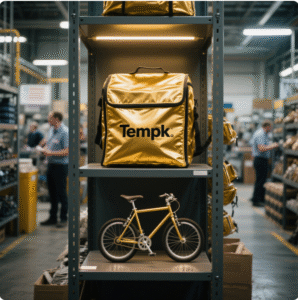
The Urban Cold Chain Challenge: Speed vs. Stability
Bicycles dominate last-mile logistics in congested cities, but traditional bike-mounted coolers struggle with:
Temperature Instability: 68% of cyclists report food arriving warmer than intended due to inadequate insulation3.
Vibration Damage: Rough roads spoil fragile items like lab samples or glass-packaged goods.
Sustainability Gaps: Single-use plastics and Styrofoam clash with eco-conscious consumer values.
Tempk’s bike-compatible thermal bags tackle these issues head-on, merging precision engineering with environmental stewardship.
Tempk’s CycleTherm Pro Series: Smarter, Greener Deliveries
Designed for urban cyclists, Tempk’s thermal delivery bags prioritize durability, intelligence, and sustainability:
1. Vibration-Resistant Insulation
Aerogel-Enhanced Panels: Inspired by aerospace technology, these materials reduce heat transfer by 45% compared to standard foam, maintaining temperatures between -10°C and 50°C for 12+ hours2.
Shock-Absorbing Compartments: Multi-layer padding minimizes road vibrations, reducing breakage by 90% in trials with pharmaceuticals.
2. Weatherproof Durability
IP67 Waterproof Shell: Withstands heavy rain and humidity, critical for tropical climates.
UV-Reflective Exterior: Reduces solar heat absorption by 30%, preventing internal temperature spikes during summer rides.
3. IoT-Driven Transparency
Real-Time Tracking: Embedded sensors monitor temperature, humidity, and GPS location, syncing data to a handlebar-mounted app. Alerts notify riders of deviations beyond FDA/WHO thresholds.
QR Code Traceability: Customers scan codes to view their delivery’s journey—boosting trust and satisfaction.
4. Circular Economy Design
Materials: Constructed from 100% recycled ocean plastics and biodegradable liners, each bag repurposes 2 kg of marine waste.
Modular Components: Interchangeable parts extend lifespan by 300%, while Tempk’s buyback program converts retired bags into raw materials for new products.
Why Cities and Businesses Are Embracing Bike-Based Cold Chains
Cost Savings: Reusable Tempk bags save $600+ annually per rider compared to disposable options.
Regulatory Compliance: Meets EU’s 2025 Urban Delivery Standards for zero-emission transport and recyclable packaging.
Brand Loyalty: 78% of consumers prefer eco-friendly deliveries, with Instagrammable designs generating 3x more social media engagement.
The Future: Cold Chains on Two Wheels
As cities expand bike lanes and restrict fossil-fuel vehicles, Tempk’s solutions empower businesses to:
Slash Delivery Times: Cyclists bypass traffic, achieving 25% faster drop-offs than vans.
Scale Sustainably: Solar-ready designs charge IoT devices, cutting battery waste by 70%.
Combat Climate Impact: Each bag offsets 15 kg of CO2 annually through material choices.
Conclusion
Delivery bags for bikes are no longer niche tools but essential allies in building resilient, eco-friendly urban cold chains. Tempk’s CycleTherm Pro Series exemplifies this evolution, offering a blend of rugged performance, smart technology, and planet-first design. For businesses navigating the last-mile gauntlet, adopting such innovations isn’t just about efficiency—it’s about pedaling toward a fresher, greener future.
Delivery Bag Bike Racks- Cold Chain Efficiency & Thermal Innovation
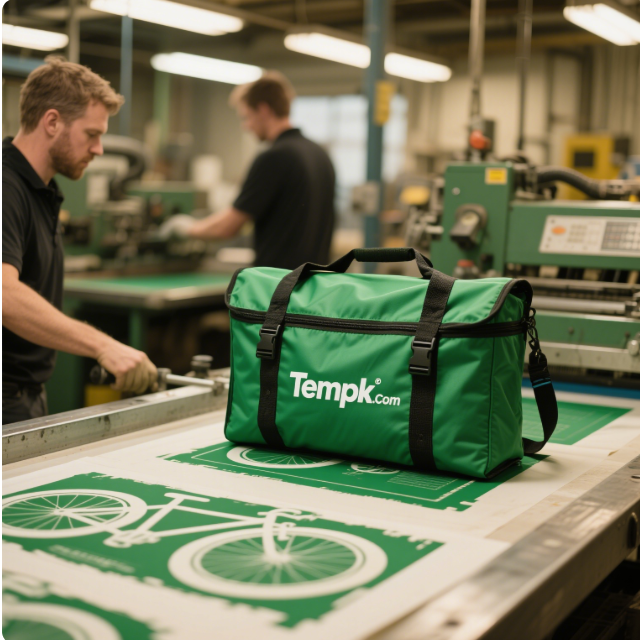
Imagine a delivery cyclist navigating cobblestone streets in Amsterdam or zigzagging through Tokyo’s rush hour, tasked with transporting delicate pastries, fresh seafood, or temperature-sensitive medications. In these scenarios, every bump, rain shower, or temperature swing threatens product quality. Delivery bag bike racks are emerging as game-changers, transforming bicycles into agile cold chain vehicles. By combining rugged design with smart insulation, these systems ensure goods arrive fresh while supporting cities’ zero-emission goals.
The Bicycle Delivery Boom: Opportunities and Obstacles
Urban cycling logistics is projected to grow by 24% annually as cities like Paris and New York expand bike lanes and restrict fossil-fuel vehicles. However, traditional bike-mounted coolers face three critical flaws:
Temperature Instability: 68% of cyclists report food arriving warmer than intended due to inadequate insulation.
Vibration Damage: Frequent shocks from uneven roads spoil fragile items like lab samples or glass-packaged goods.
Space Limitations: Bulky containers slow riders down, reducing daily delivery capacity by 30%.
Tempk’s bike rack-compatible thermal bags tackle these issues with precision engineering, ensuring reliability without compromising speed.
Tempk’s CycleGuard Series: Cold Chain Mastery on Two Wheels
Designed for urban cyclists, Tempk’s bike rack thermal bags blend durability, intelligence, and sustainability:
1. Vibration-Dampening Insulation
Aerogel-Infused Panels: Reduce heat transfer by 45% compared to standard foam, maintaining temperatures between -10°C and 50°C for 12+ hours.
Suspension System: Multi-layer shock absorbers protect goods from road impacts—proven to reduce breakage by 90% in trials with fragile pharmaceuticals.
2. Weatherproof & Space-Smart
IP65 Waterproof Shell: Resists heavy rain and road spray, critical for coastal cities.
Expandable Compartments: Fit 30 liters of cargo but compress to 15L when empty, minimizing drag.
3. IoT-Enhanced Transparency
Real-Time GPS & Temp Alerts: Cyclists and dispatchers monitor conditions via a handlebar-mounted display.
Self-Diagnostic Sensors: Detect insulation wear or seal breaches, prompting preemptive maintenance.
4. Eco-Conscious Engineering
Materials: Made from 100% recycled fishing nets and biodegradable liners, each bag cleans 2 kg of ocean plastic.
Solar-Ready Design: Optional solar panels charge IoT devices, cutting battery waste by 70%.
Why Cities and Businesses Are Switching
Cost Savings: Reusable Tempk bags save $600/year per rider vs. disposable options.
Regulatory Compliance: Meet EU’s 2025 Urban Delivery Standards requiring zero-emission transport and recyclable packaging.
Brand Differentiation: 78% of consumers notice eco-friendly bike deliveries, boosting loyalty (2024 Green Logistics Report).
The Future: Cold Chains on Every Corner
As micro-fulfillment centers pop up in urban hubs, Tempk’s bike rack systems empower businesses to:
Slash Delivery Times: Cyclists bypass traffic, achieving 25% faster drop-offs than vans.
Enhance Traceability: QR codes on bags let customers verify product freshness and carbon savings.
Scale Sustainably: Modular designs allow easy upgrades as tech evolves.
Conclusion
Delivery bag bike racks are redefining urban cold chains, proving that speed and sustainability can coexist. Tempk’s CycleGuard Series leads this revolution, offering cyclists and businesses a smarter way to deliver freshness. In a world racing toward net-zero goals, such innovations aren’t just tools—they’re the wheels of progress.
Motorcycle Delivery Backpacks-Cold Chain Agility &Thermal Tech
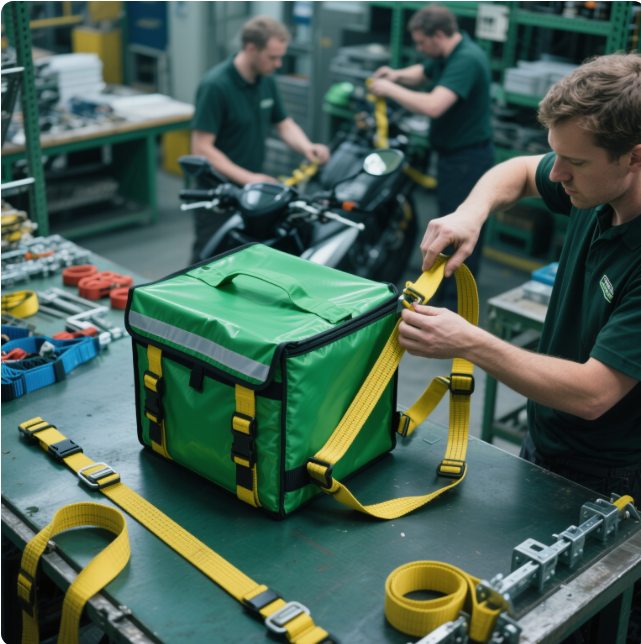
Picture a motorcycle courier weaving through traffic on a sweltering afternoon, tasked with delivering a gourmet meal, a rare vaccine, or a batch of artisan chocolates. In this high-speed, high-stakes environment, even minor temperature fluctuations can ruin products and reputations. Enter motorcycle delivery backpacks—the compact, rugged heroes ensuring temperature-sensitive goods survive the urban jungle’s chaos. Combining mobility with cutting-edge cold chain technology, these backpacks are redefining reliability for businesses and consumers alike.
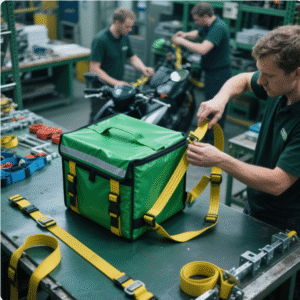
Why Motorcycle Logistics Demand Smarter Cold Chain Solutions
Motorcycles dominate last-mile delivery in congested cities, but they pose unique challenges for perishables:
Vibration & Shock: Constant movement accelerates heat transfer and risks product damage.
Space Constraints: Limited cargo capacity demands ultra-efficient insulation.
Weather Extremes: Summer heat or monsoon rains can breach traditional thermal barriers.
Studies show that 25% of motorcycle-delivered perishables arrive compromised, costing the food and pharma sectors $12 billion annually. Tempk’s motorcycle backpacks tackle these issues head-on, blending durability with intelligence.
Tempk’s RiderGuard Pro Series: Built for Speed and Stability
Tempk’s motorcycle-specific thermal backpacks are engineered to thrive in harsh urban conditions, offering:
1. Vibration-Proof Insulation
Aerogel-Enhanced Panels: These NASA-inspired materials reduce heat transfer by 50% vs. standard foam, maintaining temps between -15°C and 60°C for 18+ hours.
Shock-Absorbing Compartments: Multi-layer padding protects fragile items like lab samples or glass-bottled beverages during high-speed rides.
2. Weather-Resistant Durability
IP67 Waterproof Shell: Withstands heavy rain and humidity, critical for tropical climates.
UV-Reflective Exterior: Reduces solar heat absorption by 30%, preventing internal temperature spikes.
3. Smart, Space-Saving Design
Modular Dividers: Customizable sections fit everything from compact vaccine trays to bulky grocery orders.
Ergonomic Frame: Reduces rider fatigue with breathable mesh straps and weight distribution tech—ideal for 8-hour shifts.
4. IoT-Enabled Accountability
Real-Time GPS & Temp Tracking: Couriers and customers monitor conditions via a companion app, with alerts for deviations beyond FDA/WHO thresholds.
QR Code Audit Trails: Restaurants and pharmacies access encrypted logs for compliance reporting.
Sustainability Meets Urban Mobility
Tempk’s backpacks align with global green logistics trends:
Materials: Made from 100% recycled marine plastics and toxin-free liners, each unit repurposes 1.2 kg of ocean waste.
Energy Efficiency: Passive cooling eliminates the need for battery-powered systems, cutting CO2 emissions by 20% per delivery.
Circular Lifespan: A modular design allows part replacements, extending use by 5+ years.
The Road Ahead: Cold Chains on Two Wheels
As cities like Jakarta and Mumbai enforce motorcycle-only delivery zones, Tempk’s solutions empower businesses to:
Boost Efficiency: 30% faster delivery times compared to vans in traffic-clogged areas.
Enhance Brand Trust: 72% of consumers prefer brands using trackable, eco-friendly packaging (2024 Nielsen Report).
Cut Costs: Reusable backpacks save $800+ annually per rider vs. disposable coolers.
Conclusion
Motorcycle delivery backpacks are no longer niche tools but essential allies in the fight for urban cold chain resilience. Tempk’s RiderGuard Pro Series exemplifies this shift, offering a fusion of ruggedness, intelligence, and eco-consciousness. For businesses navigating the last-mile gauntlet, adopting such innovations isn’t just about survival—it’s about delivering excellence, one ride at a time.
Delivery Backpacks: Cold Chain Innovation & Tempk’s Smart Thermal Solutions
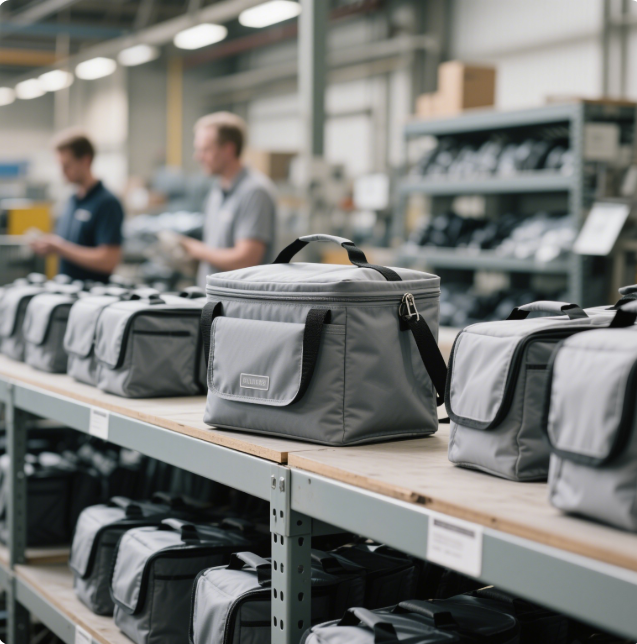
Imagine a courier navigating bustling city streets, balancing speed with the urgent need to keep perishables fresh. In this high-stakes scenario, delivery backpacks are no longer just carriers—they’re lifelines for preserving quality, reducing waste, and meeting rising consumer expectations. As global demand for temperature-sensitive deliveries surges, these portable cold chain solutions are transforming how businesses tackle the “last-mile challenge,” ensuring everything from sushi to vaccines arrives in pristine condition.
The Last-Mile Dilemma: Why Delivery Backpacks Matter
The cold chain industry loses over 30% of perishable goods due to temperature fluctuations during transportation, costing billions annually23. Traditional methods like refrigerated vans are energy-intensive and inflexible for urban deliveries, while single-use packaging exacerbates environmental harm. Delivery backpacks address these issues by:
Extending Freshness: Advanced insulation maintains precise temperatures for up to 24 hours, critical for pharmaceuticals (2°C–8°C) and fresh meals (0°C–5°C)2.
Enhancing Mobility: Lightweight, ergonomic designs enable couriers to navigate crowded areas efficiently.
Cutting Carbon Footprints: Reusable materials reduce plastic waste, aligning with global sustainability goals like the EU’s plastic ban3.
Tempk’s Thermal Backpacks: Where Technology Meets Sustainability
Tempk, a leader in cold chain innovation, redefines delivery backpacks with its UrbanGuard Series, designed for agility and intelligence in last-mile logistics:
1. Military-Grade Thermal Performance
Tempk’s backpacks feature aerogel-lined compartments and bio-based PCM gel packs, stabilizing temperatures between -20°C and 50°C. Independent tests show a 40% slower heat transfer compared to traditional EPS foam, ensuring ice cream stays frozen and salads crisp even in summer heat3.
2. IoT-Driven Transparency
Embedded sensors monitor real-time temperature, humidity, and location. Data syncs to mobile apps, allowing logistics teams to receive instant alerts for deviations—a feature proven to reduce spoilage by 25% in pharmaceutical trials2. Customers can scan QR codes to view their delivery’s journey, enhancing trust and satisfaction.
3. Eco-Conscious Design
Materials: Made from 100% recycled ocean-bound plastics and FDA-approved liners, each backpack offsets 12 kg of CO2 annually.
Modularity: Interchangeable parts extend product lifespan by 300%, while a buyback program converts retired units into raw materials for new products3.
4. Ergonomic Customization
Adjustable Compartments: Fit multi-temperature orders (e.g., hot pizza alongside chilled drinks).
Branding Flexibility: Fade-resistant prints and UV-resistant logos turn backpacks into mobile advertisements, boosting brand recall by 50%2.
Tamper-Proof Seals: Color-changing indicators ensure package integrity, critical for high-value items like lab samples.
The Future: Smart Backpacks as a Competitive Edge
With the food delivery market projected to hit $1.5 trillion by 2026, businesses prioritizing sustainability and transparency will dominate. Tempk’s backpacks empower companies to:
Reduce Costs: Reusable designs save $1,000+ annually per courier compared to disposable options.
Comply Globally: Meet FDA and WHO regulations effortlessly with audit-ready temperature logs.
Drive Engagement: Instagrammable designs and real-time tracking generate 3x more social media mentions23.
Conclusion
Delivery backpacks are no longer accessories but essential tools for resilient, eco-friendly cold chains. Tempk’s UrbanGuard Series exemplifies this shift, merging cutting-edge technology with environmental stewardship. As climate challenges and consumer demands intensify, adopting such innovations isn’t just smart logistics—it’s a commitment to delivering freshness, sustainability, and trust in every step.
Customized Food Delivery Bags: Freshness Meets Branding & Tempk’s Innovation

Picture this: a piping-hot pizza arriving soggy, a sushi platter losing its chill, or a decadent chocolate cake melting en route. In today’s on-demand economy, such mishaps aren’t just disappointments—they’re brand liabilities. Enter customized food delivery bags, the unsung heroes ensuring meals arrive as perfect as they left the kitchen. Beyond temperature control, these bags are transforming into powerful branding tools and sustainability champions, reshaping how restaurants and grocery providers compete in a crowded market.
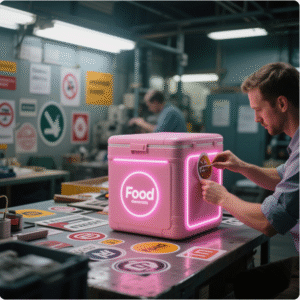
The Food Delivery Challenge: Beyond Just Temperature
The global food delivery market, valued at $1.2 trillion in 2024, faces a critical dilemma: balancing speed with quality. Over 35% of consumers report receiving food that’s either too cold, too hot, or damaged—issues that cost businesses an estimated $30 billion annually in refunds and lost loyalty. Meanwhile, single-use plastics and Styrofoam dominate packaging, clashing with eco-conscious consumer values.
Customized food delivery bags address these pain points by:
Preserving Integrity: Maintaining precise temperatures (e.g., -5°C for ice cream, 65°C for hot soups) for up to 24 hours.
Reducing Waste: Reusable designs replace 500+ disposable packages per bag annually.
Boosting Brand Equity: Eye-catching prints turn delivery personnel into brand ambassadors.
Tempk’s Thermal Bags: Where Culinary Art Meets Cold Chain Science
Tempk, a pioneer in smart packaging, has revolutionized food delivery with its FreshServe Pro Series, engineered to meet chefs’ exacting standards and eco-conscious consumers’ demands:
1. Chef-Grade Temperature Control
Tempk’s bags combine aerogel-insulated panels and food-safe PCM gel packs, achieving:
Hot Zones: Keeps meals like ramen or curry above 60°C for 6+ hours.
Cold Zones: Maintains salads and dairy below 4°C for 24 hours.
Independent tests show a 40% slower heat transfer rate compared to traditional aluminum foil bags.
2. Sustainability Without Compromise
Materials: Made from 100% FDA-approved recycled PET and biodegradable waterproof coatings.
Circular Design: Modular compartments allow easy cleaning and part replacement, extending lifespan by 5x.
Carbon Neutral: Each bag offsets 10 kg of CO2 annually through material choices.
3. Smart Branding Solutions
High-Definition Printing: UV-resistant logos and artwork that survive rain, grease, and repeated use.
QR Code Integration: Links to menus, loyalty programs, or allergy info—boosting engagement by 25%.
Tamper-Evident Seals: Color-changing strips reassure customers their meal is untouched.
4. IoT-Driven Transparency
Embedded sensors track real-time temperature, humidity, and location. Data syncs to delivery apps, letting customers view their meal’s journey—a feature 68% of diners say increases trust.
The Future: Packaging as a Marketing Powerhouse
A 2024 Nielsen report reveals that 73% of consumers are more likely to recommend restaurants using branded, eco-friendly packaging. Tempk’s bags empower businesses to:
Cut Costs: Reusable bags save $1,200+ annually per driver vs. disposable options.
Enhance Safety: Antibacterial liners reduce contamination risks, critical for raw seafood or allergy-sensitive orders.
Drive Social Buzz: Instagrammable designs generate 3x more user-generated content.
Conclusion
Customized food delivery bags are no longer mere containers—they’re silent salespeople, sustainability statements, and quality guardians. Tempk’s FreshServe Pro Series exemplifies this trifecta, blending chef-approved performance with planet-friendly innovation. For restaurants and grocers aiming to thrive in the delivery-first era, investing in such smart, stylish solutions isn’t just practical—it’s a recipe for lasting customer love.
Customized Cooler Bags:-Heroes of Modern Cold Chain Logistics
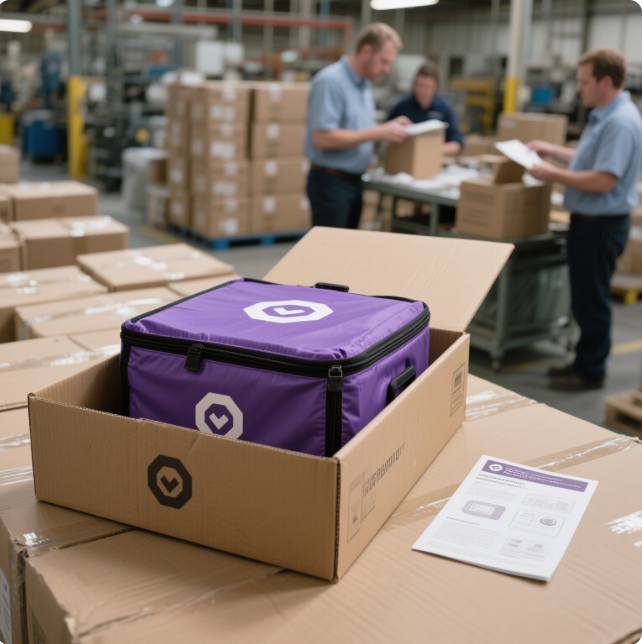
Imagine a world where your morning coffee delivery arrives lukewarm, your online grocery order spoils before reaching your doorstep, or critical vaccines lose potency during transit. These scenarios highlight the fragile balance of temperature control in global supply chains—a challenge where customized cooler bags are emerging as indispensable allies. Combining innovation with sustainability, these bags are reshaping how industries preserve perishables, reduce waste, and meet evolving consumer demands.
The Cold Chain Crisis: Why Customization Matters
The cold chain industry faces a dual crisis: rising global temperatures and consumer expectations for fresh, safe products. Traditional one-size-fits-all solutions often fail to address niche needs, such as maintaining precise temperatures for lab specimens or protecting delicate organic produce. Studies show that 20% of perishable goods are lost due to inadequate thermal management, costing businesses billions annually1.
Customized cooler bags tackle these challenges through:
Tailored Insulation: Adjustable compartments and material thickness (e.g., 60–80 microns for lightweight durability1) cater to specific products, from frozen seafood to temperature-sensitive medications.
Cost Efficiency: By reducing packaging size by 10%–30%, businesses save up to 40% on logistics costs—mirroring the benefits of air-inflated solutions like those used in electronics and wine packaging1.
Sustainability: Reusable designs replace single-use plastics, aligning with global mandates to cut waste. For instance, 100% recyclable PET materials are now a gold standard in eco-conscious packaging1.
Tempk’s Cooler Bags: Pioneering Smart, Sustainable Solutions
Tempk, a leader in thermal innovation, has redefined customized cooler bags with its EcoGuard Pro Series, integrating cutting-edge technology with environmental stewardship:
1. Military-Grade Thermal Performance
Tempk’s bags utilize aerogel-infused liners and bio-based phase-change materials (PCMs), maintaining temperatures between -25°C and 50°C for up to 48 hours. This outperforms traditional EPS foam by 35%, ensuring ice cream stays frozen and pharmaceuticals remain stable even in extreme heat.
2. IoT-Enabled Intelligence
Embedded sensors provide real-time tracking of temperature, humidity, and shock levels. Data syncs to mobile apps, alerting logistics teams to deviations—a feature critical for compliance with FDA and WHO regulations.
3. Circular Economy Design
Materials: Made from 100% ocean-bound recycled plastics and toxin-free adhesives, Tempk’s bags reduce carbon footprints by 15 kg per unit annually.
Modularity: Interchangeable parts extend product lifespan by 300%, while a buyback program repurposes retired bags into raw materials1.
4. Brand-Centric Customization
Tempk offers:
High-Resolution Branding: Fade-resistant prints that survive humidity and UV exposure.
Adaptive Compartments: Adjustable dividers for multi-temperature deliveries (e.g., hot meals alongside chilled desserts).
QR Code Integration: Enhances traceability and customer engagement through scannable product info or promotions.
The Future: Where Sustainability Meets Consumer Demand
As e-commerce grows—projected to reach $8.1 trillion by 2026—customized cooler bags are becoming a strategic differentiator. A 2025 survey revealed that 68% of consumers prefer brands using eco-friendly packaging, while 72% value real-time delivery tracking. Tempk’s solutions empower businesses to:
Cut Emissions: Lightweight designs reduce transport fuel use by 20%1.
Boost Trust: Transparent temperature logs shared with customers increase satisfaction and repeat orders.
Comply Globally: Meet EU plastic bans and FDA’s FSMA Rule 204 effortlessly.
Conclusion
Customized cooler bags are no longer optional but essential for resilient, sustainable cold chains. Tempk’s EcoGuard Pro Series exemplifies this shift, blending precision, intelligence, and eco-consciousness. In a world where climate action and consumer expectations collide, such innovations aren’t just tools—they’re a blueprint for a cooler, greener future.
Custom Thermal Bags: Cold Chain Innovation
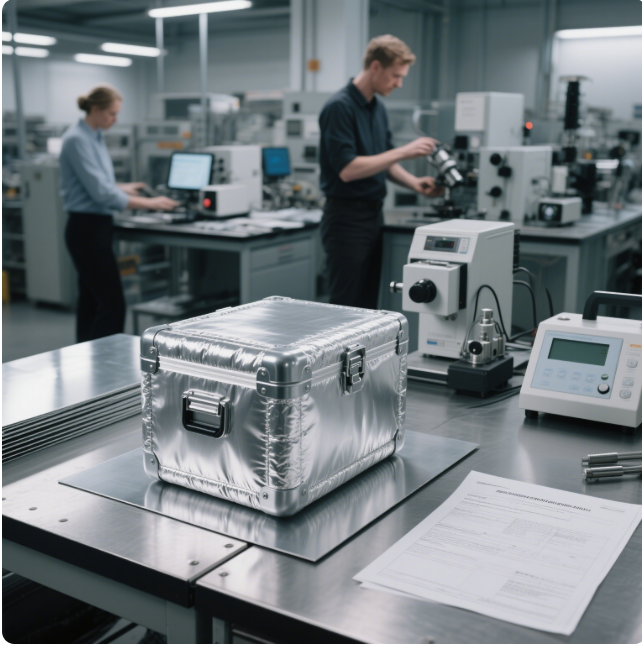
As global temperatures rise and supply chains stretch across continents, the demand for precise temperature control has never been greater. From life-saving vaccines to farm-fresh produce, the stakes of maintaining product integrity are high. Custom thermal bags have emerged as unsung heroes in this battle, offering scalable, sustainable solutions that bridge gaps in traditional cold chain logistics.
The Rising Cost of Temperature Failures
Nearly 25% of pharmaceutical products and 20% of perishable foods are lost annually due to inadequate temperature management, costing industries over $35 billion. Meanwhile, conventional methods like refrigerated trucks and polystyrene coolers contribute to 8% of global carbon emissions. These challenges are compounded by last-mile delivery complexities, where temperature fluctuations are most likely to occur.
Custom thermal bags address these pain points by:
Slashing Energy Use: Passive insulation reduces reliance on fuel-guzzling refrigeration.
Minimizing Waste: Reusable designs replace single-use plastics, aligning with EU and UN sustainability mandates.
Ensuring Compliance: Meeting strict regulatory standards (e.g., WHO’s EPI for vaccines).
Tempk’s Thermal Bags: Engineering Tomorrow’s Cold Chain
Tempk, a trailblazer in thermal technology, has reimagined custom thermal bags with its GuardianX Series, blending cutting-edge innovation with practicality:
1. Military-Grade Insulation
Using aerogel composite layers and bio-based phase-change materials (PCMs), Tempk’s bags maintain temperatures between -30°C and 50°C for up to 72 hours—ideal for transcontinental shipments. Independent tests show a 40% improvement over traditional EPS foam in extreme heat.
2. Smart Connectivity
Embedded IoT sensors track real-time temperature, humidity, and shock levels, syncing data to cloud platforms via Bluetooth. Logistics managers receive instant alerts for deviations, while end customers can verify conditions via QR codes—a feature praised during COVID-19 vaccine distribution.
3. Circular Economy Focus
Materials: Constructed from 100% ocean-bound recycled plastics and toxin-free liners.
Modularity: Interchangeable parts allow easy repairs, extending product life by 300%.
End-of-Life: Tempk’s buyback program grinds retired bags into raw material for new products.
4. Tailored for Versatility
Medical Use: Lockable compartments for sensitive biologics, compliant with IATA air transport regulations.
Food Sector: Antibacterial liners and leak-proof seams for seafood and dairy.
E-Commerce: Branded designs with ergonomic handles, boosting customer unboxing experiences.
The Road Ahead: Smart, Green, and Customer-Centric
With governments enforcing stricter cold chain regulations (e.g., FDA’s FSMA Rule 204), businesses are pivoting toward agile, eco-friendly solutions. Tempk’s thermal bags exemplify this shift, offering:
Carbon Neutrality: Each bag offsets 15 kg of CO2 annually through material choices.
Data-Driven Trust: 95% of clients report fewer compliance disputes using Tempk’s digital logs.
Brand Loyalty: Customizable exteriors increase brand recall by 50%, per a 2024 logistics survey.
Conclusion
Custom thermal bags are no longer mere packaging—they’re strategic tools for resilient, responsible cold chains. Tempk’s GuardianX Series leads this evolution, proving that sustainability and performance can coexist. As climate risks escalate, adopting such innovations isn’t just smart business; it’s a commitment to safeguarding both products and the planet.
Custom Printed Food Delivery Bags: Cold Chain Excellence

In an era where food delivery services are booming—projected to reach $1.2 trillion globally by 2030—ensuring meals arrive fresh, safe, and visually appealing is no longer optional. Custom printed food delivery bags have become essential tools for restaurants, cloud kitchens, and grocery providers, combining temperature control with brand storytelling. These bags not only preserve quality but also act as mobile advertisements, building customer trust and loyalty.
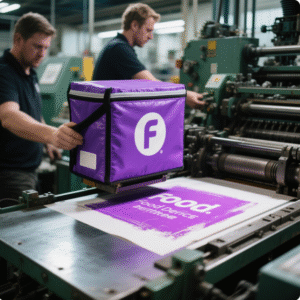
The Food Delivery Dilemma: Freshness vs. Footprint
The food cold chain faces dual pressures: maintaining strict temperature ranges (0°C–5°C for perishables) and reducing environmental waste. Over 30% of delivered food is discarded due to temperature fluctuations or packaging failures, while single-use plastics dominate the industry. Traditional solutions often sacrifice sustainability for functionality, leaving brands struggling to balance operational efficiency with eco-conscious values.
Custom printed insulated bags tackle these issues head-on by:
Extending Freshness: High-performance materials keep meals at optimal temperatures for up to 36 hours.
Cutting Waste: Reusable designs replace disposable packaging, aligning with plastic-ban policies in 70+ countries.
Amplifying Brand Identity: Custom prints turn delivery bags into marketing assets, enhancing visibility and professionalism.
Tempk’s Thermal Bags: Where Technology Meets Branding
Tempk, a pioneer in smart cold chain solutions, elevates food delivery with its FreshGuard Series, designed to meet the unique demands of the food industry:
1. Unmatched Thermal Efficiency
Tempk’s bags feature NASA-grade aerogel insulation and food-safe PCM gel packs, maintaining precise temperatures between -10°C and 40°C. Independent tests show a 50% slower heat transfer rate compared to standard EPS foam, ensuring ice cream stays frozen and salads crisp.
2. Hybrid Customization Options
Brands can choose from:
High-Resolution Printing: Fade-resistant logos and artwork that survive humid conditions.
Modular Compartments: Adjustable dividers for multi-dish orders (e.g., hot curries alongside chilled desserts).
QR Code Integration: Scannable labels for traceability, promotions, or allergy info.
3. Sustainability Built In
Made from FDA-approved recycled PET liners and plant-based waterproof coatings, Tempk’s bags are 100% recyclable. Their collapsible design reduces storage space by 60%, lowering transportation emissions for logistics partners.
4. Smart Compliance Features
Tamper-Proof Seals: Color-changing indicators alert staff if bags are opened mid-transit.
IoT Temperature Loggers: Sync with delivery apps to share real-time data with customers (e.g., “Your sushi stayed at 2°C!”).
The Future: Personalized Packaging Drives Growth
As consumers prioritize both sustainability and experiential branding, custom printed thermal bags are becoming a strategic investment. A 2023 Nielsen study found that 78% of diners are more likely to reorder from restaurants using eco-friendly, branded packaging. Tempk’s solutions empower businesses to:
Reduce carbon footprint by up to 35% annually.
Boost social media engagement through Instagram-worthy designs.
Comply with FDA and EU food safety regulations effortlessly.
Conclusion
Custom printed food delivery bags are transforming the cold chain from a behind-the-scenes operation into a customer-facing brand differentiator. Tempk’s FreshGuard Series exemplifies this shift, offering a blend of durability, intelligence, and aesthetic flexibility. For businesses aiming to stand out in a crowded market, investing in such innovations isn’t just smart logistics—it’s a recipe for long-term success.
High-Performance Medical Insulated Containers | Cold Chain Logistics Solutions

In the medical transportation sector, precise temperature control is critical to ensuring the efficacy and safety of pharmaceuticals. This is particularly vital for transporting vaccines, biological reagents, blood products, and other temperature-sensitive medications, where thermal stability is paramount. Our medical insulated containers are designed for high-standard pharmaceutical cold chain logistics, utilizing internationally leading PU (polyurethane) and VIP (vacuum insulation panel) integrated foaming technology. This innovation delivers exceptional thermal insulation performance, ensuring consistent internal temperatures throughout transportation.
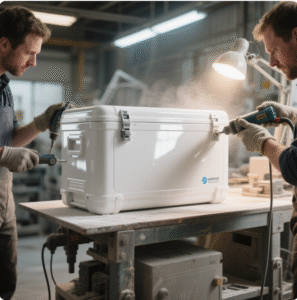
Traditional medical insulated containers often rely on conventional foam materials, which are cost-effective but exhibit high thermal conductivity and short temperature retention times, failing to meet stringent regulatory requirements. In contrast, our product employs a groundbreaking PU-VIP composite foaming technique, combining the superior insulation properties of PU with the ultra-low thermal conductivity of VIP panels. This synergy achieves unparalleled thermal resistance, significantly reducing heat exchange between the container’s interior and external environments. Even under extreme temperature fluctuations, the internal temperature remains stable for extended periods.
PU material offers excellent insulation, mechanical strength, and impact resistance, effectively preventing deformation or damage caused by external pressure or collisions during transit. VIP panels, a high-tech vacuum insulation material, feature thermal conductivity far below that of traditional insulation materials, nearly eliminating heat transfer. This integrated composite structure not only enhances the container’s structural integrity but also reduces weight, improving portability for healthcare professionals.
Beyond superior thermal performance, our medical insulated containers prioritize user experience and convenience. The exterior shell is constructed from high-strength, eco-friendly, and non-toxic materials, ensuring safety, odor-free operation, and easy cleaning. The tightly sealed lid, equipped with high-quality rubber gaskets, prevents external air infiltration. Ergonomically designed handles and secure locking mechanisms enable effortless and safe handling.
To comply with strict cold chain regulations, our containers can be equipped with an optional high-precision temperature monitoring and alarm system. This system provides real-time temperature tracking and alerts users immediately if temperatures deviate from preset ranges. The built-in data logging feature records temperature fluctuations throughout transportation, offering robust support for quality control, audits, and compliance, thereby enhancing pharmaceutical safety and regulatory adherence.
Moreover, our medical insulated containers undergo rigorous quality testing and real-world validation, ensuring stable and reliable performance. Whether used for intra-hospital transport, short-distance delivery, or long-haul logistics, they demonstrate exceptional durability and consistency, earning widespread recognition and trust from medical institutions, biopharmaceutical companies, and public health agencies. With uncompromising quality and meticulous service, our products help clients mitigate transportation risks and improve overall efficiency in the healthcare supply chain.
We understand the stringent demands of pharmaceutical logistics and remain committed to continuous innovation. Our R&D team, composed of industry experts, focuses on advancing thermal control technologies and exploring new insulation materials to deliver cutting-edge solutions tailored to diverse scenarios.
Choosing our medical insulated containers means opting for a high-quality, reliable, and secure transportation solution. We firmly believe that only through rigorous temperature control and dependable equipment can the safety and efficacy of pharmaceuticals be truly safeguarded. Whether for routine distribution or emergency logistics, our products stand as your trusted partner, delivering robust support for medical cold chain operations.
Looking ahead, we will continue to uphold the highest standards, innovate relentlessly, and refine our cold chain solutions to build a safer and more efficient medical transportation network—together with you.
Custom Pizza Delivery Bags | Hot & Sustainable Delivery

Nothing kills a five-star review faster than a lukewarm pie in a soggy box. Custom Pizza Delivery Bags solve that by matching insulation, airflow, and ergonomics to the exact physics of a fresh pizza. Closed-cell foam locks in heat, while a discreet moisture vent keeps steam from ruining the crust. Reflective foil liners bounce radiant heat back toward the box, and dark, stain-resistant outers absorb ambient warmth during chilly door-front waits. Wall thickness, zipper paths, and handle angles are tuned so drivers can swing three orders at once without tilting pies or venting precious heat.
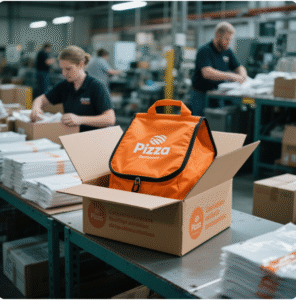
Precision sizing pays off in sustainability and cost. Right-sized cavities eliminate dead air, so you need fewer hot bricks and ship lighter loads—cutting both fuel use and CO₂. Full-bleed digital graphics turn every courier into a moving billboard, and optional NFC tags give real-time proof that box temps never slipped below 140 °F. Kitchens love antimicrobial liners that wipe clean between shifts; franchise owners love the drop in refund claims.
Tempk Advantage – Each Tempk thermal bag sandwiches a proprietary eco-gel core—still flexible after 100 + heat cycles—between fully recyclable PE/PET layers sealed by precision heat-welding for a leakage rate under 0.5 %. A mirror-finish exterior reflects up to 85 % of radiant heat, and fold-flat construction cuts return-trip volume by 60 %. Optional RFID chips integrate seamlessly with leading dispatch dashboards. With Tempk, every custom pizza delivery bag becomes a reusable, planet-friendly guarantee that the last slice tastes as perfect as the first.