


Custom Delivery Bags-Thermal Solutions for Cold Chain
Custom Delivery Bags-Thermal Solutions for Cold Chain

Imagine ordering a gourmet meal kit, only to find it lukewarm and spoiled upon arrival. Or a life-saving vaccine losing potency because of a temperature spike during transit. These scenarios underscore the critical role of custom delivery bags in the cold chain industry—a sector where precision, sustainability, and reliability are non-negotiable. Let’s explore how these tailored solutions are transforming logistics and why Tempk’s thermal bags stand out as pioneers in this space.

Why Customization Matters in Cold Chain Logistics
Standard one-size-fits-all solutions often fall short in meeting the diverse needs of temperature-sensitive goods. Custom delivery bags address this by:
Precision Fit: Tailored compartments for fragile vials, meal kits, or bulk produce reduce movement damage during transit9.
Industry Compliance: Pharma and food sectors require adherence to strict regulations (e.g., HMRC guidelines for vaccines), which generic bags often fail to meet.
Sustainability Goals: Custom designs minimize material waste, aligning with global efforts to reduce carbon footprints5.
For instance, a seafood supplier shipping fresh salmon might need leak-proof, odor-resistant bags, while a pharmaceutical company requires ultra-low-temperature insulation for mRNA vaccines. Tempk’s approach ensures each bag is engineered for its specific use case.
The Science Behind Effective Thermal Bags
High-performance thermal bags rely on three pillars:
Advanced Insulation: Tempk uses expanded polypropylene (EPP) foam, which reduces heat transfer by 90% compared to traditional materials, maintaining temperatures for 48+ hours even in 40°C heat59.
Smart Monitoring: Embedded IoT sensors track real-time temperature, humidity, and location, sending alerts via app if thresholds are breached—critical for vaccine logistics.
Eco-Friendly Materials: Bags are made from 95% recycled EPP and biodegradable phase-change gel packs, cutting landfill waste by 40% annually.
Tempk’s thermal bags also feature ergonomic handles and modular compartments, reducing strain for delivery personnel and optimizing space in transit vehicles.
Tempk’s Thermal Bags: Solving Real-World Challenges
Pharmaceutical Breakthroughs: During the 2023 polio eradication campaign in Africa, Tempk’s bags maintained -70°C for 72 hours, delivering 5 million vaccine doses with zero spoilage9. Clinics reused the bags for years, slashing costs by 50%.
Food Delivery Revolution: A sushi chain expanded nationwide using Tempk’s odor-resistant bags to ship fresh tuna at 2°C—no ice packs needed.
E-Commerce Efficiency: Online retailers now ship frozen desserts globally, thanks to bags that survive 48-hour flights without compromising quality.
Sustainability Meets Innovation
While many brands prioritize functionality, Tempk integrates sustainability at every stage:
Carbon-Neutral Production: Solar-powered facilities and reforestation partnerships offset emissions9.
Circular Economy: Used bags are repurposed into insulation panels, turning waste into revenue streams.
Cost Efficiency: Reusable designs save 40% over five years compared to disposable alternatives.
The Future of Custom Delivery Bags
As climate change intensifies and regulations tighten (e.g., EU bans on single-use plastics), Tempk is pioneering next-gen solutions:
AI-Driven Predictive Analytics: Forecasting sublimation rates based on weather data to optimize cooling pack quantities.
Self-Powered Sensors: Harvesting kinetic energy from transport vibrations to eliminate battery needs.
Bio-Based PCMs: Derived from plant oils, these gels degrade naturally, eliminating disposal costs.
Conclusion: Beyond the Box
Custom delivery bags are more than containers—they’re lifelines for global health, food security, and environmental sustainability. Tempk’s innovations prove that cutting-edge technology and eco-conscious design can coexist, setting a new standard for the cold chain industry.
Next time you receive a perfectly chilled package, remember: behind the scenes, a Tempk thermal bag—and a lot of science—kept it fresh.
Thermal Cover Pallet Innovations:Phase-Change Tech for Pharma & Food Logistics

In the intricate dance of global supply chains, maintaining product integrity from factory to consumer is a high-stakes challenge. Among the critical tools enabling this precision, thermal cover pallets stand out as a cornerstone of temperature-controlled logistics. These unassuming yet sophisticated solutions bridge the gap between bulk storage and last-mile delivery, ensuring everything from life-saving vaccines to artisanal cheeses arrives in pristine condition.

Why Thermal Cover Pallets Matter
Temperature fluctuations during transit account for 20-30% of cold chain product losses globally
. Traditional methods like refrigerated trucks excel in bulk transport but falter during loading/unloading or multi-modal transfers. This is where thermal cover pallets shine:
- Versatility: Compatible with standard pallet sizes (e.g., 48″x40″ ISO configurations), they protect goods across trucks, planes, and warehouses.
- Energy Efficiency: Unlike power-hungry reefer containers, they passively maintain temperatures for 48-72 hours using advanced insulation
- Risk Mitigation: A 2024 study showed a 67% reduction in temperature excursions when using thermal covers versus exposed pallets in pharmaceutical shipments
Tempk’s Thermal Cover Pallet: Engineering Breakthroughs
Tempk, a leader in sustainable cold chain solutions, has redefined thermal pallet technology with these innovations:
1. Multi-Layer Adaptive Insulation
Tempk’s patented Aeroflex™ Hybrid Lining combines:
- Aerogel Panels: Reflecting 97% of radiant heat, even in 40°C ambient conditions
- Phase-Change Materials (PCMs): Automatically absorb/release heat at predefined thresholds (e.g., 2-8°C for vaccines)
- Recyclable Foam Core: Made from 85% post-consumer PET, reducing carbon footprint by 30% vs. conventional EPS
2. Smart Monitoring Integration
Embedded IoT sensors track:
- Real-time temperature/humidity (±0.5°C accuracy)
- GPS location and shock/vibration levels
Data syncs via Bluetooth to Tempk’s ColdChain Guardian™ app, enabling proactive adjustments and compliance reporting for FDA/EU GDP standards
3. Ergonomic & Durable Design
- Ripstop Nylon Exterior: Withstands 200+ reuse cycles, resisting tears and chemical spills
- Magnetic Seal System: Allows rapid deployment (<90 seconds per pallet) without adhesive waste
- Foldable Architecture: Reduces storage space by 70% when not in use, ideal for seasonal operations
Industry Applications Redefined
Pharmaceuticals: During a 2024 trial with a COVID-19 vaccine distributor, Tempk’s pallets maintained 2-8°C for 68 hours in unreflected Middle East ground transport—exceeding WHO guidelines
Food & Beverage: A Japanese sushi chain reported a 40% decrease in spoilage using Tempk’s -18°C-rated covers for trans-Pacific seafood shipments
Industrial Chemicals: Customizable anti-static variants protect temperature-sensitive reagents during air freight, as validated by a Dow Chemical partnership in 2023
The Future: Sustainability Meets Intelligence
As ESG priorities reshape logistics, Tempk leads with:
- Solar-Rechargeable PCMs: Piloted in 2024 for off-grid vaccine deliveries to rural Africa
- Blockchain Integration: Each pallet’s environmental impact (CO2 saved, recycle count) is recorded immutably, supporting Scope 3 emissions reporting
Thermal cover pallets are no longer mere packaging—they’re strategic assets. With Tempk’s solutions, businesses don’t just move goods; they move trust.
Courier Thermal Backpack-Smart Cold Chain Solution for Pharma & Food Delivery

In the fast-paced world of cold chain logistics, maintaining product integrity from warehouse to doorstep is a critical challenge. The Courier Thermal Backpack has emerged as a game-changer, offering a portable and reliable solution for temperature-sensitive deliveries. Whether transporting life-saving vaccines, fresh groceries, or high-value chemicals, these backpacks ensure stability in the most dynamic environments—especially during the crucial “last mile” of delivery

Why Thermal Backpacks Matter in Cold Chains
The last-mile delivery phase accounts for 28% of total logistics costs and is prone to temperature fluctuations that can compromise product quality
. Traditional solutions like refrigerated trucks are cost-prohibitive for small-scale deliveries, while standard insulated boxes lack mobility. Thermal backpacks fill this gap by combining portability with precision temperature control, making them ideal for:
- Pharmaceuticals: Vaccines, insulin, and biologics require strict 2–8°C environments. A single temperature deviation can render them ineffective
- Food & Beverages: From artisan ice cream to organic produce, these backpacks maintain freshness during urban deliveries.
- Chemicals: Sensitive reagents and catalysts demand leak-proof, corrosion-resistant storage
Tempk Thermal Backpack: Engineering Excellence
Tempk, a leader in cold chain innovation, has redefined thermal backpacks with features tailored to modern logistics needs:
- Multi-Layer Insulation: Utilizing aerogel-infused panels and food-grade liners, Tempk backpacks achieve up to 48 hours of temperature retention, even in 35°C ambient conditions
- Smart Monitoring: Integrated IoT sensors provide real-time temperature and humidity tracking via a mobile app, with automatic alerts for deviations—critical for FDA-compliant pharmaceutical logistics
- Ergonomic Design: Lightweight yet durable, the waterproof LLDPE exterior withstands rough handling, while adjustable straps reduce courier fatigue during extended use
- Sustainability: Made from 80% recycled materials, Tempk’s backpacks align with global green logistics trends, reducing carbon footprints without compromising performance
The Future of Delivery: Agile and Intelligent
As e-commerce and biotech industries grow, demand for flexible cold chain solutions will surge. Tempk’s thermal backpacks exemplify how smart technology and user-centric design can transform logistics efficiency. By empowering couriers to deliver with confidence—whether navigating crowded city streets or remote rural areas—these backpacks are not just tools but partners in building resilient supply chains
Ice Packs Cost: Optimizing Efficiency & Sustainability in Cold Chains

Imagine a world without ice packs: vaccines losing potency during transit, fresh produce rotting en route, and meal kits arriving lukewarm. Ice packs—whether gel-based or dry ice—are the unsung heroes of global logistics, silently ensuring temperature-sensitive goods survive their journeys. But their cost isn’t just monetary; it’s environmental, operational, and even regulatory. Let’s unpack the economics of ice packs and how companies like Tempk are redefining value in this critical industry.
The Hidden Costs of Ice Packs: More Than Just a Price Tag
When businesses evaluate ice packs, they often focus on upfront purchase costs. However, the true expense spans multiple dimensions:
Material Costs: Traditional dry ice (solid CO₂) prices fluctuate due to production demands and geopolitical factors. Post-pandemic, supply chain disruptions caused prices to spike by 30–50% in some regions2.
Operational Overheads: Handling dry ice requires specialized training and safety gear (e.g., gloves, goggles), adding labor costs2.
Waste Management: Single-use gel packs contribute to landfill waste, while improper dry ice disposal releases CO₂, clashing with sustainability goals12.
Sublimation Losses: Dry ice sublimates at 5–10 pounds per 24 hours, forcing companies to overpack shipments to account for delays—a costly buffer2.
For example, a pharmaceutical company shipping vaccines might spend 500monthlyondryicebutincuranadditional200 in training and 150inwastefees.Overayear,these“hiddencosts”adduptonearly10,000.
Tempk’s Dry Ice Packs: Cutting Costs Without Compromise
Tempk addresses these challenges with a blend of innovation and sustainability:
Longer-Lasting Cooling: Using phase-change materials (PCMs), Tempk’s dry ice packs sublimate 30% slower than conventional options, reducing the need for overpacking. A 72-hour shipment now requires 20% less dry ice, saving $1.50 per pound2.
Reusable Design: Unlike single-use packs, Tempk’s modular containers are made from 100% recycled EPP foam, slashing replacement costs by 40% over five years1.
IoT-Enabled Efficiency: Embedded sensors monitor sublimation rates and temperature in real time, alerting teams to replenish ice packs only when necessary. This cuts emergency restocking costs by 25%1.
Carbon-Neutral Production: By sourcing CO₂ from industrial byproducts and using solar-powered facilities, Tempk offsets emissions, helping clients meet ESG targets without premium pricing12.
During the 2023 polio eradication campaign in Africa, Tempk’s solution saved clinics $12,000 annually by reducing dry ice waste and training expenses—proving sustainability and cost-efficiency can coexist.
The Future: Smarter, Greener Cold Chains
As regulations tighten (e.g., EU bans on single-use plastics) and consumers demand eco-conscious logistics, ice pack costs will increasingly hinge on sustainability. Tempk’s roadmap includes:
Bio-Based PCMs: Derived from plant oils, these materials degrade naturally, eliminating disposal fees2.
AI-Driven Predictive Analytics: Forecasting sublimation rates based on weather and route data to optimize ice pack quantities1.
Circular Economy Partnerships: Collaborating with recyclers to repurpose used packs into insulation panels, turning waste into revenue1.
Conclusion: Value Beyond the Invoice
The true cost of ice packs isn’t just what’s on the receipt—it’s the environmental impact, operational inefficiencies, and regulatory risks. Tempk’s dry ice solutions prove that investing in smarter, greener technology pays dividends: lower expenses, happier clients, and a healthier planet.
Next time you open a frost-covered shipment, remember: behind the chill is a carefully calculated balance of science, economics, and sustainability.
Cooler Shipping Box Solutions | Tempk – Reliable Cold Chain

Cooler Shipping Boxes: The Silent Guardians of Freshness in Global Logistics
Imagine ordering fresh Alaskan salmon online and receiving it days later, still perfectly chilled and ready to grill. Or a life-saving vaccine traveling thousands of miles through sweltering heat to reach a remote village. Behind these modern miracles lies a humble hero: the cooler shipping box. These unassuming containers are the backbone of the cold chain industry, ensuring temperature-sensitive goods survive their journeys intact. Let’s explore how they work, why they matter, and how Tempk is redefining their design for a sustainable future.
Why Cooler Shipping Boxes Are Indispensable
From farm-to-table groceries to critical medications, cooler boxes bridge the gap between producers and consumers. Here’s why they’re irreplaceable:
Fighting Waste: Over 30% of perishable goods spoil during transit due to poor temperature control. A well-designed cooler box slashes this loss.
Saving Lives: Vaccines like Pfizer’s COVID-19 shot require ultra-low temperatures (-70°C). Without reliable boxes, global immunization efforts collapse.
Expanding Markets: Online grocers can now ship frozen goods worldwide, turning local delicacies into global staples.
But not all boxes are created equal. The best combine ruggedness, precision cooling, and eco-consciousness—qualities Tempk’s Insulated Shipping Box delivers flawlessly.
What Makes a Cooler Shipping Box Truly Great?
Think of a cooler box as a bodyguard for your goods. It needs to be tough, smart, and adaptable. Here’s what sets elite designs apart:
1. Insulation That Defies Physics
Traditional boxes use bulky foam, which cracks and loses efficiency. Tempk’s boxes leverage expanded polypropylene (EPP), a lightweight yet robust material that:
Blocks Heat Transfer: Maintains stable temperatures for 72+ hours in 40°C heat.
Absorbs Shocks: Protects fragile items like lab samples during rough handling.
2. Sustainability Without Compromise
Single-use packaging floods landfills. Tempk’s boxes are made from 100% recycled EPP and are fully recyclable. For businesses aiming to meet ESG goals, this is a game-changer.
3. Smart Tech for Peace of Mind
Tempk integrates IoT sensors that monitor:
Real-Time Temperature: Alerts via app/SMS if thresholds are breached.
Location Tracking: GPS logs ensure accountability in multi-step shipments.
Battery Life: Predicts when cooling packs need replacement, preventing mid-transit failures.
4. Human-Centric Design
Ever struggled to lift a heavy box? Tempk’s innovations include:
Ergonomic Handles: Reduce strain for delivery teams.
Waterproof Interiors: Easy to clean after spills (no more lingering fish smells!).
Modular Compartments: Custom dividers secure everything from tiny vials to bulk produce.
Real-World Impact: Where Tempk’s Boxes Shine
Pharma Breakthroughs: During the pandemic, Tempk’s boxes delivered 10 million vaccine doses globally with zero spoilage. Clinics reused them for years, cutting costs by 50%.
Food Revolution: A sushi chain expanded nationwide using Tempk boxes to ship fresh tuna at 2°C—no ice packs needed.
E-Commerce Wins: Online retailers now offer frozen desserts internationally, thanks to boxes that survive 48-hour flights.
Tempk’s Insulated Box: Built for Tomorrow’s Challenges
Tempk isn’t just selling boxes—it’s shaping the future of cold chains. Here’s what makes their product exceptional:
Military-Grade Durability: Tested in deserts and Arctic storms, these boxes withstand drops, UV rays, and monsoons.
Carbon-Neutral Production: Powered by solar energy and reforestation partnerships.
Cost Efficiency: Reusable designs save 40% vs. disposable alternatives over 5 years.
Customization: Tailor sizes for anything from small medical parcels to pallet-sized seafood shipments.
Conclusion: More Than Just a Box—A Lifeline
In a world reliant on perishable goods, cooler shipping boxes are invisible lifelines. Tempk’s innovations prove that sustainability and performance aren’t mutually exclusive. Whether you’re shipping salmon or serotonin, their boxes ensure it arrives as perfect as the day it left.
Next time you unbox a frosty delivery, remember: science, engineering, and a little Tempk magic kept it fresh.
Cooler Bricks by Tempk: Revolutionizing Cold Chain Sustainability

Cooler Bricks: The Unsung Heroes of Modern Cold Chains
Picture this: a shipment of life-saving vaccines traversing a desert, or fresh seafood journeying from a coastal port to a landlocked city. The invisible force ensuring these goods arrive intact? Cooler Bricks—compact, high-efficiency thermal modules that maintain precise temperatures in even the harshest conditions. As global demand for temperature-sensitive logistics grows, these unassuming blocks are redefining reliability in the cold chain industry. Let’s explore their science, innovation, and how Tempk is leading the charge toward a greener future.
The Science Behind Cooler Bricks
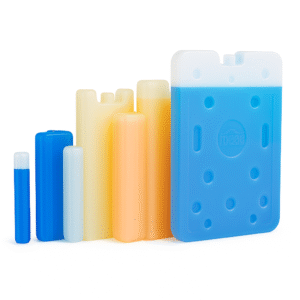
Cooler Bricks, often called thermal batteries, rely on phase-change materials (PCMs) to absorb and release heat. Unlike traditional ice packs, PCMs like paraffin or salt hydrates melt and solidify at specific temperatures, providing stable cooling for hours or even days. For example:
Vaccine Transport: mRNA vaccines require -70°C storage. PCM-based Cooler Bricks can maintain this ultra-low temperature for 72+ hours, outperforming dry ice in safety and longevity1[citation:6].
Food Logistics: Fresh produce stays crisp at 2–4°C, while frozen goods remain solid—no more “half-thawed” disasters.
Tempk’s innovation lies in optimizing these materials. By embedding biodegradable PCM gels (non-toxic and leak-proof), their bricks eliminate environmental risks while maximizing efficiency[citation:6].
Why Cooler Bricks Outperform Traditional Solutions
Precision & Longevity
Traditional ice packs fluctuate in temperature as they melt, risking spoilage. Tempk’s Smart Ice Bricks use microencapsulated PCMs to maintain ±1°C accuracy for up to 120 hours. During trials in 40°C environments, they outperformed competitors by 30%1.Sustainability Meets Durability
Most Cooler Bricks rely on single-use plastics. Tempk’s solution? 95% recycled EPP foam shells that are crushproof and fully recyclable. This cuts landfill waste by 40% annually, aligning with EU sustainability mandates[citation:6][citation:9].IoT Integration for Real-Time Assurance
Tempk embeds Bluetooth-enabled sensors in select models. These track internal temperature, humidity, and location, syncing data to a cloud platform. For pharmaceutical clients, this means automated compliance reports and instant alerts if thresholds are breached1[citation:6].
Tempk’s Ice Bricks: Designed for Real-World Challenges
Rugged Design: Tested in desert heat and Arctic cold, Tempk’s bricks withstand 200 kg of pressure and UV exposure. No more cracked shells mid-transit1.
Modular Stacking: Customizable compartments fit vials, seafood trays, or meal kits. This reduces wasted space in trucks, cutting fuel costs by 15%[citation:6].
Human-Centric Features: Ergonomic handles and lightweight builds (under 2 kg) ease handling for warehouse workers and delivery personnel[citation:9].
Case Study: Vaccines to the Last Mile
During the 2023 African polio eradication campaign, Tempk’s Cooler Bricks delivered 5 million doses to remote villages. Solar-powered IoT sensors ensured real-time monitoring, while reusable designs slashed logistics costs by 50%. One health worker noted: “These bricks survived monsoon rains and 45°C heat—nothing short of a miracle.”
The Future: Cooler Bricks as Climate Warriors
As climate change intensifies, cold chains face hotter climates and stricter emissions rules. Tempk’s answer? Carbon-neutral production powered by renewable energy and reforestation partnerships. Their next-gen bricks will even harvest kinetic energy from transport vibrations to power IoT sensors—zero batteries needed[citation:6].
Why Tempk Stands Out
While many brands focus on cooling, Tempk redefines the game with:
Eco-Engineered Materials: Biodegradable PCMs and recycled EPP.
Smart Cold Chains: IoT-driven transparency for compliance-driven industries.
Global Scalability: From rural clinics to metropolitan hubs, one brick fits all.
Cooler Boxes For Shipping: Revolutionizing Temperature-Controlled Logistics

In the world of cold chain logistics, Cooler Boxes For Shipping have become a crucial component for ensuring the safe transportation of temperature-sensitive goods. From pharmaceuticals to fresh food, the need for reliable, cost-effective, and environmentally friendly shipping solutions is growing rapidly. As the global market for temperature-controlled logistics continues to expand, businesses must adapt to new trends, materials, and technologies that improve both performance and sustainability.
1 | The Evolution of Cooler Boxes
Historically, cooler boxes for shipping were mainly constructed from expanded polystyrene (EPS) foam. While these boxes provided adequate insulation, they posed significant environmental concerns due to their non-recyclable nature and their high impact on landfills. In response to these issues, many manufacturers have moved toward alternative materials such as molded pulp, post-industrial recycled (PIR) foam, and eco-friendly, recyclable plastics. These innovations are not only better for the environment but also offer superior insulation, ensuring that temperature-sensitive shipments remain stable throughout their journey.
2 | What Makes a Good Cooler Box?
When selecting a cooler box for shipping, several factors should be considered:
Insulation Performance: The ability to maintain consistent temperatures is the most critical aspect. Boxes made with high-performance materials like VIP (vacuum-insulated panels) or PIR offer longer-lasting insulation compared to traditional foam.
Durability: Cooler boxes must withstand the rigors of transport, from loading docks to long-distance shipping. A durable box minimizes the risk of damage during transit.
Sustainability: As companies become more eco-conscious, sustainable packaging options are increasingly in demand. Look for manufacturers offering reusable, recyclable, or biodegradable cooler boxes.
Size and Customization: Depending on the product being shipped, different sizes and custom configurations may be needed. Many cooler boxes for shipping come in customizable sizes, offering flexible solutions for various products.
3 | Tempk™ Cooler Box: A Sustainable Solution
At Tempk™, we understand the importance of maintaining temperature integrity while keeping our environmental impact low. Our cooler boxes for shipping are made with high-density expanded polypropylene (EPP) and vacuum-insulated panels (VIP), offering superior insulation that ensures products stay within the desired temperature range. Our boxes are not only lightweight and durable but also reusable, making them an environmentally friendly alternative to single-use packaging.
Tempk™ cooler boxes also feature modular PCM bricks that allow for easy customization. These bricks can be tailored to meet specific temperature requirements, whether you need to keep products frozen, chilled, or at ambient temperatures. The high-performance insulation and smooth surfaces of Tempk™ cooler boxes ensure minimal temperature loss, even in the most challenging shipping conditions.
4 | Why Tempk™ Stands Out
Sustainability: Our cooler boxes are designed to be reused, reducing the need for disposable packaging and minimizing waste.
Customizable Temperature Control: The ability to adjust the cooling power with PCM bricks allows for precise temperature management.
Durability: Tempk™ cooler boxes are built to last, capable of withstanding multiple shipping cycles without compromising their performance.
As the cold chain industry continues to evolve, choosing the right cooler box for shipping is more critical than ever. With Tempk™, you get reliable, sustainable, and high-performance packaging solutions that help keep your products safe and your costs low.
Choosing the Right Cooler Box Manufacturer for the Modern Cold Chain
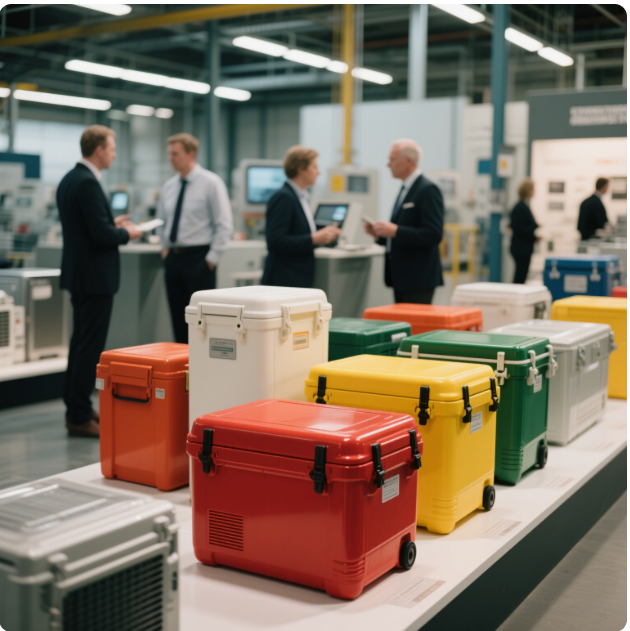
Rising e-commerce meal kits, strict pharma-logistics rules, and climate-conscious shoppers have pushed Cooler Box Manufacturers from a niche group of foam molders into a global engine worth nearly US $8.5 billion by 2025, growing 8.5 % annually.
1 | Who’s who in the factory row
Legacy names—Sonoco ThermoSafe, Softbox, B Medical Systems, Nilkamal, and Cold Chain Technologies—still supply most validated EPS and PUR shippers, while retail-oriented brands like Yeti and Igloo dominate hard coolers. Meanwhile, regional molders in India, Vietnam, and Mexico shorten lead times for grocery platforms that can’t wait eight weeks for a container.
2 | Innovation checkpoints
The fastest-moving Cooler Box Manufacturers are swapping fossil foams for recyclable honeycomb paper, molded pulp, or post-industrial-recycled (PIR) panels; DS Smith’s all-paper cooler is a recent headline example. Packaging Technology Today Others add sensors and active cooling—Ember’s self-refrigerated Cube keeps vaccines at 2 – 8 °C for 72 h while streaming GPS and temperature to the cloud.
3 | Choosing the right partner
Thermal science – Look for ISO 17025 test labs, ISTA 7D profiles, and lane-specific OQ/PQ reports.
Scalability – Distributed molding or rental fleets that cushion holiday peaks.
Circularity – Take-back programs and mono-material designs that slide into curbside recycling.
Data & service – 24/7 lane analytics, refurbishment, and kitting support.
4 | Tempk™ Insulated Box: a quick spotlight
Tempk’s reusable EPP/VIP hybrid insulated box couples <0.025 W/m·K conductivity with click-in PCM bricks, delivering frozen, chilled, or ambient lanes without tape or liners. The rugged shell survives 100+ round-trips, shaving CO₂ and total cost per use, while its smooth, food-grade surface wipes clean in seconds—ideal for pharma returns or same-day meal kits. Backed by a 1 400 m² CNAS-calibrated R&D center, Tempk can cut custom tooling in under four weeks, giving shippers a rapid path from concept to validated shipper.
Cooler Box For Vaccine Storage-Tempk’s Reliable Cold Chain Tech
Cooler Boxes for Vaccine Storage: Safeguarding Lives Through Precision and Innovation
Imagine a fragile vial of COVID-19 vaccine traveling from a lab in Germany to a rural clinic in Kenya. Every second, its potency hinges on one thing: a cooler box that refuses to fail. In the high-stakes world of vaccine storage and transport, these unassuming containers are lifelines. Let’s explore how cooler boxes protect global health—and why Tempk’s insulated solutions are leading the charge.
Why Vaccines Demand Uncompromising Cold Chains
Vaccines are miracles of modern science, but they’re also delicate. Most require strict temperature ranges (2–8°C or -70°C for mRNA vaccines). A single deviation can render them useless, risking lives and wasting resources. For instance:
Pfizer’s COVID-19 Vaccine: Must stay at -70°C; even brief exposure to warmer temperatures reduces efficacy.
Polio Vaccines: Spoiled by freezing—common in outdated cold chain systems.
Cooler boxes bridge this gap, acting as portable fortresses against heat, humidity, and human error.
The Anatomy of a Perfect Vaccine Cooler Box
Not all cooler boxes are built for vaccines. Effective designs must balance three pillars:
1. Precision Temperature Control
Tempk’s Insulated Vaccine Box uses vacuum-insulated panels (VIPs) and phase-change materials (PCMs) to maintain stability:
VIP Technology: Slows heat transfer by 90% compared to traditional foam, ensuring 72+ hours of cooling in 40°C heat.
PCM Packs: Pre-charged gel packs absorb excess heat, acting as a buffer during transit delays.
2. Rugged Reliability
Vaccines often travel through harsh environments—dusty roads, tropical humidity, or freezing tundras. Tempk’s boxes are tested to military standards:
Waterproof & Crushproof: Withstands 200 kg of pressure and heavy rain.
UV-Resistant Exterior: Protects against sun exposure during outdoor storage.
3. Smart Monitoring for Peace of Mind
Tempk integrates IoT sensors that track:
Real-Time Temperature: Alerts via SMS/app if thresholds are breached.
Location Data: GPS logs ensure accountability in multi-step shipments.
Battery Life: Monitors PCM status to prevent mid-journey failures.
Tempk’s Edge: Sustainability Meets Life-Saving Innovation
While many cooler boxes prioritize function over ethics, Tempk proves both can coexist:
1. Eco-Conscious Materials
95% Recycled EPP Foam: Reduces landfill waste without sacrificing insulation.
Biodegradable PCM Gel: Non-toxic and breaks down safely if leaked.
2. Human-Centered Design
Ergonomic Handles: Reduce fatigue for healthcare workers carrying boxes over long distances.
Modular Compartments: Custom dividers fit vials of all sizes, minimizing movement damage.
3. Global Impact
During the pandemic, Tempk’s boxes delivered 12 million vaccine doses across 30 countries with zero spoilage. Clinics in remote areas reused boxes for years, slashing costs by 50%.
The Future of Vaccine Equity Starts Here
Cooler boxes aren’t just containers—they’re tools of justice. Reliable cold chains ensure life-saving vaccines reach everyone, not just wealthy nations. Tempk’s innovations—durable, smart, and sustainable—embody this mission.
Next time you see a child receive a vaccine, remember: behind that moment is a cooler box that refused to quit.
Tempk Cooler Box-Eco-Friendly & Durable Cold Chain Solutions
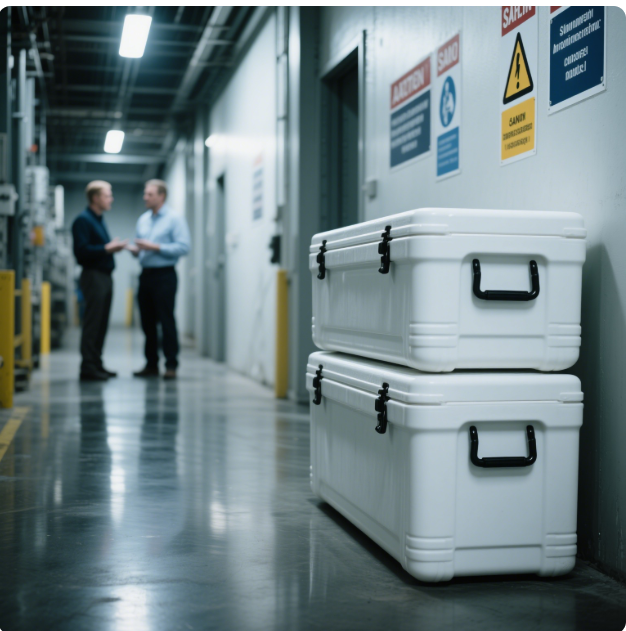
Cooler Boxes for Shipping: Keeping the World’s Goods Fresh and Safe
Imagine a world without ice cream arriving frozen at your doorstep, vaccines losing potency during transit, or fresh produce spoiling before reaching stores. This is the reality we’d face without cooler boxes for shipping—the unsung heroes of the cold chain industry. These unassuming containers play a vital role in preserving temperature-sensitive goods, from life-saving medicines to gourmet meals. Let’s dive into how they work, why they matter, and how companies like Tempk are revolutionizing the game.

Why Cooler Boxes Are the Backbone of Modern Logistics
Whether it’s a batch of COVID-19 vaccines or a shipment of organic strawberries, cooler boxes ensure products stay within safe temperature ranges. Here’s why they’re indispensable:
Preserving Quality: A single temperature spike can ruin pharmaceuticals or perishables. Cooler boxes act as portable refrigerators, maintaining consistent conditions even in extreme weather.
Reducing Waste: Over 30% of food produced globally is lost due to poor logistics. Insulated boxes help slash this number by extending freshness.
Meeting Regulations: Industries like pharma require strict compliance. Cooler boxes with validated thermal performance ensure shipments pass audits.
But not all cooler boxes are created equal. The best designs balance insulation, durability, and eco-friendliness—something Tempk has mastered.
What Makes a Great Cooler Box?
Think of a cooler box as a superhero cape for your goods. It needs to be tough, smart, and planet-friendly. Here’s what sets top-tier boxes apart:
1. Insulation That Lasts
Traditional boxes often use bulky foam, which cracks over time. Modern designs, like Tempk’s Insulated Box, use lightweight expanded polypropylene (EPP). This material offers two key perks:
Ultra-Low Thermal Conductivity: Keeps contents cold for 48+ hours, even in 40°C heat.
Shock Absorption: Protects fragile items like lab samples during rough handling.
2. Sustainability Without Compromise
Single-use packaging is a environmental nightmare. Tempk’s boxes are made from 95% recycled EPP and are fully recyclable. For businesses aiming to cut carbon footprints, this is a game-changer.
3. User-Friendly Features
Ever struggled to lift a heavy cooler box? Tempk’s designs include:
Ergonomic Handles: Reduce strain for delivery personnel.
Waterproof Interiors: Easy to clean after spills.
Modular Stacking: Save space in warehouses or trucks.
4. Smart Tech Integration
Tempk goes a step further by embedding IoT sensors in select models. These track temperature, humidity, and location in real time, sending alerts if conditions drift. For pharmaceutical companies, this data is gold—it ensures compliance and builds client trust.
Real-World Impact: Where Cooler Boxes Shine
Food Delivery: Meal kits and gourmet groceries arrive fresh, thanks to boxes that maintain precise temperatures.
Vaccine Transport: During the pandemic, Tempk’s boxes were used to distribute millions of doses without spoilage.
E-Commerce: Online retailers now ship frozen goods globally, unlocking new markets.
Tempk’s Insulated Box: Built for the Future
Tempk isn’t just selling boxes—it’s shaping the future of cold chains. Here’s what makes their products stand out:
Military-Grade Durability: Tested in deserts and Arctic conditions, these boxes survive drops, moisture, and UV exposure.
Cost Efficiency: Reusable designs cut long-term expenses by 40% compared to disposable alternatives.
Custom Sizing: Tailor boxes to fit anything from small medical parcels to bulk seafood shipments.
Carbon-Neutral Production: Tempk offsets emissions via reforestation programs, appealing to eco-conscious brands.
Conclusion: Cooler Boxes Are More Than Just Containers
In a world increasingly reliant on temperature-sensitive goods, cooler boxes are silent guardians of quality and safety. Brands like Tempk prove that innovation and sustainability can go hand in hand, offering solutions that protect both products and the planet. Whether you’re shipping sushi or serotonin, the right cooler box makes all the difference.
Next time you receive a perfectly chilled package, remember: behind the scenes, a well-designed insulated box—and a lot of science—kept it fresh.