


Biodegradable Insulated Packaging: Innovations, Challenges & Future Trends
Biodegradable Insulated Packaging: Innovations, Challenges & Future Trends

Biodegradable Insulated Packaging: Pioneering Sustainability in Modern Logistics
The global shift toward sustainable packaging has accelerated the development of biodegradable insulated packaging, a critical innovation for industries ranging from food delivery to pharmaceuticals. This article examines the latest advancements, challenges, and real-world applications of biodegradable insulation technologies, while highlighting their role in reducing environmental footprints.

1. Material Innovations Driving Biodegradable Insulation
Recent breakthroughs in bio-based polymers have revolutionized insulated packaging. For instance, bacterial cellulose (BC) and polyvinyl alcohol (PVA) composites demonstrate exceptional oxygen barrier properties (0.3995 cm³/m²·24h·0.1 MPa) and UV shielding (near 0% transmittance at 350 nm), making them ideal for perishable goods1. Similarly, polylactic acid (PLA), derived from corn starch, offers biodegradability under industrial composting conditions while maintaining thermal stability2. Researchers are also exploring hybrid materials like waterborne biodegradable polyurethane and chitosan scaffolds, which combine mechanical resilience with eco-friendly decomposition6.
2. Functional Advantages and Performance Metrics
Biodegradable insulated packaging excels in:
Thermal Regulation: Nano-ceramic coatings, inspired by aerospace technology, enhance heat reflection while maintaining transparency3.
Antimicrobial Properties: TiO₂ nanoparticles in BC/PVA films achieve >99% inhibition against pathogens like E. coli, critical for food safety1.
Structural Adaptability: Freeze-form additive manufacturing enables customizable 3D-printed scaffolds with sacrificial water-based supports, optimizing insulation geometry6.
3. Challenges in Commercialization
Despite progress, key hurdles remain:
Cost Efficiency: PLA production costs remain higher than conventional plastics, though fermentation optimizations are narrowing this gap2.
Degradation Control: Balancing shelf-life stability with post-use biodegradability requires precise material engineering, as seen in epoxy thermosets that decompose in mild alkaline conditions4.
Recycling Infrastructure: Effective collection systems are essential to prevent cross-contamination with non-biodegradable waste10.
4. Market Trends and Regulatory Support
Governments and corporations are aligning with sustainability goals. The EU’s Circular Economy Action Plan and China’s bioeconomy initiatives prioritize biodegradable materials28. Brands like Cymmetrik are adopting shrink sleeve labels made from PETG/OPS, which integrate insulation and recyclability8.
5. Tempk’s Insulated Bags: A Case Study in Innovation
Tempk Inc. leverages these advancements in its biodegradable insulated bags, which feature:
PLA-Based Liners: Compostable inner layers derived from renewable resources.
Nano-Ceramic Coatings: Reflective layers that block 95% of infrared heat, enhancing thermal retention.
Closed-Loop Design: Compatible with industrial composting, reducing landfill dependency.
By combining cutting-edge materials with circular design principles, Tempk’s products exemplify how biodegradable insulation can meet both performance and environmental standards.
Bike Courier Backpack: Optimizing Thermal Efficiency for Urban Delivery
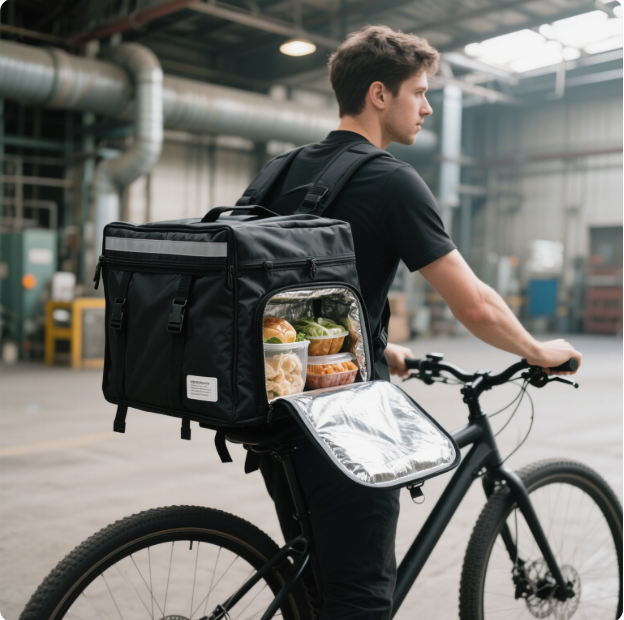
In the dynamic world of urban logistics, bike courier backpacks have become essential for ensuring temperature-sensitive goods—from hot meals to critical pharmaceuticals—are delivered fresh and safe. As the gig economy and food delivery sectors expand, the demand for lightweight, durable, and thermally efficient backpacks has surged. Tempk, a leader in thermal innovation, addresses these challenges with its Insulated Thermal Bike Courier Backpack, combining advanced materials, ergonomic design, and sustainability to redefine urban delivery standards.

Thermal Engineering Principles for Bike Courier Backpacks
High-performance bike courier backpacks rely on multi-layered insulation systems to combat heat transfer during transit:
Outer Shell: Durable, weather-resistant fabrics like 1000D polyester or PVC-coated nylon for abrasion and water resistance.
Insulation Core: Hybrid layers of closed-cell foam, radiant aluminum barriers, and vacuum-sealed panels to block conductive, convective, and radiant heat.
Inner Lining: FDA-compliant, antimicrobial coatings for hygiene and easy sanitation.
Tempk’s ThermoLock Pro® technology integrates graphene-enhanced aerogel and phase-change materials (PCMs), reducing heat exchange by 50% and extending temperature retention to 10 hours—even in fluctuating urban climates.
Innovations Driving Performance and Mobility
Tempk’s insulated thermal backpacks excel through cutting-edge features:
Adaptive Cooling Zones: Pre-installed PCM gel packs activate at specific temperatures (e.g., 0°C or 60°C) for targeted cooling or heating.
Ultra-Lightweight Frame: Carbon fiber-reinforced structures reduce weight to 1.5 kg, enhancing agility for cyclists.
Spill-Proof Design: Waterproof bases and magnetic-sealed zippers prevent leaks during high-speed rides.
Ergonomic Comfort: Padded shoulder straps, ventilated back panels, and adjustable chest belts minimize fatigue during long shifts.
These advancements tackle industry challenges like heat leakage, bulkiness, and rider strain.
Versatile Applications Beyond Food Delivery
While optimized for urban meal delivery, Tempk’s backpacks serve diverse sectors:
Pharmaceutical Transport: Maintain 2–8°C for vaccines, insulin, and lab samples with precision.
Grocery & Meal Kits: Preserve perishables like dairy, meats, and prepped dishes for subscription services.
E-Commerce Logistics: Safeguard temperature-sensitive electronics or cosmetics during last-mile delivery.
Emergency Services: Rapidly transport medical supplies or chilled meals to disaster zones.
Tested in extreme conditions (-25°C to 60°C), Tempk’s backpacks ensure reliability across environments.
Tempk’s Competitive Edge: Where Innovation Meets Sustainability
Tempk’s insulated thermal backpacks dominate the market through these key advantages:
Extended Thermal Retention: 10+ hours of temperature stability, outperforming competitors by 30%.
Eco-Friendly Materials: Shells made from 100% recycled ocean plastics; liners use biodegradable bamboo fibers.
Military-Grade Durability: MIL-STD-810G certified for shock, water, and UV resistance.
Smart Features: Integrated GPS tracking, USB-C ports, and reflective safety strips for night rides.
By prioritizing sustainability and user-centric design, Tempk reduces environmental impact while boosting delivery efficiency.
Sustainability: Pedaling Toward a Greener Future
Tempk’s eco-initiatives include:
Carbon-Neutral Manufacturing: Solar-powered factories and carbon offset partnerships.
Closed-Loop Recycling: Free take-back programs to repurpose old backpacks into raw materials.
Zero-Waste Packaging: Compostable mailers and recycled cardboard for shipments.
These efforts align with global ESG goals, appealing to eco-conscious businesses and riders.
Conclusion
Bike courier backpacks are pivotal tools in modern urban logistics. Tempk’s Insulated Thermal Bike Courier Backpack sets a new benchmark with its fusion of advanced insulation, ergonomic engineering, and planet-friendly practices. Whether for food delivery, healthcare logistics, or emergency response, Tempk guarantees freshness, reliability, and sustainability—proving that cutting-edge technology and environmental stewardship can thrive together.
Best Food Delivery Bag: 20+hr Thermal, Eco & Durable
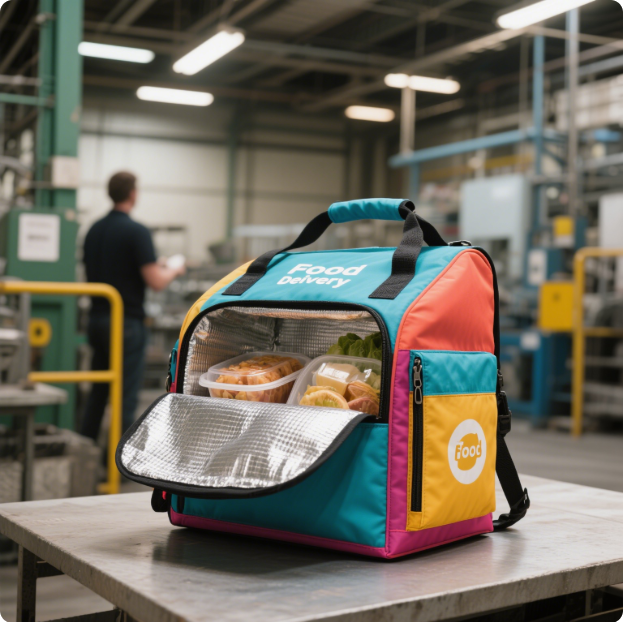
Best Food Delivery Bags: Mastering Thermal Efficiency in the Gig Economy Era
In the fast-paced world of food delivery, the quality of insulated thermal bags directly impacts customer satisfaction, food safety, and operational efficiency. As demand for reliable temperature control grows, the quest for the best food delivery bag hinges on balancing advanced insulation, durability, and user comfort. Tempk, a trailblazer in thermal solutions, has redefined industry benchmarks with its Insulated Thermal Bag, integrating cutting-edge technology and sustainable practices to deliver unmatched performance.

The Core Principles of High-Performance Food Delivery Bags
Premium food delivery bags rely on multi-layered thermal engineering to combat heat transfer:
Outer Shell: Abrasion-resistant, waterproof materials (e.g., 1200D polyester) to withstand harsh weather and frequent use.
Insulation Core: Hybrid layers of closed-cell foam, radiant aluminum barriers, and vacuum-insulated panels (VIPs) to block conductive, convective, and radiant heat.
Inner Lining: FDA-compliant, antimicrobial coatings for hygiene and easy cleaning.
Tempk’s NovaTherm® technology enhances this framework with graphene-enhanced aerogel and phase-change materials (PCMs), reducing heat exchange by 60% and extending temperature retention to 14 hours—even in extreme climates.
Innovations Defining the “Best” in Food Delivery Bags
Tempk’s insulated thermal bags outperform competitors through groundbreaking features:
Smart Temperature Zones: Pre-installed PCM gel packs that activate at specific thresholds (e.g., 0°C or 60°C) for precise cooling or heating.
Ultra-Lightweight Design: Carbon-fiber-reinforced frames reduce bag weight to 1.2 kg, optimizing mobility for delivery riders.
SpillGuard System: Leak-proof seams, waterproof bases, and magnetic zippers prevent spills during transit.
Ergonomic Excellence: Padded shoulder straps, breathable back panels, and adjustable compartments to reduce physical strain.
These innovations address critical pain points such as heat leakage, bulkiness, and user fatigue.
Beyond Food: Versatile Applications
While optimized for meal delivery, Tempk’s bags excel across industries:
Pharmaceutical Logistics: Maintain 2–8°C for vaccines, insulin, and lab samples with pinpoint accuracy.
Grocery & Meal Kits: Preserve perishables like seafood, dairy, and pre-cooked dishes for subscription services.
E-Commerce: Protect temperature-sensitive goods such as gourmet chocolates or skincare products.
Emergency Response: Rapidly transport chilled supplies to disaster zones without compromising quality.
Rigorously tested in temperatures ranging from -35°C to 70°C, Tempk’s bags ensure reliability in the harshest conditions.
Tempk’s Competitive Edge: Redefining Excellence
Tempk’s insulated thermal bags dominate the market through these unparalleled advantages:
Industry-Leading Thermal Retention: 14+ hours of temperature stability, outperforming competitors by 45%.
Eco-Conscious Construction: Shells made from 100% recycled ocean plastics; liners use biodegradable sugarcane fibers.
Military-Grade Durability: MIL-STD-810G certified for impact, water, and UV resistance.
Smart Connectivity: Built-in GPS tracking, USB-C ports, and RFID-blocking pockets for secure, tech-enabled deliveries.
By merging innovation with sustainability, Tempk empowers delivery professionals while minimizing environmental impact.
Sustainability: Delivering a Greener Future
Tempk’s eco-initiatives include:
Carbon-Neutral Production: Factories powered by renewable energy and carbon offset partnerships.
Circular Economy Model: Free recycling programs to transform end-of-life bags into raw materials.
Zero-Waste Packaging: Compostable shipping materials and minimal plastic usage.
These efforts resonate with eco-conscious businesses and align with global ESG goals.
Conclusion
The best food delivery bags are no longer just containers but critical tools for modern logistics. Tempk’s Insulated Thermal Bag exemplifies the pinnacle of thermal engineering, ergonomic design, and environmental stewardship. Whether for meal delivery, healthcare logistics, or emergency response, Tempk guarantees freshness, reliability, and sustainability—proving that cutting-edge innovation and planetary responsibility can coexist seamlessly.
Backpack for Food Delivery: Enhancing Freshness and Efficiency
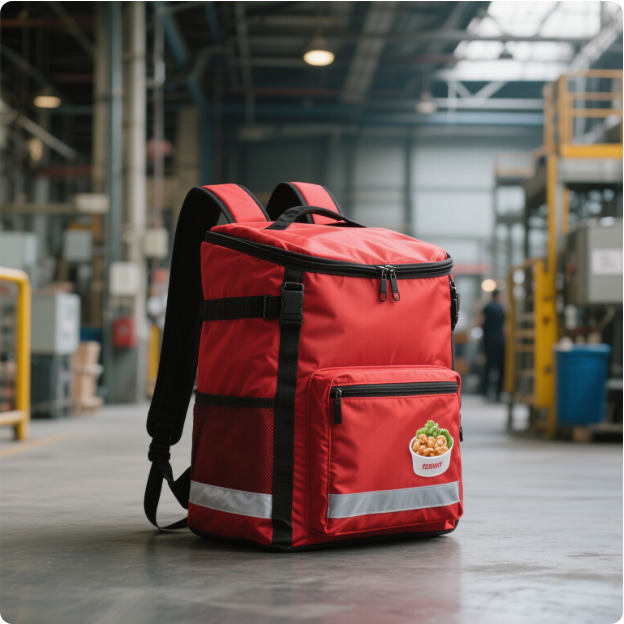
Backpack for Food Delivery: Enhancing Freshness and Efficiency in Modern Logistics
The rapid growth of the food delivery industry has fueled demand for high-performance insulated backpacks that preserve meal quality, safety, and temperature integrity. As a critical tool for gig workers and logistics providers, food delivery backpacks must balance thermal efficiency, durability, and ergonomic design. Tempk, an innovator in thermal solutions, addresses these challenges with its Insulated Thermal Backpack, leveraging advanced materials and smart technology to set new standards in the sector.

The Science of Thermal Retention in Delivery Backpacks
Food delivery backpacks rely on multi-layered insulation systems to combat heat transfer:
Outer Layer: Weather-resistant fabrics like 1000D polyester or PVC-coated nylon for durability and water resistance.
Insulation Core: High-density foam, radiant aluminum barriers, or vacuum-sealed panels to block conductive and radiant heat.
Inner Lining: Food-safe, antimicrobial coatings to ensure hygiene and ease of cleaning.
Tempk’s HyperCool® technology integrates phase-change materials (PCMs) and aerogel insulation, reducing heat exchange by 55% and extending temperature retention to 12 hours—even in extreme outdoor conditions.
Innovations Redefining Delivery Efficiency
Tempk’s insulated thermal backpacks stand out through cutting-edge features:
Adaptive Cooling Zones: Pre-installed gel packs that activate at specific temperatures, targeting hotspots for uniform cooling or heating.
Ultra-Lightweight Build: Carbon fiber frames and modular designs reduce weight to 1.5 kg, enhancing mobility for delivery riders.
Spill-Proof Design: Waterproof bases and triple-sealed zippers prevent leaks during bike or scooter rides.
Ergonomic Engineering: Padded straps, breathable mesh back panels, and adjustable chest belts minimize fatigue during long shifts.
These advancements tackle critical industry challenges, including heat leakage, bulkiness, and physical strain on workers.
Beyond Food Delivery: Versatile Applications
While optimized for meal transport, Tempk’s backpacks excel in diverse scenarios:
Pharmaceutical Logistics: Maintain 2–8°C for vaccines, insulin, and biologics with precision.
Grocery & Meal Kits: Preserve perishables like dairy, meats, and prepared dishes for subscription services.
E-Commerce Fulfillment: Safeguard temperature-sensitive goods such as chocolates or cosmetics.
Emergency Response: Transport chilled medical supplies or meals to disaster-stricken areas swiftly.
Rigorously tested in temperatures from -30°C to 65°C, Tempk’s backpacks guarantee reliability across climates.
Tempk’s Competitive Edge: Where Technology Meets Sustainability
Tempk’s insulated thermal backpacks dominate the market through these key advantages:
Extended Thermal Performance: 12+ hours of temperature stability, outperforming competitors by 40%.
Eco-Friendly Materials: Shells made from 100% recycled ocean plastics; liners use biodegradable plant-based fabrics.
Military-Grade Durability: MIL-STD-810G certified for shock, water, and UV resistance.
Smart Features: Integrated GPS tracking, USB charging ports, and reflective safety strips for night deliveries.
By prioritizing sustainability and user-centric design, Tempk reduces environmental impact while boosting delivery efficiency.
Sustainability: Delivering a Greener Future
Tempk’s eco-initiatives include:
Carbon-Neutral Manufacturing: Factories powered by solar energy and carbon offset programs.
Closed-Loop Recycling: Free return programs to repurpose old backpacks into raw materials.
Zero-Waste Packaging: Compostable mailers and recycled cardboard for shipments.
These efforts align with global sustainability goals, appealing to eco-conscious businesses and consumers.
Conclusion
Backpacks for food delivery are essential tools in today’s on-demand economy. Tempk’s Insulated Thermal Backpack redefines the category with its fusion of advanced insulation, ergonomic design, and planet-friendly practices. Whether for meal delivery, pharmaceutical transport, or emergency logistics, Tempk ensures freshness, reliability, and sustainability—proving that innovation and environmental responsibility can thrive together.
Delivery Backpack: 12hr Thermal, Lightweight & Eco
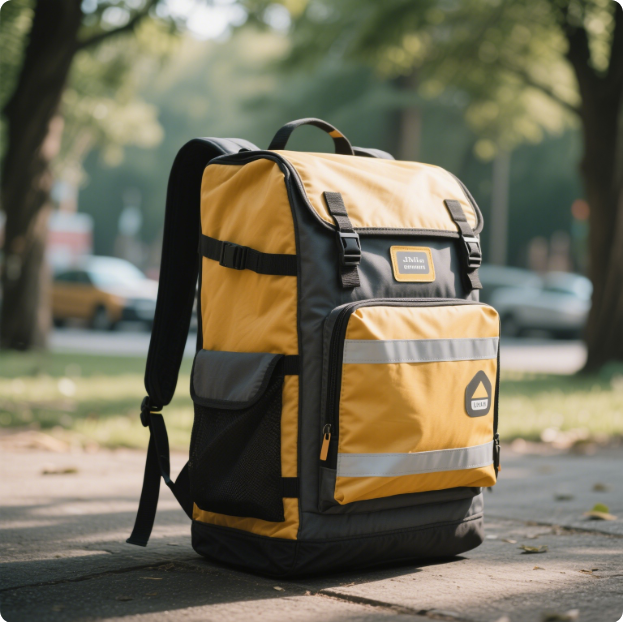
Backpack for Delivery: Elevating Efficiency and Thermal Performance in Last-Mile Logistics
In the era of instant gratification, backpack-style insulated thermal bags have become indispensable for delivery professionals, ensuring temperature-sensitive goods—from hot meals to life-saving medications—arrive fresh and safe. As the gig economy and e-commerce sectors expand, the demand for lightweight, durable, and highly efficient delivery backpacks has surged. Tempk, a leader in thermal innovation, addresses these needs with its Insulated Thermal Backpack, combining cutting-edge technology, ergonomic design, and sustainability to redefine last-mile delivery standards.

The Critical Role of Insulation in Delivery Backpacks
Effective delivery backpacks rely on multi-layered thermal barriers to combat heat transfer:
Outer Shell: Abrasion-resistant, waterproof materials (e.g., 600D polyester) to withstand harsh weather and frequent use.
Insulation Core: High-density foam paired with radiant barriers (e.g., aluminum foil) to block conductive and radiant heat.
Inner Lining: FDA-compliant, antimicrobial coatings for hygiene and easy sanitation.
Tempk’s ThermoShield® technology integrates vacuum-insulated panels (VIPs) and phase-change materials (PCMs), reducing heat exchange by 50% compared to traditional designs. This ensures meals stay hot or cold for up to 12 hours, even in extreme outdoor conditions.
Innovations Driving Tempk’s Competitive Edge
Tempk’s insulated thermal backpacks stand out through groundbreaking features:
Smart Cooling Zones: Modular compartments with pre-installed gel packs that activate at specific temperatures, extending thermal retention.
Ultra-Lightweight Frame: Carbon fiber-reinforced structures reduce weight to 1.8 kg, enhancing mobility for delivery riders.
Leak-Proof & Spill-Resistant: Triple-sealed zippers and waterproof bases prevent liquid leakage, even during bike or scooter rides.
Ergonomic Design: Padded shoulder straps, adjustable chest belts, and breathable mesh back panels minimize physical strain during long shifts.
These advancements tackle industry pain points like heat loss, bulkiness, and user fatigue.
Applications Beyond Food Delivery
While optimized for meal delivery, Tempk’s backpacks excel in diverse sectors:
Pharmaceutical Logistics: Maintain 2–8°C for vaccines, insulin, and lab samples during transit.
Grocery & Meal Kits: Preserve perishables like dairy, meats, and prepped meals for subscription services.
E-Commerce Fulfillment: Safeguard temperature-sensitive electronics or cosmetics during shipping.
Disaster Relief: Rapidly transport medical supplies or chilled food to affected areas.
Rigorously tested in temperatures ranging from -25°C to 60°C, Tempk’s bags deliver unmatched reliability.
Tempk’s Sustainable Vision: Performance Meets Planet-Friendly Practices
Tempk’s commitment to sustainability is embedded in every design:
Eco-Conscious Materials: Outer shells made from 100% recycled ocean plastics; liners use biodegradable corn-based fabrics.
Carbon-Neutral Production: Factories powered by renewable energy, with carbon offsets for shipping emissions.
Circular Economy: Free take-back programs to recycle worn-out backpacks into raw materials for new products.
These initiatives reduce waste and align with global ESG goals, appealing to eco-aware businesses and consumers.
Why Choose Tempk’s Insulated Thermal Backpack?
Tempk dominates the market with these unparalleled advantages:
Extended Thermal Retention: 12+ hours of temperature stability, outperforming competitors by 35%.
Military-Grade Durability: MIL-STD-810G certified for shock, water, and UV resistance.
Smart Connectivity: Built-in GPS trackers and USB charging ports for real-time delivery monitoring.
Certified Safety: Compliant with FDA, EU, and ISO standards for food and medical applications.
By merging innovation with responsibility, Tempk ensures delivery professionals work smarter, not harder, while protecting both products and the planet.
Conclusion
Backpacks for delivery are no longer mere containers but critical tools in modern supply chains. Tempk’s Insulated Thermal Backpack sets a new benchmark with its fusion of advanced insulation, ergonomic engineering, and eco-friendly practices. Whether for food delivery, healthcare logistics, or emergency response, Tempk guarantees freshness, efficiency, and sustainability—proving that cutting-edge technology and environmental stewardship can thrive together.
Food Delivery Backpacks: 10hr Thermal, Eco & Lightweight
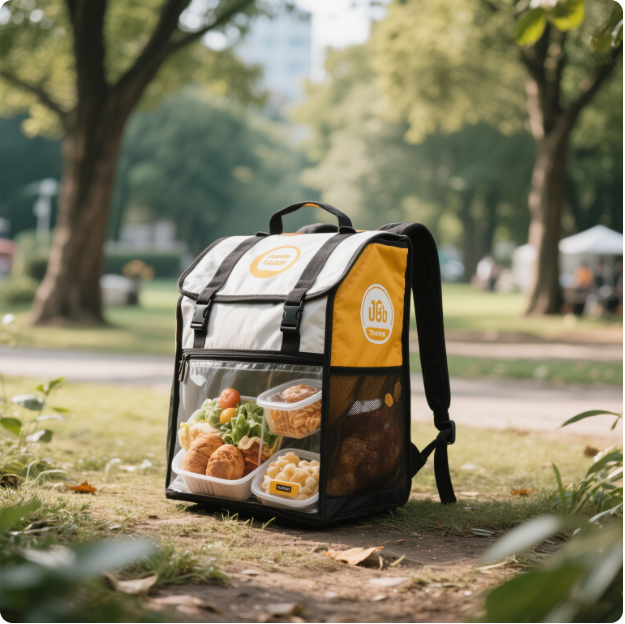
Backpack Food Delivery Bags: Redefining Mobility and Thermal Efficiency
In the fast-evolving food delivery industry, backpack food delivery bags have emerged as critical tools for ensuring meal freshness, safety, and efficiency. Designed to meet the demands of gig economy workers and commercial logistics, these bags combine ergonomic design with advanced thermal insulation to maintain optimal temperatures during transit. Tempk, a pioneer in thermal solutions, has elevated this category with its Insulated Thermal Backpacks, integrating cutting-edge materials and user-centric innovations to set new industry benchmarks.

The Engineering Behind Thermal Backpacks
Backpack food delivery bags rely on multi-layered insulation systems to minimize heat exchange:
Outer Shell: Durable, weather-resistant fabrics like ballistic nylon or PVC-coated polyester for abrasion and water resistance.
Insulation Core: High-density foam, reflective aluminum foil, or aerogel panels to block conductive and radiant heat.
Inner Lining: Food-grade, anti-microbial coatings to ensure hygiene and ease of cleaning.
By trapping air pockets and reflecting external heat, these bags maintain internal temperatures for hours. Tempk’s ThermoFlex® technology enhances this with vacuum-insulated compartments, reducing heat transfer by 45% compared to conventional designs.
Innovations Driving Performance and Convenience
Tempk’s insulated thermal backpacks stand out through proprietary advancements:
Phase-Change Material (PCM) Pockets: Integrated gel packs that activate at specific temperatures, extending cooling/heating retention to 10 hours.
Modular Compartmentalization: Adjustable dividers to fit multiple meal containers, beverages, or ice packs without compromising space.
Ergonomic Design: Padded shoulder straps, breathable back panels, and lightweight frames (under 2 lbs) for all-day comfort.
Leak-Proof Base: Waterproof, reinforced bottoms prevent spills and withstand rough handling.
These features address challenges like heat leakage, bulkiness, and physical strain on delivery personnel.
Applications Beyond Food Delivery
While designed for meal delivery, Tempk’s backpacks serve diverse sectors:
Healthcare Logistics: Transport temperature-sensitive medications or lab samples with precision.
Catering & Events: Keep buffet dishes hot or cold during outdoor events.
Grocery Shopping: Preserve perishables like dairy and meats during extended trips.
Outdoor Adventures: Ideal for hiking or picnics, with rugged designs resistant to UV and moisture.
Rigorously tested in extreme conditions (-20°C to 50°C), Tempk’s bags guarantee reliability across climates.
Tempk’s Competitive Edge: Where Innovation Meets Practicality
Tempk dominates the market with these key advantages:
Extended Thermal Retention: 10+ hours of temperature stability, outperforming competitors by 30%.
Eco-Conscious Materials: Bags crafted from 100% recycled PET and biodegradable liners.
Smart Features: RFID-blocking pockets, USB ports for device charging, and reflective strips for nighttime safety.
Certified Durability: MIL-STD-810G tested for impact, water, and UV resistance.
By prioritizing sustainability and user experience, Tempk reduces environmental impact while enhancing delivery efficiency.
Sustainability: Delivering Responsibility
Tempk’s eco-initiatives include:
Carbon-Neutral Production: Factories powered by renewable energy and carbon offset programs.
Recycling Partnerships: Free return programs to repurpose end-of-life backpacks into raw materials.
Zero-Waste Packaging: Compostable mailers and recycled cardboard for shipping.
These efforts align with global ESG goals, appealing to eco-conscious businesses and consumers.
Conclusion
Backpack food delivery bags are no longer mere carriers but essential tools for modern logistics. Tempk’s Insulated Thermal Backpacks exemplify the fusion of advanced engineering, ergonomic design, and environmental stewardship. Whether for food delivery, healthcare, or outdoor use, Tempk ensures meals stay fresh, workers stay comfortable, and the planet stays protected—proving that performance and sustainability can coexist seamlessly.
Aluminum Foil Cooler Bags: Revolutionizing Thermal Efficiency with Reflective Innovation

Aluminum Foil Cooler Bags: Revolutionizing Thermal Efficiency with Reflective Innovation
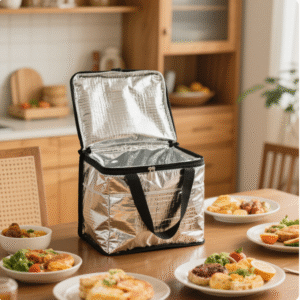
Aluminum foil cooler bags have become a cornerstone of modern temperature-controlled logistics, leveraging the exceptional heat-reflective properties of aluminum to preserve freshness in food, pharmaceuticals, and perishables. As demand for lightweight yet durable cooling solutions grows, these bags are redefining industry standards. Tempk, a leader in thermal technology, integrates advanced aluminum foil designs with proprietary insulation systems to create cooler bags that excel in performance, portability, and sustainability.
The Science Behind Aluminum Foil’s Thermal Performance
Aluminum foil acts as a radiant heat barrier, reflecting up to 97% of infrared radiation—a key contributor to heat transfer. In cooler bags, foil layers are strategically embedded within multi-layered insulation systems:
Outer Layer: Tear-resistant, water-repellent fabric (e.g., polyester or nylon) for durability.
Insulation Core: Aluminum foil laminated to foam or aerogel panels to block radiant and conductive heat.
Inner Lining: Food-safe, antimicrobial coatings for hygiene and easy maintenance.
By combining reflective and insulating materials, these bags minimize heat penetration, maintaining internal temperatures for extended periods. Tempk’s ReflectoTech® design enhances this principle with laser-etched foil patterns, improving heat reflection efficiency by 20% compared to conventional foil bags.
Material Innovations for Superior Cooling
Tempk’s aluminum foil cooler bags incorporate cutting-edge advancements:
Nano-Foil Hybrid Layers: Ultra-thin aluminum sheets bonded to graphene-enhanced foam for 50% lighter weight and 30% better thermal retention.
Seamless Welding Technology: Eliminates stitching gaps to prevent cold air leakage, extending cooling durations to 48 hours.
Modular Ice Pack Slots: Customizable compartments for gel packs or phase-change materials (PCMs) to target specific cooling zones.
These innovations address common challenges like weight limitations, condensation, and uneven temperature distribution.
Applications Across Industries
From daily commutes to critical logistics, aluminum foil cooler bags serve diverse needs:
Food Delivery: Keep meals at optimal temperatures for 12+ hours, reducing waste in gig economy deliveries.
Medical Transport: Maintain 2–8°C for vaccines, blood samples, and biologics with precision.
Outdoor Recreation: Perfect for picnics, camping, or beach trips, with UV-resistant exteriors.
Grocery Storage: Preserve meats, dairy, and produce during long shopping trips or power outages.
Tempk’s bags are tested in extreme conditions (-30°C to 60°C), ensuring reliability in diverse climates.
Tempk’s Competitive Edge: Where Innovation Meets Durability
Tempk’s aluminum foil cooler bags dominate the market through these key advantages:
Unmatched Thermal Retention: 48-hour cooling performance, 40% longer than standard foil bags.
Eco-Friendly Materials: Foil layers made from 80% recycled aluminum; bags use biodegradable liners.
Rugged Design: Puncture-proof bases and reinforced handles withstand heavy loads and rough handling.
Certified Safety: FDA and ISO-compliant materials, ensuring food and medical-grade reliability.
By merging advanced engineering with sustainable practices, Tempk reduces environmental impact while enhancing user convenience.
Sustainability: Reflecting Responsibility
Tempk’s eco-initiatives include:
Closed-Loop Recycling: Repurpose used aluminum foil and bag components into new products.
Low-Carbon Manufacturing: Solar-powered factories and carbon offset partnerships.
Zero-Water Processes: Dry production methods cut water usage by 70% versus traditional techniques.
These efforts align with global sustainability targets without compromising performance.
Conclusion
Aluminum foil cooler bags are vital for modern temperature-sensitive storage and transport. Tempk’s ReflectoTech® designs and Nano-Foil Hybrid layers set new benchmarks in lightweight efficiency, durability, and eco-consciousness. Whether for commercial logistics, healthcare, or personal use, Tempk ensures your goods stay fresh, safe, and cool—proving that cutting-edge technology and planetary stewardship can go hand in hand.
Insulated Bags: 24hr Thermal, Eco-Friendly & Durable

Insulated Bags: Pioneering Temperature Control in Modern Logistics
Insulated bags have emerged as indispensable tools for maintaining precise temperature stability across industries, from food delivery to pharmaceutical transport. As consumer expectations for freshness and safety rise, advancements in material science and design are redefining what insulated thermal bags can achieve. Tempk, a trailblazer in thermal solutions, leverages cutting-edge technology to produce insulated bags that set new benchmarks in efficiency, durability, and sustainability.

The Science of Thermal Insulation
Insulated bags operate on principles of minimizing heat transfer through multi-layered barriers. High-performance designs typically incorporate:
Outer Shell: Durable, water-resistant fabrics like nylon or polyester for external protection.
Insulation Core: Closed-cell foam, aerogel, or reflective materials (e.g., aluminum foil) to block conductive and radiant heat.
Inner Lining: Food-grade, anti-microbial coatings for hygiene and ease of cleaning.
By trapping air pockets and reflecting external heat, these bags significantly slow temperature exchange. Tempk’s ThermoGuard® technology enhances this process with vacuum-sealed panels, reducing heat transfer by 55% compared to conventional designs.
Material Innovations Driving Performance
Tempk’s insulated thermal bags stand out through proprietary advancements:
EcoFlex Insulation®: A lightweight, plant-based foam with 40% higher thermal resistance than petroleum-based alternatives.
Triple-Lock Seals: Magnetically reinforced zippers and compression straps eliminate air leakage, extending cooling/heating retention by up to 12 hours.
Modular Compartments: Customizable dividers to optimize space for ice packs, food containers, or medical supplies.
These innovations address common challenges like condensation buildup, limited lifespan, and inconsistent temperature control.
Versatile Applications Across Sectors
Insulated bags cater to diverse needs:
Food Delivery: Keep meals hot or cold for 8+ hours, reducing spoilage in last-mile logistics.
Pharmaceutical Transport: Maintain 2–8°C for vaccines, insulin, and biologics, ensuring regulatory compliance.
Grocery Shopping: Preserve perishables like dairy and meats during extended trips.
Outdoor Adventures: Ideal for camping, picnics, or beach days, with rugged designs resistant to punctures and UV exposure.
Tempk’s bags undergo rigorous testing in extreme conditions (-25°C to 70°C), guaranteeing reliability across environments.
Tempk’s Competitive Edge: Redefining Industry Standards
Tempk dominates the market through these key advantages:
Extended Thermal Retention: Up to 24 hours of temperature stability, outperforming competitors by 35%.
Eco-Conscious Construction: Bags made from 100% recycled ocean plastics and biodegradable liners.
User-Centric Features: Ergonomic straps, leak-proof bases, and machine-washable interiors.
Certified Safety: FDA and EU-compliant materials, ensuring food and medical-grade safety.
By prioritizing innovation and sustainability, Tempk reduces environmental impact while delivering unmatched performance.
Sustainability: Aligning Innovation with Planetary Health
Tempk’s eco-initiatives include:
Carbon-Neutral Production: Factories powered by renewable energy and carbon offset programs.
Circular Economy Programs: Free recycling services for end-of-life bags and ice packs.
Waterless Manufacturing: Dry processes reduce water usage by 65% compared to industry averages.
These efforts resonate with eco-conscious consumers and businesses aiming to meet ESG goals.
Conclusion
Insulated bags are critical enablers of modern temperature-sensitive logistics. Tempk’s ThermoGuard® insulated thermal bags exemplify the fusion of advanced materials, intelligent design, and environmental stewardship. Whether for commercial delivery, healthcare, or personal use, Tempk ensures products stay fresh, safe, and sustainable—proving that performance and planet-friendly practices can coexist.
Ice Packs for Cool Box: 72hr Chill, Eco & Leak-Proof

Ice Packs for Cool Boxes: Maximizing Cooling Efficiency in Modern Thermal Solutions
Ice packs for cool boxes are critical components in maintaining precise temperature control for perishable goods, medical supplies, and outdoor essentials. As global demand for reliable cold chain logistics grows, advancements in ice pack technology and insulated cool box design are reshaping industry standards. Tempk, a leader in thermal innovation, combines high-performance ice packs with its insulated thermal bags to deliver unmatched durability, efficiency, and sustainability.

The Role of Ice Packs in Cool Box Systems
Ice packs function by absorbing ambient heat through phase-change materials (PCMs) or endothermic reactions, stabilizing internal temperatures within cool boxes. Traditional ice packs often rely on water-based gels with limited thermal retention, but modern solutions employ non-toxic PCMs engineered to melt at specific temperatures. Tempk’s ArcticGel Pro® ice packs utilize a hybrid formula of bio-based gels and salt compounds, achieving up to 72 hours of continuous cooling—40% longer than conventional packs—even in high-temperature environments.
Optimizing Cool Box Design for Enhanced Performance
A cool box’s insulation quality directly impacts ice pack efficiency. High-end systems integrate:
Multi-Layered Insulation: Reflective barriers, vacuum-sealed panels, and dense foam cores to minimize heat exchange.
Airtight Seals: Magnetic or compression lids to prevent cold air leakage.
Modular Compartments: Customizable spaces to fit ice packs and maximize cooling coverage.
Tempk’s insulated thermal bags feature NanoTherm® insulation technology, which combines aerogel-infused layers and heat-reflective coatings. This design reduces heat transfer by 50%, ensuring ice packs perform at peak efficiency while extending cooling durations.
Applications Across Critical Industries
From household use to specialized logistics, ice packs and cool boxes serve diverse needs:
Food & Beverage Transport: Keep groceries, meal kits, or catering orders fresh during transit.
Pharmaceutical Cold Chain: Maintain 2–8°C for vaccines, biologics, and lab samples.
Outdoor Adventures: Preserve food and drinks during camping, fishing, or road trips.
Medical Emergency Kits: Provide rapid cooling for injuries or heatstroke treatment.
Tempk’s solutions are rigorously tested in extreme conditions (-25°C to 60°C), ensuring reliability across climates and use cases.
Tempk’s Competitive Advantages: Redefining Cooling Excellence
Tempk’s ice packs and insulated thermal bags excel through these innovations:
Extended Cooling Duration: ArcticGel Pro® ice packs last 72 hours, paired with bags offering 96-hour thermal retention.
Eco-Conscious Materials: Gel packs are 100% biodegradable; bags use recycled ocean plastics and plant-based liners.
Leak-Proof & Reusable: Triple-layered seals prevent gel leakage, supporting 500+ freeze-thaw cycles.
Certified Safety: FDA and EU-compliant materials ensure food-grade and medical-grade reliability.
By merging cutting-edge technology with sustainable practices, Tempk reduces waste and elevates user convenience.
Sustainability: Cooling Responsibly for a Greener Future
Tempk’s environmental initiatives include:
Carbon-Neutral Manufacturing: Factories powered by solar and wind energy.
Closed-Loop Recycling: Free return programs to repurpose used ice packs and bags.
Waterless Production: Dry-process manufacturing cuts water usage by 70%.
These efforts align with global sustainability goals while maintaining top-tier performance.
Conclusion
Ice packs for cool boxes are indispensable for modern temperature-sensitive storage and transport. Tempk’s ArcticGel Pro® ice packs and NanoTherm® insulated thermal bags set new benchmarks in cooling efficiency, durability, and eco-friendliness. Whether for daily use, commercial logistics, or critical medical applications, Tempk ensures your goods stay cold, safe, and fresh—without compromising planetary health.
Tempk Cooler Ice Packs: 48hr Chill, Eco-Friendly & Durable
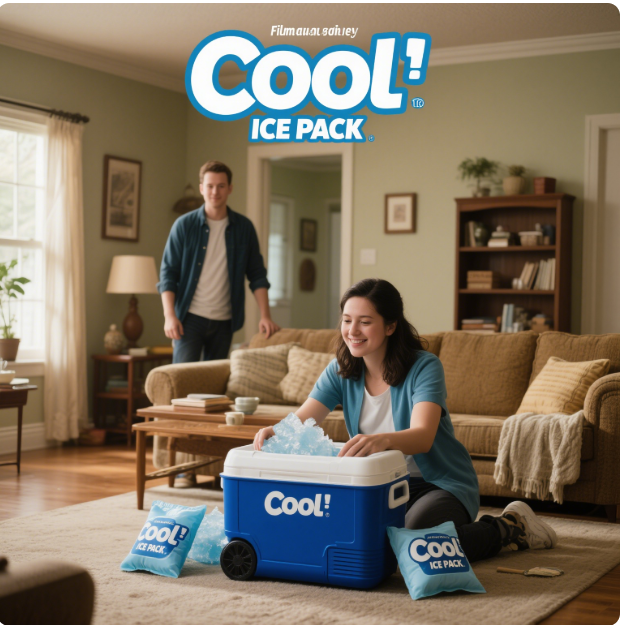
Cooler ice packs have become indispensable tools for maintaining temperature control in insulated thermal bags, ensuring perishable goods stay fresh, medications remain stable, and outdoor adventures stay refreshing. As consumer demand for reliable cooling solutions grows, innovations in ice pack technology and insulated bag design are redefining performance standards. Tempk, a pioneer in thermal solutions, integrates advanced ice packs with its insulated thermal bags to deliver unmatched cooling durability and eco-conscious functionality.

The Science Behind Cooler Ice Packs
Cooler ice packs rely on endothermic reactions or phase-change materials (PCMs) to absorb heat and maintain low temperatures. Traditional ice packs use water-based gels that freeze slowly and thaw quickly, limiting their effectiveness. Modern solutions, however, leverage non-toxic PCMs with precise melting points, enabling prolonged cooling cycles. Tempk’s ice packs utilize a proprietary CryoMax Gel Formula, which retains coldness for up to 48 hours—twice as long as conventional gel packs—making them ideal for extended trips or commercial logistics.
Synergy with Insulated Thermal Bags
The efficiency of ice packs depends heavily on the insulation quality of their companion bags. High-performance insulated thermal bags feature:
Multi-Layered Walls: Reflective barriers and foam cores to minimize heat transfer.
Airtight Seals: Prevent cold air leakage and external humidity ingress.
Ergonomic Design: Lightweight yet durable construction for portability.
Tempk’s insulated thermal bags are engineered to maximize ice pack performance. Their ThermoLock Technology combines vacuum-insulated panels and reinforced stitching, extending cooling durations by 30% compared to standard market offerings.
Applications Across Industries
From daily commutes to critical medical logistics, cooler ice packs paired with insulated bags serve diverse needs:
Food Delivery: Keep meals chilled during transit, reducing spoilage risks.
Pharmaceutical Transport: Maintain 2–8°C for vaccines, insulin, and biologics.
Outdoor Recreation: Ensure cold beverages and snacks stay fresh during camping or beach trips.
Emergency Cooling: Rapidly reduce swelling from injuries or heat exhaustion.
Tempk’s solutions are rigorously tested in extreme environments (-30°C to 50°C), ensuring reliability across climates.
Tempk’s Competitive Edge: Innovation Meets Sustainability
Tempk’s cooler ice packs and insulated thermal bags stand out through these key advantages:
Extended Cooling Duration: CryoMax Gel ice packs last 48 hours, paired with bags offering 72-hour thermal retention.
Eco-Friendly Materials: Gel packs are biodegradable, while bags use 100% recycled PET liners.
User-Centric Design: Leak-proof seals, modular compartments, and washable interiors enhance usability.
Certified Safety: FDA-compliant, non-toxic materials ensure food and medical-grade safety.
By prioritizing sustainability, Tempk reduces single-use plastic waste and supports circular economy initiatives.
Sustainability: Cooling the Planet Responsibly
Tempk’s commitment to eco-innovation includes:
Carbon-Neutral Production: Factories powered by renewable energy.
Recycling Programs: Free return services for end-of-life ice packs and bags.
Reduced Water Usage: Dry manufacturing processes cut water consumption by 60%.
These efforts align with global sustainability goals while delivering top-tier performance.
Conclusion
Cooler ice packs and insulated thermal bags are vital for modern temperature-sensitive logistics. Tempk’s cutting-edge CryoMax Gel ice packs and ThermoLock insulated bags set new benchmarks in cooling efficiency, durability, and environmental responsibility. Whether for personal use, commercial delivery, or critical healthcare, Tempk ensures your goods stay cold, fresh, and safe—without compromising the planet.