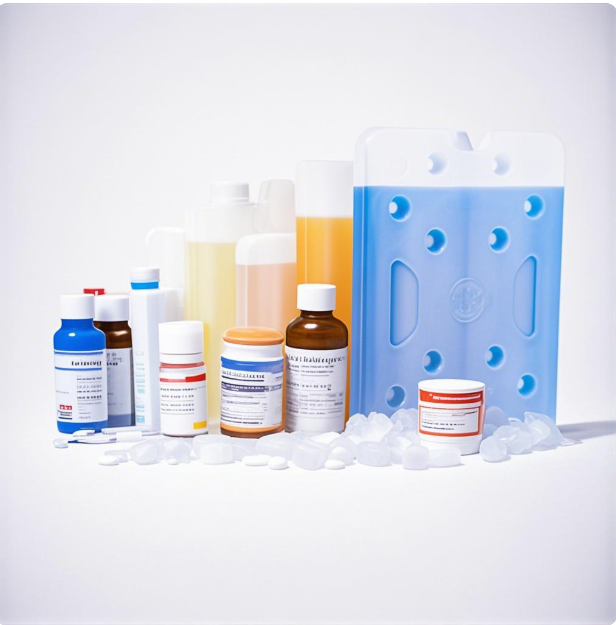
HOW MUCH DO YOU KNOW ABOUT COLD CHAIN TRANSPORTATION?
Cold chain transportation refers to maintaining temperature sensitive items such as perishable food, pharmaceutical products, and biological products within a specified temperature range throughout the entire transportation and storage process to ensure their quality and safety. Cold chain transportation is crucial for maintaining product freshness, effectiveness, and preventing product damage due to temperature fluctuations. Here are some key points about cold chain transportation:
1. Temperature control:
-Cold chain transportation requires precise temperature control, which typically involves two modes: refrigeration (0 ° C to 4 ° C) and freezing (usually -18 ° C or lower). Some special products, such as certain vaccines, may require ultra-low temperature transportation (such as -70 ° C to -80 ° C).

2. Key steps:
-Cold chain not only includes the transportation process, but also the storage, loading, and unloading processes. Temperature must be strictly controlled at every stage to avoid any “cold chain breakage”, which means temperature management is out of control at any stage.
3. Technology and equipment:
-Use specialized refrigerated and frozen vehicles, containers, ships, and airplanes for transportation.
-Use refrigerated and refrigerated warehouses at warehouses and transfer stations to store products.
-Equipped with temperature monitoring equipment, such as temperature recorders and real-time temperature tracking systems, to ensure temperature control throughout the entire chain.
4. Regulatory requirements:
-Cold chain transportation must comply with strict national and international regulations. For example, food and drug regulatory agencies (such as FDA and EMA) have established cold chain transportation standards for pharmaceutical products and food.
-There are clear regulations on the qualifications of transportation vehicles, facilities, and operators.

5. Challenges and solutions:
-Geography and climate: Maintaining a constant temperature is particularly difficult during transportation in extreme or remote areas.
-Technological innovation: adopting more advanced insulation materials, more energy-efficient cooling systems, and more reliable temperature monitoring and data recording technologies.
-Logistics optimization: By optimizing routes and transportation strategies, reduce transportation time and costs while ensuring the integrity of the cold chain.
6. Application scope:
-Cold chain is not only used in food and pharmaceutical products, but also widely used in the transportation of other items that require specific temperature control, such as flowers, chemical products, and electronic products.
The effectiveness of cold chain transportation is crucial for ensuring product quality and consumer safety, especially in the context of increasing global trade and demand for high-quality products.
How much do you know about freezing?
Freezing is a method of preserving food, drugs, and other substances by lowering their temperature to below freezing point. This technology can effectively extend the shelf life of products, as low temperatures greatly slow down the growth of microorganisms and the speed of chemical reactions. The following is detailed information about freezing:
Basic Principles
1. Temperature range: Freezing typically involves lowering the temperature of the product to -18 ° C or lower. At this temperature, most of the water forms ice crystals, microbial activity basically stops, and the metabolic process of food also significantly slows down.

2. Water conversion: During the freezing process, the water in the product is converted into ice crystals, which helps prevent bacterial growth and chemical reactions from occurring. However, the formation of ice crystals may disrupt cellular structure, which is one of the reasons why frozen foods may experience texture changes after thawing.
Freezing technology
1. Rapid freezing: Rapid freezing is a commonly used method that minimizes the size of ice crystals formed inside food by rapidly lowering the temperature of the food, helping to protect the structure and texture of the food. This is usually achieved in commercial production using efficient refrigeration equipment.
2. Ultra low temperature freezing: In certain specific applications (such as certain scientific research fields and high-end food preservation), ultra-low temperature freezing may be used, and the temperature can be reduced to -80 ° C or lower to achieve extremely long preservation time.
3. Frozen storage: Frozen food needs to be stored in appropriate refrigeration equipment, such as a home freezer or commercial cold storage, to ensure that the food is continuously kept at a safe temperature.

application area
1. Food industry: In the food industry, freezing is a common preservation method, suitable for various foods such as meat, seafood, cooked food, dairy products, fruits and vegetables.
2. Healthcare: Certain drugs and biological samples (such as blood, cells, etc.) require cryopreservation to maintain their stability and efficacy.
3. Scientific research: In scientific research, freezing technology is used to preserve various biological samples and chemical reagents for long-term research and analysis.
matters needing attention
1. Proper packaging: Proper packaging is crucial to prevent frostbite and food drying. Using moisture-proof and well sealed packaging materials can protect food.
2. Avoid repeated freeze-thaw cycles: Repeated freeze-thaw cycles can damage the texture and nutrition of food, and should be avoided as much as possible.
3. Safe thawing: The thawing process is also very important, and should be slowly thawed in the refrigerator, or quickly thawed using a microwave and cold water to reduce the chance of bacterial growth.
Freezing is a highly effective preservation method that significantly slows down microbial activity and chemical changes, extending the shelf life of food and other sensitive substances. The correct freezing and thawing techniques can maximize the nutritional and sensory quality of food.
How much do you know about refrigeration?
Refrigeration is a temperature control method used to extend the quality stability of food, medicine, and other products. By maintaining temperatures below ambient temperature but above freezing point, refrigeration can slow down microbial activity, chemical reactions, and physical processes, thereby maintaining the freshness and safety of products. The following is detailed information about refrigeration:
Basic Principles
1. Temperature range: Refrigeration usually refers to storing products in a temperature range of approximately 0 ° C to 8 ° C. This temperature range can effectively slow down the growth and reproduction of most microorganisms, while also slowing down enzyme activity in food.
2. Humidity control: In addition to temperature control, appropriate humidity is also key to maintaining food quality. Different products require different levels of relative humidity to maximize shelf life.

application area
1. Food preservation: Refrigeration is a common method for preserving food. It is suitable for meats, dairy products, fruits and vegetables, and cooked foods, helping to reduce food spoilage and maintain nutritional value.
2. Medical products: Many drugs, vaccines, and biological products need to be stored under refrigeration conditions to maintain their effectiveness and stability.
3. Chemicals and other materials: Some chemicals and experimental materials also need to be refrigerated to prevent decomposition or maintain their performance.
Refrigeration technology
1. Refrigeration equipment: Refrigeration equipment includes household and commercial refrigerators, refrigerated cabinets, cold storage, etc. These devices can maintain low temperatures through compressor refrigeration systems, absorption chillers, or other refrigeration technologies.
2. Intelligent refrigeration: Modern refrigeration equipment may include temperature controllers, humidity sensors, and other automation technologies, which can be monitored and adjusted through intelligent systems to ensure continuous and stable storage conditions.
Maintenance and management
1. Correct loading: Ensure that the refrigeration equipment is not overloaded and that air can freely flow between products to maintain a uniform temperature.
2. Regular cleaning: Regular cleaning of refrigeration equipment is necessary to prevent pollution and maintain equipment efficiency.
3. Temperature monitoring: Use a temperature recorder or thermometer to regularly check the temperature of the refrigeration equipment to ensure its normal operation.
Refrigeration is an indispensable part of daily life, playing a crucial role in maintaining food safety, drug efficacy, and the quality of other products. Proper refrigeration management and technology can significantly improve food safety, reduce waste, and provide economic benefits for businesses and consumers.
HOW SHOULD YOU TRANSPORT FRUITS?
The transportation method of fruits mainly depends on the type, maturity, distance to destination, and budget of the fruits. The following are some common fruit transportation methods:
1. Cold chain transportation: This is the most common method of fruit transportation, especially for perishable and fresh-keeping fruits such as strawberries, cherries, and mangoes. Cold chain transportation can ensure that fruits are always kept in a suitable low-temperature environment from picking to sales, thereby extending their shelf life and maintaining freshness.
2. Dry transportation: For some fruits that do not require refrigeration, such as bananas, citrus fruits, and persimmons, dry transportation at room temperature can be used. This method has a lower cost, but it needs to ensure good ventilation during transportation to prevent fruit from becoming moldy due to moisture.

3. Express delivery: For long-distance or international transportation, express delivery services may be required. This usually involves air or rapid land transportation, which can deliver fruits to their destination in the shortest possible time, reducing transit time and thus reducing the risk of decay.
4. Container transportation: For long-distance transportation of large quantities of fruits, such as from one country to another, container shipping can be used. The temperature and humidity in the container can be adjusted according to the specific needs of the fruits.
5. Specialized vehicle transportation: Some fruits such as watermelons and apples may require the use of specialized vehicles for transportation, which can provide protection and appropriate temperature control.
When choosing a transportation method, it is necessary to comprehensively consider the quality requirements of fruits, transportation costs, and specific requirements of the destination. For perishable or high-value fruits, cold chain transportation is usually the best choice.

Transportation methods for meat products
1. Cold chain transportation:
Refrigerated transportation: suitable for fresh meat, such as fresh beef, pork, or chicken. Meat needs to be maintained within the temperature range of 0 ° C to 4 ° C throughout transportation to prevent bacterial growth and maintain freshness.
Frozen transportation: suitable for meats that require long-term storage or long-distance transportation, such as frozen beef, pork, or fish. Usually, meat needs to be transported and stored at temperatures of 18 ° C or lower to ensure food safety and prevent spoilage.
2. Vacuum packaging:
Vacuum packaging can significantly extend the shelf life of meat products, reduce the contact between oxygen in the air and meat, and reduce the chance of bacterial growth. Vacuum packaged meat is often paired with cold chain transportation to further ensure food safety during transportation.

3. Special transport vehicles:
Use specially designed refrigerated or frozen trucks for meat transportation. These vehicles are equipped with temperature control systems to ensure that meat is maintained at an appropriate temperature during transportation.
4. Comply with hygiene standards and regulations:
During transportation, it is necessary to comply with relevant food safety standards and regulations to ensure that meat products are always in good hygiene condition before reaching their destination. Transport vehicles and containers should be regularly cleaned and disinfected.
5. Rapid transportation:
Minimize transportation time as much as possible, especially for fresh meat products. Fast transportation can reduce the time meat is exposed to non ideal temperatures, thereby reducing food safety risks.
Overall, the key to meat transportation is to maintain a low-temperature environment, comply with food safety regulations, and use packaging materials and technology reasonably to ensure the freshness and safety of meat.
DO YOU KNOW HOW INSULATED BOXES ARE PRODUCED?
Producing a qualified insulation box involves multiple steps, from design and material selection to manufacturing and quality control. The following is the general process for producing high-quality insulation boxes:
1. Design phase:
-Requirement analysis: Firstly, determine the main purpose and target market demand of the insulated box, such as food preservation, pharmaceutical transportation, or camping.
-Thermal performance design: Calculate the required insulation performance, select appropriate materials and structural designs to meet these performance requirements. This may include selecting specific types of insulation materials and box shapes.

2. Material selection:
-Insulating materials: commonly used insulating materials include polystyrene (EPS), polyurethane foam, etc. These materials have good thermal insulation performance.
-Shell material: Choose durable materials such as high-density polyethylene (HDPE) or metal to ensure that the insulation box can withstand wear and environmental impact during use.
3. Manufacturing process:
-Forming: Using injection molding or blow molding technology to manufacture the inner and outer shells of insulation boxes. These technologies can ensure that the dimensions of the parts are accurate and meet the design specifications.
-Assembly: Fill the insulation material between the inner and outer shells. In some designs, insulation materials may be formed by spraying or pouring into molds to solidify.
-Sealing and reinforcement: Ensure that all joints and connection points are tightly sealed to prevent heat from escaping through the gaps.
4. Surface treatment:
-Coating: To enhance durability and appearance, the outer shell of the insulation box may be coated with a protective layer or decorative coating.
-Identification: Print the brand logo and relevant information, such as insulation performance indicators, usage instructions, etc.
5. Quality control:
-Testing: Conduct a series of tests on the insulation box, including insulation performance testing, durability testing, and safety testing, to ensure that each product meets the established standards.
-Inspection: Conduct random sampling on the production line to ensure the consistency of quality of all products.

6. Packaging and Shipping:
-Packaging: Use appropriate packaging materials to ensure the safety of the product during transportation and prevent damage during transportation.
-Logistics: Arrange appropriate transportation methods according to customer needs to ensure timely delivery of products.
The entire production process requires strict management and high standards of execution to ensure that the quality and performance of the final product meet expectations, compete in the market, and meet consumer needs.
How to choose your favorite insulated box?
When choosing a suitable insulation box, multiple factors need to be considered to ensure that the selected product meets your specific needs. Here are some key factors to consider when choosing an insulated box:
1. Insulation performance:
-Insulation time: The insulation effect duration of different insulation boxes varies. Choose the appropriate box according to the length of insulation time needed. For example, if it is necessary to maintain low temperature for a long time, choose a box type with a more durable insulation effect.
-Temperature range: According to the temperature requirements of the items to be stored, select an insulation box that can provide the required temperature range.

2. Materials and Construction:
-High quality insulation boxes are usually made of high-efficiency insulation materials such as polyurethane or polystyrene, which can provide better insulation effects.
-Confirm the sealing of the insulation box to prevent external temperature from affecting the environment inside.
3. Capacity and size:
-Choose an appropriately sized insulated box based on the quantity and volume of items to be stored. Consider the placement of items in practical use and whether they need to be separated to optimize storage space.
4. Portability:
-If you need to move the insulation box frequently, consider choosing a model with wheels and handles for easy transportation.
-Weight is also a factor to consider, ensuring easy handling even after loading items.
5. Durability:
-Choose a well made insulation box that can withstand daily wear and tear. Consider the usage environment. If frequently used outdoors, choose materials that are scratch resistant and collision resistant on the surface.
6. Security:
-If used for storing food or medicine, ensure that the insulation box material meets food safety or pharmaceutical safety standards.
-Check if the insulation box has appropriate ventilation measures, especially when storing volatile or chemically sensitive items.
7. Budget:
-The price range of insulated boxes can range from very economical to high-end prices, depending on one’s budget and the frequency and importance of using insulated boxes.
By considering the above factors comprehensively, you can choose the insulation box that best suits your needs, whether it is used for daily food preservation or for professional transportation and storage of special items.
HOW TO CHOOSE THE RIGHT ICE BAG OR ICE BOX FOR YOU?
When choosing a suitable ice box or ice bag, you need to consider multiple factors based on your specific needs. Here is a detailed guide to help you find the most suitable product for you:
1. Determine the purpose:
-Firstly, clarify how you will use the ice box and ice pack. Is it for daily use (such as carrying lunch), outdoor activities (such as picnics, camping), or specific needs (such as transporting medicine)? Different uses may have different requirements for the size, insulation capacity, and carrying method of the ice box.

2. Size and capacity:
-Choose the appropriate size based on the amount of items you plan to store. If you usually only need to carry a few cans of drinks and small portions of food, a small or medium-sized ice box may be enough. If you plan to have a family picnic or a multi day camping activity, a large ice box would be more suitable.
3. Insulation efficiency:
-Check the insulation performance of the ice box to understand how long it can provide refrigeration for food or beverages. This is particularly important for long-term outdoor activities. High quality ice boxes can provide longer cold chain protection.
4. Material:
-High quality ice boxes usually use a solid shell and effective insulation materials (such as polyurethane foam). These materials can provide better insulation and withstand frequent wear and tear.

5. Portability:
-Consider the convenience of carrying an ice box. If you often need to move from one place to another, you may need an ice box with wheels and a pull handle. Meanwhile, weight is also a factor to consider, especially when filled with items.
6. Sealing and water resistance:
-Good sealing performance can prevent air exchange and better maintain internal temperature. Meanwhile, the ice box should have a certain degree of water resistance, especially if you plan to use it in multiple weather conditions.
7. Easy to clean and maintain:
-Choose an ice box with a smooth internal surface that is easy to clean. Some ice boxes are designed with holes for easy drainage, which can easily drain melted ice water after use.

8. Budget:
-The price of ice boxes and bags can range from tens to hundreds of yuan, mainly determined by size, material, brand, and additional functions. Based on your budget and usage frequency, investing in high-quality products usually demonstrates better value in long-term use.
9. View user reviews and brand reputation:
-Before making the final decision to purchase, reviewing other users’ evaluations of the product can provide practical information about its performance and durability. Choosing a well-known brand usually ensures product quality and good customer service.
By considering the above factors comprehensively, you can choose the ice box or ice bag that best suits your needs, ensuring that food and beverages remain fresh and cold when needed.
Do you know how ice packs are produced?
Producing a qualified ice pack requires careful design, selection of appropriate materials, strict manufacturing processes, and quality control. The following are typical steps for producing high-quality ice packs:

1. Design phase:
-Requirement analysis: Determine the purpose of ice packs (such as medical use, food preservation, sports injury treatment, etc.), and select appropriate sizes, shapes, and cooling times based on different application scenarios.
-Material selection: Choose appropriate materials to meet the functional and safety requirements of the product. The selection of materials will affect the insulation efficiency, durability, and safety of ice packs.
2. Material selection:
-Shell material: Durable, waterproof, and food safe materials such as polyethylene, nylon, or PVC are usually chosen.
-Filler: select appropriate gel or liquid according to the use requirements of the ice bag. Common gel ingredients include polymers (such as polyacrylamide) and water, and sometimes antifreeze agents such as propylene glycol and preservatives are added.
3. Manufacturing process:
-Ice bag shell manufacturing: The shell of an ice bag is made through blow molding or heat sealing technology. Blow molding is suitable for the production of complex shapes, while heat sealing is used to make simple flat bags.
-Filling: fill the premixed gel into the ice bag shell under sterile conditions. Ensure that the filling amount is appropriate to avoid excessive expansion or leakage.
-Sealing: use heat sealing technology to ensure the tightness of the ice bag and prevent gel leakage.
4. Testing and quality control:
-Performance testing: Conduct cooling efficiency testing to ensure that the ice pack achieves the expected insulation performance.
-Leakage test: Check each batch of samples to ensure that the sealing of the ice bag is complete and leak free.
-Durability testing: Repeated use and mechanical strength testing of ice packs to simulate conditions that may be encountered during long-term use.
5. Packaging and labeling:
-Packaging: Properly package according to product requirements to protect the integrity of the product during transportation and sales.
-Identification: Indicate important information on the product, such as instructions for use, ingredients, production date, and scope of application.
6. Logistics and Distribution:
-According to market demand, arrange product storage and logistics to ensure that the product remains in good condition before reaching the end user.
The entire production process must comply with relevant safety and environmental standards to ensure product competitiveness in the market and safe use by consumers.
WHAT IS A PHASE CHANGE MATERIAL? THE FUTURE DEVELOPMENT PROSPECTS OF PCMS
Phase Change Materials, PCMs are a special type of substance that can absorb or release a large amount of thermal energy at a specific temperature, while undergoing changes in the state of matter, such as transitioning from solid to liquid or vice versa. This property makes phase change materials have important application value in temperature control, energy storage, and thermal management fields. The following is a detailed analysis of phase change materials:
physical property
The core characteristic of phase change materials is the ability to absorb or release a large amount of latent heat at a fixed temperature (phase change temperature). In the process of heat absorption, materials change from one phase to another, such as from solid to liquid (melting). During the exothermic process, the material changes from liquid to solid (solidification). This phase transition process usually occurs within a very narrow temperature range, allowing phase change materials to have good thermal stability at almost constant temperatures.

Main types
Phase change materials can be classified into the following categories based on their chemical properties and application fields:
1. Organic PCMs: including paraffin and fatty acids. These materials have good chemical stability, reusability, and an appropriate range of phase transition temperatures.
2. Inorganic PCMs: including saline solutions and metal compounds. Their thermal conductivity is usually better than organic PCMs, but they may face separation and corrosion issues.
3. Biobased PCMs: This is an emerging type of PCMs that originate from natural biomaterials and have environmental and sustainable characteristics.
application area
Phase change materials are widely used in multiple fields, mainly including:
1. Building energy efficiency: By integrating PCMs into building materials such as walls, floors, or ceilings, indoor temperature can be effectively regulated, reducing energy consumption for air conditioning and heating.
2. Thermal energy storage: PCMs can absorb heat at high temperatures and release heat at low temperatures, helping to balance energy supply and demand, especially in the utilization of renewable energy such as solar and wind energy.
3. Thermal management of electronic products: Using PCMs in electronic devices can help manage the heat generated during operation, improve efficiency, and extend device lifespan.
4. Transportation and packaging: The use of PCMs in food and pharmaceutical transportation can maintain products under suitable temperature conditions and ensure product quality.

Technical challenges
Despite the significant advantages of phase change materials, they still face some technical challenges in practical applications, such as lifespan, thermal stability, and the need for packaging and integration technologies. These challenges need to be overcome through advances in materials science and engineering technology.
Phase change materials are highly anticipated in the fields of green energy and sustainable technology due to their unique thermal performance and broad application prospects.
The Future Development Prospects of PCMs
The application of phase change materials (PCMs) in multiple industries indicates that they have broad potential and clear future development prospects. These materials are highly valued for their ability to absorb and release a large amount of heat during phase transitions. The following are several key areas and prospects for the future development of phase change materials:
1. Energy efficiency and architecture
In the field of architecture, PCMs can be used as part of intelligent temperature control systems to reduce reliance on traditional heating and air conditioning. By integrating PCMs into building materials such as walls, roofs, floors, or windows, the thermal efficiency of buildings can be significantly improved, energy consumption can be reduced, and greenhouse gas emissions can be reduced. In the future, with the development of new and efficient phase change materials and the reduction of costs, this application may become more widespread.
2. Renewable energy systems
In renewable energy systems such as solar and wind energy, PCMs can serve as energy storage media to balance supply and demand. For example, the thermal energy generated by solar energy harvesting systems during the day can be stored in PCMs and released at night or during peak demand. This helps to improve energy utilization efficiency and ensure the continuity of energy supply.
3. Temperature control of electronic products
As electronic devices become increasingly miniaturized and high-performance, heat dissipation has become a major challenge. PCMs can be used in electronic products such as computer processors and mobile devices to help manage thermal loads, extend device lifespan, and improve performance.

4. Textiles and Clothing
The application of PCMs in textiles also shows the possibility of expansion. PCMs integrated into clothing can regulate the wearer’s body temperature, improve comfort, and cope with extreme weather conditions. For example, sportswear and outdoor equipment can use this material to maintain body temperature stability.
5. Healthcare
In the field of healthcare, PCMs can be used to control the temperature of medical products such as drugs and vaccines, ensuring their stability and effectiveness during transportation and storage. In addition, PCMs are also used in therapeutic products, such as temperature controlled dressings for physical therapy.
6. Transportation
In the transportation of food and chemicals, PCMs can be used to maintain goods within a suitable temperature range, especially in scenarios that require cold chain logistics.
Future challenges and development directions:
Although PCMs have enormous potential for application, they still face some challenges in wider commercial applications, such as cost, environmental impact assessment, long-term stability, and compatibility issues. Future research will focus on developing more efficient, environmentally friendly, and cost-effective PCMs, as well as improving integration methods for existing systems.
In addition, with the increasing global demand for energy conservation, emission reduction, and sustainable development, the research and application of phase change materials are expected to receive more financial support and market attention, promoting the rapid development and innovation of related technologies.
WHY DO WE NEED PHASE CHANGE MATERIALS?
Phase change materials (PCMs) are widely used mainly because they provide unique and effective solutions in energy management, temperature control, and environmental protection. Below is a detailed explanation of the main reasons for using phase change materials:
1. Efficient energy storage
Phase change materials can absorb or release a large amount of thermal energy during the phase change process. This characteristic makes them efficient thermal energy storage media. For example, when there is sufficient solar radiation during the day, phase change materials can absorb and store thermal energy; At night or in cold weather, these materials can release stored heat energy to maintain the warmth of the environment.

2. Stable temperature control
At the phase transition point, phase change materials can absorb or release heat at almost constant temperatures. This makes PCMs very suitable for applications that require precise temperature control, such as pharmaceutical transportation, thermal management of electronic devices, and indoor temperature regulation in buildings. In these applications, phase change materials help reduce energy consumption and improve overall system efficiency.
3. Improve energy efficiency and reduce energy consumption
In the field of architecture, integrating phase change materials into building structures can significantly improve energy efficiency. These materials can absorb excess heat during the day, reducing the burden on air conditioning; At night, it releases heat and reduces heating demand. This natural thermal regulation function reduces reliance on traditional heating and cooling equipment, thereby reducing energy consumption.
4. Environmentally friendly
Phase change materials are mainly composed of organic materials or inorganic salts, most of which are environmentally friendly and recyclable. The use of PCMs can help reduce greenhouse gas emissions and fossil fuel consumption, contributing to environmental protection and achieving sustainable development goals.

5. Enhance product performance and comfort
The use of phase change materials in consumer products such as clothing, mattresses, or furniture can provide additional comfort. For example, using PCMs in clothing can regulate heat according to changes in body temperature, maintaining a comfortable temperature for the wearer. Using it in a mattress can provide a more ideal sleep temperature at night.
6. Flexibility and adaptability
Phase change materials can be designed in different shapes and sizes to meet various application requirements. They can be made into particles, films, or integrated into other materials such as concrete or plastic, providing a high degree of flexibility and adaptability for use.
7. Improve economic benefits
Although the initial investment in phase change materials may be high, their long-term benefits in improving energy efficiency and reducing operating costs are significant. By reducing reliance on traditional energy, phase change materials can help reduce energy costs and provide economic returns.
In summary, the use of phase change materials can provide effective thermal management solutions, enhance product functionality and comfort, and help promote sustainable development
Several major classifications and their respective characteristics of phase change materials
Phase change materials (PCMs) can be divided into several categories based on their chemical composition and phase change characteristics, each with specific application advantages and limitations. These materials mainly include organic PCMs, inorganic PCMs, bio based PCMs, and composite PCMs. Below is a detailed introduction to the characteristics of each type of phase change material:
1. Organic phase change materials
Organic phase change materials mainly include two types: paraffin and fatty acids.
-Paraffin:
-Features: High chemical stability, good reusability, and easy adjustment of melting point by changing the length of molecular chains.
-Disadvantage: The thermal conductivity is low, and it may be necessary to add thermal conductive materials to improve the thermal response speed.
-Fatty acids:
-Features: It has a higher latent heat than paraffin and a wide melting point coverage, suitable for various temperature requirements.
-Disadvantages: Some fatty acids may undergo phase separation and are more expensive than paraffin.

2. Inorganic phase change materials
Inorganic phase change materials include saline solutions and metal salts.
-Salt water solution:
-Features: Good thermal stability, high latent heat, and low cost.
-Disadvantages: During freezing, delamination may occur and it is corrosive, requiring container materials.
-Metal salts:
-Features: High phase transition temperature, suitable for high-temperature thermal energy storage.
-Disadvantages: There are also corrosion issues and performance degradation may occur due to repeated melting and solidification.
3. Biobased phase change materials
Biobased phase change materials are PCMs extracted from nature or synthesized through biotechnology.
-Features:
-Environmentally friendly, biodegradable, free of harmful substances, meeting the needs of sustainable development.
-It can be extracted from plant or animal raw materials, such as vegetable oil and animal fat.
-Disadvantages:
-There may be issues with high costs and source limitations.
-The thermal stability and thermal conductivity are lower than traditional PCMs, and may require modification or composite material support.
4. Composite phase change materials
Composite phase change materials combine PCMs with other materials (such as thermal conductive materials, support materials, etc.) to improve certain properties of existing PCMs.
-Features:
-By combining with high thermal conductivity materials, the thermal response speed and thermal stability can be significantly improved.
-Customization can be made to meet specific application requirements, such as enhancing mechanical strength or improving thermal stability.

-Disadvantages:
-The preparation process may be complex and costly.
-Accurate material matching and processing techniques are required.
These phase change materials each have their unique advantages and application scenarios. The selection of the appropriate PCM type usually depends on the specific application’s temperature requirements, cost budget, environmental impact considerations, and expected service life. With the deepening of research and the development of technology, the development of phase change materials
The application scope is expected to further expand, especially in energy storage and temperature management.
What is the difference between organic phase change materials and infinite phase change materials?
Organic Phase Change Materials, PCMs and Inorganic Phase Change Materials are both technologies used for energy storage and temperature control, which absorb or release heat by converting between solid and liquid states. These two types of materials each have their own characteristics and application areas, and the following are some of the main differences between them:
1. Chemical composition:
-Organic phase change materials: mainly including paraffin and fatty acids. These materials usually have good chemical stability and will not decompose during melting and solidification processes.
-Inorganic phase change materials: including saline solutions, metals, and salts. This type of material has a wide range of melting points, and an appropriate melting point can be selected according to needs.
2. Thermal performance:
-Organic phase change materials: usually have lower thermal conductivity, but higher latent heat during melting and solidification, meaning they can absorb or release a large amount of heat during phase change.
-Inorganic phase change materials: In contrast, these materials typically have higher thermal conductivity, allowing for faster heat transfer, but their latent heat may be lower than organic materials.
3. Cycle stability:
-Organic phase change materials: have good cycling stability and can withstand multiple melting and solidification processes without significant degradation or change in performance.
-Inorganic phase change materials: may exhibit some decomposition or performance degradation after multiple thermal cycles, especially those materials that are prone to crystallization.
4. Cost and availability:
-Organic phase change materials: They are usually expensive, but due to their stability and efficiency, their long-term use cost may be relatively low.
-Inorganic phase change materials: These materials are usually low-cost and easy to produce on a large scale, but may require more frequent replacement or maintenance.
5. Application areas:
-Organic phase change materials: Due to their stability and good chemical properties, they are often used in temperature regulation of buildings, clothing, bedding, and other fields.
-Inorganic phase change materials: commonly used in industrial applications such as thermal energy storage and waste heat recovery systems, which can utilize their high thermal conductivity and melting point range.
In summary, when selecting organic or inorganic phase change materials, factors such as specific application requirements, budget, and expected thermal performance need to be considered. Each material has its unique advantages and limitations, suitable for different application scenarios.
How should we transport vaccines and medical products?
1. Cold chain transportation:
-Refrigerated transportation: Most vaccines and some sensitive pharmaceutical products need to be transported within a temperature range of 2 ° C to 8 ° C. This temperature control can prevent vaccine spoilage or failure.
-Frozen transportation: Some vaccines and biological products need to be transported and stored at lower temperatures (usually -20 ° C or lower) to maintain their stability.

2. Special containers and packaging materials:
-Use specialized containers with temperature control functions, such as refrigerated boxes, freezers, or insulated packaging with dry ice and coolant, to maintain the appropriate temperature.
-Some highly sensitive products may also need to be stored and transported in a nitrogen environment.
3. Monitoring and tracking system:
-Use temperature recorders or real-time temperature monitoring systems during transportation to ensure that the temperature control of the entire chain meets standards.
-Real time monitoring of the transportation process through GPS tracking system ensures the safety and timeliness of transportation.

4. Compliance with regulations and standards:
-Strictly abide by the laws and regulations of various countries and regions regarding the transportation of pharmaceuticals and vaccines.
-Adhere to the guiding principles and standards of the World Health Organization (WHO) and other relevant international organizations.
5. Professional logistics services:
-Utilize professional pharmaceutical logistics companies for transportation, which typically have high standards of transportation and storage facilities, as well as well-trained employees, to ensure the safety of products during transportation and compliance with specified conditions.

Through the above methods, it is possible to ensure the effectiveness and safety of vaccines and pharmaceutical products to the greatest extent possible before reaching their destination, avoiding quality issues caused by improper transportation.