


EPP box producer for biotech: Practical Procurement Guide
EPP box producer for biotech: Practical Procurement Guide
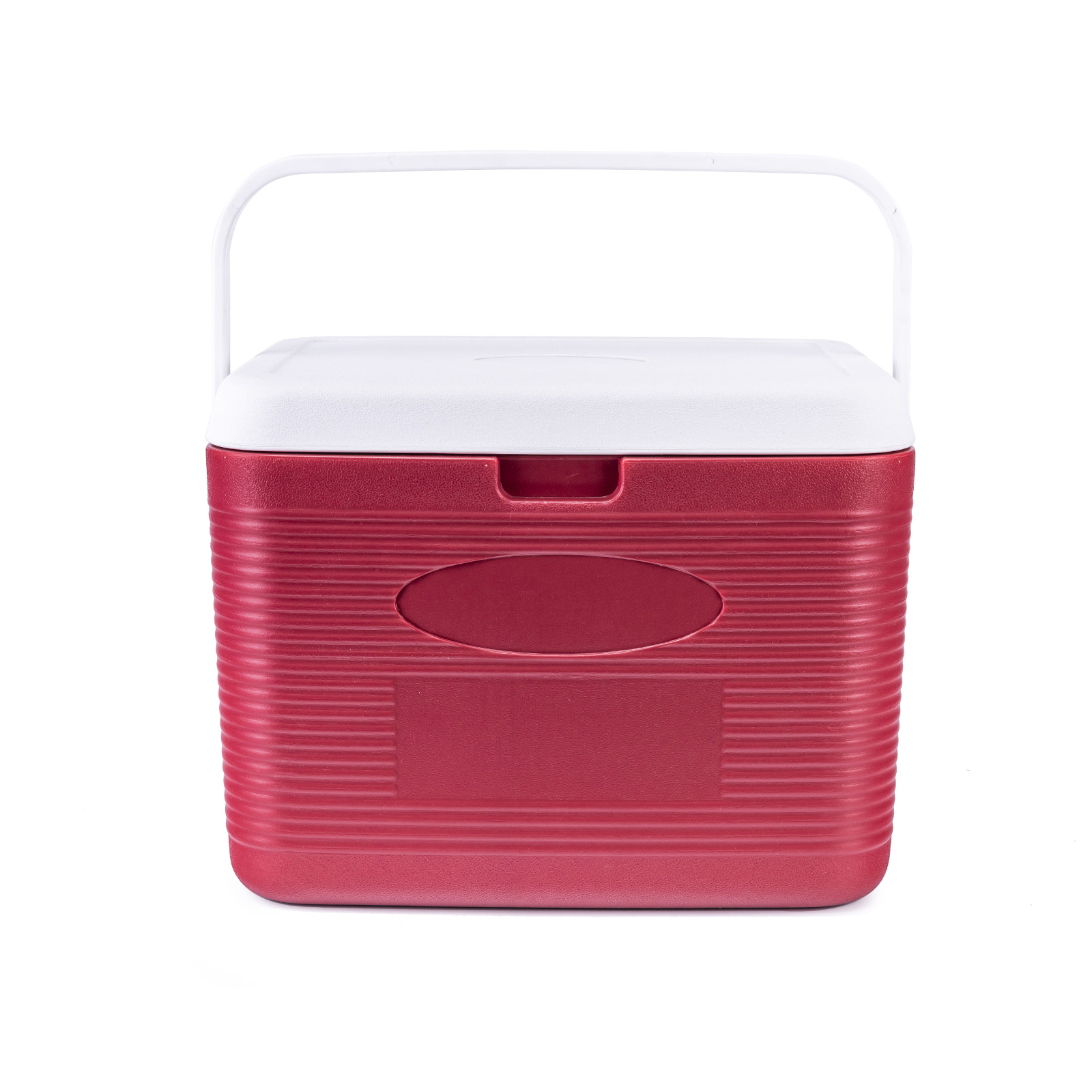
EPP box producer for biotech: A Practical Guide for B2B Buyers
Choosing EPP box producer for biotech should begin with the job the box must perform, not with the box name. EPP can help with impact protection and insulation, yet it is only one part of a handling or cold-chain plan. A practical buyer should define the payload, route, temperature expectation, reuse plan, and evidence needed by quality or operations. This final guide combines procurement, technical, and operational checks so you can shortlist a suitable supplier without assuming performance that has not been tested.
Quick answer for buyers
The best EPP box producer for biotech is the one that matches your payload, route duration, handling risk, temperature requirement, and documentation needs. EPP provides insulation and impact resistance, but it does not automatically make a shipment compliant or validated.
Before ordering, define whether the box is used as a reusable EPP box that can reduce shock, limit heat transfer, and support organized packouts for research or biotech distribution. Then ask the supplier for sample dimensions, material details, production consistency controls, and any test evidence that supports the intended use.
Define the box role before discussing price or tooling
For biotech logistics, the box should be described by its function rather than by a broad product name. It may be a reusable handling container, a protective outer container, an insulated shipper, or one part of a passive temperature-controlled packaging system. Those roles are not interchangeable. A general EPP container may protect against bumps and reduce heat transfer, but a qualified thermal system requires the correct payload, coolant, conditioning process, packing sequence, monitoring plan, and acceptance criteria.
This distinction protects both the buyer and the supplier. If the application is reagents, assay components, biologic materials, non-hazardous lab consumables, and development-stage products that need repeatable handling protection, you can discuss dimensions, lid design, labels, cleaning, and packout behavior with useful precision. If the item has regulatory, sterile, hazardous, or temperature-sensitive requirements, the packaging discussion should involve quality, logistics, and product owners before the final order is placed. It is not a substitute for secondary containment, validated packaging, data logging, or dry ice handling controls when those are required.
A helpful supplier will not promise that one box solves every route. Instead, the supplier should help you separate what EPP can reasonably do from what must be handled by coolant, inner packaging, data logging, SOPs, or official transport requirements. That creates a clearer specification and fewer disputes after delivery.
Material choices that should appear in the specification
Expanded polypropylene is a closed-cell bead foam. In practical purchasing terms, that means it can be lightweight, resilient under repeated handling, and useful for thermal buffering. Those are material-level advantages, not final performance guarantees. A box with poor lid contact, weak corners, awkward internal supports, or a hard-to-clean rim can still create problems even when the base material is appropriate.
Density is often discussed because it can affect rigidity, impact resistance, weight, and cost. Higher density may help when the box faces rough handling, stacked storage, or repeated return loops. It is not automatically better for every project. If your priority is low freight weight, lower tooling cost, or compact storage, the density decision should be balanced against route abuse and payload protection. Biotech payloads may require refrigerated, frozen, controlled room temperature, or ultra-cold handling, so the box must be selected around the material requirement rather than a generic product label.
The shape of the lid is just as important as the wall material. Heat often moves through gaps, lid seams, and corners. Damage also tends to start at edges, handles, and closure points. For that reason, samples should be inspected while loaded, not only while empty. Open the lid repeatedly, lift the filled box, check the contact surfaces, and make sure the payload does not crush soft areas or push against the lid.
For laboratory and biotech use, the internal layout can be more important than maximum volume. Tubes, racks, reagent cartons, absorbent materials, and data loggers need stable positions. If the payload moves during handover, the insulation benefit may be less relevant than the risk of broken primary containers or unreadable labels.
Use route logic instead of generic performance claims
A short direct route with trained handlers is different from a parcel network, a cross-border export route, a summer delivery loop, or a warehouse route with repeated door openings. Even when the same EPP box is used, the risk profile changes. Ambient exposure, waiting time, vehicle temperature, handover points, and receiving behavior can matter as much as the box material.
Payload also changes thermal behavior. A full, pre-conditioned payload behaves differently from a half-empty box with mixed-temperature items. Coolant placement can protect or damage goods depending on direct contact, insulation barriers, and airflow. For regulated or high-value products, ask whether the proposed packout has been tested under conditions that resemble your use.
Sustainability claims should also be practical. Reusable EPP can reduce one-way packaging waste when boxes are recovered, cleaned, and reused effectively. If the boxes are not returned, are damaged quickly, or require excessive reverse logistics, the sustainability argument becomes weaker. Buyers should evaluate the complete loop, not only the material label.
Procurement checks that prevent weak orders
| Buyer question | Practical reason | What a good answer should include |
|---|---|---|
| What exactly is the box used for? | The same EPP box can be used for handling, storage, or cold-chain support | A clear use case, product type, route, and payload description |
| What dimensions matter? | External size affects freight, while internal fit affects payload stability | Internal dimensions, usable space, drawings, and sample photos |
| How will temperature be managed? | Insulation only slows temperature change | Required range, coolant, conditioning, logger plan, and test evidence if available |
| Can it be cleaned and reused? | Reusable packaging fails when cleaning is inconvenient | Approved cleaning method, drying process, label strategy, and inspection criteria |
| Will production match the approved sample? | Small changes can affect lid fit and payload support | Material, mold, density, color, tolerance, and change-control expectations |
| What documents are available? | Quality teams often need evidence, not only product photos | Datasheets, drawings, declarations, test summaries, or supplier statements as applicable |
Use this table before requesting a quotation. It keeps the discussion focused on fit, evidence, and repeatability rather than on a single headline price or a generic product description.
For biotech logistics, the most useful supplier conversation starts with the payload and route. Once those are clear, price, tooling, samples, and production lead time can be compared more fairly.
What to verify before scaling from sample to production
The first risk is treating a material property as proof of suitability for a sensitive biologic shipment without checking the product temperature range, payload, route, and documentation needs. This often happens when a quote uses strong product language but the buyer has not defined the actual acceptance criteria. If the goods are sensitive, the purchasing record should show why the selected box is suitable for that route and what additional components are needed.
The second risk is dimension confusion. Buyers often compare boxes by outer size because that is easy to see in a catalog. The payload, however, cares about usable internal space. Inserts, gel packs, PCM panels, dividers, liners, absorbent material, labels, and loggers can reduce usable volume. A sample test with real contents is much more informative than a dimension table alone.
The third risk is cleaning and return handling. Reusable EPP packaging can support circular logistics, but only if the return process is easy enough for staff to follow. A box that is difficult to wipe, inspect, dry, relabel, or nest may disappear from the reuse loop. This can make the actual cost higher than the purchase price suggests.
The fourth risk is unsupported performance language. Claims such as long hold time, universal compliance, or strong chemical resistance should be tied to test conditions or written as points to verify. A statement that is true for one payload or route may be wrong for another. Good documentation uses cautious wording and shows the limits of the claim.
A practical evidence file for an EPP box project
A useful evidence file does not need to be complicated, but it should answer the questions that affect acceptance. For a standard insulated box, that may include drawings, material description, color and marking notes, cleaning guidance, packaging photos, and sample approval records. For a temperature-sensitive application, evidence may also include a packout description, temperature monitoring plan, thermal test summary, and receiving inspection instructions.
Regulated sectors require careful language. FDA holding and distribution rules, EU GDP expectations, WHO guidance for time- and temperature-sensitive pharmaceutical products, IATA healthcare cargo practices, and ISTA thermal packaging standards all point toward the same practical idea: the shipper should know the product requirement, use appropriate procedures, and keep evidence that the process can maintain product quality. The exact requirement depends on product, route, and market.
For a project related to reagents, assay components, biologic materials, non-hazardous lab consumables, and development-stage products that need repeatable handling protection, you should also ask which claims are based on tested data and which are only general material characteristics. confirm compatibility with gel packs, PCM, dry ice where relevant, internal dimensions, label areas, cleaning method, and supplier change-control practices. If a supplier cannot provide a document immediately, the safer response is to treat that point as unverified until a sample or test can confirm it.
Cost should be judged against route risk and repeat use
EPP box price is shaped by material density, part size, wall design, mold complexity, surface finish, color, logo method, order quantity, packing method, and the amount of documentation or testing requested. A lower quote may be reasonable for a simple standard box. It may be risky for a sensitive custom route if it excludes sampling, tooling revisions, and evidence.
For reusable packaging, the unit price is only one part of cost. Consider damage reduction, return rate, cleaning labor, empty storage, replacement frequency, freight weight, and whether the same design can serve more than one route. A durable box that is too bulky to return may be expensive in daily operation. A low-cost box that breaks at the lid seam may also become expensive once replacements and complaints are counted.
The fairest quote comparison uses the same specification for every supplier. Send the same payload description, expected route, target use, customization needs, packaging quantity, and evidence requirement. When one supplier quotes a lower price, check whether the material, lid design, packaging, and documentation are really equivalent.
A realistic way to brief an EPP box supplier
A biotech team shipping assay kits may use an EPP box for repeated local distribution, while a clinical trial shipment may need a documented packout and a logger because the receiving site must review temperature history before accepting the material.
The useful lesson is that the buyer should not begin with a box size alone. The brief should say what will be placed inside, whether the contents are pre-conditioned, how long the box may remain closed, where it may be opened, what happens at receiving, and whether the empty box returns for reuse. Those details change the internal layout, wall design, closure choice, label placement, and evidence needed for approval.
A strong sample review should include real loading, repeated opening and closing, lifting while full, label application, cleaning after use, and a check against the final outer packaging or vehicle space. If temperature performance matters, a simple visual review is not enough. The test should reflect the selected coolant, payload mass, ambient exposure, and acceptance limits.
FAQ
Is EPP box producer for biotech enough for temperature-sensitive goods?
It can be part of a temperature-sensitive packaging plan, but it is not automatically enough. EPP insulation slows temperature change, while the actual result depends on payload, coolant, conditioning, route exposure, lid fit, and monitoring. For sensitive products, ask for a packout plan and test evidence that matches your use.
What is the main advantage of EPP compared with a simple cardboard shipper?
EPP offers molded structure, impact absorption, and reusable insulation in one material. Cardboard may still be needed as an outer carton or label surface, but EPP can better support repeated handling and internal payload stability when the design is correct.
Should I ask for internal or external dimensions?
Ask for both. External dimensions affect freight, storage, and palletization. Internal dimensions decide whether your real payload, coolant, liner, rack, or data logger fits without compression. For sensitive products, test the sample with the actual contents before approving production.
Can an EPP box be customized with a logo or special shape?
Customization is possible in many EPP projects, but it should be discussed after the functional requirements are clear. Shape, logo method, color, handle design, lid behavior, and label areas can affect tooling, cost, cleaning, and production consistency.
What should I verify before bulk ordering?
Verify sample-to-production consistency, material description, molded density or grade, dimensions, closure quality, packaging method, cleaning guidance, and any claim related to thermal performance. If the project is regulated or high-value, involve quality and logistics before issuing the bulk order.
Conclusion
The right EPP box producer for biotech decision is not based on a product name alone. EPP can provide lightweight structure, impact resistance, and insulation, but the box must still match the product, route, handling method, temperature expectation, and evidence requirement.
Before ordering, define the role of the box, review a loaded sample, check internal and external dimensions, confirm how cleaning and reuse will work, and separate verified performance from general material advantages. If temperature-sensitive or regulated goods are involved, involve quality and logistics early so the EPP box becomes part of a documented system rather than a hopeful assumption.
EPP box factory for pharmaceutical: Practical Procurement Guide

EPP box factory for pharmaceutical: A Practical Guide for B2B Buyers
Choosing EPP box factory for pharmaceutical should begin with the job the box must perform, not with the box name. EPP can help with impact protection and insulation, yet it is only one part of a handling or cold-chain plan. A practical buyer should define the payload, route, temperature expectation, reuse plan, and evidence needed by quality or operations. This final guide combines procurement, technical, and operational checks so you can shortlist a suitable supplier without assuming performance that has not been tested.
Quick answer for buyers
The best EPP box factory for pharmaceutical is the one that matches your payload, route duration, handling risk, temperature requirement, and documentation needs. EPP provides insulation and impact resistance, but it does not automatically make a shipment compliant or validated.
Before ordering, define whether the box is used as an EPP insulated box that can be part of a passive shipping system when used with a defined coolant, payload, monitoring plan, and qualified packout. Then ask the supplier for sample dimensions, material details, production consistency controls, and any test evidence that supports the intended use.
Define the box role before discussing price or tooling
For pharmaceutical packaging, the box should be described by its function rather than by a broad product name. It may be a reusable handling container, a protective outer container, an insulated shipper, or one part of a passive temperature-controlled packaging system. Those roles are not interchangeable. A general EPP container may protect against bumps and reduce heat transfer, but a qualified thermal system requires the correct payload, coolant, conditioning process, packing sequence, monitoring plan, and acceptance criteria.
This distinction protects both the buyer and the supplier. If the application is pharmaceutical distribution, clinical materials, temperature-sensitive medicines, and reusable insulated packaging projects that need careful specification control, you can discuss dimensions, lid design, labels, cleaning, and packout behavior with useful precision. If the item has regulatory, sterile, hazardous, or temperature-sensitive requirements, the packaging discussion should involve quality, logistics, and product owners before the final order is placed. A bare EPP box is not automatically GDP-compliant and does not protect every medicine without packout design and evidence.
A helpful supplier will not promise that one box solves every route. Instead, the supplier should help you separate what EPP can reasonably do from what must be handled by coolant, inner packaging, data logging, SOPs, or official transport requirements. That creates a clearer specification and fewer disputes after delivery.
Material choices that should appear in the specification
Expanded polypropylene is a closed-cell bead foam. In practical purchasing terms, that means it can be lightweight, resilient under repeated handling, and useful for thermal buffering. Those are material-level advantages, not final performance guarantees. A box with poor lid contact, weak corners, awkward internal supports, or a hard-to-clean rim can still create problems even when the base material is appropriate.
Density is often discussed because it can affect rigidity, impact resistance, weight, and cost. Higher density may help when the box faces rough handling, stacked storage, or repeated return loops. It is not automatically better for every project. If your priority is low freight weight, lower tooling cost, or compact storage, the density decision should be balanced against route abuse and payload protection. Many refrigerated pharmaceutical shipments are planned around 2 deg C to 8 deg C, but product labels, quality procedures, and local rules decide the required range.
The shape of the lid is just as important as the wall material. Heat often moves through gaps, lid seams, and corners. Damage also tends to start at edges, handles, and closure points. For that reason, samples should be inspected while loaded, not only while empty. Open the lid repeatedly, lift the filled box, check the contact surfaces, and make sure the payload does not crush soft areas or push against the lid.
Use route logic instead of generic performance claims
A short direct route with trained handlers is different from a parcel network, a cross-border export route, a summer delivery loop, or a warehouse route with repeated door openings. Even when the same EPP box is used, the risk profile changes. Ambient exposure, waiting time, vehicle temperature, handover points, and receiving behavior can matter as much as the box material.
Payload also changes thermal behavior. A full, pre-conditioned payload behaves differently from a half-empty box with mixed-temperature items. Coolant placement can protect or damage goods depending on direct contact, insulation barriers, and airflow. For regulated or high-value products, ask whether the proposed packout has been tested under conditions that resemble your use.
Sustainability claims should also be practical. Reusable EPP can reduce one-way packaging waste when boxes are recovered, cleaned, and reused effectively. If the boxes are not returned, are damaged quickly, or require excessive reverse logistics, the sustainability argument becomes weaker. Buyers should evaluate the complete loop, not only the material label.
Procurement checks that prevent weak orders
| Buyer question | Practical reason | What a good answer should include |
|---|---|---|
| What exactly is the box used for? | The same EPP box can be used for handling, storage, or cold-chain support | A clear use case, product type, route, and payload description |
| What dimensions matter? | External size affects freight, while internal fit affects payload stability | Internal dimensions, usable space, drawings, and sample photos |
| How will temperature be managed? | Insulation only slows temperature change | Required range, coolant, conditioning, logger plan, and test evidence if available |
| Can it be cleaned and reused? | Reusable packaging fails when cleaning is inconvenient | Approved cleaning method, drying process, label strategy, and inspection criteria |
| Will production match the approved sample? | Small changes can affect lid fit and payload support | Material, mold, density, color, tolerance, and change-control expectations |
| What documents are available? | Quality teams often need evidence, not only product photos | Datasheets, drawings, declarations, test summaries, or supplier statements as applicable |
Use this table before requesting a quotation. It keeps the discussion focused on fit, evidence, and repeatability rather than on a single headline price or a generic product description.
For pharmaceutical packaging, the most useful supplier conversation starts with the payload and route. Once those are clear, price, tooling, samples, and production lead time can be compared more fairly.
What to verify before scaling from sample to production
The first risk is describing a box as pharmaceutical-ready before the actual route, temperature range, acceptance criteria, and documentation package are agreed. This often happens when a quote uses strong product language but the buyer has not defined the actual acceptance criteria. If the goods are sensitive, the purchasing record should show why the selected box is suitable for that route and what additional components are needed.
The second risk is dimension confusion. Buyers often compare boxes by outer size because that is easy to see in a catalog. The payload, however, cares about usable internal space. Inserts, gel packs, PCM panels, dividers, liners, absorbent material, labels, and loggers can reduce usable volume. A sample test with real contents is much more informative than a dimension table alone.
The third risk is cleaning and return handling. Reusable EPP packaging can support circular logistics, but only if the return process is easy enough for staff to follow. A box that is difficult to wipe, inspect, dry, relabel, or nest may disappear from the reuse loop. This can make the actual cost higher than the purchase price suggests.
The fourth risk is unsupported performance language. Claims such as long hold time, universal compliance, or strong chemical resistance should be tied to test conditions or written as points to verify. A statement that is true for one payload or route may be wrong for another. Good documentation uses cautious wording and shows the limits of the claim.
A practical evidence file for an EPP box project
A useful evidence file does not need to be complicated, but it should answer the questions that affect acceptance. For a standard insulated box, that may include drawings, material description, color and marking notes, cleaning guidance, packaging photos, and sample approval records. For a temperature-sensitive application, evidence may also include a packout description, temperature monitoring plan, thermal test summary, and receiving inspection instructions.
Regulated sectors require careful language. FDA holding and distribution rules, EU GDP expectations, WHO guidance for time- and temperature-sensitive pharmaceutical products, IATA healthcare cargo practices, and ISTA thermal packaging standards all point toward the same practical idea: the shipper should know the product requirement, use appropriate procedures, and keep evidence that the process can maintain product quality. The exact requirement depends on product, route, and market.
For a project related to pharmaceutical distribution, clinical materials, temperature-sensitive medicines, and reusable insulated packaging projects that need careful specification control, you should also ask which claims are based on tested data and which are only general material characteristics. ask for dimensional consistency, closure design, coolant compatibility, cleaning guidance, available qualification support, and whether production units match approved samples. If a supplier cannot provide a document immediately, the safer response is to treat that point as unverified until a sample or test can confirm it.
Cost should be judged against route risk and repeat use
EPP box price is shaped by material density, part size, wall design, mold complexity, surface finish, color, logo method, order quantity, packing method, and the amount of documentation or testing requested. A lower quote may be reasonable for a simple standard box. It may be risky for a sensitive custom route if it excludes sampling, tooling revisions, and evidence.
For reusable packaging, the unit price is only one part of cost. Consider damage reduction, return rate, cleaning labor, empty storage, replacement frequency, freight weight, and whether the same design can serve more than one route. A durable box that is too bulky to return may be expensive in daily operation. A low-cost box that breaks at the lid seam may also become expensive once replacements and complaints are counted.
The fairest quote comparison uses the same specification for every supplier. Send the same payload description, expected route, target use, customization needs, packaging quantity, and evidence requirement. When one supplier quotes a lower price, check whether the material, lid design, packaging, and documentation are really equivalent.
A realistic way to brief an EPP box supplier
A pharmaceutical team may choose an EPP box for a reusable short-route program, yet still require conditioned PCM, a temperature logger, SOPs, receiving checks, and a documented deviation process.
The useful lesson is that the buyer should not begin with a box size alone. The brief should say what will be placed inside, whether the contents are pre-conditioned, how long the box may remain closed, where it may be opened, what happens at receiving, and whether the empty box returns for reuse. Those details change the internal layout, wall design, closure choice, label placement, and evidence needed for approval.
A strong sample review should include real loading, repeated opening and closing, lifting while full, label application, cleaning after use, and a check against the final outer packaging or vehicle space. If temperature performance matters, a simple visual review is not enough. The test should reflect the selected coolant, payload mass, ambient exposure, and acceptance limits.
FAQ
Is EPP box factory for pharmaceutical enough for temperature-sensitive goods?
It can be part of a temperature-sensitive packaging plan, but it is not automatically enough. EPP insulation slows temperature change, while the actual result depends on payload, coolant, conditioning, route exposure, lid fit, and monitoring. For sensitive products, ask for a packout plan and test evidence that matches your use.
What is the main advantage of EPP compared with a simple cardboard shipper?
EPP offers molded structure, impact absorption, and reusable insulation in one material. Cardboard may still be needed as an outer carton or label surface, but EPP can better support repeated handling and internal payload stability when the design is correct.
Should I ask for internal or external dimensions?
Ask for both. External dimensions affect freight, storage, and palletization. Internal dimensions decide whether your real payload, coolant, liner, rack, or data logger fits without compression. For sensitive products, test the sample with the actual contents before approving production.
Can an EPP box be customized with a logo or special shape?
Customization is possible in many EPP projects, but it should be discussed after the functional requirements are clear. Shape, logo method, color, handle design, lid behavior, and label areas can affect tooling, cost, cleaning, and production consistency.
What should I verify before bulk ordering?
Verify sample-to-production consistency, material description, molded density or grade, dimensions, closure quality, packaging method, cleaning guidance, and any claim related to thermal performance. If the project is regulated or high-value, involve quality and logistics before issuing the bulk order.
Conclusion
The right EPP box factory for pharmaceutical decision is not based on a product name alone. EPP can provide lightweight structure, impact resistance, and insulation, but the box must still match the product, route, handling method, temperature expectation, and evidence requirement.
Before ordering, define the role of the box, review a loaded sample, check internal and external dimensions, confirm how cleaning and reuse will work, and separate verified performance from general material advantages. If temperature-sensitive or regulated goods are involved, involve quality and logistics early so the EPP box becomes part of a documented system rather than a hopeful assumption.
EPP box factory for biotech: Practical Procurement Guide

EPP box factory for biotech: A Practical Guide for B2B Buyers
Choosing EPP box factory for biotech should begin with the job the box must perform, not with the box name. EPP can help with impact protection and insulation, yet it is only one part of a handling or cold-chain plan. A practical buyer should define the payload, route, temperature expectation, reuse plan, and evidence needed by quality or operations. This final guide combines procurement, technical, and operational checks so you can shortlist a suitable supplier without assuming performance that has not been tested.
Quick answer for buyers
The best EPP box factory for biotech is the one that matches your payload, route duration, handling risk, temperature requirement, and documentation needs. EPP provides insulation and impact resistance, but it does not automatically make a shipment compliant or validated.
Before ordering, define whether the box is used as a factory-supplied EPP box or insert system that can be sampled, revised, and scaled when the buyer defines the payload and route conditions clearly. Then ask the supplier for sample dimensions, material details, production consistency controls, and any test evidence that supports the intended use.
Define the box role before discussing price or tooling
For biotech packaging production, the box should be described by its function rather than by a broad product name. It may be a reusable handling container, a protective outer container, an insulated shipper, or one part of a passive temperature-controlled packaging system. Those roles are not interchangeable. A general EPP container may protect against bumps and reduce heat transfer, but a qualified thermal system requires the correct payload, coolant, conditioning process, packing sequence, monitoring plan, and acceptance criteria.
This distinction protects both the buyer and the supplier. If the application is custom biotech kit packaging, reusable sample transfer boxes, reagent distribution containers, and pilot-to-production packaging projects, you can discuss dimensions, lid design, labels, cleaning, and packout behavior with useful precision. If the item has regulatory, sterile, hazardous, or temperature-sensitive requirements, the packaging discussion should involve quality, logistics, and product owners before the final order is placed. It cannot replace route qualification, temperature monitoring, or regulatory review where the shipment involves controlled biological material.
A helpful supplier will not promise that one box solves every route. Instead, the supplier should help you separate what EPP can reasonably do from what must be handled by coolant, inner packaging, data logging, SOPs, or official transport requirements. That creates a clearer specification and fewer disputes after delivery.
Material choices that should appear in the specification
Expanded polypropylene is a closed-cell bead foam. In practical purchasing terms, that means it can be lightweight, resilient under repeated handling, and useful for thermal buffering. Those are material-level advantages, not final performance guarantees. A box with poor lid contact, weak corners, awkward internal supports, or a hard-to-clean rim can still create problems even when the base material is appropriate.
Density is often discussed because it can affect rigidity, impact resistance, weight, and cost. Higher density may help when the box faces rough handling, stacked storage, or repeated return loops. It is not automatically better for every project. If your priority is low freight weight, lower tooling cost, or compact storage, the density decision should be balanced against route abuse and payload protection. Biotech products vary widely in temperature sensitivity; the factory should not promise a hold time without the exact payload, coolant, ambient profile, and acceptance criteria.
The shape of the lid is just as important as the wall material. Heat often moves through gaps, lid seams, and corners. Damage also tends to start at edges, handles, and closure points. For that reason, samples should be inspected while loaded, not only while empty. Open the lid repeatedly, lift the filled box, check the contact surfaces, and make sure the payload does not crush soft areas or push against the lid.
For laboratory and biotech use, the internal layout can be more important than maximum volume. Tubes, racks, reagent cartons, absorbent materials, and data loggers need stable positions. If the payload moves during handover, the insulation benefit may be less relevant than the risk of broken primary containers or unreadable labels.
Use route logic instead of generic performance claims
A short direct route with trained handlers is different from a parcel network, a cross-border export route, a summer delivery loop, or a warehouse route with repeated door openings. Even when the same EPP box is used, the risk profile changes. Ambient exposure, waiting time, vehicle temperature, handover points, and receiving behavior can matter as much as the box material.
Payload also changes thermal behavior. A full, pre-conditioned payload behaves differently from a half-empty box with mixed-temperature items. Coolant placement can protect or damage goods depending on direct contact, insulation barriers, and airflow. For regulated or high-value products, ask whether the proposed packout has been tested under conditions that resemble your use.
Sustainability claims should also be practical. Reusable EPP can reduce one-way packaging waste when boxes are recovered, cleaned, and reused effectively. If the boxes are not returned, are damaged quickly, or require excessive reverse logistics, the sustainability argument becomes weaker. Buyers should evaluate the complete loop, not only the material label.
Procurement checks that prevent weak orders
| Buyer question | Practical reason | What a good answer should include |
|---|---|---|
| What exactly is the box used for? | The same EPP box can be used for handling, storage, or cold-chain support | A clear use case, product type, route, and payload description |
| What dimensions matter? | External size affects freight, while internal fit affects payload stability | Internal dimensions, usable space, drawings, and sample photos |
| How will temperature be managed? | Insulation only slows temperature change | Required range, coolant, conditioning, logger plan, and test evidence if available |
| Can it be cleaned and reused? | Reusable packaging fails when cleaning is inconvenient | Approved cleaning method, drying process, label strategy, and inspection criteria |
| Will production match the approved sample? | Small changes can affect lid fit and payload support | Material, mold, density, color, tolerance, and change-control expectations |
| What documents are available? | Quality teams often need evidence, not only product photos | Datasheets, drawings, declarations, test summaries, or supplier statements as applicable |
Use this table before requesting a quotation. It keeps the discussion focused on fit, evidence, and repeatability rather than on a single headline price or a generic product description.
For biotech packaging production, the most useful supplier conversation starts with the payload and route. Once those are clear, price, tooling, samples, and production lead time can be compared more fairly.
What to verify before scaling from sample to production
The first risk is approving a sample that looks acceptable but does not match final production density, dimensions, closure feel, label location, or cleaning expectations. This often happens when a quote uses strong product language but the buyer has not defined the actual acceptance criteria. If the goods are sensitive, the purchasing record should show why the selected box is suitable for that route and what additional components are needed.
The second risk is dimension confusion. Buyers often compare boxes by outer size because that is easy to see in a catalog. The payload, however, cares about usable internal space. Inserts, gel packs, PCM panels, dividers, liners, absorbent material, labels, and loggers can reduce usable volume. A sample test with real contents is much more informative than a dimension table alone.
The third risk is cleaning and return handling. Reusable EPP packaging can support circular logistics, but only if the return process is easy enough for staff to follow. A box that is difficult to wipe, inspect, dry, relabel, or nest may disappear from the reuse loop. This can make the actual cost higher than the purchase price suggests.
The fourth risk is unsupported performance language. Claims such as long hold time, universal compliance, or strong chemical resistance should be tied to test conditions or written as points to verify. A statement that is true for one payload or route may be wrong for another. Good documentation uses cautious wording and shows the limits of the claim.
A practical evidence file for an EPP box project
A useful evidence file does not need to be complicated, but it should answer the questions that affect acceptance. For a standard insulated box, that may include drawings, material description, color and marking notes, cleaning guidance, packaging photos, and sample approval records. For a temperature-sensitive application, evidence may also include a packout description, temperature monitoring plan, thermal test summary, and receiving inspection instructions.
Regulated sectors require careful language. FDA holding and distribution rules, EU GDP expectations, WHO guidance for time- and temperature-sensitive pharmaceutical products, IATA healthcare cargo practices, and ISTA thermal packaging standards all point toward the same practical idea: the shipper should know the product requirement, use appropriate procedures, and keep evidence that the process can maintain product quality. The exact requirement depends on product, route, and market.
For a project related to custom biotech kit packaging, reusable sample transfer boxes, reagent distribution containers, and pilot-to-production packaging projects, you should also ask which claims are based on tested data and which are only general material characteristics. request drawings, sample approval records, tolerance expectations, packaging material description, and a documented way to manage design changes. If a supplier cannot provide a document immediately, the safer response is to treat that point as unverified until a sample or test can confirm it.
Cost should be judged against route risk and repeat use
EPP box price is shaped by material density, part size, wall design, mold complexity, surface finish, color, logo method, order quantity, packing method, and the amount of documentation or testing requested. A lower quote may be reasonable for a simple standard box. It may be risky for a sensitive custom route if it excludes sampling, tooling revisions, and evidence.
For reusable packaging, the unit price is only one part of cost. Consider damage reduction, return rate, cleaning labor, empty storage, replacement frequency, freight weight, and whether the same design can serve more than one route. A durable box that is too bulky to return may be expensive in daily operation. A low-cost box that breaks at the lid seam may also become expensive once replacements and complaints are counted.
The fairest quote comparison uses the same specification for every supplier. Send the same payload description, expected route, target use, customization needs, packaging quantity, and evidence requirement. When one supplier quotes a lower price, check whether the material, lid design, packaging, and documentation are really equivalent.
A realistic way to brief an EPP box supplier
A biotech company may approve a pilot EPP box for a reagent kit, then discover that production labels cover the closure seam unless label zones were defined before tooling.
The useful lesson is that the buyer should not begin with a box size alone. The brief should say what will be placed inside, whether the contents are pre-conditioned, how long the box may remain closed, where it may be opened, what happens at receiving, and whether the empty box returns for reuse. Those details change the internal layout, wall design, closure choice, label placement, and evidence needed for approval.
A strong sample review should include real loading, repeated opening and closing, lifting while full, label application, cleaning after use, and a check against the final outer packaging or vehicle space. If temperature performance matters, a simple visual review is not enough. The test should reflect the selected coolant, payload mass, ambient exposure, and acceptance limits.
FAQ
Is EPP box factory for biotech enough for temperature-sensitive goods?
It can be part of a temperature-sensitive packaging plan, but it is not automatically enough. EPP insulation slows temperature change, while the actual result depends on payload, coolant, conditioning, route exposure, lid fit, and monitoring. For sensitive products, ask for a packout plan and test evidence that matches your use.
What is the main advantage of EPP compared with a simple cardboard shipper?
EPP offers molded structure, impact absorption, and reusable insulation in one material. Cardboard may still be needed as an outer carton or label surface, but EPP can better support repeated handling and internal payload stability when the design is correct.
Should I ask for internal or external dimensions?
Ask for both. External dimensions affect freight, storage, and palletization. Internal dimensions decide whether your real payload, coolant, liner, rack, or data logger fits without compression. For sensitive products, test the sample with the actual contents before approving production.
Can an EPP box be customized with a logo or special shape?
Customization is possible in many EPP projects, but it should be discussed after the functional requirements are clear. Shape, logo method, color, handle design, lid behavior, and label areas can affect tooling, cost, cleaning, and production consistency.
What should I verify before bulk ordering?
Verify sample-to-production consistency, material description, molded density or grade, dimensions, closure quality, packaging method, cleaning guidance, and any claim related to thermal performance. If the project is regulated or high-value, involve quality and logistics before issuing the bulk order.
Conclusion
The right EPP box factory for biotech decision is not based on a product name alone. EPP can provide lightweight structure, impact resistance, and insulation, but the box must still match the product, route, handling method, temperature expectation, and evidence requirement.
Before ordering, define the role of the box, review a loaded sample, check internal and external dimensions, confirm how cleaning and reuse will work, and separate verified performance from general material advantages. If temperature-sensitive or regulated goods are involved, involve quality and logistics early so the EPP box becomes part of a documented system rather than a hopeful assumption.
EPP box exporter for aerospace: Practical Procurement Guide
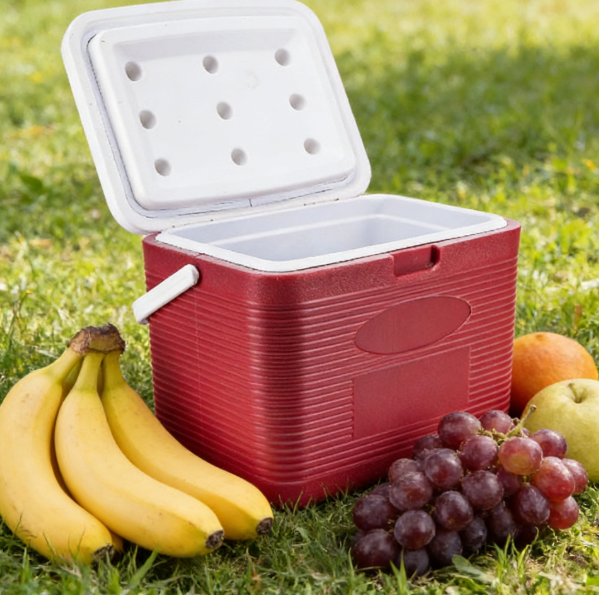
EPP box exporter for aerospace: A Practical Guide for B2B Buyers
Choosing EPP box exporter for aerospace should begin with the job the box must perform, not with the box name. EPP can help with impact protection and insulation, yet it is only one part of a handling or cold-chain plan. A practical buyer should define the payload, route, temperature expectation, reuse plan, and evidence needed by quality or operations. This final guide combines procurement, technical, and operational checks so you can shortlist a suitable supplier without assuming performance that has not been tested.
Quick answer for buyers
The best EPP box exporter for aerospace is the one that matches your payload, route duration, handling risk, temperature requirement, and documentation needs. EPP provides insulation and impact resistance, but it does not automatically make a shipment compliant or validated.
Before ordering, define whether the box is used as a molded protective EPP box that can combine low weight, cushioning, insulation, and repeatable handling geometry for export packaging. Then ask the supplier for sample dimensions, material details, production consistency controls, and any test evidence that supports the intended use.
Define the box role before discussing price or tooling
For aerospace export logistics, the box should be described by its function rather than by a broad product name. It may be a reusable handling container, a protective outer container, an insulated shipper, or one part of a passive temperature-controlled packaging system. Those roles are not interchangeable. A general EPP container may protect against bumps and reduce heat transfer, but a qualified thermal system requires the correct payload, coolant, conditioning process, packing sequence, monitoring plan, and acceptance criteria.
This distinction protects both the buyer and the supplier. If the application is avionics accessories, sensors, calibrated tools, lightweight assemblies, and high-value components that need impact protection and controlled handling during international transport, you can discuss dimensions, lid design, labels, cleaning, and packout behavior with useful precision. If the item has regulatory, sterile, hazardous, or temperature-sensitive requirements, the packaging discussion should involve quality, logistics, and product owners before the final order is placed. It is not a replacement for anti-static packaging, dangerous goods packaging, export-control review, or qualified thermal transport when those apply.
A helpful supplier will not promise that one box solves every route. Instead, the supplier should help you separate what EPP can reasonably do from what must be handled by coolant, inner packaging, data logging, SOPs, or official transport requirements. That creates a clearer specification and fewer disputes after delivery.
Material choices that should appear in the specification
Expanded polypropylene is a closed-cell bead foam. In practical purchasing terms, that means it can be lightweight, resilient under repeated handling, and useful for thermal buffering. Those are material-level advantages, not final performance guarantees. A box with poor lid contact, weak corners, awkward internal supports, or a hard-to-clean rim can still create problems even when the base material is appropriate.
Density is often discussed because it can affect rigidity, impact resistance, weight, and cost. Higher density may help when the box faces rough handling, stacked storage, or repeated return loops. It is not automatically better for every project. If your priority is low freight weight, lower tooling cost, or compact storage, the density decision should be balanced against route abuse and payload protection. Aerospace shipments usually focus on shock, vibration, moisture, and documentation, but some parts, adhesives, batteries, or instruments may have temperature limits that need separate review.
The shape of the lid is just as important as the wall material. Heat often moves through gaps, lid seams, and corners. Damage also tends to start at edges, handles, and closure points. For that reason, samples should be inspected while loaded, not only while empty. Open the lid repeatedly, lift the filled box, check the contact surfaces, and make sure the payload does not crush soft areas or push against the lid.
Use route logic instead of generic performance claims
A short direct route with trained handlers is different from a parcel network, a cross-border export route, a summer delivery loop, or a warehouse route with repeated door openings. Even when the same EPP box is used, the risk profile changes. Ambient exposure, waiting time, vehicle temperature, handover points, and receiving behavior can matter as much as the box material.
Payload also changes thermal behavior. A full, pre-conditioned payload behaves differently from a half-empty box with mixed-temperature items. Coolant placement can protect or damage goods depending on direct contact, insulation barriers, and airflow. For regulated or high-value products, ask whether the proposed packout has been tested under conditions that resemble your use.
Sustainability claims should also be practical. Reusable EPP can reduce one-way packaging waste when boxes are recovered, cleaned, and reused effectively. If the boxes are not returned, are damaged quickly, or require excessive reverse logistics, the sustainability argument becomes weaker. Buyers should evaluate the complete loop, not only the material label.
Procurement checks that prevent weak orders
| Buyer question | Practical reason | What a good answer should include |
|---|---|---|
| What exactly is the box used for? | The same EPP box can be used for handling, storage, or cold-chain support | A clear use case, product type, route, and payload description |
| What dimensions matter? | External size affects freight, while internal fit affects payload stability | Internal dimensions, usable space, drawings, and sample photos |
| How will temperature be managed? | Insulation only slows temperature change | Required range, coolant, conditioning, logger plan, and test evidence if available |
| Can it be cleaned and reused? | Reusable packaging fails when cleaning is inconvenient | Approved cleaning method, drying process, label strategy, and inspection criteria |
| Will production match the approved sample? | Small changes can affect lid fit and payload support | Material, mold, density, color, tolerance, and change-control expectations |
| What documents are available? | Quality teams often need evidence, not only product photos | Datasheets, drawings, declarations, test summaries, or supplier statements as applicable |
Use this table before requesting a quotation. It keeps the discussion focused on fit, evidence, and repeatability rather than on a single headline price or a generic product description.
For aerospace export logistics, the most useful supplier conversation starts with the payload and route. Once those are clear, price, tooling, samples, and production lead time can be compared more fairly.
What to verify before scaling from sample to production
The first risk is assuming a protective foam box also resolves export-control, documentation, electrostatic, humidity, or part-specific handling requirements. This often happens when a quote uses strong product language but the buyer has not defined the actual acceptance criteria. If the goods are sensitive, the purchasing record should show why the selected box is suitable for that route and what additional components are needed.
The second risk is dimension confusion. Buyers often compare boxes by outer size because that is easy to see in a catalog. The payload, however, cares about usable internal space. Inserts, gel packs, PCM panels, dividers, liners, absorbent material, labels, and loggers can reduce usable volume. A sample test with real contents is much more informative than a dimension table alone.
The third risk is cleaning and return handling. Reusable EPP packaging can support circular logistics, but only if the return process is easy enough for staff to follow. A box that is difficult to wipe, inspect, dry, relabel, or nest may disappear from the reuse loop. This can make the actual cost higher than the purchase price suggests.
The fourth risk is unsupported performance language. Claims such as long hold time, universal compliance, or strong chemical resistance should be tied to test conditions or written as points to verify. A statement that is true for one payload or route may be wrong for another. Good documentation uses cautious wording and shows the limits of the claim.
A practical evidence file for an EPP box project
A useful evidence file does not need to be complicated, but it should answer the questions that affect acceptance. For a standard insulated box, that may include drawings, material description, color and marking notes, cleaning guidance, packaging photos, and sample approval records. For a temperature-sensitive application, evidence may also include a packout description, temperature monitoring plan, thermal test summary, and receiving inspection instructions.
Regulated sectors require careful language. FDA holding and distribution rules, EU GDP expectations, WHO guidance for time- and temperature-sensitive pharmaceutical products, IATA healthcare cargo practices, and ISTA thermal packaging standards all point toward the same practical idea: the shipper should know the product requirement, use appropriate procedures, and keep evidence that the process can maintain product quality. The exact requirement depends on product, route, and market.
For a project related to avionics accessories, sensors, calibrated tools, lightweight assemblies, and high-value components that need impact protection and controlled handling during international transport, you should also ask which claims are based on tested data and which are only general material characteristics. verify drawing tolerance, part support points, stacking needs, carton integration, labeling zones, and whether the exporter can keep sample and production units consistent. If a supplier cannot provide a document immediately, the safer response is to treat that point as unverified until a sample or test can confirm it.
Cost should be judged against route risk and repeat use
EPP box price is shaped by material density, part size, wall design, mold complexity, surface finish, color, logo method, order quantity, packing method, and the amount of documentation or testing requested. A lower quote may be reasonable for a simple standard box. It may be risky for a sensitive custom route if it excludes sampling, tooling revisions, and evidence.
For reusable packaging, the unit price is only one part of cost. Consider damage reduction, return rate, cleaning labor, empty storage, replacement frequency, freight weight, and whether the same design can serve more than one route. A durable box that is too bulky to return may be expensive in daily operation. A low-cost box that breaks at the lid seam may also become expensive once replacements and complaints are counted.
The fairest quote comparison uses the same specification for every supplier. Send the same payload description, expected route, target use, customization needs, packaging quantity, and evidence requirement. When one supplier quotes a lower price, check whether the material, lid design, packaging, and documentation are really equivalent.
A realistic way to brief an EPP box supplier
An exporter may need an EPP insert that keeps a sensor module stable inside a rigid outer carton while leaving space for labels, inspection documents, and a desiccant pack if the part owner requires it.
The useful lesson is that the buyer should not begin with a box size alone. The brief should say what will be placed inside, whether the contents are pre-conditioned, how long the box may remain closed, where it may be opened, what happens at receiving, and whether the empty box returns for reuse. Those details change the internal layout, wall design, closure choice, label placement, and evidence needed for approval.
A strong sample review should include real loading, repeated opening and closing, lifting while full, label application, cleaning after use, and a check against the final outer packaging or vehicle space. If temperature performance matters, a simple visual review is not enough. The test should reflect the selected coolant, payload mass, ambient exposure, and acceptance limits.
FAQ
Is EPP box exporter for aerospace enough for temperature-sensitive goods?
It can be part of a temperature-sensitive packaging plan, but it is not automatically enough. EPP insulation slows temperature change, while the actual result depends on payload, coolant, conditioning, route exposure, lid fit, and monitoring. For sensitive products, ask for a packout plan and test evidence that matches your use.
What is the main advantage of EPP compared with a simple cardboard shipper?
EPP offers molded structure, impact absorption, and reusable insulation in one material. Cardboard may still be needed as an outer carton or label surface, but EPP can better support repeated handling and internal payload stability when the design is correct.
Should I ask for internal or external dimensions?
Ask for both. External dimensions affect freight, storage, and palletization. Internal dimensions decide whether your real payload, coolant, liner, rack, or data logger fits without compression. For sensitive products, test the sample with the actual contents before approving production.
Can an EPP box be customized with a logo or special shape?
Customization is possible in many EPP projects, but it should be discussed after the functional requirements are clear. Shape, logo method, color, handle design, lid behavior, and label areas can affect tooling, cost, cleaning, and production consistency.
What should I verify before bulk ordering?
Verify sample-to-production consistency, material description, molded density or grade, dimensions, closure quality, packaging method, cleaning guidance, and any claim related to thermal performance. If the project is regulated or high-value, involve quality and logistics before issuing the bulk order.
Conclusion
The right EPP box exporter for aerospace decision is not based on a product name alone. EPP can provide lightweight structure, impact resistance, and insulation, but the box must still match the product, route, handling method, temperature expectation, and evidence requirement.
Before ordering, define the role of the box, review a loaded sample, check internal and external dimensions, confirm how cleaning and reuse will work, and separate verified performance from general material advantages. If temperature-sensitive or regulated goods are involved, involve quality and logistics early so the EPP box becomes part of a documented system rather than a hopeful assumption.
durable EPP insulation box: Practical Procurement Guide
durable EPP insulation box: A Practical Guide for B2B Buyers
Choosing durable EPP insulation box should begin with the job the box must perform, not with the box name. EPP can help with impact protection and insulation, yet it is only one part of a handling or cold-chain plan. A practical buyer should define the payload, route, temperature expectation, reuse plan, and evidence needed by quality or operations. This final guide combines procurement, technical, and operational checks so you can shortlist a suitable supplier without assuming performance that has not been tested.
Quick answer for buyers
The best durable EPP insulation box is the one that matches your payload, route duration, handling risk, temperature requirement, and documentation needs. EPP provides insulation and impact resistance, but it does not automatically make a shipment compliant or validated.
Before ordering, define whether the box is used as a durable EPP insulation box that combines impact resistance, thermal buffering, and light weight, but still needs application-specific verification. Then ask the supplier for sample dimensions, material details, production consistency controls, and any test evidence that supports the intended use.
Define the box role before discussing price or tooling
For durable reusable packaging, the box should be described by its function rather than by a broad product name. It may be a reusable handling container, a protective outer container, an insulated shipper, or one part of a passive temperature-controlled packaging system. Those roles are not interchangeable. A general EPP container may protect against bumps and reduce heat transfer, but a qualified thermal system requires the correct payload, coolant, conditioning process, packing sequence, monitoring plan, and acceptance criteria.
This distinction protects both the buyer and the supplier. If the application is repeated delivery routes, internal transfer, food transport, medical supply movement, and general insulated storage where handling life matters, you can discuss dimensions, lid design, labels, cleaning, and packout behavior with useful precision. If the item has regulatory, sterile, hazardous, or temperature-sensitive requirements, the packaging discussion should involve quality, logistics, and product owners before the final order is placed. It may not fit applications that require certified hazardous-goods packaging, sterile containment, powered refrigeration, or fully documented pharmaceutical qualification without additional systems.
A helpful supplier will not promise that one box solves every route. Instead, the supplier should help you separate what EPP can reasonably do from what must be handled by coolant, inner packaging, data logging, SOPs, or official transport requirements. That creates a clearer specification and fewer disputes after delivery.
Material choices that should appear in the specification
Expanded polypropylene is a closed-cell bead foam. In practical purchasing terms, that means it can be lightweight, resilient under repeated handling, and useful for thermal buffering. Those are material-level advantages, not final performance guarantees. A box with poor lid contact, weak corners, awkward internal supports, or a hard-to-clean rim can still create problems even when the base material is appropriate.
Density is often discussed because it can affect rigidity, impact resistance, weight, and cost. Higher density may help when the box faces rough handling, stacked storage, or repeated return loops. It is not automatically better for every project. If your priority is low freight weight, lower tooling cost, or compact storage, the density decision should be balanced against route abuse and payload protection. Durability helps the box survive handling, while temperature control depends on coolant, payload, closure, ambient exposure, and monitoring where required.
The shape of the lid is just as important as the wall material. Heat often moves through gaps, lid seams, and corners. Damage also tends to start at edges, handles, and closure points. For that reason, samples should be inspected while loaded, not only while empty. Open the lid repeatedly, lift the filled box, check the contact surfaces, and make sure the payload does not crush soft areas or push against the lid.
Use route logic instead of generic performance claims
A short direct route with trained handlers is different from a parcel network, a cross-border export route, a summer delivery loop, or a warehouse route with repeated door openings. Even when the same EPP box is used, the risk profile changes. Ambient exposure, waiting time, vehicle temperature, handover points, and receiving behavior can matter as much as the box material.
Payload also changes thermal behavior. A full, pre-conditioned payload behaves differently from a half-empty box with mixed-temperature items. Coolant placement can protect or damage goods depending on direct contact, insulation barriers, and airflow. For regulated or high-value products, ask whether the proposed packout has been tested under conditions that resemble your use.
Sustainability claims should also be practical. Reusable EPP can reduce one-way packaging waste when boxes are recovered, cleaned, and reused effectively. If the boxes are not returned, are damaged quickly, or require excessive reverse logistics, the sustainability argument becomes weaker. Buyers should evaluate the complete loop, not only the material label.
Procurement checks that prevent weak orders
| Buyer question | Practical reason | What a good answer should include |
|---|---|---|
| What exactly is the box used for? | The same EPP box can be used for handling, storage, or cold-chain support | A clear use case, product type, route, and payload description |
| What dimensions matter? | External size affects freight, while internal fit affects payload stability | Internal dimensions, usable space, drawings, and sample photos |
| How will temperature be managed? | Insulation only slows temperature change | Required range, coolant, conditioning, logger plan, and test evidence if available |
| Can it be cleaned and reused? | Reusable packaging fails when cleaning is inconvenient | Approved cleaning method, drying process, label strategy, and inspection criteria |
| Will production match the approved sample? | Small changes can affect lid fit and payload support | Material, mold, density, color, tolerance, and change-control expectations |
| What documents are available? | Quality teams often need evidence, not only product photos | Datasheets, drawings, declarations, test summaries, or supplier statements as applicable |
Use this table before requesting a quotation. It keeps the discussion focused on fit, evidence, and repeatability rather than on a single headline price or a generic product description.
For durable reusable packaging, the most useful supplier conversation starts with the payload and route. Once those are clear, price, tooling, samples, and production lead time can be compared more fairly.
What to verify before scaling from sample to production
The first risk is equating durability with guaranteed temperature protection, even though insulation performance depends on the full packout and route conditions. This often happens when a quote uses strong product language but the buyer has not defined the actual acceptance criteria. If the goods are sensitive, the purchasing record should show why the selected box is suitable for that route and what additional components are needed.
The second risk is dimension confusion. Buyers often compare boxes by outer size because that is easy to see in a catalog. The payload, however, cares about usable internal space. Inserts, gel packs, PCM panels, dividers, liners, absorbent material, labels, and loggers can reduce usable volume. A sample test with real contents is much more informative than a dimension table alone.
The third risk is cleaning and return handling. Reusable EPP packaging can support circular logistics, but only if the return process is easy enough for staff to follow. A box that is difficult to wipe, inspect, dry, relabel, or nest may disappear from the reuse loop. This can make the actual cost higher than the purchase price suggests.
The fourth risk is unsupported performance language. Claims such as long hold time, universal compliance, or strong chemical resistance should be tied to test conditions or written as points to verify. A statement that is true for one payload or route may be wrong for another. Good documentation uses cautious wording and shows the limits of the claim.
A practical evidence file for an EPP box project
A useful evidence file does not need to be complicated, but it should answer the questions that affect acceptance. For a standard insulated box, that may include drawings, material description, color and marking notes, cleaning guidance, packaging photos, and sample approval records. For a temperature-sensitive application, evidence may also include a packout description, temperature monitoring plan, thermal test summary, and receiving inspection instructions.
Regulated sectors require careful language. FDA holding and distribution rules, EU GDP expectations, WHO guidance for time- and temperature-sensitive pharmaceutical products, IATA healthcare cargo practices, and ISTA thermal packaging standards all point toward the same practical idea: the shipper should know the product requirement, use appropriate procedures, and keep evidence that the process can maintain product quality. The exact requirement depends on product, route, and market.
For a project related to repeated delivery routes, internal transfer, food transport, medical supply movement, and general insulated storage where handling life matters, you should also ask which claims are based on tested data and which are only general material characteristics. verify wall condition after sample handling, lid compression, corner impact areas, stacking, cleaning, labeling, and whether test data supports the intended use. If a supplier cannot provide a document immediately, the safer response is to treat that point as unverified until a sample or test can confirm it.
Cost should be judged against route risk and repeat use
EPP box price is shaped by material density, part size, wall design, mold complexity, surface finish, color, logo method, order quantity, packing method, and the amount of documentation or testing requested. A lower quote may be reasonable for a simple standard box. It may be risky for a sensitive custom route if it excludes sampling, tooling revisions, and evidence.
For reusable packaging, the unit price is only one part of cost. Consider damage reduction, return rate, cleaning labor, empty storage, replacement frequency, freight weight, and whether the same design can serve more than one route. A durable box that is too bulky to return may be expensive in daily operation. A low-cost box that breaks at the lid seam may also become expensive once replacements and complaints are counted.
The fairest quote comparison uses the same specification for every supplier. Send the same payload description, expected route, target use, customization needs, packaging quantity, and evidence requirement. When one supplier quotes a lower price, check whether the material, lid design, packaging, and documentation are really equivalent.
A realistic way to brief an EPP box supplier
A regional meal delivery operator may value a durable EPP box because drivers handle it many times a day, but a medicine shipper still needs evidence that the chosen packout maintains the product temperature range.
The useful lesson is that the buyer should not begin with a box size alone. The brief should say what will be placed inside, whether the contents are pre-conditioned, how long the box may remain closed, where it may be opened, what happens at receiving, and whether the empty box returns for reuse. Those details change the internal layout, wall design, closure choice, label placement, and evidence needed for approval.
A strong sample review should include real loading, repeated opening and closing, lifting while full, label application, cleaning after use, and a check against the final outer packaging or vehicle space. If temperature performance matters, a simple visual review is not enough. The test should reflect the selected coolant, payload mass, ambient exposure, and acceptance limits.
FAQ
Is durable EPP insulation box enough for temperature-sensitive goods?
It can be part of a temperature-sensitive packaging plan, but it is not automatically enough. EPP insulation slows temperature change, while the actual result depends on payload, coolant, conditioning, route exposure, lid fit, and monitoring. For sensitive products, ask for a packout plan and test evidence that matches your use.
What is the main advantage of EPP compared with a simple cardboard shipper?
EPP offers molded structure, impact absorption, and reusable insulation in one material. Cardboard may still be needed as an outer carton or label surface, but EPP can better support repeated handling and internal payload stability when the design is correct.
Should I ask for internal or external dimensions?
Ask for both. External dimensions affect freight, storage, and palletization. Internal dimensions decide whether your real payload, coolant, liner, rack, or data logger fits without compression. For sensitive products, test the sample with the actual contents before approving production.
Can an EPP box be customized with a logo or special shape?
Customization is possible in many EPP projects, but it should be discussed after the functional requirements are clear. Shape, logo method, color, handle design, lid behavior, and label areas can affect tooling, cost, cleaning, and production consistency.
What should I verify before bulk ordering?
Verify sample-to-production consistency, material description, molded density or grade, dimensions, closure quality, packaging method, cleaning guidance, and any claim related to thermal performance. If the project is regulated or high-value, involve quality and logistics before issuing the bulk order.
Conclusion
The right durable EPP insulation box decision is not based on a product name alone. EPP can provide lightweight structure, impact resistance, and insulation, but the box must still match the product, route, handling method, temperature expectation, and evidence requirement.
Before ordering, define the role of the box, review a loaded sample, check internal and external dimensions, confirm how cleaning and reuse will work, and separate verified performance from general material advantages. If temperature-sensitive or regulated goods are involved, involve quality and logistics early so the EPP box becomes part of a documented system rather than a hopeful assumption.
customizable EPP box outdoor camping: Practical Procurement Guide
customizable EPP box outdoor camping: A Practical Guide for B2B Buyers
Choosing customizable EPP box outdoor camping should begin with the job the box must perform, not with the box name. EPP can help with impact protection and insulation, yet it is only one part of a handling or cold-chain plan. A practical buyer should define the payload, route, temperature expectation, reuse plan, and evidence needed by quality or operations. This final guide combines procurement, technical, and operational checks so you can shortlist a suitable supplier without assuming performance that has not been tested.
Quick answer for buyers
The best customizable EPP box outdoor camping is the one that matches your payload, route duration, handling risk, temperature requirement, and documentation needs. EPP provides insulation and impact resistance, but it does not automatically make a shipment compliant or validated.
Before ordering, define whether the box is used as a customizable EPP box for outdoor camping that can combine light weight, insulation, impact resistance, and brand-friendly shape options. Then ask the supplier for sample dimensions, material details, production consistency controls, and any test evidence that supports the intended use.
Define the box role before discussing price or tooling
For outdoor consumer packaging, the box should be described by its function rather than by a broad product name. It may be a reusable handling container, a protective outer container, an insulated shipper, or one part of a passive temperature-controlled packaging system. Those roles are not interchangeable. A general EPP container may protect against bumps and reduce heat transfer, but a qualified thermal system requires the correct payload, coolant, conditioning process, packing sequence, monitoring plan, and acceptance criteria.
This distinction protects both the buyer and the supplier. If the application is camping food storage, picnic cooling, car travel, outdoor meal kits, beverage transport, and brand-specific cooler box design, you can discuss dimensions, lid design, labels, cleaning, and packout behavior with useful precision. If the item has regulatory, sterile, hazardous, or temperature-sensitive requirements, the packaging discussion should involve quality, logistics, and product owners before the final order is placed. It is not ideal when the user expects powered refrigeration, bear-proof security, long-term frozen storage, or rugged hard-cooler performance under every condition.
A helpful supplier will not promise that one box solves every route. Instead, the supplier should help you separate what EPP can reasonably do from what must be handled by coolant, inner packaging, data logging, SOPs, or official transport requirements. That creates a clearer specification and fewer disputes after delivery.
Material choices that should appear in the specification
Expanded polypropylene is a closed-cell bead foam. In practical purchasing terms, that means it can be lightweight, resilient under repeated handling, and useful for thermal buffering. Those are material-level advantages, not final performance guarantees. A box with poor lid contact, weak corners, awkward internal supports, or a hard-to-clean rim can still create problems even when the base material is appropriate.
Density is often discussed because it can affect rigidity, impact resistance, weight, and cost. Higher density may help when the box faces rough handling, stacked storage, or repeated return loops. It is not automatically better for every project. If your priority is low freight weight, lower tooling cost, or compact storage, the density decision should be balanced against route abuse and payload protection. Camping use usually depends on pre-chilled contents, ice packs, packing density, opening frequency, and ambient exposure rather than a fixed hold-time promise.
The shape of the lid is just as important as the wall material. Heat often moves through gaps, lid seams, and corners. Damage also tends to start at edges, handles, and closure points. For that reason, samples should be inspected while loaded, not only while empty. Open the lid repeatedly, lift the filled box, check the contact surfaces, and make sure the payload does not crush soft areas or push against the lid.
Use route logic instead of generic performance claims
A short direct route with trained handlers is different from a parcel network, a cross-border export route, a summer delivery loop, or a warehouse route with repeated door openings. Even when the same EPP box is used, the risk profile changes. Ambient exposure, waiting time, vehicle temperature, handover points, and receiving behavior can matter as much as the box material.
Payload also changes thermal behavior. A full, pre-conditioned payload behaves differently from a half-empty box with mixed-temperature items. Coolant placement can protect or damage goods depending on direct contact, insulation barriers, and airflow. For regulated or high-value products, ask whether the proposed packout has been tested under conditions that resemble your use.
Sustainability claims should also be practical. Reusable EPP can reduce one-way packaging waste when boxes are recovered, cleaned, and reused effectively. If the boxes are not returned, are damaged quickly, or require excessive reverse logistics, the sustainability argument becomes weaker. Buyers should evaluate the complete loop, not only the material label.
Procurement checks that prevent weak orders
| Buyer question | Practical reason | What a good answer should include |
|---|---|---|
| What exactly is the box used for? | The same EPP box can be used for handling, storage, or cold-chain support | A clear use case, product type, route, and payload description |
| What dimensions matter? | External size affects freight, while internal fit affects payload stability | Internal dimensions, usable space, drawings, and sample photos |
| How will temperature be managed? | Insulation only slows temperature change | Required range, coolant, conditioning, logger plan, and test evidence if available |
| Can it be cleaned and reused? | Reusable packaging fails when cleaning is inconvenient | Approved cleaning method, drying process, label strategy, and inspection criteria |
| Will production match the approved sample? | Small changes can affect lid fit and payload support | Material, mold, density, color, tolerance, and change-control expectations |
| What documents are available? | Quality teams often need evidence, not only product photos | Datasheets, drawings, declarations, test summaries, or supplier statements as applicable |
Use this table before requesting a quotation. It keeps the discussion focused on fit, evidence, and repeatability rather than on a single headline price or a generic product description.
For outdoor consumer packaging, the most useful supplier conversation starts with the payload and route. Once those are clear, price, tooling, samples, and production lead time can be compared more fairly.
What to verify before scaling from sample to production
The first risk is designing for appearance only while ignoring carry comfort, lid behavior, condensation, cleaning, odor control, and real outdoor handling. This often happens when a quote uses strong product language but the buyer has not defined the actual acceptance criteria. If the goods are sensitive, the purchasing record should show why the selected box is suitable for that route and what additional components are needed.
The second risk is dimension confusion. Buyers often compare boxes by outer size because that is easy to see in a catalog. The payload, however, cares about usable internal space. Inserts, gel packs, PCM panels, dividers, liners, absorbent material, labels, and loggers can reduce usable volume. A sample test with real contents is much more informative than a dimension table alone.
The third risk is cleaning and return handling. Reusable EPP packaging can support circular logistics, but only if the return process is easy enough for staff to follow. A box that is difficult to wipe, inspect, dry, relabel, or nest may disappear from the reuse loop. This can make the actual cost higher than the purchase price suggests.
The fourth risk is unsupported performance language. Claims such as long hold time, universal compliance, or strong chemical resistance should be tied to test conditions or written as points to verify. A statement that is true for one payload or route may be wrong for another. Good documentation uses cautious wording and shows the limits of the claim.
A practical evidence file for an EPP box project
A useful evidence file does not need to be complicated, but it should answer the questions that affect acceptance. For a standard insulated box, that may include drawings, material description, color and marking notes, cleaning guidance, packaging photos, and sample approval records. For a temperature-sensitive application, evidence may also include a packout description, temperature monitoring plan, thermal test summary, and receiving inspection instructions.
Regulated sectors require careful language. FDA holding and distribution rules, EU GDP expectations, WHO guidance for time- and temperature-sensitive pharmaceutical products, IATA healthcare cargo practices, and ISTA thermal packaging standards all point toward the same practical idea: the shipper should know the product requirement, use appropriate procedures, and keep evidence that the process can maintain product quality. The exact requirement depends on product, route, and market.
For a project related to camping food storage, picnic cooling, car travel, outdoor meal kits, beverage transport, and brand-specific cooler box design, you should also ask which claims are based on tested data and which are only general material characteristics. confirm handle design, lid retention, inner surface cleaning, condensation management, outdoor scuff resistance, logo method, and whether accessories need their own compartments. If a supplier cannot provide a document immediately, the safer response is to treat that point as unverified until a sample or test can confirm it.
Cost should be judged against route risk and repeat use
EPP box price is shaped by material density, part size, wall design, mold complexity, surface finish, color, logo method, order quantity, packing method, and the amount of documentation or testing requested. A lower quote may be reasonable for a simple standard box. It may be risky for a sensitive custom route if it excludes sampling, tooling revisions, and evidence.
For reusable packaging, the unit price is only one part of cost. Consider damage reduction, return rate, cleaning labor, empty storage, replacement frequency, freight weight, and whether the same design can serve more than one route. A durable box that is too bulky to return may be expensive in daily operation. A low-cost box that breaks at the lid seam may also become expensive once replacements and complaints are counted.
The fairest quote comparison uses the same specification for every supplier. Send the same payload description, expected route, target use, customization needs, packaging quantity, and evidence requirement. When one supplier quotes a lower price, check whether the material, lid design, packaging, and documentation are really equivalent.
A realistic way to brief an EPP box supplier
A camping meal brand may want a compact EPP cooler that fits a car footwell and carries two meal packs plus gel ice, while a fishing user may need a stronger drainable cooler body with different cleaning expectations.
The useful lesson is that the buyer should not begin with a box size alone. The brief should say what will be placed inside, whether the contents are pre-conditioned, how long the box may remain closed, where it may be opened, what happens at receiving, and whether the empty box returns for reuse. Those details change the internal layout, wall design, closure choice, label placement, and evidence needed for approval.
A strong sample review should include real loading, repeated opening and closing, lifting while full, label application, cleaning after use, and a check against the final outer packaging or vehicle space. If temperature performance matters, a simple visual review is not enough. The test should reflect the selected coolant, payload mass, ambient exposure, and acceptance limits.
FAQ
Is customizable EPP box outdoor camping enough for temperature-sensitive goods?
It can be part of a temperature-sensitive packaging plan, but it is not automatically enough. EPP insulation slows temperature change, while the actual result depends on payload, coolant, conditioning, route exposure, lid fit, and monitoring. For sensitive products, ask for a packout plan and test evidence that matches your use.
What is the main advantage of EPP compared with a simple cardboard shipper?
EPP offers molded structure, impact absorption, and reusable insulation in one material. Cardboard may still be needed as an outer carton or label surface, but EPP can better support repeated handling and internal payload stability when the design is correct.
Should I ask for internal or external dimensions?
Ask for both. External dimensions affect freight, storage, and palletization. Internal dimensions decide whether your real payload, coolant, liner, rack, or data logger fits without compression. For sensitive products, test the sample with the actual contents before approving production.
Can an EPP box be customized with a logo or special shape?
Customization is possible in many EPP projects, but it should be discussed after the functional requirements are clear. Shape, logo method, color, handle design, lid behavior, and label areas can affect tooling, cost, cleaning, and production consistency.
What should I verify before bulk ordering?
Verify sample-to-production consistency, material description, molded density or grade, dimensions, closure quality, packaging method, cleaning guidance, and any claim related to thermal performance. If the project is regulated or high-value, involve quality and logistics before issuing the bulk order.
Conclusion
The right customizable EPP box outdoor camping decision is not based on a product name alone. EPP can provide lightweight structure, impact resistance, and insulation, but the box must still match the product, route, handling method, temperature expectation, and evidence requirement.
Before ordering, define the role of the box, review a loaded sample, check internal and external dimensions, confirm how cleaning and reuse will work, and separate verified performance from general material advantages. If temperature-sensitive or regulated goods are involved, involve quality and logistics early so the EPP box becomes part of a documented system rather than a hopeful assumption.
chemical-resistant EPP box price: Practical Procurement Guide
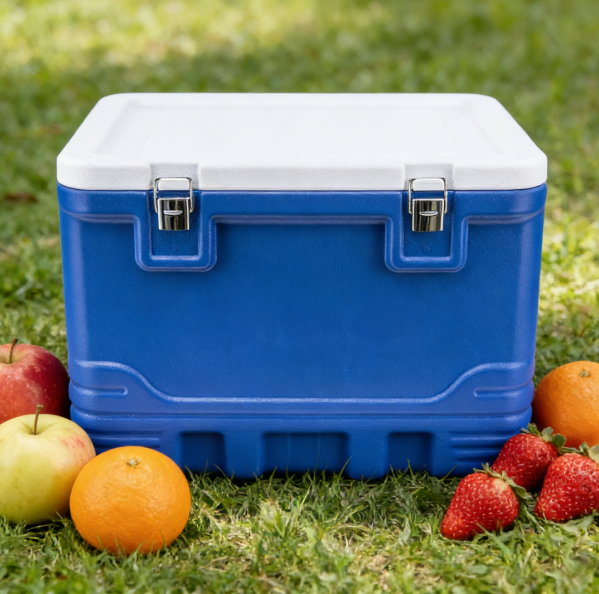
chemical-resistant EPP box price: A Practical Guide for B2B Buyers
Choosing chemical-resistant EPP box price should begin with the job the box must perform, not with the box name. EPP can help with impact protection and insulation, yet it is only one part of a handling or cold-chain plan. A practical buyer should define the payload, route, temperature expectation, reuse plan, and evidence needed by quality or operations. This final guide combines procurement, technical, and operational checks so you can shortlist a suitable supplier without assuming performance that has not been tested.
Quick answer for buyers
The best chemical-resistant EPP box price is the one that matches your payload, route duration, handling risk, temperature requirement, and documentation needs. EPP provides insulation and impact resistance, but it does not automatically make a shipment compliant or validated.
Before ordering, define whether the box is used as an EPP box with useful moisture resistance and chemical-resistance characteristics that still requires compatibility checks for the exact substance and use condition. Then ask the supplier for sample dimensions, material details, production consistency controls, and any test evidence that supports the intended use.
Define the box role before discussing price or tooling
For chemical and laboratory logistics, the box should be described by its function rather than by a broad product name. It may be a reusable handling container, a protective outer container, an insulated shipper, or one part of a passive temperature-controlled packaging system. Those roles are not interchangeable. A general EPP container may protect against bumps and reduce heat transfer, but a qualified thermal system requires the correct payload, coolant, conditioning process, packing sequence, monitoring plan, and acceptance criteria.
This distinction protects both the buyer and the supplier. If the application is laboratory reagents, industrial samples, maintenance chemicals, sealed bottles, and non-hazardous or specially controlled items that need protective insulated handling, you can discuss dimensions, lid design, labels, cleaning, and packout behavior with useful precision. If the item has regulatory, sterile, hazardous, or temperature-sensitive requirements, the packaging discussion should involve quality, logistics, and product owners before the final order is placed. It is not a substitute for UN-rated packaging, hazardous goods packaging, spill containment, or chemical safety review when those are required.
A helpful supplier will not promise that one box solves every route. Instead, the supplier should help you separate what EPP can reasonably do from what must be handled by coolant, inner packaging, data logging, SOPs, or official transport requirements. That creates a clearer specification and fewer disputes after delivery.
Material choices that should appear in the specification
Expanded polypropylene is a closed-cell bead foam. In practical purchasing terms, that means it can be lightweight, resilient under repeated handling, and useful for thermal buffering. Those are material-level advantages, not final performance guarantees. A box with poor lid contact, weak corners, awkward internal supports, or a hard-to-clean rim can still create problems even when the base material is appropriate.
Density is often discussed because it can affect rigidity, impact resistance, weight, and cost. Higher density may help when the box faces rough handling, stacked storage, or repeated return loops. It is not automatically better for every project. If your priority is low freight weight, lower tooling cost, or compact storage, the density decision should be balanced against route abuse and payload protection. Temperature needs may be absent, ambient, refrigerated, or controlled; the price quote should not assume thermal performance unless the test method and packout are defined.
The shape of the lid is just as important as the wall material. Heat often moves through gaps, lid seams, and corners. Damage also tends to start at edges, handles, and closure points. For that reason, samples should be inspected while loaded, not only while empty. Open the lid repeatedly, lift the filled box, check the contact surfaces, and make sure the payload does not crush soft areas or push against the lid.
For chemical applications, resistance should be treated as a compatibility question, not a general slogan. The exact substance, concentration, packaging closure, contact time, temperature, and cleaning agent can change the answer. Sealed inner containers and secondary containment may be more important than the EPP body itself.
Use route logic instead of generic performance claims
A short direct route with trained handlers is different from a parcel network, a cross-border export route, a summer delivery loop, or a warehouse route with repeated door openings. Even when the same EPP box is used, the risk profile changes. Ambient exposure, waiting time, vehicle temperature, handover points, and receiving behavior can matter as much as the box material.
Payload also changes thermal behavior. A full, pre-conditioned payload behaves differently from a half-empty box with mixed-temperature items. Coolant placement can protect or damage goods depending on direct contact, insulation barriers, and airflow. For regulated or high-value products, ask whether the proposed packout has been tested under conditions that resemble your use.
Sustainability claims should also be practical. Reusable EPP can reduce one-way packaging waste when boxes are recovered, cleaned, and reused effectively. If the boxes are not returned, are damaged quickly, or require excessive reverse logistics, the sustainability argument becomes weaker. Buyers should evaluate the complete loop, not only the material label.
Procurement checks that prevent weak orders
| Buyer question | Practical reason | What a good answer should include |
|---|---|---|
| What exactly is the box used for? | The same EPP box can be used for handling, storage, or cold-chain support | A clear use case, product type, route, and payload description |
| What dimensions matter? | External size affects freight, while internal fit affects payload stability | Internal dimensions, usable space, drawings, and sample photos |
| How will temperature be managed? | Insulation only slows temperature change | Required range, coolant, conditioning, logger plan, and test evidence if available |
| Can it be cleaned and reused? | Reusable packaging fails when cleaning is inconvenient | Approved cleaning method, drying process, label strategy, and inspection criteria |
| Will production match the approved sample? | Small changes can affect lid fit and payload support | Material, mold, density, color, tolerance, and change-control expectations |
| What documents are available? | Quality teams often need evidence, not only product photos | Datasheets, drawings, declarations, test summaries, or supplier statements as applicable |
Use this table before requesting a quotation. It keeps the discussion focused on fit, evidence, and repeatability rather than on a single headline price or a generic product description.
For chemical and laboratory logistics, the most useful supplier conversation starts with the payload and route. Once those are clear, price, tooling, samples, and production lead time can be compared more fairly.
What to verify before scaling from sample to production
The first risk is comparing price only by box size while ignoring resin grade, density, tooling, chemical compatibility, closure design, order quantity, and documentation needs. This often happens when a quote uses strong product language but the buyer has not defined the actual acceptance criteria. If the goods are sensitive, the purchasing record should show why the selected box is suitable for that route and what additional components are needed.
The second risk is dimension confusion. Buyers often compare boxes by outer size because that is easy to see in a catalog. The payload, however, cares about usable internal space. Inserts, gel packs, PCM panels, dividers, liners, absorbent material, labels, and loggers can reduce usable volume. A sample test with real contents is much more informative than a dimension table alone.
The third risk is cleaning and return handling. Reusable EPP packaging can support circular logistics, but only if the return process is easy enough for staff to follow. A box that is difficult to wipe, inspect, dry, relabel, or nest may disappear from the reuse loop. This can make the actual cost higher than the purchase price suggests.
The fourth risk is unsupported performance language. Claims such as long hold time, universal compliance, or strong chemical resistance should be tied to test conditions or written as points to verify. A statement that is true for one payload or route may be wrong for another. Good documentation uses cautious wording and shows the limits of the claim.
A practical evidence file for an EPP box project
A useful evidence file does not need to be complicated, but it should answer the questions that affect acceptance. For a standard insulated box, that may include drawings, material description, color and marking notes, cleaning guidance, packaging photos, and sample approval records. For a temperature-sensitive application, evidence may also include a packout description, temperature monitoring plan, thermal test summary, and receiving inspection instructions.
Regulated sectors require careful language. FDA holding and distribution rules, EU GDP expectations, WHO guidance for time- and temperature-sensitive pharmaceutical products, IATA healthcare cargo practices, and ISTA thermal packaging standards all point toward the same practical idea: the shipper should know the product requirement, use appropriate procedures, and keep evidence that the process can maintain product quality. The exact requirement depends on product, route, and market.
For a project related to laboratory reagents, industrial samples, maintenance chemicals, sealed bottles, and non-hazardous or specially controlled items that need protective insulated handling, you should also ask which claims are based on tested data and which are only general material characteristics. ask for material compatibility guidance, sample testing, wall structure, mold cost, secondary containment options, labels, and what is included in the quoted price. If a supplier cannot provide a document immediately, the safer response is to treat that point as unverified until a sample or test can confirm it.
Cost should be judged against route risk and repeat use
EPP box price is shaped by material density, part size, wall design, mold complexity, surface finish, color, logo method, order quantity, packing method, and the amount of documentation or testing requested. A lower quote may be reasonable for a simple standard box. It may be risky for a sensitive custom route if it excludes sampling, tooling revisions, and evidence.
For reusable packaging, the unit price is only one part of cost. Consider damage reduction, return rate, cleaning labor, empty storage, replacement frequency, freight weight, and whether the same design can serve more than one route. A durable box that is too bulky to return may be expensive in daily operation. A low-cost box that breaks at the lid seam may also become expensive once replacements and complaints are counted.
The fairest quote comparison uses the same specification for every supplier. Send the same payload description, expected route, target use, customization needs, packaging quantity, and evidence requirement. When one supplier quotes a lower price, check whether the material, lid design, packaging, and documentation are really equivalent.
A realistic way to brief an EPP box supplier
A buyer comparing two chemical-resistant EPP box prices may see the lower quote ignore tooling revisions, lid inserts, warning-label areas, and sample testing, which later makes the project more expensive than the initial number suggested.
The useful lesson is that the buyer should not begin with a box size alone. The brief should say what will be placed inside, whether the contents are pre-conditioned, how long the box may remain closed, where it may be opened, what happens at receiving, and whether the empty box returns for reuse. Those details change the internal layout, wall design, closure choice, label placement, and evidence needed for approval.
A strong sample review should include real loading, repeated opening and closing, lifting while full, label application, cleaning after use, and a check against the final outer packaging or vehicle space. If temperature performance matters, a simple visual review is not enough. The test should reflect the selected coolant, payload mass, ambient exposure, and acceptance limits.
FAQ
Is chemical-resistant EPP box price enough for temperature-sensitive goods?
It can be part of a temperature-sensitive packaging plan, but it is not automatically enough. EPP insulation slows temperature change, while the actual result depends on payload, coolant, conditioning, route exposure, lid fit, and monitoring. For sensitive products, ask for a packout plan and test evidence that matches your use.
What is the main advantage of EPP compared with a simple cardboard shipper?
EPP offers molded structure, impact absorption, and reusable insulation in one material. Cardboard may still be needed as an outer carton or label surface, but EPP can better support repeated handling and internal payload stability when the design is correct.
Should I ask for internal or external dimensions?
Ask for both. External dimensions affect freight, storage, and palletization. Internal dimensions decide whether your real payload, coolant, liner, rack, or data logger fits without compression. For sensitive products, test the sample with the actual contents before approving production.
Can an EPP box be customized with a logo or special shape?
Customization is possible in many EPP projects, but it should be discussed after the functional requirements are clear. Shape, logo method, color, handle design, lid behavior, and label areas can affect tooling, cost, cleaning, and production consistency.
What should I verify before bulk ordering?
Verify sample-to-production consistency, material description, molded density or grade, dimensions, closure quality, packaging method, cleaning guidance, and any claim related to thermal performance. If the project is regulated or high-value, involve quality and logistics before issuing the bulk order.
Conclusion
The right chemical-resistant EPP box price decision is not based on a product name alone. EPP can provide lightweight structure, impact resistance, and insulation, but the box must still match the product, route, handling method, temperature expectation, and evidence requirement.
Before ordering, define the role of the box, review a loaded sample, check internal and external dimensions, confirm how cleaning and reuse will work, and separate verified performance from general material advantages. If temperature-sensitive or regulated goods are involved, involve quality and logistics early so the EPP box becomes part of a documented system rather than a hopeful assumption.
Insulated Box Exporter Pharmaceuticals: Practical Supplier and Packaging Guide
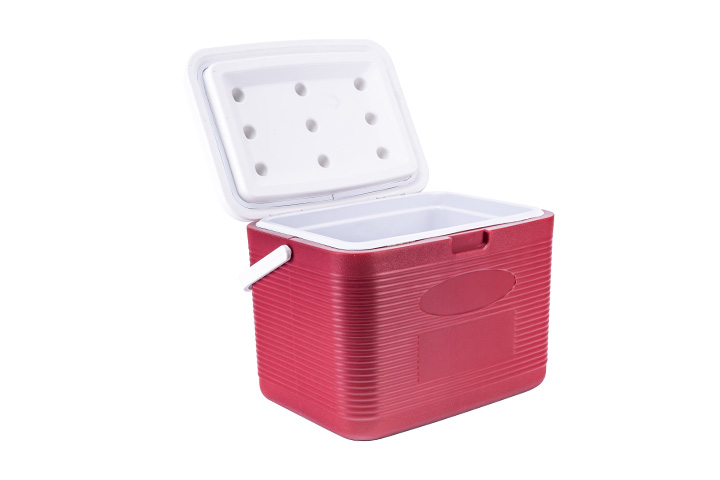
Insulated Box Exporter Pharmaceuticals
The best way to evaluate insulated box exporter pharmaceuticals is to treat it as part of a complete cold-chain system, not as a stand-alone container. For pharmaceutical export logistics, the right box must fit the product, payload volume, coolant plan, route duration, handling environment, and documentation needs. It should also be easy for warehouse staff to pack consistently. This guide explains how to judge practical fit, where to verify supplier claims, and when an insulated box needs additional qualification before routine use.
For medicine distribution, good distribution practice is generally about preserving product quality and integrity through the supply chain. Air shipments booked as time and temperature sensitive healthcare cargo may also carry specific labeling and documentation expectations. These references help frame the questions, but the product label, quality agreement, and local rules should always define the final requirement.
Start with the product requirement, not the box label
The first step is to define the product requirement in writing. For temperature-sensitive medicines, biologics, samples, diagnostic materials, and regulated healthcare cargo, that requirement may be a storage range, a transport condition, a protocol instruction, an SDS limitation, a buyer specification, or a local regulatory expectation. Without that input, the phrase insulated box exporter pharmaceuticals is too broad to support a safe purchase.
An insulated box is a passive packaging component. It can reduce heat transfer, protect the packout, and support a route plan, but it does not create compliance on its own. Coolant, payload arrangement, monitoring, labels, receiving steps, and documented evidence may all be needed depending on the product. This boundary should be clear before procurement compares suppliers.
The buyer should also decide what level of proof is necessary. Low-risk shipments may only need a sensible packout and internal acceptance checks. High-value, regulated, or stability-sensitive shipments may require test reports, lane qualification, quality approval, and change-control expectations. The right documentation burden depends on risk, not on the box name.
Turn the route into a packaging specification
A route specification should describe every period when the goods are outside controlled storage. Include warehouse staging, pickup delay, carrier transfer, airport or cross-dock handling, customs review, weekend dwell, final-mile delivery, and receiver processing. These details are not administrative; they determine how much thermal protection the package needs.
For air freight, international courier, customs clearance, bonded warehouse handover, and regional pharmaceutical distribution, buyers should also consider seasonal variation. A route that performs acceptably in mild weather may need a different packout or a stronger shipper in summer or winter. Seasonal qualification does not mean guessing. It means asking whether supplier data, internal tests, or pilot shipments cover the exposure conditions the lane can realistically face.
The route specification should be shared with potential suppliers before samples are requested. When a supplier understands route risk, they can recommend box size, insulation type, coolant configuration, and assembly instructions more responsibly. Without the route, most recommendations become assumptions.
Evidence buyers should request before scaling
| Evidence to request | What it should clarify | How to use it |
|---|---|---|
| Material and construction description | Insulation type, outer carton, liner, closure, and special inserts. | Confirm the sample and production units match. |
| Thermal test summary | Payload, coolant, ambient exposure, duration, and pass criteria. | Check whether the test resembles your lane and product. |
| Packout instruction | Conditioning, loading order, logger placement, and closure steps. | Use it for warehouse training and audit checks. |
| Change notification process | How material or design changes are communicated. | Protect sample-to-production consistency. |
| Receiving and exception guidance | What the receiver should record if the shipment is delayed or damaged. | Reduce disputes and support quality review. |
This evidence list is not meant to turn every purchase into a formal validation project. It helps buyers decide whether the insulated box exporter pharmaceuticals is supported by enough information for the risk level of the shipment.
For sensitive goods, the most important detail is often whether the tested configuration matches the real configuration. If the report used a different payload, coolant amount, or box construction, the buyer should treat the result as a starting point, not a final answer.
Material choices and sustainability trade-offs
Material selection should be connected to the route and recovery plan. Foam systems may provide strong insulation and impact resistance, but they can raise disposal questions. Paper-lined or fiberboard systems may support lower-waste goals, but they must be checked for moisture tolerance and thermal performance. Reusable boxes can be attractive on closed loops, yet they need inspection, cleaning, return tracking, and loss control.
Thermal resistance, coolant compatibility, data logger placement, closure security, shipper condition, and clear separation between outer box, coolant, payload, and monitoring device should be evaluated as practical design factors, not isolated product claims. A high-performance material can be weakened by poor lid fit. A sustainable liner can fail if condensation damages it. A compact pouch can reduce freight volume but may not suit a long or uncertain route. The trade-off should be documented before ordering in bulk.
When sustainability is part of the buying decision, ask for the evidence behind the claim. Is the material recyclable where the receiver operates? Does the packaging require separation of components? Can the buyer recover coolants or reusable boxes? A sustainability benefit that works only in theory may not help the actual supply chain.
Operational controls after the boxes arrive
Operational controls turn packaging design into repeatable performance. Before production use, create a short packing instruction that covers product starting condition, coolant conditioning, loading order, void fill, logger placement, lid closure, label placement, and storage before pickup. The instruction should be easy enough for a busy warehouse team to follow without interpretation.
Receiving inspection is part of the same system. The receiver should know what to do if the box is damaged, delayed, warm to the touch, missing a label, or lacking the expected logger. If the shipment is regulated or quality-sensitive, the exception path should be defined before the first shipment moves.
A practical pilot can reveal problems that a specification sheet misses. For example, staff may discover that the box is hard to close when the payload count is correct, that gel packs slide into the wrong position, or that the label area is too small after tape is applied. Fixing these issues before scale-up is cheaper than correcting them after routine distribution begins.
When to involve quality, logistics, and suppliers together
The best insulated-box decisions usually involve procurement, logistics, quality, and the supplier. Procurement sees cost and availability. Logistics sees route difficulty and labor. Quality sees product risk and documentation. The supplier sees material choices, production constraints, and packout options. When one group decides alone, important assumptions are often missed.
For pharmaceutical logistics buyers, export teams, QA managers, and supply chain leads, a useful internal review can be short. Confirm the required condition, route risk, payload configuration, evidence needed, and change-control expectation. If the product is sensitive or regulated, include the quality team before the purchase order is placed. If the route is operationally difficult, include the warehouse or carrier team before samples are approved.
This collaborative review is especially important for supplier changes, new destinations, seasonal packouts, and scale-up from samples to bulk orders. The box selected for a pilot may be suitable, but the process around it must also scale. Good packaging decisions protect the product and reduce confusion for the people who pack, carry, and receive it.
A final purchase decision should include a simple go-or-no-go review. Can the team state the product requirement? Can the route risk be described? Is the sample construction the same as production? Does the packout fit the payload without forcing shortcuts? Is there enough documentation for the risk level? If any answer is unclear, the buyer should resolve it before scaling.
The goal is not to make every shipment complicated. The goal is to prevent avoidable assumptions. For low-risk goods, the process may be brief. For high-risk goods, it may involve formal qualification. In both cases, the buyer benefits from treating the insulated box exporter pharmaceuticals as a designed part of the route rather than a generic insulated container.
Additional field notes for purchasing teams
When teams compare insulated box exporter pharmaceuticals, they should document which assumptions are proven and which are still only estimates. Proven information might include material description, measured dimensions, agreed packout steps, and a sample construction that matches production. Estimated information might include delay risk, seasonal exposure, receiver discipline, and how consistently staff will condition coolant. Keeping those categories separate helps procurement avoid treating an assumption as a fact.
Another useful practice is to prepare a small exception plan before the first shipment. Decide what staff should do if the box arrives crushed, the label is unreadable, a logger is missing, or the receiver reports a delayed handover. The plan does not need to be long, but it should identify who reviews the shipment and what evidence should be kept. This turns a packaging purchase into a manageable cold-chain process.
Buyers ordering in volume should also ask how the supplier handles substitutions. A change in carton grade, liner material, insulation insert, closure tape, or coolant recommendation can affect handling and thermal behavior. The safest arrangement is a written specification with notification before material or construction changes. That is especially important for pharmaceutical export logistics, where small process changes can create repeated issues across many shipments.
Finally, do not overlook storage before use. Empty boxes, liners, and coolant packs can be staged in ways that make packing harder or less consistent. Warehouses should know where materials are stored, when coolants are conditioned, how damaged boxes are rejected, and who checks that the packout instruction is current. Those routines are often more important than a small difference between two catalog specifications.
It is also useful to define what the shipment is not expected to survive. No passive package should be treated as unlimited protection against long delays, rough handling, prolonged sun exposure, or a different temperature range from the one reviewed. Stating these limits in the purchasing file helps sales, logistics, and customer service teams avoid overpromising. It also gives the supplier a clearer boundary for any recommendation they provide.
For repeat programs, keep a small reference packout. This may include a photo of the correct loading sequence, the approved carton or liner name, the coolant count or conditioning instruction if applicable, and the receiver note. When new staff join or a busy season begins, the reference packout reduces variation. That consistency is often what separates a workable insulated package from a fragile process that depends on one experienced employee.
Finally, align the ordering unit with the way the warehouse works. If the team stores cartons, liners, and coolants in separate areas, the purchase specification should make that workflow visible. If the buyer needs pre-assembled kits, nested units, or clear labels on component cartons, ask before approving the order. These details are not decorative; they influence whether the intended packout is actually used during daily shipping.
FAQ
Is insulated box exporter pharmaceuticals automatically suitable for regulated healthcare shipments?
No. An insulated box may be part of a healthcare shipping system, but suitability depends on the product requirement, route, packout, coolant, monitoring plan, and supporting evidence. Regulated or quality-sensitive shipments often require quality-team review and documentation. Buyers should not treat a box label as proof of compliance.
Should I use a temperature data logger inside the box?
Use a logger when the shipment risk, customer requirement, protocol, or quality system needs temperature evidence. A logger does not protect the payload; it records what happened. Placement, accuracy documentation, alarm settings, and data retrieval should match the purpose of the record.
Can one box cover refrigerated, frozen, and ambient products?
Usually not without separate packouts and evidence. The same outer box may be used in different systems, but each temperature condition needs the correct coolant, payload arrangement, and verification. The product label, protocol, or technical specification should define the range before packaging is selected.
What should I ask before ordering samples?
Share the product type, required range, route duration, worst likely dwell point, payload count, receiver process, and documentation needs. Ask the supplier whether the sample will match production units and whether any test data reflects a comparable packout.
Conclusion
A good decision about insulated box exporter pharmaceuticals begins with product requirements and route reality. The box should be judged by how it fits temperature-sensitive medicines, biologics, samples, diagnostic materials, and regulated healthcare cargo, how consistently staff can pack it, and what evidence supports its use on the intended route.
The safest purchasing process is not complicated, but it is disciplined: define the temperature or handling condition, map the lane, confirm usable payload space, review coolant compatibility, and ask for documentation that matches the risk level. Avoid universal claims, especially when the product is regulated, high value, or sensitive to freezing, heat, moisture, or delay.
Once a sample works, protect that result by controlling changes. Make sure production units match the sample, warehouse instructions are clear, and receiving teams know what to inspect. That is how an insulated box becomes part of a dependable cold-chain process rather than just another packaging line item.
About Tempk
At Tempk, we approach insulated packaging as a product-and-route fit decision. We help buyers think through the practical questions behind insulated box exporter pharmaceuticals: required condition, payload space, coolant arrangement, handling steps, and whether supplier evidence is enough for the shipment risk. For pharmaceutical export logistics, our role is to support clearer packaging conversations before buyers move from samples to repeated orders, custom sizing, or bulk purchasing. We keep the discussion grounded in route conditions and packout details rather than broad promises.
Insulated Box Exporter Clinical Trials: Practical Supplier and Packaging Guide
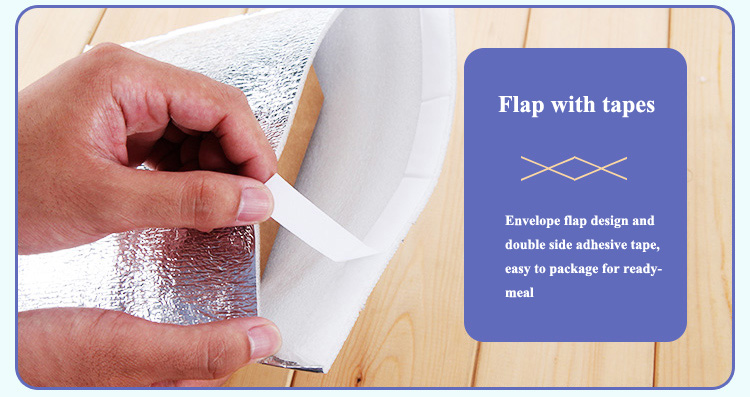
Insulated Box Exporter Clinical Trials
The best way to evaluate insulated box exporter clinical trials is to treat it as part of a complete cold-chain system, not as a stand-alone container. For clinical trial logistics, the right box must fit the product, payload volume, coolant plan, route duration, handling environment, and documentation needs. It should also be easy for warehouse staff to pack consistently. This guide explains how to judge practical fit, where to verify supplier claims, and when an insulated box needs additional qualification before routine use.
For medicine distribution, good distribution practice is generally about preserving product quality and integrity through the supply chain. Air shipments booked as time and temperature sensitive healthcare cargo may also carry specific labeling and documentation expectations. These references help frame the questions, but the product label, quality agreement, and local rules should always define the final requirement.
Start with the product requirement, not the box label
The first step is to define the product requirement in writing. For investigational products, biological samples, trial kits, central-lab specimens, and site-to-depot returns, that requirement may be a storage range, a transport condition, a protocol instruction, an SDS limitation, a buyer specification, or a local regulatory expectation. Without that input, the phrase insulated box exporter clinical trials is too broad to support a safe purchase.
An insulated box is a passive packaging component. It can reduce heat transfer, protect the packout, and support a route plan, but it does not create compliance on its own. Coolant, payload arrangement, monitoring, labels, receiving steps, and documented evidence may all be needed depending on the product. This boundary should be clear before procurement compares suppliers.
The buyer should also decide what level of proof is necessary. Low-risk shipments may only need a sensible packout and internal acceptance checks. High-value, regulated, or stability-sensitive shipments may require test reports, lane qualification, quality approval, and change-control expectations. The right documentation burden depends on risk, not on the box name.
Turn the route into a packaging specification
A route specification should describe every period when the goods are outside controlled storage. Include warehouse staging, pickup delay, carrier transfer, airport or cross-dock handling, customs review, weekend dwell, final-mile delivery, and receiver processing. These details are not administrative; they determine how much thermal protection the package needs.
For depot-to-site, site-to-central-lab, country-to-country import, patient return kits, and rescue shipments, buyers should also consider seasonal variation. A route that performs acceptably in mild weather may need a different packout or a stronger shipper in summer or winter. Seasonal qualification does not mean guessing. It means asking whether supplier data, internal tests, or pilot shipments cover the exposure conditions the lane can realistically face.
The route specification should be shared with potential suppliers before samples are requested. When a supplier understands route risk, they can recommend box size, insulation type, coolant configuration, and assembly instructions more responsibly. Without the route, most recommendations become assumptions.
Evidence buyers should request before scaling
| Evidence to request | What it should clarify | How to use it |
|---|---|---|
| Material and construction description | Insulation type, outer carton, liner, closure, and special inserts. | Confirm the sample and production units match. |
| Thermal test summary | Payload, coolant, ambient exposure, duration, and pass criteria. | Check whether the test resembles your lane and product. |
| Packout instruction | Conditioning, loading order, logger placement, and closure steps. | Use it for warehouse training and audit checks. |
| Change notification process | How material or design changes are communicated. | Protect sample-to-production consistency. |
| Receiving and exception guidance | What the receiver should record if the shipment is delayed or damaged. | Reduce disputes and support quality review. |
This evidence list is not meant to turn every purchase into a formal validation project. It helps buyers decide whether the insulated box exporter clinical trials is supported by enough information for the risk level of the shipment.
For sensitive goods, the most important detail is often whether the tested configuration matches the real configuration. If the report used a different payload, coolant amount, or box construction, the buyer should treat the result as a starting point, not a final answer.
Material choices and sustainability trade-offs
Material selection should be connected to the route and recovery plan. Foam systems may provide strong insulation and impact resistance, but they can raise disposal questions. Paper-lined or fiberboard systems may support lower-waste goals, but they must be checked for moisture tolerance and thermal performance. Reusable boxes can be attractive on closed loops, yet they need inspection, cleaning, return tracking, and loss control.
Qualified thermal shipper evidence, simple site instructions, payload cavity usability, logger readability, and controlled changes between batches should be evaluated as practical design factors, not isolated product claims. A high-performance material can be weakened by poor lid fit. A sustainable liner can fail if condensation damages it. A compact pouch can reduce freight volume but may not suit a long or uncertain route. The trade-off should be documented before ordering in bulk.
When sustainability is part of the buying decision, ask for the evidence behind the claim. Is the material recyclable where the receiver operates? Does the packaging require separation of components? Can the buyer recover coolants or reusable boxes? A sustainability benefit that works only in theory may not help the actual supply chain.
Operational controls after the boxes arrive
Operational controls turn packaging design into repeatable performance. Before production use, create a short packing instruction that covers product starting condition, coolant conditioning, loading order, void fill, logger placement, lid closure, label placement, and storage before pickup. The instruction should be easy enough for a busy warehouse team to follow without interpretation.
Receiving inspection is part of the same system. The receiver should know what to do if the box is damaged, delayed, warm to the touch, missing a label, or lacking the expected logger. If the shipment is regulated or quality-sensitive, the exception path should be defined before the first shipment moves.
A practical pilot can reveal problems that a specification sheet misses. For example, staff may discover that the box is hard to close when the payload count is correct, that gel packs slide into the wrong position, or that the label area is too small after tape is applied. Fixing these issues before scale-up is cheaper than correcting them after routine distribution begins.
When to involve quality, logistics, and suppliers together
The best insulated-box decisions usually involve procurement, logistics, quality, and the supplier. Procurement sees cost and availability. Logistics sees route difficulty and labor. Quality sees product risk and documentation. The supplier sees material choices, production constraints, and packout options. When one group decides alone, important assumptions are often missed.
For clinical supply managers, trial logistics buyers, depot teams, and quality reviewers, a useful internal review can be short. Confirm the required condition, route risk, payload configuration, evidence needed, and change-control expectation. If the product is sensitive or regulated, include the quality team before the purchase order is placed. If the route is operationally difficult, include the warehouse or carrier team before samples are approved.
This collaborative review is especially important for supplier changes, new destinations, seasonal packouts, and scale-up from samples to bulk orders. The box selected for a pilot may be suitable, but the process around it must also scale. Good packaging decisions protect the product and reduce confusion for the people who pack, carry, and receive it.
A final purchase decision should include a simple go-or-no-go review. Can the team state the product requirement? Can the route risk be described? Is the sample construction the same as production? Does the packout fit the payload without forcing shortcuts? Is there enough documentation for the risk level? If any answer is unclear, the buyer should resolve it before scaling.
The goal is not to make every shipment complicated. The goal is to prevent avoidable assumptions. For low-risk goods, the process may be brief. For high-risk goods, it may involve formal qualification. In both cases, the buyer benefits from treating the insulated box exporter clinical trials as a designed part of the route rather than a generic insulated container.
Additional field notes for purchasing teams
When teams compare insulated box exporter clinical trials, they should document which assumptions are proven and which are still only estimates. Proven information might include material description, measured dimensions, agreed packout steps, and a sample construction that matches production. Estimated information might include delay risk, seasonal exposure, receiver discipline, and how consistently staff will condition coolant. Keeping those categories separate helps procurement avoid treating an assumption as a fact.
Another useful practice is to prepare a small exception plan before the first shipment. Decide what staff should do if the box arrives crushed, the label is unreadable, a logger is missing, or the receiver reports a delayed handover. The plan does not need to be long, but it should identify who reviews the shipment and what evidence should be kept. This turns a packaging purchase into a manageable cold-chain process.
Buyers ordering in volume should also ask how the supplier handles substitutions. A change in carton grade, liner material, insulation insert, closure tape, or coolant recommendation can affect handling and thermal behavior. The safest arrangement is a written specification with notification before material or construction changes. That is especially important for clinical trial logistics, where small process changes can create repeated issues across many shipments.
Finally, do not overlook storage before use. Empty boxes, liners, and coolant packs can be staged in ways that make packing harder or less consistent. Warehouses should know where materials are stored, when coolants are conditioned, how damaged boxes are rejected, and who checks that the packout instruction is current. Those routines are often more important than a small difference between two catalog specifications.
It is also useful to define what the shipment is not expected to survive. No passive package should be treated as unlimited protection against long delays, rough handling, prolonged sun exposure, or a different temperature range from the one reviewed. Stating these limits in the purchasing file helps sales, logistics, and customer service teams avoid overpromising. It also gives the supplier a clearer boundary for any recommendation they provide.
For repeat programs, keep a small reference packout. This may include a photo of the correct loading sequence, the approved carton or liner name, the coolant count or conditioning instruction if applicable, and the receiver note. When new staff join or a busy season begins, the reference packout reduces variation. That consistency is often what separates a workable insulated package from a fragile process that depends on one experienced employee.
Finally, align the ordering unit with the way the warehouse works. If the team stores cartons, liners, and coolants in separate areas, the purchase specification should make that workflow visible. If the buyer needs pre-assembled kits, nested units, or clear labels on component cartons, ask before approving the order. These details are not decorative; they influence whether the intended packout is actually used during daily shipping.
FAQ
Is insulated box exporter clinical trials automatically suitable for regulated healthcare shipments?
No. An insulated box may be part of a healthcare shipping system, but suitability depends on the product requirement, route, packout, coolant, monitoring plan, and supporting evidence. Regulated or quality-sensitive shipments often require quality-team review and documentation. Buyers should not treat a box label as proof of compliance.
Should I use a temperature data logger inside the box?
Use a logger when the shipment risk, customer requirement, protocol, or quality system needs temperature evidence. A logger does not protect the payload; it records what happened. Placement, accuracy documentation, alarm settings, and data retrieval should match the purpose of the record.
Can one box cover refrigerated, frozen, and ambient products?
Usually not without separate packouts and evidence. The same outer box may be used in different systems, but each temperature condition needs the correct coolant, payload arrangement, and verification. The product label, protocol, or technical specification should define the range before packaging is selected.
What should I ask before ordering samples?
Share the product type, required range, route duration, worst likely dwell point, payload count, receiver process, and documentation needs. Ask the supplier whether the sample will match production units and whether any test data reflects a comparable packout.
Conclusion
A good decision about insulated box exporter clinical trials begins with product requirements and route reality. The box should be judged by how it fits investigational products, biological samples, trial kits, central-lab specimens, and site-to-depot returns, how consistently staff can pack it, and what evidence supports its use on the intended route.
The safest purchasing process is not complicated, but it is disciplined: define the temperature or handling condition, map the lane, confirm usable payload space, review coolant compatibility, and ask for documentation that matches the risk level. Avoid universal claims, especially when the product is regulated, high value, or sensitive to freezing, heat, moisture, or delay.
Once a sample works, protect that result by controlling changes. Make sure production units match the sample, warehouse instructions are clear, and receiving teams know what to inspect. That is how an insulated box becomes part of a dependable cold-chain process rather than just another packaging line item.
About Tempk
At Tempk, we approach insulated packaging as a product-and-route fit decision. We help buyers think through the practical questions behind insulated box exporter clinical trials: required condition, payload space, coolant arrangement, handling steps, and whether supplier evidence is enough for the shipment risk. For clinical trial logistics, our role is to support clearer packaging conversations before buyers move from samples to repeated orders, custom sizing, or bulk purchasing. We keep the discussion grounded in route conditions and packout details rather than broad promises.
Insulated Box Distributor Dairy: Practical Supplier and Packaging Guide

Insulated Box Distributor Dairy
The best way to evaluate insulated box distributor dairy is to treat it as part of a complete cold-chain system, not as a stand-alone container. For dairy distribution, the right box must fit the product, payload volume, coolant plan, route duration, handling environment, and documentation needs. It should also be easy for warehouse staff to pack consistently. This guide explains how to judge practical fit, where to verify supplier claims, and when an insulated box needs additional qualification before routine use.
For food and agricultural shipments, sanitary handling, pre-cooling, clean equipment, and receiving inspection matter as much as the insulated package. Food rules vary by market and product, so buyers should treat the box as one part of a broader cold-chain process rather than a substitute for refrigerated control where that control is required.
Start with the product requirement, not the box label
The first step is to define the product requirement in writing. For milk, yogurt, cheese, butter, cultured products, and prepared dairy assortments, that requirement may be a storage range, a transport condition, a protocol instruction, an SDS limitation, a buyer specification, or a local regulatory expectation. Without that input, the phrase insulated box distributor dairy is too broad to support a safe purchase.
An insulated box is a passive packaging component. It can reduce heat transfer, protect the packout, and support a route plan, but it does not create compliance on its own. Coolant, payload arrangement, monitoring, labels, receiving steps, and documented evidence may all be needed depending on the product. This boundary should be clear before procurement compares suppliers.
The buyer should also decide what level of proof is necessary. Low-risk shipments may only need a sensible packout and internal acceptance checks. High-value, regulated, or stability-sensitive shipments may require test reports, lane qualification, quality approval, and change-control expectations. The right documentation burden depends on risk, not on the box name.
Turn the route into a packaging specification
A route specification should describe every period when the goods are outside controlled storage. Include warehouse staging, pickup delay, carrier transfer, airport or cross-dock handling, customs review, weekend dwell, final-mile delivery, and receiver processing. These details are not administrative; they determine how much thermal protection the package needs.
For short-haul local delivery, cross-dock distribution, marketplace fulfillment, and regional chilled transport, buyers should also consider seasonal variation. A route that performs acceptably in mild weather may need a different packout or a stronger shipper in summer or winter. Seasonal qualification does not mean guessing. It means asking whether supplier data, internal tests, or pilot shipments cover the exposure conditions the lane can realistically face.
The route specification should be shared with potential suppliers before samples are requested. When a supplier understands route risk, they can recommend box size, insulation type, coolant configuration, and assembly instructions more responsibly. Without the route, most recommendations become assumptions.
Evidence buyers should request before scaling
| Evidence to request | What it should clarify | How to use it |
|---|---|---|
| Material and construction description | Insulation type, outer carton, liner, closure, and special inserts. | Confirm the sample and production units match. |
| Thermal test summary | Payload, coolant, ambient exposure, duration, and pass criteria. | Check whether the test resembles your lane and product. |
| Packout instruction | Conditioning, loading order, logger placement, and closure steps. | Use it for warehouse training and audit checks. |
| Change notification process | How material or design changes are communicated. | Protect sample-to-production consistency. |
| Receiving and exception guidance | What the receiver should record if the shipment is delayed or damaged. | Reduce disputes and support quality review. |
This evidence list is not meant to turn every purchase into a formal validation project. It helps buyers decide whether the insulated box distributor dairy is supported by enough information for the risk level of the shipment.
For sensitive goods, the most important detail is often whether the tested configuration matches the real configuration. If the report used a different payload, coolant amount, or box construction, the buyer should treat the result as a starting point, not a final answer.
Material choices and sustainability trade-offs
Material selection should be connected to the route and recovery plan. Foam systems may provide strong insulation and impact resistance, but they can raise disposal questions. Paper-lined or fiberboard systems may support lower-waste goals, but they must be checked for moisture tolerance and thermal performance. Reusable boxes can be attractive on closed loops, yet they need inspection, cleaning, return tracking, and loss control.
Liners that resist moisture, cushioning that protects retail packs, closures that reduce warm air entry, and insulation that works with the chosen coolant instead of replacing it should be evaluated as practical design factors, not isolated product claims. A high-performance material can be weakened by poor lid fit. A sustainable liner can fail if condensation damages it. A compact pouch can reduce freight volume but may not suit a long or uncertain route. The trade-off should be documented before ordering in bulk.
When sustainability is part of the buying decision, ask for the evidence behind the claim. Is the material recyclable where the receiver operates? Does the packaging require separation of components? Can the buyer recover coolants or reusable boxes? A sustainability benefit that works only in theory may not help the actual supply chain.
Operational controls after the boxes arrive
Operational controls turn packaging design into repeatable performance. Before production use, create a short packing instruction that covers product starting condition, coolant conditioning, loading order, void fill, logger placement, lid closure, label placement, and storage before pickup. The instruction should be easy enough for a busy warehouse team to follow without interpretation.
Receiving inspection is part of the same system. The receiver should know what to do if the box is damaged, delayed, warm to the touch, missing a label, or lacking the expected logger. If the shipment is regulated or quality-sensitive, the exception path should be defined before the first shipment moves.
A practical pilot can reveal problems that a specification sheet misses. For example, staff may discover that the box is hard to close when the payload count is correct, that gel packs slide into the wrong position, or that the label area is too small after tape is applied. Fixing these issues before scale-up is cheaper than correcting them after routine distribution begins.
When to involve quality, logistics, and suppliers together
The best insulated-box decisions usually involve procurement, logistics, quality, and the supplier. Procurement sees cost and availability. Logistics sees route difficulty and labor. Quality sees product risk and documentation. The supplier sees material choices, production constraints, and packout options. When one group decides alone, important assumptions are often missed.
For dairy distributors, food logistics managers, QA teams, and procurement buyers, a useful internal review can be short. Confirm the required condition, route risk, payload configuration, evidence needed, and change-control expectation. If the product is sensitive or regulated, include the quality team before the purchase order is placed. If the route is operationally difficult, include the warehouse or carrier team before samples are approved.
This collaborative review is especially important for supplier changes, new destinations, seasonal packouts, and scale-up from samples to bulk orders. The box selected for a pilot may be suitable, but the process around it must also scale. Good packaging decisions protect the product and reduce confusion for the people who pack, carry, and receive it.
A final purchase decision should include a simple go-or-no-go review. Can the team state the product requirement? Can the route risk be described? Is the sample construction the same as production? Does the packout fit the payload without forcing shortcuts? Is there enough documentation for the risk level? If any answer is unclear, the buyer should resolve it before scaling.
The goal is not to make every shipment complicated. The goal is to prevent avoidable assumptions. For low-risk goods, the process may be brief. For high-risk goods, it may involve formal qualification. In both cases, the buyer benefits from treating the insulated box distributor dairy as a designed part of the route rather than a generic insulated container.
Additional field notes for purchasing teams
When teams compare insulated box distributor dairy, they should document which assumptions are proven and which are still only estimates. Proven information might include material description, measured dimensions, agreed packout steps, and a sample construction that matches production. Estimated information might include delay risk, seasonal exposure, receiver discipline, and how consistently staff will condition coolant. Keeping those categories separate helps procurement avoid treating an assumption as a fact.
Another useful practice is to prepare a small exception plan before the first shipment. Decide what staff should do if the box arrives crushed, the label is unreadable, a logger is missing, or the receiver reports a delayed handover. The plan does not need to be long, but it should identify who reviews the shipment and what evidence should be kept. This turns a packaging purchase into a manageable cold-chain process.
Buyers ordering in volume should also ask how the supplier handles substitutions. A change in carton grade, liner material, insulation insert, closure tape, or coolant recommendation can affect handling and thermal behavior. The safest arrangement is a written specification with notification before material or construction changes. That is especially important for dairy distribution, where small process changes can create repeated issues across many shipments.
Finally, do not overlook storage before use. Empty boxes, liners, and coolant packs can be staged in ways that make packing harder or less consistent. Warehouses should know where materials are stored, when coolants are conditioned, how damaged boxes are rejected, and who checks that the packout instruction is current. Those routines are often more important than a small difference between two catalog specifications.
It is also useful to define what the shipment is not expected to survive. No passive package should be treated as unlimited protection against long delays, rough handling, prolonged sun exposure, or a different temperature range from the one reviewed. Stating these limits in the purchasing file helps sales, logistics, and customer service teams avoid overpromising. It also gives the supplier a clearer boundary for any recommendation they provide.
For repeat programs, keep a small reference packout. This may include a photo of the correct loading sequence, the approved carton or liner name, the coolant count or conditioning instruction if applicable, and the receiver note. When new staff join or a busy season begins, the reference packout reduces variation. That consistency is often what separates a workable insulated package from a fragile process that depends on one experienced employee.
Finally, align the ordering unit with the way the warehouse works. If the team stores cartons, liners, and coolants in separate areas, the purchase specification should make that workflow visible. If the buyer needs pre-assembled kits, nested units, or clear labels on component cartons, ask before approving the order. These details are not decorative; they influence whether the intended packout is actually used during daily shipping.
FAQ
Can insulated box distributor dairy replace refrigerated transport?
Not by itself. An insulated box can slow heat gain or loss for a defined route, but it cannot replace refrigerated storage or transport when those are required by the product, buyer, or local rule. Use it as part of a planned packout and route strategy.
How do I know the box size is right?
Compare usable payload space after coolant and protection are added, not just external dimensions. A box that is too large can create excess headspace, while a box that is too tight can force product against coolant or walls. Both problems can affect quality.
Are paper or fiberboard options always more sustainable?
Not always. Sustainability depends on the full package, including coatings, insulation inserts, films, coolants, contamination, and local recovery systems. A paper-based option can be useful, but it still needs moisture control and thermal evidence for the route.
What should I test before a bulk order?
Test assembly speed, carton durability, condensation behavior, label readability, payload fit, and arrival condition on a representative route. If the goods are sensitive, ask for evidence tied to the same payload and coolant configuration you plan to use.
Conclusion
A good decision about insulated box distributor dairy begins with product requirements and route reality. The box should be judged by how it fits milk, yogurt, cheese, butter, cultured products, and prepared dairy assortments, how consistently staff can pack it, and what evidence supports its use on the intended route.
The safest purchasing process is not complicated, but it is disciplined: define the temperature or handling condition, map the lane, confirm usable payload space, review coolant compatibility, and ask for documentation that matches the risk level. Avoid universal claims, especially when the product is regulated, high value, or sensitive to freezing, heat, moisture, or delay.
Once a sample works, protect that result by controlling changes. Make sure production units match the sample, warehouse instructions are clear, and receiving teams know what to inspect. That is how an insulated box becomes part of a dependable cold-chain process rather than just another packaging line item.
About Tempk
At Tempk, we approach insulated packaging as a product-and-route fit decision. We help buyers think through the practical questions behind insulated box distributor dairy: required condition, payload space, coolant arrangement, handling steps, and whether supplier evidence is enough for the shipment risk. For dairy distribution, our role is to support clearer packaging conversations before buyers move from samples to repeated orders, custom sizing, or bulk purchasing. We keep the discussion grounded in route conditions and packout details rather than broad promises.