


Heavy Duty Vaccine Ice Box Manufacturer: Practical Buying Guide
Heavy Duty Vaccine Ice Box Manufacturer: Practical Buying Guide

Heavy Duty Vaccine Ice Box Manufacturer: Practical Buying Guide
Buyers searching for heavy duty vaccine ice box manufacturer usually want a supplier answer, but the safer starting point is the shipment itself. An ice box used in vaccine distribution must fit product condition, route exposure, payload, coolant plan, handling discipline, and receiving checks. A strong box can still fail if the packout is improvised or if the buyer accepts a performance claim without knowing the test conditions. This article looks at edited buyer guide built from route risk, proof, and procurement control so procurement teams can compare suppliers without treating every insulated container as a complete cold-chain system.
The useful question is not whether an ice box is cold-chain packaging. The useful question is whether the box, coolant, instructions, monitoring, and receiving process can support the actual shipment. That means separating material strength from temperature control, nominal volume from usable payload, and supplier claims from evidence. For vaccine program buyers, public-health logistics teams, and distributors, that distinction keeps the buying decision practical.
Start With Product Risk Before Supplier Shortlisting
The product requirement should come before the box style. In vaccine distribution, the buyer needs to know whether the product must stay chilled, frozen, protected from freezing, or simply buffered from short ambient exposure. The acceptable condition should come from the product owner, quality team, label, stability data, or internal procedure. A supplier catalogue cannot decide that requirement for you.
The main risk profile for this query includes freeze exposure, temperature excursions, delayed handovers, and weak receiving checks. A box that handles one of those risks may not handle the others. For example, a durable outer shell may solve stacking damage but still do nothing for temperature documentation. A thick wall may slow heat transfer but still lose value if the lid is loose or if the receiving team leaves the shipment unopened.
For any size, buyers should compare external dimensions, internal dimensions, and usable payload space after packout components are included.
What the Ice Box Can and Cannot Prove
An ice box slows heat transfer between the payload and the outside environment. It does not create refrigeration by itself, prove regulatory compliance by itself, or replace a temperature data logger. A passive system works only when insulation, coolant, product loading, closure, and handling are designed as one repeatable method.
This matters for heavy duty vaccine ice box manufacturer because buyers often compare empty containers. The empty container is only a starting point. The real shipping system includes conditioned coolant, product mass, void fill, label placement, logger location, outer packaging, and receiving instructions. If any of those are unclear, the safest buying language is to ask the supplier what must be verified before the box is used.
A practical rule is simple: if a supplier states a hold time, ask what was inside the box, what ambient profile was used, where the temperature was measured, and what counted as pass or fail. Without those conditions, the number is not enough for approval.
Route Details Change the Specification
A controlled local route and an export lane do not create the same ice box requirement. Local loops may emphasize cleaning, quick loading, driver handling, return logistics, and visible labels. Export or distributor routes may add palletization, customs delay, longer staging, rougher handling, and the need for stronger documentation.
For vaccine program buyers, public-health logistics teams, and distributors, the route should be mapped from packing to final acceptance. Include pre-shipment storage, pickup delay, dock waiting, line haul, air or road transfers, last-mile delivery, and the time before the receiver opens the box. Many failures come from the first and last hours, not only the carrier's promised transit time.
Price should be weighed against route risk, handling durability, documentation needs, and whether the box can be used consistently by warehouse staff.
Construction Details That Deserve Attention
Heavy-duty construction should be reviewed through wall strength, corner protection, lid fit, handle attachment, weight, and how staff will move loaded units safely.
Lid fit is often more important than it looks. A lid that flexes, shifts, or leaves a small gap can reduce thermal performance and make the packout less repeatable. Hinges, latches, drain plugs, gaskets, rope handles, molded handles, and corner protection should be inspected as working parts rather than cosmetic features.
Cleaning and drying matter when the box is reusable. Food, vaccine, medical, and industrial shipments may all create different hygiene expectations. Ask how the box should be washed, dried, inspected, stored, and removed from service. A reusable program without inspection rules can become inconsistent quickly.
Evidence to Ask for Before Bulk Orders
Evidence should connect the supplier claim to your shipment. For heavy duty vaccine ice box manufacturer, that evidence may include material description, production sample approval, packout instructions, test profile, coolant configuration, and quality review. The point is not to demand unnecessary paperwork. The point is to know which claims are proven and which still require lane-specific confirmation.
Testing references such as ISTA thermal transport standards can help structure the conversation around insulated shipping containers. Vaccine-related work may also require review against CDC storage and handling guidance or WHO PQS concepts for cold boxes and vaccine carriers. These references do not make one box suitable for every route, but they help buyers ask better questions.
The most useful evidence for this topic is vaccine storage procedures, cold-box packout evidence, and temperature monitoring expectations. If the supplier cannot provide it, write the requirement as a buyer verification point instead of turning it into a fact inside the purchase specification.
Buyer Checklist Table
| Decision area | What to check | Why it affects heavy duty vaccine ice box manufacturer |
|---|---|---|
| Product condition | Required temperature condition, freeze sensitivity, and receiving rules | The box must fit the product requirement, not a generic cold-chain label |
| Route exposure | Transit time, handovers, staging, delivery delay, and ambient risk | A short controlled route and a parcel route need different evidence |
| Box construction | Material, lid, handles, hinges, latches, seals, and cleaning | Daily handling often exposes weaknesses not visible in a quote |
| Packout | Coolant type, placement, dividers, void fill, and logger position | Performance comes from the full system, not only the empty box |
| Supplier control | Sample match, change notification, spare parts, and documentation | Bulk orders fail when production units drift from the approved sample |
A Typical Procurement Scenario
Imagine a procurement team comparing three suppliers for heavy duty vaccine ice box manufacturer. The first supplier offers a low unit price but cannot explain usable volume after coolant. The second supplier provides a strong sample but has no clear change-control process for bulk production. The third supplier asks for route, product condition, payload, cleaning method, and monitoring needs before quoting. The third conversation may feel slower, but it is usually the most useful.
The team should run a packing trial before approving the order. Place the real product or a close equivalent inside the box with the intended coolant, dividers, labels, and logger. Close the lid as warehouse staff would close it during a busy shift. Check whether the product shifts, whether the logger can be retrieved, whether the handle feels safe under load, and whether labels remain visible after condensation or handling.
This type of trial does not replace formal qualification when regulated products are involved. It does reveal practical problems early, before bulk order quantities make them expensive.
Supplier Questions That Prevent Expensive Mistakes
Ask whether the sample is made from the same material and tooling as production units. Ask what happens if the material, lid, gasket, handle, colour, carton, coolant, or divider changes after approval. Ask whether the supplier can provide replacement parts or inspection guidance for reusable boxes. These questions matter more than broad statements about durability.
For price-focused searches, ask for the total cost picture. Unit price is only part of the decision. Freight, volume efficiency, accessory cost, rejected shipments, cleaning labour, storage space, return loss, sample testing, and change management all affect the real cost of the program.
For medical, vaccine, and pharmaceutical uses, include the quality team before the order is scaled. The supplier can support packaging selection, but the product owner or quality procedure should define the accepted temperature condition and documentation needs.
Sample Approval and Production Consistency
Sample approval should be treated as a controlled step for heavy duty vaccine ice box manufacturer, not a quick visual check. The team should record the sample version, material description, lid fit, handle style, colour, accessories, and any packout components that affect use. If the sample is approved after a packing trial, the production order should match that approved configuration unless the buyer signs off on a change.
This is especially important when the supplier offers custom colour, logo moulding, dividers, rope handles, drain plugs, latches, or insulation options. A small physical change may not matter for a simple storage box, but it can change cleaning, stacking, usable space, or the way coolant sits inside the container. Ask the supplier how they notify buyers when a component or process changes.
For bulk orders, request a pre-shipment inspection plan that reflects the real risks. It may include lid closure, handle attachment, visible damage, internal cleanliness, fit of accessories, carton condition, and count accuracy. If the ice box is part of a cold-chain packout, the inspection should also confirm that the packing instructions and accessories shipped with the order match the approved version.
Receiving and After-Use Controls
The receiving process should be written before the first shipment leaves. The receiver should know what to inspect, where to find the logger if one is used, how quickly the box should be opened, and what to do when a shipment is delayed, damaged, wet, or outside the expected condition. A good ice box cannot make a quality decision on its own.
For reusable programs, after-use control is part of performance. Define who cleans the box, who dries it, who checks odour or contamination, who removes damaged units, and how missing boxes are tracked. Reusable packaging can support cost and waste goals only when the return loop is managed. If the return process is weak, the apparent savings may disappear through loss, cleaning problems, or inconsistent performance.
For one-way export or distributor shipments, receiving feedback is still useful. Ask receivers to report damage, label loss, lid movement, condensation problems, and any mismatch between expected and actual payload condition. Those reports help buyers decide whether the issue is packaging design, carrier handling, dock process, or unrealistic route planning.
Common Mistakes
The first mistake is assuming that a plastic or insulated box is automatically temperature controlled. It is not. The second is buying by nominal litre size without checking usable space. The third is accepting a hold-time number without knowing the test profile. The fourth is forgetting that receiving staff can cause a failure if they do not open, inspect, and document the shipment promptly.
Another common mistake is treating reusable packaging as sustainable without checking return logistics. Reuse can reduce waste when the route is controlled and boxes are returned, cleaned, and inspected. It can fail when boxes disappear, return dirty, or remain in service after damage. Sustainability should follow reliable product protection, not replace it.
FAQ
Question: Is heavy duty vaccine ice box manufacturer enough for cold-chain shipping? Answer: It can be part of a cold-chain shipment, but it is not enough by itself. The buyer still needs the correct coolant, packout, product starting condition, route review, receiving procedure, and temperature monitoring when evidence is required.
Question: Should buyers choose the lowest quoted price? Answer: Not without checking what is included. A low quote may exclude coolant, dividers, outer cartons, testing evidence, replacement parts, custom work, or documentation support. The better comparison is total cost against route risk.
Question: What should be verified before OEM or bulk production? Answer: Verify sample match, material specification, usable volume, lid fit, handle design, cleaning method, packout instructions, change control, and whether the supplier can support the shipment conditions you plan to use.
Question: Does a vaccine or medical ice box need special review? Answer: Often yes. Vaccine, medical, and pharmaceutical products may require product-specific temperature conditions, monitoring, and quality procedures. Buyers should confirm requirements with the responsible quality or logistics team before using any general-purpose box.
Conclusion
A good decision on heavy duty vaccine ice box manufacturer begins with product risk and route reality. Define the condition to protect, the payload to carry, the coolant and packout to use, and the evidence needed after delivery. Then compare suppliers by how clearly they can support those requirements.
The best supplier conversation is specific. It covers the box, but it also covers the system around the box: packing, testing, handling, receiving, reuse, and production consistency. That is how buyers move from a catalogue item to a workable cold-chain shipping solution.
About Tempk
Tempk provides temperature-control packaging products for business and personal cold-chain applications. For ice box projects, we help buyers connect the container with the real shipment conditions, including payload fit, coolant planning, route exposure, reusable handling, and documentation expectations. Specific performance targets should always be reviewed against the intended packout and route rather than assumed from the product name alone.
Send Tempk your product condition, route, payload, and purchasing target to compare practical heavy duty vaccine ice box manufacturer options before moving from sample review to bulk order.
Drain Plug Vaccine Ice Box Supplier: Practical Buying Guide

Drain Plug Vaccine Ice Box Supplier: Practical Buying Guide
Buyers searching for drain plug vaccine ice box supplier usually want a supplier answer, but the safer starting point is the shipment itself. An ice box used in vaccine distribution must fit product condition, route exposure, payload, coolant plan, handling discipline, and receiving checks. A strong box can still fail if the packout is improvised or if the buyer accepts a performance claim without knowing the test conditions. This article looks at edited buyer guide built from route risk, proof, and procurement control so procurement teams can compare suppliers without treating every insulated container as a complete cold-chain system.
The useful question is not whether an ice box is cold-chain packaging. The useful question is whether the box, coolant, instructions, monitoring, and receiving process can support the actual shipment. That means separating material strength from temperature control, nominal volume from usable payload, and supplier claims from evidence. For vaccine program buyers, public-health logistics teams, and distributors, that distinction keeps the buying decision practical.
Start With Product Risk Before Supplier Shortlisting
The product requirement should come before the box style. In vaccine distribution, the buyer needs to know whether the product must stay chilled, frozen, protected from freezing, or simply buffered from short ambient exposure. The acceptable condition should come from the product owner, quality team, label, stability data, or internal procedure. A supplier catalogue cannot decide that requirement for you.
The main risk profile for this query includes freeze exposure, temperature excursions, delayed handovers, and weak receiving checks. A box that handles one of those risks may not handle the others. For example, a durable outer shell may solve stacking damage but still do nothing for temperature documentation. A thick wall may slow heat transfer but still lose value if the lid is loose or if the receiving team leaves the shipment unopened.
For any size, buyers should compare external dimensions, internal dimensions, and usable payload space after packout components are included.
What the Ice Box Can and Cannot Prove
An ice box slows heat transfer between the payload and the outside environment. It does not create refrigeration by itself, prove regulatory compliance by itself, or replace a temperature data logger. A passive system works only when insulation, coolant, product loading, closure, and handling are designed as one repeatable method.
This matters for drain plug vaccine ice box supplier because buyers often compare empty containers. The empty container is only a starting point. The real shipping system includes conditioned coolant, product mass, void fill, label placement, logger location, outer packaging, and receiving instructions. If any of those are unclear, the safest buying language is to ask the supplier what must be verified before the box is used.
A practical rule is simple: if a supplier states a hold time, ask what was inside the box, what ambient profile was used, where the temperature was measured, and what counted as pass or fail. Without those conditions, the number is not enough for approval.
Route Details Change the Specification
A controlled local route and an export lane do not create the same ice box requirement. Local loops may emphasize cleaning, quick loading, driver handling, return logistics, and visible labels. Export or distributor routes may add palletization, customs delay, longer staging, rougher handling, and the need for stronger documentation.
For vaccine program buyers, public-health logistics teams, and distributors, the route should be mapped from packing to final acceptance. Include pre-shipment storage, pickup delay, dock waiting, line haul, air or road transfers, last-mile delivery, and the time before the receiver opens the box. Many failures come from the first and last hours, not only the carrier's promised transit time.
Price should be weighed against route risk, handling durability, documentation needs, and whether the box can be used consistently by warehouse staff.
Construction Details That Deserve Attention
A drain plug can help with meltwater or cleaning, but it should be checked for leak risk, plug retention, sanitation, and whether it compromises the insulated body.
Lid fit is often more important than it looks. A lid that flexes, shifts, or leaves a small gap can reduce thermal performance and make the packout less repeatable. Hinges, latches, drain plugs, gaskets, rope handles, molded handles, and corner protection should be inspected as working parts rather than cosmetic features.
Cleaning and drying matter when the box is reusable. Food, vaccine, medical, and industrial shipments may all create different hygiene expectations. Ask how the box should be washed, dried, inspected, stored, and removed from service. A reusable program without inspection rules can become inconsistent quickly.
Evidence to Ask for Before Bulk Orders
Evidence should connect the supplier claim to your shipment. For drain plug vaccine ice box supplier, that evidence may include material description, production sample approval, packout instructions, test profile, coolant configuration, and quality review. The point is not to demand unnecessary paperwork. The point is to know which claims are proven and which still require lane-specific confirmation.
Testing references such as ISTA thermal transport standards can help structure the conversation around insulated shipping containers. Vaccine-related work may also require review against CDC storage and handling guidance or WHO PQS concepts for cold boxes and vaccine carriers. These references do not make one box suitable for every route, but they help buyers ask better questions.
The most useful evidence for this topic is vaccine storage procedures, cold-box packout evidence, and temperature monitoring expectations. If the supplier cannot provide it, write the requirement as a buyer verification point instead of turning it into a fact inside the purchase specification.
Buyer Checklist Table
| Decision area | What to check | Why it affects drain plug vaccine ice box supplier |
|---|---|---|
| Product condition | Required temperature condition, freeze sensitivity, and receiving rules | The box must fit the product requirement, not a generic cold-chain label |
| Route exposure | Transit time, handovers, staging, delivery delay, and ambient risk | A short controlled route and a parcel route need different evidence |
| Box construction | Material, lid, handles, hinges, latches, seals, and cleaning | Daily handling often exposes weaknesses not visible in a quote |
| Packout | Coolant type, placement, dividers, void fill, and logger position | Performance comes from the full system, not only the empty box |
| Supplier control | Sample match, change notification, spare parts, and documentation | Bulk orders fail when production units drift from the approved sample |
A Typical Procurement Scenario
Imagine a procurement team comparing three suppliers for drain plug vaccine ice box supplier. The first supplier offers a low unit price but cannot explain usable volume after coolant. The second supplier provides a strong sample but has no clear change-control process for bulk production. The third supplier asks for route, product condition, payload, cleaning method, and monitoring needs before quoting. The third conversation may feel slower, but it is usually the most useful.
The team should run a packing trial before approving the order. Place the real product or a close equivalent inside the box with the intended coolant, dividers, labels, and logger. Close the lid as warehouse staff would close it during a busy shift. Check whether the product shifts, whether the logger can be retrieved, whether the handle feels safe under load, and whether labels remain visible after condensation or handling.
This type of trial does not replace formal qualification when regulated products are involved. It does reveal practical problems early, before bulk order quantities make them expensive.
Supplier Questions That Prevent Expensive Mistakes
Ask whether the sample is made from the same material and tooling as production units. Ask what happens if the material, lid, gasket, handle, colour, carton, coolant, or divider changes after approval. Ask whether the supplier can provide replacement parts or inspection guidance for reusable boxes. These questions matter more than broad statements about durability.
For price-focused searches, ask for the total cost picture. Unit price is only part of the decision. Freight, volume efficiency, accessory cost, rejected shipments, cleaning labour, storage space, return loss, sample testing, and change management all affect the real cost of the program.
For medical, vaccine, and pharmaceutical uses, include the quality team before the order is scaled. The supplier can support packaging selection, but the product owner or quality procedure should define the accepted temperature condition and documentation needs.
Sample Approval and Production Consistency
Sample approval should be treated as a controlled step for drain plug vaccine ice box supplier, not a quick visual check. The team should record the sample version, material description, lid fit, handle style, colour, accessories, and any packout components that affect use. If the sample is approved after a packing trial, the production order should match that approved configuration unless the buyer signs off on a change.
This is especially important when the supplier offers custom colour, logo moulding, dividers, rope handles, drain plugs, latches, or insulation options. A small physical change may not matter for a simple storage box, but it can change cleaning, stacking, usable space, or the way coolant sits inside the container. Ask the supplier how they notify buyers when a component or process changes.
For bulk orders, request a pre-shipment inspection plan that reflects the real risks. It may include lid closure, handle attachment, visible damage, internal cleanliness, fit of accessories, carton condition, and count accuracy. If the ice box is part of a cold-chain packout, the inspection should also confirm that the packing instructions and accessories shipped with the order match the approved version.
Receiving and After-Use Controls
The receiving process should be written before the first shipment leaves. The receiver should know what to inspect, where to find the logger if one is used, how quickly the box should be opened, and what to do when a shipment is delayed, damaged, wet, or outside the expected condition. A good ice box cannot make a quality decision on its own.
For reusable programs, after-use control is part of performance. Define who cleans the box, who dries it, who checks odour or contamination, who removes damaged units, and how missing boxes are tracked. Reusable packaging can support cost and waste goals only when the return loop is managed. If the return process is weak, the apparent savings may disappear through loss, cleaning problems, or inconsistent performance.
For one-way export or distributor shipments, receiving feedback is still useful. Ask receivers to report damage, label loss, lid movement, condensation problems, and any mismatch between expected and actual payload condition. Those reports help buyers decide whether the issue is packaging design, carrier handling, dock process, or unrealistic route planning.
Common Mistakes
The first mistake is assuming that a plastic or insulated box is automatically temperature controlled. It is not. The second is buying by nominal litre size without checking usable space. The third is accepting a hold-time number without knowing the test profile. The fourth is forgetting that receiving staff can cause a failure if they do not open, inspect, and document the shipment promptly.
Another common mistake is treating reusable packaging as sustainable without checking return logistics. Reuse can reduce waste when the route is controlled and boxes are returned, cleaned, and inspected. It can fail when boxes disappear, return dirty, or remain in service after damage. Sustainability should follow reliable product protection, not replace it.
FAQ
Question: Is drain plug vaccine ice box supplier enough for cold-chain shipping? Answer: It can be part of a cold-chain shipment, but it is not enough by itself. The buyer still needs the correct coolant, packout, product starting condition, route review, receiving procedure, and temperature monitoring when evidence is required.
Question: Should buyers choose the lowest quoted price? Answer: Not without checking what is included. A low quote may exclude coolant, dividers, outer cartons, testing evidence, replacement parts, custom work, or documentation support. The better comparison is total cost against route risk.
Question: What should be verified before OEM or bulk production? Answer: Verify sample match, material specification, usable volume, lid fit, handle design, cleaning method, packout instructions, change control, and whether the supplier can support the shipment conditions you plan to use.
Question: Does a vaccine or medical ice box need special review? Answer: Often yes. Vaccine, medical, and pharmaceutical products may require product-specific temperature conditions, monitoring, and quality procedures. Buyers should confirm requirements with the responsible quality or logistics team before using any general-purpose box.
Conclusion
A good decision on drain plug vaccine ice box supplier begins with product risk and route reality. Define the condition to protect, the payload to carry, the coolant and packout to use, and the evidence needed after delivery. Then compare suppliers by how clearly they can support those requirements.
The best supplier conversation is specific. It covers the box, but it also covers the system around the box: packing, testing, handling, receiving, reuse, and production consistency. That is how buyers move from a catalogue item to a workable cold-chain shipping solution.
About Tempk
Tempk provides temperature-control packaging products for business and personal cold-chain applications. For ice box projects, we help buyers connect the container with the real shipment conditions, including payload fit, coolant planning, route exposure, reusable handling, and documentation expectations. Specific performance targets should always be reviewed against the intended packout and route rather than assumed from the product name alone.
Send Tempk your product condition, route, payload, and purchasing target to compare practical drain plug vaccine ice box supplier options before moving from sample review to bulk order.
Customizable Cold Chain Ice Box Supplier: Practical Buying Guide
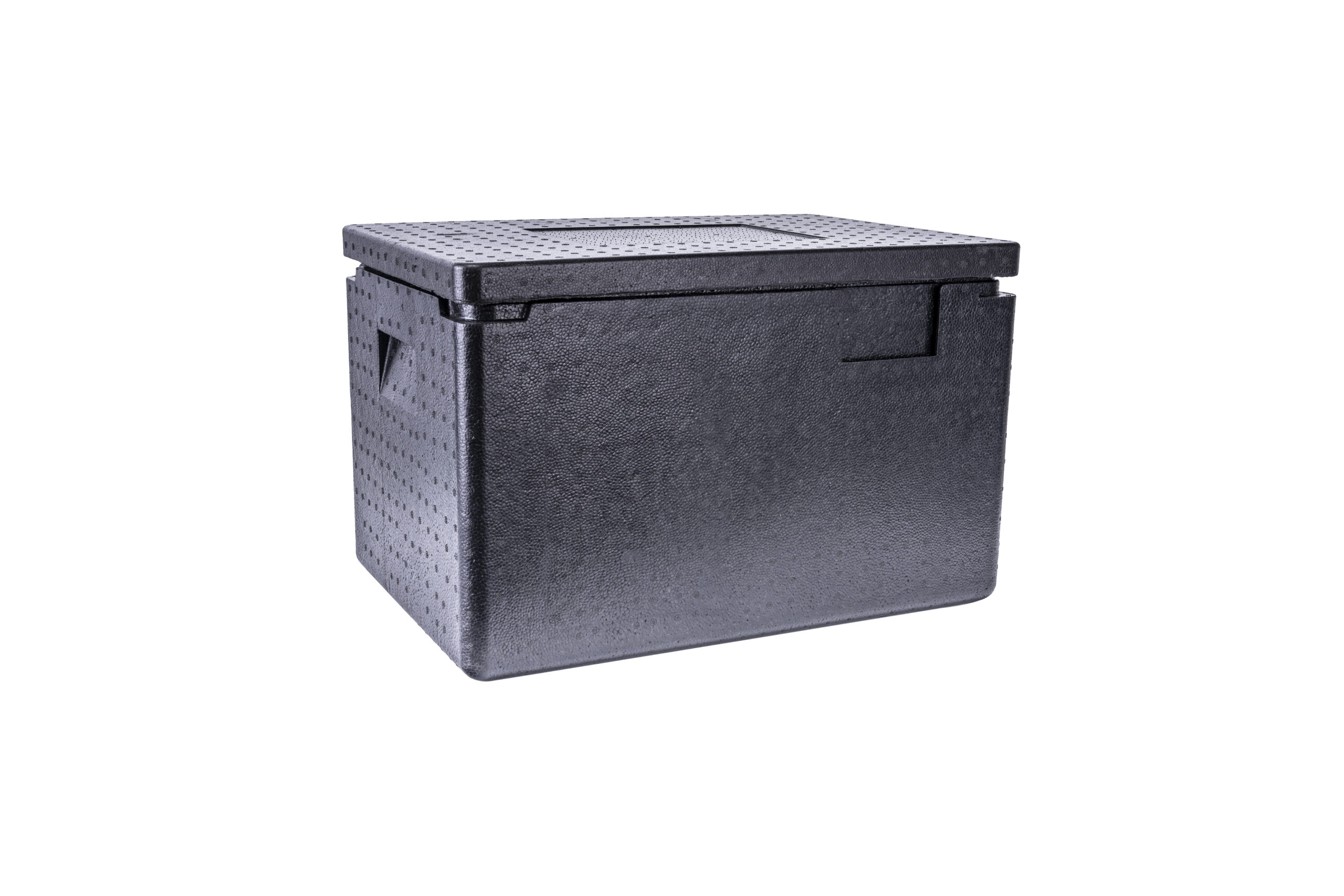
Customizable Cold Chain Ice Box Supplier: Practical Buying Guide
Buyers searching for customizable cold chain ice box supplier usually want a supplier answer, but the safer starting point is the shipment itself. An ice box used in industrial cold-chain logistics must fit product condition, route exposure, payload, coolant plan, handling discipline, and receiving checks. A strong box can still fail if the packout is improvised or if the buyer accepts a performance claim without knowing the test conditions. This article looks at edited buyer guide built from route risk, proof, and procurement control so procurement teams can compare suppliers without treating every insulated container as a complete cold-chain system.
The useful question is not whether an ice box is cold-chain packaging. The useful question is whether the box, coolant, instructions, monitoring, and receiving process can support the actual shipment. That means separating material strength from temperature control, nominal volume from usable payload, and supplier claims from evidence. For industrial buyers, OEM sourcing teams, export managers, and operations leaders, that distinction keeps the buying decision practical.
Start With Product Risk Before Supplier Shortlisting
The product requirement should come before the box style. In industrial cold-chain logistics, the buyer needs to know whether the product must stay chilled, frozen, protected from freezing, or simply buffered from short ambient exposure. The acceptable condition should come from the product owner, quality team, label, stability data, or internal procedure. A supplier catalogue cannot decide that requirement for you.
The main risk profile for this query includes overgeneralized performance claims, weak closure design, and mismatch between sample and production units. A box that handles one of those risks may not handle the others. For example, a durable outer shell may solve stacking damage but still do nothing for temperature documentation. A thick wall may slow heat transfer but still lose value if the lid is loose or if the receiving team leaves the shipment unopened.
For any size, buyers should compare external dimensions, internal dimensions, and usable payload space after packout components are included.
What the Ice Box Can and Cannot Prove
An ice box slows heat transfer between the payload and the outside environment. It does not create refrigeration by itself, prove regulatory compliance by itself, or replace a temperature data logger. A passive system works only when insulation, coolant, product loading, closure, and handling are designed as one repeatable method.
This matters for customizable cold chain ice box supplier because buyers often compare empty containers. The empty container is only a starting point. The real shipping system includes conditioned coolant, product mass, void fill, label placement, logger location, outer packaging, and receiving instructions. If any of those are unclear, the safest buying language is to ask the supplier what must be verified before the box is used.
A practical rule is simple: if a supplier states a hold time, ask what was inside the box, what ambient profile was used, where the temperature was measured, and what counted as pass or fail. Without those conditions, the number is not enough for approval.
Route Details Change the Specification
A controlled local route and an export lane do not create the same ice box requirement. Local loops may emphasize cleaning, quick loading, driver handling, return logistics, and visible labels. Export or distributor routes may add palletization, customs delay, longer staging, rougher handling, and the need for stronger documentation.
For industrial buyers, OEM sourcing teams, export managers, and operations leaders, the route should be mapped from packing to final acceptance. Include pre-shipment storage, pickup delay, dock waiting, line haul, air or road transfers, last-mile delivery, and the time before the receiver opens the box. Many failures come from the first and last hours, not only the carrier's promised transit time.
Price should be weighed against route risk, handling durability, documentation needs, and whether the box can be used consistently by warehouse staff.
Construction Details That Deserve Attention
Custom options should be reviewed carefully because a logo, divider, handle, lid, or wall change can affect cleaning, handling, and thermal assumptions.
Lid fit is often more important than it looks. A lid that flexes, shifts, or leaves a small gap can reduce thermal performance and make the packout less repeatable. Hinges, latches, drain plugs, gaskets, rope handles, molded handles, and corner protection should be inspected as working parts rather than cosmetic features.
Cleaning and drying matter when the box is reusable. Food, vaccine, medical, and industrial shipments may all create different hygiene expectations. Ask how the box should be washed, dried, inspected, stored, and removed from service. A reusable program without inspection rules can become inconsistent quickly.
Evidence to Ask for Before Bulk Orders
Evidence should connect the supplier claim to your shipment. For customizable cold chain ice box supplier, that evidence may include material description, production sample approval, packout instructions, test profile, coolant configuration, and quality review. The point is not to demand unnecessary paperwork. The point is to know which claims are proven and which still require lane-specific confirmation.
Testing references such as ISTA thermal transport standards can help structure the conversation around insulated shipping containers. Vaccine-related work may also require review against CDC storage and handling guidance or WHO PQS concepts for cold boxes and vaccine carriers. These references do not make one box suitable for every route, but they help buyers ask better questions.
The most useful evidence for this topic is material specification, packout instructions, sample-to-production control, and lane testing. If the supplier cannot provide it, write the requirement as a buyer verification point instead of turning it into a fact inside the purchase specification.
Buyer Checklist Table
| Decision area | What to check | Why it affects customizable cold chain ice box supplier |
|---|---|---|
| Product condition | Required temperature condition, freeze sensitivity, and receiving rules | The box must fit the product requirement, not a generic cold-chain label |
| Route exposure | Transit time, handovers, staging, delivery delay, and ambient risk | A short controlled route and a parcel route need different evidence |
| Box construction | Material, lid, handles, hinges, latches, seals, and cleaning | Daily handling often exposes weaknesses not visible in a quote |
| Packout | Coolant type, placement, dividers, void fill, and logger position | Performance comes from the full system, not only the empty box |
| Supplier control | Sample match, change notification, spare parts, and documentation | Bulk orders fail when production units drift from the approved sample |
A Typical Procurement Scenario
Imagine a procurement team comparing three suppliers for customizable cold chain ice box supplier. The first supplier offers a low unit price but cannot explain usable volume after coolant. The second supplier provides a strong sample but has no clear change-control process for bulk production. The third supplier asks for route, product condition, payload, cleaning method, and monitoring needs before quoting. The third conversation may feel slower, but it is usually the most useful.
The team should run a packing trial before approving the order. Place the real product or a close equivalent inside the box with the intended coolant, dividers, labels, and logger. Close the lid as warehouse staff would close it during a busy shift. Check whether the product shifts, whether the logger can be retrieved, whether the handle feels safe under load, and whether labels remain visible after condensation or handling.
This type of trial does not replace formal qualification when regulated products are involved. It does reveal practical problems early, before bulk order quantities make them expensive.
Supplier Questions That Prevent Expensive Mistakes
Ask whether the sample is made from the same material and tooling as production units. Ask what happens if the material, lid, gasket, handle, colour, carton, coolant, or divider changes after approval. Ask whether the supplier can provide replacement parts or inspection guidance for reusable boxes. These questions matter more than broad statements about durability.
For price-focused searches, ask for the total cost picture. Unit price is only part of the decision. Freight, volume efficiency, accessory cost, rejected shipments, cleaning labour, storage space, return loss, sample testing, and change management all affect the real cost of the program.
For medical, vaccine, and pharmaceutical uses, include the quality team before the order is scaled. The supplier can support packaging selection, but the product owner or quality procedure should define the accepted temperature condition and documentation needs.
Sample Approval and Production Consistency
Sample approval should be treated as a controlled step for customizable cold chain ice box supplier, not a quick visual check. The team should record the sample version, material description, lid fit, handle style, colour, accessories, and any packout components that affect use. If the sample is approved after a packing trial, the production order should match that approved configuration unless the buyer signs off on a change.
This is especially important when the supplier offers custom colour, logo moulding, dividers, rope handles, drain plugs, latches, or insulation options. A small physical change may not matter for a simple storage box, but it can change cleaning, stacking, usable space, or the way coolant sits inside the container. Ask the supplier how they notify buyers when a component or process changes.
For bulk orders, request a pre-shipment inspection plan that reflects the real risks. It may include lid closure, handle attachment, visible damage, internal cleanliness, fit of accessories, carton condition, and count accuracy. If the ice box is part of a cold-chain packout, the inspection should also confirm that the packing instructions and accessories shipped with the order match the approved version.
Receiving and After-Use Controls
The receiving process should be written before the first shipment leaves. The receiver should know what to inspect, where to find the logger if one is used, how quickly the box should be opened, and what to do when a shipment is delayed, damaged, wet, or outside the expected condition. A good ice box cannot make a quality decision on its own.
For reusable programs, after-use control is part of performance. Define who cleans the box, who dries it, who checks odour or contamination, who removes damaged units, and how missing boxes are tracked. Reusable packaging can support cost and waste goals only when the return loop is managed. If the return process is weak, the apparent savings may disappear through loss, cleaning problems, or inconsistent performance.
For one-way export or distributor shipments, receiving feedback is still useful. Ask receivers to report damage, label loss, lid movement, condensation problems, and any mismatch between expected and actual payload condition. Those reports help buyers decide whether the issue is packaging design, carrier handling, dock process, or unrealistic route planning.
Common Mistakes
The first mistake is assuming that a plastic or insulated box is automatically temperature controlled. It is not. The second is buying by nominal litre size without checking usable space. The third is accepting a hold-time number without knowing the test profile. The fourth is forgetting that receiving staff can cause a failure if they do not open, inspect, and document the shipment promptly.
Another common mistake is treating reusable packaging as sustainable without checking return logistics. Reuse can reduce waste when the route is controlled and boxes are returned, cleaned, and inspected. It can fail when boxes disappear, return dirty, or remain in service after damage. Sustainability should follow reliable product protection, not replace it.
FAQ
Question: Is customizable cold chain ice box supplier enough for cold-chain shipping? Answer: It can be part of a cold-chain shipment, but it is not enough by itself. The buyer still needs the correct coolant, packout, product starting condition, route review, receiving procedure, and temperature monitoring when evidence is required.
Question: Should buyers choose the lowest quoted price? Answer: Not without checking what is included. A low quote may exclude coolant, dividers, outer cartons, testing evidence, replacement parts, custom work, or documentation support. The better comparison is total cost against route risk.
Question: What should be verified before OEM or bulk production? Answer: Verify sample match, material specification, usable volume, lid fit, handle design, cleaning method, packout instructions, change control, and whether the supplier can support the shipment conditions you plan to use.
Question: Does a vaccine or medical ice box need special review? Answer: Often yes. Vaccine, medical, and pharmaceutical products may require product-specific temperature conditions, monitoring, and quality procedures. Buyers should confirm requirements with the responsible quality or logistics team before using any general-purpose box.
Conclusion
A good decision on customizable cold chain ice box supplier begins with product risk and route reality. Define the condition to protect, the payload to carry, the coolant and packout to use, and the evidence needed after delivery. Then compare suppliers by how clearly they can support those requirements.
The best supplier conversation is specific. It covers the box, but it also covers the system around the box: packing, testing, handling, receiving, reuse, and production consistency. That is how buyers move from a catalogue item to a workable cold-chain shipping solution.
About Tempk
Tempk provides temperature-control packaging products for business and personal cold-chain applications. For ice box projects, we help buyers connect the container with the real shipment conditions, including payload fit, coolant planning, route exposure, reusable handling, and documentation expectations. Specific performance targets should always be reviewed against the intended packout and route rather than assumed from the product name alone.
Send Tempk your product condition, route, payload, and purchasing target to compare practical customizable cold chain ice box supplier options before moving from sample review to bulk order.
Commercial Ice Box Manufacturer Price: Practical Buying Guide

Commercial Ice Box Manufacturer Price: Practical Buying Guide
Buyers searching for commercial ice box manufacturer price usually want a supplier answer, but the safer starting point is the shipment itself. An ice box used in industrial cold-chain logistics must fit product condition, route exposure, payload, coolant plan, handling discipline, and receiving checks. A strong box can still fail if the packout is improvised or if the buyer accepts a performance claim without knowing the test conditions. This article looks at edited buyer guide built from route risk, proof, and procurement control so procurement teams can compare suppliers without treating every insulated container as a complete cold-chain system.
The useful question is not whether an ice box is cold-chain packaging. The useful question is whether the box, coolant, instructions, monitoring, and receiving process can support the actual shipment. That means separating material strength from temperature control, nominal volume from usable payload, and supplier claims from evidence. For industrial buyers, OEM sourcing teams, export managers, and operations leaders, that distinction keeps the buying decision practical.
Start With Product Risk Before Supplier Shortlisting
The product requirement should come before the box style. In industrial cold-chain logistics, the buyer needs to know whether the product must stay chilled, frozen, protected from freezing, or simply buffered from short ambient exposure. The acceptable condition should come from the product owner, quality team, label, stability data, or internal procedure. A supplier catalogue cannot decide that requirement for you.
The main risk profile for this query includes overgeneralized performance claims, weak closure design, and mismatch between sample and production units. A box that handles one of those risks may not handle the others. For example, a durable outer shell may solve stacking damage but still do nothing for temperature documentation. A thick wall may slow heat transfer but still lose value if the lid is loose or if the receiving team leaves the shipment unopened.
For any size, buyers should compare external dimensions, internal dimensions, and usable payload space after packout components are included.
What the Ice Box Can and Cannot Prove
An ice box slows heat transfer between the payload and the outside environment. It does not create refrigeration by itself, prove regulatory compliance by itself, or replace a temperature data logger. A passive system works only when insulation, coolant, product loading, closure, and handling are designed as one repeatable method.
This matters for commercial ice box manufacturer price because buyers often compare empty containers. The empty container is only a starting point. The real shipping system includes conditioned coolant, product mass, void fill, label placement, logger location, outer packaging, and receiving instructions. If any of those are unclear, the safest buying language is to ask the supplier what must be verified before the box is used.
A practical rule is simple: if a supplier states a hold time, ask what was inside the box, what ambient profile was used, where the temperature was measured, and what counted as pass or fail. Without those conditions, the number is not enough for approval.
Route Details Change the Specification
A controlled local route and an export lane do not create the same ice box requirement. Local loops may emphasize cleaning, quick loading, driver handling, return logistics, and visible labels. Export or distributor routes may add palletization, customs delay, longer staging, rougher handling, and the need for stronger documentation.
For industrial buyers, OEM sourcing teams, export managers, and operations leaders, the route should be mapped from packing to final acceptance. Include pre-shipment storage, pickup delay, dock waiting, line haul, air or road transfers, last-mile delivery, and the time before the receiver opens the box. Many failures come from the first and last hours, not only the carrier's promised transit time.
The commercial question should include unit price, tooling, sample approval, freight, reusable return flow, replacement parts, and the cost of rejected shipments.
Construction Details That Deserve Attention
Hardware details such as handles, hinges, latches, seals, drains, and lid fit often decide whether a good sample works in daily logistics.
Lid fit is often more important than it looks. A lid that flexes, shifts, or leaves a small gap can reduce thermal performance and make the packout less repeatable. Hinges, latches, drain plugs, gaskets, rope handles, molded handles, and corner protection should be inspected as working parts rather than cosmetic features.
Cleaning and drying matter when the box is reusable. Food, vaccine, medical, and industrial shipments may all create different hygiene expectations. Ask how the box should be washed, dried, inspected, stored, and removed from service. A reusable program without inspection rules can become inconsistent quickly.
Evidence to Ask for Before Bulk Orders
Evidence should connect the supplier claim to your shipment. For commercial ice box manufacturer price, that evidence may include material description, production sample approval, packout instructions, test profile, coolant configuration, and quality review. The point is not to demand unnecessary paperwork. The point is to know which claims are proven and which still require lane-specific confirmation.
Testing references such as ISTA thermal transport standards can help structure the conversation around insulated shipping containers. Vaccine-related work may also require review against CDC storage and handling guidance or WHO PQS concepts for cold boxes and vaccine carriers. These references do not make one box suitable for every route, but they help buyers ask better questions.
The most useful evidence for this topic is material specification, packout instructions, sample-to-production control, and lane testing. If the supplier cannot provide it, write the requirement as a buyer verification point instead of turning it into a fact inside the purchase specification.
Buyer Checklist Table
| Decision area | What to check | Why it affects commercial ice box manufacturer price |
|---|---|---|
| Product condition | Required temperature condition, freeze sensitivity, and receiving rules | The box must fit the product requirement, not a generic cold-chain label |
| Route exposure | Transit time, handovers, staging, delivery delay, and ambient risk | A short controlled route and a parcel route need different evidence |
| Box construction | Material, lid, handles, hinges, latches, seals, and cleaning | Daily handling often exposes weaknesses not visible in a quote |
| Packout | Coolant type, placement, dividers, void fill, and logger position | Performance comes from the full system, not only the empty box |
| Supplier control | Sample match, change notification, spare parts, and documentation | Bulk orders fail when production units drift from the approved sample |
A Typical Procurement Scenario
Imagine a procurement team comparing three suppliers for commercial ice box manufacturer price. The first supplier offers a low unit price but cannot explain usable volume after coolant. The second supplier provides a strong sample but has no clear change-control process for bulk production. The third supplier asks for route, product condition, payload, cleaning method, and monitoring needs before quoting. The third conversation may feel slower, but it is usually the most useful.
The team should run a packing trial before approving the order. Place the real product or a close equivalent inside the box with the intended coolant, dividers, labels, and logger. Close the lid as warehouse staff would close it during a busy shift. Check whether the product shifts, whether the logger can be retrieved, whether the handle feels safe under load, and whether labels remain visible after condensation or handling.
This type of trial does not replace formal qualification when regulated products are involved. It does reveal practical problems early, before bulk order quantities make them expensive.
Supplier Questions That Prevent Expensive Mistakes
Ask whether the sample is made from the same material and tooling as production units. Ask what happens if the material, lid, gasket, handle, colour, carton, coolant, or divider changes after approval. Ask whether the supplier can provide replacement parts or inspection guidance for reusable boxes. These questions matter more than broad statements about durability.
For price-focused searches, ask for the total cost picture. Unit price is only part of the decision. Freight, volume efficiency, accessory cost, rejected shipments, cleaning labour, storage space, return loss, sample testing, and change management all affect the real cost of the program.
For medical, vaccine, and pharmaceutical uses, include the quality team before the order is scaled. The supplier can support packaging selection, but the product owner or quality procedure should define the accepted temperature condition and documentation needs.
Sample Approval and Production Consistency
Sample approval should be treated as a controlled step for commercial ice box manufacturer price, not a quick visual check. The team should record the sample version, material description, lid fit, handle style, colour, accessories, and any packout components that affect use. If the sample is approved after a packing trial, the production order should match that approved configuration unless the buyer signs off on a change.
This is especially important when the supplier offers custom colour, logo moulding, dividers, rope handles, drain plugs, latches, or insulation options. A small physical change may not matter for a simple storage box, but it can change cleaning, stacking, usable space, or the way coolant sits inside the container. Ask the supplier how they notify buyers when a component or process changes.
For bulk orders, request a pre-shipment inspection plan that reflects the real risks. It may include lid closure, handle attachment, visible damage, internal cleanliness, fit of accessories, carton condition, and count accuracy. If the ice box is part of a cold-chain packout, the inspection should also confirm that the packing instructions and accessories shipped with the order match the approved version.
Receiving and After-Use Controls
The receiving process should be written before the first shipment leaves. The receiver should know what to inspect, where to find the logger if one is used, how quickly the box should be opened, and what to do when a shipment is delayed, damaged, wet, or outside the expected condition. A good ice box cannot make a quality decision on its own.
For reusable programs, after-use control is part of performance. Define who cleans the box, who dries it, who checks odour or contamination, who removes damaged units, and how missing boxes are tracked. Reusable packaging can support cost and waste goals only when the return loop is managed. If the return process is weak, the apparent savings may disappear through loss, cleaning problems, or inconsistent performance.
For one-way export or distributor shipments, receiving feedback is still useful. Ask receivers to report damage, label loss, lid movement, condensation problems, and any mismatch between expected and actual payload condition. Those reports help buyers decide whether the issue is packaging design, carrier handling, dock process, or unrealistic route planning.
Common Mistakes
The first mistake is assuming that a plastic or insulated box is automatically temperature controlled. It is not. The second is buying by nominal litre size without checking usable space. The third is accepting a hold-time number without knowing the test profile. The fourth is forgetting that receiving staff can cause a failure if they do not open, inspect, and document the shipment promptly.
Another common mistake is treating reusable packaging as sustainable without checking return logistics. Reuse can reduce waste when the route is controlled and boxes are returned, cleaned, and inspected. It can fail when boxes disappear, return dirty, or remain in service after damage. Sustainability should follow reliable product protection, not replace it.
FAQ
Question: Is commercial ice box manufacturer price enough for cold-chain shipping? Answer: It can be part of a cold-chain shipment, but it is not enough by itself. The buyer still needs the correct coolant, packout, product starting condition, route review, receiving procedure, and temperature monitoring when evidence is required.
Question: Should buyers choose the lowest quoted price? Answer: Not without checking what is included. A low quote may exclude coolant, dividers, outer cartons, testing evidence, replacement parts, custom work, or documentation support. The better comparison is total cost against route risk.
Question: What should be verified before OEM or bulk production? Answer: Verify sample match, material specification, usable volume, lid fit, handle design, cleaning method, packout instructions, change control, and whether the supplier can support the shipment conditions you plan to use.
Question: Does a vaccine or medical ice box need special review? Answer: Often yes. Vaccine, medical, and pharmaceutical products may require product-specific temperature conditions, monitoring, and quality procedures. Buyers should confirm requirements with the responsible quality or logistics team before using any general-purpose box.
Conclusion
A good decision on commercial ice box manufacturer price begins with product risk and route reality. Define the condition to protect, the payload to carry, the coolant and packout to use, and the evidence needed after delivery. Then compare suppliers by how clearly they can support those requirements.
The best supplier conversation is specific. It covers the box, but it also covers the system around the box: packing, testing, handling, receiving, reuse, and production consistency. That is how buyers move from a catalogue item to a workable cold-chain shipping solution.
About Tempk
Tempk provides temperature-control packaging products for business and personal cold-chain applications. For ice box projects, we help buyers connect the container with the real shipment conditions, including payload fit, coolant planning, route exposure, reusable handling, and documentation expectations. Specific performance targets should always be reviewed against the intended packout and route rather than assumed from the product name alone.
Send Tempk your product condition, route, payload, and purchasing target to compare practical commercial ice box manufacturer price options before moving from sample review to bulk order.
40 Liter Medical Ice Box Supplier: Practical Buying Guide
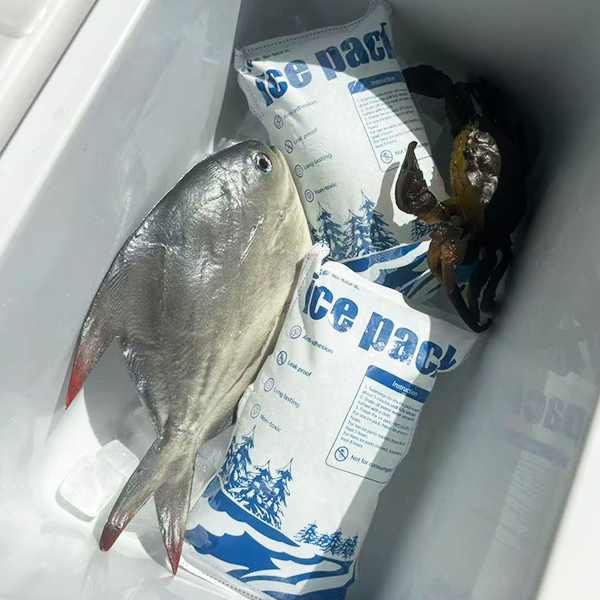
40 Liter Medical Ice Box Supplier: Practical Buying Guide
Buyers searching for 40 liter medical ice box supplier usually want a supplier answer, but the safer starting point is the shipment itself. An ice box used in medical and pharmaceutical logistics must fit product condition, route exposure, payload, coolant plan, handling discipline, and receiving checks. A strong box can still fail if the packout is improvised or if the buyer accepts a performance claim without knowing the test conditions. This article looks at edited buyer guide built from route risk, proof, and procurement control so procurement teams can compare suppliers without treating every insulated container as a complete cold-chain system.
The useful question is not whether an ice box is cold-chain packaging. The useful question is whether the box, coolant, instructions, monitoring, and receiving process can support the actual shipment. That means separating material strength from temperature control, nominal volume from usable payload, and supplier claims from evidence. For pharmaceutical buyers, medical distributors, quality teams, and warehouse operators, that distinction keeps the buying decision practical.
Start With Product Risk Before Supplier Shortlisting
The product requirement should come before the box style. In medical and pharmaceutical logistics, the buyer needs to know whether the product must stay chilled, frozen, protected from freezing, or simply buffered from short ambient exposure. The acceptable condition should come from the product owner, quality team, label, stability data, or internal procedure. A supplier catalogue cannot decide that requirement for you.
The main risk profile for this query includes unverified packouts, missing temperature records, and claims that are not tied to a product requirement. A box that handles one of those risks may not handle the others. For example, a durable outer shell may solve stacking damage but still do nothing for temperature documentation. A thick wall may slow heat transfer but still lose value if the lid is loose or if the receiving team leaves the shipment unopened.
Because the query names a 40 liter format, buyers should verify usable payload space, not only the nominal liter size printed in a catalogue.
What the Ice Box Can and Cannot Prove
An ice box slows heat transfer between the payload and the outside environment. It does not create refrigeration by itself, prove regulatory compliance by itself, or replace a temperature data logger. A passive system works only when insulation, coolant, product loading, closure, and handling are designed as one repeatable method.
This matters for 40 liter medical ice box supplier because buyers often compare empty containers. The empty container is only a starting point. The real shipping system includes conditioned coolant, product mass, void fill, label placement, logger location, outer packaging, and receiving instructions. If any of those are unclear, the safest buying language is to ask the supplier what must be verified before the box is used.
A practical rule is simple: if a supplier states a hold time, ask what was inside the box, what ambient profile was used, where the temperature was measured, and what counted as pass or fail. Without those conditions, the number is not enough for approval.
Route Details Change the Specification
A controlled local route and an export lane do not create the same ice box requirement. Local loops may emphasize cleaning, quick loading, driver handling, return logistics, and visible labels. Export or distributor routes may add palletization, customs delay, longer staging, rougher handling, and the need for stronger documentation.
For pharmaceutical buyers, medical distributors, quality teams, and warehouse operators, the route should be mapped from packing to final acceptance. Include pre-shipment storage, pickup delay, dock waiting, line haul, air or road transfers, last-mile delivery, and the time before the receiver opens the box. Many failures come from the first and last hours, not only the carrier's promised transit time.
Price should be weighed against route risk, handling durability, documentation needs, and whether the box can be used consistently by warehouse staff.
Construction Details That Deserve Attention
Hardware details such as handles, hinges, latches, seals, drains, and lid fit often decide whether a good sample works in daily logistics.
Lid fit is often more important than it looks. A lid that flexes, shifts, or leaves a small gap can reduce thermal performance and make the packout less repeatable. Hinges, latches, drain plugs, gaskets, rope handles, molded handles, and corner protection should be inspected as working parts rather than cosmetic features.
Cleaning and drying matter when the box is reusable. Food, vaccine, medical, and industrial shipments may all create different hygiene expectations. Ask how the box should be washed, dried, inspected, stored, and removed from service. A reusable program without inspection rules can become inconsistent quickly.
Evidence to Ask for Before Bulk Orders
Evidence should connect the supplier claim to your shipment. For 40 liter medical ice box supplier, that evidence may include material description, production sample approval, packout instructions, test profile, coolant configuration, and quality review. The point is not to demand unnecessary paperwork. The point is to know which claims are proven and which still require lane-specific confirmation.
Testing references such as ISTA thermal transport standards can help structure the conversation around insulated shipping containers. Vaccine-related work may also require review against CDC storage and handling guidance or WHO PQS concepts for cold boxes and vaccine carriers. These references do not make one box suitable for every route, but they help buyers ask better questions.
The most useful evidence for this topic is quality review, GDP-aware transport procedures, and data logger placement. If the supplier cannot provide it, write the requirement as a buyer verification point instead of turning it into a fact inside the purchase specification.
Buyer Checklist Table
| Decision area | What to check | Why it affects 40 liter medical ice box supplier |
|---|---|---|
| Product condition | Required temperature condition, freeze sensitivity, and receiving rules | The box must fit the product requirement, not a generic cold-chain label |
| Route exposure | Transit time, handovers, staging, delivery delay, and ambient risk | A short controlled route and a parcel route need different evidence |
| Box construction | Material, lid, handles, hinges, latches, seals, and cleaning | Daily handling often exposes weaknesses not visible in a quote |
| Packout | Coolant type, placement, dividers, void fill, and logger position | Performance comes from the full system, not only the empty box |
| Supplier control | Sample match, change notification, spare parts, and documentation | Bulk orders fail when production units drift from the approved sample |
A Typical Procurement Scenario
Imagine a procurement team comparing three suppliers for 40 liter medical ice box supplier. The first supplier offers a low unit price but cannot explain usable volume after coolant. The second supplier provides a strong sample but has no clear change-control process for bulk production. The third supplier asks for route, product condition, payload, cleaning method, and monitoring needs before quoting. The third conversation may feel slower, but it is usually the most useful.
The team should run a packing trial before approving the order. Place the real product or a close equivalent inside the box with the intended coolant, dividers, labels, and logger. Close the lid as warehouse staff would close it during a busy shift. Check whether the product shifts, whether the logger can be retrieved, whether the handle feels safe under load, and whether labels remain visible after condensation or handling.
This type of trial does not replace formal qualification when regulated products are involved. It does reveal practical problems early, before bulk order quantities make them expensive.
Supplier Questions That Prevent Expensive Mistakes
Ask whether the sample is made from the same material and tooling as production units. Ask what happens if the material, lid, gasket, handle, colour, carton, coolant, or divider changes after approval. Ask whether the supplier can provide replacement parts or inspection guidance for reusable boxes. These questions matter more than broad statements about durability.
For price-focused searches, ask for the total cost picture. Unit price is only part of the decision. Freight, volume efficiency, accessory cost, rejected shipments, cleaning labour, storage space, return loss, sample testing, and change management all affect the real cost of the program.
For medical, vaccine, and pharmaceutical uses, include the quality team before the order is scaled. The supplier can support packaging selection, but the product owner or quality procedure should define the accepted temperature condition and documentation needs.
Sample Approval and Production Consistency
Sample approval should be treated as a controlled step for 40 liter medical ice box supplier, not a quick visual check. The team should record the sample version, material description, lid fit, handle style, colour, accessories, and any packout components that affect use. If the sample is approved after a packing trial, the production order should match that approved configuration unless the buyer signs off on a change.
This is especially important when the supplier offers custom colour, logo moulding, dividers, rope handles, drain plugs, latches, or insulation options. A small physical change may not matter for a simple storage box, but it can change cleaning, stacking, usable space, or the way coolant sits inside the container. Ask the supplier how they notify buyers when a component or process changes.
For bulk orders, request a pre-shipment inspection plan that reflects the real risks. It may include lid closure, handle attachment, visible damage, internal cleanliness, fit of accessories, carton condition, and count accuracy. If the ice box is part of a cold-chain packout, the inspection should also confirm that the packing instructions and accessories shipped with the order match the approved version.
Receiving and After-Use Controls
The receiving process should be written before the first shipment leaves. The receiver should know what to inspect, where to find the logger if one is used, how quickly the box should be opened, and what to do when a shipment is delayed, damaged, wet, or outside the expected condition. A good ice box cannot make a quality decision on its own.
For reusable programs, after-use control is part of performance. Define who cleans the box, who dries it, who checks odour or contamination, who removes damaged units, and how missing boxes are tracked. Reusable packaging can support cost and waste goals only when the return loop is managed. If the return process is weak, the apparent savings may disappear through loss, cleaning problems, or inconsistent performance.
For one-way export or distributor shipments, receiving feedback is still useful. Ask receivers to report damage, label loss, lid movement, condensation problems, and any mismatch between expected and actual payload condition. Those reports help buyers decide whether the issue is packaging design, carrier handling, dock process, or unrealistic route planning.
Common Mistakes
The first mistake is assuming that a plastic or insulated box is automatically temperature controlled. It is not. The second is buying by nominal litre size without checking usable space. The third is accepting a hold-time number without knowing the test profile. The fourth is forgetting that receiving staff can cause a failure if they do not open, inspect, and document the shipment promptly.
Another common mistake is treating reusable packaging as sustainable without checking return logistics. Reuse can reduce waste when the route is controlled and boxes are returned, cleaned, and inspected. It can fail when boxes disappear, return dirty, or remain in service after damage. Sustainability should follow reliable product protection, not replace it.
FAQ
Question: Is 40 liter medical ice box supplier enough for cold-chain shipping? Answer: It can be part of a cold-chain shipment, but it is not enough by itself. The buyer still needs the correct coolant, packout, product starting condition, route review, receiving procedure, and temperature monitoring when evidence is required.
Question: Should buyers choose the lowest quoted price? Answer: Not without checking what is included. A low quote may exclude coolant, dividers, outer cartons, testing evidence, replacement parts, custom work, or documentation support. The better comparison is total cost against route risk.
Question: What should be verified before OEM or bulk production? Answer: Verify sample match, material specification, usable volume, lid fit, handle design, cleaning method, packout instructions, change control, and whether the supplier can support the shipment conditions you plan to use.
Question: Does a vaccine or medical ice box need special review? Answer: Often yes. Vaccine, medical, and pharmaceutical products may require product-specific temperature conditions, monitoring, and quality procedures. Buyers should confirm requirements with the responsible quality or logistics team before using any general-purpose box.
Conclusion
A good decision on 40 liter medical ice box supplier begins with product risk and route reality. Define the condition to protect, the payload to carry, the coolant and packout to use, and the evidence needed after delivery. Then compare suppliers by how clearly they can support those requirements.
The best supplier conversation is specific. It covers the box, but it also covers the system around the box: packing, testing, handling, receiving, reuse, and production consistency. That is how buyers move from a catalogue item to a workable cold-chain shipping solution.
About Tempk
Tempk provides temperature-control packaging products for business and personal cold-chain applications. For ice box projects, we help buyers connect the container with the real shipment conditions, including payload fit, coolant planning, route exposure, reusable handling, and documentation expectations. Specific performance targets should always be reviewed against the intended packout and route rather than assumed from the product name alone.
Send Tempk your product condition, route, payload, and purchasing target to compare practical 40 liter medical ice box supplier options before moving from sample review to bulk order.
25 Liter Vaccine Ice Box Manufacturer: Practical Buying Guide

25 Liter Vaccine Ice Box Manufacturer: Practical Buying Guide
Buyers searching for 25 liter vaccine ice box manufacturer usually want a supplier answer, but the safer starting point is the shipment itself. An ice box used in vaccine distribution must fit product condition, route exposure, payload, coolant plan, handling discipline, and receiving checks. A strong box can still fail if the packout is improvised or if the buyer accepts a performance claim without knowing the test conditions. This article looks at edited buyer guide built from route risk, proof, and procurement control so procurement teams can compare suppliers without treating every insulated container as a complete cold-chain system.
The useful question is not whether an ice box is cold-chain packaging. The useful question is whether the box, coolant, instructions, monitoring, and receiving process can support the actual shipment. That means separating material strength from temperature control, nominal volume from usable payload, and supplier claims from evidence. For vaccine program buyers, public-health logistics teams, and distributors, that distinction keeps the buying decision practical.
Start With Product Risk Before Supplier Shortlisting
The product requirement should come before the box style. In vaccine distribution, the buyer needs to know whether the product must stay chilled, frozen, protected from freezing, or simply buffered from short ambient exposure. The acceptable condition should come from the product owner, quality team, label, stability data, or internal procedure. A supplier catalogue cannot decide that requirement for you.
The main risk profile for this query includes freeze exposure, temperature excursions, delayed handovers, and weak receiving checks. A box that handles one of those risks may not handle the others. For example, a durable outer shell may solve stacking damage but still do nothing for temperature documentation. A thick wall may slow heat transfer but still lose value if the lid is loose or if the receiving team leaves the shipment unopened.
Because the query names a 25 liter format, buyers should confirm whether that number describes gross internal volume or usable payload space after coolant and product protection are included.
What the Ice Box Can and Cannot Prove
An ice box slows heat transfer between the payload and the outside environment. It does not create refrigeration by itself, prove regulatory compliance by itself, or replace a temperature data logger. A passive system works only when insulation, coolant, product loading, closure, and handling are designed as one repeatable method.
This matters for 25 liter vaccine ice box manufacturer because buyers often compare empty containers. The empty container is only a starting point. The real shipping system includes conditioned coolant, product mass, void fill, label placement, logger location, outer packaging, and receiving instructions. If any of those are unclear, the safest buying language is to ask the supplier what must be verified before the box is used.
A practical rule is simple: if a supplier states a hold time, ask what was inside the box, what ambient profile was used, where the temperature was measured, and what counted as pass or fail. Without those conditions, the number is not enough for approval.
Route Details Change the Specification
A controlled local route and an export lane do not create the same ice box requirement. Local loops may emphasize cleaning, quick loading, driver handling, return logistics, and visible labels. Export or distributor routes may add palletization, customs delay, longer staging, rougher handling, and the need for stronger documentation.
For vaccine program buyers, public-health logistics teams, and distributors, the route should be mapped from packing to final acceptance. Include pre-shipment storage, pickup delay, dock waiting, line haul, air or road transfers, last-mile delivery, and the time before the receiver opens the box. Many failures come from the first and last hours, not only the carrier's promised transit time.
Price should be weighed against route risk, handling durability, documentation needs, and whether the box can be used consistently by warehouse staff.
Construction Details That Deserve Attention
Hardware details such as handles, hinges, latches, seals, drains, and lid fit often decide whether a good sample works in daily logistics.
Lid fit is often more important than it looks. A lid that flexes, shifts, or leaves a small gap can reduce thermal performance and make the packout less repeatable. Hinges, latches, drain plugs, gaskets, rope handles, molded handles, and corner protection should be inspected as working parts rather than cosmetic features.
Cleaning and drying matter when the box is reusable. Food, vaccine, medical, and industrial shipments may all create different hygiene expectations. Ask how the box should be washed, dried, inspected, stored, and removed from service. A reusable program without inspection rules can become inconsistent quickly.
Evidence to Ask for Before Bulk Orders
Evidence should connect the supplier claim to your shipment. For 25 liter vaccine ice box manufacturer, that evidence may include material description, production sample approval, packout instructions, test profile, coolant configuration, and quality review. The point is not to demand unnecessary paperwork. The point is to know which claims are proven and which still require lane-specific confirmation.
Testing references such as ISTA thermal transport standards can help structure the conversation around insulated shipping containers. Vaccine-related work may also require review against CDC storage and handling guidance or WHO PQS concepts for cold boxes and vaccine carriers. These references do not make one box suitable for every route, but they help buyers ask better questions.
The most useful evidence for this topic is vaccine storage procedures, cold-box packout evidence, and temperature monitoring expectations. If the supplier cannot provide it, write the requirement as a buyer verification point instead of turning it into a fact inside the purchase specification.
Buyer Checklist Table
| Decision area | What to check | Why it affects 25 liter vaccine ice box manufacturer |
|---|---|---|
| Product condition | Required temperature condition, freeze sensitivity, and receiving rules | The box must fit the product requirement, not a generic cold-chain label |
| Route exposure | Transit time, handovers, staging, delivery delay, and ambient risk | A short controlled route and a parcel route need different evidence |
| Box construction | Material, lid, handles, hinges, latches, seals, and cleaning | Daily handling often exposes weaknesses not visible in a quote |
| Packout | Coolant type, placement, dividers, void fill, and logger position | Performance comes from the full system, not only the empty box |
| Supplier control | Sample match, change notification, spare parts, and documentation | Bulk orders fail when production units drift from the approved sample |
A Typical Procurement Scenario
Imagine a procurement team comparing three suppliers for 25 liter vaccine ice box manufacturer. The first supplier offers a low unit price but cannot explain usable volume after coolant. The second supplier provides a strong sample but has no clear change-control process for bulk production. The third supplier asks for route, product condition, payload, cleaning method, and monitoring needs before quoting. The third conversation may feel slower, but it is usually the most useful.
The team should run a packing trial before approving the order. Place the real product or a close equivalent inside the box with the intended coolant, dividers, labels, and logger. Close the lid as warehouse staff would close it during a busy shift. Check whether the product shifts, whether the logger can be retrieved, whether the handle feels safe under load, and whether labels remain visible after condensation or handling.
This type of trial does not replace formal qualification when regulated products are involved. It does reveal practical problems early, before bulk order quantities make them expensive.
Supplier Questions That Prevent Expensive Mistakes
Ask whether the sample is made from the same material and tooling as production units. Ask what happens if the material, lid, gasket, handle, colour, carton, coolant, or divider changes after approval. Ask whether the supplier can provide replacement parts or inspection guidance for reusable boxes. These questions matter more than broad statements about durability.
For price-focused searches, ask for the total cost picture. Unit price is only part of the decision. Freight, volume efficiency, accessory cost, rejected shipments, cleaning labour, storage space, return loss, sample testing, and change management all affect the real cost of the program.
For medical, vaccine, and pharmaceutical uses, include the quality team before the order is scaled. The supplier can support packaging selection, but the product owner or quality procedure should define the accepted temperature condition and documentation needs.
Sample Approval and Production Consistency
Sample approval should be treated as a controlled step for 25 liter vaccine ice box manufacturer, not a quick visual check. The team should record the sample version, material description, lid fit, handle style, colour, accessories, and any packout components that affect use. If the sample is approved after a packing trial, the production order should match that approved configuration unless the buyer signs off on a change.
This is especially important when the supplier offers custom colour, logo moulding, dividers, rope handles, drain plugs, latches, or insulation options. A small physical change may not matter for a simple storage box, but it can change cleaning, stacking, usable space, or the way coolant sits inside the container. Ask the supplier how they notify buyers when a component or process changes.
For bulk orders, request a pre-shipment inspection plan that reflects the real risks. It may include lid closure, handle attachment, visible damage, internal cleanliness, fit of accessories, carton condition, and count accuracy. If the ice box is part of a cold-chain packout, the inspection should also confirm that the packing instructions and accessories shipped with the order match the approved version.
Receiving and After-Use Controls
The receiving process should be written before the first shipment leaves. The receiver should know what to inspect, where to find the logger if one is used, how quickly the box should be opened, and what to do when a shipment is delayed, damaged, wet, or outside the expected condition. A good ice box cannot make a quality decision on its own.
For reusable programs, after-use control is part of performance. Define who cleans the box, who dries it, who checks odour or contamination, who removes damaged units, and how missing boxes are tracked. Reusable packaging can support cost and waste goals only when the return loop is managed. If the return process is weak, the apparent savings may disappear through loss, cleaning problems, or inconsistent performance.
For one-way export or distributor shipments, receiving feedback is still useful. Ask receivers to report damage, label loss, lid movement, condensation problems, and any mismatch between expected and actual payload condition. Those reports help buyers decide whether the issue is packaging design, carrier handling, dock process, or unrealistic route planning.
Common Mistakes
The first mistake is assuming that a plastic or insulated box is automatically temperature controlled. It is not. The second is buying by nominal litre size without checking usable space. The third is accepting a hold-time number without knowing the test profile. The fourth is forgetting that receiving staff can cause a failure if they do not open, inspect, and document the shipment promptly.
Another common mistake is treating reusable packaging as sustainable without checking return logistics. Reuse can reduce waste when the route is controlled and boxes are returned, cleaned, and inspected. It can fail when boxes disappear, return dirty, or remain in service after damage. Sustainability should follow reliable product protection, not replace it.
FAQ
Question: Is 25 liter vaccine ice box manufacturer enough for cold-chain shipping? Answer: It can be part of a cold-chain shipment, but it is not enough by itself. The buyer still needs the correct coolant, packout, product starting condition, route review, receiving procedure, and temperature monitoring when evidence is required.
Question: Should buyers choose the lowest quoted price? Answer: Not without checking what is included. A low quote may exclude coolant, dividers, outer cartons, testing evidence, replacement parts, custom work, or documentation support. The better comparison is total cost against route risk.
Question: What should be verified before OEM or bulk production? Answer: Verify sample match, material specification, usable volume, lid fit, handle design, cleaning method, packout instructions, change control, and whether the supplier can support the shipment conditions you plan to use.
Question: Does a vaccine or medical ice box need special review? Answer: Often yes. Vaccine, medical, and pharmaceutical products may require product-specific temperature conditions, monitoring, and quality procedures. Buyers should confirm requirements with the responsible quality or logistics team before using any general-purpose box.
Conclusion
A good decision on 25 liter vaccine ice box manufacturer begins with product risk and route reality. Define the condition to protect, the payload to carry, the coolant and packout to use, and the evidence needed after delivery. Then compare suppliers by how clearly they can support those requirements.
The best supplier conversation is specific. It covers the box, but it also covers the system around the box: packing, testing, handling, receiving, reuse, and production consistency. That is how buyers move from a catalogue item to a workable cold-chain shipping solution.
About Tempk
Tempk provides temperature-control packaging products for business and personal cold-chain applications. For ice box projects, we help buyers connect the container with the real shipment conditions, including payload fit, coolant planning, route exposure, reusable handling, and documentation expectations. Specific performance targets should always be reviewed against the intended packout and route rather than assumed from the product name alone.
Send Tempk your product condition, route, payload, and purchasing target to compare practical 25 liter vaccine ice box manufacturer options before moving from sample review to bulk order.
25 Liter Industrial Ice Box Supplier: Practical Buying Guide
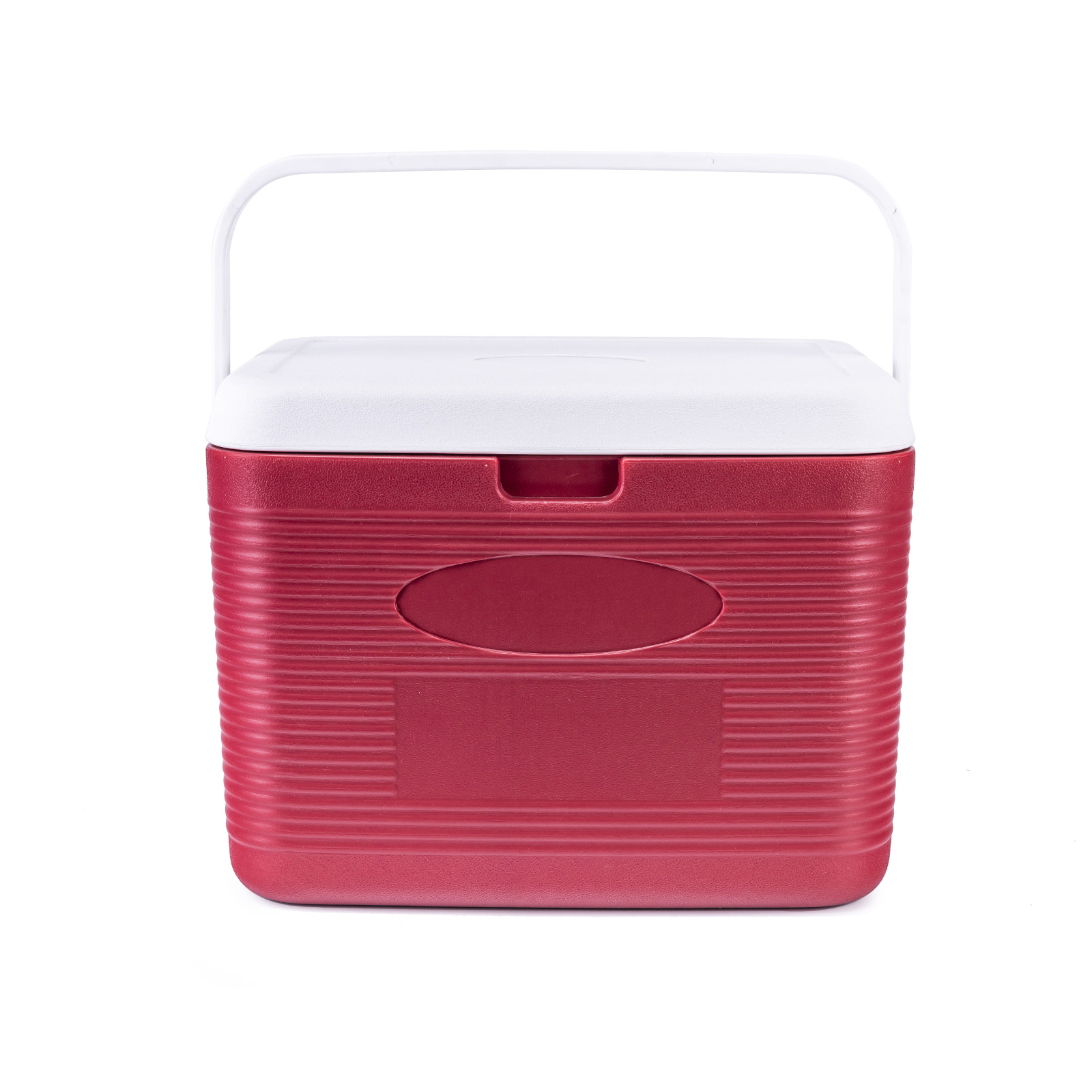
25 Liter Industrial Ice Box Supplier: Practical Buying Guide
Buyers searching for 25 liter industrial ice box supplier usually want a supplier answer, but the safer starting point is the shipment itself. An ice box used in industrial cold-chain logistics must fit product condition, route exposure, payload, coolant plan, handling discipline, and receiving checks. A strong box can still fail if the packout is improvised or if the buyer accepts a performance claim without knowing the test conditions. This article looks at edited buyer guide built from route risk, proof, and procurement control so procurement teams can compare suppliers without treating every insulated container as a complete cold-chain system.
The useful question is not whether an ice box is cold-chain packaging. The useful question is whether the box, coolant, instructions, monitoring, and receiving process can support the actual shipment. That means separating material strength from temperature control, nominal volume from usable payload, and supplier claims from evidence. For industrial buyers, OEM sourcing teams, export managers, and operations leaders, that distinction keeps the buying decision practical.
Start With Product Risk Before Supplier Shortlisting
The product requirement should come before the box style. In industrial cold-chain logistics, the buyer needs to know whether the product must stay chilled, frozen, protected from freezing, or simply buffered from short ambient exposure. The acceptable condition should come from the product owner, quality team, label, stability data, or internal procedure. A supplier catalogue cannot decide that requirement for you.
The main risk profile for this query includes overgeneralized performance claims, weak closure design, and mismatch between sample and production units. A box that handles one of those risks may not handle the others. For example, a durable outer shell may solve stacking damage but still do nothing for temperature documentation. A thick wall may slow heat transfer but still lose value if the lid is loose or if the receiving team leaves the shipment unopened.
Because the query names a 25 liter format, buyers should confirm whether that number describes gross internal volume or usable payload space after coolant and product protection are included.
What the Ice Box Can and Cannot Prove
An ice box slows heat transfer between the payload and the outside environment. It does not create refrigeration by itself, prove regulatory compliance by itself, or replace a temperature data logger. A passive system works only when insulation, coolant, product loading, closure, and handling are designed as one repeatable method.
This matters for 25 liter industrial ice box supplier because buyers often compare empty containers. The empty container is only a starting point. The real shipping system includes conditioned coolant, product mass, void fill, label placement, logger location, outer packaging, and receiving instructions. If any of those are unclear, the safest buying language is to ask the supplier what must be verified before the box is used.
A practical rule is simple: if a supplier states a hold time, ask what was inside the box, what ambient profile was used, where the temperature was measured, and what counted as pass or fail. Without those conditions, the number is not enough for approval.
Route Details Change the Specification
A controlled local route and an export lane do not create the same ice box requirement. Local loops may emphasize cleaning, quick loading, driver handling, return logistics, and visible labels. Export or distributor routes may add palletization, customs delay, longer staging, rougher handling, and the need for stronger documentation.
For industrial buyers, OEM sourcing teams, export managers, and operations leaders, the route should be mapped from packing to final acceptance. Include pre-shipment storage, pickup delay, dock waiting, line haul, air or road transfers, last-mile delivery, and the time before the receiver opens the box. Many failures come from the first and last hours, not only the carrier's promised transit time.
Price should be weighed against route risk, handling durability, documentation needs, and whether the box can be used consistently by warehouse staff.
Construction Details That Deserve Attention
Hardware details such as handles, hinges, latches, seals, drains, and lid fit often decide whether a good sample works in daily logistics.
Lid fit is often more important than it looks. A lid that flexes, shifts, or leaves a small gap can reduce thermal performance and make the packout less repeatable. Hinges, latches, drain plugs, gaskets, rope handles, molded handles, and corner protection should be inspected as working parts rather than cosmetic features.
Cleaning and drying matter when the box is reusable. Food, vaccine, medical, and industrial shipments may all create different hygiene expectations. Ask how the box should be washed, dried, inspected, stored, and removed from service. A reusable program without inspection rules can become inconsistent quickly.
Evidence to Ask for Before Bulk Orders
Evidence should connect the supplier claim to your shipment. For 25 liter industrial ice box supplier, that evidence may include material description, production sample approval, packout instructions, test profile, coolant configuration, and quality review. The point is not to demand unnecessary paperwork. The point is to know which claims are proven and which still require lane-specific confirmation.
Testing references such as ISTA thermal transport standards can help structure the conversation around insulated shipping containers. Vaccine-related work may also require review against CDC storage and handling guidance or WHO PQS concepts for cold boxes and vaccine carriers. These references do not make one box suitable for every route, but they help buyers ask better questions.
The most useful evidence for this topic is material specification, packout instructions, sample-to-production control, and lane testing. If the supplier cannot provide it, write the requirement as a buyer verification point instead of turning it into a fact inside the purchase specification.
Buyer Checklist Table
| Decision area | What to check | Why it affects 25 liter industrial ice box supplier |
|---|---|---|
| Product condition | Required temperature condition, freeze sensitivity, and receiving rules | The box must fit the product requirement, not a generic cold-chain label |
| Route exposure | Transit time, handovers, staging, delivery delay, and ambient risk | A short controlled route and a parcel route need different evidence |
| Box construction | Material, lid, handles, hinges, latches, seals, and cleaning | Daily handling often exposes weaknesses not visible in a quote |
| Packout | Coolant type, placement, dividers, void fill, and logger position | Performance comes from the full system, not only the empty box |
| Supplier control | Sample match, change notification, spare parts, and documentation | Bulk orders fail when production units drift from the approved sample |
A Typical Procurement Scenario
Imagine a procurement team comparing three suppliers for 25 liter industrial ice box supplier. The first supplier offers a low unit price but cannot explain usable volume after coolant. The second supplier provides a strong sample but has no clear change-control process for bulk production. The third supplier asks for route, product condition, payload, cleaning method, and monitoring needs before quoting. The third conversation may feel slower, but it is usually the most useful.
The team should run a packing trial before approving the order. Place the real product or a close equivalent inside the box with the intended coolant, dividers, labels, and logger. Close the lid as warehouse staff would close it during a busy shift. Check whether the product shifts, whether the logger can be retrieved, whether the handle feels safe under load, and whether labels remain visible after condensation or handling.
This type of trial does not replace formal qualification when regulated products are involved. It does reveal practical problems early, before bulk order quantities make them expensive.
Supplier Questions That Prevent Expensive Mistakes
Ask whether the sample is made from the same material and tooling as production units. Ask what happens if the material, lid, gasket, handle, colour, carton, coolant, or divider changes after approval. Ask whether the supplier can provide replacement parts or inspection guidance for reusable boxes. These questions matter more than broad statements about durability.
For price-focused searches, ask for the total cost picture. Unit price is only part of the decision. Freight, volume efficiency, accessory cost, rejected shipments, cleaning labour, storage space, return loss, sample testing, and change management all affect the real cost of the program.
For medical, vaccine, and pharmaceutical uses, include the quality team before the order is scaled. The supplier can support packaging selection, but the product owner or quality procedure should define the accepted temperature condition and documentation needs.
Sample Approval and Production Consistency
Sample approval should be treated as a controlled step for 25 liter industrial ice box supplier, not a quick visual check. The team should record the sample version, material description, lid fit, handle style, colour, accessories, and any packout components that affect use. If the sample is approved after a packing trial, the production order should match that approved configuration unless the buyer signs off on a change.
This is especially important when the supplier offers custom colour, logo moulding, dividers, rope handles, drain plugs, latches, or insulation options. A small physical change may not matter for a simple storage box, but it can change cleaning, stacking, usable space, or the way coolant sits inside the container. Ask the supplier how they notify buyers when a component or process changes.
For bulk orders, request a pre-shipment inspection plan that reflects the real risks. It may include lid closure, handle attachment, visible damage, internal cleanliness, fit of accessories, carton condition, and count accuracy. If the ice box is part of a cold-chain packout, the inspection should also confirm that the packing instructions and accessories shipped with the order match the approved version.
Receiving and After-Use Controls
The receiving process should be written before the first shipment leaves. The receiver should know what to inspect, where to find the logger if one is used, how quickly the box should be opened, and what to do when a shipment is delayed, damaged, wet, or outside the expected condition. A good ice box cannot make a quality decision on its own.
For reusable programs, after-use control is part of performance. Define who cleans the box, who dries it, who checks odour or contamination, who removes damaged units, and how missing boxes are tracked. Reusable packaging can support cost and waste goals only when the return loop is managed. If the return process is weak, the apparent savings may disappear through loss, cleaning problems, or inconsistent performance.
For one-way export or distributor shipments, receiving feedback is still useful. Ask receivers to report damage, label loss, lid movement, condensation problems, and any mismatch between expected and actual payload condition. Those reports help buyers decide whether the issue is packaging design, carrier handling, dock process, or unrealistic route planning.
Common Mistakes
The first mistake is assuming that a plastic or insulated box is automatically temperature controlled. It is not. The second is buying by nominal litre size without checking usable space. The third is accepting a hold-time number without knowing the test profile. The fourth is forgetting that receiving staff can cause a failure if they do not open, inspect, and document the shipment promptly.
Another common mistake is treating reusable packaging as sustainable without checking return logistics. Reuse can reduce waste when the route is controlled and boxes are returned, cleaned, and inspected. It can fail when boxes disappear, return dirty, or remain in service after damage. Sustainability should follow reliable product protection, not replace it.
FAQ
Question: Is 25 liter industrial ice box supplier enough for cold-chain shipping? Answer: It can be part of a cold-chain shipment, but it is not enough by itself. The buyer still needs the correct coolant, packout, product starting condition, route review, receiving procedure, and temperature monitoring when evidence is required.
Question: Should buyers choose the lowest quoted price? Answer: Not without checking what is included. A low quote may exclude coolant, dividers, outer cartons, testing evidence, replacement parts, custom work, or documentation support. The better comparison is total cost against route risk.
Question: What should be verified before OEM or bulk production? Answer: Verify sample match, material specification, usable volume, lid fit, handle design, cleaning method, packout instructions, change control, and whether the supplier can support the shipment conditions you plan to use.
Question: Does a vaccine or medical ice box need special review? Answer: Often yes. Vaccine, medical, and pharmaceutical products may require product-specific temperature conditions, monitoring, and quality procedures. Buyers should confirm requirements with the responsible quality or logistics team before using any general-purpose box.
Conclusion
A good decision on 25 liter industrial ice box supplier begins with product risk and route reality. Define the condition to protect, the payload to carry, the coolant and packout to use, and the evidence needed after delivery. Then compare suppliers by how clearly they can support those requirements.
The best supplier conversation is specific. It covers the box, but it also covers the system around the box: packing, testing, handling, receiving, reuse, and production consistency. That is how buyers move from a catalogue item to a workable cold-chain shipping solution.
About Tempk
Tempk provides temperature-control packaging products for business and personal cold-chain applications. For ice box projects, we help buyers connect the container with the real shipment conditions, including payload fit, coolant planning, route exposure, reusable handling, and documentation expectations. Specific performance targets should always be reviewed against the intended packout and route rather than assumed from the product name alone.
Send Tempk your product condition, route, payload, and purchasing target to compare practical 25 liter industrial ice box supplier options before moving from sample review to bulk order.
25 Liter Ice Box Supplier: Practical Buying Guide
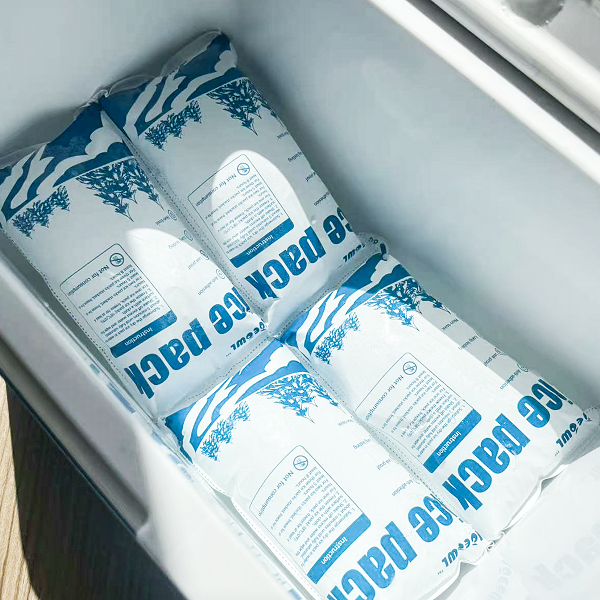
25 Liter Ice Box Supplier: Practical Buying Guide
Buyers searching for 25 liter ice box supplier usually want a supplier answer, but the safer starting point is the shipment itself. An ice box used in industrial cold-chain logistics must fit product condition, route exposure, payload, coolant plan, handling discipline, and receiving checks. A strong box can still fail if the packout is improvised or if the buyer accepts a performance claim without knowing the test conditions. This article looks at edited buyer guide built from route risk, proof, and procurement control so procurement teams can compare suppliers without treating every insulated container as a complete cold-chain system.
The useful question is not whether an ice box is cold-chain packaging. The useful question is whether the box, coolant, instructions, monitoring, and receiving process can support the actual shipment. That means separating material strength from temperature control, nominal volume from usable payload, and supplier claims from evidence. For industrial buyers, OEM sourcing teams, export managers, and operations leaders, that distinction keeps the buying decision practical.
Start With Product Risk Before Supplier Shortlisting
The product requirement should come before the box style. In industrial cold-chain logistics, the buyer needs to know whether the product must stay chilled, frozen, protected from freezing, or simply buffered from short ambient exposure. The acceptable condition should come from the product owner, quality team, label, stability data, or internal procedure. A supplier catalogue cannot decide that requirement for you.
The main risk profile for this query includes overgeneralized performance claims, weak closure design, and mismatch between sample and production units. A box that handles one of those risks may not handle the others. For example, a durable outer shell may solve stacking damage but still do nothing for temperature documentation. A thick wall may slow heat transfer but still lose value if the lid is loose or if the receiving team leaves the shipment unopened.
Because the query names a 25 liter format, buyers should confirm whether that number describes gross internal volume or usable payload space after coolant and product protection are included.
What the Ice Box Can and Cannot Prove
An ice box slows heat transfer between the payload and the outside environment. It does not create refrigeration by itself, prove regulatory compliance by itself, or replace a temperature data logger. A passive system works only when insulation, coolant, product loading, closure, and handling are designed as one repeatable method.
This matters for 25 liter ice box supplier because buyers often compare empty containers. The empty container is only a starting point. The real shipping system includes conditioned coolant, product mass, void fill, label placement, logger location, outer packaging, and receiving instructions. If any of those are unclear, the safest buying language is to ask the supplier what must be verified before the box is used.
A practical rule is simple: if a supplier states a hold time, ask what was inside the box, what ambient profile was used, where the temperature was measured, and what counted as pass or fail. Without those conditions, the number is not enough for approval.
Route Details Change the Specification
A controlled local route and an export lane do not create the same ice box requirement. Local loops may emphasize cleaning, quick loading, driver handling, return logistics, and visible labels. Export or distributor routes may add palletization, customs delay, longer staging, rougher handling, and the need for stronger documentation.
For industrial buyers, OEM sourcing teams, export managers, and operations leaders, the route should be mapped from packing to final acceptance. Include pre-shipment storage, pickup delay, dock waiting, line haul, air or road transfers, last-mile delivery, and the time before the receiver opens the box. Many failures come from the first and last hours, not only the carrier's promised transit time.
Price should be weighed against route risk, handling durability, documentation needs, and whether the box can be used consistently by warehouse staff.
Construction Details That Deserve Attention
Hardware details such as handles, hinges, latches, seals, drains, and lid fit often decide whether a good sample works in daily logistics.
Lid fit is often more important than it looks. A lid that flexes, shifts, or leaves a small gap can reduce thermal performance and make the packout less repeatable. Hinges, latches, drain plugs, gaskets, rope handles, molded handles, and corner protection should be inspected as working parts rather than cosmetic features.
Cleaning and drying matter when the box is reusable. Food, vaccine, medical, and industrial shipments may all create different hygiene expectations. Ask how the box should be washed, dried, inspected, stored, and removed from service. A reusable program without inspection rules can become inconsistent quickly.
Evidence to Ask for Before Bulk Orders
Evidence should connect the supplier claim to your shipment. For 25 liter ice box supplier, that evidence may include material description, production sample approval, packout instructions, test profile, coolant configuration, and quality review. The point is not to demand unnecessary paperwork. The point is to know which claims are proven and which still require lane-specific confirmation.
Testing references such as ISTA thermal transport standards can help structure the conversation around insulated shipping containers. Vaccine-related work may also require review against CDC storage and handling guidance or WHO PQS concepts for cold boxes and vaccine carriers. These references do not make one box suitable for every route, but they help buyers ask better questions.
The most useful evidence for this topic is material specification, packout instructions, sample-to-production control, and lane testing. If the supplier cannot provide it, write the requirement as a buyer verification point instead of turning it into a fact inside the purchase specification.
Buyer Checklist Table
| Decision area | What to check | Why it affects 25 liter ice box supplier |
|---|---|---|
| Product condition | Required temperature condition, freeze sensitivity, and receiving rules | The box must fit the product requirement, not a generic cold-chain label |
| Route exposure | Transit time, handovers, staging, delivery delay, and ambient risk | A short controlled route and a parcel route need different evidence |
| Box construction | Material, lid, handles, hinges, latches, seals, and cleaning | Daily handling often exposes weaknesses not visible in a quote |
| Packout | Coolant type, placement, dividers, void fill, and logger position | Performance comes from the full system, not only the empty box |
| Supplier control | Sample match, change notification, spare parts, and documentation | Bulk orders fail when production units drift from the approved sample |
A Typical Procurement Scenario
Imagine a procurement team comparing three suppliers for 25 liter ice box supplier. The first supplier offers a low unit price but cannot explain usable volume after coolant. The second supplier provides a strong sample but has no clear change-control process for bulk production. The third supplier asks for route, product condition, payload, cleaning method, and monitoring needs before quoting. The third conversation may feel slower, but it is usually the most useful.
The team should run a packing trial before approving the order. Place the real product or a close equivalent inside the box with the intended coolant, dividers, labels, and logger. Close the lid as warehouse staff would close it during a busy shift. Check whether the product shifts, whether the logger can be retrieved, whether the handle feels safe under load, and whether labels remain visible after condensation or handling.
This type of trial does not replace formal qualification when regulated products are involved. It does reveal practical problems early, before bulk order quantities make them expensive.
Supplier Questions That Prevent Expensive Mistakes
Ask whether the sample is made from the same material and tooling as production units. Ask what happens if the material, lid, gasket, handle, colour, carton, coolant, or divider changes after approval. Ask whether the supplier can provide replacement parts or inspection guidance for reusable boxes. These questions matter more than broad statements about durability.
For price-focused searches, ask for the total cost picture. Unit price is only part of the decision. Freight, volume efficiency, accessory cost, rejected shipments, cleaning labour, storage space, return loss, sample testing, and change management all affect the real cost of the program.
For medical, vaccine, and pharmaceutical uses, include the quality team before the order is scaled. The supplier can support packaging selection, but the product owner or quality procedure should define the accepted temperature condition and documentation needs.
Sample Approval and Production Consistency
Sample approval should be treated as a controlled step for 25 liter ice box supplier, not a quick visual check. The team should record the sample version, material description, lid fit, handle style, colour, accessories, and any packout components that affect use. If the sample is approved after a packing trial, the production order should match that approved configuration unless the buyer signs off on a change.
This is especially important when the supplier offers custom colour, logo moulding, dividers, rope handles, drain plugs, latches, or insulation options. A small physical change may not matter for a simple storage box, but it can change cleaning, stacking, usable space, or the way coolant sits inside the container. Ask the supplier how they notify buyers when a component or process changes.
For bulk orders, request a pre-shipment inspection plan that reflects the real risks. It may include lid closure, handle attachment, visible damage, internal cleanliness, fit of accessories, carton condition, and count accuracy. If the ice box is part of a cold-chain packout, the inspection should also confirm that the packing instructions and accessories shipped with the order match the approved version.
Receiving and After-Use Controls
The receiving process should be written before the first shipment leaves. The receiver should know what to inspect, where to find the logger if one is used, how quickly the box should be opened, and what to do when a shipment is delayed, damaged, wet, or outside the expected condition. A good ice box cannot make a quality decision on its own.
For reusable programs, after-use control is part of performance. Define who cleans the box, who dries it, who checks odour or contamination, who removes damaged units, and how missing boxes are tracked. Reusable packaging can support cost and waste goals only when the return loop is managed. If the return process is weak, the apparent savings may disappear through loss, cleaning problems, or inconsistent performance.
For one-way export or distributor shipments, receiving feedback is still useful. Ask receivers to report damage, label loss, lid movement, condensation problems, and any mismatch between expected and actual payload condition. Those reports help buyers decide whether the issue is packaging design, carrier handling, dock process, or unrealistic route planning.
Common Mistakes
The first mistake is assuming that a plastic or insulated box is automatically temperature controlled. It is not. The second is buying by nominal litre size without checking usable space. The third is accepting a hold-time number without knowing the test profile. The fourth is forgetting that receiving staff can cause a failure if they do not open, inspect, and document the shipment promptly.
Another common mistake is treating reusable packaging as sustainable without checking return logistics. Reuse can reduce waste when the route is controlled and boxes are returned, cleaned, and inspected. It can fail when boxes disappear, return dirty, or remain in service after damage. Sustainability should follow reliable product protection, not replace it.
FAQ
Question: Is 25 liter ice box supplier enough for cold-chain shipping? Answer: It can be part of a cold-chain shipment, but it is not enough by itself. The buyer still needs the correct coolant, packout, product starting condition, route review, receiving procedure, and temperature monitoring when evidence is required.
Question: Should buyers choose the lowest quoted price? Answer: Not without checking what is included. A low quote may exclude coolant, dividers, outer cartons, testing evidence, replacement parts, custom work, or documentation support. The better comparison is total cost against route risk.
Question: What should be verified before OEM or bulk production? Answer: Verify sample match, material specification, usable volume, lid fit, handle design, cleaning method, packout instructions, change control, and whether the supplier can support the shipment conditions you plan to use.
Question: Does a vaccine or medical ice box need special review? Answer: Often yes. Vaccine, medical, and pharmaceutical products may require product-specific temperature conditions, monitoring, and quality procedures. Buyers should confirm requirements with the responsible quality or logistics team before using any general-purpose box.
Conclusion
A good decision on 25 liter ice box supplier begins with product risk and route reality. Define the condition to protect, the payload to carry, the coolant and packout to use, and the evidence needed after delivery. Then compare suppliers by how clearly they can support those requirements.
The best supplier conversation is specific. It covers the box, but it also covers the system around the box: packing, testing, handling, receiving, reuse, and production consistency. That is how buyers move from a catalogue item to a workable cold-chain shipping solution.
About Tempk
Tempk provides temperature-control packaging products for business and personal cold-chain applications. For ice box projects, we help buyers connect the container with the real shipment conditions, including payload fit, coolant planning, route exposure, reusable handling, and documentation expectations. Specific performance targets should always be reviewed against the intended packout and route rather than assumed from the product name alone.
Send Tempk your product condition, route, payload, and purchasing target to compare practical 25 liter ice box supplier options before moving from sample review to bulk order.
20 Liter Pharmaceutical Ice Box Supplier: Practical Buying Guide
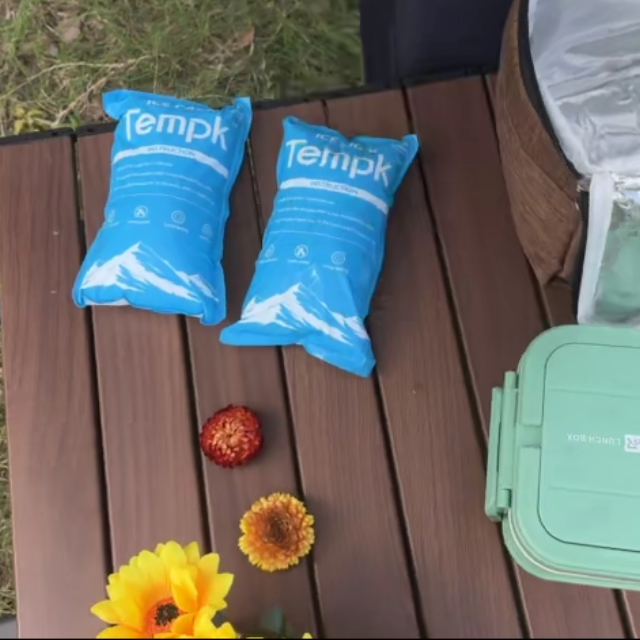
20 Liter Pharmaceutical Ice Box Supplier: Practical Buying Guide
Buyers searching for 20 liter pharmaceutical ice box supplier usually want a supplier answer, but the safer starting point is the shipment itself. An ice box used in medical and pharmaceutical logistics must fit product condition, route exposure, payload, coolant plan, handling discipline, and receiving checks. A strong box can still fail if the packout is improvised or if the buyer accepts a performance claim without knowing the test conditions. This article looks at edited buyer guide built from route risk, proof, and procurement control so procurement teams can compare suppliers without treating every insulated container as a complete cold-chain system.
The useful question is not whether an ice box is cold-chain packaging. The useful question is whether the box, coolant, instructions, monitoring, and receiving process can support the actual shipment. That means separating material strength from temperature control, nominal volume from usable payload, and supplier claims from evidence. For pharmaceutical buyers, medical distributors, quality teams, and warehouse operators, that distinction keeps the buying decision practical.
Start With Product Risk Before Supplier Shortlisting
The product requirement should come before the box style. In medical and pharmaceutical logistics, the buyer needs to know whether the product must stay chilled, frozen, protected from freezing, or simply buffered from short ambient exposure. The acceptable condition should come from the product owner, quality team, label, stability data, or internal procedure. A supplier catalogue cannot decide that requirement for you.
The main risk profile for this query includes unverified packouts, missing temperature records, and claims that are not tied to a product requirement. A box that handles one of those risks may not handle the others. For example, a durable outer shell may solve stacking damage but still do nothing for temperature documentation. A thick wall may slow heat transfer but still lose value if the lid is loose or if the receiving team leaves the shipment unopened.
Because the query names a 20 liter format, buyers should confirm whether the compact size leaves enough usable payload space after coolant, dividers, sample packaging, and temperature monitoring are included.
What the Ice Box Can and Cannot Prove
An ice box slows heat transfer between the payload and the outside environment. It does not create refrigeration by itself, prove regulatory compliance by itself, or replace a temperature data logger. A passive system works only when insulation, coolant, product loading, closure, and handling are designed as one repeatable method.
This matters for 20 liter pharmaceutical ice box supplier because buyers often compare empty containers. The empty container is only a starting point. The real shipping system includes conditioned coolant, product mass, void fill, label placement, logger location, outer packaging, and receiving instructions. If any of those are unclear, the safest buying language is to ask the supplier what must be verified before the box is used.
A practical rule is simple: if a supplier states a hold time, ask what was inside the box, what ambient profile was used, where the temperature was measured, and what counted as pass or fail. Without those conditions, the number is not enough for approval.
Route Details Change the Specification
A controlled local route and an export lane do not create the same ice box requirement. Local loops may emphasize cleaning, quick loading, driver handling, return logistics, and visible labels. Export or distributor routes may add palletization, customs delay, longer staging, rougher handling, and the need for stronger documentation.
For pharmaceutical buyers, medical distributors, quality teams, and warehouse operators, the route should be mapped from packing to final acceptance. Include pre-shipment storage, pickup delay, dock waiting, line haul, air or road transfers, last-mile delivery, and the time before the receiver opens the box. Many failures come from the first and last hours, not only the carrier's promised transit time.
Price should be weighed against route risk, handling durability, documentation needs, and whether the box can be used consistently by warehouse staff.
Construction Details That Deserve Attention
Hardware details such as handles, hinges, latches, seals, drains, and lid fit often decide whether a good sample works in daily logistics.
Lid fit is often more important than it looks. A lid that flexes, shifts, or leaves a small gap can reduce thermal performance and make the packout less repeatable. Hinges, latches, drain plugs, gaskets, rope handles, molded handles, and corner protection should be inspected as working parts rather than cosmetic features.
Cleaning and drying matter when the box is reusable. Food, vaccine, medical, and industrial shipments may all create different hygiene expectations. Ask how the box should be washed, dried, inspected, stored, and removed from service. A reusable program without inspection rules can become inconsistent quickly.
Evidence to Ask for Before Bulk Orders
Evidence should connect the supplier claim to your shipment. For 20 liter pharmaceutical ice box supplier, that evidence may include material description, production sample approval, packout instructions, test profile, coolant configuration, and quality review. The point is not to demand unnecessary paperwork. The point is to know which claims are proven and which still require lane-specific confirmation.
Testing references such as ISTA thermal transport standards can help structure the conversation around insulated shipping containers. Vaccine-related work may also require review against CDC storage and handling guidance or WHO PQS concepts for cold boxes and vaccine carriers. These references do not make one box suitable for every route, but they help buyers ask better questions.
The most useful evidence for this topic is quality review, GDP-aware transport procedures, and data logger placement. If the supplier cannot provide it, write the requirement as a buyer verification point instead of turning it into a fact inside the purchase specification.
Buyer Checklist Table
| Decision area | What to check | Why it affects 20 liter pharmaceutical ice box supplier |
|---|---|---|
| Product condition | Required temperature condition, freeze sensitivity, and receiving rules | The box must fit the product requirement, not a generic cold-chain label |
| Route exposure | Transit time, handovers, staging, delivery delay, and ambient risk | A short controlled route and a parcel route need different evidence |
| Box construction | Material, lid, handles, hinges, latches, seals, and cleaning | Daily handling often exposes weaknesses not visible in a quote |
| Packout | Coolant type, placement, dividers, void fill, and logger position | Performance comes from the full system, not only the empty box |
| Supplier control | Sample match, change notification, spare parts, and documentation | Bulk orders fail when production units drift from the approved sample |
A Typical Procurement Scenario
Imagine a procurement team comparing three suppliers for 20 liter pharmaceutical ice box supplier. The first supplier offers a low unit price but cannot explain usable volume after coolant. The second supplier provides a strong sample but has no clear change-control process for bulk production. The third supplier asks for route, product condition, payload, cleaning method, and monitoring needs before quoting. The third conversation may feel slower, but it is usually the most useful.
The team should run a packing trial before approving the order. Place the real product or a close equivalent inside the box with the intended coolant, dividers, labels, and logger. Close the lid as warehouse staff would close it during a busy shift. Check whether the product shifts, whether the logger can be retrieved, whether the handle feels safe under load, and whether labels remain visible after condensation or handling.
This type of trial does not replace formal qualification when regulated products are involved. It does reveal practical problems early, before bulk order quantities make them expensive.
Supplier Questions That Prevent Expensive Mistakes
Ask whether the sample is made from the same material and tooling as production units. Ask what happens if the material, lid, gasket, handle, colour, carton, coolant, or divider changes after approval. Ask whether the supplier can provide replacement parts or inspection guidance for reusable boxes. These questions matter more than broad statements about durability.
For price-focused searches, ask for the total cost picture. Unit price is only part of the decision. Freight, volume efficiency, accessory cost, rejected shipments, cleaning labour, storage space, return loss, sample testing, and change management all affect the real cost of the program.
For medical, vaccine, and pharmaceutical uses, include the quality team before the order is scaled. The supplier can support packaging selection, but the product owner or quality procedure should define the accepted temperature condition and documentation needs.
Sample Approval and Production Consistency
Sample approval should be treated as a controlled step for 20 liter pharmaceutical ice box supplier, not a quick visual check. The team should record the sample version, material description, lid fit, handle style, colour, accessories, and any packout components that affect use. If the sample is approved after a packing trial, the production order should match that approved configuration unless the buyer signs off on a change.
This is especially important when the supplier offers custom colour, logo moulding, dividers, rope handles, drain plugs, latches, or insulation options. A small physical change may not matter for a simple storage box, but it can change cleaning, stacking, usable space, or the way coolant sits inside the container. Ask the supplier how they notify buyers when a component or process changes.
For bulk orders, request a pre-shipment inspection plan that reflects the real risks. It may include lid closure, handle attachment, visible damage, internal cleanliness, fit of accessories, carton condition, and count accuracy. If the ice box is part of a cold-chain packout, the inspection should also confirm that the packing instructions and accessories shipped with the order match the approved version.
Receiving and After-Use Controls
The receiving process should be written before the first shipment leaves. The receiver should know what to inspect, where to find the logger if one is used, how quickly the box should be opened, and what to do when a shipment is delayed, damaged, wet, or outside the expected condition. A good ice box cannot make a quality decision on its own.
For reusable programs, after-use control is part of performance. Define who cleans the box, who dries it, who checks odour or contamination, who removes damaged units, and how missing boxes are tracked. Reusable packaging can support cost and waste goals only when the return loop is managed. If the return process is weak, the apparent savings may disappear through loss, cleaning problems, or inconsistent performance.
For one-way export or distributor shipments, receiving feedback is still useful. Ask receivers to report damage, label loss, lid movement, condensation problems, and any mismatch between expected and actual payload condition. Those reports help buyers decide whether the issue is packaging design, carrier handling, dock process, or unrealistic route planning.
Common Mistakes
The first mistake is assuming that a plastic or insulated box is automatically temperature controlled. It is not. The second is buying by nominal litre size without checking usable space. The third is accepting a hold-time number without knowing the test profile. The fourth is forgetting that receiving staff can cause a failure if they do not open, inspect, and document the shipment promptly.
Another common mistake is treating reusable packaging as sustainable without checking return logistics. Reuse can reduce waste when the route is controlled and boxes are returned, cleaned, and inspected. It can fail when boxes disappear, return dirty, or remain in service after damage. Sustainability should follow reliable product protection, not replace it.
FAQ
Question: Is 20 liter pharmaceutical ice box supplier enough for cold-chain shipping? Answer: It can be part of a cold-chain shipment, but it is not enough by itself. The buyer still needs the correct coolant, packout, product starting condition, route review, receiving procedure, and temperature monitoring when evidence is required.
Question: Should buyers choose the lowest quoted price? Answer: Not without checking what is included. A low quote may exclude coolant, dividers, outer cartons, testing evidence, replacement parts, custom work, or documentation support. The better comparison is total cost against route risk.
Question: What should be verified before OEM or bulk production? Answer: Verify sample match, material specification, usable volume, lid fit, handle design, cleaning method, packout instructions, change control, and whether the supplier can support the shipment conditions you plan to use.
Question: Does a vaccine or medical ice box need special review? Answer: Often yes. Vaccine, medical, and pharmaceutical products may require product-specific temperature conditions, monitoring, and quality procedures. Buyers should confirm requirements with the responsible quality or logistics team before using any general-purpose box.
Conclusion
A good decision on 20 liter pharmaceutical ice box supplier begins with product risk and route reality. Define the condition to protect, the payload to carry, the coolant and packout to use, and the evidence needed after delivery. Then compare suppliers by how clearly they can support those requirements.
The best supplier conversation is specific. It covers the box, but it also covers the system around the box: packing, testing, handling, receiving, reuse, and production consistency. That is how buyers move from a catalogue item to a workable cold-chain shipping solution.
About Tempk
Tempk provides temperature-control packaging products for business and personal cold-chain applications. For ice box projects, we help buyers connect the container with the real shipment conditions, including payload fit, coolant planning, route exposure, reusable handling, and documentation expectations. Specific performance targets should always be reviewed against the intended packout and route rather than assumed from the product name alone.
Send Tempk your product condition, route, payload, and purchasing target to compare practical 20 liter pharmaceutical ice box supplier options before moving from sample review to bulk order.
20 Liter Insulated Ice Box Manufacturer: Practical Buying Guide
20 Liter Insulated Ice Box Manufacturer: Practical Buying Guide
Buyers searching for 20 liter insulated ice box manufacturer usually want a supplier answer, but the safer starting point is the shipment itself. An ice box used in industrial cold-chain logistics must fit product condition, route exposure, payload, coolant plan, handling discipline, and receiving checks. A strong box can still fail if the packout is improvised or if the buyer accepts a performance claim without knowing the test conditions. This article looks at edited buyer guide built from route risk, proof, and procurement control so procurement teams can compare suppliers without treating every insulated container as a complete cold-chain system.
The useful question is not whether an ice box is cold-chain packaging. The useful question is whether the box, coolant, instructions, monitoring, and receiving process can support the actual shipment. That means separating material strength from temperature control, nominal volume from usable payload, and supplier claims from evidence. For industrial buyers, OEM sourcing teams, export managers, and operations leaders, that distinction keeps the buying decision practical.
Start With Product Risk Before Supplier Shortlisting
The product requirement should come before the box style. In industrial cold-chain logistics, the buyer needs to know whether the product must stay chilled, frozen, protected from freezing, or simply buffered from short ambient exposure. The acceptable condition should come from the product owner, quality team, label, stability data, or internal procedure. A supplier catalogue cannot decide that requirement for you.
The main risk profile for this query includes overgeneralized performance claims, weak closure design, and mismatch between sample and production units. A box that handles one of those risks may not handle the others. For example, a durable outer shell may solve stacking damage but still do nothing for temperature documentation. A thick wall may slow heat transfer but still lose value if the lid is loose or if the receiving team leaves the shipment unopened.
Because the query names a 20 liter format, buyers should confirm whether the compact size leaves enough usable payload space after coolant, dividers, sample packaging, and temperature monitoring are included.
What the Ice Box Can and Cannot Prove
An ice box slows heat transfer between the payload and the outside environment. It does not create refrigeration by itself, prove regulatory compliance by itself, or replace a temperature data logger. A passive system works only when insulation, coolant, product loading, closure, and handling are designed as one repeatable method.
This matters for 20 liter insulated ice box manufacturer because buyers often compare empty containers. The empty container is only a starting point. The real shipping system includes conditioned coolant, product mass, void fill, label placement, logger location, outer packaging, and receiving instructions. If any of those are unclear, the safest buying language is to ask the supplier what must be verified before the box is used.
A practical rule is simple: if a supplier states a hold time, ask what was inside the box, what ambient profile was used, where the temperature was measured, and what counted as pass or fail. Without those conditions, the number is not enough for approval.
Route Details Change the Specification
A controlled local route and an export lane do not create the same ice box requirement. Local loops may emphasize cleaning, quick loading, driver handling, return logistics, and visible labels. Export or distributor routes may add palletization, customs delay, longer staging, rougher handling, and the need for stronger documentation.
For industrial buyers, OEM sourcing teams, export managers, and operations leaders, the route should be mapped from packing to final acceptance. Include pre-shipment storage, pickup delay, dock waiting, line haul, air or road transfers, last-mile delivery, and the time before the receiver opens the box. Many failures come from the first and last hours, not only the carrier's promised transit time.
Price should be weighed against route risk, handling durability, documentation needs, and whether the box can be used consistently by warehouse staff.
Construction Details That Deserve Attention
Hardware details such as handles, hinges, latches, seals, drains, and lid fit often decide whether a good sample works in daily logistics.
Lid fit is often more important than it looks. A lid that flexes, shifts, or leaves a small gap can reduce thermal performance and make the packout less repeatable. Hinges, latches, drain plugs, gaskets, rope handles, molded handles, and corner protection should be inspected as working parts rather than cosmetic features.
Cleaning and drying matter when the box is reusable. Food, vaccine, medical, and industrial shipments may all create different hygiene expectations. Ask how the box should be washed, dried, inspected, stored, and removed from service. A reusable program without inspection rules can become inconsistent quickly.
Evidence to Ask for Before Bulk Orders
Evidence should connect the supplier claim to your shipment. For 20 liter insulated ice box manufacturer, that evidence may include material description, production sample approval, packout instructions, test profile, coolant configuration, and quality review. The point is not to demand unnecessary paperwork. The point is to know which claims are proven and which still require lane-specific confirmation.
Testing references such as ISTA thermal transport standards can help structure the conversation around insulated shipping containers. Vaccine-related work may also require review against CDC storage and handling guidance or WHO PQS concepts for cold boxes and vaccine carriers. These references do not make one box suitable for every route, but they help buyers ask better questions.
The most useful evidence for this topic is material specification, packout instructions, sample-to-production control, and lane testing. If the supplier cannot provide it, write the requirement as a buyer verification point instead of turning it into a fact inside the purchase specification.
Buyer Checklist Table
| Decision area | What to check | Why it affects 20 liter insulated ice box manufacturer |
|---|---|---|
| Product condition | Required temperature condition, freeze sensitivity, and receiving rules | The box must fit the product requirement, not a generic cold-chain label |
| Route exposure | Transit time, handovers, staging, delivery delay, and ambient risk | A short controlled route and a parcel route need different evidence |
| Box construction | Material, lid, handles, hinges, latches, seals, and cleaning | Daily handling often exposes weaknesses not visible in a quote |
| Packout | Coolant type, placement, dividers, void fill, and logger position | Performance comes from the full system, not only the empty box |
| Supplier control | Sample match, change notification, spare parts, and documentation | Bulk orders fail when production units drift from the approved sample |
A Typical Procurement Scenario
Imagine a procurement team comparing three suppliers for 20 liter insulated ice box manufacturer. The first supplier offers a low unit price but cannot explain usable volume after coolant. The second supplier provides a strong sample but has no clear change-control process for bulk production. The third supplier asks for route, product condition, payload, cleaning method, and monitoring needs before quoting. The third conversation may feel slower, but it is usually the most useful.
The team should run a packing trial before approving the order. Place the real product or a close equivalent inside the box with the intended coolant, dividers, labels, and logger. Close the lid as warehouse staff would close it during a busy shift. Check whether the product shifts, whether the logger can be retrieved, whether the handle feels safe under load, and whether labels remain visible after condensation or handling.
This type of trial does not replace formal qualification when regulated products are involved. It does reveal practical problems early, before bulk order quantities make them expensive.
Supplier Questions That Prevent Expensive Mistakes
Ask whether the sample is made from the same material and tooling as production units. Ask what happens if the material, lid, gasket, handle, colour, carton, coolant, or divider changes after approval. Ask whether the supplier can provide replacement parts or inspection guidance for reusable boxes. These questions matter more than broad statements about durability.
For price-focused searches, ask for the total cost picture. Unit price is only part of the decision. Freight, volume efficiency, accessory cost, rejected shipments, cleaning labour, storage space, return loss, sample testing, and change management all affect the real cost of the program.
For medical, vaccine, and pharmaceutical uses, include the quality team before the order is scaled. The supplier can support packaging selection, but the product owner or quality procedure should define the accepted temperature condition and documentation needs.
Sample Approval and Production Consistency
Sample approval should be treated as a controlled step for 20 liter insulated ice box manufacturer, not a quick visual check. The team should record the sample version, material description, lid fit, handle style, colour, accessories, and any packout components that affect use. If the sample is approved after a packing trial, the production order should match that approved configuration unless the buyer signs off on a change.
This is especially important when the supplier offers custom colour, logo moulding, dividers, rope handles, drain plugs, latches, or insulation options. A small physical change may not matter for a simple storage box, but it can change cleaning, stacking, usable space, or the way coolant sits inside the container. Ask the supplier how they notify buyers when a component or process changes.
For bulk orders, request a pre-shipment inspection plan that reflects the real risks. It may include lid closure, handle attachment, visible damage, internal cleanliness, fit of accessories, carton condition, and count accuracy. If the ice box is part of a cold-chain packout, the inspection should also confirm that the packing instructions and accessories shipped with the order match the approved version.
Receiving and After-Use Controls
The receiving process should be written before the first shipment leaves. The receiver should know what to inspect, where to find the logger if one is used, how quickly the box should be opened, and what to do when a shipment is delayed, damaged, wet, or outside the expected condition. A good ice box cannot make a quality decision on its own.
For reusable programs, after-use control is part of performance. Define who cleans the box, who dries it, who checks odour or contamination, who removes damaged units, and how missing boxes are tracked. Reusable packaging can support cost and waste goals only when the return loop is managed. If the return process is weak, the apparent savings may disappear through loss, cleaning problems, or inconsistent performance.
For one-way export or distributor shipments, receiving feedback is still useful. Ask receivers to report damage, label loss, lid movement, condensation problems, and any mismatch between expected and actual payload condition. Those reports help buyers decide whether the issue is packaging design, carrier handling, dock process, or unrealistic route planning.
Common Mistakes
The first mistake is assuming that a plastic or insulated box is automatically temperature controlled. It is not. The second is buying by nominal litre size without checking usable space. The third is accepting a hold-time number without knowing the test profile. The fourth is forgetting that receiving staff can cause a failure if they do not open, inspect, and document the shipment promptly.
Another common mistake is treating reusable packaging as sustainable without checking return logistics. Reuse can reduce waste when the route is controlled and boxes are returned, cleaned, and inspected. It can fail when boxes disappear, return dirty, or remain in service after damage. Sustainability should follow reliable product protection, not replace it.
FAQ
Question: Is 20 liter insulated ice box manufacturer enough for cold-chain shipping? Answer: It can be part of a cold-chain shipment, but it is not enough by itself. The buyer still needs the correct coolant, packout, product starting condition, route review, receiving procedure, and temperature monitoring when evidence is required.
Question: Should buyers choose the lowest quoted price? Answer: Not without checking what is included. A low quote may exclude coolant, dividers, outer cartons, testing evidence, replacement parts, custom work, or documentation support. The better comparison is total cost against route risk.
Question: What should be verified before OEM or bulk production? Answer: Verify sample match, material specification, usable volume, lid fit, handle design, cleaning method, packout instructions, change control, and whether the supplier can support the shipment conditions you plan to use.
Question: Does a vaccine or medical ice box need special review? Answer: Often yes. Vaccine, medical, and pharmaceutical products may require product-specific temperature conditions, monitoring, and quality procedures. Buyers should confirm requirements with the responsible quality or logistics team before using any general-purpose box.
Conclusion
A good decision on 20 liter insulated ice box manufacturer begins with product risk and route reality. Define the condition to protect, the payload to carry, the coolant and packout to use, and the evidence needed after delivery. Then compare suppliers by how clearly they can support those requirements.
The best supplier conversation is specific. It covers the box, but it also covers the system around the box: packing, testing, handling, receiving, reuse, and production consistency. That is how buyers move from a catalogue item to a workable cold-chain shipping solution.
About Tempk
Tempk provides temperature-control packaging products for business and personal cold-chain applications. For ice box projects, we help buyers connect the container with the real shipment conditions, including payload fit, coolant planning, route exposure, reusable handling, and documentation expectations. Specific performance targets should always be reviewed against the intended packout and route rather than assumed from the product name alone.
Send Tempk your product condition, route, payload, and purchasing target to compare practical 20 liter insulated ice box manufacturer options before moving from sample review to bulk order.