


30 Liter Industrial Ice Box Supplier: Practical Cost and Supplier Guide
30 Liter Industrial Ice Box Supplier: Practical Cost and Supplier Guide

30 Liter Industrial Ice Box Supplier: A Practical Buying Framework
A 30 liter industrial ice box supplier quote is useful only after the buyer defines the route, payload, temperature requirement, and evidence needed for approval. The box can be well made and still be wrong for the shipment if usable volume, coolant layout, handling, or documentation do not match the operation. A 30 liter insulated box is only part of the system; actual temperature control depends on coolant, preconditioning, payload temperature, route exposure, and handling. Use the following framework to compare suppliers without relying on price or appearance alone.
Quick answer for buyers
Choose the supplier that can explain fit, not merely price. Confirm the required temperature range, practical payload space, coolant plan, route exposure, cleaning process, and documentation before a bulk order. If any of those details are unknown, approve samples slowly and define what must remain unchanged in production.
Define the shipment before you compare suppliers
An industrial ice box is a reusable or semi-reusable insulated container used in repeated cold-chain operations. It is not automatically a pharmaceutical shipper, and it is not automatically qualified for any route. Its value comes from matching insulation, size, closure, durability, cleaning, and coolant loading to the actual shipment. For many industrial buyers, operational consistency matters as much as the first purchase price.
Before looking at price, define what the box must do on your route. Is it protecting a chilled product during a short vehicle transfer, supporting a medicine delivery with receiving checks, or holding payload during a multi-handover export lane? Each case changes how much evidence you should request. A practical buyer does not ask only whether the box is insulated; the buyer asks whether it can be operated consistently under the expected conditions.
Read the quotation through scope and risk
Cost should be evaluated in the sequence buyers actually experience it: specification, sample, approval, production, delivery, operation, return, and replacement. Supplier value depends on how well the 30 liter class box fits payload, route duration, cleaning flow, and repeated handling. A supplier with a higher initial quotation may be the lower-risk option if it reduces uncertainty around usable volume, closure reliability, production consistency, and packing evidence.
The first cost checkpoint is fit. If the internal layout forces staff to overpack, open the lid repeatedly, or place coolant directly against sensitive goods, the box creates handling cost and quality risk. The second checkpoint is evidence. A provider that can explain test conditions, sample controls, and material choices helps the buyer make a defensible decision. The third checkpoint is repeatability. Bulk orders only make sense if production units match what the team approved.
Do not ask for a final price before you define what must remain unchanged. That includes material grade or material family, gross and usable dimensions, lid and plug details, accessory layout, carton packing, labeling, and any documentation that your quality or operations team needs. A clear specification makes price negotiation more honest because vendors are quoting the same work.
Supplier comparison table for a controlled quotation
| Buyer checkpoint | What to ask the supplier | Decision signal |
|---|---|---|
| Route fit | What route duration, waiting points, and ambient exposure was assumed? | The supplier understands the real shipment rather than only the product name. |
| Payload fit | How is ask whether 30 liters refers to gross internal volume, nominal capacity, or practical payload space with coolant loaded. handled? | The quote reflects usable space, not only nominal volume. |
| Coolant plan | Which ice packs, gel packs, or PCM packs are recommended? | The supplier treats the box and coolant as one system. |
| Handling design | How do usable volume, coolant placement, handle strength, stacking, sample consistency, and production repeatability affect daily operation? | The box is practical for staff, receivers, and cleaning teams. |
| Evidence level | What test basis, instructions, or quality documents can be reviewed? | Claims can be checked before bulk purchase. |
The checklist is not meant to slow purchasing. It helps buyers compare suppliers on the same basis. When each vendor answers the same route, payload, coolant, handling, and evidence questions, the final price becomes much easier to interpret.
Route, payload, and receiving checks should agree
Supplier selection should start with the shipment path, not with the catalogue category. Identify the product temperature requirement, expected transit time, loading environment, handover points, receiving process, and whether the box is reused. This route map will show whether the buyer needs a basic insulated container, a medical cooler, a qualified passive packaging system, or a different solution altogether.
A buyer may choose a 30 liter format to fit a delivery van shelf or a recurring route. The box can still fail operationally if the coolant takes too much space, the handles are awkward when loaded, or the lid does not close consistently across samples. A strong supplier will respond by discussing packout, usable volume, accessories, and evidence. A weak supplier will usually respond with a broad promise. The difference matters because the buyer must operate the packaging after the sales conversation ends.
When the shipment is sensitive, bring quality or operations reviewers into the sample stage. Their questions are often different from procurement questions. They will look at documentation, receiving decisions, cleaning, labeling, and how exceptions are handled. Those questions may prevent a bulk order that looks cheap but becomes difficult to use.
Temperature claims need conditions attached
Industrial cold-chain applications vary widely. Food, ingredients, chemicals, medical supplies, and other temperature-sensitive goods can have different acceptance criteria. Instead of asking whether the box is generally cold-chain suitable, buyers should define the required temperature range and the allowable exposure conditions for the actual payload.
For procurement teams, the most useful action is to ask what must be verified before use. Does the product need a documented packout? Is monitoring required? Will the receiver review a temperature record? Are there local rules for the product category? These questions prevent a generic ice box purchase from being mistaken for a controlled shipping process.
What to ask before moving from sample to bulk order
A focused supplier conversation saves time because it removes vague promises early. Use the questions below before ordering samples, not after the first production batch is already planned.
- What exact product or route is this 30 liter class insulated ice boxes for industrial chilled or controlled deliveries designed to support?
- Which temperature range was assumed, and who must confirm it internally?
- What are the internal and external dimensions, and what is the usable space after coolant and accessories?
- What coolant packs, PCM packs, or dividers are recommended, and how should they be conditioned?
- What sample approval process keeps bulk production aligned with the sample?
- What cleaning, inspection, or retirement criteria should operators follow?
- What carton packing, labeling, and replacement accessory policy applies for export or repeat orders?
These questions also protect the supplier relationship. When you define route, payload, usable volume, coolant placement, handle strength, stacking, sample consistency, and production repeatability, and evidence needs upfront, the supplier can recommend a realistic model instead of guessing from a short keyword request. A better request usually leads to a better sample.
Avoid the three mistakes that raise real cost
The first avoidable error is starting with price before defining the risk. The common mistake is to approve capacity before testing packout fit. A quotation has meaning only when it reflects a known payload, route, coolant plan, and evidence level.
The second error is skipping sample-to-production control. Ask the manufacturer or provider what can change without notice and what requires buyer approval. For sensitive goods, even small changes in lid fit, drain detail, insulation, or accessories can force a new review. This does not mean every project needs heavy documentation, but it does mean important assumptions should be written down.
The third error is forgetting the people who handle the box. A product that looks correct on a spreadsheet may be awkward when loaded, difficult to clean, hard to stack, or confusing at receiving. Real operational cost appears in those small friction points.
Practical example: when the cheapest quote is not the clearest
A buyer reviewing 30 liter industrial ice box supplier options may begin with three suppliers that all claim similar insulation. After a packout discussion, the differences become clearer. One supplier cannot explain usable space after coolant. One can provide dimensions but no production control. One can discuss route, payload, accessory layout, and sample records. The last supplier may not be the cheapest, but it gives the buyer a stronger basis for approval.
The lesson is not that higher price is always better. The lesson is that price should be attached to a defined scope. When scope is unclear, buyers often pay later through repacking, extra labor, delayed approvals, or shipment holds. A clear early review keeps cost, quality, and operations in the same conversation.
The box also has to work after delivery
The receiving step completes the packaging decision. A receiver should know how to inspect the box, where to find documents or monitoring devices, how to move the payload back into controlled storage, and what condition requires quarantine or escalation. If the box is reusable, the empty unit then needs cleaning, drying, accessory check, and damage inspection before the next dispatch.
This is where usable volume, coolant placement, handle strength, stacking, sample consistency, and production repeatability becomes operational rather than decorative. A plug that is hard to clean, a lid that is difficult to close, a handle that flexes under load, or an internal layout that hides the payload can all create repeated friction. Suppliers should be asked how the box performs at the end of the route, not only at the moment it is packed.
For repeated B2B operations, create a simple retirement rule. Remove boxes from use when insulation is cracked, closure is unreliable, the plug leaks, labels cannot be cleaned, or accessories no longer fit. Reuse only reduces cost when the box remains inspectable and fit for purpose.
FAQ
Is a 30 liter industrial ice box supplier enough to protect temperature-sensitive goods?
Not by itself. An insulated box slows heat transfer, but protection depends on the full system: required temperature range, coolant type, packout, payload temperature, route duration, ambient exposure, opening behavior, and receiving process. For regulated or high-risk products, ask whether additional qualification or quality review is needed.
What should I ask before ordering samples?
Ask for internal and external dimensions, usable volume after coolant, recommended packout, material and closure details, cleaning instructions, carton packing, sample approval steps, and any test basis. For this topic, pay special attention to usable volume, coolant placement, handle strength, stacking, sample consistency, and production repeatability.
How should I compare supplier cost or price?
Compare quotes only after defining the same specification. Check whether the price includes accessories, export packing, documentation, sampling support, replacement parts, and communication for repeat orders. A cheaper unit may cost more if it increases freight volume, labor, rework, or shipment risk.
Can I rely on a supplier's hold-time claim?
Treat it as a starting point. Ask what ambient profile, payload, coolant configuration, starting condition, and acceptance range were used. If your route differs, the claim may not apply directly. Additional testing or a revised packout may be needed before bulk use.
Is a reusable industrial ice box always the lower-cost option?
No. Reuse lowers cost only when the buyer can recover, clean, inspect, store, and redeploy boxes reliably. One-way routes, poor return control, or heavy damage rates may make another packaging model more practical.
Conclusion
The best 30 liter industrial ice box supplier decision is made after route, payload, temperature requirement, usable volume, packout, evidence, and receiving workflow are defined. Price matters, but it should not be evaluated before the work scope is clear. A supplier who helps you clarify these details is often easier to work with than one who answers only with a fast quotation.
Before ordering in bulk, document what the sample must prove and what must remain consistent in production. For sensitive medical or pharmaceutical routes, involve the quality team early and use cautious language around compliance or qualification. The safest sourcing decision is usually the one that buyers, operators, and receivers can all carry out consistently.
About Tempk
Tempk supports B2B buyers with cold-chain packaging options such as ice packs, PCM packs, insulated boxes, EPP or VIP cooler box formats, insulated liners, and pallet-level thermal protection. For 30 liter class insulated ice boxes for industrial chilled or controlled deliveries, we focus on practical fit: the route, payload, temperature target, coolant plan, cleaning process, and evidence a buyer should review before scaling. We avoid treating an insulated box as a universal answer; the better discussion is how the package will be used in your real operation.
Share your route, payload, target temperature range, and buying stage with Tempk to compare suitable ice box and coolant options before sample or bulk procurement.
25 Liter Medical Ice Box Manufacturer: Practical Cost and Supplier Guide
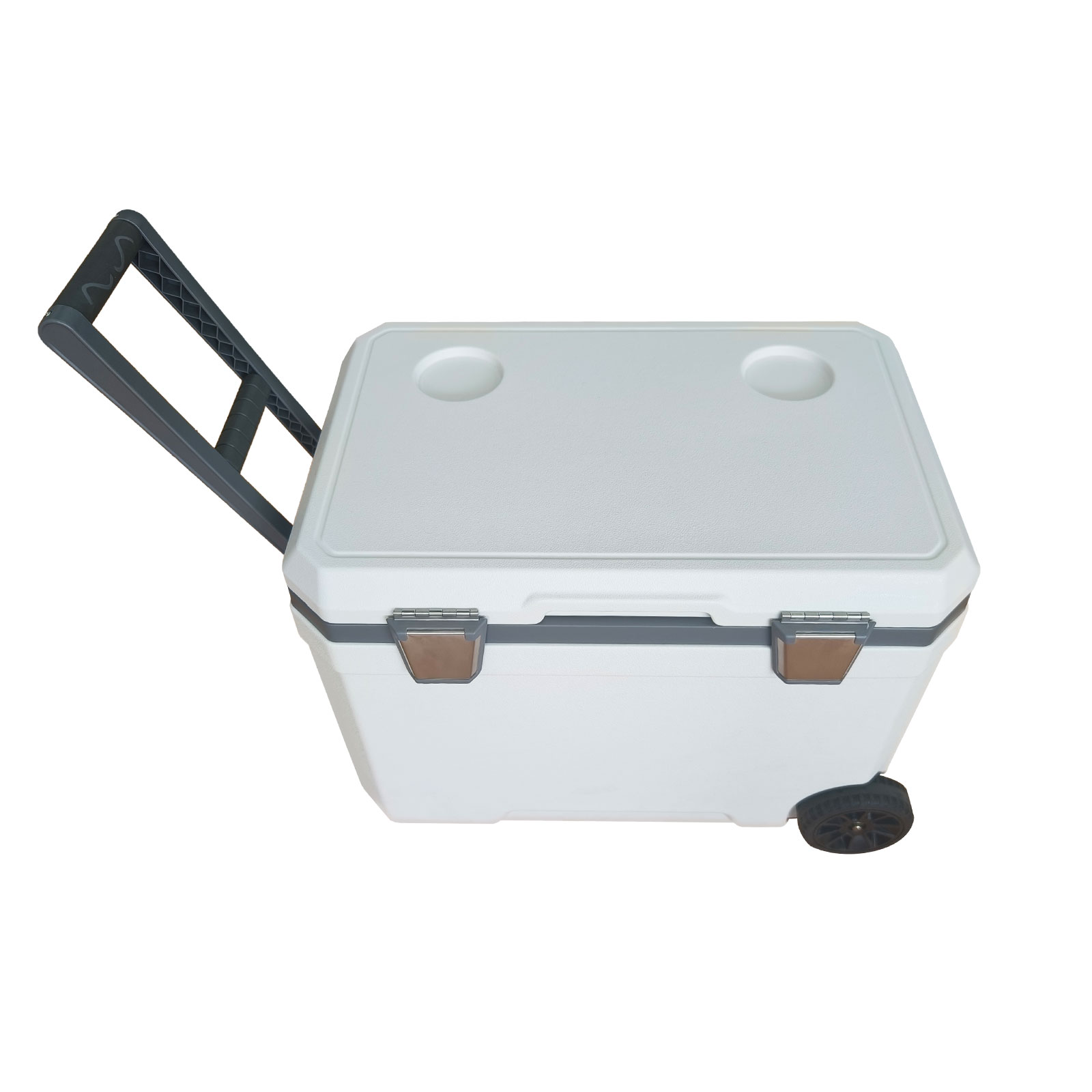
25 Liter Medical Ice Box Manufacturer: A Practical Buying Framework
A 25 liter medical ice box manufacturer quote is useful only after the buyer defines the route, payload, temperature requirement, and evidence needed for approval. The box can be well made and still be wrong for the shipment if usable volume, coolant layout, handling, or documentation do not match the operation. For vaccine-related use, refrigerated conditions around 2°C to 8°C are common, but the actual product requirement and transport policy must be verified before approval. Use the following framework to compare suppliers without relying on price or appearance alone.
Quick answer for buyers
Choose the supplier that can explain fit, not merely price. Confirm the required temperature range, practical payload space, coolant plan, route exposure, cleaning process, and documentation before a bulk order. If any of those details are unknown, approve samples slowly and define what must remain unchanged in production.
Define the shipment before you compare suppliers
A medical ice box sits between general insulated packaging and a documented healthcare transport system. It may support medicines, diagnostics, samples, or clinic deliveries, but suitability depends on the product label, route, receiving process, and quality review. The box should make safe handling easier: clear internal layout, cleanable surfaces, compatible coolant, and space for monitoring or paperwork when needed.
Before looking at price, define what the box must do on your route. Is it protecting a chilled product during a short vehicle transfer, supporting a medicine delivery with receiving checks, or holding payload during a multi-handover export lane? Each case changes how much evidence you should request. A practical buyer does not ask only whether the box is insulated; the buyer asks whether it can be operated consistently under the expected conditions.
Read the quotation through scope and risk
Cost should be evaluated in the sequence buyers actually experience it: specification, sample, approval, production, delivery, operation, return, and replacement. Manufacturer value comes from repeatable construction and practical support, not only from a quoted unit cost. A supplier with a higher initial quotation may be the lower-risk option if it reduces uncertainty around usable volume, closure reliability, production consistency, and packing evidence.
The first cost checkpoint is fit. If the internal layout forces staff to overpack, open the lid repeatedly, or place coolant directly against sensitive goods, the box creates handling cost and quality risk. The second checkpoint is evidence. A provider that can explain test conditions, sample controls, and material choices helps the buyer make a defensible decision. The third checkpoint is repeatability. Bulk orders only make sense if production units match what the team approved.
Do not ask for a final price before you define what must remain unchanged. That includes material grade or material family, gross and usable dimensions, lid and plug details, accessory layout, carton packing, labeling, and any documentation that your quality or operations team needs. A clear specification makes price negotiation more honest because vendors are quoting the same work.
Supplier comparison table for a controlled quotation
| Buyer checkpoint | What to ask the supplier | Decision signal |
|---|---|---|
| Route fit | What route duration, waiting points, and ambient exposure was assumed? | The supplier understands the real shipment rather than only the product name. |
| Payload fit | How is a 25 liter class box may sit near the upper end of vaccine cold box procurement ranges, but medical applications vary and should not be assumed equivalent. handled? | The quote reflects usable space, not only nominal volume. |
| Coolant plan | Which ice packs, gel packs, or PCM packs are recommended? | The supplier treats the box and coolant as one system. |
| Handling design | How do manufacturer control of size consistency, coolant layout, cleanability, handle design, lid closure, and documentation support affect daily operation? | The box is practical for staff, receivers, and cleaning teams. |
| Evidence level | What test basis, instructions, or quality documents can be reviewed? | Claims can be checked before bulk purchase. |
The checklist is not meant to slow purchasing. It helps buyers compare suppliers on the same basis. When each vendor answers the same route, payload, coolant, handling, and evidence questions, the final price becomes much easier to interpret.
Route, payload, and receiving checks should agree
Supplier selection should start with the shipment path, not with the catalogue category. Identify the product temperature requirement, expected transit time, loading environment, handover points, receiving process, and whether the box is reused. This route map will show whether the buyer needs a basic insulated container, a medical cooler, a qualified passive packaging system, or a different solution altogether.
A clinic network may want a 25 liter format because it fits a vehicle shelf and handles a common daily payload. The format is only safe if the manufacturer can keep dimensions, accessories, lid fit, and material quality consistent across repeat orders. A strong supplier will respond by discussing packout, usable volume, accessories, and evidence. A weak supplier will usually respond with a broad promise. The difference matters because the buyer must operate the packaging after the sales conversation ends.
When the shipment is sensitive, bring quality or operations reviewers into the sample stage. Their questions are often different from procurement questions. They will look at documentation, receiving decisions, cleaning, labeling, and how exceptions are handled. Those questions may prevent a bulk order that looks cheap but becomes difficult to use.
Temperature claims need conditions attached
Healthcare and pharmaceutical distribution often uses defined temperature categories such as refrigerated, controlled room temperature, frozen, or product-specific ranges. These ranges should not be guessed from the product name. The product label, quality procedure, and market requirements should lead the packaging decision. Guidance from GDP, USP, IATA, and public health authorities is useful for framing risk, documentation, and transport responsibilities.
For procurement teams, the most useful action is to ask what must be verified before use. Does the product need a documented packout? Is monitoring required? Will the receiver review a temperature record? Are there local rules for the product category? These questions prevent a generic ice box purchase from being mistaken for a controlled shipping process.
What to ask before moving from sample to bulk order
A focused supplier conversation saves time because it removes vague promises early. Use the questions below before ordering samples, not after the first production batch is already planned.
- What exact product or route is this 25 liter class medical ice boxes for medicines, diagnostics, vaccines, and samples where the route supports that size designed to support?
- Which temperature range was assumed, and who must confirm it internally?
- What are the internal and external dimensions, and what is the usable space after coolant and accessories?
- What coolant packs, PCM packs, or dividers are recommended, and how should they be conditioned?
- What sample approval process keeps bulk production aligned with the sample?
- What cleaning, inspection, or retirement criteria should operators follow?
- What carton packing, labeling, and replacement accessory policy applies for export or repeat orders?
These questions also protect the supplier relationship. When you define route, payload, manufacturer control of size consistency, coolant layout, cleanability, handle design, lid closure, and documentation support, and evidence needs upfront, the supplier can recommend a realistic model instead of guessing from a short keyword request. A better request usually leads to a better sample.
Avoid the three mistakes that raise real cost
The first avoidable error is starting with price before defining the risk. The common mistake is to treat nominal liters as proof of medical suitability. A quotation has meaning only when it reflects a known payload, route, coolant plan, and evidence level.
The second error is skipping sample-to-production control. Ask the manufacturer or provider what can change without notice and what requires buyer approval. For sensitive goods, even small changes in lid fit, drain detail, insulation, or accessories can force a new review. This does not mean every project needs heavy documentation, but it does mean important assumptions should be written down.
The third error is forgetting the people who handle the box. A product that looks correct on a spreadsheet may be awkward when loaded, difficult to clean, hard to stack, or confusing at receiving. Real operational cost appears in those small friction points.
Practical example: when the cheapest quote is not the clearest
A buyer reviewing 25 liter medical ice box manufacturer options may begin with three suppliers that all claim similar insulation. After a packout discussion, the differences become clearer. One supplier cannot explain usable space after coolant. One can provide dimensions but no production control. One can discuss route, payload, accessory layout, and sample records. The last supplier may not be the cheapest, but it gives the buyer a stronger basis for approval.
The lesson is not that higher price is always better. The lesson is that price should be attached to a defined scope. When scope is unclear, buyers often pay later through repacking, extra labor, delayed approvals, or shipment holds. A clear early review keeps cost, quality, and operations in the same conversation.
The box also has to work after delivery
The receiving step completes the packaging decision. A receiver should know how to inspect the box, where to find documents or monitoring devices, how to move the payload back into controlled storage, and what condition requires quarantine or escalation. If the box is reusable, the empty unit then needs cleaning, drying, accessory check, and damage inspection before the next dispatch.
This is where manufacturer control of size consistency, coolant layout, cleanability, handle design, lid closure, and documentation support becomes operational rather than decorative. A plug that is hard to clean, a lid that is difficult to close, a handle that flexes under load, or an internal layout that hides the payload can all create repeated friction. Suppliers should be asked how the box performs at the end of the route, not only at the moment it is packed.
For repeated B2B operations, create a simple retirement rule. Remove boxes from use when insulation is cracked, closure is unreliable, the plug leaks, labels cannot be cleaned, or accessories no longer fit. Reuse only reduces cost when the box remains inspectable and fit for purpose.
FAQ
Is a 25 liter medical ice box manufacturer enough to protect temperature-sensitive goods?
Not by itself. An insulated box slows heat transfer, but protection depends on the full system: required temperature range, coolant type, packout, payload temperature, route duration, ambient exposure, opening behavior, and receiving process. For regulated or high-risk products, ask whether additional qualification or quality review is needed.
What should I ask before ordering samples?
Ask for internal and external dimensions, usable volume after coolant, recommended packout, material and closure details, cleaning instructions, carton packing, sample approval steps, and any test basis. For this topic, pay special attention to manufacturer control of size consistency, coolant layout, cleanability, handle design, lid closure, and documentation support.
How should I compare supplier cost or price?
Compare quotes only after defining the same specification. Check whether the price includes accessories, export packing, documentation, sampling support, replacement parts, and communication for repeat orders. A cheaper unit may cost more if it increases freight volume, labor, rework, or shipment risk.
Can I rely on a supplier's hold-time claim?
Treat it as a starting point. Ask what ambient profile, payload, coolant configuration, starting condition, and acceptance range were used. If your route differs, the claim may not apply directly. Additional testing or a revised packout may be needed before bulk use.
Do medical or pharmaceutical ice boxes need special documentation?
Documentation needs depend on the product, market, route, and internal quality system. Buyers often ask for specifications, packout instructions, cleaning guidance, sample records, and any available testing basis. Avoid assuming that a product name alone makes the box suitable for every healthcare shipment.
Conclusion
The best 25 liter medical ice box manufacturer decision is made after route, payload, temperature requirement, usable volume, packout, evidence, and receiving workflow are defined. Price matters, but it should not be evaluated before the work scope is clear. A supplier who helps you clarify these details is often easier to work with than one who answers only with a fast quotation.
Before ordering in bulk, document what the sample must prove and what must remain consistent in production. For sensitive medical or pharmaceutical routes, involve the quality team early and use cautious language around compliance or qualification. The safest sourcing decision is usually the one that buyers, operators, and receivers can all carry out consistently.
About Tempk
Tempk supports B2B buyers with cold-chain packaging options such as ice packs, PCM packs, insulated boxes, EPP or VIP cooler box formats, insulated liners, and pallet-level thermal protection. For 25 liter class medical ice boxes for medicines, diagnostics, vaccines, and samples where the route supports that size, we focus on practical fit: the route, payload, temperature target, coolant plan, cleaning process, and evidence a buyer should review before scaling. We avoid treating an insulated box as a universal answer; the better discussion is how the package will be used in your real operation.
Share your route, payload, target temperature range, and buying stage with Tempk to compare suitable ice box and coolant options before sample or bulk procurement.
Pharmaceutical Ice Box Provider Price: Practical Cost and Supplier Guide

Pharmaceutical Ice Box Provider Price: A Practical Buying Framework
A pharmaceutical ice box provider price quote is useful only after the buyer defines the route, payload, temperature requirement, and evidence needed for approval. The box can be well made and still be wrong for the shipment if usable volume, coolant layout, handling, or documentation do not match the operation. Pharmaceutical shipments may involve refrigerated, controlled room-temperature, frozen, or product-specific ranges; the product label and quality team should lead the decision. Use the following framework to compare suppliers without relying on price or appearance alone.
Quick answer for buyers
Choose the supplier that can explain fit, not merely price. Confirm the required temperature range, practical payload space, coolant plan, route exposure, cleaning process, and documentation before a bulk order. If any of those details are unknown, approve samples slowly and define what must remain unchanged in production.
Define the shipment before you compare suppliers
A pharmaceutical ice box is usually a passive packaging component, not a complete compliance guarantee. It may be used with gel packs, PCM packs, dividers, absorbent materials, and temperature monitoring devices. The box slows heat transfer, while the full packout and route procedure determine whether the product remains within the required range. Pharmaceutical buyers should avoid language that suggests a box alone is approved for every medicine, market, or lane.
Before looking at price, define what the box must do on your route. Is it protecting a chilled product during a short vehicle transfer, supporting a medicine delivery with receiving checks, or holding payload during a multi-handover export lane? Each case changes how much evidence you should request. A practical buyer does not ask only whether the box is insulated; the buyer asks whether it can be operated consistently under the expected conditions.
Read the quotation through scope and risk
Cost should be evaluated in the sequence buyers actually experience it: specification, sample, approval, production, delivery, operation, return, and replacement. Price should be interpreted through risk level, documentation need, route complexity, and whether the provider supports repeatable packout decisions. A supplier with a higher initial quotation may be the lower-risk option if it reduces uncertainty around usable volume, closure reliability, production consistency, and packing evidence.
The first cost checkpoint is fit. If the internal layout forces staff to overpack, open the lid repeatedly, or place coolant directly against sensitive goods, the box creates handling cost and quality risk. The second checkpoint is evidence. A provider that can explain test conditions, sample controls, and material choices helps the buyer make a defensible decision. The third checkpoint is repeatability. Bulk orders only make sense if production units match what the team approved.
Do not ask for a final price before you define what must remain unchanged. That includes material grade or material family, gross and usable dimensions, lid and plug details, accessory layout, carton packing, labeling, and any documentation that your quality or operations team needs. A clear specification makes price negotiation more honest because vendors are quoting the same work.
Supplier comparison table for a controlled quotation
| Buyer checkpoint | What to ask the supplier | Decision signal |
|---|---|---|
| Route fit | What route duration, waiting points, and ambient exposure was assumed? | The supplier understands the real shipment rather than only the product name. |
| Payload fit | How is usable volume should be assessed after coolant, payload, protective materials, and monitoring placement are included. handled? | The quote reflects usable space, not only nominal volume. |
| Coolant plan | Which ice packs, gel packs, or PCM packs are recommended? | The supplier treats the box and coolant as one system. |
| Handling design | How do qualification evidence, packout instructions, coolant compatibility, documentation, change control, and sample-to-production consistency affect daily operation? | The box is practical for staff, receivers, and cleaning teams. |
| Evidence level | What test basis, instructions, or quality documents can be reviewed? | Claims can be checked before bulk purchase. |
The checklist is not meant to slow purchasing. It helps buyers compare suppliers on the same basis. When each vendor answers the same route, payload, coolant, handling, and evidence questions, the final price becomes much easier to interpret.
Route, payload, and receiving checks should agree
Supplier selection should start with the shipment path, not with the catalogue category. Identify the product temperature requirement, expected transit time, loading environment, handover points, receiving process, and whether the box is reused. This route map will show whether the buyer needs a basic insulated container, a medical cooler, a qualified passive packaging system, or a different solution altogether.
A pharmaceutical distributor may need a box for recurring medicine shipments. A lower price can be reasonable for low-risk local lanes, but a documented route may require stronger evidence, clearer packout instructions, and supplier support after sample approval. A strong supplier will respond by discussing packout, usable volume, accessories, and evidence. A weak supplier will usually respond with a broad promise. The difference matters because the buyer must operate the packaging after the sales conversation ends.
When the shipment is sensitive, bring quality or operations reviewers into the sample stage. Their questions are often different from procurement questions. They will look at documentation, receiving decisions, cleaning, labeling, and how exceptions are handled. Those questions may prevent a bulk order that looks cheap but becomes difficult to use.
Temperature claims need conditions attached
Healthcare and pharmaceutical distribution often uses defined temperature categories such as refrigerated, controlled room temperature, frozen, or product-specific ranges. These ranges should not be guessed from the product name. The product label, quality procedure, and market requirements should lead the packaging decision. Guidance from GDP, USP, IATA, and public health authorities is useful for framing risk, documentation, and transport responsibilities.
For procurement teams, the most useful action is to ask what must be verified before use. Does the product need a documented packout? Is monitoring required? Will the receiver review a temperature record? Are there local rules for the product category? These questions prevent a generic ice box purchase from being mistaken for a controlled shipping process.
What to ask before moving from sample to bulk order
A focused supplier conversation saves time because it removes vague promises early. Use the questions below before ordering samples, not after the first production batch is already planned.
- What exact product or route is this pharmaceutical insulated ice boxes used as part of passive temperature-controlled packaging systems designed to support?
- Which temperature range was assumed, and who must confirm it internally?
- What are the internal and external dimensions, and what is the usable space after coolant and accessories?
- What coolant packs, PCM packs, or dividers are recommended, and how should they be conditioned?
- What sample approval process keeps bulk production aligned with the sample?
- What cleaning, inspection, or retirement criteria should operators follow?
- What carton packing, labeling, and replacement accessory policy applies for export or repeat orders?
These questions also protect the supplier relationship. When you define route, payload, qualification evidence, packout instructions, coolant compatibility, documentation, change control, and sample-to-production consistency, and evidence needs upfront, the supplier can recommend a realistic model instead of guessing from a short keyword request. A better request usually leads to a better sample.
Avoid the three mistakes that raise real cost
The first avoidable error is starting with price before defining the risk. The common mistake is to compare pharmaceutical ice boxes like generic picnic coolers. A quotation has meaning only when it reflects a known payload, route, coolant plan, and evidence level.
The second error is skipping sample-to-production control. Ask the manufacturer or provider what can change without notice and what requires buyer approval. For sensitive goods, even small changes in lid fit, drain detail, insulation, or accessories can force a new review. This does not mean every project needs heavy documentation, but it does mean important assumptions should be written down.
The third error is forgetting the people who handle the box. A product that looks correct on a spreadsheet may be awkward when loaded, difficult to clean, hard to stack, or confusing at receiving. Real operational cost appears in those small friction points.
Practical example: when the cheapest quote is not the clearest
A buyer reviewing pharmaceutical ice box provider price options may begin with three suppliers that all claim similar insulation. After a packout discussion, the differences become clearer. One supplier cannot explain usable space after coolant. One can provide dimensions but no production control. One can discuss route, payload, accessory layout, and sample records. The last supplier may not be the cheapest, but it gives the buyer a stronger basis for approval.
The lesson is not that higher price is always better. The lesson is that price should be attached to a defined scope. When scope is unclear, buyers often pay later through repacking, extra labor, delayed approvals, or shipment holds. A clear early review keeps cost, quality, and operations in the same conversation.
The box also has to work after delivery
The receiving step completes the packaging decision. A receiver should know how to inspect the box, where to find documents or monitoring devices, how to move the payload back into controlled storage, and what condition requires quarantine or escalation. If the box is reusable, the empty unit then needs cleaning, drying, accessory check, and damage inspection before the next dispatch.
This is where qualification evidence, packout instructions, coolant compatibility, documentation, change control, and sample-to-production consistency becomes operational rather than decorative. A plug that is hard to clean, a lid that is difficult to close, a handle that flexes under load, or an internal layout that hides the payload can all create repeated friction. Suppliers should be asked how the box performs at the end of the route, not only at the moment it is packed.
For repeated B2B operations, create a simple retirement rule. Remove boxes from use when insulation is cracked, closure is unreliable, the plug leaks, labels cannot be cleaned, or accessories no longer fit. Reuse only reduces cost when the box remains inspectable and fit for purpose.
FAQ
Is a pharmaceutical ice box provider price enough to protect temperature-sensitive goods?
Not by itself. An insulated box slows heat transfer, but protection depends on the full system: required temperature range, coolant type, packout, payload temperature, route duration, ambient exposure, opening behavior, and receiving process. For regulated or high-risk products, ask whether additional qualification or quality review is needed.
What should I ask before ordering samples?
Ask for internal and external dimensions, usable volume after coolant, recommended packout, material and closure details, cleaning instructions, carton packing, sample approval steps, and any test basis. For this topic, pay special attention to qualification evidence, packout instructions, coolant compatibility, documentation, change control, and sample-to-production consistency.
How should I compare supplier cost or price?
Compare quotes only after defining the same specification. Check whether the price includes accessories, export packing, documentation, sampling support, replacement parts, and communication for repeat orders. A cheaper unit may cost more if it increases freight volume, labor, rework, or shipment risk.
Can I rely on a supplier's hold-time claim?
Treat it as a starting point. Ask what ambient profile, payload, coolant configuration, starting condition, and acceptance range were used. If your route differs, the claim may not apply directly. Additional testing or a revised packout may be needed before bulk use.
Do medical or pharmaceutical ice boxes need special documentation?
Documentation needs depend on the product, market, route, and internal quality system. Buyers often ask for specifications, packout instructions, cleaning guidance, sample records, and any available testing basis. Avoid assuming that a product name alone makes the box suitable for every healthcare shipment.
Conclusion
The best pharmaceutical ice box provider price decision is made after route, payload, temperature requirement, usable volume, packout, evidence, and receiving workflow are defined. Price matters, but it should not be evaluated before the work scope is clear. A supplier who helps you clarify these details is often easier to work with than one who answers only with a fast quotation.
Before ordering in bulk, document what the sample must prove and what must remain consistent in production. For sensitive medical or pharmaceutical routes, involve the quality team early and use cautious language around compliance or qualification. The safest sourcing decision is usually the one that buyers, operators, and receivers can all carry out consistently.
About Tempk
Tempk supports B2B buyers with cold-chain packaging options such as ice packs, PCM packs, insulated boxes, EPP or VIP cooler box formats, insulated liners, and pallet-level thermal protection. For pharmaceutical insulated ice boxes used as part of passive temperature-controlled packaging systems, we focus on practical fit: the route, payload, temperature target, coolant plan, cleaning process, and evidence a buyer should review before scaling. We avoid treating an insulated box as a universal answer; the better discussion is how the package will be used in your real operation.
Share your route, payload, target temperature range, and buying stage with Tempk to compare suitable ice box and coolant options before sample or bulk procurement.
Pharmaceutical Ice Box Manufacturer Cost: Practical Cost and Supplier Guide
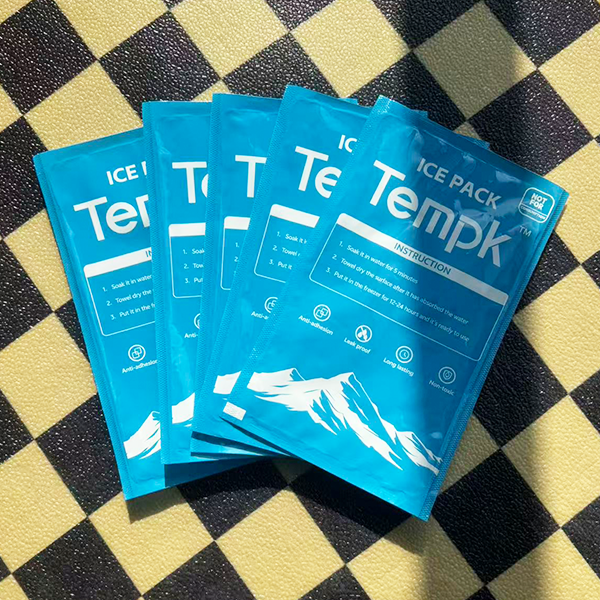
Pharmaceutical Ice Box Manufacturer Cost: A Practical Buying Framework
A pharmaceutical ice box manufacturer cost quote is useful only after the buyer defines the route, payload, temperature requirement, and evidence needed for approval. The box can be well made and still be wrong for the shipment if usable volume, coolant layout, handling, or documentation do not match the operation. Pharmaceutical temperature requirements are product-specific; common ranges include refrigerated and controlled-room-temperature categories, but they are not interchangeable. Use the following framework to compare suppliers without relying on price or appearance alone.
Quick answer for buyers
Choose the supplier that can explain fit, not merely price. Confirm the required temperature range, practical payload space, coolant plan, route exposure, cleaning process, and documentation before a bulk order. If any of those details are unknown, approve samples slowly and define what must remain unchanged in production.
Define the shipment before you compare suppliers
A pharmaceutical ice box is usually a passive packaging component, not a complete compliance guarantee. It may be used with gel packs, PCM packs, dividers, absorbent materials, and temperature monitoring devices. The box slows heat transfer, while the full packout and route procedure determine whether the product remains within the required range. Pharmaceutical buyers should avoid language that suggests a box alone is approved for every medicine, market, or lane.
Before looking at price, define what the box must do on your route. Is it protecting a chilled product during a short vehicle transfer, supporting a medicine delivery with receiving checks, or holding payload during a multi-handover export lane? Each case changes how much evidence you should request. A practical buyer does not ask only whether the box is insulated; the buyer asks whether it can be operated consistently under the expected conditions.
Read the quotation through scope and risk
Cost should be evaluated in the sequence buyers actually experience it: specification, sample, approval, production, delivery, operation, return, and replacement. Manufacturer cost is a combination of materials, design complexity, evidence level, sample approval, packaging, and repeat-order controls. A supplier with a higher initial quotation may be the lower-risk option if it reduces uncertainty around usable volume, closure reliability, production consistency, and packing evidence.
The first cost checkpoint is fit. If the internal layout forces staff to overpack, open the lid repeatedly, or place coolant directly against sensitive goods, the box creates handling cost and quality risk. The second checkpoint is evidence. A provider that can explain test conditions, sample controls, and material choices helps the buyer make a defensible decision. The third checkpoint is repeatability. Bulk orders only make sense if production units match what the team approved.
Do not ask for a final price before you define what must remain unchanged. That includes material grade or material family, gross and usable dimensions, lid and plug details, accessory layout, carton packing, labeling, and any documentation that your quality or operations team needs. A clear specification makes price negotiation more honest because vendors are quoting the same work.
Supplier comparison table for a controlled quotation
| Buyer checkpoint | What to ask the supplier | Decision signal |
|---|---|---|
| Route fit | What route duration, waiting points, and ambient exposure was assumed? | The supplier understands the real shipment rather than only the product name. |
| Payload fit | How is capacity must be evaluated as usable space in a defined packout, not as a catalogue number. handled? | The quote reflects usable space, not only nominal volume. |
| Coolant plan | Which ice packs, gel packs, or PCM packs are recommended? | The supplier treats the box and coolant as one system. |
| Handling design | How do manufacturing consistency, tooling, material selection, validation support, packaging, documentation, and change-control communication affect daily operation? | The box is practical for staff, receivers, and cleaning teams. |
| Evidence level | What test basis, instructions, or quality documents can be reviewed? | Claims can be checked before bulk purchase. |
The checklist is not meant to slow purchasing. It helps buyers compare suppliers on the same basis. When each vendor answers the same route, payload, coolant, handling, and evidence questions, the final price becomes much easier to interpret.
Route, payload, and receiving checks should agree
Supplier selection should start with the shipment path, not with the catalogue category. Identify the product temperature requirement, expected transit time, loading environment, handover points, receiving process, and whether the box is reused. This route map will show whether the buyer needs a basic insulated container, a medical cooler, a qualified passive packaging system, or a different solution altogether.
A buyer may ask for the lowest manufacturer cost for a medicine route. The cost discussion should start with product risk, temperature range, route exposure, payload, and required evidence, because a small specification change can change the real cost of operating the packaging. A strong supplier will respond by discussing packout, usable volume, accessories, and evidence. A weak supplier will usually respond with a broad promise. The difference matters because the buyer must operate the packaging after the sales conversation ends.
When the shipment is sensitive, bring quality or operations reviewers into the sample stage. Their questions are often different from procurement questions. They will look at documentation, receiving decisions, cleaning, labeling, and how exceptions are handled. Those questions may prevent a bulk order that looks cheap but becomes difficult to use.
Temperature claims need conditions attached
Healthcare and pharmaceutical distribution often uses defined temperature categories such as refrigerated, controlled room temperature, frozen, or product-specific ranges. These ranges should not be guessed from the product name. The product label, quality procedure, and market requirements should lead the packaging decision. Guidance from GDP, USP, IATA, and public health authorities is useful for framing risk, documentation, and transport responsibilities.
For procurement teams, the most useful action is to ask what must be verified before use. Does the product need a documented packout? Is monitoring required? Will the receiver review a temperature record? Are there local rules for the product category? These questions prevent a generic ice box purchase from being mistaken for a controlled shipping process.
What to ask before moving from sample to bulk order
A focused supplier conversation saves time because it removes vague promises early. Use the questions below before ordering samples, not after the first production batch is already planned.
- What exact product or route is this pharmaceutical insulated ice boxes and passive temperature-controlled packaging components designed to support?
- Which temperature range was assumed, and who must confirm it internally?
- What are the internal and external dimensions, and what is the usable space after coolant and accessories?
- What coolant packs, PCM packs, or dividers are recommended, and how should they be conditioned?
- What sample approval process keeps bulk production aligned with the sample?
- What cleaning, inspection, or retirement criteria should operators follow?
- What carton packing, labeling, and replacement accessory policy applies for export or repeat orders?
These questions also protect the supplier relationship. When you define route, payload, manufacturing consistency, tooling, material selection, validation support, packaging, documentation, and change-control communication, and evidence needs upfront, the supplier can recommend a realistic model instead of guessing from a short keyword request. A better request usually leads to a better sample.
Avoid the three mistakes that raise real cost
The first avoidable error is starting with price before defining the risk. The common mistake is to ask for cost before defining quality evidence. A quotation has meaning only when it reflects a known payload, route, coolant plan, and evidence level.
The second error is skipping sample-to-production control. Ask the manufacturer or provider what can change without notice and what requires buyer approval. For sensitive goods, even small changes in lid fit, drain detail, insulation, or accessories can force a new review. This does not mean every project needs heavy documentation, but it does mean important assumptions should be written down.
The third error is forgetting the people who handle the box. A product that looks correct on a spreadsheet may be awkward when loaded, difficult to clean, hard to stack, or confusing at receiving. Real operational cost appears in those small friction points.
Practical example: when the cheapest quote is not the clearest
A buyer reviewing pharmaceutical ice box manufacturer cost options may begin with three suppliers that all claim similar insulation. After a packout discussion, the differences become clearer. One supplier cannot explain usable space after coolant. One can provide dimensions but no production control. One can discuss route, payload, accessory layout, and sample records. The last supplier may not be the cheapest, but it gives the buyer a stronger basis for approval.
The lesson is not that higher price is always better. The lesson is that price should be attached to a defined scope. When scope is unclear, buyers often pay later through repacking, extra labor, delayed approvals, or shipment holds. A clear early review keeps cost, quality, and operations in the same conversation.
The box also has to work after delivery
The receiving step completes the packaging decision. A receiver should know how to inspect the box, where to find documents or monitoring devices, how to move the payload back into controlled storage, and what condition requires quarantine or escalation. If the box is reusable, the empty unit then needs cleaning, drying, accessory check, and damage inspection before the next dispatch.
This is where manufacturing consistency, tooling, material selection, validation support, packaging, documentation, and change-control communication becomes operational rather than decorative. A plug that is hard to clean, a lid that is difficult to close, a handle that flexes under load, or an internal layout that hides the payload can all create repeated friction. Suppliers should be asked how the box performs at the end of the route, not only at the moment it is packed.
For repeated B2B operations, create a simple retirement rule. Remove boxes from use when insulation is cracked, closure is unreliable, the plug leaks, labels cannot be cleaned, or accessories no longer fit. Reuse only reduces cost when the box remains inspectable and fit for purpose.
FAQ
Is a pharmaceutical ice box manufacturer cost enough to protect temperature-sensitive goods?
Not by itself. An insulated box slows heat transfer, but protection depends on the full system: required temperature range, coolant type, packout, payload temperature, route duration, ambient exposure, opening behavior, and receiving process. For regulated or high-risk products, ask whether additional qualification or quality review is needed.
What should I ask before ordering samples?
Ask for internal and external dimensions, usable volume after coolant, recommended packout, material and closure details, cleaning instructions, carton packing, sample approval steps, and any test basis. For this topic, pay special attention to manufacturing consistency, tooling, material selection, validation support, packaging, documentation, and change-control communication.
How should I compare supplier cost or price?
Compare quotes only after defining the same specification. Check whether the price includes accessories, export packing, documentation, sampling support, replacement parts, and communication for repeat orders. A cheaper unit may cost more if it increases freight volume, labor, rework, or shipment risk.
Can I rely on a supplier's hold-time claim?
Treat it as a starting point. Ask what ambient profile, payload, coolant configuration, starting condition, and acceptance range were used. If your route differs, the claim may not apply directly. Additional testing or a revised packout may be needed before bulk use.
Do medical or pharmaceutical ice boxes need special documentation?
Documentation needs depend on the product, market, route, and internal quality system. Buyers often ask for specifications, packout instructions, cleaning guidance, sample records, and any available testing basis. Avoid assuming that a product name alone makes the box suitable for every healthcare shipment.
Conclusion
The best pharmaceutical ice box manufacturer cost decision is made after route, payload, temperature requirement, usable volume, packout, evidence, and receiving workflow are defined. Price matters, but it should not be evaluated before the work scope is clear. A supplier who helps you clarify these details is often easier to work with than one who answers only with a fast quotation.
Before ordering in bulk, document what the sample must prove and what must remain consistent in production. For sensitive medical or pharmaceutical routes, involve the quality team early and use cautious language around compliance or qualification. The safest sourcing decision is usually the one that buyers, operators, and receivers can all carry out consistently.
About Tempk
Tempk supports B2B buyers with cold-chain packaging options such as ice packs, PCM packs, insulated boxes, EPP or VIP cooler box formats, insulated liners, and pallet-level thermal protection. For pharmaceutical insulated ice boxes and passive temperature-controlled packaging components, we focus on practical fit: the route, payload, temperature target, coolant plan, cleaning process, and evidence a buyer should review before scaling. We avoid treating an insulated box as a universal answer; the better discussion is how the package will be used in your real operation.
Share your route, payload, target temperature range, and buying stage with Tempk to compare suitable ice box and coolant options before sample or bulk procurement.
Medical Ice Box Vendor Cost: Practical Cost and Supplier Guide
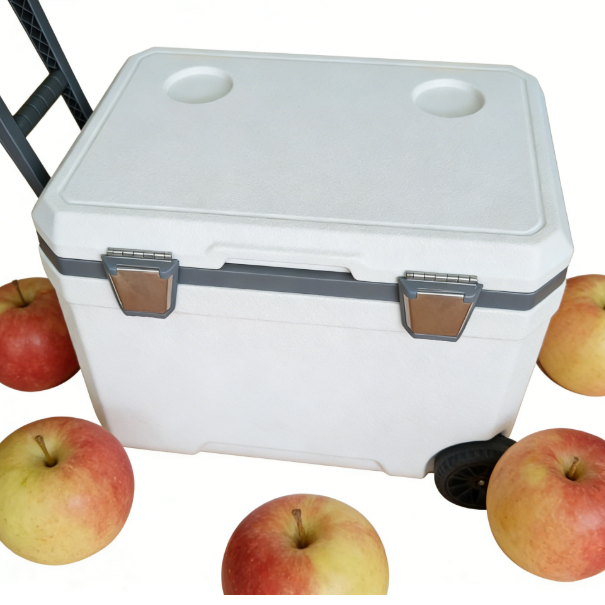
Medical Ice Box Vendor Cost: A Practical Buying Framework
A medical ice box vendor cost quote is useful only after the buyer defines the route, payload, temperature requirement, and evidence needed for approval. The box can be well made and still be wrong for the shipment if usable volume, coolant layout, handling, or documentation do not match the operation. Medical products do not all share one temperature requirement; the product label and quality review should define the allowed range. Use the following framework to compare suppliers without relying on price or appearance alone.
Quick answer for buyers
Choose the supplier that can explain fit, not merely price. Confirm the required temperature range, practical payload space, coolant plan, route exposure, cleaning process, and documentation before a bulk order. If any of those details are unknown, approve samples slowly and define what must remain unchanged in production.
Define the shipment before you compare suppliers
A medical ice box sits between general insulated packaging and a documented healthcare transport system. It may support medicines, diagnostics, samples, or clinic deliveries, but suitability depends on the product label, route, receiving process, and quality review. The box should make safe handling easier: clear internal layout, cleanable surfaces, compatible coolant, and space for monitoring or paperwork when needed.
Before looking at price, define what the box must do on your route. Is it protecting a chilled product during a short vehicle transfer, supporting a medicine delivery with receiving checks, or holding payload during a multi-handover export lane? Each case changes how much evidence you should request. A practical buyer does not ask only whether the box is insulated; the buyer asks whether it can be operated consistently under the expected conditions.
Read the quotation through scope and risk
Cost should be evaluated in the sequence buyers actually experience it: specification, sample, approval, production, delivery, operation, return, and replacement. Vendor cost should be judged against operational clarity, quality review, packout support, cleaning work, and repeat-order consistency. A supplier with a higher initial quotation may be the lower-risk option if it reduces uncertainty around usable volume, closure reliability, production consistency, and packing evidence.
The first cost checkpoint is fit. If the internal layout forces staff to overpack, open the lid repeatedly, or place coolant directly against sensitive goods, the box creates handling cost and quality risk. The second checkpoint is evidence. A provider that can explain test conditions, sample controls, and material choices helps the buyer make a defensible decision. The third checkpoint is repeatability. Bulk orders only make sense if production units match what the team approved.
Do not ask for a final price before you define what must remain unchanged. That includes material grade or material family, gross and usable dimensions, lid and plug details, accessory layout, carton packing, labeling, and any documentation that your quality or operations team needs. A clear specification makes price negotiation more honest because vendors are quoting the same work.
Supplier comparison table for a controlled quotation
| Buyer checkpoint | What to ask the supplier | Decision signal |
|---|---|---|
| Route fit | What route duration, waiting points, and ambient exposure was assumed? | The supplier understands the real shipment rather than only the product name. |
| Payload fit | How is usable capacity must account for coolant packs, sample racks, absorbent materials, documents, and any logger placement. handled? | The quote reflects usable space, not only nominal volume. |
| Coolant plan | Which ice packs, gel packs, or PCM packs are recommended? | The supplier treats the box and coolant as one system. |
| Handling design | How do documentation support, cleanability, inner layout, coolant compatibility, sample consistency, and receiving checks affect daily operation? | The box is practical for staff, receivers, and cleaning teams. |
| Evidence level | What test basis, instructions, or quality documents can be reviewed? | Claims can be checked before bulk purchase. |
The checklist is not meant to slow purchasing. It helps buyers compare suppliers on the same basis. When each vendor answers the same route, payload, coolant, handling, and evidence questions, the final price becomes much easier to interpret.
Route, payload, and receiving checks should agree
Supplier selection should start with the shipment path, not with the catalogue category. Identify the product temperature requirement, expected transit time, loading environment, handover points, receiving process, and whether the box is reused. This route map will show whether the buyer needs a basic insulated container, a medical cooler, a qualified passive packaging system, or a different solution altogether.
A laboratory distributor may need boxes that staff can clean, inspect, label, and return with little ambiguity. A low-cost box becomes expensive if it forces extra handling or creates uncertainty at receiving. A strong supplier will respond by discussing packout, usable volume, accessories, and evidence. A weak supplier will usually respond with a broad promise. The difference matters because the buyer must operate the packaging after the sales conversation ends.
When the shipment is sensitive, bring quality or operations reviewers into the sample stage. Their questions are often different from procurement questions. They will look at documentation, receiving decisions, cleaning, labeling, and how exceptions are handled. Those questions may prevent a bulk order that looks cheap but becomes difficult to use.
Temperature claims need conditions attached
Healthcare and pharmaceutical distribution often uses defined temperature categories such as refrigerated, controlled room temperature, frozen, or product-specific ranges. These ranges should not be guessed from the product name. The product label, quality procedure, and market requirements should lead the packaging decision. Guidance from GDP, USP, IATA, and public health authorities is useful for framing risk, documentation, and transport responsibilities.
For procurement teams, the most useful action is to ask what must be verified before use. Does the product need a documented packout? Is monitoring required? Will the receiver review a temperature record? Are there local rules for the product category? These questions prevent a generic ice box purchase from being mistaken for a controlled shipping process.
What to ask before moving from sample to bulk order
A focused supplier conversation saves time because it removes vague promises early. Use the questions below before ordering samples, not after the first production batch is already planned.
- What exact product or route is this medical insulated ice boxes for medicines, samples, diagnostics, and short-route healthcare transport designed to support?
- Which temperature range was assumed, and who must confirm it internally?
- What are the internal and external dimensions, and what is the usable space after coolant and accessories?
- What coolant packs, PCM packs, or dividers are recommended, and how should they be conditioned?
- What sample approval process keeps bulk production aligned with the sample?
- What cleaning, inspection, or retirement criteria should operators follow?
- What carton packing, labeling, and replacement accessory policy applies for export or repeat orders?
These questions also protect the supplier relationship. When you define route, payload, documentation support, cleanability, inner layout, coolant compatibility, sample consistency, and receiving checks, and evidence needs upfront, the supplier can recommend a realistic model instead of guessing from a short keyword request. A better request usually leads to a better sample.
Avoid the three mistakes that raise real cost
The first avoidable error is starting with price before defining the risk. The common mistake is to request a medical ice box without describing the payload and receiving process. A quotation has meaning only when it reflects a known payload, route, coolant plan, and evidence level.
The second error is skipping sample-to-production control. Ask the manufacturer or provider what can change without notice and what requires buyer approval. For sensitive goods, even small changes in lid fit, drain detail, insulation, or accessories can force a new review. This does not mean every project needs heavy documentation, but it does mean important assumptions should be written down.
The third error is forgetting the people who handle the box. A product that looks correct on a spreadsheet may be awkward when loaded, difficult to clean, hard to stack, or confusing at receiving. Real operational cost appears in those small friction points.
Practical example: when the cheapest quote is not the clearest
A buyer reviewing medical ice box vendor cost options may begin with three suppliers that all claim similar insulation. After a packout discussion, the differences become clearer. One supplier cannot explain usable space after coolant. One can provide dimensions but no production control. One can discuss route, payload, accessory layout, and sample records. The last supplier may not be the cheapest, but it gives the buyer a stronger basis for approval.
The lesson is not that higher price is always better. The lesson is that price should be attached to a defined scope. When scope is unclear, buyers often pay later through repacking, extra labor, delayed approvals, or shipment holds. A clear early review keeps cost, quality, and operations in the same conversation.
The box also has to work after delivery
The receiving step completes the packaging decision. A receiver should know how to inspect the box, where to find documents or monitoring devices, how to move the payload back into controlled storage, and what condition requires quarantine or escalation. If the box is reusable, the empty unit then needs cleaning, drying, accessory check, and damage inspection before the next dispatch.
This is where documentation support, cleanability, inner layout, coolant compatibility, sample consistency, and receiving checks becomes operational rather than decorative. A plug that is hard to clean, a lid that is difficult to close, a handle that flexes under load, or an internal layout that hides the payload can all create repeated friction. Suppliers should be asked how the box performs at the end of the route, not only at the moment it is packed.
For repeated B2B operations, create a simple retirement rule. Remove boxes from use when insulation is cracked, closure is unreliable, the plug leaks, labels cannot be cleaned, or accessories no longer fit. Reuse only reduces cost when the box remains inspectable and fit for purpose.
FAQ
Is a medical ice box vendor cost enough to protect temperature-sensitive goods?
Not by itself. An insulated box slows heat transfer, but protection depends on the full system: required temperature range, coolant type, packout, payload temperature, route duration, ambient exposure, opening behavior, and receiving process. For regulated or high-risk products, ask whether additional qualification or quality review is needed.
What should I ask before ordering samples?
Ask for internal and external dimensions, usable volume after coolant, recommended packout, material and closure details, cleaning instructions, carton packing, sample approval steps, and any test basis. For this topic, pay special attention to documentation support, cleanability, inner layout, coolant compatibility, sample consistency, and receiving checks.
How should I compare supplier cost or price?
Compare quotes only after defining the same specification. Check whether the price includes accessories, export packing, documentation, sampling support, replacement parts, and communication for repeat orders. A cheaper unit may cost more if it increases freight volume, labor, rework, or shipment risk.
Can I rely on a supplier's hold-time claim?
Treat it as a starting point. Ask what ambient profile, payload, coolant configuration, starting condition, and acceptance range were used. If your route differs, the claim may not apply directly. Additional testing or a revised packout may be needed before bulk use.
Do medical or pharmaceutical ice boxes need special documentation?
Documentation needs depend on the product, market, route, and internal quality system. Buyers often ask for specifications, packout instructions, cleaning guidance, sample records, and any available testing basis. Avoid assuming that a product name alone makes the box suitable for every healthcare shipment.
Conclusion
The best medical ice box vendor cost decision is made after route, payload, temperature requirement, usable volume, packout, evidence, and receiving workflow are defined. Price matters, but it should not be evaluated before the work scope is clear. A supplier who helps you clarify these details is often easier to work with than one who answers only with a fast quotation.
Before ordering in bulk, document what the sample must prove and what must remain consistent in production. For sensitive medical or pharmaceutical routes, involve the quality team early and use cautious language around compliance or qualification. The safest sourcing decision is usually the one that buyers, operators, and receivers can all carry out consistently.
About Tempk
Tempk supports B2B buyers with cold-chain packaging options such as ice packs, PCM packs, insulated boxes, EPP or VIP cooler box formats, insulated liners, and pallet-level thermal protection. For medical insulated ice boxes for medicines, samples, diagnostics, and short-route healthcare transport, we focus on practical fit: the route, payload, temperature target, coolant plan, cleaning process, and evidence a buyer should review before scaling. We avoid treating an insulated box as a universal answer; the better discussion is how the package will be used in your real operation.
Share your route, payload, target temperature range, and buying stage with Tempk to compare suitable ice box and coolant options before sample or bulk procurement.
Industrial Ice Box Vendor Price: Practical Cost and Supplier Guide
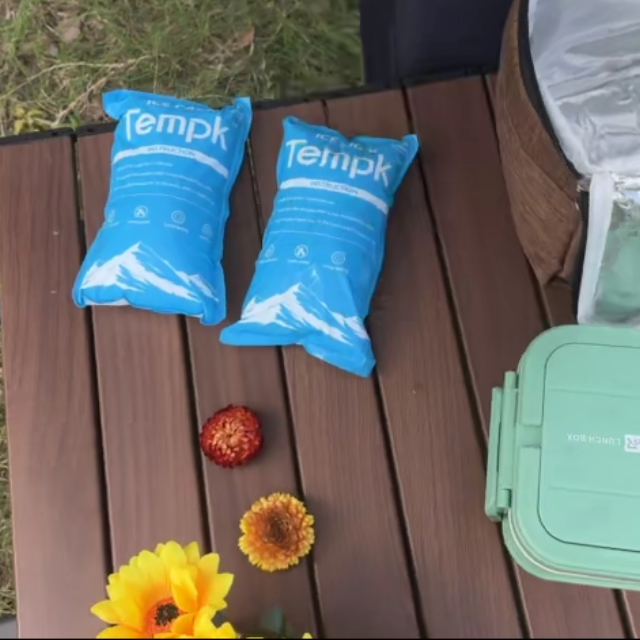
Industrial Ice Box Vendor Price: A Practical Buying Framework
A industrial ice box vendor price quote is useful only after the buyer defines the route, payload, temperature requirement, and evidence needed for approval. The box can be well made and still be wrong for the shipment if usable volume, coolant layout, handling, or documentation do not match the operation. Do not assume price alone predicts thermal performance; route testing and packout details matter more than catalogue claims. Use the following framework to compare suppliers without relying on price or appearance alone.
Quick answer for buyers
Choose the supplier that can explain fit, not merely price. Confirm the required temperature range, practical payload space, coolant plan, route exposure, cleaning process, and documentation before a bulk order. If any of those details are unknown, approve samples slowly and define what must remain unchanged in production.
Define the shipment before you compare suppliers
An industrial ice box is a reusable or semi-reusable insulated container used in repeated cold-chain operations. It is not automatically a pharmaceutical shipper, and it is not automatically qualified for any route. Its value comes from matching insulation, size, closure, durability, cleaning, and coolant loading to the actual shipment. For many industrial buyers, operational consistency matters as much as the first purchase price.
Before looking at price, define what the box must do on your route. Is it protecting a chilled product during a short vehicle transfer, supporting a medicine delivery with receiving checks, or holding payload during a multi-handover export lane? Each case changes how much evidence you should request. A practical buyer does not ask only whether the box is insulated; the buyer asks whether it can be operated consistently under the expected conditions.
Read the quotation through scope and risk
Cost should be evaluated in the sequence buyers actually experience it: specification, sample, approval, production, delivery, operation, return, and replacement. Vendor price should be normalized before comparison; otherwise the cheapest quote may simply omit important items. A supplier with a higher initial quotation may be the lower-risk option if it reduces uncertainty around usable volume, closure reliability, production consistency, and packing evidence.
The first cost checkpoint is fit. If the internal layout forces staff to overpack, open the lid repeatedly, or place coolant directly against sensitive goods, the box creates handling cost and quality risk. The second checkpoint is evidence. A provider that can explain test conditions, sample controls, and material choices helps the buyer make a defensible decision. The third checkpoint is repeatability. Bulk orders only make sense if production units match what the team approved.
Do not ask for a final price before you define what must remain unchanged. That includes material grade or material family, gross and usable dimensions, lid and plug details, accessory layout, carton packing, labeling, and any documentation that your quality or operations team needs. A clear specification makes price negotiation more honest because vendors are quoting the same work.
Supplier comparison table for a controlled quotation
| Buyer checkpoint | What to ask the supplier | Decision signal |
|---|---|---|
| Route fit | What route duration, waiting points, and ambient exposure was assumed? | The supplier understands the real shipment rather than only the product name. |
| Payload fit | How is price should be compared together with usable volume, loaded weight, carton size, and return efficiency. handled? | The quote reflects usable space, not only nominal volume. |
| Coolant plan | Which ice packs, gel packs, or PCM packs are recommended? | The supplier treats the box and coolant as one system. |
| Handling design | How do price drivers, material specification, sample approval, carton packing, replacement accessories, and change-control communication affect daily operation? | The box is practical for staff, receivers, and cleaning teams. |
| Evidence level | What test basis, instructions, or quality documents can be reviewed? | Claims can be checked before bulk purchase. |
The checklist is not meant to slow purchasing. It helps buyers compare suppliers on the same basis. When each vendor answers the same route, payload, coolant, handling, and evidence questions, the final price becomes much easier to interpret.
Route, payload, and receiving checks should agree
Supplier selection should start with the shipment path, not with the catalogue category. Identify the product temperature requirement, expected transit time, loading environment, handover points, receiving process, and whether the box is reused. This route map will show whether the buyer needs a basic insulated container, a medical cooler, a qualified passive packaging system, or a different solution altogether.
A sourcing team may negotiate with several vendors and receive prices that look close. The better comparison starts after all vendors quote the same material, lid design, accessories, packing method, and evidence level. A strong supplier will respond by discussing packout, usable volume, accessories, and evidence. A weak supplier will usually respond with a broad promise. The difference matters because the buyer must operate the packaging after the sales conversation ends.
When the shipment is sensitive, bring quality or operations reviewers into the sample stage. Their questions are often different from procurement questions. They will look at documentation, receiving decisions, cleaning, labeling, and how exceptions are handled. Those questions may prevent a bulk order that looks cheap but becomes difficult to use.
Temperature claims need conditions attached
Industrial cold-chain applications vary widely. Food, ingredients, chemicals, medical supplies, and other temperature-sensitive goods can have different acceptance criteria. Instead of asking whether the box is generally cold-chain suitable, buyers should define the required temperature range and the allowable exposure conditions for the actual payload.
For procurement teams, the most useful action is to ask what must be verified before use. Does the product need a documented packout? Is monitoring required? Will the receiver review a temperature record? Are there local rules for the product category? These questions prevent a generic ice box purchase from being mistaken for a controlled shipping process.
What to ask before moving from sample to bulk order
A focused supplier conversation saves time because it removes vague promises early. Use the questions below before ordering samples, not after the first production batch is already planned.
- What exact product or route is this industrial insulated ice boxes for repeated B2B cold-chain operations designed to support?
- Which temperature range was assumed, and who must confirm it internally?
- What are the internal and external dimensions, and what is the usable space after coolant and accessories?
- What coolant packs, PCM packs, or dividers are recommended, and how should they be conditioned?
- What sample approval process keeps bulk production aligned with the sample?
- What cleaning, inspection, or retirement criteria should operators follow?
- What carton packing, labeling, and replacement accessory policy applies for export or repeat orders?
These questions also protect the supplier relationship. When you define route, payload, price drivers, material specification, sample approval, carton packing, replacement accessories, and change-control communication, and evidence needs upfront, the supplier can recommend a realistic model instead of guessing from a short keyword request. A better request usually leads to a better sample.
Avoid the three mistakes that raise real cost
The first avoidable error is starting with price before defining the risk. The common mistake is to ask vendors for their best price without giving a controlled specification. A quotation has meaning only when it reflects a known payload, route, coolant plan, and evidence level.
The second error is skipping sample-to-production control. Ask the manufacturer or provider what can change without notice and what requires buyer approval. For sensitive goods, even small changes in lid fit, drain detail, insulation, or accessories can force a new review. This does not mean every project needs heavy documentation, but it does mean important assumptions should be written down.
The third error is forgetting the people who handle the box. A product that looks correct on a spreadsheet may be awkward when loaded, difficult to clean, hard to stack, or confusing at receiving. Real operational cost appears in those small friction points.
Practical example: when the cheapest quote is not the clearest
A buyer reviewing industrial ice box vendor price options may begin with three suppliers that all claim similar insulation. After a packout discussion, the differences become clearer. One supplier cannot explain usable space after coolant. One can provide dimensions but no production control. One can discuss route, payload, accessory layout, and sample records. The last supplier may not be the cheapest, but it gives the buyer a stronger basis for approval.
The lesson is not that higher price is always better. The lesson is that price should be attached to a defined scope. When scope is unclear, buyers often pay later through repacking, extra labor, delayed approvals, or shipment holds. A clear early review keeps cost, quality, and operations in the same conversation.
The box also has to work after delivery
The receiving step completes the packaging decision. A receiver should know how to inspect the box, where to find documents or monitoring devices, how to move the payload back into controlled storage, and what condition requires quarantine or escalation. If the box is reusable, the empty unit then needs cleaning, drying, accessory check, and damage inspection before the next dispatch.
This is where price drivers, material specification, sample approval, carton packing, replacement accessories, and change-control communication becomes operational rather than decorative. A plug that is hard to clean, a lid that is difficult to close, a handle that flexes under load, or an internal layout that hides the payload can all create repeated friction. Suppliers should be asked how the box performs at the end of the route, not only at the moment it is packed.
For repeated B2B operations, create a simple retirement rule. Remove boxes from use when insulation is cracked, closure is unreliable, the plug leaks, labels cannot be cleaned, or accessories no longer fit. Reuse only reduces cost when the box remains inspectable and fit for purpose.
FAQ
Is a industrial ice box vendor price enough to protect temperature-sensitive goods?
Not by itself. An insulated box slows heat transfer, but protection depends on the full system: required temperature range, coolant type, packout, payload temperature, route duration, ambient exposure, opening behavior, and receiving process. For regulated or high-risk products, ask whether additional qualification or quality review is needed.
What should I ask before ordering samples?
Ask for internal and external dimensions, usable volume after coolant, recommended packout, material and closure details, cleaning instructions, carton packing, sample approval steps, and any test basis. For this topic, pay special attention to price drivers, material specification, sample approval, carton packing, replacement accessories, and change-control communication.
How should I compare supplier cost or price?
Compare quotes only after defining the same specification. Check whether the price includes accessories, export packing, documentation, sampling support, replacement parts, and communication for repeat orders. A cheaper unit may cost more if it increases freight volume, labor, rework, or shipment risk.
Can I rely on a supplier's hold-time claim?
Treat it as a starting point. Ask what ambient profile, payload, coolant configuration, starting condition, and acceptance range were used. If your route differs, the claim may not apply directly. Additional testing or a revised packout may be needed before bulk use.
Is a reusable industrial ice box always the lower-cost option?
No. Reuse lowers cost only when the buyer can recover, clean, inspect, store, and redeploy boxes reliably. One-way routes, poor return control, or heavy damage rates may make another packaging model more practical.
Conclusion
The best industrial ice box vendor price decision is made after route, payload, temperature requirement, usable volume, packout, evidence, and receiving workflow are defined. Price matters, but it should not be evaluated before the work scope is clear. A supplier who helps you clarify these details is often easier to work with than one who answers only with a fast quotation.
Before ordering in bulk, document what the sample must prove and what must remain consistent in production. For sensitive medical or pharmaceutical routes, involve the quality team early and use cautious language around compliance or qualification. The safest sourcing decision is usually the one that buyers, operators, and receivers can all carry out consistently.
About Tempk
Tempk supports B2B buyers with cold-chain packaging options such as ice packs, PCM packs, insulated boxes, EPP or VIP cooler box formats, insulated liners, and pallet-level thermal protection. For industrial insulated ice boxes for repeated B2B cold-chain operations, we focus on practical fit: the route, payload, temperature target, coolant plan, cleaning process, and evidence a buyer should review before scaling. We avoid treating an insulated box as a universal answer; the better discussion is how the package will be used in your real operation.
Share your route, payload, target temperature range, and buying stage with Tempk to compare suitable ice box and coolant options before sample or bulk procurement.
Industrial Ice Box Provider Cost: Practical Cost and Supplier Guide
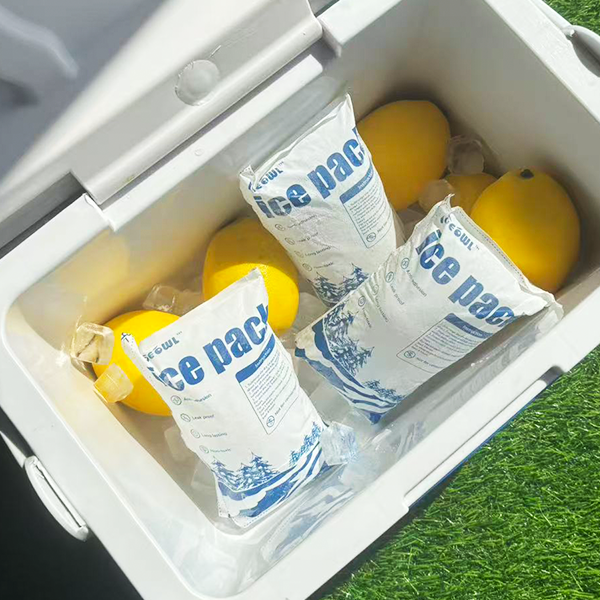
Industrial Ice Box Provider Cost: A Practical Buying Framework
A industrial ice box provider cost quote is useful only after the buyer defines the route, payload, temperature requirement, and evidence needed for approval. The box can be well made and still be wrong for the shipment if usable volume, coolant layout, handling, or documentation do not match the operation. Industrial cold-chain use can involve chilled, frozen, or controlled conditions, and each requires a different coolant and packout plan. Use the following framework to compare suppliers without relying on price or appearance alone.
Quick answer for buyers
Choose the supplier that can explain fit, not merely price. Confirm the required temperature range, practical payload space, coolant plan, route exposure, cleaning process, and documentation before a bulk order. If any of those details are unknown, approve samples slowly and define what must remain unchanged in production.
Define the shipment before you compare suppliers
An industrial ice box is a reusable or semi-reusable insulated container used in repeated cold-chain operations. It is not automatically a pharmaceutical shipper, and it is not automatically qualified for any route. Its value comes from matching insulation, size, closure, durability, cleaning, and coolant loading to the actual shipment. For many industrial buyers, operational consistency matters as much as the first purchase price.
Before looking at price, define what the box must do on your route. Is it protecting a chilled product during a short vehicle transfer, supporting a medicine delivery with receiving checks, or holding payload during a multi-handover export lane? Each case changes how much evidence you should request. A practical buyer does not ask only whether the box is insulated; the buyer asks whether it can be operated consistently under the expected conditions.
Read the quotation through scope and risk
Cost should be evaluated in the sequence buyers actually experience it: specification, sample, approval, production, delivery, operation, return, and replacement. Provider cost is not only purchase price; it also includes labor, storage, reuse losses, freight cube, and downtime when boxes fail. A supplier with a higher initial quotation may be the lower-risk option if it reduces uncertainty around usable volume, closure reliability, production consistency, and packing evidence.
The first cost checkpoint is fit. If the internal layout forces staff to overpack, open the lid repeatedly, or place coolant directly against sensitive goods, the box creates handling cost and quality risk. The second checkpoint is evidence. A provider that can explain test conditions, sample controls, and material choices helps the buyer make a defensible decision. The third checkpoint is repeatability. Bulk orders only make sense if production units match what the team approved.
Do not ask for a final price before you define what must remain unchanged. That includes material grade or material family, gross and usable dimensions, lid and plug details, accessory layout, carton packing, labeling, and any documentation that your quality or operations team needs. A clear specification makes price negotiation more honest because vendors are quoting the same work.
Supplier comparison table for a controlled quotation
| Buyer checkpoint | What to ask the supplier | Decision signal |
|---|---|---|
| Route fit | What route duration, waiting points, and ambient exposure was assumed? | The supplier understands the real shipment rather than only the product name. |
| Payload fit | How is industrial capacity should be checked against real payload, lifting ergonomics, vehicle space, and whether the box must return nested or stacked. handled? | The quote reflects usable space, not only nominal volume. |
| Coolant plan | Which ice packs, gel packs, or PCM packs are recommended? | The supplier treats the box and coolant as one system. |
| Handling design | How do durability, cleaning, stacking behavior, return flow, accessory replacement, and evidence of repeatable construction affect daily operation? | The box is practical for staff, receivers, and cleaning teams. |
| Evidence level | What test basis, instructions, or quality documents can be reviewed? | Claims can be checked before bulk purchase. |
The checklist is not meant to slow purchasing. It helps buyers compare suppliers on the same basis. When each vendor answers the same route, payload, coolant, handling, and evidence questions, the final price becomes much easier to interpret.
Route, payload, and receiving checks should agree
Supplier selection should start with the shipment path, not with the catalogue category. Identify the product temperature requirement, expected transit time, loading environment, handover points, receiving process, and whether the box is reused. This route map will show whether the buyer needs a basic insulated container, a medical cooler, a qualified passive packaging system, or a different solution altogether.
A warehouse team using ice boxes every day may care less about catalogue appearance and more about lid alignment, handle fatigue, stacking stability, cleaning time, and how quickly damaged units can be identified. A strong supplier will respond by discussing packout, usable volume, accessories, and evidence. A weak supplier will usually respond with a broad promise. The difference matters because the buyer must operate the packaging after the sales conversation ends.
When the shipment is sensitive, bring quality or operations reviewers into the sample stage. Their questions are often different from procurement questions. They will look at documentation, receiving decisions, cleaning, labeling, and how exceptions are handled. Those questions may prevent a bulk order that looks cheap but becomes difficult to use.
Temperature claims need conditions attached
Industrial cold-chain applications vary widely. Food, ingredients, chemicals, medical supplies, and other temperature-sensitive goods can have different acceptance criteria. Instead of asking whether the box is generally cold-chain suitable, buyers should define the required temperature range and the allowable exposure conditions for the actual payload.
For procurement teams, the most useful action is to ask what must be verified before use. Does the product need a documented packout? Is monitoring required? Will the receiver review a temperature record? Are there local rules for the product category? These questions prevent a generic ice box purchase from being mistaken for a controlled shipping process.
What to ask before moving from sample to bulk order
A focused supplier conversation saves time because it removes vague promises early. Use the questions below before ordering samples, not after the first production batch is already planned.
- What exact product or route is this industrial insulated ice boxes for repeated handling, route staging, and bulk temperature-sensitive movement designed to support?
- Which temperature range was assumed, and who must confirm it internally?
- What are the internal and external dimensions, and what is the usable space after coolant and accessories?
- What coolant packs, PCM packs, or dividers are recommended, and how should they be conditioned?
- What sample approval process keeps bulk production aligned with the sample?
- What cleaning, inspection, or retirement criteria should operators follow?
- What carton packing, labeling, and replacement accessory policy applies for export or repeat orders?
These questions also protect the supplier relationship. When you define route, payload, durability, cleaning, stacking behavior, return flow, accessory replacement, and evidence of repeatable construction, and evidence needs upfront, the supplier can recommend a realistic model instead of guessing from a short keyword request. A better request usually leads to a better sample.
Avoid the three mistakes that raise real cost
The first avoidable error is starting with price before defining the risk. The common mistake is to pay for ruggedness that does not match the actual handling route. A quotation has meaning only when it reflects a known payload, route, coolant plan, and evidence level.
The second error is skipping sample-to-production control. Ask the manufacturer or provider what can change without notice and what requires buyer approval. For sensitive goods, even small changes in lid fit, drain detail, insulation, or accessories can force a new review. This does not mean every project needs heavy documentation, but it does mean important assumptions should be written down.
The third error is forgetting the people who handle the box. A product that looks correct on a spreadsheet may be awkward when loaded, difficult to clean, hard to stack, or confusing at receiving. Real operational cost appears in those small friction points.
Practical example: when the cheapest quote is not the clearest
A buyer reviewing industrial ice box provider cost options may begin with three suppliers that all claim similar insulation. After a packout discussion, the differences become clearer. One supplier cannot explain usable space after coolant. One can provide dimensions but no production control. One can discuss route, payload, accessory layout, and sample records. The last supplier may not be the cheapest, but it gives the buyer a stronger basis for approval.
The lesson is not that higher price is always better. The lesson is that price should be attached to a defined scope. When scope is unclear, buyers often pay later through repacking, extra labor, delayed approvals, or shipment holds. A clear early review keeps cost, quality, and operations in the same conversation.
The box also has to work after delivery
The receiving step completes the packaging decision. A receiver should know how to inspect the box, where to find documents or monitoring devices, how to move the payload back into controlled storage, and what condition requires quarantine or escalation. If the box is reusable, the empty unit then needs cleaning, drying, accessory check, and damage inspection before the next dispatch.
This is where durability, cleaning, stacking behavior, return flow, accessory replacement, and evidence of repeatable construction becomes operational rather than decorative. A plug that is hard to clean, a lid that is difficult to close, a handle that flexes under load, or an internal layout that hides the payload can all create repeated friction. Suppliers should be asked how the box performs at the end of the route, not only at the moment it is packed.
For repeated B2B operations, create a simple retirement rule. Remove boxes from use when insulation is cracked, closure is unreliable, the plug leaks, labels cannot be cleaned, or accessories no longer fit. Reuse only reduces cost when the box remains inspectable and fit for purpose.
FAQ
Is a industrial ice box provider cost enough to protect temperature-sensitive goods?
Not by itself. An insulated box slows heat transfer, but protection depends on the full system: required temperature range, coolant type, packout, payload temperature, route duration, ambient exposure, opening behavior, and receiving process. For regulated or high-risk products, ask whether additional qualification or quality review is needed.
What should I ask before ordering samples?
Ask for internal and external dimensions, usable volume after coolant, recommended packout, material and closure details, cleaning instructions, carton packing, sample approval steps, and any test basis. For this topic, pay special attention to durability, cleaning, stacking behavior, return flow, accessory replacement, and evidence of repeatable construction.
How should I compare supplier cost or price?
Compare quotes only after defining the same specification. Check whether the price includes accessories, export packing, documentation, sampling support, replacement parts, and communication for repeat orders. A cheaper unit may cost more if it increases freight volume, labor, rework, or shipment risk.
Can I rely on a supplier's hold-time claim?
Treat it as a starting point. Ask what ambient profile, payload, coolant configuration, starting condition, and acceptance range were used. If your route differs, the claim may not apply directly. Additional testing or a revised packout may be needed before bulk use.
Is a reusable industrial ice box always the lower-cost option?
No. Reuse lowers cost only when the buyer can recover, clean, inspect, store, and redeploy boxes reliably. One-way routes, poor return control, or heavy damage rates may make another packaging model more practical.
Conclusion
The best industrial ice box provider cost decision is made after route, payload, temperature requirement, usable volume, packout, evidence, and receiving workflow are defined. Price matters, but it should not be evaluated before the work scope is clear. A supplier who helps you clarify these details is often easier to work with than one who answers only with a fast quotation.
Before ordering in bulk, document what the sample must prove and what must remain consistent in production. For sensitive medical or pharmaceutical routes, involve the quality team early and use cautious language around compliance or qualification. The safest sourcing decision is usually the one that buyers, operators, and receivers can all carry out consistently.
About Tempk
Tempk supports B2B buyers with cold-chain packaging options such as ice packs, PCM packs, insulated boxes, EPP or VIP cooler box formats, insulated liners, and pallet-level thermal protection. For industrial insulated ice boxes for repeated handling, route staging, and bulk temperature-sensitive movement, we focus on practical fit: the route, payload, temperature target, coolant plan, cleaning process, and evidence a buyer should review before scaling. We avoid treating an insulated box as a universal answer; the better discussion is how the package will be used in your real operation.
Share your route, payload, target temperature range, and buying stage with Tempk to compare suitable ice box and coolant options before sample or bulk procurement.
Drain Plug Vaccine Ice Box Manufacturer: Practical Cost and Supplier Guide
Drain Plug Vaccine Ice Box Manufacturer: A Practical Buying Framework
A drain plug vaccine ice box manufacturer quote is useful only after the buyer defines the route, payload, temperature requirement, and evidence needed for approval. The box can be well made and still be wrong for the shipment if usable volume, coolant layout, handling, or documentation do not match the operation. Many routine vaccine workflows use refrigerated conditions around 2°C to 8°C, but the required range and transport rules must be confirmed for the specific vaccine and local program. Use the following framework to compare suppliers without relying on price or appearance alone.
Quick answer for buyers
Choose the supplier that can explain fit, not merely price. Confirm the required temperature range, practical payload space, coolant plan, route exposure, cleaning process, and documentation before a bulk order. If any of those details are unknown, approve samples slowly and define what must remain unchanged in production.
Define the shipment before you compare suppliers
A vaccine ice box is a passive insulated container used with conditioned ice packs, gel packs, or PCM packs. It does not generate cold by itself. The coolant provides thermal energy, the insulation slows heat transfer, and the packout method determines whether the payload is protected or exposed to freezing or warming risks. A drain plug can support cleaning and drainage, but it should not be treated as a temperature-control feature. For vaccine programs, the supplier discussion should distinguish cold box, vaccine carrier, general medical cooler, and fully qualified shipping system.
Before looking at price, define what the box must do on your route. Is it protecting a chilled product during a short vehicle transfer, supporting a medicine delivery with receiving checks, or holding payload during a multi-handover export lane? Each case changes how much evidence you should request. A practical buyer does not ask only whether the box is insulated; the buyer asks whether it can be operated consistently under the expected conditions.
Read the quotation through scope and risk
Cost should be evaluated in the sequence buyers actually experience it: specification, sample, approval, production, delivery, operation, return, and replacement. Cost depends on insulation structure, lid and plug construction, accessory fit, sampling discipline, and the evidence supplied with the box. A supplier with a higher initial quotation may be the lower-risk option if it reduces uncertainty around usable volume, closure reliability, production consistency, and packing evidence.
The first cost checkpoint is fit. If the internal layout forces staff to overpack, open the lid repeatedly, or place coolant directly against sensitive goods, the box creates handling cost and quality risk. The second checkpoint is evidence. A provider that can explain test conditions, sample controls, and material choices helps the buyer make a defensible decision. The third checkpoint is repeatability. Bulk orders only make sense if production units match what the team approved.
Do not ask for a final price before you define what must remain unchanged. That includes material grade or material family, gross and usable dimensions, lid and plug details, accessory layout, carton packing, labeling, and any documentation that your quality or operations team needs. A clear specification makes price negotiation more honest because vendors are quoting the same work.
Supplier comparison table for a controlled quotation
| Buyer checkpoint | What to ask the supplier | Decision signal |
|---|---|---|
| Route fit | What route duration, waiting points, and ambient exposure was assumed? | The supplier understands the real shipment rather than only the product name. |
| Payload fit | How is for vaccine-specific procurement, capacity should be checked as vaccine storage volume after coolant packs, baskets, dividers, and monitoring devices are placed inside. handled? | The quote reflects usable space, not only nominal volume. |
| Coolant plan | Which ice packs, gel packs, or PCM packs are recommended? | The supplier treats the box and coolant as one system. |
| Handling design | How do drain plug design, cleaning workflow, closure quality, freeze-risk control, and packout evidence affect daily operation? | The box is practical for staff, receivers, and cleaning teams. |
| Evidence level | What test basis, instructions, or quality documents can be reviewed? | Claims can be checked before bulk purchase. |
The checklist is not meant to slow purchasing. It helps buyers compare suppliers on the same basis. When each vendor answers the same route, payload, coolant, handling, and evidence questions, the final price becomes much easier to interpret.
Route, payload, and receiving checks should agree
Supplier selection should start with the shipment path, not with the catalogue category. Identify the product temperature requirement, expected transit time, loading environment, handover points, receiving process, and whether the box is reused. This route map will show whether the buyer needs a basic insulated container, a medical cooler, a qualified passive packaging system, or a different solution altogether.
A district health team may move vaccines from a fixed store to outreach points, then return empty boxes for cleaning before the next route. A drain plug can make cleaning and condensate removal easier, but it should not create a path for contamination, leakage, or warm air movement. A strong supplier will respond by discussing packout, usable volume, accessories, and evidence. A weak supplier will usually respond with a broad promise. The difference matters because the buyer must operate the packaging after the sales conversation ends.
When the shipment is sensitive, bring quality or operations reviewers into the sample stage. Their questions are often different from procurement questions. They will look at documentation, receiving decisions, cleaning, labeling, and how exceptions are handled. Those questions may prevent a bulk order that looks cheap but becomes difficult to use.
Temperature claims need conditions attached
Vaccine transport should be handled with product-specific and program-specific requirements. CDC guidance for vaccine storage discusses refrigerated storage around 2°C to 8°C and emphasizes accurate temperature monitoring. WHO PQS and UNICEF procurement guidance distinguish vaccine cold boxes, vaccine carriers, coolant packs, cold life, and prequalified equipment. These references are useful because they force buyers to ask what a box is designed to do and how it was evaluated.
For procurement teams, the most useful action is to ask what must be verified before use. Does the product need a documented packout? Is monitoring required? Will the receiver review a temperature record? Are there local rules for the product category? These questions prevent a generic ice box purchase from being mistaken for a controlled shipping process.
What to ask before moving from sample to bulk order
A focused supplier conversation saves time because it removes vague promises early. Use the questions below before ordering samples, not after the first production batch is already planned.
- What exact product or route is this passive insulated vaccine ice boxes with coolant packs or PCM packs designed to support?
- Which temperature range was assumed, and who must confirm it internally?
- What are the internal and external dimensions, and what is the usable space after coolant and accessories?
- What coolant packs, PCM packs, or dividers are recommended, and how should they be conditioned?
- What sample approval process keeps bulk production aligned with the sample?
- What cleaning, inspection, or retirement criteria should operators follow?
- What carton packing, labeling, and replacement accessory policy applies for export or repeat orders?
These questions also protect the supplier relationship. When you define route, payload, drain plug design, cleaning workflow, closure quality, freeze-risk control, and packout evidence, and evidence needs upfront, the supplier can recommend a realistic model instead of guessing from a short keyword request. A better request usually leads to a better sample.
Avoid the three mistakes that raise real cost
The first avoidable error is starting with price before defining the risk. The common mistake is to ask for a drain plug first and qualification evidence later. A quotation has meaning only when it reflects a known payload, route, coolant plan, and evidence level.
The second error is skipping sample-to-production control. Ask the manufacturer or provider what can change without notice and what requires buyer approval. For sensitive goods, even small changes in lid fit, drain detail, insulation, or accessories can force a new review. This does not mean every project needs heavy documentation, but it does mean important assumptions should be written down.
The third error is forgetting the people who handle the box. A product that looks correct on a spreadsheet may be awkward when loaded, difficult to clean, hard to stack, or confusing at receiving. Real operational cost appears in those small friction points.
Practical example: when the cheapest quote is not the clearest
A buyer reviewing drain plug vaccine ice box manufacturer options may begin with three suppliers that all claim similar insulation. After a packout discussion, the differences become clearer. One supplier cannot explain usable space after coolant. One can provide dimensions but no production control. One can discuss route, payload, accessory layout, and sample records. The last supplier may not be the cheapest, but it gives the buyer a stronger basis for approval.
The lesson is not that higher price is always better. The lesson is that price should be attached to a defined scope. When scope is unclear, buyers often pay later through repacking, extra labor, delayed approvals, or shipment holds. A clear early review keeps cost, quality, and operations in the same conversation.
The box also has to work after delivery
The receiving step completes the packaging decision. A receiver should know how to inspect the box, where to find documents or monitoring devices, how to move the payload back into controlled storage, and what condition requires quarantine or escalation. If the box is reusable, the empty unit then needs cleaning, drying, accessory check, and damage inspection before the next dispatch.
This is where drain plug design, cleaning workflow, closure quality, freeze-risk control, and packout evidence becomes operational rather than decorative. A plug that is hard to clean, a lid that is difficult to close, a handle that flexes under load, or an internal layout that hides the payload can all create repeated friction. Suppliers should be asked how the box performs at the end of the route, not only at the moment it is packed.
For repeated B2B operations, create a simple retirement rule. Remove boxes from use when insulation is cracked, closure is unreliable, the plug leaks, labels cannot be cleaned, or accessories no longer fit. Reuse only reduces cost when the box remains inspectable and fit for purpose.
FAQ
Is a drain plug vaccine ice box manufacturer enough to protect temperature-sensitive goods?
Not by itself. An insulated box slows heat transfer, but protection depends on the full system: required temperature range, coolant type, packout, payload temperature, route duration, ambient exposure, opening behavior, and receiving process. For regulated or high-risk products, ask whether additional qualification or quality review is needed.
What should I ask before ordering samples?
Ask for internal and external dimensions, usable volume after coolant, recommended packout, material and closure details, cleaning instructions, carton packing, sample approval steps, and any test basis. For this topic, pay special attention to drain plug design, cleaning workflow, closure quality, freeze-risk control, and packout evidence.
How should I compare supplier cost or price?
Compare quotes only after defining the same specification. Check whether the price includes accessories, export packing, documentation, sampling support, replacement parts, and communication for repeat orders. A cheaper unit may cost more if it increases freight volume, labor, rework, or shipment risk.
Can I rely on a supplier's hold-time claim?
Treat it as a starting point. Ask what ambient profile, payload, coolant configuration, starting condition, and acceptance range were used. If your route differs, the claim may not apply directly. Additional testing or a revised packout may be needed before bulk use.
Do medical or pharmaceutical ice boxes need special documentation?
Documentation needs depend on the product, market, route, and internal quality system. Buyers often ask for specifications, packout instructions, cleaning guidance, sample records, and any available testing basis. Avoid assuming that a product name alone makes the box suitable for every healthcare shipment.
Conclusion
The best drain plug vaccine ice box manufacturer decision is made after route, payload, temperature requirement, usable volume, packout, evidence, and receiving workflow are defined. Price matters, but it should not be evaluated before the work scope is clear. A supplier who helps you clarify these details is often easier to work with than one who answers only with a fast quotation.
Before ordering in bulk, document what the sample must prove and what must remain consistent in production. For sensitive medical or pharmaceutical routes, involve the quality team early and use cautious language around compliance or qualification. The safest sourcing decision is usually the one that buyers, operators, and receivers can all carry out consistently.
About Tempk
Tempk supports B2B buyers with cold-chain packaging options such as ice packs, PCM packs, insulated boxes, EPP or VIP cooler box formats, insulated liners, and pallet-level thermal protection. For passive insulated vaccine ice boxes with coolant packs or PCM packs, we focus on practical fit: the route, payload, temperature target, coolant plan, cleaning process, and evidence a buyer should review before scaling. We avoid treating an insulated box as a universal answer; the better discussion is how the package will be used in your real operation.
Share your route, payload, target temperature range, and buying stage with Tempk to compare suitable ice box and coolant options before sample or bulk procurement.
Cold Chain Ice Box Exporter Cost: Practical Cost and Supplier Guide
Cold Chain Ice Box Exporter Cost: A Practical Buying Framework
A cold chain ice box exporter cost quote is useful only after the buyer defines the route, payload, temperature requirement, and evidence needed for approval. The box can be well made and still be wrong for the shipment if usable volume, coolant layout, handling, or documentation do not match the operation. Temperature range should be defined by the product label and route requirement before an export quotation is compared. Use the following framework to compare suppliers without relying on price or appearance alone.
Quick answer for buyers
Choose the supplier that can explain fit, not merely price. Confirm the required temperature range, practical payload space, coolant plan, route exposure, cleaning process, and documentation before a bulk order. If any of those details are unknown, approve samples slowly and define what must remain unchanged in production.
Define the shipment before you compare suppliers
An industrial ice box is a reusable or semi-reusable insulated container used in repeated cold-chain operations. It is not automatically a pharmaceutical shipper, and it is not automatically qualified for any route. Its value comes from matching insulation, size, closure, durability, cleaning, and coolant loading to the actual shipment. For many industrial buyers, operational consistency matters as much as the first purchase price.
Before looking at price, define what the box must do on your route. Is it protecting a chilled product during a short vehicle transfer, supporting a medicine delivery with receiving checks, or holding payload during a multi-handover export lane? Each case changes how much evidence you should request. A practical buyer does not ask only whether the box is insulated; the buyer asks whether it can be operated consistently under the expected conditions.
Read the quotation through scope and risk
Cost should be evaluated in the sequence buyers actually experience it: specification, sample, approval, production, delivery, operation, return, and replacement. Real export cost is shaped by the box, accessories, packaging, logistics, documentation, sampling, and the cost of shipment failure. A supplier with a higher initial quotation may be the lower-risk option if it reduces uncertainty around usable volume, closure reliability, production consistency, and packing evidence.
The first cost checkpoint is fit. If the internal layout forces staff to overpack, open the lid repeatedly, or place coolant directly against sensitive goods, the box creates handling cost and quality risk. The second checkpoint is evidence. A provider that can explain test conditions, sample controls, and material choices helps the buyer make a defensible decision. The third checkpoint is repeatability. Bulk orders only make sense if production units match what the team approved.
Do not ask for a final price before you define what must remain unchanged. That includes material grade or material family, gross and usable dimensions, lid and plug details, accessory layout, carton packing, labeling, and any documentation that your quality or operations team needs. A clear specification makes price negotiation more honest because vendors are quoting the same work.
Supplier comparison table for a controlled quotation
| Buyer checkpoint | What to ask the supplier | Decision signal |
|---|---|---|
| Route fit | What route duration, waiting points, and ambient exposure was assumed? | The supplier understands the real shipment rather than only the product name. |
| Payload fit | How is export buyers should separate gross volume, usable payload space, carton quantity, pallet loading pattern, and replacement-part policy. handled? | The quote reflects usable space, not only nominal volume. |
| Coolant plan | Which ice packs, gel packs, or PCM packs are recommended? | The supplier treats the box and coolant as one system. |
| Handling design | How do landed cost, carton packing, sample-to-production consistency, freight volume, export documents, and route fit affect daily operation? | The box is practical for staff, receivers, and cleaning teams. |
| Evidence level | What test basis, instructions, or quality documents can be reviewed? | Claims can be checked before bulk purchase. |
The checklist is not meant to slow purchasing. It helps buyers compare suppliers on the same basis. When each vendor answers the same route, payload, coolant, handling, and evidence questions, the final price becomes much easier to interpret.
Route, payload, and receiving checks should agree
Supplier selection should start with the shipment path, not with the catalogue category. Identify the product temperature requirement, expected transit time, loading environment, handover points, receiving process, and whether the box is reused. This route map will show whether the buyer needs a basic insulated container, a medical cooler, a qualified passive packaging system, or a different solution altogether.
An importer may receive two similar unit quotations but discover later that one box occupies more shipping volume, lacks stable carton packing, and has no clear specification sheet for customs or internal quality review. A strong supplier will respond by discussing packout, usable volume, accessories, and evidence. A weak supplier will usually respond with a broad promise. The difference matters because the buyer must operate the packaging after the sales conversation ends.
When the shipment is sensitive, bring quality or operations reviewers into the sample stage. Their questions are often different from procurement questions. They will look at documentation, receiving decisions, cleaning, labeling, and how exceptions are handled. Those questions may prevent a bulk order that looks cheap but becomes difficult to use.
Temperature claims need conditions attached
Industrial cold-chain applications vary widely. Food, ingredients, chemicals, medical supplies, and other temperature-sensitive goods can have different acceptance criteria. Instead of asking whether the box is generally cold-chain suitable, buyers should define the required temperature range and the allowable exposure conditions for the actual payload.
For procurement teams, the most useful action is to ask what must be verified before use. Does the product need a documented packout? Is monitoring required? Will the receiver review a temperature record? Are there local rules for the product category? These questions prevent a generic ice box purchase from being mistaken for a controlled shipping process.
What to ask before moving from sample to bulk order
A focused supplier conversation saves time because it removes vague promises early. Use the questions below before ordering samples, not after the first production batch is already planned.
- What exact product or route is this export-ready insulated ice boxes for food, medical, and temperature-sensitive cargo designed to support?
- Which temperature range was assumed, and who must confirm it internally?
- What are the internal and external dimensions, and what is the usable space after coolant and accessories?
- What coolant packs, PCM packs, or dividers are recommended, and how should they be conditioned?
- What sample approval process keeps bulk production aligned with the sample?
- What cleaning, inspection, or retirement criteria should operators follow?
- What carton packing, labeling, and replacement accessory policy applies for export or repeat orders?
These questions also protect the supplier relationship. When you define route, payload, landed cost, carton packing, sample-to-production consistency, freight volume, export documents, and route fit, and evidence needs upfront, the supplier can recommend a realistic model instead of guessing from a short keyword request. A better request usually leads to a better sample.
Avoid the three mistakes that raise real cost
The first avoidable error is starting with price before defining the risk. The common mistake is to treat fob unit price as the whole decision. A quotation has meaning only when it reflects a known payload, route, coolant plan, and evidence level.
The second error is skipping sample-to-production control. Ask the manufacturer or provider what can change without notice and what requires buyer approval. For sensitive goods, even small changes in lid fit, drain detail, insulation, or accessories can force a new review. This does not mean every project needs heavy documentation, but it does mean important assumptions should be written down.
The third error is forgetting the people who handle the box. A product that looks correct on a spreadsheet may be awkward when loaded, difficult to clean, hard to stack, or confusing at receiving. Real operational cost appears in those small friction points.
Practical example: when the cheapest quote is not the clearest
A buyer reviewing cold chain ice box exporter cost options may begin with three suppliers that all claim similar insulation. After a packout discussion, the differences become clearer. One supplier cannot explain usable space after coolant. One can provide dimensions but no production control. One can discuss route, payload, accessory layout, and sample records. The last supplier may not be the cheapest, but it gives the buyer a stronger basis for approval.
The lesson is not that higher price is always better. The lesson is that price should be attached to a defined scope. When scope is unclear, buyers often pay later through repacking, extra labor, delayed approvals, or shipment holds. A clear early review keeps cost, quality, and operations in the same conversation.
The box also has to work after delivery
The receiving step completes the packaging decision. A receiver should know how to inspect the box, where to find documents or monitoring devices, how to move the payload back into controlled storage, and what condition requires quarantine or escalation. If the box is reusable, the empty unit then needs cleaning, drying, accessory check, and damage inspection before the next dispatch.
This is where landed cost, carton packing, sample-to-production consistency, freight volume, export documents, and route fit becomes operational rather than decorative. A plug that is hard to clean, a lid that is difficult to close, a handle that flexes under load, or an internal layout that hides the payload can all create repeated friction. Suppliers should be asked how the box performs at the end of the route, not only at the moment it is packed.
For repeated B2B operations, create a simple retirement rule. Remove boxes from use when insulation is cracked, closure is unreliable, the plug leaks, labels cannot be cleaned, or accessories no longer fit. Reuse only reduces cost when the box remains inspectable and fit for purpose.
FAQ
Is a cold chain ice box exporter cost enough to protect temperature-sensitive goods?
Not by itself. An insulated box slows heat transfer, but protection depends on the full system: required temperature range, coolant type, packout, payload temperature, route duration, ambient exposure, opening behavior, and receiving process. For regulated or high-risk products, ask whether additional qualification or quality review is needed.
What should I ask before ordering samples?
Ask for internal and external dimensions, usable volume after coolant, recommended packout, material and closure details, cleaning instructions, carton packing, sample approval steps, and any test basis. For this topic, pay special attention to landed cost, carton packing, sample-to-production consistency, freight volume, export documents, and route fit.
How should I compare supplier cost or price?
Compare quotes only after defining the same specification. Check whether the price includes accessories, export packing, documentation, sampling support, replacement parts, and communication for repeat orders. A cheaper unit may cost more if it increases freight volume, labor, rework, or shipment risk.
Can I rely on a supplier's hold-time claim?
Treat it as a starting point. Ask what ambient profile, payload, coolant configuration, starting condition, and acceptance range were used. If your route differs, the claim may not apply directly. Additional testing or a revised packout may be needed before bulk use.
Is a reusable industrial ice box always the lower-cost option?
No. Reuse lowers cost only when the buyer can recover, clean, inspect, store, and redeploy boxes reliably. One-way routes, poor return control, or heavy damage rates may make another packaging model more practical.
Conclusion
The best cold chain ice box exporter cost decision is made after route, payload, temperature requirement, usable volume, packout, evidence, and receiving workflow are defined. Price matters, but it should not be evaluated before the work scope is clear. A supplier who helps you clarify these details is often easier to work with than one who answers only with a fast quotation.
Before ordering in bulk, document what the sample must prove and what must remain consistent in production. For sensitive medical or pharmaceutical routes, involve the quality team early and use cautious language around compliance or qualification. The safest sourcing decision is usually the one that buyers, operators, and receivers can all carry out consistently.
About Tempk
Tempk supports B2B buyers with cold-chain packaging options such as ice packs, PCM packs, insulated boxes, EPP or VIP cooler box formats, insulated liners, and pallet-level thermal protection. For export-ready insulated ice boxes for food, medical, and temperature-sensitive cargo, we focus on practical fit: the route, payload, temperature target, coolant plan, cleaning process, and evidence a buyer should review before scaling. We avoid treating an insulated box as a universal answer; the better discussion is how the package will be used in your real operation.
Share your route, payload, target temperature range, and buying stage with Tempk to compare suitable ice box and coolant options before sample or bulk procurement.
40 Liter Ice Box Supplier: Practical Cost and Supplier Guide

Quick answer for buyers
The right supplier should help you confirm what the ice box must protect, how it will be packed, how long it will be exposed, and what proof is available. Confirm internal dimensions, usable payload area, loaded weight, and whether staff can safely carry or move the box. Ask for dimensions, accessory details, sample approval steps, cleaning instructions, and any available test basis before comparing cost.
Start by defining what the ice box must do
An industrial ice box is a reusable or semi-reusable insulated container used in repeated cold-chain operations. It is not automatically a pharmaceutical shipper, and it is not automatically qualified for any route. Its value comes from matching insulation, size, closure, durability, cleaning, and coolant loading to the actual shipment. For many industrial buyers, operational consistency matters as much as the first purchase price.
Before looking at price, define what the box must do on your route. Is it protecting a chilled product during a short vehicle transfer, supporting a medicine delivery with receiving checks, or holding payload during a multi-handover export lane? Each case changes how much evidence you should request. A practical buyer does not ask only whether the box is insulated; the buyer asks whether it can be operated consistently under the expected conditions.
Cost is a system number, not only a unit price
The visible quote is only the first layer of 40 liter ice box supplier evaluation. Supplier value comes from balancing usable payload, handling labor, freight cube, and evidence that the larger format performs consistently. A buyer who compares only unit price may miss that one box requires more coolant, takes more labor to clean, ships in a larger carton, or needs replacement accessories sooner. For repeated routes, these details can outweigh a small difference in the purchase price.
A useful price conversation starts with a controlled specification. Share the intended product category, required temperature range, route duration, maximum exposure points, expected payload, and whether the box will be reused or sent one way. Then ask each supplier to quote the same configuration. If one quote includes dividers, coolant packs, labels, sample support, and export packing while another quote includes only the empty shell, the two numbers are not comparable.
The buyer should also separate sample cost from production cost. A carefully prepared sample can look excellent while production units vary in wall thickness, closure force, plug fit, or accessory position. Ask how the supplier keeps the production version aligned with the approved sample. That question is especially important when the box will be used for medicines, samples, or route programs where a small design change can require internal review.
A buyer checklist before sample approval
| Buyer checkpoint | What to ask the supplier | Decision signal |
|---|---|---|
| Route fit | What route duration, waiting points, and ambient exposure was assumed? | The supplier understands the real shipment rather than only the product name. |
| Payload fit | How is confirm internal dimensions, usable payload area, loaded weight, and whether staff can safely carry or move the box. handled? | The quote reflects usable space, not only nominal volume. |
| Coolant plan | Which ice packs, gel packs, or PCM packs are recommended? | The supplier treats the box and coolant as one system. |
| Handling design | How do large-format handling, lid stiffness, coolant loading, pallet fit, vehicle fit, and receiver workflow affect daily operation? | The box is practical for staff, receivers, and cleaning teams. |
| Evidence level | What test basis, instructions, or quality documents can be reviewed? | Claims can be checked before bulk purchase. |
The checklist is not meant to slow purchasing. It helps buyers compare suppliers on the same basis. When each vendor answers the same route, payload, coolant, handling, and evidence questions, the final price becomes much easier to interpret.
Map the route before you approve the box
Route mapping is the practical bridge between a product requirement and a supplier quotation. Write down where the packed box starts, how it waits before dispatch, which vehicles or facilities handle it, how often the lid may be opened, and what the receiver must do on arrival. This map shows whether 40 liter insulated ice boxes for larger payloads and repeated cold-chain routes needs a simple operational packout or a more formal qualification review.
Do not ignore handover points. Temperature problems often appear while goods sit on a dock, wait in a vehicle, move through airport handling, or arrive before the receiver is ready. A supplier cannot design around these risks unless the buyer describes them. Even a strong insulated box can underperform when the payload is warm at loading, the coolant was not conditioned properly, or the box is opened repeatedly.
A distributor may choose 40 liters to reduce the number of boxes per route. That can help loading efficiency, but it may also make each unit heavier, slower to inspect, and more dependent on a disciplined packout. This kind of scenario should be discussed before sample approval. The sample test should check whether staff can pack the box correctly, close it without forcing the lid, identify the payload, find the logger if used, and return the box for cleaning or disposal according to your process.
Temperature and documentation need cautious wording
Industrial cold-chain applications vary widely. Food, ingredients, chemicals, medical supplies, and other temperature-sensitive goods can have different acceptance criteria. Instead of asking whether the box is generally cold-chain suitable, buyers should define the required temperature range and the allowable exposure conditions for the actual payload.
For procurement teams, the most useful action is to ask what must be verified before use. Does the product need a documented packout? Is monitoring required? Will the receiver review a temperature record? Are there local rules for the product category? These questions prevent a generic ice box purchase from being mistaken for a controlled shipping process.
Supplier questions that actually change the decision
A focused supplier conversation saves time because it removes vague promises early. Use the questions below before ordering samples, not after the first production batch is already planned.
- What exact product or route is this 40 liter insulated ice boxes for larger payloads and repeated cold-chain routes designed to support?
- Which temperature range was assumed, and who must confirm it internally?
- What are the internal and external dimensions, and what is the usable space after coolant and accessories?
- What coolant packs, PCM packs, or dividers are recommended, and how should they be conditioned?
- What sample approval process keeps bulk production aligned with the sample?
- What cleaning, inspection, or retirement criteria should operators follow?
- What carton packing, labeling, and replacement accessory policy applies for export or repeat orders?
These questions also protect the supplier relationship. When you define route, payload, large-format handling, lid stiffness, coolant loading, pallet fit, vehicle fit, and receiver workflow, and evidence needs upfront, the supplier can recommend a realistic model instead of guessing from a short keyword request. A better request usually leads to a better sample.
Common mistakes that make a reasonable box fail
The common mistake is to scale up size without reviewing handling risk. Another frequent error is treating nominal capacity as payload capacity. The internal space required by coolant packs, PCM panels, dividers, paperwork, absorbent materials, or a data logger can be significant. Buyers should test a real packout with the actual payload or a close mock-up before committing to bulk orders.
A second mistake is approving a sample without writing down what was approved. Photographs, measured dimensions, accessory details, lid fit, plug style, carton packing, and labeling should be saved. If a future production batch changes, the team needs a reference point. Without that, procurement and quality teams may disagree about whether the delivered goods match expectations.
A third mistake is ignoring the receiver. The shipment is not finished when the box leaves the warehouse. Receivers need to know where documents are, how to check box condition, how to remove the payload quickly, and what to do with the empty box. Packaging that is clear at dispatch but confusing at receipt can still create risk.
Practical example: using a sample to find the weak point
Imagine a procurement team evaluating 40 liter ice box supplier options for a recurring route. One supplier offers the lower price and a short specification. Another supplier asks about product category, route time, loading temperature, coolant conditioning, reusable return flow, and receiving checks. The second supplier may appear slower at first, but that conversation can reveal whether the proposed box can actually be used consistently.
During sample review, the team packs the box with a payload mock-up, the intended coolant arrangement, documents, and a logger placeholder. They discover that the nominal volume looked adequate, but the usable space is tight after accessories are added. Instead of forcing the shipment into the box, they update the requirement and ask suppliers to adjust the model or packout. This is a successful sample test because it prevents a larger mistake.
Do not stop the review at dispatch
The receiving step completes the packaging decision. A receiver should know how to inspect the box, where to find documents or monitoring devices, how to move the payload back into controlled storage, and what condition requires quarantine or escalation. If the box is reusable, the empty unit then needs cleaning, drying, accessory check, and damage inspection before the next dispatch.
This is where large-format handling, lid stiffness, coolant loading, pallet fit, vehicle fit, and receiver workflow becomes operational rather than decorative. A plug that is hard to clean, a lid that is difficult to close, a handle that flexes under load, or an internal layout that hides the payload can all create repeated friction. Suppliers should be asked how the box performs at the end of the route, not only at the moment it is packed.
For repeated B2B operations, create a simple retirement rule. Remove boxes from use when insulation is cracked, closure is unreliable, the plug leaks, labels cannot be cleaned, or accessories no longer fit. Reuse only reduces cost when the box remains inspectable and fit for purpose.
FAQ
Is a 40 liter ice box supplier enough to protect temperature-sensitive goods?
Not by itself. An insulated box slows heat transfer, but protection depends on the full system: required temperature range, coolant type, packout, payload temperature, route duration, ambient exposure, opening behavior, and receiving process. For regulated or high-risk products, ask whether additional qualification or quality review is needed.
What should I ask before ordering samples?
Ask for internal and external dimensions, usable volume after coolant, recommended packout, material and closure details, cleaning instructions, carton packing, sample approval steps, and any test basis. For this topic, pay special attention to large-format handling, lid stiffness, coolant loading, pallet fit, vehicle fit, and receiver workflow.
How should I compare supplier cost or price?
Compare quotes only after defining the same specification. Check whether the price includes accessories, export packing, documentation, sampling support, replacement parts, and communication for repeat orders. A cheaper unit may cost more if it increases freight volume, labor, rework, or shipment risk.
Can I rely on a supplier's hold-time claim?
Treat it as a starting point. Ask what ambient profile, payload, coolant configuration, starting condition, and acceptance range were used. If your route differs, the claim may not apply directly. Additional testing or a revised packout may be needed before bulk use.
Is a reusable industrial ice box always the lower-cost option?
No. Reuse lowers cost only when the buyer can recover, clean, inspect, store, and redeploy boxes reliably. One-way routes, poor return control, or heavy damage rates may make another packaging model more practical.
Conclusion
A strong 40 liter ice box supplier evaluation connects the box to the shipment. Start with the product requirement, then examine route exposure, practical payload space, coolant compatibility, handling, cleaning, and supplier evidence. Do not let a low price or a broad marketing claim replace a controlled sample review.
Before ordering in bulk, document what the sample must prove and what must remain consistent in production. For sensitive medical or pharmaceutical routes, involve the quality team early and use cautious language around compliance or qualification. The safest sourcing decision is usually the one that buyers, operators, and receivers can all carry out consistently.
About Tempk
Tempk supports B2B buyers with cold-chain packaging options such as ice packs, PCM packs, insulated boxes, EPP or VIP cooler box formats, insulated liners, and pallet-level thermal protection. For 40 liter insulated ice boxes for larger payloads and repeated cold-chain routes, we focus on practical fit: the route, payload, temperature target, coolant plan, cleaning process, and evidence a buyer should review before scaling. We avoid treating an insulated box as a universal answer; the better discussion is how the package will be used in your real operation.
Share your route, payload, target temperature range, and buying stage with Tempk to compare suitable ice box and coolant options before sample or bulk procurement.
Suggested Structured Data
{
"@context": "{SCHEMA_CONTEXT}",
"@graph": [
{
"@type": "BlogPosting",
"headline": "40 Liter Ice Box Supplier Buyer Guide",
"description": "Compare 40 liter ice box supplier options by route fit, usable volume, supplier evidence, and handling details before sample or bulk orders.",
"dateModified": "2026-05-28",
"author": {
"@type": "Organization",
"name": "Tempk"
},
"publisher": {
"@type": "Organization",
"name": "Tempk",
"logo": {
"@type": "ImageObject",
"url": "{LOGO_URL}"
}
},
"mainEntityOfPage": {
"@type": "WebPage",
"@id": "{CANONICAL_URL}"
},
"image": "{IMAGE_URL}"
},
{
"@type": "BreadcrumbList",
"itemListElement": [
{
"@type": "ListItem",
"position": 1,
"name": "Home",
"item": "{HOME_URL}"
},
{
"@type": "ListItem",
"position": 2,
"name": "Knowledge",
"item": "{KNOWLEDGE_URL}"
},
{
"@type": "ListItem",
"position": 3,
"name": "40 Liter Ice Box Supplier Buyer Guide",
"item": "{CANONICAL_URL}"
}
]
},
{
"@type": "FAQPage",
"mainEntity": [
{
"@type": "Question",
"name": "Is a 40 liter ice box supplier enough to protect temperature-sensitive goods?",
"acceptedAnswer": {
"@type": "Answer",
"text": "Not by itself. An insulated box slows heat transfer, but protection depends on the full system: required temperature range, coolant type, packout, payload temperature, route duration, ambient exposure, opening behavior, and receiving process. For regulated or high-risk products, ask whether additional qualification or quality review is needed."
}
},
{
"@type": "Question",
"name": "What should I ask before ordering samples?",
"acceptedAnswer": {
"@type": "Answer",
"text": "Ask for internal and external dimensions, usable volume after coolant, recommended packout, material and closure details, cleaning instructions, carton packing, sample approval steps, and any test basis. For this topic, pay special attention to large-format handling, lid stiffness, coolant loading, pallet fit, vehicle fit, and receiver workflow."
}
},
{
"@type": "Question",
"name": "How should I compare supplier cost or price?",
"acceptedAnswer": {
"@type": "Answer",
"text": "Compare quotes only after defining the same specification. Check whether the price includes accessories, export packing, documentation, sampling support, replacement parts, and communication for repeat orders. A cheaper unit may cost more if it increases freight volume, labor, rework, or shipment risk."
}
},
{
"@type": "Question",
"name": "Can I rely on a supplier's hold-time claim?",
"acceptedAnswer": {
"@type": "Answer",
"text": "Treat it as a starting point. Ask what ambient profile, payload, coolant configuration, starting condition, and acceptance range were used. If your route differs, the claim may not apply directly. Additional testing or a revised packout may be needed before bulk use."
}
},
{
"@type": "Question",
"name": "Is a reusable industrial ice box always the lower-cost option?",
"acceptedAnswer": {
"@type": "Answer",
"text": "No. Reuse lowers cost only when the buyer can recover, clean, inspect, store, and redeploy boxes reliably. One-way routes, poor return control, or heavy damage rates may make another packaging model more practical."
}
}
]
}
]
}
Final SEO and Humanization Checklist
– Primary keyword appears naturally in title, H1, intro, and metadata.
– The article avoids fixed repeated section patterns.
– Each H2 adds new information.
– No external links or Markdown anchor links are included.
– Internal link suggestions are provided separately.
– Claims, numbers, standards, and product details are verified or marked for editor review.
– FAQ answers are visible in the article.
– Schema matches visible content.
– The article includes an updated date.
– The CTA matches the reader’s likely next step.