


Vaccine Ice Box Factory Price: Real Cold Chain Value
Vaccine Ice Box Factory Price: Real Cold Chain Value
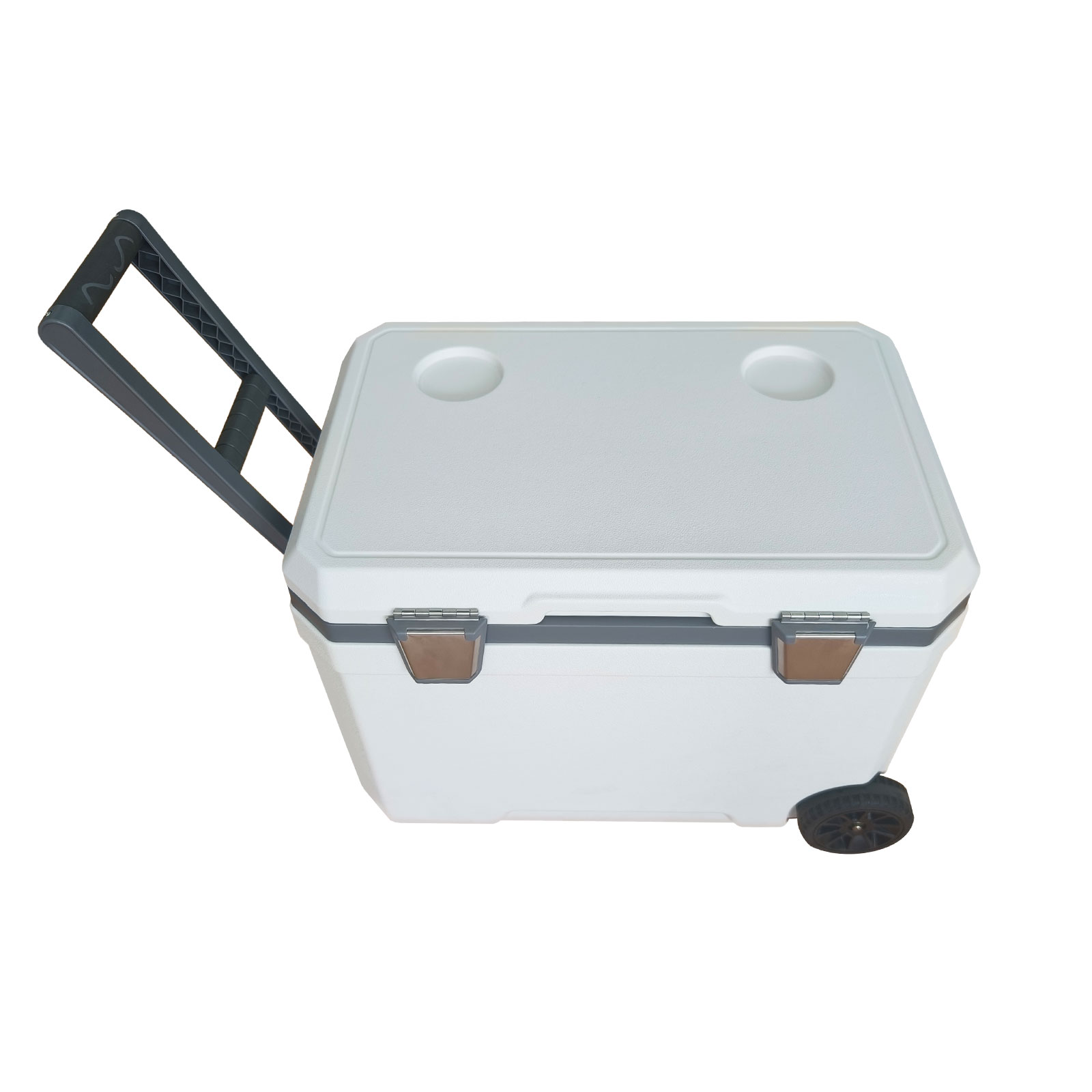
Vaccine Ice Box Factory Price: How to Compare Real Cold Chain Value
The best way to evaluate vaccine ice box factory price is to compare complete cold-chain value, not only the number on the quotation. A useful offer should explain what the box is designed to do, what is included, what must be verified, and which assumptions sit behind any temperature or route claim. That is the difference between buying a container and buying a workable packaging component.
What this means for buyers: compare the vaccine cold box as a complete operating package. The quote should show the box, accessories, coolant assumptions, usable volume, packing method, and any support the supplier can provide before bulk purchase.
Define the box before you compare the price
A useful comparison begins with category definition. Are you buying a general ice chest, a reusable insulated container, a passive cold-chain shipper, a vaccine carrier, or a component in a validated packaging system? The answer changes how vaccine ice box factory price should be evaluated.
The word 'ice box' can hide different expectations. In food distribution, it may mean a cleanable reusable container with ice packs. In medical logistics, it may mean a passive insulated package that must be reviewed by a quality team. In OEM sourcing, it may mean a custom product that needs tooling and change control.
Write a short definition before collecting quotes: product category, required temperature condition, route duration, payload size, handling method, reuse model, and whether any documentation or testing support is required. This prevents suppliers from quoting different products under the same keyword.
This definition should be short enough to place in an inquiry email. A supplier who receives a clear requirement can respond with a relevant product or explain why another format fits better. A vague inquiry usually produces broad answers, and broad answers are hard to compare.
The lowest unit price may hide missing components
A low price can be real, but it may not be complete. The quote may exclude coolant packs, internal dividers, outer cartons, instruction labels, logo work, test context, replacement handles, or export packaging. For vaccine cold box, these missing elements can change both operating cost and route reliability.
Ask every supplier to separate the empty container price from the complete-use configuration. If the product requires gel packs or PCM packs, ask whether they are included. If the route needs labels, tie-down points, or packing instructions, ask whether those are part of the quotation.
Once the quote is itemized, price negotiation becomes more accurate. You can reduce features that do not matter while keeping the elements that protect the product and make the packout repeatable.
The hidden component problem is especially common when buyers request many quotes at once. Suppliers may make different assumptions to appear competitive. Standardizing the scope before comparing price prevents the buyer from rewarding the quote that omitted the most important operating elements.
| Quotation area | What to check | Risk if ignored |
|---|---|---|
| Quote line | What to check | Risk if ignored |
| Container body | Material, wall construction, lid fit, and feature design for the vaccine cold box. | Two similar photos may represent very different performance and durability. |
| Cold source | Whether gel packs, PCM packs, ice bricks, or no coolant is included. | The quote may not reflect the complete packout needed for the route. |
| Usable volume | Real payload room after all thermal components are packed. | A nominal size may not fit the intended product load. |
| Testing or evidence | Any available thermal test context, sample data, or packaging instructions. | Unsupported hold-time claims can mislead procurement and quality teams. |
| Bulk controls | Tolerance, packaging, inspection, replacement parts, and change process. | A low price can become expensive after delivery problems. |
The table is not meant to replace supplier discussion. It gives the buyer a shared comparison structure so that offers for vaccine ice box factory price can be reviewed on the same basis instead of by photos or headline price alone.
Materials and insulation change both cost and usable space
Material decisions affect more than purchase price. A thicker wall may improve protection but reduce internal capacity. A higher-performance insulation layer may support a more demanding route but require careful damage inspection. A durable shell may be easier to clean and reuse, but it can increase weight and freight cost.
For vaccine ice box factory price, compare usable space rather than nominal volume alone. Nominal volume may describe the empty cavity before coolant packs, buffers, and product protection are added. What matters to the route is usable payload space under the intended packout.
The right material is the one that fits the route and business model. A disposable or one-way use case, a closed-loop reusable program, a medical distribution route, and a food delivery operation may all justify different structures.
For capacity-driven projects, create a simple loading sketch or photo after sample review. It should show product position, coolant location, label side, and any buffer materials. This small document can prevent a later bulk shipment from being judged only by empty-box dimensions.
Temperature performance depends on the complete packout
A passive insulated box delays heat transfer; it does not independently decide the payload temperature. The complete packout includes the box, insulation, coolant, conditioning method, payload mass, spacers, buffers, label placement, and handling procedure.
For refrigerated vaccine or pharmaceutical movements, the quality team should confirm the required temperature range and the evidence needed for the lane. Many routine vaccine storage discussions use refrigerated ranges such as 2°C to 8°C, but that should not be treated as universal for every product. Frozen, controlled room temperature, and special products may need different designs.
For food distribution, the temperature target depends on product risk and local rules. A box used for prepared meals, seafood, frozen items, or grocery delivery may need different coolant choices and operating procedures. The supplier's role is to help the buyer match the package to the route; the buyer's role is to verify the requirement.
Packout discipline becomes more important as order size grows. A single shipment can be corrected by an experienced operator, but a distribution program needs a method that many people can repeat. The box, coolant, and instructions should be designed for that reality.
Procurement should ask for usable volume, not only liters
Capacity labels are useful for sorting product families, but they can mislead procurement. A vaccine cold box described by nominal volume may not have the same usable payload space as another model with the same label. Wall thickness, lid depth, corners, coolant placement, and internal accessories all change the real loadable area.
Ask for internal dimensions and then test the real packout. If the product is boxed, vial-packed, tray-packed, or bagged, the shape may matter as much as the liter value. If coolant packs must be placed on top, sides, or bottom, they reduce usable height and width.
This is especially important for capacity-specific searches and distributor purchasing. A wrong size can force workers to overpack, leave voids, add extra cartons, or split shipments. Those costs may be larger than the difference between two supplier prices.
Do not forget the shape of the payload. Ten liters of small cartons may load differently from ten liters of bottles, trays, pouches, or vial boxes. If the payload has a fixed orientation, internal length and height may matter more than total volume.
Bulk purchasing checks that actually matter
Before scaling from sample to bulk order, confirm which specification is frozen. The buyer should know the approved material, color, drawing, component list, accessory set, carton method, label position, handle design, and any packaging instructions.
Bulk purchasing also needs a receiving inspection plan. The receiving team should know what to check: external dimensions, internal dimensions, lid fit, handle strength, surface finish, accessory count, carton damage, labeling, and whether the product matches the approved sample.
If the project involves OEM or custom work, add change-control language. A supplier should not change material, hardware, insulation, lid structure, or accessory placement without buyer approval. That discipline helps keep cost control from damaging performance.
Bulk checks should be practical enough for real receiving teams. If the inspection plan is too complex, it may not be followed. A focused checklist with critical dimensions, component count, closure behavior, and visible defects is usually more useful than a long document nobody uses.
How to read a quotation line by line
A cold-chain quotation should be read as a set of assumptions. The product name tells you what is being offered. The material line tells you part of the construction. The accessory line tells you whether the packout is complete. The packing line tells you how the product will travel from factory to buyer. The notes line may reveal what is not included.
If a supplier states a temperature or duration claim, ask for the context. What payload was used? Which coolant was conditioned? What ambient profile was applied? Were lids opened? Was the result based on a reference test or a real lane? Without context, a duration number can be misleading.
For vaccine ice box factory price, a good quote is not necessarily the longest quote. It is the quote that makes the cost basis visible so the buyer can decide which parts are necessary, optional, or still unverified.
When the quote includes several options, ask the supplier to identify the recommended configuration for your route and the lower-cost alternative. That allows procurement to understand what is being traded: performance margin, handling convenience, appearance, documentation, or accessory completeness.
Common mistakes when negotiating supplier cost
The first mistake is pushing price down without knowing what the supplier will remove. The second is comparing a standard stock box with a customized complete kit. The third is assuming that a stronger-looking box automatically provides better thermal performance. The fourth is ignoring freight cube and return logistics.
Another mistake is approving a sample without testing the real loading process. A sample can look correct on a desk and fail in the warehouse because coolant packs do not fit, labels peel off, workers cannot close the lid quickly, or the loaded box is awkward to carry.
The final mistake is treating documentation as paperwork after the purchase. For medical, vaccine, and some food programs, documentation supports quality review, training, and receiving inspection. If it is needed, it should be discussed before price approval.
These mistakes are avoidable when procurement, operations, and quality review the same sample together. Each team sees a different risk: price, workflow, evidence, and user behavior. A joint review may seem slower at the beginning, but it reduces rework before bulk purchase.
FAQ
What makes vaccine ice box factory price different from buying a standard cooler?
Cold-chain buying requires route fit, temperature assumptions, usable payload space, coolant compatibility, and documentation review. A standard cooler may be acceptable for low-risk uses, but sensitive products need clearer packout and handling control.
What should be included in a serious supplier quotation?
A serious quotation should state the container specification, material, dimensions, accessory list, coolant inclusion, carton packing, customization scope, sample terms, and any assumptions behind temperature or route recommendations.
Why should I ask about usable volume?
Usable volume tells you how much product can be packed after cold sources and protective components are included. It is more useful than nominal liters when the route depends on a repeatable packout.
Is testing always required?
Not every low-risk route needs formal validation, but sensitive products and repeat programs should at least review available thermal evidence or run an appropriate test. The buyer should decide based on product risk, route duration, and quality expectations.
How can Tempk help with this decision?
Tempk can help review the packaging format, cold source, payload fit, and route assumptions before the buyer commits to samples or bulk purchasing. The discussion should start with use conditions, not only a target price.
Conclusion
A vaccine ice box factory price decision should be made as a cold-chain packaging decision, not as a simple commodity purchase. The buyer needs to understand category, material, usable volume, coolant fit, route conditions, and what is included in the quote.
The strongest purchasing process is simple: define the route, request comparable quotes, test or review the real packout, freeze the approved specification, and inspect bulk goods against the sample. That process protects price, quality, and operational reliability.
About Tempk
Tempk supports B2B buyers with cold-chain packaging options that may include insulated containers, gel packs, PCM packs, and medical cooler box formats. For pharmaceutical and vaccine transport packaging with cautious temperature-range planning, the key is to connect the packaging choice with route conditions, product sensitivity, and the buyer's receiving process instead of relying on a single product label.
Share your route, payload, required temperature range, and expected order quantity with Tempk. We can help you review suitable vaccine cold box options before you move from quotation to sample approval.
Cold Chain Ice Box Oem Supplier: Real Cold Chain Value
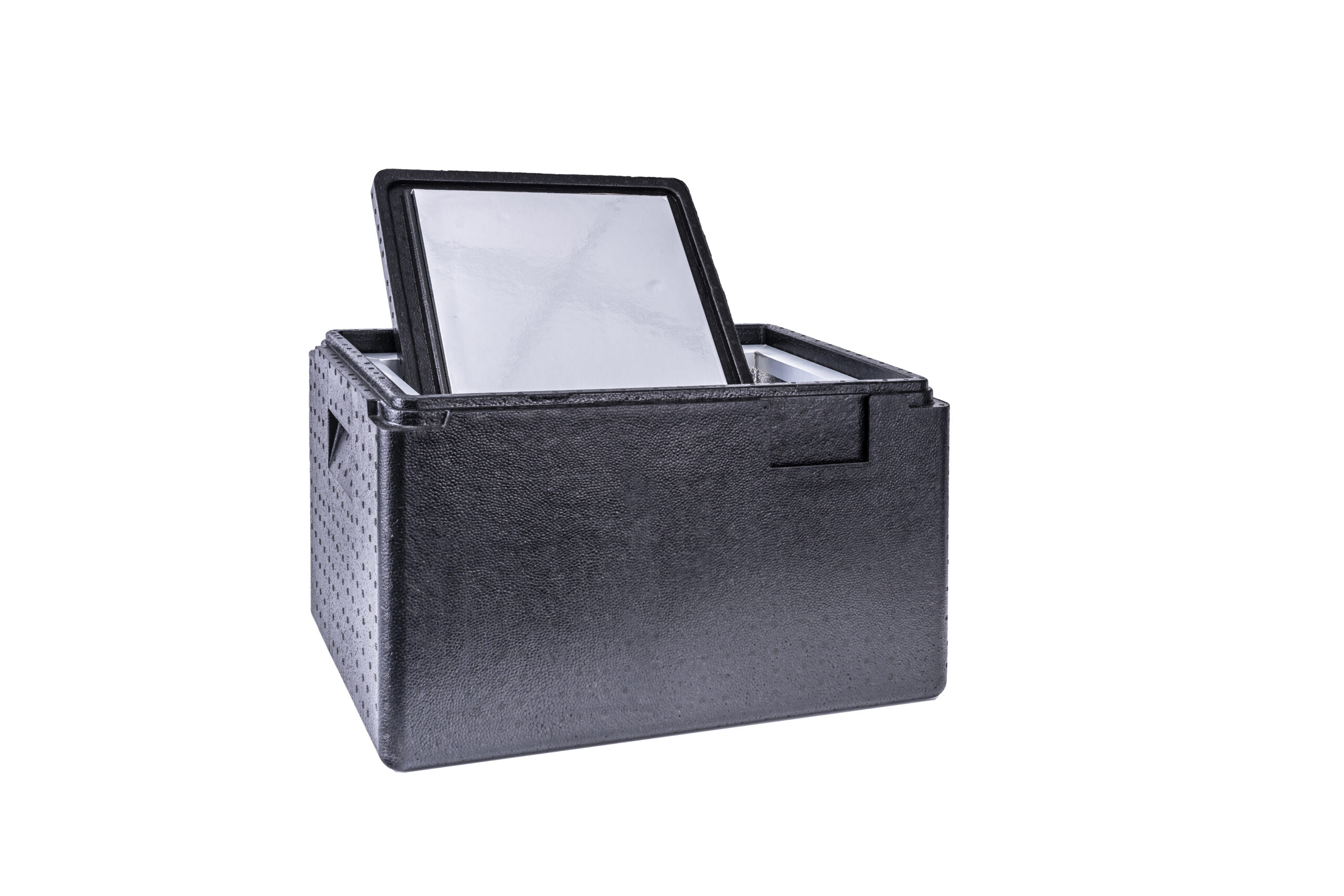
Cold Chain Ice Box Oem Supplier: How to Compare Real Cold Chain Value
The best way to evaluate cold chain ice box OEM supplier is to compare complete cold-chain value, not only the number on the quotation. A useful offer should explain what the box is designed to do, what is included, what must be verified, and which assumptions sit behind any temperature or route claim. That is the difference between buying a container and buying a workable packaging component.
What this means for buyers: compare the OEM cold chain ice box as a complete operating package. The quote should show the box, accessories, coolant assumptions, usable volume, packing method, and any support the supplier can provide before bulk purchase.
Define the box before you compare the price
A useful comparison begins with category definition. Are you buying a general ice chest, a reusable insulated container, a passive cold-chain shipper, a vaccine carrier, or a component in a validated packaging system? The answer changes how cold chain ice box OEM supplier should be evaluated.
The word 'ice box' can hide different expectations. In food distribution, it may mean a cleanable reusable container with ice packs. In medical logistics, it may mean a passive insulated package that must be reviewed by a quality team. In OEM sourcing, it may mean a custom product that needs tooling and change control.
Write a short definition before collecting quotes: product category, required temperature condition, route duration, payload size, handling method, reuse model, and whether any documentation or testing support is required. This prevents suppliers from quoting different products under the same keyword.
This definition should be short enough to place in an inquiry email. A supplier who receives a clear requirement can respond with a relevant product or explain why another format fits better. A vague inquiry usually produces broad answers, and broad answers are hard to compare.
The lowest unit price may hide missing components
A low price can be real, but it may not be complete. The quote may exclude coolant packs, internal dividers, outer cartons, instruction labels, logo work, test context, replacement handles, or export packaging. For OEM cold chain ice box, these missing elements can change both operating cost and route reliability.
Ask every supplier to separate the empty container price from the complete-use configuration. If the product requires gel packs or PCM packs, ask whether they are included. If the route needs labels, tie-down points, or packing instructions, ask whether those are part of the quotation.
Once the quote is itemized, price negotiation becomes more accurate. You can reduce features that do not matter while keeping the elements that protect the product and make the packout repeatable.
The hidden component problem is especially common when buyers request many quotes at once. Suppliers may make different assumptions to appear competitive. Standardizing the scope before comparing price prevents the buyer from rewarding the quote that omitted the most important operating elements.
| Quotation area | What to check | Risk if ignored |
|---|---|---|
| Quote line | What to check | Risk if ignored |
| Container body | Material, wall construction, lid fit, and feature design for the OEM cold chain ice box. | Two similar photos may represent very different performance and durability. |
| Cold source | Whether gel packs, PCM packs, ice bricks, or no coolant is included. | The quote may not reflect the complete packout needed for the route. |
| Usable volume | Real payload room after all thermal components are packed. | A nominal size may not fit the intended product load. |
| Testing or evidence | Any available thermal test context, sample data, or packaging instructions. | Unsupported hold-time claims can mislead procurement and quality teams. |
| Bulk controls | Tolerance, packaging, inspection, replacement parts, and change process. | A low price can become expensive after delivery problems. |
The table is not meant to replace supplier discussion. It gives the buyer a shared comparison structure so that offers for cold chain ice box OEM supplier can be reviewed on the same basis instead of by photos or headline price alone.
Materials and insulation change both cost and usable space
Material decisions affect more than purchase price. A thicker wall may improve protection but reduce internal capacity. A higher-performance insulation layer may support a more demanding route but require careful damage inspection. A durable shell may be easier to clean and reuse, but it can increase weight and freight cost.
For cold chain ice box OEM supplier, compare usable space rather than nominal volume alone. Nominal volume may describe the empty cavity before coolant packs, buffers, and product protection are added. What matters to the route is usable payload space under the intended packout.
The right material is the one that fits the route and business model. A disposable or one-way use case, a closed-loop reusable program, a medical distribution route, and a food delivery operation may all justify different structures.
For capacity-driven projects, create a simple loading sketch or photo after sample review. It should show product position, coolant location, label side, and any buffer materials. This small document can prevent a later bulk shipment from being judged only by empty-box dimensions.
Temperature performance depends on the complete packout
A passive insulated box delays heat transfer; it does not independently decide the payload temperature. The complete packout includes the box, insulation, coolant, conditioning method, payload mass, spacers, buffers, label placement, and handling procedure.
For refrigerated vaccine or pharmaceutical movements, the quality team should confirm the required temperature range and the evidence needed for the lane. Many routine vaccine storage discussions use refrigerated ranges such as 2°C to 8°C, but that should not be treated as universal for every product. Frozen, controlled room temperature, and special products may need different designs.
For food distribution, the temperature target depends on product risk and local rules. A box used for prepared meals, seafood, frozen items, or grocery delivery may need different coolant choices and operating procedures. The supplier's role is to help the buyer match the package to the route; the buyer's role is to verify the requirement.
Packout discipline becomes more important as order size grows. A single shipment can be corrected by an experienced operator, but a distribution program needs a method that many people can repeat. The box, coolant, and instructions should be designed for that reality.
Procurement should ask for usable volume, not only liters
Capacity labels are useful for sorting product families, but they can mislead procurement. A OEM cold chain ice box described by nominal volume may not have the same usable payload space as another model with the same label. Wall thickness, lid depth, corners, coolant placement, and internal accessories all change the real loadable area.
Ask for internal dimensions and then test the real packout. If the product is boxed, vial-packed, tray-packed, or bagged, the shape may matter as much as the liter value. If coolant packs must be placed on top, sides, or bottom, they reduce usable height and width.
This is especially important for capacity-specific searches and distributor purchasing. A wrong size can force workers to overpack, leave voids, add extra cartons, or split shipments. Those costs may be larger than the difference between two supplier prices.
Do not forget the shape of the payload. Ten liters of small cartons may load differently from ten liters of bottles, trays, pouches, or vial boxes. If the payload has a fixed orientation, internal length and height may matter more than total volume.
Bulk purchasing checks that actually matter
Before scaling from sample to bulk order, confirm which specification is frozen. The buyer should know the approved material, color, drawing, component list, accessory set, carton method, label position, handle design, and any packaging instructions.
Bulk purchasing also needs a receiving inspection plan. The receiving team should know what to check: external dimensions, internal dimensions, lid fit, handle strength, surface finish, accessory count, carton damage, labeling, and whether the product matches the approved sample.
If the project involves OEM or custom work, add change-control language. A supplier should not change material, hardware, insulation, lid structure, or accessory placement without buyer approval. That discipline helps keep cost control from damaging performance.
Bulk checks should be practical enough for real receiving teams. If the inspection plan is too complex, it may not be followed. A focused checklist with critical dimensions, component count, closure behavior, and visible defects is usually more useful than a long document nobody uses.
How to read a quotation line by line
A cold-chain quotation should be read as a set of assumptions. The product name tells you what is being offered. The material line tells you part of the construction. The accessory line tells you whether the packout is complete. The packing line tells you how the product will travel from factory to buyer. The notes line may reveal what is not included.
If a supplier states a temperature or duration claim, ask for the context. What payload was used? Which coolant was conditioned? What ambient profile was applied? Were lids opened? Was the result based on a reference test or a real lane? Without context, a duration number can be misleading.
For cold chain ice box OEM supplier, a good quote is not necessarily the longest quote. It is the quote that makes the cost basis visible so the buyer can decide which parts are necessary, optional, or still unverified.
When the quote includes several options, ask the supplier to identify the recommended configuration for your route and the lower-cost alternative. That allows procurement to understand what is being traded: performance margin, handling convenience, appearance, documentation, or accessory completeness.
Common mistakes when negotiating supplier cost
The first mistake is pushing price down without knowing what the supplier will remove. The second is comparing a standard stock box with a customized complete kit. The third is assuming that a stronger-looking box automatically provides better thermal performance. The fourth is ignoring freight cube and return logistics.
Another mistake is approving a sample without testing the real loading process. A sample can look correct on a desk and fail in the warehouse because coolant packs do not fit, labels peel off, workers cannot close the lid quickly, or the loaded box is awkward to carry.
The final mistake is treating documentation as paperwork after the purchase. For medical, vaccine, and some food programs, documentation supports quality review, training, and receiving inspection. If it is needed, it should be discussed before price approval.
These mistakes are avoidable when procurement, operations, and quality review the same sample together. Each team sees a different risk: price, workflow, evidence, and user behavior. A joint review may seem slower at the beginning, but it reduces rework before bulk purchase.
FAQ
What makes cold chain ice box OEM supplier different from buying a standard cooler?
Cold-chain buying requires route fit, temperature assumptions, usable payload space, coolant compatibility, and documentation review. A standard cooler may be acceptable for low-risk uses, but sensitive products need clearer packout and handling control.
What should be included in a serious supplier quotation?
A serious quotation should state the container specification, material, dimensions, accessory list, coolant inclusion, carton packing, customization scope, sample terms, and any assumptions behind temperature or route recommendations.
Why should I ask about usable volume?
Usable volume tells you how much product can be packed after cold sources and protective components are included. It is more useful than nominal liters when the route depends on a repeatable packout.
Is testing always required?
Not every low-risk route needs formal validation, but sensitive products and repeat programs should at least review available thermal evidence or run an appropriate test. The buyer should decide based on product risk, route duration, and quality expectations.
How can Tempk help with this decision?
Tempk can help review the packaging format, cold source, payload fit, and route assumptions before the buyer commits to samples or bulk purchasing. The discussion should start with use conditions, not only a target price.
Conclusion
A cold chain ice box OEM supplier decision should be made as a cold-chain packaging decision, not as a simple commodity purchase. The buyer needs to understand category, material, usable volume, coolant fit, route conditions, and what is included in the quote.
The strongest purchasing process is simple: define the route, request comparable quotes, test or review the real packout, freeze the approved specification, and inspect bulk goods against the sample. That process protects price, quality, and operational reliability.
About Tempk
Tempk supports B2B buyers with cold-chain packaging options that may include insulated containers, gel packs, PCM packs, and medical cooler box formats. For custom packaging components and sample-to-production review, the key is to connect the packaging choice with route conditions, product sensitivity, and the buyer's receiving process instead of relying on a single product label.
Share your route, payload, required temperature range, and expected order quantity with Tempk. We can help you review suitable OEM cold chain ice box options before you move from quotation to sample approval.
40 Liter Vaccine Ice Box Supplier: Real Cold Chain Value
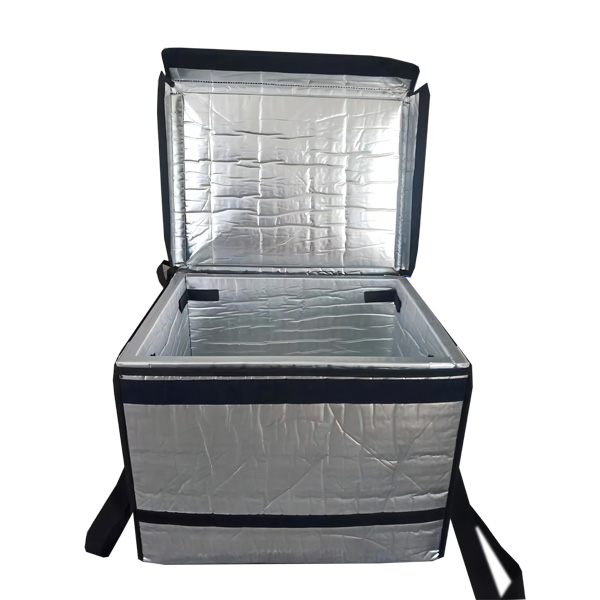
What this means for buyers: compare the 40 liter vaccine box as a complete operating package. The quote should show the box, accessories, coolant assumptions, usable volume, packing method, and any support the supplier can provide before bulk purchase.
Start with the job the box must perform
Before asking for 40 liter vaccine ice box supplier, define the job in plain operational terms. What product will be placed inside, what temperature range must be respected, how long the route may last, and who will handle the box at each transfer point? Those answers matter more than a catalog label.
A 40 liter vaccine box is usually a passive insulated container. It slows heat transfer, but it does not create temperature control by itself. The final result depends on the cold source, conditioning method, payload mass, void fill, ambient exposure, and how consistently people load the packout.
For regional vaccine movement, clinic replenishment, temporary storage during outreach, and controlled handover, the buyer should write a short use brief before requesting a price. A useful brief includes product type, expected shipment duration, route temperature concerns, manual handling needs, cleaning expectations, and whether the order is for one-way use or repeated returnable distribution.
A simple internal brief also helps different departments speak the same language. Procurement can compare price, logistics can check handling, operations can test loading, and quality can decide whether the proposed packaging needs further review. Without that brief, each department may judge the 40 liter vaccine box by a different standard, which makes supplier comparison slower and less reliable.
What usually changes a supplier quote
The price difference between two 40 liter vaccine box offers often reflects specification differences that are not obvious in photos. Capacity class, insulation thickness, ergonomic hardware, coolant set, carton packaging, and documentation can all affect the quote. The supplier may also price an empty box differently from a complete kit that includes coolant packs, inserts, printed labels, carton packaging, or loading instructions.
Ask suppliers to itemize what is included. A low price is not helpful if the buyer later discovers that dividers, gel packs, foam buffers, custom color, pallet packaging, or testing support were excluded. A higher quote may be more realistic if it includes components that the route actually needs.
For price-sensitive programs, the practical question is not which supplier is cheapest. It is which supplier can keep the specification stable when the order moves from sample to batch production. A small unit-cost saving can disappear if inconsistent dimensions, loose lids, or weak accessories cause extra inspection and repacking work.
When a quotation seems unusually low, ask what the supplier assumed about order quantity, packaging, accessories, inspection, and after-sales support. A supplier may be quoting a basic stock item while another is quoting a configured cold-chain set. The number is meaningful only after the scope is made visible.
| Decision point | What to verify | Why it affects value |
|---|---|---|
| Specification boundary | Define the 40 liter vaccine box as a passive insulated container, a cooler kit, or part of a qualified packout. | Prevents comparing an empty box with a complete packaging set. |
| Usable internal space | Confirm space after coolant packs, dividers, liners, and protective buffers are added. | Avoids buying nominal capacity that cannot hold the real payload. |
| Handling feature | Review gross volume, usable volume, ice pack placement, internal dividers, lid clearance, and carrying ergonomics against the route and loading method. | Turns design details into operational value rather than decoration. |
| Temperature assumption | A 40 liter nominal size does not guarantee the same usable vaccine capacity from supplier to supplier. | Keeps supplier claims tied to product requirements and route conditions. |
| Sample approval | Measure the sample, pack it as intended, and document any change before bulk production. | Reduces the risk of sample-to-production differences. |
The table is not meant to replace supplier discussion. It gives the buyer a shared comparison structure so that offers for 40 liter vaccine ice box supplier can be reviewed on the same basis instead of by photos or headline price alone.
Material choice changes both cost and risk
Material is a visible part of the sourcing decision, but it should not be treated as a performance guarantee. Polyethylene, polypropylene, EPP foam, EPS foam, VIP panels, PU insulation, and other structures can serve different roles depending on the design. The same material name may appear in two quotations while the wall thickness, foam density, lid geometry, or production quality differs.
For 40 liter vaccine ice box supplier, check how the material supports the use case. Does it need to be cleaned after each route? Will it be stacked? Will workers carry it manually? Is return logistics important? Does the box need to resist dents, moisture, vibration, or rough handling? These questions translate material selection into business value.
The buyer should also check what the material choice does to usable volume. Stronger walls or higher-performance insulation may reduce internal space. That trade-off can be acceptable, but it must be understood before comparing price per unit or price per liter.
The safest material discussion is practical rather than theoretical. Ask how the body behaves during cleaning, whether corners trap moisture, whether handles or slots are reinforced, and whether the material remains stable under repeated cold-room and delivery handling. These details often matter more in daily operations than a generic material label.
Temperature protection is a system, not a box label
A supplier may describe the 40 liter vaccine box as suitable for cold chain use, but the box label is not the same as route performance. Temperature protection comes from the complete system: container, insulation, coolant, payload, packing order, pre-conditioning, ambient exposure, and receiving procedure.
A 40 liter nominal size does not guarantee the same usable vaccine capacity from supplier to supplier. For vaccines, medicines, food, and laboratory materials, product-specific requirements and quality review should guide the target range. For food routes, local food-safety rules and product handling instructions may define the temperature goal. For pharmaceutical routes, GDP-style quality expectations may require more documentation and monitoring.
This is why generic promises should be treated carefully. A supplier can help with packaging selection, but buyers should verify any stated hold time against the same payload, coolant quantity, ambient profile, route duration, and acceptance criteria that will be used in real operations.
This is also where temperature monitoring may enter the conversation. A logger or indicator does not protect the payload by itself, but it can provide evidence of what happened during storage or transport. The packaging decision and the monitoring decision should support each other instead of being treated as separate purchases.
How to compare samples before moving to bulk price
A sample is not only for appearance review. It is the first practical test of whether the supplier understands your route and product. Measure external dimensions, internal dimensions, lid clearance, wall thickness consistency, closure behavior, and how the box feels when loaded with a realistic payload.
Pack the sample the way the operation will actually use it. Add coolant packs, dividers, liners, documents, and product protection. Then check whether workers can close it easily, lift it safely, and place labels where they remain visible. If a feature looks good on a drawing but slows down packing, it may increase labor cost.
A typical scenario involves a district health warehouse trying to fit a day-route payload into a nominal 40 liter container without blocking coolant contact. In that situation, the buyer should not only ask whether the sample looks acceptable. The buyer should ask whether the loaded box can move through the route, survive handling, and arrive with a clear receiving process.
Record sample observations in writing. Photos, measurements, loading notes, and small issues found during sample review become important when the supplier prepares the bulk order. A clear sample record also helps prevent a later argument over whether a batch is acceptable or simply different from what the buyer expected.
Procurement notes that affect the final cost
The supplier's unit price is only one line of the total cost. Buyers should also account for sample fees, tooling, printing, inspection, export cartons, palletization, spare parts, freight volume, storage space, cleaning labor, and replacement cycles. These costs vary widely by program, so they should be discussed as assumptions rather than treated as universal benchmarks.
If the box is reusable, the return path matters. A durable 40 liter vaccine box may be economical on repeated lanes, but it can become difficult to manage if boxes are not returned, cleaned, inspected, or tracked. If the box is one-way, disposal, recycling, and customer unpacking experience may matter more.
For cold-chain programs, the cost of a weak specification can appear later as repacking, rejected shipments, quality investigations, or customer complaints. A careful buyer looks at the cost of the complete operating process, not only the first purchase order.
Procurement teams should also decide which costs are controllable and which are risk controls. It may be reasonable to simplify color, printing, or outer carton presentation. It is more risky to remove coolant space, weaken a closure, or change a material after a packout has been reviewed. Separating these two groups makes negotiation safer.
Questions to ask before accepting a supplier offer
A strong supplier should be able to discuss limits as well as features. If every answer sounds universal, the buyer should slow down. No 40 liter vaccine box is suitable for every product, every season, and every route without review.
Use the questions below before approving a quote or sample:
- What product category and temperature range is the box expected to support?
- Is the quote for an empty container or a complete packout set?
- Which coolant packs, inserts, dividers, or accessories are included?
- What is the usable payload space after thermal components are added?
- What assumptions support any stated hold time or route recommendation?
- Can the supplier keep the sample specification stable in mass production?
- How should the box be cleaned, inspected, returned, or disposed of?
- What custom features affect tooling cost, lead time, and replacement risk?
These questions do not make the buying process slower; they make it cleaner. They help the supplier quote the real project and help the buyer compare offers on the same basis.
Do not expect every supplier to answer every question with formal test documents. The useful point is whether the supplier understands the question and can explain the design boundary. A careful, conditional answer is often more credible than a broad promise that the 40 liter vaccine box works for every shipment.
FAQ
Is the lowest 40 liter vaccine ice box supplier offer usually the best choice?
Not automatically. A low offer can be useful when the specification is complete and comparable, but it can be risky if it excludes coolant packs, accessories, export packing, or documentation. Buyers should compare the full packout, usable volume, route fit, and supplier support before deciding.
What information should I send to a supplier before asking for 40 liter vaccine ice box supplier?
Send product type, target temperature range, expected route duration, payload size, reuse model, cleaning needs, order quantity, and any custom features. If you already have a loading method or quality requirement, include it. Better information helps the supplier quote a realistic solution.
Can one 40 liter vaccine box support every cold-chain product?
No. Different products may need different temperature ranges, packout layouts, cold sources, and documentation. A box suitable for chilled food may not be appropriate for freeze-sensitive medicines, and a medical route may require review beyond basic insulation.
Should the quote include ice packs or PCM packs?
Ask for both options if you are still comparing configurations. An empty box quote helps compare the container, while a complete kit quote shows the likely operating cost. For temperature-sensitive routes, the coolant choice should match the product and route assumptions.
Why do suppliers ask about route and payload details?
Route and payload details affect internal space, coolant quantity, packing order, weight, handling, and any thermal recommendation. Without those details, a supplier can quote a box, but it cannot responsibly describe how the complete package will perform.
Conclusion
The right 40 liter vaccine ice box supplier choice depends on more than supplier price. It depends on the product, route, payload, temperature requirement, packout method, handling process, and documentation needs.
Buyers who compare complete specifications instead of empty containers are more likely to avoid hidden costs. A clear supplier brief, realistic sample review, and itemized quotation make the final decision easier to defend.
About Tempk
Tempk works with cold chain packaging components such as gel ice packs, PCM packs, insulated boxes, EPP cooler boxes, VIP medical cooler boxes, thermal bags, and pallet covers. For this topic, the practical value is not only supplying a box, but helping buyers think through payload, coolant choice, route exposure, and repeatable packing instructions before they scale an order.
Share your route, payload, required temperature range, and expected order quantity with Tempk. We can help you review suitable 40 liter vaccine box options before you move from quotation to sample approval.
Vaccine Ice Box Factory Price: Real Cold Chain Value

Vaccine Ice Box Factory Price: How to Compare Real Cold Chain Value
The best way to evaluate vaccine ice box factory price is to compare complete cold-chain value, not only the number on the quotation. A useful offer should explain what the box is designed to do, what is included, what must be verified, and which assumptions sit behind any temperature or route claim. That is the difference between buying a container and buying a workable packaging component.
What this means for buyers: compare the vaccine cold box as a complete operating package. The quote should show the box, accessories, coolant assumptions, usable volume, packing method, and any support the supplier can provide before bulk purchase.
Define the box before you compare the price
A useful comparison begins with category definition. Are you buying a general ice chest, a reusable insulated container, a passive cold-chain shipper, a vaccine carrier, or a component in a validated packaging system? The answer changes how vaccine ice box factory price should be evaluated.
The word 'ice box' can hide different expectations. In food distribution, it may mean a cleanable reusable container with ice packs. In medical logistics, it may mean a passive insulated package that must be reviewed by a quality team. In OEM sourcing, it may mean a custom product that needs tooling and change control.
Write a short definition before collecting quotes: product category, required temperature condition, route duration, payload size, handling method, reuse model, and whether any documentation or testing support is required. This prevents suppliers from quoting different products under the same keyword.
This definition should be short enough to place in an inquiry email. A supplier who receives a clear requirement can respond with a relevant product or explain why another format fits better. A vague inquiry usually produces broad answers, and broad answers are hard to compare.
The lowest unit price may hide missing components
A low price can be real, but it may not be complete. The quote may exclude coolant packs, internal dividers, outer cartons, instruction labels, logo work, test context, replacement handles, or export packaging. For vaccine cold box, these missing elements can change both operating cost and route reliability.
Ask every supplier to separate the empty container price from the complete-use configuration. If the product requires gel packs or PCM packs, ask whether they are included. If the route needs labels, tie-down points, or packing instructions, ask whether those are part of the quotation.
Once the quote is itemized, price negotiation becomes more accurate. You can reduce features that do not matter while keeping the elements that protect the product and make the packout repeatable.
The hidden component problem is especially common when buyers request many quotes at once. Suppliers may make different assumptions to appear competitive. Standardizing the scope before comparing price prevents the buyer from rewarding the quote that omitted the most important operating elements.
| Quotation area | What to check | Risk if ignored |
|---|---|---|
| Quote line | What to check | Risk if ignored |
| Container body | Material, wall construction, lid fit, and feature design for the vaccine cold box. | Two similar photos may represent very different performance and durability. |
| Cold source | Whether gel packs, PCM packs, ice bricks, or no coolant is included. | The quote may not reflect the complete packout needed for the route. |
| Usable volume | Real payload room after all thermal components are packed. | A nominal size may not fit the intended product load. |
| Testing or evidence | Any available thermal test context, sample data, or packaging instructions. | Unsupported hold-time claims can mislead procurement and quality teams. |
| Bulk controls | Tolerance, packaging, inspection, replacement parts, and change process. | A low price can become expensive after delivery problems. |
The table is not meant to replace supplier discussion. It gives the buyer a shared comparison structure so that offers for vaccine ice box factory price can be reviewed on the same basis instead of by photos or headline price alone.
Materials and insulation change both cost and usable space
Material decisions affect more than purchase price. A thicker wall may improve protection but reduce internal capacity. A higher-performance insulation layer may support a more demanding route but require careful damage inspection. A durable shell may be easier to clean and reuse, but it can increase weight and freight cost.
For vaccine ice box factory price, compare usable space rather than nominal volume alone. Nominal volume may describe the empty cavity before coolant packs, buffers, and product protection are added. What matters to the route is usable payload space under the intended packout.
The right material is the one that fits the route and business model. A disposable or one-way use case, a closed-loop reusable program, a medical distribution route, and a food delivery operation may all justify different structures.
For capacity-driven projects, create a simple loading sketch or photo after sample review. It should show product position, coolant location, label side, and any buffer materials. This small document can prevent a later bulk shipment from being judged only by empty-box dimensions.
Temperature performance depends on the complete packout
A passive insulated box delays heat transfer; it does not independently decide the payload temperature. The complete packout includes the box, insulation, coolant, conditioning method, payload mass, spacers, buffers, label placement, and handling procedure.
For refrigerated vaccine or pharmaceutical movements, the quality team should confirm the required temperature range and the evidence needed for the lane. Many routine vaccine storage discussions use refrigerated ranges such as 2°C to 8°C, but that should not be treated as universal for every product. Frozen, controlled room temperature, and special products may need different designs.
For food distribution, the temperature target depends on product risk and local rules. A box used for prepared meals, seafood, frozen items, or grocery delivery may need different coolant choices and operating procedures. The supplier's role is to help the buyer match the package to the route; the buyer's role is to verify the requirement.
Packout discipline becomes more important as order size grows. A single shipment can be corrected by an experienced operator, but a distribution program needs a method that many people can repeat. The box, coolant, and instructions should be designed for that reality.
Procurement should ask for usable volume, not only liters
Capacity labels are useful for sorting product families, but they can mislead procurement. A vaccine cold box described by nominal volume may not have the same usable payload space as another model with the same label. Wall thickness, lid depth, corners, coolant placement, and internal accessories all change the real loadable area.
Ask for internal dimensions and then test the real packout. If the product is boxed, vial-packed, tray-packed, or bagged, the shape may matter as much as the liter value. If coolant packs must be placed on top, sides, or bottom, they reduce usable height and width.
This is especially important for capacity-specific searches and distributor purchasing. A wrong size can force workers to overpack, leave voids, add extra cartons, or split shipments. Those costs may be larger than the difference between two supplier prices.
Do not forget the shape of the payload. Ten liters of small cartons may load differently from ten liters of bottles, trays, pouches, or vial boxes. If the payload has a fixed orientation, internal length and height may matter more than total volume.
Bulk purchasing checks that actually matter
Before scaling from sample to bulk order, confirm which specification is frozen. The buyer should know the approved material, color, drawing, component list, accessory set, carton method, label position, handle design, and any packaging instructions.
Bulk purchasing also needs a receiving inspection plan. The receiving team should know what to check: external dimensions, internal dimensions, lid fit, handle strength, surface finish, accessory count, carton damage, labeling, and whether the product matches the approved sample.
If the project involves OEM or custom work, add change-control language. A supplier should not change material, hardware, insulation, lid structure, or accessory placement without buyer approval. That discipline helps keep cost control from damaging performance.
Bulk checks should be practical enough for real receiving teams. If the inspection plan is too complex, it may not be followed. A focused checklist with critical dimensions, component count, closure behavior, and visible defects is usually more useful than a long document nobody uses.
How to read a quotation line by line
A cold-chain quotation should be read as a set of assumptions. The product name tells you what is being offered. The material line tells you part of the construction. The accessory line tells you whether the packout is complete. The packing line tells you how the product will travel from factory to buyer. The notes line may reveal what is not included.
If a supplier states a temperature or duration claim, ask for the context. What payload was used? Which coolant was conditioned? What ambient profile was applied? Were lids opened? Was the result based on a reference test or a real lane? Without context, a duration number can be misleading.
For vaccine ice box factory price, a good quote is not necessarily the longest quote. It is the quote that makes the cost basis visible so the buyer can decide which parts are necessary, optional, or still unverified.
When the quote includes several options, ask the supplier to identify the recommended configuration for your route and the lower-cost alternative. That allows procurement to understand what is being traded: performance margin, handling convenience, appearance, documentation, or accessory completeness.
Common mistakes when negotiating supplier cost
The first mistake is pushing price down without knowing what the supplier will remove. The second is comparing a standard stock box with a customized complete kit. The third is assuming that a stronger-looking box automatically provides better thermal performance. The fourth is ignoring freight cube and return logistics.
Another mistake is approving a sample without testing the real loading process. A sample can look correct on a desk and fail in the warehouse because coolant packs do not fit, labels peel off, workers cannot close the lid quickly, or the loaded box is awkward to carry.
The final mistake is treating documentation as paperwork after the purchase. For medical, vaccine, and some food programs, documentation supports quality review, training, and receiving inspection. If it is needed, it should be discussed before price approval.
These mistakes are avoidable when procurement, operations, and quality review the same sample together. Each team sees a different risk: price, workflow, evidence, and user behavior. A joint review may seem slower at the beginning, but it reduces rework before bulk purchase.
FAQ
What makes vaccine ice box factory price different from buying a standard cooler?
Cold-chain buying requires route fit, temperature assumptions, usable payload space, coolant compatibility, and documentation review. A standard cooler may be acceptable for low-risk uses, but sensitive products need clearer packout and handling control.
What should be included in a serious supplier quotation?
A serious quotation should state the container specification, material, dimensions, accessory list, coolant inclusion, carton packing, customization scope, sample terms, and any assumptions behind temperature or route recommendations.
Why should I ask about usable volume?
Usable volume tells you how much product can be packed after cold sources and protective components are included. It is more useful than nominal liters when the route depends on a repeatable packout.
Is testing always required?
Not every low-risk route needs formal validation, but sensitive products and repeat programs should at least review available thermal evidence or run an appropriate test. The buyer should decide based on product risk, route duration, and quality expectations.
How can Tempk help with this decision?
Tempk can help review the packaging format, cold source, payload fit, and route assumptions before the buyer commits to samples or bulk purchasing. The discussion should start with use conditions, not only a target price.
Conclusion
A vaccine ice box factory price decision should be made as a cold-chain packaging decision, not as a simple commodity purchase. The buyer needs to understand category, material, usable volume, coolant fit, route conditions, and what is included in the quote.
The strongest purchasing process is simple: define the route, request comparable quotes, test or review the real packout, freeze the approved specification, and inspect bulk goods against the sample. That process protects price, quality, and operational reliability.
About Tempk
Tempk supports B2B buyers with cold-chain packaging options that may include insulated containers, gel packs, PCM packs, and medical cooler box formats. For pharmaceutical and vaccine transport packaging with cautious temperature-range planning, the key is to connect the packaging choice with route conditions, product sensitivity, and the buyer's receiving process instead of relying on a single product label.
Share your route, payload, required temperature range, and expected order quantity with Tempk. We can help you review suitable vaccine cold box options before you move from quotation to sample approval.
Vaccine Ice Box Exporter Cost: Real Cold Chain Value
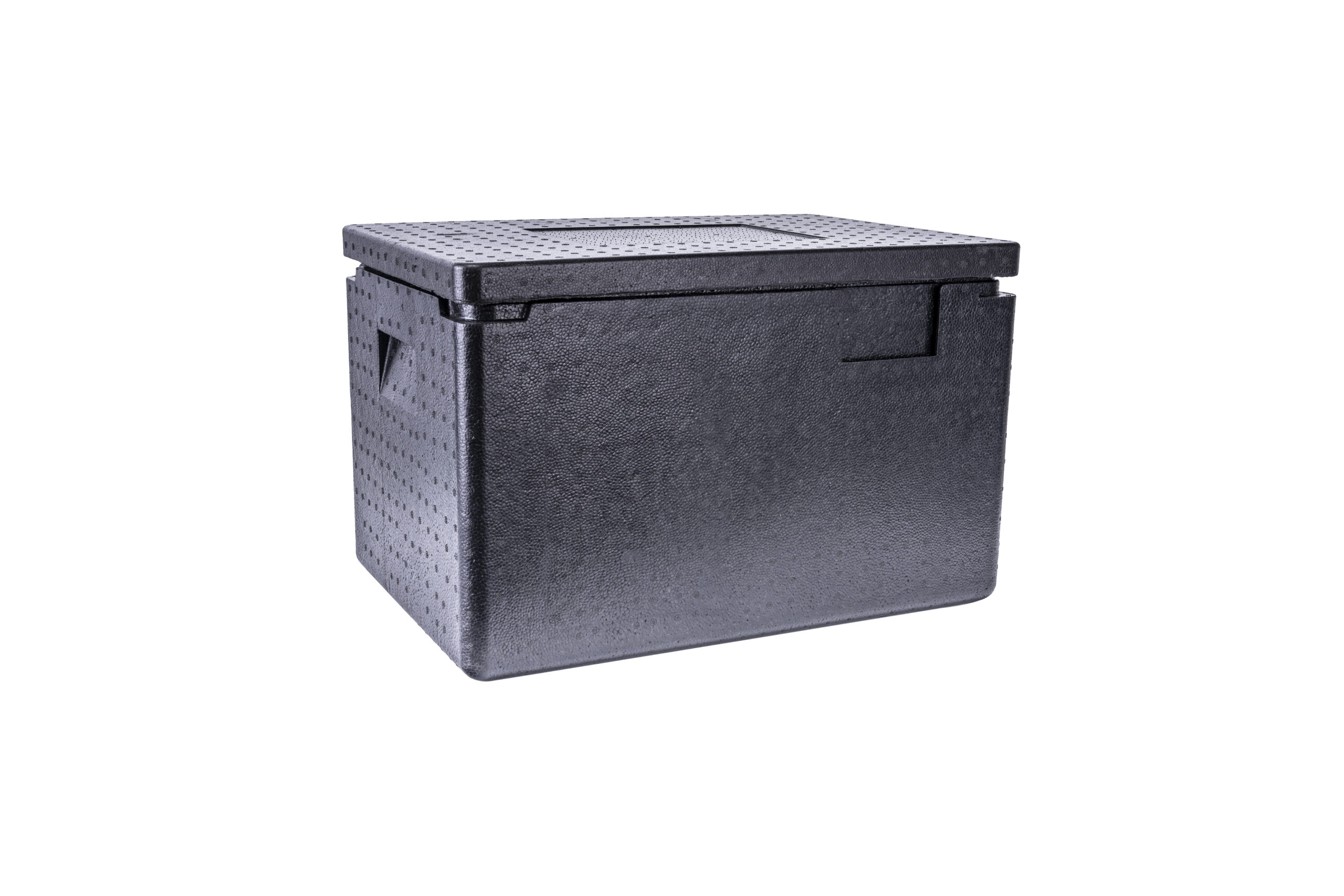
Vaccine Ice Box Exporter Cost: How to Compare Real Cold Chain Value
The best way to evaluate vaccine ice box exporter cost is to compare complete cold-chain value, not only the number on the quotation. A useful offer should explain what the box is designed to do, what is included, what must be verified, and which assumptions sit behind any temperature or route claim. That is the difference between buying a container and buying a workable packaging component.
What this means for buyers: compare the vaccine ice box export program as a complete operating package. The quote should show the box, accessories, coolant assumptions, usable volume, packing method, and any support the supplier can provide before bulk purchase.
Define the box before you compare the price
A useful comparison begins with category definition. Are you buying a general ice chest, a reusable insulated container, a passive cold-chain shipper, a vaccine carrier, or a component in a validated packaging system? The answer changes how vaccine ice box exporter cost should be evaluated.
The word 'ice box' can hide different expectations. In food distribution, it may mean a cleanable reusable container with ice packs. In medical logistics, it may mean a passive insulated package that must be reviewed by a quality team. In OEM sourcing, it may mean a custom product that needs tooling and change control.
Write a short definition before collecting quotes: product category, required temperature condition, route duration, payload size, handling method, reuse model, and whether any documentation or testing support is required. This prevents suppliers from quoting different products under the same keyword.
This definition should be short enough to place in an inquiry email. A supplier who receives a clear requirement can respond with a relevant product or explain why another format fits better. A vague inquiry usually produces broad answers, and broad answers are hard to compare.
The lowest unit price may hide missing components
A low price can be real, but it may not be complete. The quote may exclude coolant packs, internal dividers, outer cartons, instruction labels, logo work, test context, replacement handles, or export packaging. For vaccine ice box export program, these missing elements can change both operating cost and route reliability.
Ask every supplier to separate the empty container price from the complete-use configuration. If the product requires gel packs or PCM packs, ask whether they are included. If the route needs labels, tie-down points, or packing instructions, ask whether those are part of the quotation.
Once the quote is itemized, price negotiation becomes more accurate. You can reduce features that do not matter while keeping the elements that protect the product and make the packout repeatable.
The hidden component problem is especially common when buyers request many quotes at once. Suppliers may make different assumptions to appear competitive. Standardizing the scope before comparing price prevents the buyer from rewarding the quote that omitted the most important operating elements.
| Quotation area | What to check | Risk if ignored |
|---|---|---|
| Quote line | What to check | Risk if ignored |
| Container body | Material, wall construction, lid fit, and feature design for the vaccine ice box export program. | Two similar photos may represent very different performance and durability. |
| Cold source | Whether gel packs, PCM packs, ice bricks, or no coolant is included. | The quote may not reflect the complete packout needed for the route. |
| Usable volume | Real payload room after all thermal components are packed. | A nominal size may not fit the intended product load. |
| Testing or evidence | Any available thermal test context, sample data, or packaging instructions. | Unsupported hold-time claims can mislead procurement and quality teams. |
| Bulk controls | Tolerance, packaging, inspection, replacement parts, and change process. | A low price can become expensive after delivery problems. |
The table is not meant to replace supplier discussion. It gives the buyer a shared comparison structure so that offers for vaccine ice box exporter cost can be reviewed on the same basis instead of by photos or headline price alone.
Materials and insulation change both cost and usable space
Material decisions affect more than purchase price. A thicker wall may improve protection but reduce internal capacity. A higher-performance insulation layer may support a more demanding route but require careful damage inspection. A durable shell may be easier to clean and reuse, but it can increase weight and freight cost.
For vaccine ice box exporter cost, compare usable space rather than nominal volume alone. Nominal volume may describe the empty cavity before coolant packs, buffers, and product protection are added. What matters to the route is usable payload space under the intended packout.
The right material is the one that fits the route and business model. A disposable or one-way use case, a closed-loop reusable program, a medical distribution route, and a food delivery operation may all justify different structures.
For capacity-driven projects, create a simple loading sketch or photo after sample review. It should show product position, coolant location, label side, and any buffer materials. This small document can prevent a later bulk shipment from being judged only by empty-box dimensions.
Temperature performance depends on the complete packout
A passive insulated box delays heat transfer; it does not independently decide the payload temperature. The complete packout includes the box, insulation, coolant, conditioning method, payload mass, spacers, buffers, label placement, and handling procedure.
For refrigerated vaccine or pharmaceutical movements, the quality team should confirm the required temperature range and the evidence needed for the lane. Many routine vaccine storage discussions use refrigerated ranges such as 2°C to 8°C, but that should not be treated as universal for every product. Frozen, controlled room temperature, and special products may need different designs.
For food distribution, the temperature target depends on product risk and local rules. A box used for prepared meals, seafood, frozen items, or grocery delivery may need different coolant choices and operating procedures. The supplier's role is to help the buyer match the package to the route; the buyer's role is to verify the requirement.
Packout discipline becomes more important as order size grows. A single shipment can be corrected by an experienced operator, but a distribution program needs a method that many people can repeat. The box, coolant, and instructions should be designed for that reality.
Procurement should ask for usable volume, not only liters
Capacity labels are useful for sorting product families, but they can mislead procurement. A vaccine ice box export program described by nominal volume may not have the same usable payload space as another model with the same label. Wall thickness, lid depth, corners, coolant placement, and internal accessories all change the real loadable area.
Ask for internal dimensions and then test the real packout. If the product is boxed, vial-packed, tray-packed, or bagged, the shape may matter as much as the liter value. If coolant packs must be placed on top, sides, or bottom, they reduce usable height and width.
This is especially important for capacity-specific searches and distributor purchasing. A wrong size can force workers to overpack, leave voids, add extra cartons, or split shipments. Those costs may be larger than the difference between two supplier prices.
Do not forget the shape of the payload. Ten liters of small cartons may load differently from ten liters of bottles, trays, pouches, or vial boxes. If the payload has a fixed orientation, internal length and height may matter more than total volume.
Bulk purchasing checks that actually matter
Before scaling from sample to bulk order, confirm which specification is frozen. The buyer should know the approved material, color, drawing, component list, accessory set, carton method, label position, handle design, and any packaging instructions.
Bulk purchasing also needs a receiving inspection plan. The receiving team should know what to check: external dimensions, internal dimensions, lid fit, handle strength, surface finish, accessory count, carton damage, labeling, and whether the product matches the approved sample.
If the project involves OEM or custom work, add change-control language. A supplier should not change material, hardware, insulation, lid structure, or accessory placement without buyer approval. That discipline helps keep cost control from damaging performance.
Bulk checks should be practical enough for real receiving teams. If the inspection plan is too complex, it may not be followed. A focused checklist with critical dimensions, component count, closure behavior, and visible defects is usually more useful than a long document nobody uses.
How to read a quotation line by line
A cold-chain quotation should be read as a set of assumptions. The product name tells you what is being offered. The material line tells you part of the construction. The accessory line tells you whether the packout is complete. The packing line tells you how the product will travel from factory to buyer. The notes line may reveal what is not included.
If a supplier states a temperature or duration claim, ask for the context. What payload was used? Which coolant was conditioned? What ambient profile was applied? Were lids opened? Was the result based on a reference test or a real lane? Without context, a duration number can be misleading.
For vaccine ice box exporter cost, a good quote is not necessarily the longest quote. It is the quote that makes the cost basis visible so the buyer can decide which parts are necessary, optional, or still unverified.
When the quote includes several options, ask the supplier to identify the recommended configuration for your route and the lower-cost alternative. That allows procurement to understand what is being traded: performance margin, handling convenience, appearance, documentation, or accessory completeness.
Common mistakes when negotiating supplier cost
The first mistake is pushing price down without knowing what the supplier will remove. The second is comparing a standard stock box with a customized complete kit. The third is assuming that a stronger-looking box automatically provides better thermal performance. The fourth is ignoring freight cube and return logistics.
Another mistake is approving a sample without testing the real loading process. A sample can look correct on a desk and fail in the warehouse because coolant packs do not fit, labels peel off, workers cannot close the lid quickly, or the loaded box is awkward to carry.
The final mistake is treating documentation as paperwork after the purchase. For medical, vaccine, and some food programs, documentation supports quality review, training, and receiving inspection. If it is needed, it should be discussed before price approval.
These mistakes are avoidable when procurement, operations, and quality review the same sample together. Each team sees a different risk: price, workflow, evidence, and user behavior. A joint review may seem slower at the beginning, but it reduces rework before bulk purchase.
FAQ
What makes vaccine ice box exporter cost different from buying a standard cooler?
Cold-chain buying requires route fit, temperature assumptions, usable payload space, coolant compatibility, and documentation review. A standard cooler may be acceptable for low-risk uses, but sensitive products need clearer packout and handling control.
What should be included in a serious supplier quotation?
A serious quotation should state the container specification, material, dimensions, accessory list, coolant inclusion, carton packing, customization scope, sample terms, and any assumptions behind temperature or route recommendations.
Why should I ask about usable volume?
Usable volume tells you how much product can be packed after cold sources and protective components are included. It is more useful than nominal liters when the route depends on a repeatable packout.
Is testing always required?
Not every low-risk route needs formal validation, but sensitive products and repeat programs should at least review available thermal evidence or run an appropriate test. The buyer should decide based on product risk, route duration, and quality expectations.
How can Tempk help with this decision?
Tempk can help review the packaging format, cold source, payload fit, and route assumptions before the buyer commits to samples or bulk purchasing. The discussion should start with use conditions, not only a target price.
Conclusion
A vaccine ice box exporter cost decision should be made as a cold-chain packaging decision, not as a simple commodity purchase. The buyer needs to understand category, material, usable volume, coolant fit, route conditions, and what is included in the quote.
The strongest purchasing process is simple: define the route, request comparable quotes, test or review the real packout, freeze the approved specification, and inspect bulk goods against the sample. That process protects price, quality, and operational reliability.
About Tempk
Tempk's role in this kind of sourcing discussion is practical: help the buyer narrow the packaging format, cold source, and handling method that fit the shipment. Whether the project involves food, medical products, or repeated distribution loops, the final recommendation should be based on product limits, route exposure, usable space, and supplier verification.
Share your route, payload, required temperature range, and expected order quantity with Tempk. We can help you review suitable vaccine ice box export program options before you move from quotation to sample approval.
Tie-Down Slot Pharmaceutical Ice Box Supplier: Real Cold Chain Value
Tie-Down Slot Pharmaceutical Ice Box Supplier: How to Compare Real Cold Chain Value
The best way to evaluate tie-down slot pharmaceutical ice box supplier is to compare complete cold-chain value, not only the number on the quotation. A useful offer should explain what the box is designed to do, what is included, what must be verified, and which assumptions sit behind any temperature or route claim. That is the difference between buying a container and buying a workable packaging component.
What this means for buyers: compare the pharmaceutical ice box with tie-down slots as a complete operating package. The quote should show the box, accessories, coolant assumptions, usable volume, packing method, and any support the supplier can provide before bulk purchase.
Define the box before you compare the price
A useful comparison begins with category definition. Are you buying a general ice chest, a reusable insulated container, a passive cold-chain shipper, a vaccine carrier, or a component in a validated packaging system? The answer changes how tie-down slot pharmaceutical ice box supplier should be evaluated.
The word 'ice box' can hide different expectations. In food distribution, it may mean a cleanable reusable container with ice packs. In medical logistics, it may mean a passive insulated package that must be reviewed by a quality team. In OEM sourcing, it may mean a custom product that needs tooling and change control.
Write a short definition before collecting quotes: product category, required temperature condition, route duration, payload size, handling method, reuse model, and whether any documentation or testing support is required. This prevents suppliers from quoting different products under the same keyword.
This definition should be short enough to place in an inquiry email. A supplier who receives a clear requirement can respond with a relevant product or explain why another format fits better. A vague inquiry usually produces broad answers, and broad answers are hard to compare.
The lowest unit price may hide missing components
A low price can be real, but it may not be complete. The quote may exclude coolant packs, internal dividers, outer cartons, instruction labels, logo work, test context, replacement handles, or export packaging. For pharmaceutical ice box with tie-down slots, these missing elements can change both operating cost and route reliability.
Ask every supplier to separate the empty container price from the complete-use configuration. If the product requires gel packs or PCM packs, ask whether they are included. If the route needs labels, tie-down points, or packing instructions, ask whether those are part of the quotation.
Once the quote is itemized, price negotiation becomes more accurate. You can reduce features that do not matter while keeping the elements that protect the product and make the packout repeatable.
The hidden component problem is especially common when buyers request many quotes at once. Suppliers may make different assumptions to appear competitive. Standardizing the scope before comparing price prevents the buyer from rewarding the quote that omitted the most important operating elements.
| Quotation area | What to check | Risk if ignored |
|---|---|---|
| Quote line | What to check | Risk if ignored |
| Container body | Material, wall construction, lid fit, and feature design for the pharmaceutical ice box with tie-down slots. | Two similar photos may represent very different performance and durability. |
| Cold source | Whether gel packs, PCM packs, ice bricks, or no coolant is included. | The quote may not reflect the complete packout needed for the route. |
| Usable volume | Real payload room after all thermal components are packed. | A nominal size may not fit the intended product load. |
| Testing or evidence | Any available thermal test context, sample data, or packaging instructions. | Unsupported hold-time claims can mislead procurement and quality teams. |
| Bulk controls | Tolerance, packaging, inspection, replacement parts, and change process. | A low price can become expensive after delivery problems. |
The table is not meant to replace supplier discussion. It gives the buyer a shared comparison structure so that offers for tie-down slot pharmaceutical ice box supplier can be reviewed on the same basis instead of by photos or headline price alone.
Materials and insulation change both cost and usable space
Material decisions affect more than purchase price. A thicker wall may improve protection but reduce internal capacity. A higher-performance insulation layer may support a more demanding route but require careful damage inspection. A durable shell may be easier to clean and reuse, but it can increase weight and freight cost.
For tie-down slot pharmaceutical ice box supplier, compare usable space rather than nominal volume alone. Nominal volume may describe the empty cavity before coolant packs, buffers, and product protection are added. What matters to the route is usable payload space under the intended packout.
The right material is the one that fits the route and business model. A disposable or one-way use case, a closed-loop reusable program, a medical distribution route, and a food delivery operation may all justify different structures.
For capacity-driven projects, create a simple loading sketch or photo after sample review. It should show product position, coolant location, label side, and any buffer materials. This small document can prevent a later bulk shipment from being judged only by empty-box dimensions.
Temperature performance depends on the complete packout
A passive insulated box delays heat transfer; it does not independently decide the payload temperature. The complete packout includes the box, insulation, coolant, conditioning method, payload mass, spacers, buffers, label placement, and handling procedure.
For refrigerated vaccine or pharmaceutical movements, the quality team should confirm the required temperature range and the evidence needed for the lane. Many routine vaccine storage discussions use refrigerated ranges such as 2°C to 8°C, but that should not be treated as universal for every product. Frozen, controlled room temperature, and special products may need different designs.
For food distribution, the temperature target depends on product risk and local rules. A box used for prepared meals, seafood, frozen items, or grocery delivery may need different coolant choices and operating procedures. The supplier's role is to help the buyer match the package to the route; the buyer's role is to verify the requirement.
Packout discipline becomes more important as order size grows. A single shipment can be corrected by an experienced operator, but a distribution program needs a method that many people can repeat. The box, coolant, and instructions should be designed for that reality.
Procurement should ask for usable volume, not only liters
Capacity labels are useful for sorting product families, but they can mislead procurement. A pharmaceutical ice box with tie-down slots described by nominal volume may not have the same usable payload space as another model with the same label. Wall thickness, lid depth, corners, coolant placement, and internal accessories all change the real loadable area.
Ask for internal dimensions and then test the real packout. If the product is boxed, vial-packed, tray-packed, or bagged, the shape may matter as much as the liter value. If coolant packs must be placed on top, sides, or bottom, they reduce usable height and width.
This is especially important for capacity-specific searches and distributor purchasing. A wrong size can force workers to overpack, leave voids, add extra cartons, or split shipments. Those costs may be larger than the difference between two supplier prices.
Do not forget the shape of the payload. Ten liters of small cartons may load differently from ten liters of bottles, trays, pouches, or vial boxes. If the payload has a fixed orientation, internal length and height may matter more than total volume.
Bulk purchasing checks that actually matter
Before scaling from sample to bulk order, confirm which specification is frozen. The buyer should know the approved material, color, drawing, component list, accessory set, carton method, label position, handle design, and any packaging instructions.
Bulk purchasing also needs a receiving inspection plan. The receiving team should know what to check: external dimensions, internal dimensions, lid fit, handle strength, surface finish, accessory count, carton damage, labeling, and whether the product matches the approved sample.
If the project involves OEM or custom work, add change-control language. A supplier should not change material, hardware, insulation, lid structure, or accessory placement without buyer approval. That discipline helps keep cost control from damaging performance.
Bulk checks should be practical enough for real receiving teams. If the inspection plan is too complex, it may not be followed. A focused checklist with critical dimensions, component count, closure behavior, and visible defects is usually more useful than a long document nobody uses.
How to read a quotation line by line
A cold-chain quotation should be read as a set of assumptions. The product name tells you what is being offered. The material line tells you part of the construction. The accessory line tells you whether the packout is complete. The packing line tells you how the product will travel from factory to buyer. The notes line may reveal what is not included.
If a supplier states a temperature or duration claim, ask for the context. What payload was used? Which coolant was conditioned? What ambient profile was applied? Were lids opened? Was the result based on a reference test or a real lane? Without context, a duration number can be misleading.
For tie-down slot pharmaceutical ice box supplier, a good quote is not necessarily the longest quote. It is the quote that makes the cost basis visible so the buyer can decide which parts are necessary, optional, or still unverified.
When the quote includes several options, ask the supplier to identify the recommended configuration for your route and the lower-cost alternative. That allows procurement to understand what is being traded: performance margin, handling convenience, appearance, documentation, or accessory completeness.
Common mistakes when negotiating supplier cost
The first mistake is pushing price down without knowing what the supplier will remove. The second is comparing a standard stock box with a customized complete kit. The third is assuming that a stronger-looking box automatically provides better thermal performance. The fourth is ignoring freight cube and return logistics.
Another mistake is approving a sample without testing the real loading process. A sample can look correct on a desk and fail in the warehouse because coolant packs do not fit, labels peel off, workers cannot close the lid quickly, or the loaded box is awkward to carry.
The final mistake is treating documentation as paperwork after the purchase. For medical, vaccine, and some food programs, documentation supports quality review, training, and receiving inspection. If it is needed, it should be discussed before price approval.
These mistakes are avoidable when procurement, operations, and quality review the same sample together. Each team sees a different risk: price, workflow, evidence, and user behavior. A joint review may seem slower at the beginning, but it reduces rework before bulk purchase.
FAQ
What makes tie-down slot pharmaceutical ice box supplier different from buying a standard cooler?
Cold-chain buying requires route fit, temperature assumptions, usable payload space, coolant compatibility, and documentation review. A standard cooler may be acceptable for low-risk uses, but sensitive products need clearer packout and handling control.
What should be included in a serious supplier quotation?
A serious quotation should state the container specification, material, dimensions, accessory list, coolant inclusion, carton packing, customization scope, sample terms, and any assumptions behind temperature or route recommendations.
Why should I ask about usable volume?
Usable volume tells you how much product can be packed after cold sources and protective components are included. It is more useful than nominal liters when the route depends on a repeatable packout.
Is testing always required?
Not every low-risk route needs formal validation, but sensitive products and repeat programs should at least review available thermal evidence or run an appropriate test. The buyer should decide based on product risk, route duration, and quality expectations.
How can Tempk help with this decision?
Tempk can help review the packaging format, cold source, payload fit, and route assumptions before the buyer commits to samples or bulk purchasing. The discussion should start with use conditions, not only a target price.
Conclusion
A tie-down slot pharmaceutical ice box supplier decision should be made as a cold-chain packaging decision, not as a simple commodity purchase. The buyer needs to understand category, material, usable volume, coolant fit, route conditions, and what is included in the quote.
The strongest purchasing process is simple: define the route, request comparable quotes, test or review the real packout, freeze the approved specification, and inspect bulk goods against the sample. That process protects price, quality, and operational reliability.
About Tempk
Tempk's role in this kind of sourcing discussion is practical: help the buyer narrow the packaging format, cold source, and handling method that fit the shipment. Whether the project involves food, medical products, or repeated distribution loops, the final recommendation should be based on product limits, route exposure, usable space, and supplier verification.
Share your route, payload, required temperature range, and expected order quantity with Tempk. We can help you review suitable pharmaceutical ice box with tie-down slots options before you move from quotation to sample approval.
Rope Handles Insulated Ice Box Supplier: Real Cold Chain Value
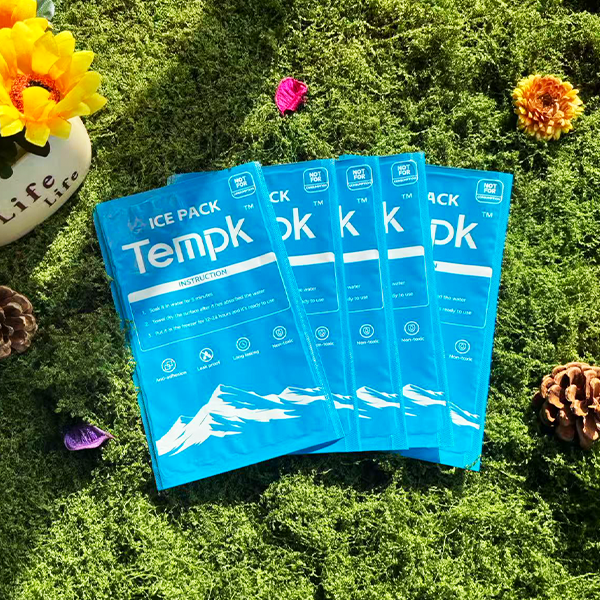
Rope Handles Insulated Ice Box Supplier: How to Compare Real Cold Chain Value
The best way to evaluate rope handles insulated ice box supplier is to compare complete cold-chain value, not only the number on the quotation. A useful offer should explain what the box is designed to do, what is included, what must be verified, and which assumptions sit behind any temperature or route claim. That is the difference between buying a container and buying a workable packaging component.
What this means for buyers: compare the insulated ice box with rope handles as a complete operating package. The quote should show the box, accessories, coolant assumptions, usable volume, packing method, and any support the supplier can provide before bulk purchase.
Define the box before you compare the price
A useful comparison begins with category definition. Are you buying a general ice chest, a reusable insulated container, a passive cold-chain shipper, a vaccine carrier, or a component in a validated packaging system? The answer changes how rope handles insulated ice box supplier should be evaluated.
The word 'ice box' can hide different expectations. In food distribution, it may mean a cleanable reusable container with ice packs. In medical logistics, it may mean a passive insulated package that must be reviewed by a quality team. In OEM sourcing, it may mean a custom product that needs tooling and change control.
Write a short definition before collecting quotes: product category, required temperature condition, route duration, payload size, handling method, reuse model, and whether any documentation or testing support is required. This prevents suppliers from quoting different products under the same keyword.
This definition should be short enough to place in an inquiry email. A supplier who receives a clear requirement can respond with a relevant product or explain why another format fits better. A vague inquiry usually produces broad answers, and broad answers are hard to compare.
The lowest unit price may hide missing components
A low price can be real, but it may not be complete. The quote may exclude coolant packs, internal dividers, outer cartons, instruction labels, logo work, test context, replacement handles, or export packaging. For insulated ice box with rope handles, these missing elements can change both operating cost and route reliability.
Ask every supplier to separate the empty container price from the complete-use configuration. If the product requires gel packs or PCM packs, ask whether they are included. If the route needs labels, tie-down points, or packing instructions, ask whether those are part of the quotation.
Once the quote is itemized, price negotiation becomes more accurate. You can reduce features that do not matter while keeping the elements that protect the product and make the packout repeatable.
The hidden component problem is especially common when buyers request many quotes at once. Suppliers may make different assumptions to appear competitive. Standardizing the scope before comparing price prevents the buyer from rewarding the quote that omitted the most important operating elements.
| Quotation area | What to check | Risk if ignored |
|---|---|---|
| Quote line | What to check | Risk if ignored |
| Container body | Material, wall construction, lid fit, and feature design for the insulated ice box with rope handles. | Two similar photos may represent very different performance and durability. |
| Cold source | Whether gel packs, PCM packs, ice bricks, or no coolant is included. | The quote may not reflect the complete packout needed for the route. |
| Usable volume | Real payload room after all thermal components are packed. | A nominal size may not fit the intended product load. |
| Testing or evidence | Any available thermal test context, sample data, or packaging instructions. | Unsupported hold-time claims can mislead procurement and quality teams. |
| Bulk controls | Tolerance, packaging, inspection, replacement parts, and change process. | A low price can become expensive after delivery problems. |
The table is not meant to replace supplier discussion. It gives the buyer a shared comparison structure so that offers for rope handles insulated ice box supplier can be reviewed on the same basis instead of by photos or headline price alone.
Materials and insulation change both cost and usable space
Material decisions affect more than purchase price. A thicker wall may improve protection but reduce internal capacity. A higher-performance insulation layer may support a more demanding route but require careful damage inspection. A durable shell may be easier to clean and reuse, but it can increase weight and freight cost.
For rope handles insulated ice box supplier, compare usable space rather than nominal volume alone. Nominal volume may describe the empty cavity before coolant packs, buffers, and product protection are added. What matters to the route is usable payload space under the intended packout.
The right material is the one that fits the route and business model. A disposable or one-way use case, a closed-loop reusable program, a medical distribution route, and a food delivery operation may all justify different structures.
For capacity-driven projects, create a simple loading sketch or photo after sample review. It should show product position, coolant location, label side, and any buffer materials. This small document can prevent a later bulk shipment from being judged only by empty-box dimensions.
Temperature performance depends on the complete packout
A passive insulated box delays heat transfer; it does not independently decide the payload temperature. The complete packout includes the box, insulation, coolant, conditioning method, payload mass, spacers, buffers, label placement, and handling procedure.
For refrigerated vaccine or pharmaceutical movements, the quality team should confirm the required temperature range and the evidence needed for the lane. Many routine vaccine storage discussions use refrigerated ranges such as 2°C to 8°C, but that should not be treated as universal for every product. Frozen, controlled room temperature, and special products may need different designs.
For food distribution, the temperature target depends on product risk and local rules. A box used for prepared meals, seafood, frozen items, or grocery delivery may need different coolant choices and operating procedures. The supplier's role is to help the buyer match the package to the route; the buyer's role is to verify the requirement.
Packout discipline becomes more important as order size grows. A single shipment can be corrected by an experienced operator, but a distribution program needs a method that many people can repeat. The box, coolant, and instructions should be designed for that reality.
Procurement should ask for usable volume, not only liters
Capacity labels are useful for sorting product families, but they can mislead procurement. A insulated ice box with rope handles described by nominal volume may not have the same usable payload space as another model with the same label. Wall thickness, lid depth, corners, coolant placement, and internal accessories all change the real loadable area.
Ask for internal dimensions and then test the real packout. If the product is boxed, vial-packed, tray-packed, or bagged, the shape may matter as much as the liter value. If coolant packs must be placed on top, sides, or bottom, they reduce usable height and width.
This is especially important for capacity-specific searches and distributor purchasing. A wrong size can force workers to overpack, leave voids, add extra cartons, or split shipments. Those costs may be larger than the difference between two supplier prices.
Do not forget the shape of the payload. Ten liters of small cartons may load differently from ten liters of bottles, trays, pouches, or vial boxes. If the payload has a fixed orientation, internal length and height may matter more than total volume.
Bulk purchasing checks that actually matter
Before scaling from sample to bulk order, confirm which specification is frozen. The buyer should know the approved material, color, drawing, component list, accessory set, carton method, label position, handle design, and any packaging instructions.
Bulk purchasing also needs a receiving inspection plan. The receiving team should know what to check: external dimensions, internal dimensions, lid fit, handle strength, surface finish, accessory count, carton damage, labeling, and whether the product matches the approved sample.
If the project involves OEM or custom work, add change-control language. A supplier should not change material, hardware, insulation, lid structure, or accessory placement without buyer approval. That discipline helps keep cost control from damaging performance.
Bulk checks should be practical enough for real receiving teams. If the inspection plan is too complex, it may not be followed. A focused checklist with critical dimensions, component count, closure behavior, and visible defects is usually more useful than a long document nobody uses.
How to read a quotation line by line
A cold-chain quotation should be read as a set of assumptions. The product name tells you what is being offered. The material line tells you part of the construction. The accessory line tells you whether the packout is complete. The packing line tells you how the product will travel from factory to buyer. The notes line may reveal what is not included.
If a supplier states a temperature or duration claim, ask for the context. What payload was used? Which coolant was conditioned? What ambient profile was applied? Were lids opened? Was the result based on a reference test or a real lane? Without context, a duration number can be misleading.
For rope handles insulated ice box supplier, a good quote is not necessarily the longest quote. It is the quote that makes the cost basis visible so the buyer can decide which parts are necessary, optional, or still unverified.
When the quote includes several options, ask the supplier to identify the recommended configuration for your route and the lower-cost alternative. That allows procurement to understand what is being traded: performance margin, handling convenience, appearance, documentation, or accessory completeness.
Common mistakes when negotiating supplier cost
The first mistake is pushing price down without knowing what the supplier will remove. The second is comparing a standard stock box with a customized complete kit. The third is assuming that a stronger-looking box automatically provides better thermal performance. The fourth is ignoring freight cube and return logistics.
Another mistake is approving a sample without testing the real loading process. A sample can look correct on a desk and fail in the warehouse because coolant packs do not fit, labels peel off, workers cannot close the lid quickly, or the loaded box is awkward to carry.
The final mistake is treating documentation as paperwork after the purchase. For medical, vaccine, and some food programs, documentation supports quality review, training, and receiving inspection. If it is needed, it should be discussed before price approval.
These mistakes are avoidable when procurement, operations, and quality review the same sample together. Each team sees a different risk: price, workflow, evidence, and user behavior. A joint review may seem slower at the beginning, but it reduces rework before bulk purchase.
FAQ
What makes rope handles insulated ice box supplier different from buying a standard cooler?
Cold-chain buying requires route fit, temperature assumptions, usable payload space, coolant compatibility, and documentation review. A standard cooler may be acceptable for low-risk uses, but sensitive products need clearer packout and handling control.
What should be included in a serious supplier quotation?
A serious quotation should state the container specification, material, dimensions, accessory list, coolant inclusion, carton packing, customization scope, sample terms, and any assumptions behind temperature or route recommendations.
Why should I ask about usable volume?
Usable volume tells you how much product can be packed after cold sources and protective components are included. It is more useful than nominal liters when the route depends on a repeatable packout.
Is testing always required?
Not every low-risk route needs formal validation, but sensitive products and repeat programs should at least review available thermal evidence or run an appropriate test. The buyer should decide based on product risk, route duration, and quality expectations.
How can Tempk help with this decision?
Tempk can help review the packaging format, cold source, payload fit, and route assumptions before the buyer commits to samples or bulk purchasing. The discussion should start with use conditions, not only a target price.
Conclusion
A rope handles insulated ice box supplier decision should be made as a cold-chain packaging decision, not as a simple commodity purchase. The buyer needs to understand category, material, usable volume, coolant fit, route conditions, and what is included in the quote.
The strongest purchasing process is simple: define the route, request comparable quotes, test or review the real packout, freeze the approved specification, and inspect bulk goods against the sample. That process protects price, quality, and operational reliability.
About Tempk
Tempk's role in this kind of sourcing discussion is practical: help the buyer narrow the packaging format, cold source, and handling method that fit the shipment. Whether the project involves food, medical products, or repeated distribution loops, the final recommendation should be based on product limits, route exposure, usable space, and supplier verification.
Share your route, payload, required temperature range, and expected order quantity with Tempk. We can help you review suitable insulated ice box with rope handles options before you move from quotation to sample approval.
Polyethylene Insulated Ice Box Supplier: Real Cold Chain Value
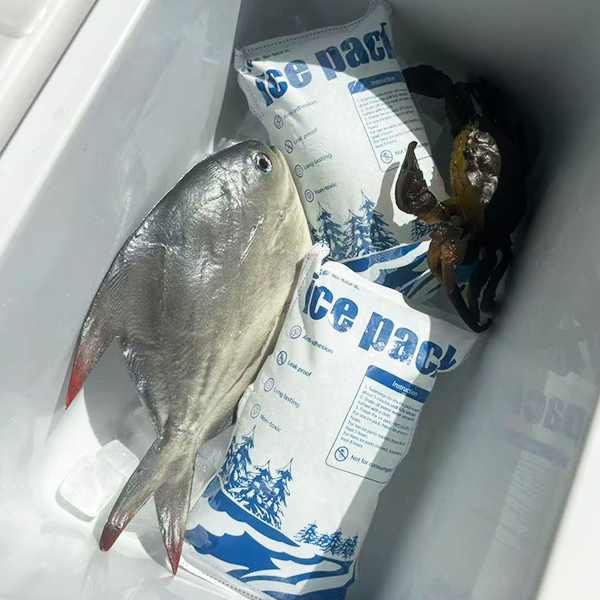
Polyethylene Insulated Ice Box Supplier: How to Compare Real Cold Chain Value
The best way to evaluate polyethylene insulated ice box supplier is to compare complete cold-chain value, not only the number on the quotation. A useful offer should explain what the box is designed to do, what is included, what must be verified, and which assumptions sit behind any temperature or route claim. That is the difference between buying a container and buying a workable packaging component.
What this means for buyers: compare the polyethylene insulated box as a complete operating package. The quote should show the box, accessories, coolant assumptions, usable volume, packing method, and any support the supplier can provide before bulk purchase.
Define the box before you compare the price
A useful comparison begins with category definition. Are you buying a general ice chest, a reusable insulated container, a passive cold-chain shipper, a vaccine carrier, or a component in a validated packaging system? The answer changes how polyethylene insulated ice box supplier should be evaluated.
The word 'ice box' can hide different expectations. In food distribution, it may mean a cleanable reusable container with ice packs. In medical logistics, it may mean a passive insulated package that must be reviewed by a quality team. In OEM sourcing, it may mean a custom product that needs tooling and change control.
Write a short definition before collecting quotes: product category, required temperature condition, route duration, payload size, handling method, reuse model, and whether any documentation or testing support is required. This prevents suppliers from quoting different products under the same keyword.
This definition should be short enough to place in an inquiry email. A supplier who receives a clear requirement can respond with a relevant product or explain why another format fits better. A vague inquiry usually produces broad answers, and broad answers are hard to compare.
The lowest unit price may hide missing components
A low price can be real, but it may not be complete. The quote may exclude coolant packs, internal dividers, outer cartons, instruction labels, logo work, test context, replacement handles, or export packaging. For polyethylene insulated box, these missing elements can change both operating cost and route reliability.
Ask every supplier to separate the empty container price from the complete-use configuration. If the product requires gel packs or PCM packs, ask whether they are included. If the route needs labels, tie-down points, or packing instructions, ask whether those are part of the quotation.
Once the quote is itemized, price negotiation becomes more accurate. You can reduce features that do not matter while keeping the elements that protect the product and make the packout repeatable.
The hidden component problem is especially common when buyers request many quotes at once. Suppliers may make different assumptions to appear competitive. Standardizing the scope before comparing price prevents the buyer from rewarding the quote that omitted the most important operating elements.
| Quotation area | What to check | Risk if ignored |
|---|---|---|
| Quote line | What to check | Risk if ignored |
| Container body | Material, wall construction, lid fit, and feature design for the polyethylene insulated box. | Two similar photos may represent very different performance and durability. |
| Cold source | Whether gel packs, PCM packs, ice bricks, or no coolant is included. | The quote may not reflect the complete packout needed for the route. |
| Usable volume | Real payload room after all thermal components are packed. | A nominal size may not fit the intended product load. |
| Testing or evidence | Any available thermal test context, sample data, or packaging instructions. | Unsupported hold-time claims can mislead procurement and quality teams. |
| Bulk controls | Tolerance, packaging, inspection, replacement parts, and change process. | A low price can become expensive after delivery problems. |
The table is not meant to replace supplier discussion. It gives the buyer a shared comparison structure so that offers for polyethylene insulated ice box supplier can be reviewed on the same basis instead of by photos or headline price alone.
Materials and insulation change both cost and usable space
Material decisions affect more than purchase price. A thicker wall may improve protection but reduce internal capacity. A higher-performance insulation layer may support a more demanding route but require careful damage inspection. A durable shell may be easier to clean and reuse, but it can increase weight and freight cost.
For polyethylene insulated ice box supplier, compare usable space rather than nominal volume alone. Nominal volume may describe the empty cavity before coolant packs, buffers, and product protection are added. What matters to the route is usable payload space under the intended packout.
The right material is the one that fits the route and business model. A disposable or one-way use case, a closed-loop reusable program, a medical distribution route, and a food delivery operation may all justify different structures.
For capacity-driven projects, create a simple loading sketch or photo after sample review. It should show product position, coolant location, label side, and any buffer materials. This small document can prevent a later bulk shipment from being judged only by empty-box dimensions.
Temperature performance depends on the complete packout
A passive insulated box delays heat transfer; it does not independently decide the payload temperature. The complete packout includes the box, insulation, coolant, conditioning method, payload mass, spacers, buffers, label placement, and handling procedure.
For refrigerated vaccine or pharmaceutical movements, the quality team should confirm the required temperature range and the evidence needed for the lane. Many routine vaccine storage discussions use refrigerated ranges such as 2°C to 8°C, but that should not be treated as universal for every product. Frozen, controlled room temperature, and special products may need different designs.
For food distribution, the temperature target depends on product risk and local rules. A box used for prepared meals, seafood, frozen items, or grocery delivery may need different coolant choices and operating procedures. The supplier's role is to help the buyer match the package to the route; the buyer's role is to verify the requirement.
Packout discipline becomes more important as order size grows. A single shipment can be corrected by an experienced operator, but a distribution program needs a method that many people can repeat. The box, coolant, and instructions should be designed for that reality.
Procurement should ask for usable volume, not only liters
Capacity labels are useful for sorting product families, but they can mislead procurement. A polyethylene insulated box described by nominal volume may not have the same usable payload space as another model with the same label. Wall thickness, lid depth, corners, coolant placement, and internal accessories all change the real loadable area.
Ask for internal dimensions and then test the real packout. If the product is boxed, vial-packed, tray-packed, or bagged, the shape may matter as much as the liter value. If coolant packs must be placed on top, sides, or bottom, they reduce usable height and width.
This is especially important for capacity-specific searches and distributor purchasing. A wrong size can force workers to overpack, leave voids, add extra cartons, or split shipments. Those costs may be larger than the difference between two supplier prices.
Do not forget the shape of the payload. Ten liters of small cartons may load differently from ten liters of bottles, trays, pouches, or vial boxes. If the payload has a fixed orientation, internal length and height may matter more than total volume.
Bulk purchasing checks that actually matter
Before scaling from sample to bulk order, confirm which specification is frozen. The buyer should know the approved material, color, drawing, component list, accessory set, carton method, label position, handle design, and any packaging instructions.
Bulk purchasing also needs a receiving inspection plan. The receiving team should know what to check: external dimensions, internal dimensions, lid fit, handle strength, surface finish, accessory count, carton damage, labeling, and whether the product matches the approved sample.
If the project involves OEM or custom work, add change-control language. A supplier should not change material, hardware, insulation, lid structure, or accessory placement without buyer approval. That discipline helps keep cost control from damaging performance.
Bulk checks should be practical enough for real receiving teams. If the inspection plan is too complex, it may not be followed. A focused checklist with critical dimensions, component count, closure behavior, and visible defects is usually more useful than a long document nobody uses.
How to read a quotation line by line
A cold-chain quotation should be read as a set of assumptions. The product name tells you what is being offered. The material line tells you part of the construction. The accessory line tells you whether the packout is complete. The packing line tells you how the product will travel from factory to buyer. The notes line may reveal what is not included.
If a supplier states a temperature or duration claim, ask for the context. What payload was used? Which coolant was conditioned? What ambient profile was applied? Were lids opened? Was the result based on a reference test or a real lane? Without context, a duration number can be misleading.
For polyethylene insulated ice box supplier, a good quote is not necessarily the longest quote. It is the quote that makes the cost basis visible so the buyer can decide which parts are necessary, optional, or still unverified.
When the quote includes several options, ask the supplier to identify the recommended configuration for your route and the lower-cost alternative. That allows procurement to understand what is being traded: performance margin, handling convenience, appearance, documentation, or accessory completeness.
Common mistakes when negotiating supplier cost
The first mistake is pushing price down without knowing what the supplier will remove. The second is comparing a standard stock box with a customized complete kit. The third is assuming that a stronger-looking box automatically provides better thermal performance. The fourth is ignoring freight cube and return logistics.
Another mistake is approving a sample without testing the real loading process. A sample can look correct on a desk and fail in the warehouse because coolant packs do not fit, labels peel off, workers cannot close the lid quickly, or the loaded box is awkward to carry.
The final mistake is treating documentation as paperwork after the purchase. For medical, vaccine, and some food programs, documentation supports quality review, training, and receiving inspection. If it is needed, it should be discussed before price approval.
These mistakes are avoidable when procurement, operations, and quality review the same sample together. Each team sees a different risk: price, workflow, evidence, and user behavior. A joint review may seem slower at the beginning, but it reduces rework before bulk purchase.
FAQ
What makes polyethylene insulated ice box supplier different from buying a standard cooler?
Cold-chain buying requires route fit, temperature assumptions, usable payload space, coolant compatibility, and documentation review. A standard cooler may be acceptable for low-risk uses, but sensitive products need clearer packout and handling control.
What should be included in a serious supplier quotation?
A serious quotation should state the container specification, material, dimensions, accessory list, coolant inclusion, carton packing, customization scope, sample terms, and any assumptions behind temperature or route recommendations.
Why should I ask about usable volume?
Usable volume tells you how much product can be packed after cold sources and protective components are included. It is more useful than nominal liters when the route depends on a repeatable packout.
Is testing always required?
Not every low-risk route needs formal validation, but sensitive products and repeat programs should at least review available thermal evidence or run an appropriate test. The buyer should decide based on product risk, route duration, and quality expectations.
How can Tempk help with this decision?
Tempk can help review the packaging format, cold source, payload fit, and route assumptions before the buyer commits to samples or bulk purchasing. The discussion should start with use conditions, not only a target price.
Conclusion
A polyethylene insulated ice box supplier decision should be made as a cold-chain packaging decision, not as a simple commodity purchase. The buyer needs to understand category, material, usable volume, coolant fit, route conditions, and what is included in the quote.
The strongest purchasing process is simple: define the route, request comparable quotes, test or review the real packout, freeze the approved specification, and inspect bulk goods against the sample. That process protects price, quality, and operational reliability.
About Tempk
Tempk focuses on temperature-controlled packaging for food, pharmaceutical, medical, and logistics applications. In projects related to polyethylene insulated box, we encourage buyers to define the target temperature range, lane duration, payload size, and handling process before comparing samples or bulk quotations. That approach helps keep the discussion grounded in real use rather than catalog wording.
Share your route, payload, required temperature range, and expected order quantity with Tempk. We can help you review suitable polyethylene insulated box options before you move from quotation to sample approval.
Medical Ice Box Manufacturer Price Guide
Medical Ice Box Manufacturer Price: How to Compare Real Cold Chain Value
A medical ice box manufacturer price is useful only when you know what the quote includes. An empty insulated box, a box with coolant packs, and a route ready passive packaging setup can all be described with similar words, but they do not carry the same cost or the same risk. For vaccines, medicines, diagnostics, biologics, pharmacy distribution, and medical samples, the buyer should compare the price against temperature requirement, usable payload, coolant layout, handling process, and documentation support.
This article gives procurement and logistics teams a practical way to evaluate price without treating the medical ice box as an ordinary storage container.
Define the box before you compare the price
The phrase "medical ice box" is broad. It may refer to a small vaccine carrier, a larger cold box, an EPP reusable cooler, a VIP medical cooler, or a custom insulated container for healthcare logistics. Most of these are passive devices. They do not generate cooling power by themselves. They slow heat transfer and work together with ice packs, gel packs, PCM packs, or other thermal storage materials.
That product boundary matters. A passive insulated box is not the same as an active refrigerator. A data logger is not a temperature control device. A gel pack is not a complete shipping system. A strong cold chain decision comes from matching these components correctly.
Before requesting a quotation, write down the shipment requirement in plain language:
- What product category will be transported?
- What temperature range must be maintained or avoided?
- How long is the route, including waiting and handover time?
- How much usable payload space is needed after coolant is added?
- Will the box be one way, returnable, or part of a controlled reuse loop?
- What documentation will the quality or receiving team need?
A manufacturer can quote faster when these questions are answered. More importantly, the quote will be more meaningful.
The lowest unit price may hide missing components
Many price comparisons fail because buyers compare different scopes. One supplier may quote only the empty box. Another may include gel packs, dividers, printed packout guidance, sample support, and export packaging. A third may quote a custom molded design but exclude tooling. On the surface, all three may appear to be medical ice box prices.
The quotation should identify exactly what is included. For medical cold chain use, the missing items can be important. Coolant packs may need to match the temperature range. Internal dividers may protect the product from direct coolant contact. Labels may support route handling. Instructions may reduce operator error. Export packaging may prevent damage before the box even reaches your warehouse.
A low price can still be a good choice when the route is simple and the buyer already controls the rest of the system. But a low price becomes risky when it leaves the buyer to design key cold chain details after purchase. In that case, the real cost moves from the supplier quote into your operation.
A useful rule is this: compare the price of the complete function you need, not the product name on the quote.
Materials and insulation change both cost and usable space
Material choice affects the manufacturer price, but it also changes handling life, payload space, freight volume, and return economics. EPS, EPP, PU, VIP, and hybrid structures can all appear in insulated medical packaging discussions. They serve different sourcing needs.
EPS based products may be economical for some one way or lower risk applications, but they are not usually chosen for repeated rough handling. EPP is often used when durability, impact resistance, and reuse are important. PU insulated structures can support rigid box designs. VIP panels can provide high insulation performance in thinner wall space, but they require careful design and protection.
The best material is not the most expensive one. It is the one that fits the lane, product risk, reuse plan, and budget. A reusable EPP box may be attractive for a closed hospital route where the driver returns the box after delivery. The same box may be less practical for a one way export route with weak recovery. A VIP medical cooler may be useful when space is limited or insulation demand is high, but the buyer should understand how the panels are protected and what packout conditions support the supplier's recommendation.
| Sourcing choice | Where it may fit | What to verify before buying |
|---|---|---|
| Economy insulated box | Lower risk, shorter, or one way handling | Breakage risk, payload fit, coolant layout, and disposal impact |
| Reusable EPP medical box | Closed loop delivery, repeated handling, local distribution | Return rate, cleaning method, lid durability, and loss control |
| PU insulated rigid box | Structured medical delivery where stable walls are needed | Wall design, closure fit, internal dimensions, and accessory compatibility |
| VIP medical cooler | Higher insulation need or limited outer dimensions | Panel protection, packout data, sample consistency, and handling limits |
This comparison helps prevent a common sourcing error: buying material without buying route fit. The product should match how the box will actually move, who will pack it, who will receive it, and whether it will return.
Temperature performance depends on the complete packout
For many vaccine and refrigerated pharmaceutical discussions, buyers plan around a 2°C to 8°C range, but the required range must be confirmed for the specific product and market. Some medical products are freeze sensitive. Some require frozen or ultra cold handling. Some only need protection from heat during short transport. A medical ice box should not be assumed suitable for all of these conditions.
A passive box performs as part of a packout. The coolant type, coolant preparation, payload mass, product position, divider design, ambient exposure, and lid opening behavior all influence the result. If a supplier gives a hold time claim, ask what conditions support that claim. The answer should include the test profile or ambient condition, payload, coolant type and quantity, starting condition, and acceptance limit.
This does not mean every buyer must run a full laboratory qualification before every purchase. The level of review should match the product risk and business use. A clinic outreach box, a pharmacy delivery loop, a biologics shipment, and a food adjacent healthcare supply route may require different levels of evidence. The important point is to avoid converting a general statement into a route guarantee.
If temperature evidence matters after delivery, consider how a temperature data logger or indicator will be used. The logger does not protect the product, but it can support investigation, receiving decisions, and quality records. The box design should allow a consistent logger position if monitoring is part of your procedure.
Procurement should ask for usable volume, not only liters
One of the most misleading specifications in medical ice box purchasing is gross volume. A product name may suggest a certain liter size, but the usable payload space can be much smaller after coolant packs, dividers, foam pads, or product protection are placed inside. The buyer may discover that the box requires fewer products per trip than expected.
Ask suppliers to provide three dimensions: external dimensions, internal dimensions, and usable payload space after the recommended packout. The third number is often the most important for route cost. It affects how many boxes are needed, how much vehicle or pallet space is used, and how operators arrange the load.
A typical example is a distributor choosing a box for refrigerated medical products. The first sample looks large enough. During packing, the team adds gel packs around the payload, inserts a divider to prevent direct contact, and places a logger in the center. The payload space is now tight. If the distributor needs more boxes per route, the cheaper unit price may be offset by freight, handling, and storage cost.
This is why sample review should include a real or dummy payload. Photos and catalog dimensions are not enough. Pack the box the way your workers will actually use it, then decide whether the quoted price still makes sense.
Bulk purchasing checks that actually matter
When the keyword includes manufacturer price, the buyer is usually close to supplier comparison or bulk sourcing. At that stage, ask questions that protect sample to production consistency.
First, confirm whether the sample uses the same material, density, insulation structure, lid design, and accessories as mass production. Second, ask what quality checks are performed before shipment. Third, ask how the supplier communicates changes in material, mold, coolant supplier, or accessory design. Fourth, clarify export packing, carton quantity, pallet plan, and spare part availability.
Do not treat these as administrative details. A lid tolerance change can affect closure. A coolant pack size change can affect payload space. A divider change can affect packing method. A packaging change can cause damage during export. In medical logistics, small physical differences can create repeated operational issues.
For custom work, separate functional customization from branding. Functional customization may include molded handles, rope handles, tie down slots, label panels, dividers, drainage details, or stackable geometry. Branding may include color, logo, or printed markings. Both can matter, but functional features should be reviewed first because they affect use.
How to read a quotation line by line
A medical ice box quotation should be read like a specification, not like a simple price list. Look for unclear wording. If the quote says "ice box only," confirm whether coolant packs are excluded. If it says "custom size," confirm whether tooling is included. If it says "long hold time," ask for the conditions. If it says "suitable for vaccine," ask which temperature range and packout assumptions are being discussed.
A strong quotation usually includes product scope, material structure, dimensions, accessory list, sample terms, bulk price basis, packaging method, customization notes, and available technical documents. It may not answer every quality question immediately, but it should give you enough detail to decide whether the supplier is worth sample evaluation.
Here is a practical quotation review sequence:
- Confirm the product boundary: empty box, box with coolant, or complete packout.
- Confirm the required temperature range and whether the supplier is making assumptions.
- Confirm usable payload space with coolant in place.
- Confirm sample and bulk production consistency.
- Confirm documentation and packout guidance.
- Confirm total landed and program cost, not only unit price.
If two suppliers quote different prices, use this sequence to identify why. The more expensive quote may include real value, or it may include unnecessary features. The cheaper quote may be efficient, or it may be incomplete. The line by line review shows the difference.
Common mistakes when negotiating manufacturer price
The first mistake is asking for the cheapest box before defining the shipment. This invites a supplier to quote a generic container. The second mistake is using external liters as the main size measure. The third is assuming that one passive box can cover every product, route, and season. The fourth is removing accessories to reduce price without understanding their function.
Another common mistake is ignoring operator behavior. If a box is difficult to pack, hard to close, or unclear to label, workers will improvise. Improvisation may create temperature and traceability risk. The manufacturer price should be compared with usability because usability affects repeatability.
A final mistake is accepting performance language without context. Words such as long lasting, medical grade, high performance, and temperature controlled are not enough. Ask what those words mean in the specific quotation.
FAQ
What information is needed for an accurate medical ice box price?
Provide product category, required temperature range, payload size, route duration, transport mode, expected ambient exposure, order quantity, reuse plan, and whether you need coolant packs, dividers, labels, or only the box. A supplier can quote an empty container quickly, but a meaningful cold chain packaging recommendation needs these details.
Why do two manufacturers quote very different prices for a similar box?
The scope may be different. One quote may include only an empty insulated box, while another includes coolant packs, packout guidance, stronger material, custom features, export packaging, or technical support. Material structure, tooling, order quantity, accessories, and quality control can also change the price. Always compare what is included.
Is a medical ice box the same as a vaccine carrier?
Not always. A vaccine carrier is a specific type of insulated container used for vaccine transport, often in outreach or health facility contexts. A medical ice box is a broader commercial term that may include vaccine carriers, cold boxes, reusable coolers, or custom insulated containers. The intended use and required temperature range should be confirmed.
Can I use one box for refrigerated and frozen products?
Do not assume that. Refrigerated and frozen products require different temperature strategies, coolant choices, and packout designs. A box that works for one range may not protect another product correctly. Ask the supplier to recommend a configuration based on the exact product requirement and verify it before bulk use.
Should I buy from the lowest priced manufacturer if I plan to test later?
Testing later can identify problems, but it may also delay the project if the box is poorly matched from the beginning. A better approach is to screen suppliers first, request samples from those that understand your route, then test the most realistic options. This reduces wasted sample cost and redesign time.
Conclusion
A medical ice box manufacturer price should be judged by cold chain value, not by unit price alone. The right comparison includes insulation material, usable payload space, coolant compatibility, route risk, documentation, sample to production consistency, and total program cost. A lower price is useful only when the product still fits the medical shipment requirement.
Start with the route and product need. Then ask suppliers for a quotation that clearly separates the empty box, accessories, packout support, customization, and technical documentation. This method gives procurement, logistics, and quality teams a shared basis for selecting the right supplier.
About Tempk
Tempk works with temperature controlled packaging products for medical, pharmaceutical, food, and other cold chain applications. Our related product range includes EPP boxes, VIP medical cooler boxes, gel ice packs, PCM packs, thermal bags, insulated boxes, and other packaging components used in passive cold chain systems. For buyers comparing manufacturer prices, we help clarify whether the requirement is a container, a coolant supported packout, or a more complete packaging configuration.
Share your route duration, payload size, target temperature range, and expected order quantity with Tempk. We can help you compare suitable medical ice box options and prepare a clearer manufacturer price request.
Industrial Ice Box Supplier Cost: Real Cold Chain Value
Industrial Ice Box Supplier Cost: How to Compare Real Cold Chain Value
The best way to evaluate industrial ice box supplier cost is to compare complete cold-chain value, not only the number on the quotation. A useful offer should explain what the box is designed to do, what is included, what must be verified, and which assumptions sit behind any temperature or route claim. That is the difference between buying a container and buying a workable packaging component.
What this means for buyers: compare the industrial ice box as a complete operating package. The quote should show the box, accessories, coolant assumptions, usable volume, packing method, and any support the supplier can provide before bulk purchase.
Define the box before you compare the price
A useful comparison begins with category definition. Are you buying a general ice chest, a reusable insulated container, a passive cold-chain shipper, a vaccine carrier, or a component in a validated packaging system? The answer changes how industrial ice box supplier cost should be evaluated.
The word 'ice box' can hide different expectations. In food distribution, it may mean a cleanable reusable container with ice packs. In medical logistics, it may mean a passive insulated package that must be reviewed by a quality team. In OEM sourcing, it may mean a custom product that needs tooling and change control.
Write a short definition before collecting quotes: product category, required temperature condition, route duration, payload size, handling method, reuse model, and whether any documentation or testing support is required. This prevents suppliers from quoting different products under the same keyword.
This definition should be short enough to place in an inquiry email. A supplier who receives a clear requirement can respond with a relevant product or explain why another format fits better. A vague inquiry usually produces broad answers, and broad answers are hard to compare.
The lowest unit price may hide missing components
A low price can be real, but it may not be complete. The quote may exclude coolant packs, internal dividers, outer cartons, instruction labels, logo work, test context, replacement handles, or export packaging. For industrial ice box, these missing elements can change both operating cost and route reliability.
Ask every supplier to separate the empty container price from the complete-use configuration. If the product requires gel packs or PCM packs, ask whether they are included. If the route needs labels, tie-down points, or packing instructions, ask whether those are part of the quotation.
Once the quote is itemized, price negotiation becomes more accurate. You can reduce features that do not matter while keeping the elements that protect the product and make the packout repeatable.
The hidden component problem is especially common when buyers request many quotes at once. Suppliers may make different assumptions to appear competitive. Standardizing the scope before comparing price prevents the buyer from rewarding the quote that omitted the most important operating elements.
| Quotation area | What to check | Risk if ignored |
|---|---|---|
| Quote line | What to check | Risk if ignored |
| Container body | Material, wall construction, lid fit, and feature design for the industrial ice box. | Two similar photos may represent very different performance and durability. |
| Cold source | Whether gel packs, PCM packs, ice bricks, or no coolant is included. | The quote may not reflect the complete packout needed for the route. |
| Usable volume | Real payload room after all thermal components are packed. | A nominal size may not fit the intended product load. |
| Testing or evidence | Any available thermal test context, sample data, or packaging instructions. | Unsupported hold-time claims can mislead procurement and quality teams. |
| Bulk controls | Tolerance, packaging, inspection, replacement parts, and change process. | A low price can become expensive after delivery problems. |
The table is not meant to replace supplier discussion. It gives the buyer a shared comparison structure so that offers for industrial ice box supplier cost can be reviewed on the same basis instead of by photos or headline price alone.
Materials and insulation change both cost and usable space
Material decisions affect more than purchase price. A thicker wall may improve protection but reduce internal capacity. A higher-performance insulation layer may support a more demanding route but require careful damage inspection. A durable shell may be easier to clean and reuse, but it can increase weight and freight cost.
For industrial ice box supplier cost, compare usable space rather than nominal volume alone. Nominal volume may describe the empty cavity before coolant packs, buffers, and product protection are added. What matters to the route is usable payload space under the intended packout.
The right material is the one that fits the route and business model. A disposable or one-way use case, a closed-loop reusable program, a medical distribution route, and a food delivery operation may all justify different structures.
For capacity-driven projects, create a simple loading sketch or photo after sample review. It should show product position, coolant location, label side, and any buffer materials. This small document can prevent a later bulk shipment from being judged only by empty-box dimensions.
Temperature performance depends on the complete packout
A passive insulated box delays heat transfer; it does not independently decide the payload temperature. The complete packout includes the box, insulation, coolant, conditioning method, payload mass, spacers, buffers, label placement, and handling procedure.
For refrigerated vaccine or pharmaceutical movements, the quality team should confirm the required temperature range and the evidence needed for the lane. Many routine vaccine storage discussions use refrigerated ranges such as 2°C to 8°C, but that should not be treated as universal for every product. Frozen, controlled room temperature, and special products may need different designs.
For food distribution, the temperature target depends on product risk and local rules. A box used for prepared meals, seafood, frozen items, or grocery delivery may need different coolant choices and operating procedures. The supplier's role is to help the buyer match the package to the route; the buyer's role is to verify the requirement.
Packout discipline becomes more important as order size grows. A single shipment can be corrected by an experienced operator, but a distribution program needs a method that many people can repeat. The box, coolant, and instructions should be designed for that reality.
Procurement should ask for usable volume, not only liters
Capacity labels are useful for sorting product families, but they can mislead procurement. A industrial ice box described by nominal volume may not have the same usable payload space as another model with the same label. Wall thickness, lid depth, corners, coolant placement, and internal accessories all change the real loadable area.
Ask for internal dimensions and then test the real packout. If the product is boxed, vial-packed, tray-packed, or bagged, the shape may matter as much as the liter value. If coolant packs must be placed on top, sides, or bottom, they reduce usable height and width.
This is especially important for capacity-specific searches and distributor purchasing. A wrong size can force workers to overpack, leave voids, add extra cartons, or split shipments. Those costs may be larger than the difference between two supplier prices.
Do not forget the shape of the payload. Ten liters of small cartons may load differently from ten liters of bottles, trays, pouches, or vial boxes. If the payload has a fixed orientation, internal length and height may matter more than total volume.
Bulk purchasing checks that actually matter
Before scaling from sample to bulk order, confirm which specification is frozen. The buyer should know the approved material, color, drawing, component list, accessory set, carton method, label position, handle design, and any packaging instructions.
Bulk purchasing also needs a receiving inspection plan. The receiving team should know what to check: external dimensions, internal dimensions, lid fit, handle strength, surface finish, accessory count, carton damage, labeling, and whether the product matches the approved sample.
If the project involves OEM or custom work, add change-control language. A supplier should not change material, hardware, insulation, lid structure, or accessory placement without buyer approval. That discipline helps keep cost control from damaging performance.
Bulk checks should be practical enough for real receiving teams. If the inspection plan is too complex, it may not be followed. A focused checklist with critical dimensions, component count, closure behavior, and visible defects is usually more useful than a long document nobody uses.
How to read a quotation line by line
A cold-chain quotation should be read as a set of assumptions. The product name tells you what is being offered. The material line tells you part of the construction. The accessory line tells you whether the packout is complete. The packing line tells you how the product will travel from factory to buyer. The notes line may reveal what is not included.
If a supplier states a temperature or duration claim, ask for the context. What payload was used? Which coolant was conditioned? What ambient profile was applied? Were lids opened? Was the result based on a reference test or a real lane? Without context, a duration number can be misleading.
For industrial ice box supplier cost, a good quote is not necessarily the longest quote. It is the quote that makes the cost basis visible so the buyer can decide which parts are necessary, optional, or still unverified.
When the quote includes several options, ask the supplier to identify the recommended configuration for your route and the lower-cost alternative. That allows procurement to understand what is being traded: performance margin, handling convenience, appearance, documentation, or accessory completeness.
Common mistakes when negotiating supplier cost
The first mistake is pushing price down without knowing what the supplier will remove. The second is comparing a standard stock box with a customized complete kit. The third is assuming that a stronger-looking box automatically provides better thermal performance. The fourth is ignoring freight cube and return logistics.
Another mistake is approving a sample without testing the real loading process. A sample can look correct on a desk and fail in the warehouse because coolant packs do not fit, labels peel off, workers cannot close the lid quickly, or the loaded box is awkward to carry.
The final mistake is treating documentation as paperwork after the purchase. For medical, vaccine, and some food programs, documentation supports quality review, training, and receiving inspection. If it is needed, it should be discussed before price approval.
These mistakes are avoidable when procurement, operations, and quality review the same sample together. Each team sees a different risk: price, workflow, evidence, and user behavior. A joint review may seem slower at the beginning, but it reduces rework before bulk purchase.
FAQ
What makes industrial ice box supplier cost different from buying a standard cooler?
Cold-chain buying requires route fit, temperature assumptions, usable payload space, coolant compatibility, and documentation review. A standard cooler may be acceptable for low-risk uses, but sensitive products need clearer packout and handling control.
What should be included in a serious supplier quotation?
A serious quotation should state the container specification, material, dimensions, accessory list, coolant inclusion, carton packing, customization scope, sample terms, and any assumptions behind temperature or route recommendations.
Why should I ask about usable volume?
Usable volume tells you how much product can be packed after cold sources and protective components are included. It is more useful than nominal liters when the route depends on a repeatable packout.
Is testing always required?
Not every low-risk route needs formal validation, but sensitive products and repeat programs should at least review available thermal evidence or run an appropriate test. The buyer should decide based on product risk, route duration, and quality expectations.
How can Tempk help with this decision?
Tempk can help review the packaging format, cold source, payload fit, and route assumptions before the buyer commits to samples or bulk purchasing. The discussion should start with use conditions, not only a target price.
Conclusion
A industrial ice box supplier cost decision should be made as a cold-chain packaging decision, not as a simple commodity purchase. The buyer needs to understand category, material, usable volume, coolant fit, route conditions, and what is included in the quote.
The strongest purchasing process is simple: define the route, request comparable quotes, test or review the real packout, freeze the approved specification, and inspect bulk goods against the sample. That process protects price, quality, and operational reliability.
About Tempk
Tempk focuses on temperature-controlled packaging for food, pharmaceutical, medical, and logistics applications. In projects related to industrial ice box, we encourage buyers to define the target temperature range, lane duration, payload size, and handling process before comparing samples or bulk quotations. That approach helps keep the discussion grounded in real use rather than catalog wording.
Share your route, payload, required temperature range, and expected order quantity with Tempk. We can help you review suitable industrial ice box options before you move from quotation to sample approval.